
- Screw Types Explained: An Overview
- What Is a Wood Screw?
- What Is a Normal Screw?
- Wood Screw vs Normal Screw: Key Differences
- Wood vs Metal Screws: Material Differences
- Types of Screws for Woodworking
- Specialty Screws: Deck, Drywall, Pocket
- How to Choose the Right Screw
- Common Mistakes When Using Screws
- Frequently Asked Questions
Screw Types Explained: An Overview
Screws come in many types and sizes, each serving a specific purpose. Knowing the variety of screws available is vital for any DIY enthusiast or professional.
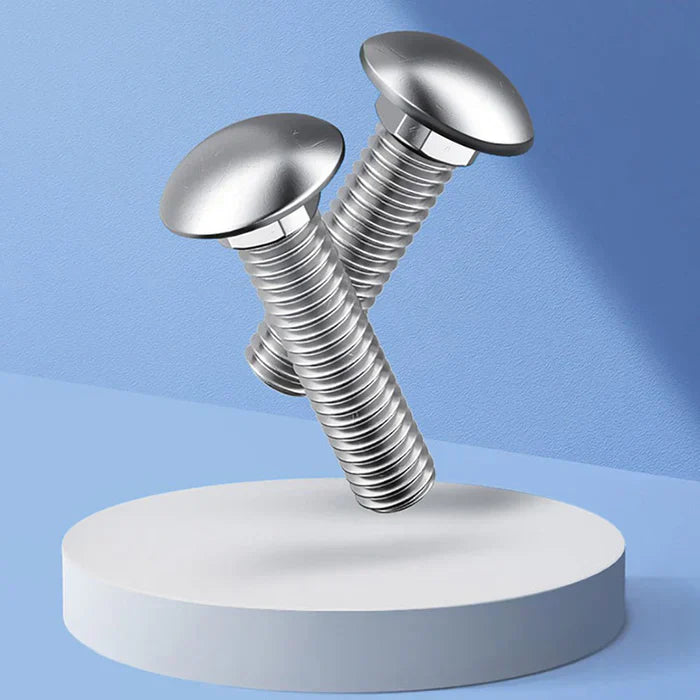
The most common screw types include wood screws, machine screws, and sheet metal screws. Each has distinct characteristics that suit particular materials and tasks.
Key Takeaway: Wood screws are designed specifically for wood, with tapered bodies and sharp points for easy penetration. For specialized woodworking needs, explore our Wood Screw Collection featuring various types for different applications.
| Screw Type | Primary Use | Key Features |
|---|---|---|
| Wood Screws | Woodworking projects | Tapered body, sharp point, partially threaded |
| Machine Screws | Metal/plastic assembly | Uniform diameter requires nuts or tapped holes |
| Sheet Metal Screws | Metal fabrication | Fully threaded, sharp point, self-tapping |
| Deck Screws | Outdoor decking | Corrosion-resistant, often coated |
| Drywall Screws | Drywall installation | Coarse threads, designed for plasterboard |
| Masonry Screws | Concrete/brick work | Hardened steel, special thread design |
What Is a Wood Screw?
Wood screws are the go-to fastener for wood-related tasks. They are meticulously designed to work seamlessly with wood.
These screws feature a tapered shape, starting narrow and gradually widening. This design ensures a tight fit, drawing two pieces of wood securely together.
Design Advantage: The partially threaded shank of wood screws allows the smooth upper portion to pull wood pieces together, creating a snug fit without splitting the material.
Key Features of Wood Screws:
- Tapered Shape: Ensures a tight fit in wood fibers
- Sharp Point: Eases penetration into wood without pre-drilling in softwoods
- Partially Threaded Shank: Pulls wood together securely
- Flat or Oval Head: Sits flush with the wood surface
- Softer Metals: Often brass or bronze to prevent splitting
- Wide Threads: Enhances grip within wood fibers
Wood screws come in various sizes to accommodate different tasks, from delicate cabinetry to structural framing. Choosing the right wood screw size is crucial—the screw should penetrate at least half to two-thirds into the bottom piece of wood for optimal strength.
Choosing the right wood screw means considering the task's requirements and the wood's characteristics. This thoughtful selection ensures your project is robust and neatly finished.
In summary, the thoughtful design and material choice of wood screws make them ideal for woodworking tasks. They offer a combination of ease of use and effective performance, crucial for any wood-based project.
What Is a Normal Screw? (Machine and General-Purpose Screws)
Normal screws, often referred to as machine screws, are versatile fasteners. They find use in a variety of materials beyond wood, such as metal and plastic.
These screws have a uniform diameter from head to tip. Unlike wood screws, they don't taper, which enables consistency when threading into pre-tapped holes or using nuts.
Application Note: Machine screws require pre-drilled holes or accompanying nuts to function effectively because they lack a sharp point to initiate their own path in materials.
Characteristics of Machine Screws:
- Uniform Diameter: Consistent threading from head to tip
- Full Threading: Entire length is threaded for maximum grip
- Pre-drilled Holes Required: Necessitates drilled holes or nuts for installation
- Diverse Head Types: Options for specific applications (flat, round, hexagonal)
- Harder Metals: Typically stainless steel or carbon steel for strength
These screws serve critical roles in machinery, electronics, and structural applications due to their durability. When selecting a normal screw, consider both the material of the components involved and the application's demands. Making the right choice in head type and material can greatly impact a project's success.
In conclusion, machine screws are essential in scenarios that demand precision and sturdiness. Their design caters to applications where structural integrity is paramount, providing a reliable fastening solution across various industries.
Wood Screw vs Normal Screw: Key Differences
The world of screws may seem simple, but each type has unique features. Understanding these differences helps in choosing the right tool for your project.
| Feature | Wood Screws | Normal Screws (Machine Screws) |
|---|---|---|
| Body Design | Tapered body with a sharp point | Uniform diameter, no taper |
| Threading | Partially threaded shank | Fully threaded along the entire length |
| Head Types | Mostly flat or oval heads | Various types (flat, round, hexagonal) |
| Material | Softer metals (brass, bronze) | Harder metals (stainless steel, carbon steel) |
| Primary Use | Woodworking and carpentry | Metal, plastic, machinery assembly |
| Installation | Can often be driven without pre-drilling in softwoods | Requires pre-drilled holes or nuts |
⚠️ Important: Choosing between wood and normal screws hinges on project specifics. Using the wrong type can risk structural failure and material damage. Always match the screw to the material being joined.
Consider the material being fastened, and tailor your choice to the project's aesthetic and functional demands. A careful selection ensures longevity and quality in your work.
Understanding these key differences is crucial. It empowers you to make informed decisions in woodworking and construction, improving your project's overall outcome.
Wood vs Metal Screws: Material and Application Differences
When choosing between wood and metal screws, understanding the differences in materials and applications is crucial. These screws serve varied roles and require specific considerations.
Material Insight: Wood screws use softer alloys to minimize wood splitting, while metal screws require harder materials to withstand the stresses of metalworking.
Key Material and Application Differences:
-
Material Composition:
- Wood Screws: Softer metals (e.g., brass, bronze)
- Metal Screws: Harder metals (e.g., stainless or carbon steel)
-
Thread Design:
- Wood Screws: Coarse threads to grip wood fibers
- Metal Screws: Finer threads for metal surface compatibility
-
Primary Applications:
- Wood Screws: Woodworking, carpentry, furniture making
- Metal Screws: Metal fabrication, machinery assembly, electronics
Choosing the right screw impacts the performance and strength of the assembly. Selecting screws according to the material and application ensures structural integrity and longevity.
Understanding these nuances can prevent costly mistakes and material damage. This knowledge empowers you to undertake projects with confidence, using the appropriate screws to achieve professional results.
Types of Screws for Woodworking and Construction
In woodworking and construction, screw selection is fundamental. Different projects demand various screws based on application and material.
Selection Tip: For specialized woodworking needs, check out our comprehensive Wood Screw Collection featuring various types for different applications.
Common Screw Types for Construction:
- Wood Screws: Designed specifically for wood applications
- Machine Screws: Ideal for metal projects requiring pre-tapped holes
- Drywall Screws: Tailored for drywall installations
- Deck Screws: Suited for outdoor constructions
- Construction Screws: Used in heavy-duty building applications
Selecting the right screw can affect the durability and quality of a project. Each screw type offers unique benefits suited to different tasks.
Specialty Screws: Deck, Drywall, Pocket, and More
Specialty screws address niche applications with precision. They bring unique characteristics that standard screws might lack.
- Deck Screws: Corrosion-resistant for outdoor decks
- Drywall Screws: Sharp tips for drywall attachment
- Pocket Screws: Suitable for concealed joinery in cabinetry
Each specialty screw is tailored to its specific task, offering reliability and efficiency. Selecting the right type enhances not only the aesthetic appeal of a project but also its structural integrity, making specialty screws indispensable in tailored construction and carpentry tasks.
How to Choose the Right Screw for Your Project
Selecting the correct screw is vital for the success of any construction or woodworking project. One must consider several factors in this decision.
Quick Checklist: Always consider material type, project requirements, screw dimensions, and thread type when selecting screws for any project.
Screw Selection Checklist:
- Material Type: Wood, metal, or other materials
- Project Requirement: Structural integrity or aesthetic finish
- Screw Dimensions: Length and diameter
- Thread Type: Coarse or fine
Don't forget to consider environmental exposure. For outdoor projects, opt for screws with corrosion-resistant coatings to prolong the life of the construction.
Additional Considerations:
- Screw Coating: Rust-resistant for outdoor use
- Head Design: For desired surface finish
- Load and Torque Compatibility: Matches your project's requirements
With all these factors in mind, you can confidently select the appropriate screw type, optimizing both the strength and appearance of your project. This thoughtful approach reduces risks and enhances the quality of your endeavors, leading to successful and lasting results.
Common Mistakes When Using Screws
Using screws might seem straightforward, but errors are common. Each misstep can compromise your project's integrity.
Avoid These Errors: The most common mistakes include wrong screw type selection, incorrect length, and skipping pilot holes in hardwoods.
Common Screw Mistakes to Avoid:
- Wrong Screw Type: Ensure material compatibility
- Incorrect Length: Choose suitable dimensions
- Skipping Pilot Holes: Always pre-drill in hardwood
Understanding these mistakes helps to bolster your projects' longevity. By paying attention to detail and adhering to best practices, you ensure each screw performs its role effectively. This knowledge elevates your craftsmanship and reduces the chance of issues in both small DIY tasks and larger construction undertakings.
Frequently Asked Questions About Screws
Screws come in various types and styles, which can lead to many questions. Here, we address some common inquiries to clarify any confusion.
Quick FAQ Reference: Below are answers to the most common questions about screw selection and usage.
Common Screw Questions Answered:
What is the main difference between wood and metal screws?
Wood screws have a tapered body and a sharp point for penetrating wood. Metal screws, however, have a uniform diameter and finer threads for use in metal.
Do I need a specific type of screwdriver for different screws?
Yes, the drive type of the screw determines the tool required. Common drives include Phillips, slotted, and Torx. Each type requires a specific driver to ensure proper installation and reduce the risk of stripping the screw head.
Is it necessary to drill pilot holes?
Pilot holes are often recommended, particularly for hardwoods or thick materials. They guide screws, preventing splits and ensuring a straight drive. For softer materials, pilot holes may not always be necessary, but are still a good precaution.
Can I use the same screws for indoor and outdoor projects?
No, outdoor projects require screws with corrosion-resistant coatings. Stainless steel or specially coated screws are necessary for withstanding weather elements, while indoor projects can use standard finishes.
Summary FAQ List:
- Wood vs. Metal Screws: Tapered vs. uniform body
- Screwdriver Requirements: Match the drive type
- Pilot Holes Necessity: Recommended for denser materials
- Indoor vs. Outdoor Use: Different coatings required
These answers provide a foundational understanding. Selecting and using screws appropriately will help achieve successful project outcomes.
Conclusion: Making the Right Choice for Your Project
Understanding the differences between screw types empowers you to make better construction decisions. Using the right screws ensures safety and longevity for any project.
Final Recommendation: For all your wood screw needs, visit our Wood Screw Collection to find the perfect fasteners for your next project.
Consider the material you are working with, whether it's wood, metal, or another substance. This guides your choice between a wood screw and a metal screw. Matching the screw type to the task is crucial.
The environment where the screw will be used also impacts your decision. Outdoor projects or damp areas may require rust-resistant screws. Choose screws coated to withstand environmental challenges for these scenarios.
Ultimately, the right screw enhances your project's durability and appearance. A small choice like selecting the correct screw has significant effects. Equip yourself with the knowledge to make informed decisions, ensuring your hard work remains strong and intact.