🌿 Where a Cultivator Fits Into Your Routine
Every yard is different, but certain tasks pop up season after season. Here’s how a cultivator becomes your go‑to across the typical American garden:
-
🥕 Vegetable garden prep: Before you transplant tomatoes or sow carrots, the soil needs to be loose and aerated. A mini cultivator or electric tiller cultivator busts through compaction and mixes in compost fast – even in that 10x20 plot behind the garage.
-
🌸 Flower bed maintenance: Keep your perennials weed‑free without disturbing roots. A hand cultivator tool (like a three‑pronged garden hand cultivator) scratches out tiny invaders while you’re kneeling on a pad.
-
🌱 Lawn overseeding & repair: Bare patches in the lawn? A power cultivator set shallow will rough up the soil so grass seed can actually make contact – much better germination than just tossing seed on top.
-
🍂 Mixing in soil amendments: Spread compost, peat moss, or fertilizer, then run a rotary cultivator through to work it into the top few inches. Your plants get nutrients right where they need them.
-
🏡 New bed creation & landscaping: For larger projects – like converting part of the lawn to a pollinator garden – a gas cultivator or tow‑behind cultivator (for an ATV or lawn tractor) saves hours of hand digging.
The key is using the right size and power for the job. A small cultivator that's perfect for raised beds will struggle in heavy clay, and a big field cultivator is overkill for a tight flower bed. We'll help you find the sweet spot.
⚙️ Features That Solve Real Gardener Frustrations
We’ve all been there: a tiller that won’t start, tines that bend on the first rock, or a tool that’s so heavy you dread using it. Here’s how the right cultivator fixes those headaches.
🔋 Power source – no more "cord in the way" or "ran out of gas"
-
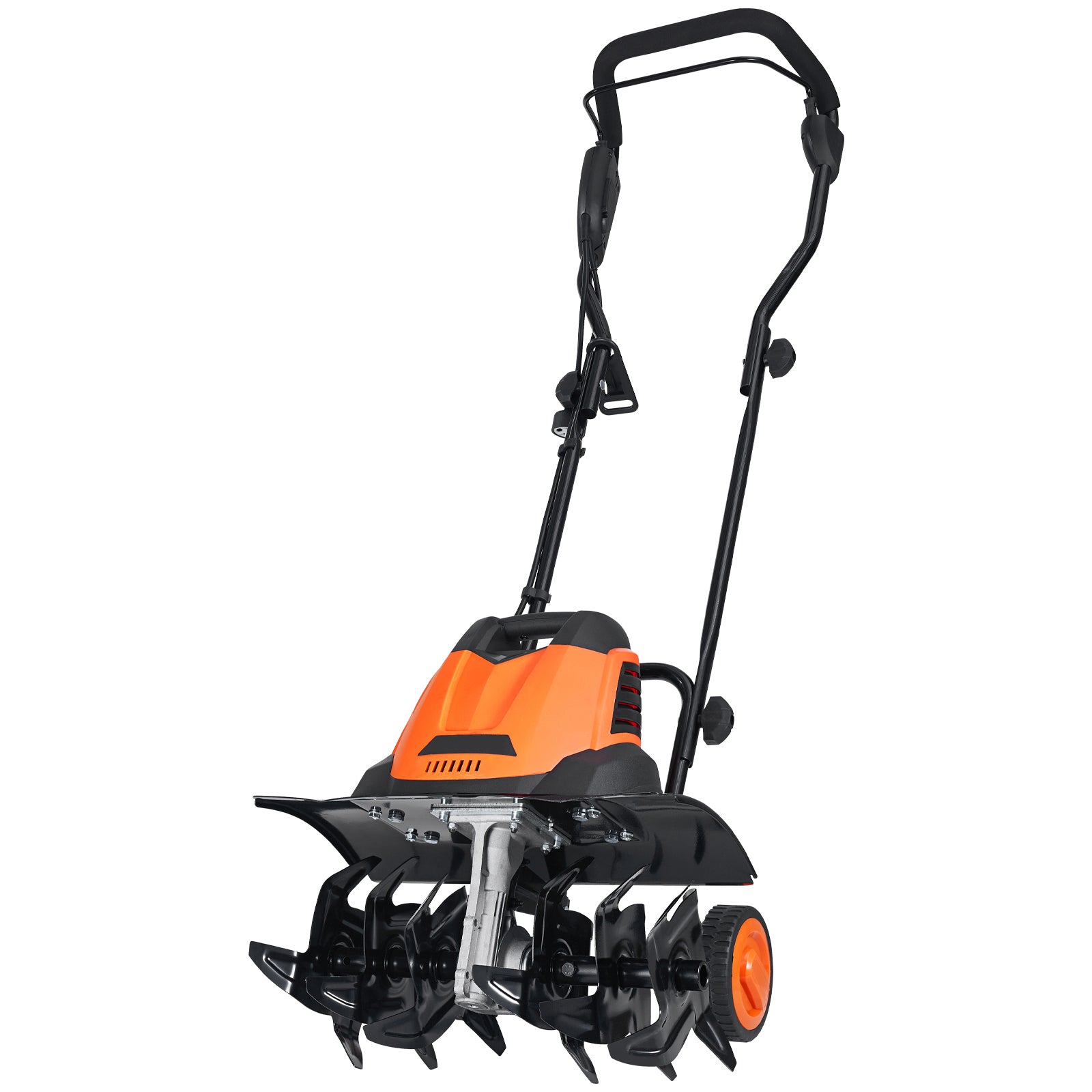
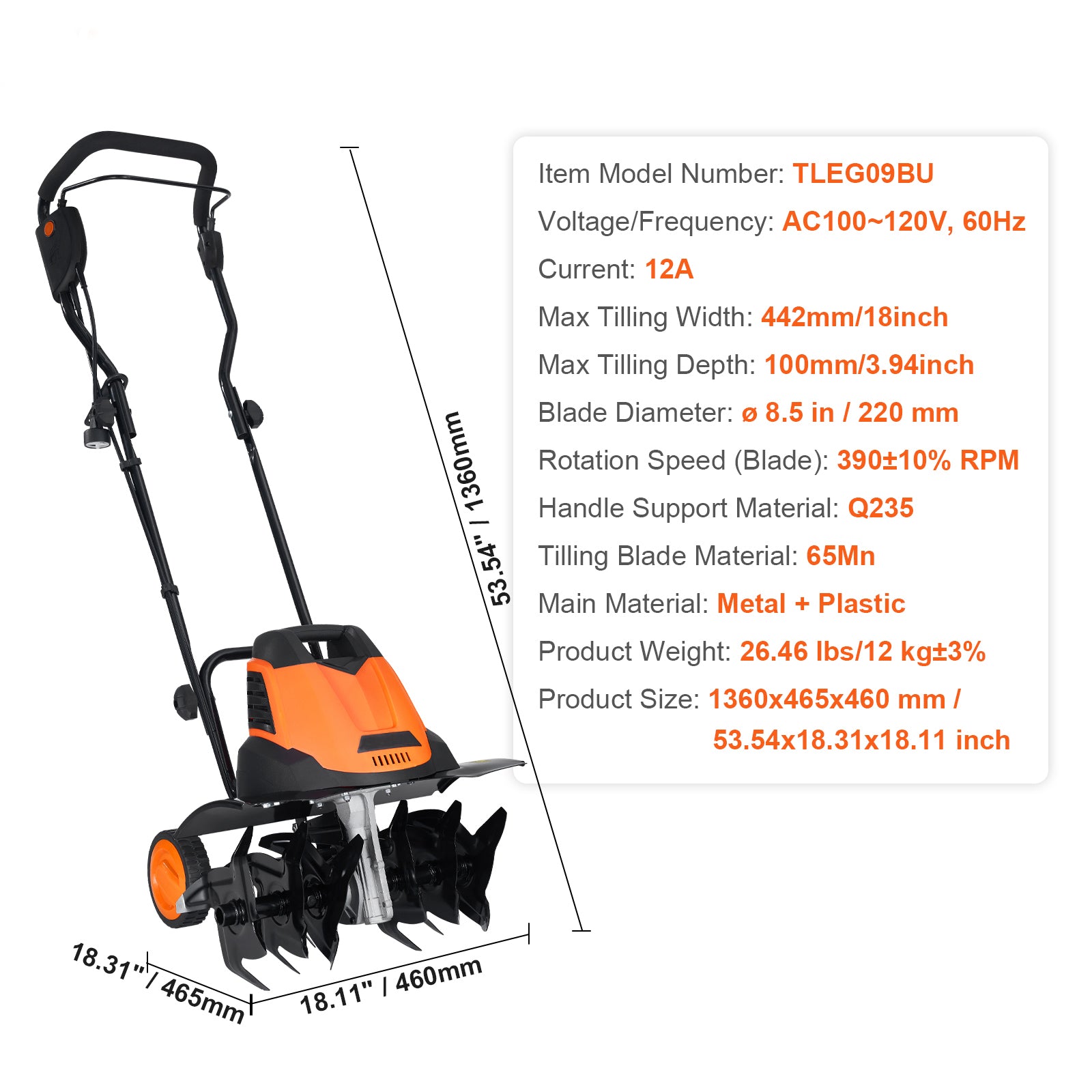
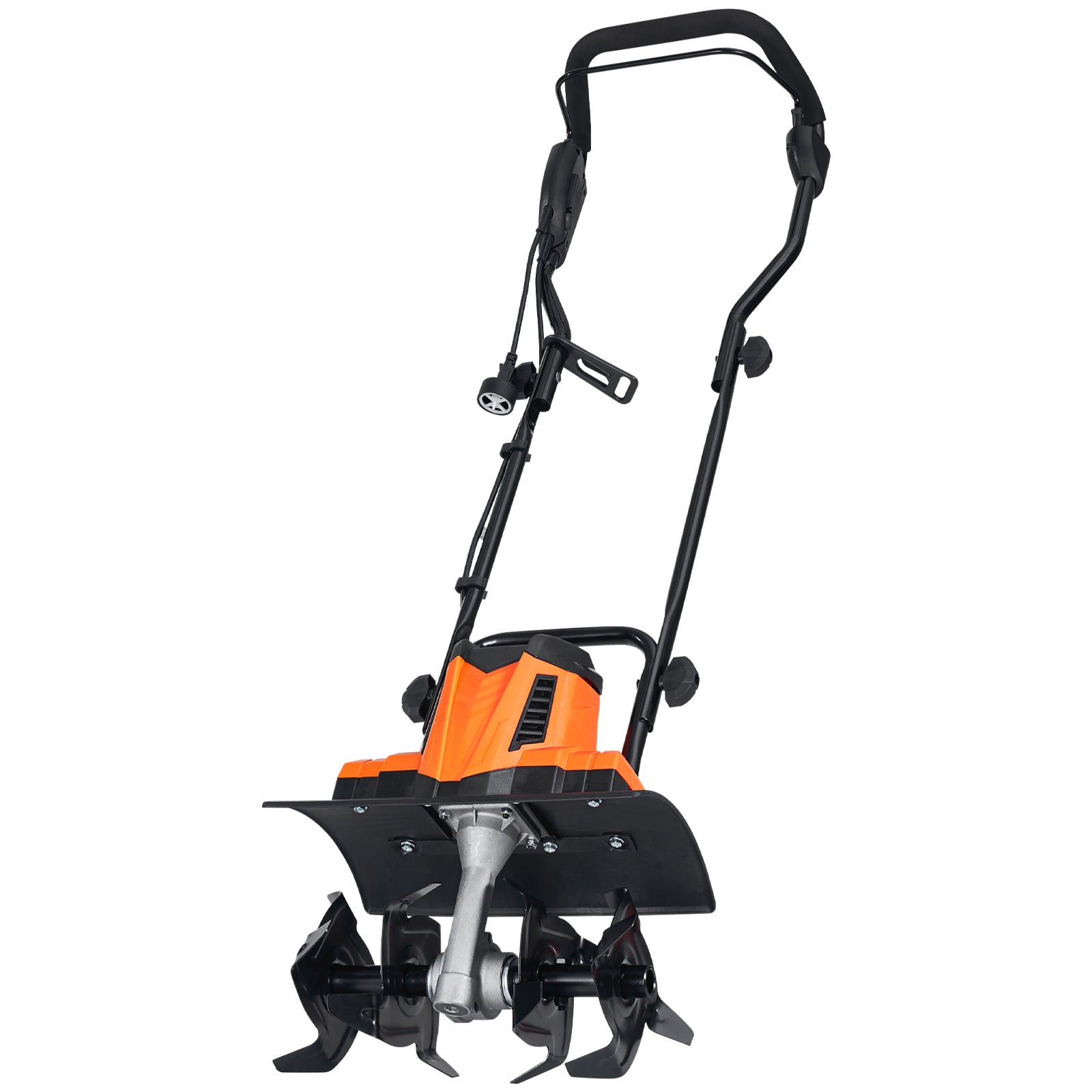
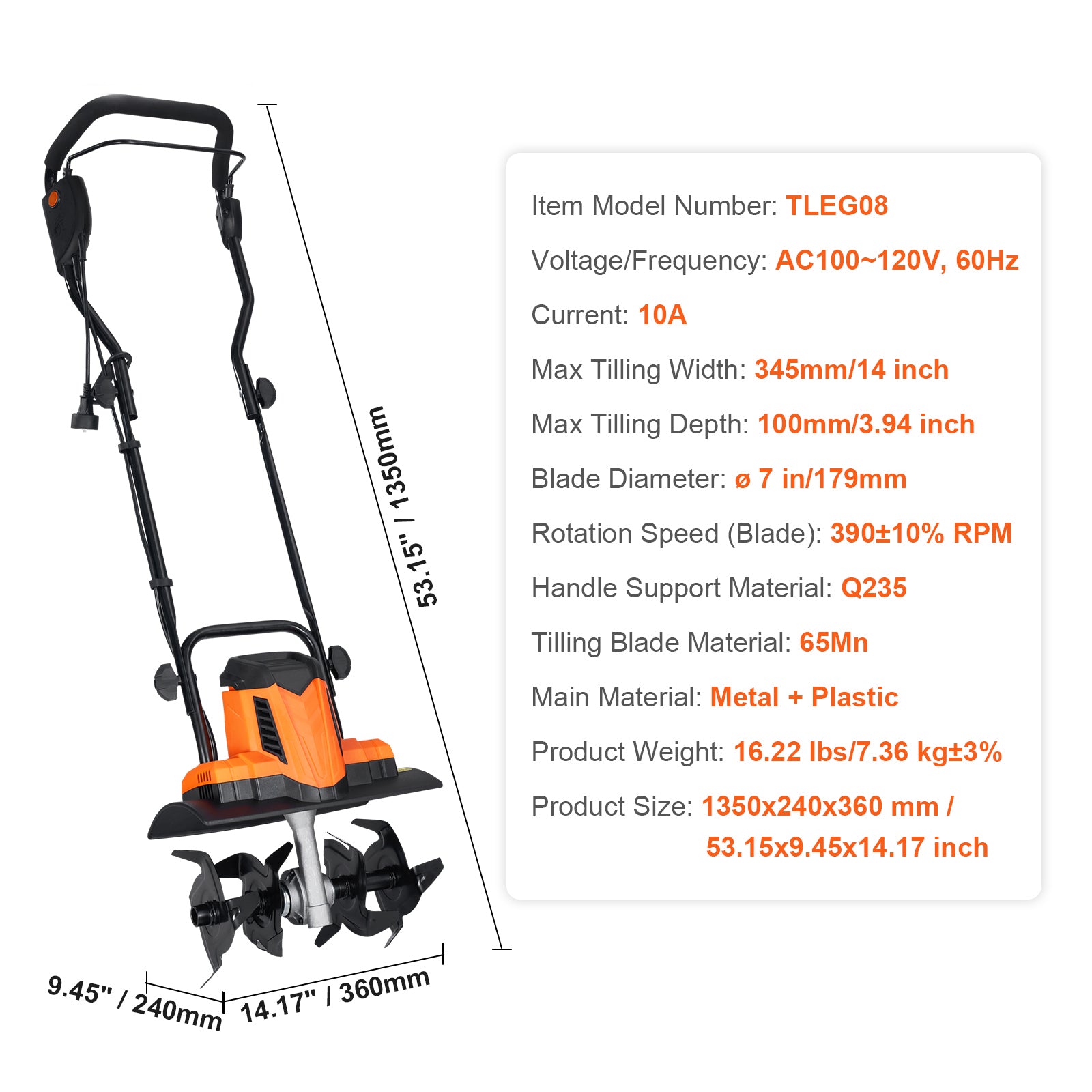
🔌 Corded electric cultivators – unlimited run time, consistent power, and zero emissions. Perfect if your garden is within 100 feet of an outlet. These models are lightweight and start instantly (no pull cord!).
-
🔋 Cordless / battery powered cultivator – freedom to roam. Modern 40V and 80V systems give you 30–60 minutes of runtime, enough for most medium‑sized yards. No cords, no gas, just grab and go.
-
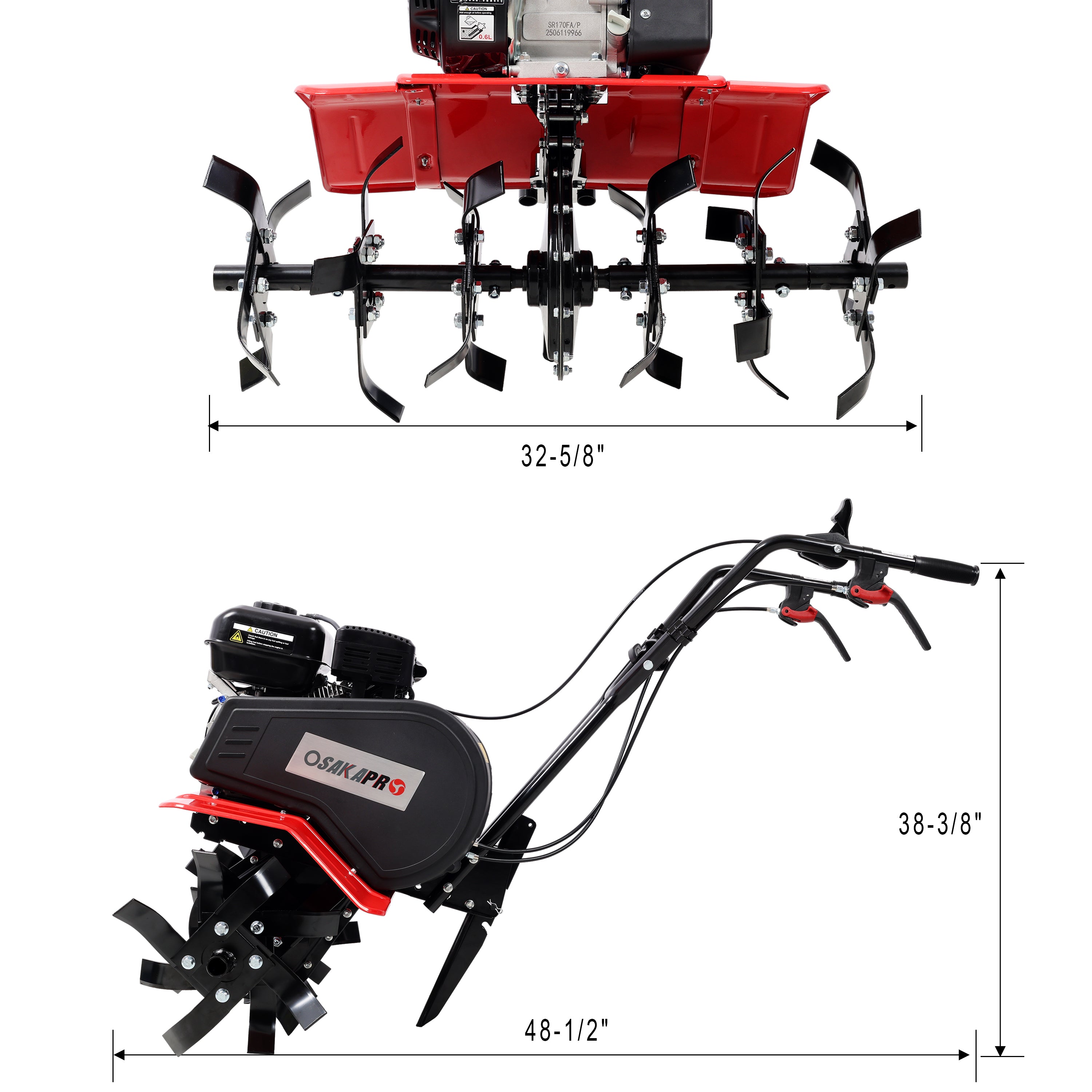
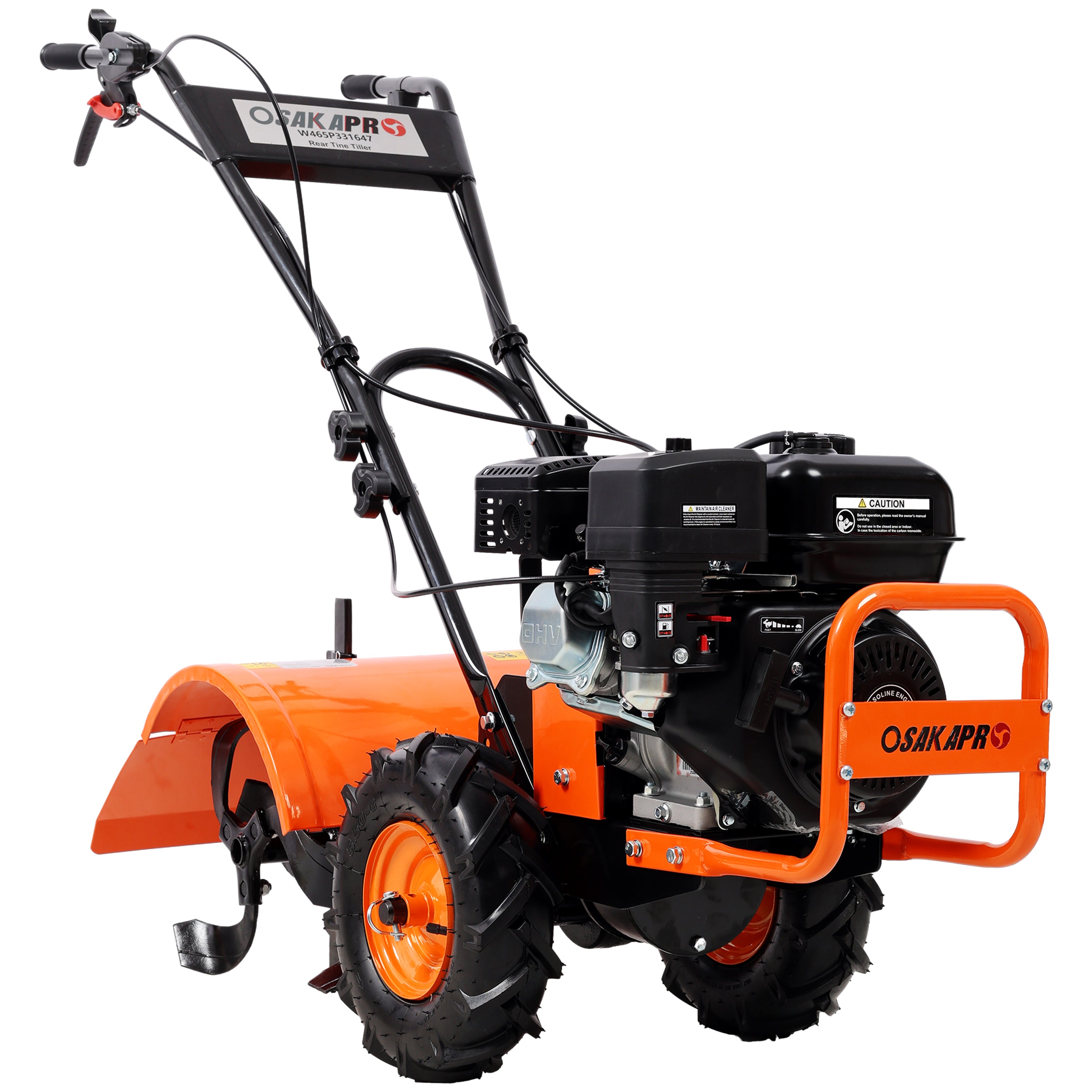
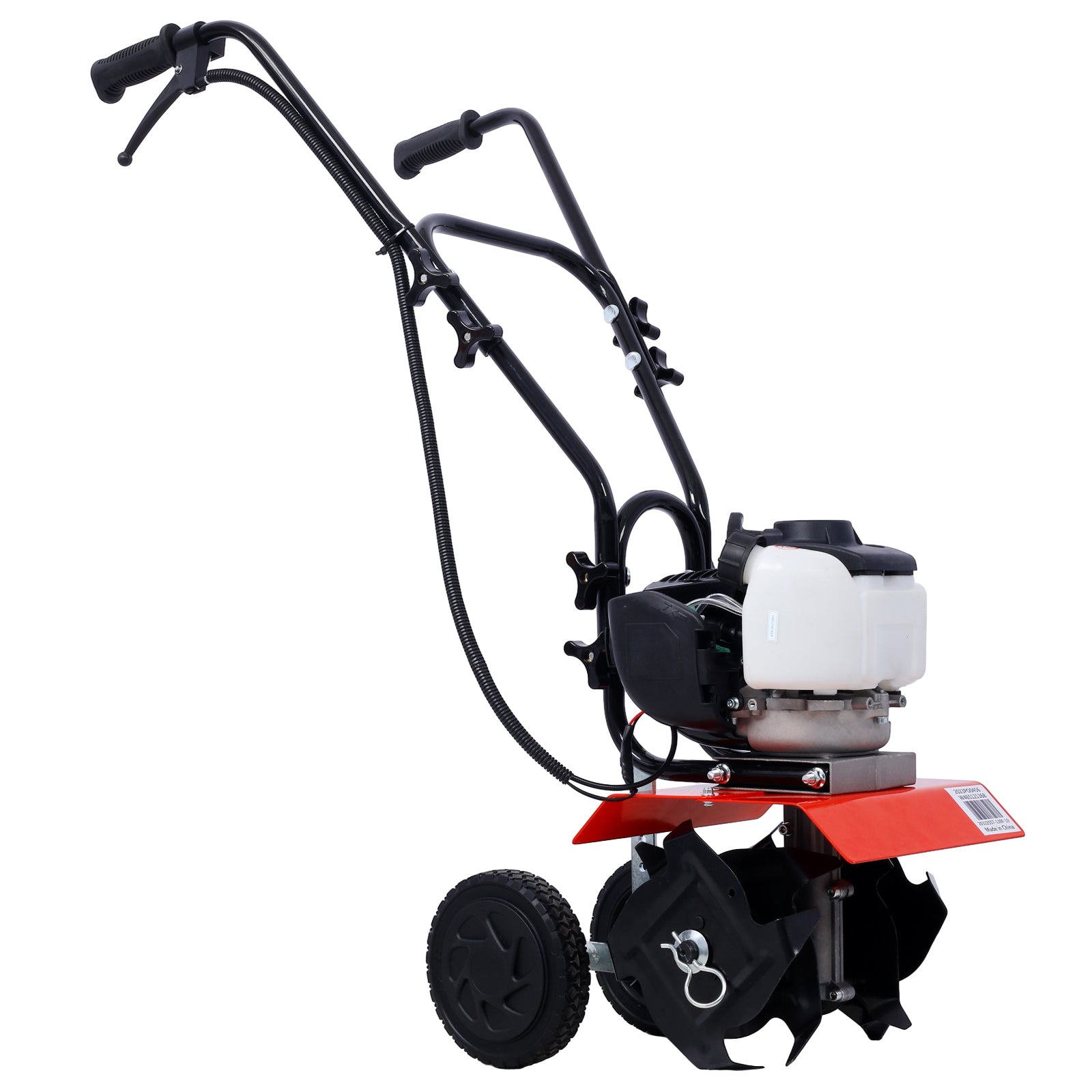
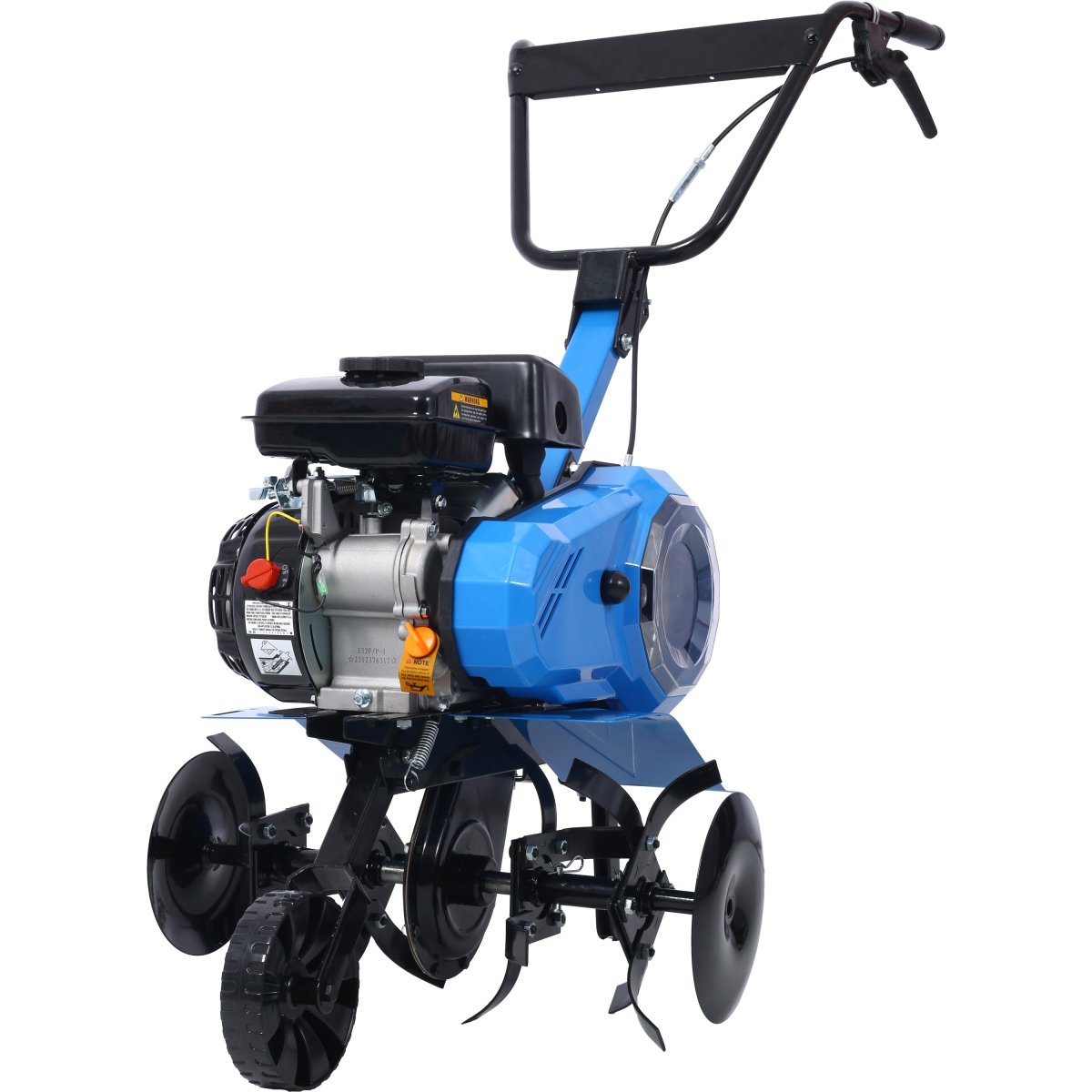
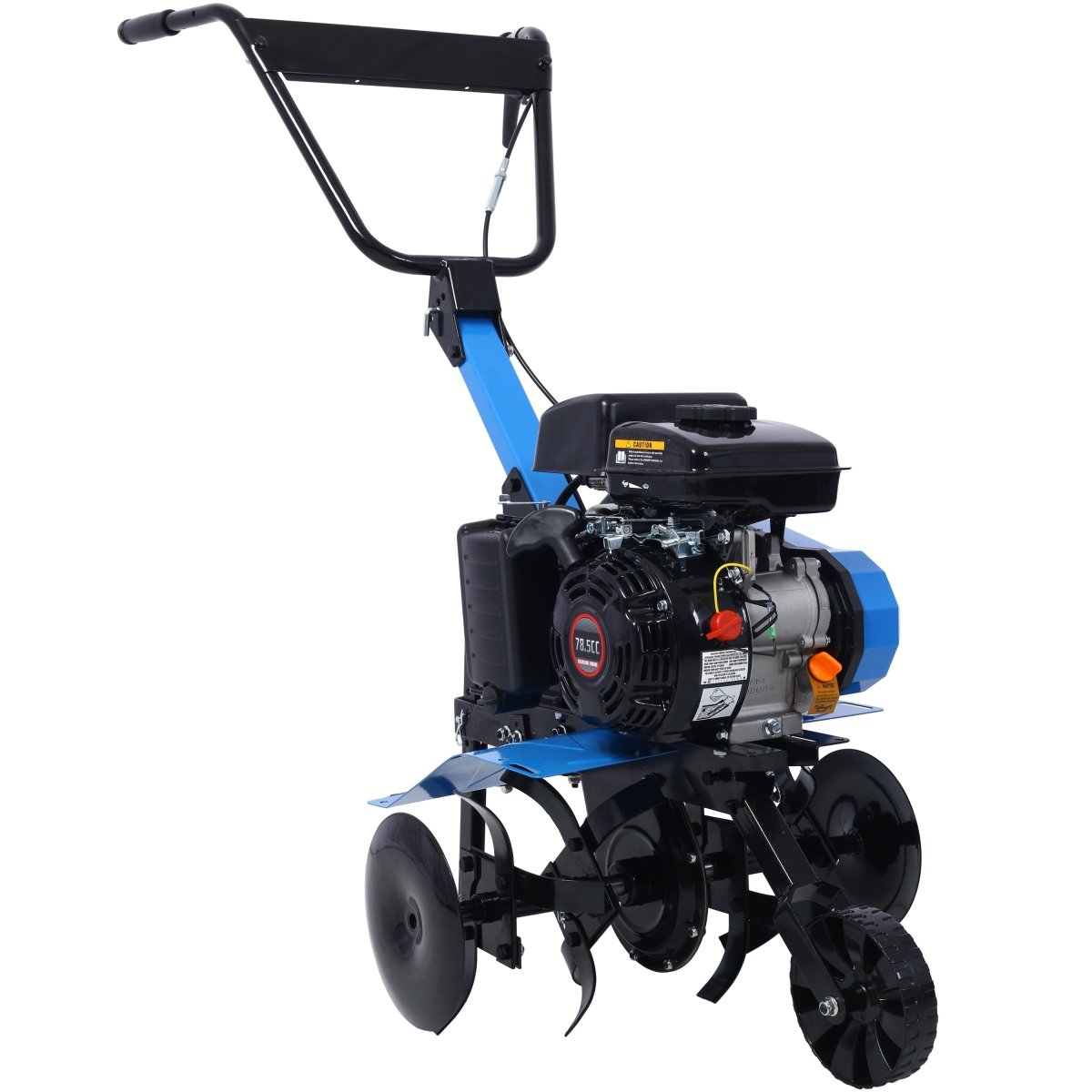
⛽ Gas powered cultivator – raw torque for the toughest jobs. When you’re breaking new ground or dealing with heavy clay, a gas cultivator tiller has the grunt to power through. Modern four‑stroke engines are quieter and need less mixing.
🔄 Tine design & width – less yanking, more tilling
-
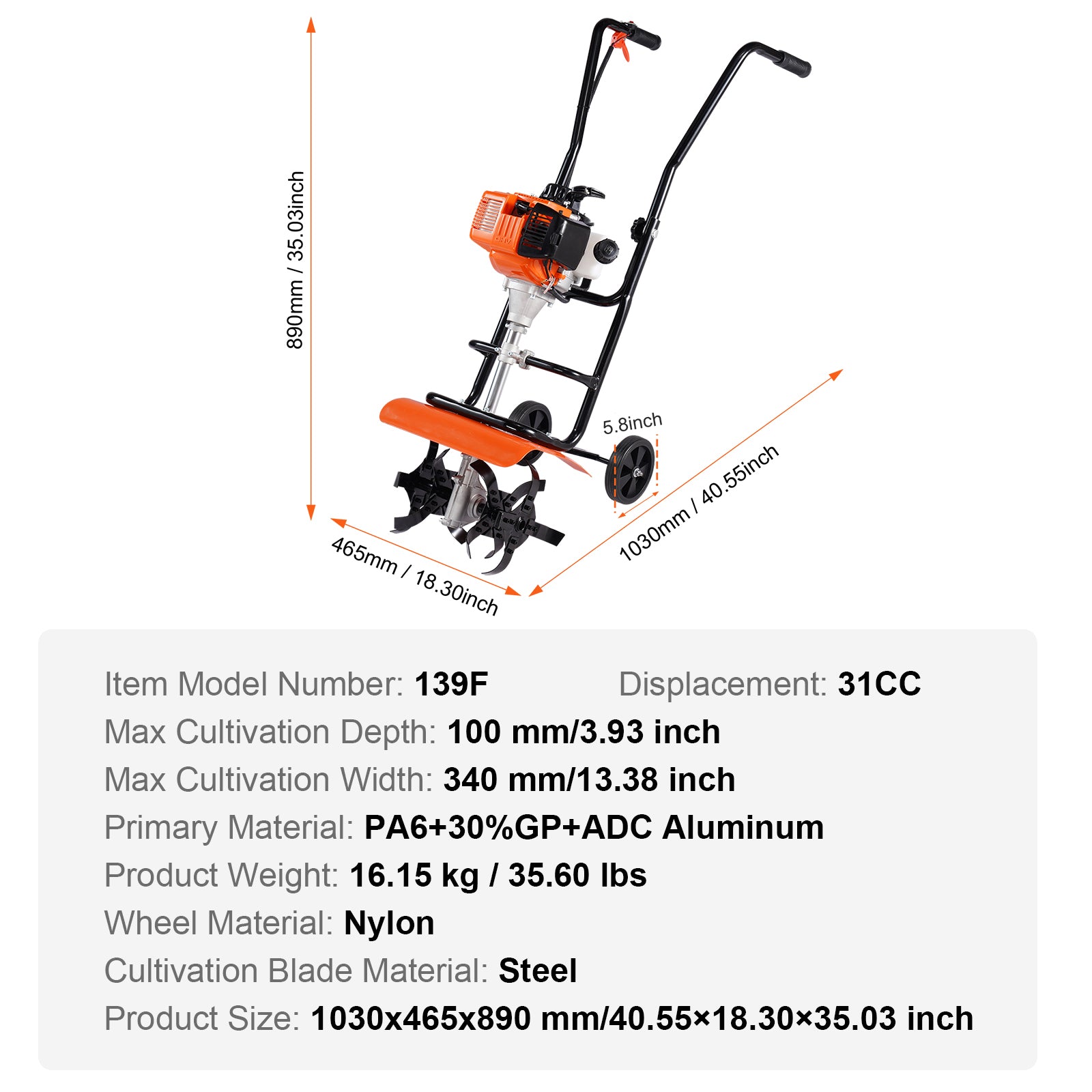
Narrow (6–9 inches): Ideal for hand cultivators and mini cultivators. You can get between established plants without shredding roots – a lifesaver in perennial beds.
-
Mid‑width (10–14 inches): The sweet spot for most home gardens. An electric garden cultivator this size covers ground efficiently but still fits down a standard garden path.
-
Wide (16+ inches): For large vegetable plots or food plots, a wide tiller cultivator finishes the job in half the passes. Look for adjustable outer tines so you can narrow it up when needed.
🛠️ Durability touches that matter
- Heat‑treated steel tines (they won't bend when you hit a hidden rock).
- Adjustable depth stake – you control how deep you go; set it shallow for weeding, deeper for initial tilling.
- Ergonomic handles on hand cultivator tools reduce hand fatigue – look for cushioned grips if you’ve got arthritis or carpal tunnel.
❓ Your Cultivator Questions, Answered
🤔 What’s the real difference between a cultivator and a tiller?
It’s simple: cultivators are for maintaining already‑worked soil – weeding, aerating, mixing. Tillers (or tiller cultivators) are heavier and meant for breaking new ground or digging deep. In the cultivator vs tiller debate, think "maintenance vs. major renovation." For most home gardens, a good cultivator is all you’ll ever need.
🌾 Can I use a cultivator to remove weeds?
Absolutely – that's one of its primary jobs. A hand cultivator scratches out small weeds between plants without disturbing the soil structure too much. For larger areas, a powered electric cultivator uproots young weeds and disturbs the top layer so new ones can’t germinate. It’s like proactive weed control.
⚡ Cordless or corded – which is better for a suburban yard?
If your garden is close to an outlet, a corded electric cultivator gives you unlimited run time and costs less upfront. If you need to roam (like around the whole property), a cordless cultivator is freedom. Just grab a spare battery if you have a big area – many brands sell them separately.
🧱 Will a cultivator handle rocky or clay soil?
Yes, but choose wisely. For moderate clay, a high‑torque electric tiller cultivator can work through it in layers. For really hard, compacted clay or rocky ground, step up to a gas powered cultivator – the extra weight and power help break through. Just go slow and let the tines do the work.
🛒 What size cultivator do I need for a small vegetable garden?
For a typical 10x10 raised bed or small plot, a small cultivator with a 9–10 inch tine width is perfect. Look for a mini tiller cultivator that's light enough to carry to the garden but sturdy enough to mix in compost. Many reliable brands offer excellent electric garden cultivators in this class.
💪 What should I look for in a reliable cultivator?
Focus on build quality: heat‑treated steel tines, solid warranty, and positive user reviews. Some models are legendary for their lightweight design and powerful tines – great for anyone who wants ease of use. Others are built like tanks for tough ground. And if you already own a modular power head system, check if a cultivator attachment is available – it saves space and money.
🔧 Can I use a cultivator to mix in fertilizer or compost?
Yes – that’s one of the best uses. Spread your amendment, then run a garden cultivator through to incorporate it into the top 2–4 inches. This gets nutrients right to the root zone and improves soil structure. A rotary cultivator or power cultivator does this in minutes, while hand tools take hours.
📊 Which Cultivator Fits Your Garden? (Quick‑Reference)
| Garden Type / Use Case |
Recommended Tool |
Why This Works |
| Small raised beds, containers |
Hand cultivator or mini cultivator
|
Precise, won’t damage plants, easy storage |
| Medium vegetable plot (15x20) |
Corded electric cultivator (10–12 in.) |
Unlimited power, lightweight, no battery fade |
| Large yard, multiple gardens |
Cordless cultivator (40V+) |
Portability, quick swaps between beds |
| New ground, heavy clay |
Gas cultivator or tiller cultivator
|
Raw torque to bust through compacted soil |
| Food plots, ATV use |
Tow‑behind cultivator |
Covers acres fast, minimal operator fatigue |
🌻 Ready to stop wrestling with your soil? Whether you need a hand cultivator tool for precision weeding, a battery powered cultivator for daily maintenance, or a heavy duty cultivator for breaking new ground, we’ve got the right garden tiller cultivator waiting for you.
🛒 Browse the collection below – fast shipping, 30‑day returns, and real people here to help.
(Still unsure? Drop us a chat – we’ve used almost every soil cultivator here and can point you straight.)