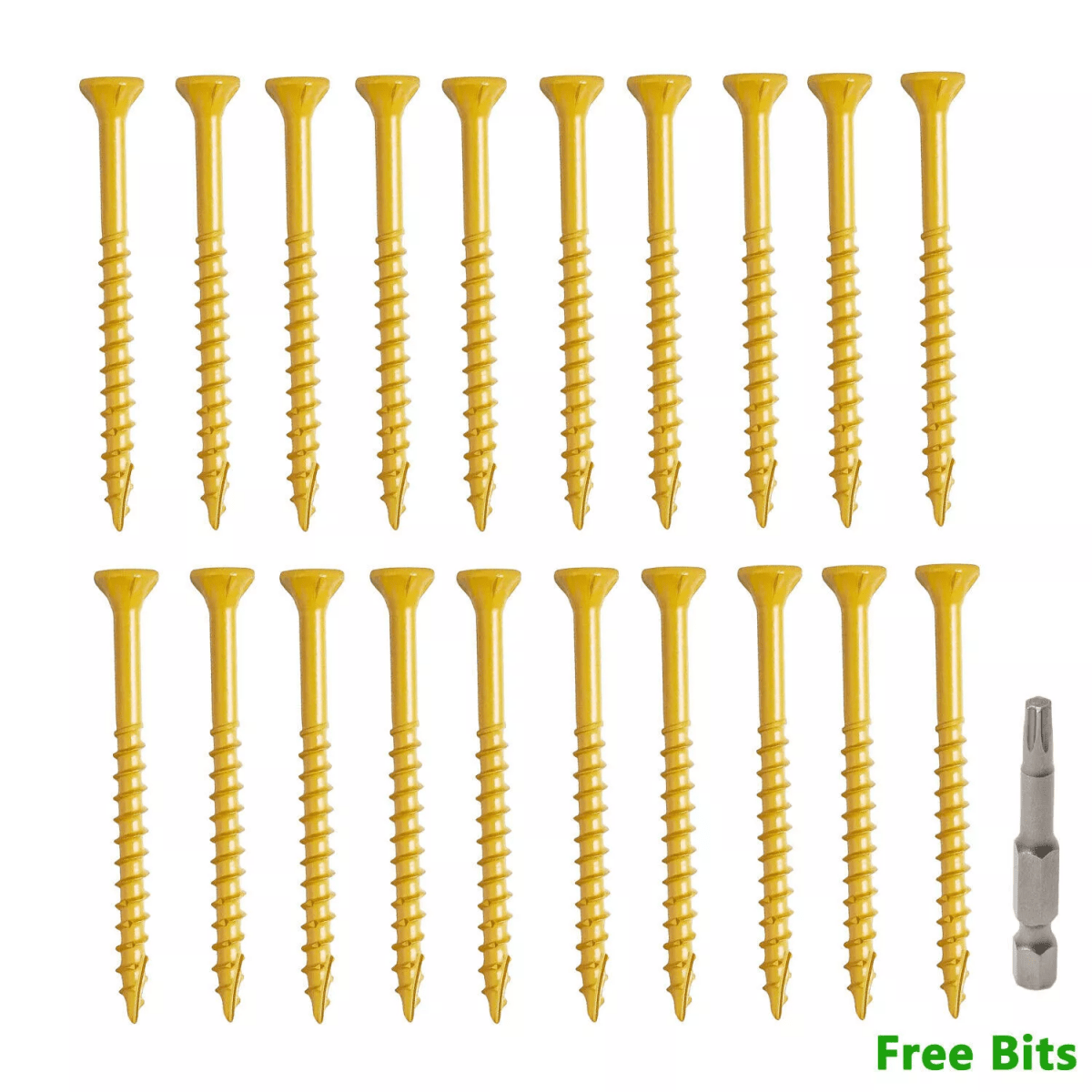
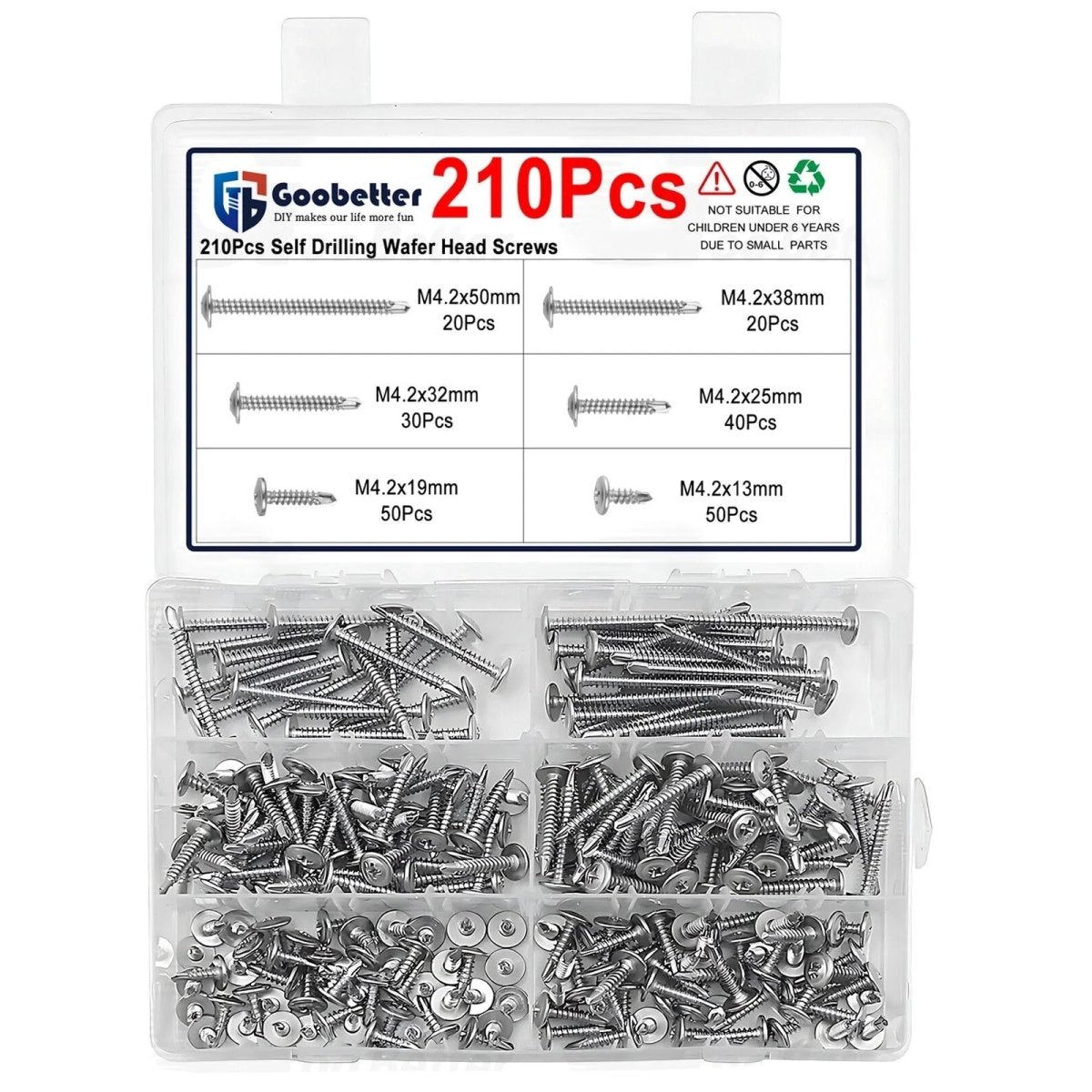
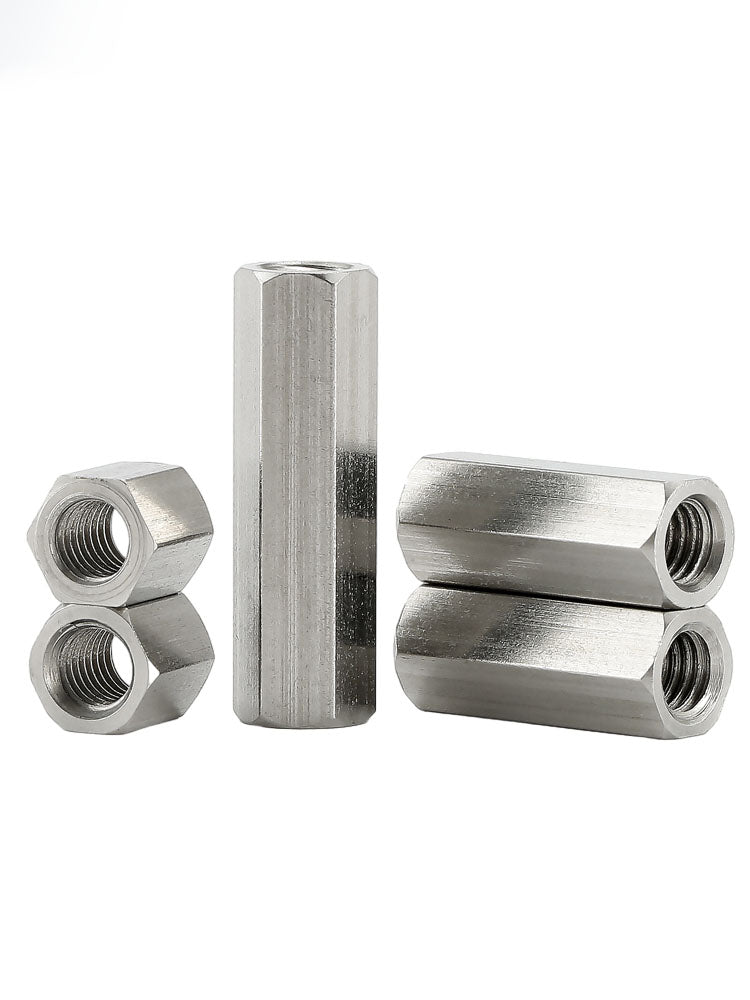
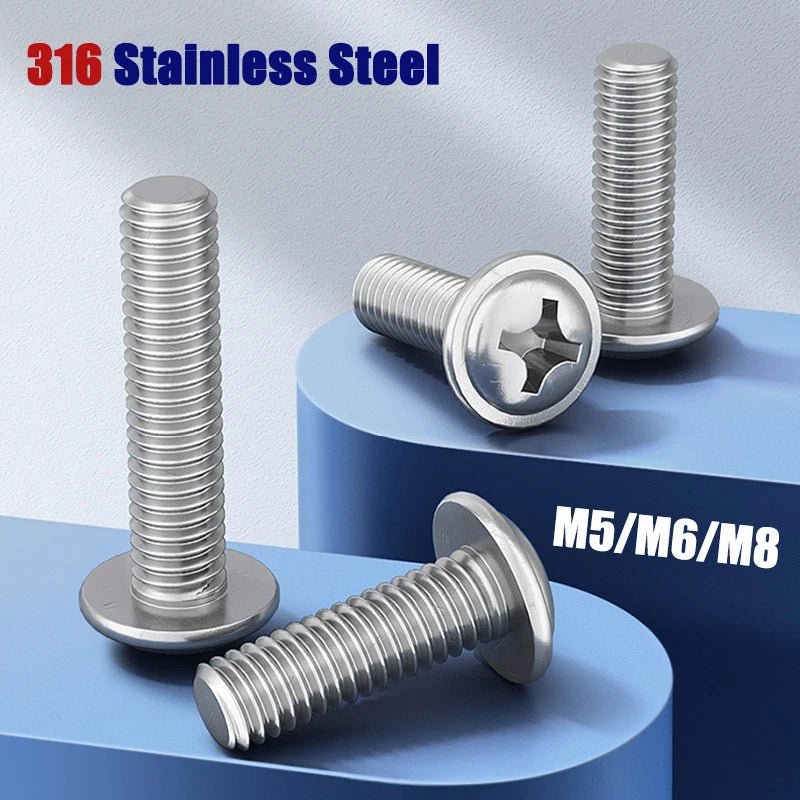
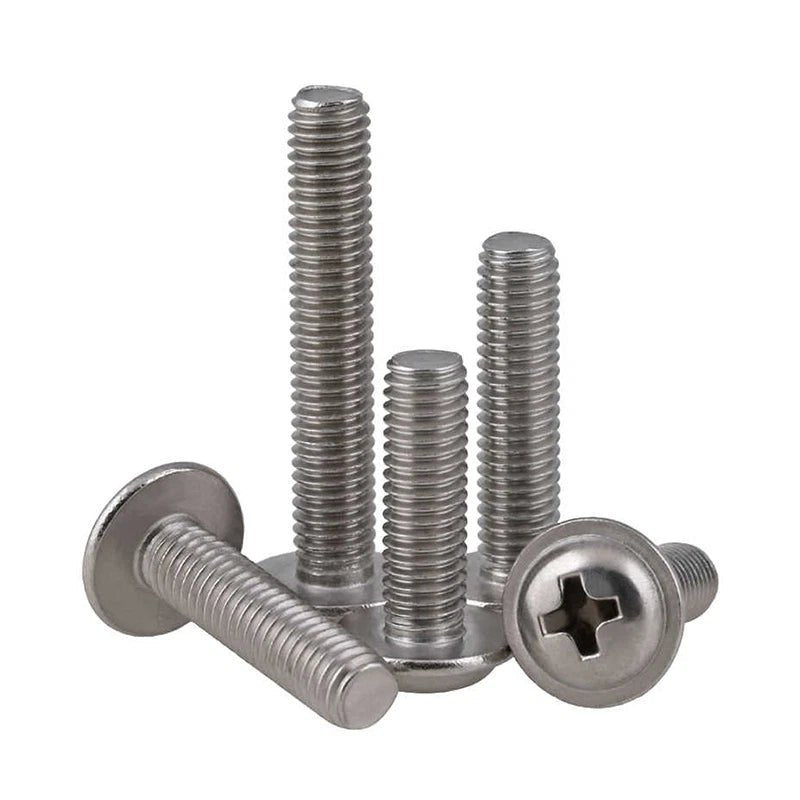
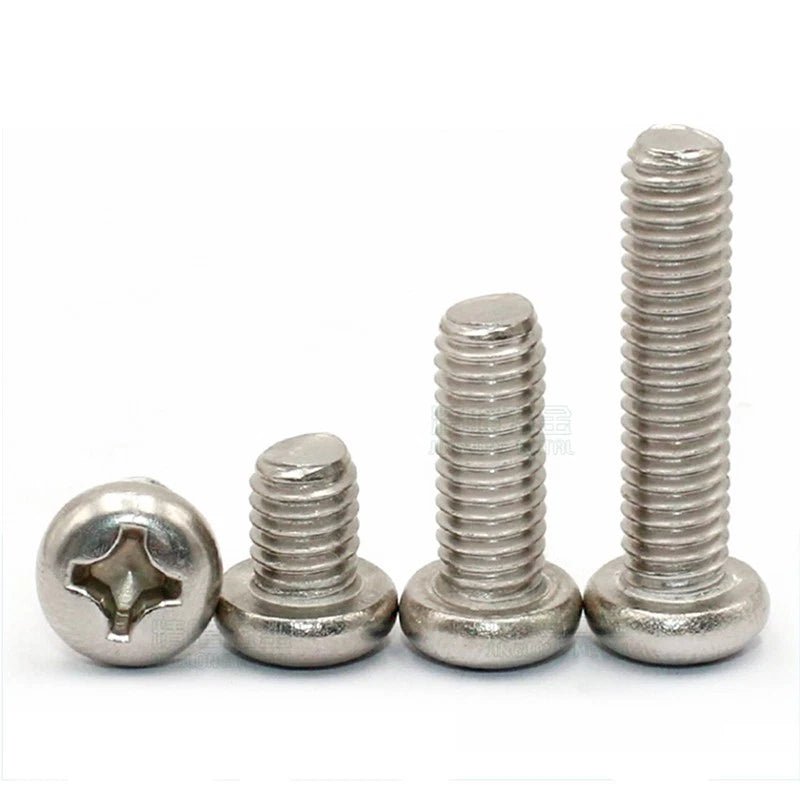
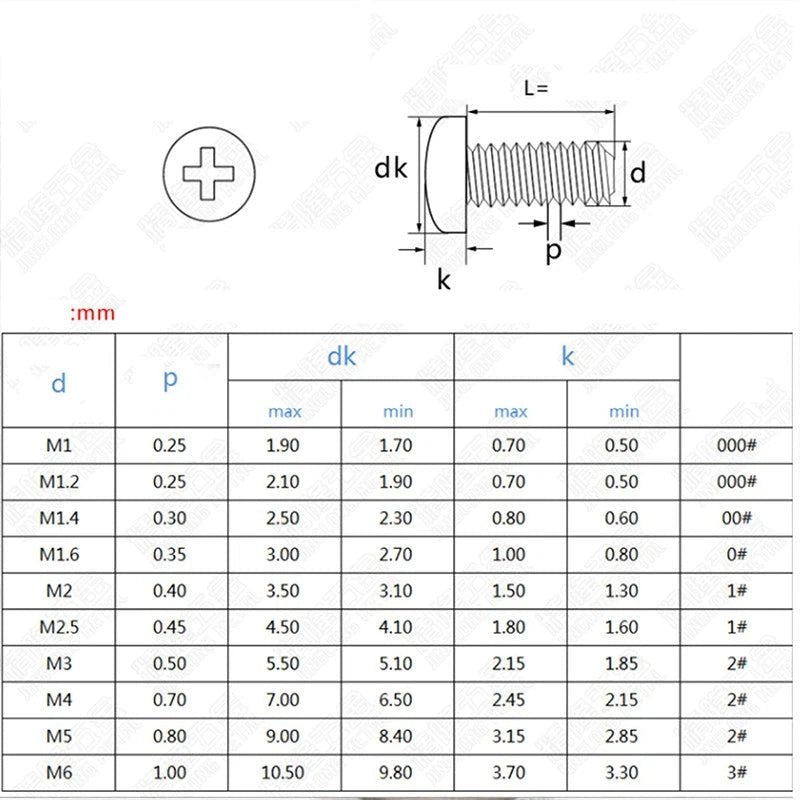
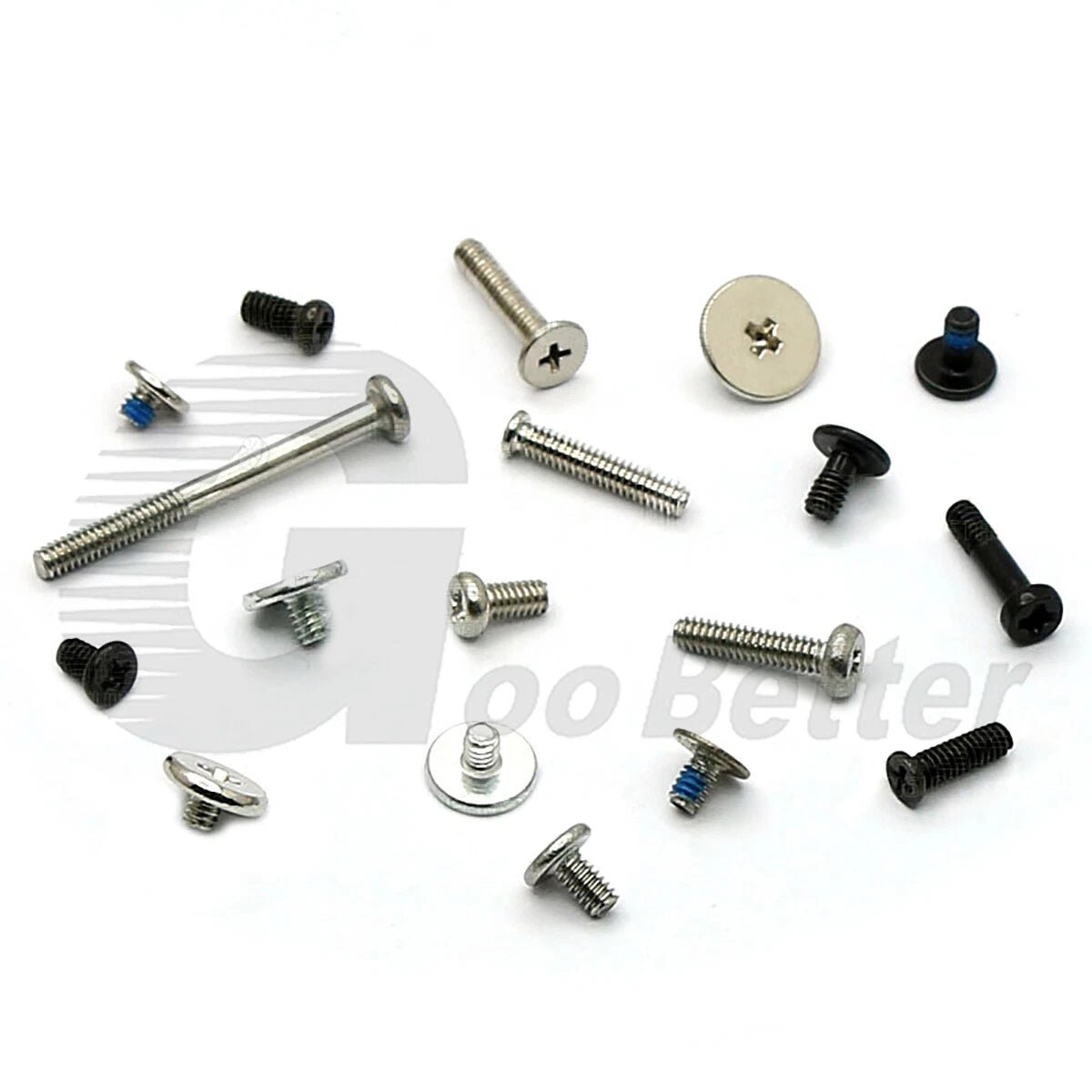
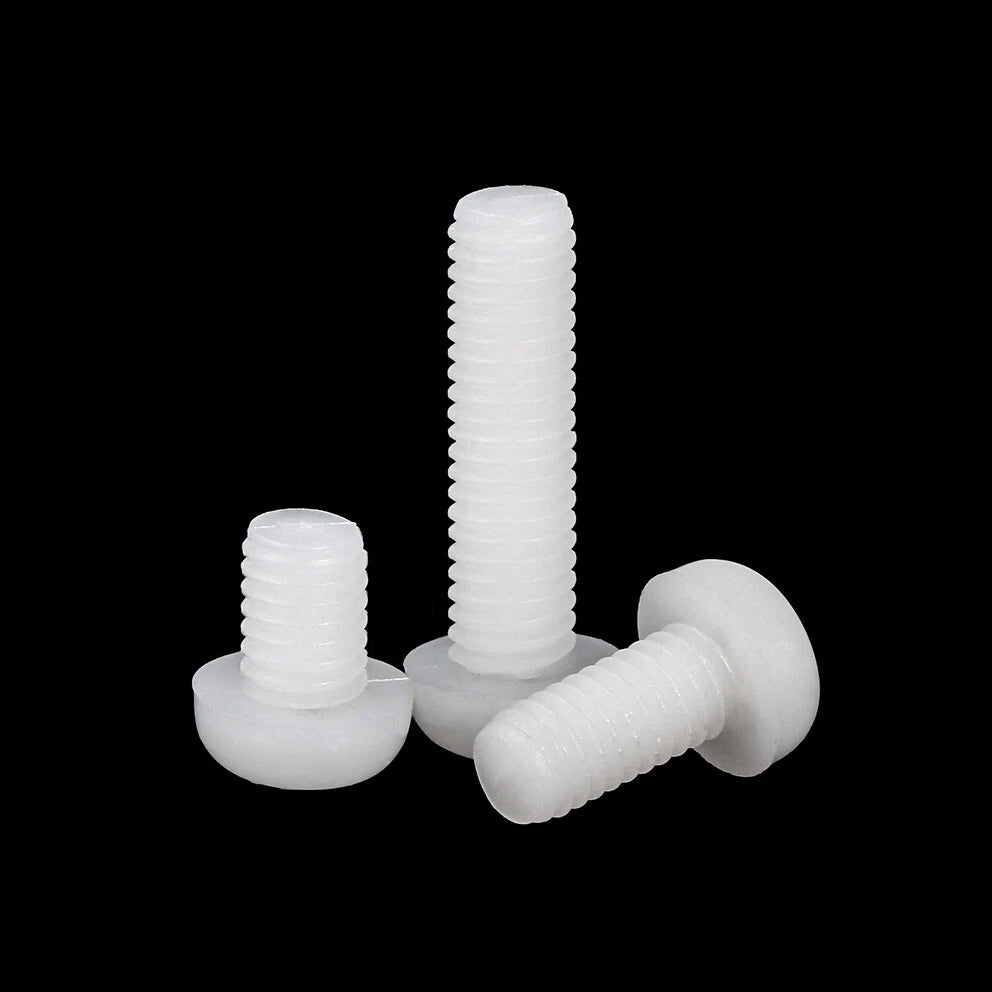
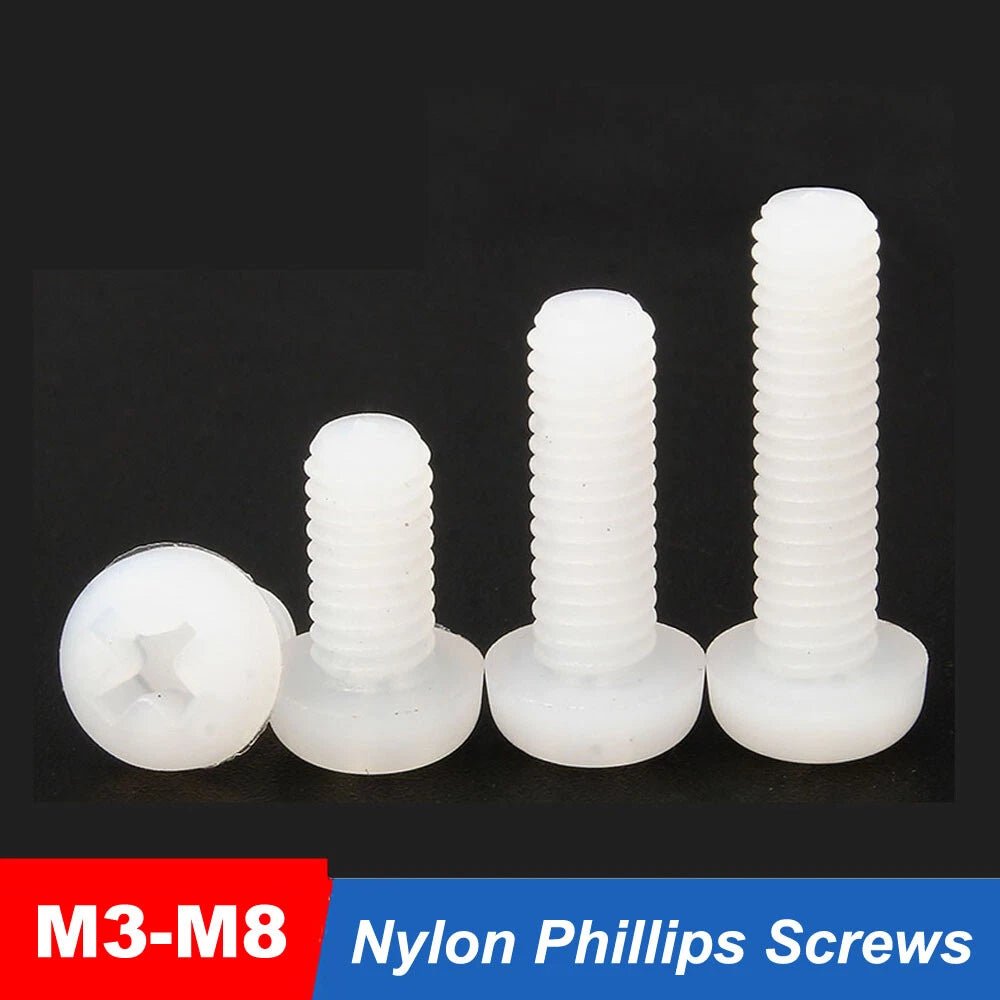
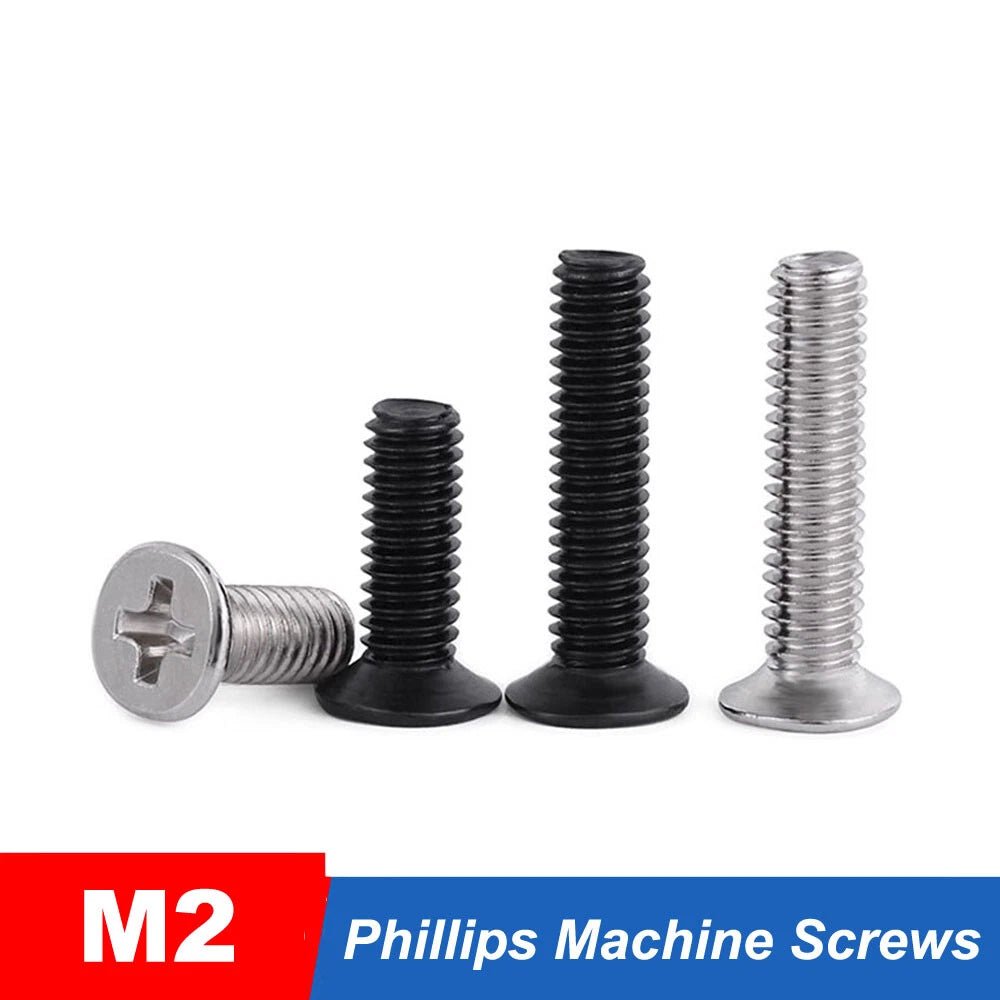
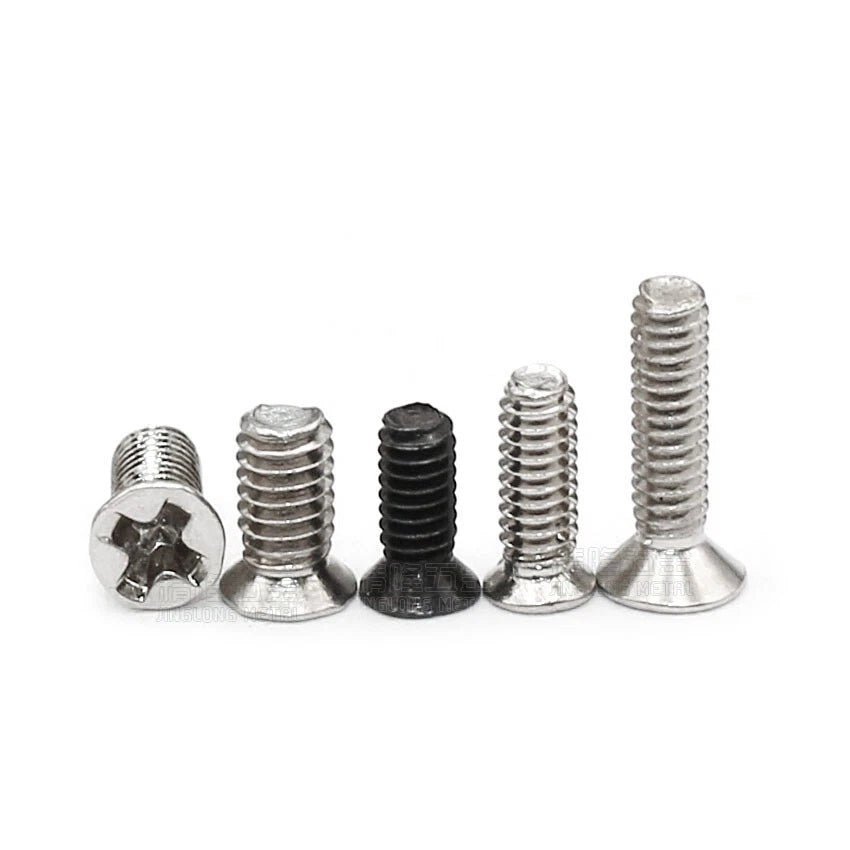
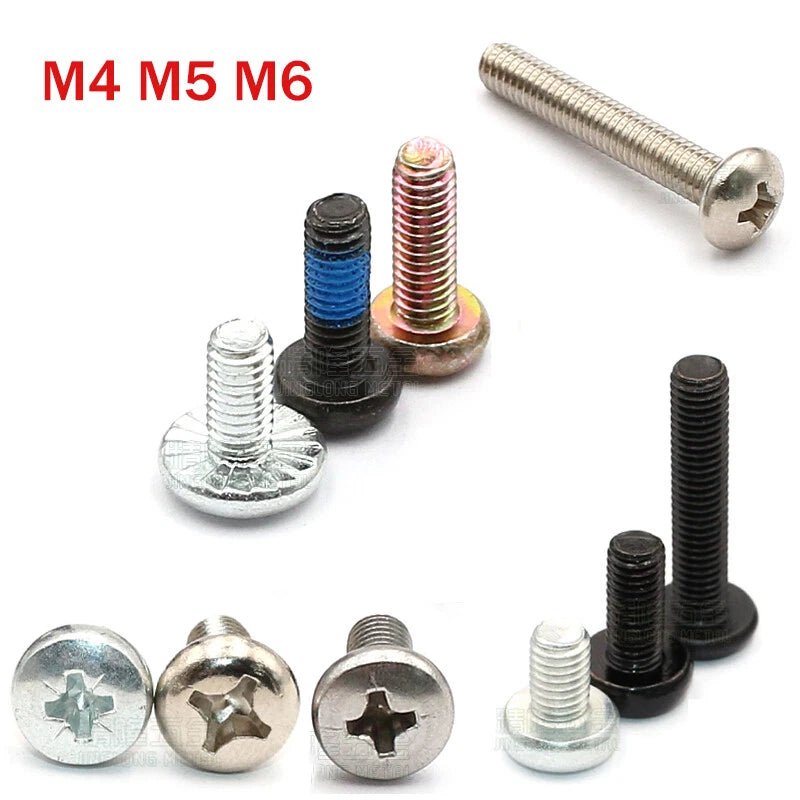
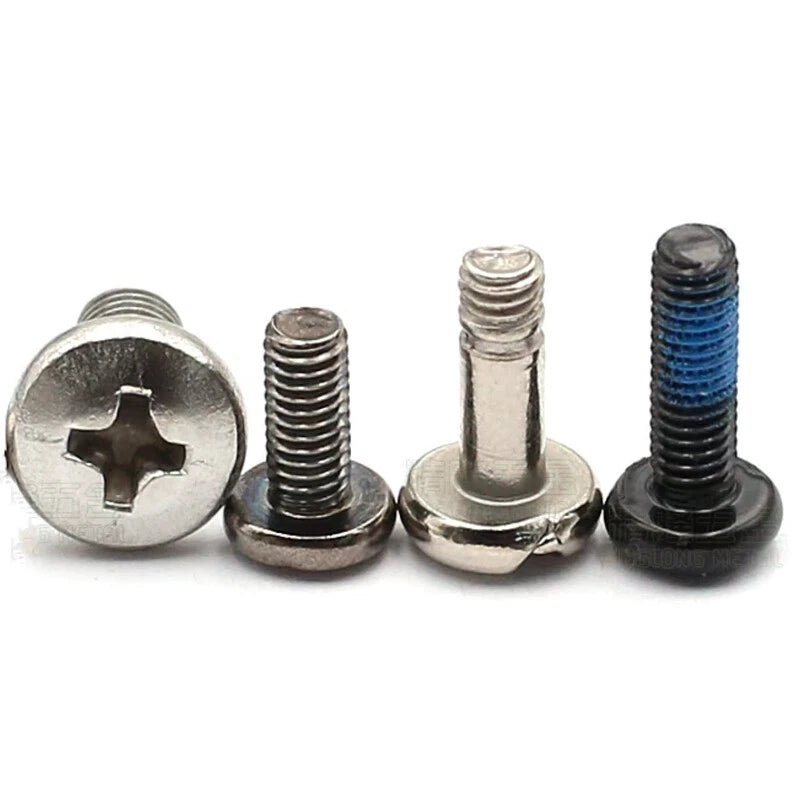
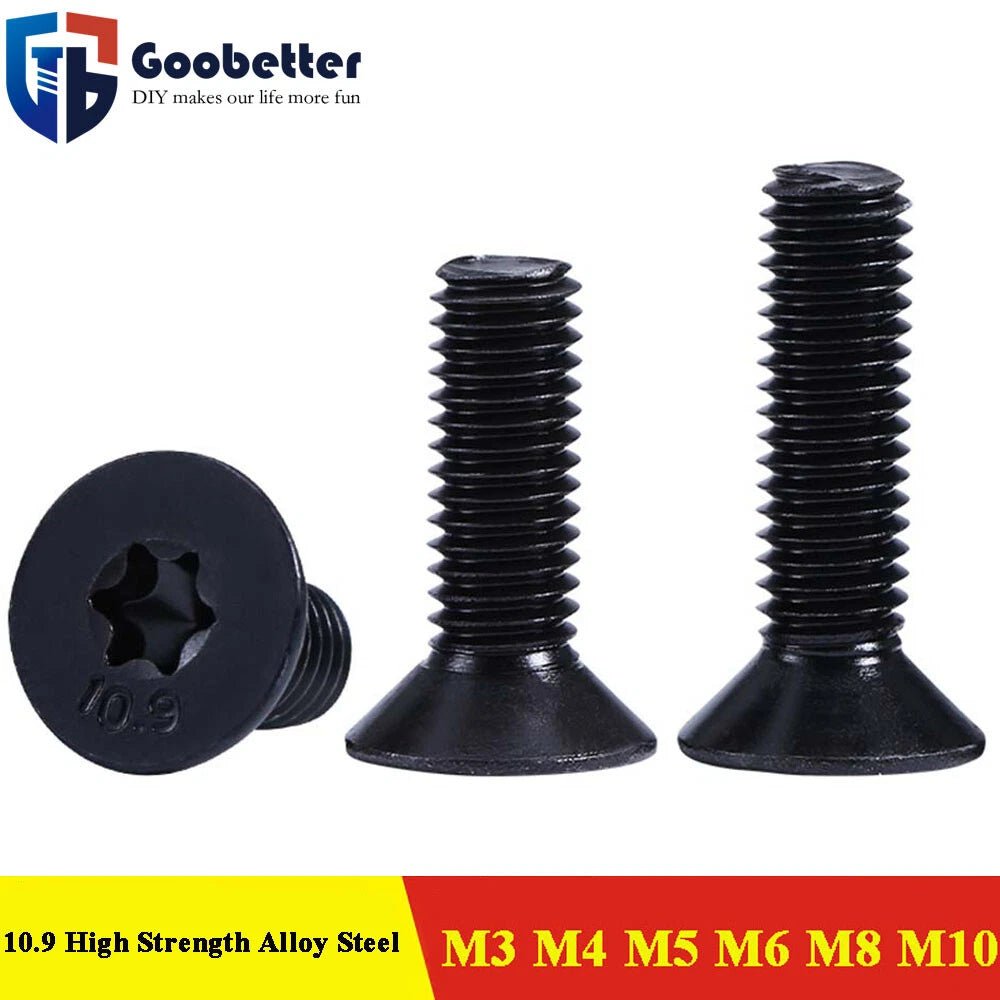
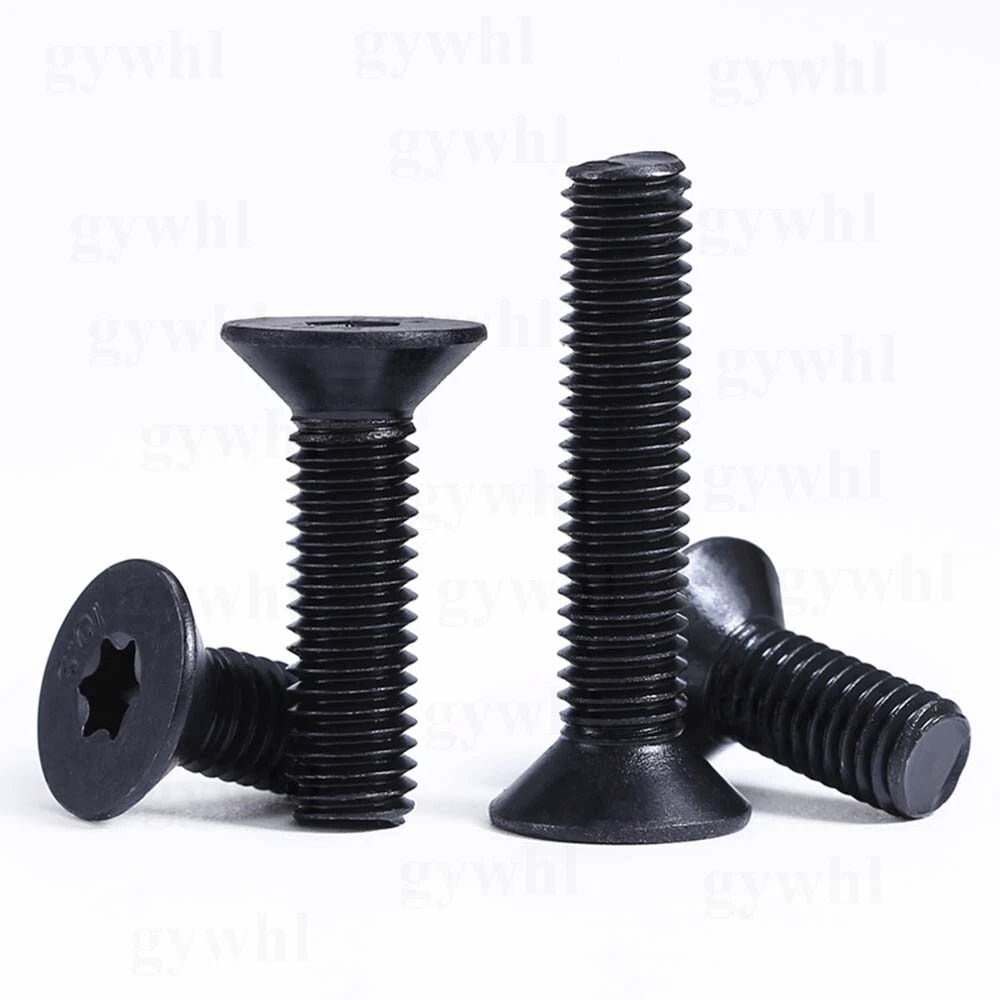
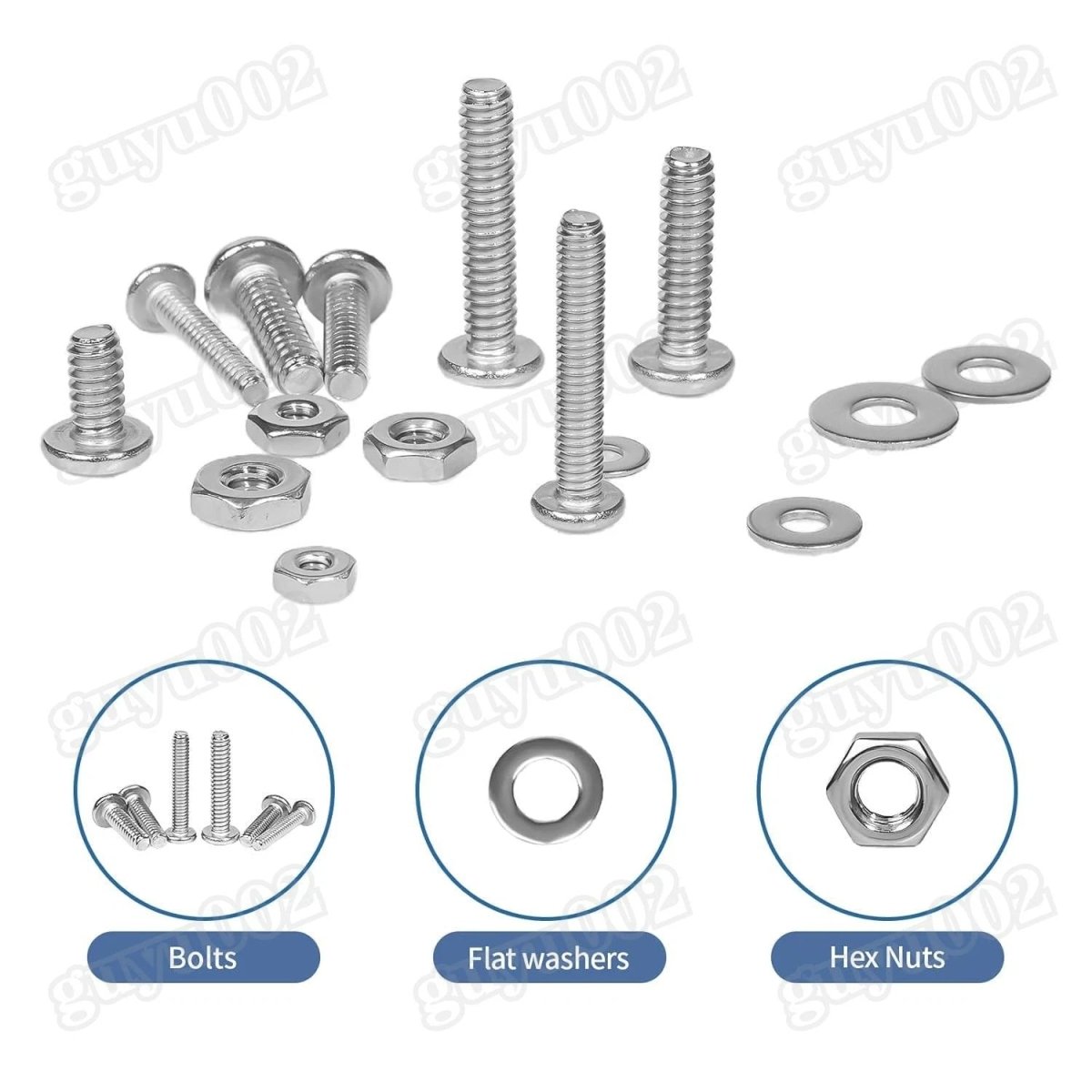
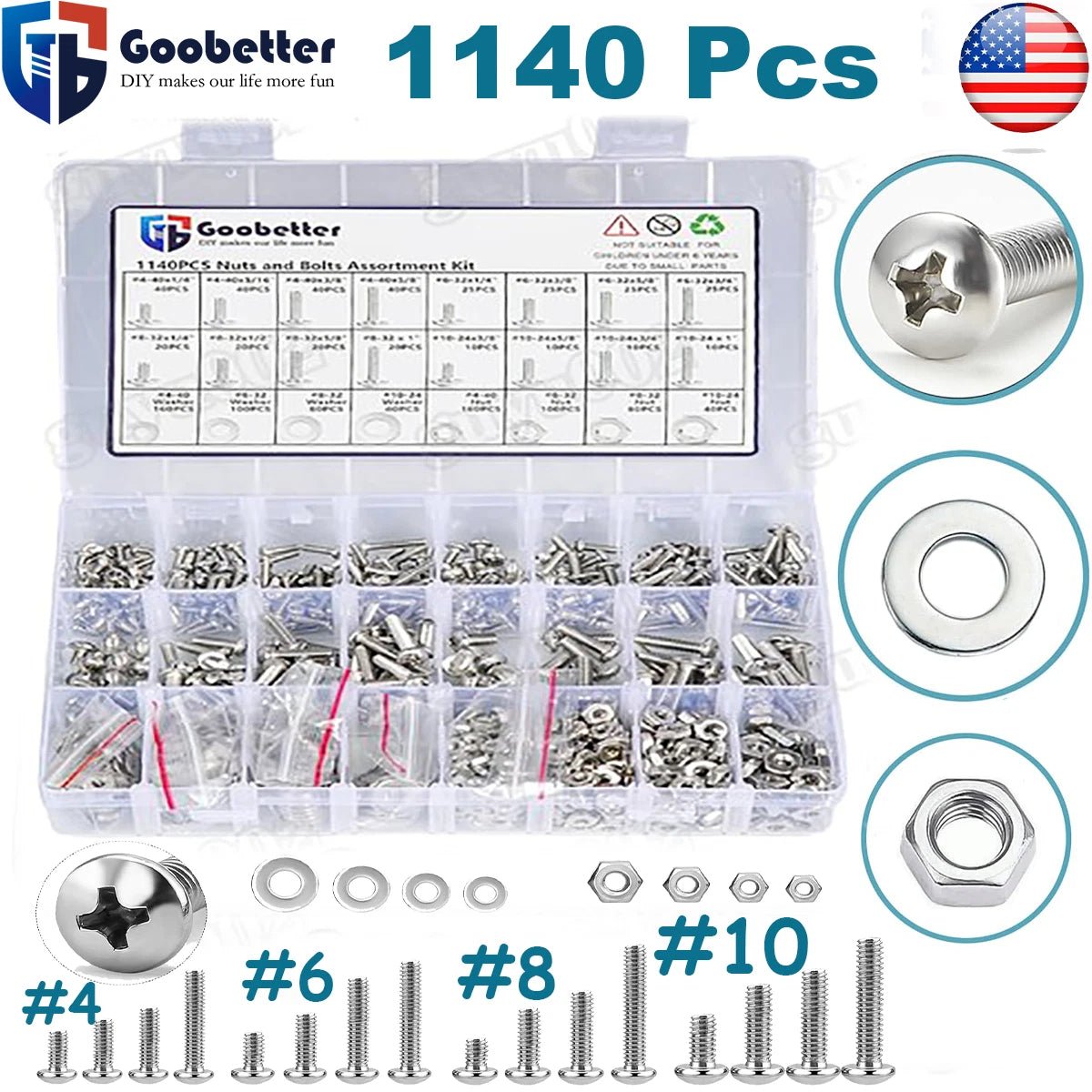
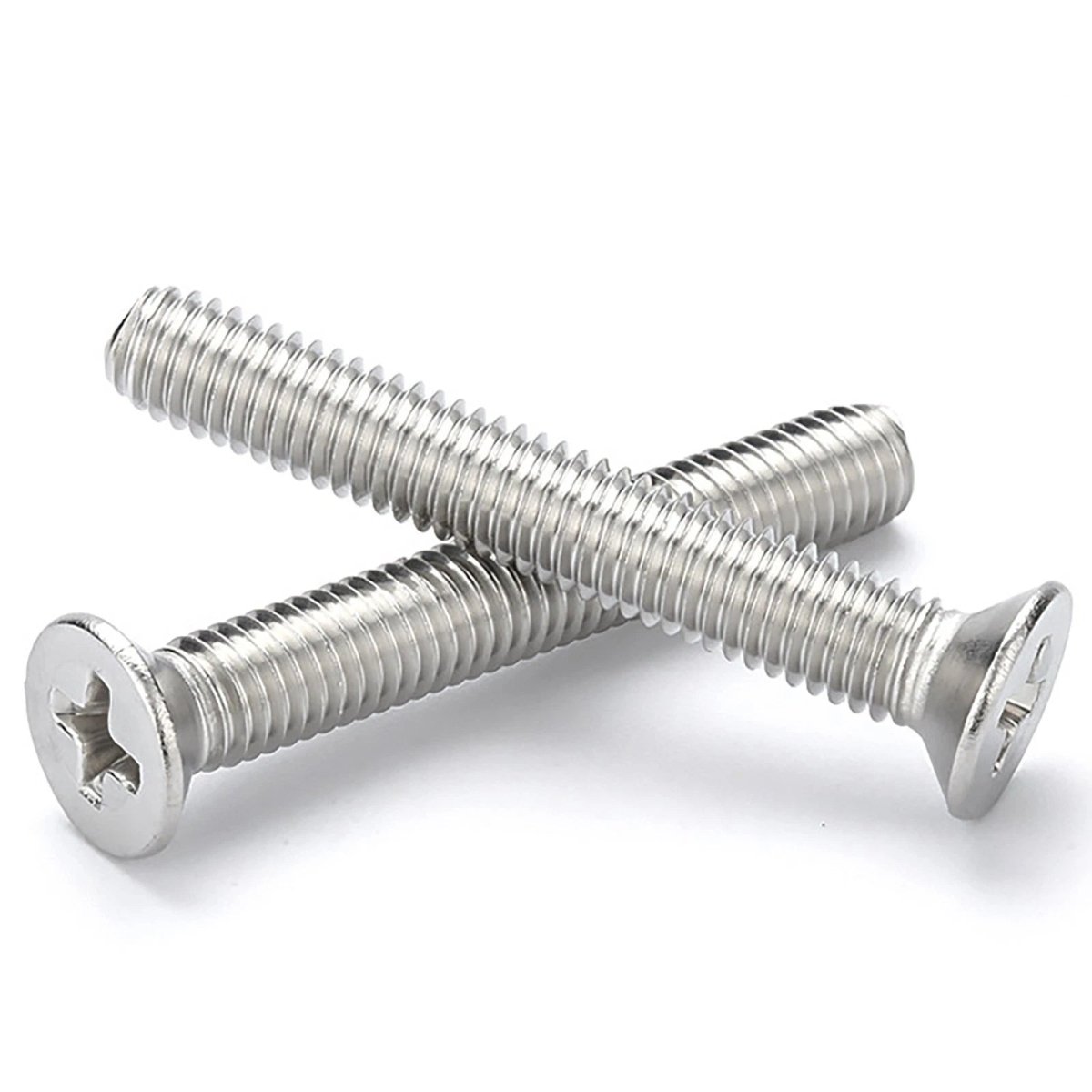
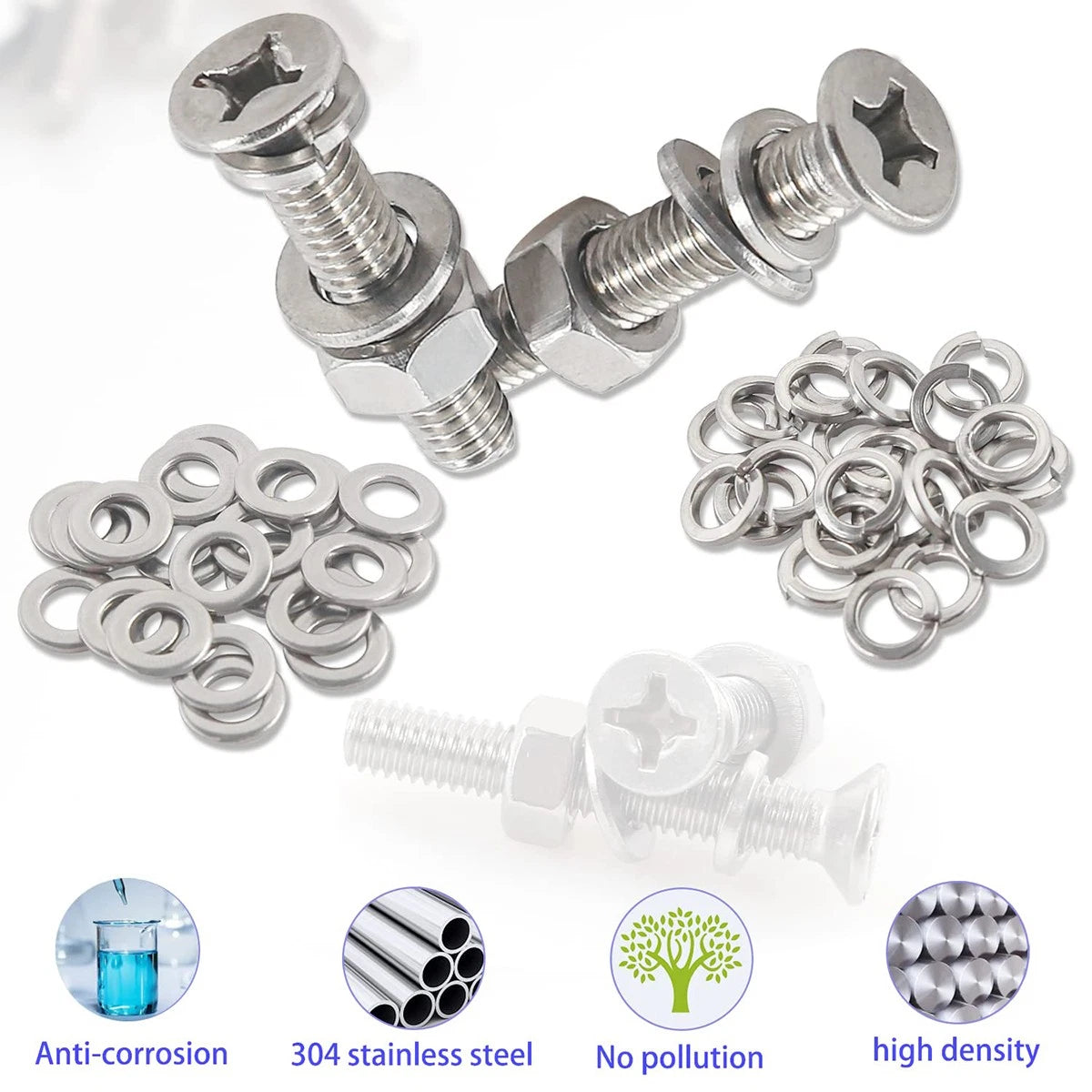
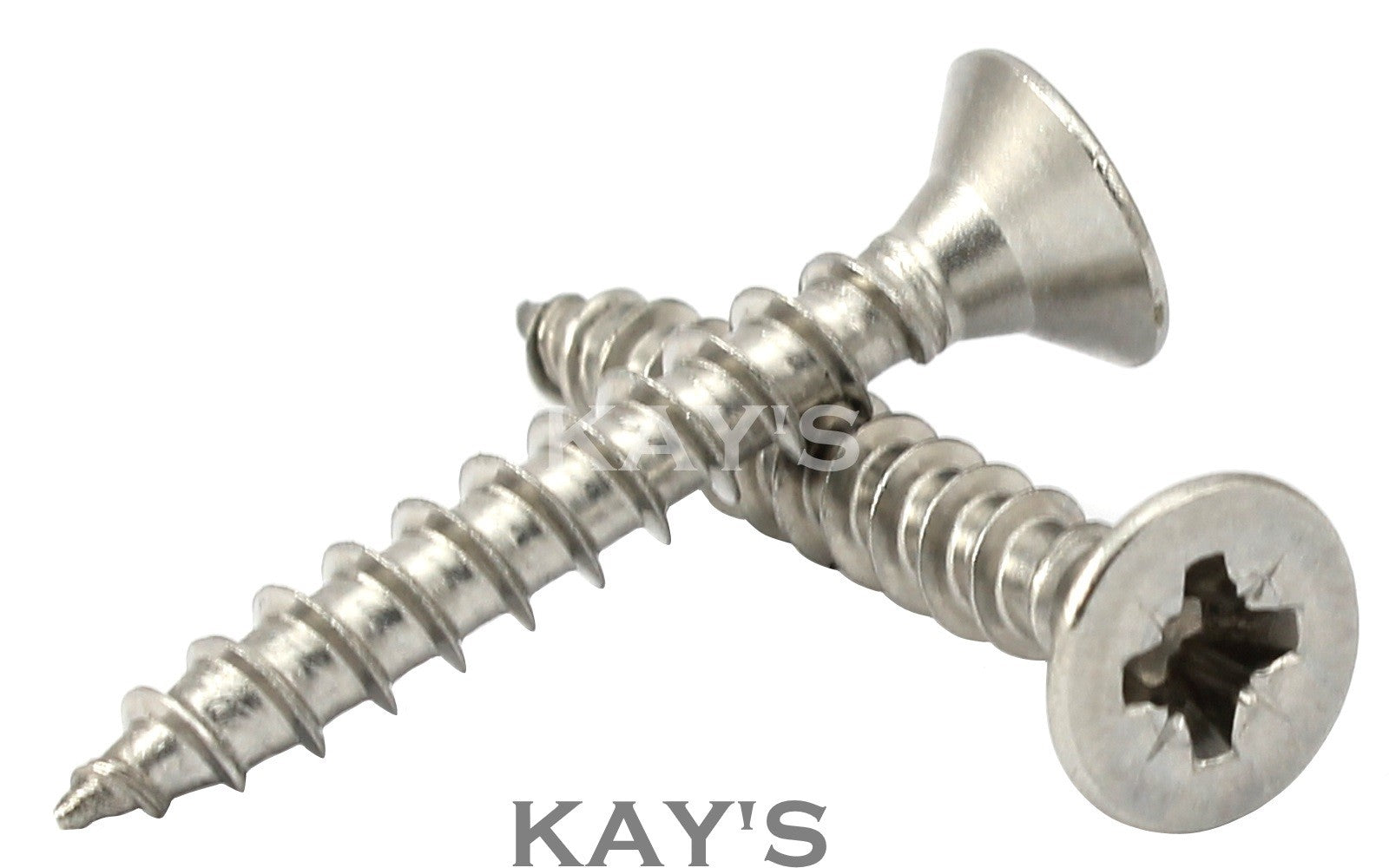
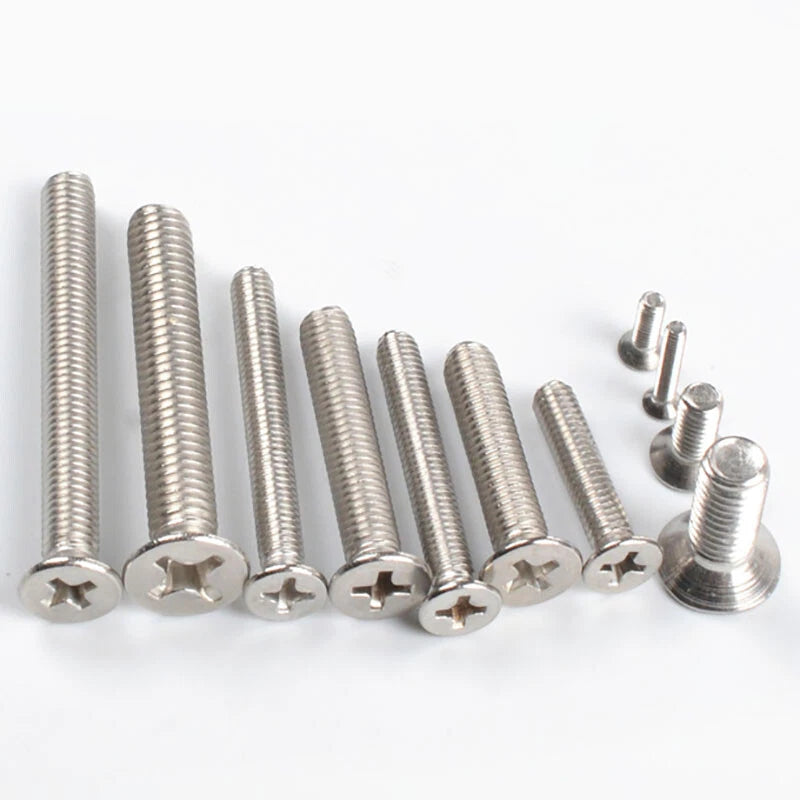
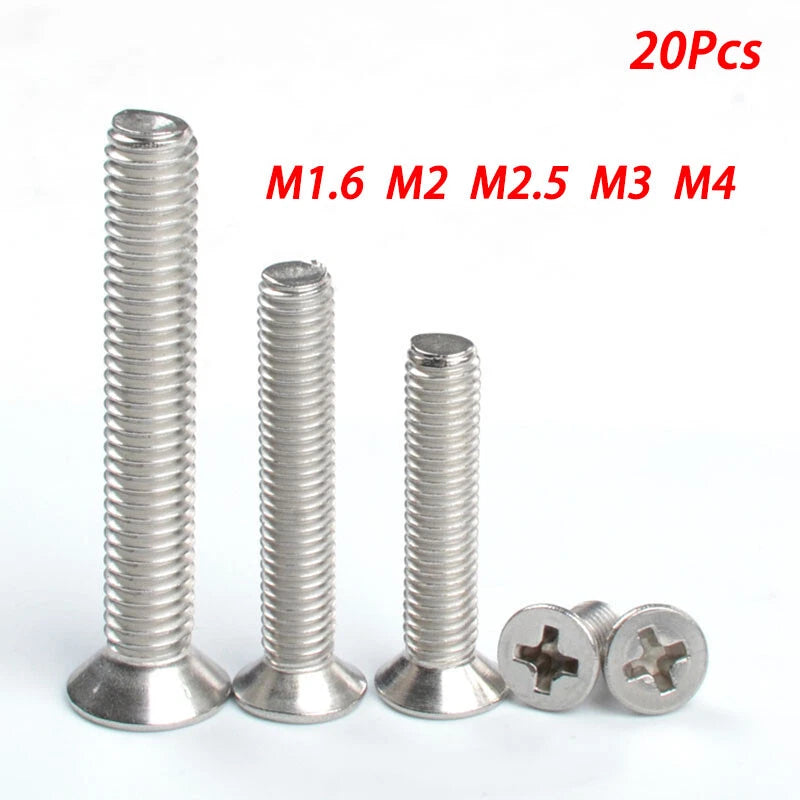
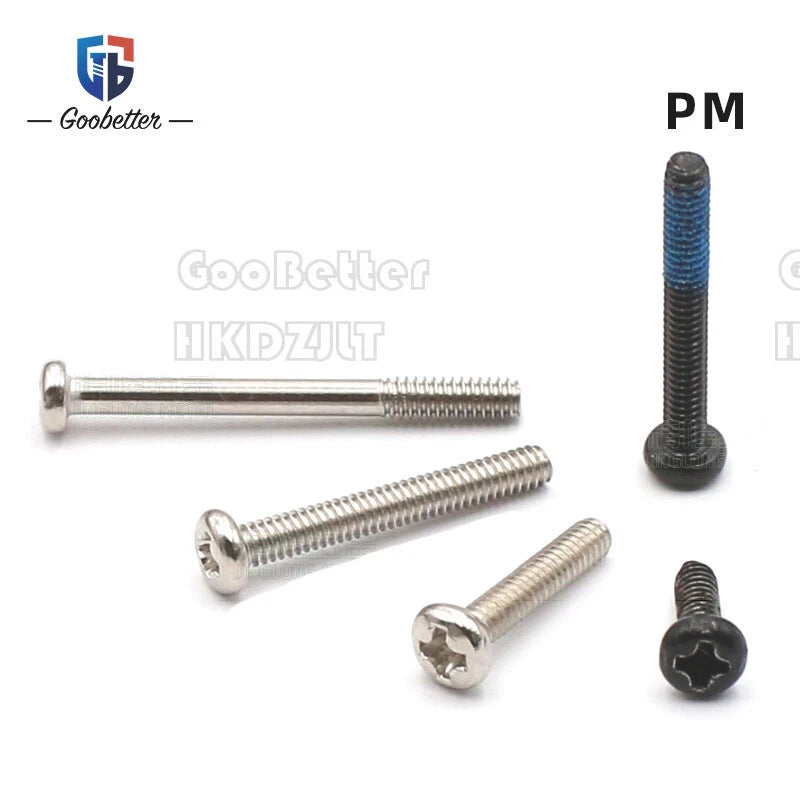
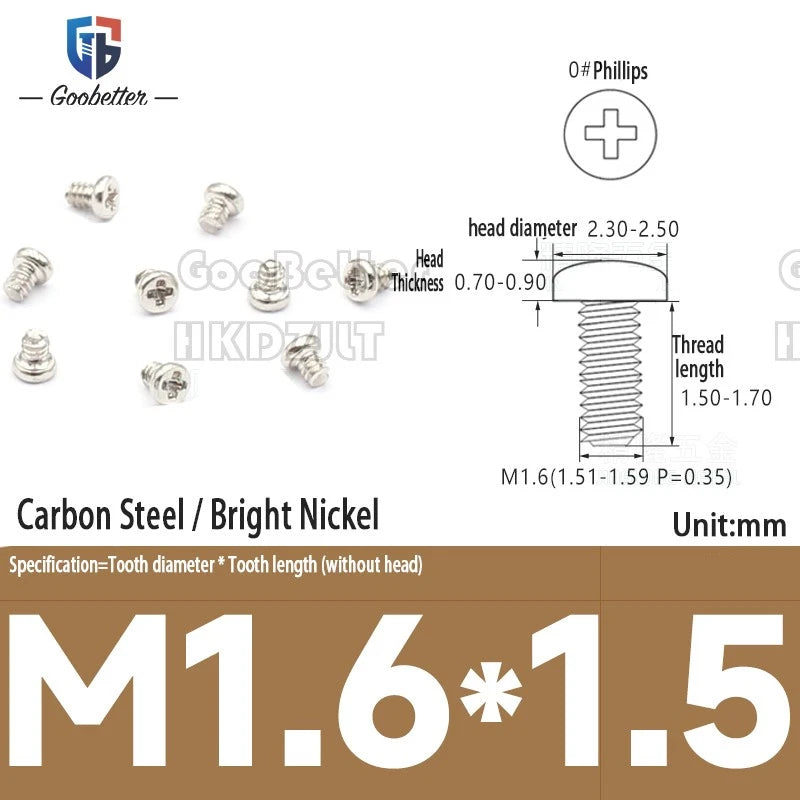
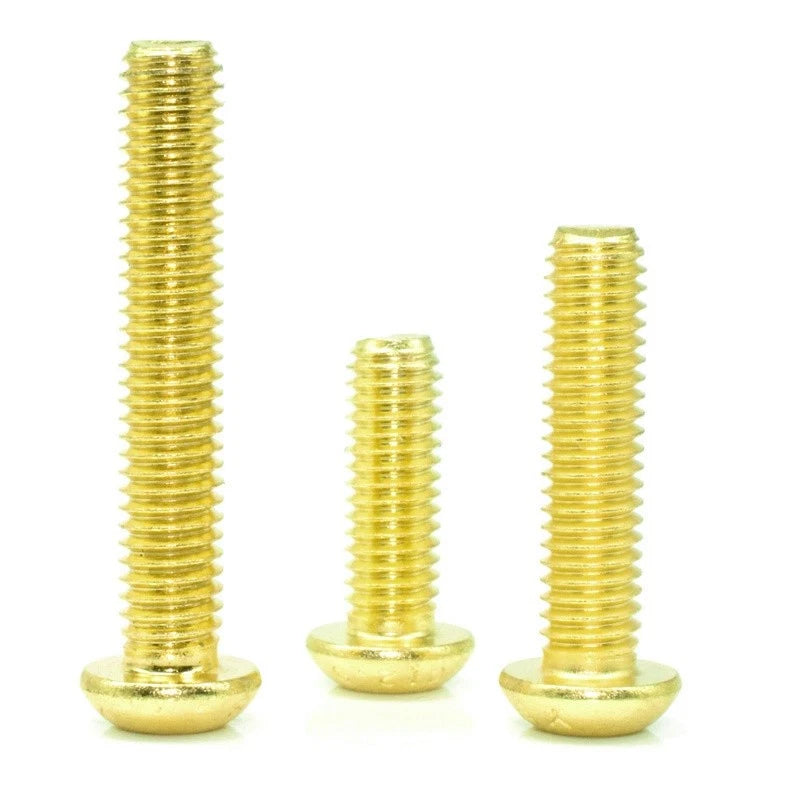
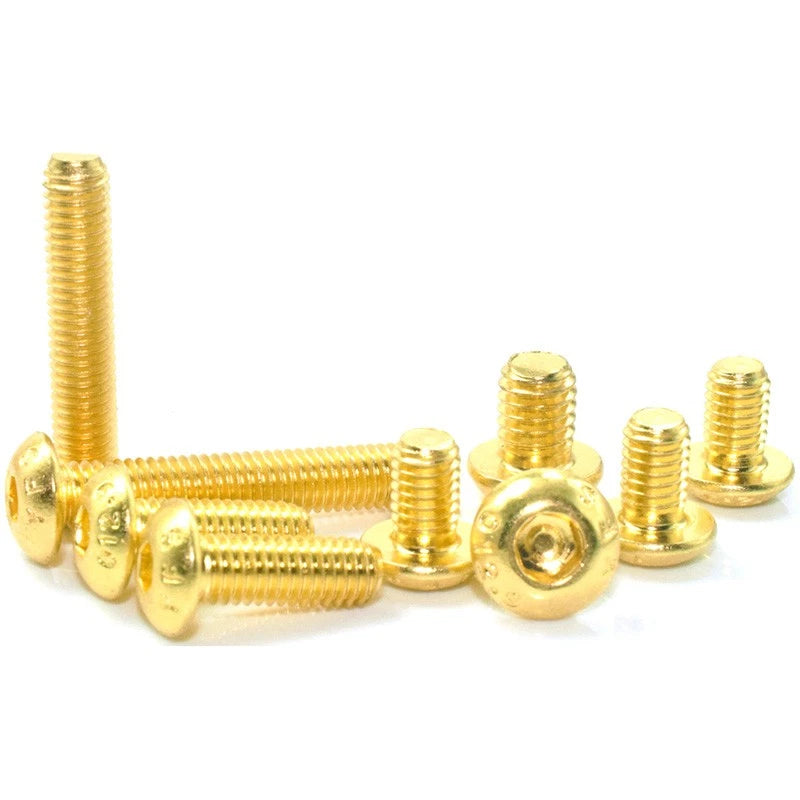
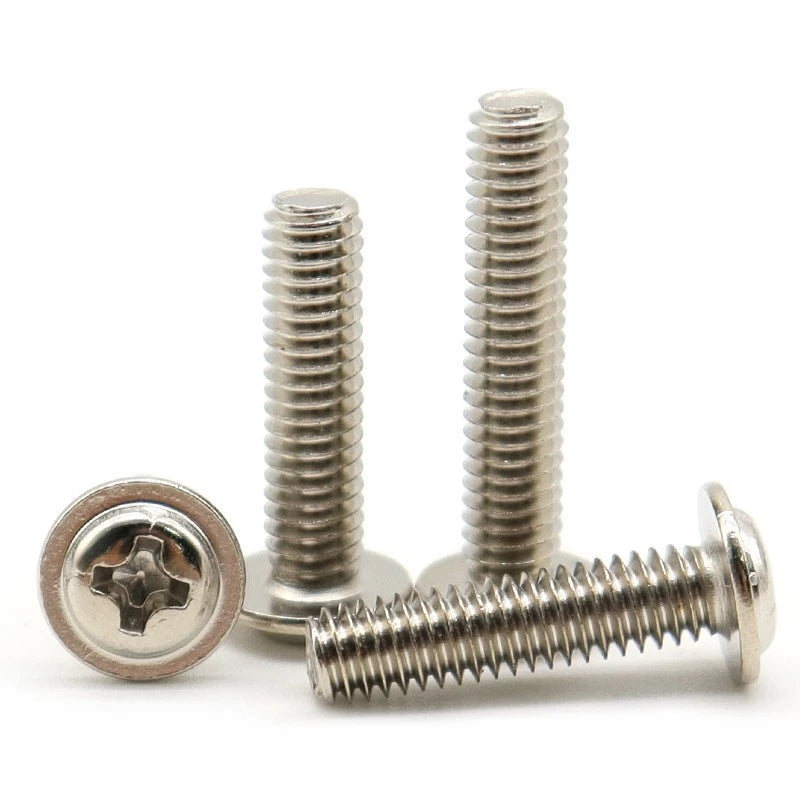
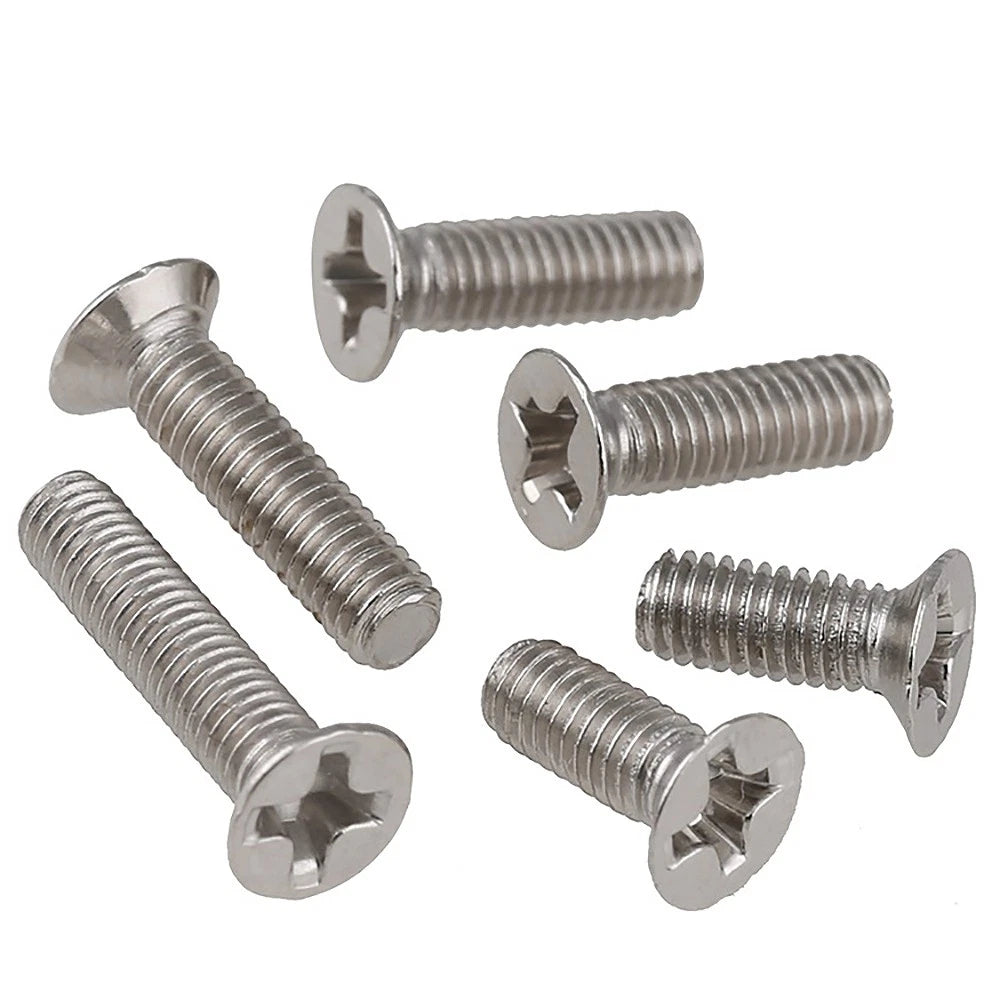
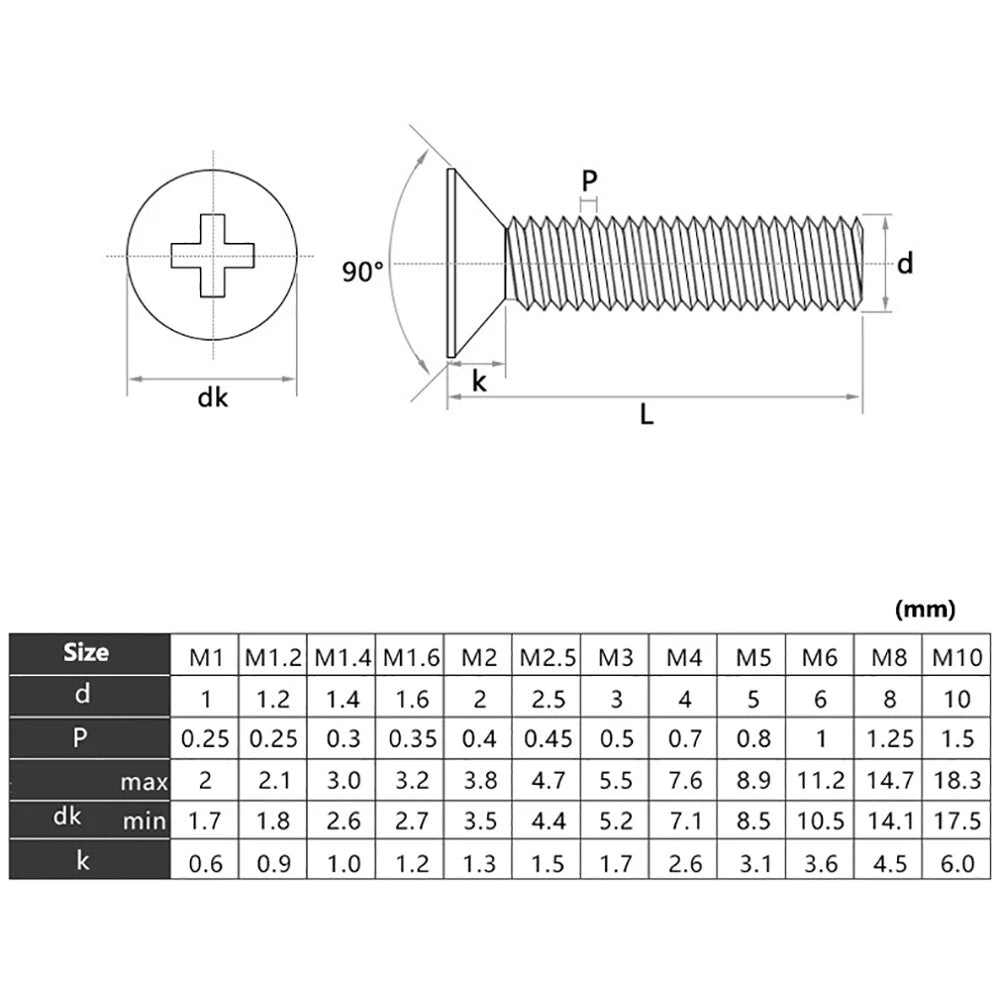
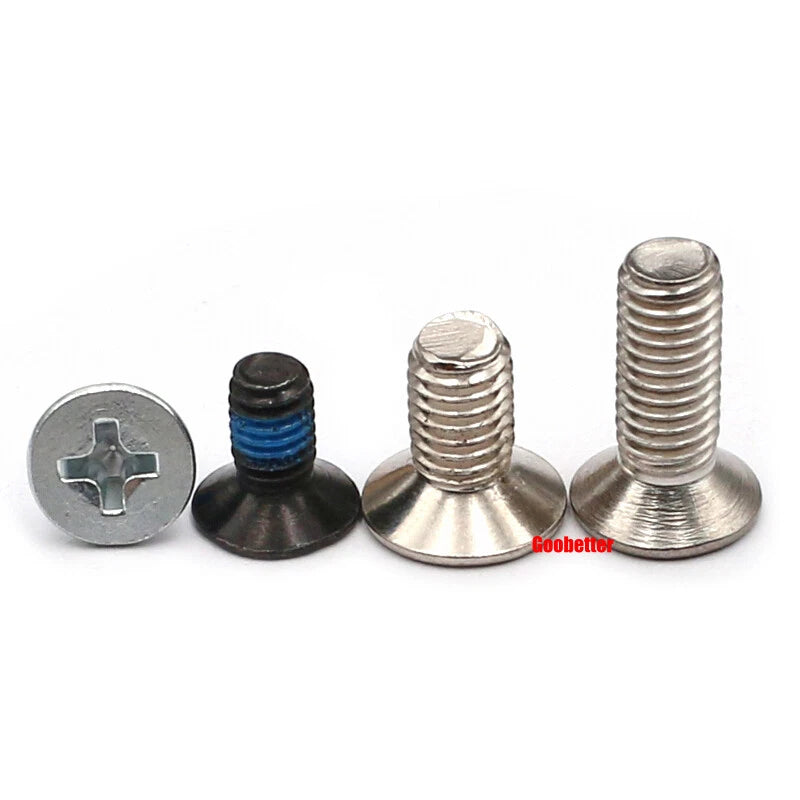
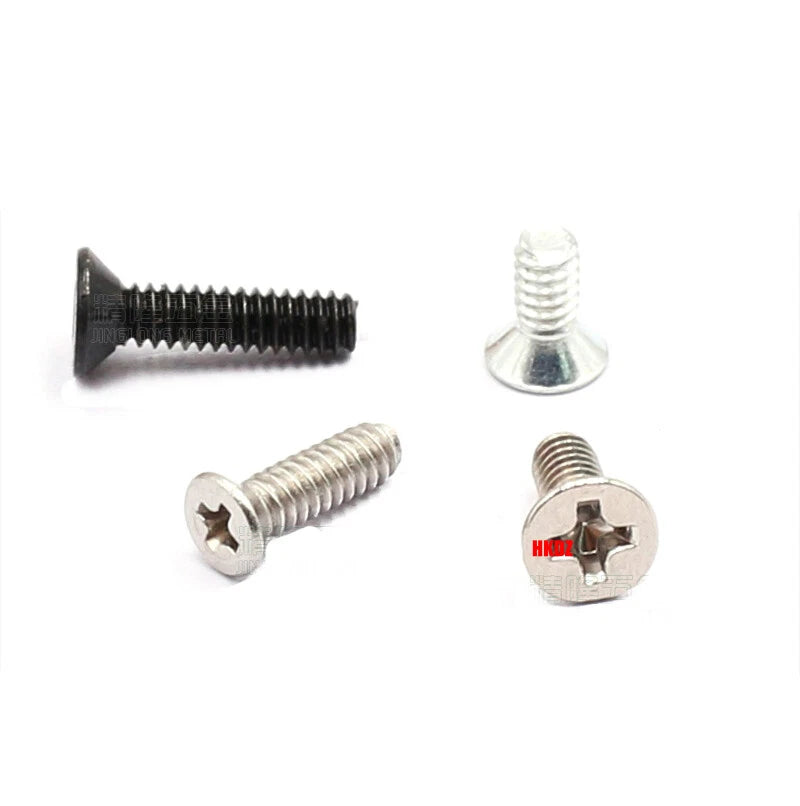
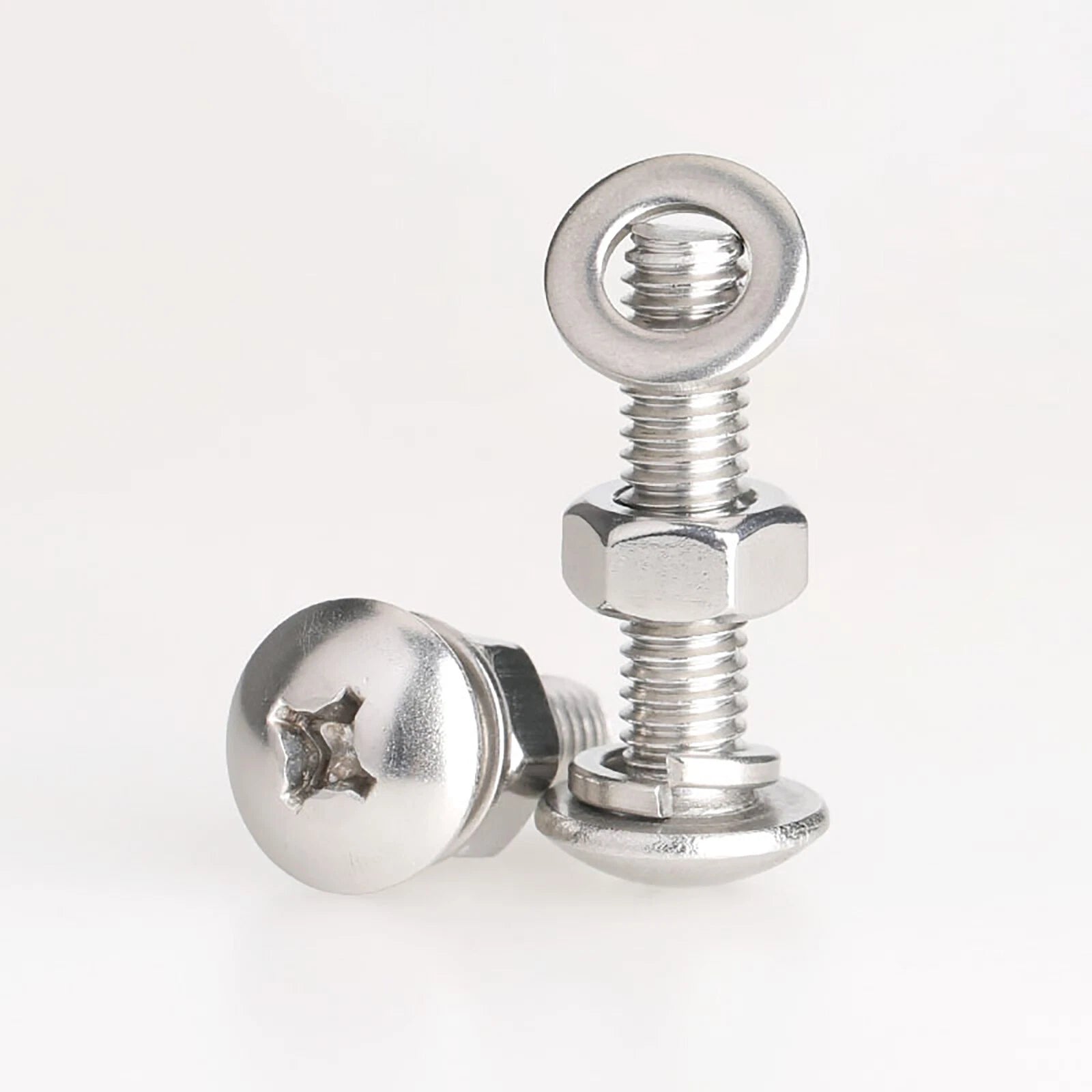
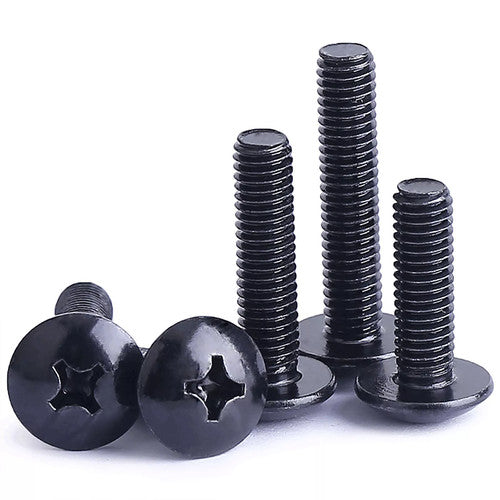
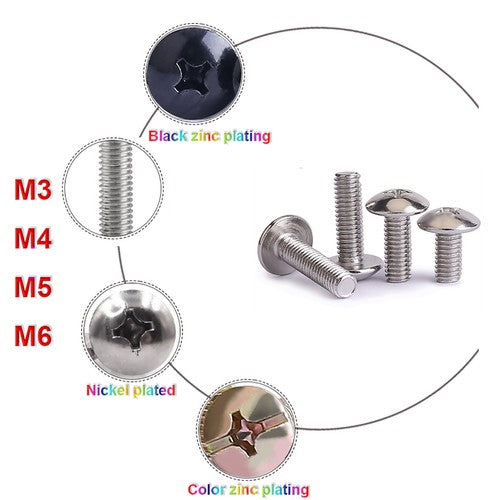
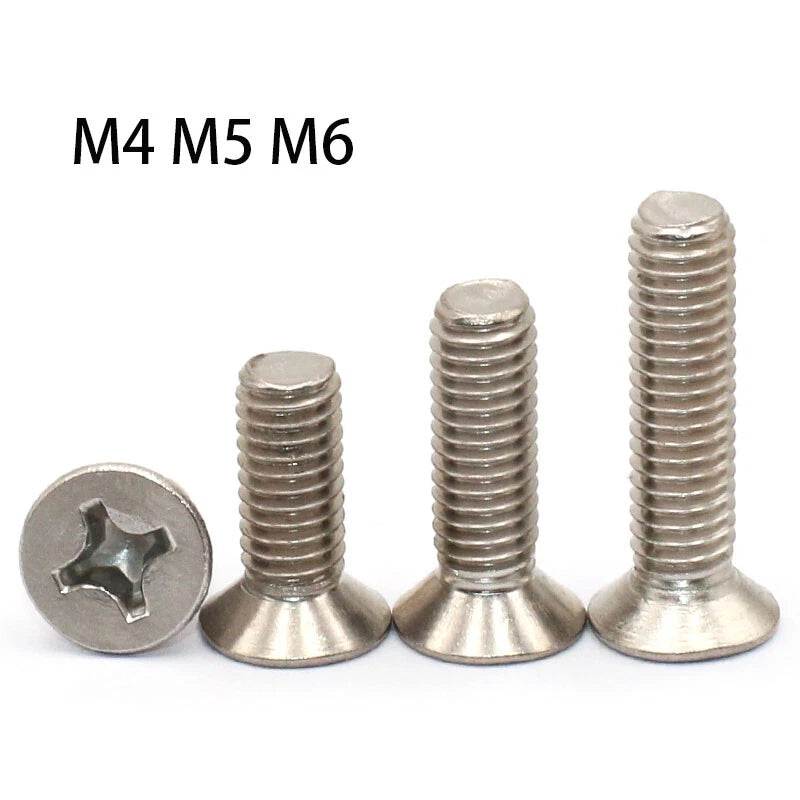
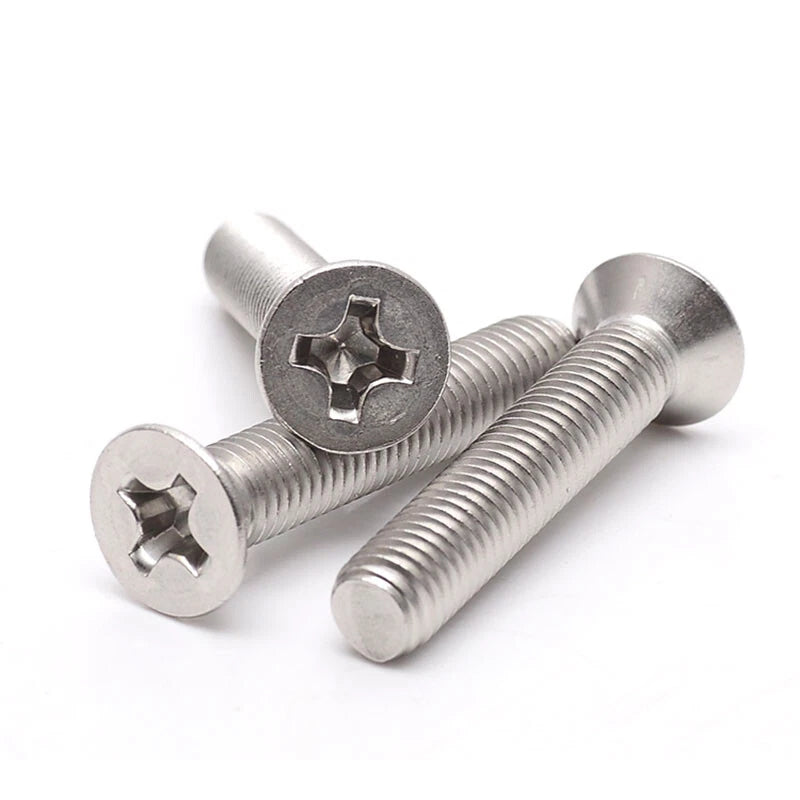
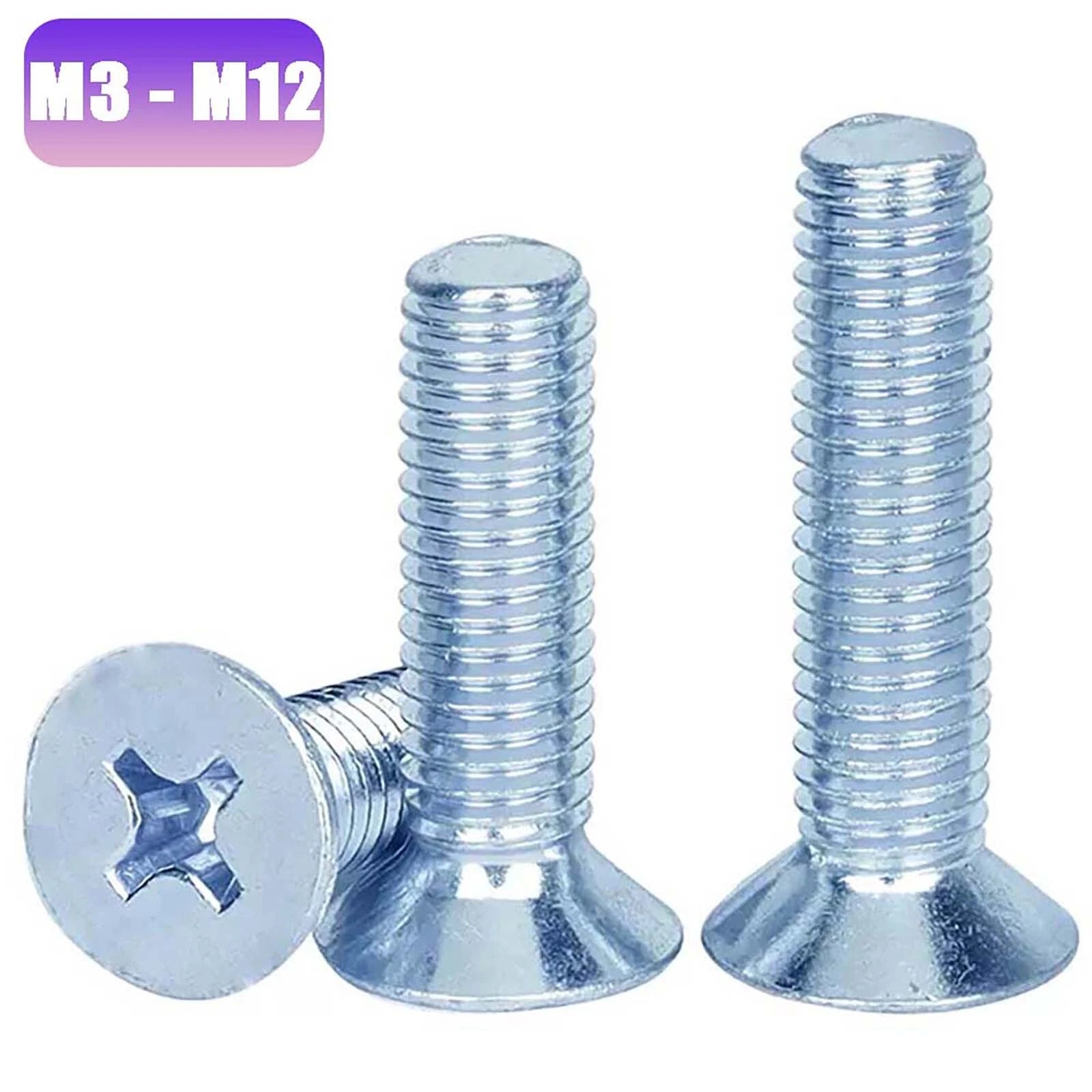
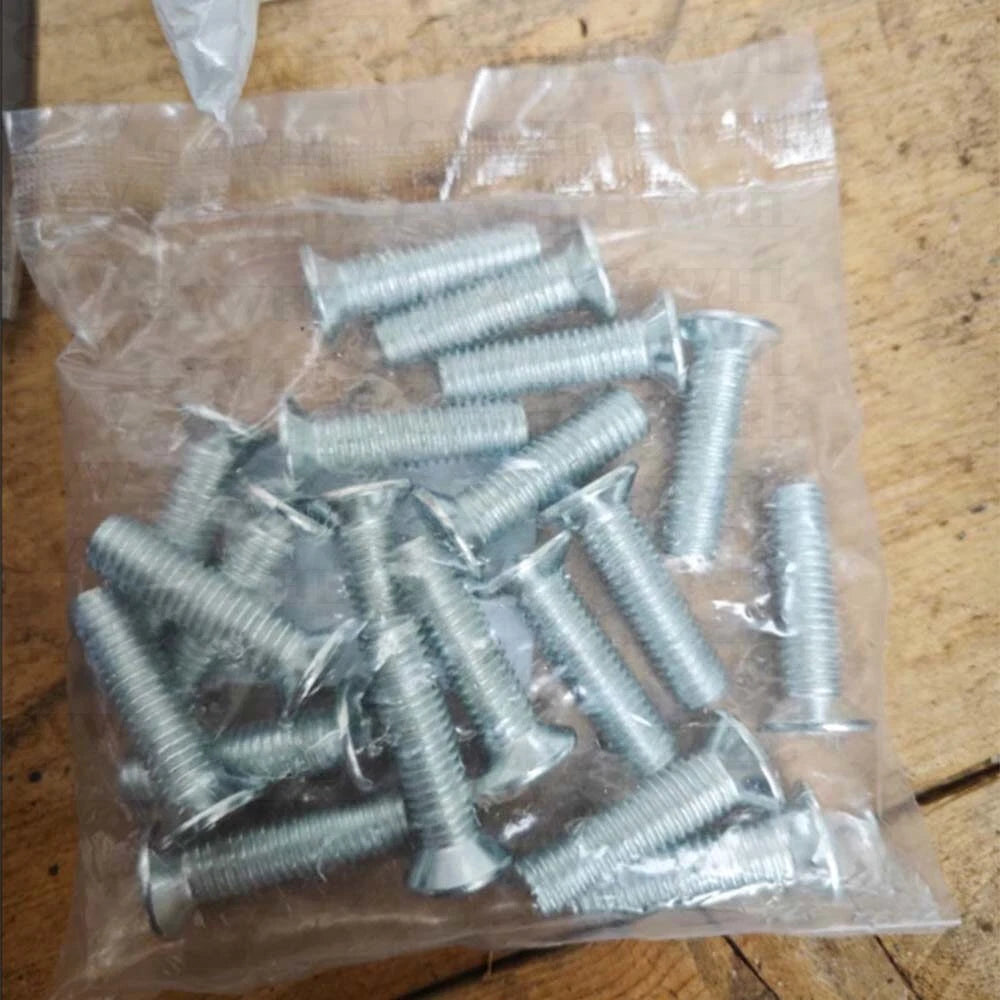
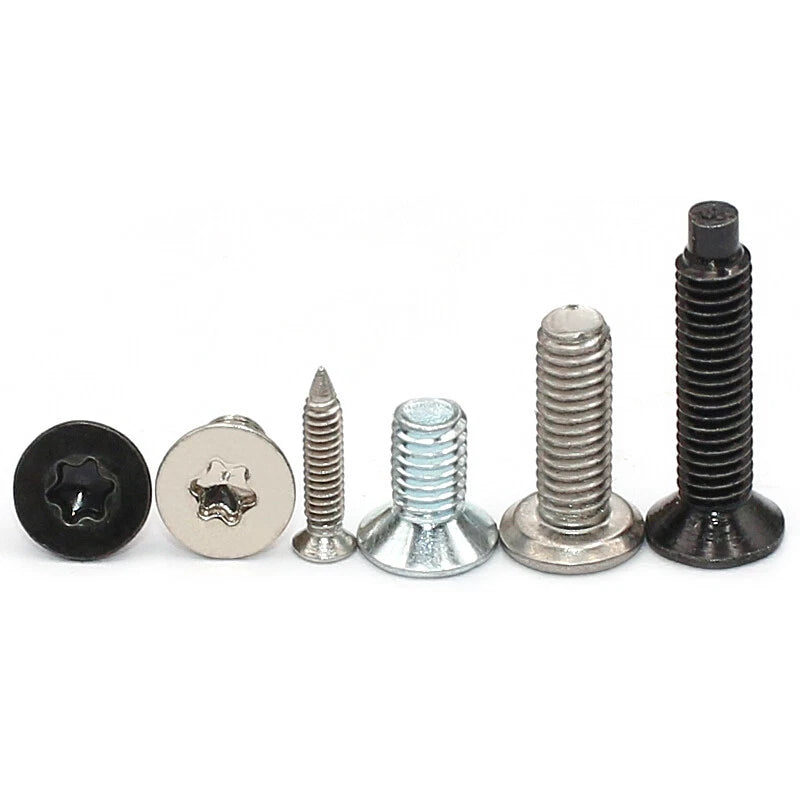
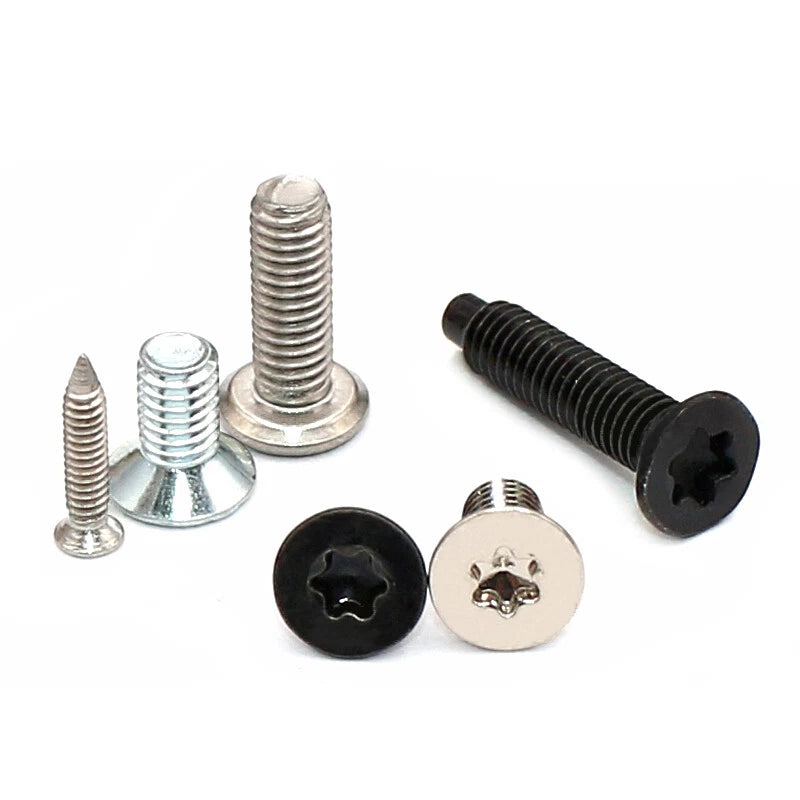
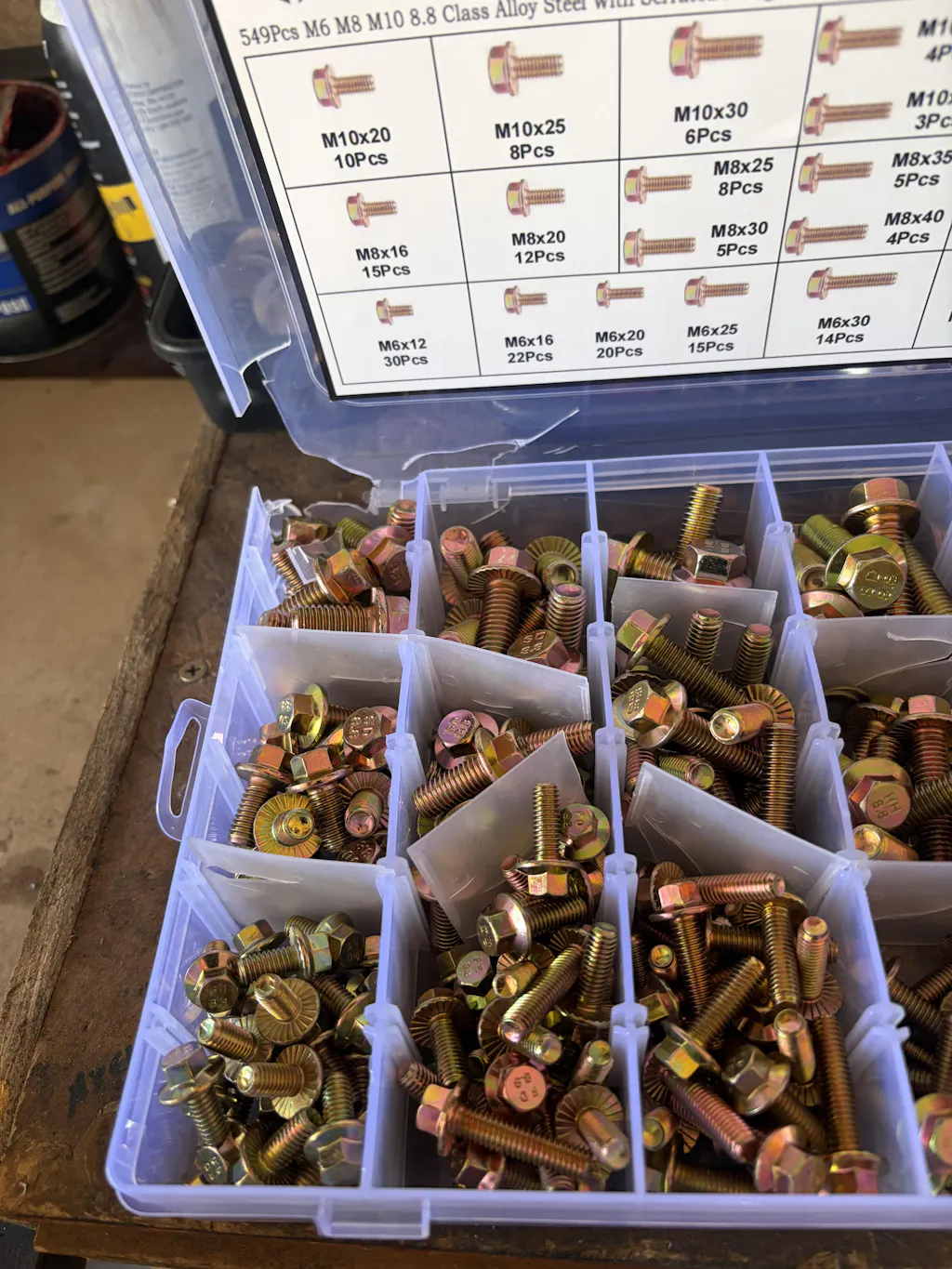
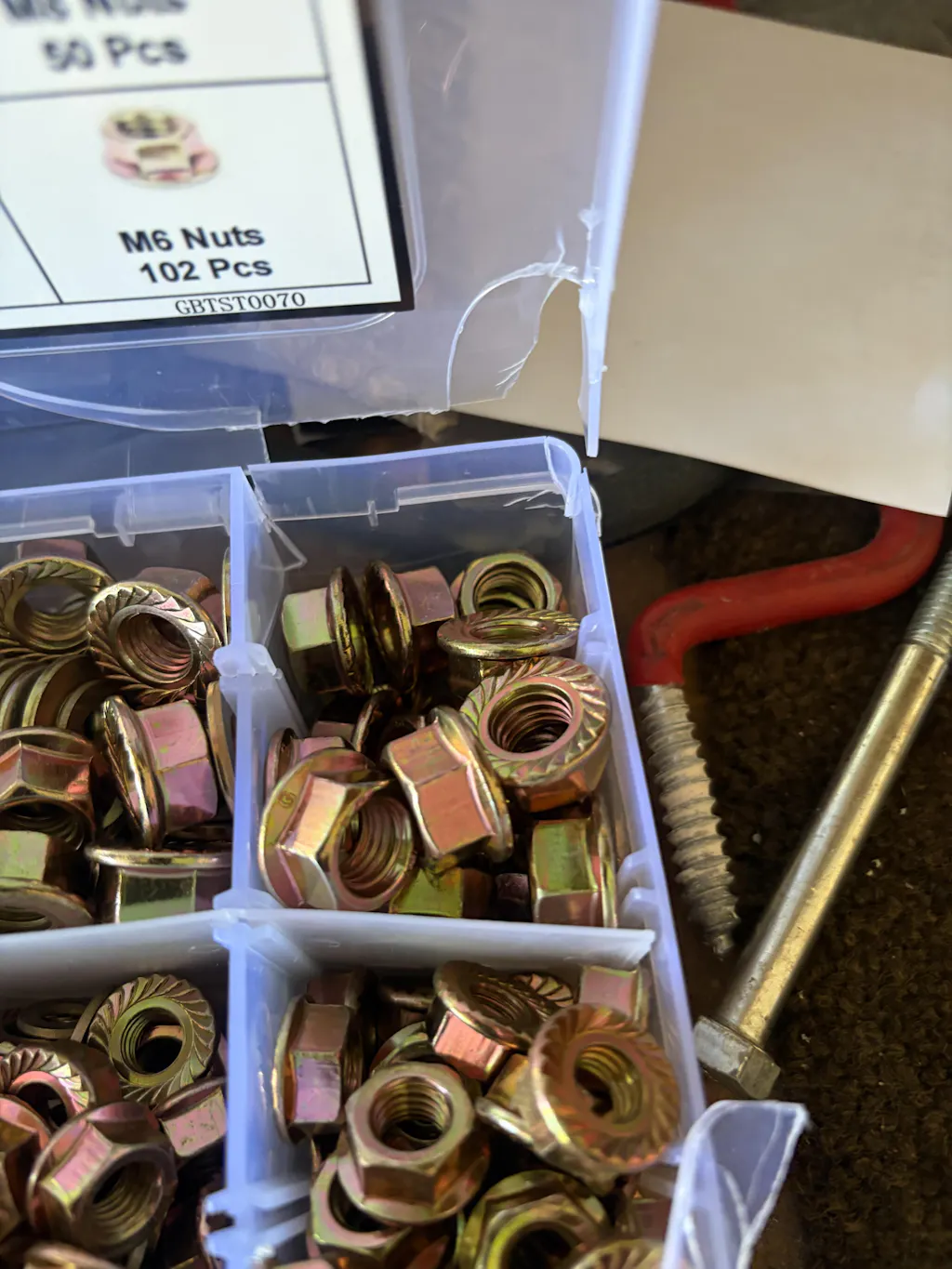
Wood Screws
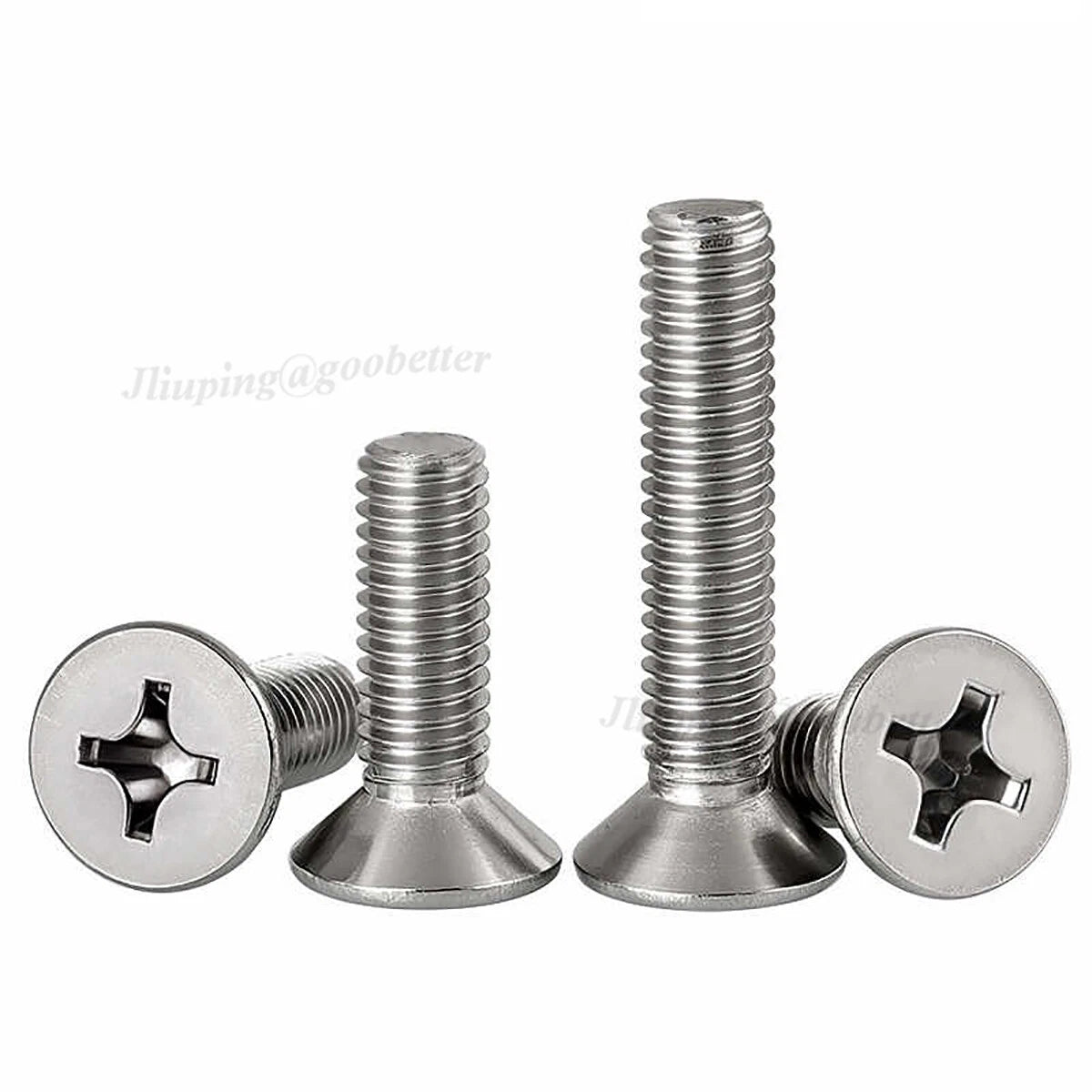
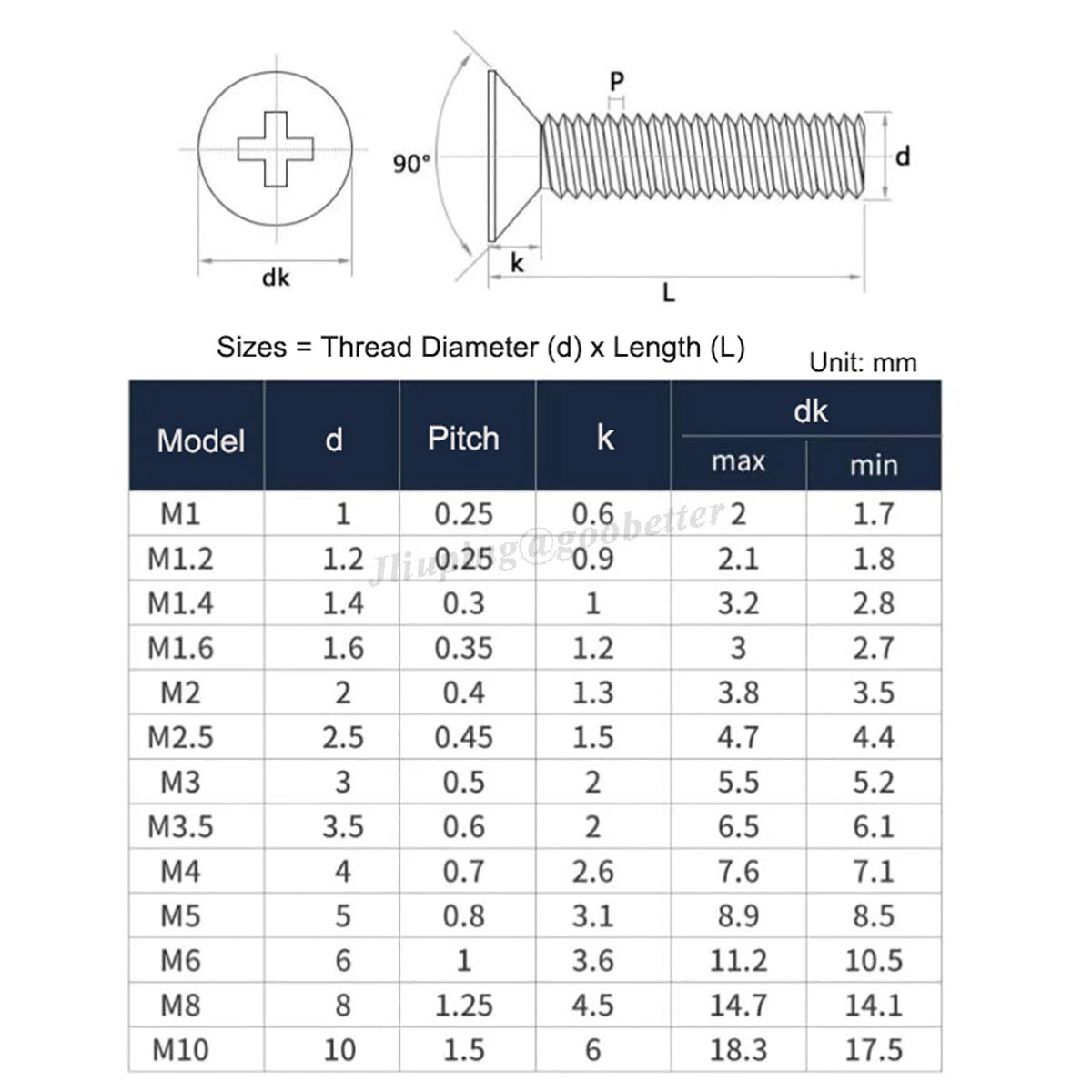
- Sharp self-tapping points for easy installation
- Anti-corrosion coating (zinc plated/stainless steel)
- Deep threading for superior holding power
- Phillips/flat head options available
View Products
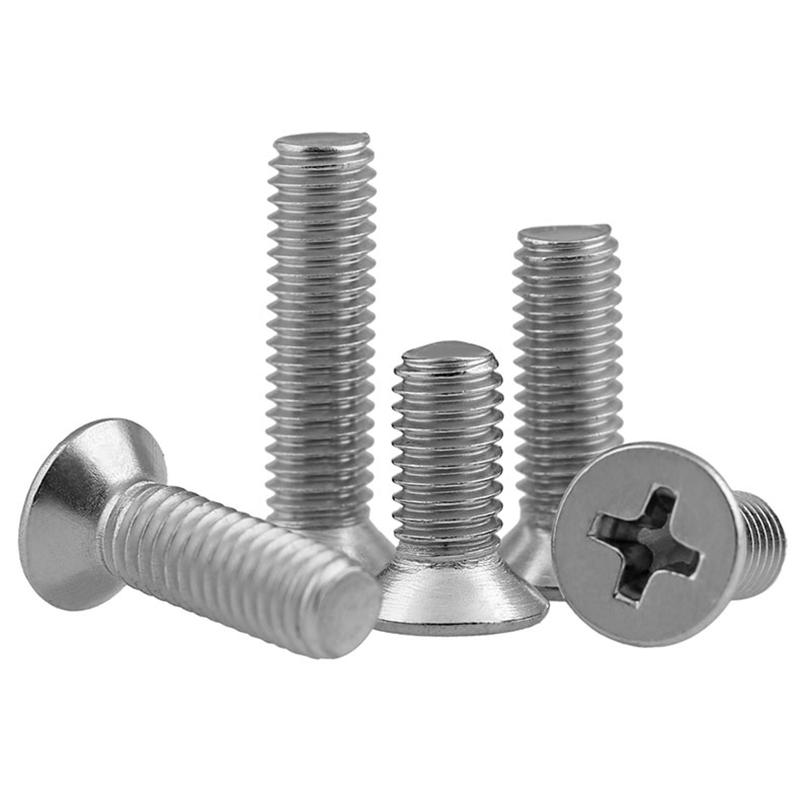
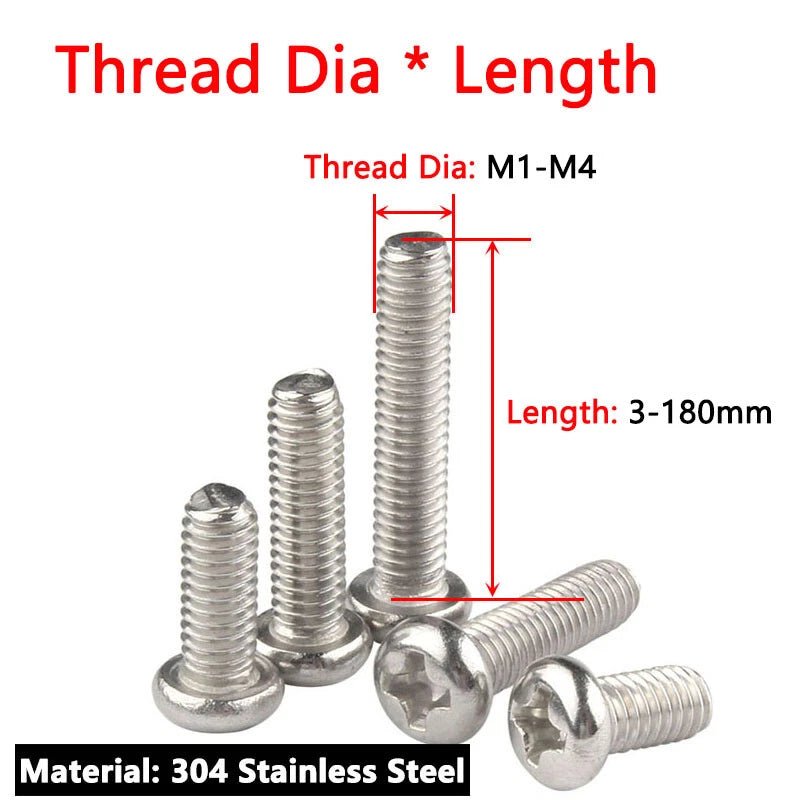
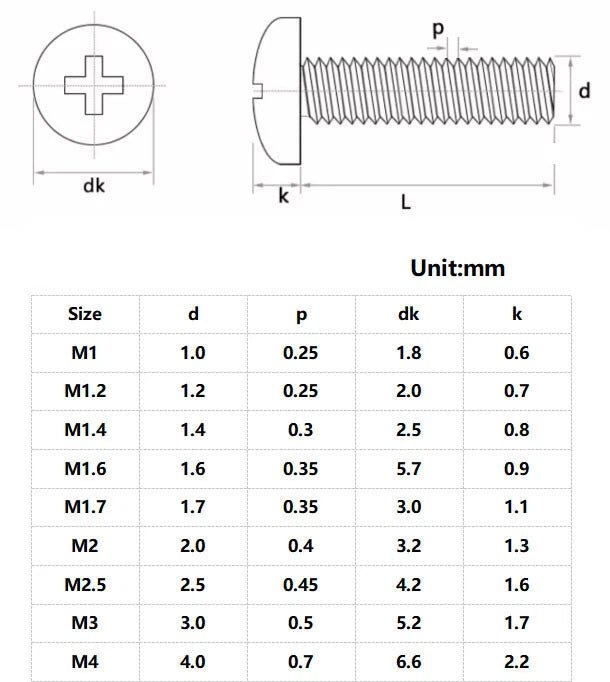
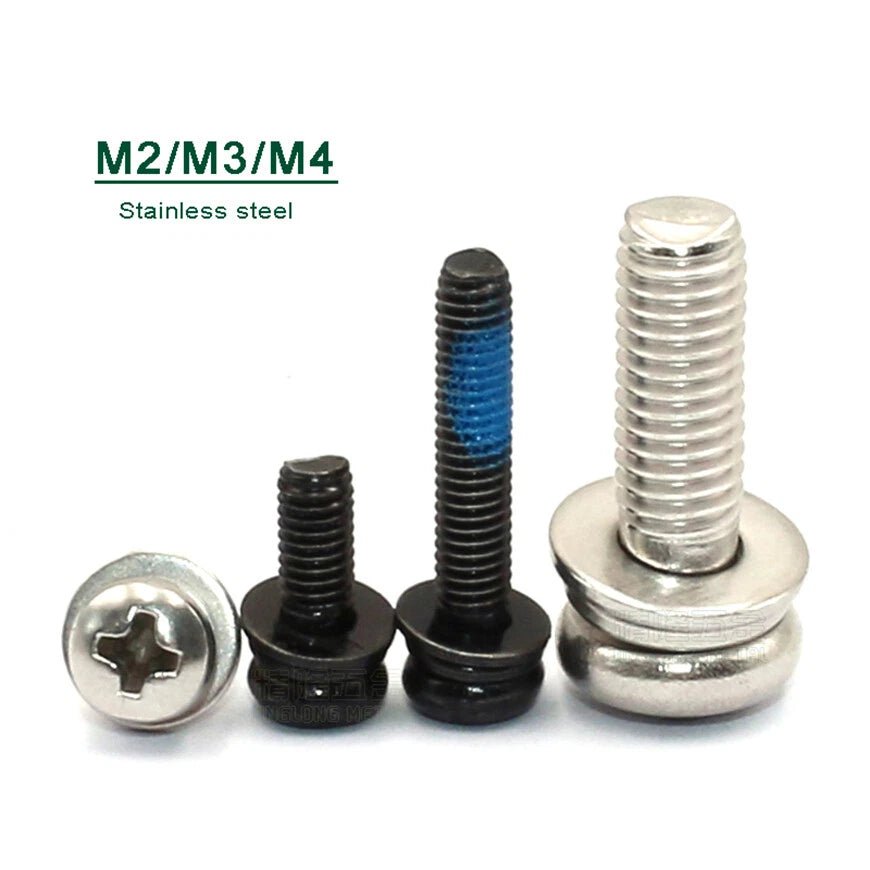
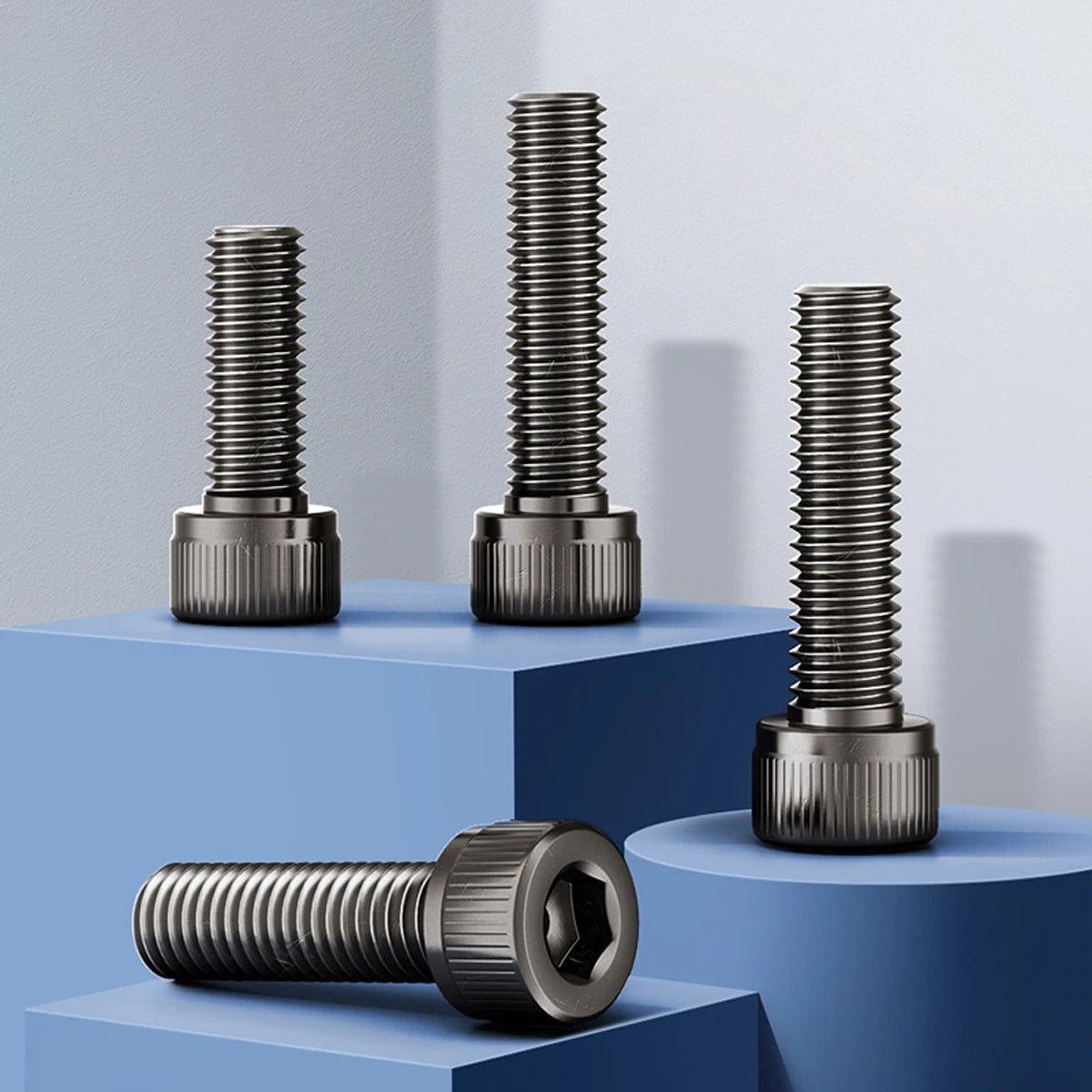
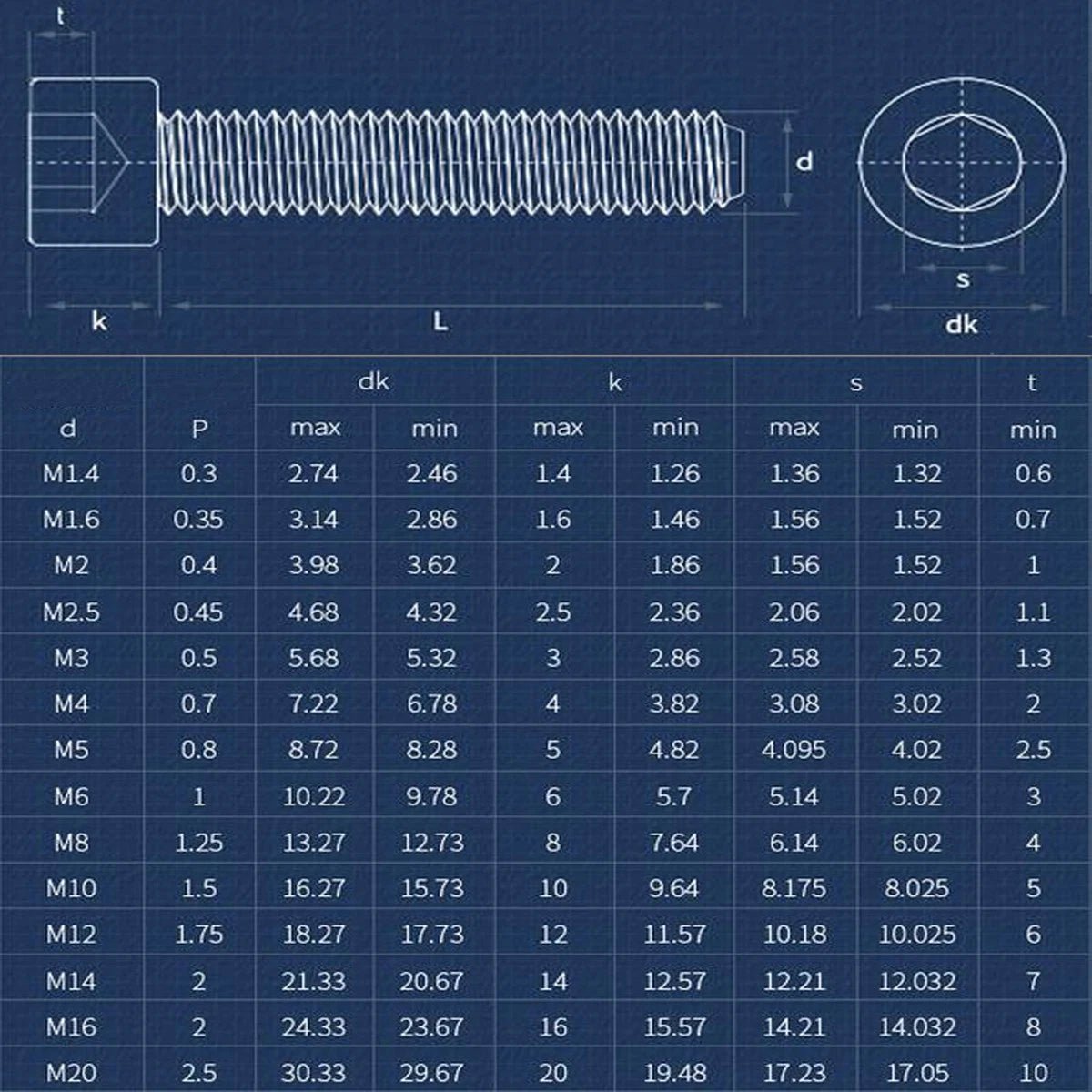
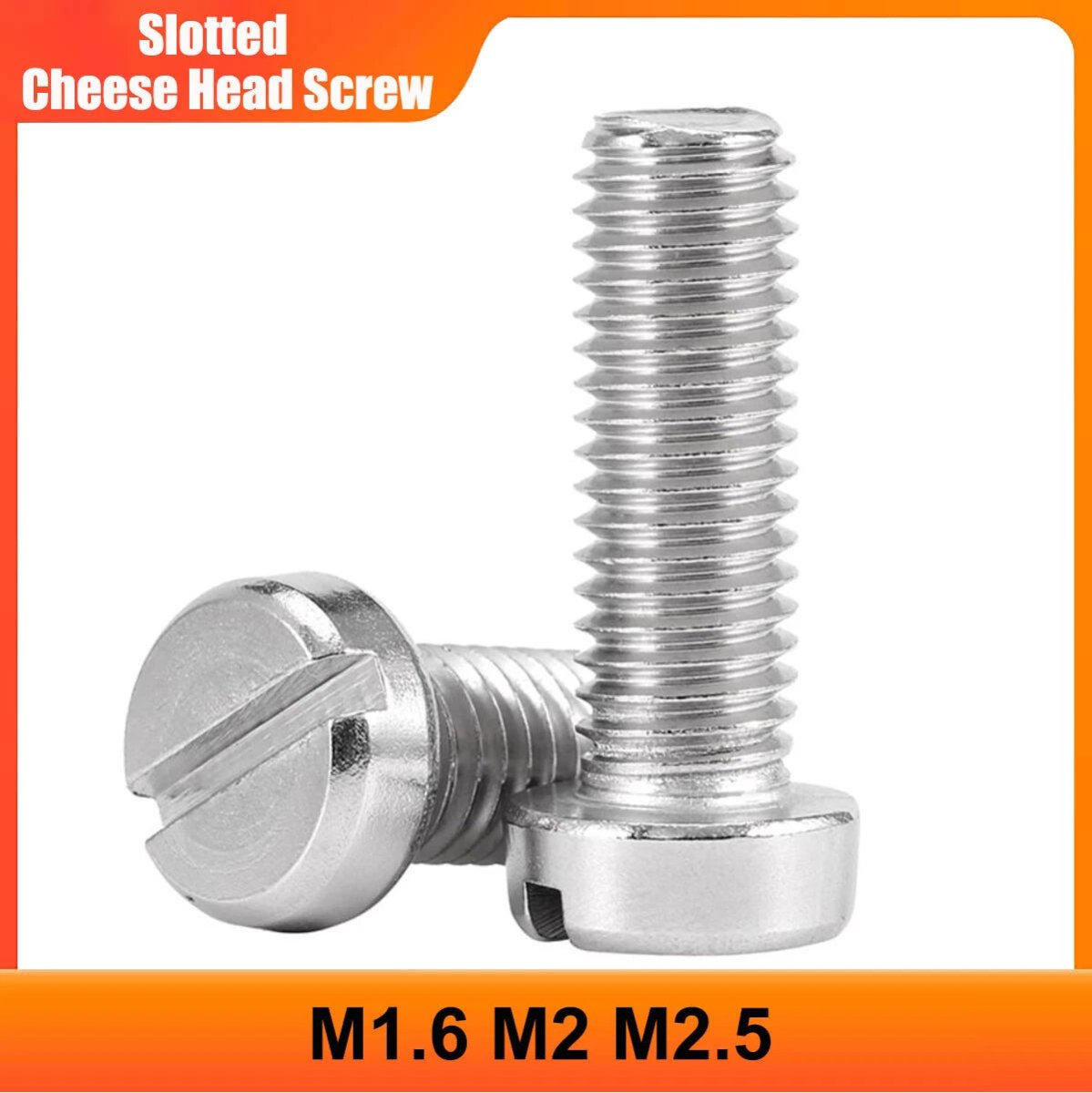
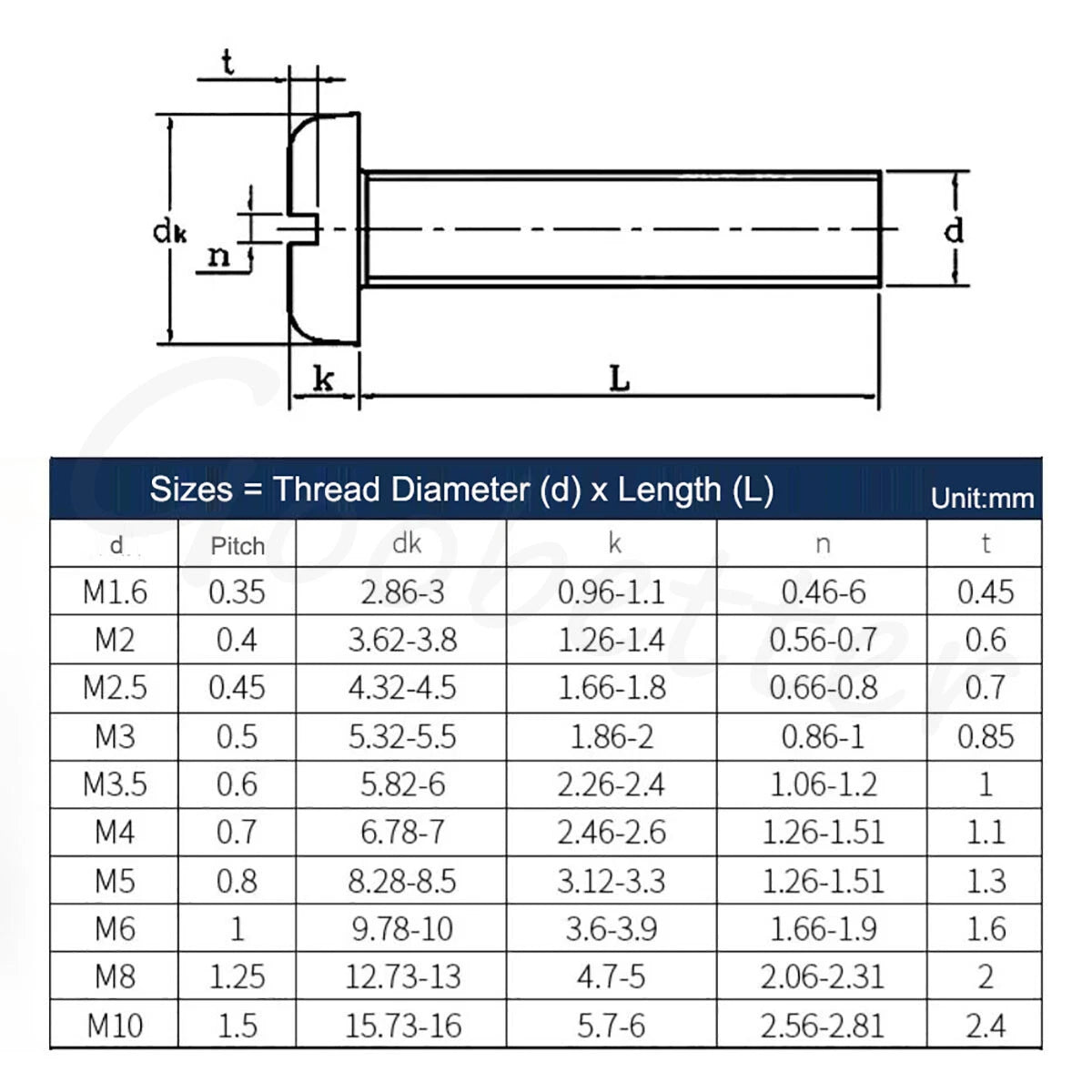
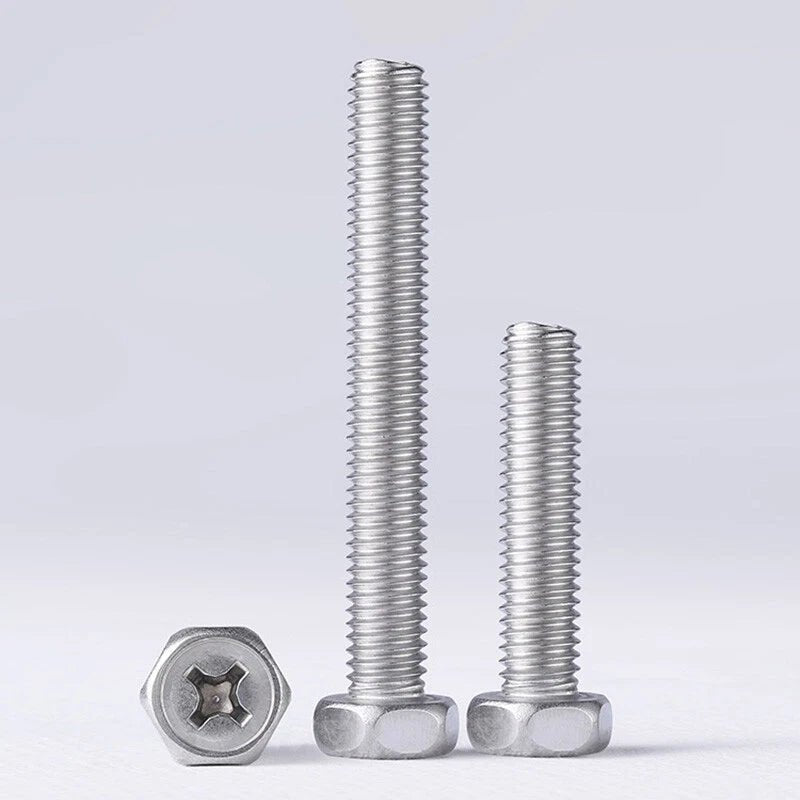
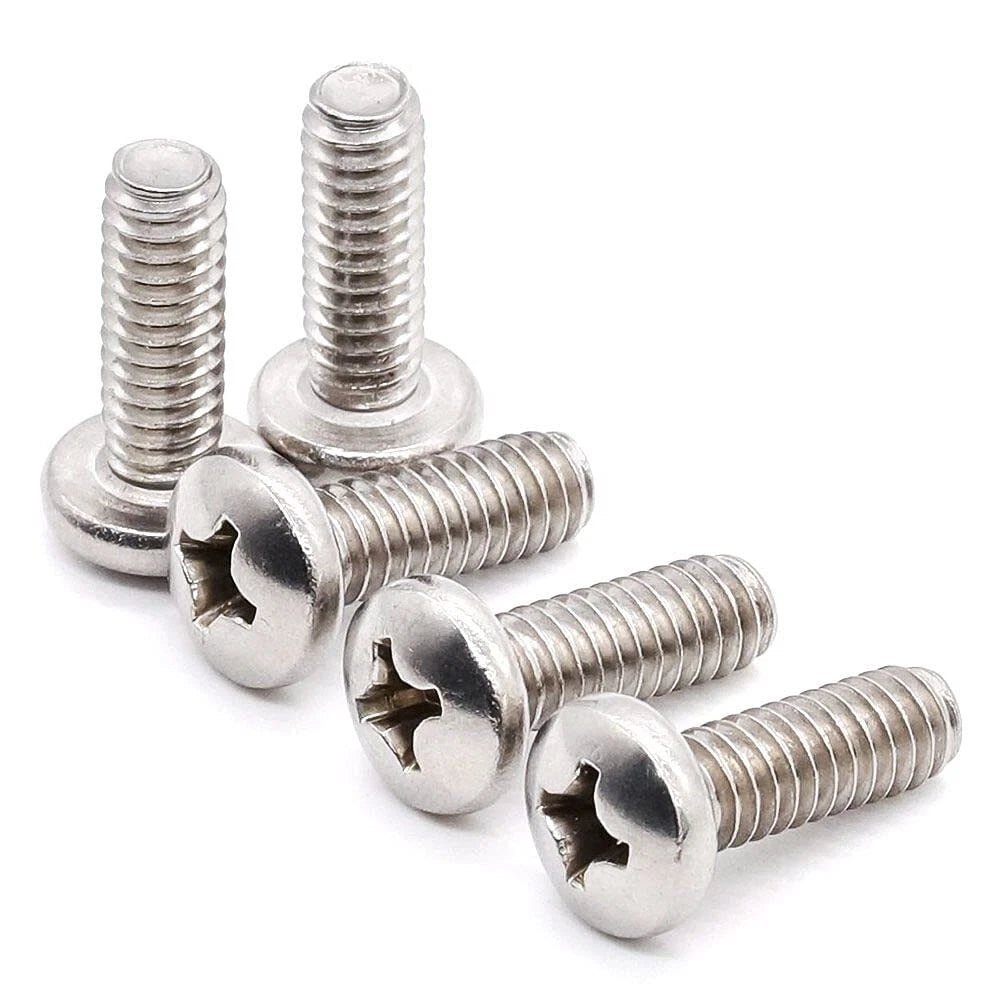
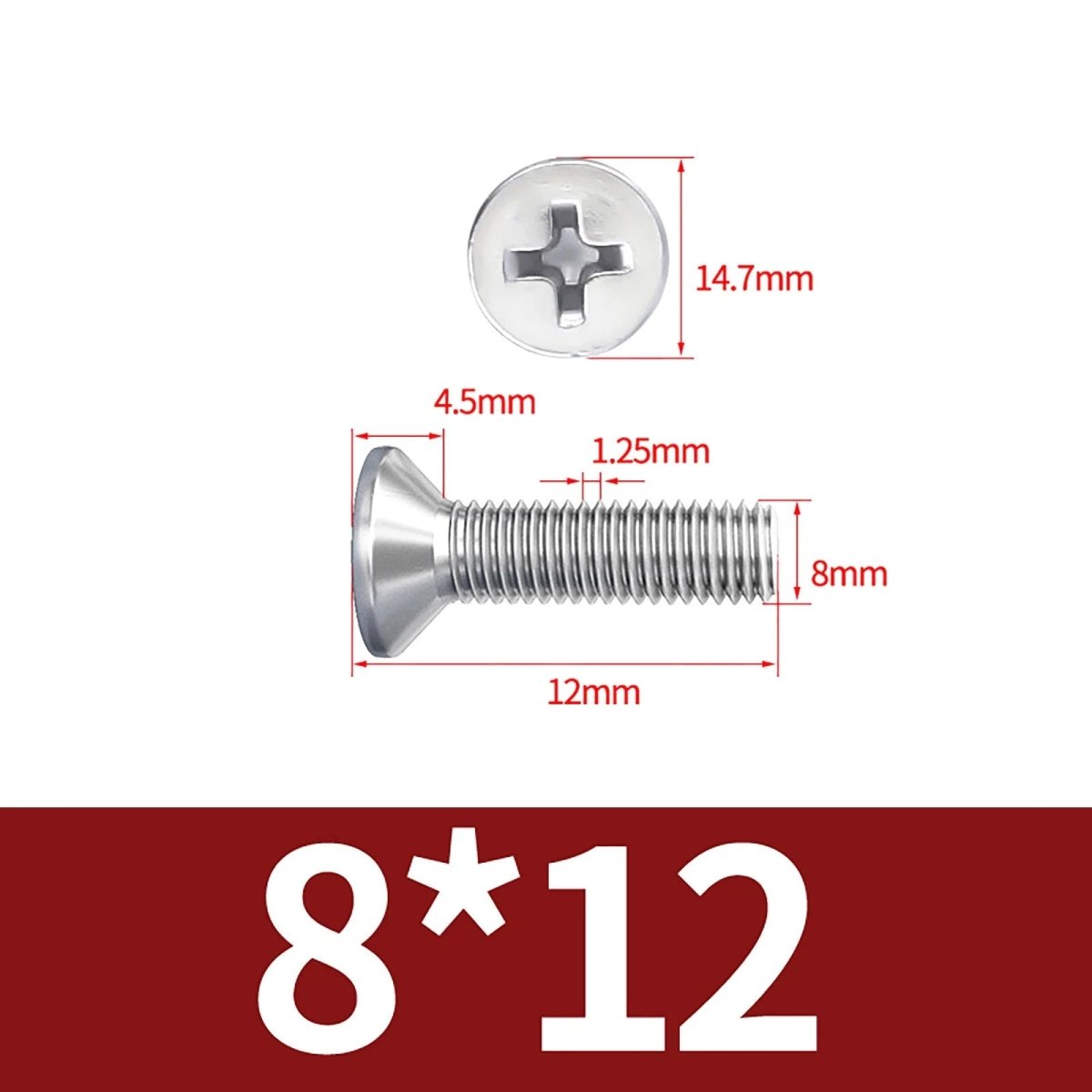
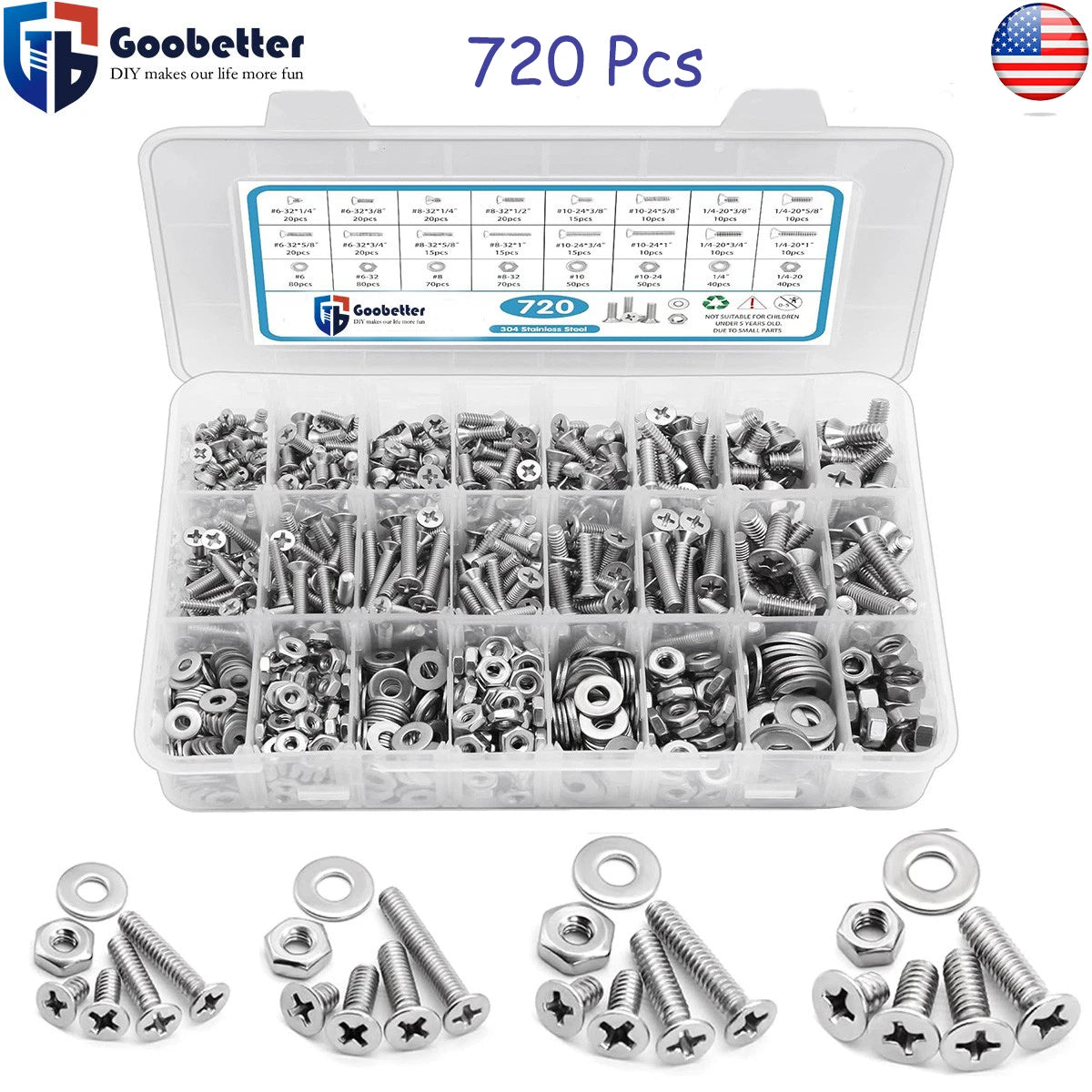
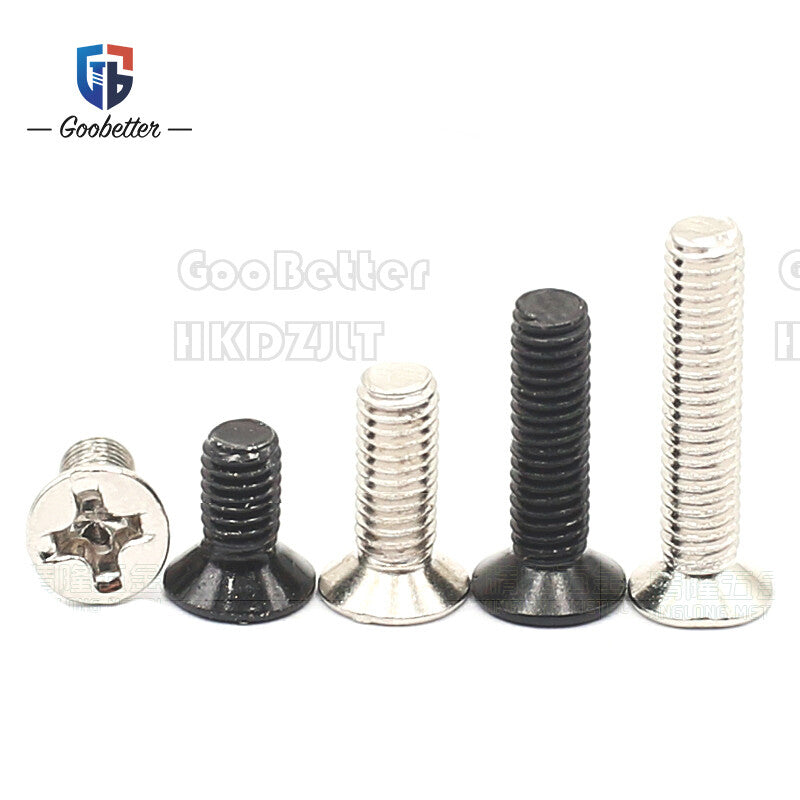
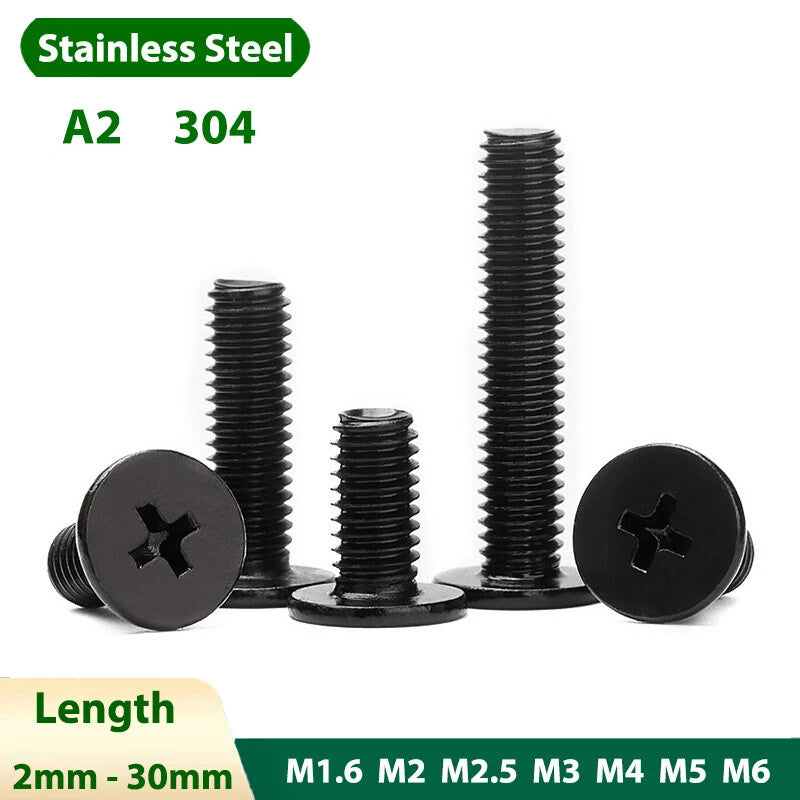
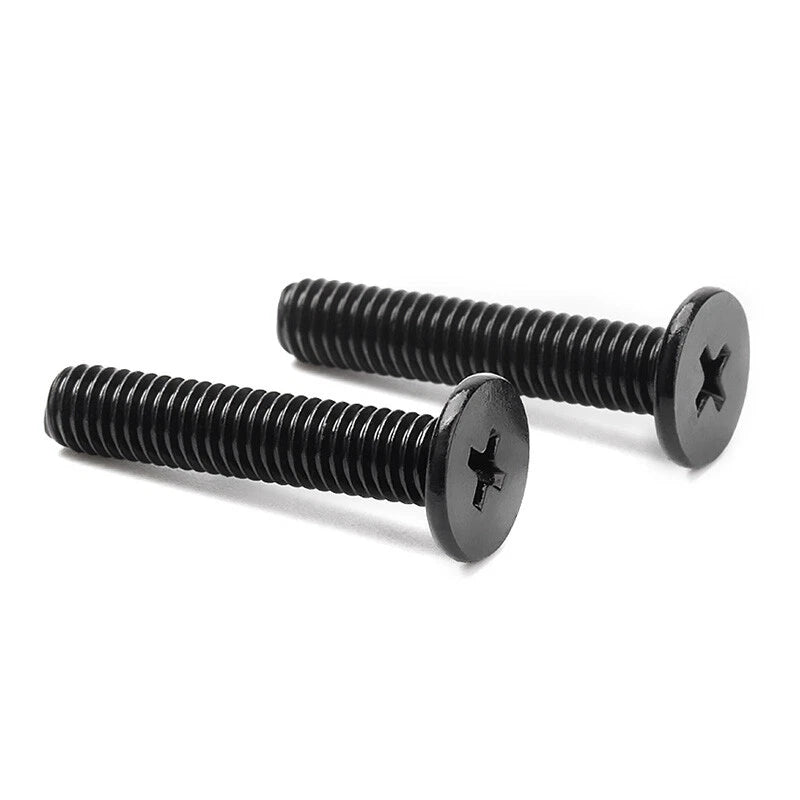
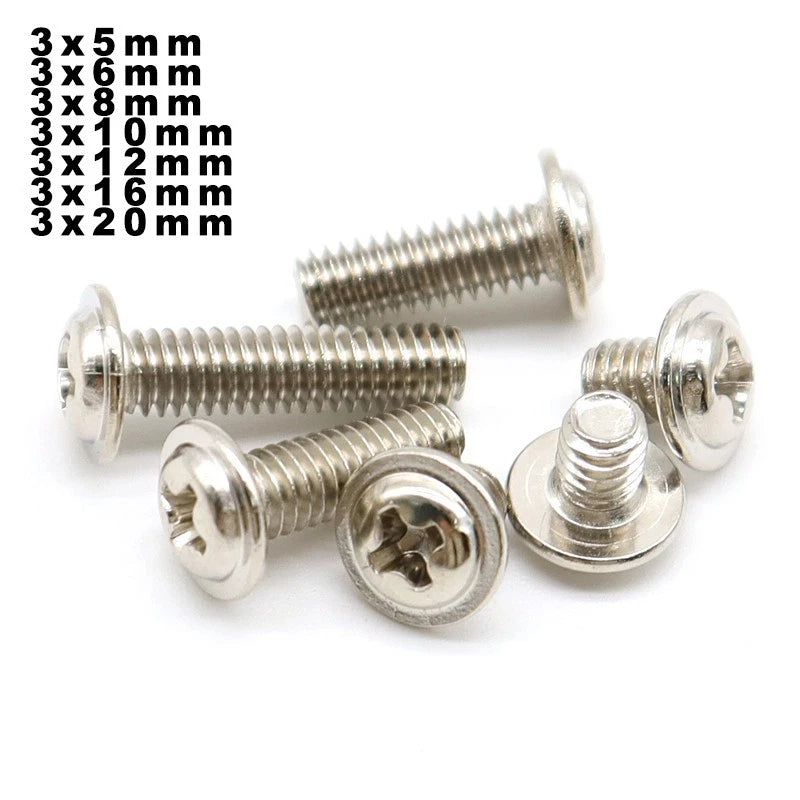
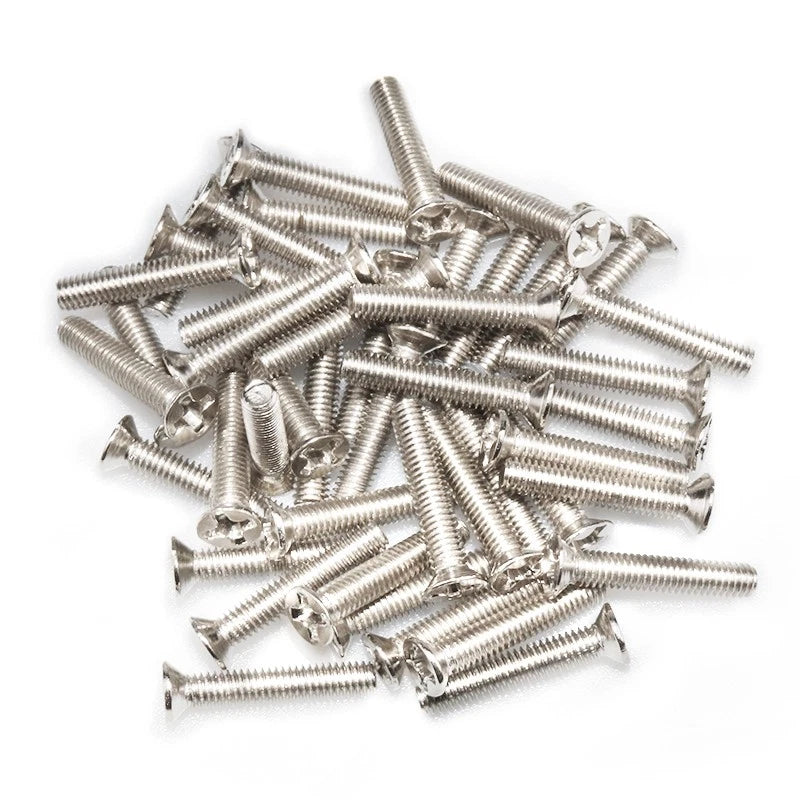
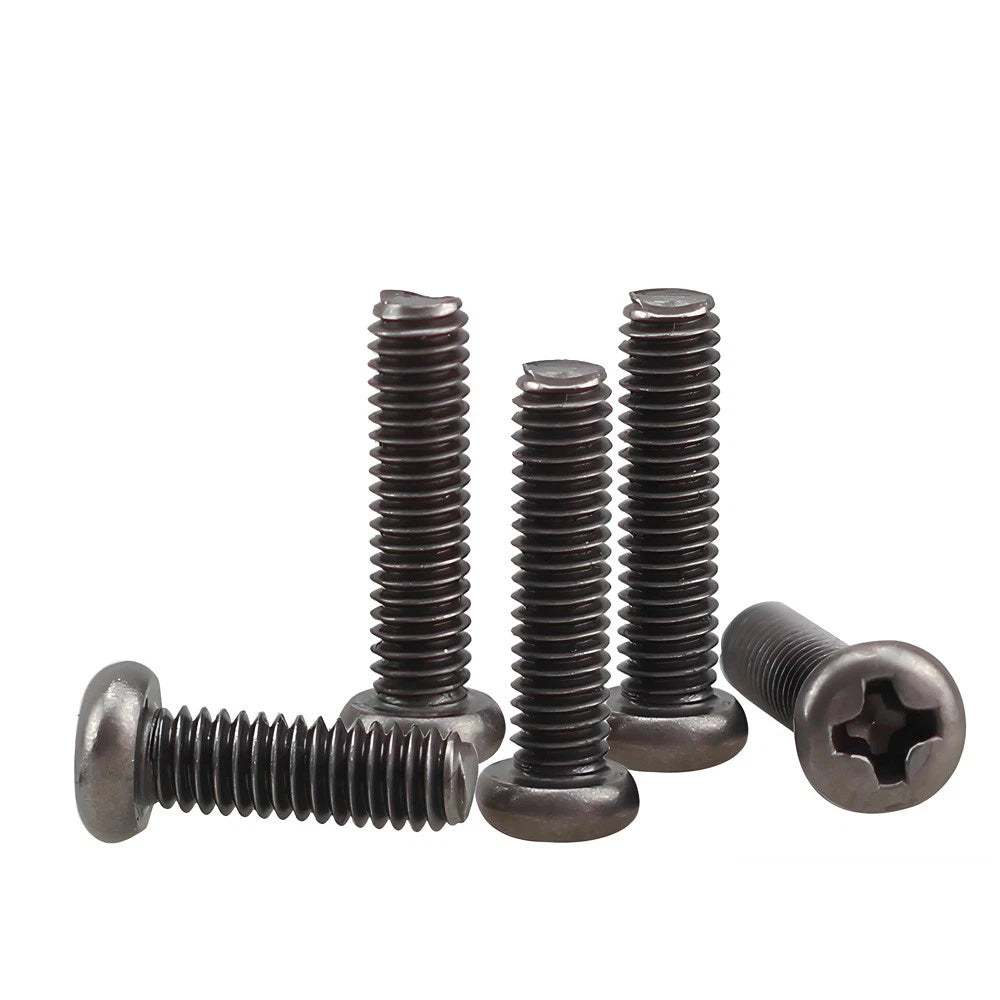
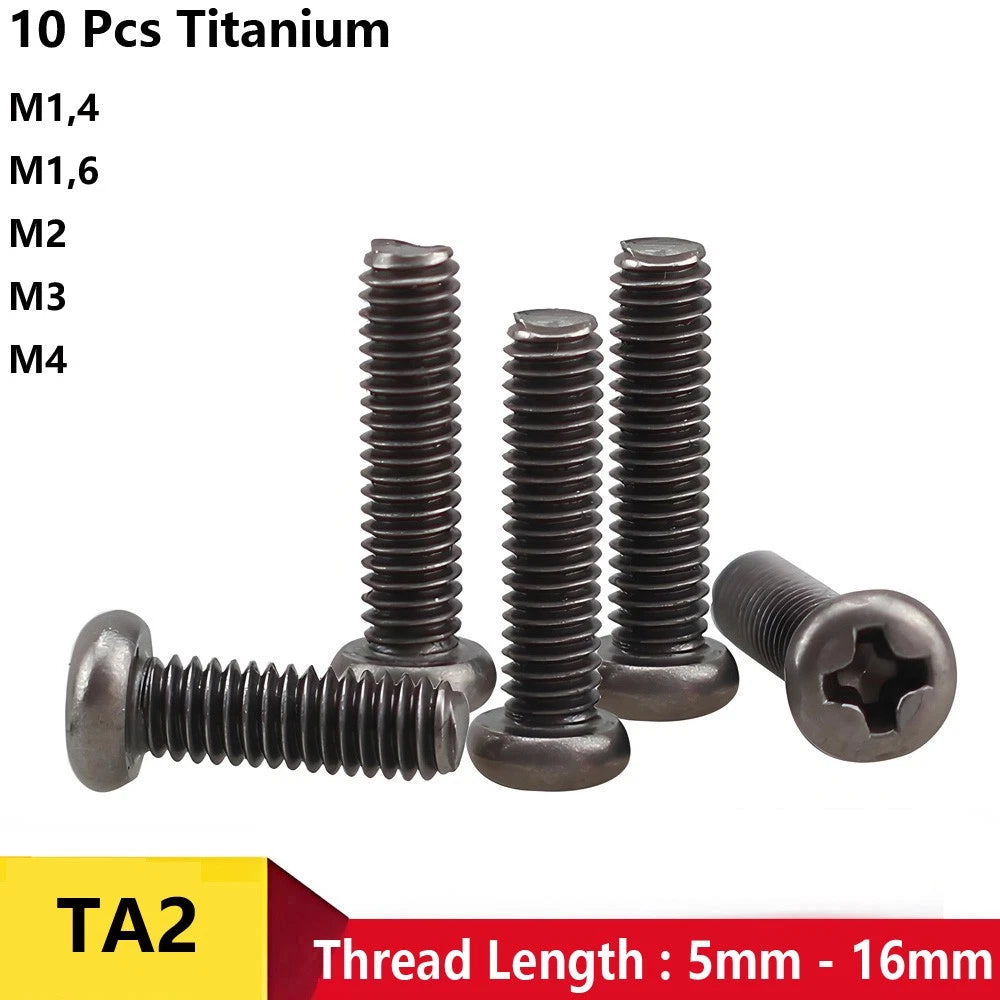
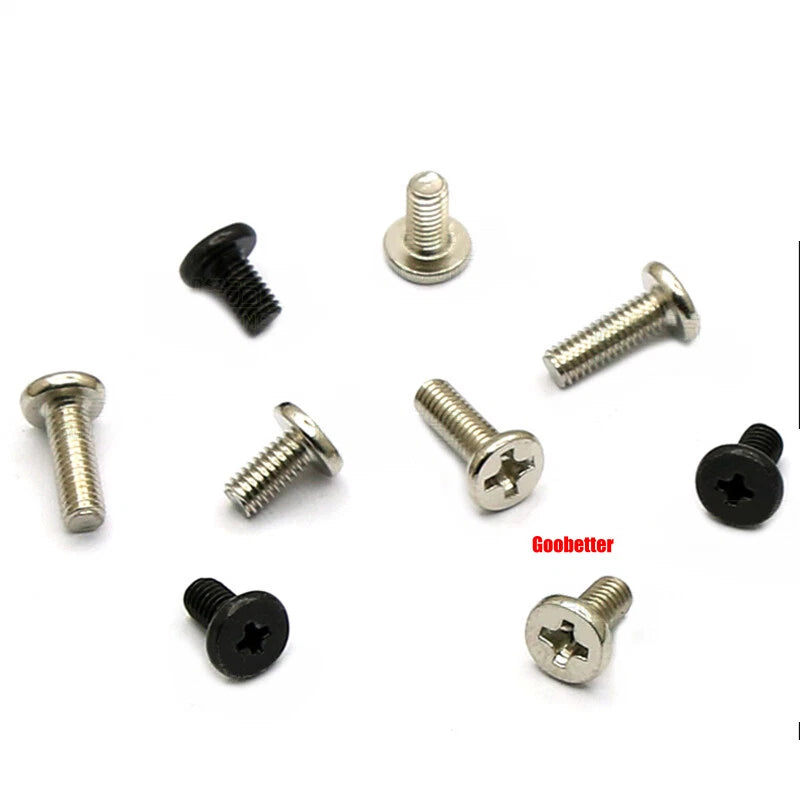
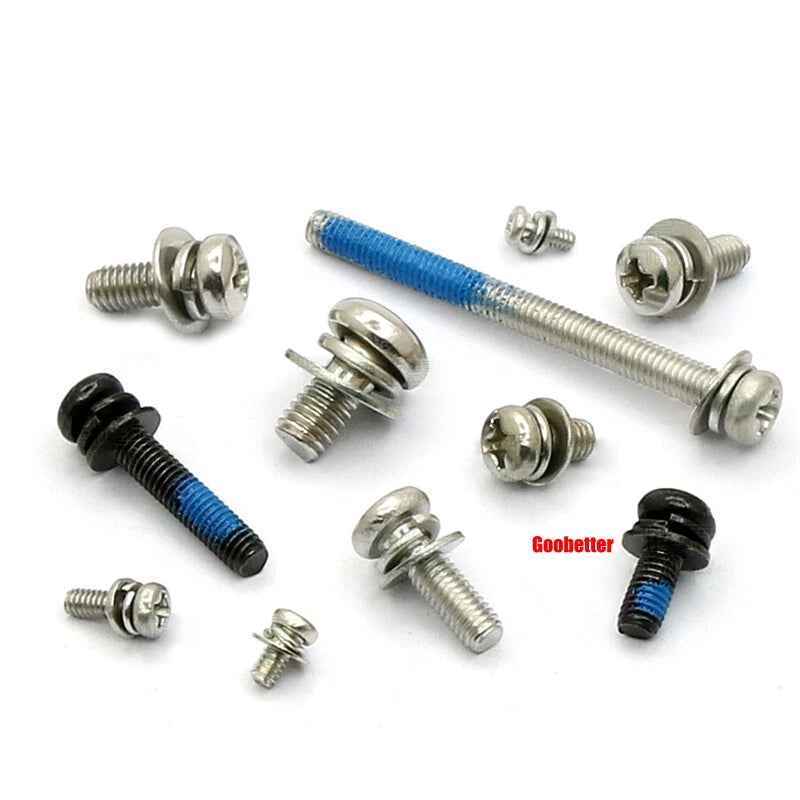
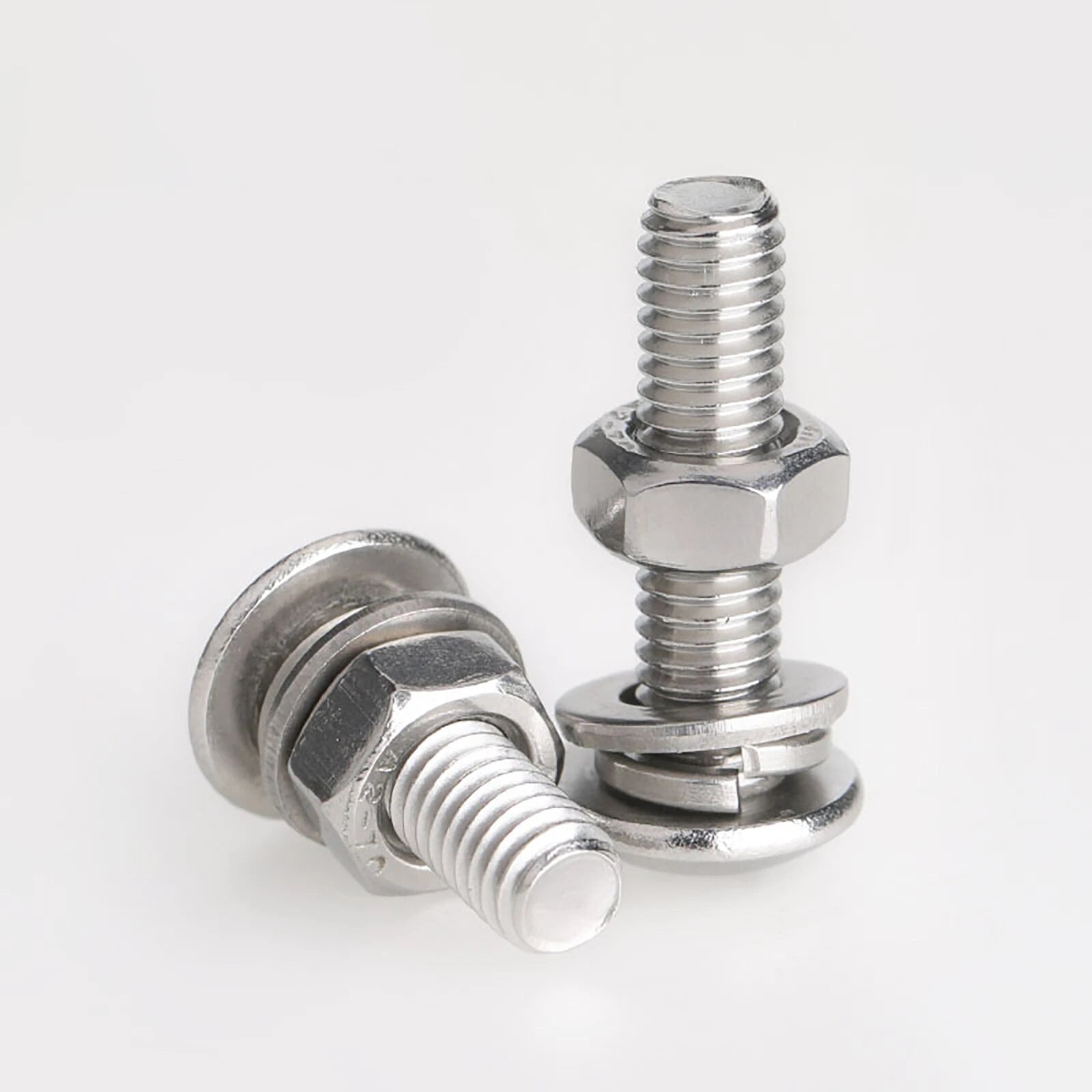
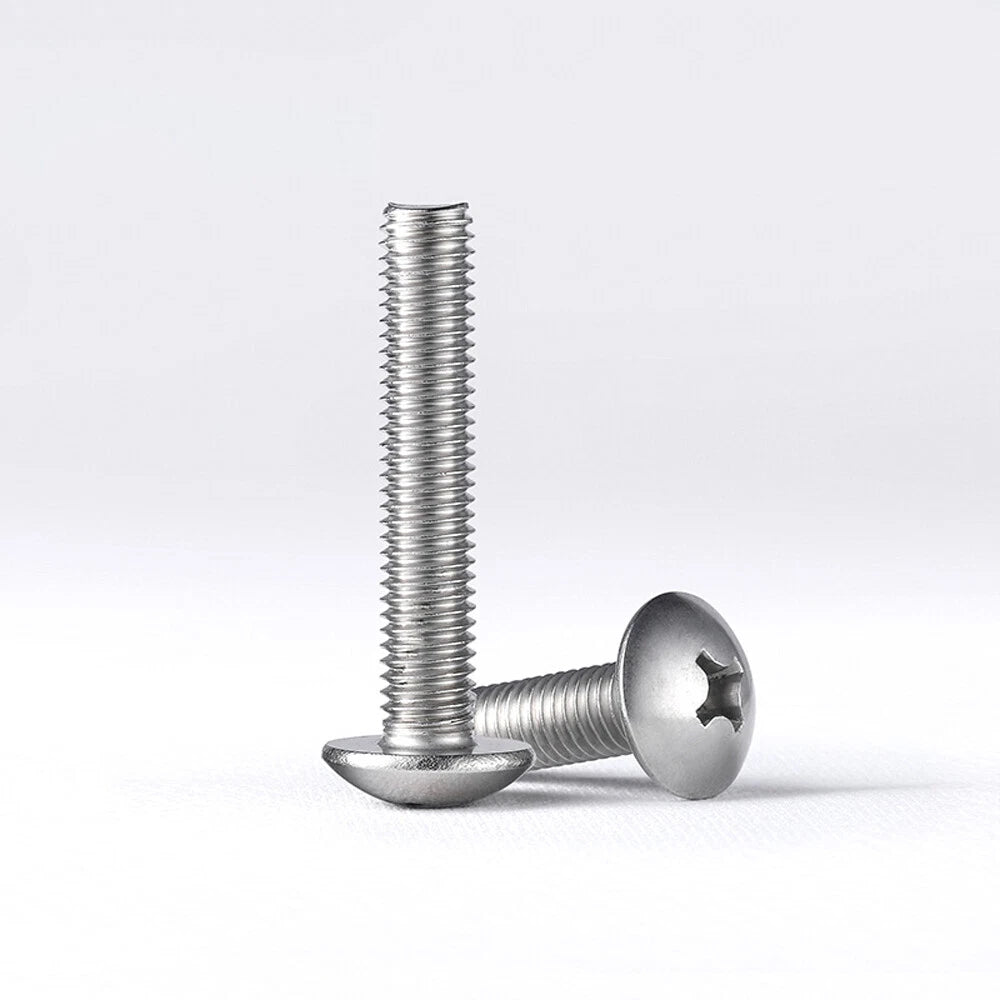
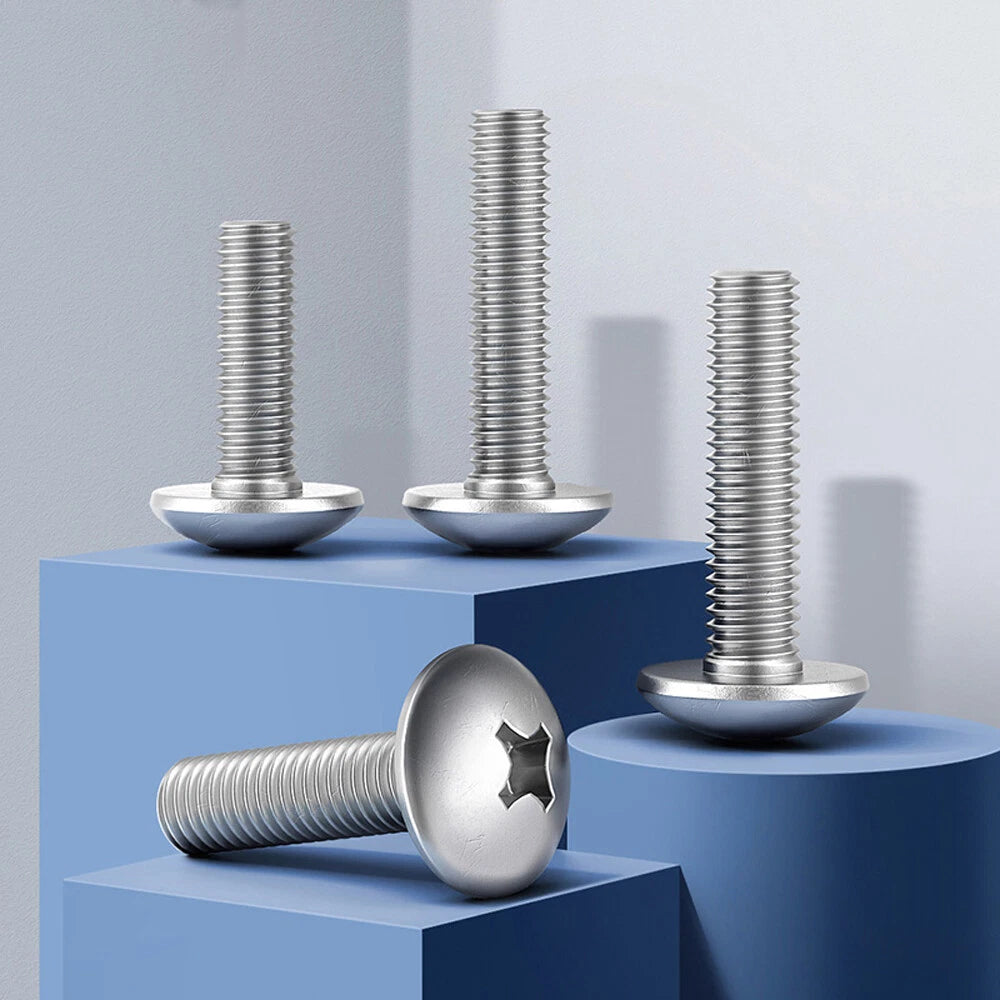
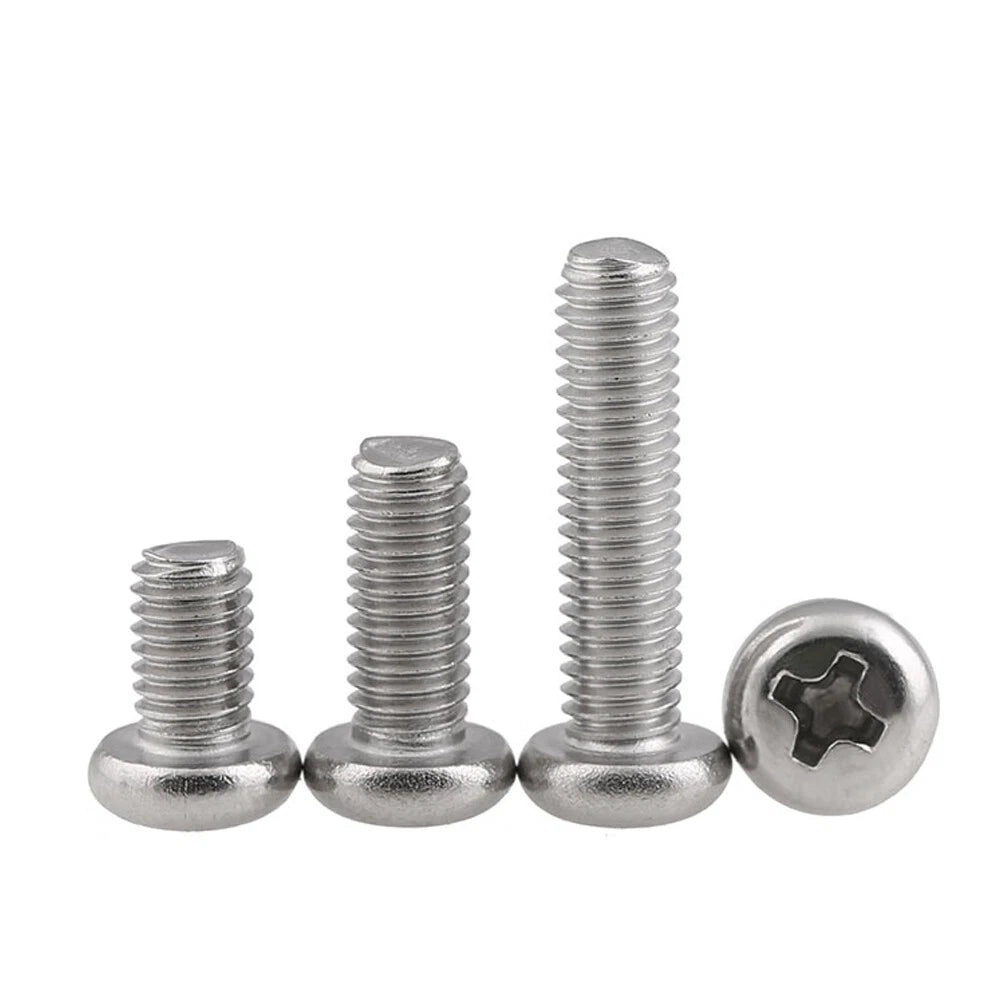
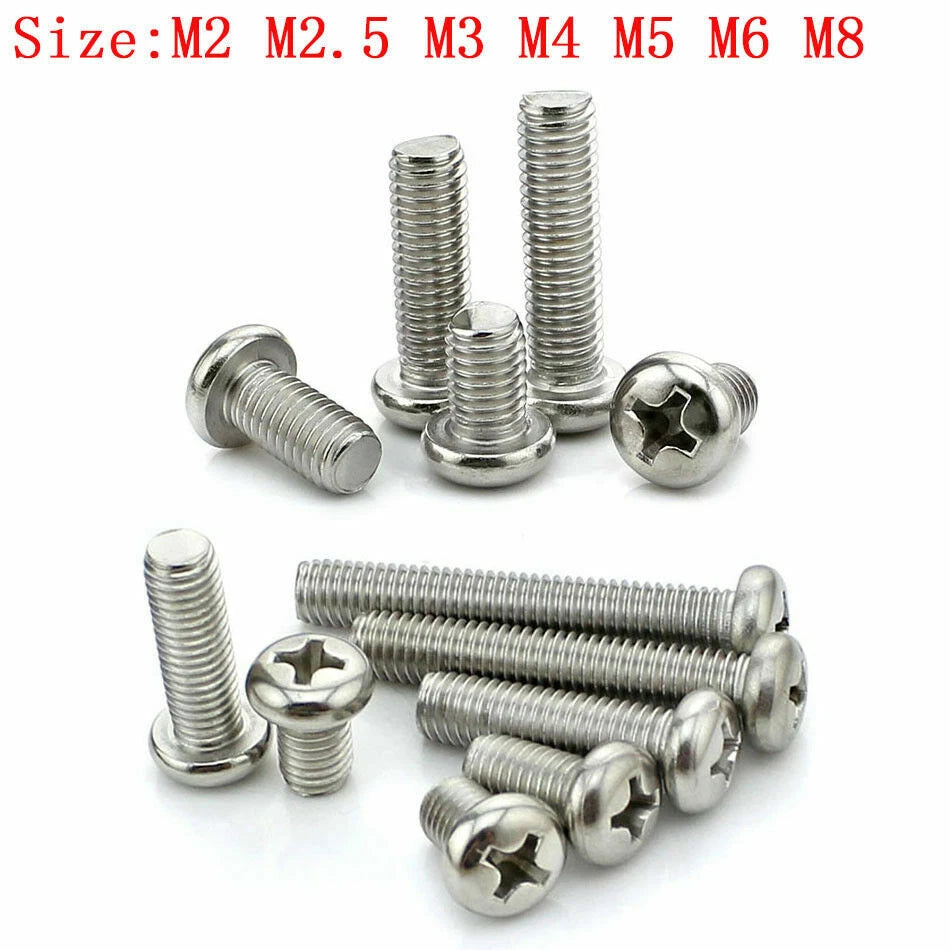
Machine Screws
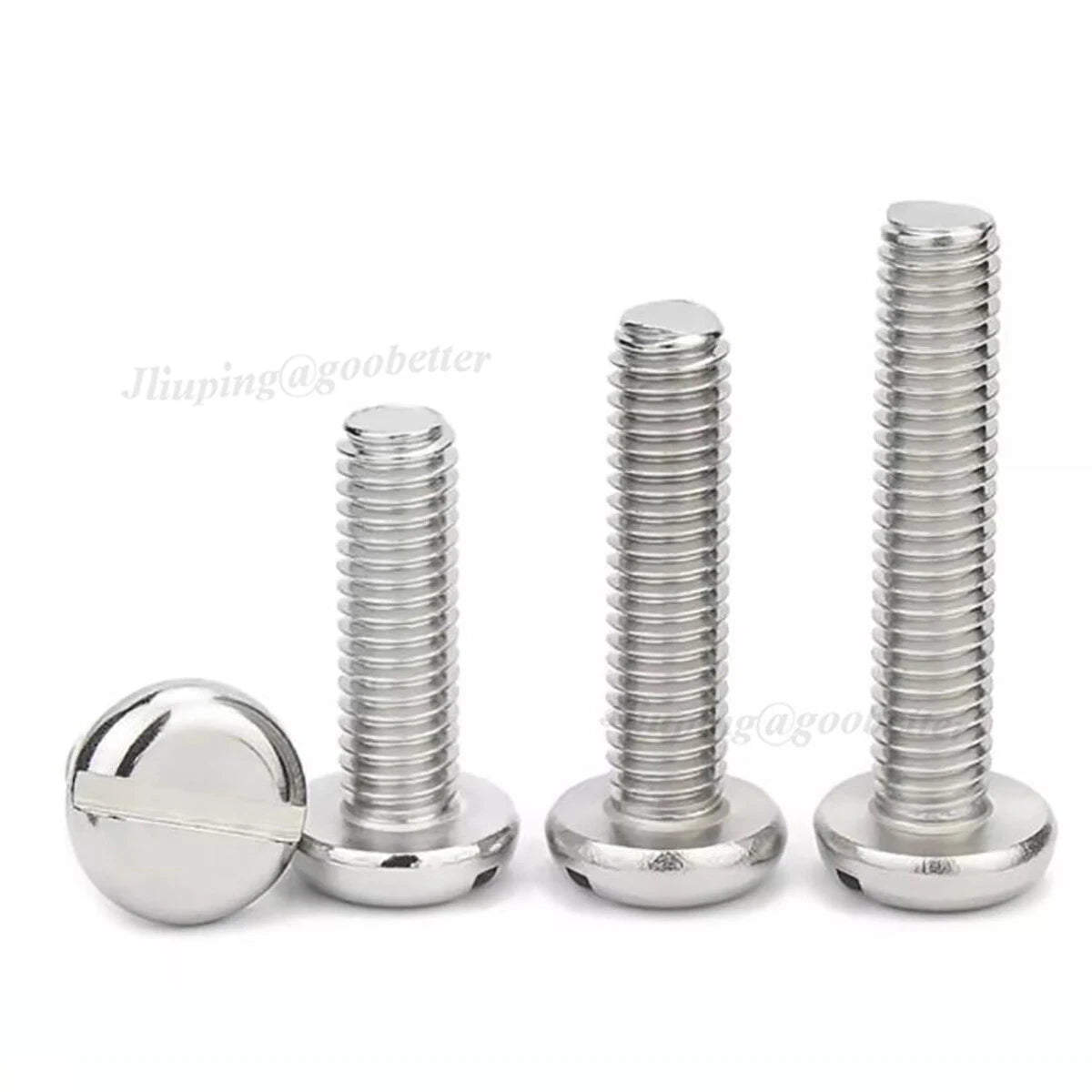
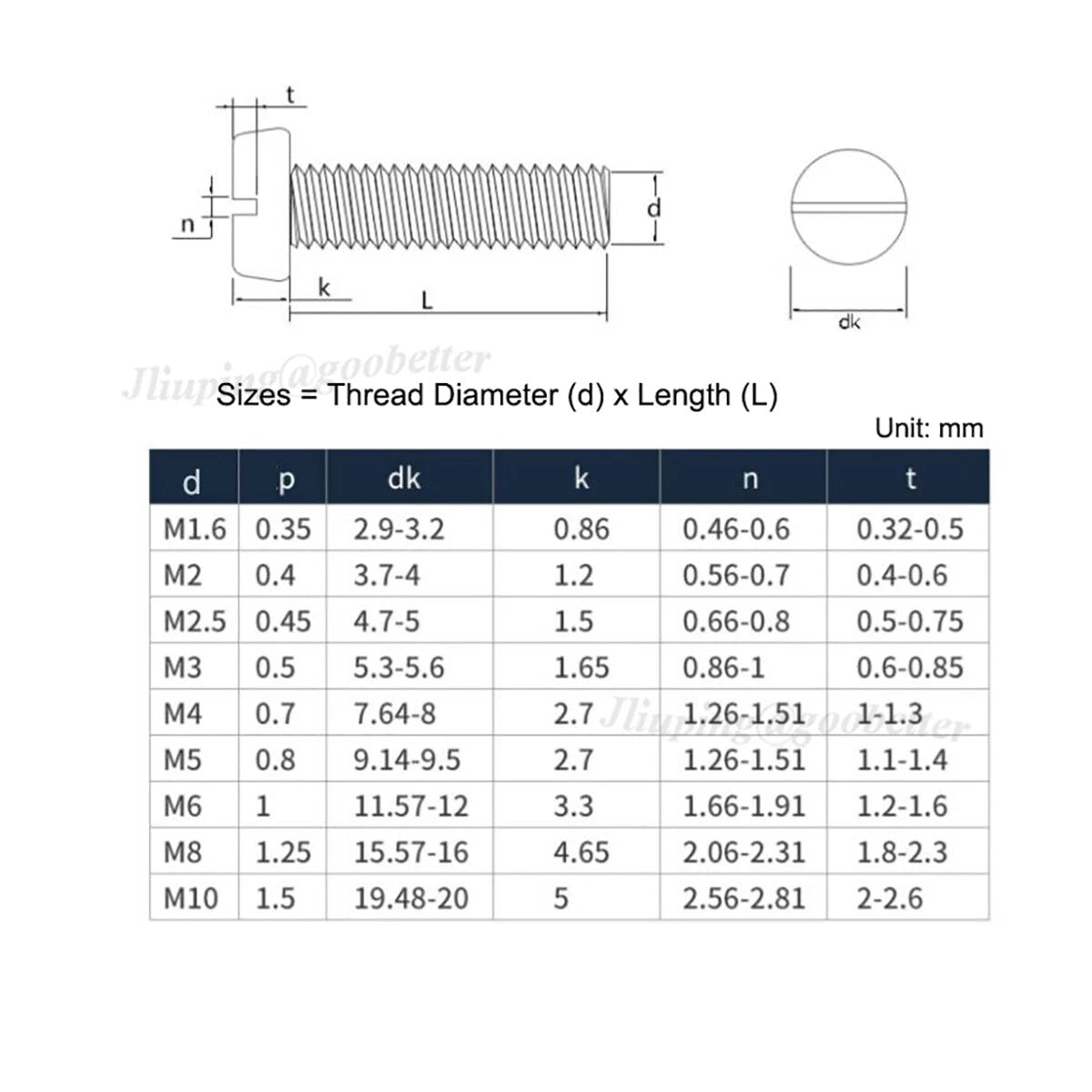
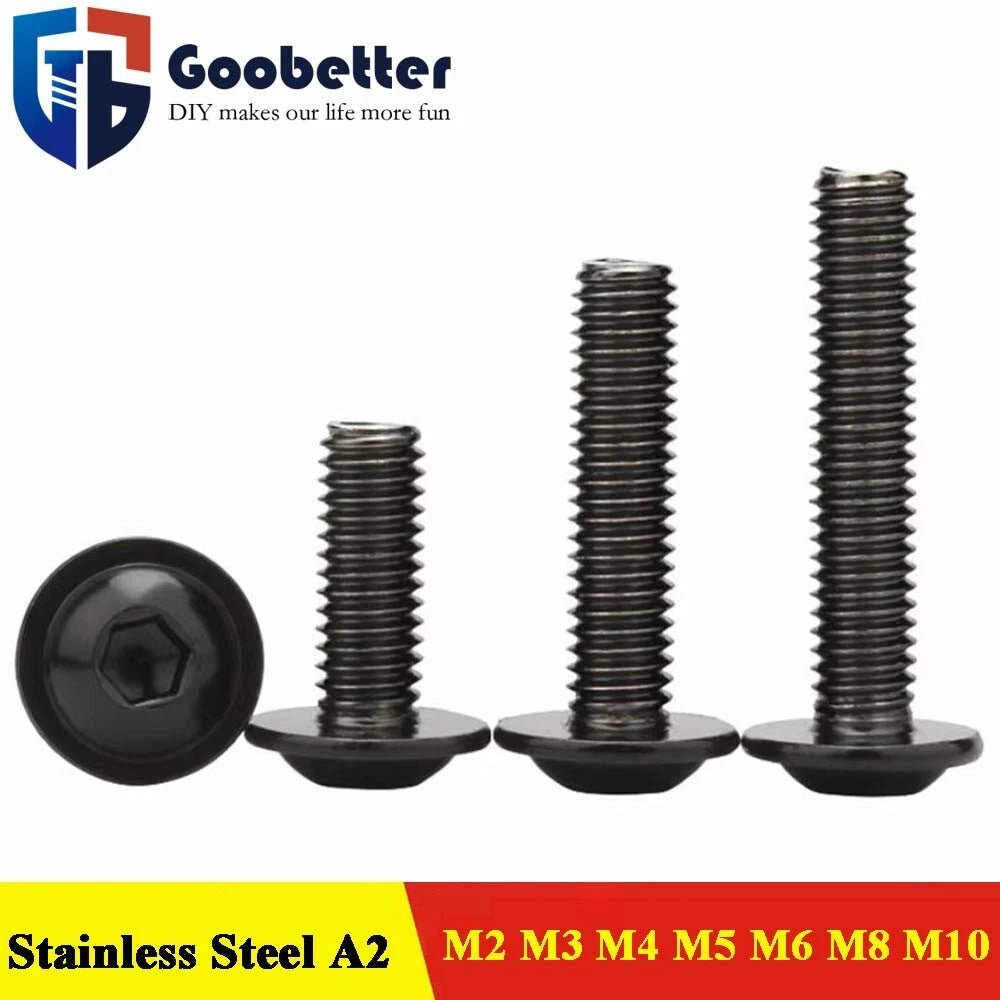
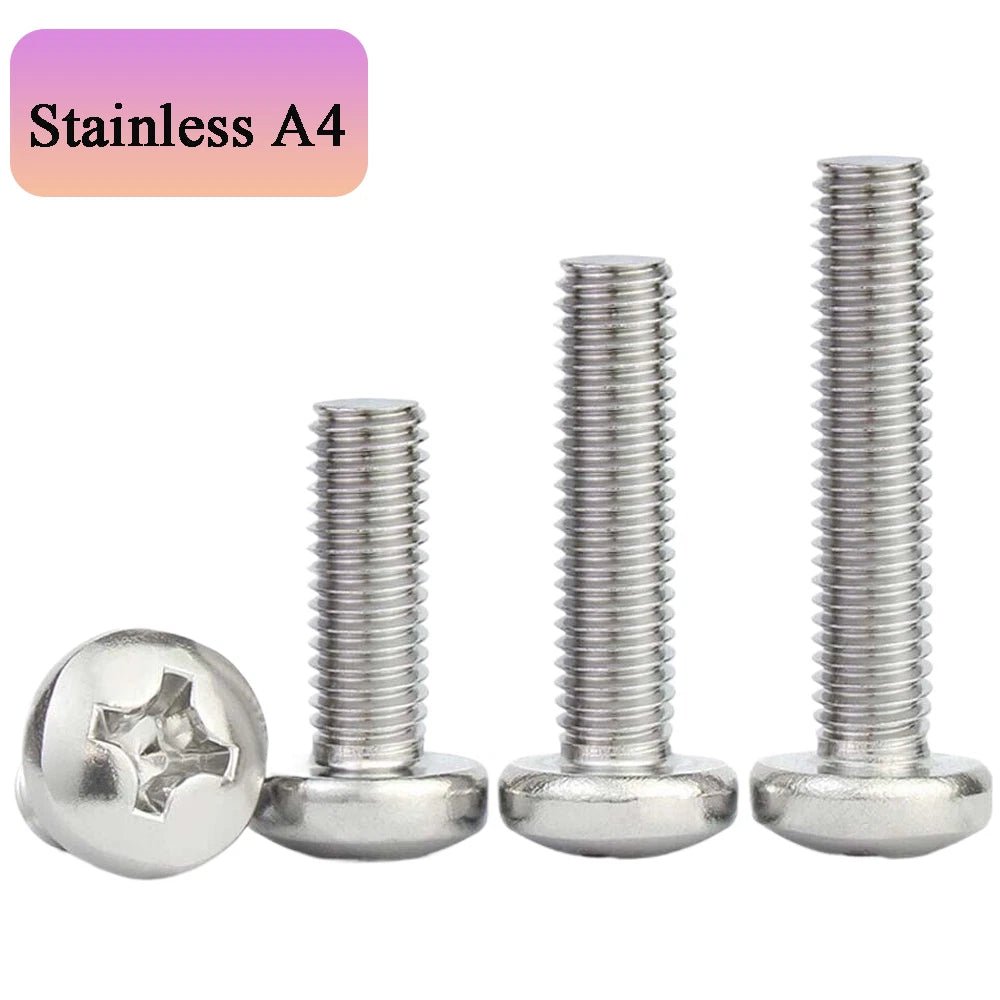
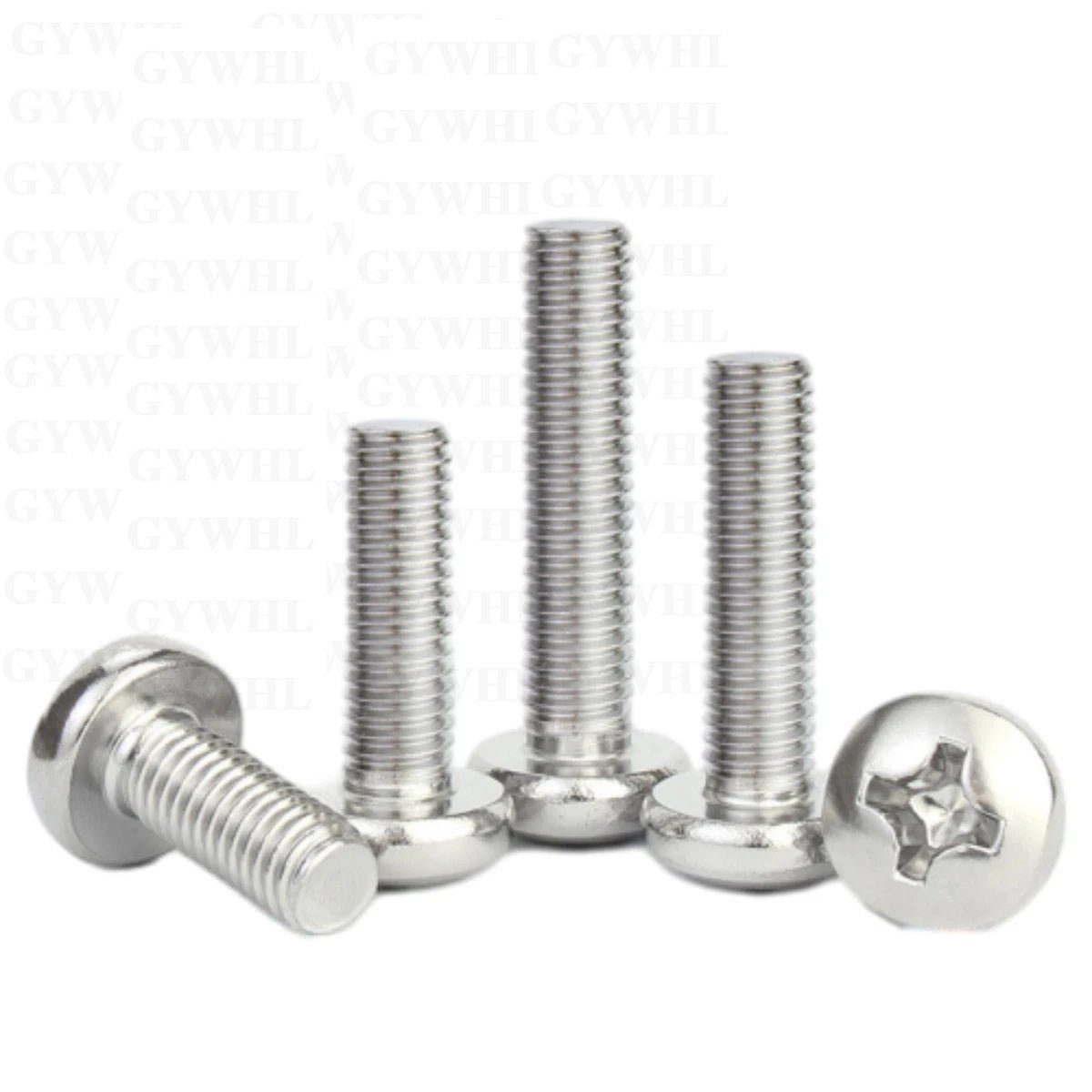
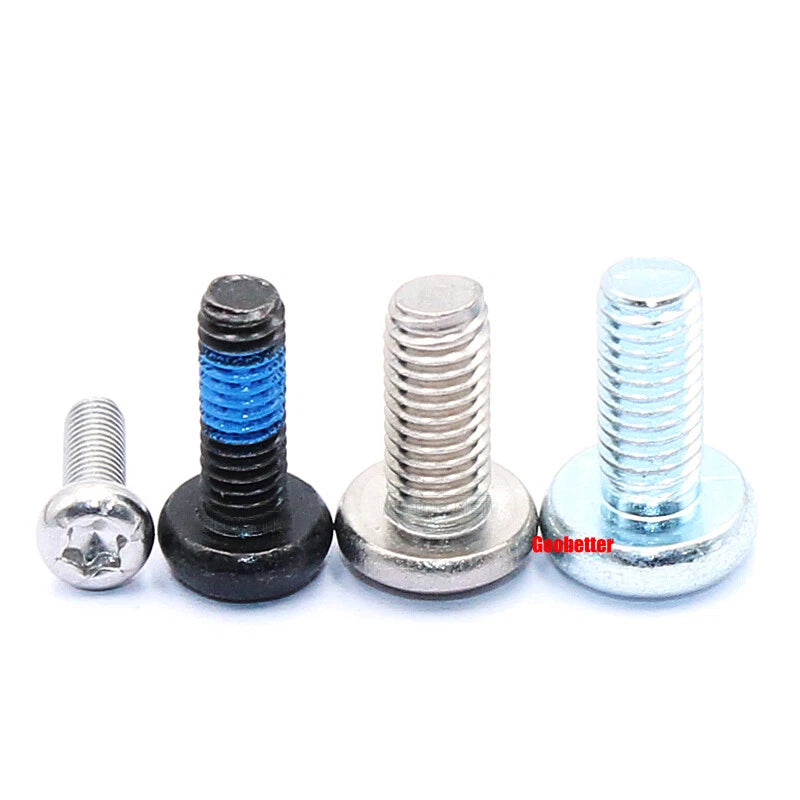
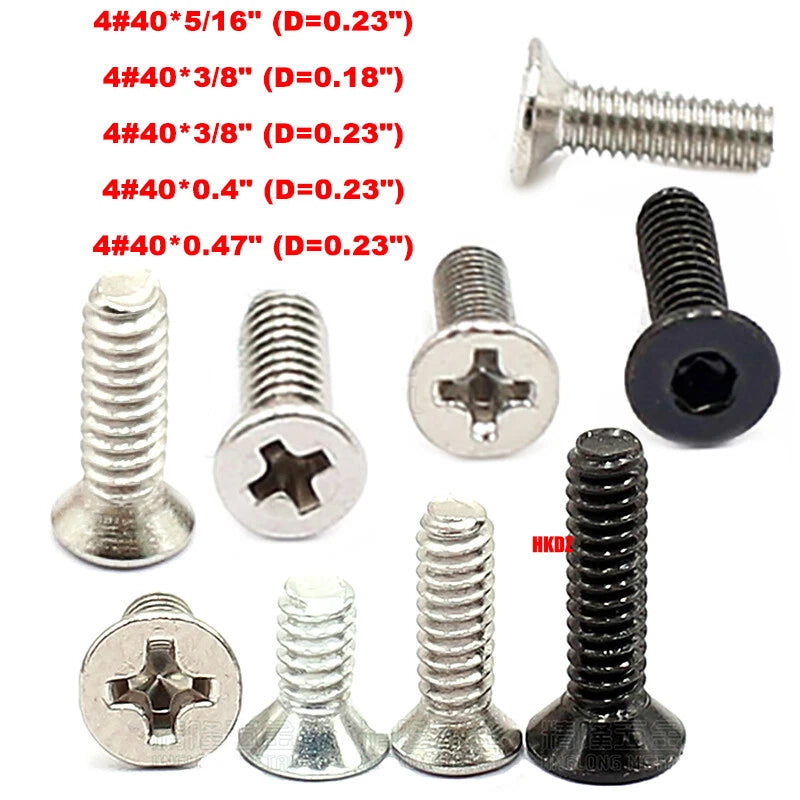
- Uniform threading for precise fastening
- Grade 5/8 steel construction
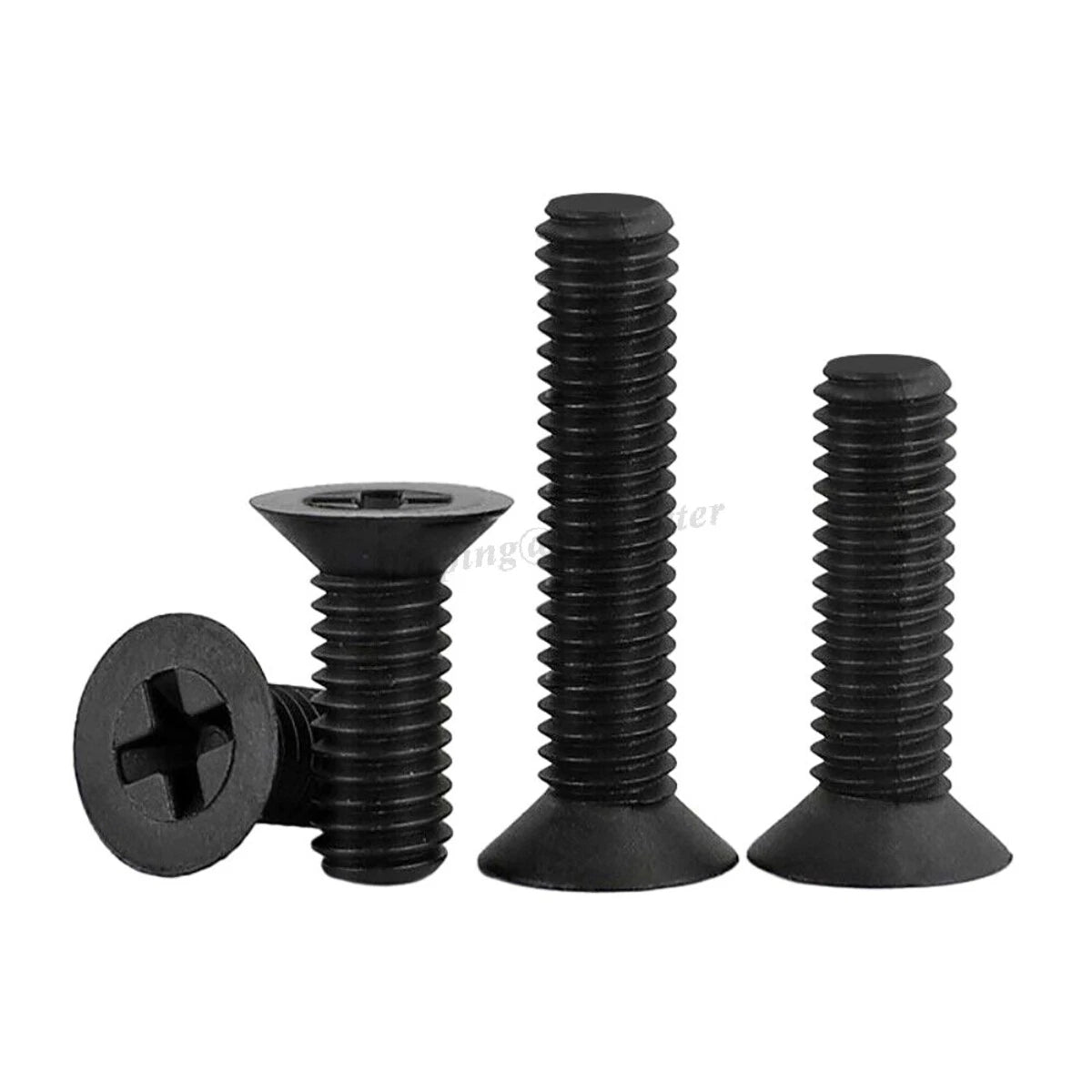
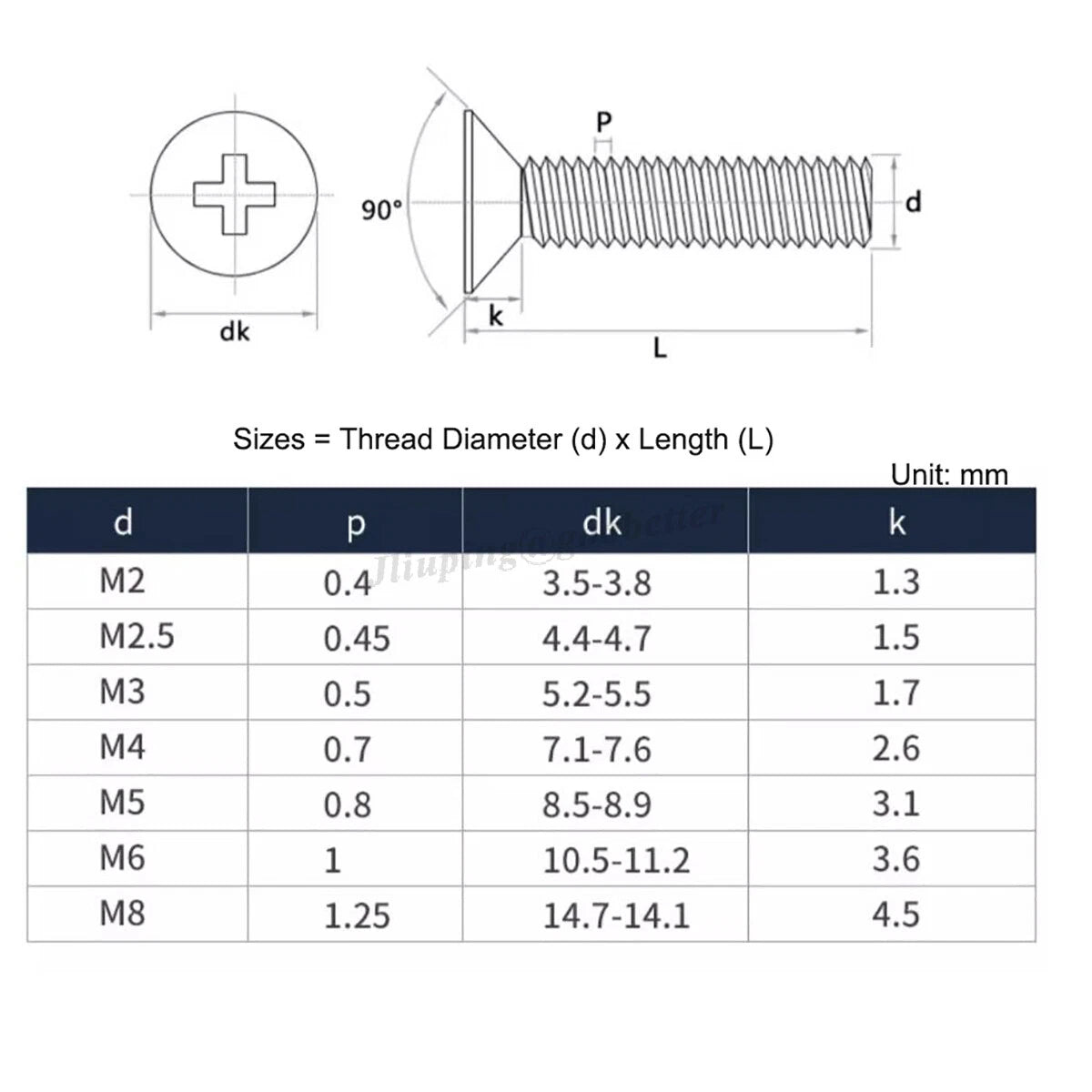
- Flat/socket/hex head configurations
- Vibration-resistant design
Shop Now
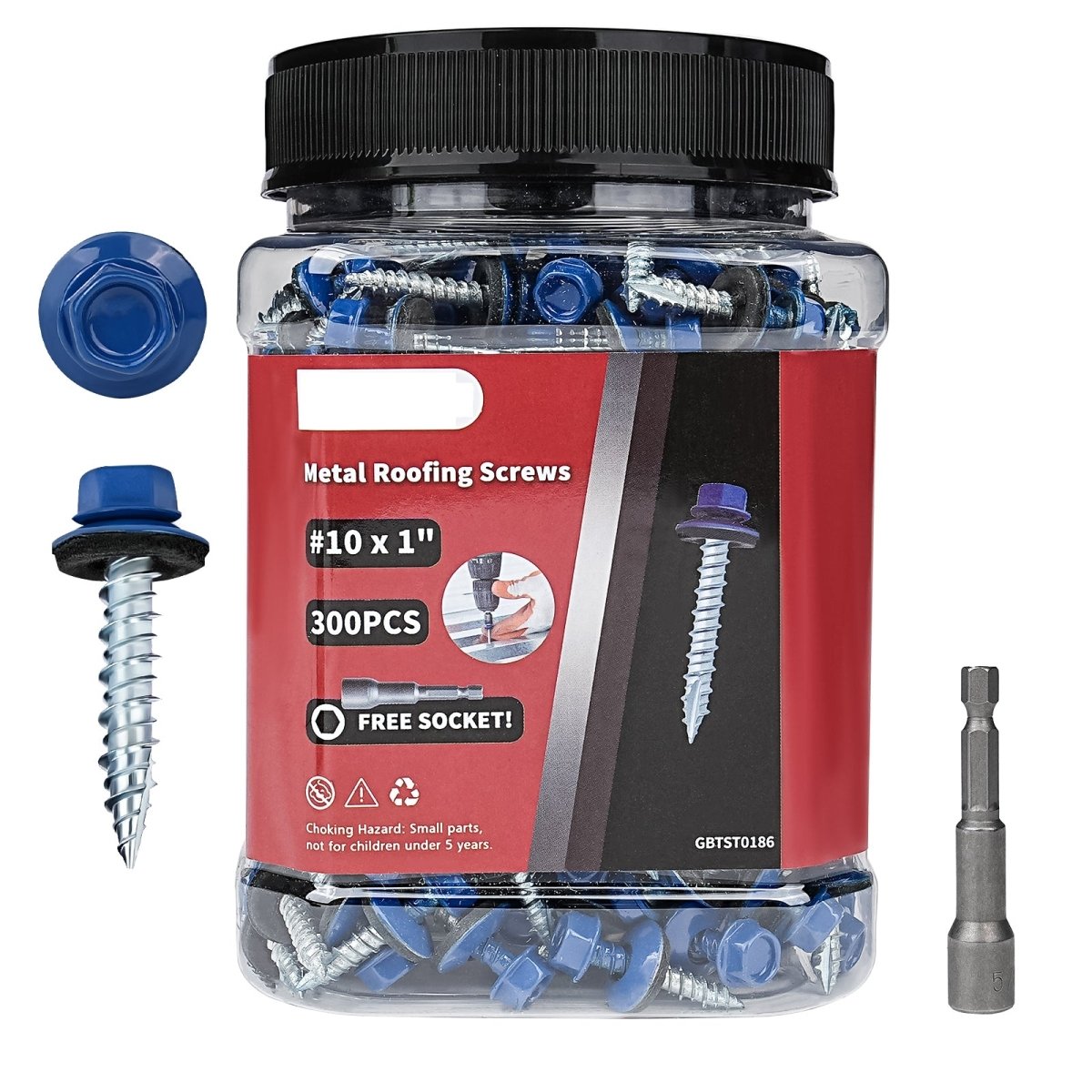
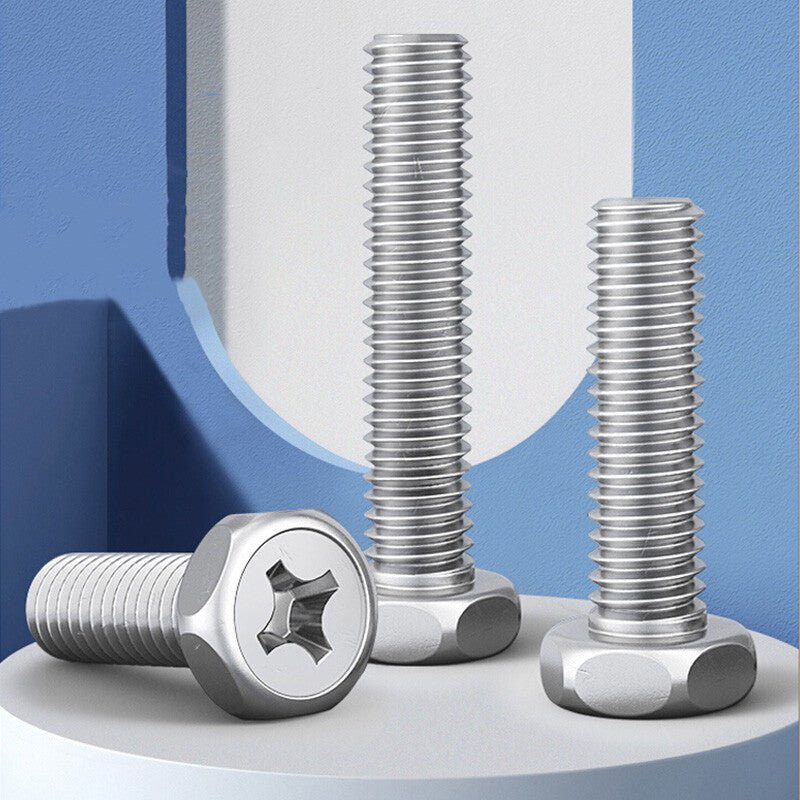
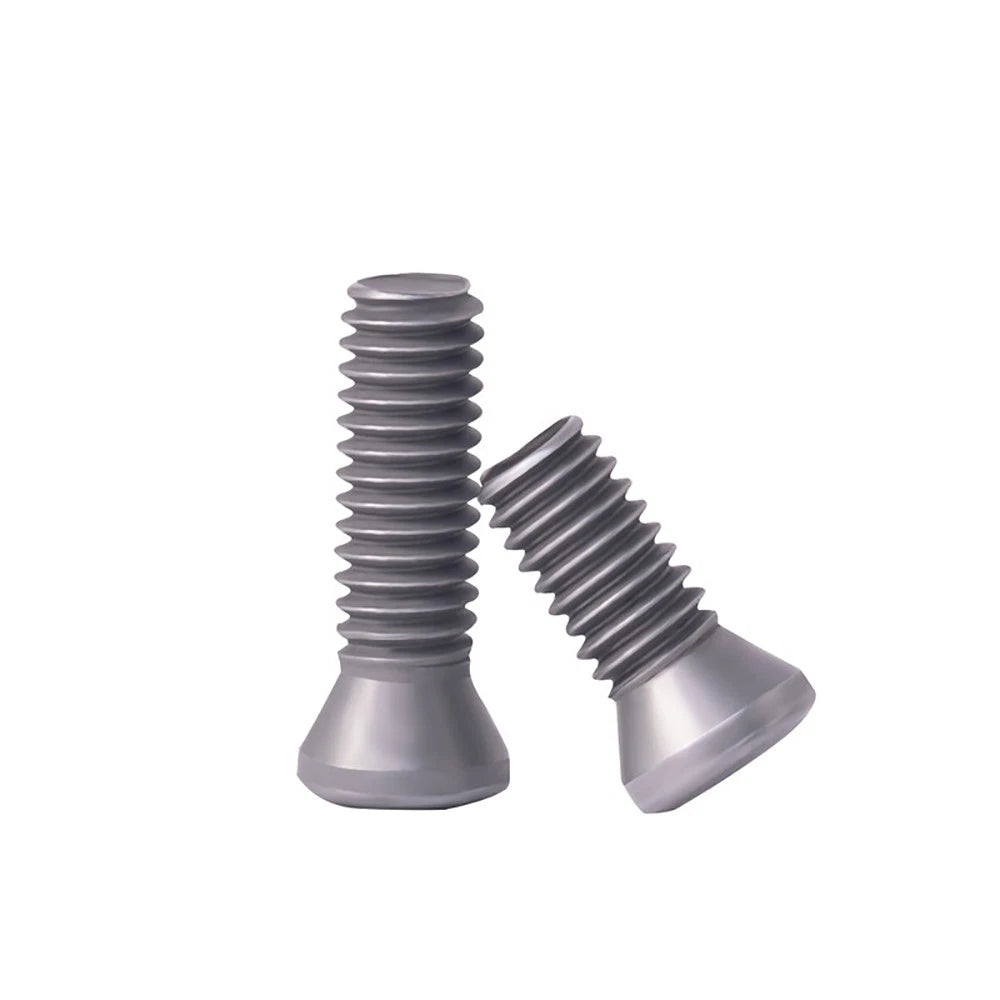
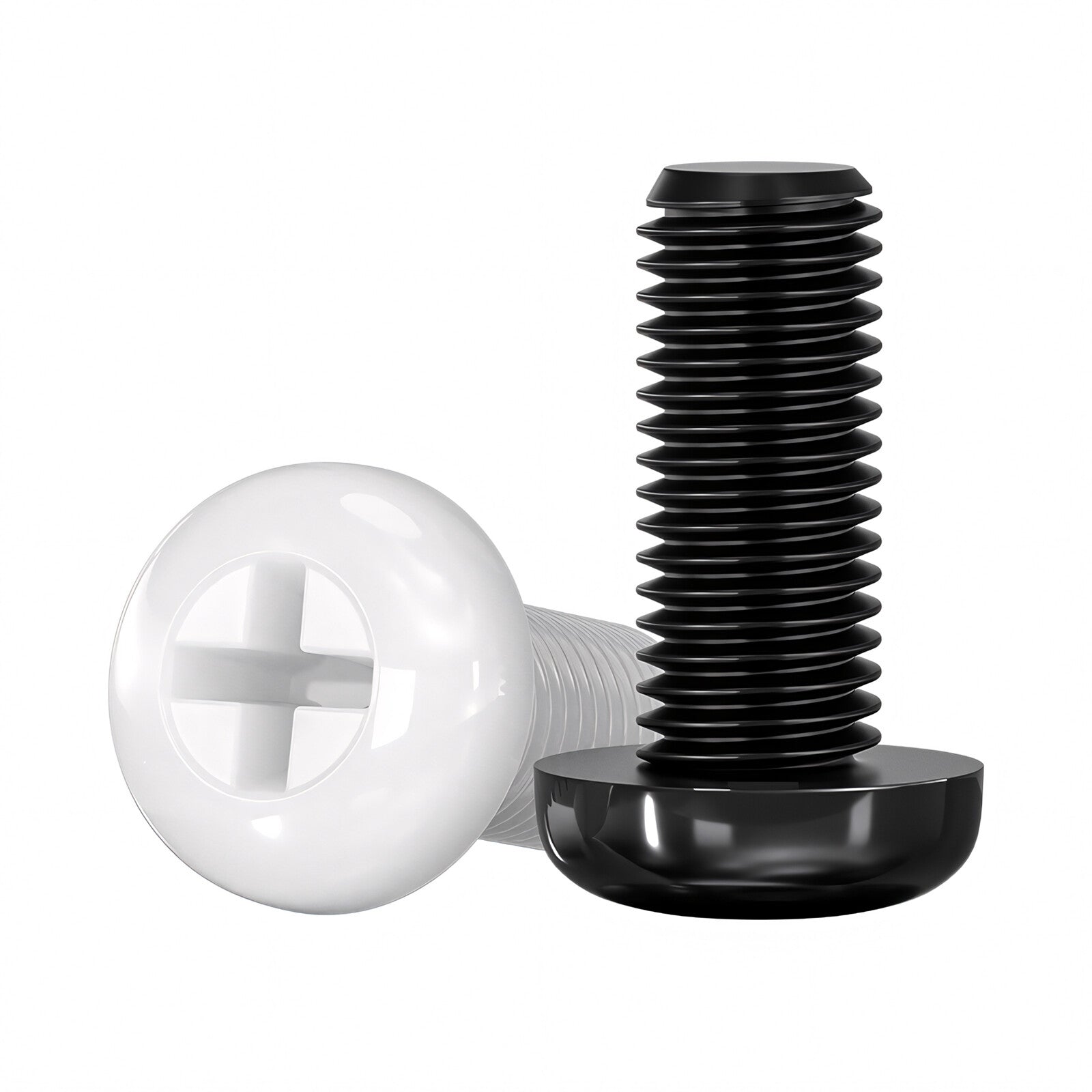
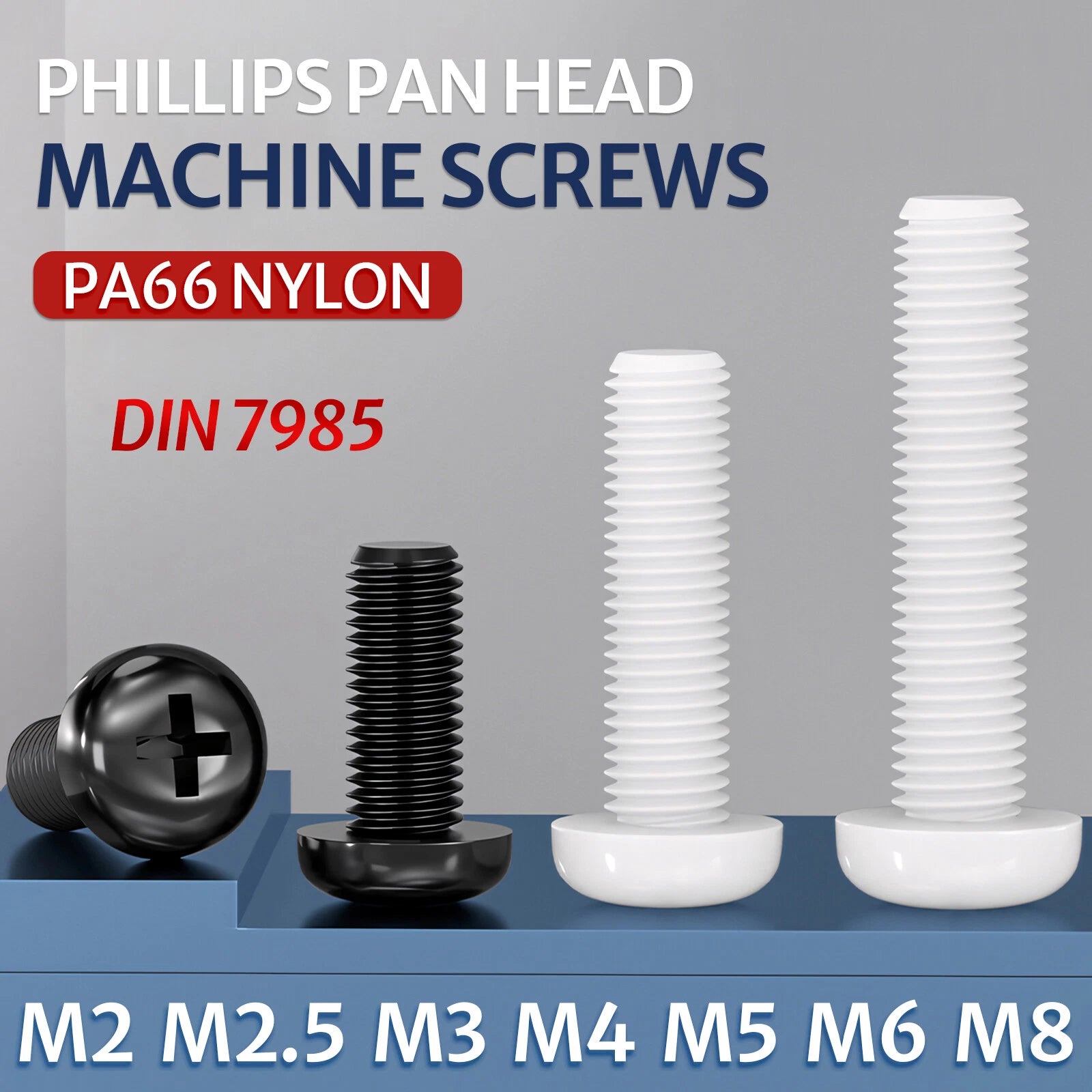
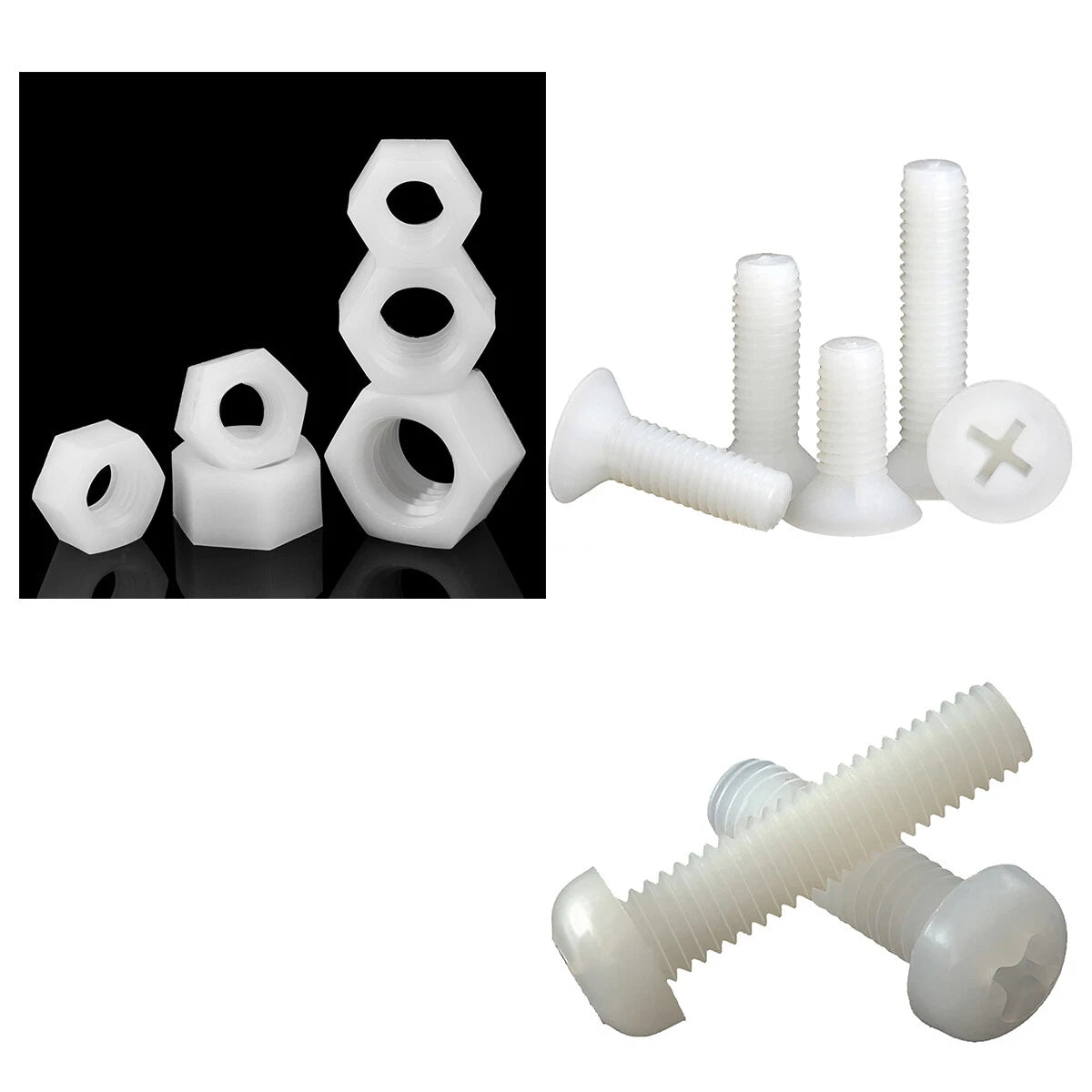
Self Tapping Screws
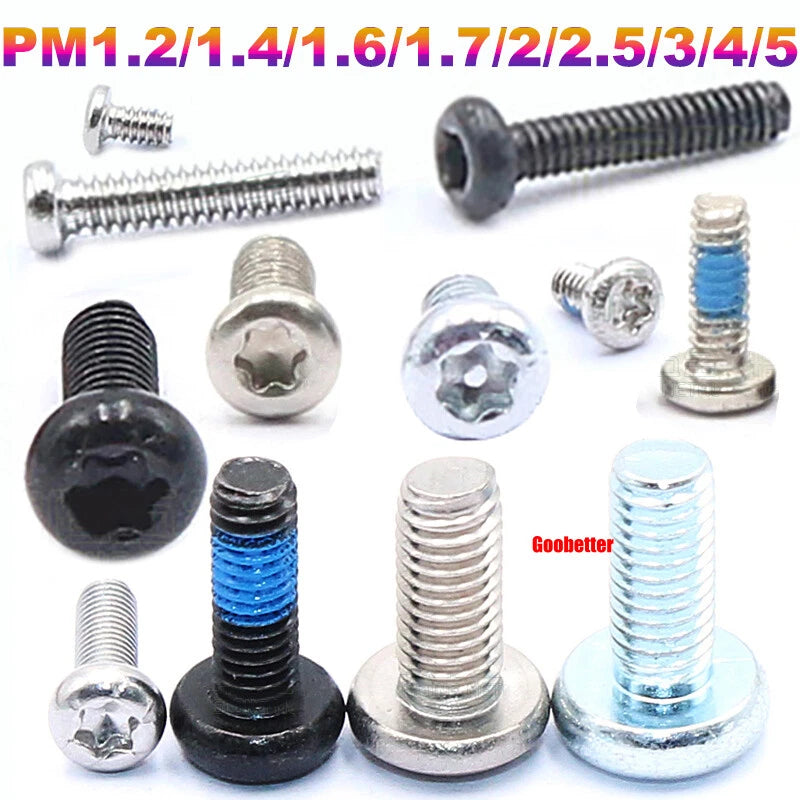
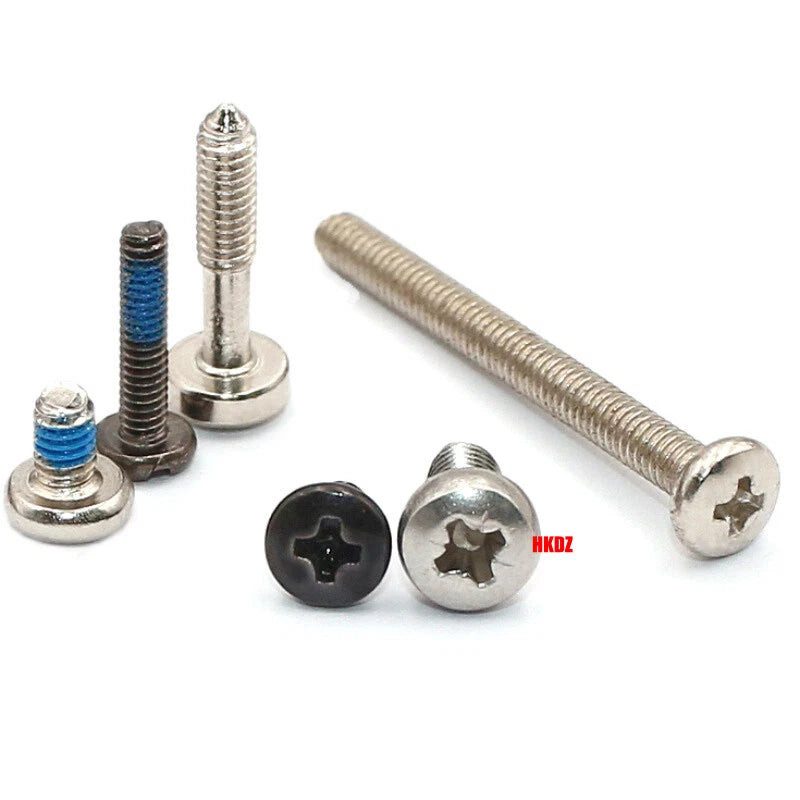
- Dual-cutting threads for instant material penetration
- Hardened steel construction (HRC 45-50)
- Wide applications: metal/plastic/wood composites
- Anti-cross threading flute design
- Type A/B/F thread patterns available
Browse Collection
The Complete Guide to Fastener Screws: Types, Selection, and Expert Techniques
Whether you’re assembling furniture, mounting shelves, or repairing machinery, choosing the right fastener screw can make or break your project. At HomeDIYer, we’ve curated this ultimate guide to help DIYers and professionals alike master screw selection, installation, and troubleshooting. Let’s dive into the world of screws—from self-tapping screws for metal to deck screws that withstand harsh weather.
1. Why Screws Matter
Screws are the backbone of secure assemblies. Unlike nails, they offer:
-
Adjustability: Tighten or loosen as needed.
-
Shear Strength: Resist lateral forces in structures like decks.
-
Material Compatibility: Specialized screws for wood, metal, concrete, and drywall.
Common Pitfalls:
- Using drywall screws for outdoor projects (prone to rust).
- Over-tightening machine screws and stripping threads.
2. Types of Fastener Screws
a. By Material
-
Wood Screws: Coarse threads for gripping lumber (e.g., #8 screw diameter).
-
Concrete Screws: Hardened steel with fluted tips (e.g., Tapcon screws).
-
Metal Screws: Self-tapping designs for sheet metal or steel studs.
b. By Head Type
-
Phillips Head: Common for DIY projects.
-
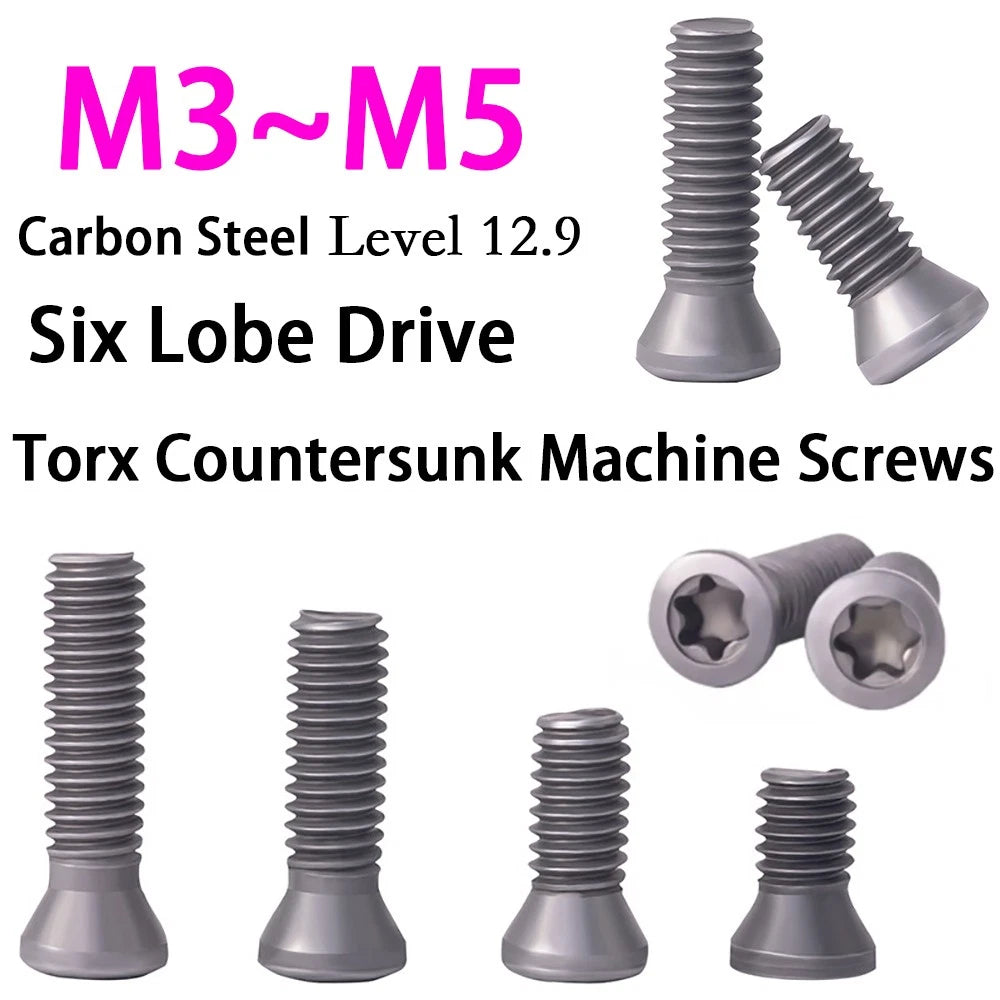
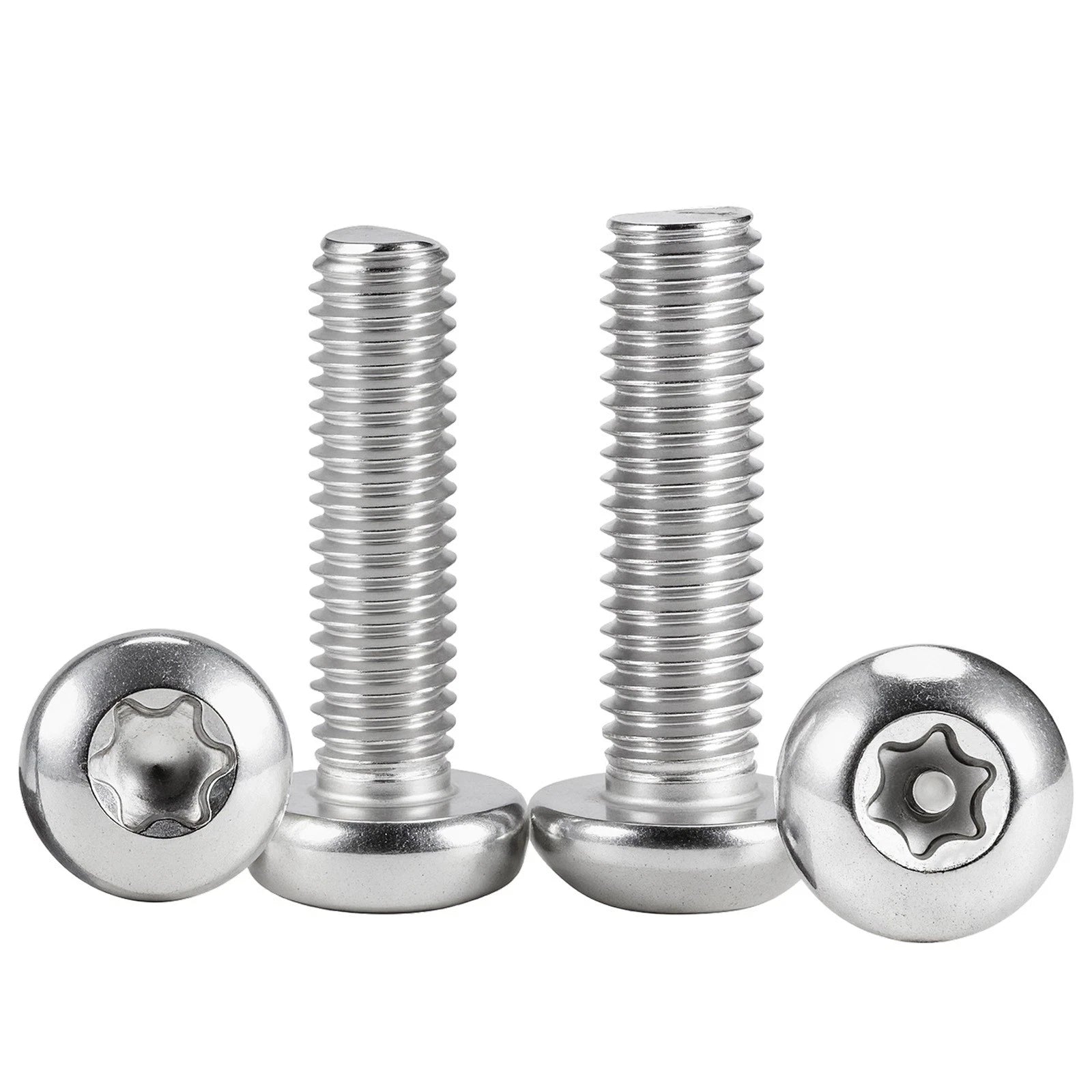
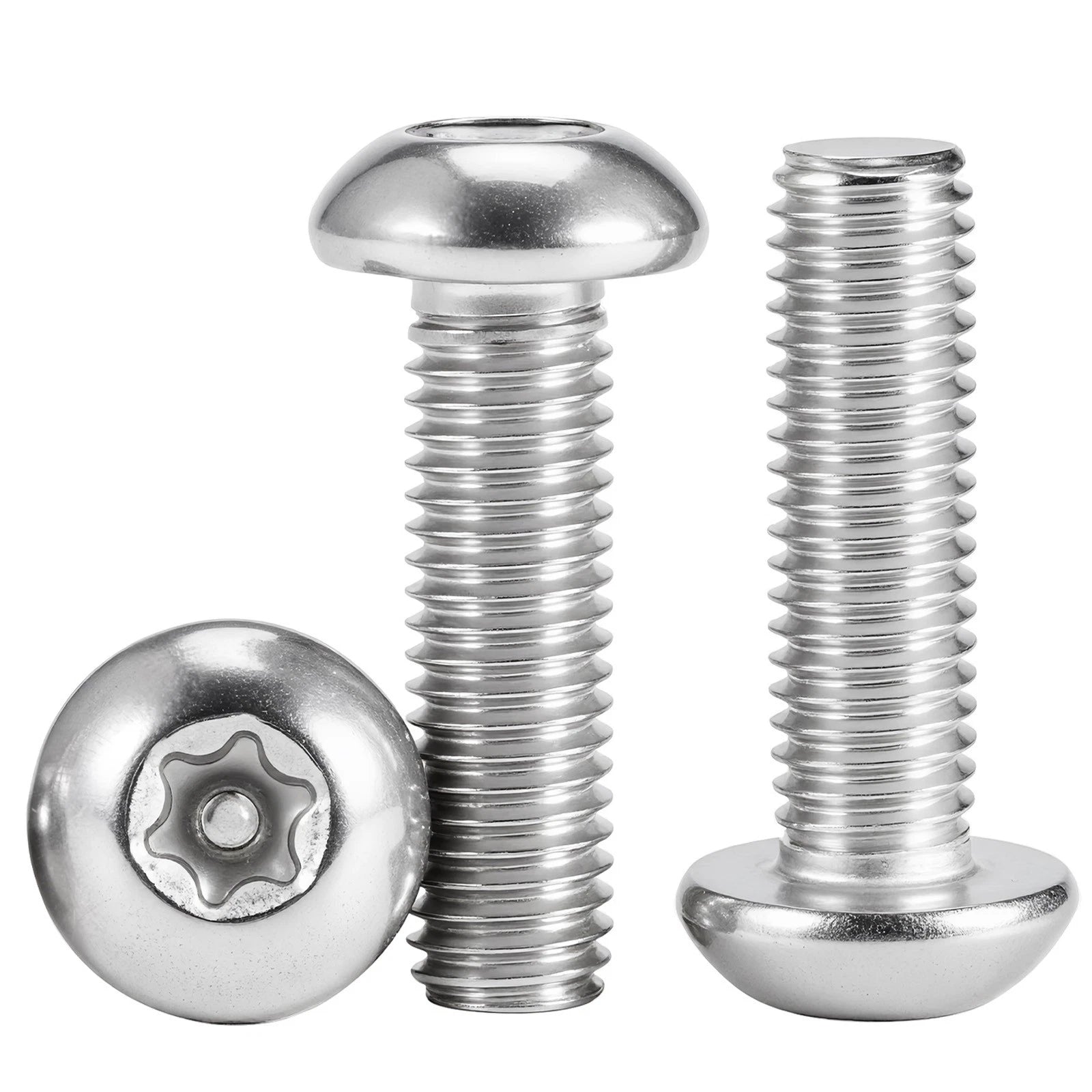
Torx Head: Anti-camout design for high torque.
-
Hex Head: Wrench-compatible for heavy machinery.
c. Specialty Screws
-
Self-Drilling Screws: No pre-drilling needed for metal.
-
Security Screws: Tamper-proof heads for public fixtures.
📏 COMMON SCREW SIZE REFERENCE
| Screw Gauge (#) |
Shank Diameter (in) |
Recommended Pilot Hole (wood) |
Typical Use |
| #6 |
0.138" |
1/16" (0.0625") |
Small hinges, cabinet handles |
| #8 |
0.164" |
5/64" (0.078") |
Drawer slides, light shelves |
| #10 |
0.190" |
3/32" (0.094") |
Door frames, medium furniture |
| #12 |
0.216" |
7/64" (0.109") |
Heavy shelving, outdoor decks |
| #14 |
0.242" |
1/8" (0.125") |
Structural brackets, framing |
3. How to Choose the Right Screw
a. Sizing
Diameter: Match screw gauge to load (e.g., #10 screw diameter for heavy shelves).
Length: Penetrate at least 1.5× material thickness (e.g., 2.5-inch deck screws for joists).
b. Material & Coating
Stainless Steel: Rust-resistant for outdoor use.
Zinc-Plated: Budget-friendly indoor option.
Pro Tip: Keep a screw size chart handy for quick reference.
4. Installation Best Practices
a. Pre-Drilling
Use a drill bit slightly smaller than the screw’s shank (e.g., 3mm bit for #8 screws). For hardwoods or metal, apply cutting oil to reduce friction.
b. Driving Screws
Drywall Screws: Set a drywall screw gun clutch to sink heads flush.
Concrete Screws: Hammer-drill pilot holes to avoid cracking.
c. Anchoring
Use screw anchors for hollow walls or heavy loads. Toggle Bolts: Ideal for ceilings or plasterboard.
5. Removing Stripped or Stuck Screws
a. Basic Tools
-
Rubber Band Trick: Place a band over the screw head for grip.
-
Vise-Grip Pliers: Clamp onto exposed screw edges.
b. Advanced Solutions
-
Screw Extractor Kits: Reverse-threaded bits bite into stripped heads.
-
Left-Hand Drill Bits: Drill counterclockwise to loosen screws.
Warning: Avoid excessive force—this can damage materials!
🔧 EXTRACTOR MATCHING
For a #8 screw (0.164" shank), use a #1 extractor (drill 5/64" pilot). For #10 screws, use #2 extractor with 7/64" pilot. Always drill into the center of the stripped head before inserting the extractor.
6. FAQs Answered
Q: What’s the difference between wood screws and drywall screws?
A: Wood screws have tapered tips and coarse threads; drywall screws are thinner with sharp points for gypsum. Never use drywall screws outdoors – they corrode quickly.
Q: How do I stop screws from rusting outdoors?
A: Use stainless steel screws (304 or 316 grade) or coat threads with anti-corrosion gel. For extra protection, choose epoxy-coated deck screws.
Q: Can I reuse screw holes?
A: Yes, but fill old holes with wood filler or install threaded inserts for a fresh grip. For metal, use a slightly larger self-tapping screw.
Q: What is the best screw for treated lumber?
A: Use ACQ-approved screws with ceramic or epoxy coating. Standard zinc-plated screws will corrode within months due to copper-based preservatives.
7. Why Choose HomeDIYer Fastener Screws?
-
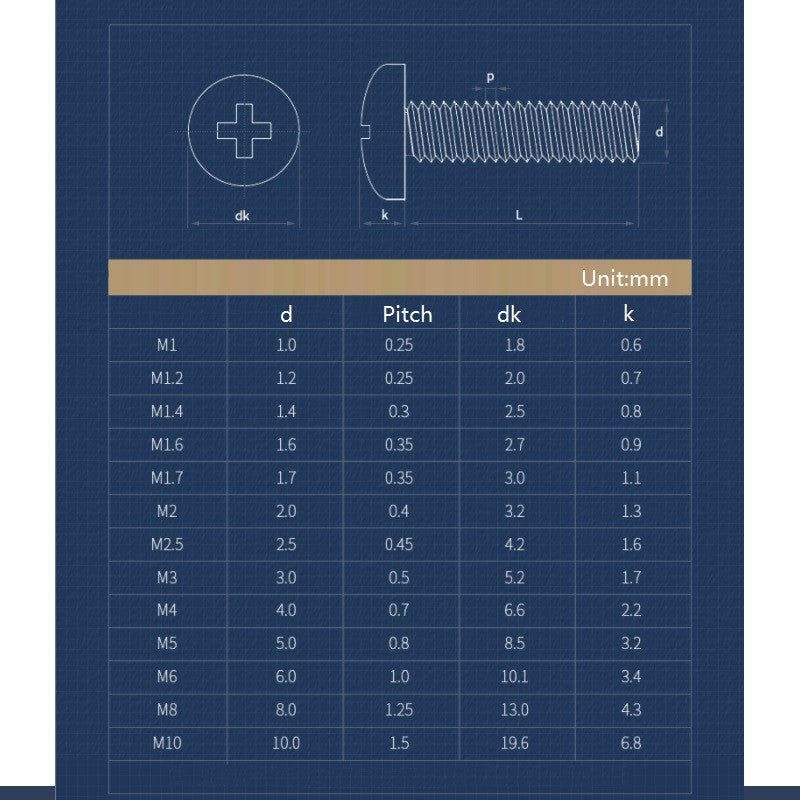
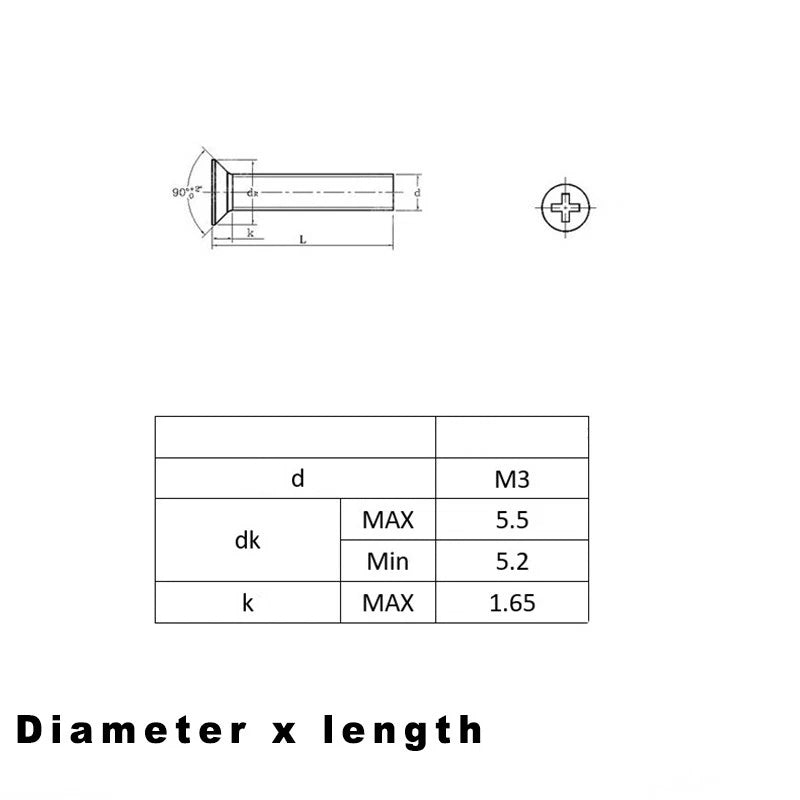
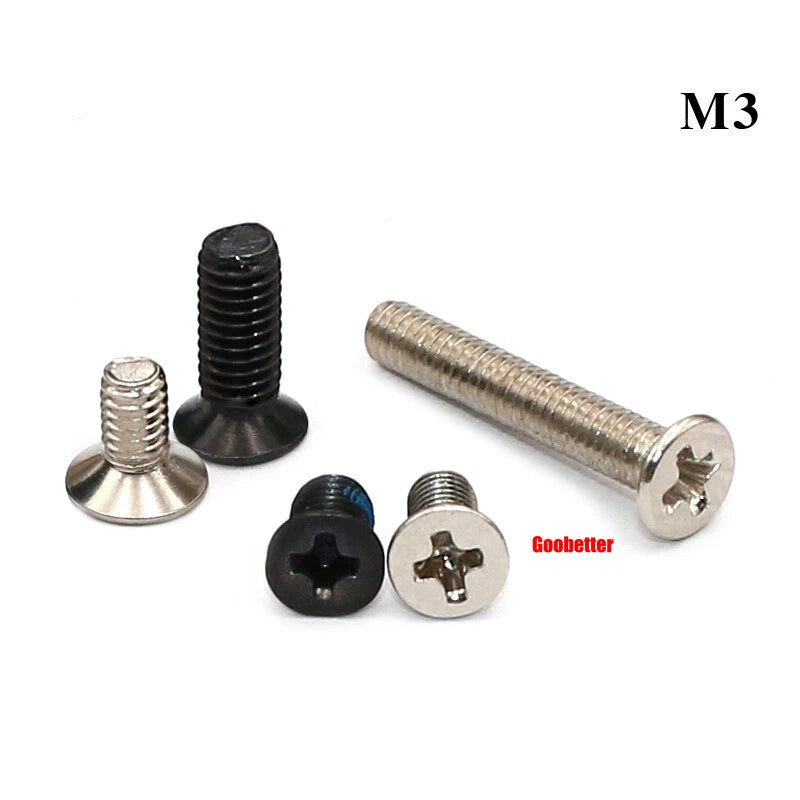
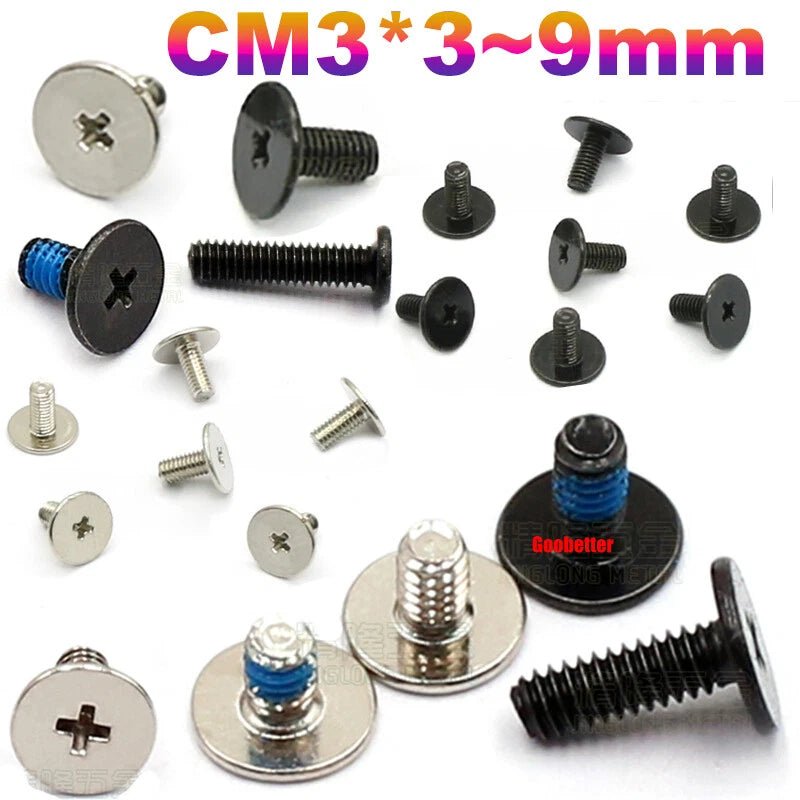
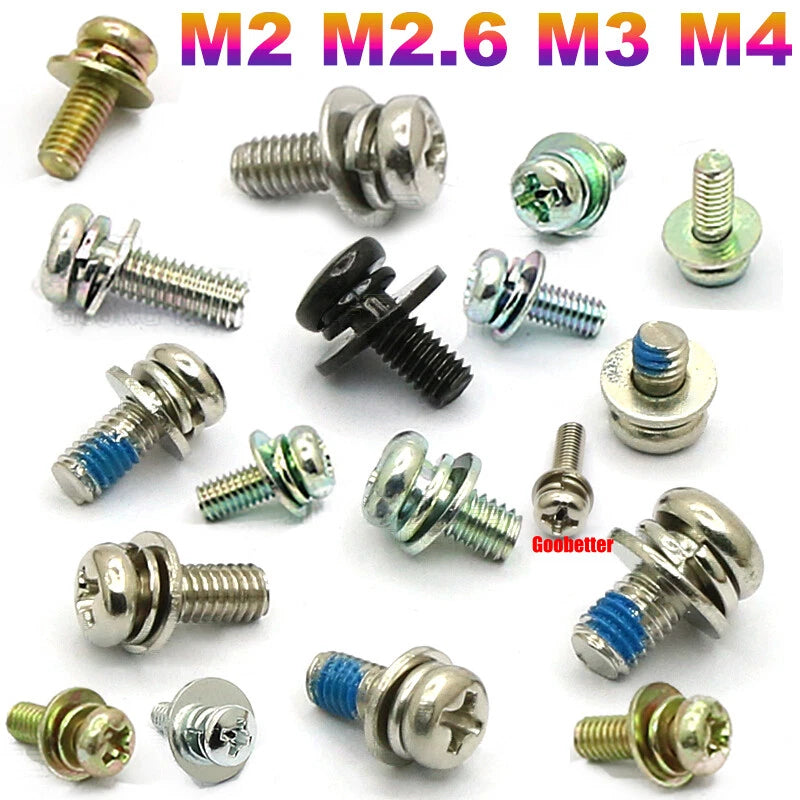
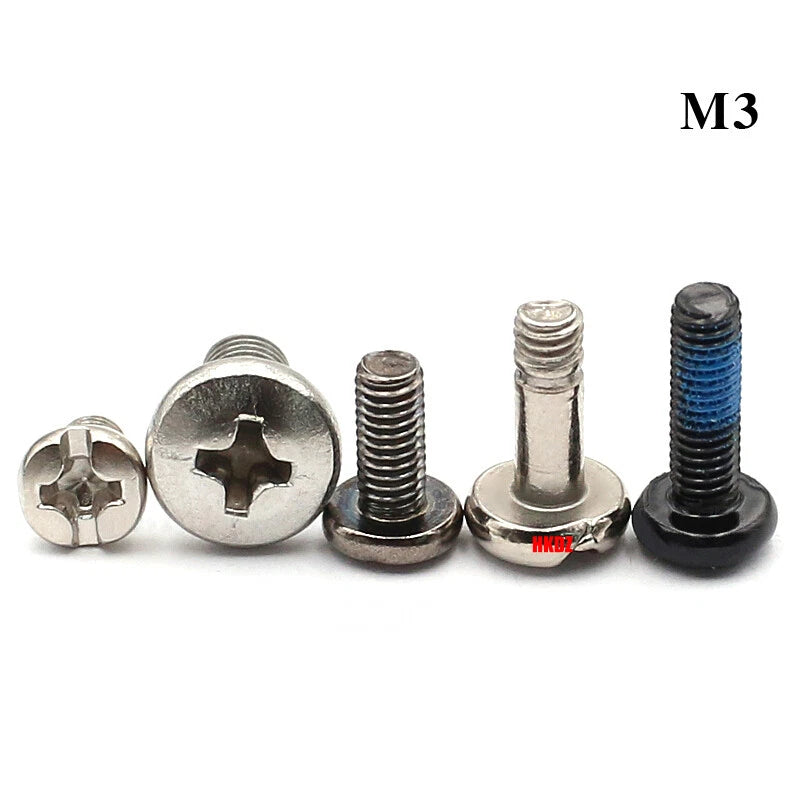
Wide Range: From M3 machine screws to 3-inch timber screws.
-
Bulk Discounts: Save on contractor-grade packs (500+ units).
-
Tool Kits: Screwdriver sets, extractors, and collated screw guns.
8. Pro Tips for Success
-
Organize: Sort screws by type in labeled bins.
-
Torque Control: Use a torque wrench for precision.
-
Safety First: Wear gloves and goggles when drilling metal.
By mastering the right screws and techniques, you’ll tackle projects faster and avoid costly mistakes. Whether you’re building a deck, mounting a TV, or repairing furniture, explore our Fastener Screws Collection for premium hardware and tools!
⚙️ THREAD LOCKING & TORQUE CHART
Recommended torque (dry, zinc-plated steel):
#6 screw: 10-12 in-lbs | #8: 18-22 in-lbs | #10: 28-32 in-lbs | #12: 40-45 in-lbs.
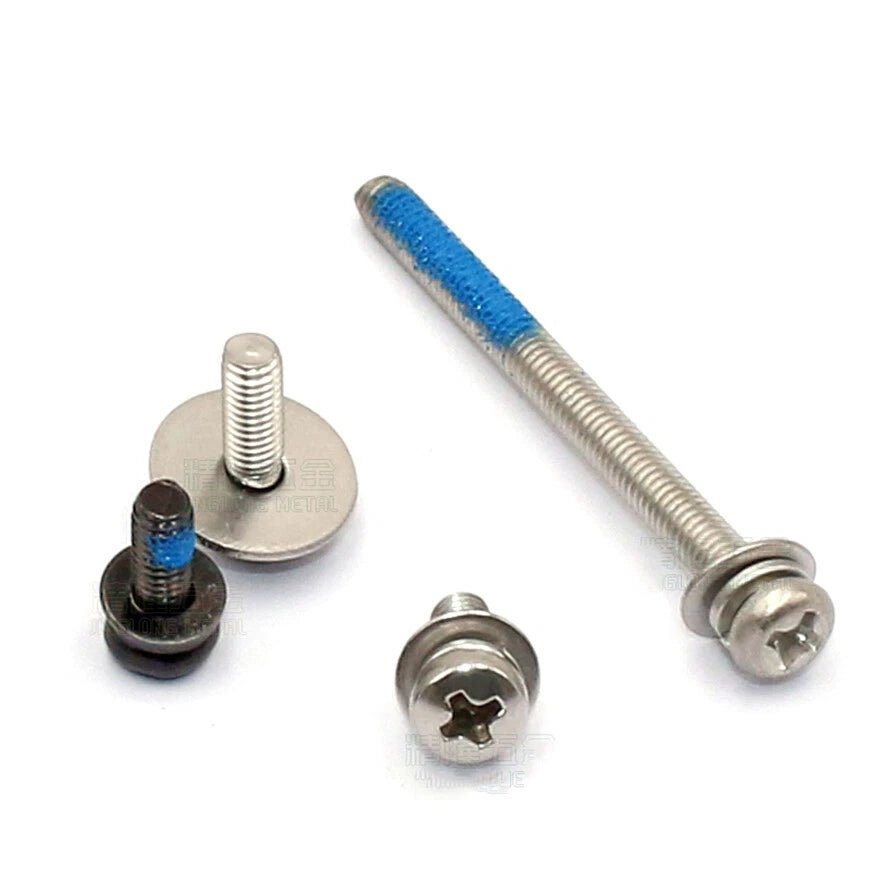
For stainless steel, reduce torque by 15% to prevent galling. When using threadlocker (blue Loctite 242), apply to the first 3 threads only.