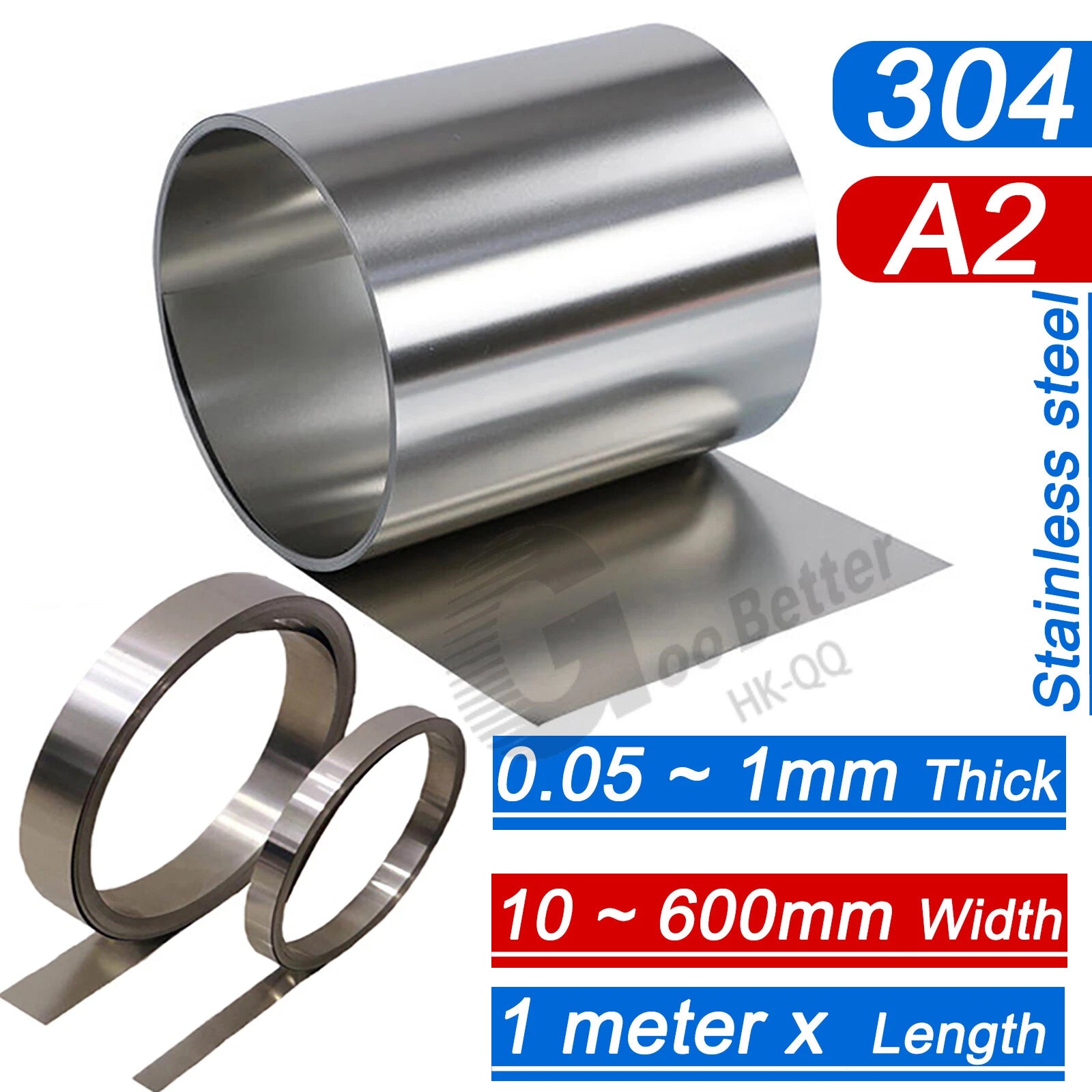
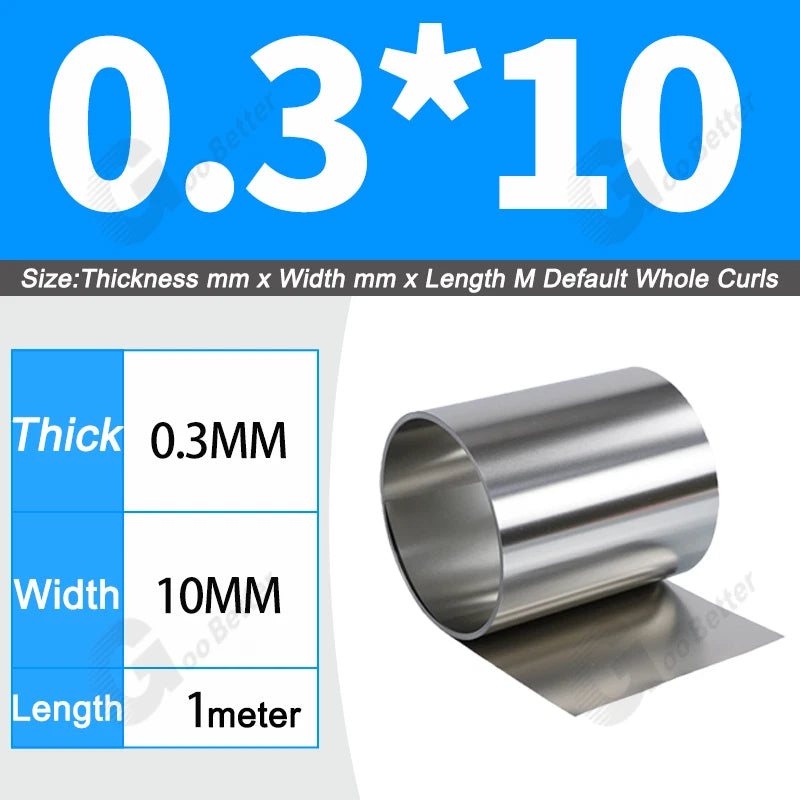
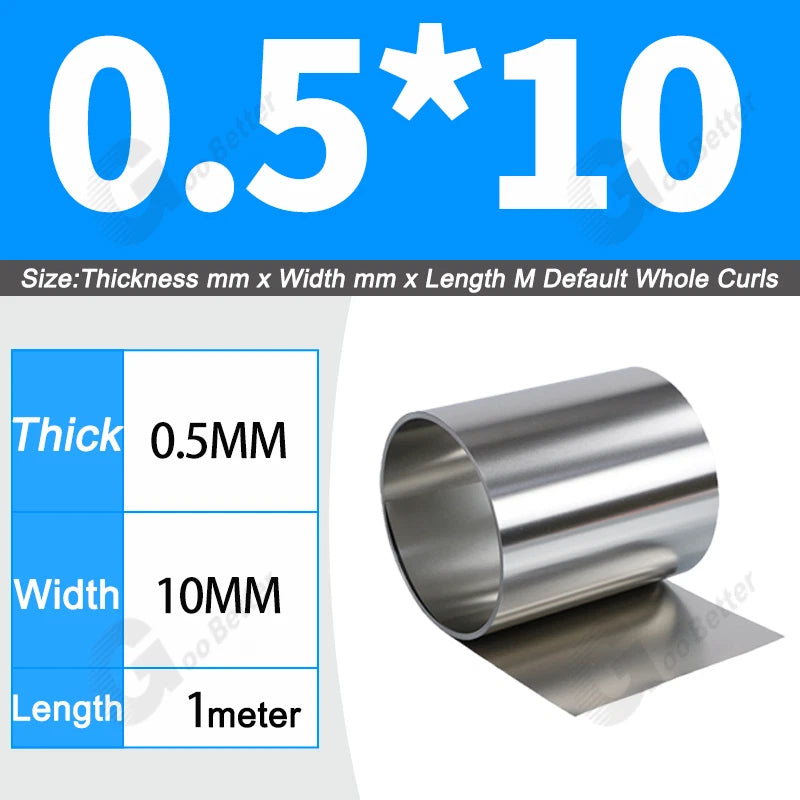
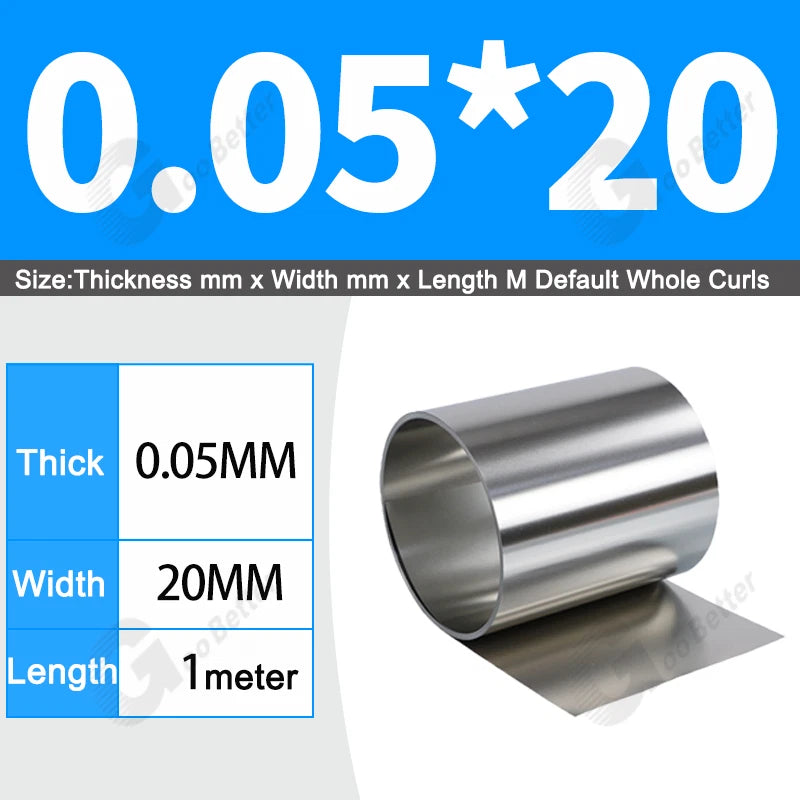
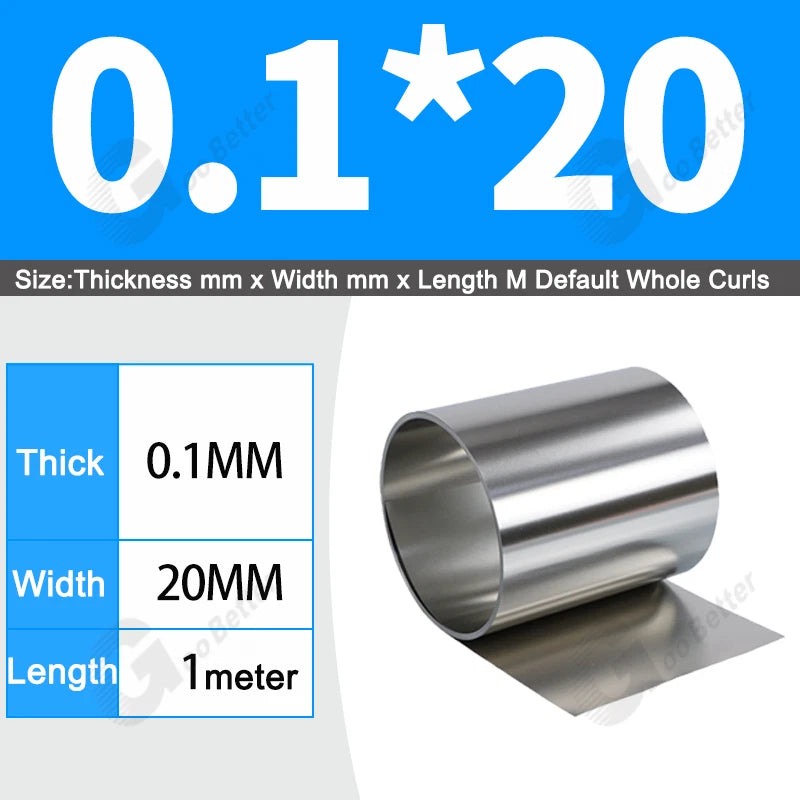
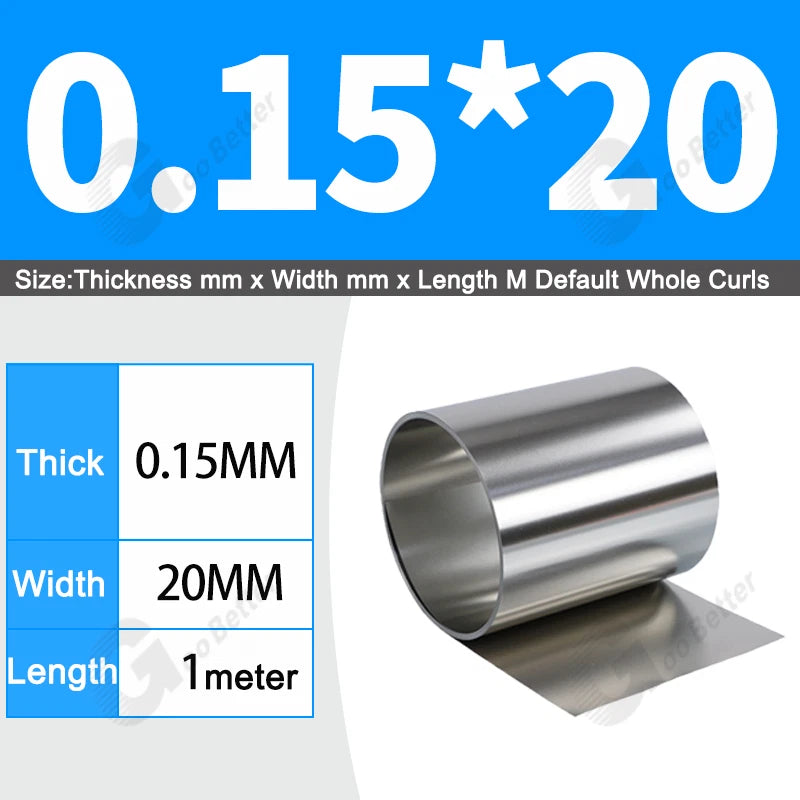
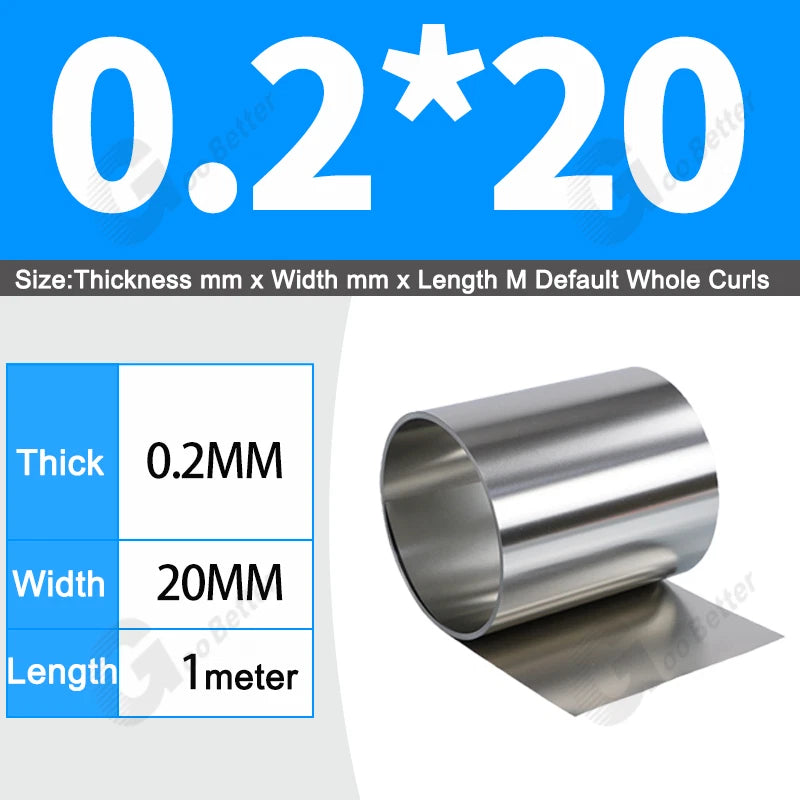
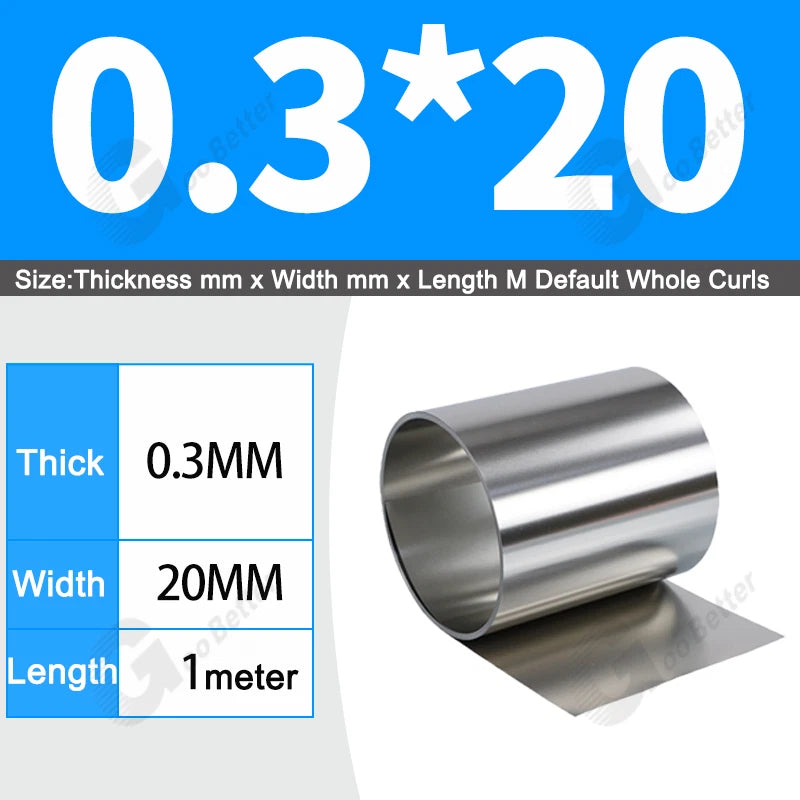
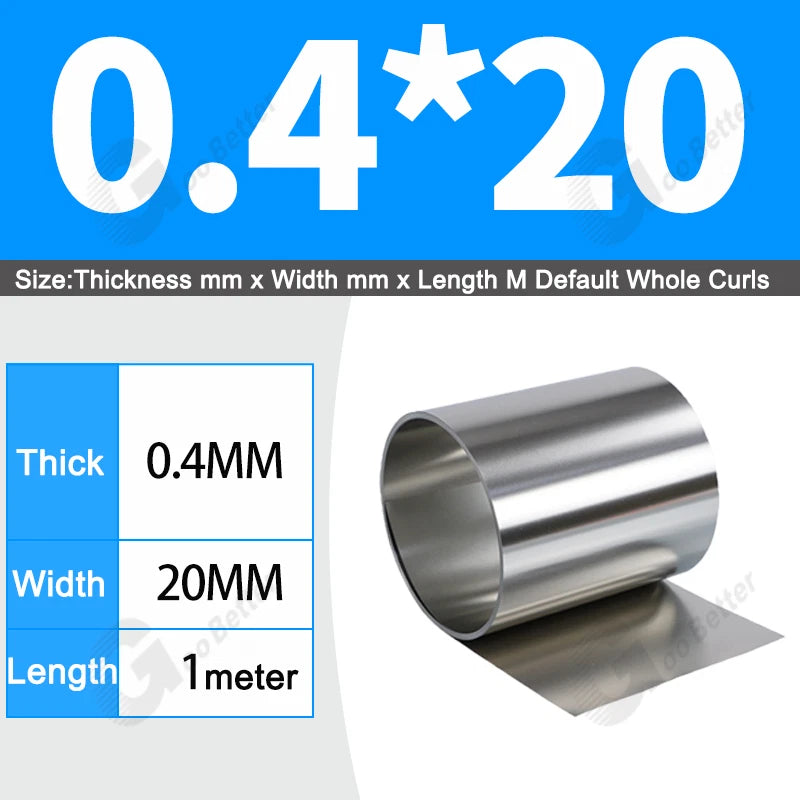
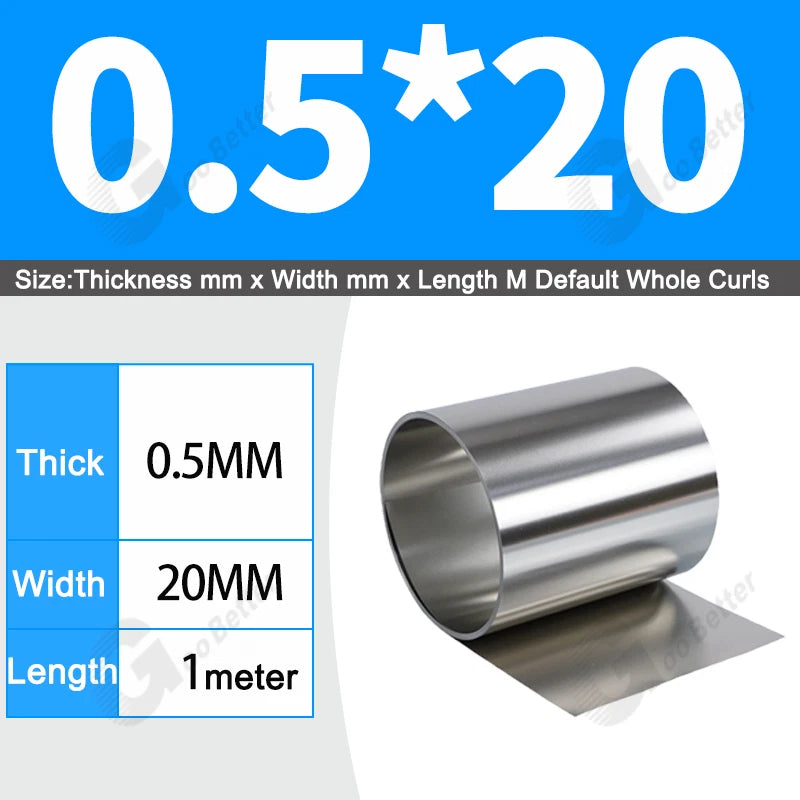
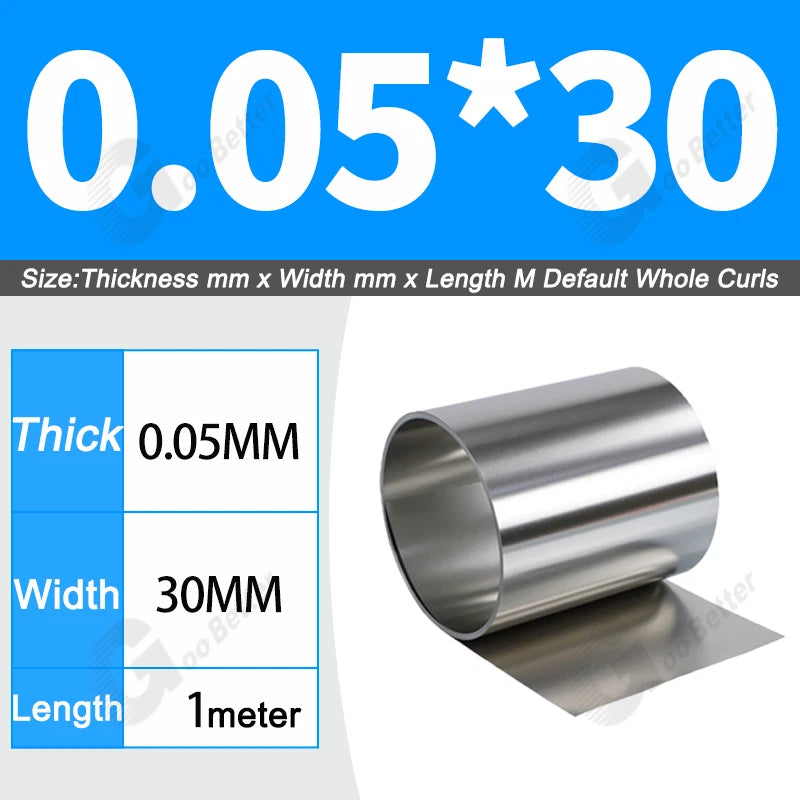
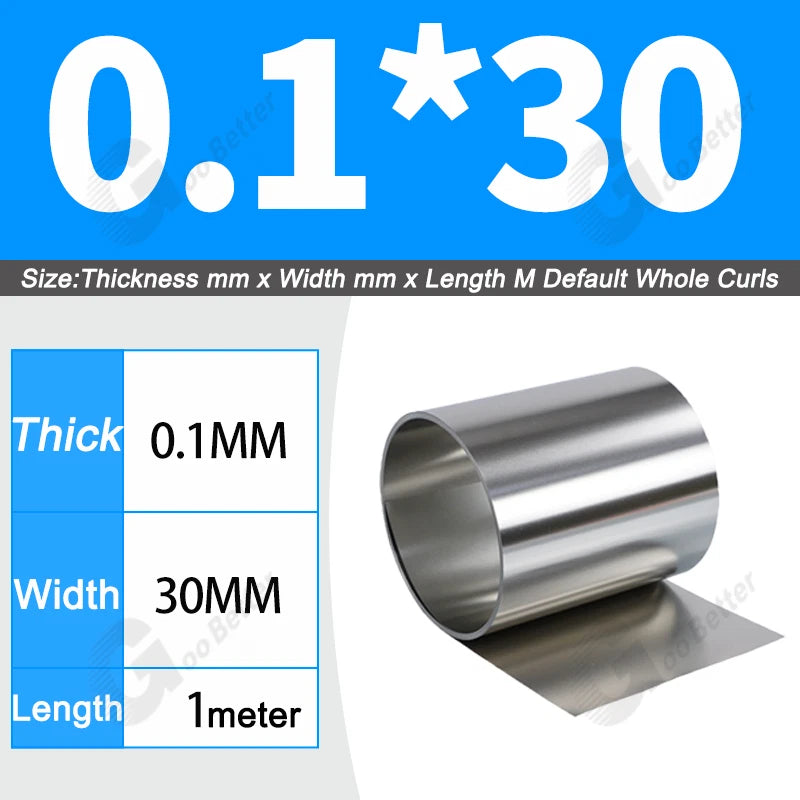
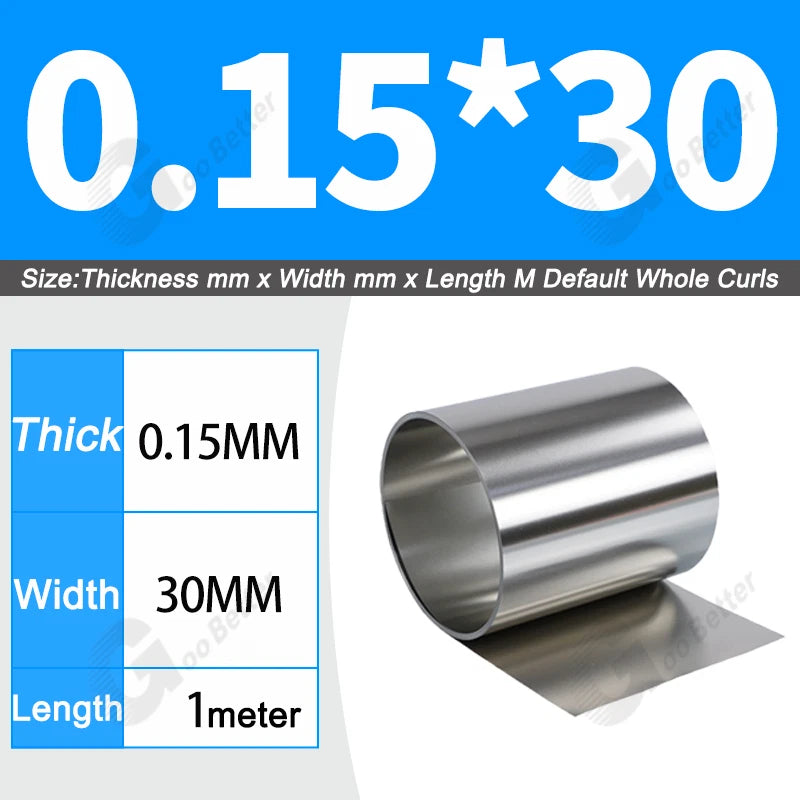
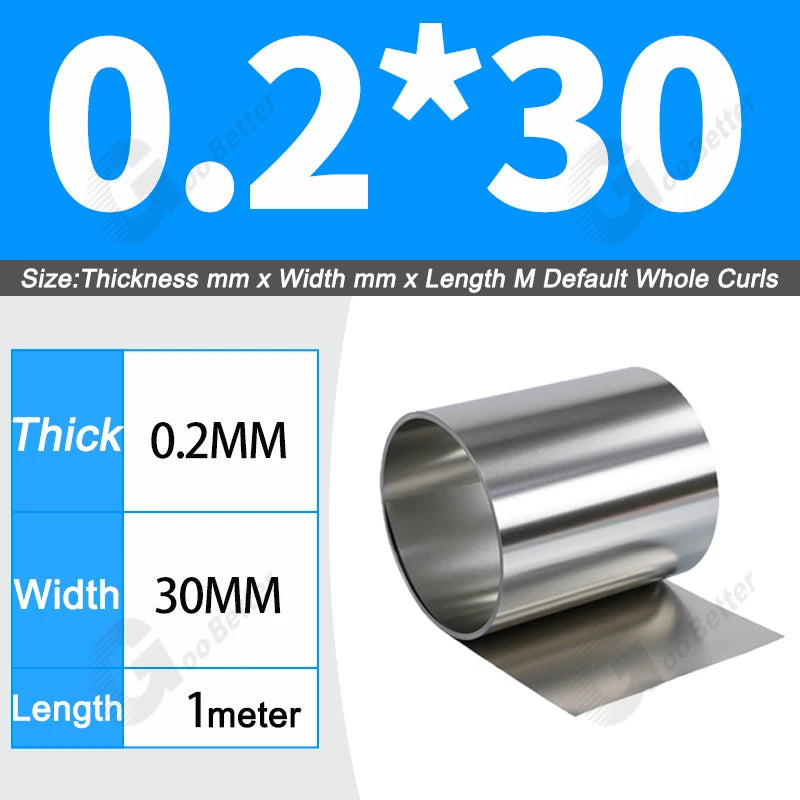
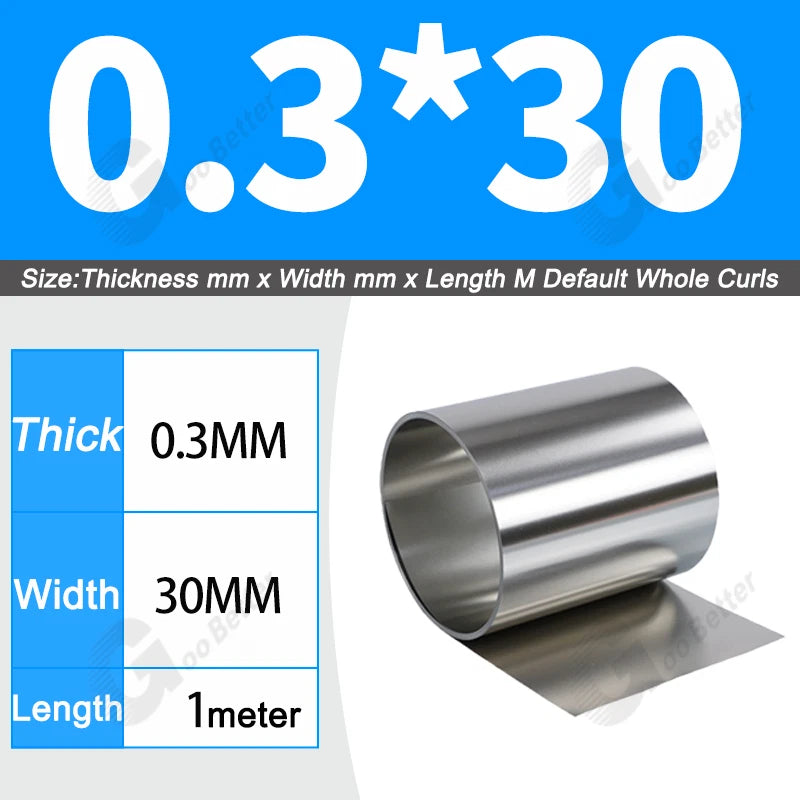
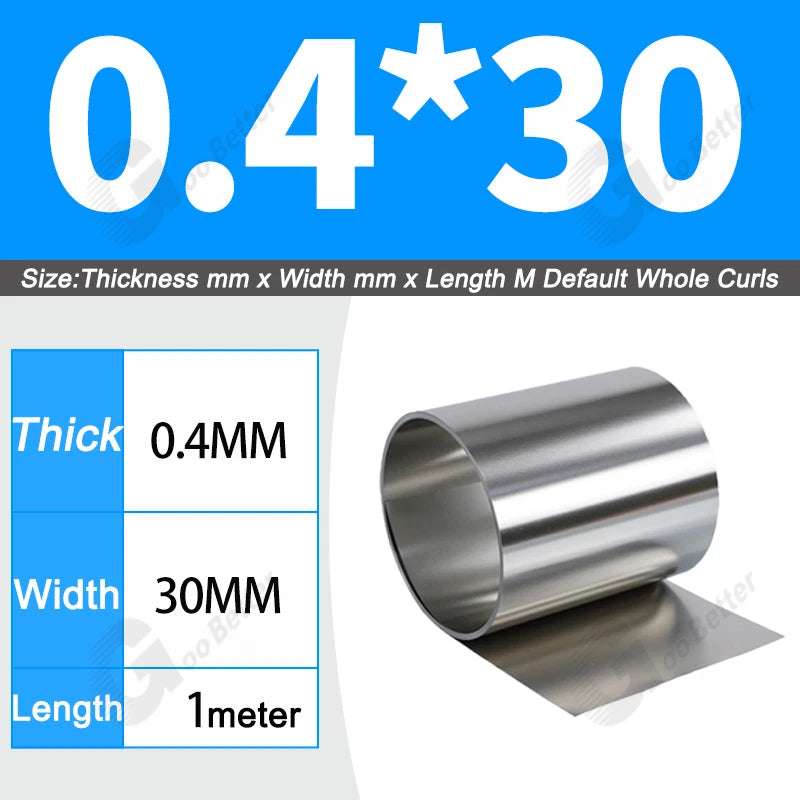
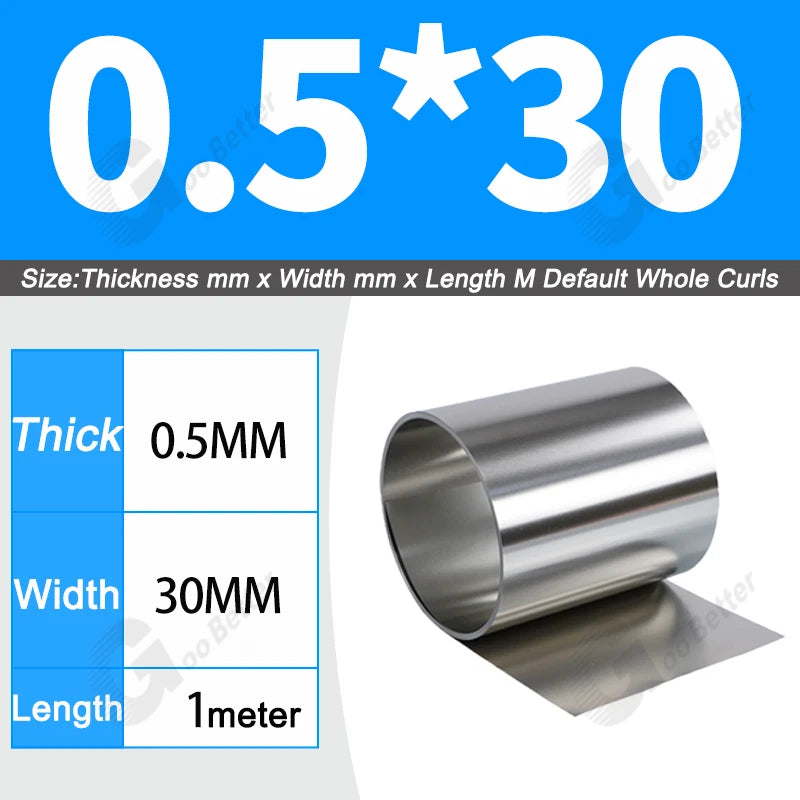
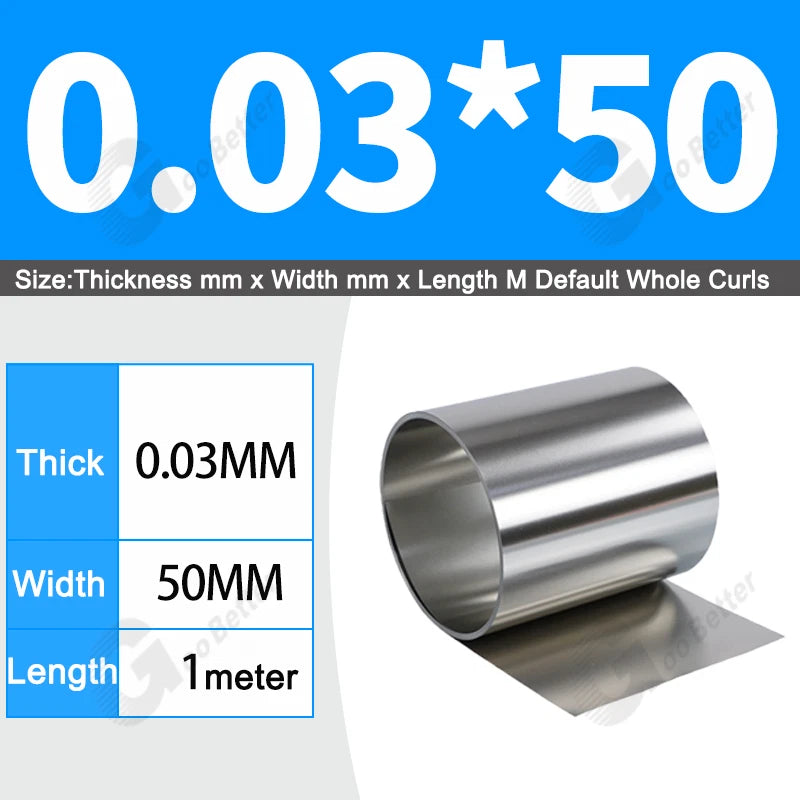
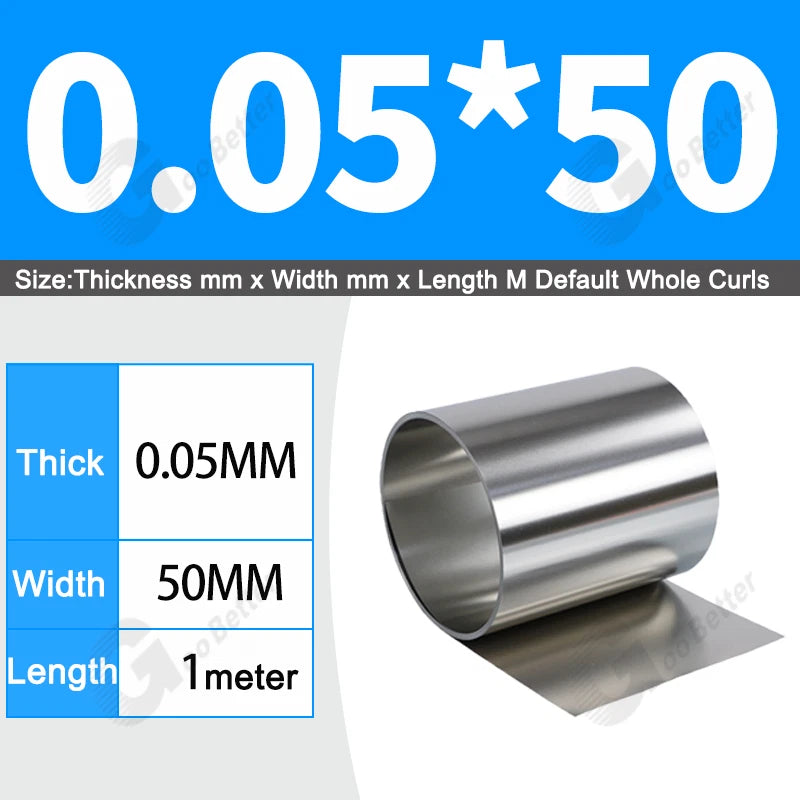
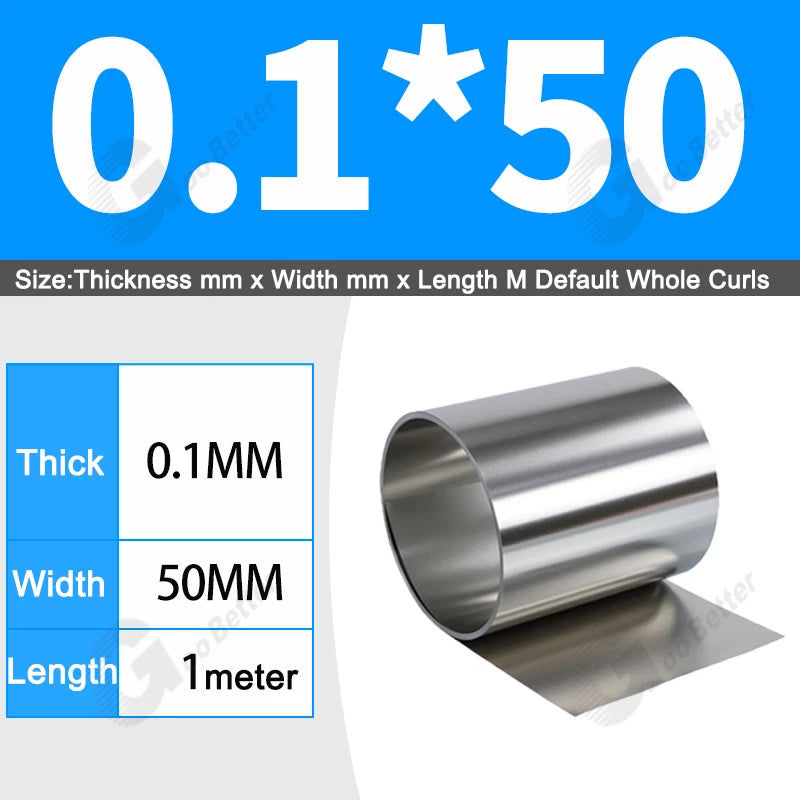
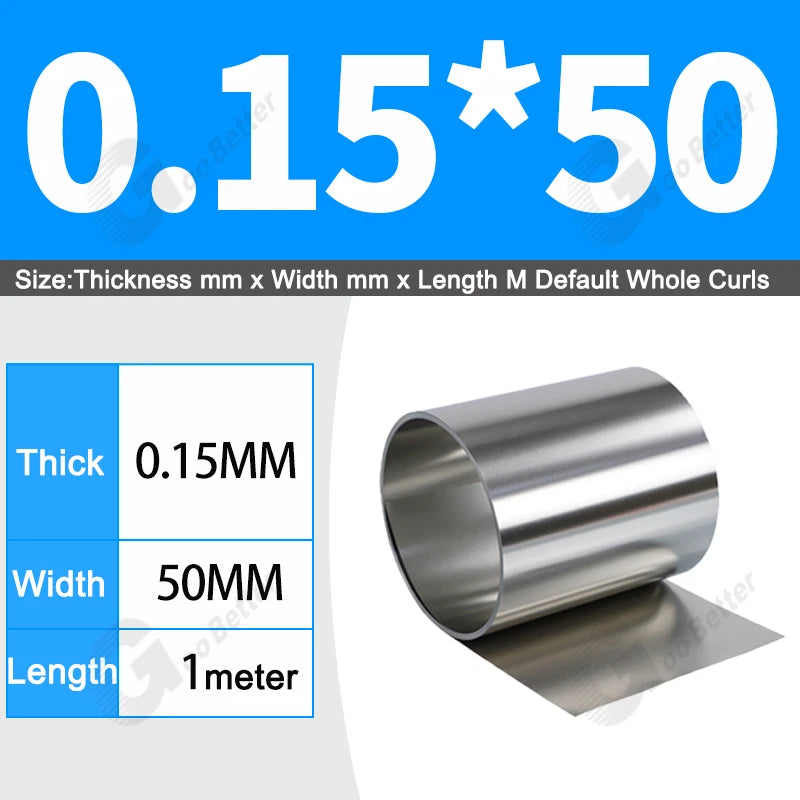
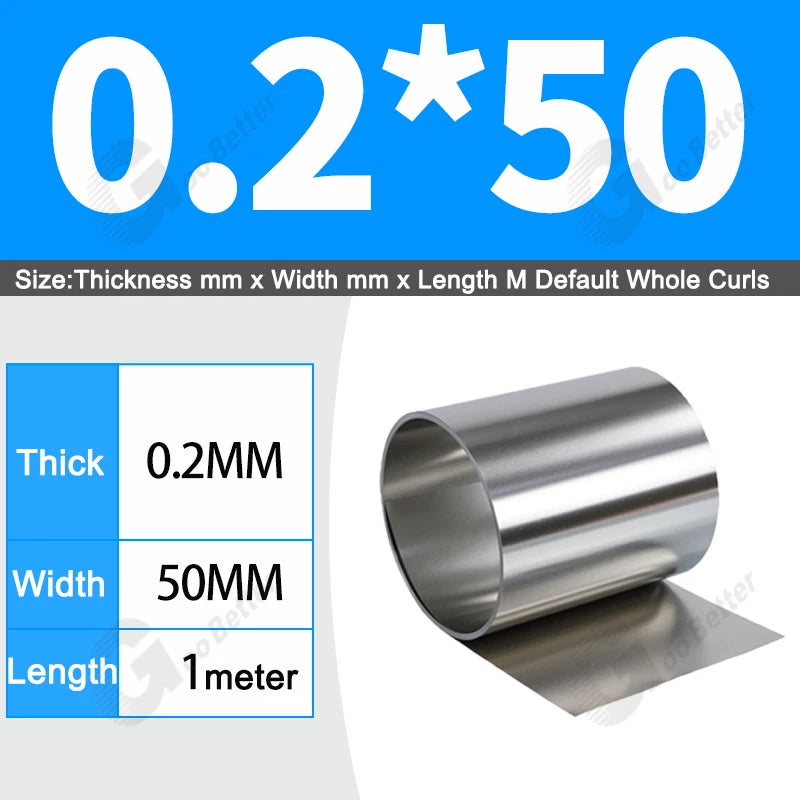
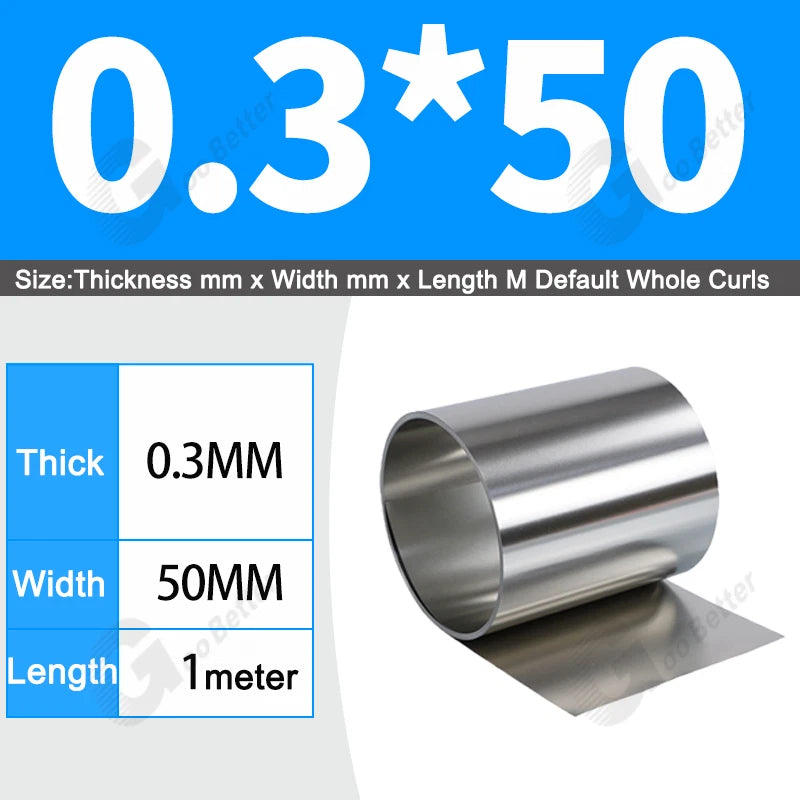
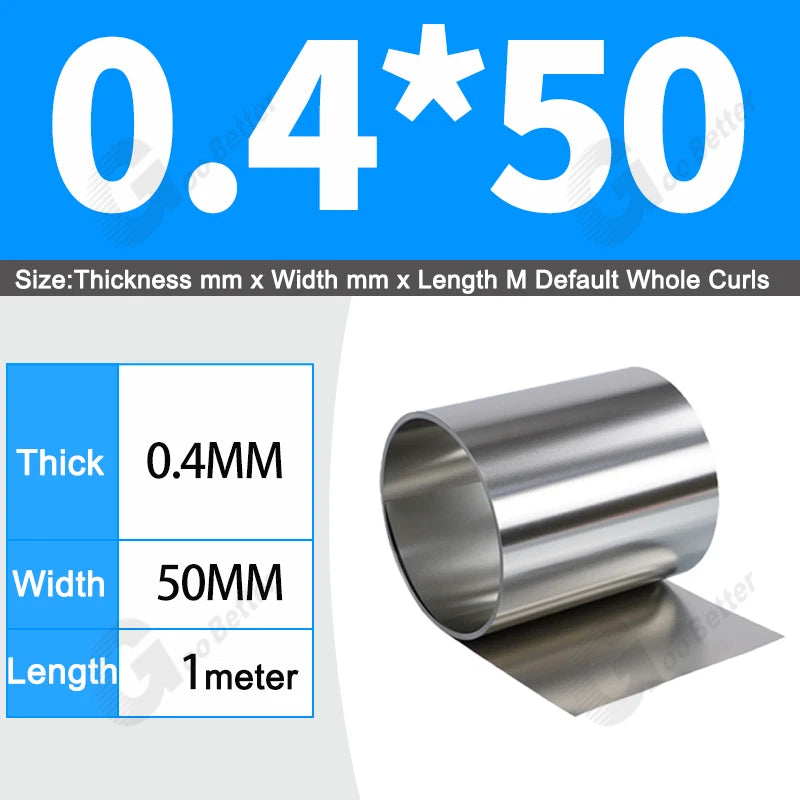
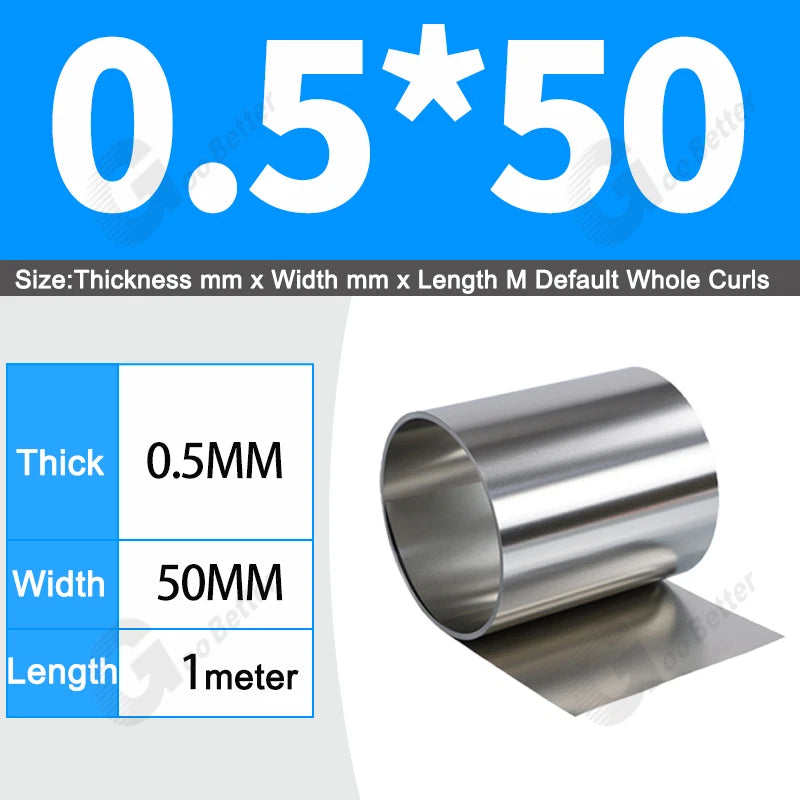
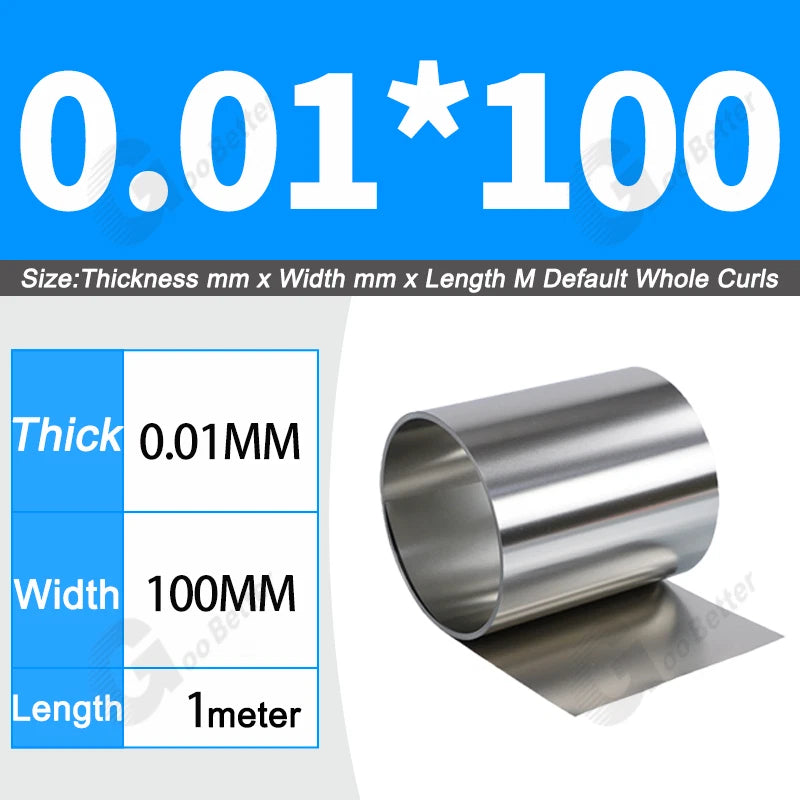
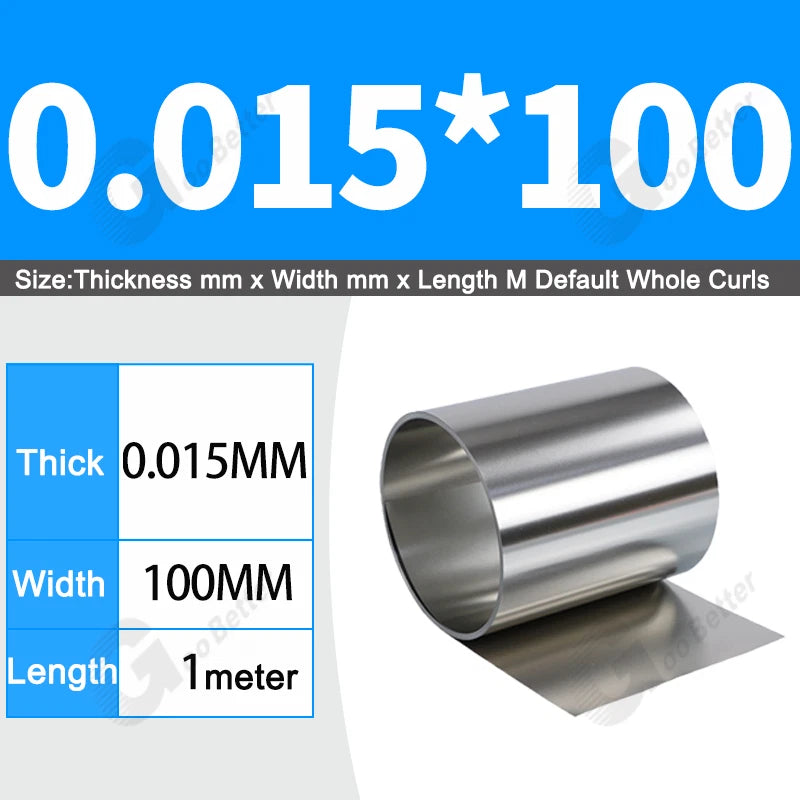
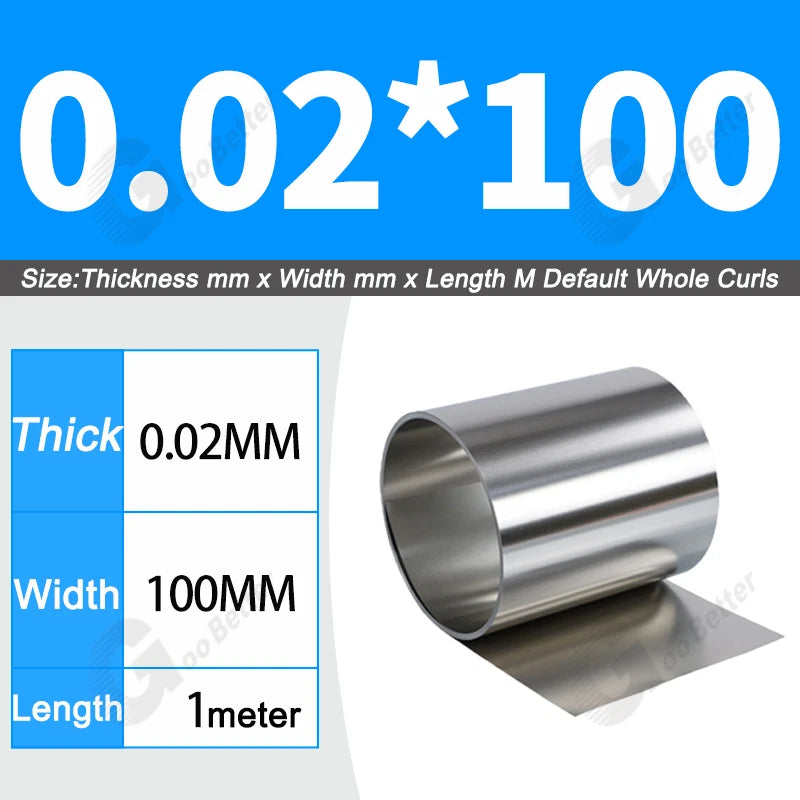
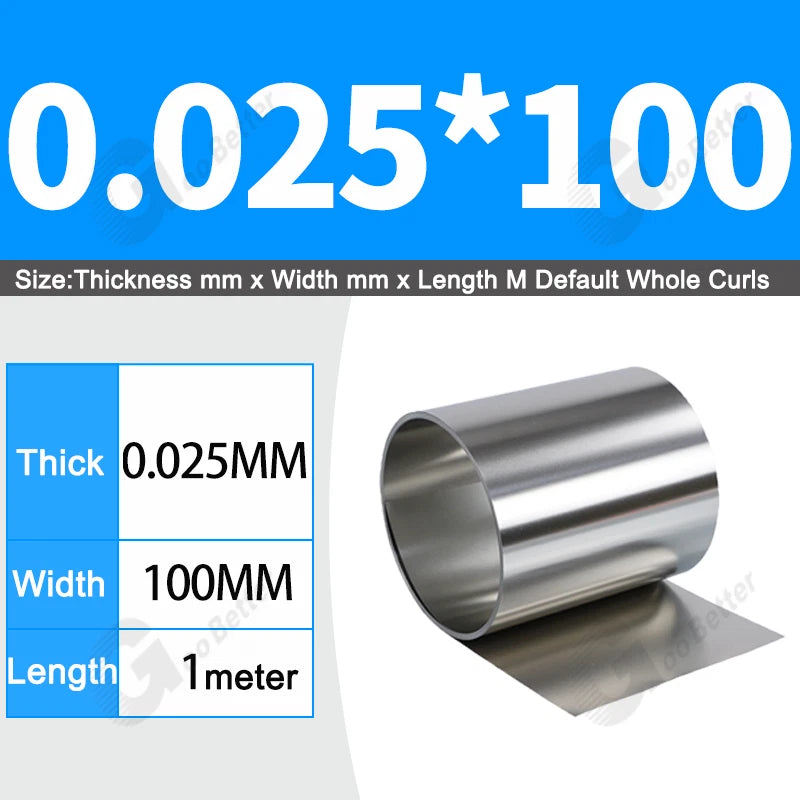
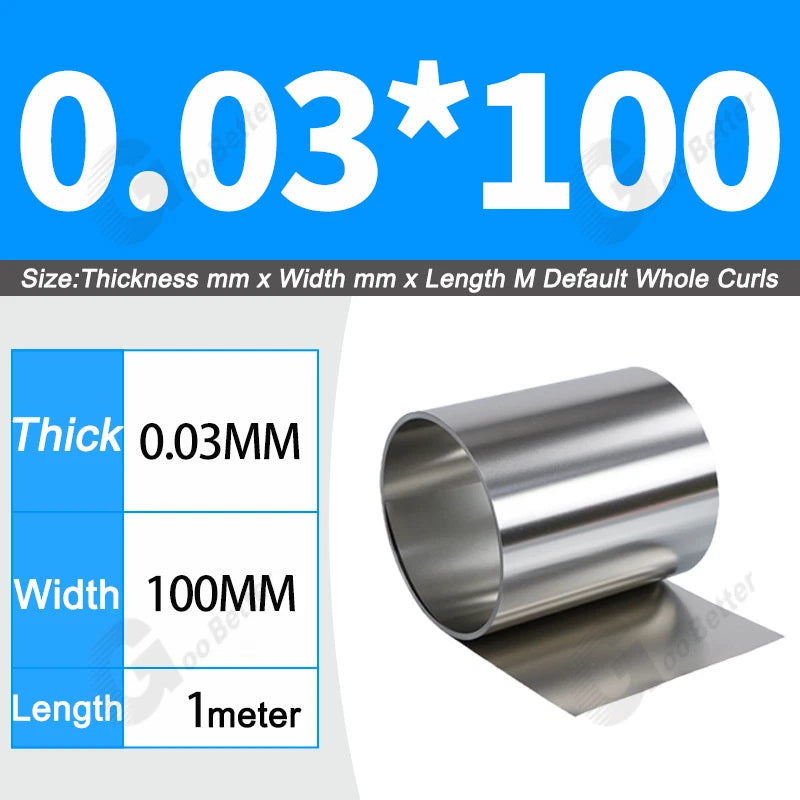
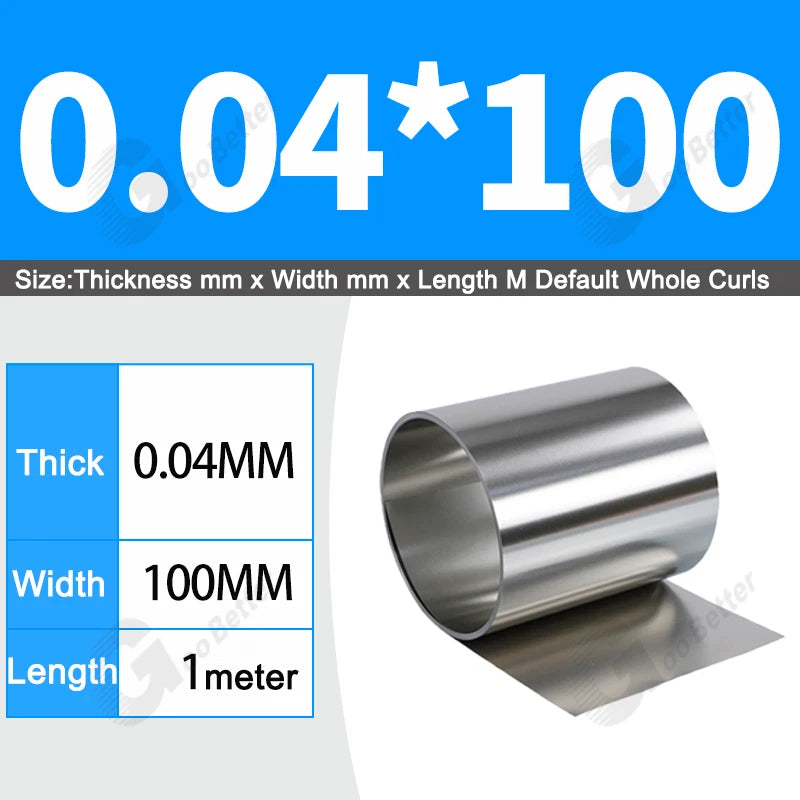
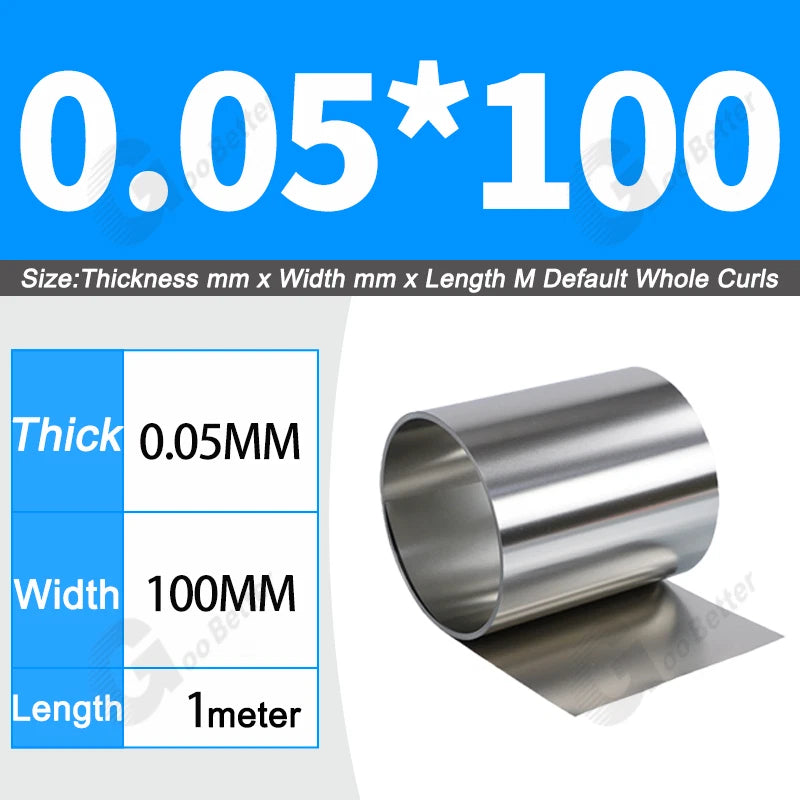
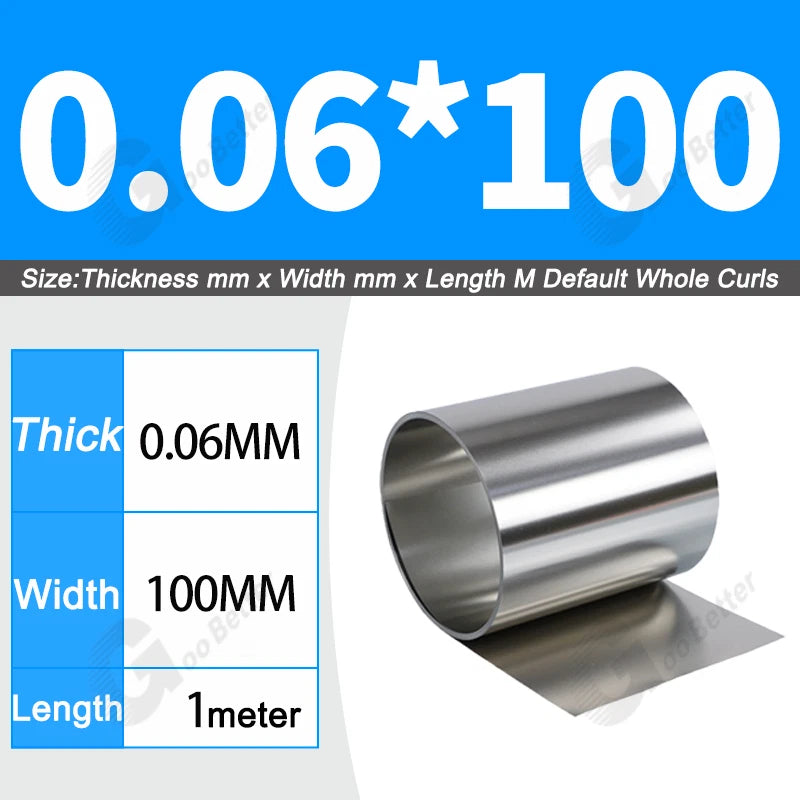
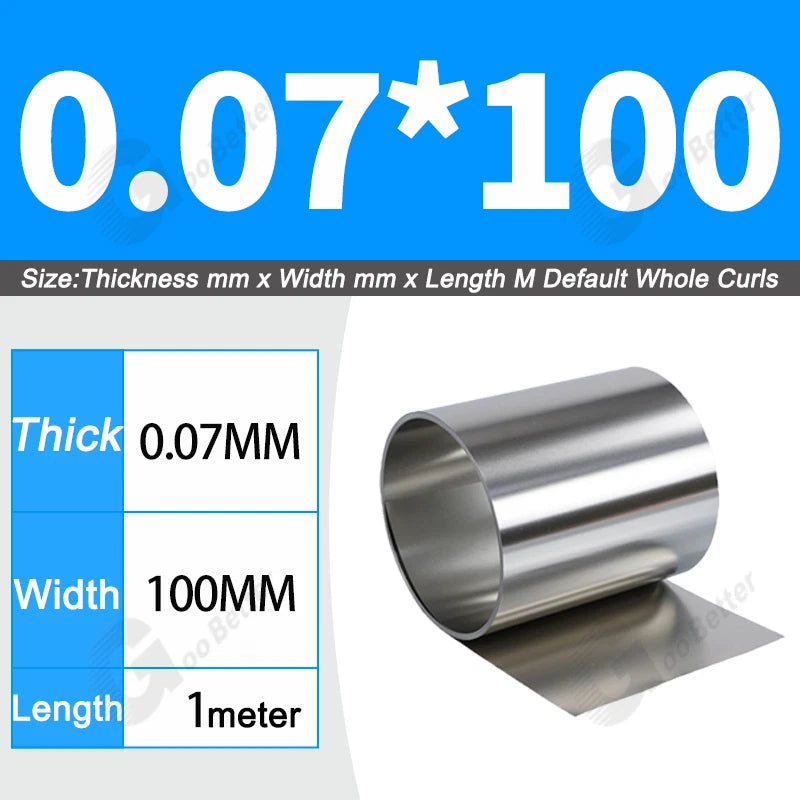
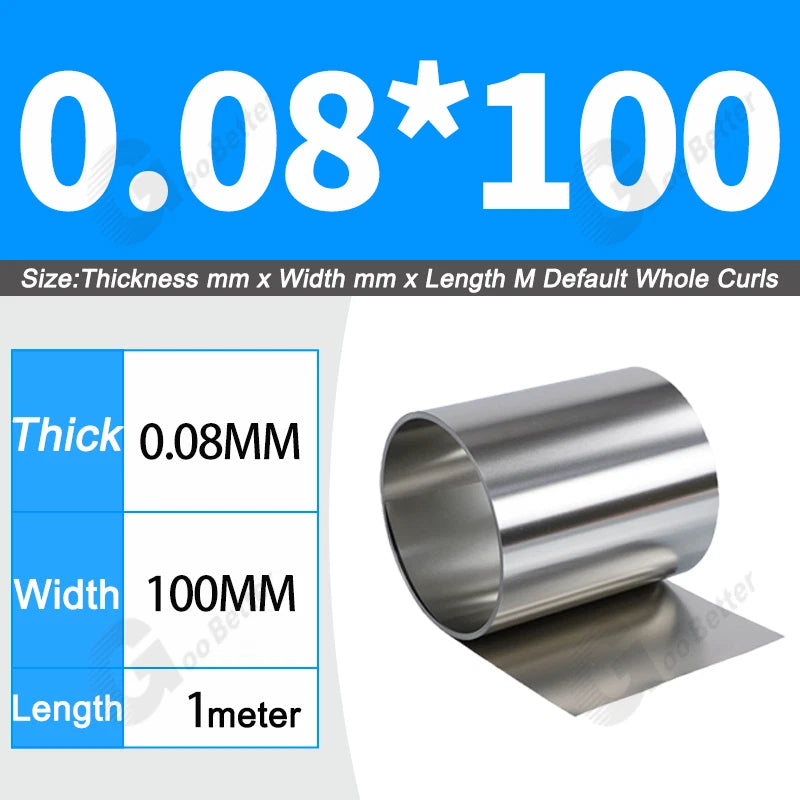
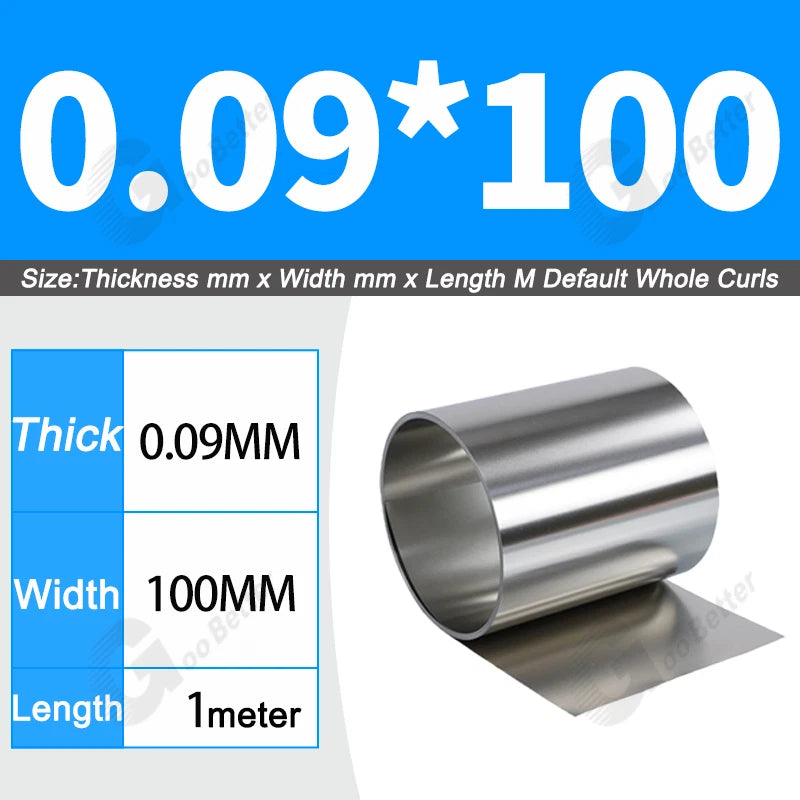
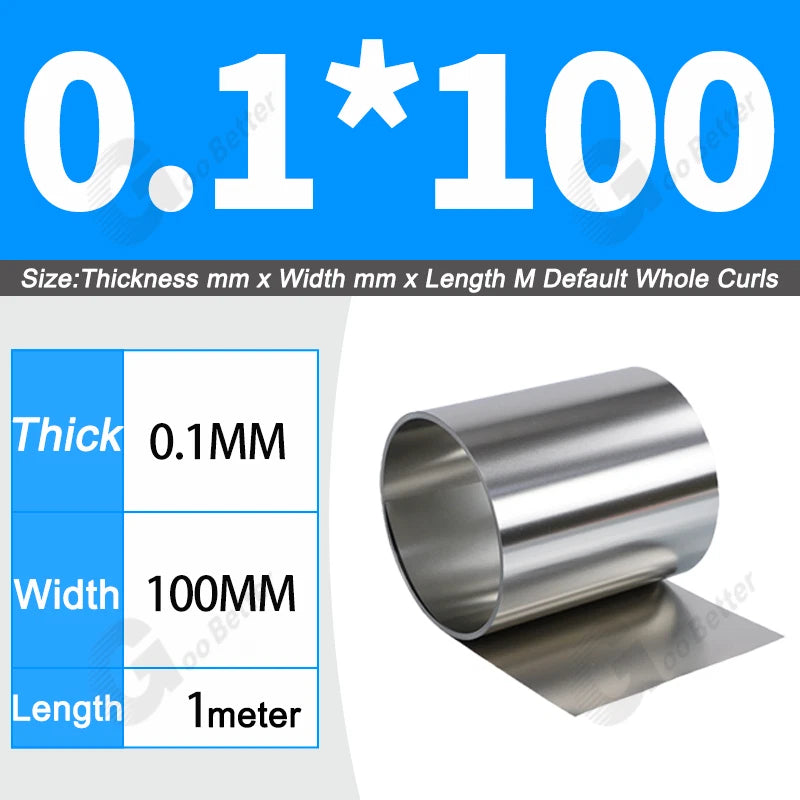
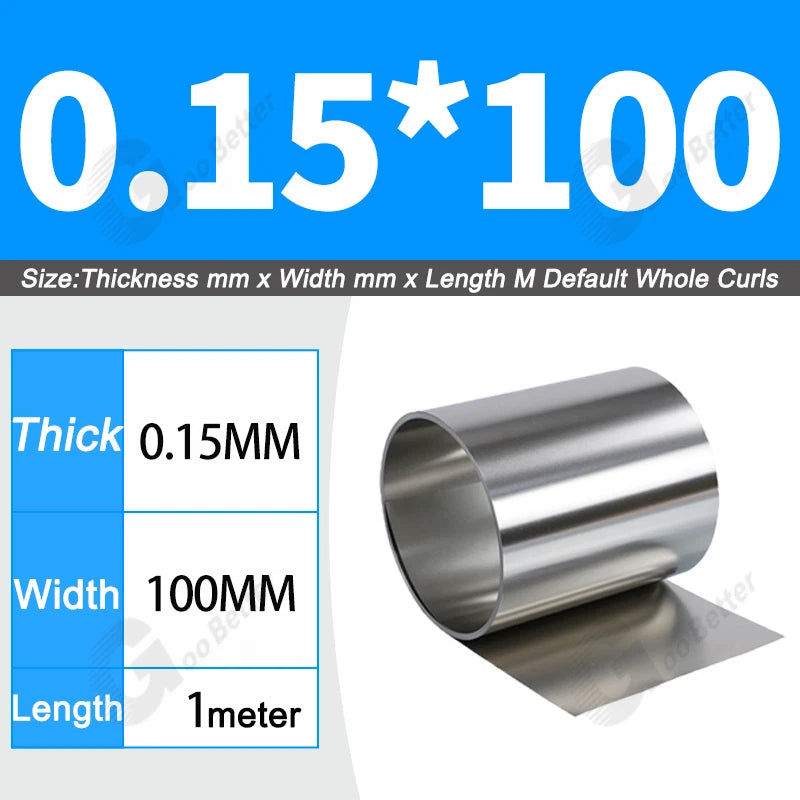
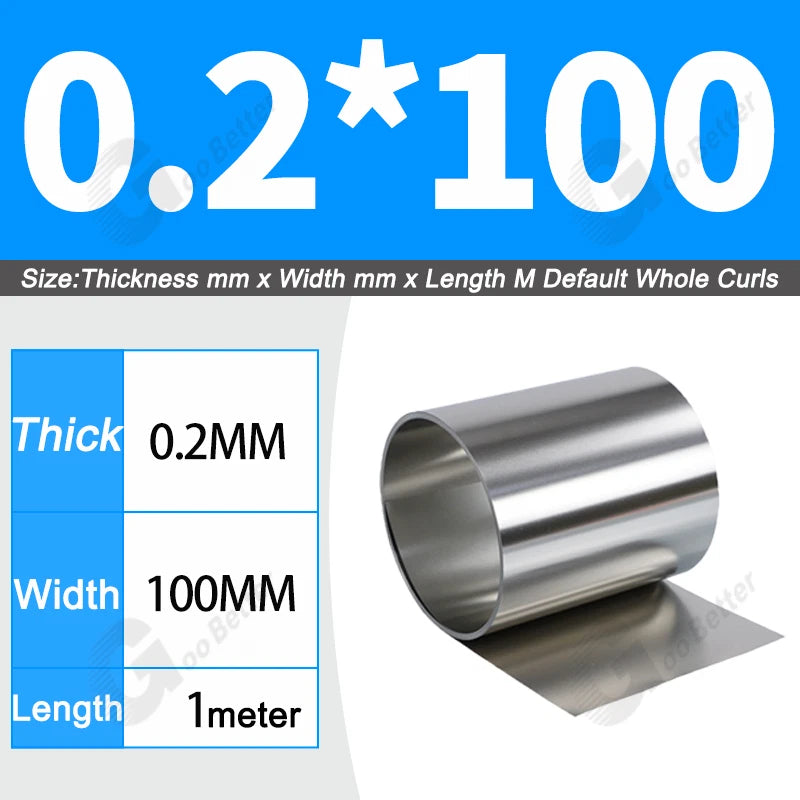
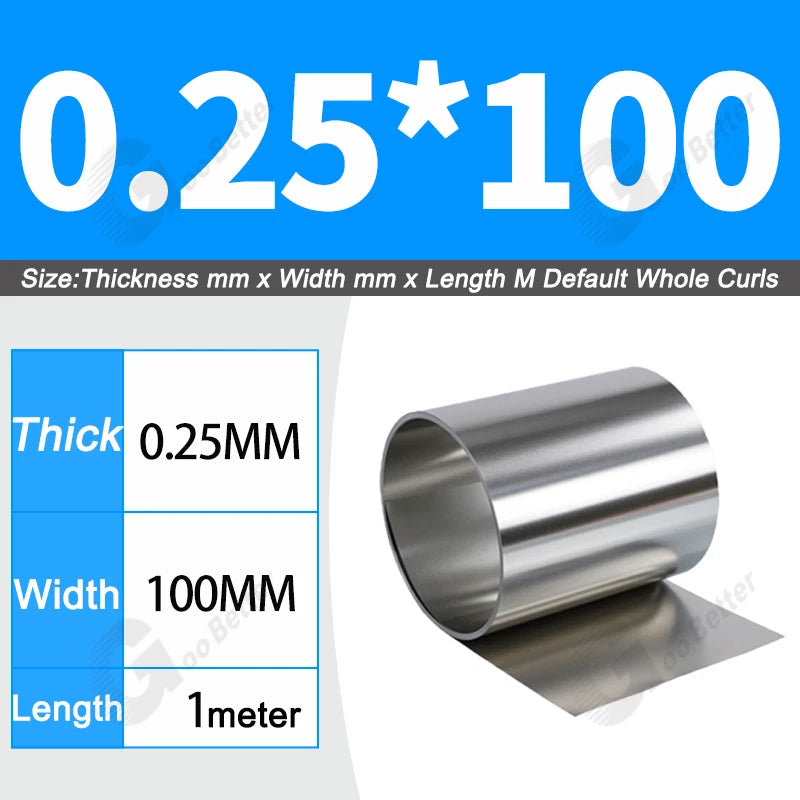
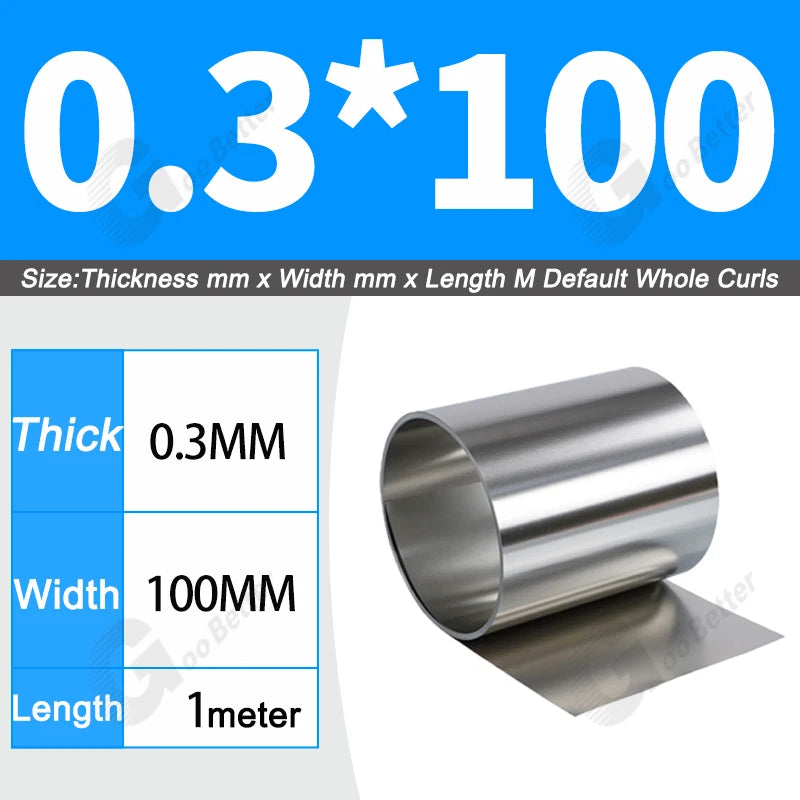
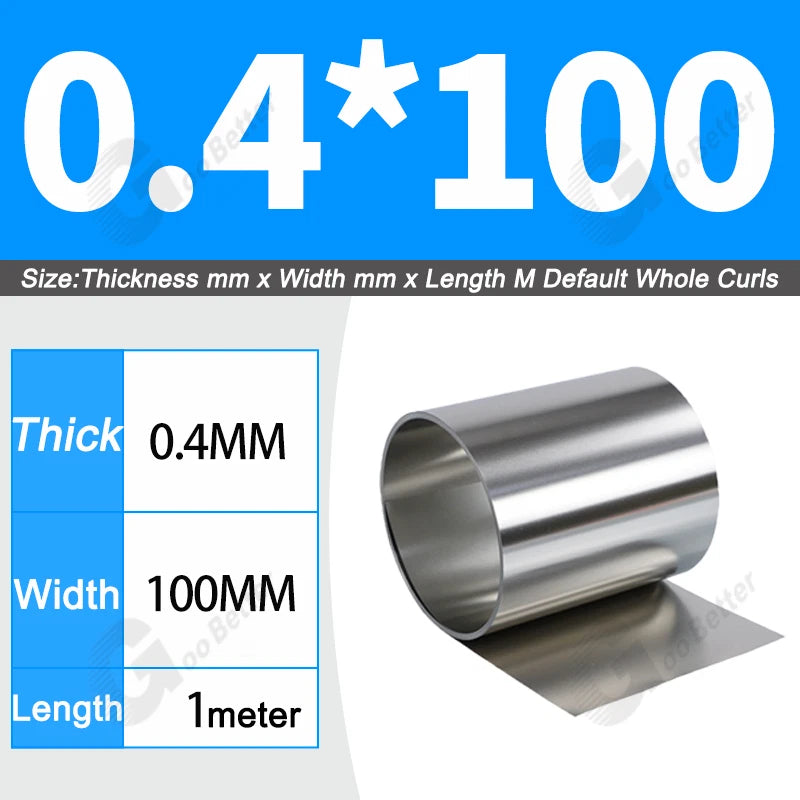
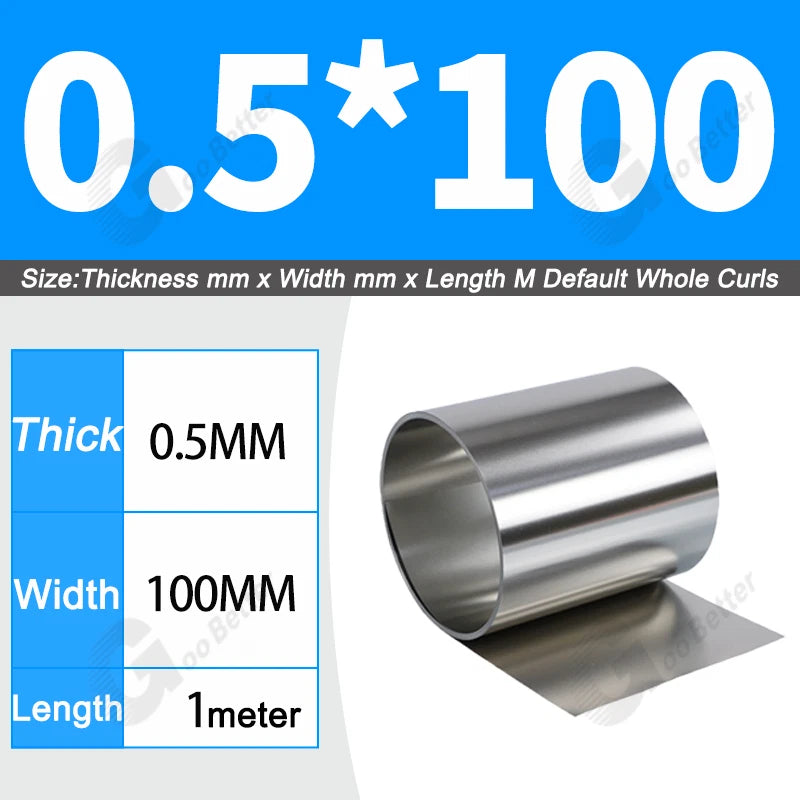
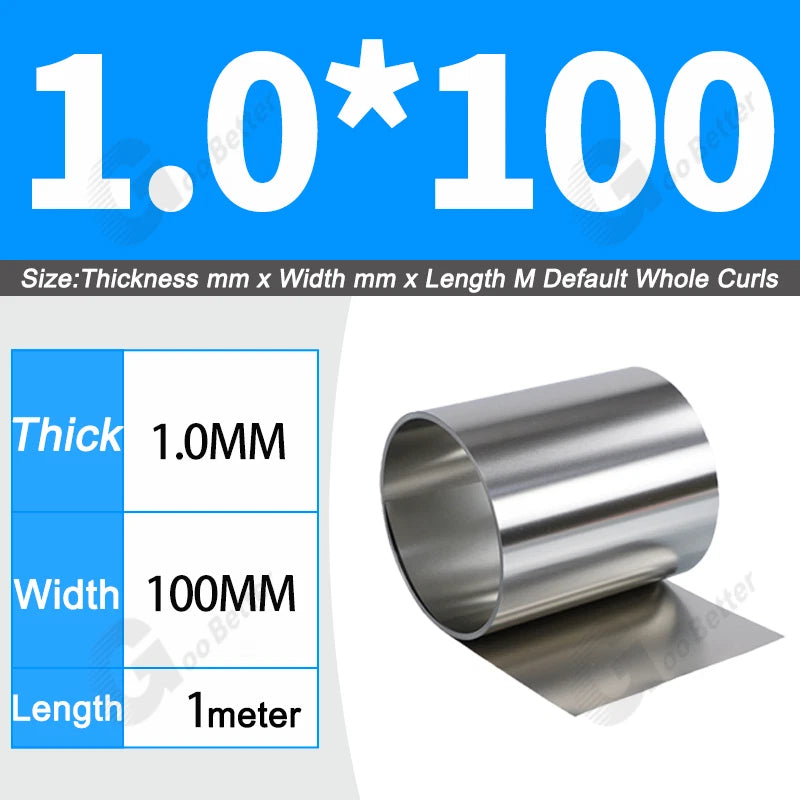
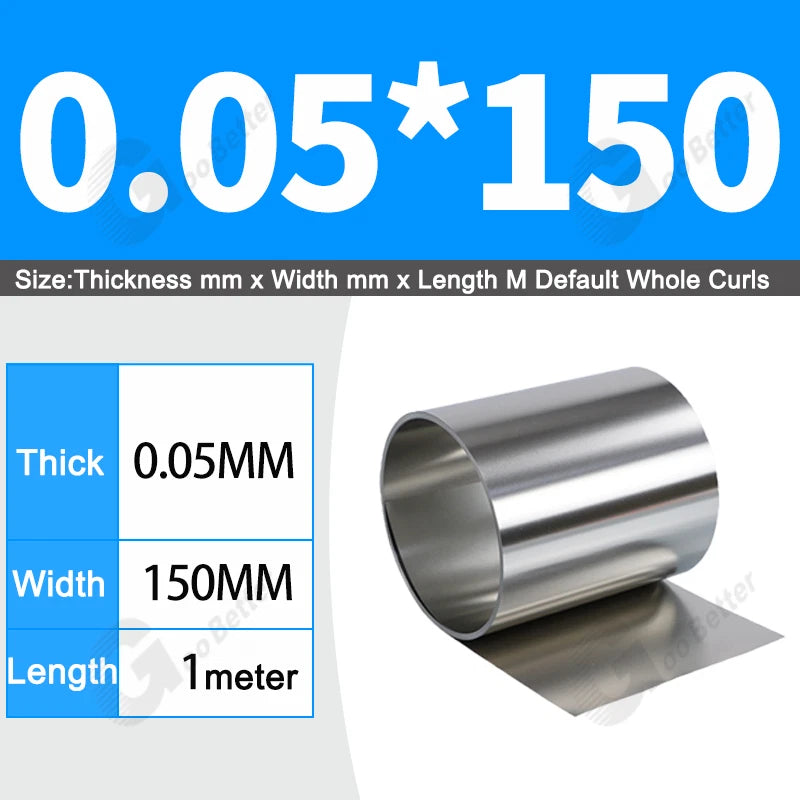
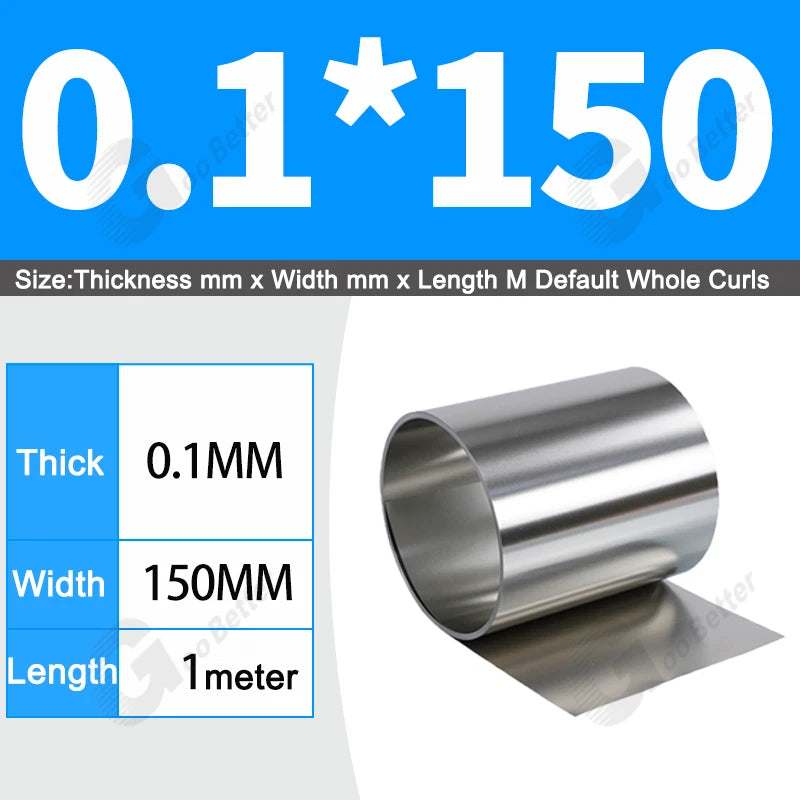
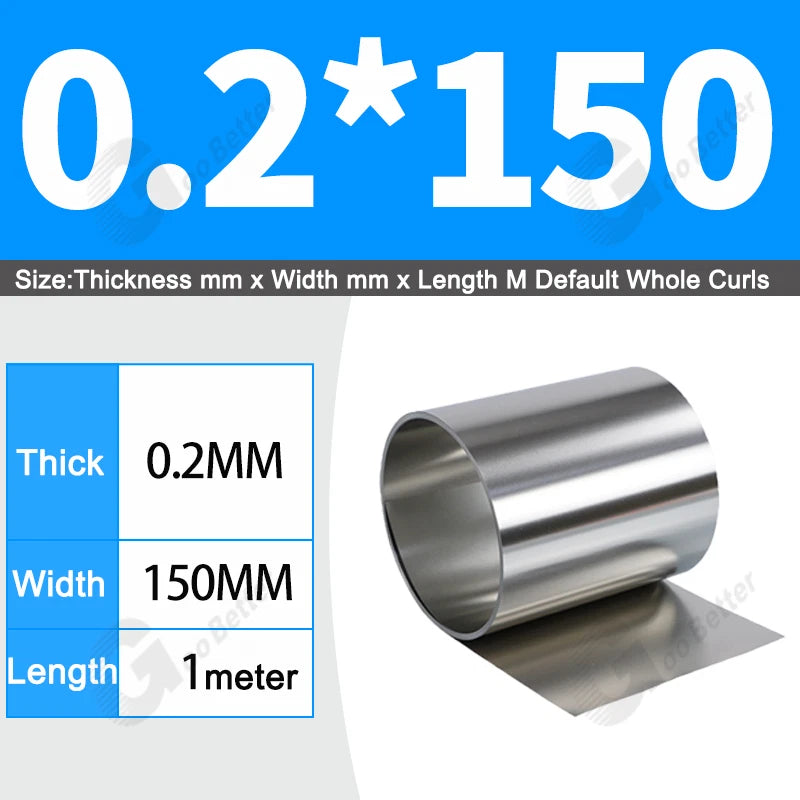
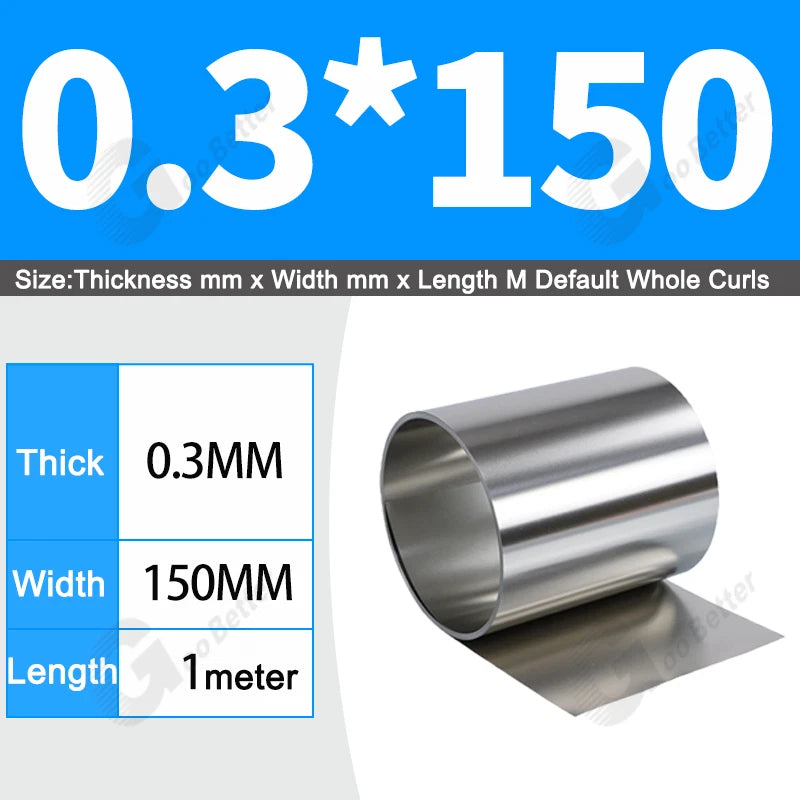
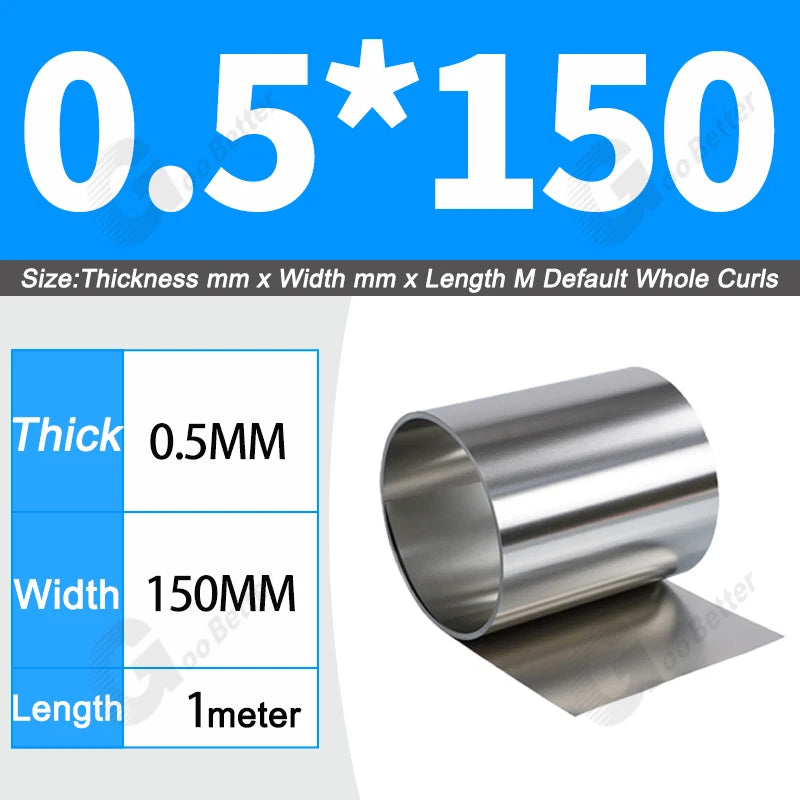
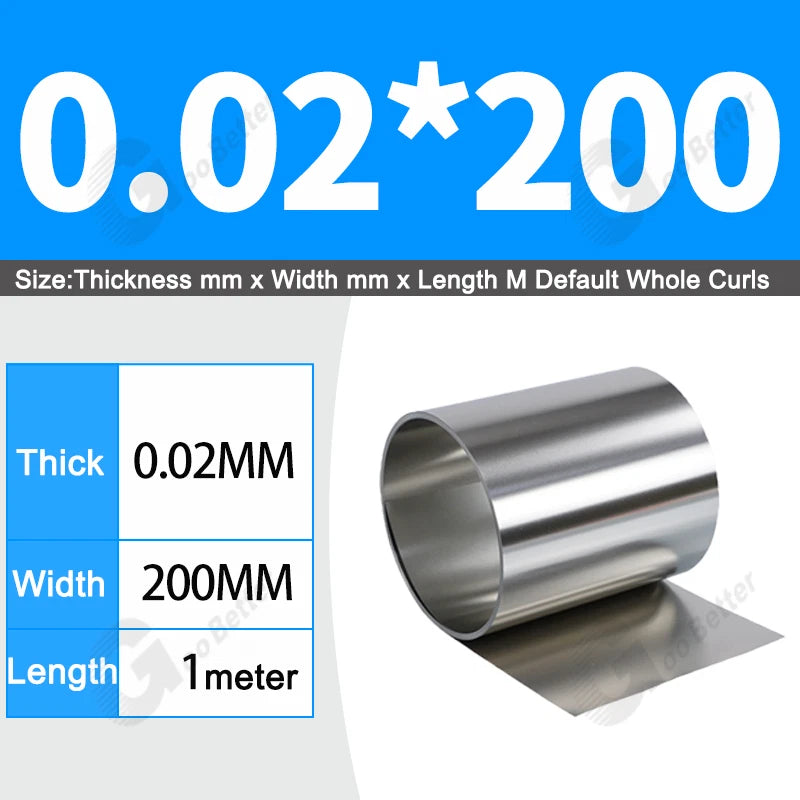
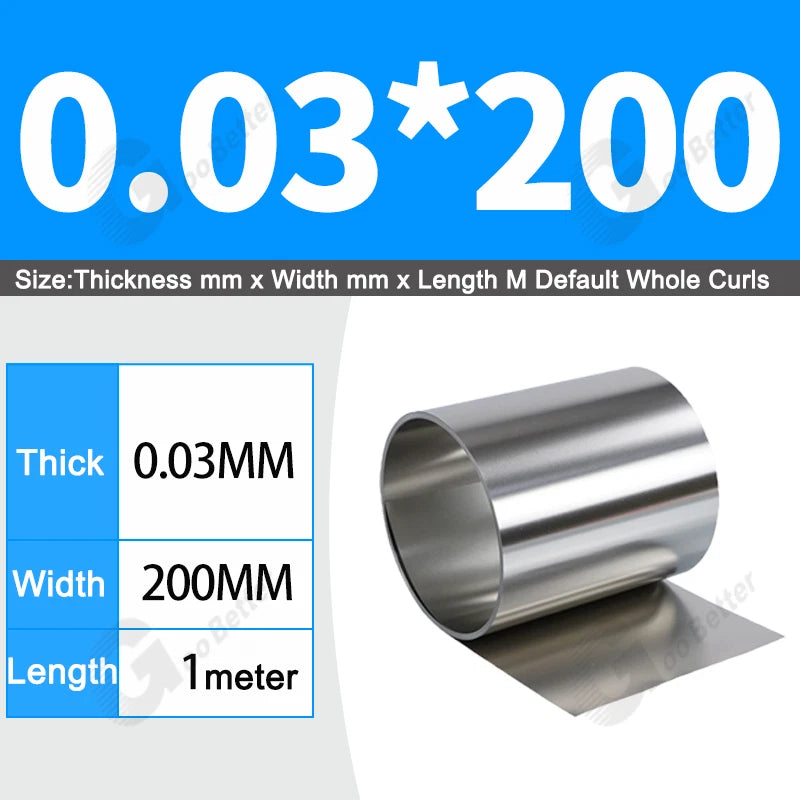
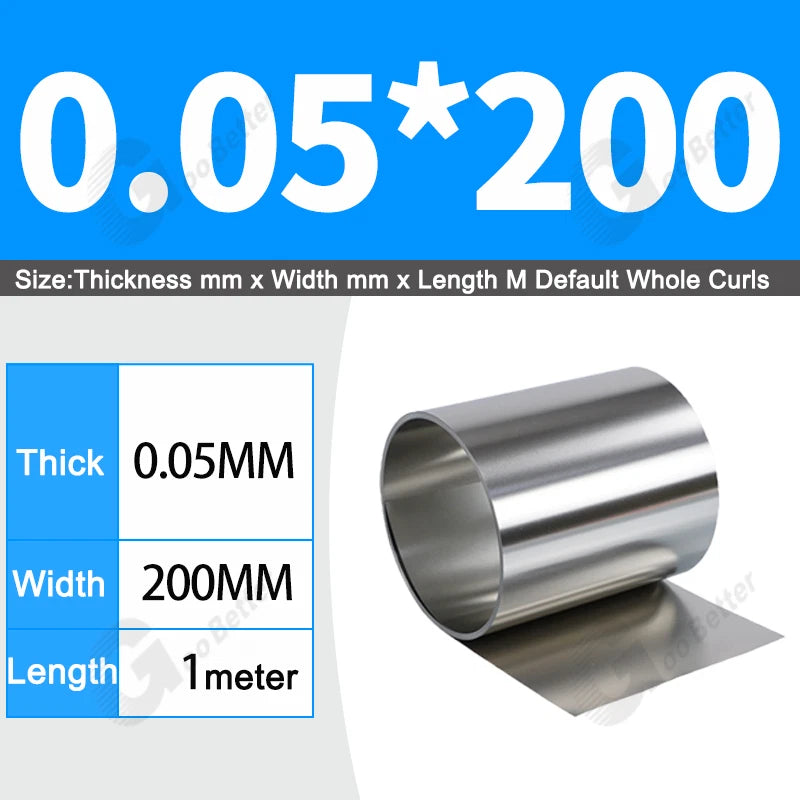
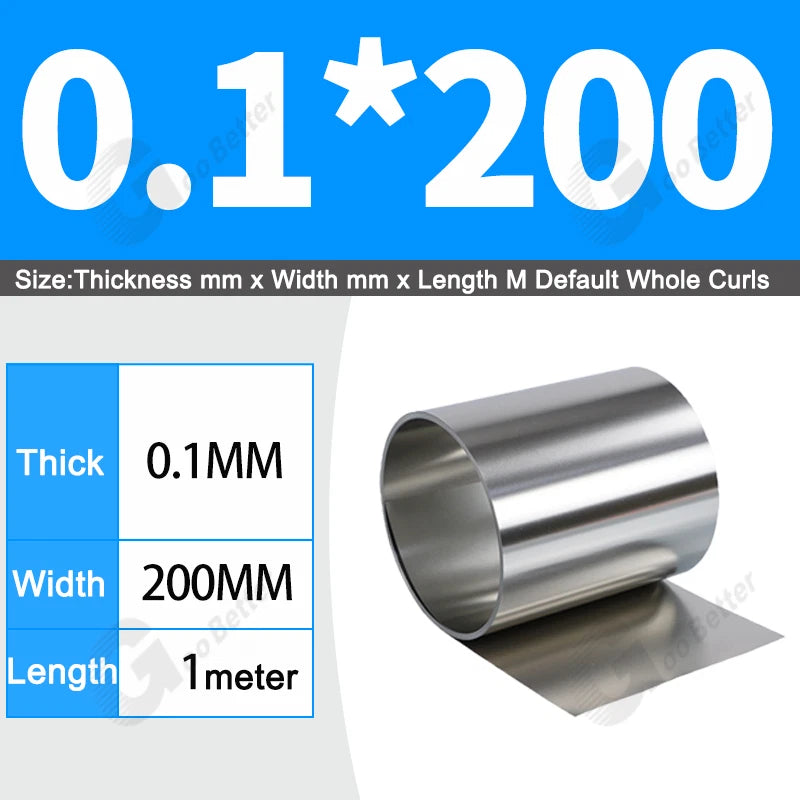
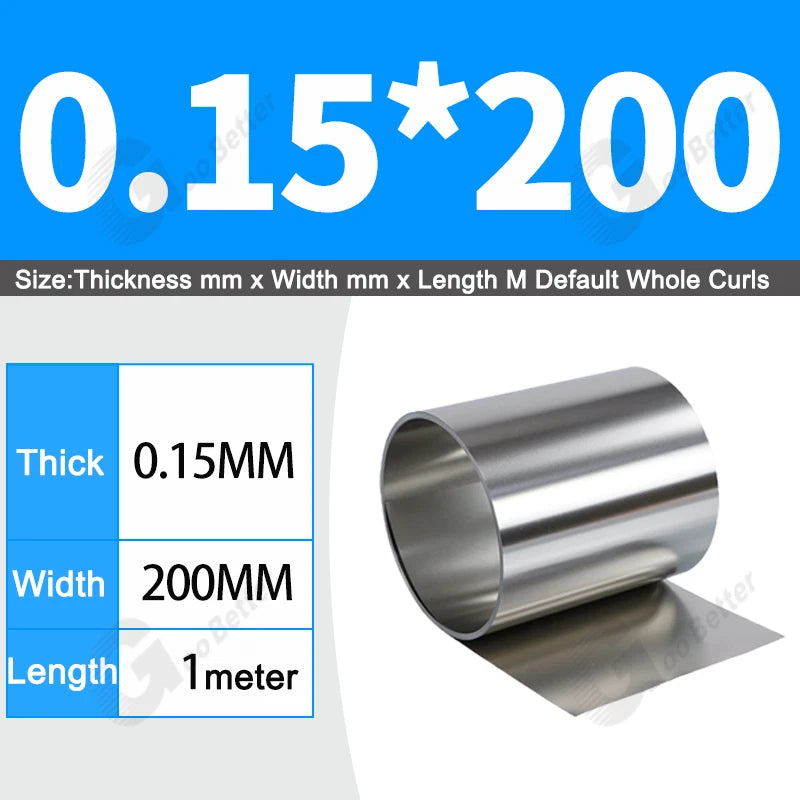
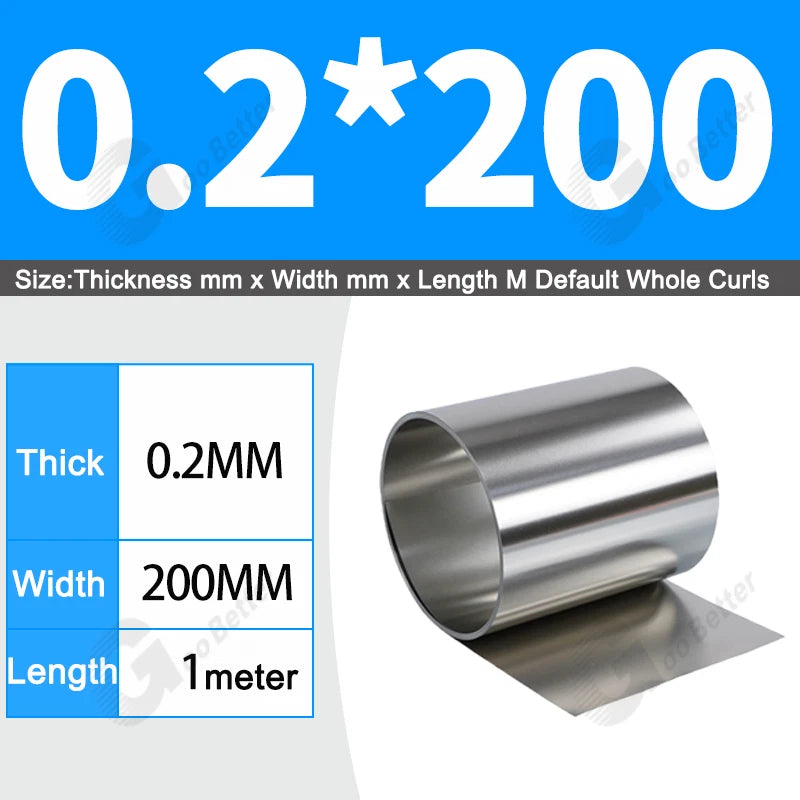
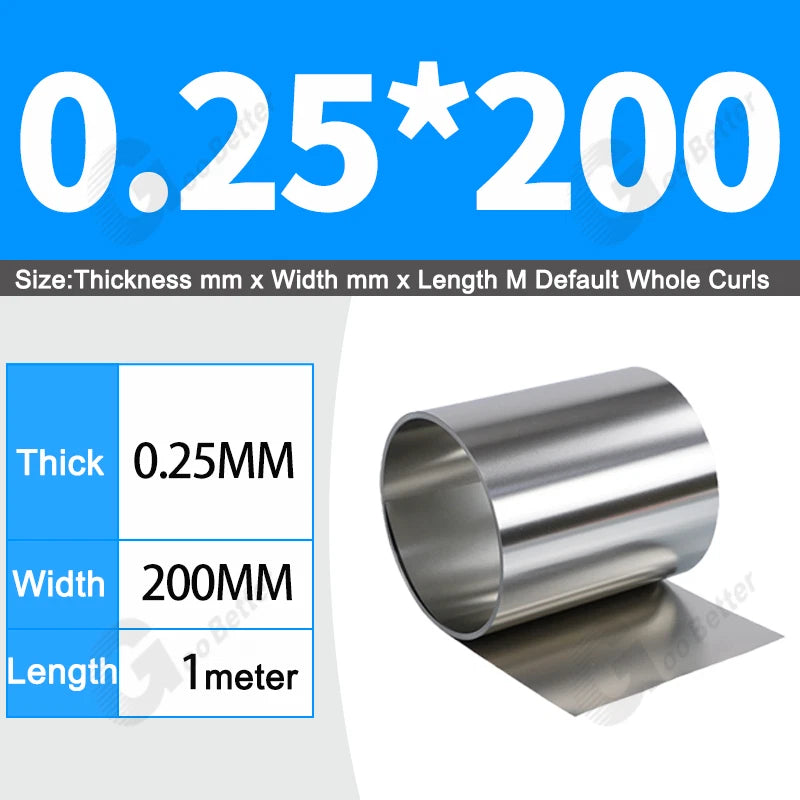
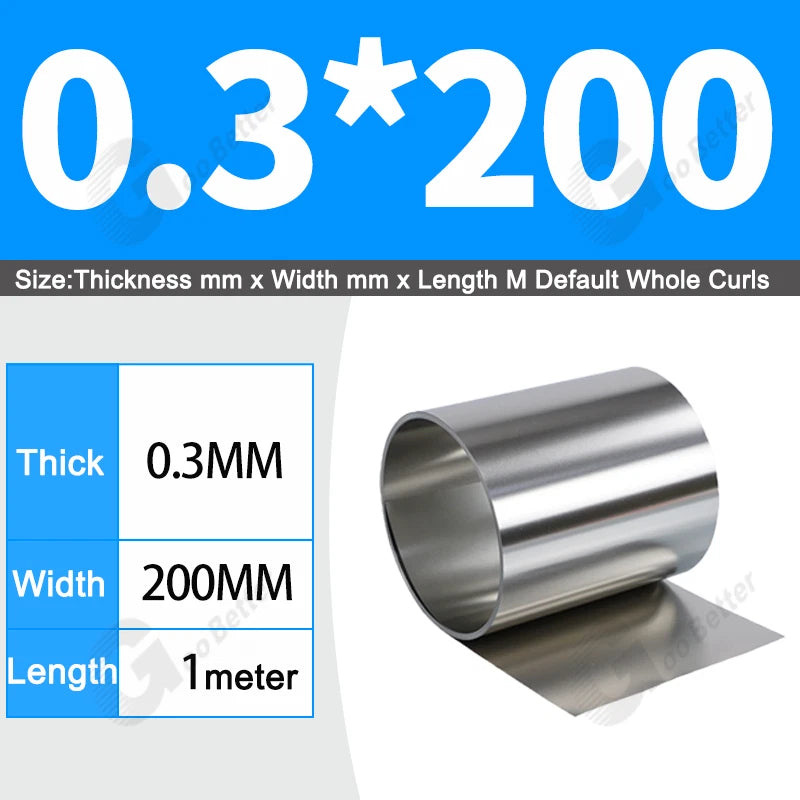
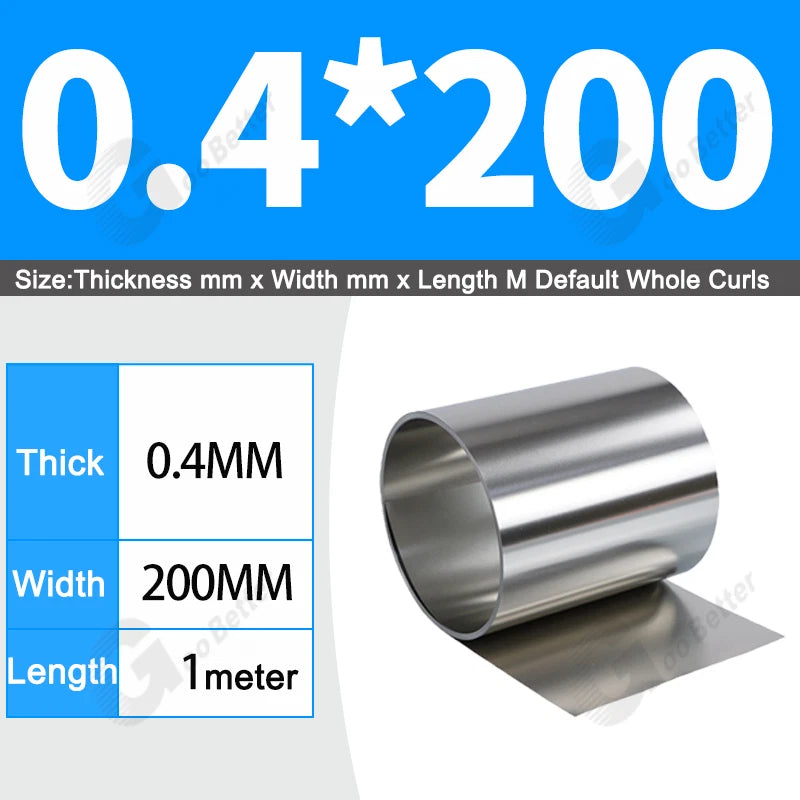
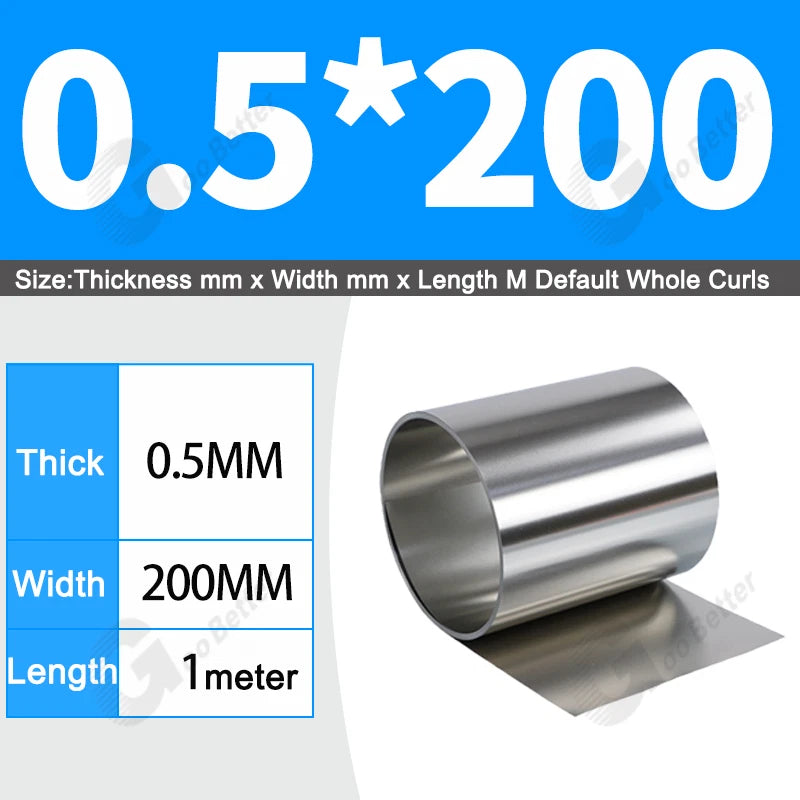
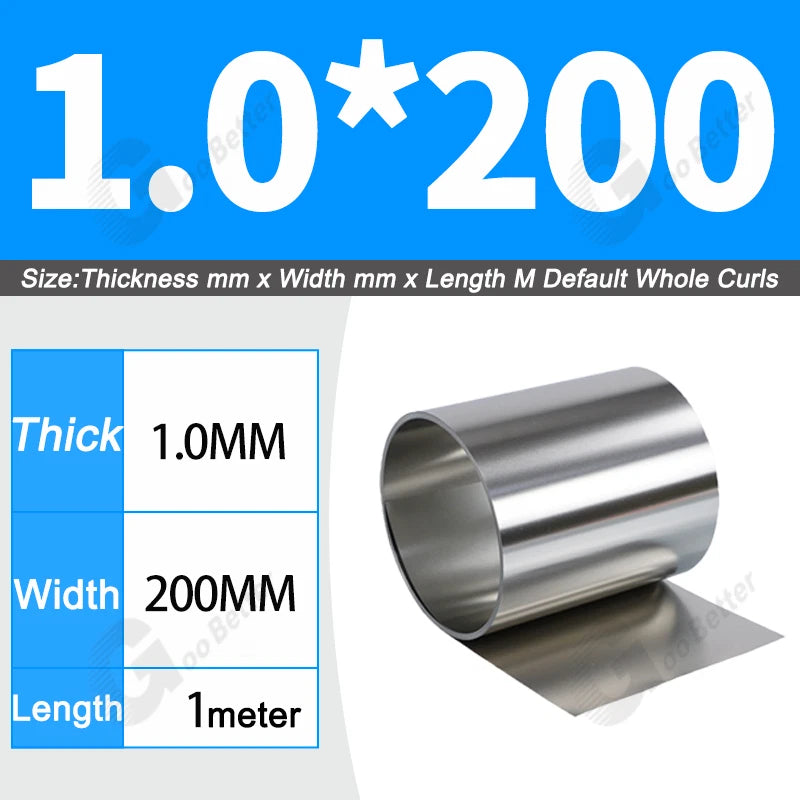
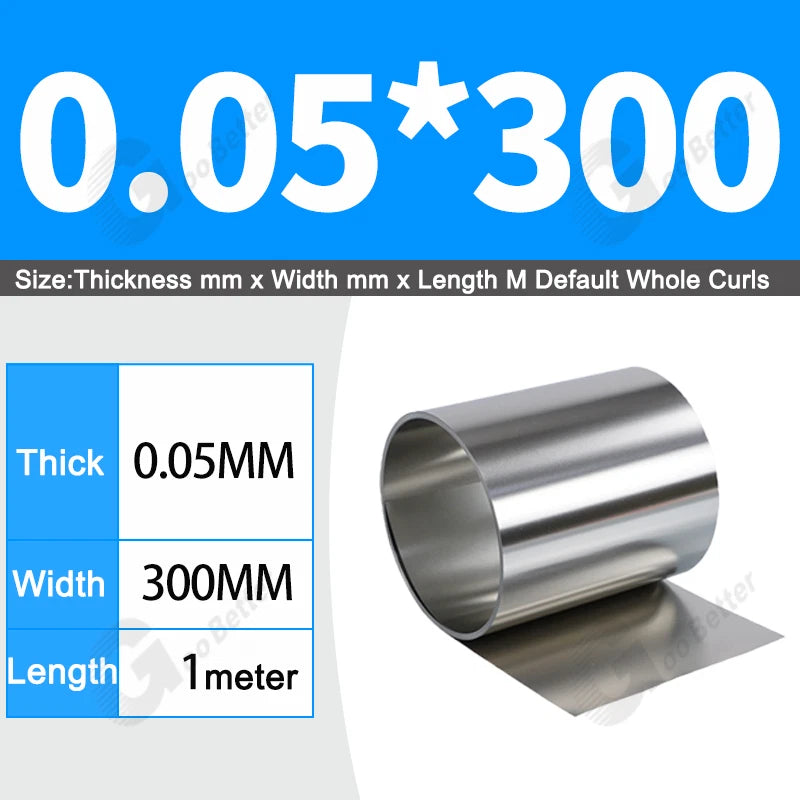
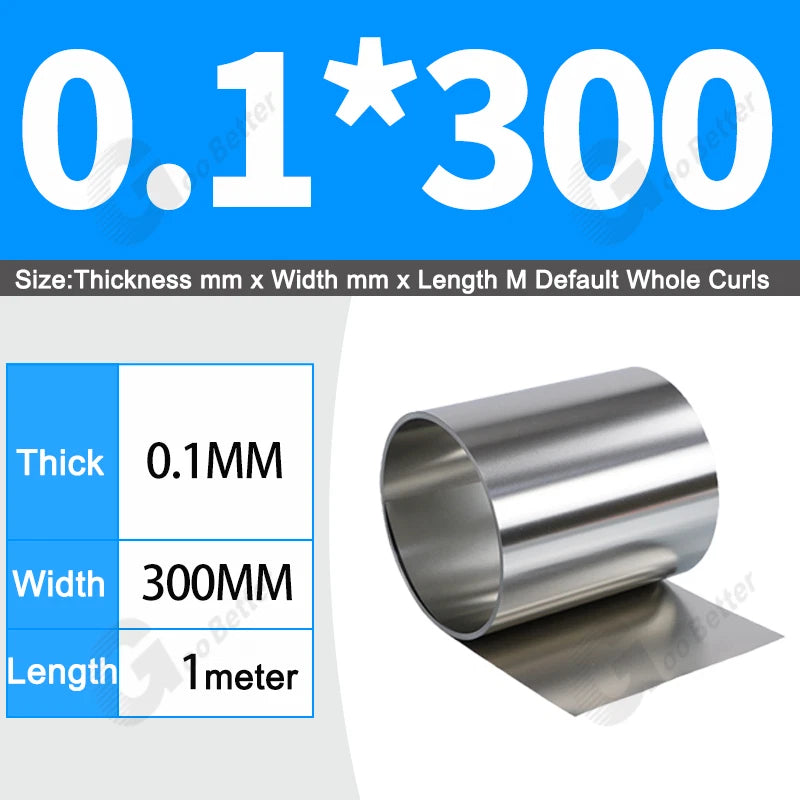
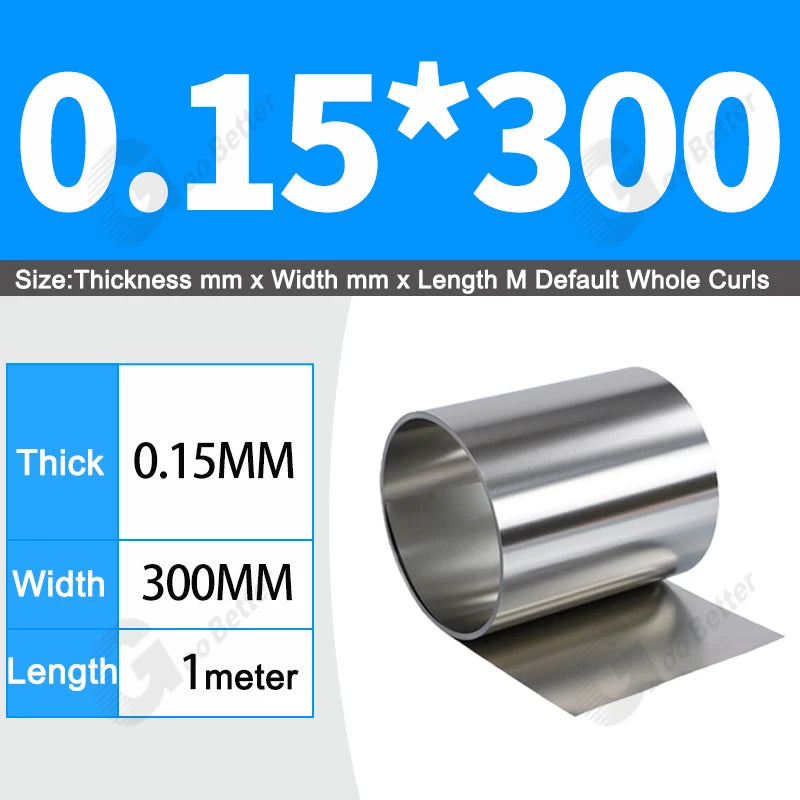
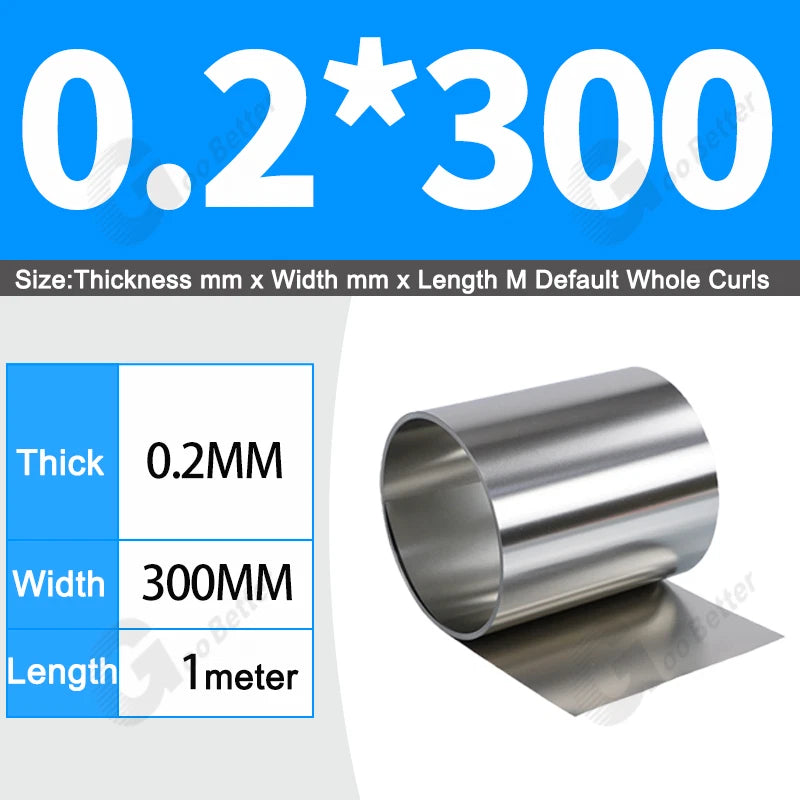
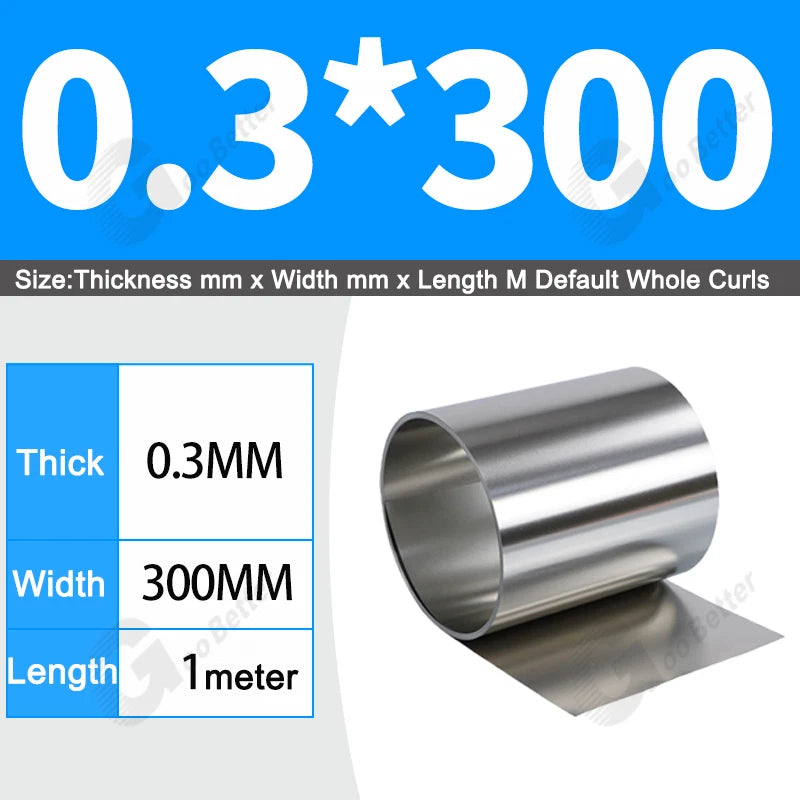
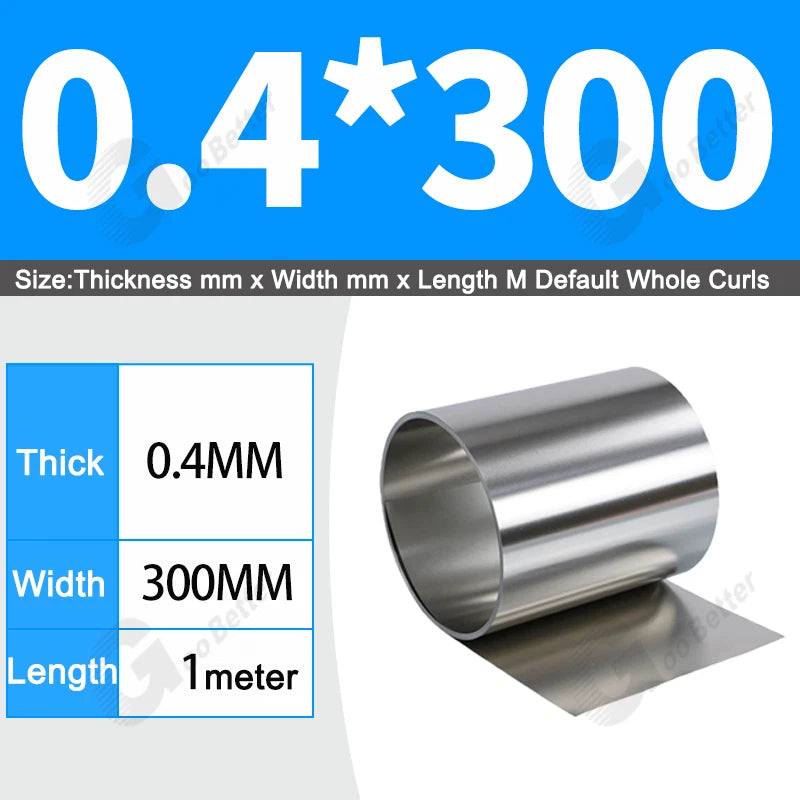
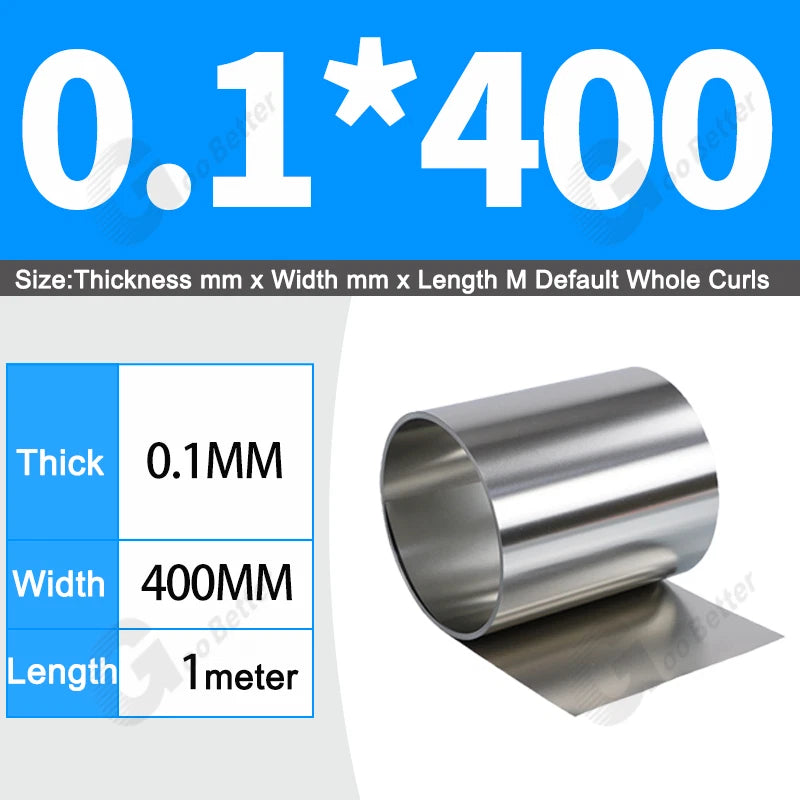
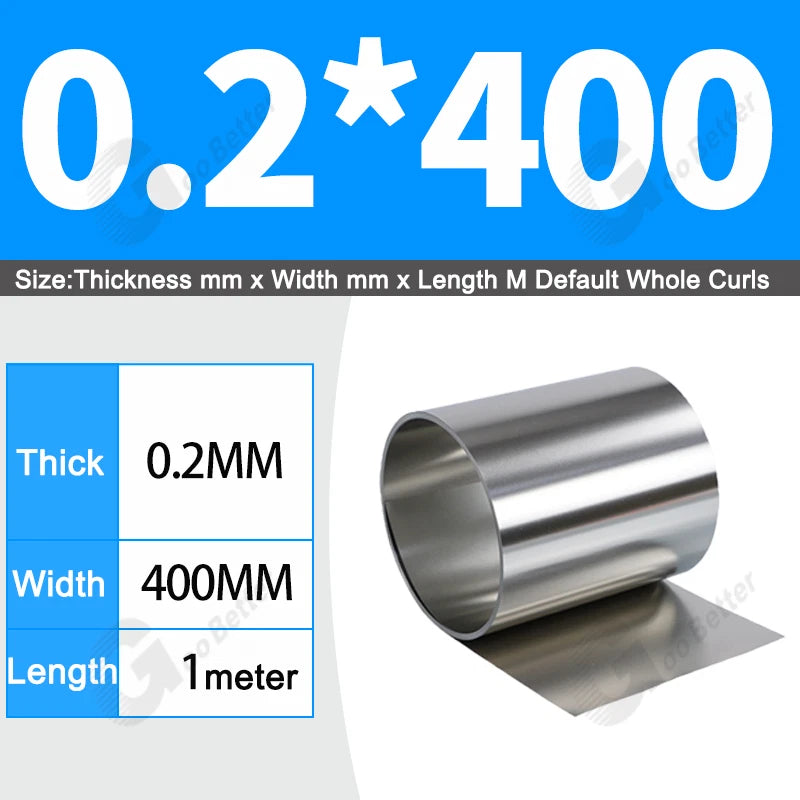
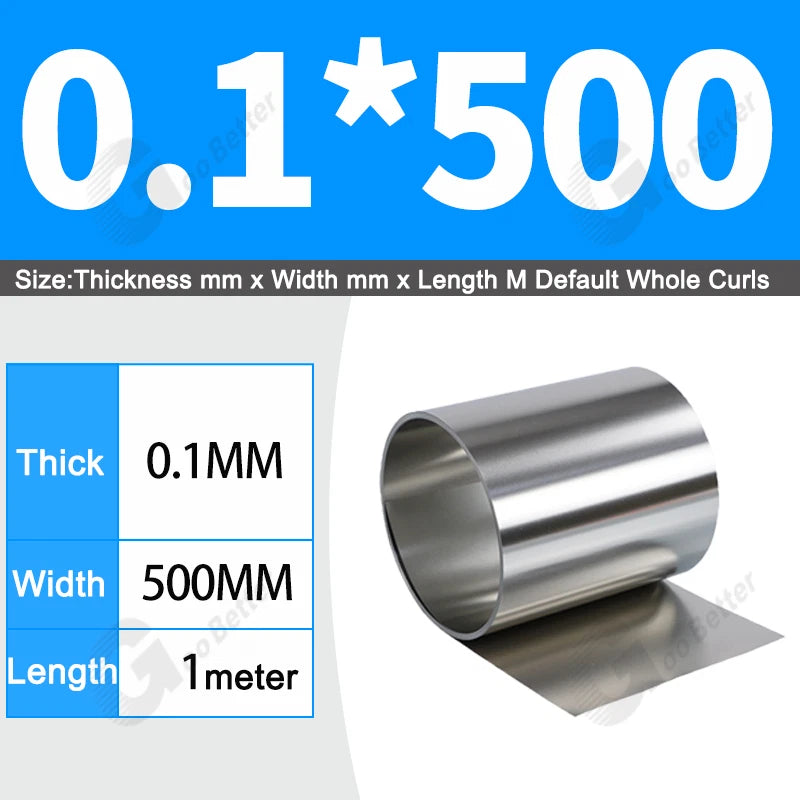
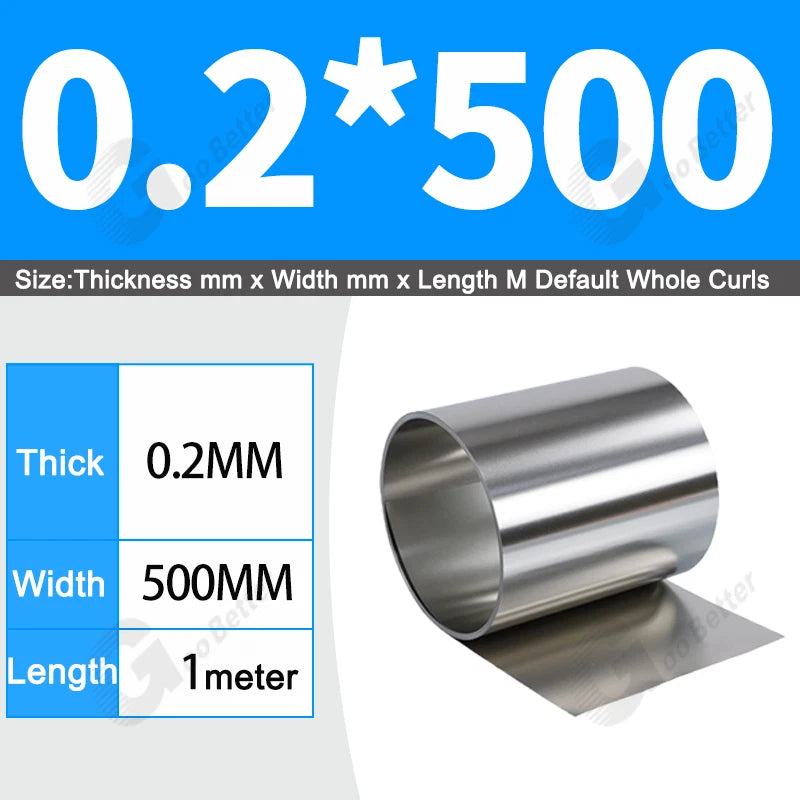
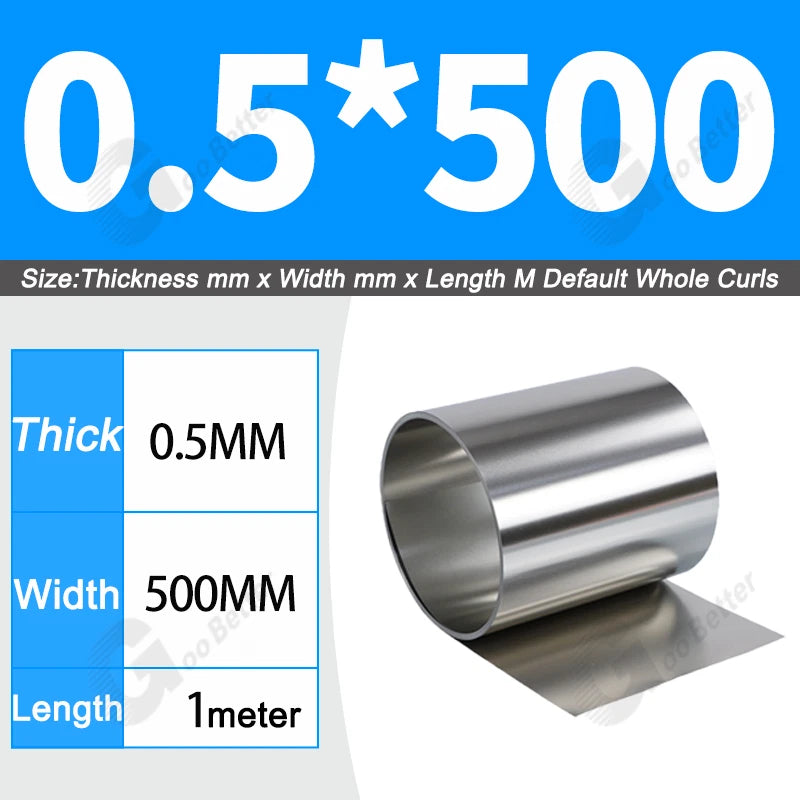
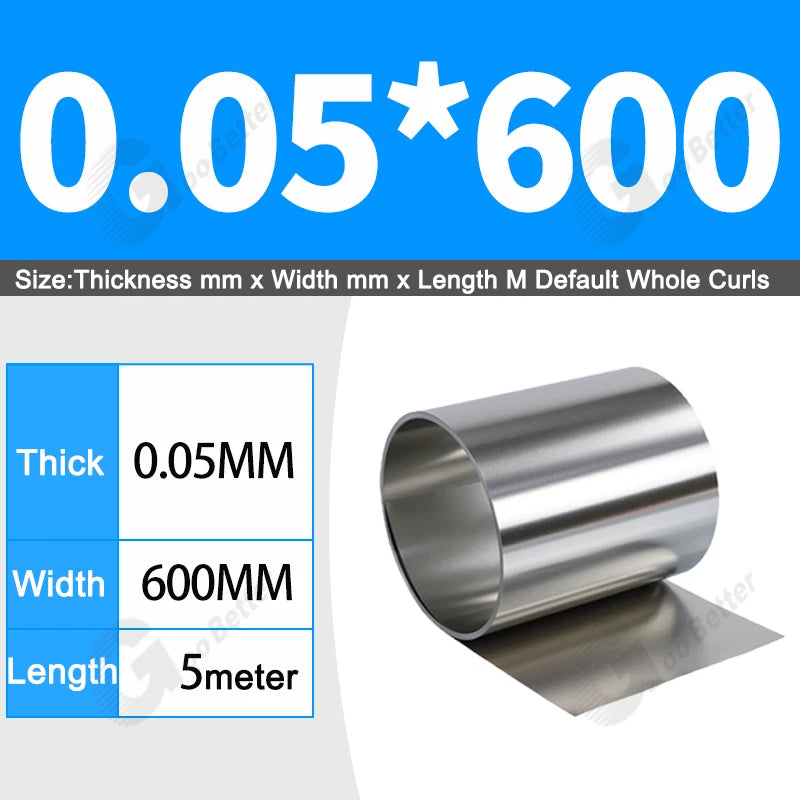
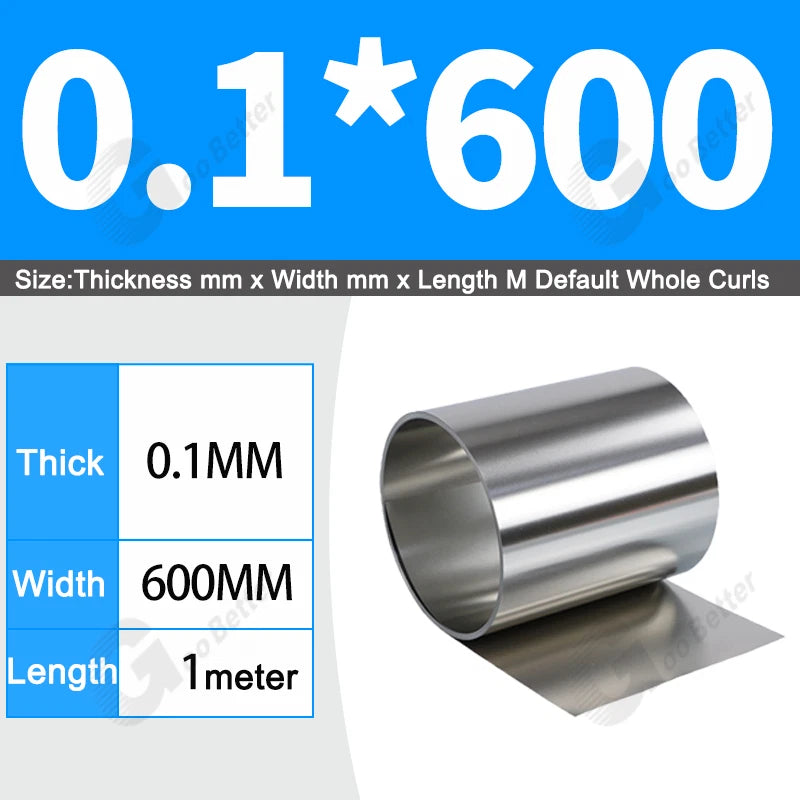
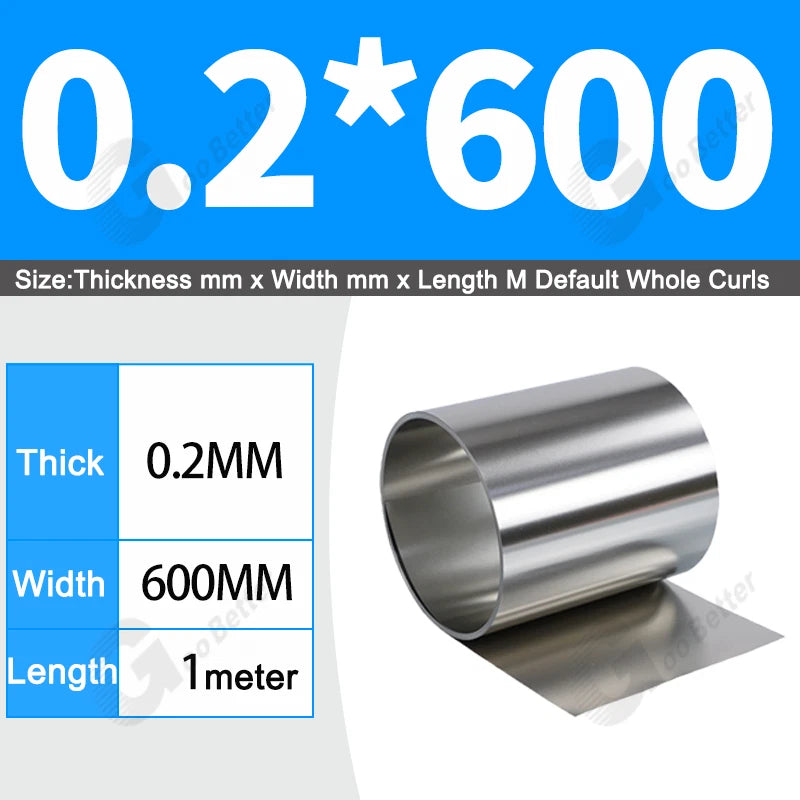
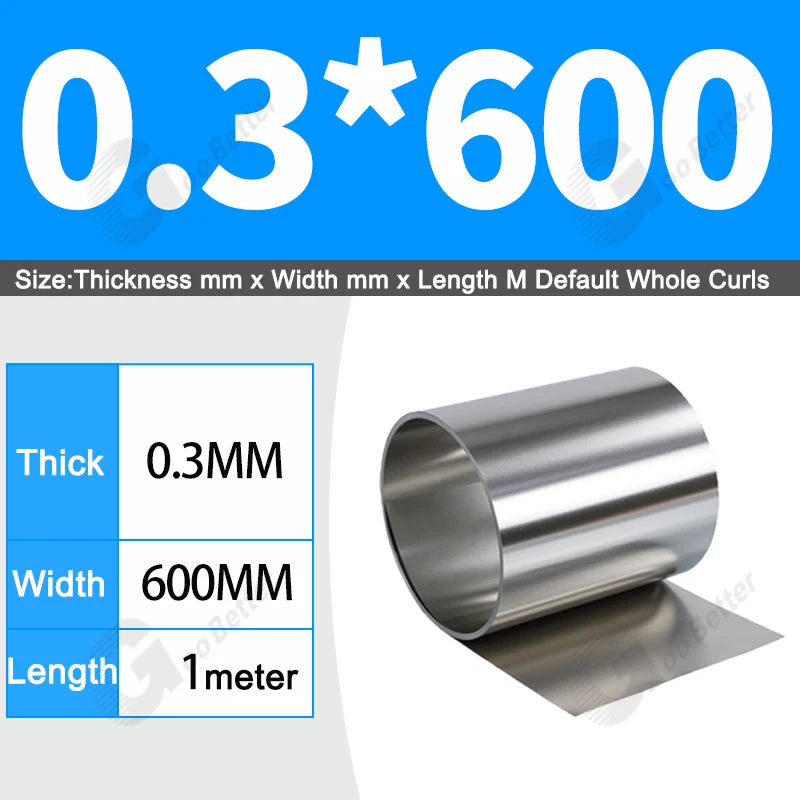
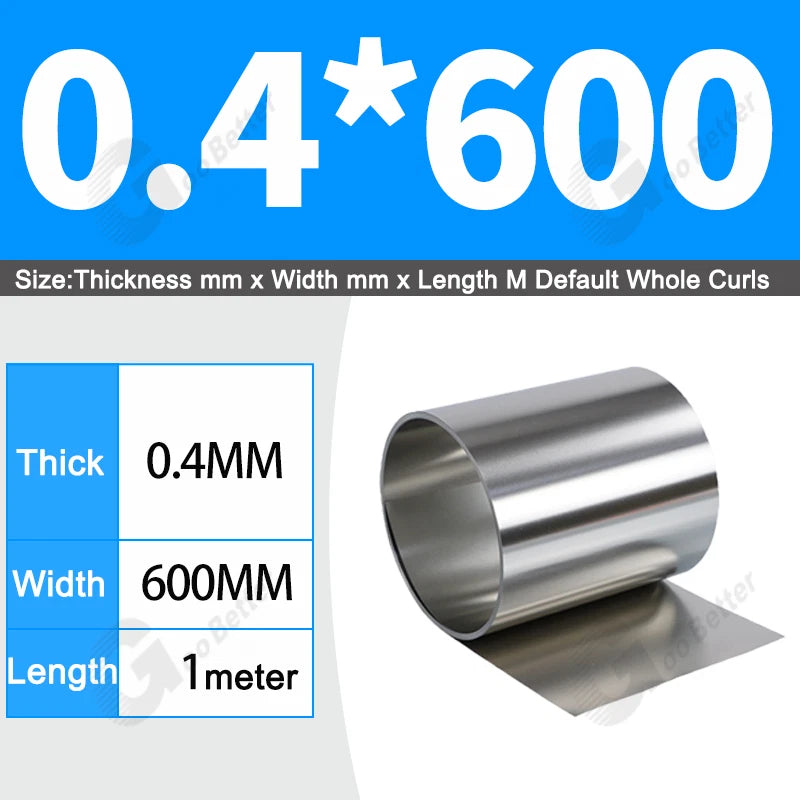
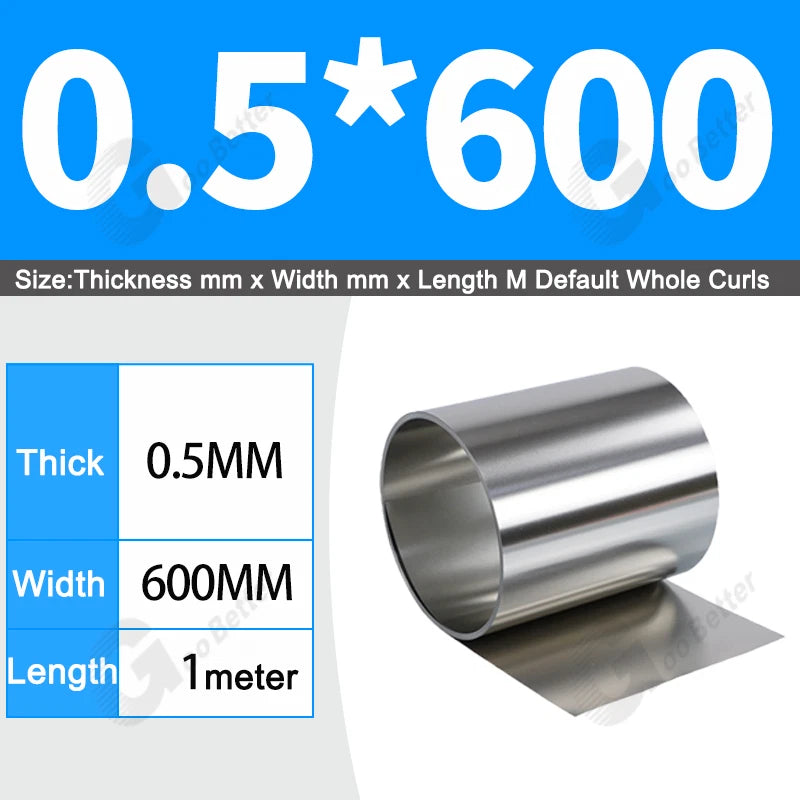
1 Meter 304 Stainless Steel Band SUS304 Sheet Foil Plate Strip Thick 0.01mm-1mm

Keine Bewertungen

Preis:
Sonderpreis$4.20 USD
Lagerbestand:
Verfügbar (500 Stück), versandbereit

Payment & Security

Ach Direct Debit Amazon American Express Apple Pay Bancontact Diners Club Discover Google Pay iDEAL Wero Mastercard PayPal Shop Pay USDC Visa

Deine Zahlungsinformationen werden sicher verarbeitet. Wir speichern keine Kreditkartendaten und haben auch keinen Zugang zu deinen Kreditkartendaten.

Quantity Discount Promotion
🎯 BULK DISCOUNT: Buy More, Save More!
Buy 2 Items
5% OFF
Buy 4 Items
10% OFF
Buy 6 Items
15% OFF
Expert

DIY Expert Support

Get fitment advice & recommendations

Mon-Fri, 8:30AM-8PM
24-Hour Fast Ship
🚚
Arrives in 3-14 days
🌍
Global Reach
↩️
30-Day Returns
🌱 1 tree planted with every purchase

Beschreibung

304 Stainless Steel Foil Strip — Precision-Cut Band for Fabrication, Repair & DIY Projects

When a project calls for a thin, flat metal strip that holds its shape, resists rust, and can be cut or bent without cracking, finding the right gauge and width in one place is rarely straightforward. This 304 stainless steel foil strip is stocked for makers, fabricators, and repair technicians who need a reliable flat metal band in an exact thickness and width — without ordering a full sheet or waiting on custom cuts.

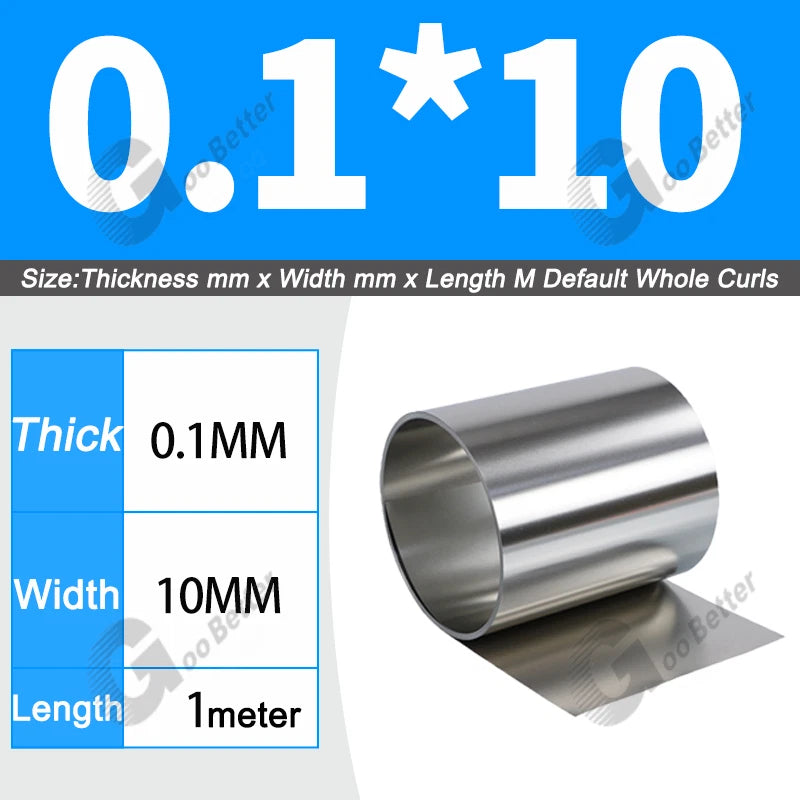
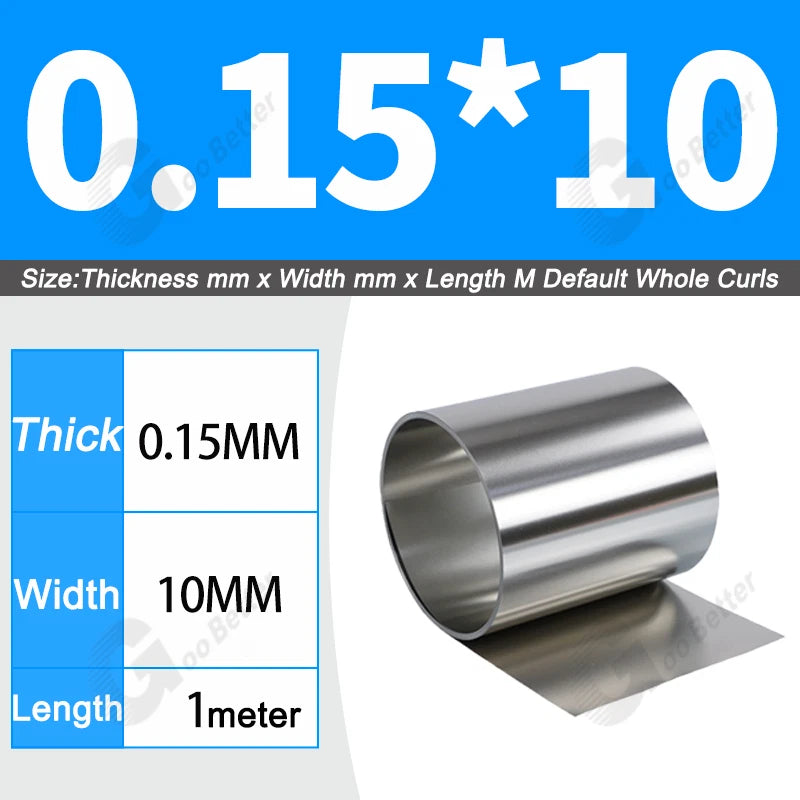
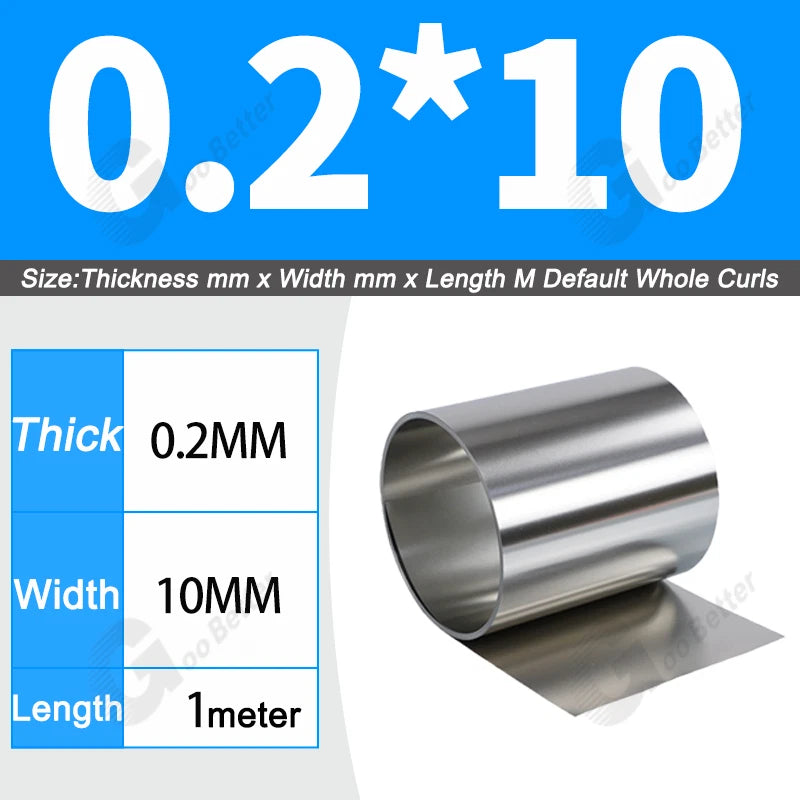
Each piece is a 304 stainless steel foil strip (SUS304) available in thickness from 0.01 mm to 1 mm (~0.0004" to ~0.039") and width from 10 mm to 600 mm (~0.39" to ~23.6"). Length options run from 1 M to 10 M per order. The material is a standard austenitic grade with a bright mill finish on the rolled face.

Typical uses include battery tab welding and spot-welding shims, HVAC duct sealing strips, gasket blanks for low-pressure flanges, flexible hinge stock for enclosures, and precision shimming between mating surfaces in machinery. The thin gauges (0.01–0.05 mm) suit electrical insulation and foil shielding work, while the heavier gauges (0.3–1 mm) handle structural banding and clamp fabrication.

⚙️ Compatibility note: SUS304 is weldable by TIG, MIG, and spot-welding processes. It is not magnetic in the annealed state. For applications requiring higher corrosion resistance in chloride environments, consider 316 grade instead.

✅ Key Features of These 304 Stainless Steel Foil Strips

  • 🔩 Grade SUS304 / AISI 304 — Standard austenitic stainless with ≥18% Cr and ≥8% Ni for broad corrosion resistance in indoor and mild outdoor environments.
  • 📏 Wide size matrix — Thickness 0.01–1 mm and width 10–600 mm let you match the strip to the joint, gap, or channel without secondary machining.
  • ✂️ Shear-cuttable thin gauges — Foil gauges (0.01–0.1 mm) cut cleanly with scissors or a craft knife; heavier gauges (0.1–1 mm) cut with tin snips or an angle grinder.
  • 🛡️ Oxidation and corrosion resistant — The passive chromium-oxide layer resists rust in humidity, mild acids, and food-contact environments without surface treatment.
  • 🔧 Weldable and formable — Supports TIG, MIG, and resistance spot-welding; can be bent, rolled, or formed without pre-heating in most gauges.
  • 📦 Flexible length options — Order 1 M, 2 M, 3 M, 5 M, or 10 M to match your project run without excess offcuts.

📐 Technical Specifications — 304 Stainless Steel Foil Strip

Material Grade SUS304 / AISI 304 Austenitic Stainless Steel
Thickness Range 0.01 mm – 1 mm (approx. 0.0004" – 0.039")
Width Range 10 mm – 600 mm (approx. 0.39" – 23.6")
Length Options 1 M, 2 M, 3 M, 5 M, 10 M
Surface Finish Bright mill finish (2B equivalent on thin foil gauges)
Chromium Content Typically 18–20%
Nickel Content Typically 8–10.5%
Magnetic Non-magnetic (annealed state)
Weldability TIG, MIG, resistance spot-welding
Hardness See variant options
Tensile Strength See variant options
Tolerance Contact us to confirm for critical applications

❓ Frequently Asked Questions

How do I choose the right thickness for my project?

For shimming and gap-filling between mating surfaces, start with a thickness equal to the measured gap. For battery tab welding, 0.1–0.2 mm is the most common range. For structural banding or clamp stock, 0.3–1 mm provides enough rigidity. If you are unsure, order one step thinner than your estimate — it is easier to stack two thin strips than to thin a strip that is too thick.

Can I cut this strip with standard workshop tools?

Yes. Gauges up to about 0.1 mm cut cleanly with heavy-duty scissors or a sharp craft knife against a steel rule. Gauges from 0.1 mm to 0.5 mm cut well with aviation tin snips. For 0.5 mm and above, an angle grinder with a thin cutting disc or a metal-cutting bandsaw gives the cleanest edge. Always deburr cut edges before handling.

Is 304 stainless steel rust-proof?

304 stainless is corrosion-resistant, not fully rust-proof. It performs well in indoor environments, mild outdoor exposure, and food-contact applications. In high-chloride environments — such as coastal air, salt spray, or contact with chlorinated water — surface staining or pitting can occur over time. For those conditions, 316 grade (with added molybdenum) is a better choice.

Will this strip work for spot-welding battery tabs?

304 stainless is commonly used for battery tab welding, particularly in DIY battery pack builds. The 0.1–0.2 mm thickness range is the most practical for standard spot welders. Note that stainless has higher electrical resistance than pure nickel strip, so it generates more heat per weld pulse — adjust your welder's pulse time and energy accordingly. For high-drain applications, pure nickel strip may be preferable.

How do I select the right width?

Measure the channel, slot, or surface you need to cover and select the next standard width at or above that measurement. For battery tabs, 10–20 mm widths cover most 18650 and 21700 cell configurations. For gasket blanks, match the flange face width. For decorative banding or edge trim, the width determines the visible face — choose based on the aesthetic proportion you want.

Can I bend or form this strip without cracking?

In the annealed condition, 304 stainless is quite ductile and can be bent to a tight radius without cracking in most gauges. As a general guide, the minimum bend radius is approximately equal to the material thickness for gauges up to 0.5 mm. For thicker gauges (0.5–1 mm), allow a bend radius of 1–2× the thickness. Work-hardening occurs with repeated bending, so plan your bends in sequence rather than back-and-forth.

What length should I order?

Add up the total linear length your project requires, then add 10–15% for test cuts, trim waste, and alignment. If your total falls between two available lengths, order the next size up. For recurring production use, the 5 M and 10 M options reduce per-metre cost and the number of reorders.

🛒 Select your thickness, width, and quantity above, then add to cart.

You may also like

Recently viewed