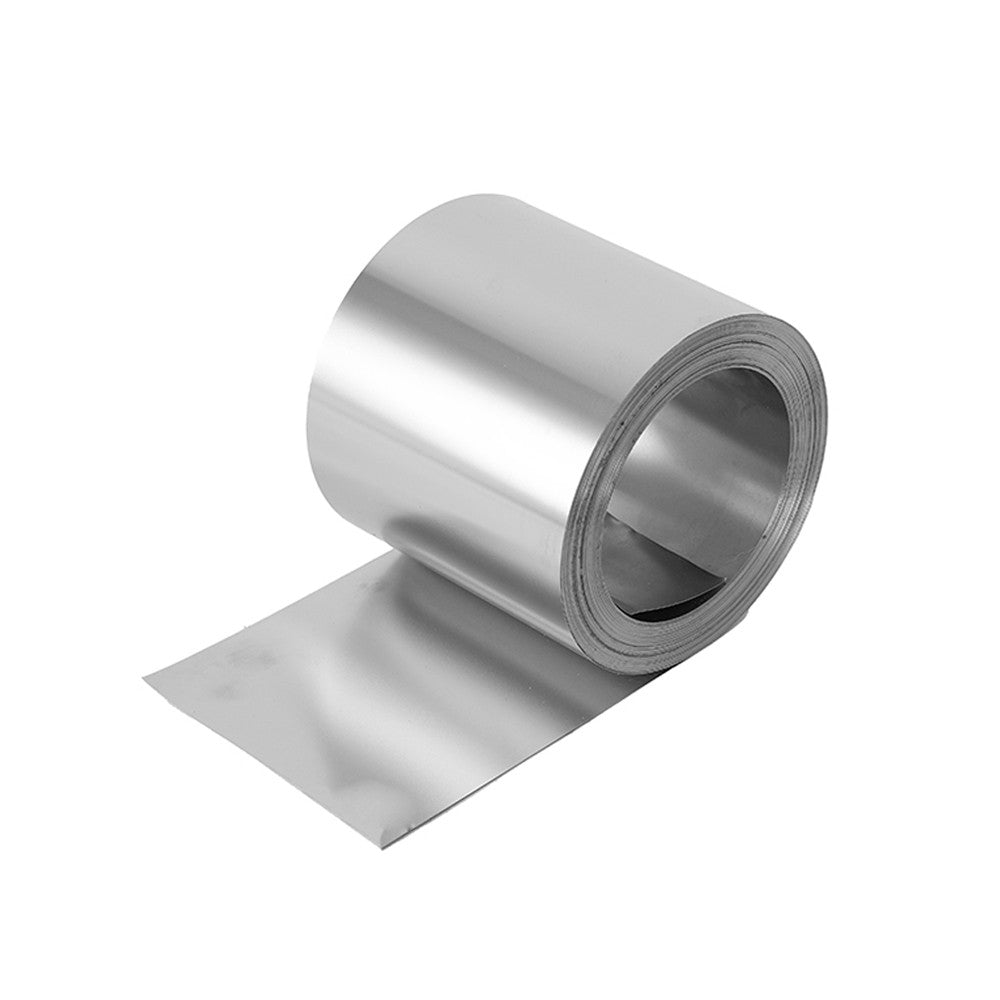
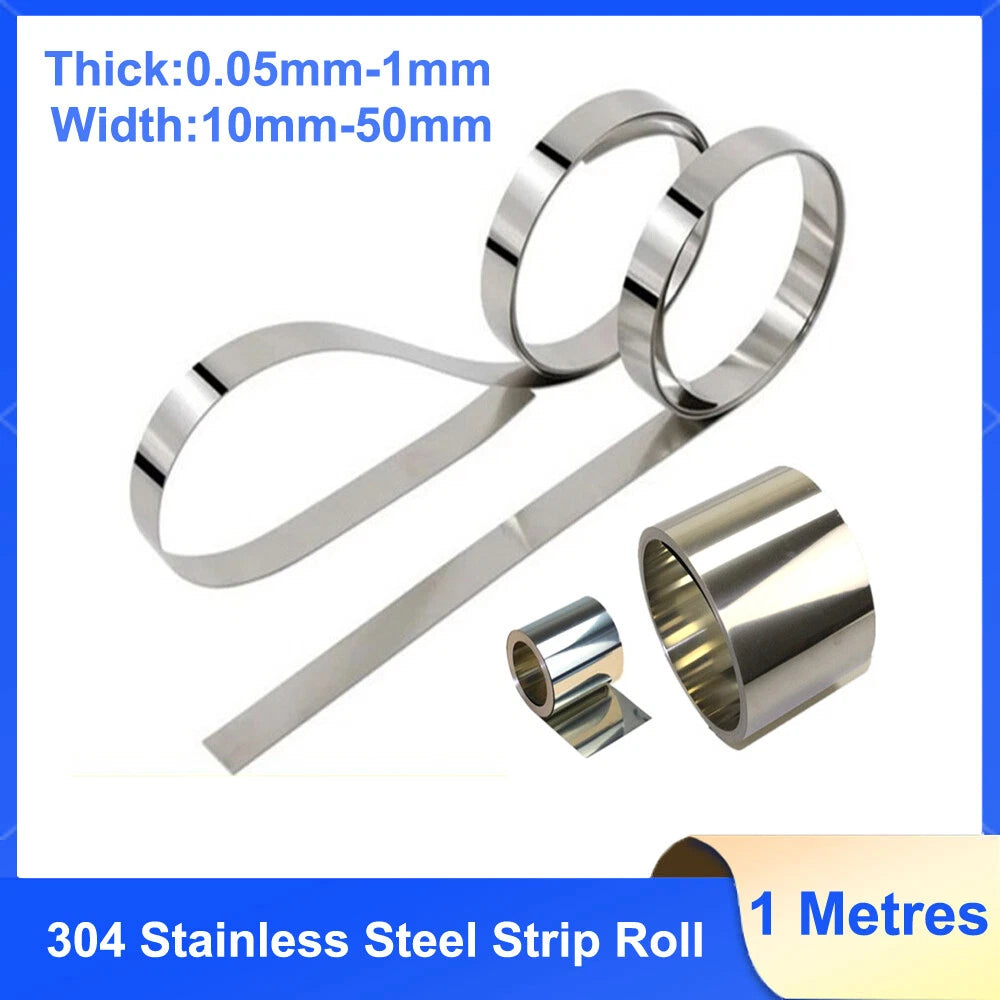
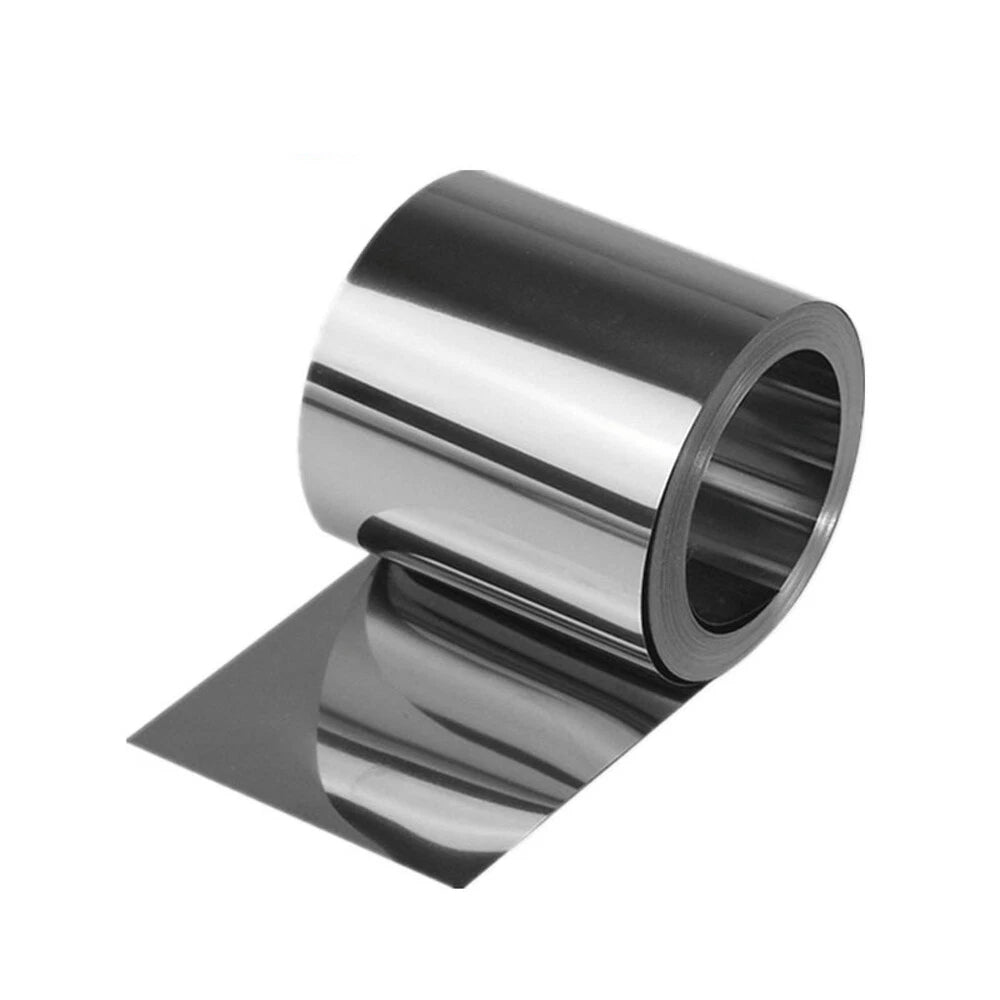
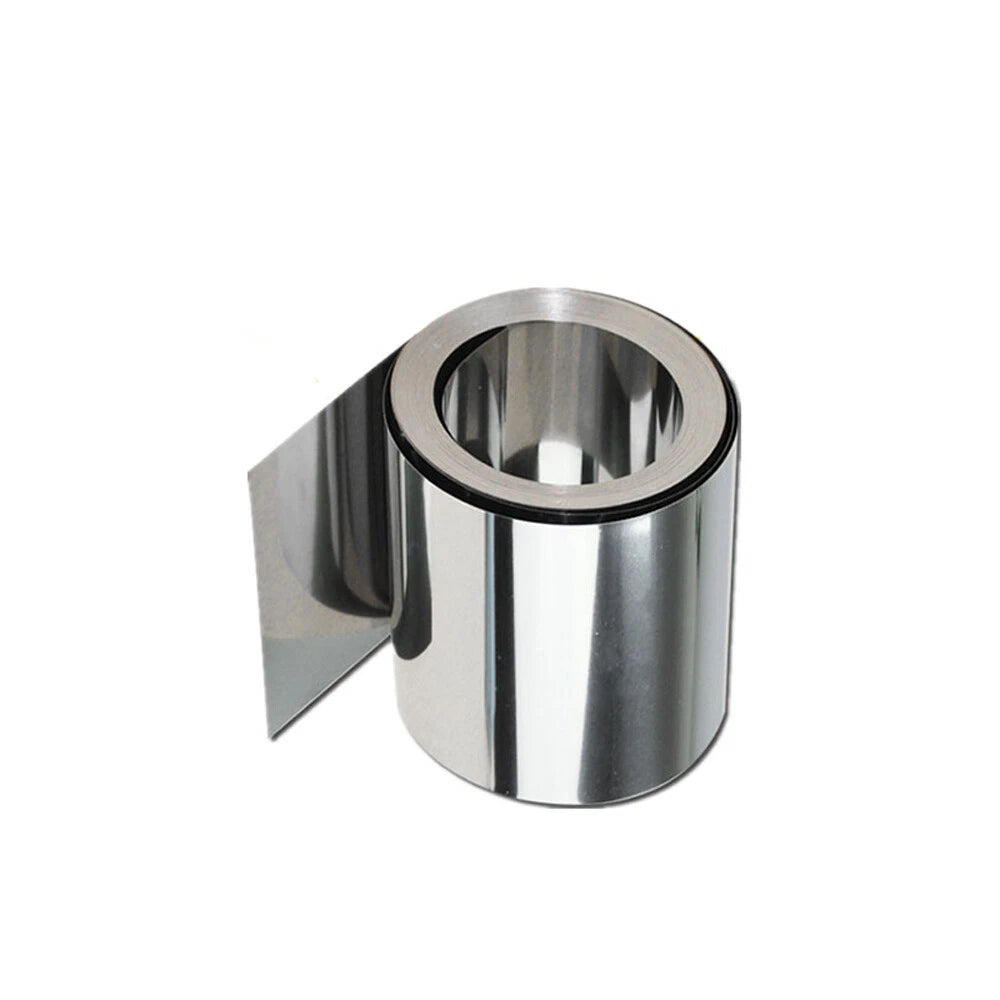
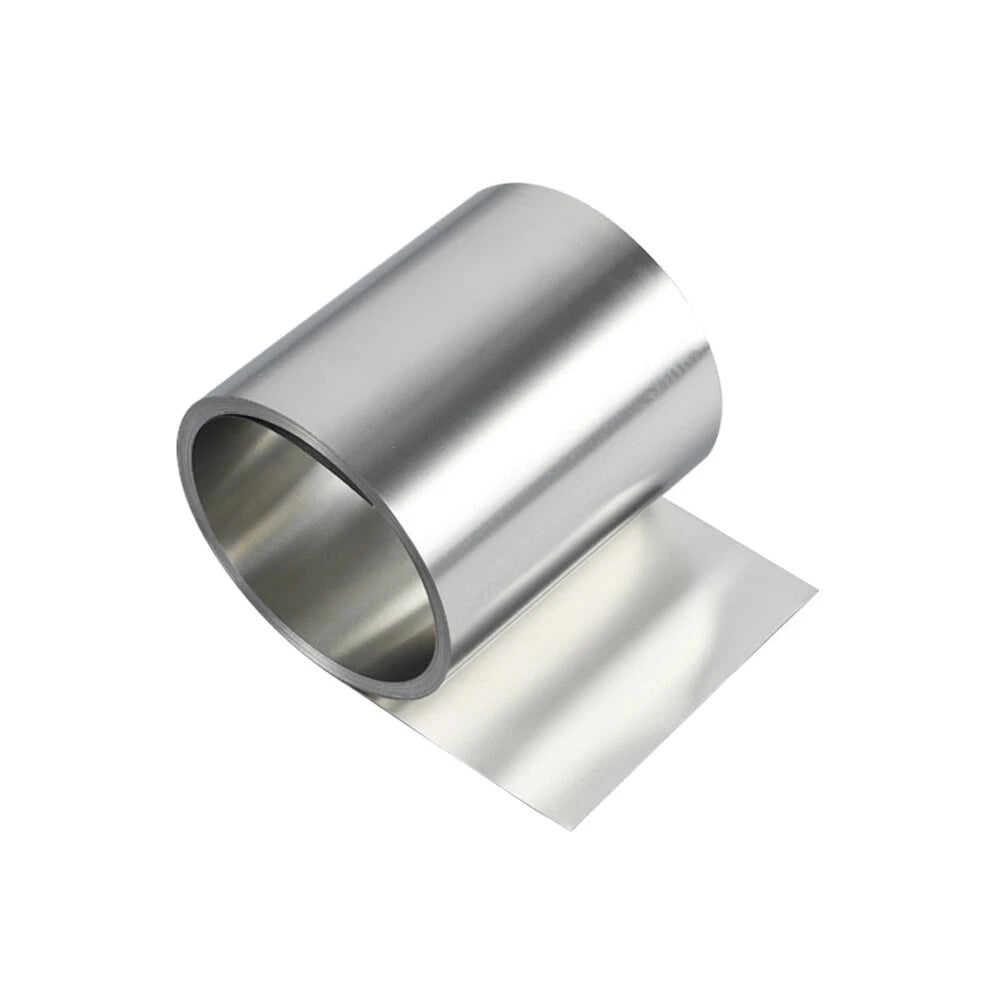
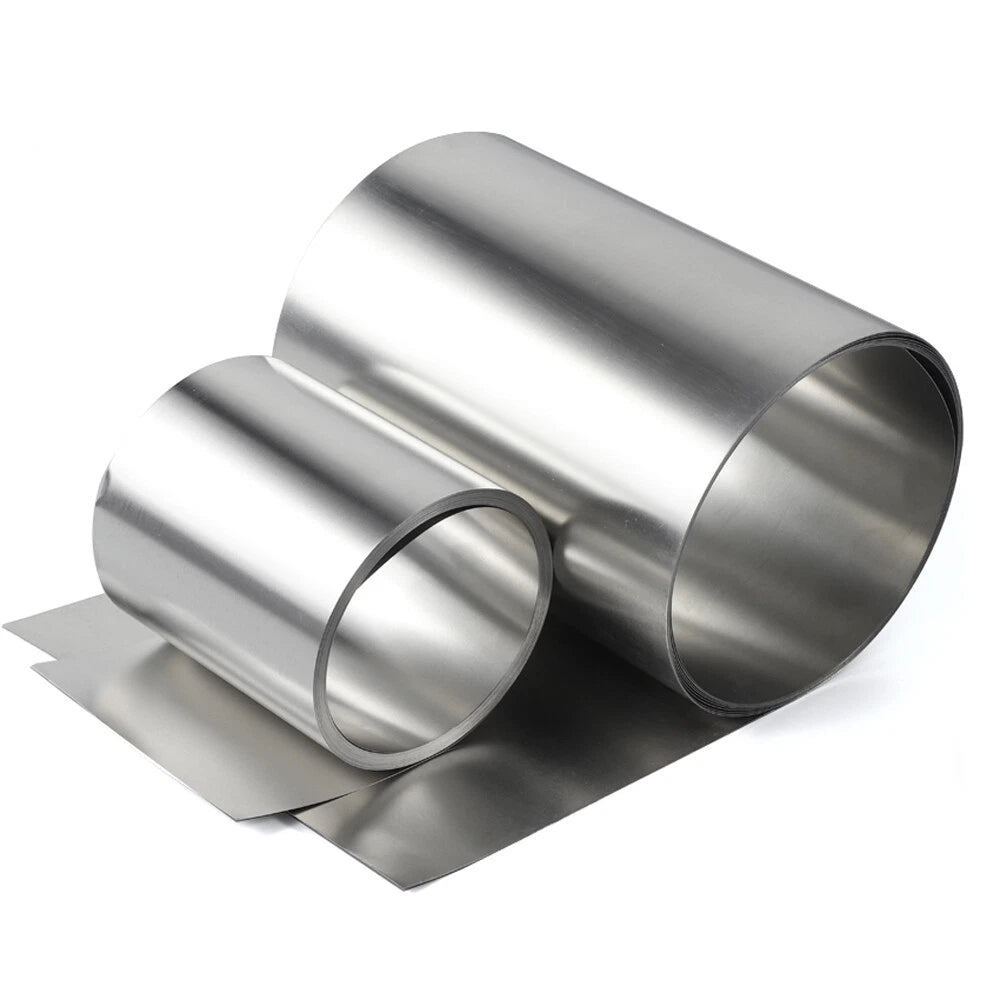
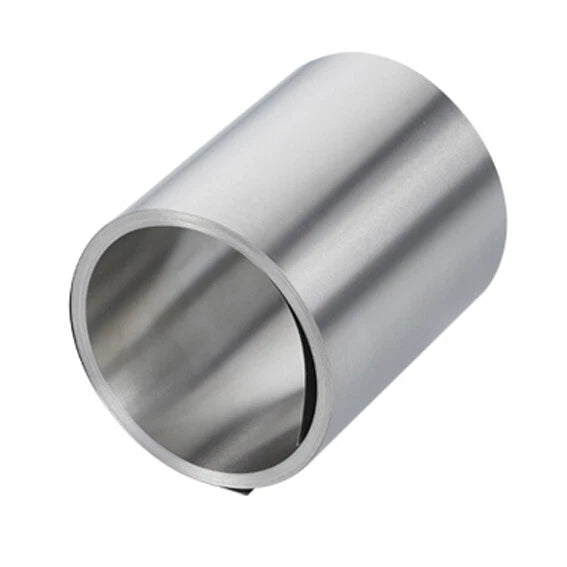
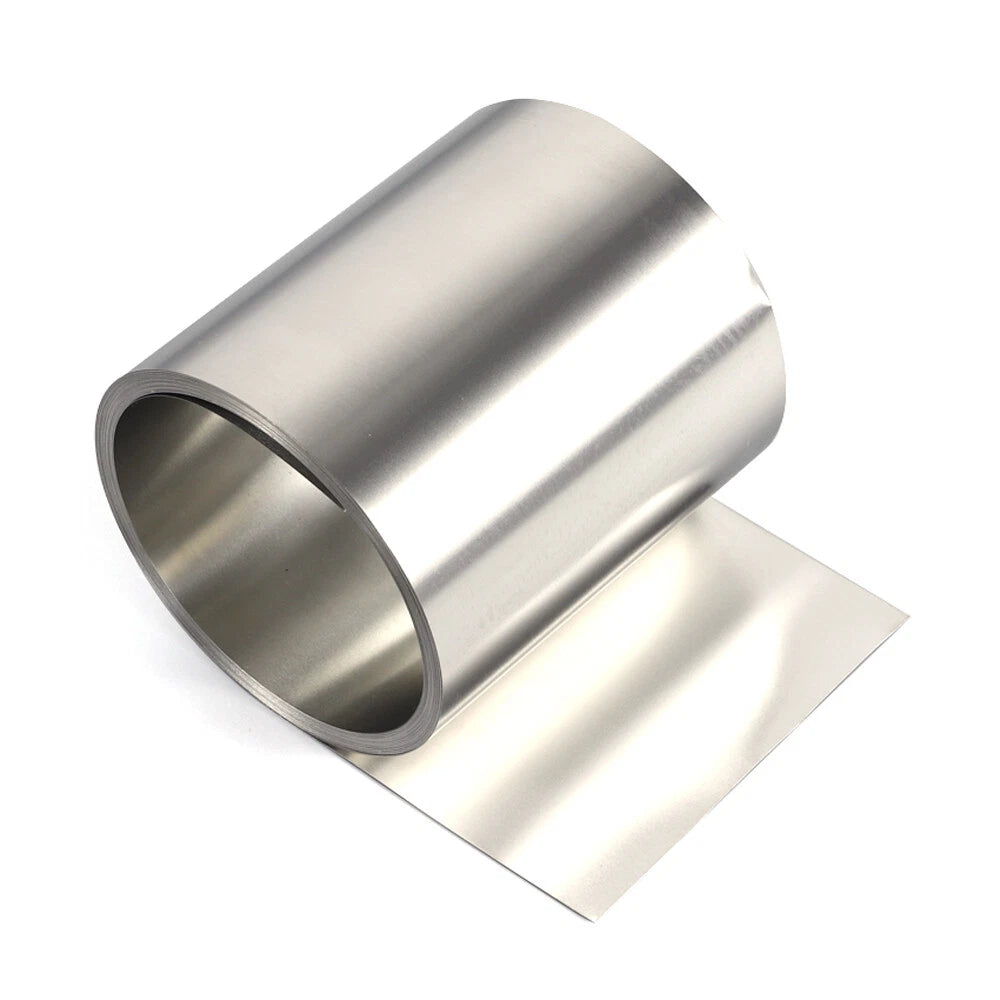
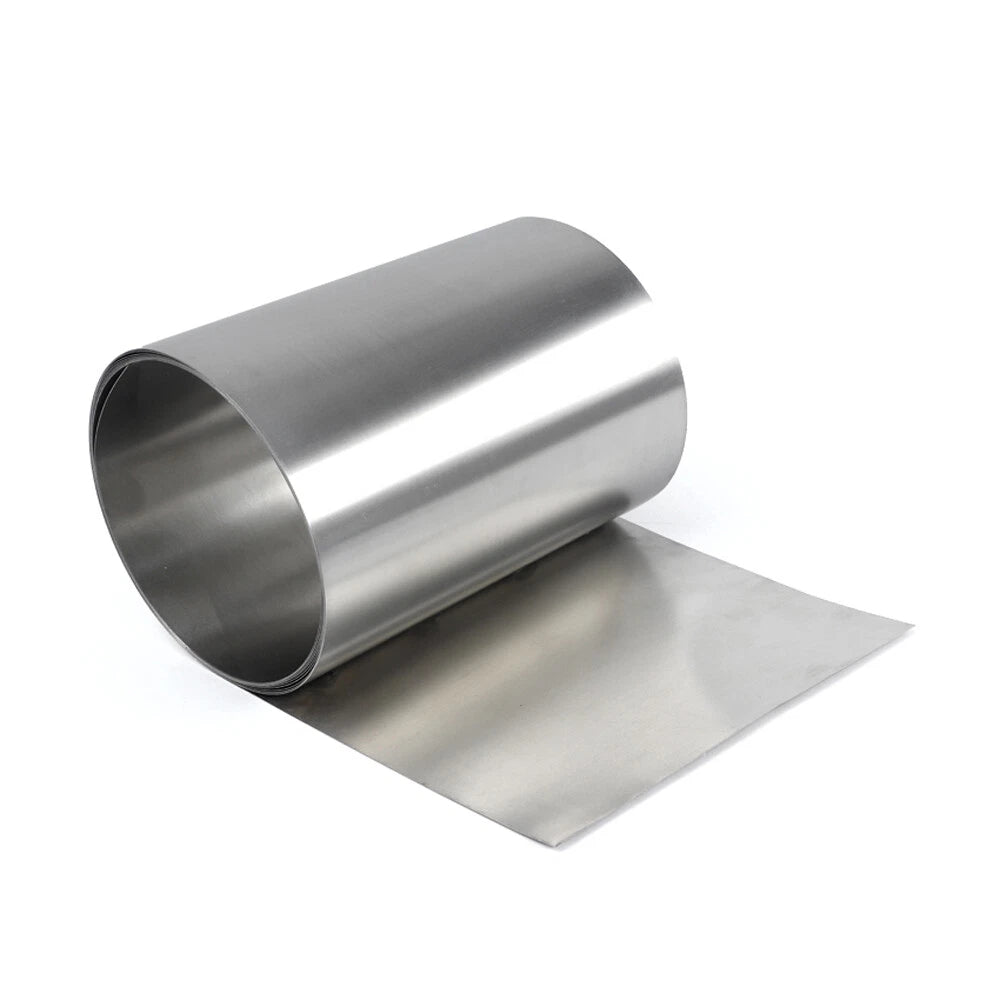
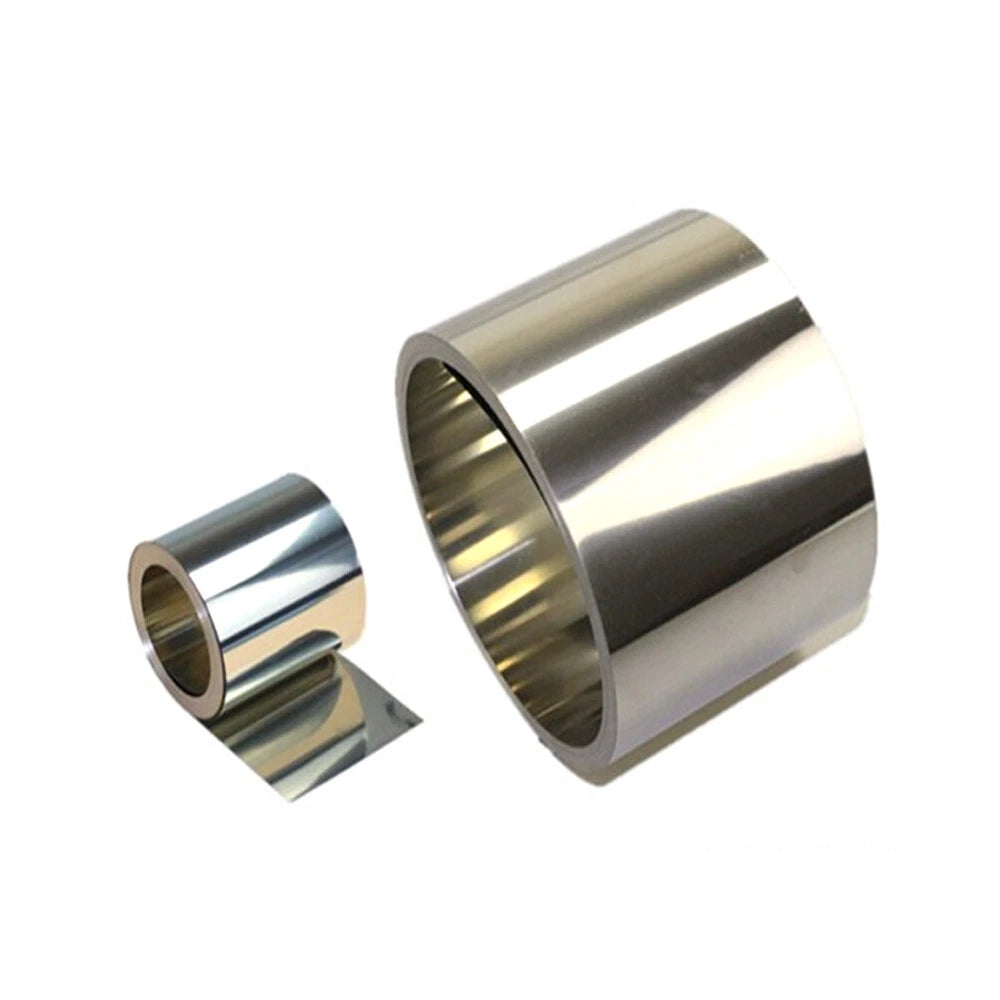
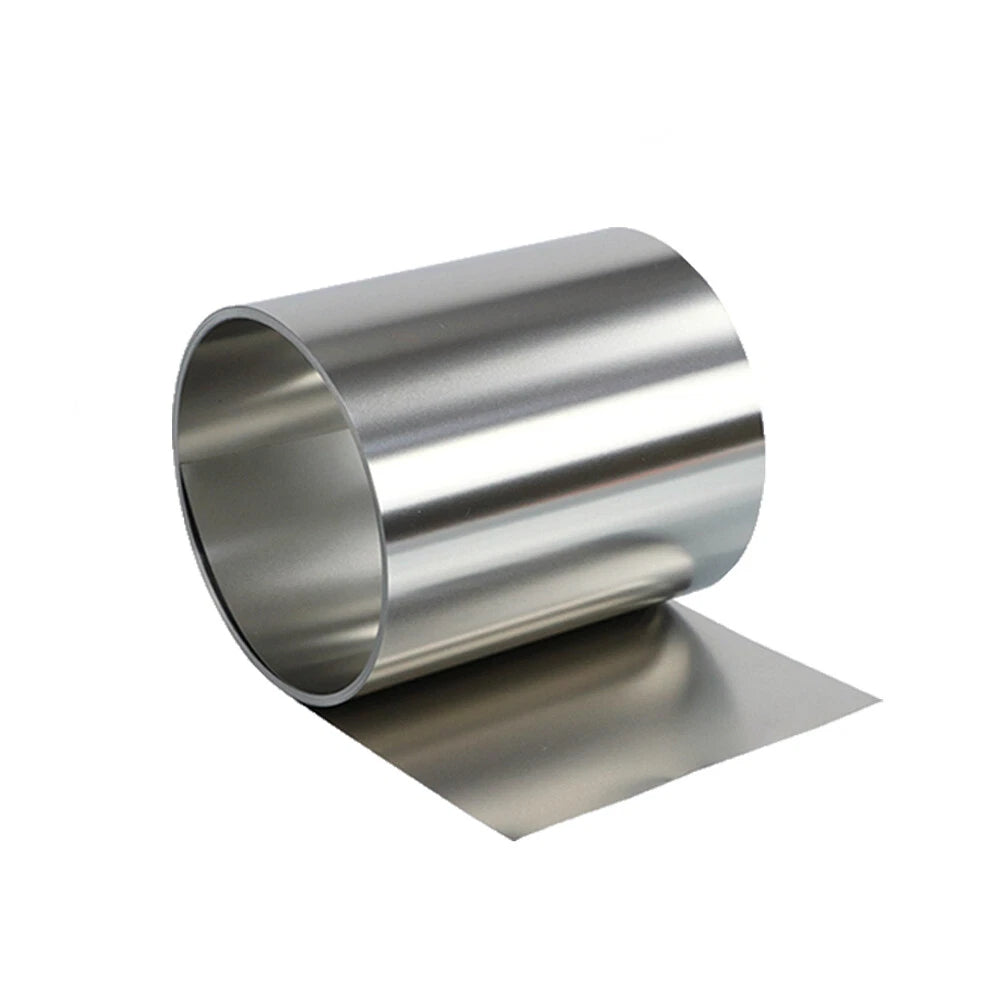
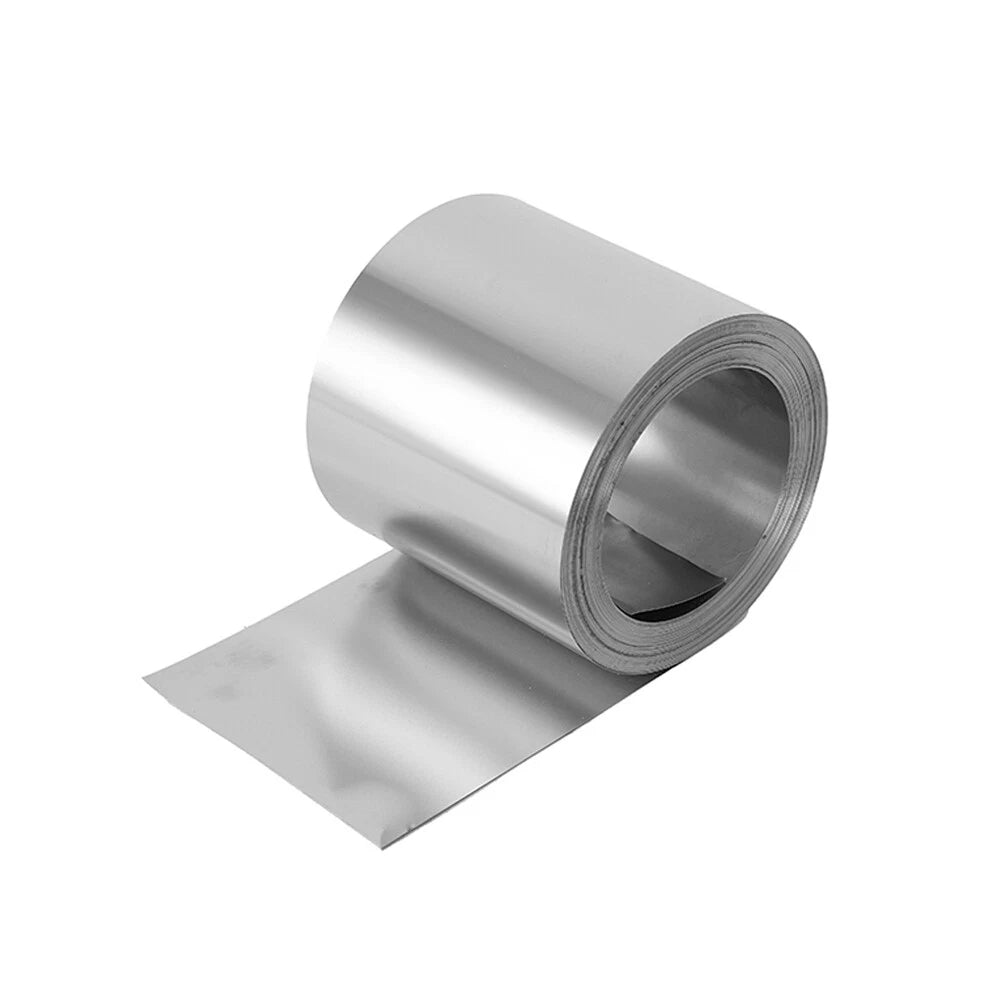
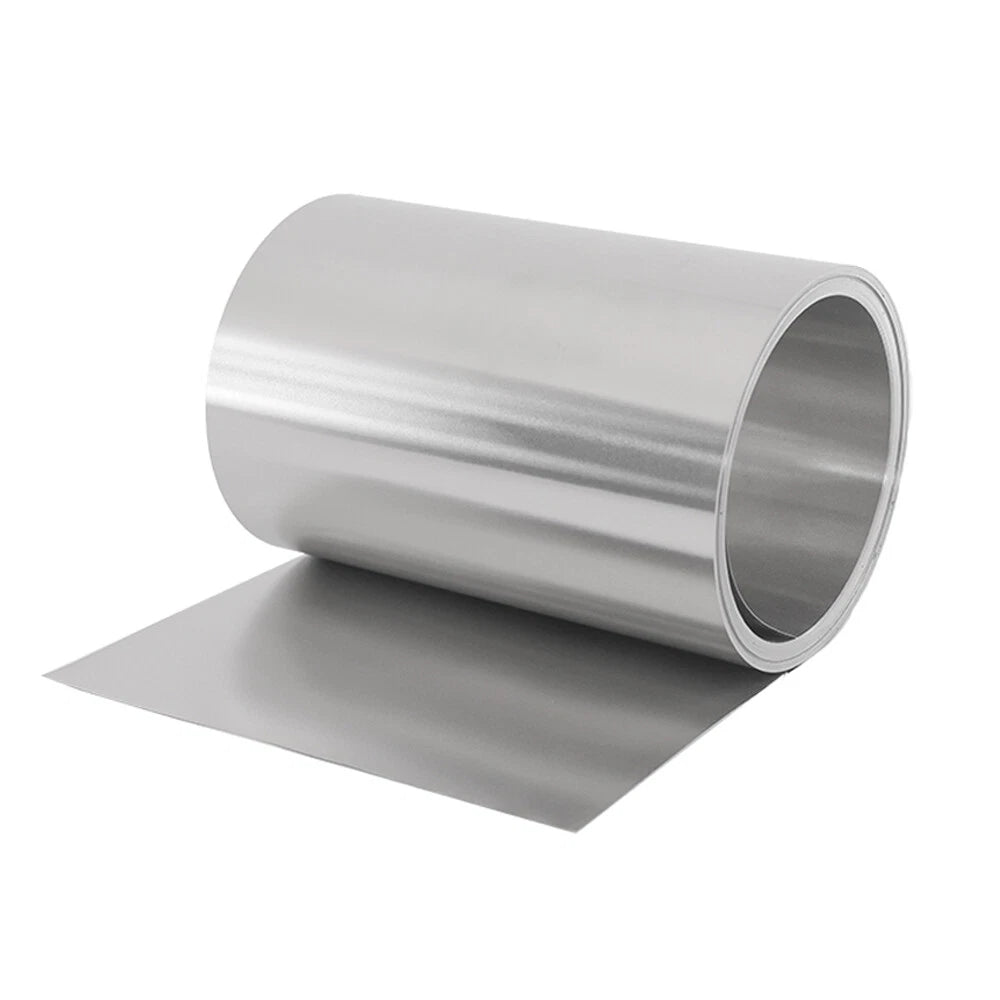
304 Stainless Steel Thin Plate Band Foil Sheet 0.05mm-1mm Thick Metal Strip Roll

Keine Bewertungen

Preis:
Sonderpreis$5.88 USD
Lagerbestand:
Verfügbar (500 Stück), versandbereit

Payment & Security

Ach Direct Debit Amazon American Express Apple Pay Bancontact Diners Club Discover Google Pay iDEAL Wero Mastercard PayPal Shop Pay USDC Visa

Deine Zahlungsinformationen werden sicher verarbeitet. Wir speichern keine Kreditkartendaten und haben auch keinen Zugang zu deinen Kreditkartendaten.

Quantity Discount Promotion
🎯 BULK DISCOUNT: Buy More, Save More!
Buy 2 Items
5% OFF
Buy 4 Items
10% OFF
Buy 6 Items
15% OFF
Expert

DIY Expert Support

Get fitment advice & recommendations

Mon-Fri, 8:30AM-8PM
24-Hour Fast Ship
🚚
Arrives in 3-14 days
🌍
Global Reach
↩️
30-Day Returns
🌱 1 tree planted with every purchase

Beschreibung

304 Stainless Steel Thin Plate Foil Strip — Precision-Cut Metal Band for DIY, Fabrication & Repair

When a project demands a metal shim, spacer, or flexible band that holds its shape without rusting, most hardware-store options fall short — they're too thick, too wide, or simply the wrong alloy. This 304 stainless steel thin plate foil strip roll is designed for makers, fabricators, and home repair enthusiasts who need exact control over thickness and width without ordering custom sheet metal.

Each roll is cut from 304-grade stainless steel and is available in thicknesses from 0.05 mm to 1.0 mm (~0.002"–0.039") and widths from 10 mm to 50 mm (~0.39"–1.97"). Length options run from 1 metre up to 10 metres, letting you buy exactly what the job requires.

Typical applications include shimming bearing housings and machine slides, wrapping pipe insulation, fabricating thin brackets or heat shields, creating flexible spring-steel-style clips, and producing precision gap fillers in automotive or HVAC work — all situations where a stainless steel foil strip roll outperforms aluminium tape or mild steel.

⚙️ Compatibility note: 304 stainless steel is non-magnetic and suitable for most indoor and outdoor environments. It is not recommended for prolonged exposure to chloride-rich (marine) environments — consider 316 grade for those applications.

✅ Key Features of These Stainless Steel Foil Strip Rolls

  • 304 Stainless Steel Alloy — 18/8 chromium-nickel composition delivers solid corrosion resistance in everyday indoor and outdoor conditions without surface treatment.
  • Ultra-Thin Gauge Range — Thicknesses from 0.05 mm to 1.0 mm cover everything from delicate shim work to structural banding, all in one product family.
  • Multiple Width Options — Choose 10 mm, 15 mm, 20 mm, 25 mm, 30 mm, or 50 mm widths to match your channel, slot, or wrap dimension without cutting waste.
  • Flexible Length Selection — Available in 1 m, 2 m, 3 m, 5 m, and 10 m rolls so you order only what you need for the job at hand.
  • Smooth Rolled Finish — The strip surface is mill-finished and free of burrs along the length, reducing the risk of cuts during handling and keeping mating surfaces scratch-free.
  • Workable Without Specialist Tools — At thinner gauges (0.05–0.3 mm) the strip can be cut with heavy-duty scissors or tin snips; thicker gauges (0.4–1.0 mm) respond well to an angle grinder or metal shear.

📐 Technical Specifications — Stainless Steel Foil Strip Roll

Material 304 Stainless Steel (18/8 Cr-Ni)
Thickness Range 0.05 mm – 1.0 mm (approx. 0.002" – 0.039")
Width Options 10 mm, 15 mm, 20 mm, 25 mm, 30 mm, 50 mm
Length Options 1 m, 2 m, 3 m, 5 m, 10 m
Surface Finish Mill finish (smooth rolled, no coating)
Tensile Strength (typical) Typically 515–720 MPa (varies by gauge)
Hardness (typical) Typically 70–90 HRB (annealed condition)
Magnetic Non-magnetic
Corrosion Resistance Suitable for general indoor/outdoor use; not for marine/chloride environments
Form Flat strip / foil roll
Quantity See variant options

❓ Frequently Asked Questions

How do I choose the right thickness for my project?

For shimming or gap-filling applications, measure the gap with feeler gauges and select the closest thickness. For wrapping or banding (e.g., pipe insulation straps), 0.1–0.3 mm is typically flexible enough to bend by hand. For structural brackets or spring clips that need to hold a set shape, 0.4–1.0 mm is more appropriate. When in doubt, order one step thinner — it is easier to stack two thin shims than to grind down a thick one.

Is 304 stainless steel strong enough for load-bearing shim applications?

304 stainless steel has a typical tensile strength of 515–720 MPa, which is adequate for most shim and spacer duties where the strip is in compression rather than tension. It is not a spring steel, so it will deform permanently if bent past its yield point. For applications requiring repeated flexing (e.g., snap-fit clips), consider whether a spring-tempered grade would be more suitable.

Will this strip rust or corrode outdoors?

304 stainless steel forms a passive chromium-oxide layer that resists rust in most atmospheric conditions, including rain and humidity. However, it is not fully immune: prolonged contact with chlorides (road salt, sea spray) can cause pitting corrosion over time. For coastal or marine environments, 316 stainless steel is the recommended alternative. For general outdoor DIY and garden use, 304 performs well without any additional coating.

Can I cut this strip at home without a metal workshop?

Yes, for thinner gauges. Strips up to approximately 0.3 mm can be cut cleanly with heavy-duty scissors or aviation tin snips. Gauges from 0.4 mm to 0.6 mm respond well to tin snips or a rotary tool with a cutting disc. For 0.8 mm and 1.0 mm strips, an angle grinder with a thin cutting disc or a metal shear gives the cleanest edge. Always wear cut-resistant gloves — freshly cut stainless edges are sharp.

Is this compatible with aluminium, copper, or mild steel surfaces?

304 stainless steel can be used in contact with most metals for short-term applications. For long-term contact, be aware that galvanic corrosion can occur when dissimilar metals are in contact in the presence of moisture — stainless steel is relatively noble, so it will accelerate corrosion of less noble metals like mild steel or aluminium in wet conditions. In dry indoor applications, direct contact is generally not a concern.

Which width and length combination gives the best value for general-purpose use?

For most DIY and light fabrication tasks, a 20 mm wide strip in 0.1–0.2 mm thickness and a 3–5 m length offers the most versatility — it can be cut down to narrower widths, folded, or layered. If you have a specific application in mind (e.g., a 30 mm channel), select the width that matches your slot to avoid waste. Longer rolls (5 m, 10 m) offer a lower per-metre cost and are worth choosing if you anticipate repeat use.

How should I store unused stainless steel strip to prevent surface staining?

Re-roll the strip loosely and store it in a dry location away from direct contact with carbon steel tools or swarf, which can embed iron particles and cause surface rust spots (tea staining). A zip-lock bag or a cardboard tube works well. Avoid storing near cutting fluids or acidic chemicals. If surface staining does occur, it can usually be removed with a stainless steel cleaner and a non-abrasive cloth.

🛒 Select your Size (Thickness × Width) and Length above, then add to cart.

You may also like

Recently viewed