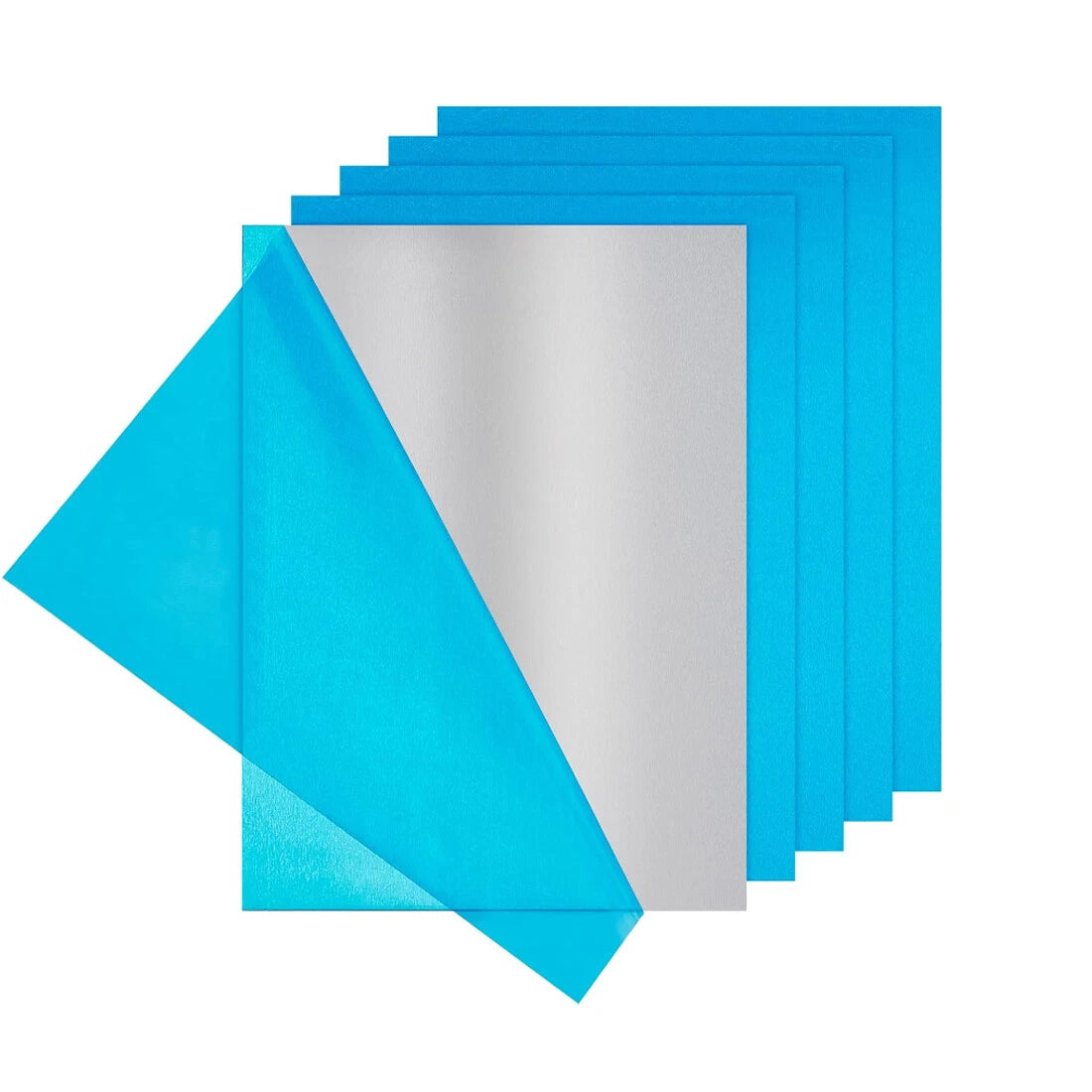
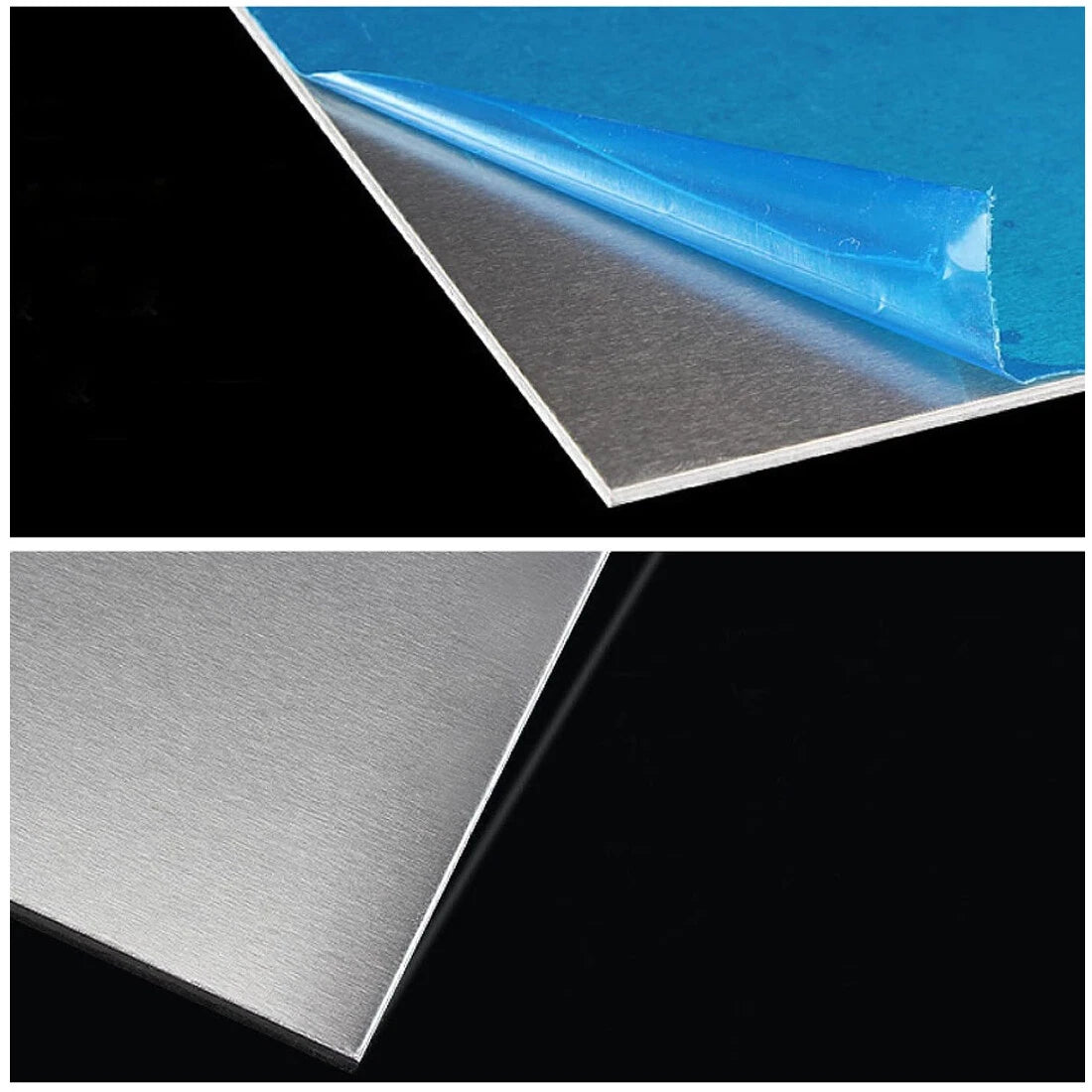
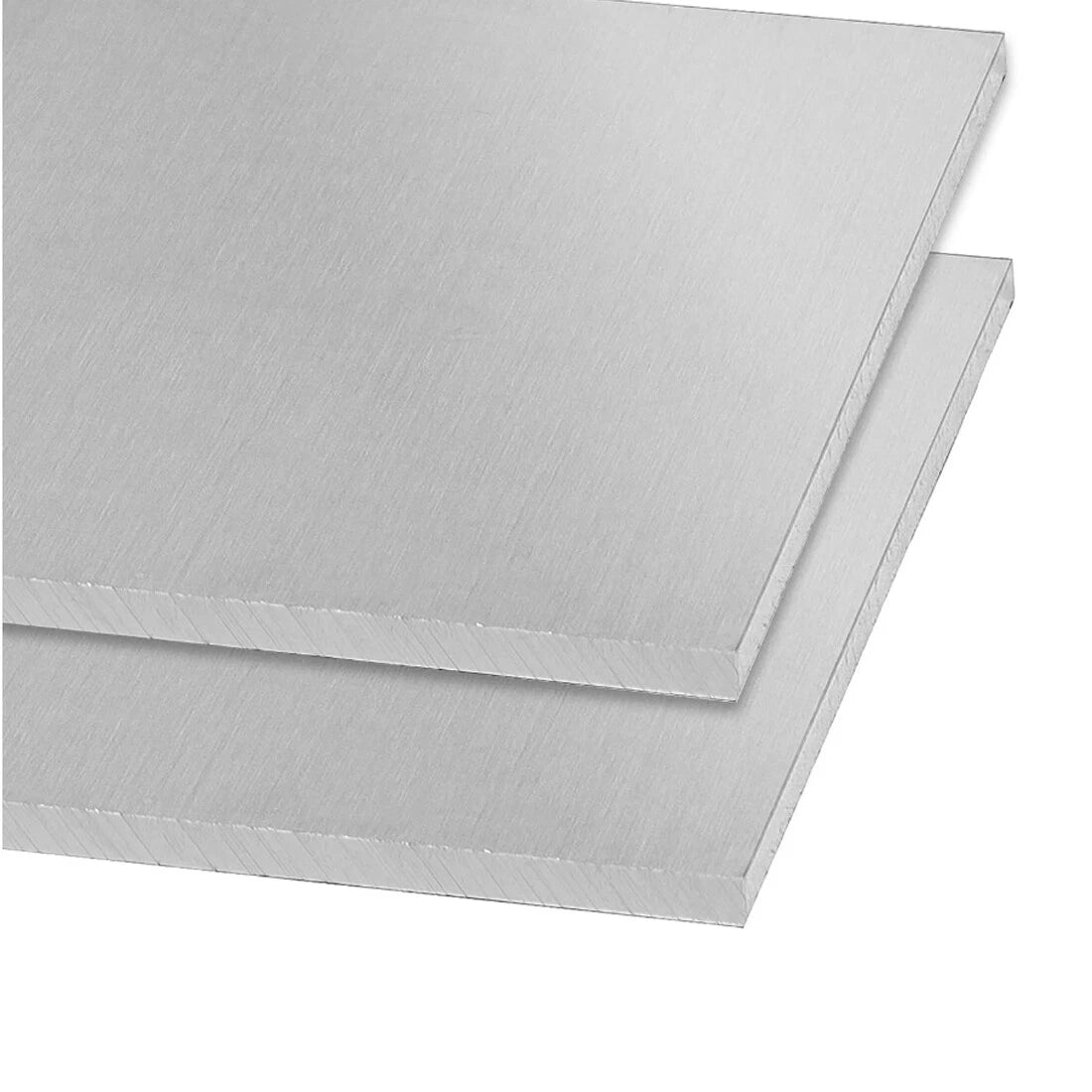
7075 Aluminium Sheet Metal Plate 8/10/12/15/20/25/30/40/50mm Thick Various Sizes

Keine Bewertungen

Preis:
Sonderpreis$13.26 USD
Lagerbestand:
Verfügbar (500 Stück), versandbereit

Payment & Security

Ach Direct Debit Amazon American Express Apple Pay Bancontact BLIK Diners Club Discover EPS Google Pay iDEAL Wero JCB Maestro Mastercard Multibanco MobilePay PayPal Przelewy24 Shop Pay Twint Union Pay USDC Visa

Deine Zahlungsinformationen werden sicher verarbeitet. Wir speichern keine Kreditkartendaten und haben auch keinen Zugang zu deinen Kreditkartendaten.

Quantity Discount Promotion
🎯 BULK DISCOUNT: Buy More, Save More!
Buy 2 Items
5% OFF
Buy 4 Items
10% OFF
Buy 6 Items
15% OFF
Expert

DIY Expert Support

Get fitment advice & recommendations

Mon-Fri, 8:30AM-8PM
24-Hour Fast Ship
🚚
Arrives in 3-14 days
🌍
Global Reach
↩️
30-Day Returns
🌱 1 tree planted with every purchase

Beschreibung

7075 Aluminium Sheet Metal Plate — Aerospace-Grade Strength for Precision Fabrication

When your project demands a material that won't bend under pressure, standard aluminum simply isn't enough. Engineers, machinists, and serious DIYers working on load-bearing brackets, jigs, tooling plates, and structural frames need a 7075 aluminium sheet metal plate that delivers consistent mechanical performance across every cut and drill.

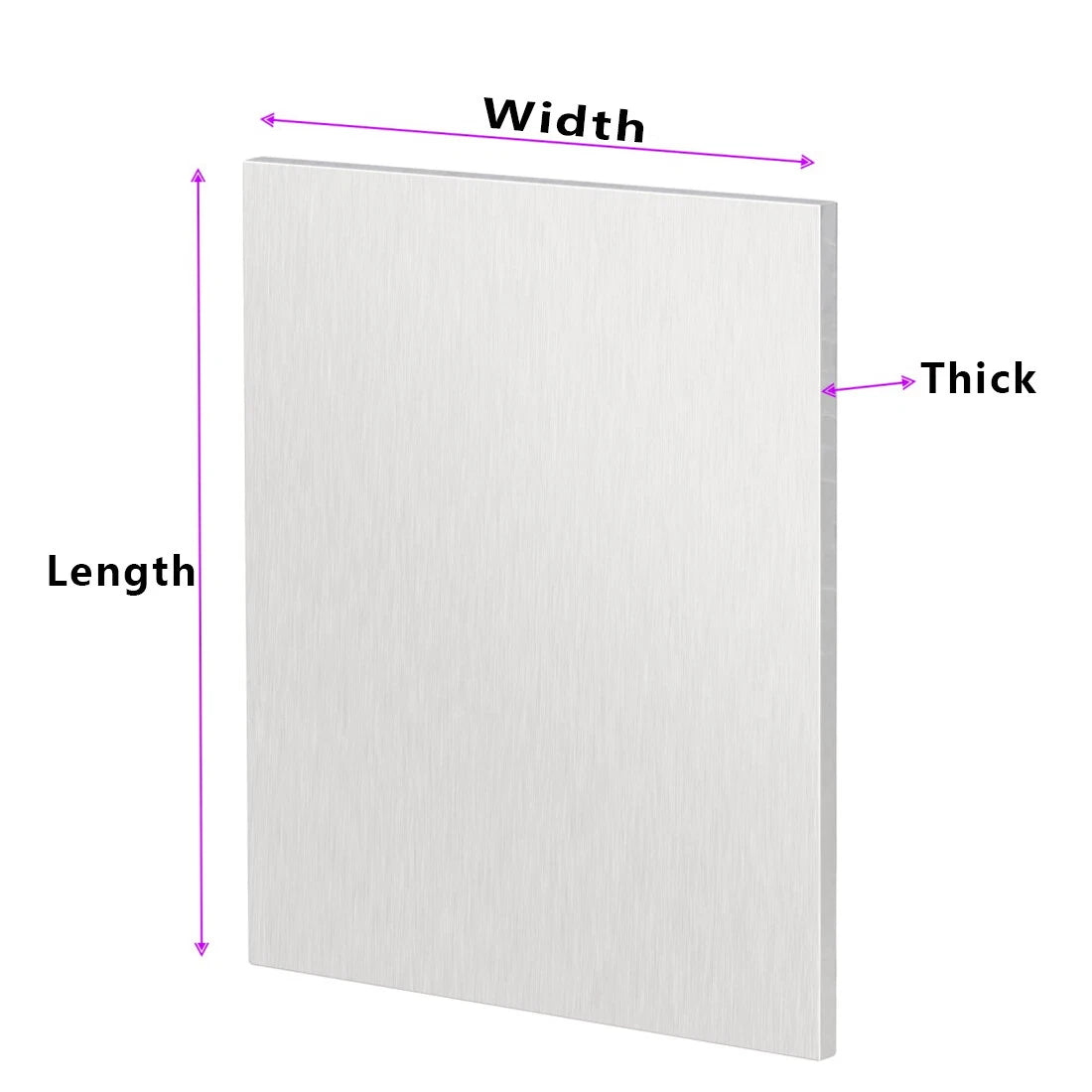
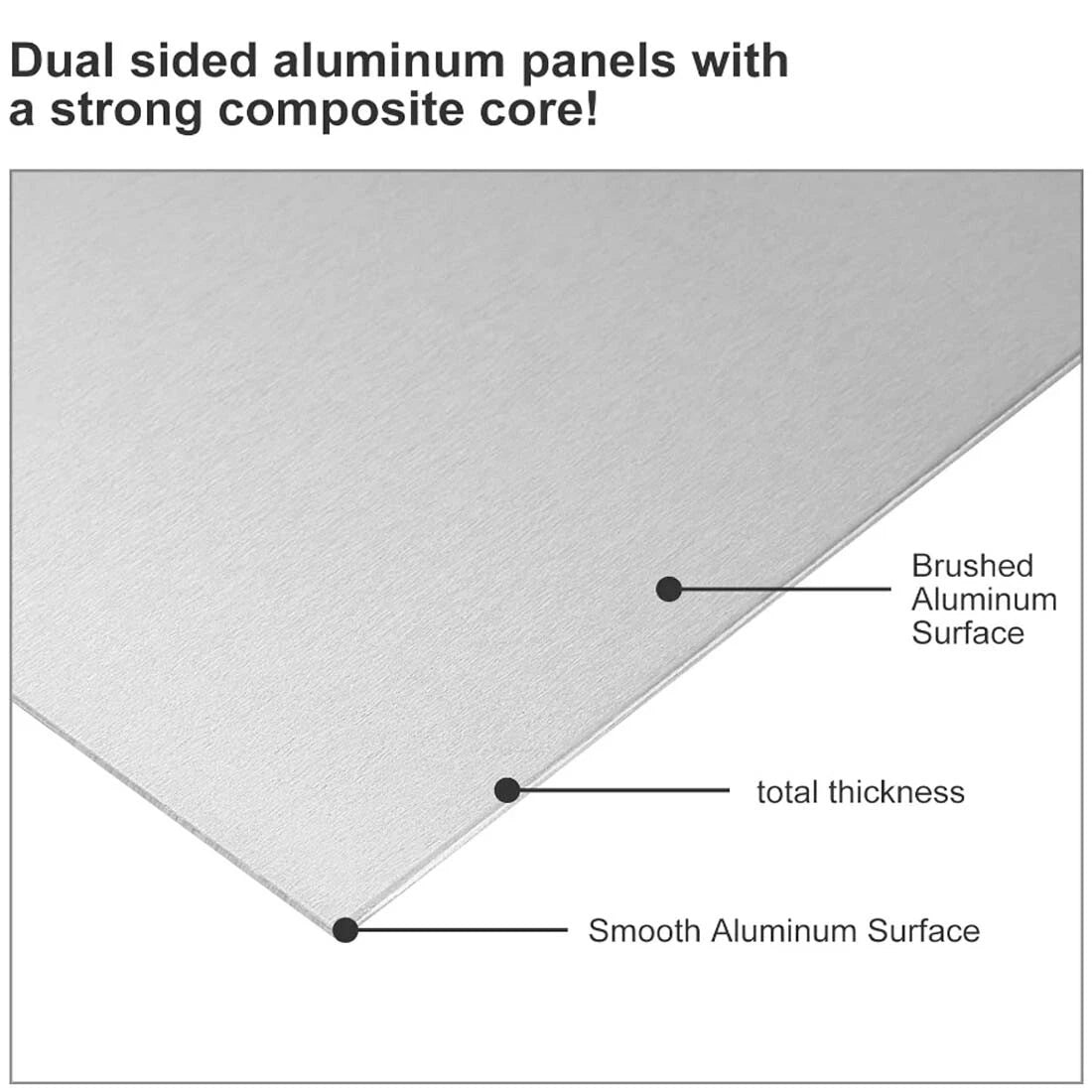
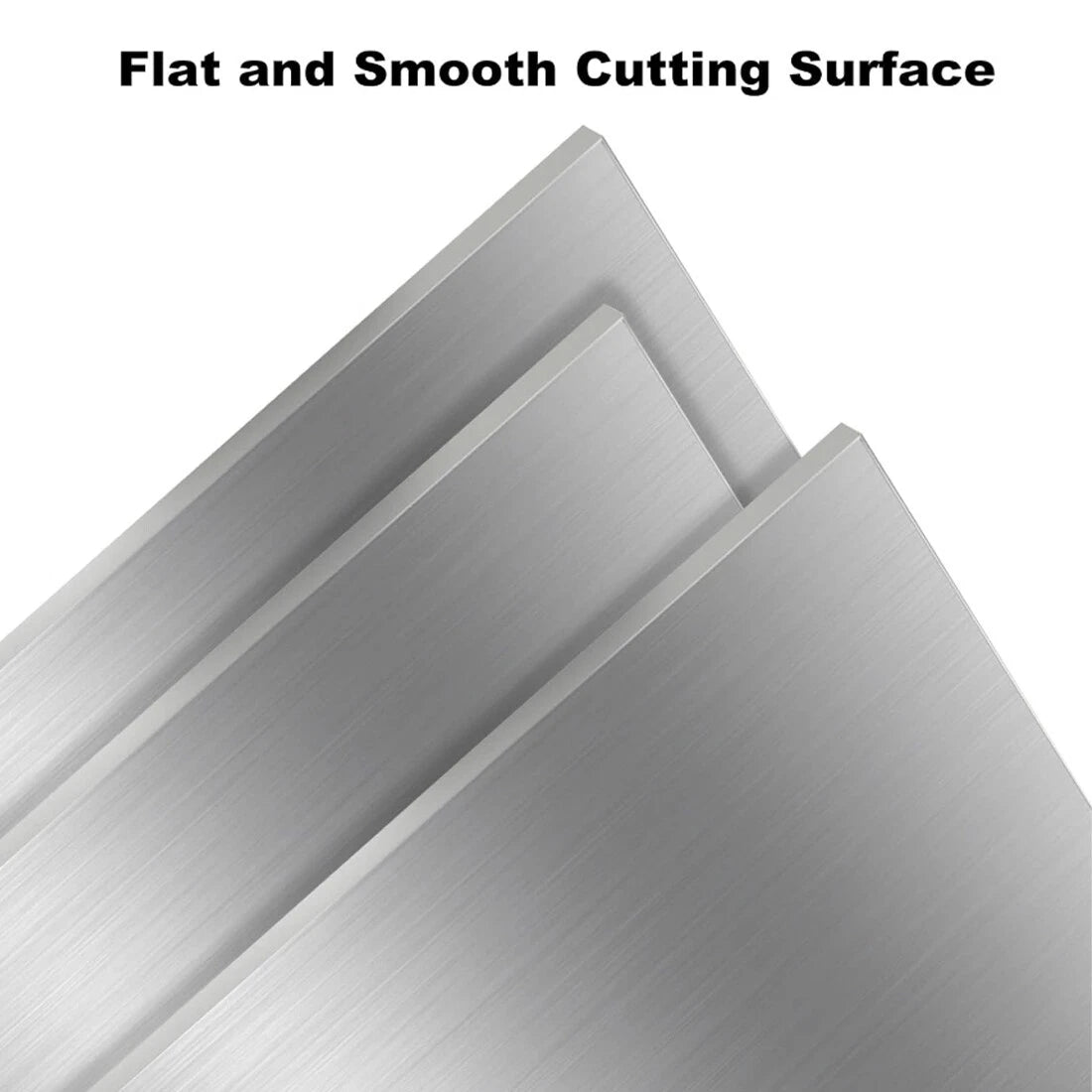
This 7075 aluminum alloy plate is composed of zinc as its primary alloying element, giving it one of the highest strength-to-weight ratios available in wrought aluminum. Each plate is available in thicknesses from 8mm to 50mm (~0.31" to ~1.97") and face dimensions ranging from 50×50mm (~2"×2") up to 300×300mm (~11.8"×11.8"), letting you select the exact stock size your application requires.

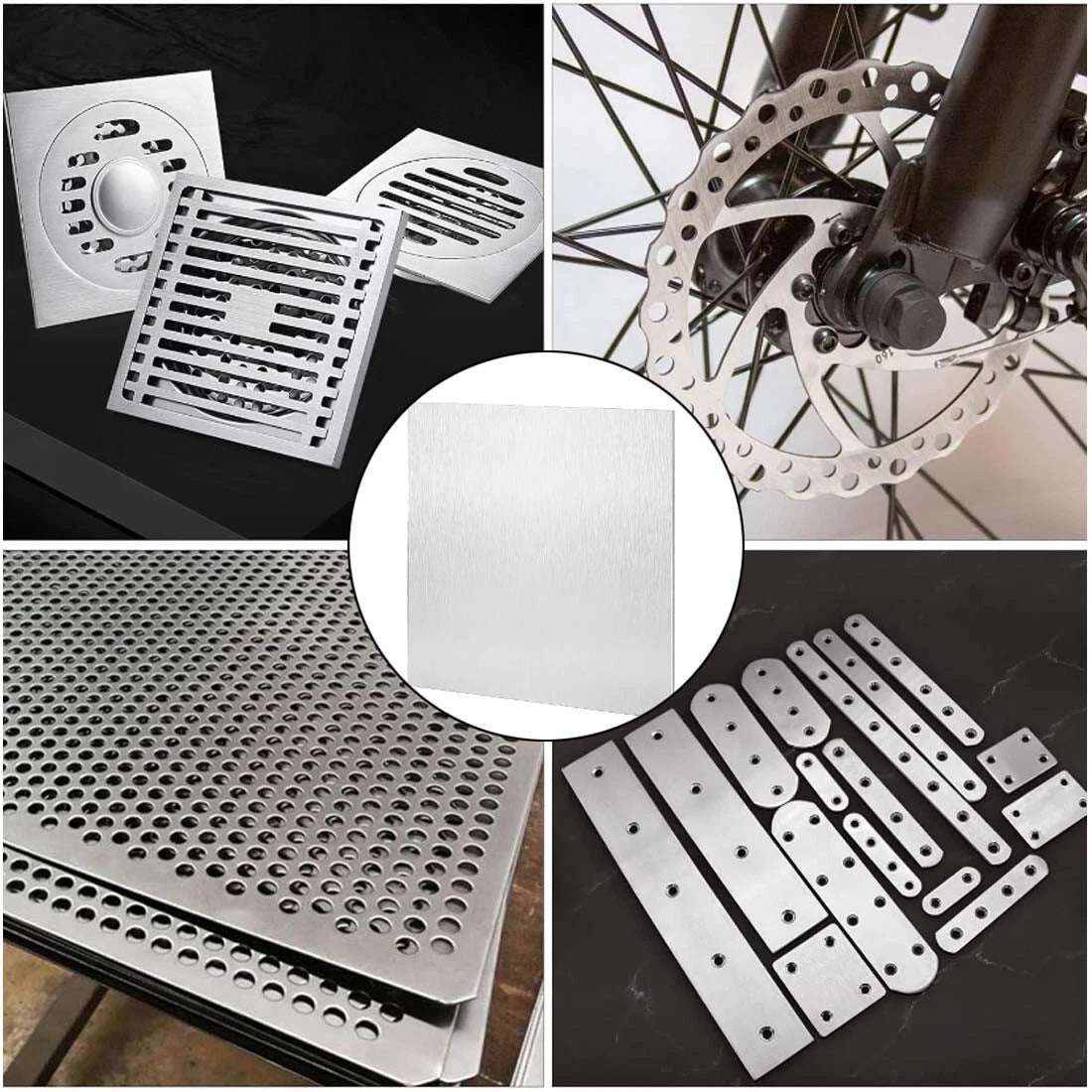
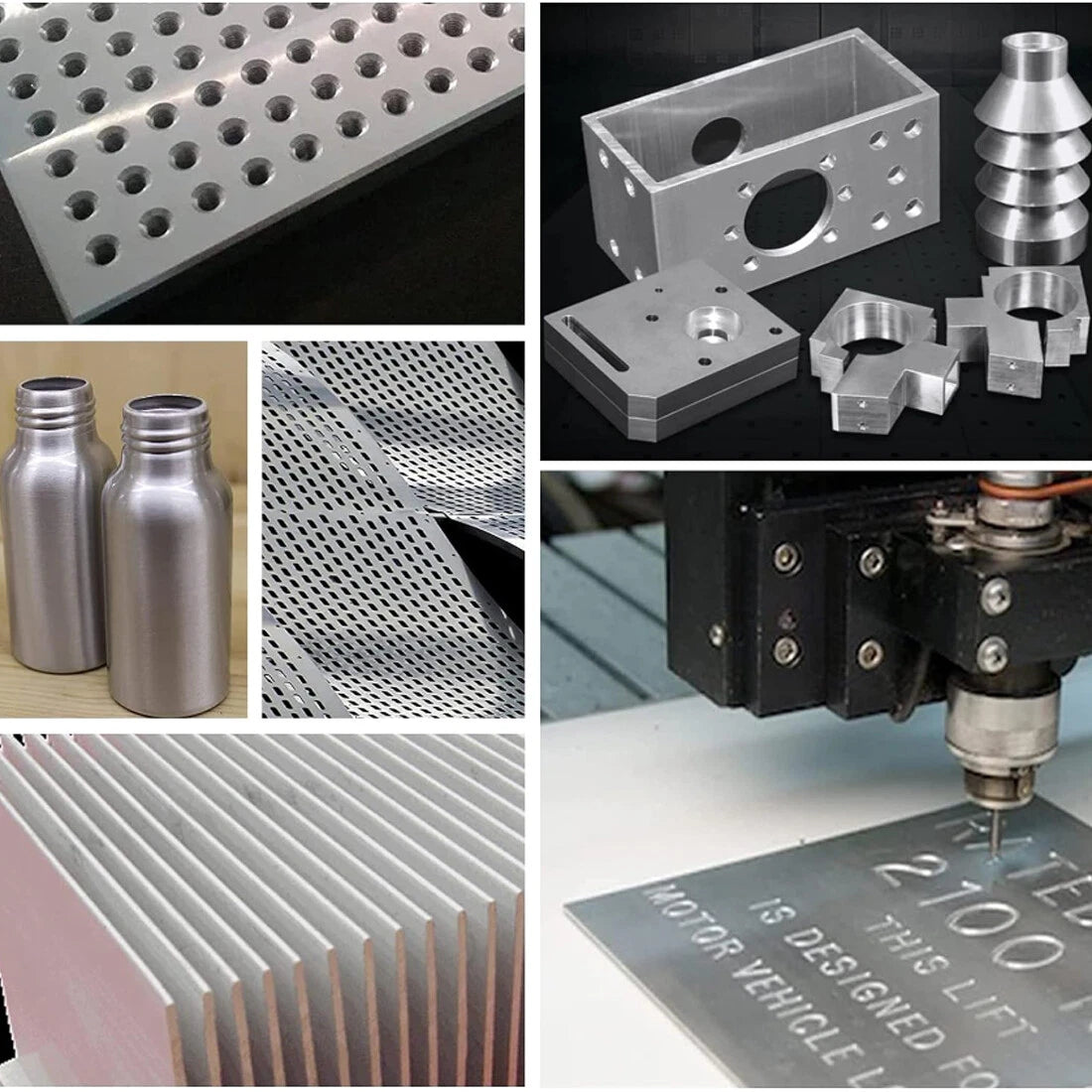
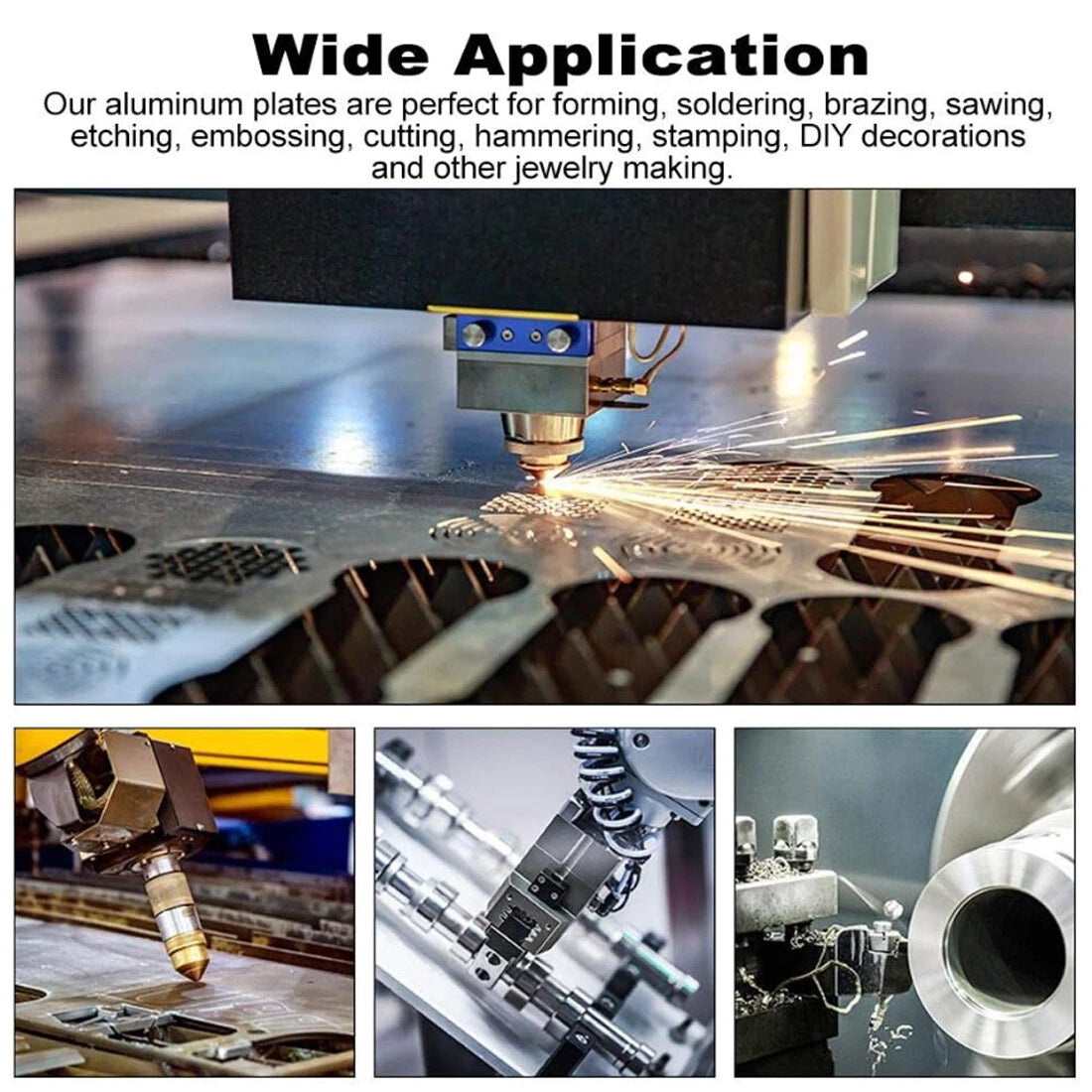
Typical use cases include CNC machining blanks for aerospace and automotive components, structural gusset plates and mounting blocks in workshop fixtures, and precision tooling bases where flatness and dimensional stability are critical. The alloy's machinability makes it well-suited for milling, drilling, and tapping operations on both manual and CNC equipment.

⚙️ Compatibility Note: 7075 aluminum is not recommended for welding. It is best suited for mechanical fastening, adhesive bonding, and machined assemblies. Confirm anodizing or coating requirements before ordering if surface treatment is needed.

✅ Key Features of These 7075 Aluminium Sheet Metal Plates

🔩 Zinc-Alloyed 7075 Composition

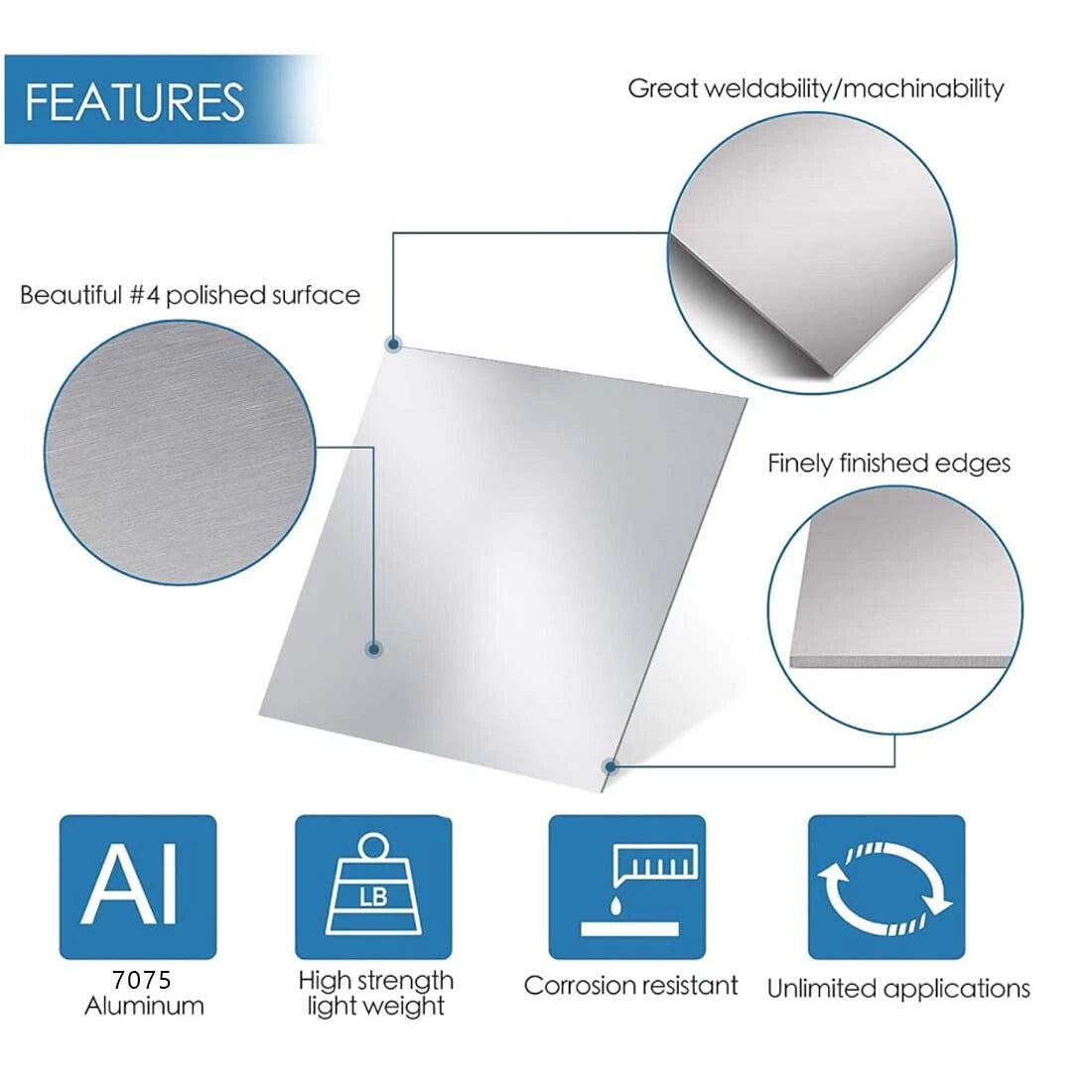
Formulated with zinc as the primary alloying element, delivering tensile strength typically in the range of 500–570 MPa — significantly higher than 6061 or 5052 grades.

📐 Wide Thickness Range: 8mm–50mm

Ten thickness options from 8mm to 50mm allow you to select stock that minimizes material removal and machining time for your specific application.

📏 Multiple Face Dimensions

Six face size options from 50×50mm up to 300×300mm cover small bracket blanks through medium structural plates, all cut to consistent dimensions.

Excellent Machinability

7075-T6 temper responds well to milling, drilling, reaming, and tapping, producing clean chip breaks and maintaining dimensional accuracy across tight-tolerance operations.

⚖️ High Strength-to-Weight Ratio

Density of approximately 2.81 g/cm³ keeps finished parts lighter than steel equivalents while maintaining structural rigidity for demanding load-bearing applications.

🛡️ Corrosion Resistance with Protective Coating

While 7075 has lower bare corrosion resistance than 6061, it performs reliably when anodized, painted, or used in controlled indoor environments typical of workshop and industrial settings.

📐 Technical Specifications — 7075 Aluminium Sheet Metal Plate

Alloy Grade 7075
Temper T6 (solution heat-treated and artificially aged)
Primary Alloying Element Zinc (Zn)
Density Approx. 2.81 g/cm³ (0.102 lb/in³)
Tensile Strength (typical) 500–570 MPa (72,500–82,700 psi)
Yield Strength (typical) 430–505 MPa (62,400–73,200 psi)
Hardness (Brinell) Approx. 150 HB
Thickness Options 8mm, 10mm, 12mm, 15mm, 20mm, 25mm, 30mm, 40mm, 45mm, 50mm
Face Size Options 50×50mm, 100×100mm, 100×200mm, 150×150mm, 200×200mm, 300×300mm
Weldability Not recommended — use mechanical fastening
Machinability Rating Good (CNC milling, drilling, tapping)
Surface Finish See variant options
Quantity per Order 1 Pcs (per variant selected)

❓ Frequently Asked Questions

What is the difference between 7075 and 6061 aluminium?

7075 contains zinc as its primary alloying element and achieves tensile strengths typically 40–60% higher than 6061. However, 6061 offers better weldability and corrosion resistance in bare form. Choose 7075 when maximum strength and machinability are the priority; choose 6061 when welding or outdoor exposure without coating is required.

Can I weld 7075 aluminium plate?

Welding 7075 is generally not recommended. The alloy is susceptible to stress corrosion cracking and hot cracking in the heat-affected zone. For structural assemblies, mechanical fastening (bolts, rivets) or structural adhesives are the preferred joining methods.

How do I select the right thickness for my project?

Thickness selection depends on the load, span, and machining allowance your application requires. For tooling plates and jigs, 15–25mm is common. For structural brackets and gussets, 8–15mm typically suffices. For heavy-duty blocks or mold bases, 30–50mm provides the necessary rigidity. When in doubt, calculate the required section modulus for your load case before ordering.

Is 7075 aluminium corrosion resistant?

7075 has moderate corrosion resistance in bare form — lower than 6061 or 5052. For outdoor or humid environments, anodizing or applying a protective coating is strongly recommended. In controlled indoor workshop or industrial environments, bare 7075 performs reliably for most applications.

What tools and speeds should I use when machining this plate?

7075-T6 machines well with carbide or HSS tooling. Use high spindle speeds (typically 3,000–8,000 RPM for milling depending on cutter diameter), moderate feed rates, and cutting fluid or compressed air for chip evacuation. Avoid rubbing cuts — maintain a consistent chip load to prevent work hardening at the cutting edge.

Can I anodize 7075 aluminium after machining?

Yes. 7075 anodizes well and produces a durable, corrosion-resistant oxide layer. Hard anodizing (Type III) is commonly used for wear-resistant surfaces on tooling and aerospace components. Note that anodizing adds a thin layer (typically 0.01–0.05mm per side) that may affect tight-tolerance fits — account for this in your machined dimensions.

How do I confirm which size and thickness combination I need?

Use the Thickness and Width × Length dropdowns above to select your required combination. Each variant corresponds to a specific plate size. If you need a size not listed or require custom cutting, contact us to confirm availability before placing your order.

🛒 Select your Thickness and Width × Length above, then add to cart.

You may also like

Recently viewed