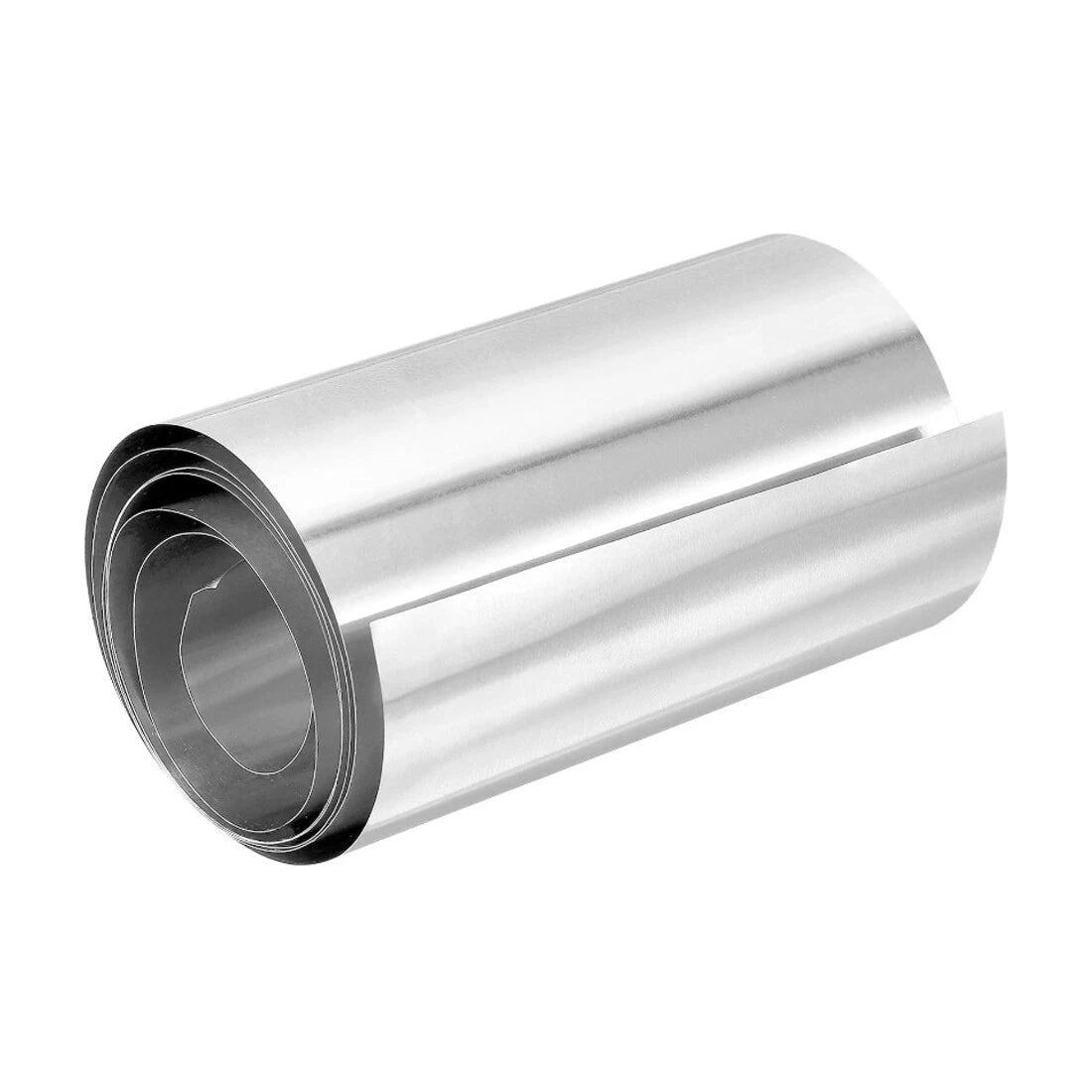
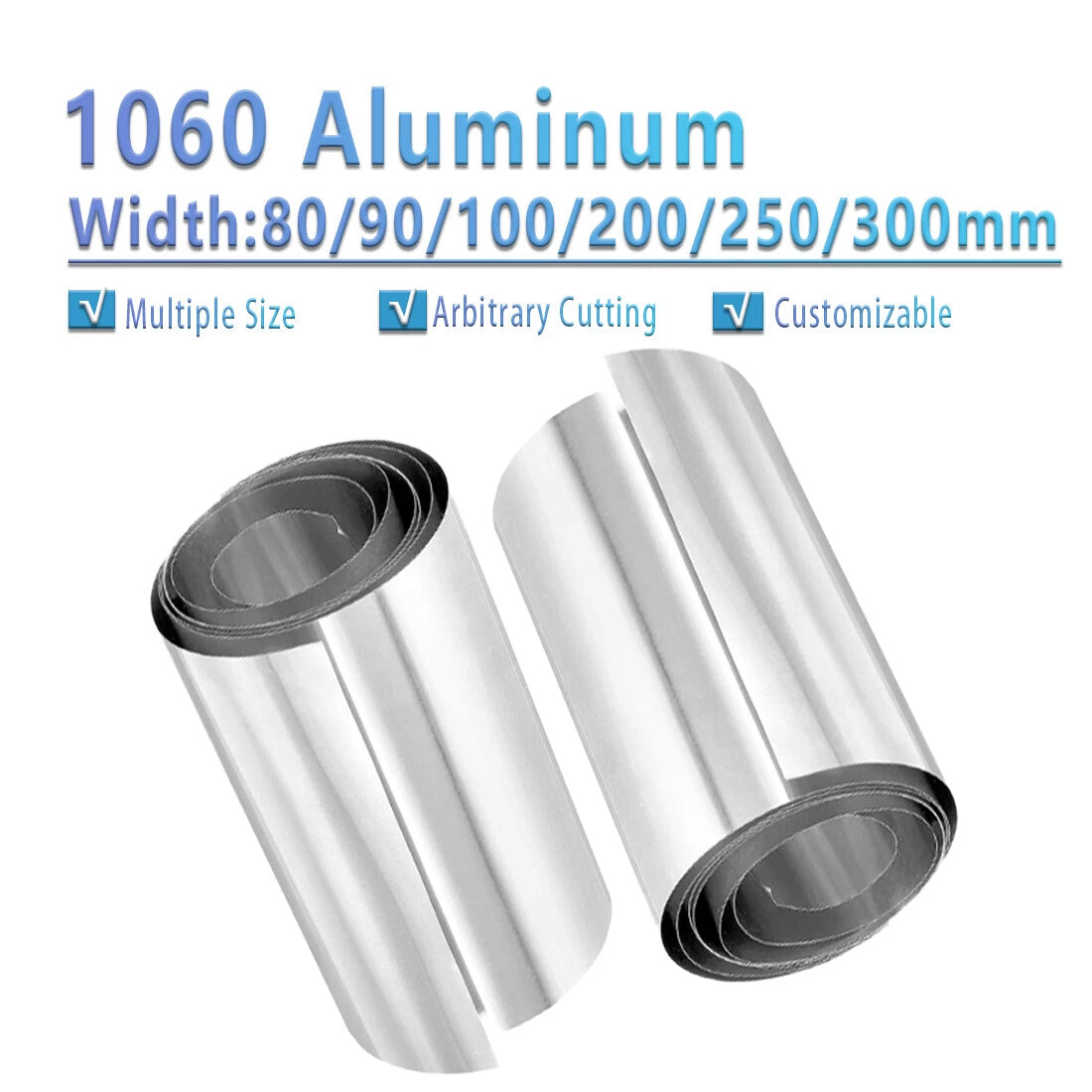
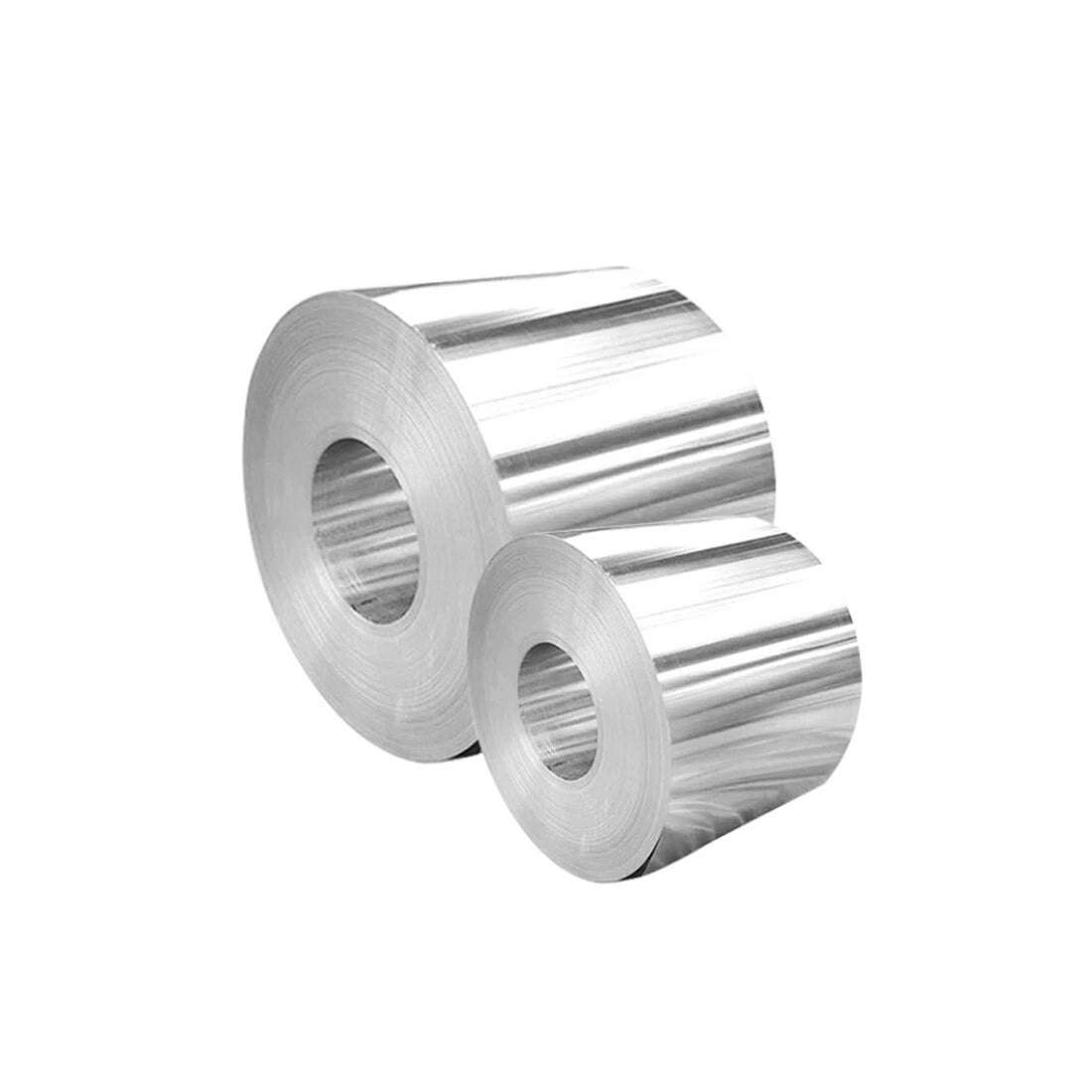
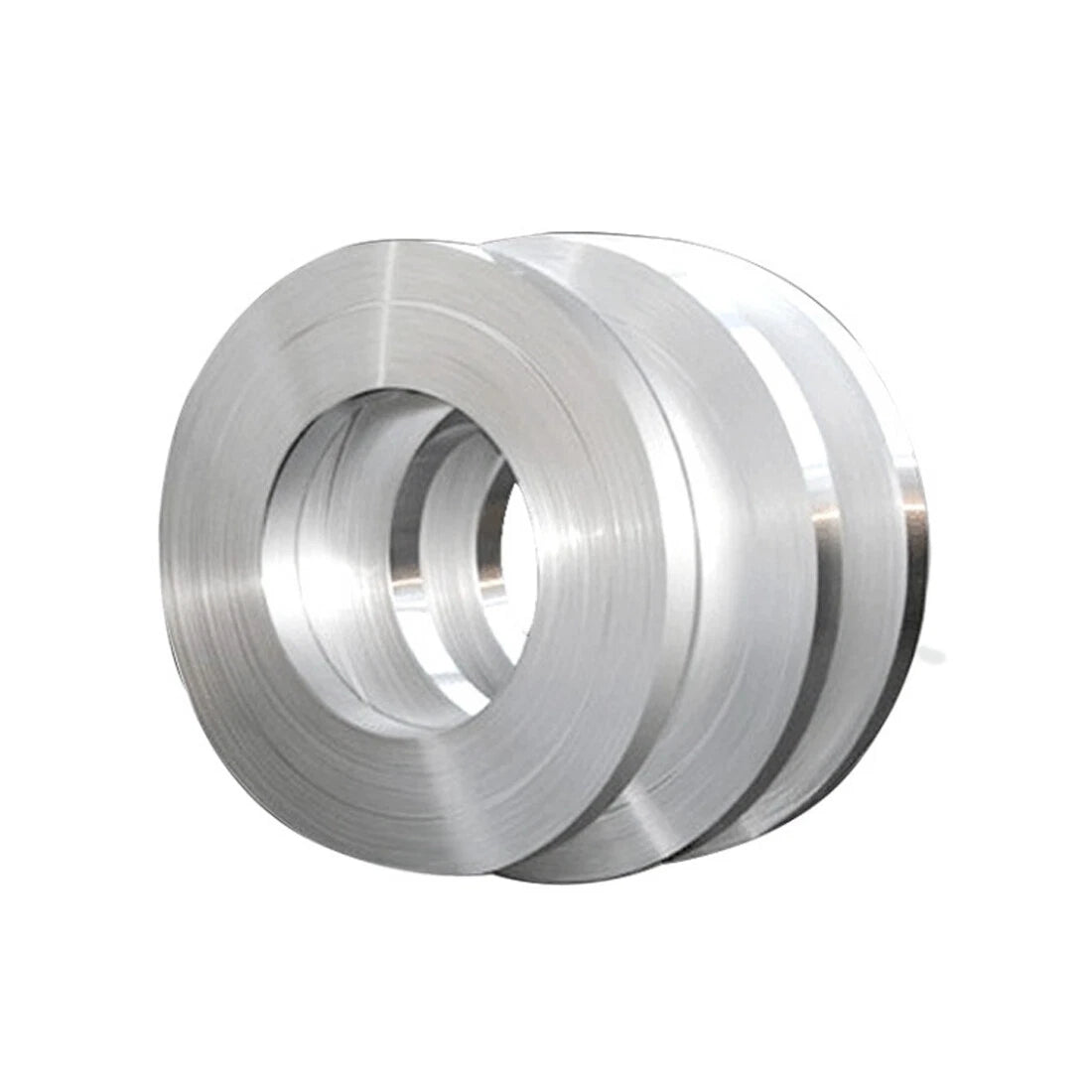
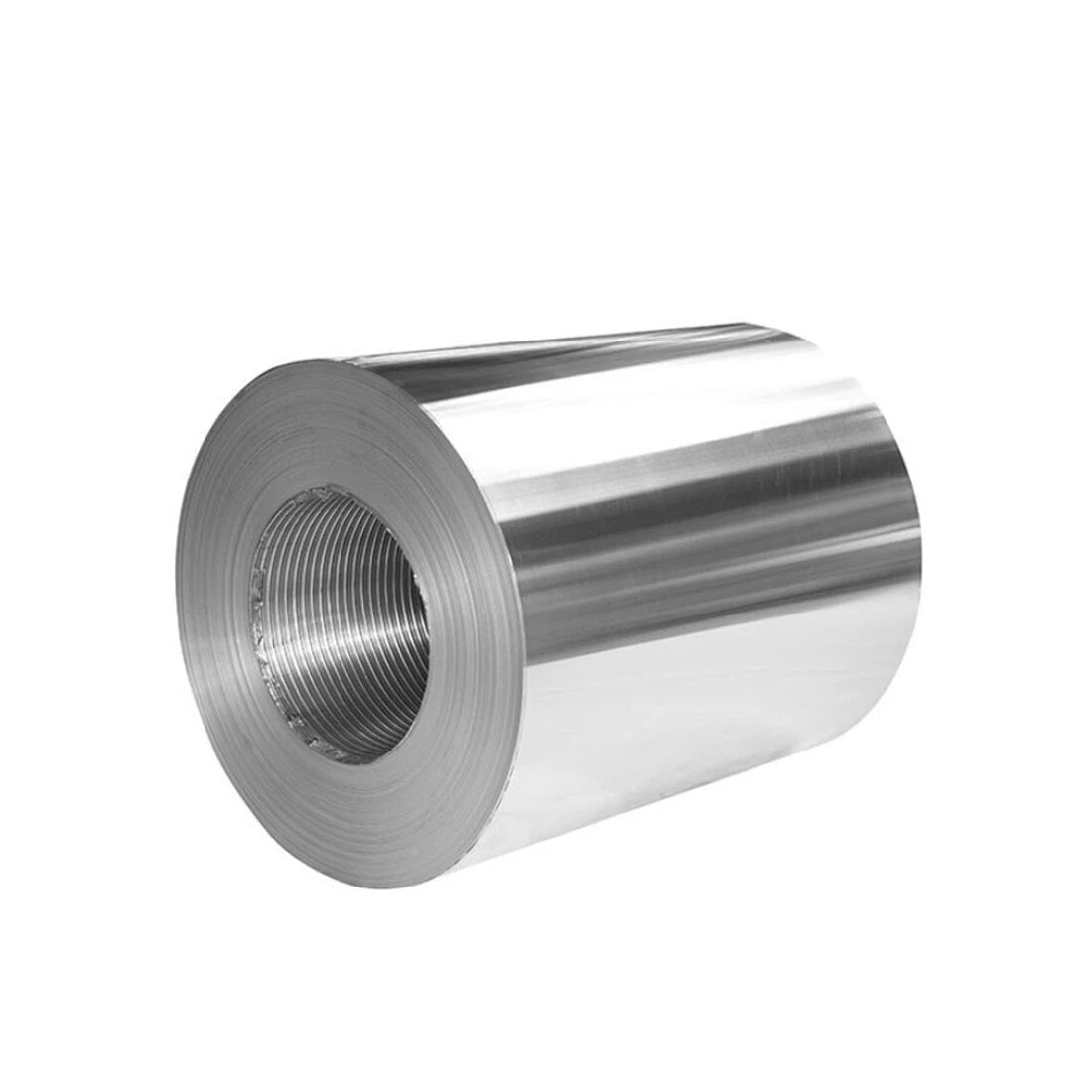
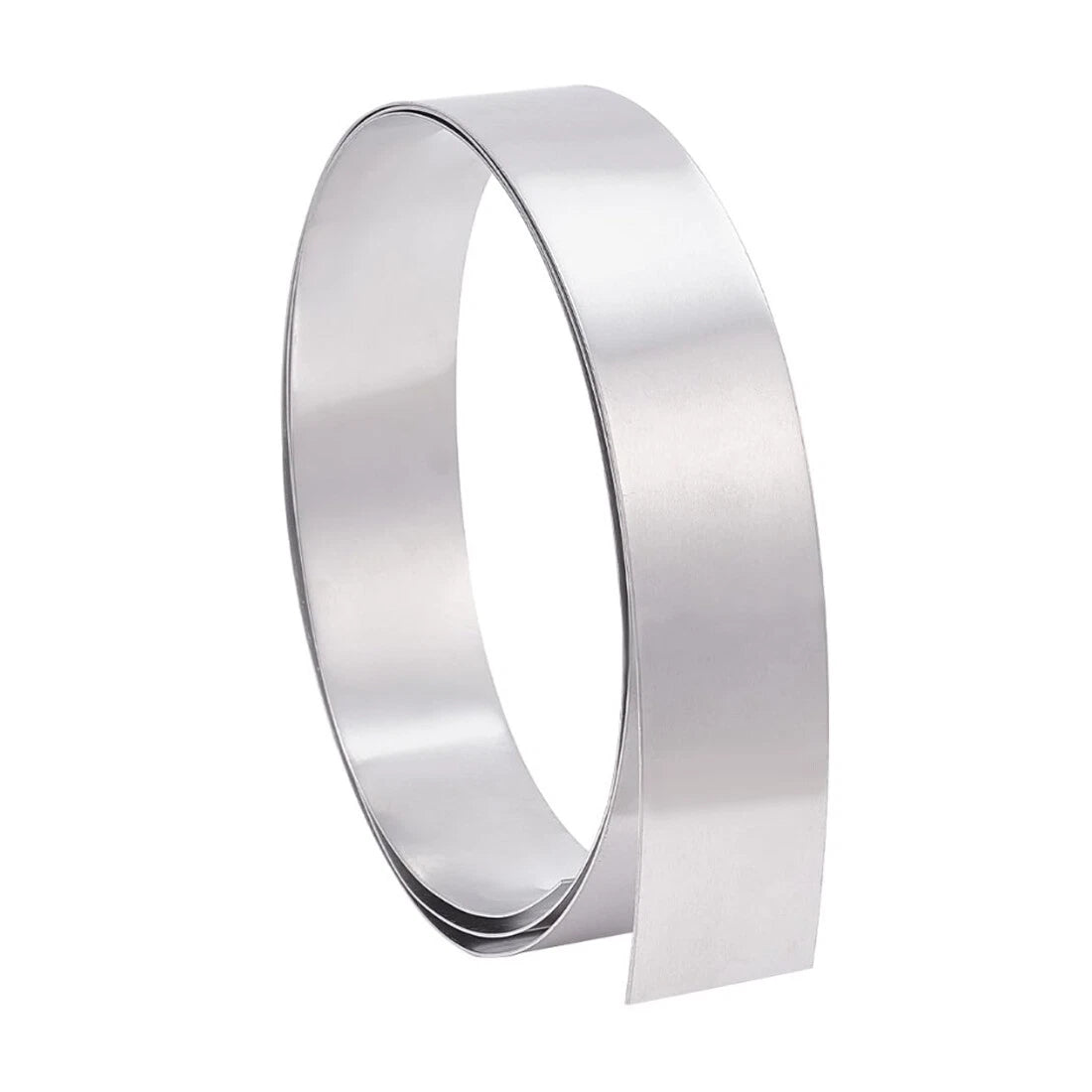
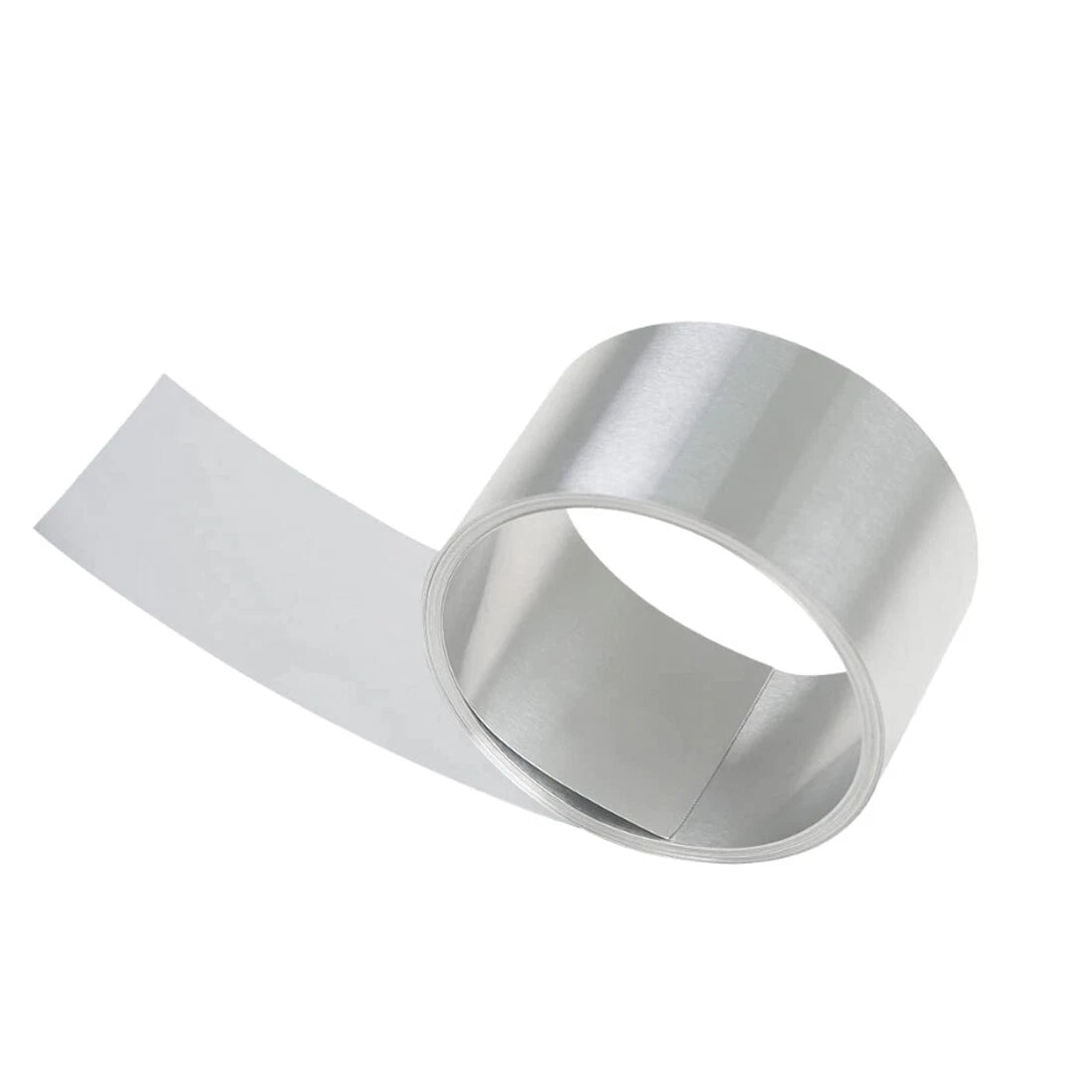
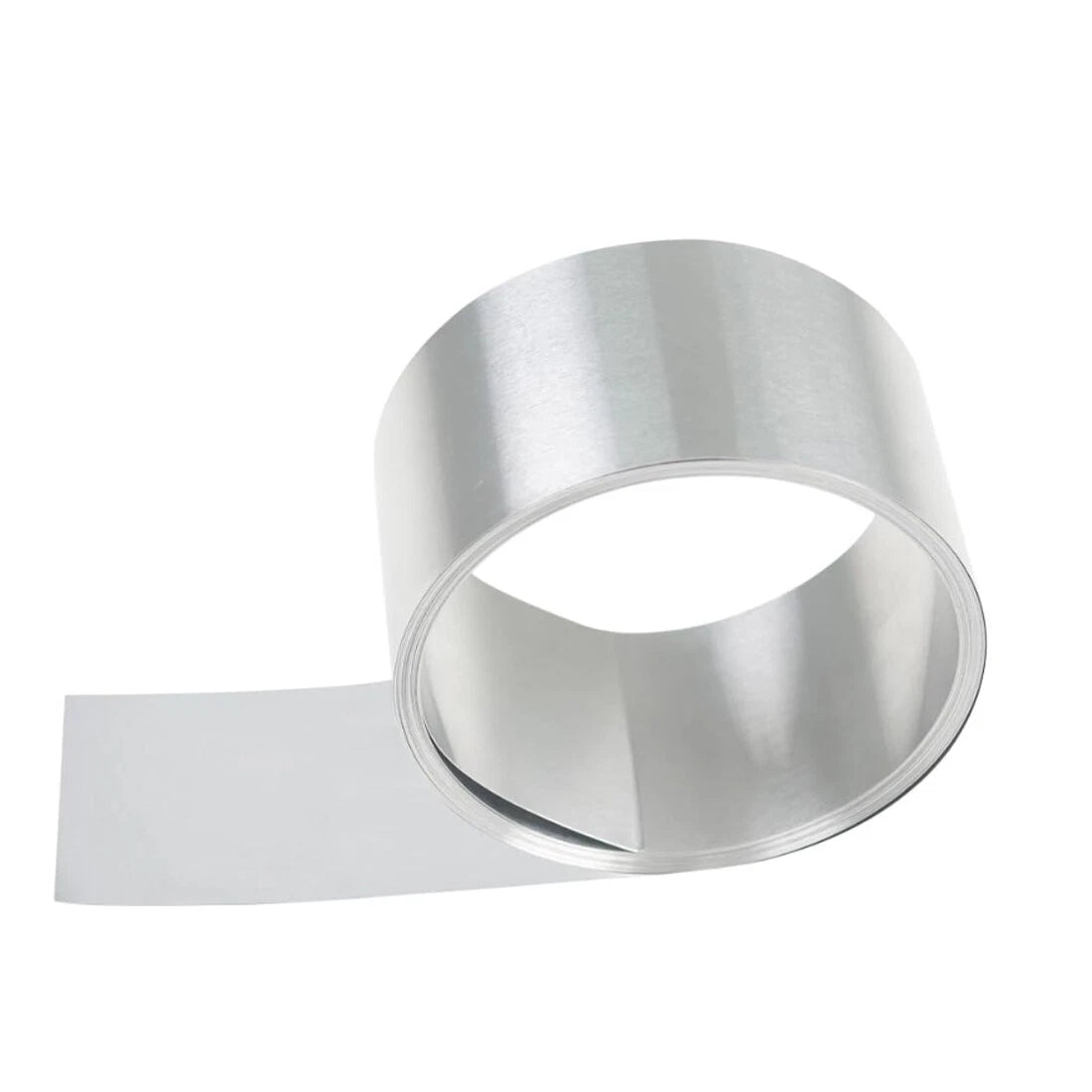
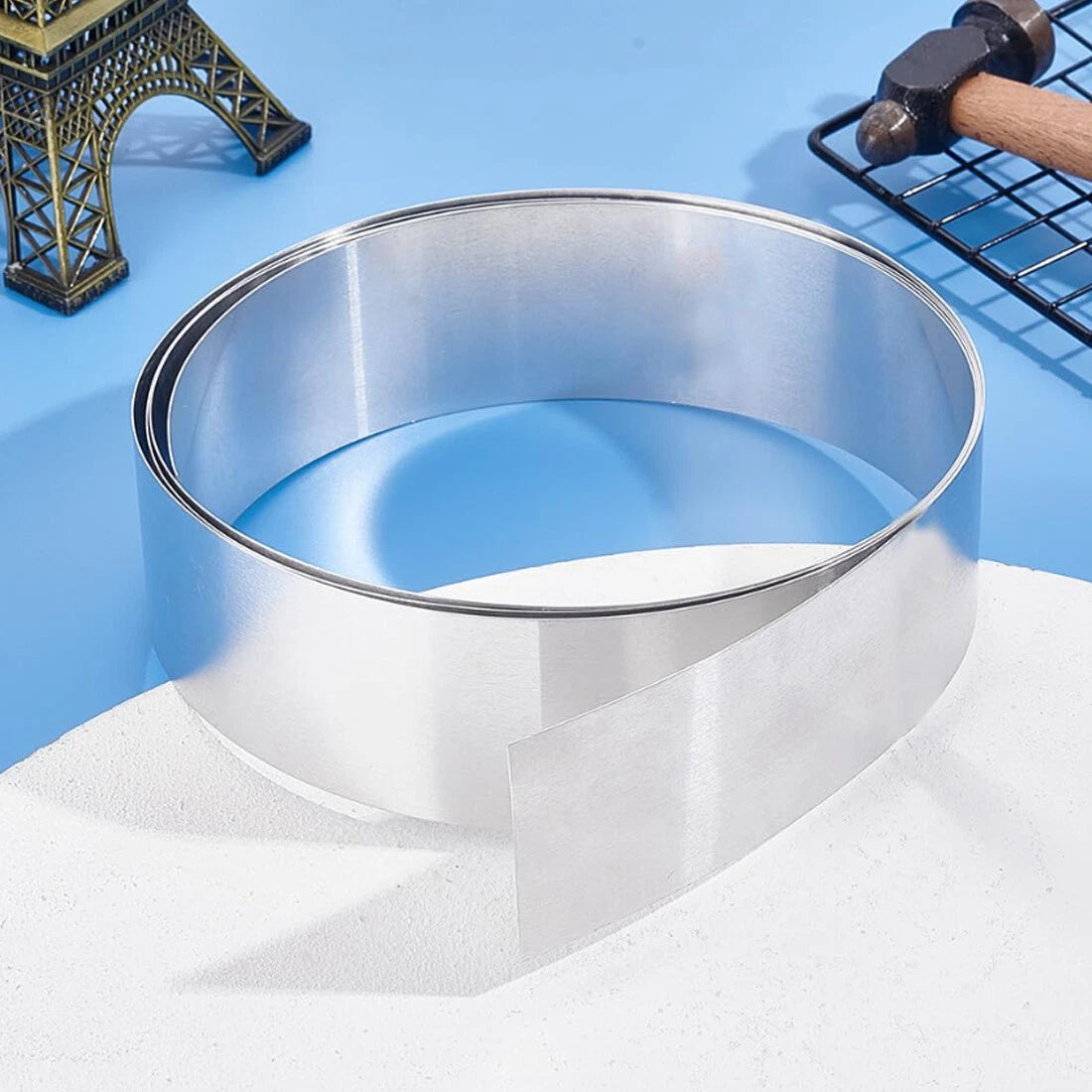
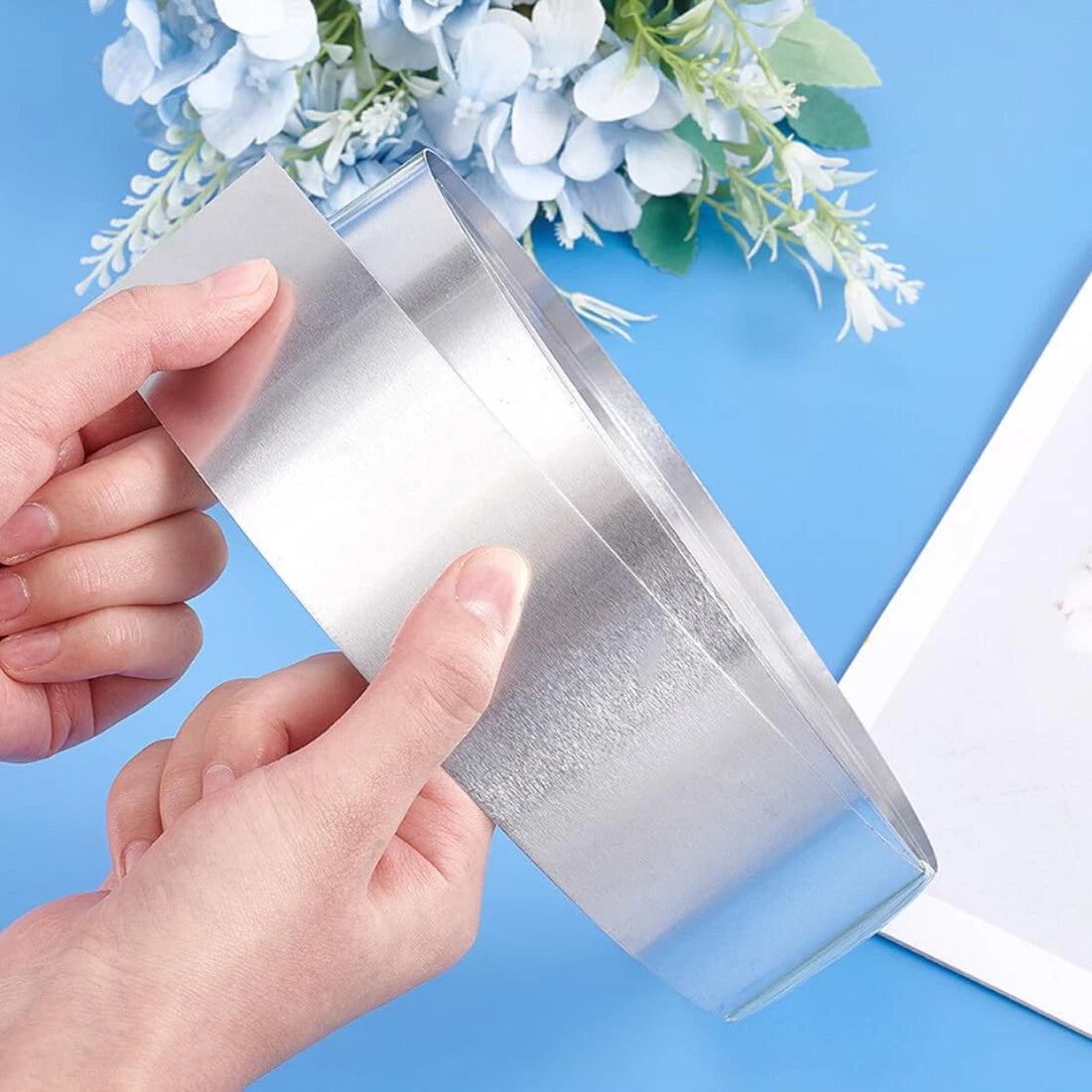
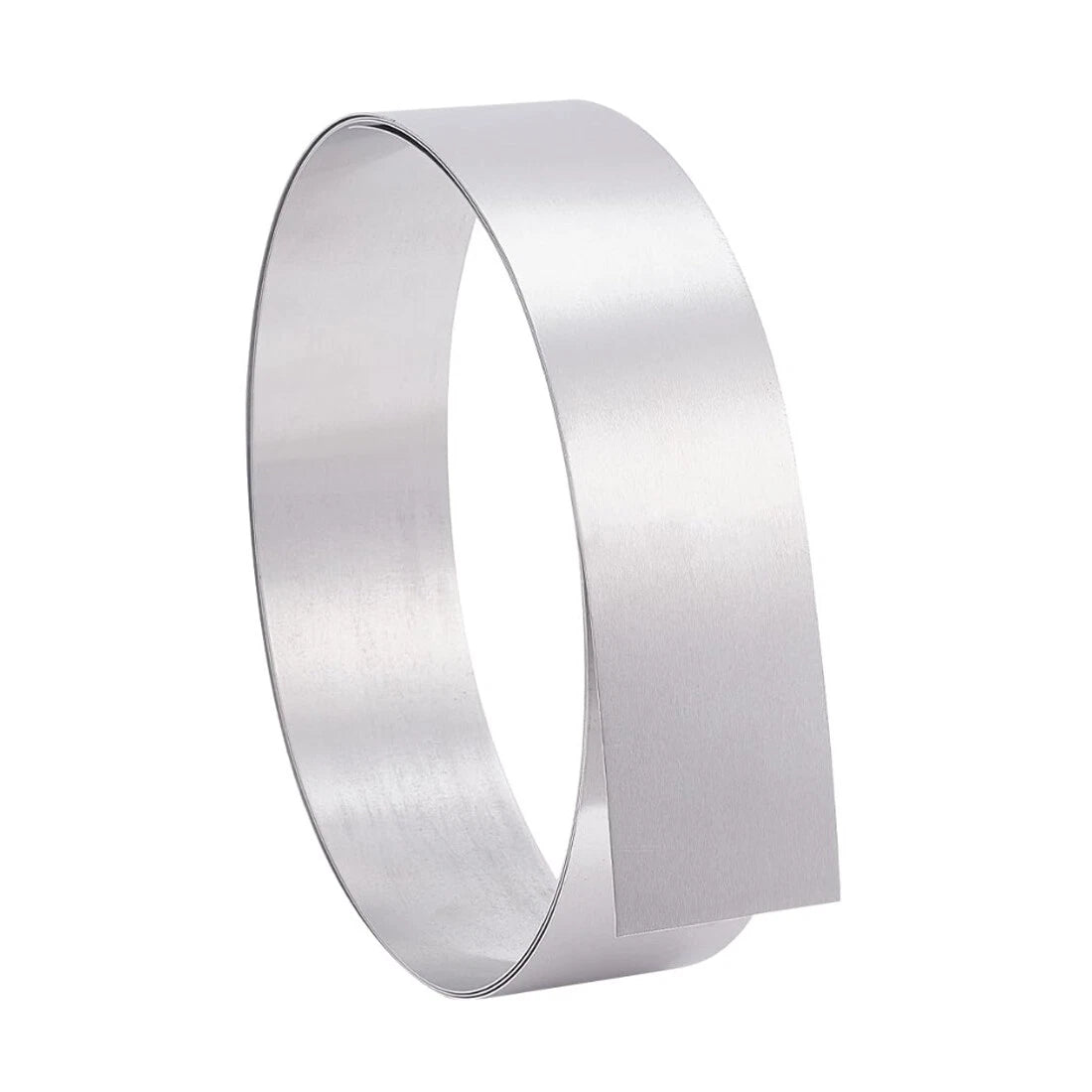
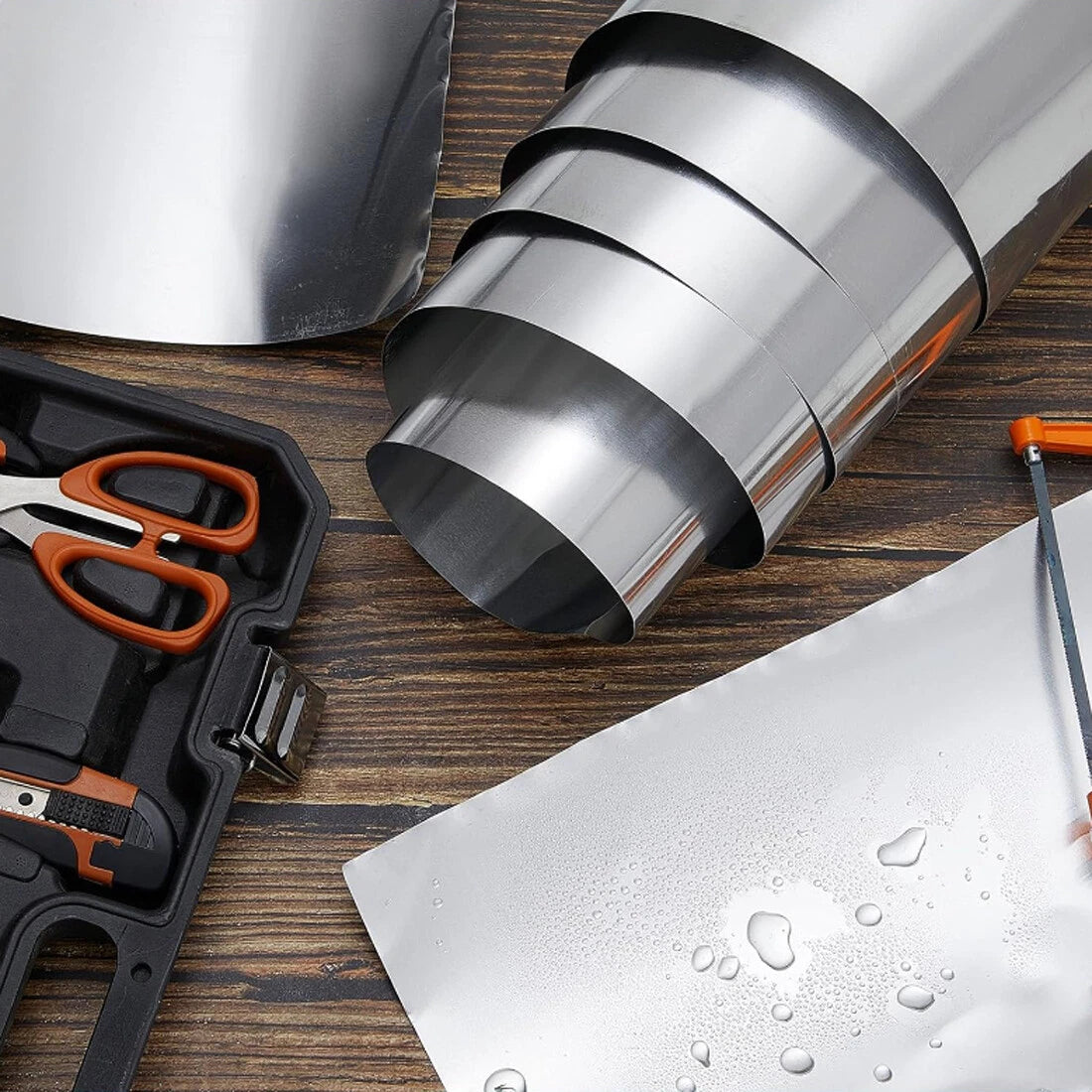
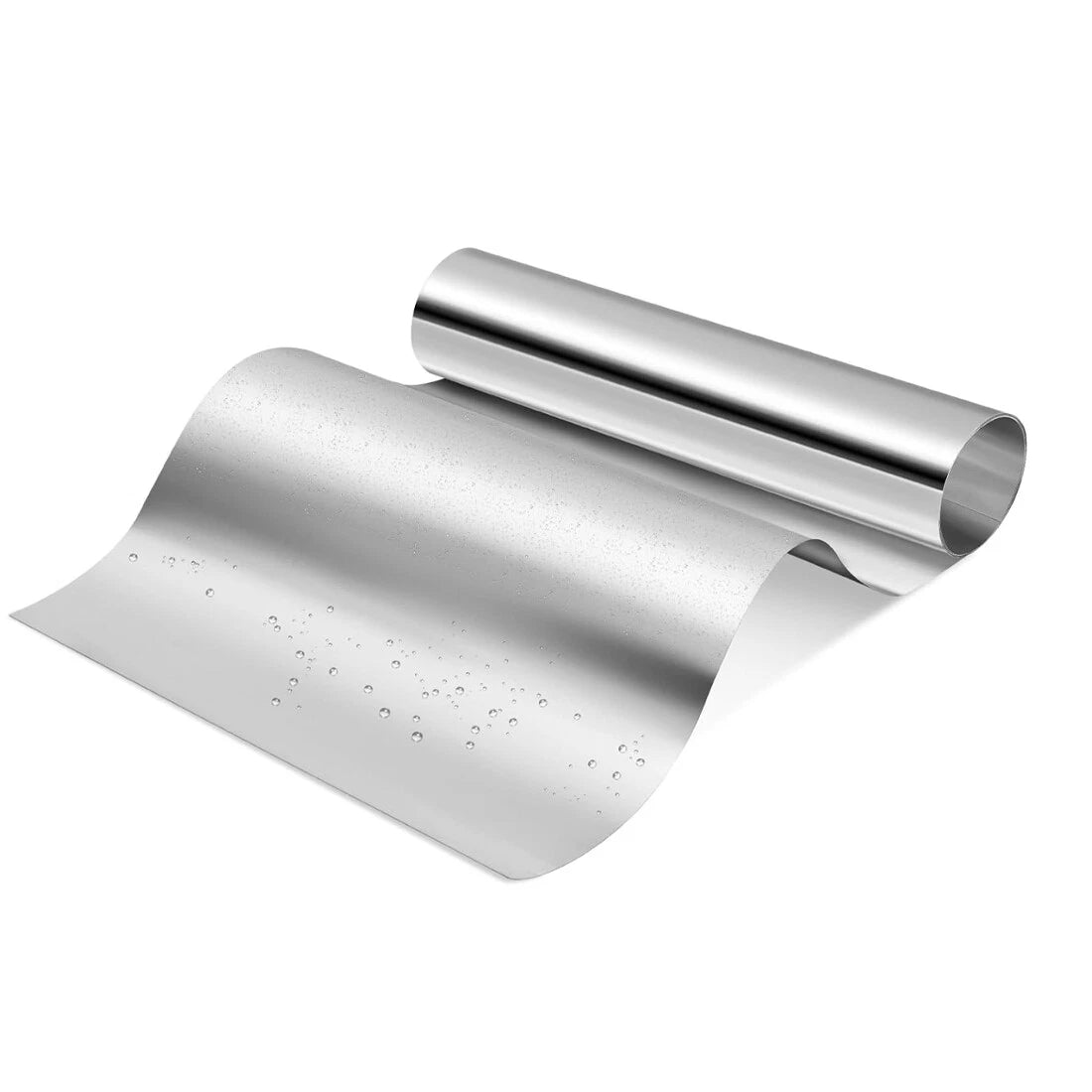
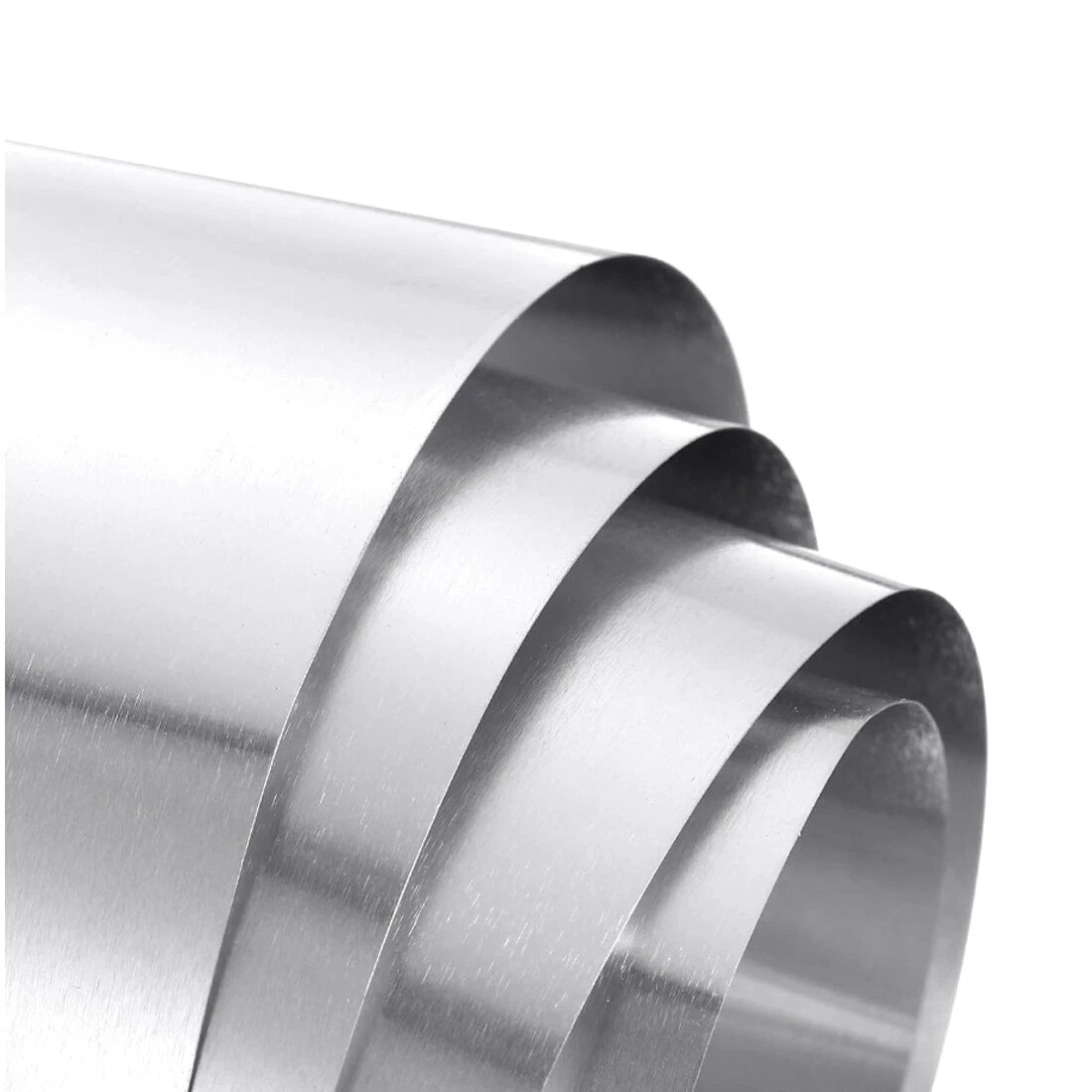

Aluminum Band Sheet Foil Plate Strip Thick 0.1-1mm for DIY Handmade Decoration

Keine Bewertungen

Preis:
Sonderpreis$20.07 USD
Lagerbestand:
Verfügbar (500 Stück), versandbereit

Payment & Security

Ach Direct Debit Amazon American Express Apple Pay Bancontact BLIK Diners Club Discover EPS Google Pay iDEAL Wero JCB Maestro Mastercard Multibanco MobilePay PayPal Przelewy24 Shop Pay Twint Union Pay USDC Visa

Deine Zahlungsinformationen werden sicher verarbeitet. Wir speichern keine Kreditkartendaten und haben auch keinen Zugang zu deinen Kreditkartendaten.

Quantity Discount Promotion
🎯 BULK DISCOUNT: Buy More, Save More!
Buy 2 Items
5% OFF
Buy 4 Items
10% OFF
Buy 6 Items
15% OFF
Expert

DIY Expert Support

Get fitment advice & recommendations

Mon-Fri, 8:30AM-8PM
24-Hour Fast Ship
🚚
Arrives in 3-14 days
🌍
Global Reach
↩️
30-Day Returns
🌱 1 tree planted with every purchase

Beschreibung

Aluminum Band Sheet Foil Plate Strip — Precision-Cut for DIY Fabrication & Handmade Projects

When your project demands a flat, workable metal that cuts cleanly, bends without cracking, and holds its shape, off-the-shelf stock rarely fits the bill. Makers, hobbyists, and workshop professionals who need exact dimensions for enclosures, shielding, decorative inlays, or structural reinforcement will find these aluminum band sheet foil plate strips a reliable starting point — available in the precise thickness and width combination their task requires.

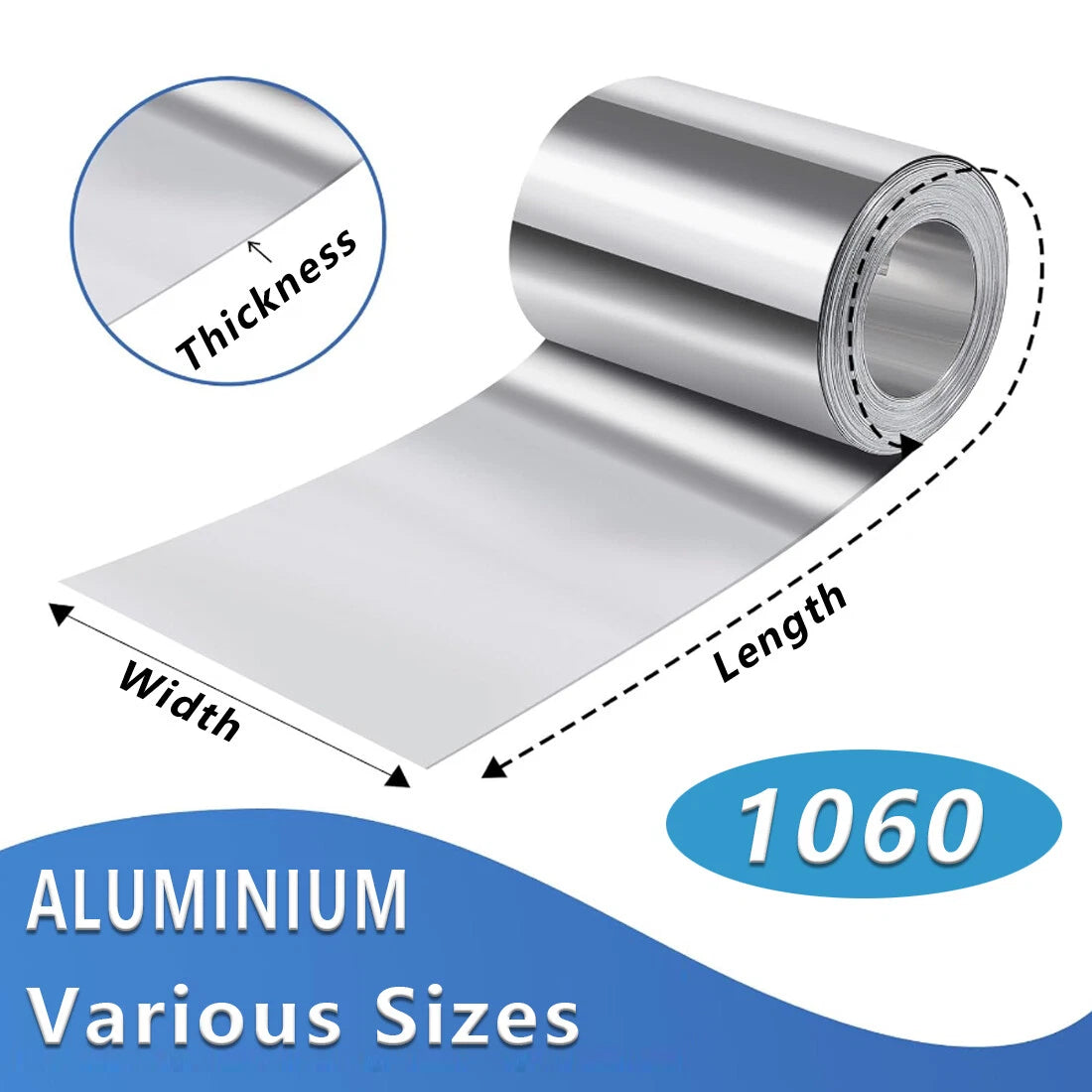
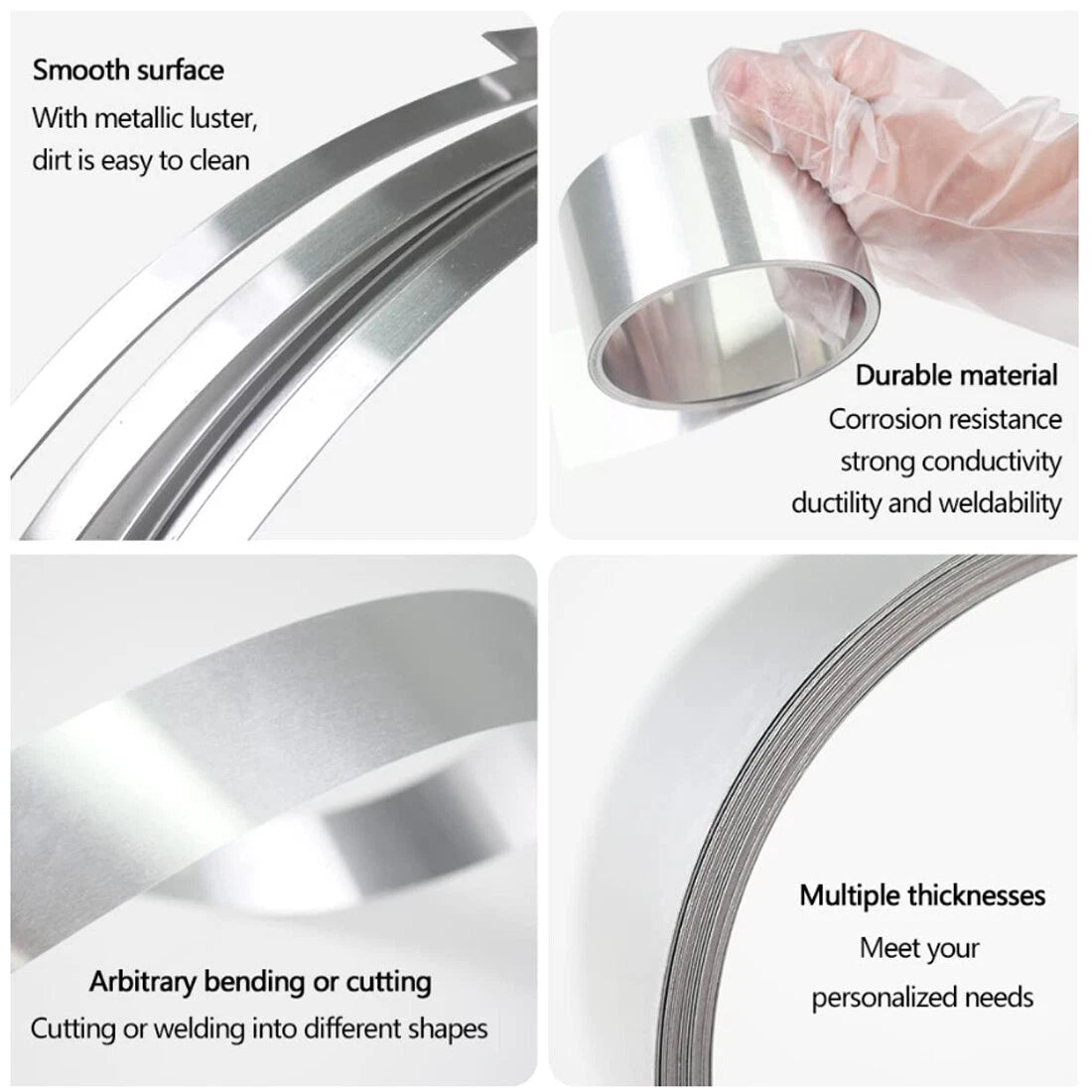
Each strip is made from aluminum alloy with a smooth, mill-finish surface. Thickness ranges from 0.1 mm to 2 mm (~0.004"–0.079") and width options span 50 mm to 300 mm (~2"–11.8"), with roll lengths of 3 metres (~9.8 ft) or 5 metres (~16.4 ft). The consistent cross-section and flat profile make these strips suitable for hand-cutting, scoring, bending, and light machining without specialist tooling.

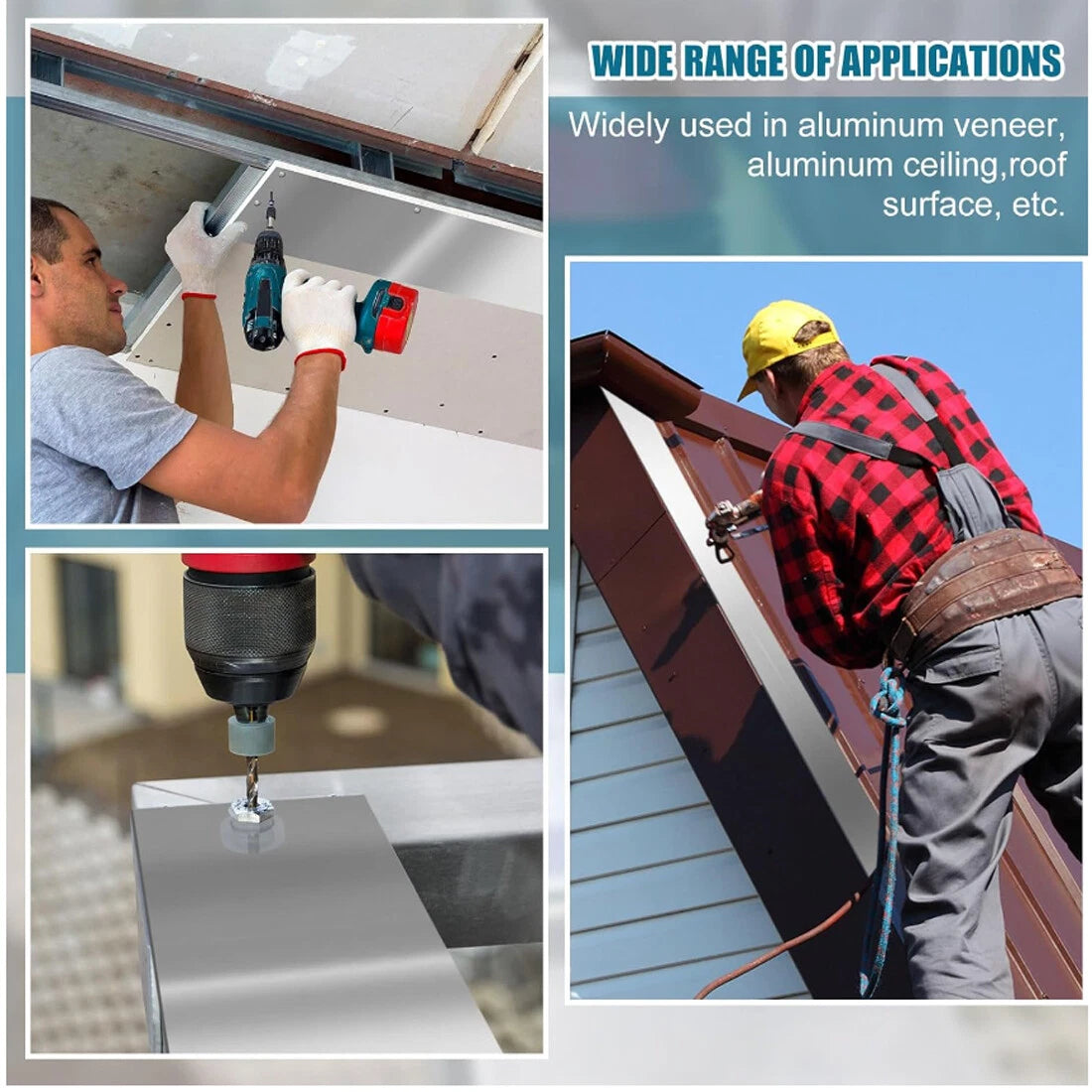
Typical applications include DIY craft framing and decorative banding, RF/EMI shielding panels for electronics enclosures, heat-sink backing strips in workshop builds, and precision shimming or gap-filling in mechanical assemblies. The combination of low weight and moderate rigidity makes aluminum strip sheet a go-to material for projects where steel would be unnecessarily heavy and plastic would lack structural integrity.

🔧 Compatibility Note: These aluminum strips are compatible with standard hand tools (snips, utility knives, files) and light power tools. They can be bonded with epoxy or riveted. Not suitable for applications requiring anodized or painted finishes without additional surface preparation.

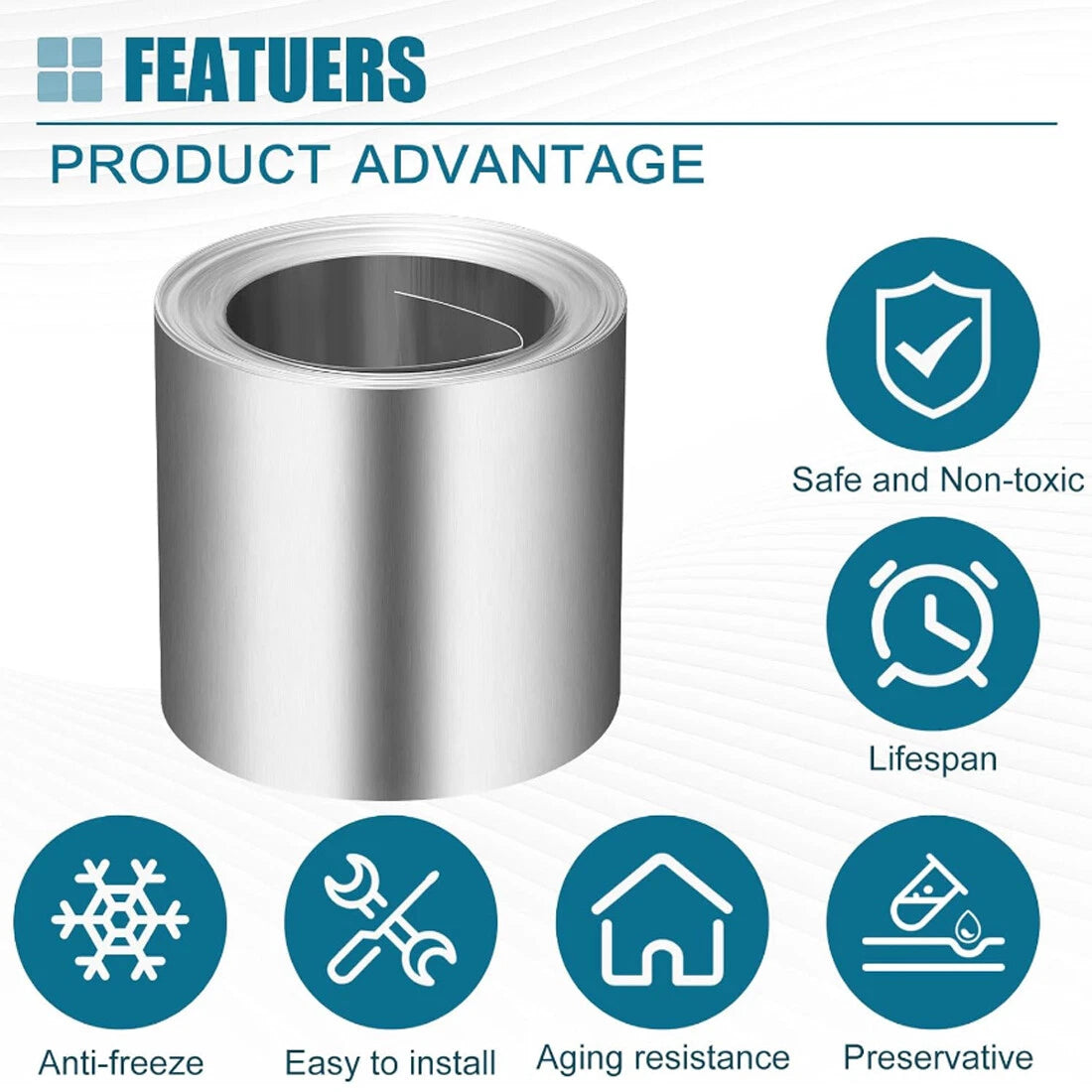
✅ Key Features of These Aluminum Band Sheet Foil Plate Strips

  • 📏 Wide size range: Thickness 0.1–2 mm and width 50–300 mm cover narrow banding through broad panel strips in a single product family.
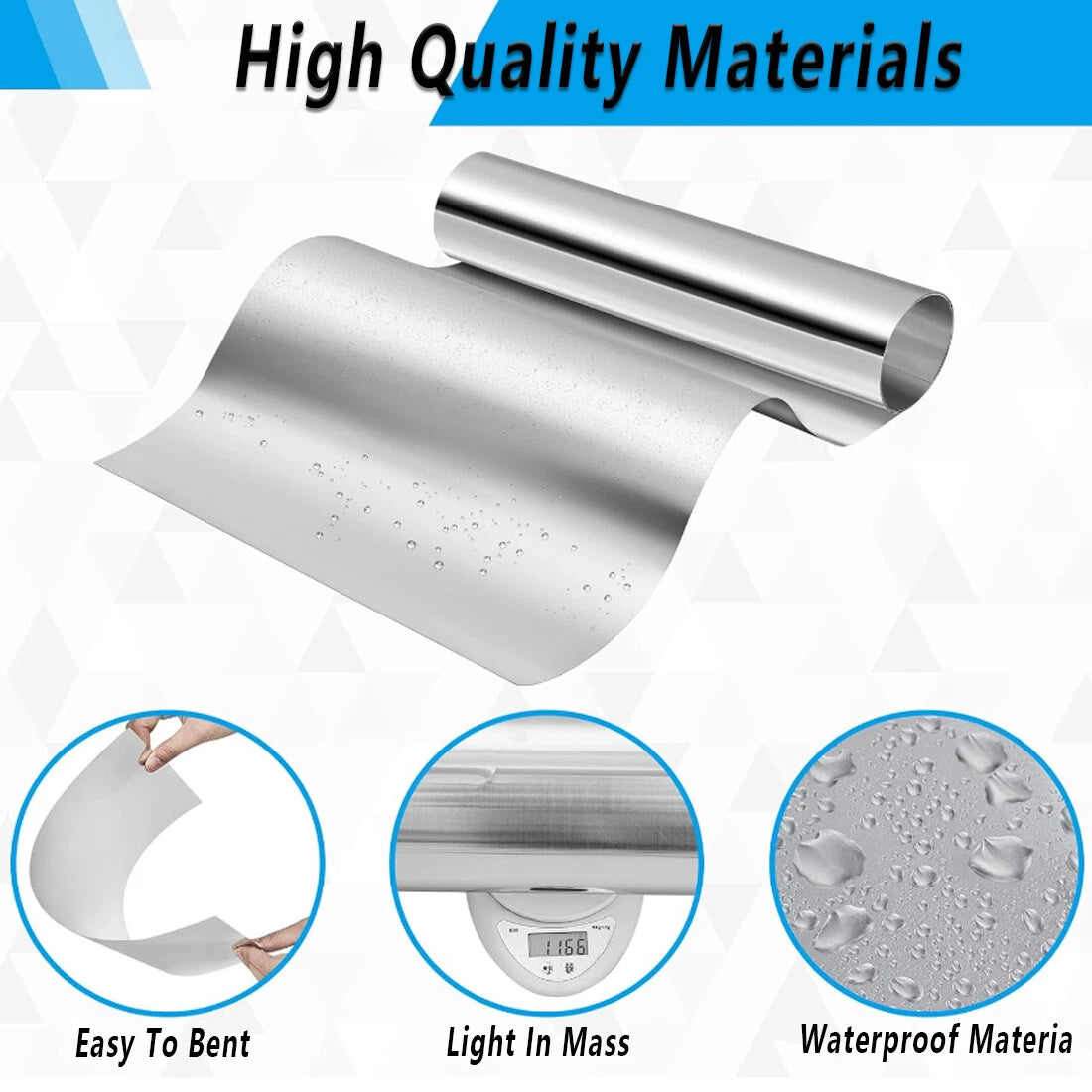
  • ✂️ Hand-workable gauge: Thinner variants (0.1–0.3 mm) score and snap cleanly; mid-range (0.4–1 mm) bend without cracking; heavier gauges (1–2 mm) hold rigid form for structural use.
  • ⚖️ Lightweight aluminum alloy: Low density keeps finished assemblies light without sacrificing the flat, stable profile needed for precise fitment.
  • 🔄 Consistent cross-section: Mill-rolled to uniform thickness across the full width, reducing the need for additional flattening or dressing before use.
  • 🛡️ Corrosion-resistant surface: Aluminum's natural oxide layer provides baseline protection against moisture and mild chemical exposure in indoor workshop environments.
  • 📦 Practical roll lengths: 3 m and 5 m options let you order the quantity that matches your project scope, minimising offcut waste.

📐 Technical Specifications — Aluminum Strip Sheet

Material Aluminum alloy (mill finish)
Thickness Range 0.1 mm – 2 mm (approx. 0.004" – 0.079")
Width Range 50 mm – 300 mm (approx. 2" – 11.8")
Length Options 3 Metre (~9.8 ft) / 5 Metre (~16.4 ft)
Surface Finish Mill finish (uncoated)
Temper / Hardness See variant options
Alloy Grade See variant options
Weight per Unit See variant options
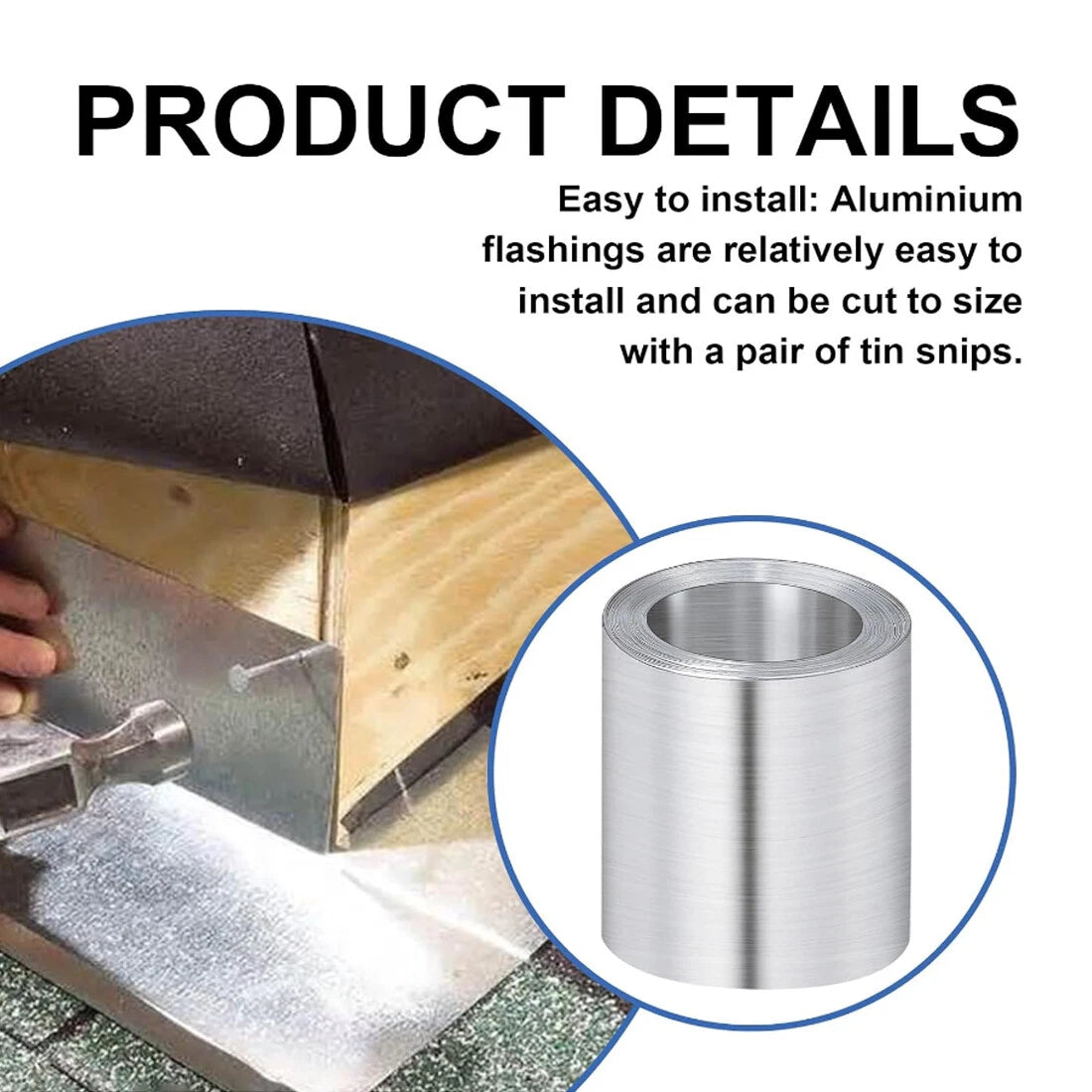
Workability Hand-cuttable (snips, utility knife); bendable; rivetable; epoxy-bondable
Corrosion Resistance Natural oxide layer; suitable for dry indoor use
Packaging Rolled strip

❓ Frequently Asked Questions

How do I choose the right thickness for my project?

For decorative overlays, labels, or foil-style shielding, 0.1–0.2 mm is typically sufficient and cuts with a utility knife or scissors. For structural banding, edge trim, or brackets that need to hold a bent angle, 0.5–1 mm provides the rigidity required. If you need a rigid flat plate that resists flex under load, 1–2 mm is the appropriate range. When in doubt, order a thinner variant first to test workability before committing to a heavier gauge.

What width should I select for shielding an electronics enclosure?

For EMI/RF shielding strips applied inside enclosure seams, 50 mm width is commonly used for narrow panel joints, while 80–100 mm suits wider lid-to-body interfaces. For full-panel lining, 200–300 mm widths reduce the number of overlapping strips needed. Pair with a 0.1–0.3 mm thickness for easy contouring around internal components.

Can these strips be bent to a 90-degree angle without cracking?

Thinner gauges (0.1–0.5 mm) bend cleanly to 90° over a straight edge with hand pressure. Mid-range gauges (0.6–1 mm) benefit from a bending brake or a clamped straight-edge to achieve a clean, crack-free fold. The 2 mm variants are best formed with a sheet-metal brake; hand-bending at 90° may produce a slightly radiused corner rather than a sharp fold.

Are these strips compatible with standard adhesives and fasteners?

Two-part epoxy and structural adhesive tapes bond well to the mill-finish surface after a light scuff with fine-grit abrasive. For mechanical fastening, the strips can be drilled and riveted or screwed; use a sharp HSS drill bit and back the strip with a block to prevent deformation. Welding is not recommended for gauges below 0.5 mm without specialist TIG equipment.

Will the aluminum surface corrode or discolour over time?

Aluminum naturally forms a thin oxide layer that protects against further oxidation in typical indoor environments. In humid or mildly corrosive conditions, the surface may develop a dull grey patina over time, which is cosmetic rather than structural. For outdoor or high-humidity applications, consider applying a clear lacquer or anodizing the strip after cutting to your required dimensions.

How do I cut the strip to length without specialist tools?

For gauges up to 0.3 mm, score firmly with a utility knife against a metal ruler and snap along the score line. For 0.4–1 mm, aviation snips (straight-cut) produce clean edges with minimal burr; finish with a fine file. For 1–2 mm, a hacksaw or angle grinder with a thin cutting disc gives the cleanest result. Always deburr cut edges before handling to avoid sharp slivers.

Can I order a custom size not listed in the variants?

The available variants cover a broad range of thickness and width combinations. If your project requires a dimension not shown — such as an intermediate width or a length beyond 5 metres — please use the Contact Us page to describe your requirement. We will advise on the closest available option or discuss whether a custom cut can be accommodated.

🛒 Select your Thick x Width and Length above, then add to cart.

You may also like

Recently viewed