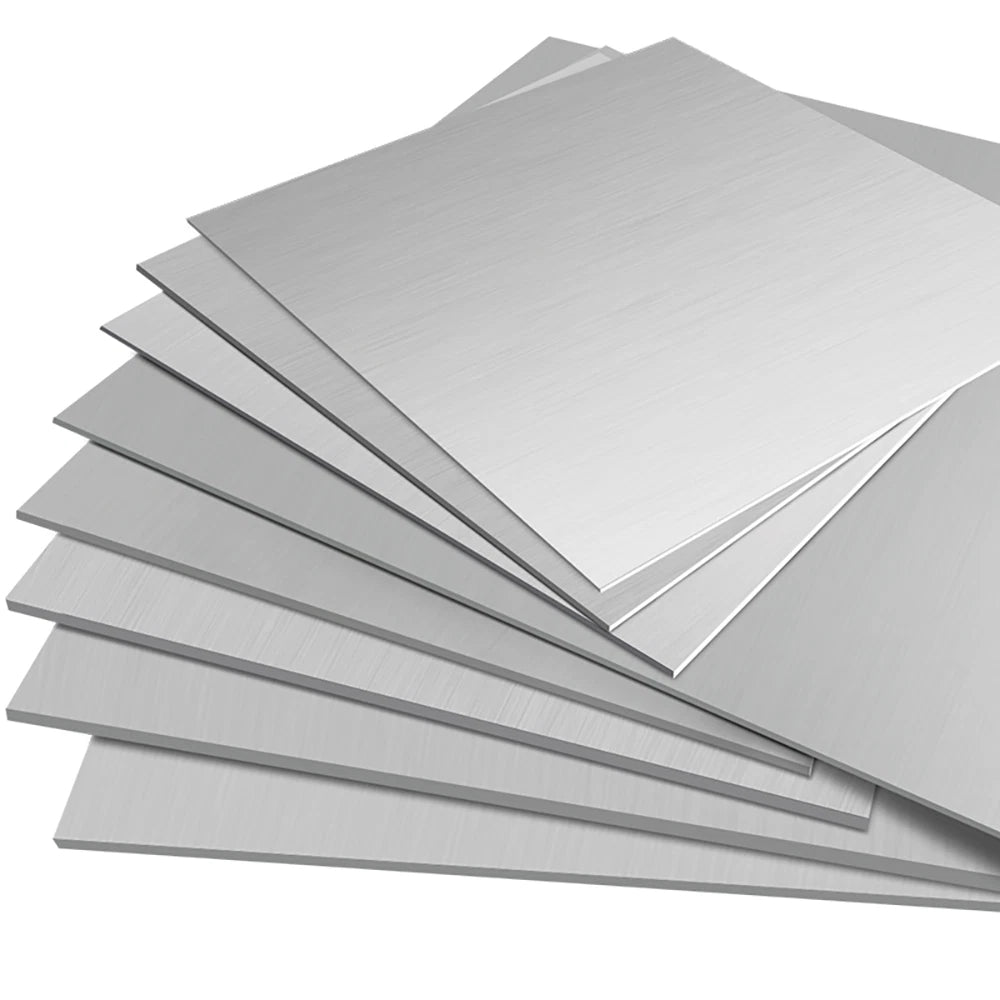
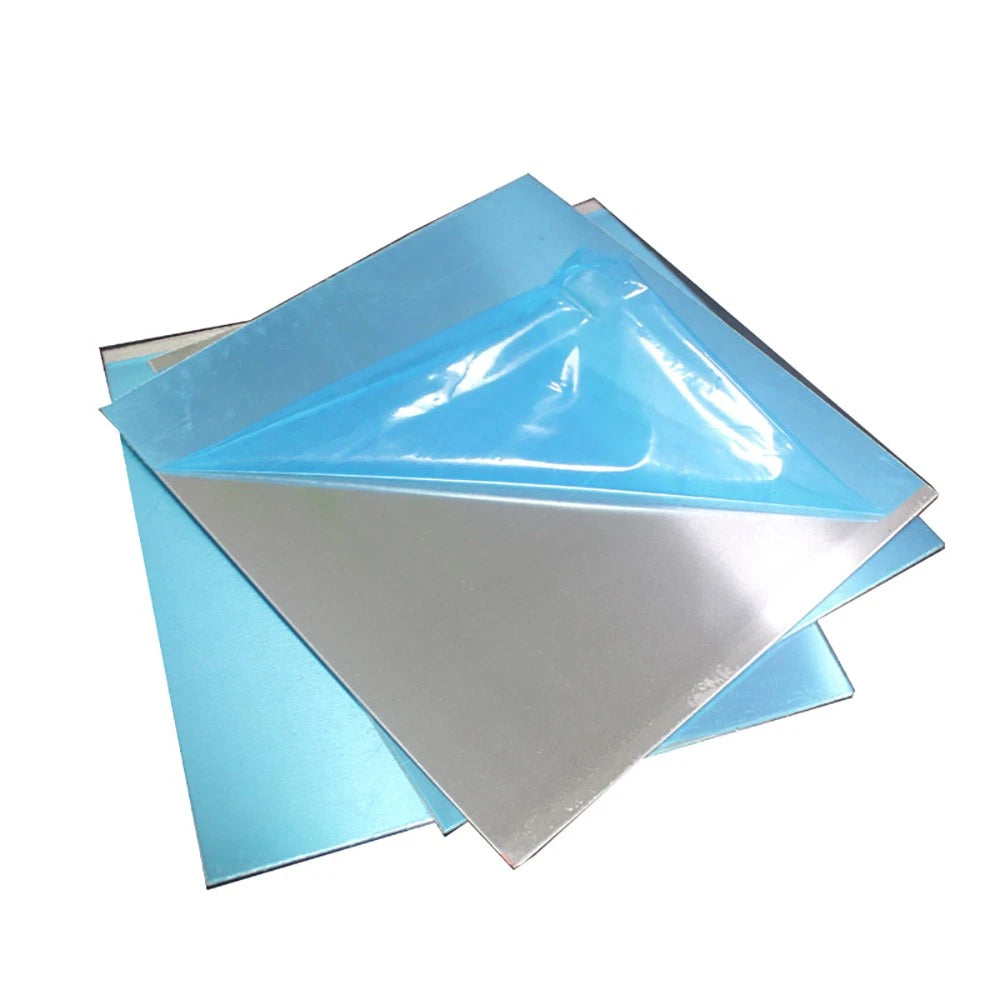
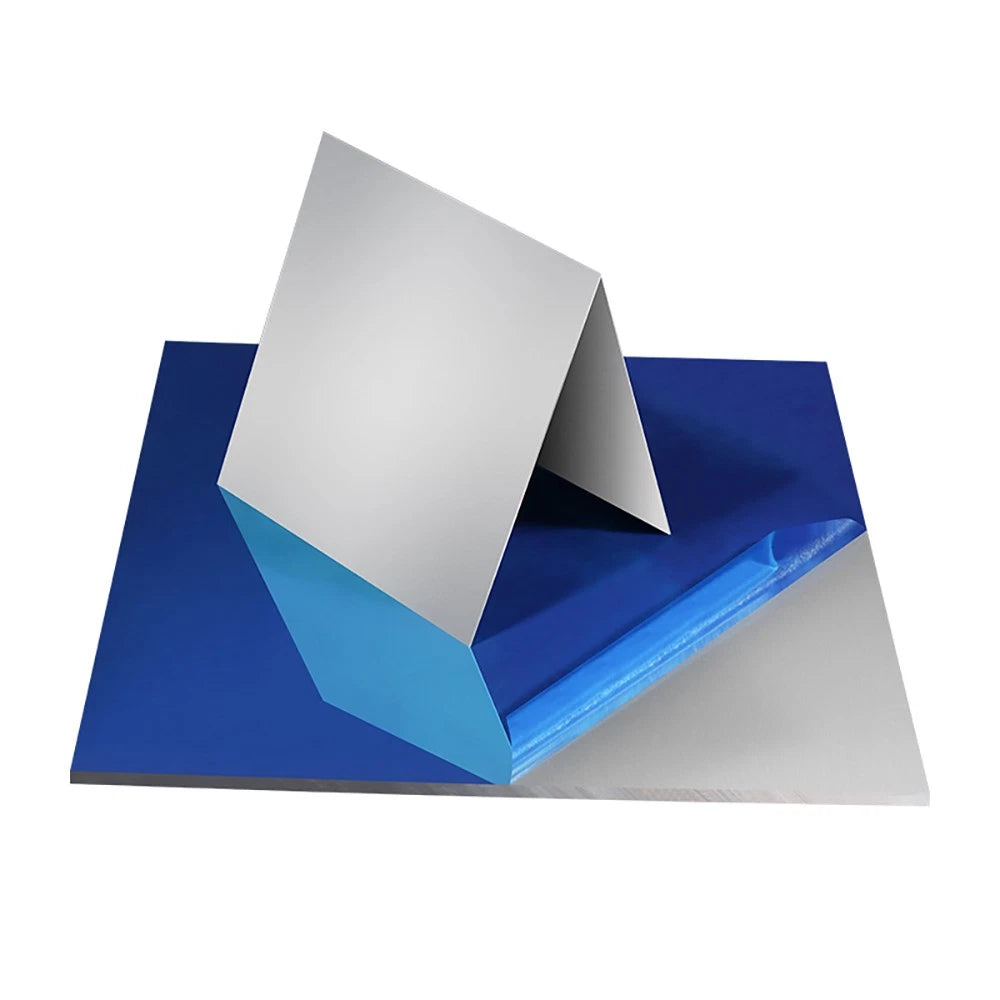
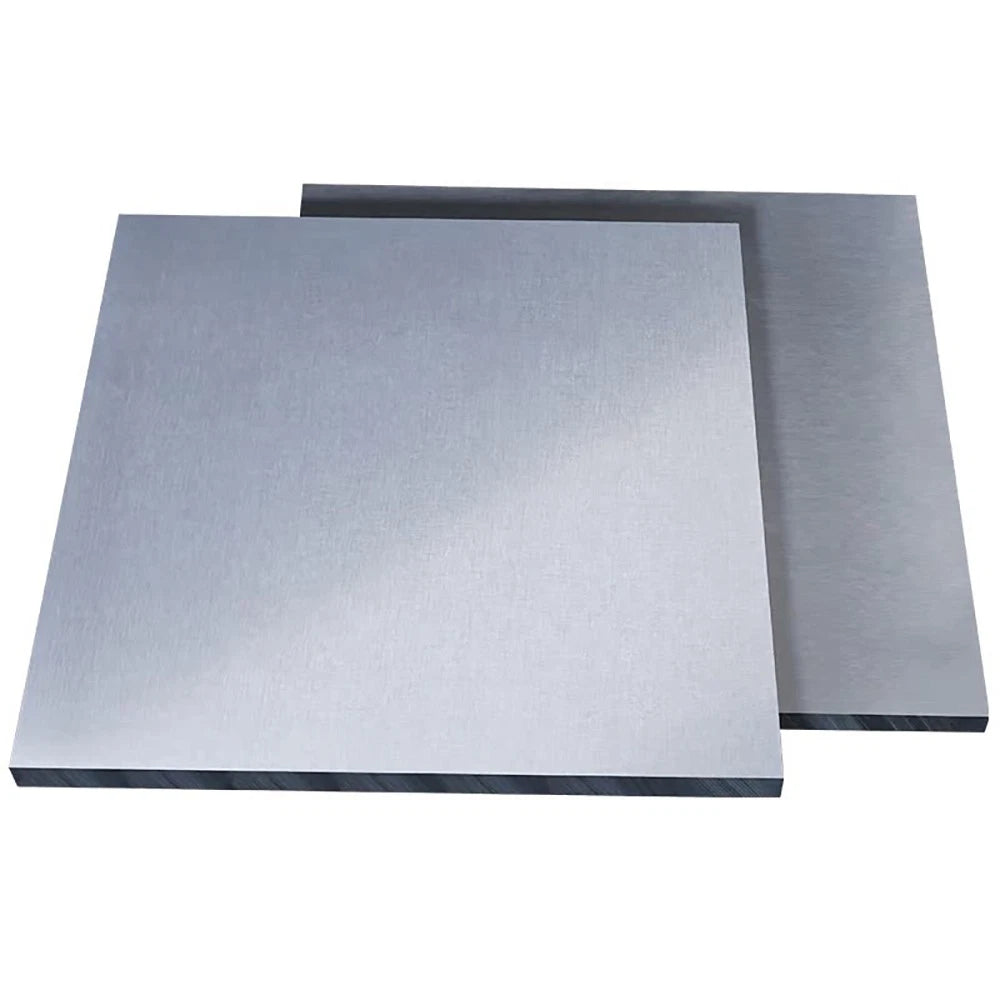
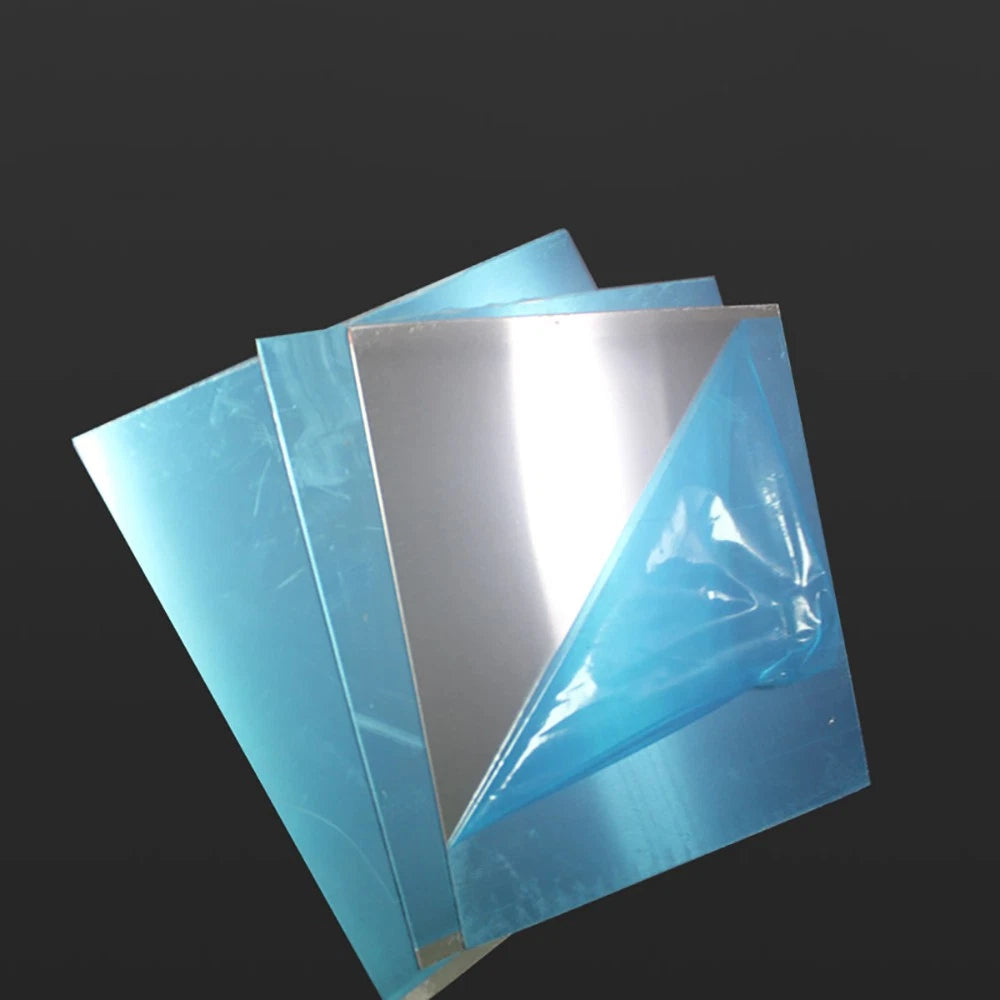
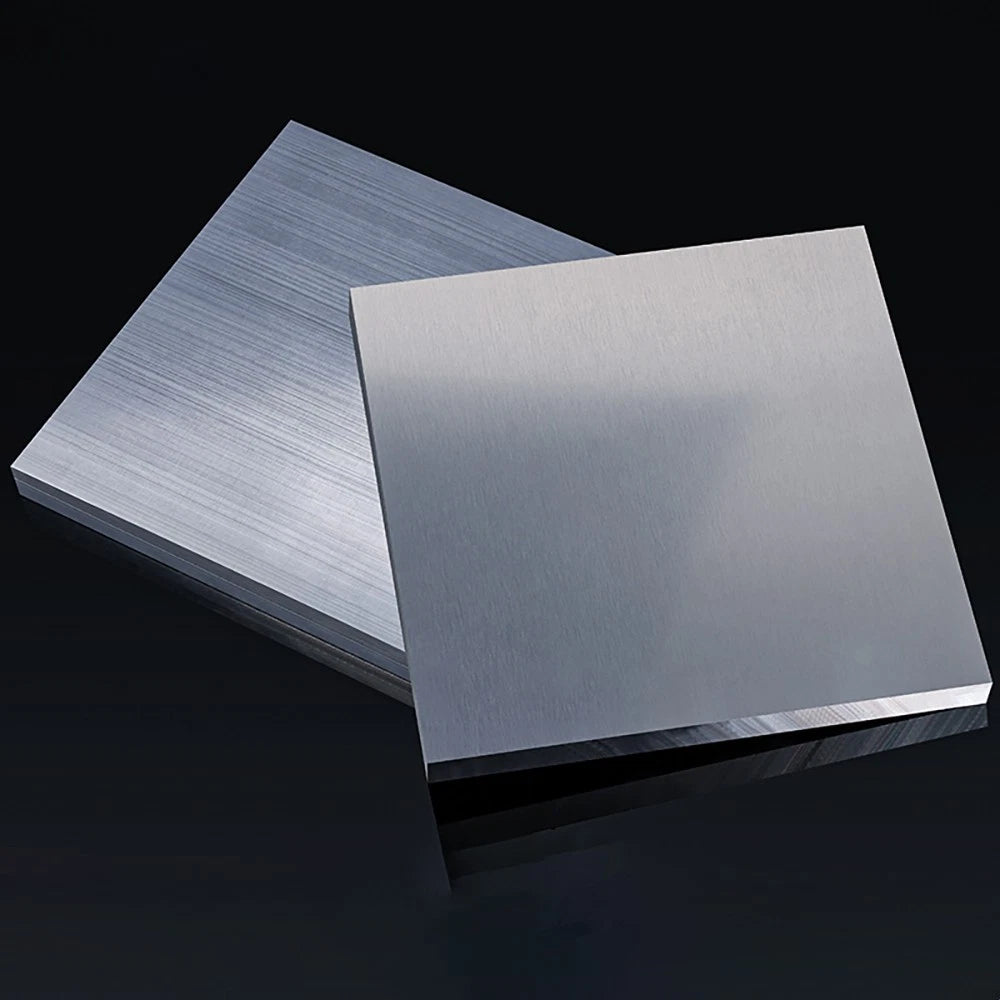
Aluminum Sheets 0.5-6mm Thick | 5052/6061-T6 Alloy | Metal Plates for Projects

Keine Bewertungen

Preis:
Sonderpreis$4.00 USD
Lagerbestand:
Verfügbar (500 Stück), versandbereit

Payment & Security

Ach Direct Debit Amazon American Express Apple Pay Bancontact BLIK Diners Club Discover EPS Google Pay iDEAL Wero JCB Maestro Mastercard Multibanco MobilePay PayPal Przelewy24 Shop Pay Twint Union Pay USDC Visa

Deine Zahlungsinformationen werden sicher verarbeitet. Wir speichern keine Kreditkartendaten und haben auch keinen Zugang zu deinen Kreditkartendaten.

Quantity Discount Promotion
🎯 BULK DISCOUNT: Buy More, Save More!
Buy 2 Items
5% OFF
Buy 4 Items
10% OFF
Buy 6 Items
15% OFF
Expert

DIY Expert Support

Get fitment advice & recommendations

Mon-Fri, 8:30AM-8PM
24-Hour Fast Ship
🚚
Arrives in 3-14 days
🌍
Global Reach
↩️
30-Day Returns
🌱 1 tree planted with every purchase

Beschreibung

Aluminum Sheets 0.5–6mm Thick — Versatile 5052 & 6061-T6 Alloy Metal Plates for Every Project

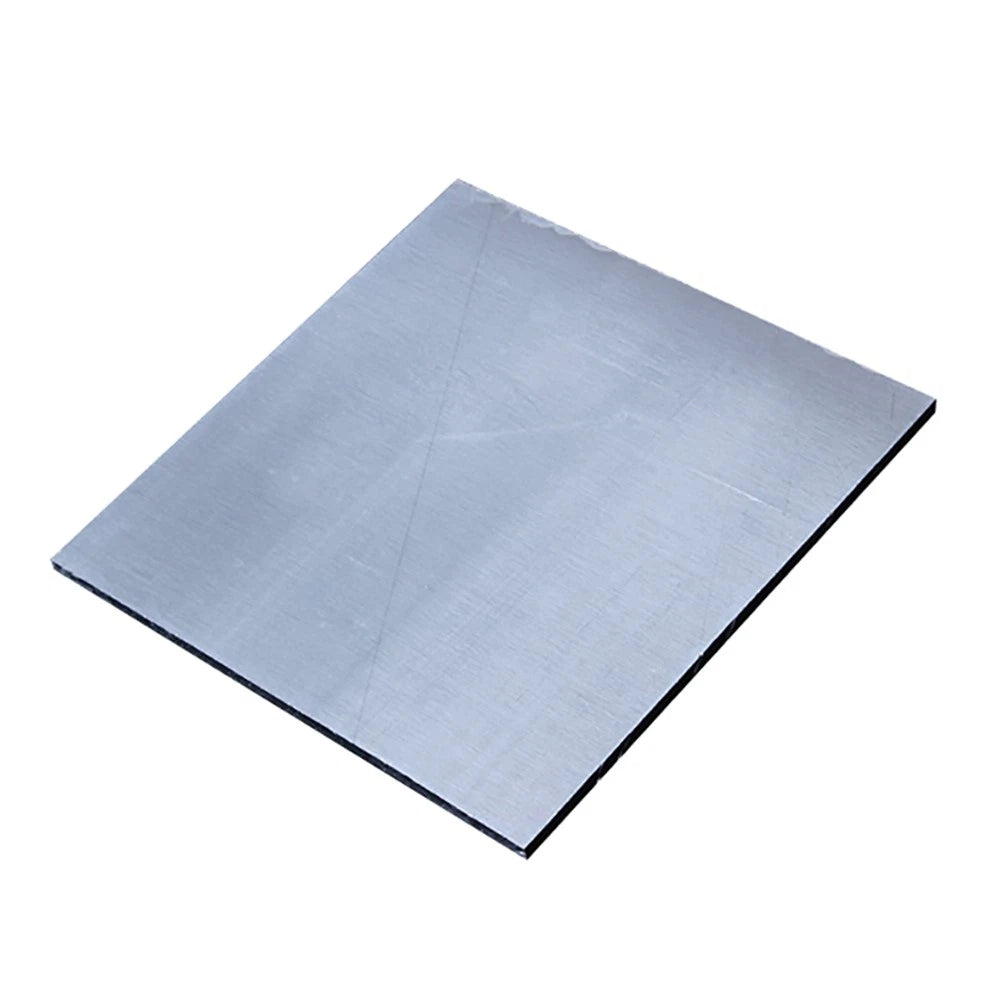
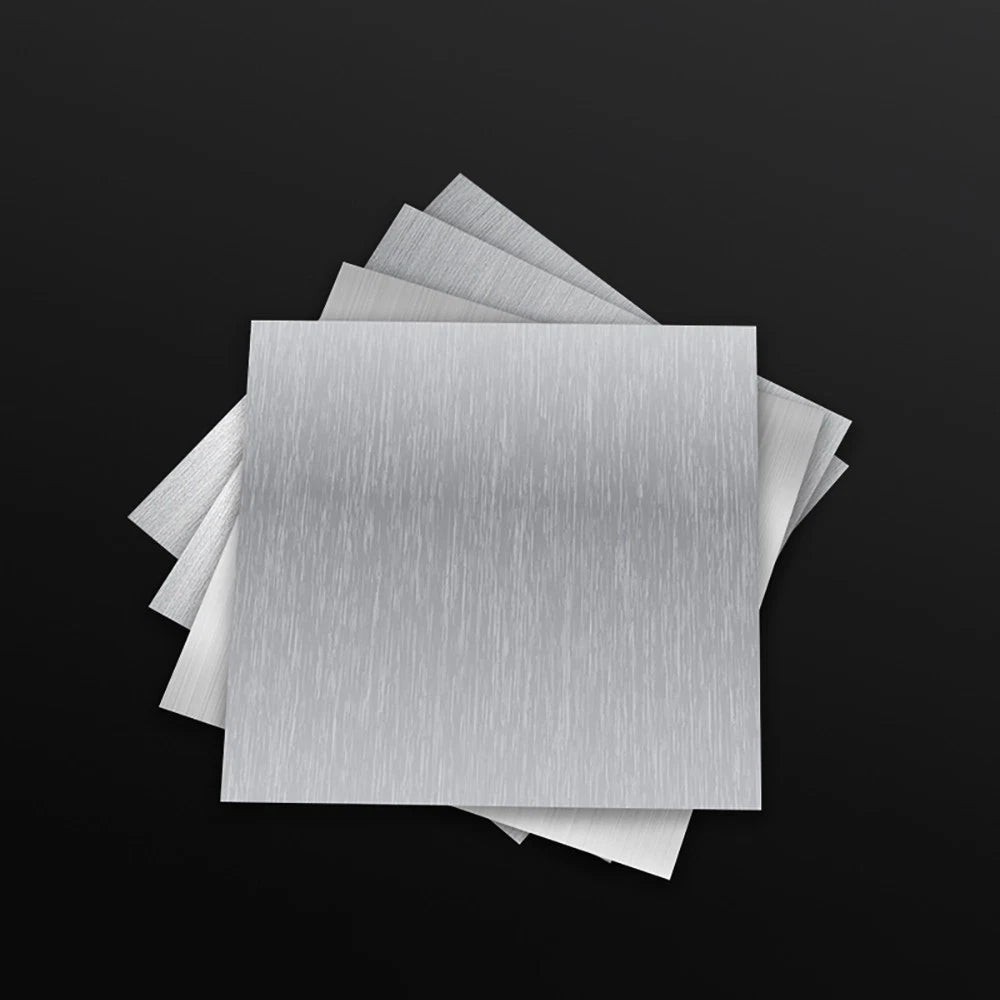
When a repair calls for a precise metal patch, a fabrication job demands a flat, warp-free blank, or a workshop build requires a reliable structural panel, sourcing the right aluminum sheet in the right thickness and size can be frustrating. These aluminum sheets are stocked in a wide matrix of thicknesses (0.5 mm through 6 mm) and panel sizes (50 mm × 50 mm up to 300 mm × 300 mm) so that DIYers, hobbyists, and trade professionals can order exactly what they need without cutting waste or paying for oversized stock.

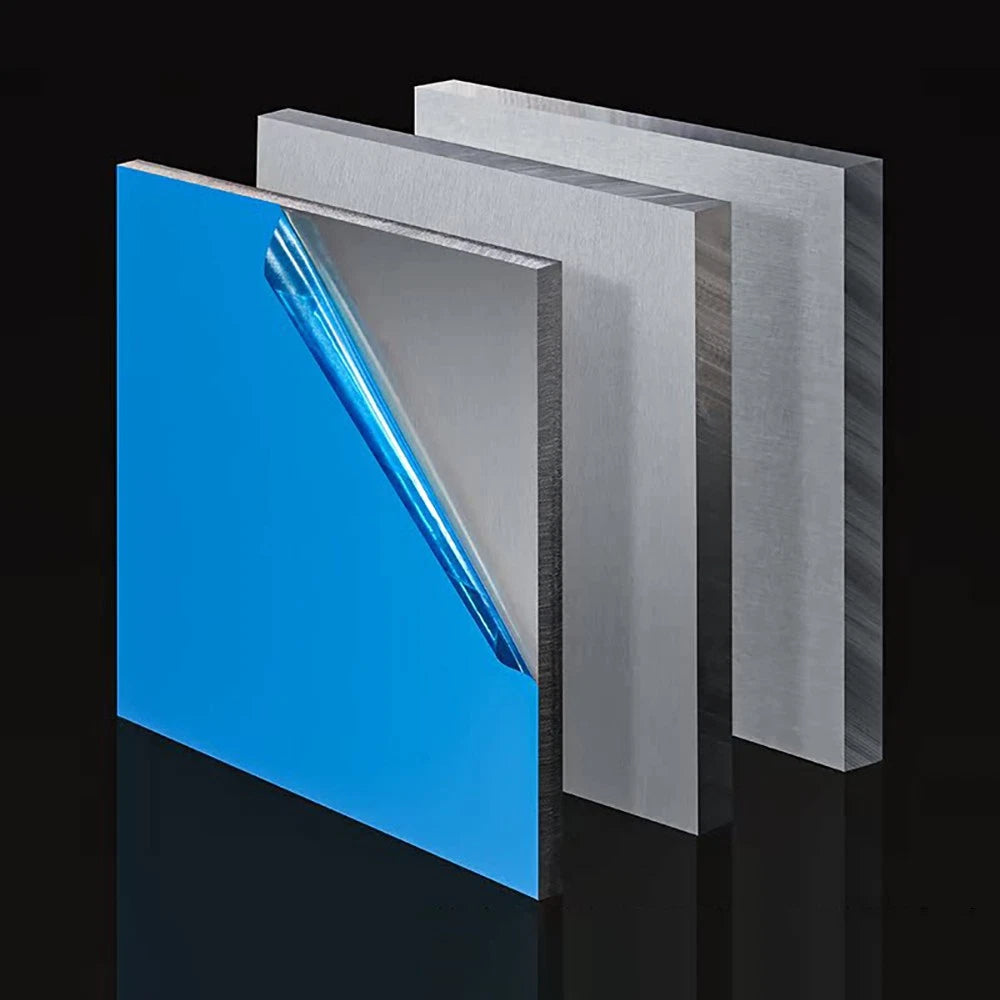
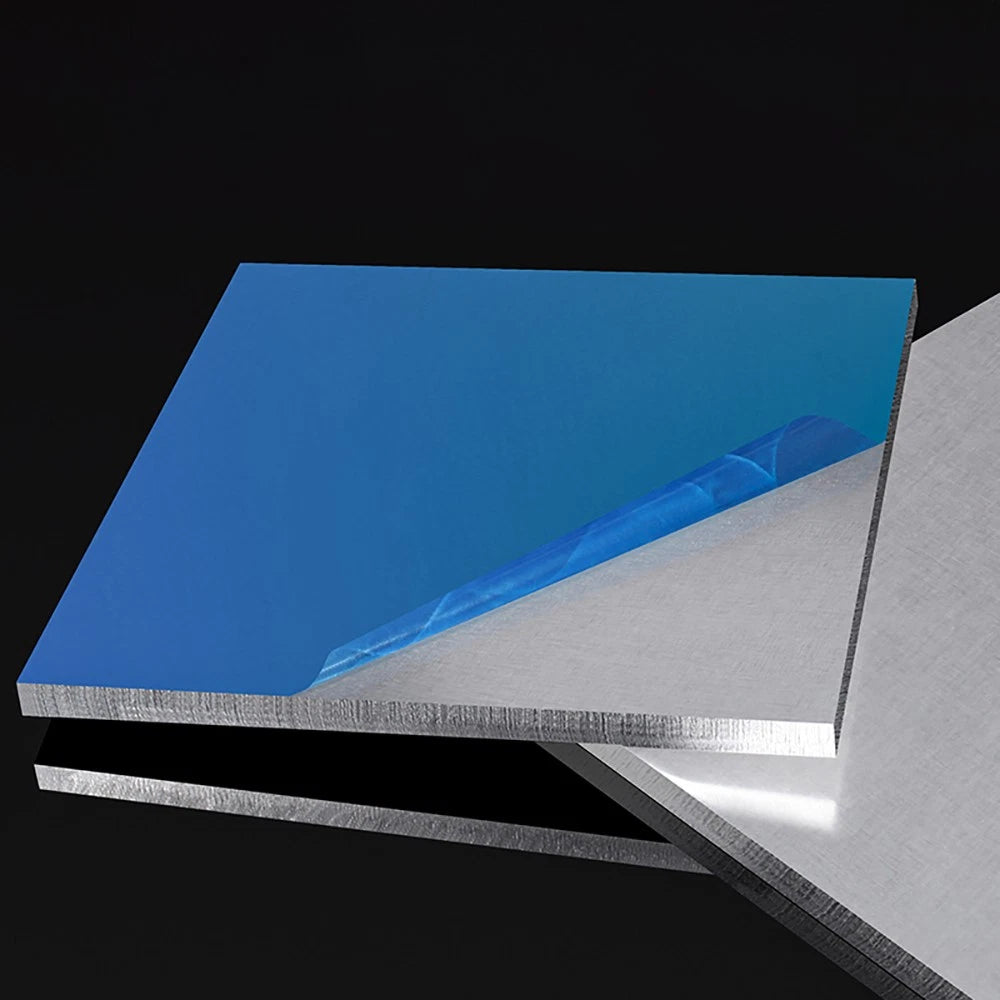
Each sheet is supplied in either 5052 aluminium or 6061-T6 aluminium. 5052 alloy offers excellent corrosion resistance and formability, making it well suited to marine environments, enclosures, and sheet-metal bending work. 6061-T6 is a heat-treated structural alloy with higher tensile strength, preferred for load-bearing brackets, jigs, and precision machined parts. Panel dimensions range from 50 mm × 50 mm (approx. 2" × 2") to 300 mm × 300 mm (approx. 11.8" × 11.8"), and thickness options span 0.5 mm (approx. 0.020") to 6 mm (approx. 0.236"), covering both thin shim stock and solid structural plate.

Typical applications include fabricating custom mounting brackets and chassis panels, patching or reinforcing sheet-metal assemblies, creating heat-sink blanks and electronic enclosures, building jigs and fixtures in the home workshop, and producing decorative or functional trim pieces for automotive and marine builds. Whether you need a single 6061-T6 plate for a structural repair or a pack of five 5052 shim blanks for a precision fit-up, these aluminum sheet metal plates for DIY projects deliver consistent flatness and clean-cut edges ready for drilling, tapping, or further machining.

⚙️ Compatibility Note: These flat aluminum plates are undrilled and uncoated. They are compatible with standard metalworking tools including drill presses, band saws, jigsaws with metal-cutting blades, and CNC routers. 6061-T6 is recommended where tapping or anodizing is required; 5052 is preferred for bending and forming applications.

✅ Key Features of These Aluminum Sheet Metal Plates

  • 📐Wide Thickness Range (0.5–6 mm) — Thirteen thickness options from ultra-thin 0.5 mm shim stock to solid 6 mm structural plate, covering the full spectrum of light fabrication to heavy-duty applications.
  • 📏Six Panel Sizes Available — Choose from 50 × 50 mm up to 300 × 300 mm (approx. 2" × 2" to 11.8" × 11.8") to minimise offcut waste and match your project footprint precisely.
  • 🔩Two Alloy Grades — 5052 aluminium for corrosion-resistant, formable sheet work; 6061-T6 heat-treated alloy for structural strength, machinability, and thread-tapping performance.
  • 🛡️Corrosion-Resistant Surface — Both alloys carry inherent oxide-layer protection. 5052 excels in humid or salt-air environments; 6061-T6 accepts anodizing for additional surface durability.
  • ✂️Clean-Cut, Flat Blanks — Panels are supplied with straight, burr-minimised edges and consistent flatness, reducing prep time before drilling, milling, or bending.
  • 📦Multi-Pack Options — Smaller panels (50 × 50 mm and 100 × 100 mm) are available in packs of 2 or 5 pieces, ideal for batch repairs, prototyping runs, or keeping spare stock on the bench.

📐 Technical Specifications — Aluminum Sheet Plates

Material / Alloy 5052 Aluminium or 6061-T6 Aluminium (see variant options)
Thickness Range 0.5 mm, 0.8 mm, 1 mm, 1.2 mm, 1.5 mm, 2 mm, 2.5 mm, 3 mm, 4 mm, 5 mm, 6 mm
Panel Width × Length 50×50 mm / 100×100 mm / 150×100 mm / 150×150 mm / 200×200 mm / 300×300 mm
Approximate Imperial Sizes ~2"×2" to ~11.8"×11.8"
Finish Mill finish (uncoated, undrilled)
Temper (6061) T6 (solution heat-treated and artificially aged)
Temper (5052) H32 (strain-hardened and stabilised)
Pieces per Pack See variant options
Weight per Unit See variant options
Surface Treatment None (bare metal, suitable for anodizing or painting)
Machinability 6061-T6: Good (drillable, tappable); 5052: Moderate (better for forming)
Weldability Both alloys are weldable using MIG or TIG processes

❓ Frequently Asked Questions

What is the difference between 5052 and 6061-T6 aluminium?

5052 aluminium is a non-heat-treatable alloy known for excellent corrosion resistance and superior formability. It bends cleanly without cracking, making it the preferred choice for enclosures, marine panels, and sheet-metal forming work. 6061-T6 is a heat-treated structural alloy with significantly higher tensile strength (typically 276 MPa vs 193 MPa for 5052-H32). It machines, drills, and taps more cleanly and is the better choice for load-bearing brackets, jigs, and parts that require threaded inserts or anodizing.

Which thickness should I choose for a structural bracket or mounting plate?

For light-duty mounting plates and non-load-bearing brackets, 2–3 mm in 6061-T6 is typically sufficient. For structural brackets that carry moderate loads or require tapped holes, 4–6 mm in 6061-T6 provides the rigidity and thread engagement depth needed. If the part will be bent rather than machined, use 5052 alloy and keep thickness at or below 3 mm for clean bend radii without cracking.

Can I bend these aluminum sheets without cracking?

5052 aluminium is specifically recommended for bending applications. It can be bent to tight radii (typically 1× to 2× the material thickness) without cracking when worked at room temperature. 6061-T6 is less formable in its hardened state and requires a larger bend radius (typically 3× to 6× the thickness) to avoid cracking. For tight bends in 6061, annealing the material first is advisable. Thinner gauges (0.5–1.5 mm) in either alloy are more forgiving than thicker plates.

Are these sheets suitable for outdoor or marine use?

Yes. Both alloys offer good corrosion resistance due to aluminium's natural oxide layer. 5052 is the superior choice for marine and coastal environments, as it is specifically rated for salt-water exposure and resists pitting corrosion more effectively than 6061. For outdoor structural applications where strength is the priority, 6061-T6 with an anodized or painted finish performs well. Neither alloy requires a primer coat for general outdoor use, though a protective finish extends service life in harsh conditions.

What panel size should I order if I need a custom-cut shape?

Select the smallest panel size that fully contains your finished part dimensions, leaving at least 5–10 mm of margin on each edge for clamping and cutting allowance. For example, if your finished part is 85 mm × 85 mm, the 100 mm × 100 mm panel is the correct choice. If your part is rectangular (e.g., 130 mm × 85 mm), the 150 mm × 100 mm panel fits with minimal waste. Ordering multi-packs of smaller panels is cost-effective for prototyping multiple iterations of the same part.

Can I drill and tap threads directly into these sheets?

Yes, both alloys can be drilled with standard HSS or carbide drill bits using cutting fluid. For tapping threads, 6061-T6 is strongly preferred — its higher hardness provides better thread engagement and the tapped threads hold torque more reliably. A minimum sheet thickness of 3 mm is recommended for M3 threads, and 4–6 mm for M4–M6 threads to achieve adequate thread depth. 5052 can be tapped but the softer alloy may strip under high torque; thread inserts (Helicoils) are advisable for frequently removed fasteners in 5052.

How do I decide between ordering a single piece or a multi-pack?

If you are making a one-off repair or prototype, a single piece is the most economical choice. Multi-packs of 2 or 5 pieces offer a lower per-unit cost and are practical when you need identical blanks for batch production, want spare material for test cuts before working the final piece, or are stocking your workshop for recurring repair jobs. Packs of 5 are available for the 50 × 50 mm panel size across most thicknesses, making them ideal for shim stock or small bracket fabrication runs.

🛒 Select your Material, Size, and Thickness above, then add to cart.

You may also like

Recently viewed