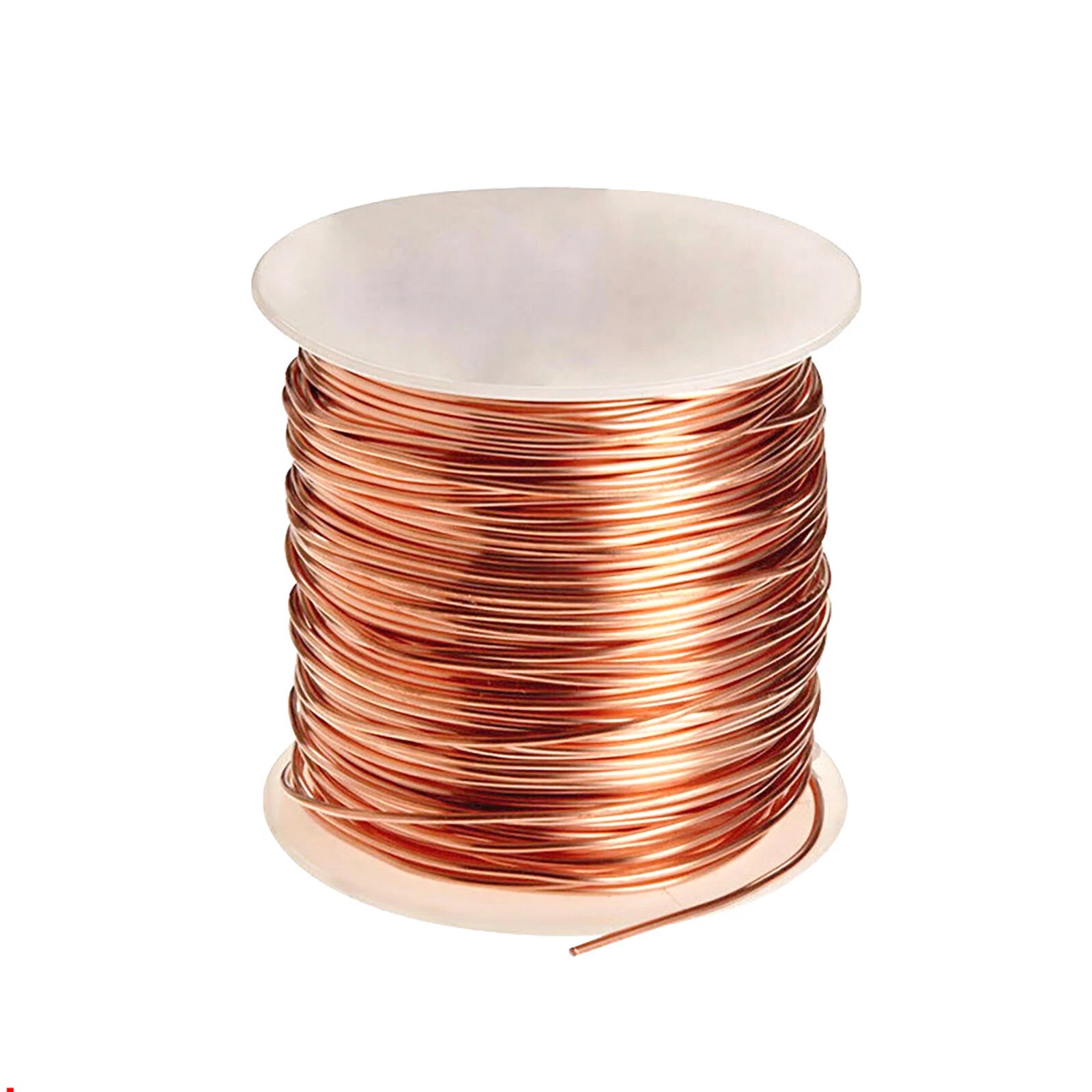
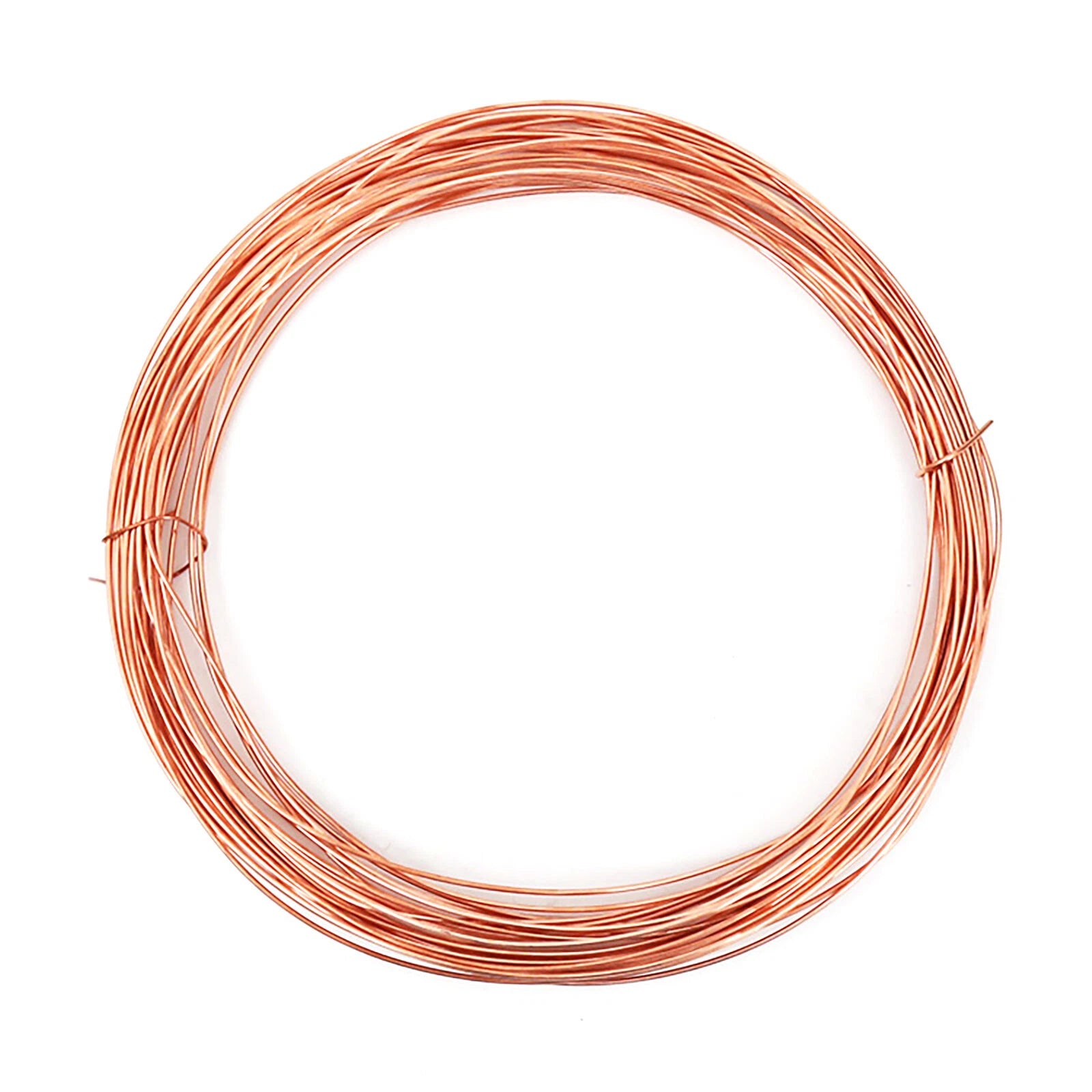
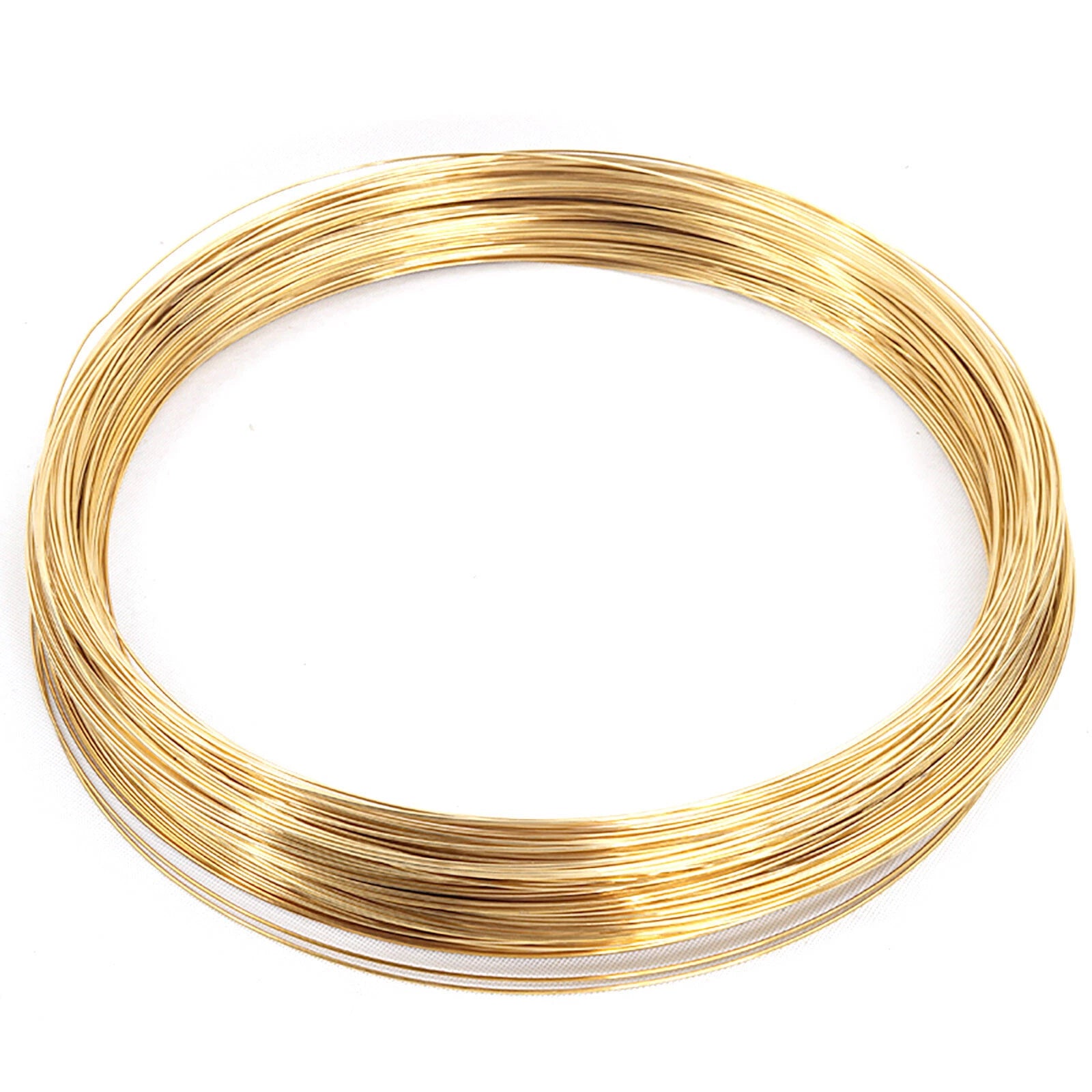
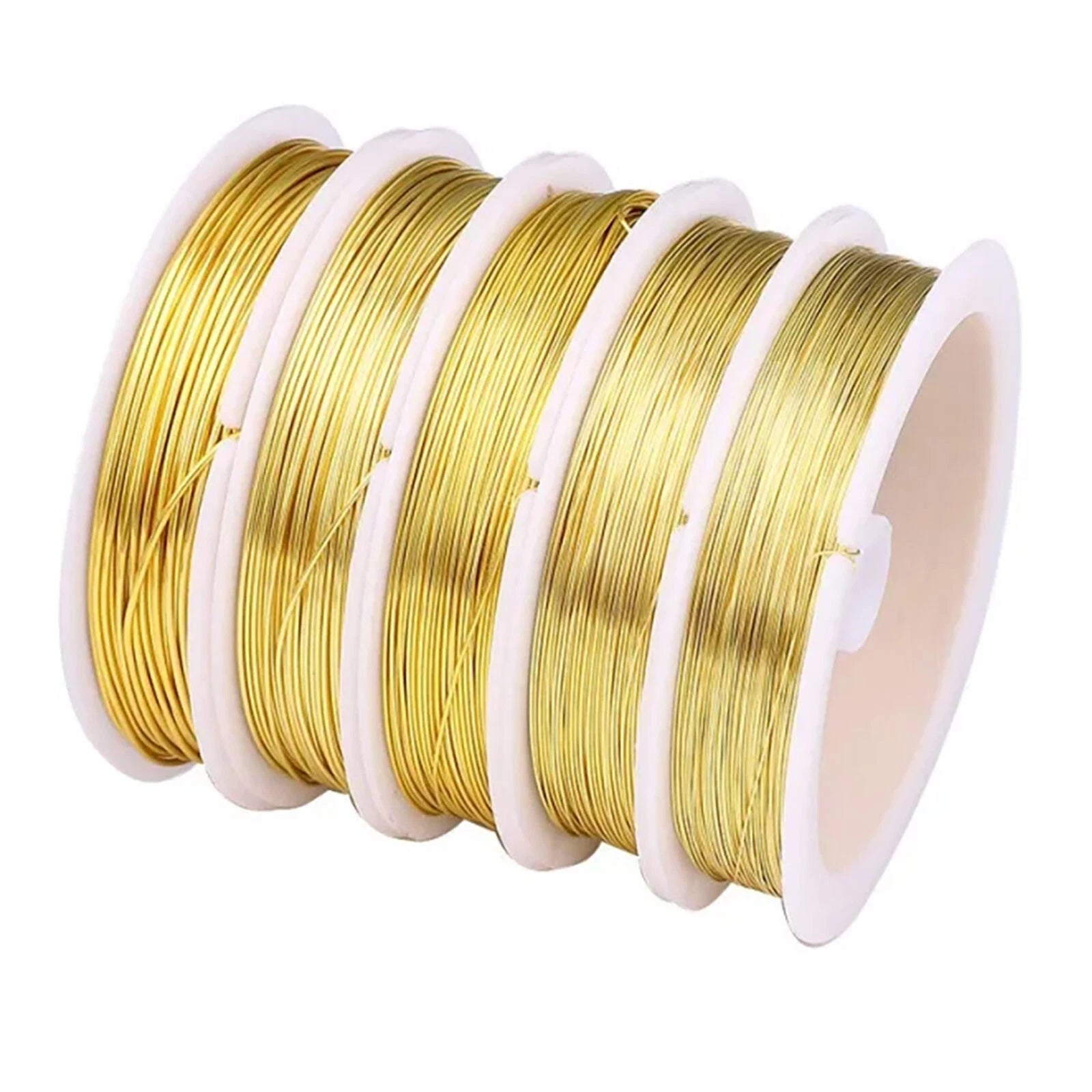
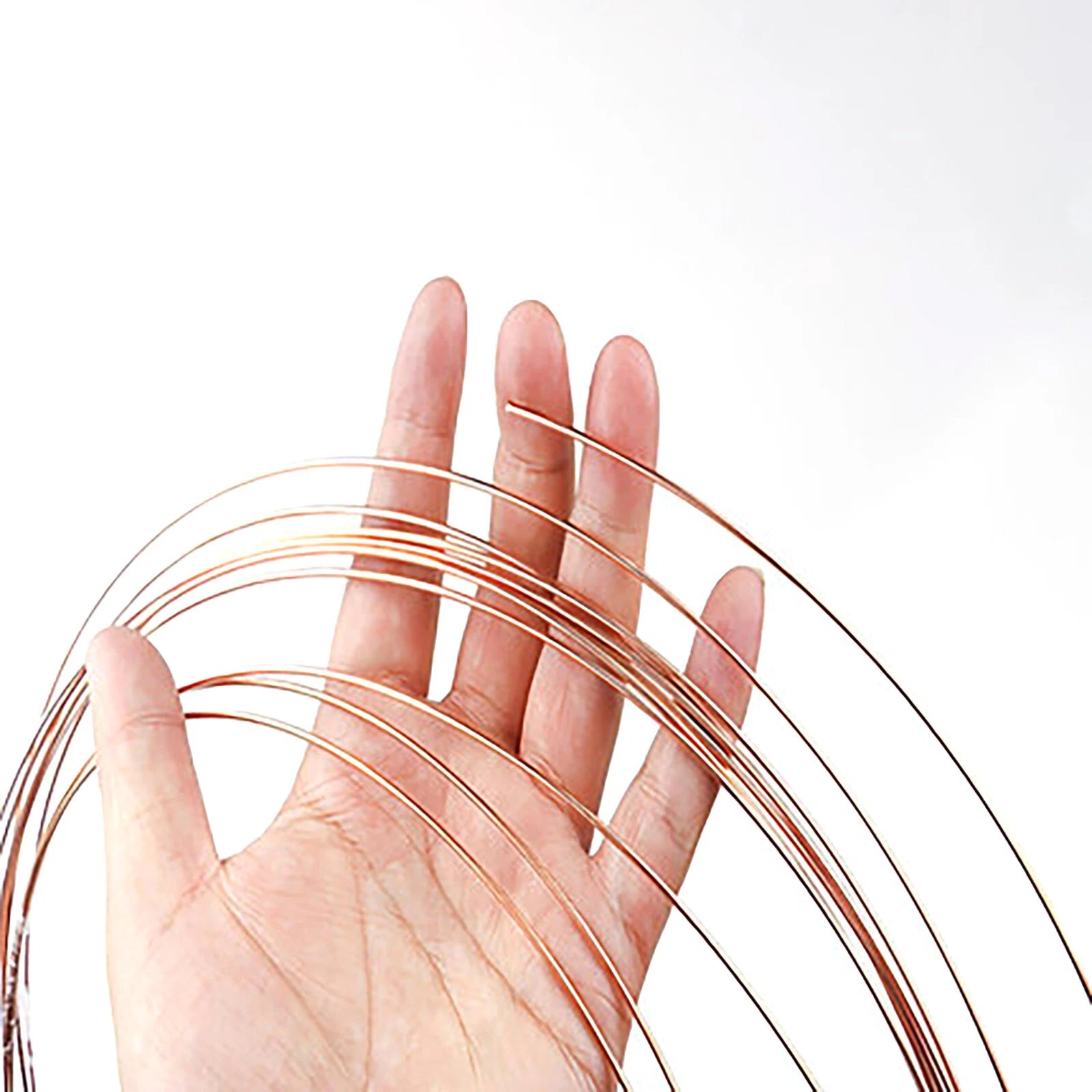
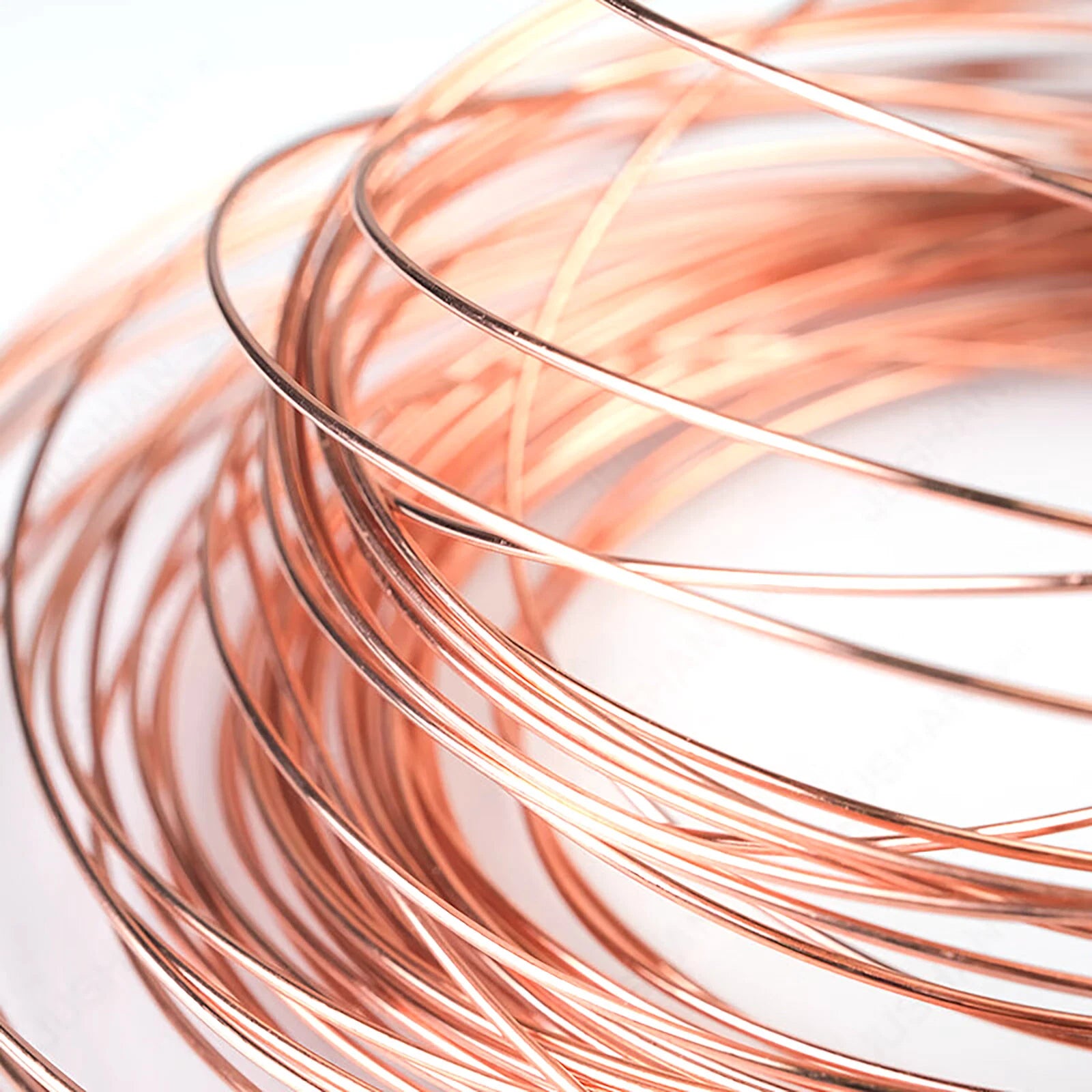
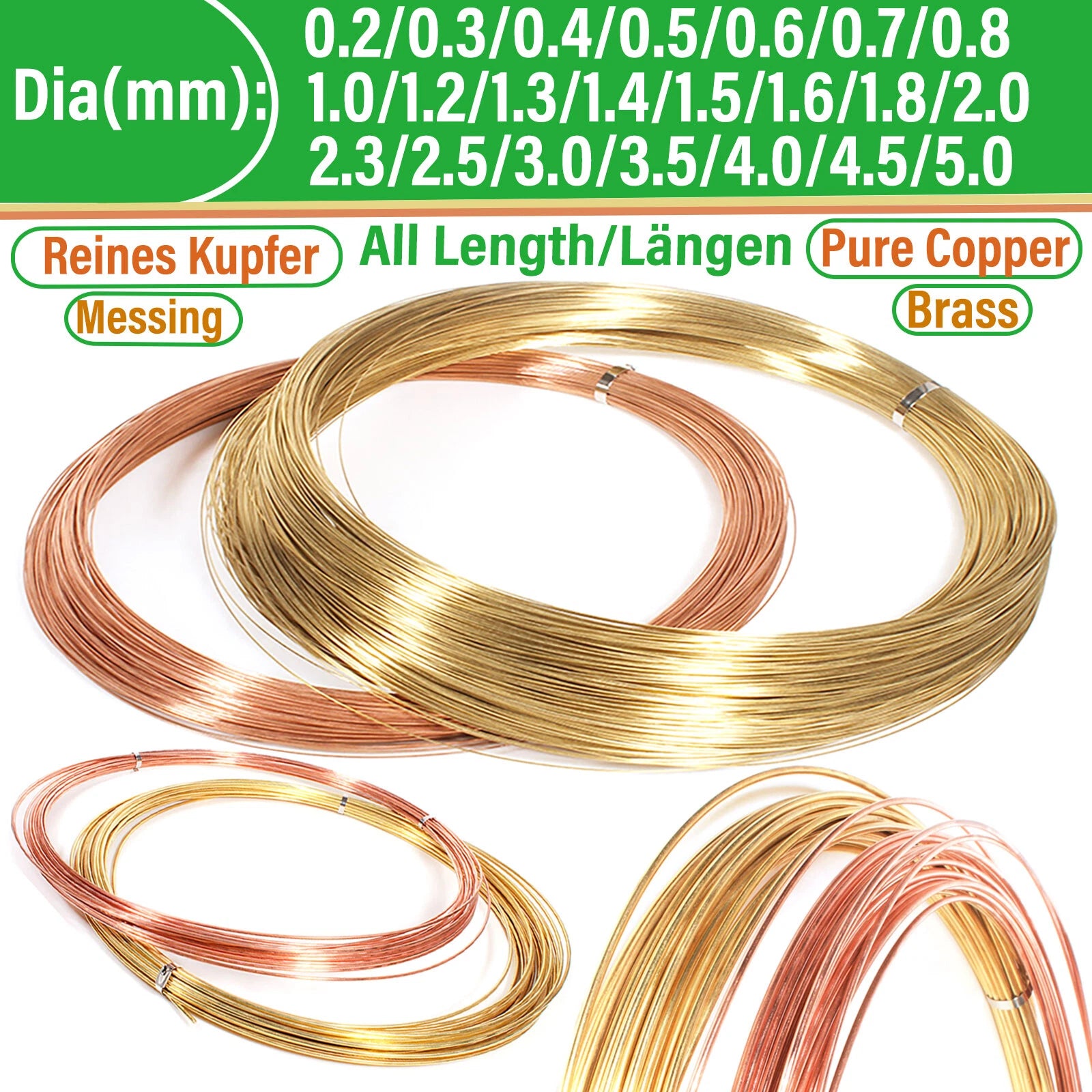
Brass/Pure Copper Pure Bare Copper Wire Wire Bonsai Jewellery Craft Cu 0.2~0.5mm

Keine Bewertungen

Preis:
Sonderpreis$3.98 USD
Lagerbestand:
Verfügbar (500 Stück), versandbereit

Payment & Security

Ach Direct Debit Amazon American Express Apple Pay Bancontact Diners Club Discover Google Pay iDEAL Wero Mastercard PayPal Shop Pay USDC Visa

Deine Zahlungsinformationen werden sicher verarbeitet. Wir speichern keine Kreditkartendaten und haben auch keinen Zugang zu deinen Kreditkartendaten.

Quantity Discount Promotion
🎯 BULK DISCOUNT: Buy More, Save More!
Buy 2 Items
5% OFF
Buy 4 Items
10% OFF
Buy 6 Items
15% OFF
Expert

DIY Expert Support

Get fitment advice & recommendations

Mon-Fri, 8:30AM-8PM
24-Hour Fast Ship
🚚
Arrives in 3-14 days
🌍
Global Reach
↩️
30-Day Returns
🌱 1 tree planted with every purchase

Beschreibung

Brass & Pure Copper Craft Wire — Flexible, Bare Metal Wire for Bonsai, Jewellery & Craft

When your bonsai branch refuses to hold its shape, or your jewellery design calls for a wire that bends cleanly and stays put, generic wire just doesn't cut it. Makers, hobbyists, and jewellers who work with metal regularly know that material consistency and diameter accuracy are what separate a finished piece from a frustrating one. This listing offers bare brass and pure copper craft wire in a wide range of diameters and lengths, chosen specifically for hands-on creative and horticultural work.

Available in two materials — Brass (a warm gold-yellow alloy) and Pure Copper (a reddish-brown, high-conductivity metal) — with wire diameters spanning 0.2 mm (~0.008 in) to 5 mm (~0.197 in), and spool lengths from 1 m up to 50 m. Both materials are supplied bare (uncoated), giving you a clean surface ready for bending, wrapping, soldering, or patination.

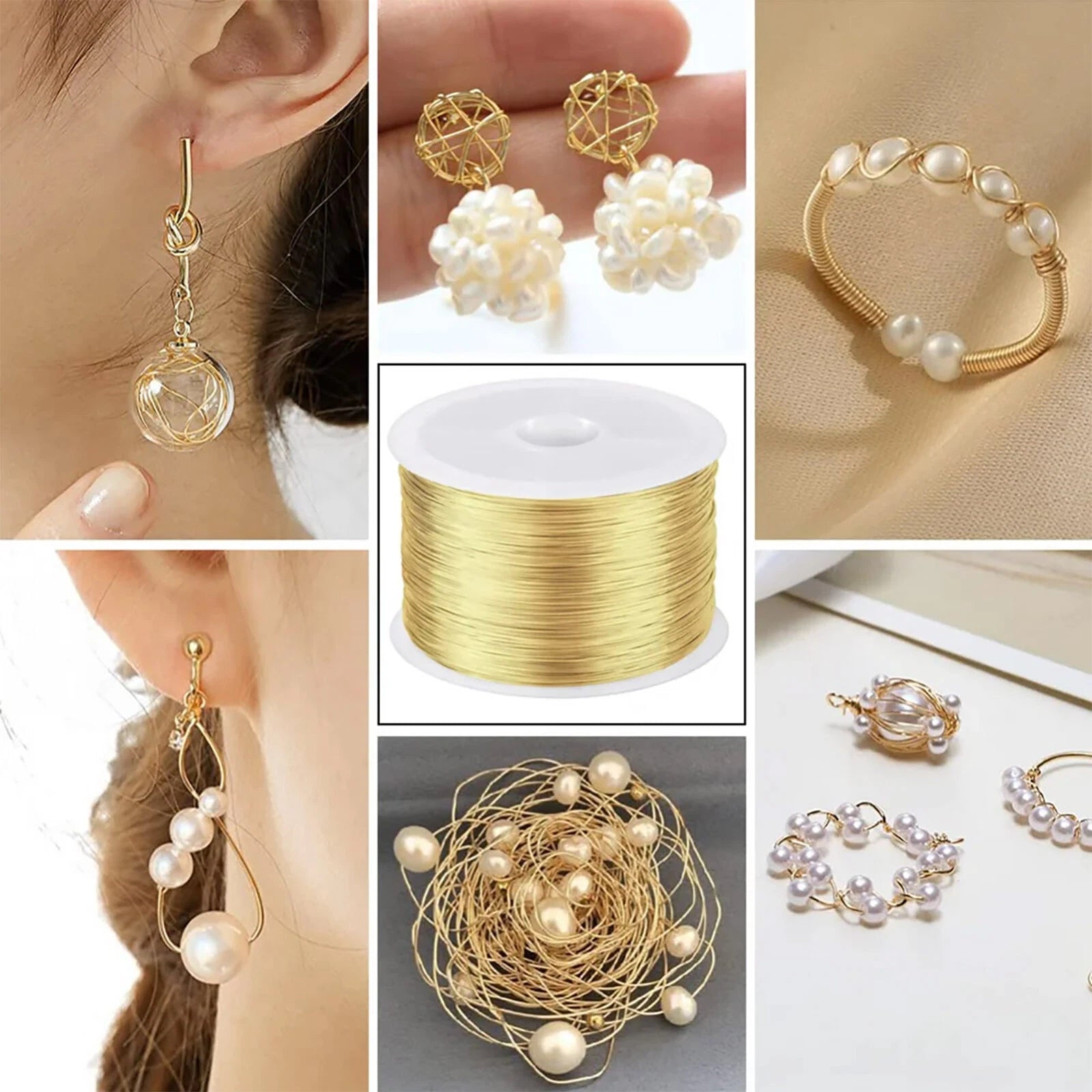
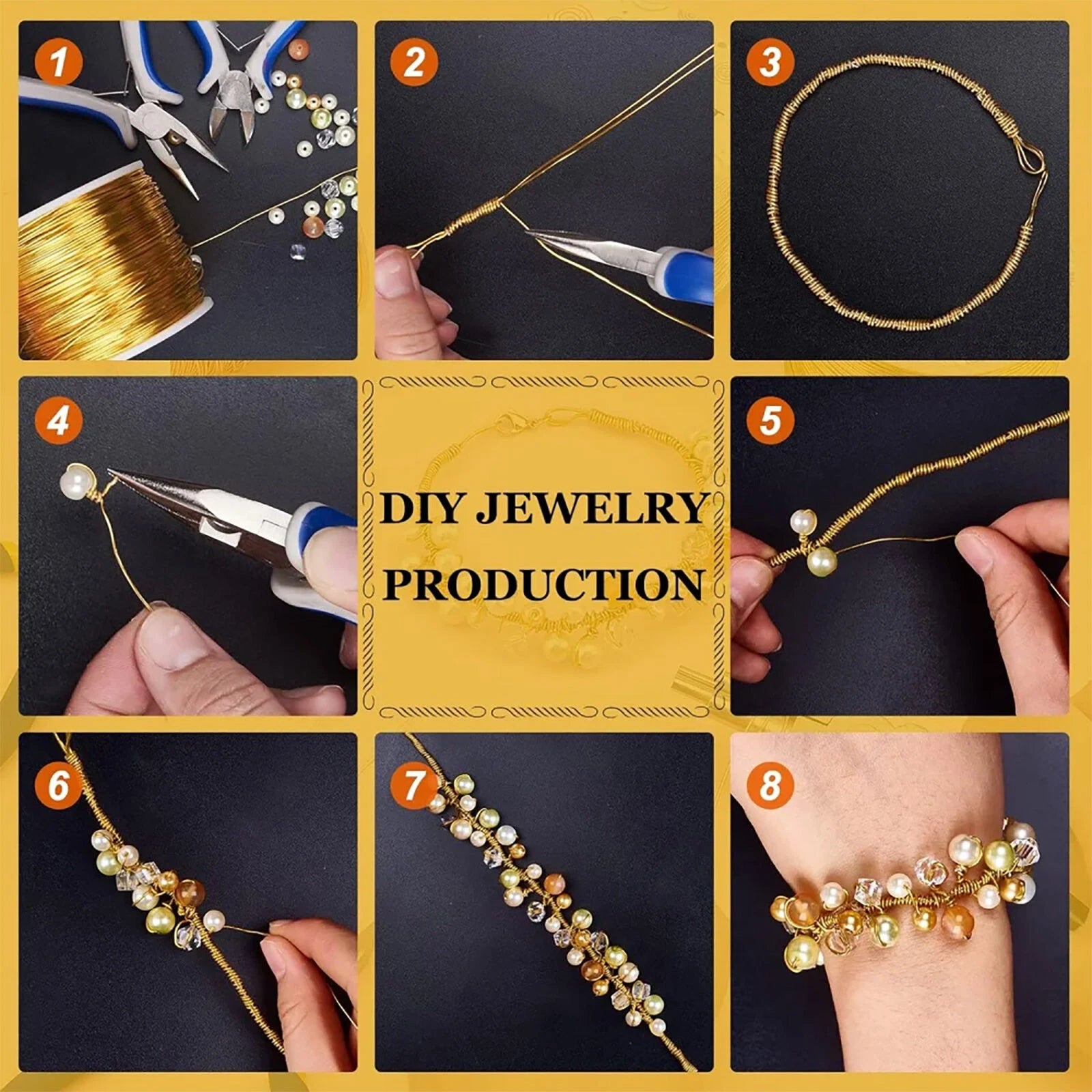
Typical applications include bonsai tree training wire for guiding branch direction, hand-formed jewellery components such as rings, pendants, and ear wires, sculptural wire art and armature building, electrical grounding leads and craft electronics, and macramé or textile embellishment where a metallic accent is needed.

⚙️ Compatibility note: Brass wire is not suitable for direct skin contact in sensitive individuals due to zinc content. For hypoallergenic jewellery, select the Pure Copper option. Both materials are compatible with standard wire-working tools including round-nose pliers, flush cutters, and mandrels.

✅ Key Features of These Brass & Copper Craft Wires

  • Two distinct materials: Brass delivers a bright gold tone with good spring-back resistance; Pure Copper offers superior malleability and a warm reddish hue that develops a natural patina over time.
  • Wide diameter range: From ultra-fine 0.2 mm for delicate wrapping and coiling, up to robust 5 mm for structural bonsai training or heavy-gauge sculpture work.
  • Multiple spool lengths: Choose 1 m, 5 m, 10 m, 25 m, or 50 m to match your project scale — from a single pendant to a full bonsai season's supply.
  • Bare, uncoated surface: No lacquer or enamel coating means the wire accepts solder, patina chemicals, and adhesives without pre-treatment stripping.
  • Consistent round cross-section: Uniform diameter throughout the spool ensures predictable bend radius and even tension when wrapping or coiling.
  • Versatile application range: Suitable for bonsai shaping, jewellery fabrication, wire sculpture, macramé accents, craft electronics, and general metalworking projects.

📐 Technical Specifications — Brass & Copper Craft Wire

Material Options Brass; Pure Copper
Wire Diameter Range 0.2 mm – 5 mm (see variant options)
Available Lengths 1 m, 5 m, 10 m, 25 m, 50 m
Cross-Section Round
Surface Finish Bare / uncoated
Brass Colour Gold / Yellow
Copper Colour Reddish-Brown
Temper / Hardness See variant options
Conductivity (Copper) Electrically conductive — suitable for grounding leads
Conductivity (Brass) Moderate — not recommended for primary electrical circuits
Suitable Uses Bonsai training, jewellery making, wire sculpture, macramé, craft electronics
Packaging Coiled spool

❓ Frequently Asked Questions

Which diameter should I choose for bonsai training?

A general rule is to select a wire diameter approximately one-third the thickness of the branch you are training. For young, flexible shoots (typically 3–6 mm thick), 1–2 mm wire is a common starting point. For thicker, more established branches, 2.5–5 mm wire provides the rigidity needed to hold the set position. Copper wire is preferred by many bonsai practitioners because it work-hardens slightly after bending, holding the branch more firmly than brass at the same diameter.

What is the difference between brass wire and pure copper wire?

Brass is an alloy of copper and zinc, giving it a bright gold-yellow colour and slightly higher stiffness. It is well-suited for decorative wire work, jewellery components, and craft projects where a gold tone is desired. Pure copper is softer and more malleable, making it easier to bend repeatedly without cracking. It also develops a natural green-brown patina over time, which many artists and bonsai growers find desirable. Copper is also electrically conductive, making it suitable for grounding or simple craft electronics.

Will the wire rust or corrode over time?

Neither brass nor copper will rust (rust is specific to iron-based metals). Copper will oxidise and develop a patina — ranging from dark brown to green — depending on exposure to air and moisture. This patina is stable and actually protects the underlying metal. Brass oxidises more slowly and retains its gold tone longer indoors. If you prefer to maintain a bright finish, a light coat of clear lacquer or jewellery sealant applied after forming will slow oxidation.

Is this wire suitable for jewellery that touches skin?

Pure copper wire is generally well-tolerated for most people in short-term skin contact, though some individuals may experience a temporary green tint on skin from copper oxidation — this is harmless. Brass contains zinc, which can cause reactions in people with zinc or nickel sensitivities. For sensitive skin or prolonged wear, pure copper is the safer choice, or consider applying a sealant to the finished piece. Neither material is considered hypoallergenic in the strict sense.

Can I solder or weld this wire?

Yes. Both brass and copper wire are solderable using standard soft solder (tin-lead or lead-free) with an appropriate flux. Copper solders readily with silver solder as well, making it popular for jewellery fabrication. Brass can also be silver-soldered but requires slightly higher heat. Because the wire is bare and uncoated, no stripping or pre-treatment is needed before soldering — simply clean the surface with flux and apply heat.

How do I choose between the available spool lengths?

For a single jewellery project or a small bonsai with a few branches, a 1 m or 5 m spool is typically sufficient. If you are training multiple trees through a growing season, or running a craft workshop, the 10 m, 25 m, or 50 m options offer a lower per-metre cost and reduce the need for frequent reordering. Larger diameter wires (3 mm and above) are used in shorter lengths per application, so a 5 m or 10 m spool often covers an entire bonsai season for one tree.

What tools do I need to work with this wire?

For fine diameters (0.2–1 mm), round-nose pliers, flat-nose pliers, and flush wire cutters are the standard toolkit for jewellery and wrapping work. For medium diameters (1.2–2.5 mm), bonsai wire cutters or heavy-duty flush cutters are recommended, along with concave branch cutters if you are working on trees. For the thicker gauges (3–5 mm), heavy-gauge wire cutters or bolt cutters may be needed, and a bench vise can help hold the wire while bending. Always wear eye protection when cutting wire under tension.

🛒 Select your Material, Wire Diameter, and Length above, then add to cart.

You may also like

Recently viewed