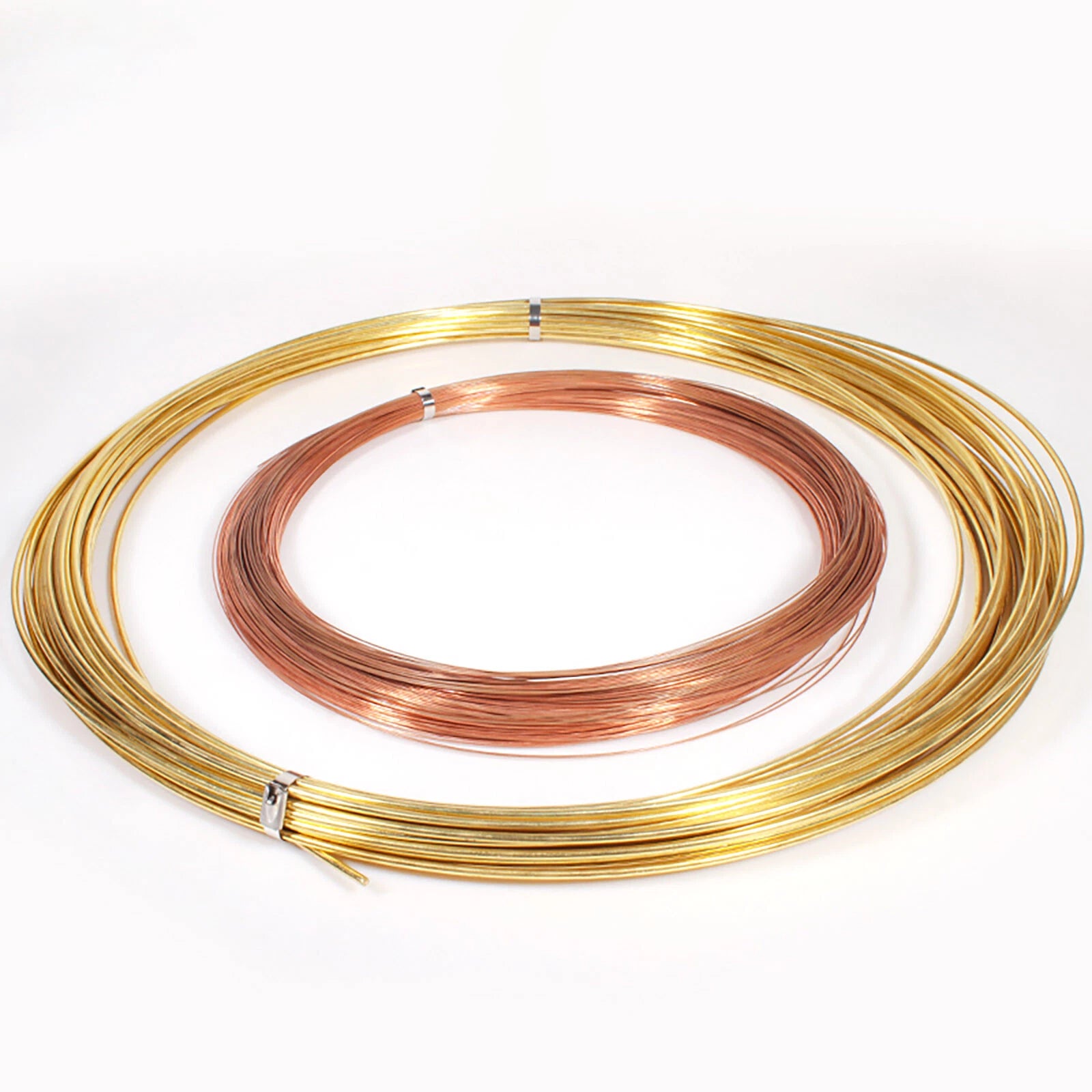
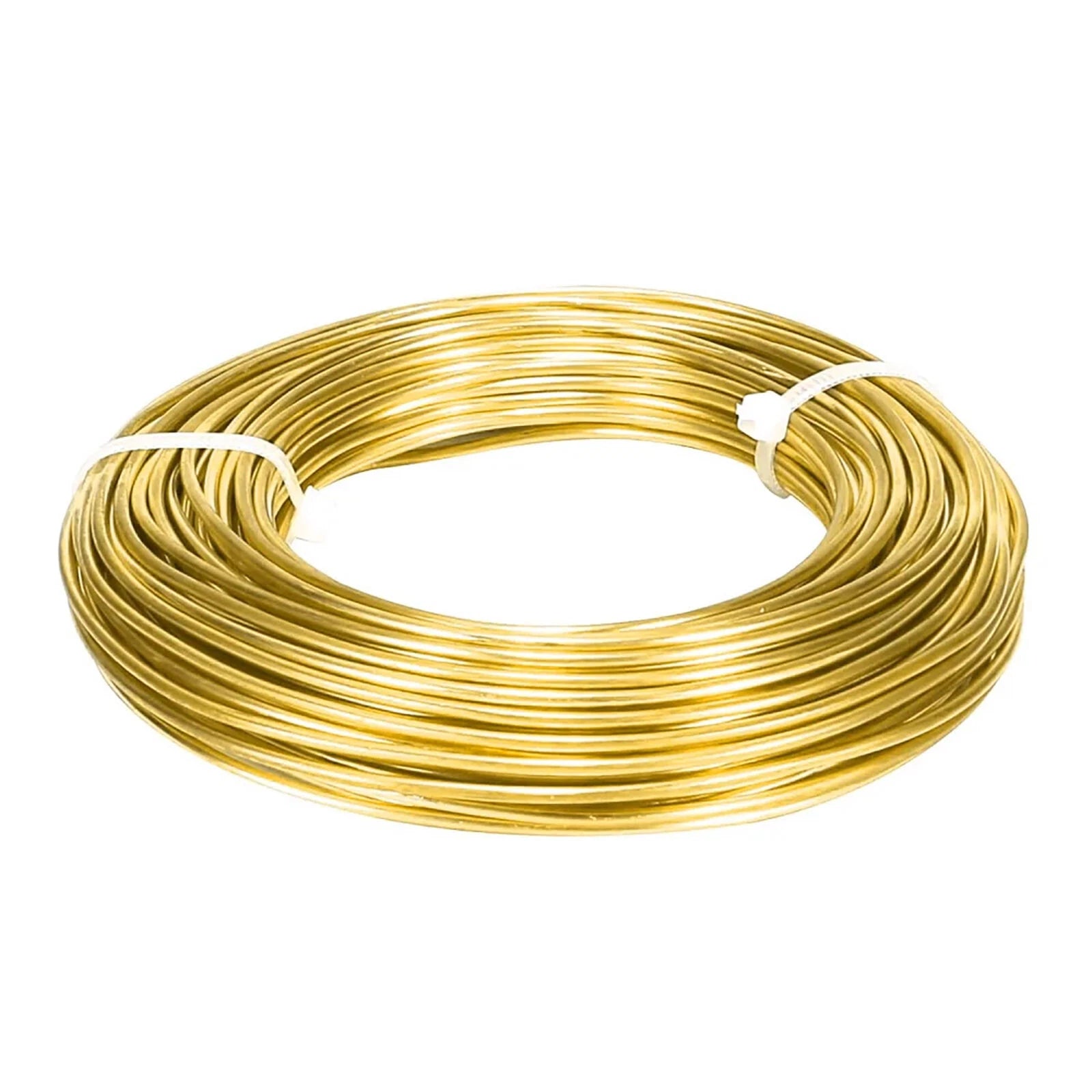
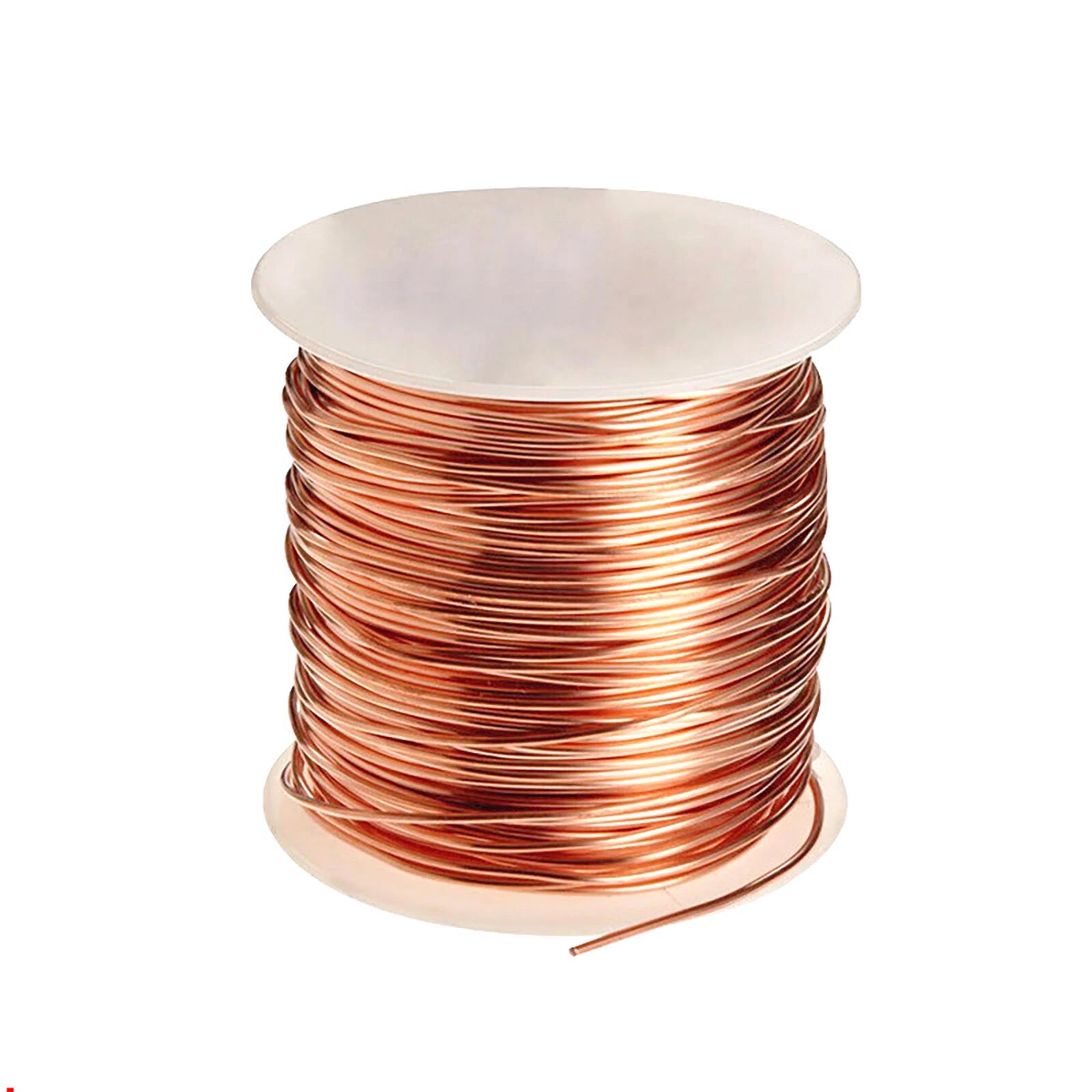
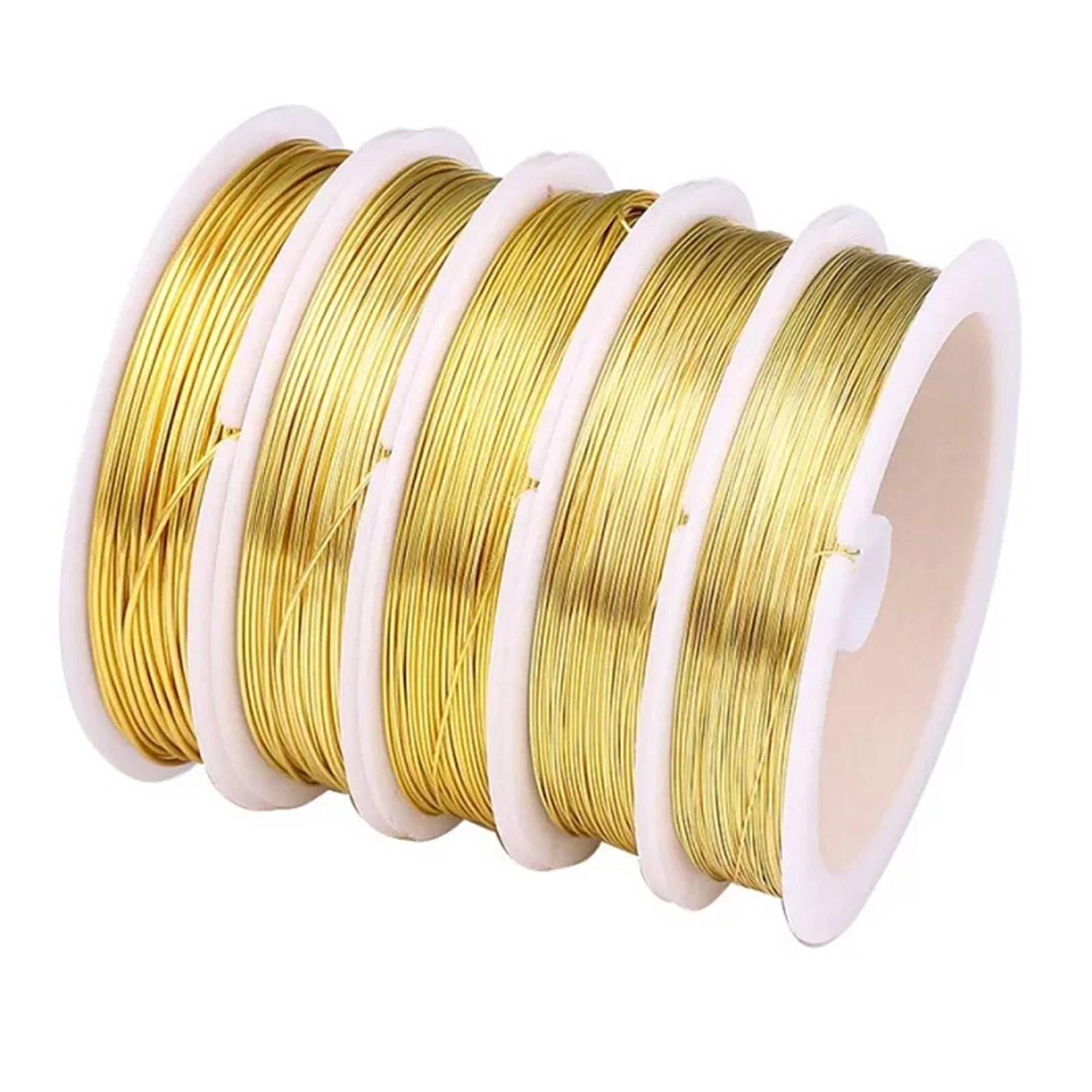
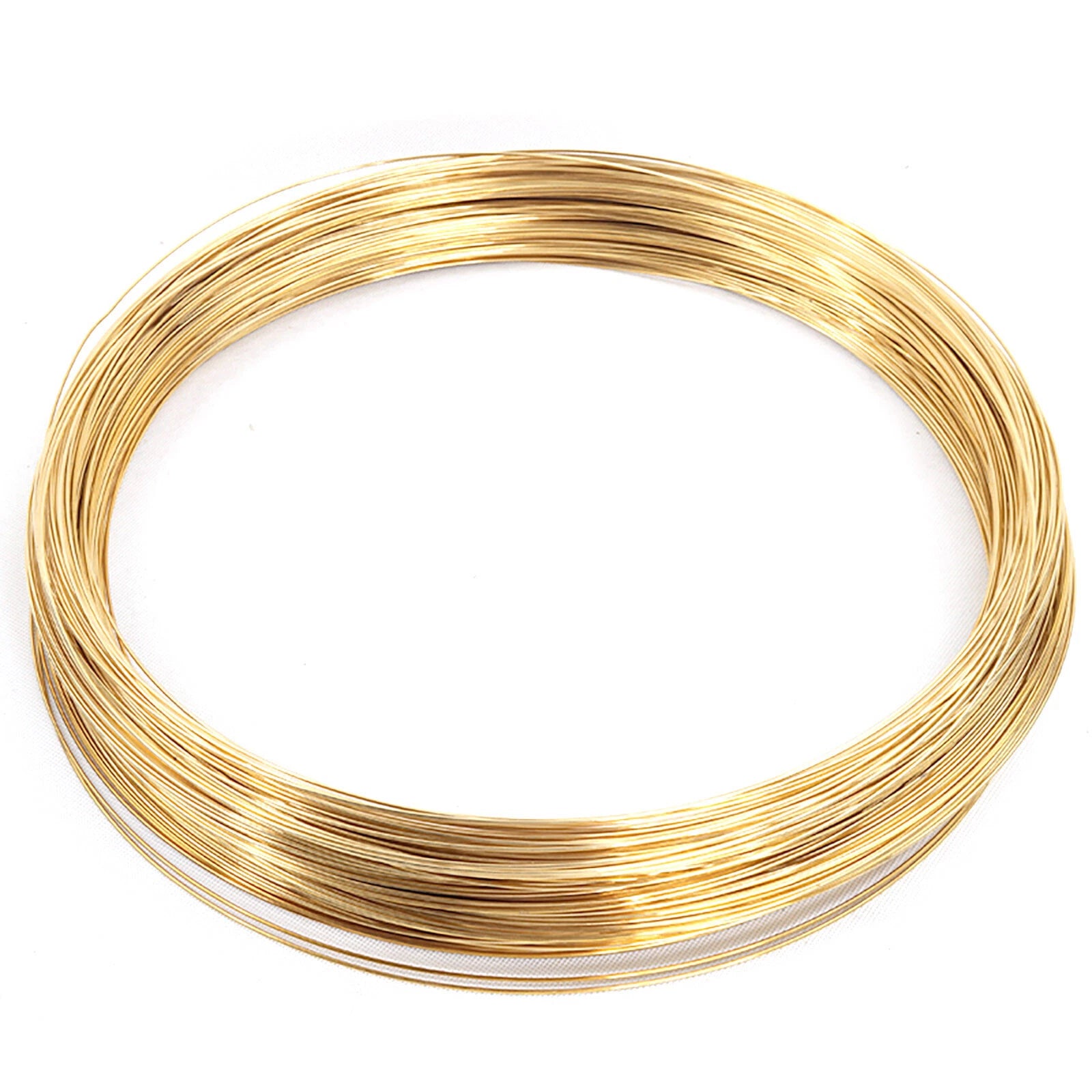
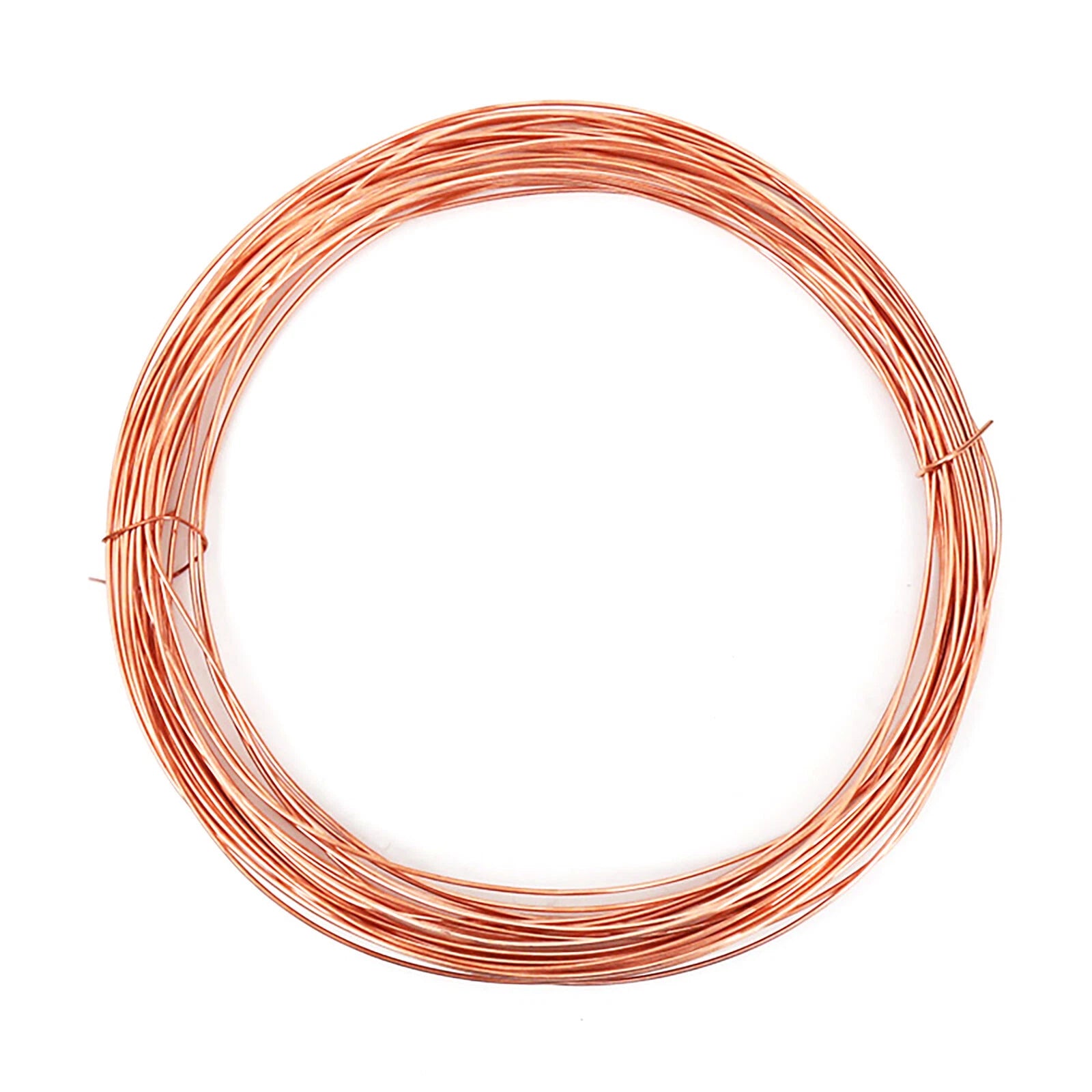
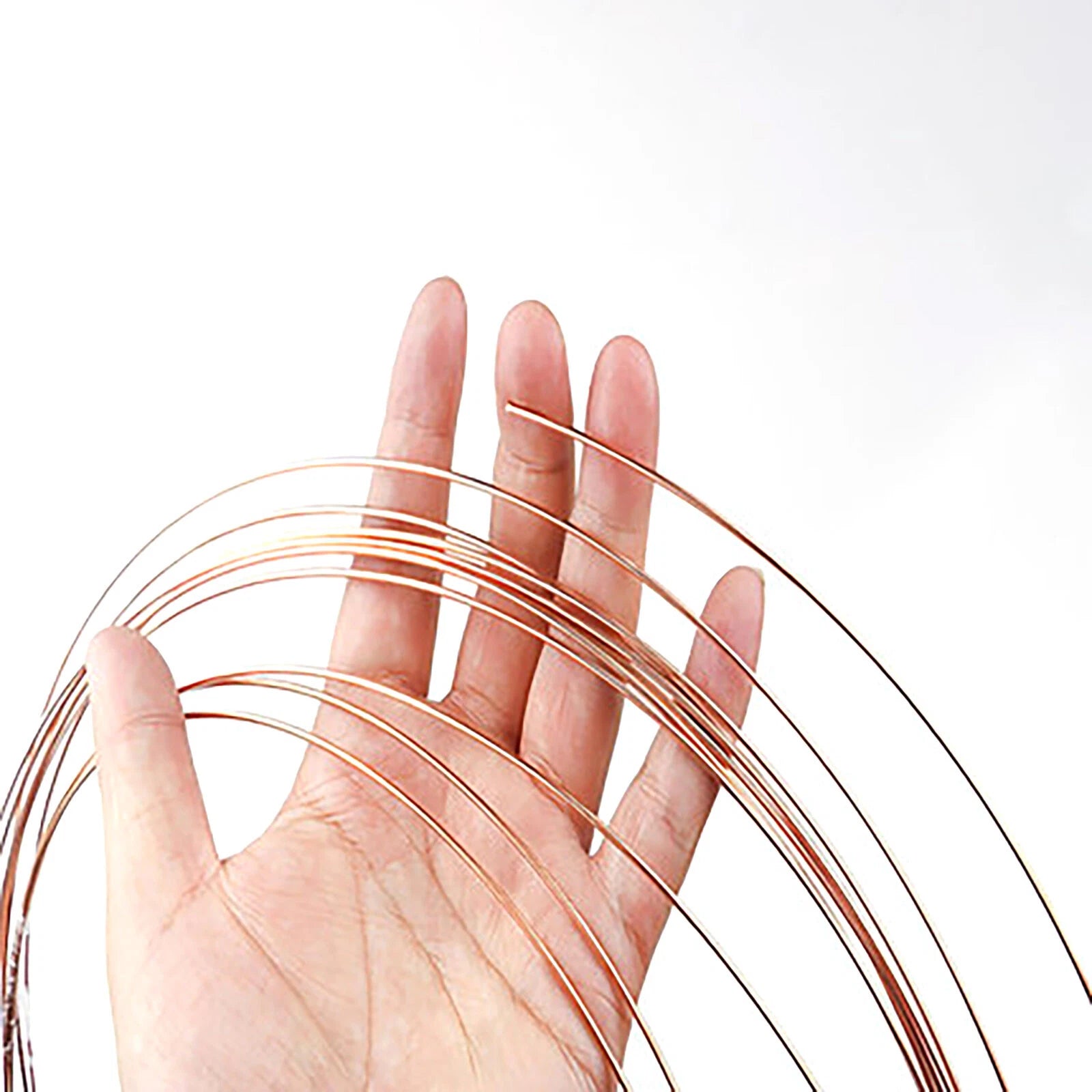
Brass/pure copper Round wire (Bare) jewellery/craft Art Models Floristry 0.2~5mm

Keine Bewertungen

Preis:
Sonderpreis$2.52 USD
Lagerbestand:
Verfügbar (500 Stück), versandbereit

Payment & Security

Ach Direct Debit Amazon American Express Apple Pay Bancontact Diners Club Discover Google Pay iDEAL Wero Mastercard PayPal Shop Pay USDC Visa

Deine Zahlungsinformationen werden sicher verarbeitet. Wir speichern keine Kreditkartendaten und haben auch keinen Zugang zu deinen Kreditkartendaten.

Quantity Discount Promotion
🎯 BULK DISCOUNT: Buy More, Save More!
Buy 2 Items
5% OFF
Buy 4 Items
10% OFF
Buy 6 Items
15% OFF
Expert

DIY Expert Support

Get fitment advice & recommendations

Mon-Fri, 8:30AM-8PM
24-Hour Fast Ship
🚚
Arrives in 3-14 days
🌍
Global Reach
↩️
30-Day Returns
🌱 1 tree planted with every purchase

Beschreibung

Bare Brass & Pure Copper Round Wire — Versatile Metal Wire for Jewellery, Craft & Floristry

When your project demands a wire that bends cleanly, holds its shape, and won't let you down mid-coil, finding the right gauge in the right material can be frustrating. Whether you're a jewellery maker hunting for a consistent bare brass wire for wire-wrapping, a model builder needing fine copper wire for structural detail, or a florist shaping armatures for floral installations, this listing gives you both materials and a full range of diameters in one place.

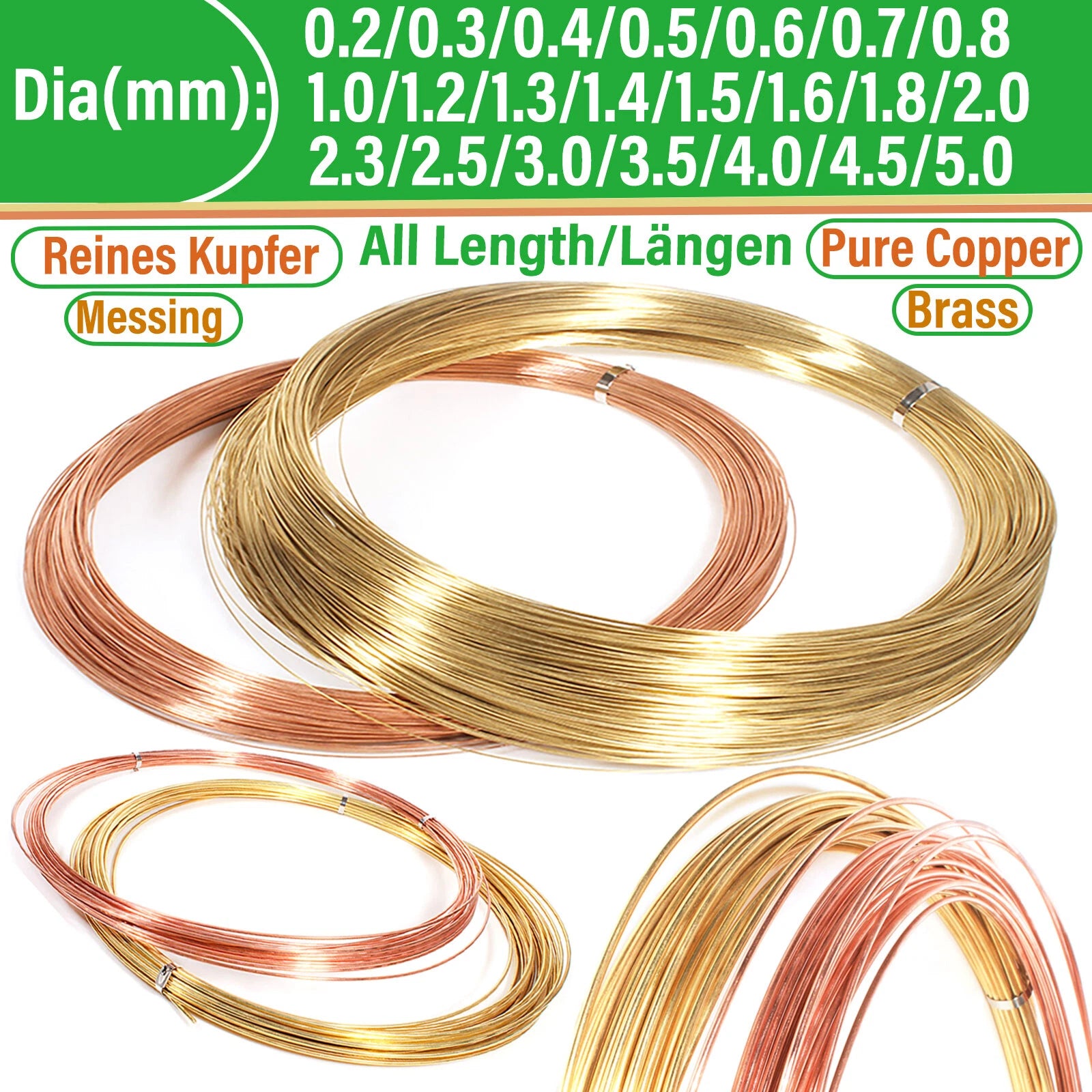
Each spool contains either bare brass wire or pure copper round wire — both uncoated and unplated — in diameters from 0.2 mm (approx. 0.008 in) up to 5 mm (approx. 0.197 in), available in lengths of 1 m, 5 m, 10 m, 25 m, and 50 m. Brass wire presents a warm gold-yellow tone; pure copper wire carries the characteristic reddish-orange hue. Both are supplied in a round cross-section profile with a smooth bare surface finish.

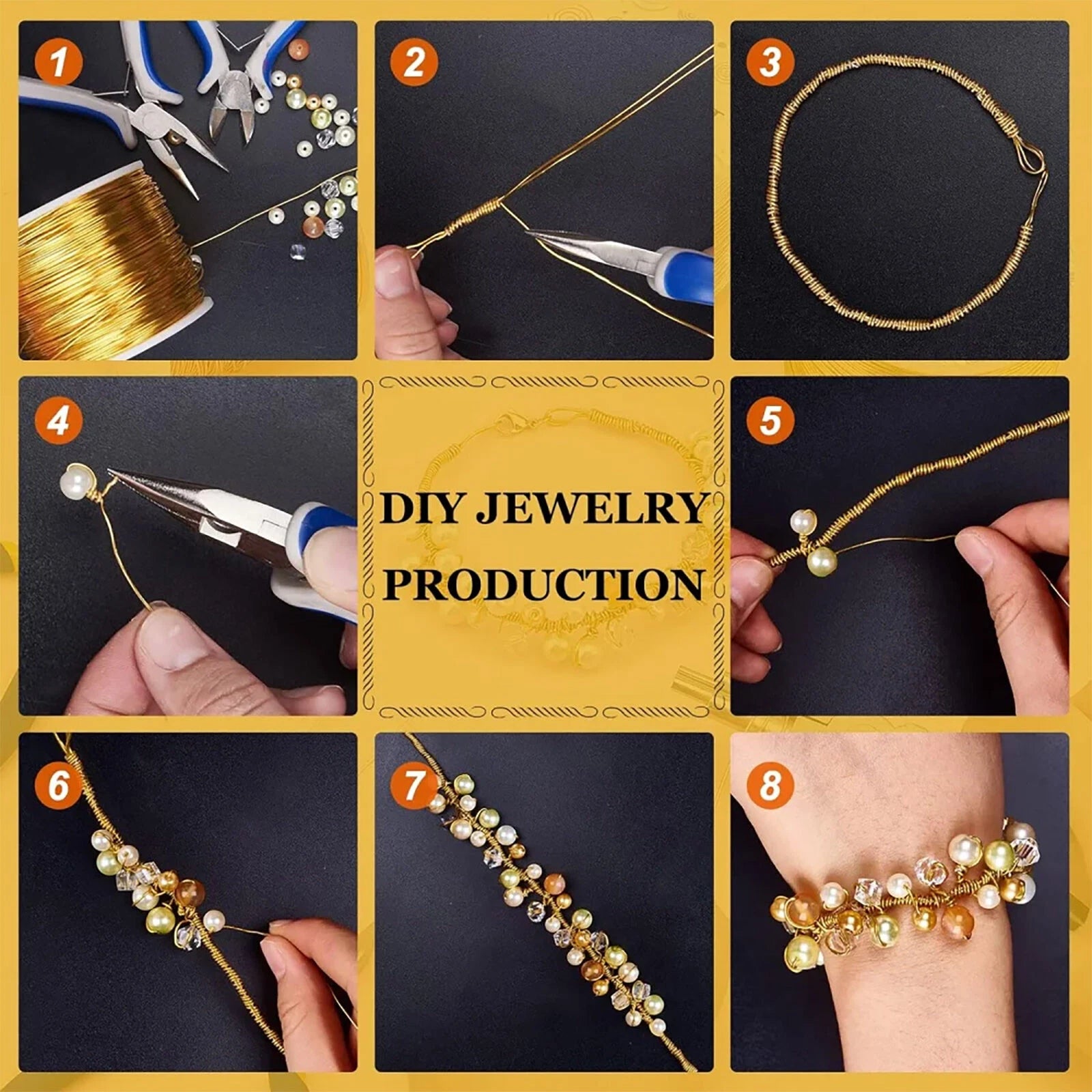
Typical applications include wire-wrapped jewellery and beading, sculptural art and mixed-media craft, scale architectural and engineering models, floristry armature and stem-wrapping, electrical hobby projects requiring bare conductive wire, and educational demonstrations of metal forming. The fine gauges (0.2–0.8 mm) suit intricate weaving and coiling, mid-range gauges (1–2 mm) handle structural loops and clasps, and heavier gauges (2.5–5 mm) are suited to rigid armature work and larger sculptural forms.

ℹ️ This wire is supplied bare (uncoated). It is not pre-tinned, enamelled, or insulated. Confirm your application requires bare wire before ordering.

✅ Key Features of These Bare Brass & Copper Round Wires

  • Two distinct materials: Choose bare brass (warm gold-yellow) or pure copper (reddish-orange) to match your project's aesthetic and conductivity requirements.
  • Wide diameter range: 0.2 mm to 5 mm covers fine jewellery weaving through to heavy sculptural armature — select the gauge that matches your bending and load requirements.
  • Multiple length options: Available in 1 m, 5 m, 10 m, 25 m, and 50 m cuts, so you can trial a short length or stock up for larger production runs without waste.
  • Round cross-section profile: Consistent circular profile throughout the length ensures even coiling, uniform loops, and predictable bending behaviour across all gauges.
  • Bare surface finish: No coating, plating, or lacquer — the wire can be soldered, oxidised, patinated, or left natural depending on your finishing process.
  • Cord/thread/wire type: Classified as jewellery cord and wire, making it directly compatible with standard wire-working tools including round-nose pliers, flat-nose pliers, and wire cutters.

📐 Technical Specifications — Bare Metal Round Wire

Material Options Brass / Pure Copper
Surface Finish Bare (uncoated, unplated)
Wire Profile Round
Colour — Brass Gold / Yellow
Colour — Pure Copper Red / Orange
Diameter Range 0.2 mm – 5 mm (approx. 0.008 in – 0.197 in)
Available Diameters (Brass) 0.3, 0.4, 0.5, 0.6, 0.8, 1, 1.2, 1.5, 1.8, 2, 2.5, 3, 4, 5 mm
Available Diameters (Pure Copper) 0.2, 0.3, 0.4, 0.5, 0.6, 0.7, 0.8, 1, 1.2, 1.4, 1.5, 1.6, 1.8, 2, 2.3, 2.5, 3, 3.5, 4, 4.5, 5 mm
Available Lengths 1 m, 5 m, 10 m, 25 m, 50 m
Wire Type Cord / Thread / Wire
Insulation None — bare wire
Typical Tensile Strength See variant options
Hardness / Temper See variant options

❓ Frequently Asked Questions

Which diameter should I choose for wire-wrapped jewellery?

For fine weaving, coiling, and binding, 0.2–0.5 mm gauges are most commonly used. For structural frame wires and loops that need to hold their shape under tension, 0.8–1.5 mm is a practical range. Heavier structural elements such as bangles or cuffs typically use 2–3 mm. If you are new to wire wrapping, a 0.5 mm or 0.8 mm gauge is a good starting point as it is workable by hand yet holds its form.

What is the difference between brass wire and pure copper wire in this listing?

Brass is an alloy of copper and zinc, giving it a gold-yellow colour and slightly higher stiffness compared to pure copper. Pure copper wire is softer and more ductile, making it easier to bend repeatedly without work-hardening as quickly. Copper also has higher electrical conductivity. Brass is often preferred for decorative jewellery and floristry where a gold tone is desired; copper suits applications where repeated bending, soldering, or electrical use is required.

Will this wire tarnish or corrode over time?

Both brass and copper are susceptible to natural oxidation when exposed to air and moisture. Copper will develop a reddish-brown patina that can deepen to green (verdigris) over time. Brass will darken to a deeper gold-brown. This is a natural characteristic of bare metal wire. If you want to preserve the original colour, apply a clear lacquer or jewellery sealant after completing your piece. Alternatively, controlled oxidation can be used intentionally to achieve an antique finish.

Can I solder this wire?

Yes. Because the wire is bare and uncoated, it is directly solderable using standard copper-compatible or brass-compatible solder and flux. There is no need to strip any coating before soldering. Pure copper wire solders particularly well with standard electrical or jewellery solder. Brass wire is also solderable but may require a more active flux due to the zinc content in the alloy.

Is this wire suitable for electrical or hobby electronics use?

The pure copper variants are electrically conductive and can be used in hobby electronics, educational demonstrations, and low-voltage craft projects where bare wire is acceptable. Brass wire has lower conductivity than pure copper and is less commonly used for electrical applications. Neither wire is insulated, so appropriate precautions should be taken when using near live circuits. For mains voltage or safety-critical applications, consult a qualified electrician.

How do I choose between the available lengths?

The 1 m option is ideal for sampling a new gauge or completing a single small piece. The 5 m and 10 m lengths suit regular crafters working on multiple projects. The 25 m and 50 m options offer a lower per-metre cost and are suited to production runs, workshops, or makers who use a particular gauge frequently. Note that heavier gauges (3 mm and above) are denser and a 10 m length will weigh considerably more than the same length in a fine gauge.

Can I use this wire for floristry and stem wrapping?

Yes. Both brass and copper wire are widely used in floristry for armature construction, stem wrapping, and floral sculpture. The 0.5–1 mm gauges are commonly used for binding and wrapping individual stems, while 1.5–3 mm gauges provide the rigidity needed for structural armatures and branch frameworks. The bare finish means the wire can be painted, wrapped with tape, or left exposed depending on the design intent.

🛒 Select your Material, Wire Diameter, and Length above, then add to cart.

You may also like

Recently viewed