Brass Round Tube 300mm — 0.4mm Wall, OD 1.2–16mm | Hollow Tubing

Keine Bewertungen

Preis:
Sonderpreis$4.03 USD
Lagerbestand:
Verfügbar (500 Stück), versandbereit

Payment & Security

Ach Direct Debit Amazon American Express Apple Pay Bancontact Diners Club Discover Google Pay iDEAL Wero Mastercard PayPal Shop Pay USDC Visa

Deine Zahlungsinformationen werden sicher verarbeitet. Wir speichern keine Kreditkartendaten und haben auch keinen Zugang zu deinen Kreditkartendaten.

Quantity Discount Promotion
🎯 BULK DISCOUNT: Buy More, Save More!
Buy 2 Items
5% OFF
Buy 4 Items
10% OFF
Buy 6 Items
15% OFF
Expert

DIY Expert Support

Get fitment advice & recommendations

Mon-Fri, 8:30AM-8PM
24-Hour Fast Ship
🚚
Arrives in 3-14 days
🌍
Global Reach
↩️
30-Day Returns
🌱 1 tree planted with every purchase

Beschreibung

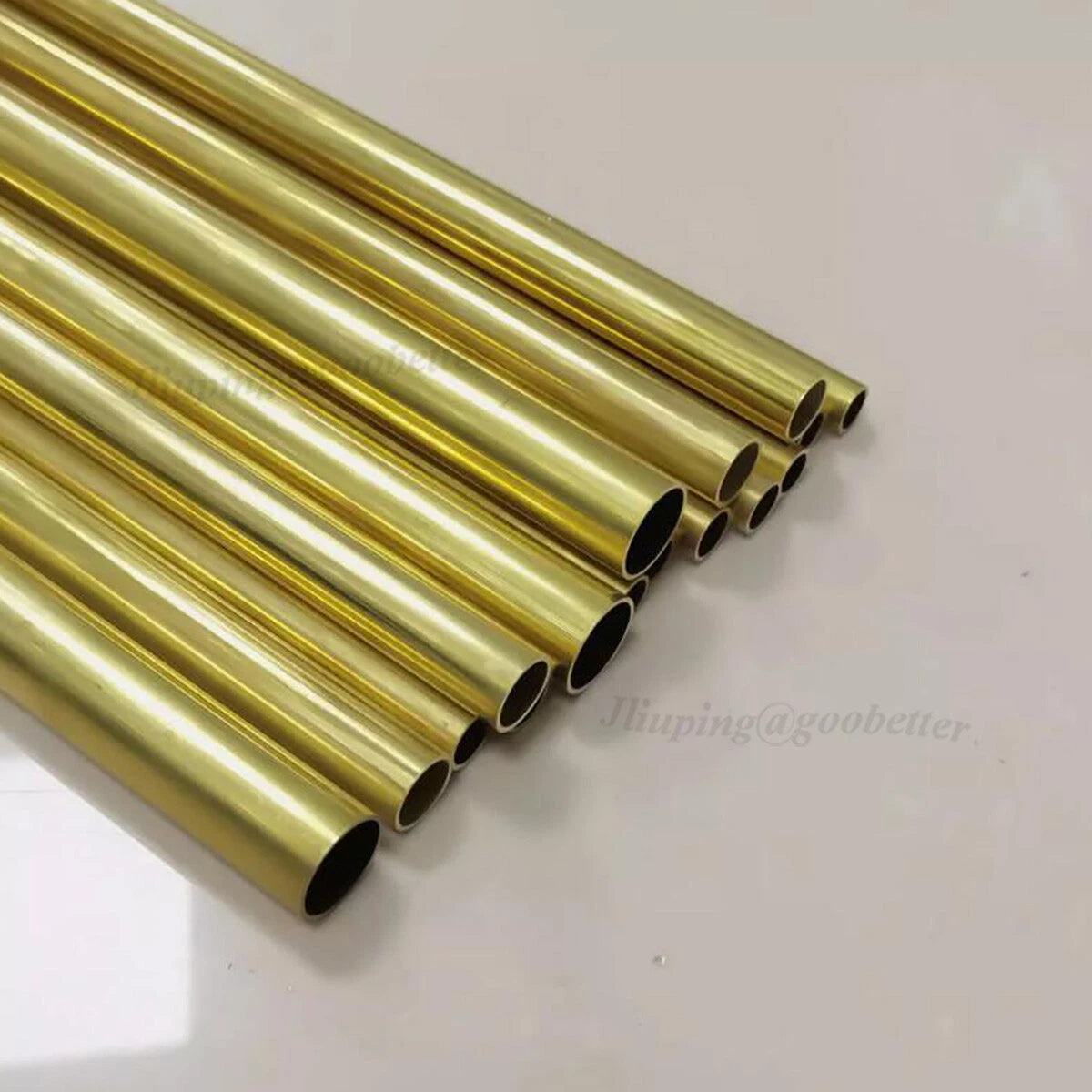
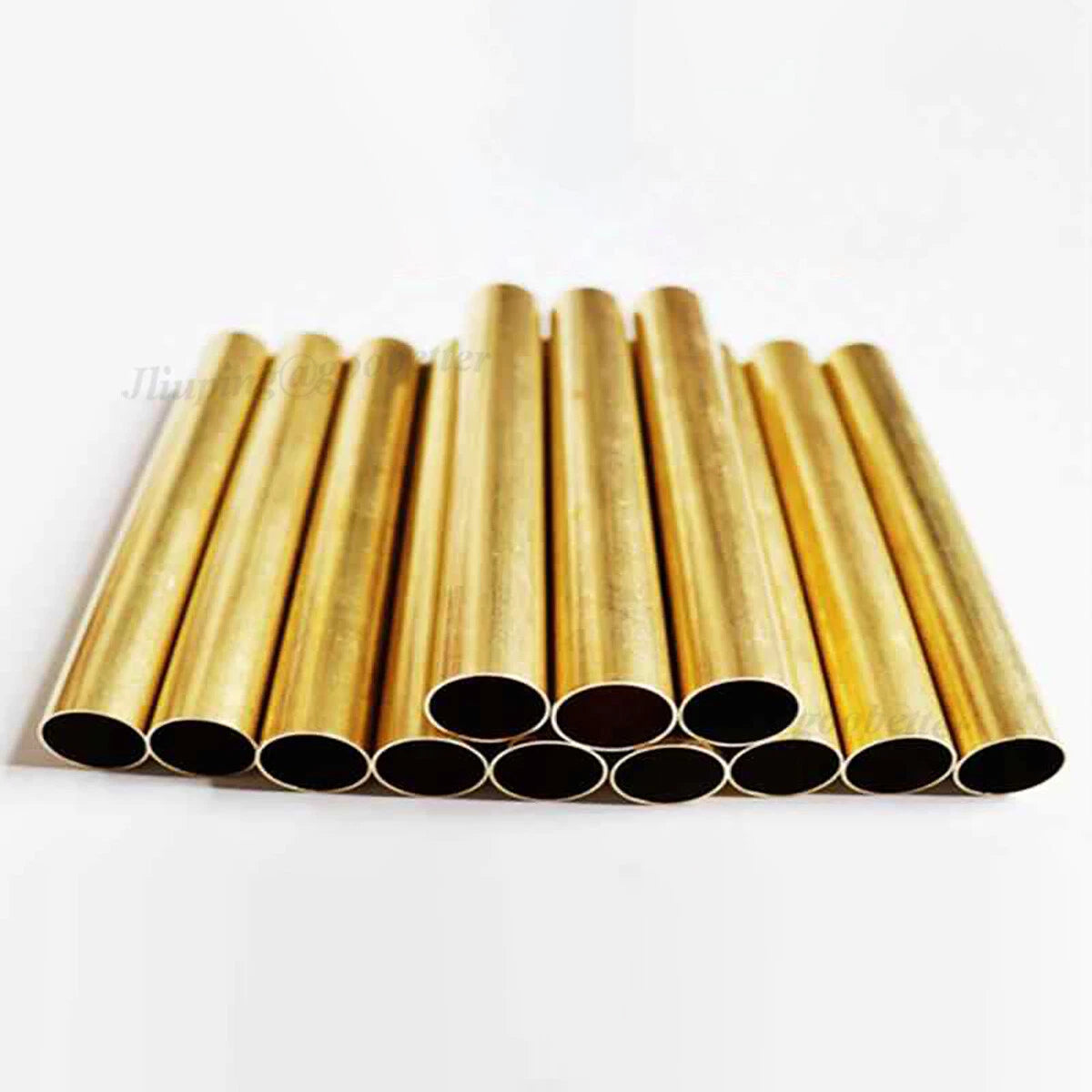
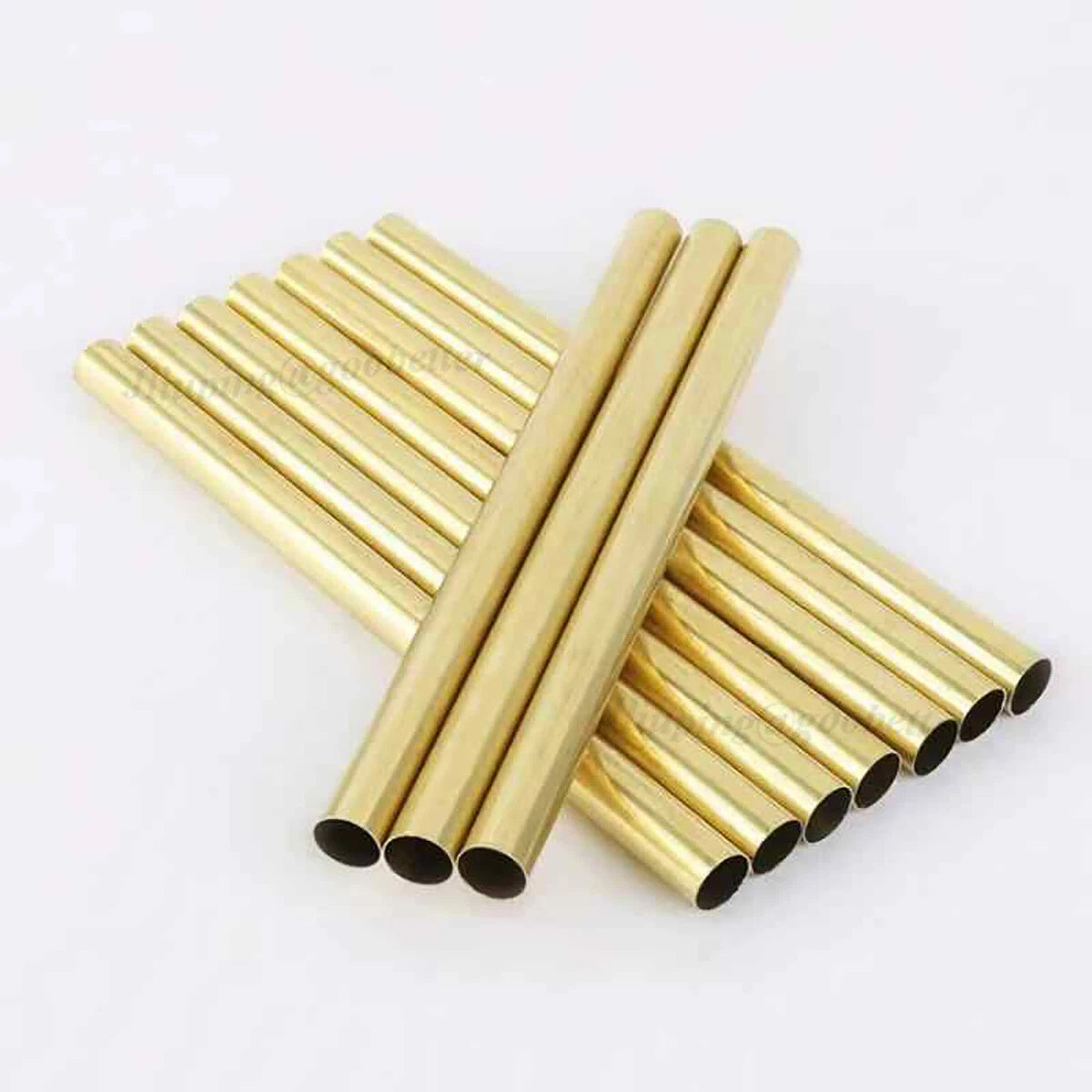
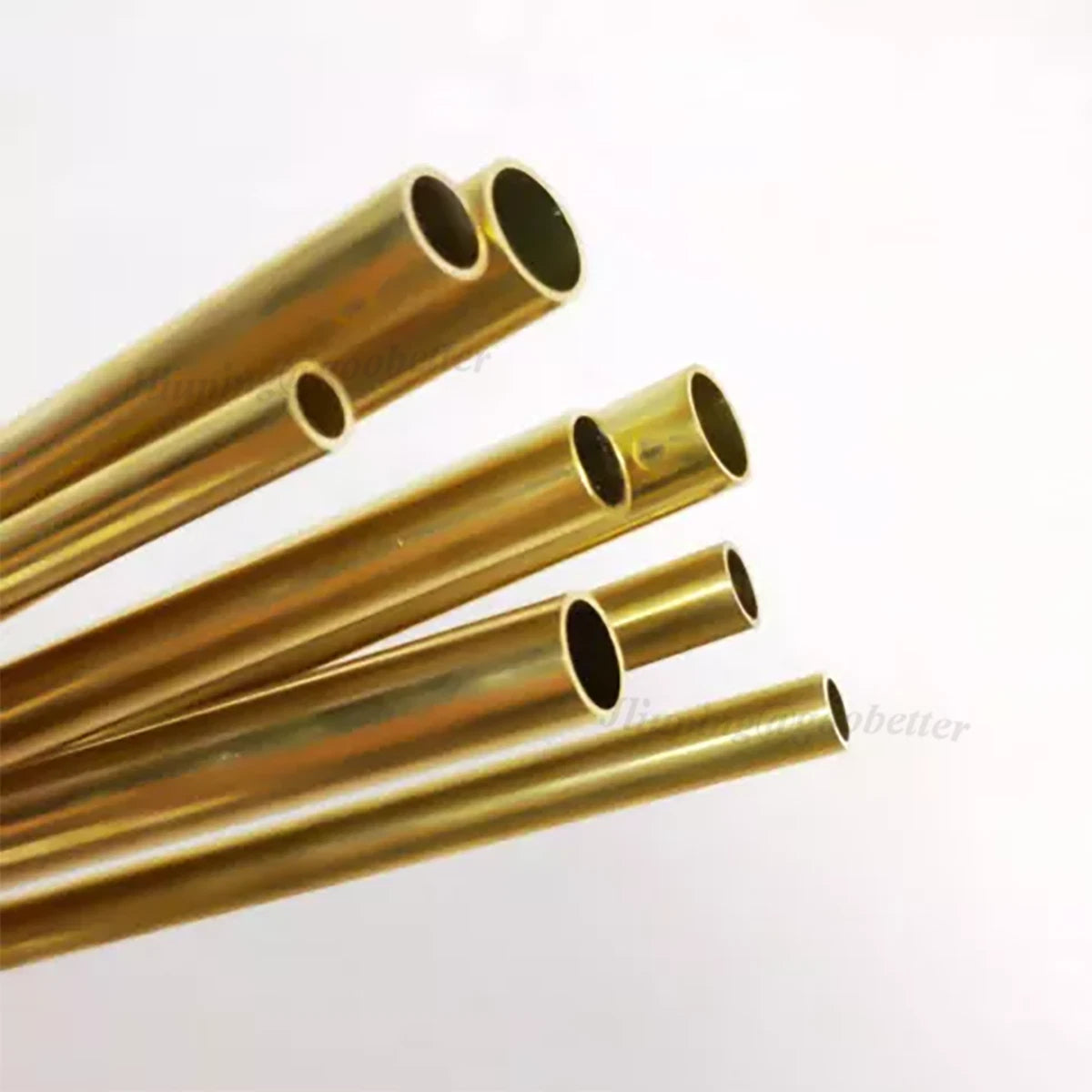
Brass Round Tube 300mm — Precision Thin-Wall Hollow Tubing for Model Making & Craft

When your project demands exact dimensions and a clean metallic finish, generic hardware store tubing rarely cuts it. Hobbyists, model makers, jewelers, and precision DIY builders need thin-wall brass tube that holds tight tolerances, cuts cleanly, and solders without fuss — and that's exactly what this listing delivers.

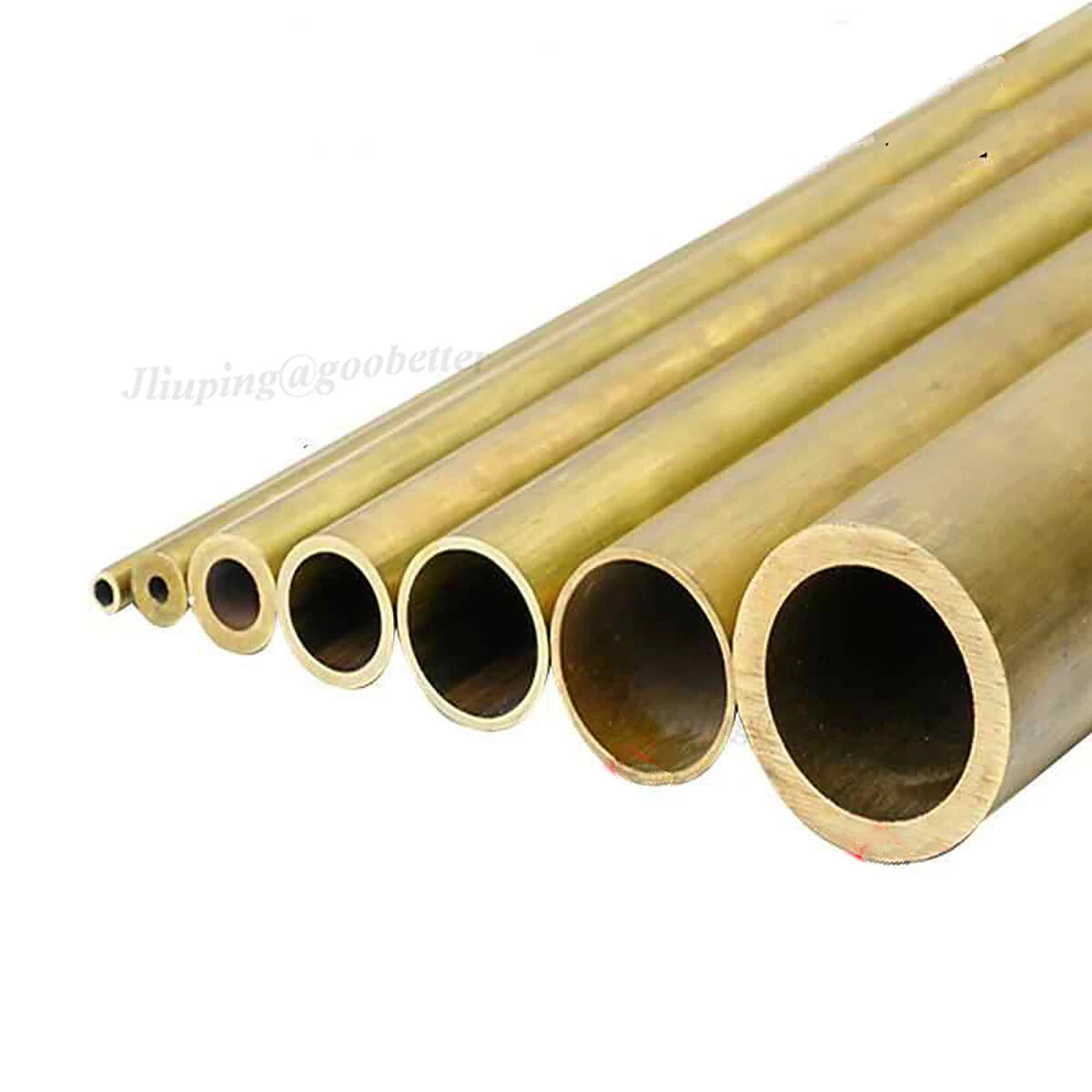
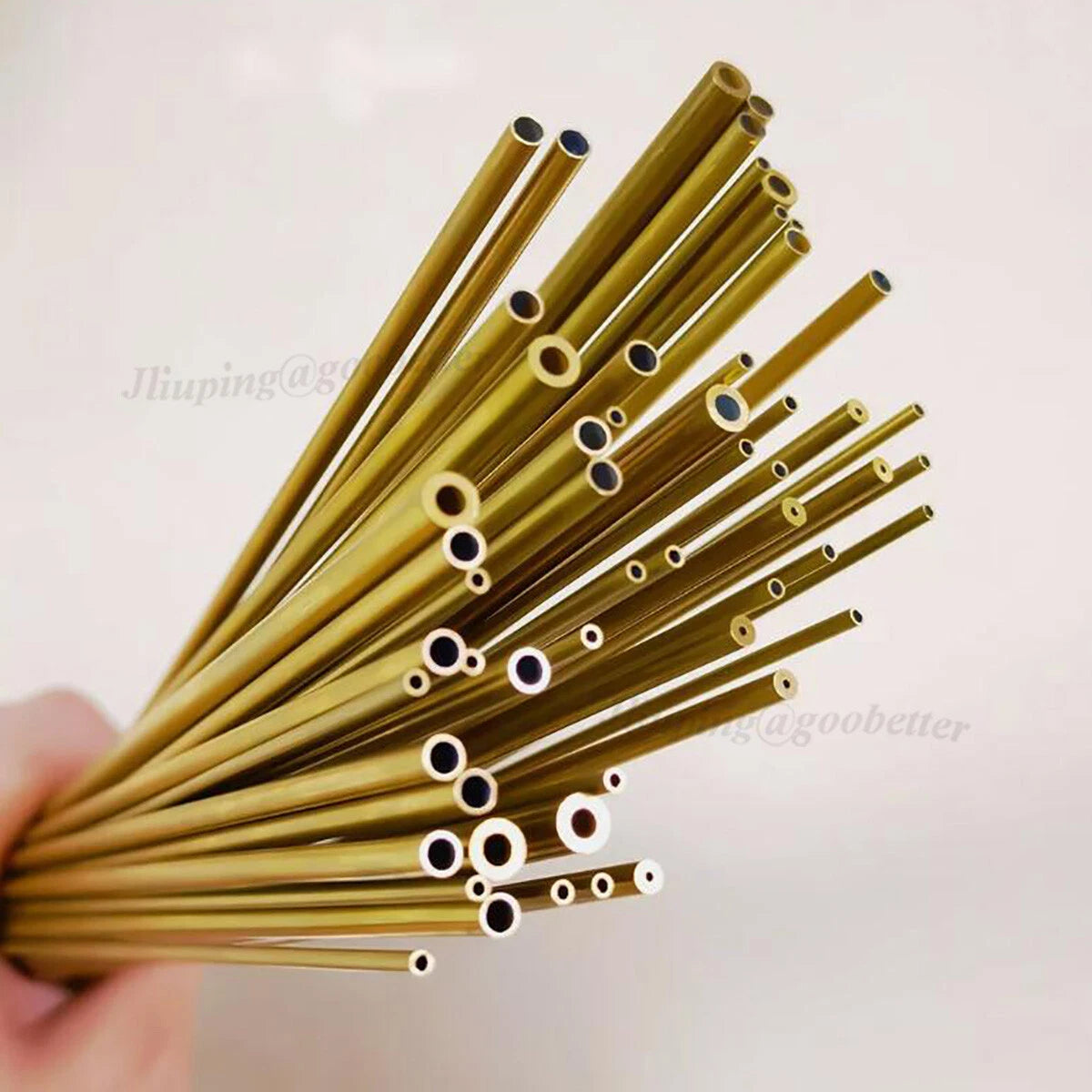
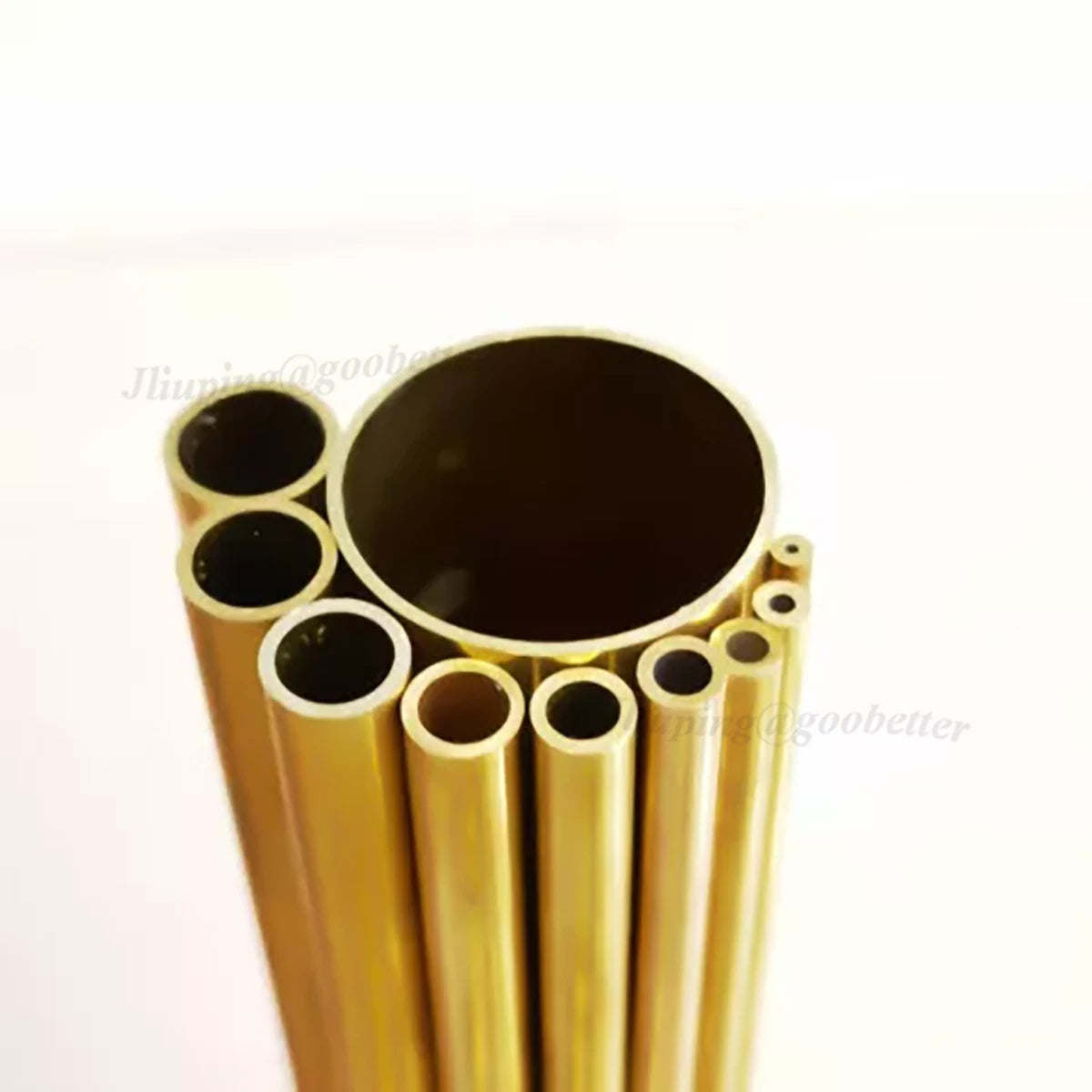
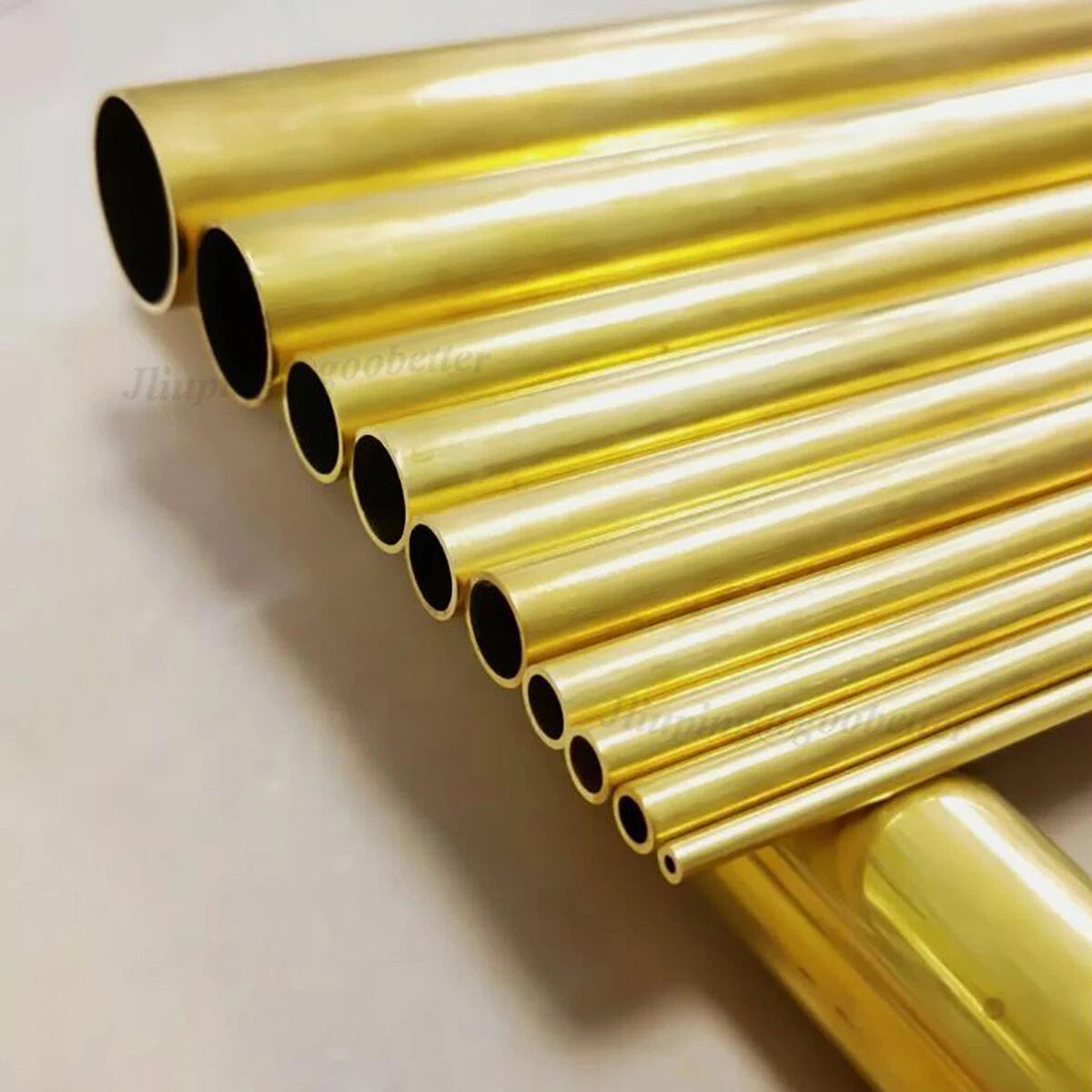
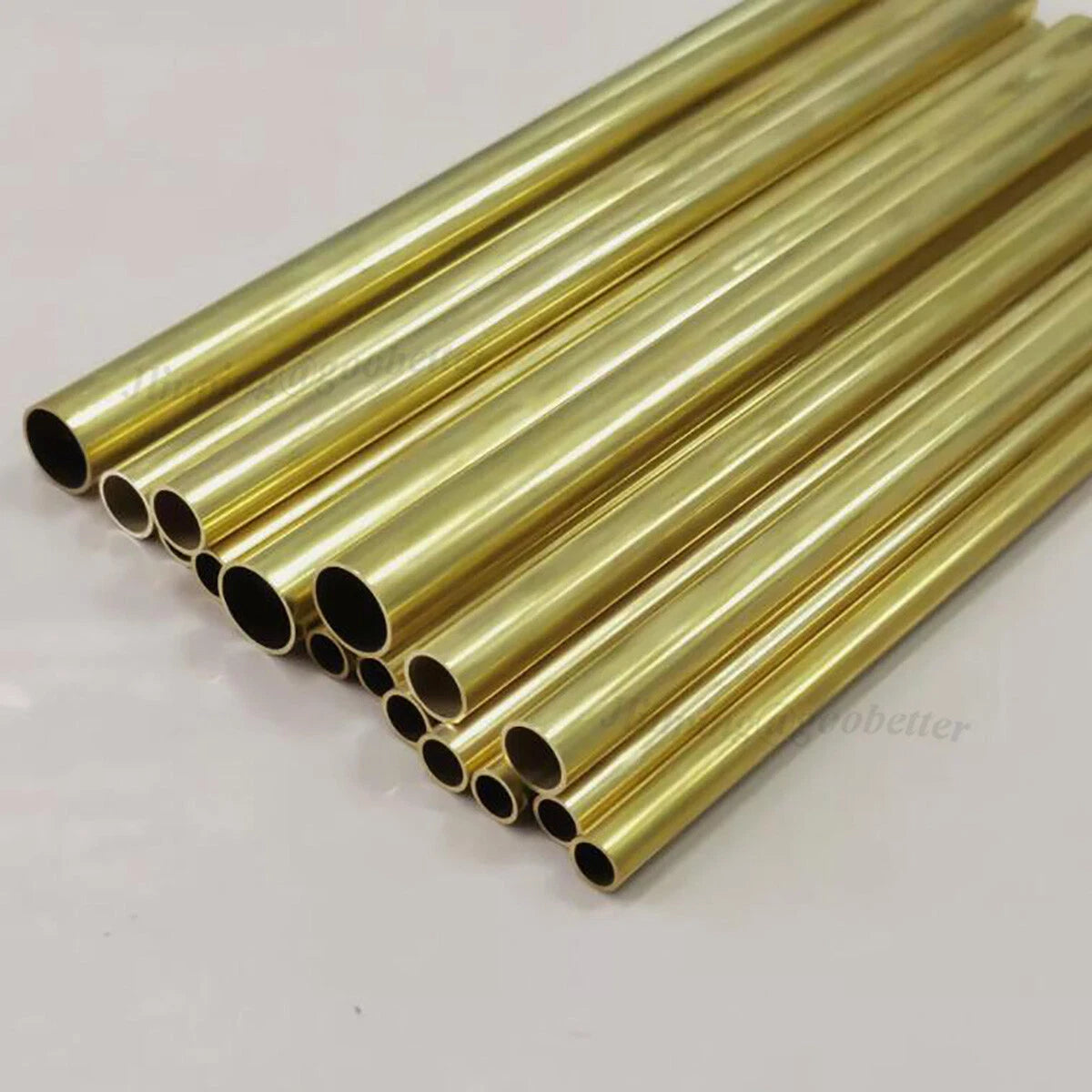
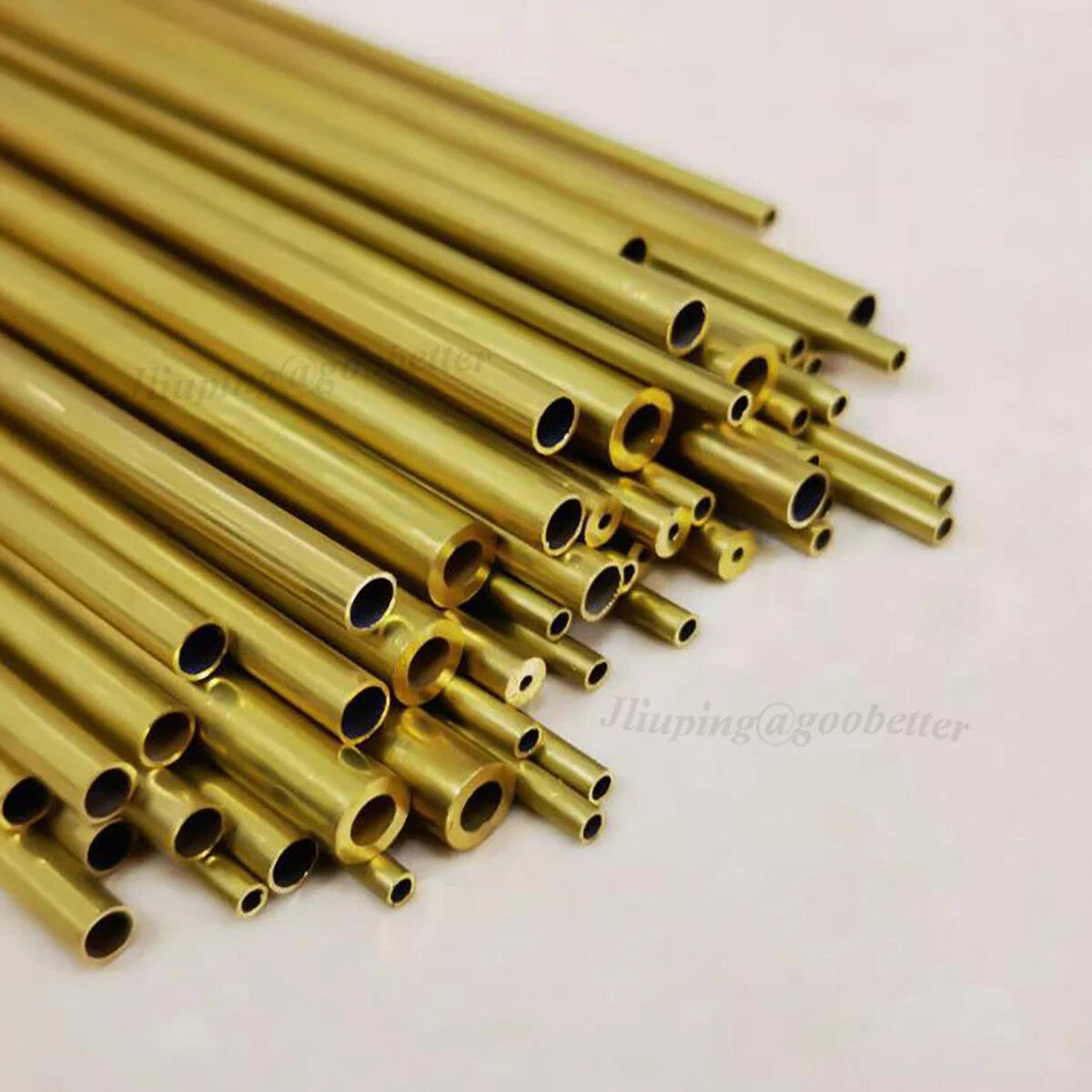
Each piece is a solid brass round hollow tube, 300mm long (≈11.8"), with a uniform 0.4mm wall thickness throughout. Available in 12 OD/ID combinations ranging from 1.2mm × 0.4mm up to 16mm × 15.2mm, so you can match the exact bore and outer profile your design requires. All sizes ship as individual 300mm lengths.

Typical use cases include scale model structural framing, RC aircraft fuselage tubes, jewelry wire channels and bead cores, telescope focuser draw tubes, pen-turning blanks, and small-bore fluid routing in non-pressure craft applications. Long-tail searches like "small diameter brass hollow tube for model making" and "thin wall brass tubing 300mm" describe exactly what this product is built for.

ℹ️ Compatibility Note: These are plain, unthreaded hollow tubes. OD and ID are listed for each variant — verify both dimensions against your design before ordering. All sizes share a 0.4mm wall thickness and 300mm length.

✅ Key Features of These Brass Round Hollow Tubes

  • 🔩Consistent 0.4mm Wall Thickness — Uniform thin wall across all 12 size variants ensures predictable cutting, bending, and soldering behavior for precision brass tubing projects.
  • 📏12 OD/ID Combinations — Sizes from 1.2mm × 0.4mm to 16mm × 15.2mm cover a wide range of model making and craft needs without requiring custom orders.
  • ✂️Easy to Cut and Deburr — Brass machines cleanly with a fine-tooth saw, hobby knife, or mini tube cutter; the thin wall reduces cutting resistance and minimizes burr formation.
  • 🔥Solderable and Brazeable — Brass bonds readily with standard rosin-core solder and silver solder, making these tubes ideal for small-bore brass tubing assemblies and jewelry fabrication.
  • 🌧️Naturally Corrosion-Resistant — Brass resists oxidation in typical indoor and mildly humid environments; suitable for decorative and light-duty outdoor applications when sealed.
  • 📐300mm Standard Length — At 300mm (≈11.8"), each tube provides enough material for most single-component applications and can be cut to shorter lengths as needed.

📐 Technical Specifications — Brass Hollow Round Tube

Material Brass (copper-zinc alloy)
Tube Form Round hollow tube (seamless profile)
Wall Thickness 0.4mm (all variants)
Length 300mm (≈11.8")
OD Range 1.2mm (≈0.047") – 16mm (≈0.630")
ID Range 0.4mm – 15.2mm (see variant options)
Available Sizes (OD × ID) 1.2×0.4 / 1.8×1 / 2×1.2 / 3×2.2 / 4×3.2 / 5×4.2 / 6×5.2 / 8×7.2 / 9×8.2 / 10×9.2 / 12×11.2 / 16×15.2 mm
Finish Natural brass (uncoated, unplated)
Thread / Fittings Unthreaded — plain tube ends
Quantity per Order See variant options
Country of Origin China
⚠️ Sizing Tip: OD and ID values are nominal. Actual dimensions may vary by ±0.05mm due to manufacturing tolerances. If your application requires a tight slip fit, we recommend ordering one size up and testing before committing to bulk quantities.

❓ Frequently Asked Questions

How do I choose the right OD and length for my project?

Measure the hole or bore your tube needs to fit into, then select an OD slightly smaller than that opening. For length, 300mm (≈11.8") is generally sufficient for most model-making and craft applications; you can cut it down with a fine-tooth saw or tube cutter. If you need a tube to slide inside another, choose an OD that matches the target ID with minimal clearance — for example, a 2mm OD tube typically slides into a 3mm ID bore with about 0.5mm of play per side.

What load or pressure can these brass tubes handle?

With a 0.4mm wall thickness, these tubes are designed for light-duty applications such as model making, jewelry framing, and decorative crafts rather than structural or high-pressure uses. Brass is generally rated for moderate compressive loads; for any load-bearing application, consult an engineer and verify the specific alloy grade.

Are these tubes suitable for outdoor or humid environments?

Brass is naturally corrosion-resistant and performs well in mildly humid or outdoor conditions. It will typically develop a patina over time when exposed to the elements. For prolonged outdoor exposure, applying a clear lacquer or sealant is generally recommended to preserve the finish and slow oxidation.

What thread or fitting standards are compatible with these tubes?

These are plain, unthreaded hollow tubes — not pre-tapped or threaded. Compatibility with fittings depends on the OD you select. In most cases they can be used as sleeves, spacers, or inserts within standard metric fittings. Contact us to confirm fit for your specific application.

Can I solder or braze these brass tubes?

Yes. Brass is generally easy to solder with standard rosin-core or silver solder, and can also be brazed. Clean the surface with flux before soldering for best adhesion. The thin 0.4mm wall means heat transfers quickly, so use a low-to-medium heat setting to avoid distortion or collapse of the bore.

How do I cut these tubes cleanly without crushing them?

For the smallest diameters (under 3mm OD), a sharp hobby knife scored around the circumference works well. For larger sizes, a mini tube cutter or fine-tooth jeweler's saw is typically the cleanest method. Avoid standard pipe cutters on very thin-wall tubes as they can collapse the bore. Deburr the cut end with a fine file or reamer.

What is the difference between OD and ID, and which should I measure?

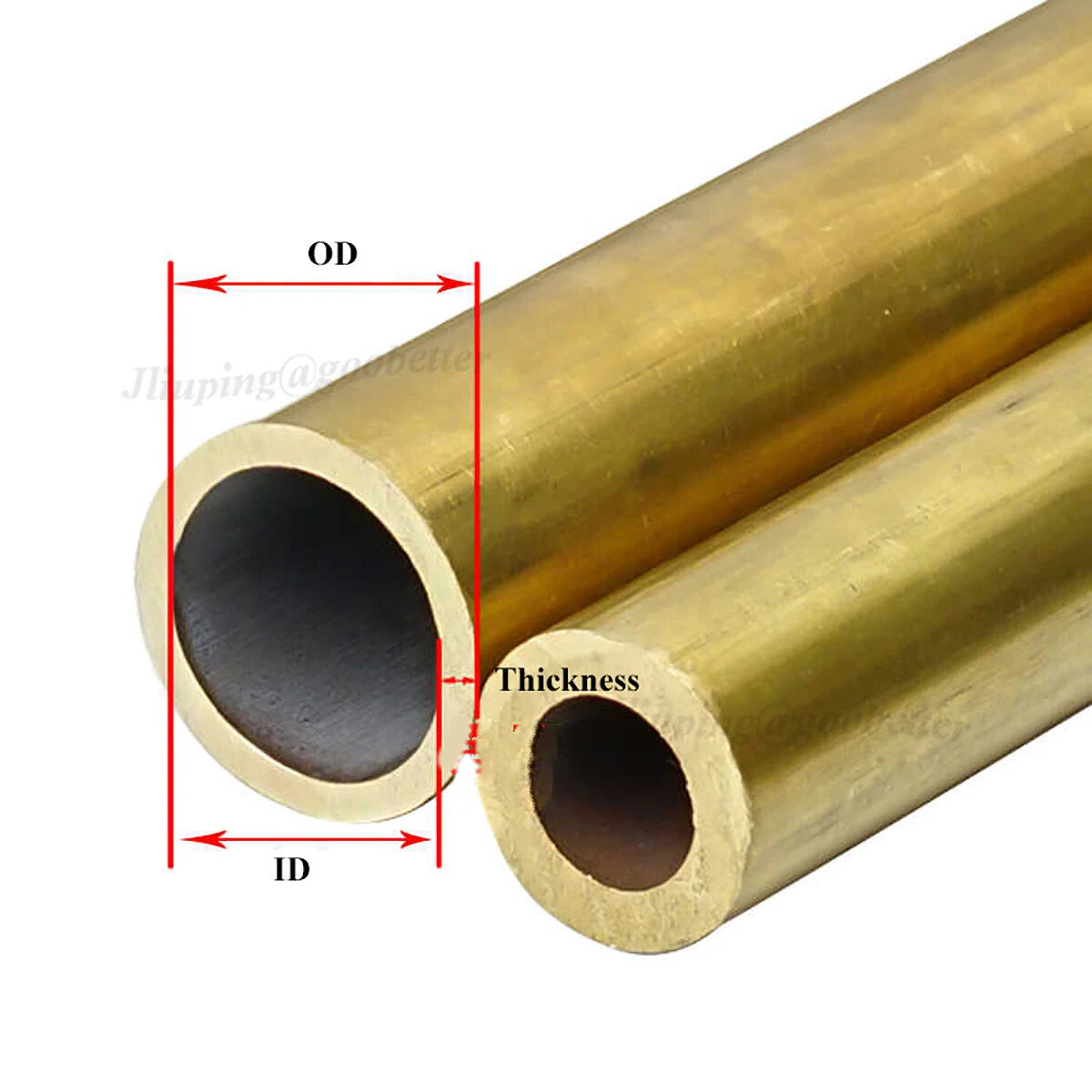
OD (Outer Diameter) is the measurement across the outside of the tube; ID (Inner Diameter) is the measurement of the hollow bore inside. If you need something to fit inside the tube, match your part's diameter to the ID. If the tube needs to fit inside a hole or sleeve, match the OD to that opening. All variants on this listing show both OD and ID so you can choose precisely.

🛒 Select your size (OD × ID) above, then add to cart — ships from our US warehouse.

You may also like

Recently viewed