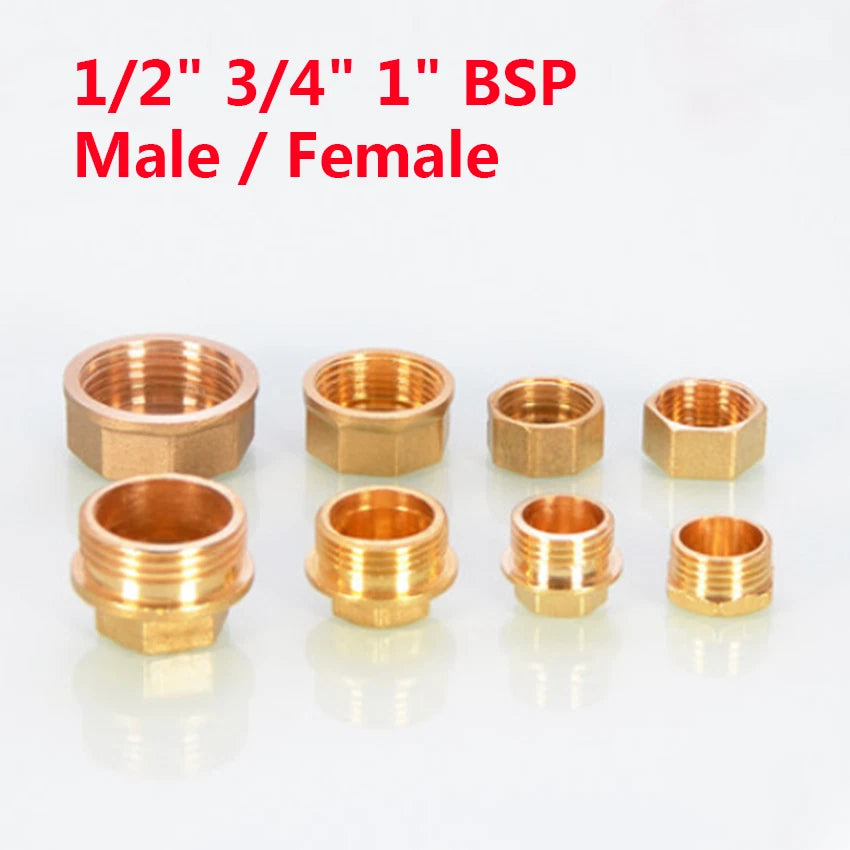
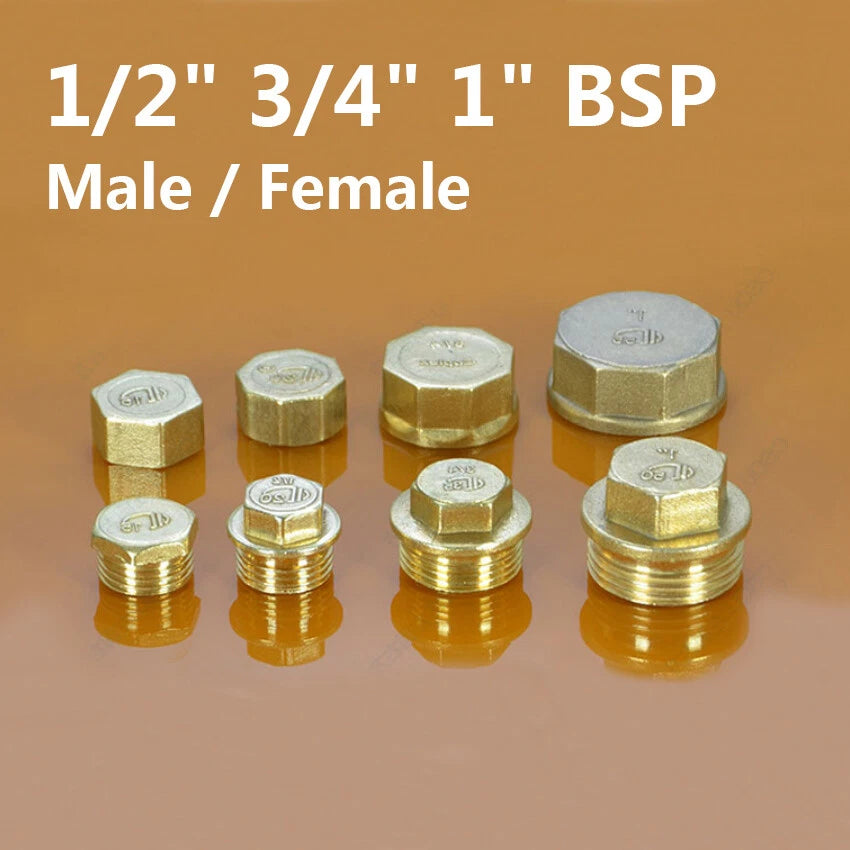
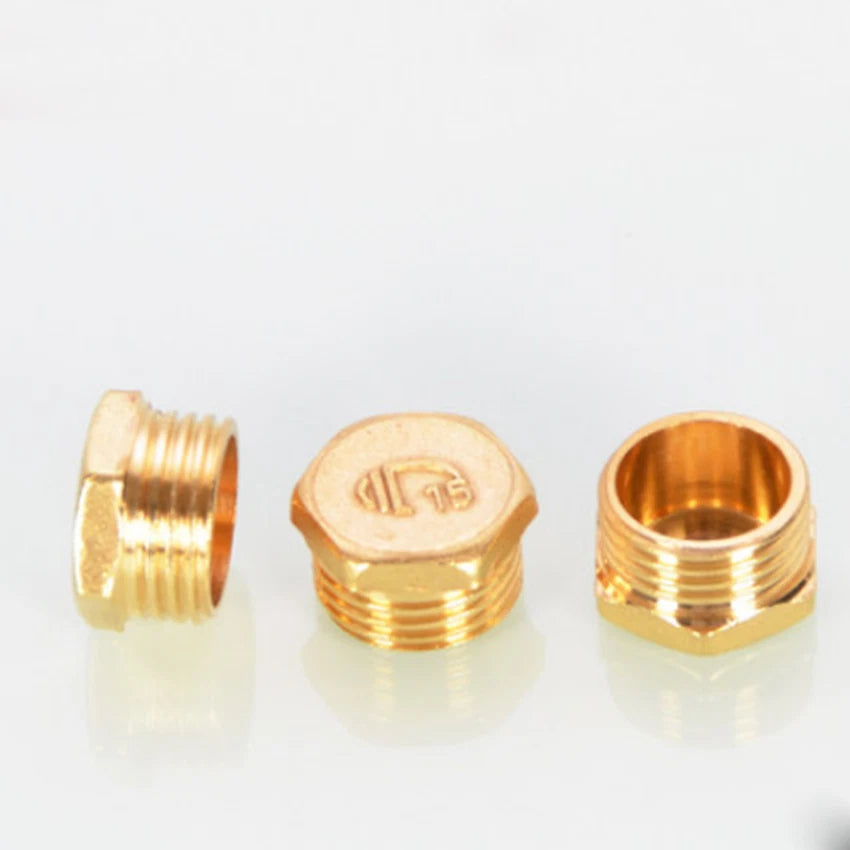
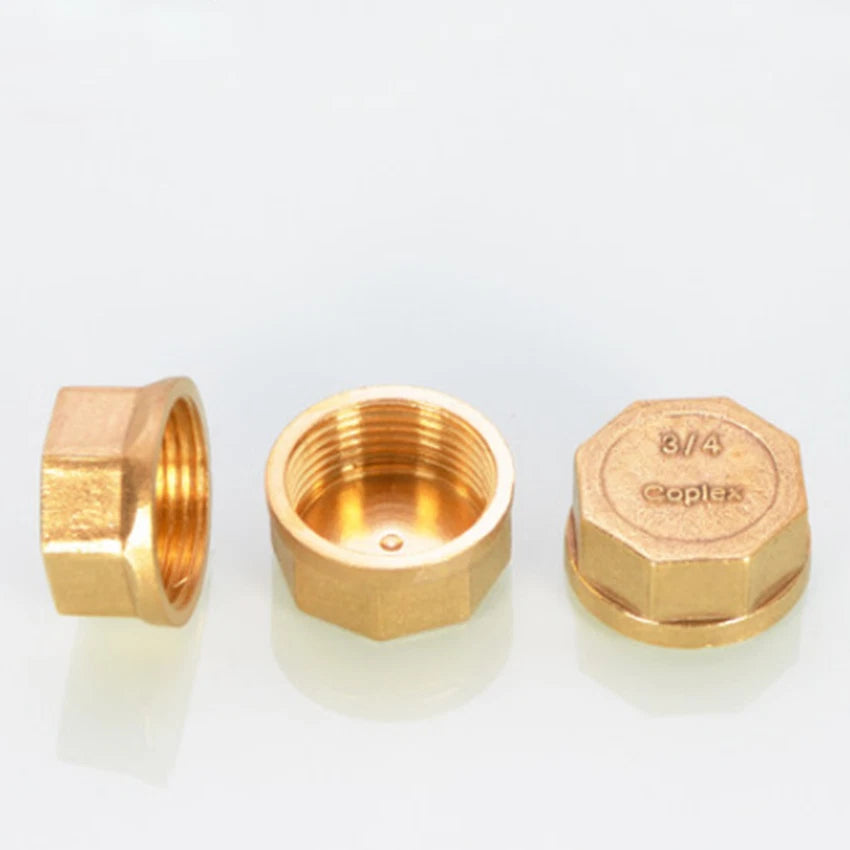
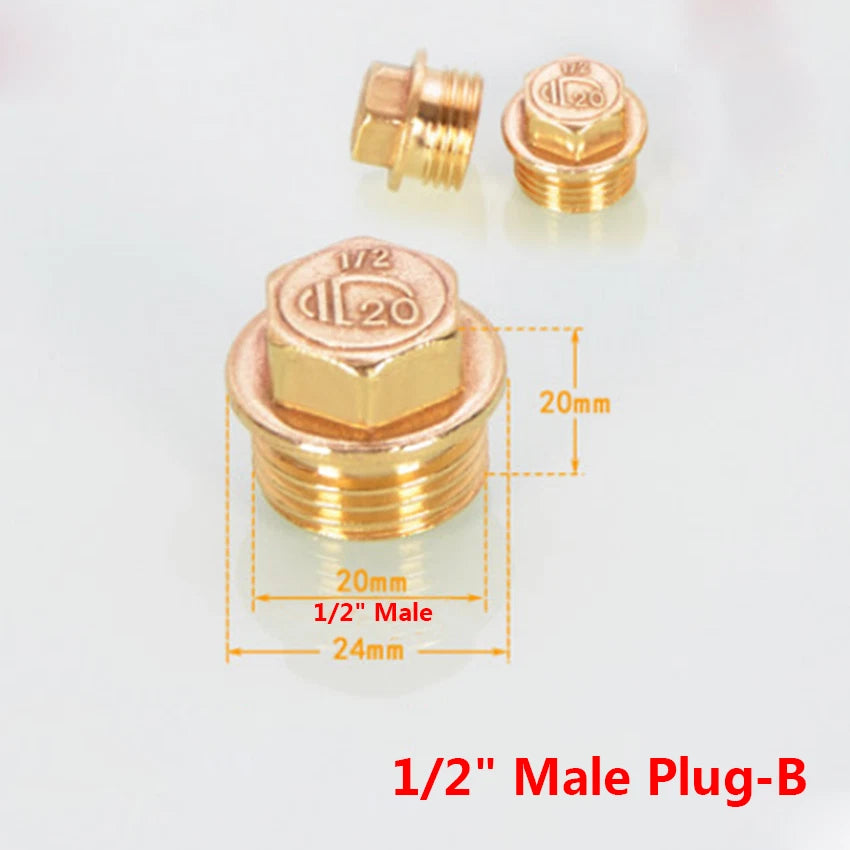
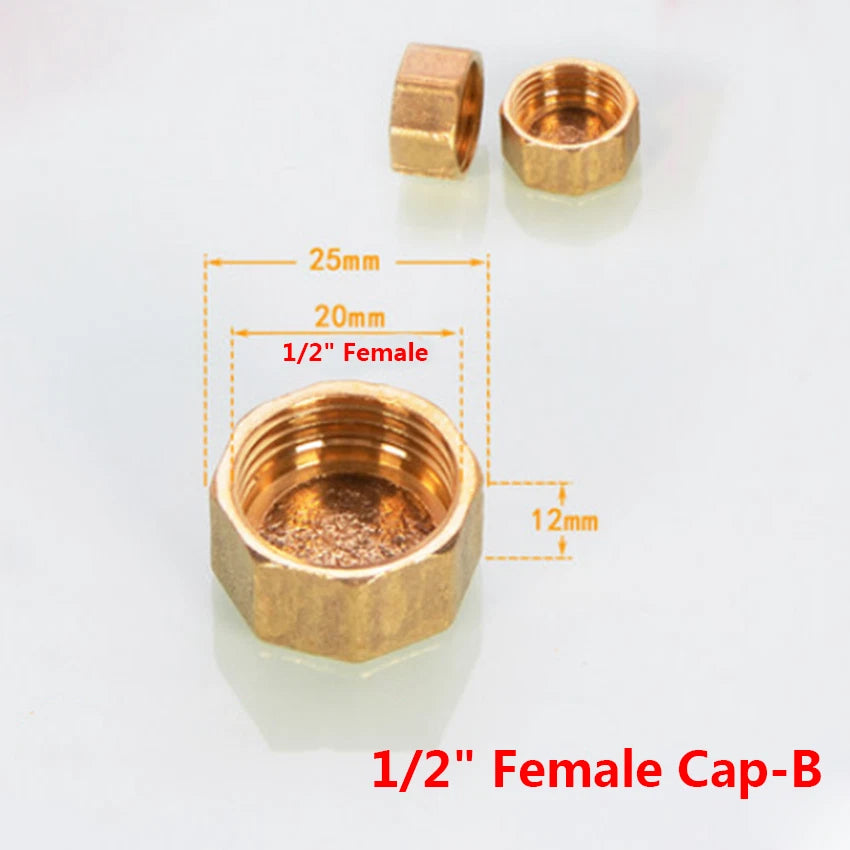
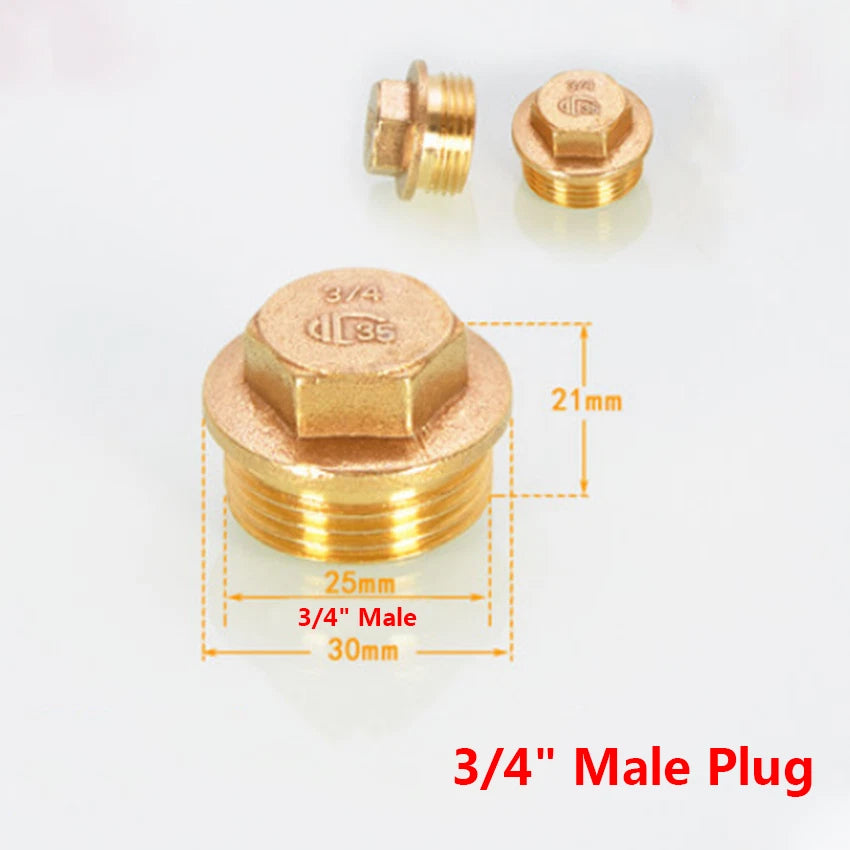
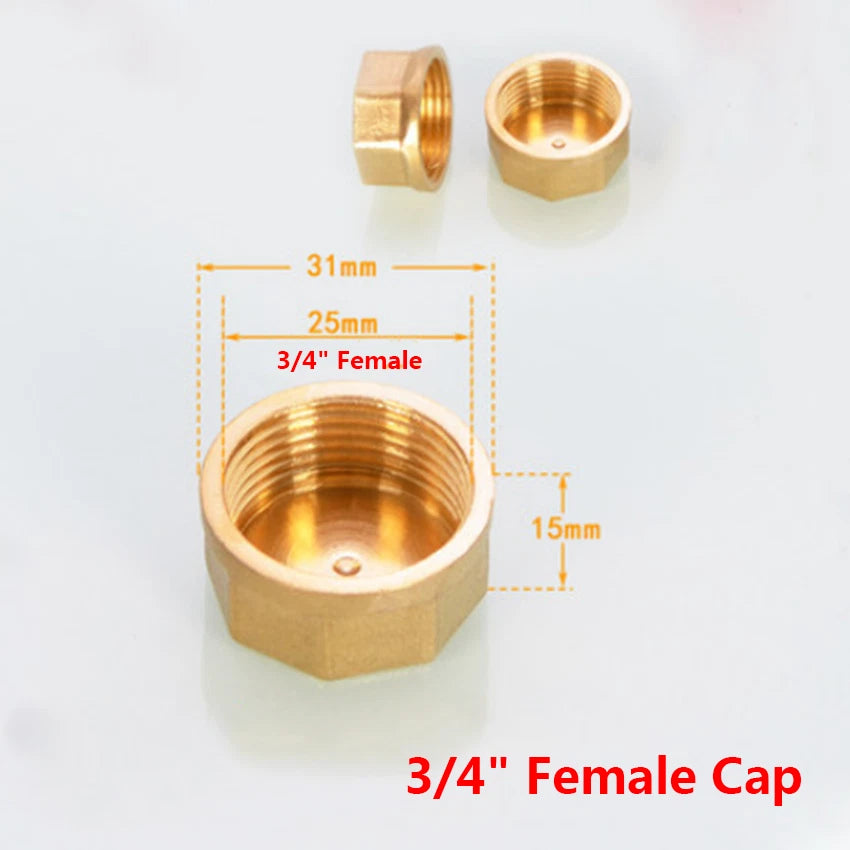
BSP Brass Pipe End Cap & Blanking Plug — 1/2", 3/4", 1" Male Plug & Female Cap

Keine Bewertungen

Preis:
Sonderpreis$3.66 USD
Lagerbestand:
Verfügbar (500 Stück), versandbereit

Payment & Security

Ach Direct Debit Amazon American Express Apple Pay Bancontact Diners Club Discover Google Pay iDEAL Wero Mastercard PayPal Shop Pay USDC Visa

Deine Zahlungsinformationen werden sicher verarbeitet. Wir speichern keine Kreditkartendaten und haben auch keinen Zugang zu deinen Kreditkartendaten.

Quantity Discount Promotion
🎯 BULK DISCOUNT: Buy More, Save More!
Buy 2 Items
5% OFF
Buy 4 Items
10% OFF
Buy 6 Items
15% OFF
Expert

DIY Expert Support

Get fitment advice & recommendations

Mon-Fri, 8:30AM-8PM
24-Hour Fast Ship
🚚
Arrives in 3-14 days
🌍
Global Reach
↩️
30-Day Returns
🌱 1 tree planted with every purchase

Beschreibung


BSP Brass Blanking Plugs & Pipe End Caps — Seal Any Open Port Cleanly

Whether you're capping off an unused port on a hydraulic manifold, sealing a redundant water line, or pressure-testing a plumbing system, an open BSP thread is an invitation for leaks, contamination, and pressure loss. Plumbers, HVAC technicians, and DIY homeowners all need a reliable way to close off pipe ends — and a poorly fitted cap can mean the difference between a clean install and a costly callback.

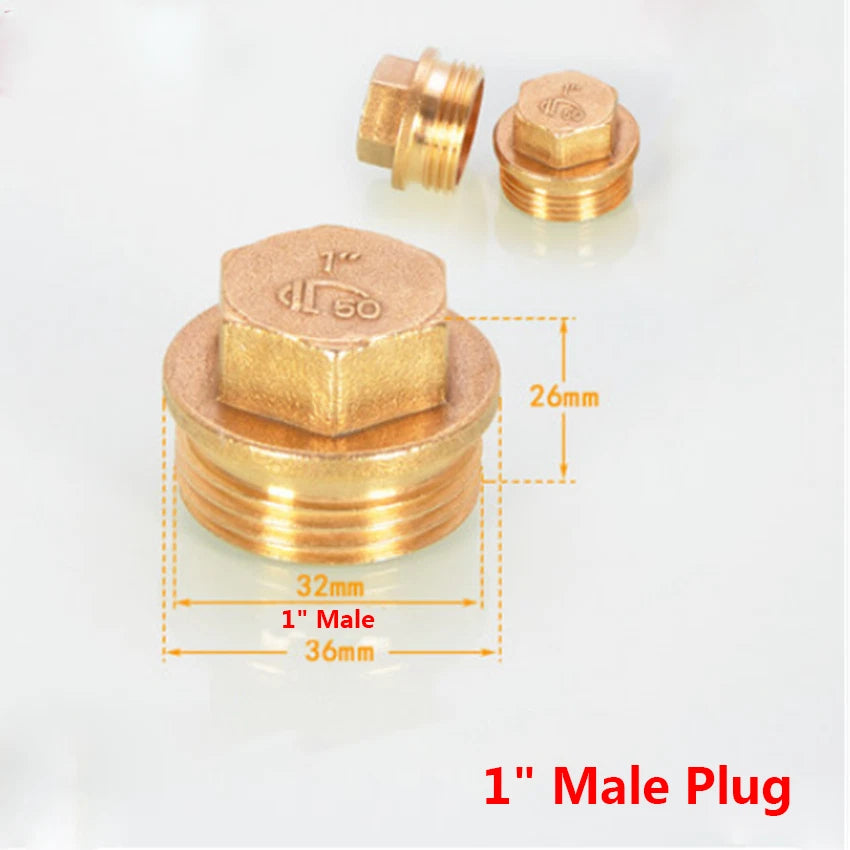
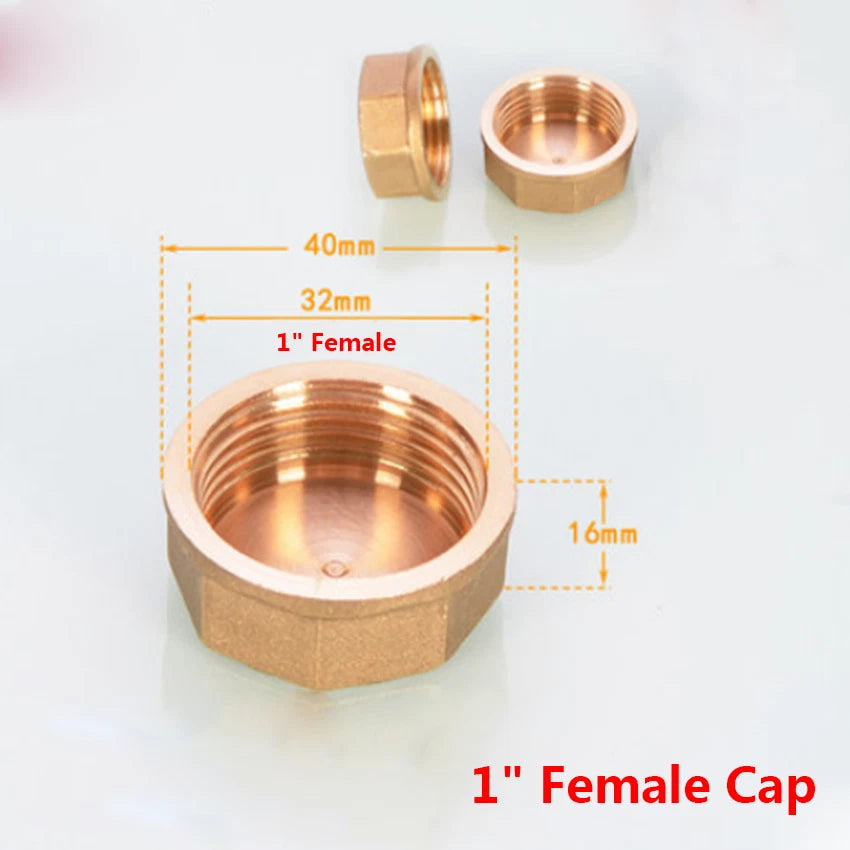
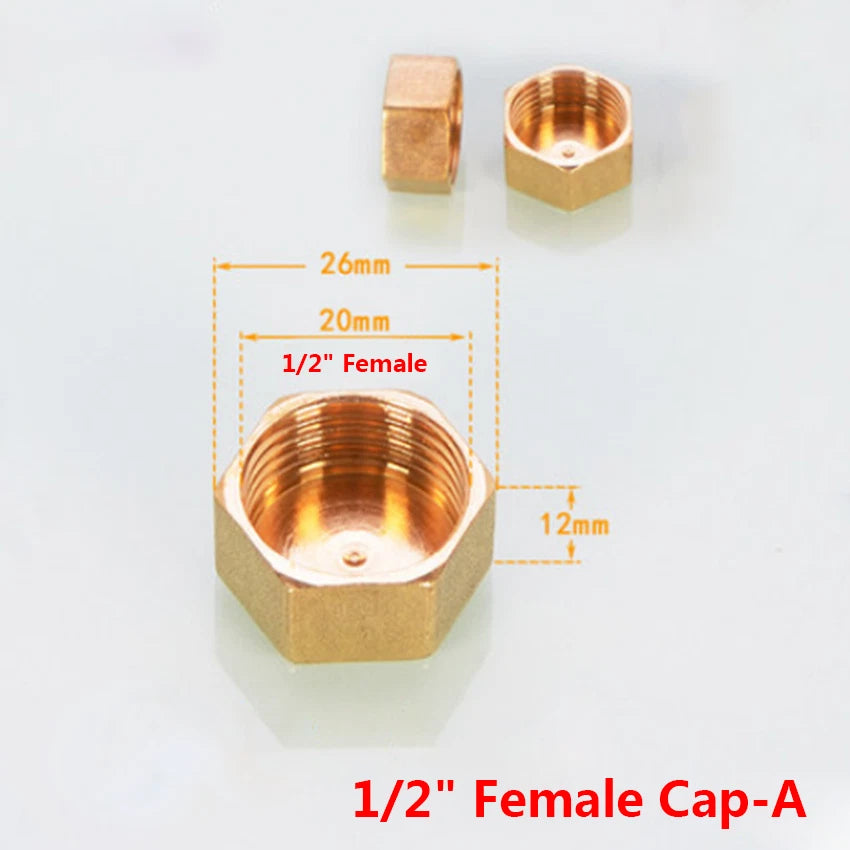
This listing includes solid brass BSP pipe end caps and blanking plugs available in 1/2", 3/4", and 1" nominal BSP sizes, in both male plug (external thread) and female cap (internal thread) configurations. The fittings are machined from brass stock, offering a dense, non-porous body with a natural golden finish. Available in multiple model variants (A/B) reflecting minor dimensional differences within the same nominal size; sold individually (1 pc), in pairs (2 pcs), or in packs of five (5 pcs).

Typical use cases include sealing unused ports on boiler manifolds and pressure vessels, capping off branch lines during phased plumbing installations, and blanking test ports on compressed air or hydraulic systems — all scenarios where a secure, thread-matched BSP blanking plug is essential for system integrity.

🔵 Compatibility: Designed for BSP (British Standard Pipe) threaded ports and pipe ends. Available in 1/2", 3/4", and 1" nominal sizes. Not compatible with NPT (National Pipe Thread) systems — thread angle and pitch differ. Use PTFE tape or thread sealant for a leak-free seal.
⚠️ Size Note: BSP nominal size refers to bore diameter, not thread OD. If you are unsure of your fitting size, measure the thread outer diameter and cross-reference a BSP size chart, or contact us to confirm before ordering.

✅ Key Features of These BSP Brass Blanking Plugs & End Caps

  • 🔩BSP Thread Compatibility — Machined to British Standard Pipe thread specifications, ensuring a consistent fit across 1/2", 3/4", and 1" BSP-threaded ports and pipe ends commonly found in plumbing and hydraulic systems.
  • 🟡Solid Brass Construction — Made from brass, a material known for its machinability, moderate corrosion resistance, and suitability for water, air, and oil service — a practical choice for brass pipe fitting applications in residential and light commercial settings.
  • 🔄Male Plug & Female Cap Options — Choose the male plug (external thread) to seal a female-threaded port, or the female cap (internal thread) to cap a male-threaded pipe end — covering both sealing scenarios in one product family.
  • 🔧Hex Head Design — The hex body allows standard wrench or spanner tightening, enabling proper torque application without slipping — important for achieving a leak-free seal on pressurized lines.
  • 📦Flexible Pack Quantities — Available in 1, 2, or 5-piece quantities, so you can grab a single fitting for a one-off repair or stock up for a larger installation or maintenance kit without overpaying.
  • 🏠Broad Application Range — Suited for blanking unused ports on boilers, manifolds, compressed air lines, hydraulic circuits, and general plumbing systems — anywhere a BSP pipe end cap or blanking plug is needed to maintain system pressure and cleanliness.

📐 Technical Specifications — BSP Brass Pipe End Cap & Blanking Plug

Product Type BSP Pipe End Cap / Blanking Plug
Thread Standard BSP (British Standard Pipe)
Available Sizes 1/2" BSP, 3/4" BSP, 1" BSP
Configuration Male Plug (external thread) / Female Cap (internal thread)
Material Brass
Finish Natural brass (uncoated)
Drive / Installation Hex head — wrench or spanner tightening
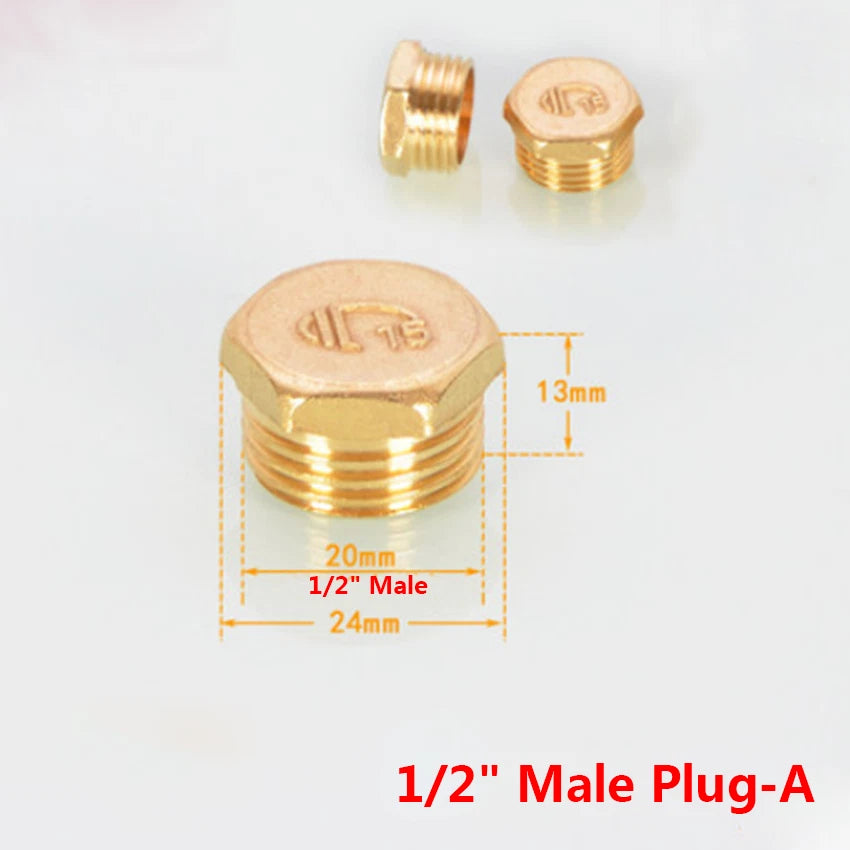
Thread OD (approx.) 1/2" BSP ≈ 20.9mm (≈0.82") | 3/4" BSP ≈ 26.4mm (≈1.04") | 1" BSP ≈ 33.2mm (≈1.31")
Typical Working Pressure See variant options — varies by size and application
Recommended Sealant PTFE tape or thread sealant compound (not included)
Pack Quantities 1 pc, 2 pcs, 5 pcs
Compatible Media Water, air, oil (non-aggressive fluids — contact us to confirm for specialty media)
Not Compatible With NPT threads (different angle and pitch)

❓ Frequently Asked Questions

How do I choose the right BSP size for my pipe?

BSP size refers to the nominal bore of the pipe, not the outer diameter of the thread. A 1/2" BSP fitting typically has an outer thread diameter of approximately 20.9mm (≈0.82"), 3/4" BSP is approximately 26.4mm (≈1.04"), and 1" BSP is approximately 33.2mm (≈1.31"). Measure your existing fitting's thread OD and cross-reference a BSP size chart to confirm. When in doubt, select the model option above or contact us before ordering.

What is the difference between a Male Plug and a Female Cap?

A male plug has external (outside) threads and is screwed into a female-threaded port to seal it — common for blanking off ports on manifolds, valves, or tees. A female cap has internal (inside) threads and is screwed onto a male-threaded pipe end to cap it off. Choose based on the thread type of the port or pipe you need to seal.

What is the difference between Model A and Model B in the same size?

Model A and Model B refer to slight design or dimensional variations within the same nominal BSP size — such as differences in hex head height, body length, or thread engagement depth. Both are BSP-threaded and generally functionally equivalent for standard sealing applications. If your installation has tight clearance requirements, contact us to confirm which model suits your specific fitting.

Are these fittings suitable for outdoor or high-moisture environments?

Brass generally offers good corrosion resistance in typical indoor plumbing and moderate outdoor conditions, including exposure to water and humidity. For highly corrosive environments — such as saltwater exposure, acidic media, or aggressive chemicals — additional protective measures or alternative materials may be advisable. These fittings are generally suitable for water, air, and oil systems under standard conditions.

What pressure can these brass blanking plugs handle?

Brass BSP fittings of this type typically support working pressures in the range of 150–600 PSI depending on size and application — larger sizes generally carry lower pressure ratings. For safety-critical or high-pressure systems, please verify the specific rating against your system requirements. Contact us to confirm suitability for your application before installation.

Do I need PTFE tape or thread sealant with these fittings?

Yes, in most cases. BSP parallel threads (BSPP) rely on a sealing washer or thread sealant to achieve a leak-free connection — the threads alone do not seal. We recommend applying 2–3 wraps of PTFE tape to male threads before installation. If your system uses tapered BSP (BSPT), the taper provides some mechanical sealing, but sealant is still recommended for best results. PTFE tape is not included.

Are BSP fittings compatible with NPT (National Pipe Thread) systems?

No — BSP and NPT threads are not interchangeable. BSP uses a 55° thread angle and Whitworth thread form, while NPT uses a 60° thread angle. The pitch and taper specifications also differ. Attempting to mix them can result in cross-threading, poor sealing, or fitting damage. If your system uses NPT threads, please select NPT-compatible fittings instead.

Can I use these fittings for gas lines?

Brass fittings are commonly used in gas systems in many regions, but suitability depends on local codes, gas type, and pressure rating. In most cases, gas line fittings require certification or compliance with specific standards (such as ANSI or local building codes). We recommend consulting a licensed plumber or gas engineer and verifying local regulations before using any fitting in a gas application.

🛒 Select your model and quantity above, then add to cart — ships from our US warehouse.

You may also like

Recently viewed