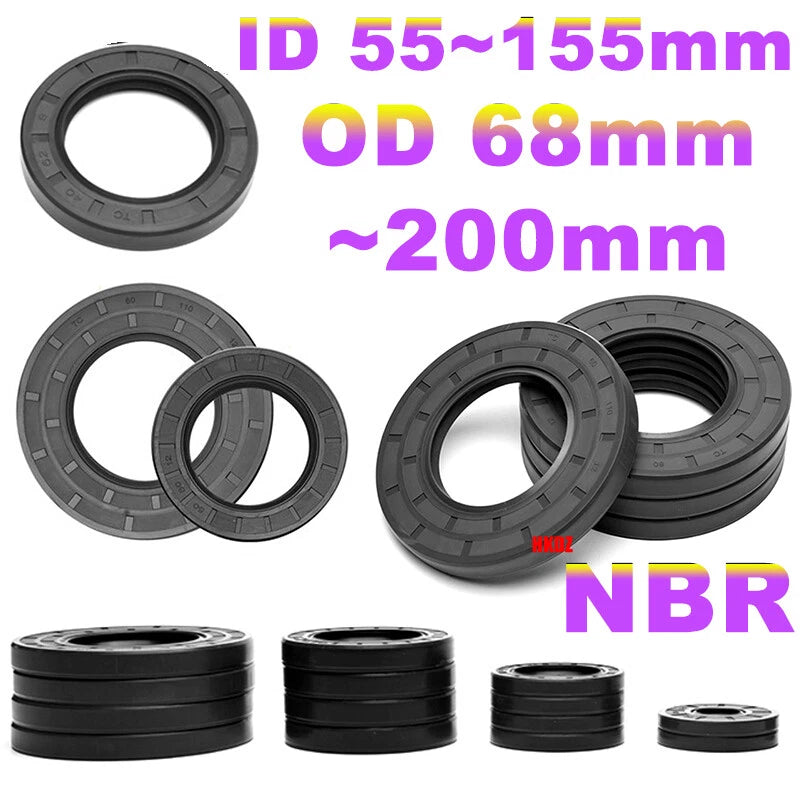
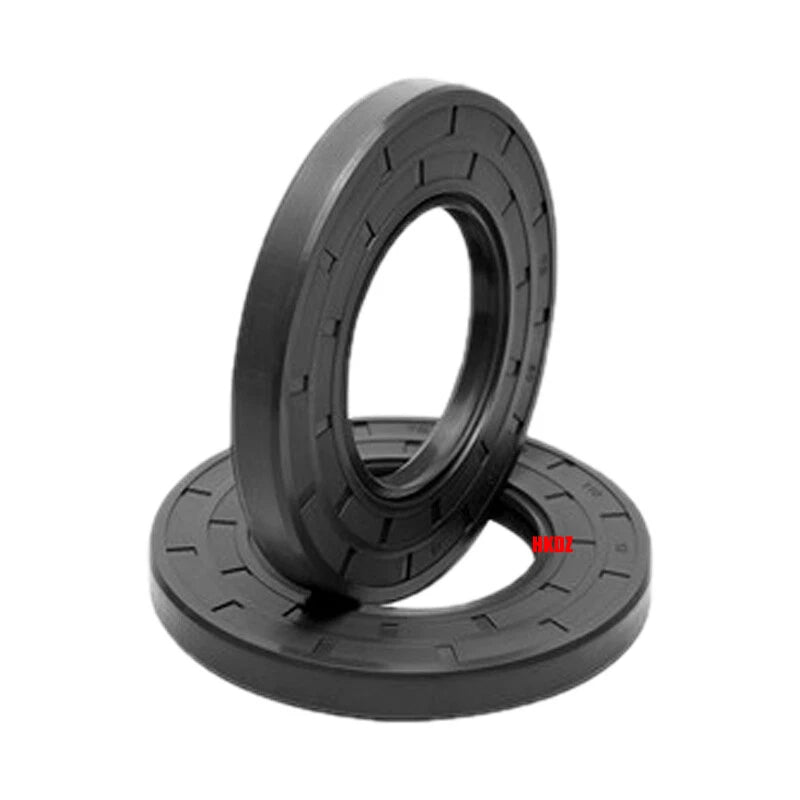
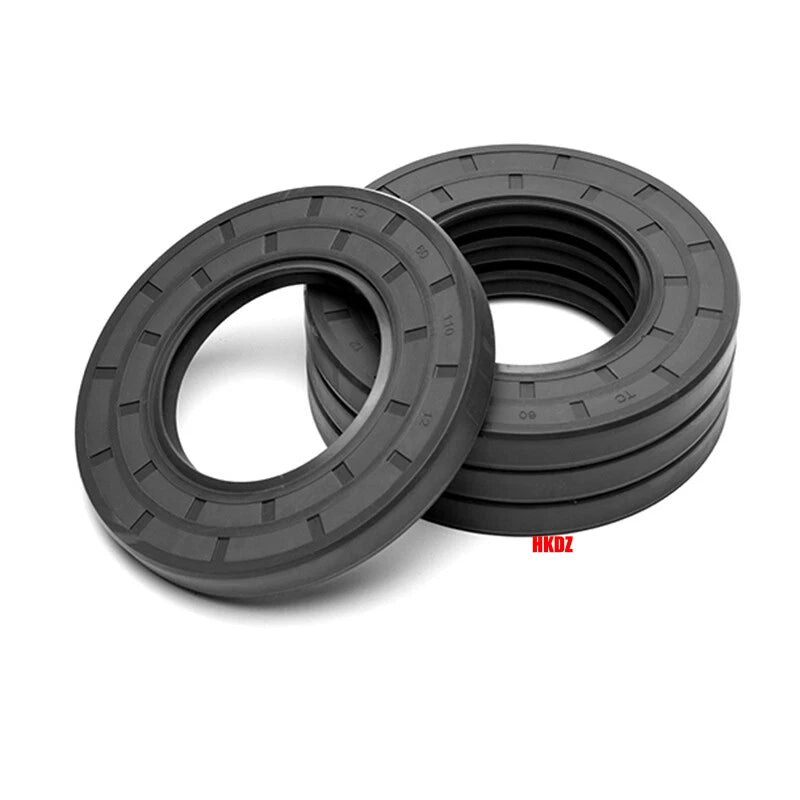
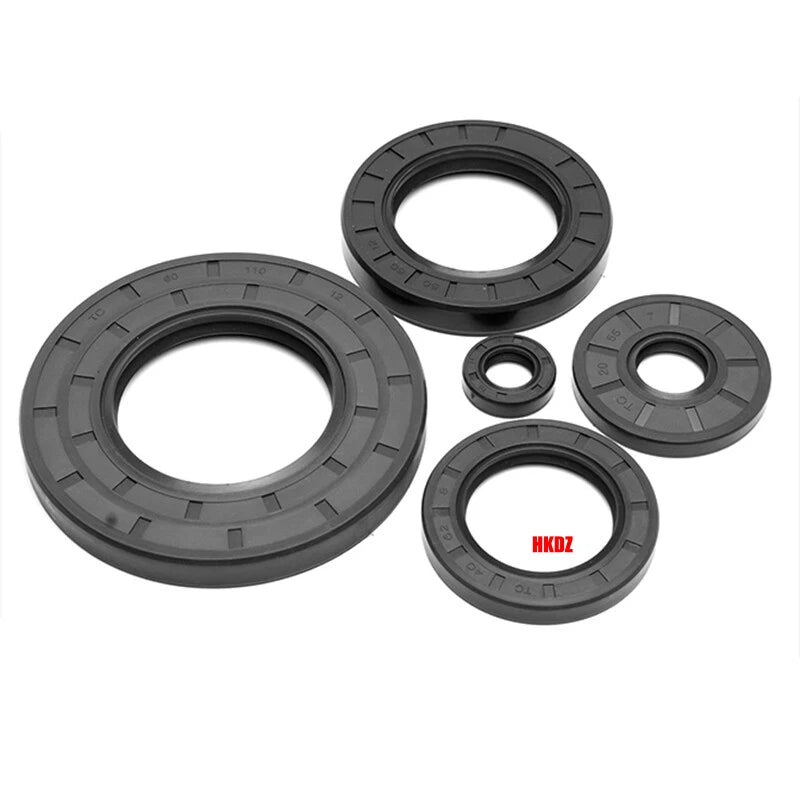
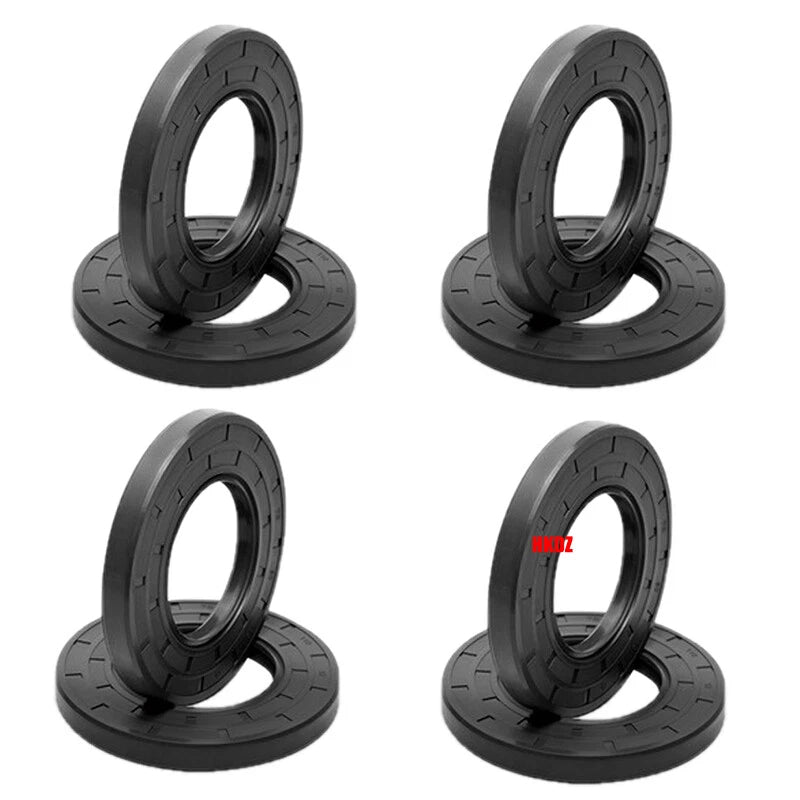
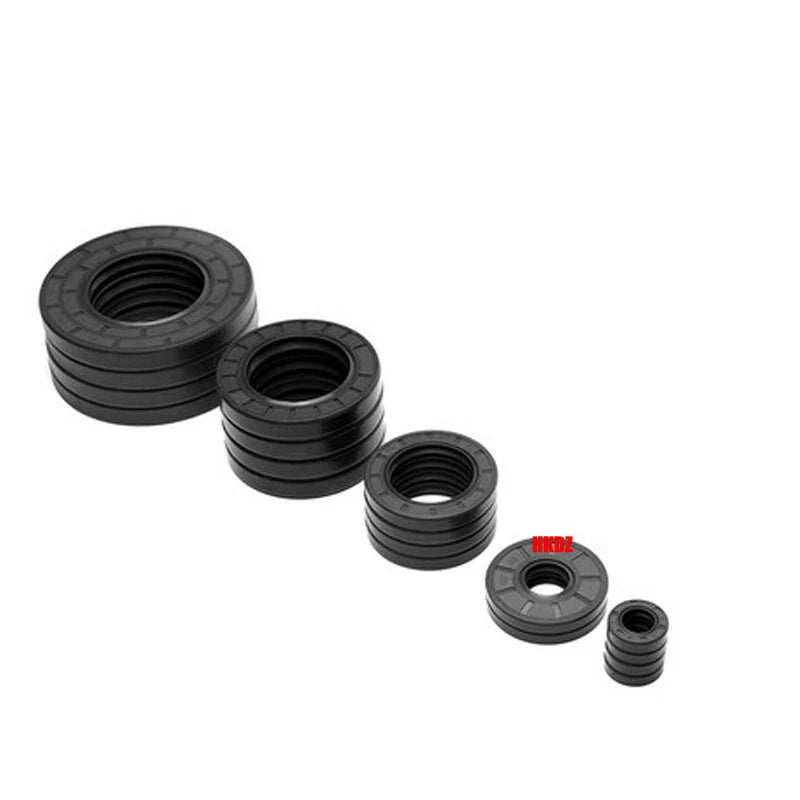
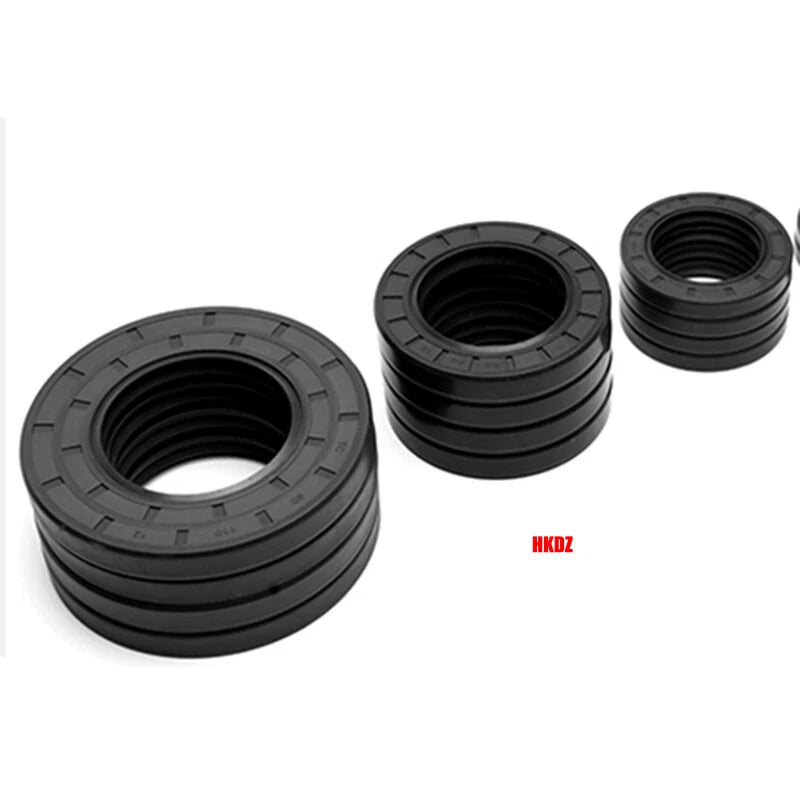
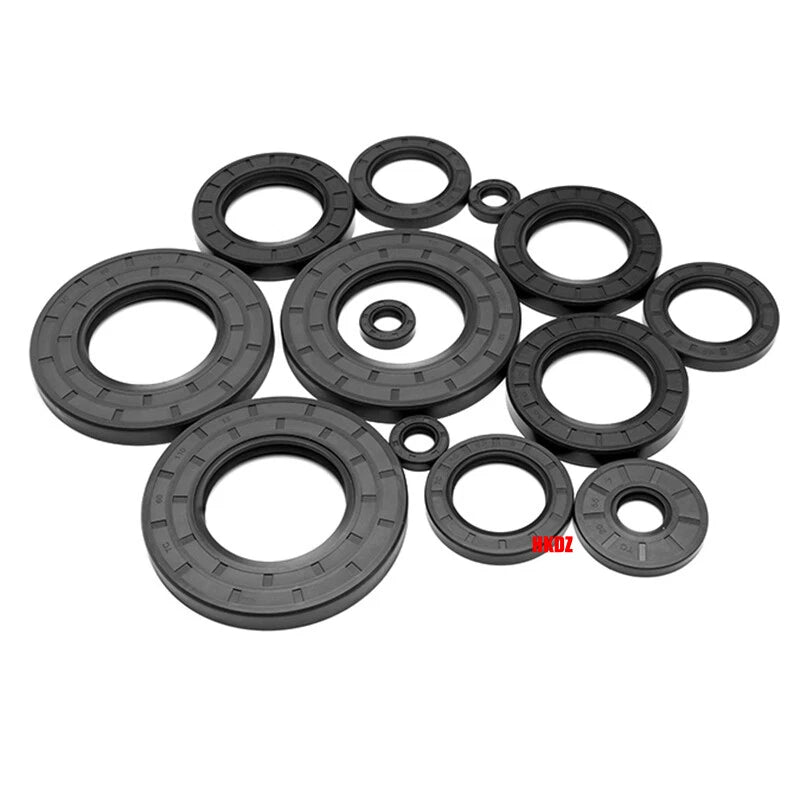
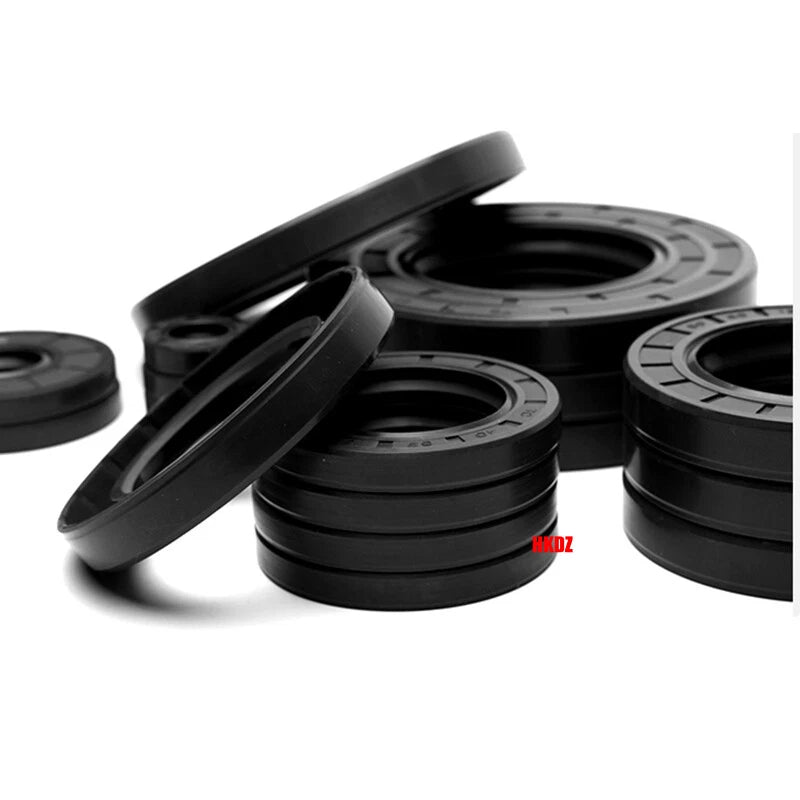
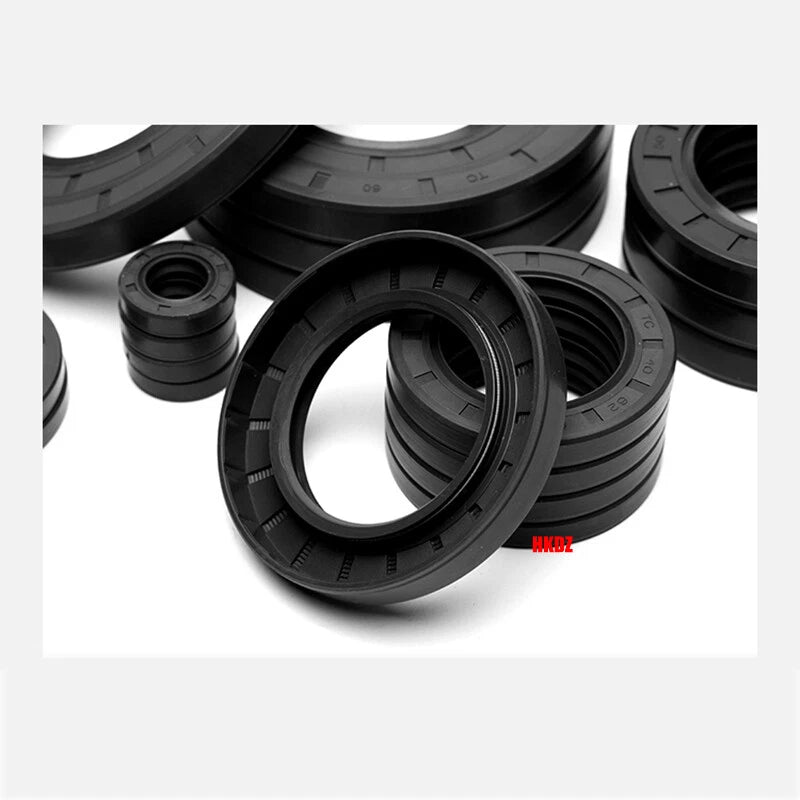
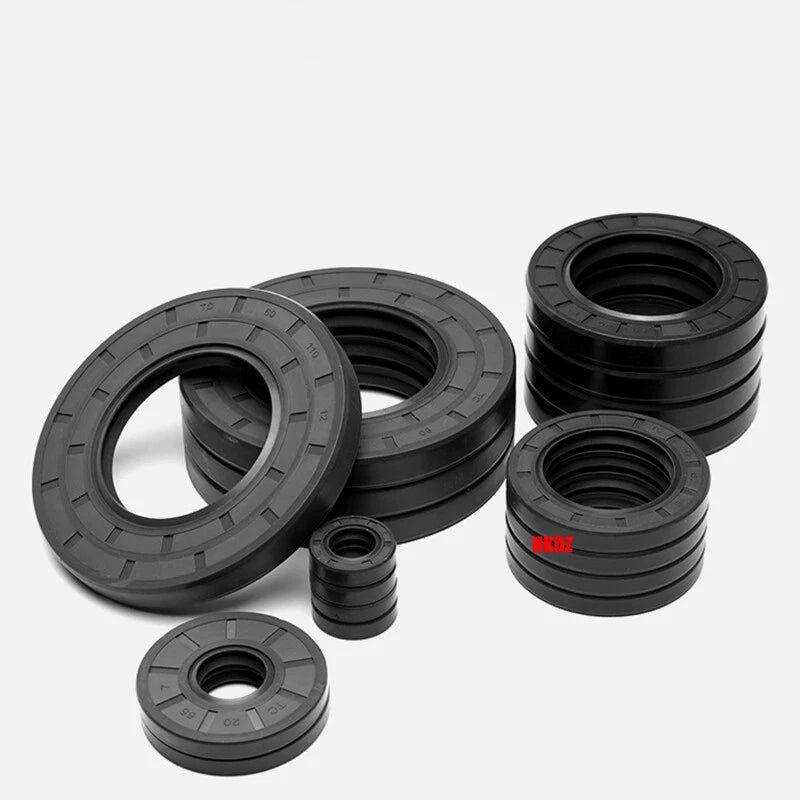
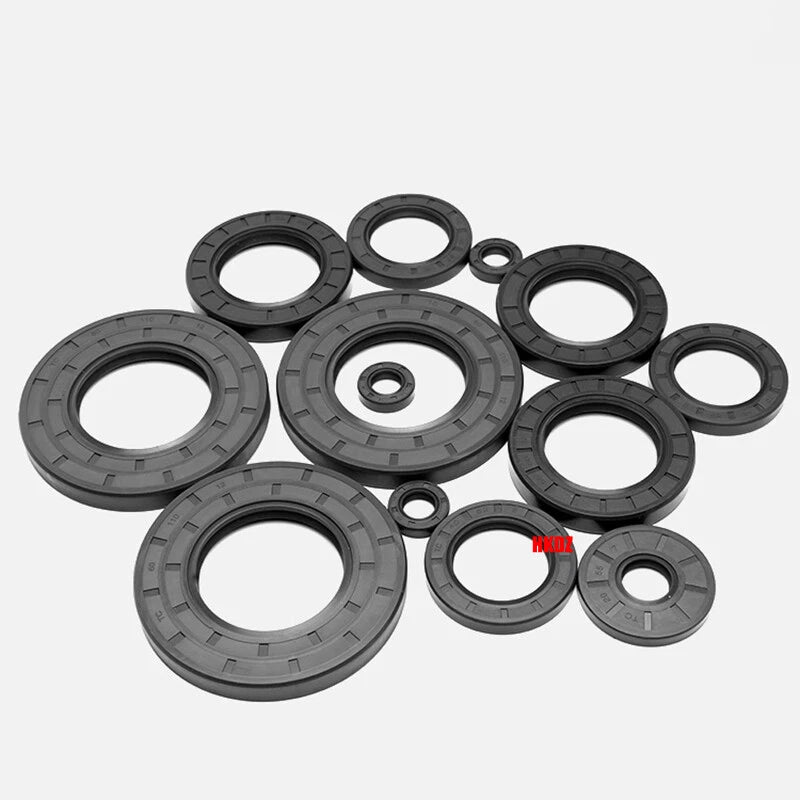
NBR TC Simmerring Oil Seal Nitrile Rubber Rotary Shaft Seals Metric ID 55~155mm

Keine Bewertungen

Preis:
Sonderpreis$3.56 USD
Lagerbestand:
Verfügbar (500 Stück), versandbereit

Payment & Security

Ach Direct Debit Amazon American Express Apple Pay Bancontact Diners Club Discover Google Pay iDEAL Wero Mastercard PayPal Shop Pay USDC Visa

Deine Zahlungsinformationen werden sicher verarbeitet. Wir speichern keine Kreditkartendaten und haben auch keinen Zugang zu deinen Kreditkartendaten.

Quantity Discount Promotion
🎯 BULK DISCOUNT: Buy More, Save More!
Buy 2 Items
5% OFF
Buy 4 Items
10% OFF
Buy 6 Items
15% OFF
Expert

DIY Expert Support

Get fitment advice & recommendations

Mon-Fri, 8:30AM-8PM
24-Hour Fast Ship
🚚
Arrives in 3-14 days
🌍
Global Reach
↩️
30-Day Returns
🌱 1 tree planted with every purchase

Beschreibung

NBR TC Oil Seal — Stop Shaft Leaks with the Right Metric Rotary Shaft Seal

A leaking shaft seal on a gearbox, motor, or pump is more than an inconvenience — it contaminates surrounding components, accelerates bearing wear, and turns a minor maintenance task into a costly repair. DIYers and workshop technicians who need an exact-fit metric TC oil seal without ordering from an OEM catalog will find this range covers the most common bore sizes in one place.

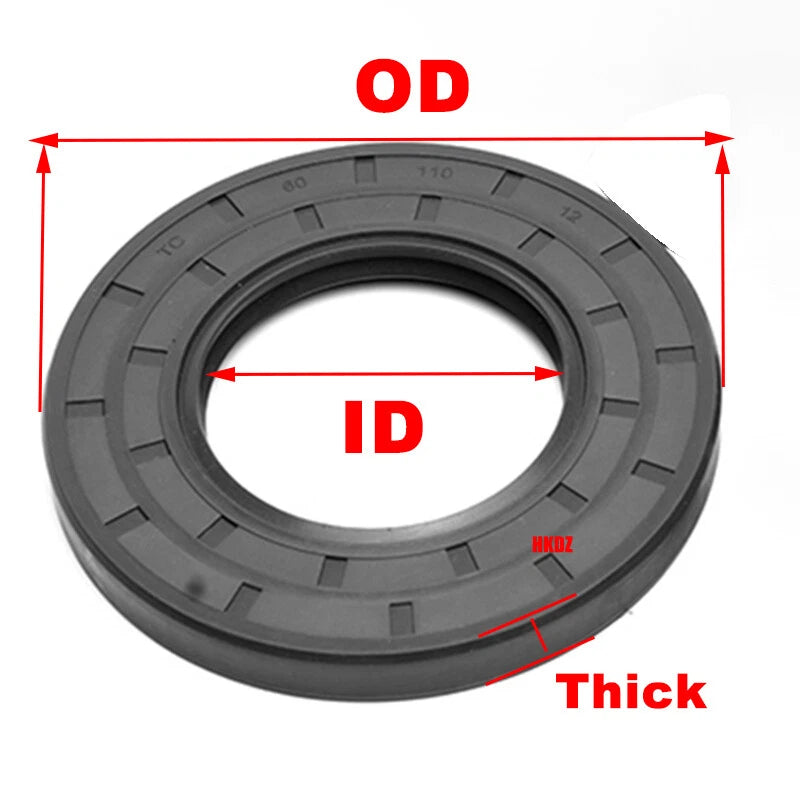
These are double-lip TC-type rotary shaft seals made from NBR (nitrile butadiene rubber), a material chosen for its resistance to petroleum-based oils, greases, and hydraulic fluids. Each seal consists of a metal outer case for press-fit retention, a primary sealing lip that rides the shaft, and a secondary dust-exclusion lip. Inner diameter (ID) runs from 55 mm (≈2.17 in) to 155 mm (≈6.10 in); outer diameter (OD) from 68 mm to 225 mm; cross-section thickness (T) from 5 mm to 20 mm — select the exact ID×OD×T combination that matches your application.

Typical use cases include replacing worn NBR TC oil seals on agricultural gearboxes, automotive differential pinion shafts, industrial conveyor drive units, and hydraulic pump input shafts. The wide size range also makes these seals a practical stock item for maintenance shops that service mixed equipment fleets.

⚙️ Compatibility note: Verify your shaft diameter, housing bore, and seal seat depth before ordering. This seal is rated for petroleum-based oils and greases. Not recommended for use with strong acids, ketones, or esters without confirming NBR chemical compatibility.

✅ Key Features of These NBR TC Rotary Shaft Oil Seals

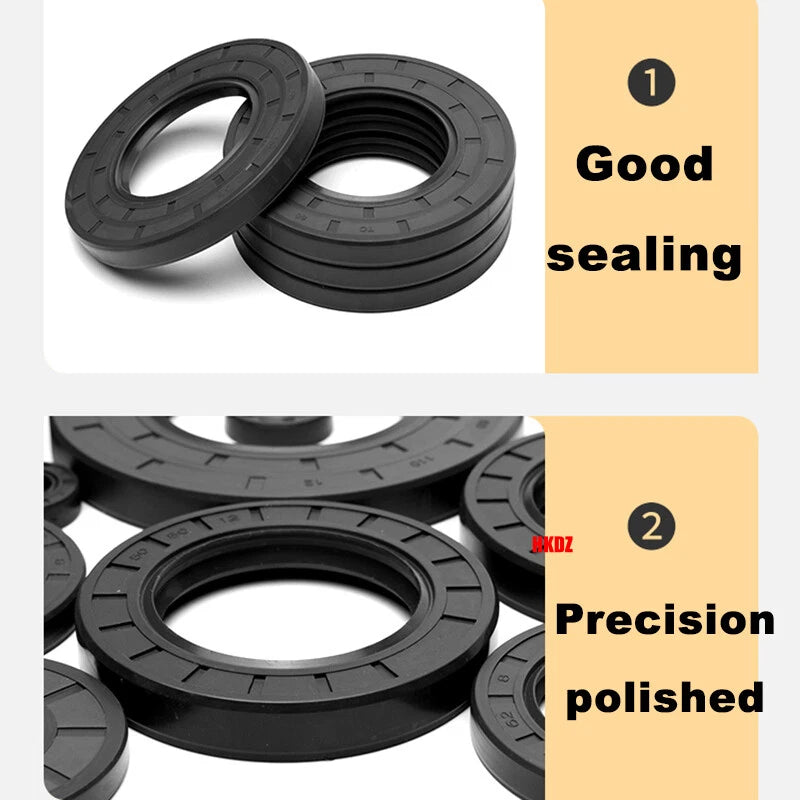
  • 🔩 Double-Lip TC Design — Primary sealing lip retains lubricant; secondary lip excludes dust and contaminants, extending service life in dirty environments such as agricultural and construction equipment.
  • 🛢️ NBR Rubber Compound — Nitrile butadiene rubber provides reliable resistance to petroleum-based oils, mineral greases, and hydraulic fluids across a typical operating temperature range of approximately −40 °C to +120 °C (−40 °F to +248 °F).
  • 🏗️ Metal-Reinforced Outer Case — The rigid metal shell maintains dimensional stability during press-fit installation and prevents the seal from rotating in the housing bore under dynamic shaft loads.
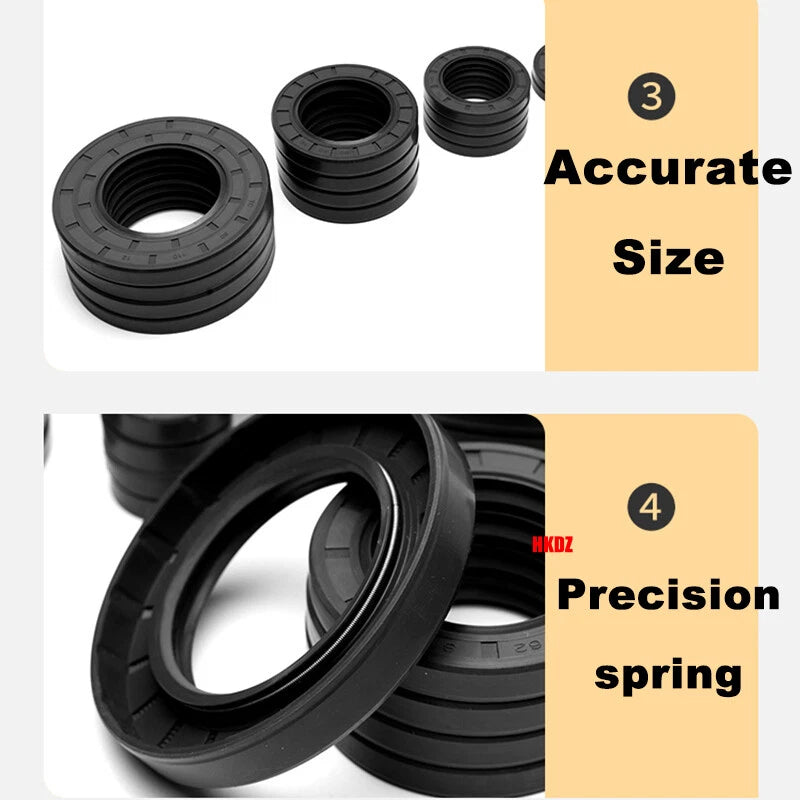
  • 📐 Wide Metric Size Range — ID 55–155 mm, OD 68–225 mm, thickness 5–20 mm. Over 240 size combinations available in a single listing — select the exact ID×OD×T that matches your shaft and housing.
  • 🔄 Direct OEM-Style Replacement — Metric dimensions follow standard TC seal sizing conventions, making these a straightforward drop-in replacement for worn seals on gearboxes, differentials, pumps, and electric motors without custom machining.
  • 🧰 Sold Individually (1 PCS per Order) — Each variant ships as a single seal so you can order exactly the quantity you need for a targeted repair without purchasing a bulk pack.

📐 Technical Specifications — TC Oil Seal

Seal Type TC (Double-Lip, Metal-Cased)
Material NBR (Nitrile Butadiene Rubber) lip; metal outer case
Inner Diameter (ID) 55 mm – 155 mm (≈2.17 in – 6.10 in) — See variant options
Outer Diameter (OD) 68 mm – 225 mm — See variant options
Thickness (T) 5 mm – 20 mm — See variant options
Operating Temperature Typically −40 °C to +120 °C (−40 °F to +248 °F)
Compatible Fluids Petroleum-based oils, mineral greases, hydraulic fluids
Lip Configuration Primary sealing lip + secondary dust-exclusion lip
Installation Method Press-fit into housing bore
Quantity per Order 1 PCS
Weight See variant options

❓ Frequently Asked Questions

How do I find the correct seal size for my application?

Measure three dimensions on the worn seal or the housing/shaft directly: Inner Diameter (ID) = shaft diameter, Outer Diameter (OD) = housing bore diameter, and Thickness (T) = depth of the seal seat. Match all three to the ID×OD×T variant listed. If the old seal is still intact, the size is usually stamped or molded on the outer case.

What is the difference between a TC seal and a SC or SB seal?

A TC seal has two sealing lips — a primary lip that retains lubricant and a secondary lip that excludes dust and debris. SC seals have a single lip with a metal case, and SB seals are single-lip with a rubber outer. TC seals are the most common choice for general-purpose gearboxes and motors where both oil retention and contamination exclusion are needed.

Is NBR rubber compatible with synthetic gear oils or ATF?

NBR performs well with conventional petroleum-based gear oils, mineral hydraulic fluids, and most ATF formulations. However, some fully synthetic PAO-based or ester-based fluids can cause NBR to swell or degrade over time. If your application uses a fully synthetic fluid, confirm NBR compatibility with the fluid manufacturer's data sheet before installing.

What shaft surface finish and speed are these seals designed for?

TC oil seals generally require a shaft surface finish of Ra 0.2–0.8 µm (approximately 8–32 µin) for reliable sealing. Shaft hardness of HRC 45–60 is recommended to minimize lip wear. Peripheral shaft speed suitability depends on seal diameter and lubricant viscosity — for most automotive and light industrial applications running below 6 m/s tip speed, standard NBR TC seals are appropriate. Contact us to confirm for high-speed applications.

How do I install a TC oil seal without damaging the lip?

Clean the housing bore and lightly lubricate the seal lip and outer case with the same oil used in the application. Use a flat press plate or a seal driver of the correct diameter to press the seal in squarely — never hammer directly on the seal face. Press until the seal face is flush with or just below the housing surface. Avoid dragging the lip over keyways or splines; use a thin sleeve or tape to protect the lip during installation.

Can I use this seal on a shaft that shows a wear groove?

A worn groove on the shaft where the old seal ran will cause the new seal to leak immediately, since the lip cannot maintain contact across the groove. Options include: (1) replacing the shaft, (2) using a speedi-sleeve (shaft repair sleeve) pressed over the worn area, or (3) repositioning the seal axially if the housing depth allows the lip to contact an unworn section of the shaft.

What is the typical service life of an NBR TC oil seal?

Under normal operating conditions — clean lubricant, correct shaft finish, temperatures within the −40 °C to +120 °C range, and shaft speeds within design limits — NBR TC seals typically last 3,000–8,000 operating hours. Elevated temperatures, contaminated oil, or a rough shaft surface will shorten service life significantly. Replacing the seal as part of a scheduled maintenance interval is recommended rather than waiting for visible leakage.

🛒 Select your Size (ID×OD×T) above, then add to cart.

You may also like

Recently viewed