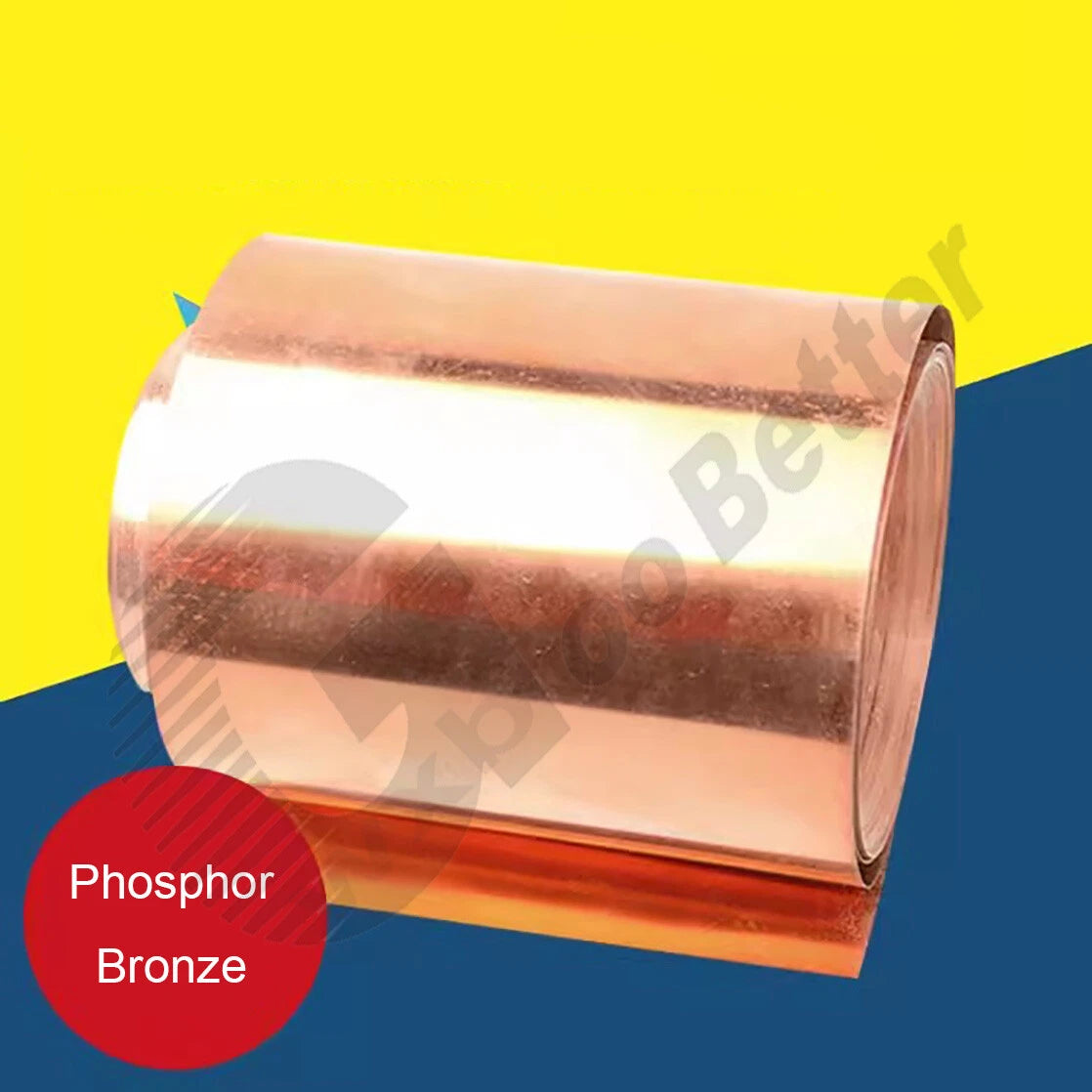
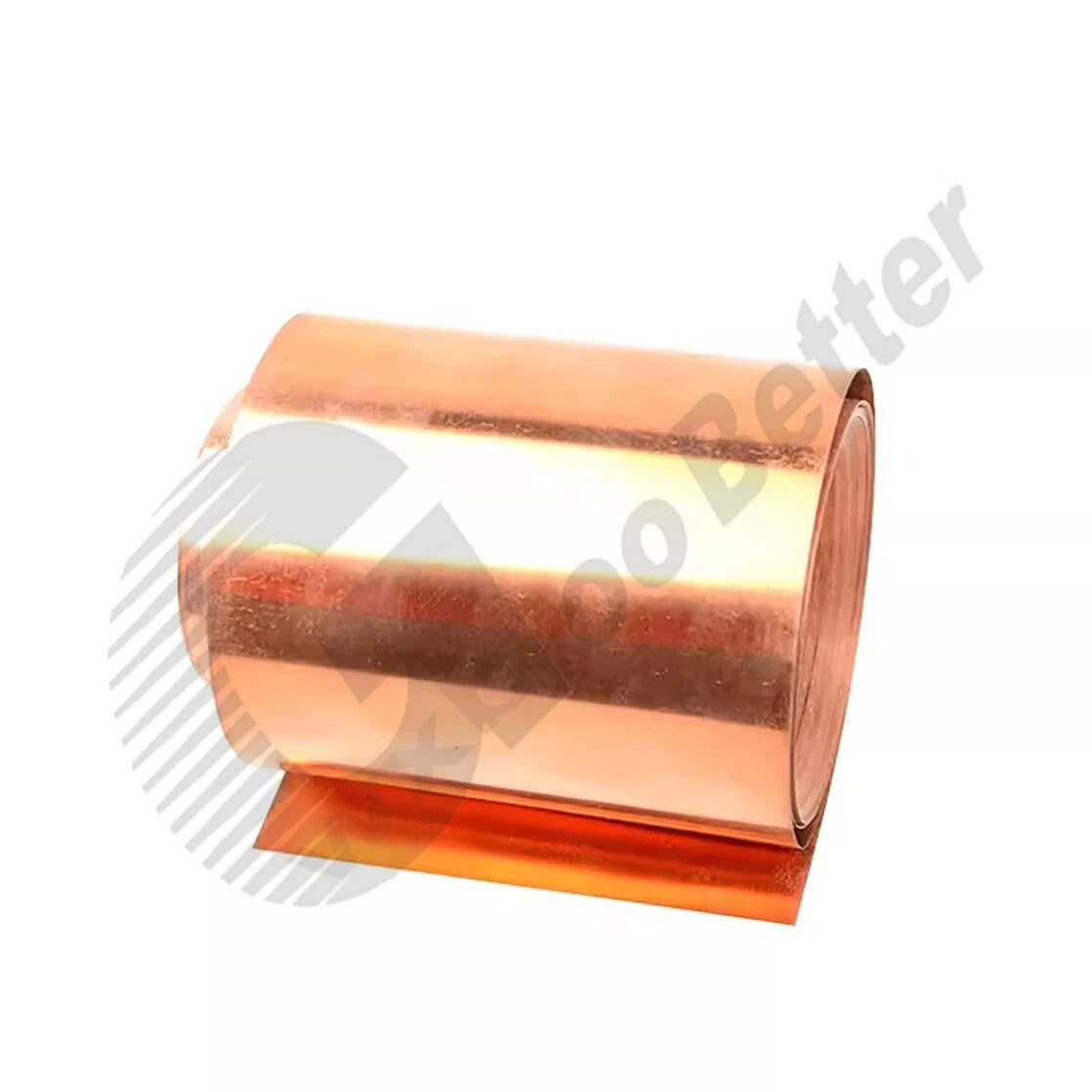
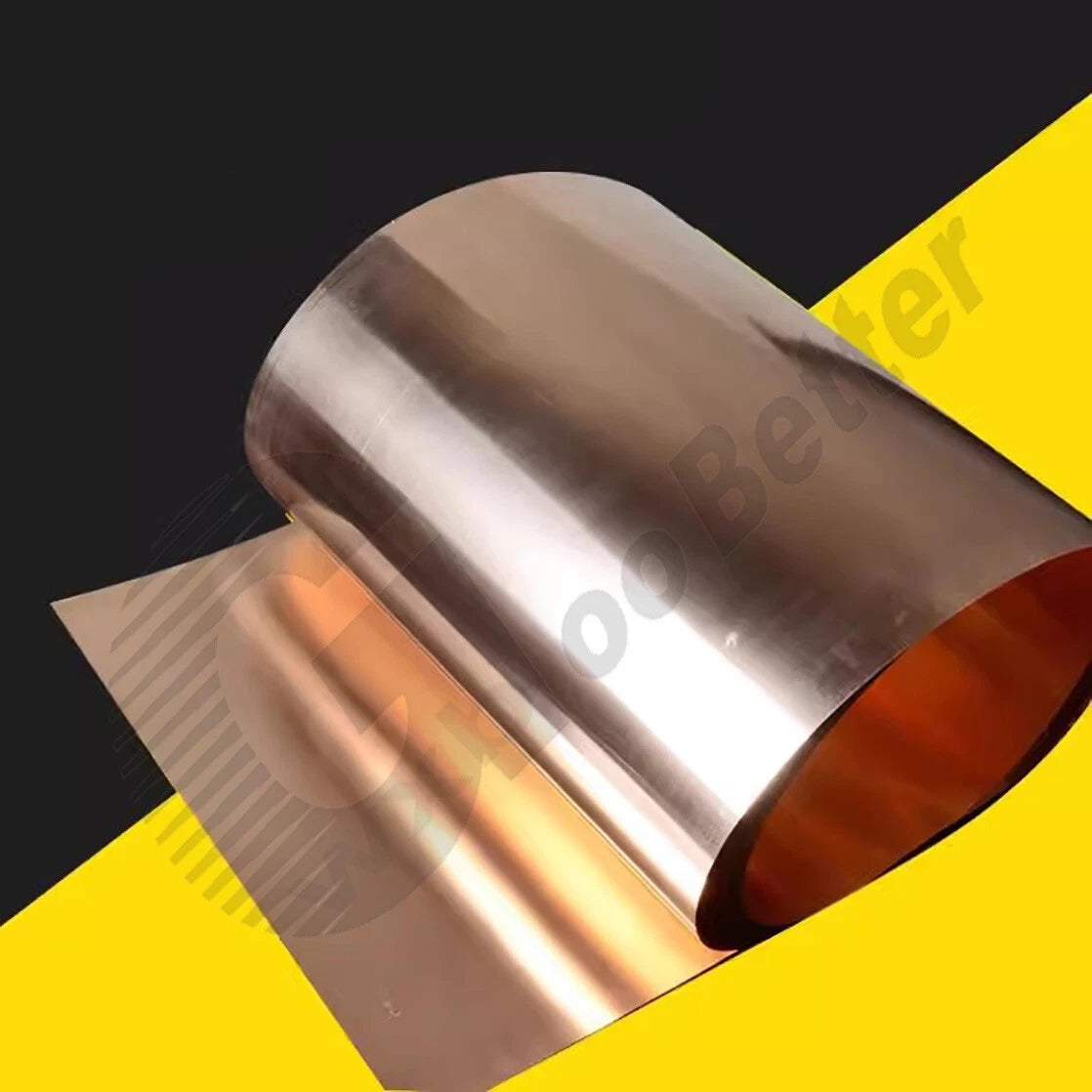
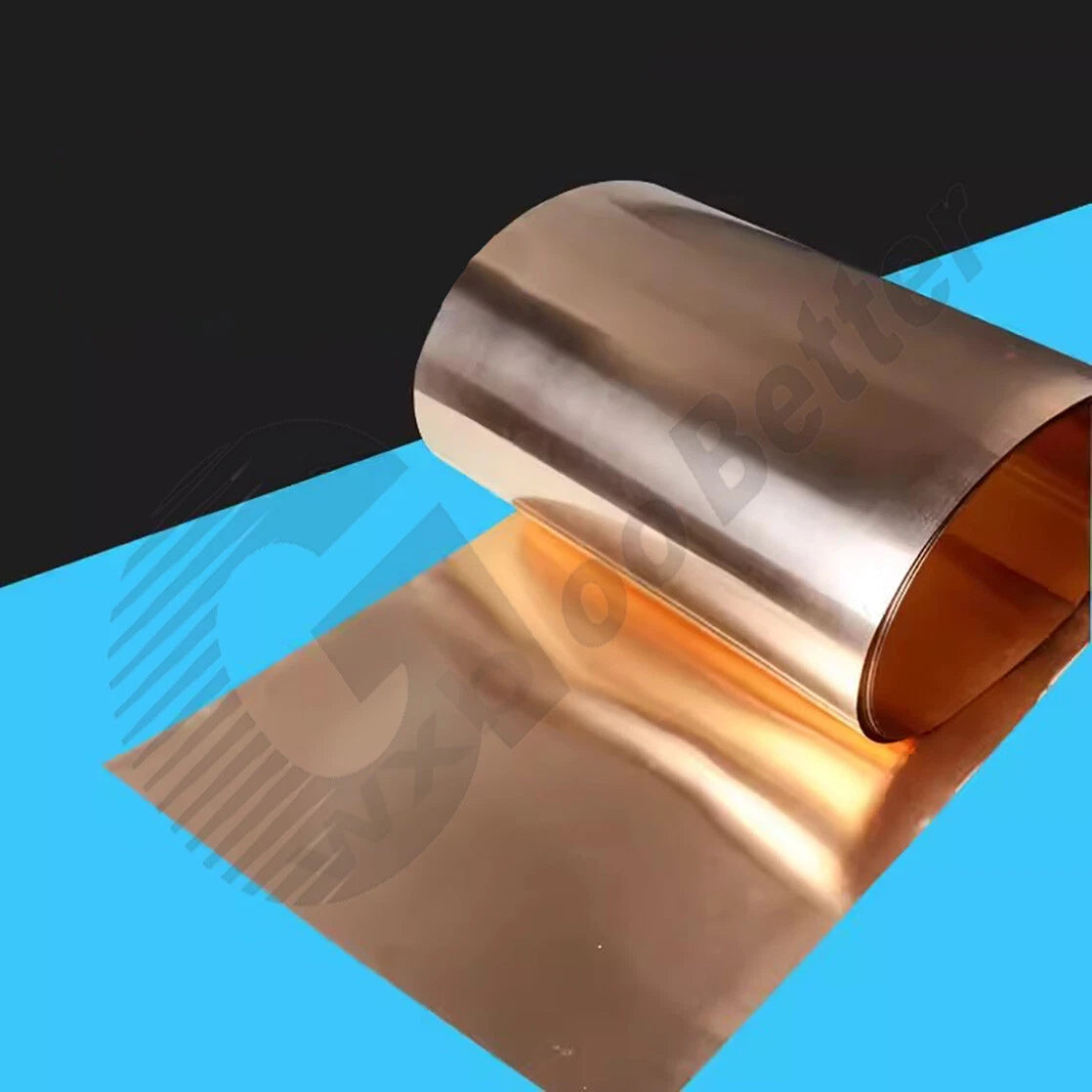
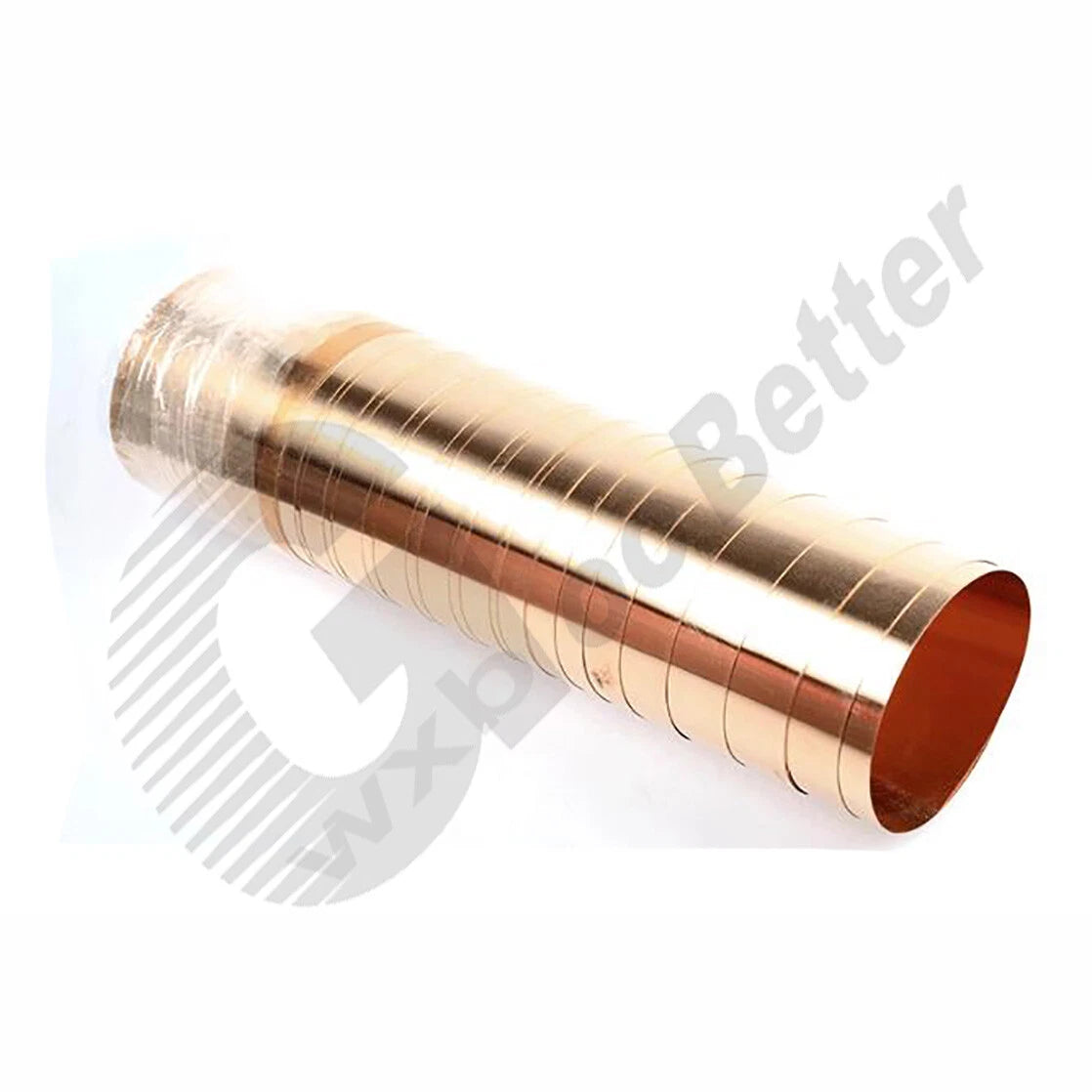
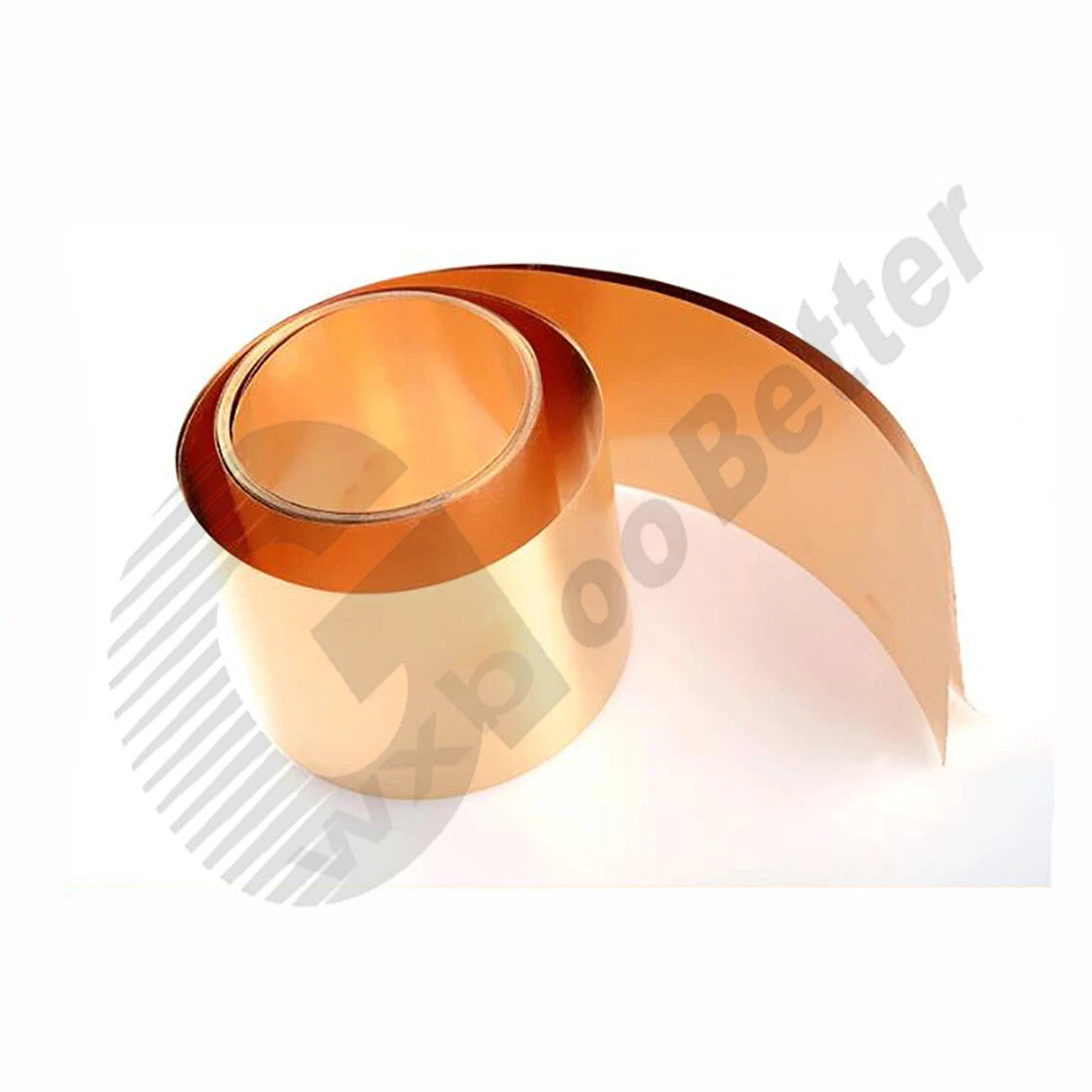
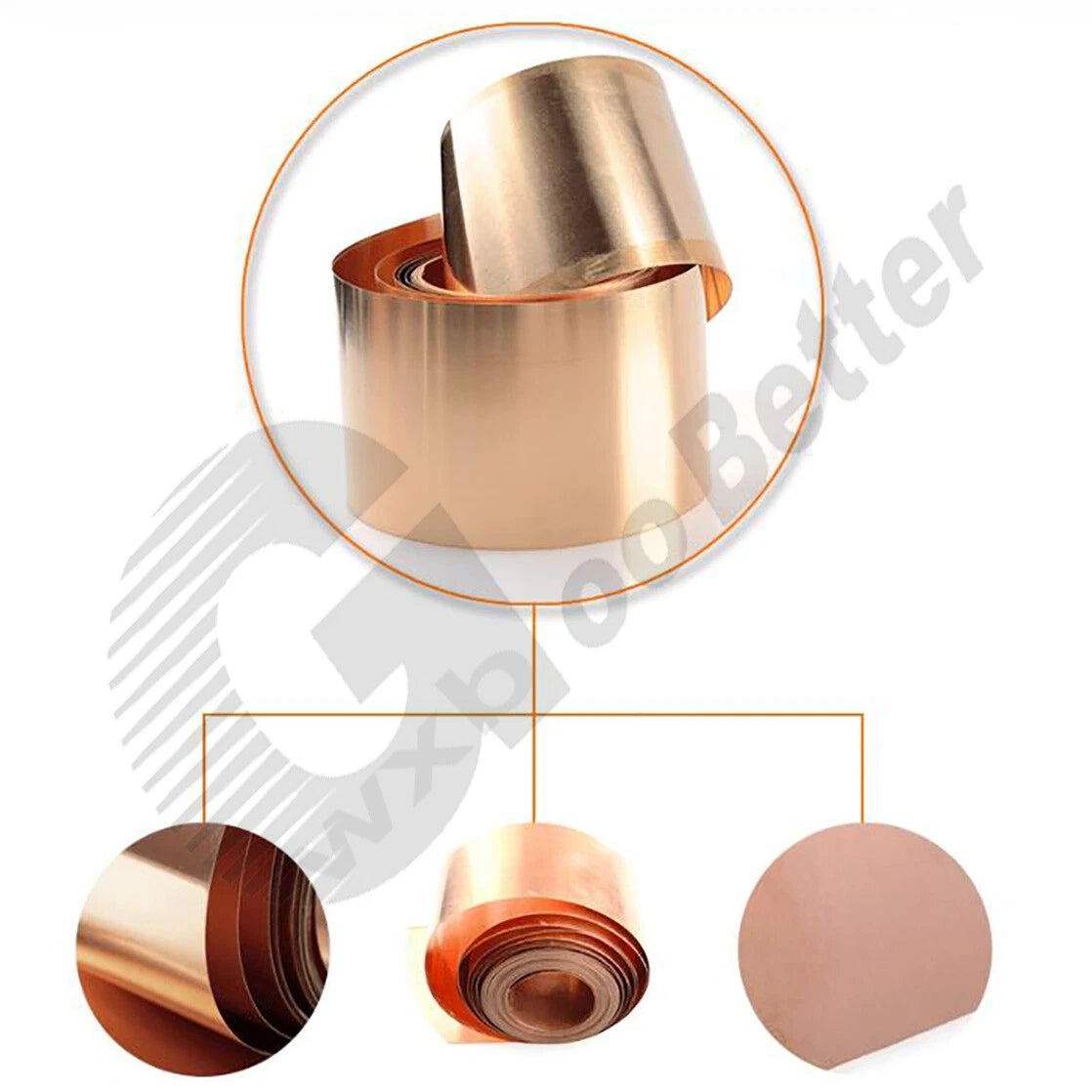
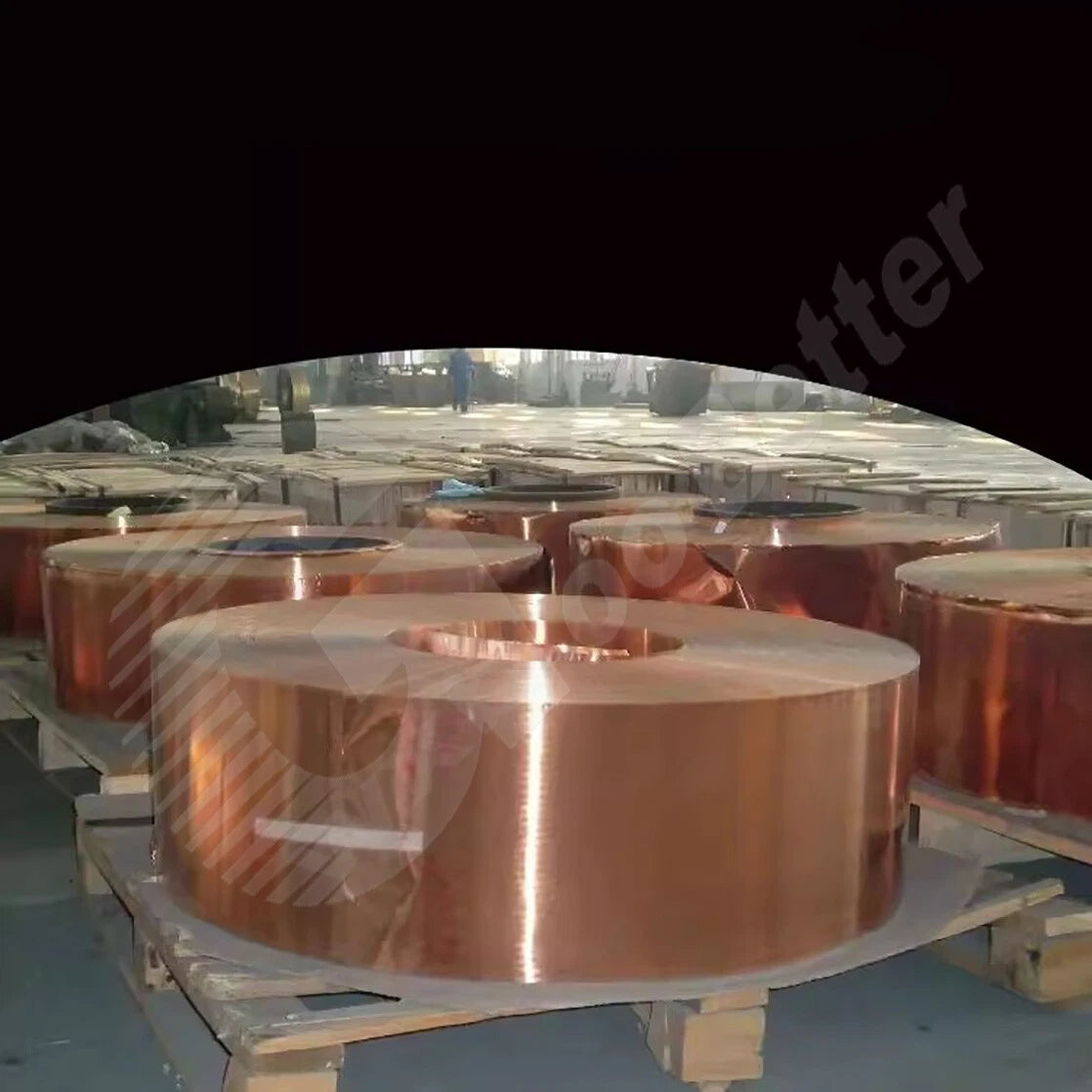
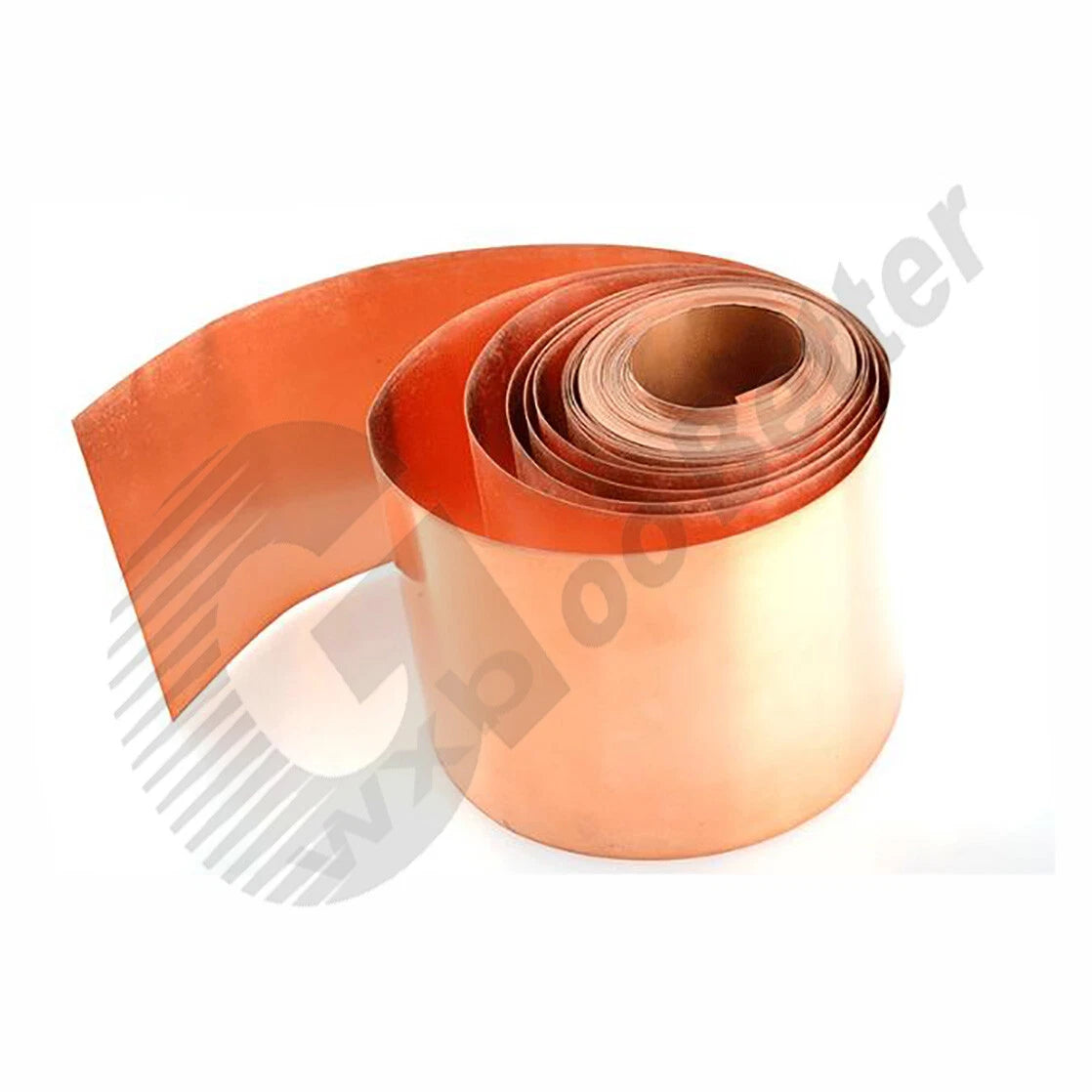
Flat Panel Foil Phosphor Bronze Thickness=0.1~0.8mm Phosphor Bronze Sheet Plate

Keine Bewertungen

Preis:
Sonderpreis$23.42 USD
Lagerbestand:
Verfügbar (500 Stück), versandbereit

Payment & Security

Ach Direct Debit Amazon American Express Apple Pay Bancontact Diners Club Discover Google Pay iDEAL Wero Mastercard PayPal Shop Pay USDC Visa

Deine Zahlungsinformationen werden sicher verarbeitet. Wir speichern keine Kreditkartendaten und haben auch keinen Zugang zu deinen Kreditkartendaten.

Quantity Discount Promotion
🎯 BULK DISCOUNT: Buy More, Save More!
Buy 2 Items
5% OFF
Buy 4 Items
10% OFF
Buy 6 Items
15% OFF
Expert

DIY Expert Support

Get fitment advice & recommendations

Mon-Fri, 8:30AM-8PM
24-Hour Fast Ship
🚚
Arrives in 3-14 days
🌍
Global Reach
↩️
30-Day Returns
🌱 1 tree planted with every purchase

Beschreibung

Phosphor Bronze Sheet & Flat Stock — Precision Foil for Electrical, Mechanical & DIY Applications

When your project demands a material that balances electrical conductivity, spring-like resilience, and reliable corrosion resistance, standard brass or copper sheet often falls short. Hobbyists, engineers, and repair technicians who work on precision instruments, electrical contacts, shims, and custom brackets need a flat stock they can trust to hold its properties across repeated flexing and exposure to moisture. These phosphor bronze sheet plates are stocked in a range of thicknesses and cut sizes specifically for that kind of hands-on, detail-oriented work.

Each piece is a phosphor bronze flat panel or foil — an alloy of copper, tin, and a trace of phosphorus — available in thicknesses from 0.1 mm to 0.8 mm (approximately 0.004" to 0.031") and sheet sizes of 100 × 100 mm (≈ 3.9" × 3.9"), 100 × 200 mm (≈ 3.9" × 7.9"), and 100 × 300 mm (≈ 3.9" × 11.8"). Quantity per order varies by thickness and size combination, as shown in the variant selector.

Typical use cases include fabricating electrical contact springs and brush strips, cutting custom shim stock for bearing clearance adjustment, forming thin flexible brackets or leaf springs in model engineering, and crafting decorative metalwork or jewelry components where a warm copper-gold tone is desired. The combination of low thickness tolerance and consistent flatness makes these sheets well-suited for laser cutting, CNC routing, and hand-tool shaping alike.

⚙️ Compatibility Note: Suitable for use with standard metalworking tools — tin snips, jeweler's saw, laser cutter, or CNC mill. Verify thickness tolerance requirements against your application before ordering.

✅ Key Features of These Phosphor Bronze Sheet Plates

  • Spring-Temper Resilience — The phosphorus addition raises the elastic limit, so thin foil sections flex and return to shape without permanent deformation — ideal for contact springs and clips.
  • Corrosion & Fatigue Resistance — The alloy resists oxidation and salt-air exposure, making it a dependable choice for marine, outdoor, and humid-environment assemblies.
  • Good Electrical Conductivity — Retains meaningful conductivity for low-current electrical contacts, brush strips, and grounding tabs where pure copper would be too soft.
  • Precise Thickness Range — Available in eight increments from 0.1 mm to 0.8 mm, letting you match the exact stiffness and cross-section your design requires.
  • Multiple Sheet Sizes — Three cut dimensions (100 × 100 mm, 100 × 200 mm, 100 × 300 mm) reduce waste when you only need a small blank rather than a full industrial sheet.
  • Machinable & Formable — Cuts cleanly with snips or a fine-tooth blade, bends without cracking at the thinner gauges, and solders readily with standard rosin-core solder.

📐 Technical Specifications — Phosphor Bronze Flat Sheet & Foil

Material Phosphor Bronze (Cu-Sn-P alloy)
Thickness Range 0.1 mm – 0.8 mm (0.004" – 0.031")
Sheet Width 100 mm (≈ 3.94")
Sheet Length Options 100 mm / 200 mm / 300 mm
Quantity per Pack See variant options
Surface Finish Mill finish, flat
Temper Spring temper (typically)
Electrical Conductivity Moderate (lower than pure copper; suitable for low-current contacts)
Corrosion Resistance Good — resists oxidation and salt-air exposure
Solderability Good with rosin-core or silver solder
Weight See variant options

❓ Frequently Asked Questions

How do I choose the right thickness for my project?

Thinner foils (0.1–0.2 mm) are best for flexible electrical contacts, shim stock, and decorative applications where the material needs to conform or flex repeatedly. Mid-range gauges (0.3–0.5 mm) suit leaf springs, brackets, and structural shims. Thicker stock (0.6–0.8 mm) is appropriate when you need rigidity — for example, a stiff contact plate or a formed bracket that must hold its shape under load.

Is phosphor bronze strong enough for load-bearing spring applications?

Yes. Phosphor bronze in spring temper has a higher elastic limit than standard copper or brass, meaning it can deflect repeatedly without taking a permanent set. It is widely used in precision instrument springs, electrical brush springs, and snap-fit contacts. For heavy structural loads, consult a materials engineer to confirm the specific alloy grade meets your stress requirements.

Will this material corrode if used outdoors or near moisture?

Phosphor bronze offers good resistance to atmospheric corrosion and performs well in humid or mildly saline environments. Over very long exposure, a patina may develop, but this does not typically compromise structural integrity. For highly aggressive chemical environments, additional protective coating may be advisable.

Can I solder or weld phosphor bronze sheet?

Soldering is straightforward using rosin-core or silver-bearing solder with an appropriate flux — the alloy wets well and forms reliable joints. Fusion welding is possible but less common for thin foil gauges due to heat distortion risk; brazing is a better option for thicker sections. Avoid using acid flux, as it can cause long-term corrosion at the joint.

What tools do I need to cut and shape these sheets?

Thin gauges (0.1–0.3 mm) cut easily with sharp tin snips, a jeweler's saw, or a craft knife and straightedge. Thicker gauges (0.4–0.8 mm) benefit from aviation snips or a fine-tooth metal-cutting blade in a jigsaw. For precise shapes, a laser cutter or CNC router with a suitable end mill produces clean edges. Bending is best done over a radius to avoid cracking — use a bending brake or a rounded mandrel.

How does phosphor bronze compare to brass or stainless steel sheet for DIY use?

Compared to brass, phosphor bronze offers better spring properties and fatigue resistance, though it is typically slightly more expensive. Compared to stainless steel, phosphor bronze is easier to solder, more electrically conductive, and easier to cut and form by hand — but stainless steel is harder and more resistant to abrasion. Choose phosphor bronze when conductivity, solderability, and spring behavior matter more than hardness.

Why does the quantity per pack vary between size and thickness combinations?

Each variant is priced to deliver a consistent total material volume. Thinner sheets weigh less per piece, so more pieces are included to give you a practical working quantity. Larger sheet sizes contain more material per piece, so fewer pieces are needed to reach a comparable total. Check the variant label (e.g., "0.1mm & 10 pcs") to confirm the count before adding to cart.

🛒 Select your width, length, and thickness above, then add to cart.

You may also like

Recently viewed