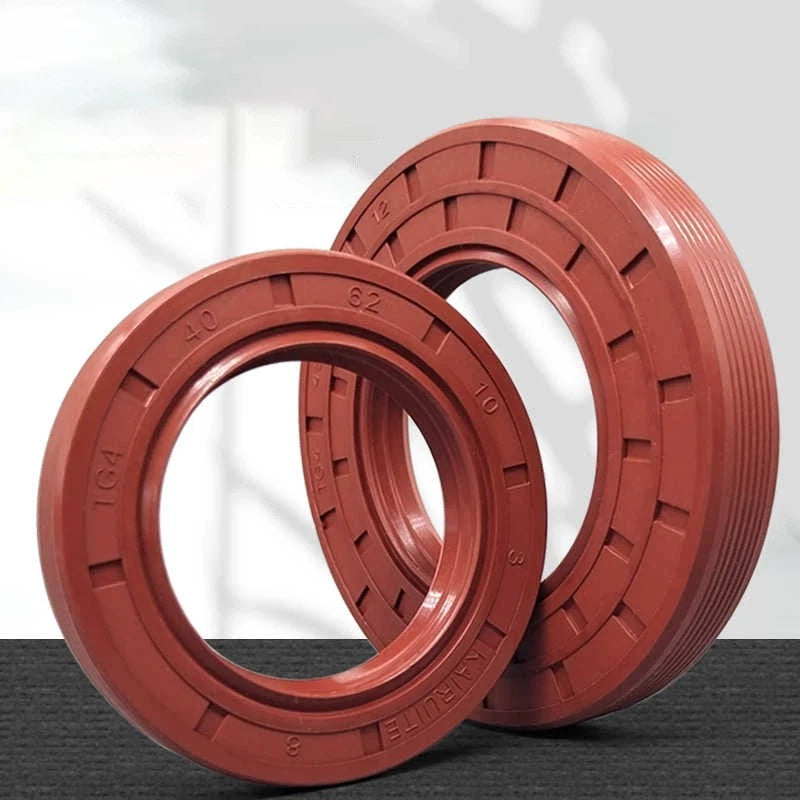
TC FKM Oil Seal | 50mm–58mm Shaft | Rotary Shaft Seal | Multiple Sizes

Keine Bewertungen

Preis:
Sonderpreis$3.17 USD
Lagerbestand:
Verfügbar (500 Stück), versandbereit

Payment & Security

Ach Direct Debit Amazon American Express Apple Pay Bancontact Diners Club Discover Google Pay iDEAL Wero Mastercard PayPal Shop Pay USDC Visa

Deine Zahlungsinformationen werden sicher verarbeitet. Wir speichern keine Kreditkartendaten und haben auch keinen Zugang zu deinen Kreditkartendaten.

Quantity Discount Promotion
🎯 BULK DISCOUNT: Buy More, Save More!
Buy 2 Items
5% OFF
Buy 4 Items
10% OFF
Buy 6 Items
15% OFF
Expert

DIY Expert Support

Get fitment advice & recommendations

Mon-Fri, 8:30AM-8PM
24-Hour Fast Ship
🚚
Arrives in 3-14 days
🌍
Global Reach
↩️
30-Day Returns
🌱 1 tree planted with every purchase

Beschreibung

TC FKM Oil Seal for 50–58mm Shafts — Stop Leaks Before They Start

A weeping gearbox, a leaking differential, or a seeping hydraulic pump shaft — these aren't just messy problems, they're signs that your rotary shaft seal has given up. Mechanics, equipment operators, and serious DIYers who work on automotive drivetrains, industrial gearboxes, agricultural machinery, and hydraulic systems need a TC oil seal that holds up to heat, chemical exposure, and continuous rotation without failing prematurely.

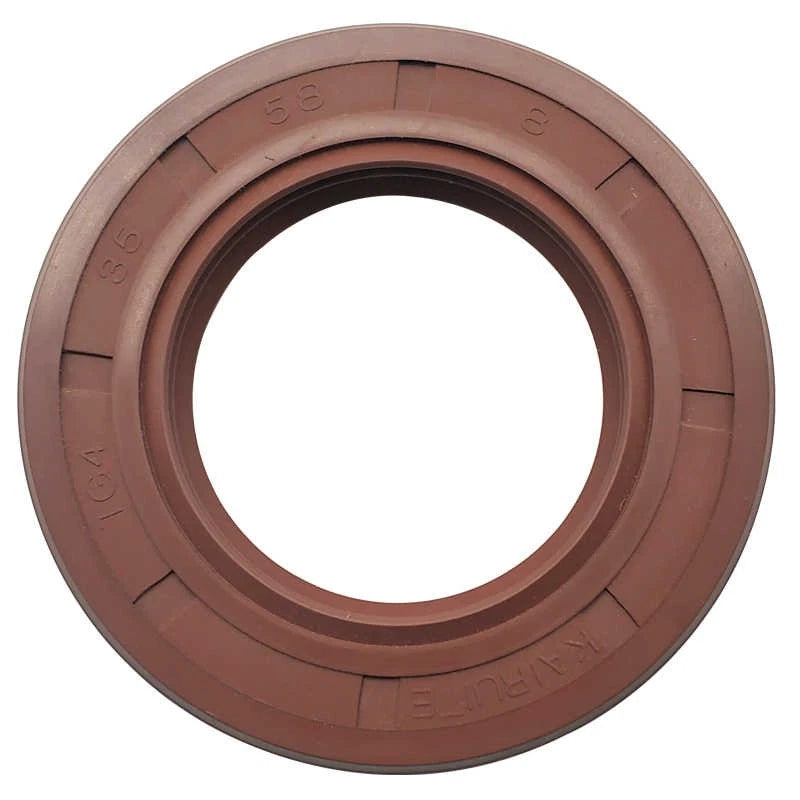
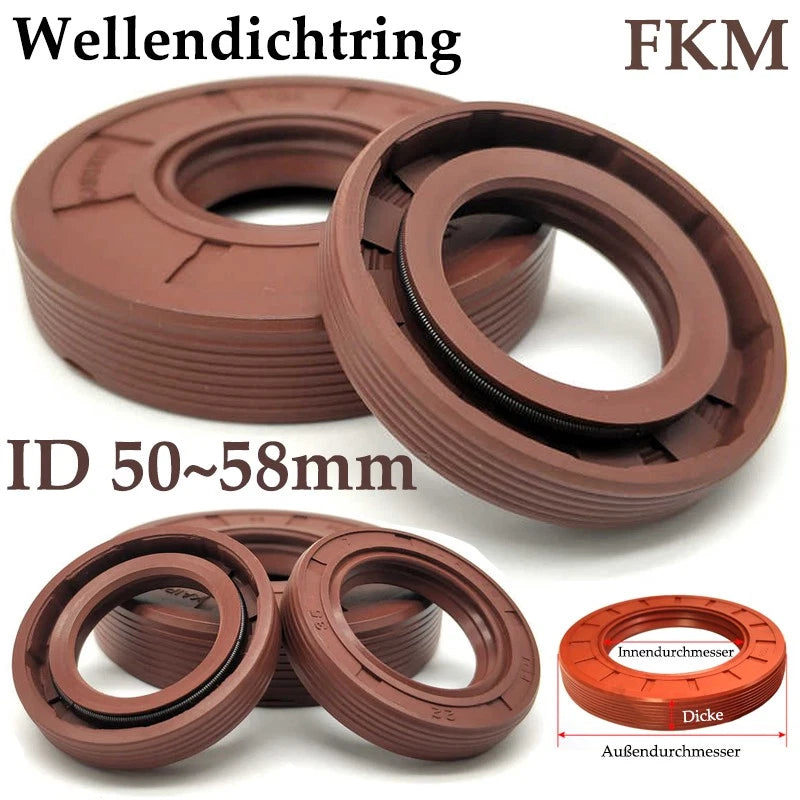
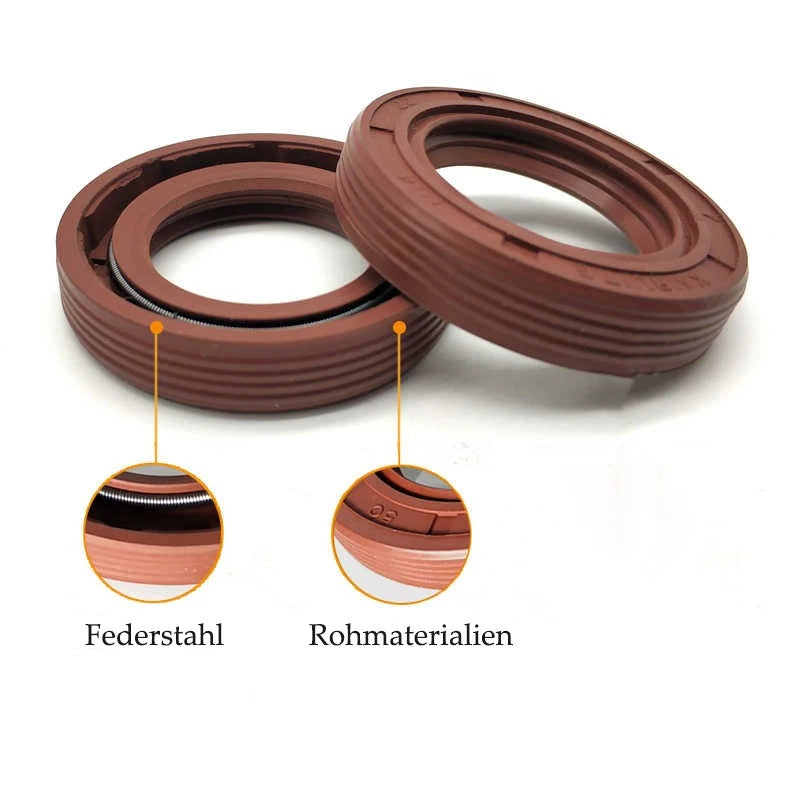
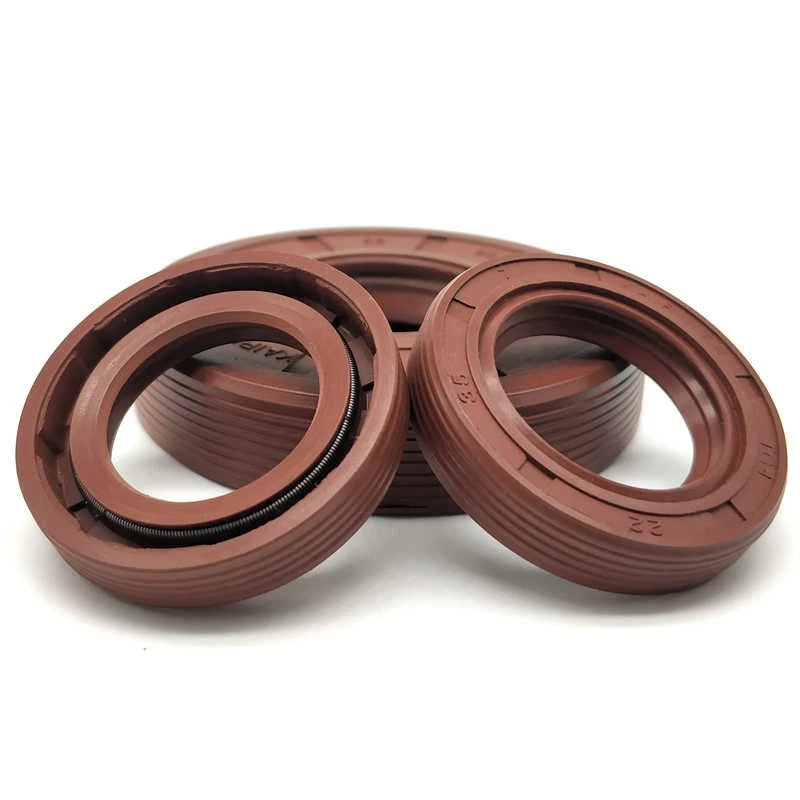
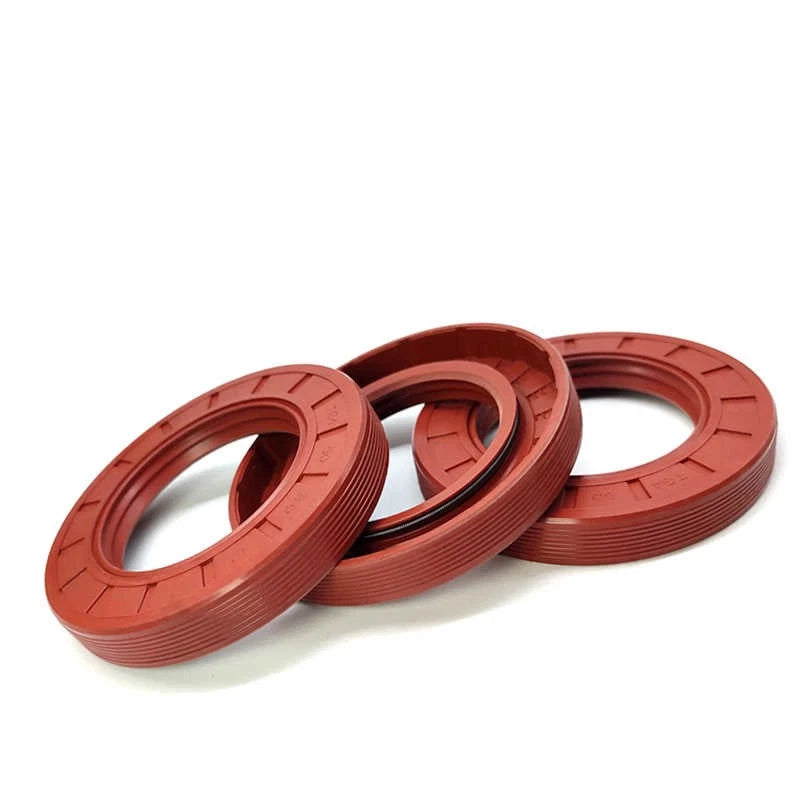
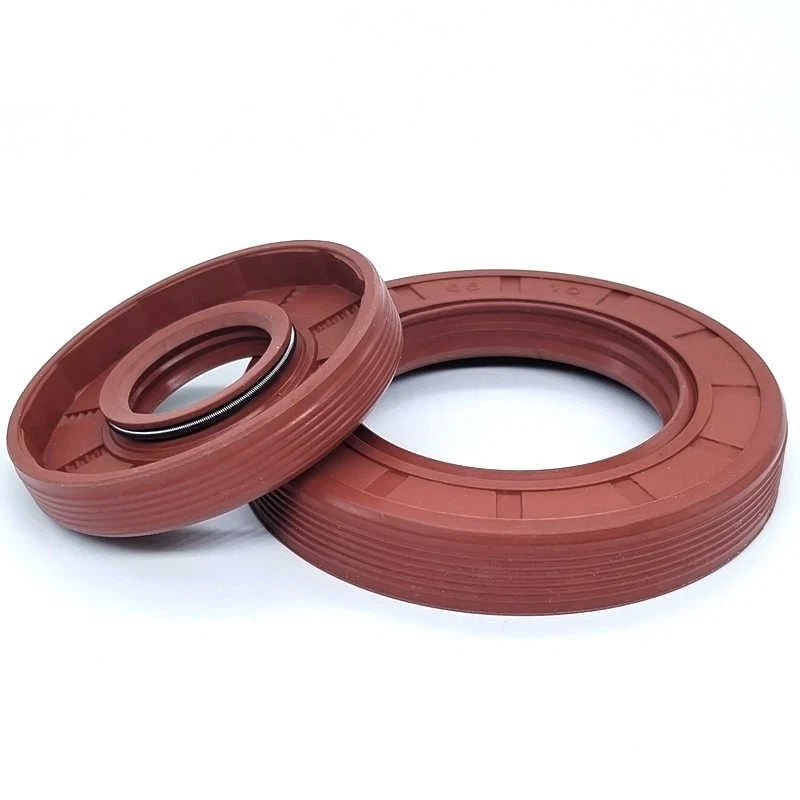
Each seal in this listing is a TC-type double-lip rotary shaft seal made from FKM (fluoroelastomer) with a carbon steel outer case and a garter spring-loaded primary lip. Variants are specified as ID × OD × Width (mm) — for example, 50×72×8 means a 50mm (≈1.97") shaft, 72mm (≈2.83") bore, 8mm (≈0.31") housing depth. Inner diameters covered range from 50mm to 58mm, outer diameters from approximately 60mm to 110mm, and widths from 6mm to 12mm. Select your exact size from the variant dropdown above.

These TC FKM oil seals are well-suited for automotive rear axle and transmission shaft sealing, industrial gearbox and motor shaft applications, and agricultural equipment hydraulic pump sealing where standard NBR seals fail due to heat or synthetic fluid exposure. The FKM lip material makes them a direct upgrade over rubber oil seals in high-temperature or chemically aggressive environments.

🔵 Compatibility Note: These seals fit shafts with an inner diameter of 50mm–58mm. Always verify all three dimensions — ID, OD, and Width — against your housing before ordering. If your shaft has a keyway or spline, use a sleeve or installation tool to protect the lip during fitting.

✅ Key Features of These TC FKM Rotary Shaft Oil Seals

  • 🌡️FKM Fluoroelastomer Lip — Withstands continuous operating temperatures typically up to around 200°C (392°F), making it a reliable upgrade over standard NBR rubber oil seals in high-temperature engine and gearbox environments.
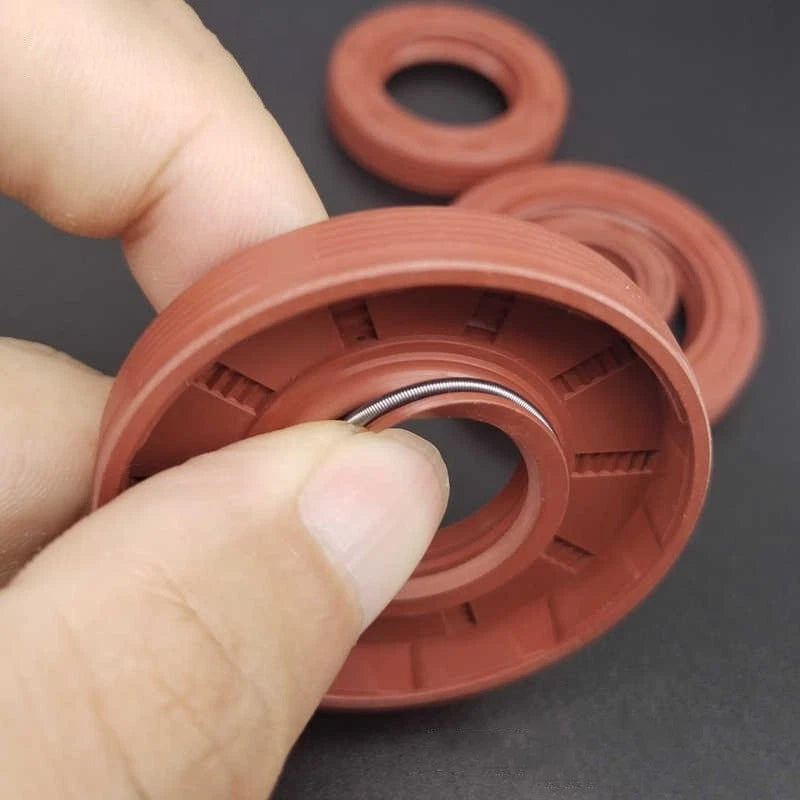
  • 🔩TC Double-Lip Design with Garter Spring — The spring-loaded primary lip maintains consistent radial force against the shaft for effective oil retention, while the secondary dust lip blocks dirt, water, and debris from entering the bearing cavity.
  • 🛡️Chemical Resistance to Synthetic Fluids — FKM elastomer resists synthetic gear oils, ATF, hydraulic fluids, and most petroleum-based lubricants — a key advantage for modern drivetrains and hydraulic systems using synthetic lubricants.
  • ⚙️Carbon Steel Outer Case — The rigid metal shell provides a secure press-fit into the housing bore, resisting blowout under pressure and maintaining concentricity for consistent shaft seal contact.
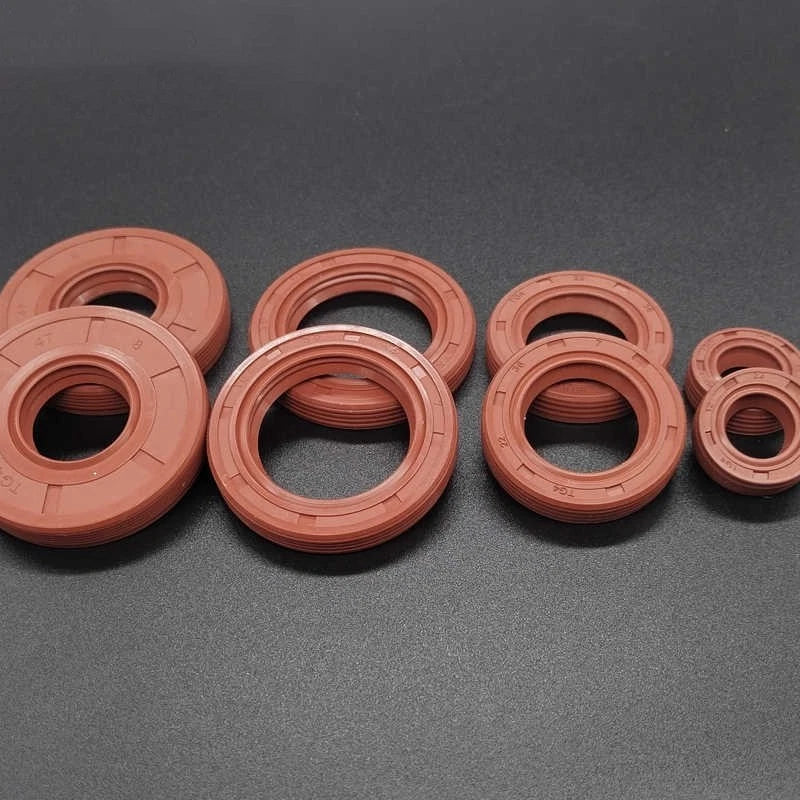
  • 📐Wide Size Matrix — 50mm to 58mm Shaft IDs — With over 170 size combinations covering IDs from 50mm to 58mm, ODs from 60mm to 110mm, and widths of 6–12mm, this listing covers a broad range of rotary shaft seal replacement needs in one place.
  • 🔄Direct Replacement for Standard TC Oil Seals — Dimensionally interchangeable with TC-type seals from major manufacturers. Suitable for automotive axle shaft seals, industrial motor shaft seals, and agricultural equipment shaft sealing where an FKM material upgrade is needed.

📐 Technical Specifications — TC FKM Rotary Shaft Oil Seal

Seal Type TC (Double Lip with Garter Spring)
Lip Material FKM (Fluoroelastomer / Viton®-type)
Outer Case Material Carbon Steel
Inner Diameter (Shaft Size) 50mm–58mm (≈1.97"–2.28") — see variant options
Outer Diameter (Bore Size) 60mm–110mm (≈2.36"–4.33") — see variant options
Width / Thickness 6mm–12mm (≈0.24"–0.47") — see variant options
Variant Format ID × OD × Width (all in mm)
Operating Temperature (Typical) Typically −40°C to +200°C (−40°F to +392°F)
Fluid Compatibility Mineral oils, synthetic gear oils, ATF, hydraulic fluids — contact us to confirm for specific fluids
Shaft Surface Speed Typically up to 4–8 m/s (application-dependent)
Pressure Rating Designed for low-to-moderate pressure; contact us to confirm for pressurized applications
Quantity per Order 1 piece per variant selected
Standard See variant options / Contact us to confirm cross-reference
⚠️ Sizing Tip: The variant selector uses the format ID × OD × Width in millimeters. Measure your existing seal or housing carefully before selecting. If you are unsure of your dimensions, contact us with your equipment make, model, and shaft location and we will help identify the correct size.

❓ Frequently Asked Questions

How do I read the variant size format — what does "50*72*8" mean?

The format is ID × OD × Width, all in millimeters. So 50*72*8 means:

  • ID = 50mm (≈1.97") — this is the shaft diameter the seal fits onto
  • OD = 72mm (≈2.83") — this is the bore diameter in the housing
  • Width = 8mm (≈0.31") — this is the depth of the housing recess

Match all three dimensions to your application. Measure your old seal or the housing bore directly for the most accurate fit.

What does TC mean on an oil seal, and how is it different from SC or SB types?

TC designates a double-lip seal with a garter spring. The primary lip (spring-loaded) retains lubricant; the secondary lip acts as a dust excluder. This is generally the most widely used rotary shaft seal type. SC typically refers to a single-lip seal with a spring, and SB is a single lip without a spring — both offer less contamination protection than TC in most cases.

Why choose FKM over NBR for a rotary shaft seal?

FKM (fluoroelastomer, often sold under the Viton® brand) typically handles temperatures up to around 200°C (392°F) versus NBR's typical limit of around 120°C (248°F). FKM also resists synthetic oils, fuels, and aggressive chemicals far better. If your application runs hot, uses synthetic lubricants, or involves chemical exposure, FKM is generally the more durable choice over standard NBR rubber oil seals.

Can these TC FKM oil seals be used outdoors or in wet/muddy environments?

Yes, in most cases. FKM offers good resistance to weathering, ozone, and moisture. The secondary dust lip on TC-type seals provides additional protection against water and dirt ingress. These seals are generally suitable for outdoor machinery, agricultural equipment, and marine auxiliary applications. For fully submerged or high-pressure water environments, contact us to confirm suitability.

What shaft speed and pressure can these seals handle?

TC-type lip seals are designed for dynamic rotary sealing at low-to-moderate pressures. FKM lip seals typically perform well at shaft surface speeds up to approximately 4–8 m/s, depending on shaft finish (Ra 0.2–0.8 µm recommended) and lubrication. They are not designed for high-pressure containment — for pressurized applications, contact us to confirm suitability.

Are these seals compatible with synthetic gear oil, ATF, and hydraulic fluid?

FKM elastomer is generally compatible with synthetic gear oils, automatic transmission fluid (ATF), hydraulic fluids, and most petroleum-based lubricants. It is also resistant to many fuels and aromatic hydrocarbons. Always verify compatibility with your specific fluid formulation — particularly newer ester-based bio-lubricants or highly additivated fluids — before installation.

How do I install a TC oil seal without damaging the lip?
  1. Clean the housing bore and shaft thoroughly.
  2. Lightly lubricate the seal lip with the fluid being sealed (not grease, unless specified).
  3. If the shaft has a keyway or spline, use a thin installation sleeve to protect the lip.
  4. Press the seal in squarely using a seal driver or flat plate — never hammer directly on the seal face.
  5. Seat the seal flush or slightly below the housing face, ensuring it is not cocked or tilted.
How do I find a cross-reference or equivalent part number for my existing seal?

TC oil seals are dimensionally standardized — the ID, OD, and width are the primary cross-reference criteria. If you have a part number from SKF, NOK, National, Corteco, or another manufacturer, locate the three dimensions on the datasheet and match them to the variant in this listing. If you need help cross-referencing, contact us with your part number or equipment details.

🛒 Select your size (ID × OD × Width) above, then add to cart — ships from our US warehouse.

You may also like

Recently viewed