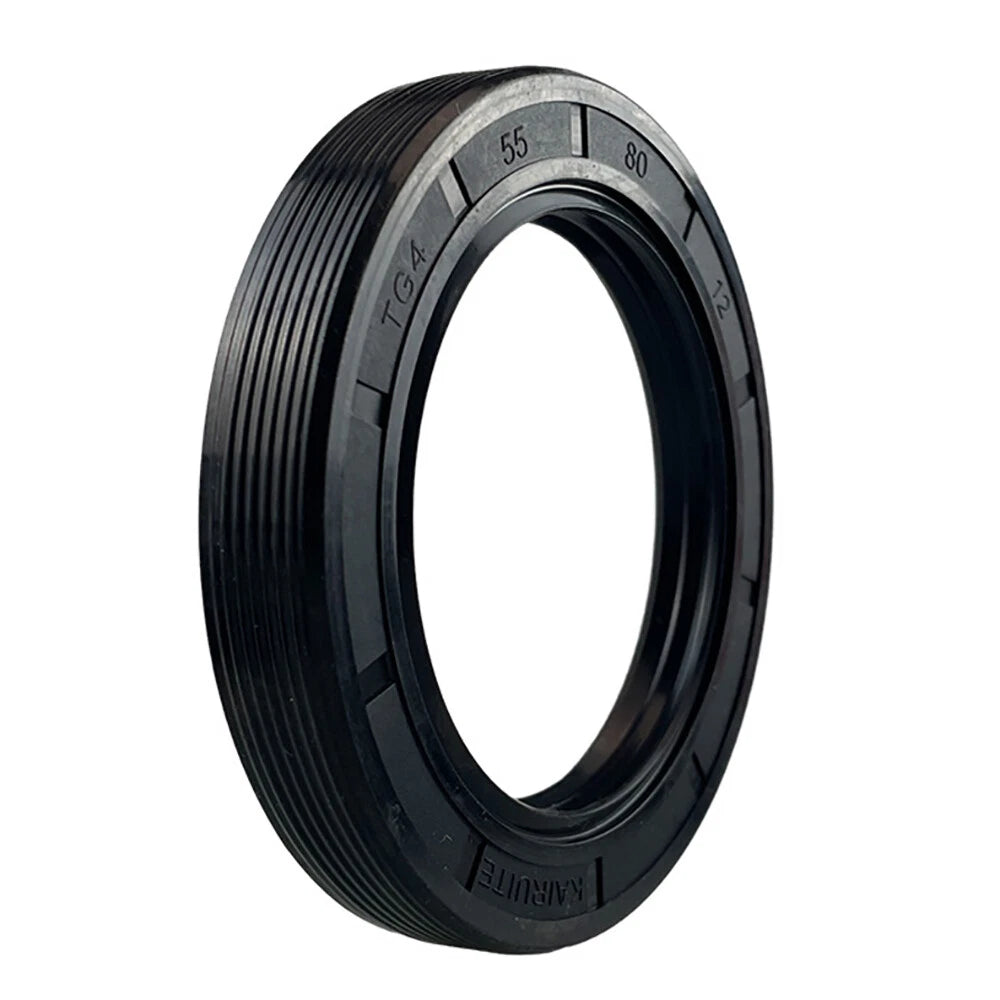
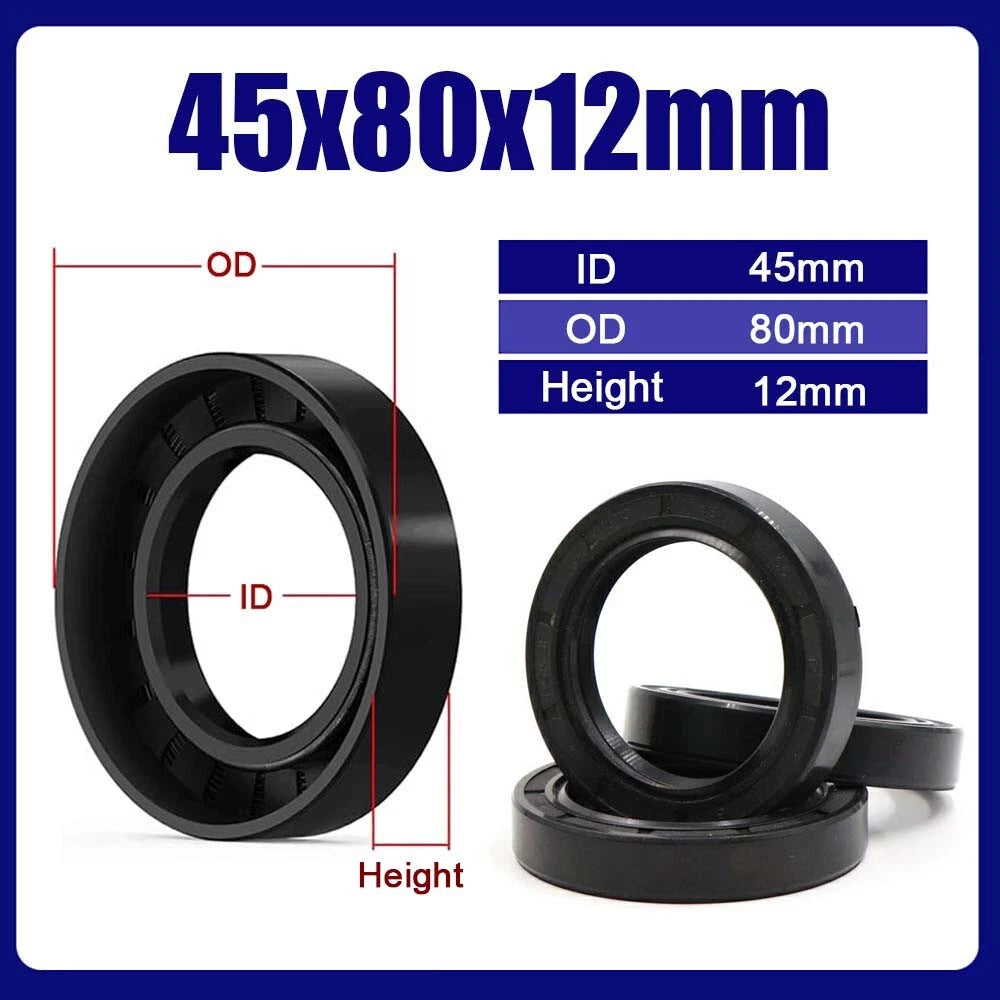
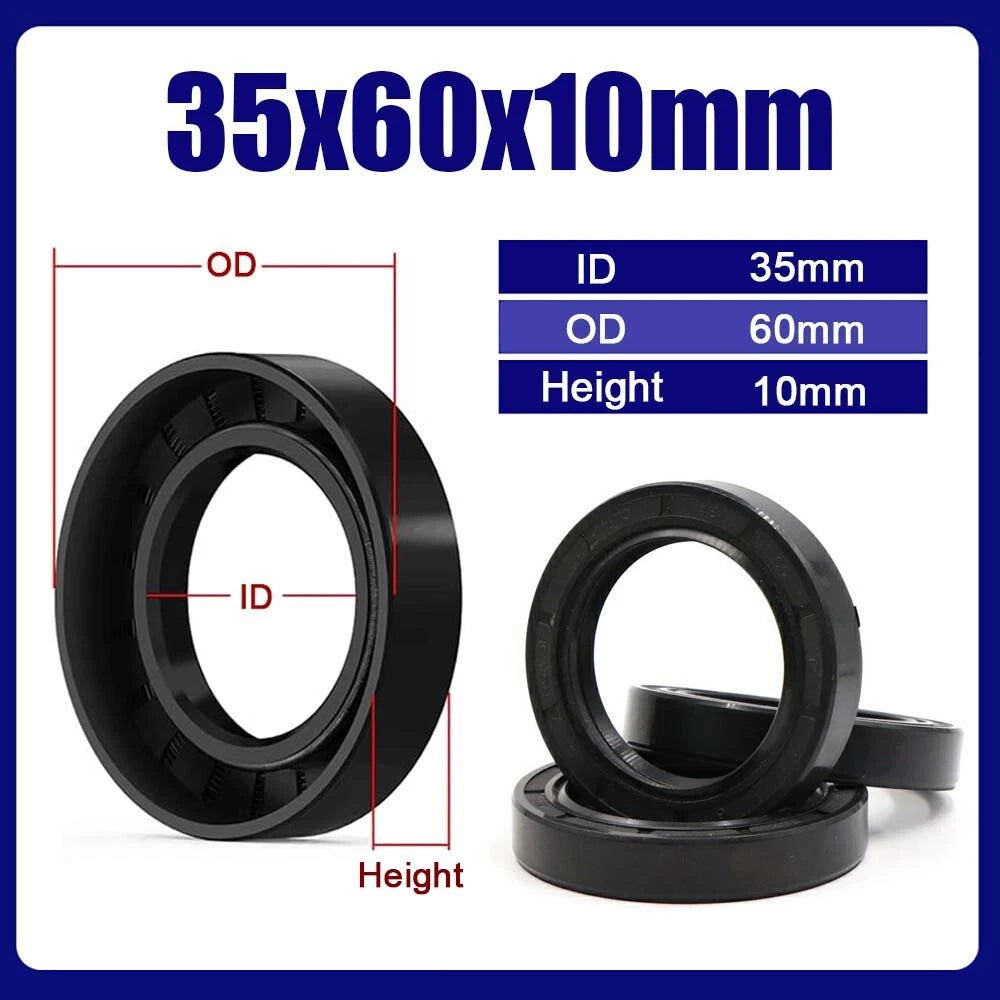
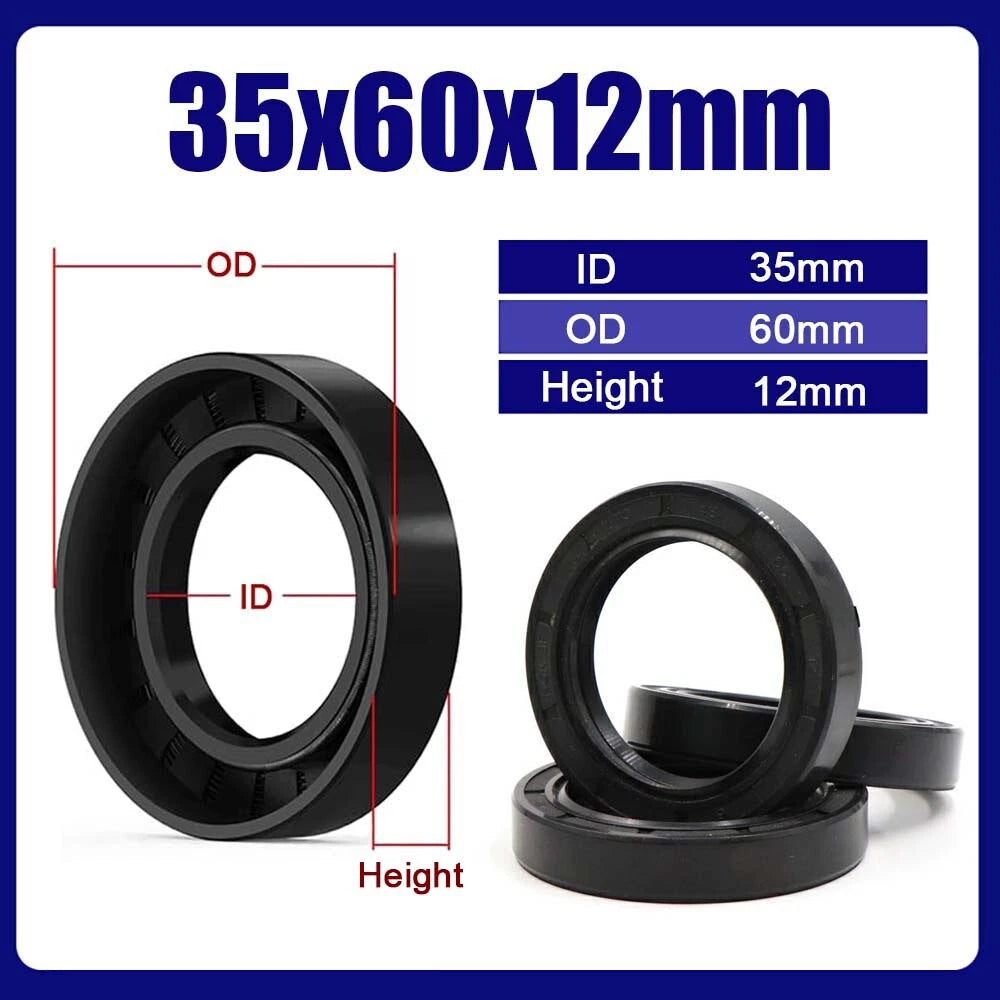
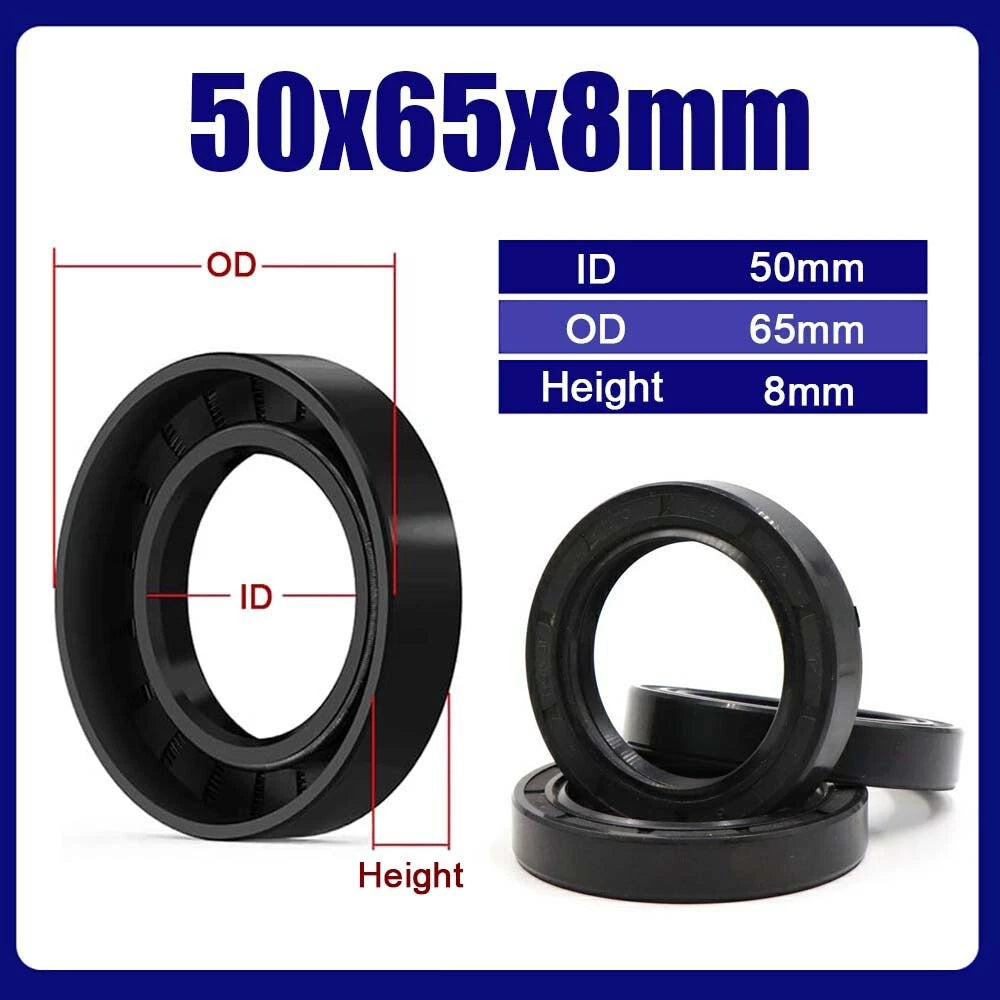
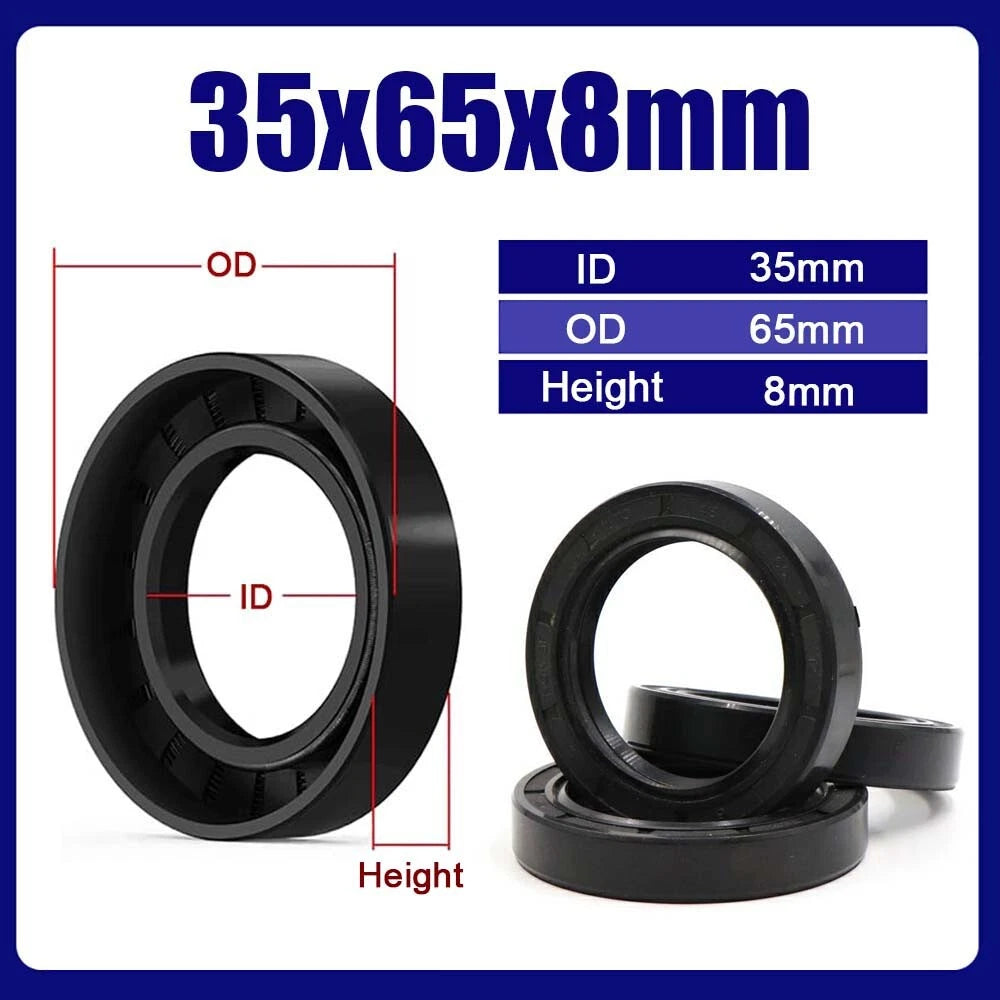
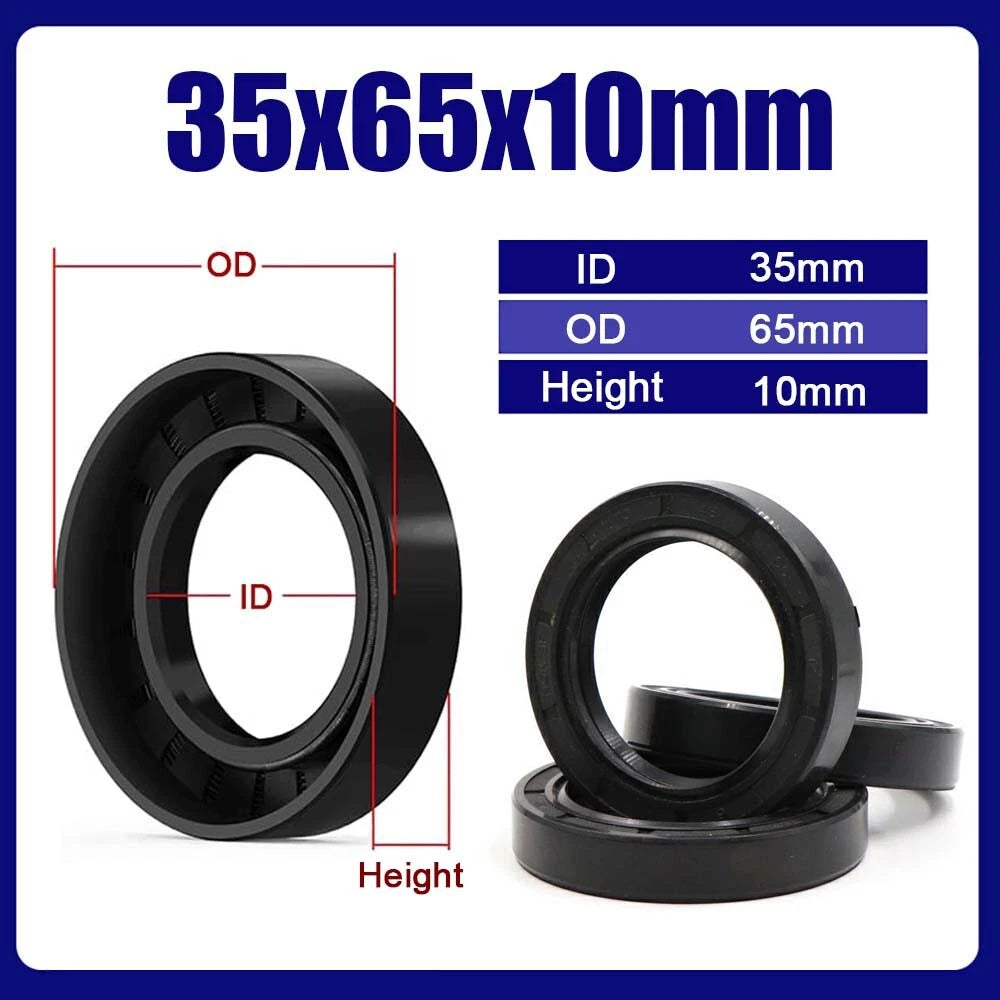
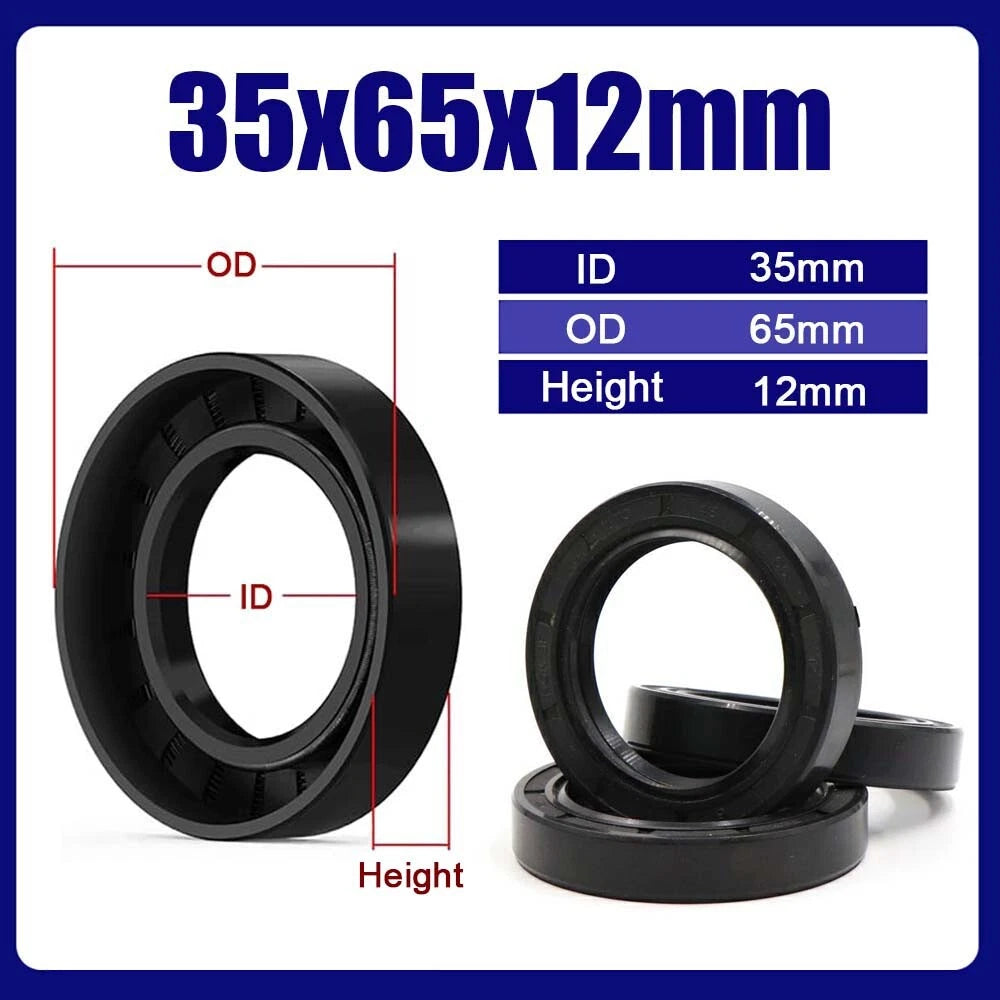
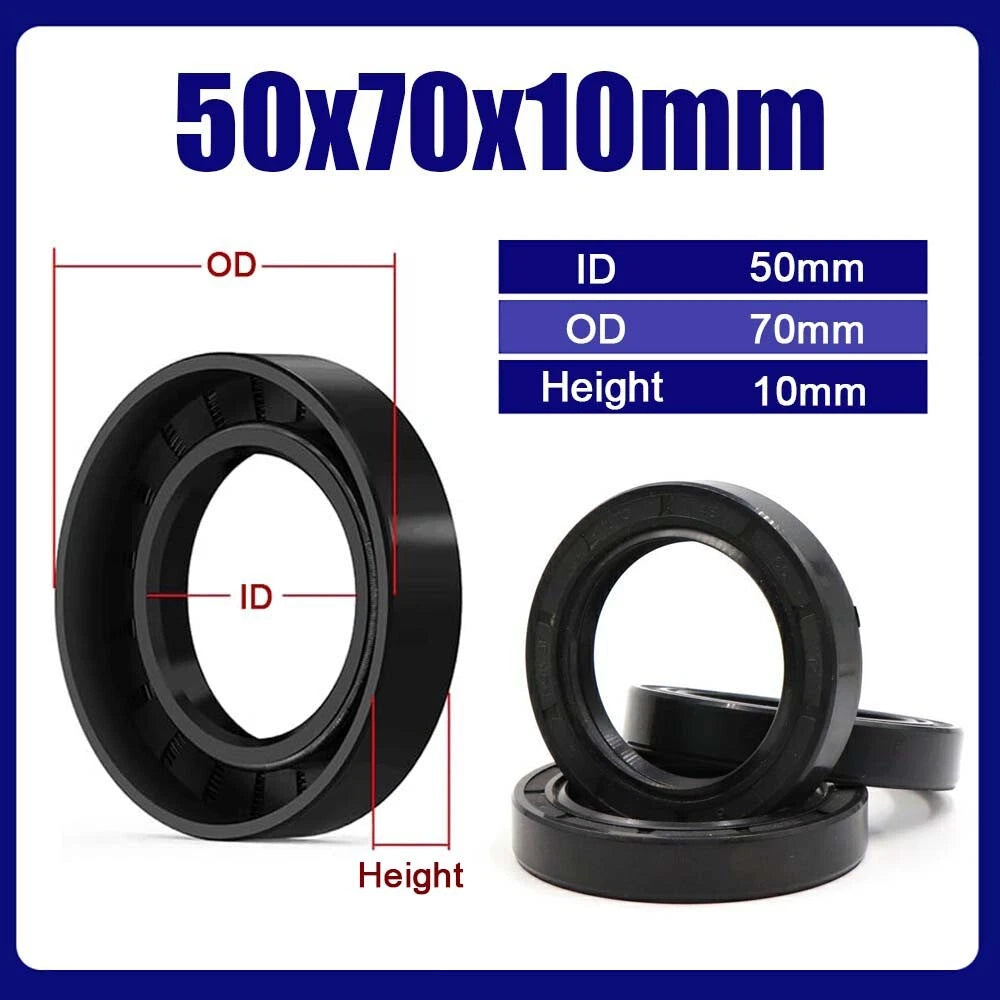
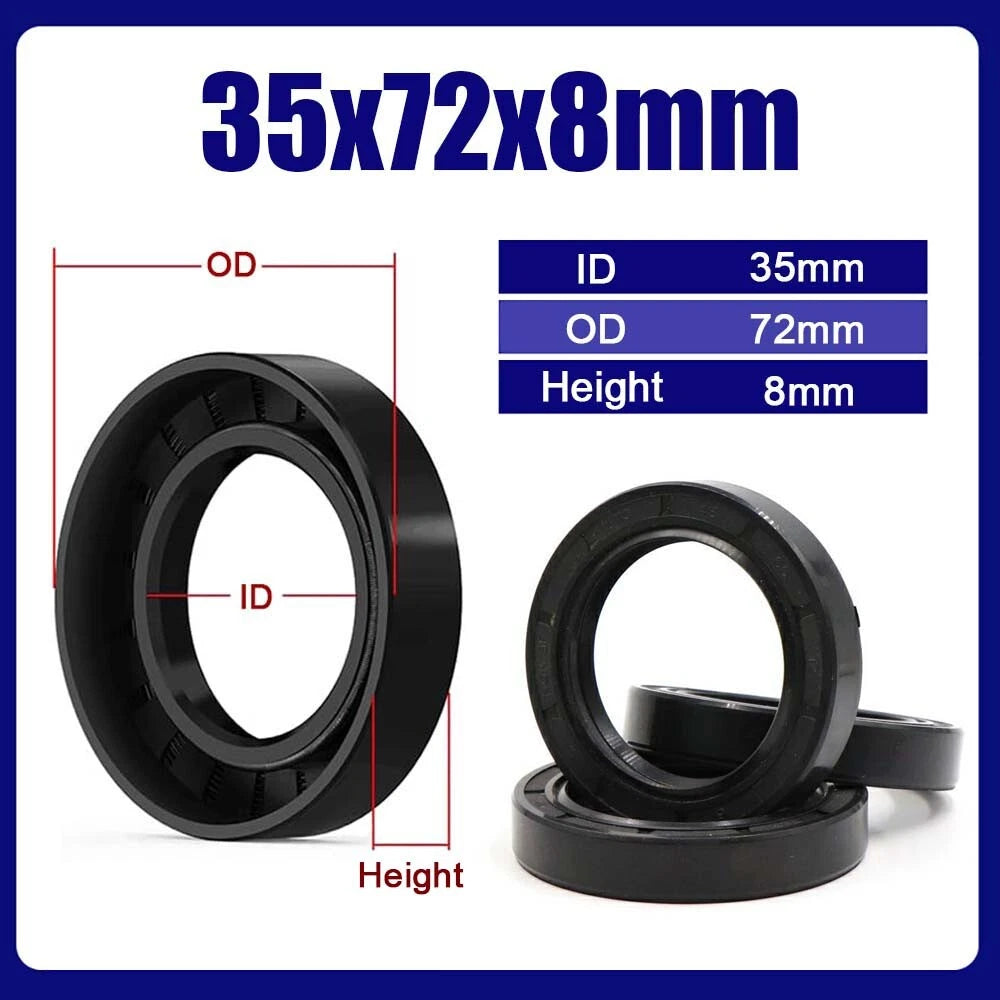
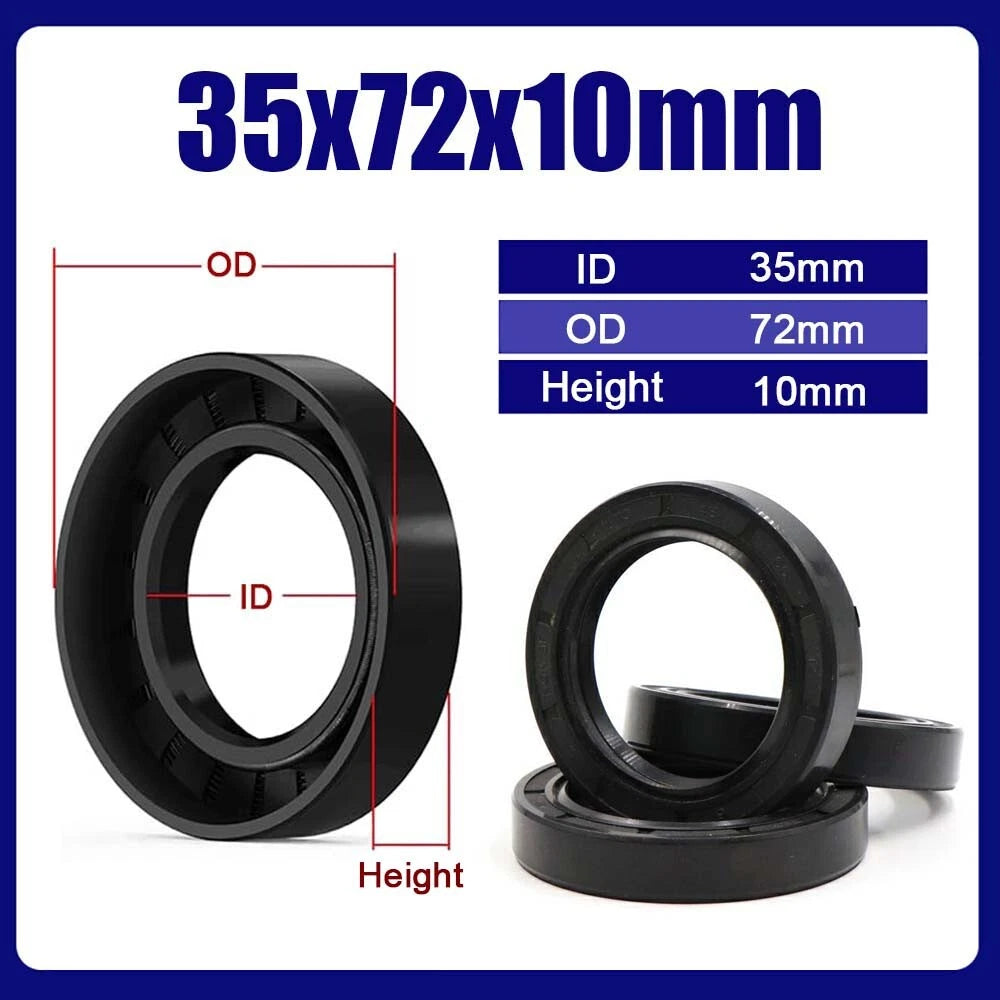
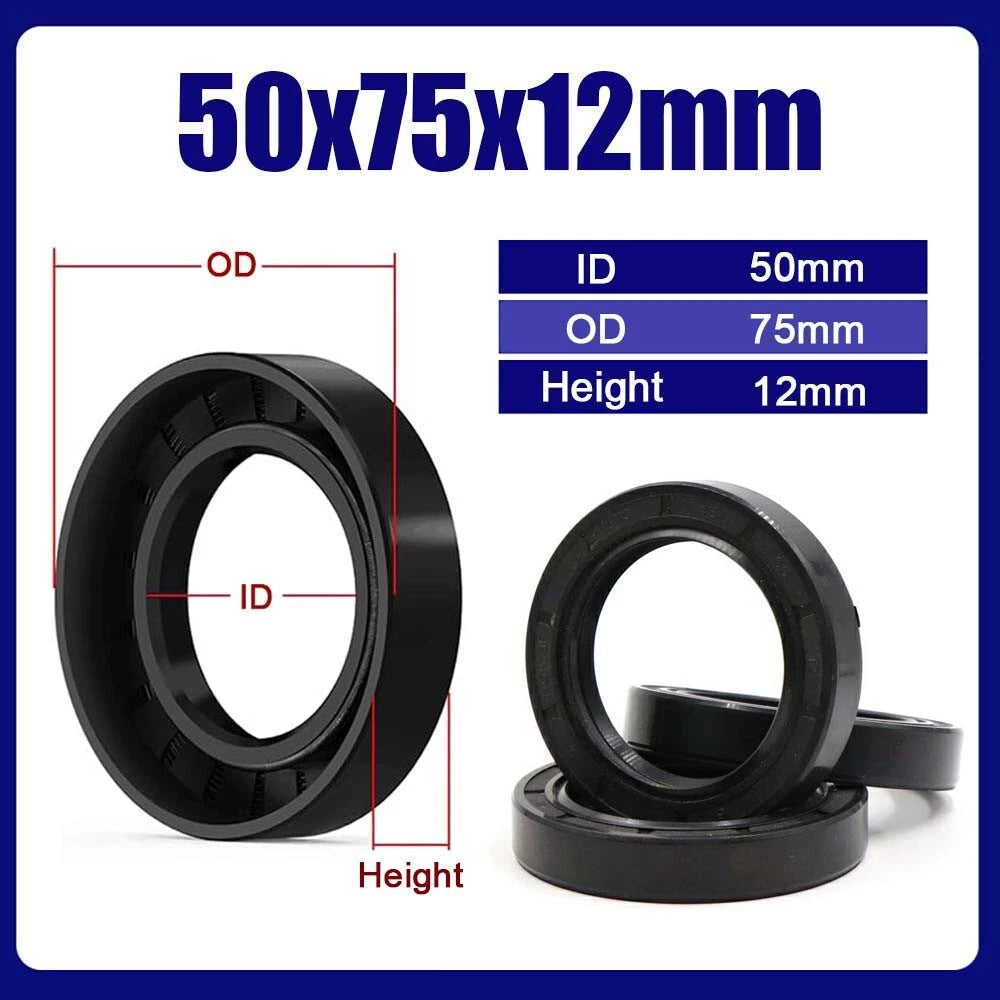
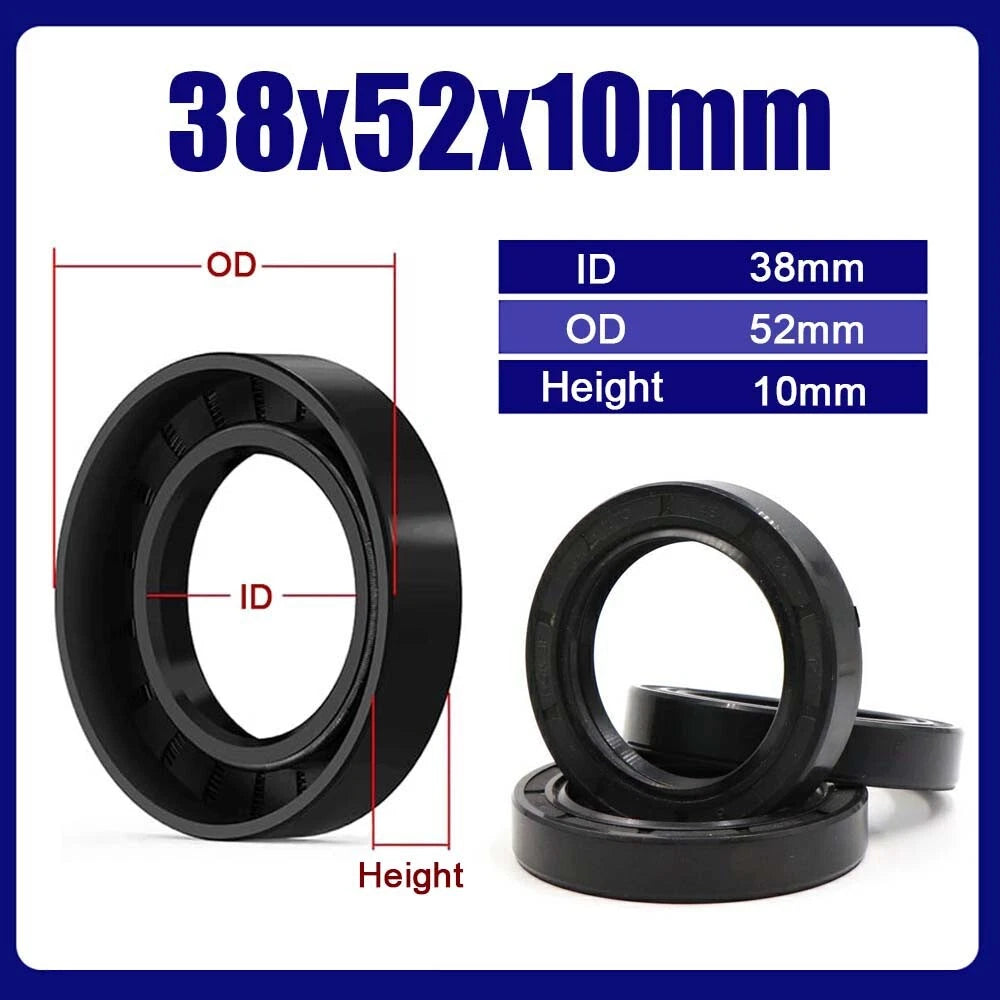
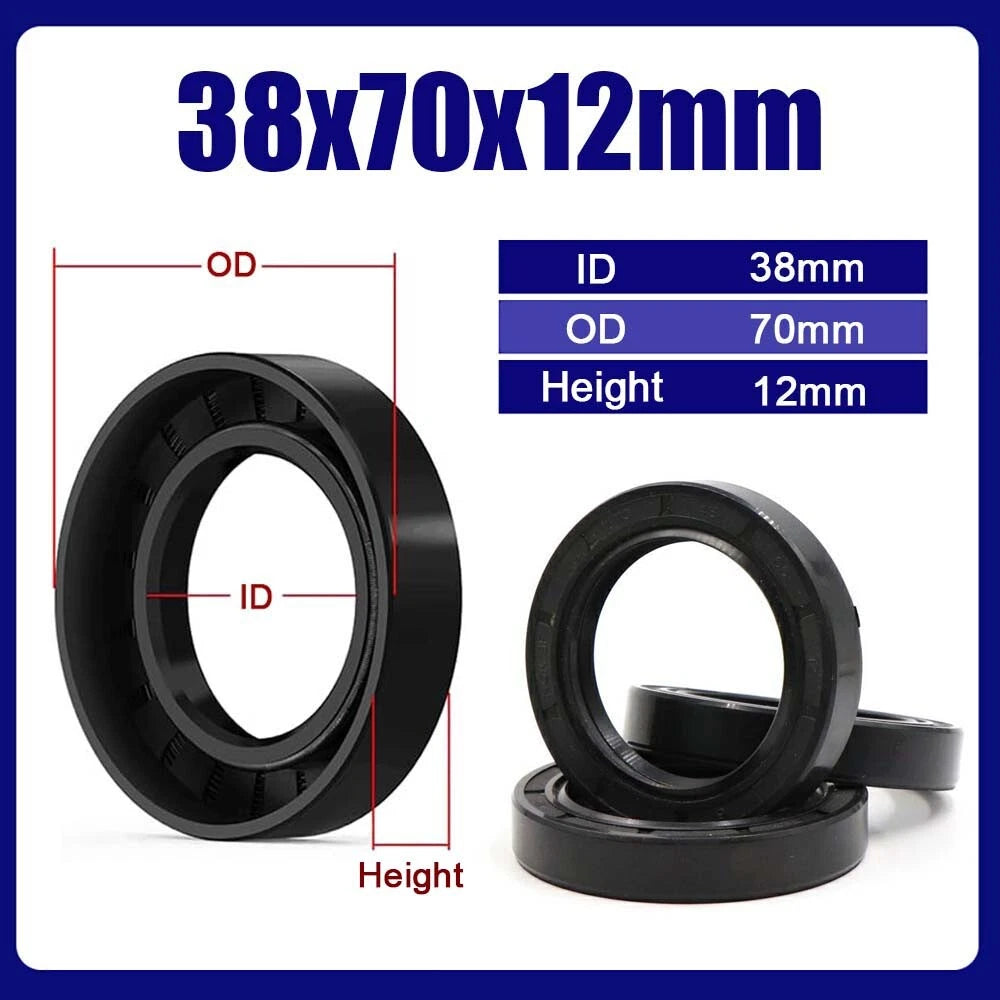
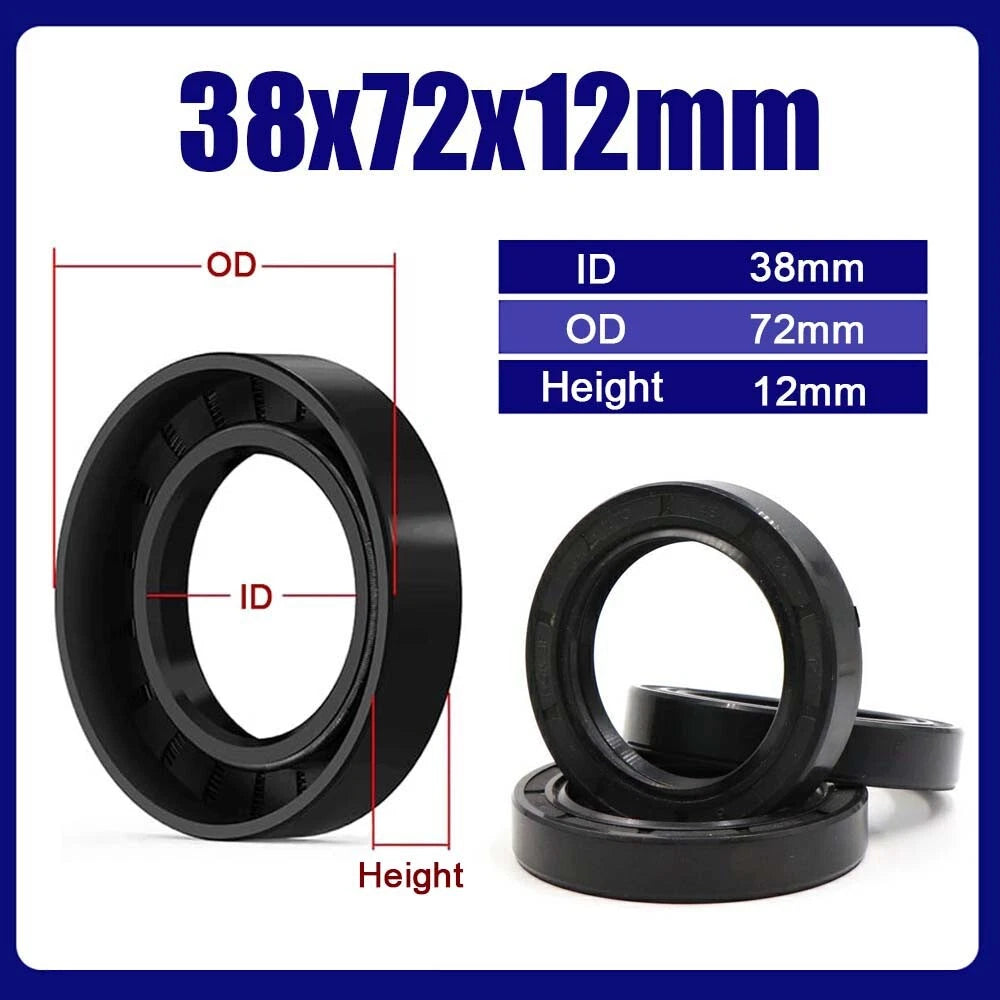
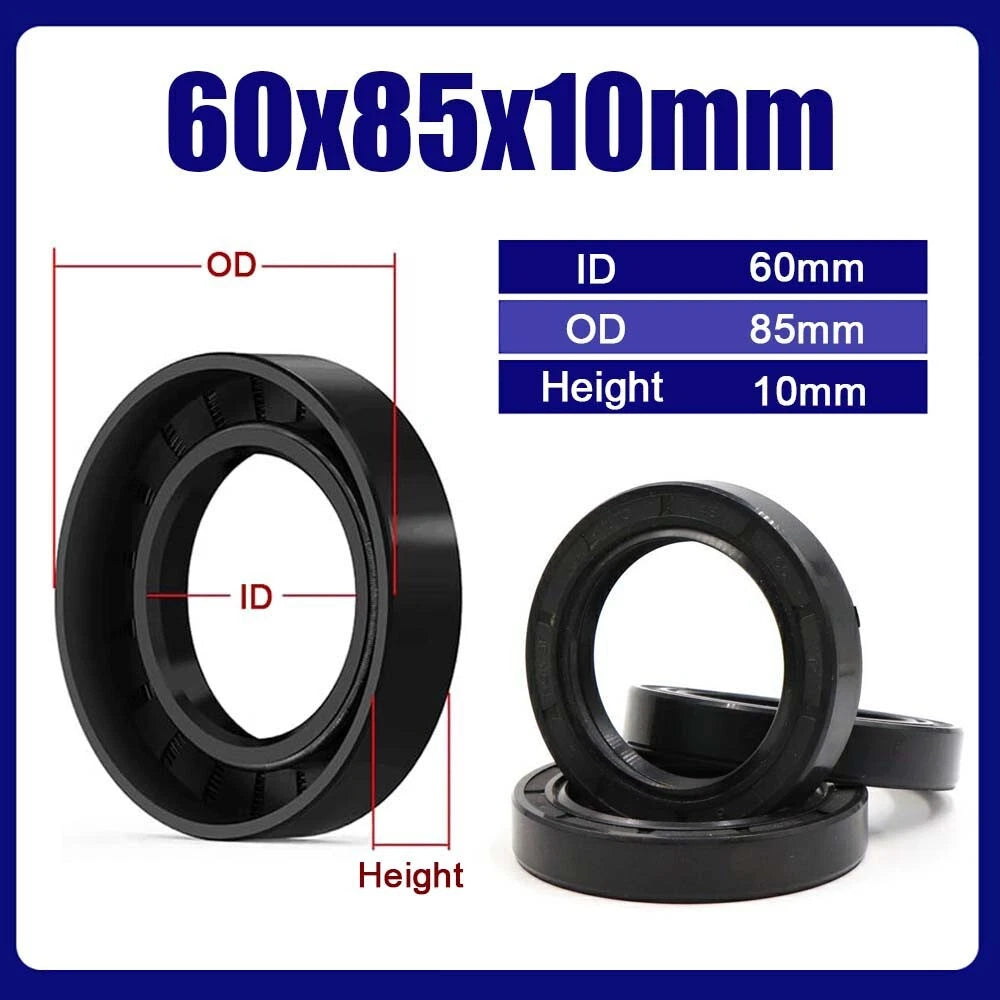
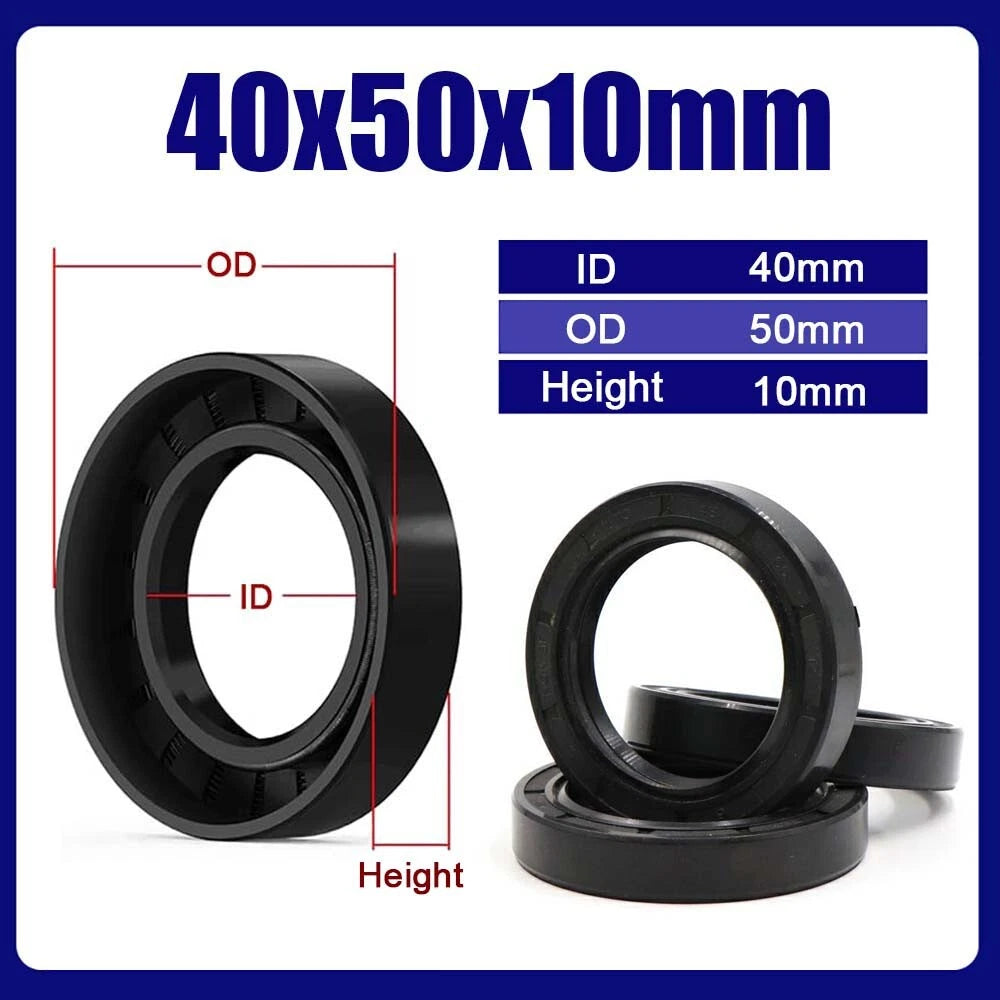
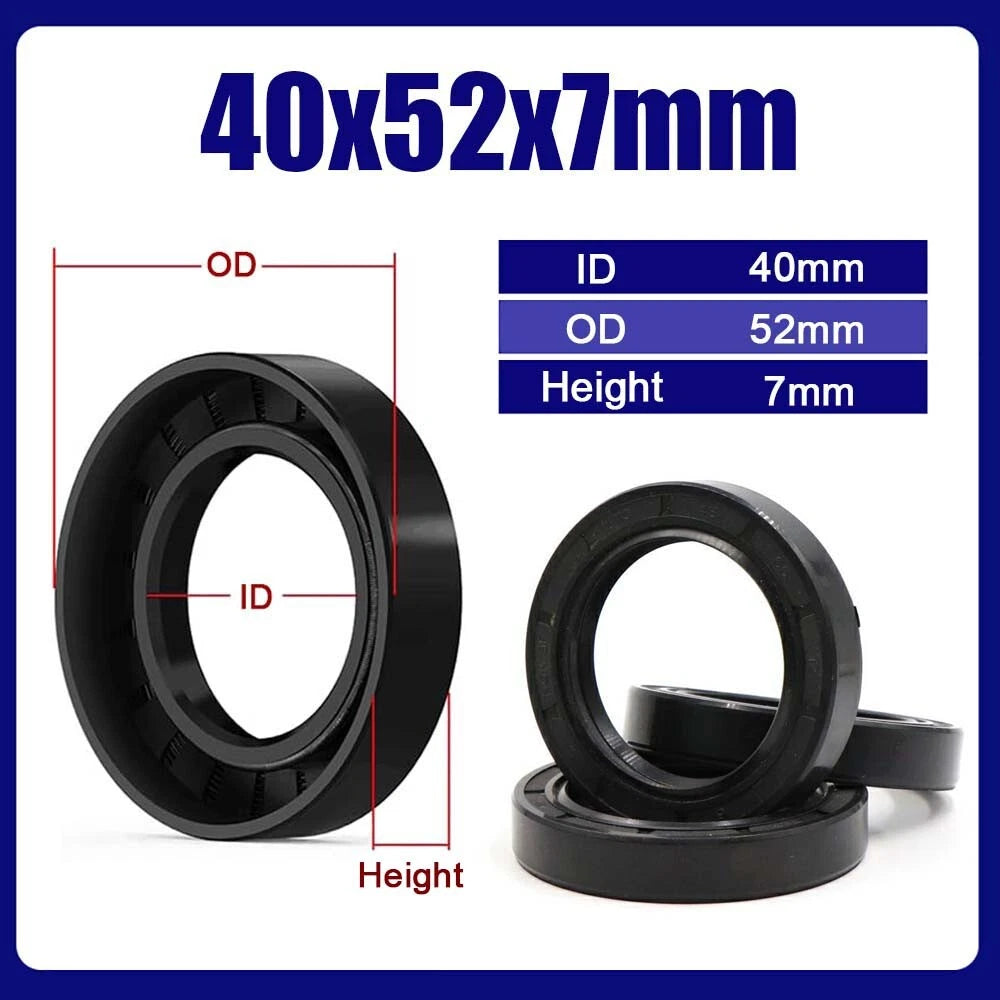
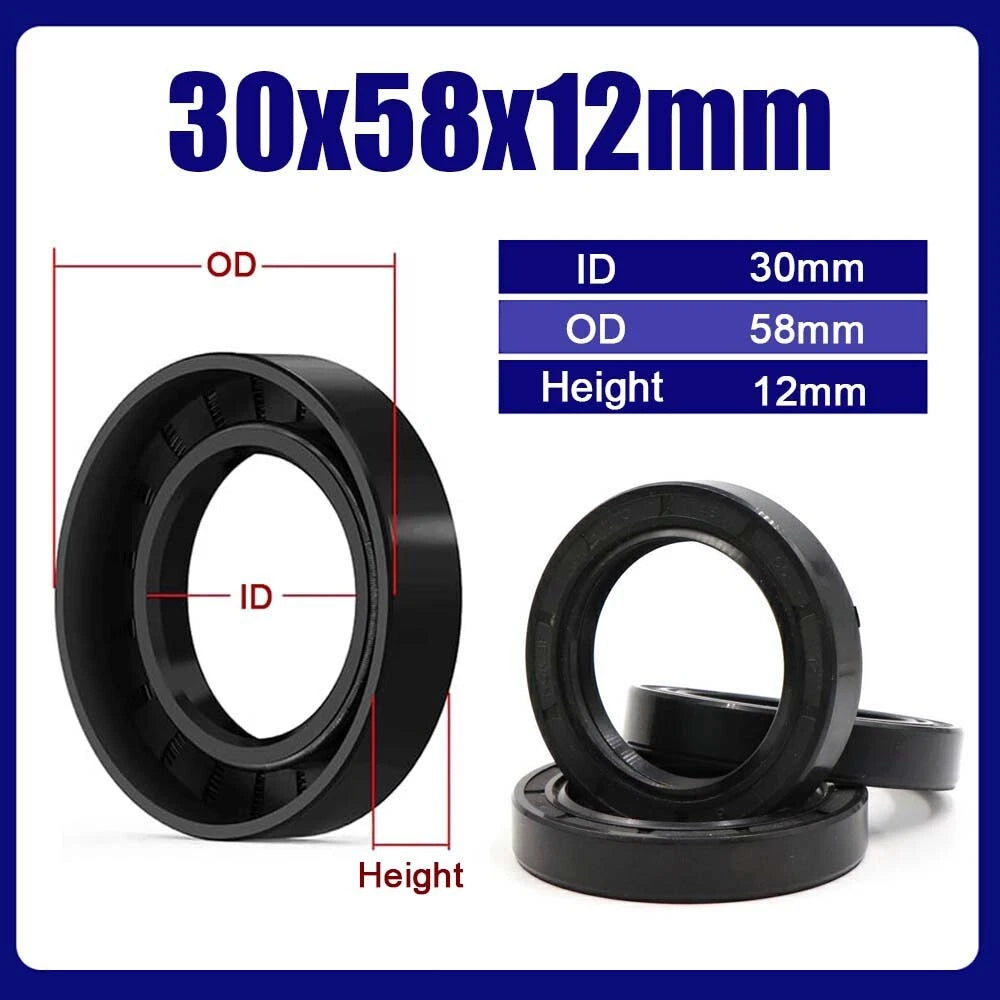
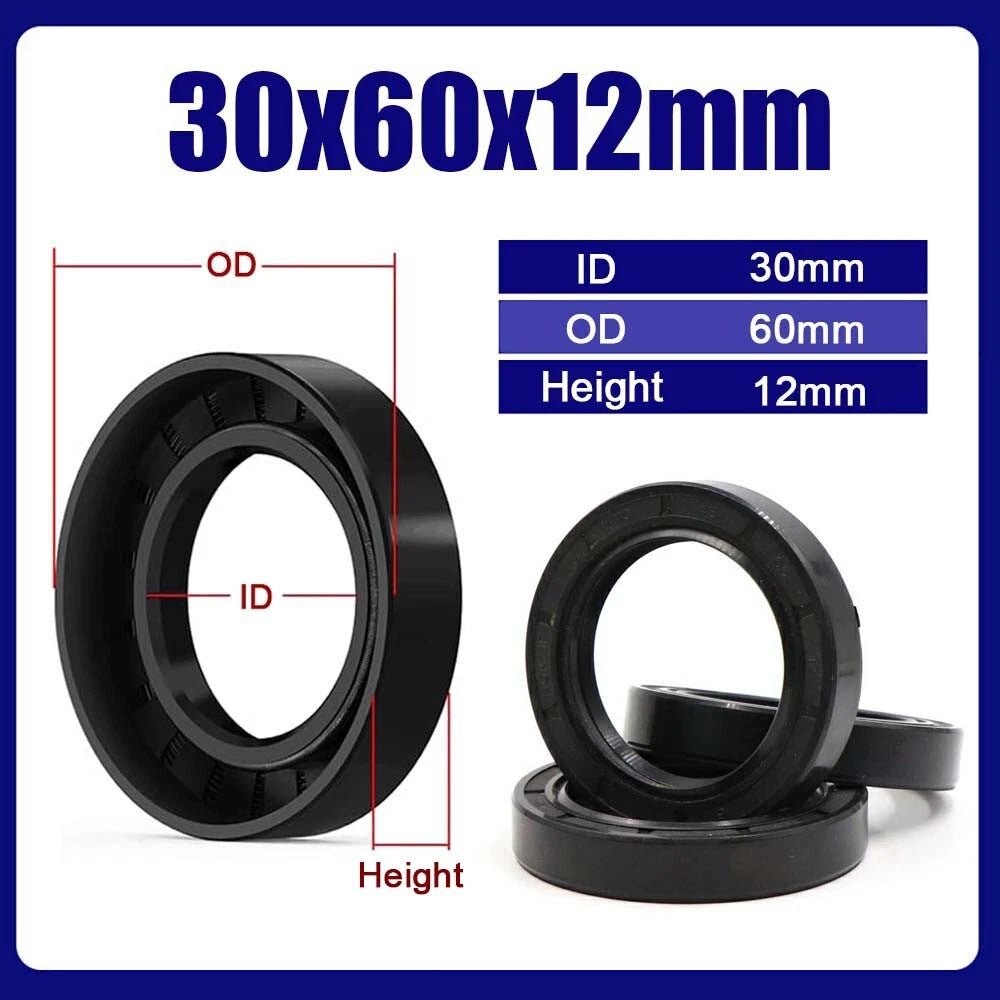
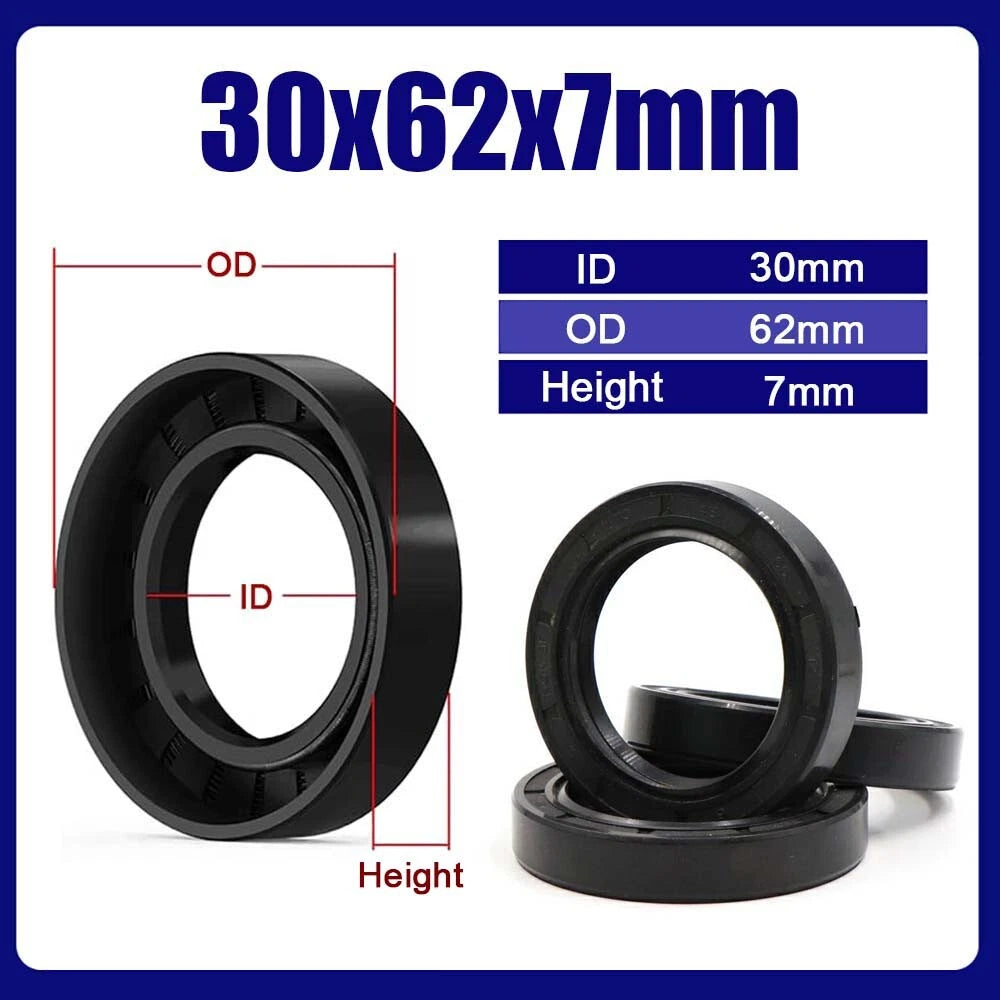
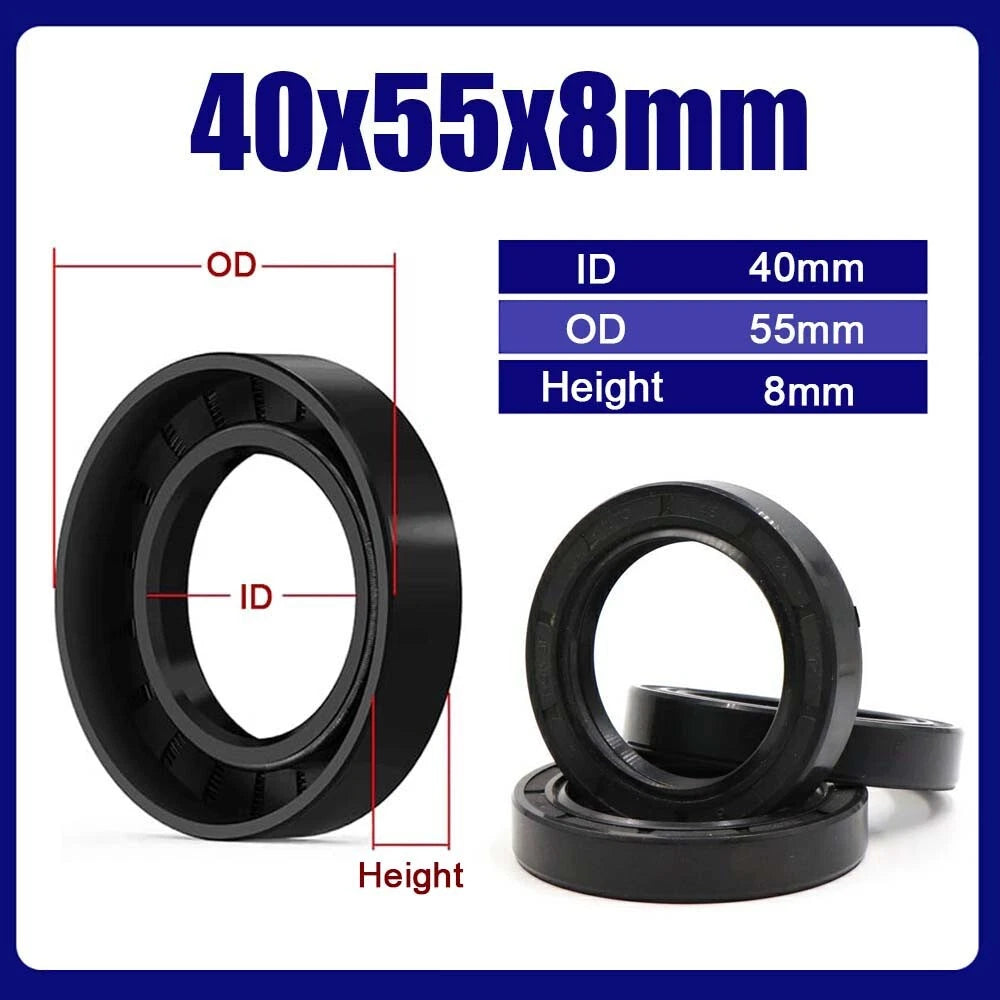
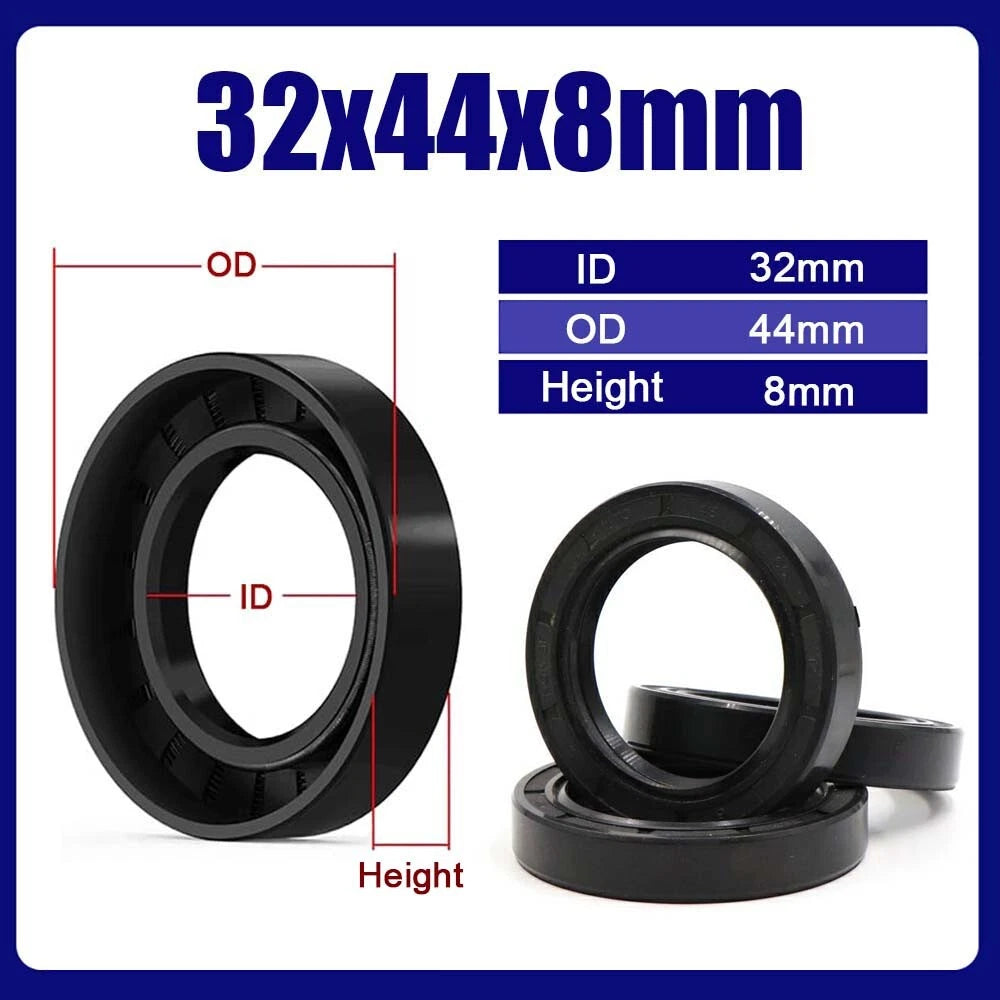
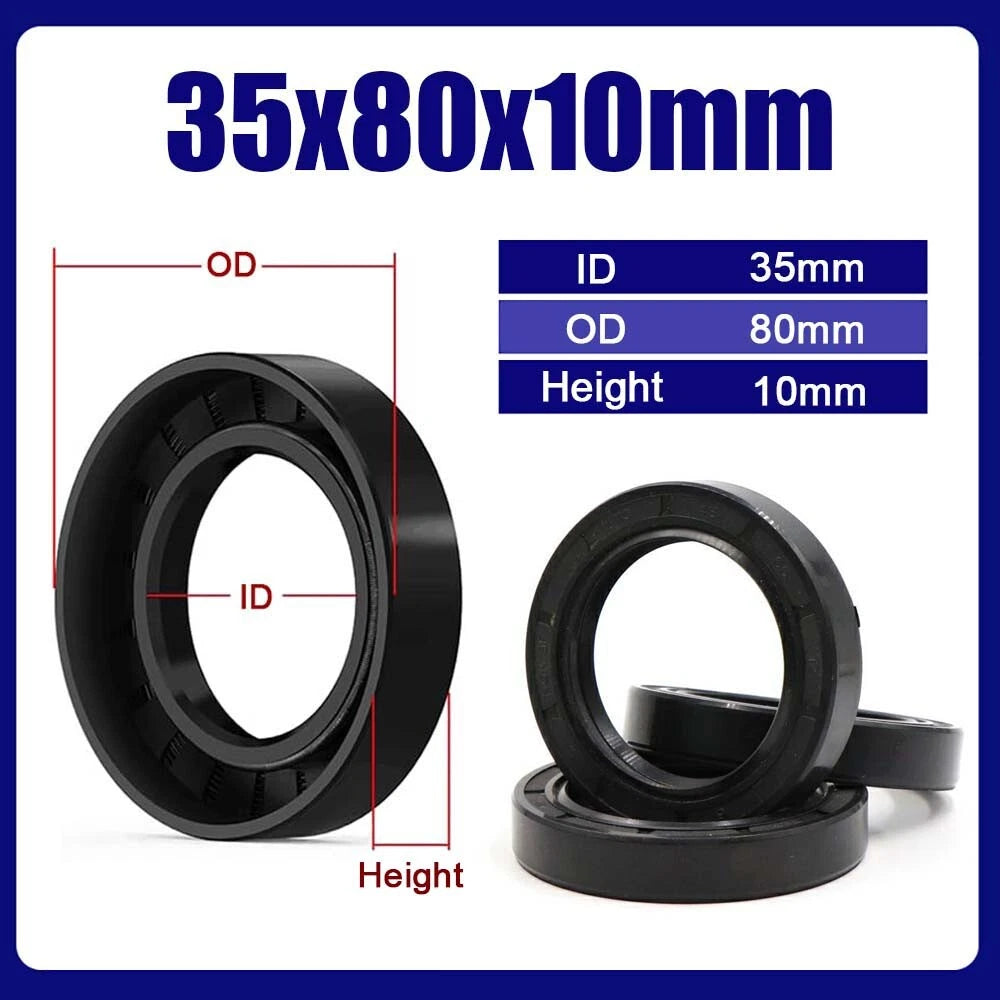
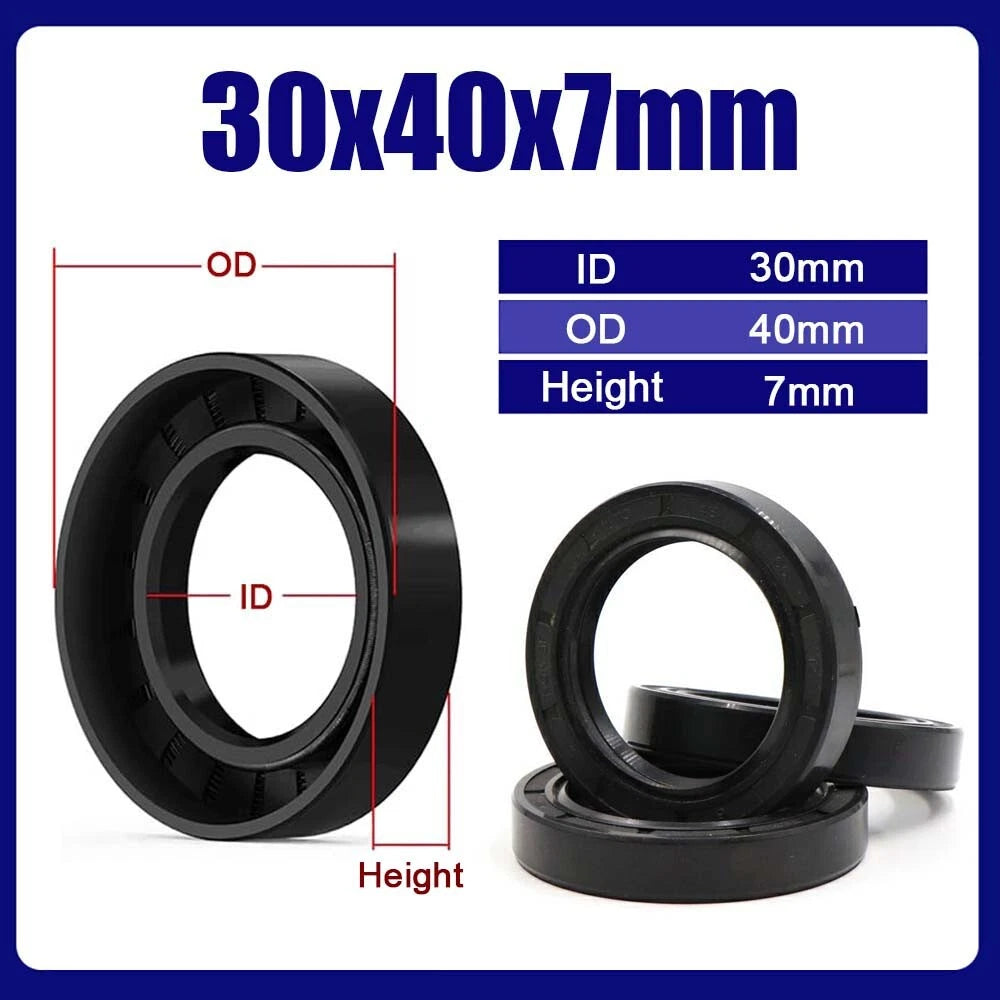
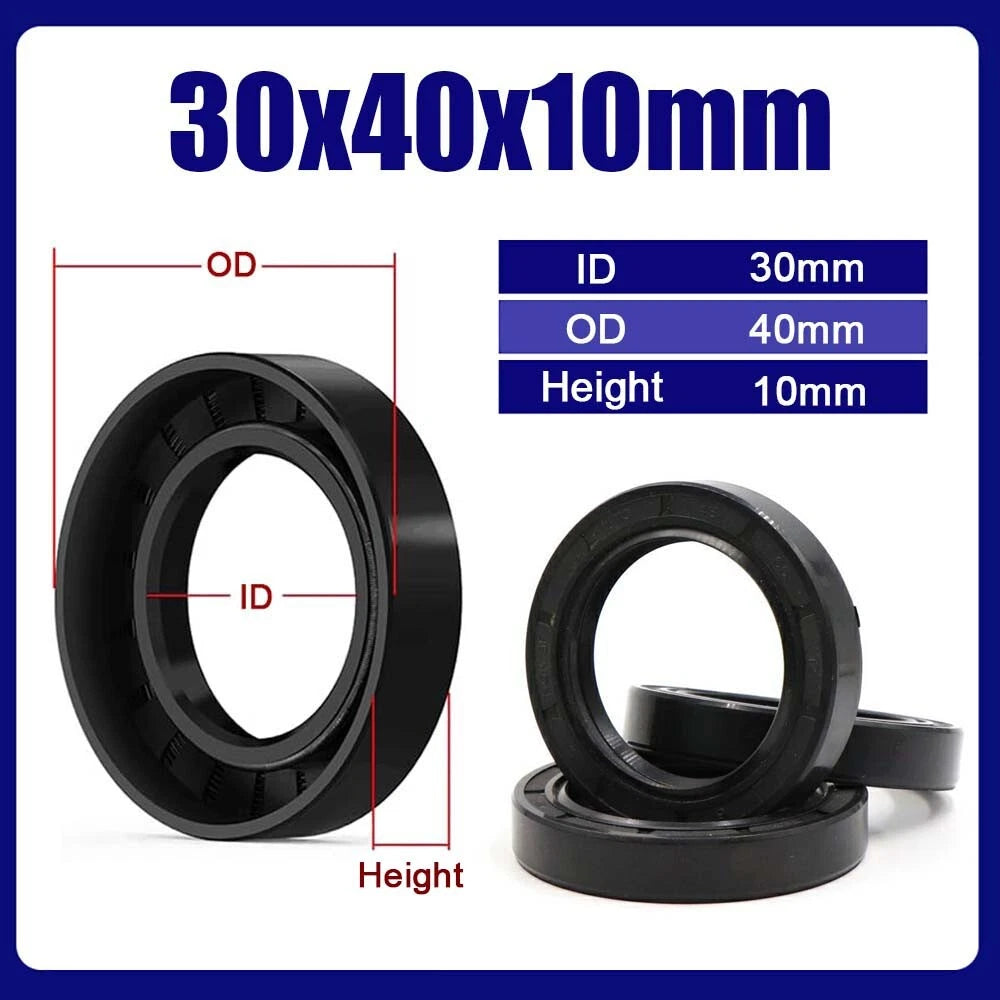
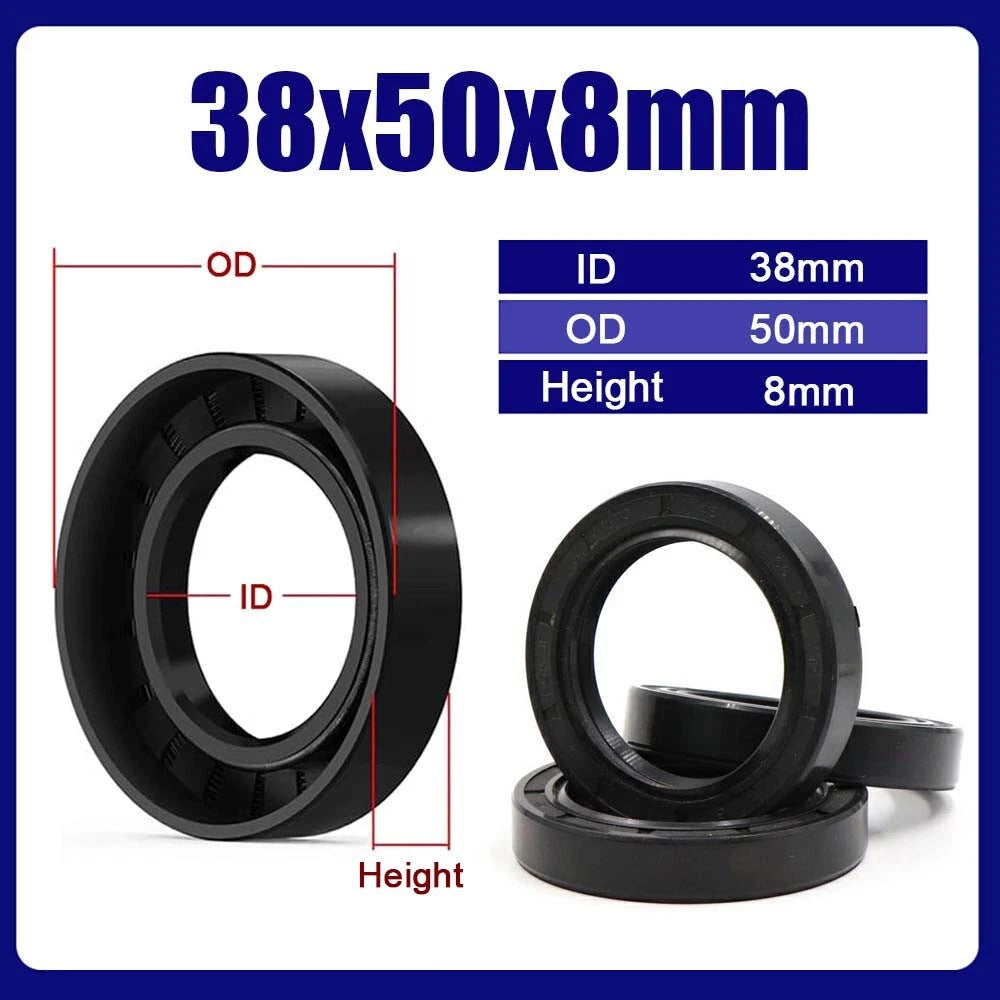
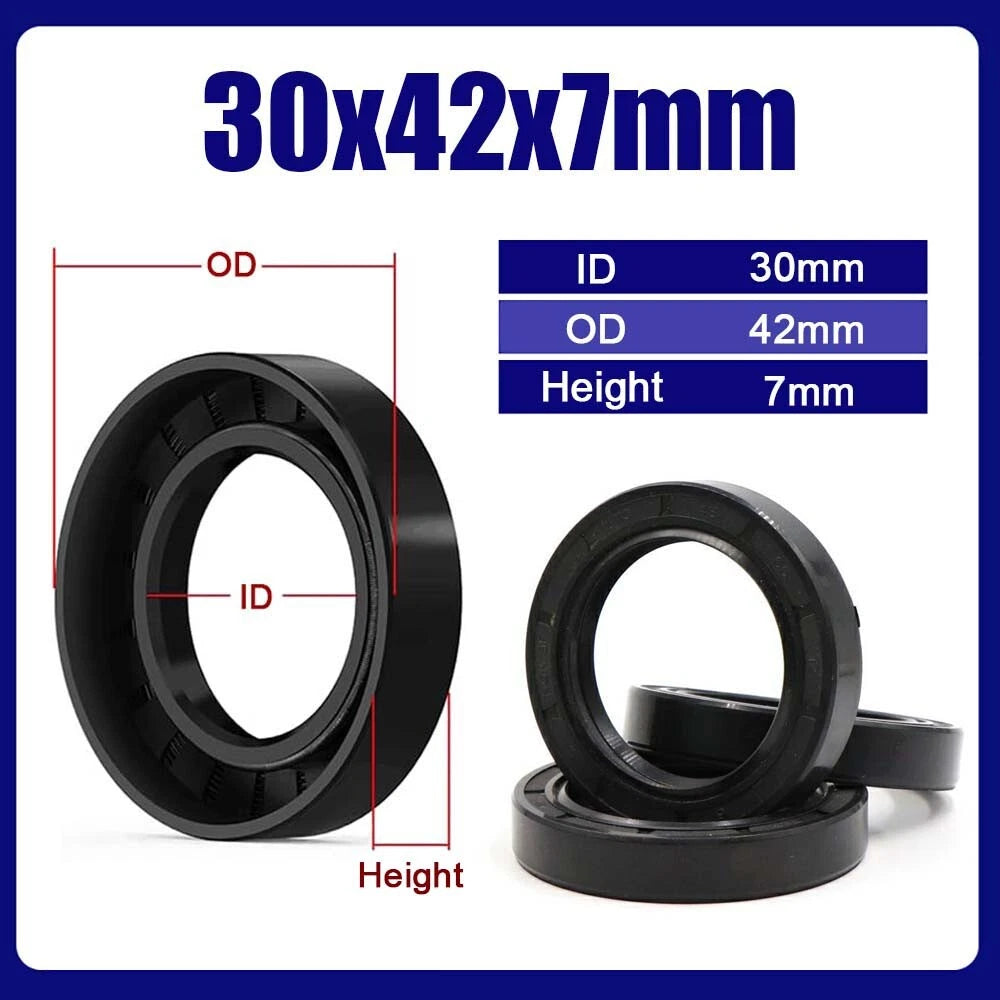
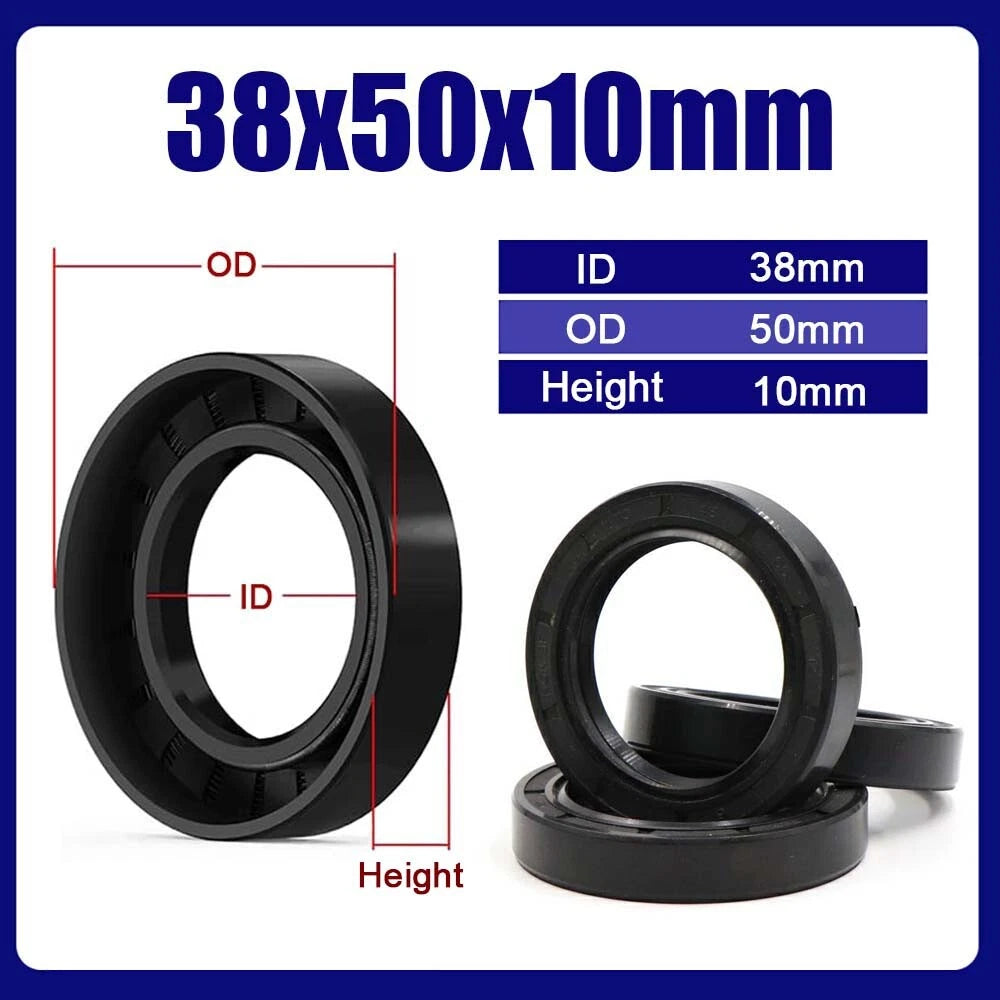
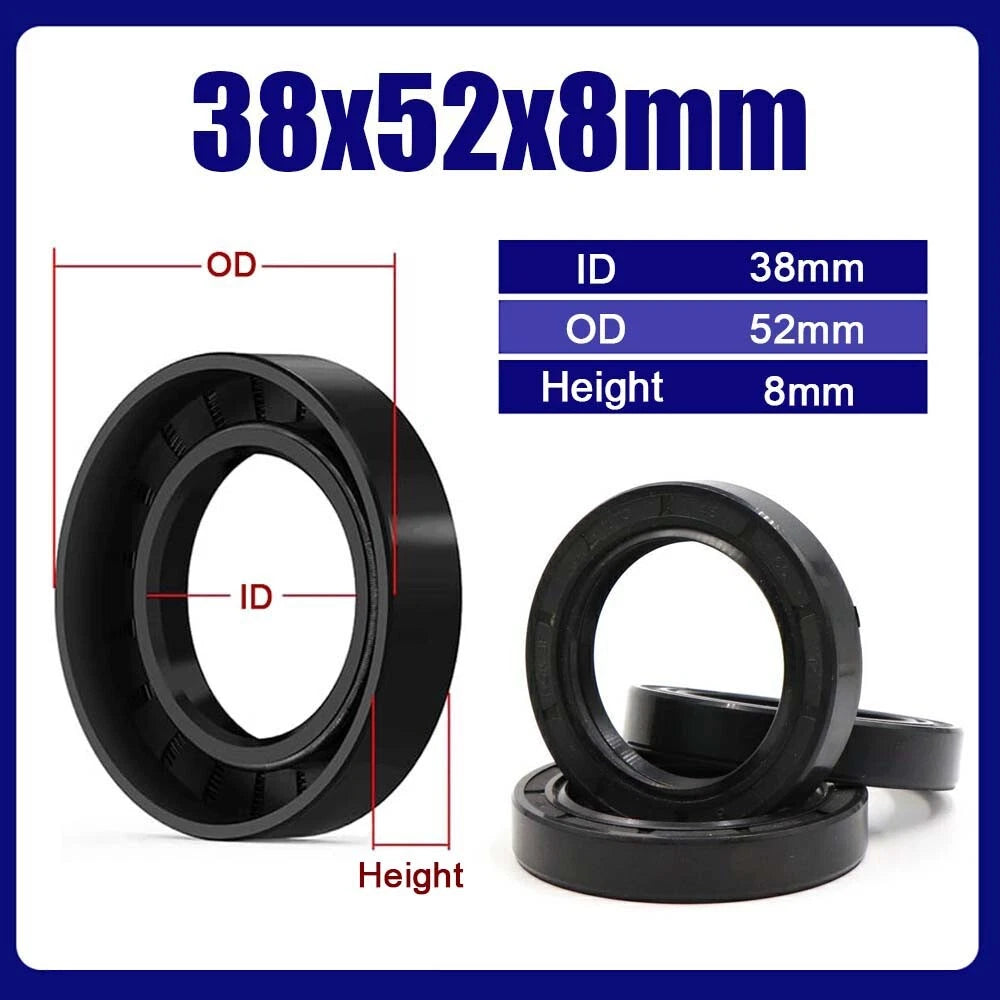
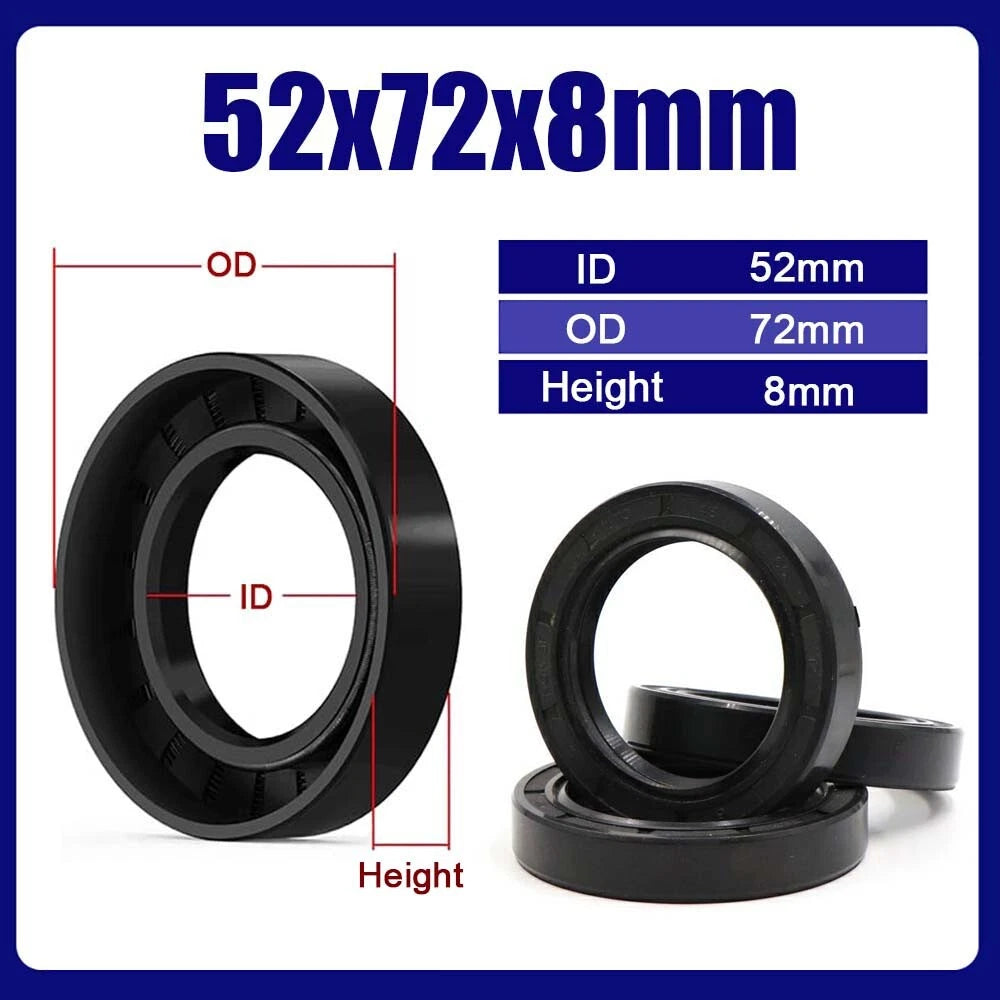
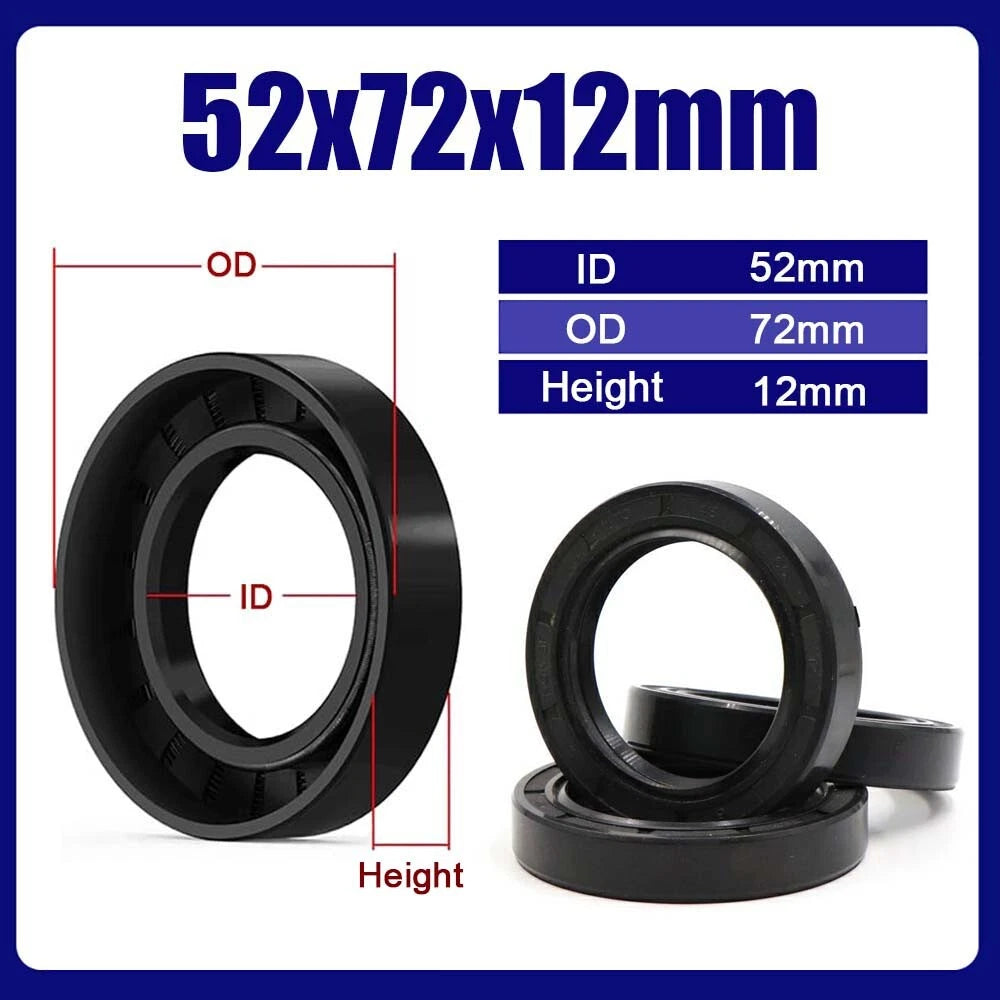
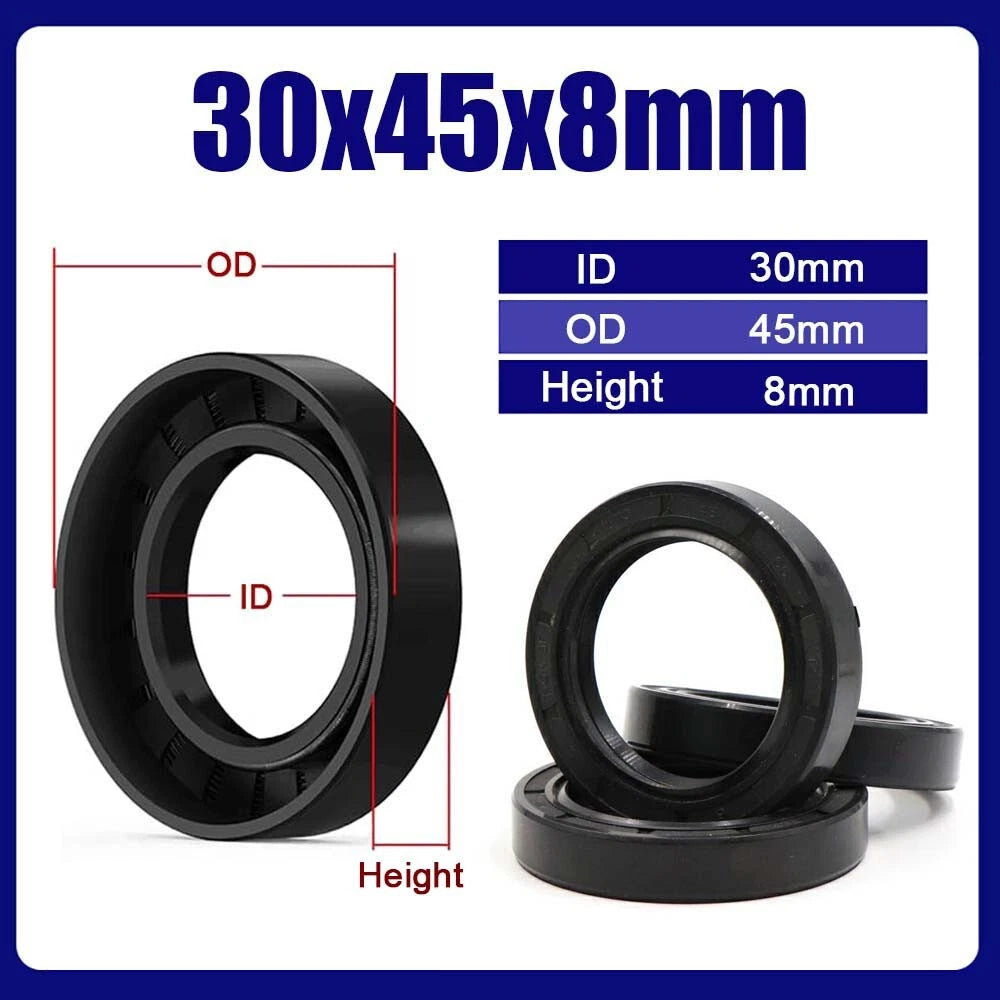
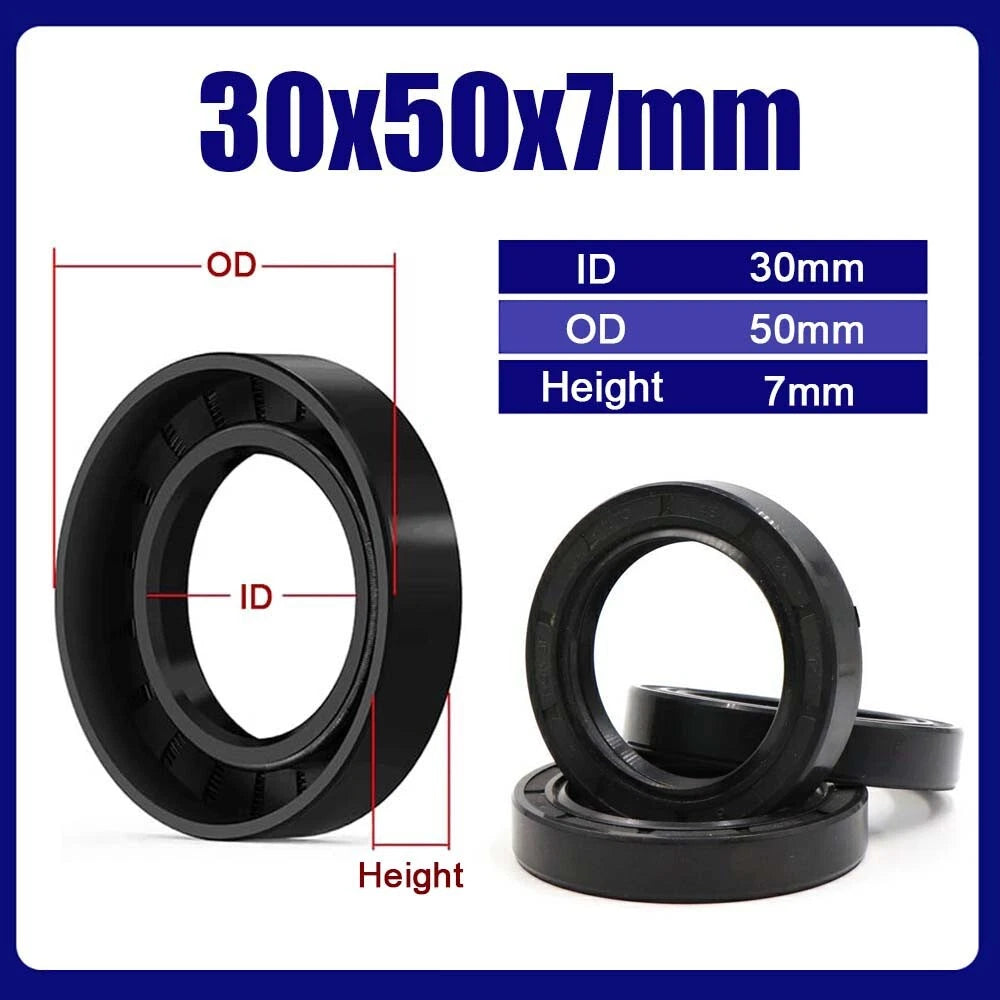
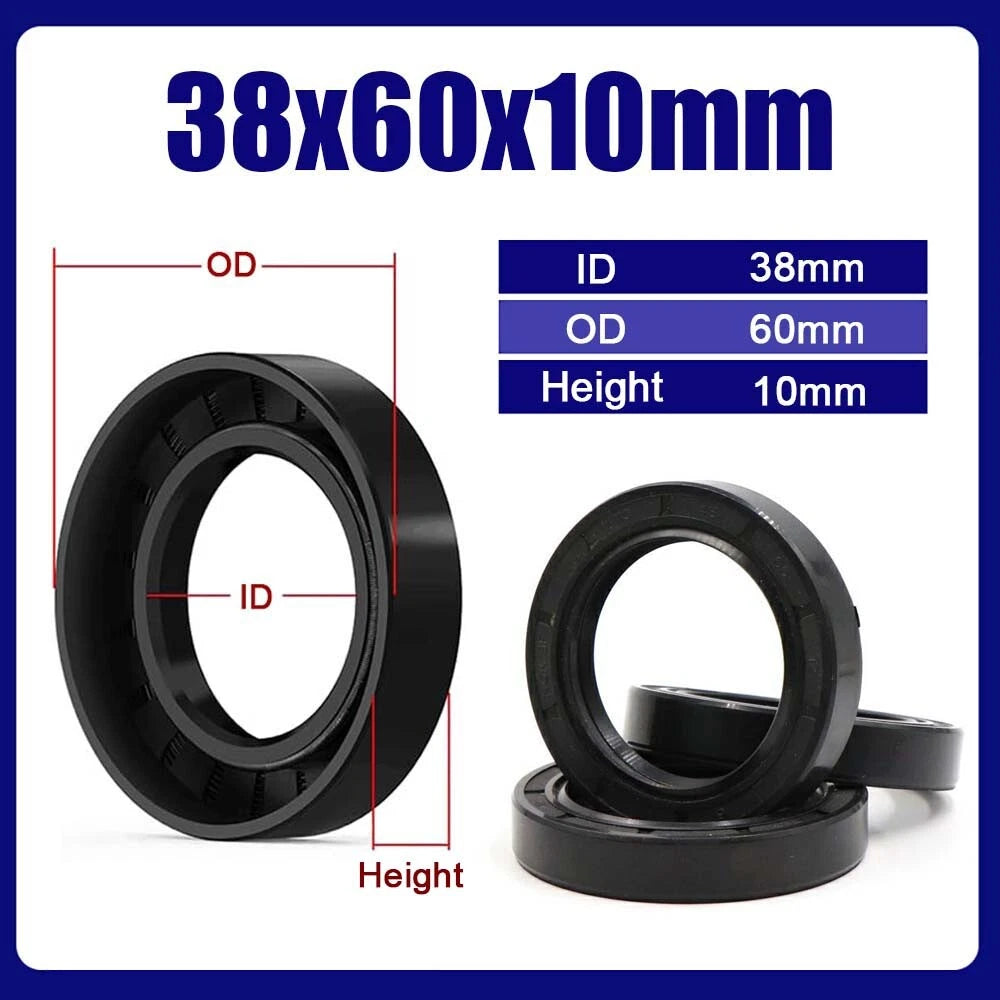
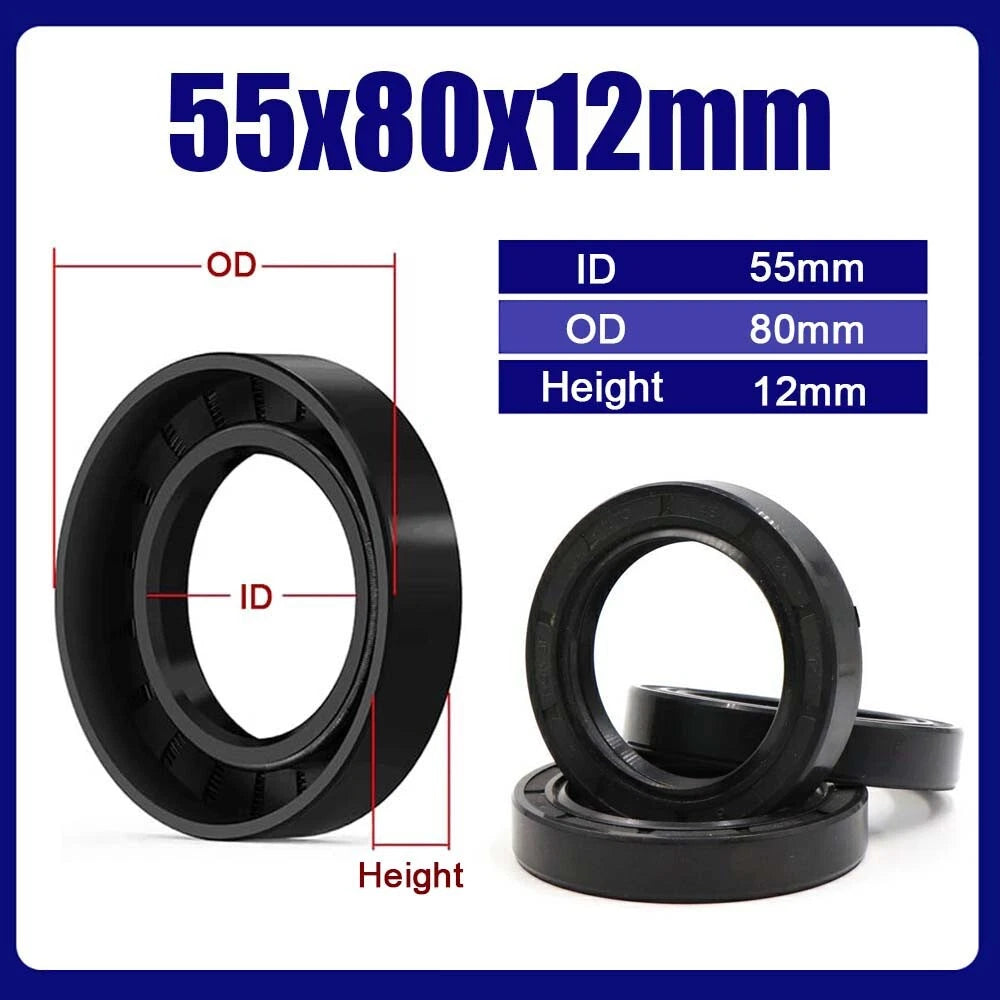
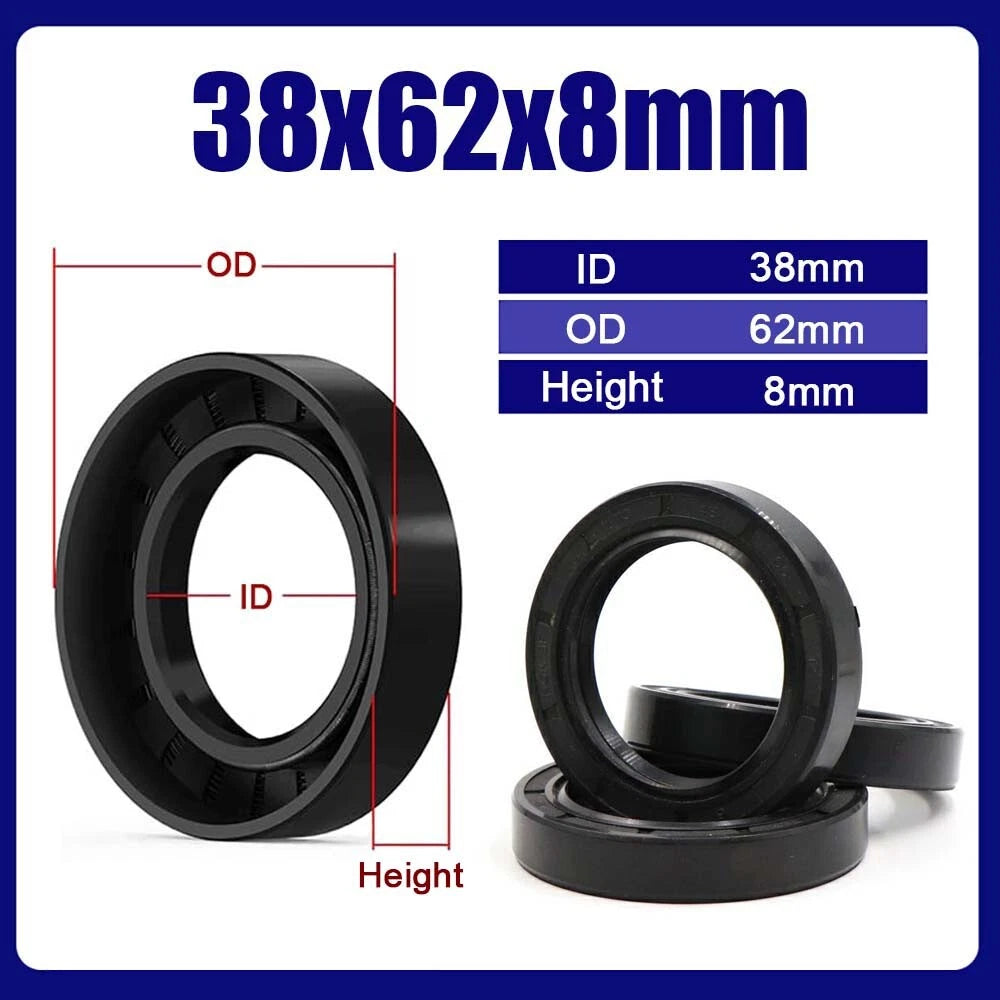
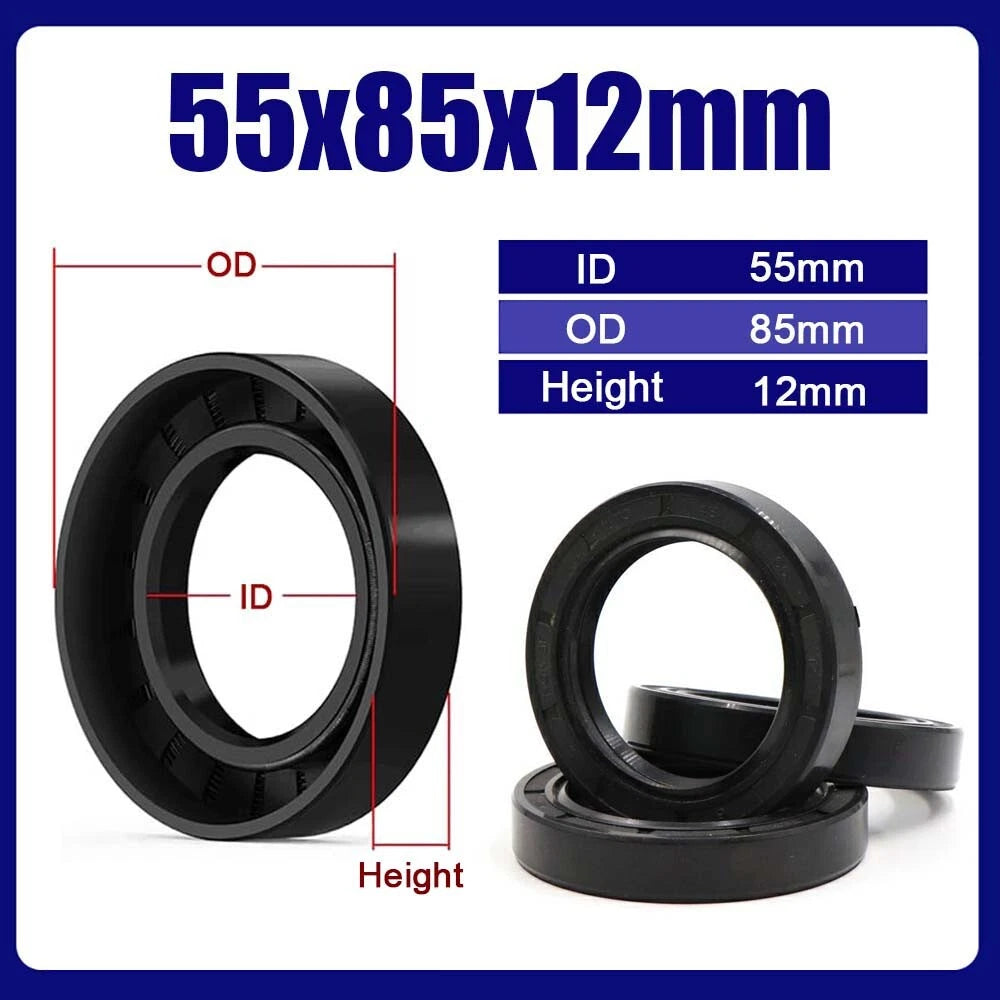
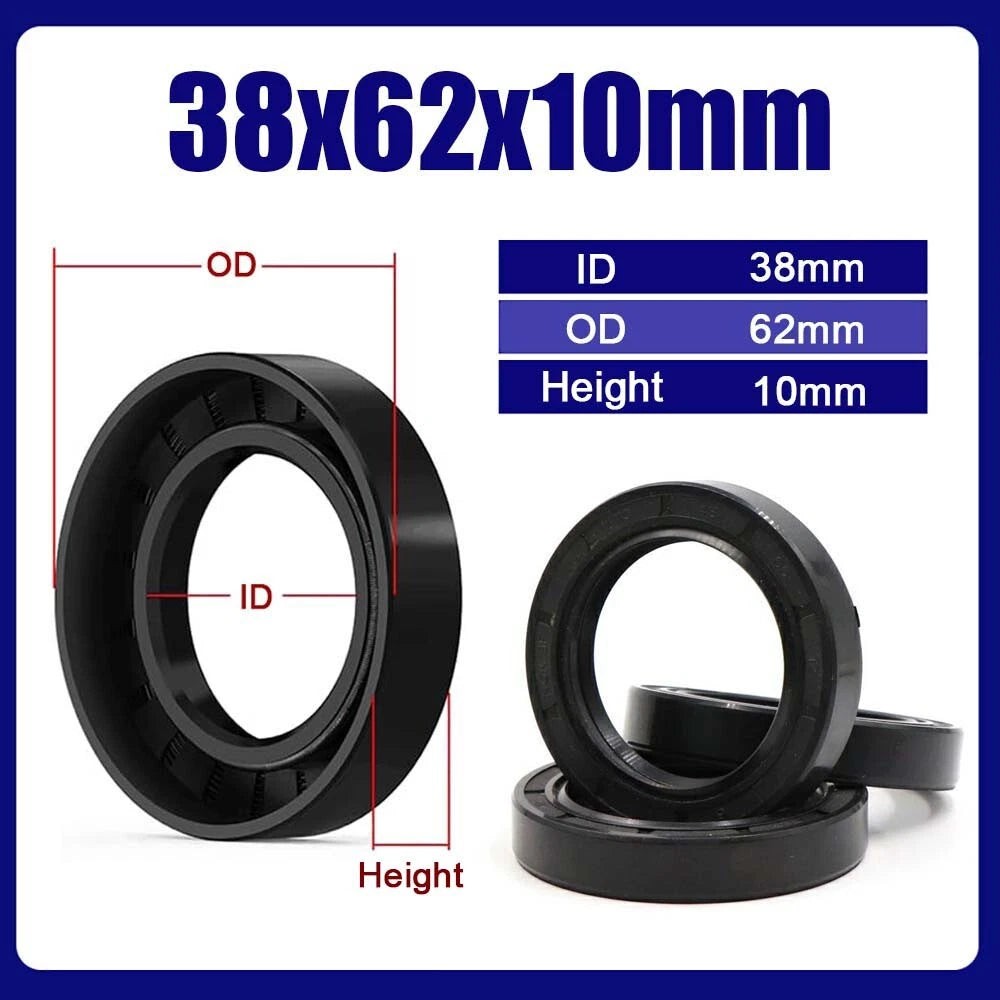
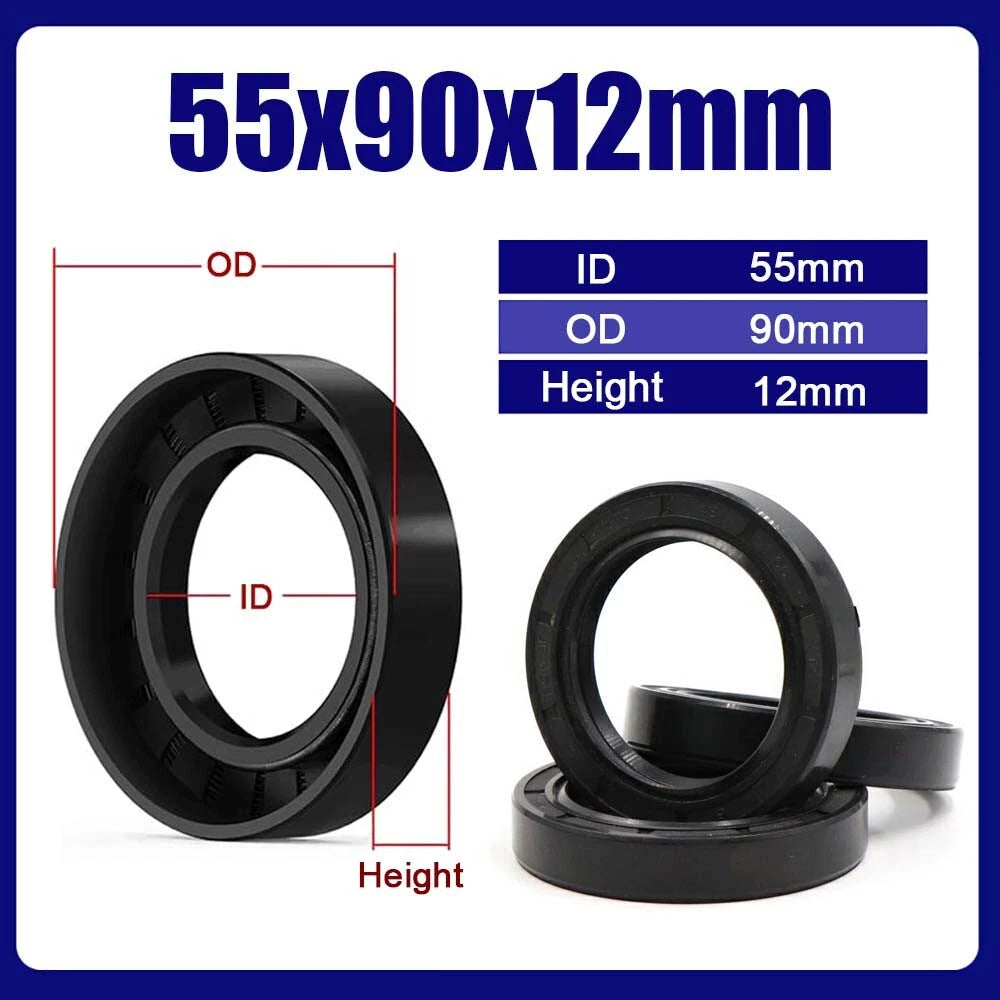
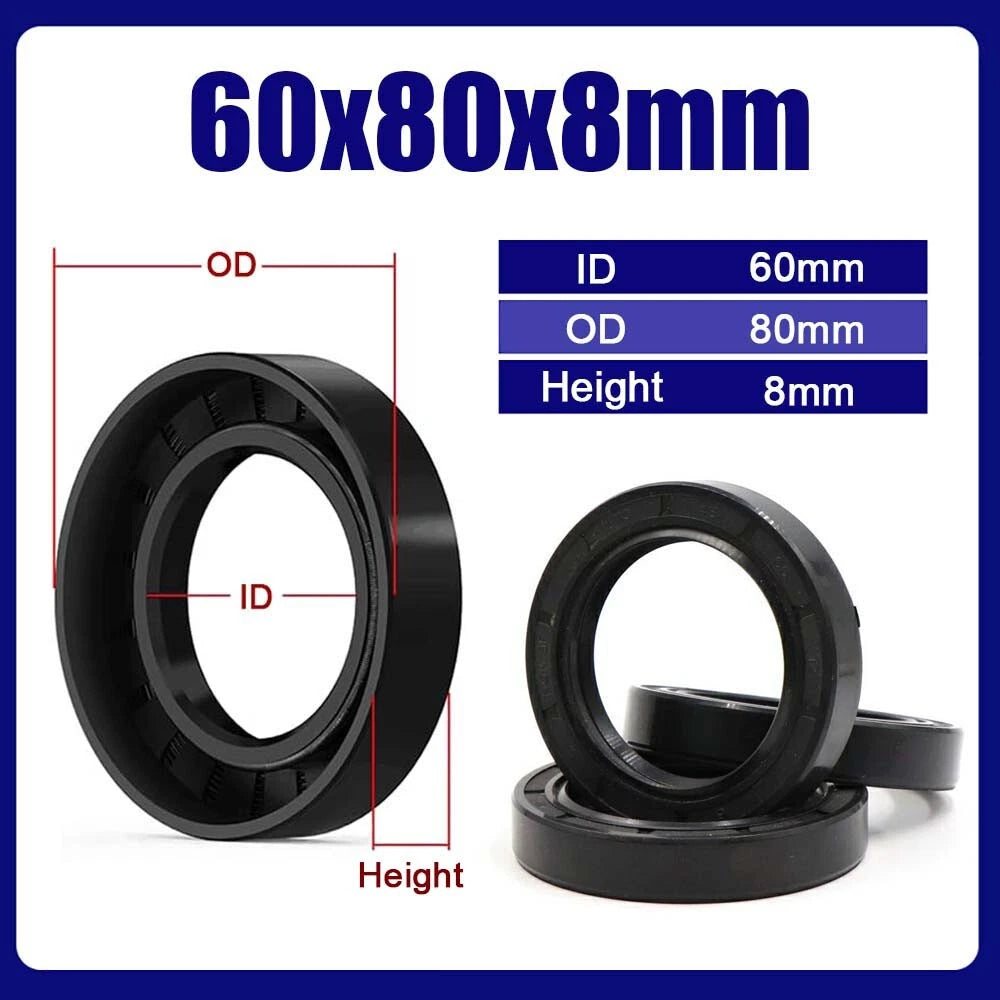
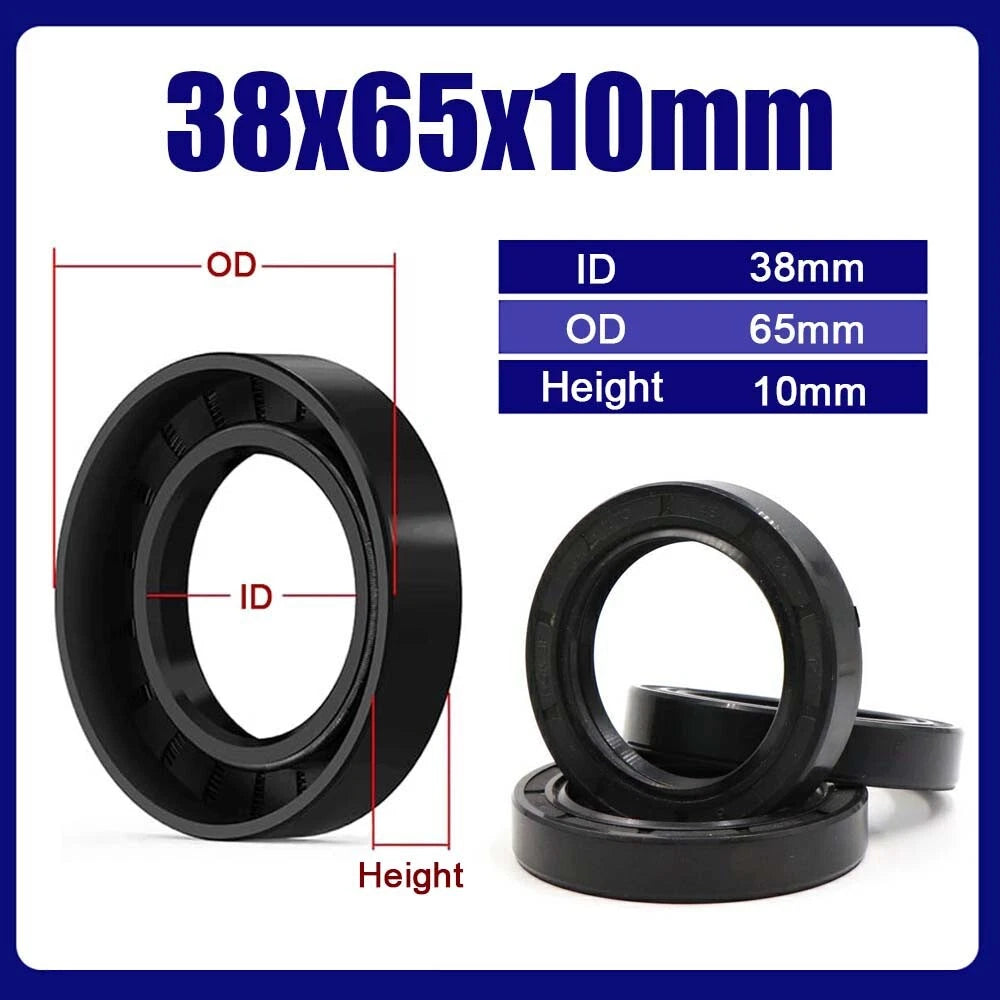
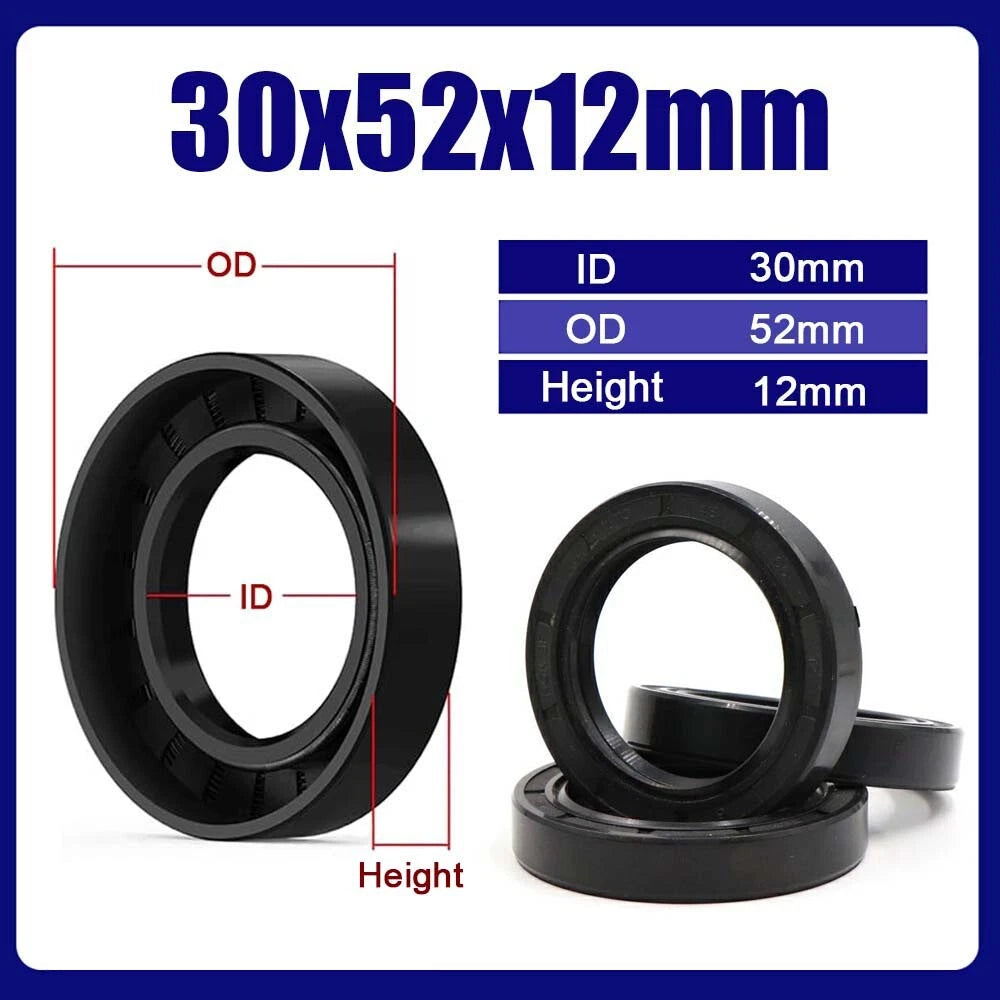
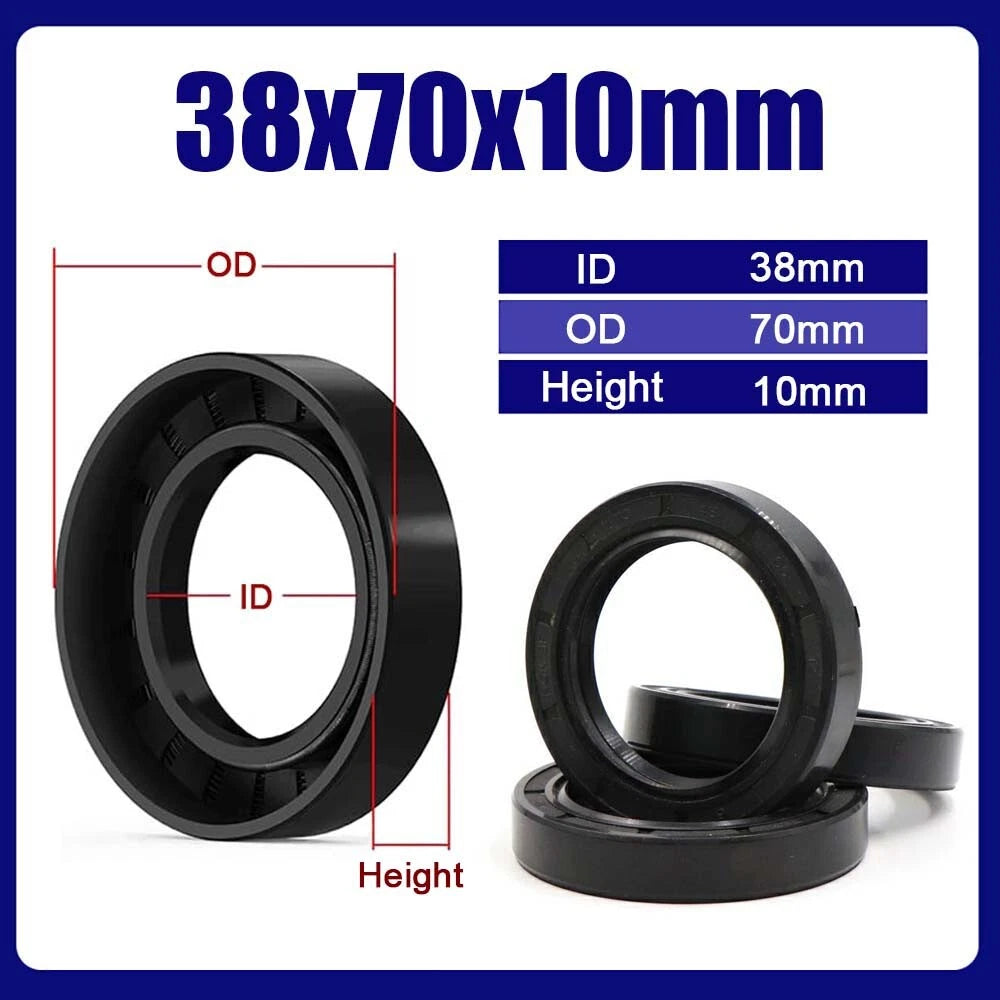
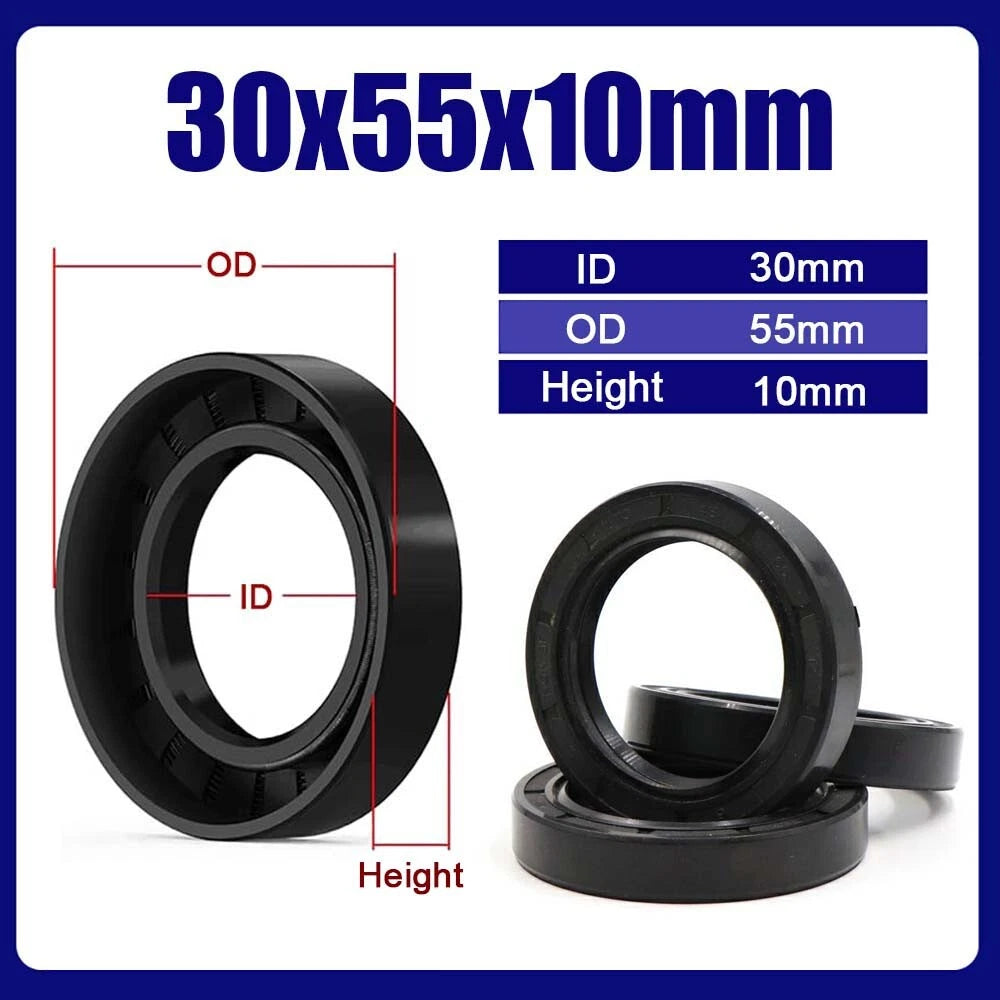
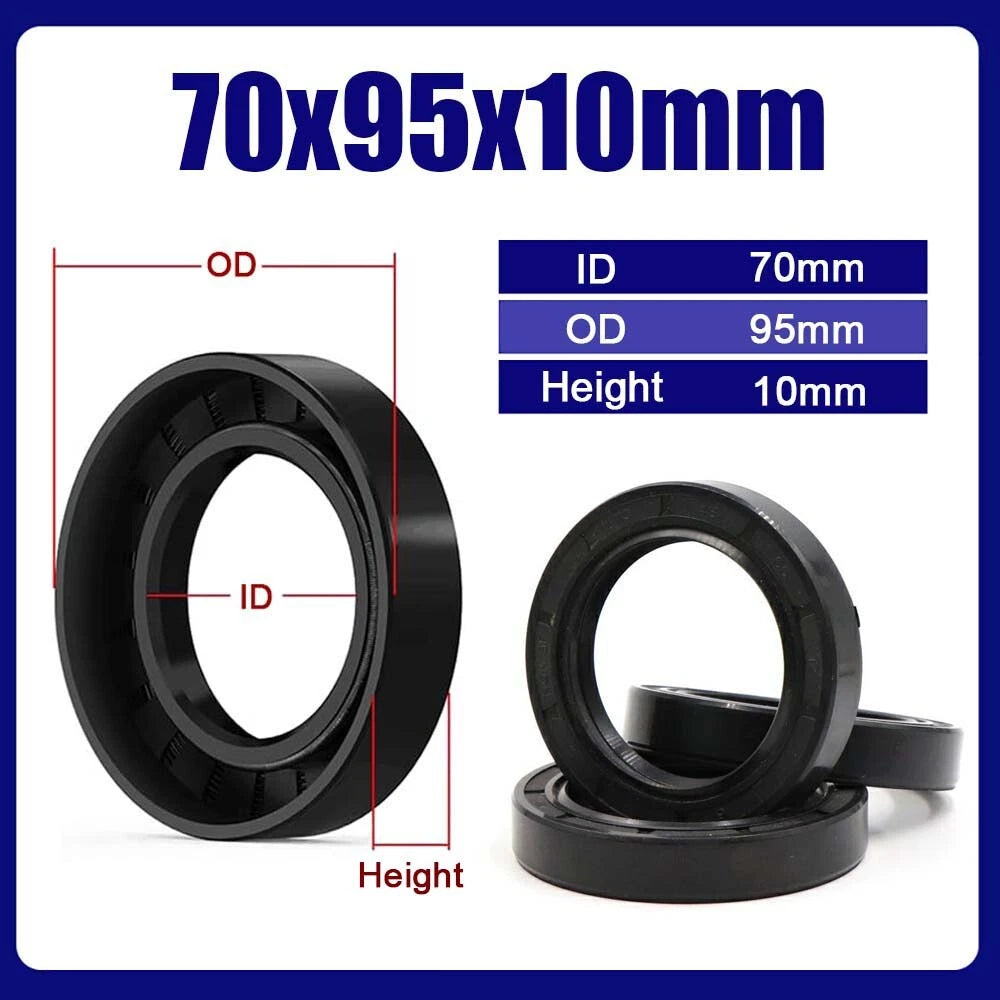
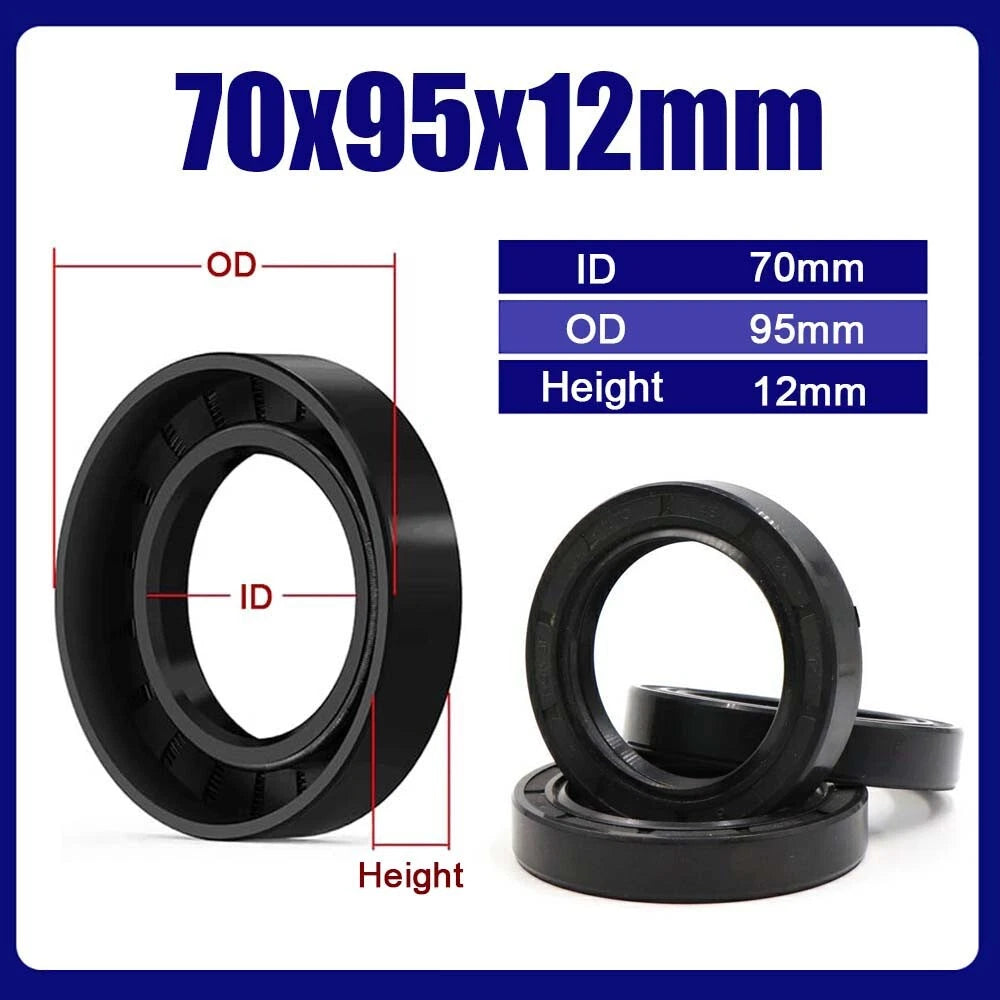
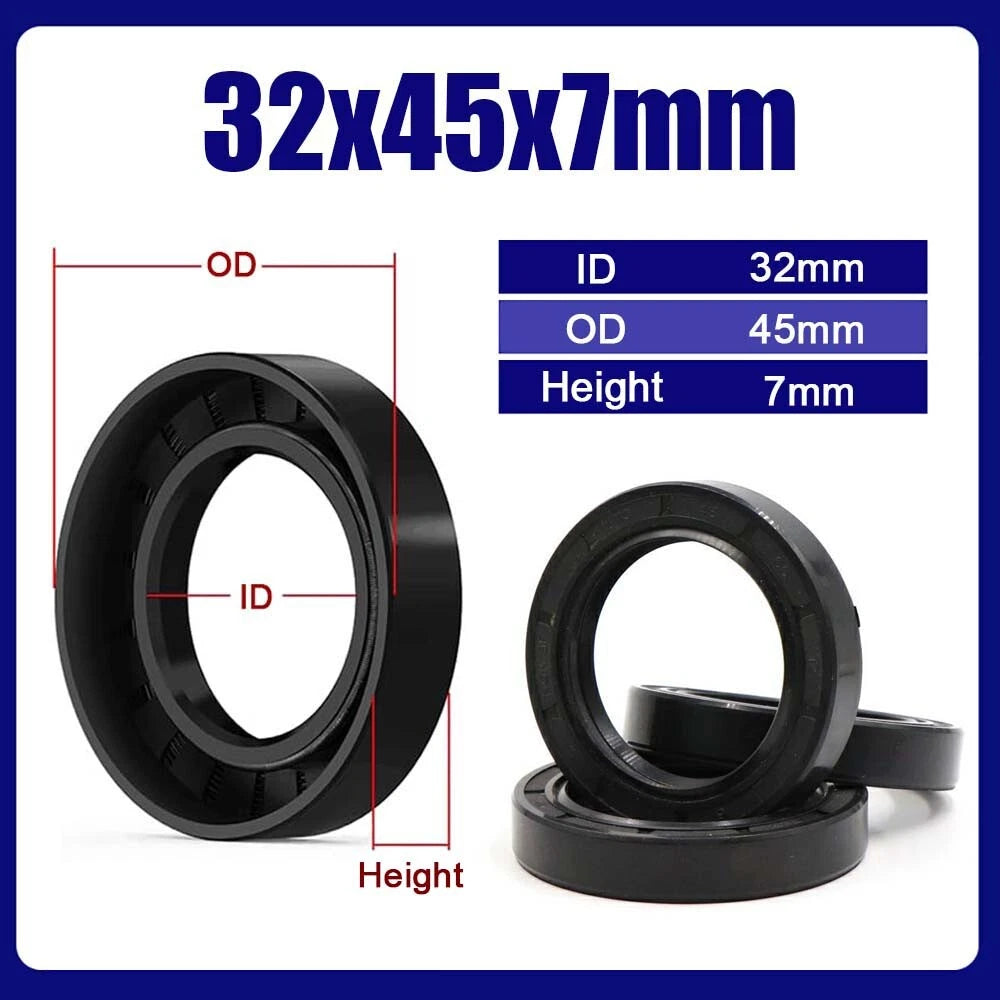
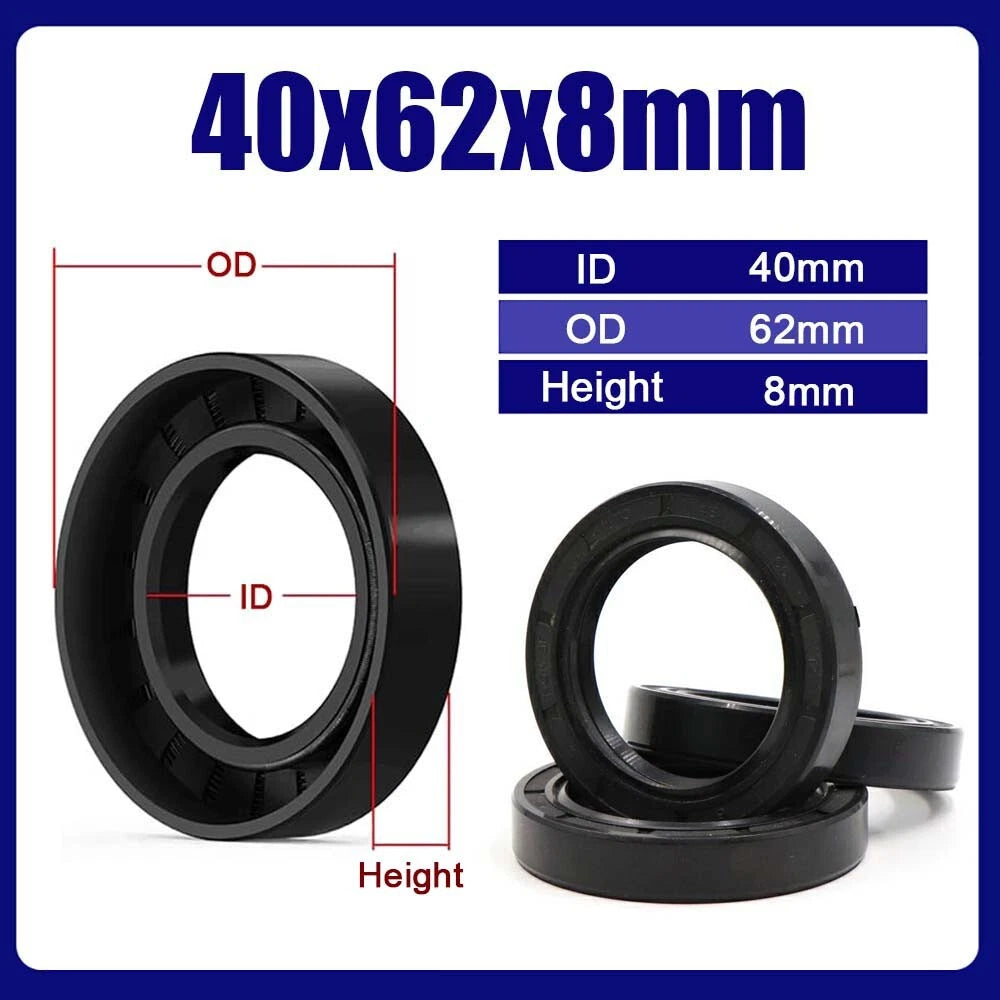
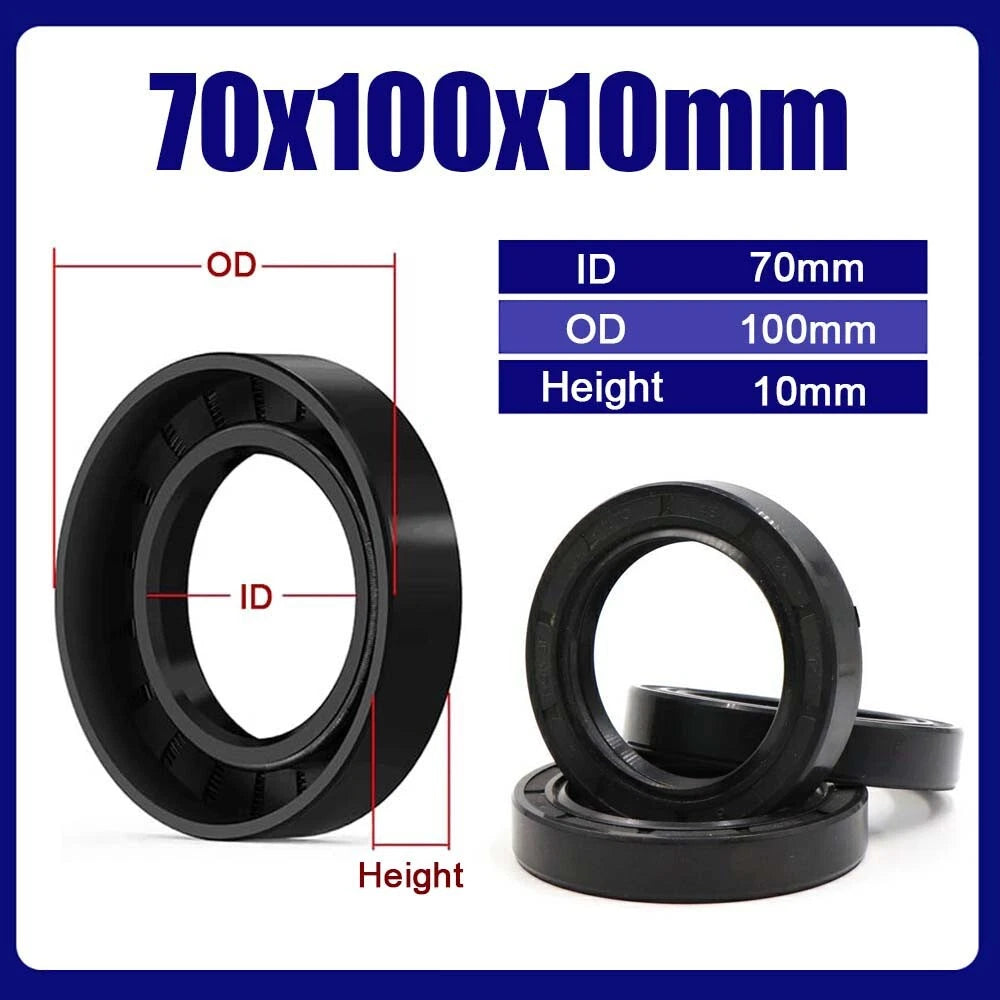
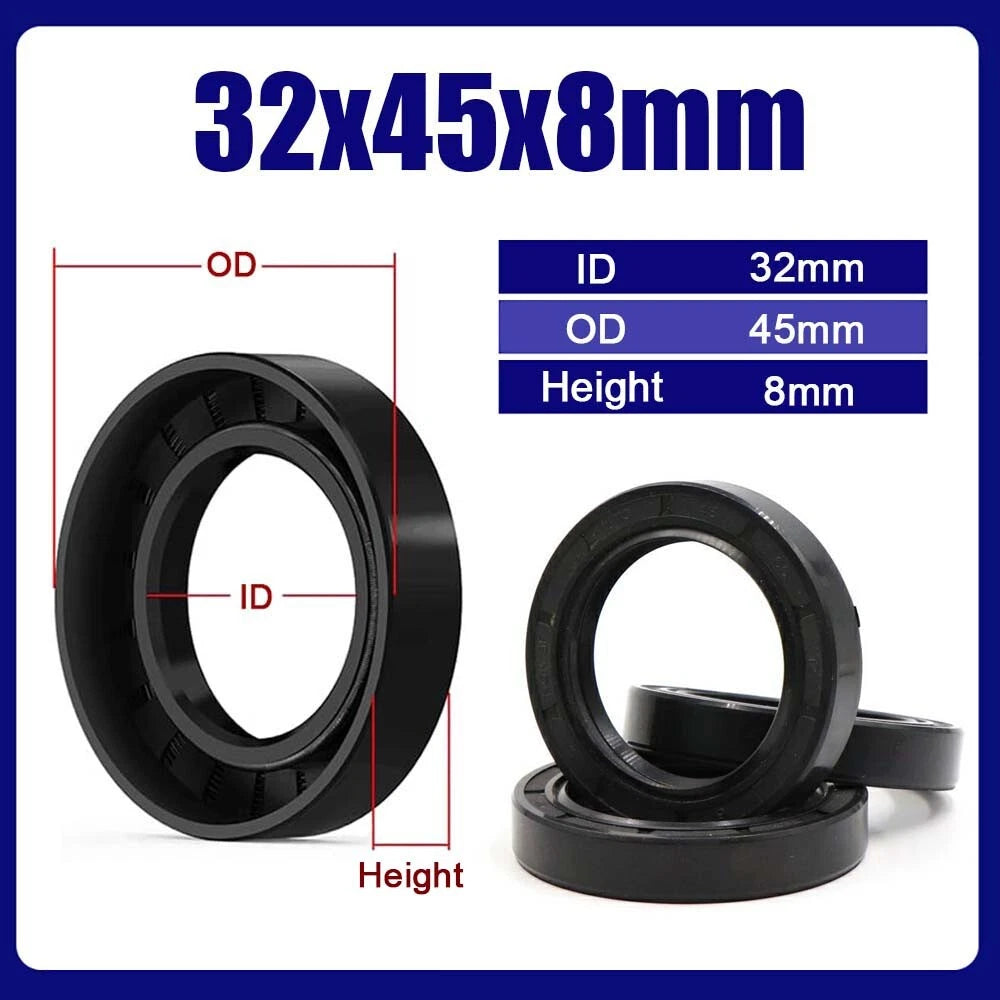
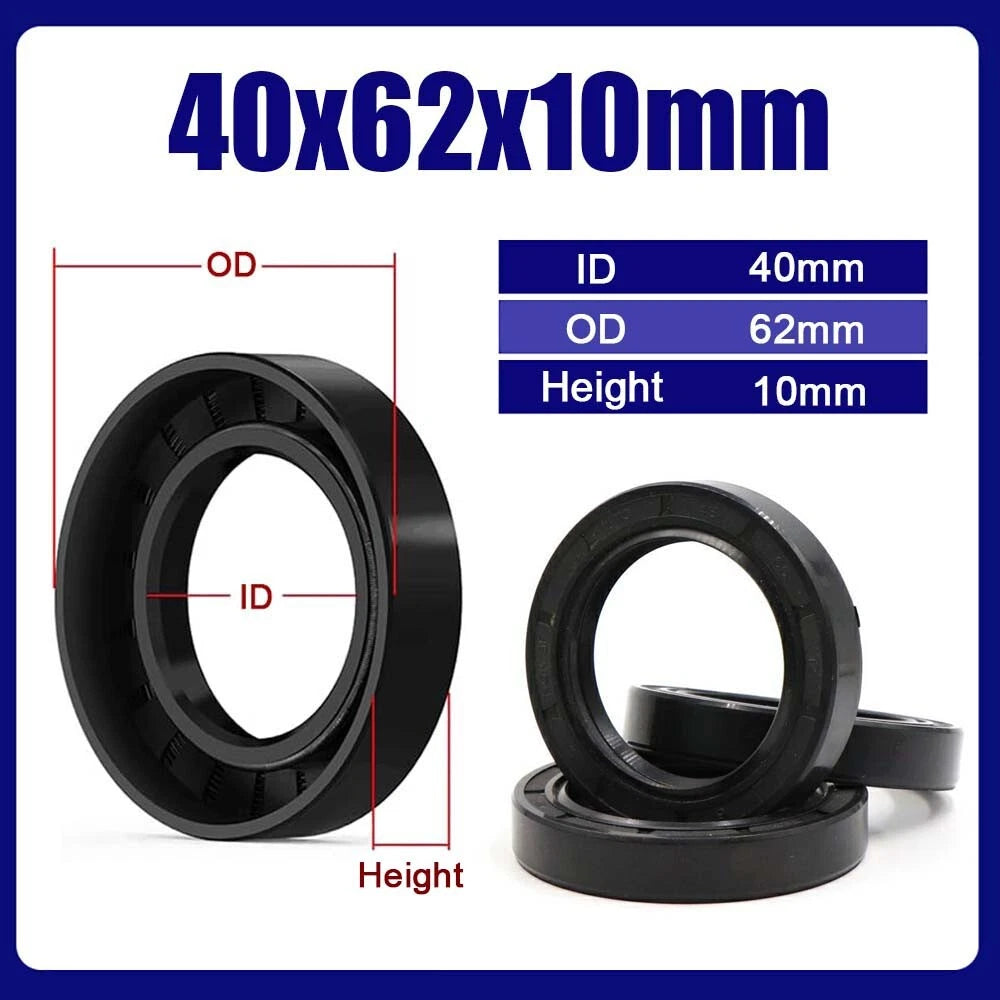
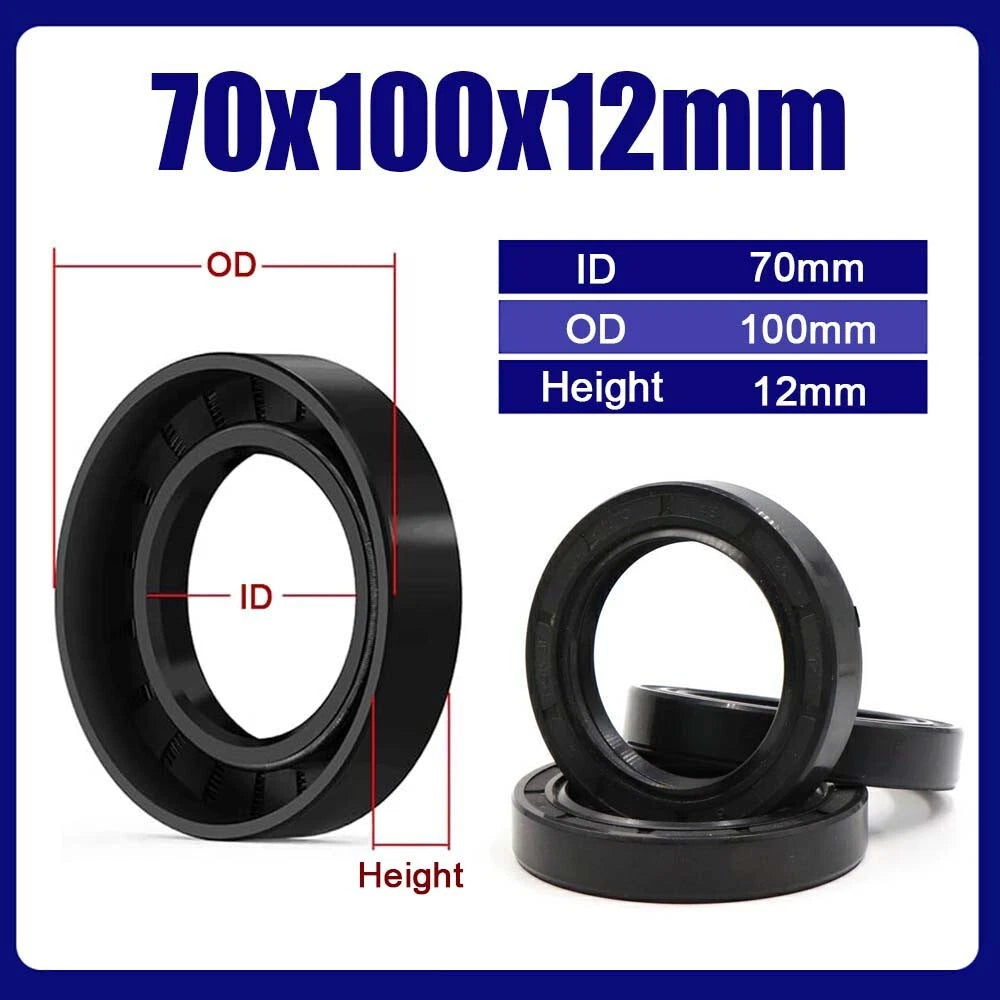
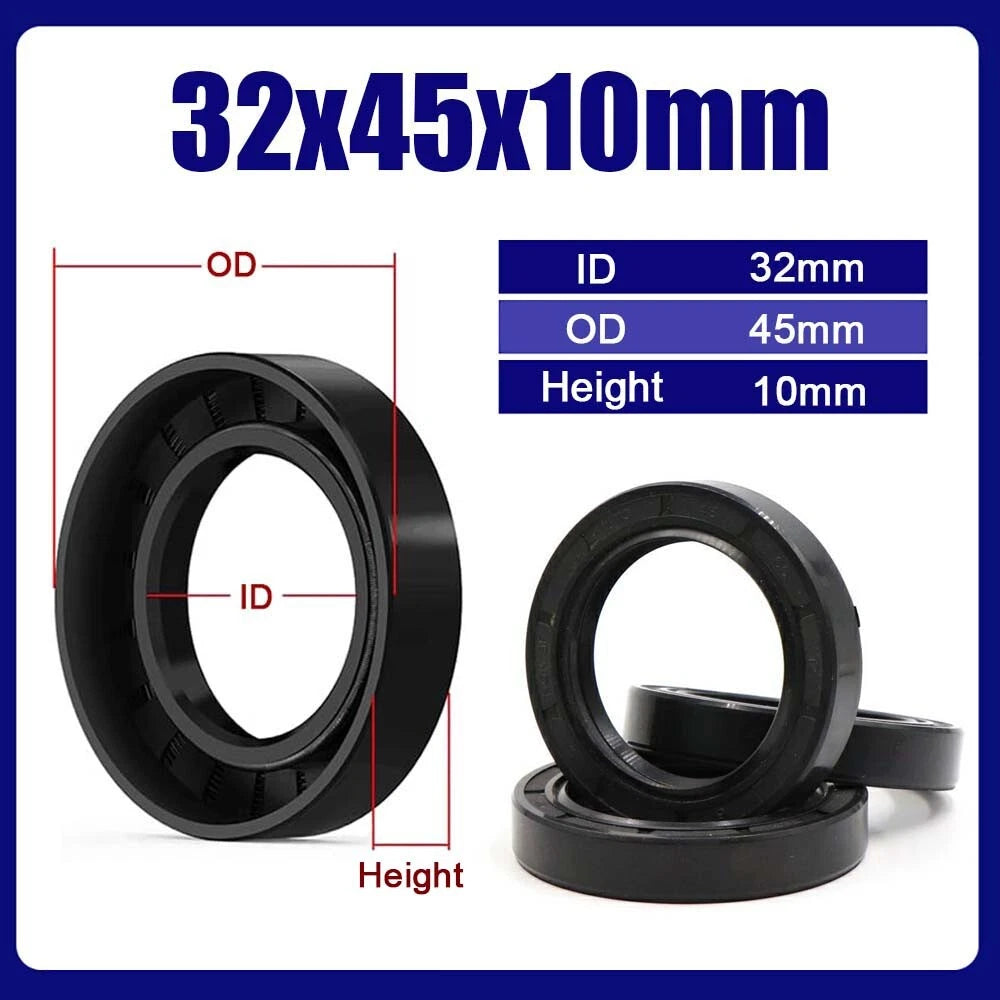
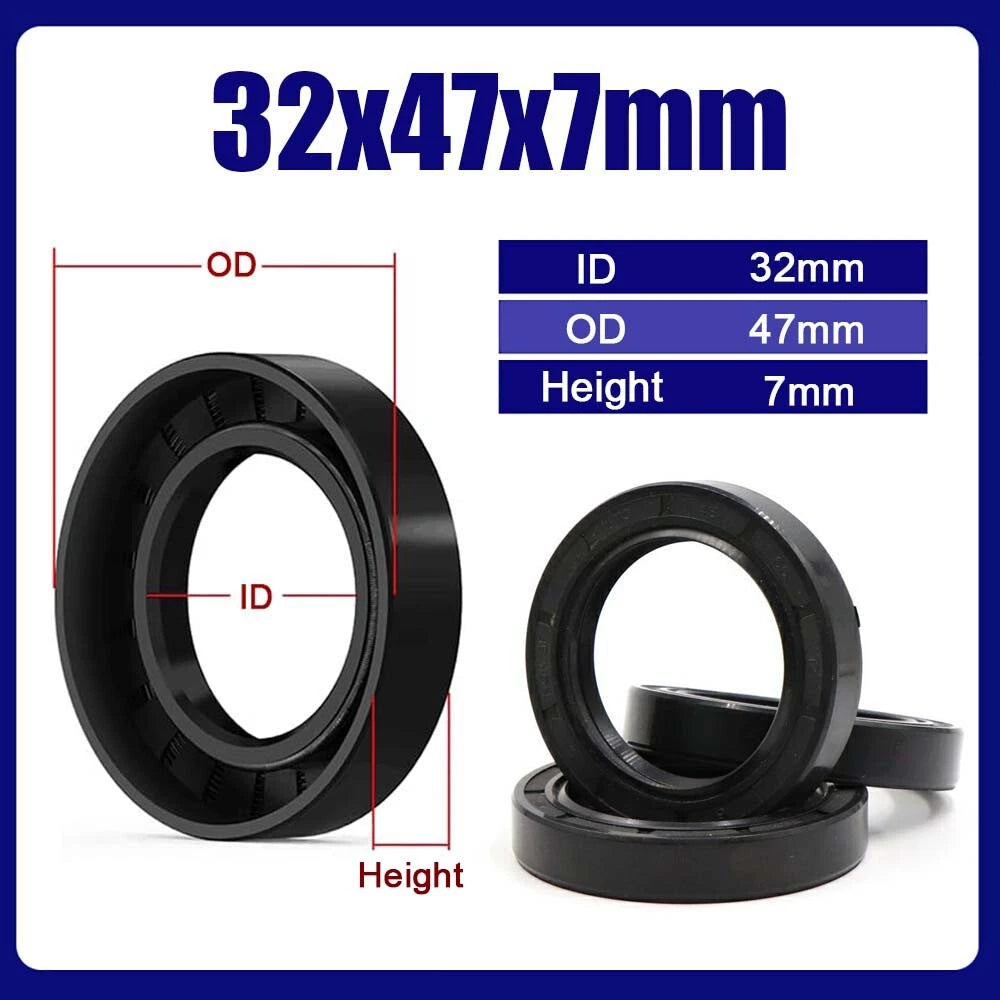
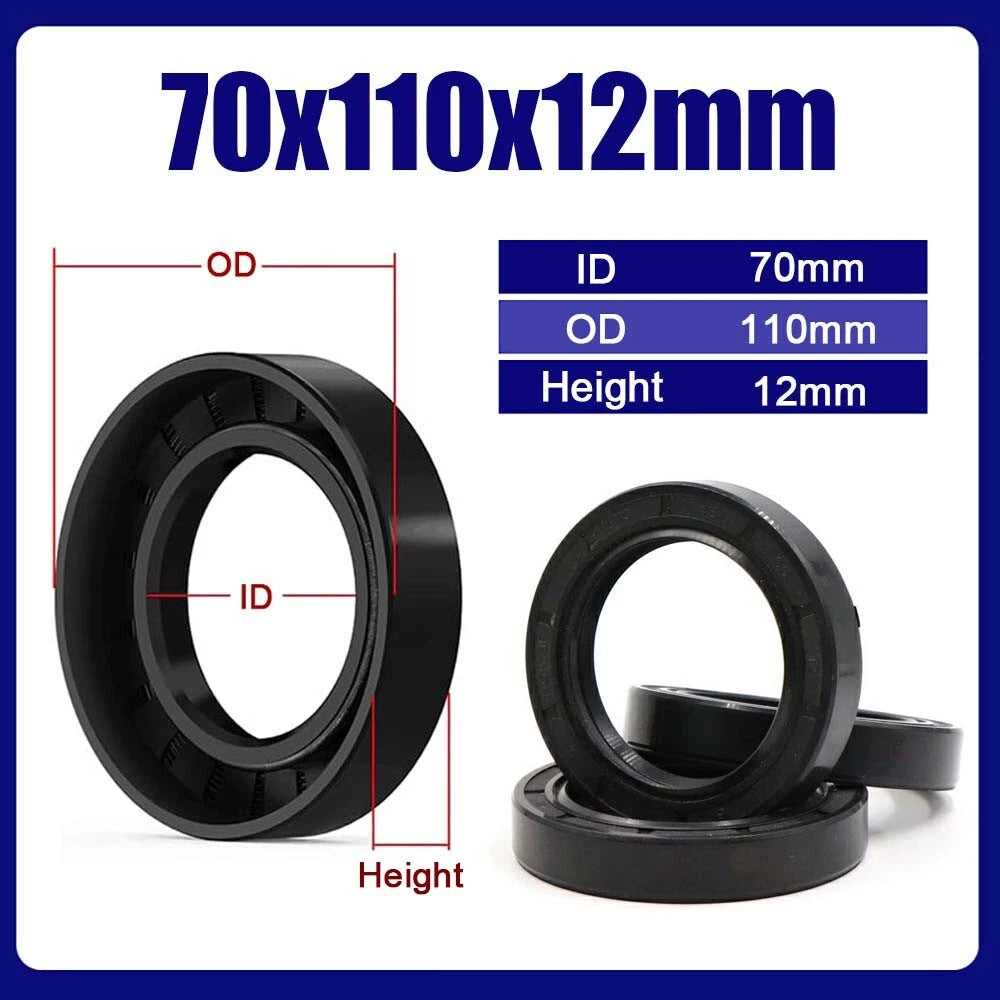
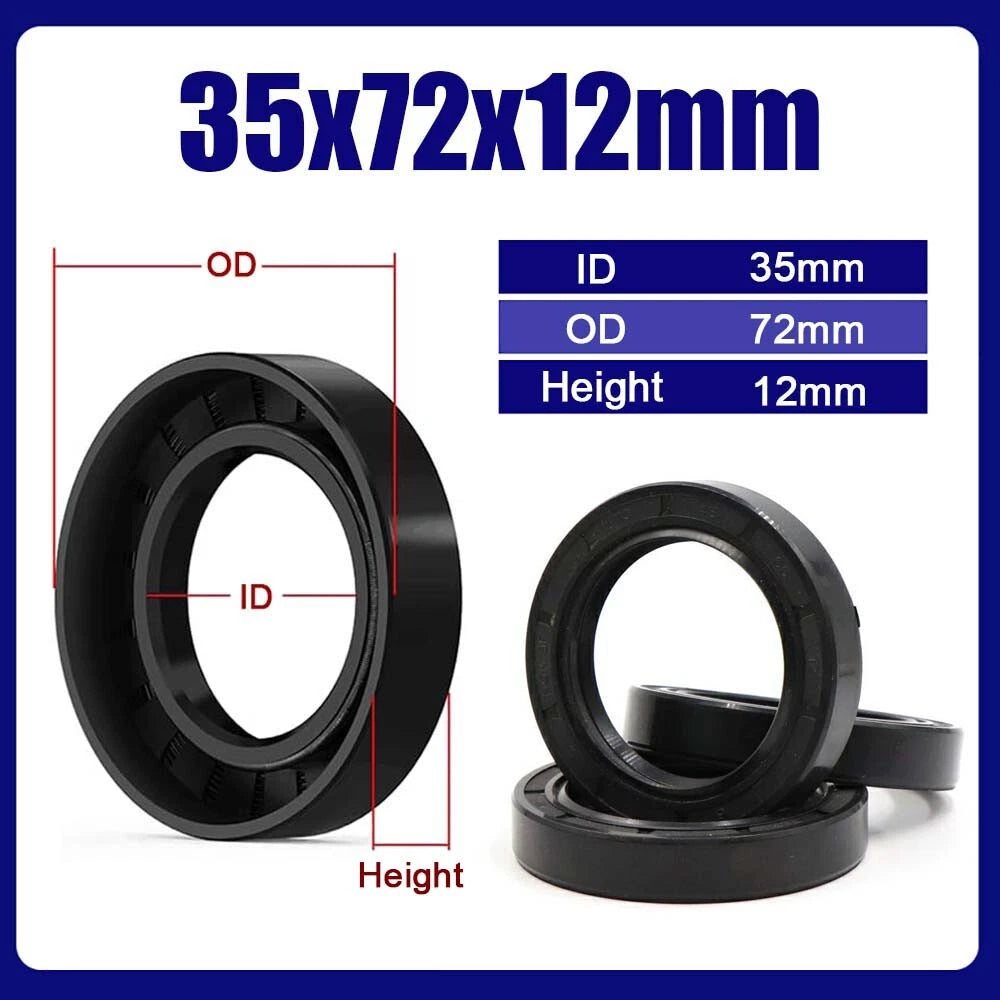
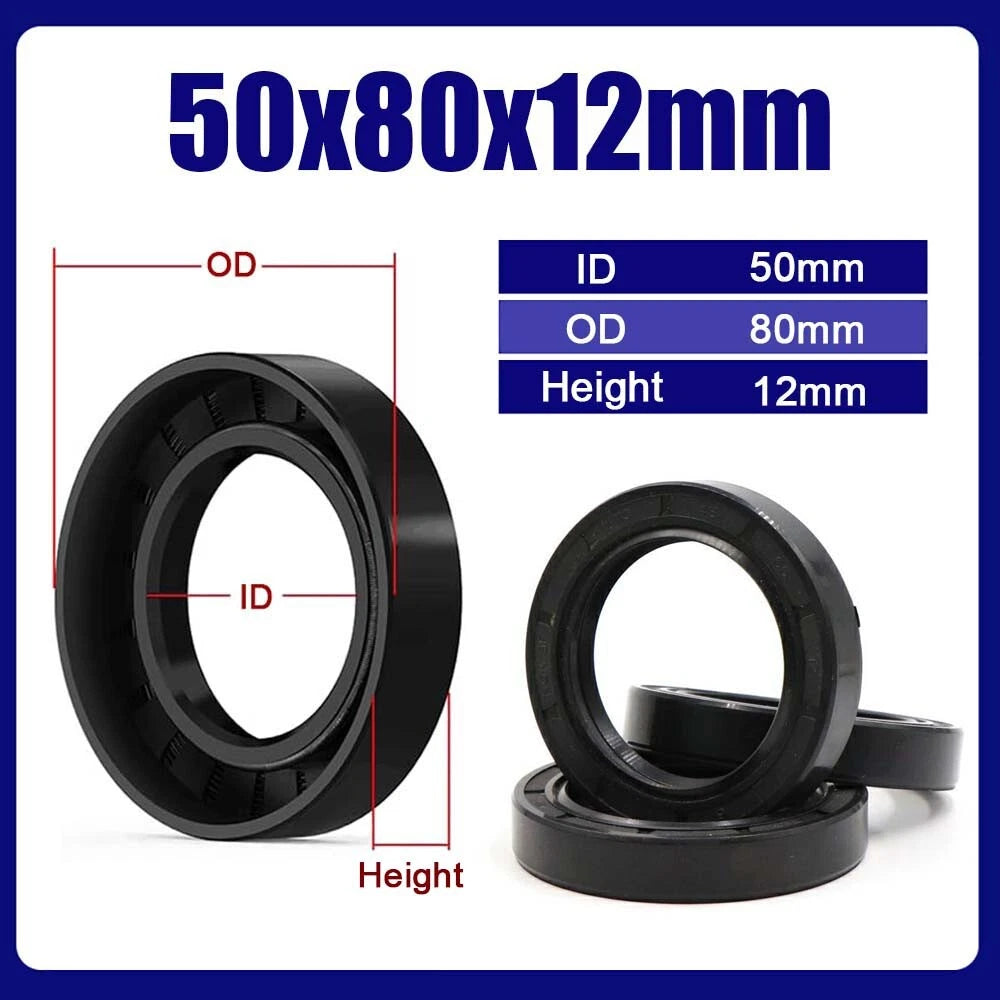
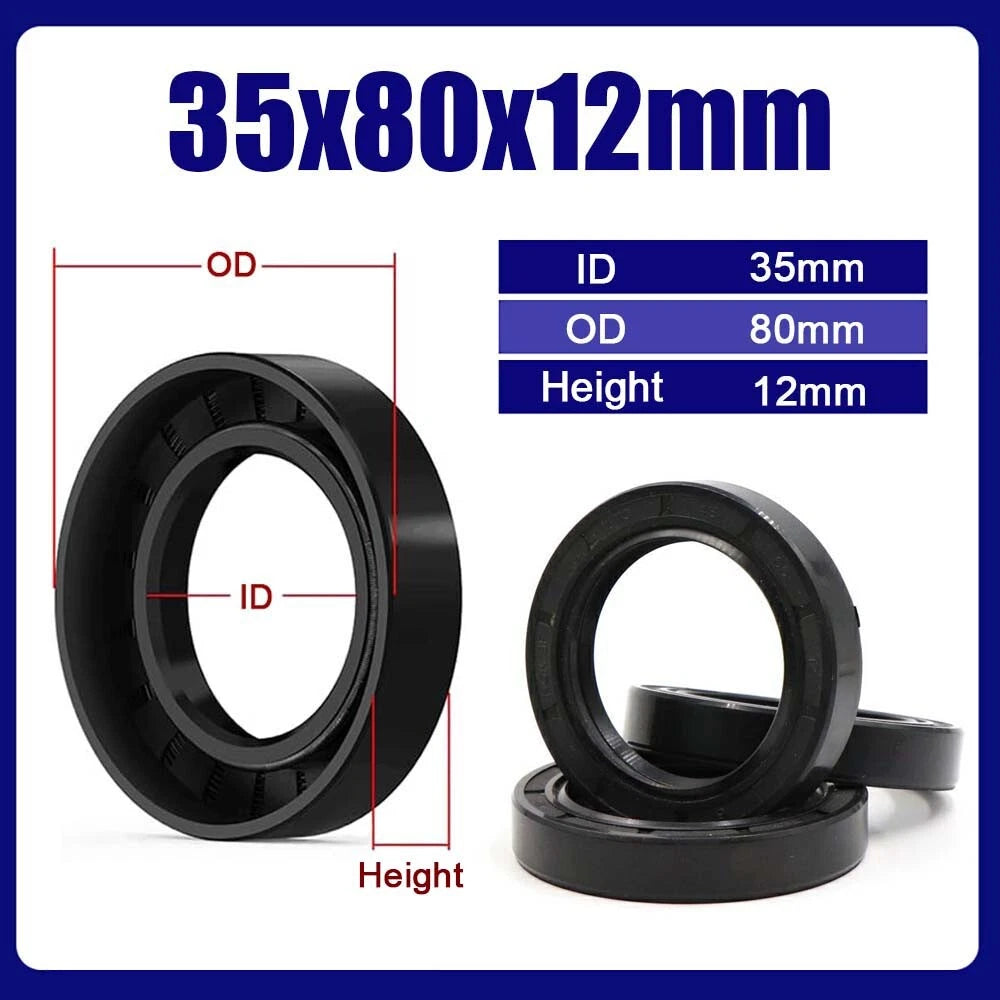
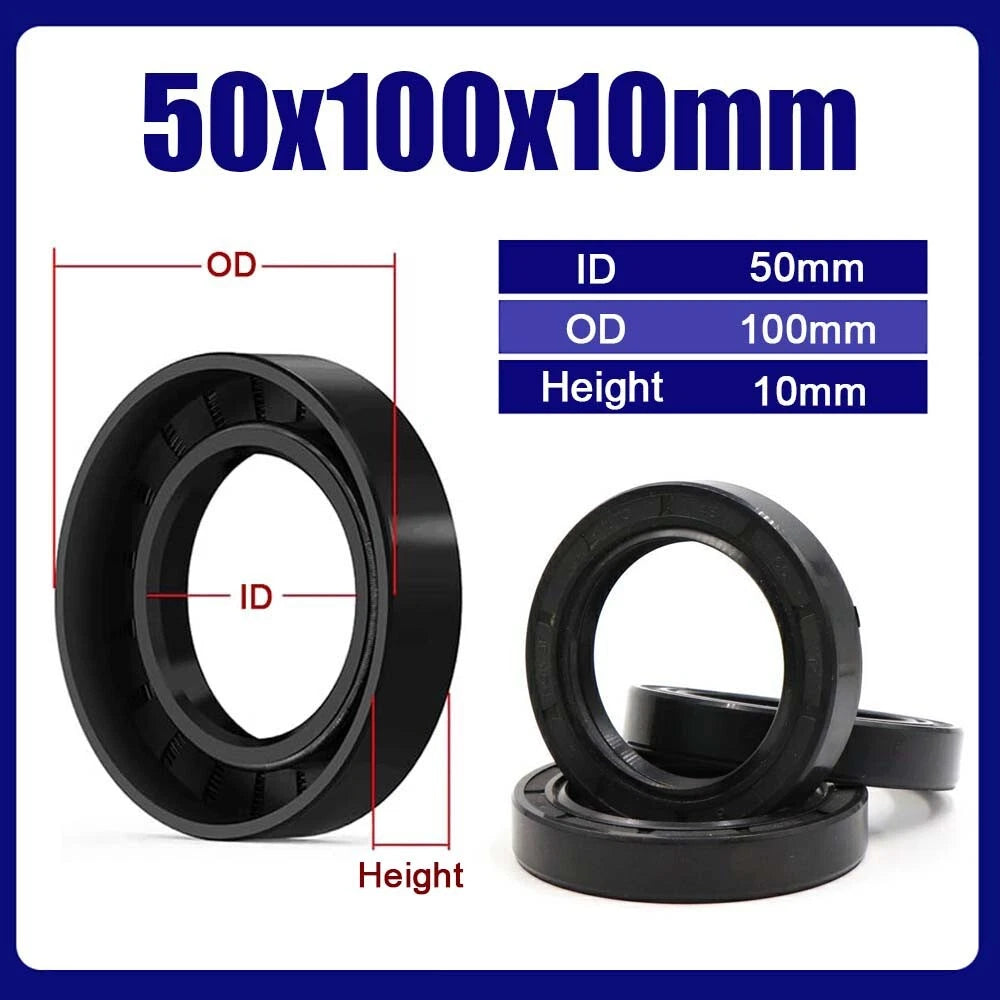
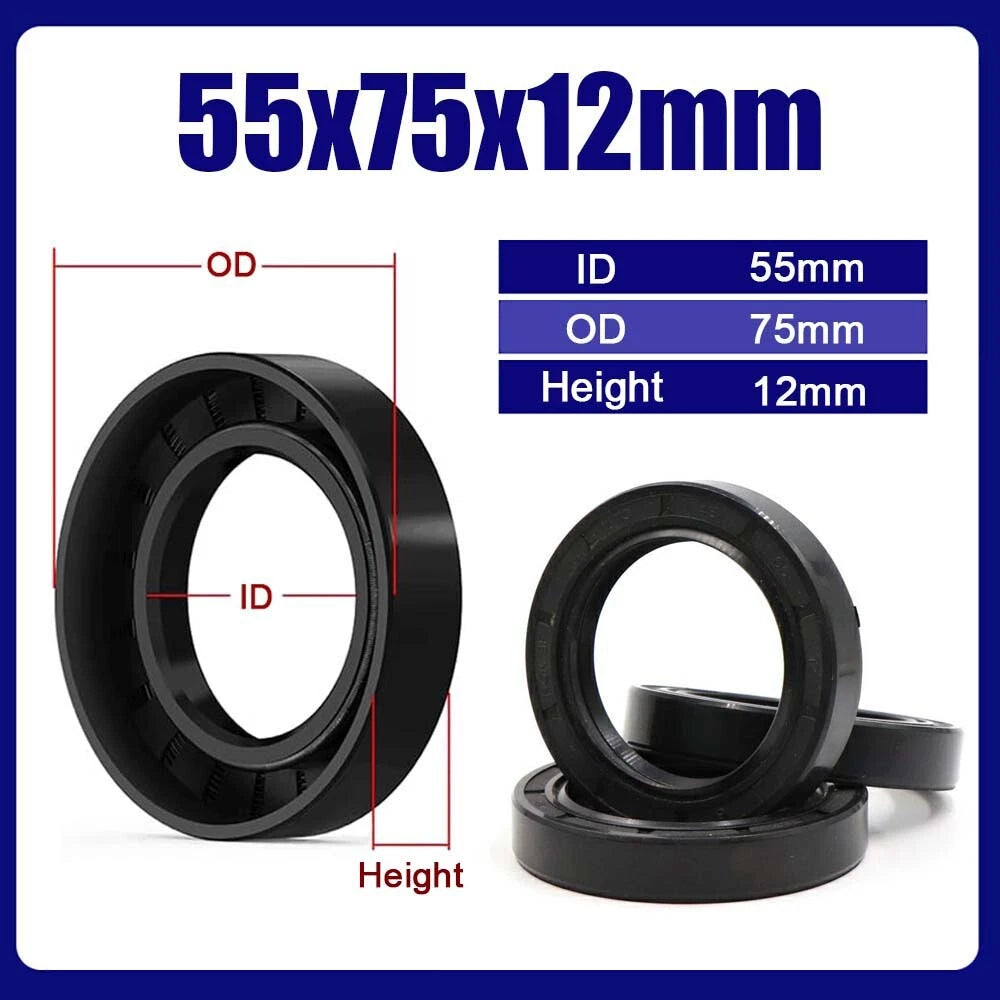
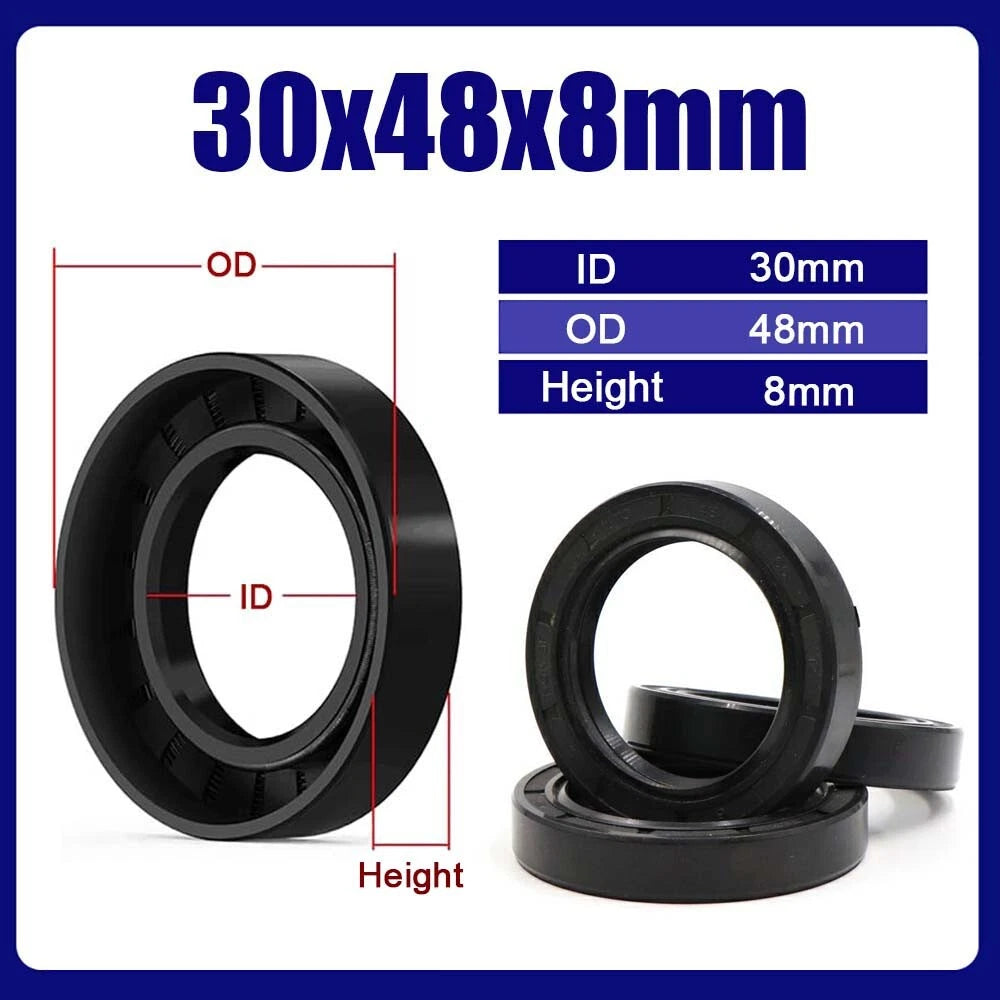
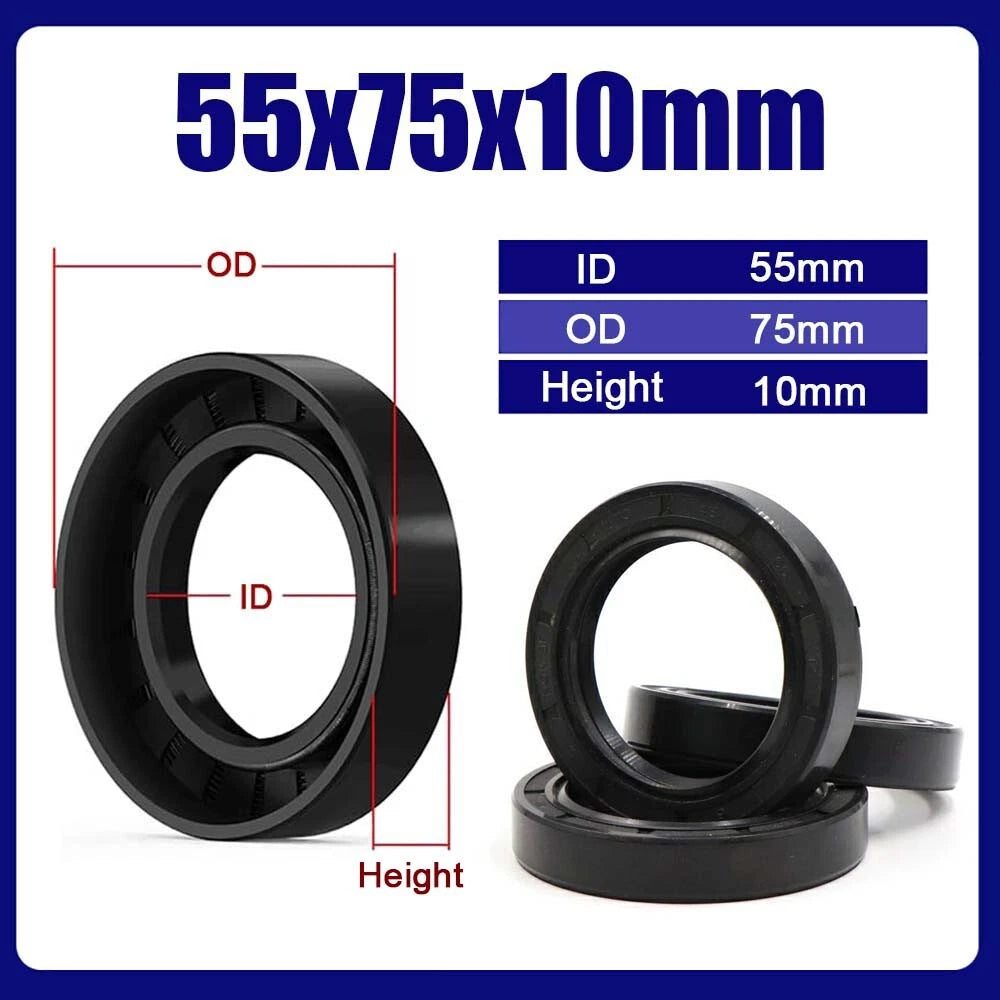
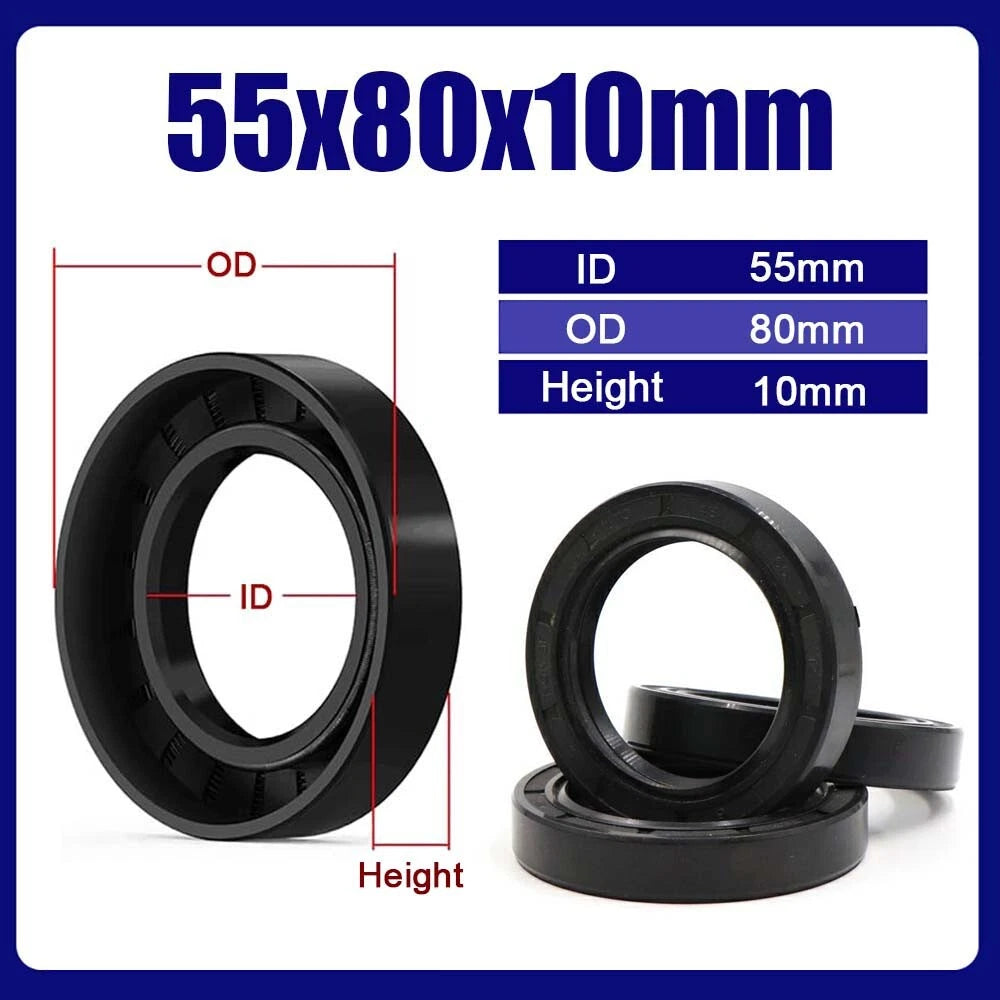
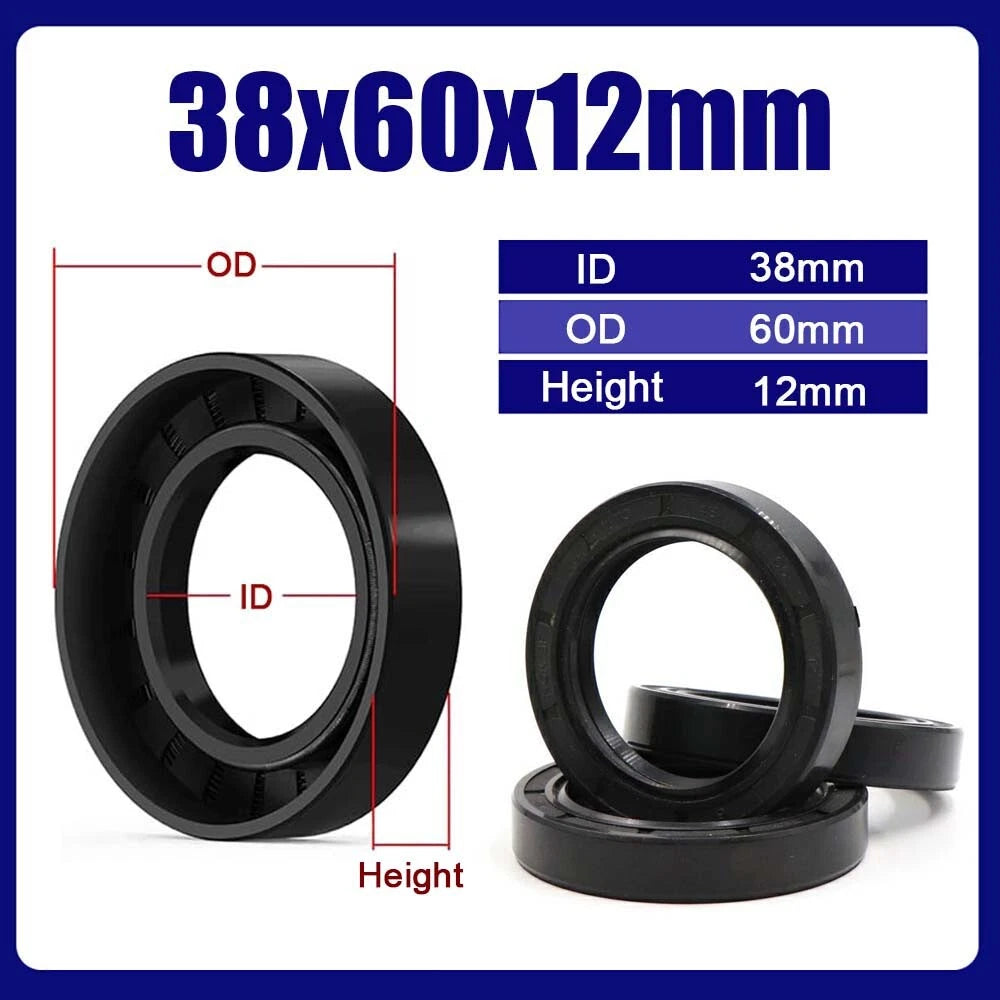
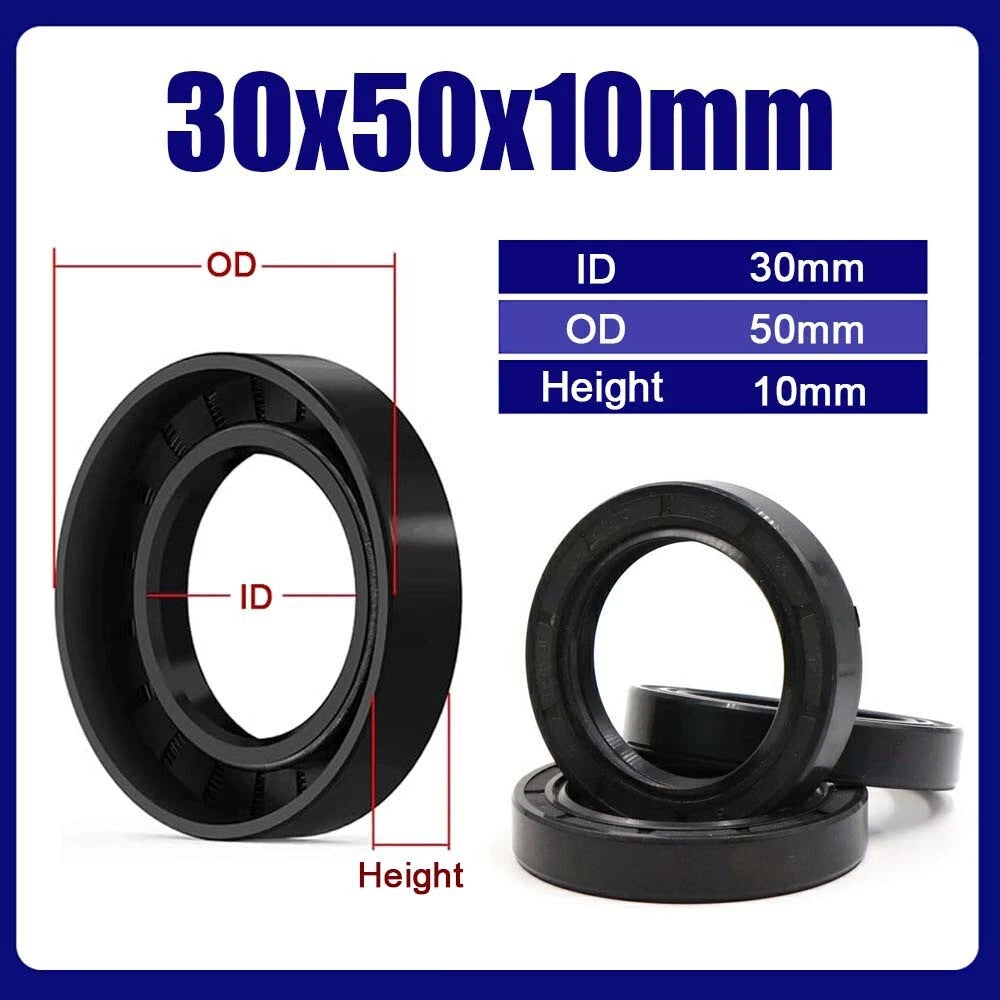
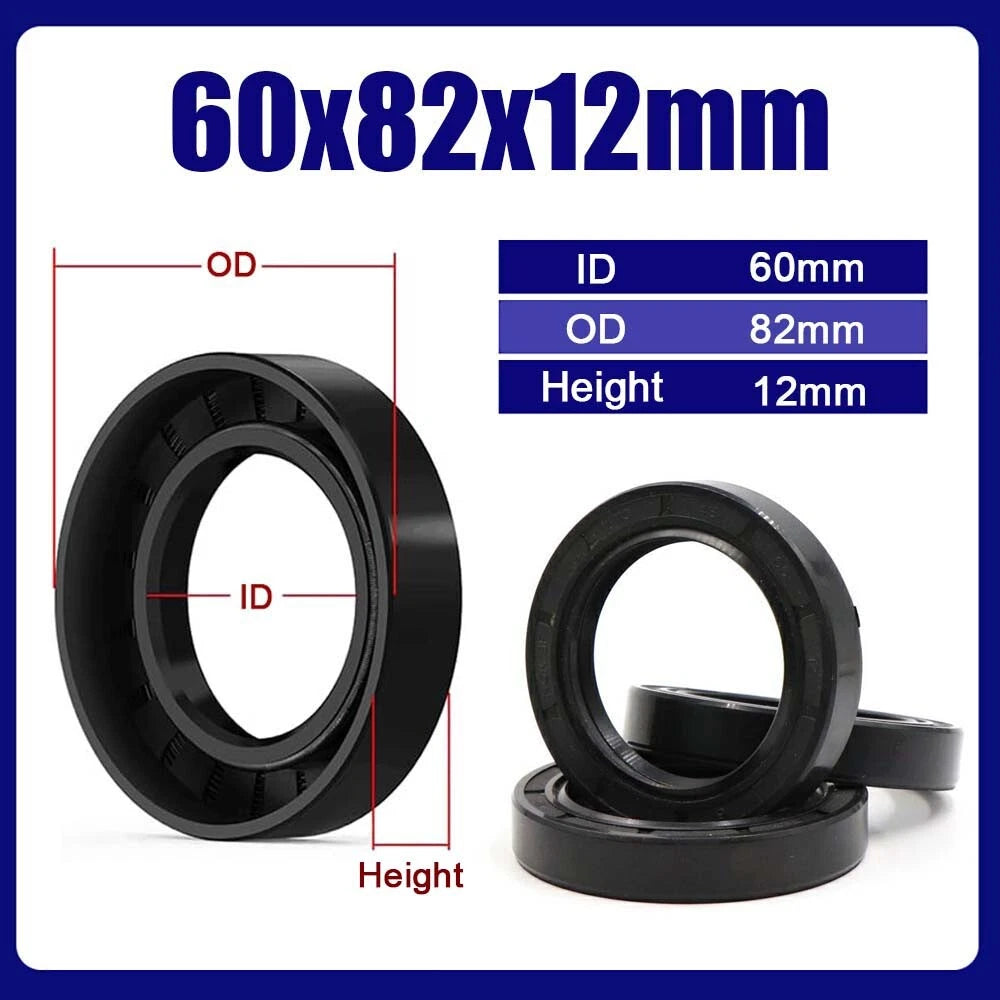
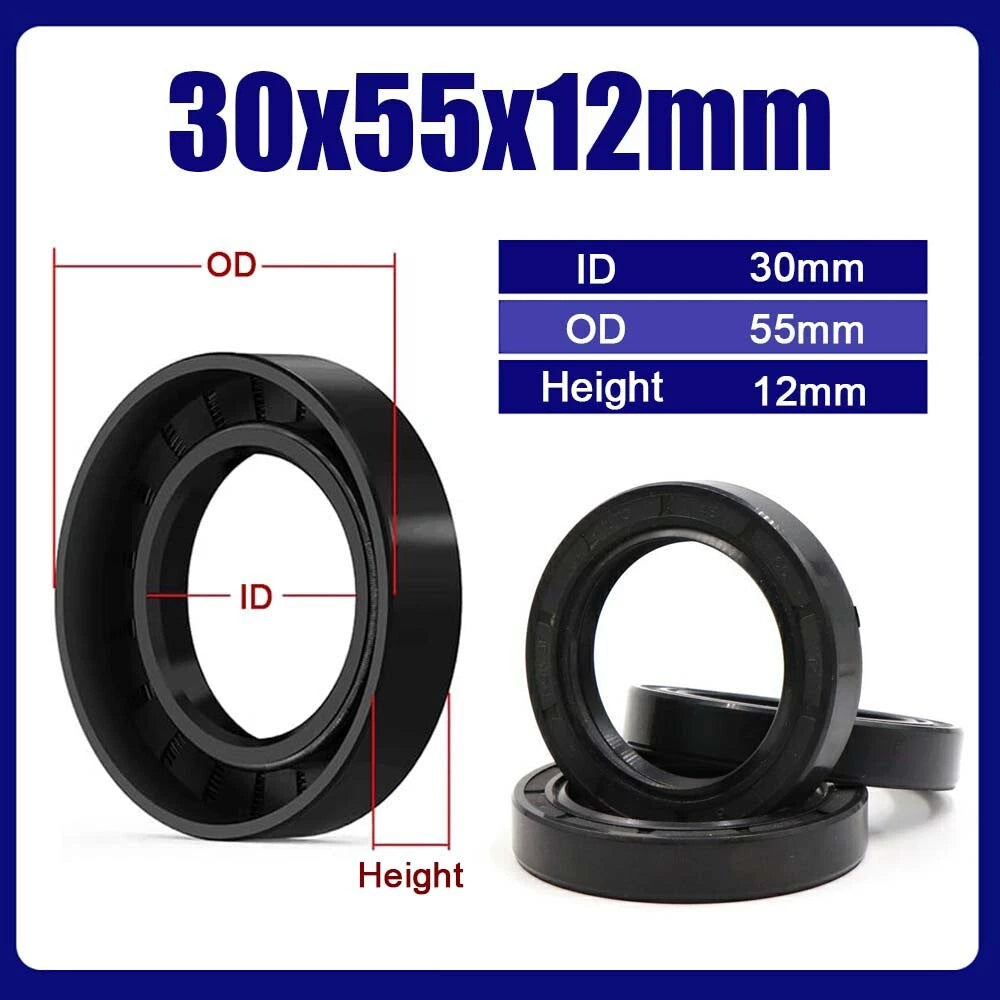
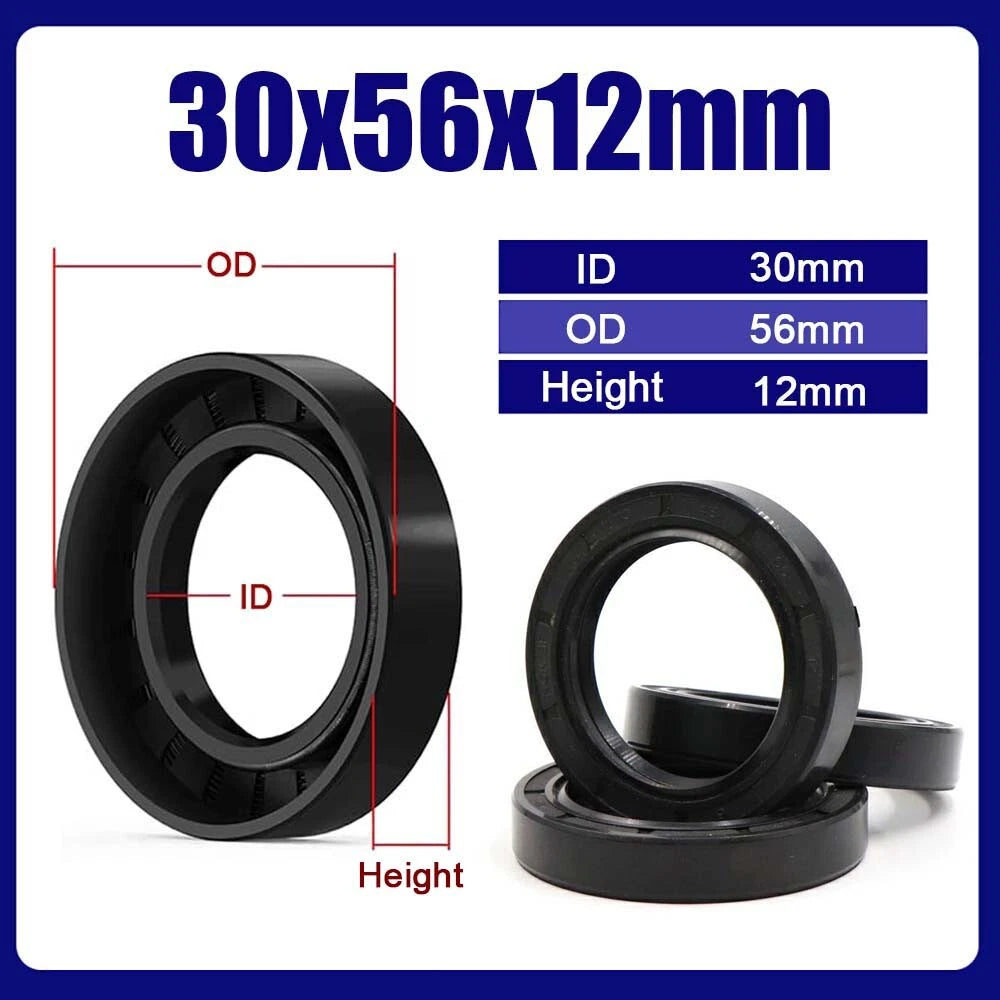
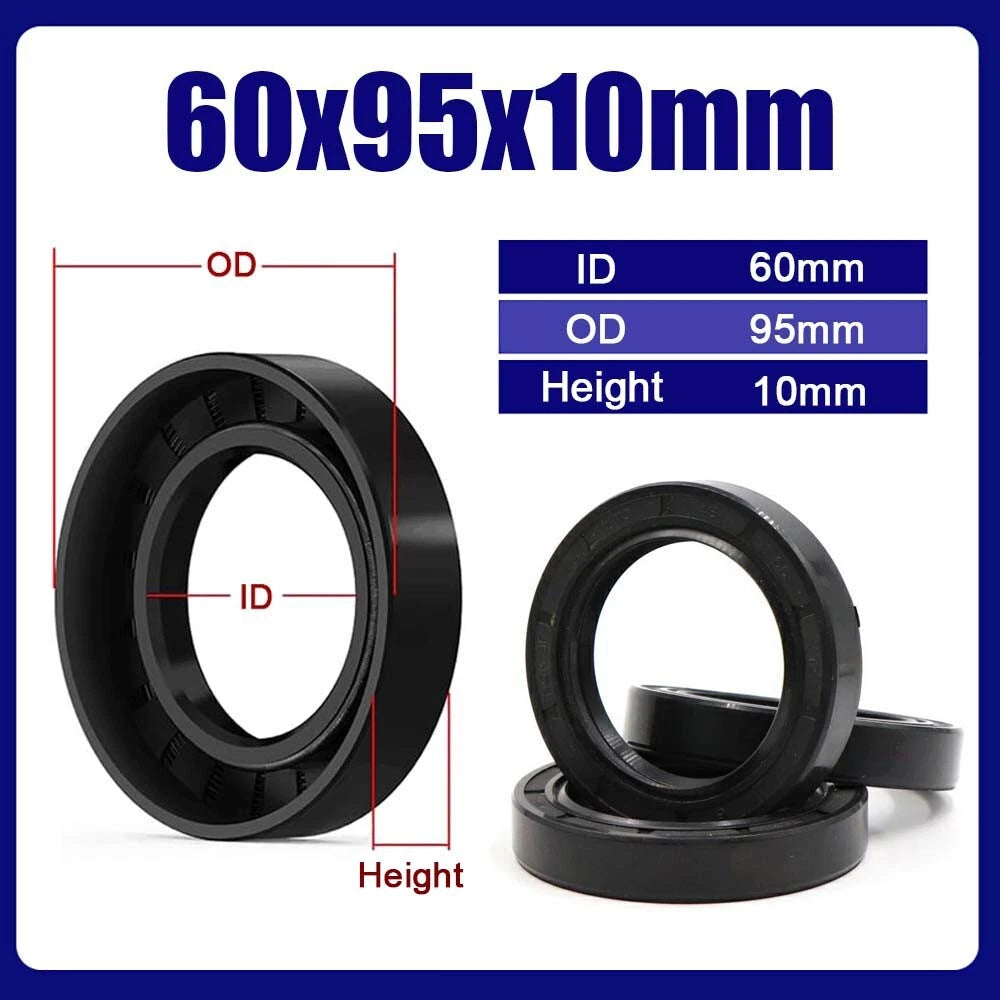
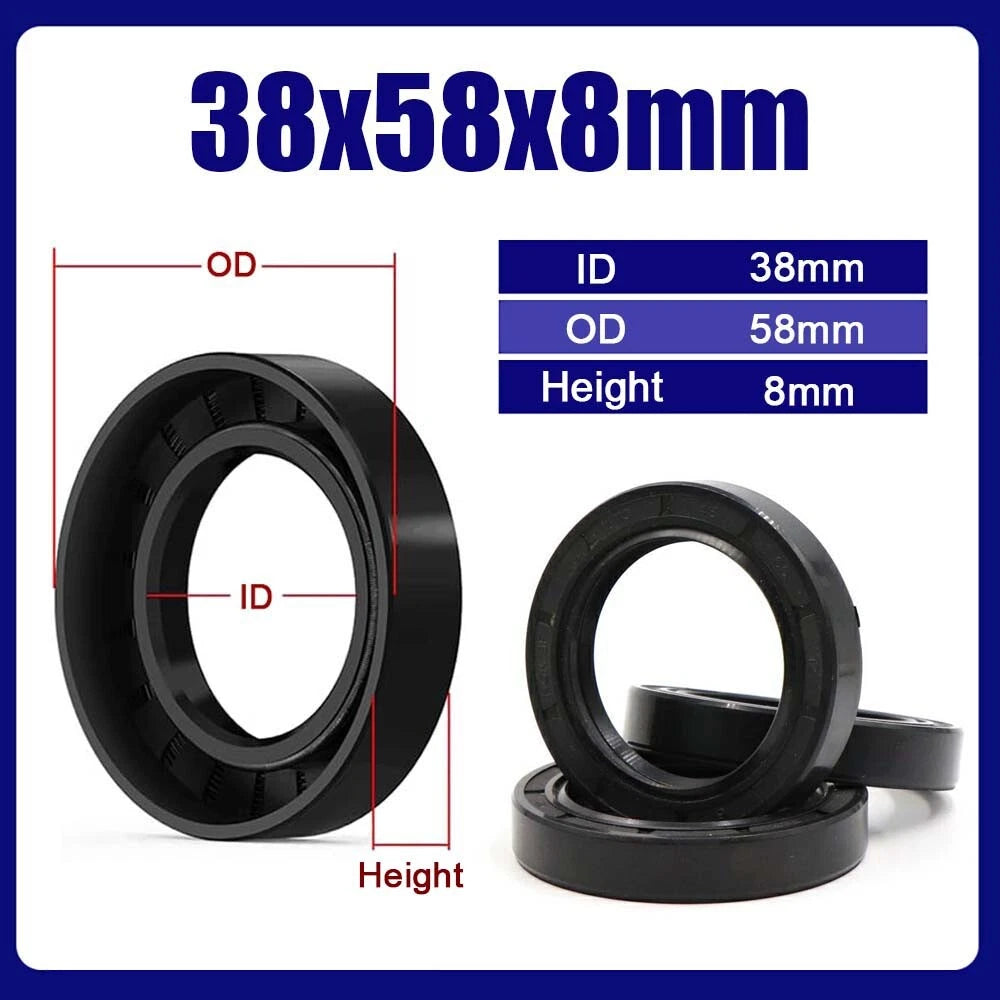
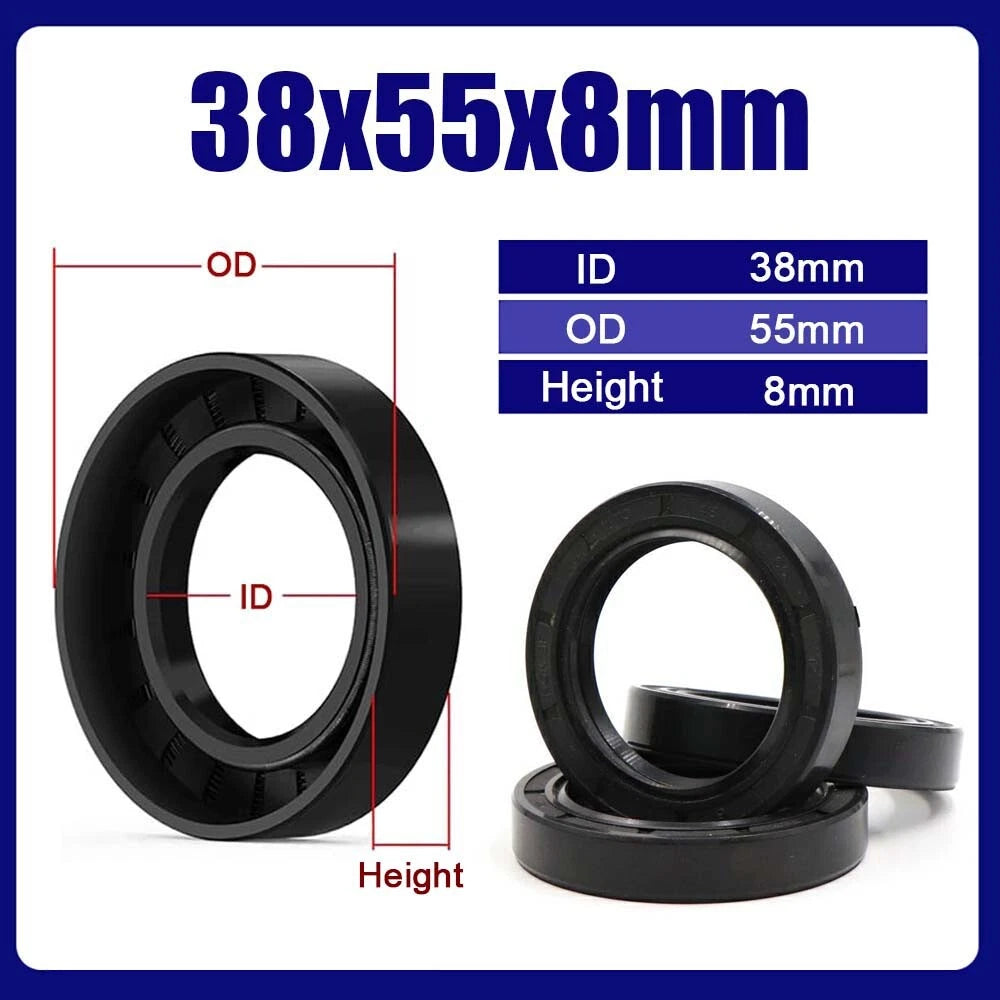
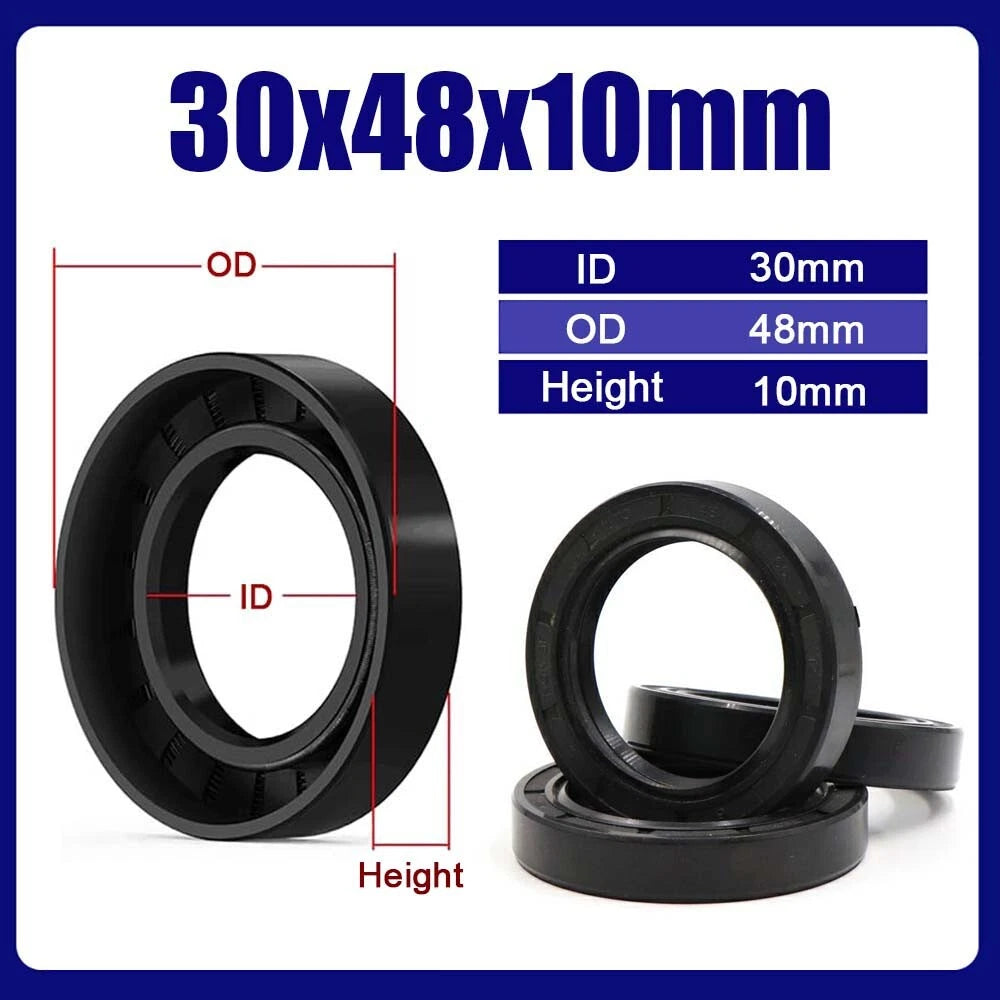
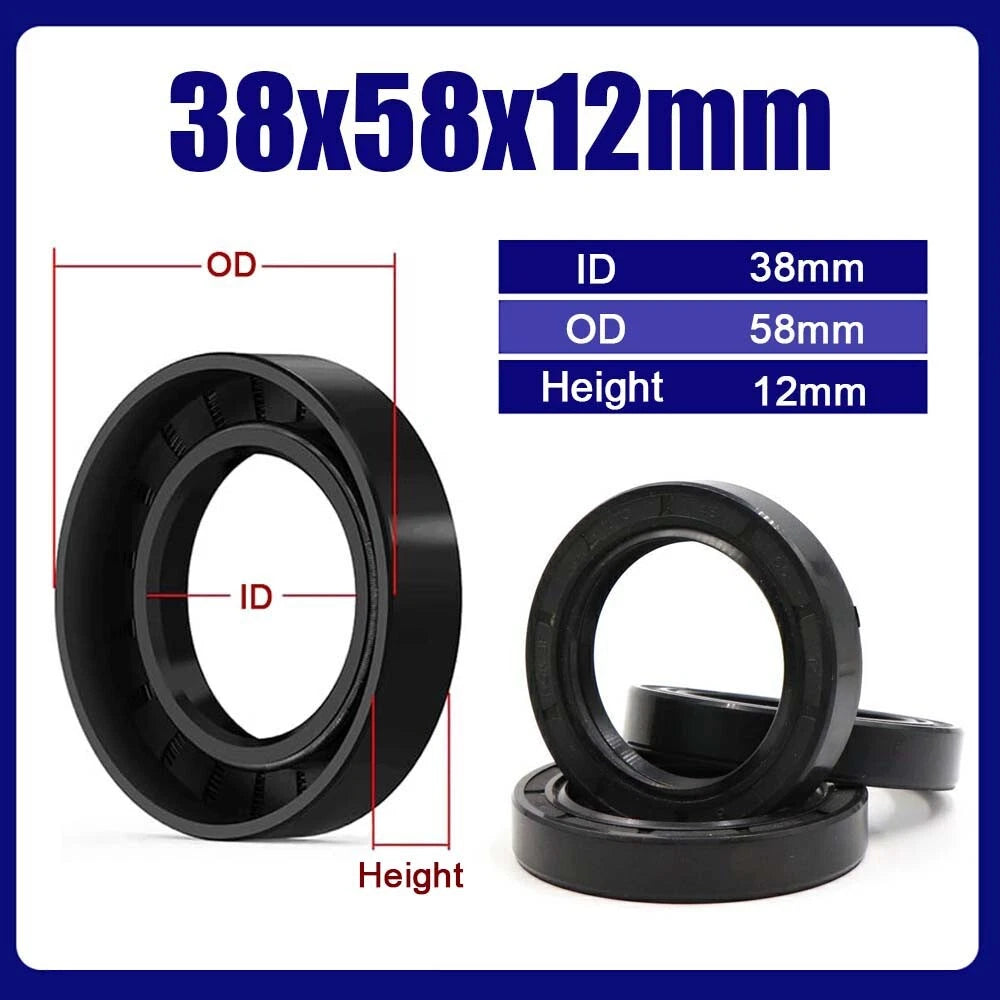
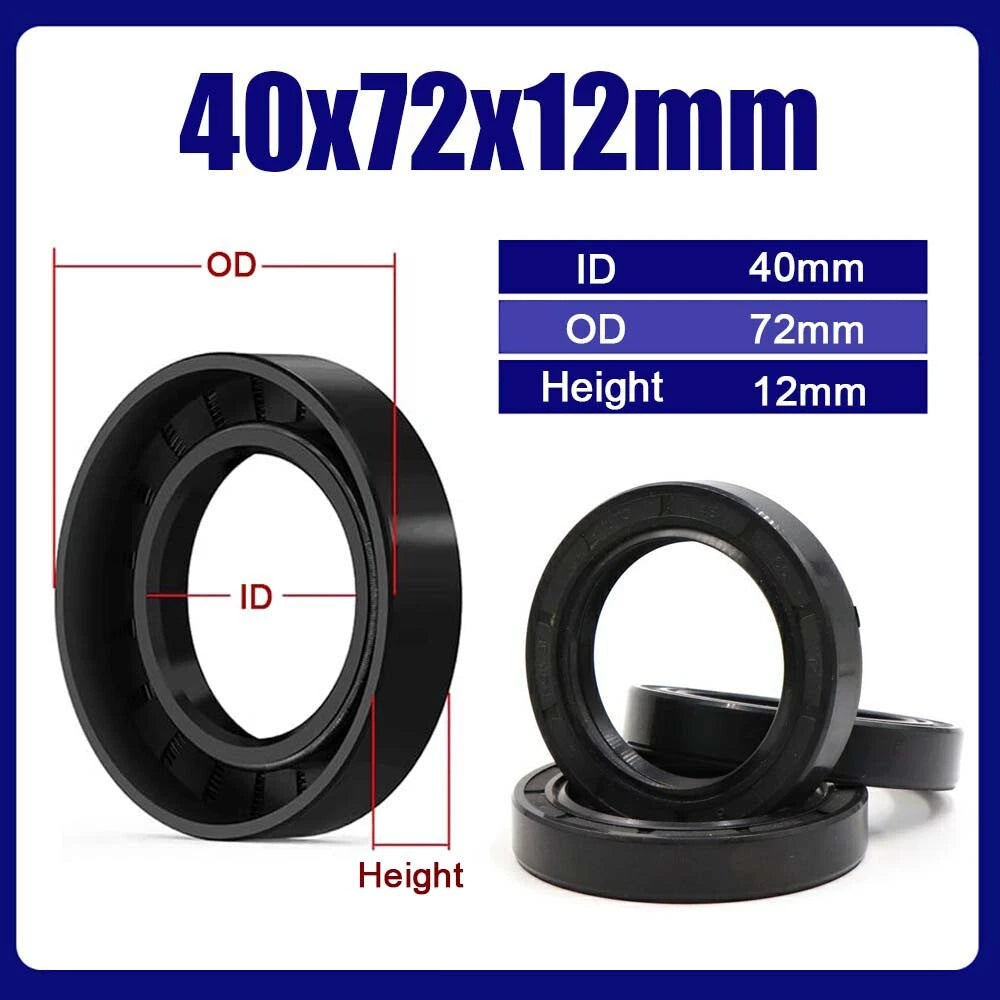
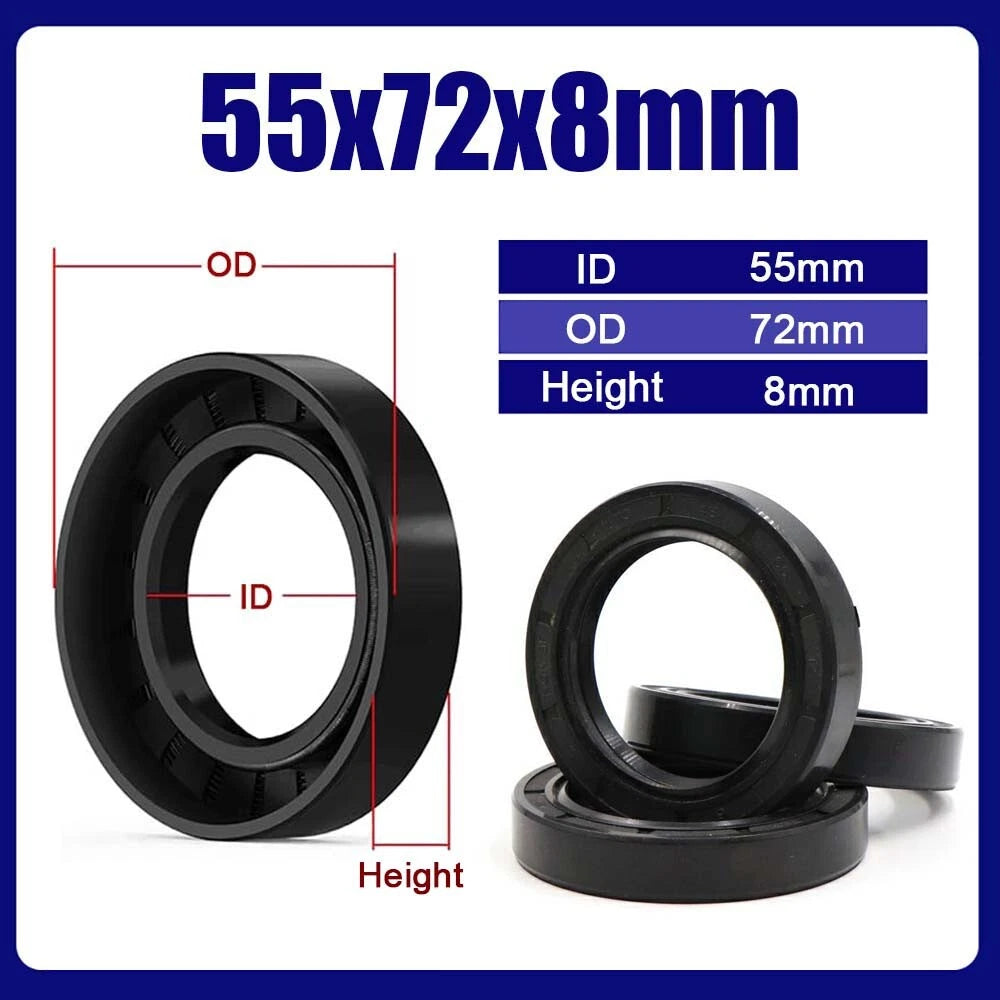
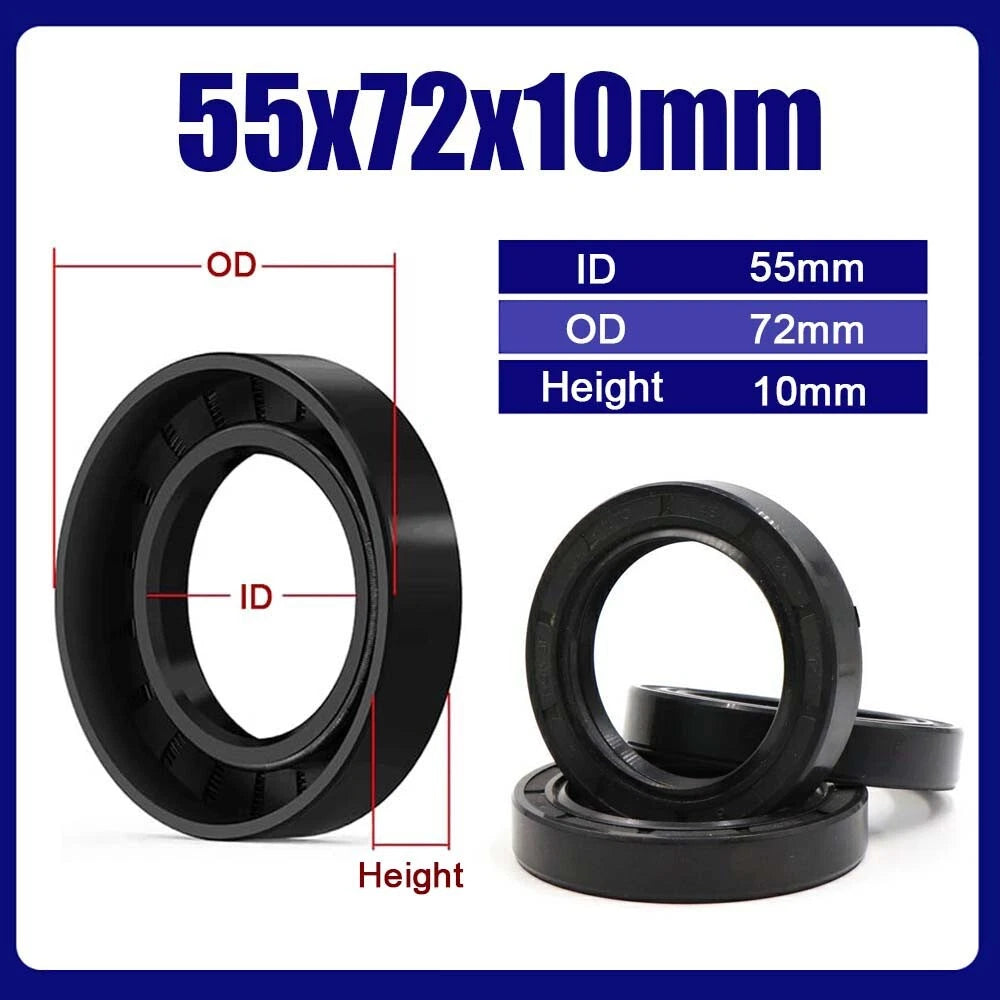
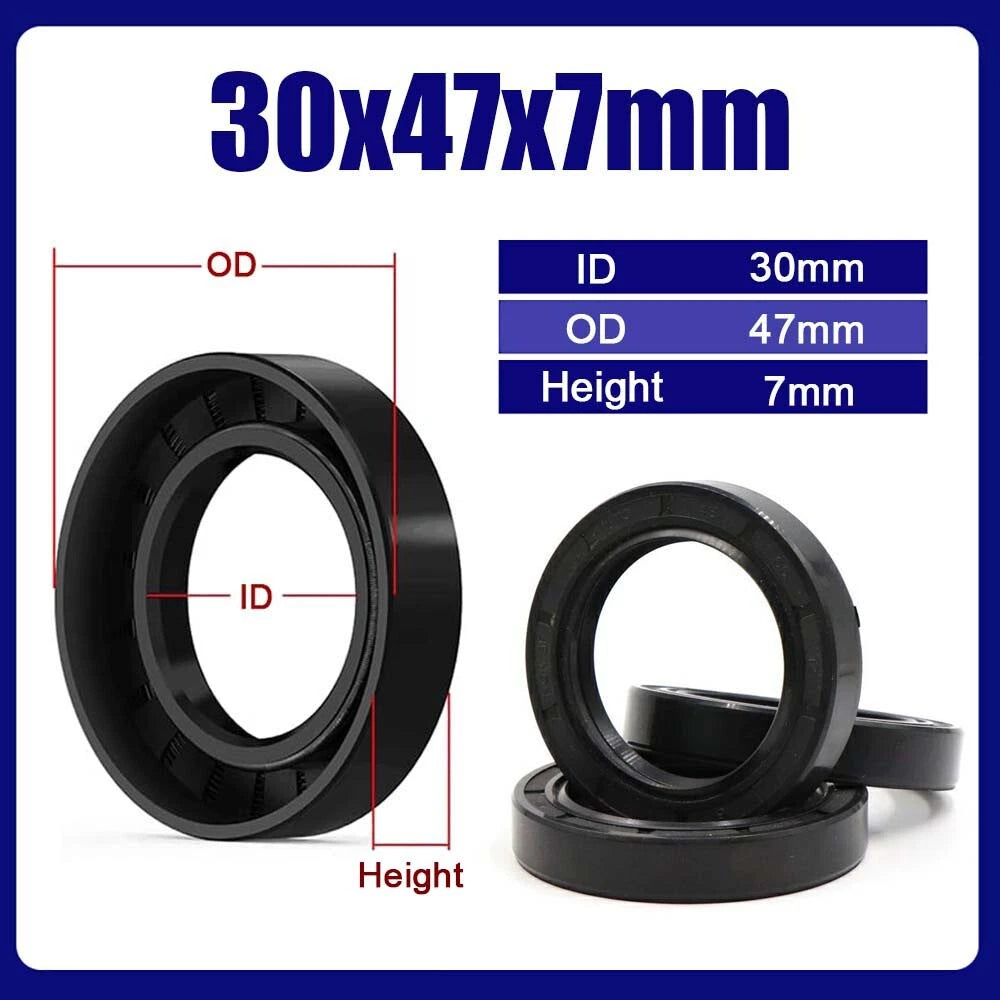
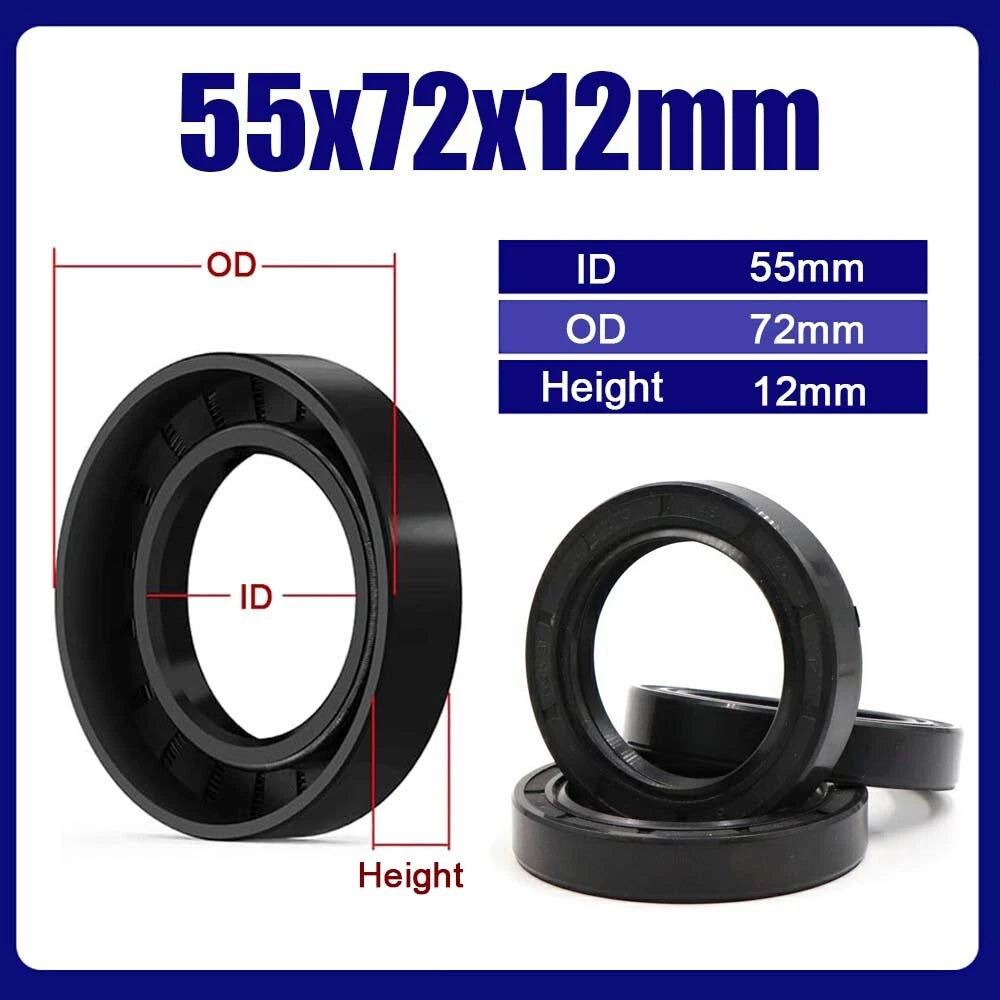
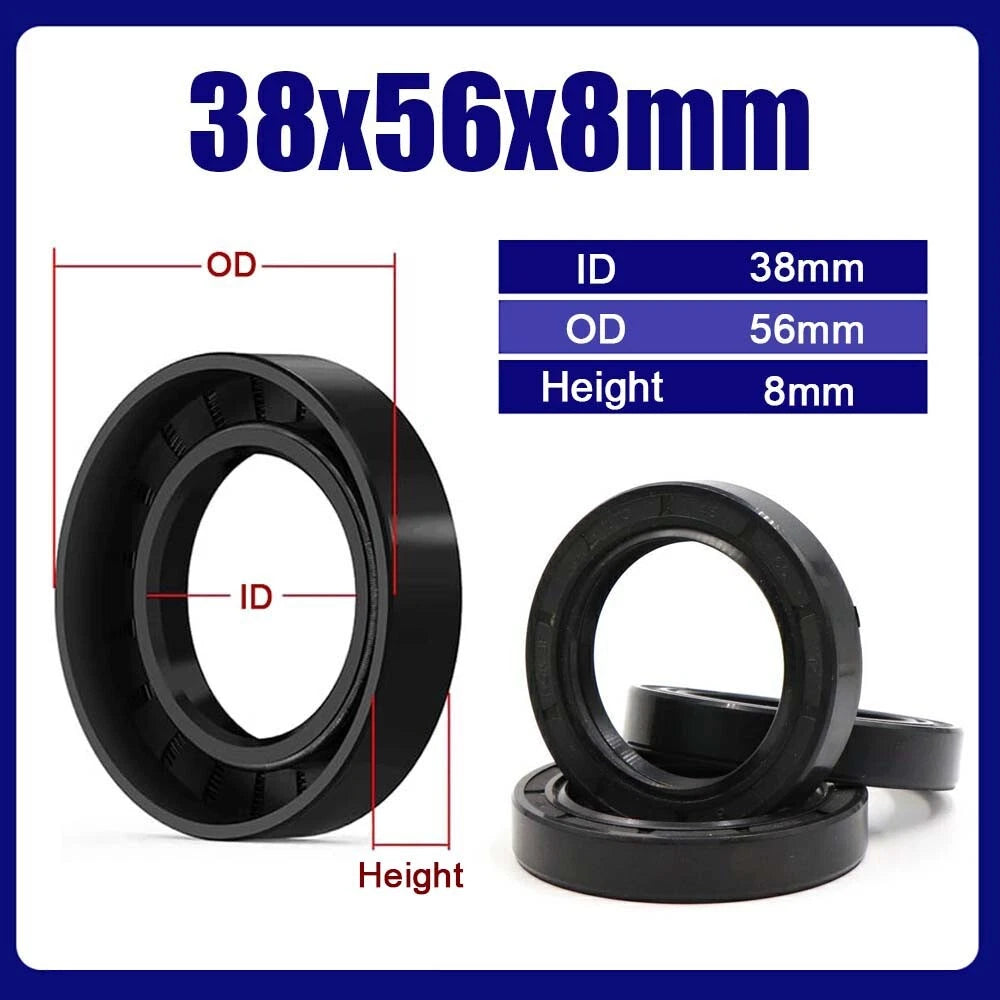
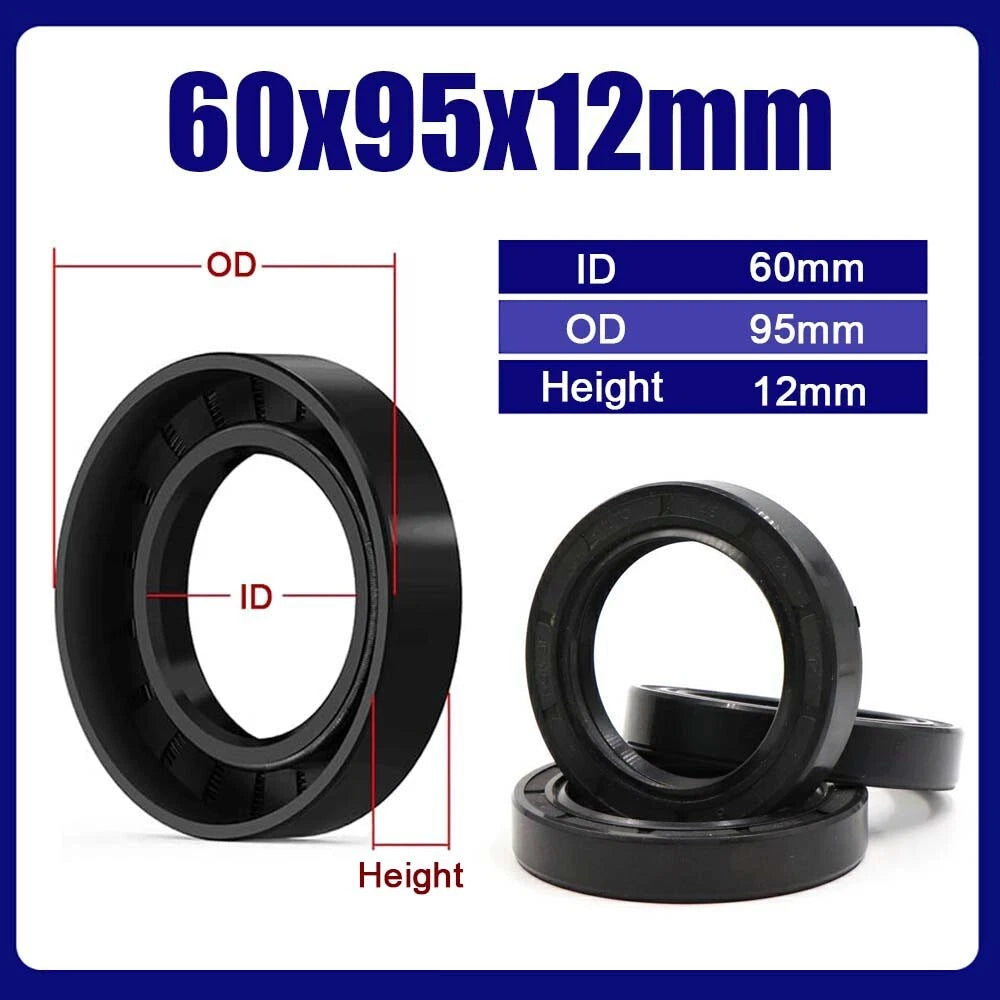
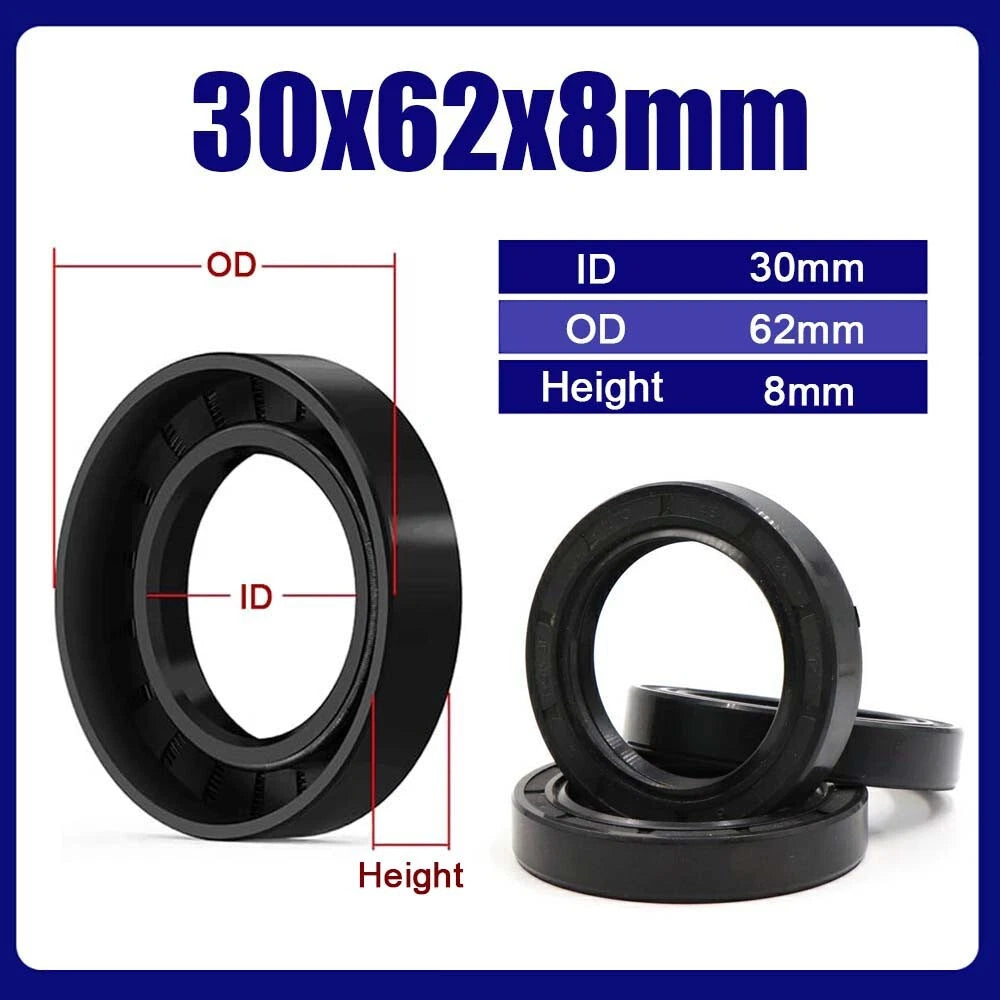
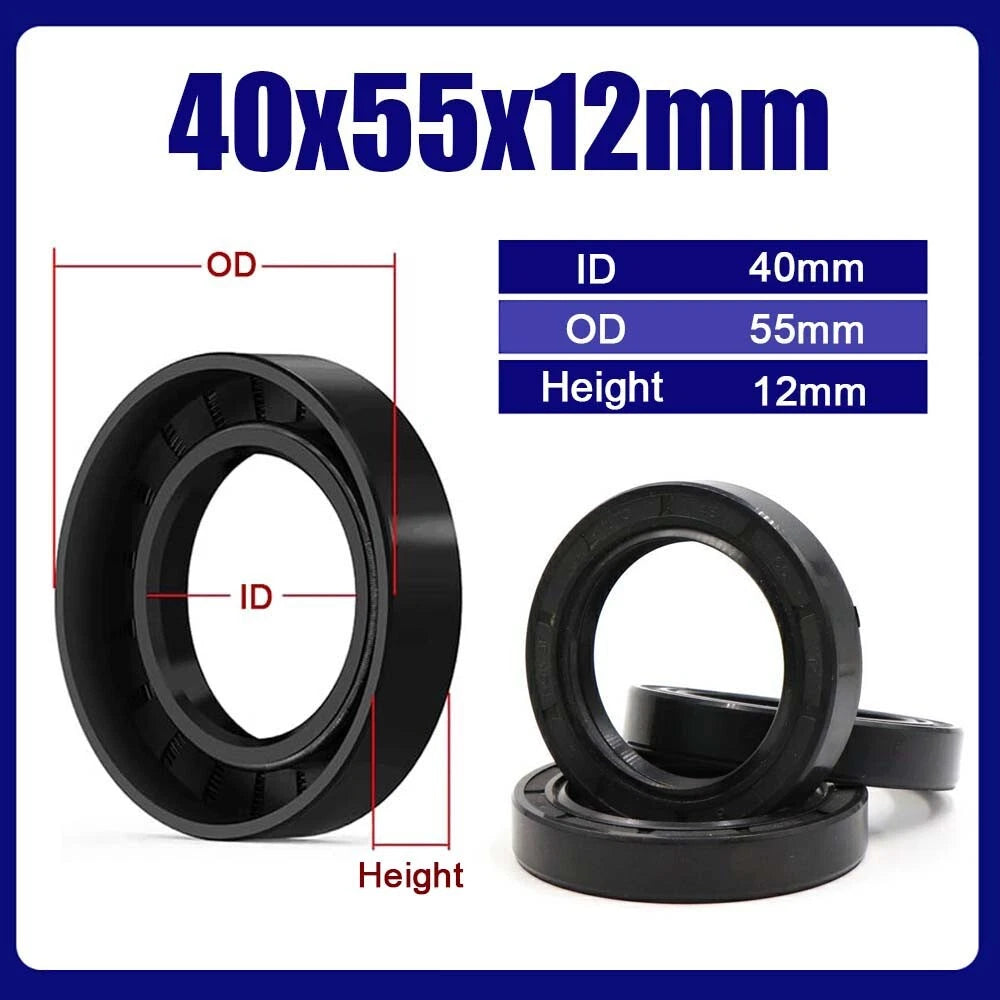
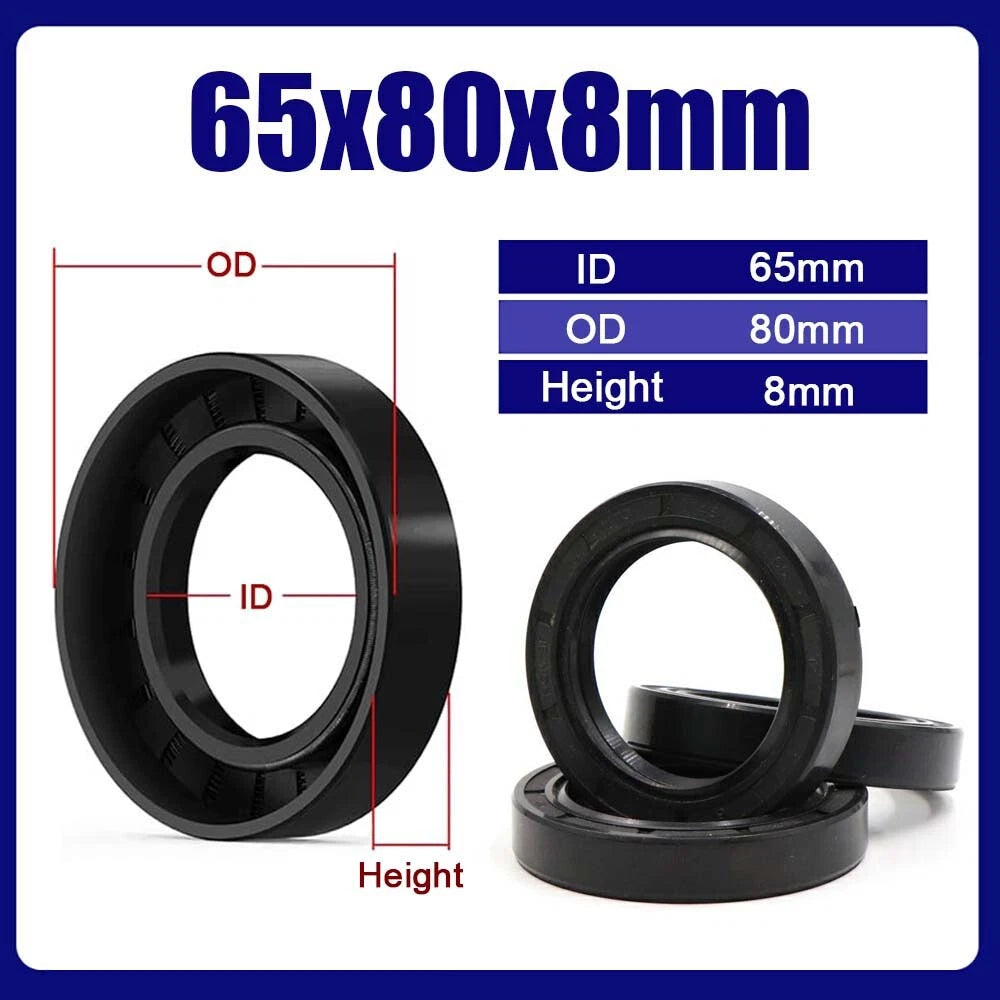
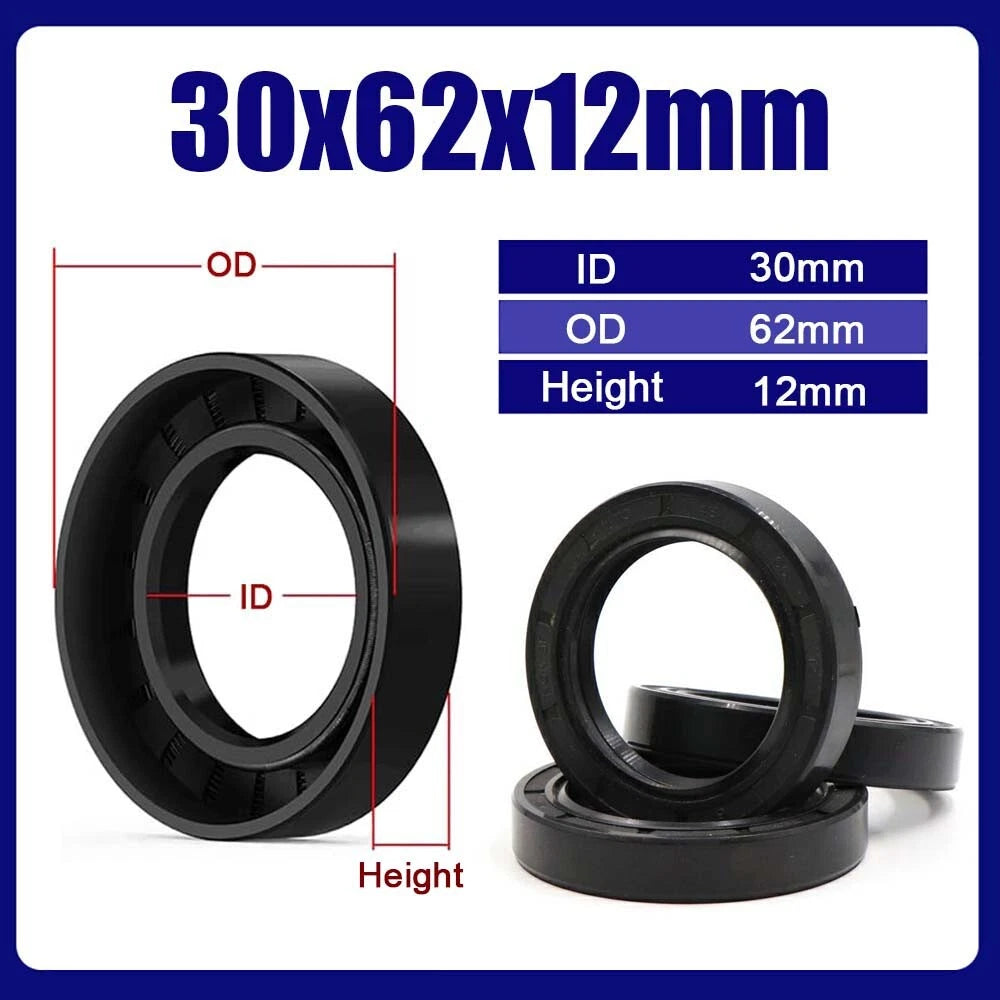
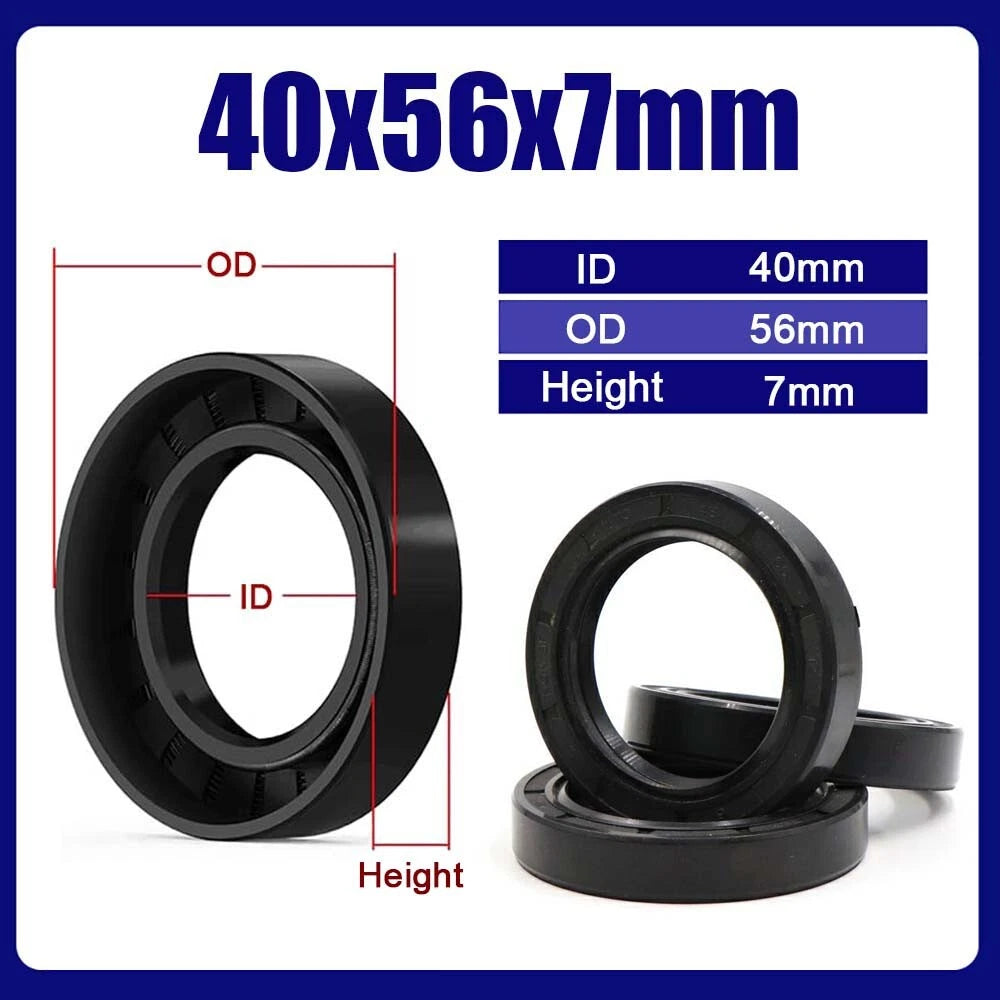
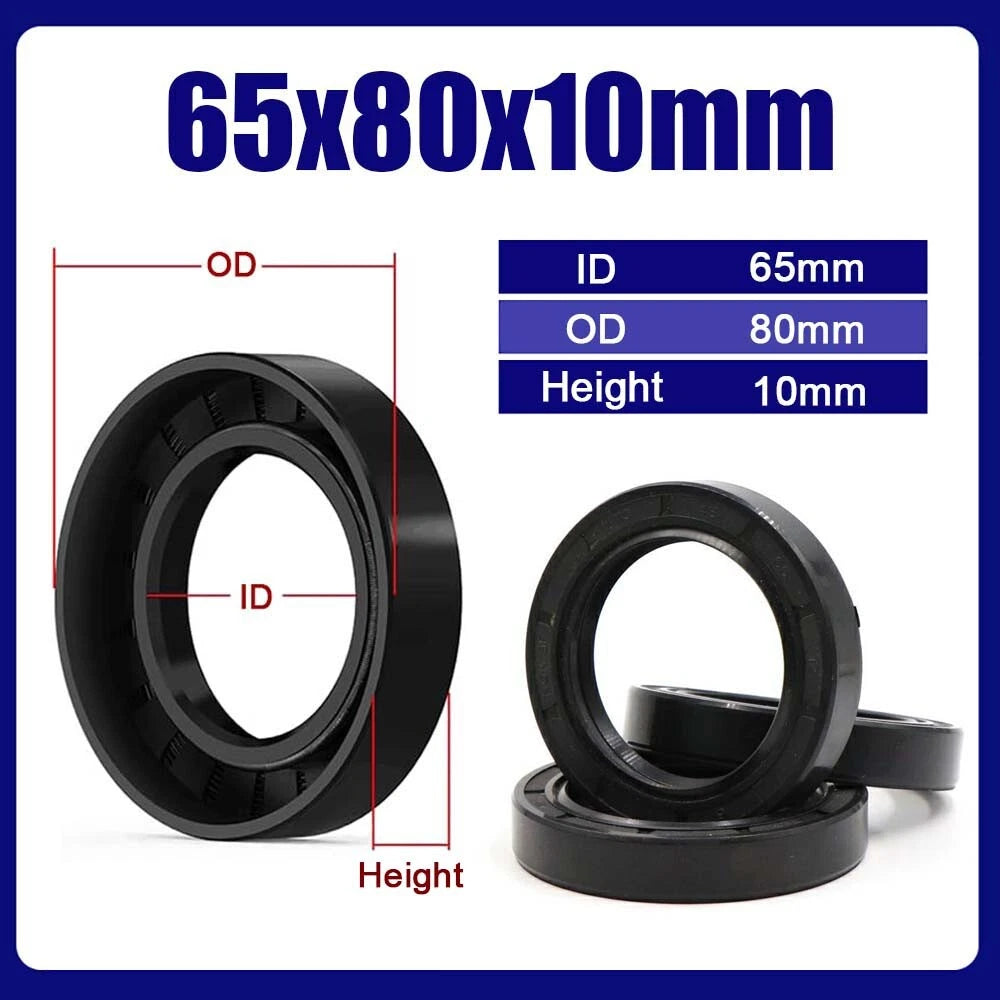
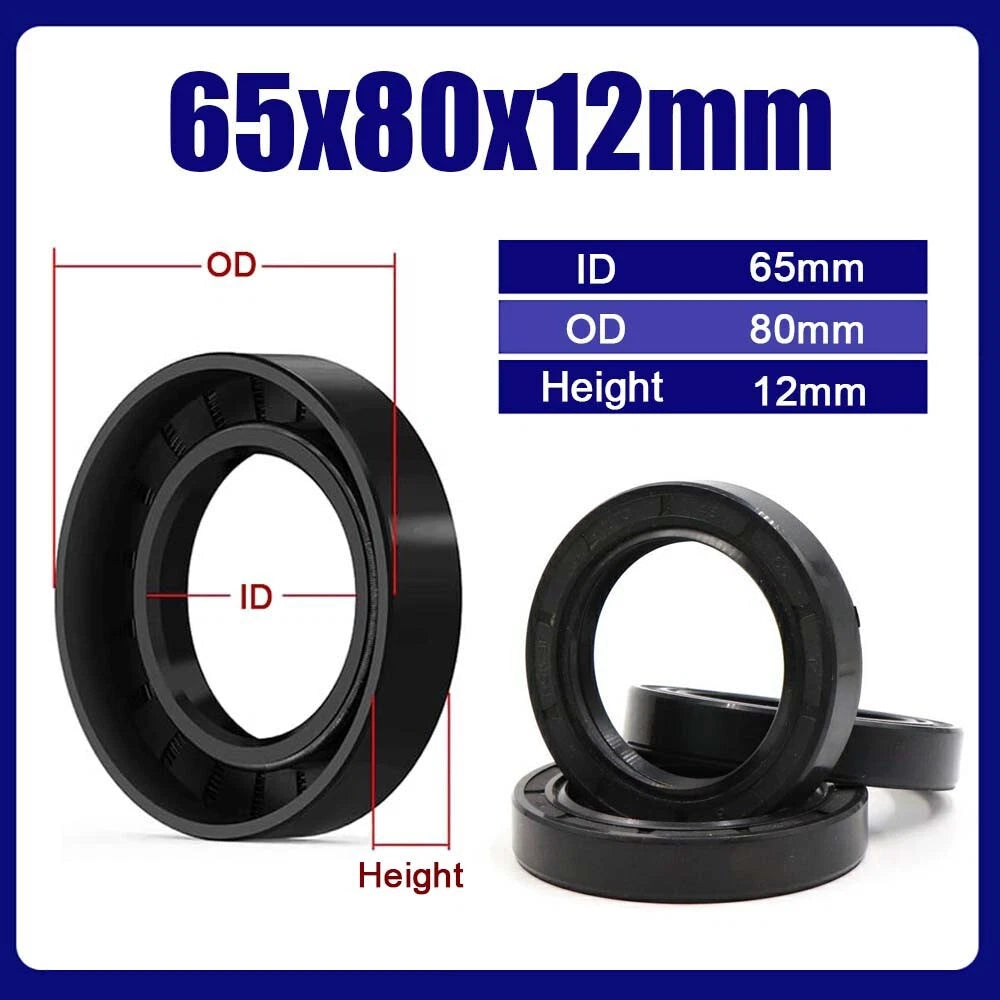
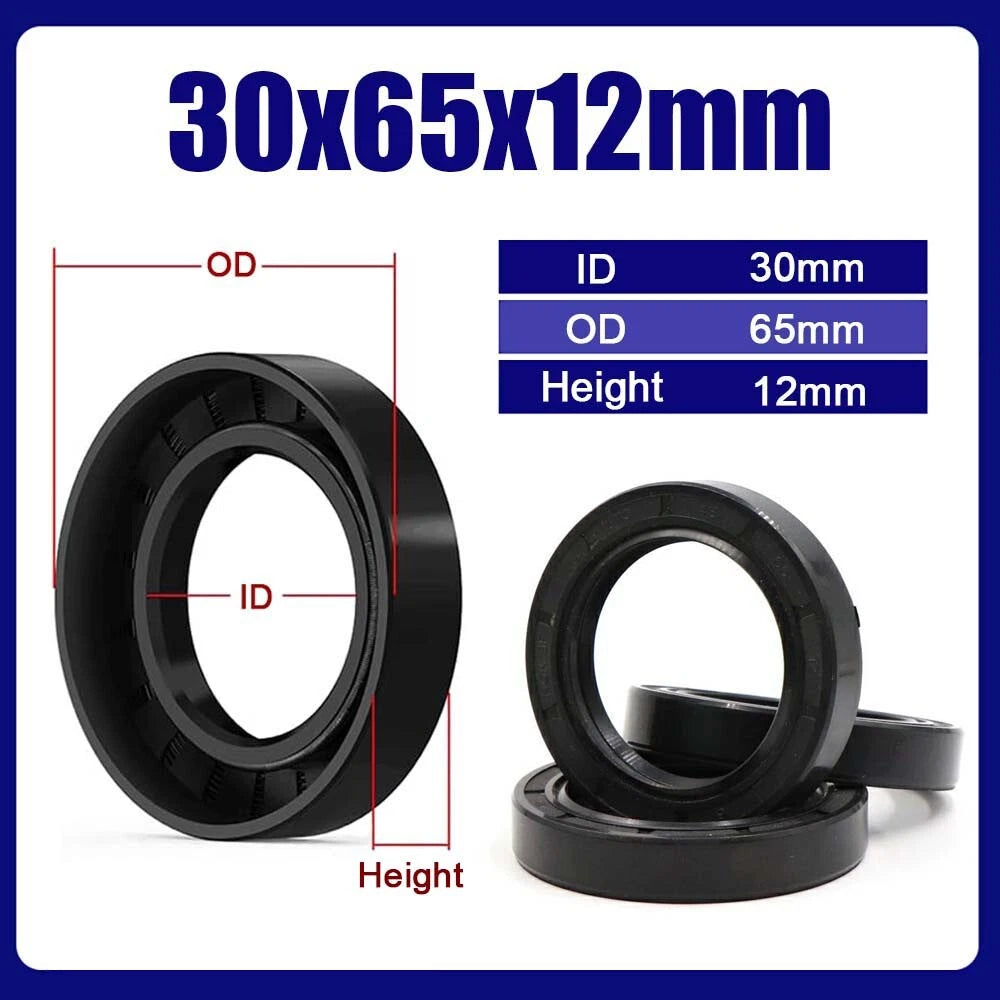
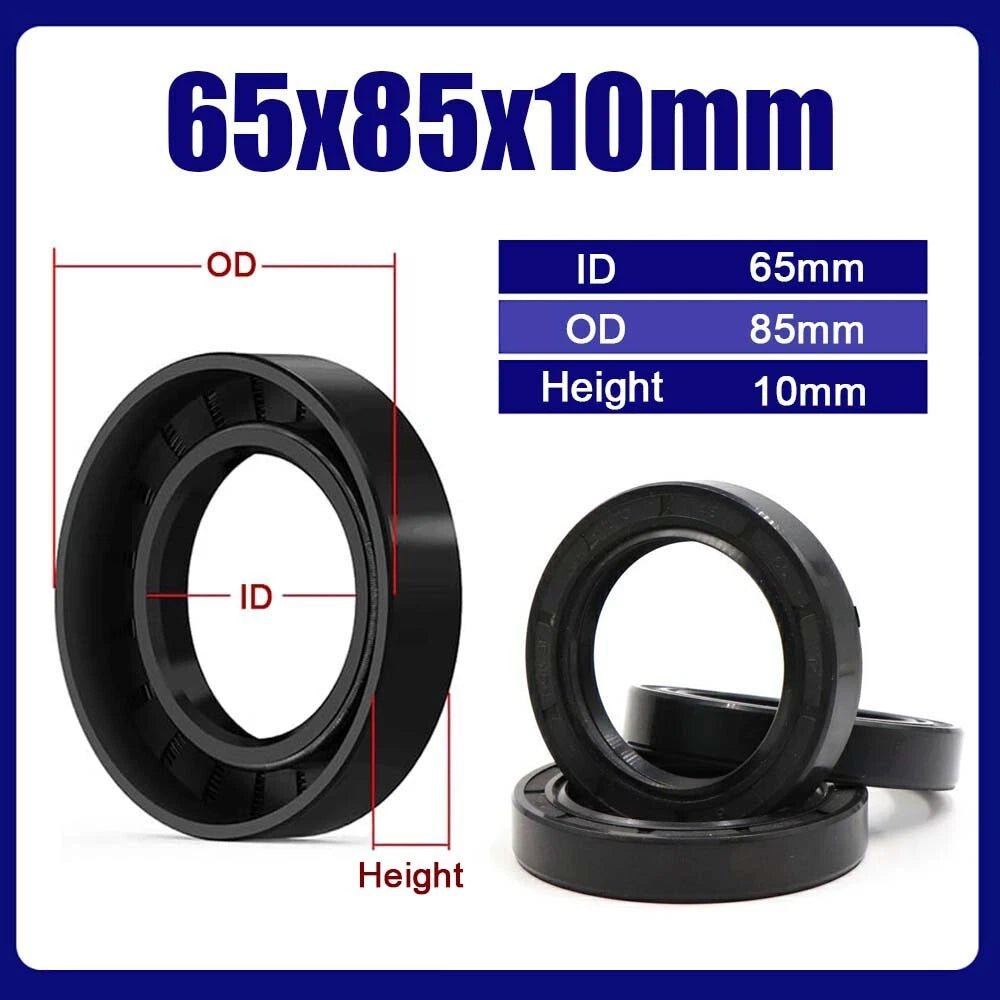
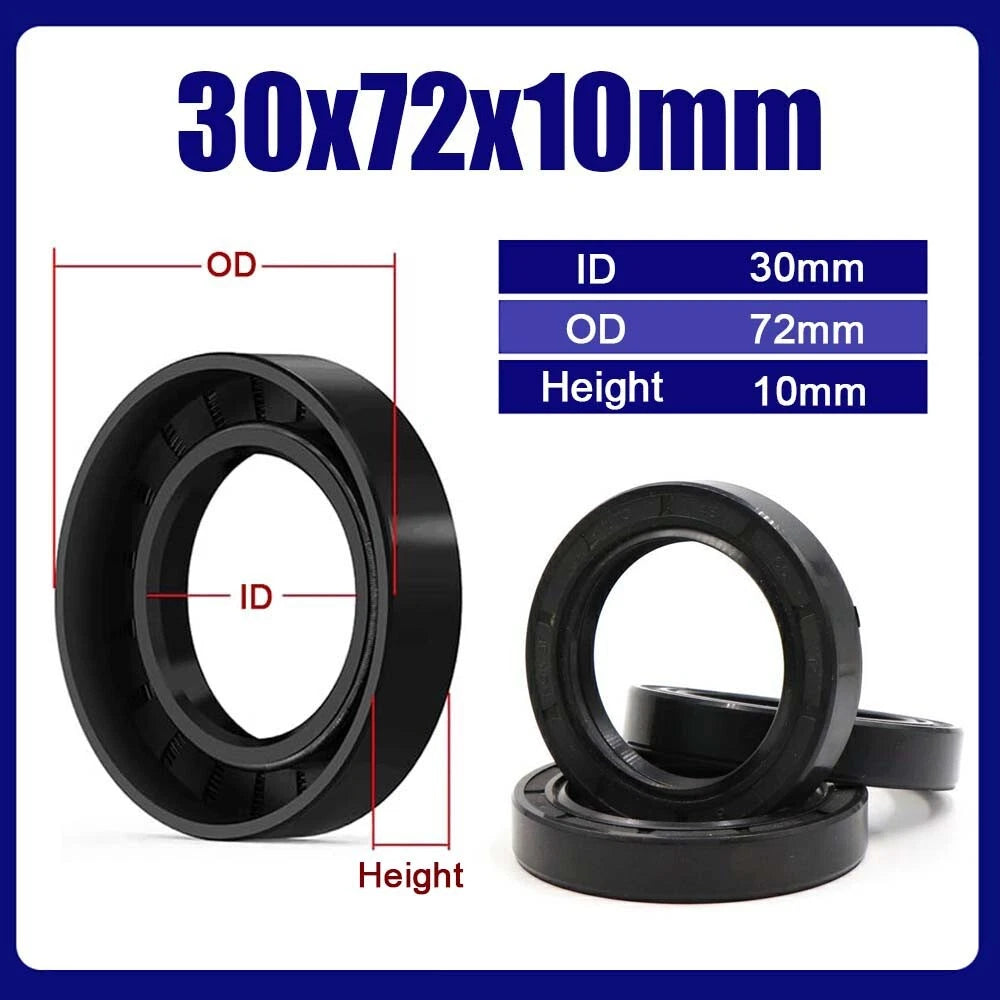
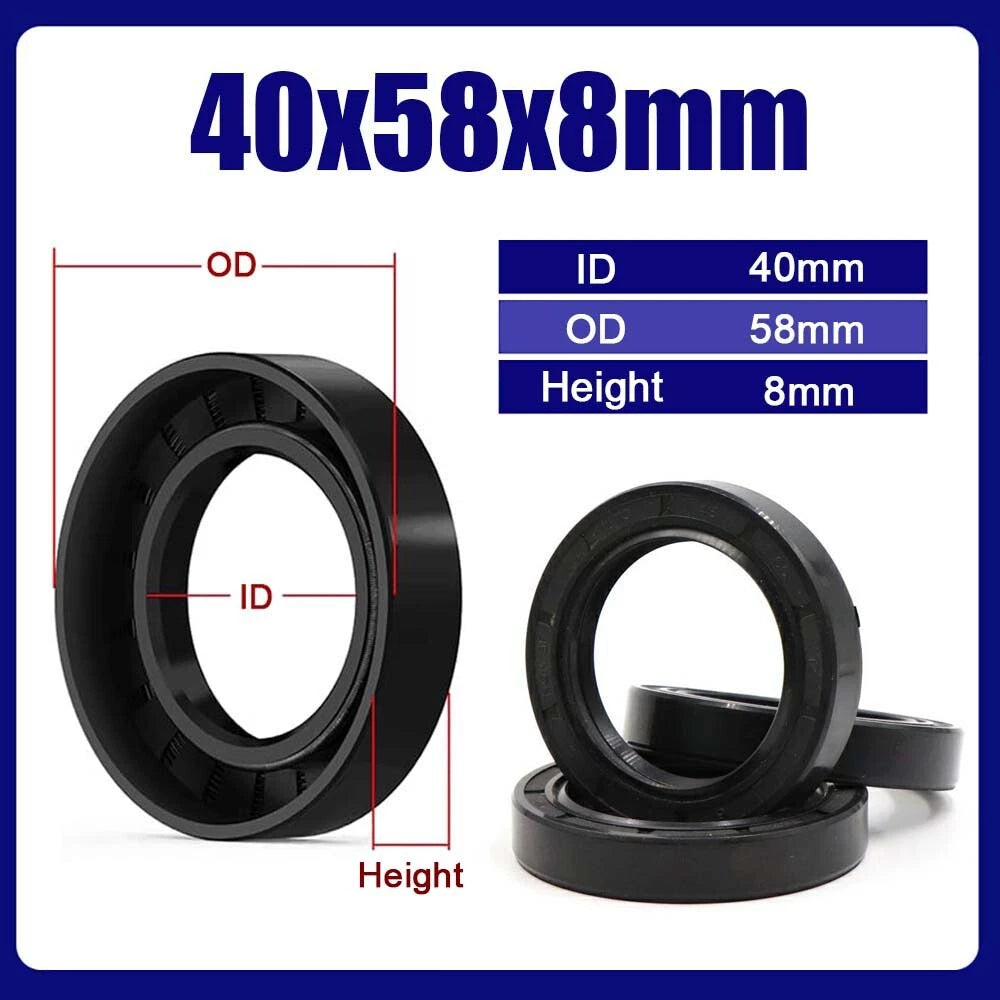
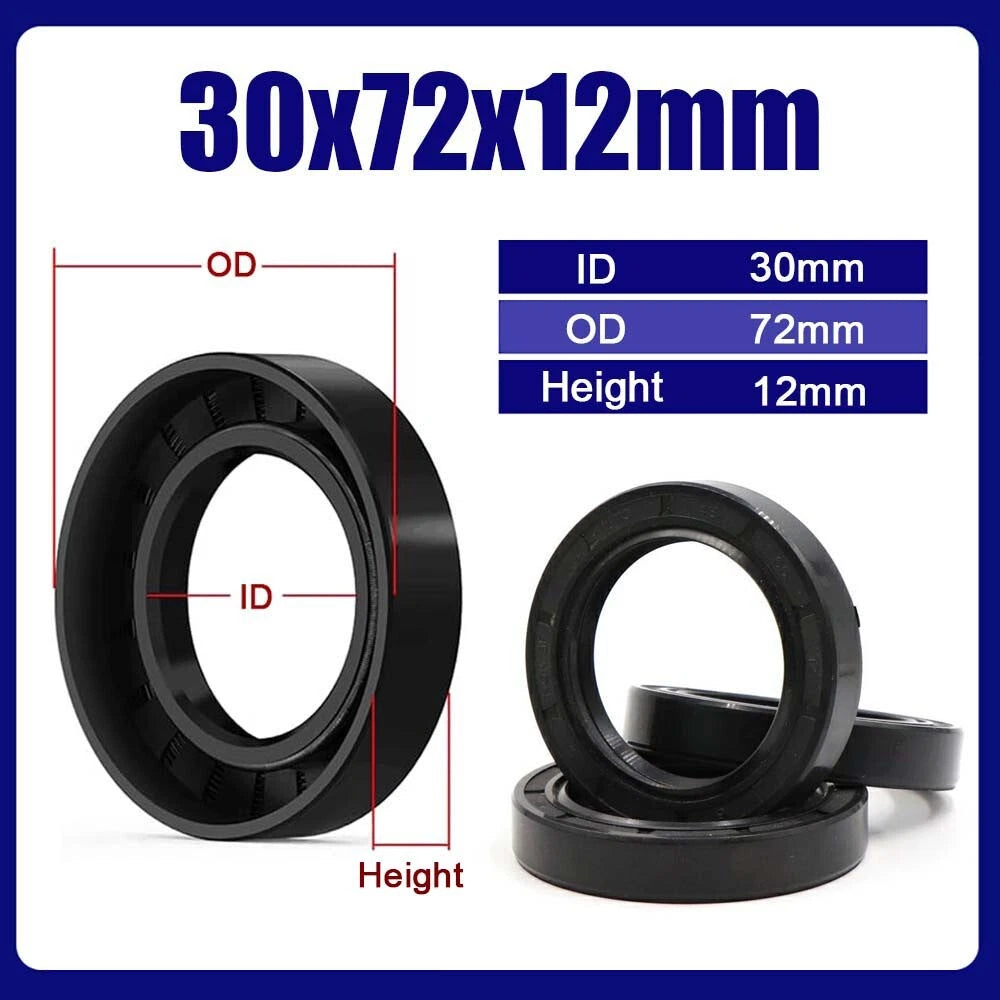
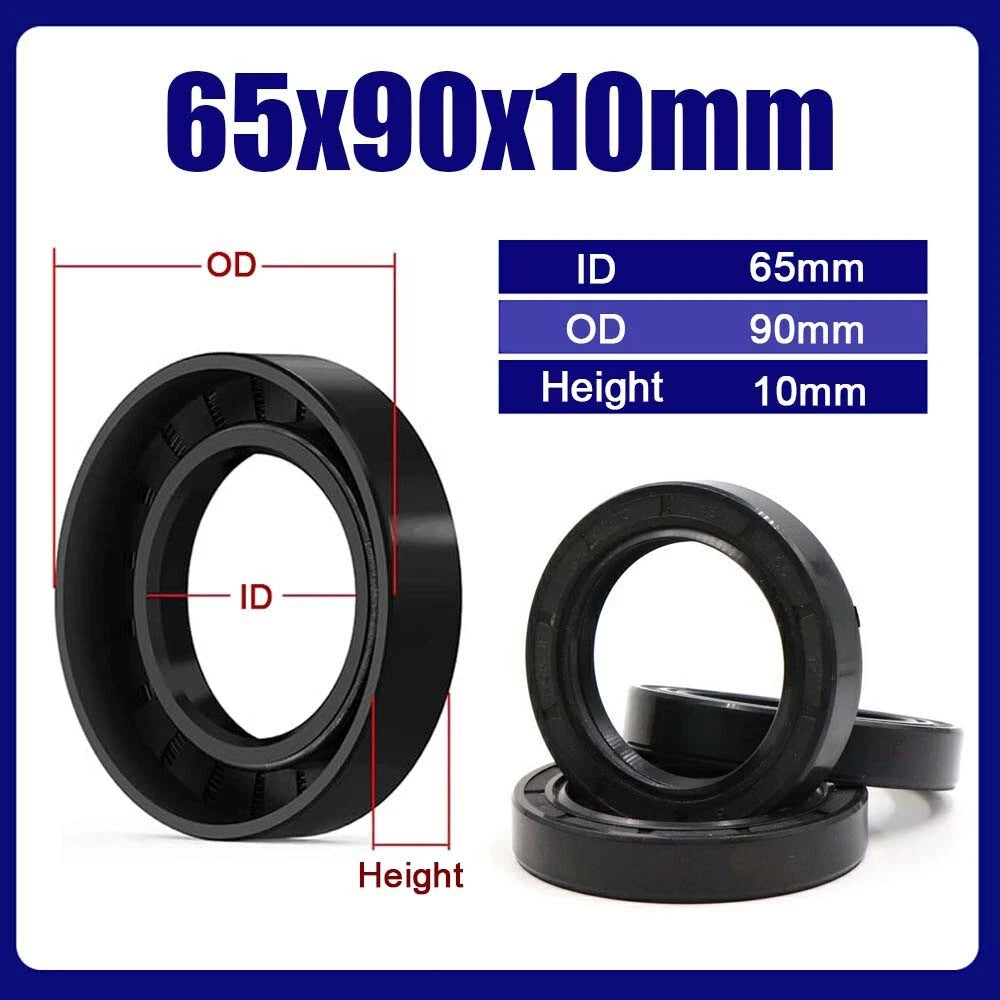
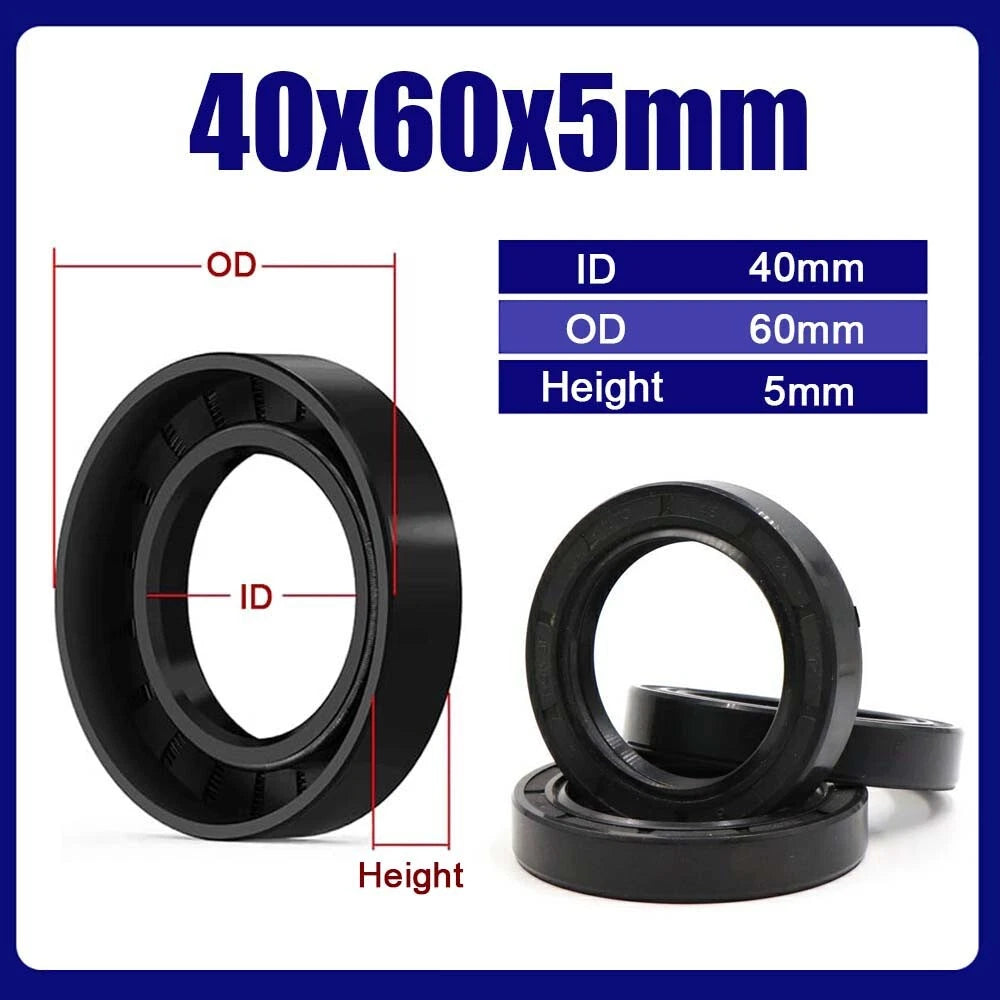
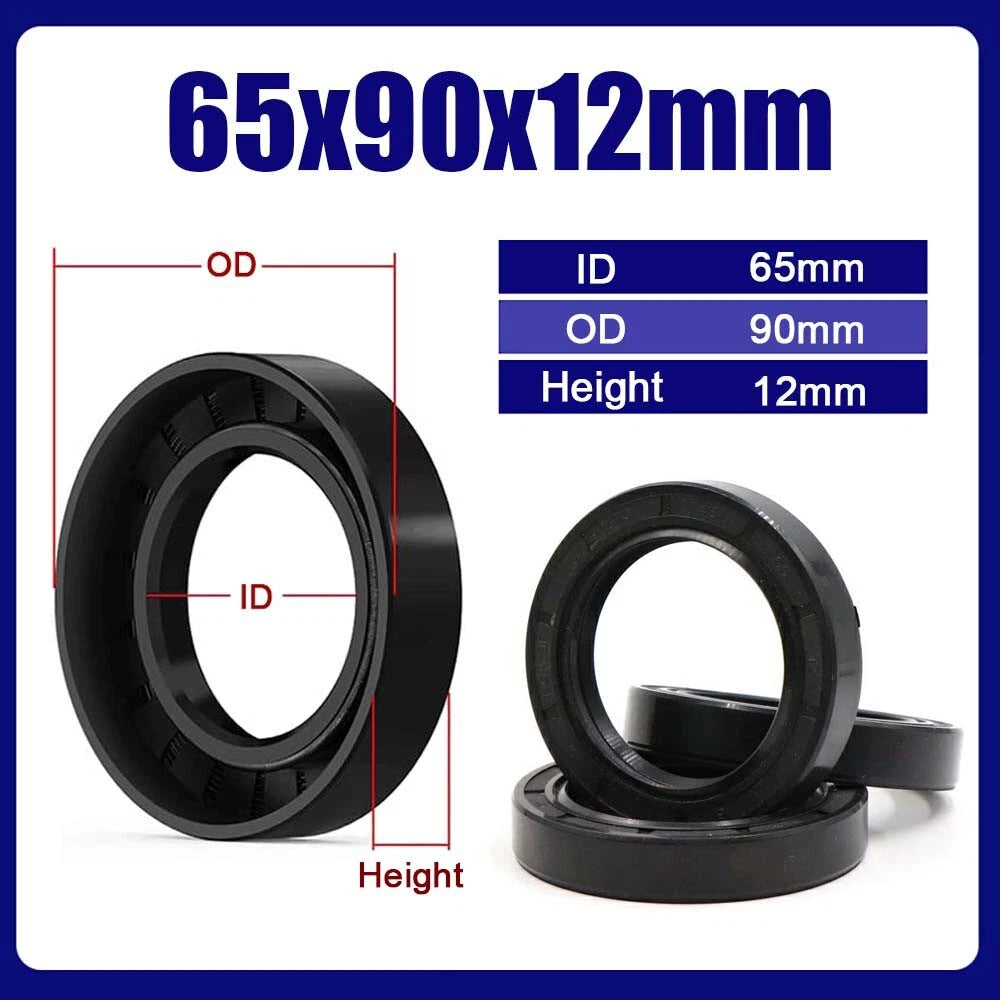
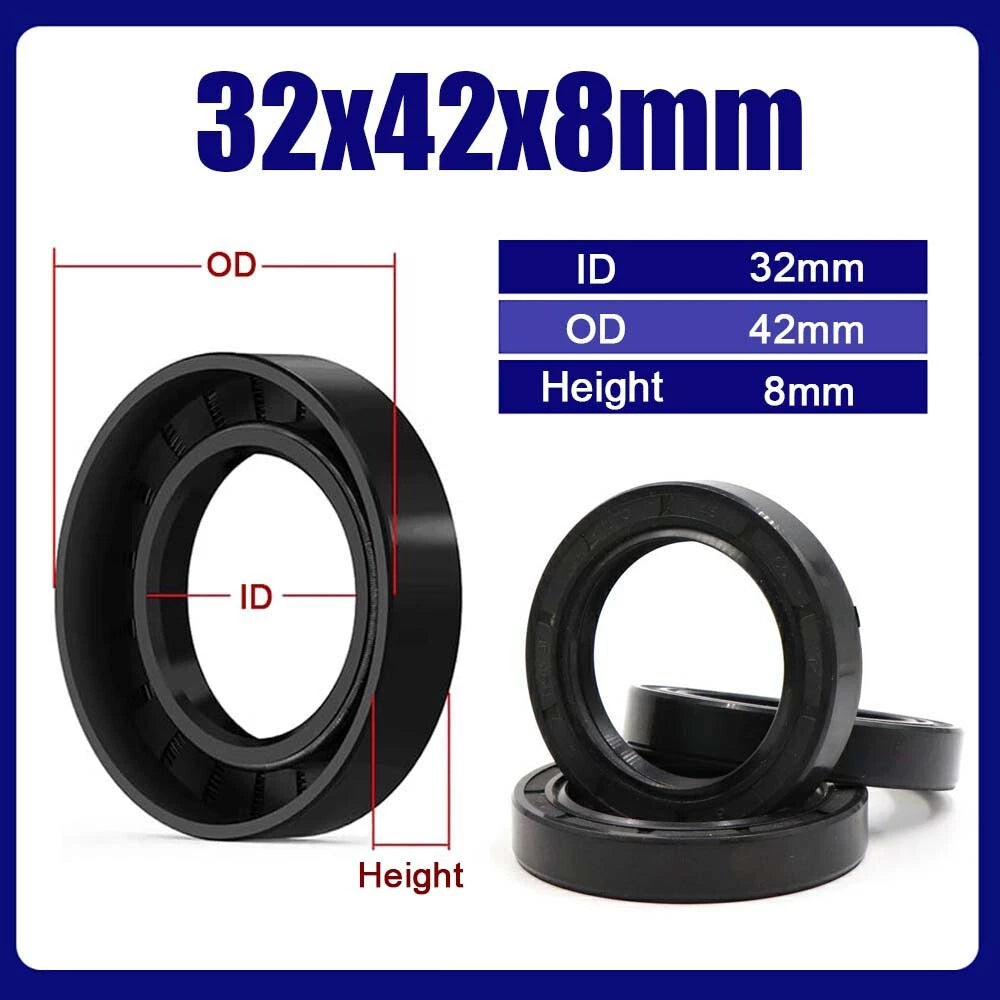
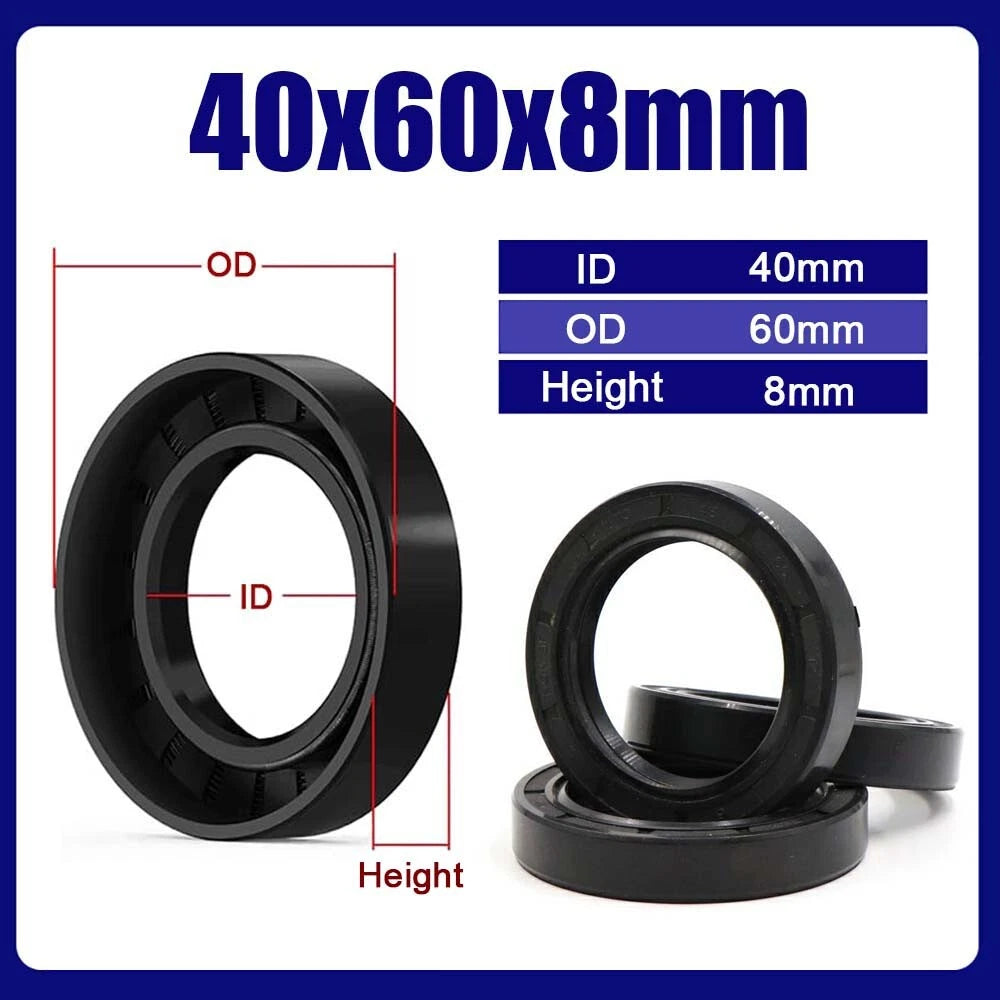
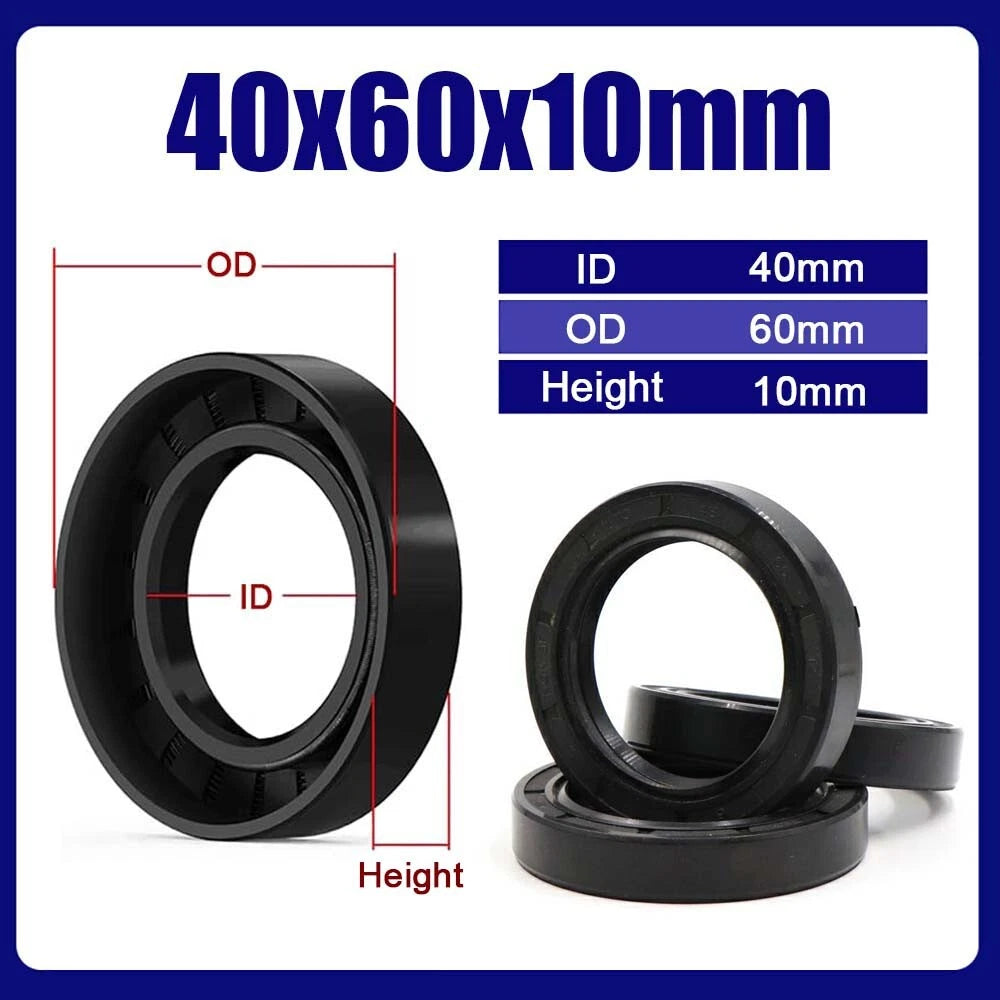
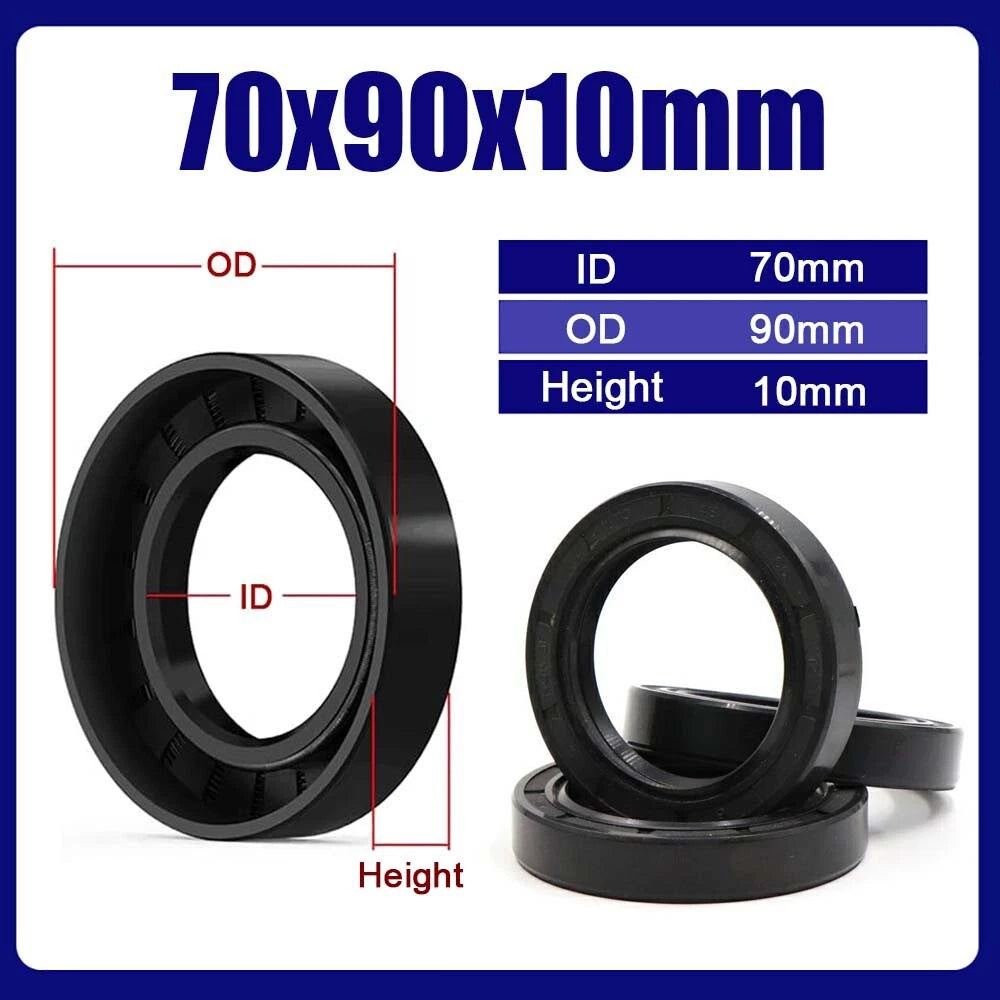
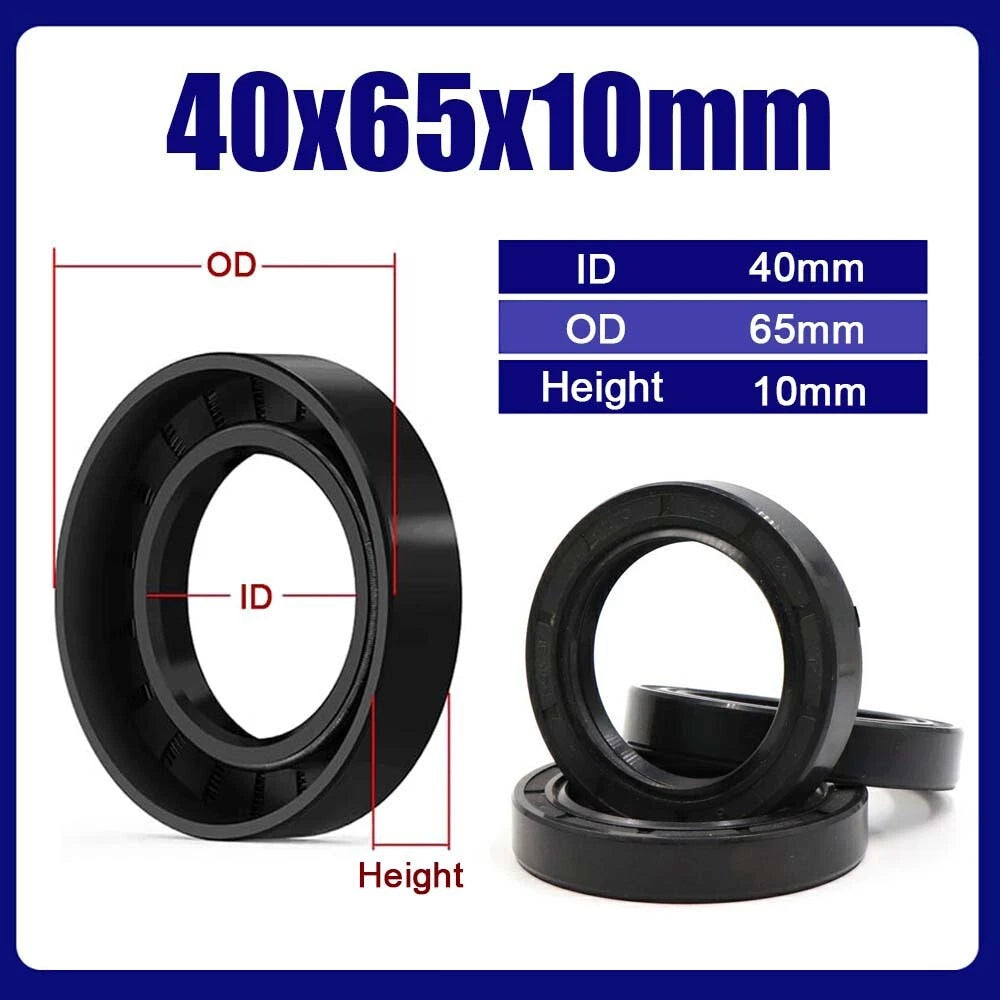
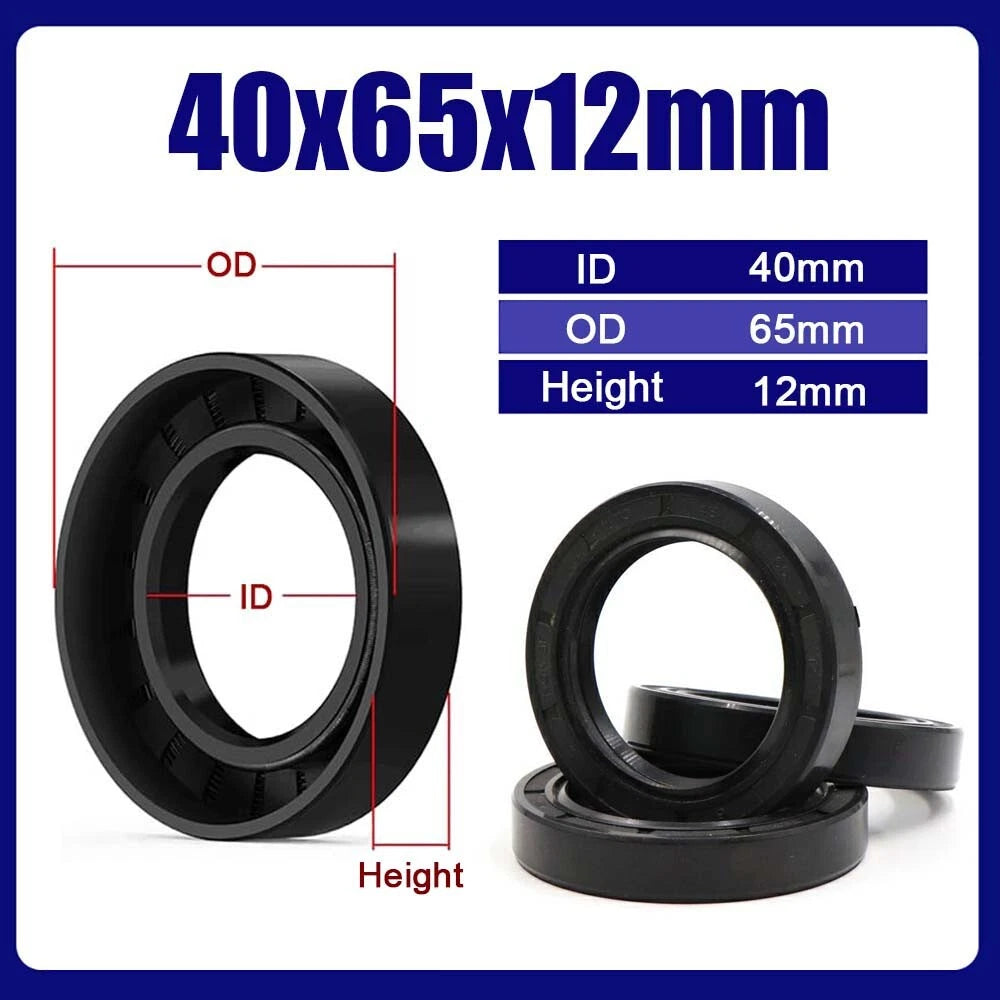
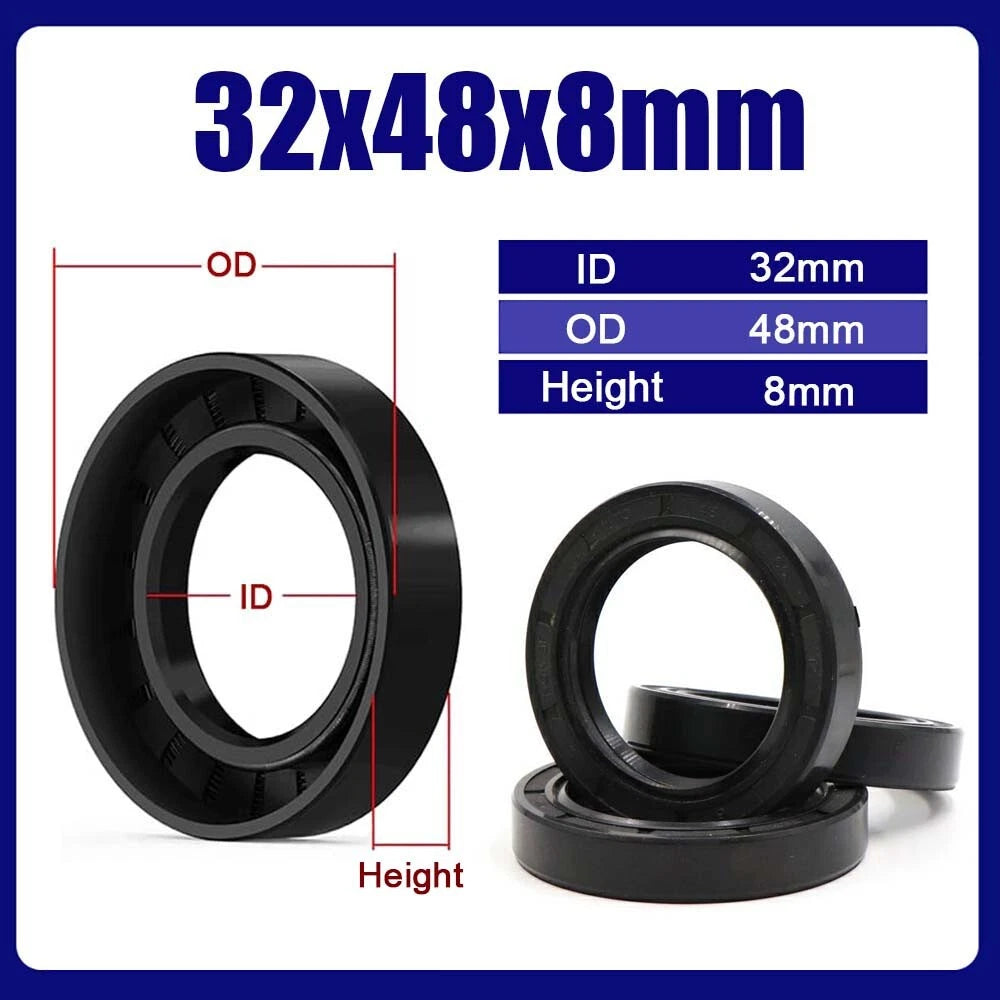
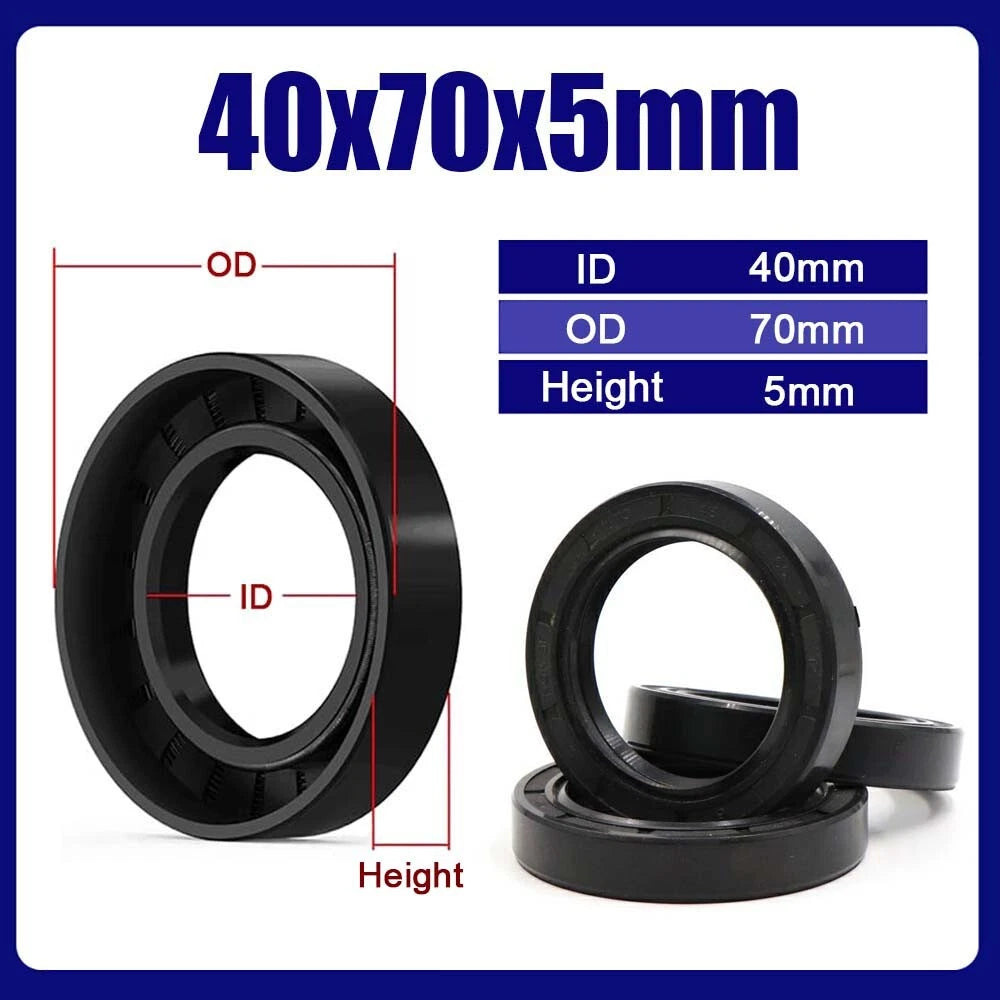
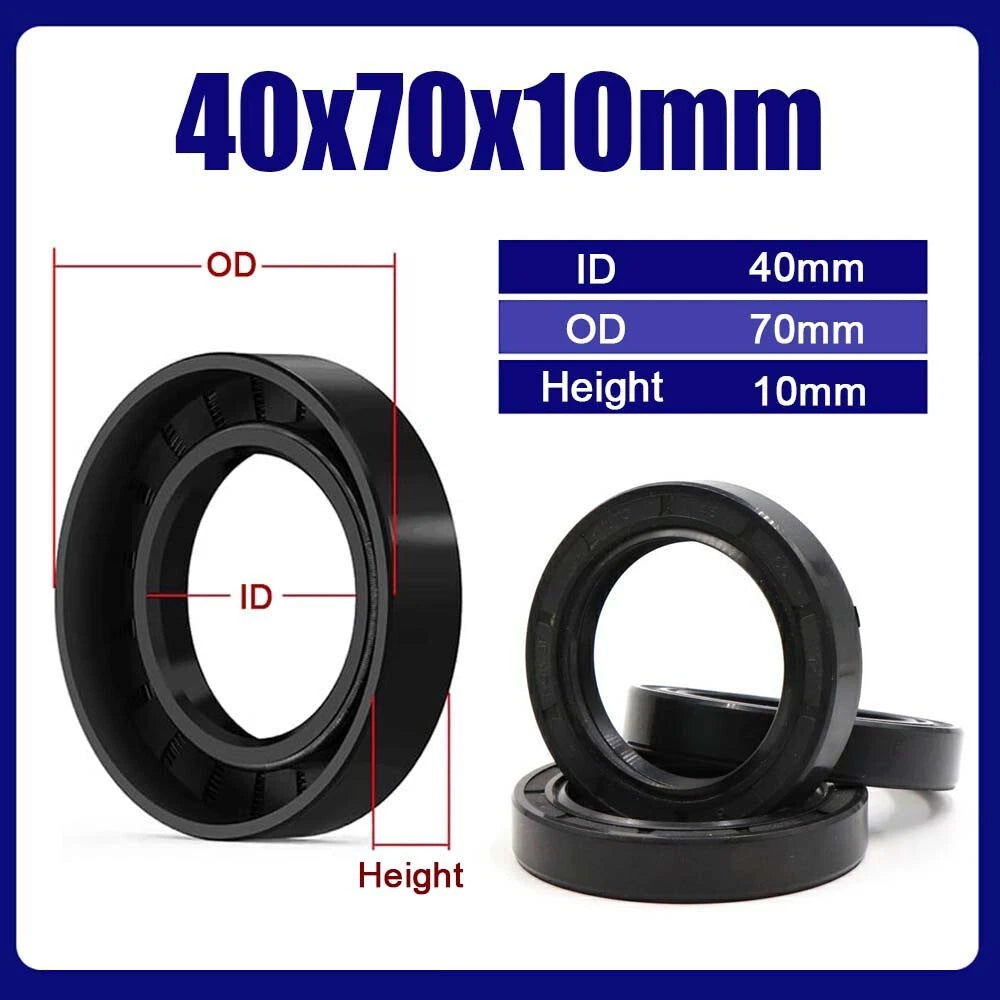
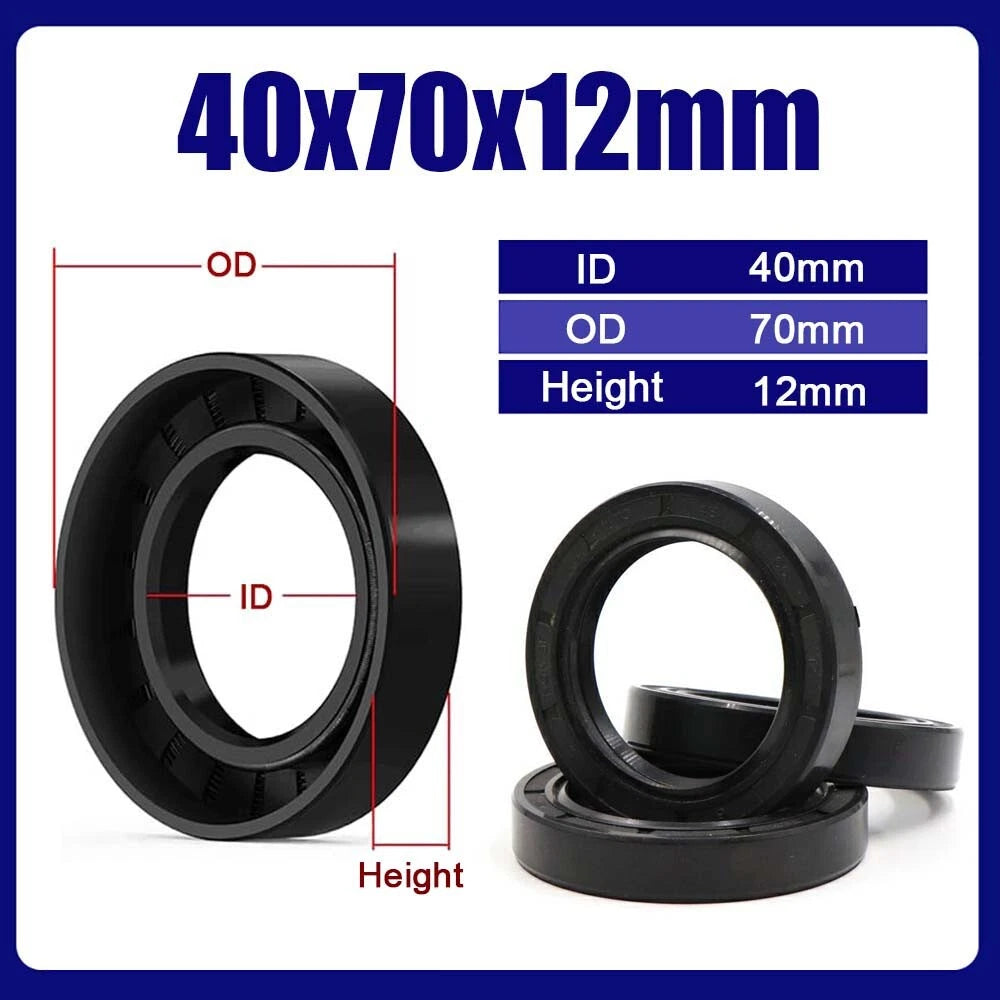
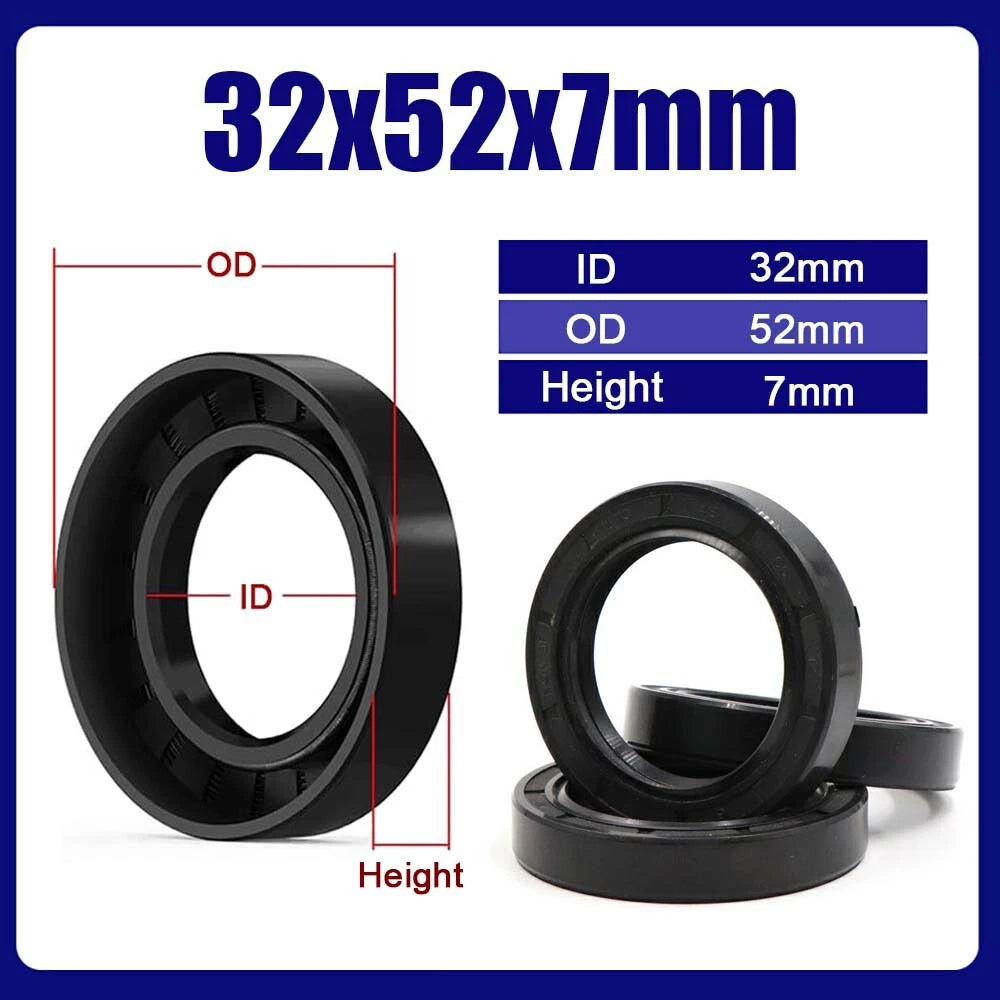
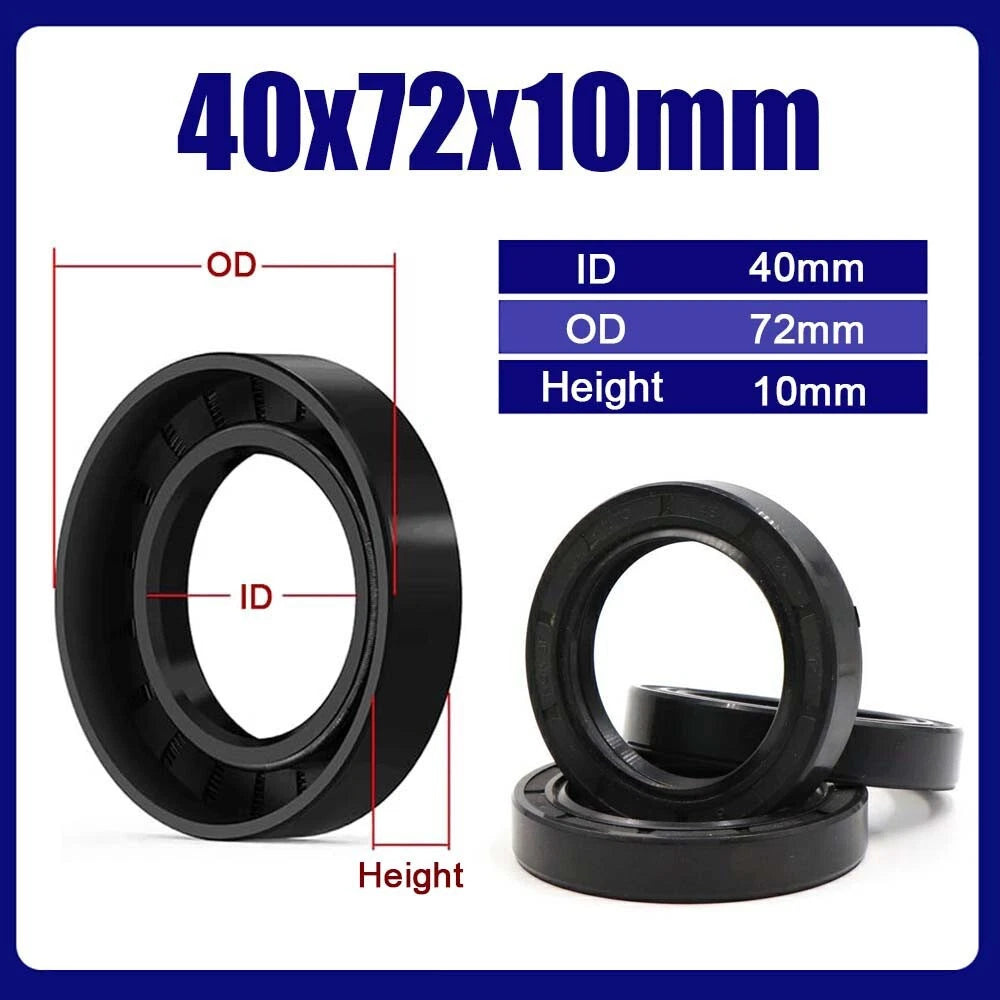
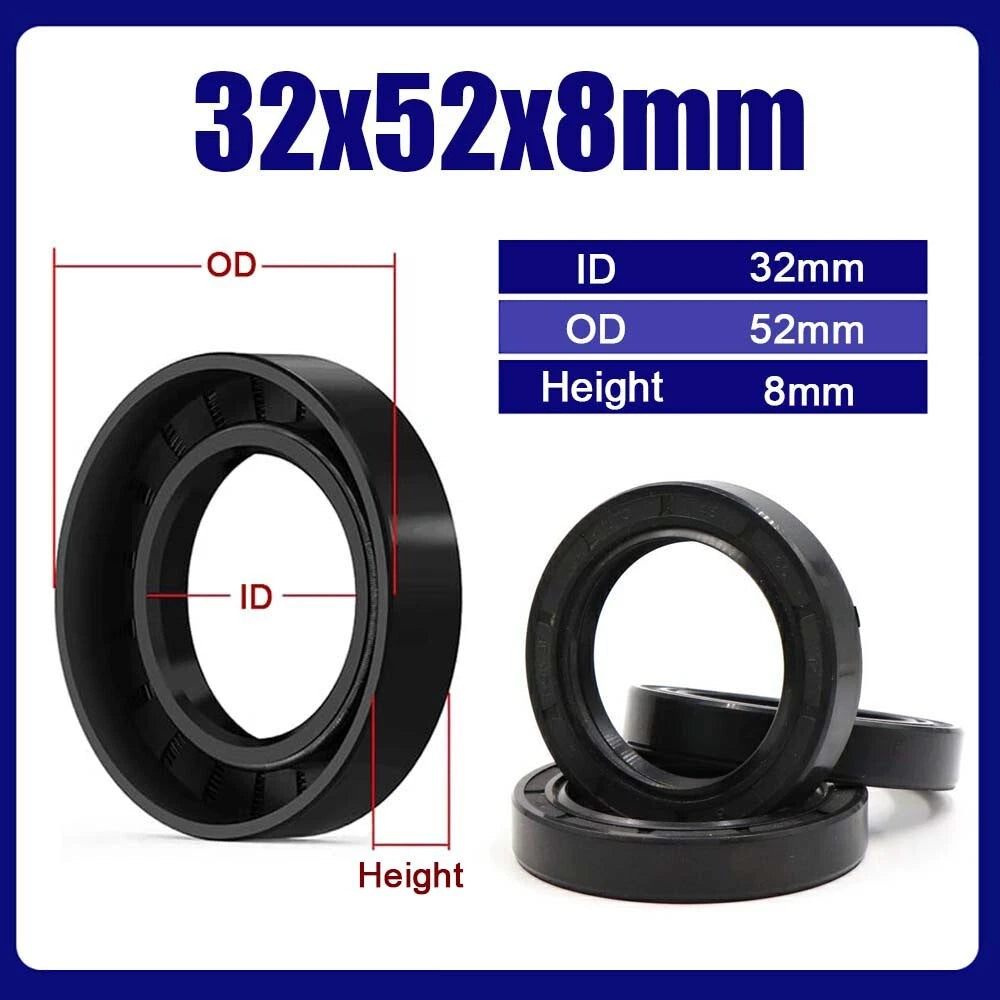
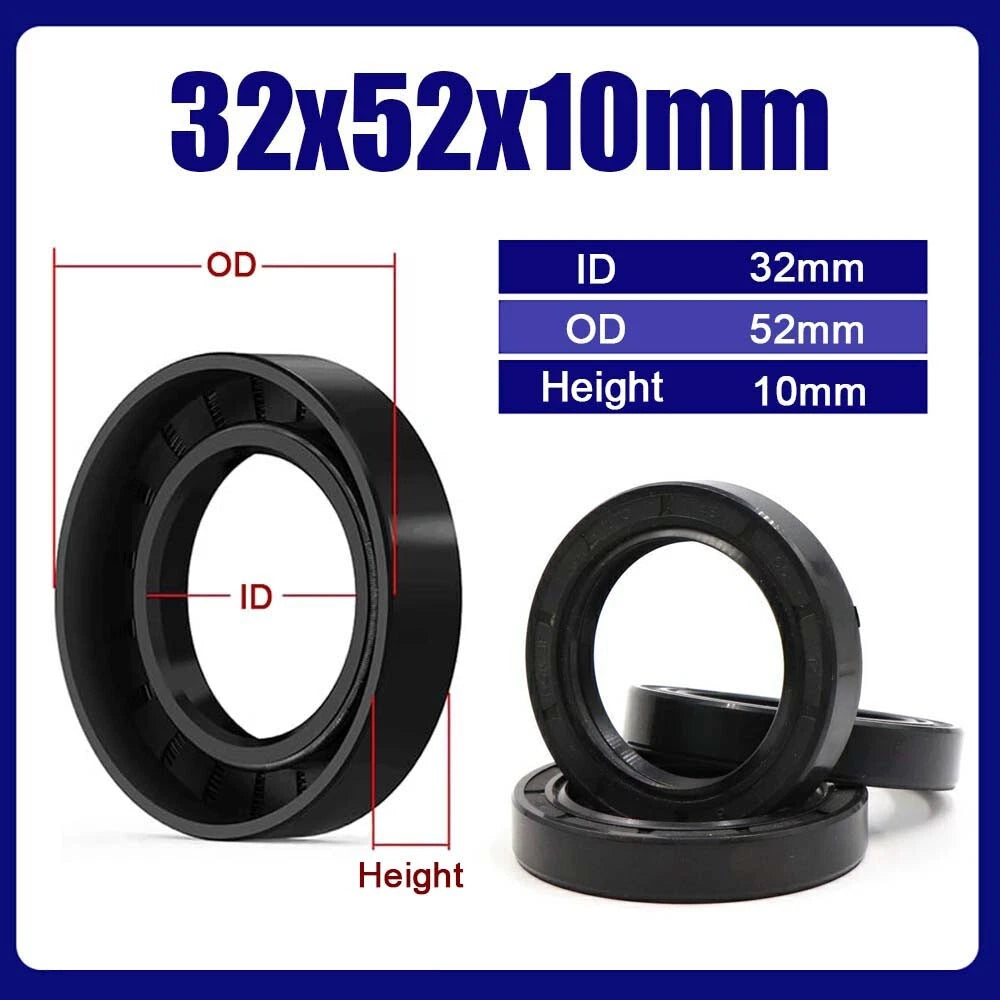
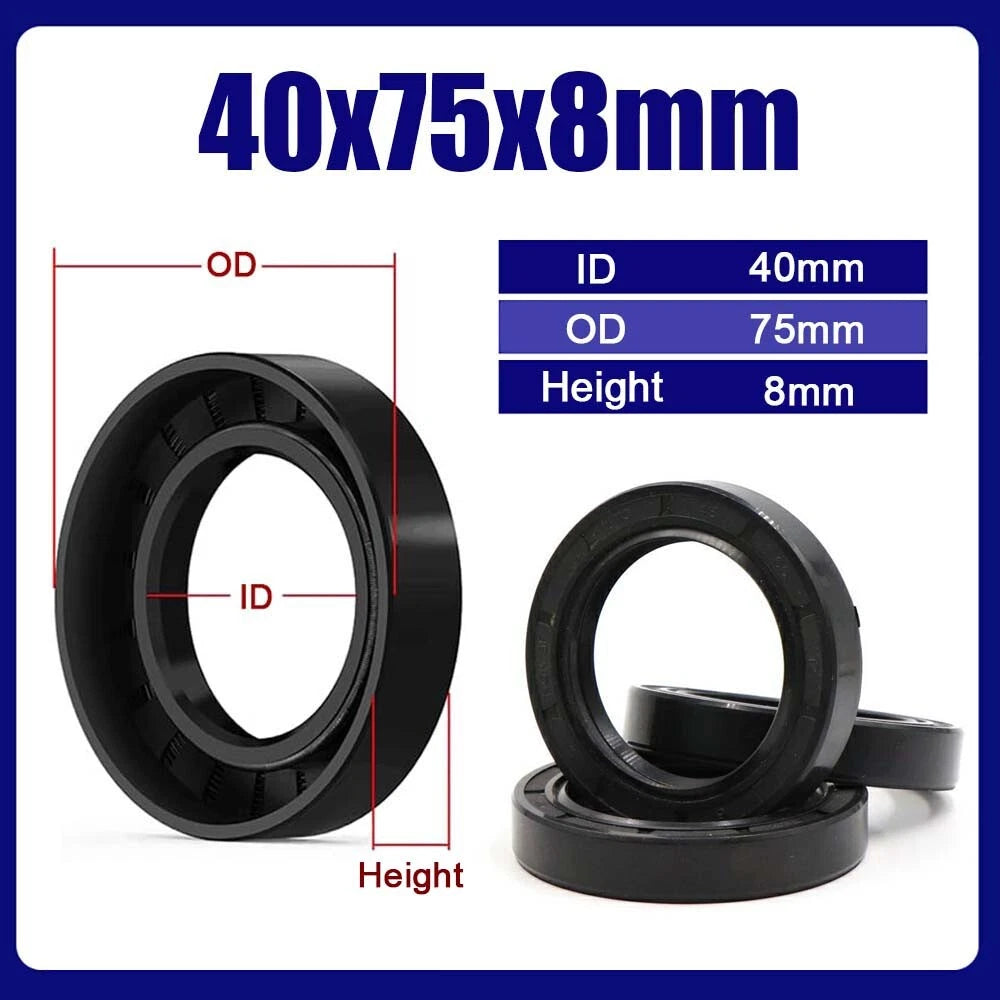
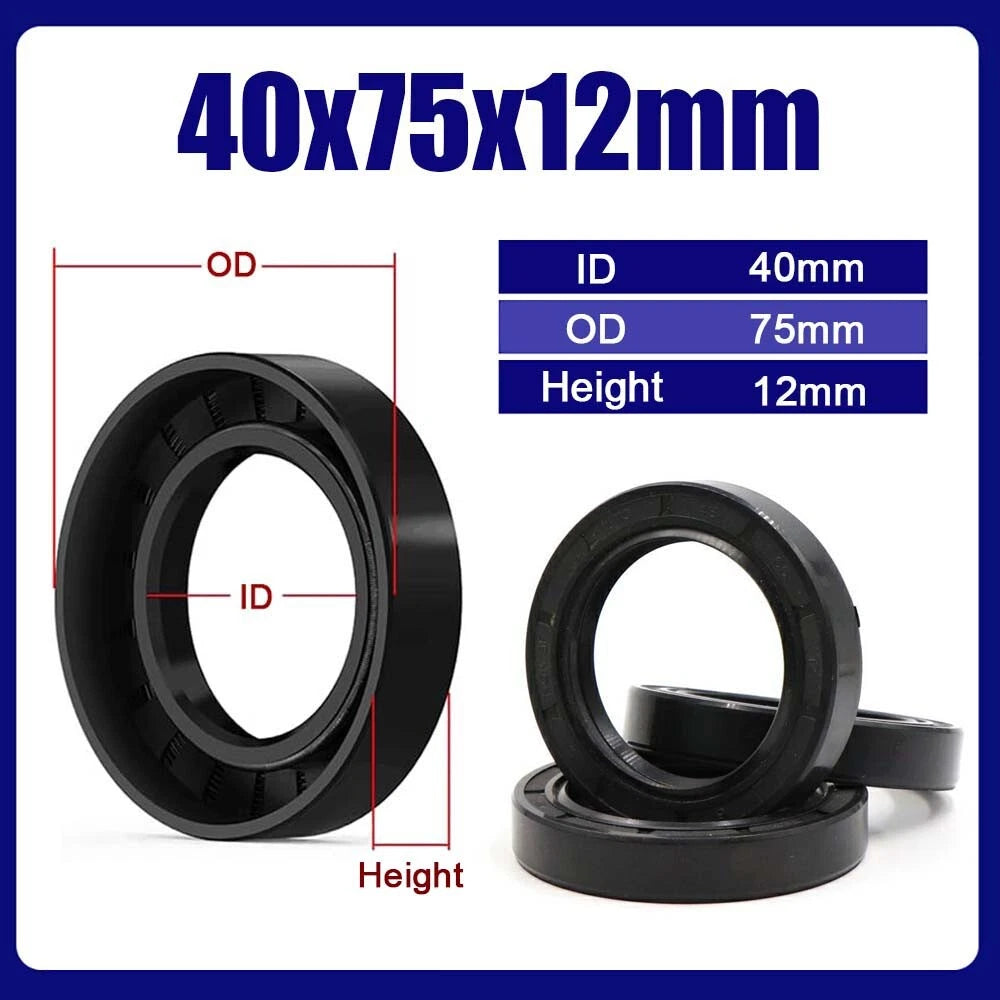
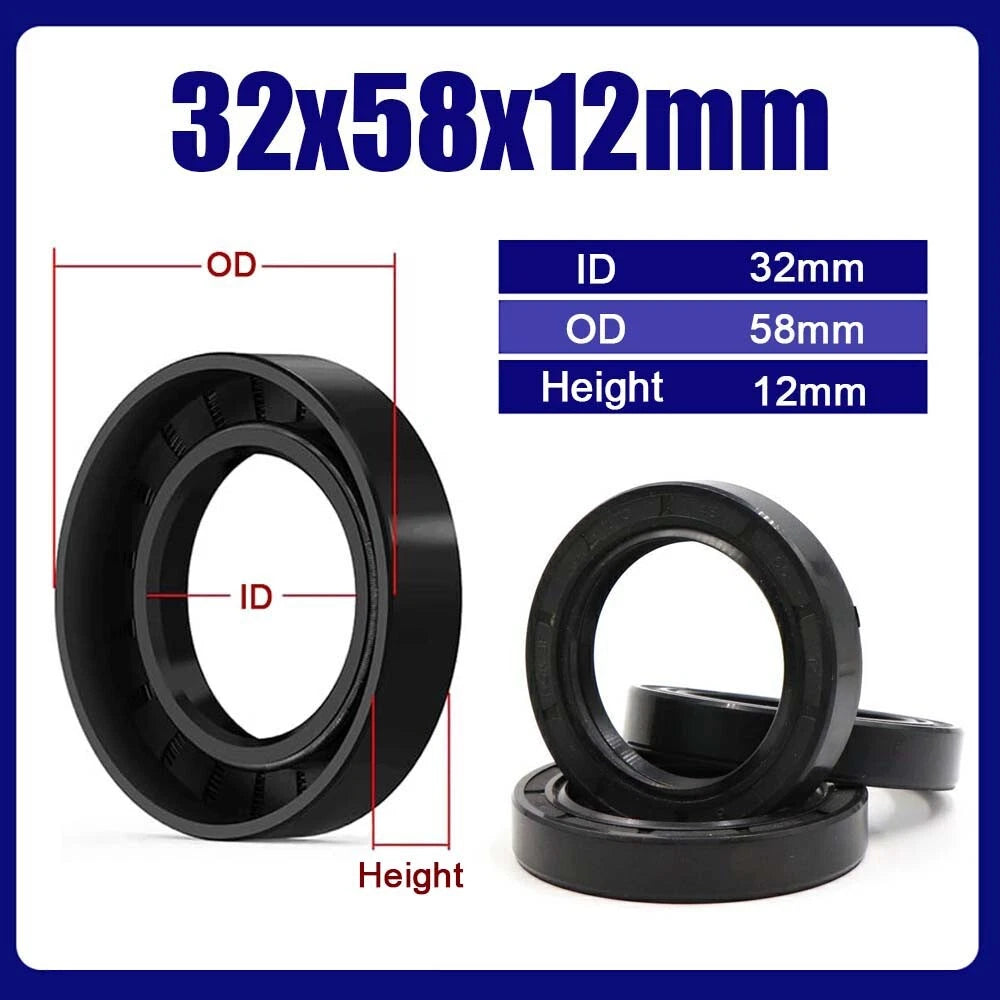
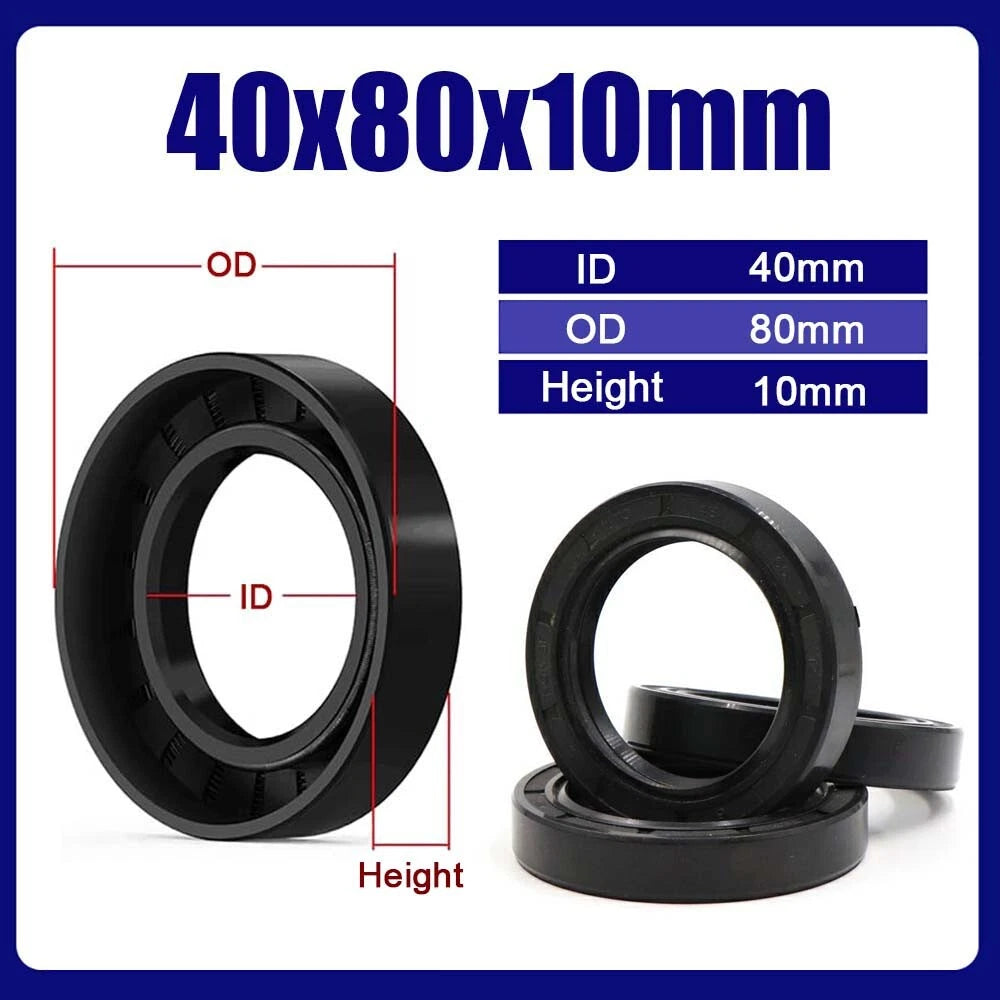
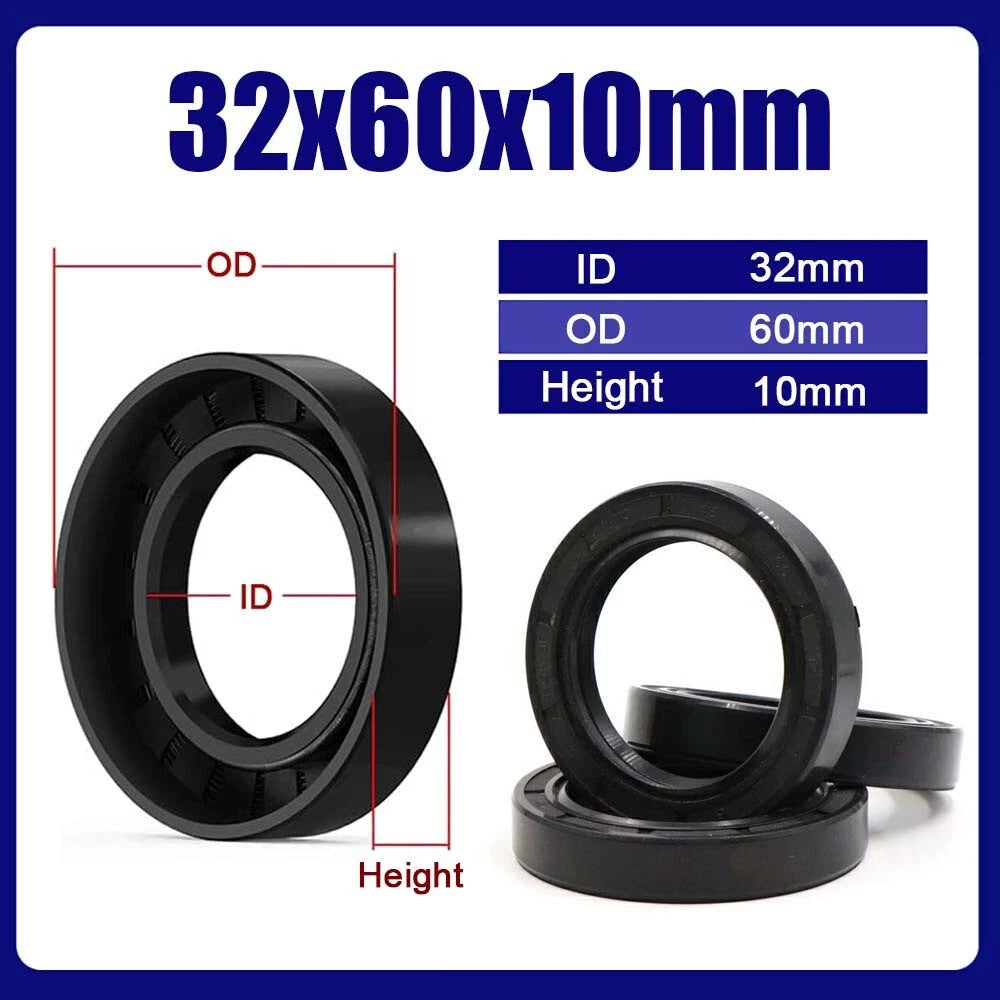
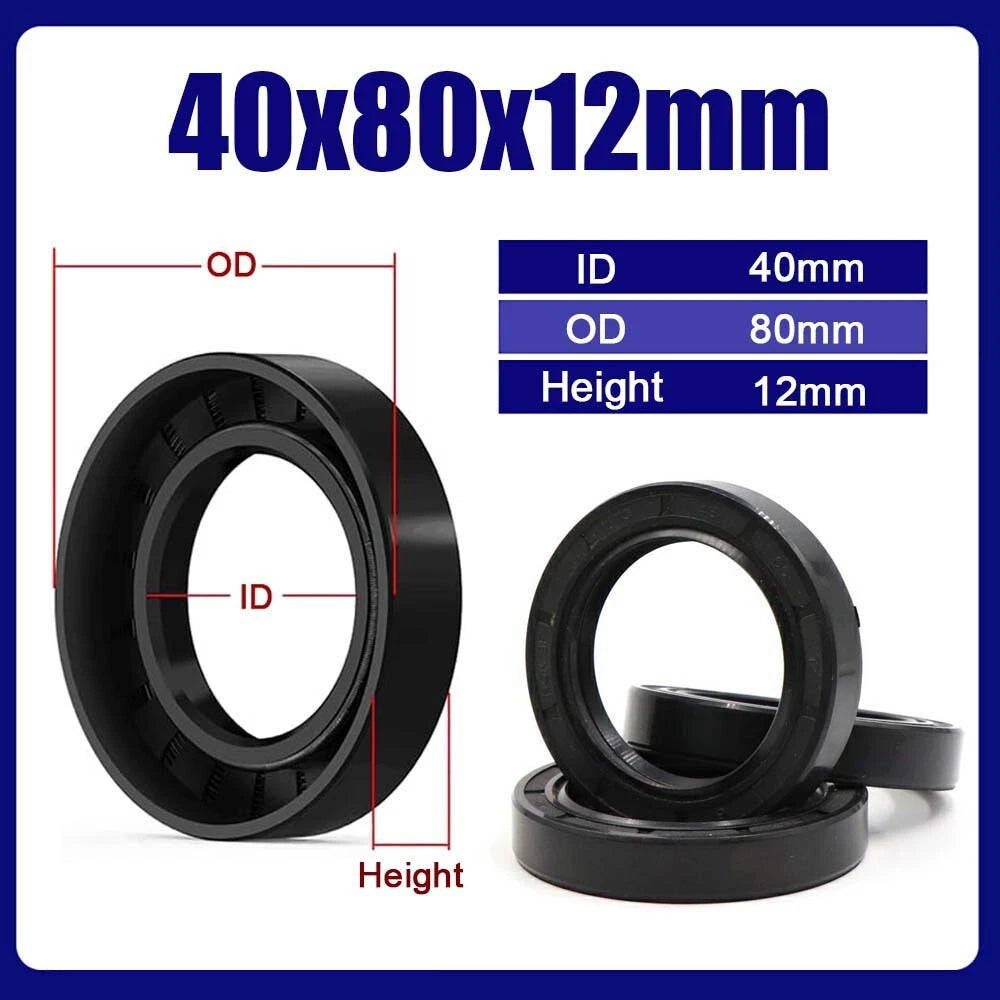
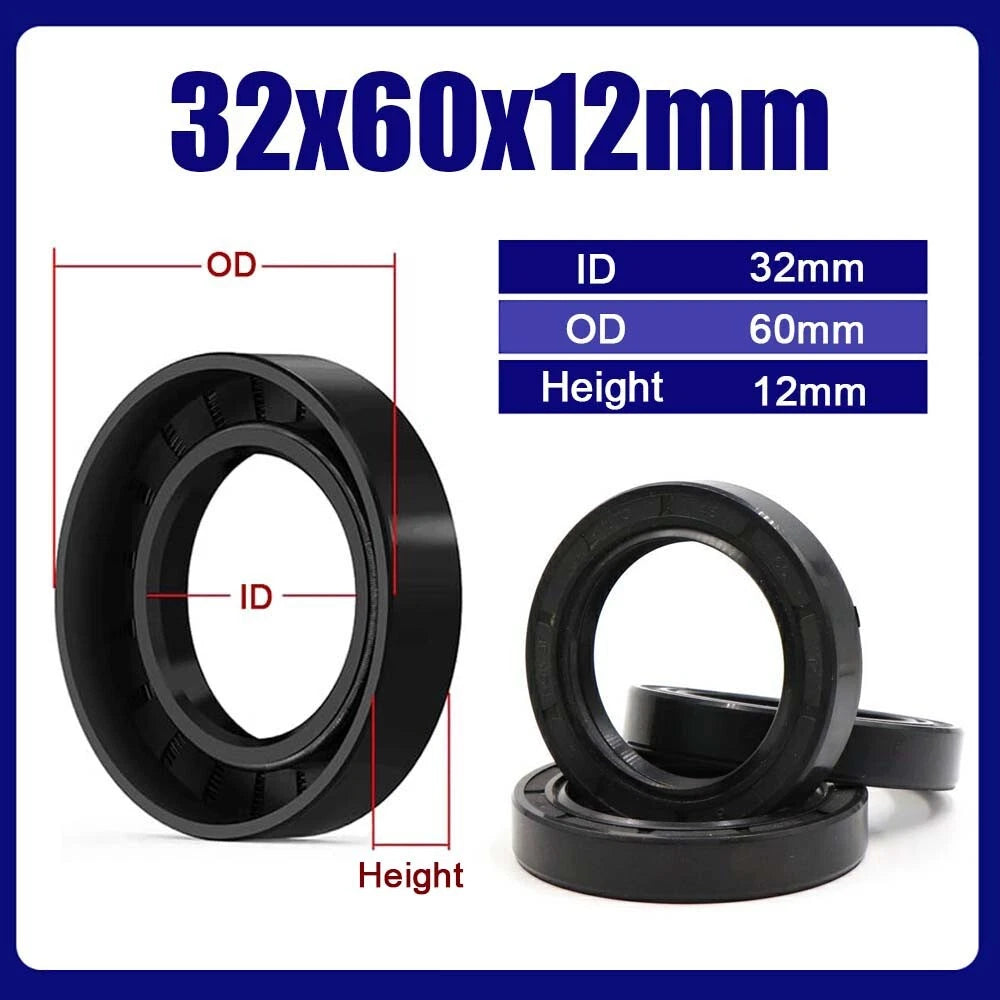
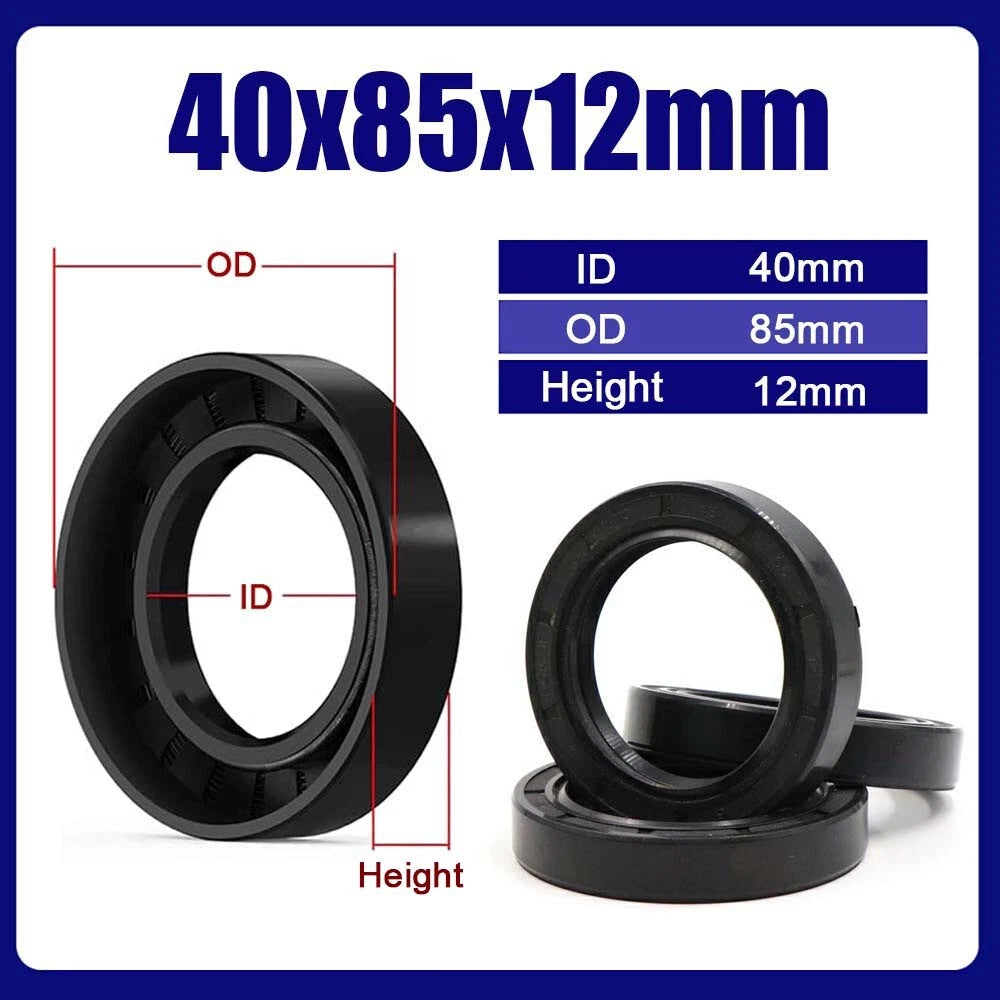
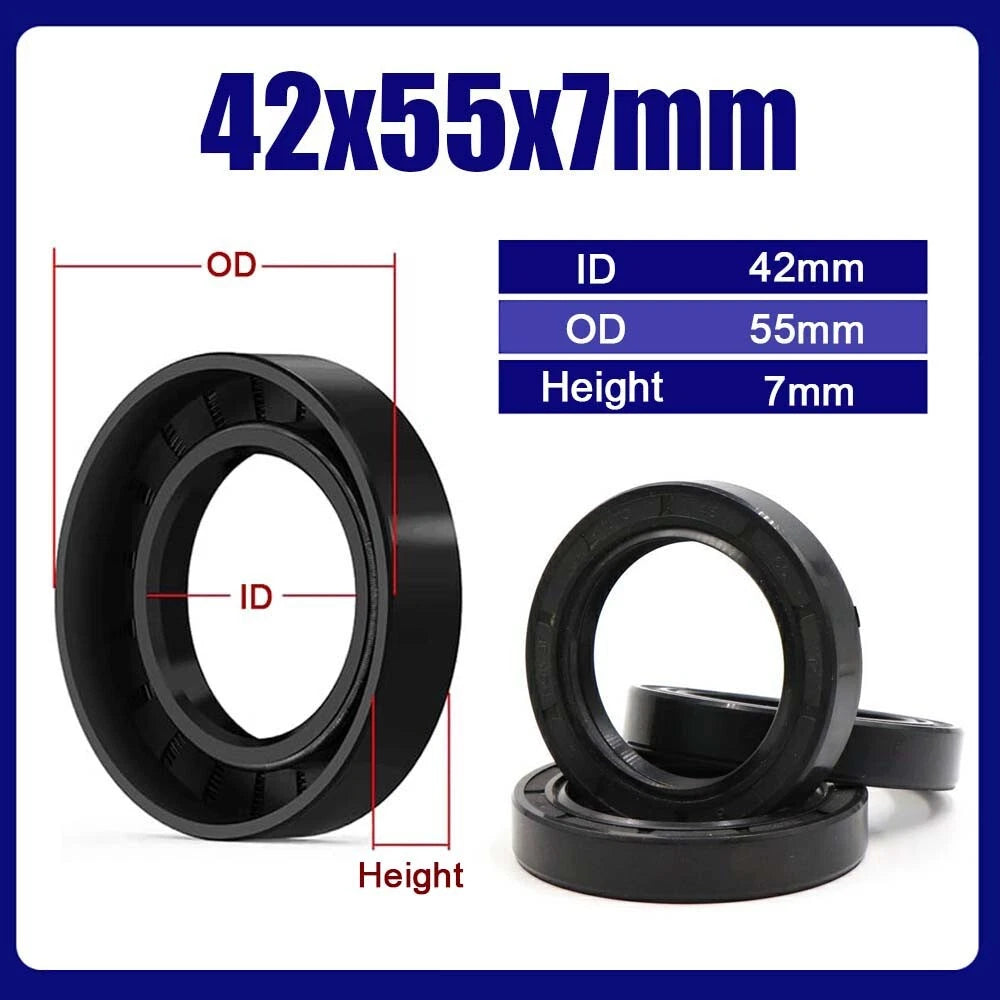
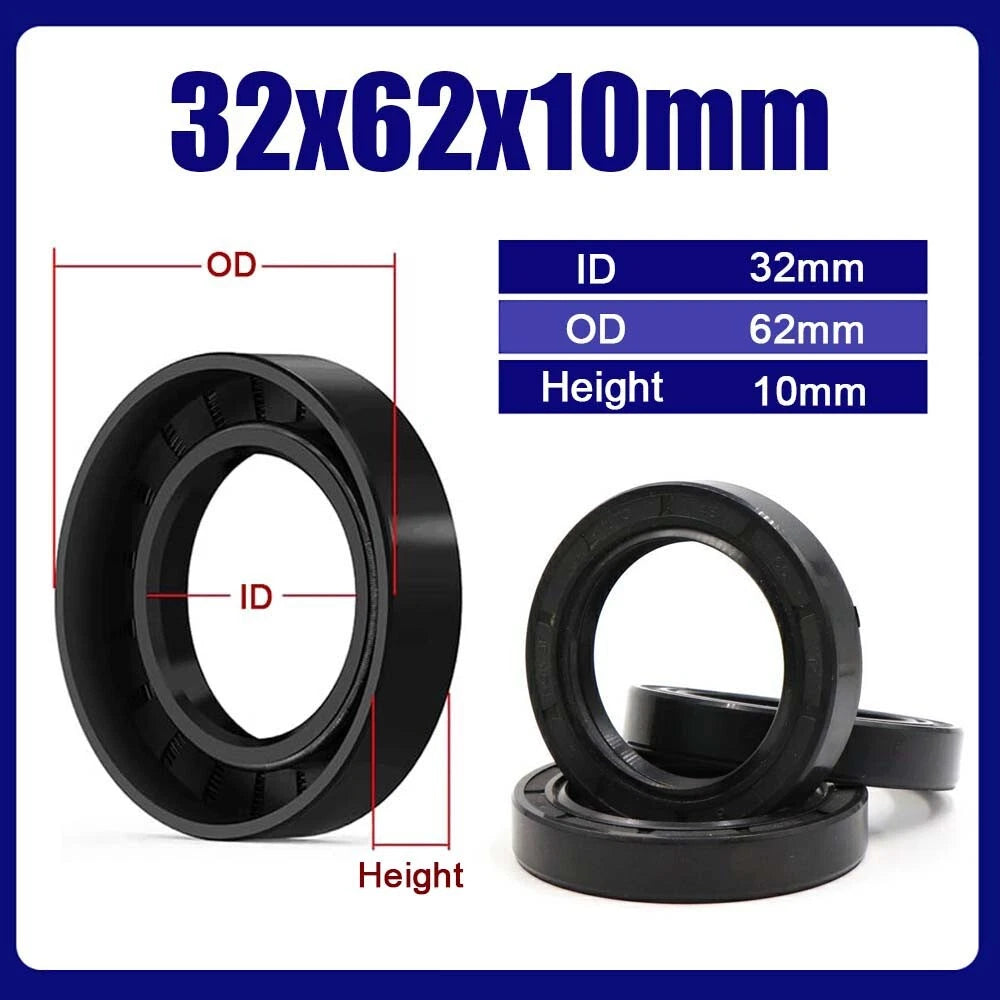
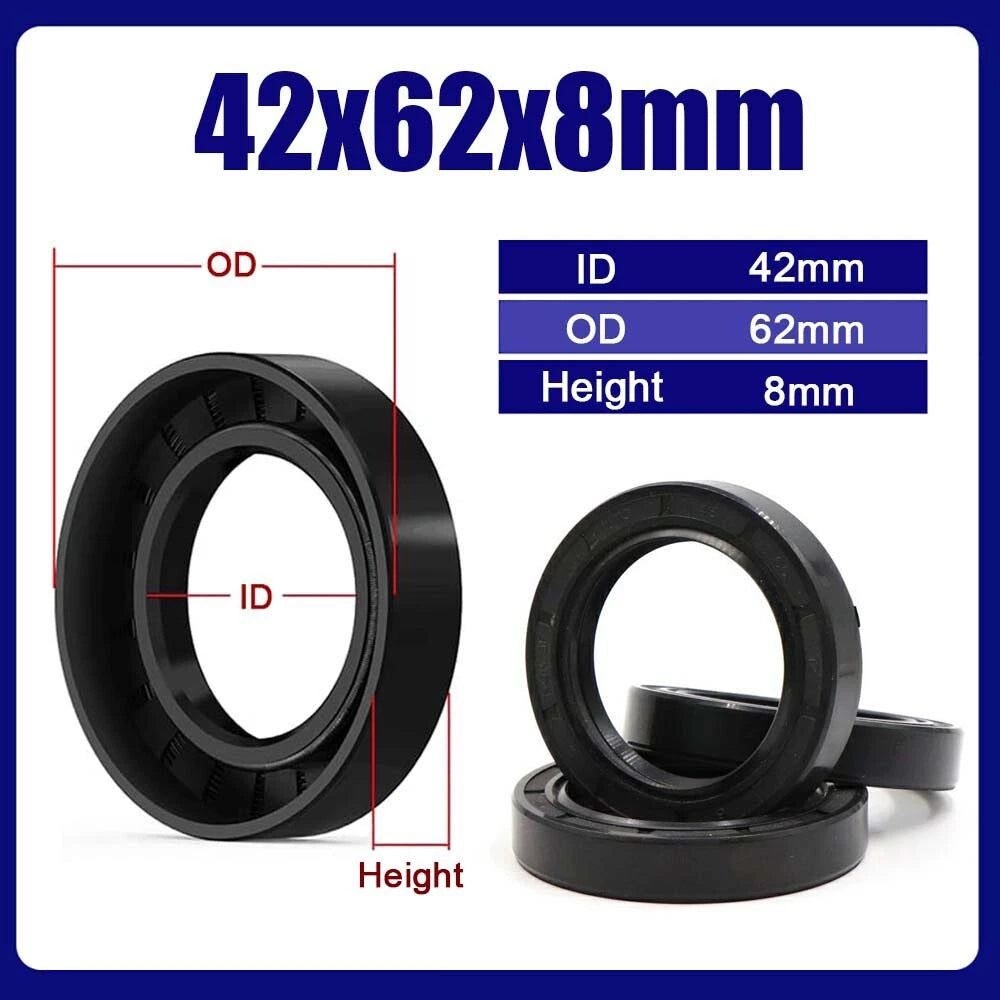
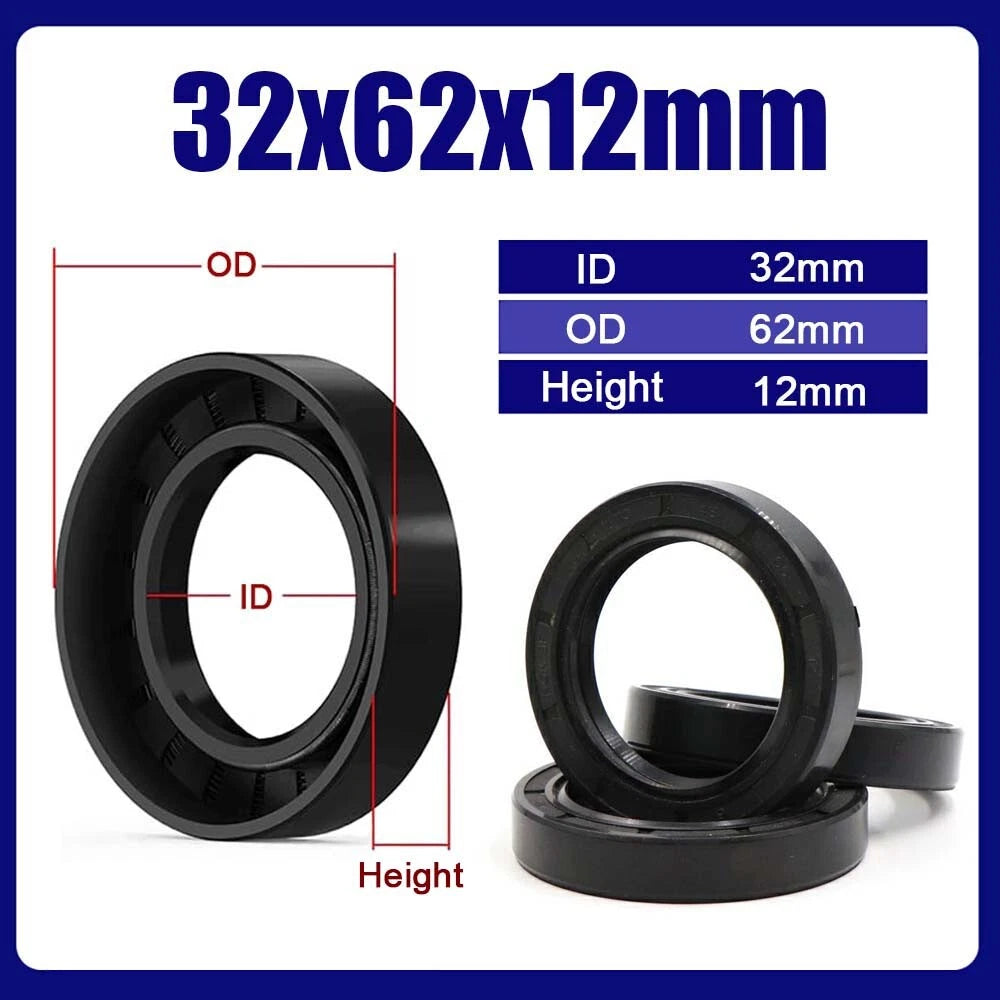
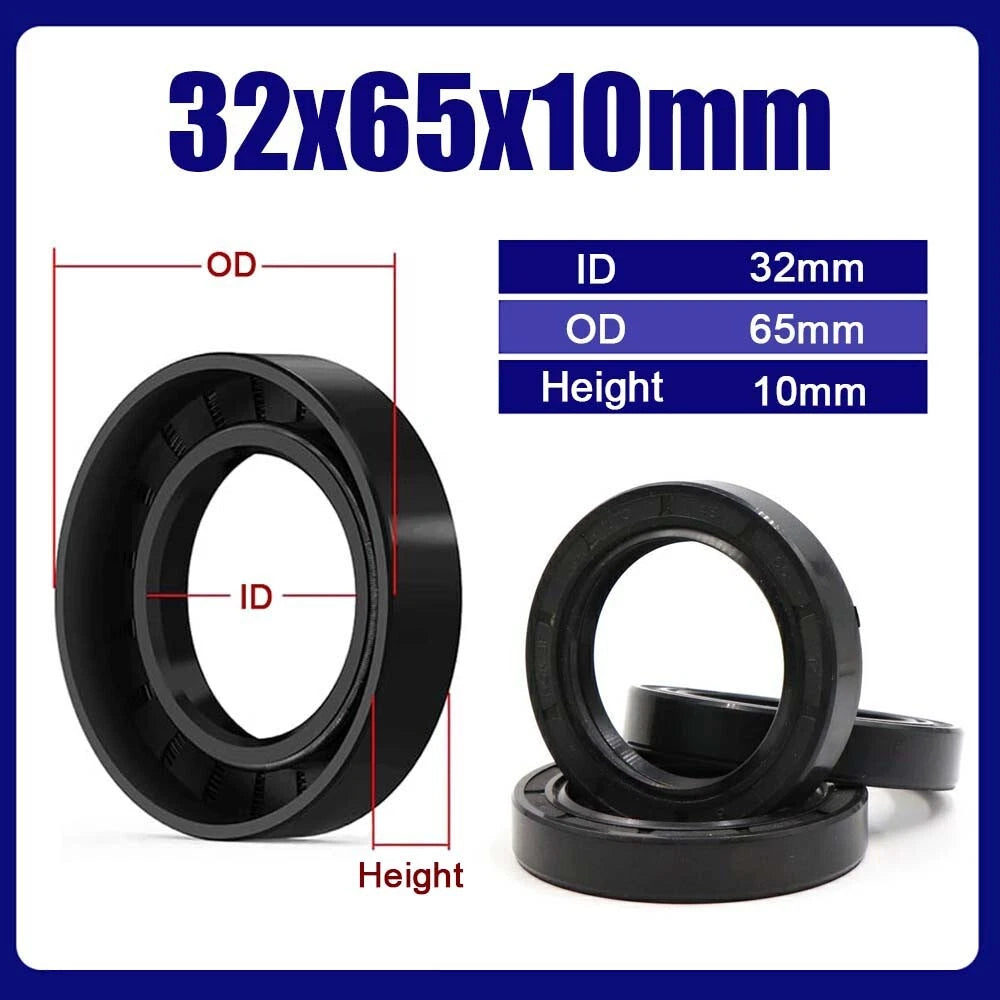
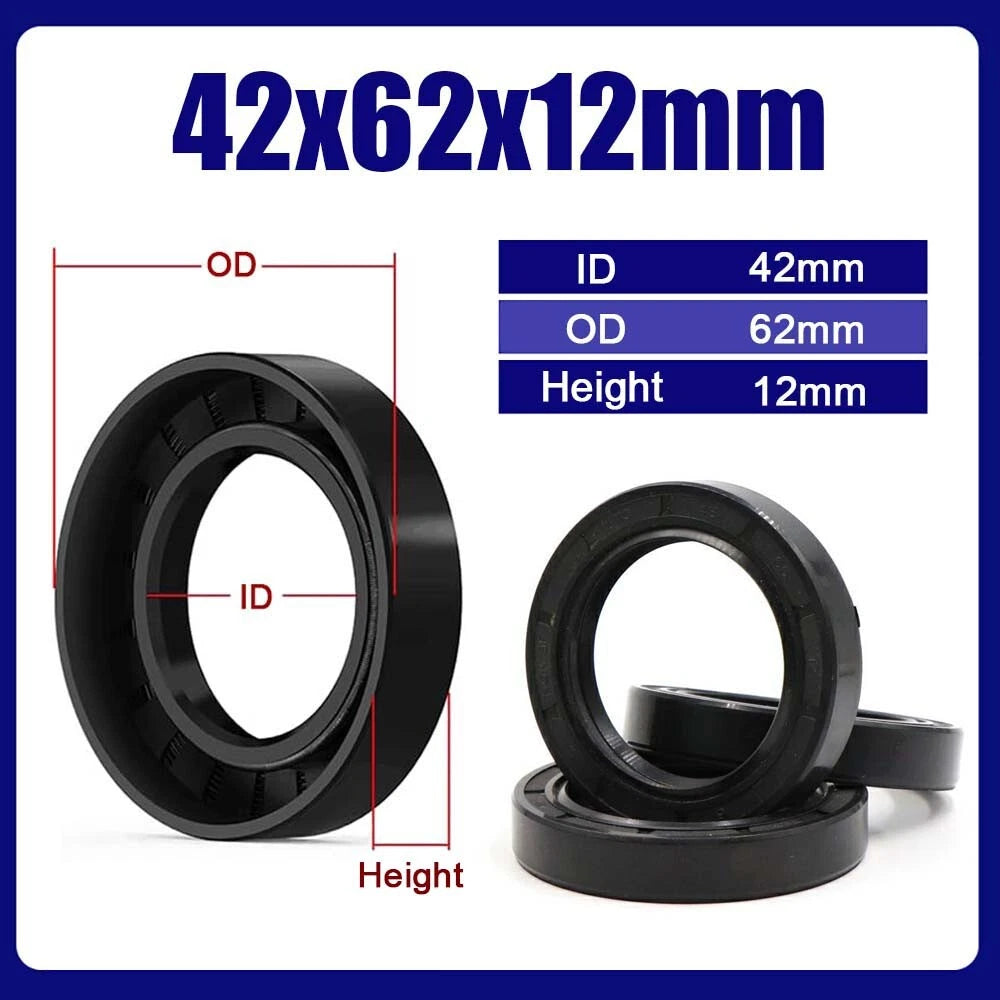
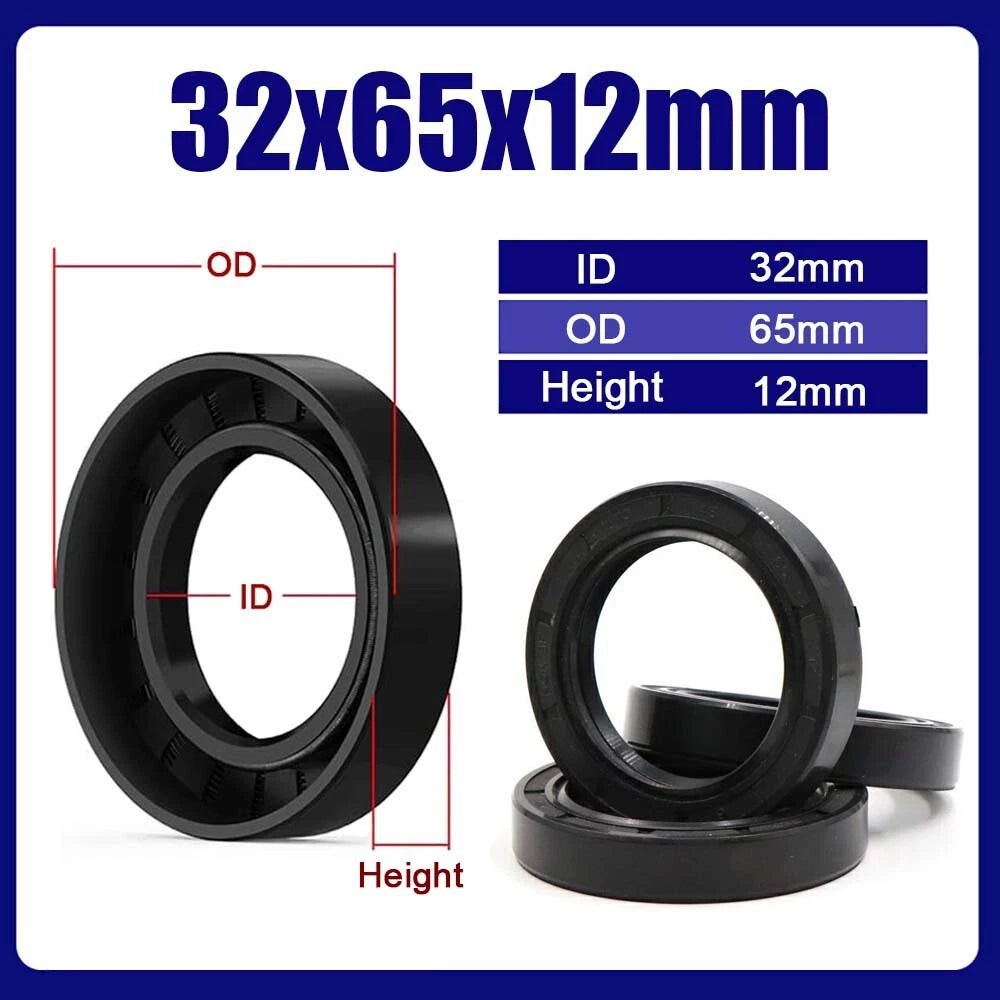
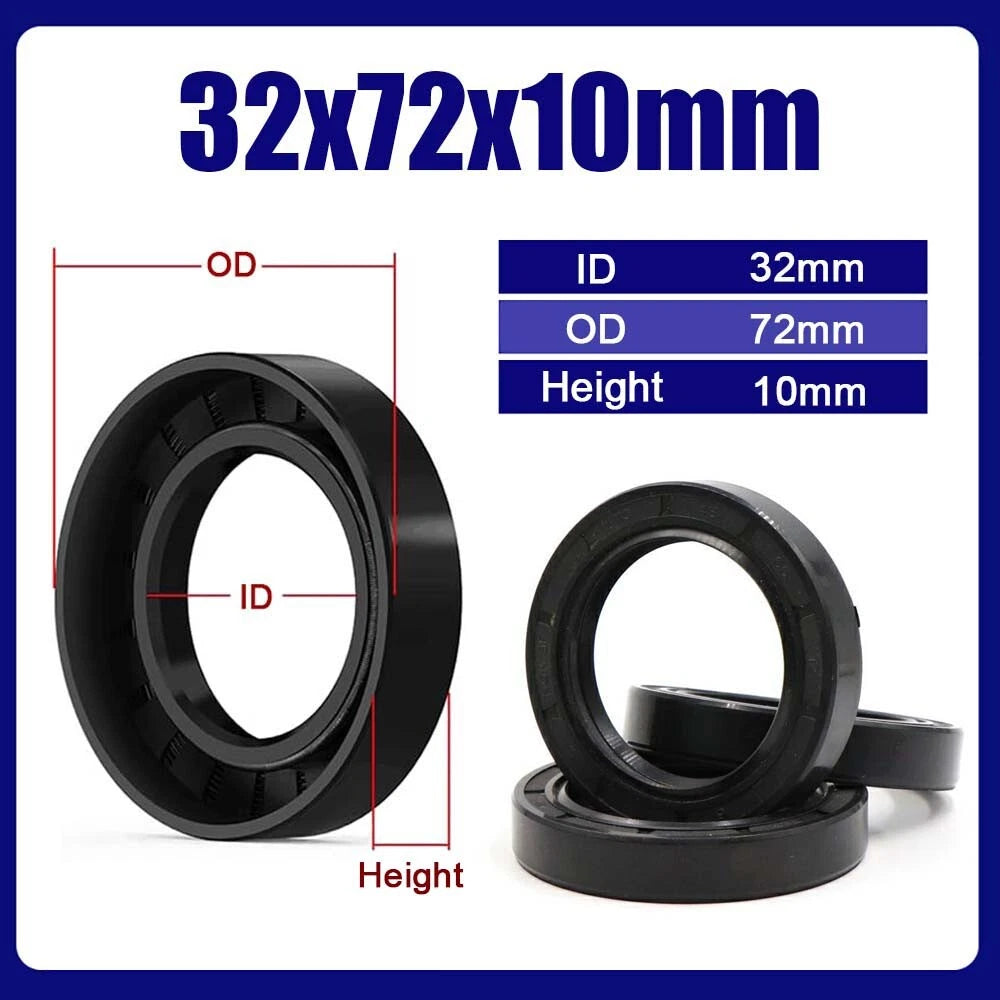
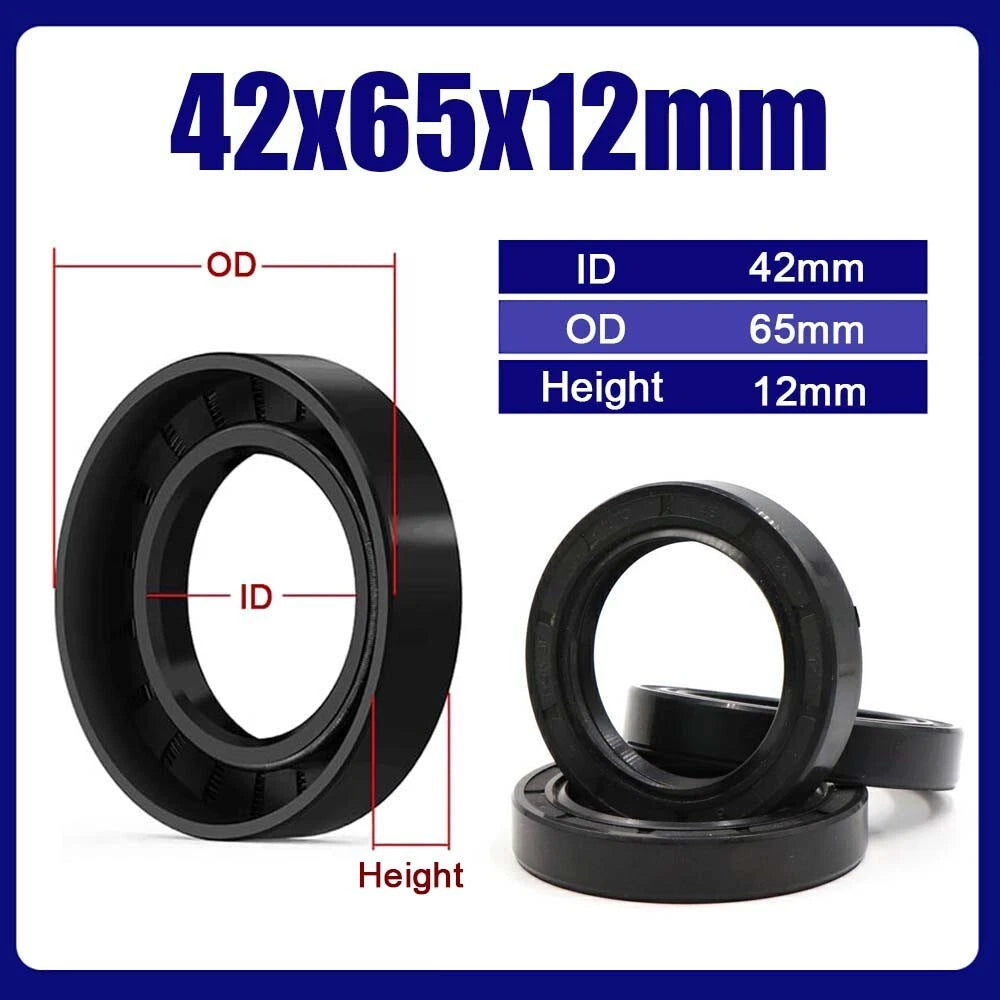
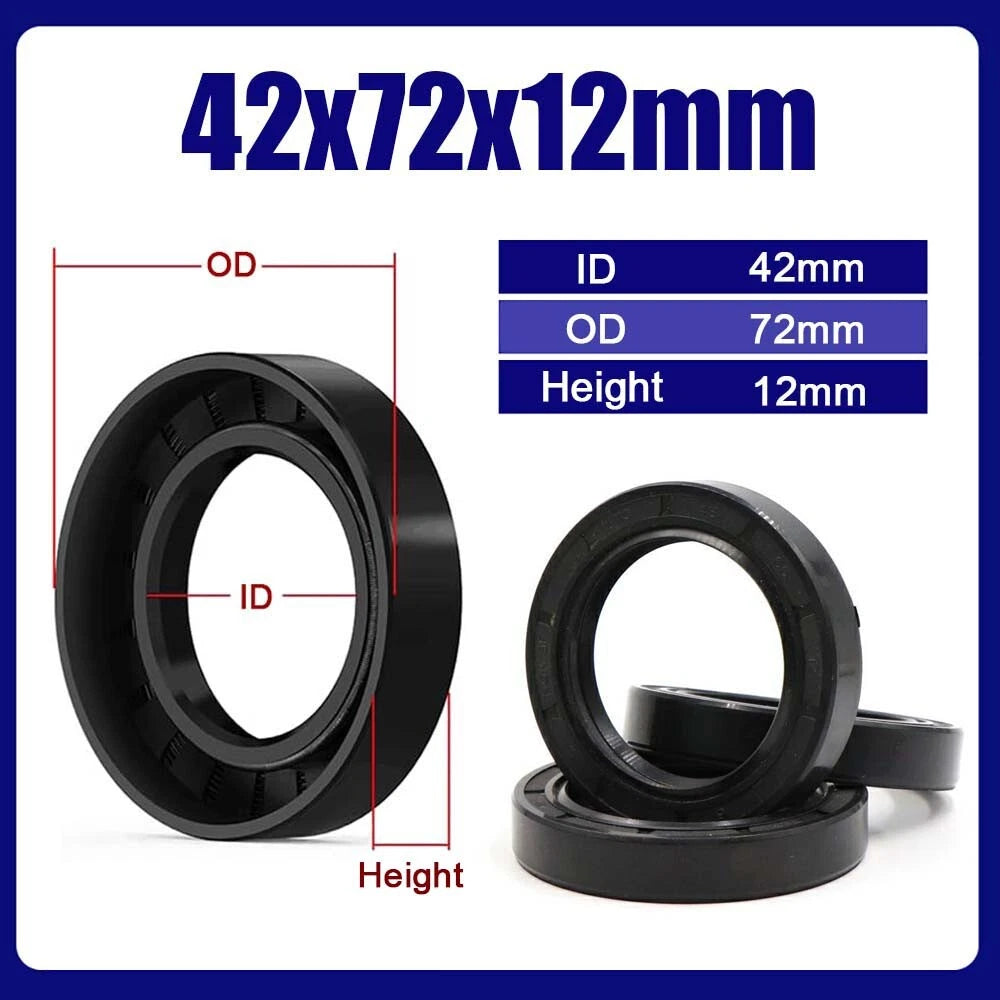
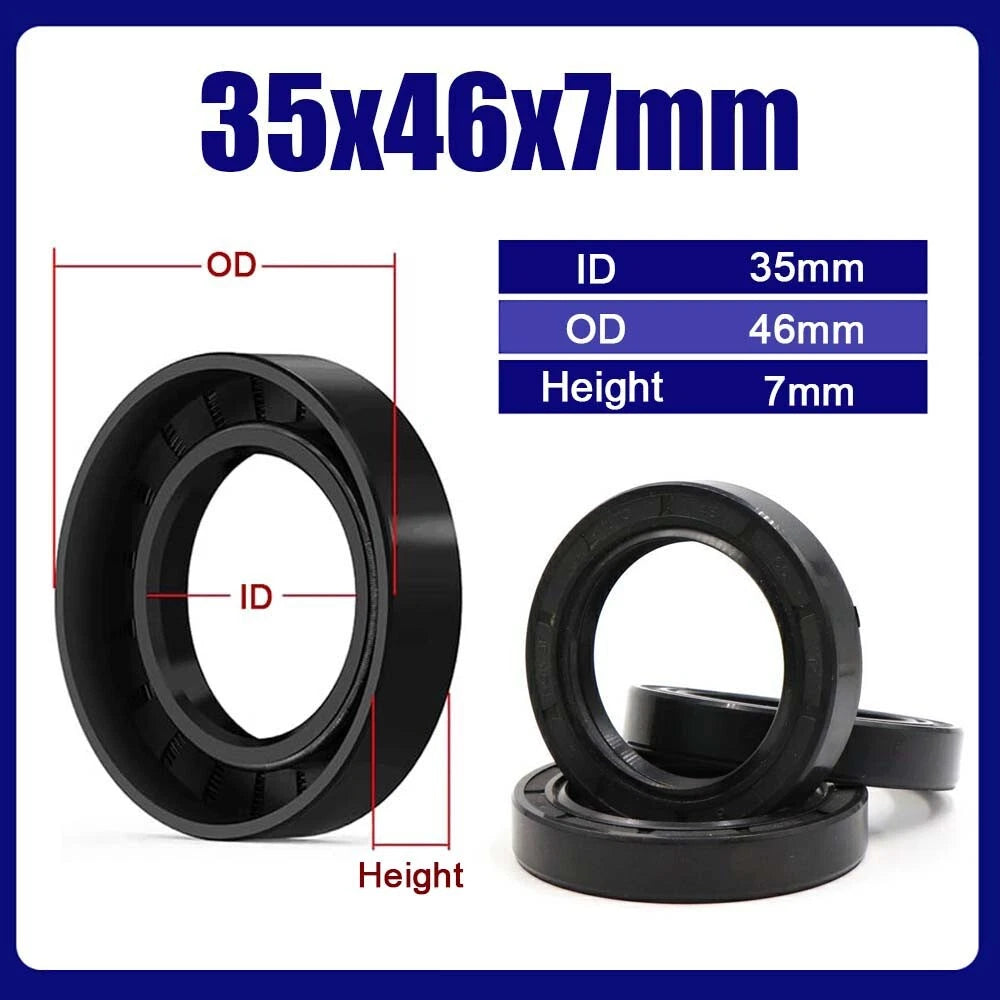
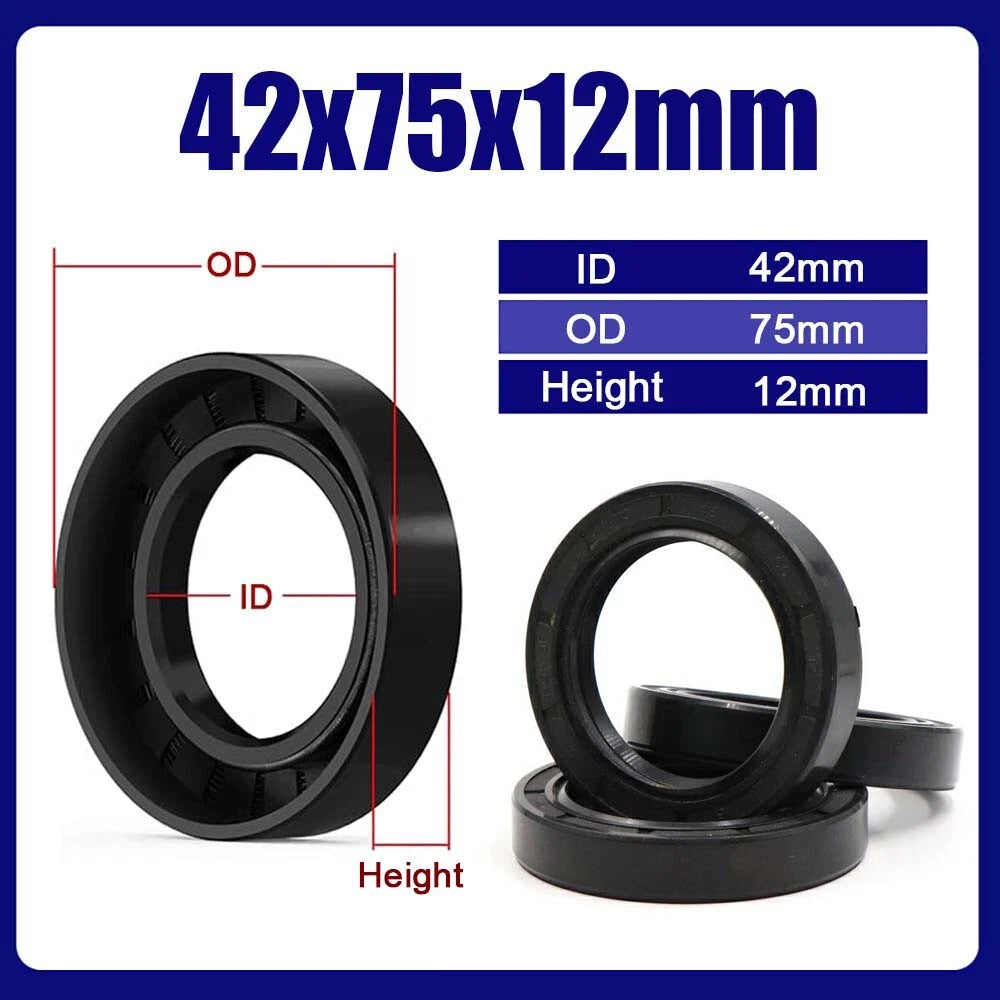
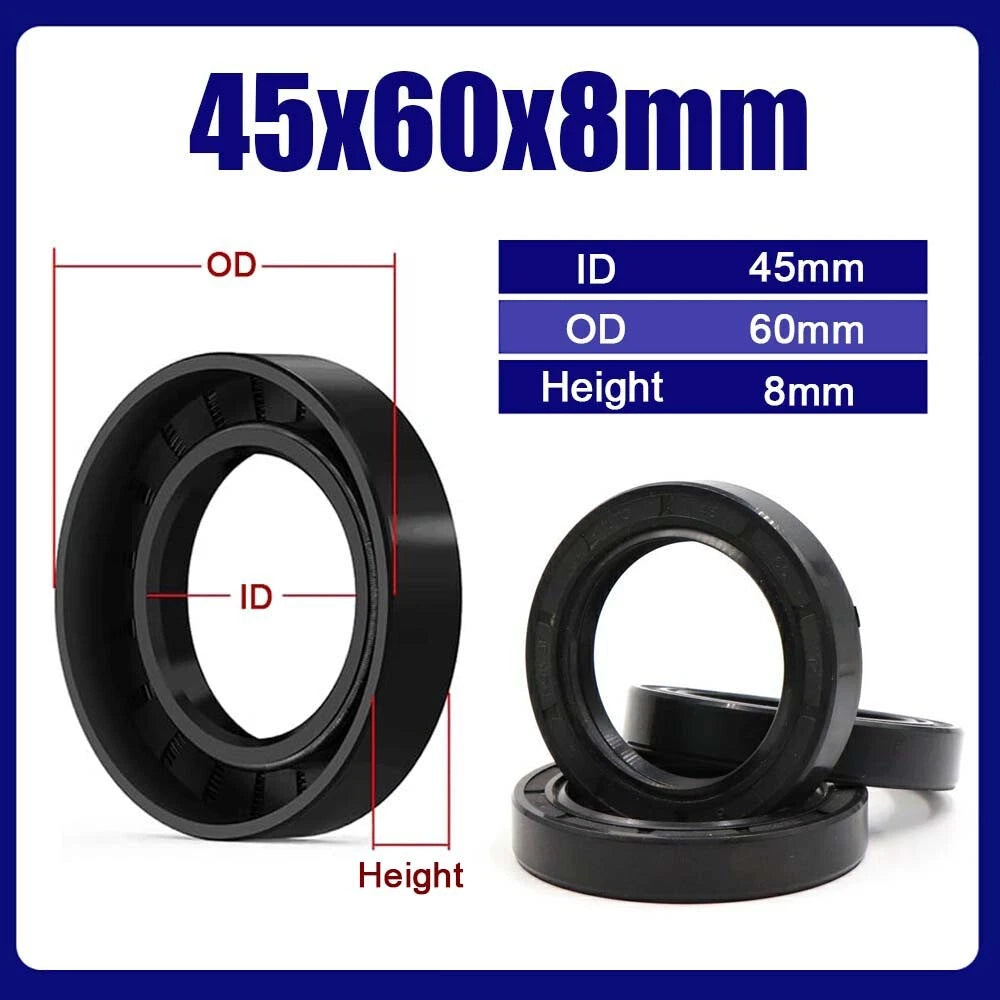
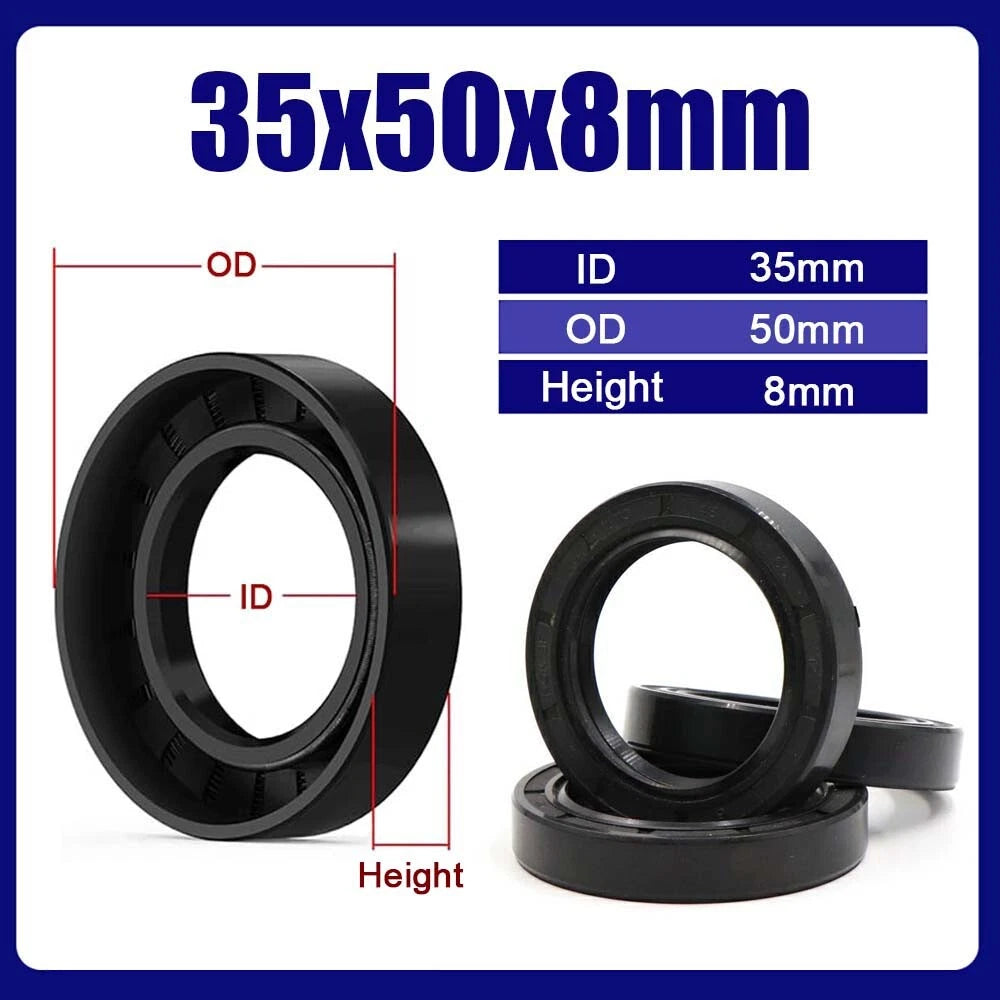
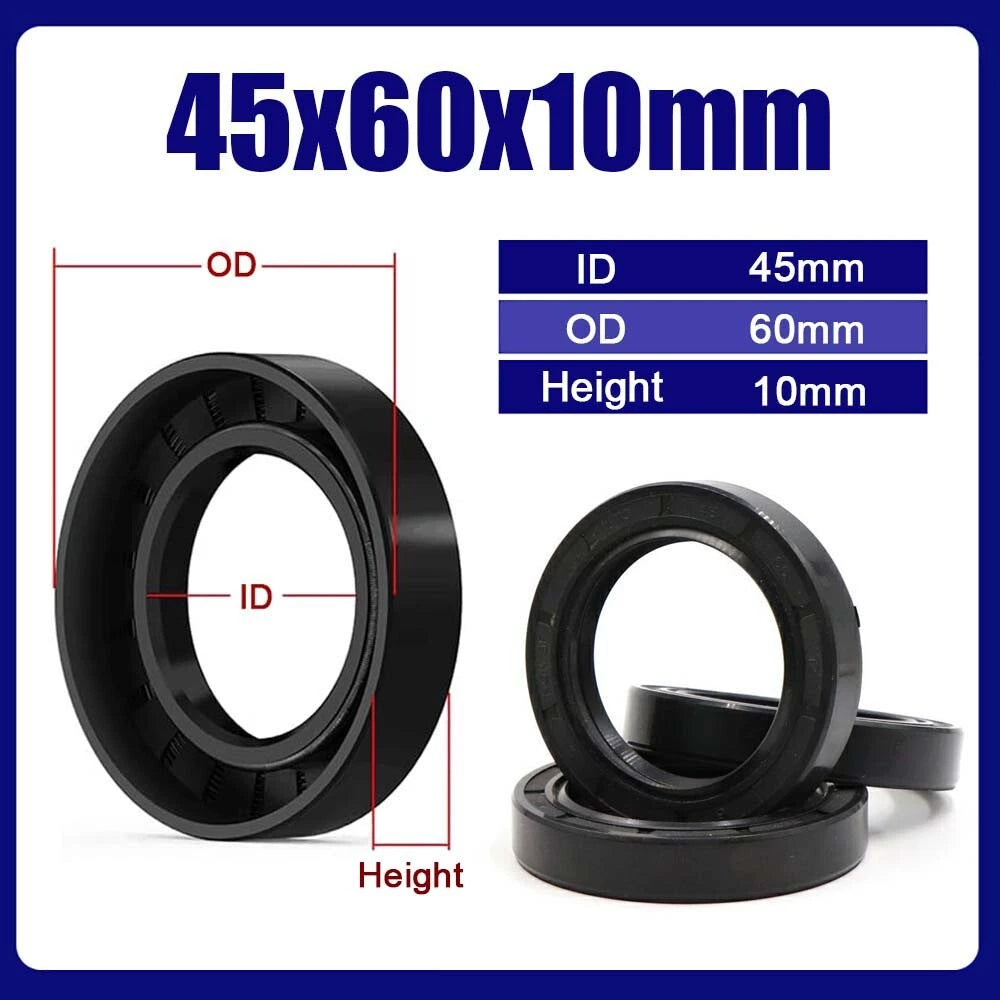
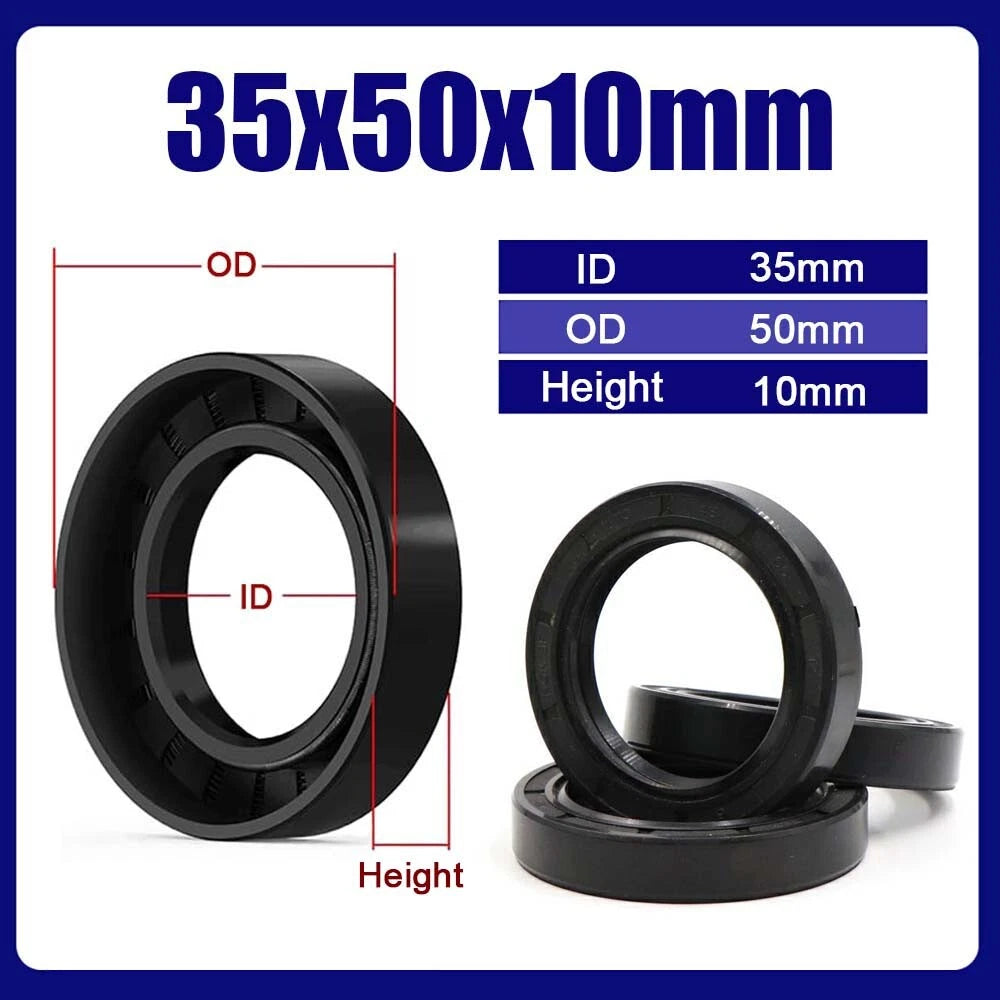
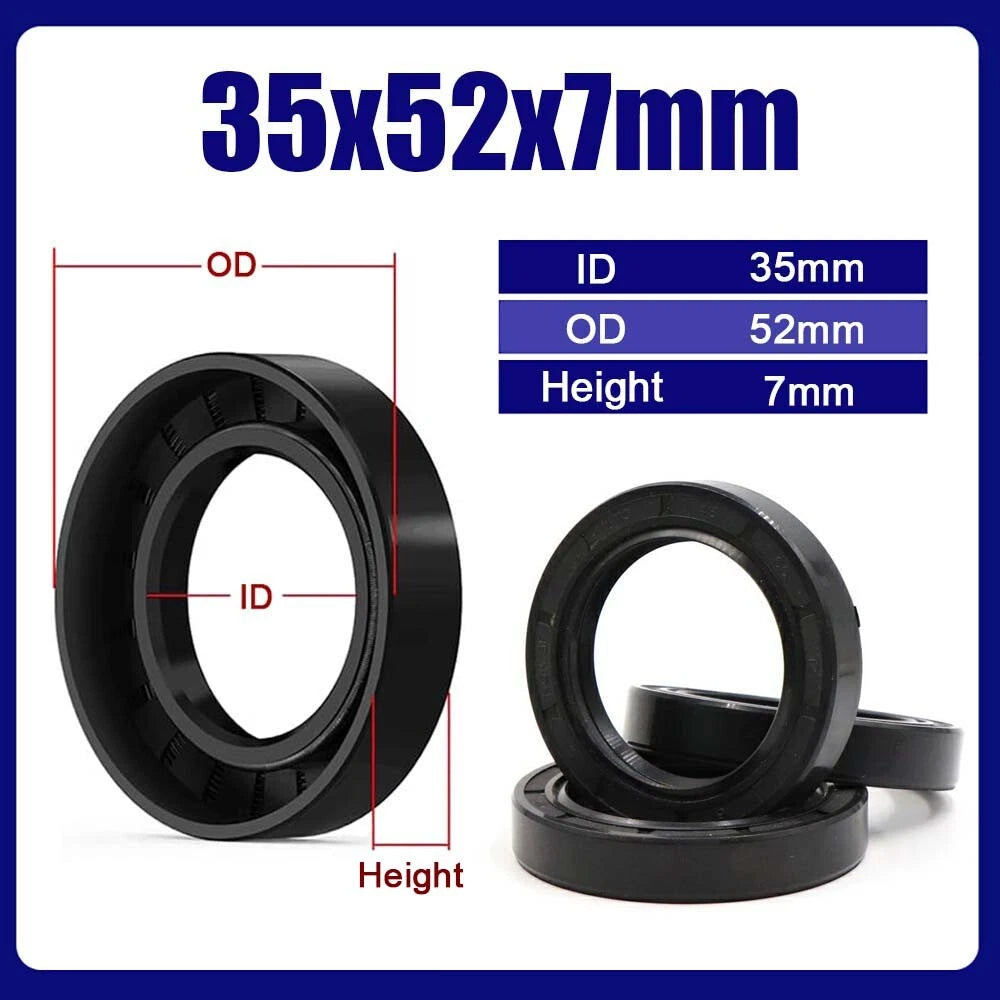
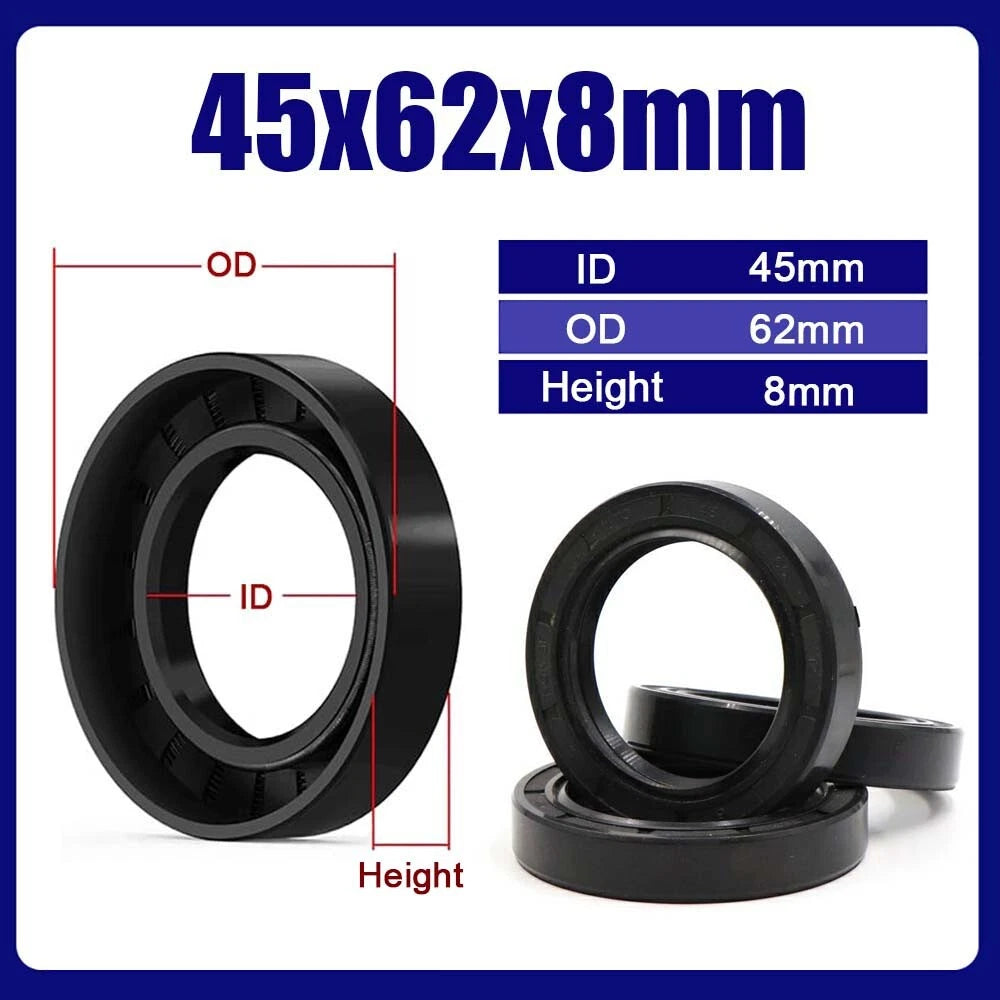
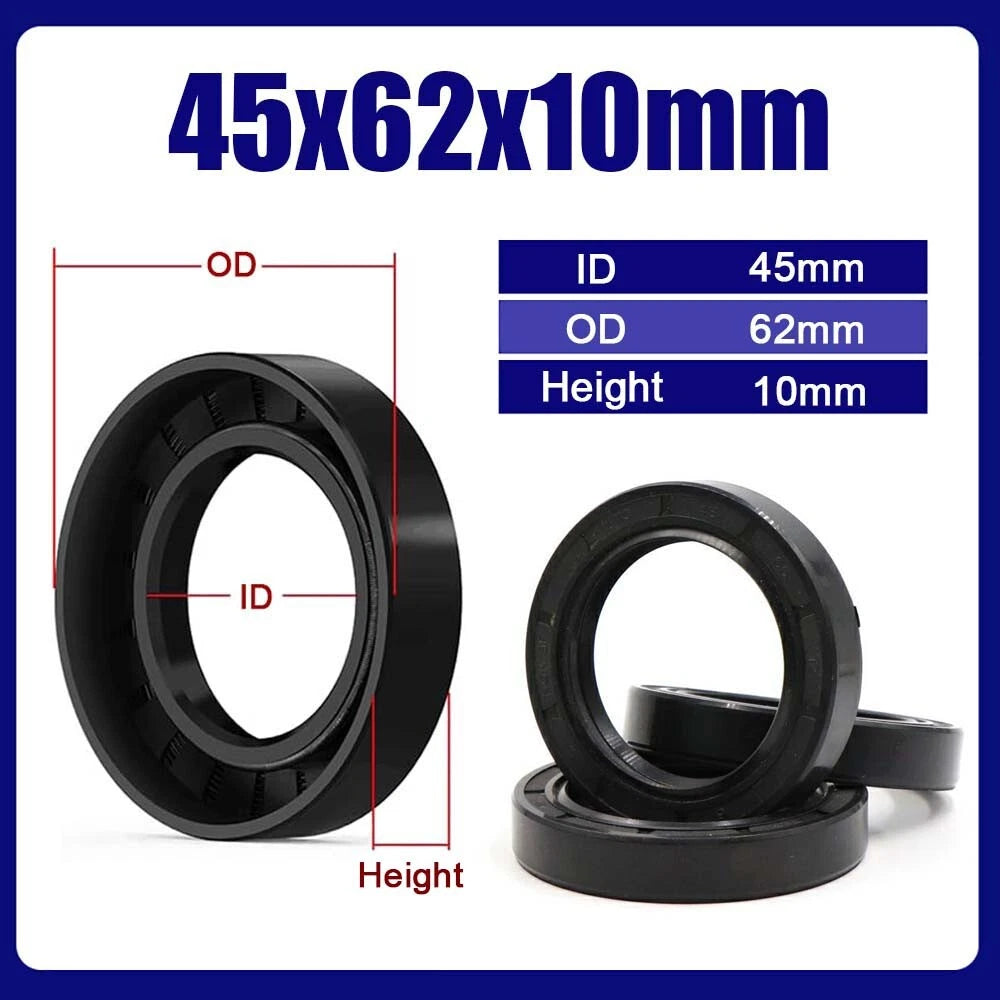
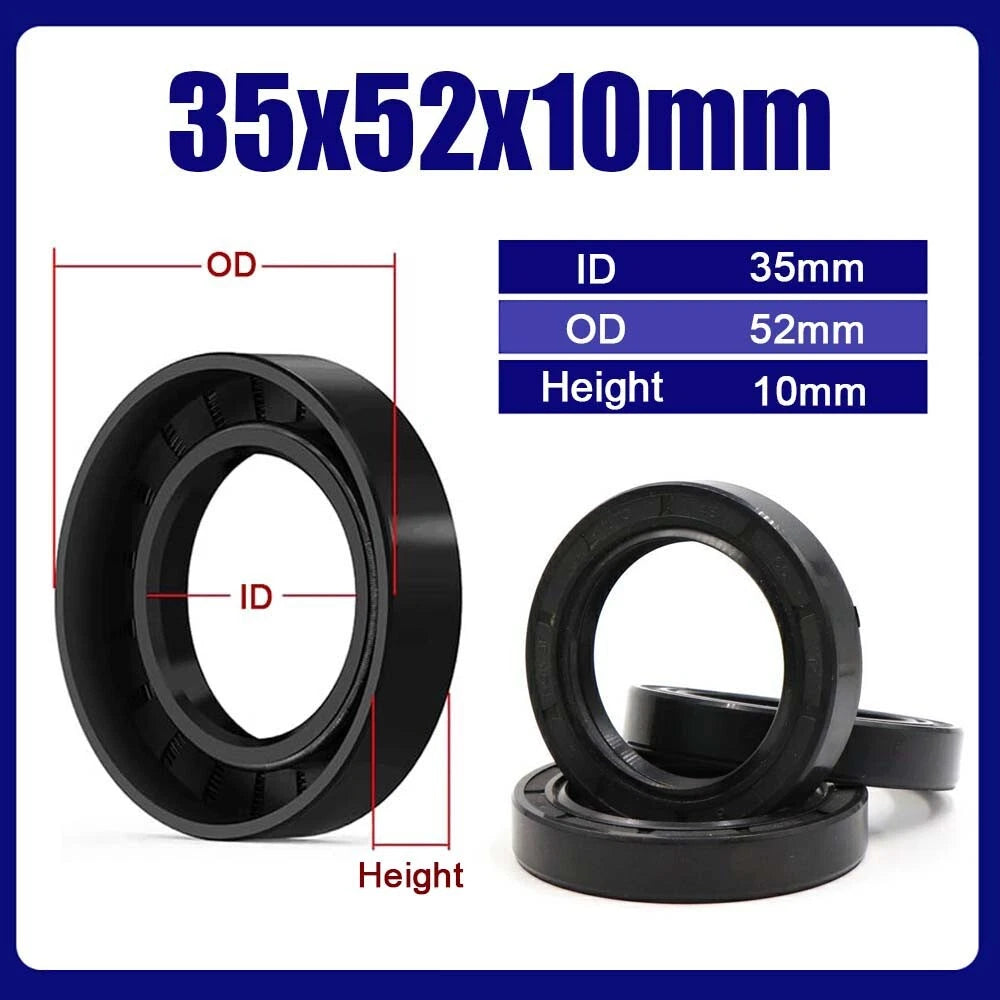
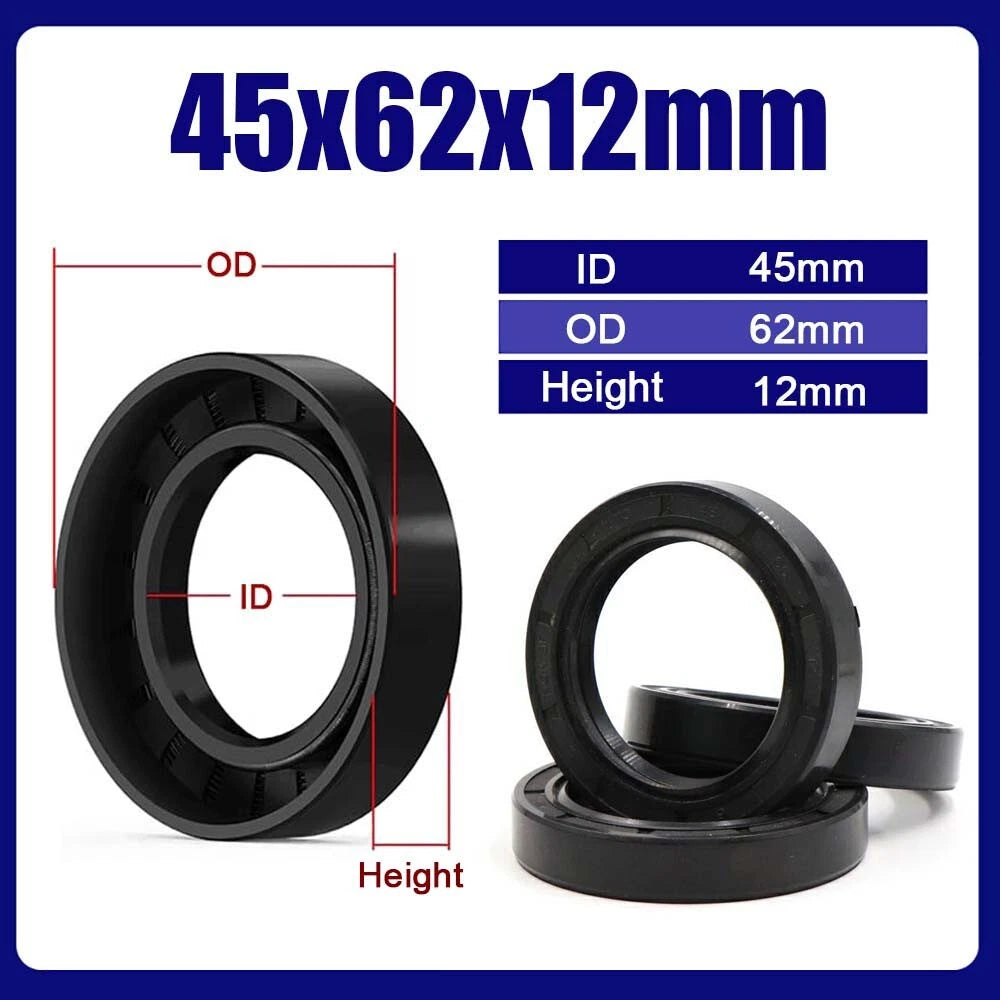
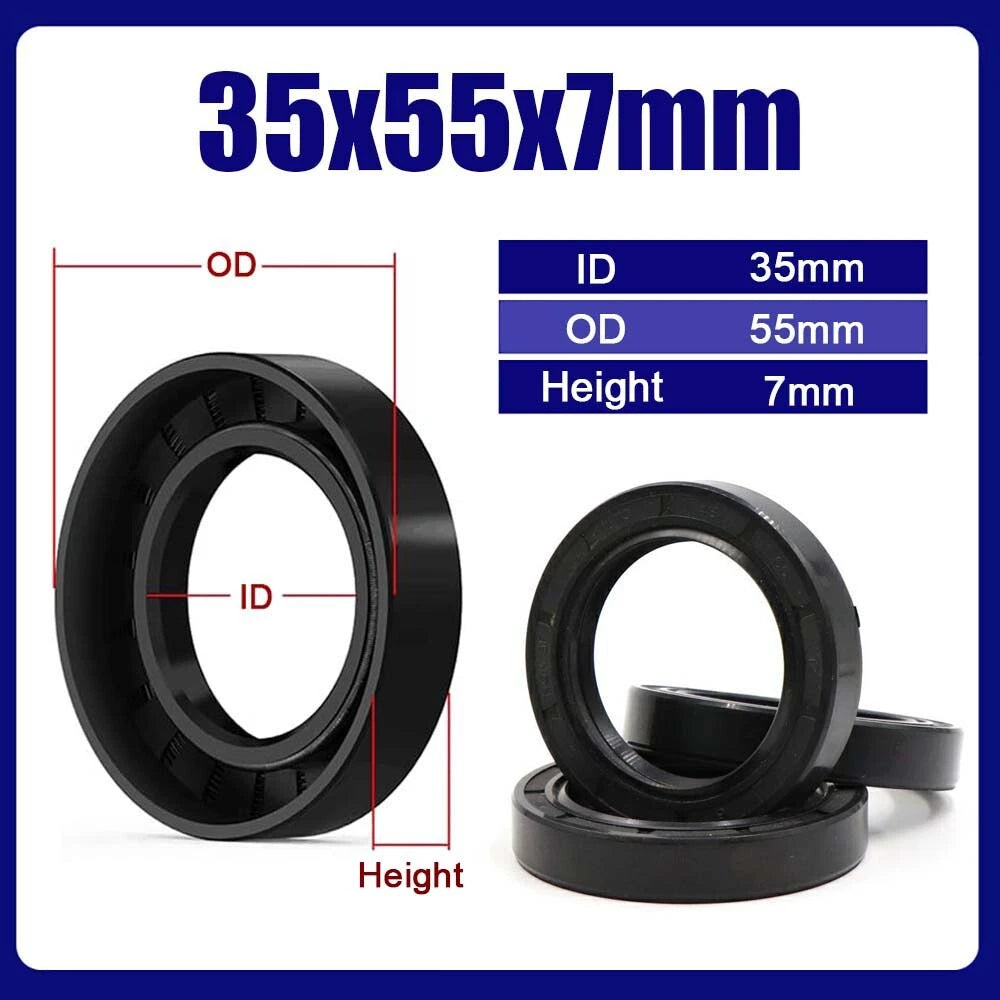
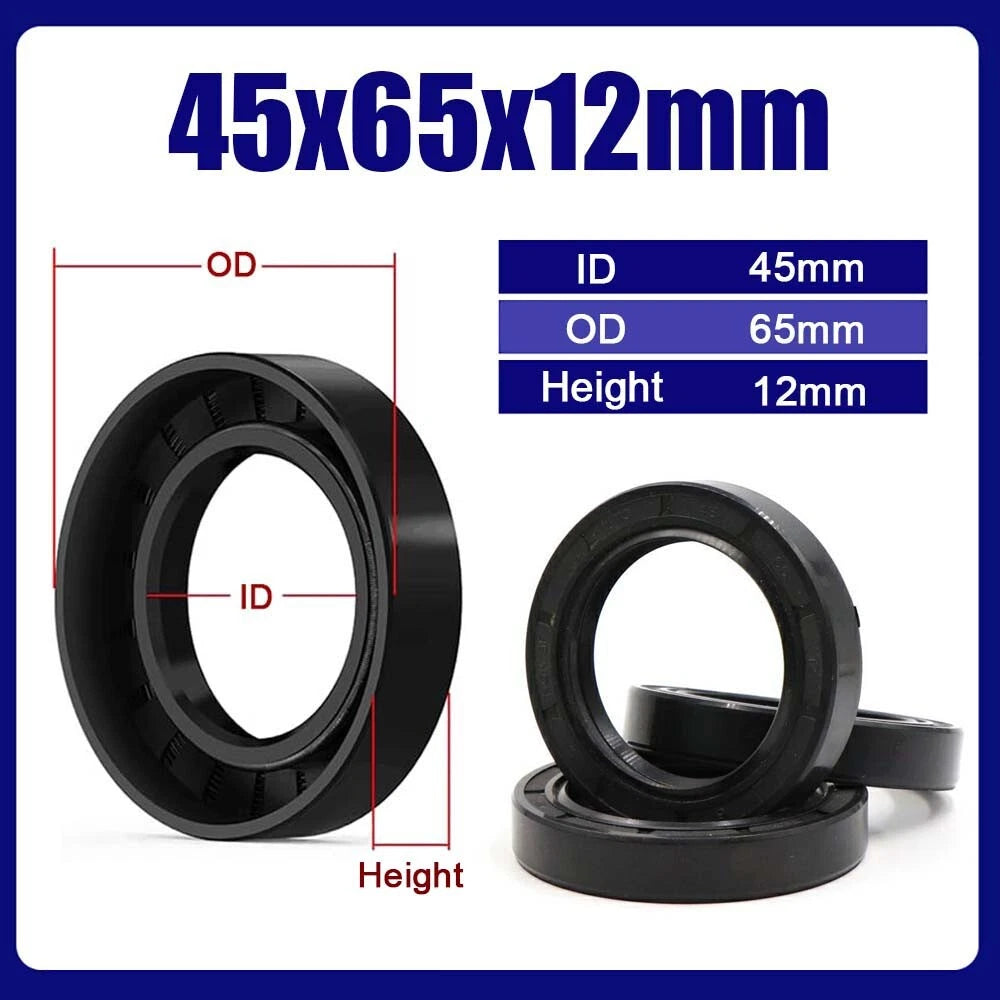
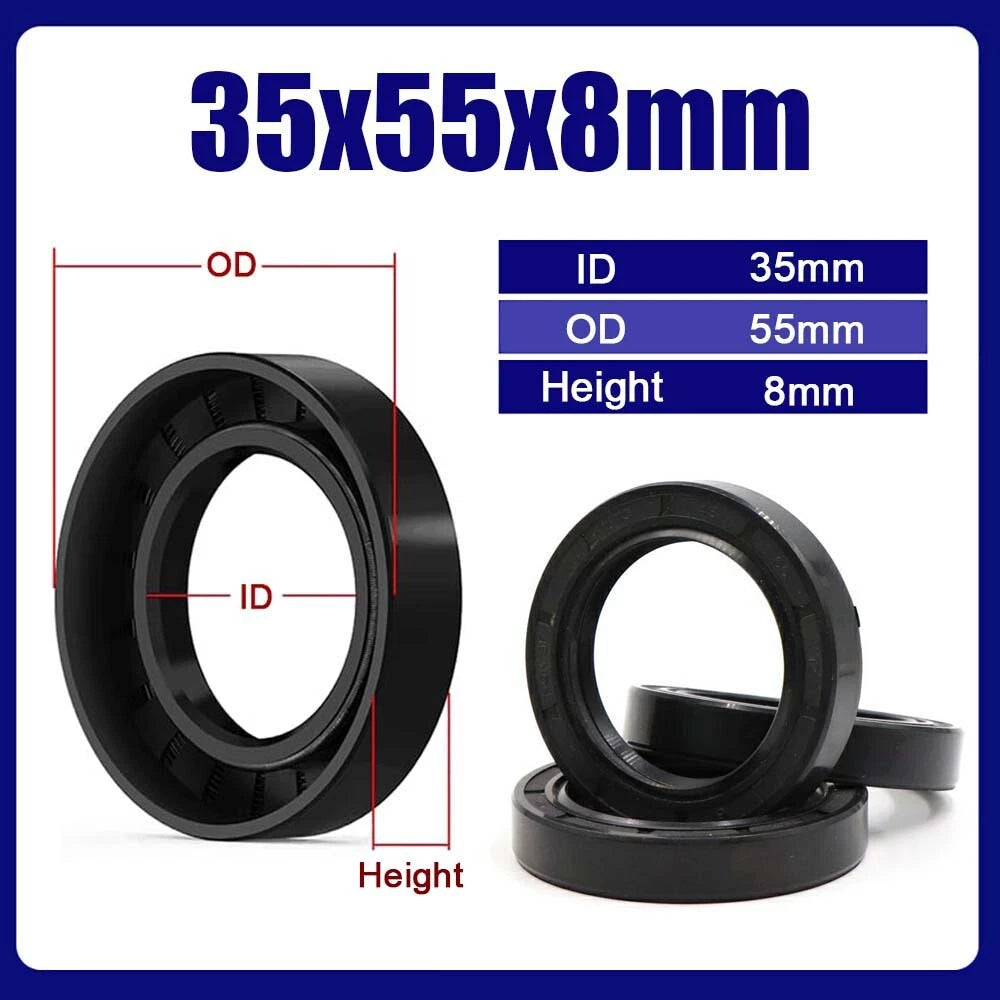
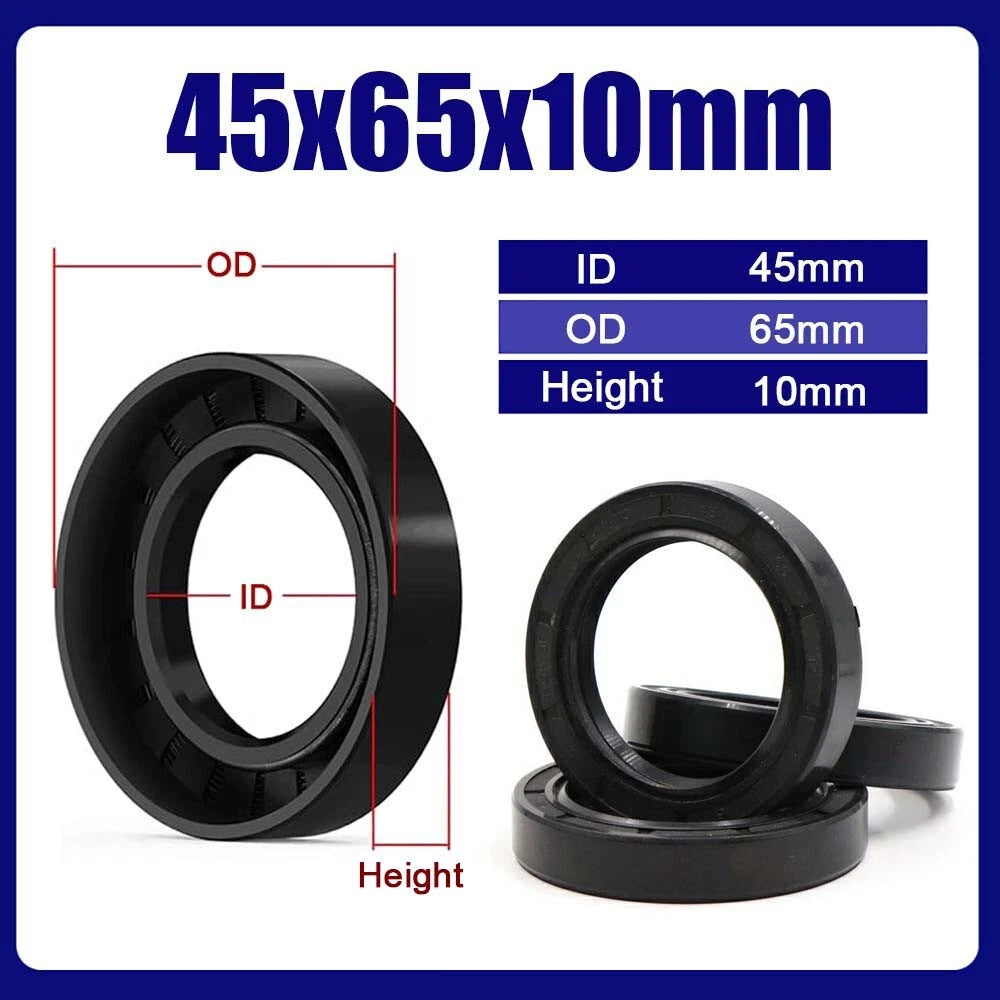
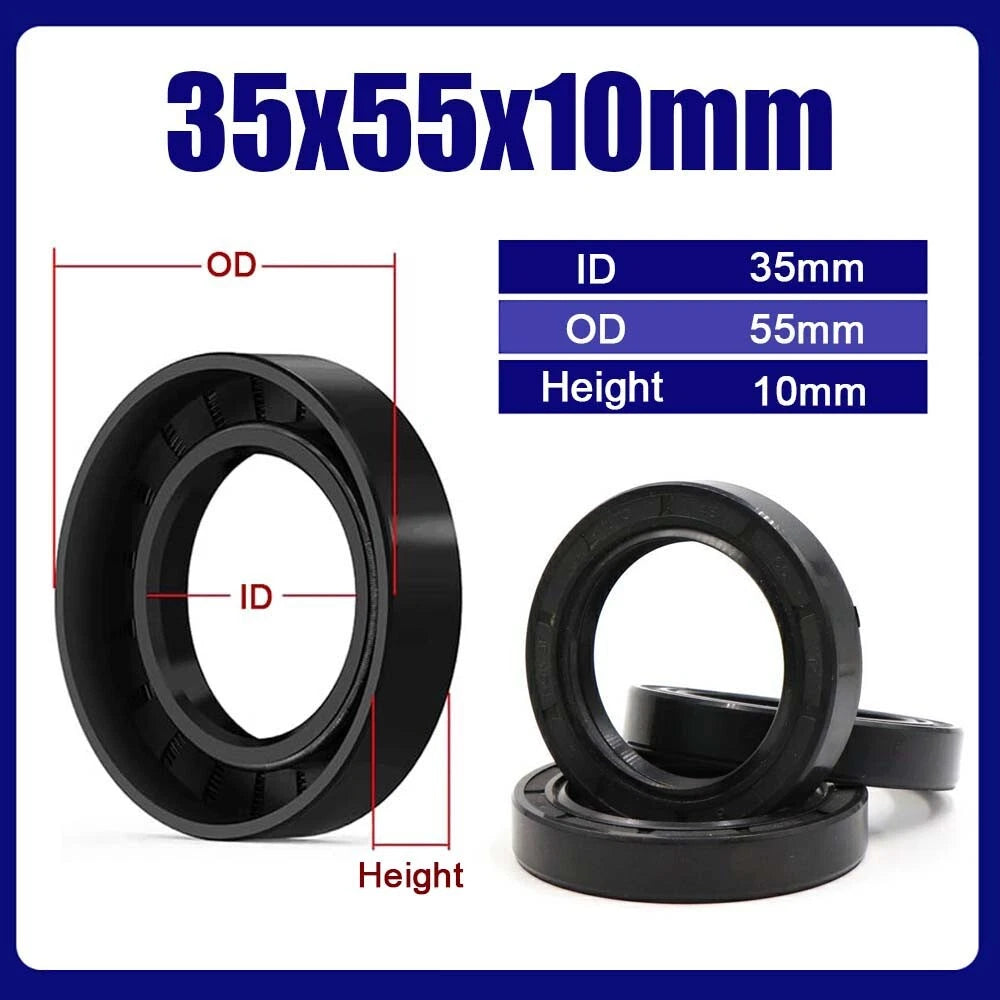
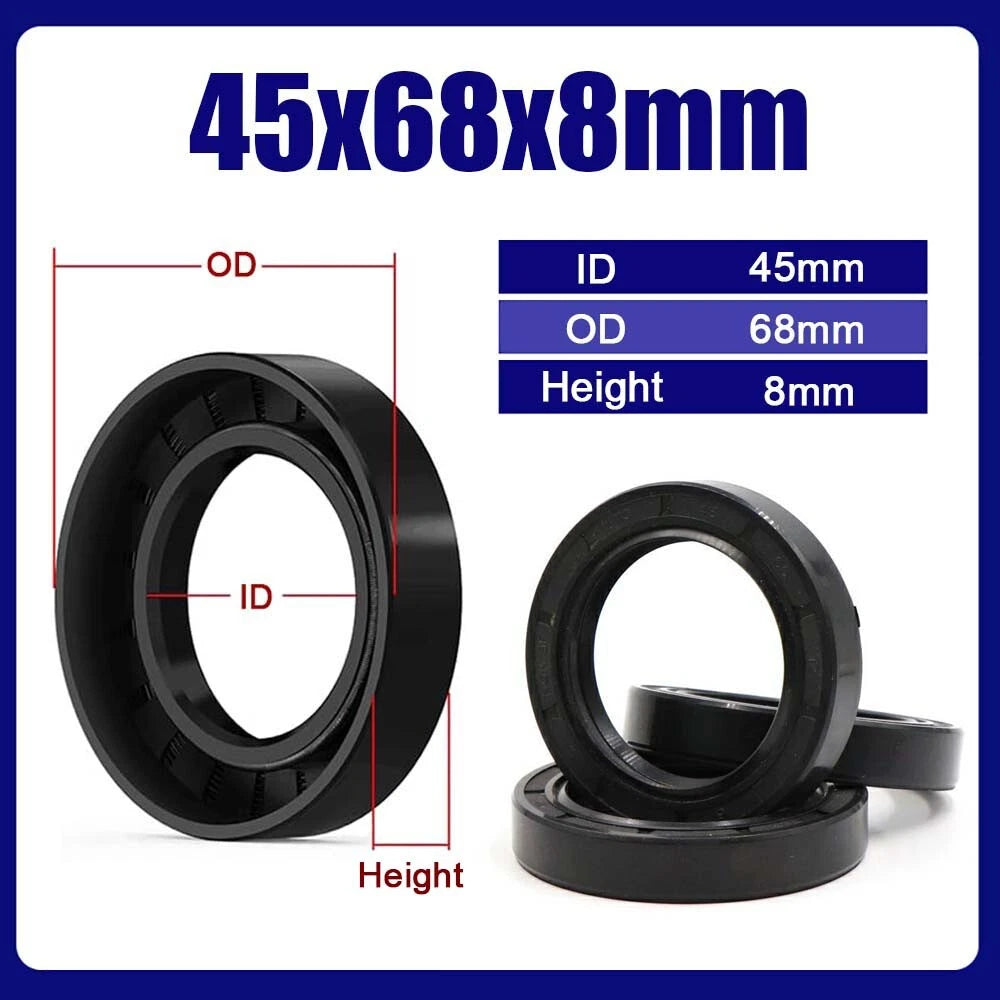
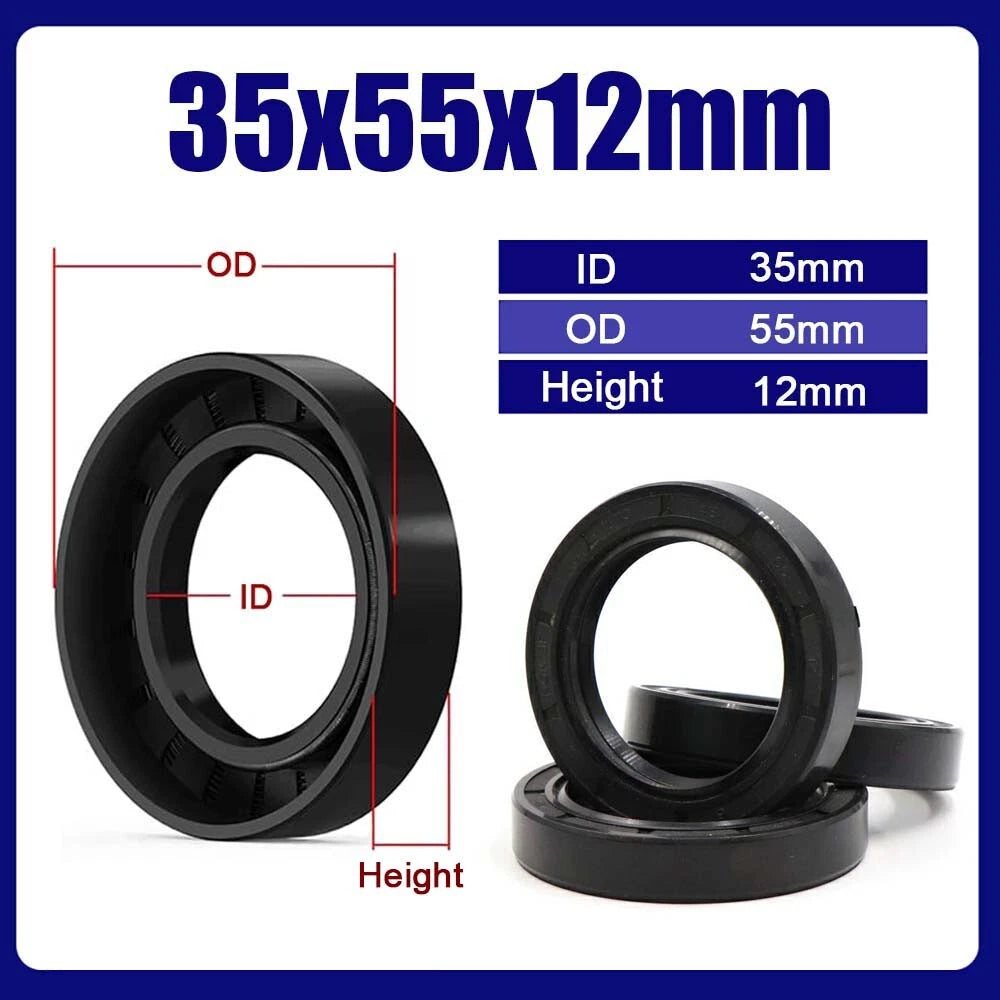
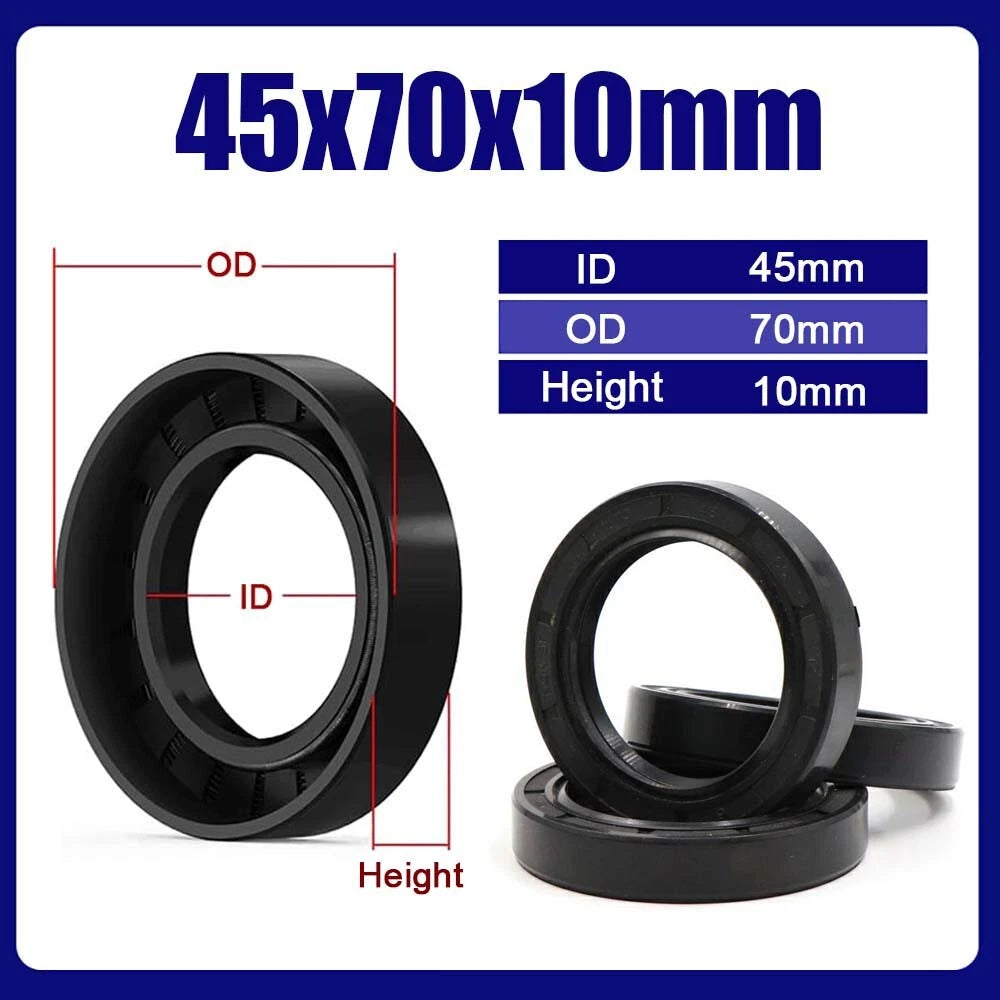
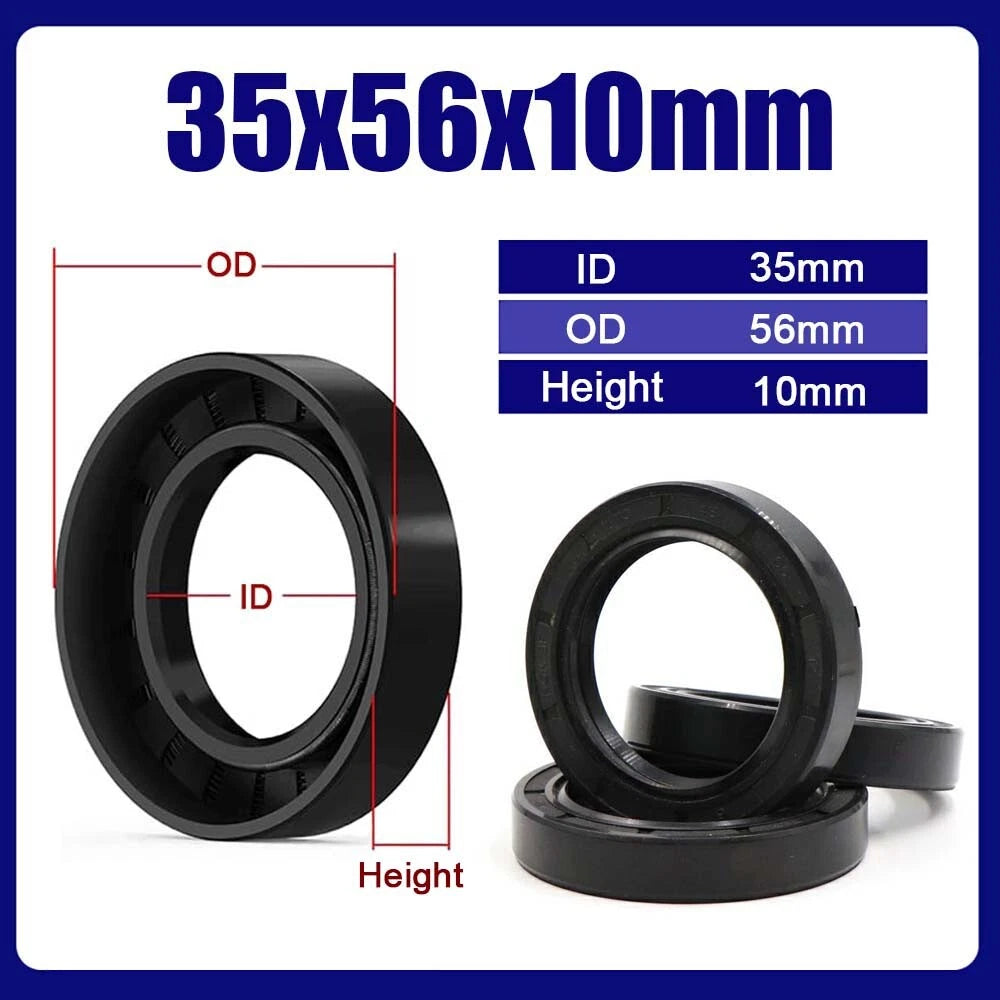
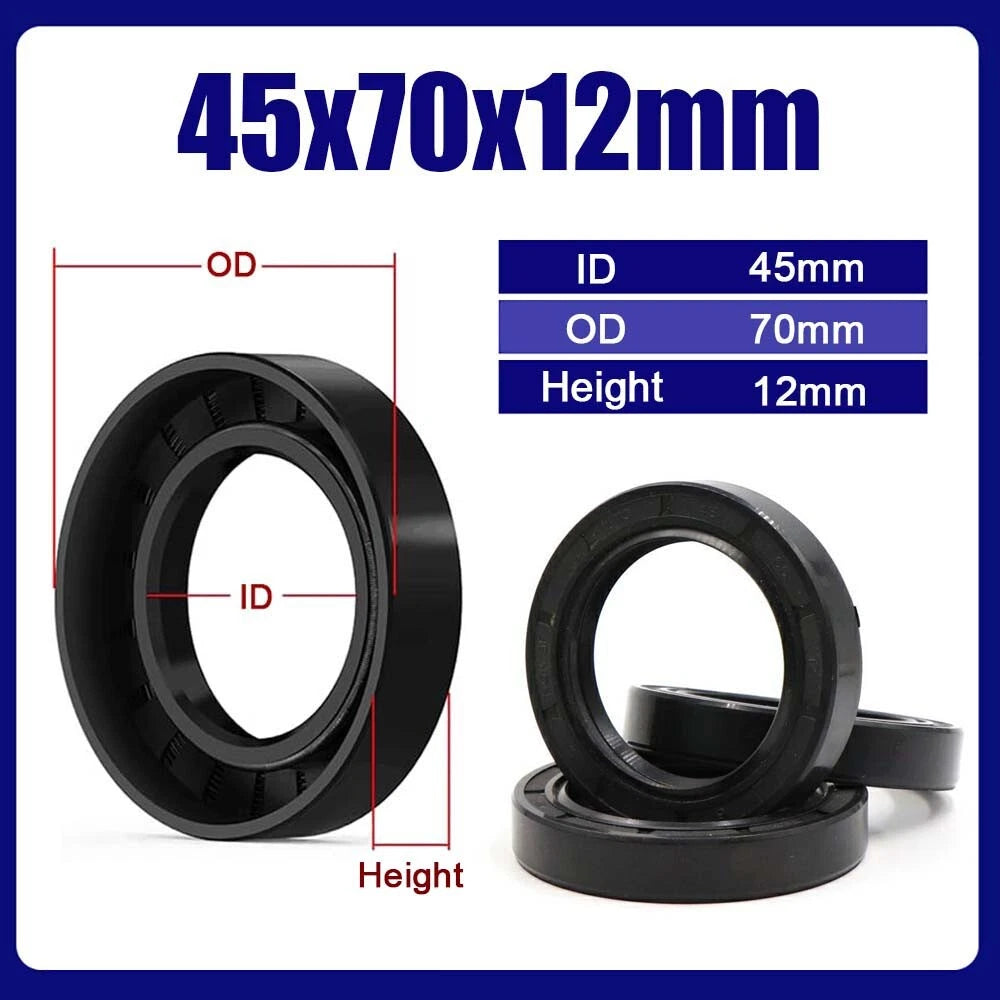
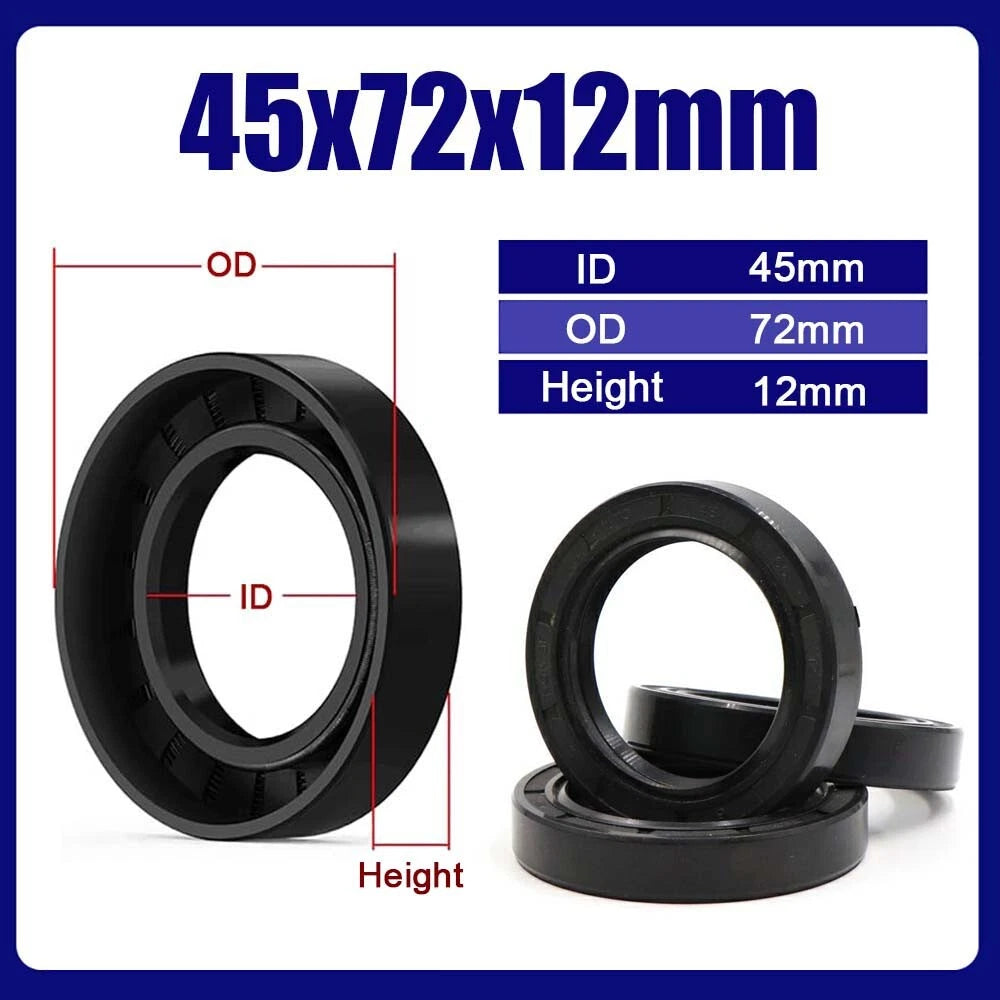
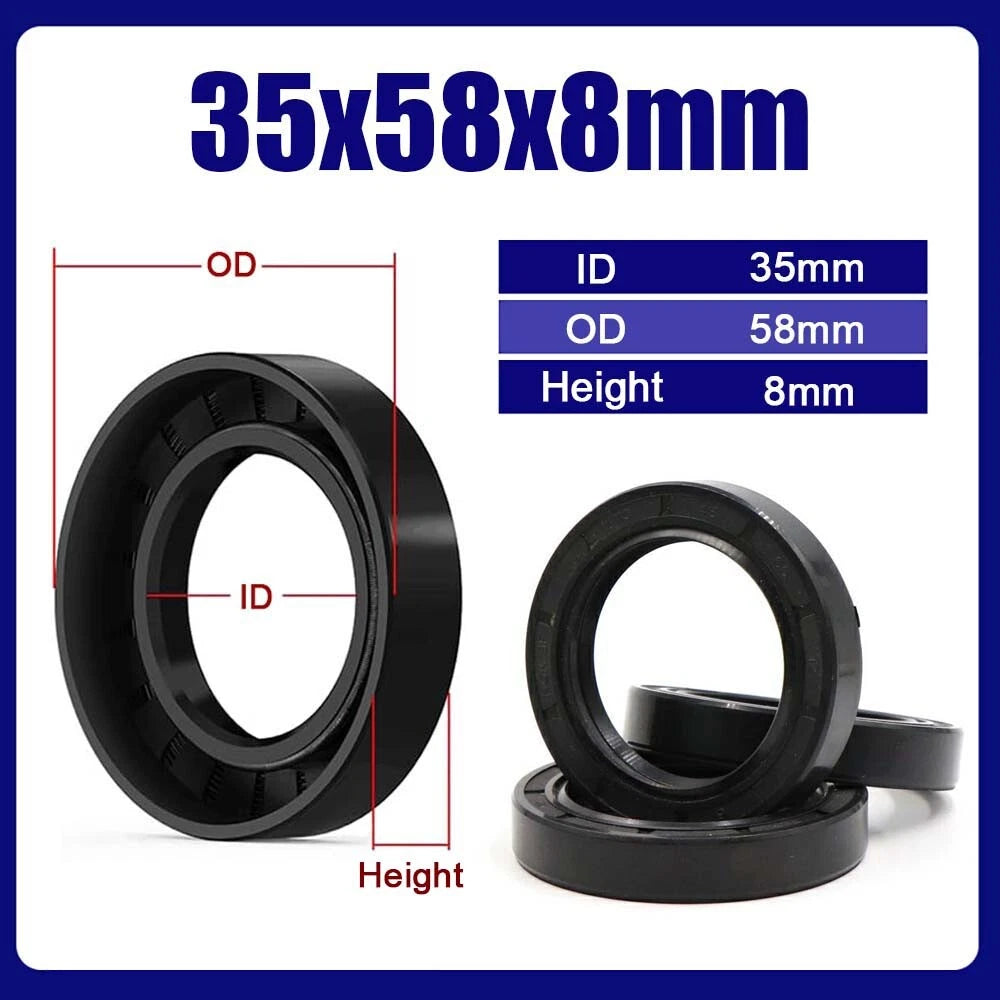
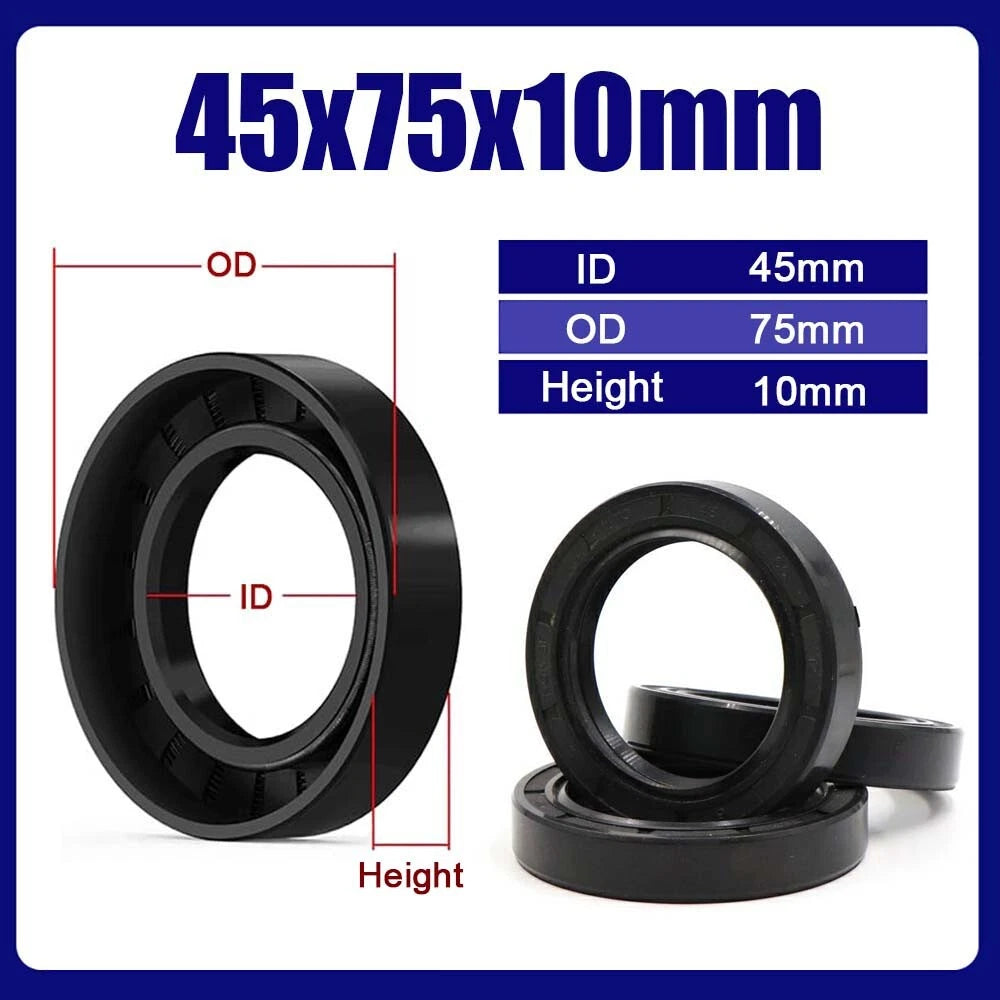
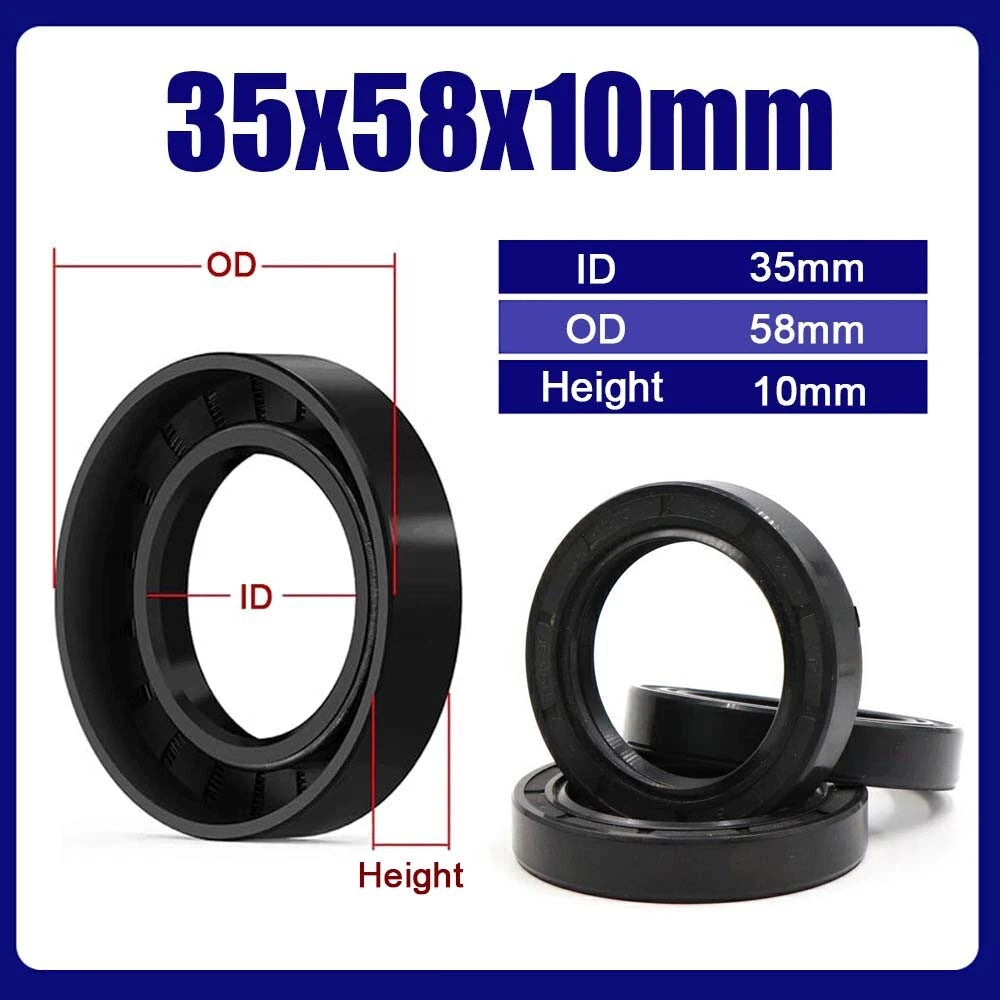
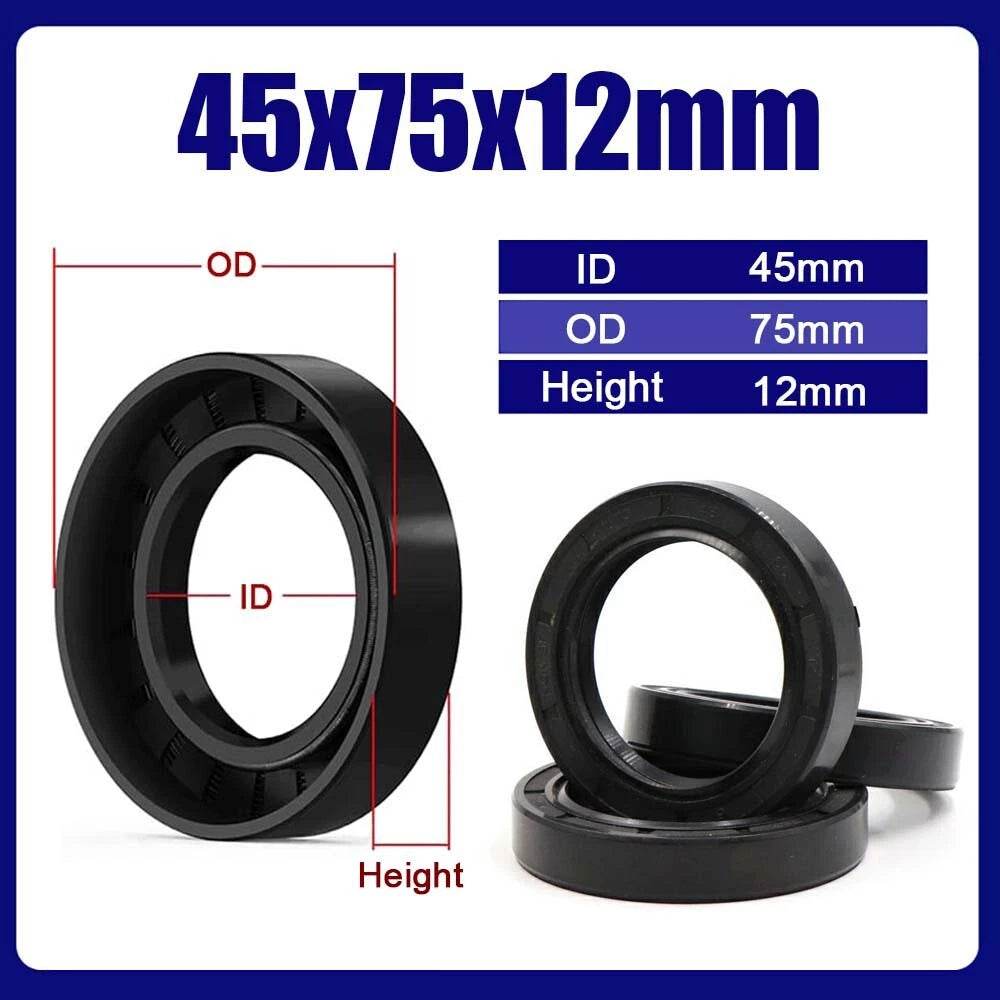
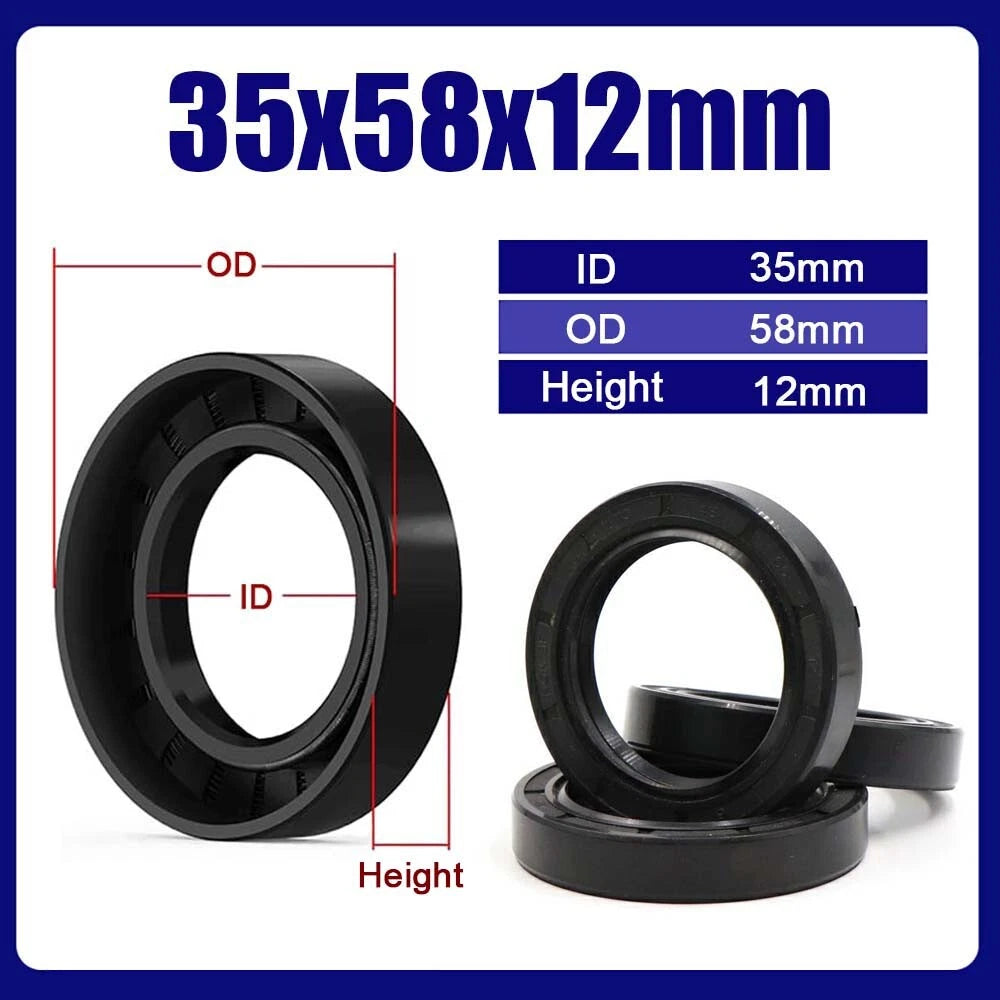
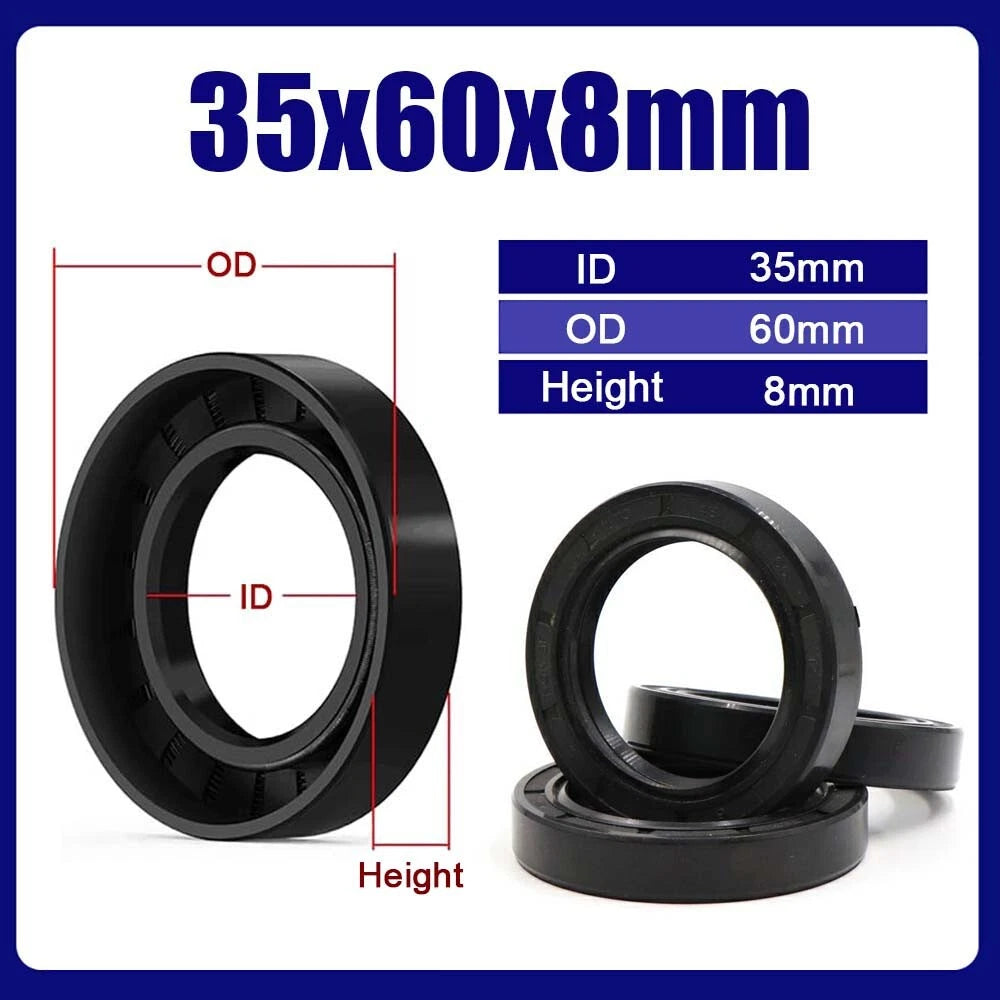
TC NBR Skeleton Oil Seal Rings Double Lip Sealing ID 30~70mm, for Rotation Shaft

Keine Bewertungen

Preis:
Sonderpreis$6.38 USD
Lagerbestand:
Verfügbar (500 Stück), versandbereit

Payment & Security

Ach Direct Debit Amazon American Express Apple Pay Bancontact Diners Club Discover Google Pay iDEAL Wero Mastercard PayPal Shop Pay USDC Visa

Deine Zahlungsinformationen werden sicher verarbeitet. Wir speichern keine Kreditkartendaten und haben auch keinen Zugang zu deinen Kreditkartendaten.

Quantity Discount Promotion
🎯 BULK DISCOUNT: Buy More, Save More!
Buy 2 Items
5% OFF
Buy 4 Items
10% OFF
Buy 6 Items
15% OFF
Expert

DIY Expert Support

Get fitment advice & recommendations

Mon-Fri, 8:30AM-8PM
24-Hour Fast Ship
🚚
Arrives in 3-14 days
🌍
Global Reach
↩️
30-Day Returns
🌱 1 tree planted with every purchase

Beschreibung

TC NBR Skeleton Oil Seal Rings — Double Lip Sealing for Rotation Shafts

When a worn or undersized shaft seal lets lubricant escape or lets contaminants in, the damage compounds fast — bearings run dry, housings corrode, and downtime adds up. These TC NBR skeleton oil seal rings are sized for the DIYer and maintenance professional who needs a reliable, drop-in replacement across a wide range of rotating equipment.

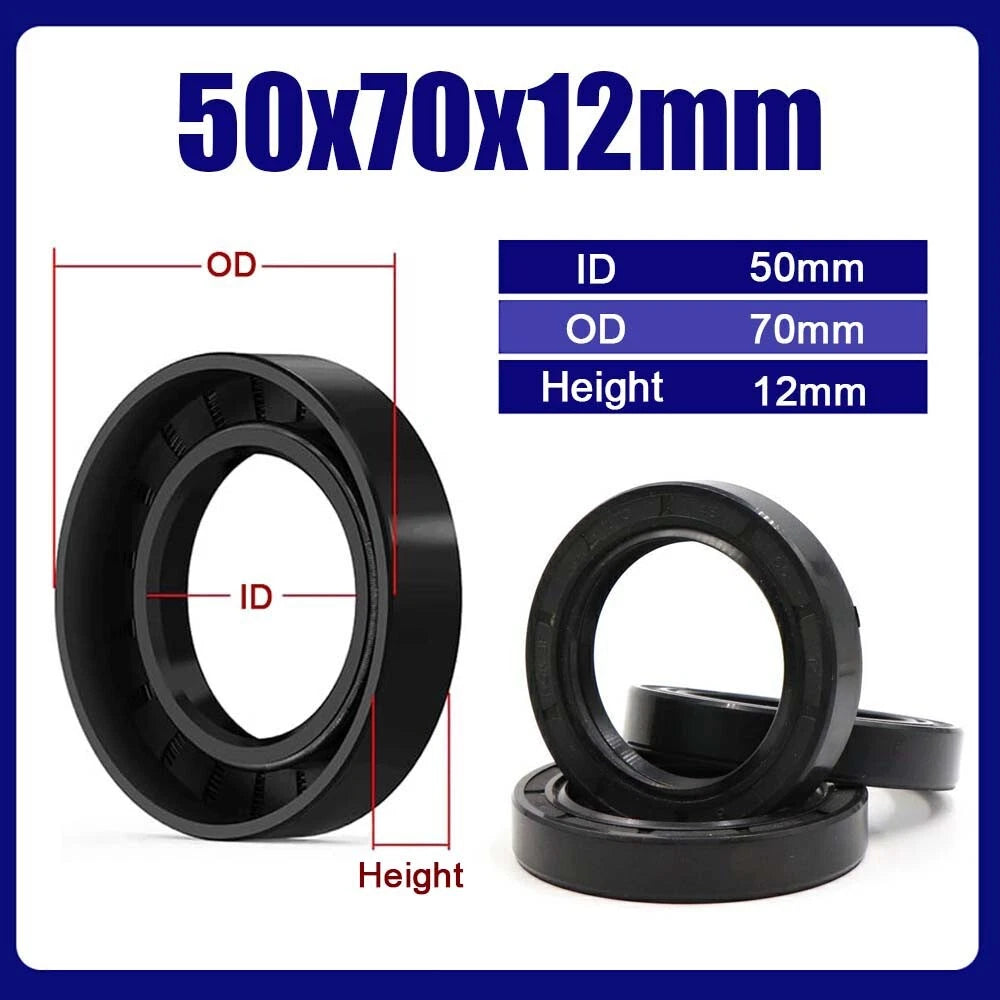
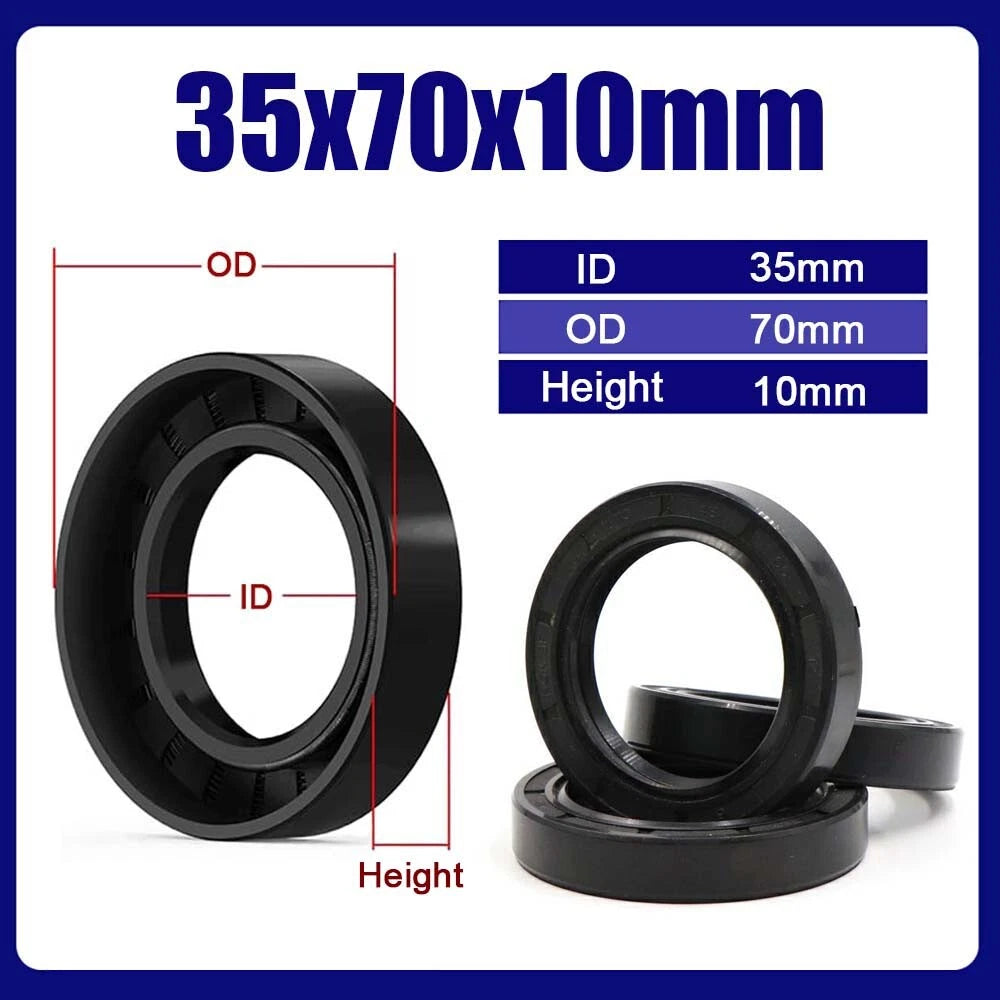
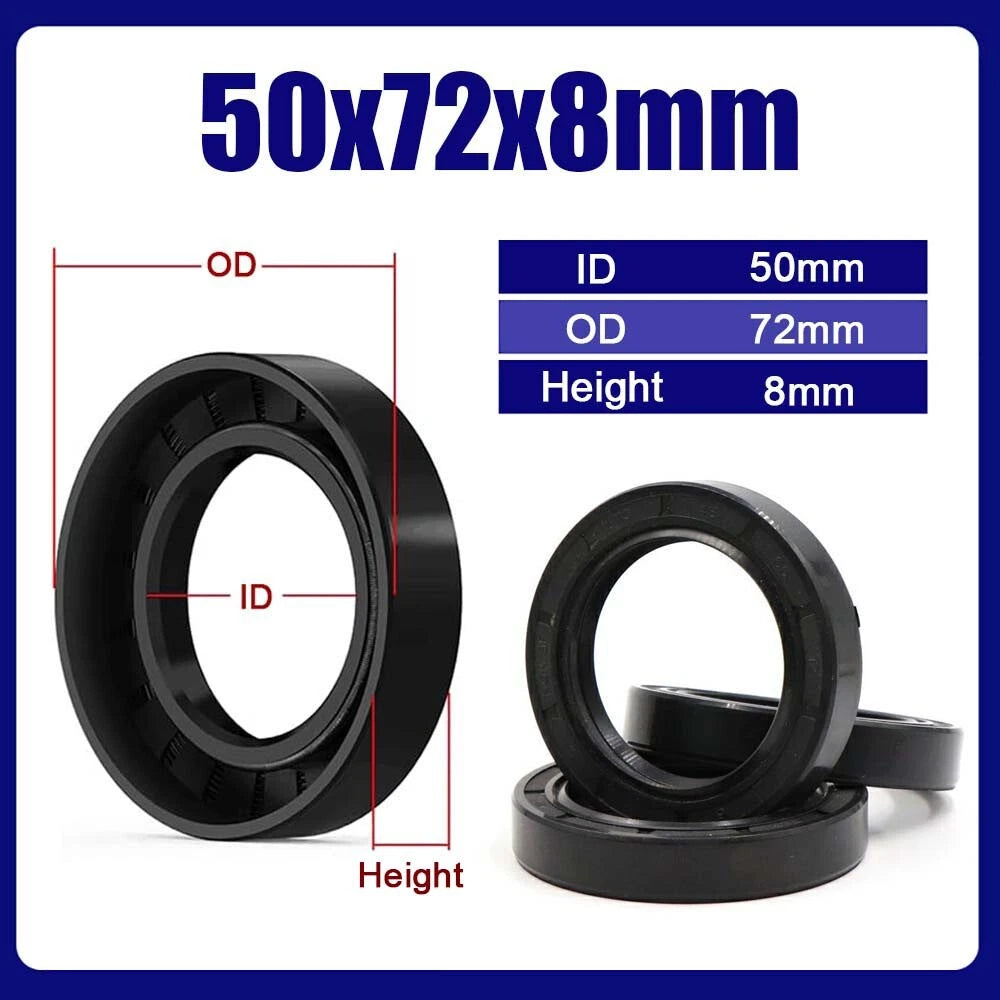
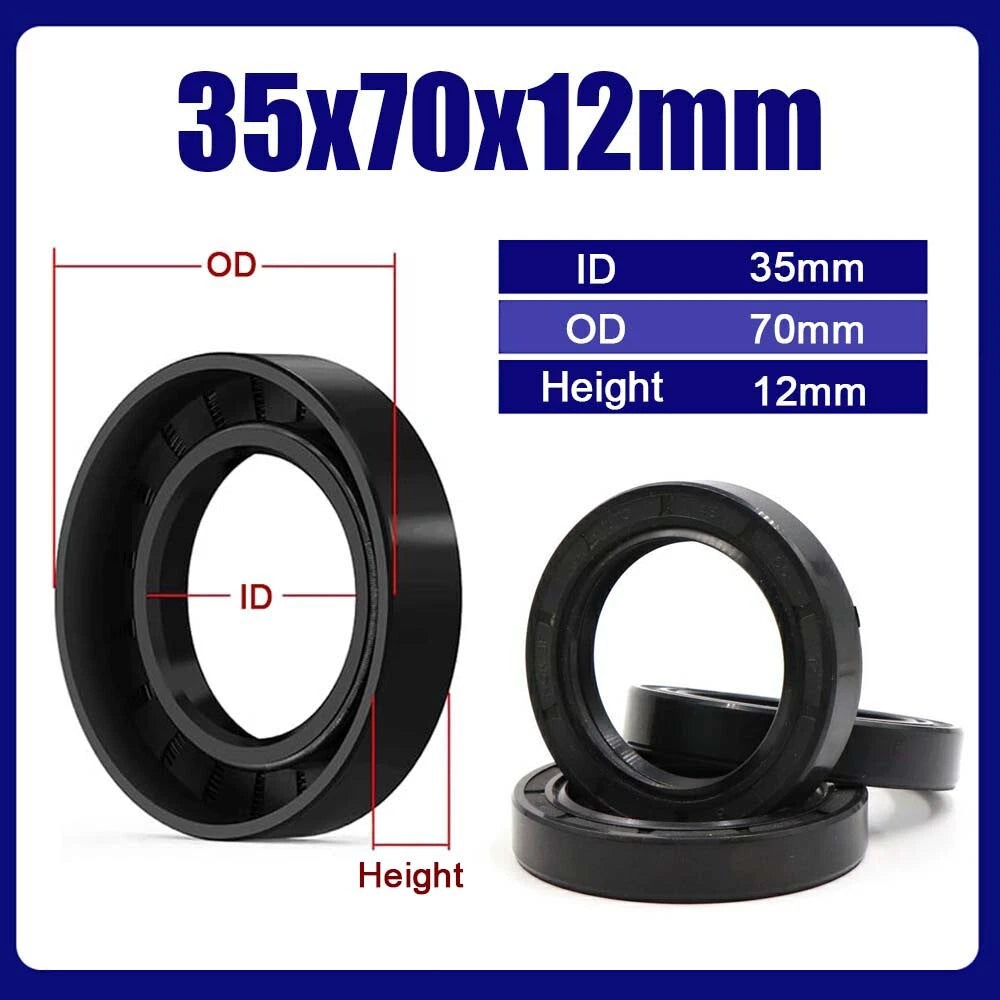
Each TC NBR skeleton oil seal ring consists of a steel-reinforced skeleton body bonded with nitrile rubber (NBR), formed into a double-lip TC profile. Inner diameters span 30–70 mm (approximately 1.18–2.76 in), outer diameters range up to 110 mm (approximately 4.33 in), and seal heights run 5–12 mm (approximately 0.20–0.47 in). Sold individually (1 pc per order) with multi-quantity options available.

Typical applications include automotive gearbox output shafts, agricultural equipment PTO seals, small engine crankshaft seals, and industrial pump shaft housings — anywhere a TC-profile double lip oil seal is specified for a rotation shaft.

⚙️ Compatibility note: Verify your shaft ID, housing OD, and seal height before ordering. TC-profile seals are designed for rotating shaft applications. Not recommended for static or reciprocating sealing duties.

✅ Key Features of These TC NBR Skeleton Oil Seal Rings

  • 🔩 Steel skeleton reinforcement — Rigid metal insert maintains round shape under press-fit installation and resists housing bore distortion during operation.
  • 🛡️ Double lip TC profile — Primary lip retains lubricant; secondary dust lip blocks particulate ingress, extending bearing and lubricant service life.
  • 🧪 NBR rubber compound — Nitrile butadiene rubber resists petroleum-based oils, greases, and hydraulic fluids; rated for continuous use in typical operating temperature ranges of approximately −40 °C to +120 °C (−40 °F to +248 °F).
  • 📐 Wide size matrix — ID 30–70 mm × OD 40–110 mm × Height 5–12 mm covers hundreds of common shaft seal specifications in a single product family.
  • 🔄 Rotation shaft optimized — Lip geometry and spring-loaded primary lip are engineered for continuous rotational contact, maintaining consistent radial sealing force as the shaft turns.
  • 🔧 Drop-in replacement sizing — Dimensions follow standard TC oil seal conventions, making cross-referencing to OEM part numbers straightforward using ID × OD × Height (mm).

📐 Technical Specifications — TC NBR Skeleton Oil Seal Rings

Seal Type TC (Double Lip with Dust Lip)
Material NBR (Nitrile Butadiene Rubber) with steel skeleton
Inner Diameter (ID) Range 30–70 mm (approx. 1.18–2.76 in)
Outer Diameter (OD) Range 40–110 mm (approx. 1.57–4.33 in)
Height Range 5–12 mm (approx. 0.20–0.47 in)
Lip Configuration Primary sealing lip + secondary dust exclusion lip
Operating Temperature Typically −40 °C to +120 °C (−40 °F to +248 °F)
Compatible Fluids Petroleum-based oils, greases, hydraulic fluids
Application Rotating shafts (gearboxes, engines, pumps, agricultural equipment)
Quantity per Order See variant options
Exact Dimensions See variant options (ID × OD × Height in mm)

❓ Frequently Asked Questions

How do I find the right size TC oil seal for my application?

Measure three dimensions on your existing seal or housing: inner diameter (ID) — the shaft diameter the seal rides on; outer diameter (OD) — the bore in the housing the seal presses into; and height (also called width or thickness). Match all three to the variant listed as ID × OD × Height in mm. If your seal is worn, measure the housing bore for OD and the shaft for ID, then confirm height with a caliper on the old seal or housing depth.

What does the "TC" designation mean on an oil seal?

TC is a standard oil seal profile designation indicating a double-lip design with a metal skeleton (casing). The primary lip seals against lubricant leakage, while the secondary lip acts as a dust and debris excluder. The metal skeleton provides structural rigidity for press-fit installation into a housing bore. TC seals are among the most common types used on rotating shafts in automotive, agricultural, and industrial equipment.

Is NBR rubber suitable for my application?

NBR (nitrile butadiene rubber) performs well with petroleum-based engine oils, gear oils, greases, and hydraulic fluids — the most common lubricants in rotating shaft applications. It is not recommended for use with brake fluid (DOT 3/4/5), phosphate ester hydraulic fluids, or ketone-based solvents. If your application involves these fluids, a Viton (FKM) seal would be more appropriate. For standard gearbox, engine crankshaft, or pump shaft sealing with mineral oil, NBR is a suitable choice.

How do I install a TC skeleton oil seal without damaging it?

Clean the housing bore and shaft thoroughly before installation. Lightly lubricate the seal lip with the same oil or grease used in the application — this prevents dry-start damage. Press the seal squarely into the bore using a flat driver or seal installation tool sized to the OD; never strike the seal face directly with a hammer. Press until the seal face is flush with or slightly below the housing face. Protect the primary lip from sharp shaft edges or keyways during installation using a sleeve or tape.

What shaft surface finish is required for a TC oil seal to work correctly?

For reliable sealing, the shaft surface in the seal contact zone should have a surface finish of approximately Ra 0.2–0.8 µm (8–32 µin). Surfaces that are too rough accelerate lip wear; surfaces that are too smooth can reduce the hydrodynamic film that lubricates the lip. Avoid longitudinal machining marks — these can act as leak paths. If the shaft shows a wear groove from the old seal, reposition the new seal slightly axially to contact unworn material, or use a shaft repair sleeve.

Can these seals handle both oil retention and dust exclusion simultaneously?

Yes. The TC double-lip design addresses both functions in a single seal. The primary (inner) lip, loaded by a garter spring, maintains consistent radial contact pressure against the rotating shaft to retain lubricant. The secondary (outer) dust lip runs with light contact or near-contact to exclude dirt, water, and particulate from reaching the primary lip. This makes TC seals well suited for equipment operating in dusty or wet environments such as agricultural machinery, outdoor power equipment, and vehicle axles.

How do I know if my TC oil seal needs replacement?

Common indicators include visible oil weeping or leakage around the shaft where it exits the housing, oil staining on adjacent components, or grease contamination inside a sealed bearing cavity. On disassembly, a seal that shows a hardened, cracked, or permanently deformed lip, a broken or corroded garter spring, or a lip worn into a groove pattern should be replaced. Seals that have been exposed to incompatible fluids may show swelling or softening of the rubber compound.

🛒 Select your Size (IDxODxHeight) above, then add to cart.

You may also like

Recently viewed