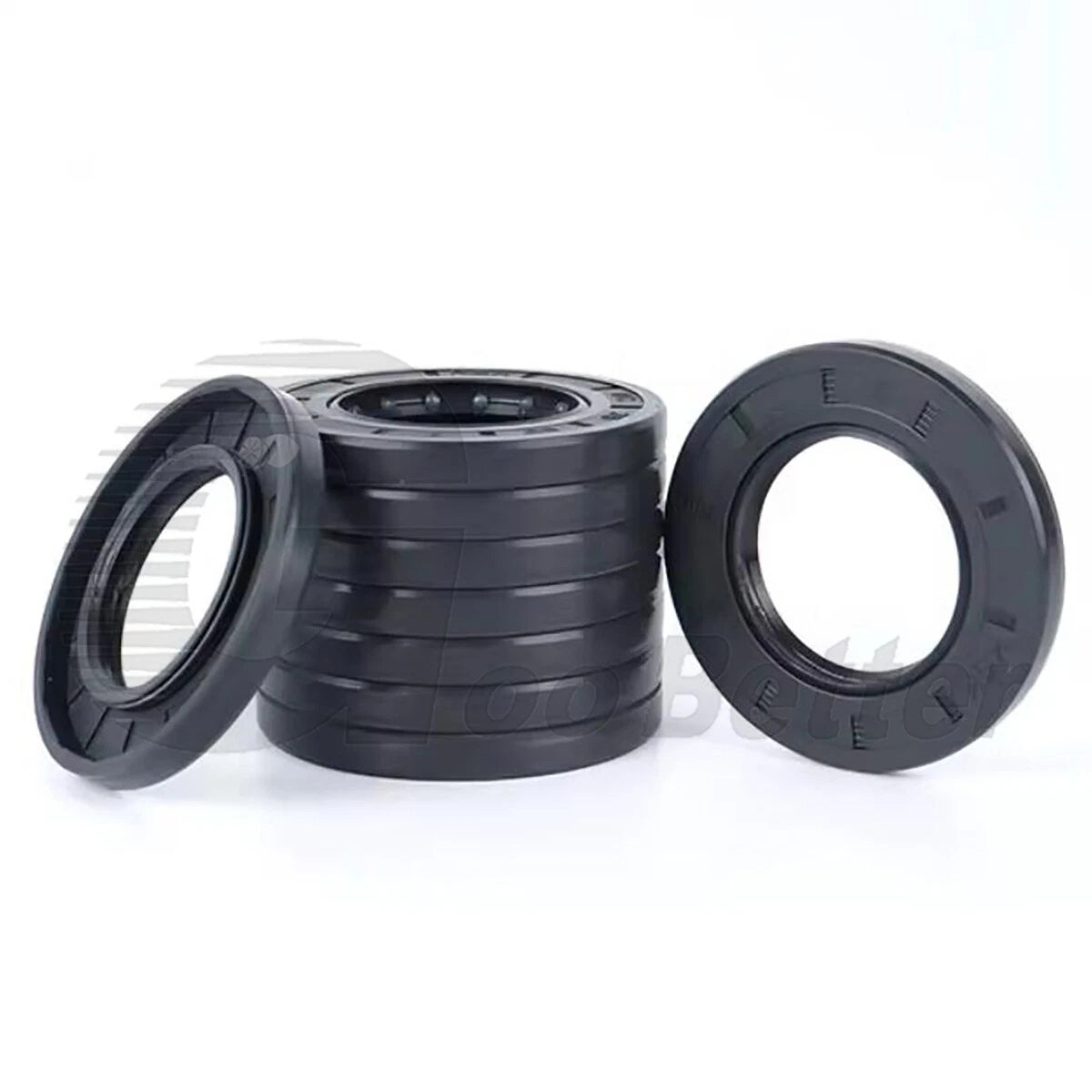
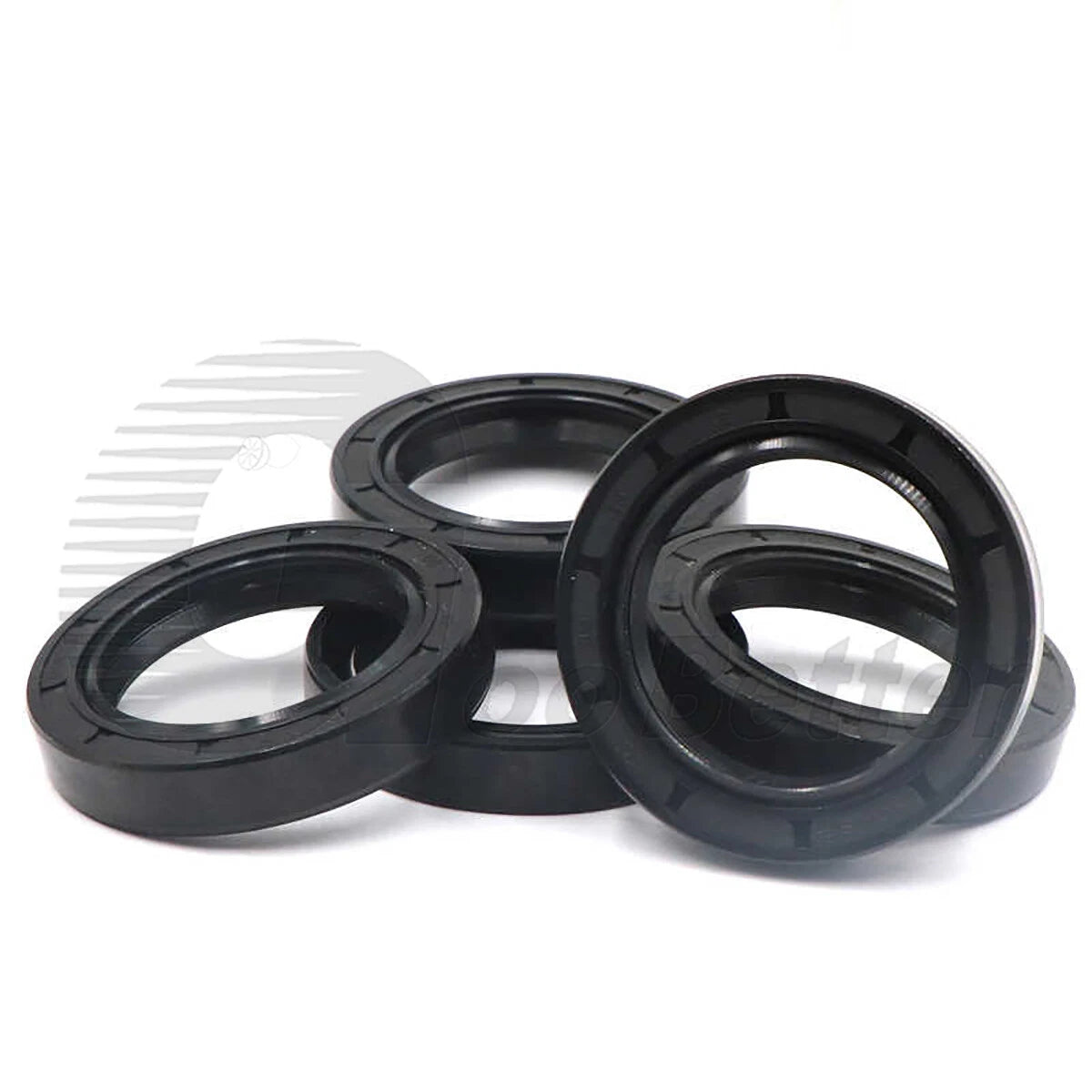
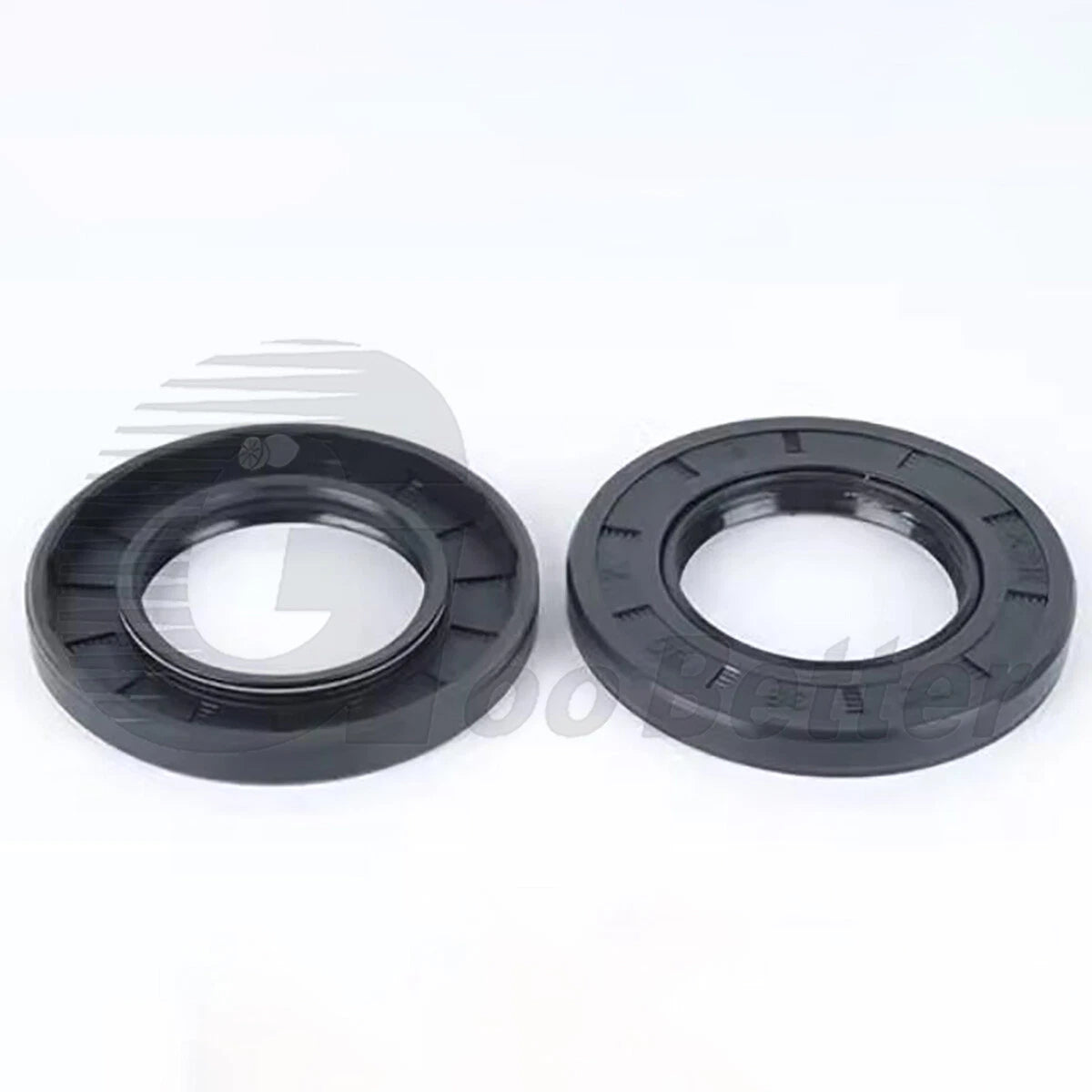
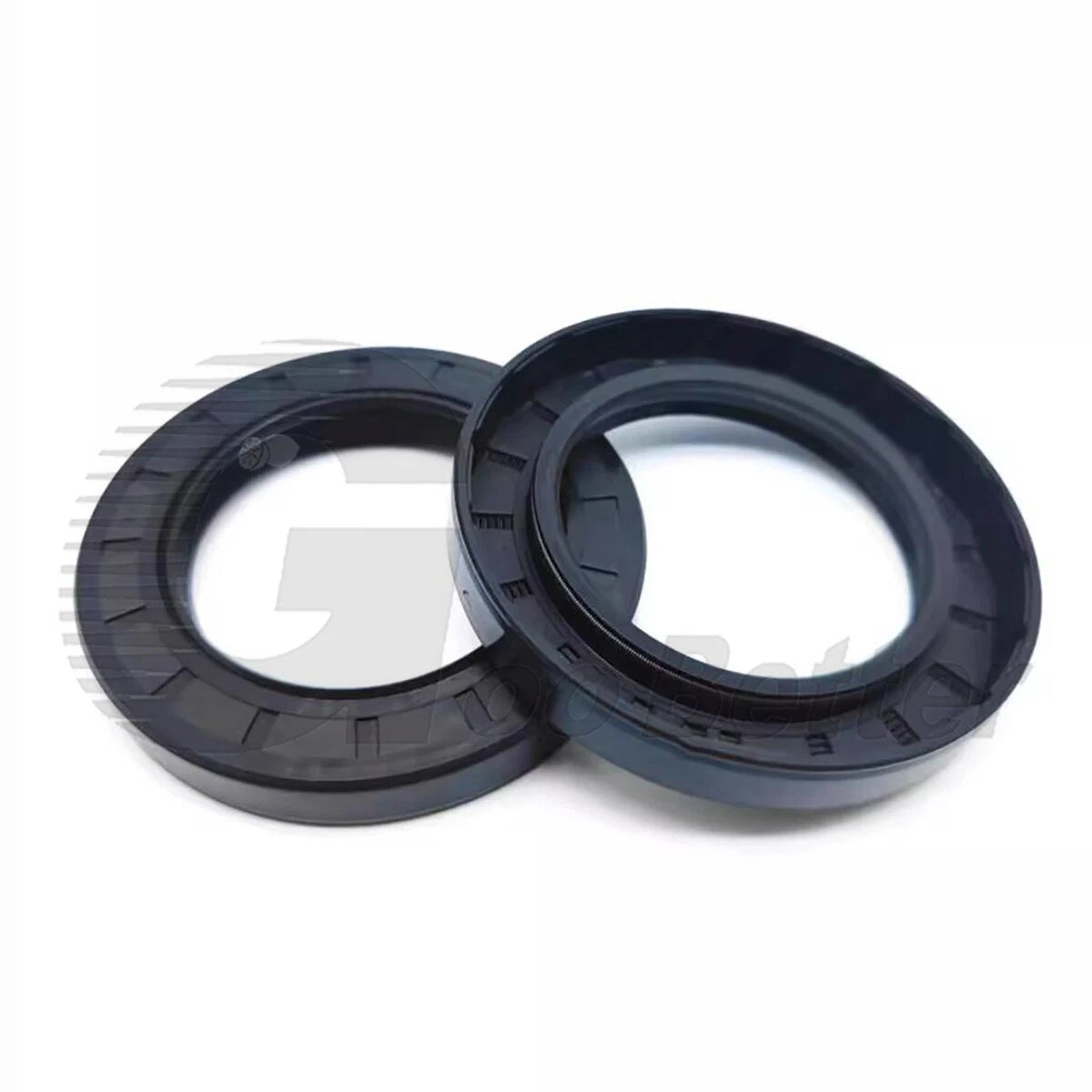
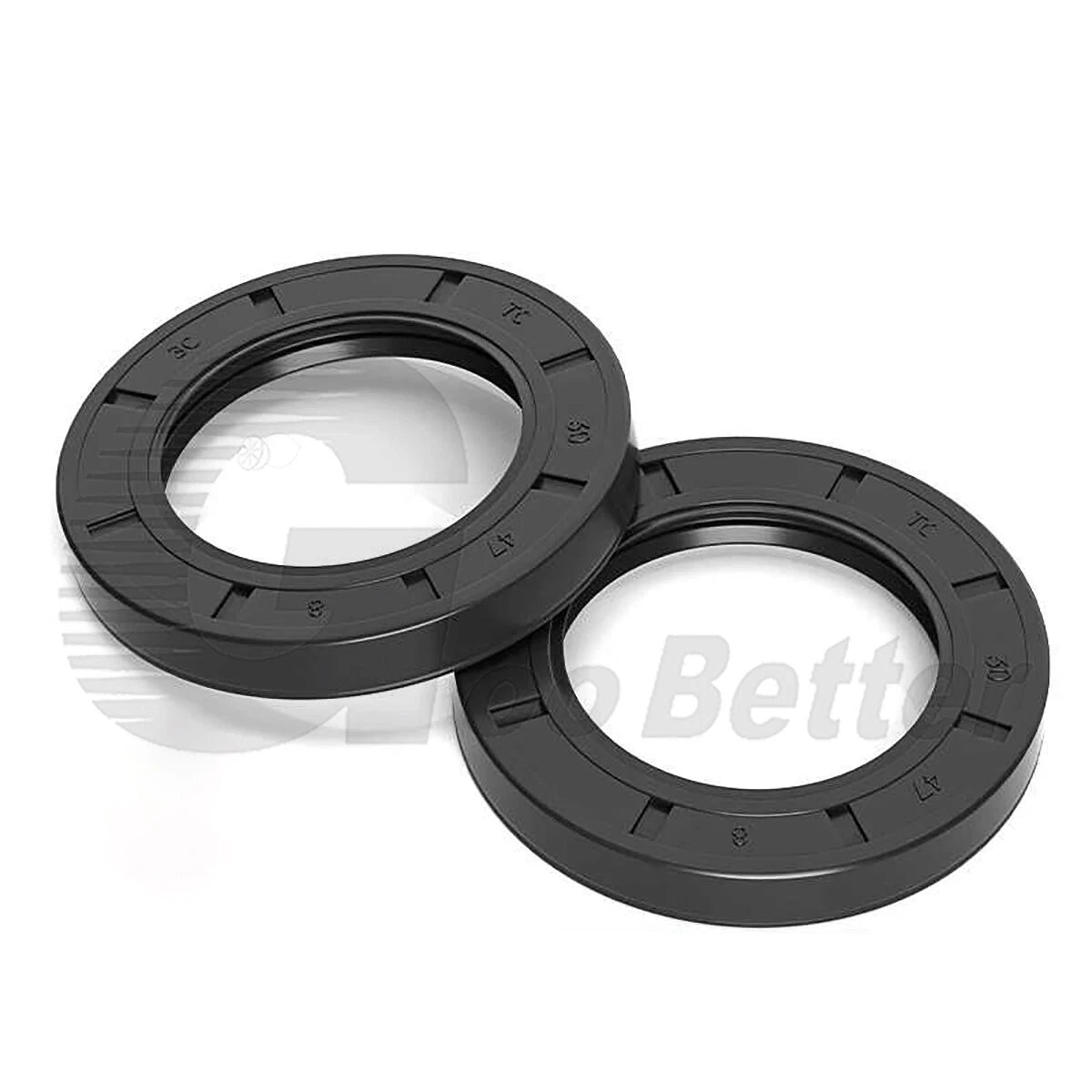
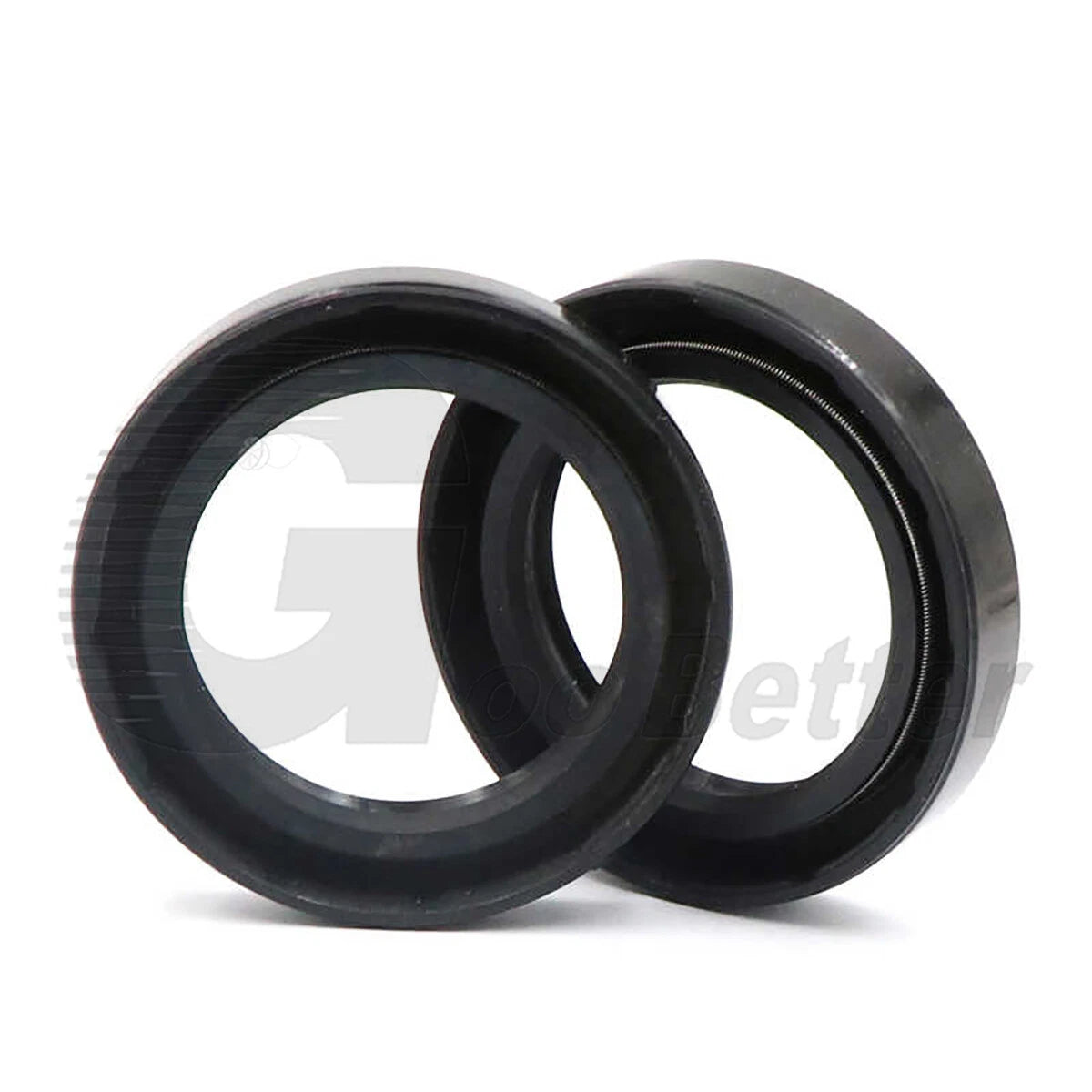
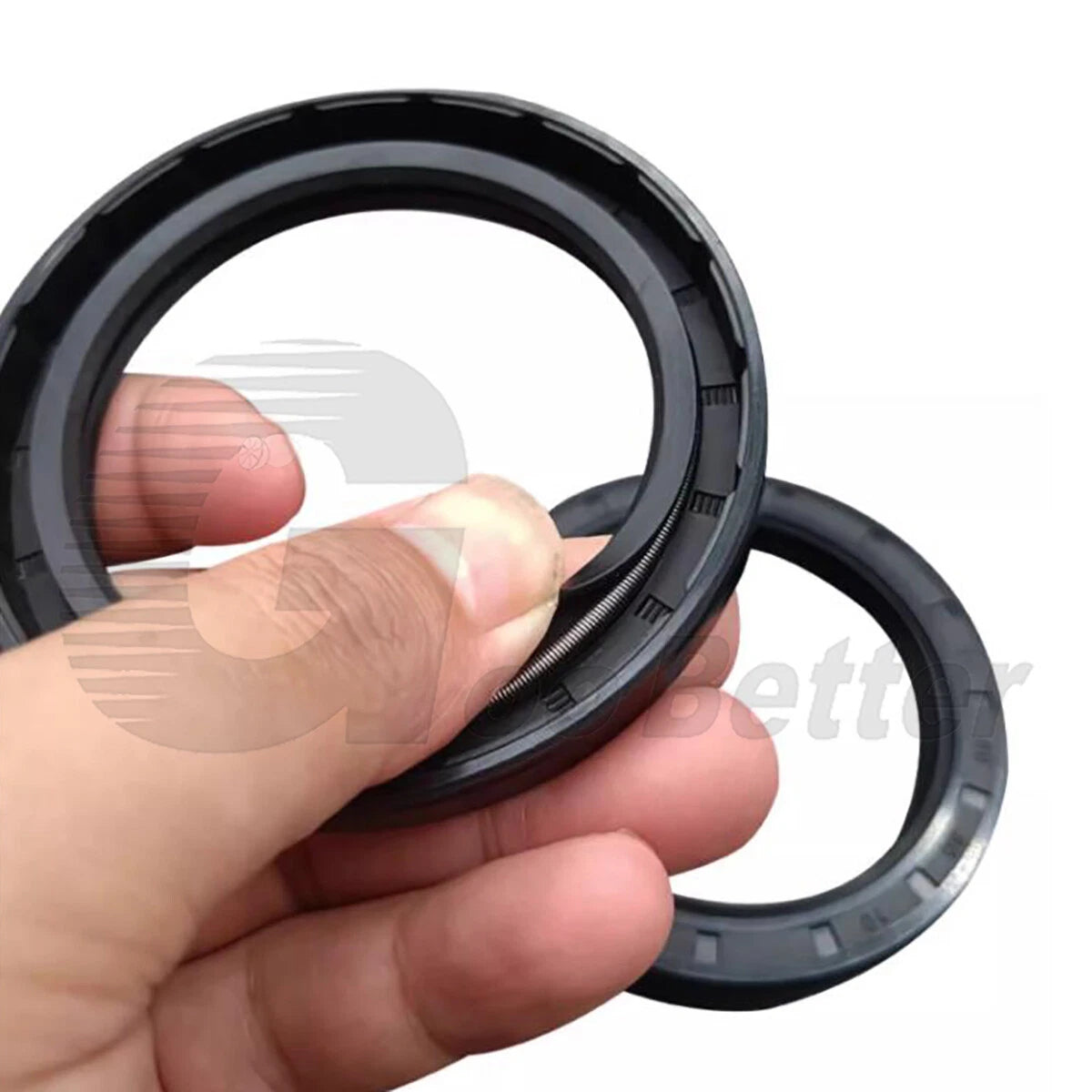
TC Oil Seal 300–380mm ID Rotary Shaft NBR Dual Lip Seal — Multiple Sizes

Keine Bewertungen

Preis:
Sonderpreis$45.90 USD
Lagerbestand:
Verfügbar (500 Stück), versandbereit

Payment & Security

Ach Direct Debit Amazon American Express Apple Pay Bancontact Diners Club Discover Google Pay iDEAL Wero Mastercard PayPal Shop Pay USDC Visa

Deine Zahlungsinformationen werden sicher verarbeitet. Wir speichern keine Kreditkartendaten und haben auch keinen Zugang zu deinen Kreditkartendaten.

Quantity Discount Promotion
🎯 BULK DISCOUNT: Buy More, Save More!
Buy 2 Items
5% OFF
Buy 4 Items
10% OFF
Buy 6 Items
15% OFF
Expert

DIY Expert Support

Get fitment advice & recommendations

Mon-Fri, 8:30AM-8PM
24-Hour Fast Ship
🚚
Arrives in 3-14 days
🌍
Global Reach
↩️
30-Day Returns
🌱 1 tree planted with every purchase

Beschreibung

TC Oil Seal for 300–380mm Rotary Shafts — Stop Leaks at the Source

When a gearbox, axle hub, or industrial drive unit starts weeping oil, the culprit is almost always a worn or incorrectly sized shaft seal. Maintenance technicians, equipment rebuilders, and DIY mechanics working on large-bore rotating assemblies need a seal that fits precisely, installs cleanly, and holds up under continuous rotation — not a generic part that fails within a season.

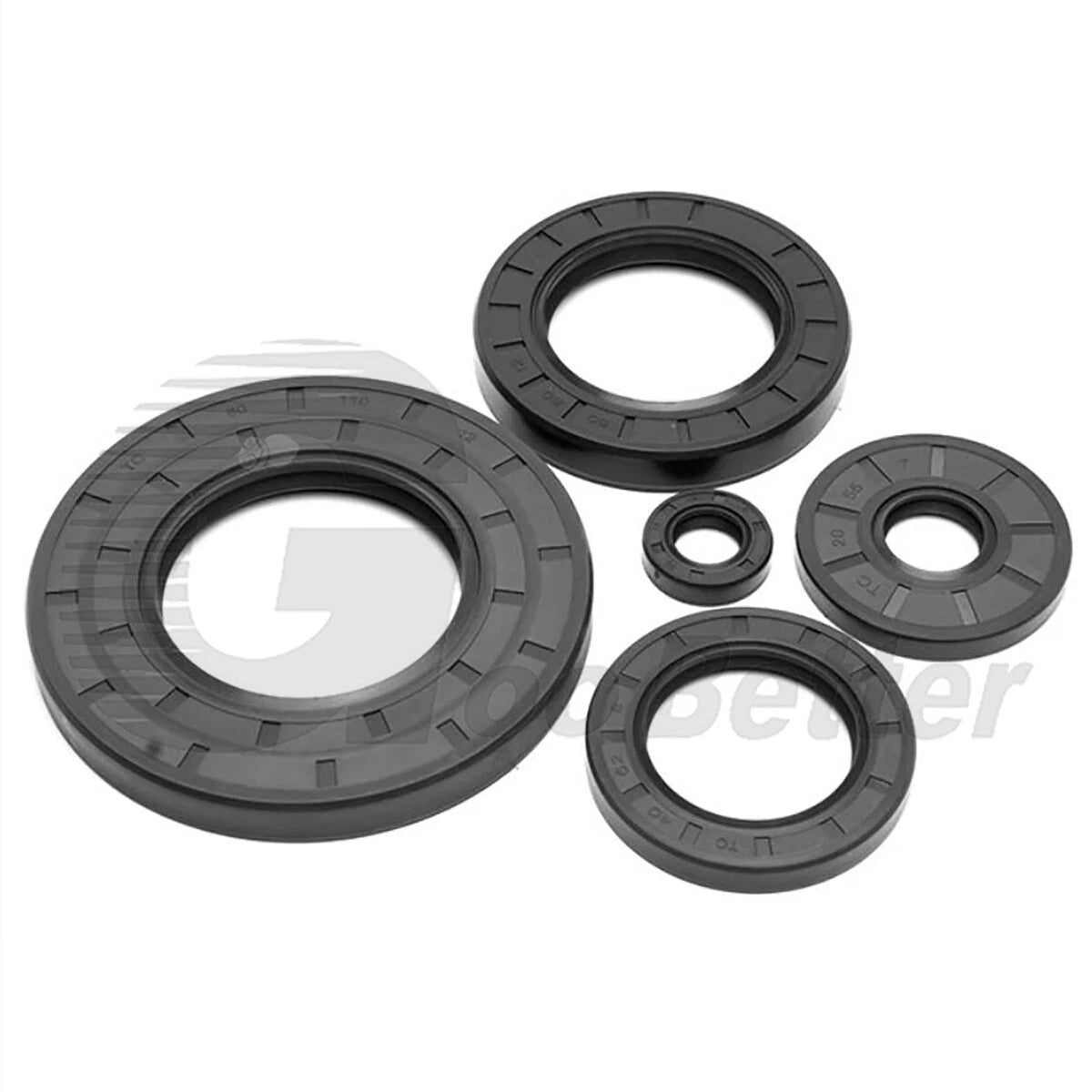
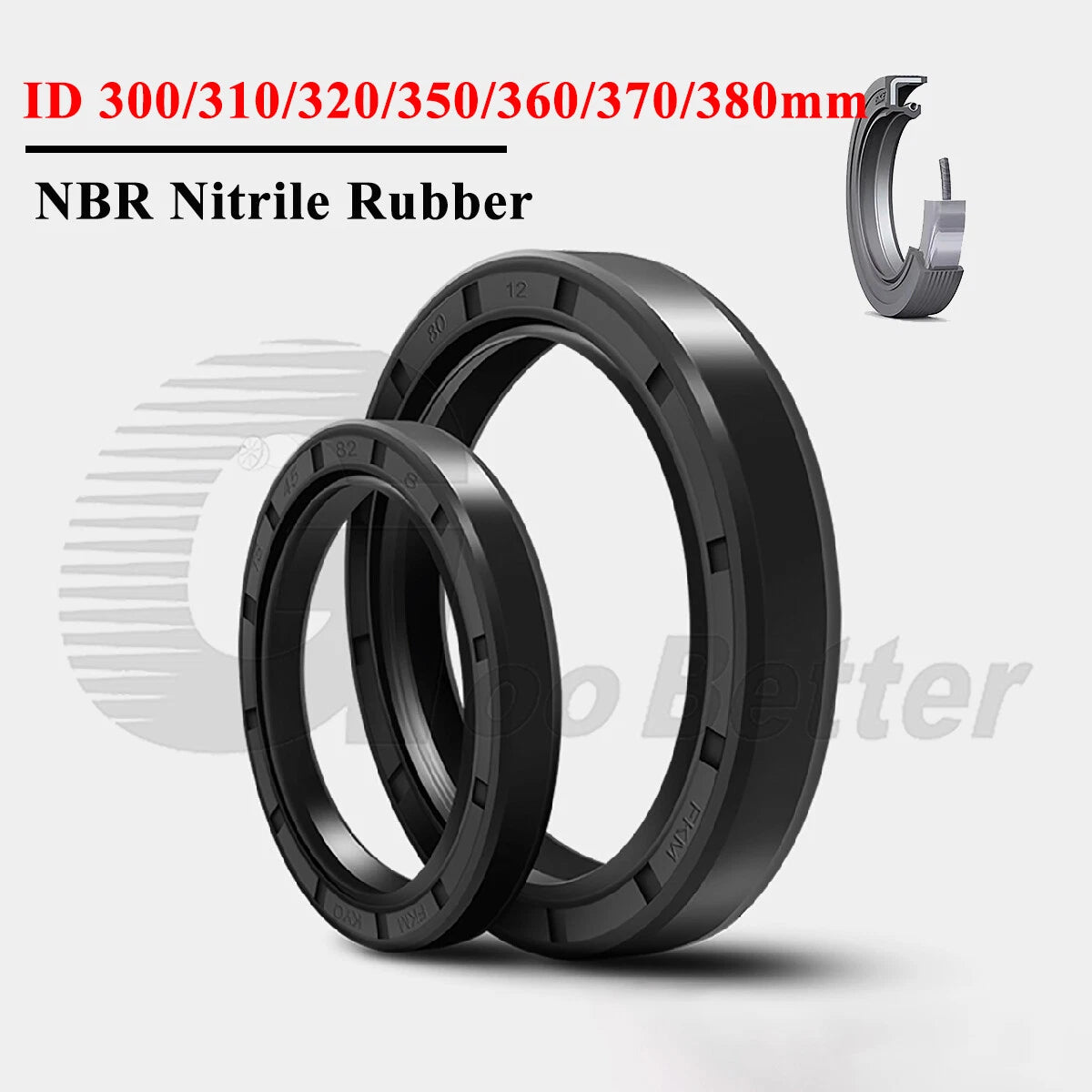
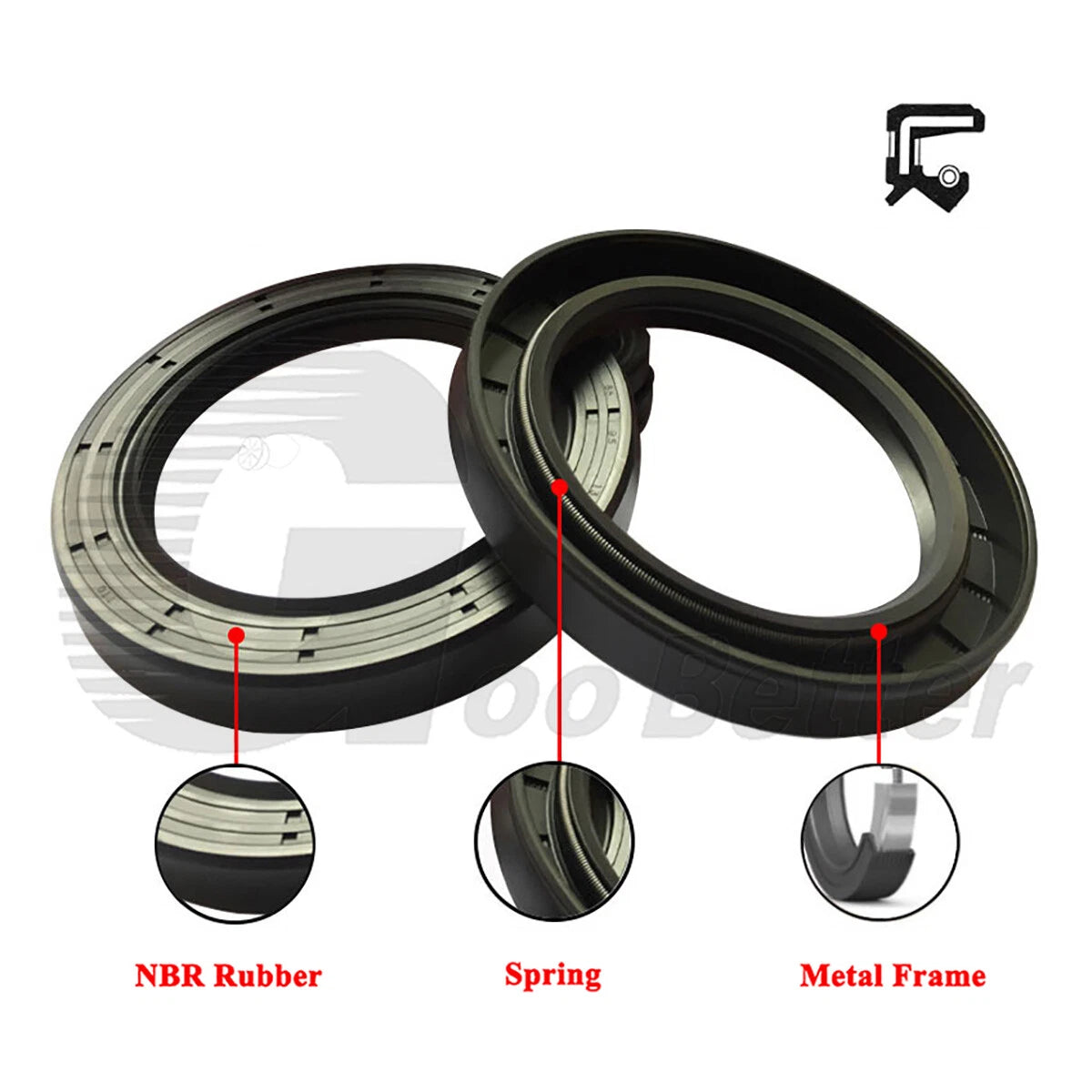
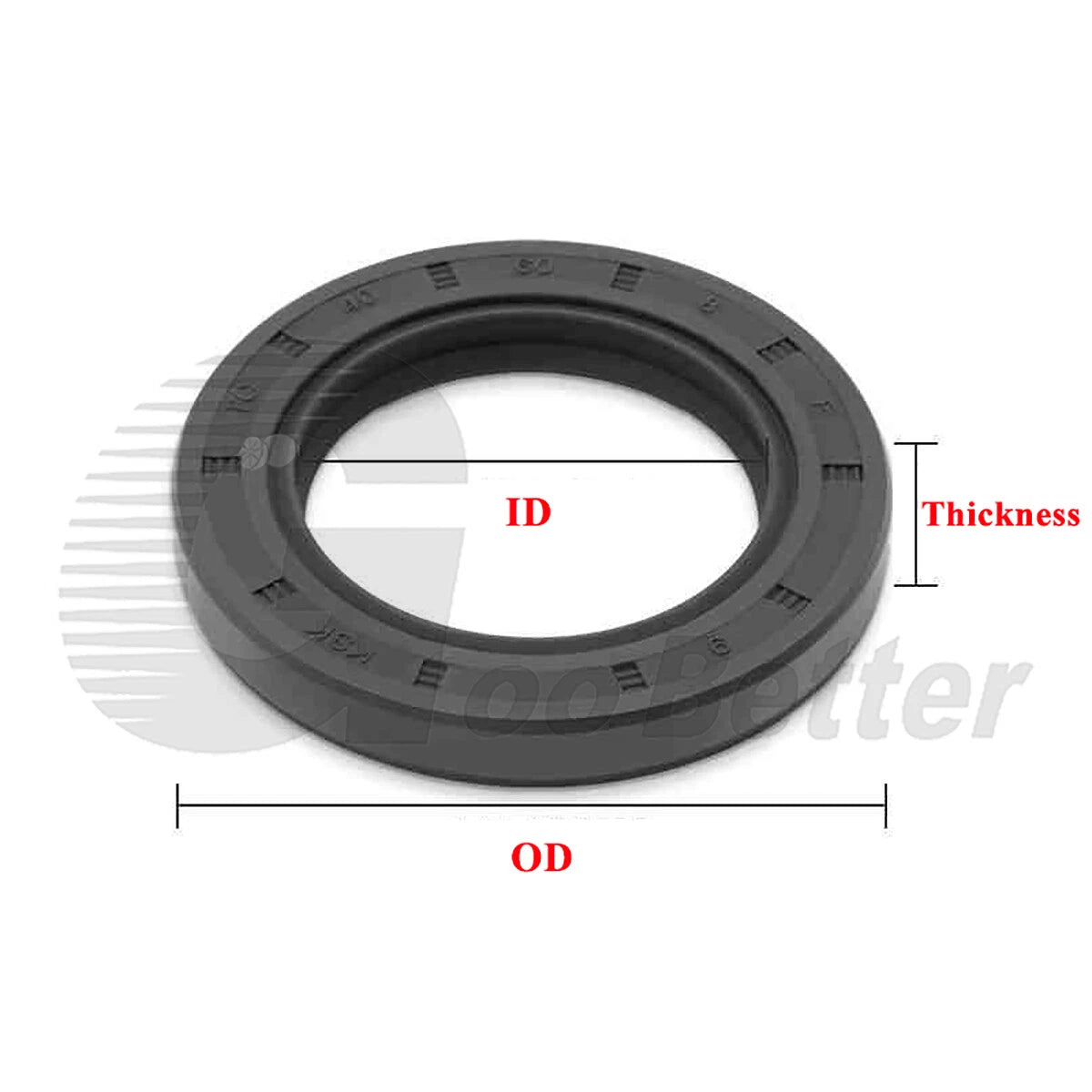
Each seal in this listing is a TC skeleton oil seal sold individually (1 PCS per order). The metal skeleton provides rigid dimensional stability while the NBR (Nitrile Butadiene Rubber) elastomer forms the sealing lips. Available in 44 size combinations with inner diameters (ID) from 300mm (≈11.8") to 380mm (≈15.0"), outer diameters (OD) from 330mm to 440mm, and cross-section thicknesses from 15mm to 25mm — select the exact ID × OD × Thickness from the variant dropdown above.

These large-bore rotary shaft seals are commonly used in agricultural gearboxes and PTO shafts, heavy construction equipment final drives, industrial conveyor and mixer shaft housings, and marine propeller shaft seal replacements where a reliable NBR dual lip oil seal is required to retain grease and exclude dirt simultaneously.

ℹ️ Compatibility Note: These seals follow standard metric TC oil seal dimensions (ID × OD × Thickness in mm). Verify your housing bore diameter, shaft diameter, and housing depth before ordering. This listing covers ID 300–380mm only — if your shaft is smaller, see our other TC seal listings.

✅ Key Features of These TC Rotary Shaft Oil Seals

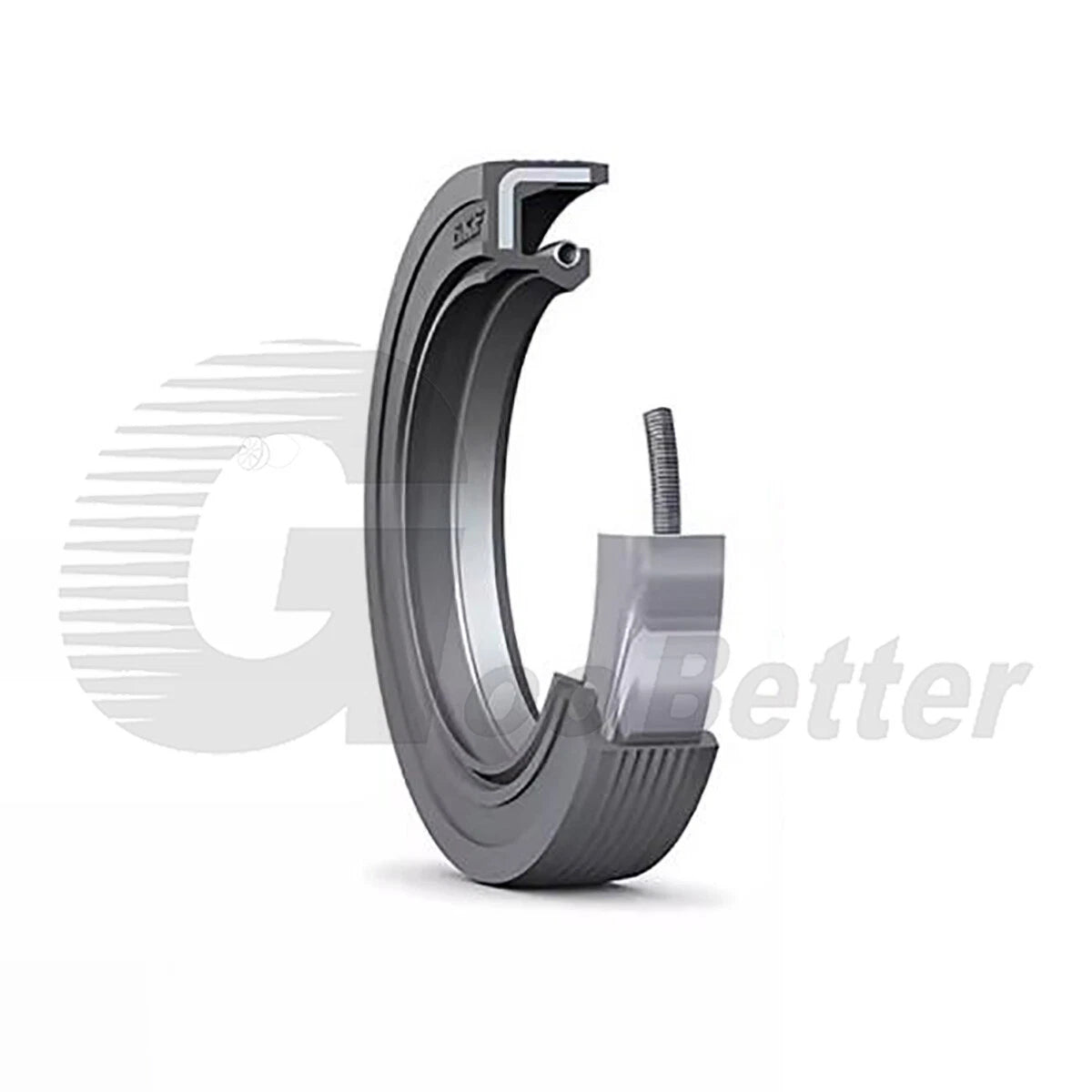
  • 🔩 Dual Lip (TC) Design — The primary sealing lip retains lubricant while the secondary dust lip blocks contaminants, making this configuration the standard choice for rotary shaft oil seal applications in gearboxes and axle housings.
  • 🛡️ NBR Elastomer Construction — Nitrile rubber provides reliable resistance to petroleum-based oils, greases, and water, covering the most common lubricants found in industrial and agricultural rotating equipment.
  • 📐 Metal Skeleton Reinforcement — The internal steel skeleton maintains the seal's circular geometry during press-fit installation and prevents distortion under housing bore clamping forces, ensuring consistent lip contact around the full shaft circumference.
  • 📏 44 Size Variants in One Listing — ID range 300–380mm with multiple OD and thickness combinations per ID, so you can match the exact bore and housing depth of your equipment without ordering a custom part.
  • 🌡️ Wide Operating Temperature Range — NBR compound typically performs from -40°F to +212°F (-40°C to +100°C), suitable for both cold-start conditions and sustained operating temperatures in enclosed gearbox environments.
  • ⚙️ Press-Fit Housing Installation — The outer diameter is sized for an interference fit into a standard machined bore, allowing installation with a seal driver or arbor press without adhesives or additional retention hardware.

📐 Technical Specifications — TC Skeleton Oil Seal

⚠️ Size Confirmation: Always verify ID, OD, and thickness against your actual housing and shaft measurements before ordering. Dimensions listed are nominal metric values.
Seal Type TC (Double Lip / Dual Lip Skeleton Oil Seal)
Inner Diameter (ID) Range 300mm (≈11.81") — 380mm (≈14.96")
Outer Diameter (OD) Range 330mm (≈12.99") — 440mm (≈17.32")
Thickness Range 15mm (≈0.59") — 25mm (≈0.98")
Number of Size Options 44 variants (see dropdown above)
Lip Material NBR (Nitrile Butadiene Rubber)
Skeleton / Casing Material Carbon steel (metal skeleton)
Number of Sealing Lips 2 (primary oil lip + secondary dust lip)
Operating Temperature Typically -40°F to +212°F (-40°C to +100°C)
Max Static Pressure Typically ≤ 0.05 MPa (0.5 bar) — contact us to confirm
Shaft Surface Speed Typically up to 4–8 m/s (depends on shaft finish and lubrication)
Compatible Lubricants Petroleum-based oils and greases; not recommended for aromatic fuels or strong solvents
Installation Method Press-fit into housing bore (interference fit on OD)
Quantity per Order 1 PCS
Dimension Standard Metric (mm); follows standard TC oil seal dimensional conventions
Country of Origin See variant options

❓ Frequently Asked Questions

How do I choose the correct TC oil seal size for my shaft?

You need three measurements: shaft outer diameter (= seal ID), housing bore inner diameter (= seal OD), and housing depth (= seal thickness). For example, a 350mm shaft installed in a 390mm bore housing that is 20mm deep requires a 350*390*20mm seal. Always measure with calipers rather than relying on worn part markings. If you are between sizes, contact us before ordering — using an undersized ID or oversized OD will cause installation failure or leakage.

Quick inch reference: 300mm ≈ 11.81" | 350mm ≈ 13.78" | 380mm ≈ 14.96"

What does the "TC" designation mean on an oil seal?

TC indicates a double-lip skeleton oil seal. The primary (inner) lip contacts the rotating shaft to retain lubricant. The secondary (outer) dust lip faces outward to exclude dirt, water, and debris. This dual-lip arrangement is generally the standard for gearboxes, axle hubs, and industrial shaft housings where both contamination exclusion and oil retention are required simultaneously.

How much pressure can these seals handle?

TC skeleton oil seals are designed for low-pressure dynamic sealing, typically rated for static pressures up to approximately 0.05 MPa (0.5 bar / ~7 psi). They are not suitable for high-pressure hydraulic circuits. If your application involves significant internal pressure, a different seal type with a backup ring or a hydraulic rod seal is generally recommended. Contact us to confirm suitability for your specific system pressure.

Can I use these seals in outdoor or wet environments?

NBR rubber generally performs well in outdoor conditions involving water splash, mud, and petroleum-based lubricants — making it a common choice for agricultural equipment, construction machinery, and marine auxiliary shafts. However, NBR is not recommended for prolonged exposure to ozone, direct UV radiation, or aromatic/chlorinated solvents. For those environments, a Viton (FKM) seal material is typically more appropriate.

Are these seals compatible with synthetic gear oils?

NBR is generally compatible with most mineral and Group II/III petroleum-based gear oils. Compatibility with fully synthetic PAO or ester-based gear oils varies by formulation — some synthetic additives can cause NBR to swell or harden over time. If your gearbox uses a fully synthetic lubricant, verify NBR compatibility with your oil supplier's data sheet, or contact us to discuss alternative seal materials.

What shaft surface finish is required for proper sealing?

For reliable lip seal performance, the shaft contact surface should typically have a finish of Ra 0.2–0.8 µm (approximately 8–32 µin). Surfaces that are too rough will accelerate lip wear; surfaces that are too smooth may not retain the thin oil film needed to lubricate the lip. Shaft hardness of HRC 30 or above is generally recommended at the seal contact zone to resist wear grooving over time.

How do I install a large-bore TC oil seal without damaging the lip?

1. Clean the housing bore and shaft contact area thoroughly and remove any burrs.
2. Lightly coat the seal lip with the same lubricant used in the application.
3. Apply a thin film of oil or sealant to the outer diameter if the bore is dry.
4. Use a seal driver or flat press plate sized to the OD — press squarely and evenly until the seal face is flush with or slightly below the housing face.
5. When sliding the seal over the shaft, protect the lip from keyways or splines using a thin plastic sleeve or tape. Remove the sleeve after the seal passes the obstruction.

🛒 Select your size (ID × OD × Thickness) above, then add to cart — ships from our US warehouse.

You may also like

Recently viewed