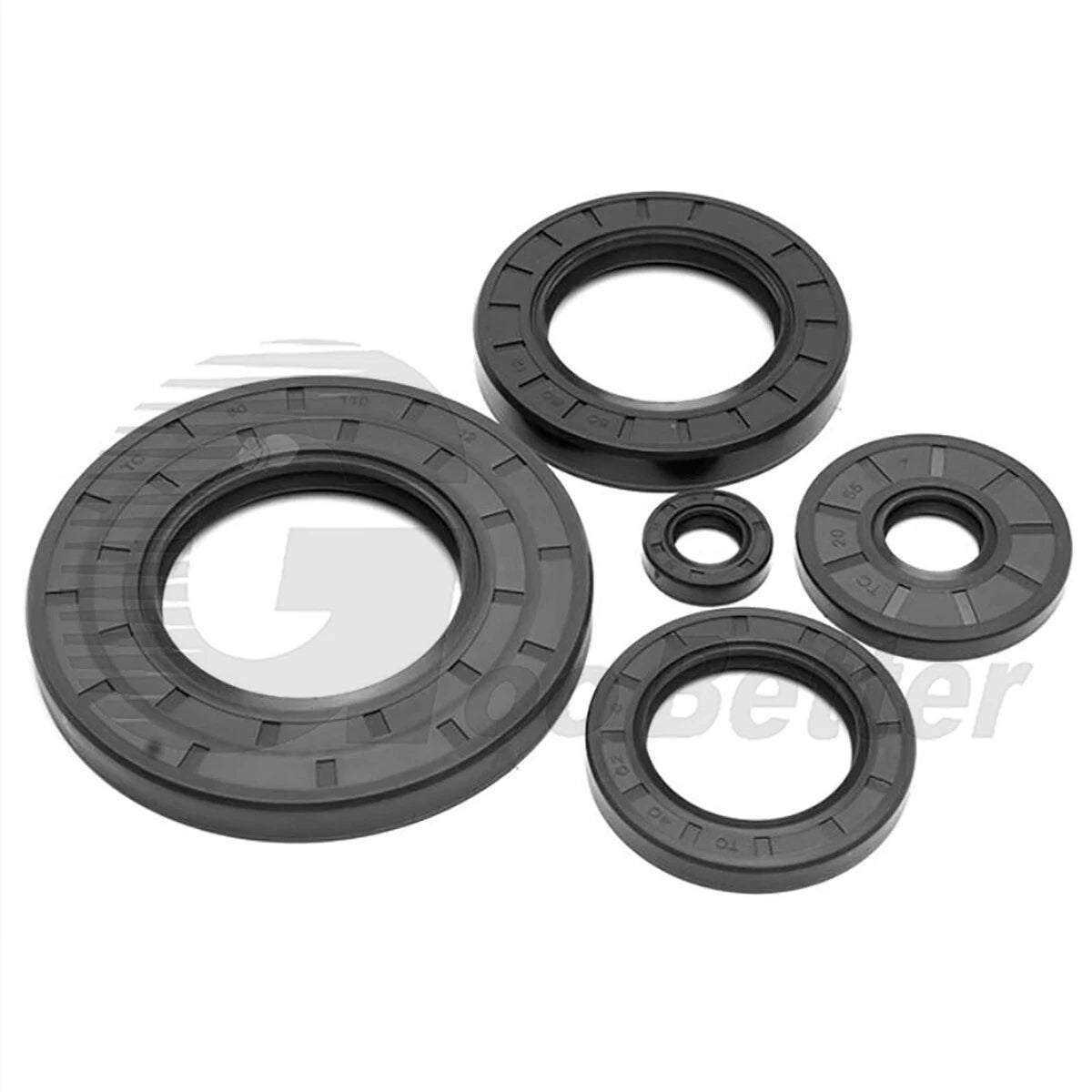
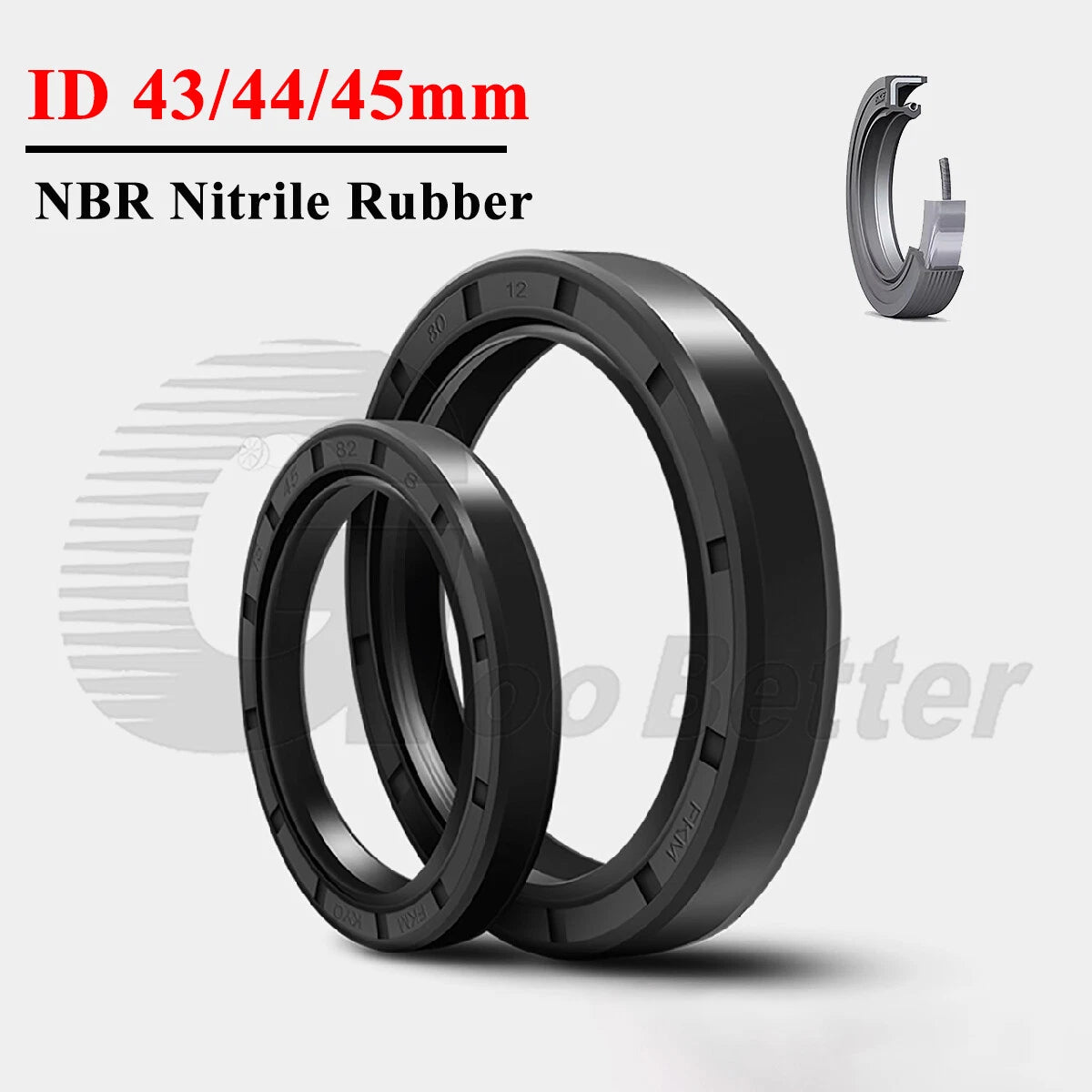
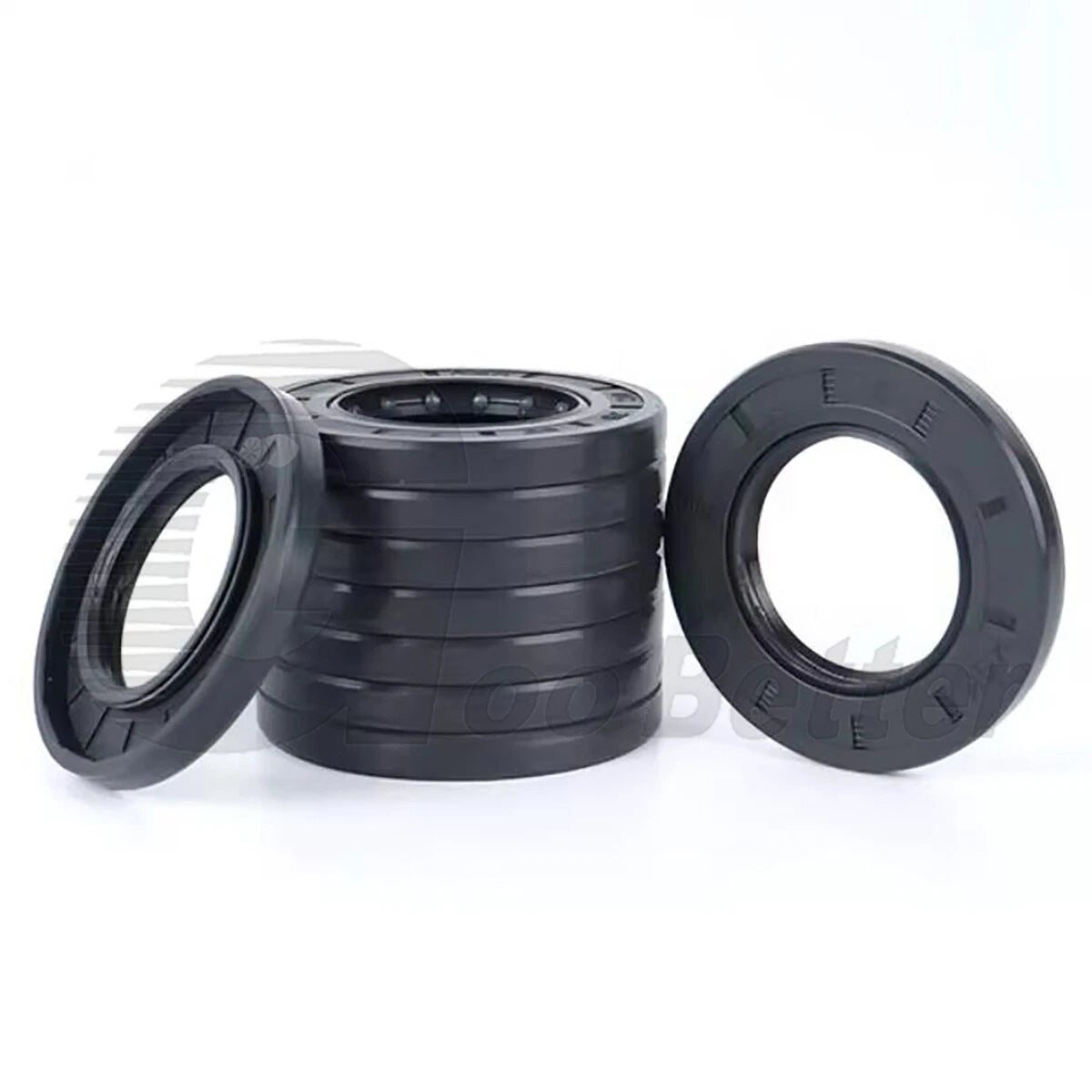
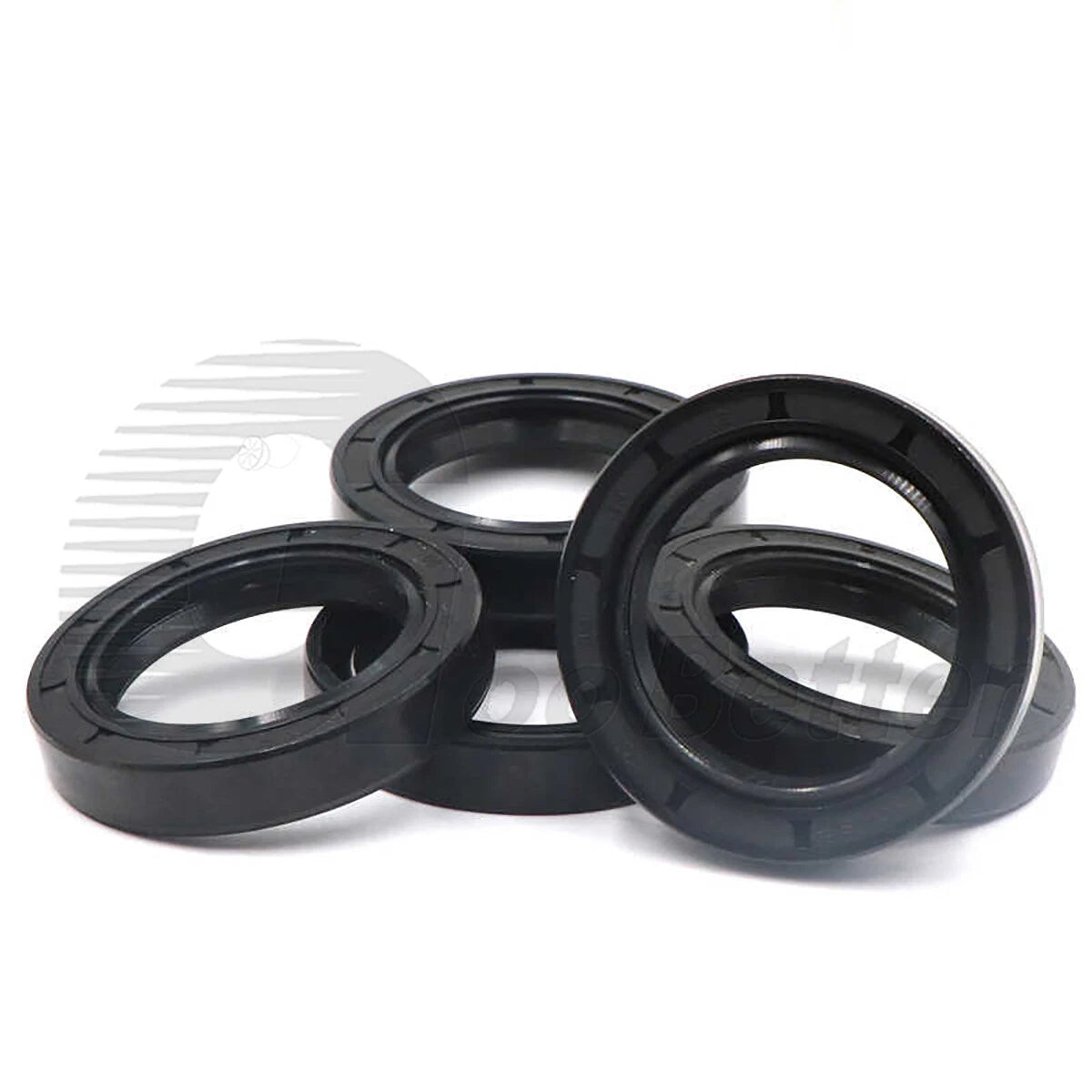
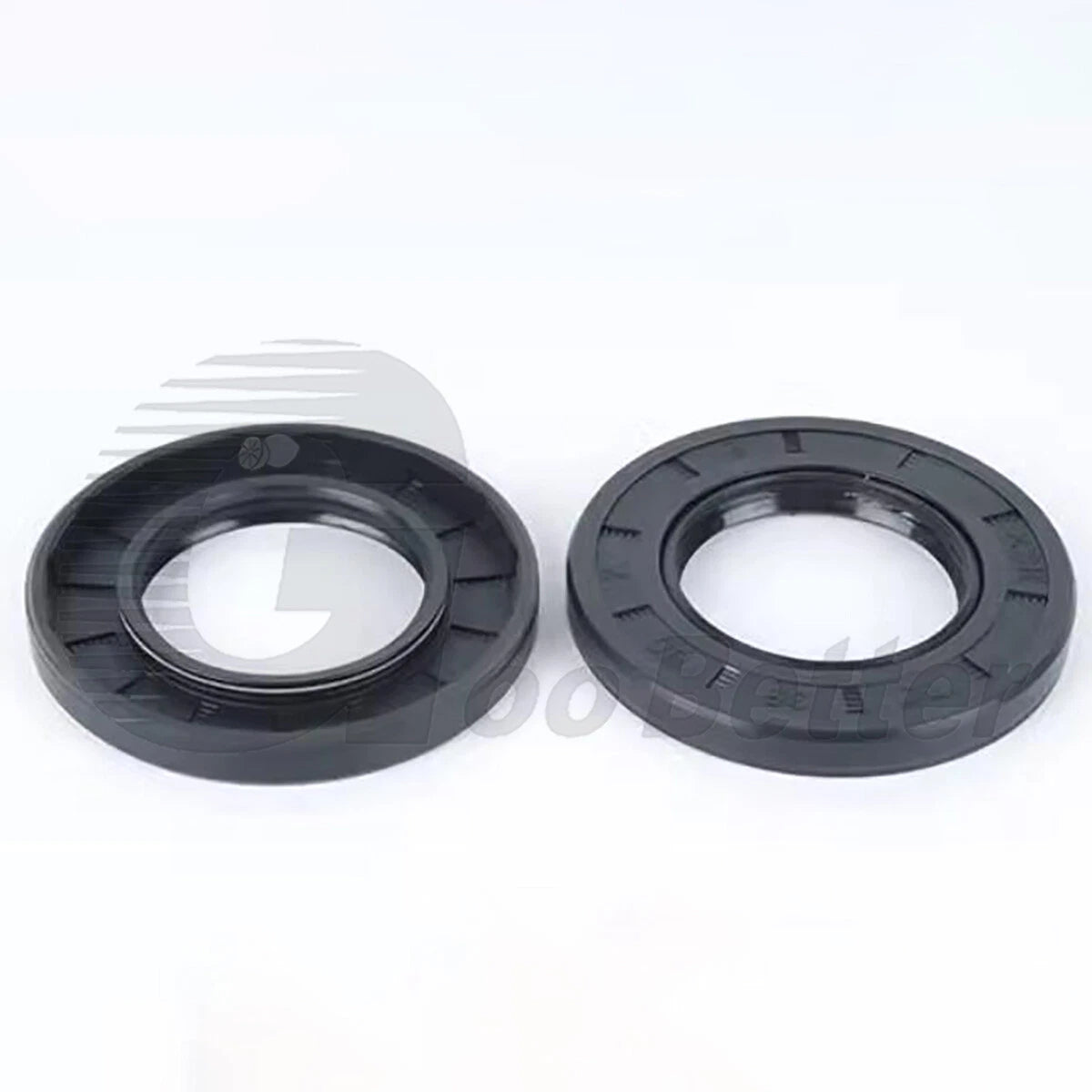
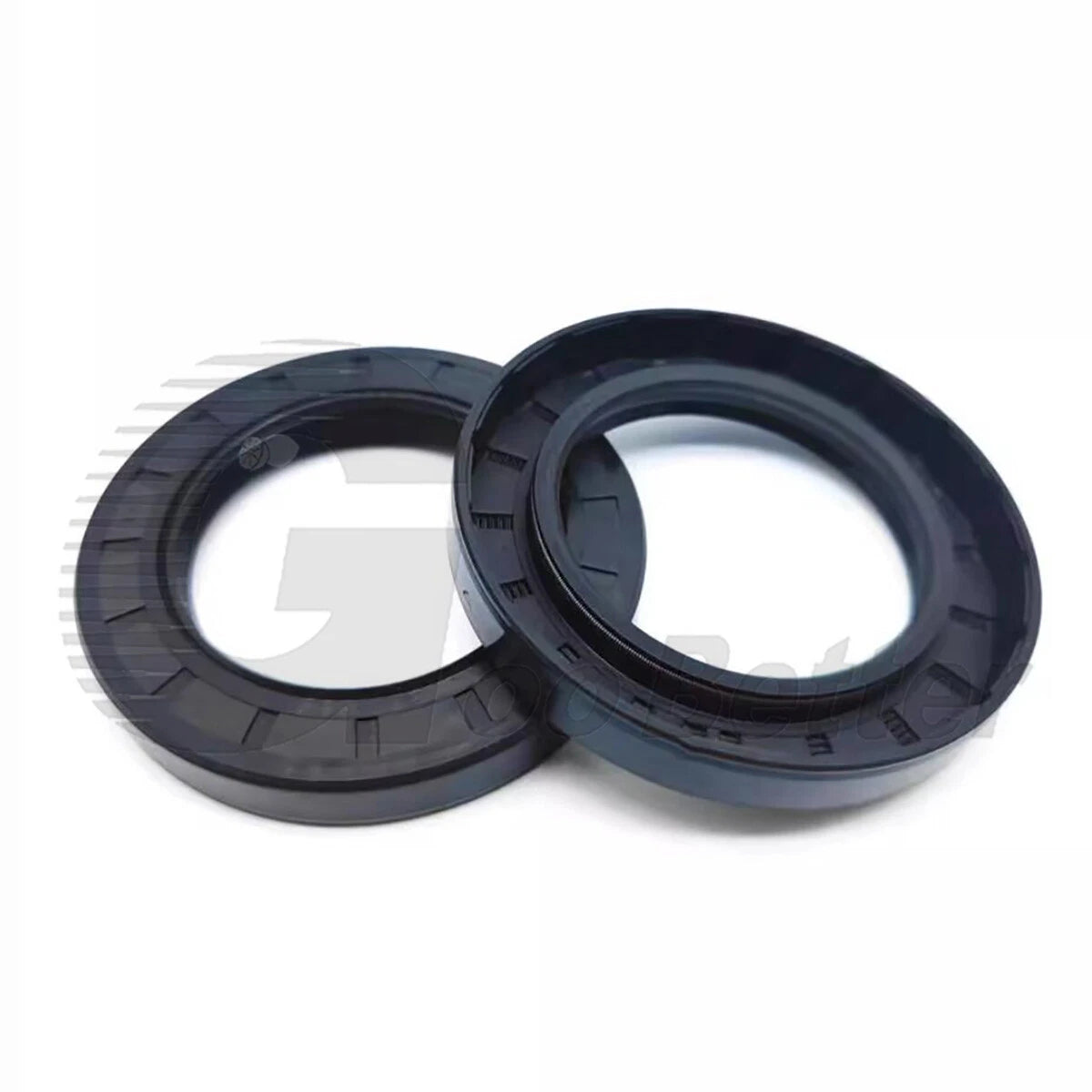
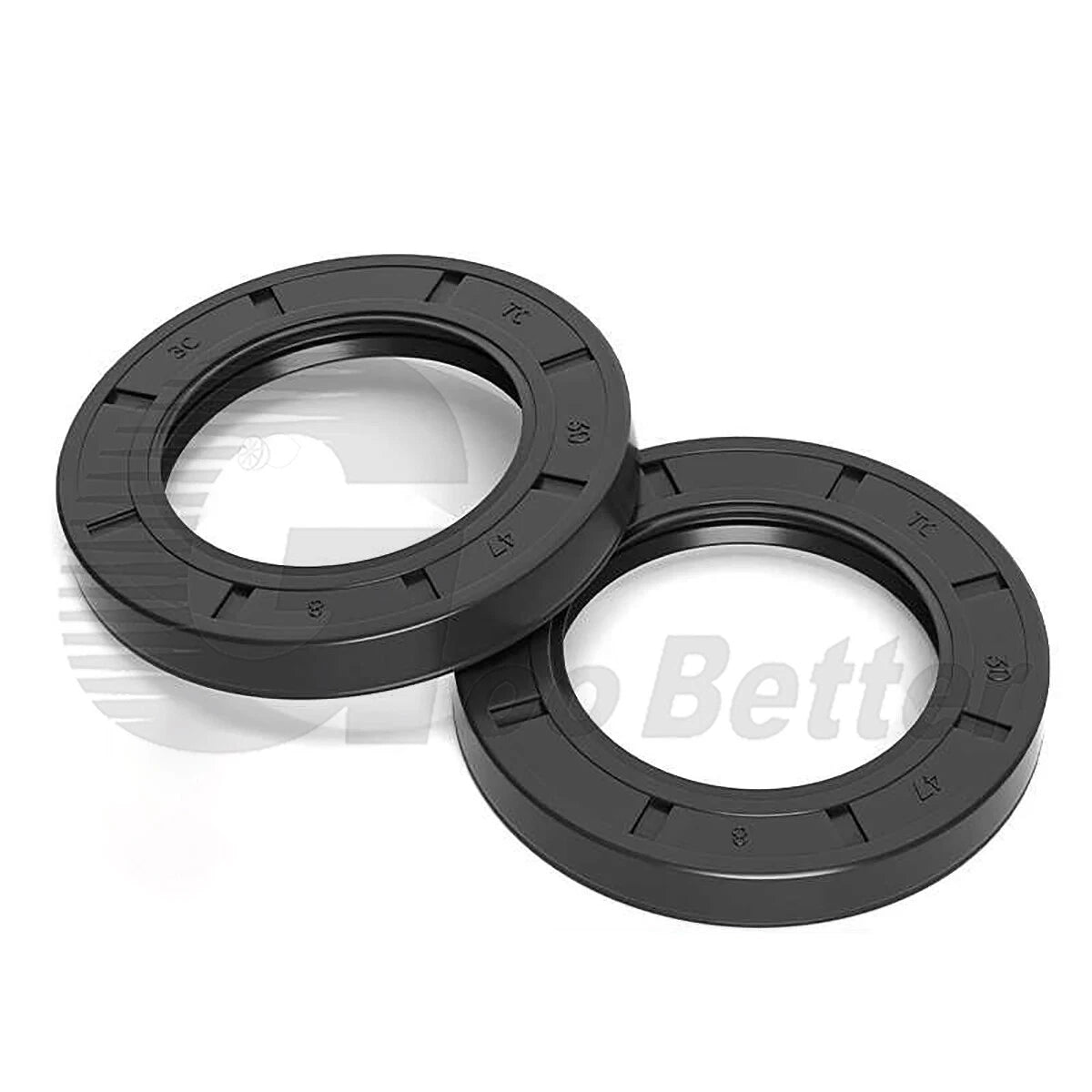
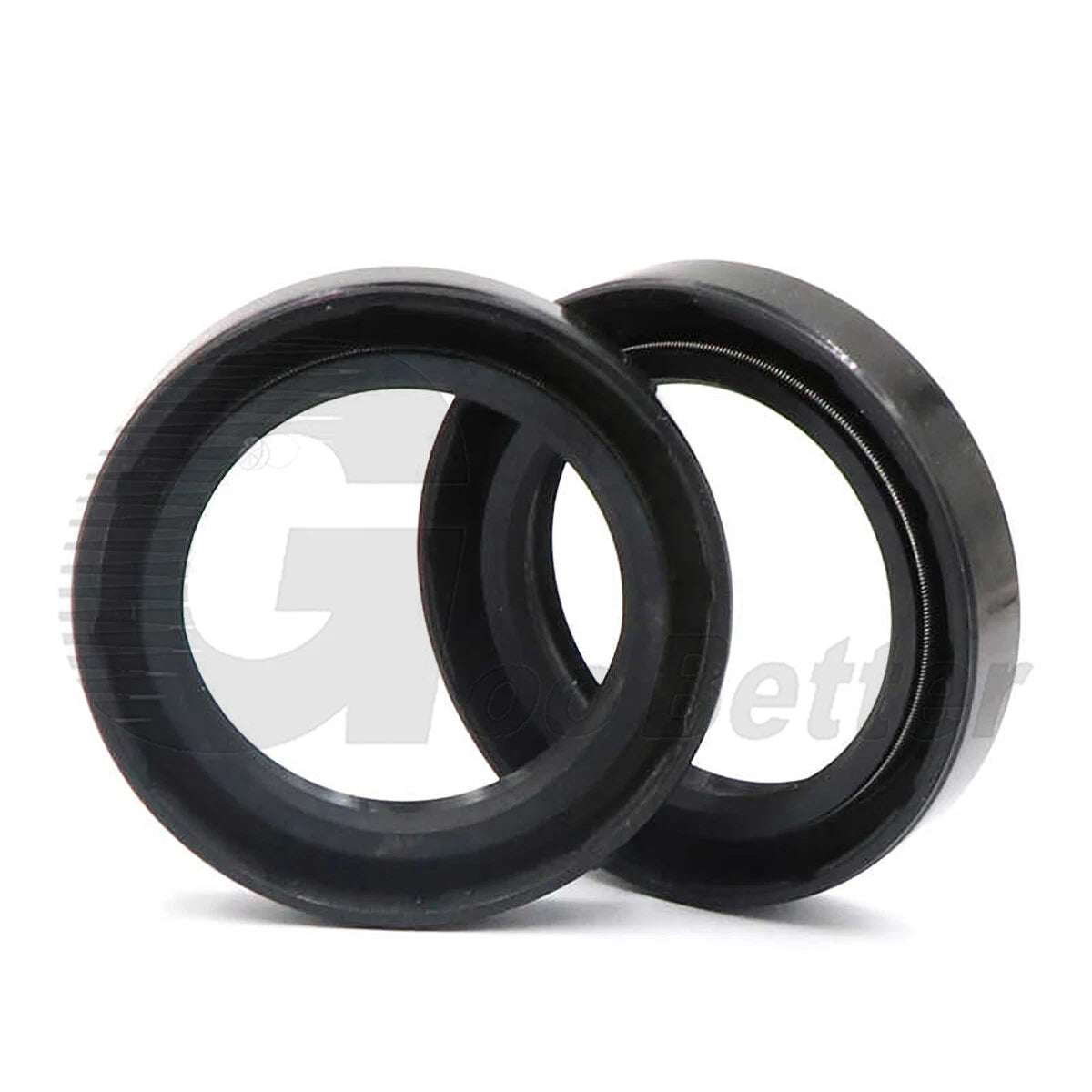
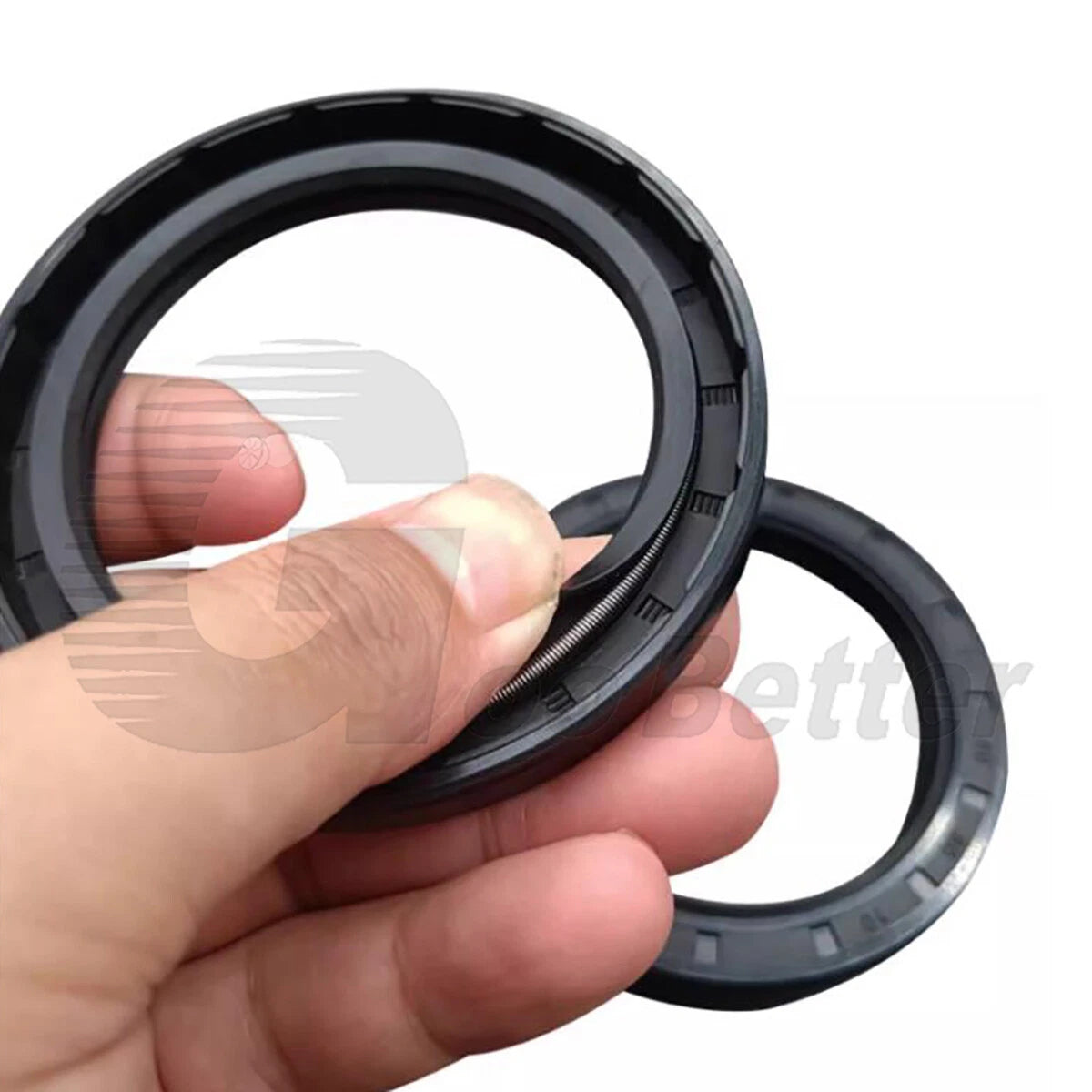
TC Oil Seal 43mm 44mm 45mm ID — NBR 70 Dual Lip Rotary Shaft Seal Ring

Keine Bewertungen

Preis:
Sonderpreis$2.58 USD
Lagerbestand:
Verfügbar (500 Stück), versandbereit

Payment & Security

Ach Direct Debit Amazon American Express Apple Pay Bancontact Diners Club Discover Google Pay iDEAL Wero Mastercard PayPal Shop Pay USDC Visa

Deine Zahlungsinformationen werden sicher verarbeitet. Wir speichern keine Kreditkartendaten und haben auch keinen Zugang zu deinen Kreditkartendaten.

Quantity Discount Promotion
🎯 BULK DISCOUNT: Buy More, Save More!
Buy 2 Items
5% OFF
Buy 4 Items
10% OFF
Buy 6 Items
15% OFF
Expert

DIY Expert Support

Get fitment advice & recommendations

Mon-Fri, 8:30AM-8PM
24-Hour Fast Ship
🚚
Arrives in 3-14 days
🌍
Global Reach
↩️
30-Day Returns
🌱 1 tree planted with every purchase

Beschreibung

TC Oil Seal 43–45mm ID — Stop Leaks on Rotary Shafts with the Right Dual Lip Seal

When a worn or mismatched oil seal lets lubricant escape around a rotating shaft, the damage goes beyond a messy floor — it means accelerated bearing wear, contaminated housings, and unplanned downtime. Mechanics, equipment rebuilders, and DIY machine restorers who work on motors, gearboxes, pumps, and agricultural equipment know how hard it can be to source an exact-size metric TC oil seal without ordering from overseas or waiting weeks for a specialty supplier.

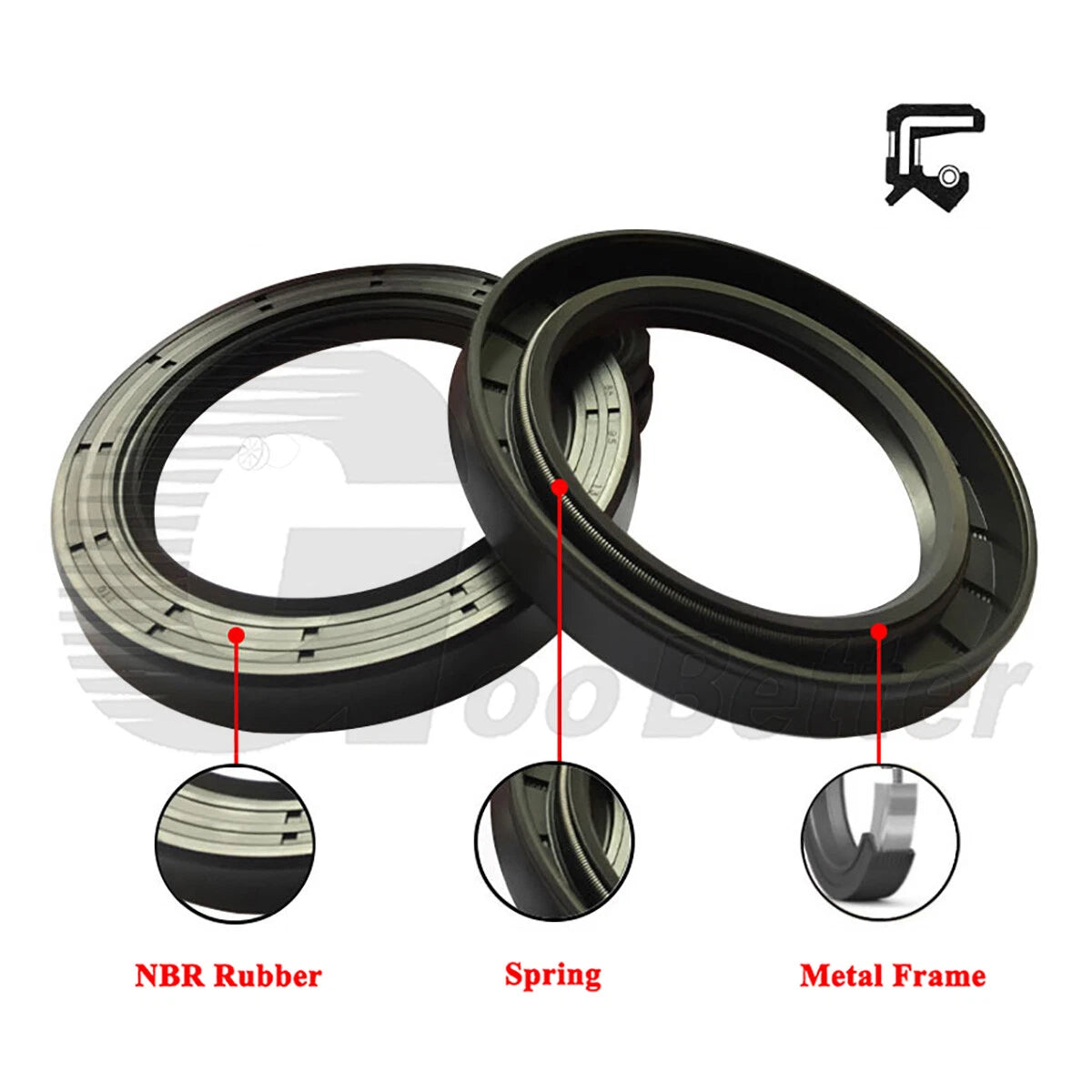
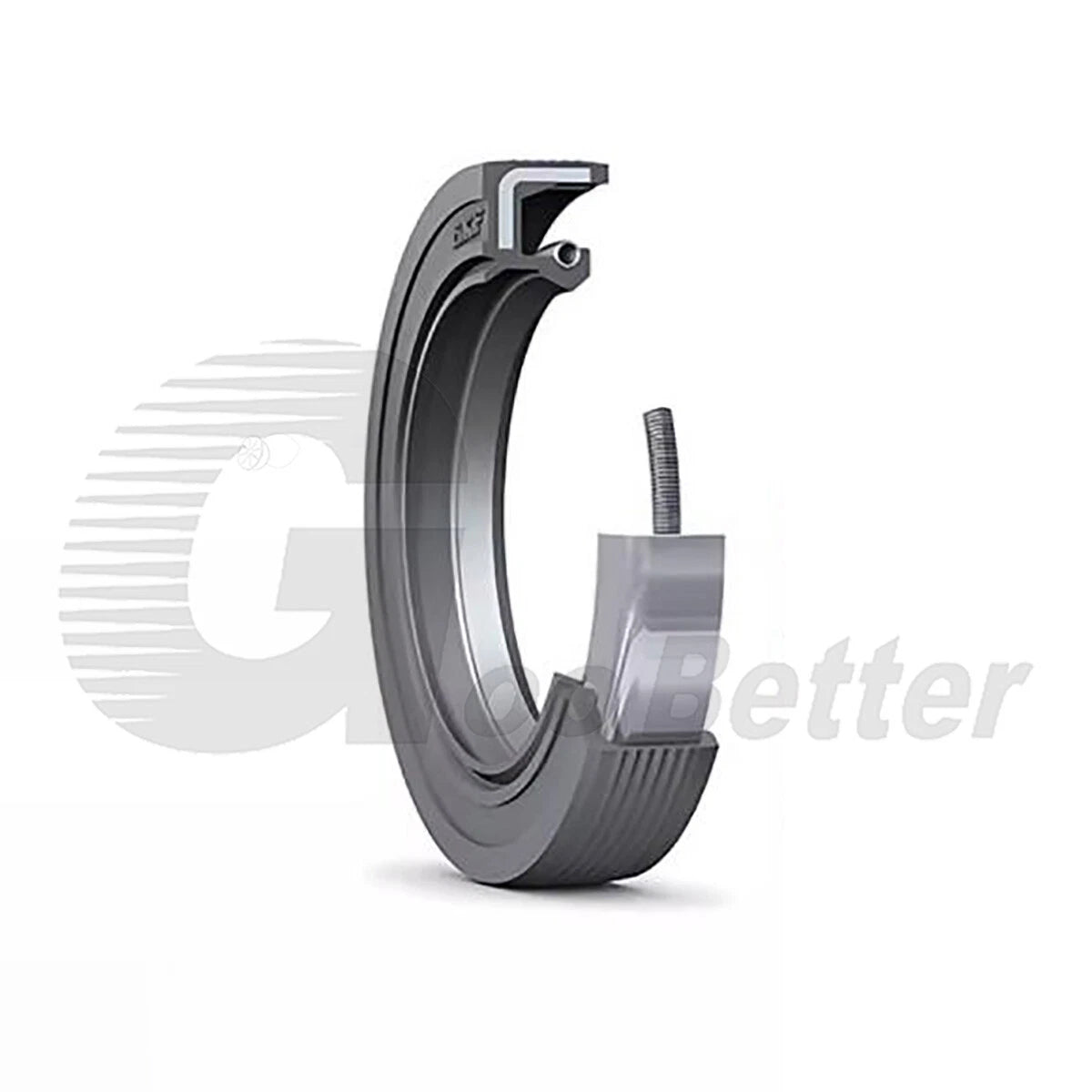
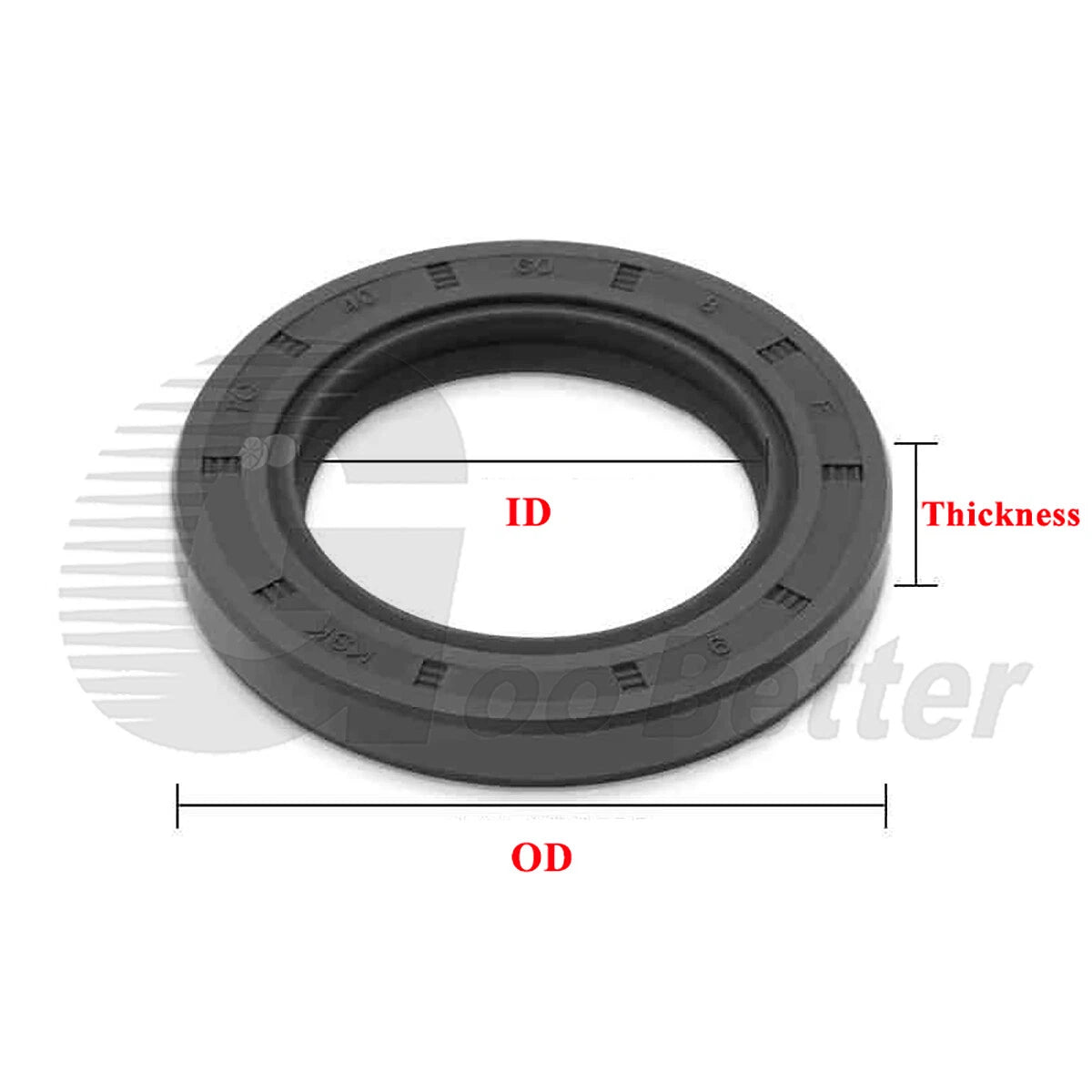
Each seal in this listing is a TC-type skeleton oil seal — a single piece consisting of a stamped metal case bonded to an NBR 70 (Nitrile Butadiene Rubber, 70 Shore A) elastomer body with a dual-lip design. The inner diameter (ID) is 43mm, 44mm, or 45mm; the outer diameter (OD) ranges from 52mm to 120mm (≈2.05" to ≈4.72"); and the cross-section thickness ranges from 4mm to 13mm (≈0.16" to ≈0.51"). Select the exact ID × OD × Thickness combination that matches your shaft and housing bore from the variant dropdown above.

These TC rotary shaft oil seals are used in a wide range of applications: replacing worn gearbox output shaft seals on tractors and compact utility vehicles, resealing the crankshaft or camshaft on small engines and generators, and servicing hydraulic pump shafts and electric motor end caps where a metric dual lip oil seal is required. The NBR 70 compound is compatible with petroleum-based oils, gear oils, and greases — the most common lubricants found in these assemblies.

🔵 Compatibility Note: These are metric TC oil seals per ISO 6194 / DIN 3760. Verify your shaft OD (= seal ID), housing bore ID (= seal OD), and cavity depth (= seal thickness) before ordering. If your shaft has a wear groove, a speedi-sleeve or shaft repair sleeve is recommended before installing a new seal.

✅ Key Features of These TC Dual Lip Rotary Shaft Oil Seals

  • 🛡️Dual Lip TC Design — The primary sealing lip retains lubricant inside the housing while the secondary dust lip blocks dirt, water, and debris from entering — a critical advantage in outdoor and agricultural equipment applications.
  • ⚙️NBR 70 Elastomer Body — Nitrile rubber at 70 Shore A hardness delivers reliable flexibility and compression set resistance for petroleum-based oils, gear oils, and greases across a working temperature range of approximately -40°F to +212°F (-40°C to +100°C).
  • 🔩Metal-Reinforced Skeleton Case — The stamped steel inner case maintains dimensional stability during press-fit installation and prevents the seal from distorting under housing bore pressure, ensuring a consistent OD-to-bore contact seal.
  • 📐200+ Exact-Match Size Combinations — With IDs of 43mm, 44mm, and 45mm paired with ODs from 52mm to 120mm and thicknesses from 4mm to 13mm, this listing covers a broad range of metric rotary shaft seal replacements in a single place.
  • 🔄Direct-Replacement Fit — Dimensioned to ISO 6194 / DIN 3760 metric standards, these seals are interchangeable with OEM parts in European and Asian-designed machinery including gearboxes, pumps, motors, and agricultural equipment.
  • 🚚Ships from US Warehouse — Stocked domestically for faster delivery compared to overseas-sourced metric seals, so your repair doesn't wait on international shipping timelines.

📐 Technical Specifications — TC Skeleton Oil Seal (NBR 70 Dual Lip)

Seal Type TC (Double Lip with Metal Case / Skeleton)
Inner Diameter (ID) 43mm (≈1.693"), 44mm (≈1.732"), 45mm (≈1.772")
Outer Diameter (OD) 52mm – 120mm (≈2.05" – ≈4.72") — see variant options
Thickness 4mm – 13mm (≈0.16" – ≈0.51") — see variant options
Lip Material NBR (Nitrile Butadiene Rubber), 70 Shore A
Case Material Carbon steel (stamped skeleton frame)
Number of Lips 2 (primary sealing lip + secondary dust exclusion lip)
Spring Type Garter spring (typically included on primary lip)
Operating Temperature Approximately -40°F to +212°F (-40°C to +100°C)
Compatible Fluids Petroleum-based oils, gear oils, greases (not for brake fluid or phosphate-ester fluids)
Dimensional Standard ISO 6194 / DIN 3760 (metric)
Shaft Speed Typically up to 4–6 m/s surface speed (contact us to confirm for high-speed applications)
Pressure Rating Low-pressure / non-pressure (generally ≤ 0.3 bar / 4.4 psi)
Sold As 1 piece per order (select quantity at checkout)
Country of Origin Contact us to confirm
⚠️ Before You Order: Confirm all three dimensions — ID (shaft diameter), OD (housing bore), and Thickness (cavity depth) — using calipers on the old seal or by measuring the shaft and housing directly. A seal that is 1mm off in any dimension will not install or seal correctly.

❓ Frequently Asked Questions

How do I choose the right TC oil seal size?

Measure the shaft diameter (ID), the bore diameter in the housing (OD), and the depth of the seal cavity (Thickness). All three dimensions must match the seal you select. For example, a 45×65×10mm seal has a 45mm inner diameter, 65mm outer diameter, and 10mm width. When in doubt, measure twice — a seal that is even 1mm off will not seat or seal correctly.

What does NBR 70 mean, and is it the right material for my application?

NBR stands for Nitrile Butadiene Rubber, and 70 refers to the Shore A hardness. NBR 70 is generally the standard choice for petroleum-based oils, hydraulic fluids, and greases in temperature ranges of approximately -40°F to +212°F (-40°C to +100°C). It is not recommended for use with brake fluid, phosphate-ester hydraulic fluids, or strong acids.

What is a TC-type oil seal and how does the dual lip work?

TC designates a double-lip seal with a metal reinforcement case. The primary lip retains lubricant inside the housing, while the secondary dust lip faces outward to block contaminants such as dirt, water, and debris from entering. This dual-barrier design makes TC seals suitable for both clean and moderately contaminated environments.

Can these seals be used outdoors or in wet environments?

NBR 70 TC seals are generally suitable for outdoor and wet environments where the primary exposure is water splash, mud, or light moisture. The secondary dust lip provides an additional barrier. However, for continuous submersion or salt-spray environments, a Viton (FKM) seal is typically recommended for longer service life.

What shaft speed and pressure can these seals handle?

TC skeleton oil seals are designed for dynamic rotary shaft applications. NBR lip seals in this size range typically handle shaft surface speeds up to approximately 4–6 m/s and are intended for low-to-moderate pressure applications (generally under 0.3 bar / 4.4 psi). For higher-pressure sealing, a different seal type such as a cassette or labyrinth seal may be more appropriate.

Are these seals compatible with metric shafts and standard housing bores?

Yes. These are metric-dimensioned TC oil seals following ISO 6194 / DIN 3760 standards, which are widely used in European and Asian machinery. The ID fits the shaft directly, and the OD presses into the housing bore. Always verify your housing bore diameter matches the seal OD before installation.

How do I install a TC oil seal without damaging the lip?

Apply a thin film of clean oil or grease to the seal lip and the shaft before installation. Use a seal driver or a flat press plate to push the seal in squarely — never hammer directly on the seal face. The seal should sit flush with or slightly below the housing face. Avoid dragging the lip over sharp keyways or threads; use a protective sleeve if needed.

How do I know if my existing seal needs replacement?

Common signs of a failed oil seal include oil weeping or leaking around the shaft, visible cracking or hardening of the rubber lip, and increased contamination inside the housing. In most cases, seals should be inspected during routine maintenance intervals and replaced proactively if the lip shows wear grooves or deformation.

🛒 Select your size (ID × OD × Thickness) above, then add to cart — ships from our US warehouse.

You may also like

Recently viewed