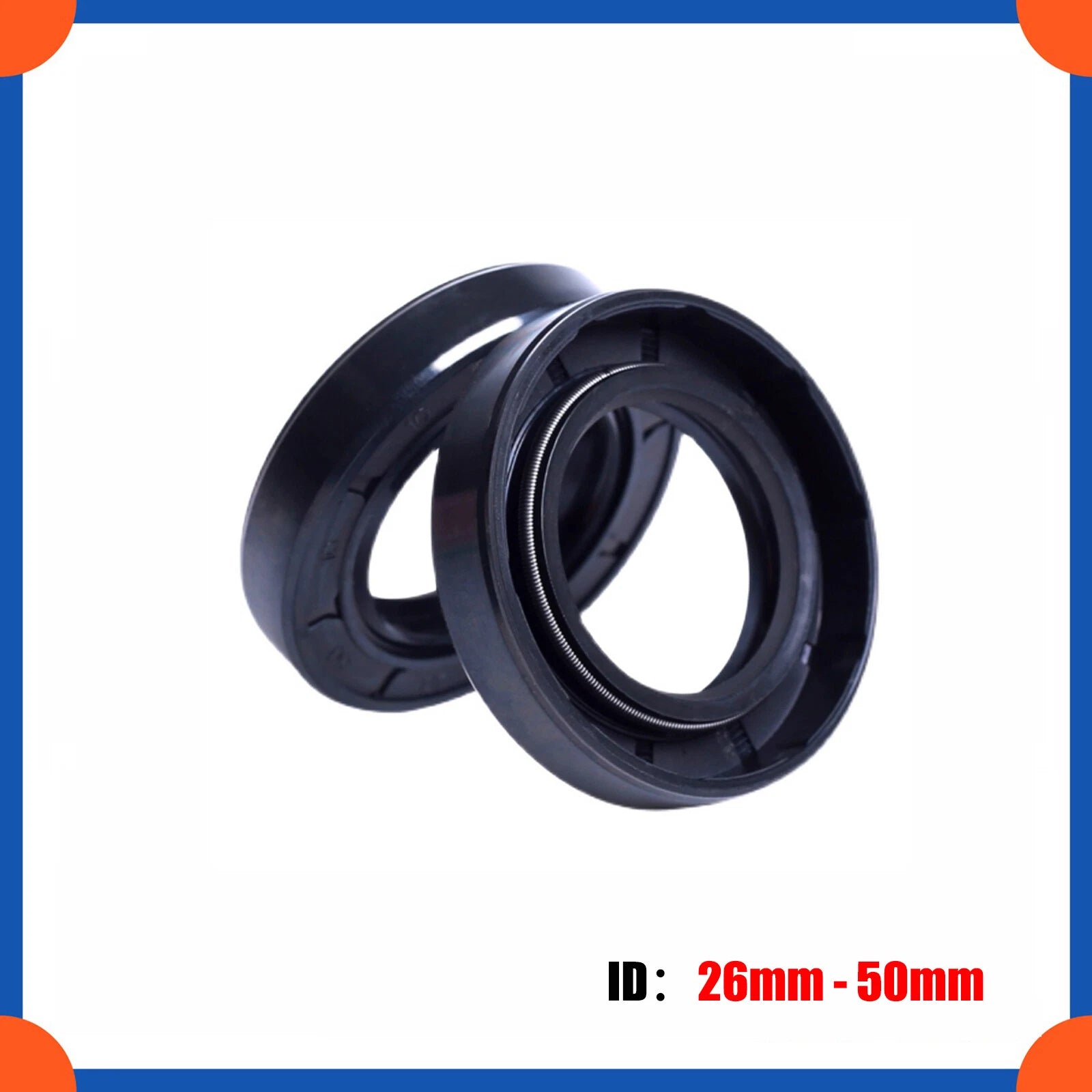
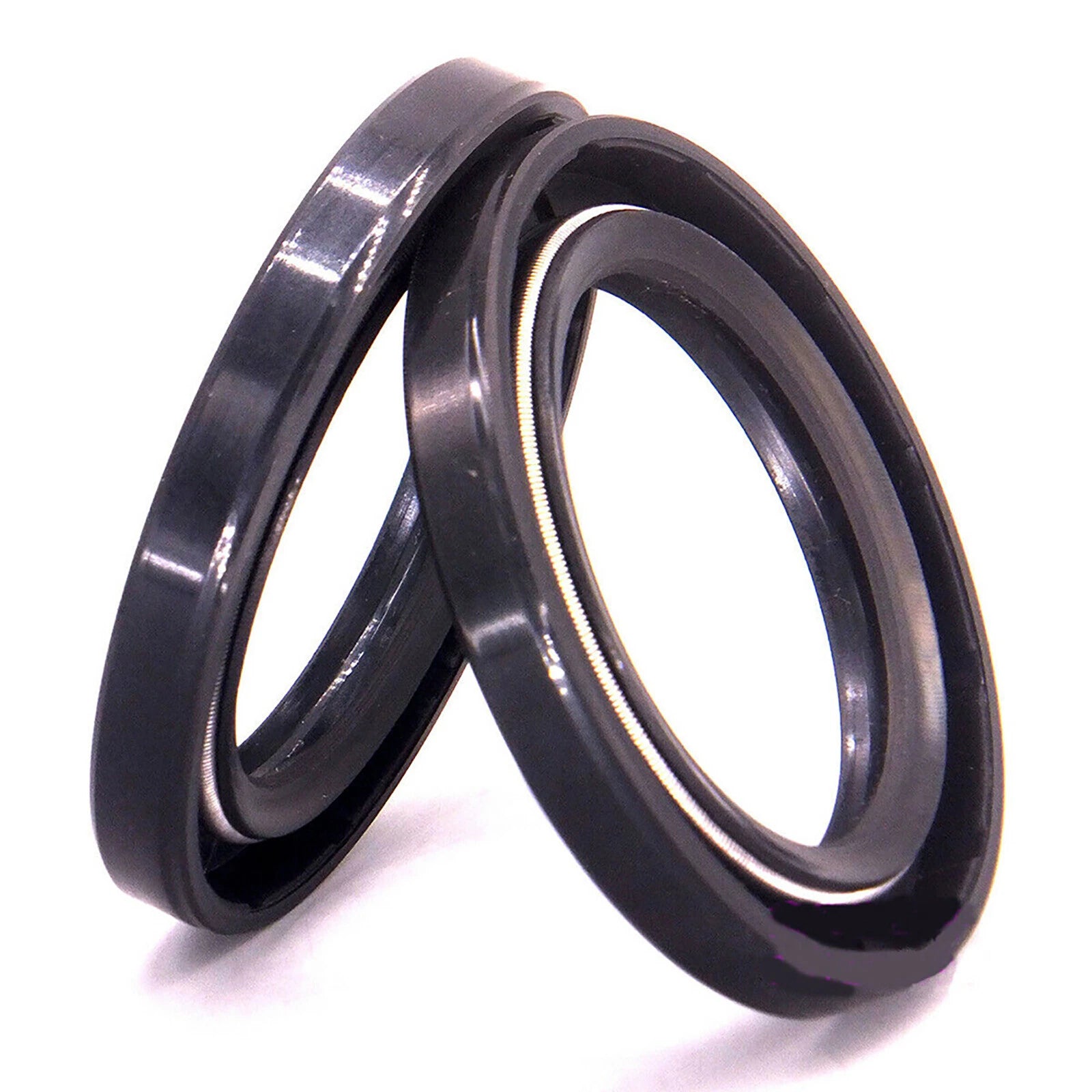
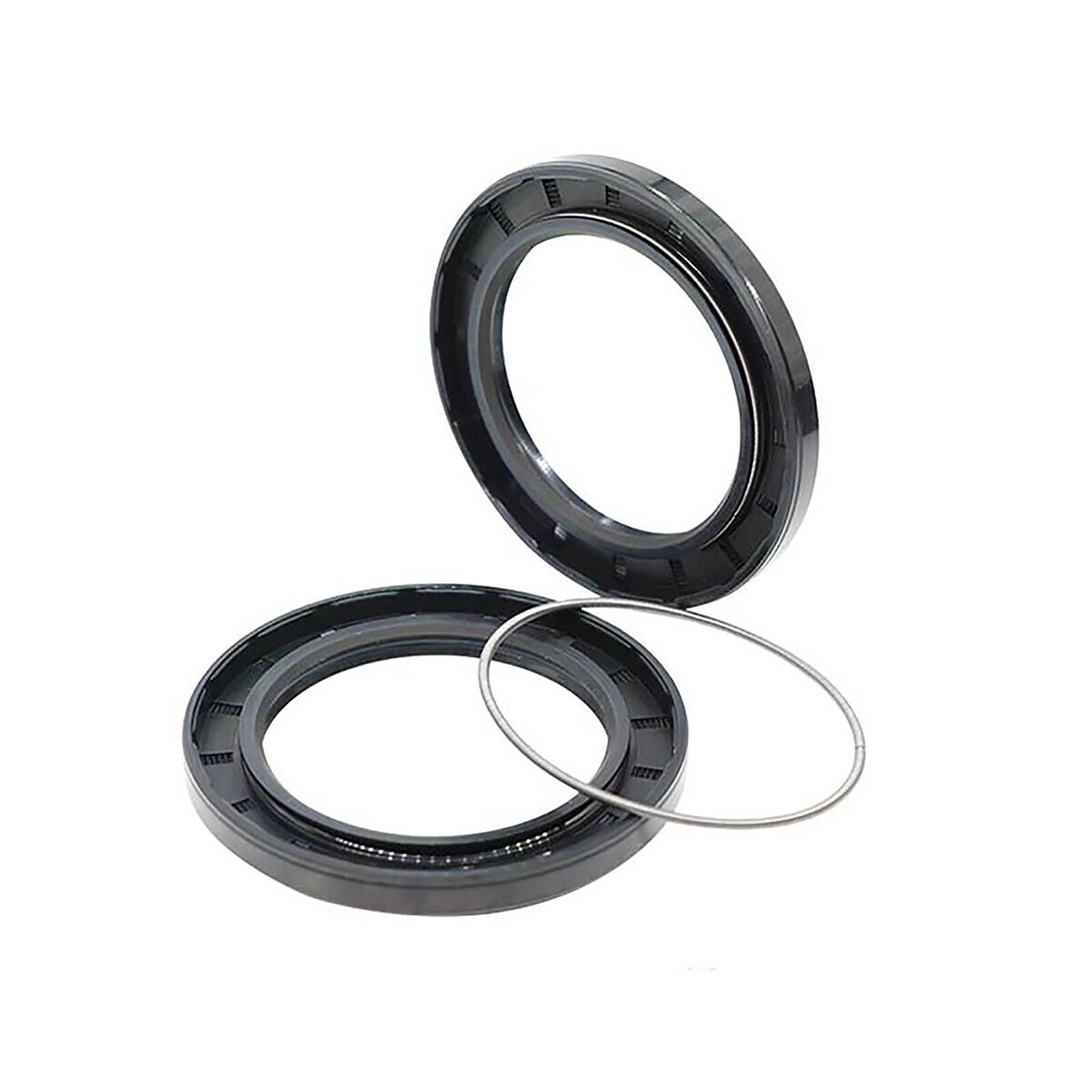
TC Oil Seal NBR + Metal Skeleton Rotary Shaft Sealing Ring — ID 26–50 mm

Keine Bewertungen

Preis:
Sonderpreis$1.36 USD
Lagerbestand:
Verfügbar (500 Stück), versandbereit

Payment & Security

Ach Direct Debit Amazon American Express Apple Pay Bancontact Diners Club Discover Google Pay iDEAL Wero Mastercard PayPal Shop Pay USDC Visa

Deine Zahlungsinformationen werden sicher verarbeitet. Wir speichern keine Kreditkartendaten und haben auch keinen Zugang zu deinen Kreditkartendaten.

Quantity Discount Promotion
🎯 BULK DISCOUNT: Buy More, Save More!
Buy 2 Items
5% OFF
Buy 4 Items
10% OFF
Buy 6 Items
15% OFF
Expert

DIY Expert Support

Get fitment advice & recommendations

Mon-Fri, 8:30AM-8PM
24-Hour Fast Ship
🚚
Arrives in 3-14 days
🌍
Global Reach
↩️
30-Day Returns
🌱 1 tree planted with every purchase

Beschreibung

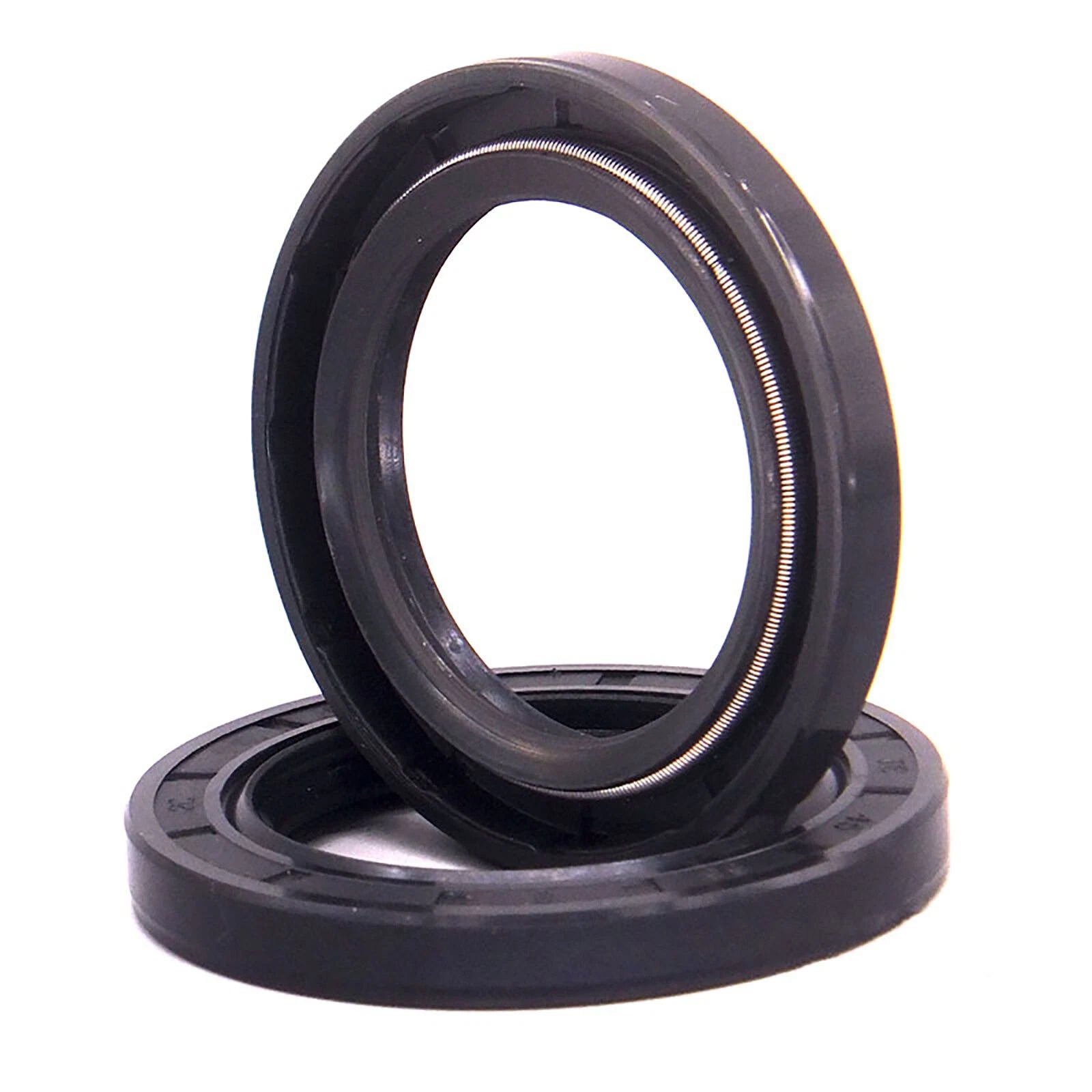
TC Oil Seal — NBR + Metal Skeleton Rotary Shaft Sealing Ring That Stops Leaks and Keeps Contaminants Out

If you have ever dealt with a leaking gearbox, a greasy wheel hub, or a pump shaft that keeps weeping oil no matter how many times you wipe it down, you already know how frustrating a failed shaft seal can be. Mechanics, equipment technicians, and serious DIYers who work on agricultural machinery, automotive drivetrains, industrial gearboxes, and power-transmission equipment need a TC oil seal that fits precisely and holds up over time — not a generic part that fails within a season.

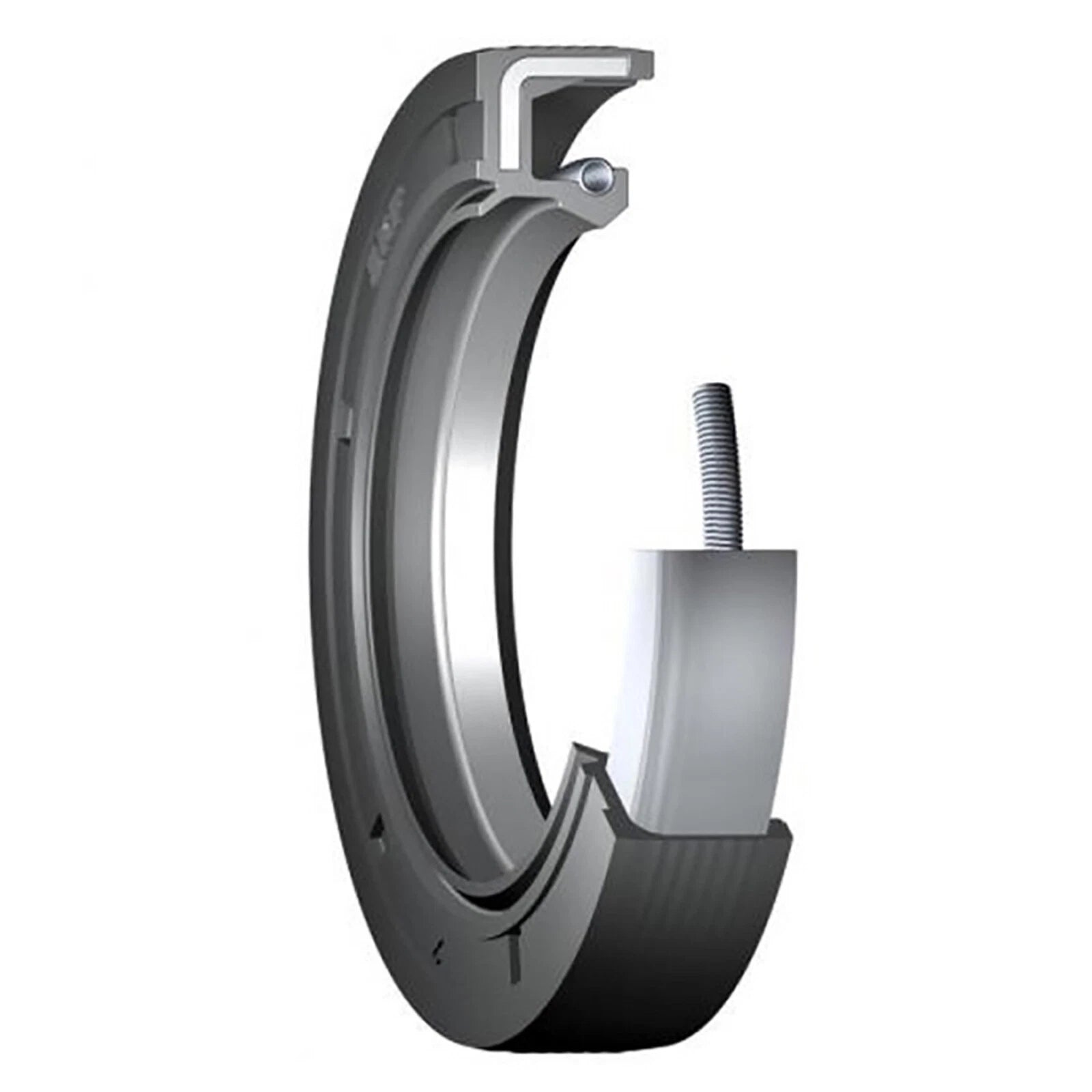
Each seal in this listing is a TC-type double-lip rotary shaft oil seal constructed from NBR (nitrile butadiene rubber) bonded to a rigid metal skeleton. The TC design incorporates a primary sealing lip that retains lubricant on the inboard side and a secondary dust lip that blocks dirt, moisture, and debris from the outboard side. Available in 222 size combinations with inner diameters (ID) from 26 mm (≈1.02") to 50 mm (≈1.97"), outer diameters (OD) from 35 mm (≈1.38") to 100 mm (≈3.94"), and heights from 5 mm (≈0.20") to 12 mm (≈0.47"). Select your exact ID × OD × Height from the variant dropdown above.

These TC rotary shaft oil seals are well suited for automotive rear axle and differential applications, agricultural tractor PTO shafts and gearboxes, small engine crankshaft seals, electric motor shaft seals, and general industrial power-transmission equipment where a reliable NBR metal skeleton dust seal is needed to protect bearings and retain grease or oil.

ℹ️ Compatibility Note: These seals are designed for rotary shaft applications with petroleum-based and mineral oil lubricants. Verify your shaft diameter, bore diameter, and housing depth before ordering. NBR is generally not recommended for use with phosphate ester fluids, ketones, or strong aromatic solvents — contact us if you need to confirm fluid compatibility.
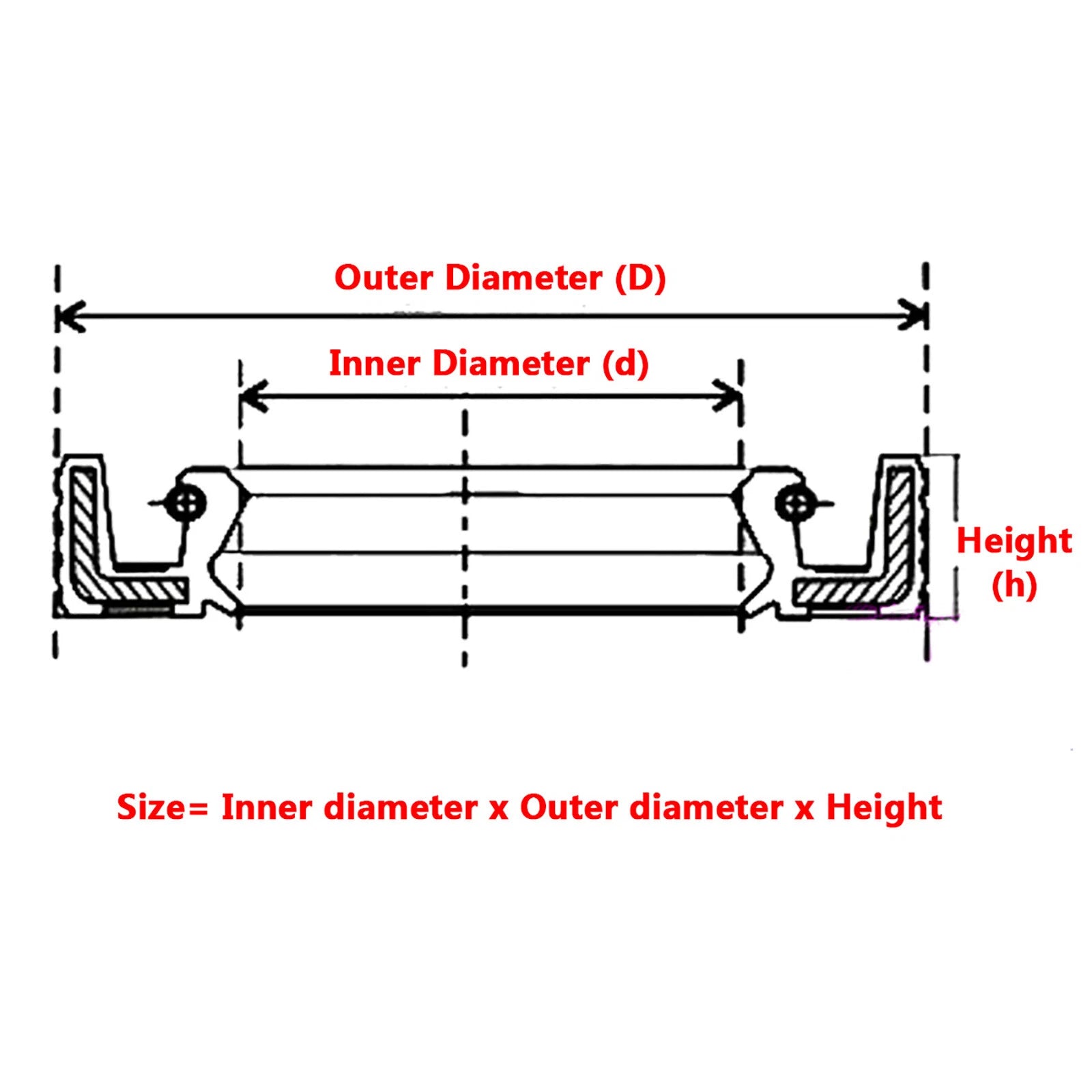
⚠️ Size Confirmation: With 222 variants available, please measure your existing seal or housing with calipers before selecting. The variant format is ID × OD × Height in millimeters (e.g., 40×62×10mm).

✅ Key Features of These TC Oil Seals with NBR Rubber and Metal Skeleton

  • 🔒TC Double-Lip Design — The primary lip retains lubricant while the secondary dust lip actively blocks dirt, water spray, and airborne contaminants, making these seals a reliable choice for rotary shaft sealing in dirty or wet environments.
  • 🧱Rigid Metal Skeleton — The stamped steel outer case maintains dimensional stability during press-fit installation and prevents the seal from distorting under housing bore pressure, ensuring a consistent interference fit.
  • 🛢️NBR Rubber Compound — Nitrile rubber offers broad compatibility with mineral oils, petroleum-based greases, and water-glycol fluids commonly found in automotive differentials, gearboxes, and agricultural equipment.
  • 📐222 Sizes in One Listing — ID range 26–50 mm, OD range 35–100 mm, height range 5–12 mm. Covers a wide cross-section of standard shaft seal sizes used in automotive, agricultural, and industrial power-transmission applications.
  • ⚙️Press-Fit Outer Diameter — The metal-reinforced OD is sized for a firm interference fit into standard machined or cast housing bores, reducing the risk of seal spin-out or oil bypass around the outer case.
  • 🔧Straightforward Installation — No special tools required beyond a seal driver or flat press plate. The seal can be installed flush or slightly below the housing face, and the pre-lubricated lip reduces the risk of dry-start damage during initial run-in.

📐 Technical Specifications — TC Rotary Shaft Oil Seal

Seal Type TC (Double-Lip Rotary Shaft Oil Seal)
Lip Material NBR (Nitrile Butadiene Rubber)
Skeleton / Case Metal (stamped steel)
Inner Diameter (ID) Range 26 mm – 50 mm (≈1.02" – 1.97")
Outer Diameter (OD) Range 35 mm – 100 mm (≈1.38" – 3.94")
Height Range 5 mm – 12 mm (≈0.20" – 0.47")
Available Sizes 222 variants — select ID × OD × Height above
Typical Operating Temperature Generally –40°C to +120°C (–40°F to +248°F) for NBR
Max Shaft Speed (typical) See variant options — typically up to 4–8 m/s depending on size and lubrication
Max Differential Pressure Typically up to ~0.05 MPa (7 psi) — low-pressure rotary applications
Fluid Compatibility Mineral oils, petroleum greases, water-glycol fluids; not recommended for phosphate esters or ketones
Installation Method Press-fit into housing bore using seal driver or flat press plate
Quantity per Order 1 piece per variant selected
Country of Origin Contact us to confirm

❓ Frequently Asked Questions

How do I choose the correct TC oil seal size for my application?

Measure three dimensions with calipers: the shaft diameter (this is your ID), the housing bore diameter (this is your OD), and the housing depth (this is your Height). Match all three to the variant listed. For example, a 30 mm shaft in a 47 mm bore with a 7 mm housing depth = select 30×47×7mm. If you only have inch measurements, multiply by 25.4 to convert — for instance, a 1.181" shaft is approximately 30 mm. When in doubt, measure the old seal directly.

What is the difference between a TC seal and a single-lip (SC) seal?

A TC seal has two sealing lips: a primary lip that retains lubricant on the inboard side, and a secondary dust lip that prevents contaminants from entering from the outboard side. A single-lip (SC) seal has only the primary lip. TC seals are generally preferred for applications exposed to dirt, water spray, mud, or debris — such as wheel hubs, agricultural PTO shafts, and outdoor power equipment.

What pressure and load can these seals handle?

TC-type rotary shaft oil seals are designed for low-to-moderate pressure applications, typically up to about 0.05 MPa (≈7 psi) of differential pressure. They are not intended for high-pressure hydraulic circuits. For higher-pressure applications, a PTFE lip seal or spring-energized seal is generally more appropriate. These seals are well suited for gearbox splash lubrication, bearing grease retention, and similar low-pressure rotary sealing tasks.

Can I use these seals outdoors or in wet and dusty conditions?

Yes. NBR rubber generally offers good resistance to water, grease, and petroleum-based oils, and the TC double-lip design specifically adds a secondary dust exclusion lip for environments with dirt or moisture. The metal skeleton maintains the seal's shape under press-fit installation. For prolonged UV exposure, ozone-rich environments, or contact with aggressive chemicals, FKM (Viton) or EPDM materials are typically more suitable — contact us if you need an alternative compound.

What shaft surface finish and hardness do I need for these seals to work correctly?

For reliable sealing performance, the shaft surface in the sealing zone should generally be ground or polished to a surface roughness of Ra 0.2–0.8 µm (approximately 8–32 µin). A shaft hardness of HRC 45 or higher is typically recommended to minimize lip wear over time. Avoid sharp edges, keyways, or threads in the sealing zone — use a sleeve or installation tool to protect the lip when sliding the seal over these features.

Are these NBR seals compatible with synthetic oils and greases?

NBR is generally compatible with mineral oils, petroleum-based greases, and many water-glycol fluids. It is typically not recommended for use with phosphate ester hydraulic fluids, ketones (such as MEK or acetone), or strong aromatic solvents. Compatibility with PAO-based synthetic oils and synthetic ester lubricants varies — if you are using a non-mineral lubricant, verify compatibility with the fluid manufacturer's data sheet before installation.

How do I install a TC oil seal without damaging the lip?

Apply a thin film of clean grease to the sealing lip and the shaft surface before installation. Use a seal driver sized to the OD, or a flat press plate, to push the seal in squarely — never strike the seal face directly with a hammer. Press until the outer face is flush with or slightly below the housing bore edge. If the shaft has a keyway, thread, or sharp shoulder, use a tapered installation sleeve or wrap the shaft with thin plastic film to protect the lip during assembly.

🛒 Select your ID × OD × Height above, then add to cart — ships from our US warehouse.

You may also like

Recently viewed