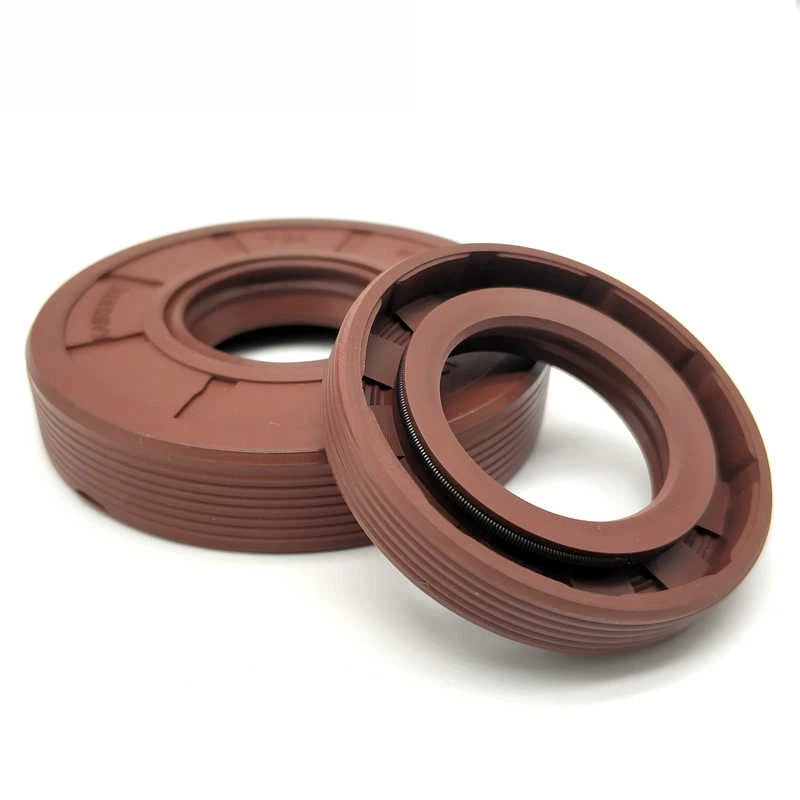
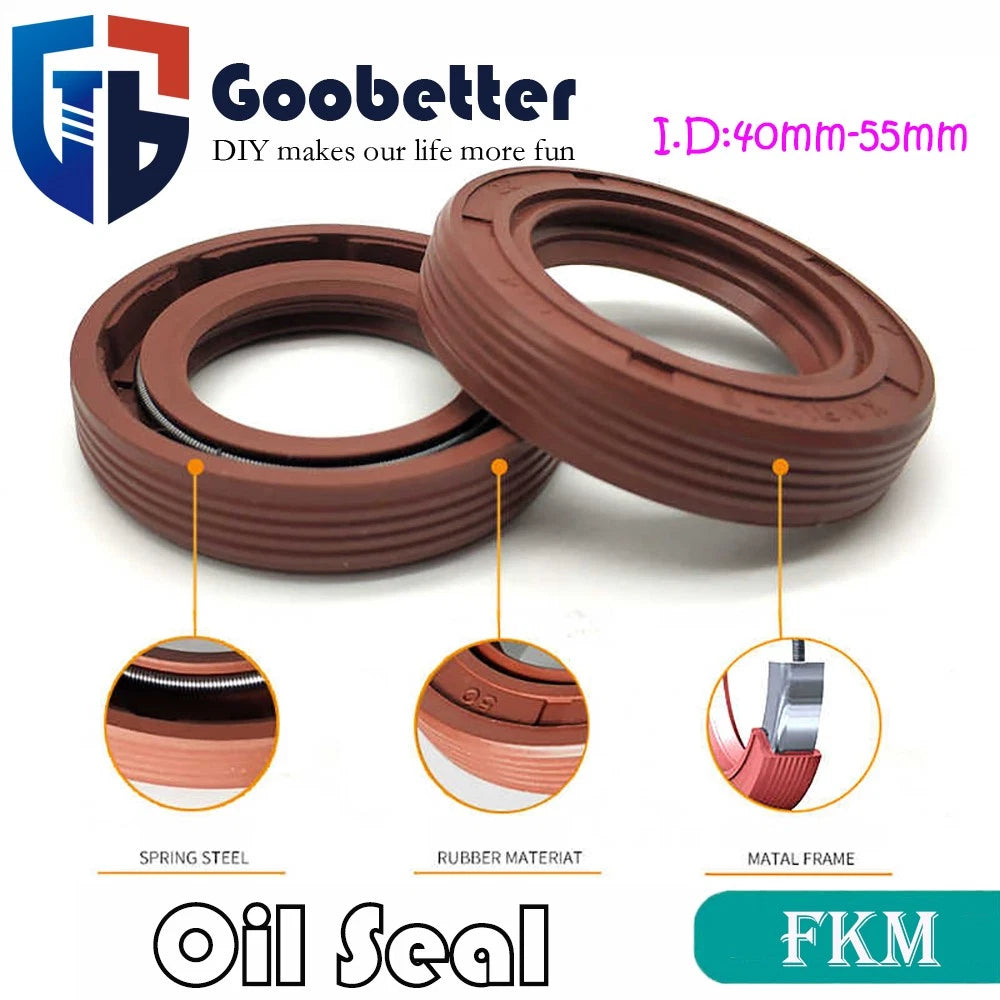
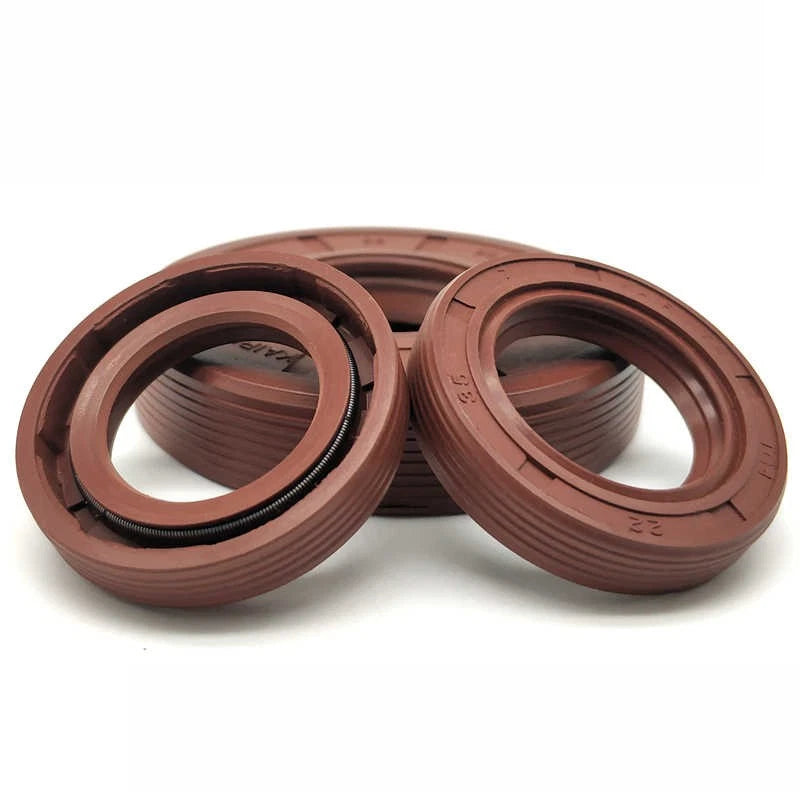
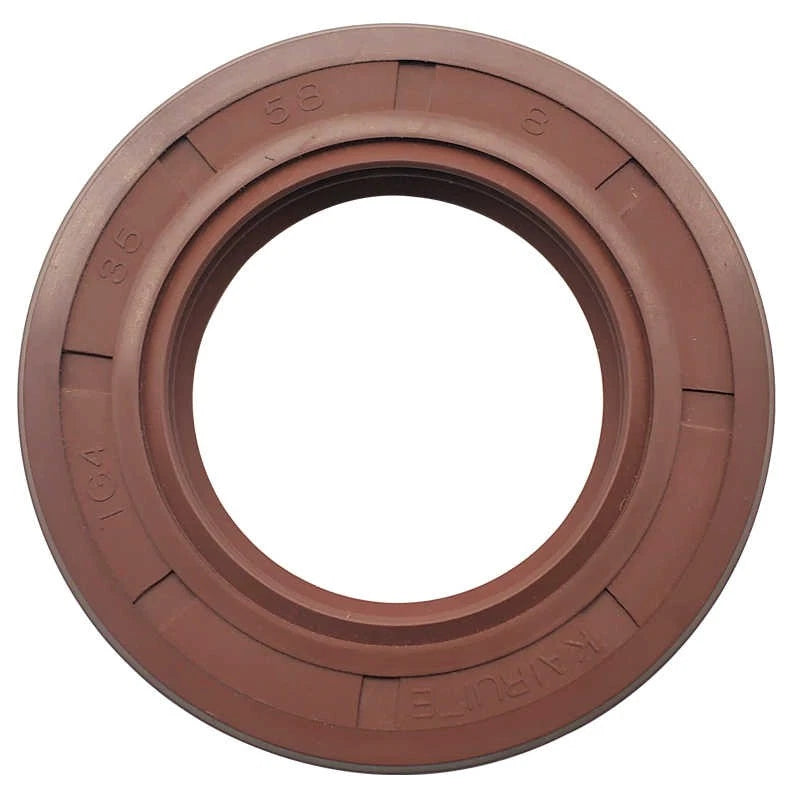
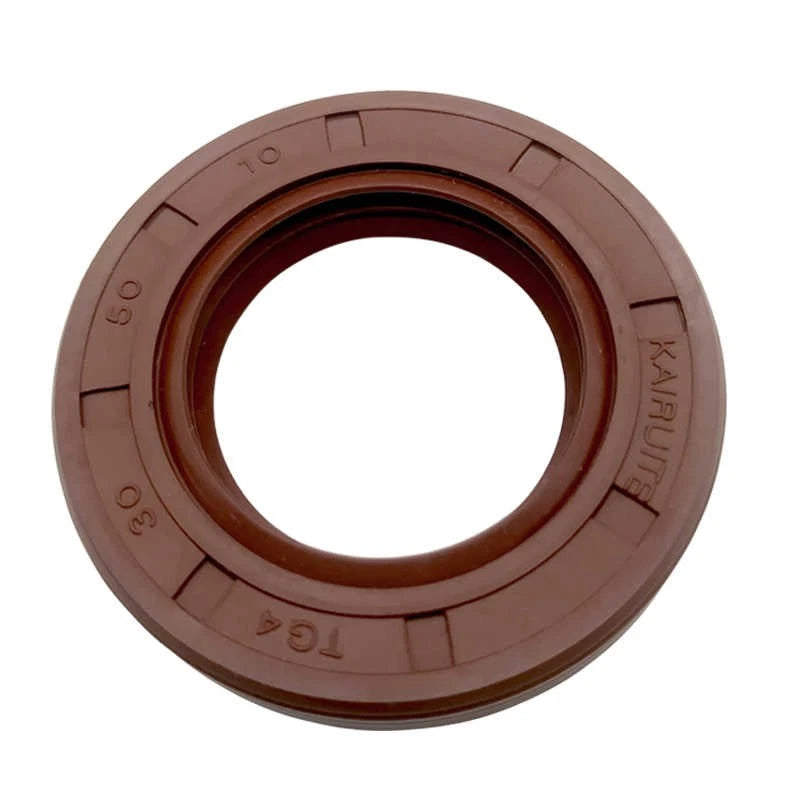
TC TG Oil Seal Skeleton FKM Rubber Framework Double Lip Oil Sealing Ring 7-18mm

Keine Bewertungen

Preis:
Sonderpreis$2.92 USD
Lagerbestand:
Verfügbar (500 Stück), versandbereit

Payment & Security

Ach Direct Debit Amazon American Express Apple Pay Bancontact Diners Club Discover Google Pay iDEAL Wero Mastercard PayPal Shop Pay USDC Visa

Deine Zahlungsinformationen werden sicher verarbeitet. Wir speichern keine Kreditkartendaten und haben auch keinen Zugang zu deinen Kreditkartendaten.

Quantity Discount Promotion
🎯 BULK DISCOUNT: Buy More, Save More!
Buy 2 Items
5% OFF
Buy 4 Items
10% OFF
Buy 6 Items
15% OFF
Expert

DIY Expert Support

Get fitment advice & recommendations

Mon-Fri, 8:30AM-8PM
24-Hour Fast Ship
🚚
Arrives in 3-14 days
🌍
Global Reach
↩️
30-Day Returns
🌱 1 tree planted with every purchase

Beschreibung

TC TG Double Lip Oil Seal Ring — FKM Skeleton Sealing for Rotating Shafts

When a worn or undersized oil seal lets lubricant escape from a gearbox, axle, or hydraulic cylinder, the result is contamination, accelerated bearing wear, and unplanned downtime. Mechanics, maintenance engineers, and serious DIYers who need a reliable TC TG double lip oil seal ring that holds up to heat, fuel, and chemical exposure will find this FKM rubber skeleton seal a direct-fit solution across a wide range of bore sizes.

Each seal is built around a rigid steel skeleton framework that maintains roundness under press-fit installation. The sealing element is formed from FKM (fluoroelastomer) rubber, which resists petroleum-based oils, transmission fluids, and mild chemical exposure. Available inner diameters run from 7 mm (approx. 0.28 in) to 18 mm (approx. 0.71 in), with outer diameters and depths selectable by variant to match your housing bore and shaft shoulder precisely.

Typical use cases include automotive crankshaft and camshaft sealing, small engine output shaft sealing, hydraulic pump shaft sealing, and gearbox input/output shaft sealing — all situations where a TC TG double lip oil seal ring must prevent both outward lubricant loss and inward ingress of dust or moisture.

⚙️ Compatibility: Designed for rotating shaft applications. Verify inner diameter (shaft OD), outer diameter (housing bore ID), and depth against your equipment service manual before ordering. See variant options for the full size matrix.

✅ Key Features of These TC TG Double Lip Oil Seal Rings

  • FKM Fluoroelastomer Lip: Withstands continuous operating temperatures typically up to 200 °C (392 °F) and resists petroleum oils, ATF, and mild solvents better than standard NBR seals.
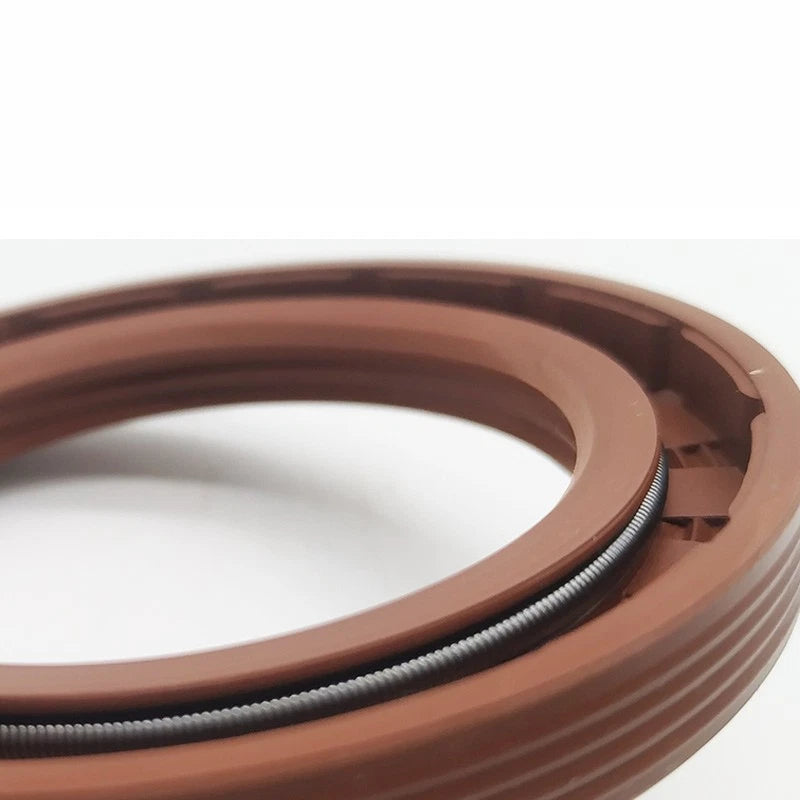
  • Double Lip (TC/TG) Design: Primary sealing lip retains lubricant; secondary dust lip blocks particulate and moisture ingress, extending bearing and lubricant service life.
  • Rigid Steel Skeleton Framework: Maintains dimensional stability during press-fit installation and prevents distortion under radial load, ensuring consistent lip contact pressure.
  • Wide Size Matrix — Inner Ø 7–18 mm: Over 200 size combinations covering inner diameters from 7 mm to 18 mm, outer diameters from 16 mm to 45 mm, and depths from 4 mm to 10 mm — one listing for dozens of shaft sizes.
  • Low Friction Lip Profile: Engineered lip geometry minimises running torque on the shaft, reducing heat generation at the seal contact zone during continuous operation.
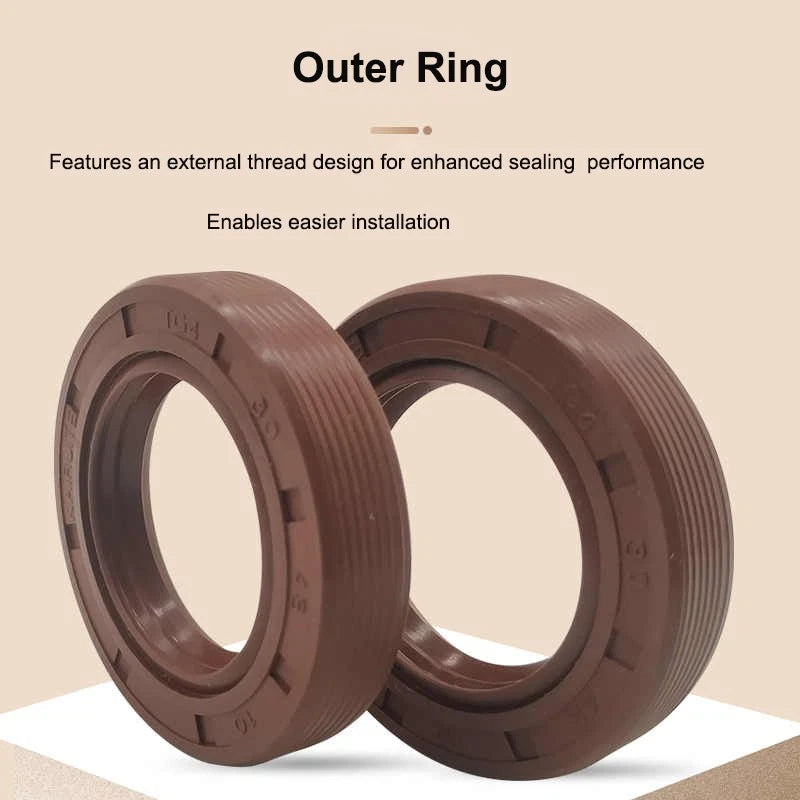
  • Direct Replacement Fit: Dimensioned to standard TC/TG metric seal profiles, making these a drop-in replacement for OEM seals in automotive, agricultural, and industrial equipment without modification.

📐 Technical Specifications — TC TG FKM Double Lip Oil Seal

Seal Type TC / TG (Double Lip, Skeleton)
Lip Material FKM (Fluoroelastomer / Viton-type)
Framework Steel skeleton (rigid inner case)
Inner Diameter (Shaft OD) 7 mm – 18 mm (0.28 in – 0.71 in); see variant options
Outer Diameter (Housing Bore) 16 mm – 45 mm; see variant options
Depth (Width) 4 mm – 10 mm; see variant options
Lip Configuration Primary sealing lip + secondary dust/exclusion lip
Max Continuous Temperature Typically up to 200 °C (392 °F) for FKM compound
Fluid Compatibility Petroleum oils, ATF, gear oil, mild fuels; contact us to confirm for aggressive chemicals
Installation Method Press-fit into housing bore
Quantity per Order 1 piece (per variant selection)
Dimensional Standard Metric TC/TG profile

❓ Frequently Asked Questions

How do I choose the correct size oil seal for my application?

You need three measurements: the shaft outer diameter (= seal inner diameter), the housing bore inner diameter (= seal outer diameter), and the housing depth or groove width (= seal depth). Measure with calipers rather than relying on worn seal dimensions, as a damaged seal may have stretched. Match all three values to the variant option listed as Inner Ø × Outer Ø × Depth.

What is the difference between a TC seal and a TG seal?

Both TC and TG designations describe double-lip skeleton oil seals with a primary sealing lip and a secondary exclusion lip. The difference lies in the secondary lip geometry and spring configuration used by different standards bodies. In practice, TC and TG seals are dimensionally interchangeable for most metric applications. If your equipment manual specifies one type, either will typically fit the same housing.

Why choose FKM rubber over NBR for an oil seal?

FKM (fluoroelastomer) offers significantly better resistance to high temperatures (up to ~200 °C vs. ~120 °C for standard NBR), petroleum-based fluids, transmission fluids, and mild fuels. If your application runs hot — such as a turbo engine, high-cycle hydraulic pump, or equipment exposed to elevated ambient temperatures — FKM seals maintain lip flexibility and sealing force longer than NBR alternatives.

Can I use this seal in a hydraulic cylinder or pump?

These TC/TG skeleton seals are designed for rotating shaft applications, not reciprocating (linear) hydraulic rod seals. For a rotating hydraulic pump shaft, they are appropriate. For a hydraulic cylinder rod or piston, you would need a different seal profile (e.g., U-cup or lip seal rated for reciprocating motion). Contact us to confirm suitability if you are unsure of your application type.

How do I install a skeleton oil seal without damaging the lip?

Clean the housing bore and lightly lubricate the outer diameter of the seal with clean oil or grease before pressing in. Use a flat press tool or a socket slightly smaller than the outer diameter to apply even pressure — never hammer directly on the seal face. Press until the seal face is flush with or just below the housing surface. Lightly coat the sealing lip with the fluid it will be retaining before fitting over the shaft to prevent dry-start damage.

Will this seal fit my specific vehicle or machine model?

Compatibility is determined by dimensions, not by vehicle make or model. Measure your shaft OD, housing bore ID, and housing depth, then match those to the variant options. If your OEM seal carries a part number, cross-reference its published dimensions against the size matrix here. If you need help confirming a match, contact us with your measurements or OEM part number.

What fluids are these FKM seals NOT compatible with?

While FKM has broad chemical resistance, it is generally not recommended for use with ketones (e.g., MEK, acetone), certain esters, or low-molecular-weight organic acids at elevated concentrations. For standard engine oil, gear oil, ATF, and petroleum-based hydraulic fluid, FKM performs well. If your application involves unusual process fluids or aggressive solvents, contact us to confirm compatibility before ordering.

🛒 Select your Inner Ø × Outer Ø × Depth and Pack quantity above, then add to cart.

You may also like

Recently viewed