White Rubber-Vacuum Tube Laboratory Hose Pipe High Quality Inner Dia 6mm~36mm

Keine Bewertungen

Preis:
Sonderpreis$18.89 USD
Lagerbestand:
Verfügbar (500 Stück), versandbereit

Payment & Security

Ach Direct Debit Amazon American Express Apple Pay Bancontact Diners Club Discover Google Pay iDEAL Wero Mastercard PayPal Shop Pay USDC Visa

Deine Zahlungsinformationen werden sicher verarbeitet. Wir speichern keine Kreditkartendaten und haben auch keinen Zugang zu deinen Kreditkartendaten.

Quantity Discount Promotion
🎯 BULK DISCOUNT: Buy More, Save More!
Buy 2 Items
5% OFF
Buy 4 Items
10% OFF
Buy 6 Items
15% OFF
Expert

DIY Expert Support

Get fitment advice & recommendations

Mon-Fri, 8:30AM-8PM
24-Hour Fast Ship
🚚
Arrives in 3-14 days
🌍
Global Reach
↩️
30-Day Returns
🌱 1 tree planted with every purchase

Beschreibung

White Silicone Vacuum Tube — Flexible Laboratory Hose Pipe for DIY & Industrial Use

When standard rubber tubing cracks under heat or stiffens in cold storage, lab technicians, aquarium builders, and home workshop users are left scrambling for a reliable alternative. This white silicone vacuum tube is engineered for applications where consistent flexibility, chemical tolerance, and a secure seal matter — whether you're routing vacuum lines in a chemistry setup or plumbing a custom filtration system.

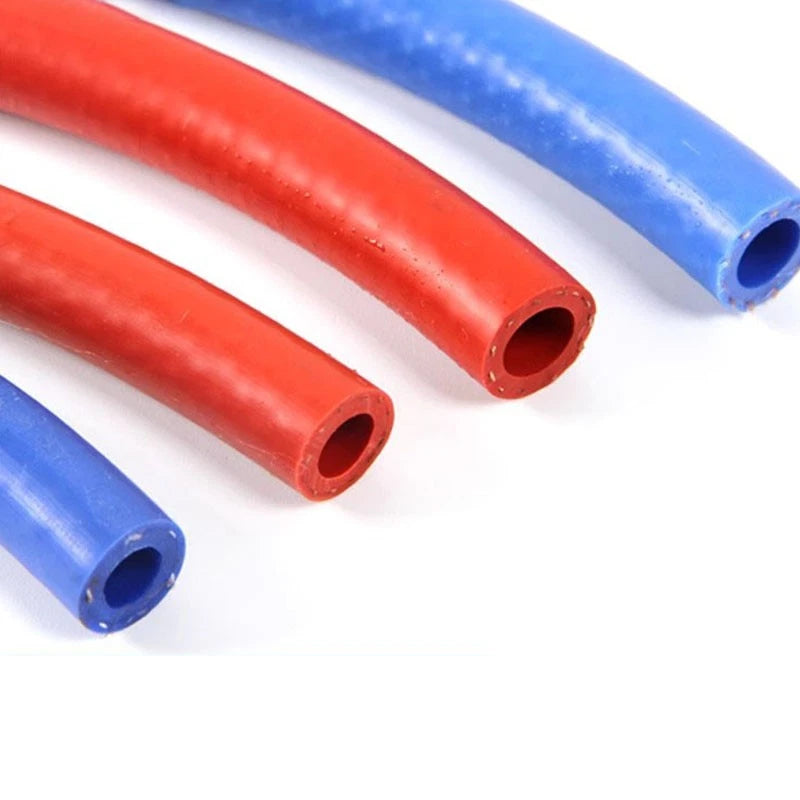
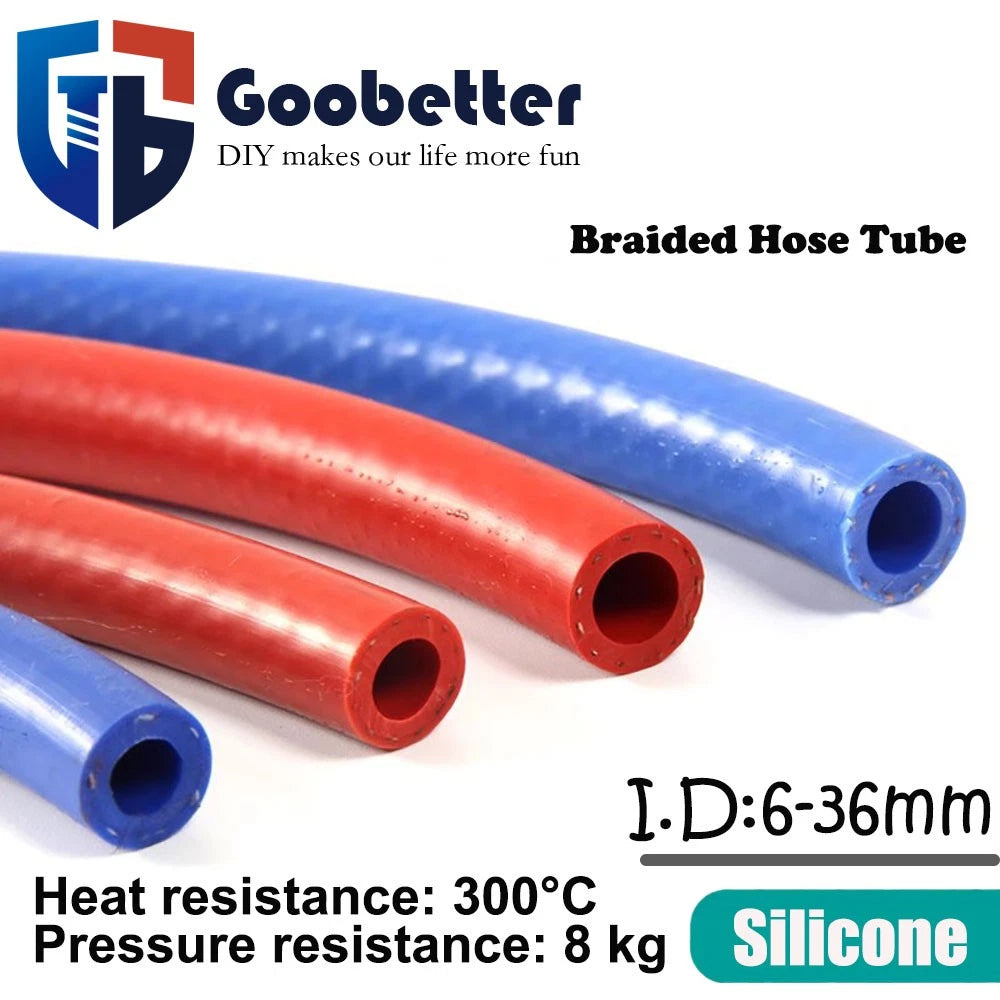
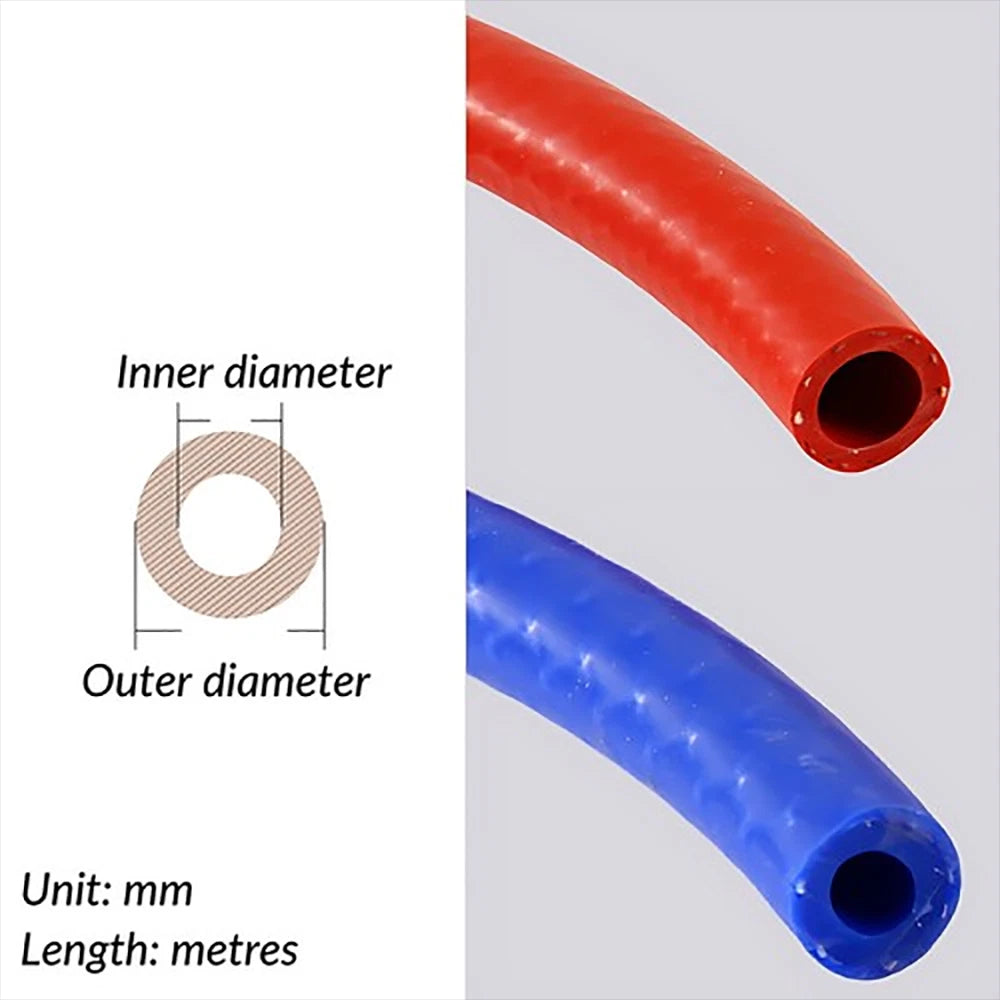
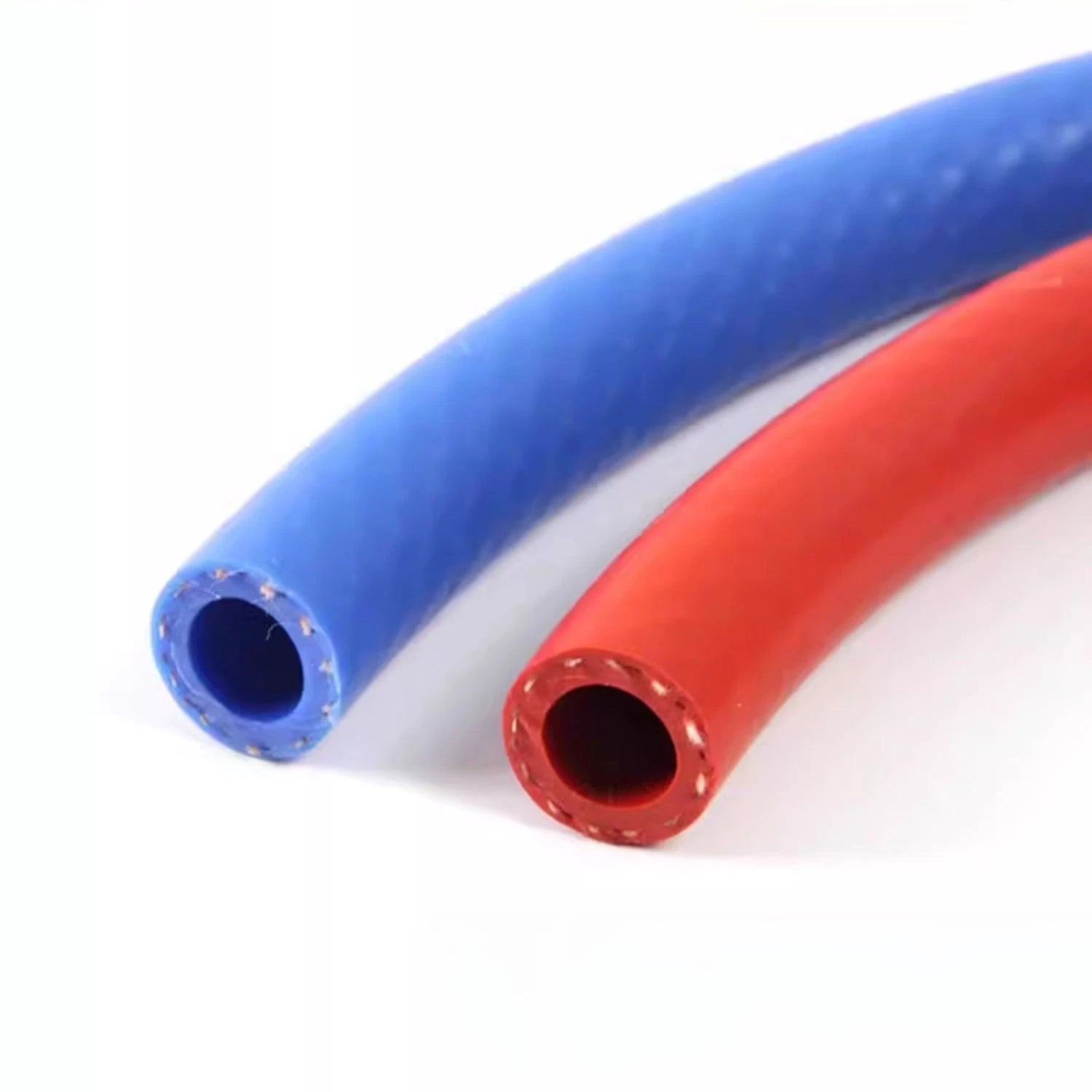
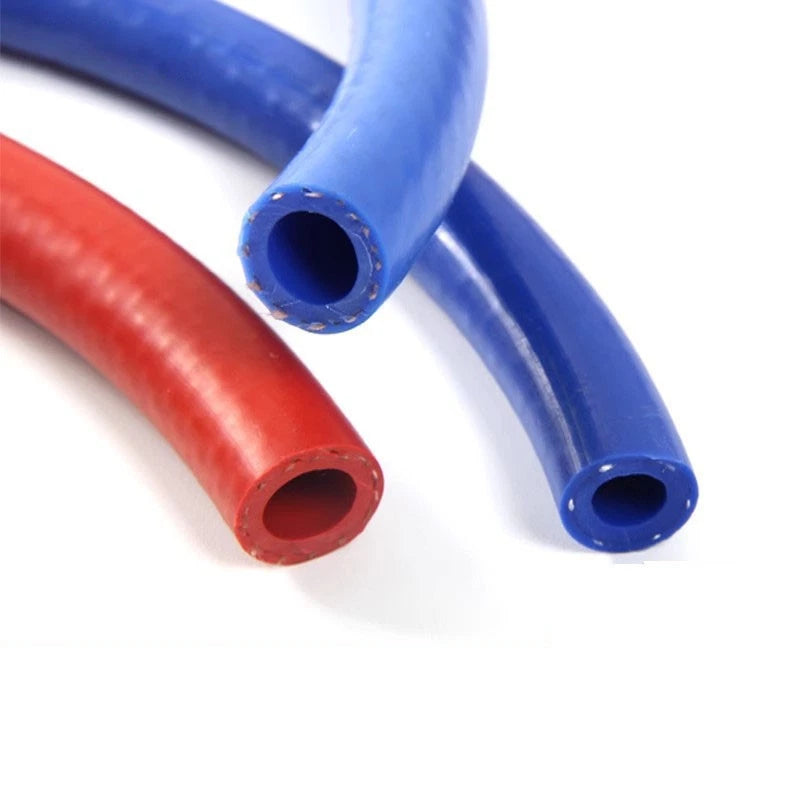
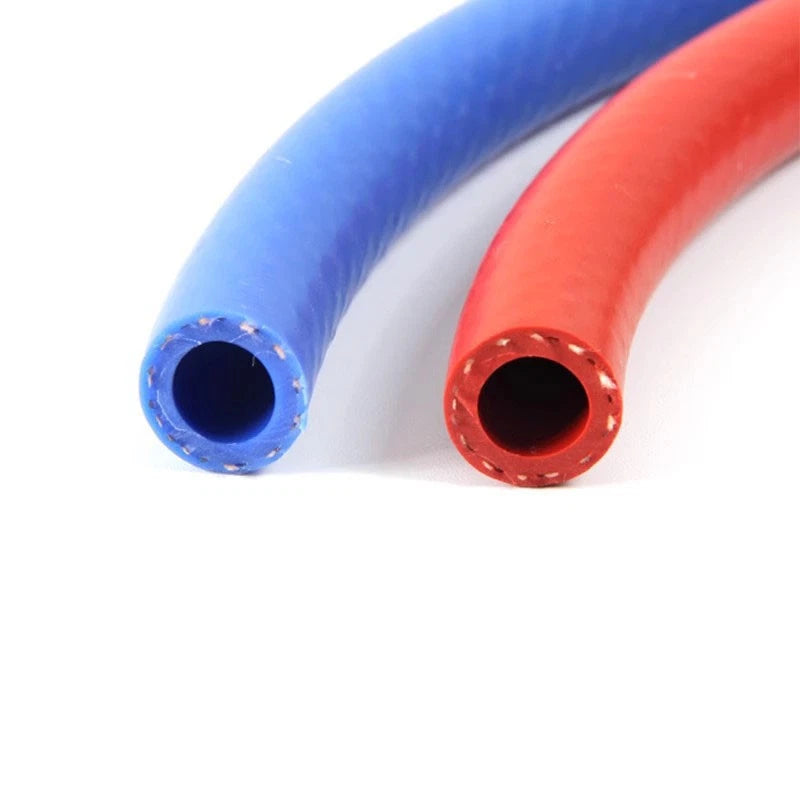
Each length is made from silicone rubber with a smooth bore interior and a reinforced wall structure. Inner diameters range from 6 mm (~0.24 in) to 32 mm (~1.26 in), with corresponding outer diameters from 12 mm to 42 mm. Available in Red or Blue color-coding for easy line identification, and in cut lengths of 1, 2, 5, or 10 meters to match your project scope.

Typical use cases include vacuum pump connections in laboratory environments, peristaltic pump tubing for fluid transfer, aquarium CO₂ diffuser lines, and low-pressure pneumatic routing in DIY workshop builds — all scenarios where a kink-resistant, flexible silicone hose pipe outperforms standard PVC or latex alternatives.

⚠️ Compatibility note: Verify your fitting's outer diameter matches the selected tube inner diameter before ordering. Barbed fittings typically require a 1–2 mm interference fit for a secure seal. Not rated for high-pressure steam or concentrated solvent exposure.

✅ Key Features of These Silicone Vacuum Hose Pipes

  • 🔵 Wide Size Range: Inner diameters from 6 mm to 32 mm (OD 12–42 mm) cover the majority of standard lab fittings, barbed connectors, and DIY plumbing adapters without custom cutting.
  • 🌡️ Temperature Flexibility: Silicone maintains pliability across a broad temperature range (typically –50 °C to +200 °C / –58 °F to +392 °F), resisting the brittleness common in PVC tubing under cold or heat cycling.
  • 🧪 Chemical Tolerance: Resistant to dilute acids, alkalis, and many aqueous solutions, making it suitable for laboratory fluid transfer, aquarium CO₂ lines, and food-safe liquid routing where latex is unsuitable.
  • 🔄 Kink-Resistant Wall Construction: The wall thickness (typically 3 mm across most sizes) provides enough rigidity to resist kinking under moderate bend radii, maintaining consistent flow without pinch points.
  • 🎨 Color-Coded Options: Red and Blue variants allow quick visual identification of separate fluid or vacuum circuits in multi-line setups — useful in lab rigs, aquarium systems, and workshop pneumatic layouts.
  • 📏 Cut-to-Order Lengths: Available in 1 m, 2 m, 5 m, and 10 m lengths so you order exactly what your run requires, reducing waste on single-use lab builds or longer workshop installations.

📐 Technical Specifications — Silicone Vacuum Hose Pipe

Material Silicone rubber
Color Options Red, Blue
Inner Diameter (ID) Range 6 mm – 32 mm (approx. 0.24 in – 1.26 in)
Outer Diameter (OD) Range 12 mm – 42 mm (approx. 0.47 in – 1.65 in)
Wall Thickness Typically 3 mm (varies by size)
Available Lengths 1 m, 2 m, 5 m, 10 m
Temperature Range Typically –50 °C to +200 °C (–58 °F to +392 °F)
Flexibility Kink-resistant; flexible at ambient and low temperatures
Pressure Rating See variant options (low-pressure vacuum applications)
Surface Finish Smooth bore interior, matte exterior
Compliance / Certifications Contact us to confirm

❓ Frequently Asked Questions

How do I choose the right inner diameter for my fitting?

Measure the outer diameter of your barbed fitting or nozzle. For a secure, leak-resistant seal, select a tube whose inner diameter is 1–2 mm smaller than the fitting OD — this creates an interference fit. If you need a slip fit for easy removal, match the ID to the fitting OD exactly.

Can this silicone hose handle vacuum pump applications?

Yes. Silicone tubing is commonly used for low-to-moderate vacuum lines in laboratory and DIY settings. The wall thickness provides enough structural support to resist collapse under typical vacuum pump draw. For high-vacuum applications (below 1 mbar), verify wall thickness against your specific vacuum level requirements.

Is this tubing safe for food or aquarium use?

Silicone is generally regarded as food-safe and is widely used in aquarium CO₂ diffuser lines and peristaltic pump systems for liquid transfer. However, if your application requires certified food-grade or NSF-listed tubing, please contact us to confirm the specific grade before ordering.

What is the difference between the Red and Blue color options?

The Red and Blue variants are identical in material, dimensions, and performance — the color difference is purely for visual identification. Many users assign one color to vacuum lines and another to fluid lines, or use them to distinguish separate circuits in multi-channel lab or aquarium setups.

Will this tubing crack or stiffen in cold environments?

Unlike PVC or latex tubing, silicone remains flexible at temperatures as low as approximately –50 °C (–58 °F). This makes it suitable for cold-room laboratory use, outdoor aquarium setups in cooler climates, and refrigeration-adjacent plumbing where standard rubber tubing would harden and crack.

Can I cut the tubing to a shorter length than listed?

Yes. Silicone tubing cuts cleanly with a sharp utility knife or scissors. A straight, perpendicular cut produces the best seal against fittings. If you need a specific length between the listed options (1 m, 2 m, 5 m, 10 m), order the next size up and trim to your required measurement.

Is this hose resistant to chemicals used in laboratory settings?

Silicone offers good resistance to dilute acids, alkalis, alcohols, and many aqueous solutions. It is not recommended for prolonged exposure to concentrated solvents such as acetone, toluene, or chlorinated compounds, which can cause swelling or degradation. For aggressive chemical environments, verify compatibility with your specific reagents before use.

🛒 Select your Size (ID × OD), Color, and Length above, then add to cart.

You may also like

Recently viewed