
The chain is fine...but I ordered the wrong size. Nine links of the chain I ordered equals six of the size I wanted. My error...
How can I straighten out the springs? I can't use them coil uo as is.
Deine Zahlungsinformationen werden sicher verarbeitet. Wir speichern keine Kreditkartendaten und haben auch keinen Zugang zu deinen Kreditkartendaten.
Get fitment advice & recommendations
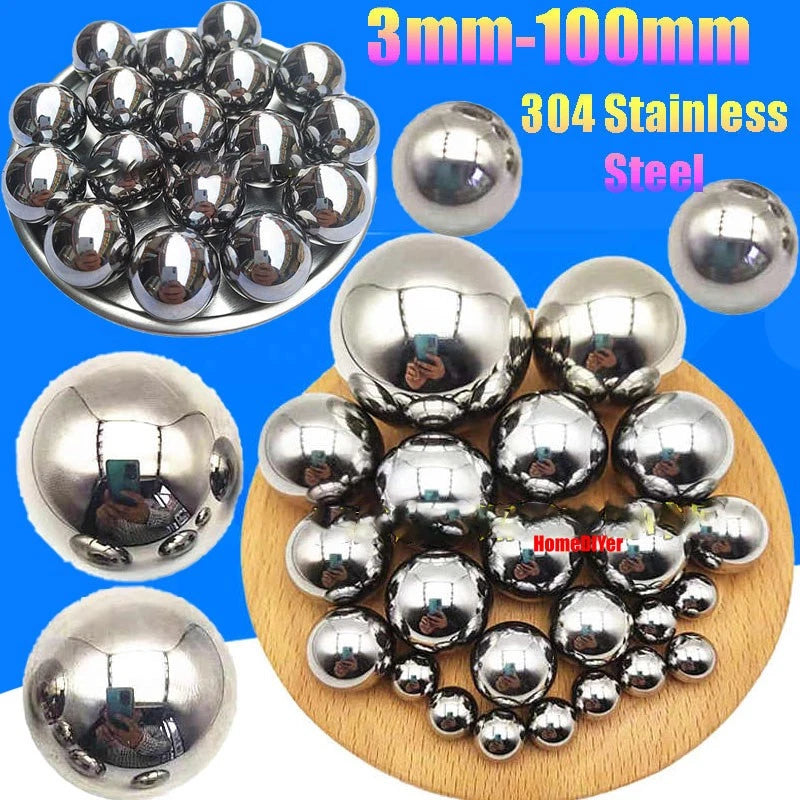
When a worn bearing seat, a seized valve, or a precision jig demands a replacement ball that won't corrode, deform, or fail under load, reaching for the wrong grade costs time and money. Engineers, machinists, and hands-on DIYers who work with fluid systems, linear guides, check valves, or custom fixtures need 304 stainless steel bearing balls they can trust across a wide size range without placing multiple orders.
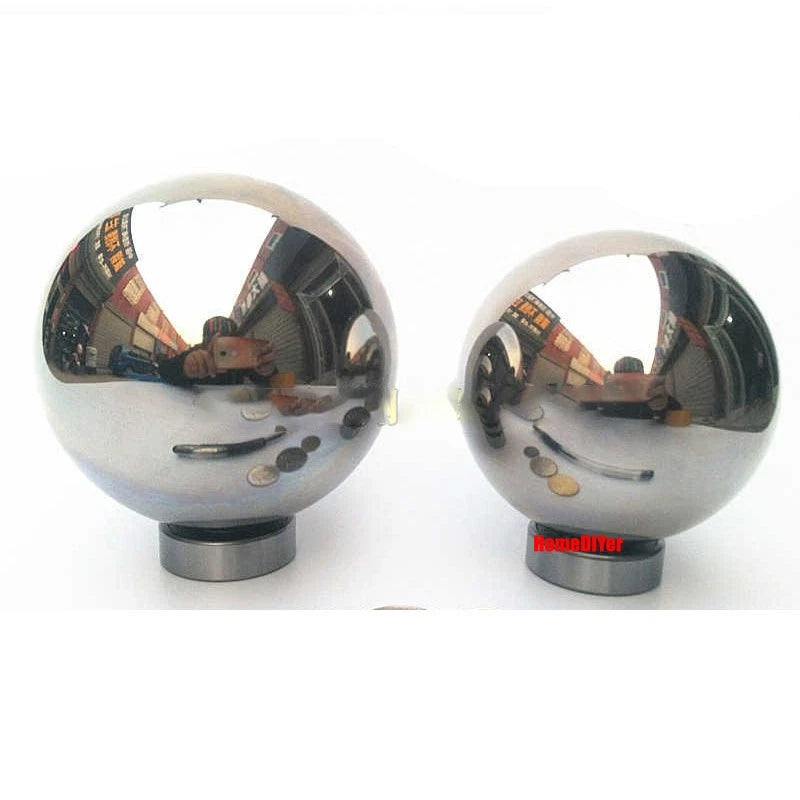
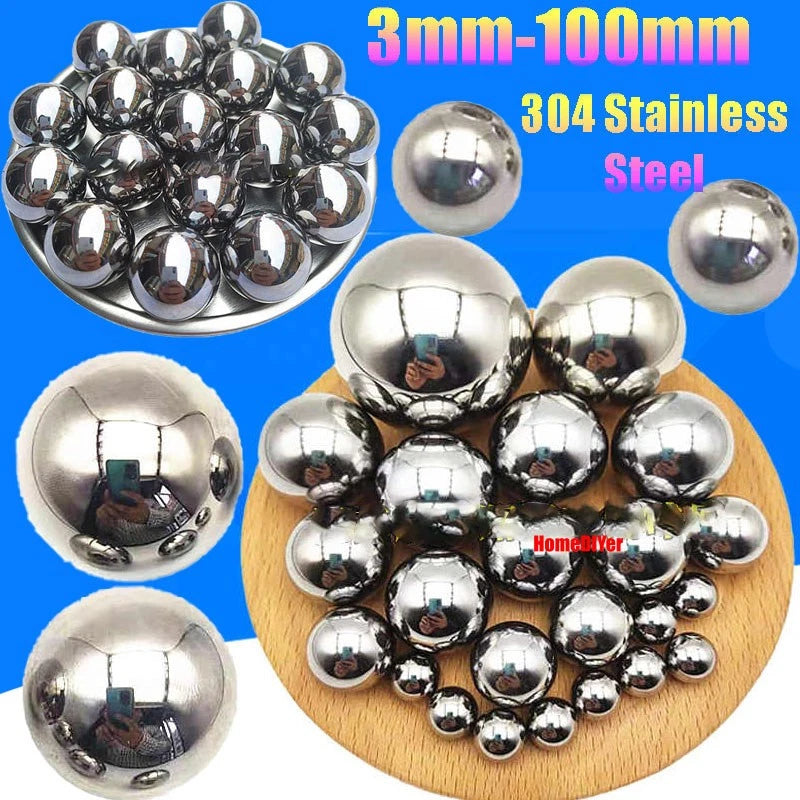
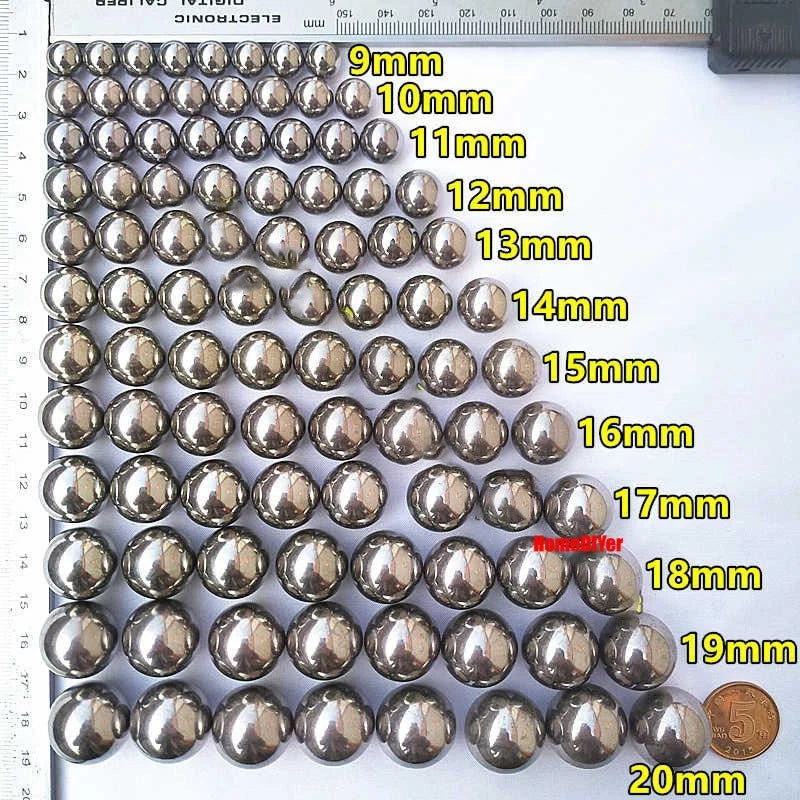
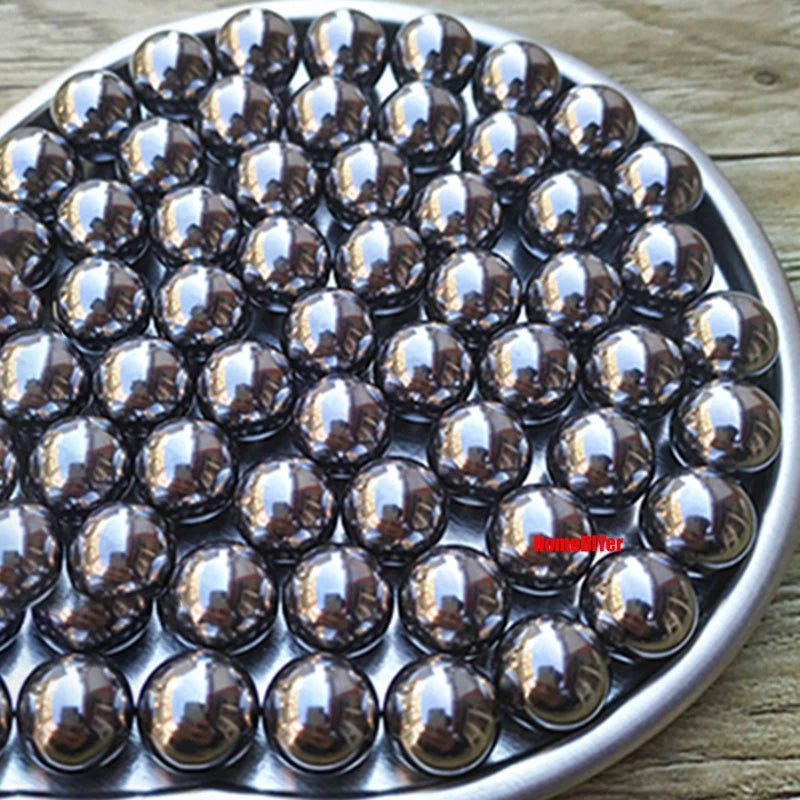
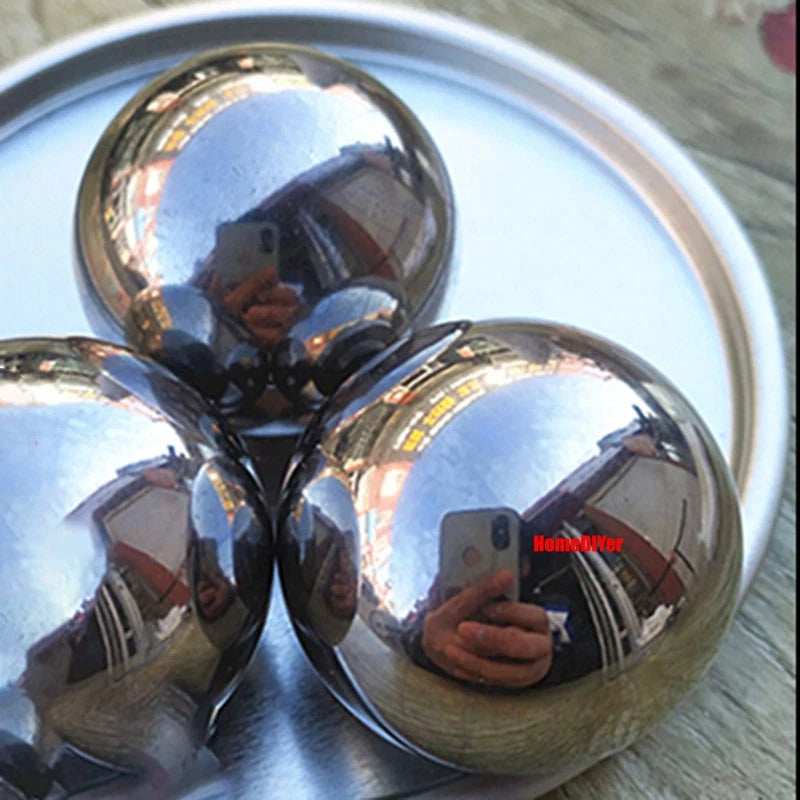
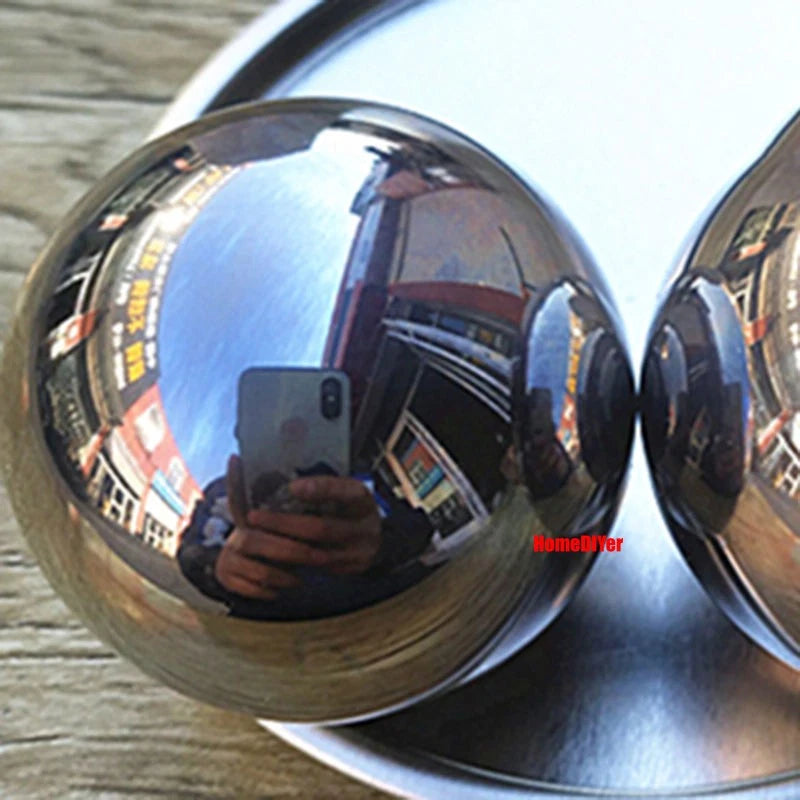
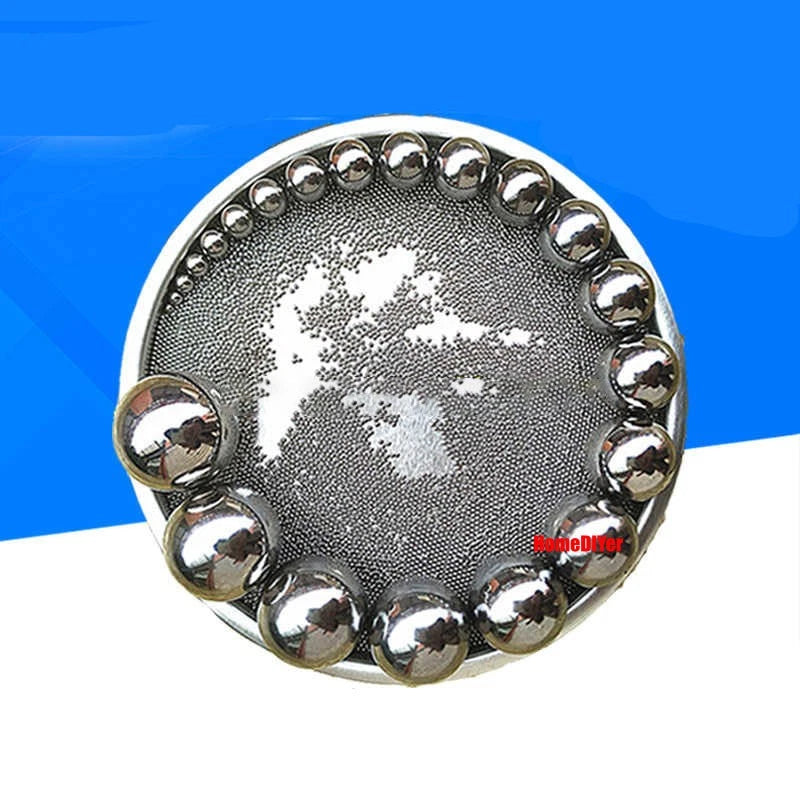
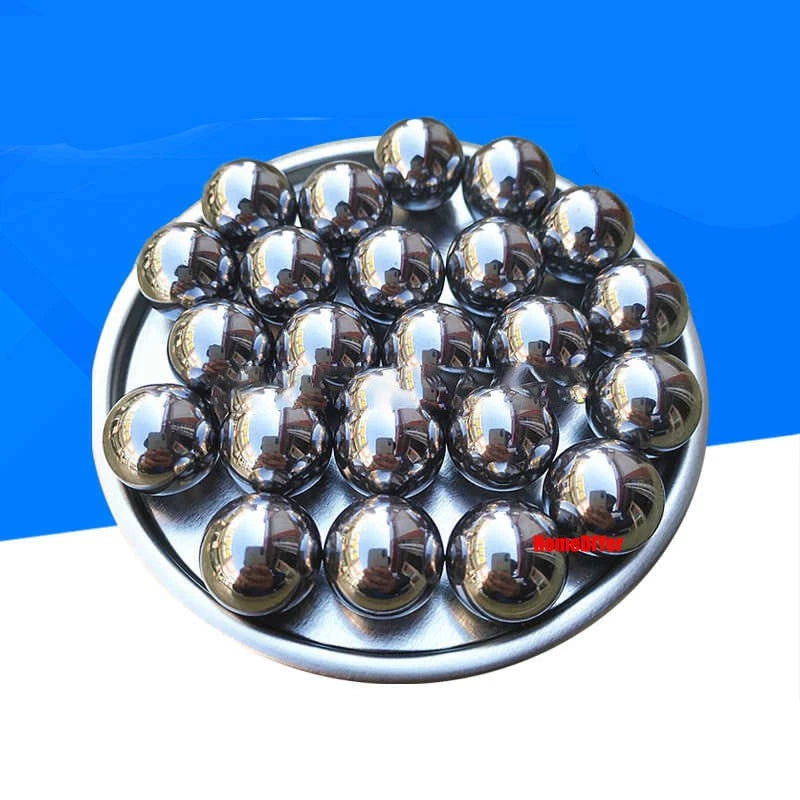
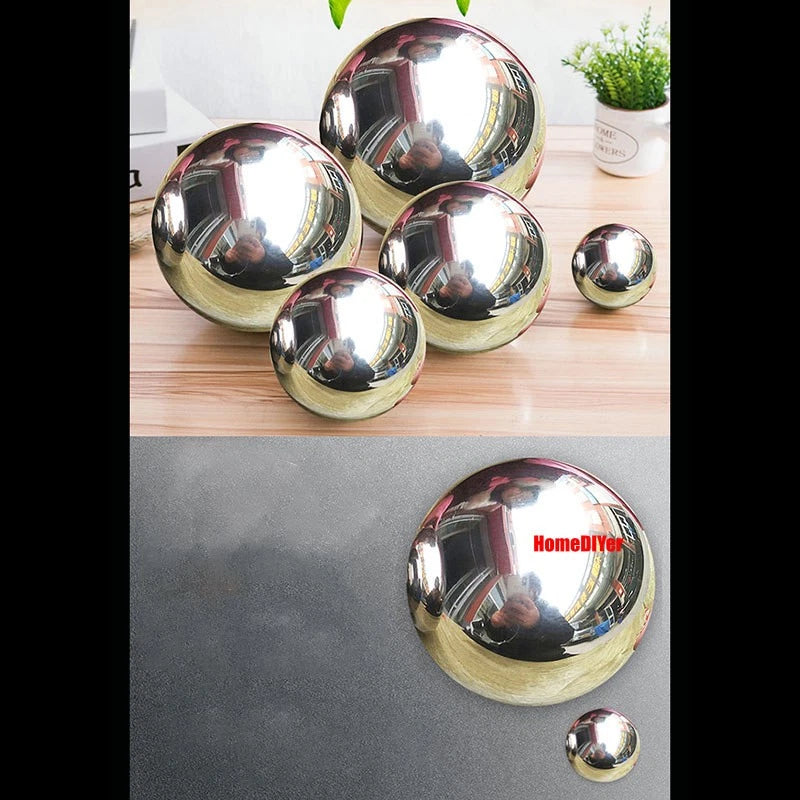
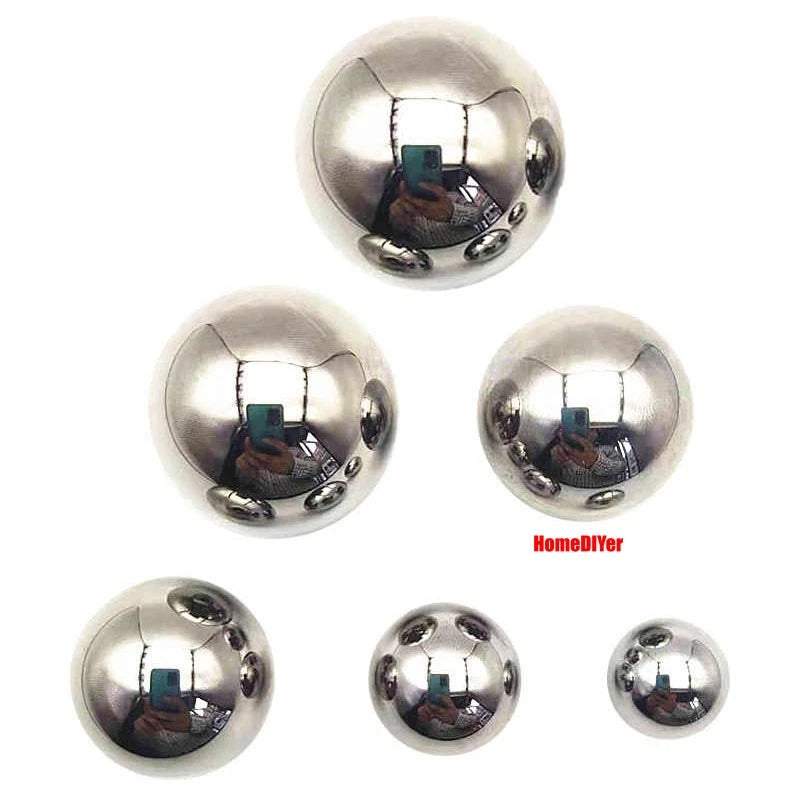
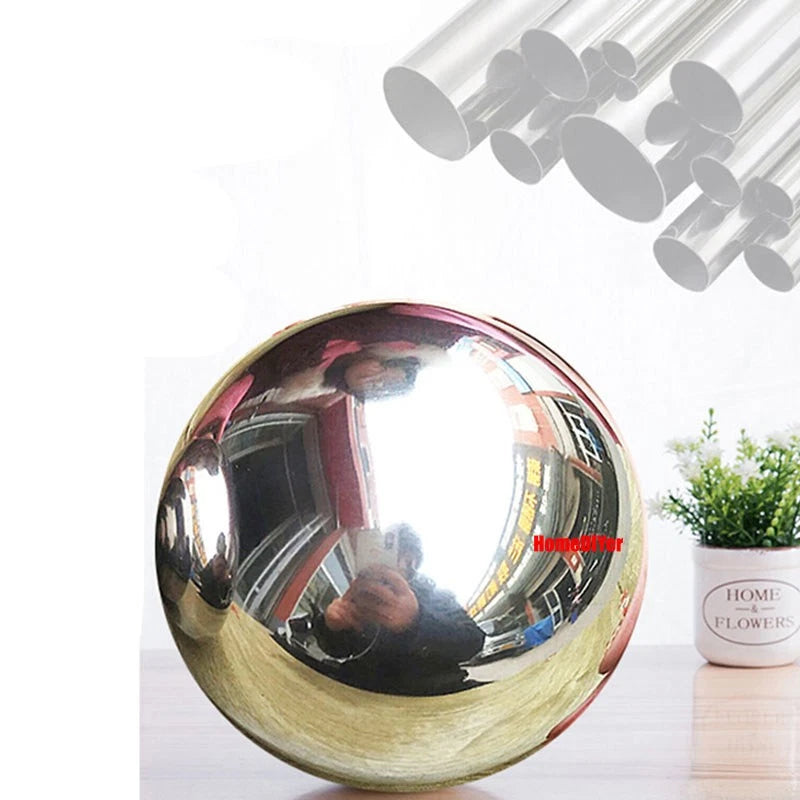
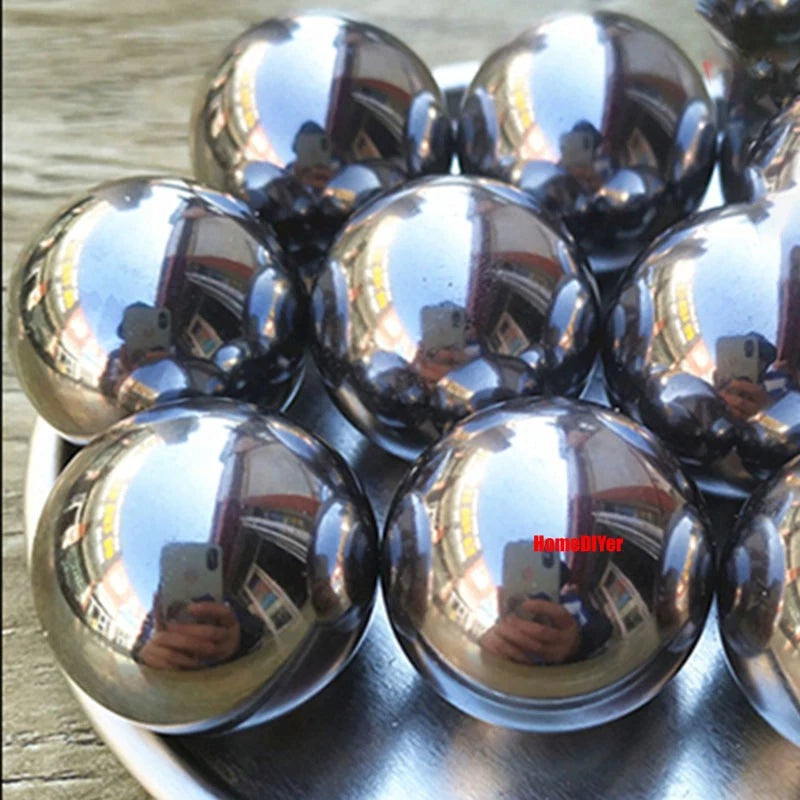
These 304 stainless steel bearing balls are solid, single-piece spheres machined to tight dimensional tolerances. Available in diameters from 3 mm (approx. 0.12 in) up to 100 mm (approx. 3.94 in), each ball is produced from 304-grade austenitic stainless steel — offering a balanced combination of corrosion resistance, surface hardness, and machinability. Quantity options range from single pieces to 500-piece bulk packs, letting you stock exactly what your project requires.
Typical use cases include replacement balls in ball-check valves and pump assemblies, load-distributing elements in linear bearing tracks and drawer slides, precision reference spheres for jig-and-fixture setups, and decorative or functional hardware in furniture and architectural metalwork. The broad diameter range also makes these balls a reliable choice for hobbyist ball-mill media and laboratory mixing applications.
| Material | 304 Stainless Steel (austenitic, 18/8 Cr-Ni alloy) |
|---|---|
| Diameter Range | 3 mm – 100 mm (approx. 0.12 in – 3.94 in) |
| Form Factor | Solid sphere, one-piece construction |
| Surface Finish | Polished (smooth, bright) |
| Corrosion Resistance | Suitable for humid, wet, and mildly acidic environments |
| Hardness | See variant options |
| Sphericity Tolerance | See variant options |
| Available Quantities | 1, 2, 3, 4, 5, 6, 8, 10, 15, 20, 30, 50, 80, 100, 300, 500 PCS |
| Diameter Options | 3, 4, 5, 6, 7, 8, 9, 10, 11, 12, 12.7, 13, 14, 15, 16, 17, 18, 19, 20, 28, 30, 31.75, 32, 34, 35, 36, 38.1, 39, 40, 42, 45, 48, 50, 50.8, 55, 60, 63.5, 65, 70, 75, 76.2, 80, 85, 90, 100 mm |
| Application Types | Check valves, linear bearings, ball screws, jig fixtures, decorative hardware, lab mixing |
Measure the inner diameter of the bearing race or valve seat using a caliper. The ball diameter should match the seat specification — typically listed in the equipment's service manual or stamped on the housing. For check valves, the ball must be slightly larger than the orifice to seal correctly; consult the valve's datasheet for the recommended ball size. When in doubt, contact us to confirm before ordering.
304 stainless steel has a tensile strength of approximately 515 MPa and a yield strength of around 205 MPa, making it suitable for moderate-load rolling and sliding contact applications. For high-load or high-speed precision bearing applications requiring tighter tolerances (ABEC 5 or higher), consider whether a hardened chrome steel or 440C stainless alternative may be more appropriate for your specific load and speed requirements.
304 stainless steel provides solid resistance to oxidation and corrosion in most ambient, humid, and freshwater environments. It performs well in mildly acidic conditions. However, it is not fully resistant to chloride-rich environments (such as saltwater or chlorinated pools) over extended exposure — in those cases, 316 stainless steel is generally recommended. For standard indoor plumbing, HVAC, and general industrial use, 304 is a reliable choice.
304 stainless steel is widely used in food processing equipment and laboratory environments due to its non-reactive surface and ease of cleaning. The polished finish minimizes surface porosity. If your application requires certified food-grade compliance (e.g., FDA, EU 10/2011), please verify the specific certification requirements with your regulatory body, as material grade alone may not satisfy all documentation needs.
For single-unit repairs or prototyping, the 1–5 PCS options provide the most cost-effective entry point. For small-batch production or maintenance kits, the 10–50 PCS packs offer a better per-unit value. For ongoing production lines or stocking a maintenance inventory, the 100–500 PCS bulk packs deliver the lowest per-piece cost. Select your diameter first, then choose the quantity tier that matches your consumption rate.
Yes. Solid 304 stainless steel balls are commonly used as grinding media in small ball mills and as mixing elements in laboratory and industrial mixing vessels. The solid construction ensures consistent mass and impact energy. For abrasive grinding of hard materials, verify that the hardness of the balls exceeds that of the material being ground to avoid excessive ball wear. The smaller diameter options (3 mm – 20 mm) are most commonly used for this purpose.