
The chain is fine...but I ordered the wrong size. Nine links of the chain I ordered equals six of the size I wanted. My error...
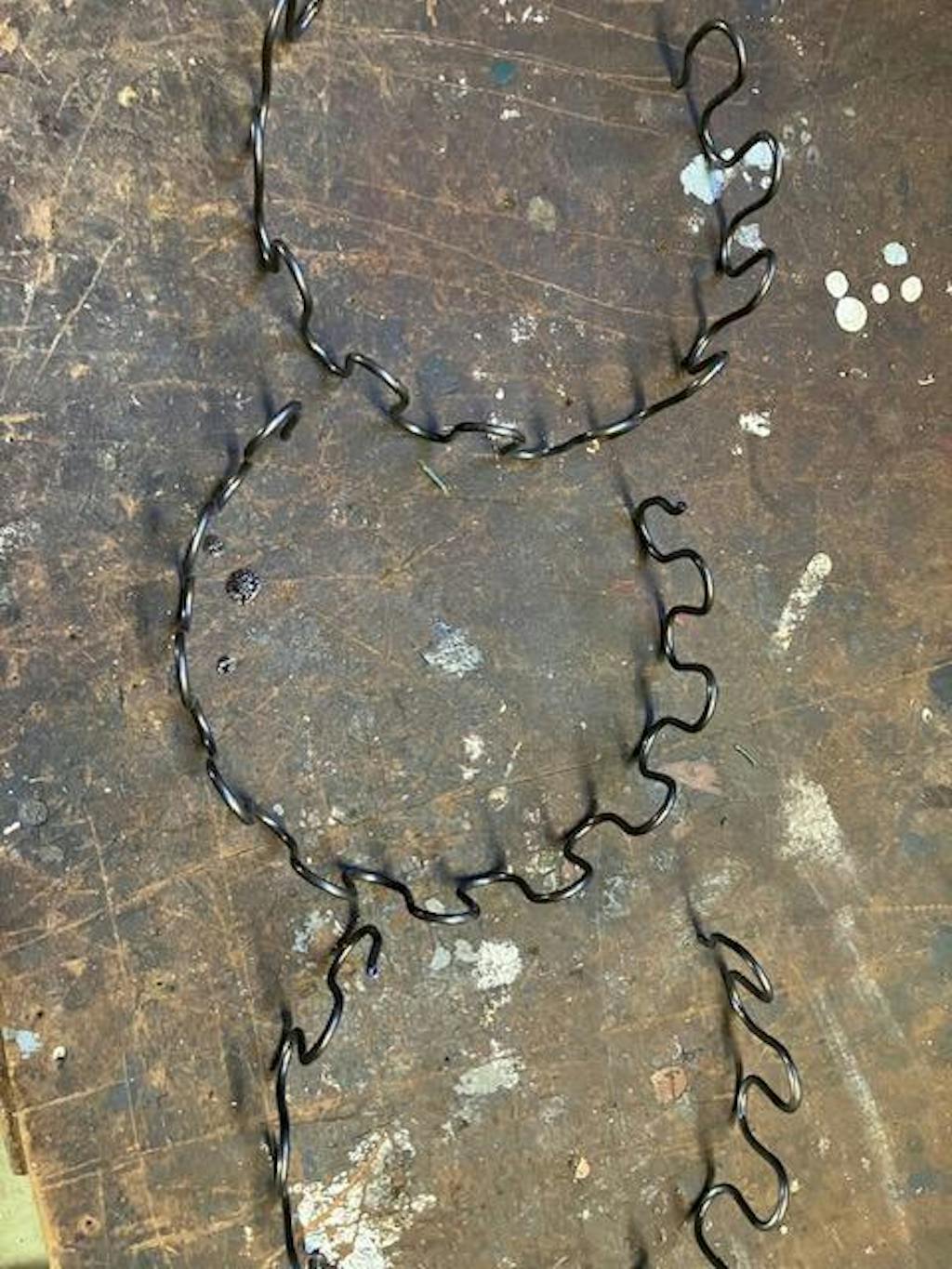
How can I straighten out the springs? I can't use them coil uo as is.
Deine Zahlungsinformationen werden sicher verarbeitet. Wir speichern keine Kreditkartendaten und haben auch keinen Zugang zu deinen Kreditkartendaten.
Get fitment advice & recommendations
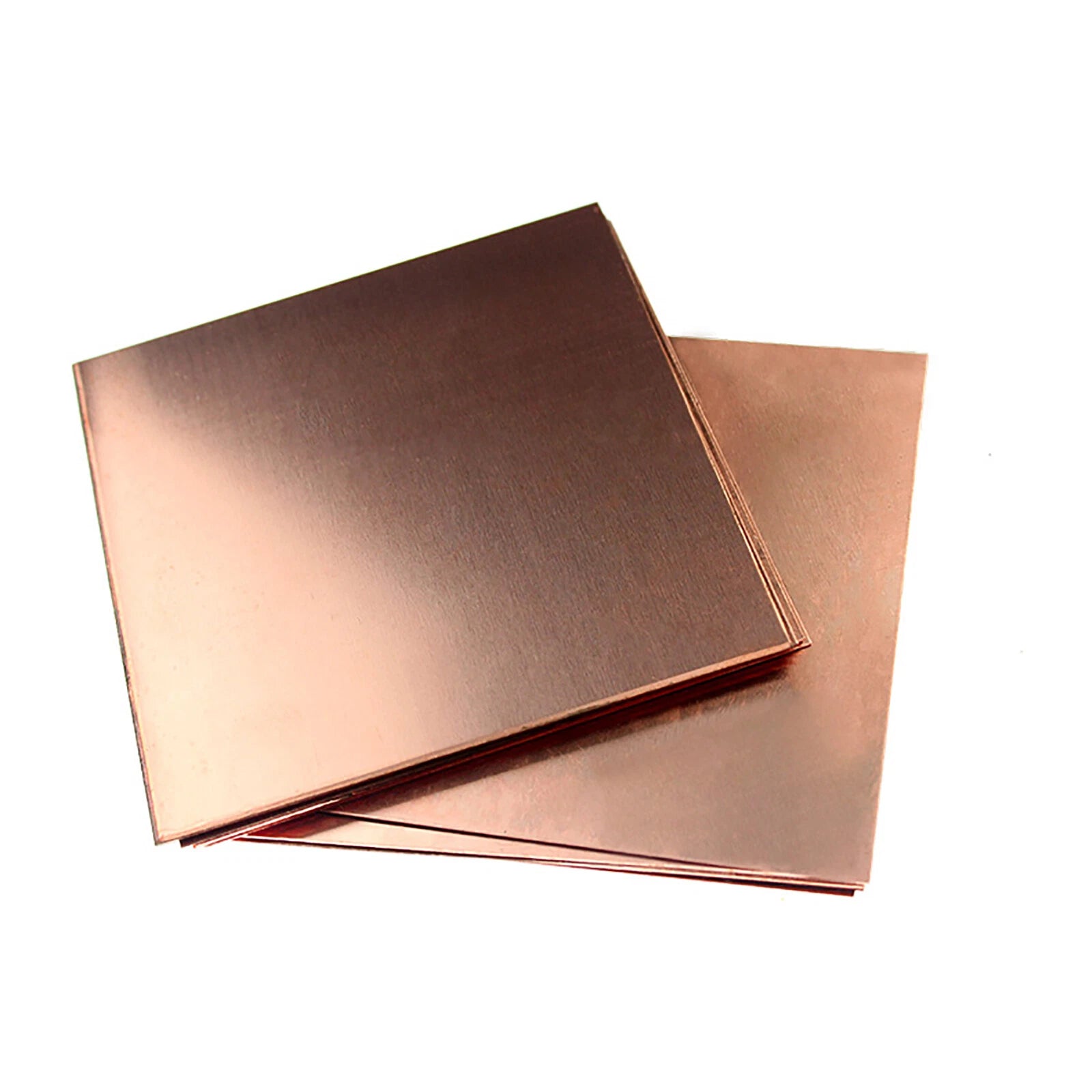
When your project demands a reliable flat metal sheet that fits exactly where you need it, sourcing the right material in the right thickness can be a frustrating bottleneck. Whether you are a hobbyist repairing household fixtures, a maker building custom enclosures, or a technician shimming mechanical assemblies, this multi-material sheet plate listing gives you the flexibility to choose the exact combination of material, thickness, and size that your application requires.
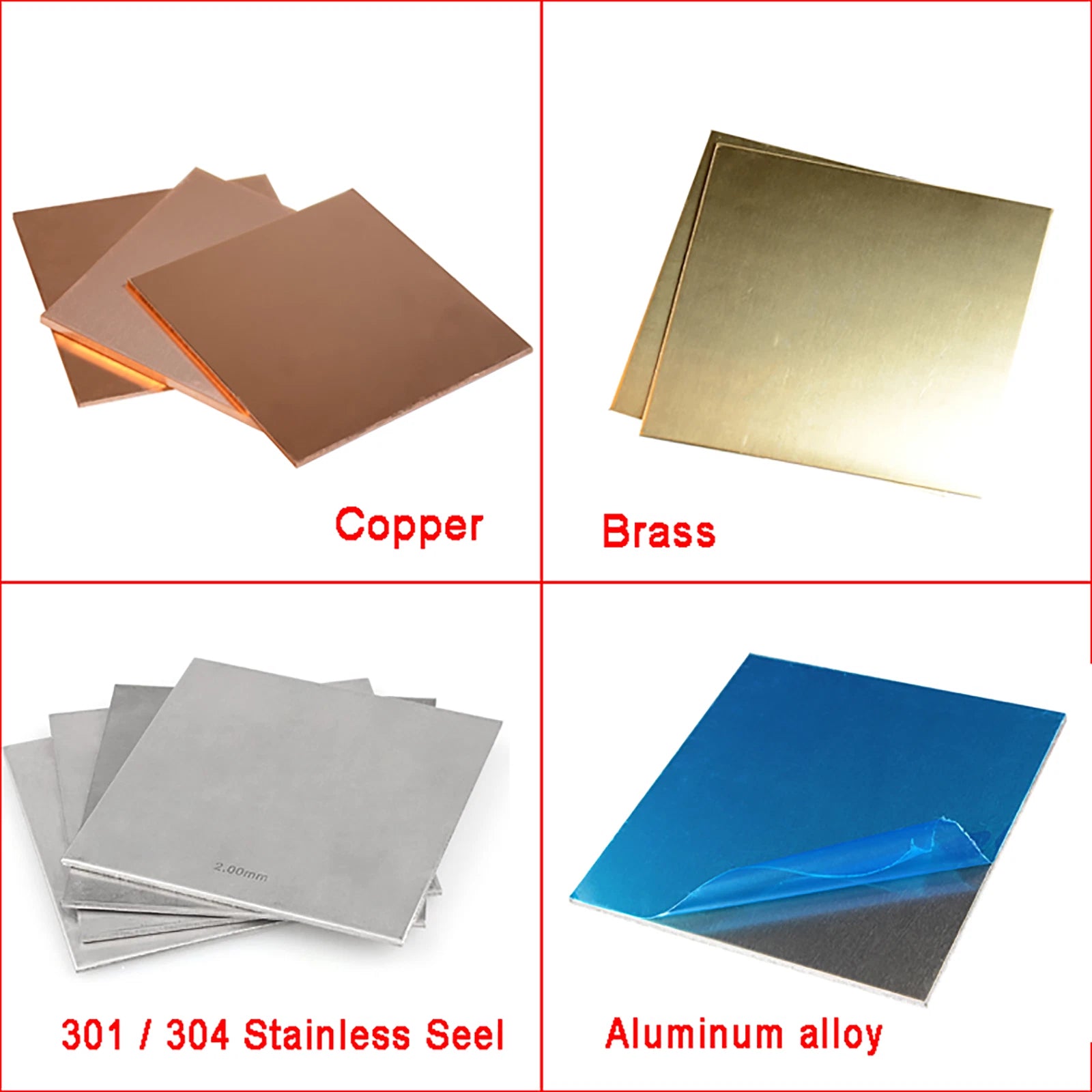
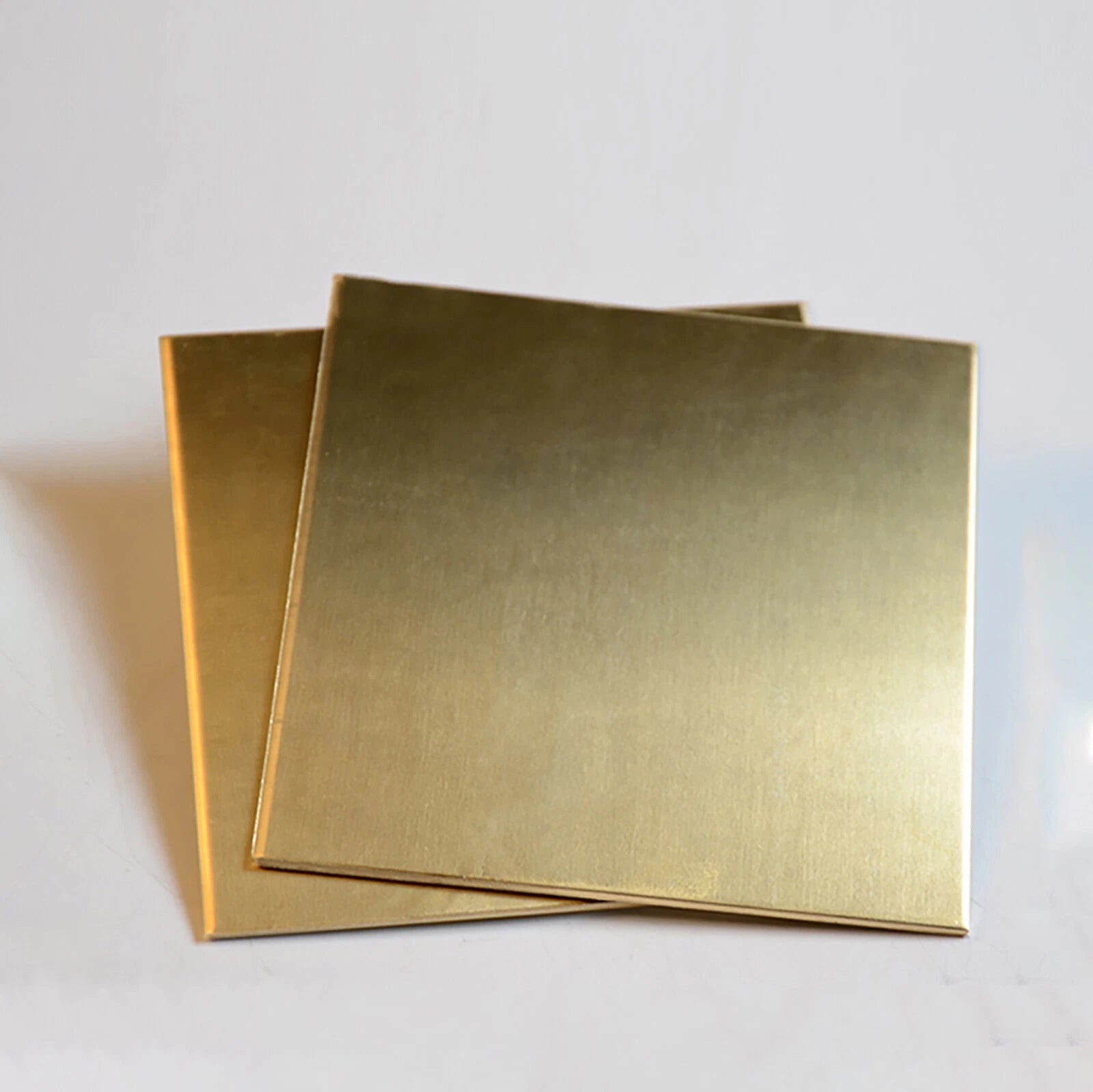
Each sheet is a flat, square or rectangular plate available in six material grades — Copper, H62 Brass, H59 Brass, 304 Stainless Steel, 301 Stainless Steel, and Aluminum Alloy — with thickness options spanning 0.01 mm to 20 mm (approximately 0.0004 in to 0.79 in) and sheet dimensions ranging from 100×100 mm (3.94×3.94 in) up to 305×500 mm (12.0×19.7 in). Packing quantities vary by variant from 1 pc to 10 pcs per order.
Typical use cases include electrical grounding and shielding with copper sheet, decorative inlay and plumbing repair with brass sheet, corrosion-resistant structural shimming with stainless steel sheet, and lightweight structural or heat-sink applications with aluminum alloy sheet. Long-tail search terms that describe this product well include "thin copper shim sheet for electronics", "brass flat plate for DIY crafts", "304 stainless steel sheet for kitchen repair", and "aluminum alloy plate for CNC machining".
Choose from Copper, H62 Brass, H59 Brass, 304 Stainless Steel, 301 Stainless Steel, or Aluminum Alloy to match your conductivity, corrosion resistance, or weight requirements.
Thickness options from 0.01 mm to 20 mm (0.0004 in – 0.79 in) cover everything from precision shim foil to structural plate in a single listing.
Available in sizes from 100×100 mm up to 305×500 mm, with rectangular and square formats to minimize waste for your specific cut plan.
Each plate is cut to a flat profile with consistent edges, reducing the need for secondary deburring on most light-duty applications.
304 and 301 stainless steel grades offer strong oxidation resistance for outdoor, humid, or food-adjacent environments; brass grades provide natural antimicrobial properties.
Select 1, 2, 3, 5, or 10 pieces per order depending on your project volume, reducing over-ordering and keeping costs in line.
| Product Type | Flat Sheet / Square Plate |
|---|---|
| Available Materials | Copper, H62 Brass, H59 Brass, 304 Stainless Steel, 301 Stainless Steel, Aluminum Alloy |
| Thickness Range | 0.01 mm – 20 mm (0.0004 in – 0.79 in) |
| Sheet Size Range | 100×100 mm – 305×500 mm (3.94×3.94 in – 12.0×19.7 in) |
| Surface Finish | See variant options |
| Tolerance | See variant options |
| Packing Quantity | 1 pc / 2 pcs / 3 pcs / 5 pcs / 10 pcs (varies by variant) |
| Copper Grade | Electrolytic Copper (T2 equivalent, inferred) |
| Brass Grades | H62 (65% Cu), H59 (59% Cu) |
| Stainless Grades | 304 (18-8), 301 (austenitic, spring-temper capable) |
| Aluminum Grade | Aluminum Alloy (specific alloy — See variant options) |
| Weight | See variant options |
For electrical shielding or shimming applications, foil-range thicknesses (0.01 mm – 0.1 mm) are typical. For structural brackets or spacers, 1 mm – 5 mm is common. For heavy-duty load-bearing plates, 6 mm – 20 mm is appropriate. If you are unsure, measure the gap or clearance your application requires and select the next available thickness above that measurement.
H62 Brass contains approximately 62% copper and offers better corrosion resistance, ductility, and a brighter finish — making it suitable for decorative and precision parts. H59 Brass contains approximately 59% copper, is slightly harder and more machinable, and is commonly used in structural and plumbing fittings where appearance is secondary to strength.
304 stainless steel is the most widely used grade, offering excellent corrosion resistance and weldability — ideal for kitchen, outdoor, and general fabrication use. 301 stainless steel has a higher carbon content, which allows it to be work-hardened to higher strength levels, making it preferred for springs, clips, and applications requiring both strength and corrosion resistance.
Thin foil variants (under 0.5 mm) can typically be cut with heavy-duty scissors or tin snips. Thicker sheets (0.5 mm – 3 mm) are best cut with an angle grinder, jigsaw with a metal blade, or CNC router. Sheets above 3 mm generally require a cold saw, plasma cutter, or waterjet for clean results. Always wear appropriate PPE when cutting metal sheet.
Yes. Copper, brass, and aluminum sheets in thinner gauges (typically under 3 mm) are well-suited for fiber laser cutting. Stainless steel sheets are compatible with both fiber laser and plasma cutting. All materials listed are compatible with CNC milling and routing when appropriate tooling and feeds/speeds are used. Confirm your machine's power rating against the selected thickness before cutting.
Copper and brass naturally oxidize when exposed to air and moisture, developing a patina over time. To slow tarnishing, apply a thin coat of clear lacquer, wax, or a dedicated metal sealant after cleaning the surface with a mild acid solution (such as diluted vinegar) and drying thoroughly. For indoor decorative applications, a microcrystalline wax provides a durable, low-sheen protective layer.
Order the next size up from your finished dimensions to allow for cutting waste and edge cleanup. For example, if your finished part is 90×90 mm, the 100×100 mm sheet gives you adequate material. If your part is 180×280 mm, the 200×300 mm sheet is the most economical choice. Always account for saw kerf or laser beam width when planning your cut layout.