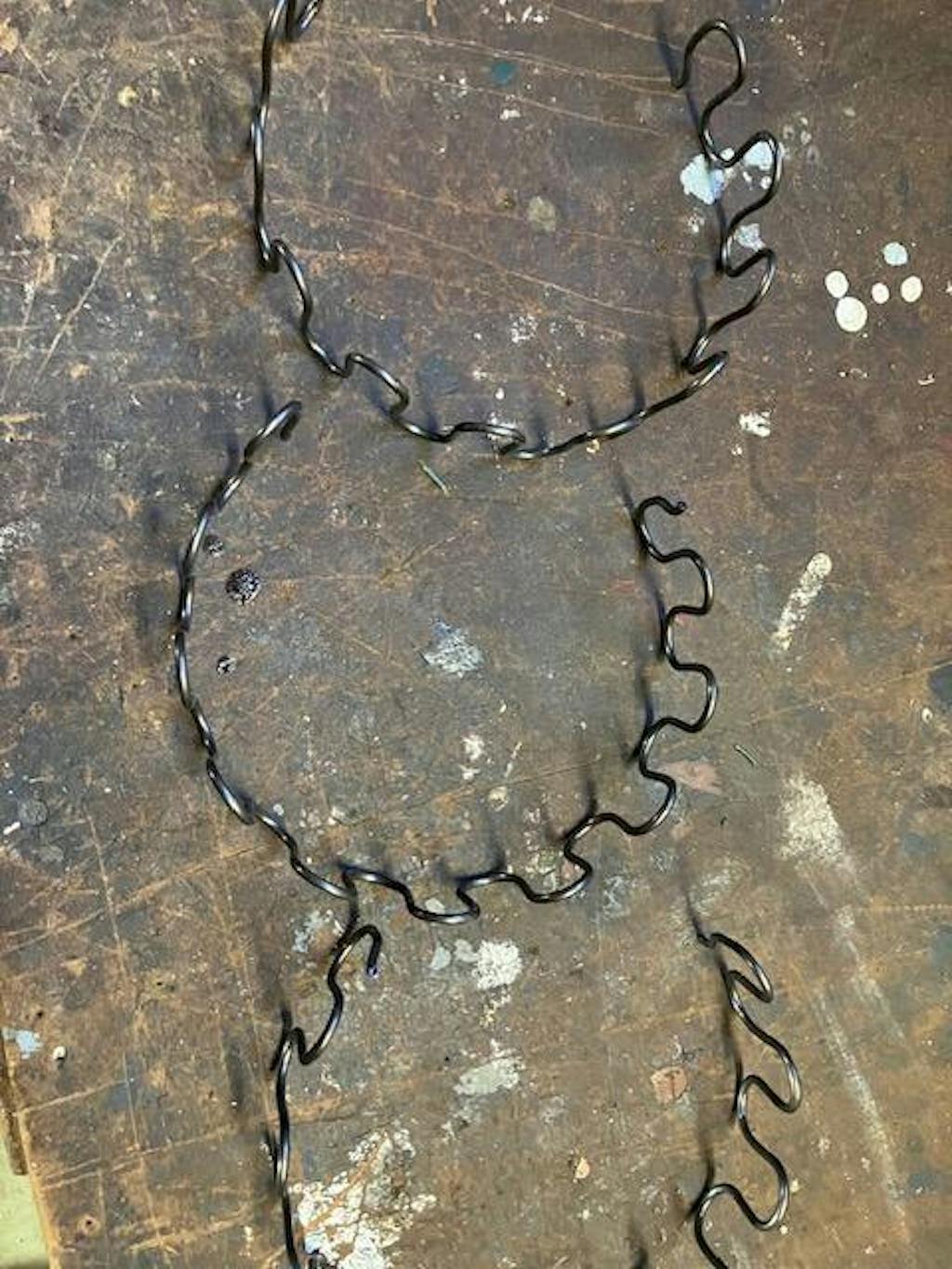

The chain is fine...but I ordered the wrong size. Nine links of the chain I ordered equals six of the size I wanted. My error...
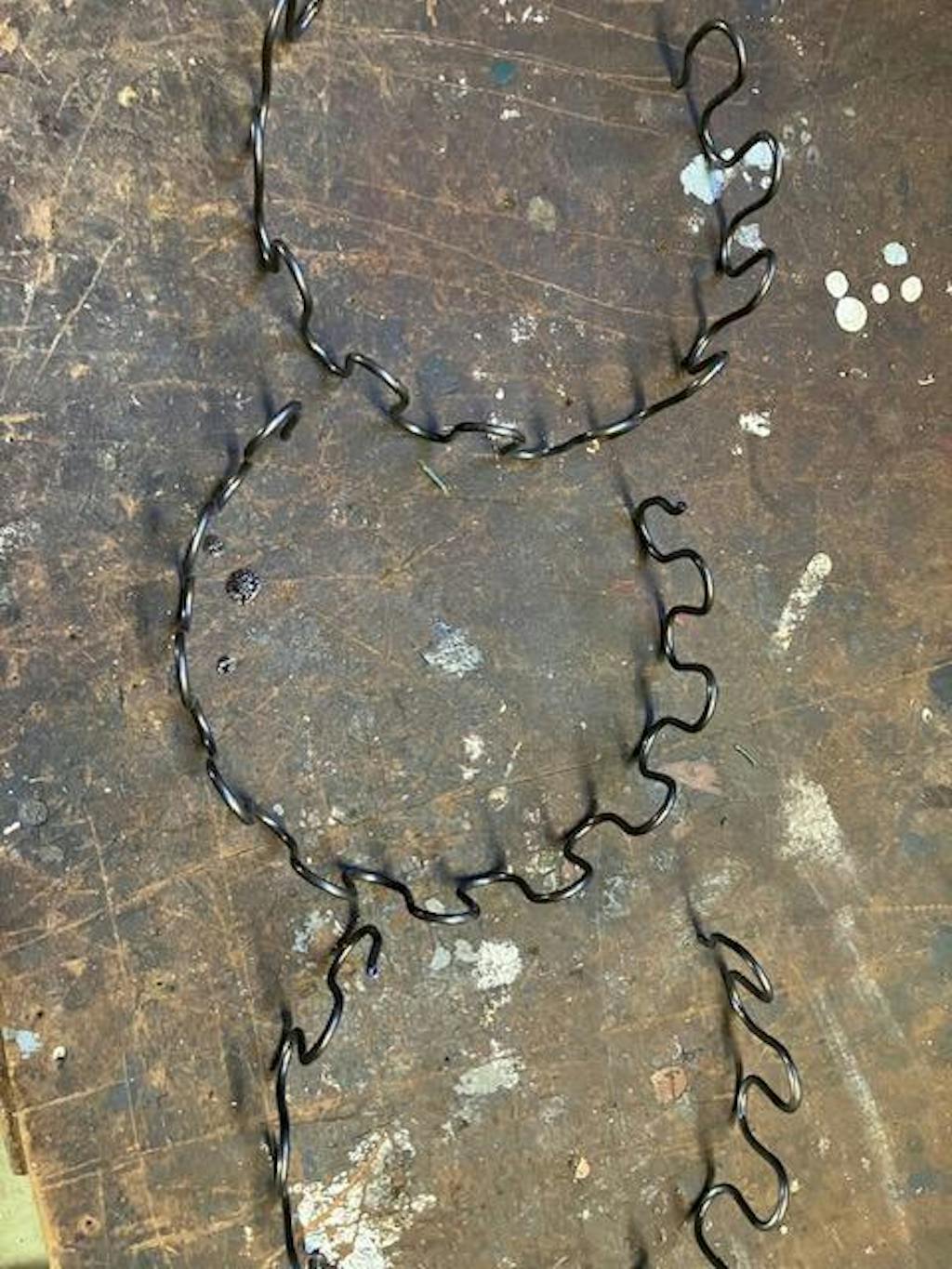
How can I straighten out the springs? I can't use them coil uo as is.
Deine Zahlungsinformationen werden sicher verarbeitet. Wir speichern keine Kreditkartendaten und haben auch keinen Zugang zu deinen Kreditkartendaten.
Get fitment advice & recommendations
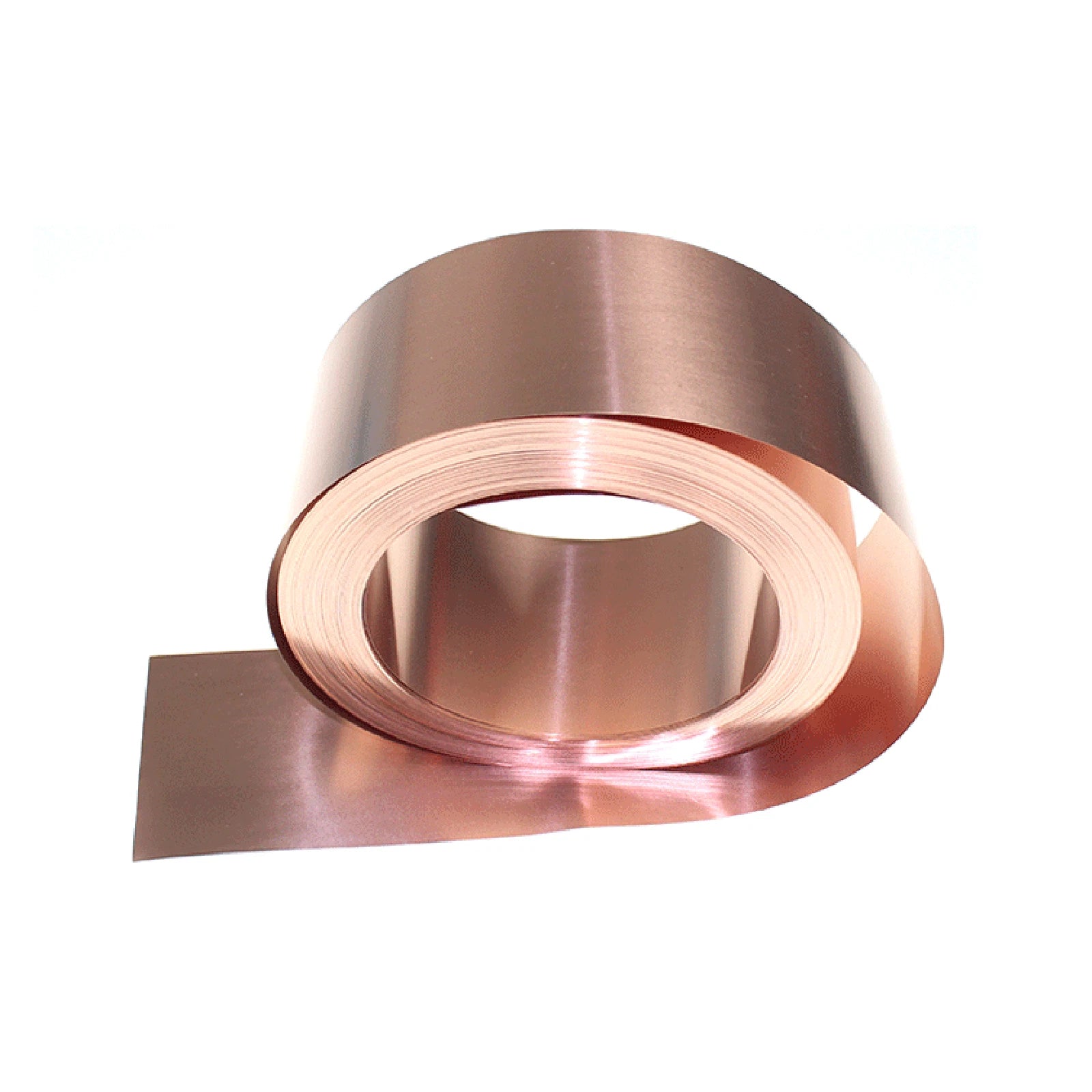
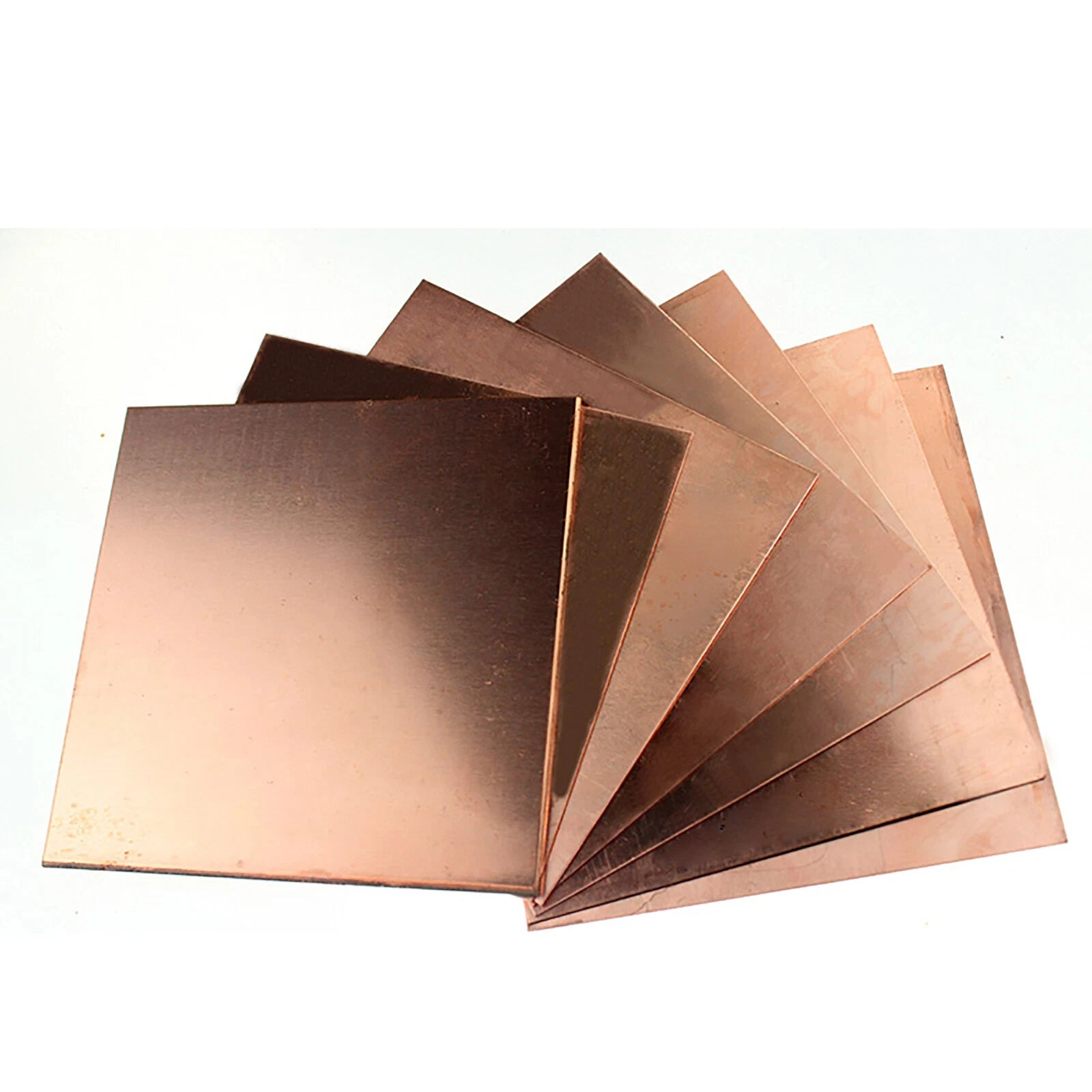
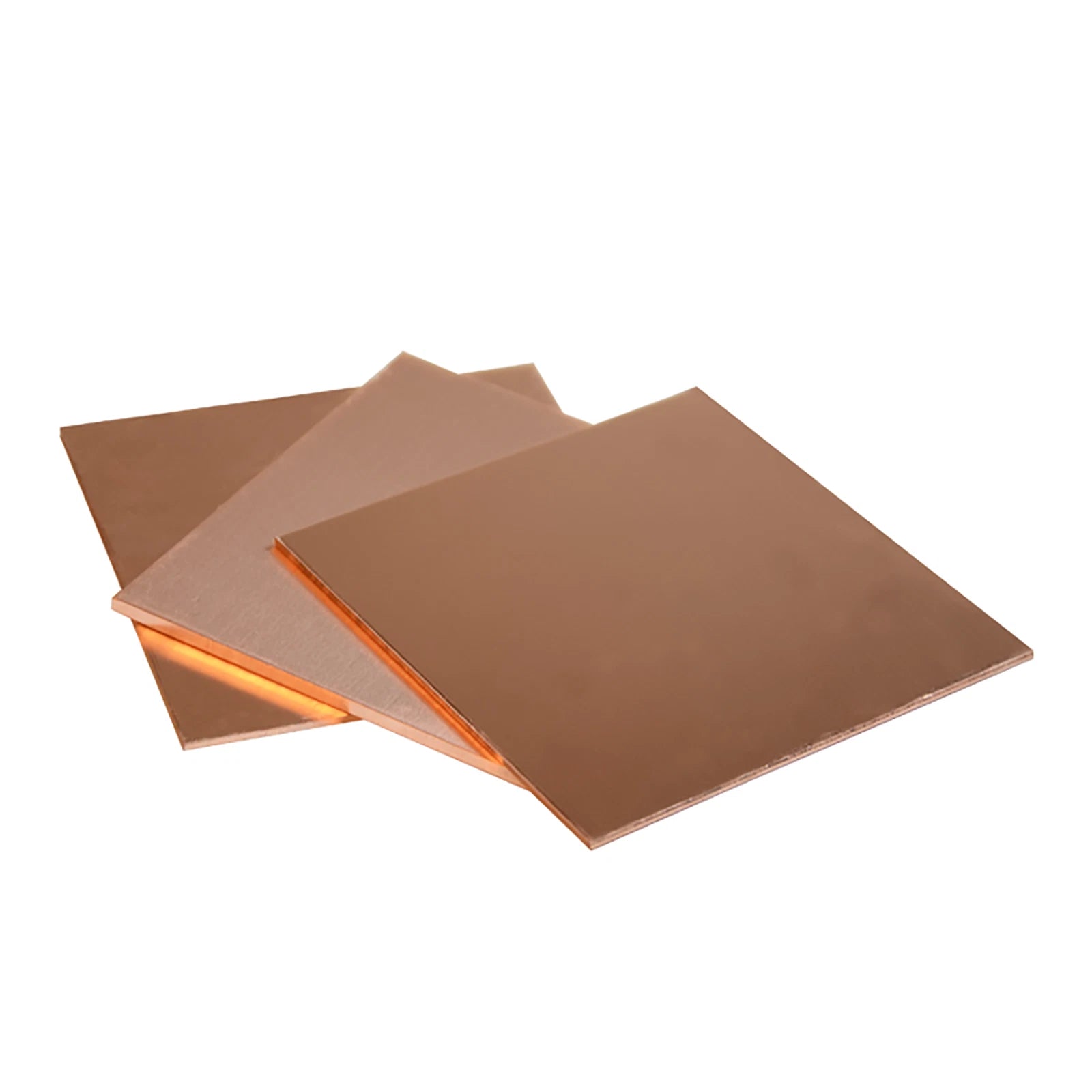
Whether you're repairing a grounding circuit, fabricating a custom RF shield, or working on a metalworking craft project, finding a copper sheet plate in the exact thickness and size you need can be frustrating. This copper sheet square plate is designed for makers, electricians, hobbyists, and engineers who need reliable, dimensionally accurate copper stock without ordering bulk rolls or oversized blanks.
Each plate is made from pure copper and is available in thicknesses ranging from 0.1 mm to 5 mm (approximately 0.004" to 0.197") and in sheet sizes from 100 mm × 100 mm up to 300 mm × 300 mm (roughly 3.9" × 3.9" to 11.8" × 11.8"). The flat, square-cut format makes it ready to use straight out of the package with minimal prep work.
Typical use cases include DIY electromagnetic shielding and Faraday enclosures, electrical bus bar fabrication and grounding straps, jewelry making and metal art copper sheet cutting, heat spreader applications in electronics repair, and plumbing patch work requiring a thin copper sheet for soldering.
| Material | Pure Copper |
|---|---|
| Finish | Mill finish (bare copper) |
| Thickness Range | 0.1 mm – 5 mm (0.004" – 0.197") |
| Sheet Size Options | 100×100 mm, 100×150 mm, 200×100 mm, 200×200 mm, 300×100 mm, 300×300 mm |
| Selected Thickness | See variant options |
| Selected Size | See variant options |
| Packing Quantity | 1 pc per order (as selected) |
| Workability | Cuttable, bendable, solderable, brazeable |
| Electrical Conductivity | High (pure copper) |
| Thermal Conductivity | High (suitable for heat spreader use) |
| Weight | See variant options |
For EMI/RF shielding and Faraday enclosures, 0.1–0.3 mm is typically sufficient. For grounding straps and bus bars, 0.5–1 mm offers a good balance of flexibility and conductivity. For structural or heat-spreader applications, 1.5–5 mm provides rigidity and thermal mass. If you're unsure, select a mid-range thickness (0.5–1 mm) as a versatile starting point.
Measure your target area and add at least 5–10 mm of margin on each side for cutting tolerance. The 100 × 100 mm sheet suits small patch repairs and craft cutouts; 200 × 200 mm and 300 × 300 mm are better for panel shielding, larger bus bars, or projects requiring multiple pieces cut from a single sheet.
Yes. The bare mill-finish copper surface is compatible with standard rosin-core and water-soluble flux solders used in electronics, as well as silver-bearing solders used in plumbing. For plumbing patch work, thinner sheets (0.3–0.8 mm) are easiest to form around pipe contours before soldering.
Copper is a ductile metal, meaning it bends rather than cracks under normal working conditions. Thinner sheets (0.1–0.5 mm) are very flexible and can be formed by hand. Thicker plates (2–5 mm) require a bench vise or press brake for bending. Copper does not become brittle at room temperature, making it reliable for repeated forming operations.
Copper does not rust. Over time it develops a natural patina (ranging from brown to green verdigris) that actually acts as a protective layer, slowing further oxidation. For applications where a bright copper appearance is required long-term, apply a clear lacquer or wax coating after installation. For electrical applications, the patina does not significantly affect conductivity at connection points if surfaces are properly cleaned before termination.
Yes. Sheets up to 0.5 mm thick can be cut cleanly with heavy-duty scissors or tin snips. Sheets from 0.8–2 mm work well with a jigsaw fitted with a metal-cutting blade or an angle grinder with a thin cutting disc. For 3–5 mm plates, a bandsaw, circular saw with a carbide blade, or CNC router is recommended for straight, accurate cuts.
These sheets are made from pure copper, the same base metal used in electrical conductors. While electrical wire uses drawn copper in wire form, these flat sheet plates share the same high conductivity properties, making them suitable for grounding, bus bar fabrication, and EMI shielding where flat copper stock is required instead of wire.