
The chain is fine...but I ordered the wrong size. Nine links of the chain I ordered equals six of the size I wanted. My error...
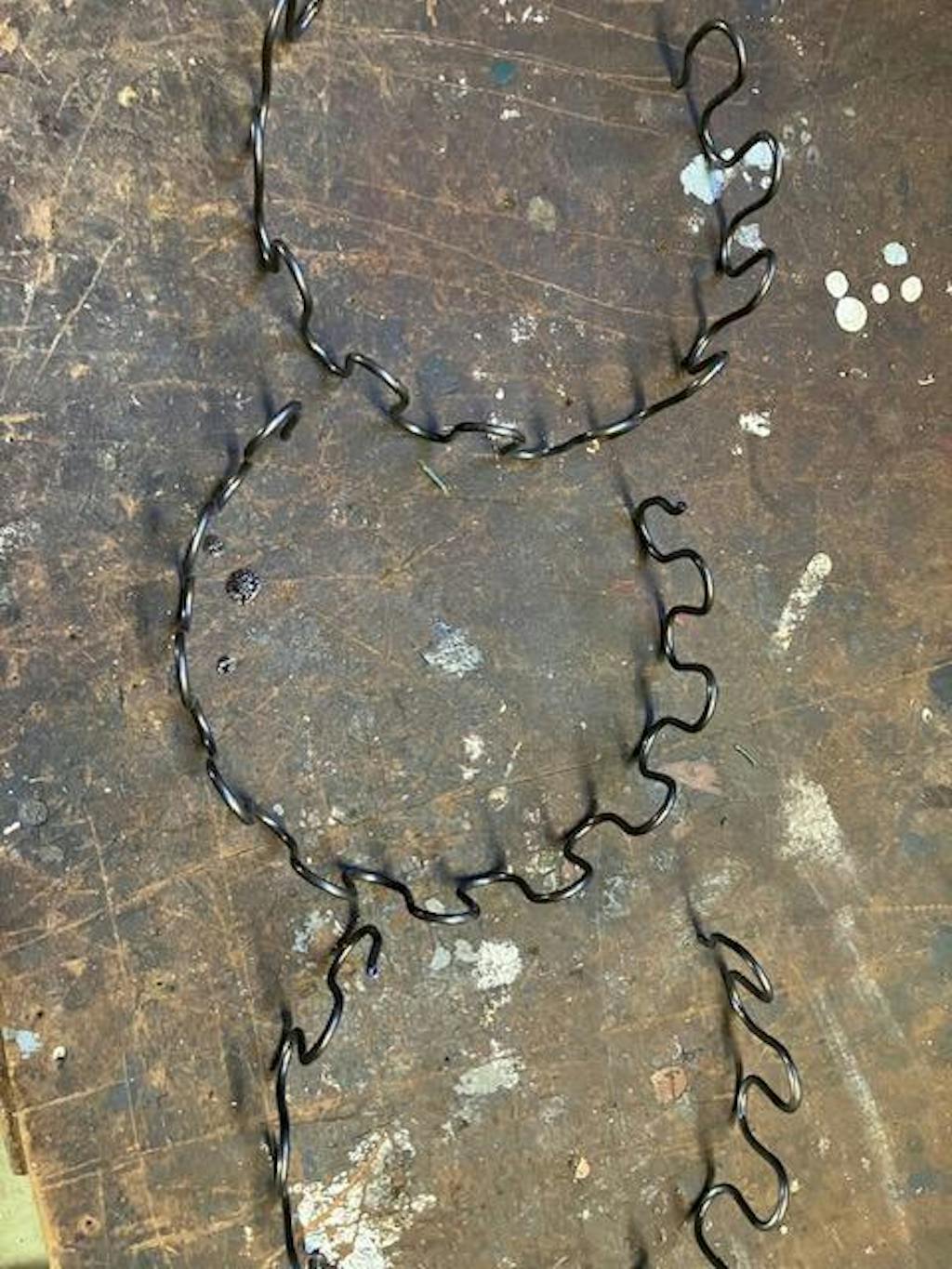
How can I straighten out the springs? I can't use them coil uo as is.
Deine Zahlungsinformationen werden sicher verarbeitet. Wir speichern keine Kreditkartendaten und haben auch keinen Zugang zu deinen Kreditkartendaten.
Get fitment advice & recommendations
When a motor shaft wobbles, a conveyor roller seizes, or a skateboard wheel grinds instead of rolls, the culprit is almost always a worn or mismatched bearing. Engineers, maintenance technicians, and hands-on builders who need a dependable deep groove ball bearing in a standard metric bore will find the right fit here — without hunting across multiple suppliers.
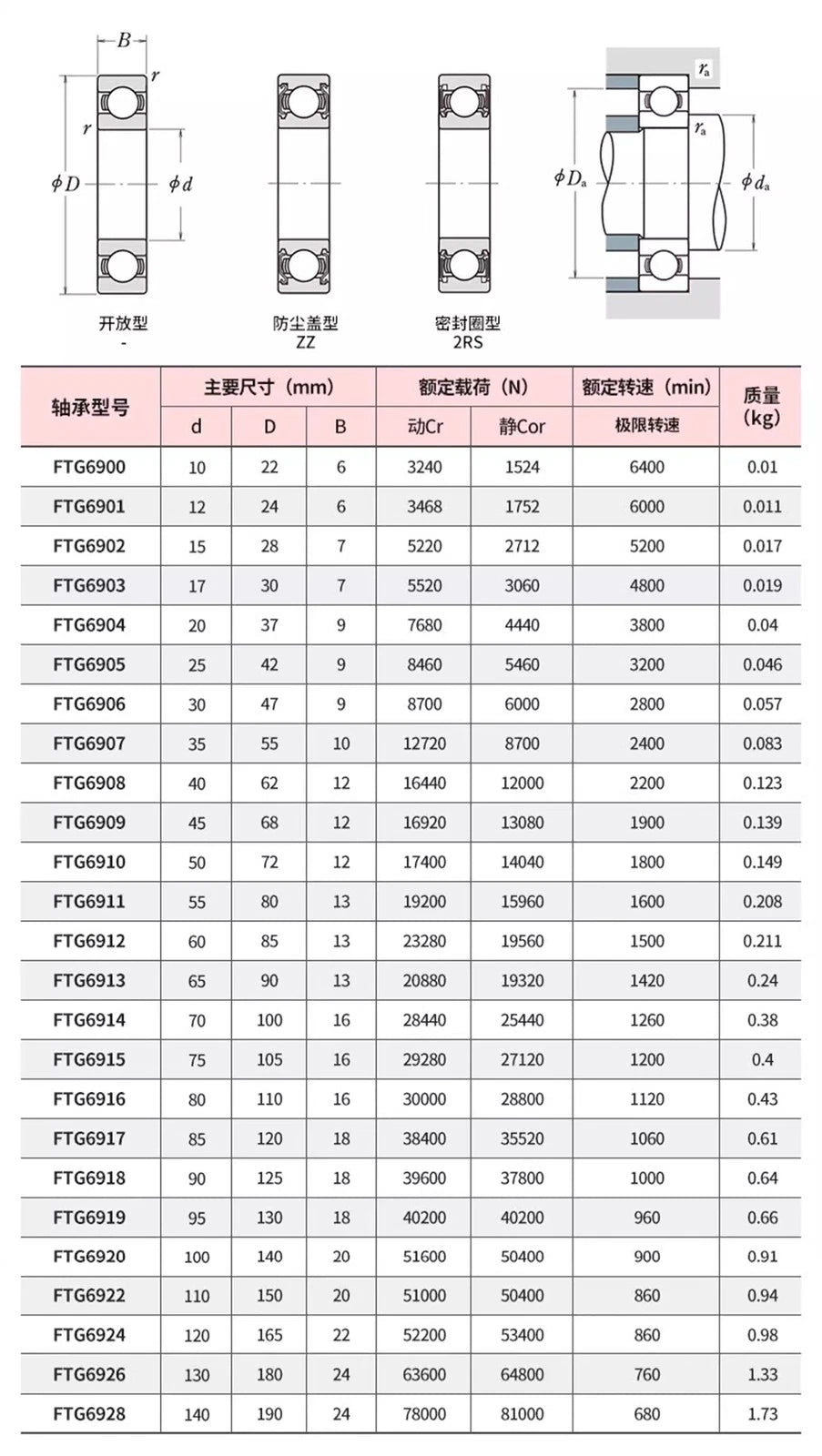
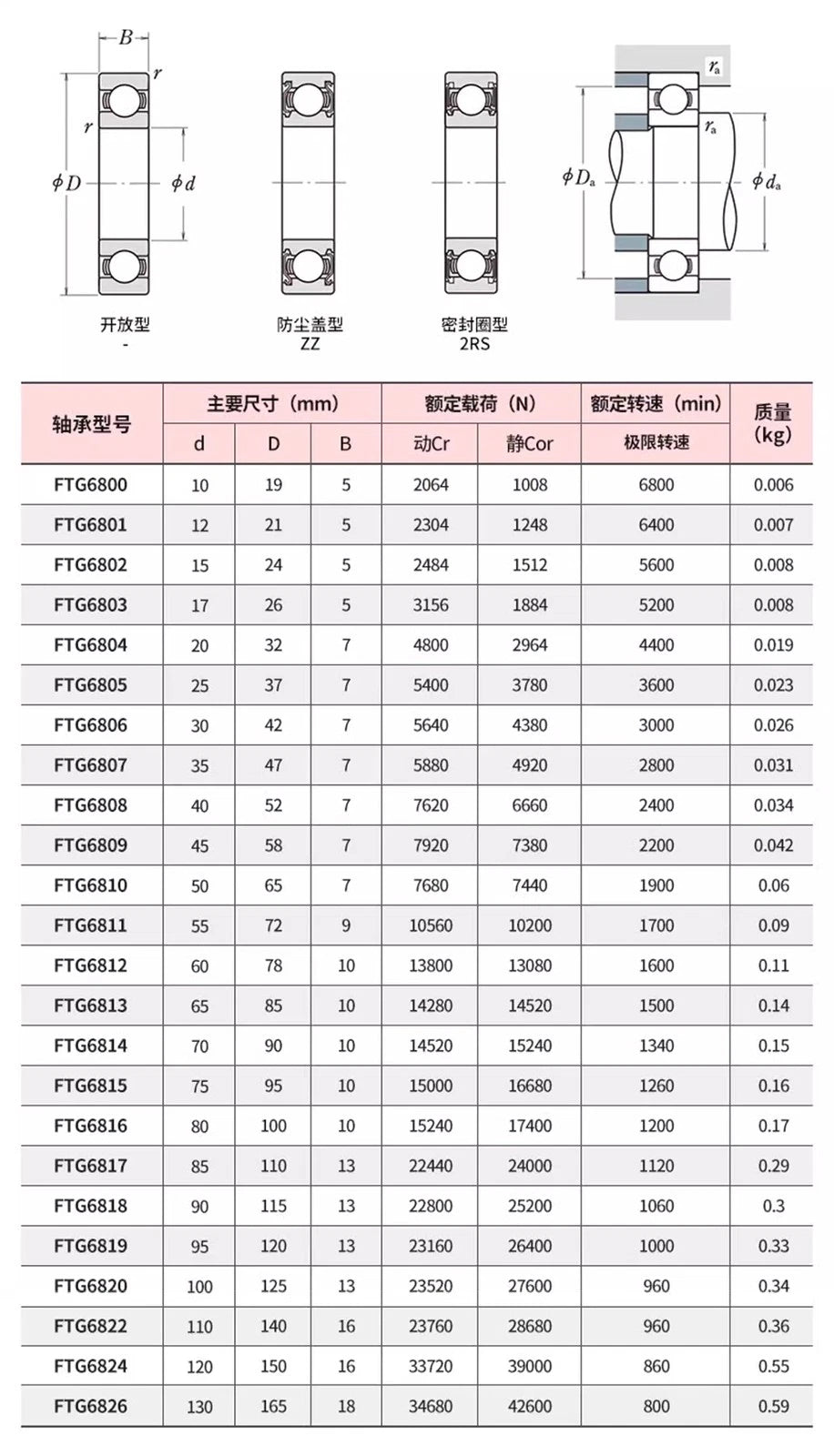
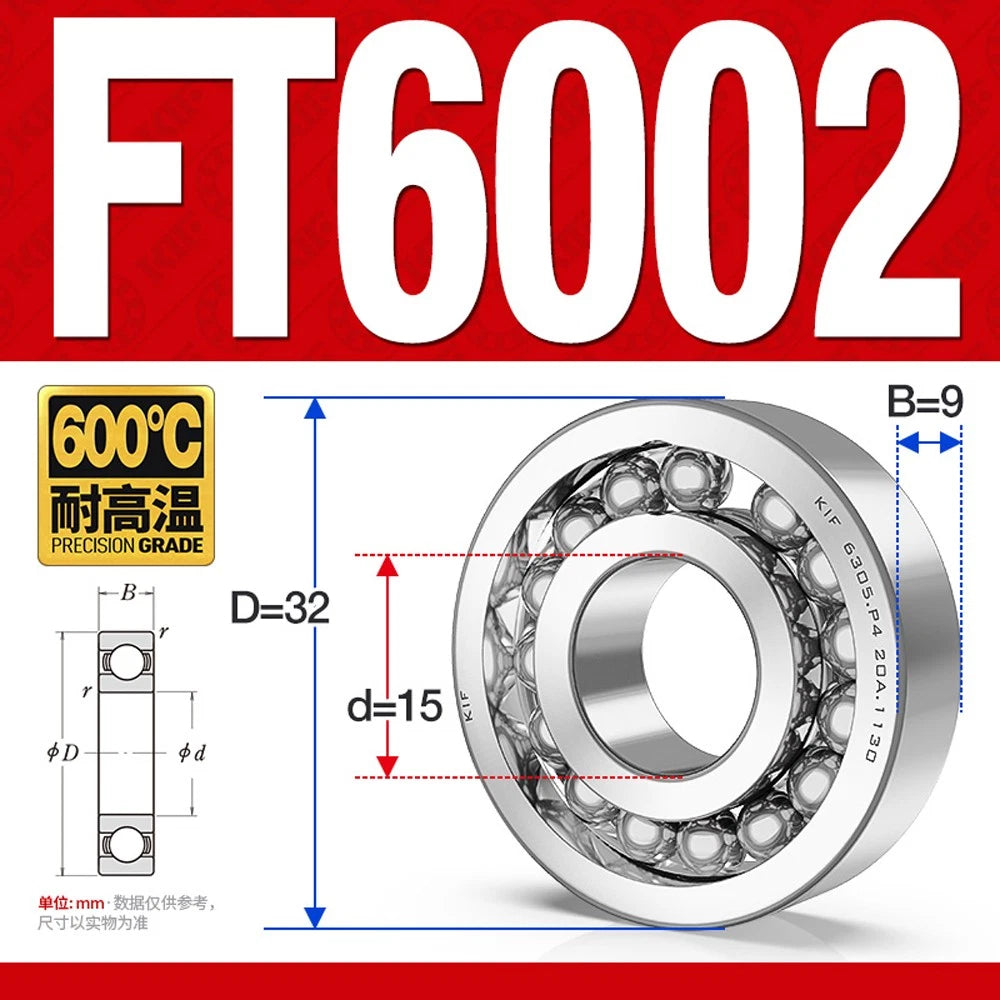
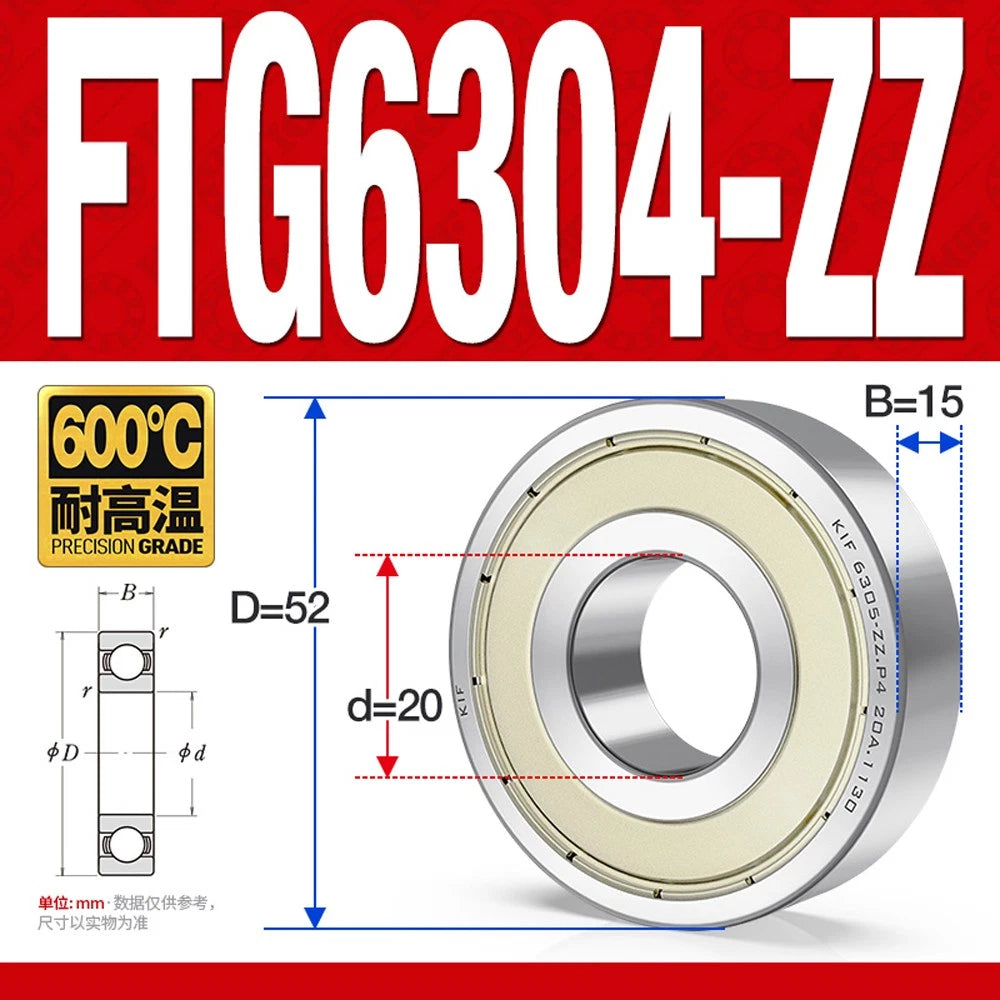
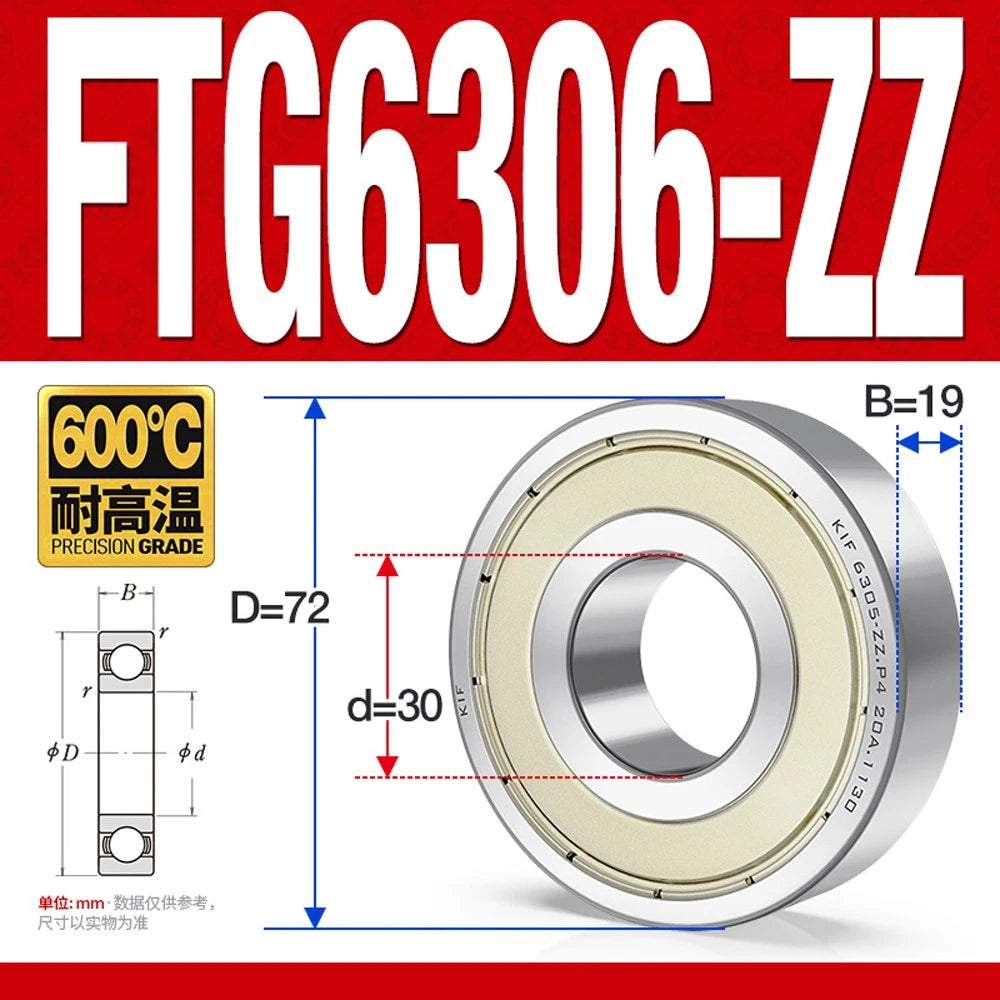
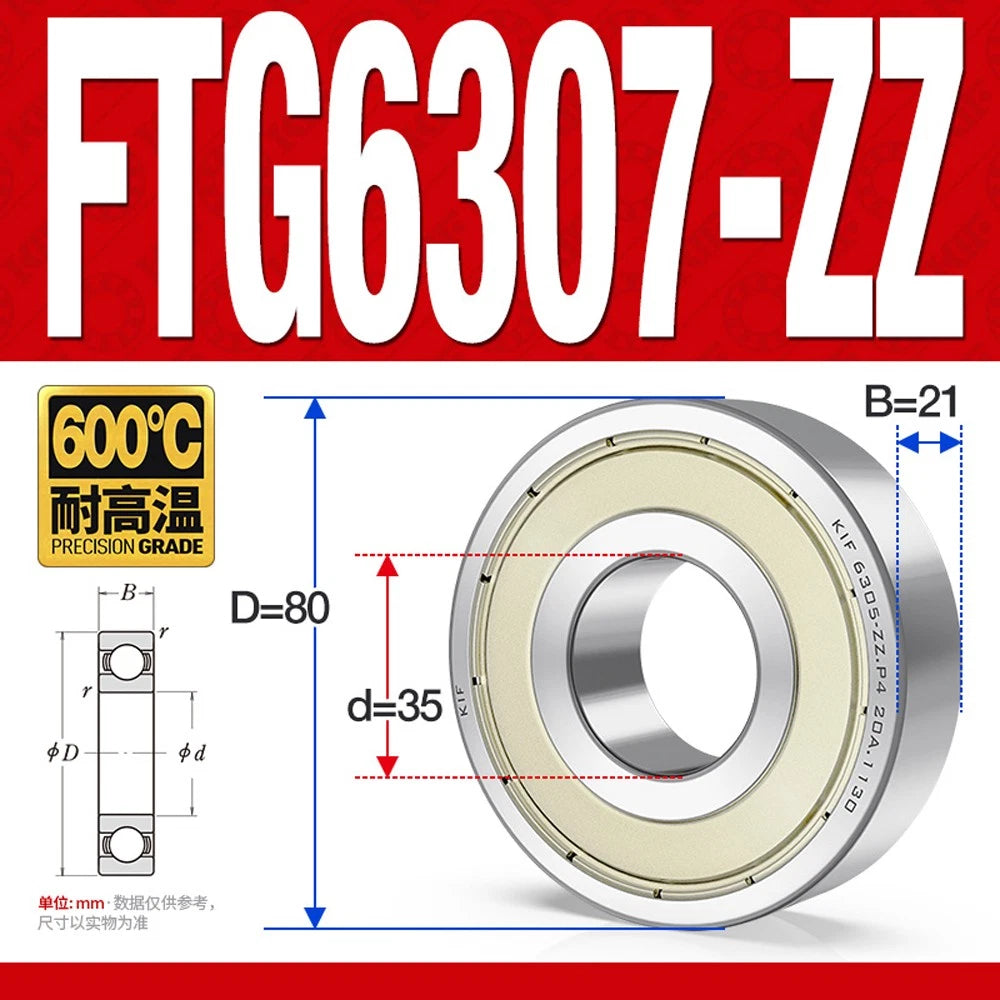
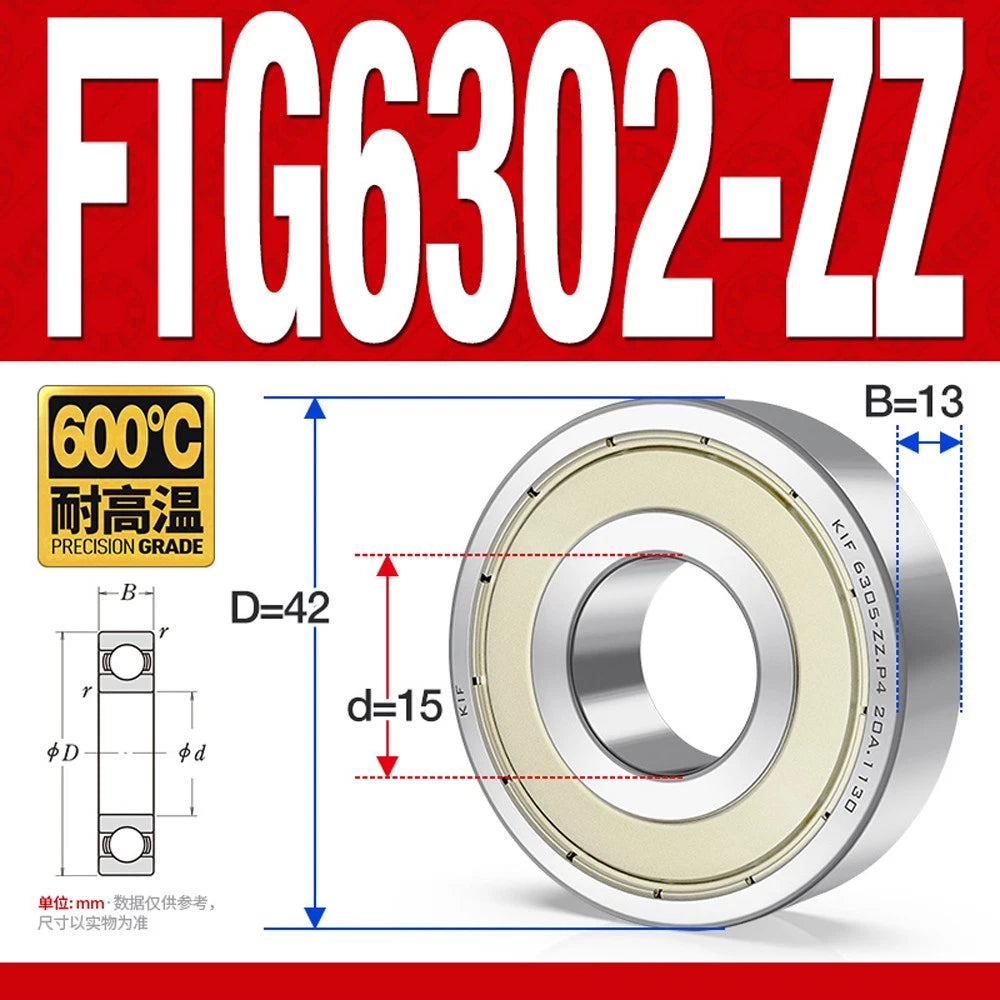
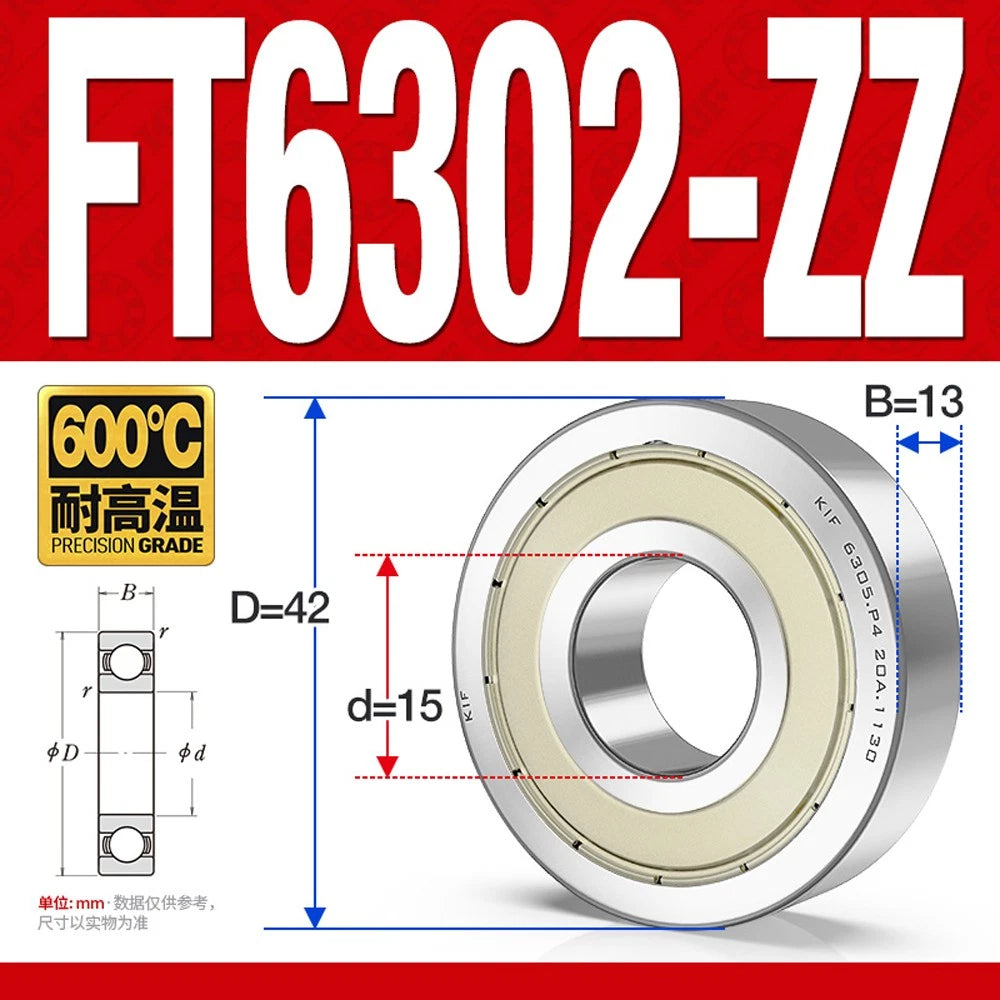
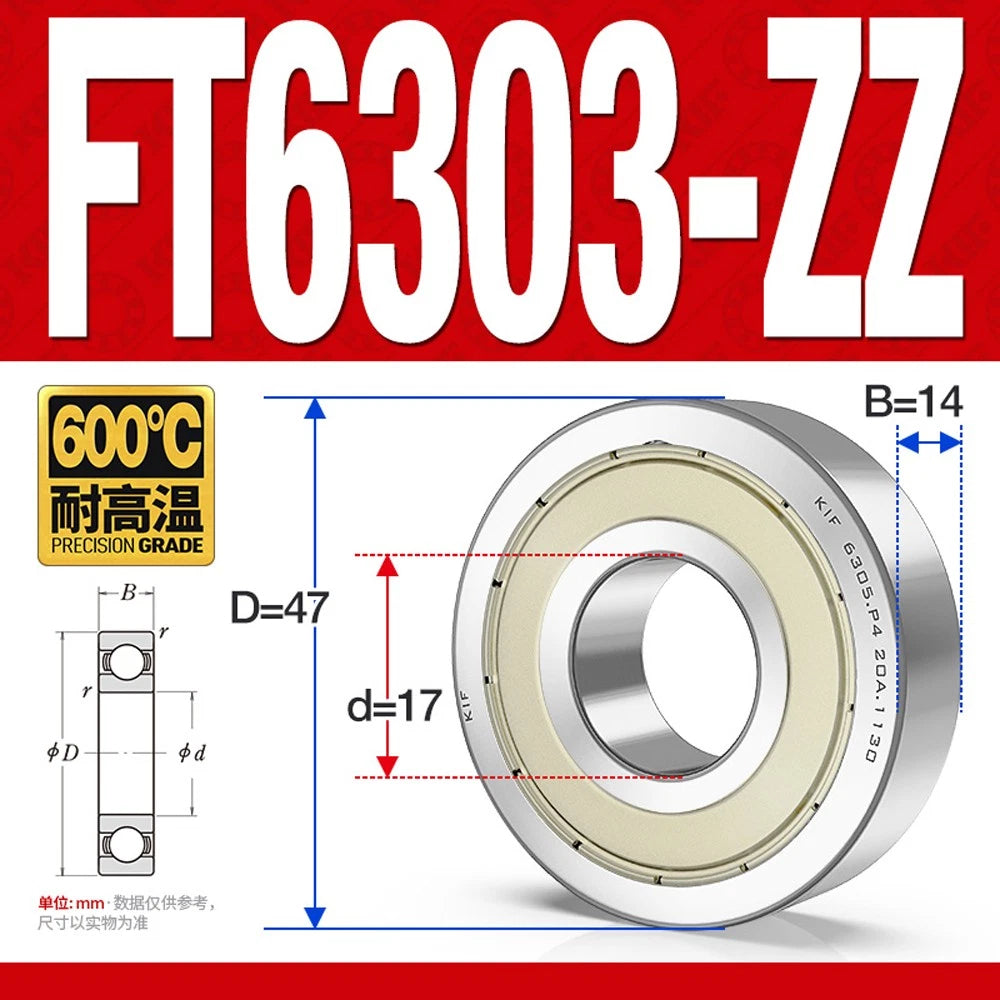
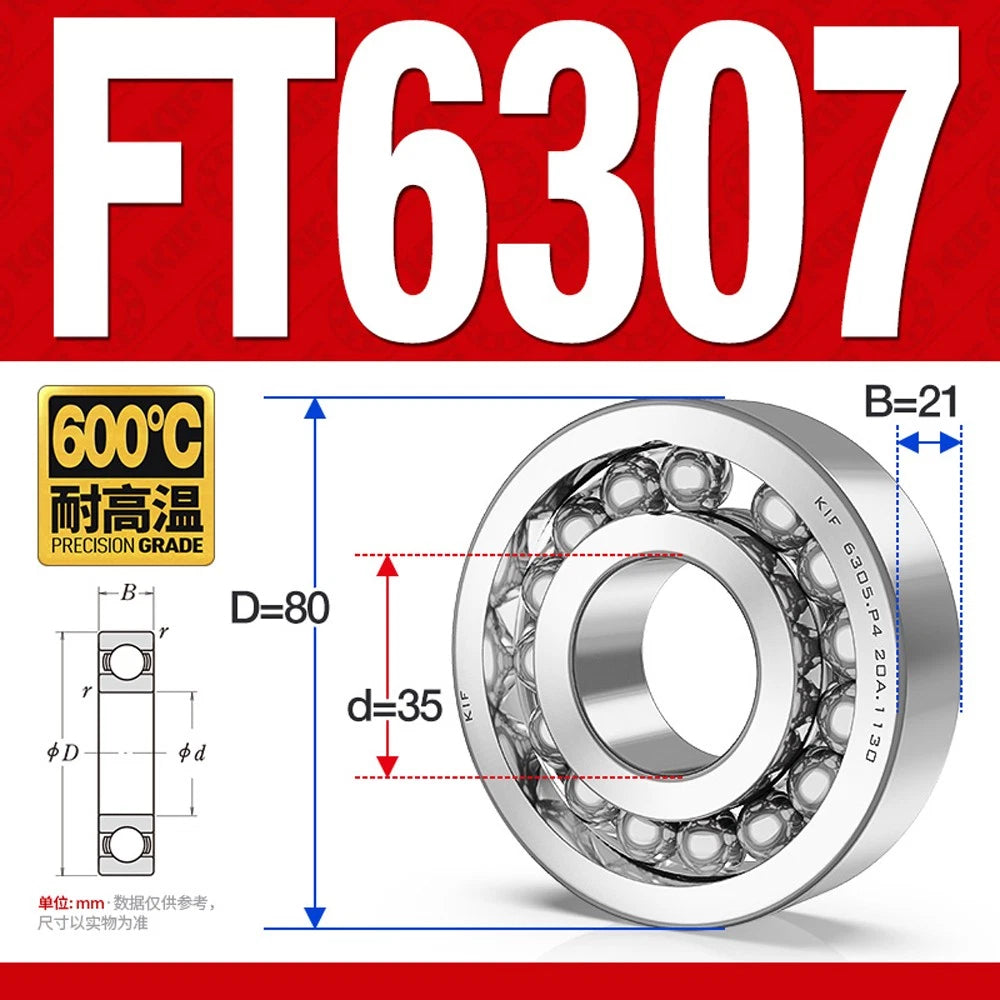
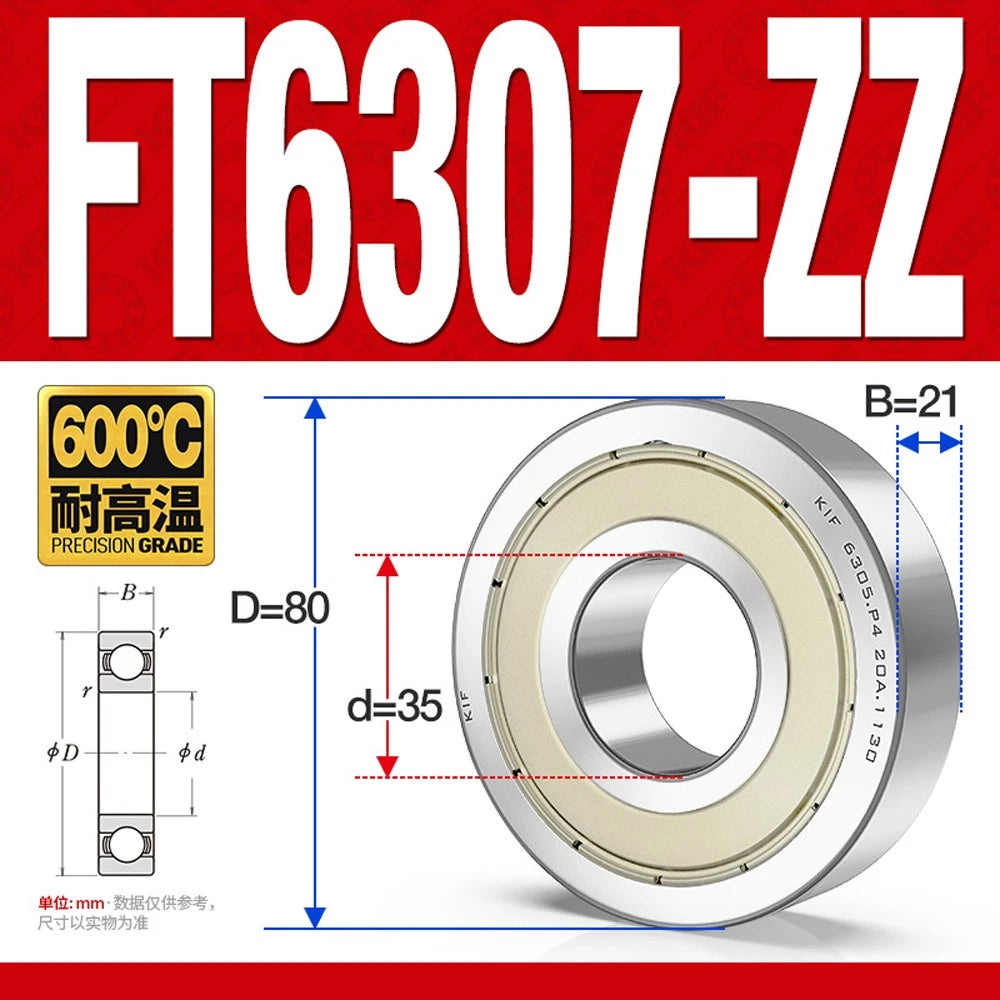
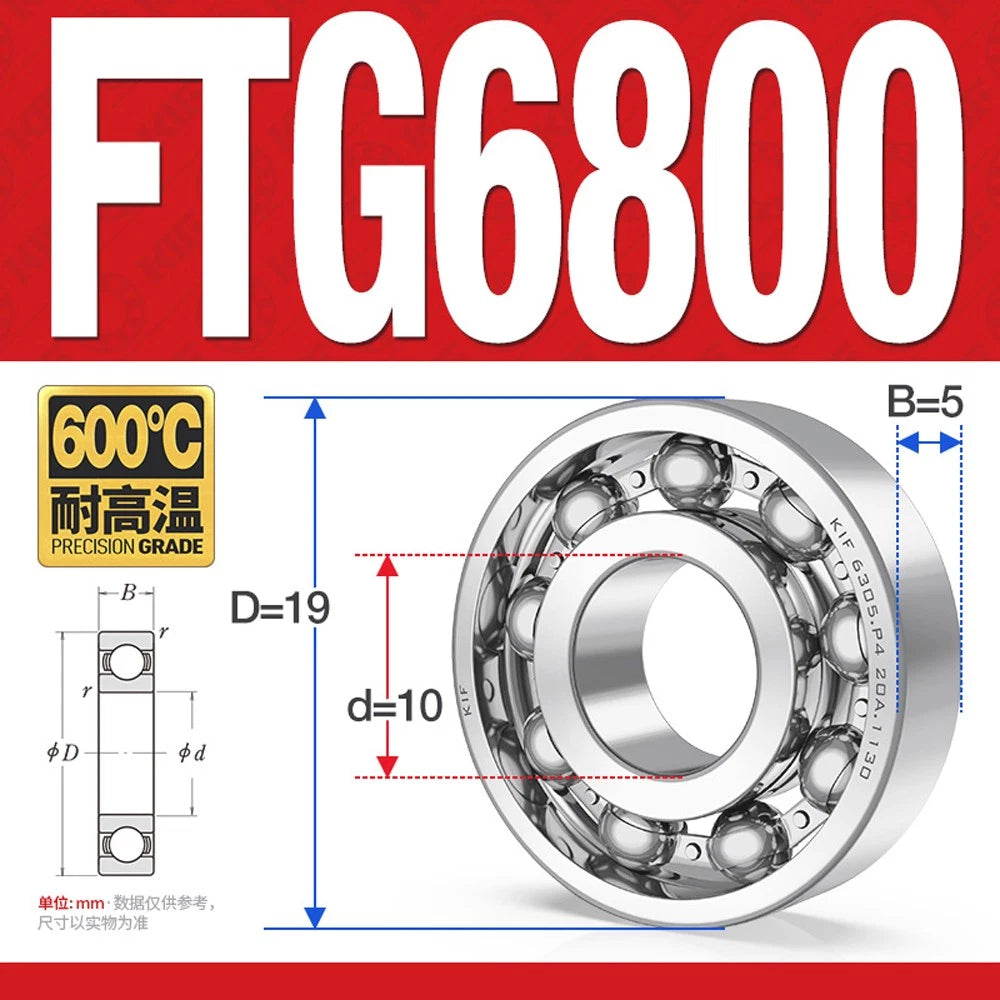
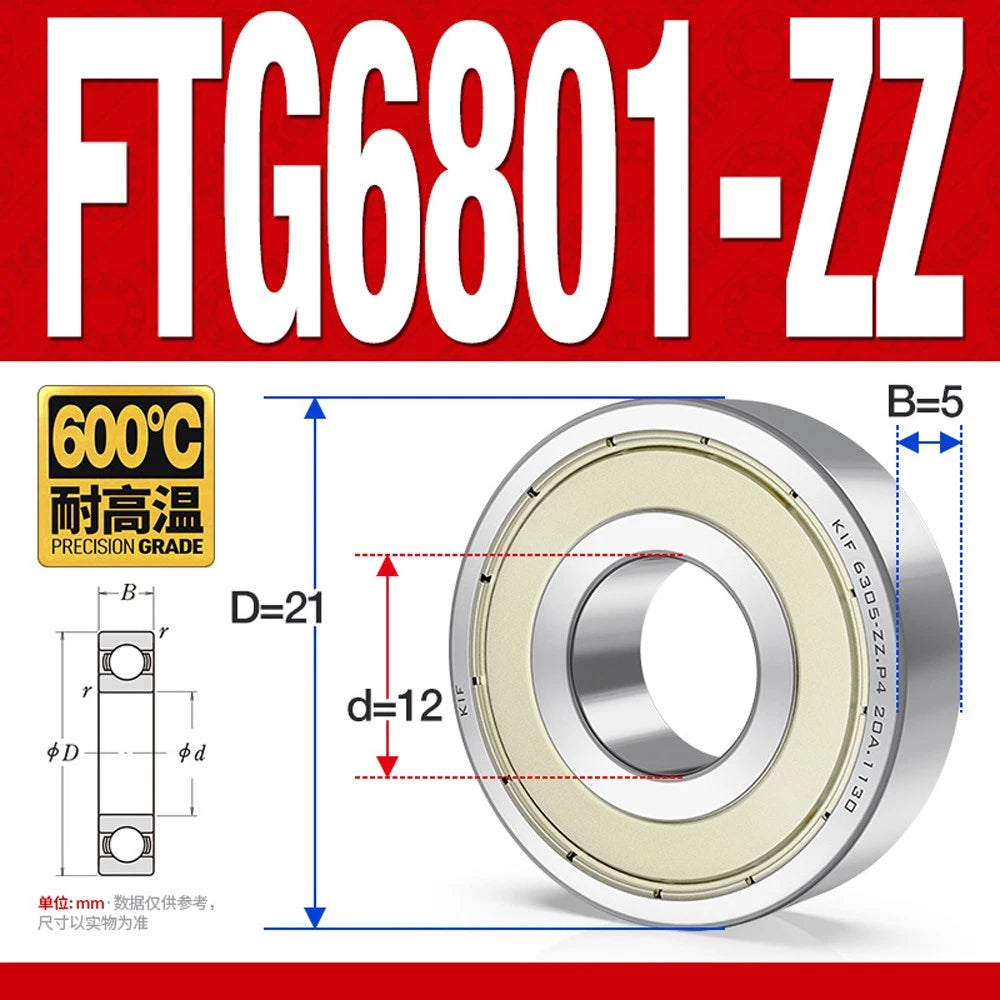
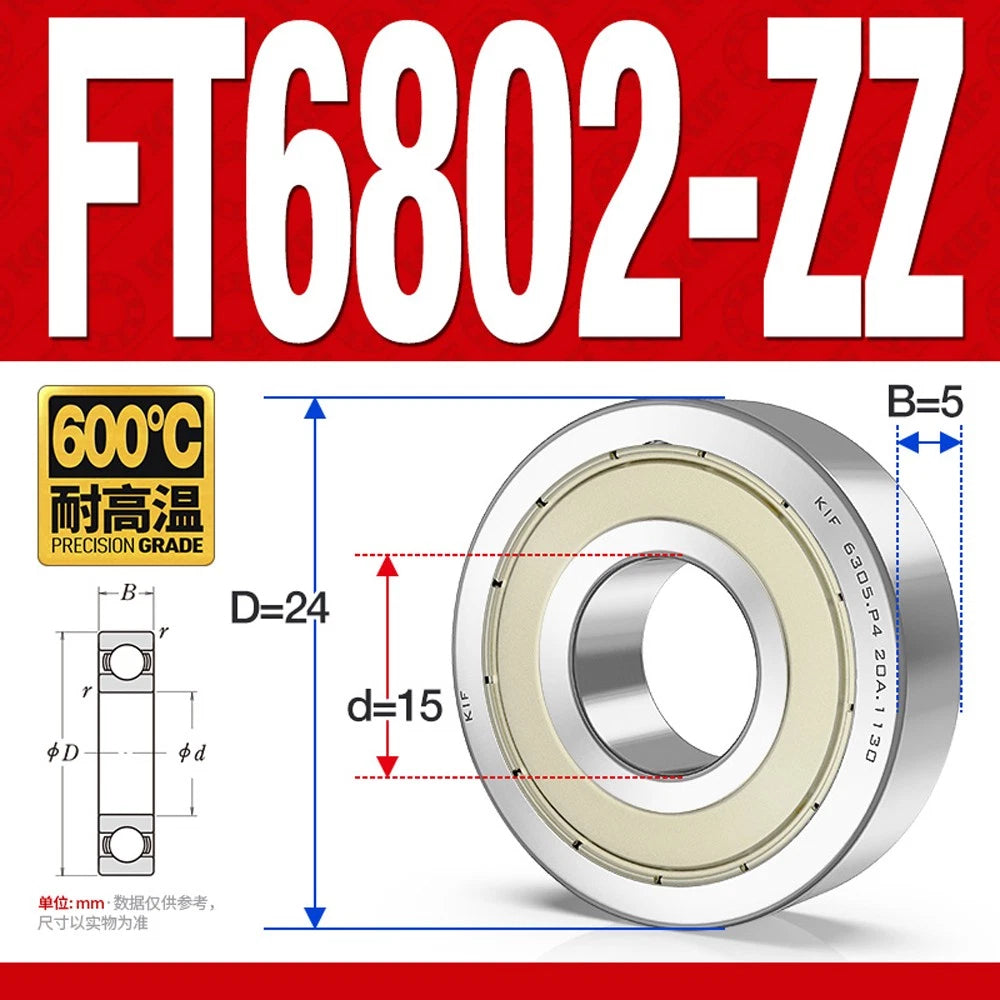
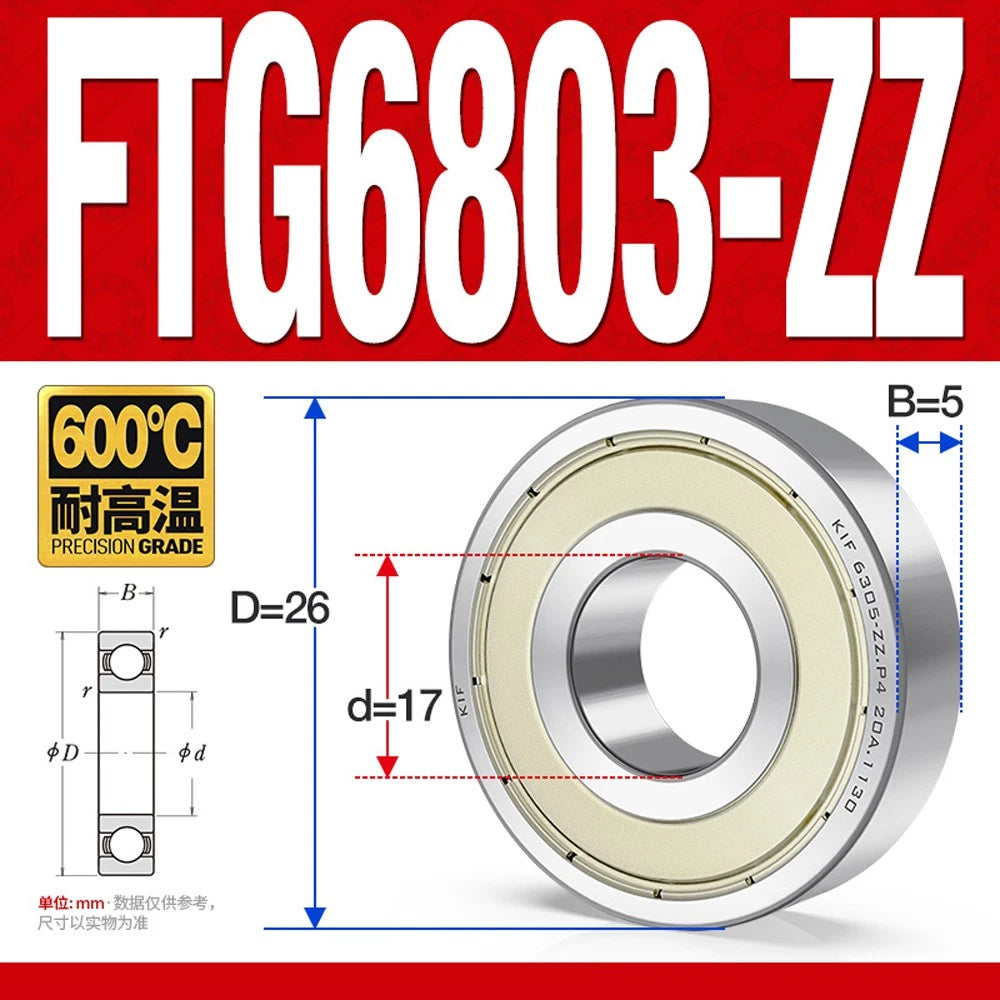
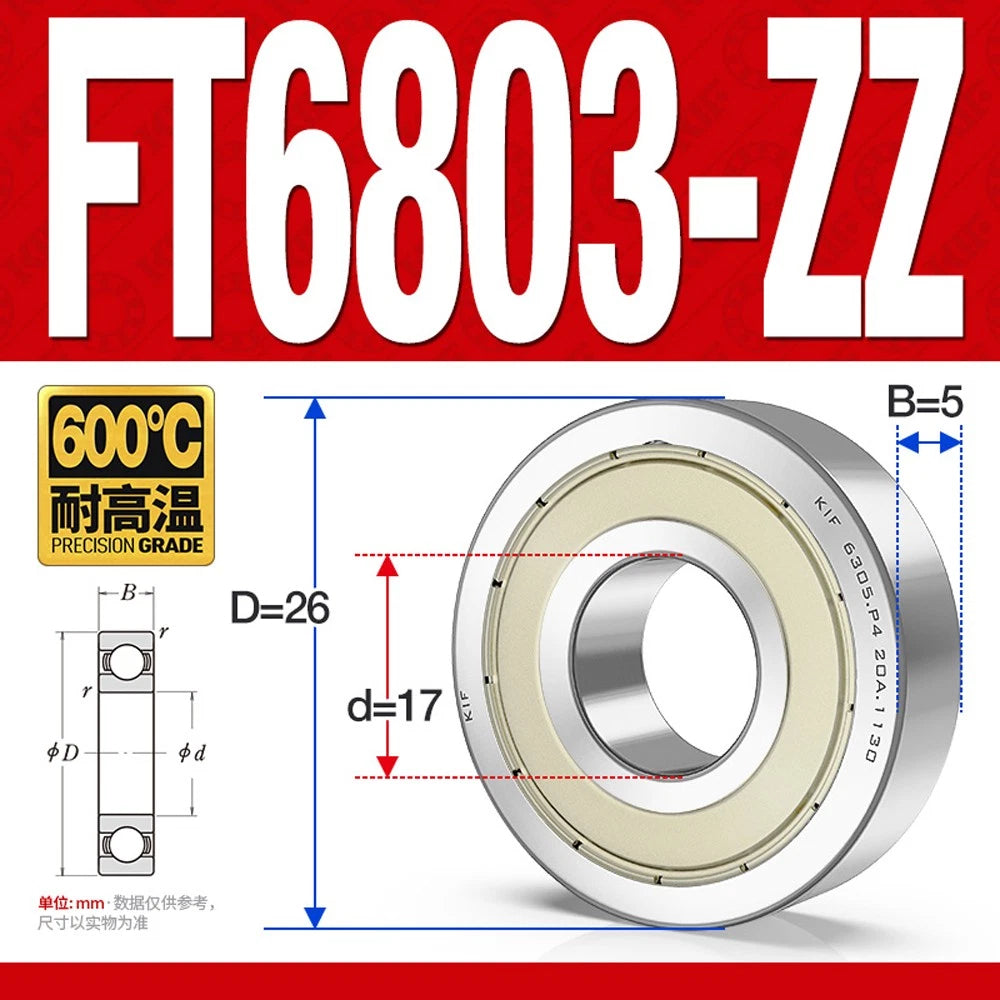
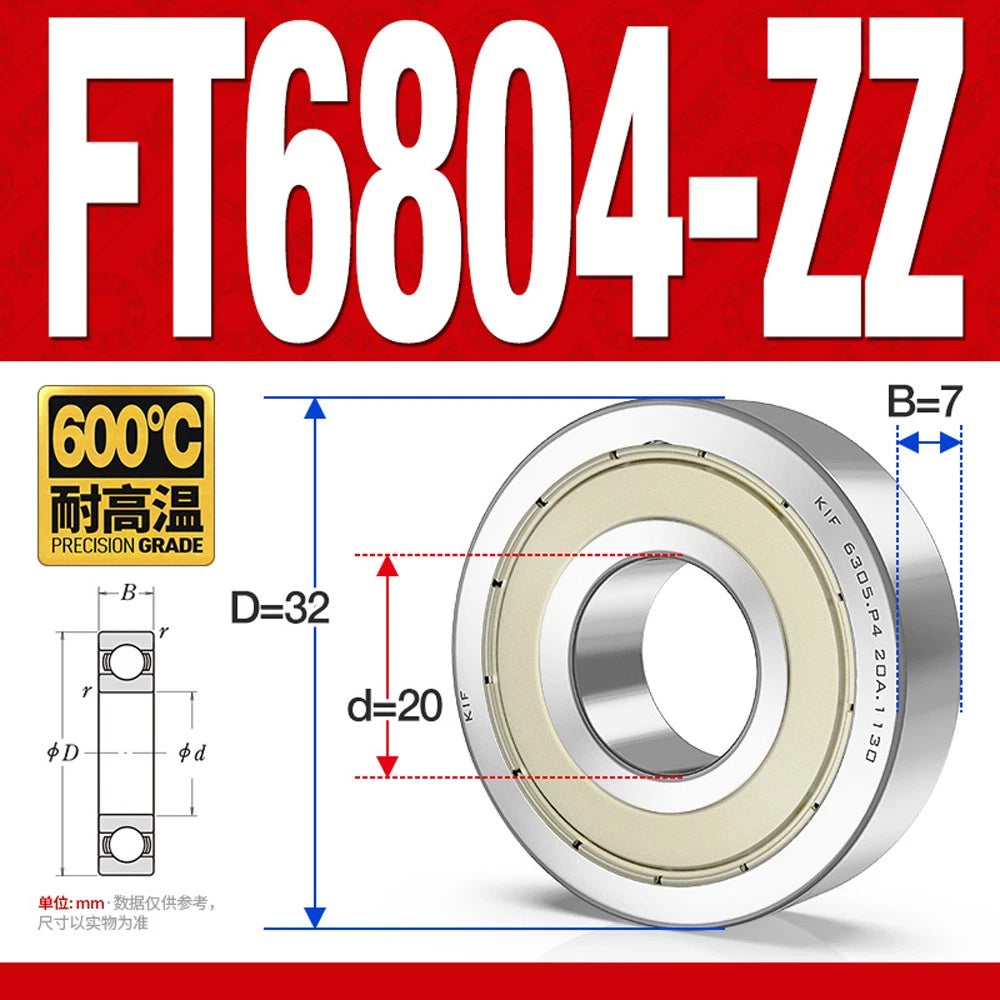
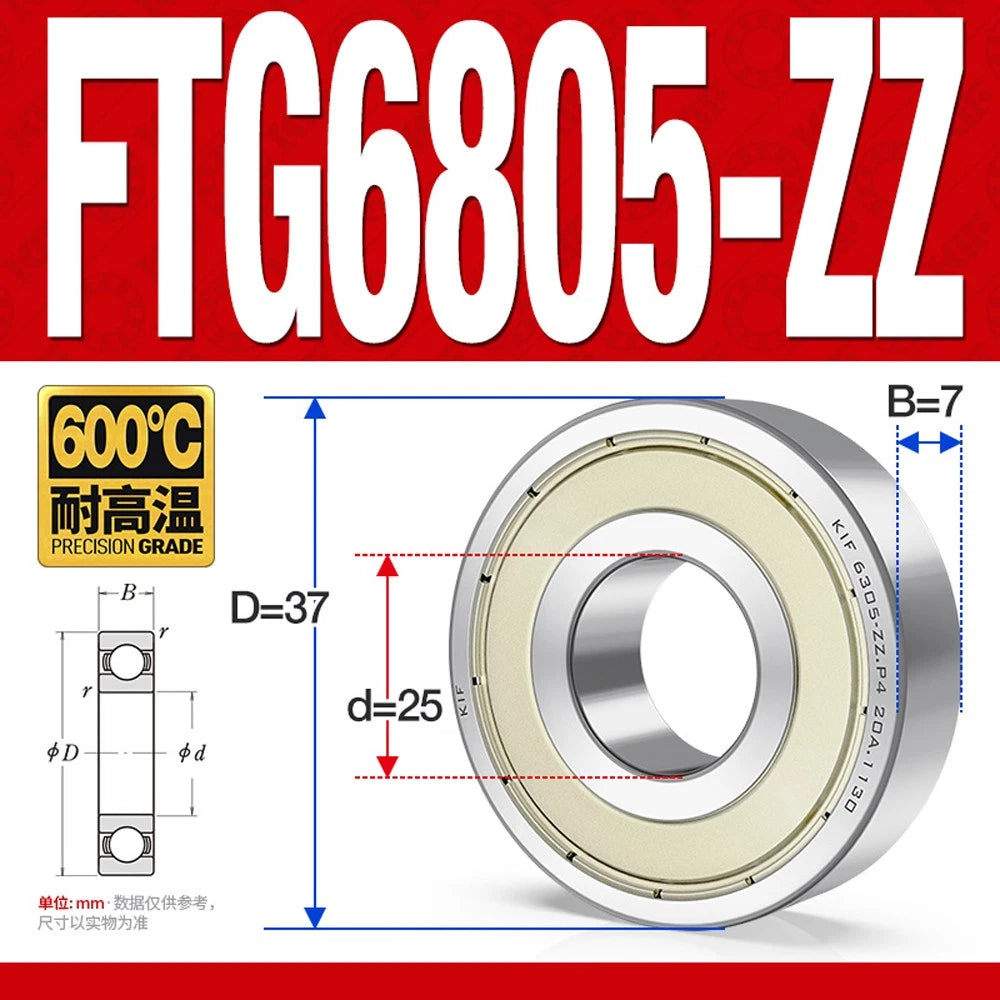
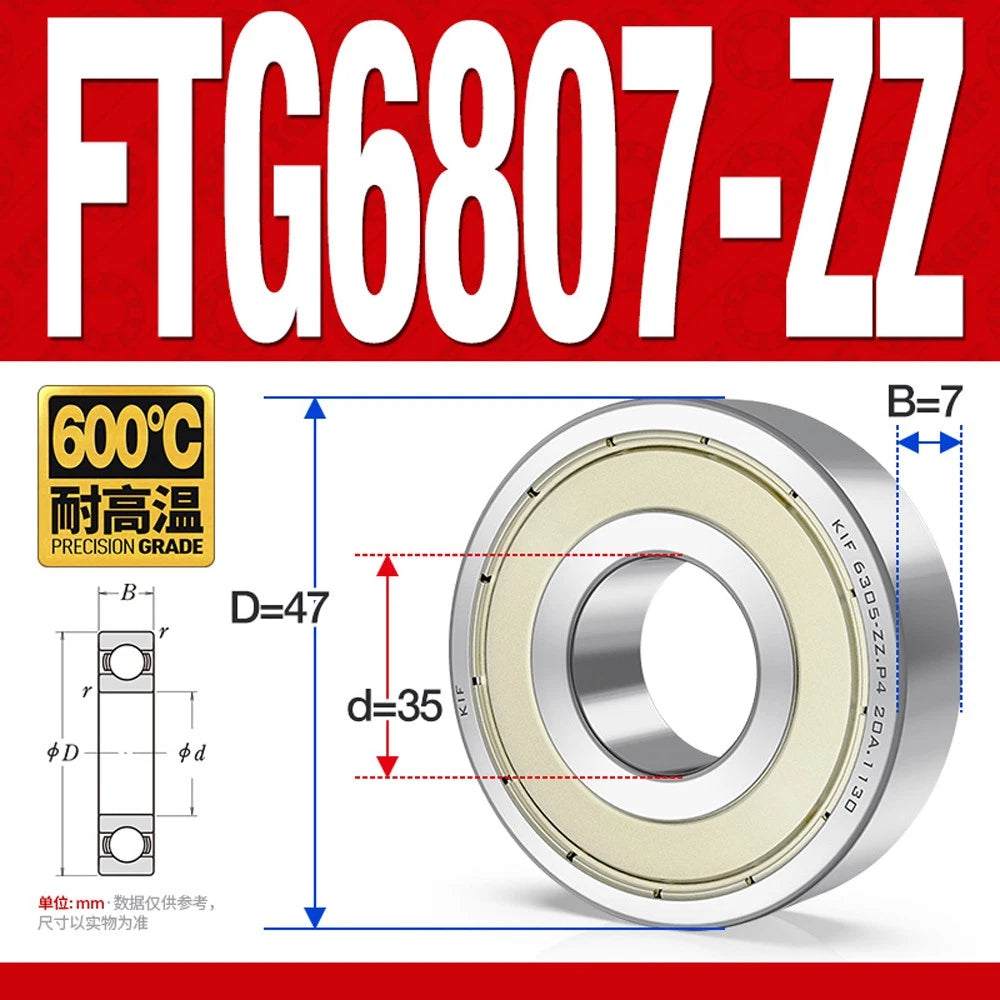
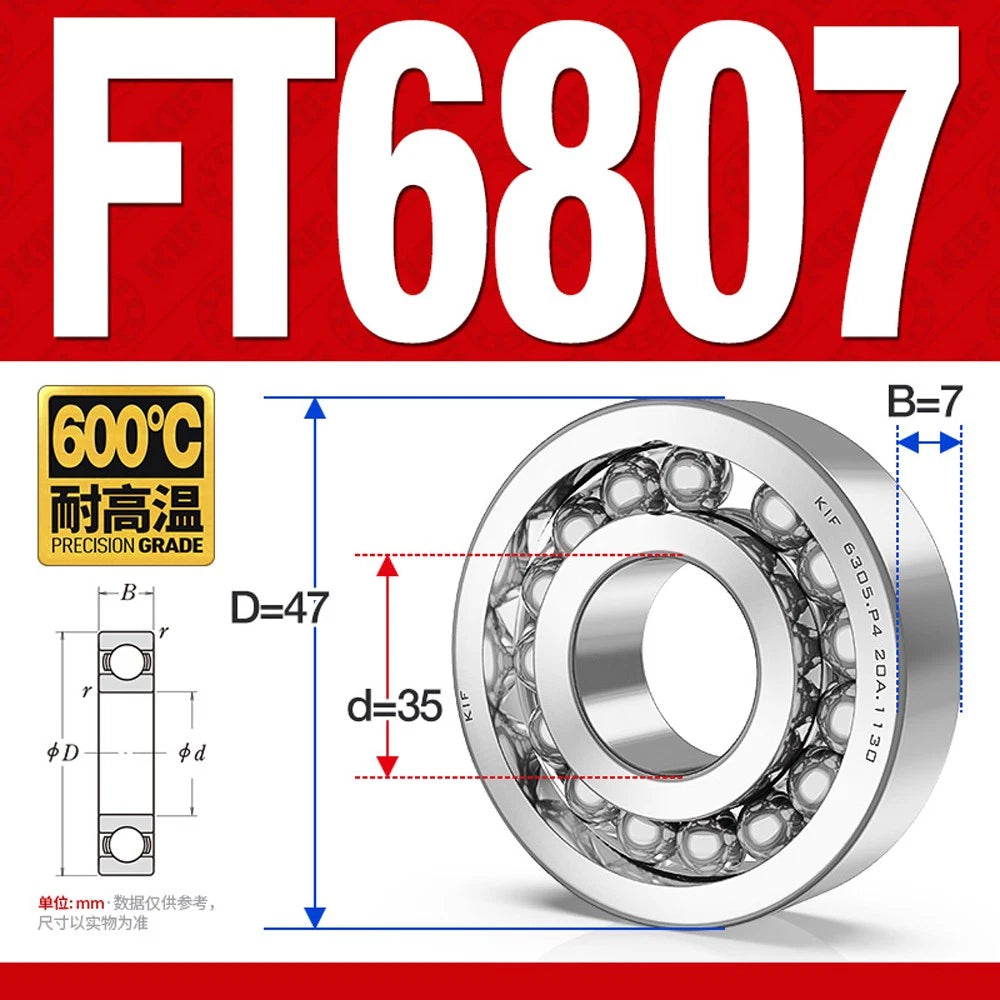
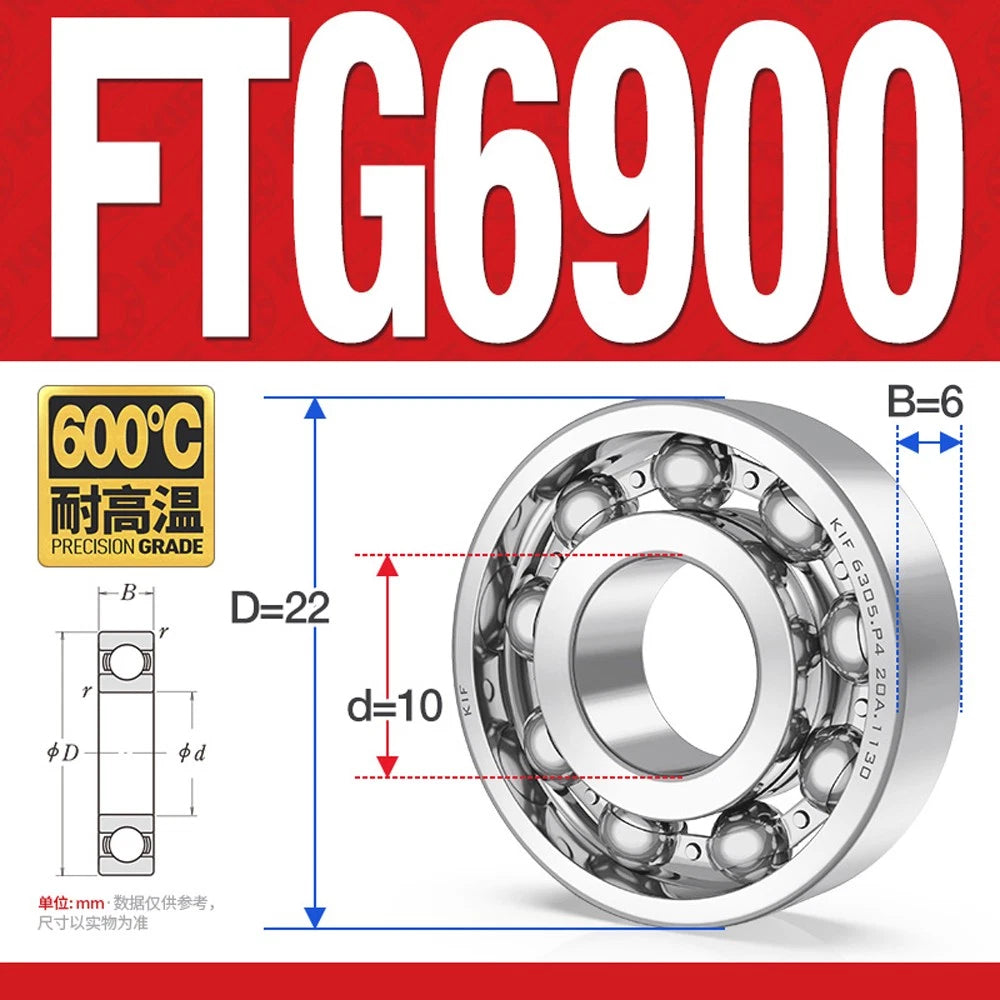
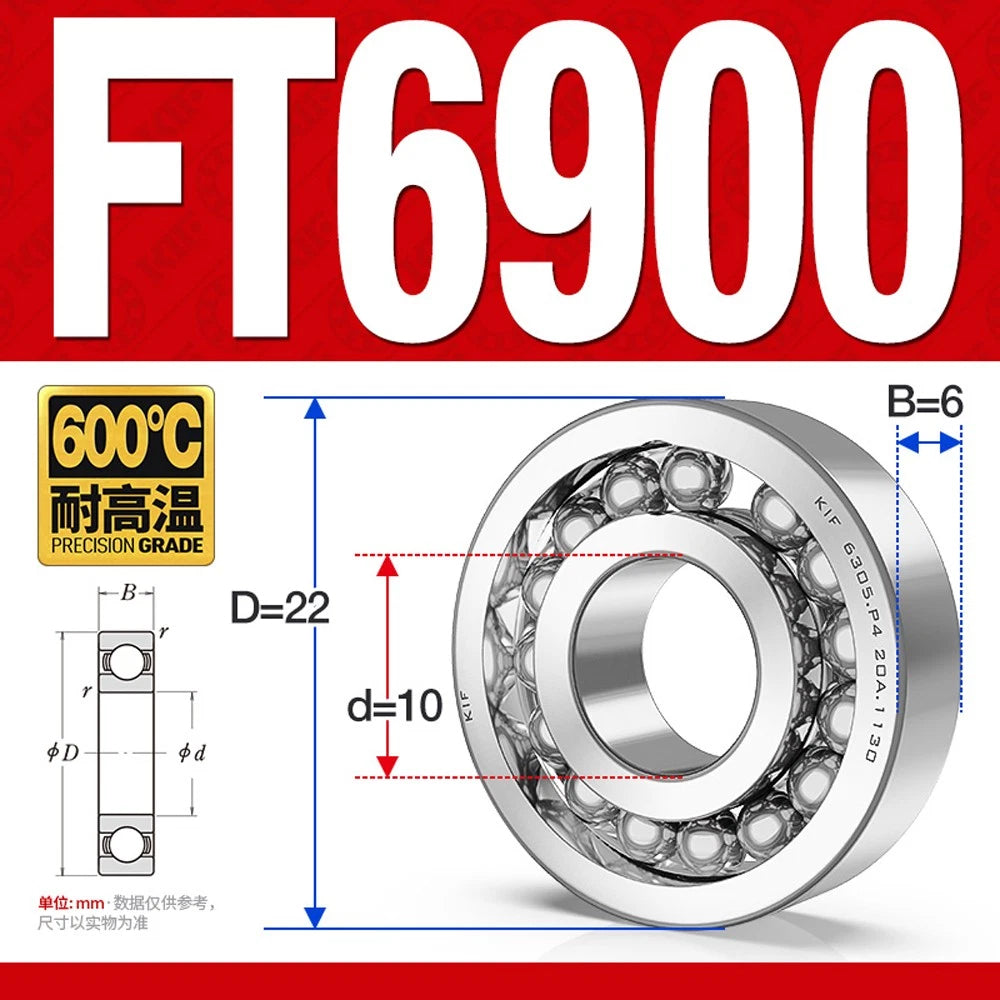
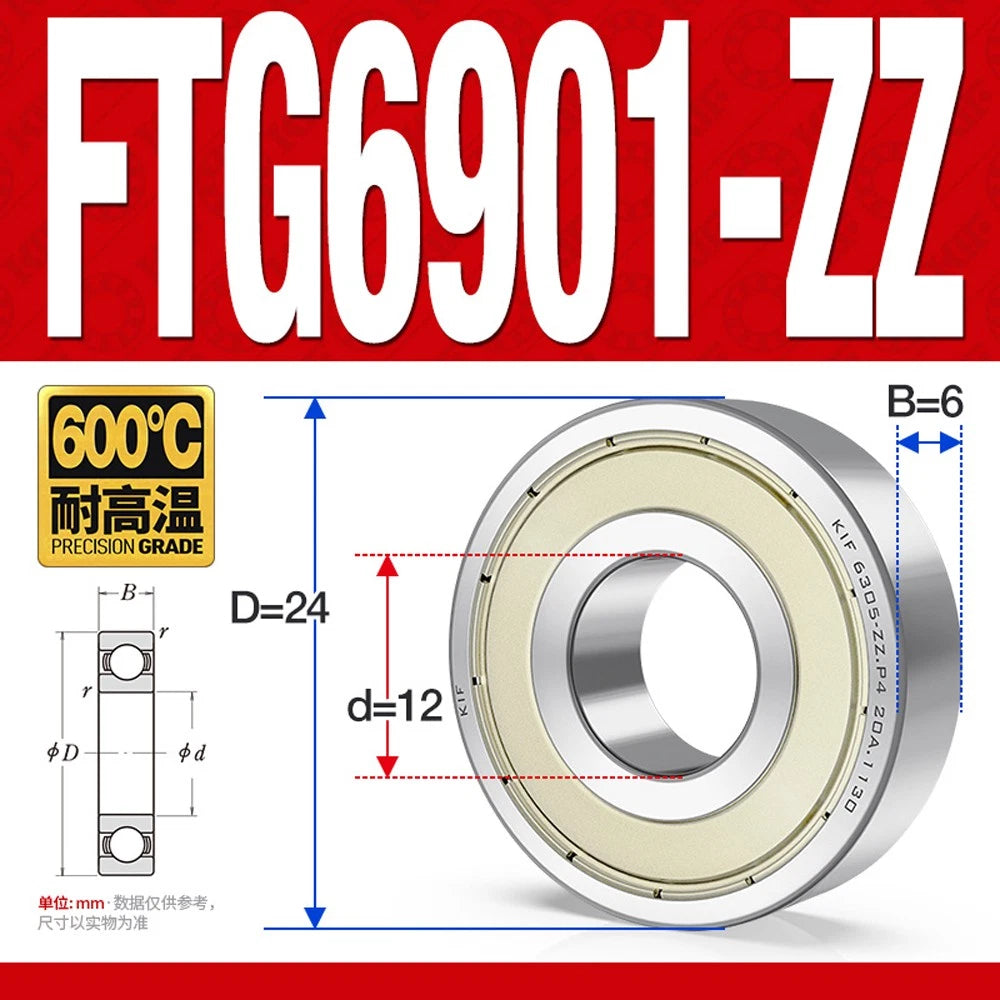
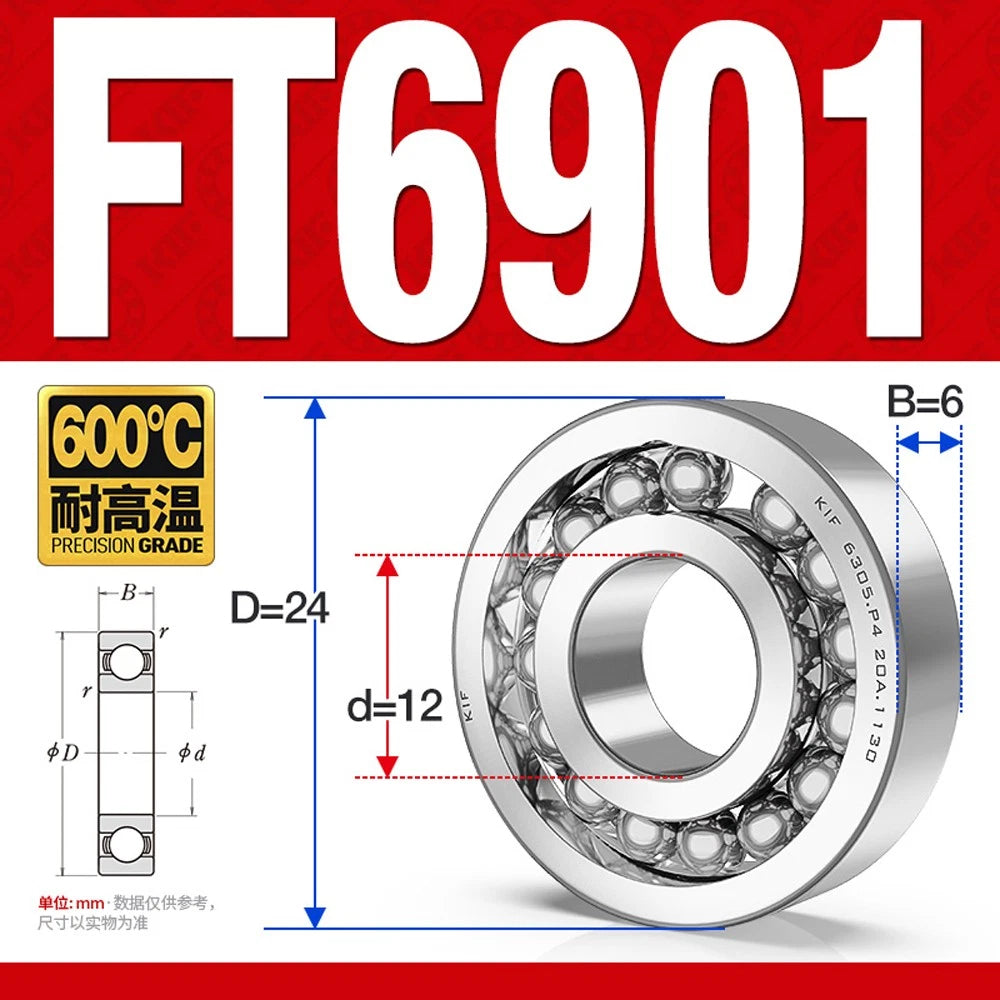
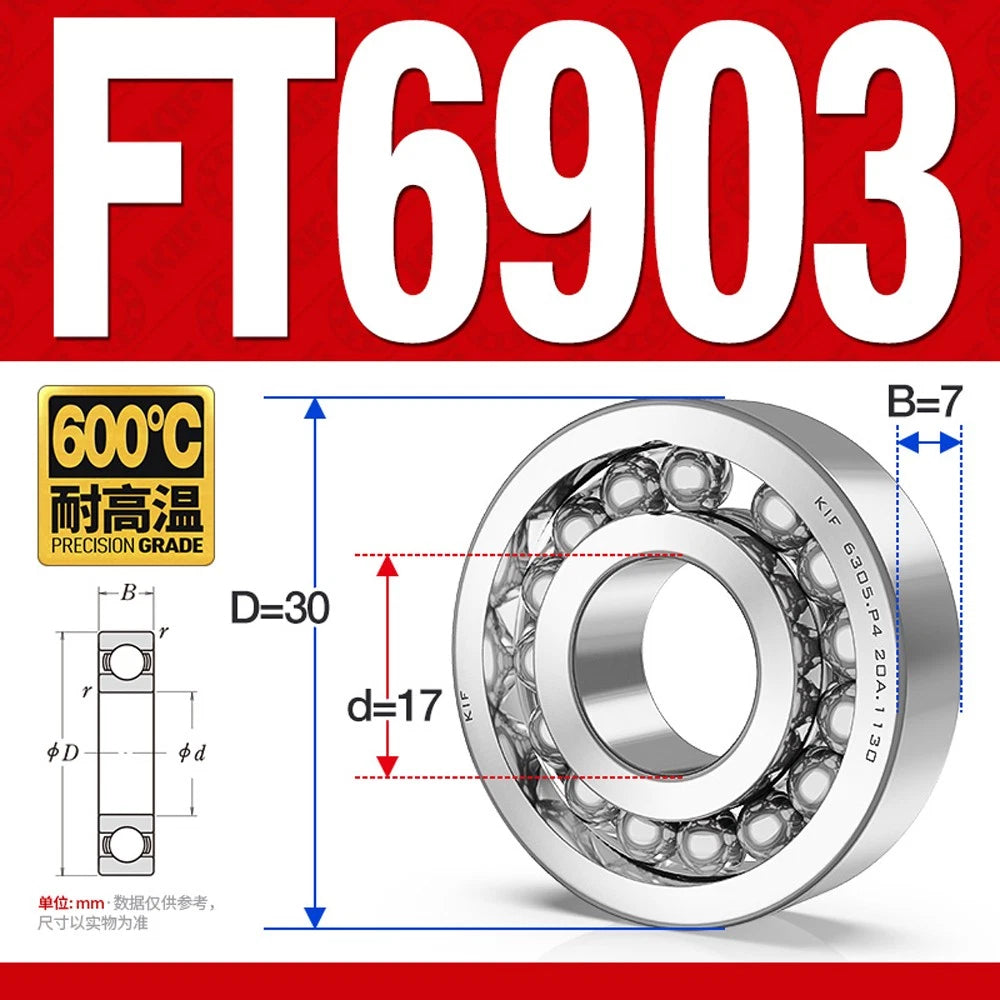
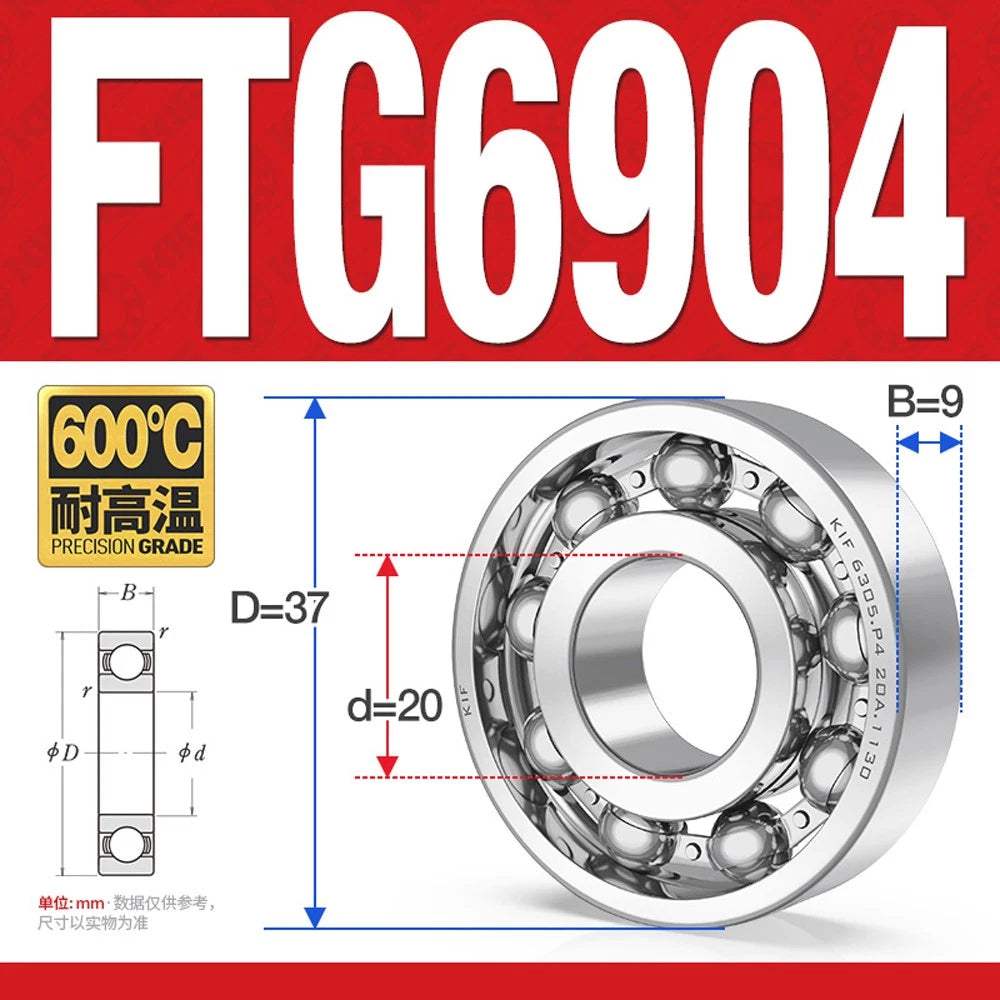
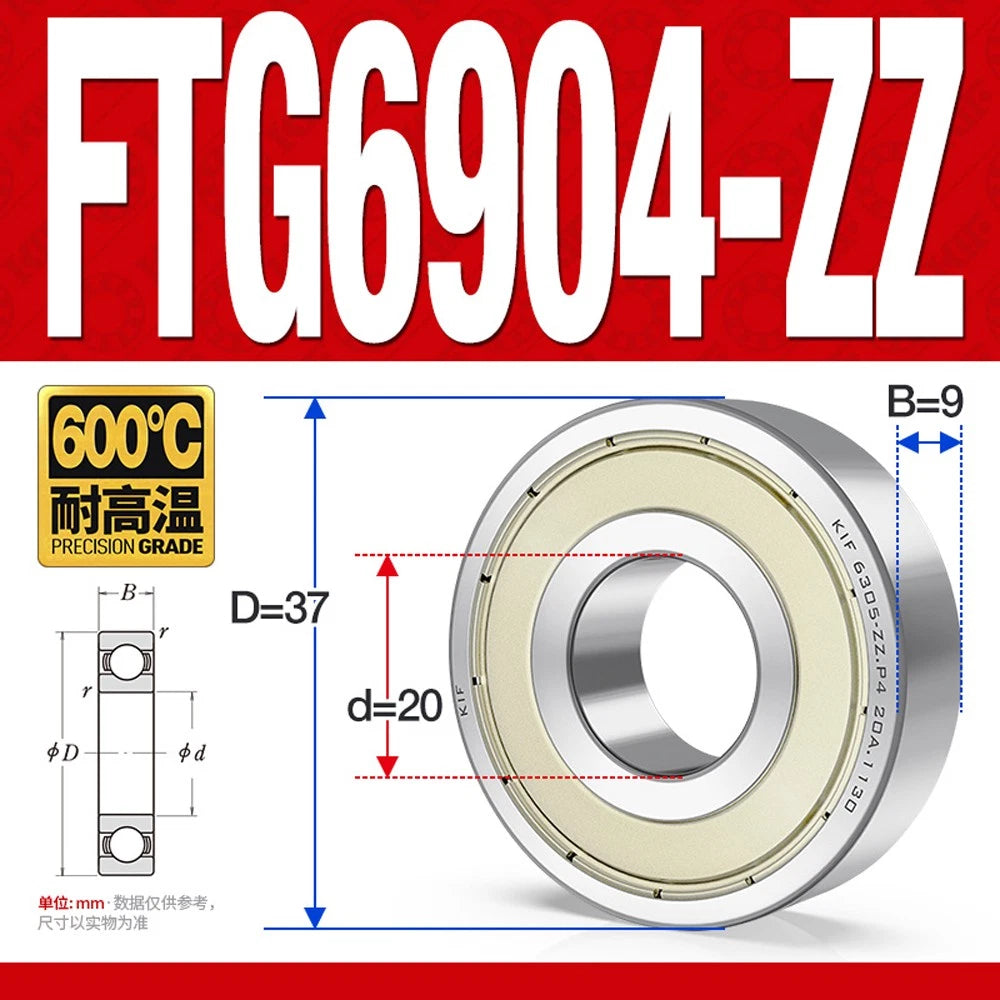
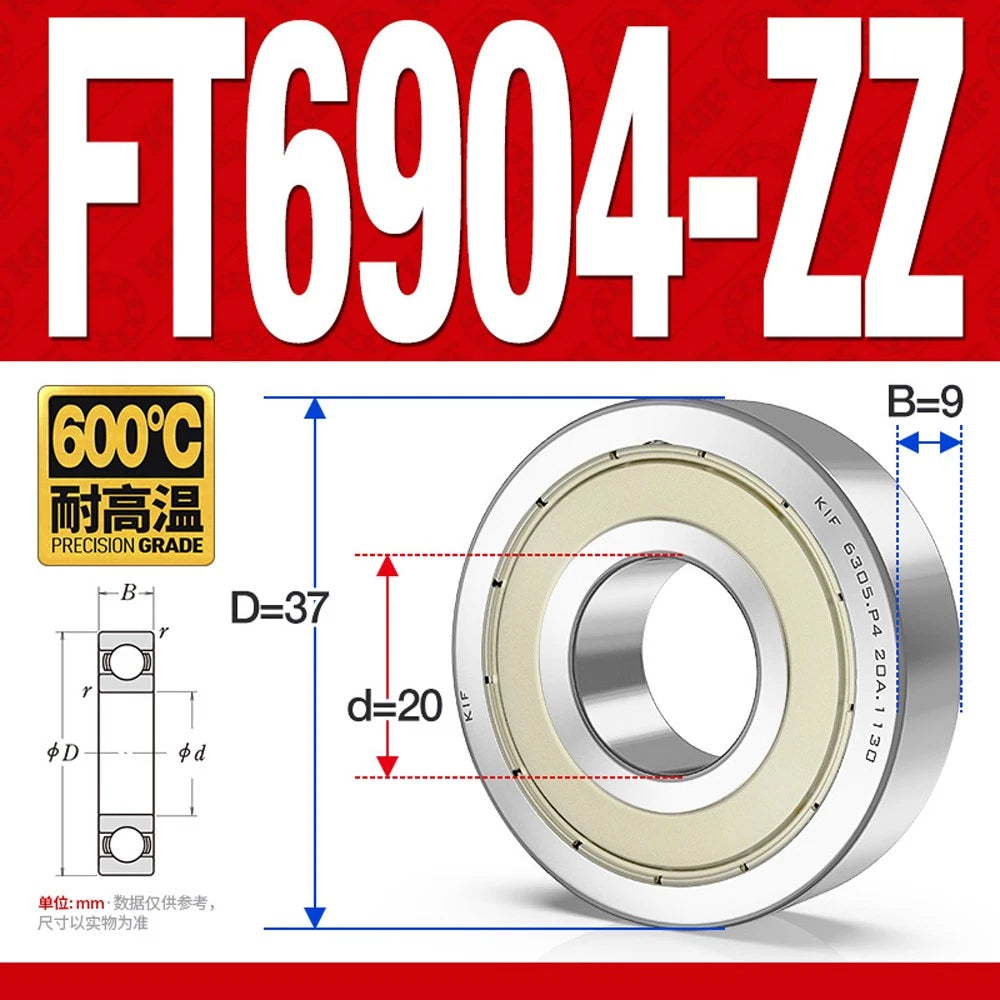
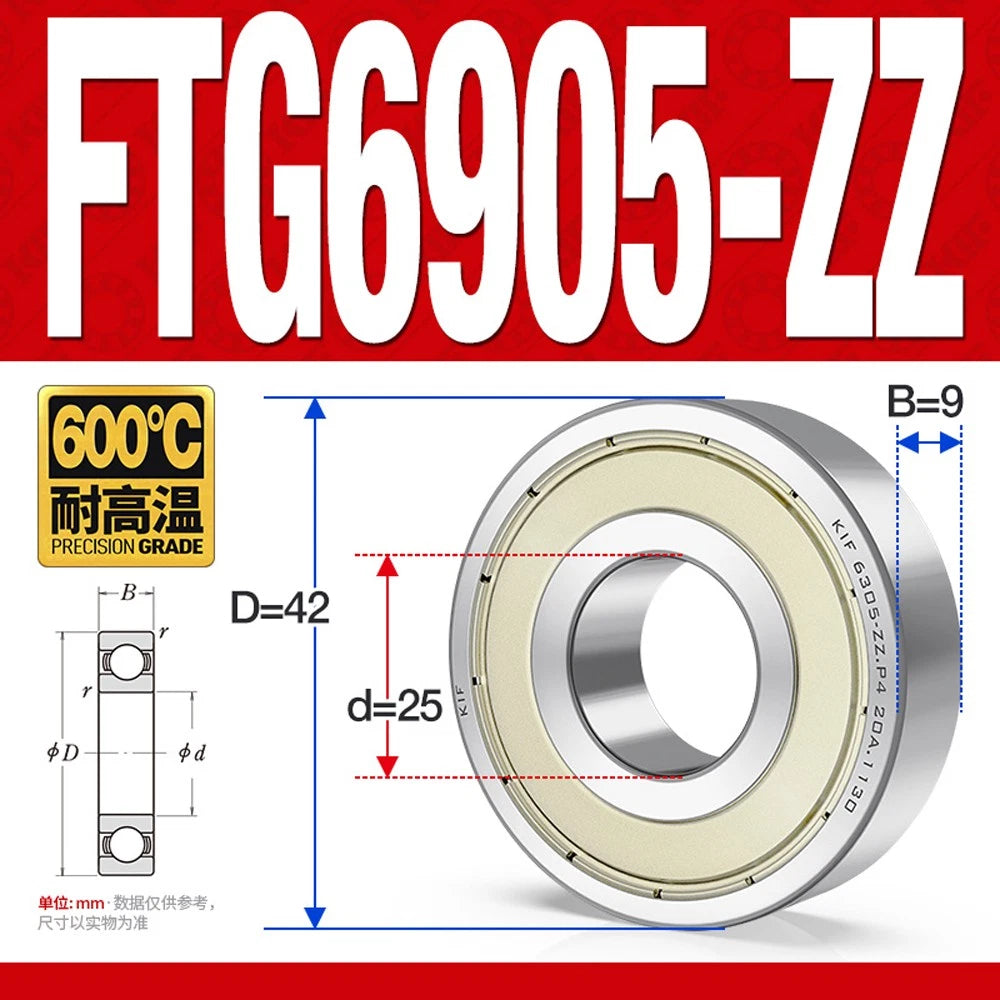
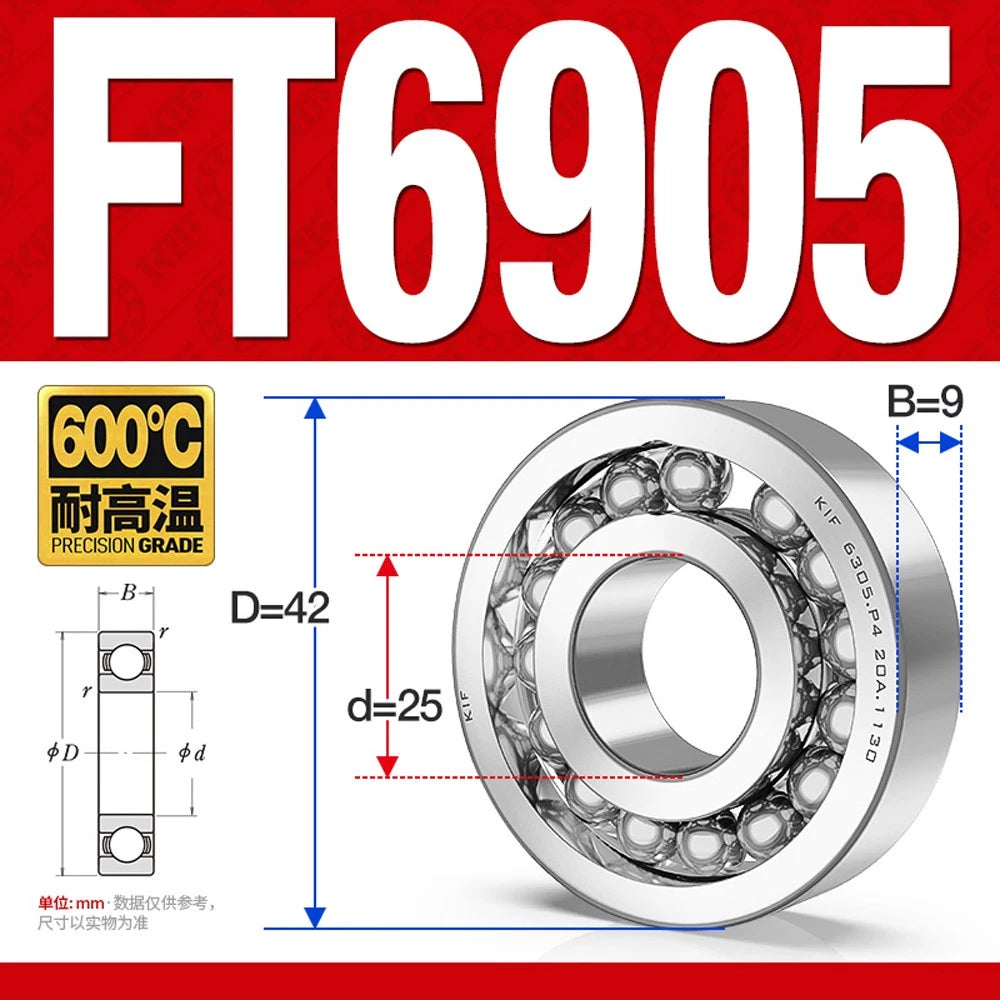
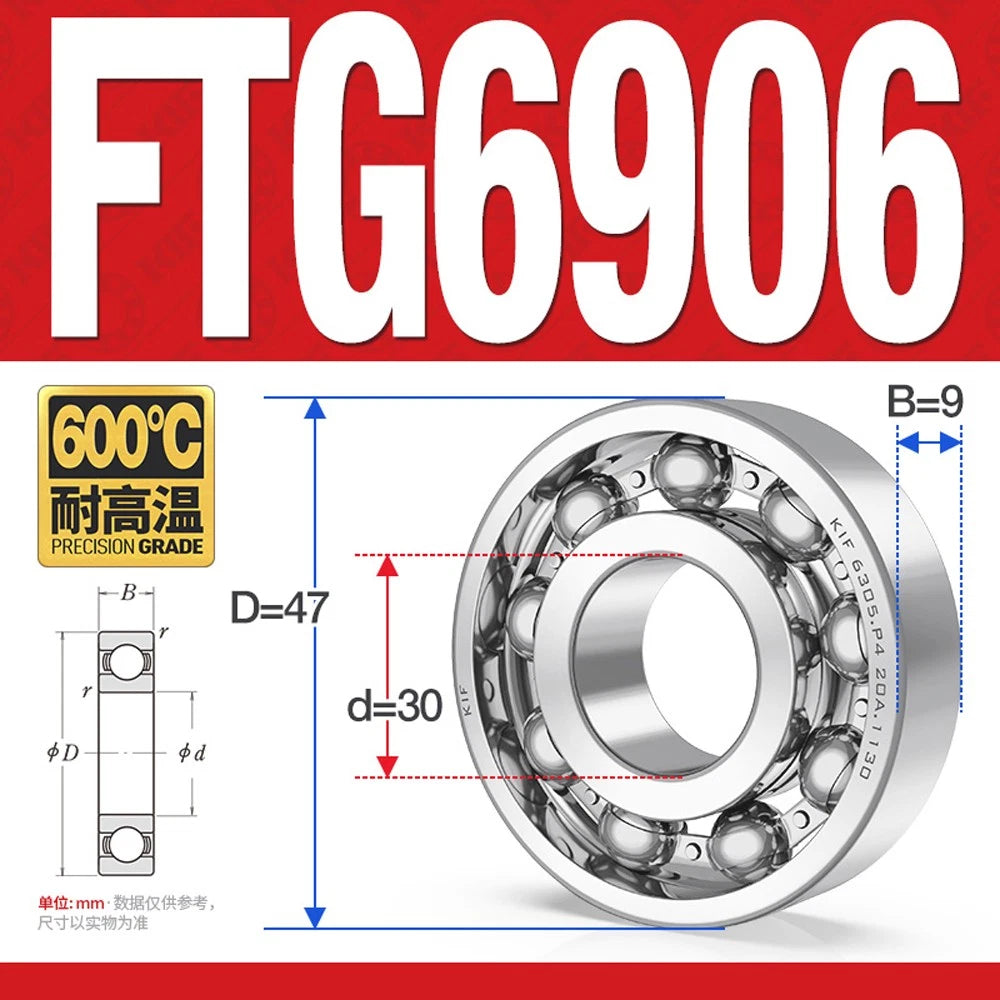
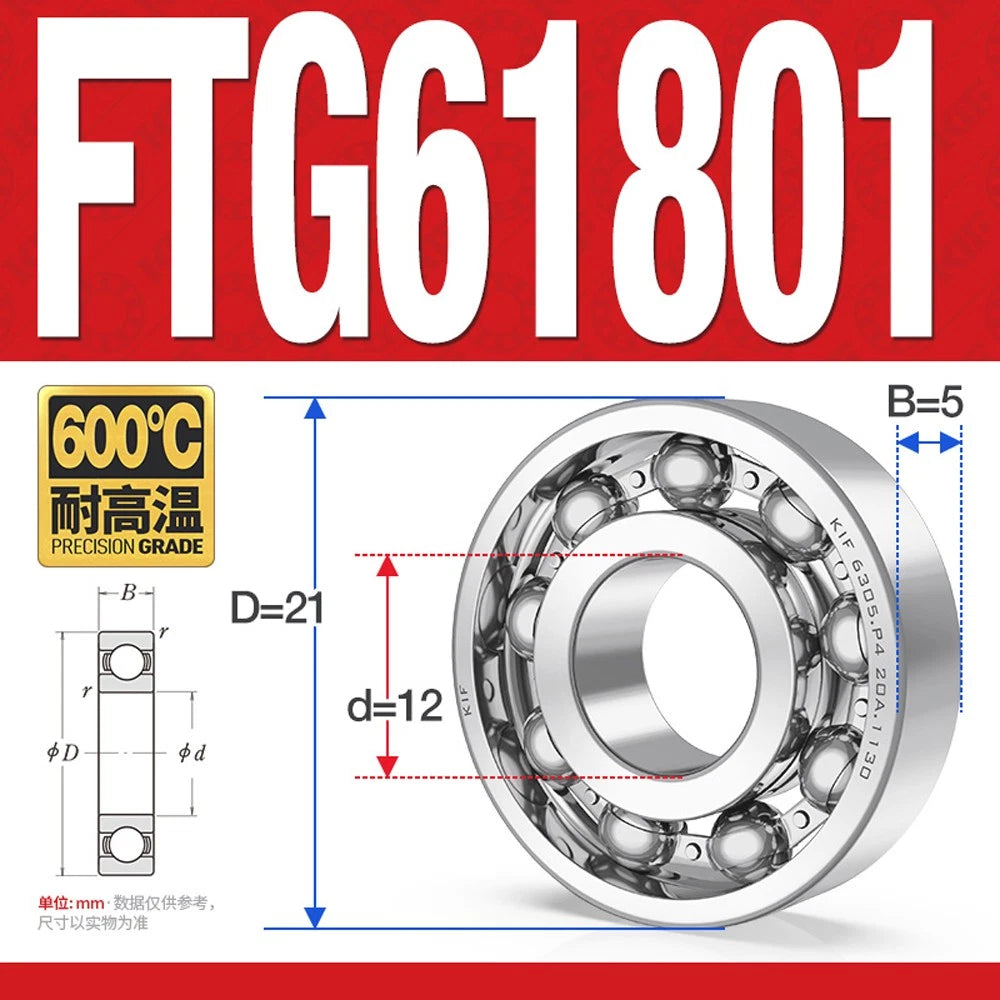
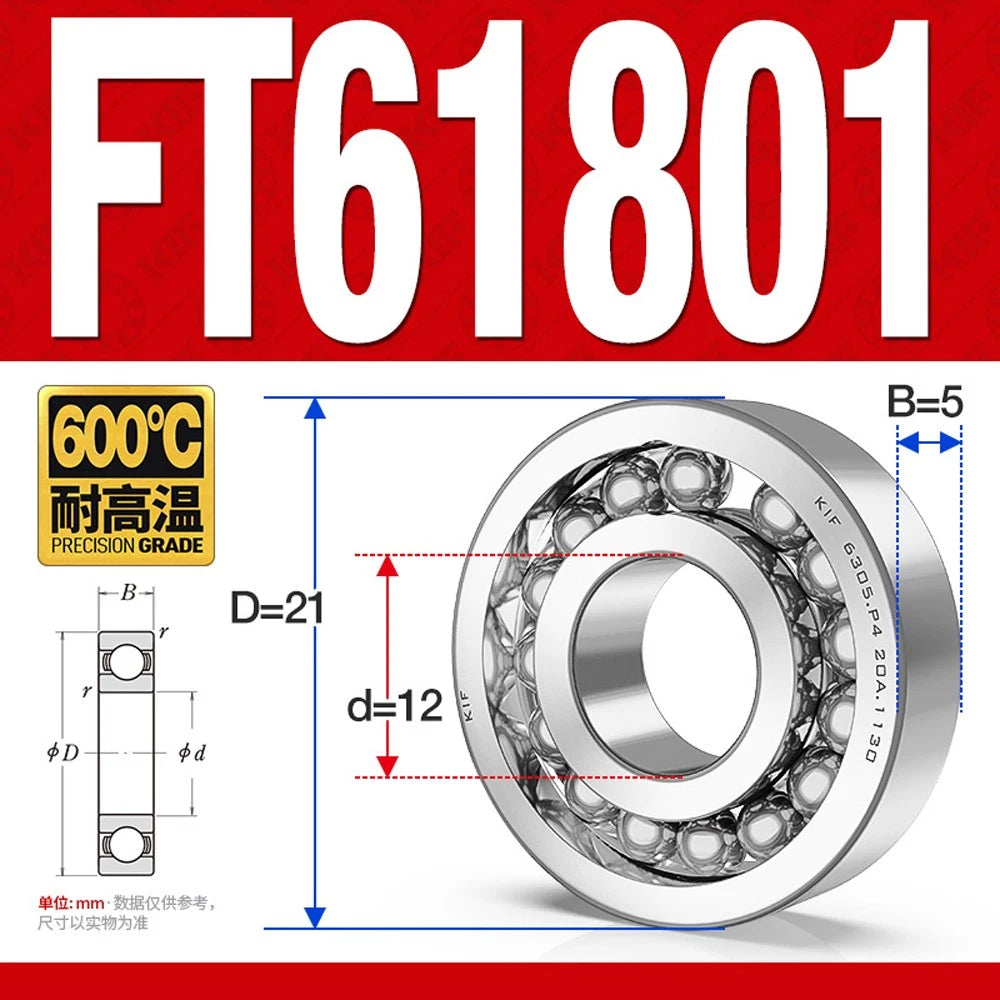
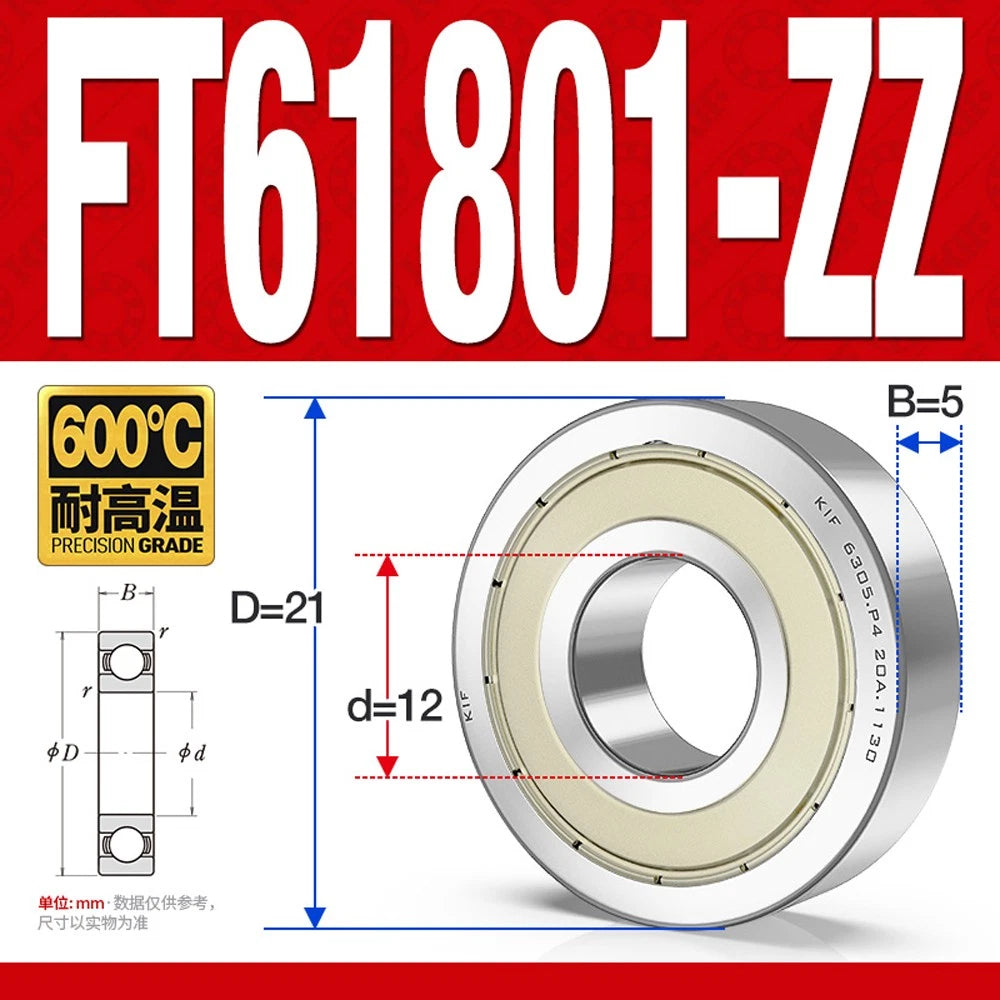
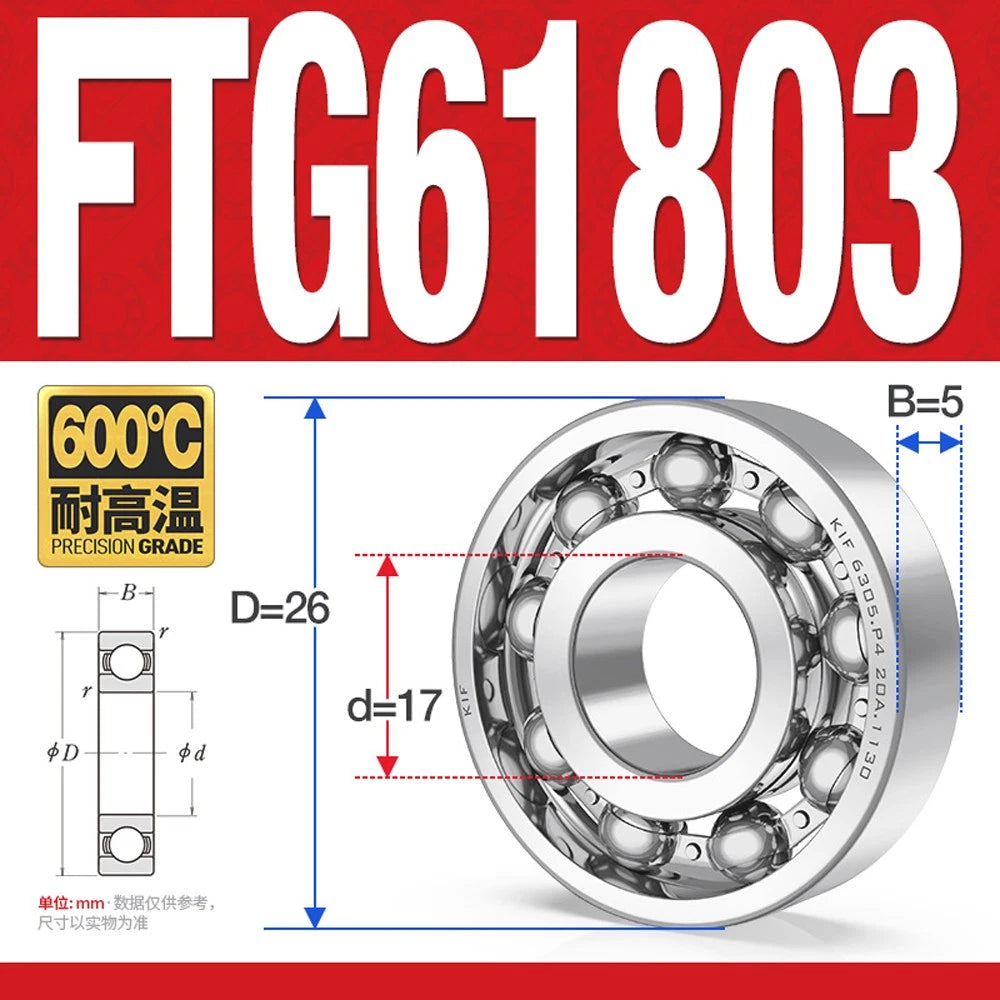
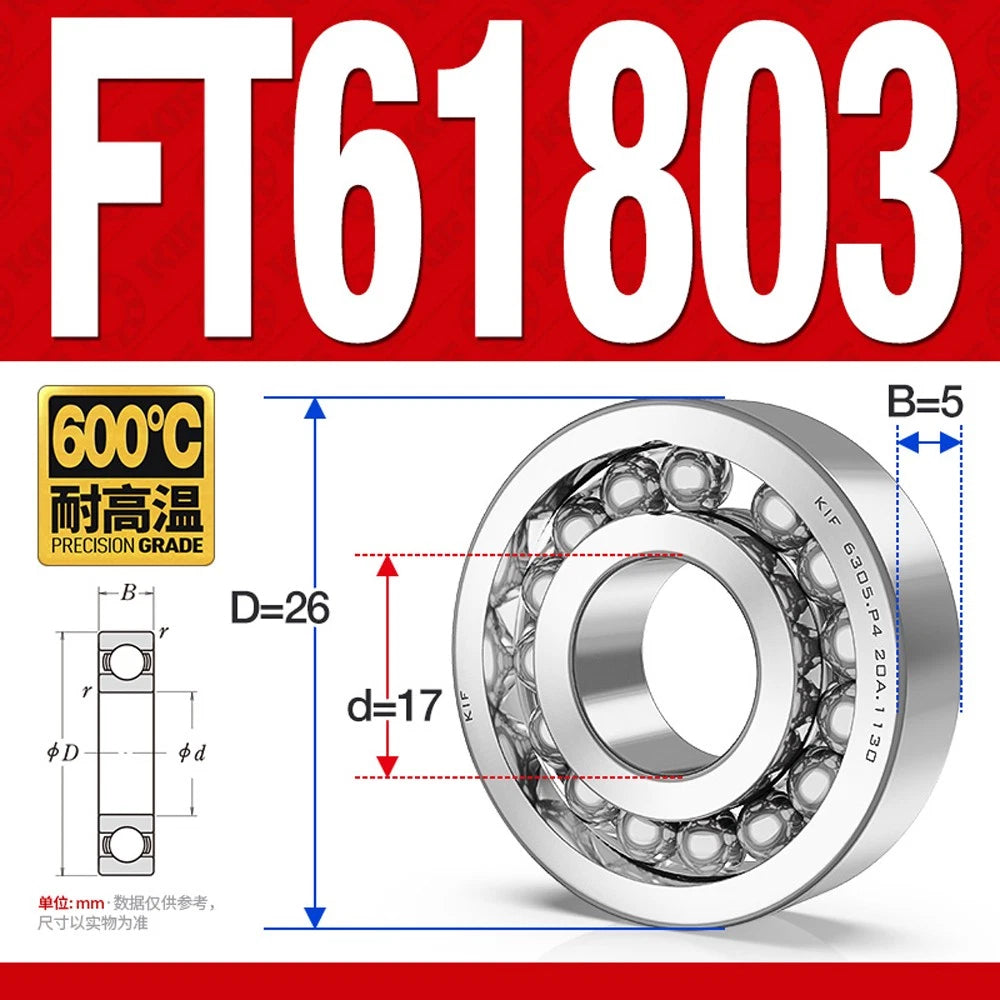
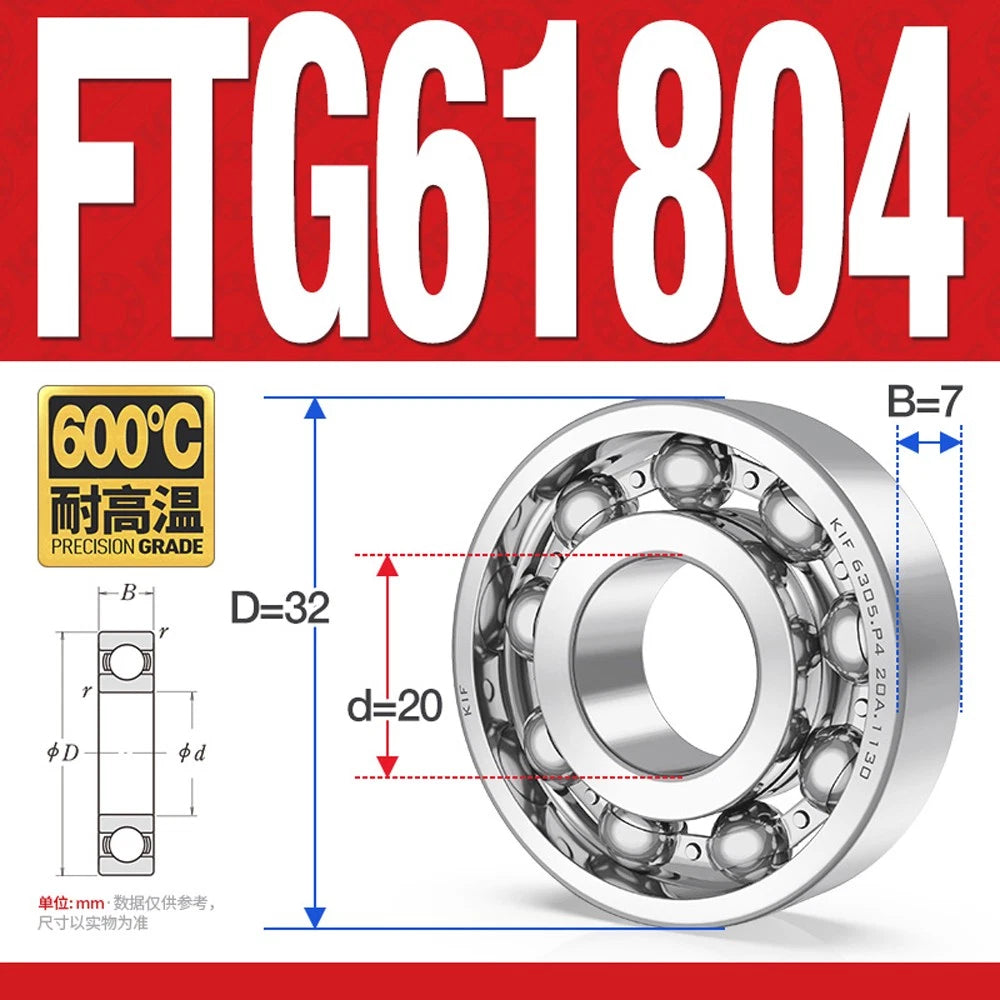
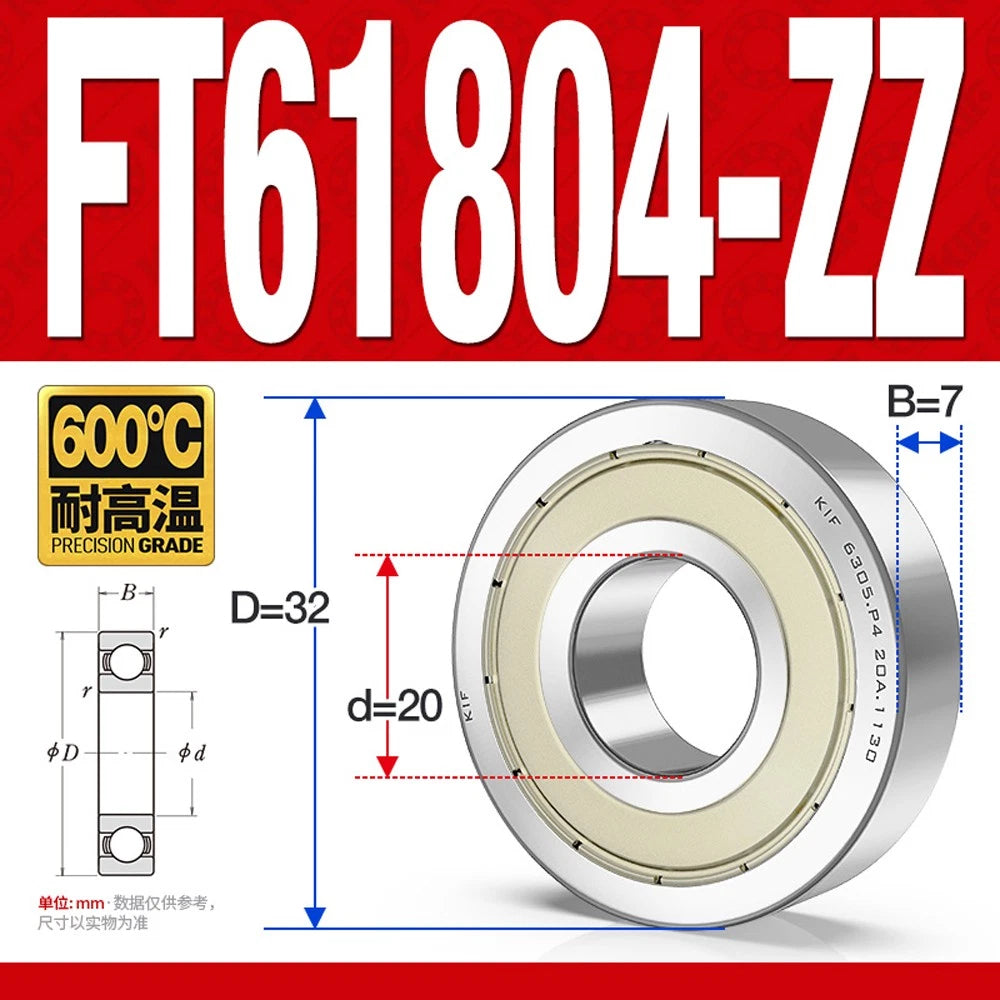
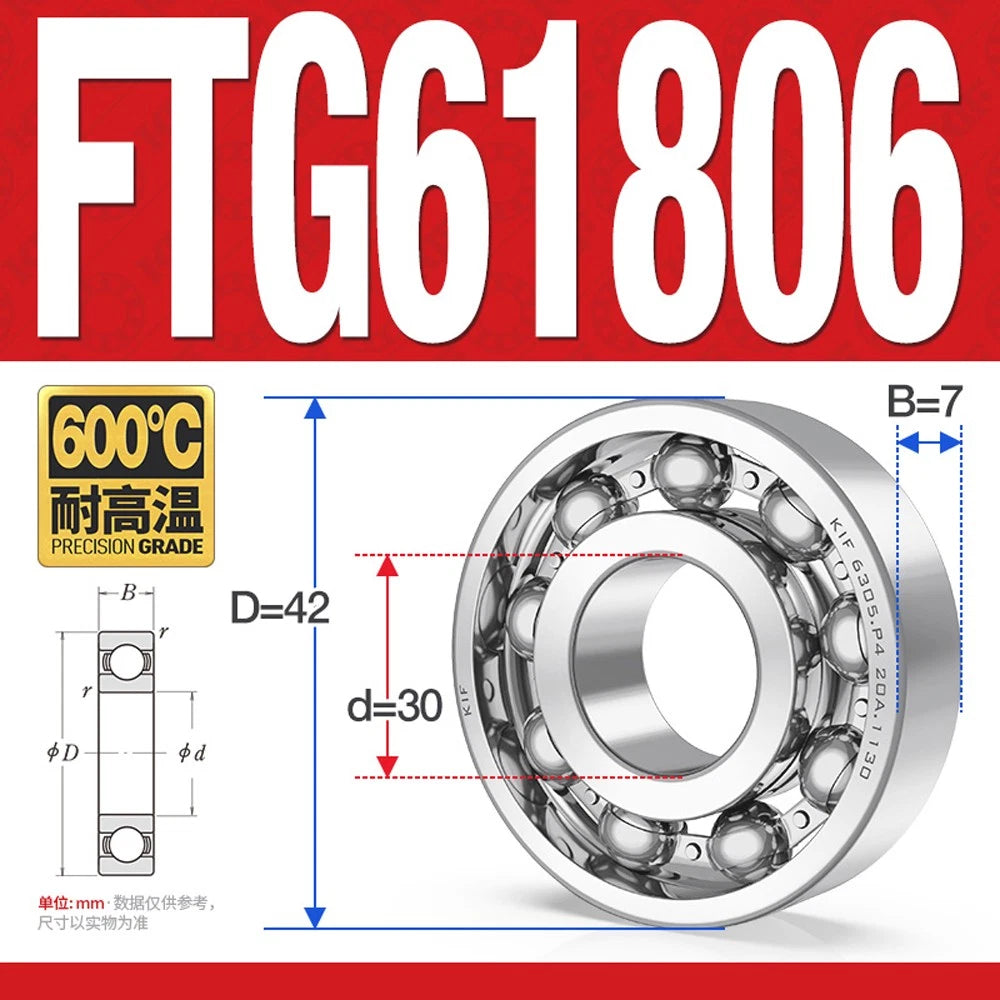
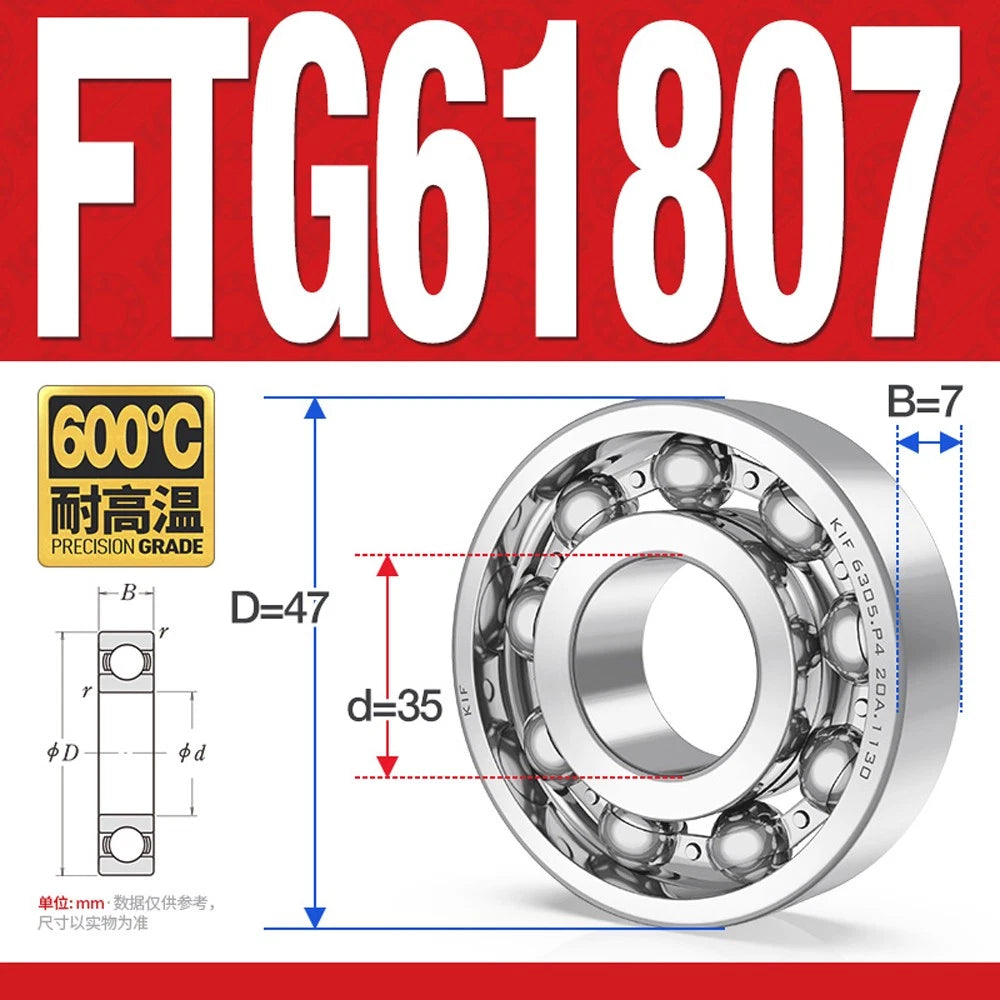
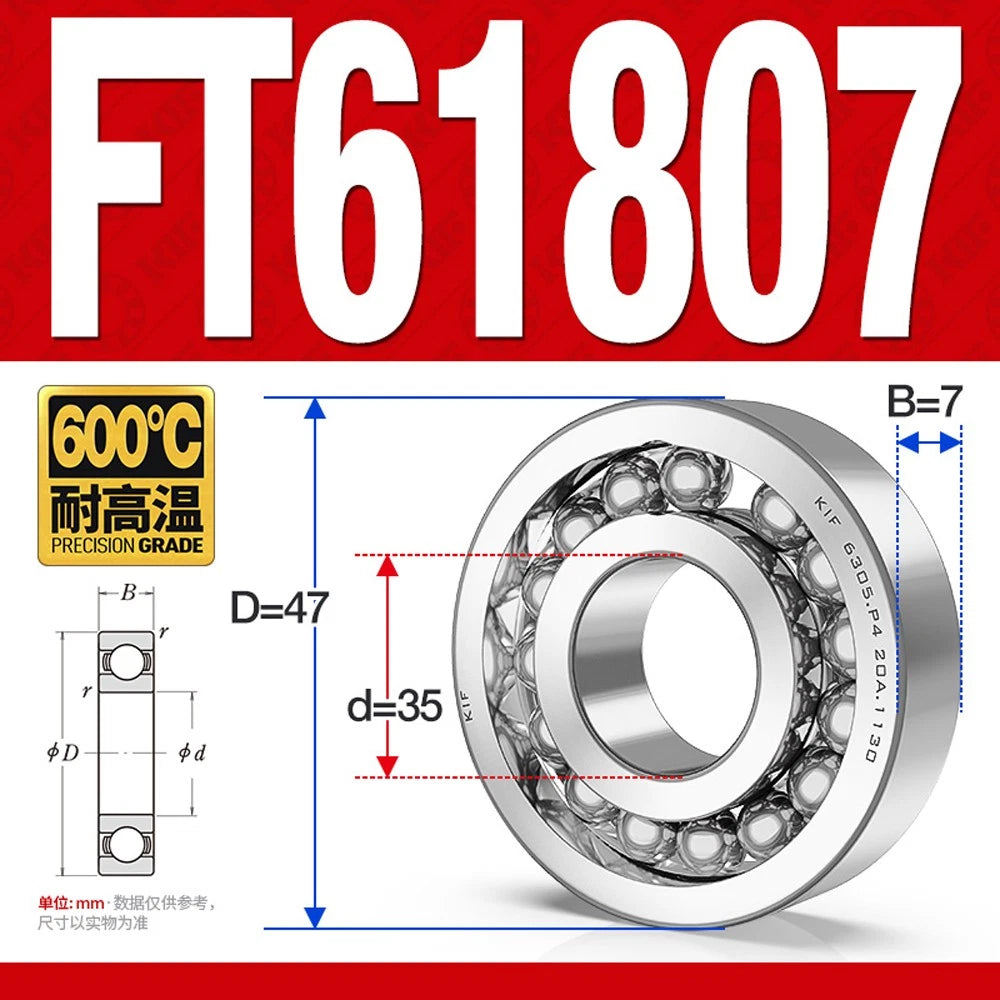
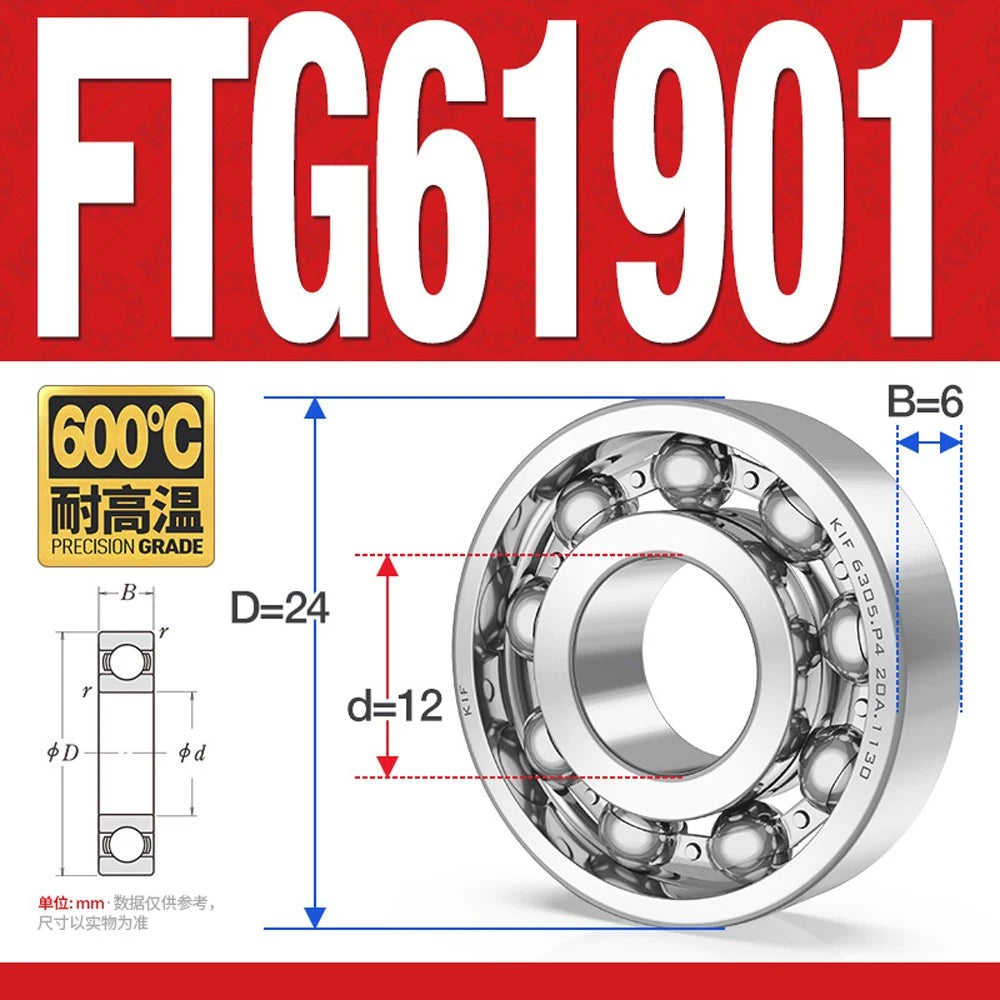
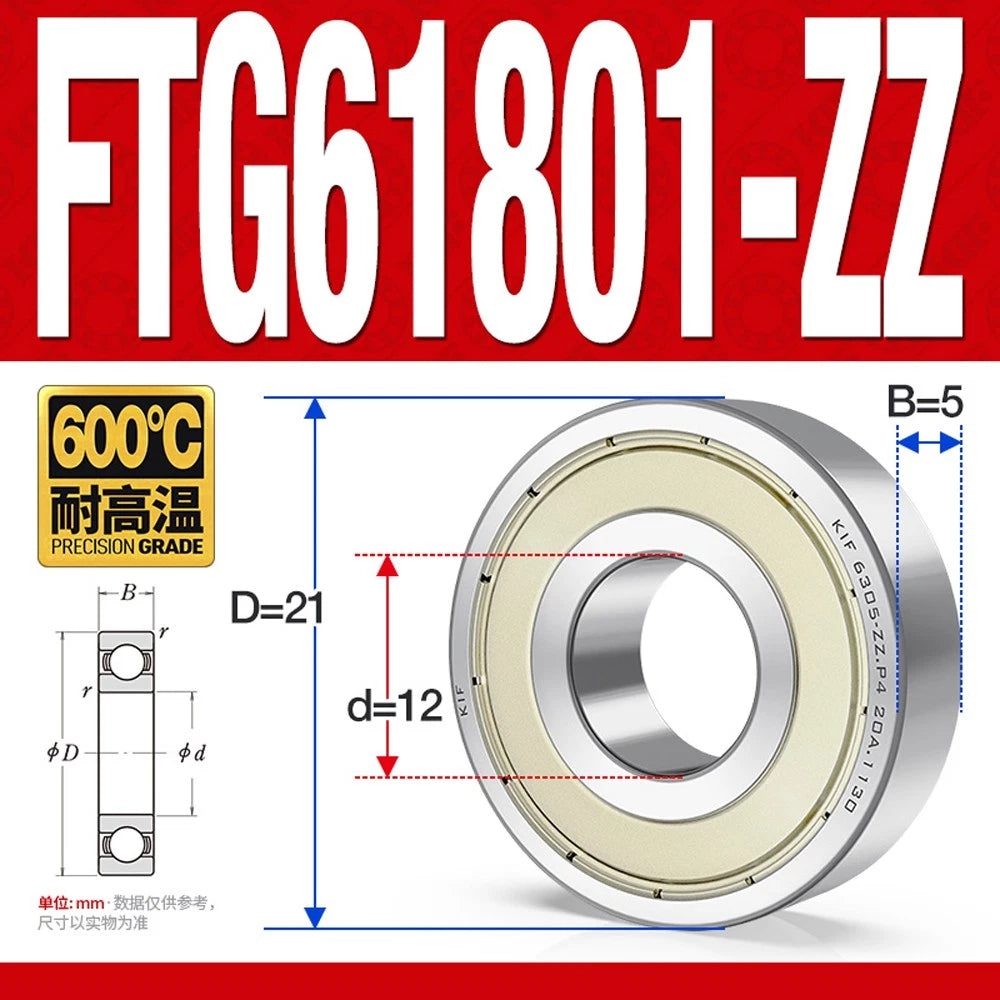
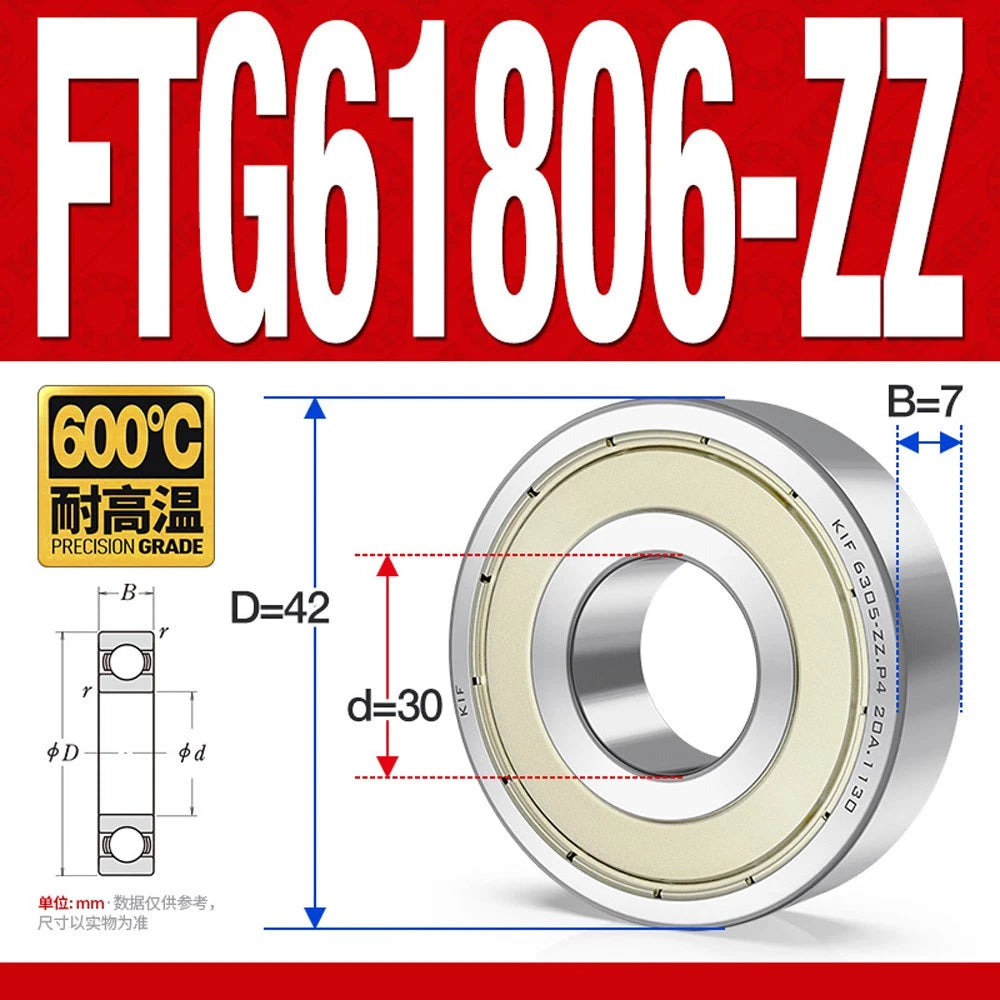
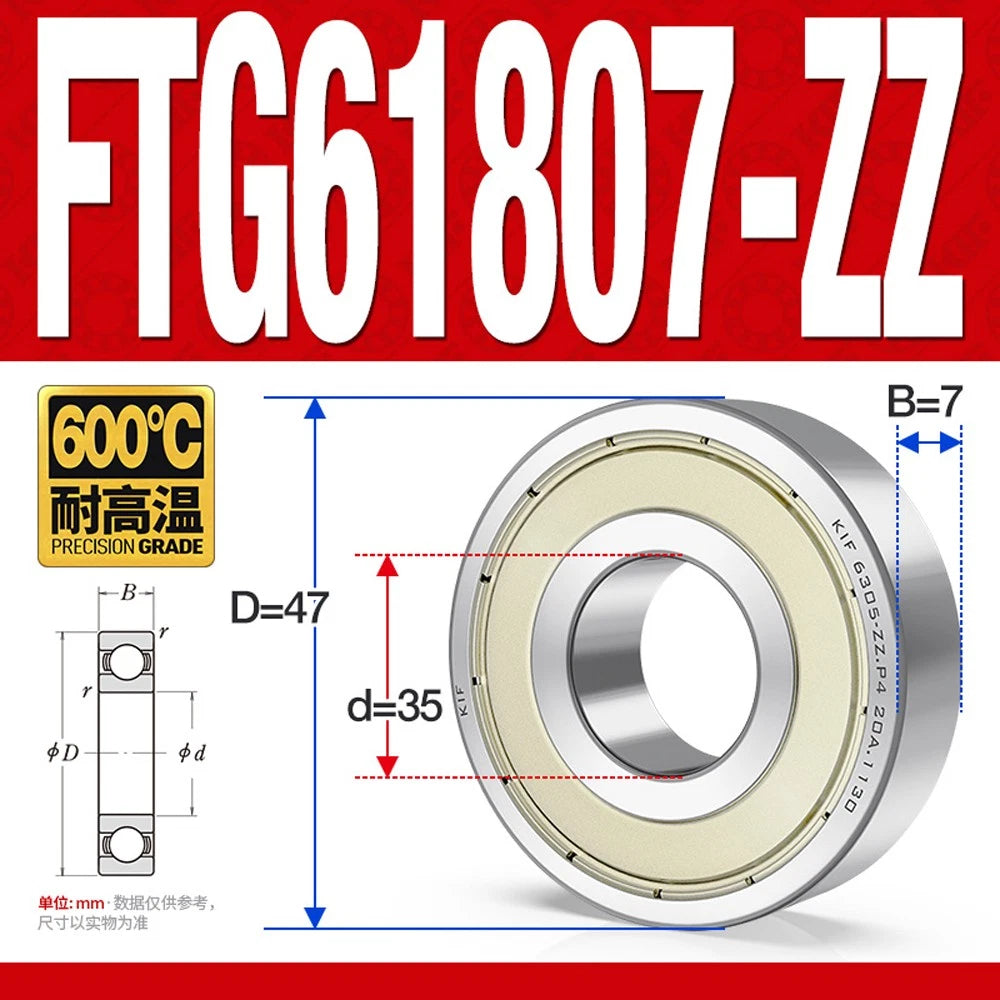
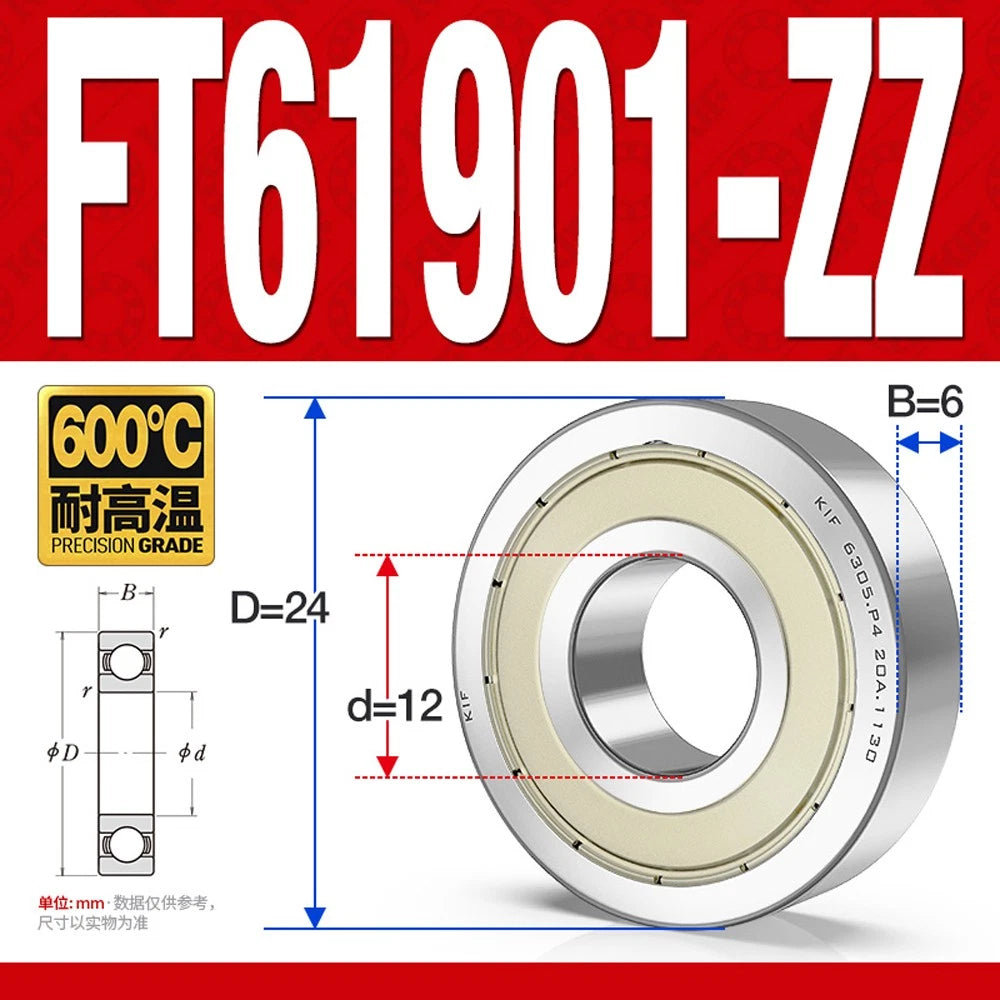
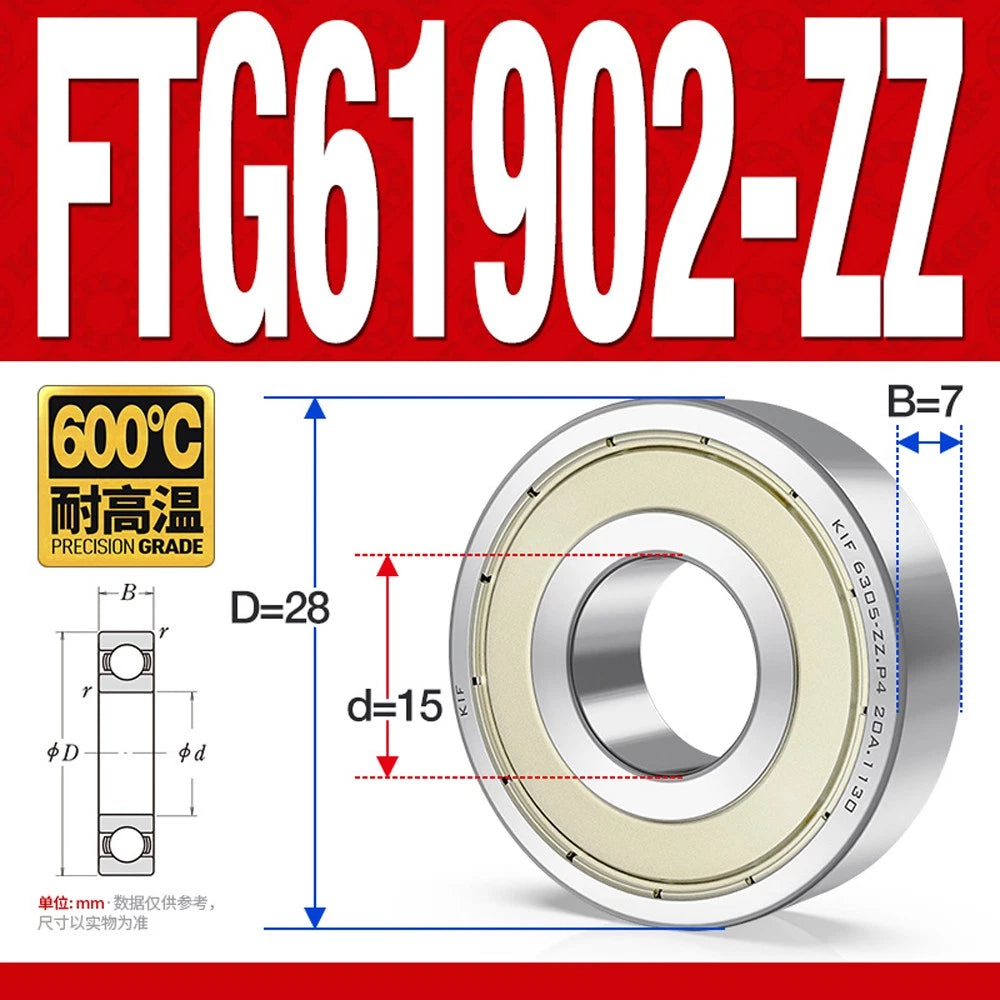
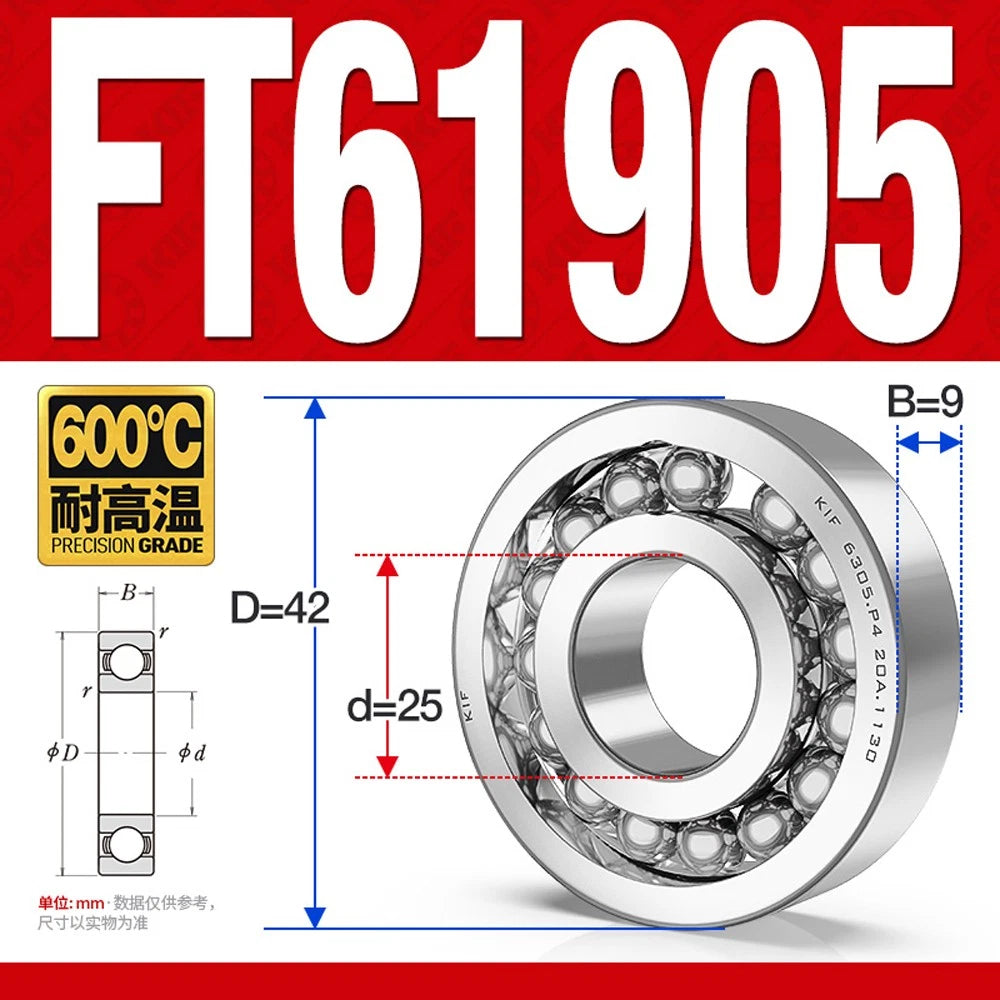
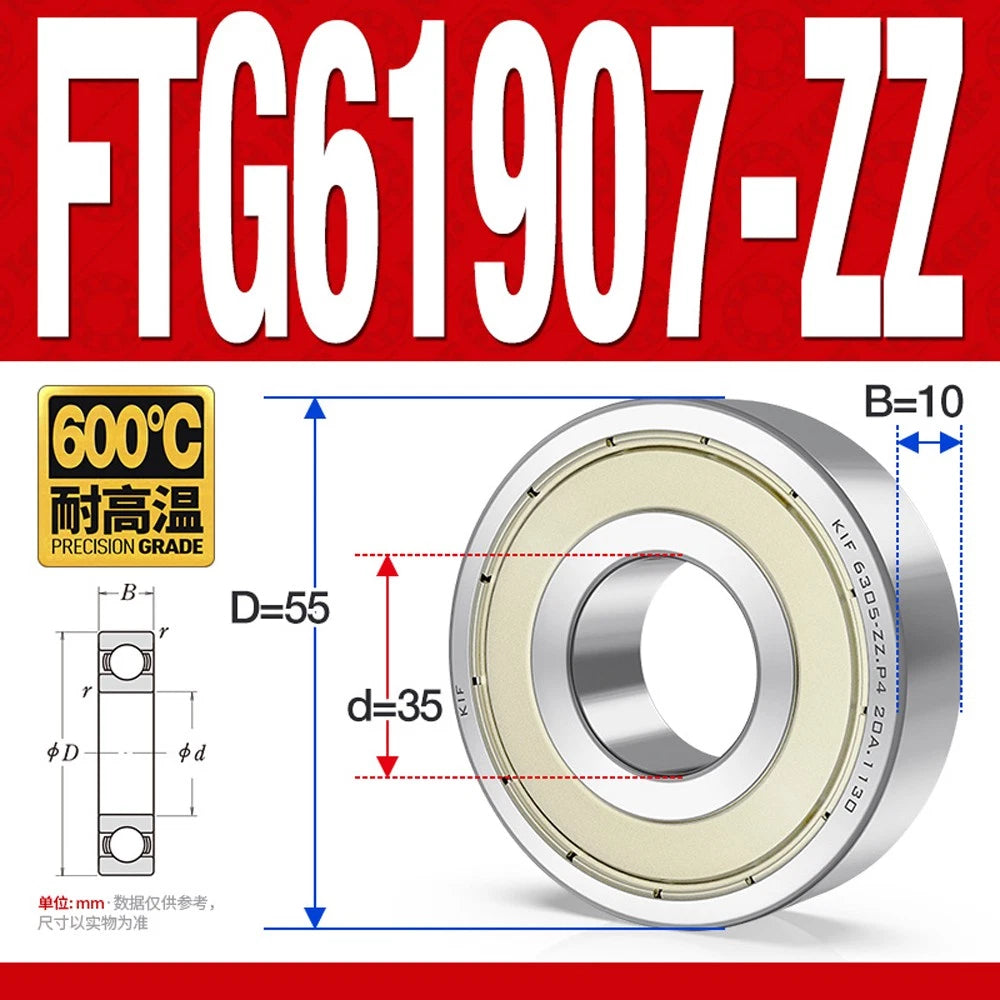
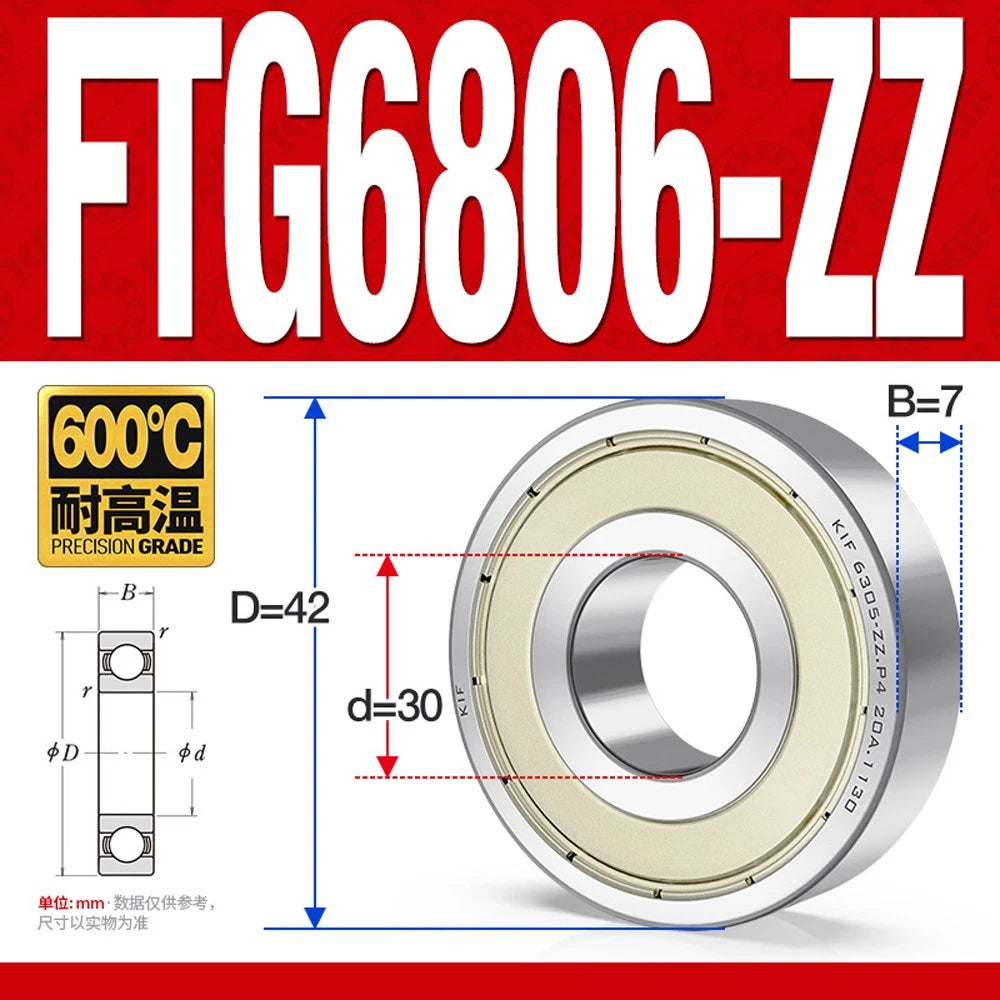
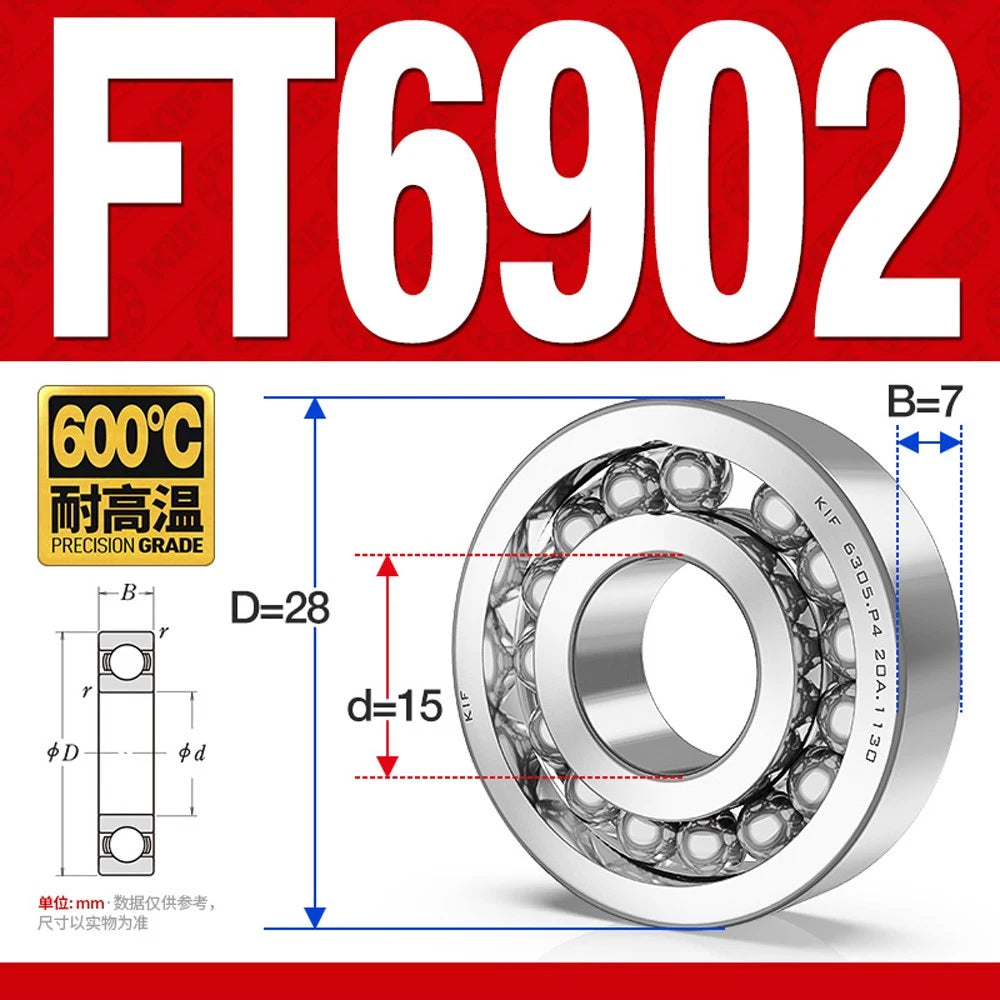
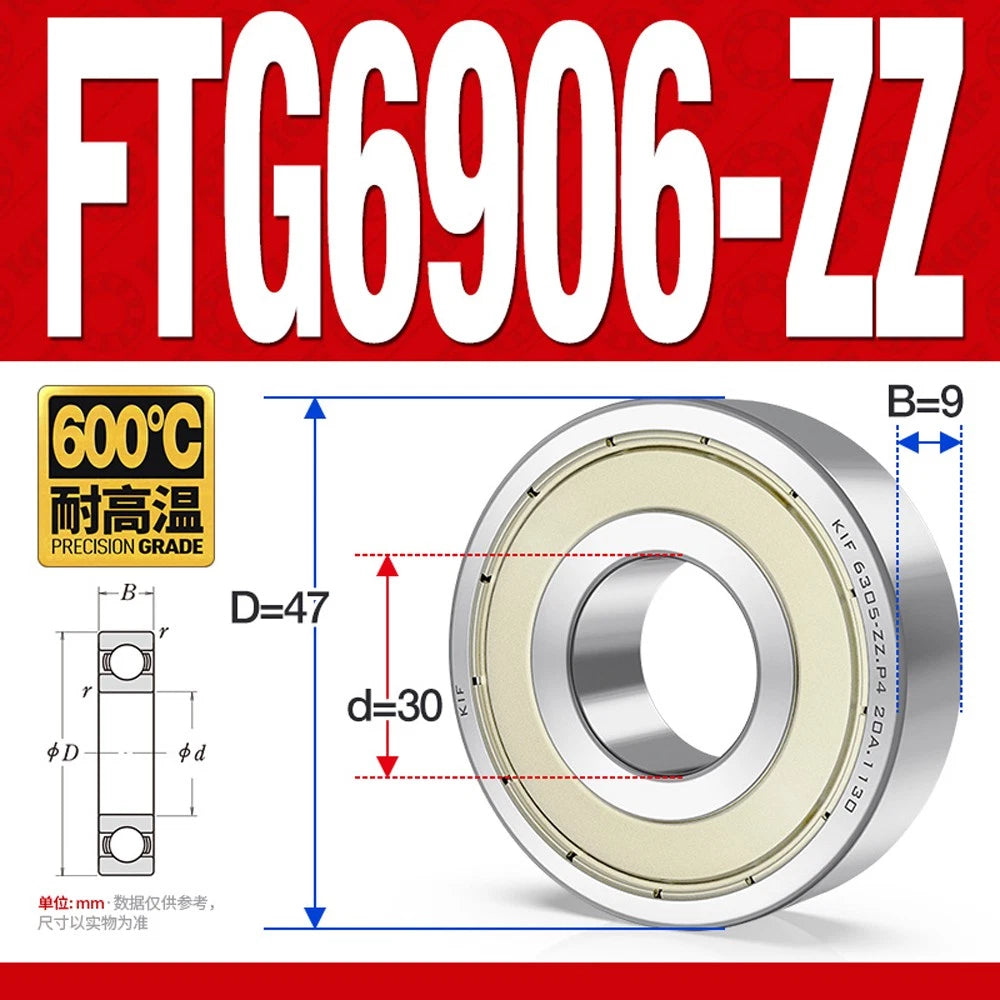
This listing covers deep groove ball bearings across six widely used series: 6200, 6000, 6300, 6800, 6900, and 61800/61900. Each bearing consists of a steel inner ring, outer ring, and a complement of balls held in a pressed-steel or nylon cage. Inner bore diameters run from 10 mm (≈0.394 in) to 35 mm (≈1.378 in); outer diameters range from 19 mm to 80 mm depending on the series; heights range from 5 mm to 21 mm. Two internal configurations are available: High Speed (open, unshielded) and Full Ball (maximum ball complement for higher radial load capacity). Shielded variants are marked -ZZ.
Typical applications include electric motor spindles requiring low-friction deep groove ball bearing support, skateboard and inline-skate wheel hubs, light conveyor rollers, small pump shafts, 3D printer axis carriages, and RC vehicle drivetrains. The 6800 and 61800 series thin-section bearings are particularly suited to robotics joints and camera pan-tilt mechanisms where axial space is limited.
6200, 6000, 6300, 6800, 6900, and 61800/61900 series — all following ISO 15 metric dimensions for direct interchangeability with OEM parts.
High Speed (open cage, lower friction, suitable for high-RPM applications) and Full Ball (maximum ball count, higher radial load rating) — choose based on your load and speed requirements.
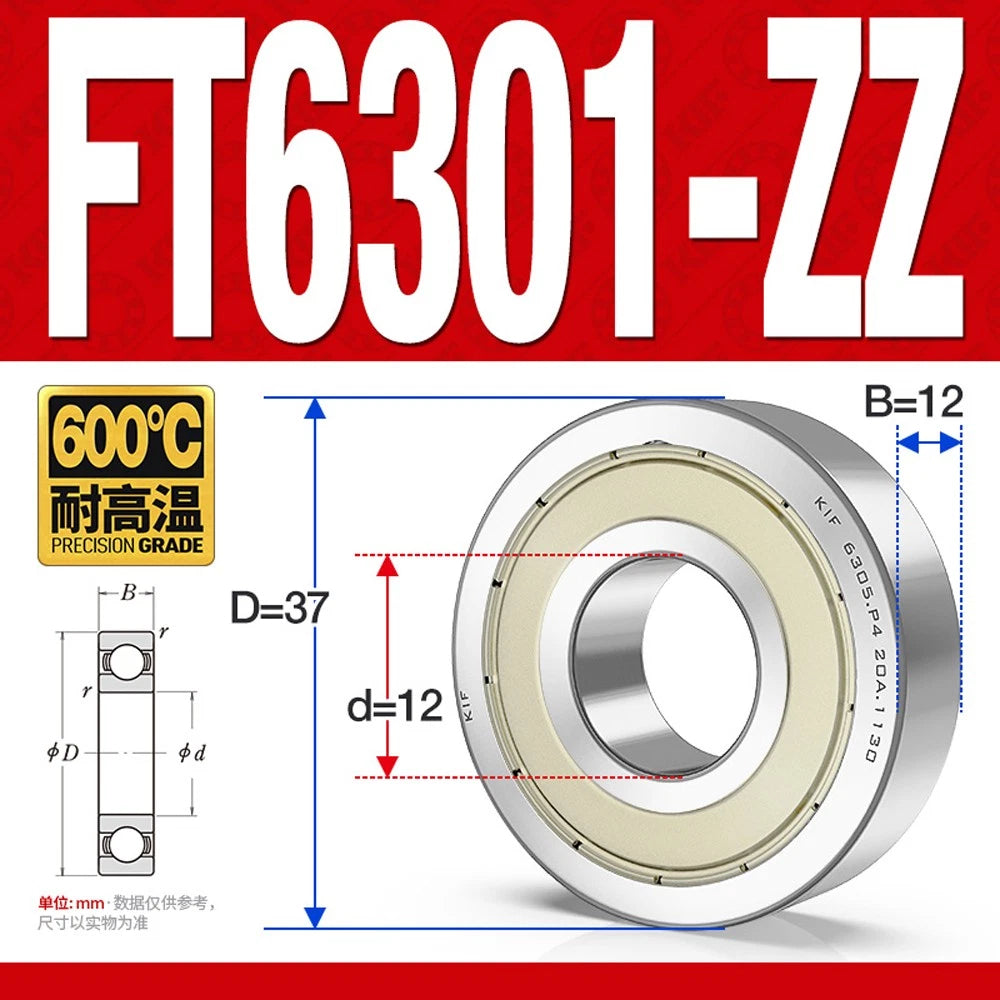
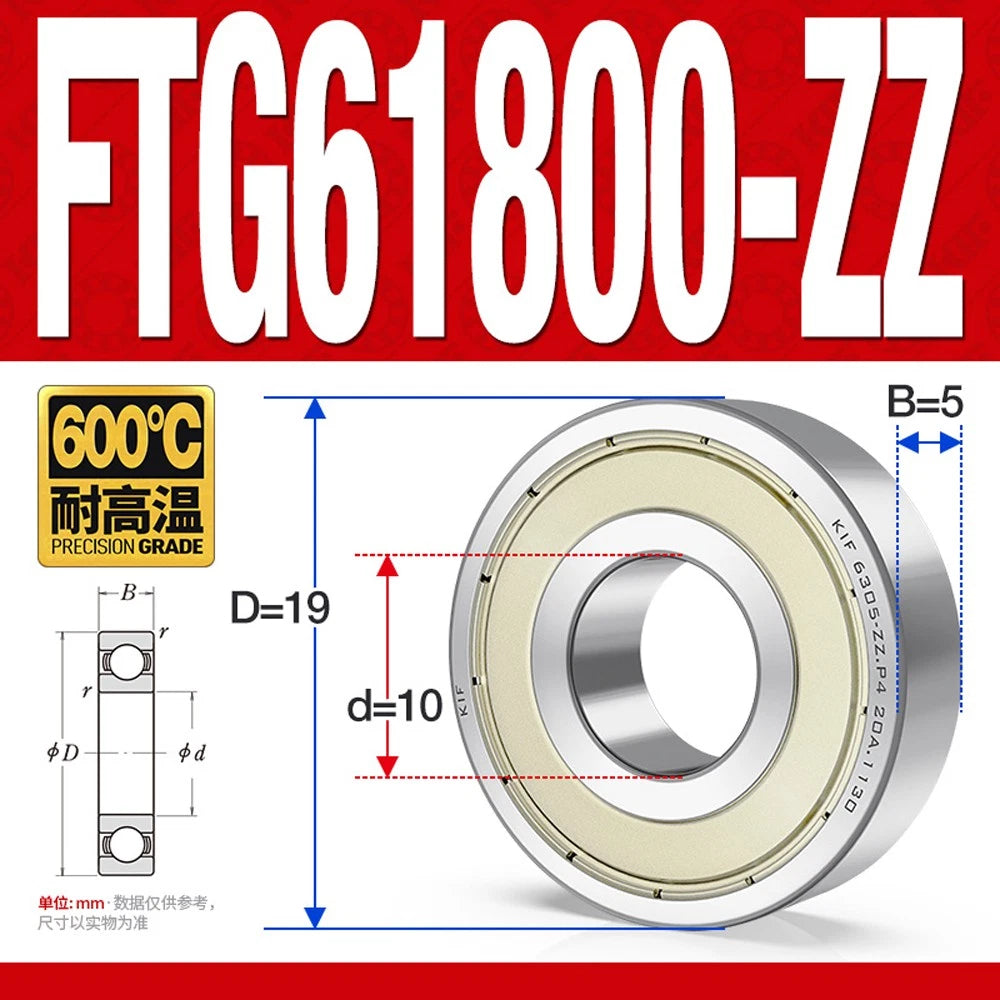
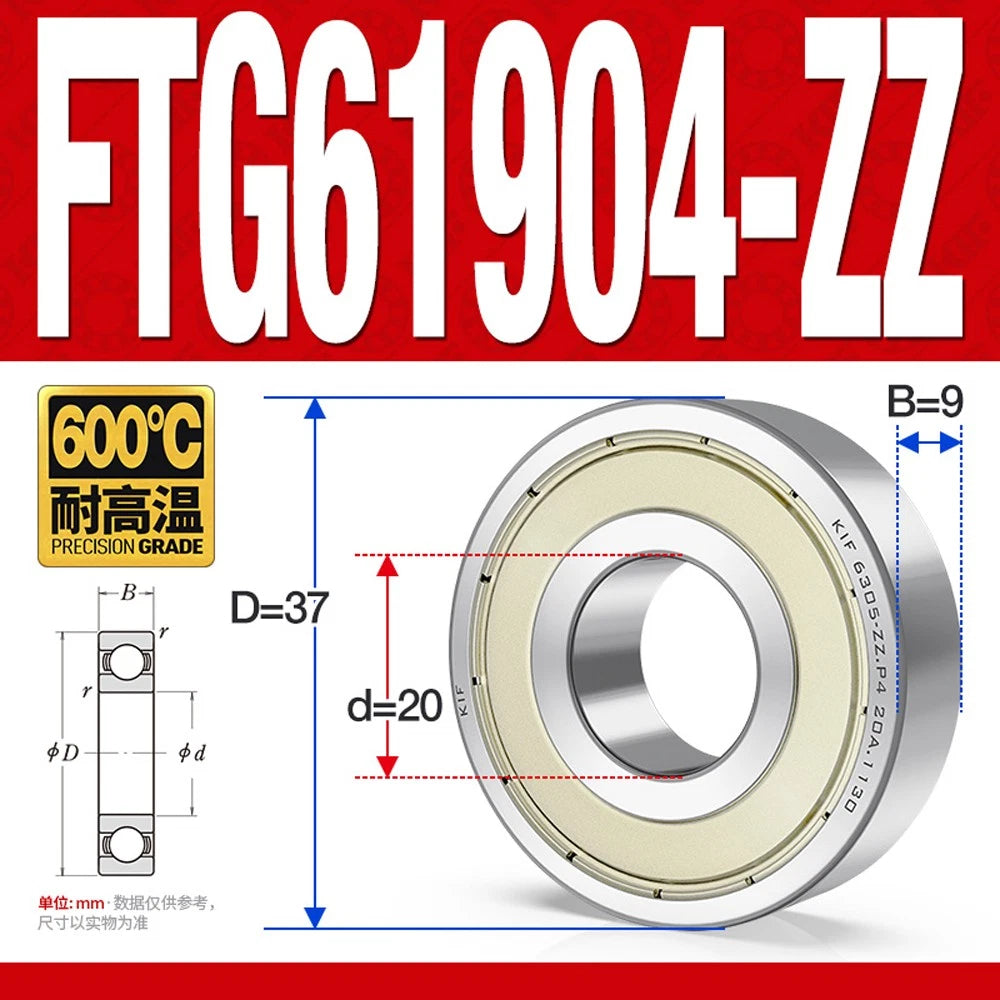
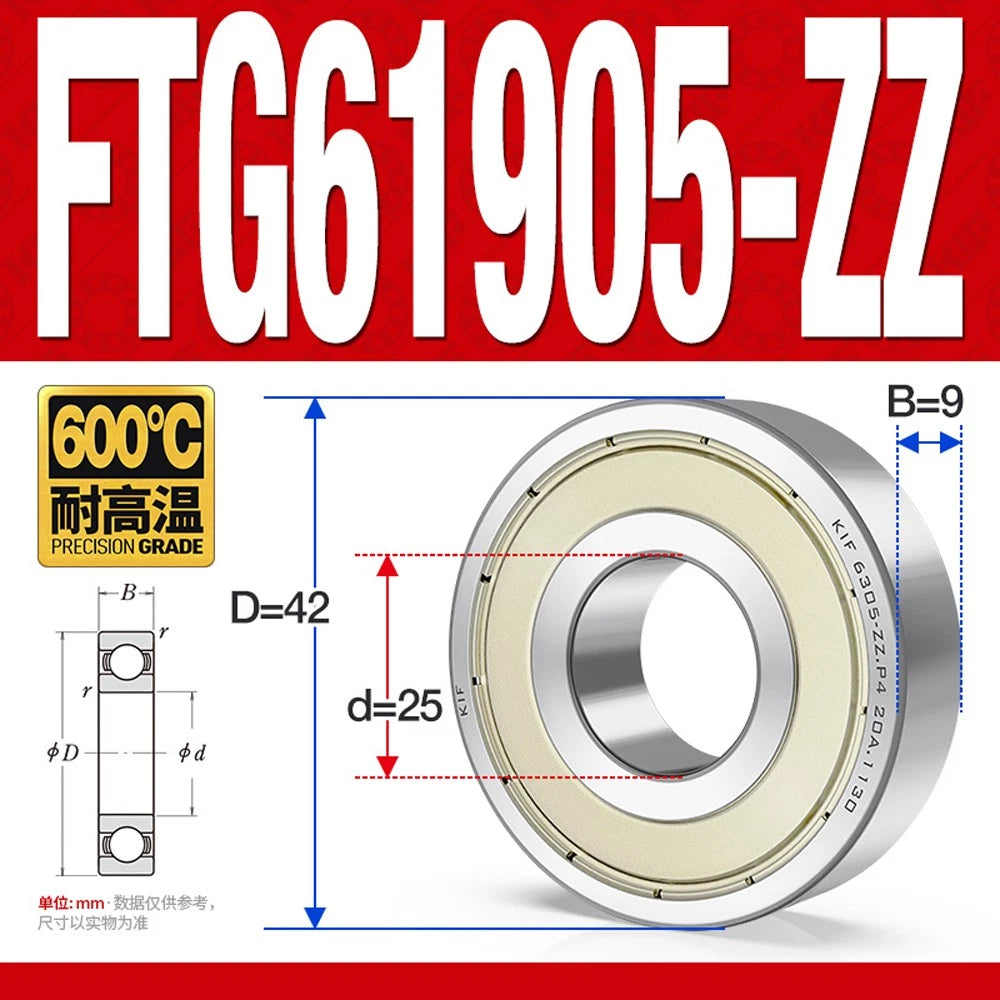
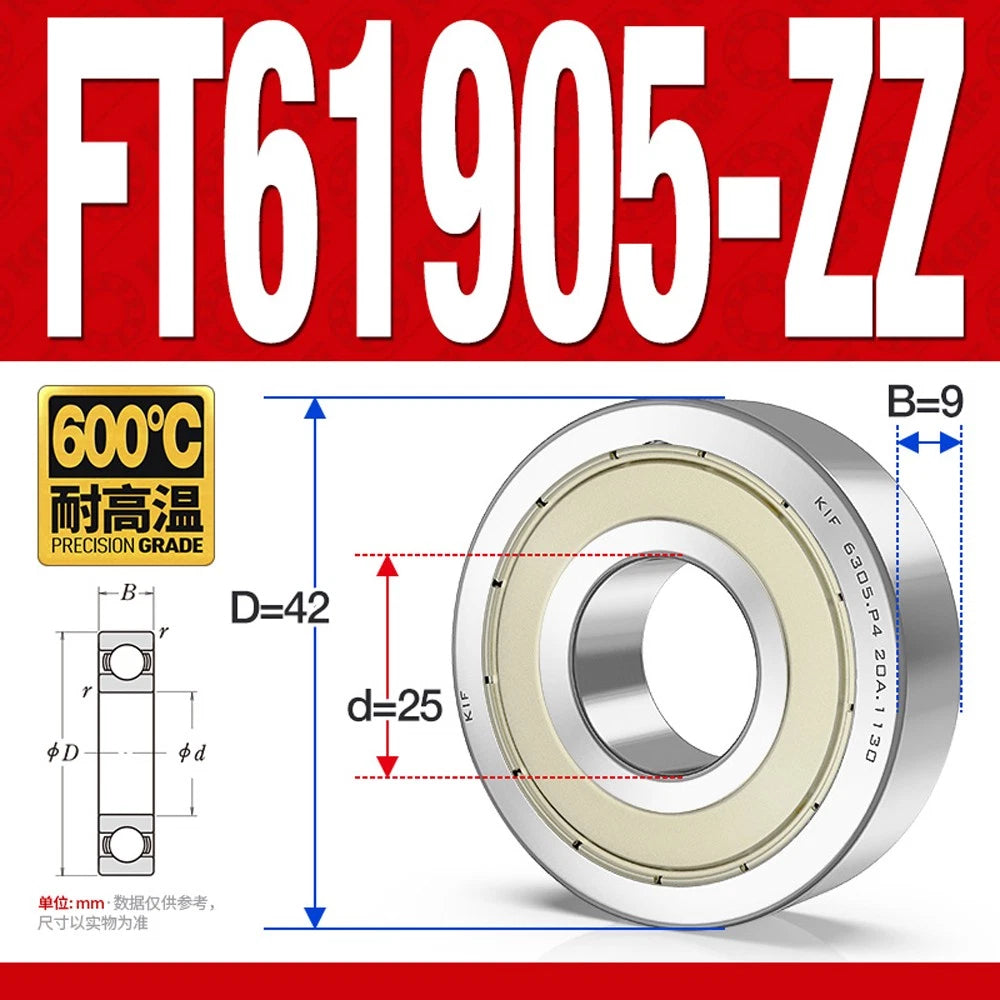
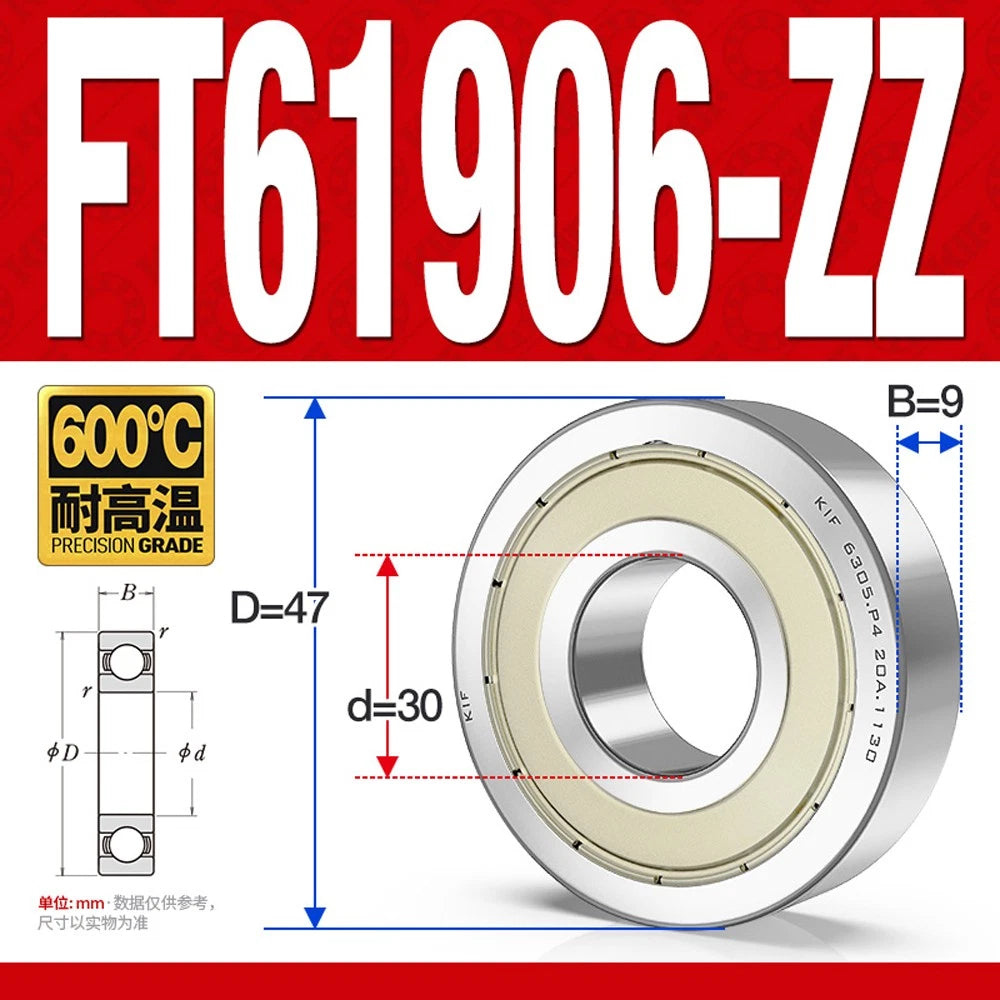
-ZZ variants feature steel shields on both sides, retaining factory grease and blocking contaminants — no external lubrication needed for typical duty cycles.
Inner diameters of 10, 12, 15, 17, 20, 25, 30, and 35 mm cover the most common metric shaft sizes found in motors, pumps, and light machinery.
6800, 61800, 6900, and 61900 series offer reduced cross-sections (height as low as 5 mm) for space-constrained assemblies such as robotic joints and slim gearboxes.
All models use standardized bore × OD × width dimensions, making these direct replacements for worn bearings in existing housings without machining.
| Series Available | 6200, 6000, 6300, 6800, 6900, 61800, 61900 |
|---|---|
| Inner Diameter (Bore) | 10 / 12 / 15 / 17 / 20 / 25 / 30 / 35 mm |
| Outer Diameter Range | 19 mm – 80 mm (series and bore dependent) |
| Width (Height) Range | 5 mm – 21 mm (series and bore dependent) |
| Internal Type | High Speed (open) / Full Ball (open or -ZZ shielded) |
| Shield Configuration | Open (unshielded) or Double-Shielded (-ZZ) |
| Dimension Standard | ISO 15 metric |
| Lubrication (Open) | Requires external grease or oil |
| Lubrication (-ZZ) | Factory-greased, sealed both sides |
| Quantity per Order | 1 piece (select model above) |
| Bore Tolerance | See variant options |
| Dynamic Load Rating | See variant options |
The series number indicates the cross-section (wall thickness relative to bore). The 6300 series has the heaviest cross-section and highest load ratings for a given bore. The 6200 series is the most common general-purpose choice. The 6000 series is slightly narrower. The 6800, 6900, 61800, and 61900 series are thin-section bearings designed for applications where radial space is limited, such as robotics, camera gimbals, and slim gearboxes. Match the series to your housing bore and available radial space first, then verify the load rating meets your application requirements.
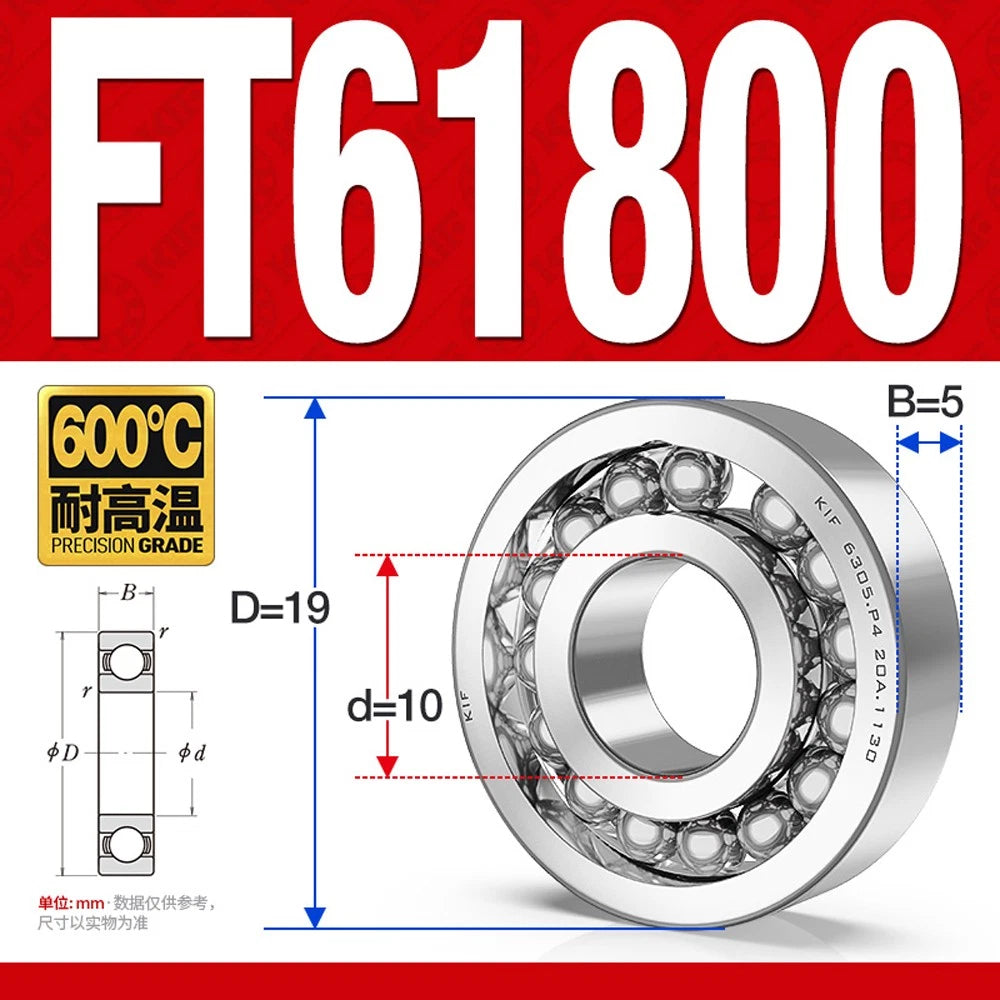
High Speed bearings use a cage (retainer) to space the balls evenly, which reduces friction and allows higher rotational speeds — suitable for motors, spindles, and fans. Full Ball bearings omit the cage and pack in the maximum number of balls, increasing radial load capacity at the cost of slightly higher friction and a lower speed limit. Choose High Speed for RPM-critical applications and Full Ball when radial load is the primary concern.
Yes. Open bearings are supplied without grease and must be lubricated before use. Apply a compatible bearing grease (NLGI Grade 2 is typical for general use) or oil to the ball track before installation. -ZZ shielded variants are factory-greased and sealed; they do not require additional lubrication under normal operating conditions. Do not wash out the factory grease from -ZZ bearings.
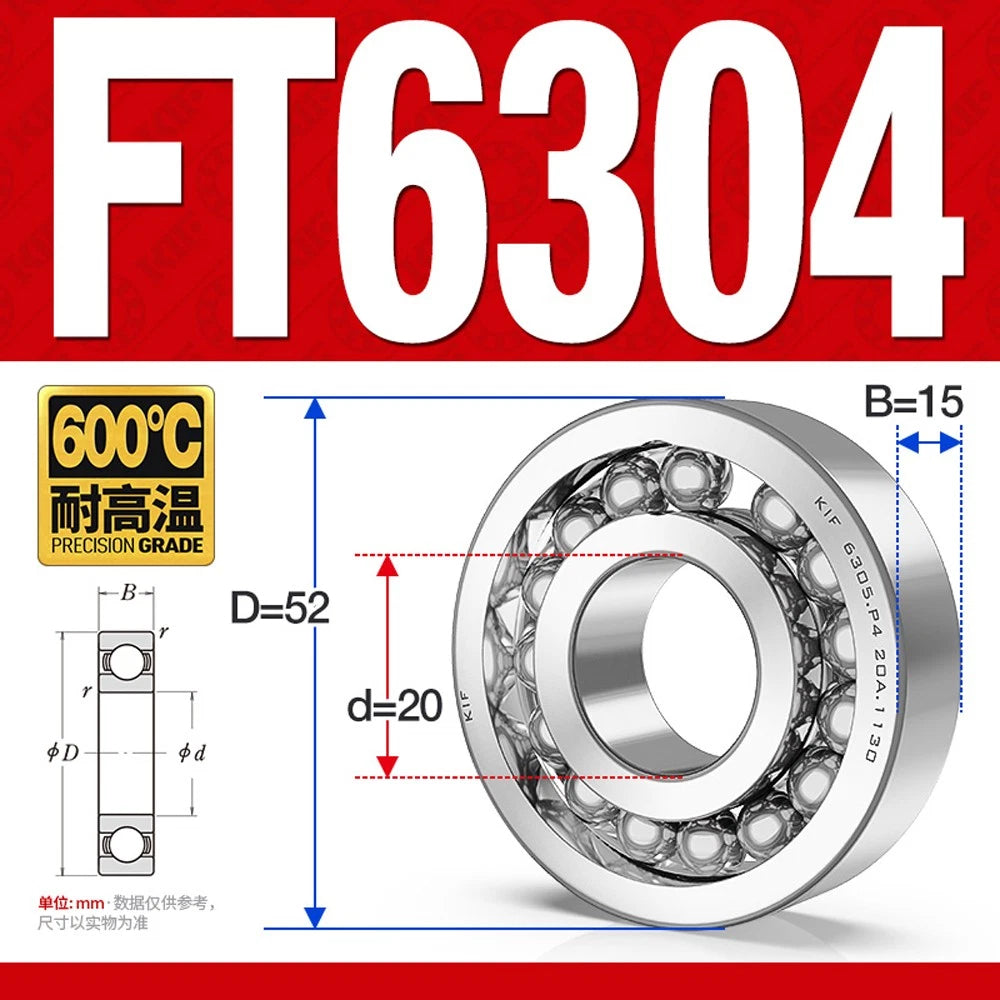
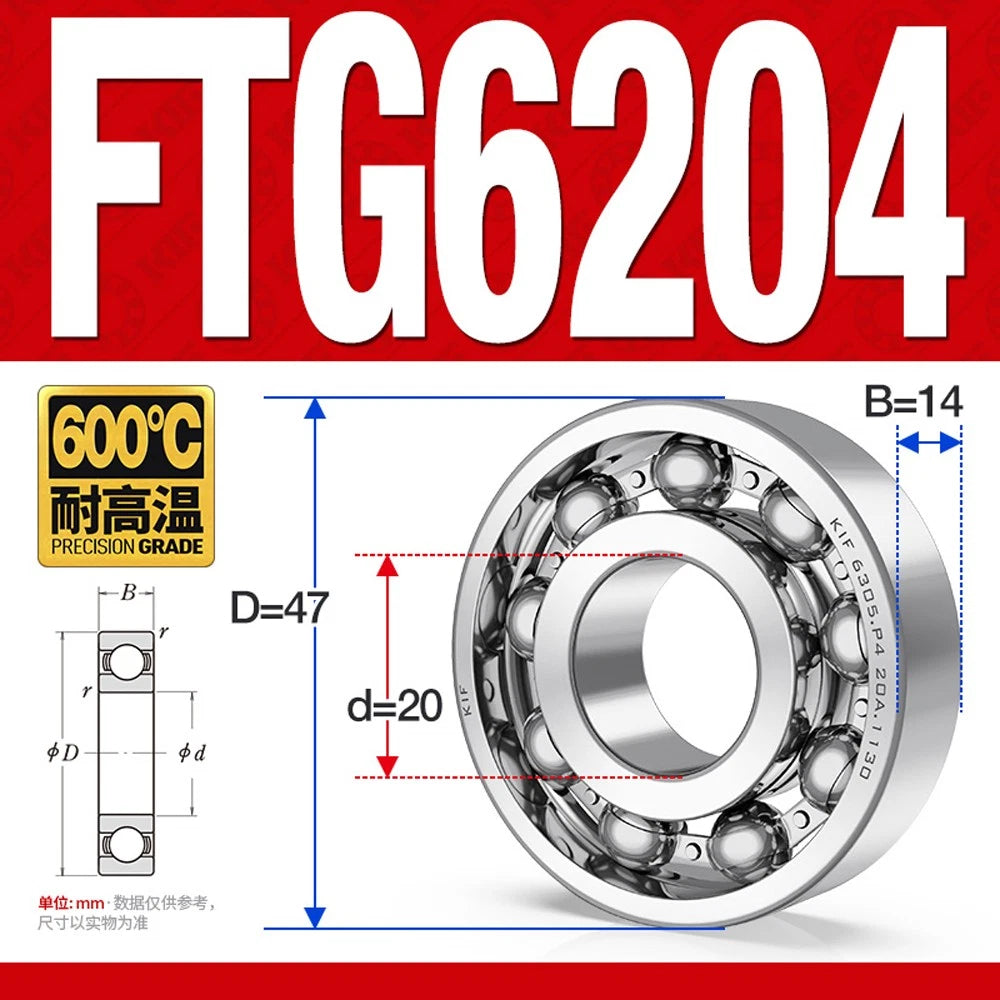
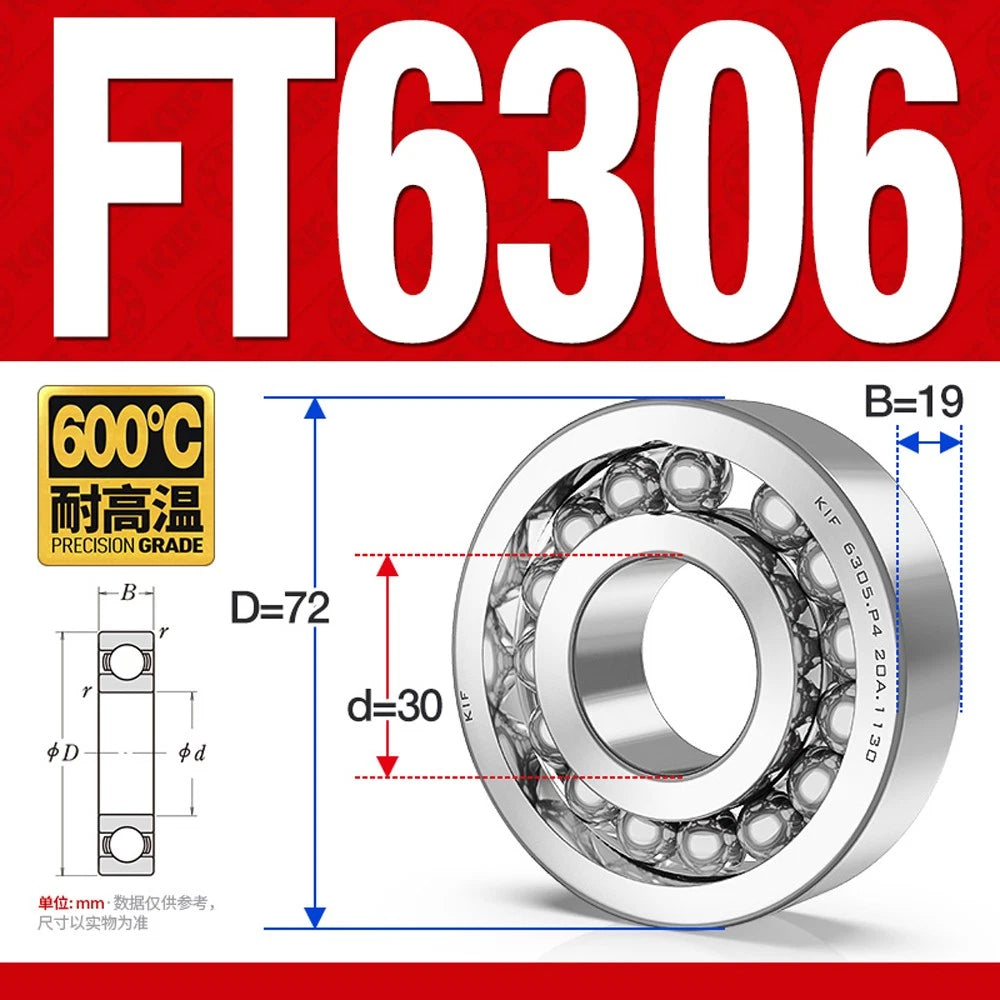
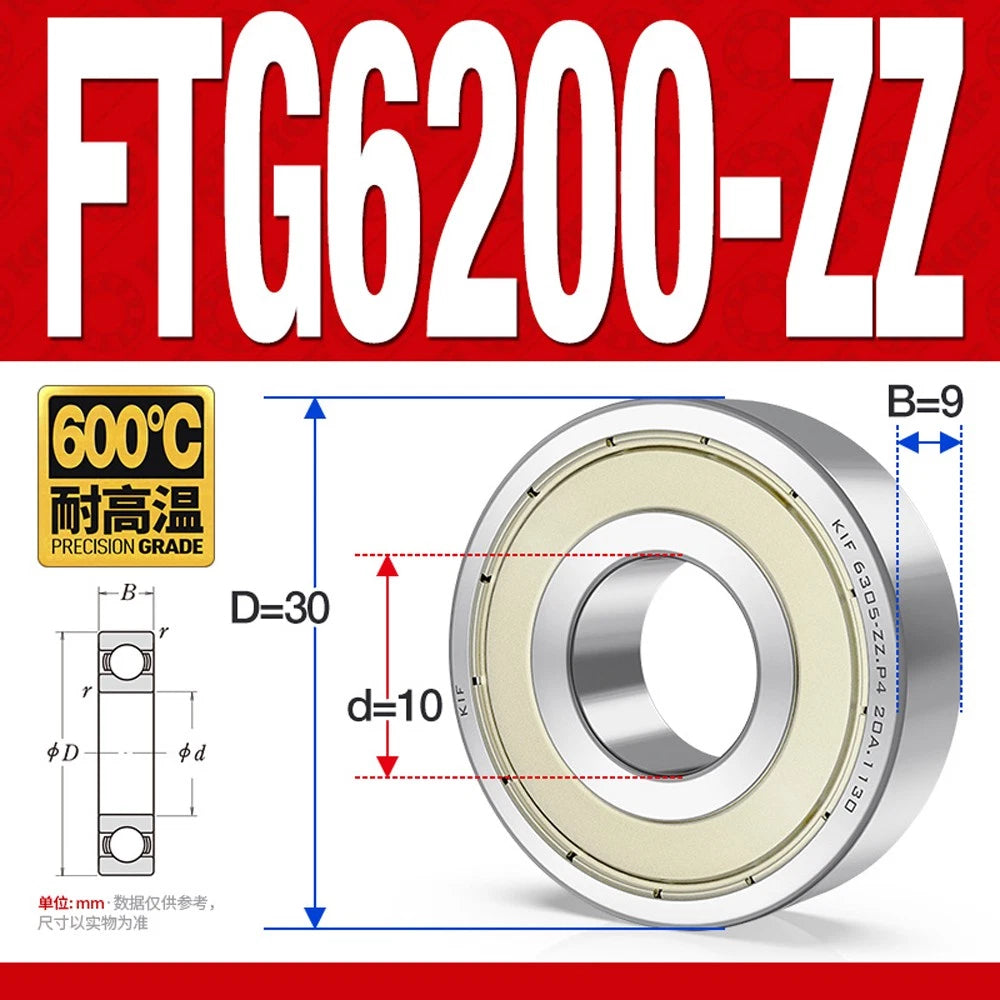
These bearings follow ISO 15 metric dimensions, so they are dimensionally interchangeable with any bearing of the same model number from other ISO-compliant manufacturers. To confirm compatibility, match the three numbers in the model name: inner diameter × outer diameter × width (e.g., 10×30×9 mm for the 6200 series). If your housing was machined for a specific model, the same model number from this listing will fit directly.
The inner ring, outer ring, and balls are made from through-hardened bearing steel (typically GCr15 / 52100 equivalent), which provides the hardness and fatigue resistance required for rolling contact. The cage on High Speed variants is typically pressed steel or nylon. The shields on -ZZ variants are low-carbon steel. These bearings are not rated for corrosive or submerged environments; for wet or chemical exposure, consider stainless steel or ceramic hybrid alternatives.
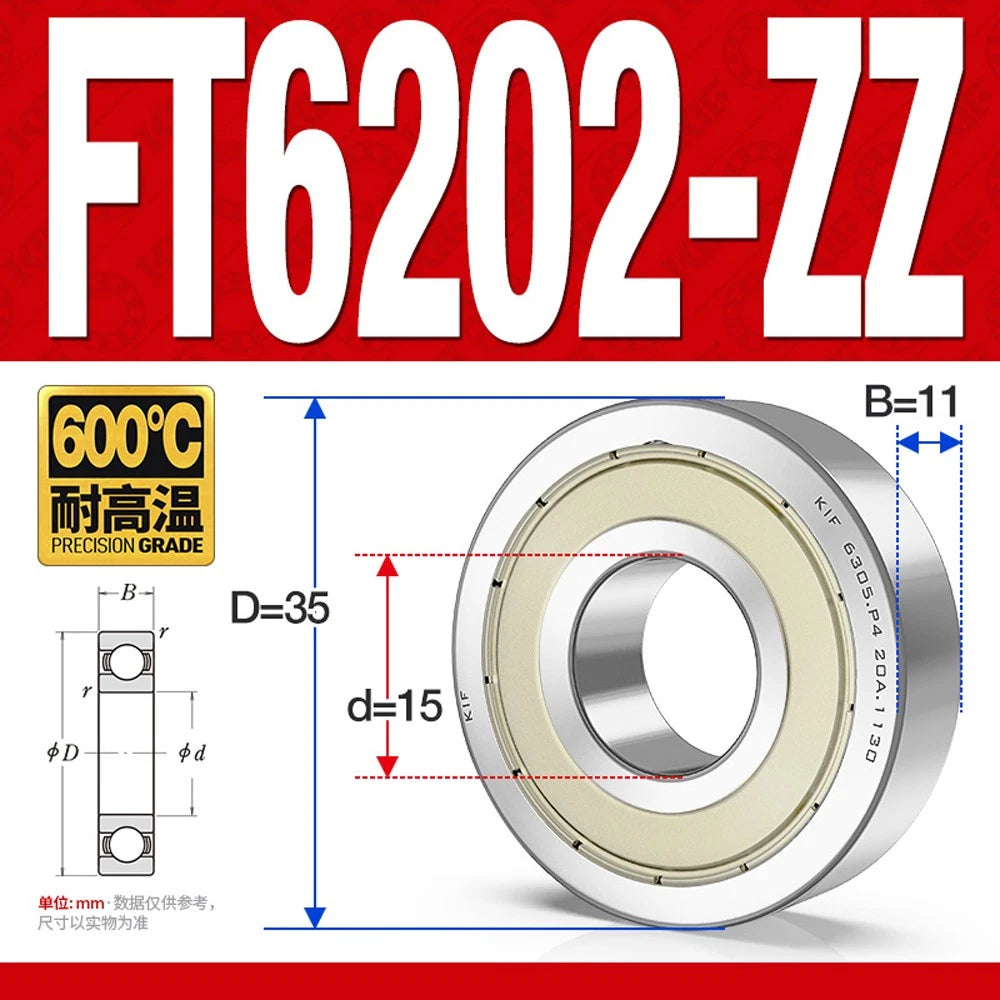
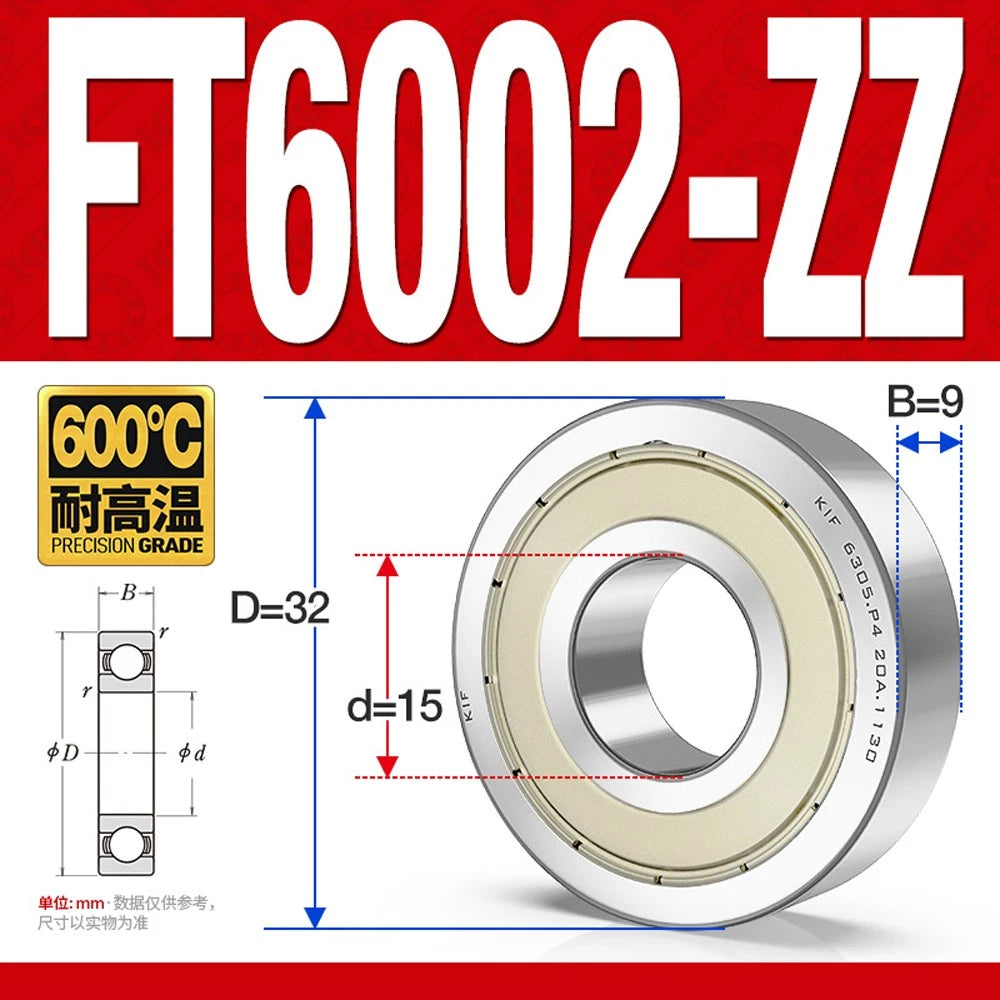
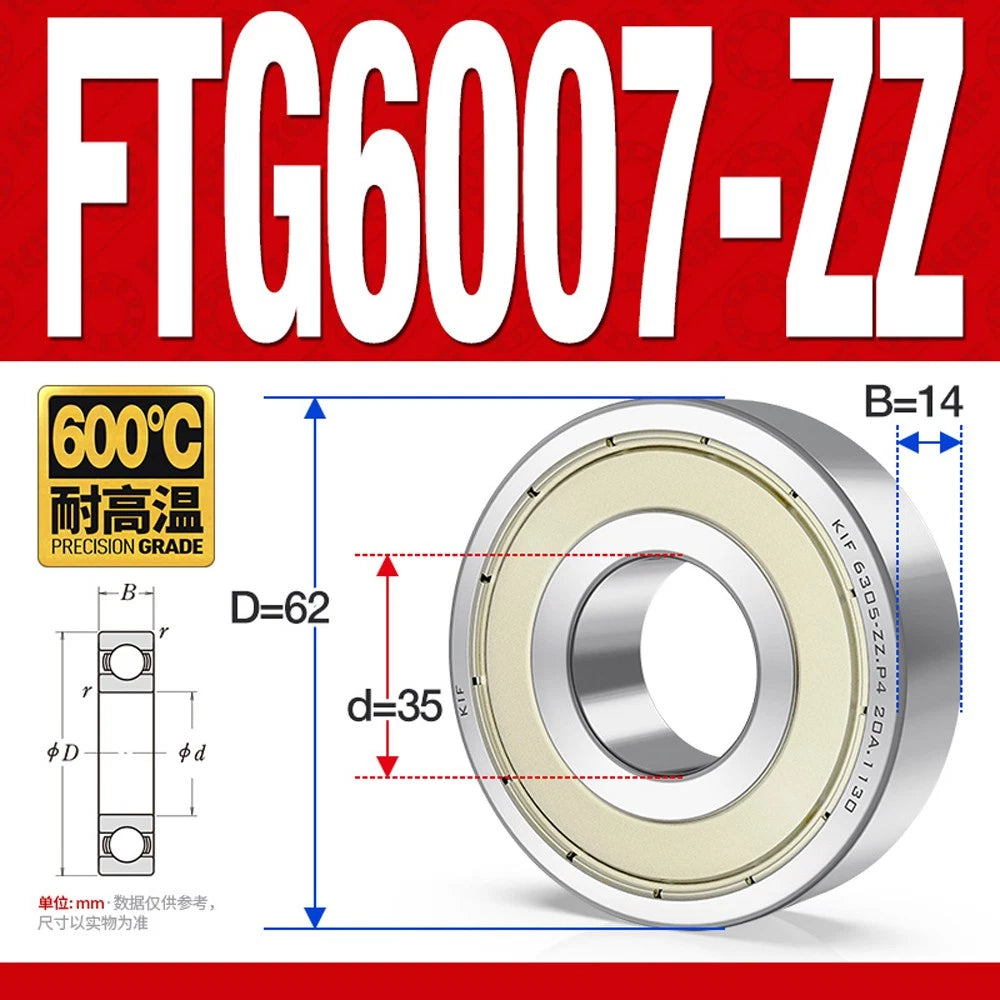
Each model name in the variant selector shows the series code followed by the dimensions in parentheses: Inner Ø × Outer Ø × Width in mm. For example, FTG6204 (20×47×14mm) means inner bore 20 mm, outer diameter 47 mm, width 14 mm, High Speed configuration. FT6204-ZZ (20×47×14mm) is the same size in Full Ball, double-shielded. Select the variant whose three dimensions match your shaft diameter, housing bore, and available axial space.