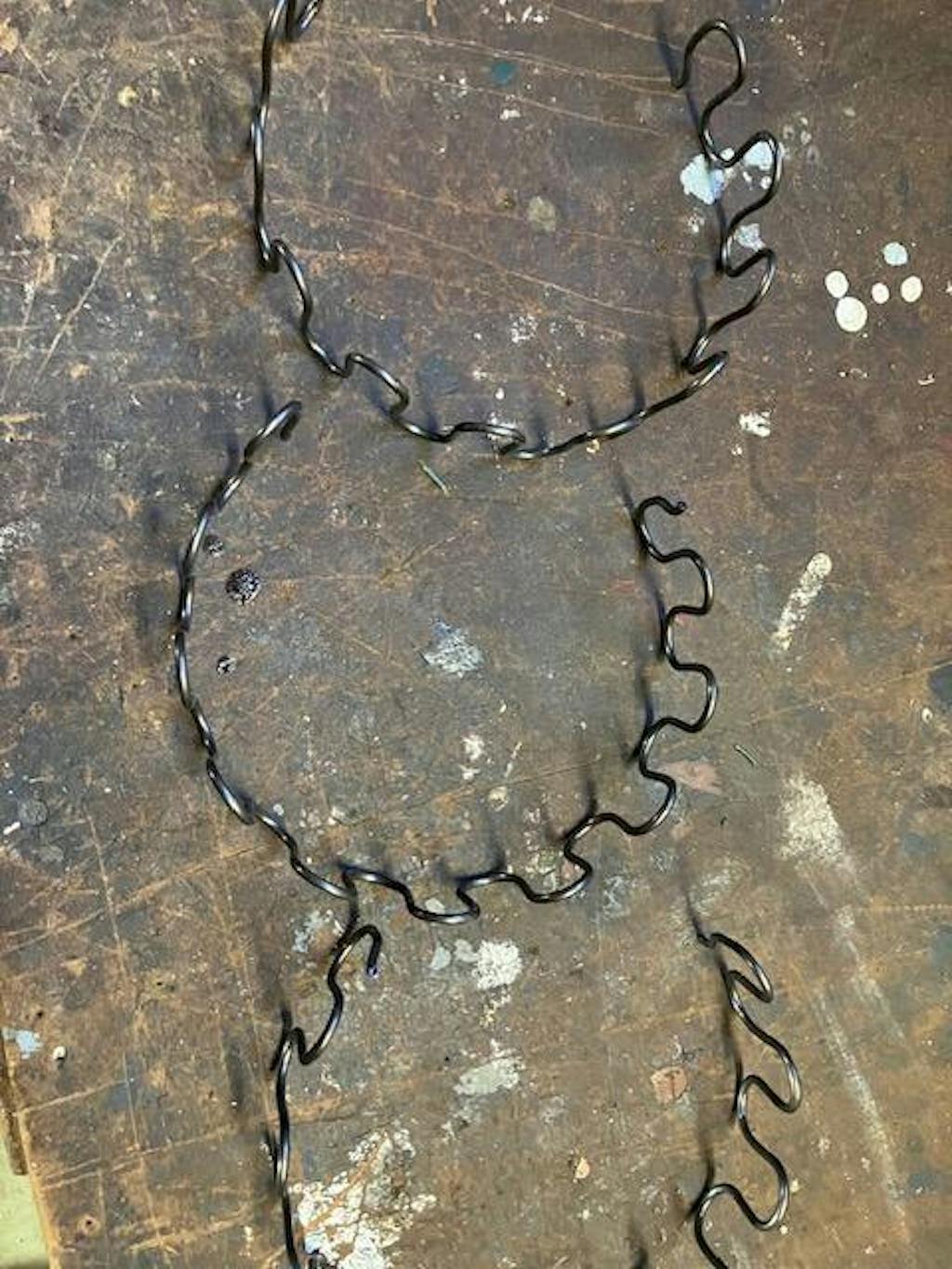
The chain is fine...but I ordered the wrong size. Nine links of the chain I ordered equals six of the size I wanted. My error...
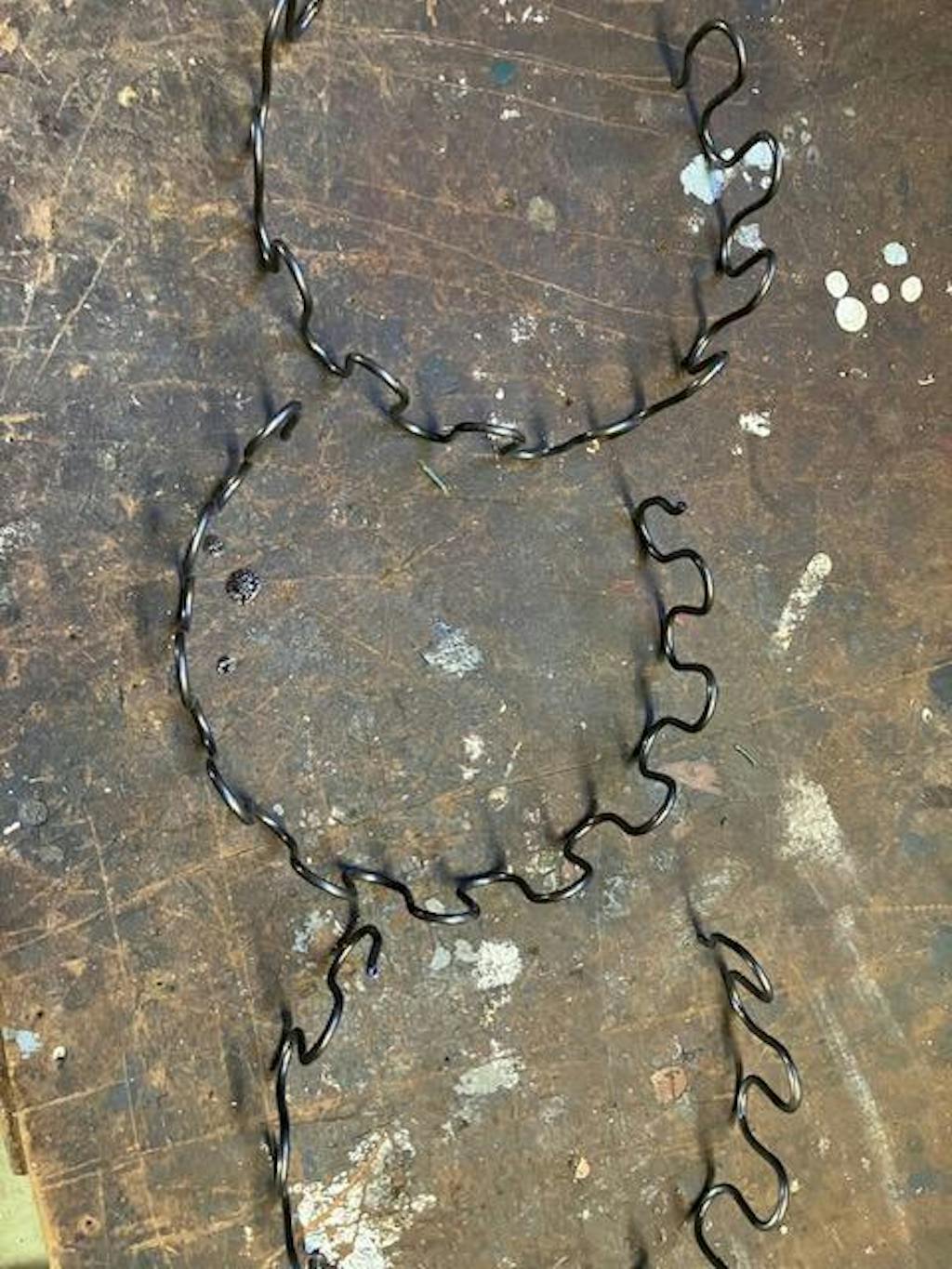
How can I straighten out the springs? I can't use them coil uo as is.
Deine Zahlungsinformationen werden sicher verarbeitet. Wir speichern keine Kreditkartendaten und haben auch keinen Zugang zu deinen Kreditkartendaten.
Get fitment advice & recommendations
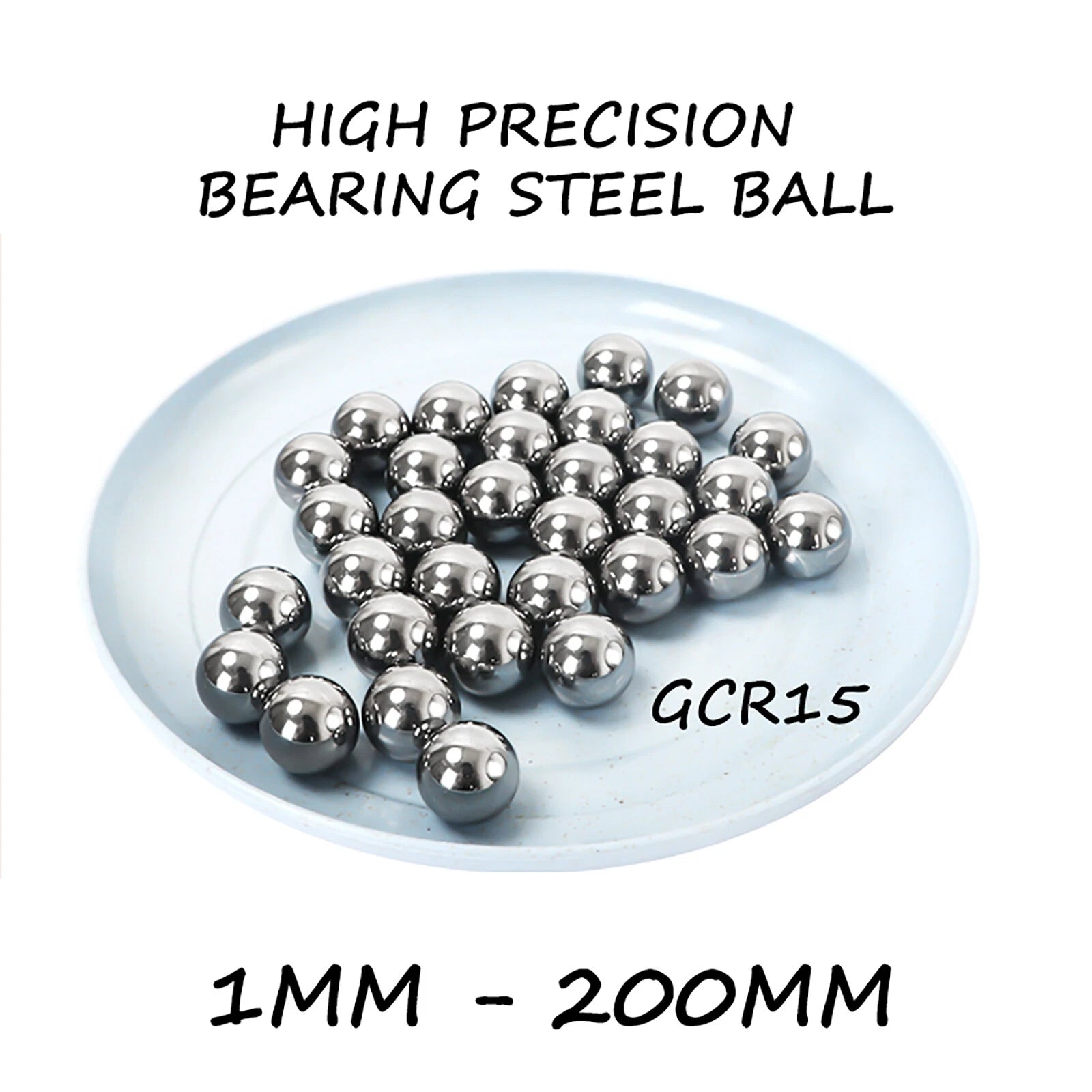
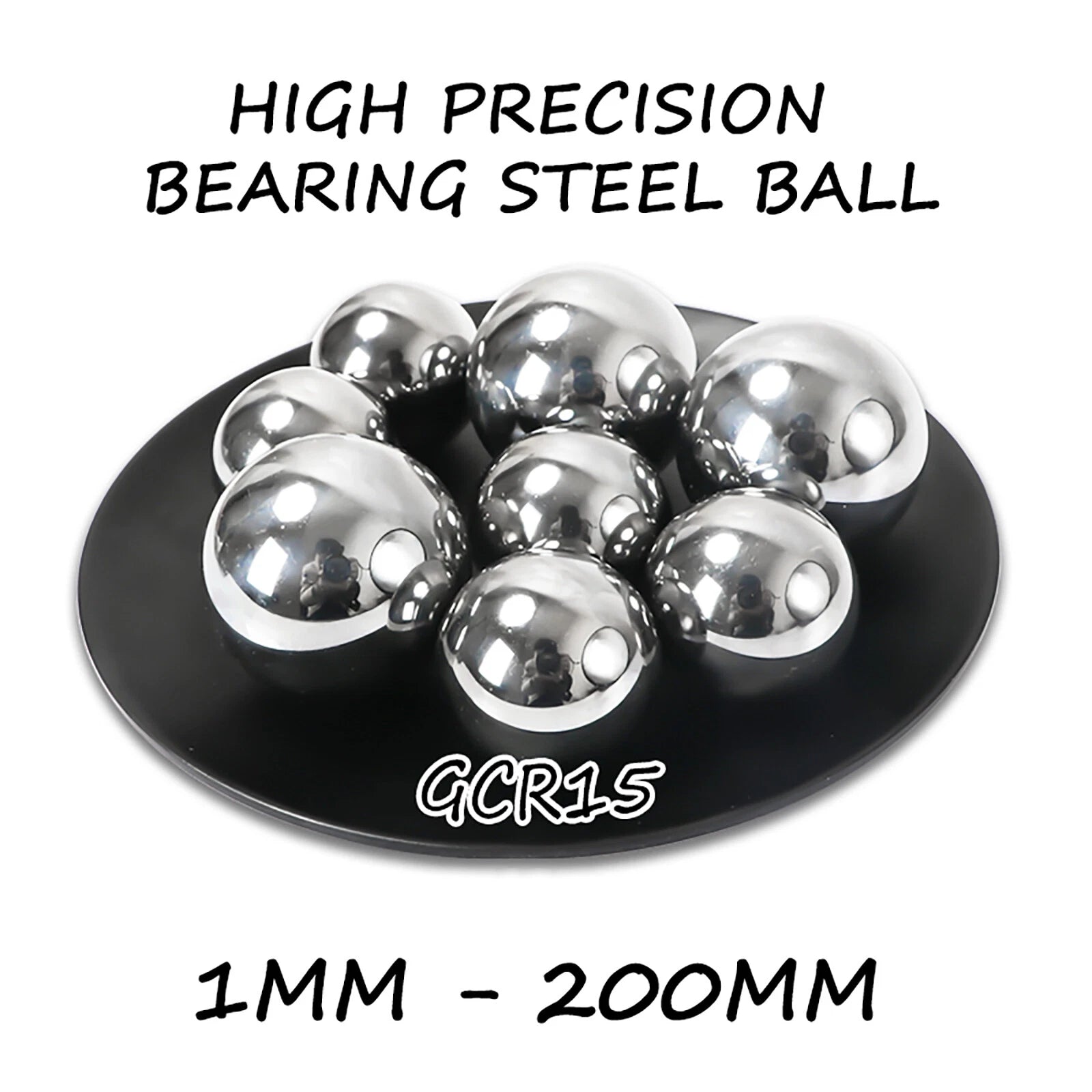
When a worn-out ball bearing causes a drawer slide to bind, a linear rail to skip, or a valve seat to leak, finding the exact replacement diameter is the real challenge. These chrome steel ball bearings are stocked in an extensive range of metric and inch-equivalent diameters — from 1mm up to 200mm — so engineers, maintenance technicians, and hands-on DIYers can source the precise size they need without custom orders or minimum-quantity commitments.
Each ball is machined from bearing steel (chrome steel / GCr15 equivalent), offering a hardened surface with a smooth, consistent finish. Diameters span 1mm through 200mm, with many intermediate sizes including fractional inch equivalents such as 3.175mm (1/8"), 6.35mm (1/4"), 9.525mm (3/8"), 12.7mm (1/2"), 19.05mm (3/4"), 25.4mm (1"), and 50.8mm (2"). Pack quantities range from 1 to 100 balls depending on diameter, allowing both sample purchases and bulk restocking.
Typical applications include replacing balls in drawer slides and cabinet hardware, rebuilding linear motion assemblies and ball screws, servicing check valves and flow-control components, and use as load-transfer elements in jigs, fixtures, and custom bearing housings. The wide size range also suits hobbyist and maker projects requiring precise rolling elements.
| Material | Bearing Steel (Chrome Steel / GCr15 equivalent) |
|---|---|
| Diameter Range | 1mm – 200mm (metric and inch-equivalent sizes available) |
| Common Inch Equivalents | 1/8" (3.175mm), 1/4" (6.35mm), 3/8" (9.525mm), 1/2" (12.7mm), 3/4" (19.05mm), 1" (25.4mm), 1.5" (38.1mm), 2" (50.8mm), 4" (101.6mm) |
| Pack Quantity Options | 1, 5, 10, 50, or 100 (varies by diameter — see variant options) |
| Surface Finish | Smooth ground finish |
| Hardness | See variant options |
| Tolerance Grade | See variant options |
| Typical Applications | Drawer slides, linear rails, ball screws, check valves, bearing housings, DIY assemblies |
| Ball Shape | Spherical |
| Corrosion Resistance | Contact us to confirm |
Measure the inner diameter of the bearing race or housing using a caliper. The ball diameter should match the race groove radius — for most standard bearings, the ball diameter is slightly smaller than the groove width. If replacing existing balls, measure a removed ball directly. For drawer slides and linear guides, the ball diameter is typically stamped on the component or listed in the manufacturer's spec sheet.
Chrome steel (GCr15 equivalent) is a through-hardened bearing alloy used in industrial rolling element bearings. It handles radial and axial loads in standard bearing assemblies, drawer slides, and linear guides. For critical structural or high-speed precision applications, confirm the tolerance grade and load rating with your application's engineering specifications before use.
Chrome steel balls have moderate corrosion resistance but are not stainless. In dry or lightly lubricated indoor environments they perform well. For wet, humid, or chemically exposed environments, consider applying a light machine oil or grease, or contact us to discuss stainless steel alternatives if available. Avoid prolonged exposure to water or corrosive fluids without protection.
Pack quantity varies by diameter. Smaller balls (1mm–8.731mm) are sold in packs of 100, which suits bulk restocking or applications requiring many balls (e.g., linear guides). Mid-range sizes (9mm–11.906mm) come in packs of 50; sizes from 12mm–18mm in packs of 10; 18.256mm–24mm in packs of 5; and 24.5mm and above are sold individually. Select the pack that matches your quantity need — buying in larger packs reduces per-unit cost.
Yes. Many variants are listed in their exact millimeter equivalent of a fractional inch size — for example, 3.175mm = 1/8", 6.35mm = 1/4", 9.525mm = 3/8", 12.7mm = 1/2", 19.05mm = 3/4", 25.4mm = 1", 38.1mm = 1.5", 50.8mm = 2", 76.2mm = 3", and 101.6mm = 4". Select the millimeter value that matches your inch specification when choosing a variant.
In many cases, yes. If a bearing has lost or damaged balls, replacing them with new balls of the same diameter can restore function — provided the race and cage are undamaged. Measure the existing balls with a micrometer for accuracy. Note that mixing old and new balls in the same bearing is not recommended for precision applications, as wear differences can cause uneven load distribution. For critical bearings, replacing the full bearing assembly is the more reliable approach.