
The chain is fine...but I ordered the wrong size. Nine links of the chain I ordered equals six of the size I wanted. My error...
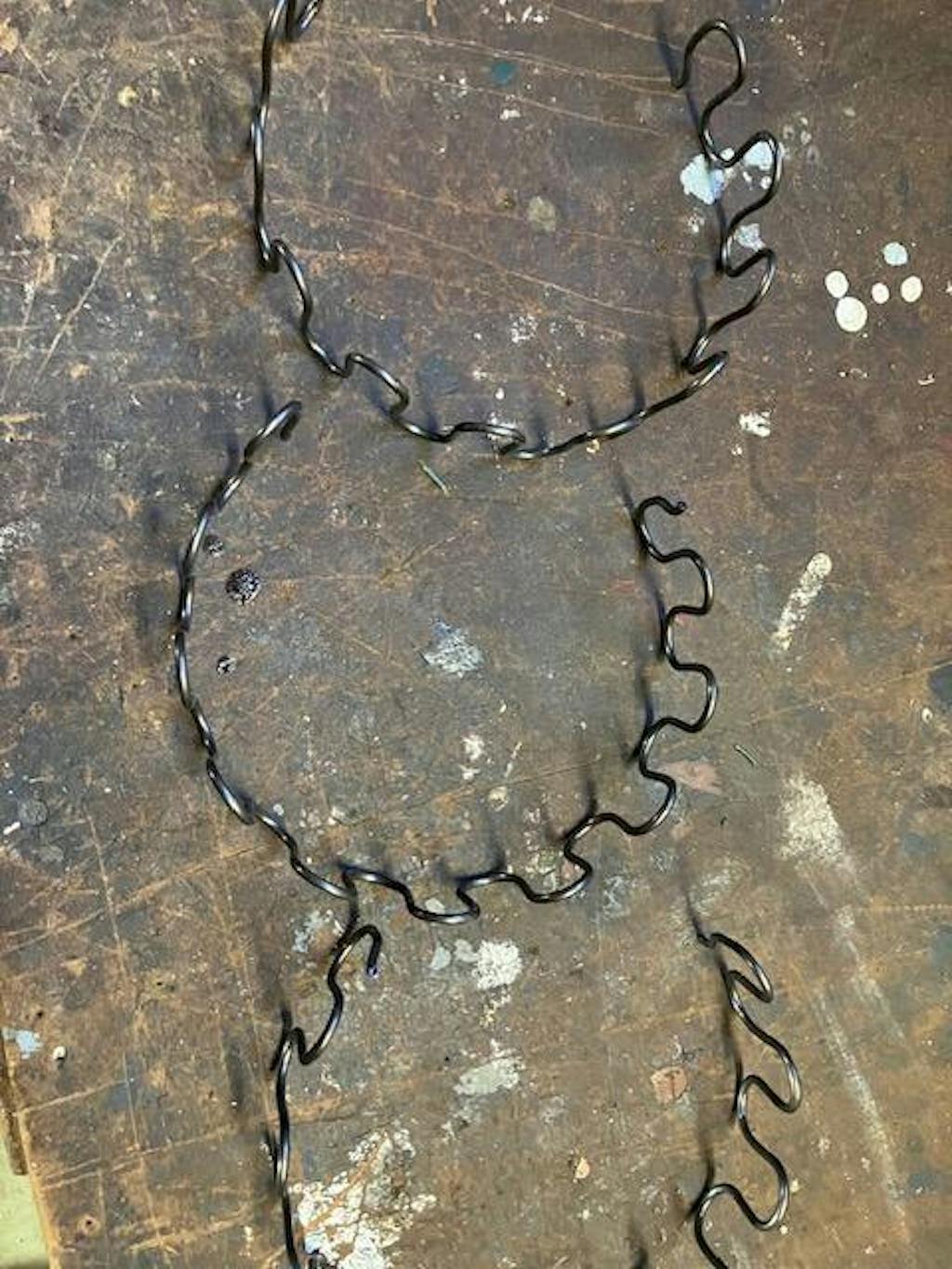
How can I straighten out the springs? I can't use them coil uo as is.
Deine Zahlungsinformationen werden sicher verarbeitet. Wir speichern keine Kreditkartendaten und haben auch keinen Zugang zu deinen Kreditkartendaten.
Get fitment advice & recommendations
Routing pipe through a floor or wall and need a clean, rock-solid anchor point? Builders, plumbers, and serious DIYers know that a loose pipe base causes vibration, leaks, and callbacks. These PVC adhesive floor flanges give you a flush, solvent-weld connection that locks your pipe in place the first time — no threading, no metal corrosion, no guesswork.
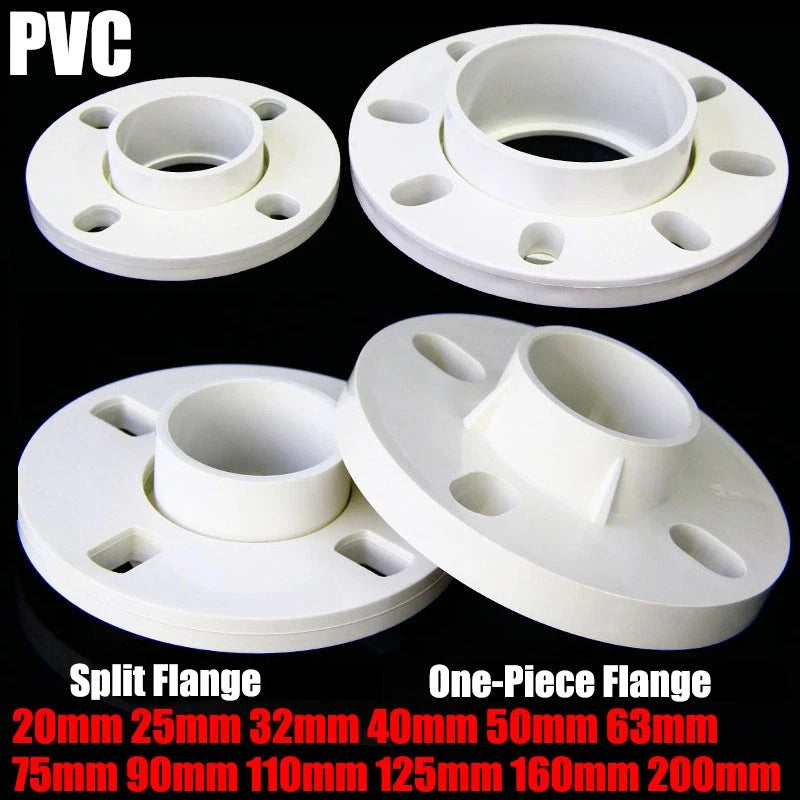
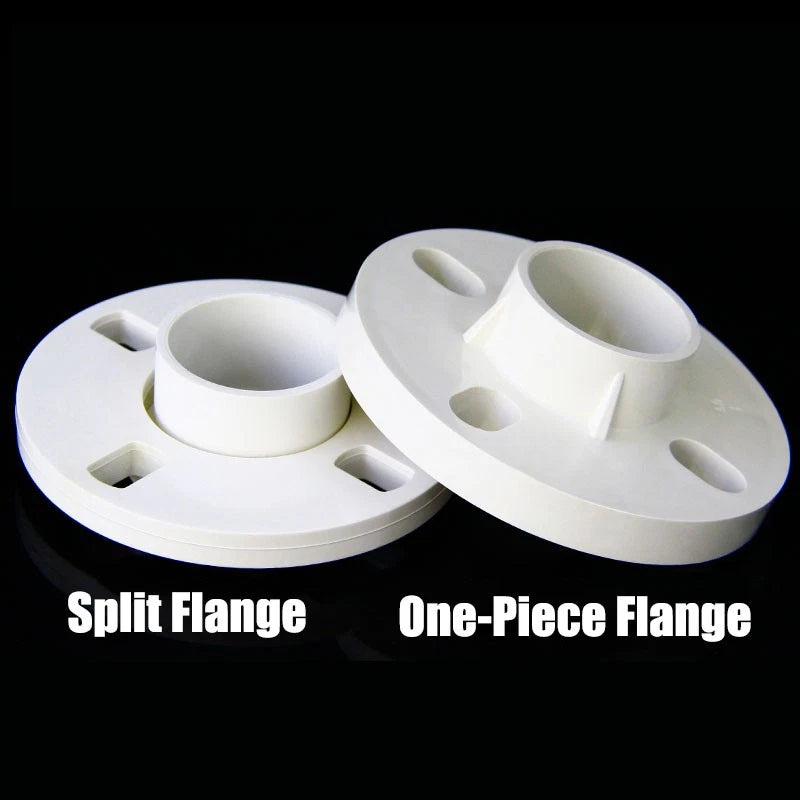
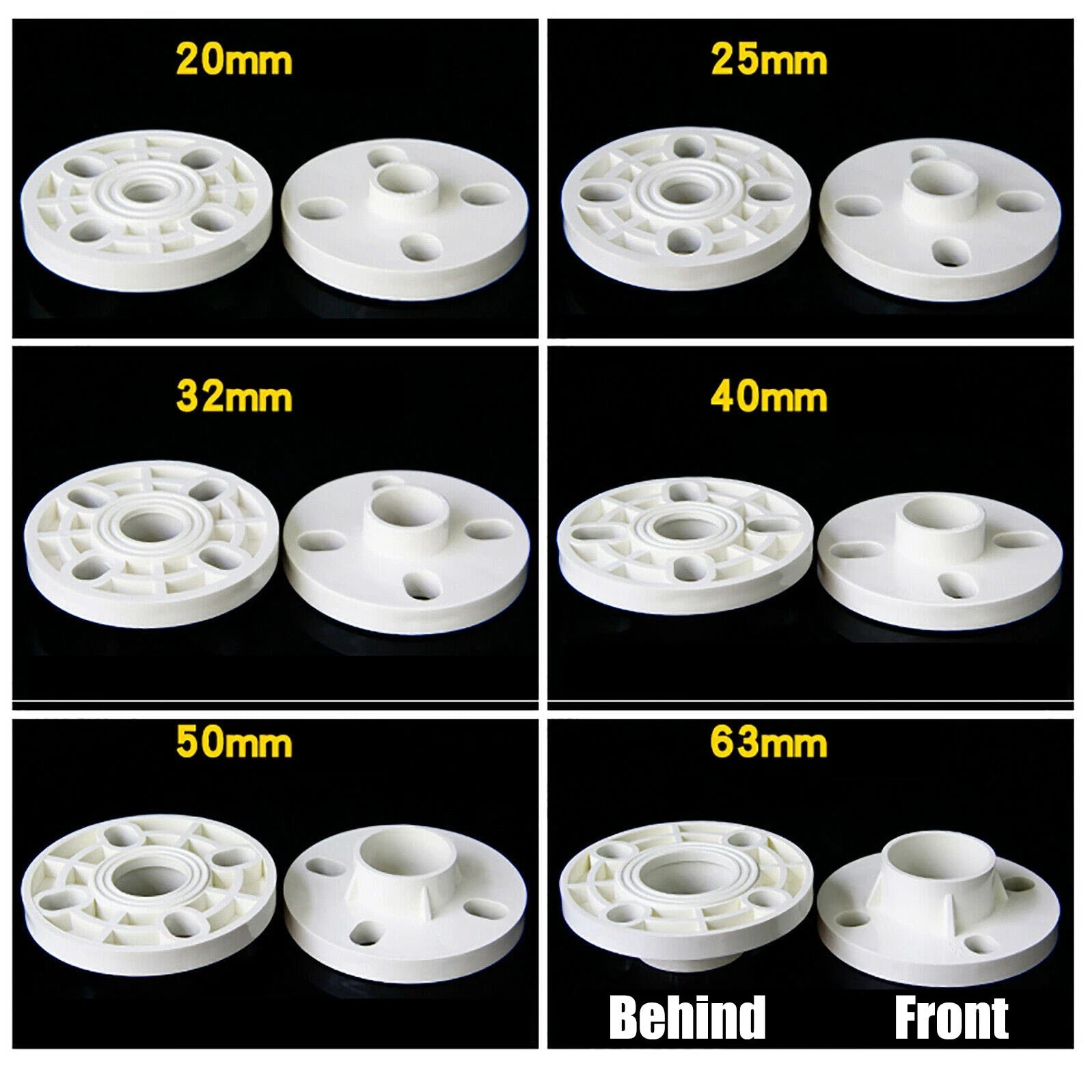
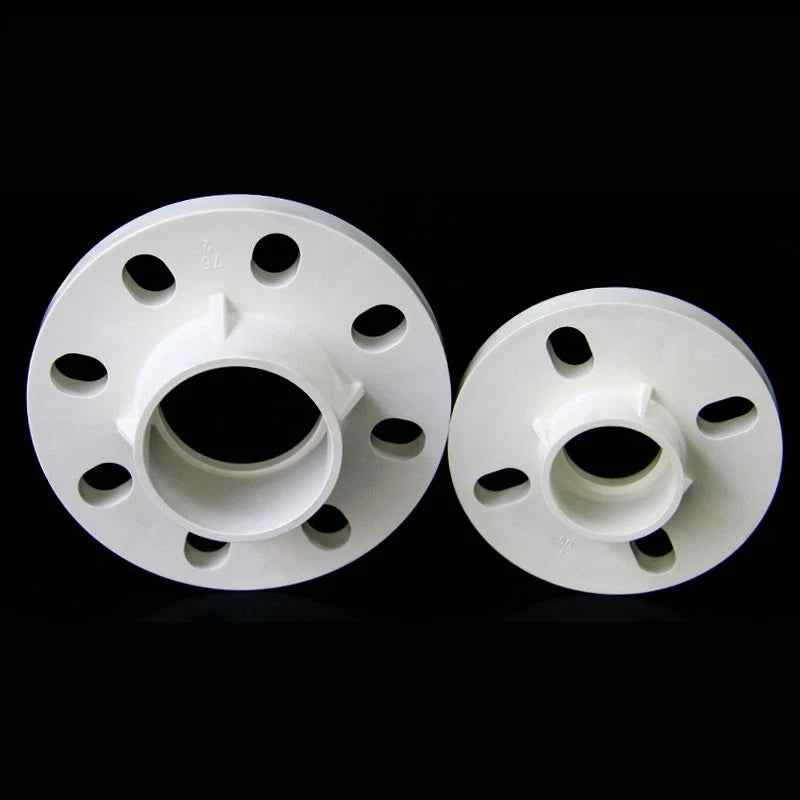
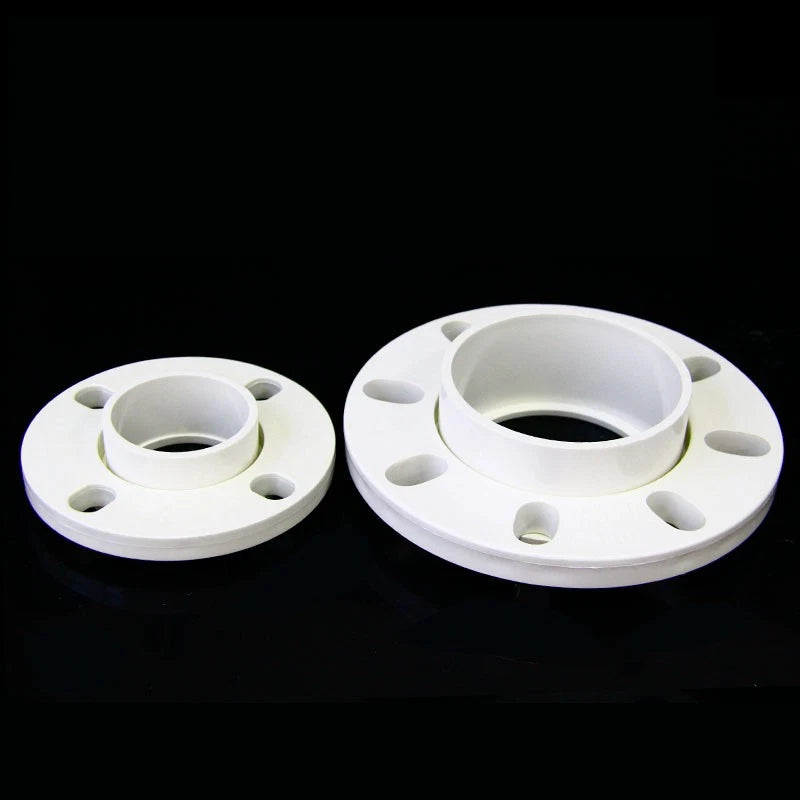
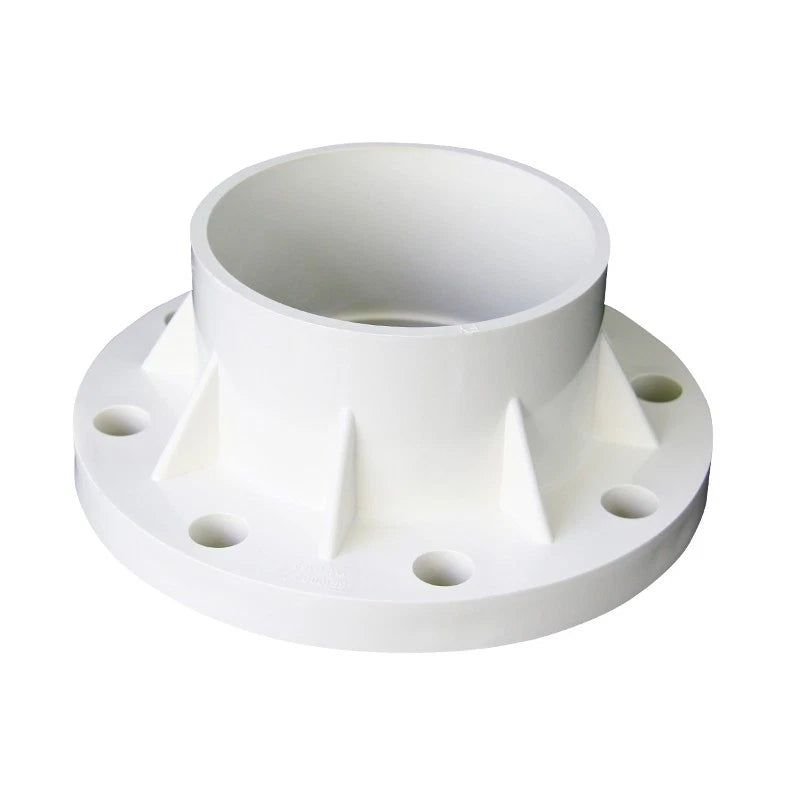
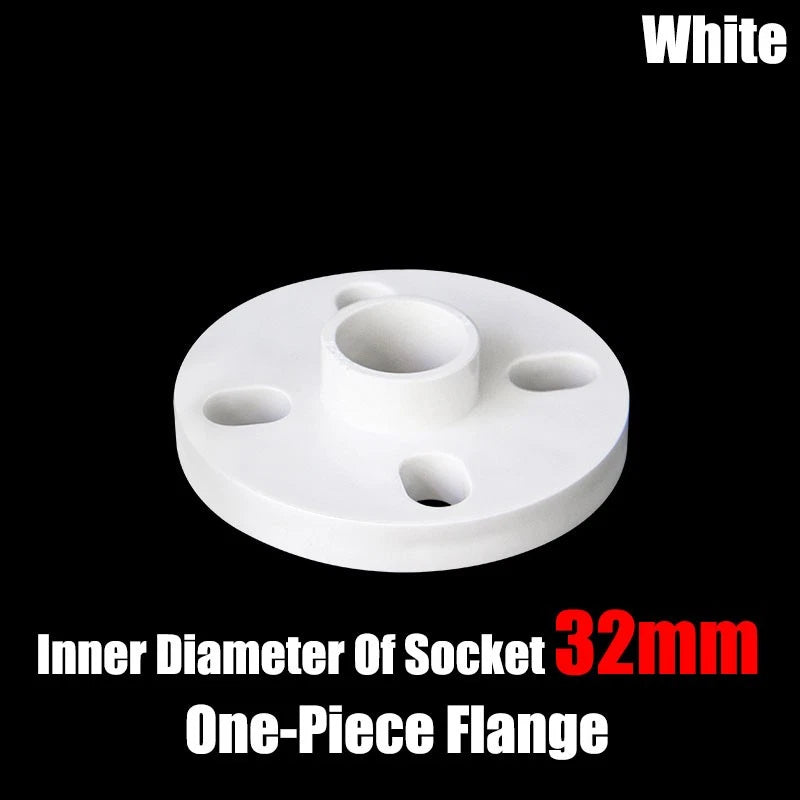
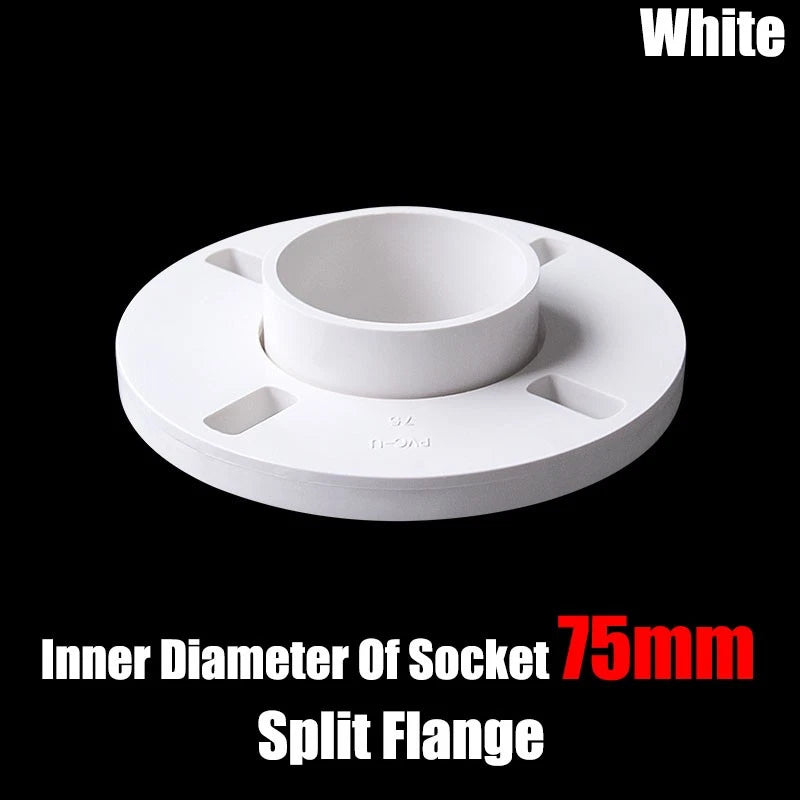
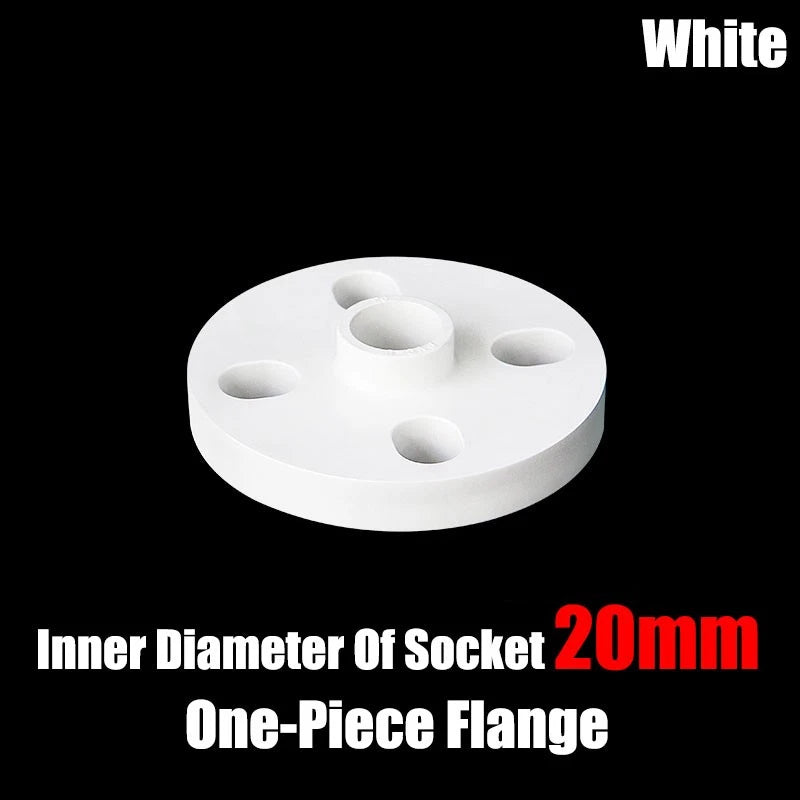
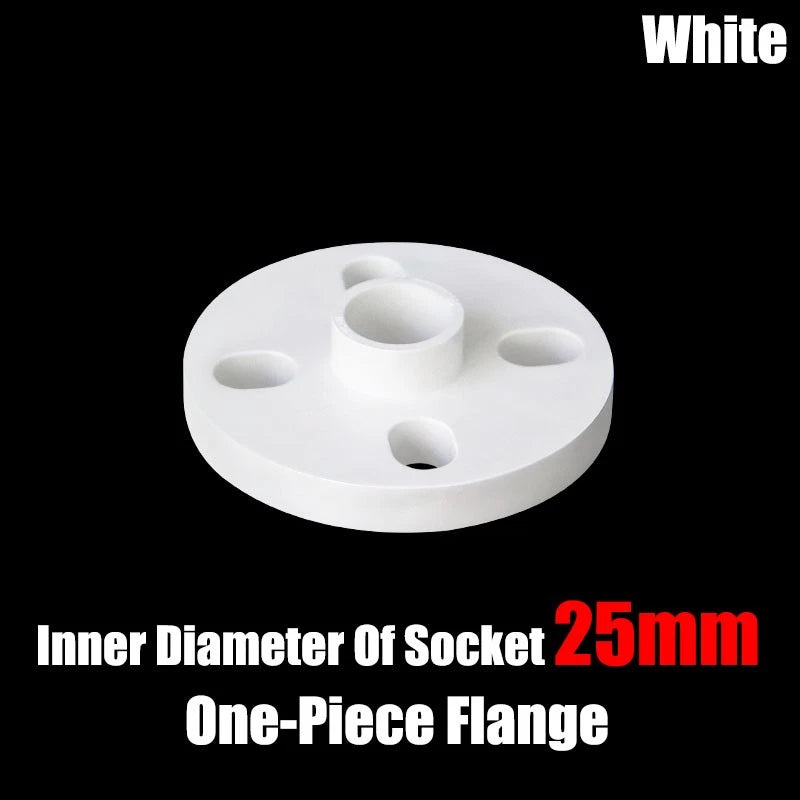
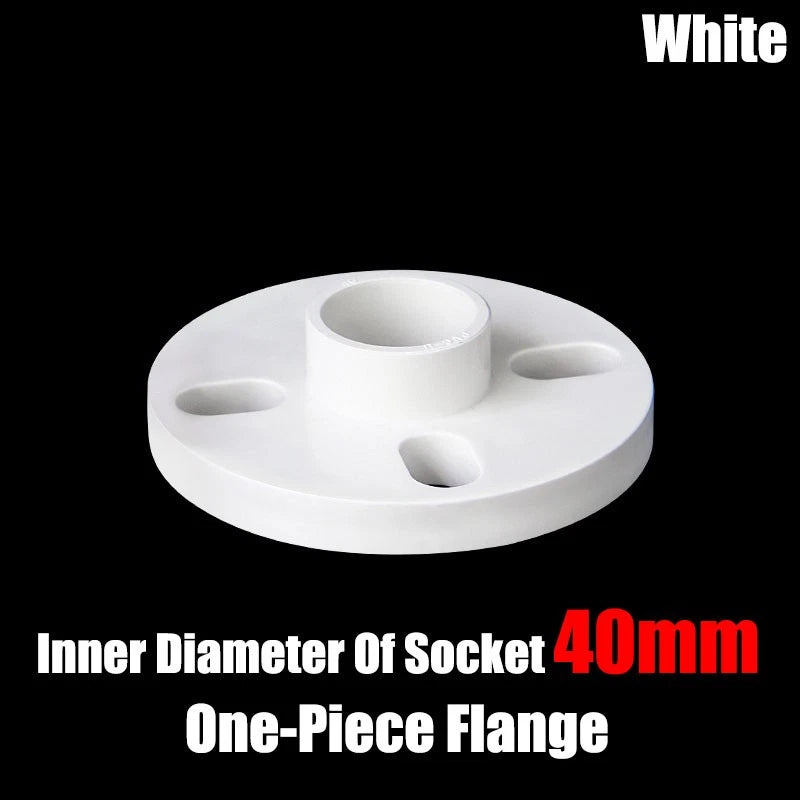
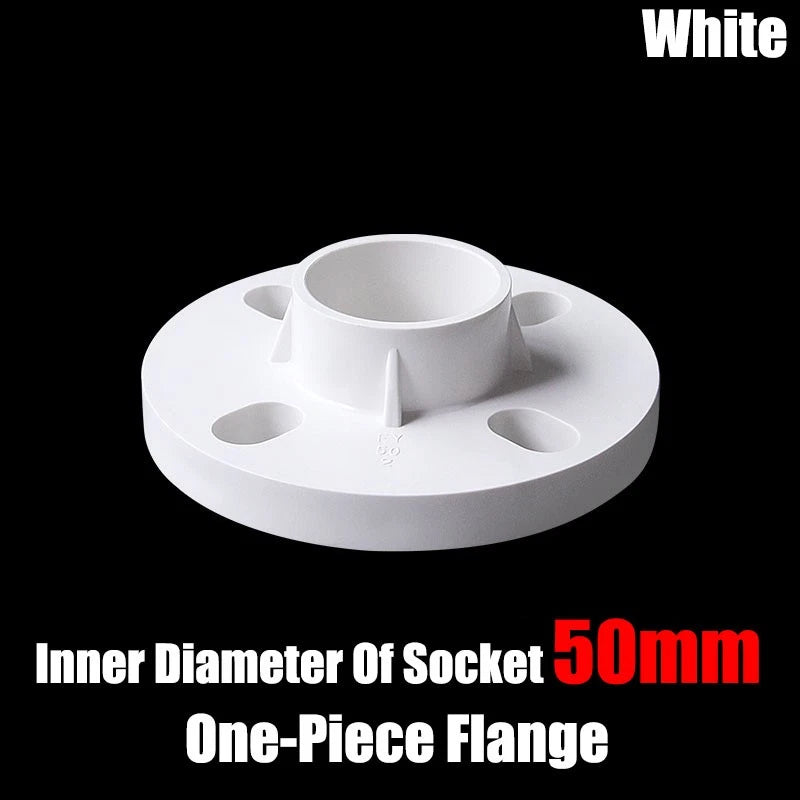
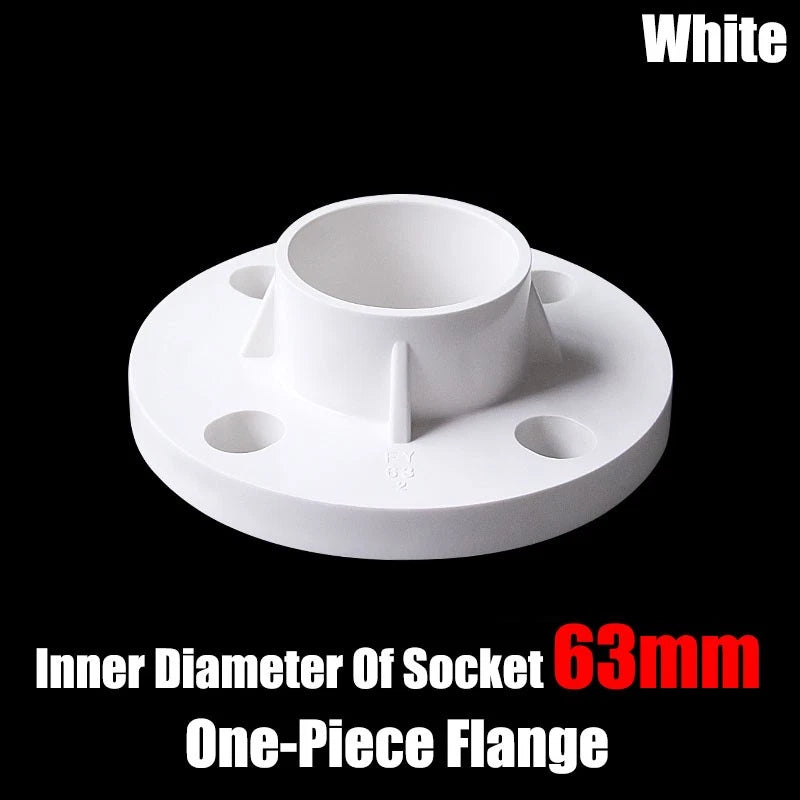
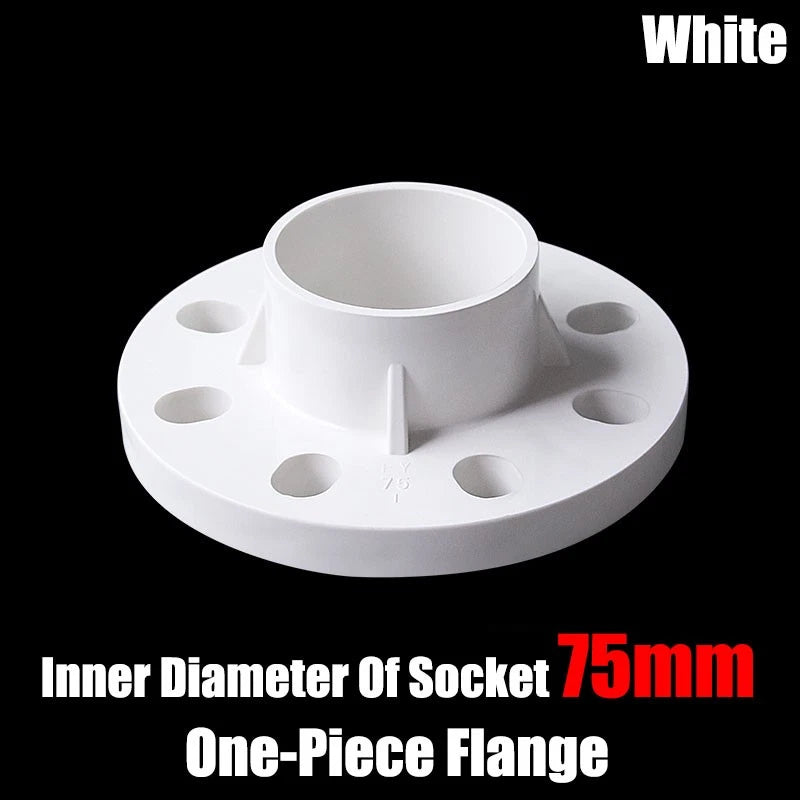
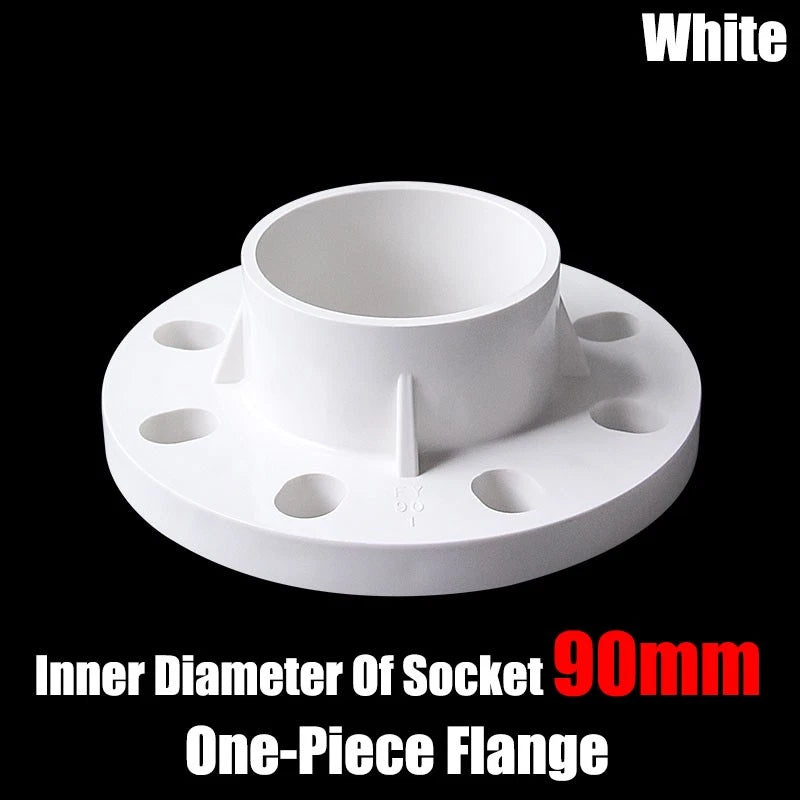
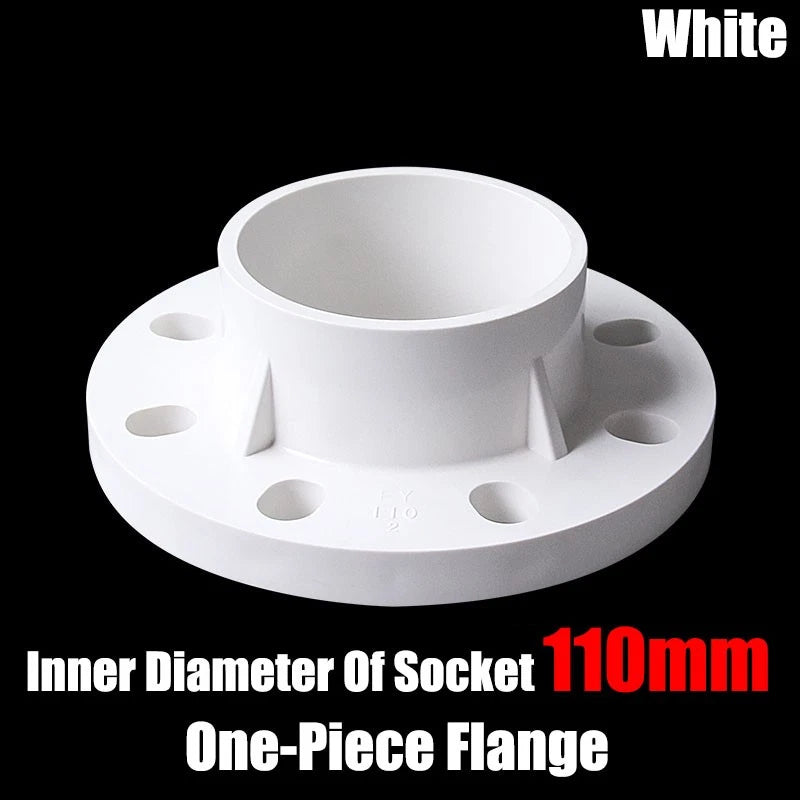
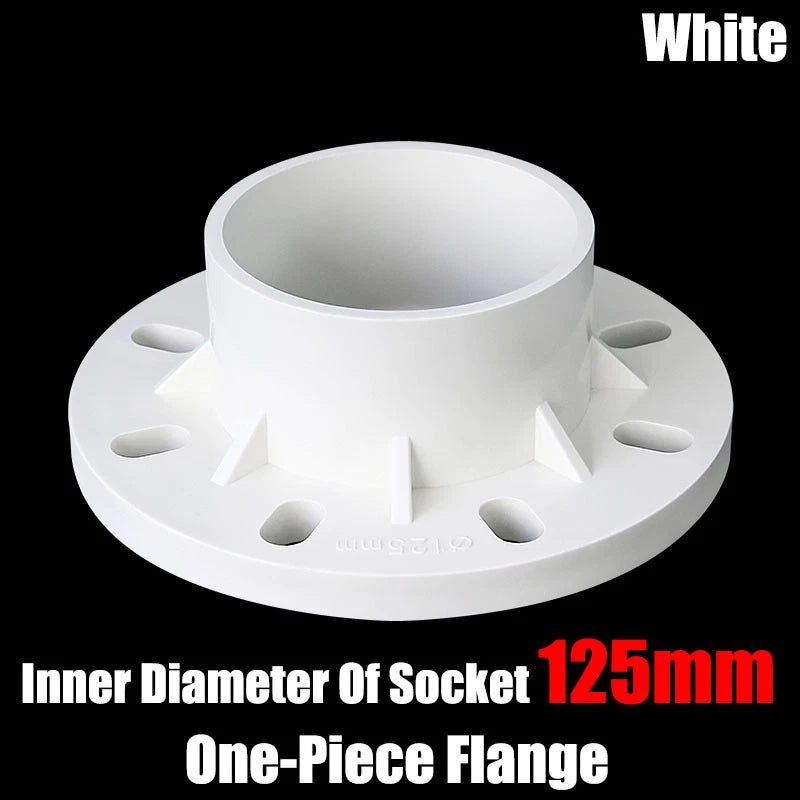
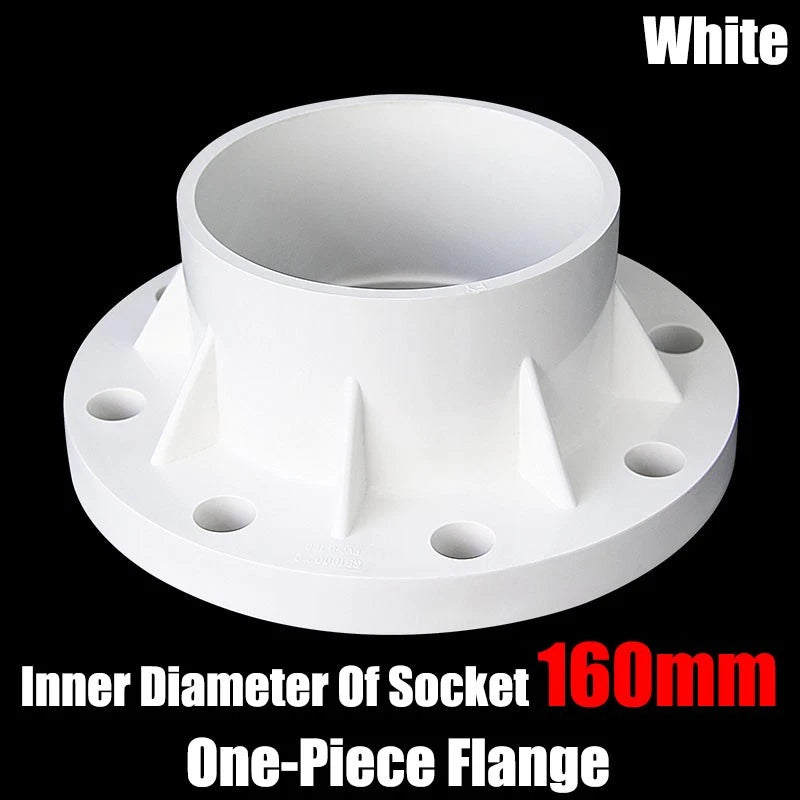
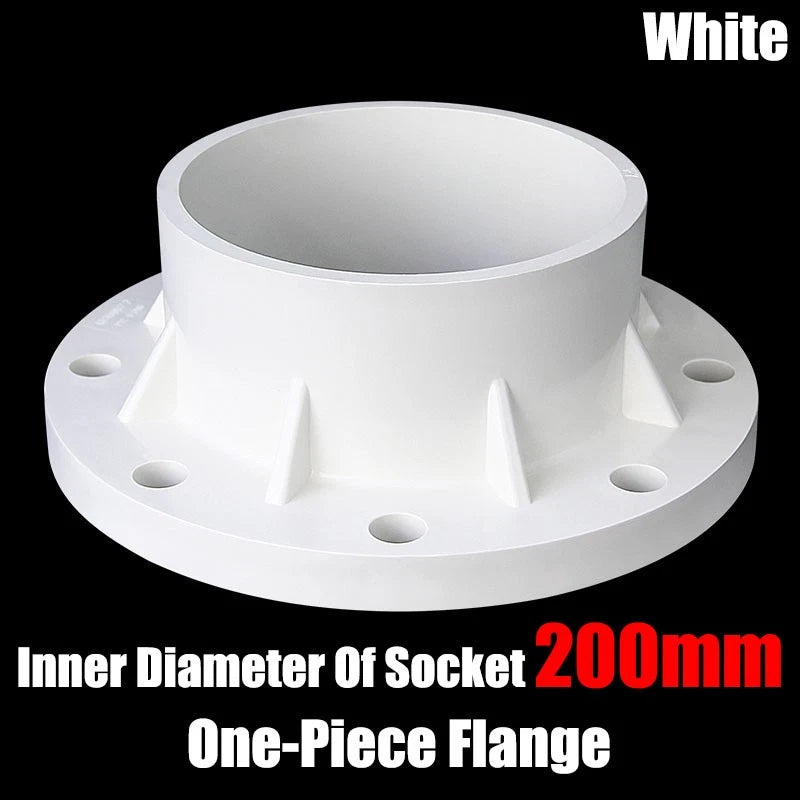
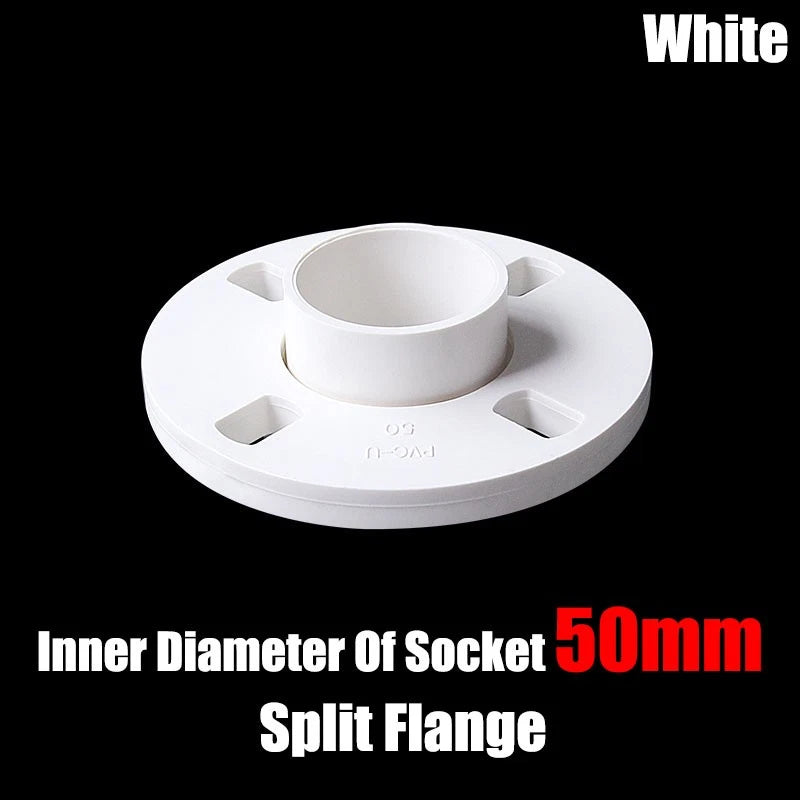
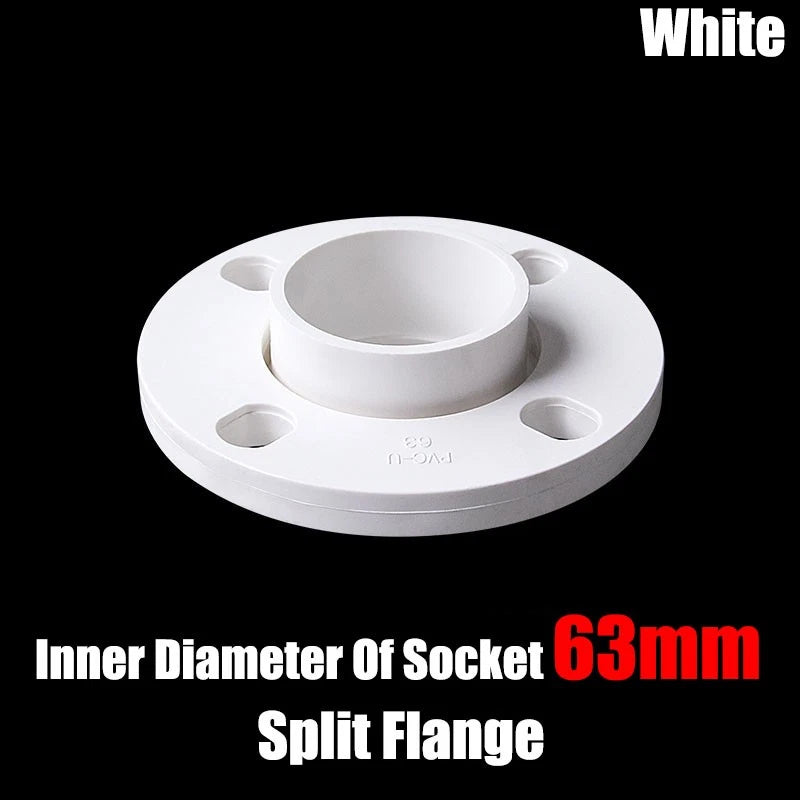
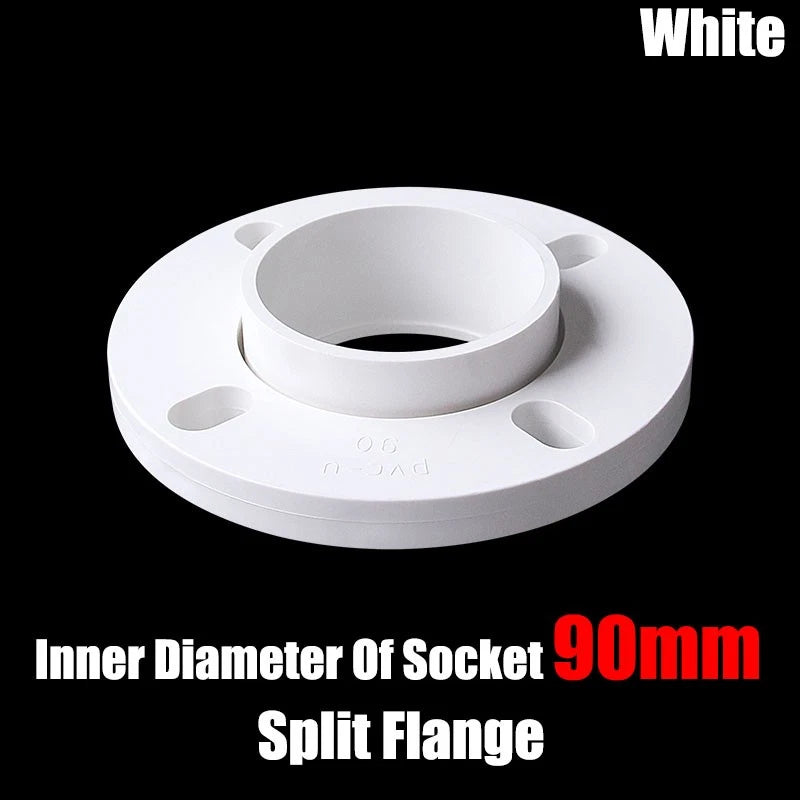
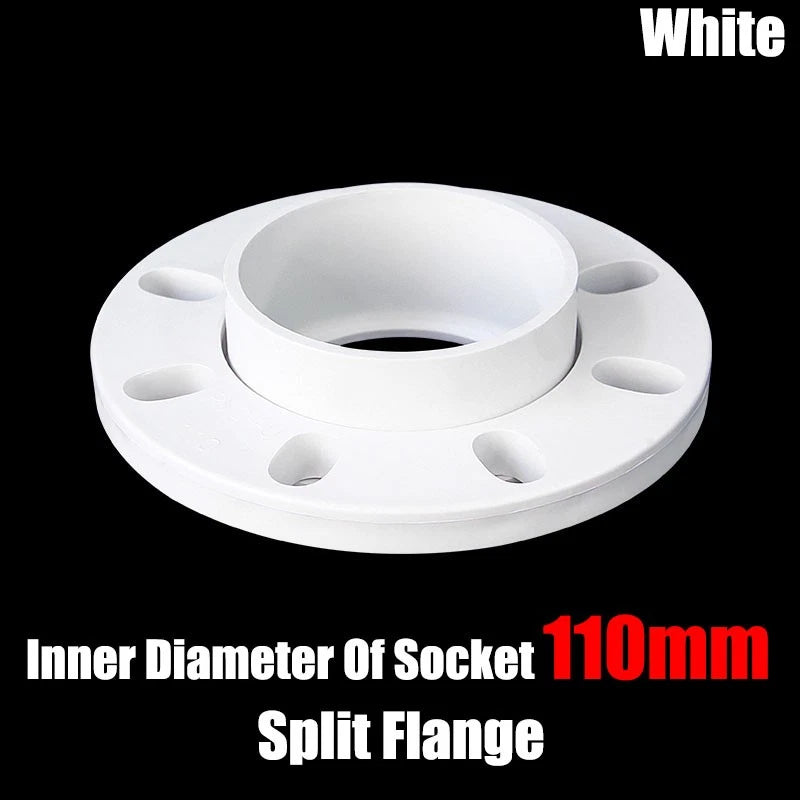
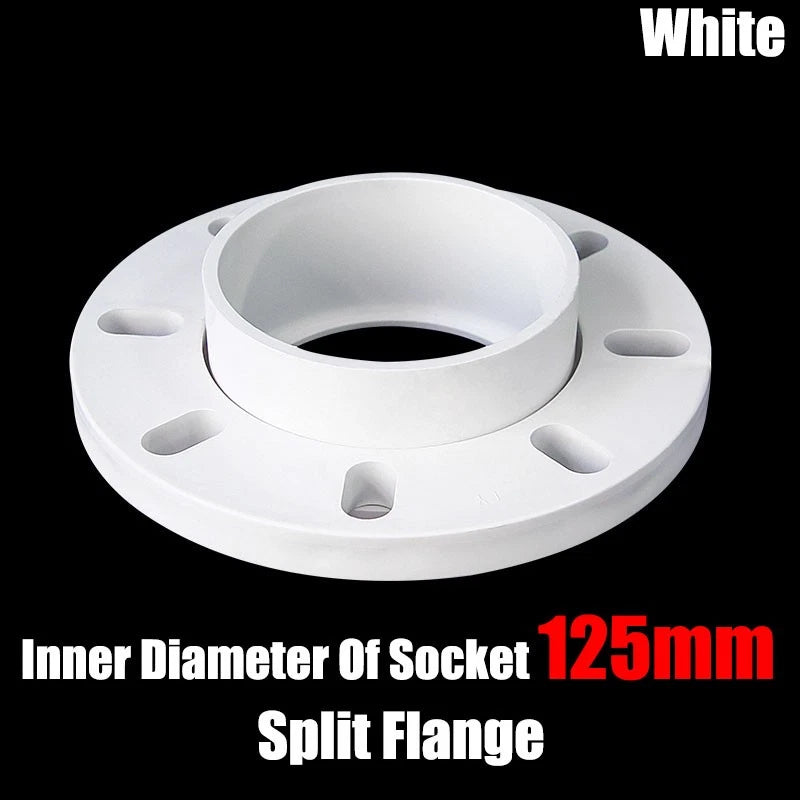
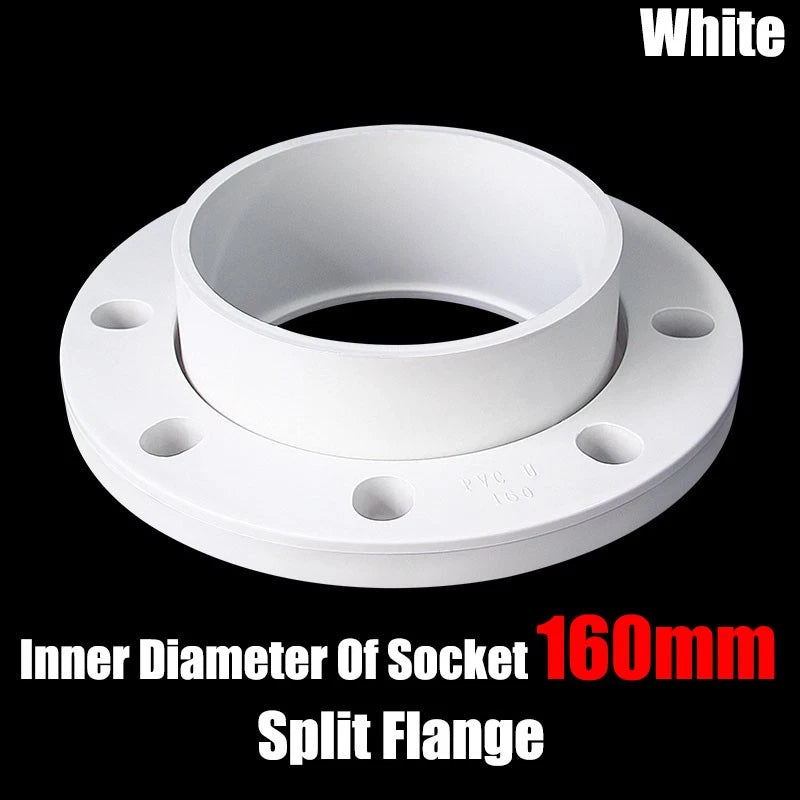
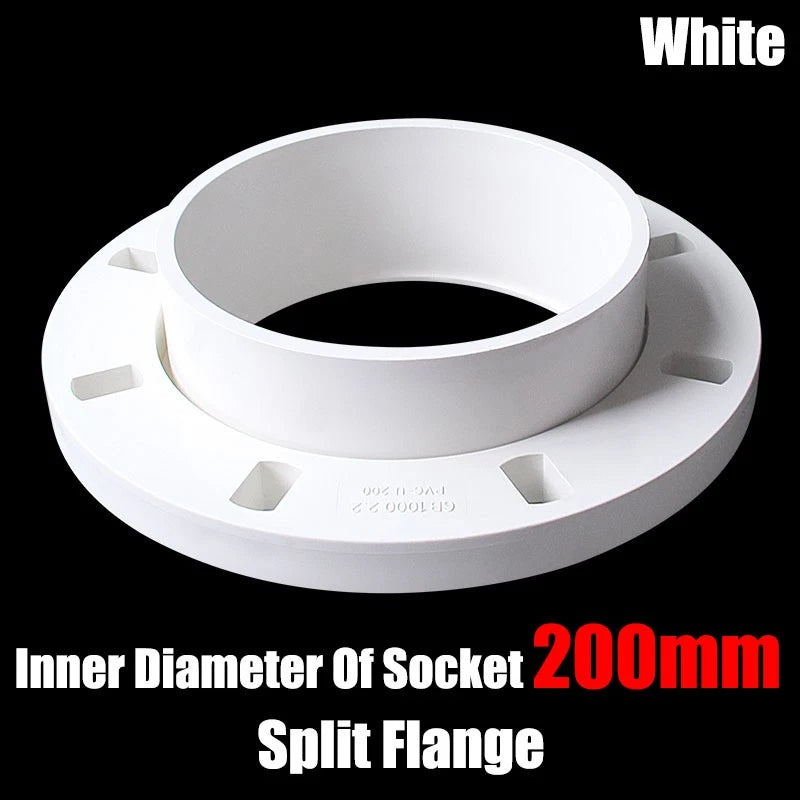
Each flange is moulded from rigid Polyvinyl Chloride (PVC) in a bright white finish. The socket bore accepts standard metric pipe ODs ranging from 20mm (~¾ in) up to 200mm (~7⅞ in). Two flange styles are available: a one-piece flange for new installations where the pipe can be fed through, and a split flange that clamps around an existing pipe run without disturbing the line. Mounting holes are pre-drilled on the base plate for direct fastening to timber, concrete, or tile substrates.
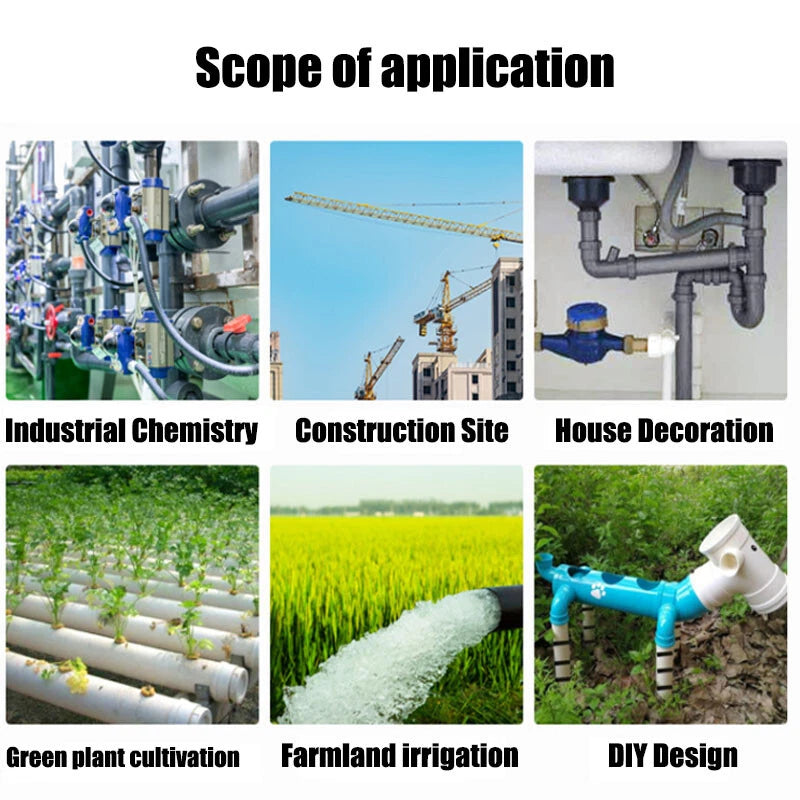
Typical applications include securing PVC drainage pipe through concrete slabs in residential construction, anchoring irrigation risers in greenhouse or agricultural settings, and fixing conduit or duct runs to structural floors in commercial fit-outs — all scenarios where a PVC floor flange with solvent-weld socket delivers a cleaner result than metal alternatives.
Twelve pipe diameters in one product family let you match the exact OD of your pipe without adapters or reducers, keeping the installation clean and leak-free.
Choose a one-piece flange for new builds or a split-body design that installs around an existing pipe run — no need to cut or disconnect the line.
The deep socket bore accepts standard PVC solvent cement for a permanent, watertight bond that meets typical DWV installation requirements.
Unlike cast-iron or galvanised flanges, PVC will not rust, pit, or stain surrounding surfaces, making it ideal for damp or chemically active environments.
Bolt holes on the flat base plate allow direct fastening to timber joists, concrete slabs, or tile floors using standard screws or anchor bolts (fasteners not included).
Order a single flange for a one-off repair or up to five pieces for a multi-drop installation — pricing scales proportionally so you only pay for what you need.
| Material | Polyvinyl Chloride (PVC) |
|---|---|
| Colour / Finish | White |
| Connection Type | Solvent-weld (adhesive) socket |
| Flange Style | One-Piece or Split (see variant options) |
| Pipe Size (OD) | 20 / 25 / 32 / 40 / 50 / 63 / 75 / 90 / 110 / 125 / 160 / 200mm |
| Base Plate | Flat with pre-drilled mounting holes |
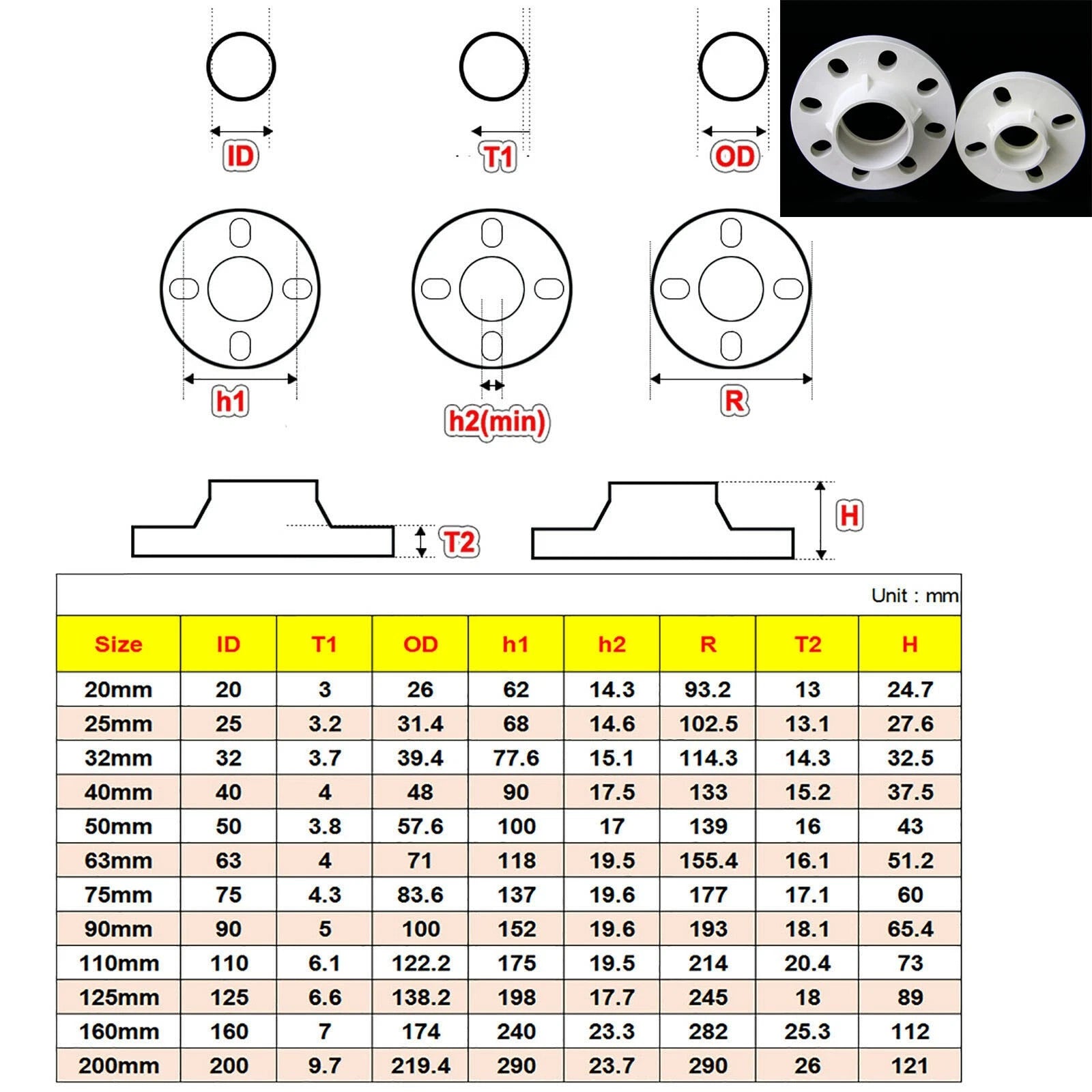
| Base Plate Diameter | See variant options |
| Overall Height | See variant options |
| Mounting Hole Count | See variant options |
| Pressure Rating | See variant options / Contact us to confirm |
| Temperature Range | Typically 0°C – 60°C (32°F – 140°F) |
| Packing Quantity | 1 / 2 / 3 / 4 / 5 Pcs (see variant options) |
Match the flange size to the outside diameter (OD) of your pipe, not the nominal bore. For example, a DN50 pipe has an OD of 50mm — select the 50mm flange. If you are unsure, measure the pipe OD with calipers before ordering.
A one-piece flange has a continuous socket and must be slid onto the pipe end before the pipe is connected to the system. A split flange is made in two halves that clamp around an existing pipe, so you can install it without cutting or disconnecting the line — ideal for retrofit or repair work.
Yes. The socket bore is designed for standard PVC solvent cement (PVC glue). Clean and dry both surfaces, apply primer if required by local code, coat both surfaces with cement, and push the pipe firmly into the socket with a slight twist. Allow the joint to cure per the cement manufacturer's instructions before applying load.
These flanges are manufactured from rigid PVC and are intended for DWV (drain, waste, vent) and general-purpose pipe anchoring. For potable water applications, please verify that the specific product meets your local regulatory requirements (e.g., NSF/ANSI 61) before installation. Contact us to confirm compliance for your use case.
A properly made solvent-weld joint fuses the PVC molecules together, creating a bond that is typically as strong as the pipe wall itself. The joint becomes handling-strong within minutes and reaches full cure in 24–48 hours depending on temperature and humidity. Avoid mechanical stress on the joint during the cure period.
No. PVC is inherently resistant to moisture, most household chemicals, and mild acids or alkalis. Unlike iron or galvanised steel flanges, PVC will not rust, pit, or leave brown stains on surrounding tiles or concrete — making it a practical choice for bathrooms, laundries, and outdoor irrigation installations.
Fasteners are not included. For timber substrates, use wood screws sized to fit the pre-drilled holes on the base plate. For concrete or masonry, use appropriate anchor bolts or plastic plugs with screws. The number and diameter of mounting holes varies by flange size — refer to the product images or contact us for hole dimensions on your chosen size.