
The chain is fine...but I ordered the wrong size. Nine links of the chain I ordered equals six of the size I wanted. My error...
How can I straighten out the springs? I can't use them coil uo as is.
Deine Zahlungsinformationen werden sicher verarbeitet. Wir speichern keine Kreditkartendaten und haben auch keinen Zugang zu deinen Kreditkartendaten.
Get fitment advice & recommendations
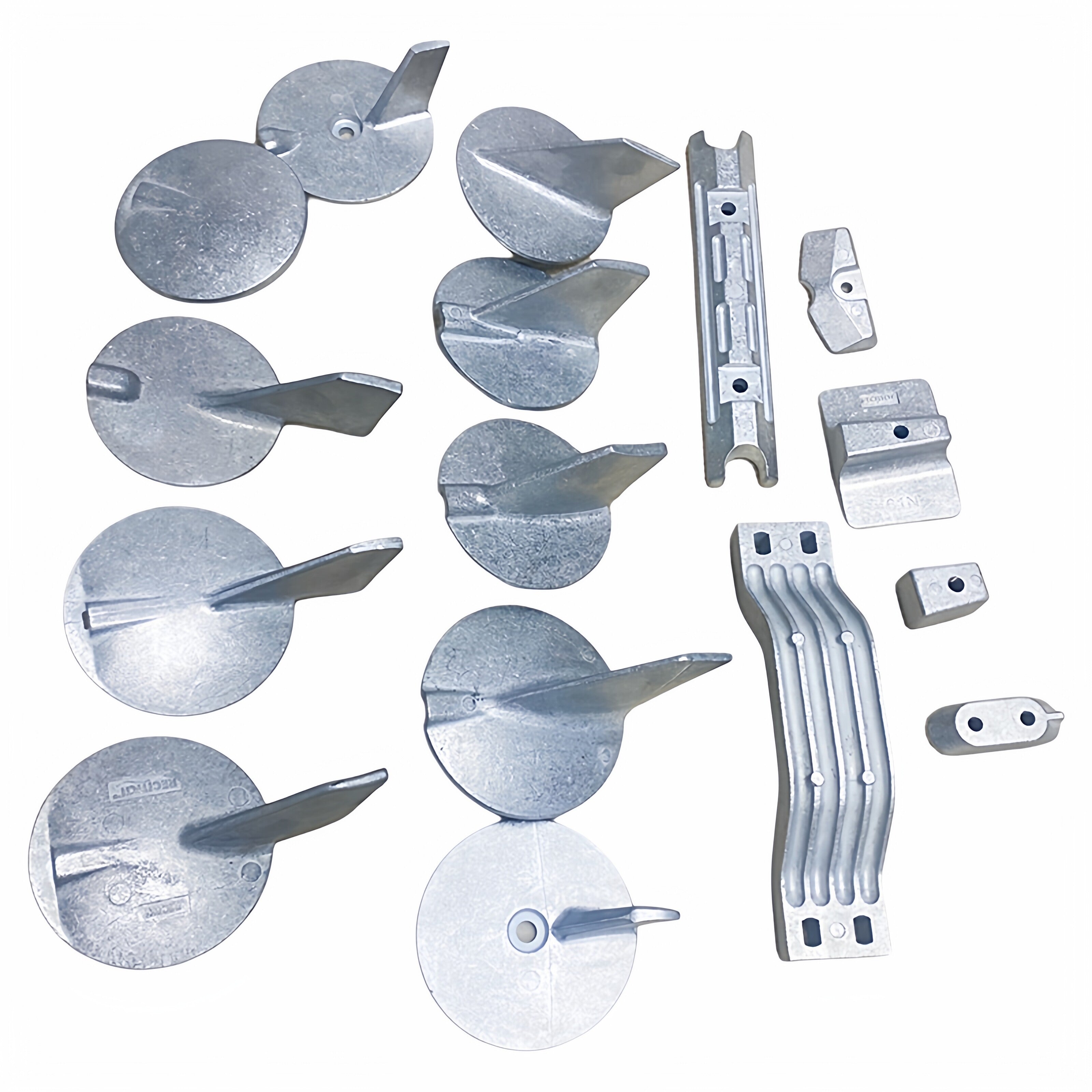
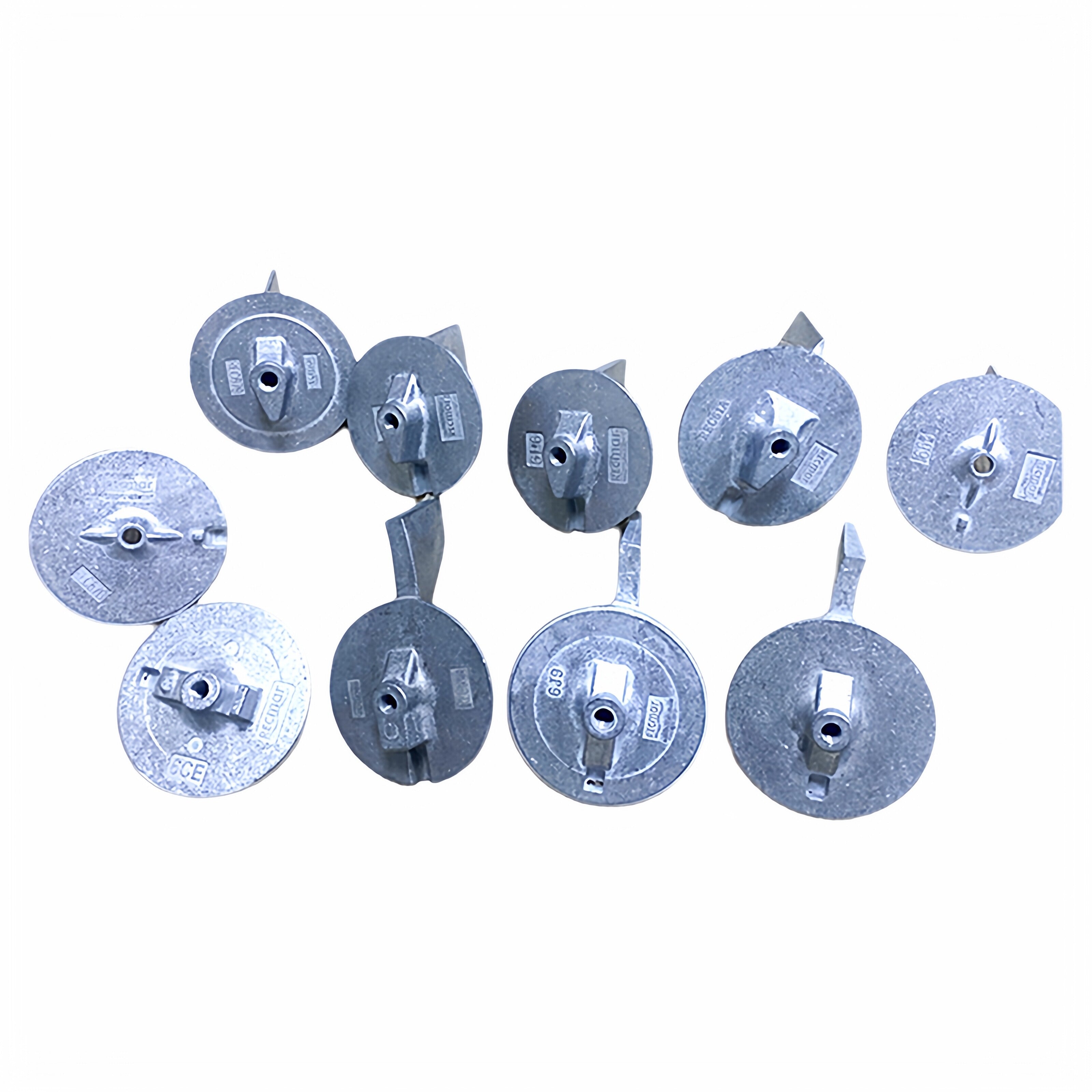
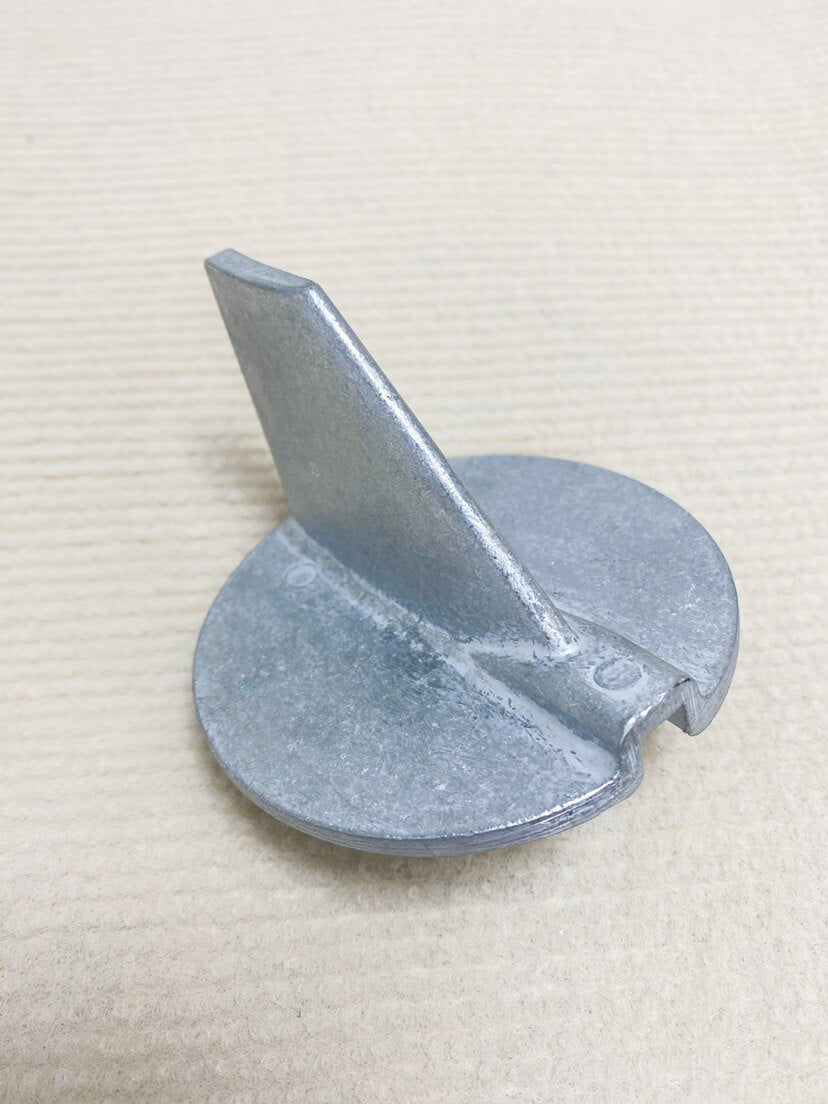
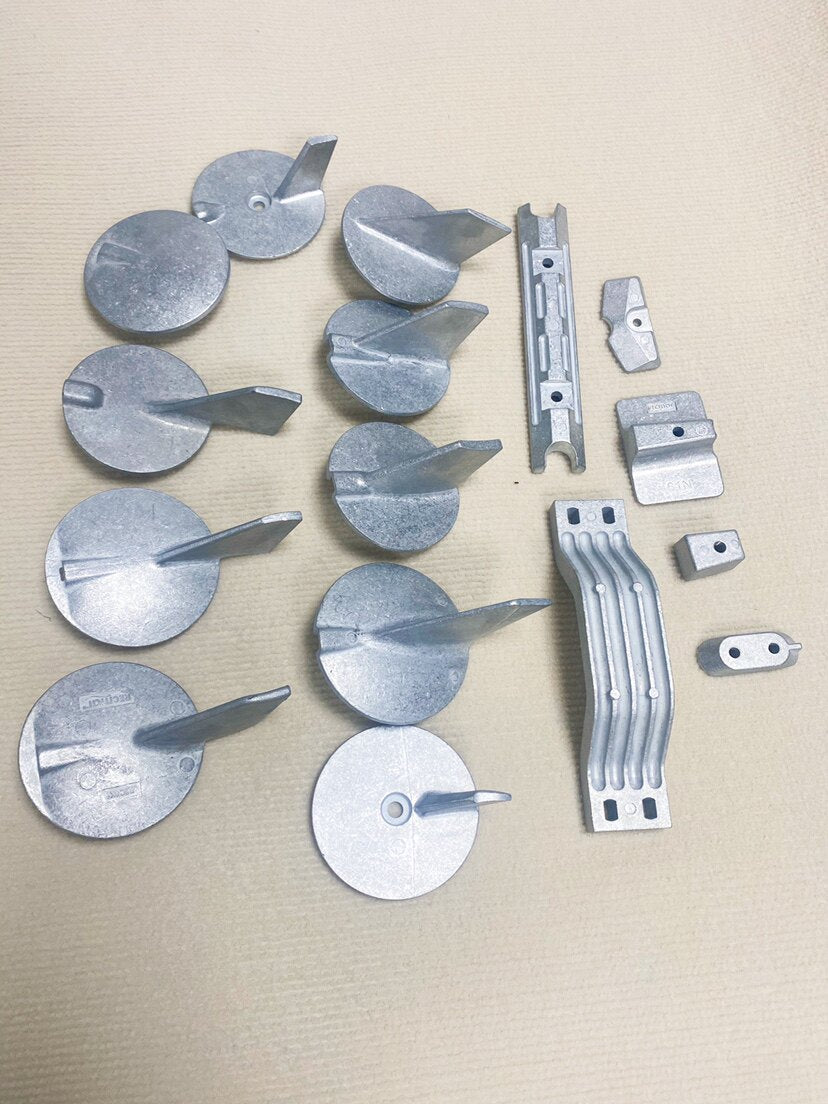
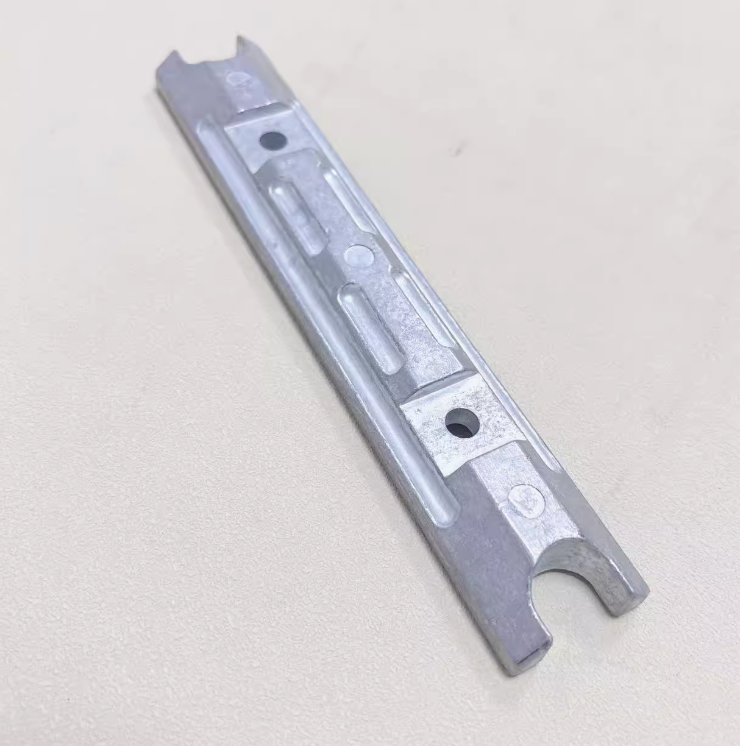
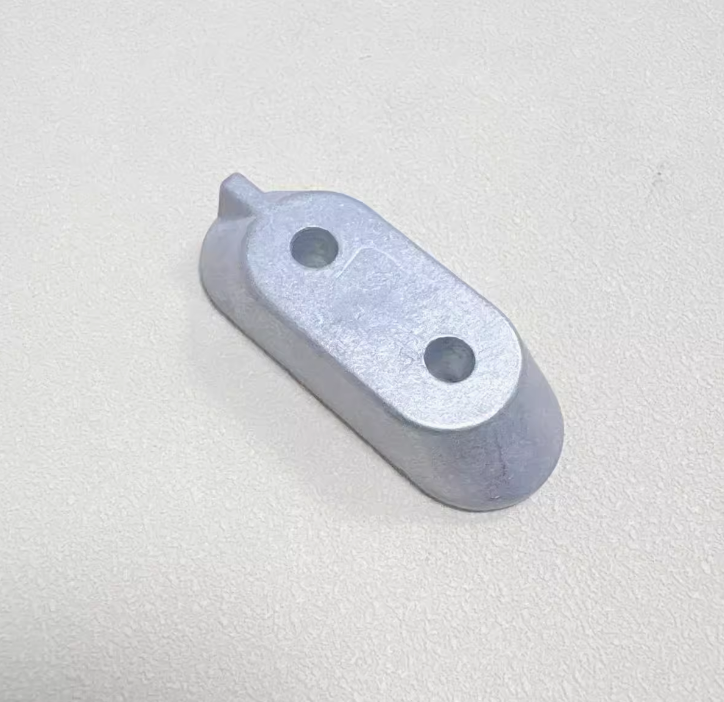
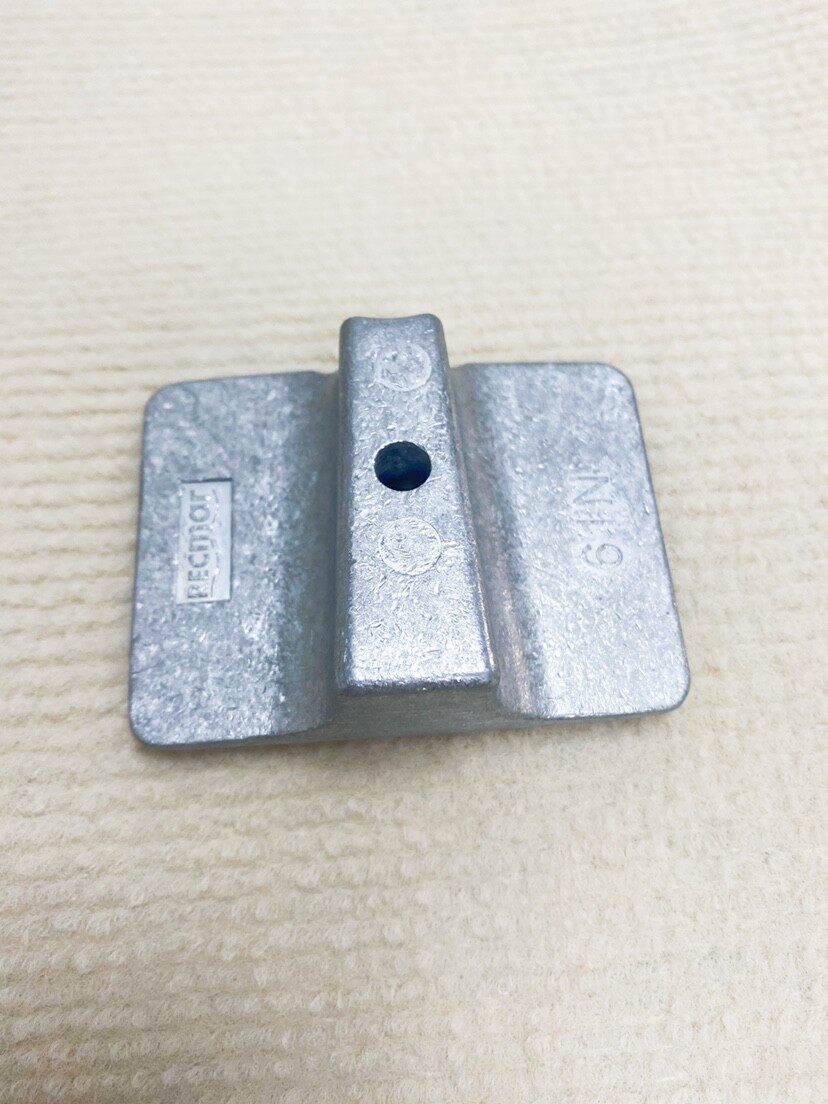
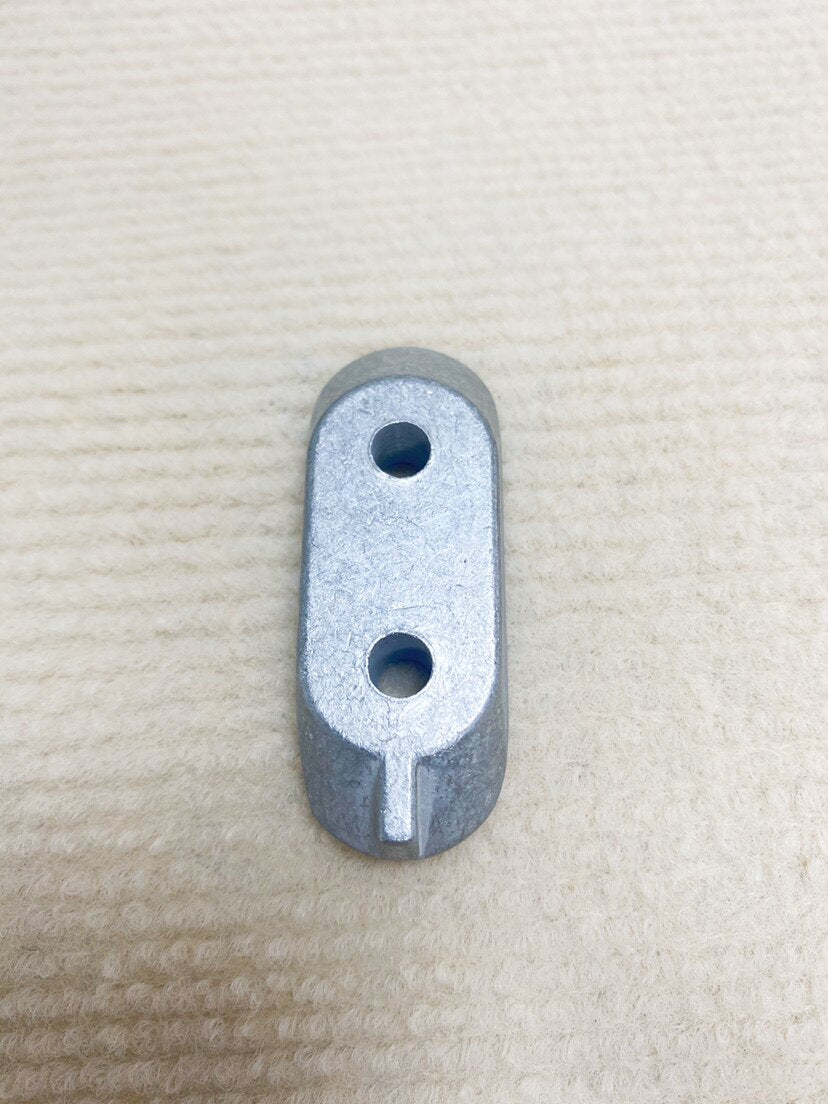
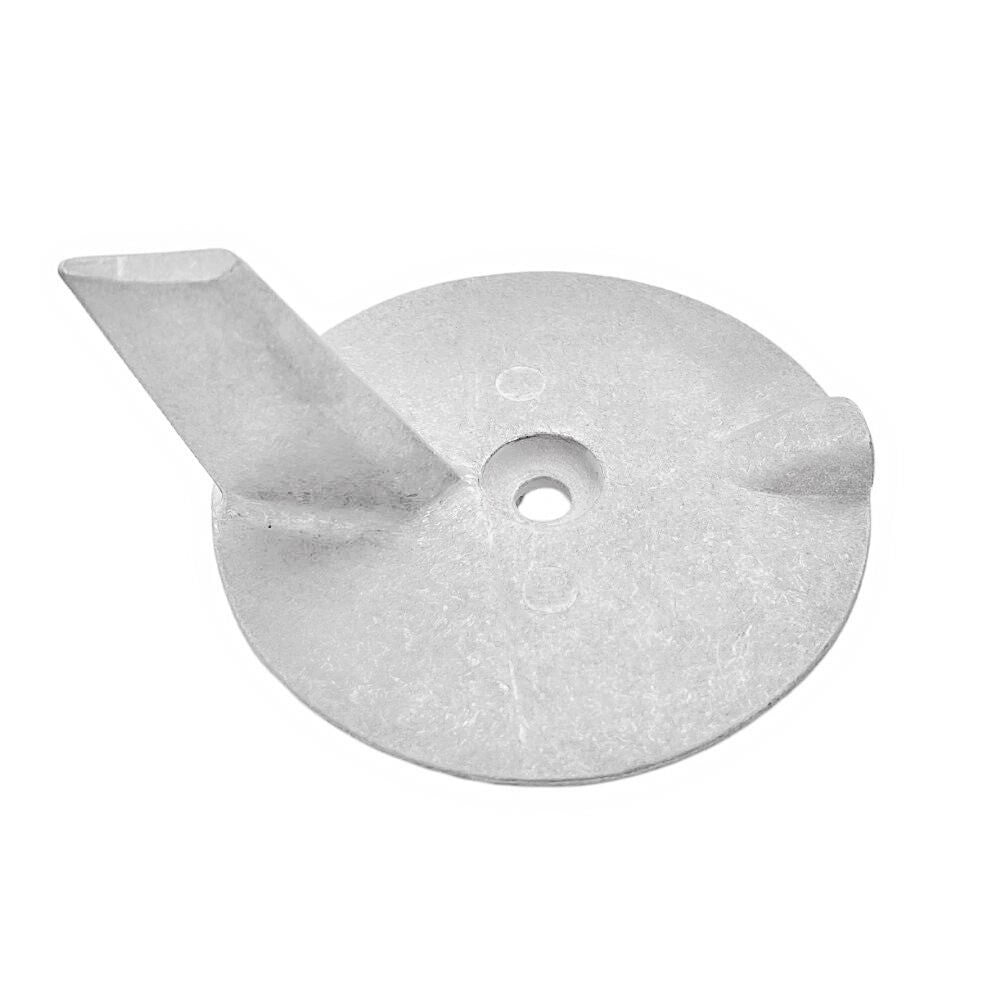
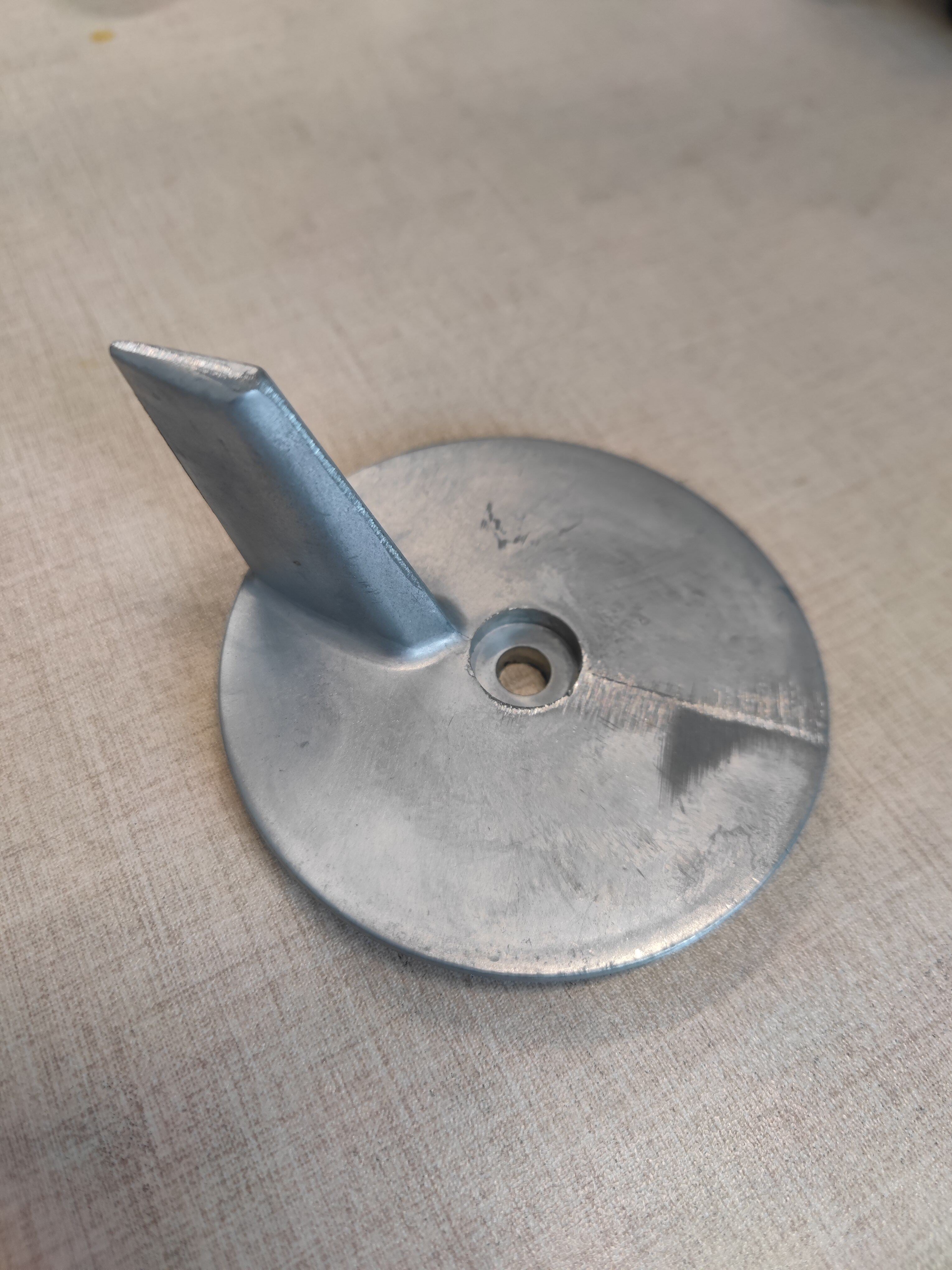
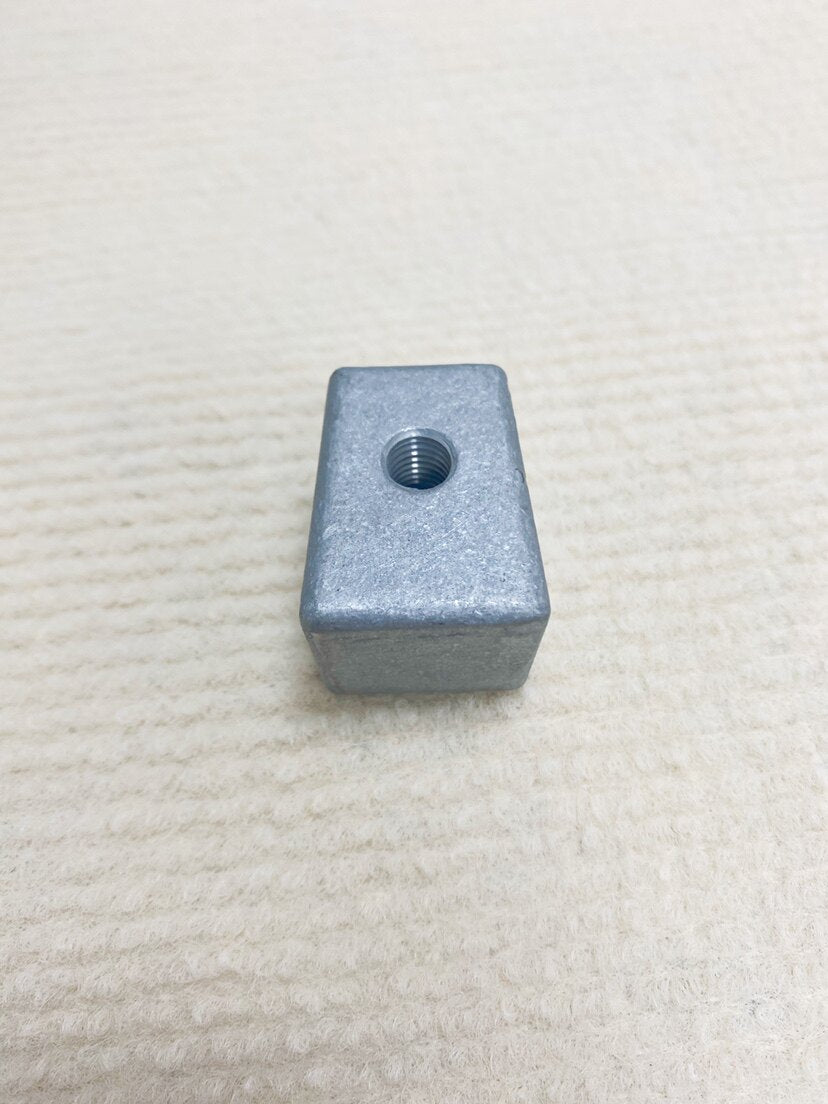
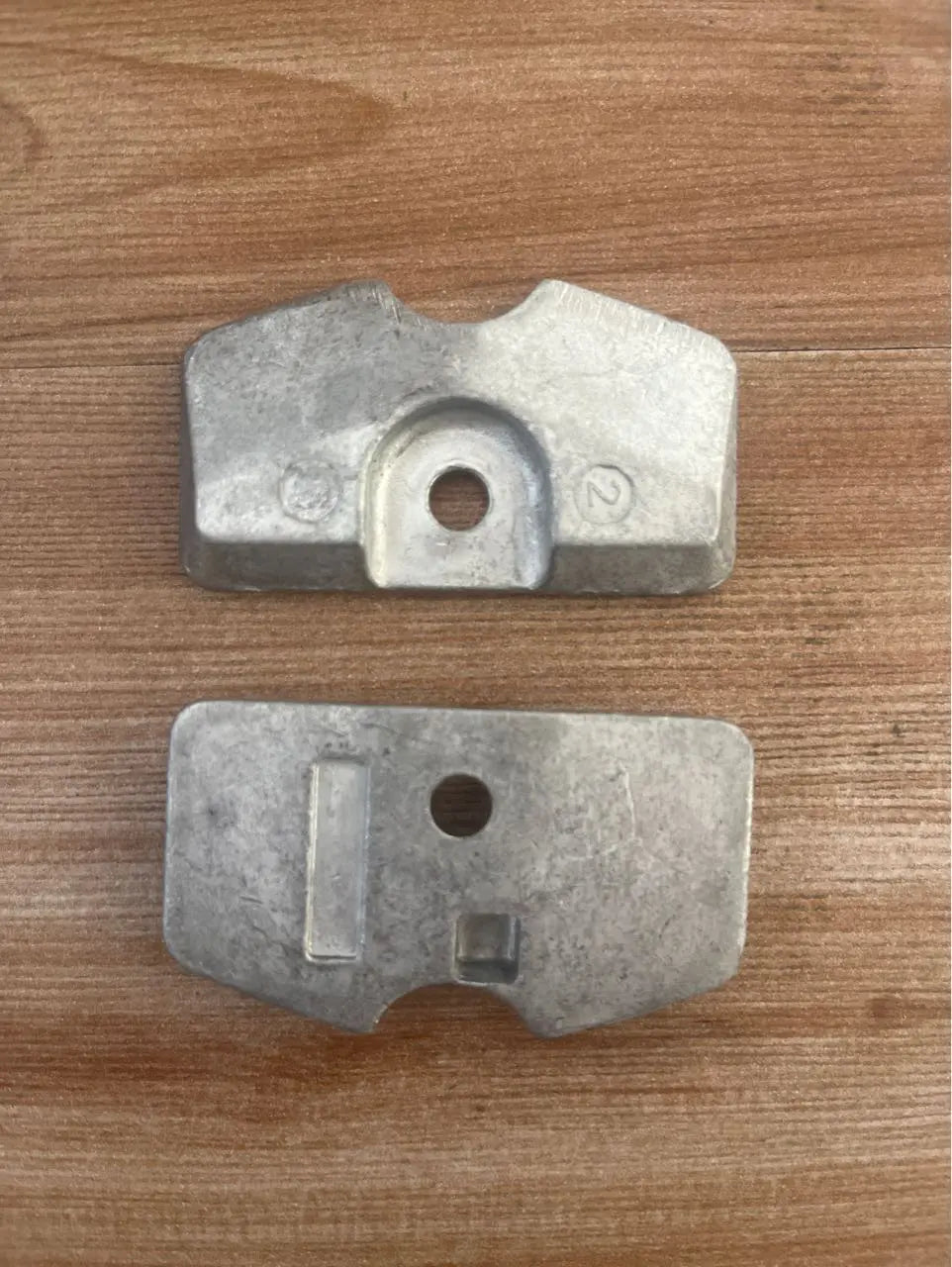
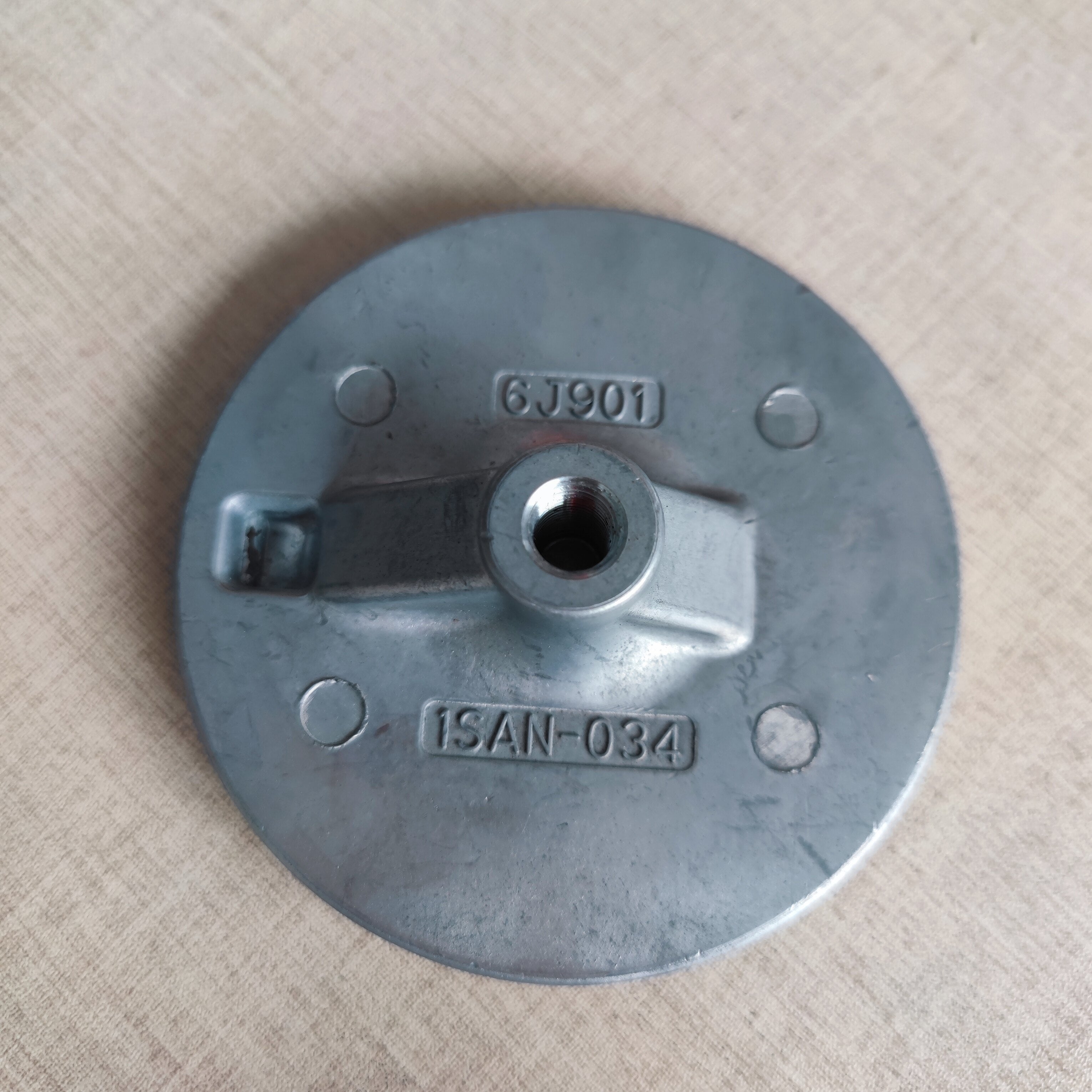
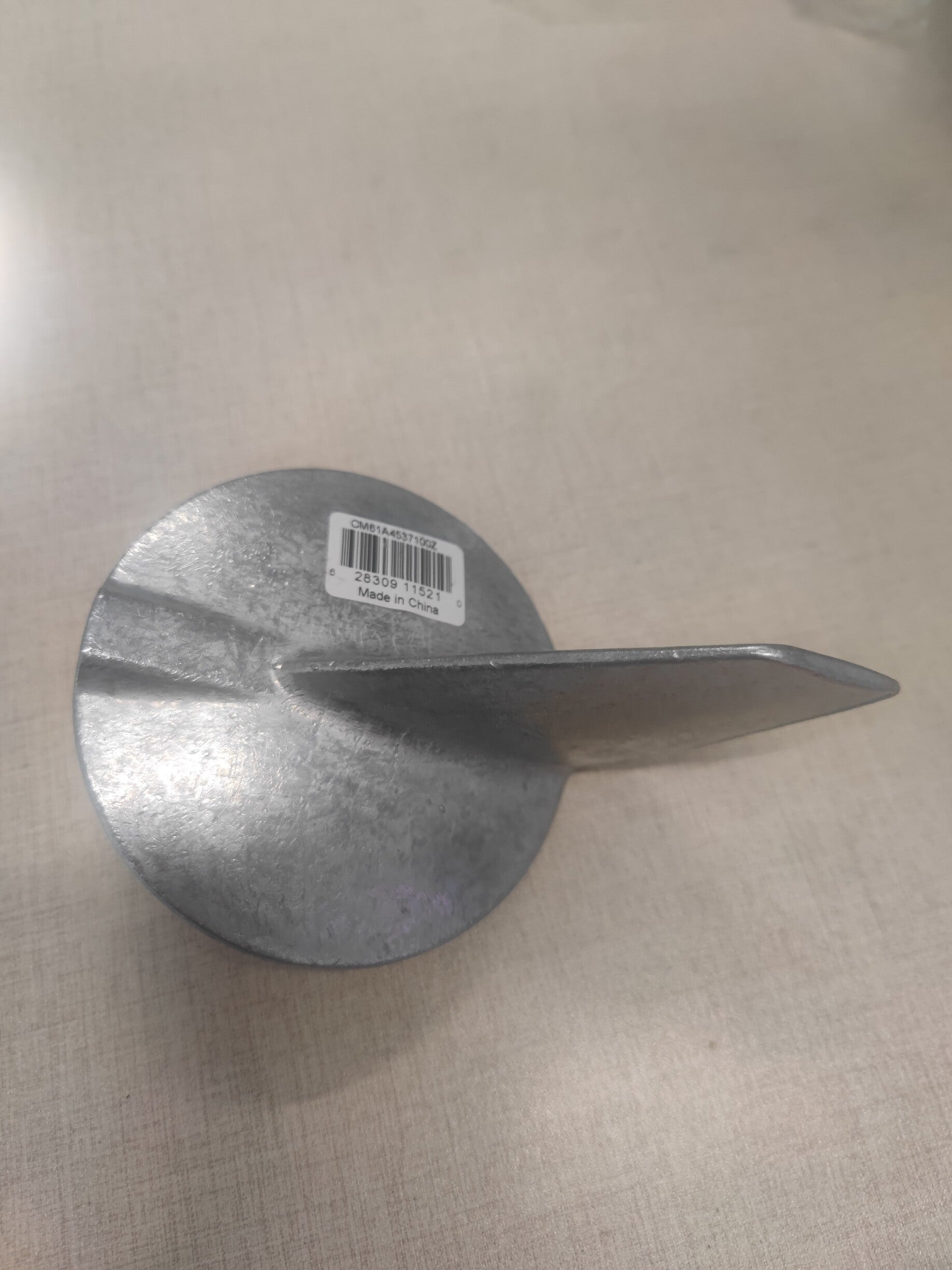
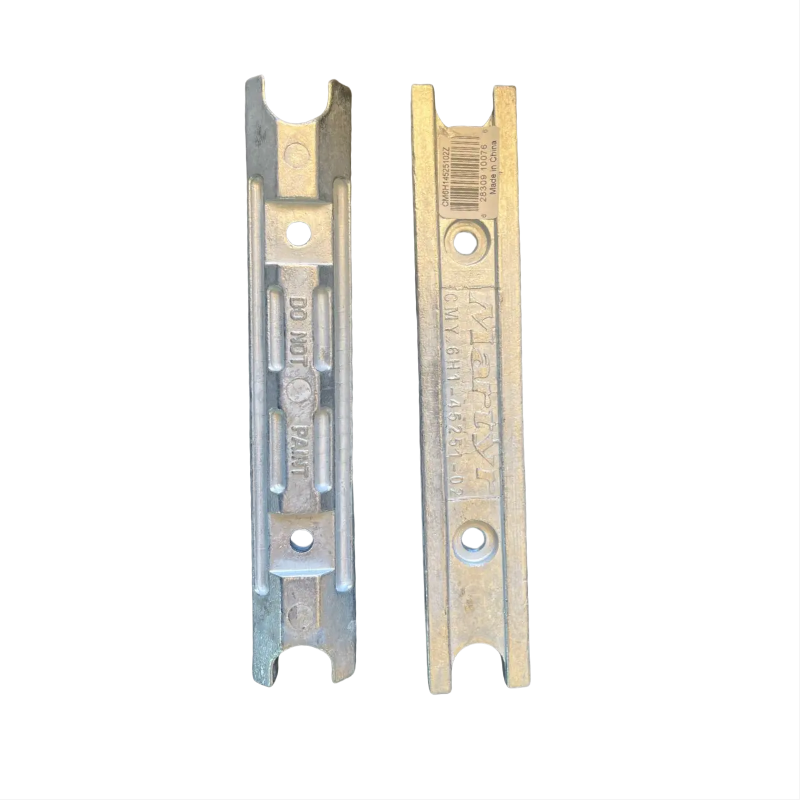
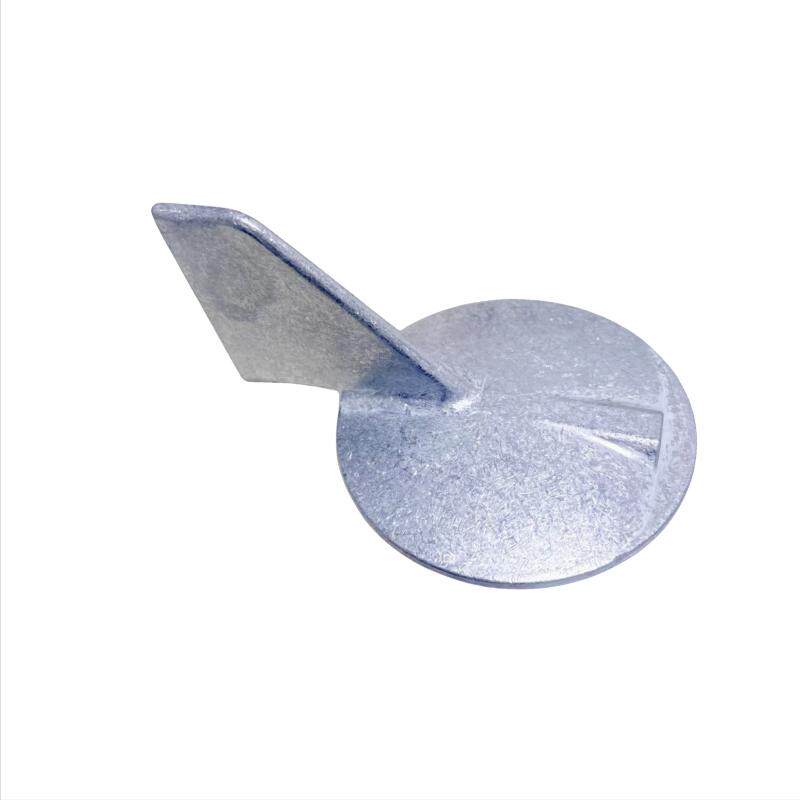
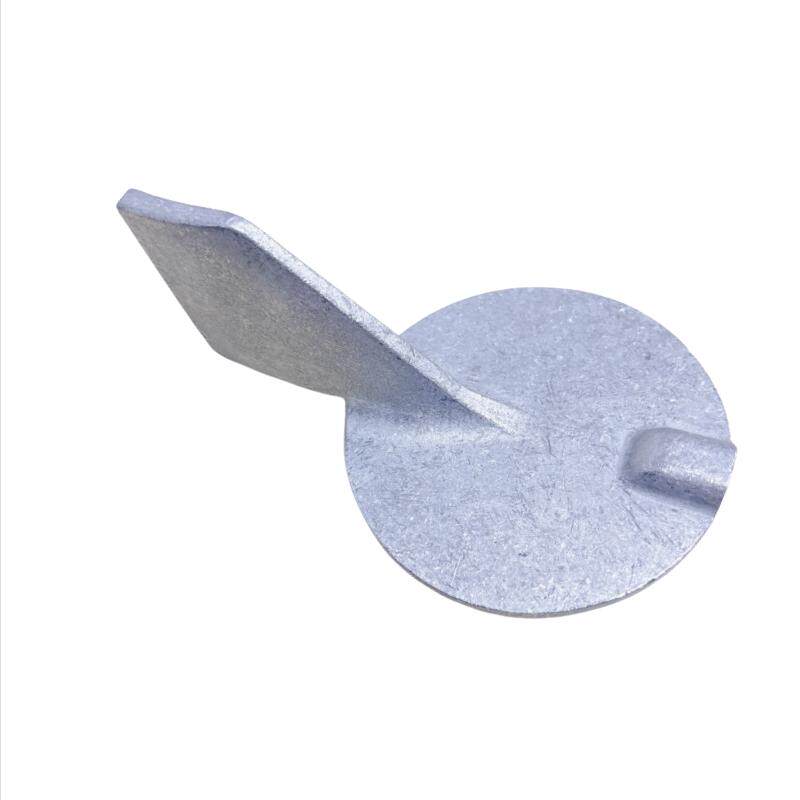
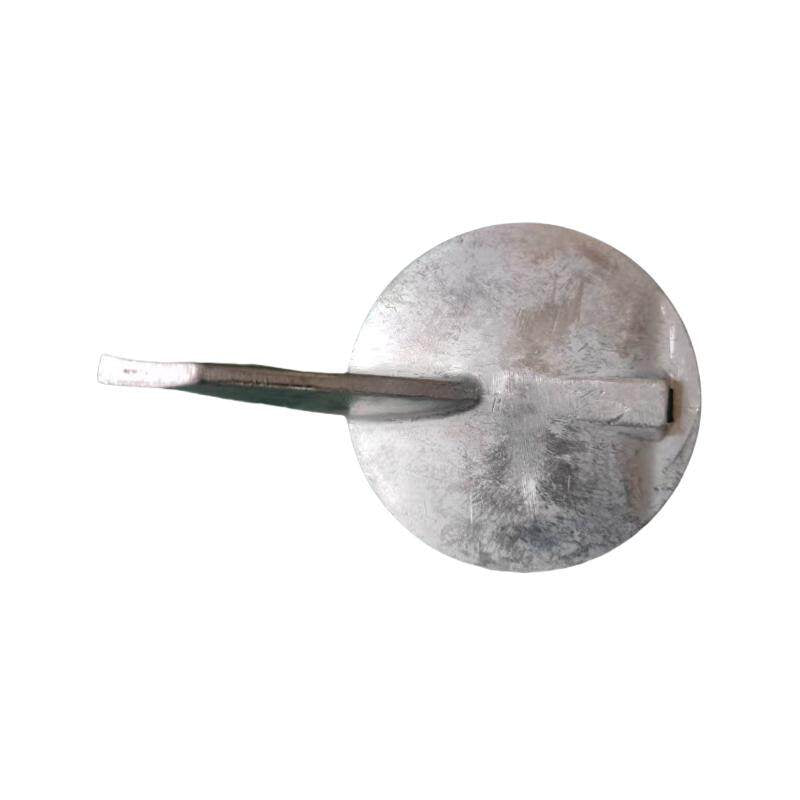
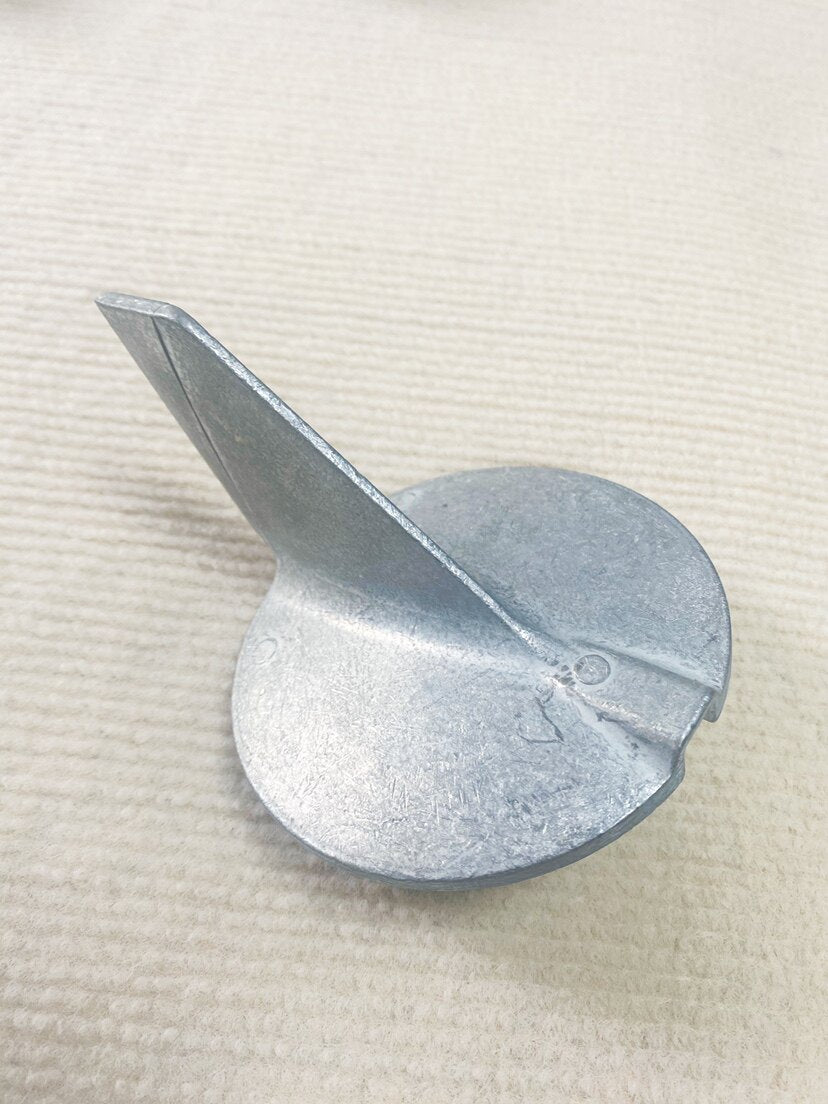
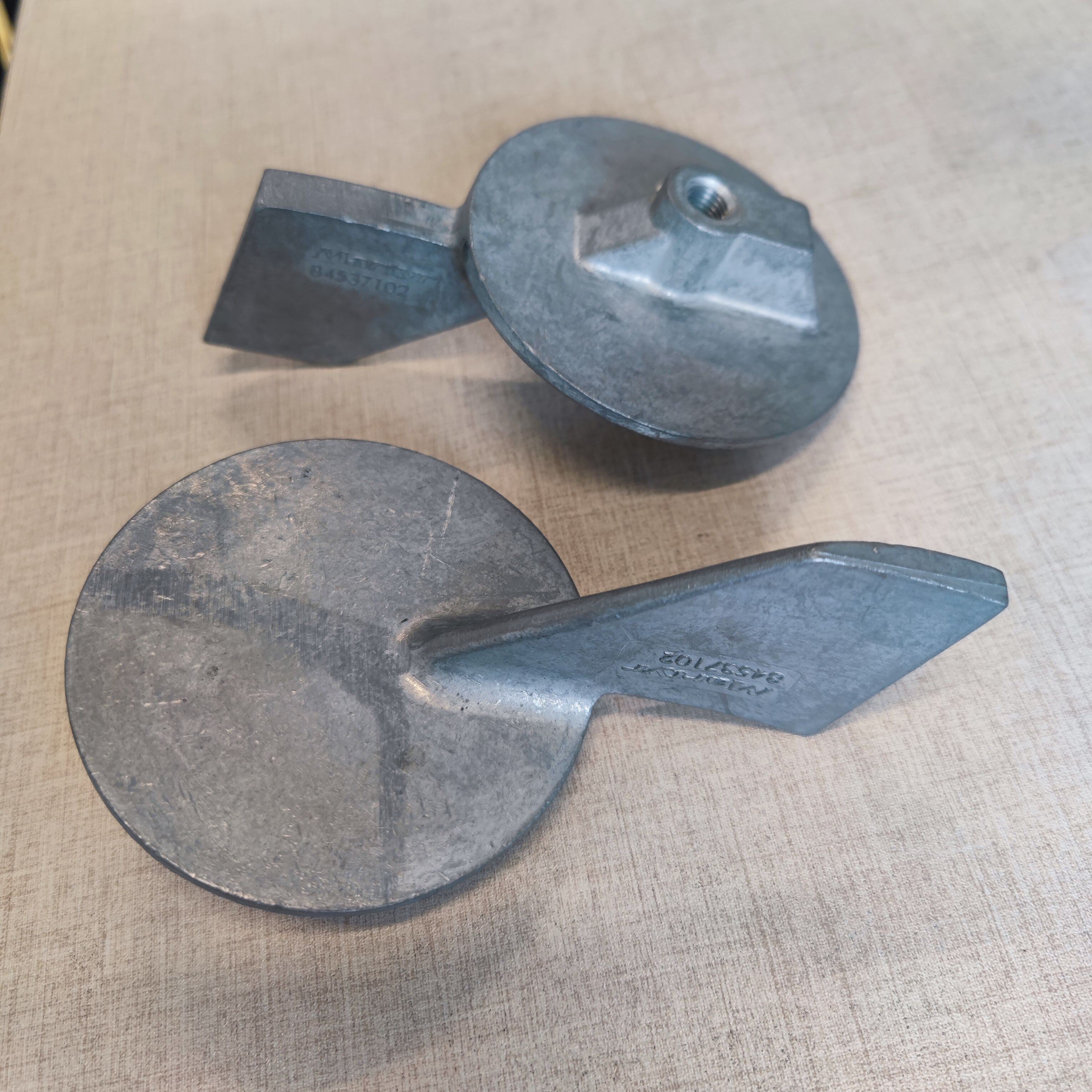
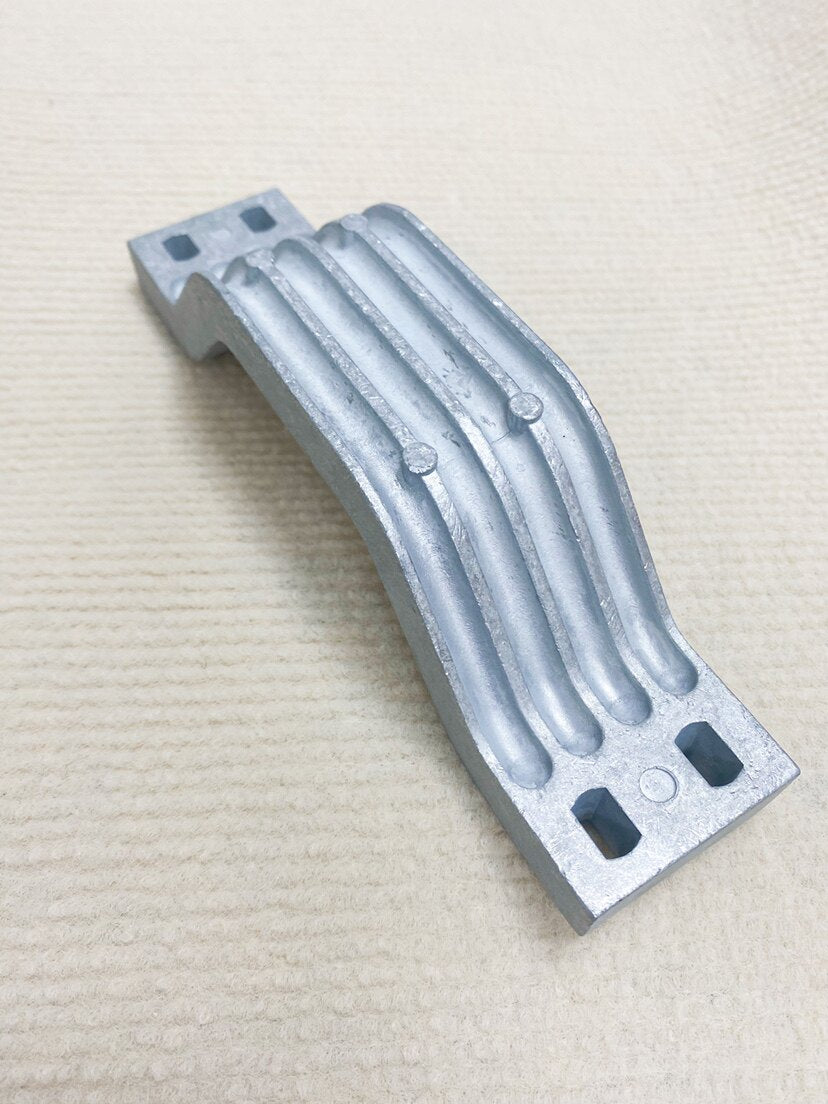
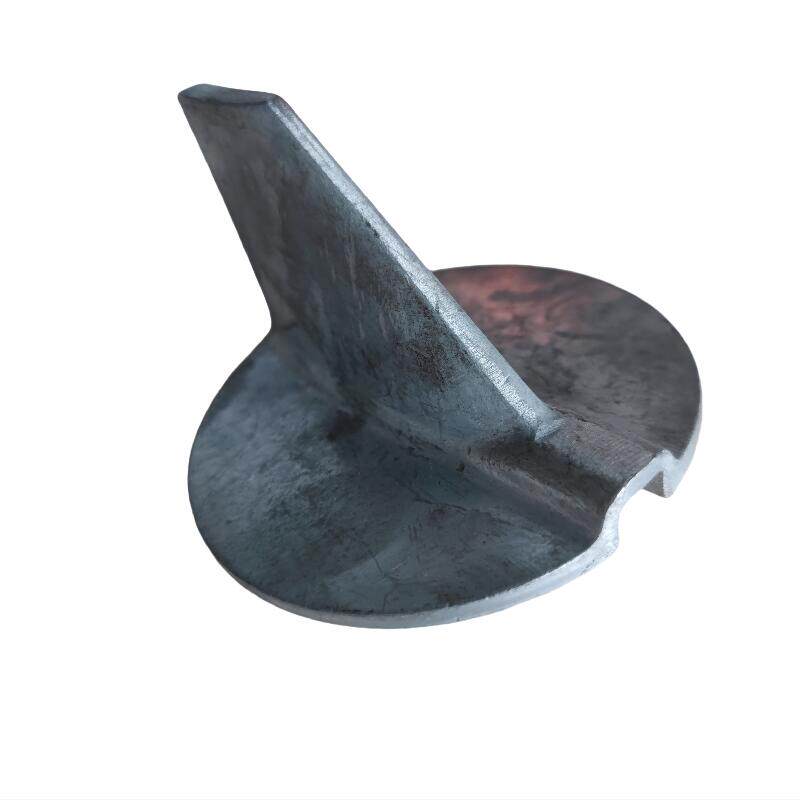
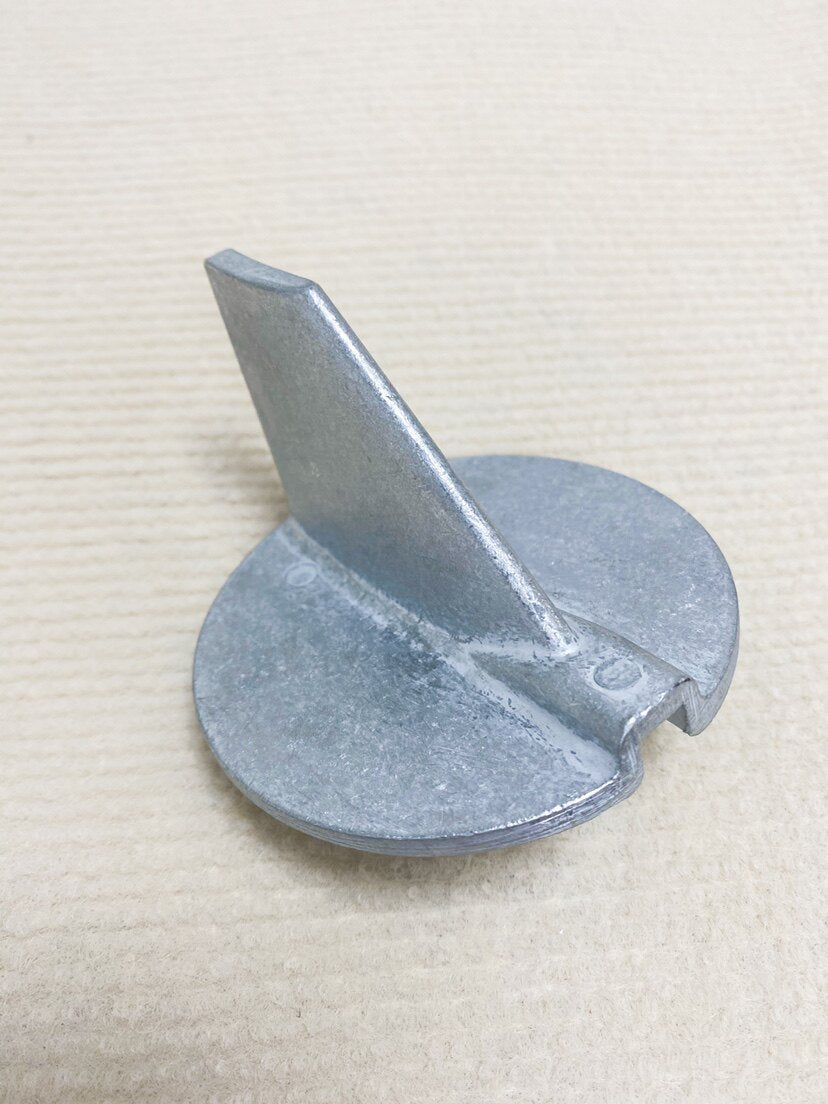
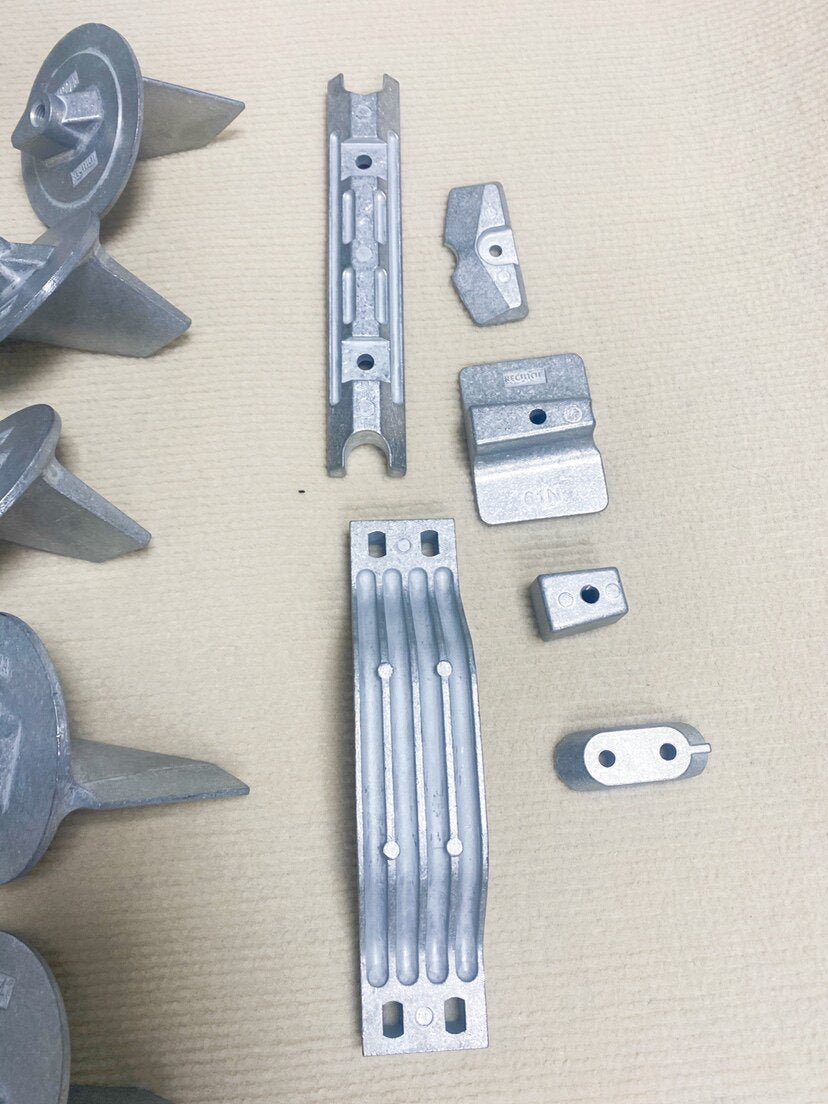
Protect your Yamaha outboard's cooling system, steering, and lower unit from the relentless effects of galvanic corrosion with these factory‑style sacrificial anodes. Cast from a zinc‑based alloy engineered to corrode before your engine's aluminum housing, gearcase, or mounting brackets do, these anodes are the most cost‑effective insurance you can install during routine maintenance. Whether your boat lives in a saltwater marina, on a mooring, or is trailered in brackish water, replacing worn anodes annually prevents pitting and structural damage that leads to costly repairs. This comprehensive selection covers every major application—trim tabs, rudder plates, lifting bottoms, gearcase blocks, and steering fins—across the full Yamaha outboard range from portable 2 HP models up to 350 HP V8s. Match your engine year, horsepower, and location to the variant menu to restore full corrosion protection.
| Material | Zinc Alloy (Marine-Grade Sacrificial Anode) |
| Compatibility | Yamaha Outboard Motors – 2‑Stroke & 4‑Stroke |
| Horsepower Range | 2 HP to 350 HP (select variant for your engine) |
| Anode Types Available | Gearcase block, trim tab, steering rudder fin, lifting bottom anode, side plate |
| Mounting | Uses original Yamaha hardware (bolts/holes); reuse existing fasteners or source separately. |
| Inspection Interval | Every 50 hours or every 3 months in saltwater; replace when 50% consumed |
| Application | Prevent galvanic corrosion; protect the lower unit, transom bracket, and steering components. |
| Package Includes | 1 × sacrificial anode (select correct variant from menu; hardware not included) |
| Engine Type | Horsepower | Anode Location / Style |
| 2‑Stroke | 2 – 4 HP | Small lower unit anode |
| 4‑Stroke | 2.5 – 6 HP | Small lower unit anode |
| 2‑Stroke | 9.9 / 15 / 25 / 30 HP | Steering fin/rudder plate (original style) |
| 2‑Stroke | 9.9 / 15 / 25 / 30 HP | Lower unit anti‑corrosion anode |
| 2‑Stroke | 40 HP | Steering adjustment tab / trim fin |
| 2‑Stroke 40 / 4‑Stroke | 30 – 60 HP | Gearcase small block anode |
| 2‑Stroke | 40 HP | Lifting the bottom anode (transom bracket) |
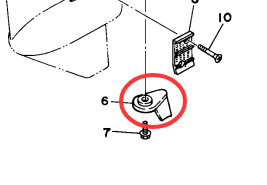
| 4‑Stroke | 30 / 40 / 50 / 60 HP | Steering adjustment fin |
| 4‑Stroke | 30 – 60 HP | Side plate / electric lift bottom anode |
| 2‑Stroke | 48 / 55 HP | Steering adjustment fin |
| 2‑Stroke | 48 (long shaft) / 60 HP | Rear electric lift bottom anode |
| 4‑Stroke | 80 / 90 / 100F / 150B | Lifting the bottom anti‑corrosion anode |
| 2‑Stroke 60‑85 / 4‑Stroke | 80 – 90 HP | Steering fin/rudder anode |
| 2‑Stroke / 4‑Stroke | 50 / 60 / 80 / 90 / 100 / 110 HP | Steering fin anode |
| 4‑Stroke | 60 / 70 / 75 / 85 / 90 HP | Steering fin (incl. Parsun 85P compatible) |
| 2‑Stroke 115 / 4‑Stroke | 80 – 130 HP (115 old & new) | Right‑turn rudder anode |
| 2‑Stroke / 4‑Stroke | 100 – 300 HP | Large zinc block (under engine mount) |
| 2‑Stroke 150A‑200A / 4‑Stroke | 150F (old model) | Right‑turn steering anode |
| 2‑Stroke 150A‑200A / 4‑Stroke | 150F (old model) | Left‑turn steering anode |
| 4‑Stroke | 200B / 250 / 300B HP (old) | Anode with a tail fin |
| 4‑Stroke | 200B / 250F / 300D / 350 HP (new) | Anode without a tail fin |
A: Inspect them every 50 hours of operation or every 3 months if your boat lives in saltwater. Replace the anode once more than half of its original material has been consumed. Waiting too long leaves your engine unprotected against galvanic corrosion.
A: Most anodes are held on by one or two bolts and can be replaced in under 15 minutes with basic hand tools. The boat can stay on the trailer. For larger under‑mount zinc blocks, you may need a second person to hold the anode in place while tightening.
A: A small amount of marine grease on the bolt threads is recommended to prevent seizing, especially in saltwater use. Do not paint or grease the anode surface itself—it must be in direct contact with the metal it's protecting.
A: Match your engine's horsepower, stroke type (2‑stroke or 4‑stroke), and the mounting location you need. The variant list is organized by engine size. If your boat is in the water, take a photo of the existing anode before removing it, and compare it to the shape shown in the listing photos.
A: Once the sacrificial anode is consumed, galvanic corrosion will attack the next most reactive metal—typically your engine's aluminum gearcase, mounting brackets, or propeller hub. This causes pitting, structural weakening, and expensive replacement of major engine components.