The Complete Guide to Hole Plugs: Seal, Protect, and Finish Like a Pro
Welcome to the HomeDIYer ultimate resource for hole plugs, the essential yet often overlooked components that separate amateur projects from professional-grade finishes. Whether you're sealing an electrical knockout in a panel, concealing a shelf pin hole in fine furniture, or weatherproofing an automotive firewall, the right plug is critical for safety, protection, and aesthetics. This comprehensive guide, spanning over 2000 words of detailed analysis, will help you navigate our extensive collection to find the perfect hole plug for your specific application, material, and size requirement.
HomeDIYer Pro Tip: A quality hole plug does more than just fill a gap. It prevents dust and pest intrusion, protects against accidental contact with live components, stops water and fumes, reduces noise, and provides a clean, finished look that adds value to your work. Investing in the correct plug is investing in the longevity and safety of your project.
1. Hole Plug Types and Their Specific Applications
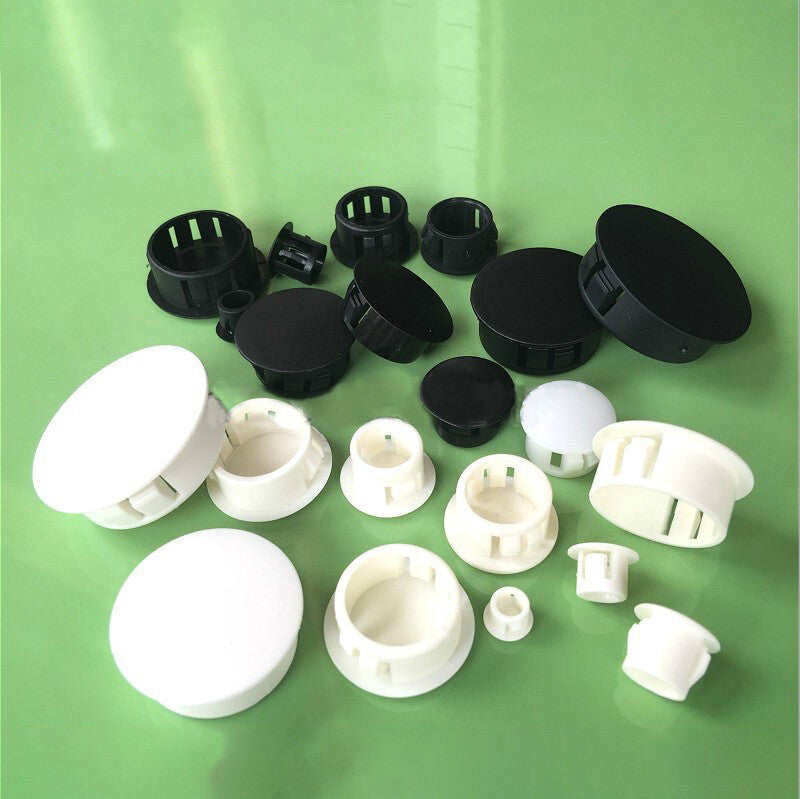
Selecting the correct type of hole plug is the foundational step to project success. Our collection is meticulously curated to solve real-world problems across DIY and professional scenarios.
1.1 Electrical Knockout Plugs: For Safety and Code Compliance
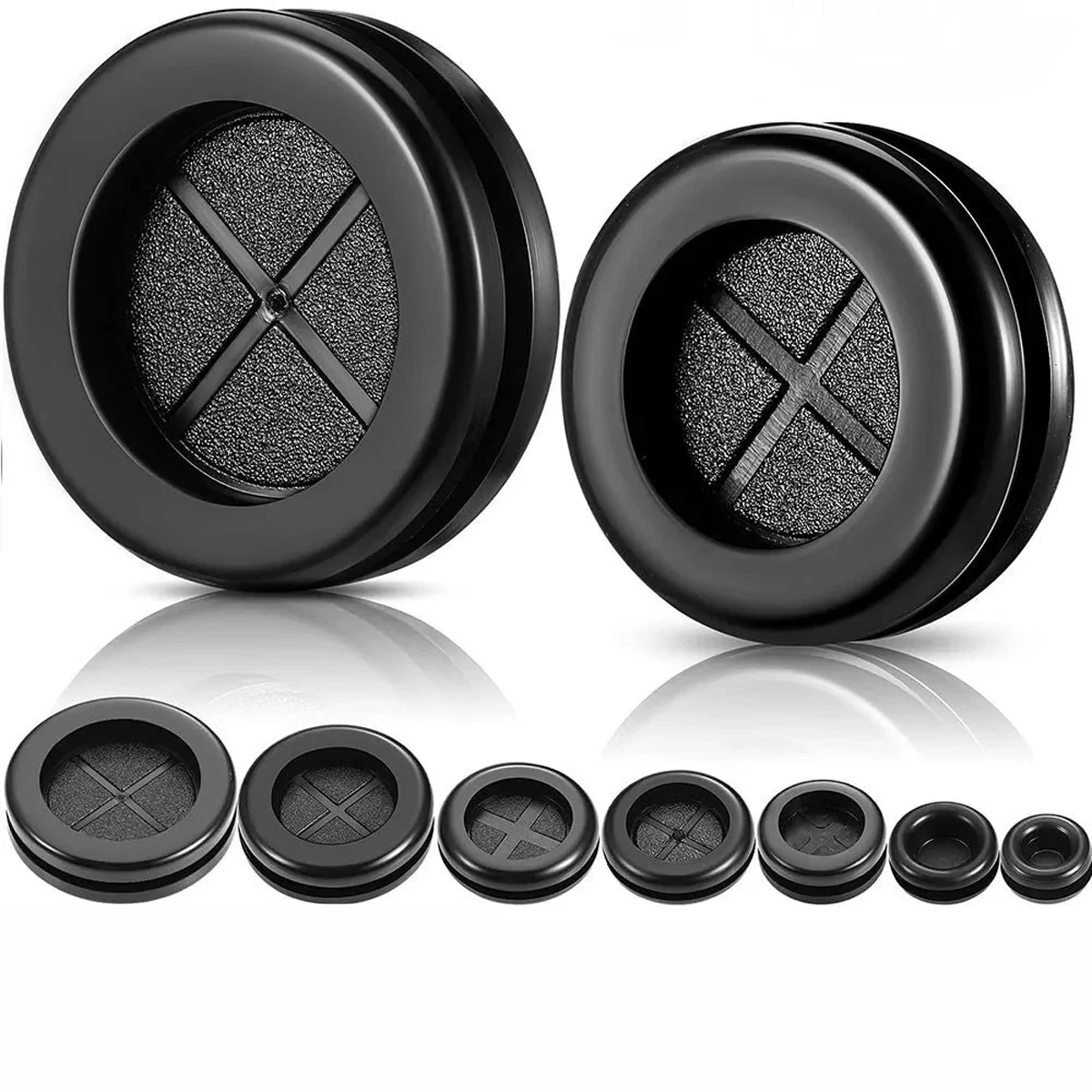
These are non-negotiable for any electrical work. Designed specifically for safety, they seal unused openings in electrical boxes, conduit, and breaker panels.
Primary Applications:
-
Circuit Breaker Panels & Junction Boxes: Safely seal unused knockout openings to prevent dust, debris, or pests from entering and to maintain the enclosure's integrity.
-
Outdoor Electrical Fixtures: Provide a weatherproof seal for outdoor lights, outlets, and disconnect boxes. Our UV-resistant materials won't become brittle in sunlight.
-
Data & Network Cabinets: Maintain a dust-free environment for sensitive electronics and routers by sealing unused cable pass-through holes.
-
Industrial Control Panels: Close off spare conduit entries to meet safety standards and protect internal components.
1.2 Furniture & Cabinet Plugs: The Key to a Custom Finish
Transform factory-looking pieces into custom, high-end furniture. These plugs are designed for aesthetics as much as function.
Primary Applications:
-
Adjustable Shelf Systems: Conceal unused shelf pin holes in bookcases, cabinets, and closets for a seamless, built-in look.
-
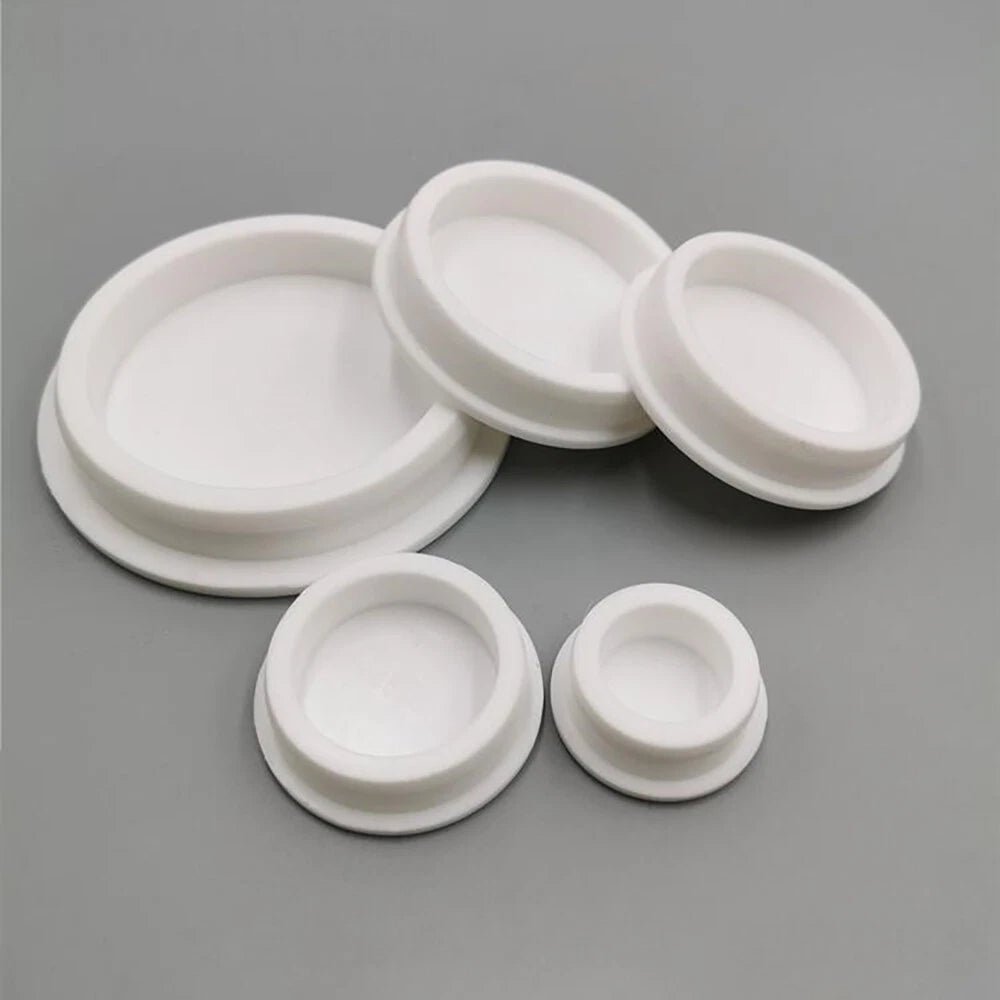
Assembly Access Points & Fastener Covers: Cover screw or bolt access points after final assembly. Available in flush and domed styles to match your design.
-
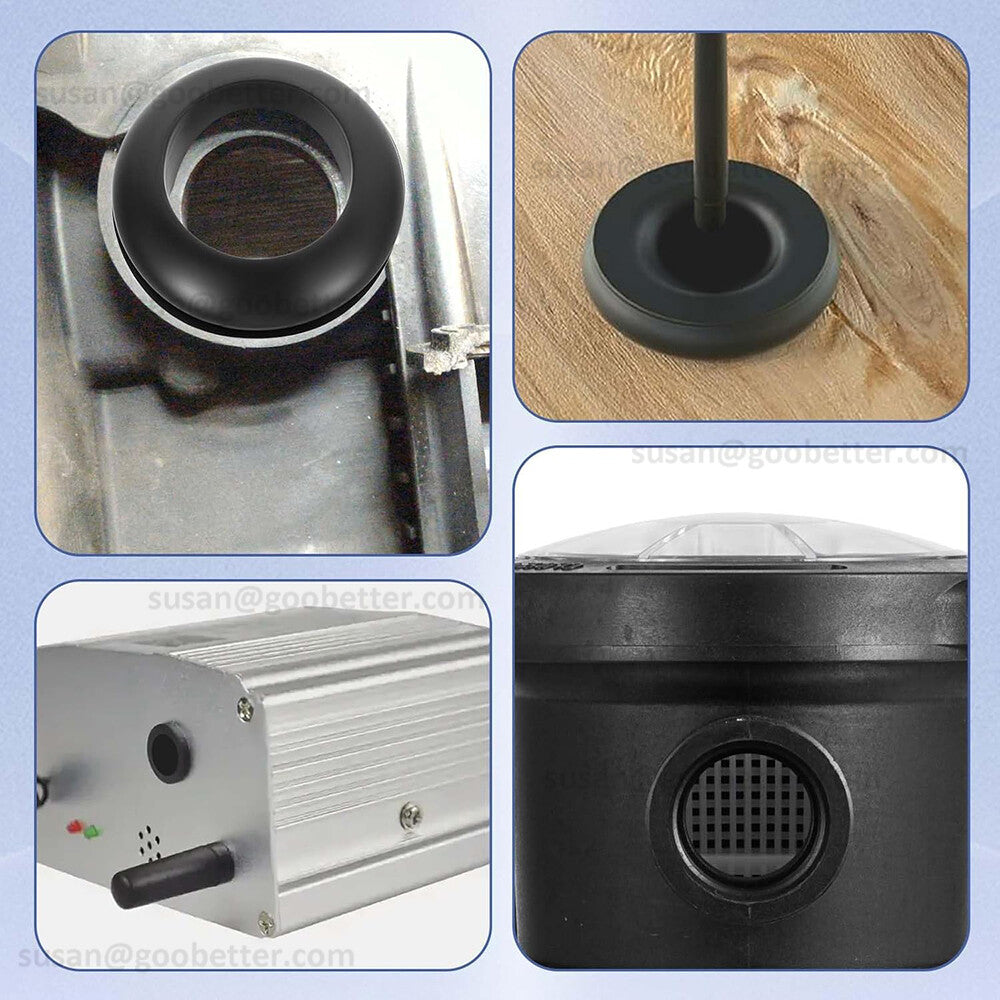
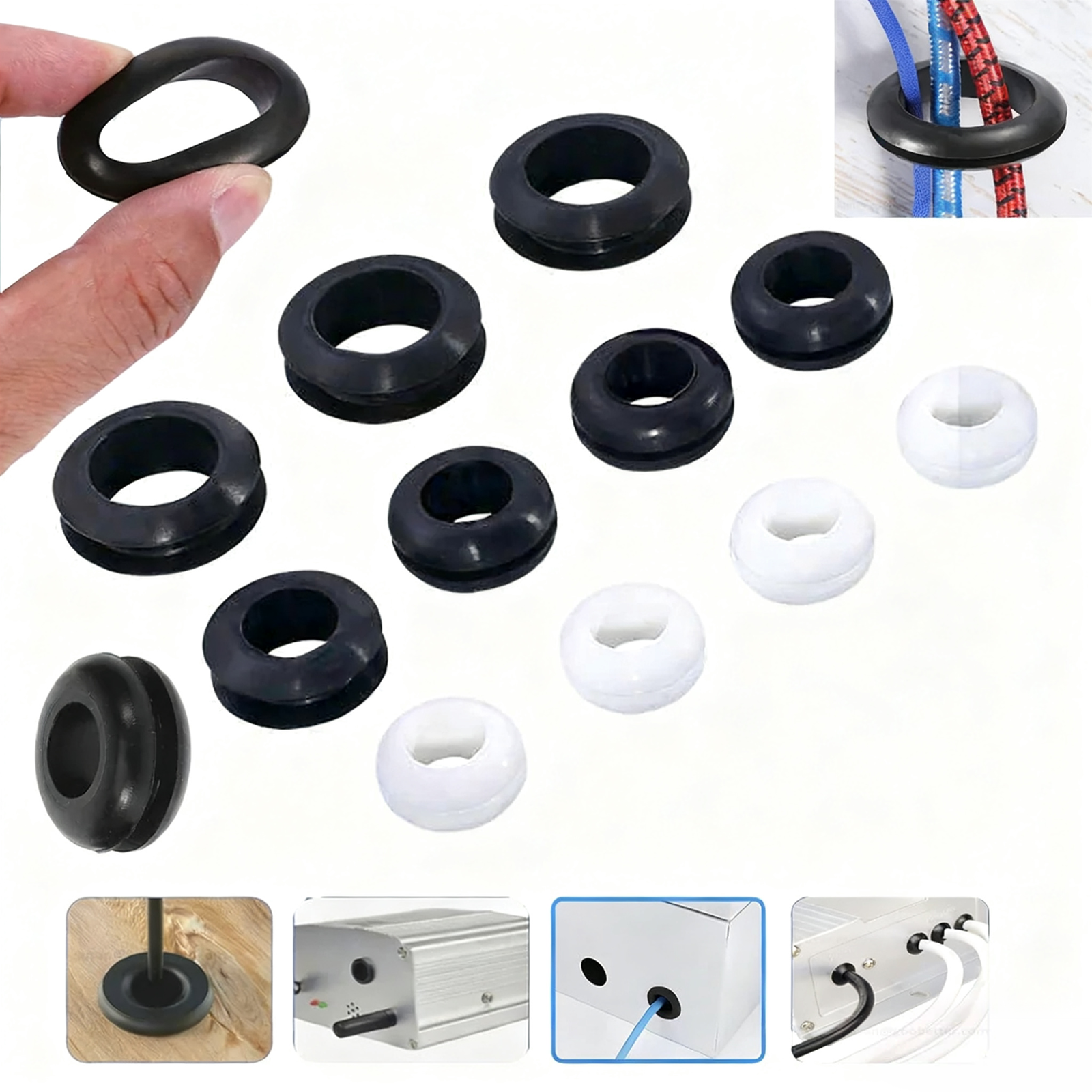
Cable Management: Organize and conceal wiring pass-through holes in desks, media centers, and TV stands. Use with grommets for a polished tech setup.
-
Decorative Accents: Add a pop of color (white, black, chrome, wood grain) to plain surfaces or use them as intentional design elements.
1.3 Automotive, Marine & Machinery Plugs: Built for Extreme Conditions
Where vibration, temperature extremes, moisture, and chemicals are present, you need a plug engineered for maximum durability and sealing.
Primary Applications:
-
Firewall & Floor Pan Plugs: Seal openings in vehicle firewalls and floor pans to prevent exhaust fumes, road noise, water, and heat from entering the cabin.
-
Wiring Grommets & Pass-Throughs: Protect cables and hoses from abrasive sharp metal edges where they pass through panels, preventing wear and short circuits.
-
Drain Hole Covers & Access Panels: Allow for necessary drainage in boat decks and vehicle frames while blocking debris. Secure removable panels on machinery.
-
Engine Bay and Underbody: Plug unused mounting points or holes in frames, protecting internal spaces from mud, salt, and grime.
2. Hole Plug Material Selection Guide: Choose for Performance
The material is what determines your plug's longevity, chemical resistance, flexibility, and suitability for the environment. Making the wrong choice can lead to failure. Here’s our detailed breakdown.
Nylon Plugs: The All-Around Workhorse
Advantages: Excellent balance of high tensile strength, good impact resistance, and resilience. Performs reliably in temperatures from -40°F to 220°F. Resists oils, fuels, and many solvents.
HomeDIYer Advantage: Our premium glass-reinforced nylon blend offers up to 30% greater impact resistance than standard plugs, making them ideal for snap-fit applications that see stress or vibration.
Ideal For: General-purpose electrical work, indoor furniture, machinery panels, consumer electronics, and HVAC systems.
Rubber & Silicone Plugs: Superior Sealing & Flexibility
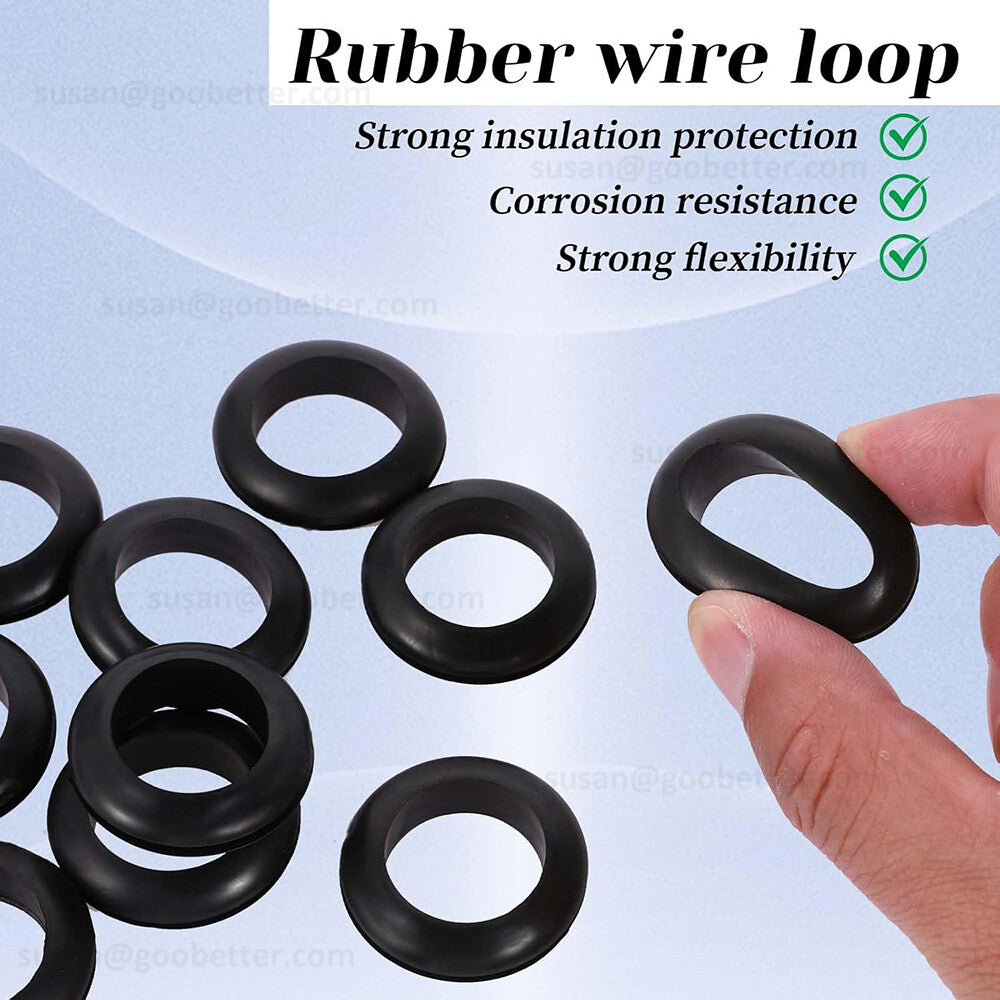
Advantages: Compressible materials that create excellent waterproof and airtight seals. They accommodate slightly irregular holes and absorb vibration. Silicone handles extreme heat (up to 450°F).
HomeDIYer Advantage: Our rubber compounds are formulated for long-term ozone and weather resistance, preventing cracking. Silicone plugs remain flexible in both deep freeze and high-heat automotive or marine environments.
Ideal For: Outdoor electrical boxes, automotive weatherproofing, engine compartments, boat fittings, and any application with moisture or movement.
Polyethylene (PE) & Polypropylene (PP): Light-Duty & Economical
Advantages: Lightweight, low cost, and good chemical resistance to many household cleaners and fluids. They are easy to install and remove.
HomeDIYer Advantage: We offer these in a wide range of colors for color-coding or aesthetic matching, perfect for organizing or where appearance is the primary concern in non-stressful environments.
Ideal For: Covering holes in indoor furniture, children's toys, temporary access covers, packaging, and light industrial applications.
3. Mastering Sizing and Professional Installation
3.1 How to Measure for a Perfect Fit
The golden rule for hole plug sizing: Measure Twice, Order Once. A proper fit ensures function, security, and a professional appearance.
-
Clean the Hole: Remove any burrs, flash, or old sealant with a file, deburring tool, or sandpaper. A clean, round hole is essential.
-
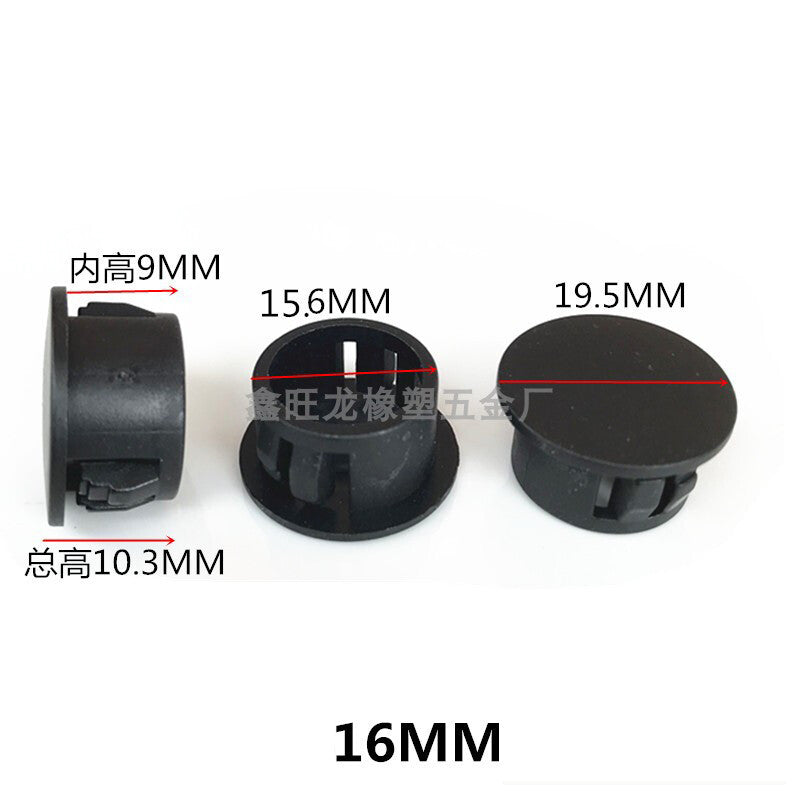
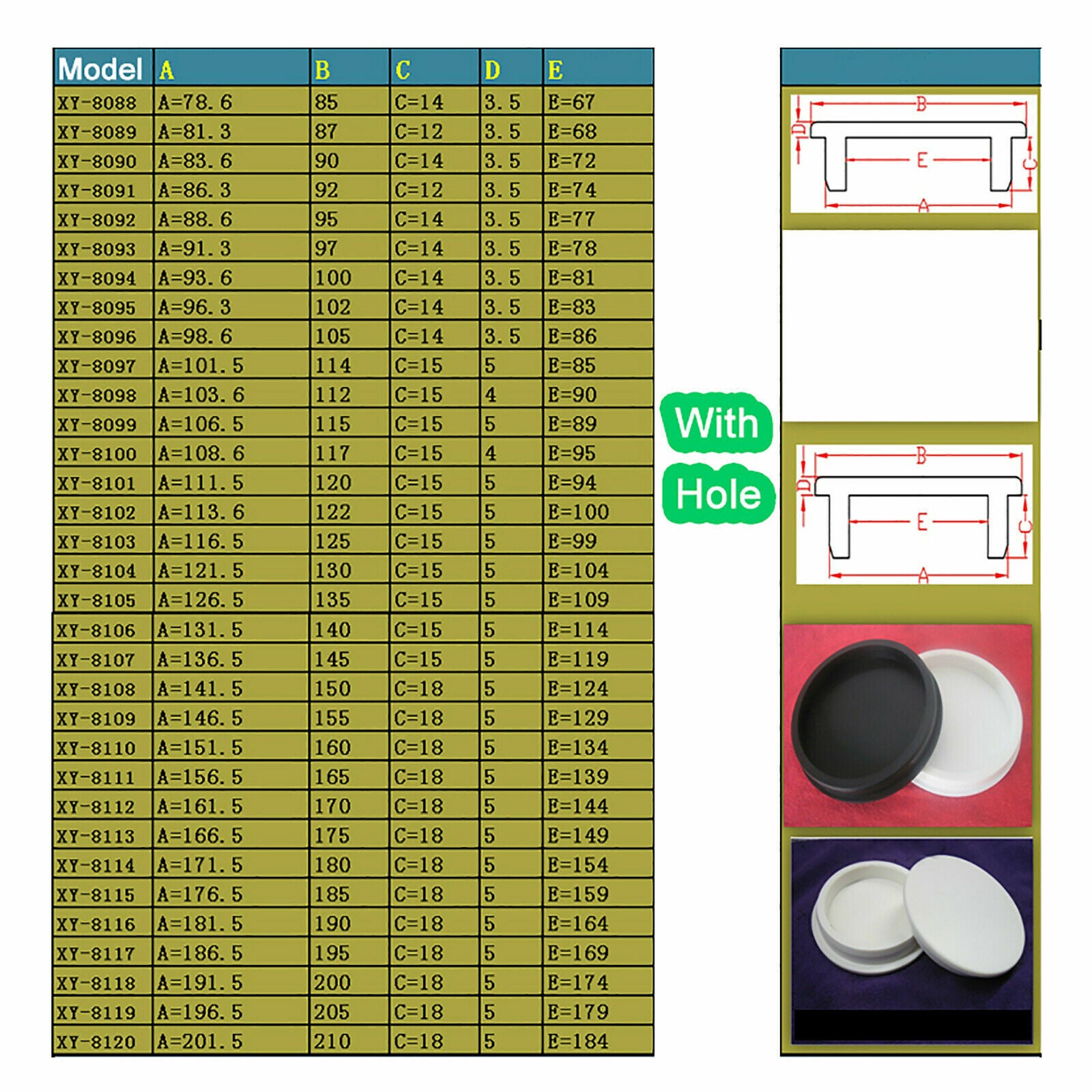
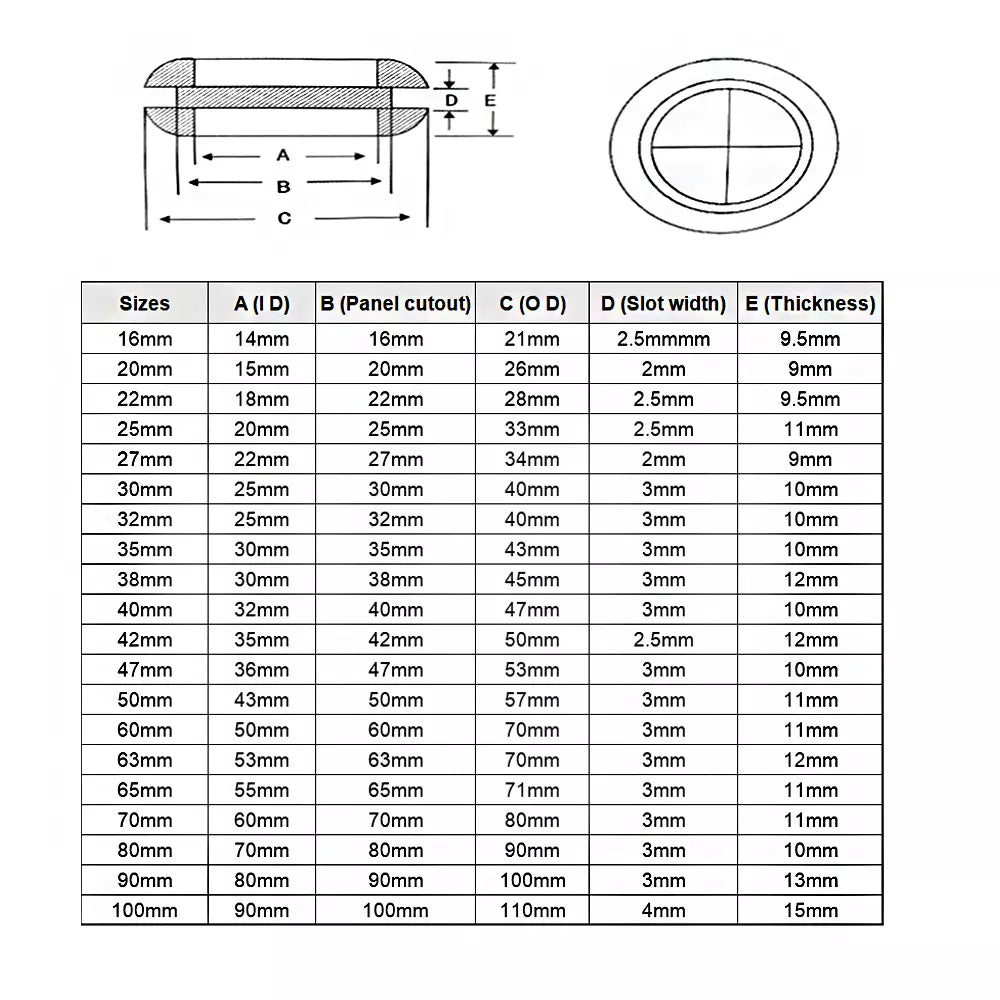
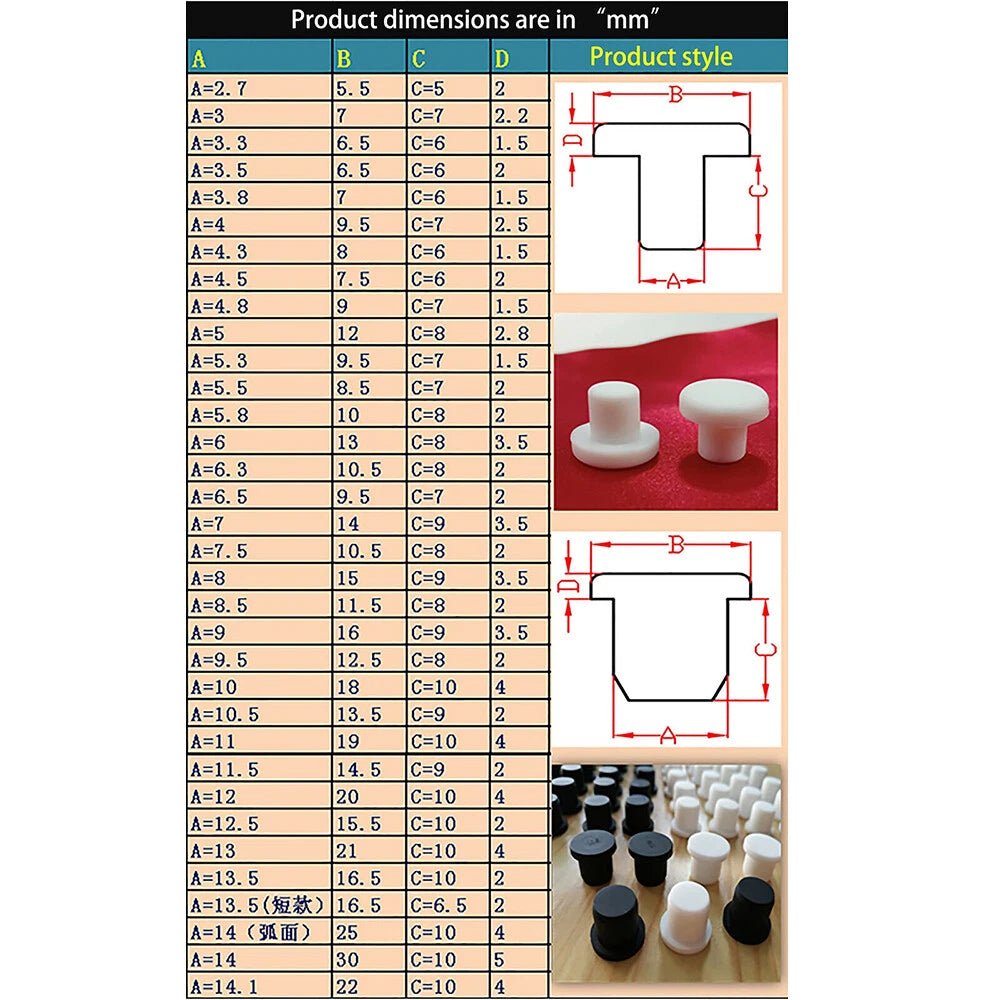
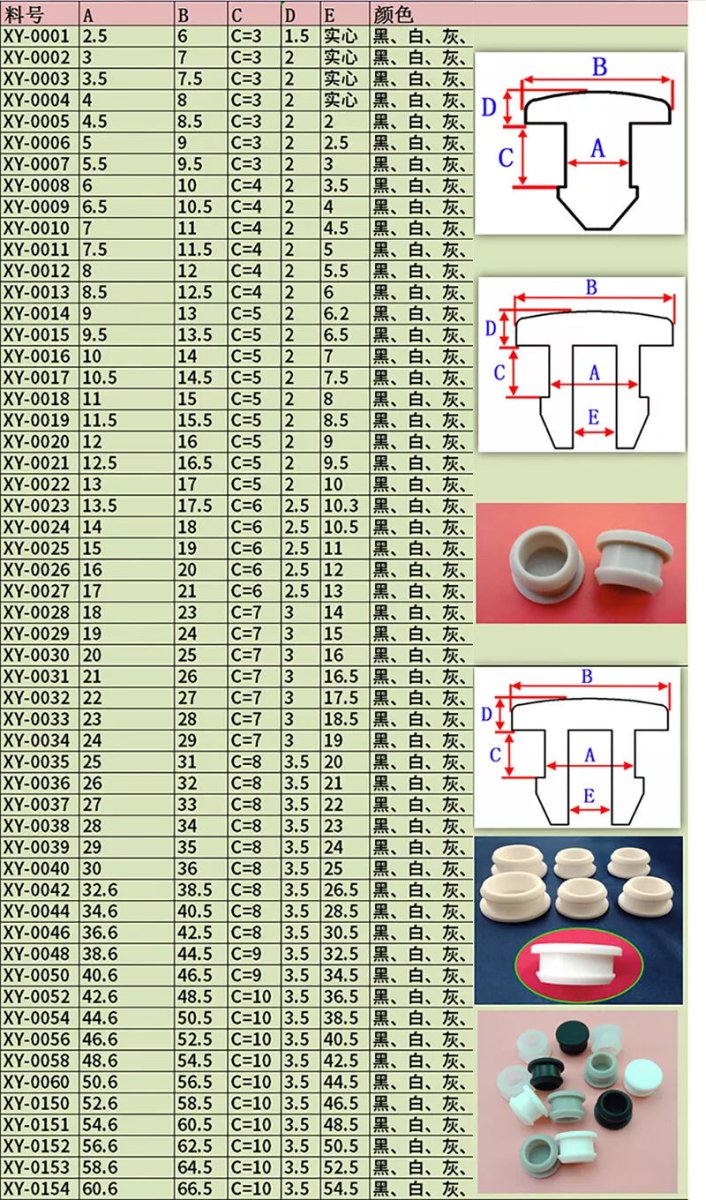
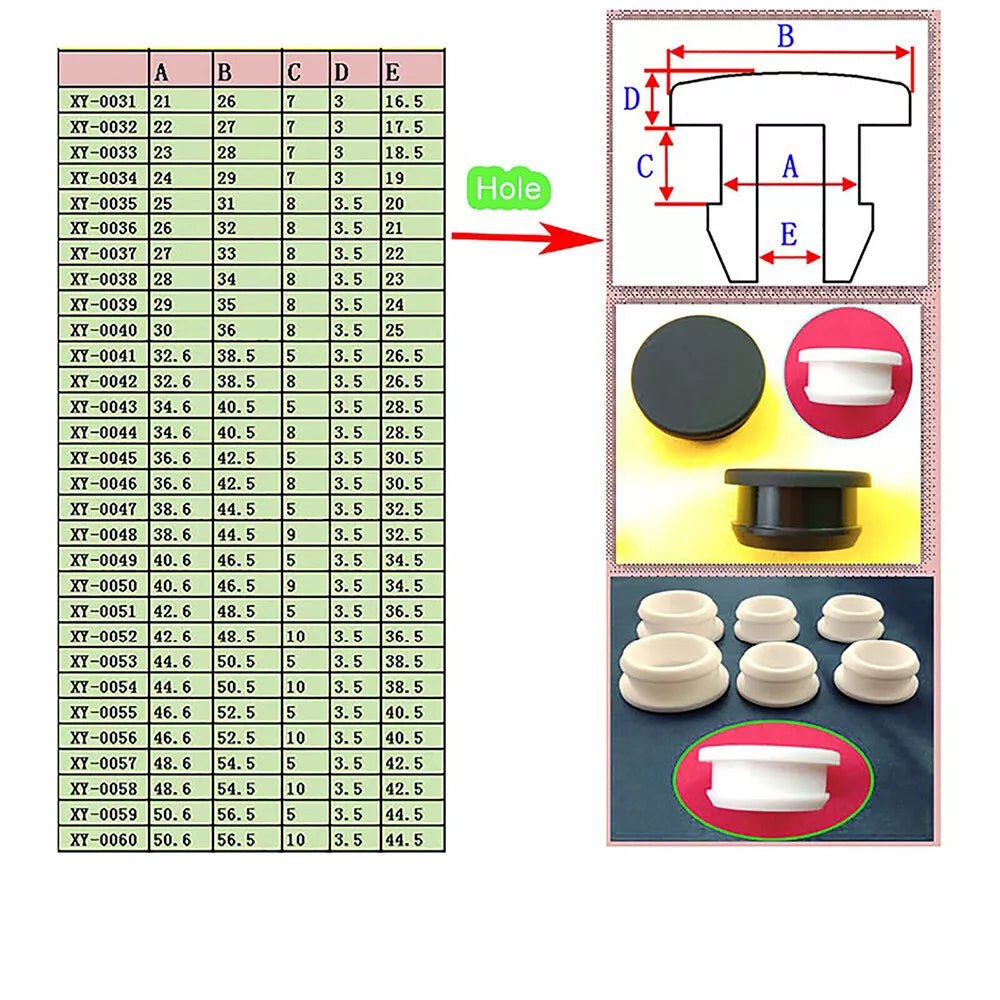
Measure Diameter Accurately: Use digital calipers for precision. Measure in millimeters for the best match to our exact sizing. For round holes, measure across the center. For non-round holes, note both major and minor dimensions.
-
Check Panel Depth: Know your material's thickness to ensure the plug's stem length is appropriate. A stem too long might not seat flush; one too short won't engage properly.
-
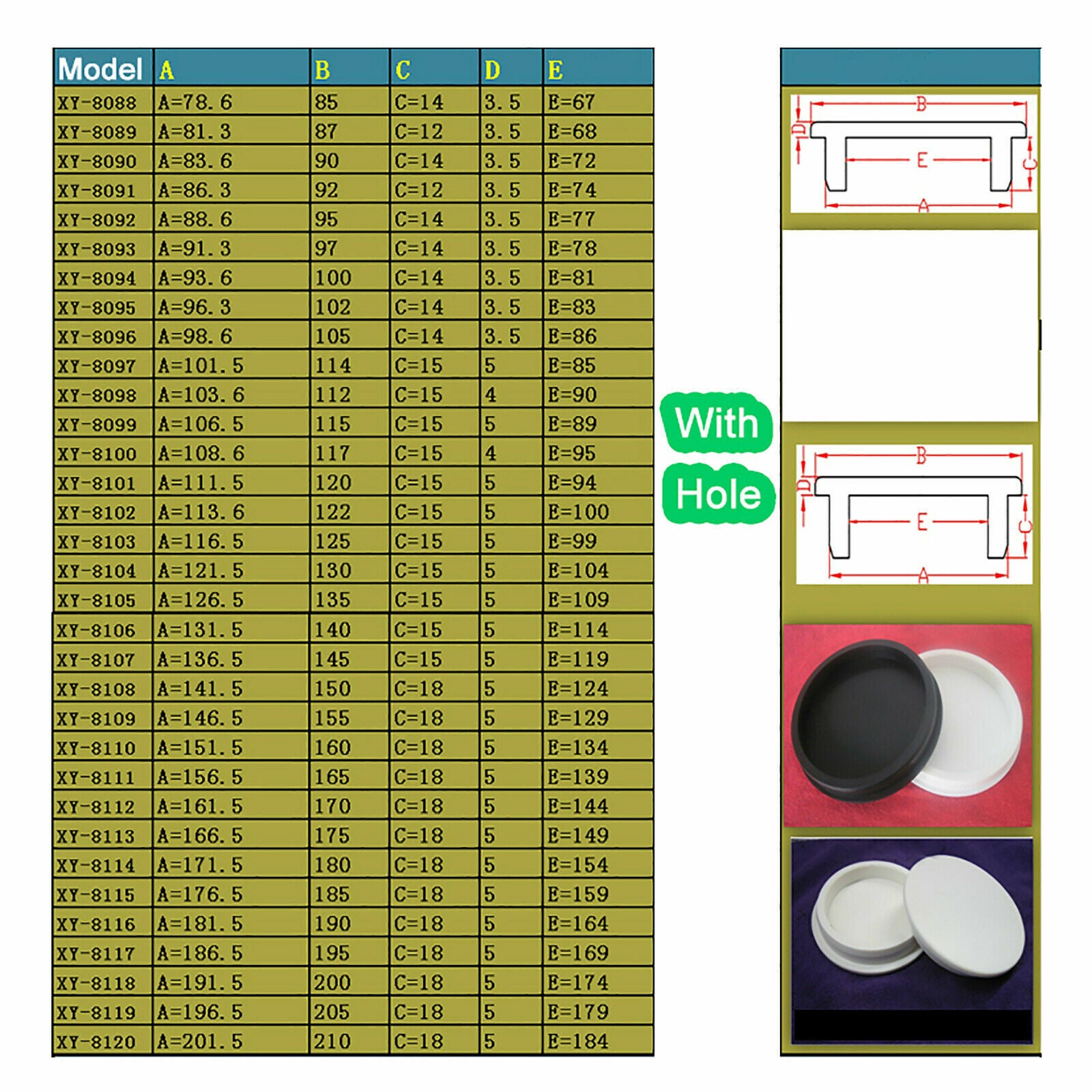
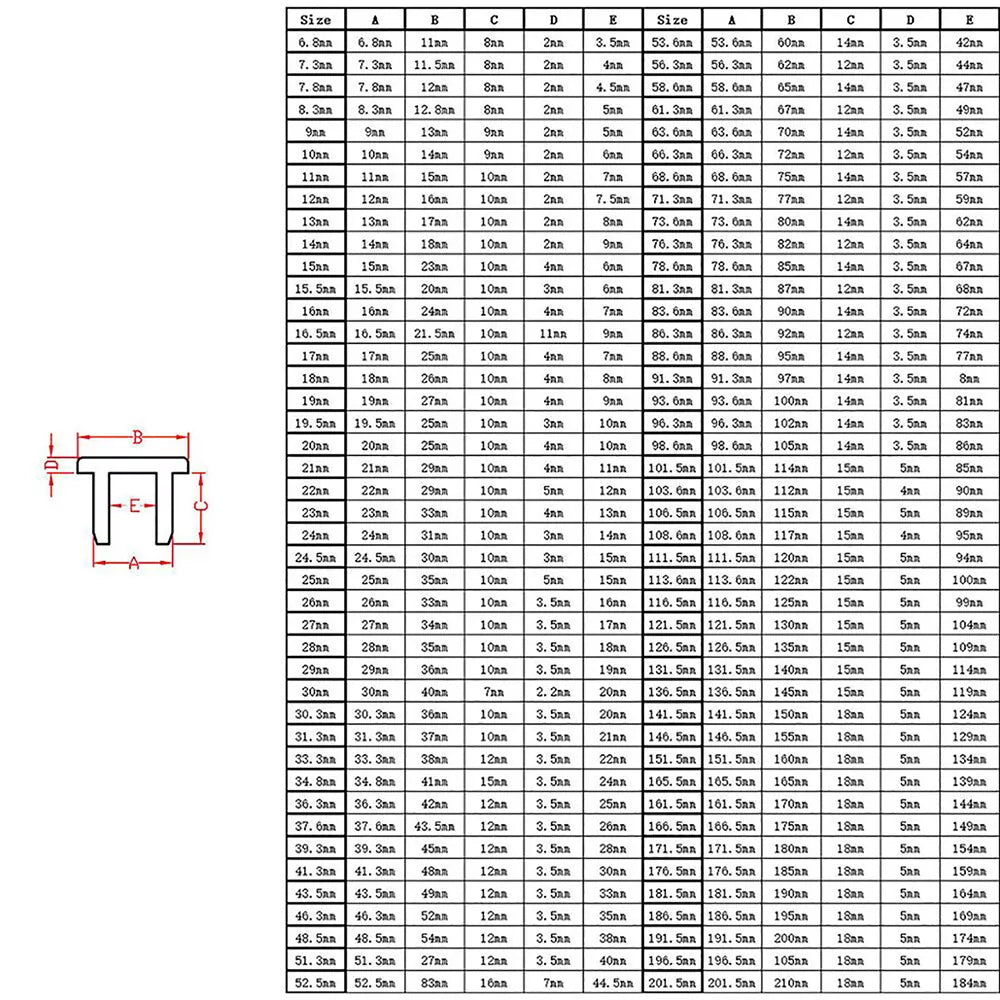
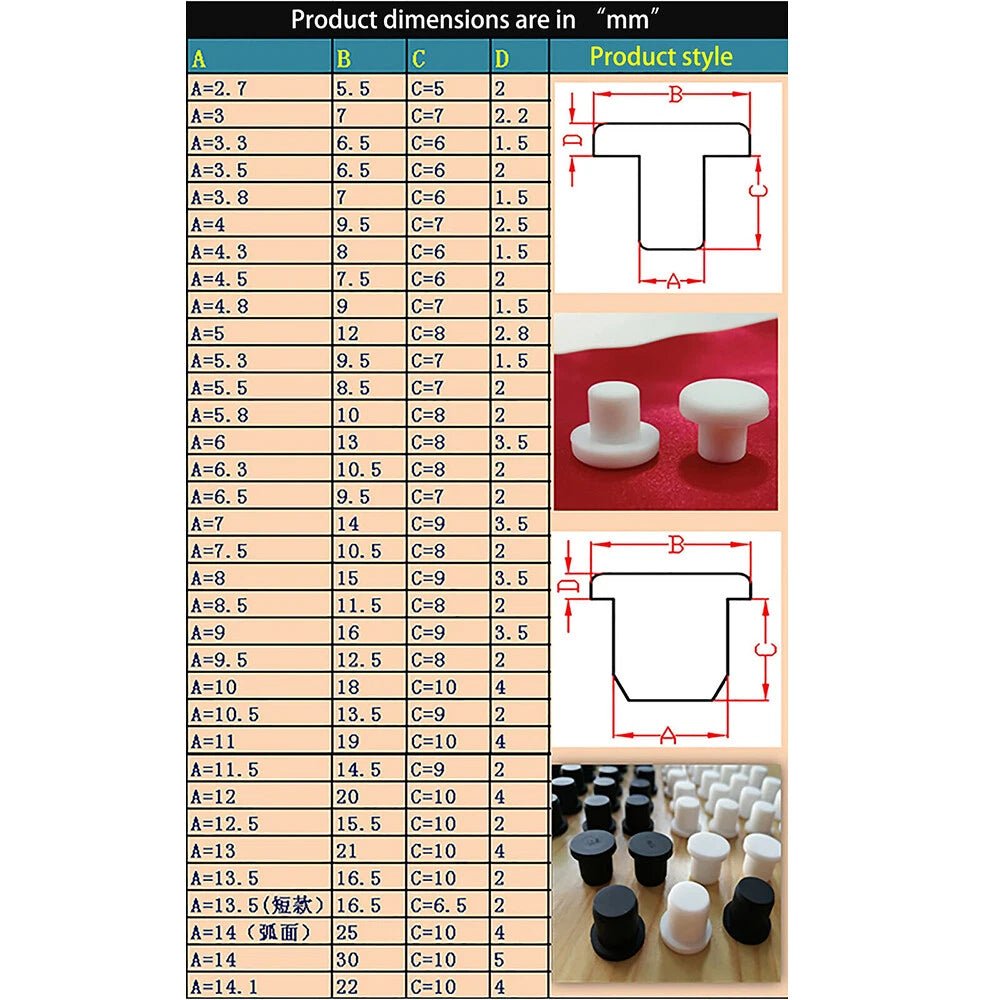
Reference Our Sizing Chart:
-
Small (1/4" - 1/2" / 6-13mm): Small wiring, cable grommets, shelf pins.
-
Standard (1/2" - 1" / 13-25mm): Electrical knockouts, conduit holes, generic access.
-
Large (1" - 2" / 25-51mm): Plumbing passages, large wire bundles, hand access.
-
Oversized (2"+ / 51mm+): Custom access panels, unique applications.
Guaranteed Fit: HomeDIYer plugs feature exact millimeter sizing, not loose fractional approximations. This engineering precision eliminates the frustration of plugs that are too loose and fall out, or too tight and are impossible to install.
3.2 Step-by-Step Installation Techniques
For Snap-Fit Plugs (Most Common):
- Align the plug perfectly straight with the hole. Do not insert at an angle.
- Apply firm, even pressure with your fingers or the palm of your hand. For larger plugs, a soft-faced mallet can be used gently.
- Listen and feel for a distinct "snap" or click, indicating the locking ring or barbs have fully engaged behind the panel.
- Verify the plug sits flush with the surface. Run your finger over it to check.
For Threaded, Push-Pull, and Security Plugs:
- Clean all threads in the receiving hole.
- Always start the plug by hand to prevent cross-threading.
- Final tighten to a firm "snug" fit, typically plus a quarter-turn with a tool. Avoid over-tightening to prevent stripping plastic threads or deforming seals.
- For waterproof sealing in extreme environments, a thin bead of compatible sealant (like silicone) can be applied to the plug's flange before installation.
4. Frequently Asked Questions (FAQ) About Hole Plugs
Q: How do I remove a snap-in hole plug without damaging it or the surface?
A: Insert a small, flat-blade screwdriver, a dedicated plastic pry tool, or even a guitar pick under the flange of the plug. Gently twist to lift one edge, then work your way around the circumference. Never use excessive force or metal tools directly against a finished surface, as this can cause gouges. For tight plugs, applying a bit of heat from a hairdryer can soften the material slightly and ease removal.
Q: Can I use these plugs for permanent outdoor, weatherproof applications?
A: Absolutely, but material selection is critical. For true, long-term weatherproofing, choose our rubber or silicone plugs which create a compressive seal that accommodates thermal expansion. For UV-exposed outdoor electrical work, our UV-resistant nylon plugs are the ideal choice. For maximum protection in harsh marine or automotive underbody applications, consider applying a sealant.
Q: My hole is slightly irregular, oval, or worn. What should I do?
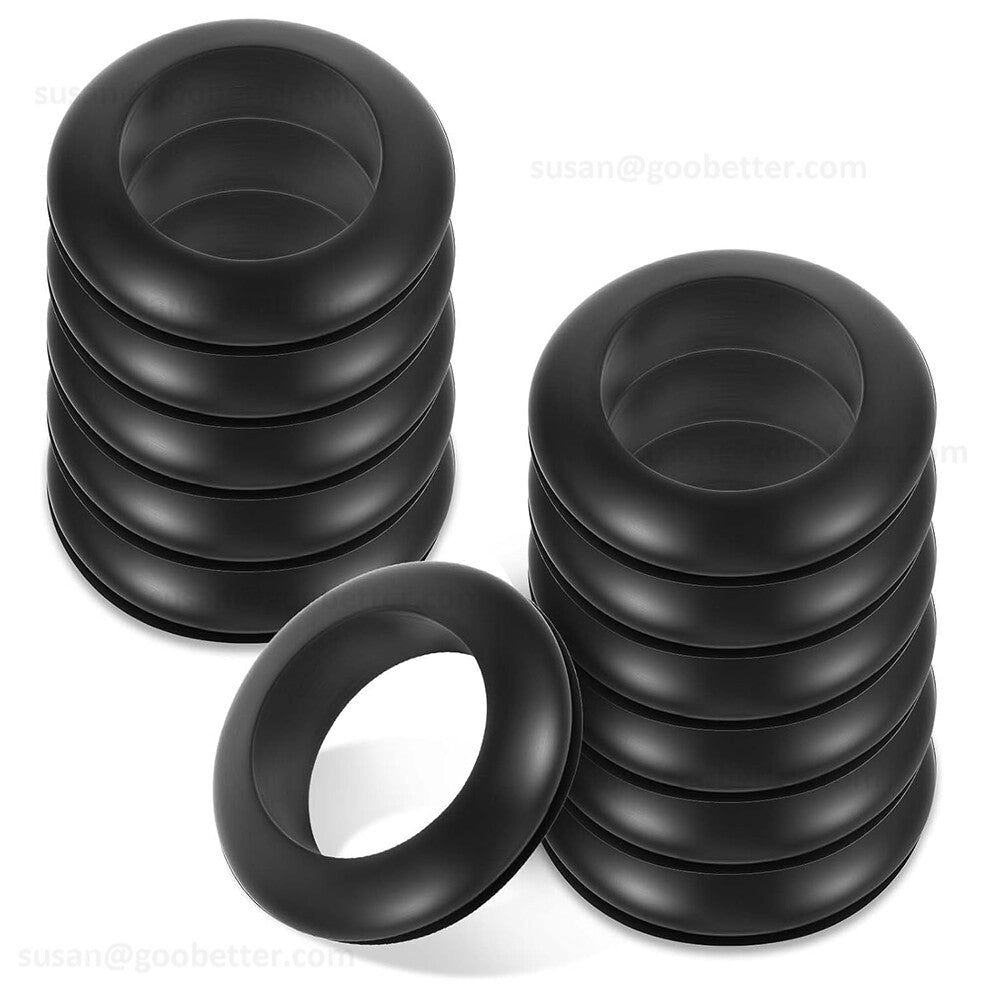
A: Flexible rubber plugs are perfect for slightly out-of-round holes (up to 1-2mm variance) as they compress to fit. For larger irregularities, you have three options: 1) Clean up the hole with a round file, reamer, or sandpaper to make it round again. 2) Use an adhesive-backed plug or a plug with a large flange that covers the irregularity. 3) For metal, consider a knock-out seal that has a larger clamping area.
Q: Are these plugs child-safe for covering unused electrical outlets?
A: Important Safety Note: The plugs in this collection are designed for sealing openings in electrical boxes and panels (like breaker boxes or junction boxes), NOT for covering standard wall outlets. For childproofing wall outlets, you must use devices specifically designed, tested, and certified for that purpose, such as tamper-resistant receptacles (TRR) or outlet covers that lock into the outlet slot itself.
Q: What's the difference between a flush plug and a domed/button-head plug?
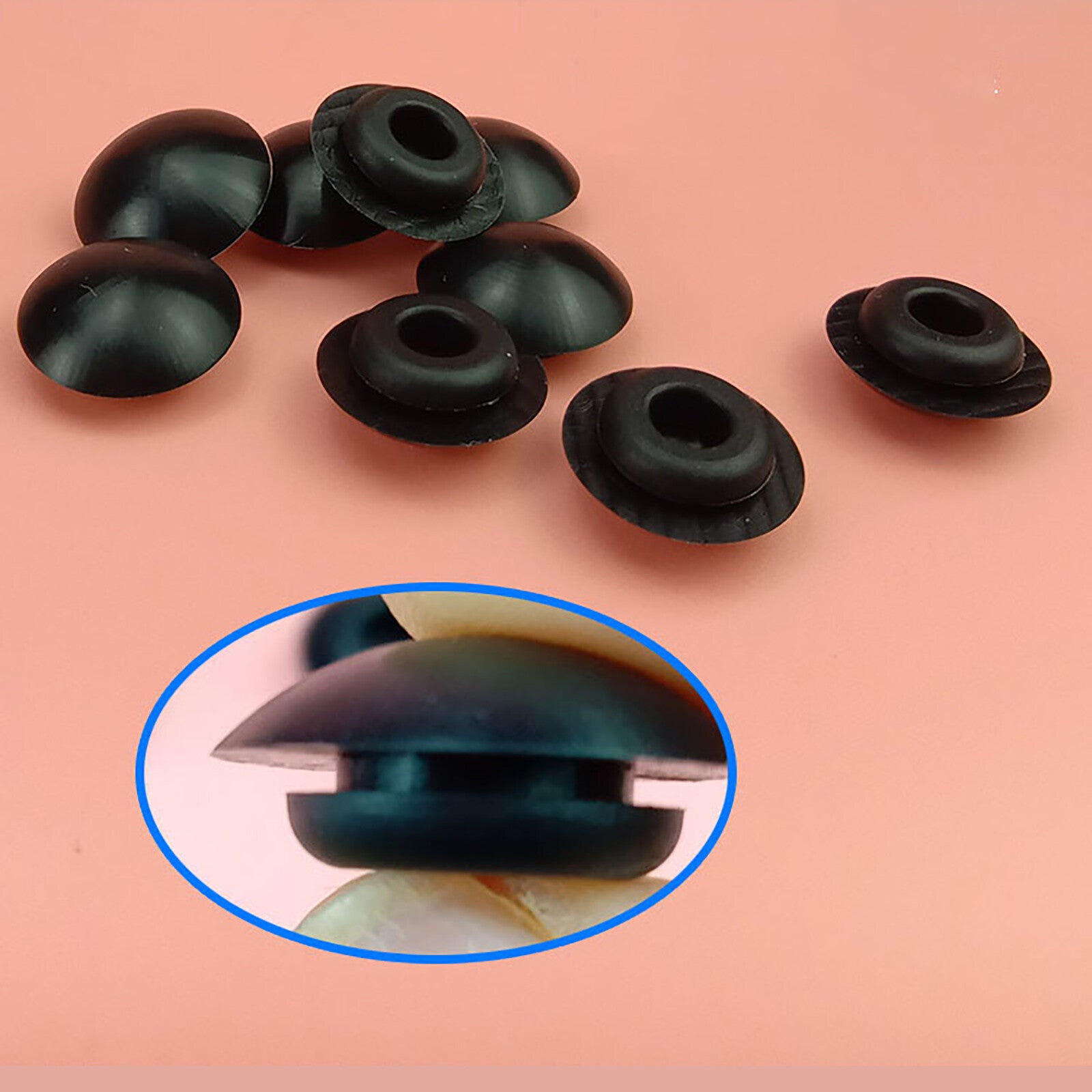
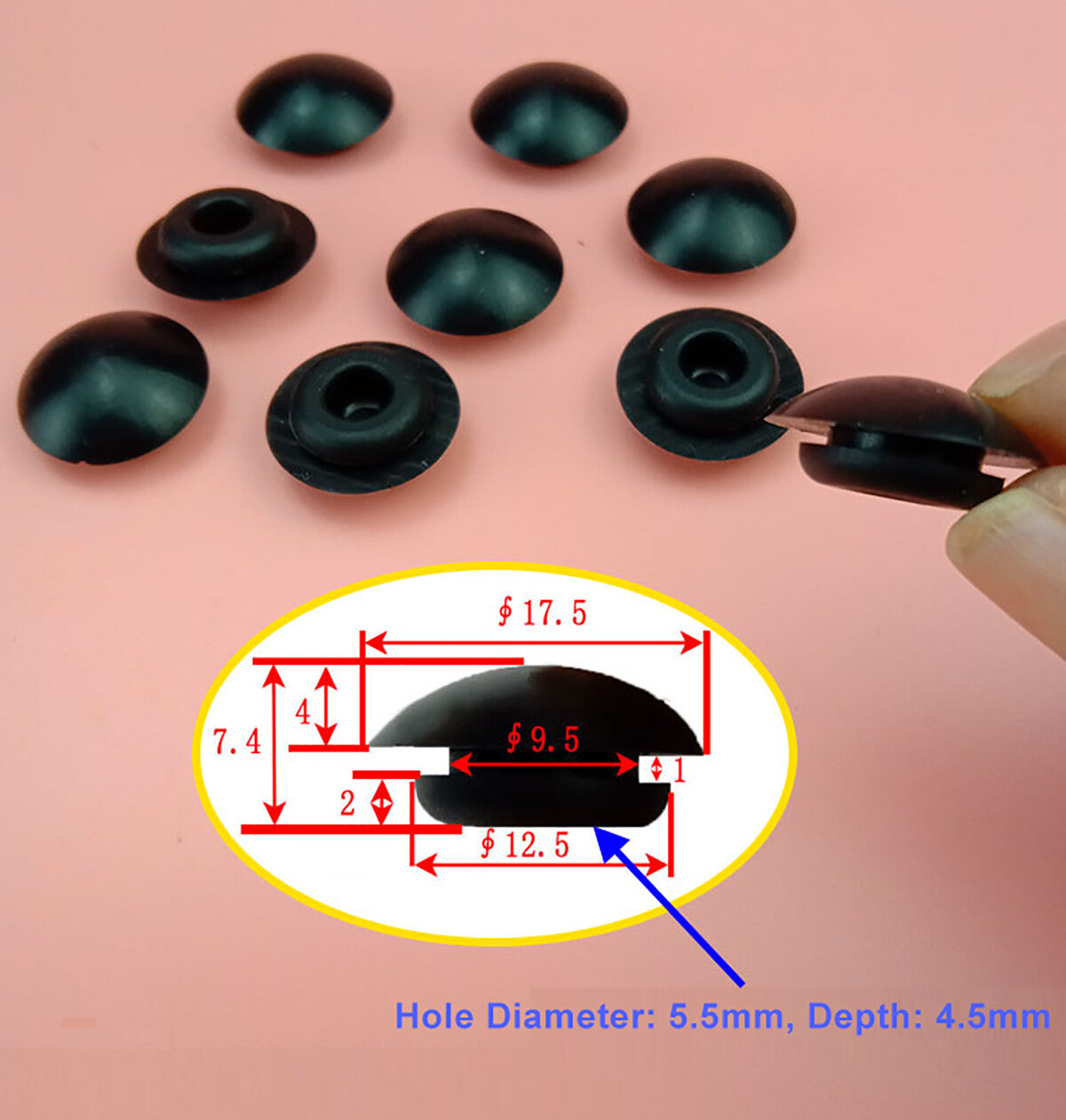
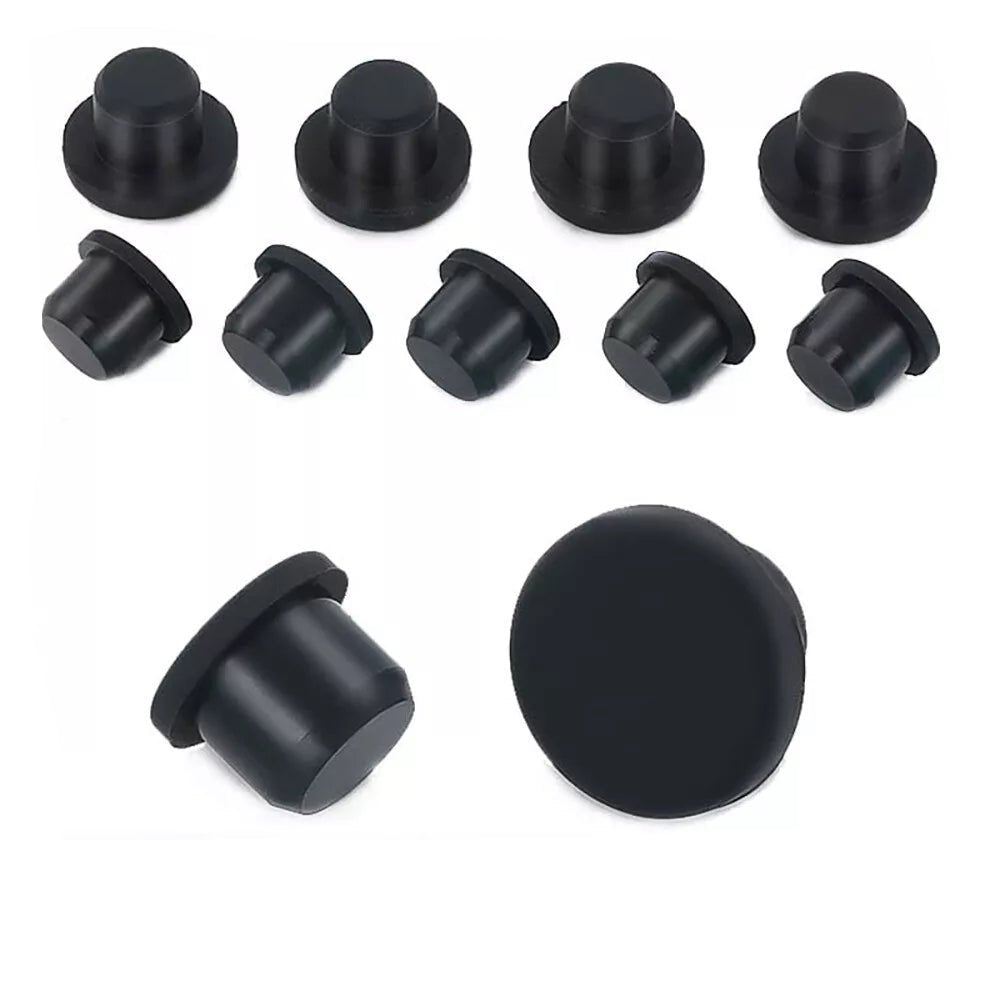
A: Flush plugs provide a sleek, smooth, and nearly invisible finish ideal for furniture, visible panels, and anywhere you want the plug to disappear. Domed or button-head plugs are easier to grip for future removal, offer a more pronounced decorative or technical look, and often have a thicker head that can cover a wider area or minor surface imperfections.
Ready to Perfect Your Project with Precision?
With over 1760 reviews from DIYers and professionals, HomeDIYer is the trusted source for quality hole plugs, exact sizing, and unbeatable value. Don't let an unfinished hole compromise your work.
Browse our complete Hole Plug Collection now to find your exact match.
Use Code: WELCOME for 10% off your first order.