Power Control Relays: Precision Switching Solutions for Automotive & Industrial Systems

Discover high-performance relays engineered for critical applications - from vehicle fuel systems to industrial machinery. Our automotive-grade relays feature corrosion-resistant contacts and surge protection for reliable operation under extreme conditions.

15 products

Showing 1 - 15 of 15 products

Showing 1 - 15 of 15 products
View

The Ultimate Relay Handbook: Types, Testing Methods, and Wiring Mastery

Relays are the silent guardians of electrical systems, acting as remote-controlled switches that handle high-current loads with millisecond precision. In modern vehicles alone, up to 30 relays manage everything from fuel delivery to climate control. This guide demystifies relay technology, helping you select, install, and troubleshoot relays for automotive, industrial, and DIY projects.

Section 1: Relay Fundamentals

How these electromagnetic workhorses operate:

  • Core Mechanism: Low-current coil creates magnetic field → Pulls contact arm → Completes high-current circuit
  • Critical Specifications: Coil voltage (typically 5V, 12V, 24V DC or 120V AC), contact current rating (10A–100A+), switching speed, mechanical life (cycles)

Section 2: Automotive Relay Types

Match to your vehicle's needs:

Fuel Pump Relays

Fail-safe design prevents engine stalls (e.g., 2008 Ford Explorer battery saver relay). Critical for EFI systems.

Starter Relays

Heavy-duty 40A+ contacts withstand cranking surges. Prevents ignition switch damage.

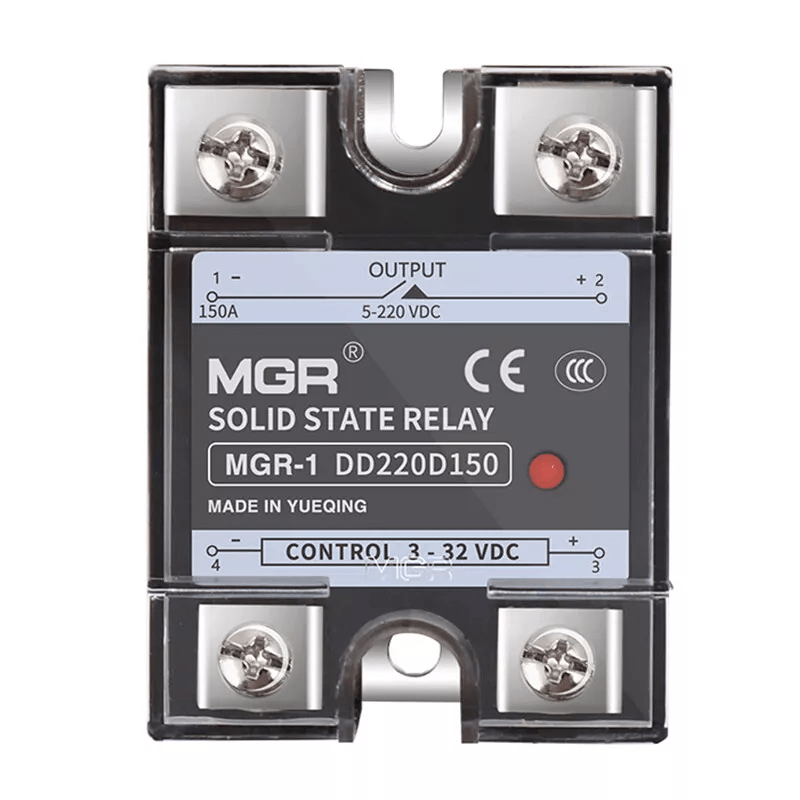
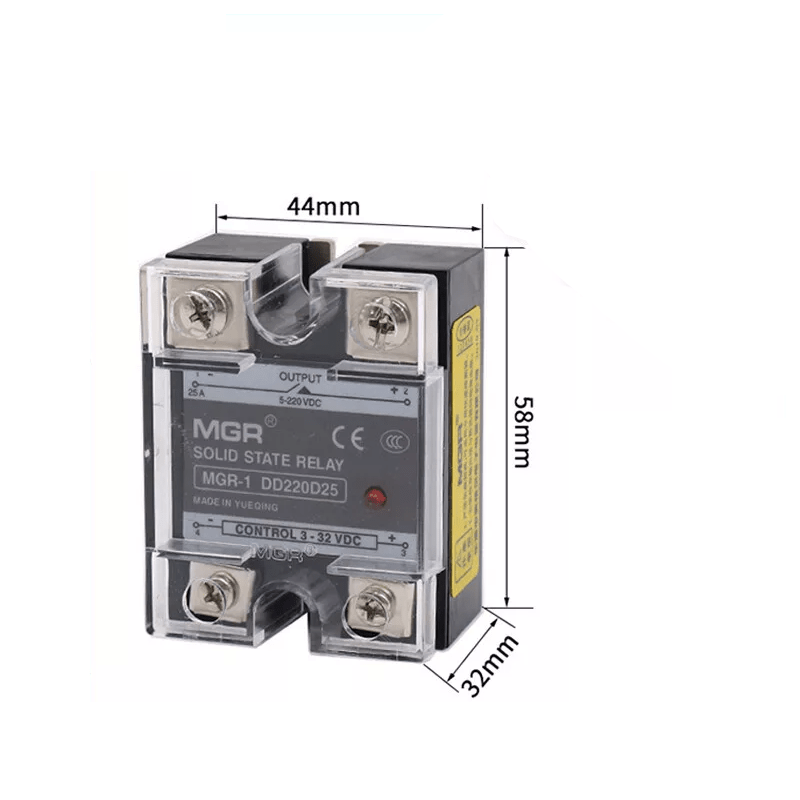
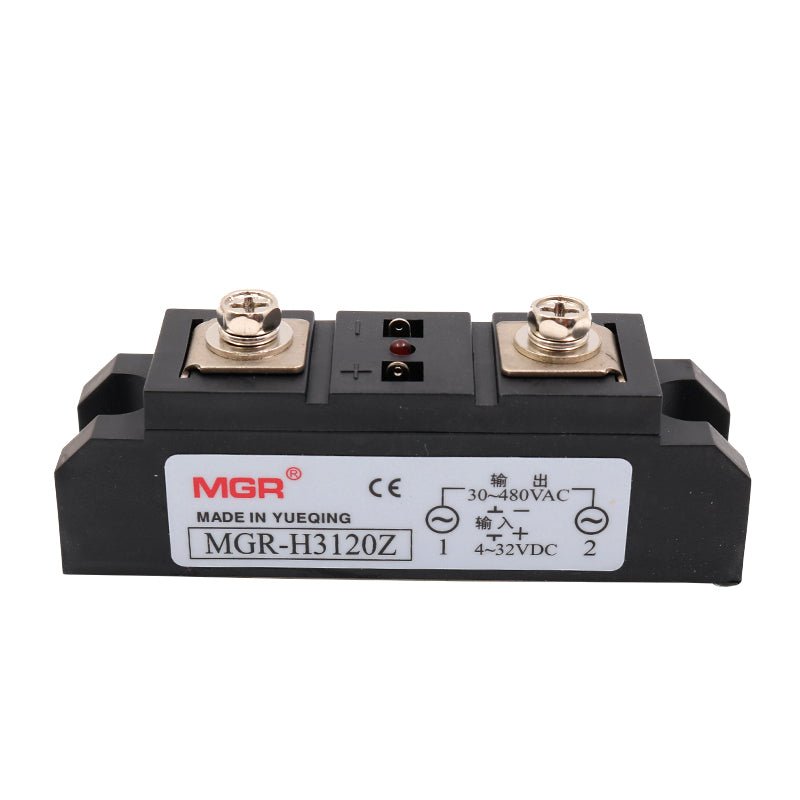
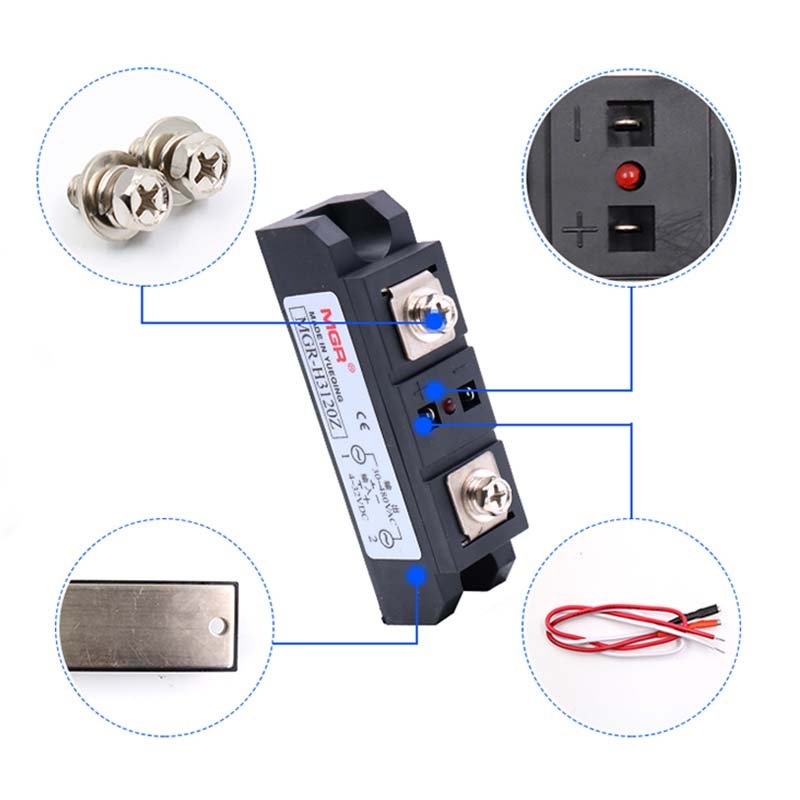
SSR (Solid State Relays)

Semiconductor-based - no moving parts. Ideal for PWM-controlled fans.

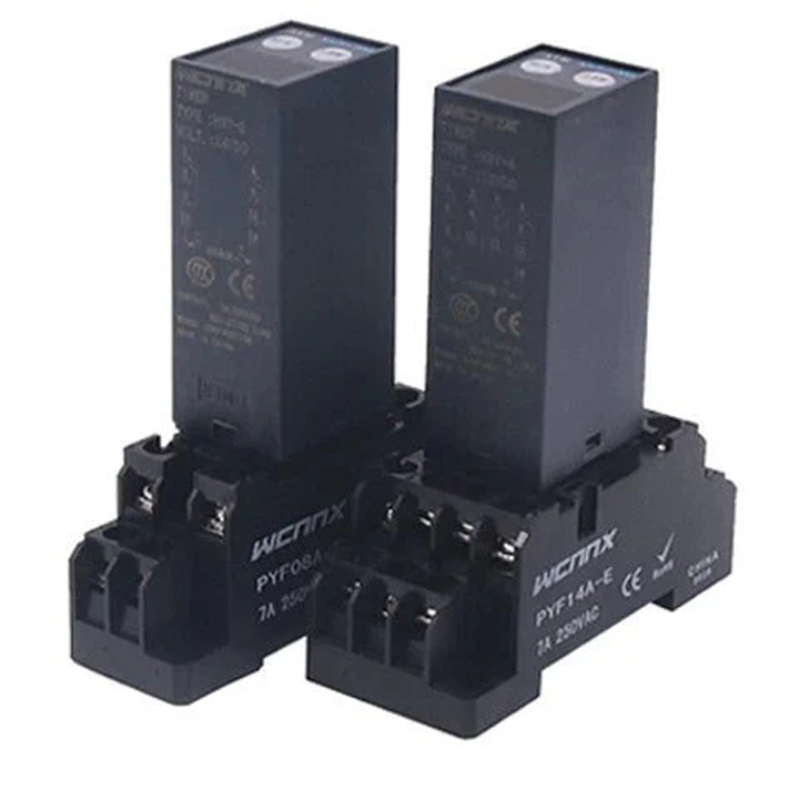
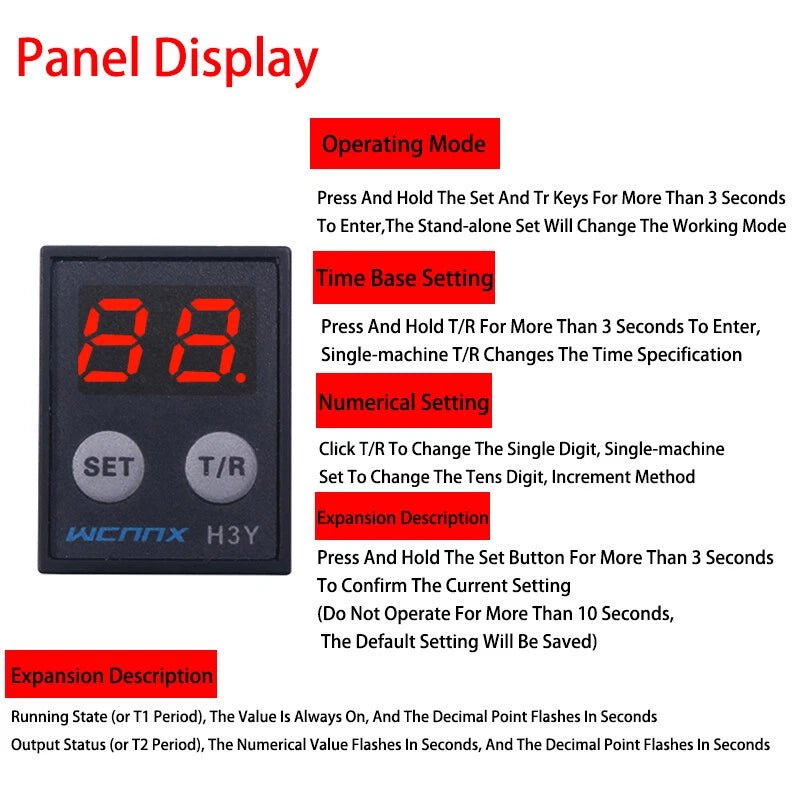
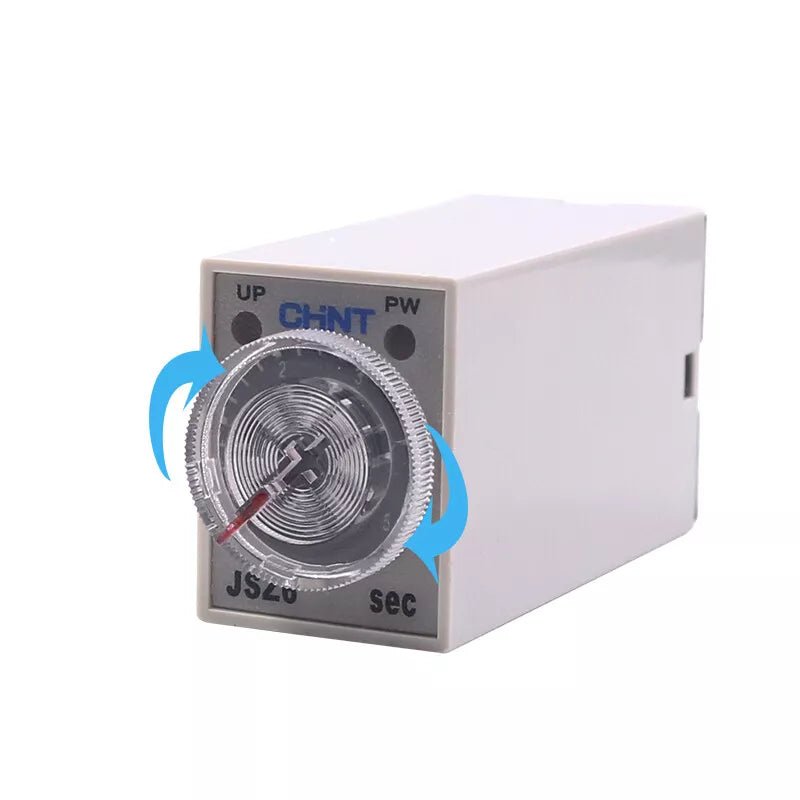
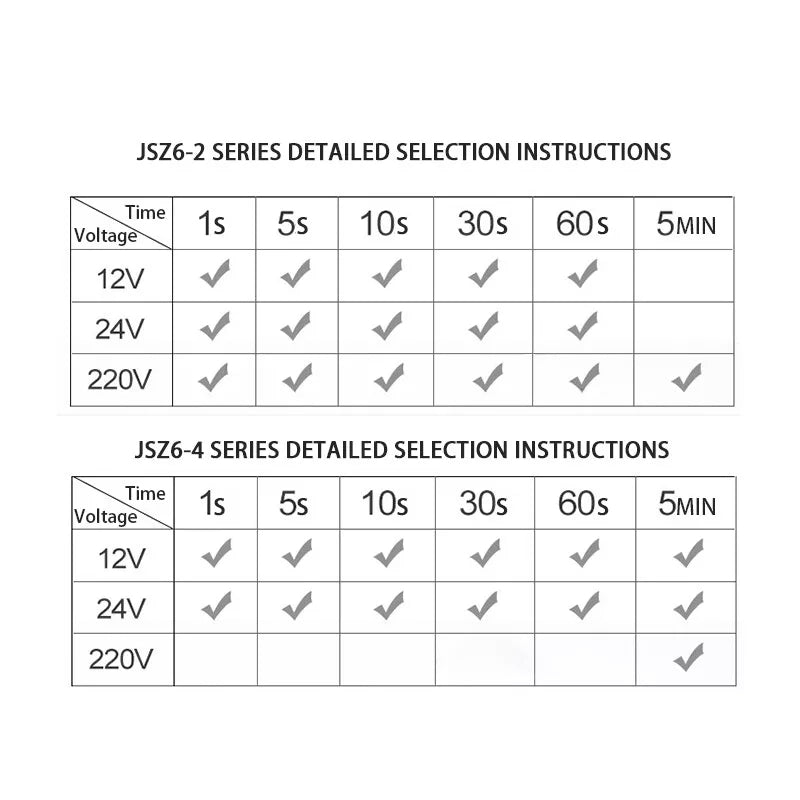
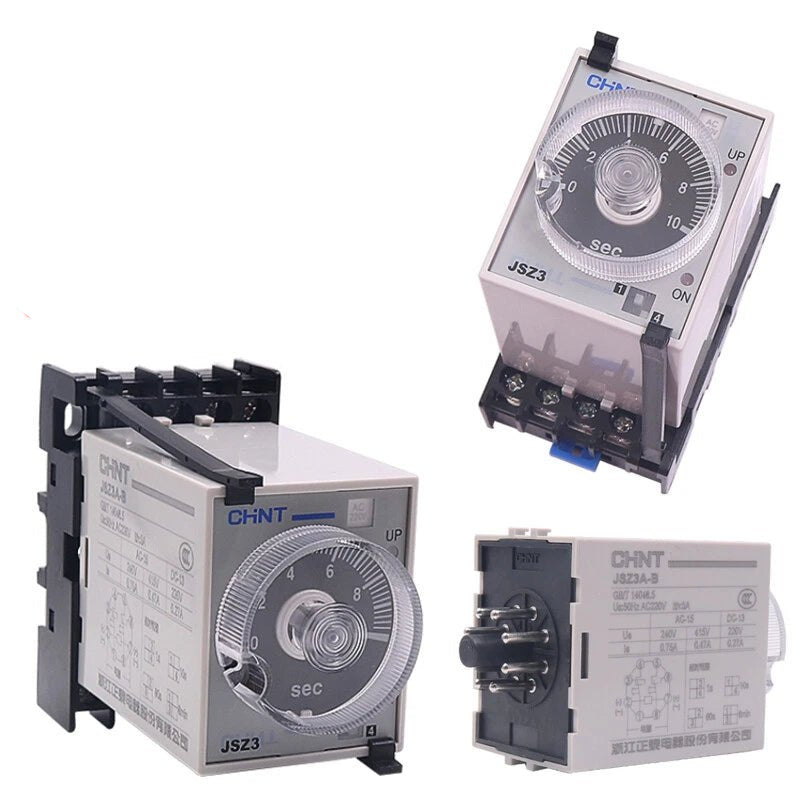
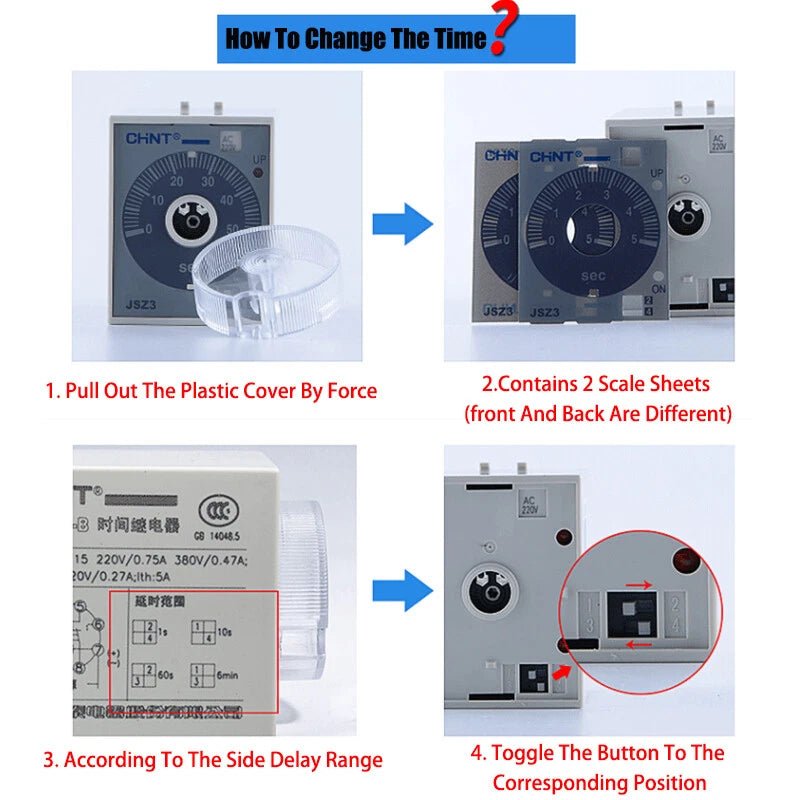
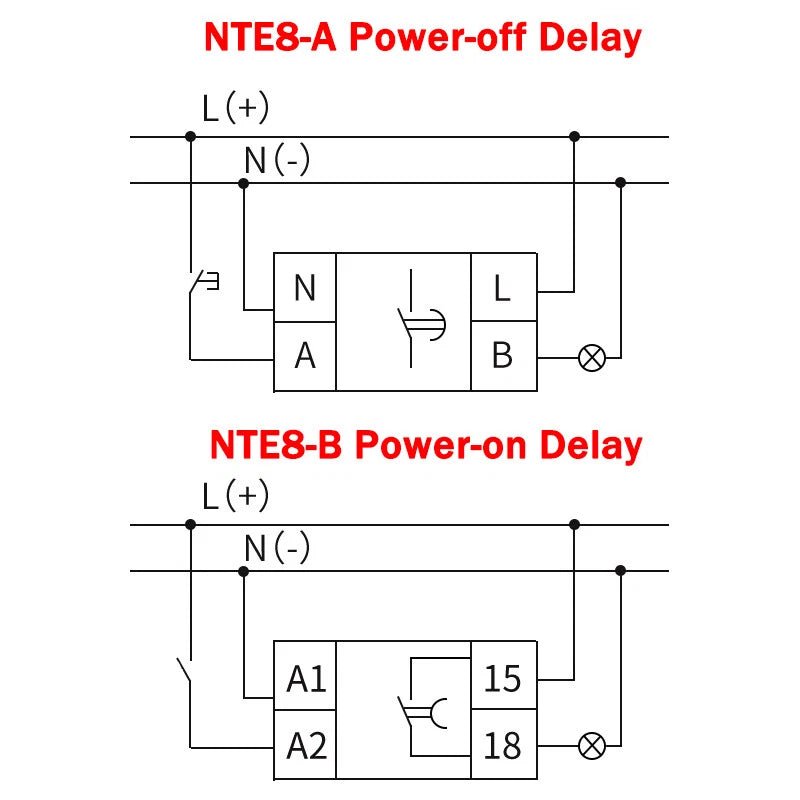
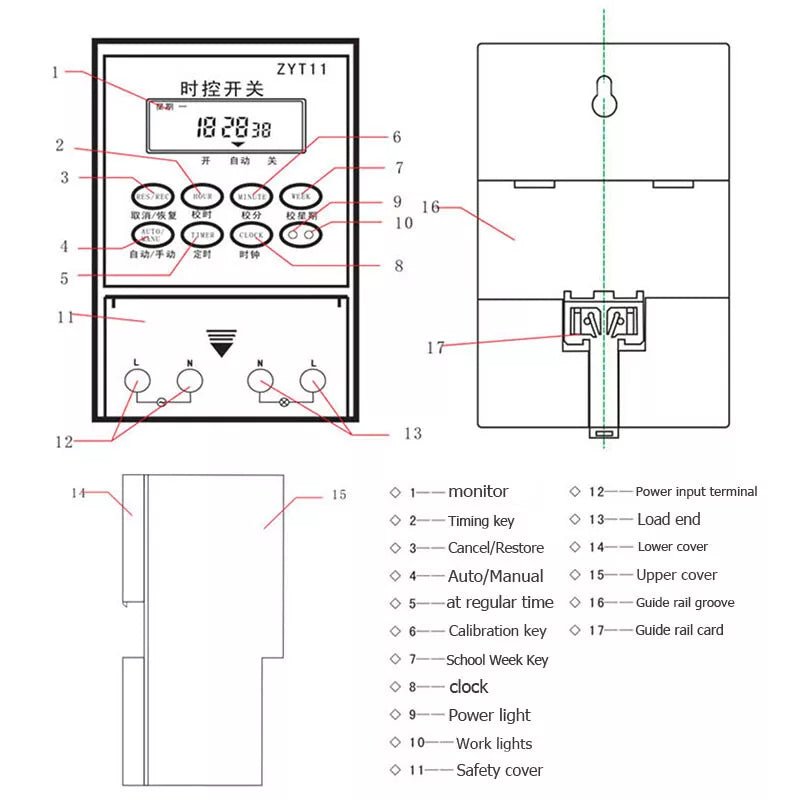
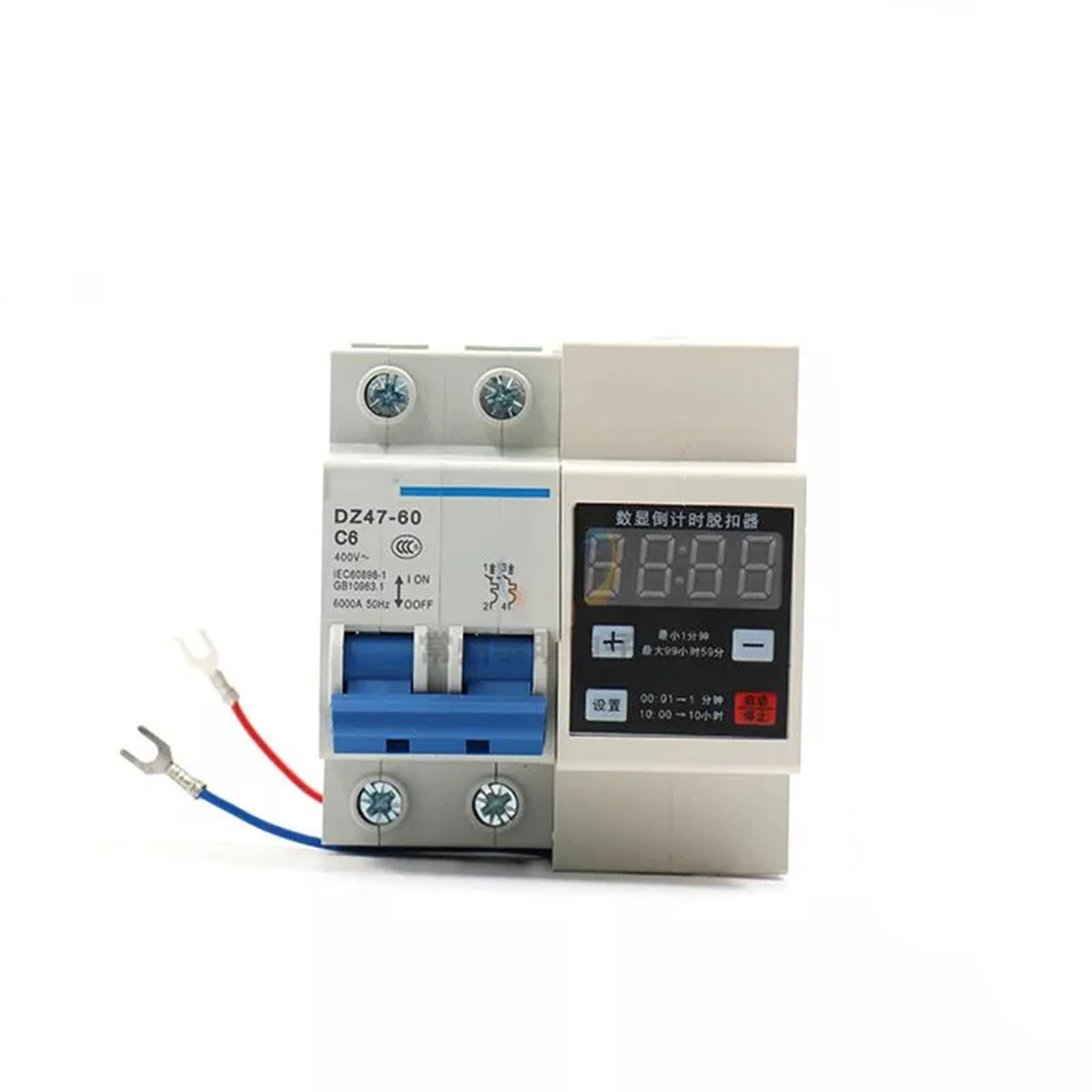
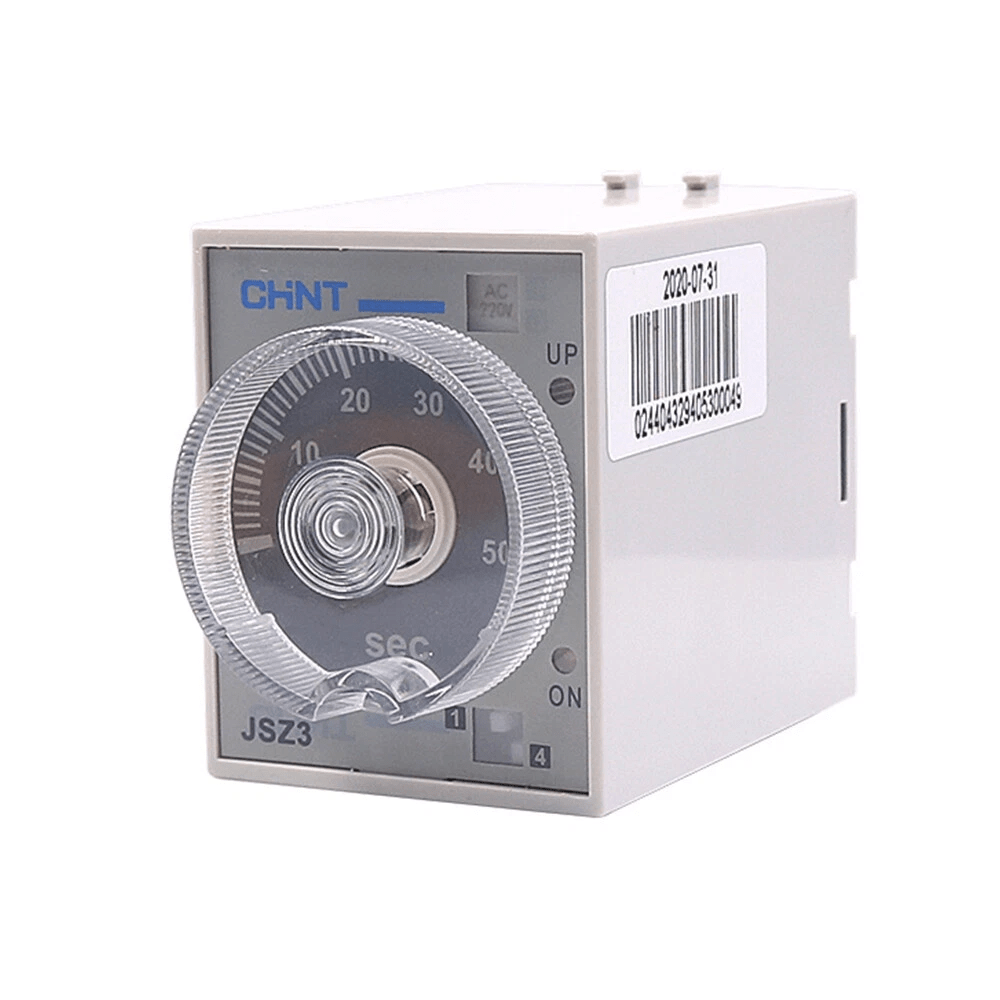
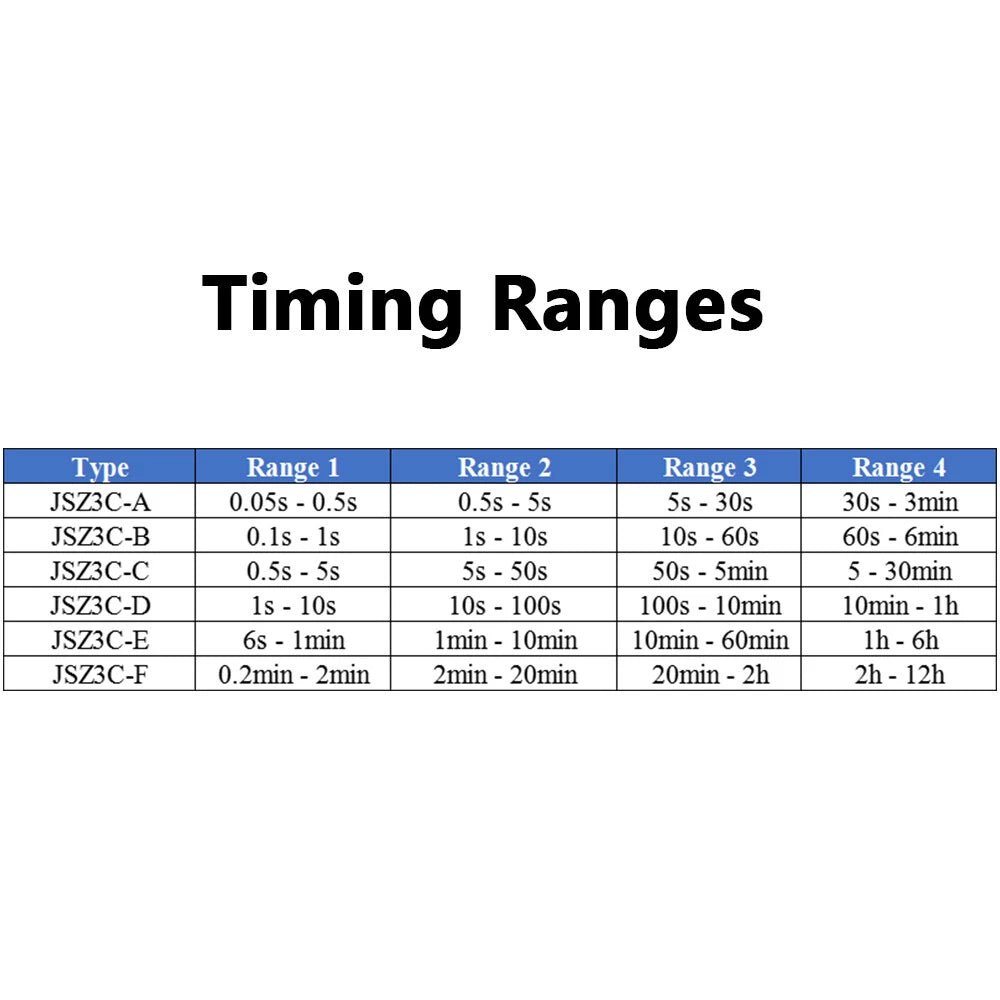
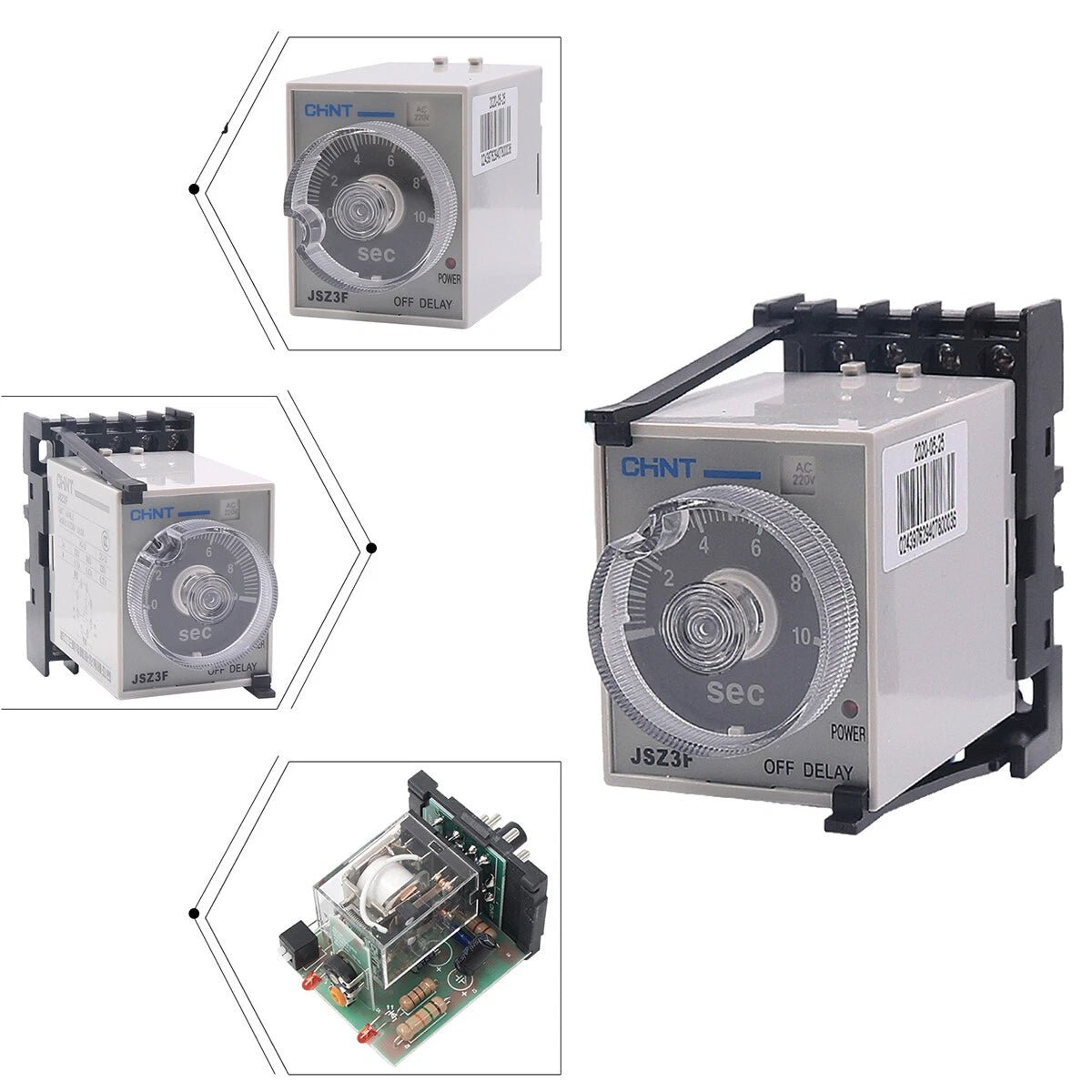
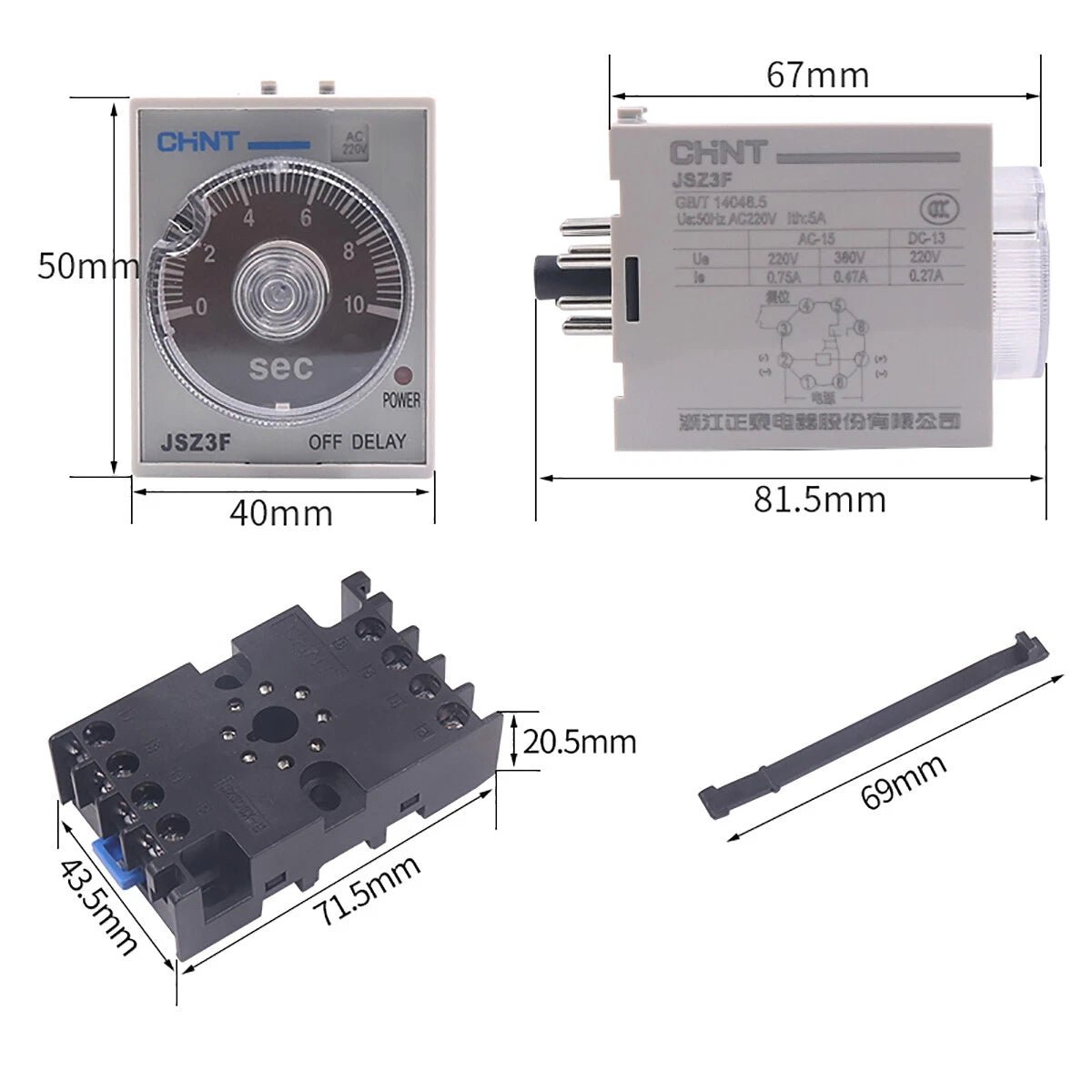
Time Delay Relays

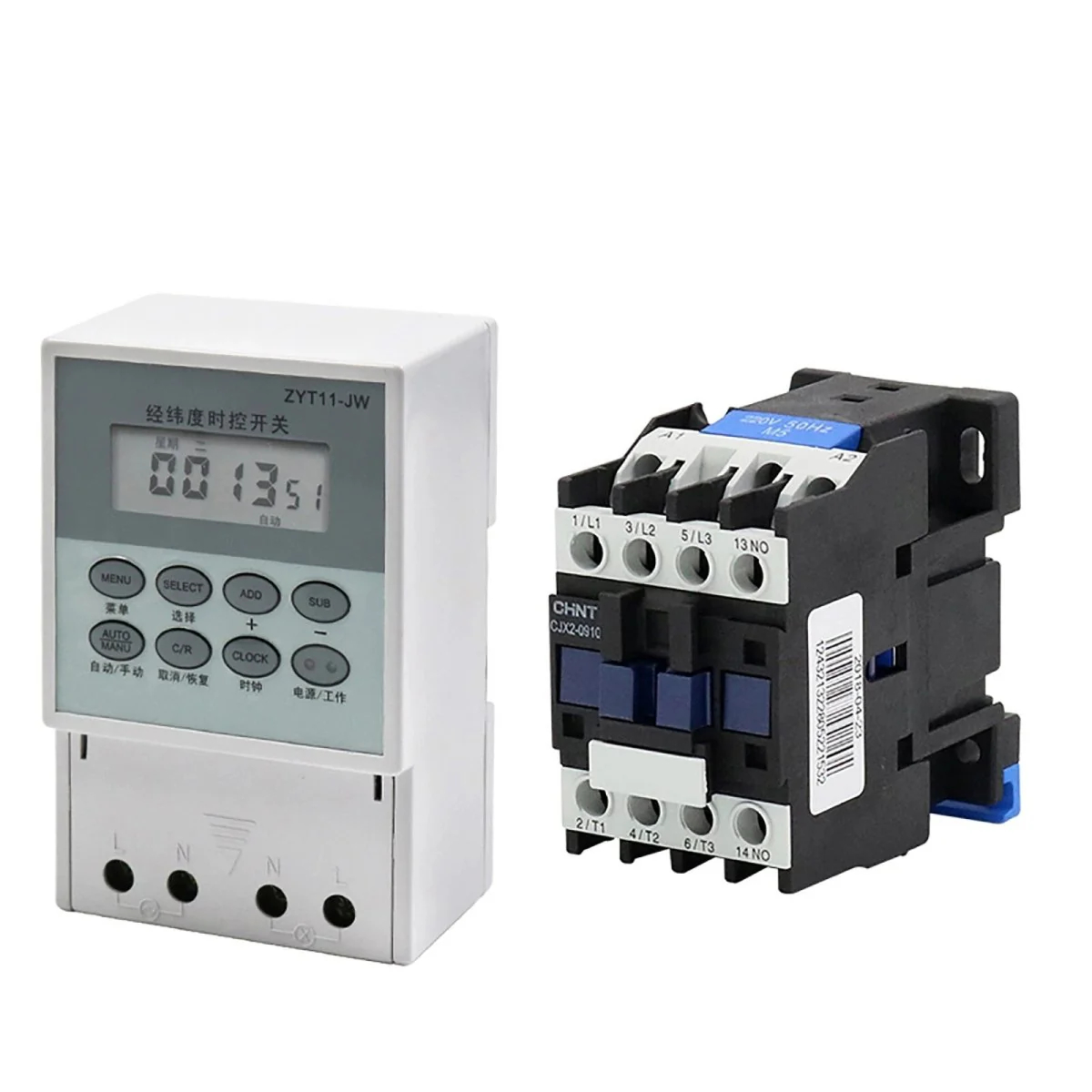
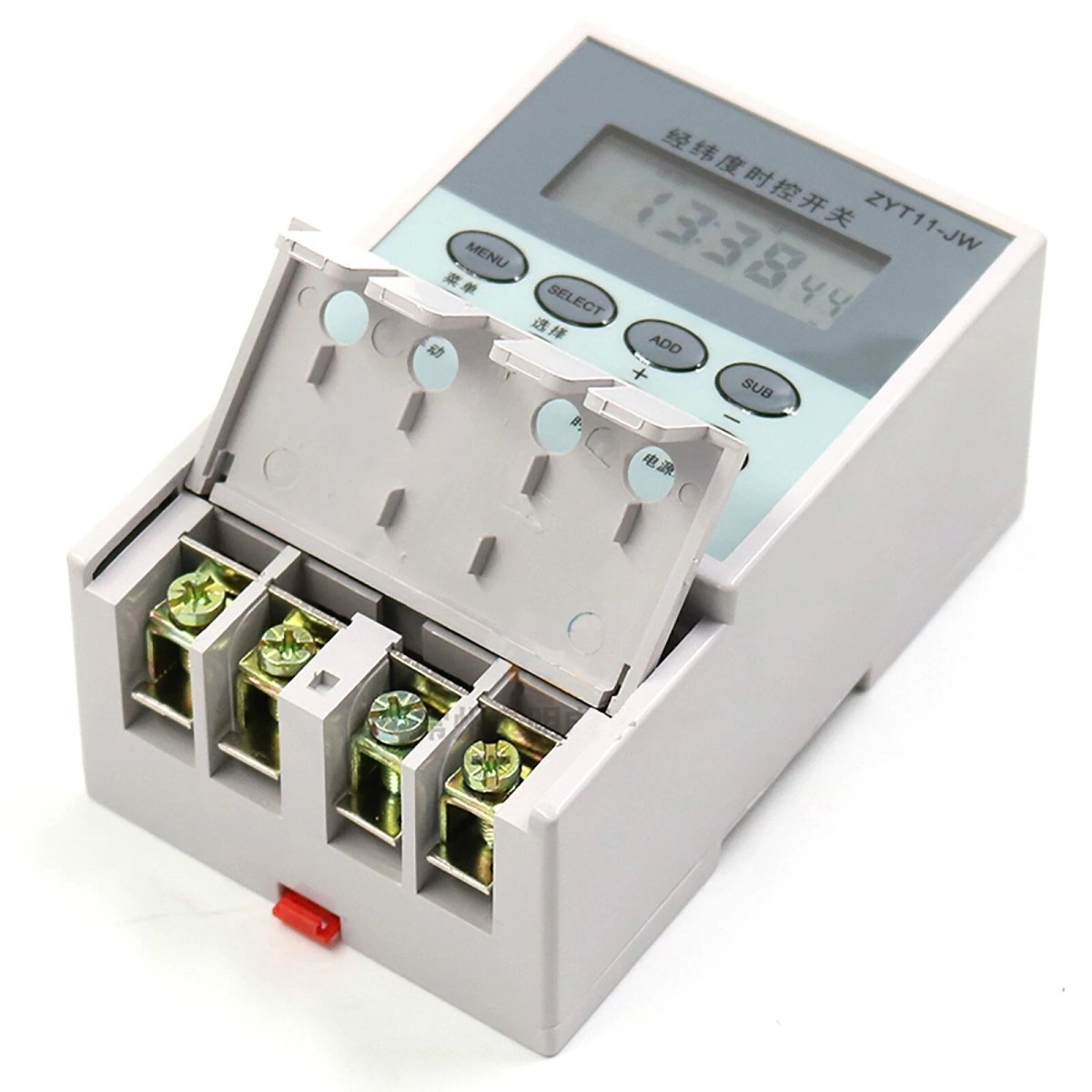
Programmable cut-off (protects windshield wiper motors during ice jams).

Section 3: Industrial-Grade Relays

For machinery & automation:

  • Power Relays: Up to 100A capacity (welding equipment, compressors)
  • Safety Relays: ISO 13849-compliant with forced-contact design
  • Interface Relays: Isolate PLCs from high-voltage circuits
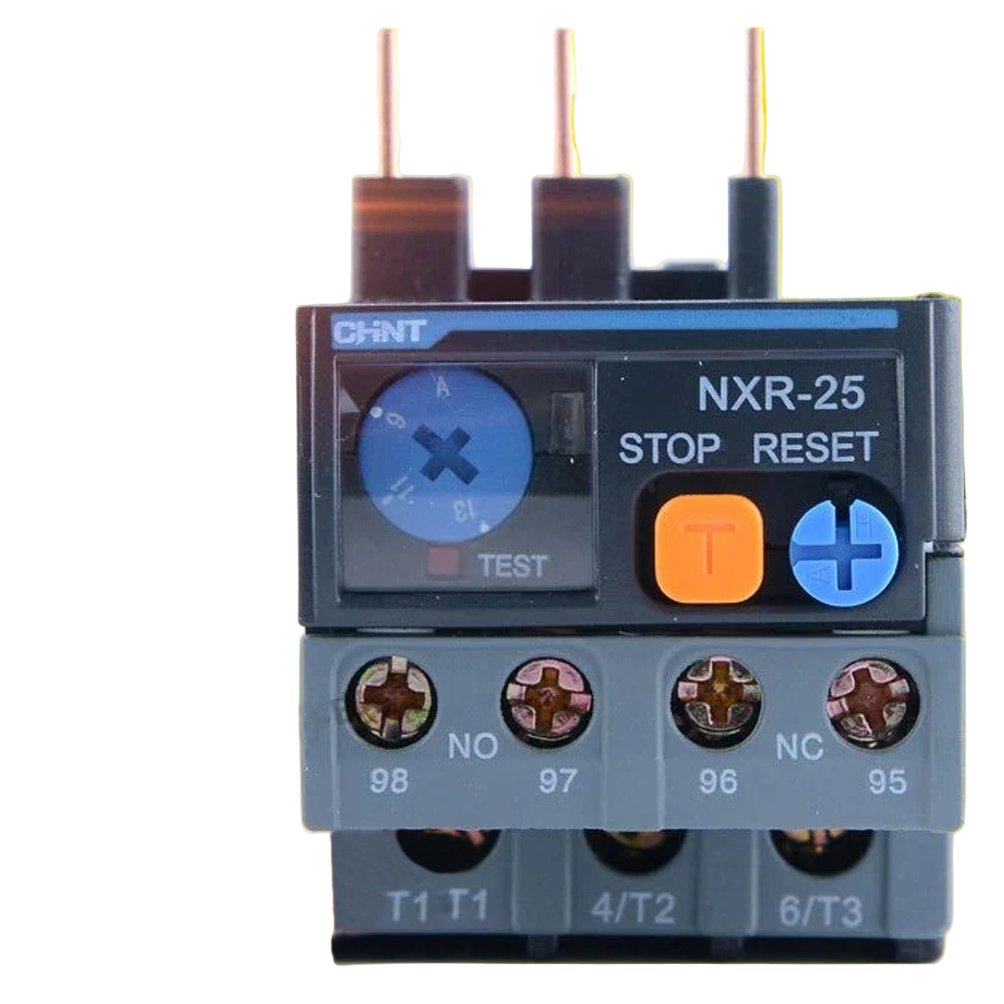
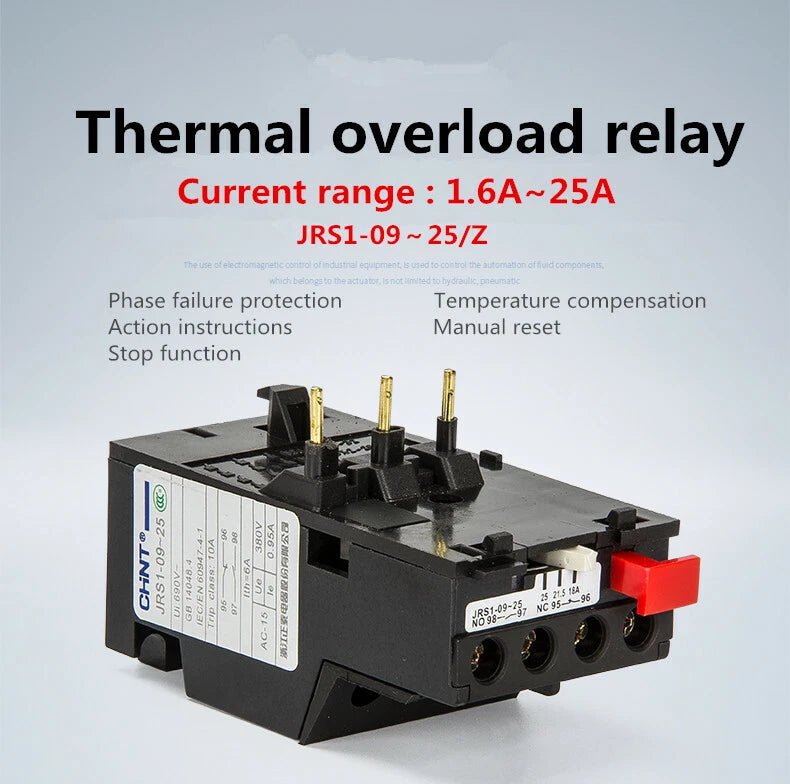
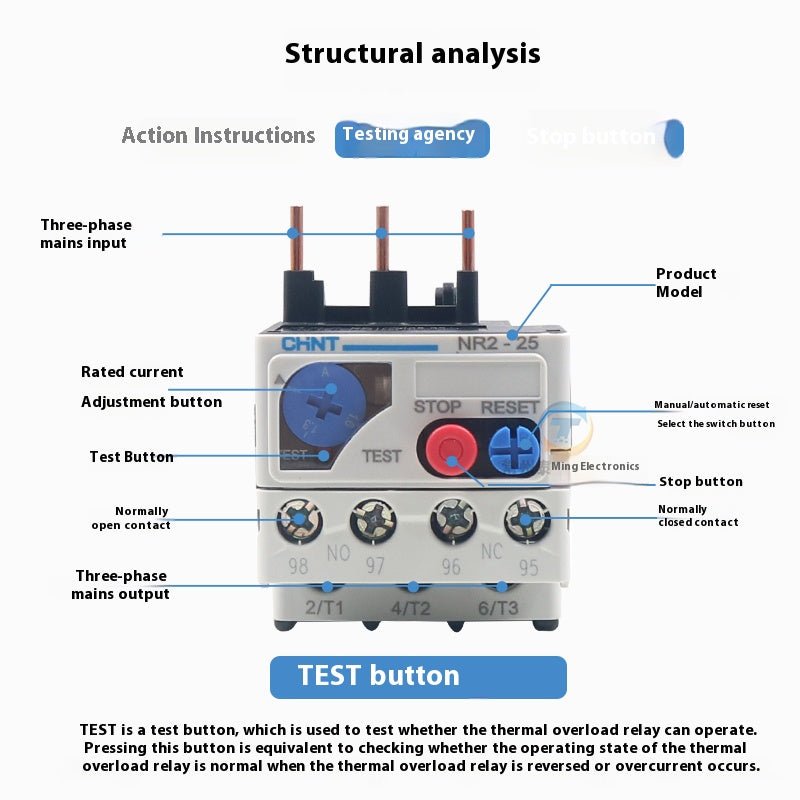
  • Monitoring Relays: Phase-loss detection for 3-phase systems

Section 4: Pin Configuration Guide

Type Pins Wiring Diagram Application
4-Pin Relay 30, 87, 85, 86 Diagram: Coil (85/86), Common (30), NO (87) Basic on/off (headlights)
5-Pin Relay +87a Diagram: Adds NC contact (87a) Changeover circuits (fuel pumps)
SSR Relay 1-4 (NO/NC) Diagram: DC input, AC output with optoisolation Frequent switching (HVAC)

Section 5: Step-by-Step Testing

  • Tools needed: Multimeter, 12V power source
  • Coil Resistance Check: Measure across coil pins (85/86) – typical 50-200Ω for 12V relays.
  • Contact Verification: Apply coil voltage and listen for click; test continuity between common (30) and NO (87).
  • Real-World Load Test: Use a test light or small bulb to verify current handling.
💡 Pro Tip: For how to test a relay with a multimeter, use diode mode to check flyback diode protection on suppression relays.

Section 6: Installation Best Practices

  • Wiring: Use 10-12AWG wire for high-current fuel pump relays with dielectric grease.
  • Mounting: Position vertically to prevent debris accumulation in industrial environments.
  • Protection: Add fuse within 7" of power source (30A for starter circuits).
  • SSR Considerations: Install heat sinks when >5A load (thermal paste improves dissipation).

Section 7: Troubleshooting Common Failures

  • Clicking No Start: Carbonized contacts in starter relay – replace with silver-cadmium alloy version.
  • Intermittent Operation: Vibration fatigue – secure with anti-slip mounts.
  • Coil Burnout: Voltage spikes – install suppressor diodes.
  • SSR Failure Modes: Overheating (add cooling) or dv/dt damage (snubber circuits).

Section 8: Cross-Reference Solutions

When OEM unavailable:

OEM Part HomeDIYer Equivalent Superior Features
Mitsuba RZ-0035 HDR-40A 100k cycle rating (vs 50k)
Ford F57B-14B192-AA FPR-12V Sealed epoxy construction

Section 9: Innovative Applications

  • EV Conversions: Time delay relays sequence battery contactors.
  • Home Automation: SSRs dim LED lighting without hum.
  • Renewable Energy: Latching relays manage solar battery disconnect.
  • Custom Vehicles: Relay panels centralize accessory control.

Section 10: Why HomeDIYer Relays Outperform

  • Military-Grade Contacts: Silver-tin oxide alloys resist welding at 100A+.
  • Environmental Protection: IP67-rated epoxy seals out moisture and dust.
  • Vibration Testing: 5G resonant frequency resistance (heavy machinery proof).
  • Lifetime Support: Access to wiring diagrams and technical schematics.

Conclusion

Whether replacing a 2014 Mustang hazard light relay or designing industrial control panels, precision matters. Explore our relay selection with interactive wiring guides and load calculators. Join 75,000+ engineers and mechanics who trust HomeDIYer for critical switching solutions!

Recently viewed