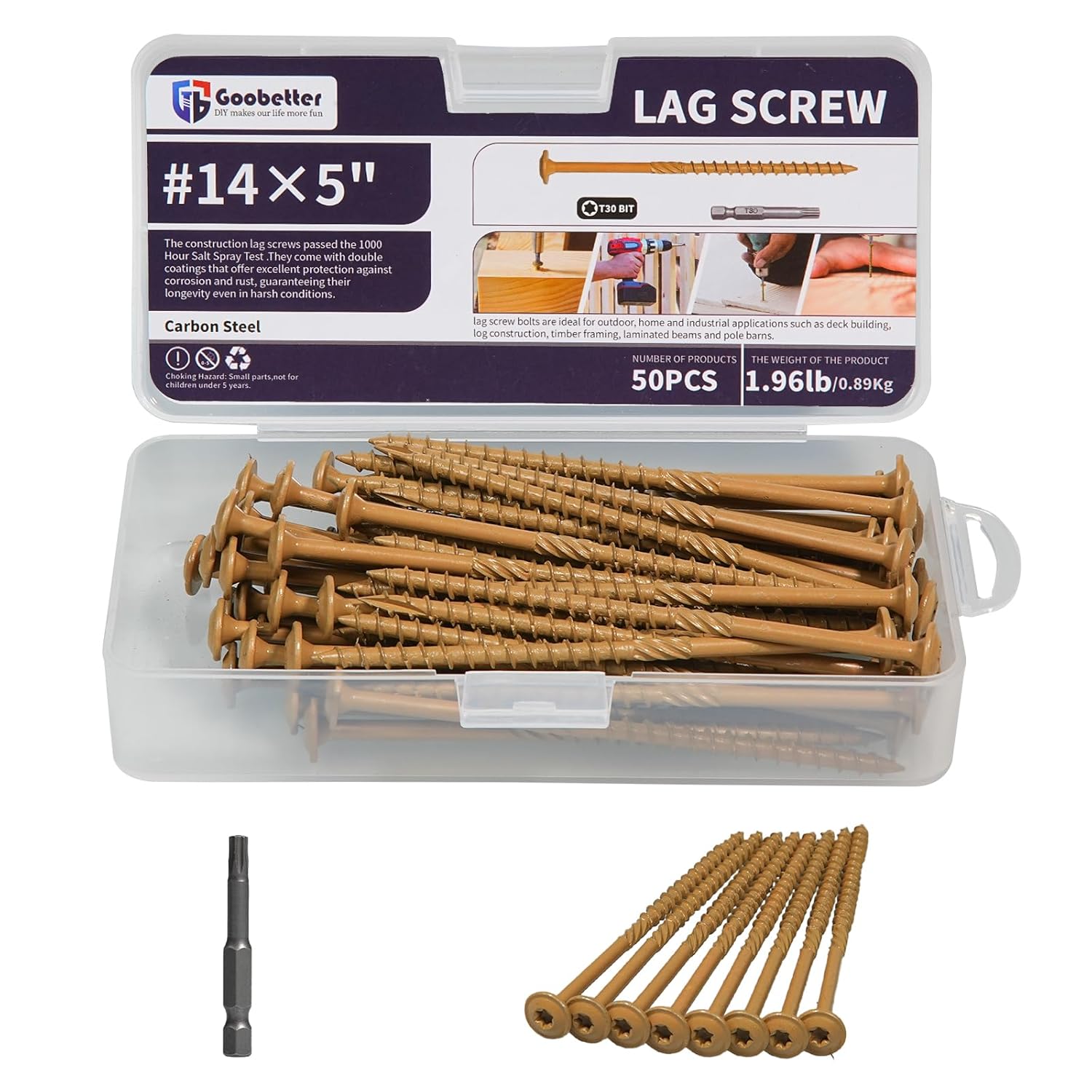
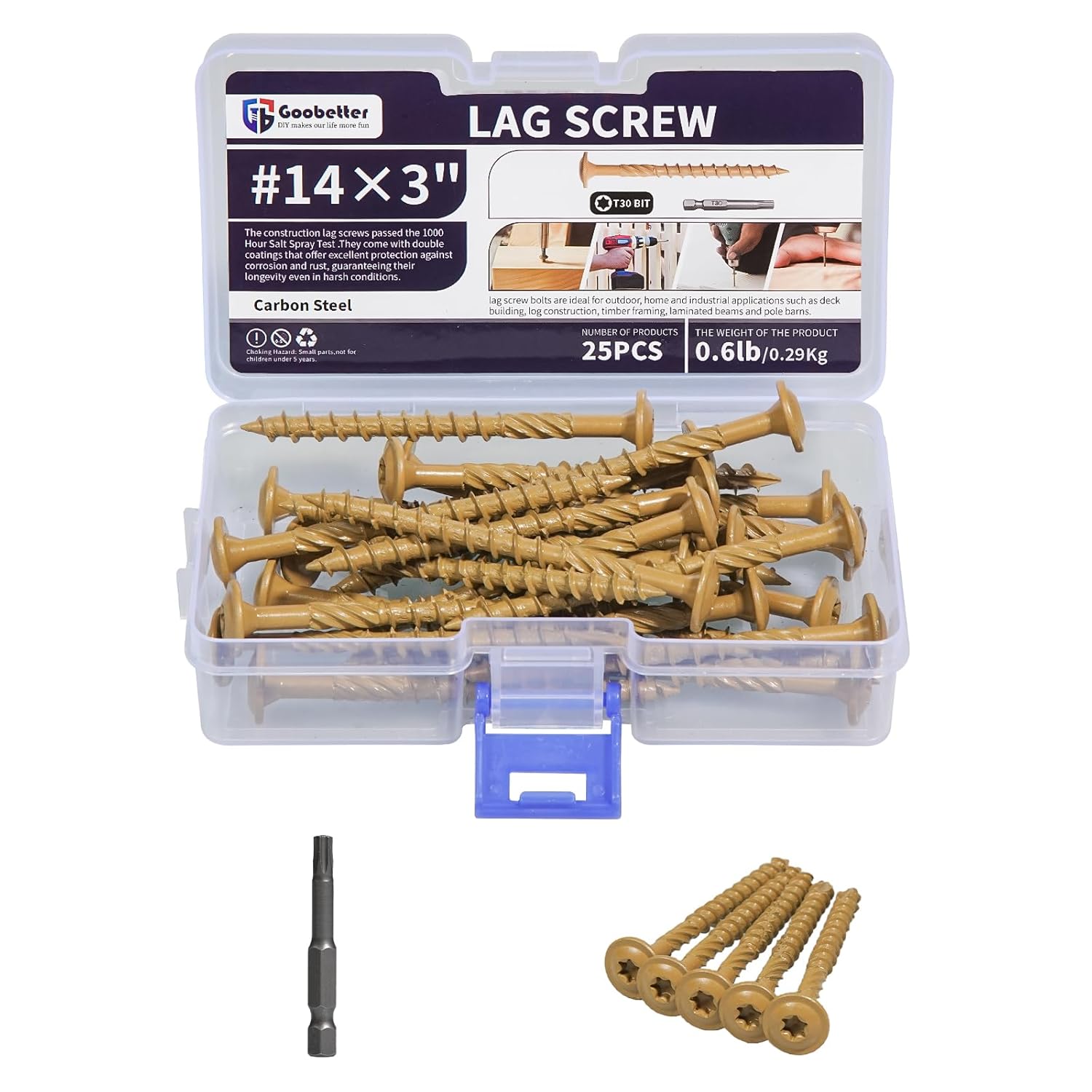
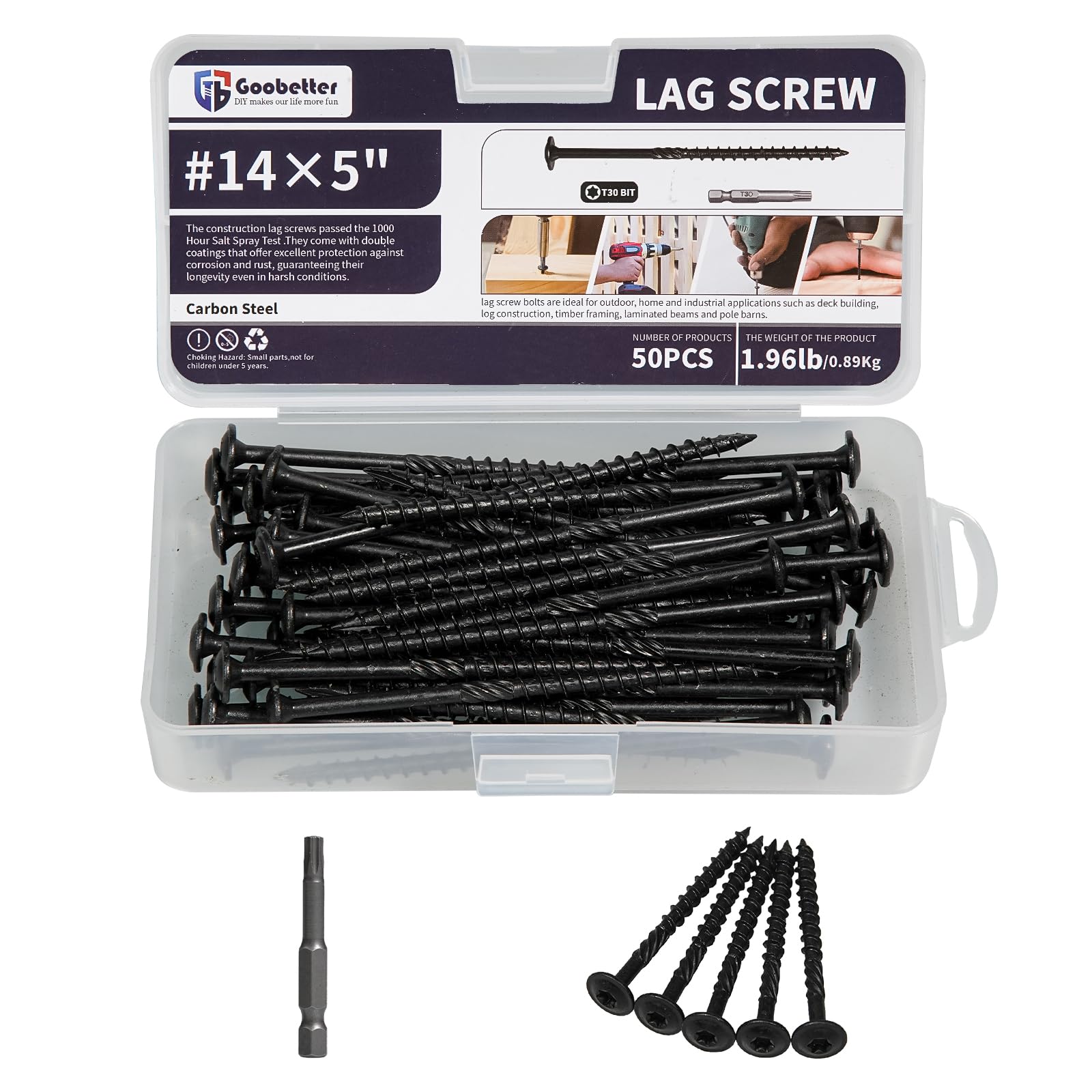
Star Drive Lag Screws for Deck Building & Outdoor Framing
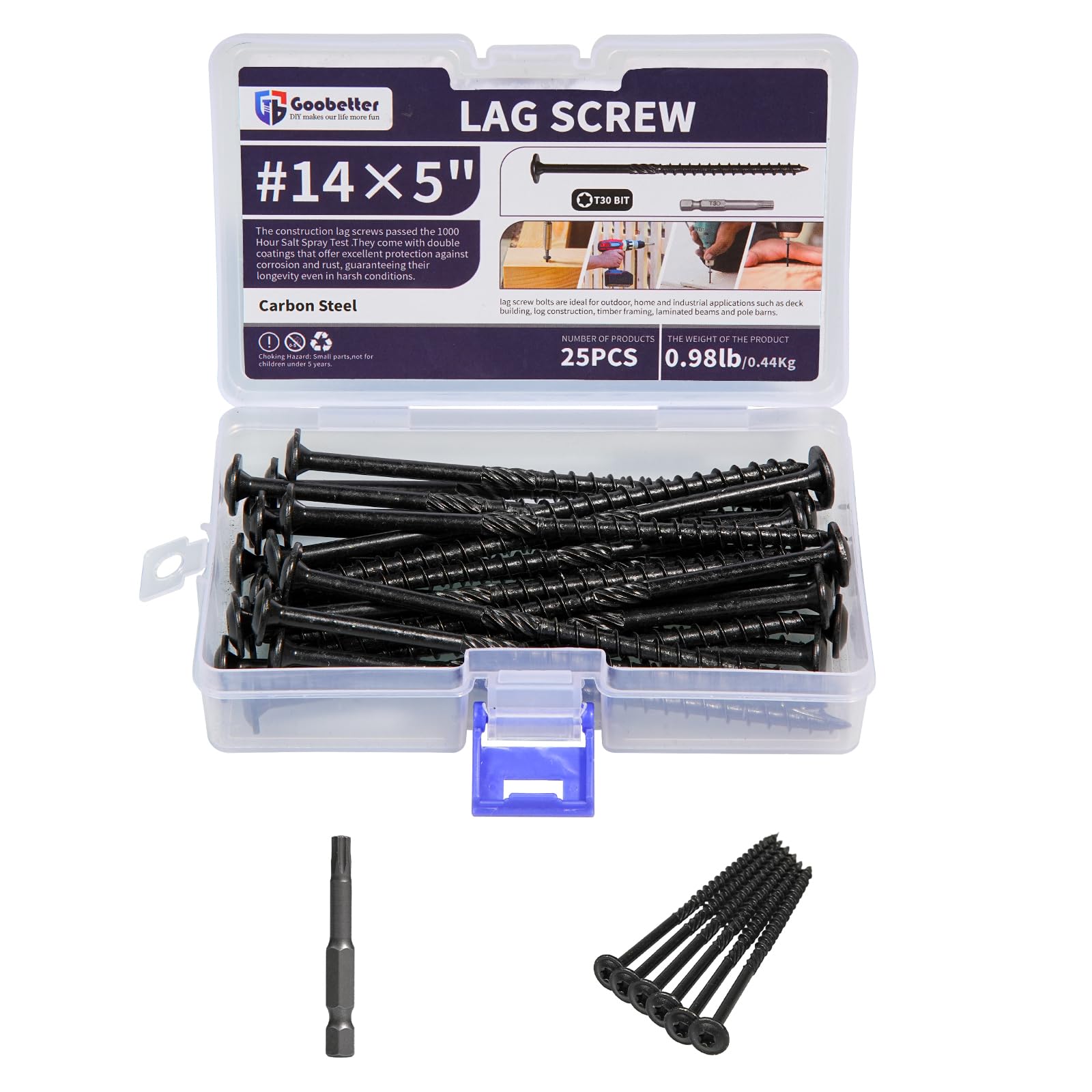
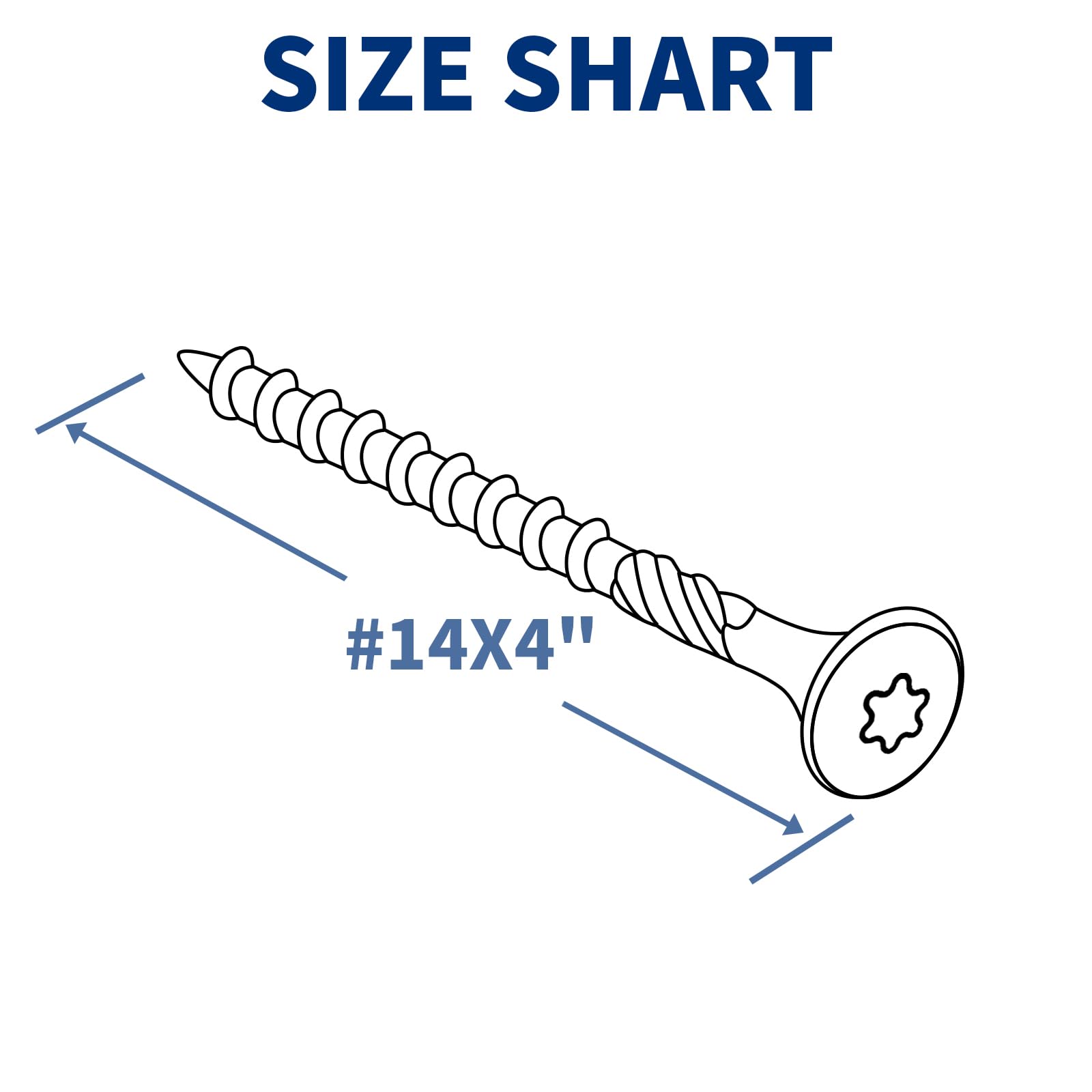
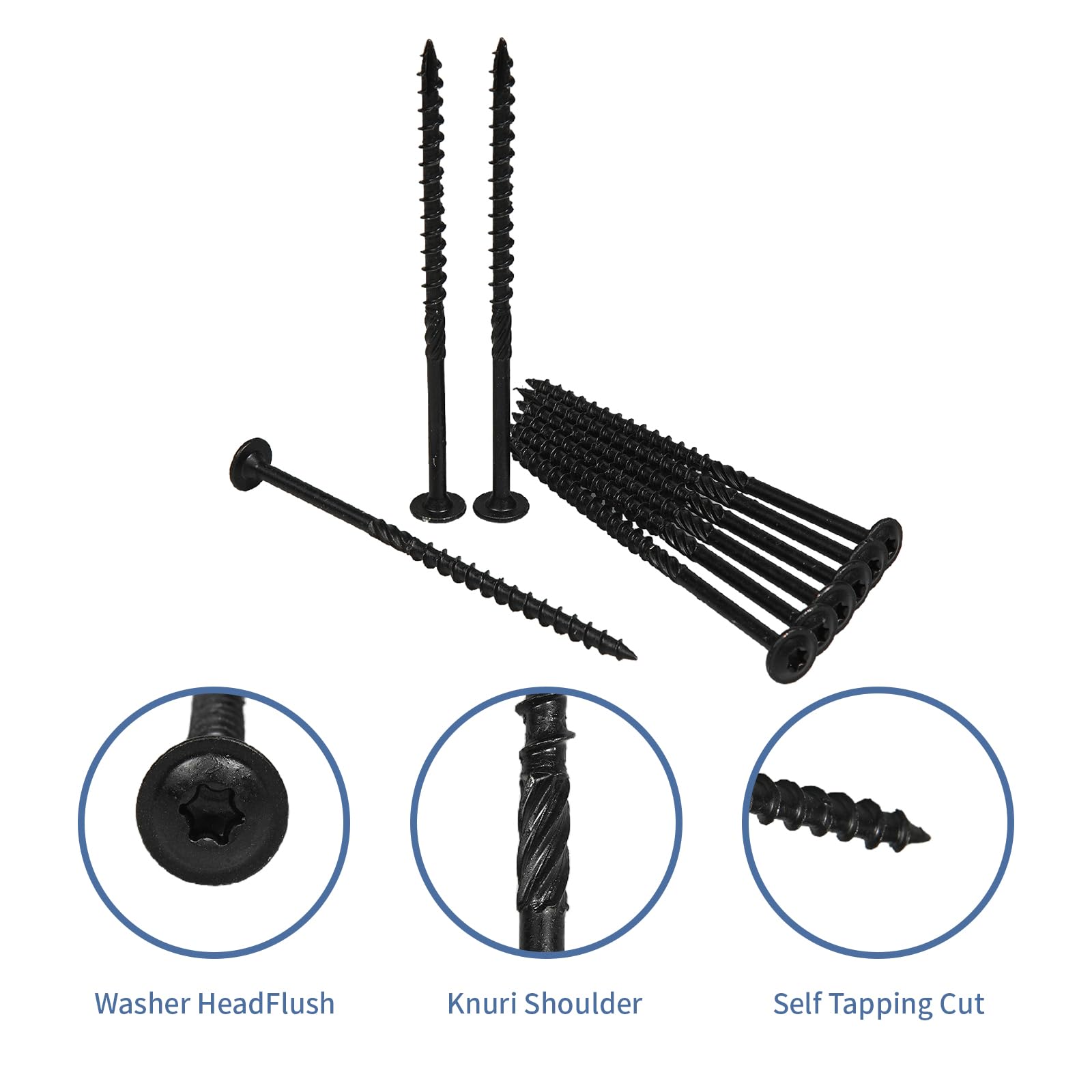
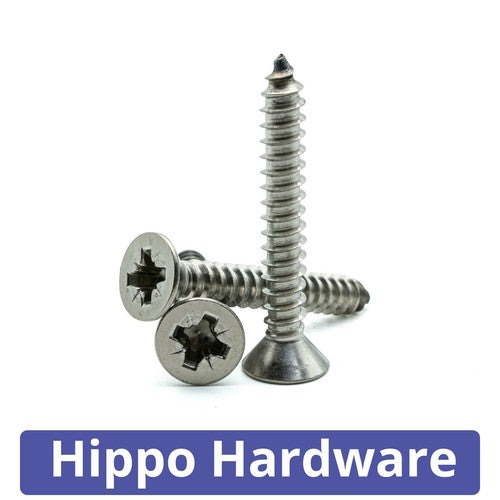
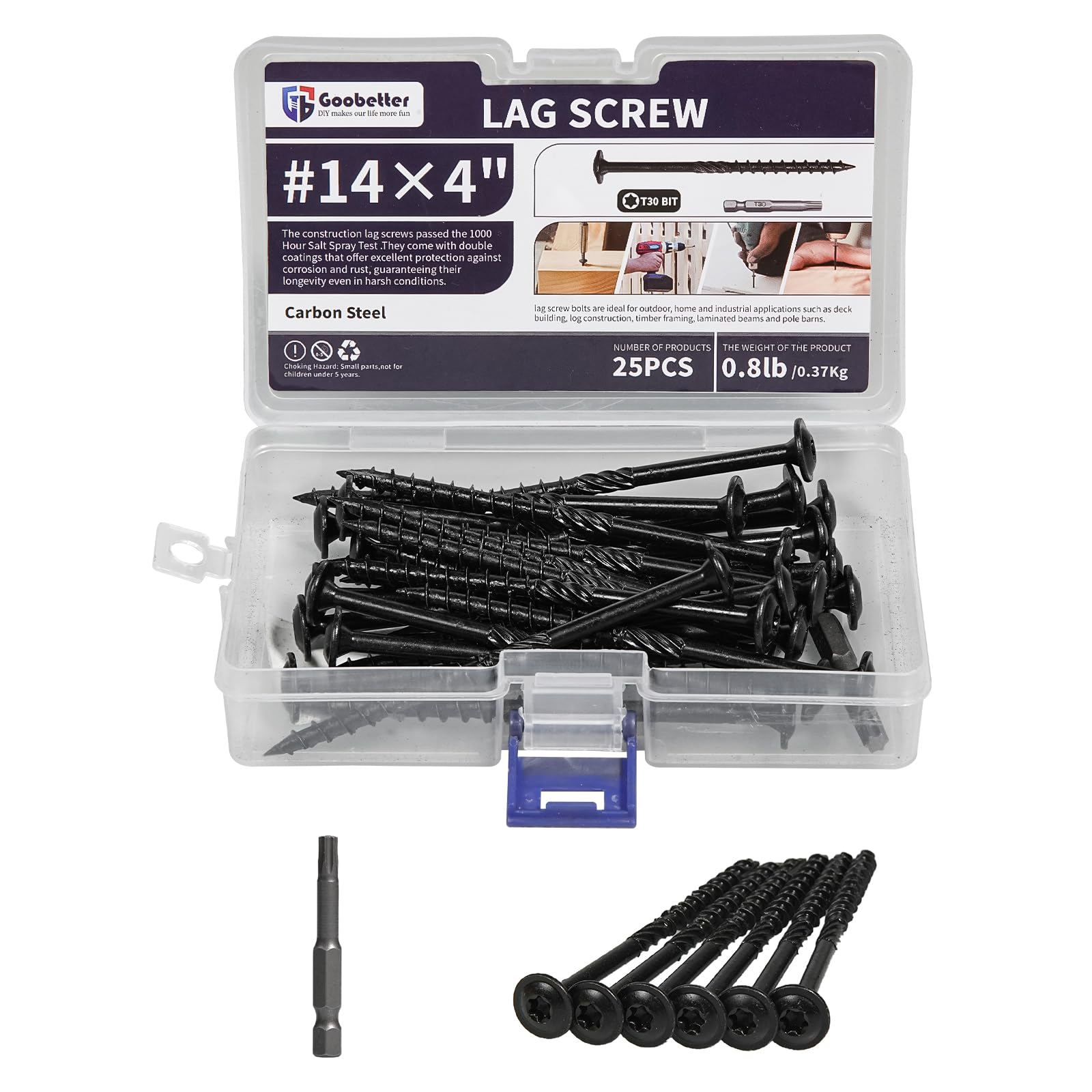
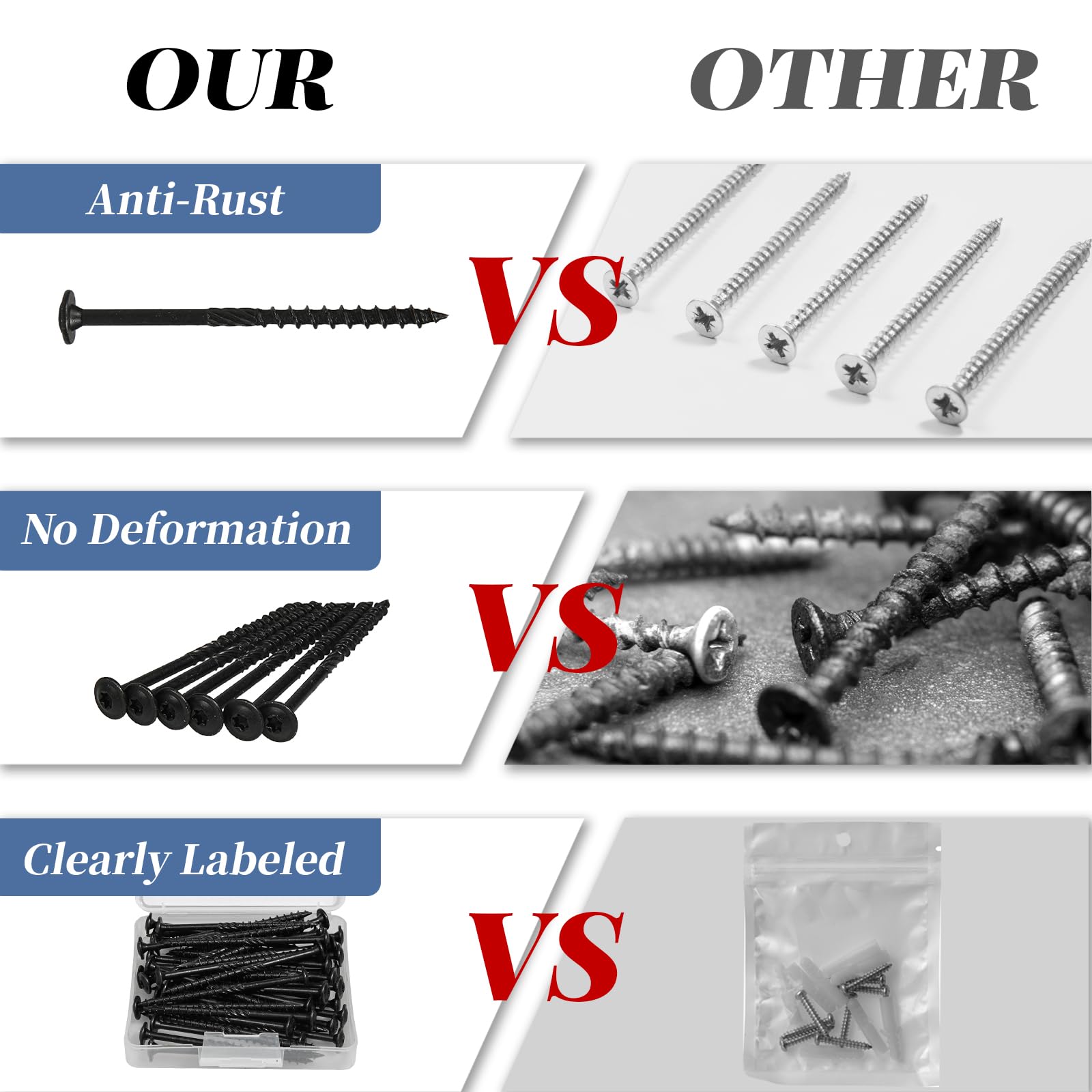
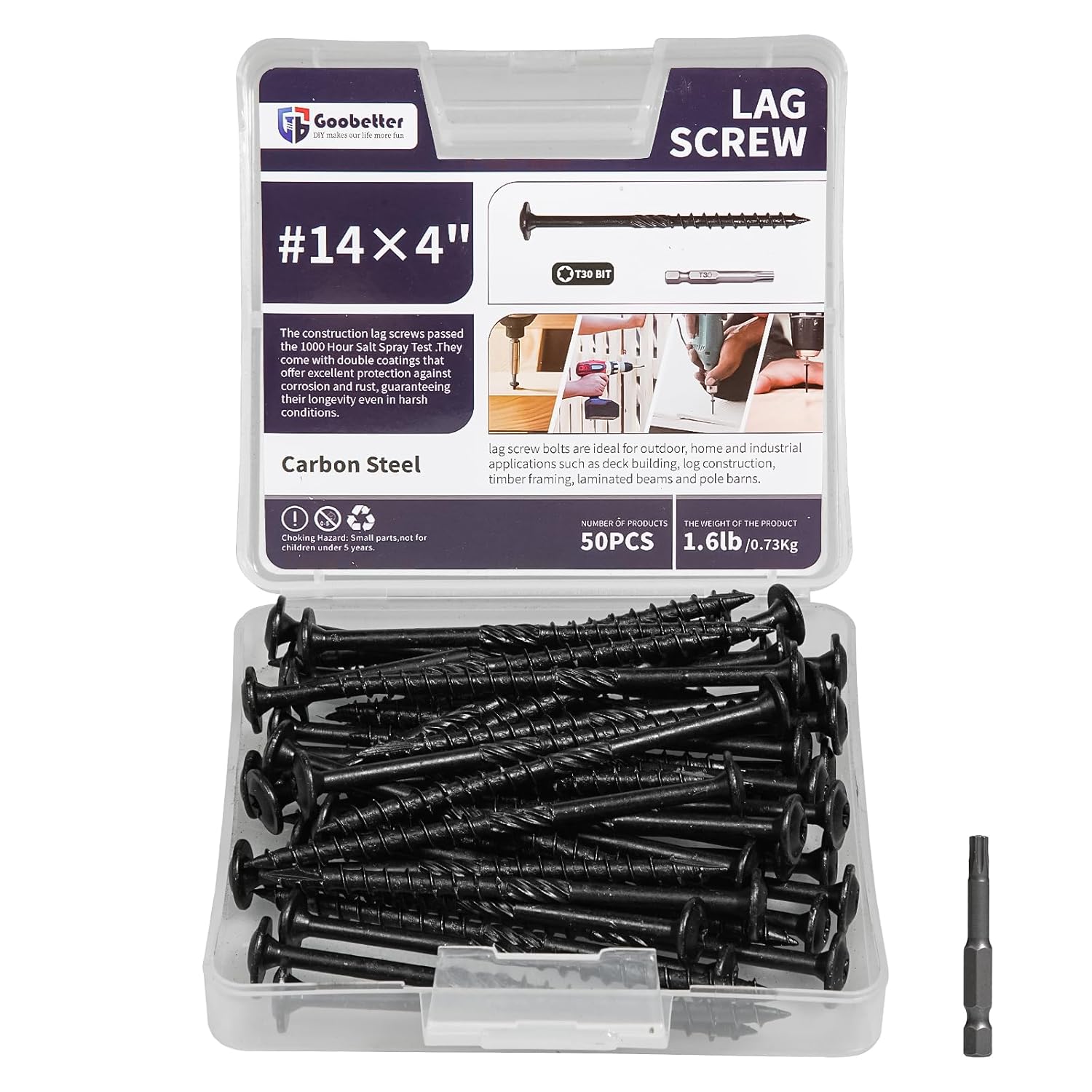
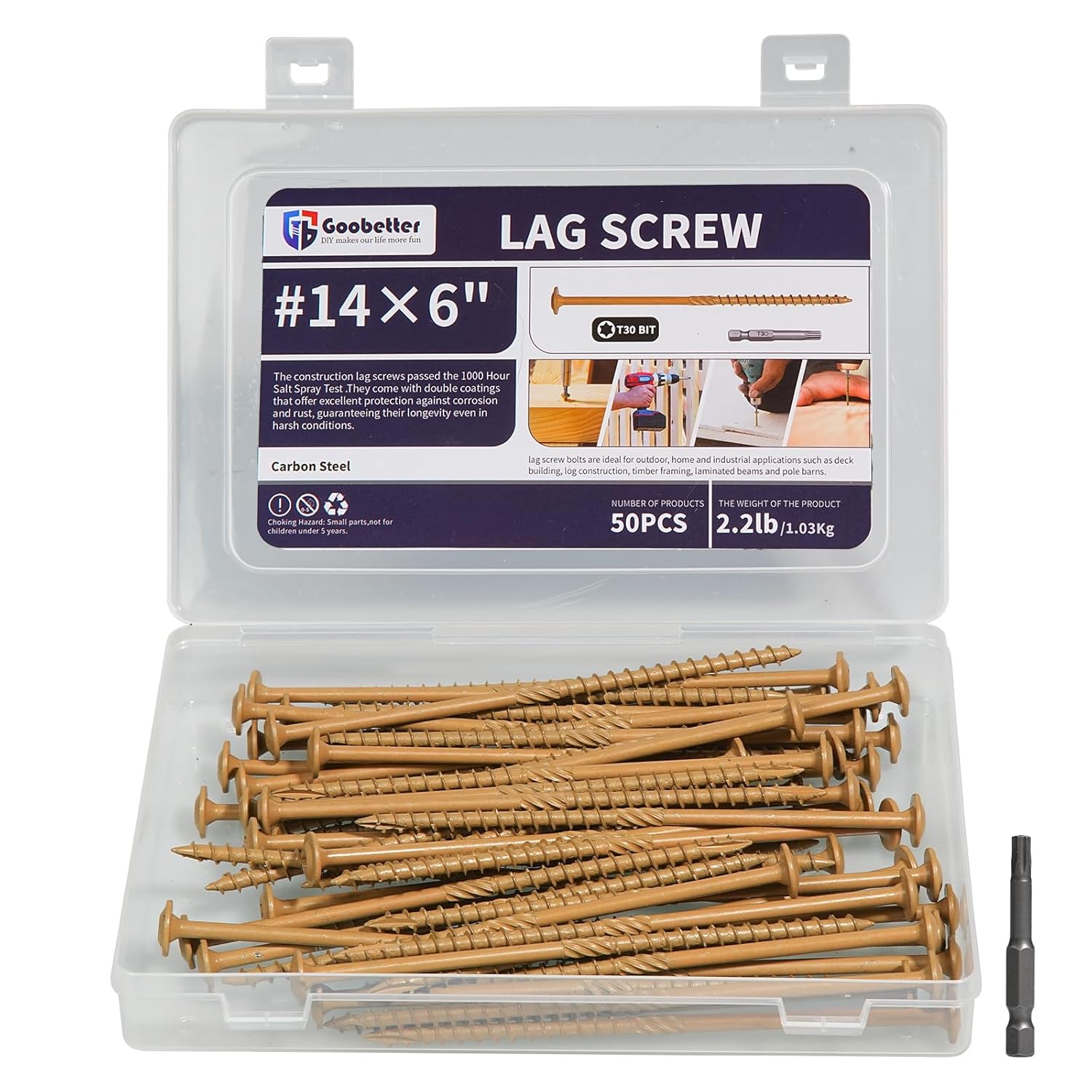
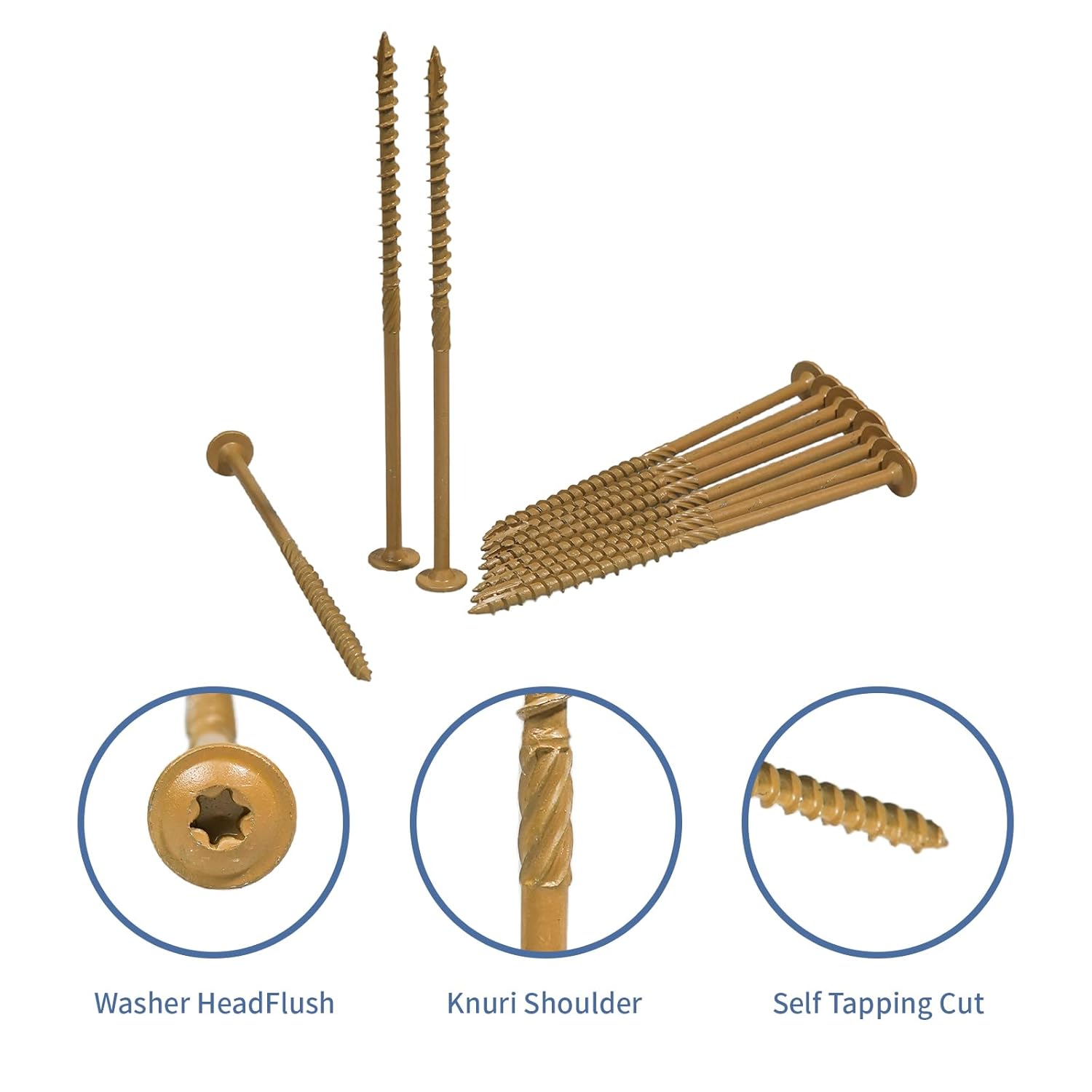
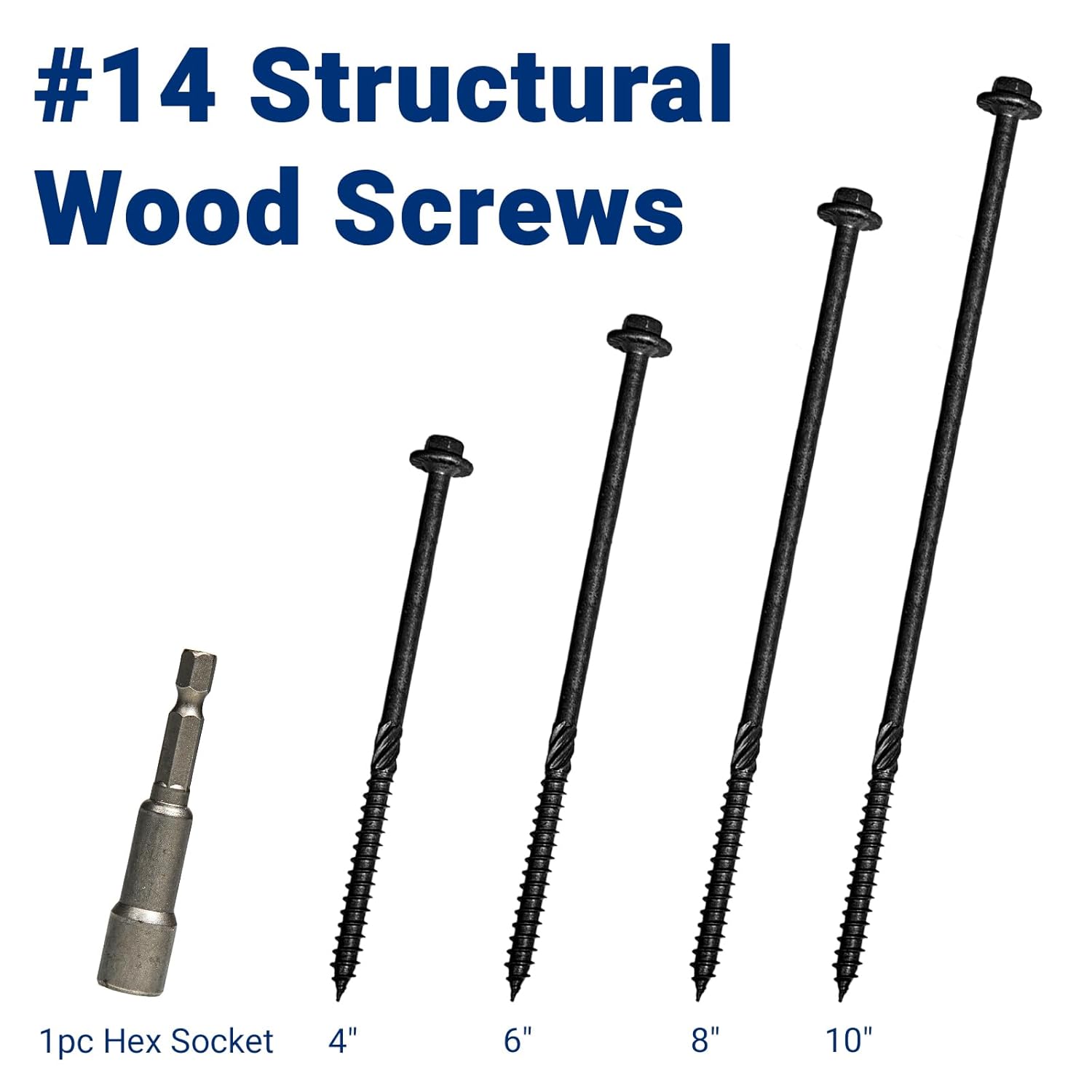
T25 and T30 Torx-drive lag screws are the preferred choice for deck builders and outdoor framers who use impact drivers. The 6-point star recess grips the bit firmly, virtually eliminating cam-out even at high torque. Our star drive lag screws come in yellow anti-corrosion and black rust-resistant coatings, with washer heads that distribute load across the wood surface to prevent pull-through. Available in 3", 4", 5", and 6" lengths in #14 diameter — the most common structural size for residential deck framing.
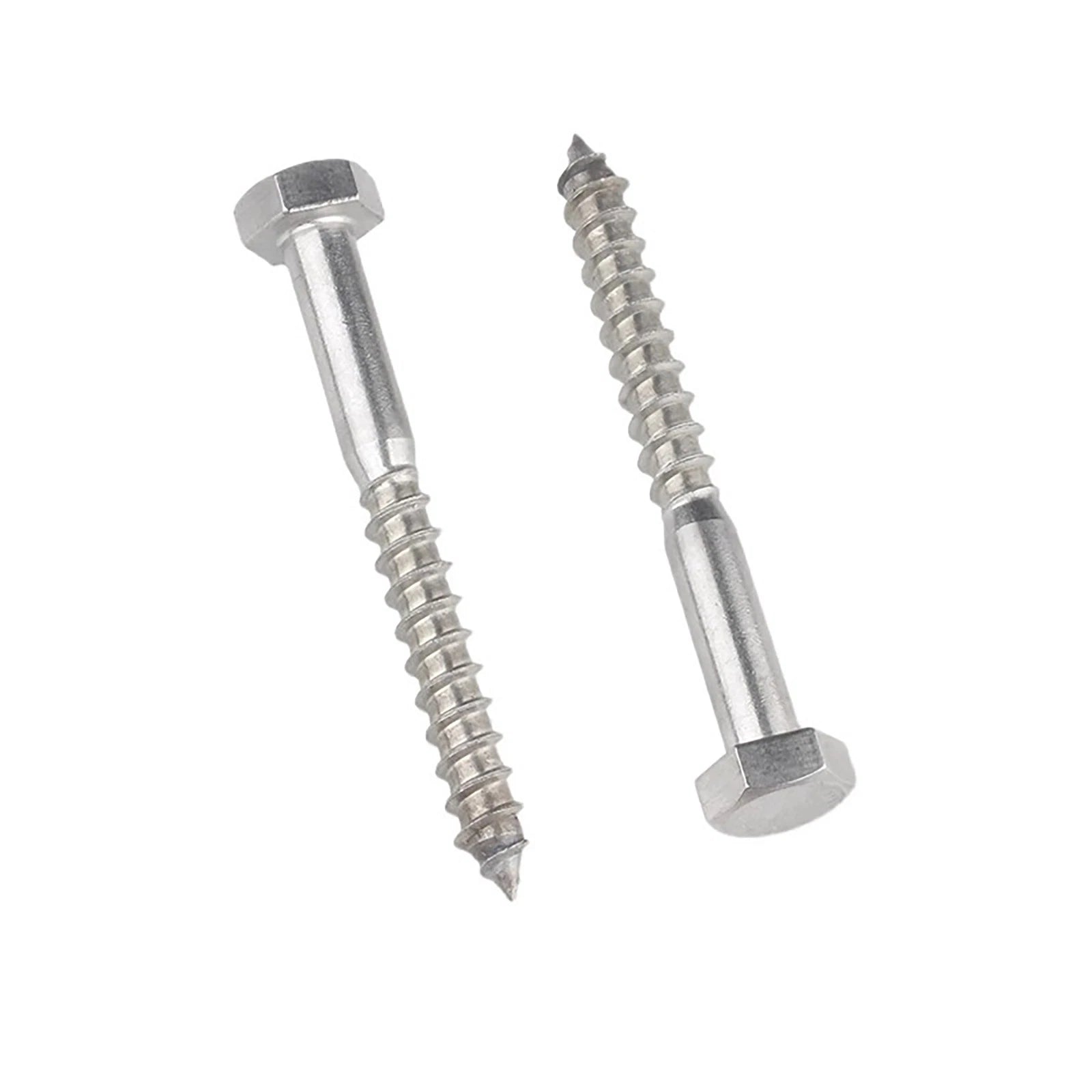
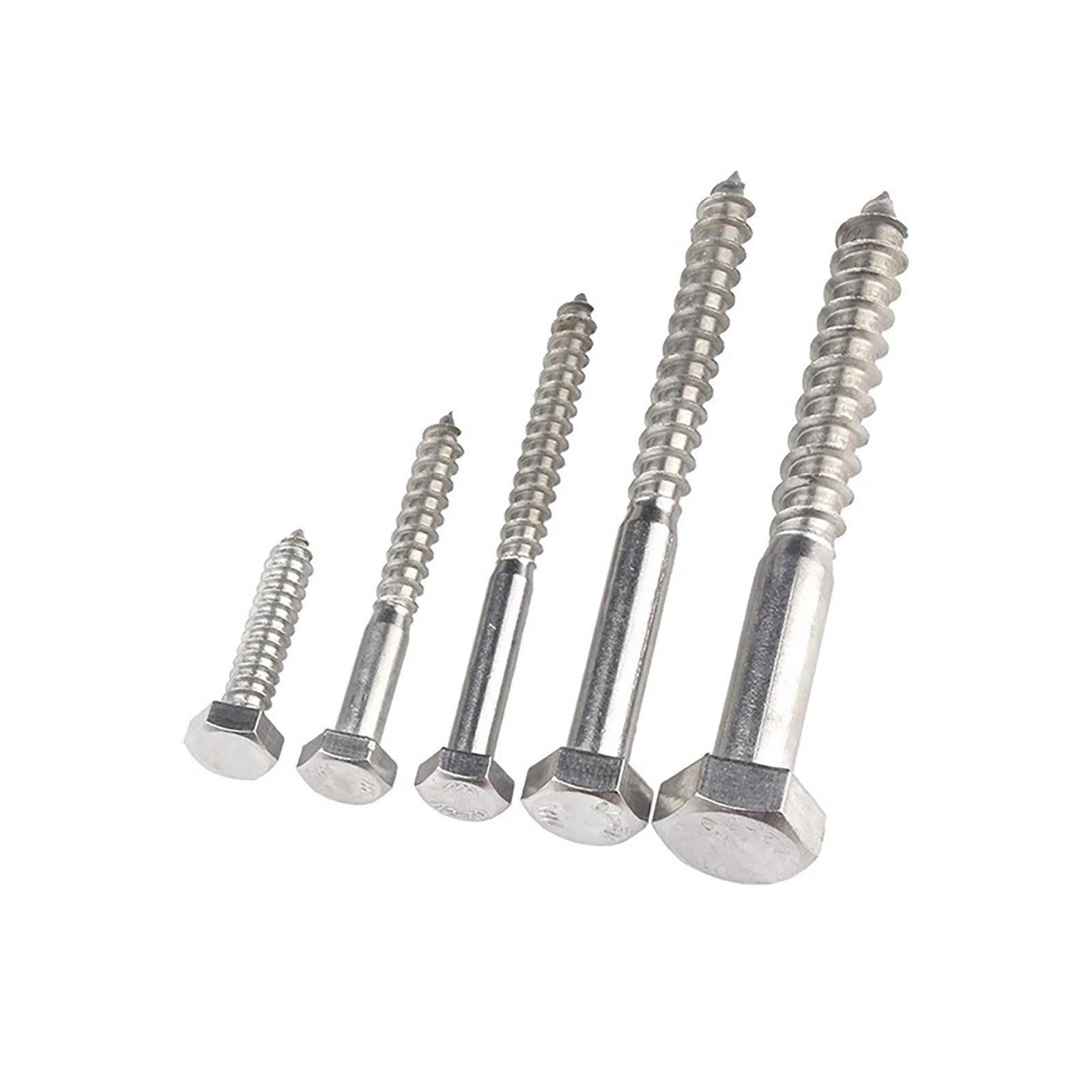
Hex Head Lag Bolts for Structural Timber & Ledger Board Connections
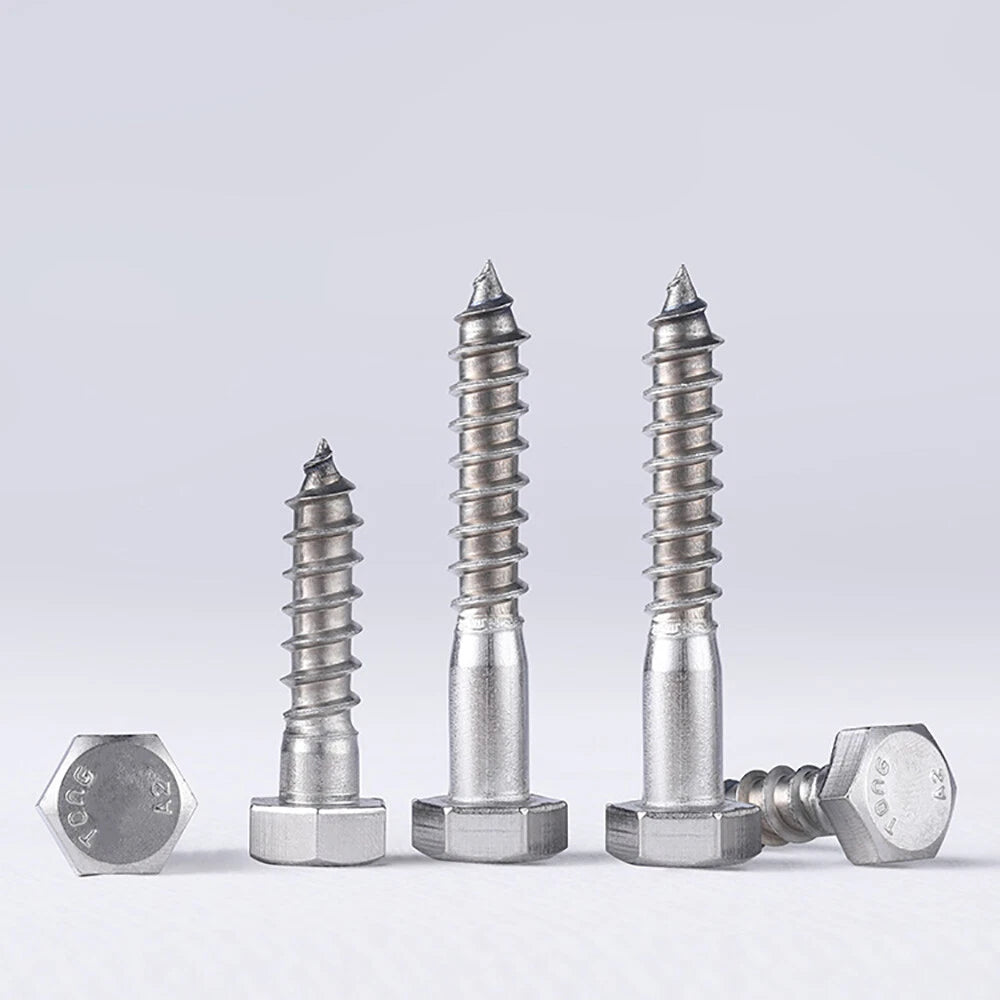
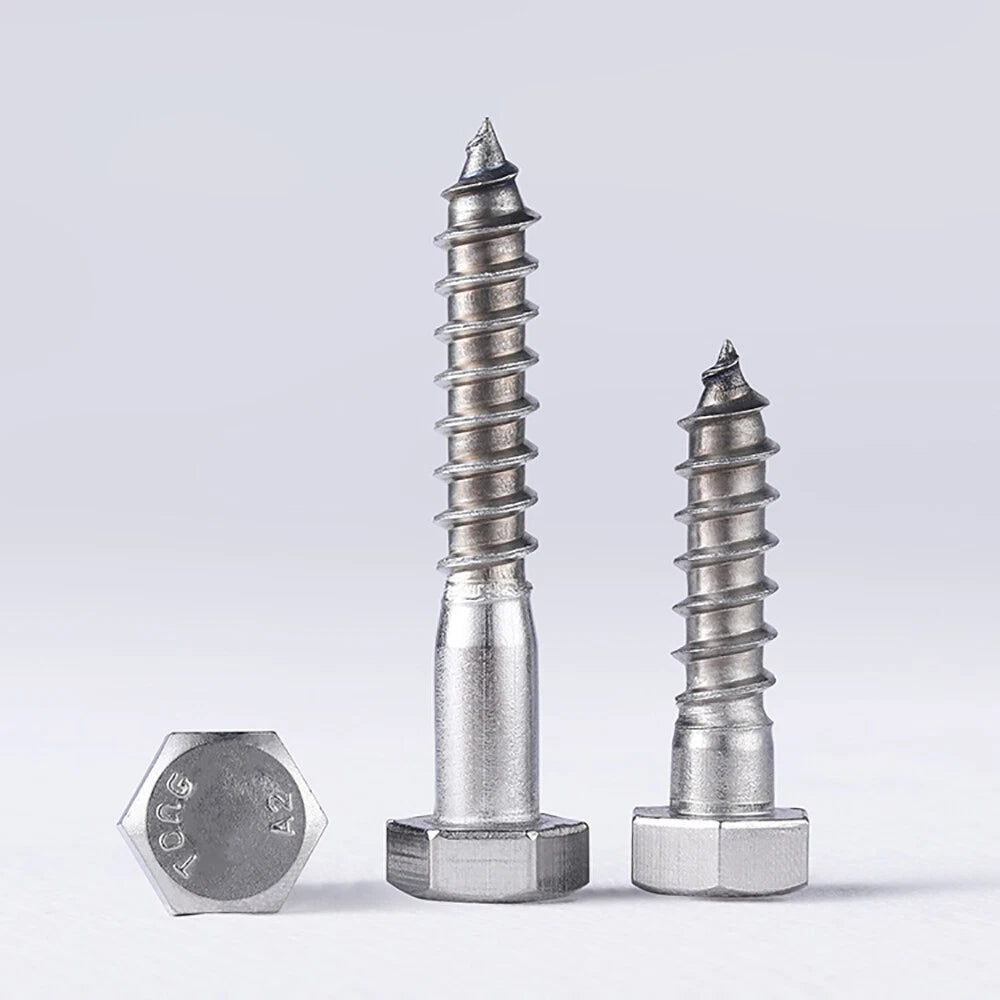
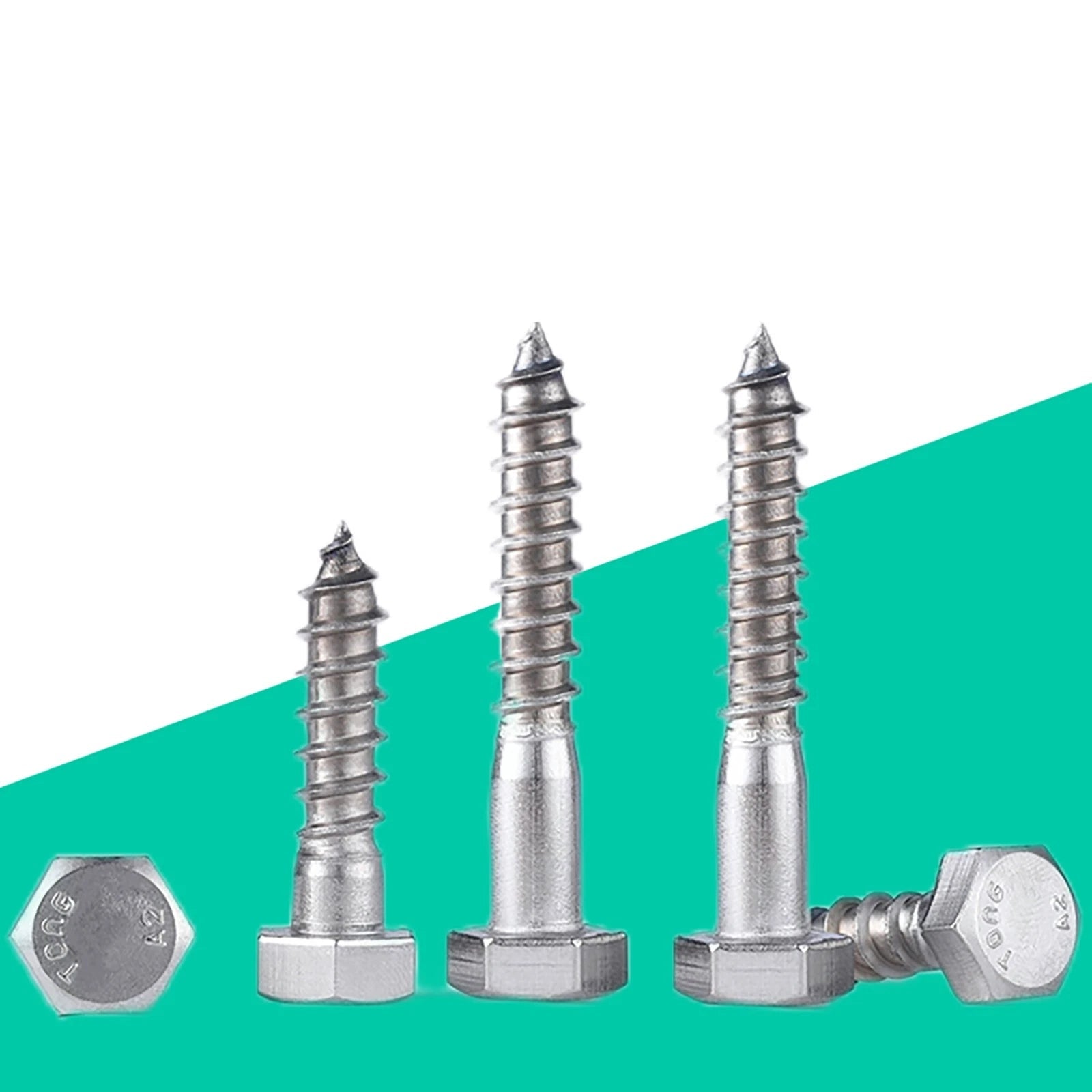
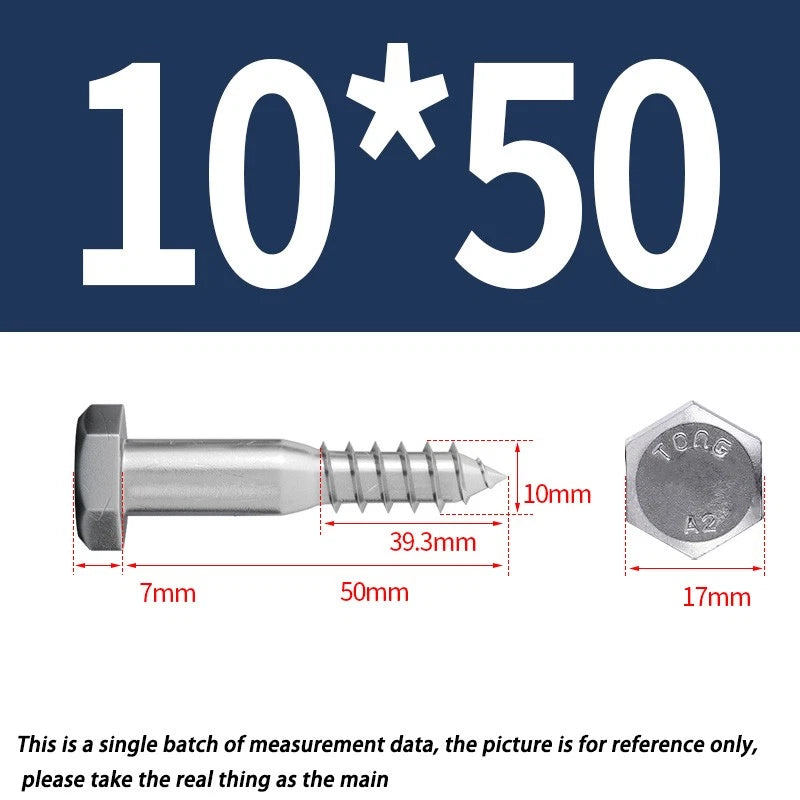
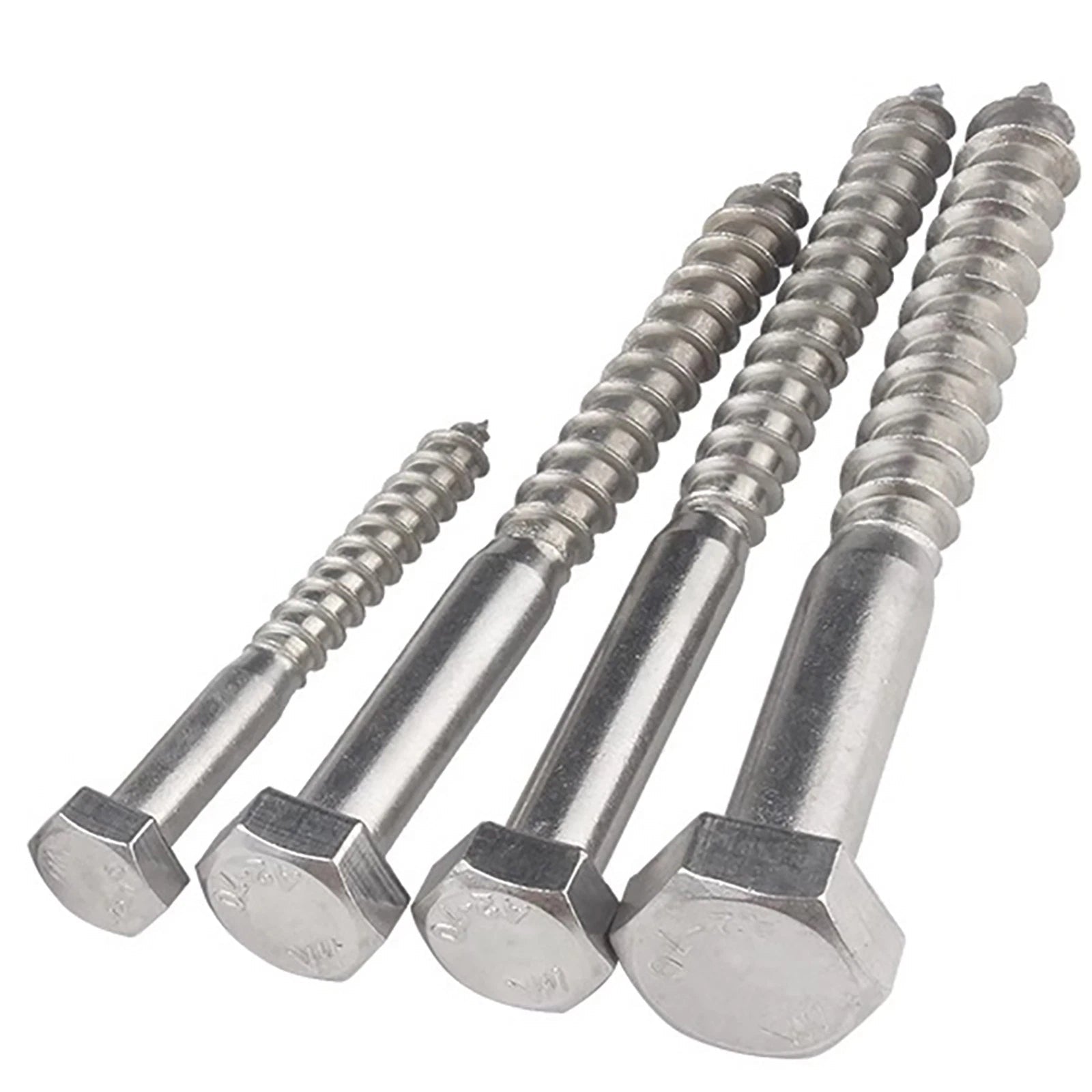
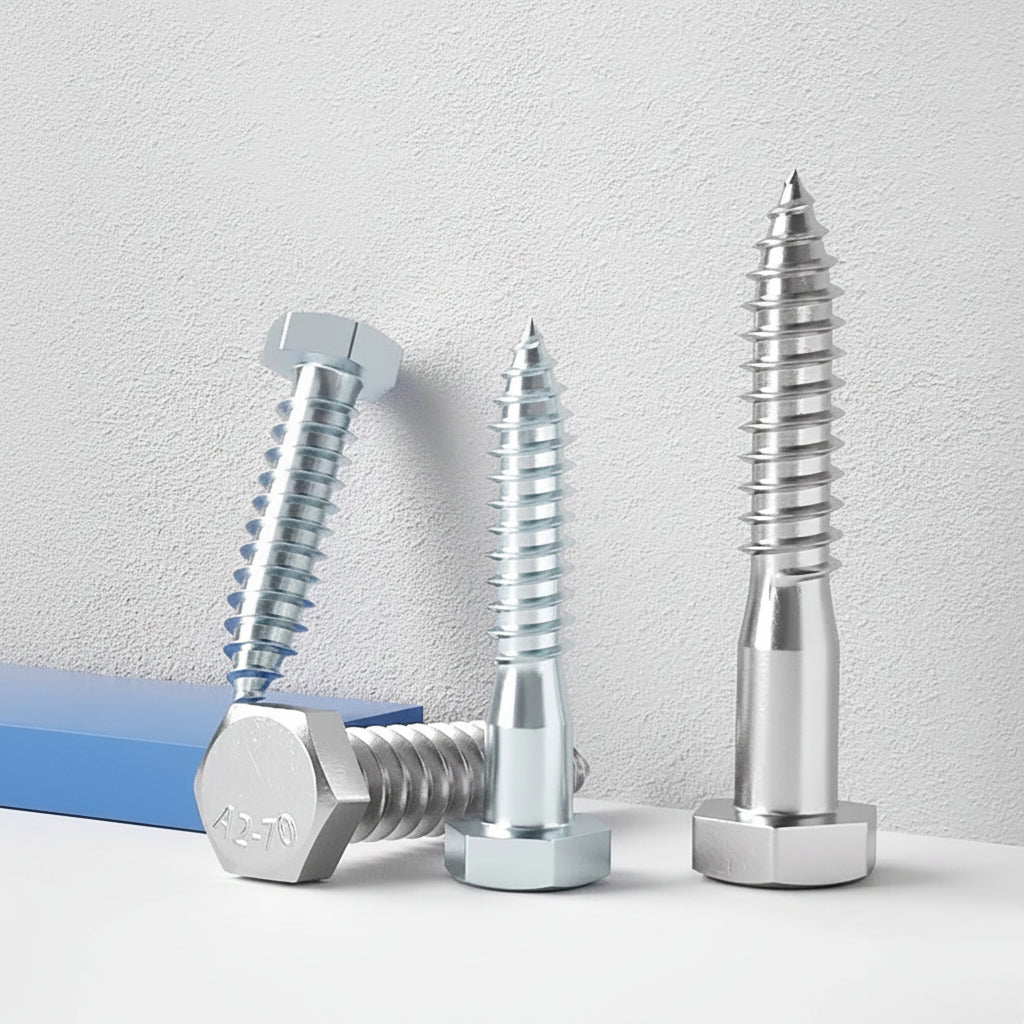
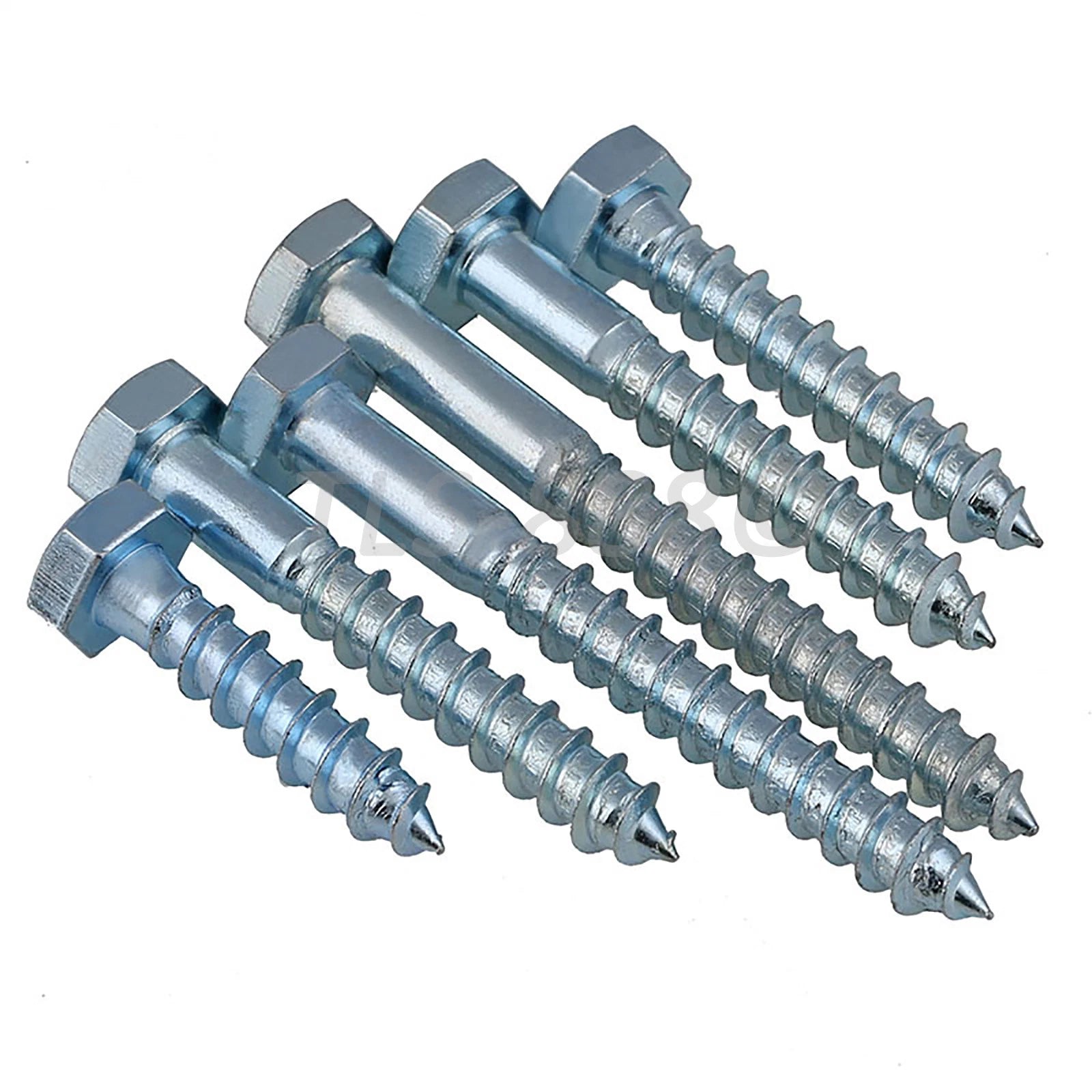
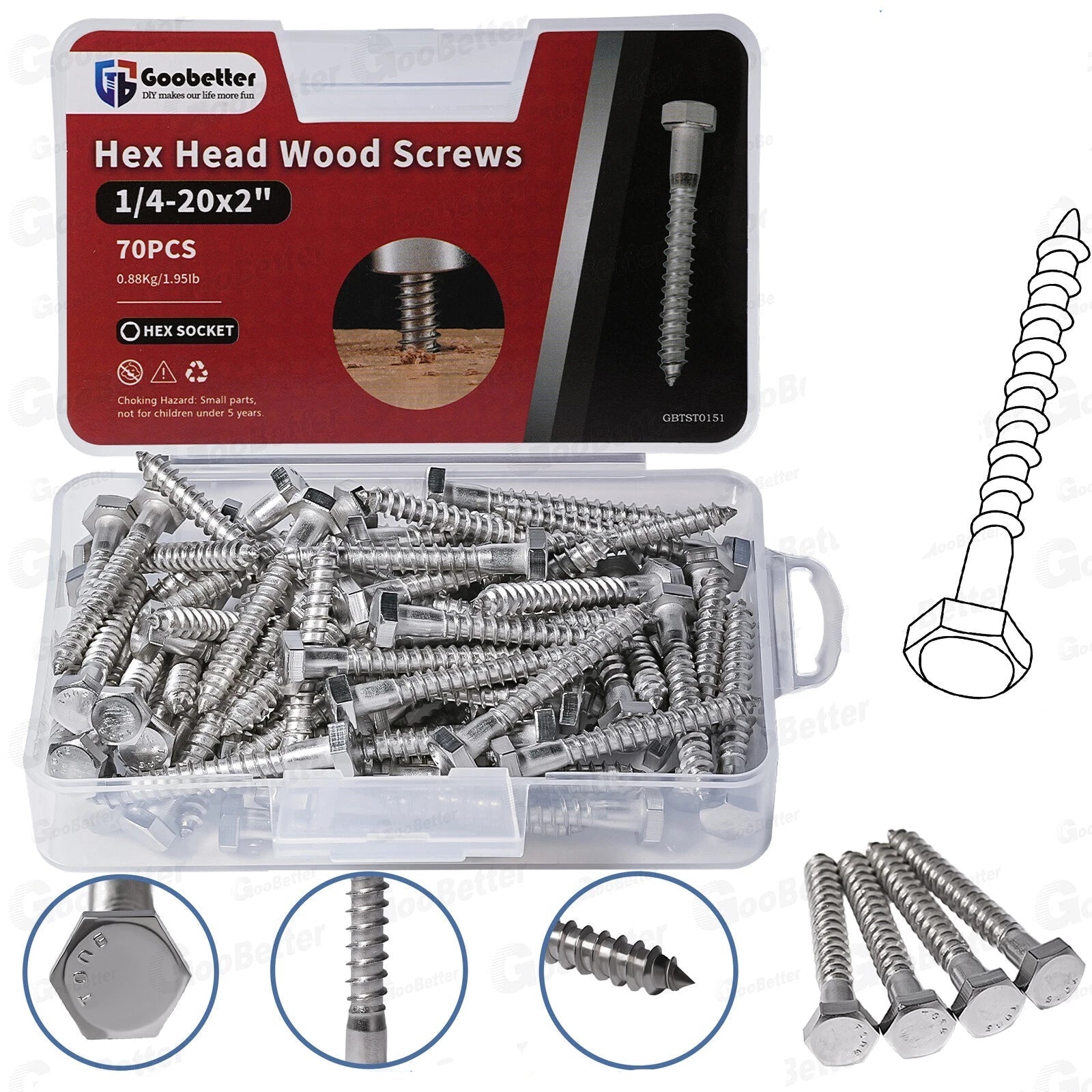
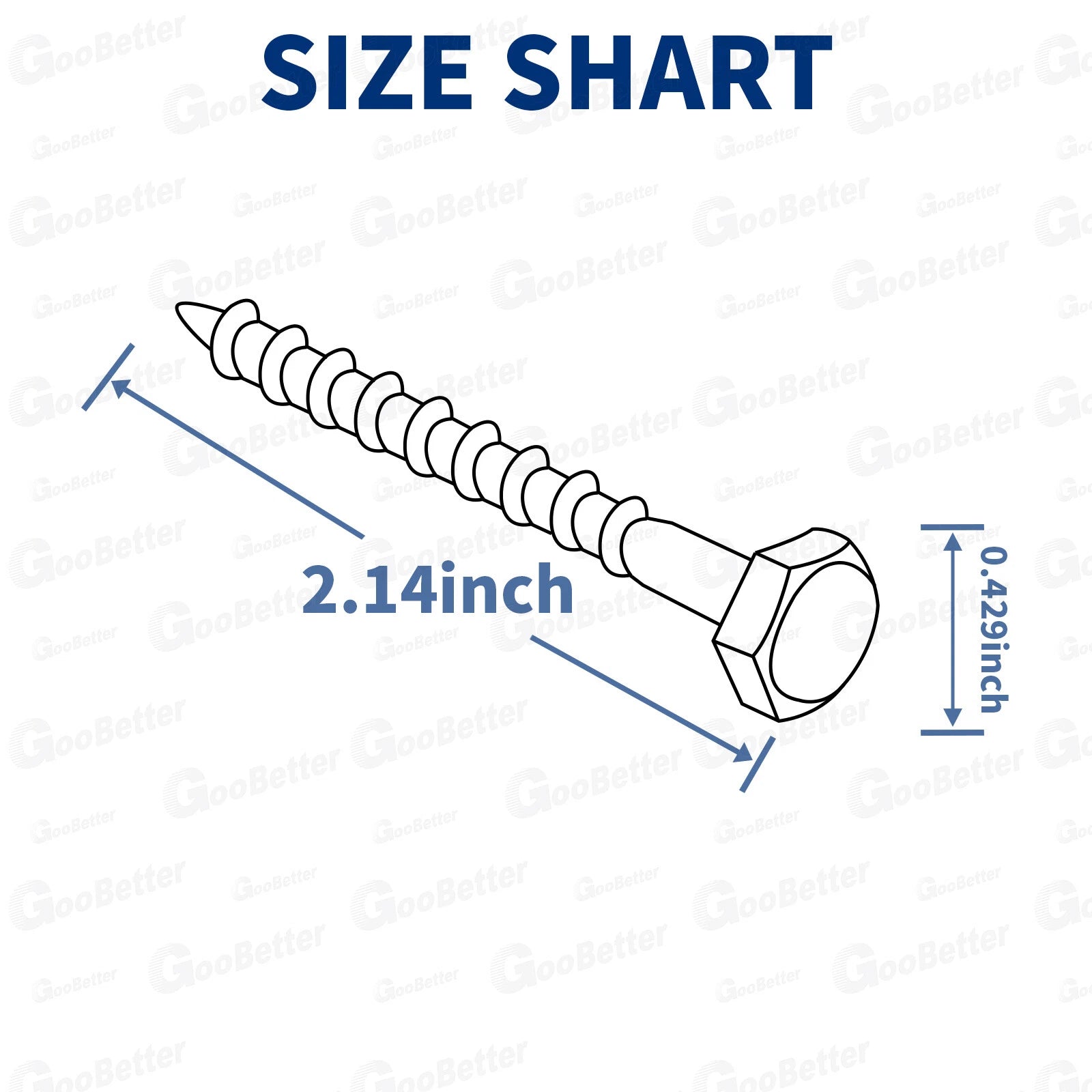
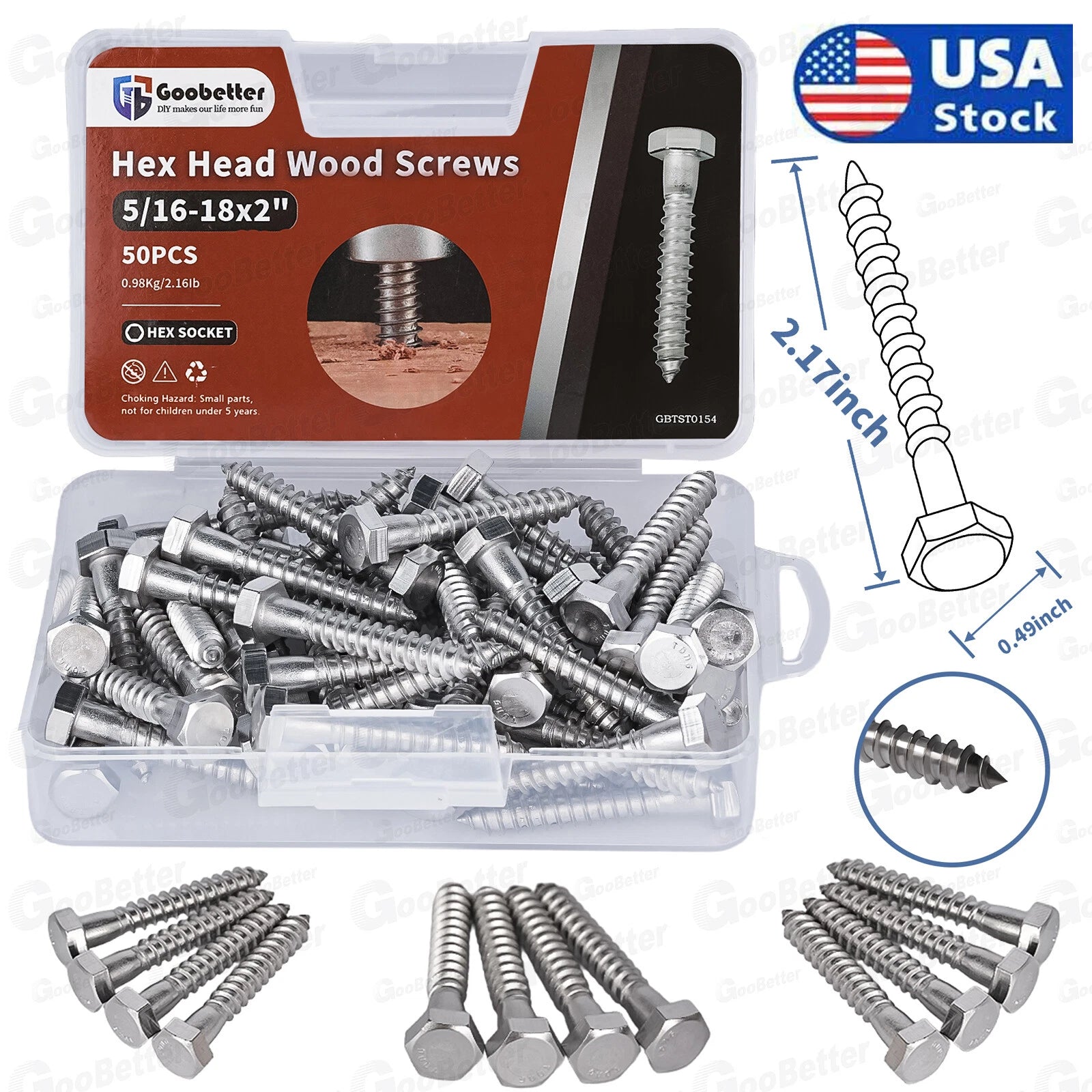
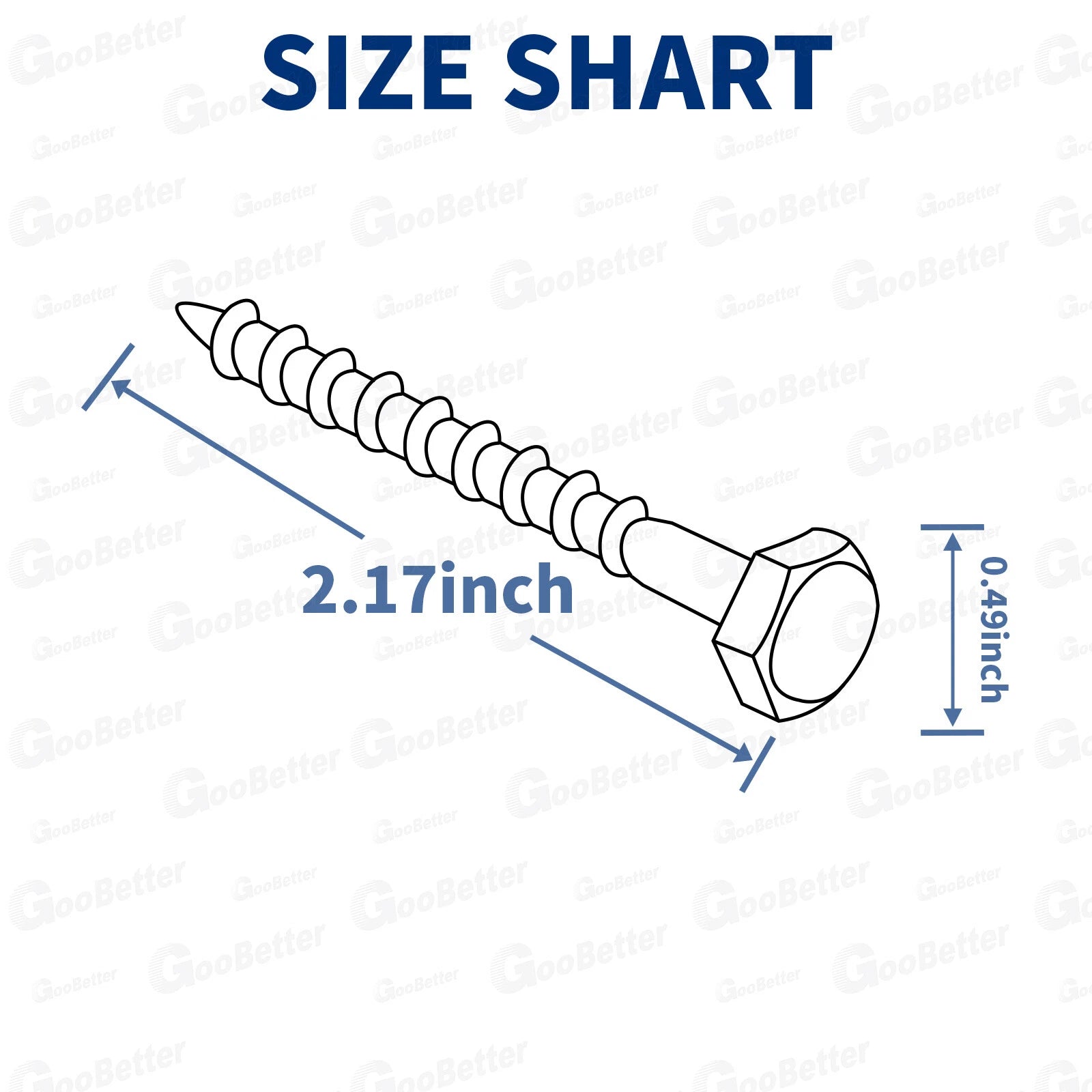
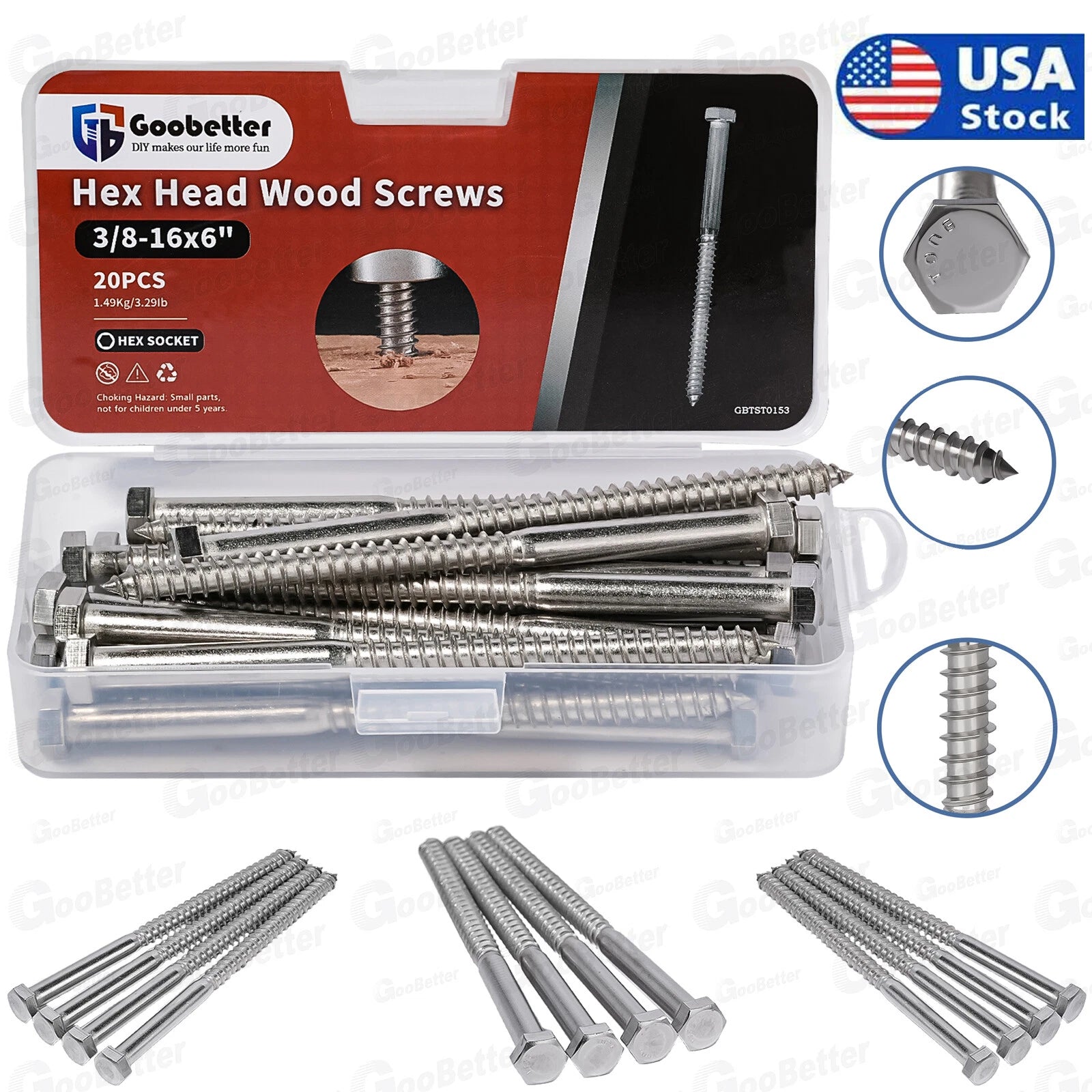
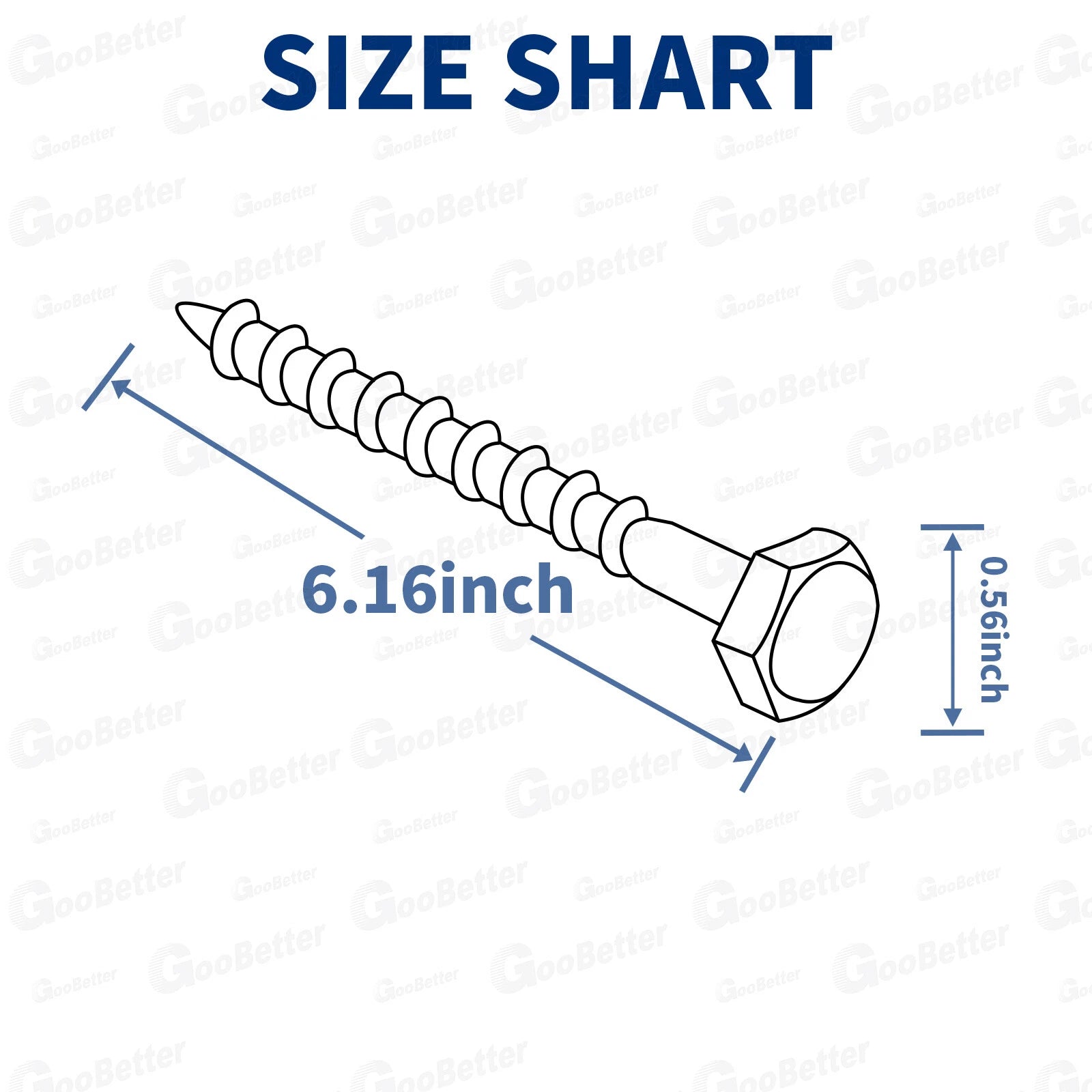
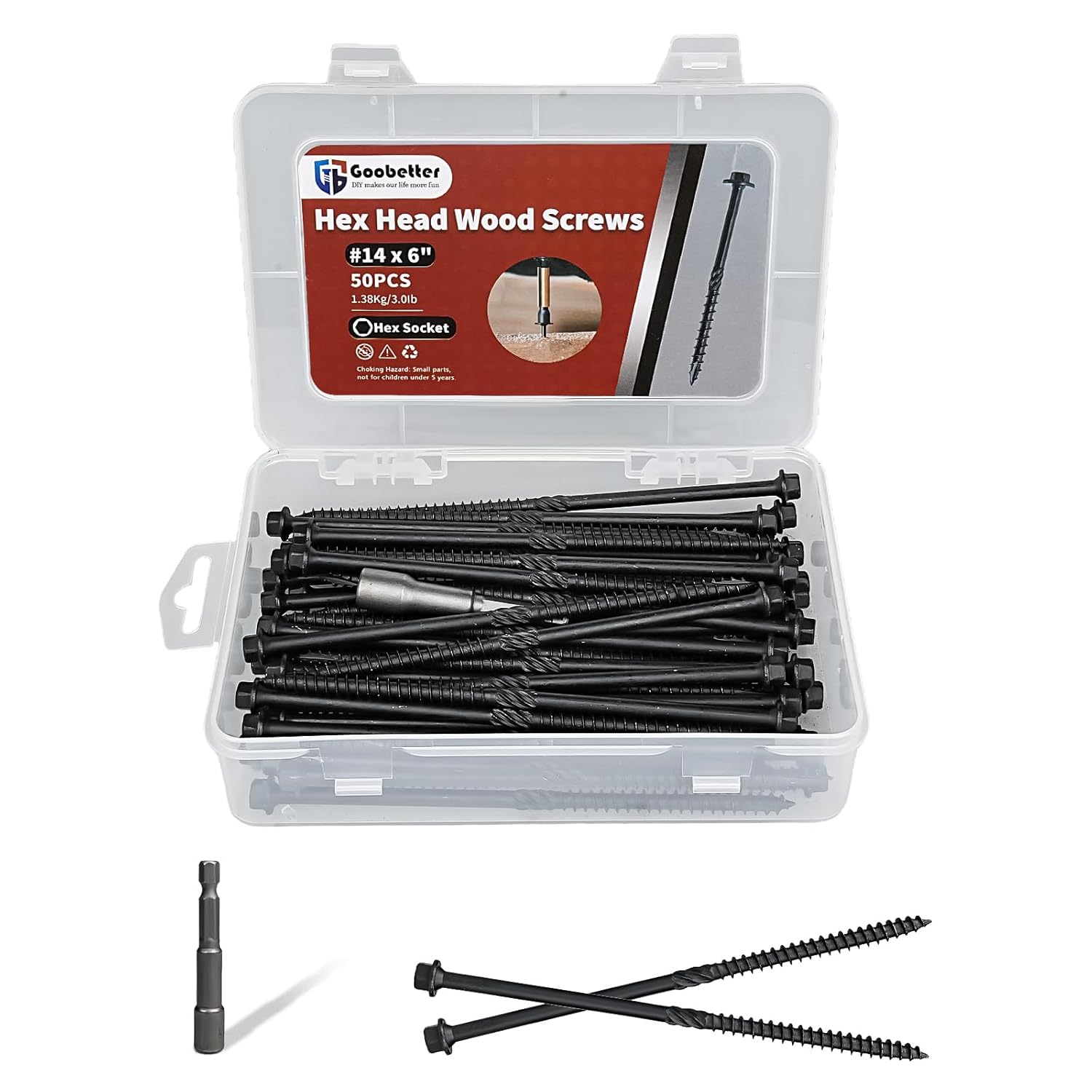
Hex head lag screws are the traditional choice for structural applications where a torque wrench or socket is used to meet code-specified installation torque. Our hex head lag bolts are available in imperial sizes (1/4"-20, 5/16"-18, 3/8"-16) and metric sizes (M6, M8, M10, M12) in both stainless steel and zinc-plated finishes. Ideal for ledger board attachment, post-to-beam connections, and any application where a building inspector will be checking your work.
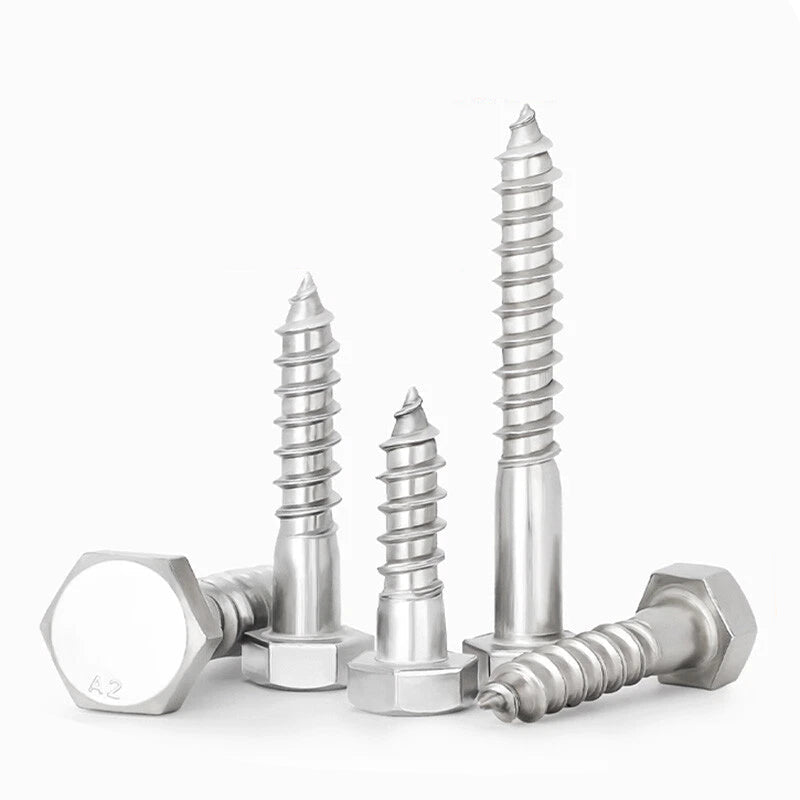
Stainless Steel Lag Screws for Marine & Pressure-Treated Lumber Applications
Modern pressure-treated lumber contains copper compounds (ACQ/CA) that aggressively corrode standard zinc-plated fasteners. Our A2 (304) and A4 (316) stainless steel lag screws are fully compatible with treated wood and coastal environments. The A4 marine-grade option is specifically engineered for docks, boat lifts, and waterfront structures where salt air and constant moisture exposure would destroy lesser fasteners within a season or two.
Heavy-Duty Lag Screws for Fence Post & Landscaping Timber Projects
Fence posts, retaining wall timbers, landscape ties, and garden structures all benefit from the holding power of a properly installed lag screw. Our 3" and 4" structural lag screws in yellow and black coatings are sized right for fence rail connections and landscape timber stacking. The washer head design spreads the clamping force to prevent the head from sinking into softer woods like cedar and pine — keeping your fence rails tight for years.
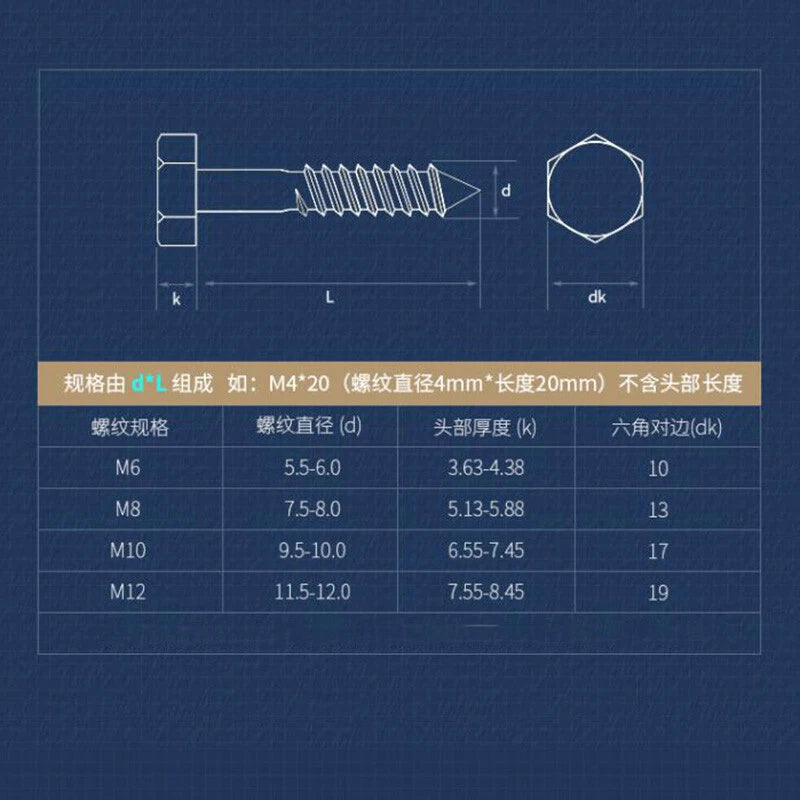
Metric Lag Screws & DIN 571 Hex Head Wood Bolts for European-Standard Builds
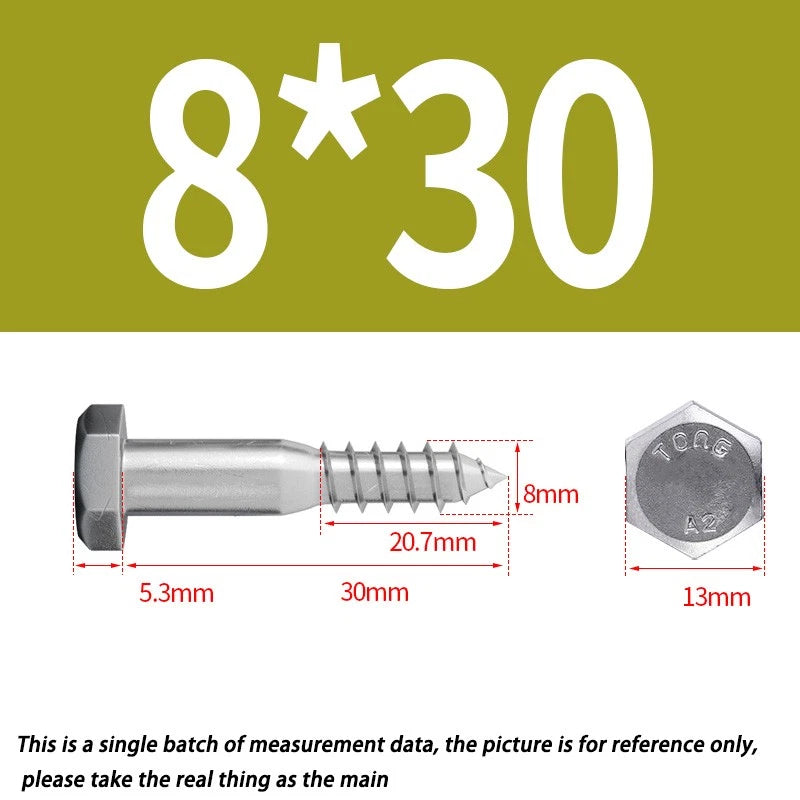
Working with metric lumber dimensions or European-standard hardware? Our DIN 571 hex head lag screws in M6, M8, M10, and M12 sizes cover the full range of metric structural fastener needs. Available in A2 stainless steel for corrosion resistance and zinc-plated steel for interior or protected applications. These are the same fasteners used in European timber construction and are fully compatible with metric pre-drill bit sets.
Bulk Pack Lag Screws for Contractors & Large Construction Projects
Running a framing crew or tackling a large deck build? Our 25-pack, 50-pack, and 70-pack lag screw sets keep your job site stocked without constant reordering. Bulk packs are available in the most popular sizes — #14 x 3", #14 x 4", #14 x 5", and #14 x 6" — in both star drive and hex socket configurations. Each pack includes the appropriate drive bit so your crew can get to work immediately without hunting for the right tool.
Maintenance Tips for Lag Screw Connections
Seasonal Inspection Checklist: Spring — check for frost heave that may have loosened connections; re-torque any lag screws that have backed out. Summer — inspect coated screws for coating damage or rust bleed after heavy rain. Fall — clear debris from around screw heads to prevent moisture trapping before winter. Winter — avoid driving lag screws into frozen wood, which can cause splitting when the wood thaws and expands.
- Inspect lag screw connections annually, especially on decks and ledger boards — look for rust staining, wood checking around the head, or any visible movement in the joint.
- If a lag screw has backed out slightly, do not simply re-drive it into the same hole — the threads may have stripped the wood fibers. Use a longer screw or shift to a new location and fill the old hole with an epoxy wood filler.
- Apply a thin coat of paste wax or beeswax to lag screw threads before driving into hardwoods like oak or maple — this dramatically reduces drive torque and prevents head shear without compromising holding strength.
- For outdoor installations, check that the wood around the screw head hasn't cupped or cracked in a way that allows water to pool — standing water accelerates corrosion even on coated fasteners.
- When removing old lag screws for repairs, use a breaker bar rather than an impact driver in reverse — the sudden shock can snap a corroded screw shaft, leaving the shank embedded in the wood.
- Store unused lag screws in a dry location away from direct contact with pressure-treated lumber — the copper compounds in treated wood can begin to corrode zinc-plated fasteners even during storage.
Frequently Asked Questions About Lag Screws
What size lag screw do I need for deck framing?
For standard deck framing, 5/16" × 3" or 3/8" × 3.5" lag screws are the most common choice. When attaching a ledger board to a house rim joist, most building codes require 1/2" diameter lag screws or structural bolts spaced no more than 16" apart. Always check your local building code before starting.
Do I need to pre-drill for lag screws?
Yes, pre-drilling is strongly recommended. Drill a clearance hole through the first piece of wood equal to the shank diameter, then a pilot hole into the second piece about 75% of the screw's root diameter. This prevents wood splitting, reduces drive torque, and ensures a tighter, more accurate connection.
What is the difference between a lag screw and a lag bolt?
Lag screws and lag bolts are the same fastener — the terms are used interchangeably in the US. They are large, coarse-threaded wood screws with a hex or square head designed to be driven with a wrench or socket. The term "lag bolt" is more common in older trade literature, while "lag screw" is the current standard term.
What is the difference between star drive and hex head lag screws?
Star drive (Torx) lag screws use a 6-point star-shaped recess that resists cam-out, making them easier to drive at high torque with an impact driver. Hex head lag screws use a 6-sided bolt head driven with a wrench or socket, preferred in structural applications where a torque wrench is used to meet code specifications. Both are equally strong — the choice depends on your tools and workflow.
Are stainless steel lag screws worth the extra cost for outdoor projects?
For outdoor projects exposed to moisture or pressure-treated lumber (ACQ/CA), stainless steel lag screws are absolutely worth it. Standard zinc-plated screws can corrode within a few years in contact with copper-treated wood. A2 (304) stainless suits most outdoor builds; A4 (316) marine-grade is recommended for coastal or high-humidity environments.
How long should lag screws be for timber framing?
A general rule: the lag screw should penetrate the receiving member by at least half the total screw length. For example, a 6" lag screw through a 2×4 (1.5" thick) leaves 4.5" of thread engagement in the post or beam — solid for most loads. For heavy timber connections, 5" to 6" lag screws are standard. Consult span tables or a structural engineer for load-bearing applications.
Can I use lag screws in concrete or masonry?
No — lag screws are designed for wood-to-wood connections only. For anchoring into concrete or masonry, use concrete anchors such as wedge anchors, sleeve anchors, or Tapcon screws. To attach a wood sill plate to a concrete foundation, use anchor bolts set in the concrete or Tapcon-style concrete screws.
What coating is best for lag screws used in pressure-treated lumber?
Use lag screws that are hot-dip galvanized, stainless steel (A2 or A4), or specifically rated for ACQ/CA-treated wood. Standard zinc electroplating is not sufficient for contact with modern pressure-treated lumber. Many of our yellow-coated and black-coated structural lag screws use proprietary anti-corrosion coatings tested for compatibility with treated wood — check the product listing for ACQ compatibility details.
How do I install lag screws without stripping the head?
To avoid stripping: (1) Always pre-drill the correct pilot hole size. (2) Use the correct bit — T25 or T30 Torx for star drive, or the matching socket for hex head. (3) Drive at moderate speed — high RPM with no load causes cam-out. (4) Keep the bit fully seated and aligned straight with the screw axis. (5) For hardwoods, apply a small amount of wax or soap to the threads to reduce friction.
Does HomeDIYer offer free shipping on lag screws?
Yes! HomeDIYer offers free standard shipping on qualifying orders. Most lag screw orders ship within 1–2 business days and arrive within 5–7 business days depending on your location. Check the product page or cart for the exact shipping estimate. Expedited shipping options are also available at checkout.