Leather Hand Sewing Kits & Stitching Tools for Wallets and Bags
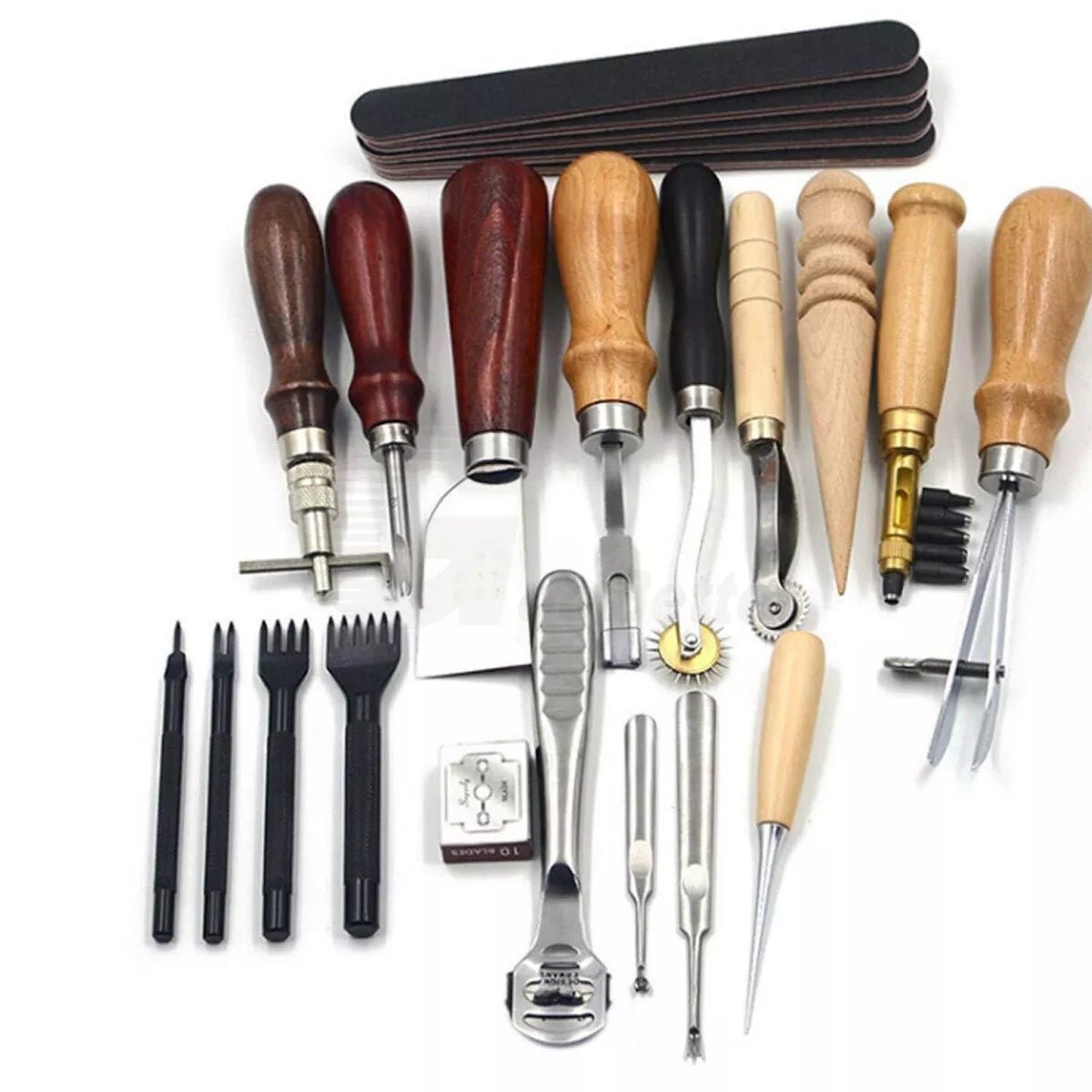
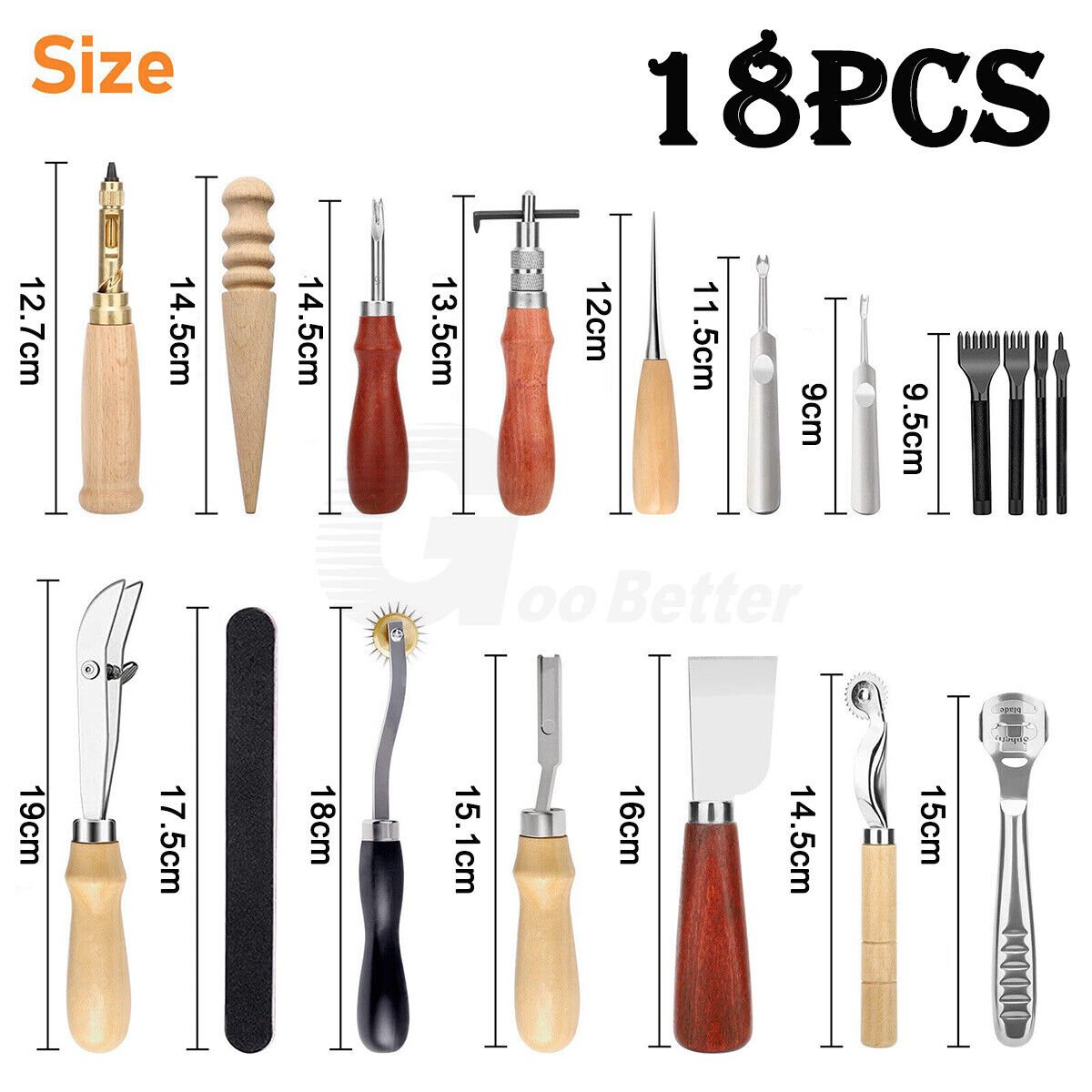
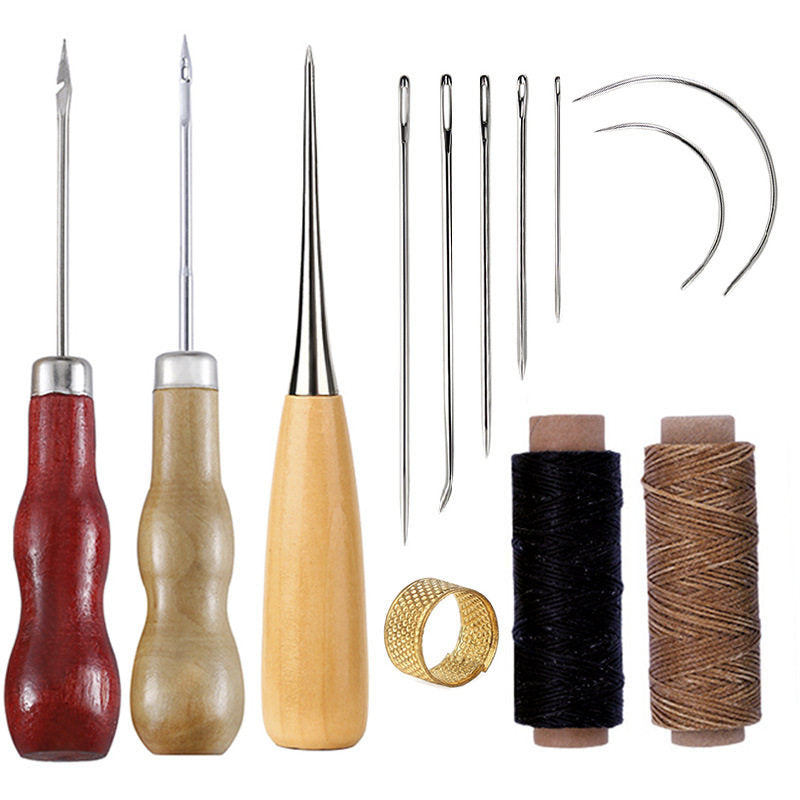
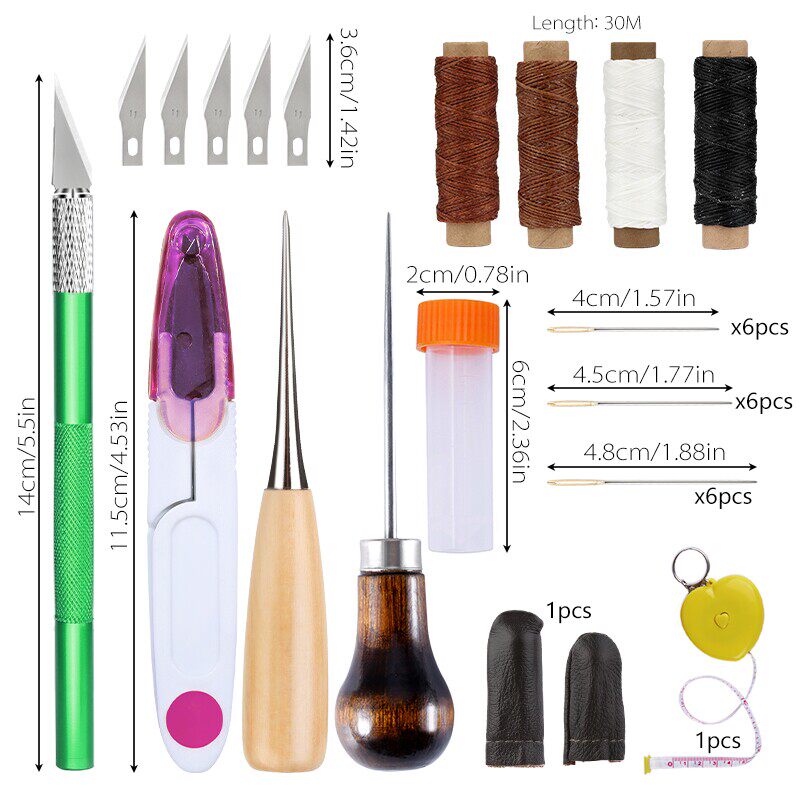
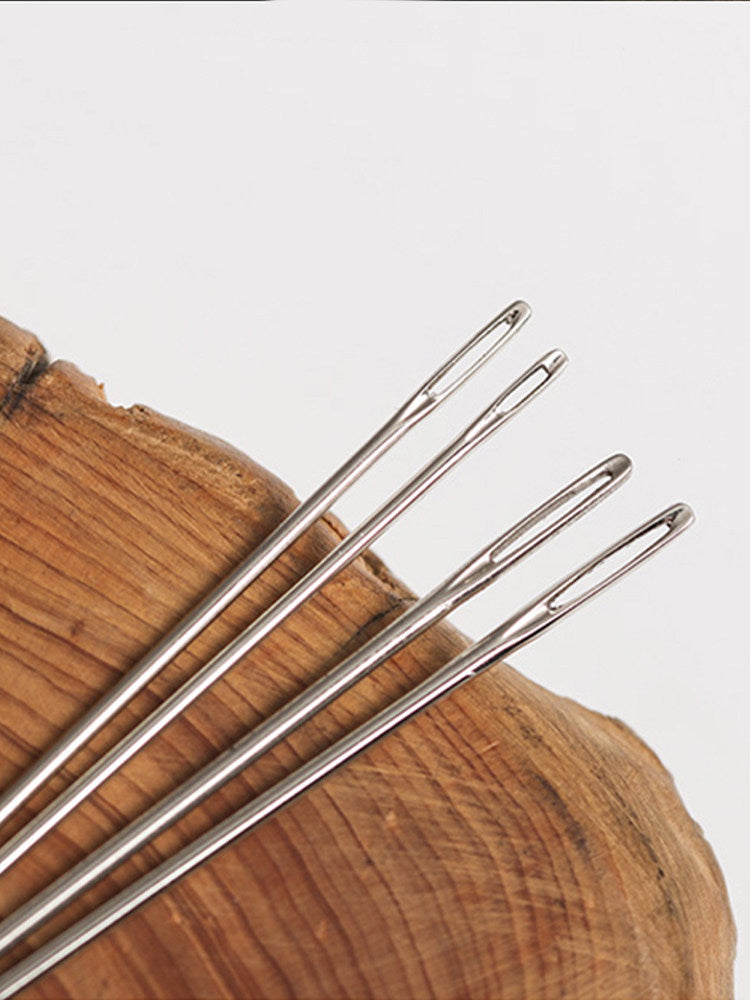
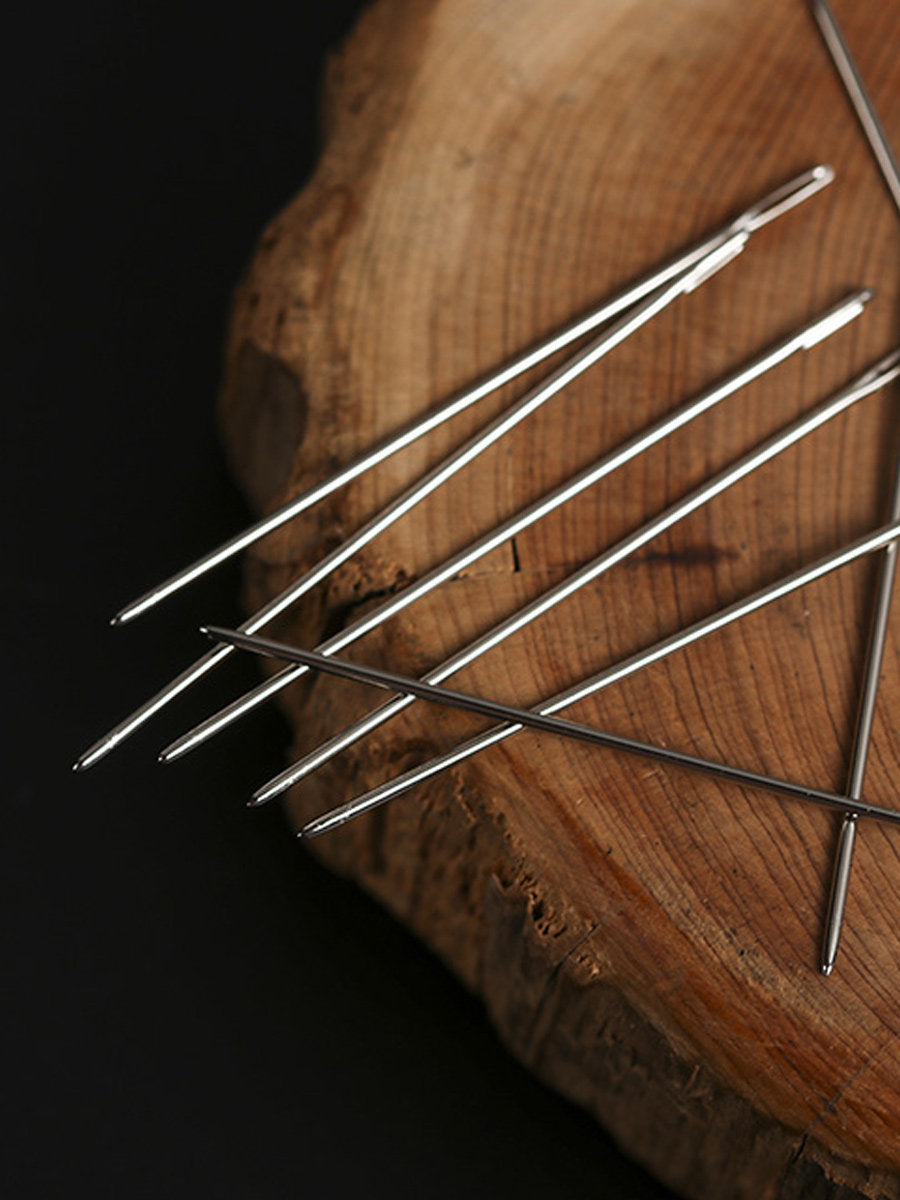
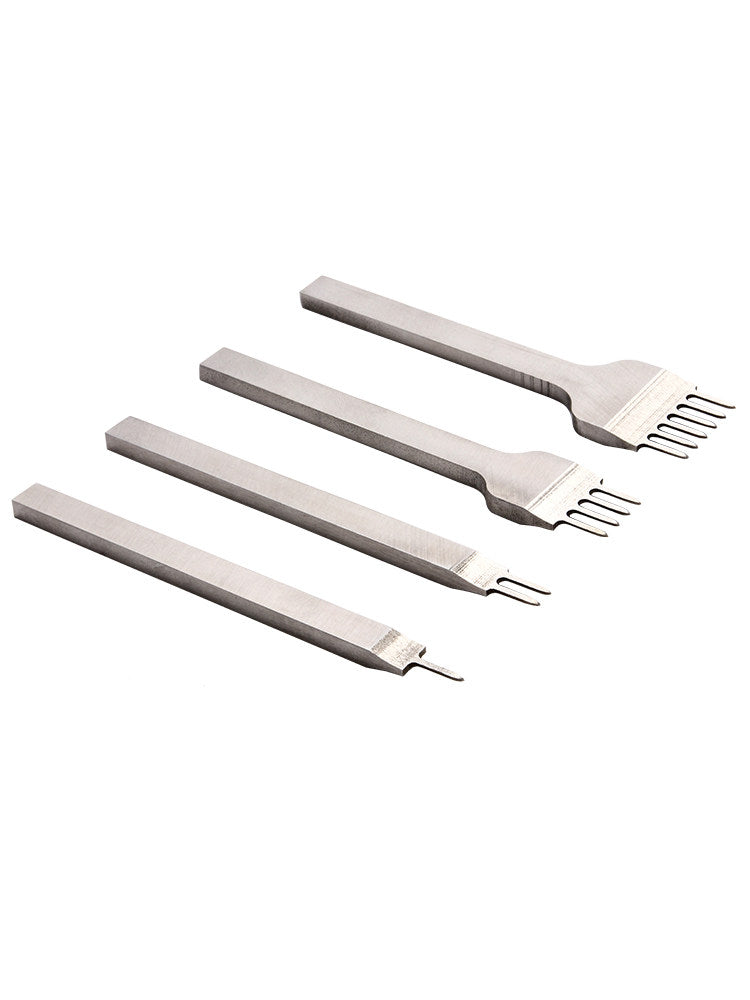
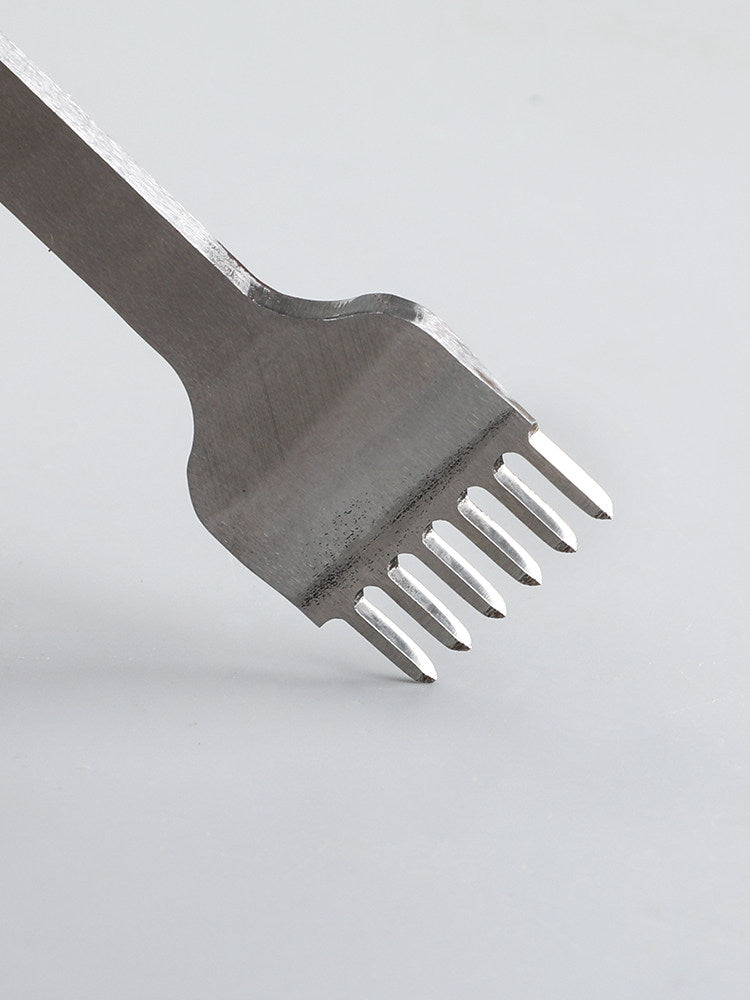
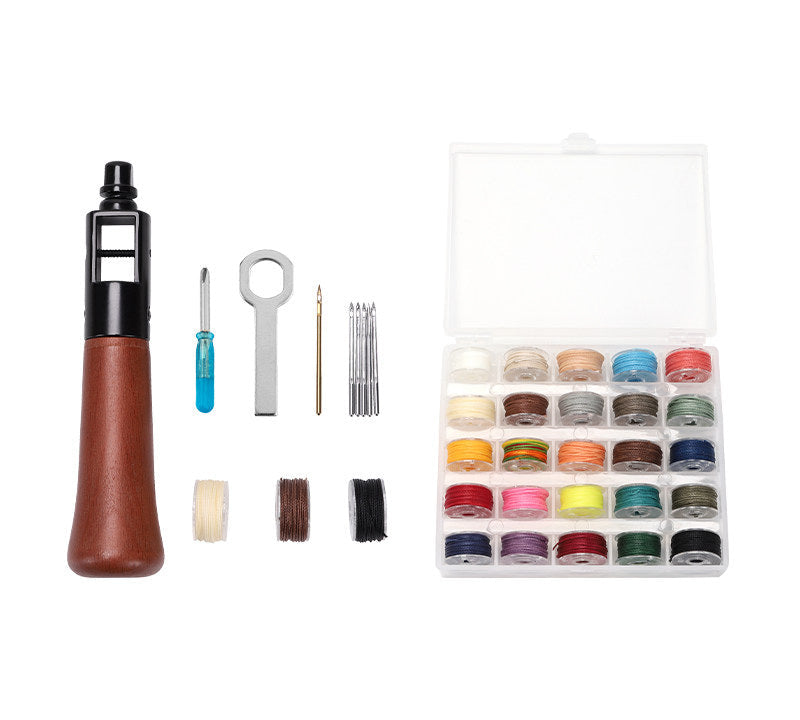
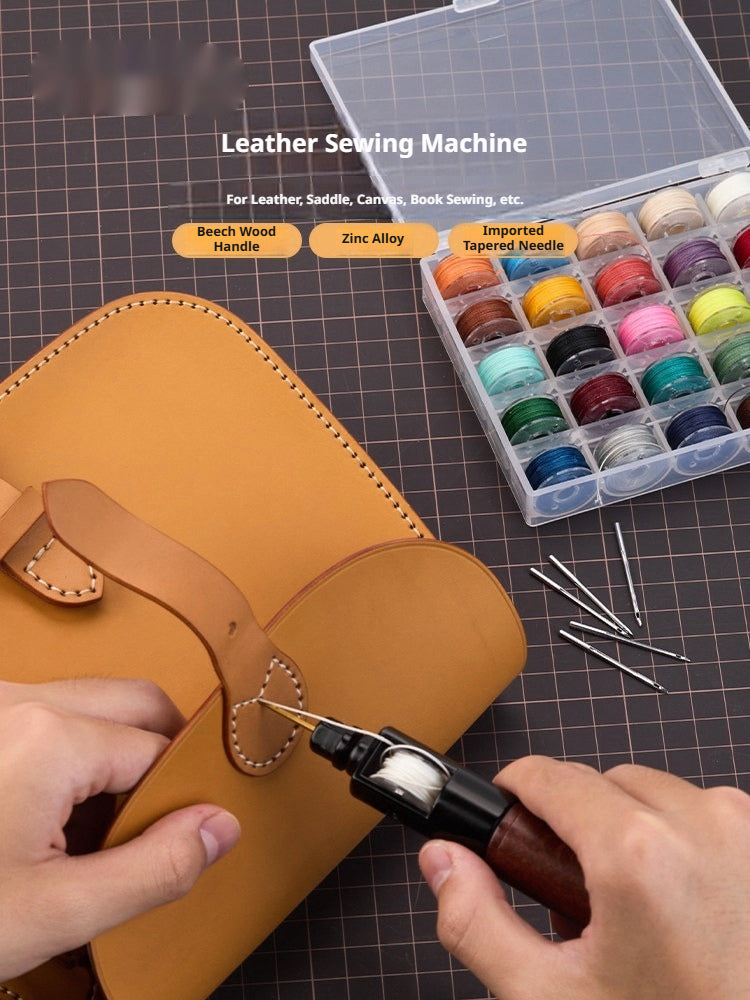
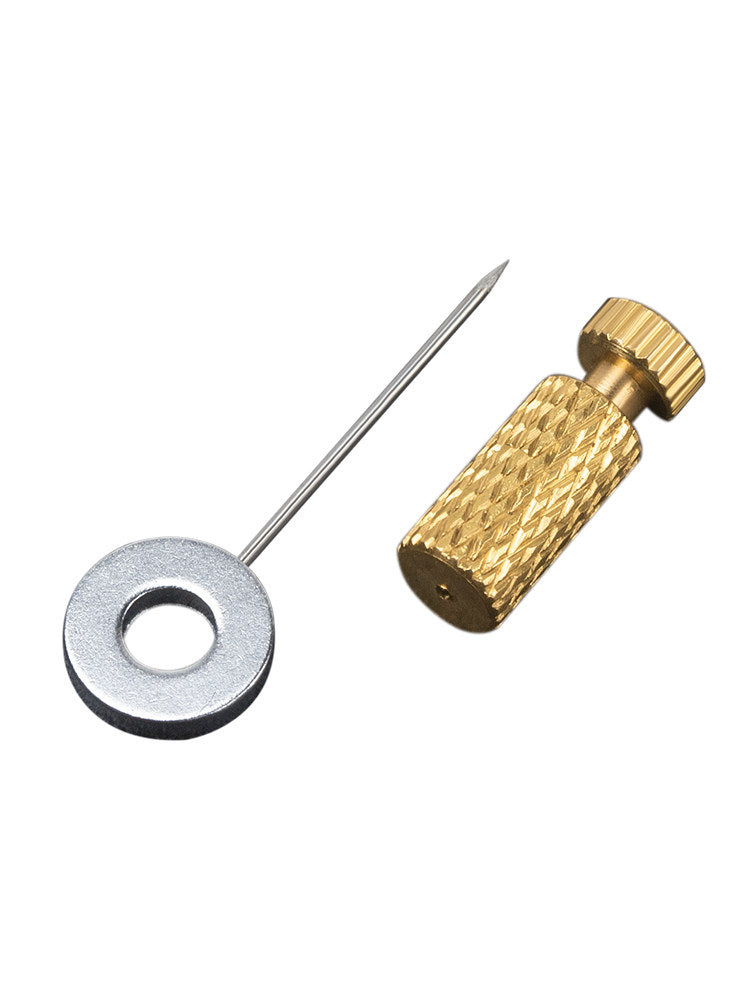
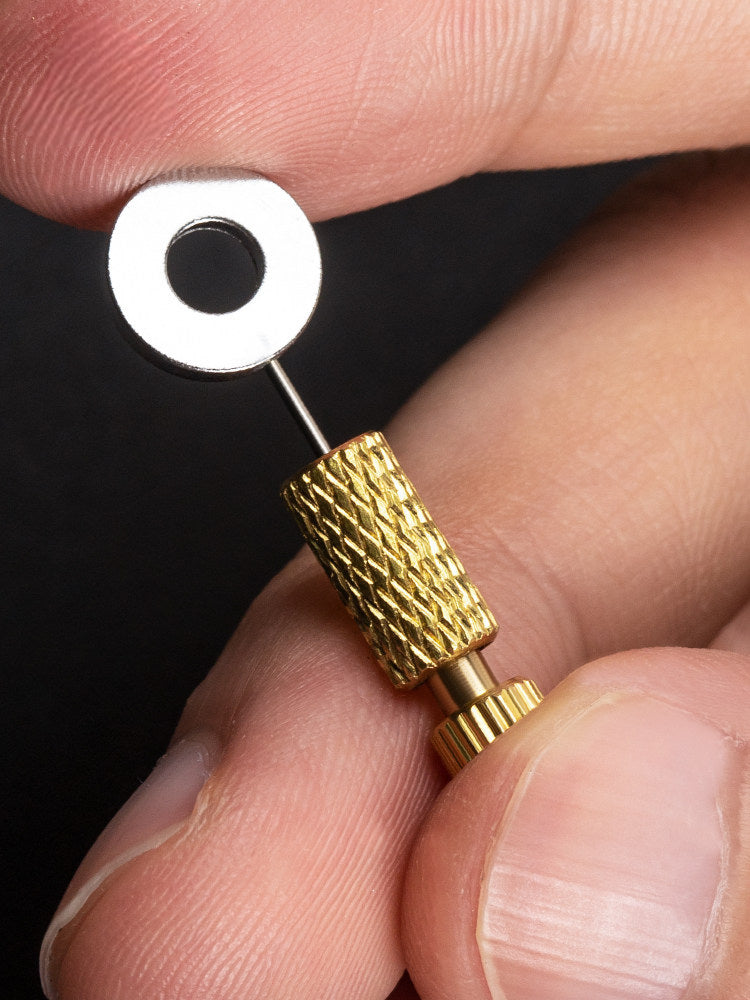
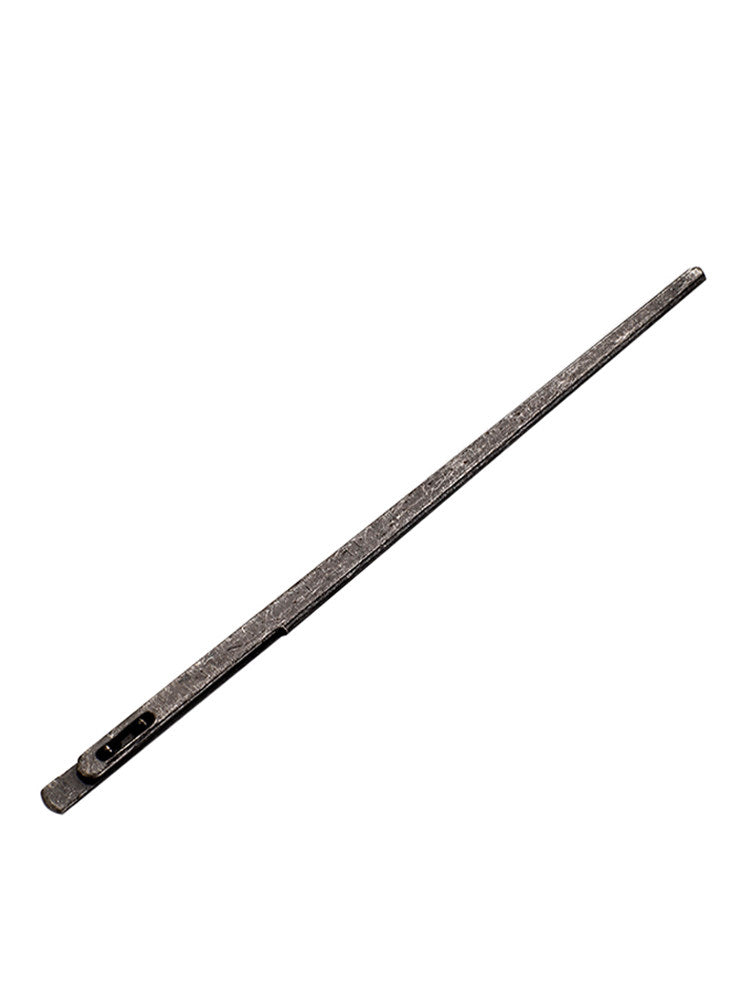
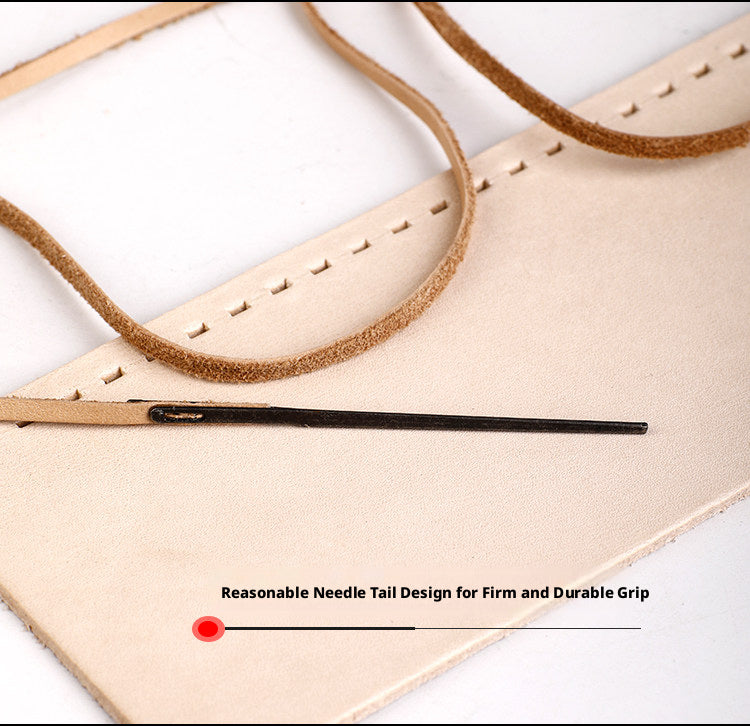
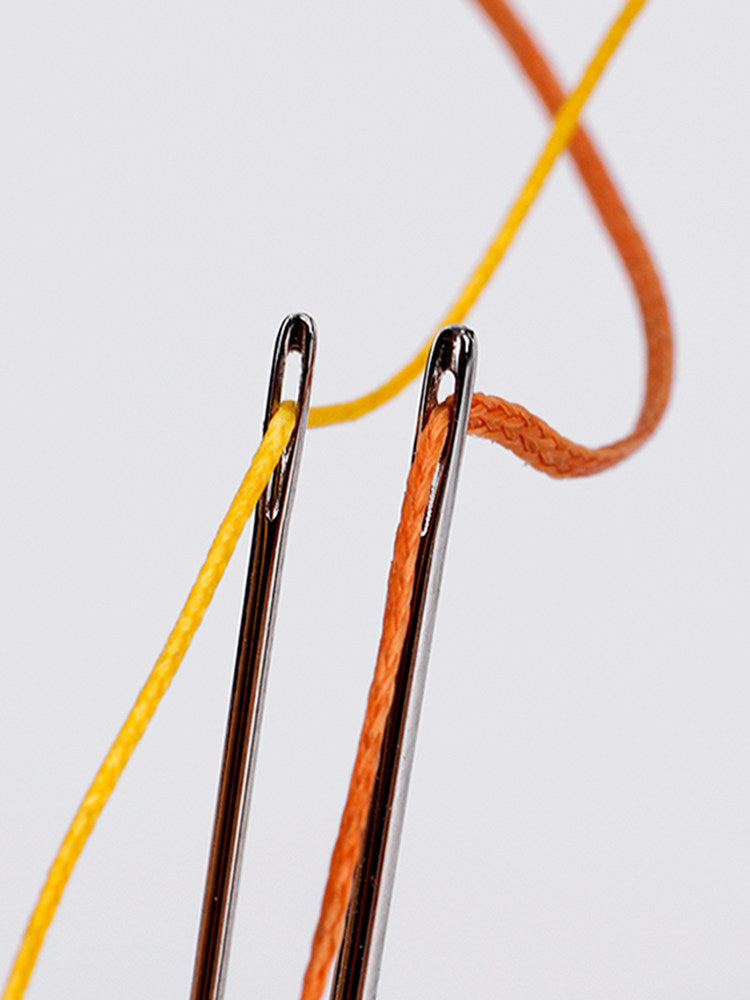
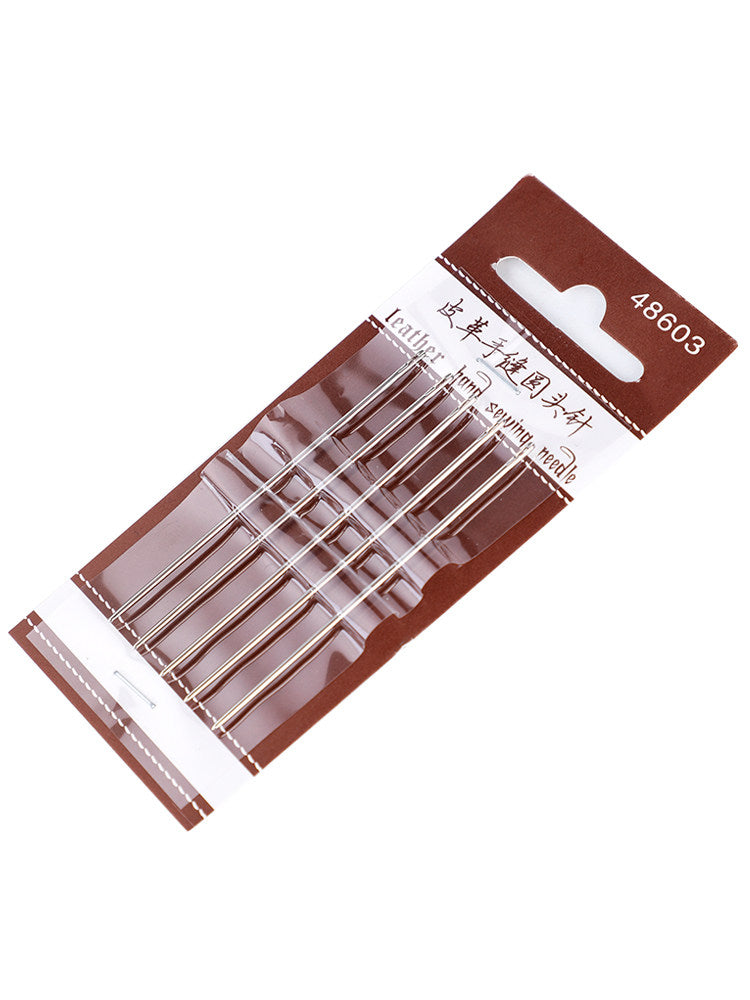
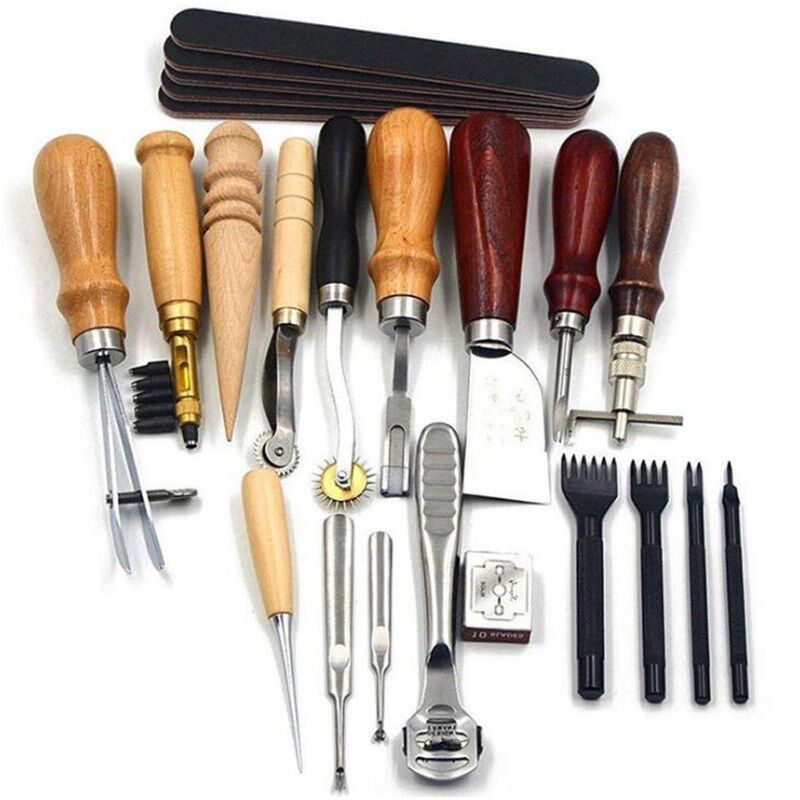
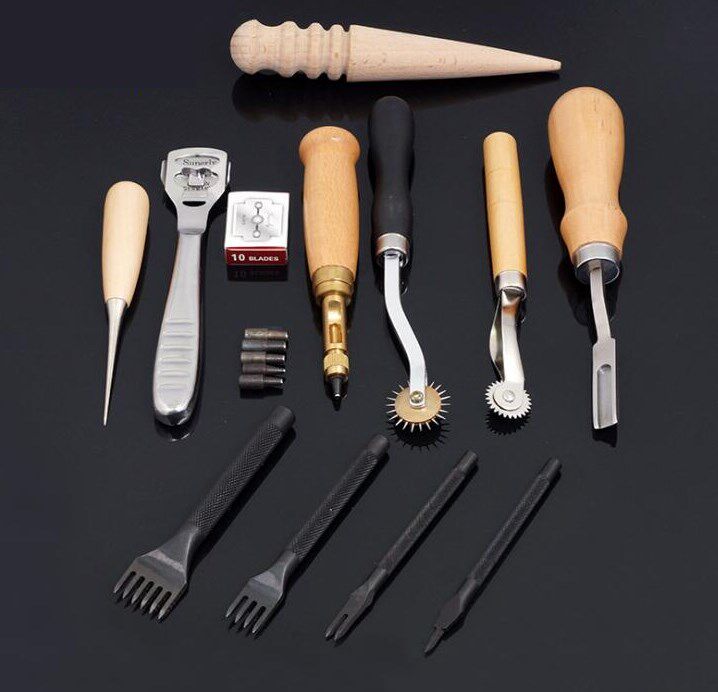
Saddle stitching is the backbone of quality leatherwork. Unlike machine stitching, a hand-sewn saddle stitch locks itself — if one thread breaks, the seam holds. Our stitching kits include diamond chisels in 3mm, 4mm, 5mm, and 6mm spacing, round-head sewing needles in multiple gauges, suture positioning pins to keep layers aligned, and 0.55mm waxed polyester thread in 63 colors. The hand stitcher tool with lock-stitch mechanism is ideal for thicker leather like bag gussets and saddle panels where a standard needle is hard to push through.
Leather Cutting Tools — Knives, Skiving Blades & Cutting Pads for Clean Edges
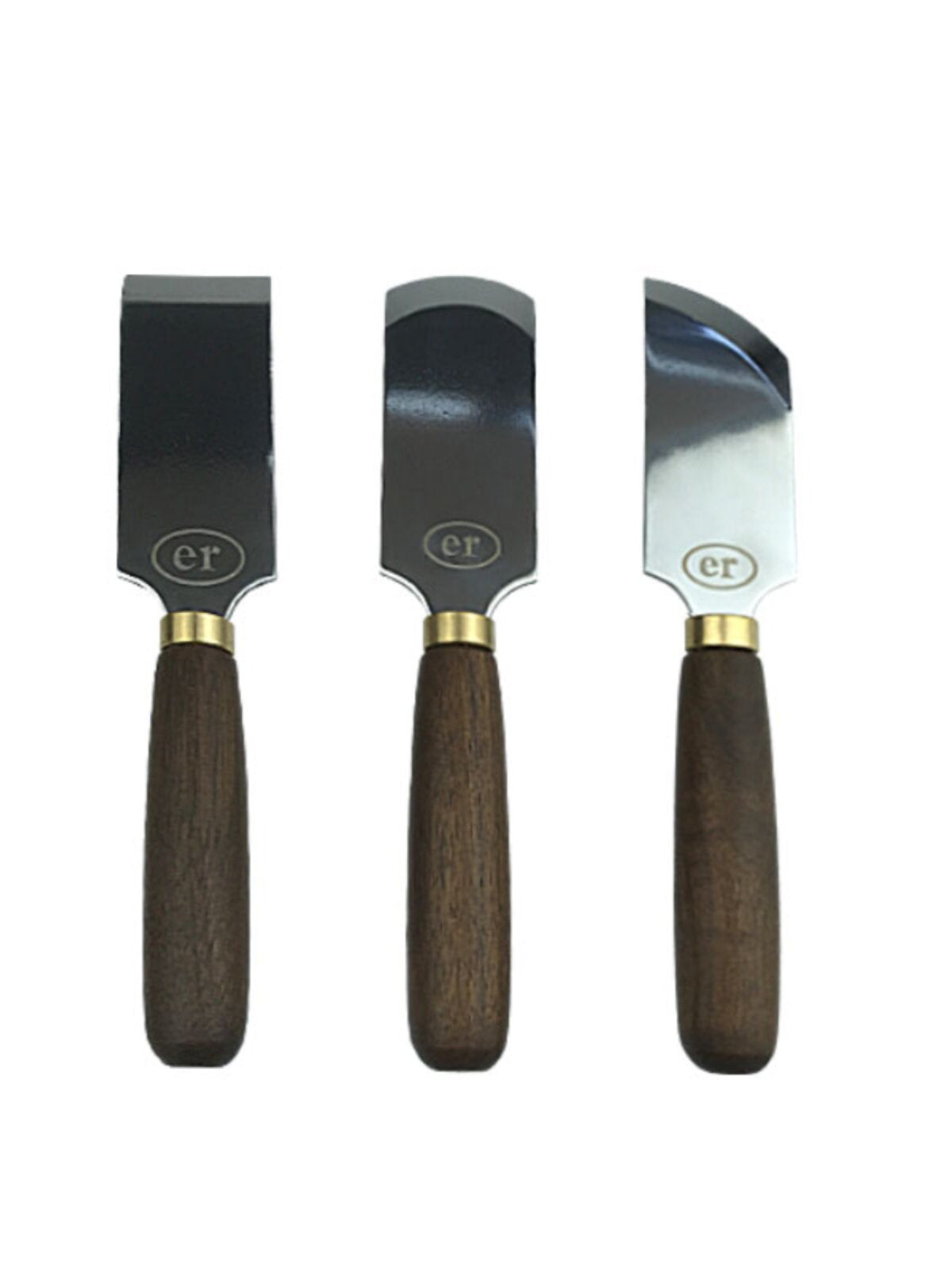
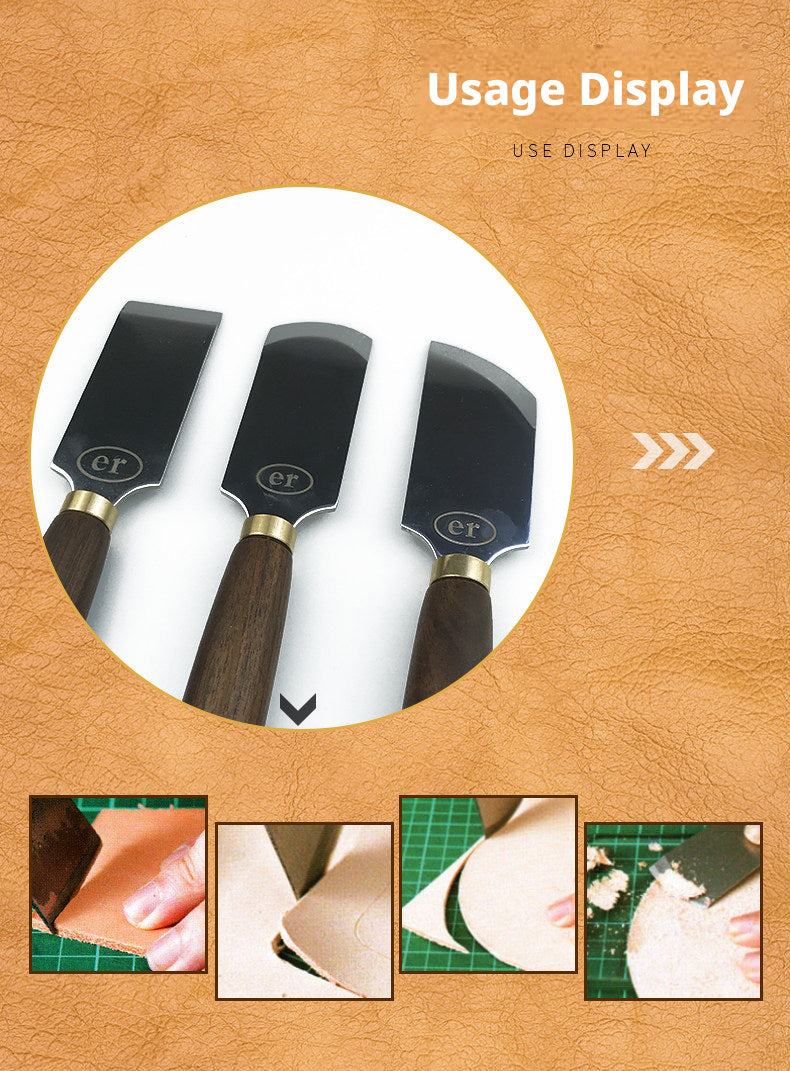
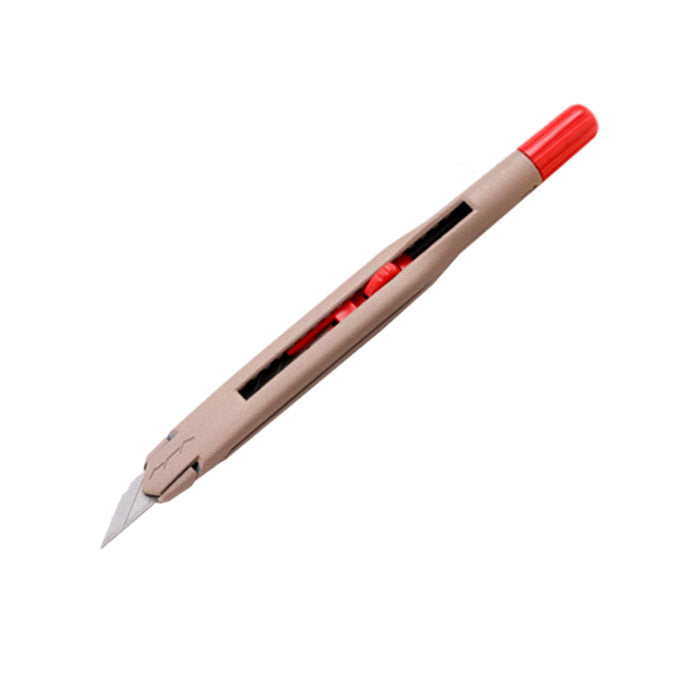
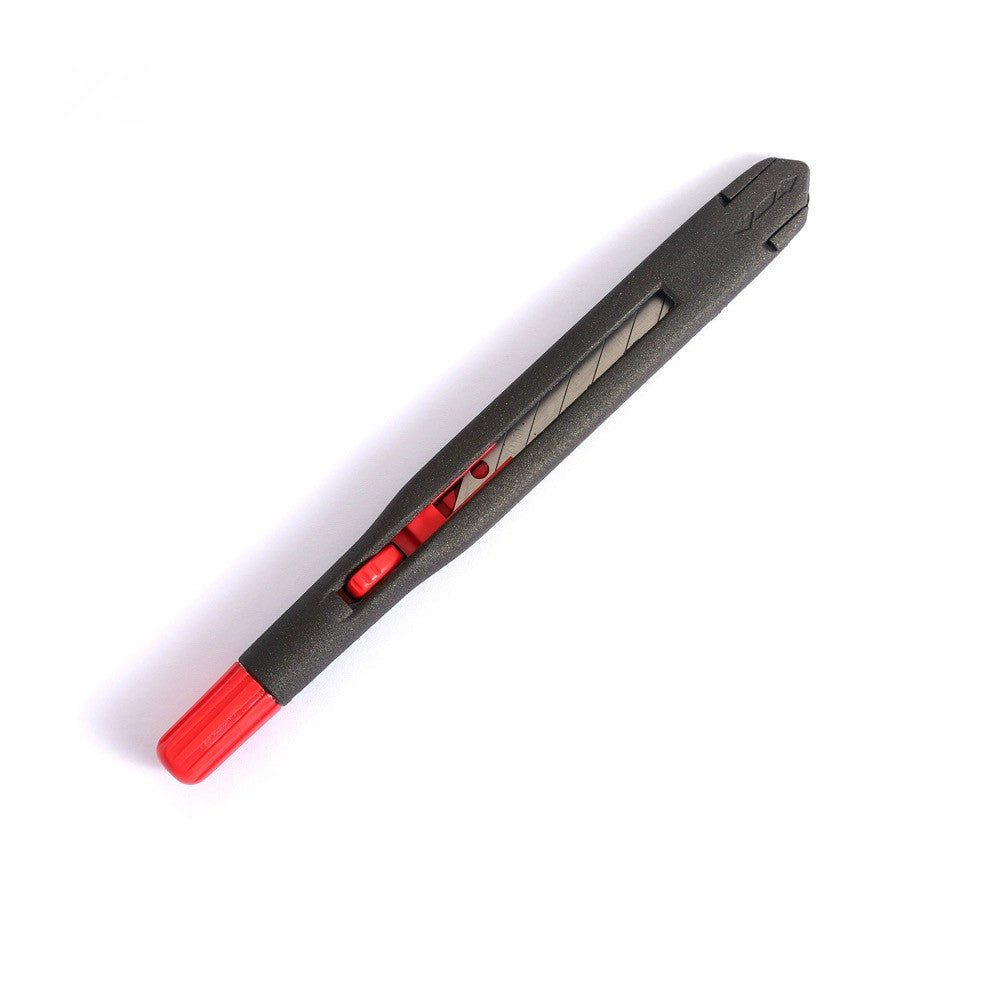
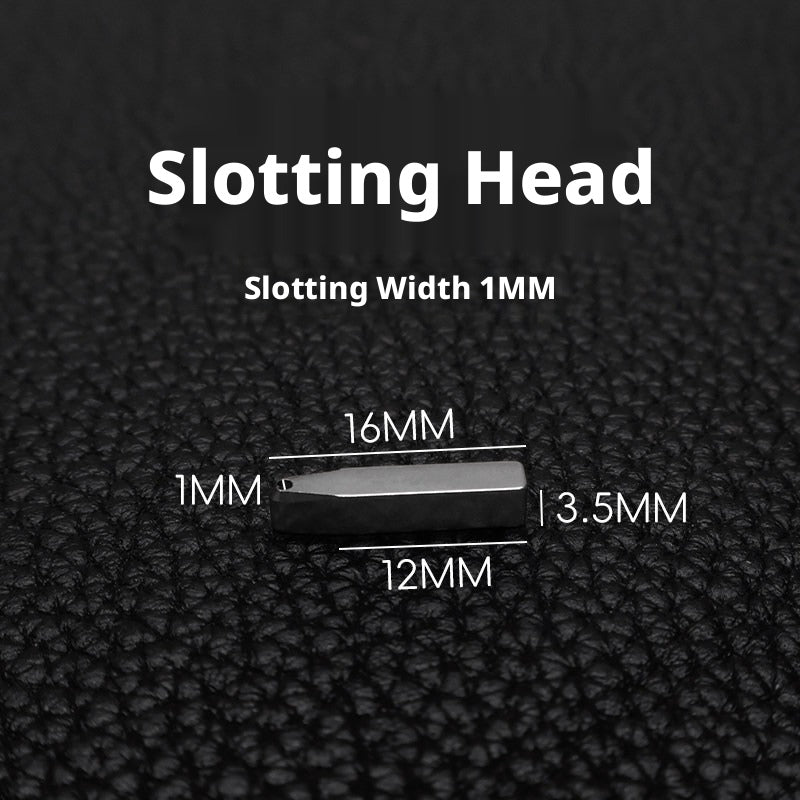
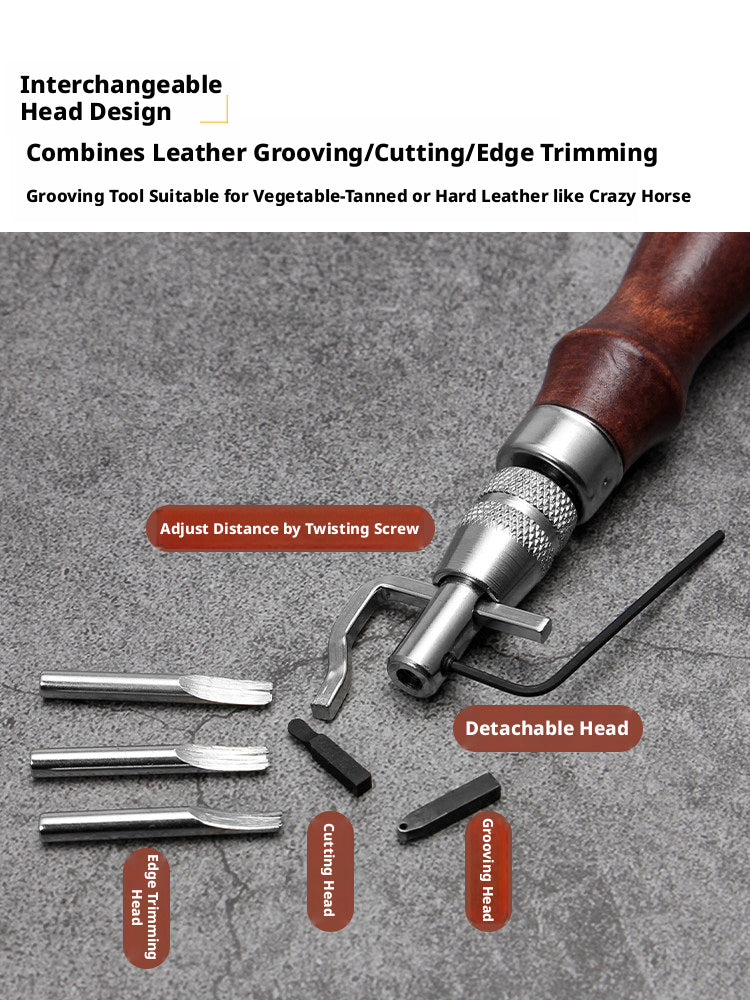
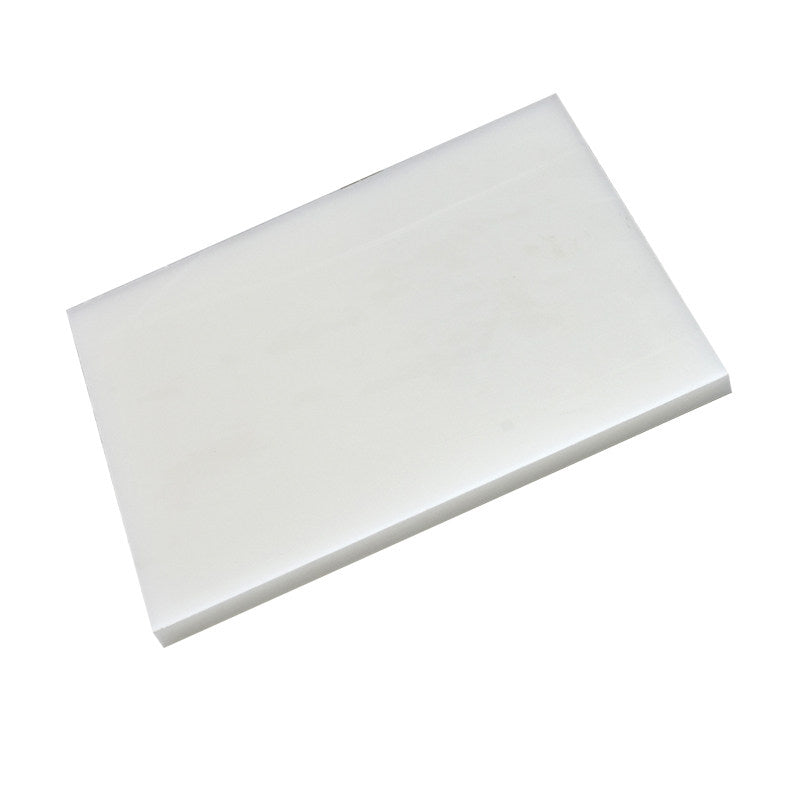
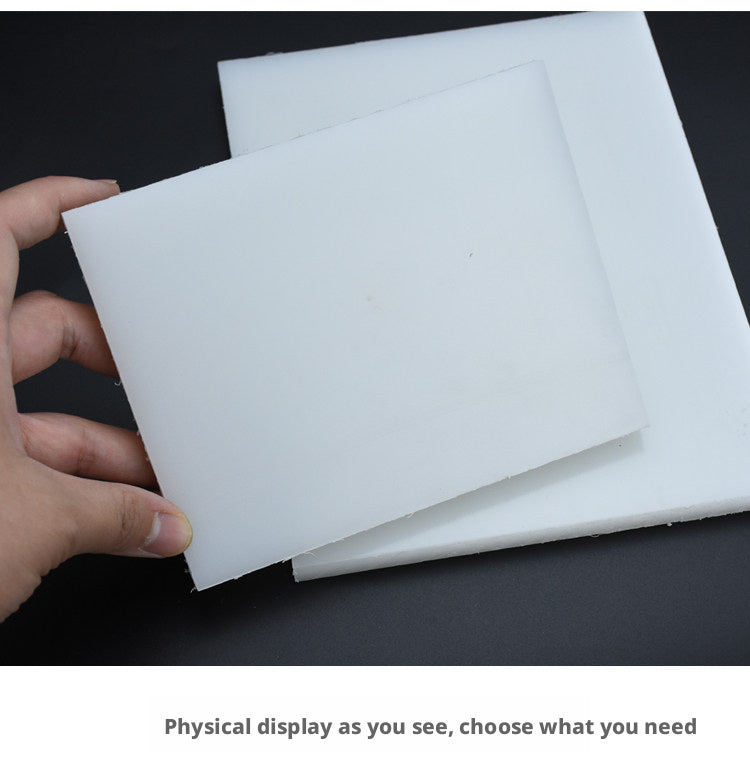
Precision cutting starts with a stable surface and a sharp blade. Our 10mm thick PP cutting pad protects your workbench and keeps diamond punches from bouncing. The anti-wobble utility knife accepts 30° and 60° blades for straight cuts and tight curves. The leather cutting and skiving knife set — flat, bevel, and round-mouth blades with beech wood handles — handles everything from thinning straps to trimming seam allowances. Pair with the 5-in-1 grooving tool to score stitch lines and trim edges in one pass.
Leather Hole Punches & Belt Punches for Straps, Buckles & Watch Bands
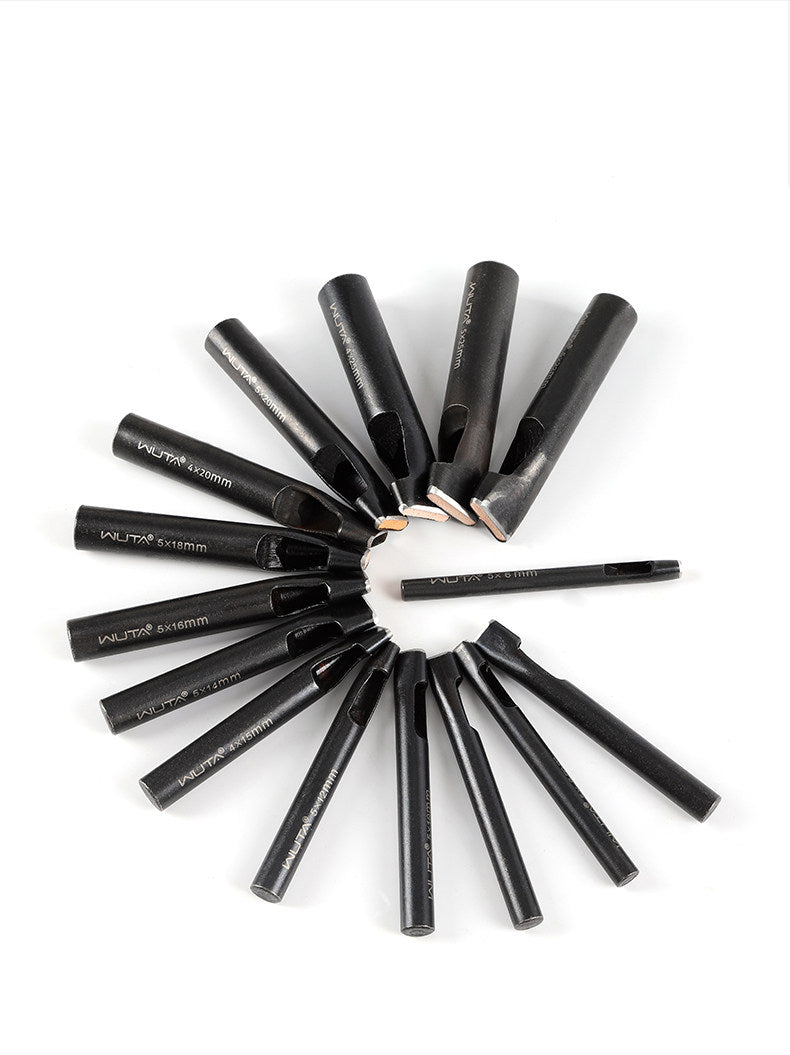
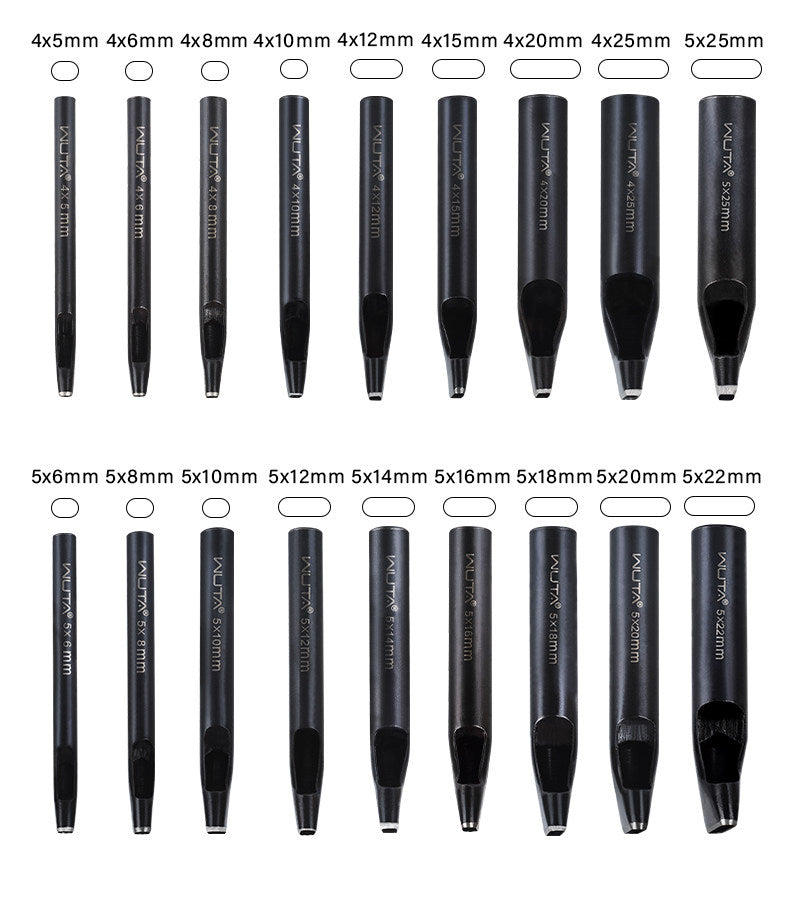
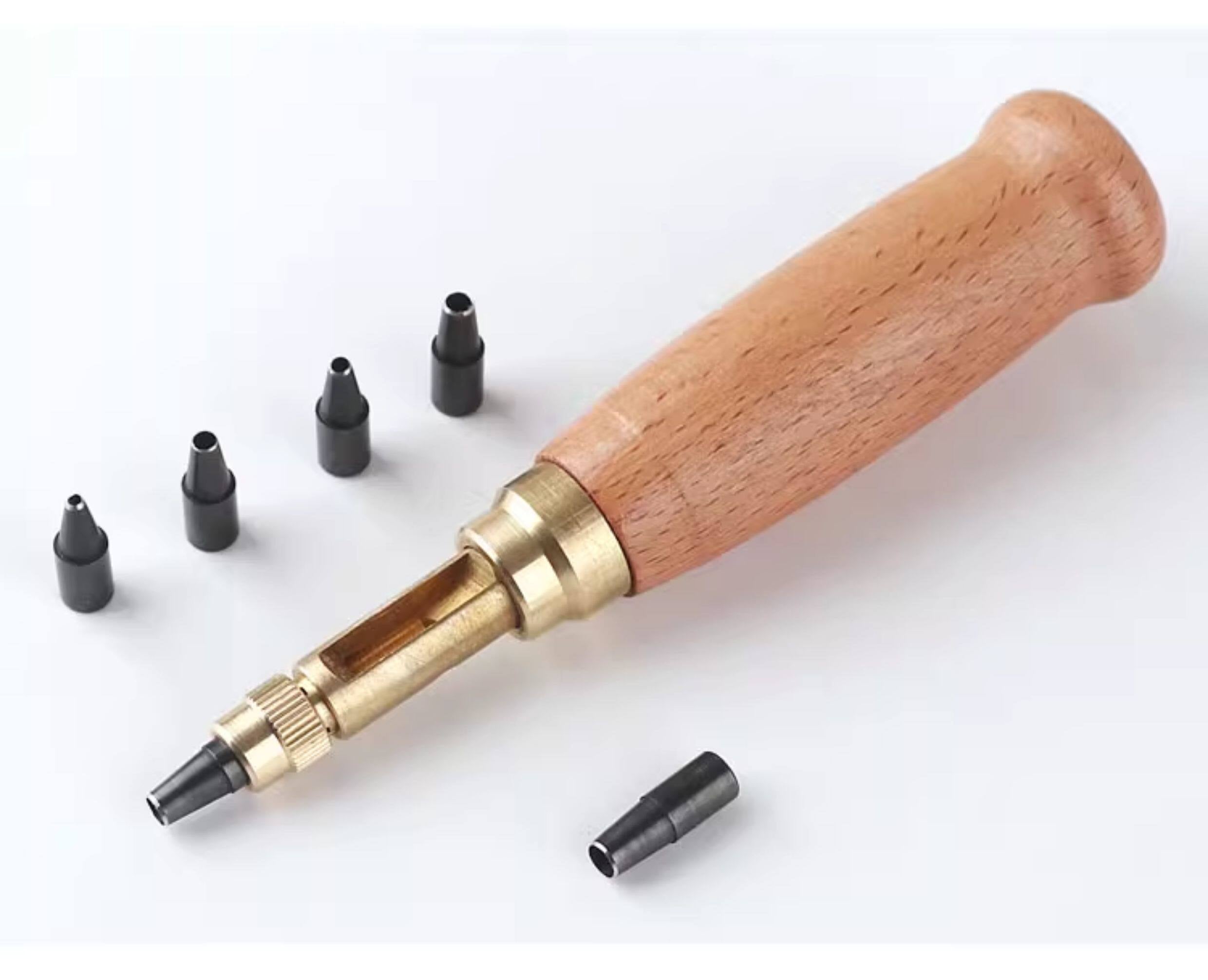
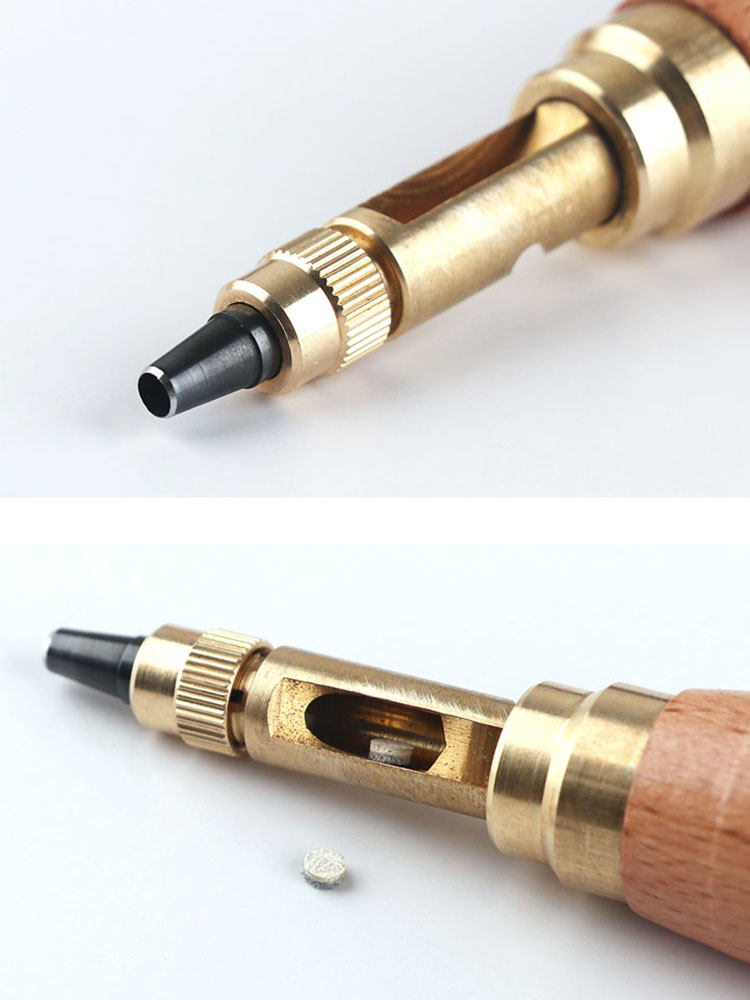
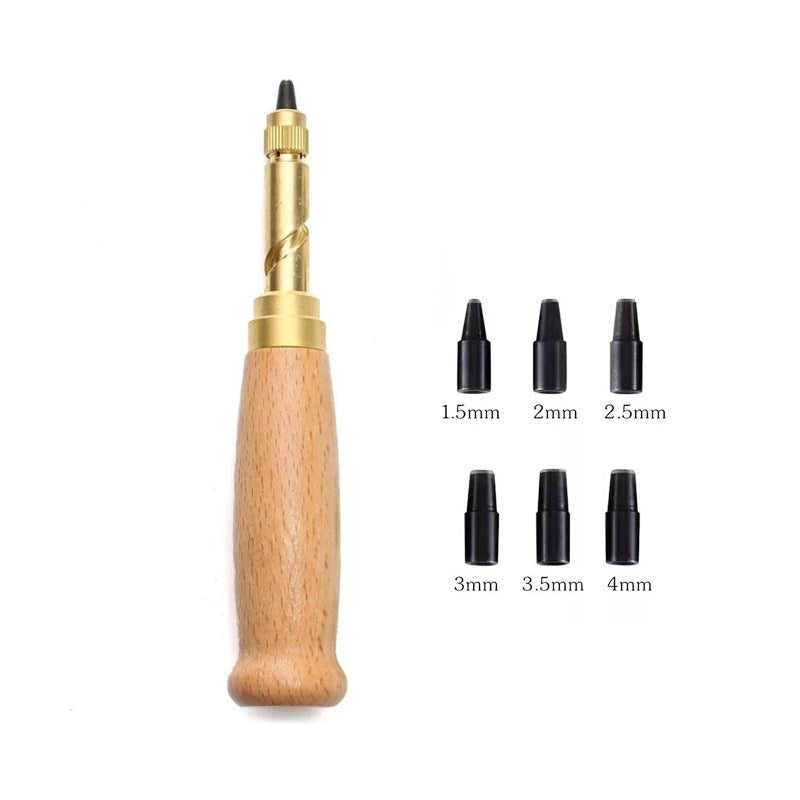
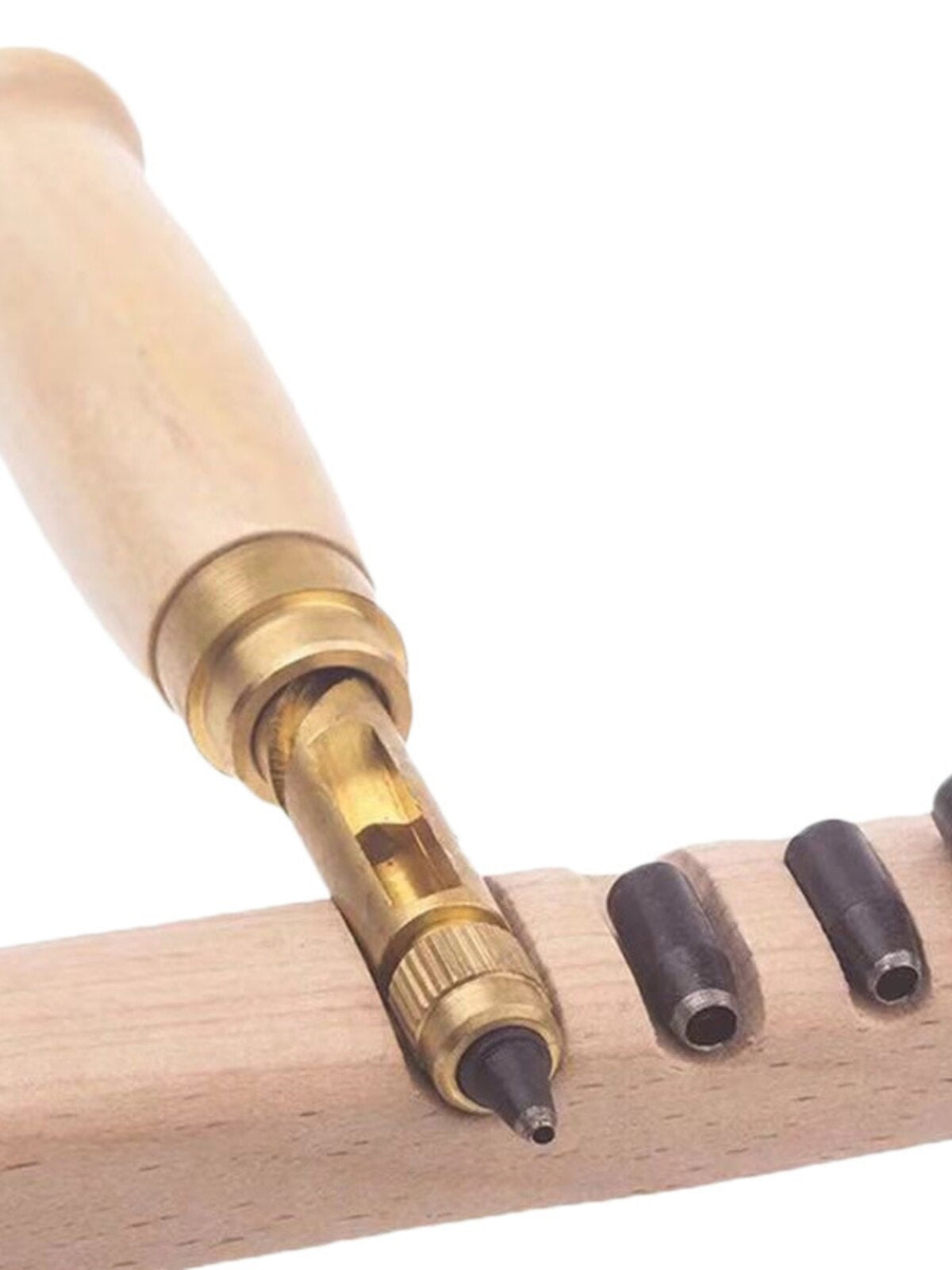
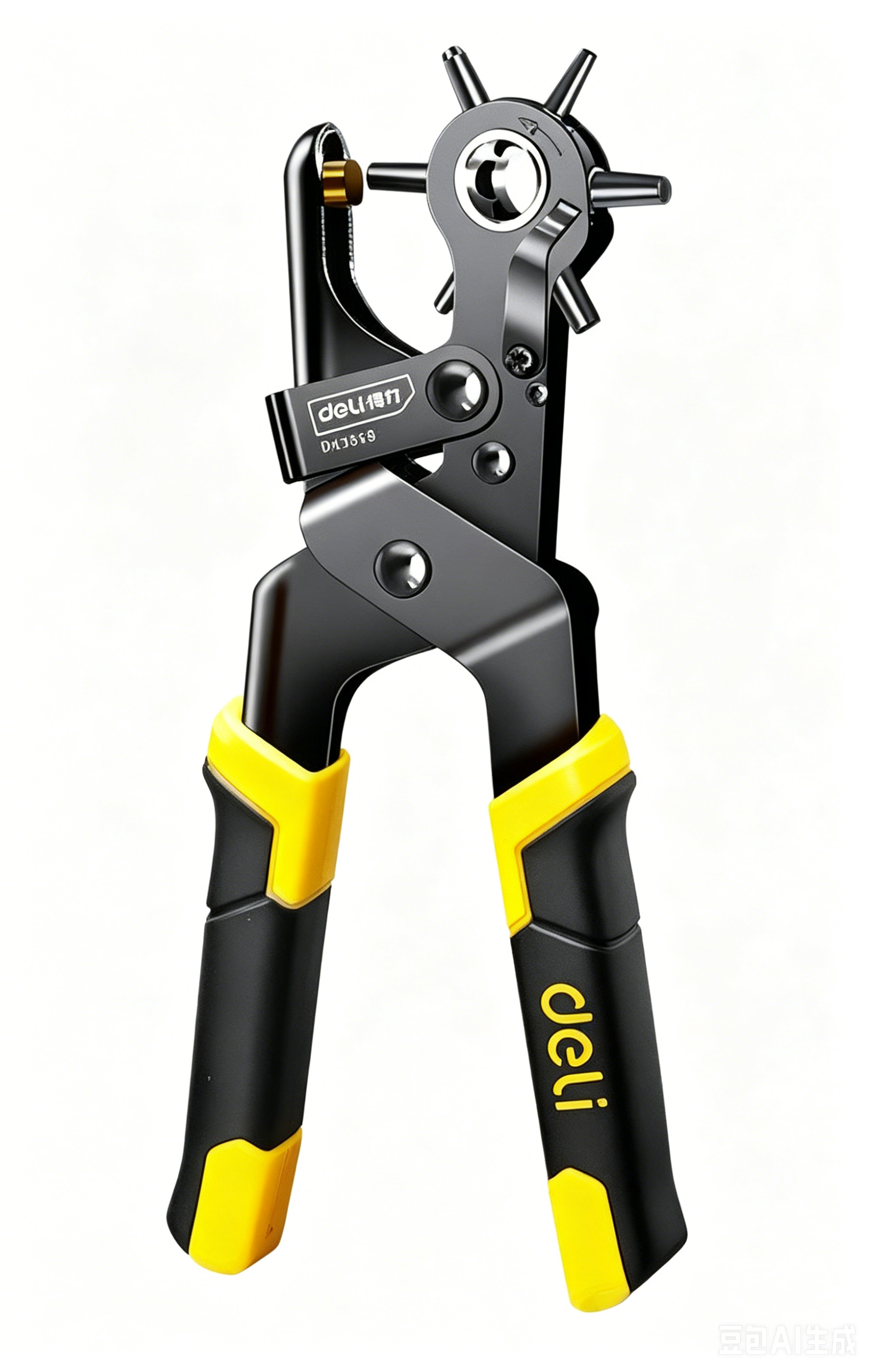
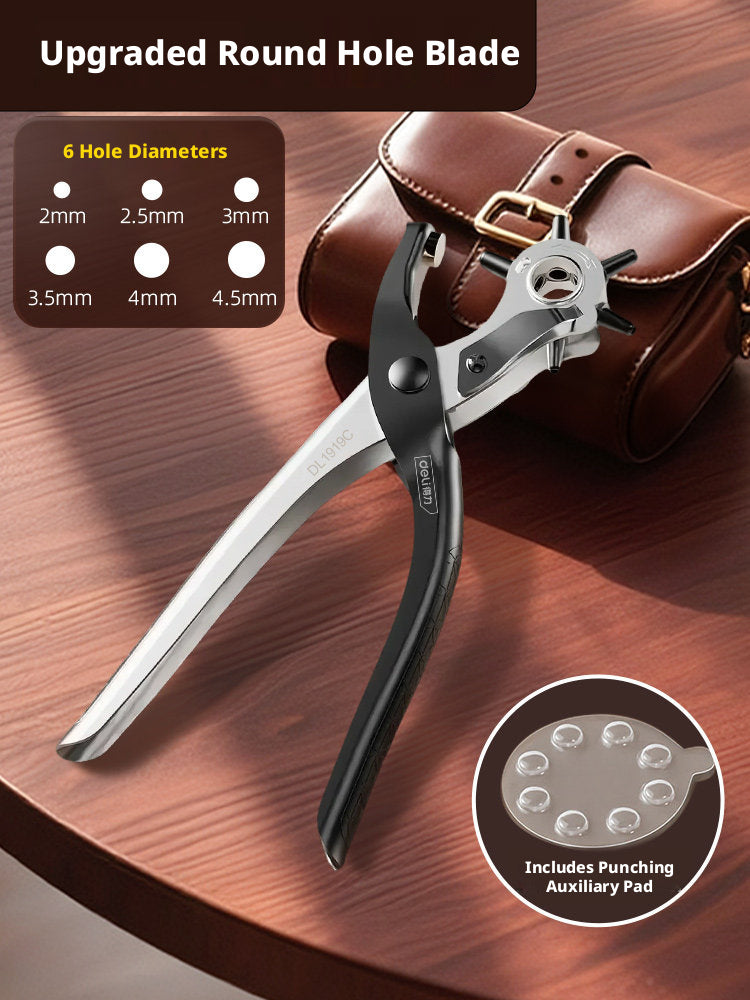
Getting a clean, round hole in leather requires the right punch for the job. The 6-size rotary punch plier covers 1.5mm to 4.5mm — perfect for belt holes, strap adjustments, and watch bands. The automatic belt punch with a solid wood handle self-rotates between six head sizes, reducing hand fatigue on long runs. For rectangular slots on bag closures and watch straps, the black flat punch set offers sizes from 2×3mm to 5×25mm. All punches are hardened steel for clean cuts without tearing.
Leather Rivets, Chicago Screws & Bag Hardware for DIY Bags and Accessories
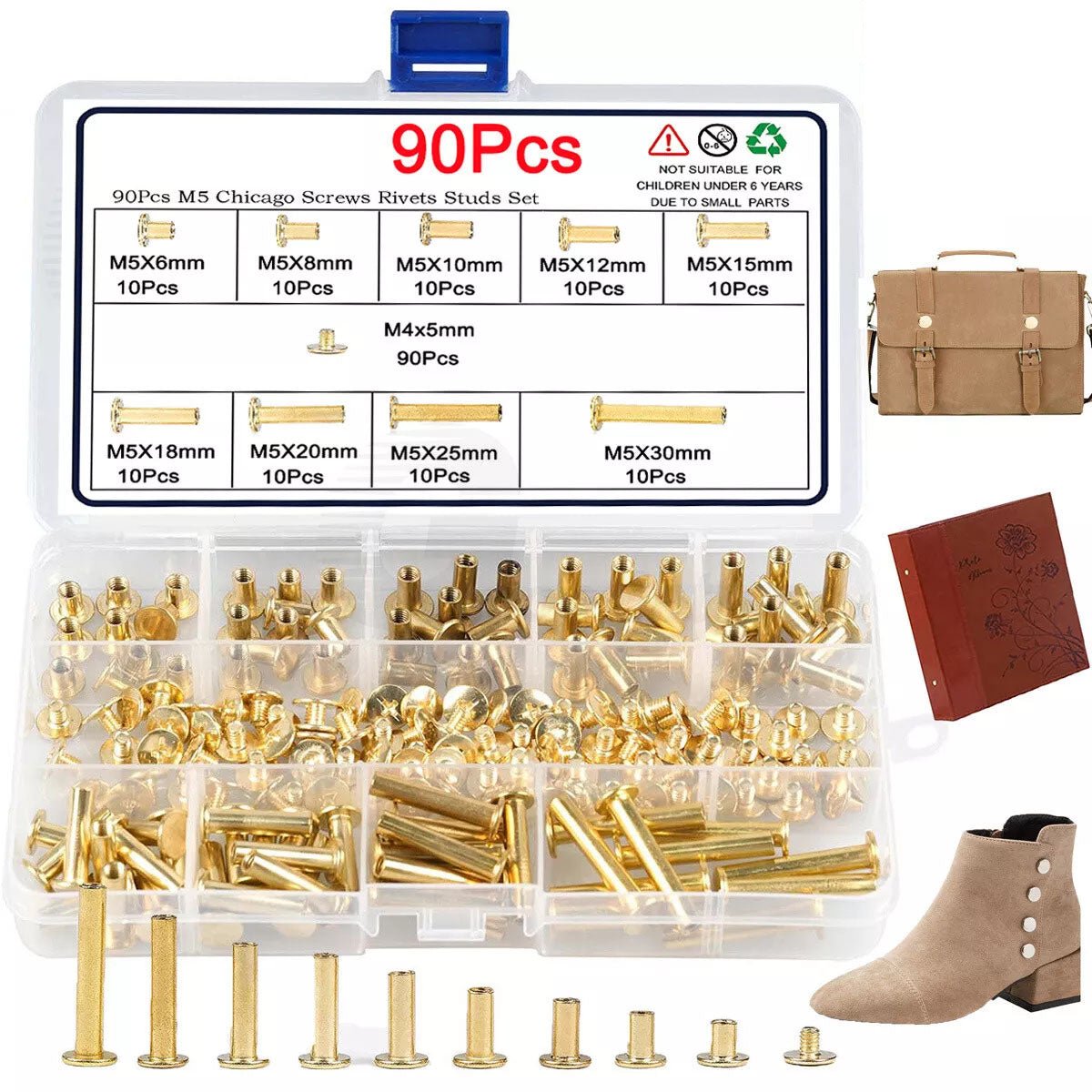
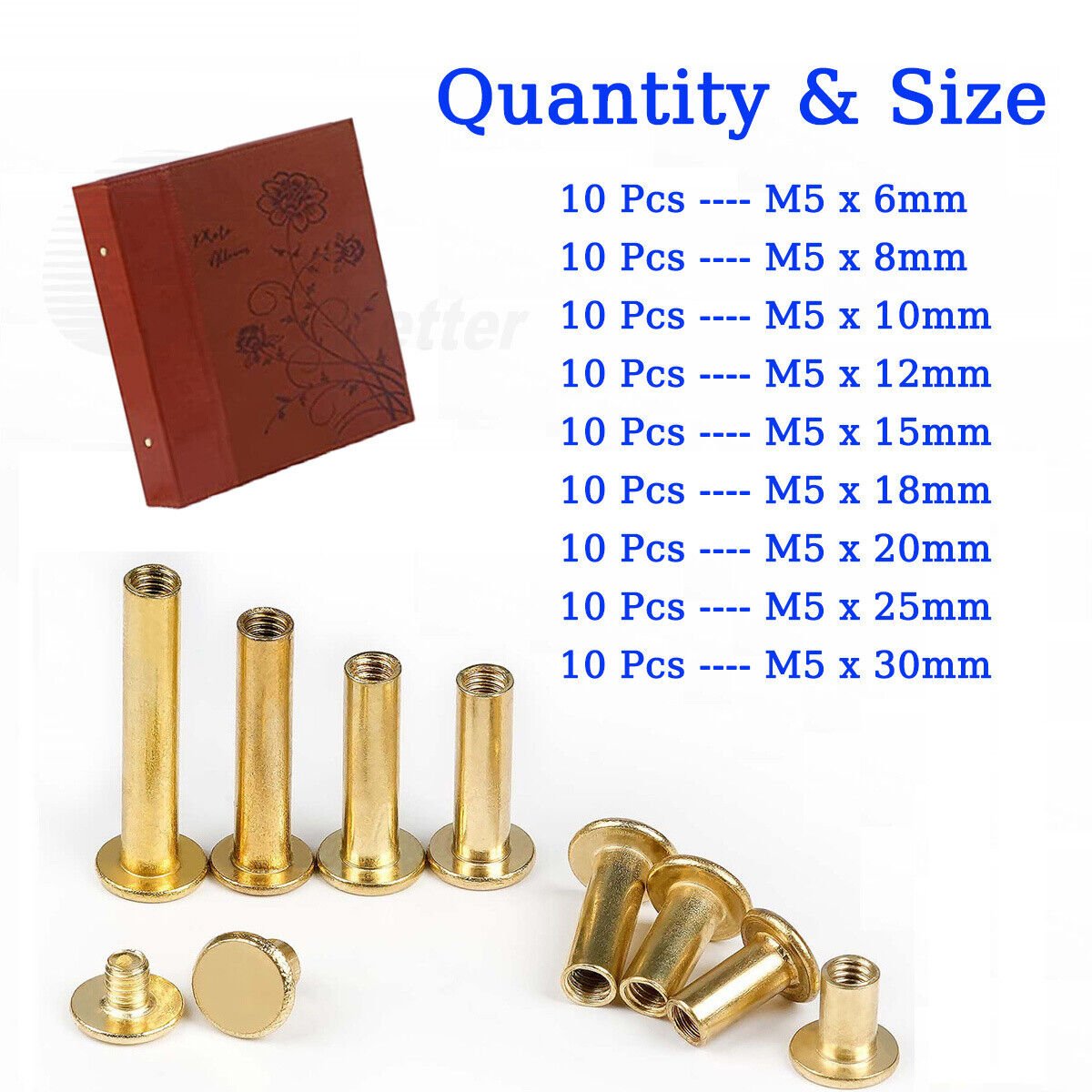
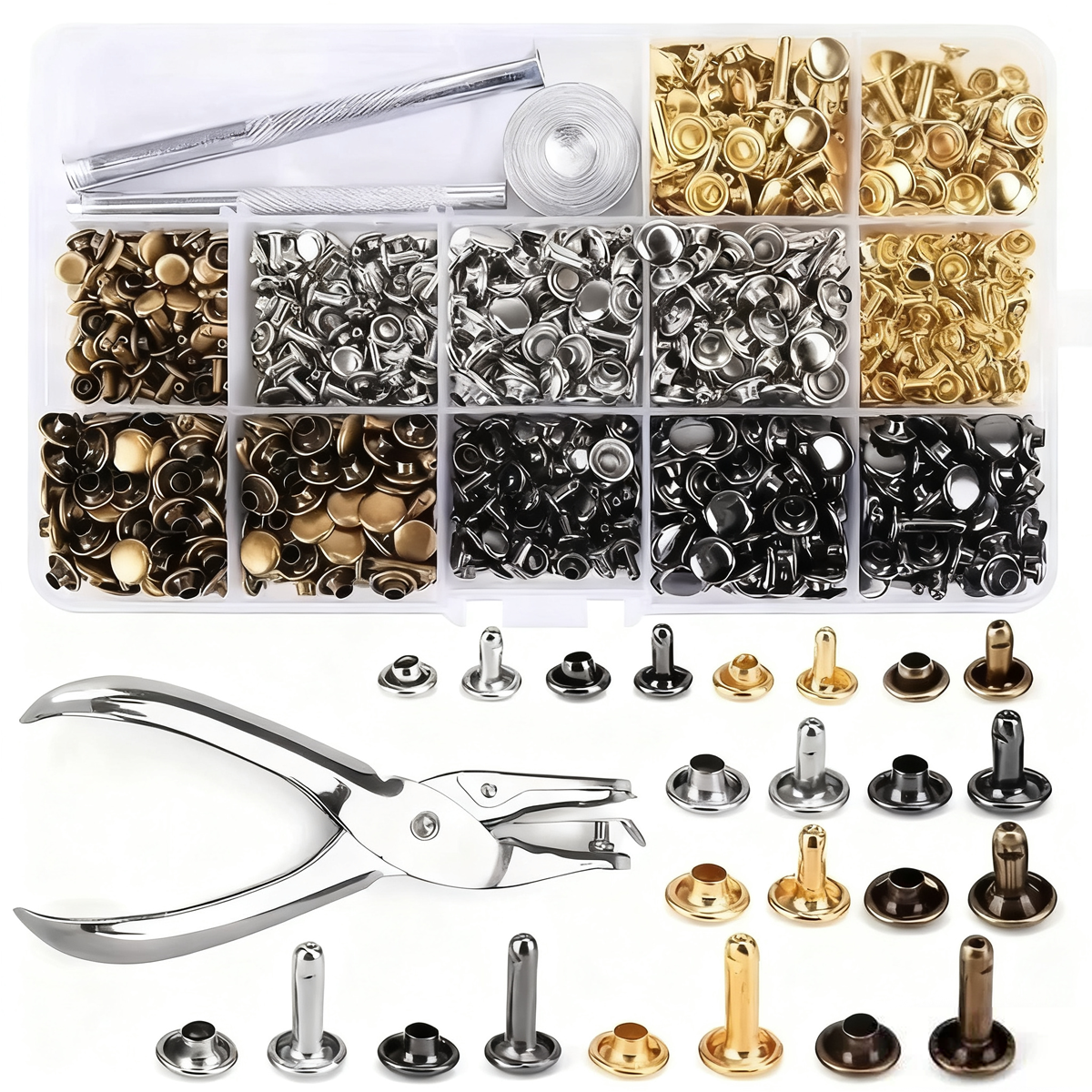
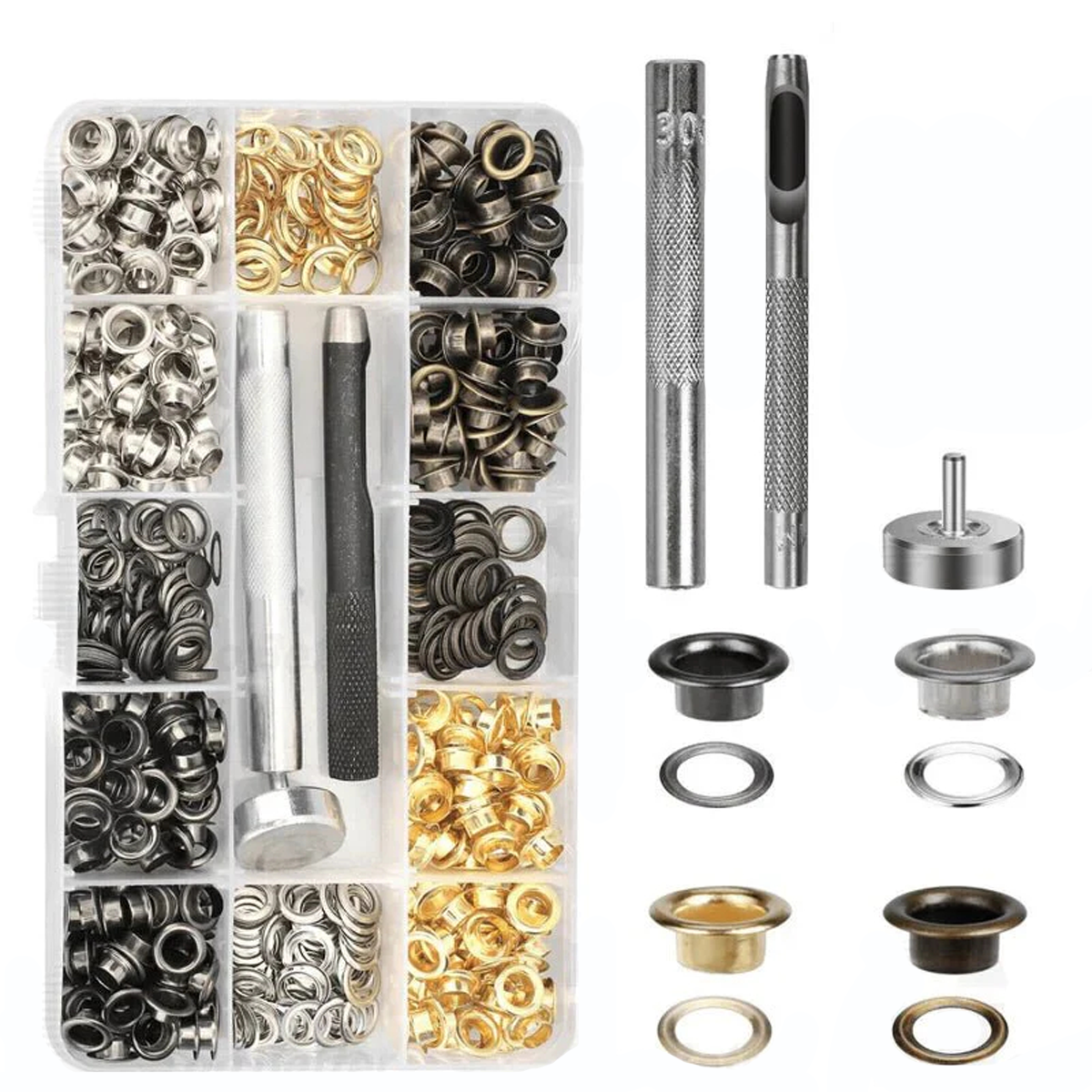
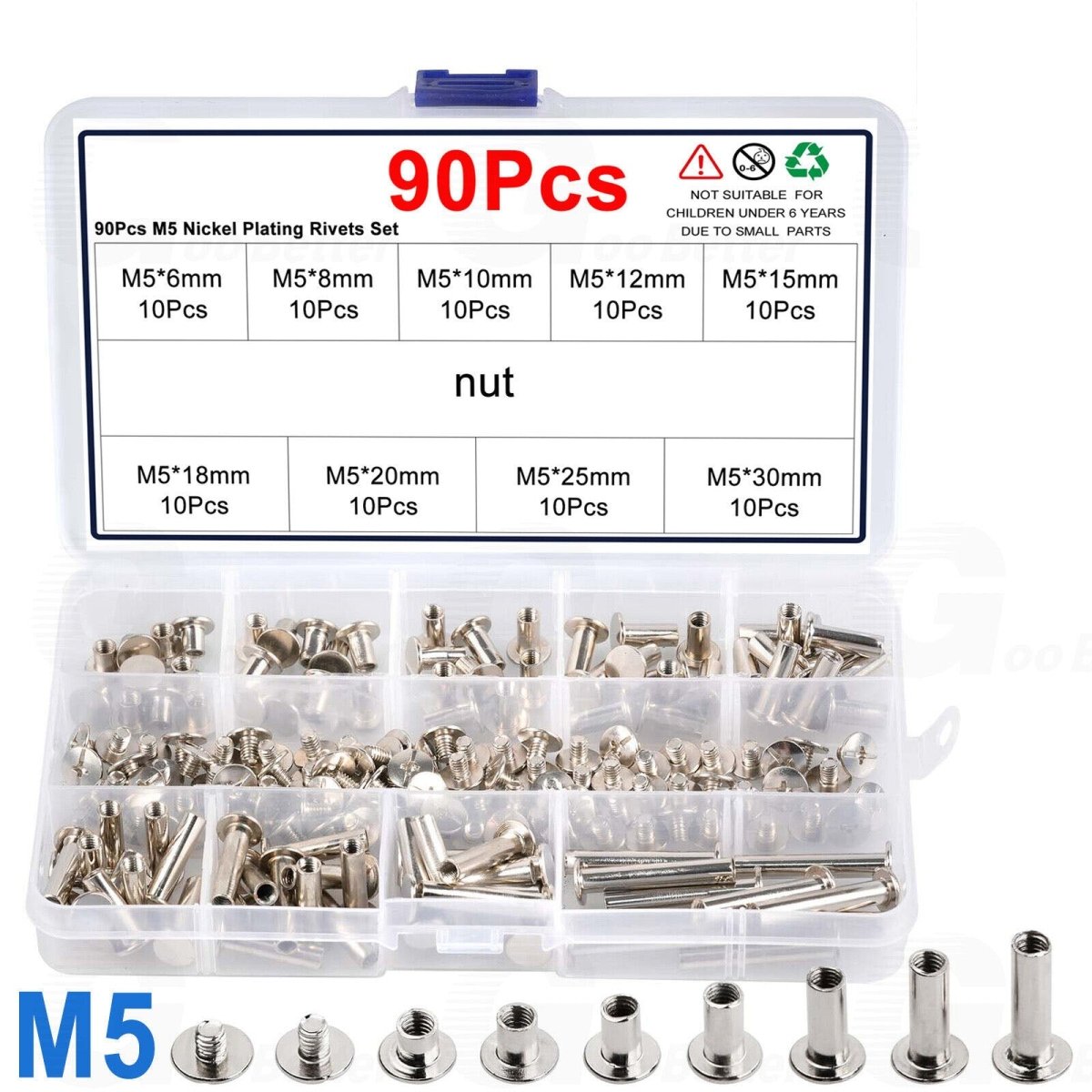
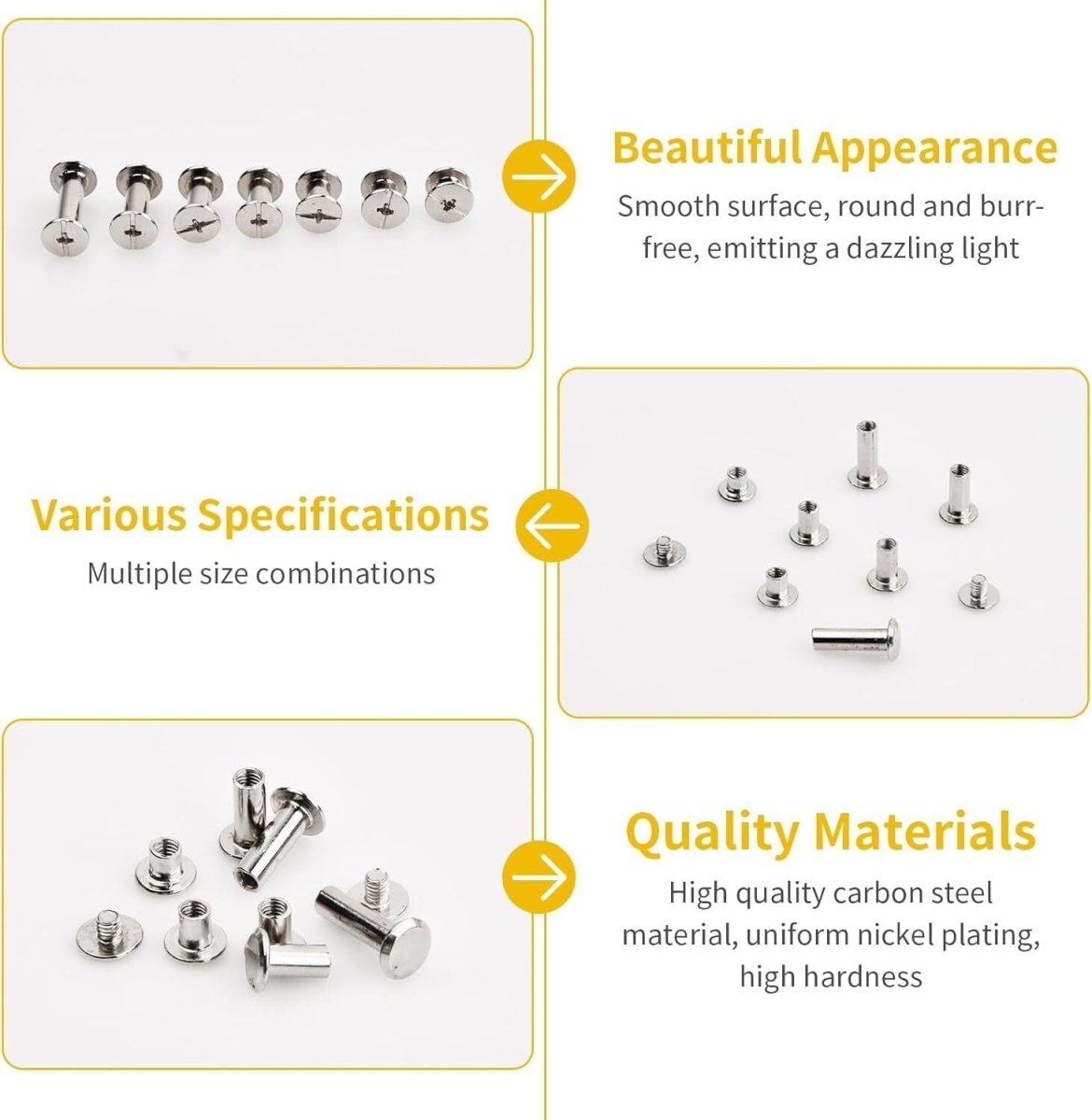
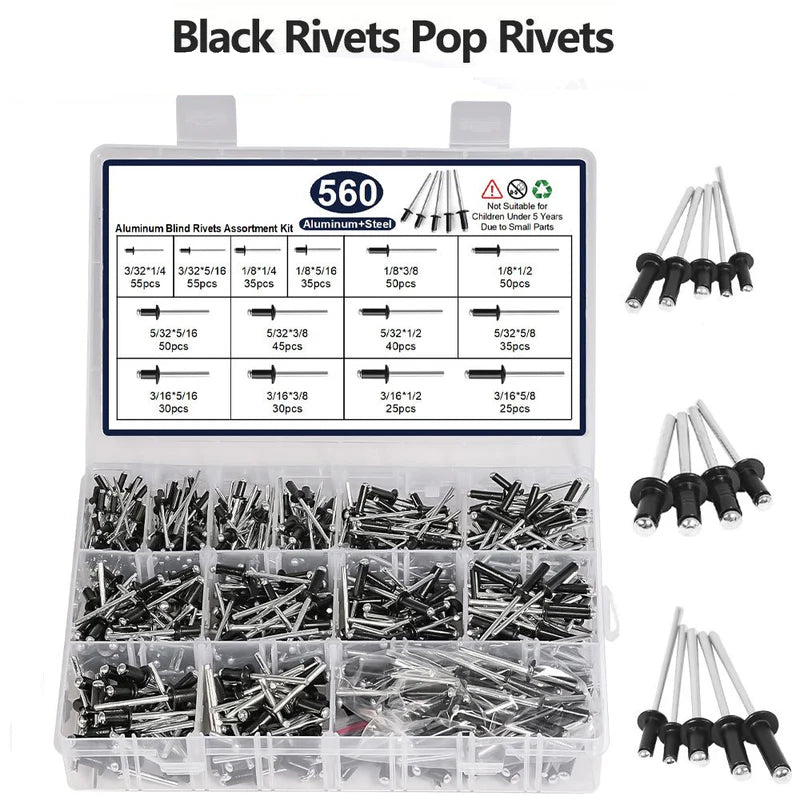
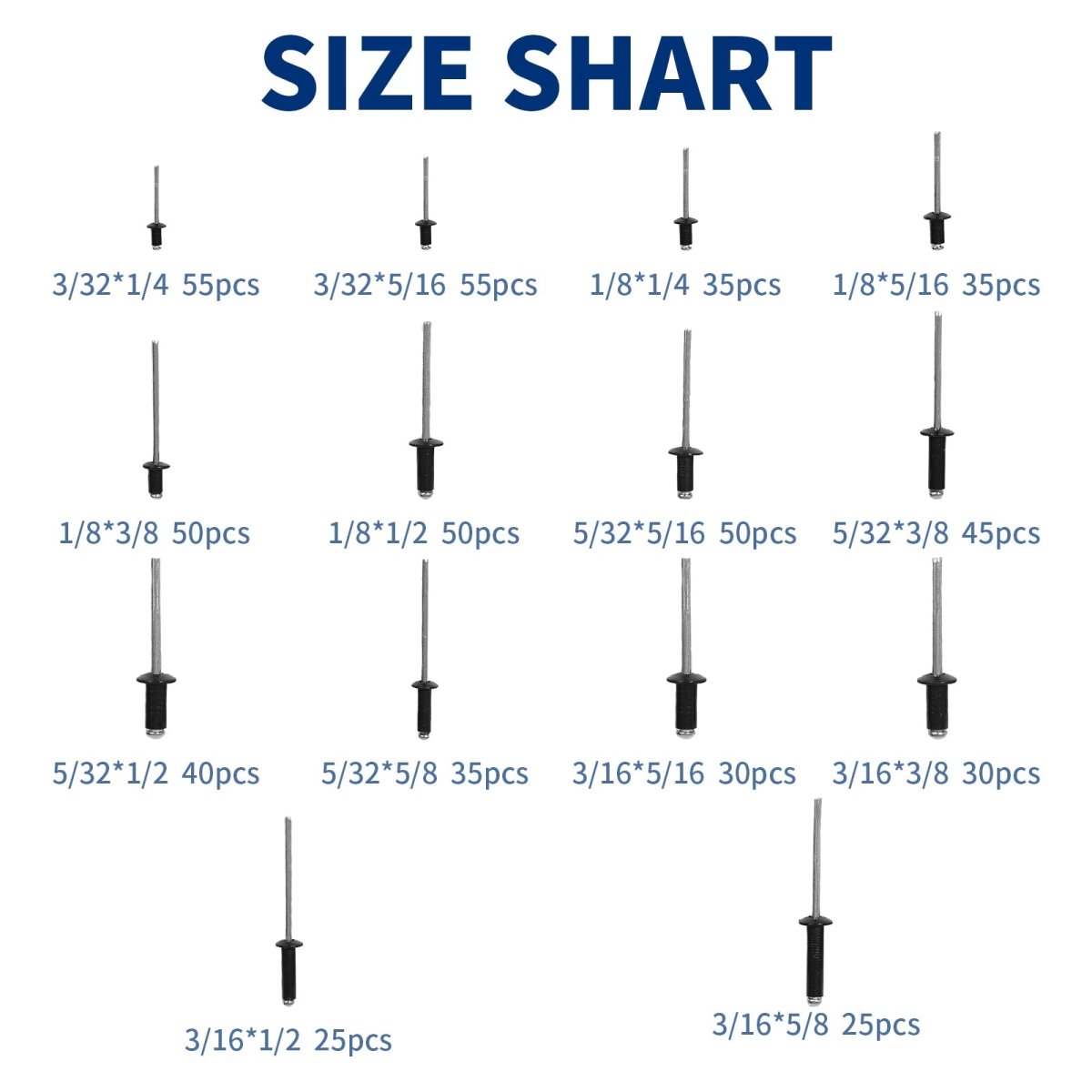
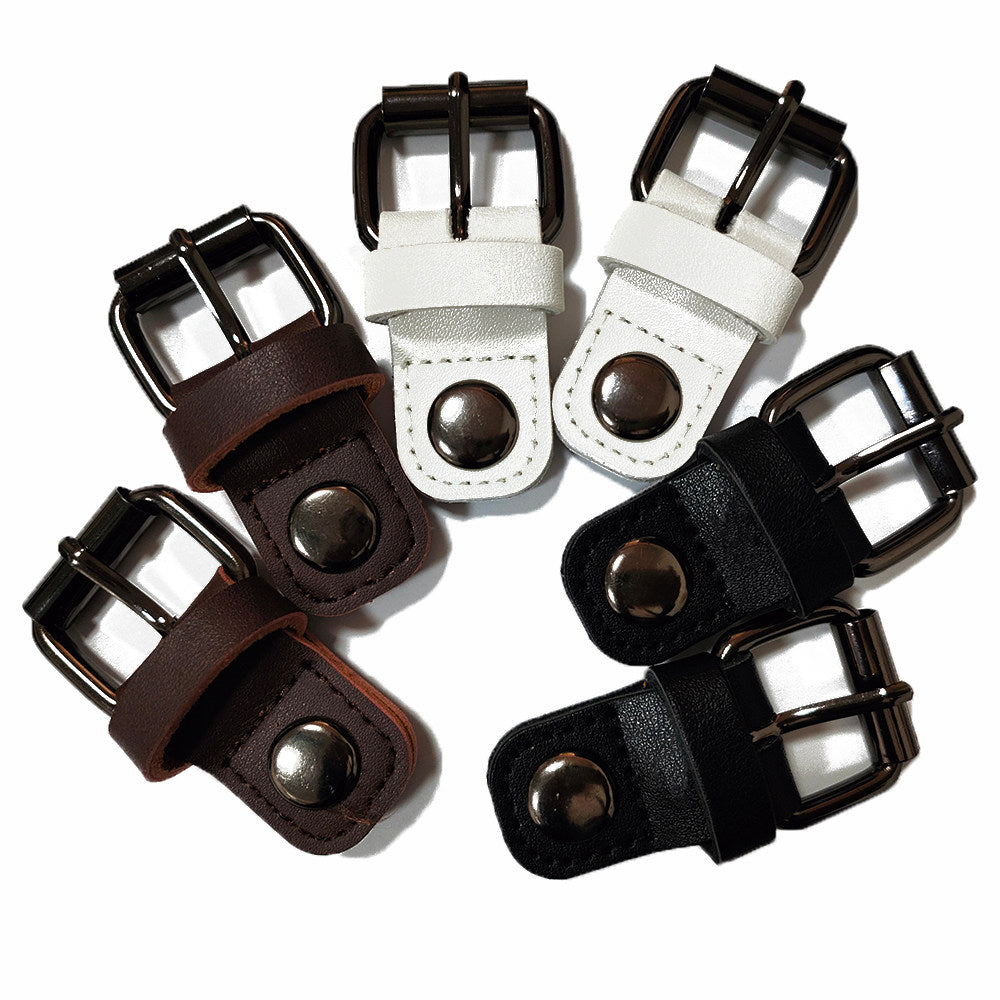
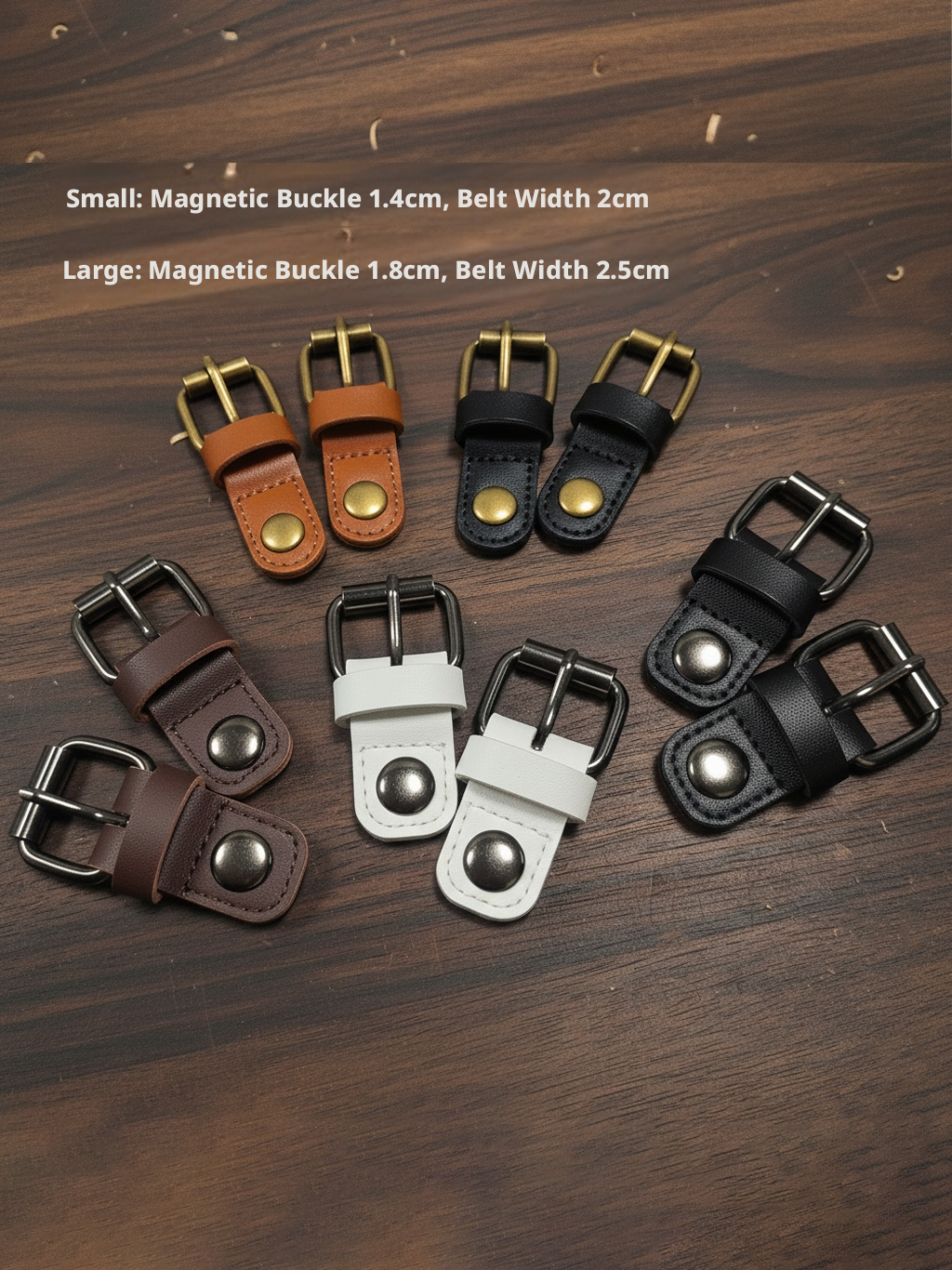
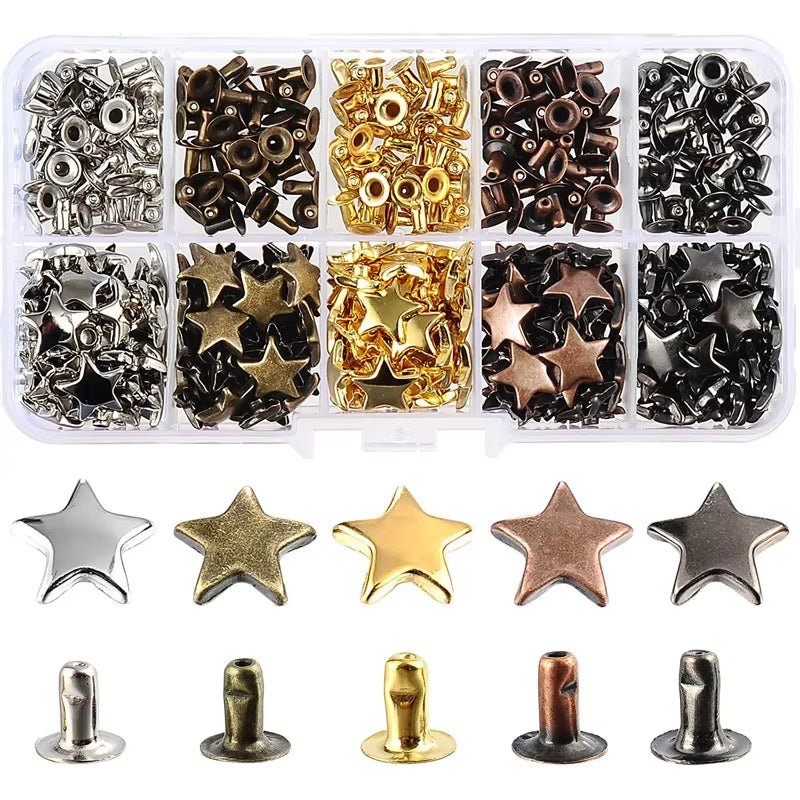
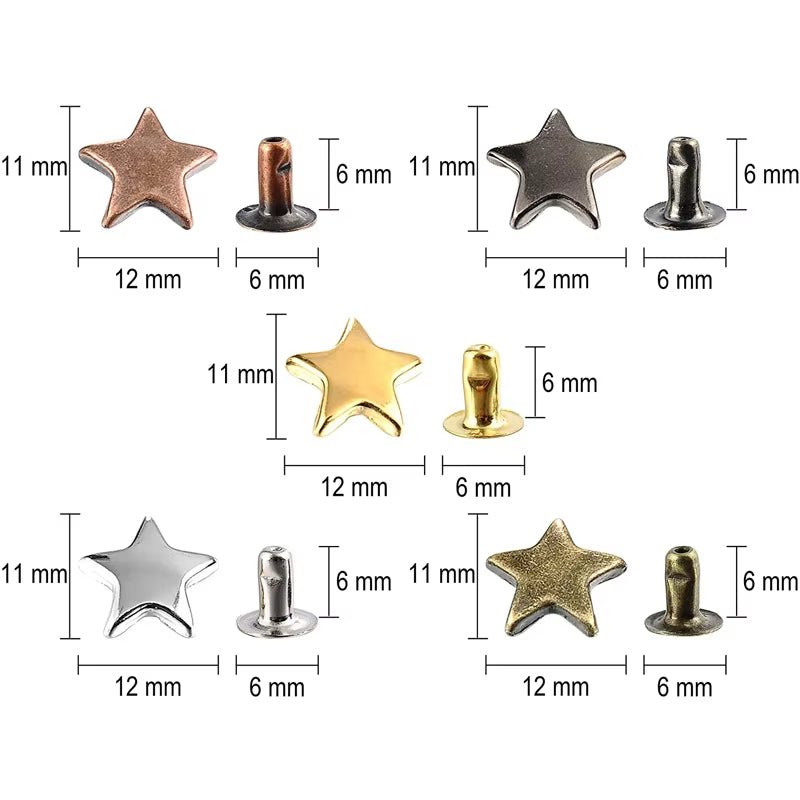
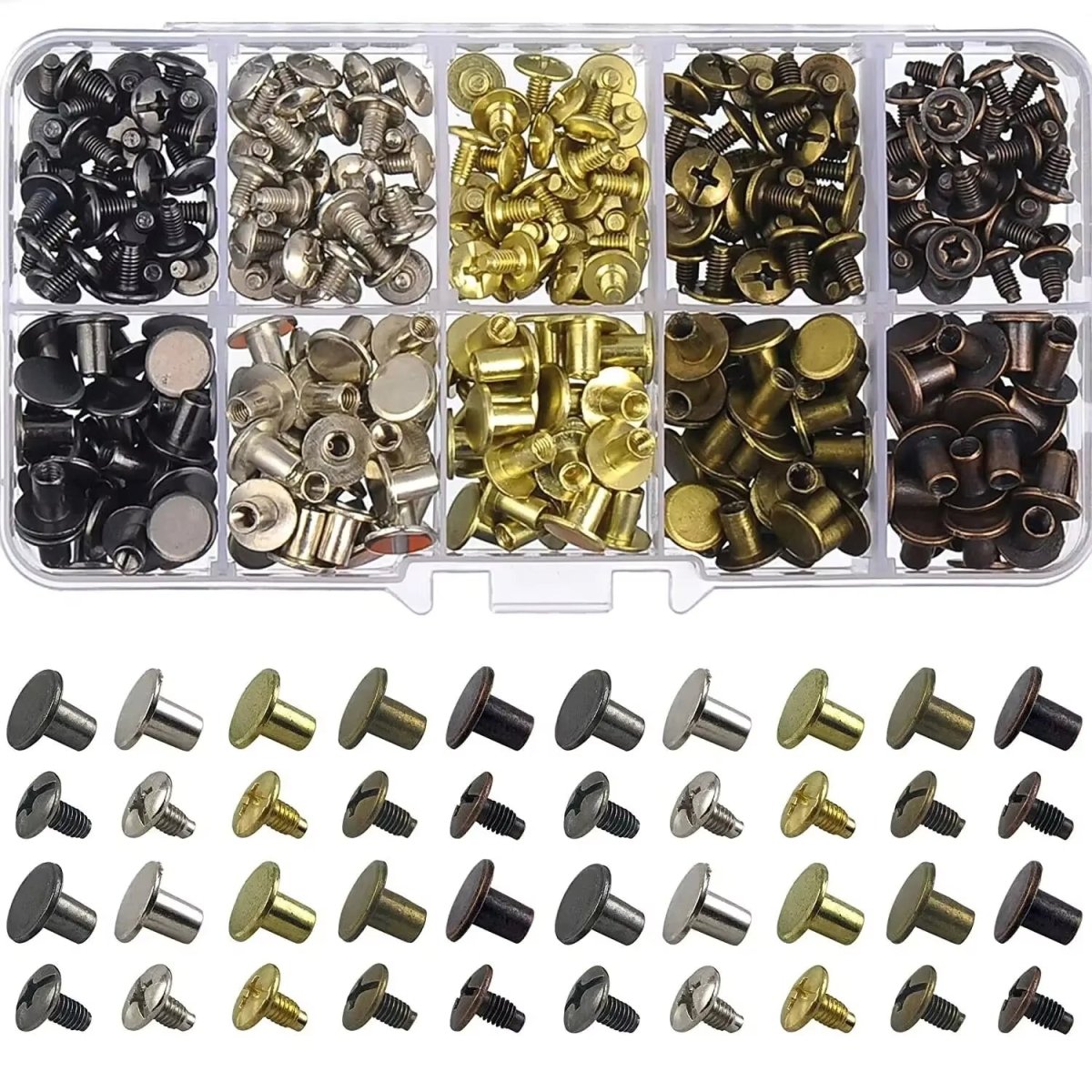
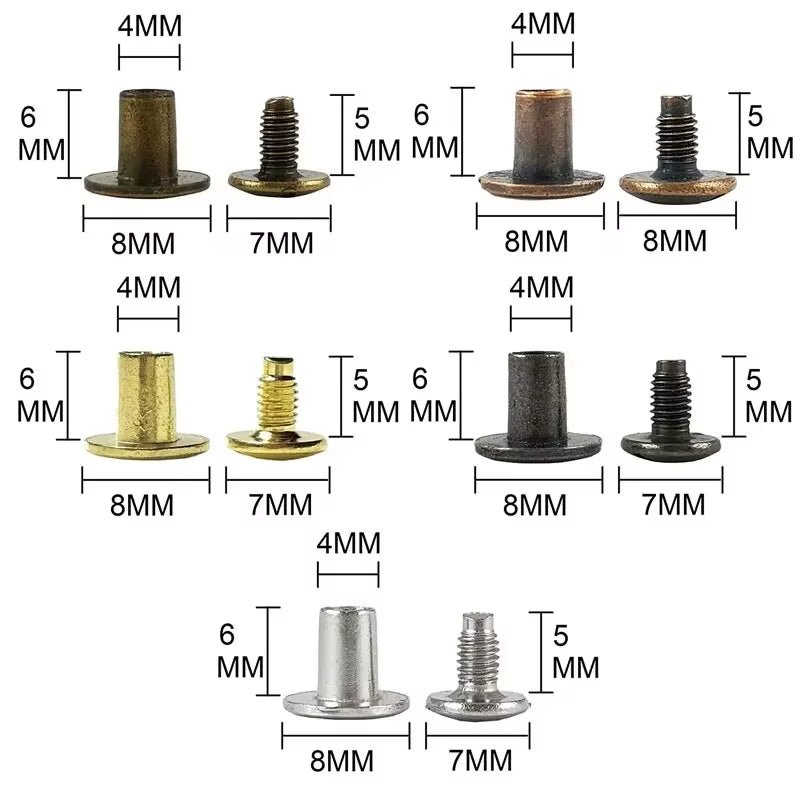
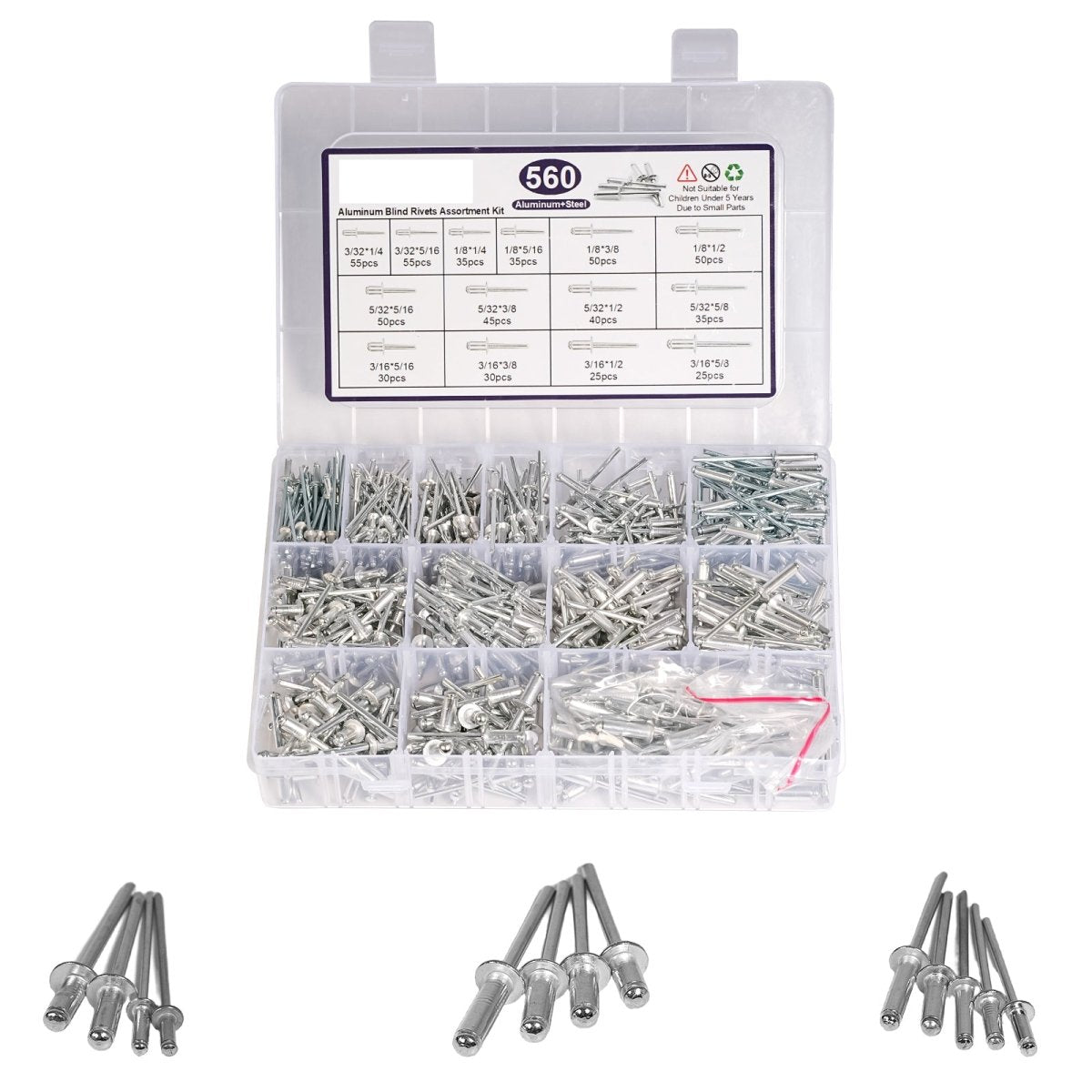
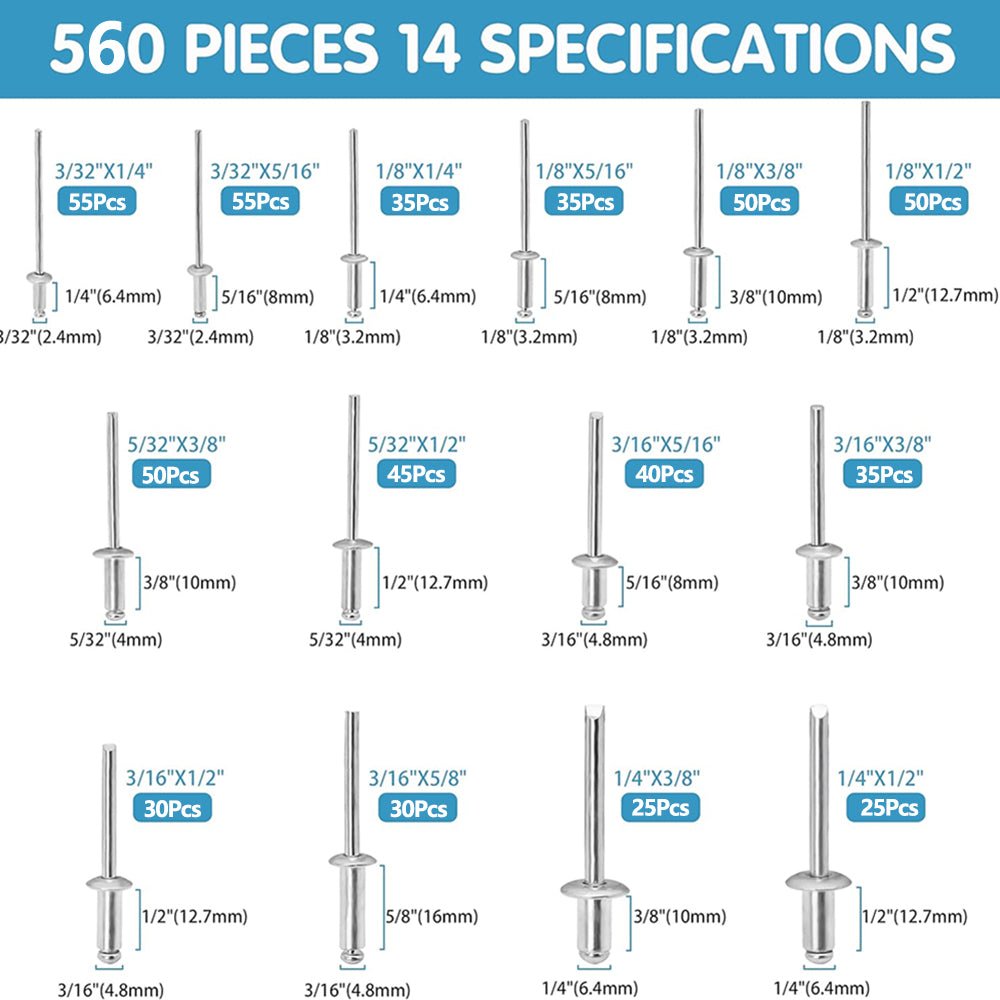
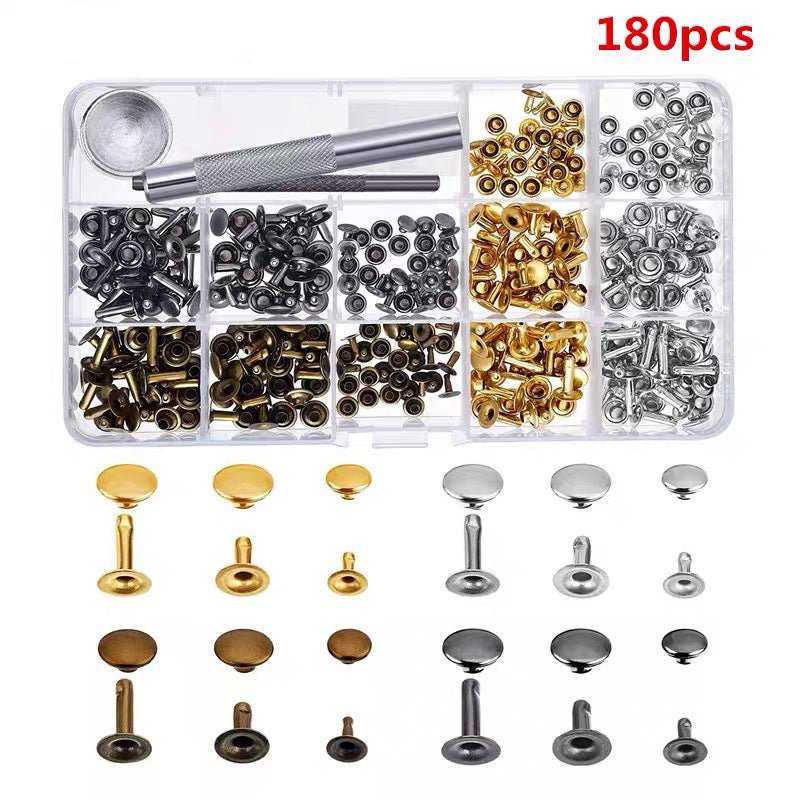
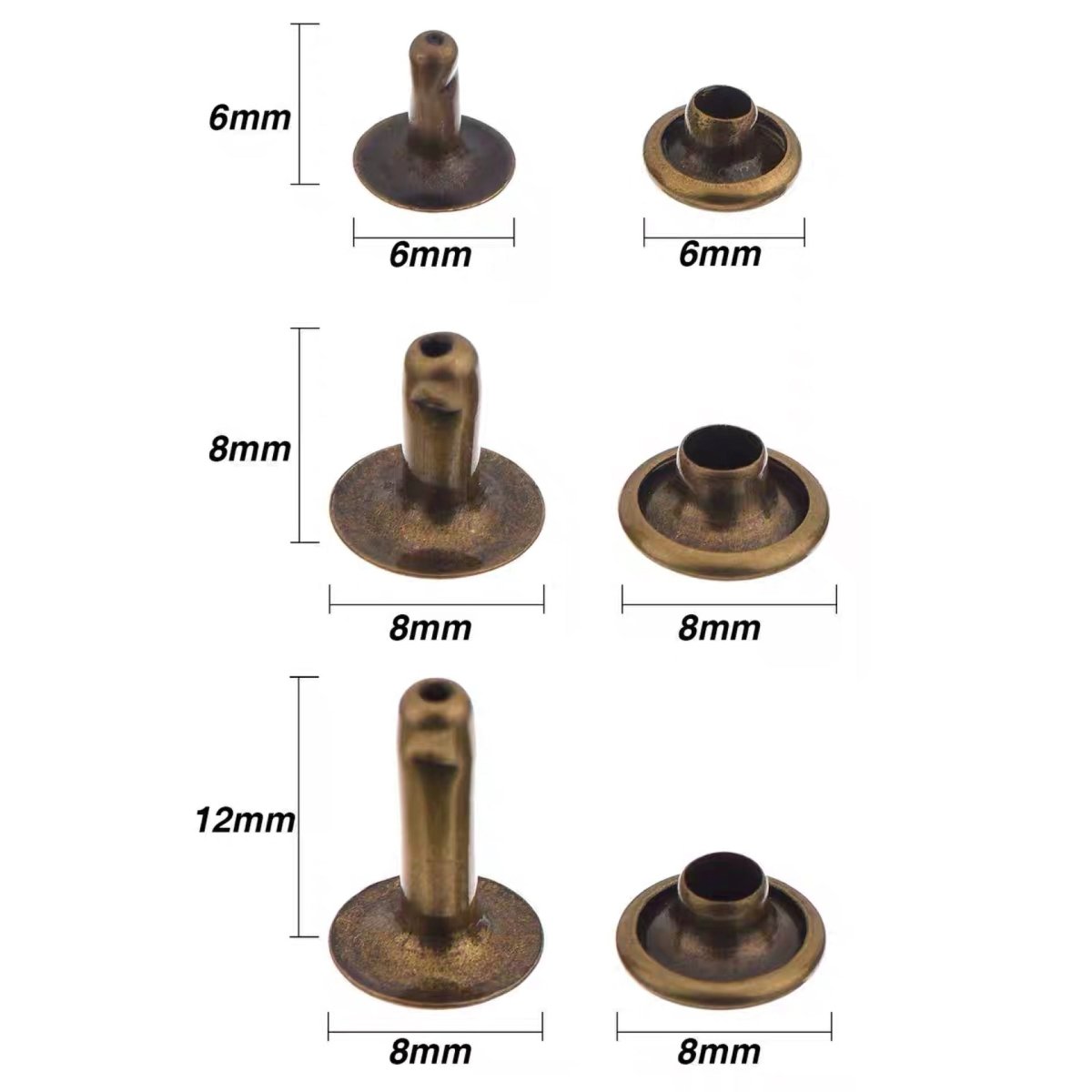
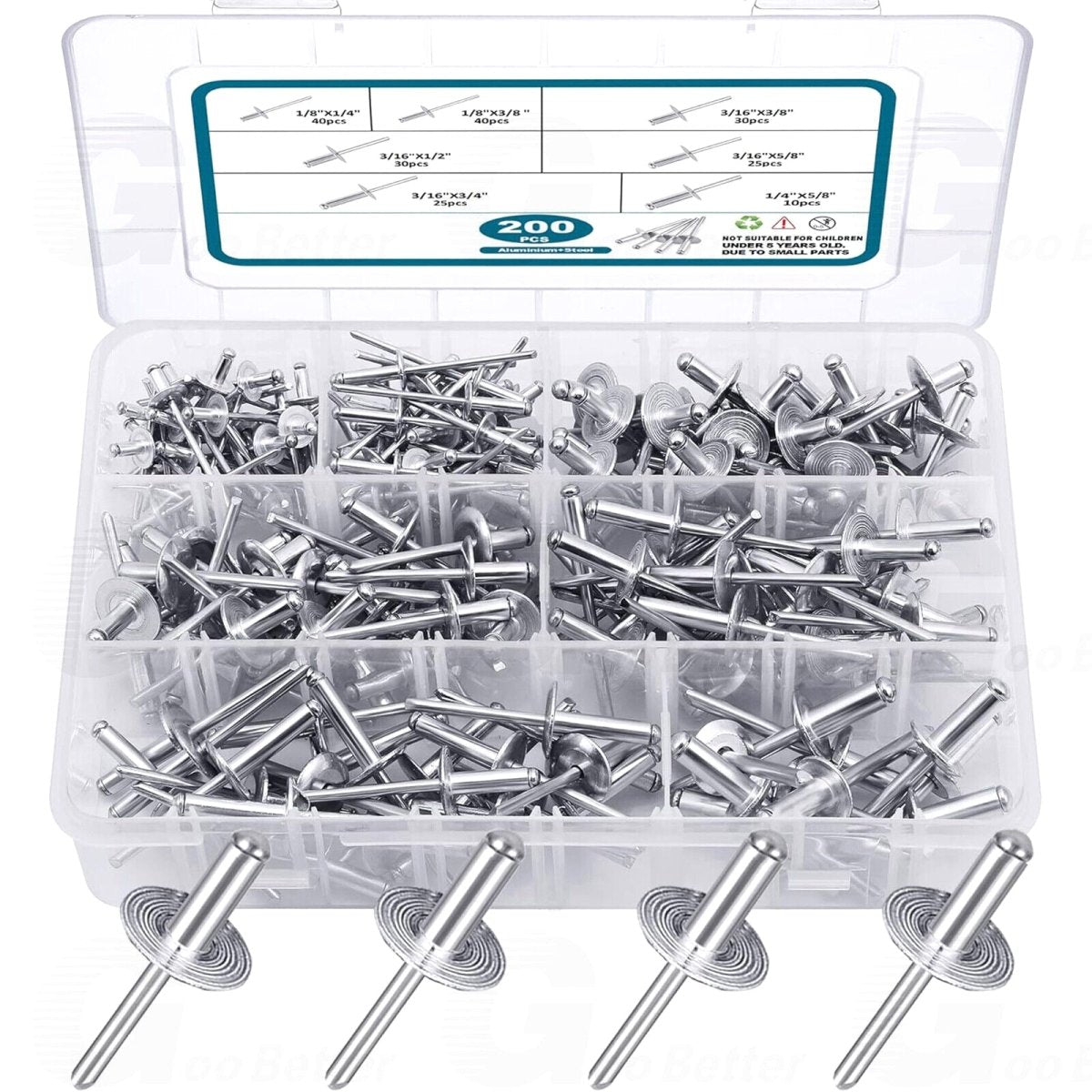
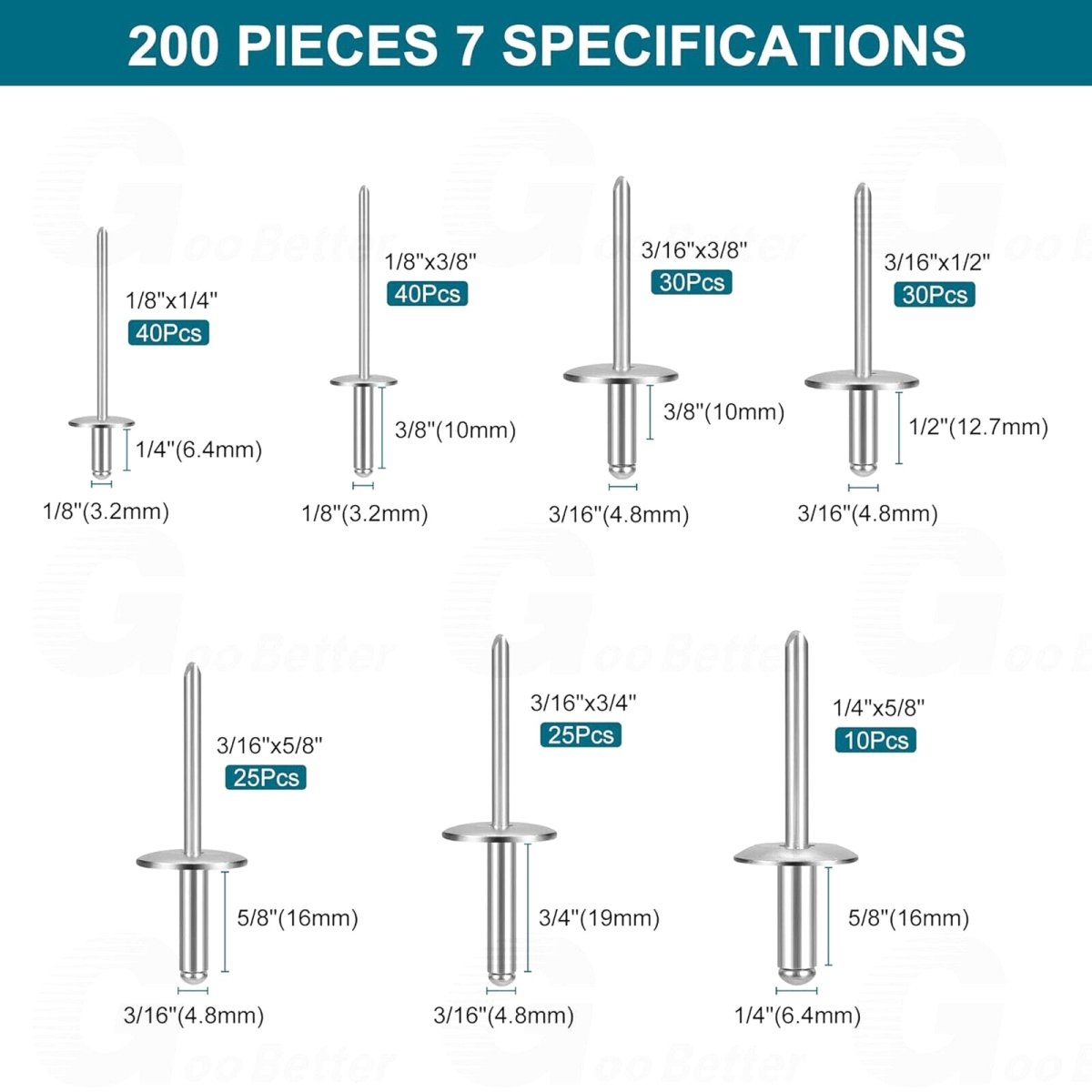
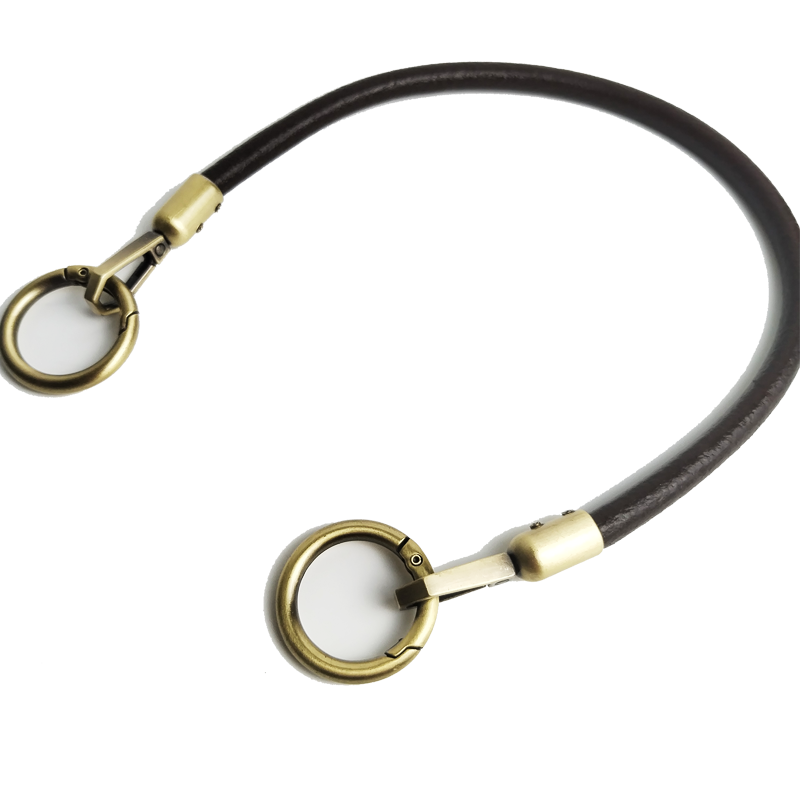
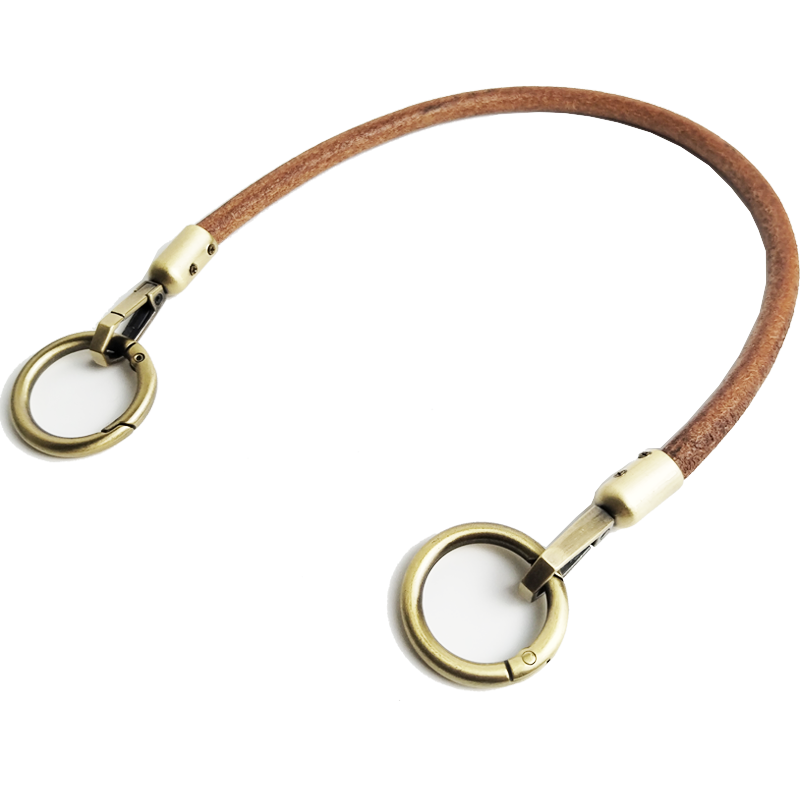
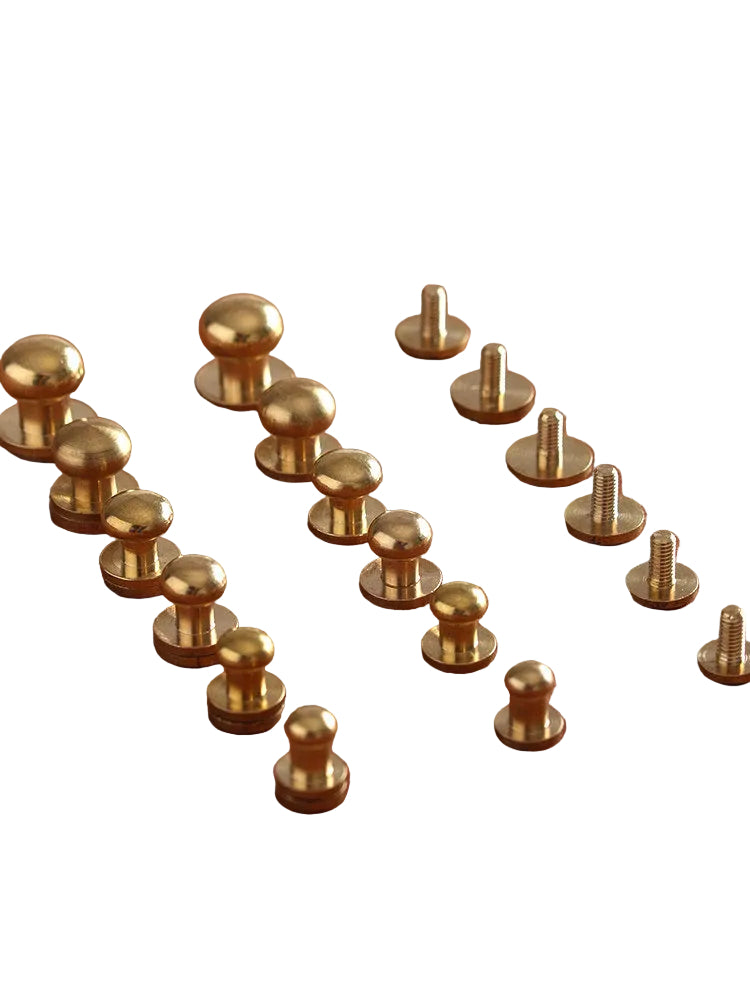
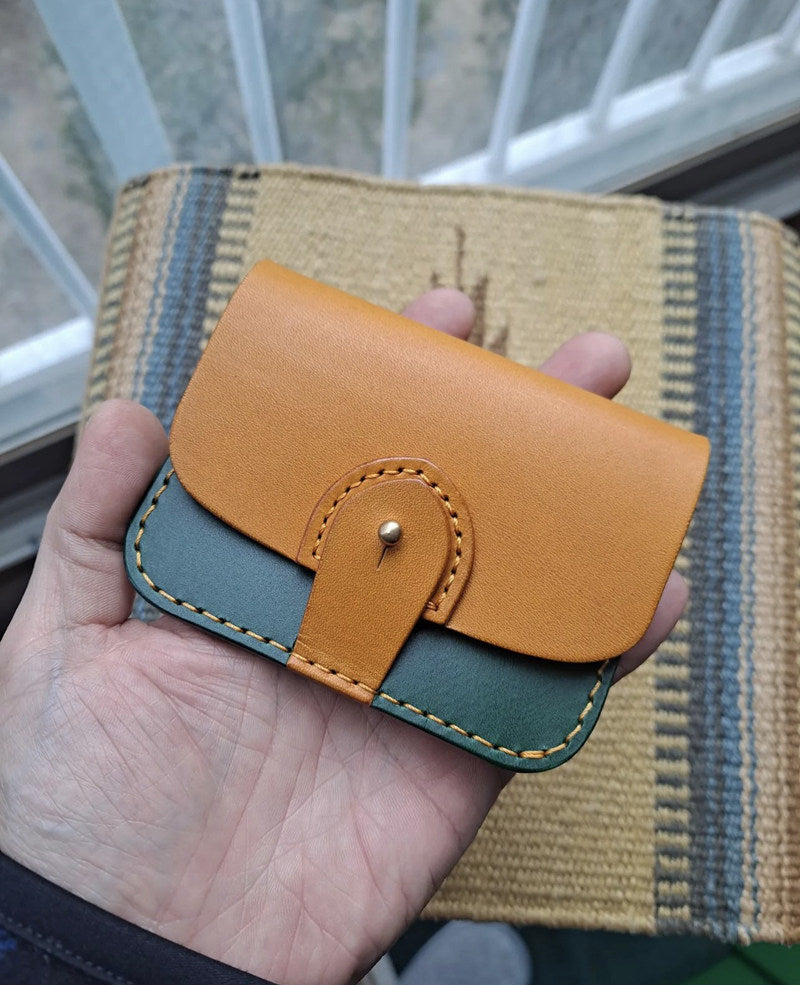
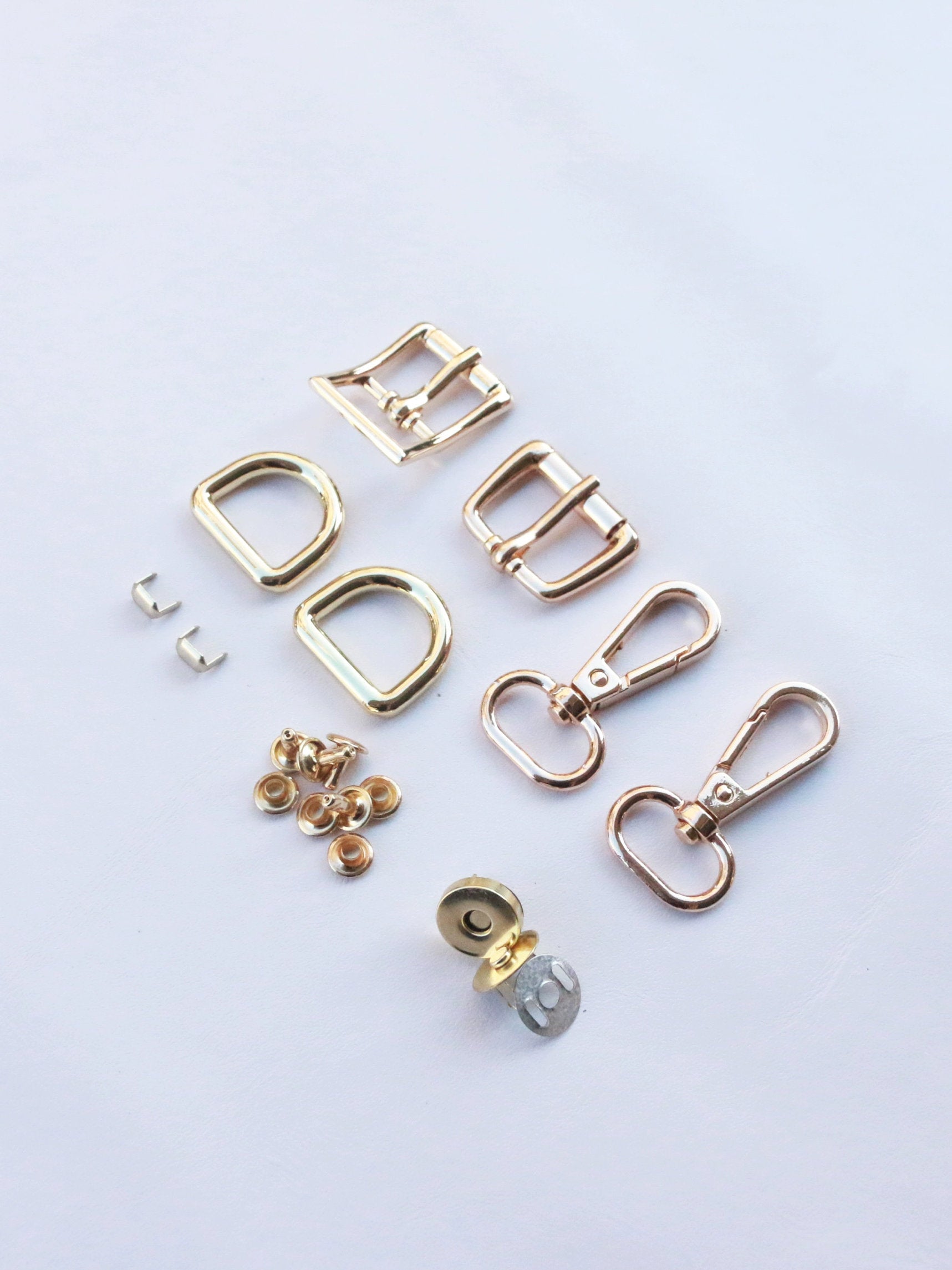
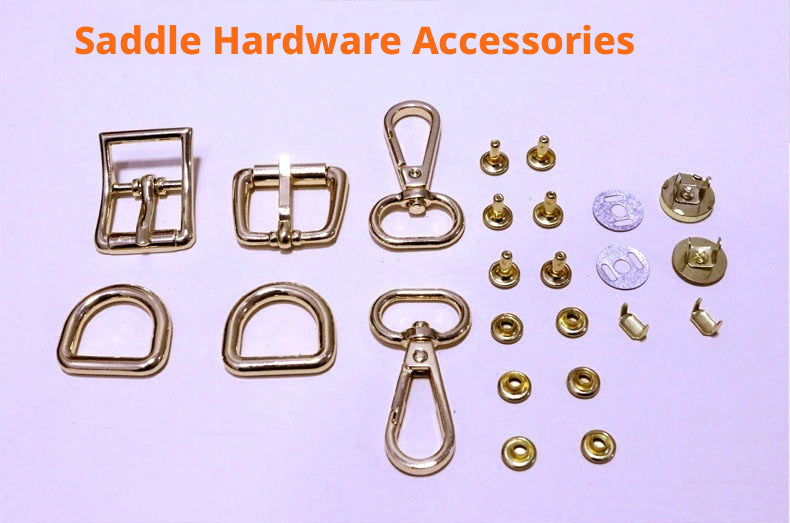
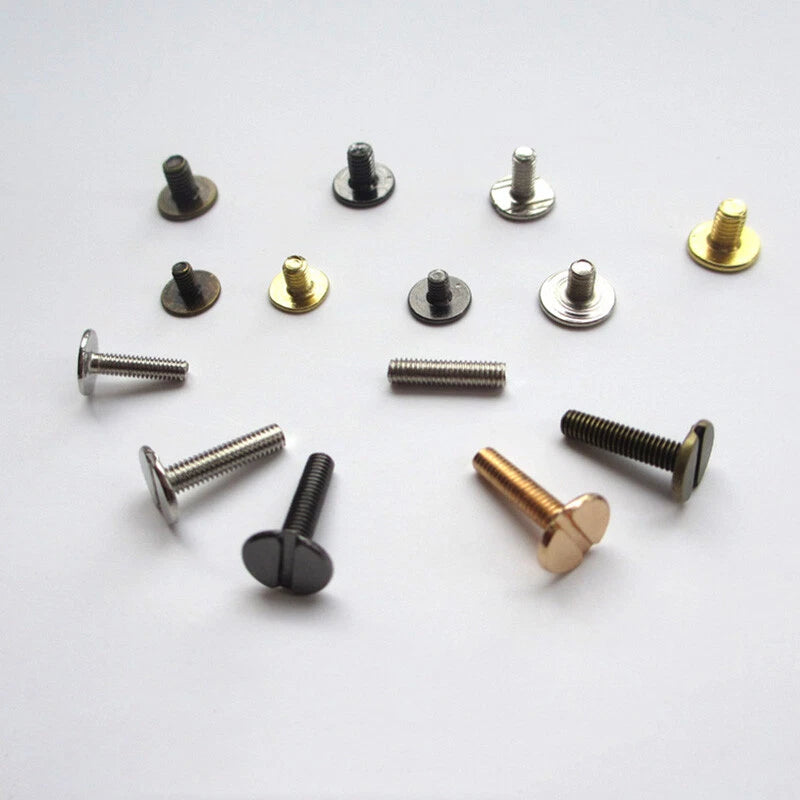
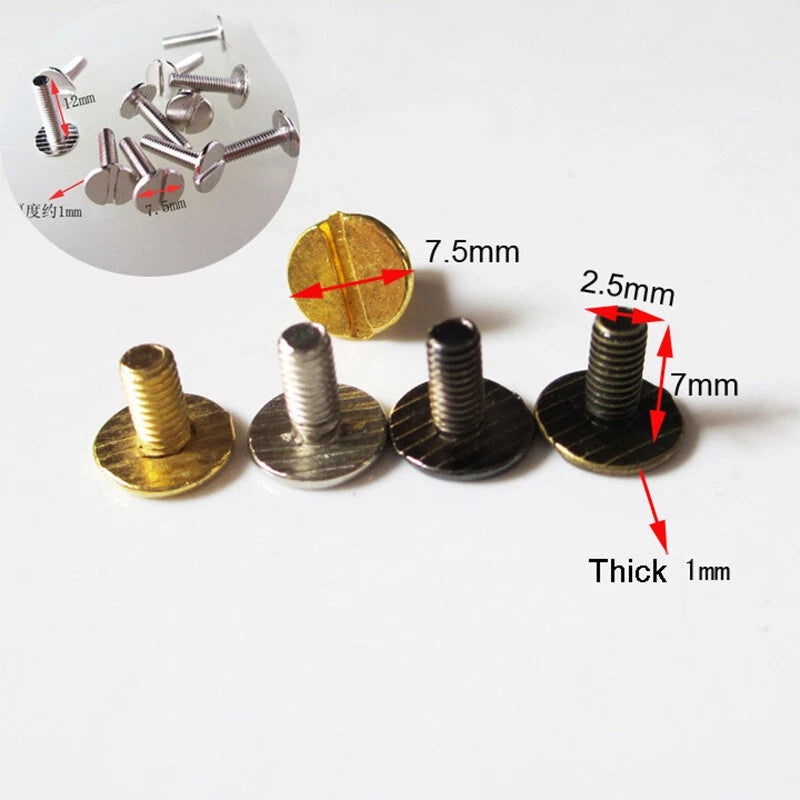
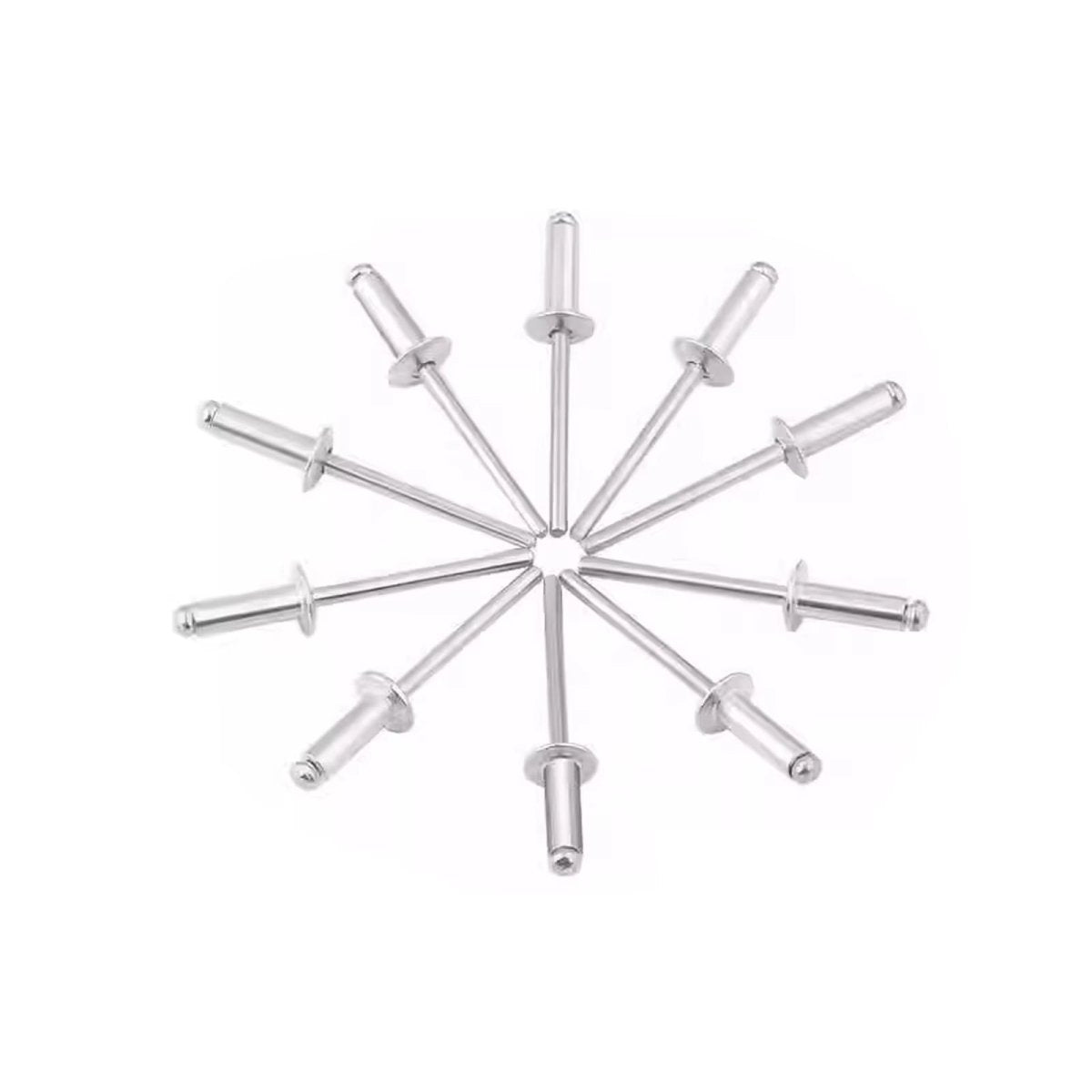
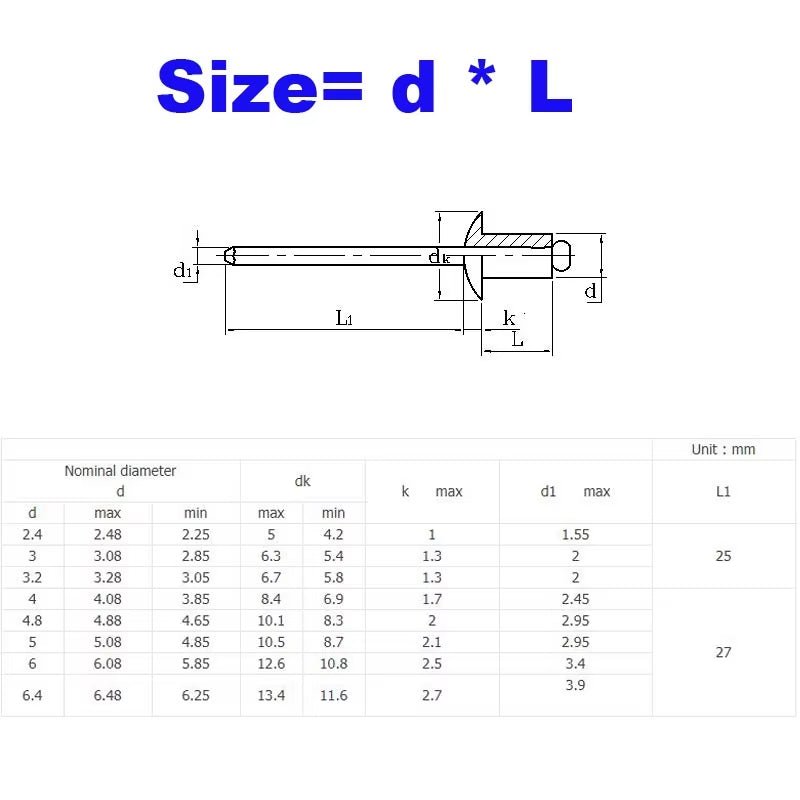
Hardware is what separates a finished leather piece from a raw one. Double-cap rivets in 4mm, 7mm, 9mm, and 12mm secure straps, pockets, and decorative accents without sewing. Chicago screws (M5 binding rivets, 90-piece sets) are removable and reusable — great for notebooks, holsters, and adjustable straps. Brass monk head screws add a premium look to bag corners and closures. Magnetic buckles in 1.4cm and 1.8cm snap shut cleanly on flap bags and backpacks. The complete DIY bag hardware set includes everything for Kelly, Cambridge, and saddle-style bags.
Leather Carving & Stamping Tools for Custom Designs and Decorative Leatherwork
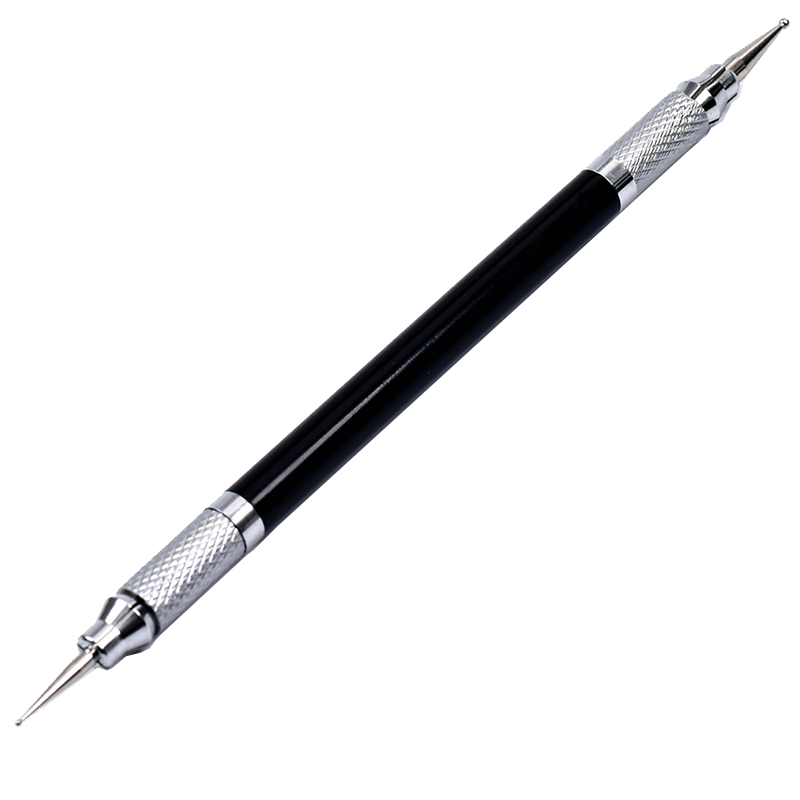
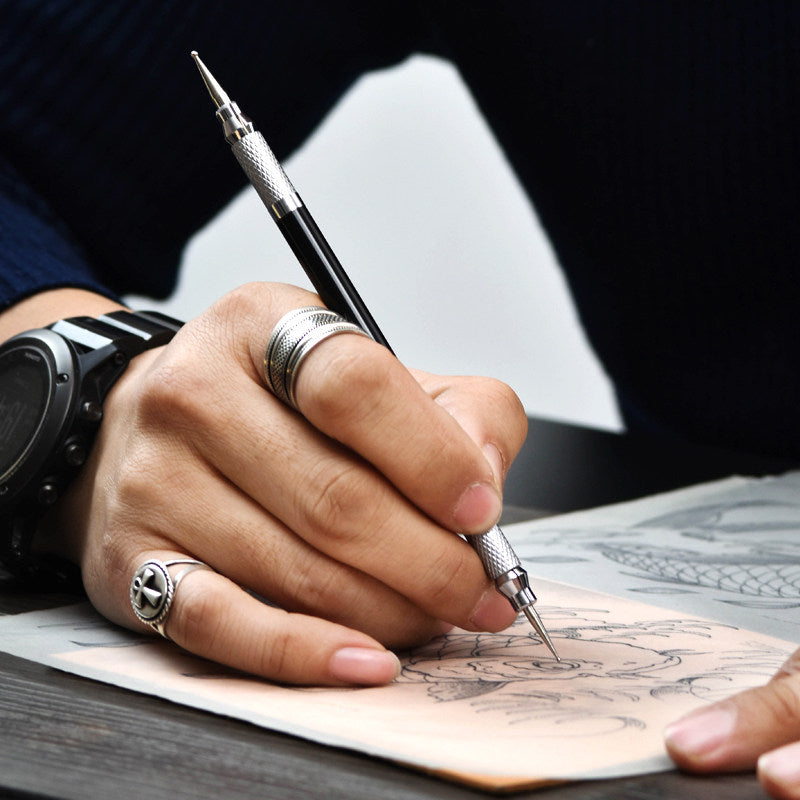
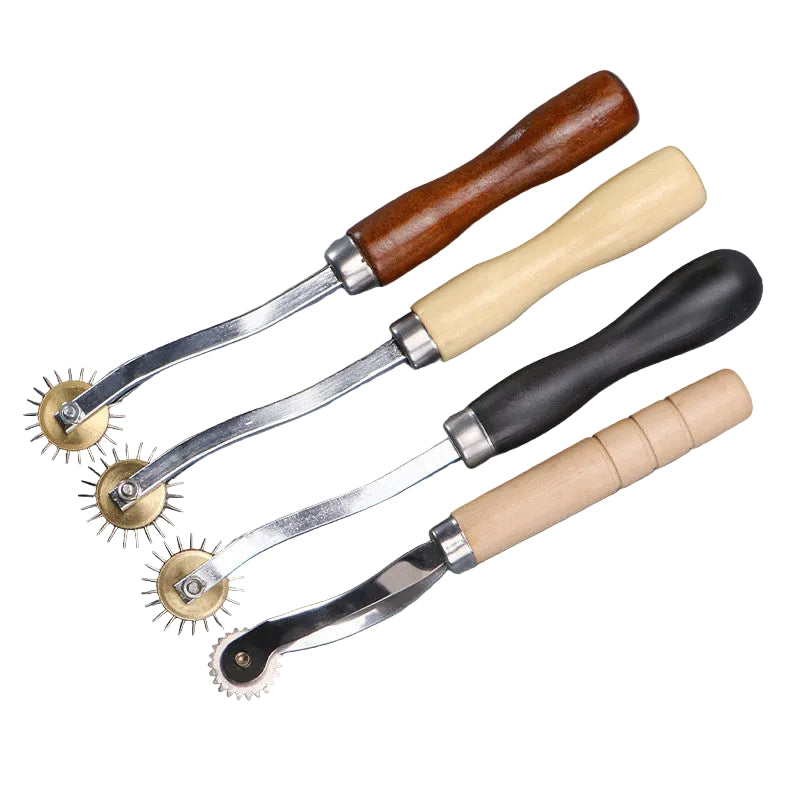
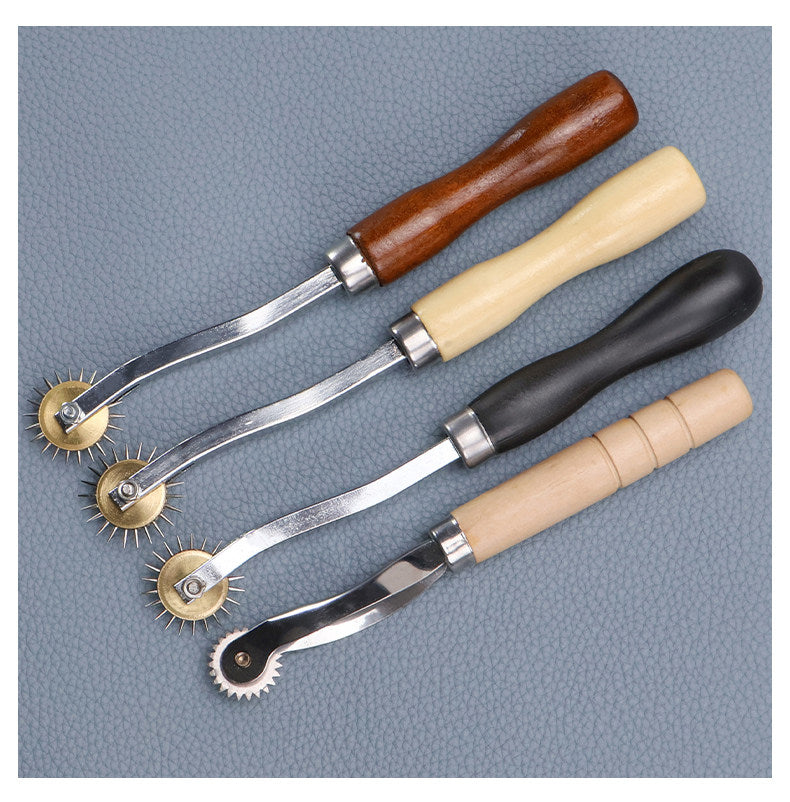
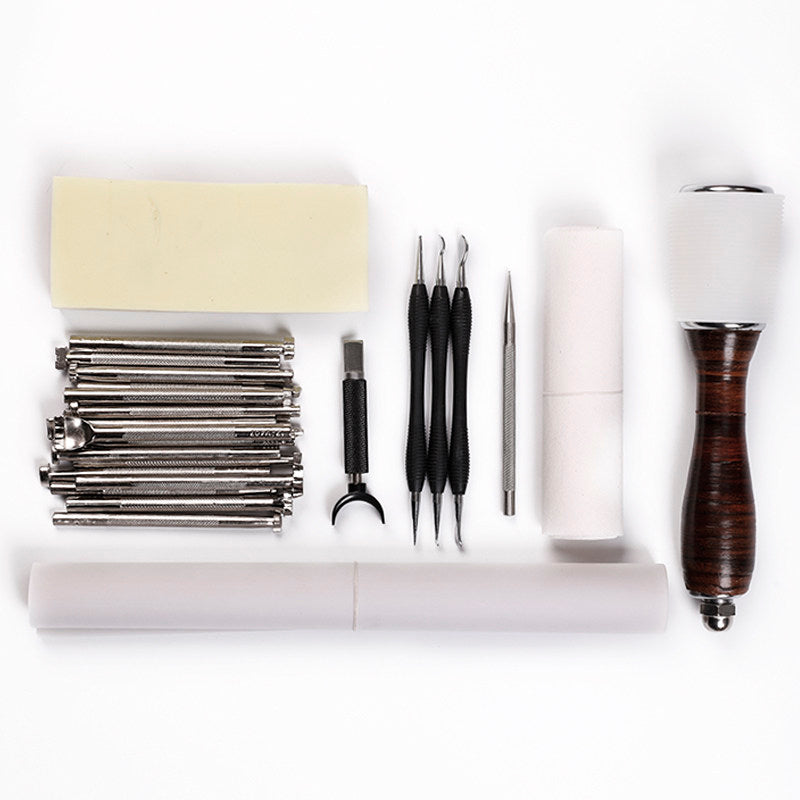
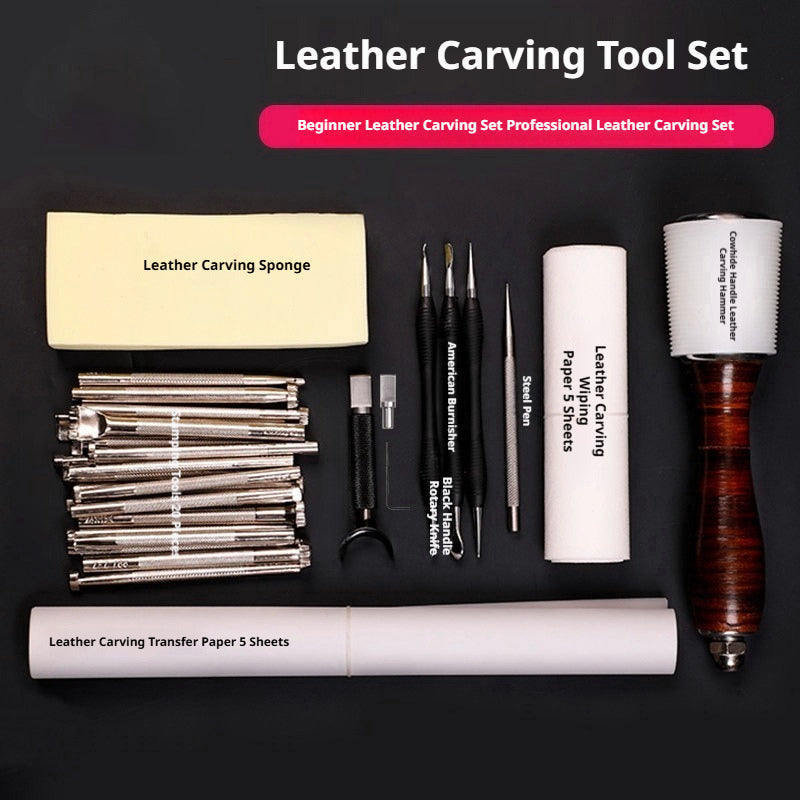
Carving transforms a plain leather surface into a work of art. The double-sided leather carving pen holds eight interchangeable nibs (0.6mm to 3mm) for tracing patterns and transferring designs. The 20-stamp carving set includes a swivel knife, hammer, sponge, and transfer paper — everything you need to carve floral, geometric, or custom motifs into vegetable-tanned leather. Use the stitching wheel to mark consistent stitch lines before punching, and the suture positioning needles to hold layers in place while you work.
Leather Edge Finishing Tools — Bevelers, Burnishers & Edging Irons for Professional Results
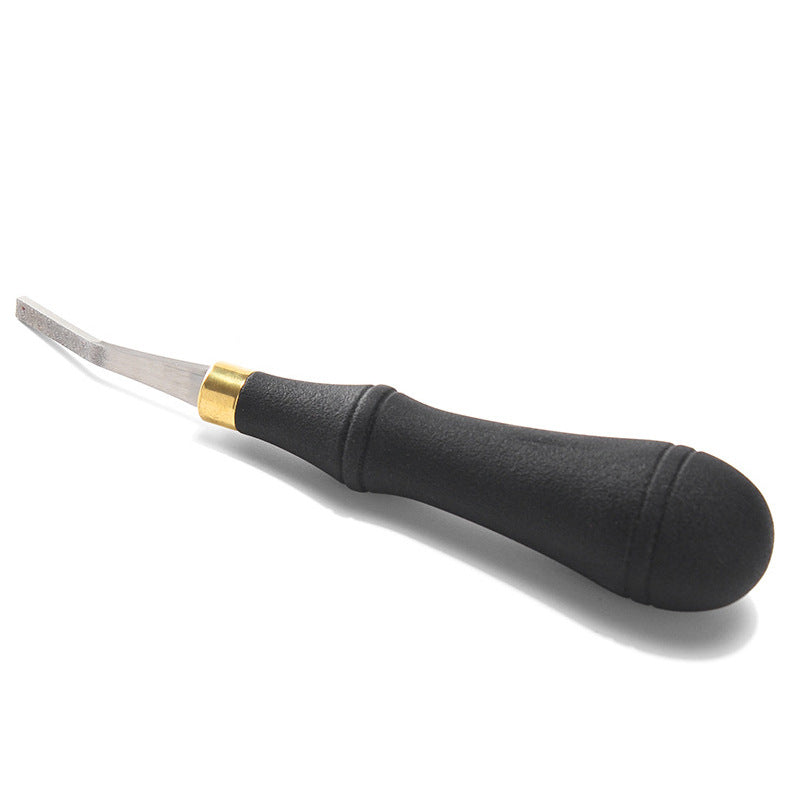
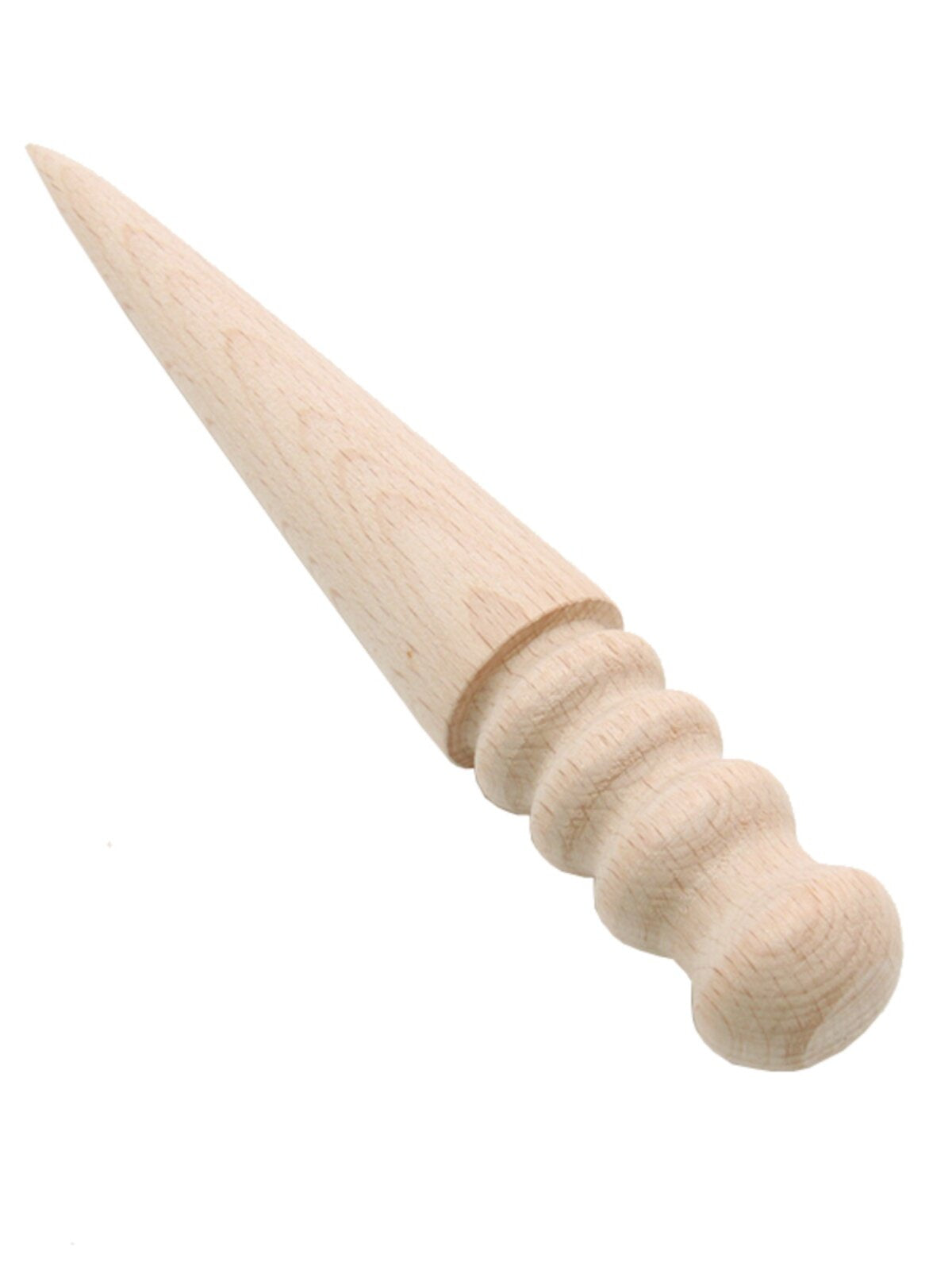
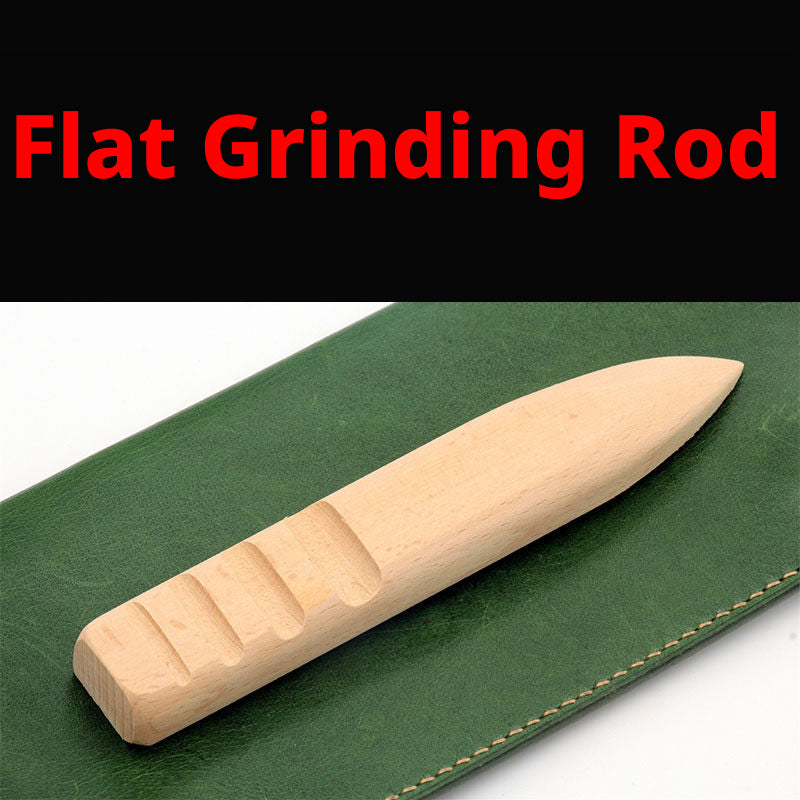
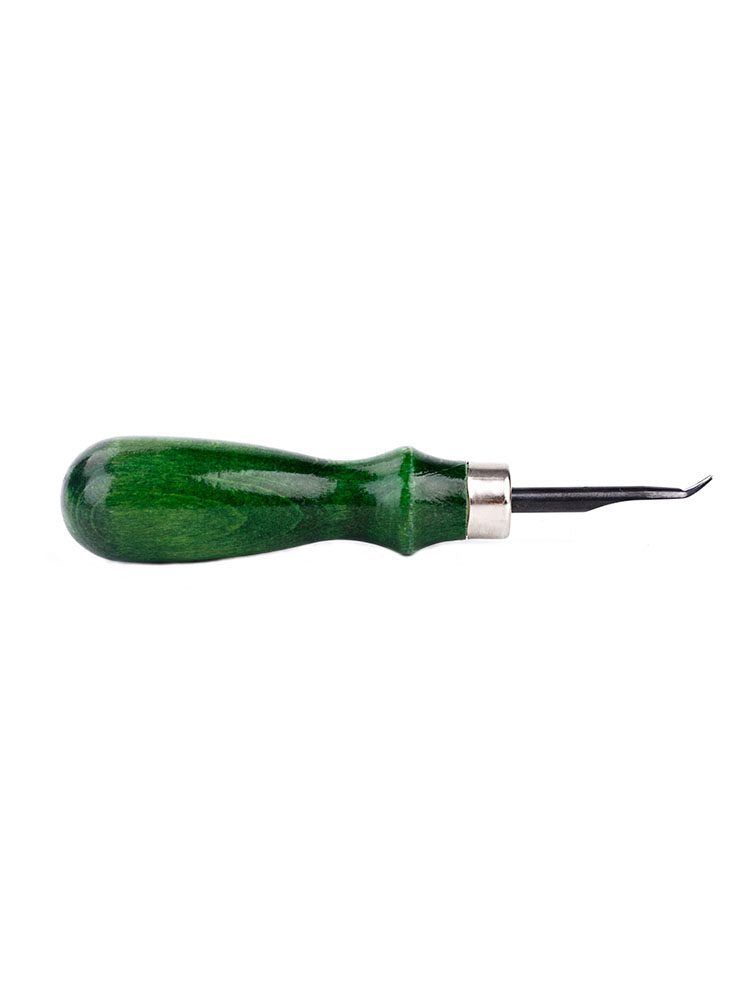
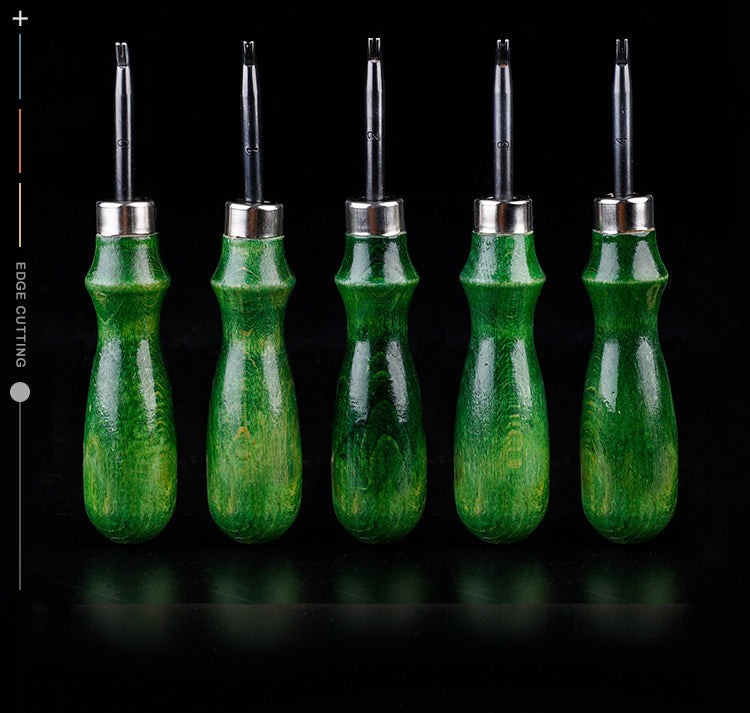
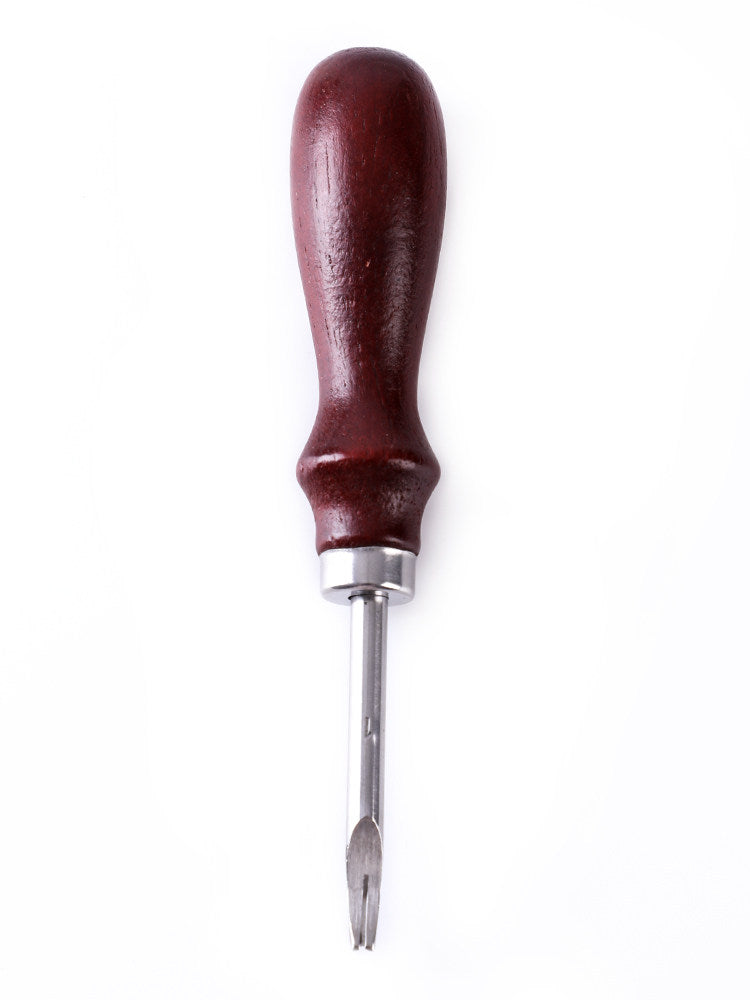
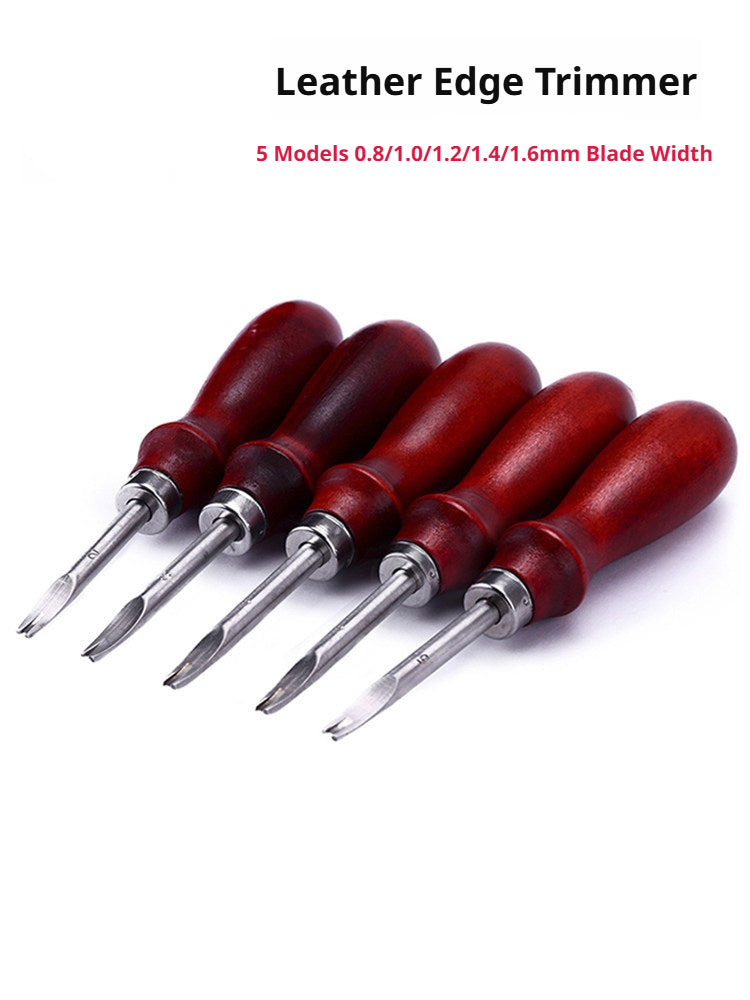
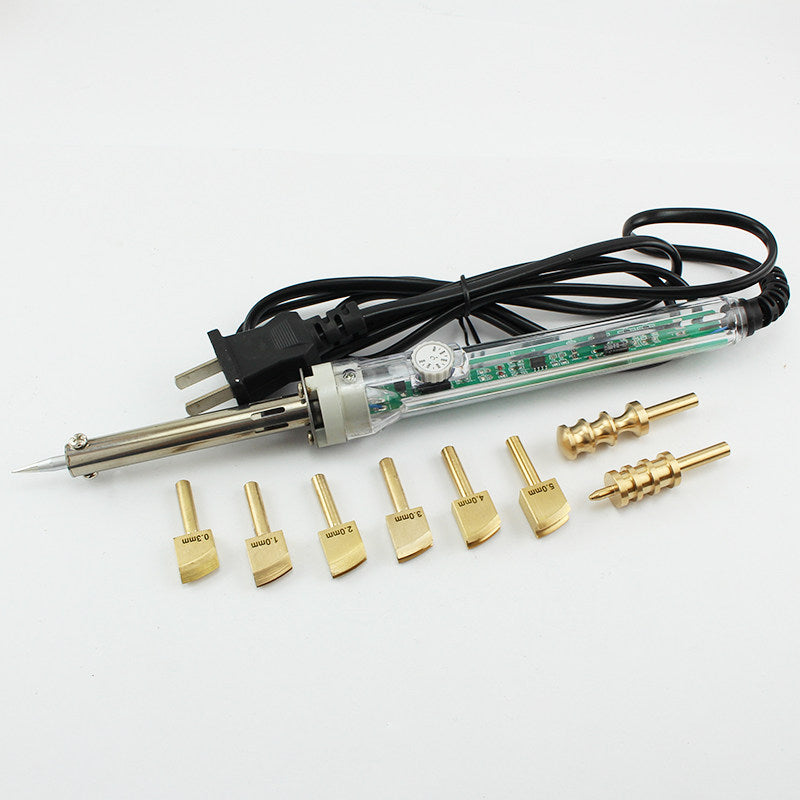
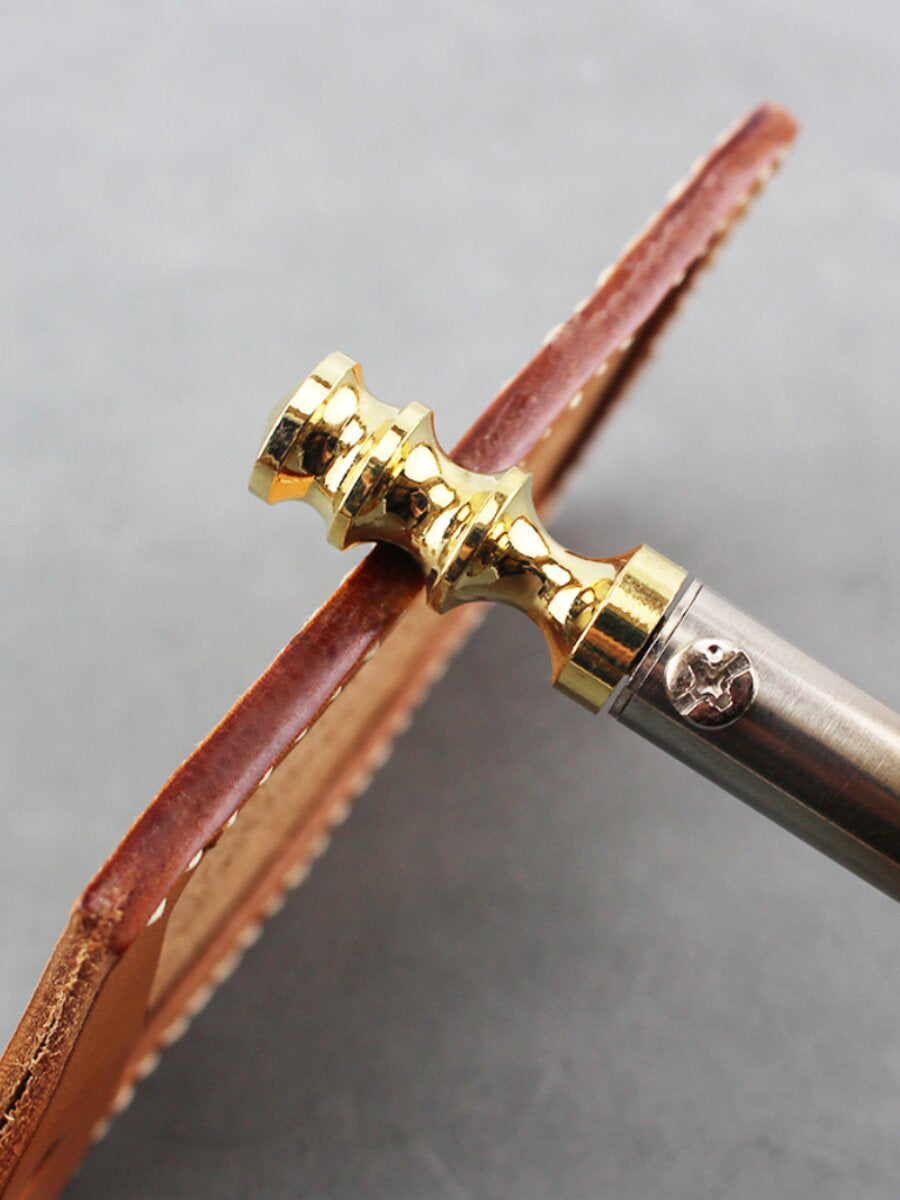
A well-finished edge is the mark of quality craftsmanship. The leather edge beveler set (5 sizes, 0.8mm to 1.6mm) removes the sharp corner from cut edges before burnishing. The beech wood sanding stick set — round, flat, and disc shapes — smooths the edge surface for a clean base. The adjustable temperature leather edging iron with eight brass tip heads melts edge wax and creases fold lines with precision. Finish with the 5-in-1 grooving tool to add a decorative channel along stitch lines for a classic saddle-stitch look.
Leathercraft Tool Maintenance Tips — Keep Your Supplies Sharp and Ready
Run through this quick checklist each season to keep your leathercraft tools performing at their best:
- Strop your cutting and skiving knives on a leather strop with honing compound — a dull blade tears leather instead of slicing it cleanly.
- Check your diamond chisels for bent or chipped teeth; replace any that no longer punch clean holes.
- Inspect waxed thread spools for fraying or moisture damage; store in a sealed bag with a silica gel packet to prevent humidity absorption.
- Clean punch plier jaws with a dry cloth and apply a drop of machine oil to the pivot point to keep the action smooth.
- Test magnetic buckles for full snap strength; weak magnets may have been demagnetized by proximity to other metal tools — store separately.
- Wipe brass hardware (monk head screws, rivets) with a dry cloth after handling to prevent tarnish from skin oils.
- Check the heating element on your leather edging iron; if it no longer reaches temperature evenly, clean the brass tips with a fine wire brush.
Frequently Asked Questions — Leathercraft DIY Supplies & Leather Craft Tools
What leathercraft tools do I need to get started?
A beginner leathercraft kit typically includes a stitching awl, hand sewing needles, waxed thread, a diamond chisel set, a cutting knife, and a self-healing cutting pad. Our Beginner Leathercraft Tool Set bundles these essentials in one box.
What is the difference between a diamond chisel and a stitching wheel?
A diamond chisel punches evenly spaced holes in one strike, giving you precise, consistent stitch spacing. A stitching wheel marks the spacing on the surface without punching through, making it ideal for planning stitch lines before punching.
Can I use these tools on both vegetable-tanned and chrome-tanned leather?
Most tools — punches, needles, and stitching chisels — work on both leather types. However, carving and stamping tools are best suited for vegetable-tanned leather, which is firmer and holds impressions better.
How do I choose the right hole punch for belts and straps?
For standard belt holes, a 6-size rotary punch plier (1.5–4.5mm) covers most needs. For rectangular slots on watch straps or bag closures, use a flat punch set. For high-volume work, an automatic belt punch with a solid wood handle reduces hand fatigue.
What waxed thread size works best for hand-stitching leather bags?
A 0.55mm round waxed polyester thread is the most versatile choice for bags, wallets, and belts. It provides strong, durable seams and is available in 63 colors so you can match or contrast your leather.
How do I attach rivets and hardware without a press machine?
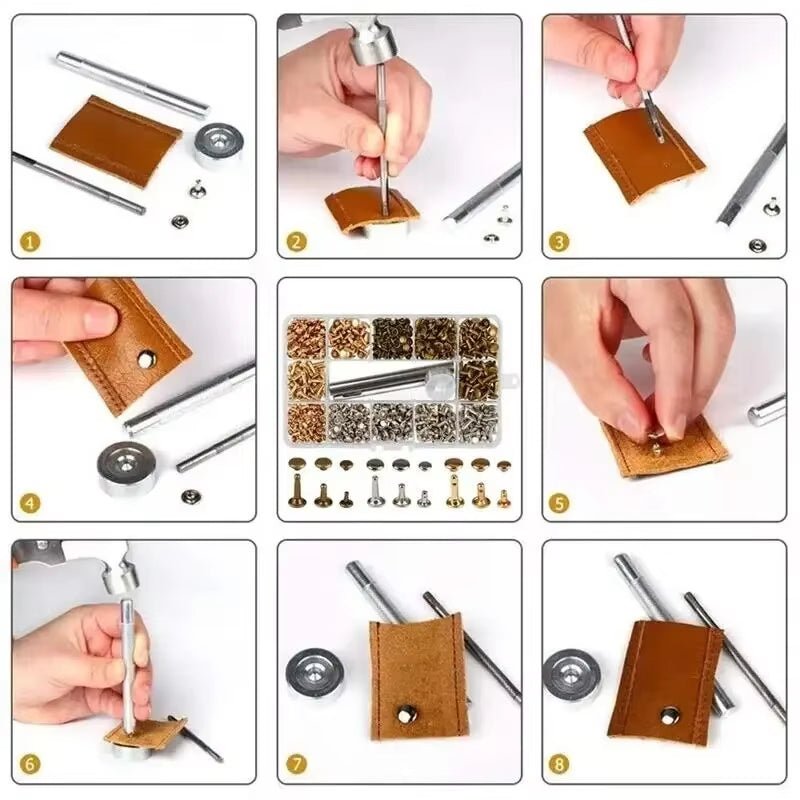
Double-cap rivets can be set with a rivet setter and a small hammer on a solid surface. Chicago screws (binding rivets) require no tools at all — they thread together by hand. For magnetic buckles, simply punch a hole, insert the prongs, and fold them flat with a setter.
What is the best way to finish leather edges?
Start by beveling the edge with a leather edge beveler (size 1 or 2 for most projects). Then sand with a beech wood sanding stick, apply edge wax or gum tragacanth, and burnish with a wood slicker or an adjustable temperature edging iron for a polished, professional finish.
How do I repair a leather sofa or car seat at home?
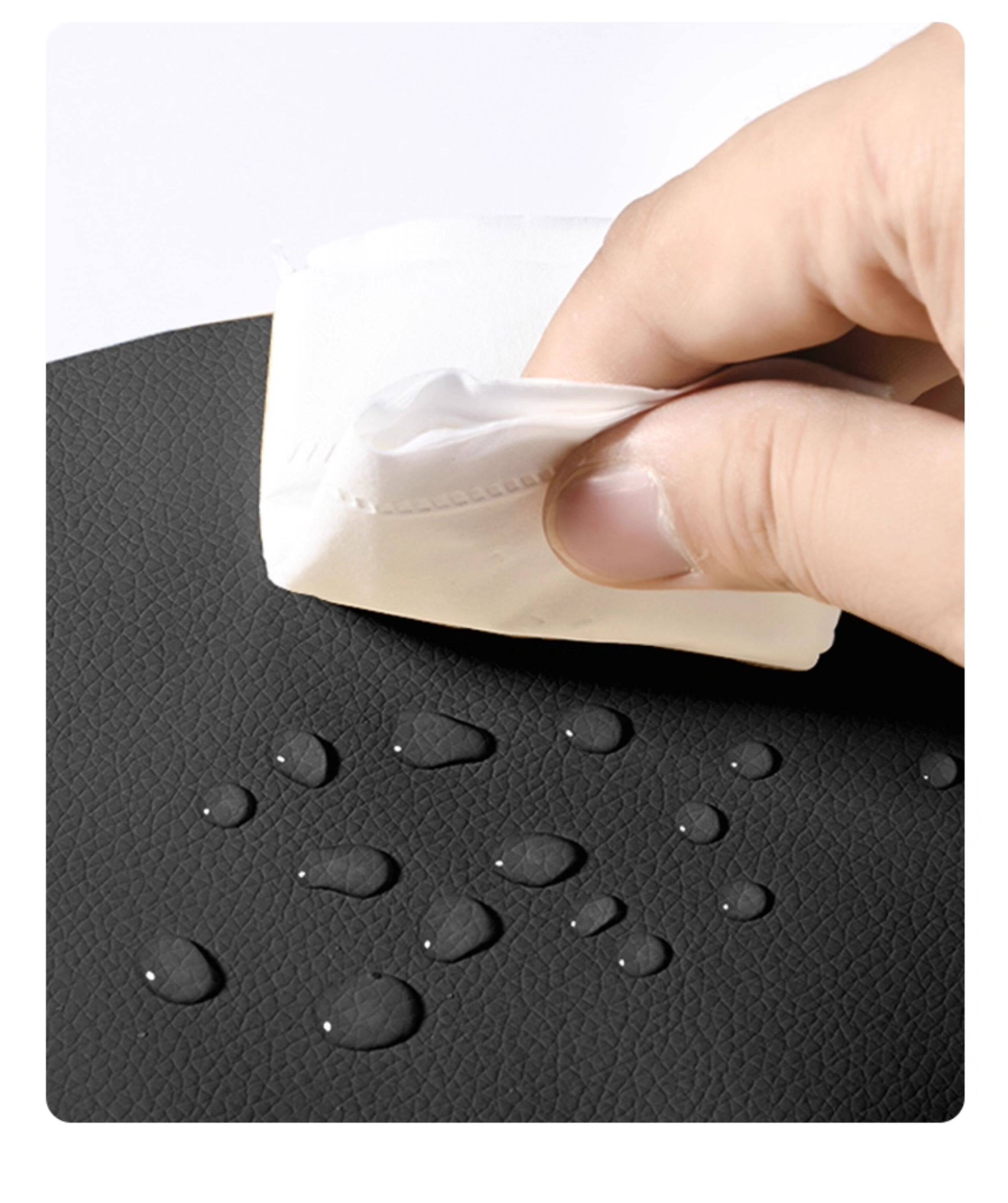
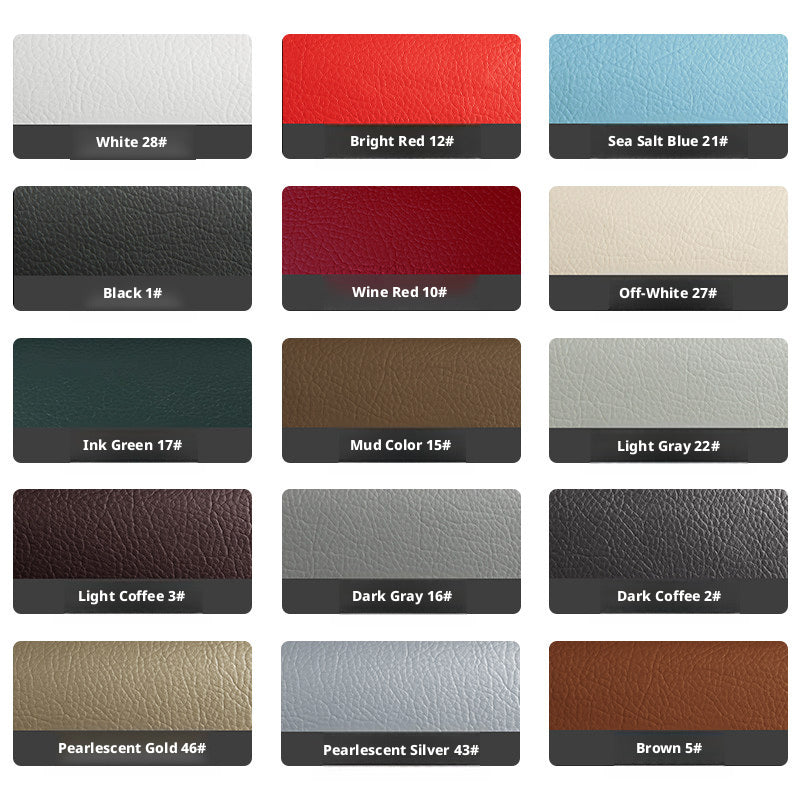
Use a self-adhesive leather repair patch cut to size. Clean the damaged area, peel the backing, and press the patch firmly. For jacket collars or small tears, a seamless leather repair patch blends in without visible seams. No sewing required.
Can I use a leather carving pen on pre-dyed leather?
Leather carving and tracing tools work best on natural or lightly dyed vegetable-tanned leather that has been dampened slightly. Heavily dyed or finished leather does not hold carved impressions well.
Does HomeDIYer offer free shipping on leathercraft supplies?
Yes. HomeDIYer offers free standard shipping on qualifying orders. Check the cart or product page for the current free shipping threshold and estimated delivery times to your location.