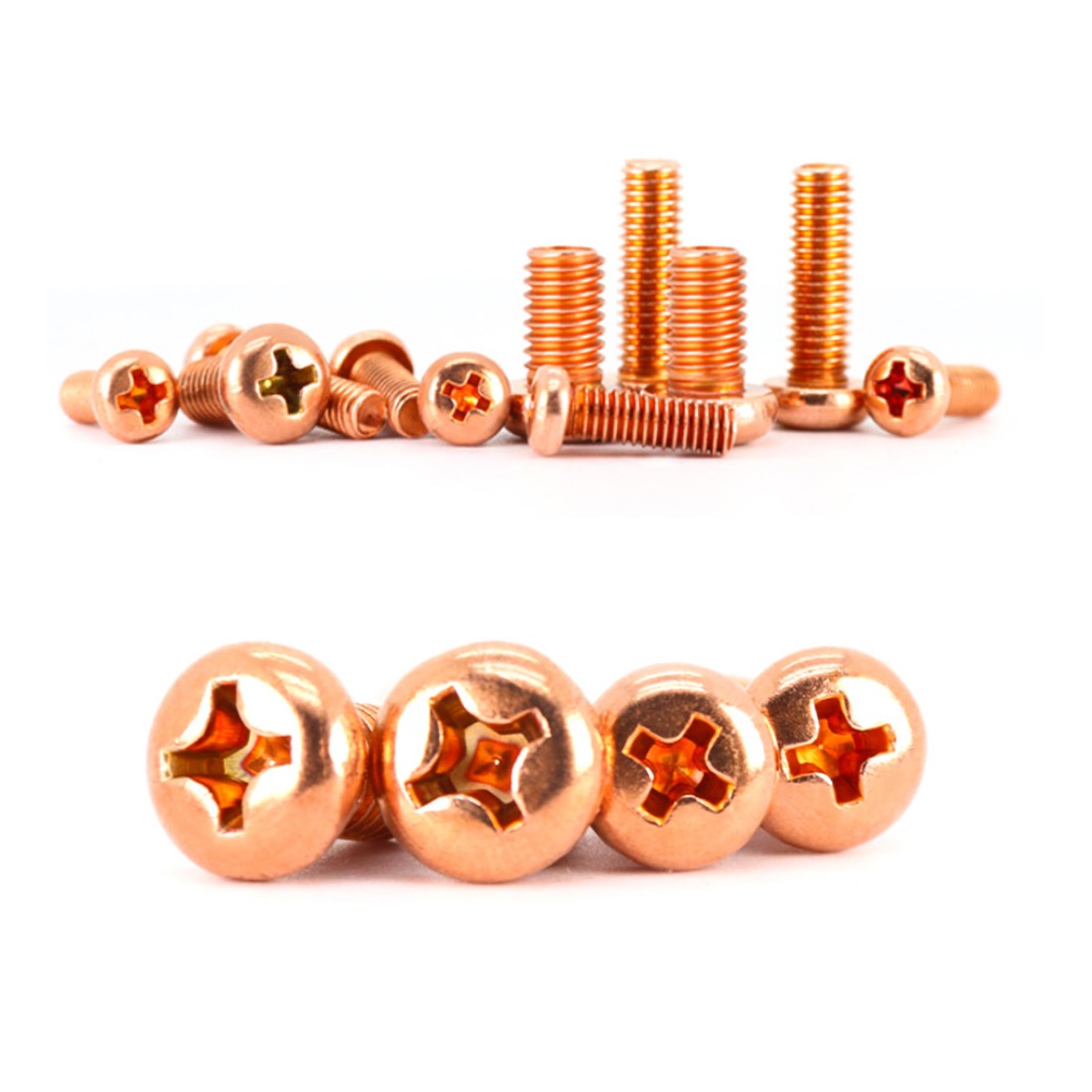
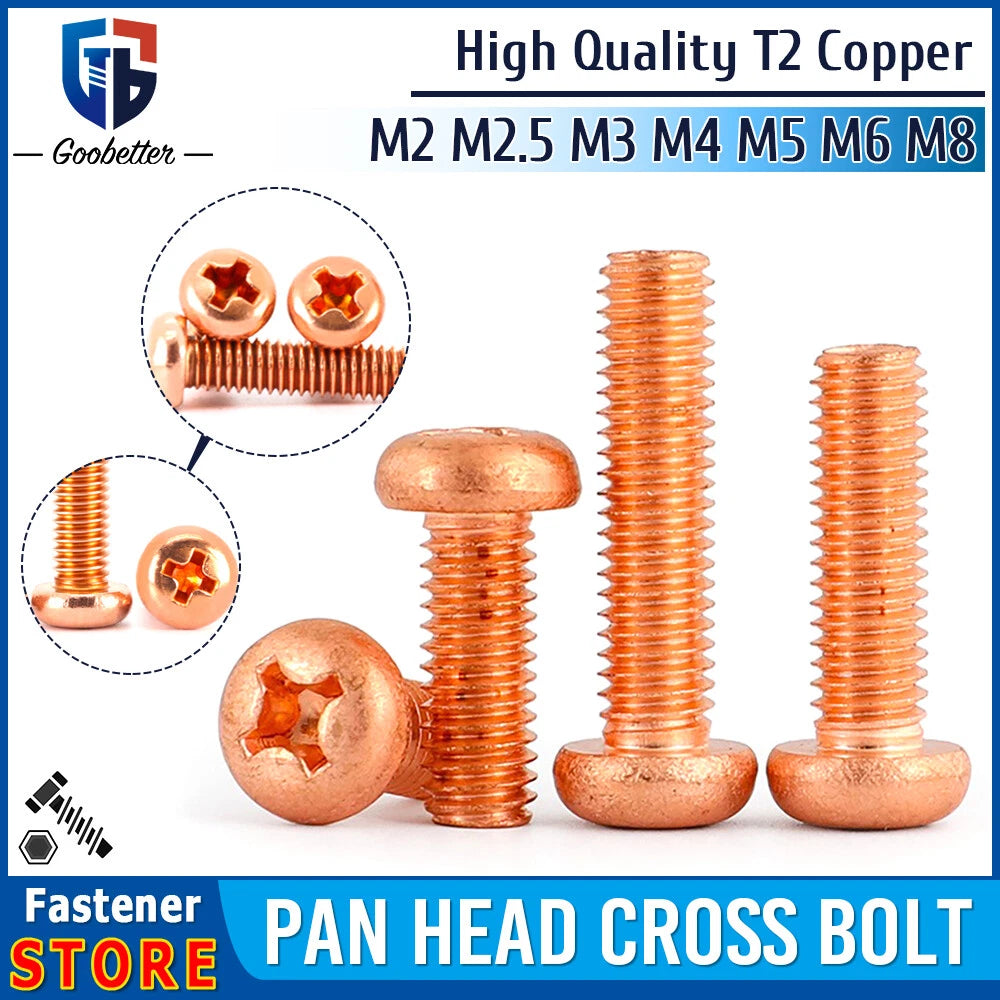
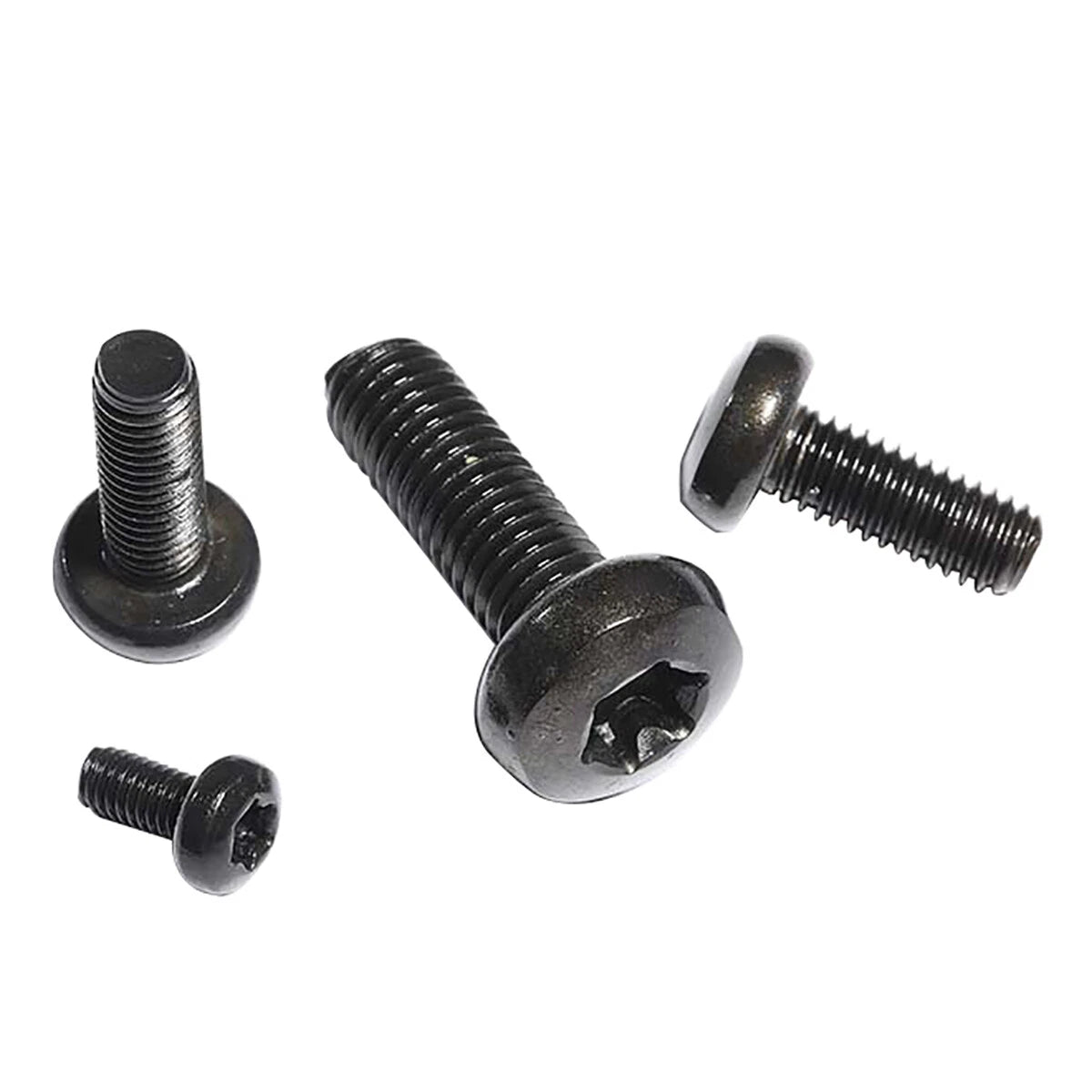
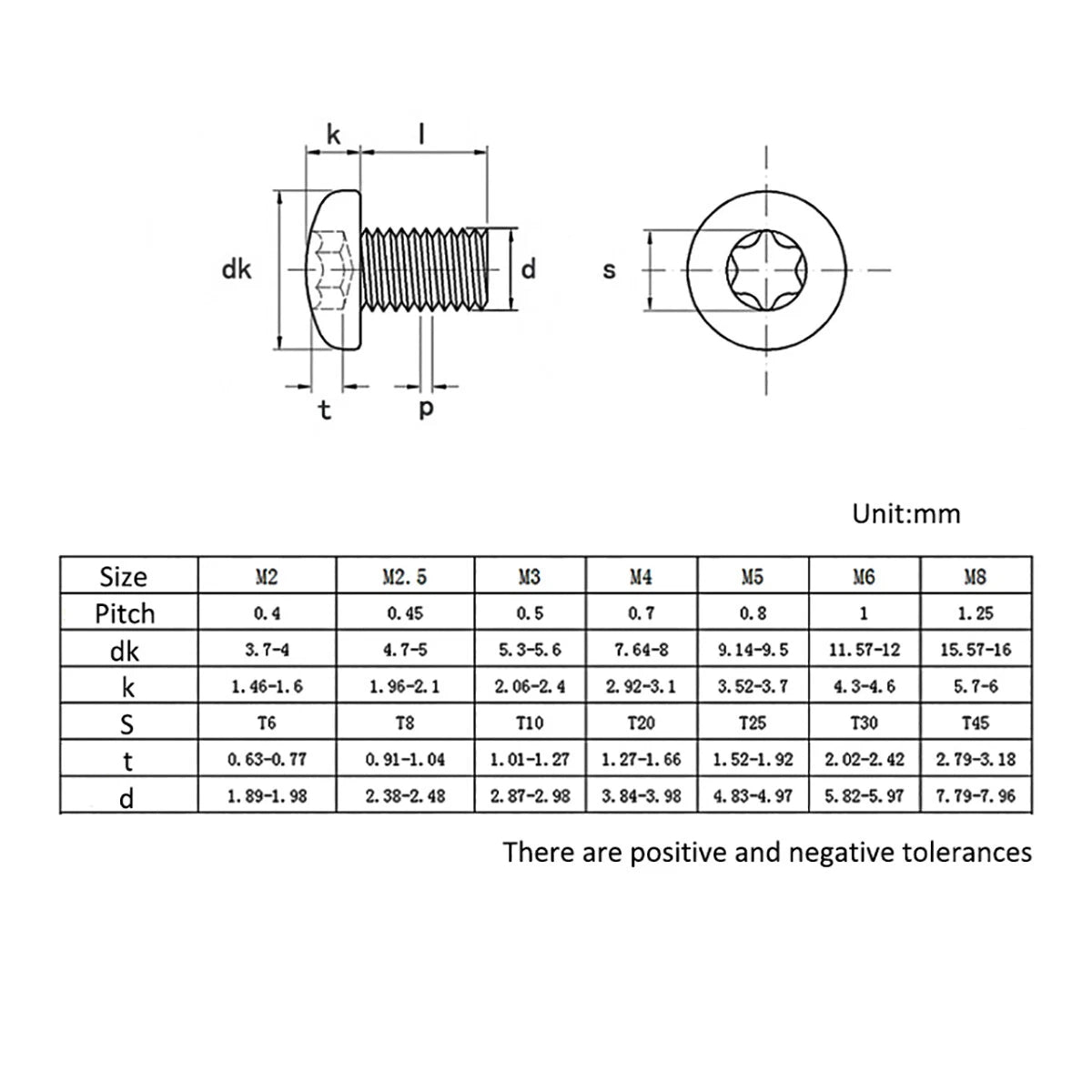
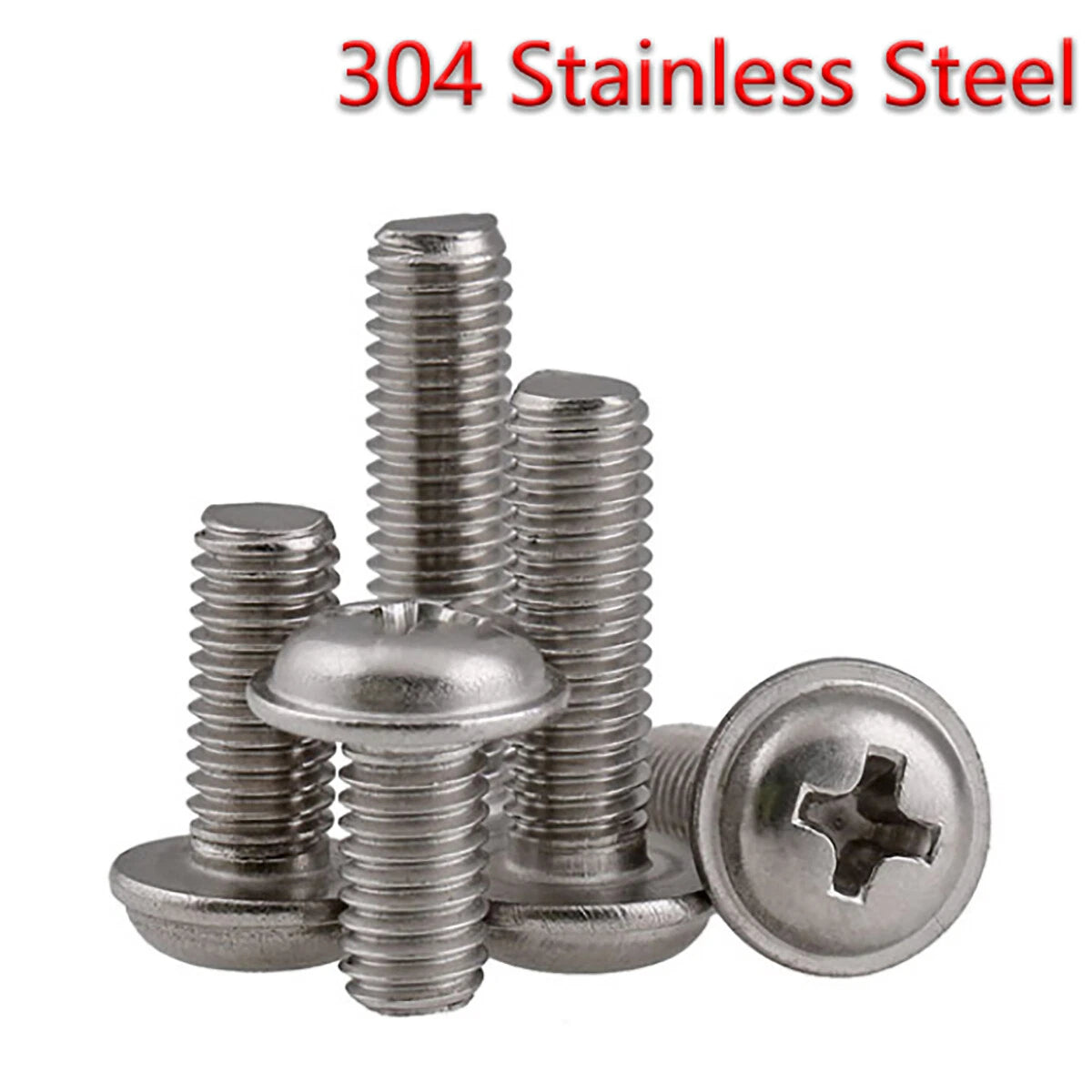
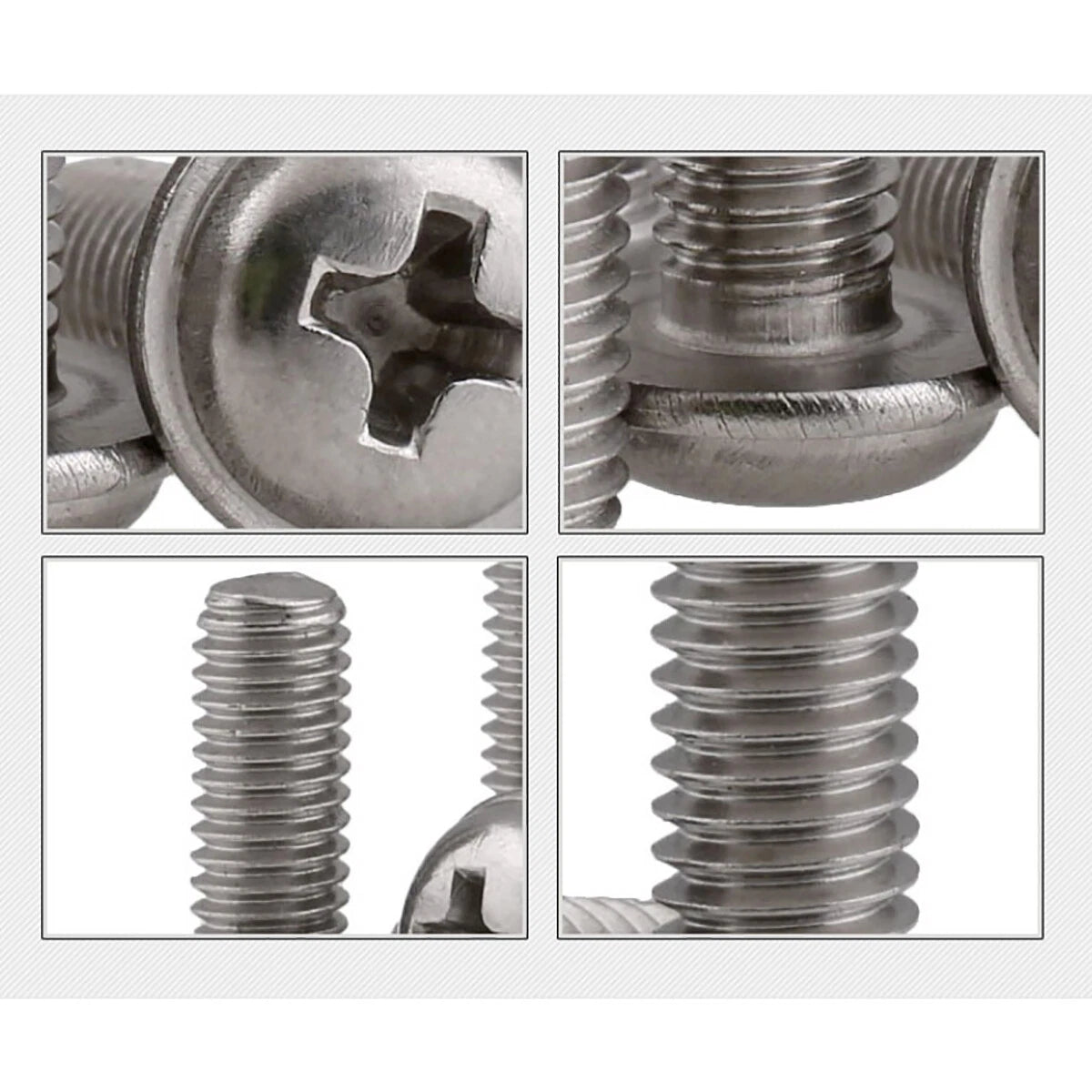
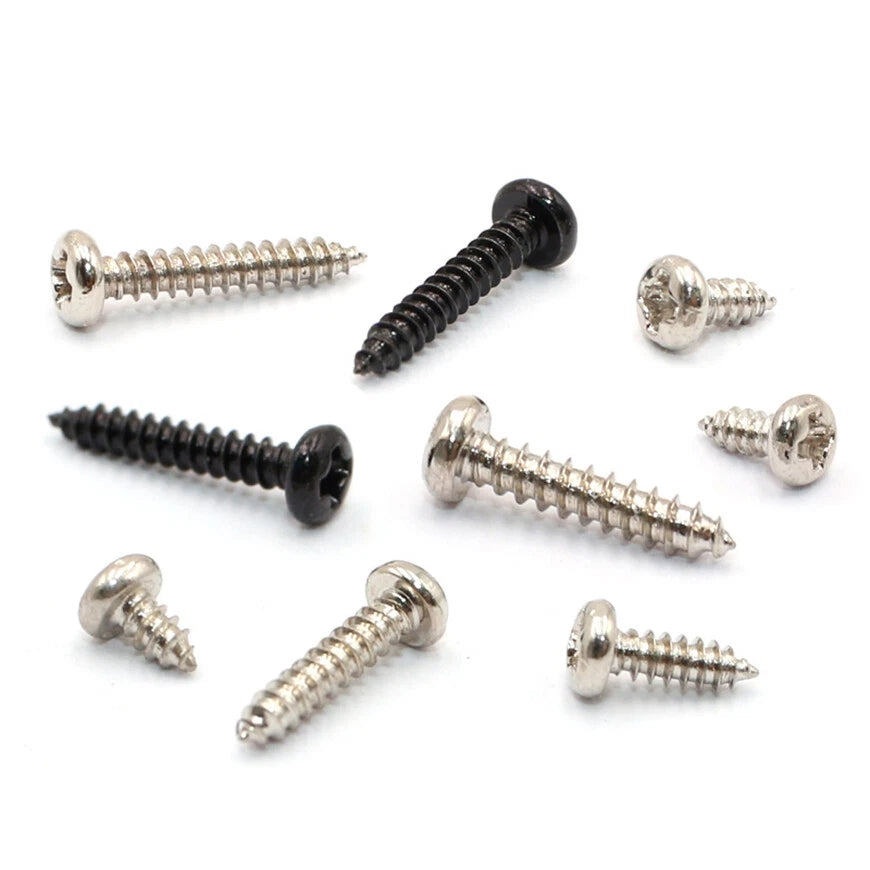
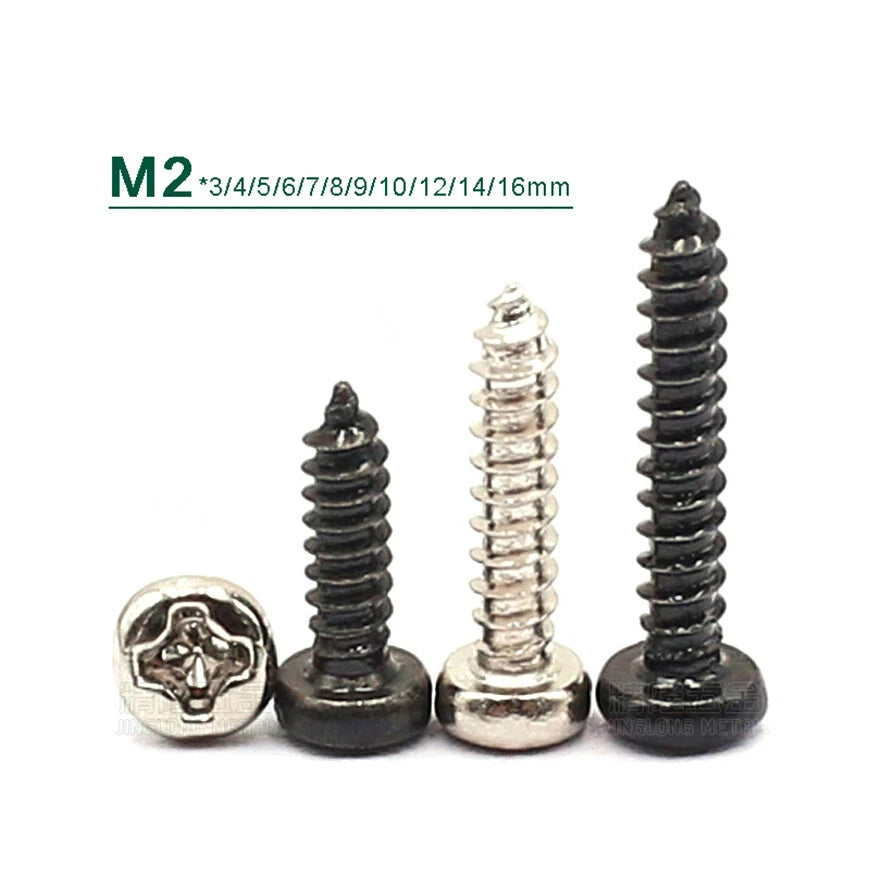
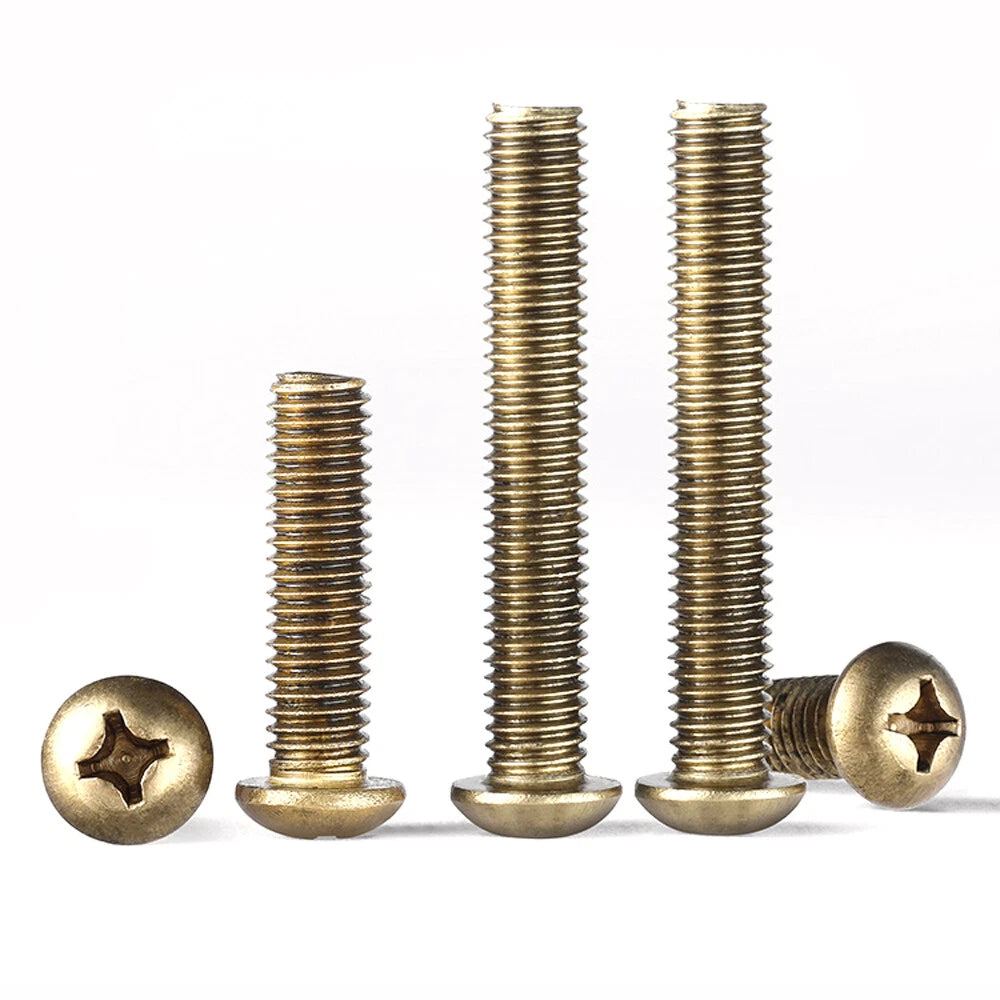
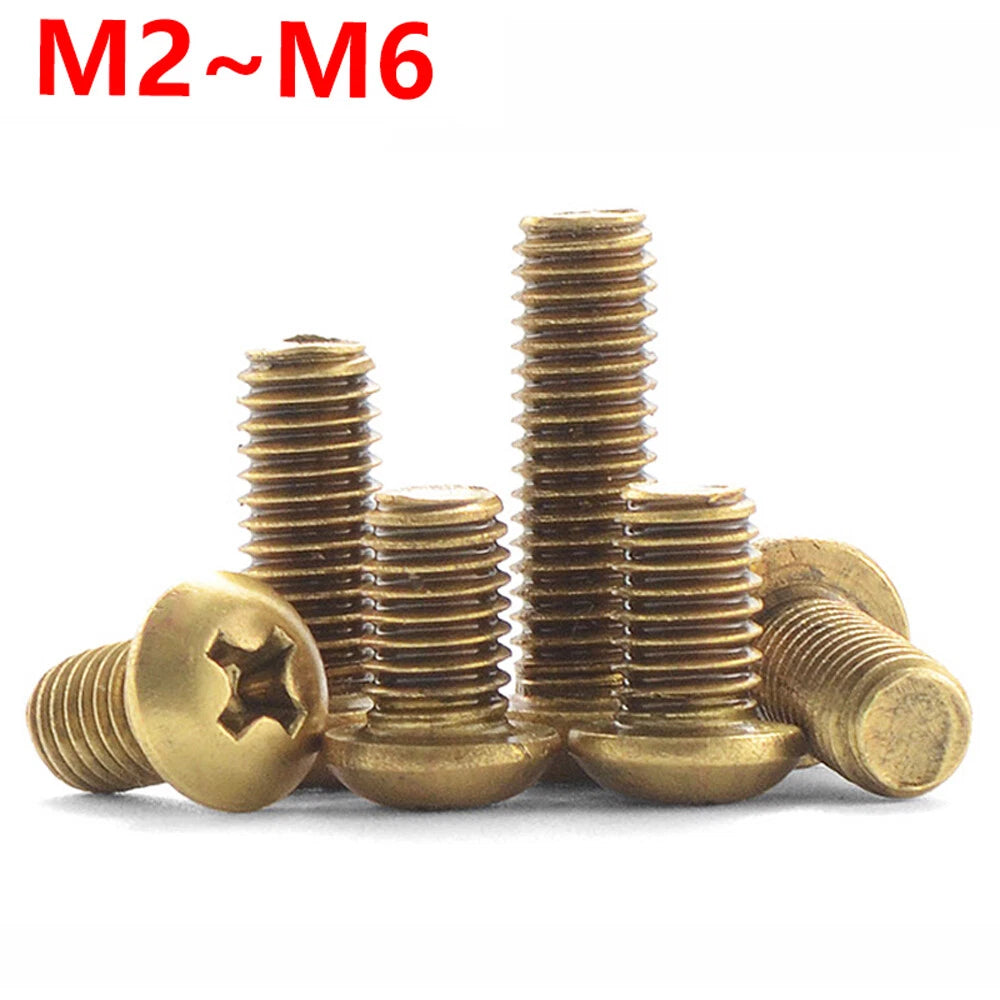
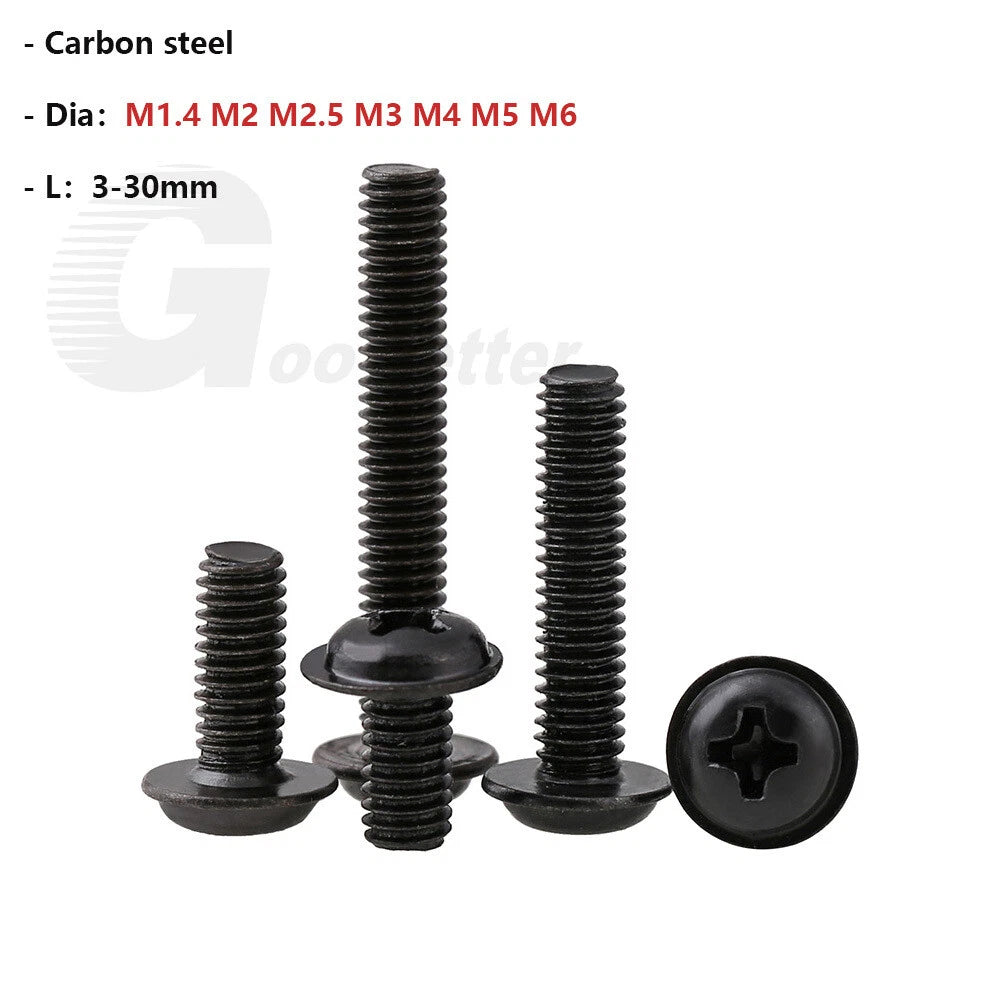
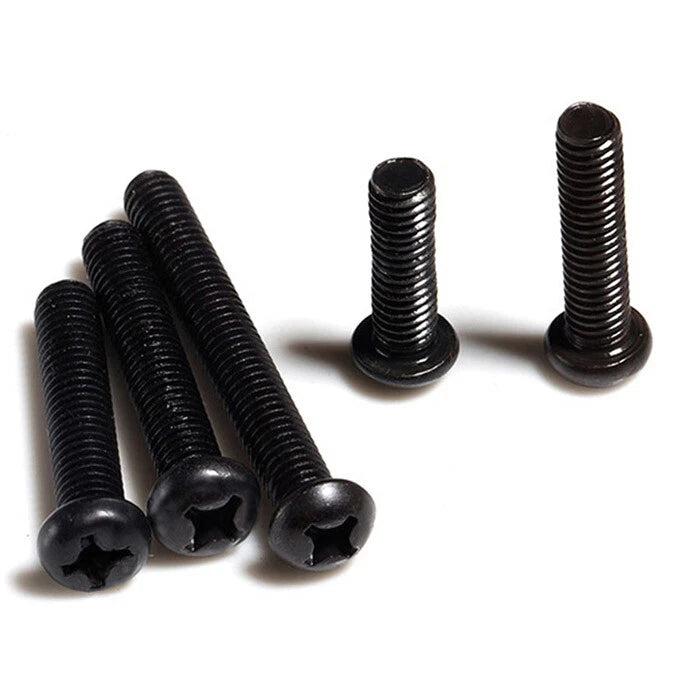
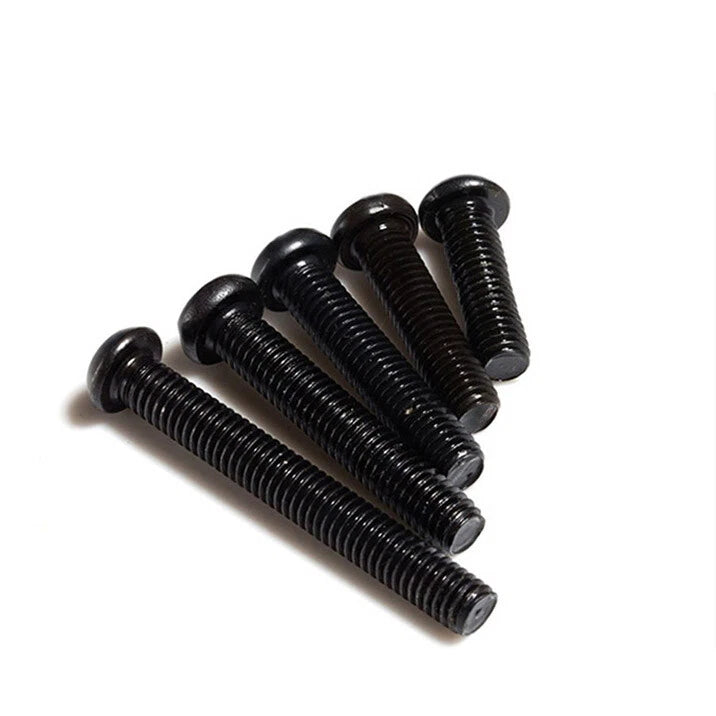
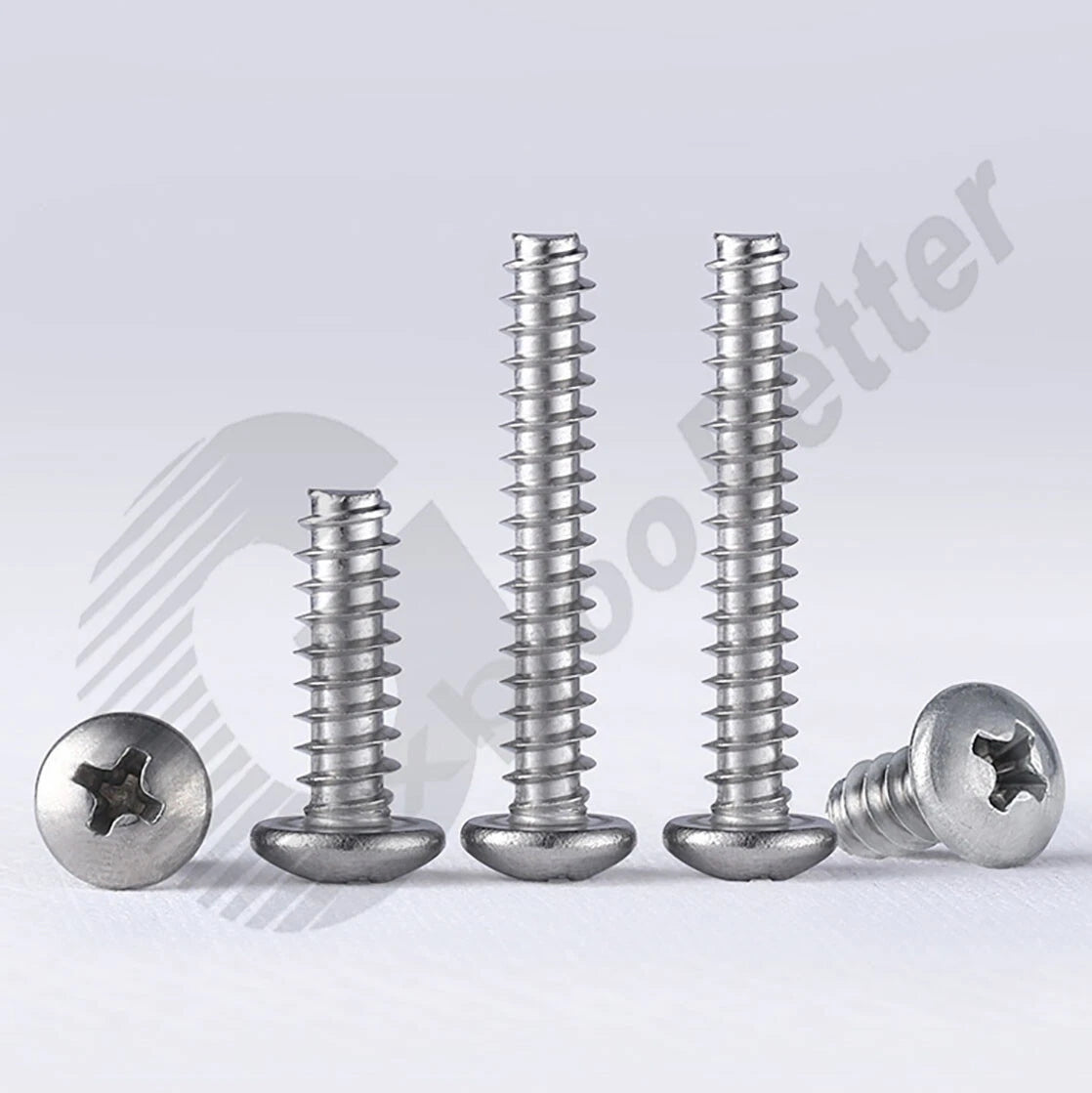
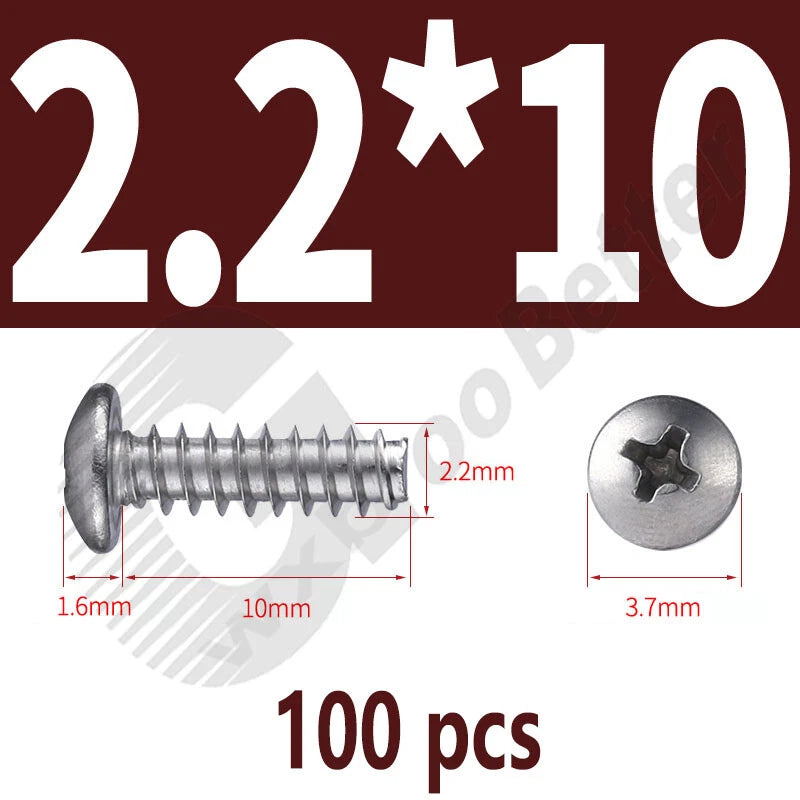
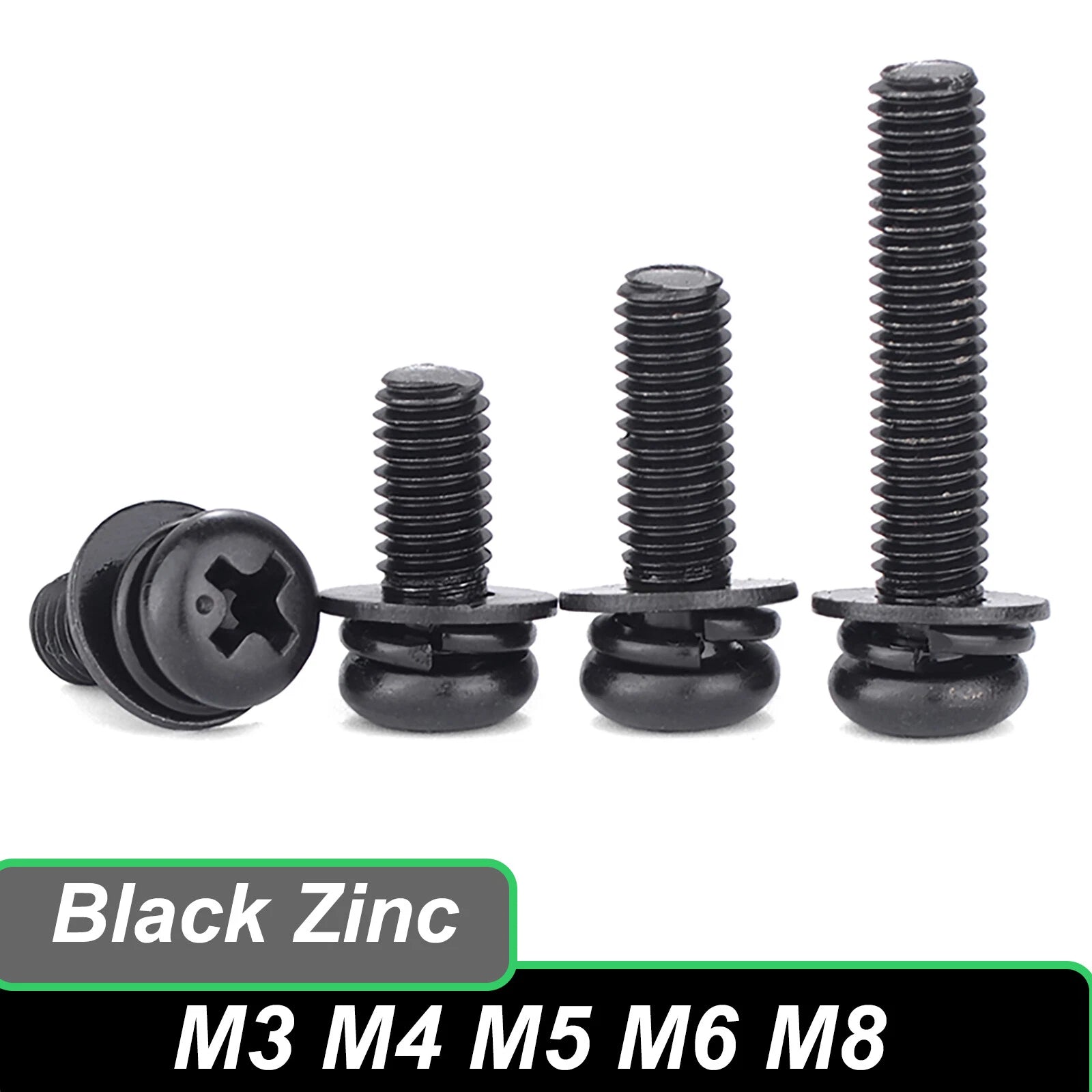
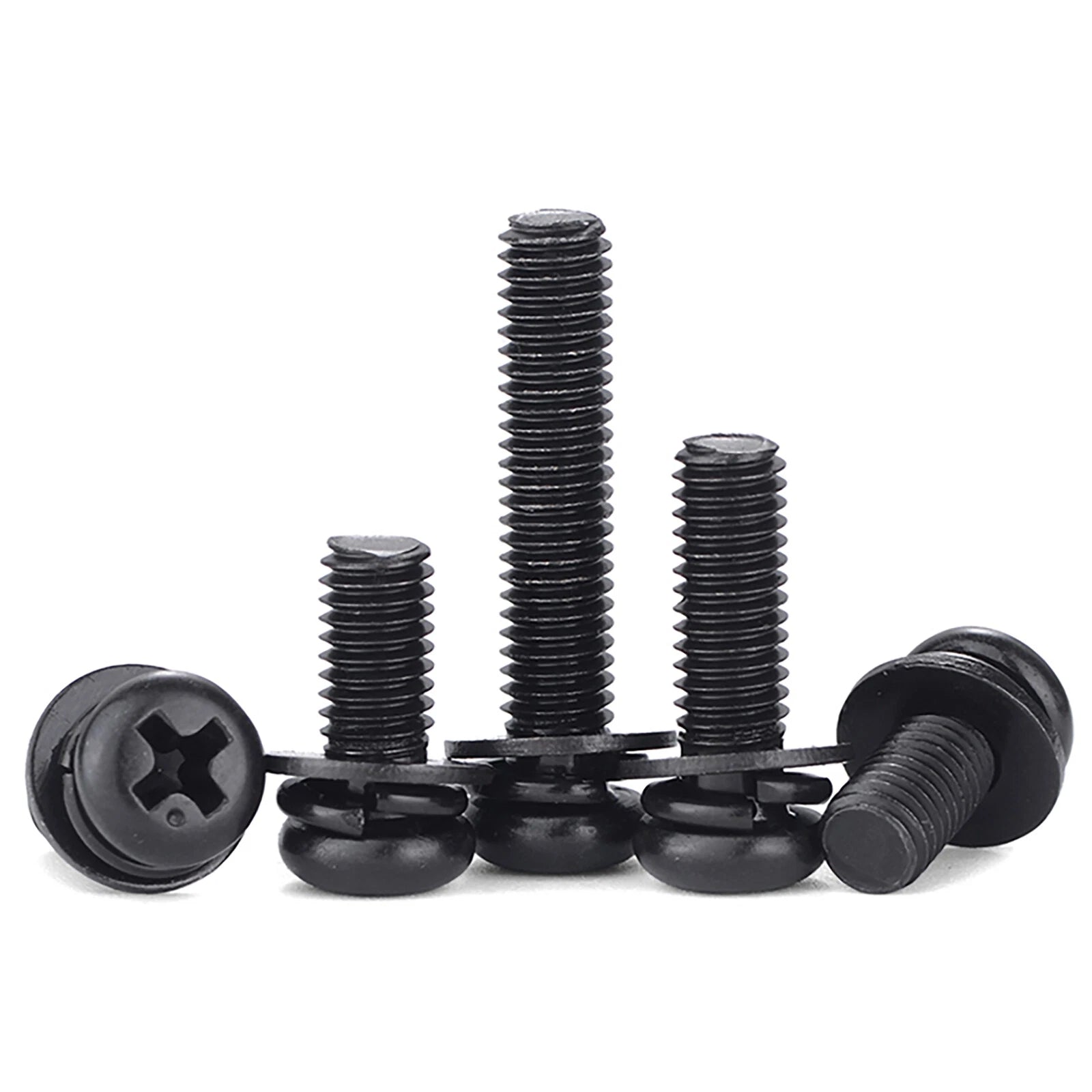
Pan Head Self-Tapping Sheet Metal Screws for General Fabrication
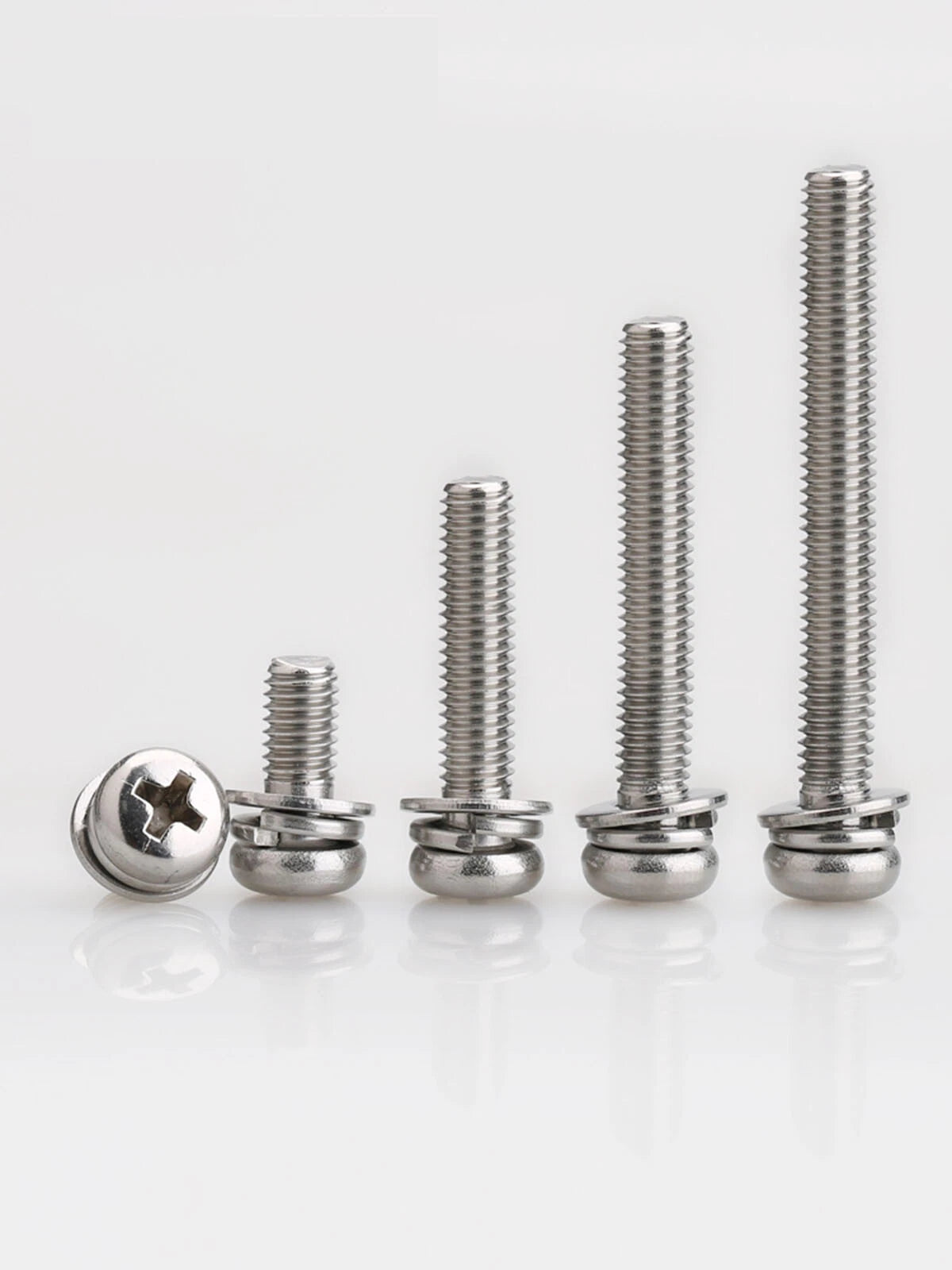
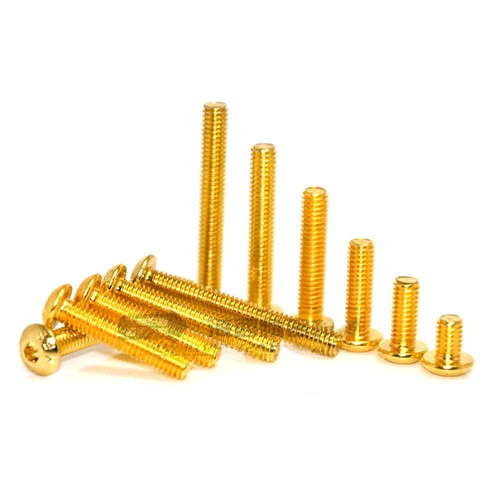
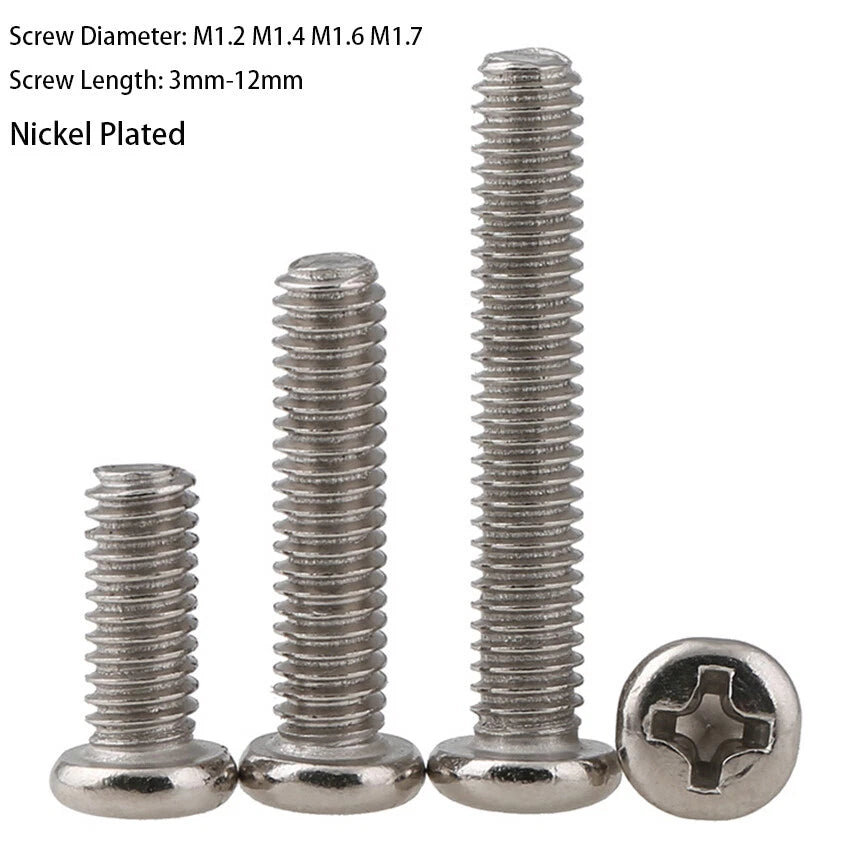
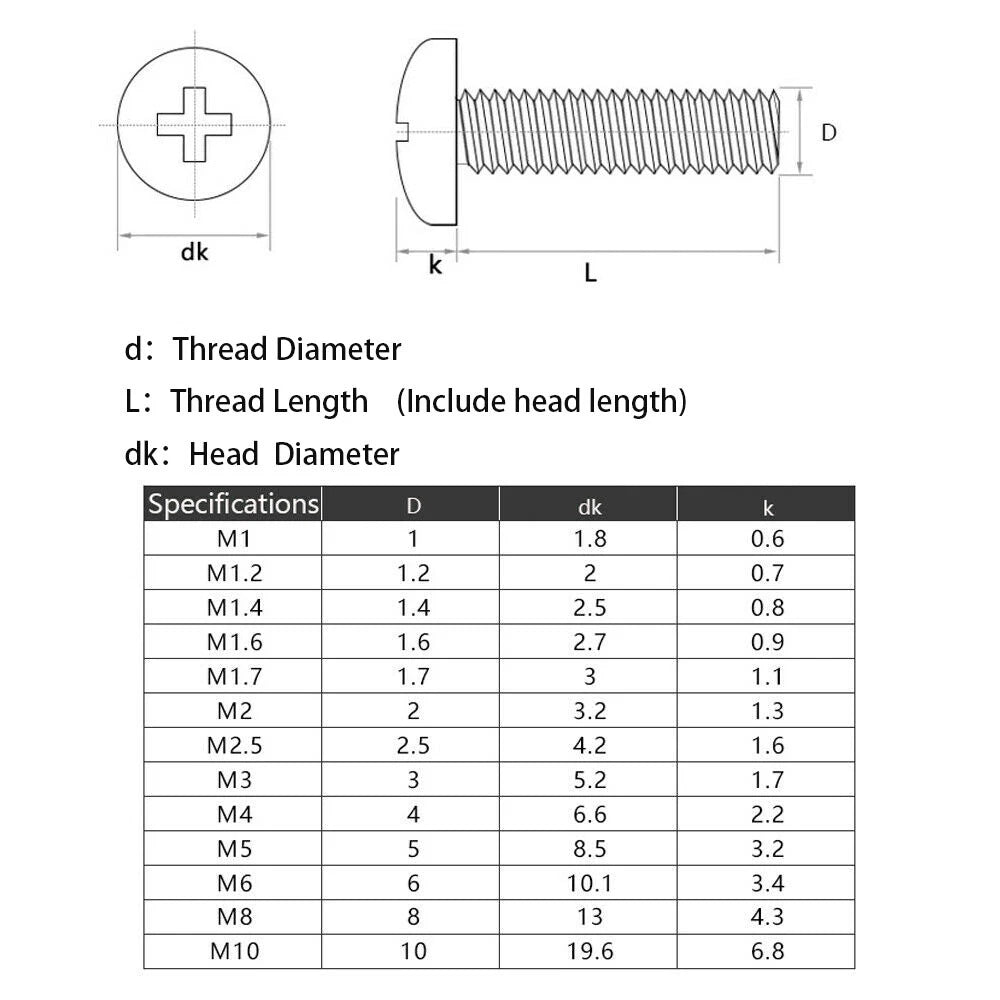
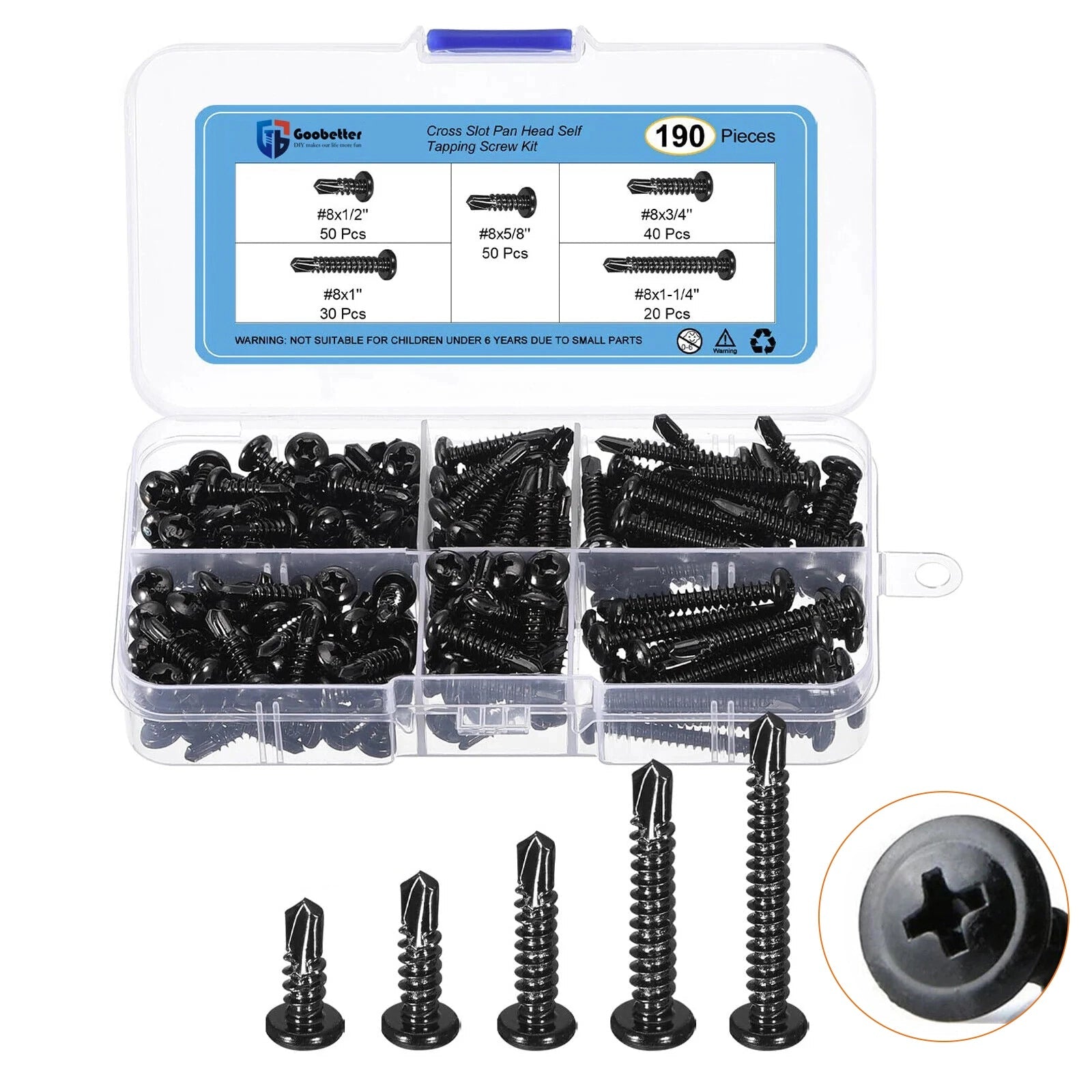
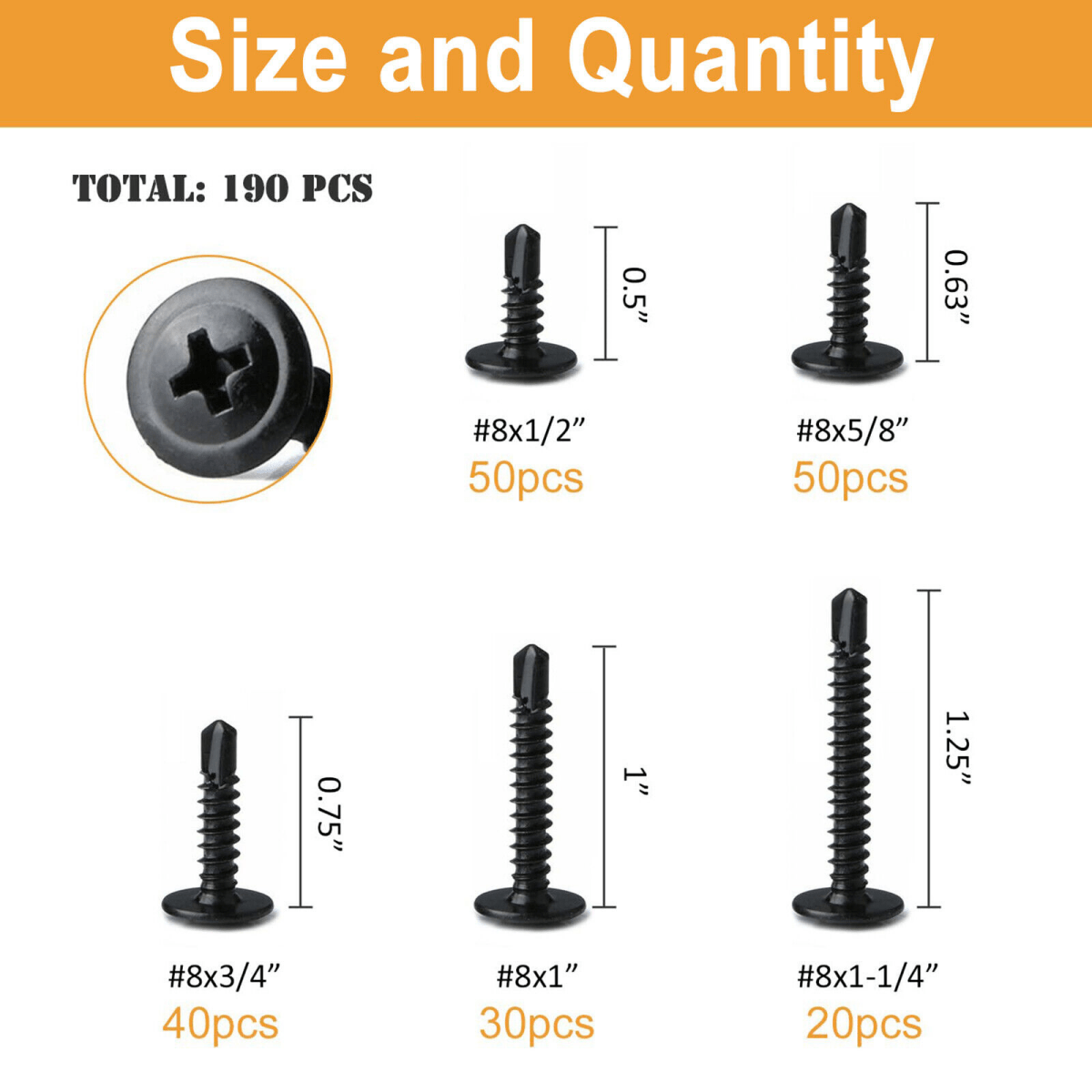
The pan head profile is the workhorse of the sheet metal world. Its slightly domed top and wide bearing surface distribute clamping load evenly across thin material without punching through or deforming the sheet. Available in 304 stainless, nickel-plated carbon steel, and black zinc, pan head self-tapping screws are the go-to choice for electrical enclosures, HVAC duct connections, appliance assembly, and general metal fabrication where a low-profile fastener is preferred over a flush finish.
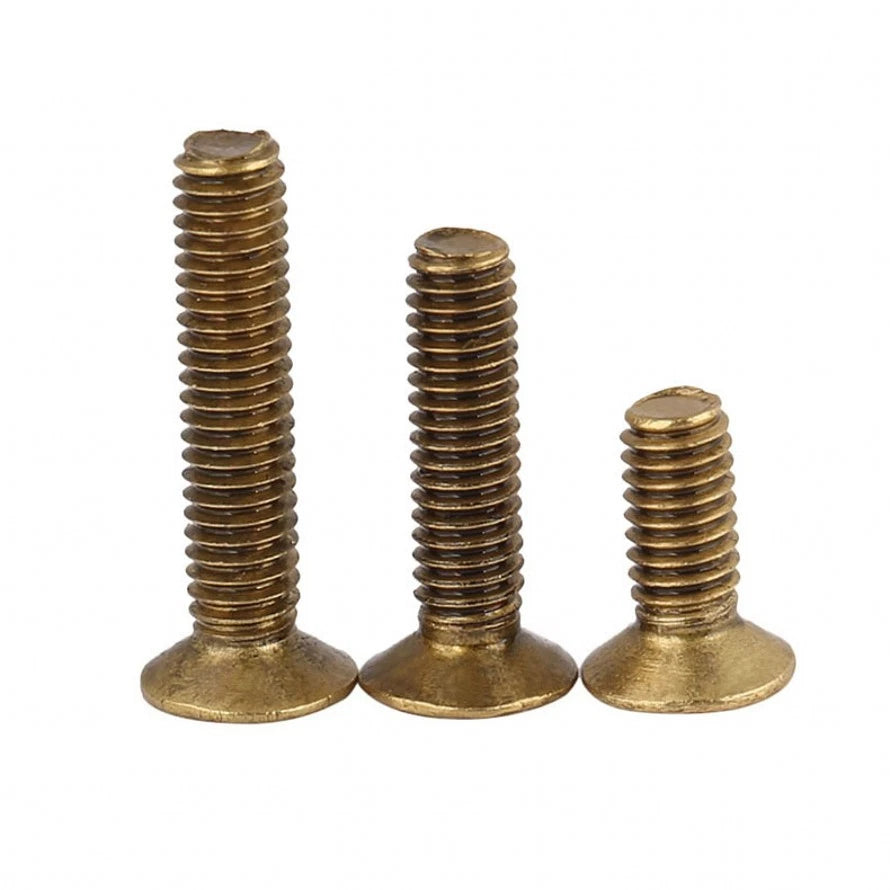
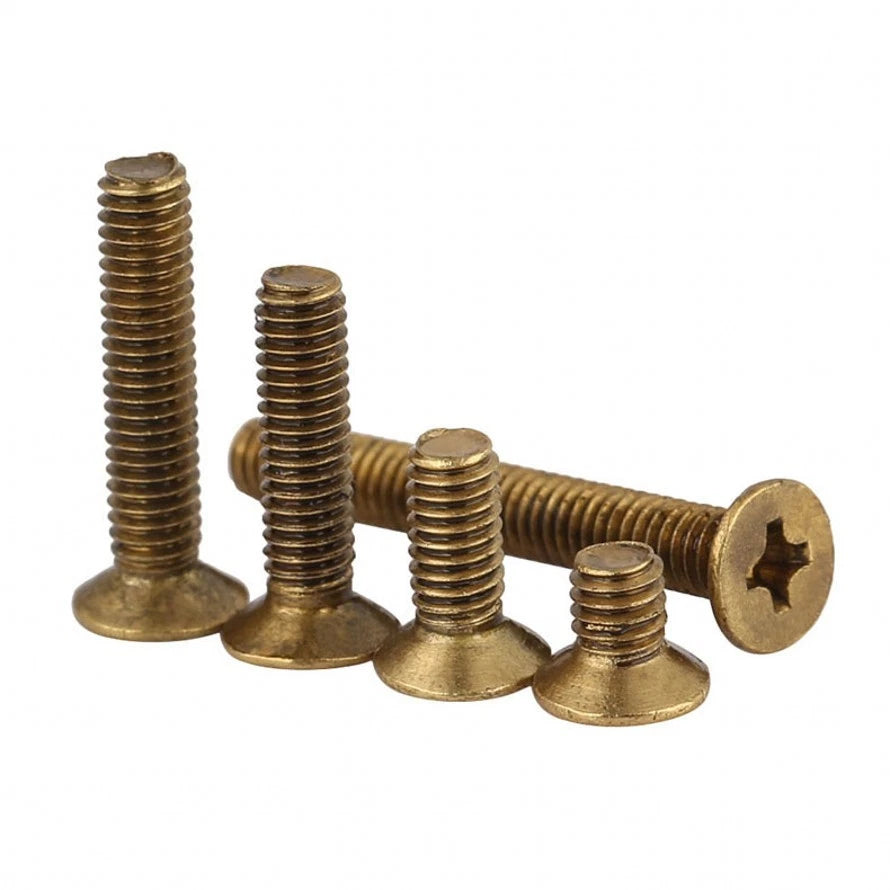
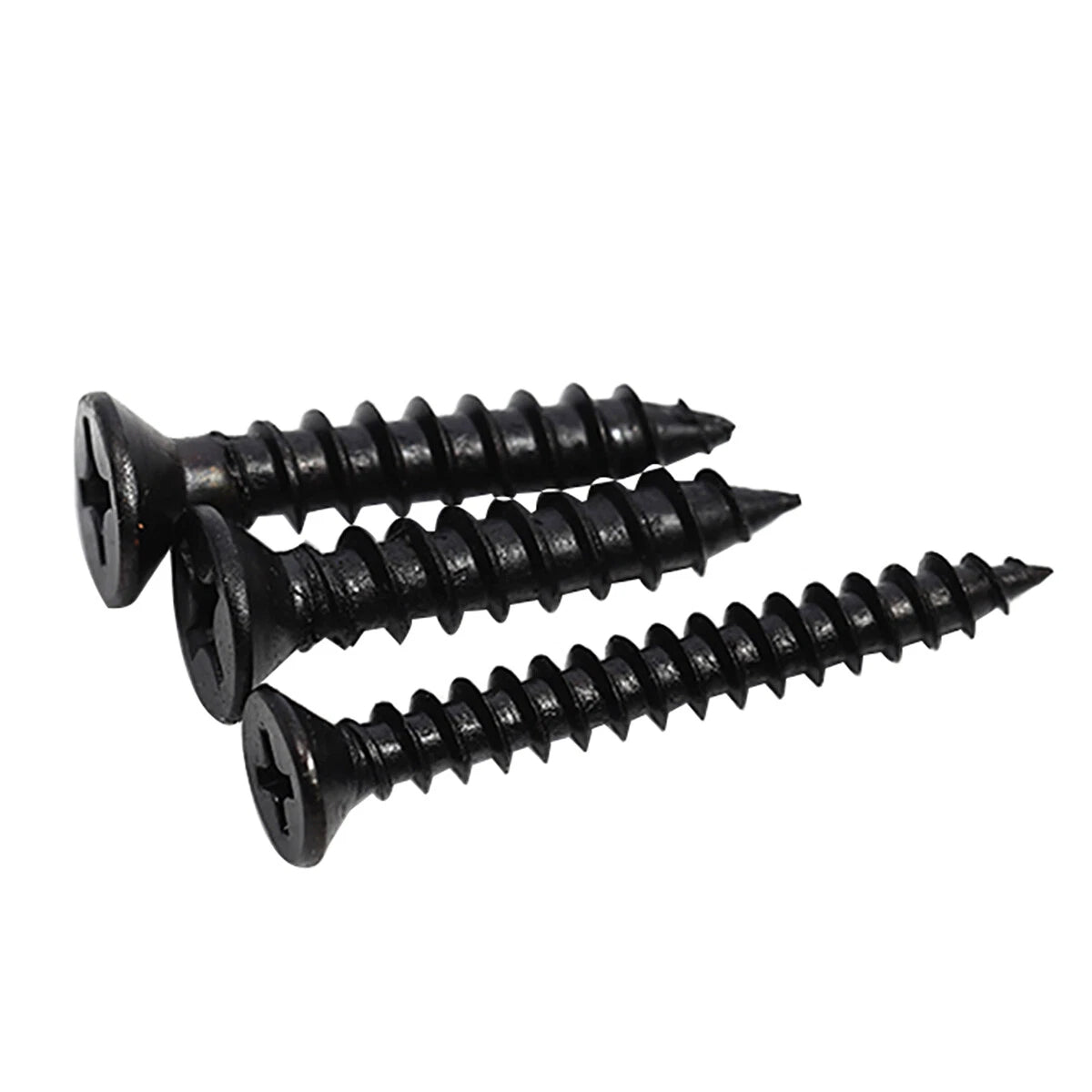
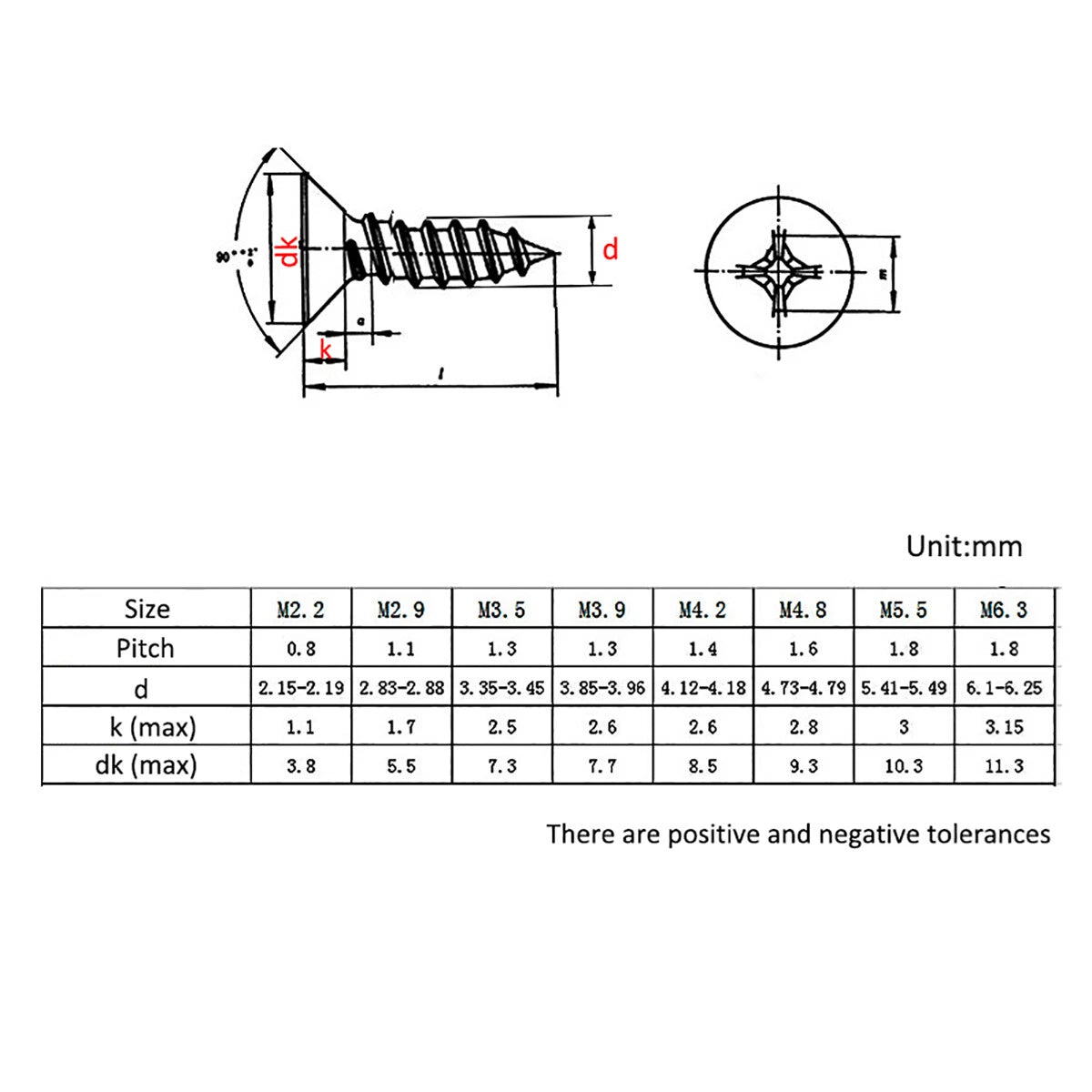
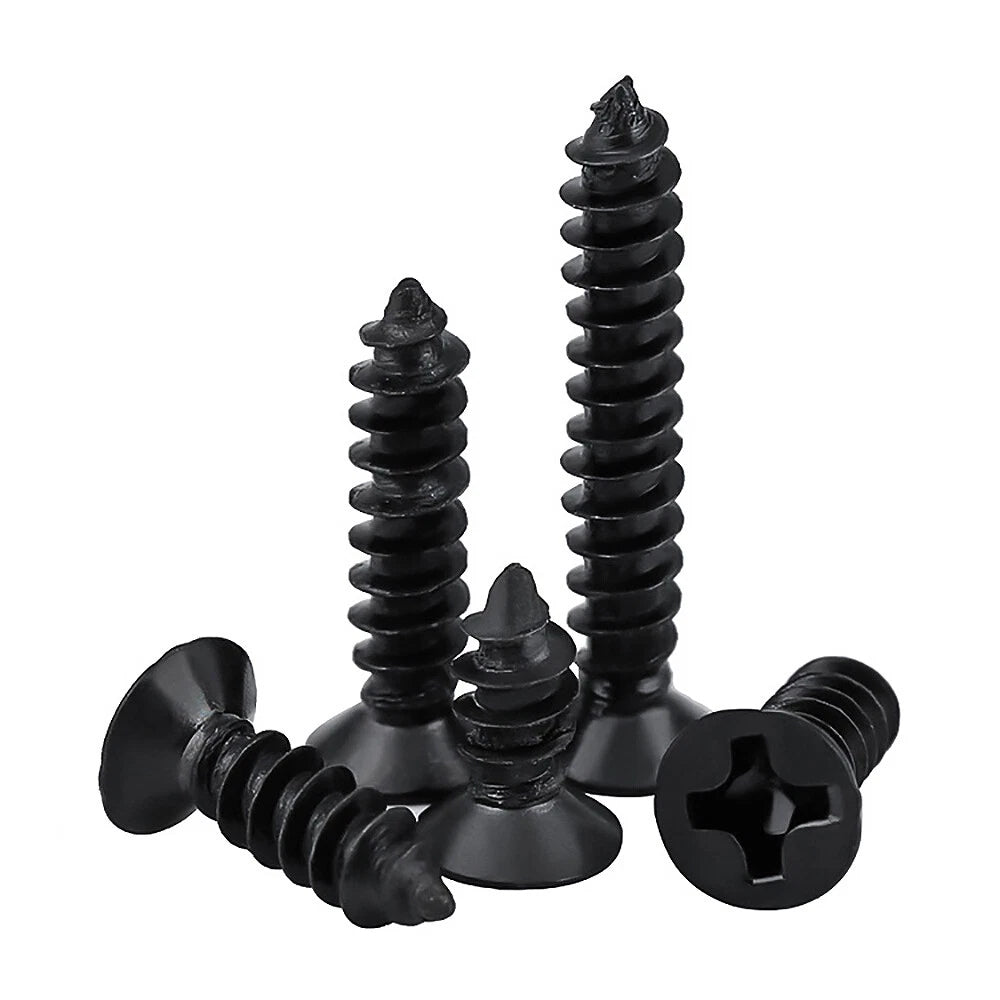
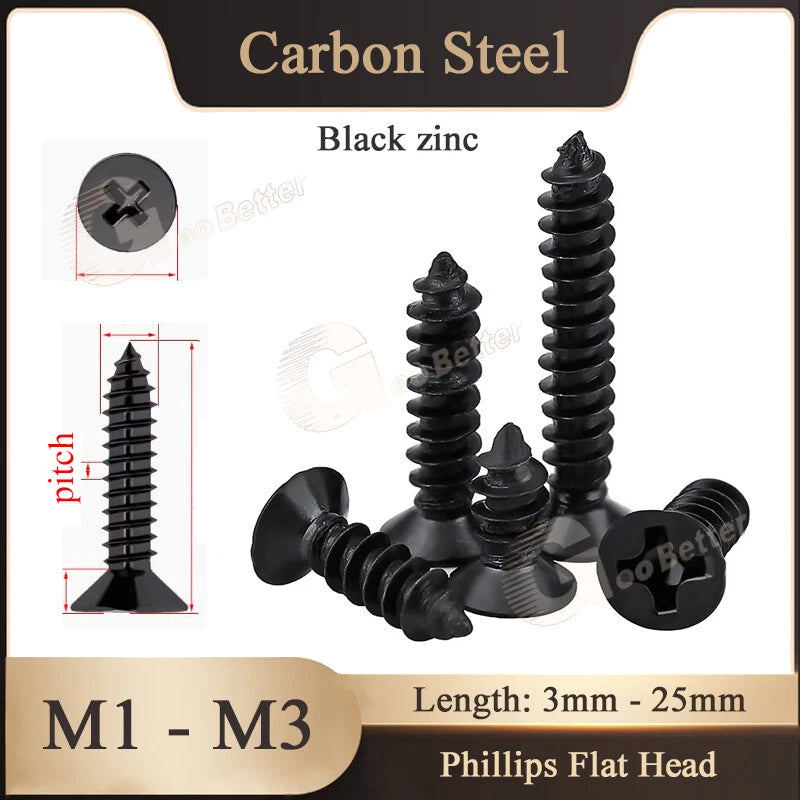
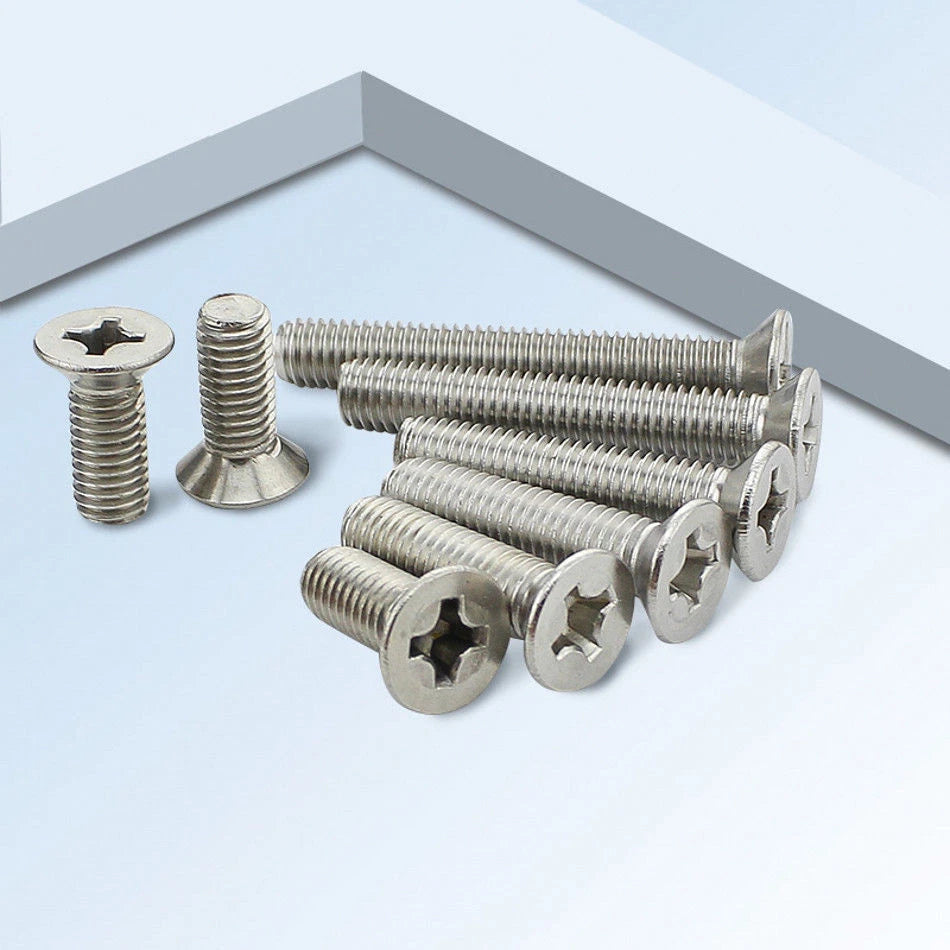
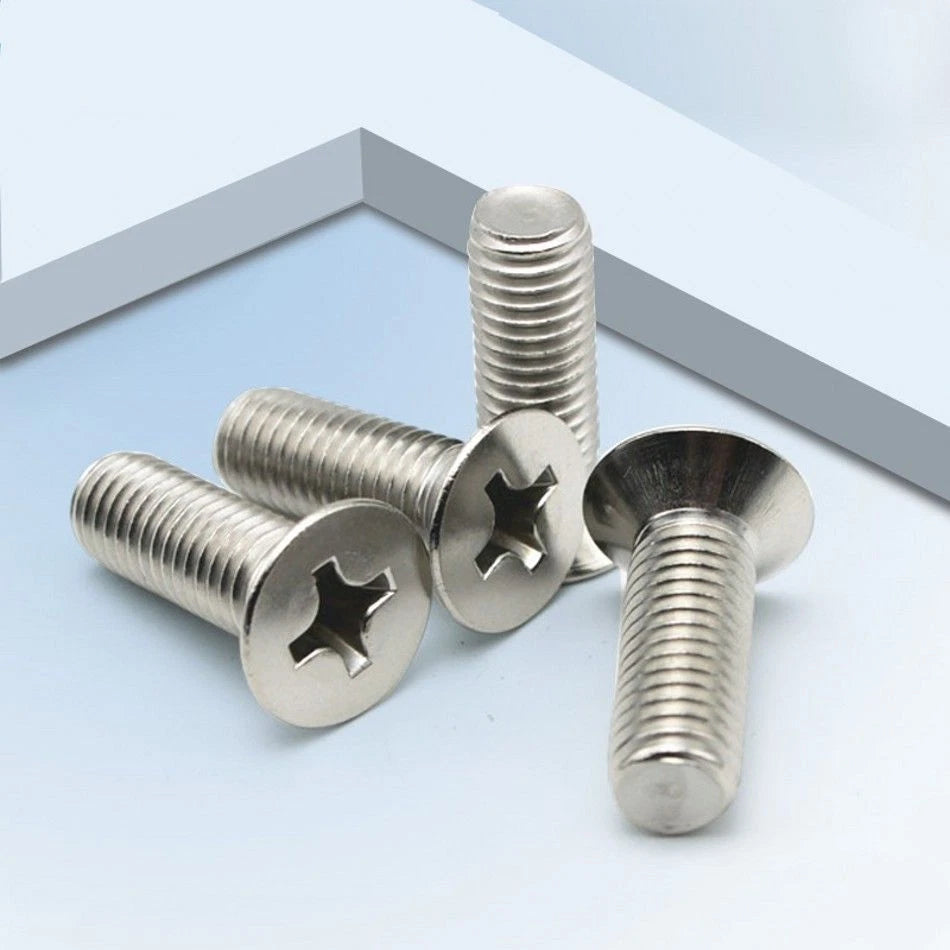
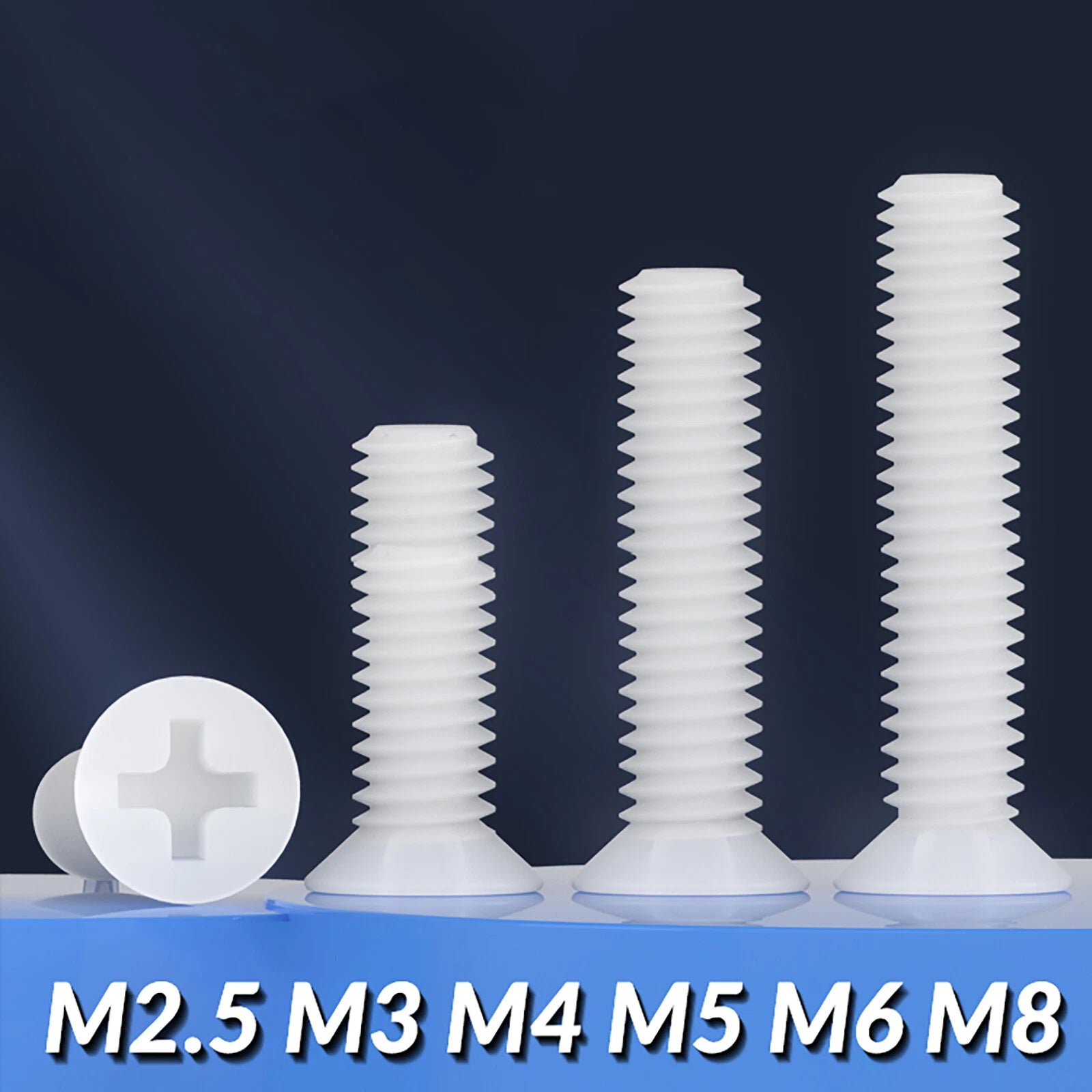
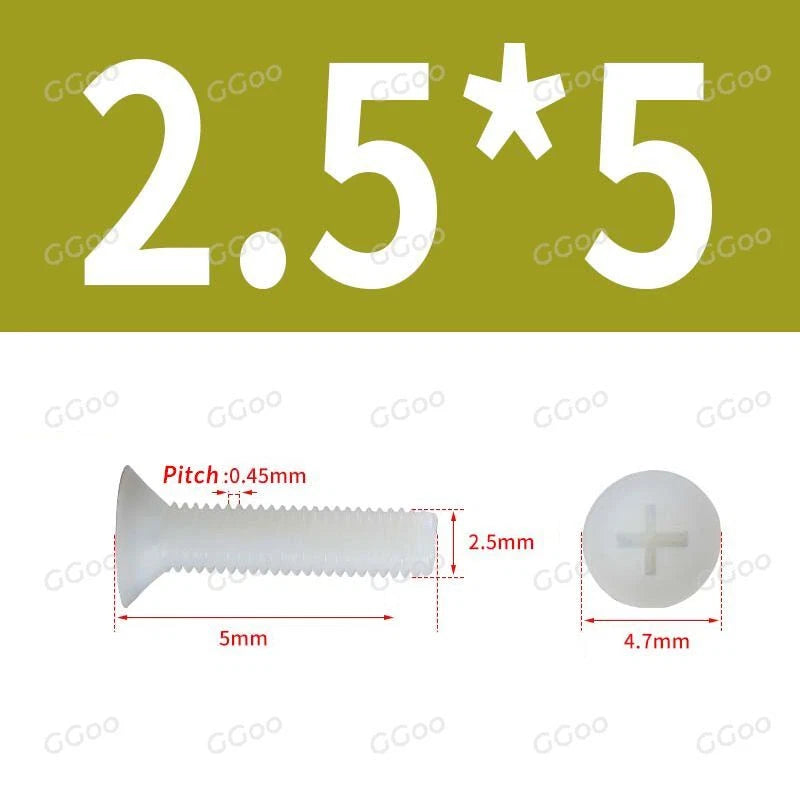
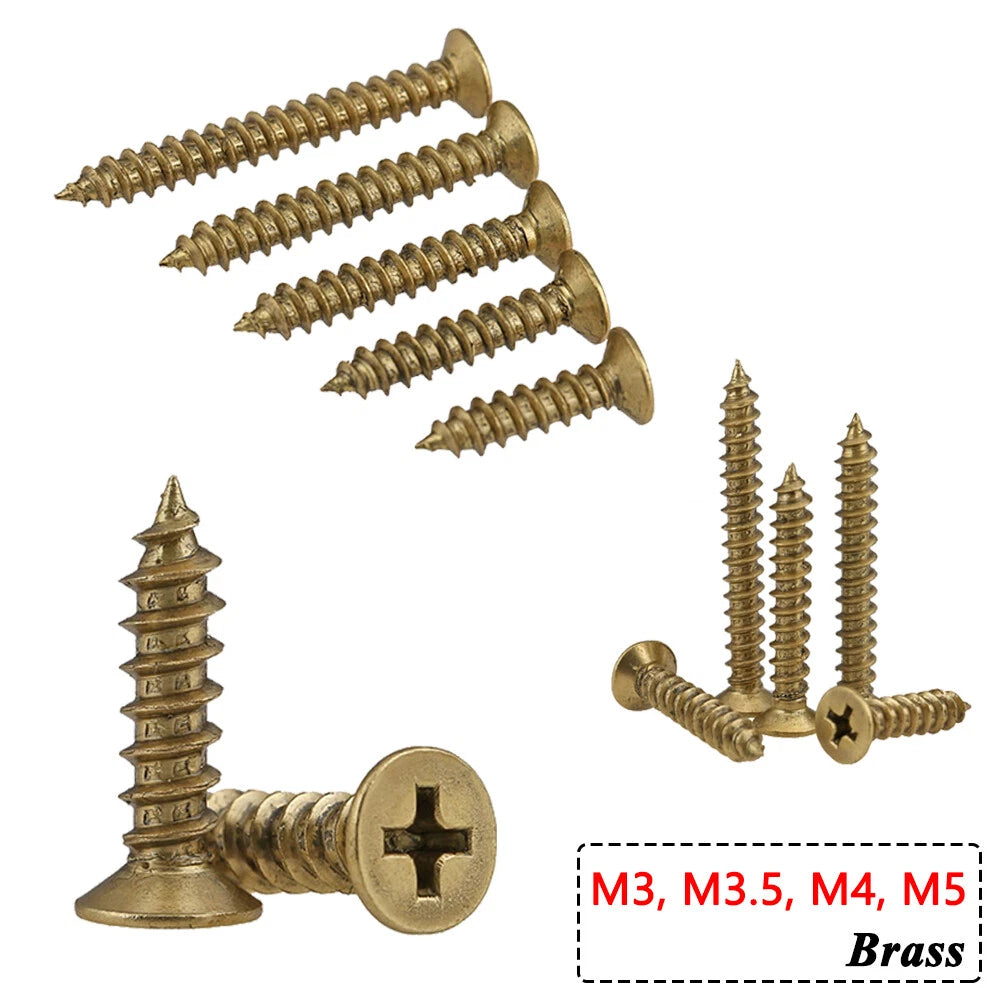
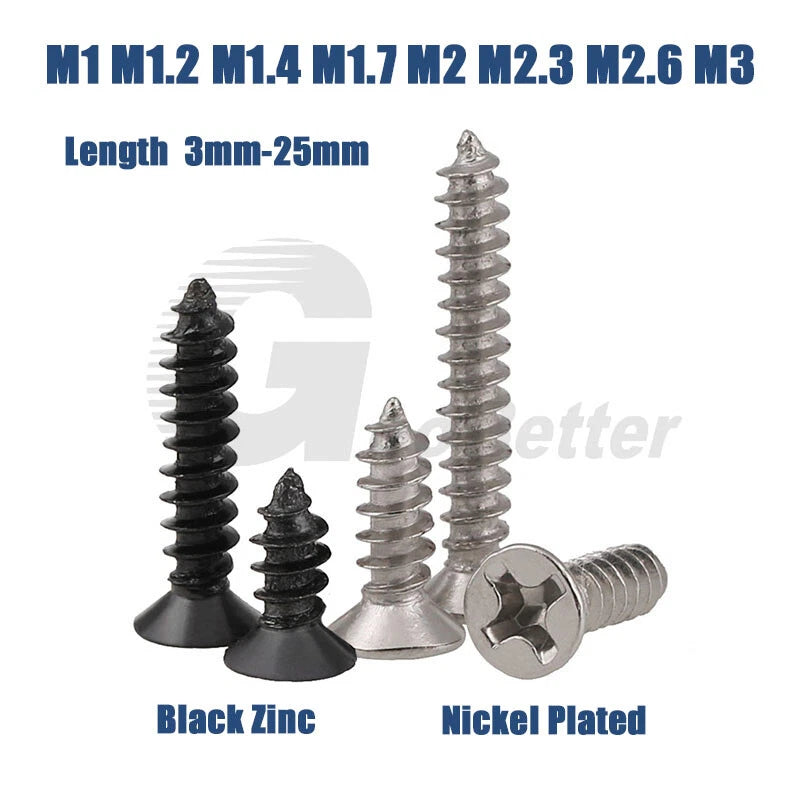
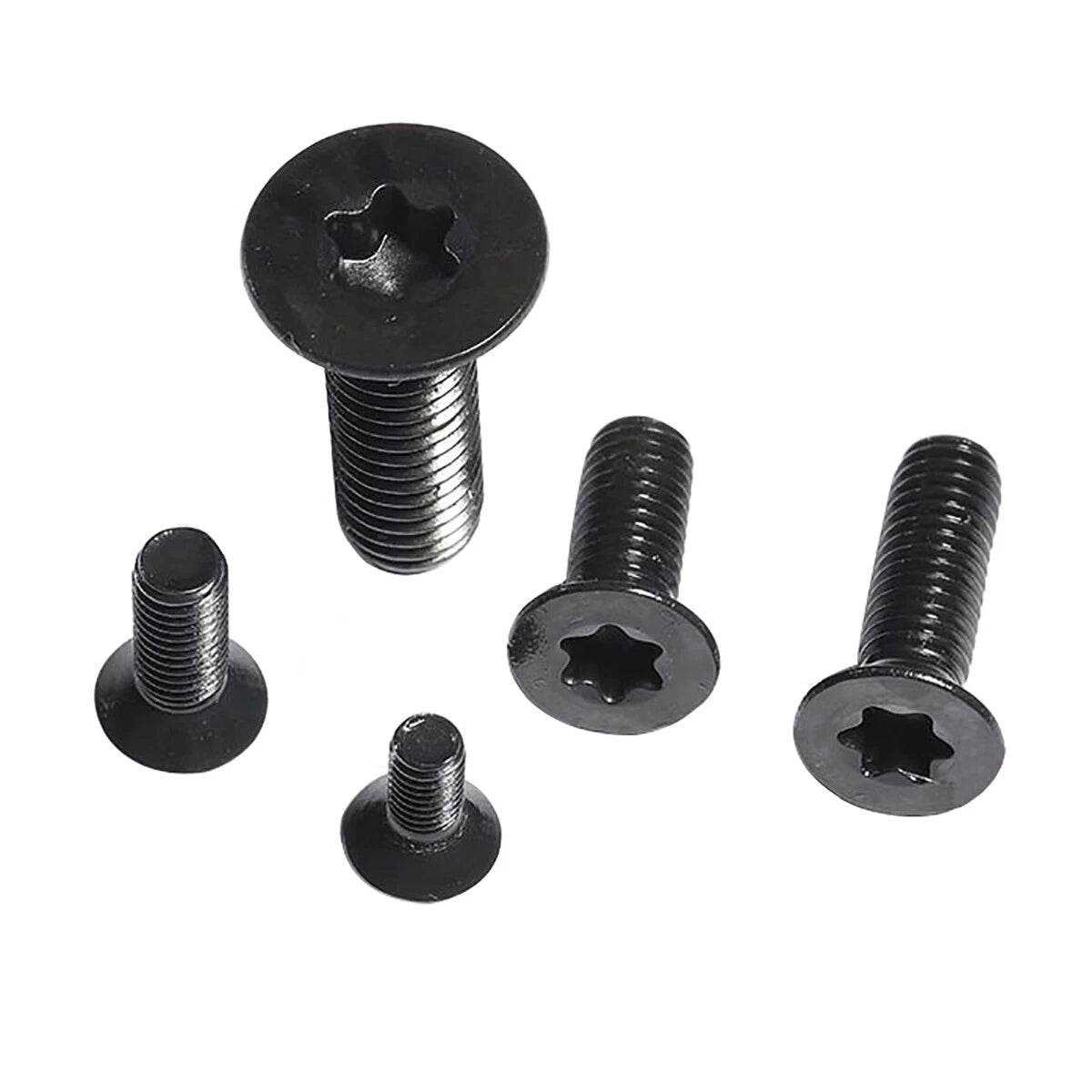
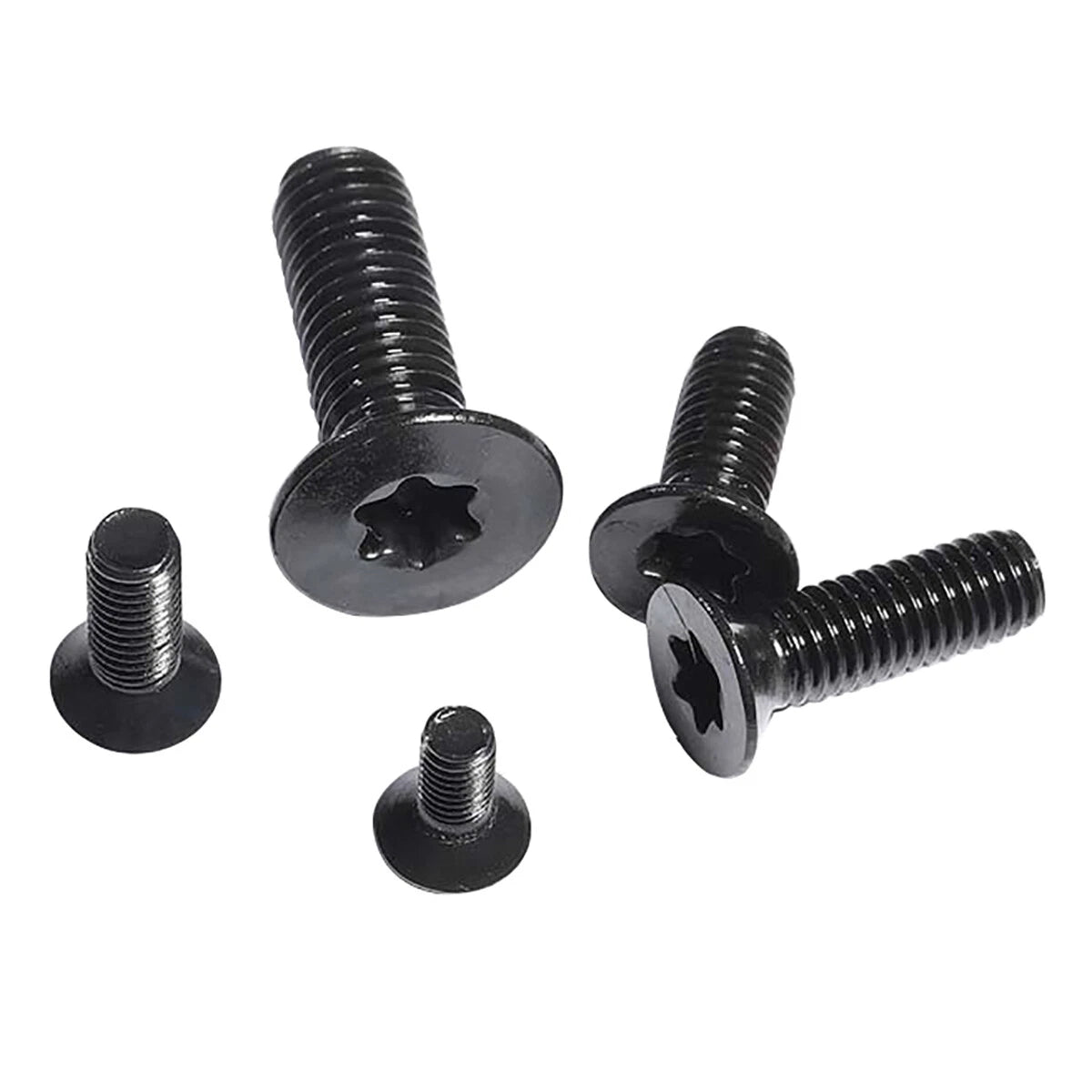
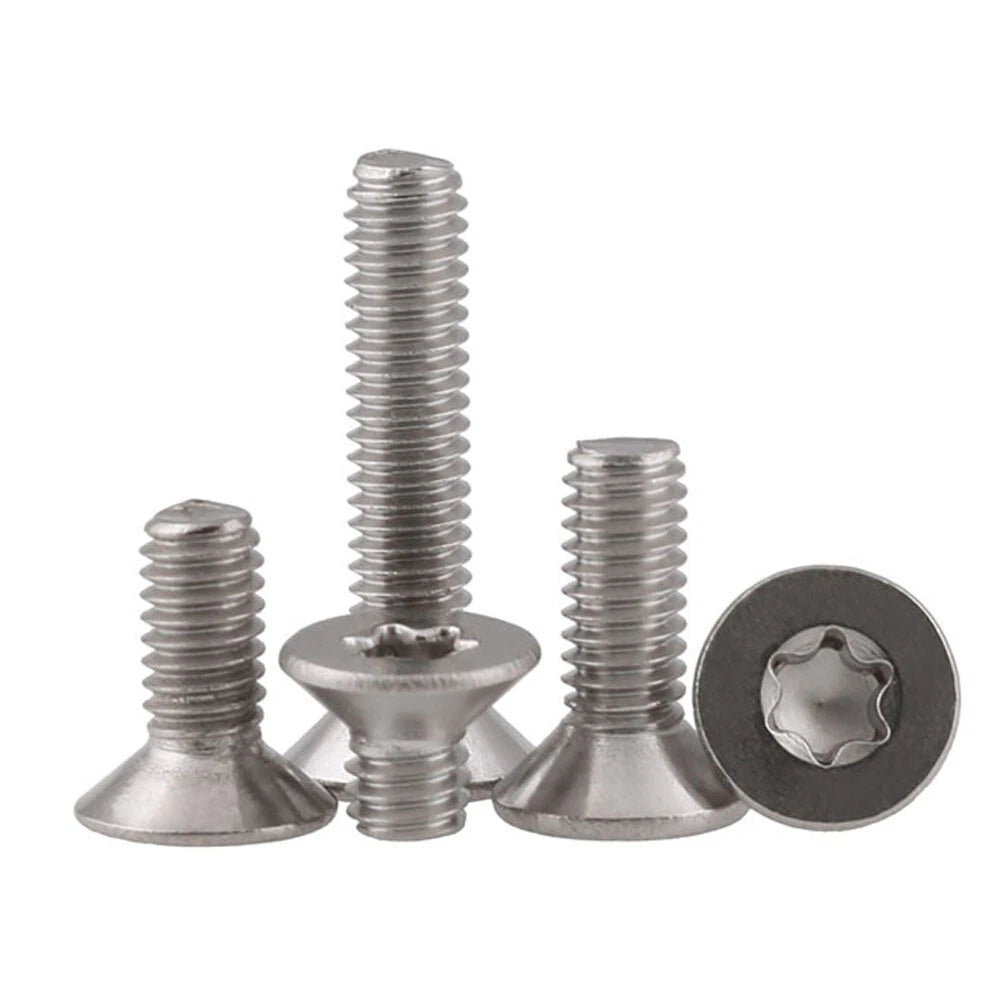
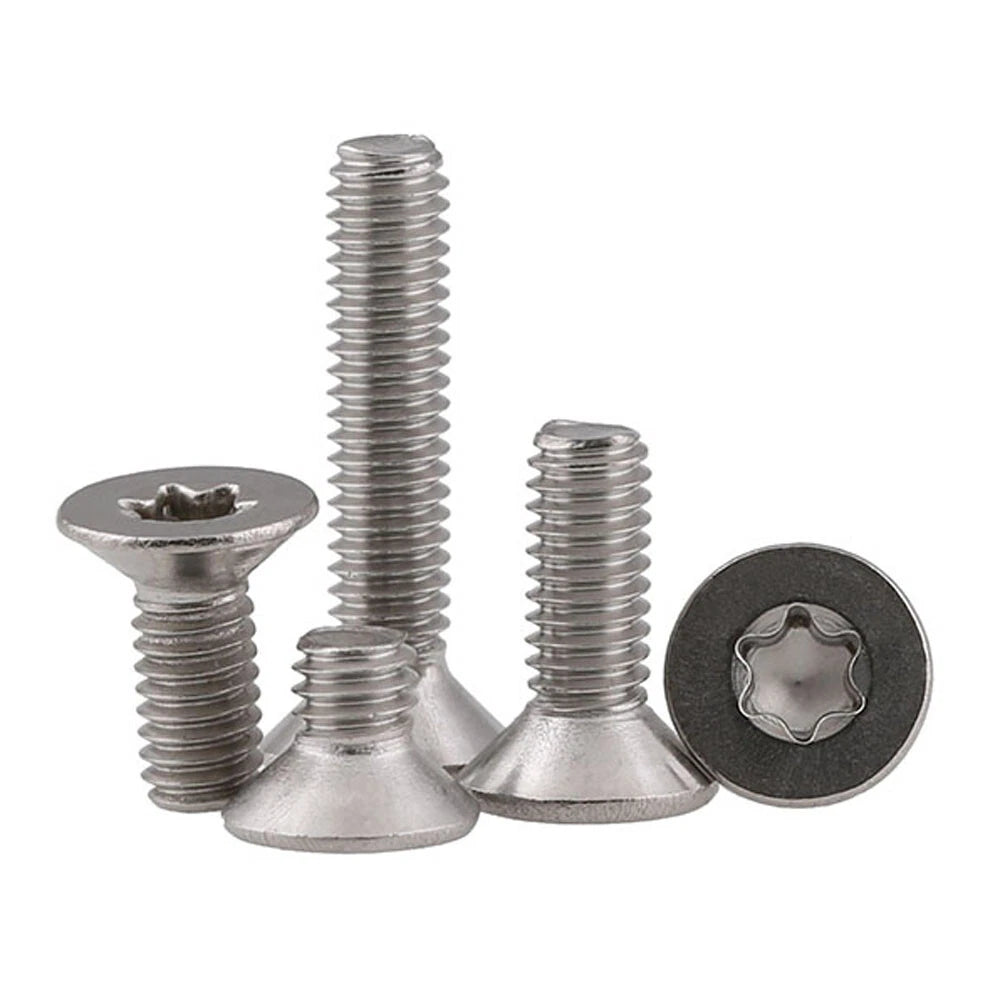
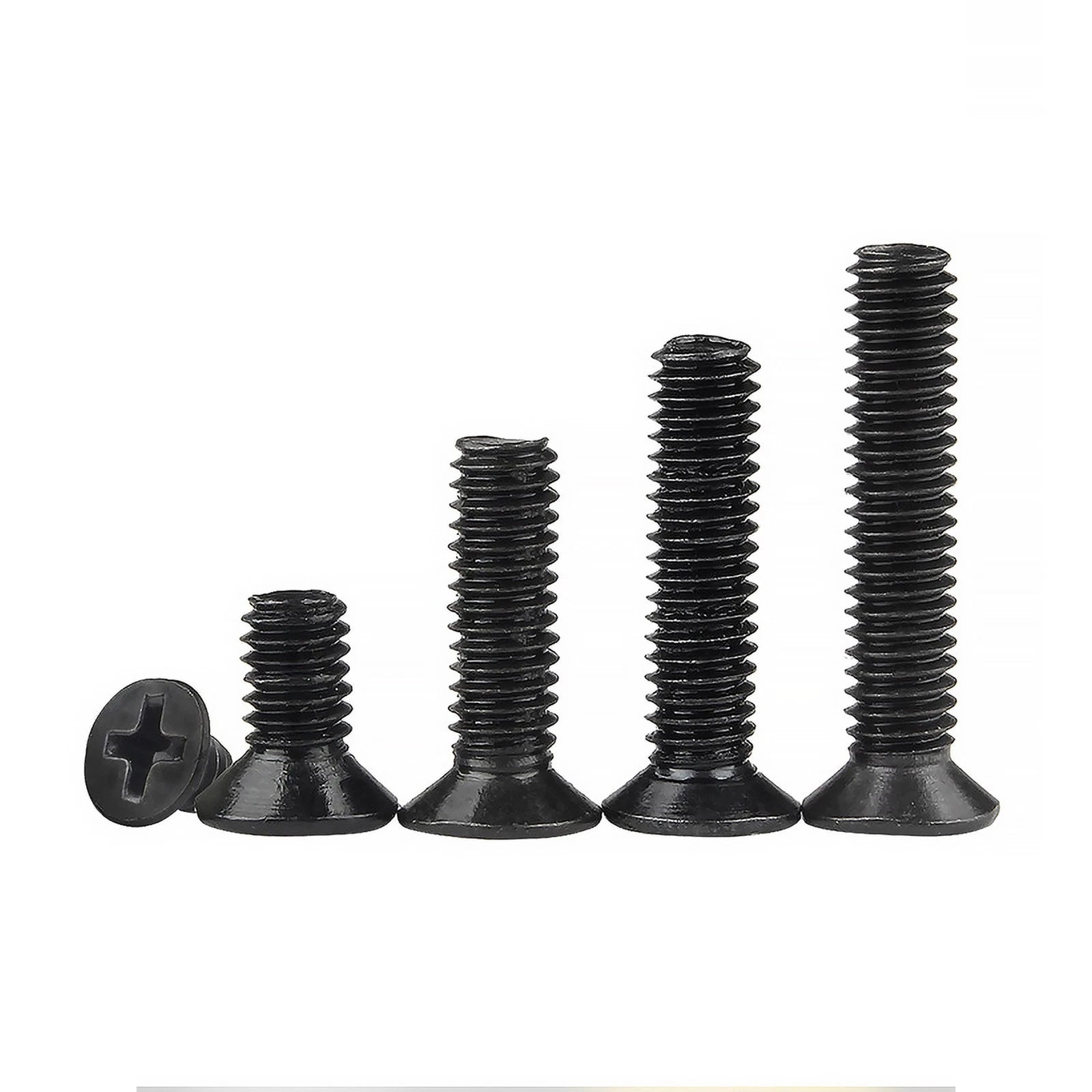
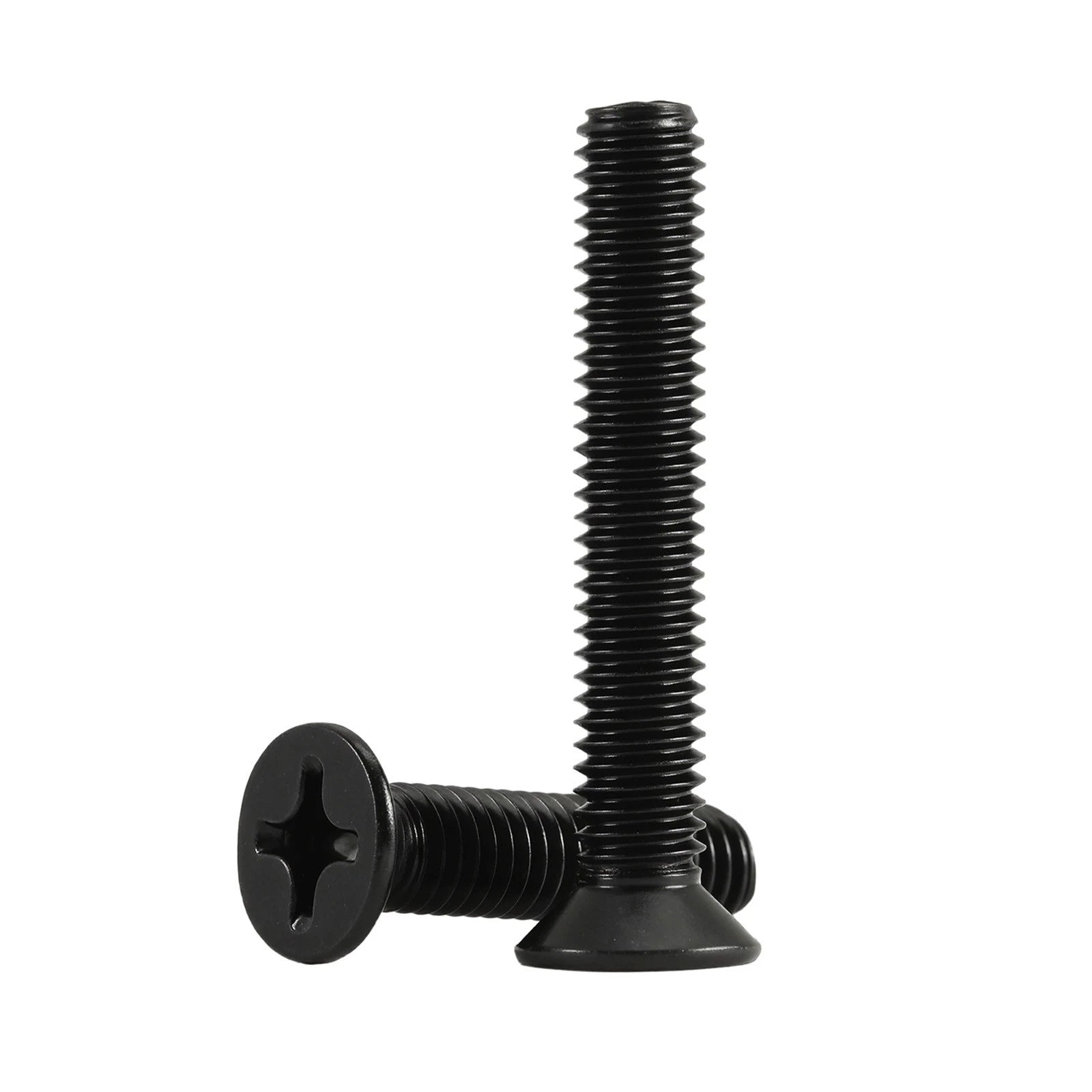
Countersunk Flat Head Self-Tapping Screws for Flush Metal Surfaces
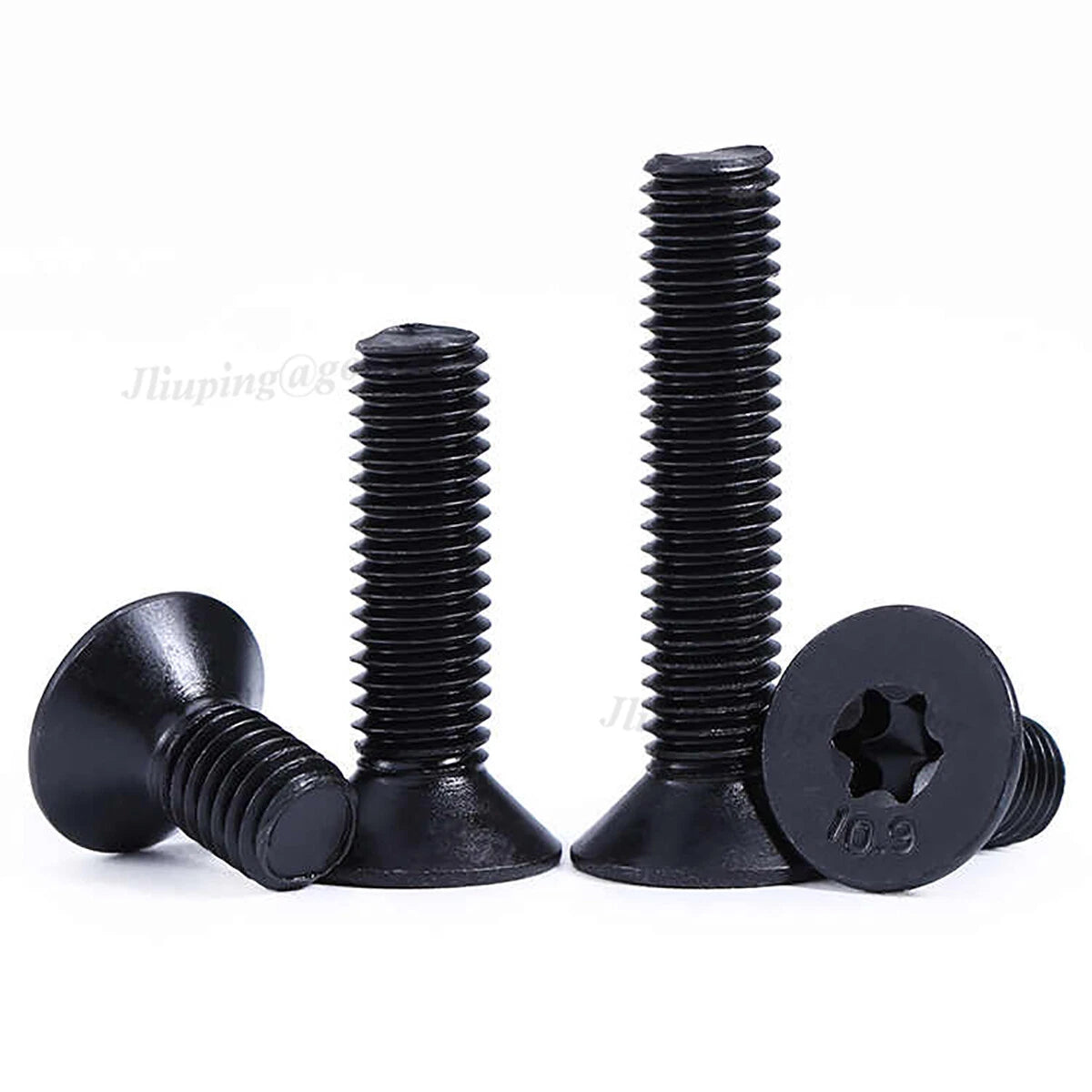
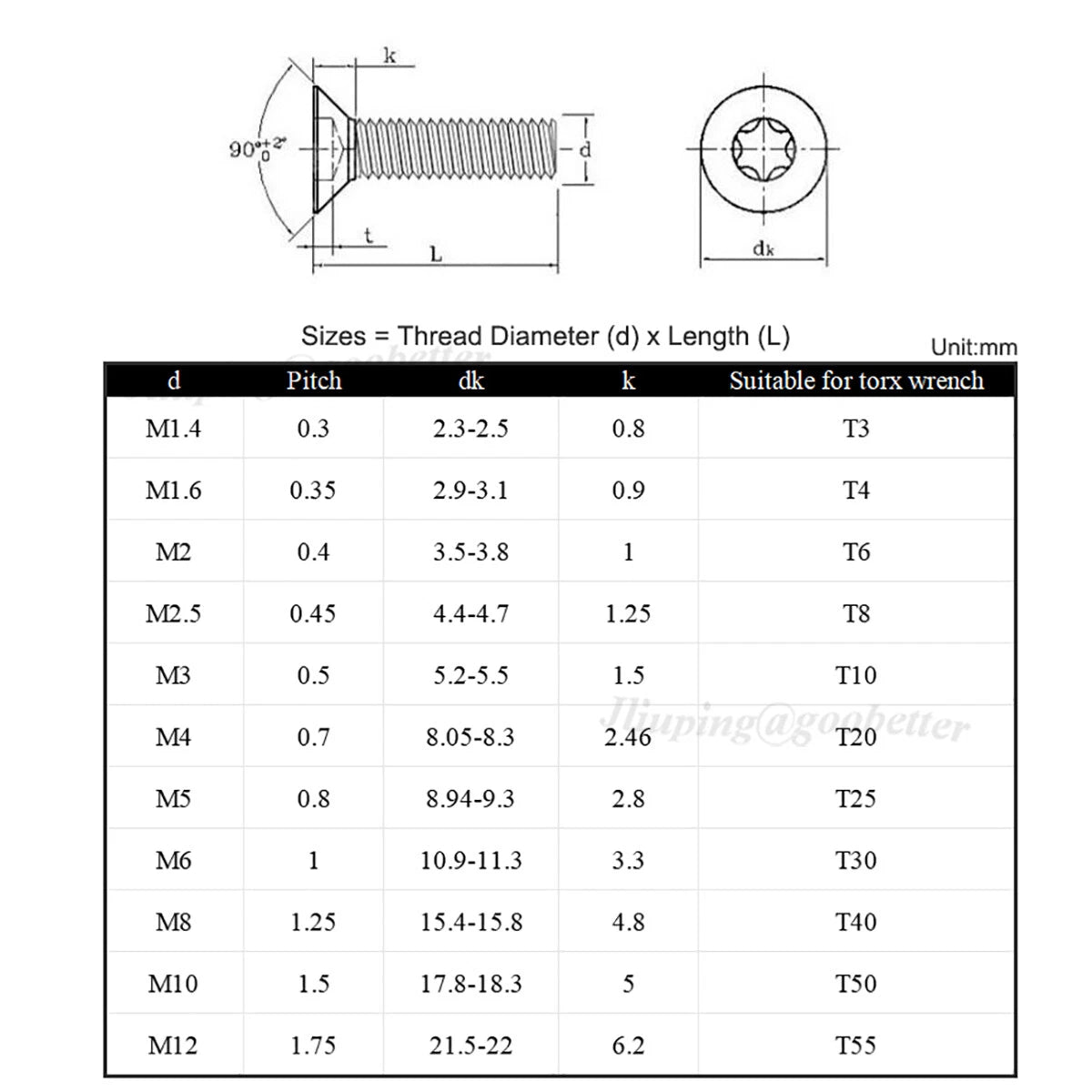
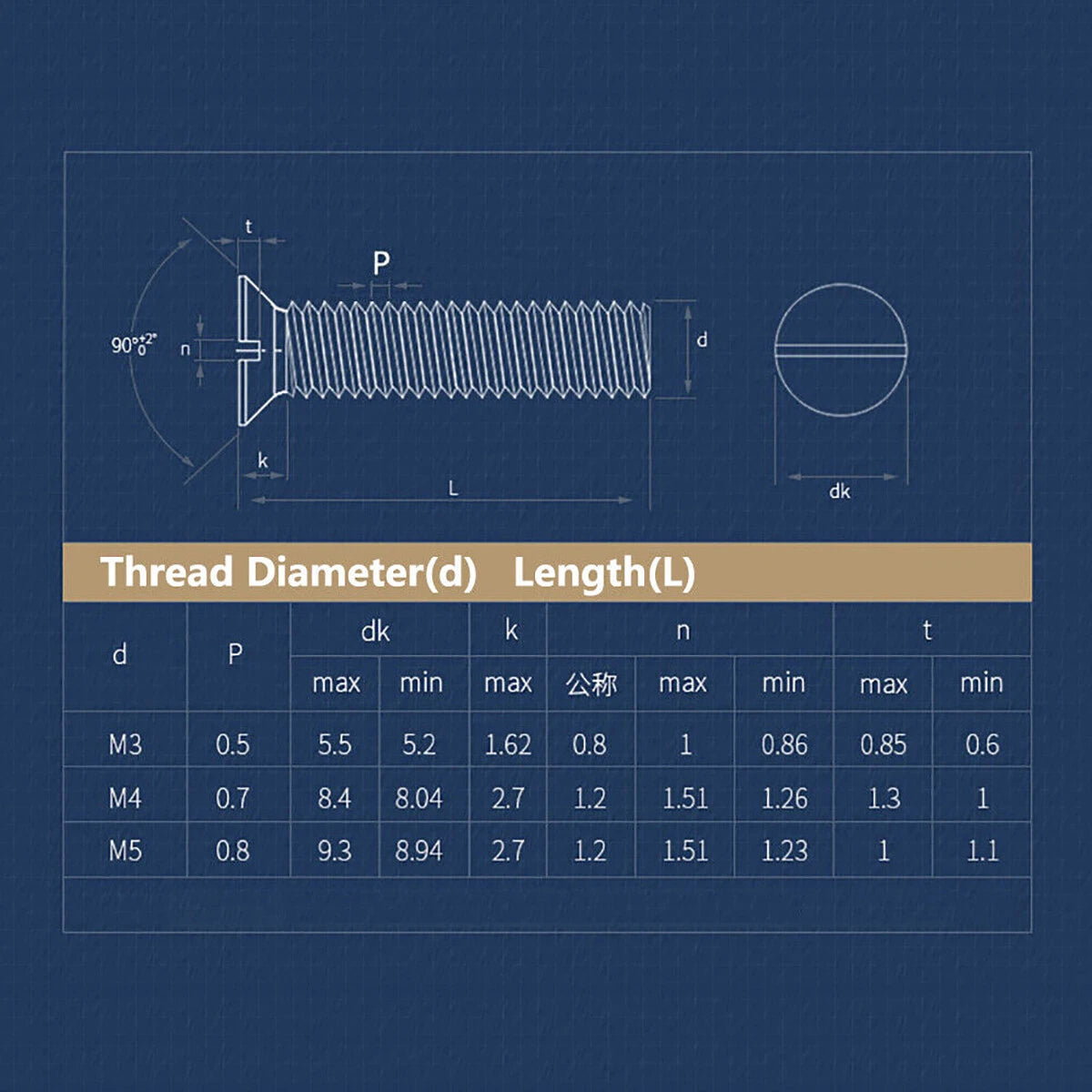
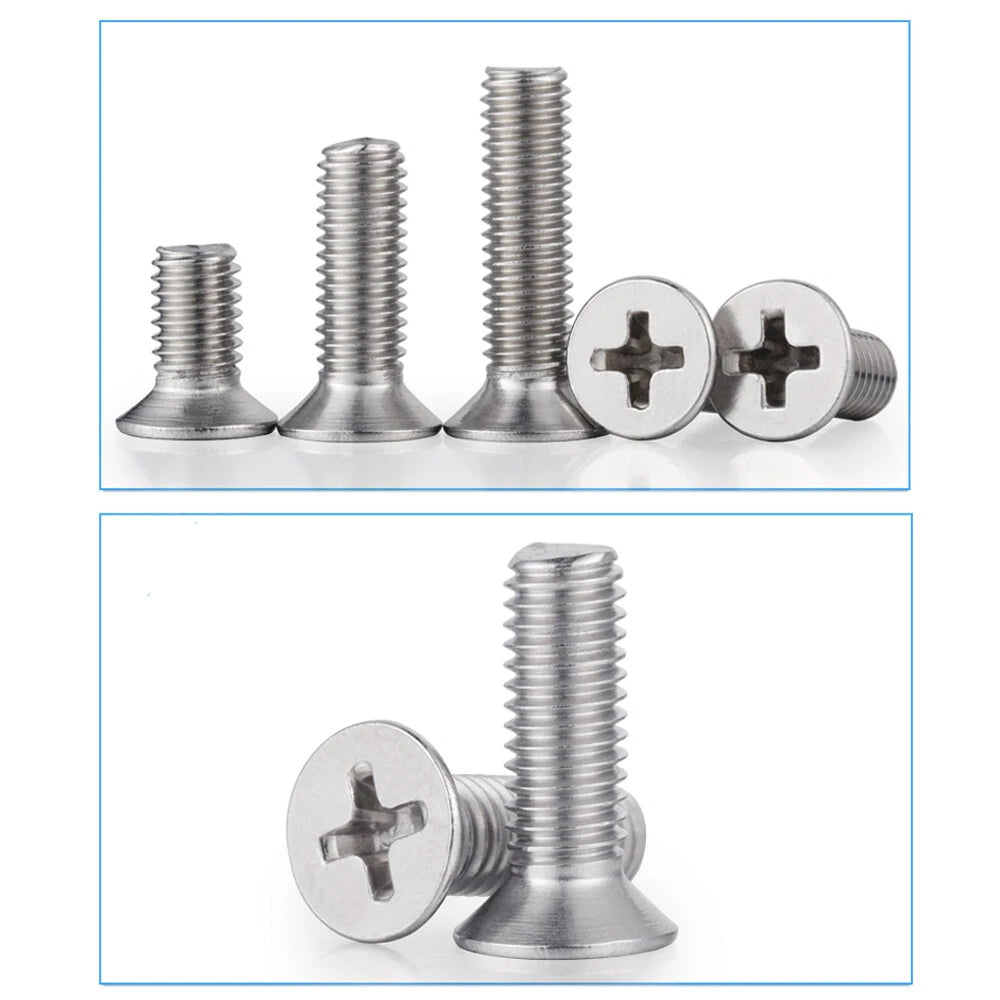
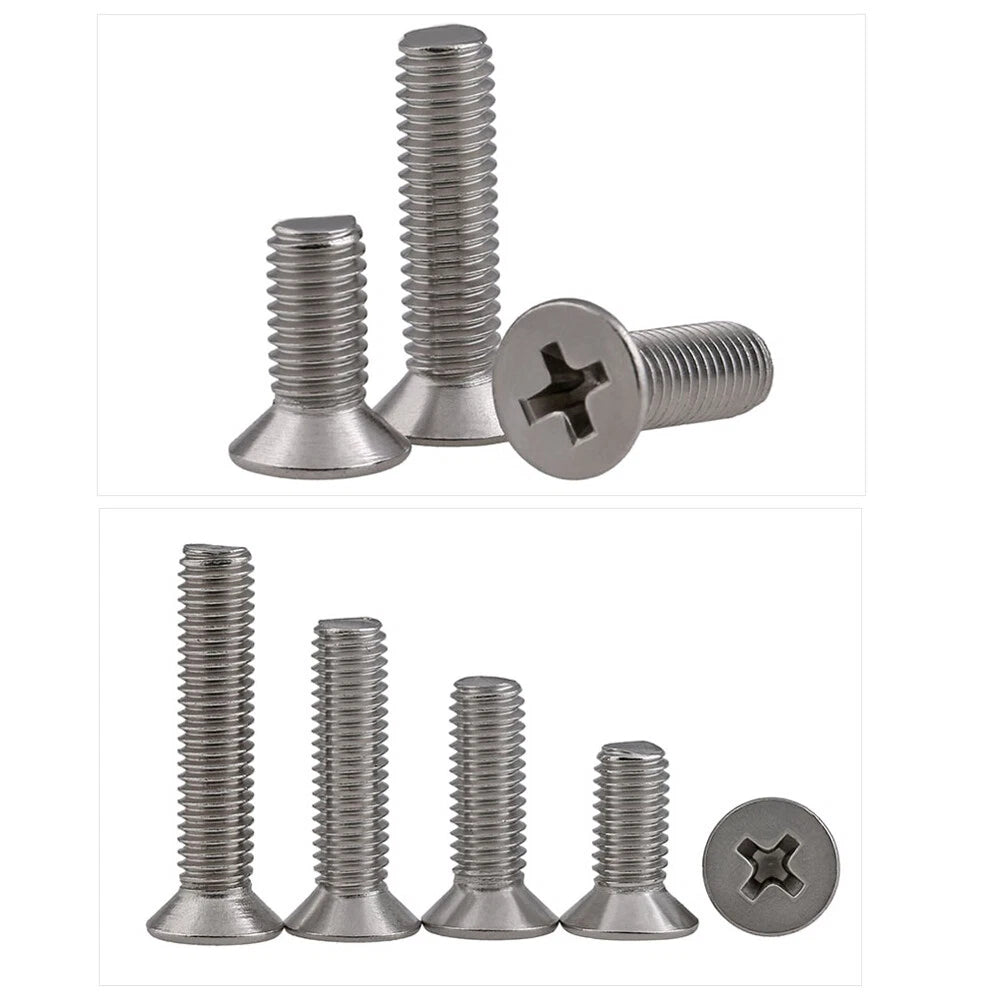
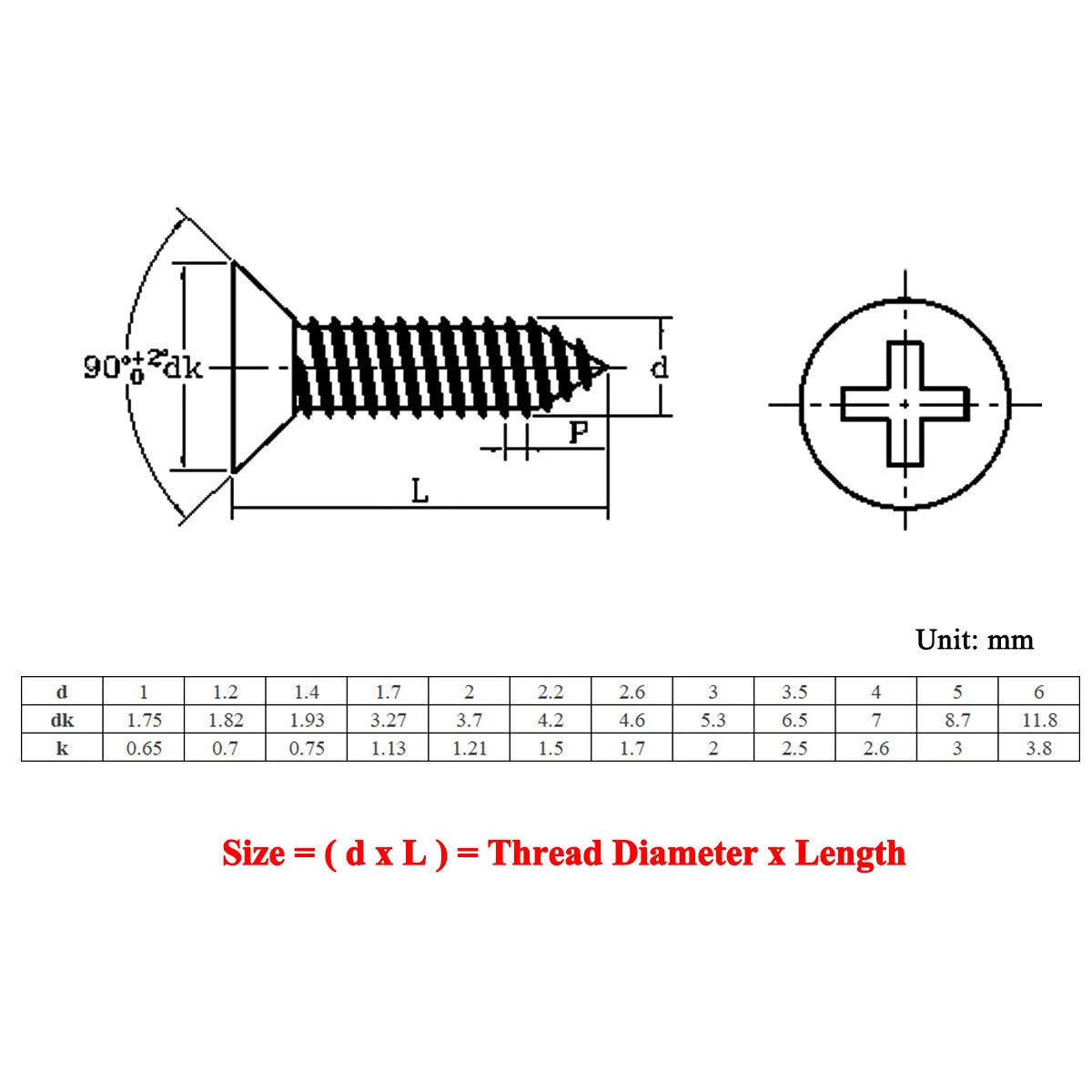
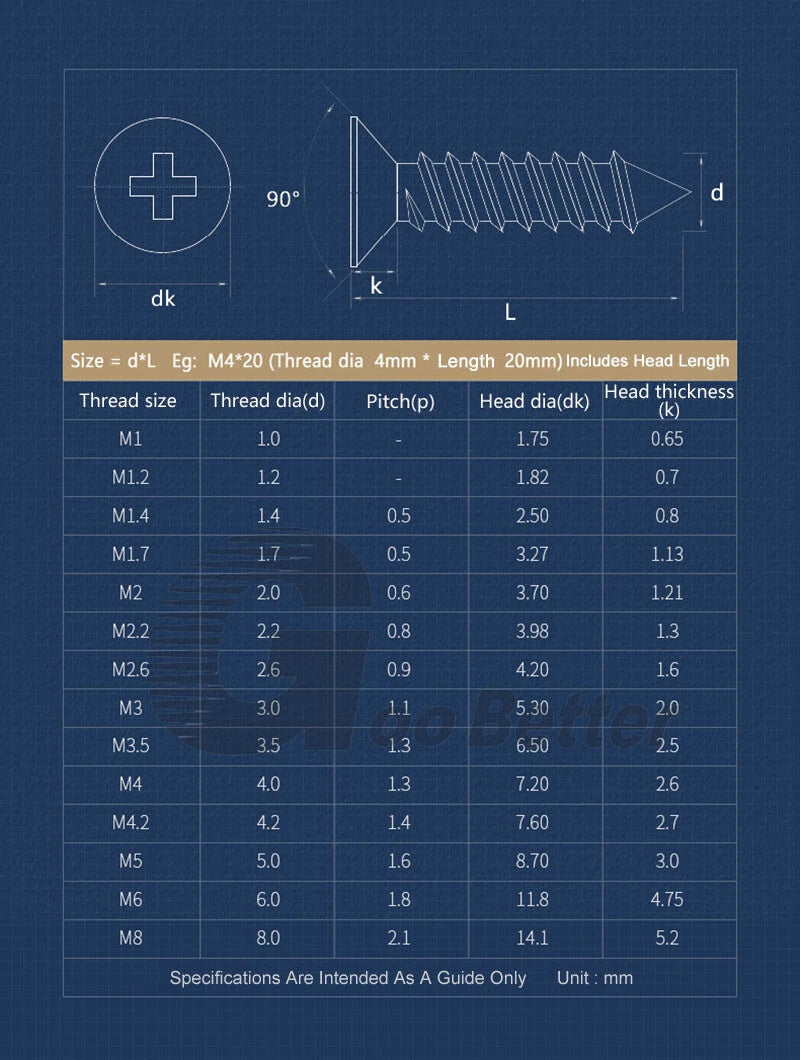
When a smooth, snag-free surface matters — on automotive panels, cabinetry frames, or decorative metalwork — countersunk flat head sheet metal screws are the correct call. The 90° or 82° taper seats the head flush with or just below the material surface, eliminating any protrusion that could catch clothing, interfere with mating parts, or create a finishing problem. Choose from Phillips, Pozi, or Torx anti-theft drives in stainless or zinc-plated steel.
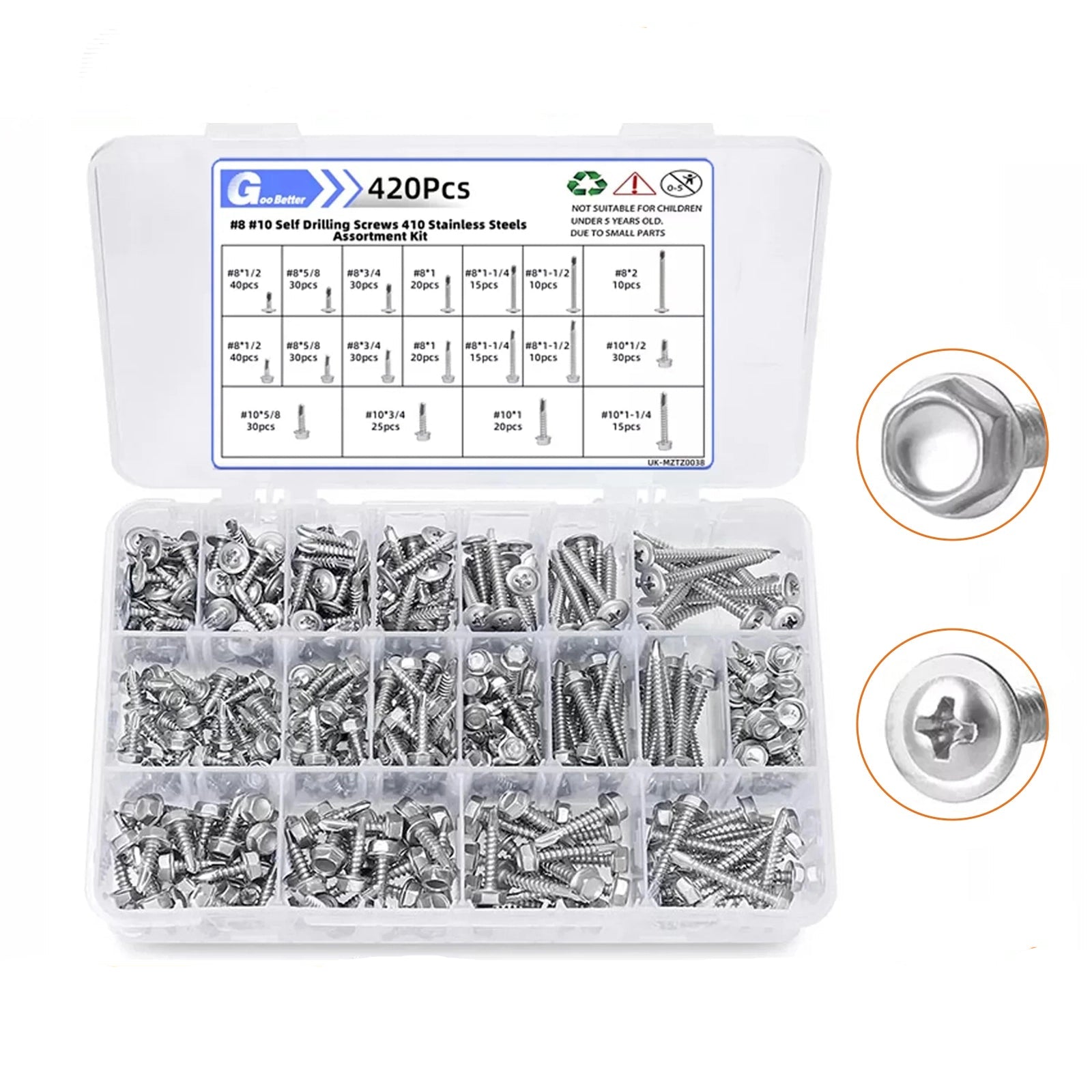
Hex Washer Head Self-Drilling Tek Screws for Metal Roofing and Sheeting
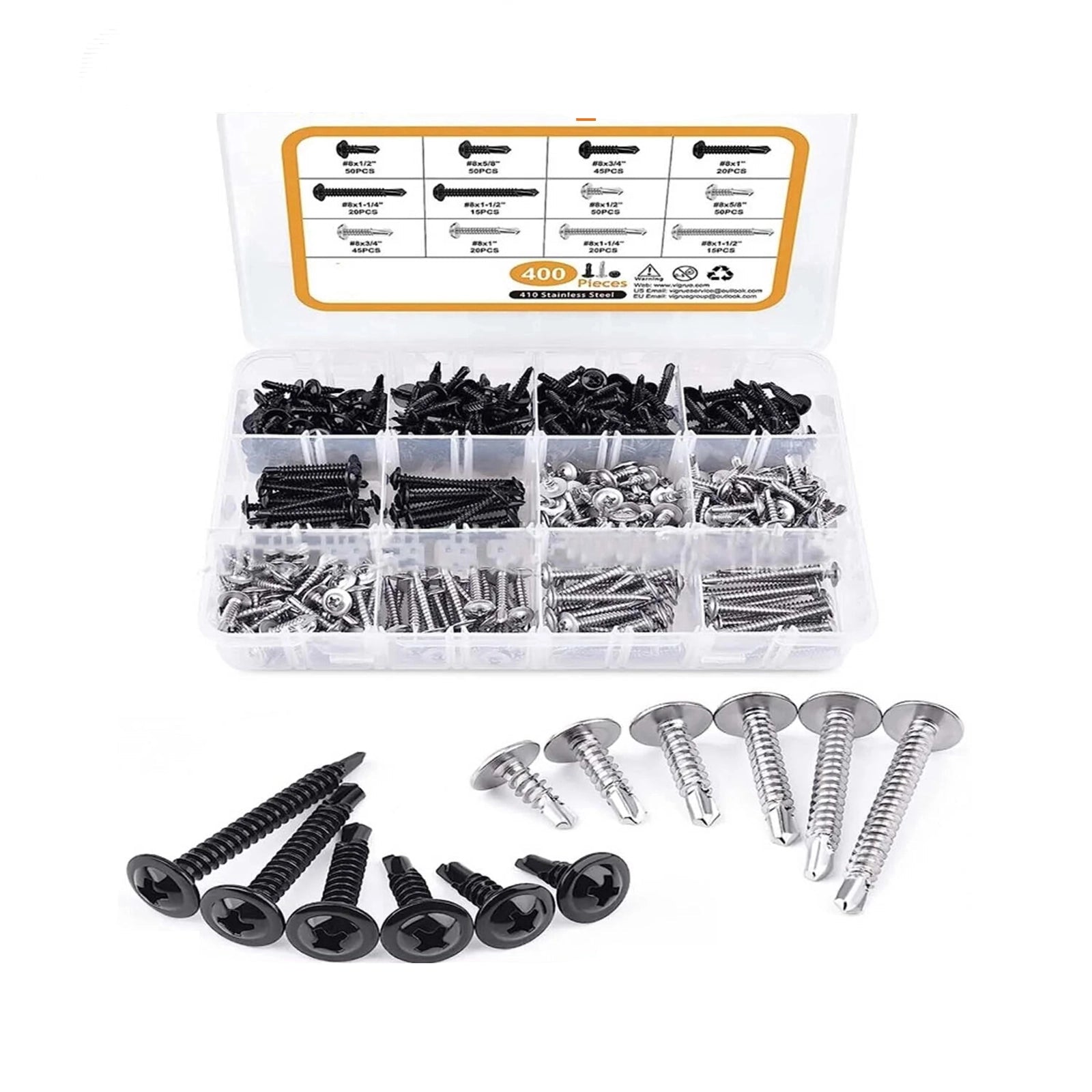
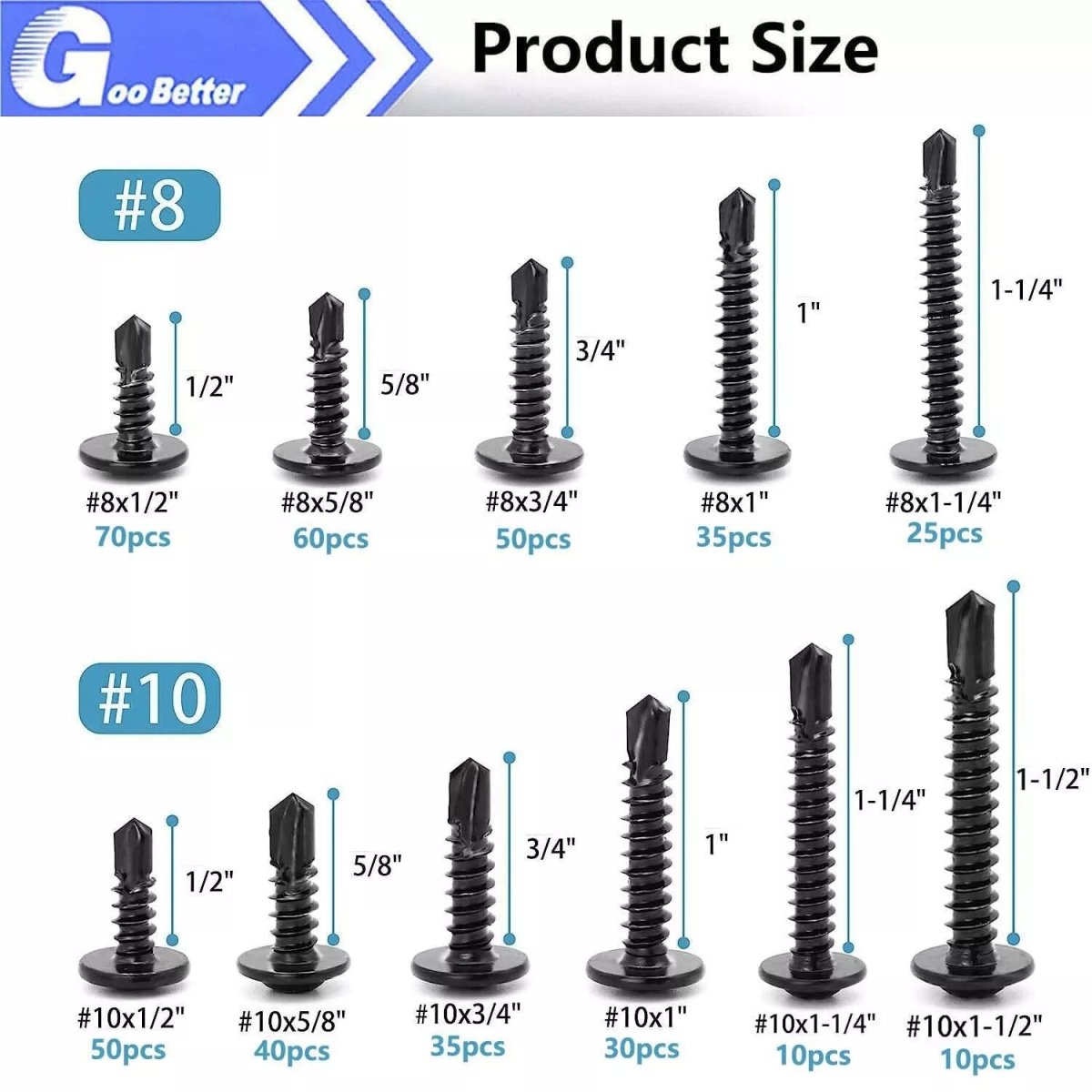
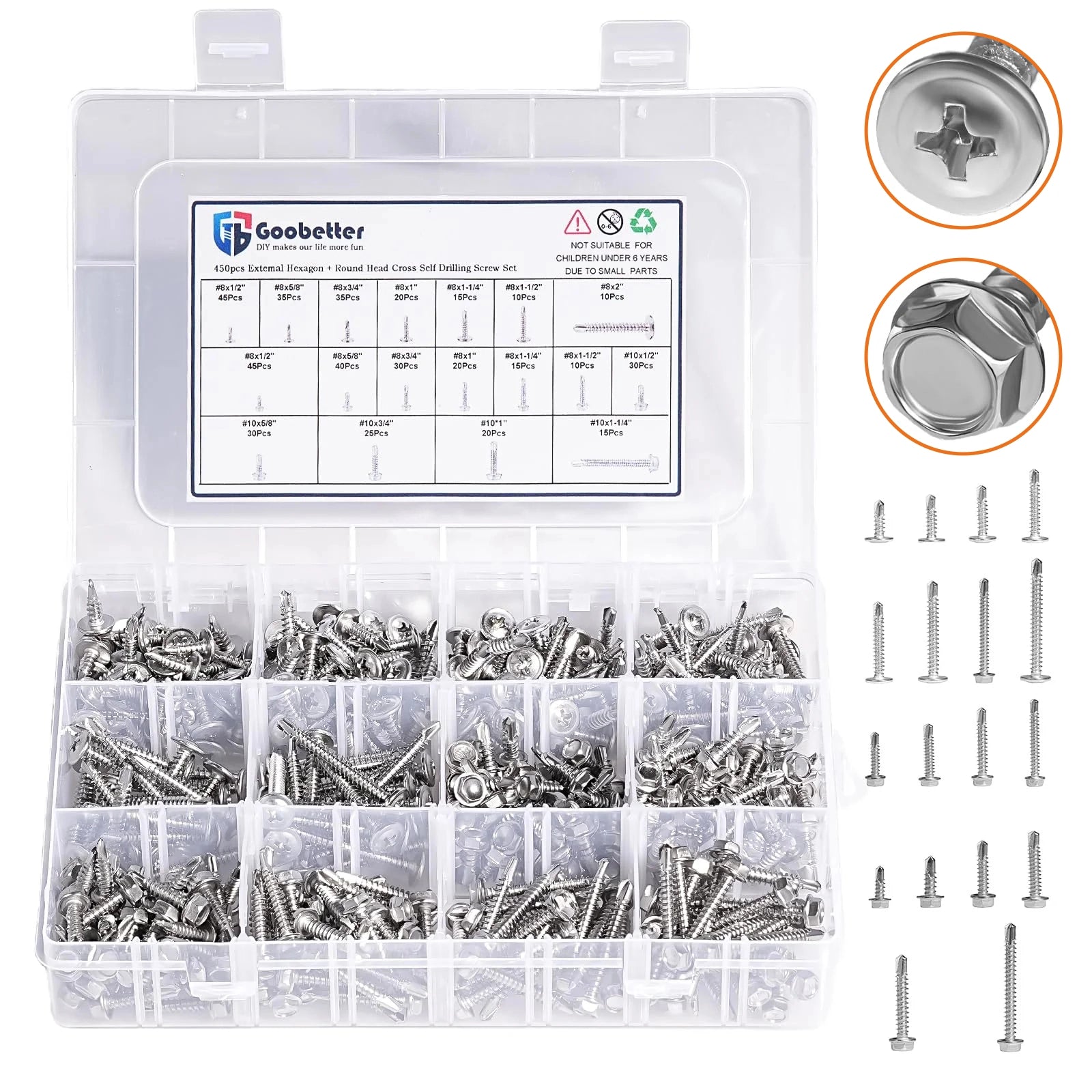
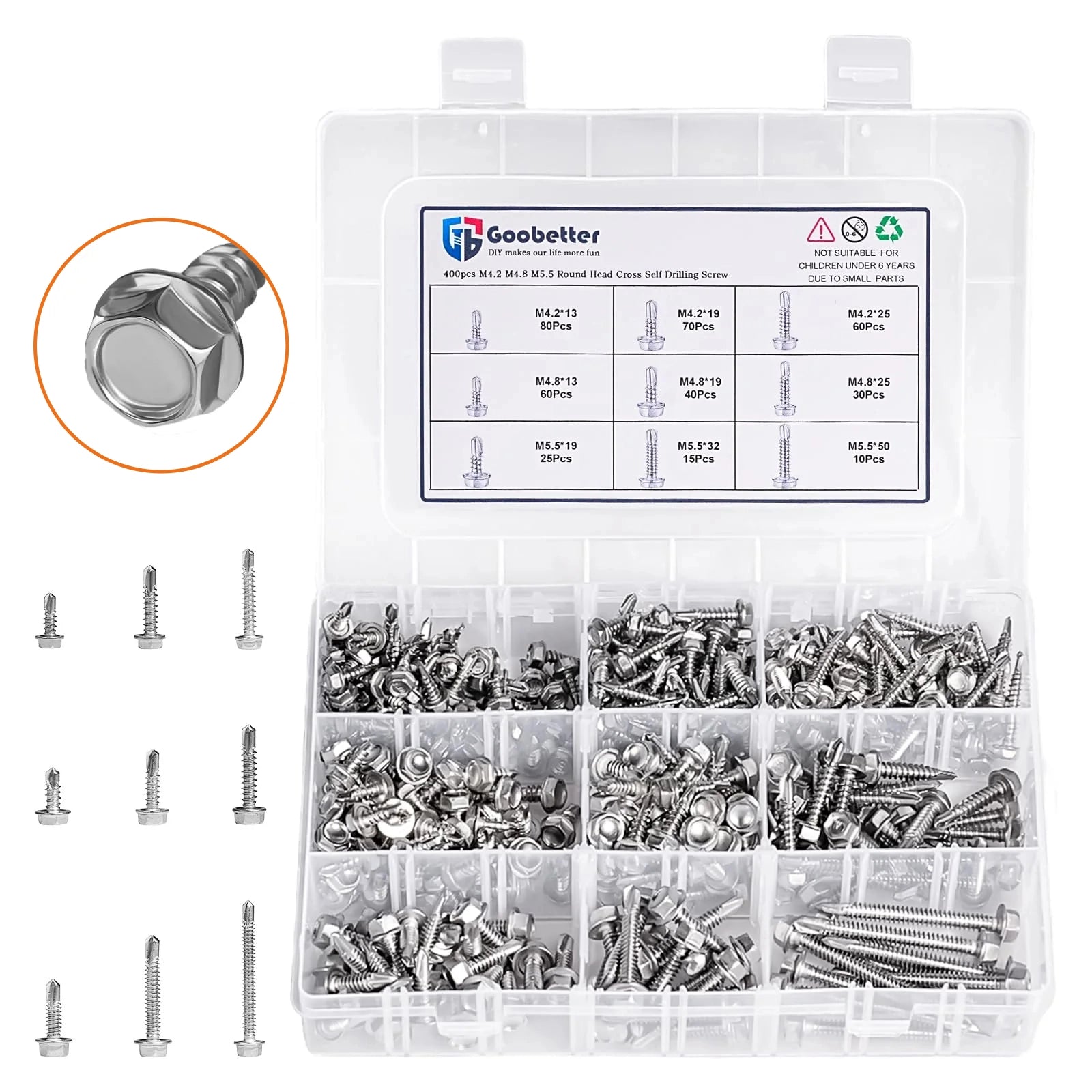
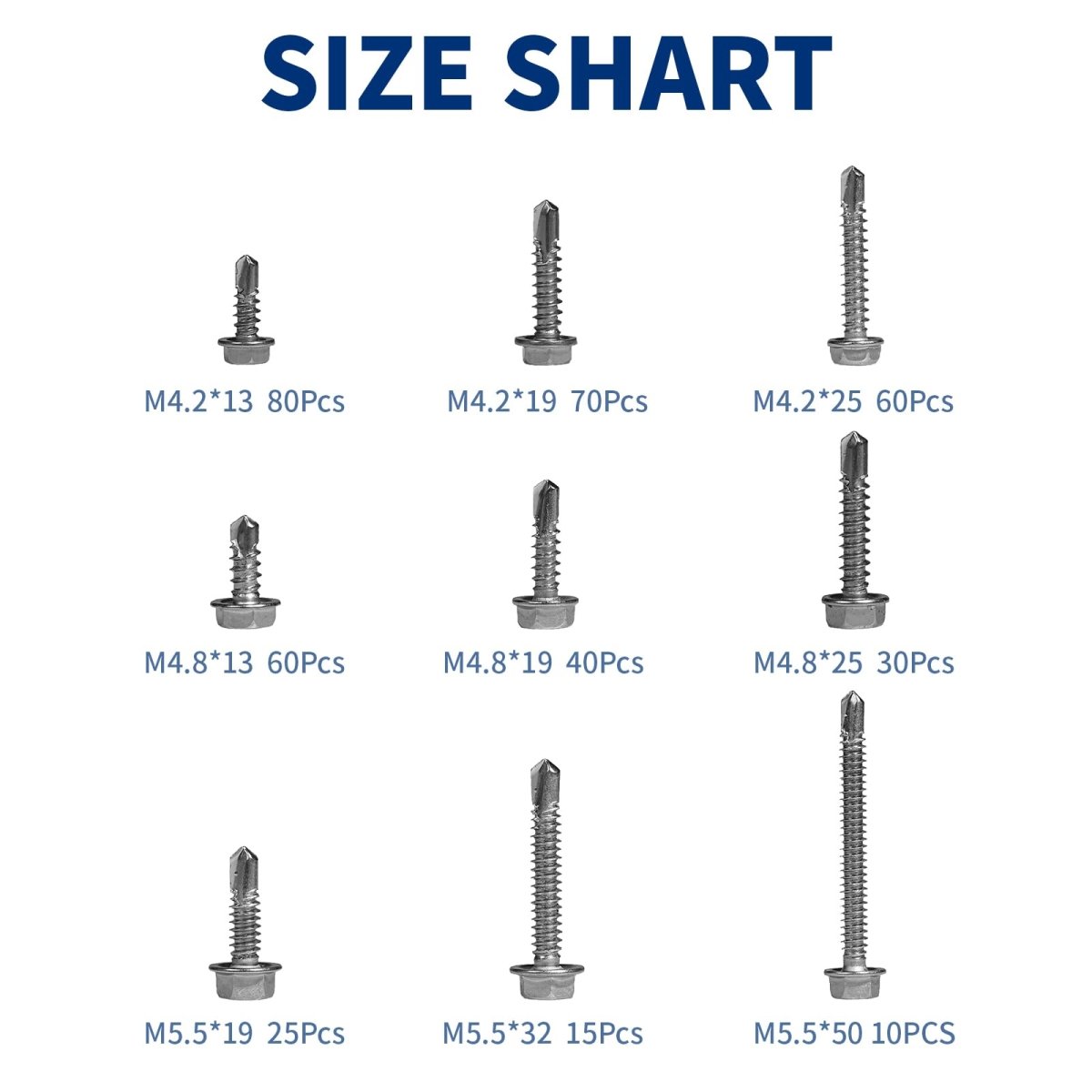
Tek screws combine a hardened drill-point tip with a hex washer head that seats against a built-in or separate EPDM washer to create a weather-tight seal. They're the standard fastener for metal roofing panels, wall cladding, and steel purlins because they drill, tap, and clamp in a single pass with a standard nut driver or impact driver. Available in 410 stainless steel and zinc-plated carbon steel in #8, #10, and #12 diameters.
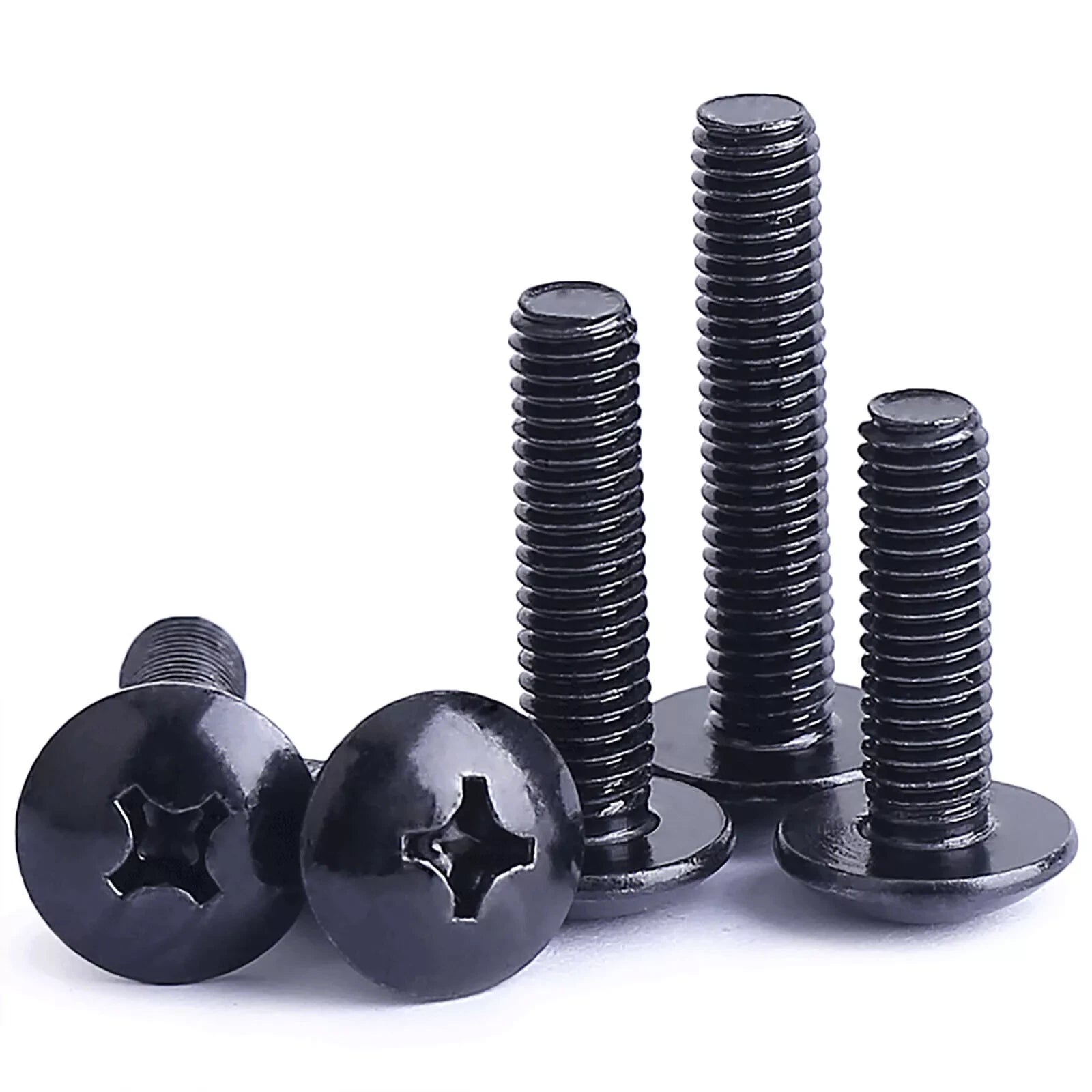
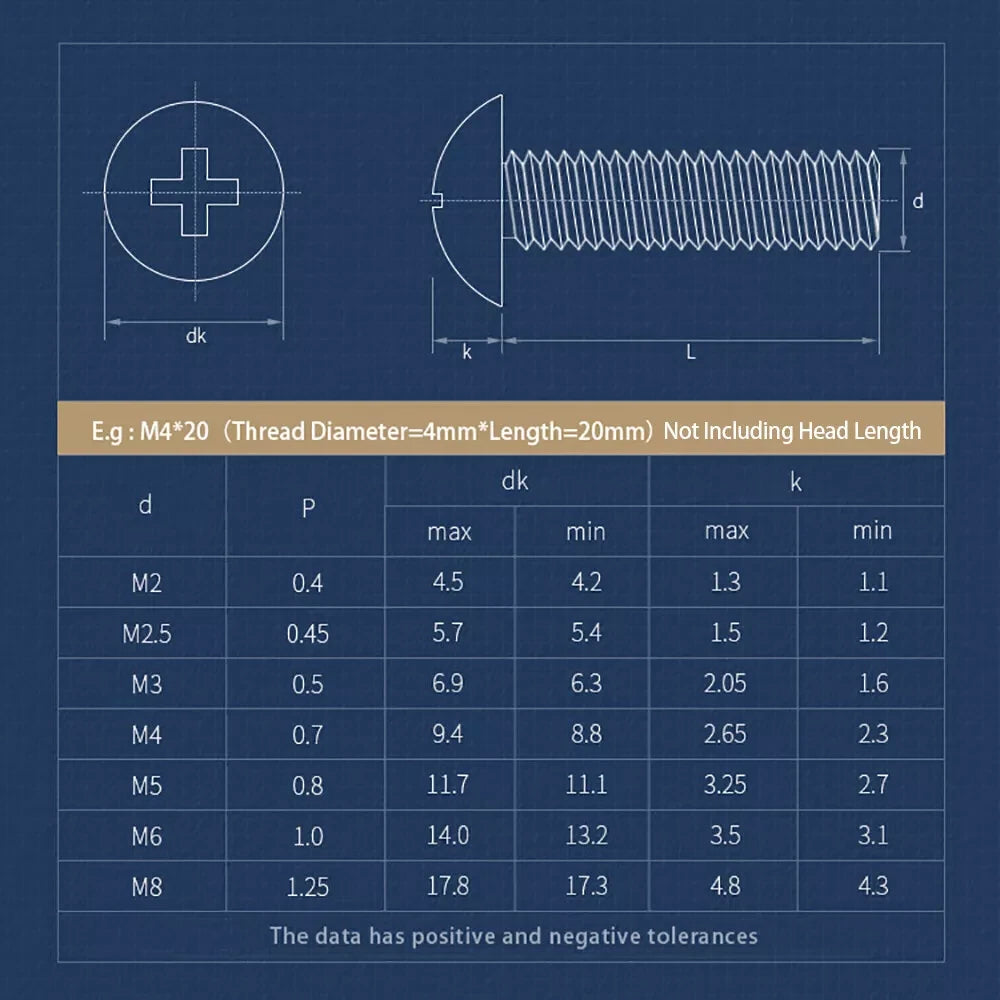
Truss Head Self-Tapping Screws for Thin Sheet and Soft Material
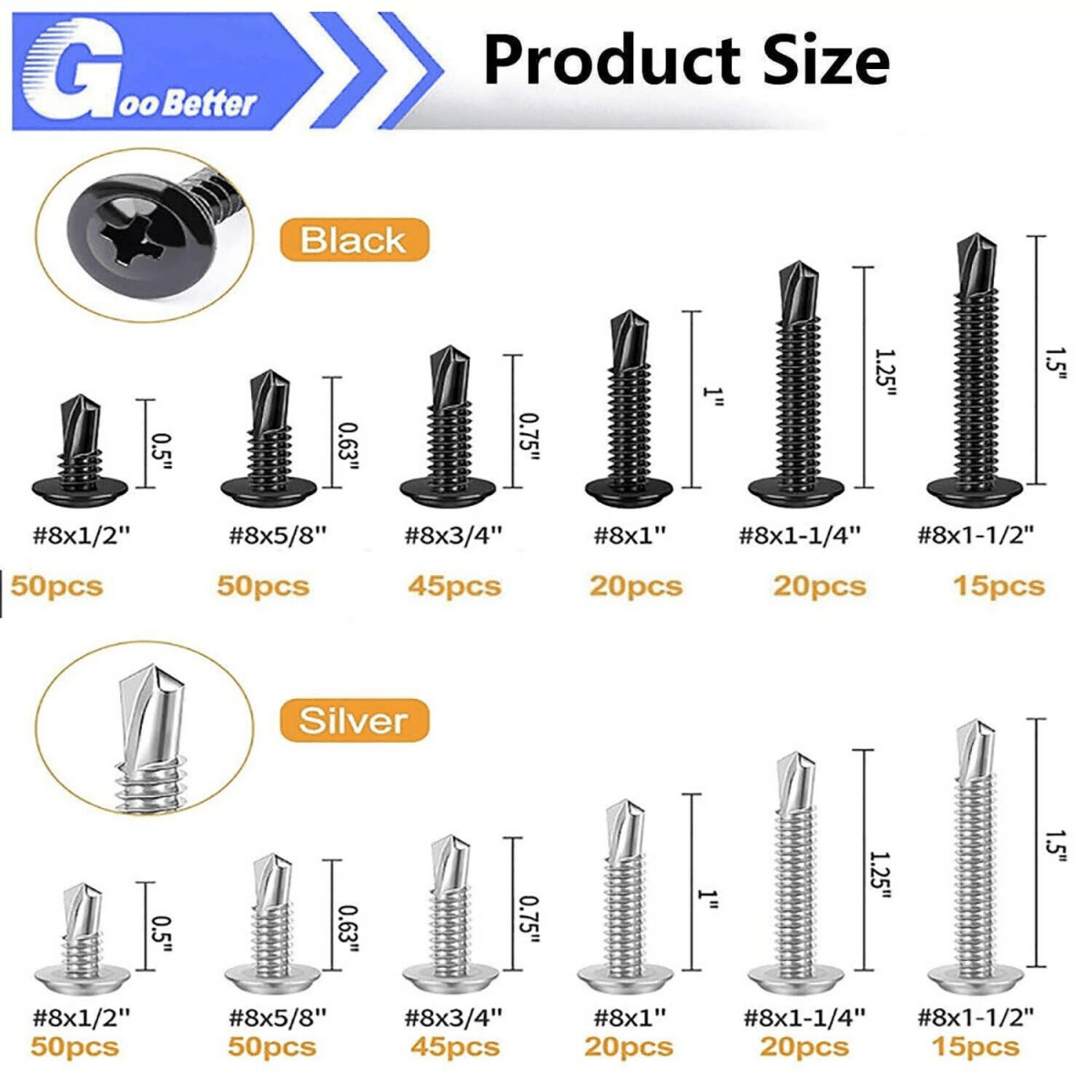
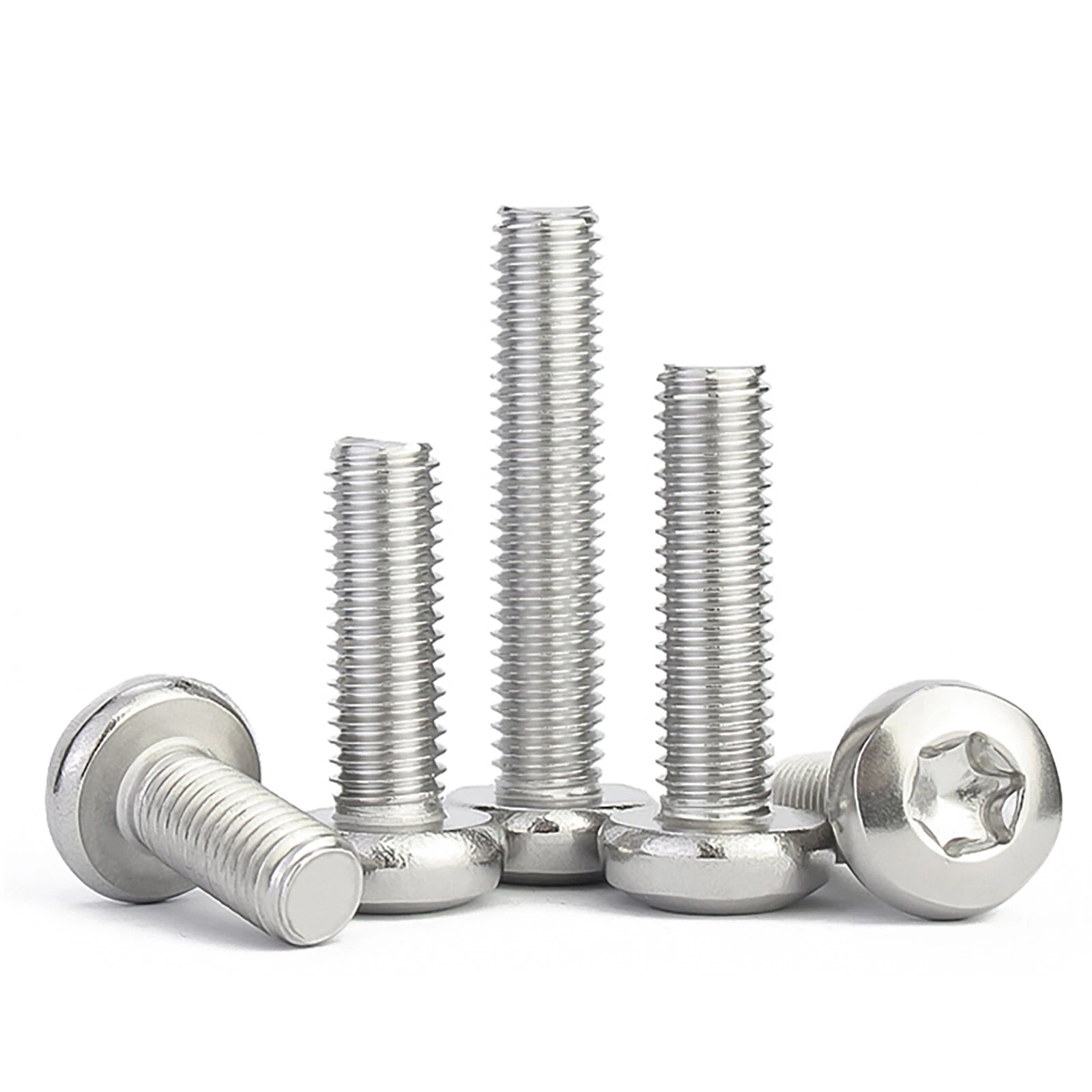
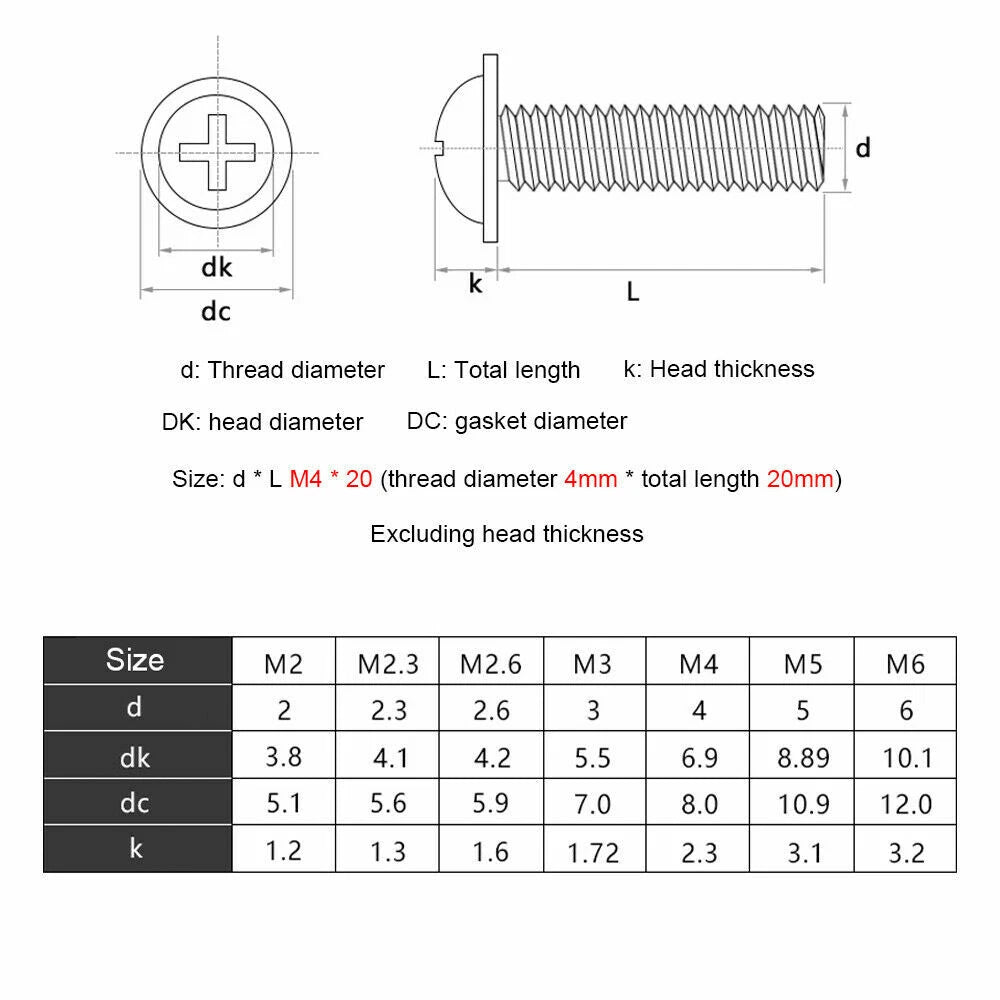
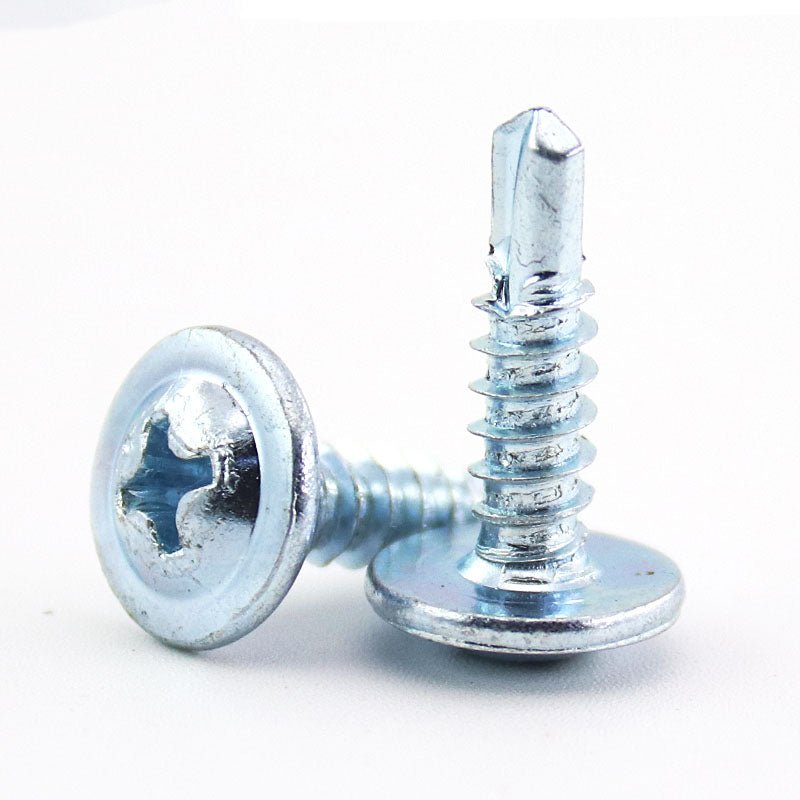
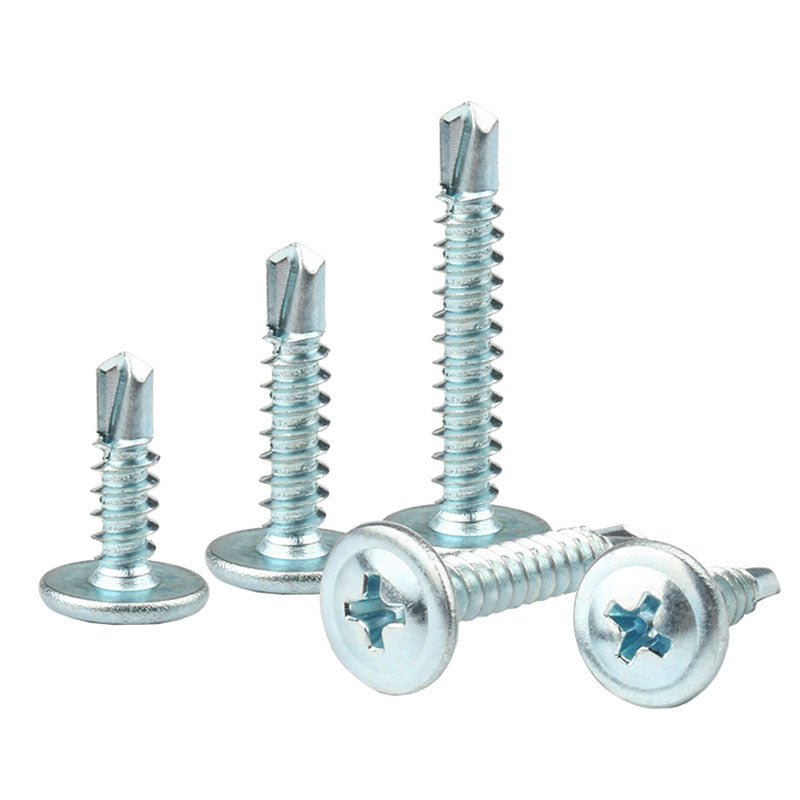
Truss head screws feature an extra-wide, low-profile dome that spreads clamping force over the largest possible footprint. This makes them ideal for fastening thin or soft materials — foam-backed panels, thin aluminum sheet, plastic housings — where a standard pan head might pull through under load. The broad bearing surface also resists loosening from vibration, making truss head screws a smart choice for HVAC equipment, appliance covers, and light-duty structural panels.
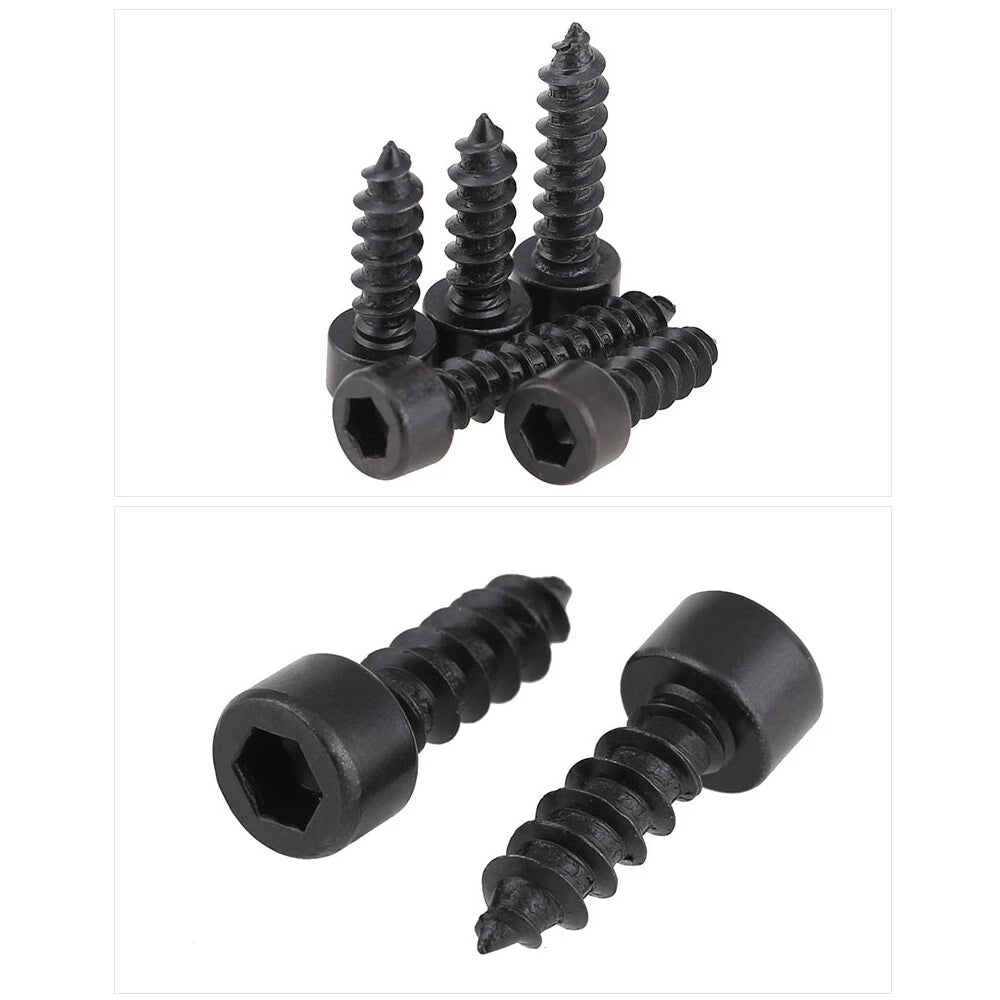
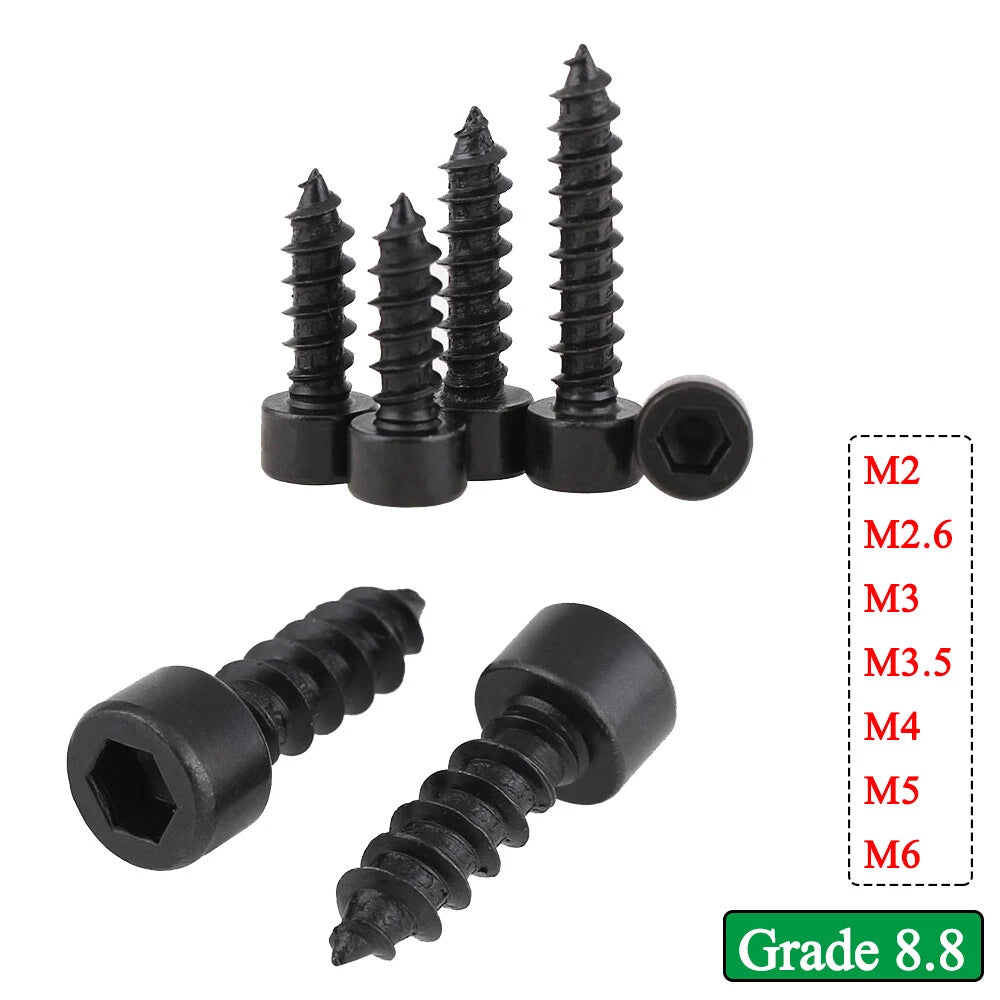
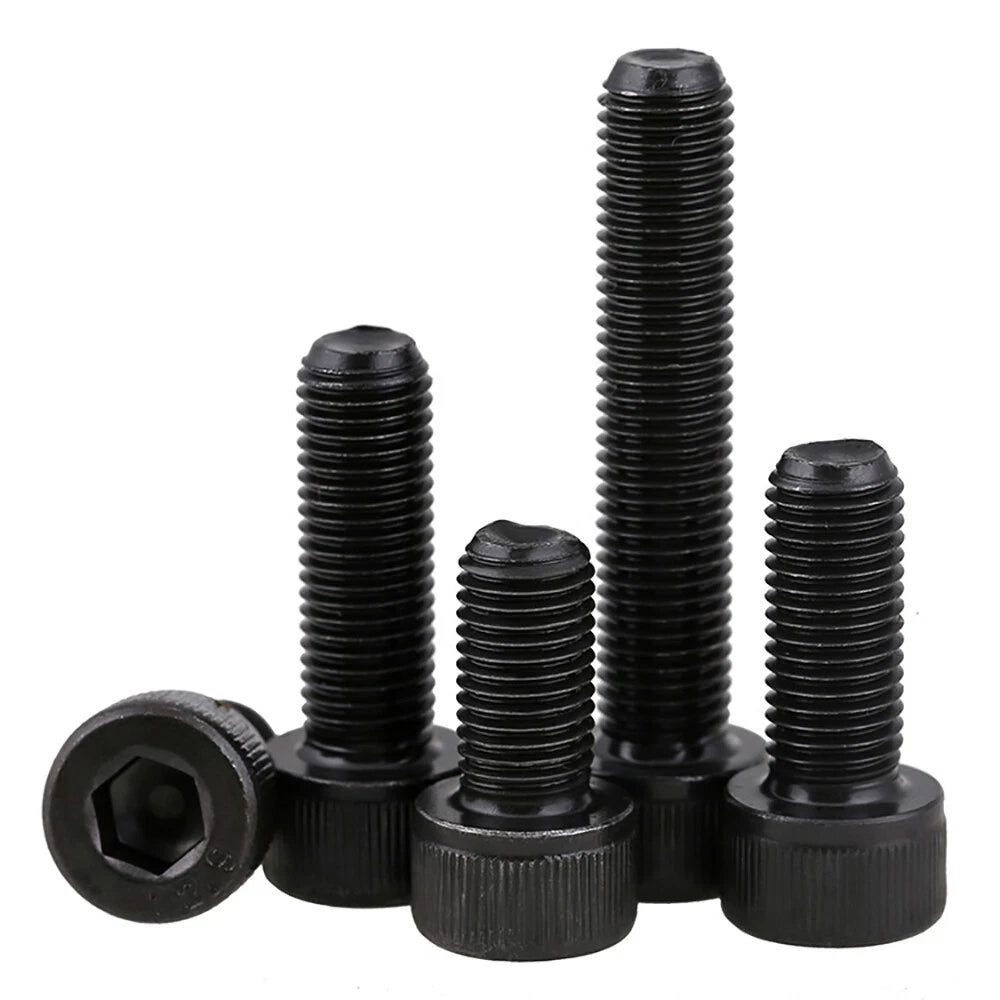
Socket Cap and Hex Drive Sheet Metal Screws for High-Torque Applications
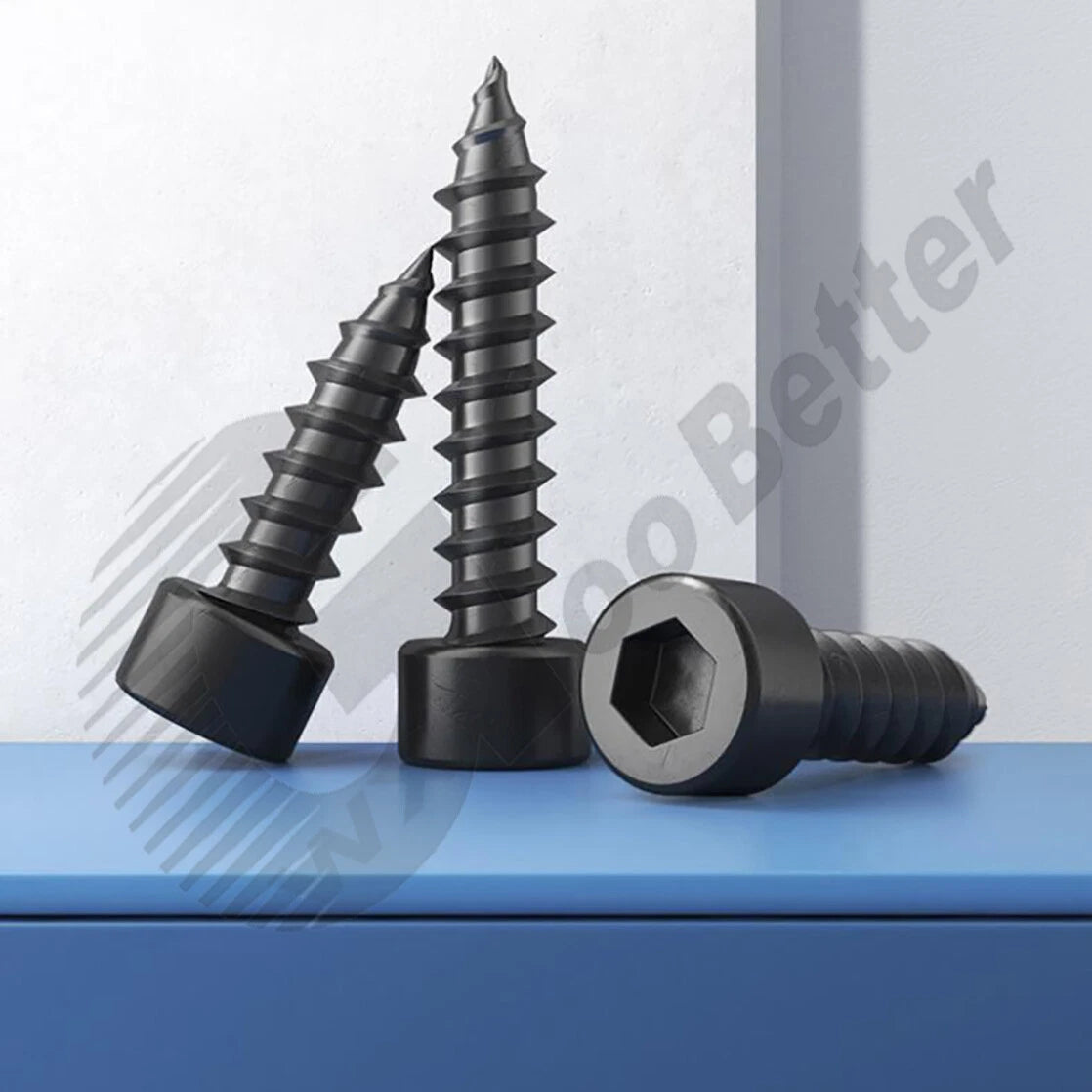
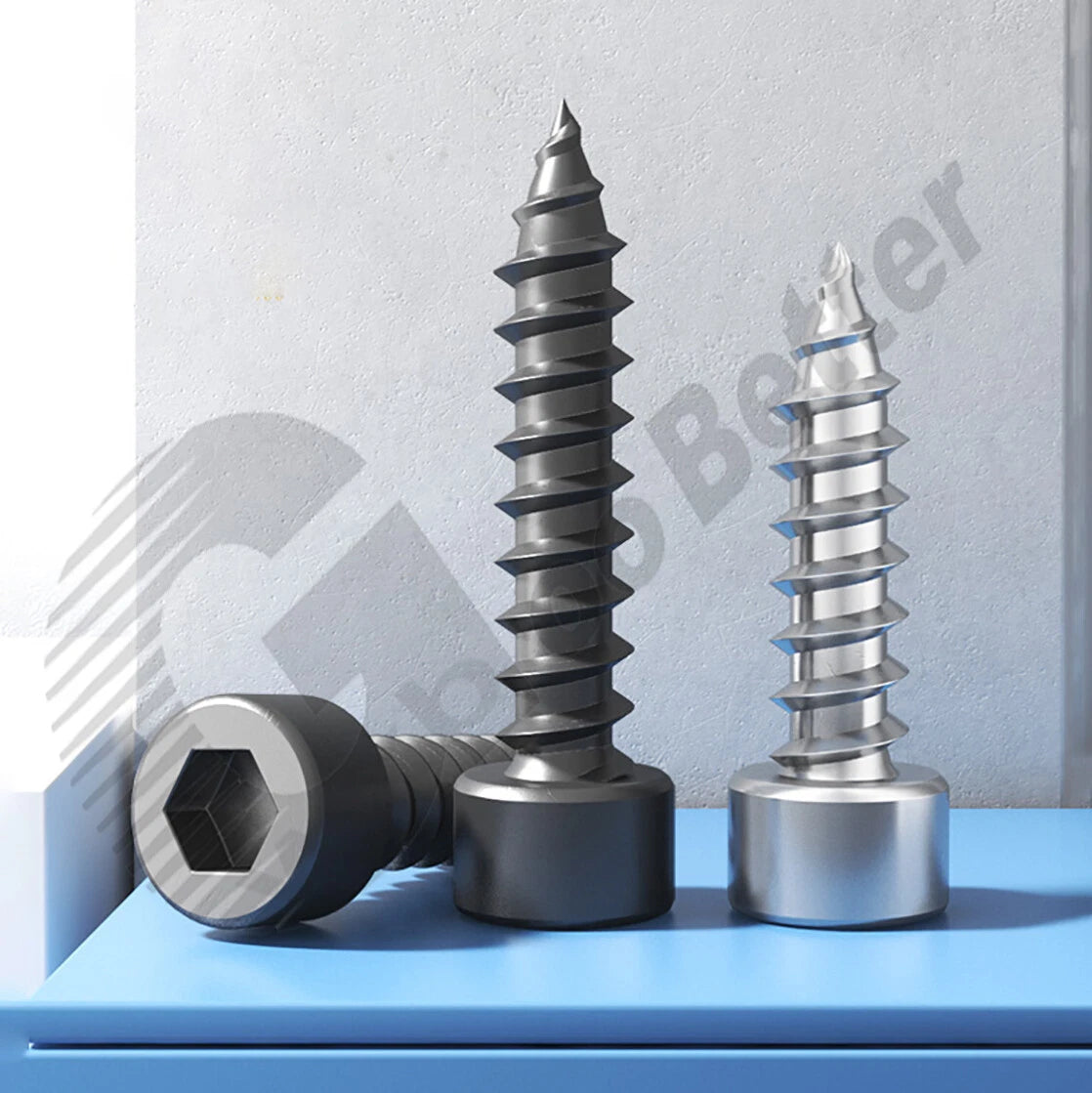
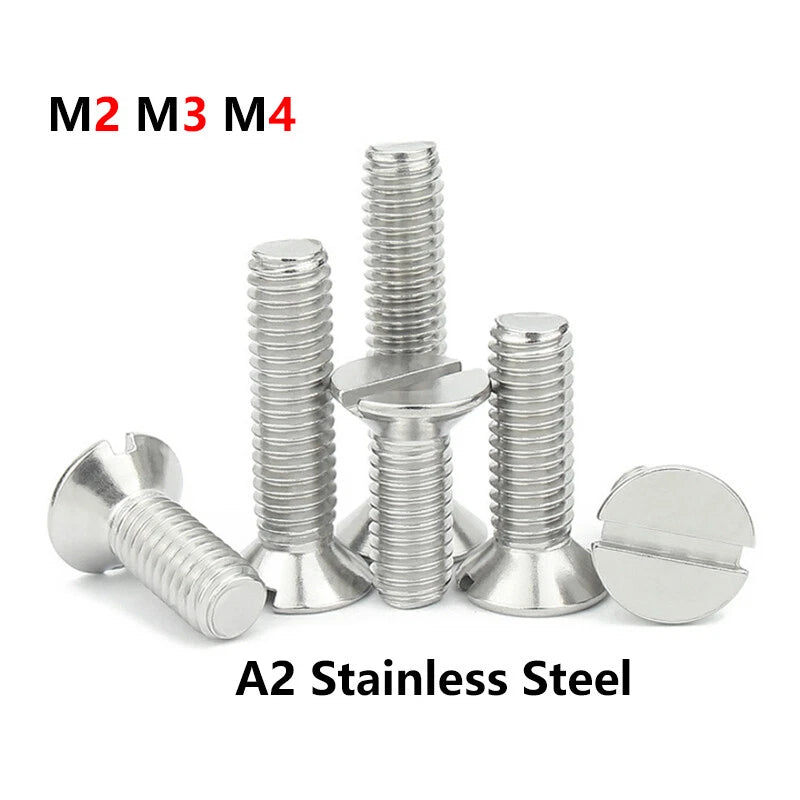
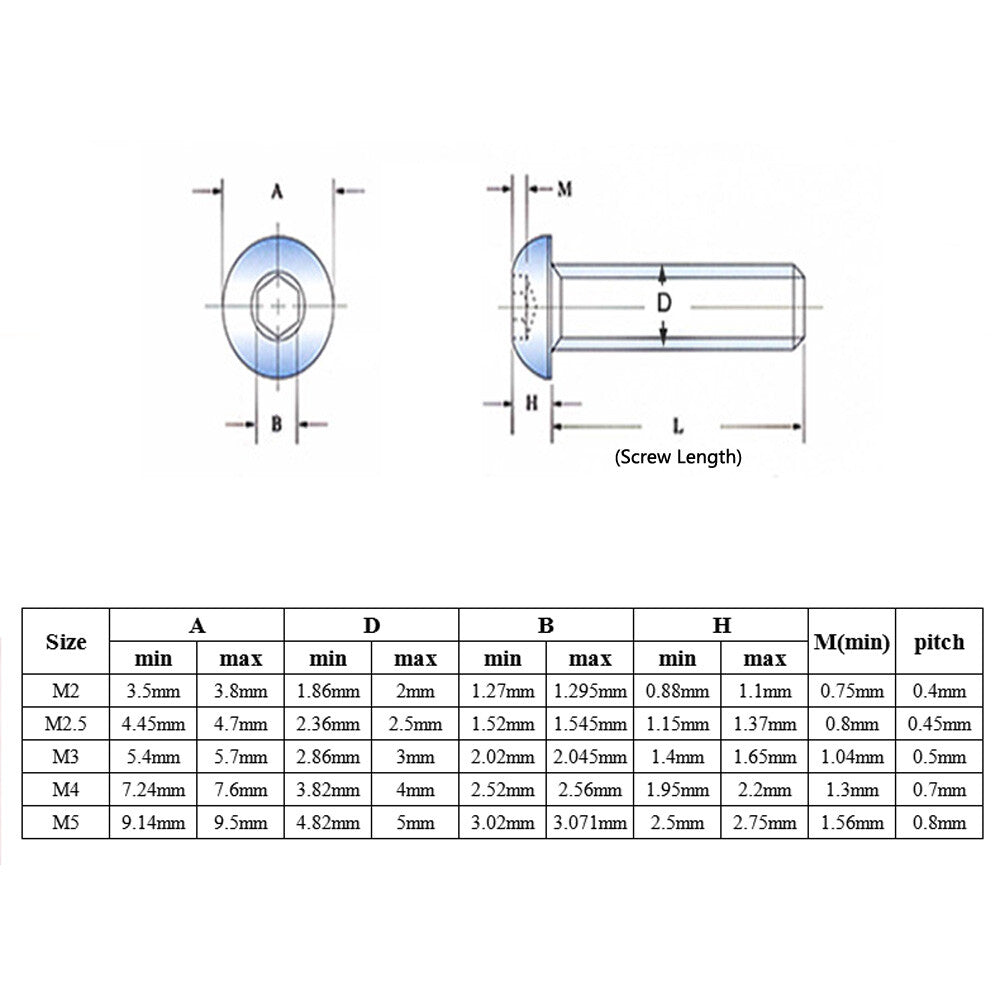
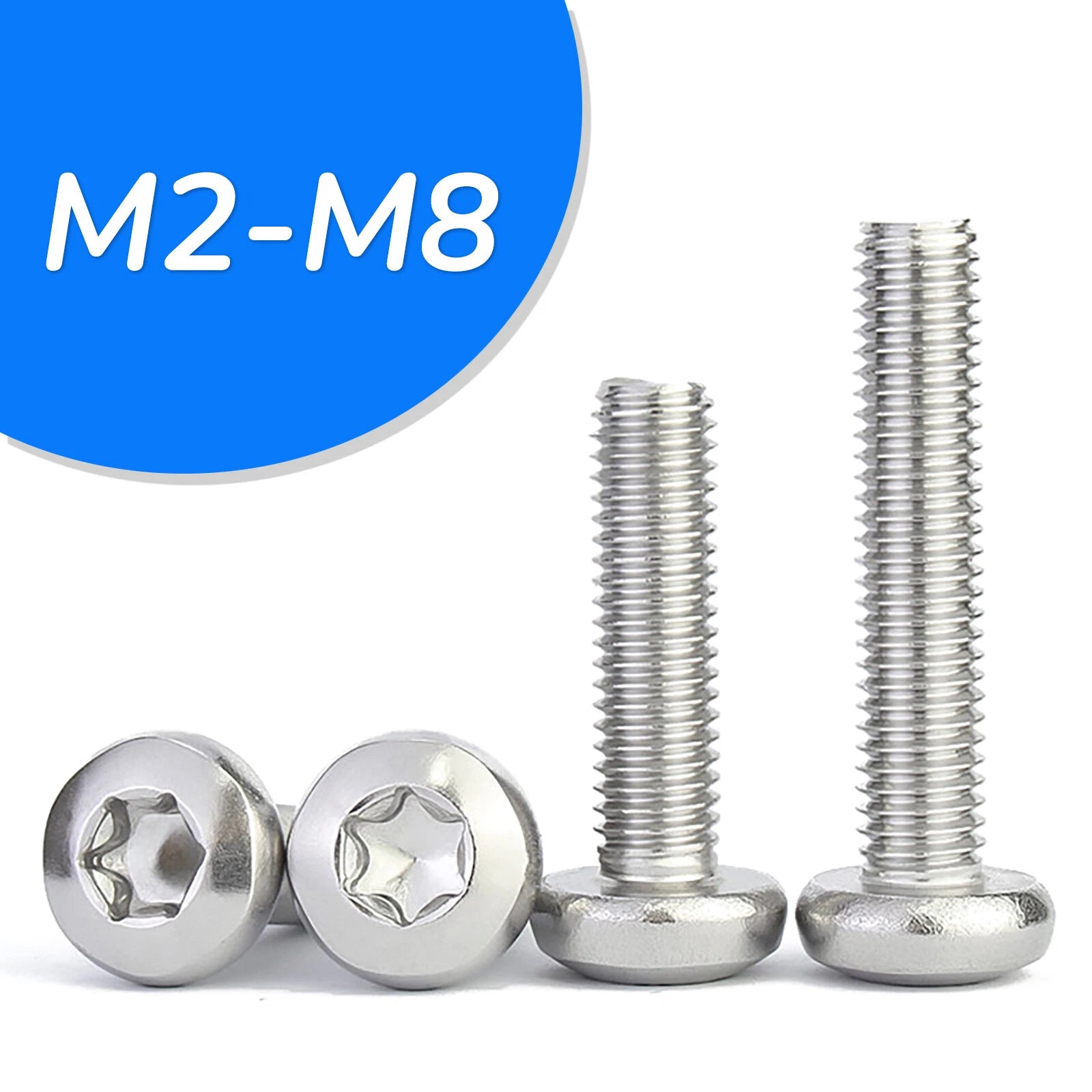
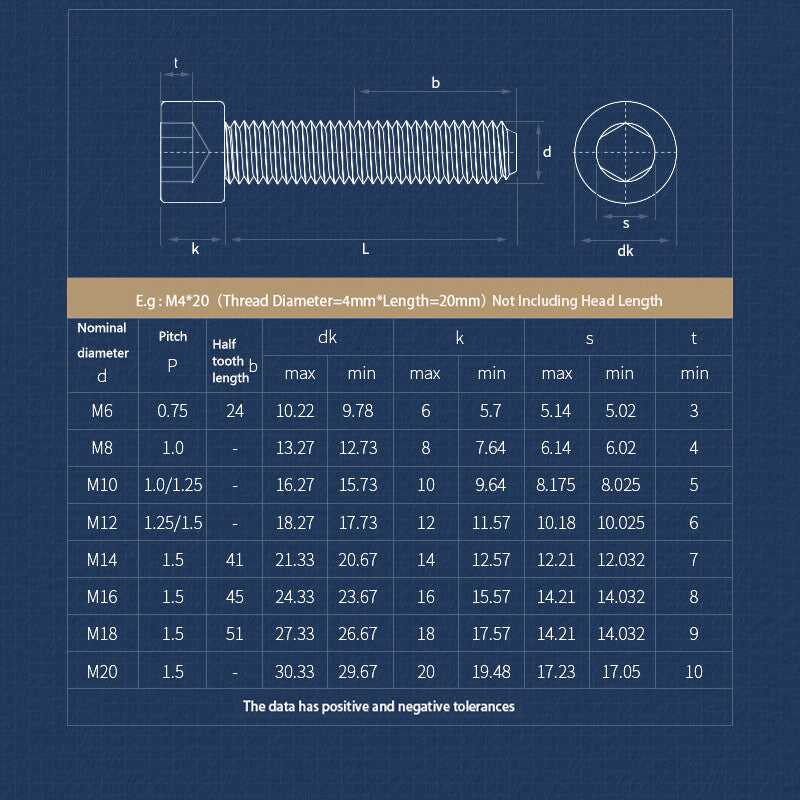
Phillips and Pozi drives are convenient, but they cam out under high torque. Socket cap (Allen) and hex flange drive sheet metal screws eliminate cam-out entirely, allowing you to apply full driver torque without slipping. These are the preferred choice for production environments, power-tool assembly lines, and any application where consistent, repeatable clamp load is critical. Available in A2 stainless and grade 8.8 black oxide carbon steel from M2 through M6.
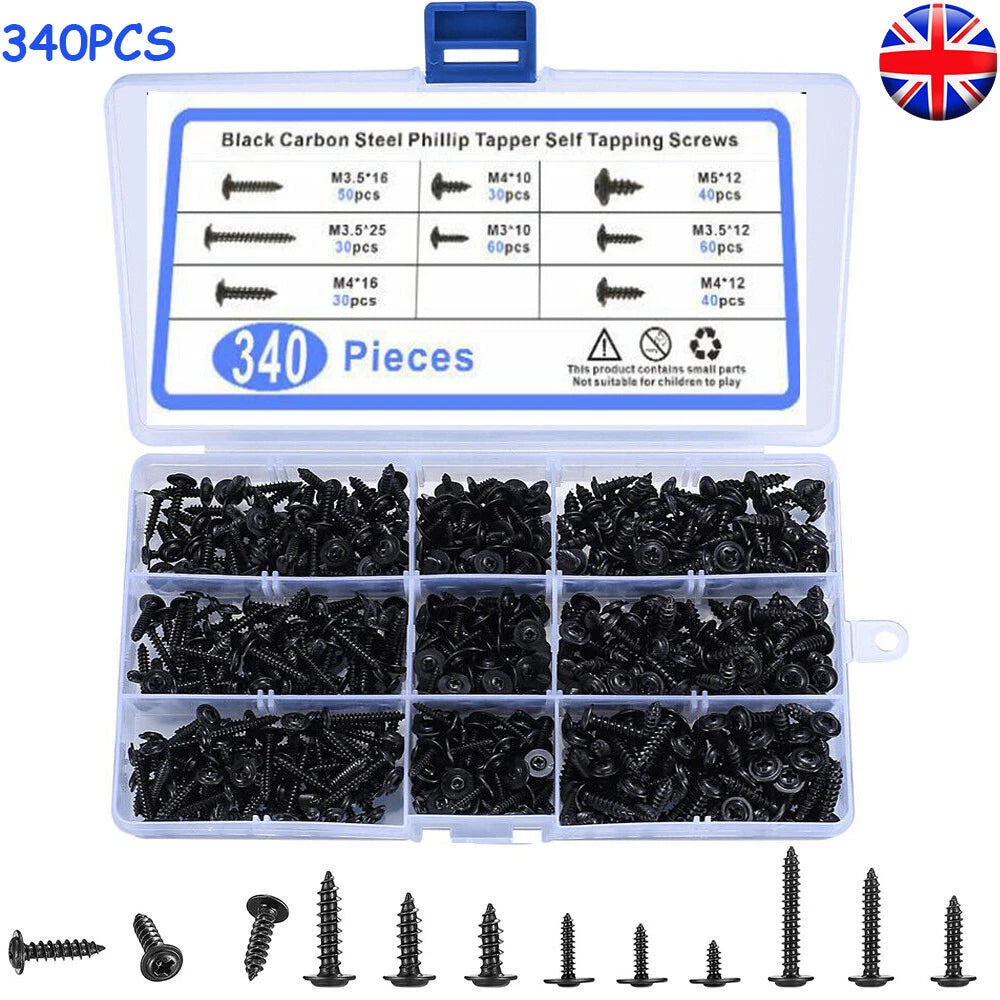
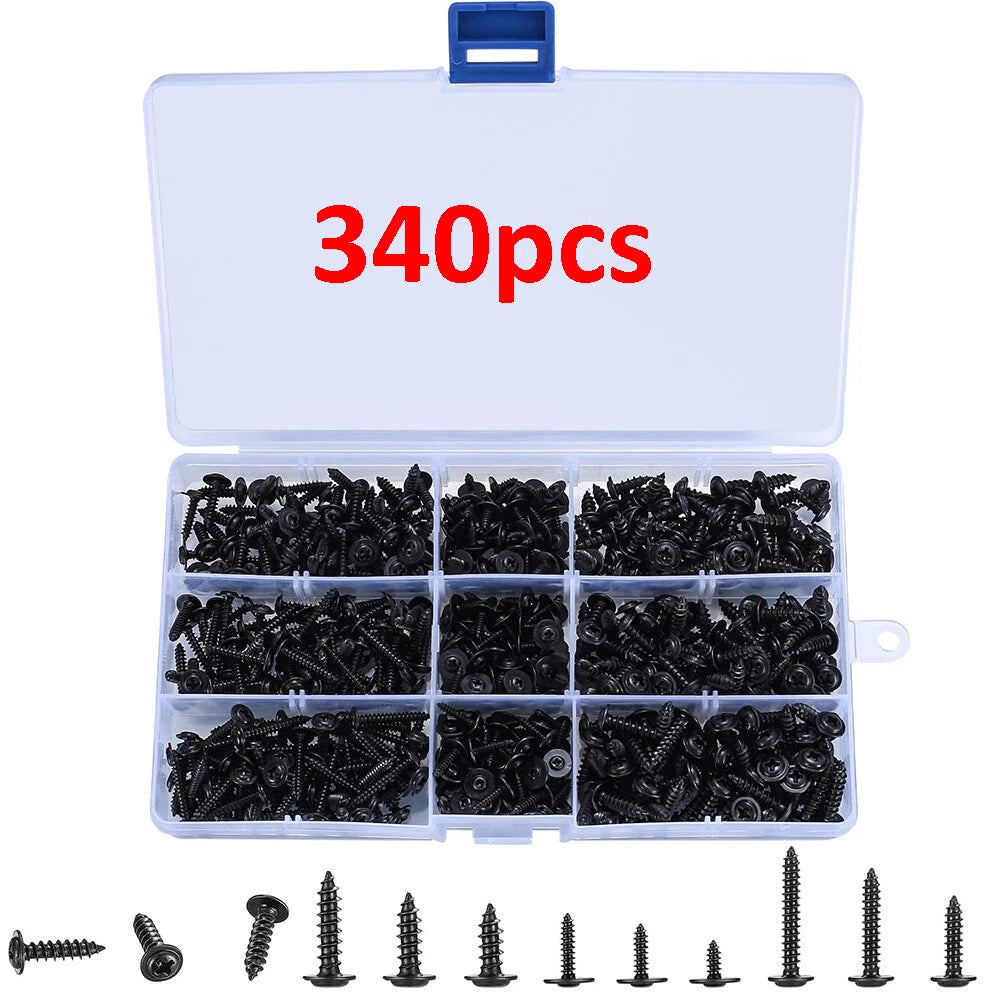
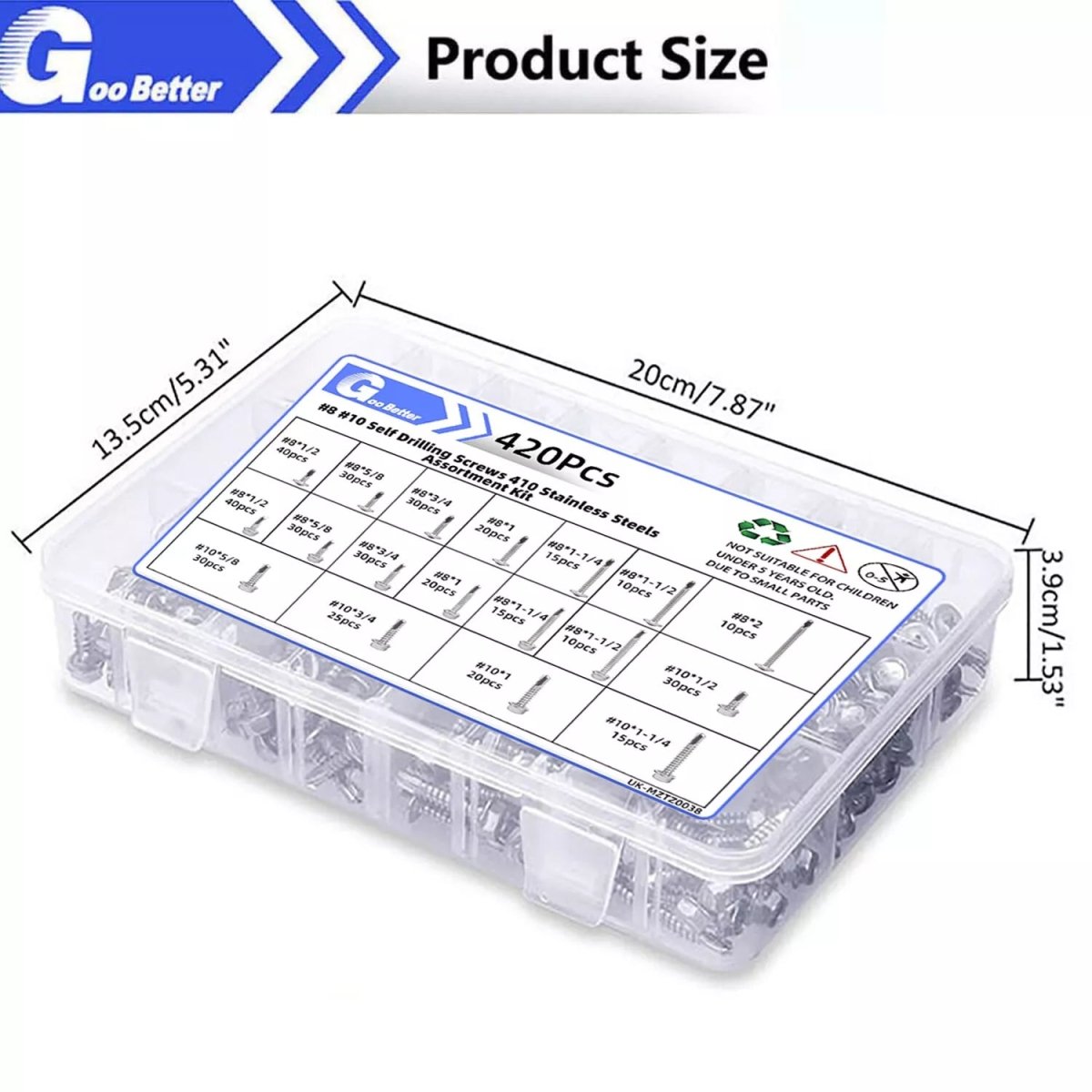
Assortment Kits of Self-Tapping and Self-Drilling Screws for DIY and Repair
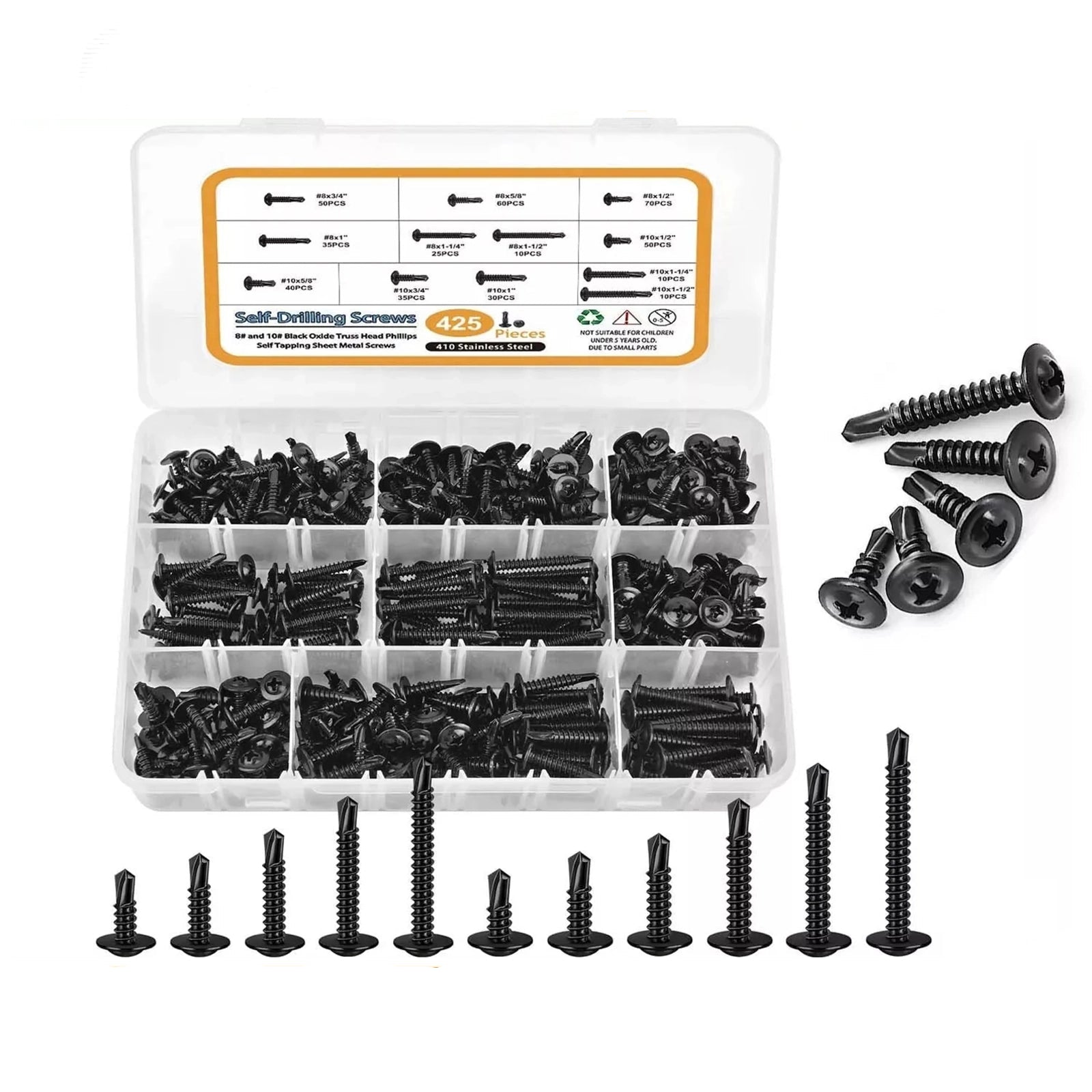
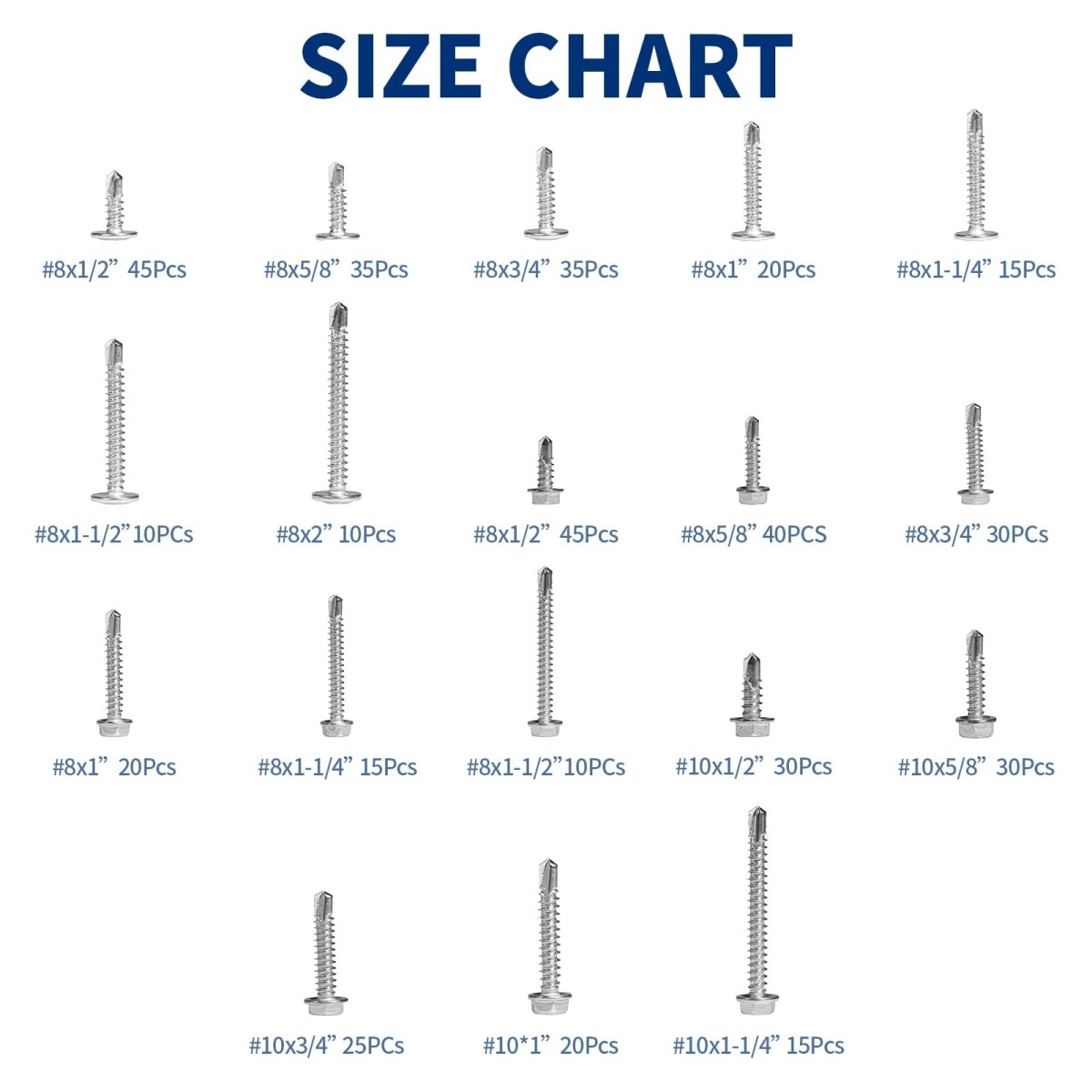
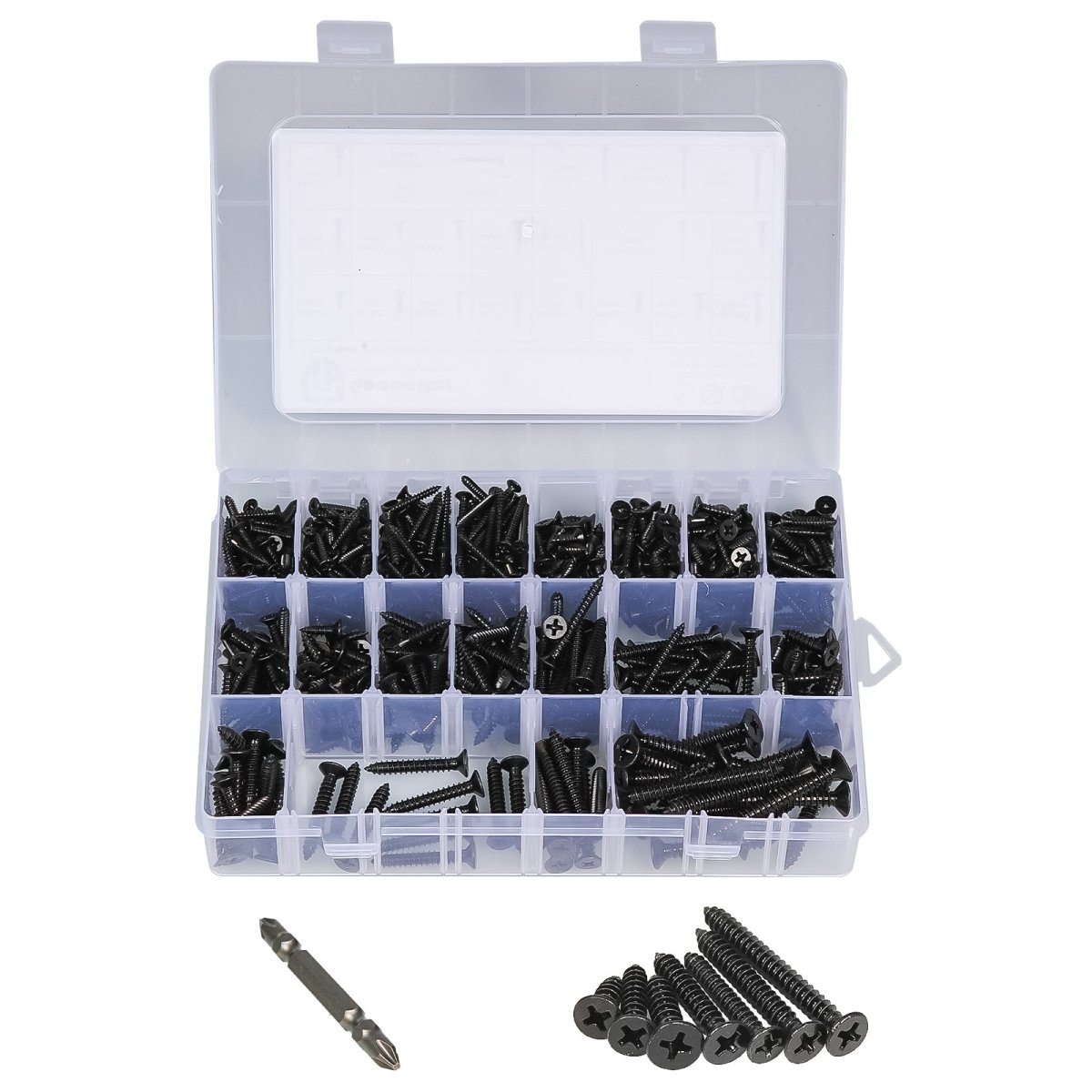
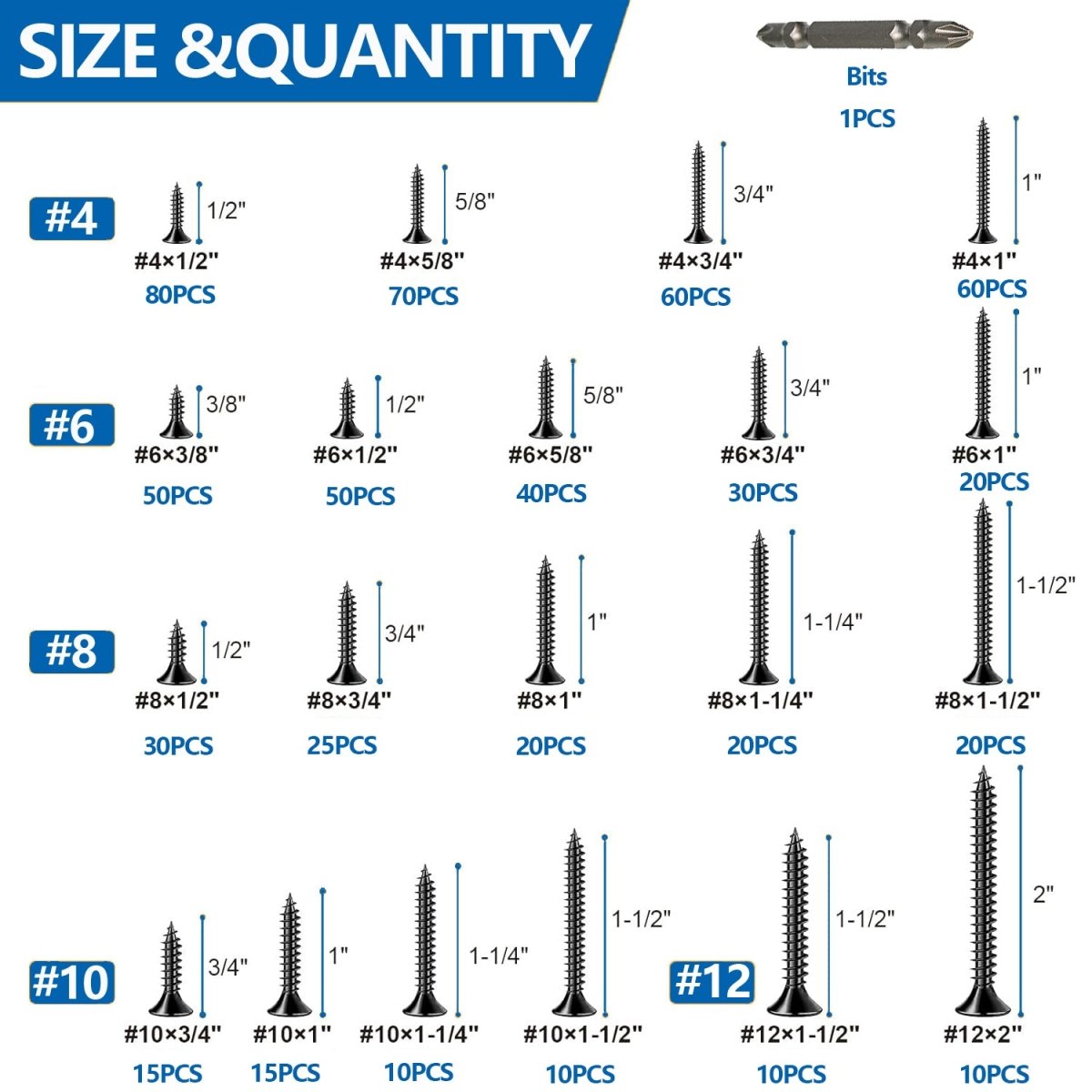
Not every project calls for a single size. HomeDIYer's assortment kits pack 190 to 570 pieces across multiple diameters and lengths so you're never caught short mid-project. Kits are available in 304 and 410 stainless steel, black carbon steel, and zinc-plated steel, covering pan head, hex washer, wafer head, and truss head styles. Keep one kit in the shop and another in the service van — they're the fastest way to handle unexpected fastener needs on the fly.
Frequently Asked Questions About Sheet Metal Screws
What are sheet metal screws used for?
Sheet metal screws are designed to fasten thin metal sheets, HVAC ductwork, electrical enclosures, automotive panels, and light-gauge steel framing. Their sharp, fully threaded shanks cut their own mating threads directly into the base material without requiring a pre-tapped hole.
What is the difference between self-tapping and self-drilling sheet metal screws?
Self-tapping screws require a pilot hole drilled in advance; they then cut threads as they are driven in. Self-drilling screws (also called tek screws) have a drill-bit tip that bores through the material and taps threads in a single operation, eliminating the pilot-hole step entirely.
Which material is best — stainless steel or carbon steel sheet metal screws?
304 or 316 stainless steel screws are the right choice for outdoor, marine, or high-humidity environments because they resist rust and corrosion. Carbon steel screws (zinc-plated or black oxide) cost less and are ideal for indoor or protected applications where corrosion is not a primary concern.
How do I choose the right head style for my project?
Pan head screws sit above the surface and distribute load over a wide area — good for general fastening. Countersunk (flat head) screws sit flush with or below the surface for a clean finish. Truss heads offer an extra-wide, low-profile bearing surface ideal for thin or soft materials. Hex washer heads are driven with a nut driver and are standard in roofing and metal building applications.
What size sheet metal screw do I need?
Match the screw diameter to the thickness of the material. For light-gauge sheet metal (24–28 gauge), M2–M3 or #6–#8 screws work well. For heavier gauge steel or structural applications, M4–M6 or #10–#14 screws provide the holding strength needed. Length should be at least 1.5× the thickness of the material being fastened.
Do sheet metal screws need a pilot hole?
Traditional self-tapping sheet metal screws require a pilot hole slightly smaller than the screw's major diameter. Self-drilling (tek) screws do not require a pilot hole — their drill-point tip penetrates and taps in one step, saving significant time on production or repetitive fastening tasks.
Can I use sheet metal screws in wood or plastic?
Yes. Many sheet metal screws — particularly pan head and truss head styles — work well in wood, MDF, and rigid plastics. Their sharp threads grip effectively in softer materials. For structural wood connections, however, dedicated wood screws or lag screws are the more appropriate choice.
How do I install sheet metal screws correctly?
For self-tapping types, drill a pilot hole 10–15% smaller than the screw's outer diameter, align the parts, and drive the screw at low-to-medium speed with a Phillips, Pozi, or hex driver. Avoid over-torquing — stop when the head seats firmly against the surface. For self-drilling tek screws, simply position and drive; no pilot hole is needed.
How do I prevent sheet metal screws from stripping or backing out?
Use the correct driver bit size and keep it perpendicular to the screw head. Apply steady, consistent pressure and avoid high-speed driving that can strip the recess. For vibration-prone applications, choose screws with a serrated flange or add a medium-strength thread-locking compound to prevent loosening over time.
Does HomeDIYer offer free shipping on sheet metal screws?
Yes. HomeDIYer offers free standard shipping on qualifying orders. Check the current free-shipping threshold at checkout — bulk packs and assortment kits frequently meet the minimum in a single order, making it easy to stock up without paying extra for delivery.