The chain is fine...but I ordered the wrong size. Nine links of the chain I ordered equals six of the size I wanted. My error...
How can I straighten out the springs? I can't use them coil uo as is.
Your payment information is processed securely. We do not store credit card details nor have access to your credit card information.
Get fitment advice & recommendations
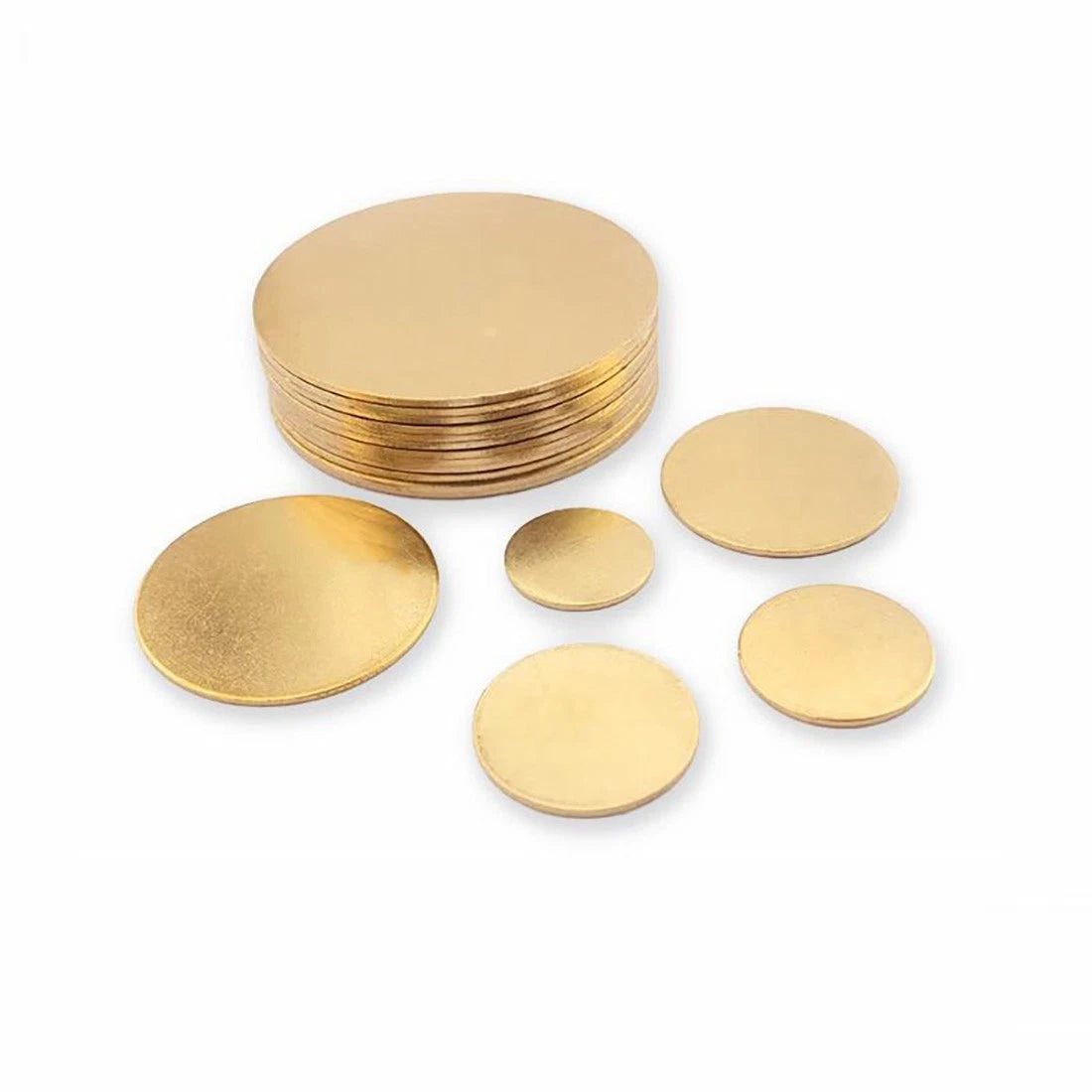
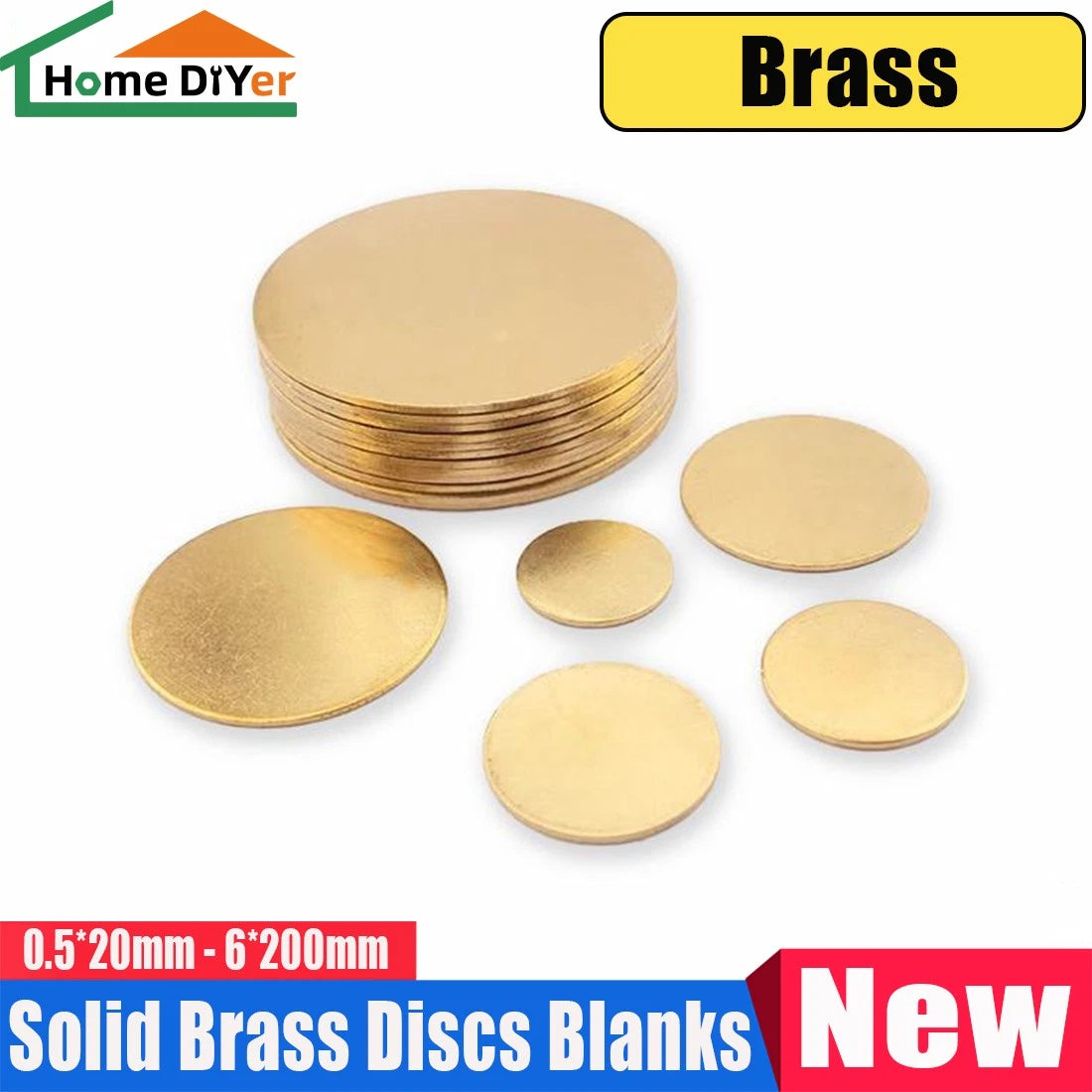
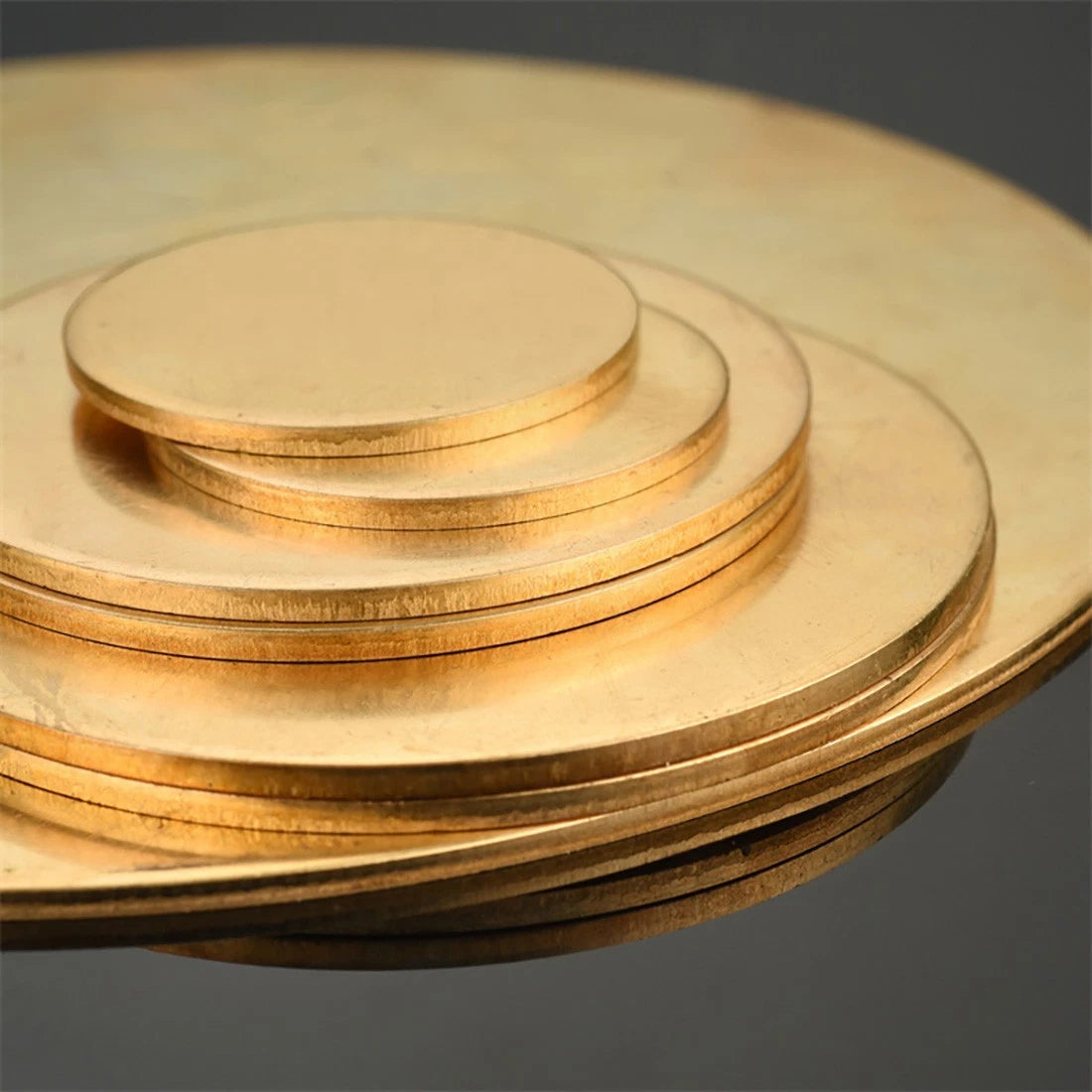
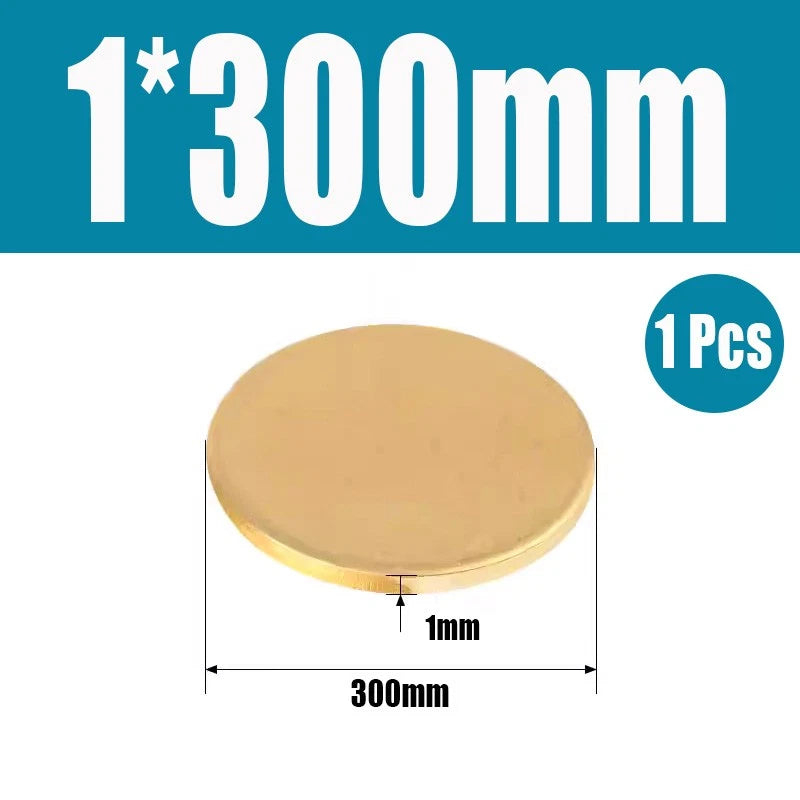
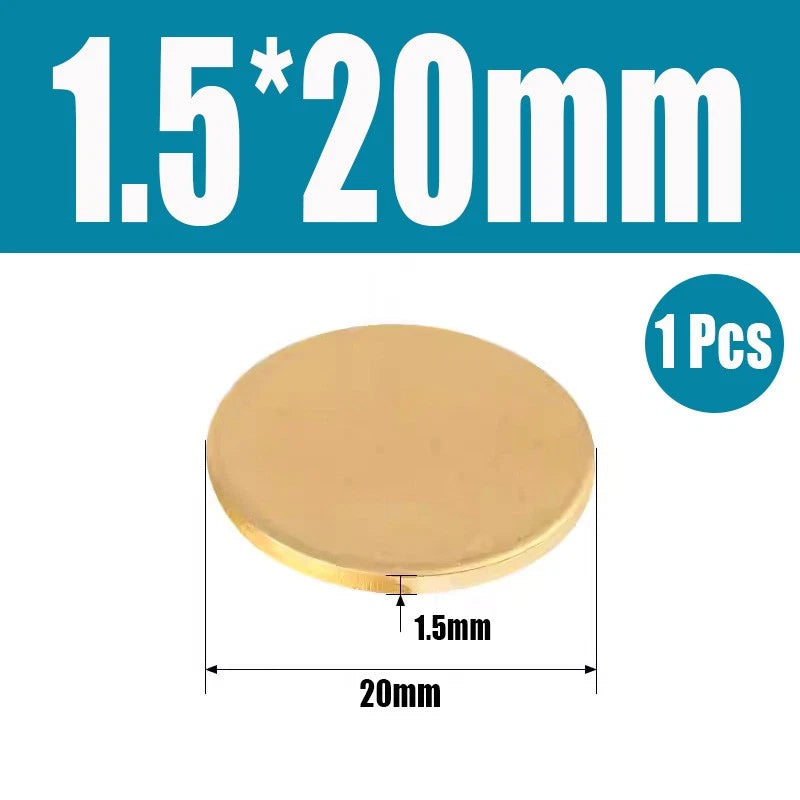
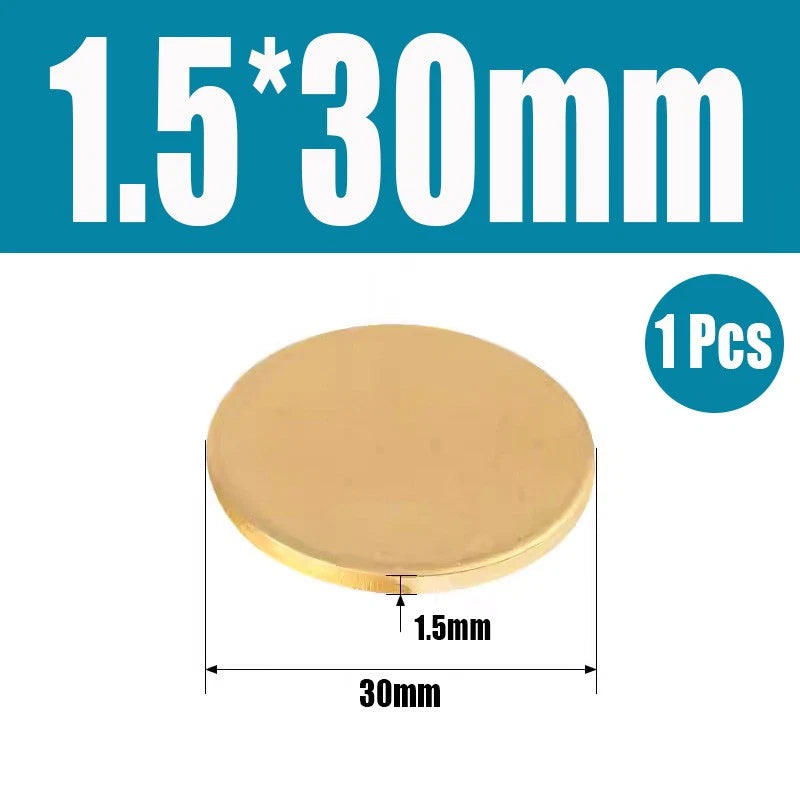
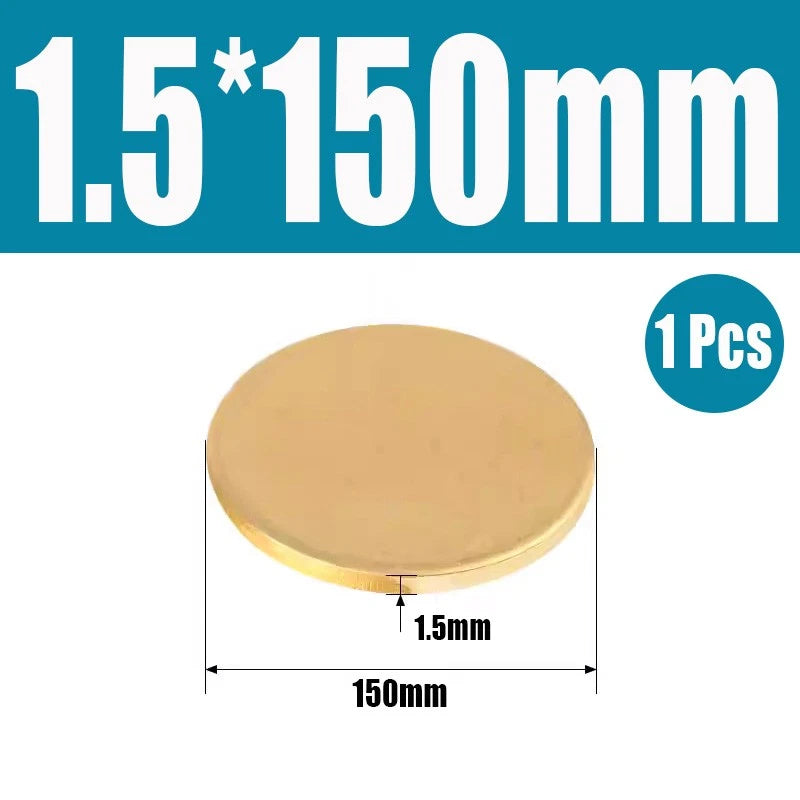
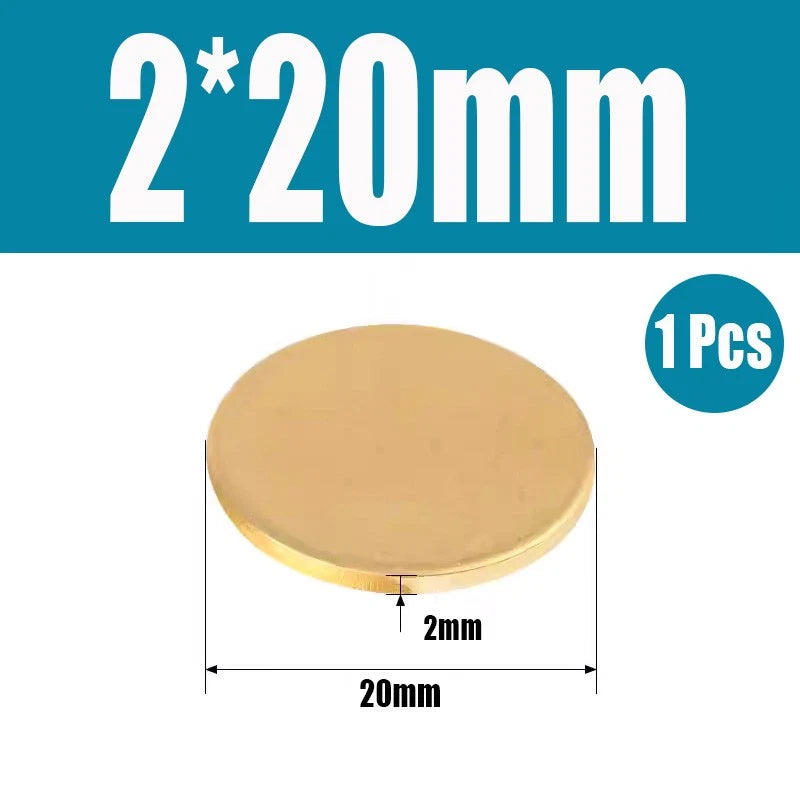
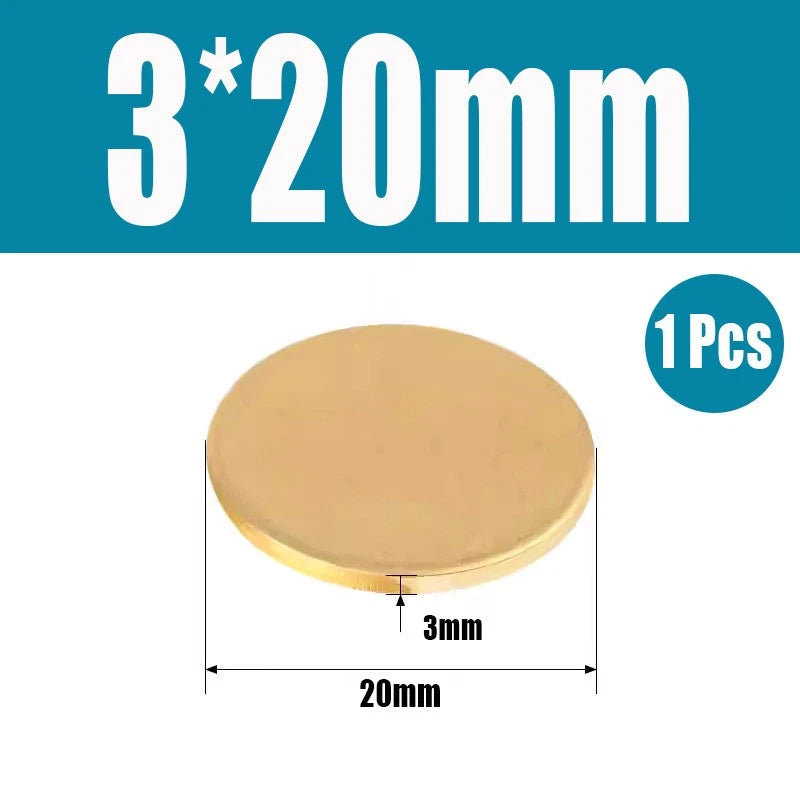
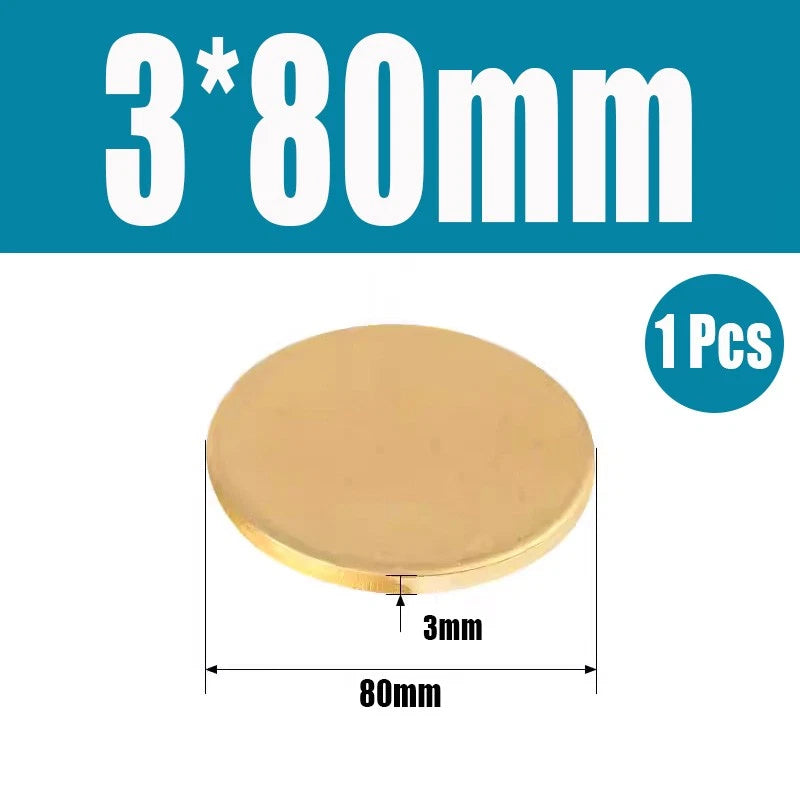
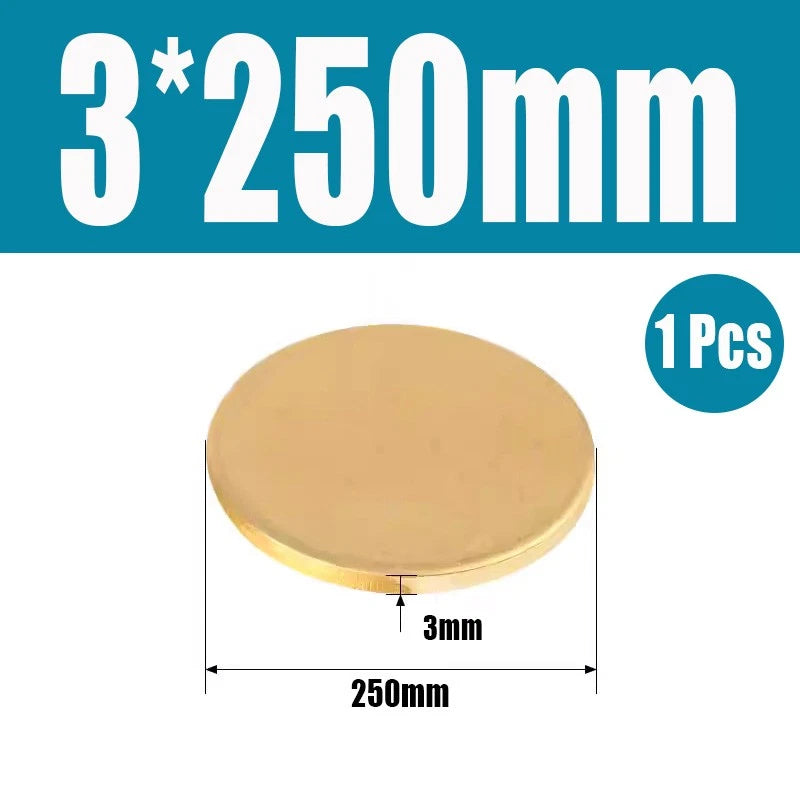
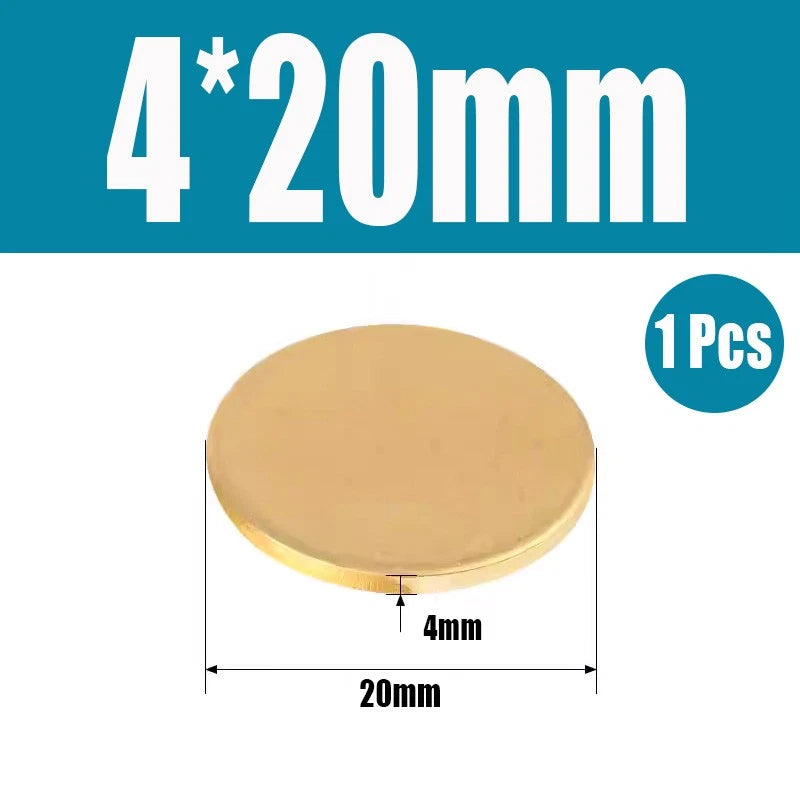
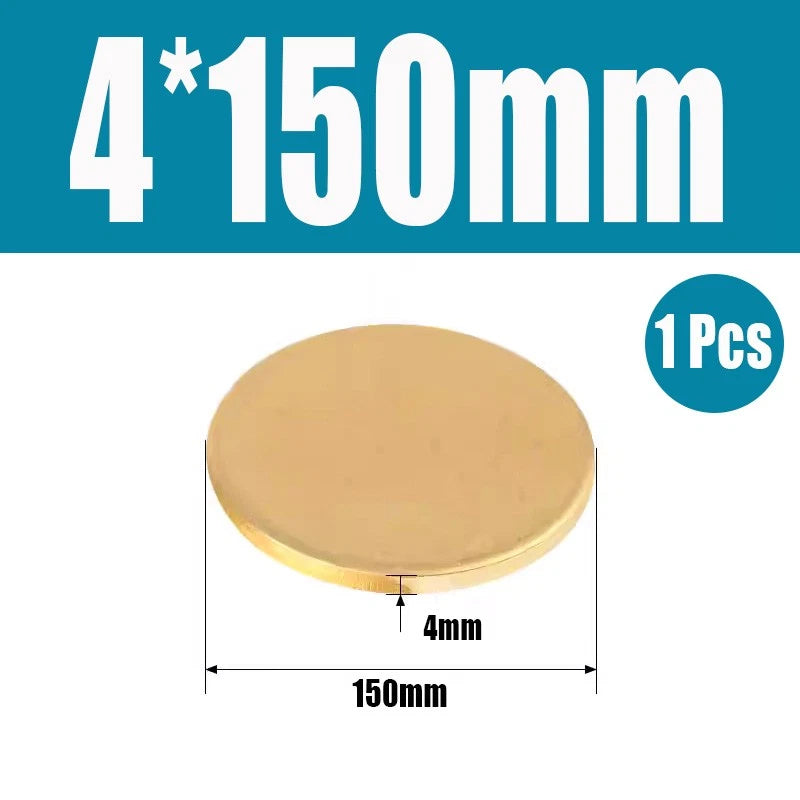
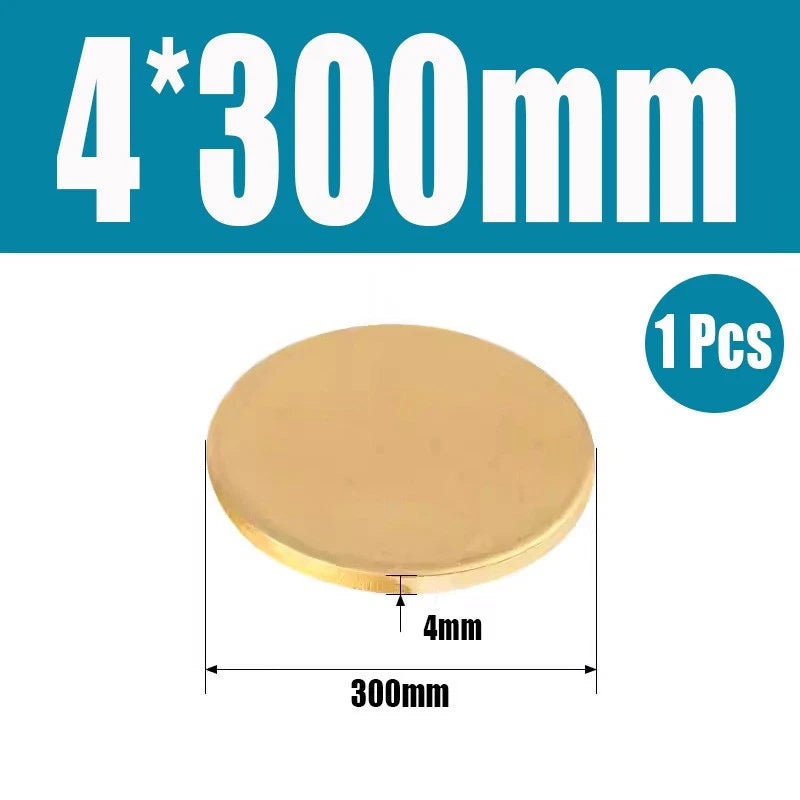
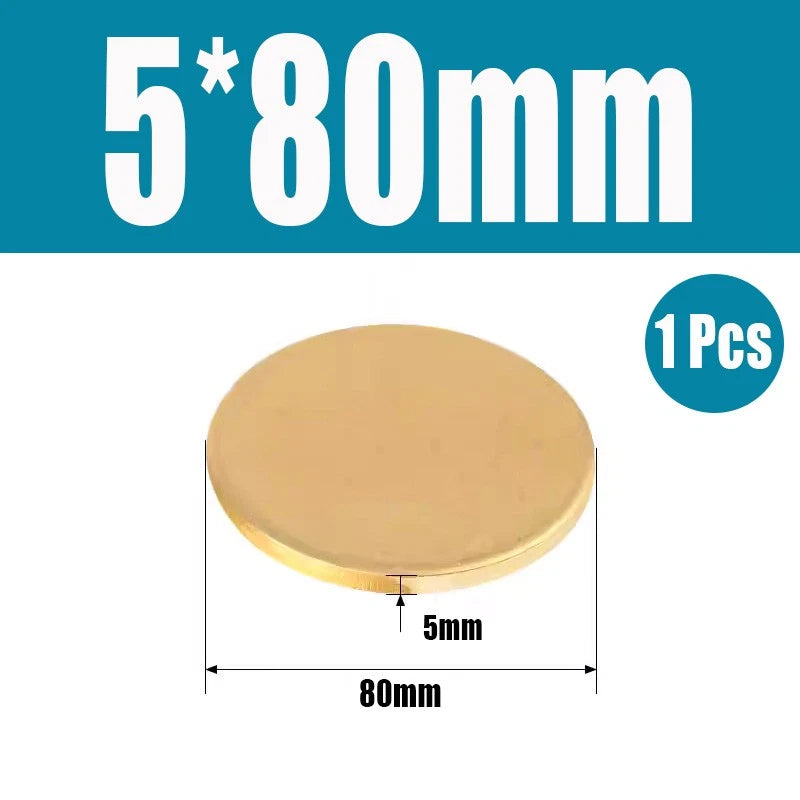
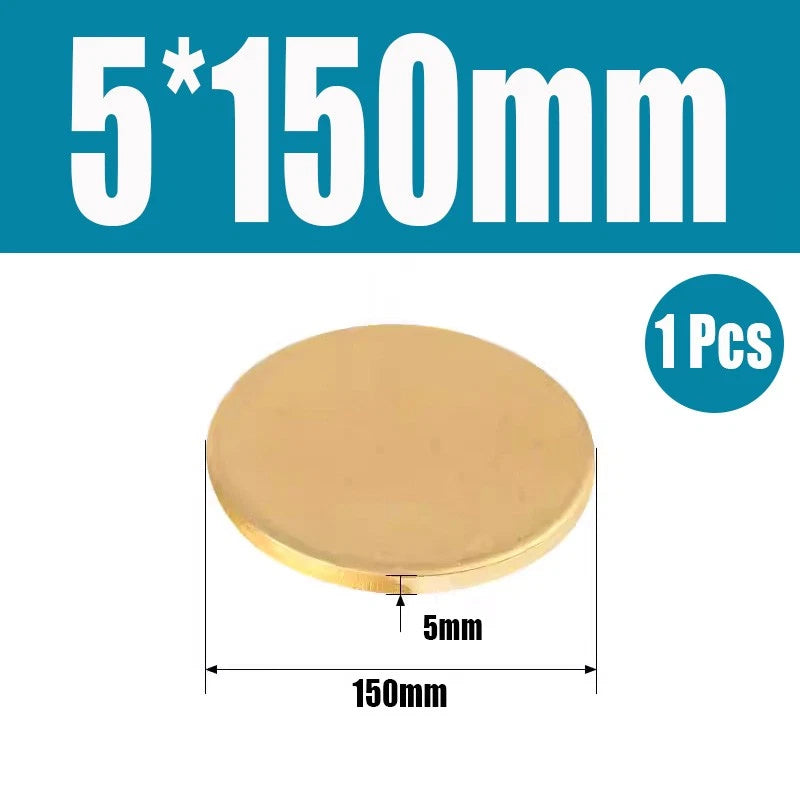
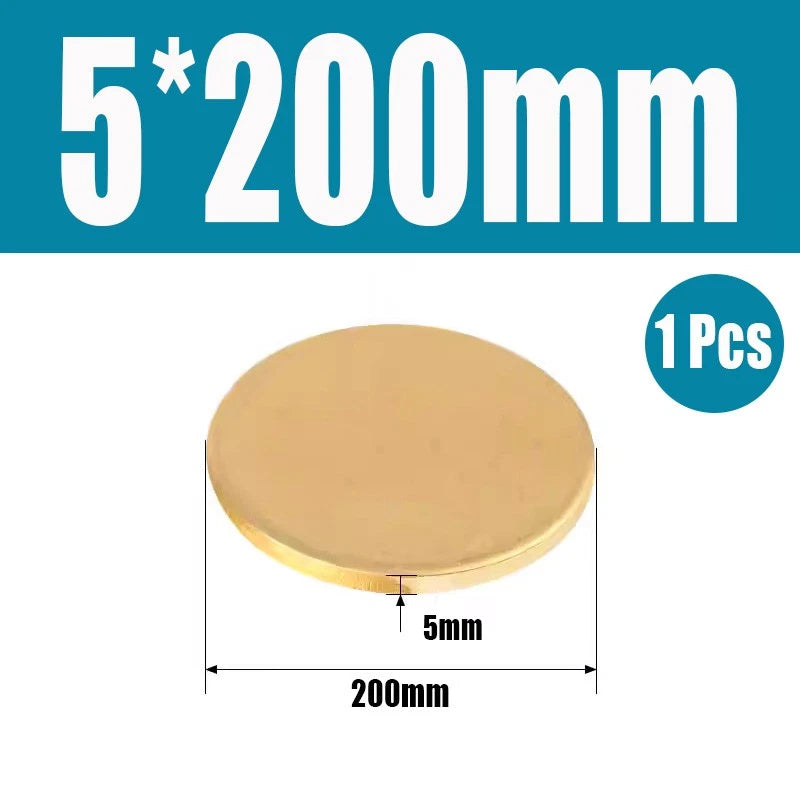
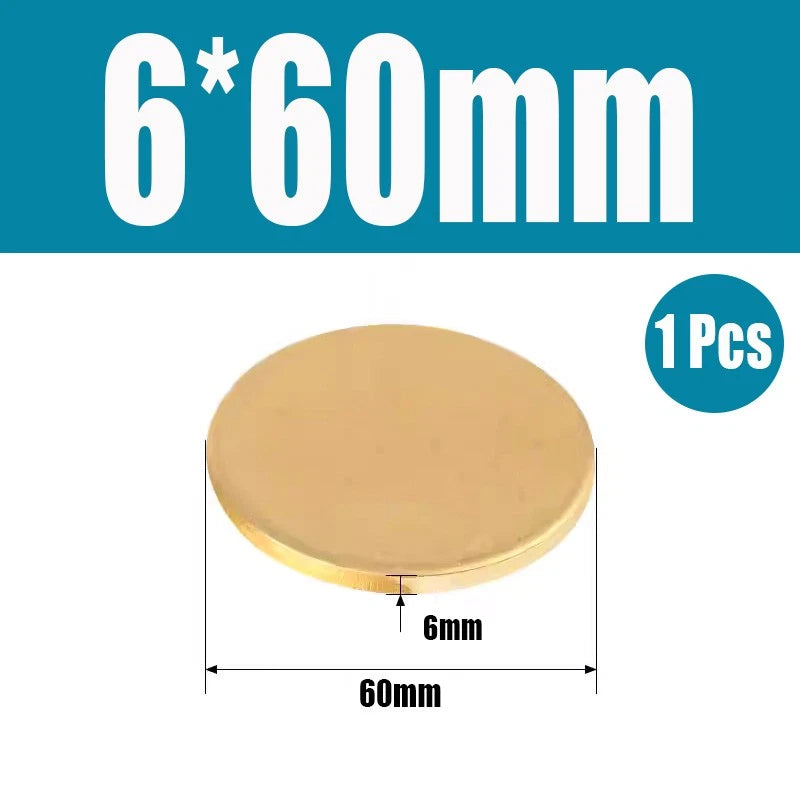
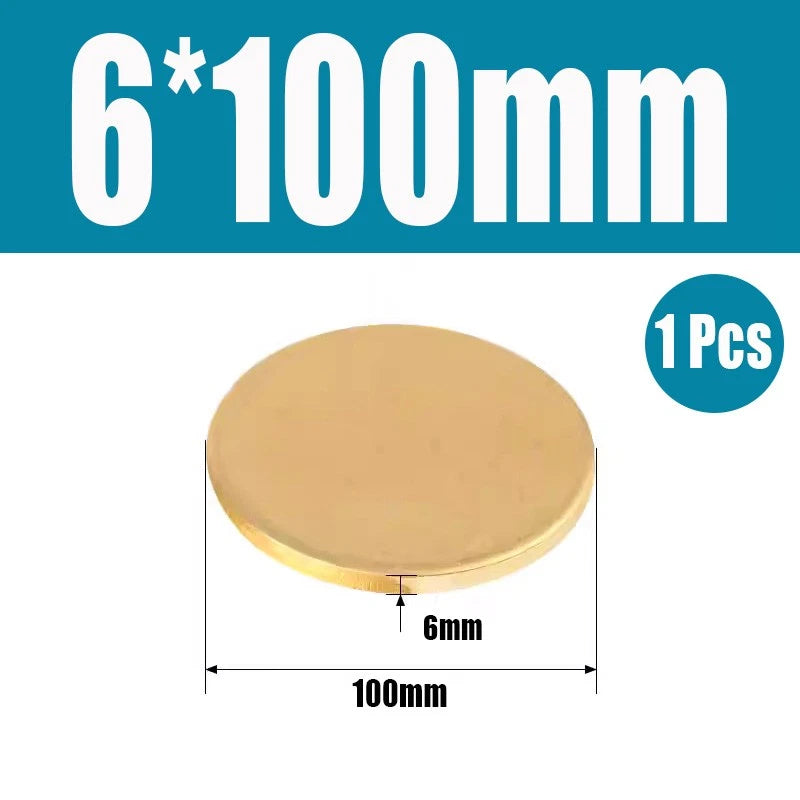
When your project demands a flat, burr-free starting point, sourcing the right blank wastes hours — wrong alloy, inconsistent thickness, or diameters that force you to grind down stock. These solid brass disc blanks are stocked specifically for makers, machinists, jewelers, and fabricators who need a reliable, dimensionally accurate round to work from, without the overhead of cutting their own plate.
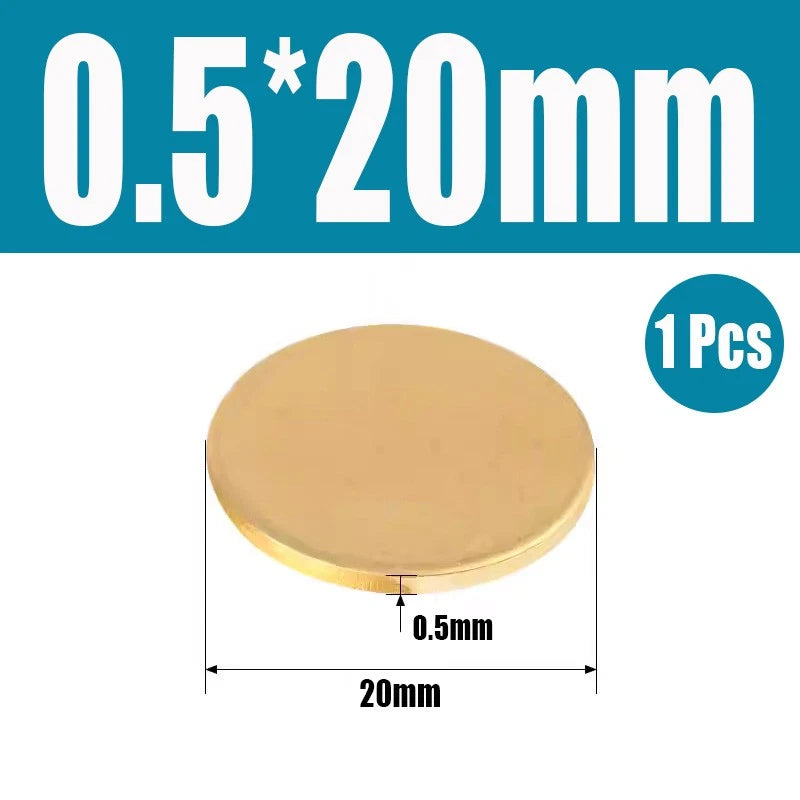
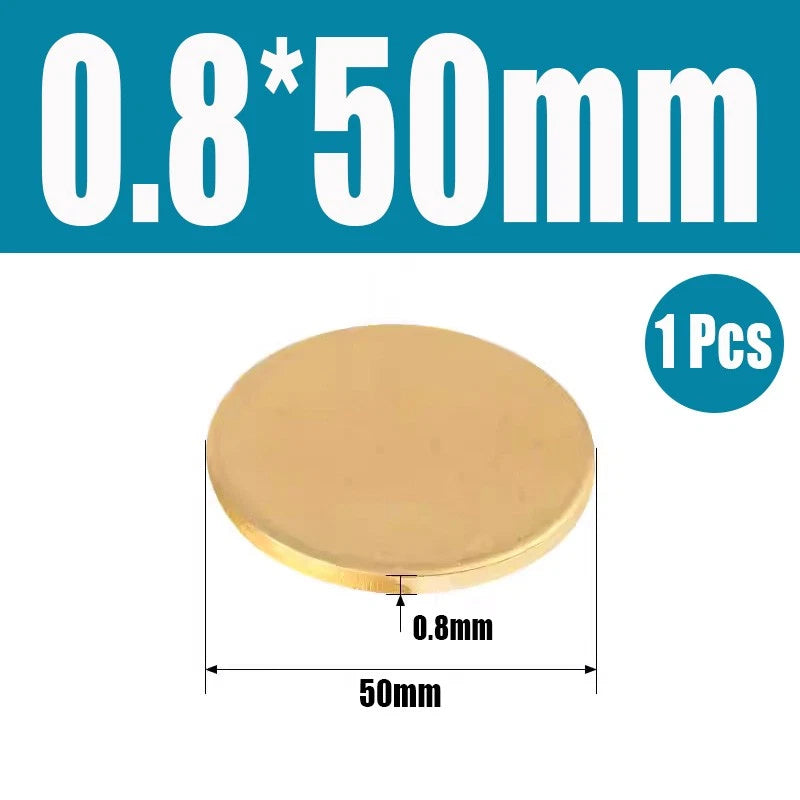
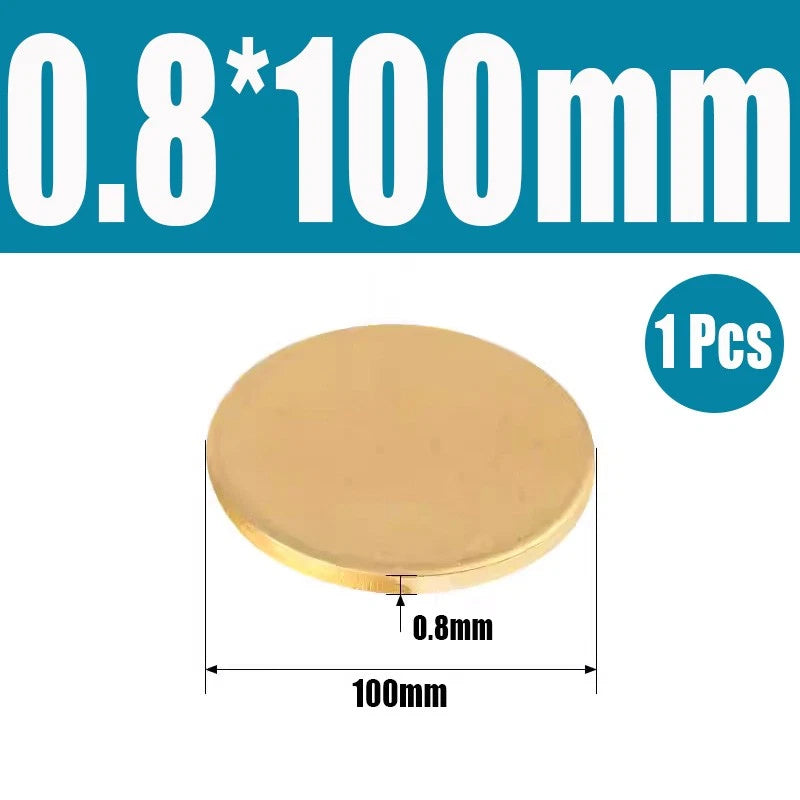
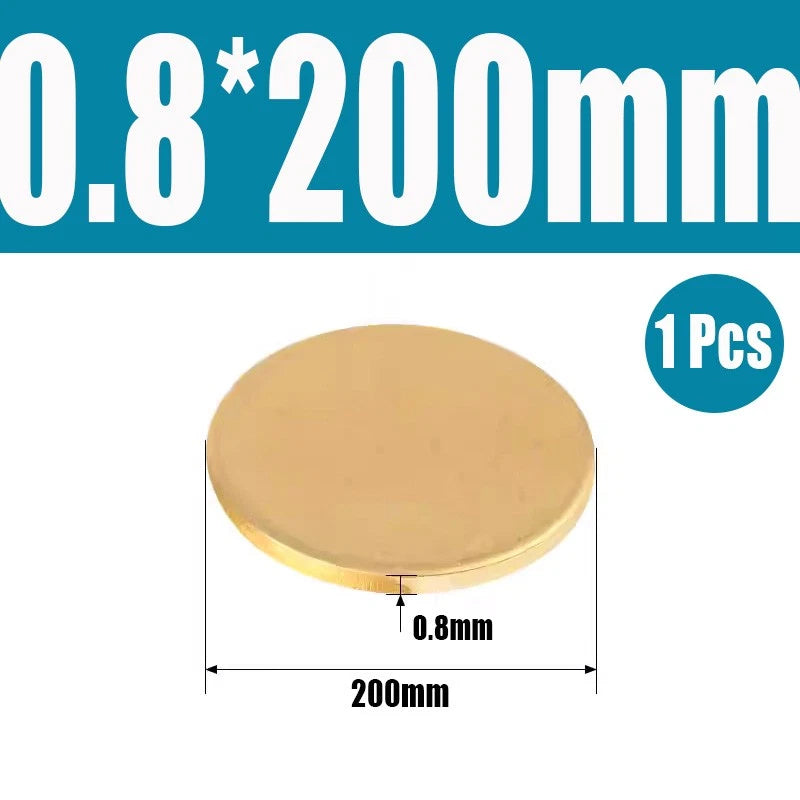
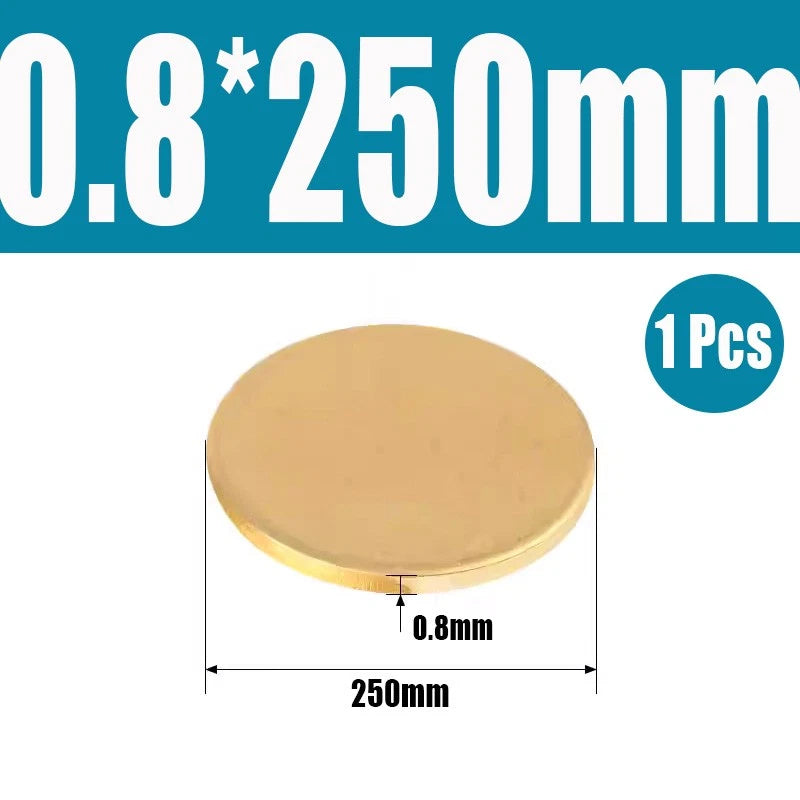
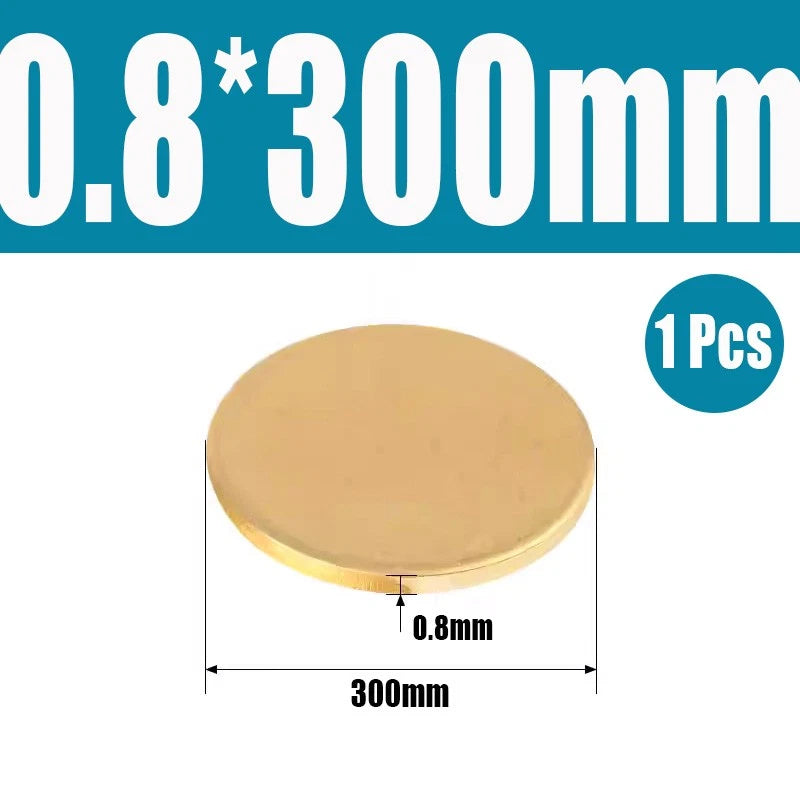
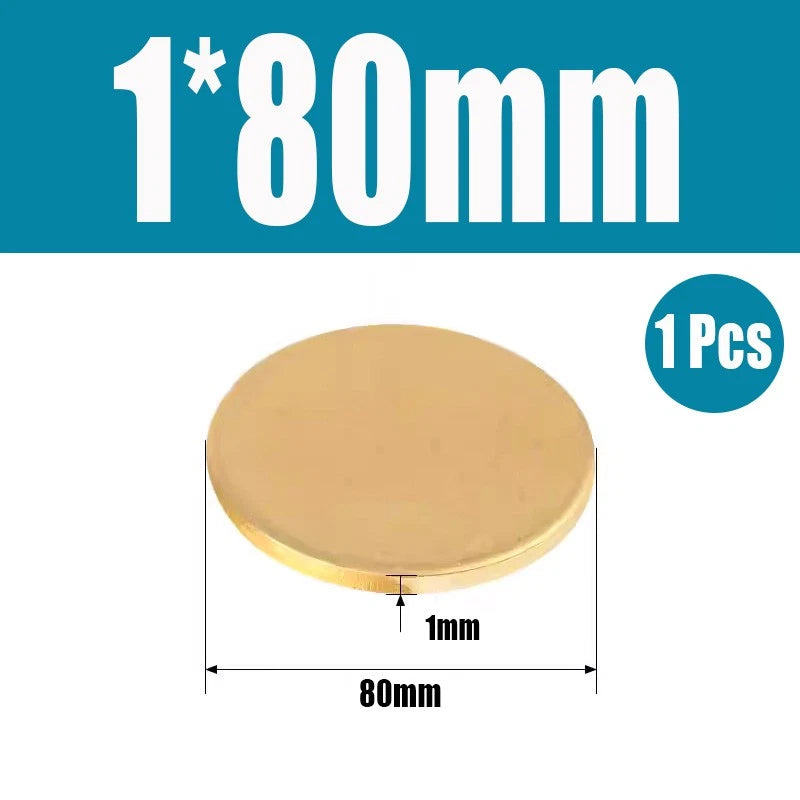
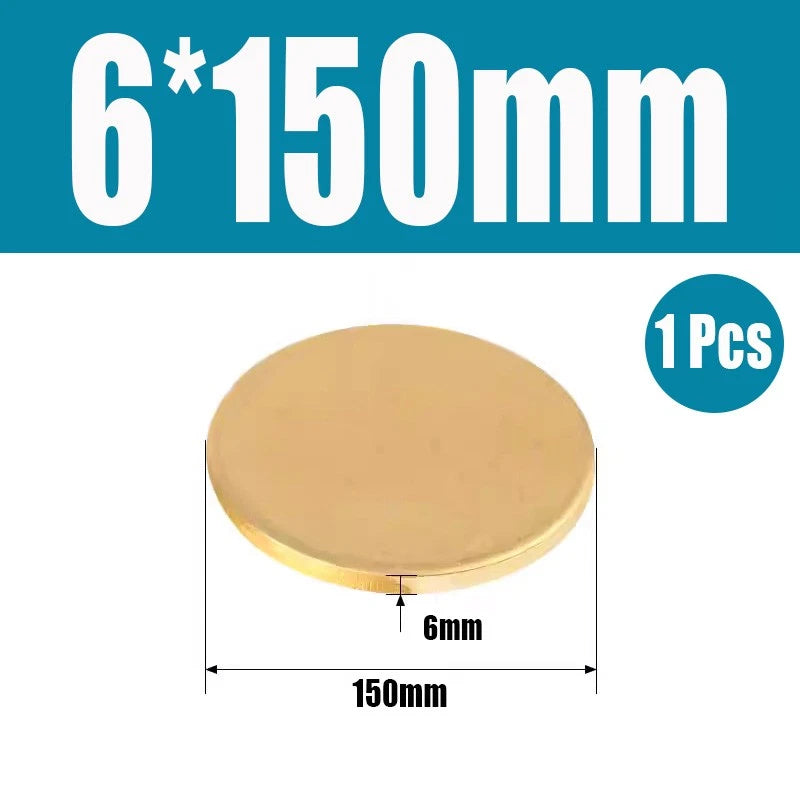
Each disc is cut from solid brass (CuZn alloy, commonly C260 / cartridge brass grade), delivering a warm golden finish and consistent wall integrity across the full face. Thickness options run from 0.5 mm (≈ 0.020 in) up to 6 mm (≈ 0.236 in), and diameters span 20 mm (≈ 0.79 in) to 300 mm (≈ 11.81 in), giving you fine gauge sheet-weight rounds through substantial plate-weight discs in a single product line.
Typical applications include stamping and engraving blanks for jewelry and nameplate work, spacer and shim stock in mechanical assemblies, decorative inlay rounds for woodworking and furniture, clock face and dial blanks, and prototype or short-run parts where laser or waterjet cutting from a pre-sized disc saves setup time. Select the thickness and diameter combination that matches your drawing, and add to cart.
| Material | Solid Brass (CuZn alloy, C260-equivalent) |
|---|---|
| Finish | Mill finish / natural brass (uncoated) |
| Thickness Range | 0.5 mm – 6 mm (≈ 0.020 in – 0.236 in) |
| Diameter Range | 20 mm – 300 mm (≈ 0.79 in – 11.81 in) |
| Shape | Round disc (circular blank) |
| Edge Condition | Cut edge; light deburring may be required |
| Hardness | See variant options |
| Tensile Strength | See variant options |
| Quantity per Order | See variant options |
| Surface Treatment | None (bare metal, ready for finishing) |
For engraving blanks, jewelry pendants, and light stamping work, 0.5 mm–1 mm thickness is typically sufficient. For structural spacers, shims, or parts that will be drilled and tapped, 1.5 mm–3 mm provides better thread engagement and rigidity. For heavy-duty mechanical components or thick decorative plaques, 4 mm–6 mm is appropriate. When in doubt, go one step thicker — brass is easy to face down on a lathe or surface grinder.
Order a diameter at least 10–15% larger than your finished part's largest dimension to allow for saw kerf, edge cleanup, and fixturing. For example, if your finished part is 80 mm across, a 100 mm disc gives comfortable working margin. For circular finished parts, match the diameter as closely as possible to minimize waste.
Brass performs well in sheltered outdoor and light-exposure environments. In direct marine or high-humidity conditions, brass can develop a green patina (verdigris) over time. For marine-grade applications, consider applying a clear lacquer or wax coating after fabrication, or contact us to confirm suitability for your specific environment.
Yes. Brass accepts soft solder (tin-lead or lead-free), silver solder, and brazing alloys readily. Clean the surface with fine abrasive or flux before soldering to remove any surface oxidation. Standard rosin or acid flux works well depending on your solder type. Avoid overheating thin gauges (0.5 mm–1 mm) to prevent warping.
Yes. Brass is one of the most common metals used for stamping blanks due to its workability and attractive finish. Thinner gauges (0.5 mm–1.5 mm) are ideal for hand stamping with letter and design stamps. Thicker gauges (2 mm+) are better suited for press stamping or CNC engraving where a more rigid substrate is needed.
Brass tarnishes naturally when exposed to air and handling oils. To preserve the bright finish, clean the surface with a brass polish or mild acid solution (such as diluted citric acid), then apply a thin coat of clear lacquer, Renaissance wax, or jewelry sealant. For functional parts where appearance is secondary, tarnishing does not affect mechanical performance.
Yes for CNC milling — brass machines cleanly with standard carbide end mills at moderate speeds and feeds. For laser engraving, bare brass reflects CO₂ laser wavelengths and typically requires a marking compound (such as Cermark or dry moly lube) or a fiber laser to achieve a permanent mark. CO₂ lasers can cut thin brass (0.5 mm–1 mm) with appropriate power settings and assist gas.