Maintenance Tips for Long-Lasting Weed Barrier Fabric
Proper installation and basic maintenance can double the effective lifespan of your weed barrier fabric. Follow these best practices to get the most out of your investment.
-
Always cover exposed fabric: UV exposure degrades polypropylene over time. Cover your weed barrier with 2–3 inches of mulch, gravel, or rock to protect it from sunlight and extend its life significantly.
-
Overlap seams by at least 6 inches: Weeds are opportunistic — they'll find any gap. Generous overlaps at seams and edges eliminate the weak points where weeds typically break through.
-
Use the right staples for your soil: Standard 6-inch landscape staples work well in firm soil. Use 8–12 inch staples in loose, sandy, or recently tilled soil to keep the fabric flat and prevent wind lifting.
-
Inspect annually and re-staple as needed: Freeze-thaw cycles and soil movement can loosen staples over time. A quick spring inspection and re-stapling of any lifted edges keeps the fabric performing at its best.
-
Remove surface weeds before they root through: Occasional weeds may germinate in mulch on top of the fabric. Pull them while they're small — before their roots can penetrate the fabric and anchor in the soil below.
-
Avoid tilling through installed fabric: If you need to amend soil in planted areas, use a hand tool to work through the planting slits rather than tilling across the fabric, which can tear and compromise its integrity.
Frequently Asked Questions About Weed Barrier Landscape Fabric
What is weed barrier landscape fabric and how does it work?
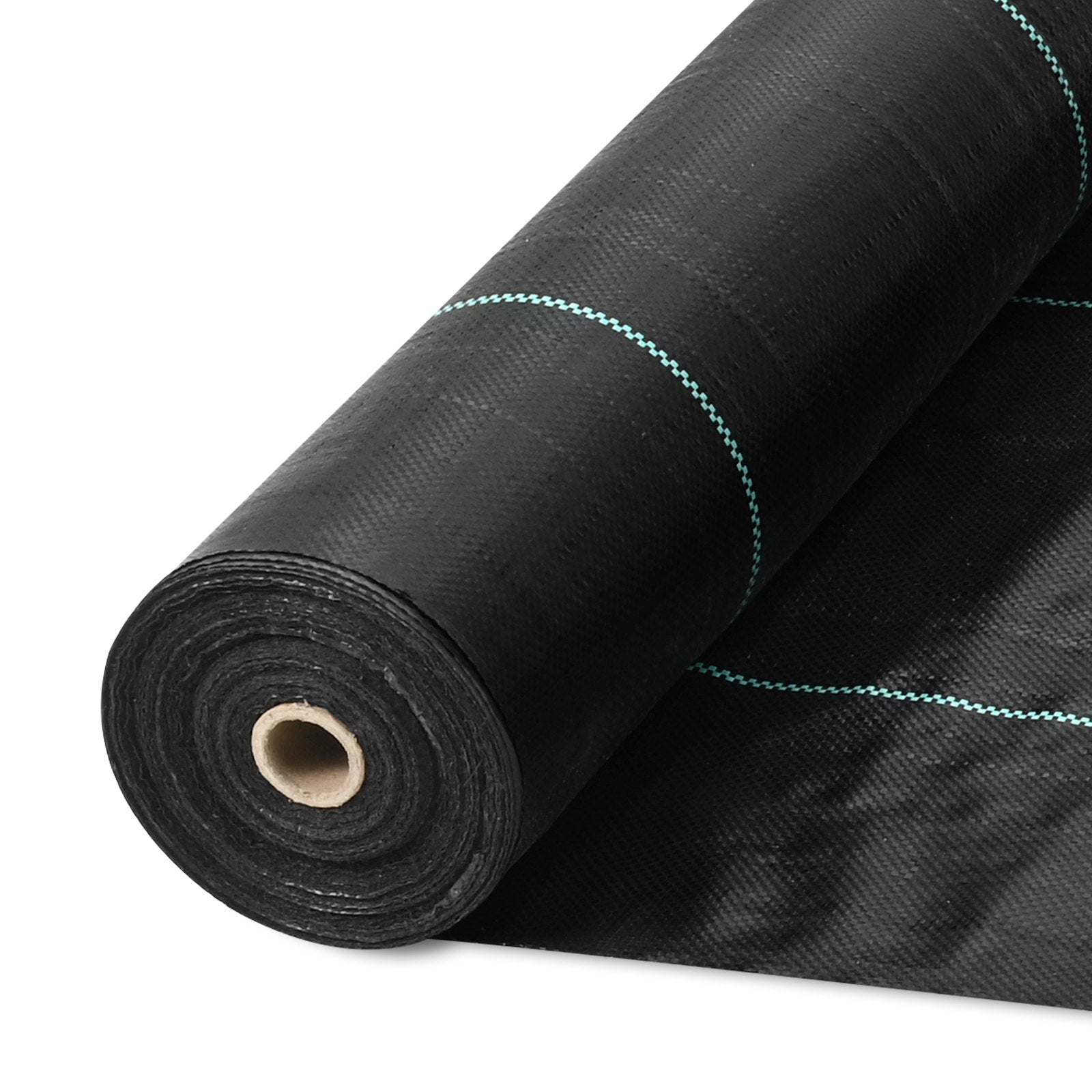
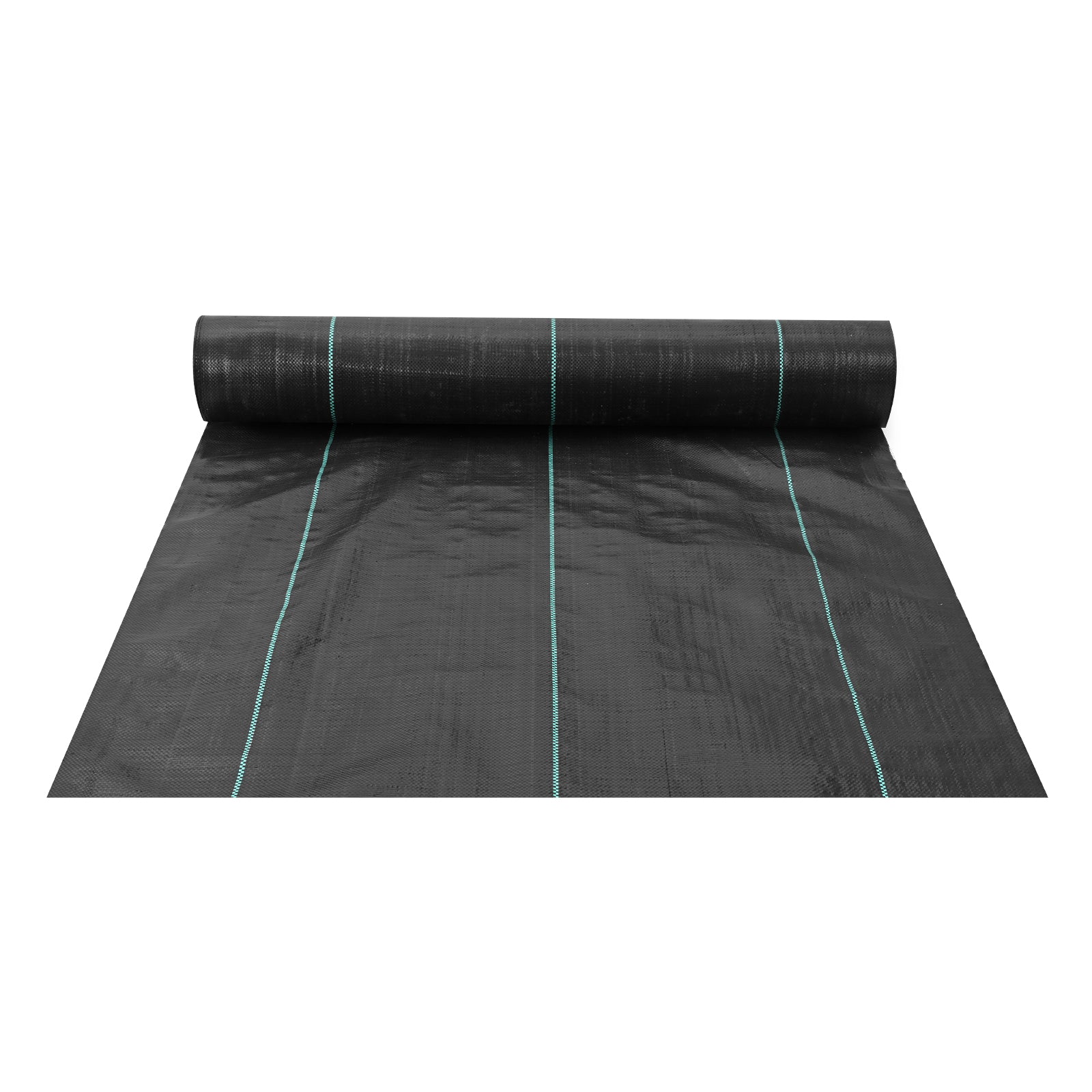
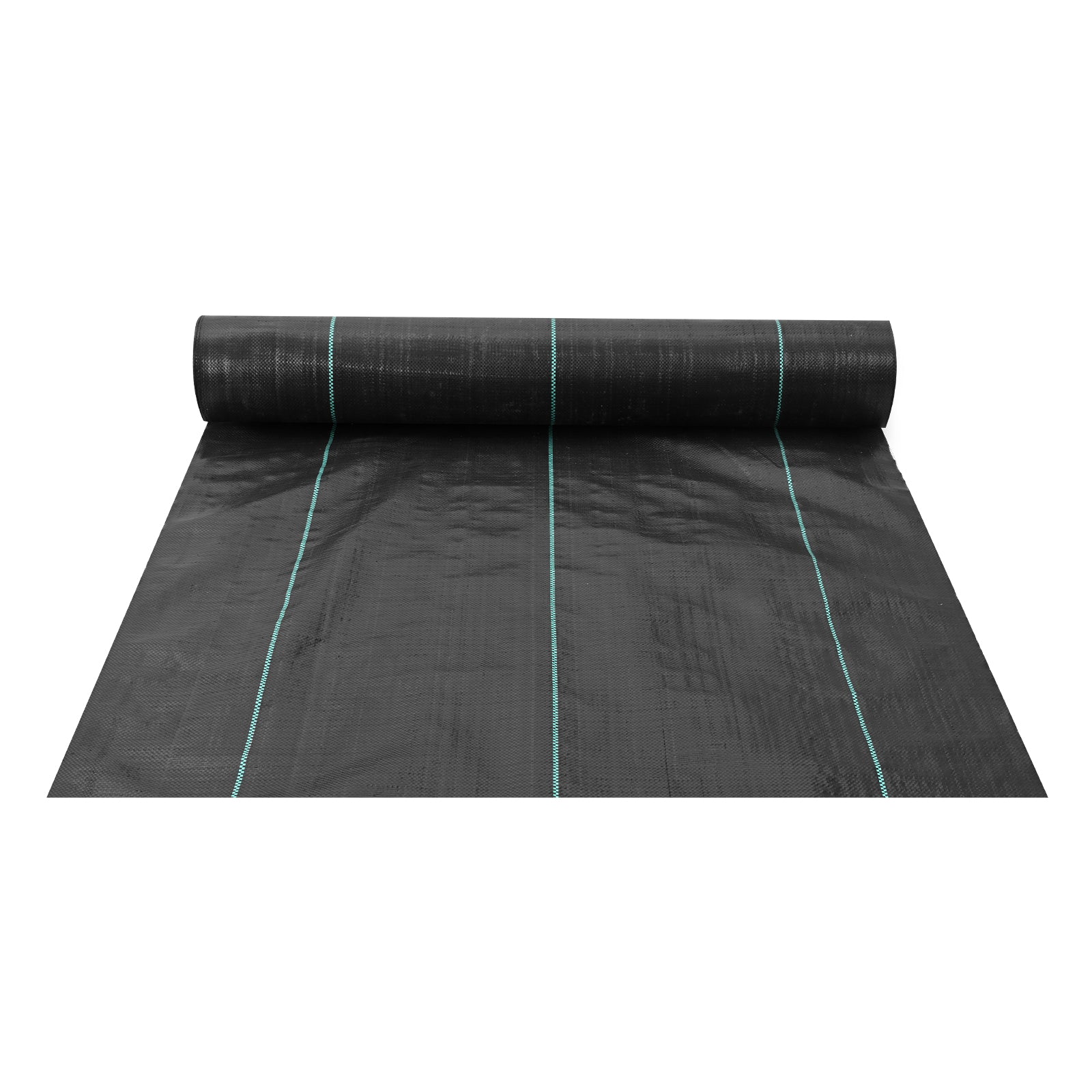
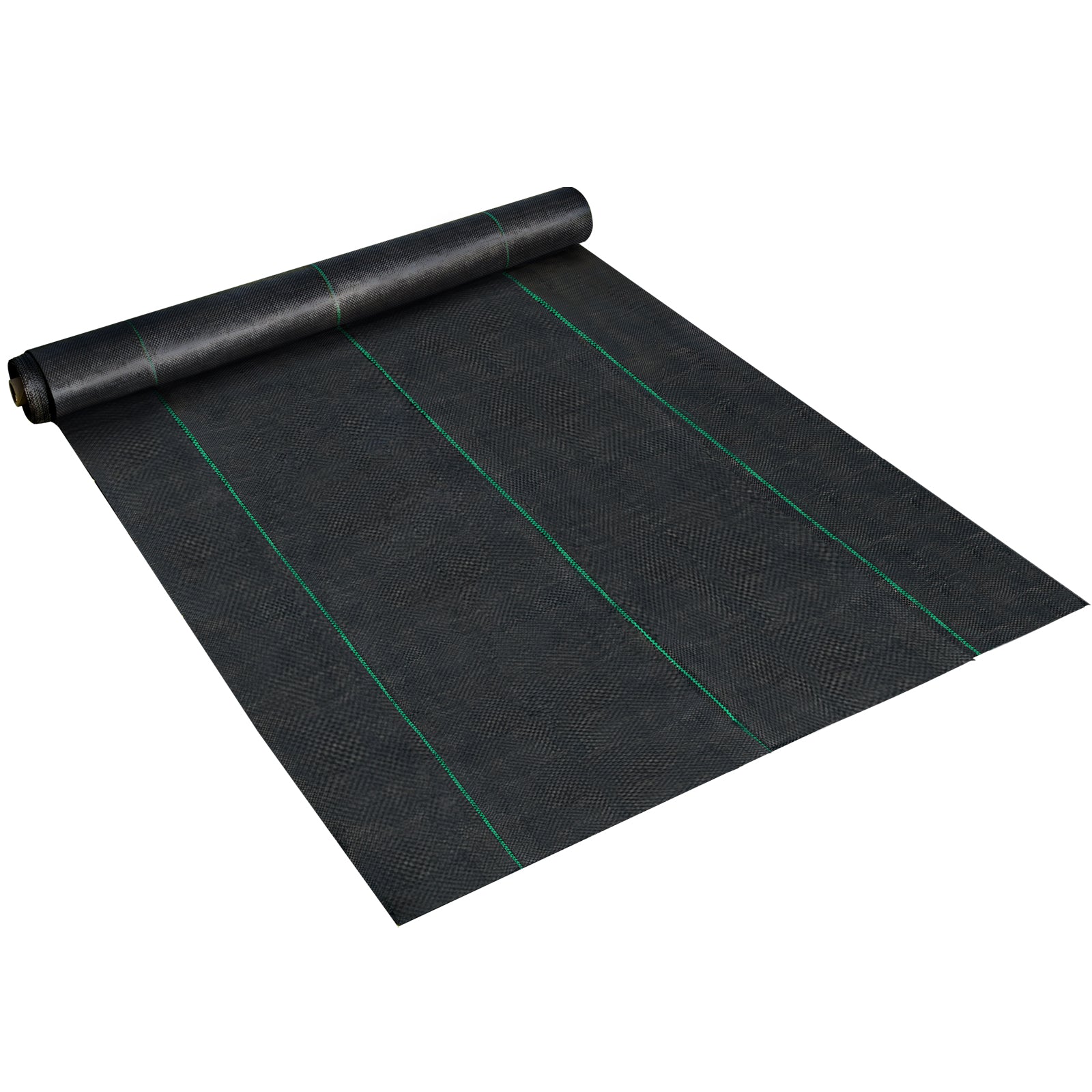
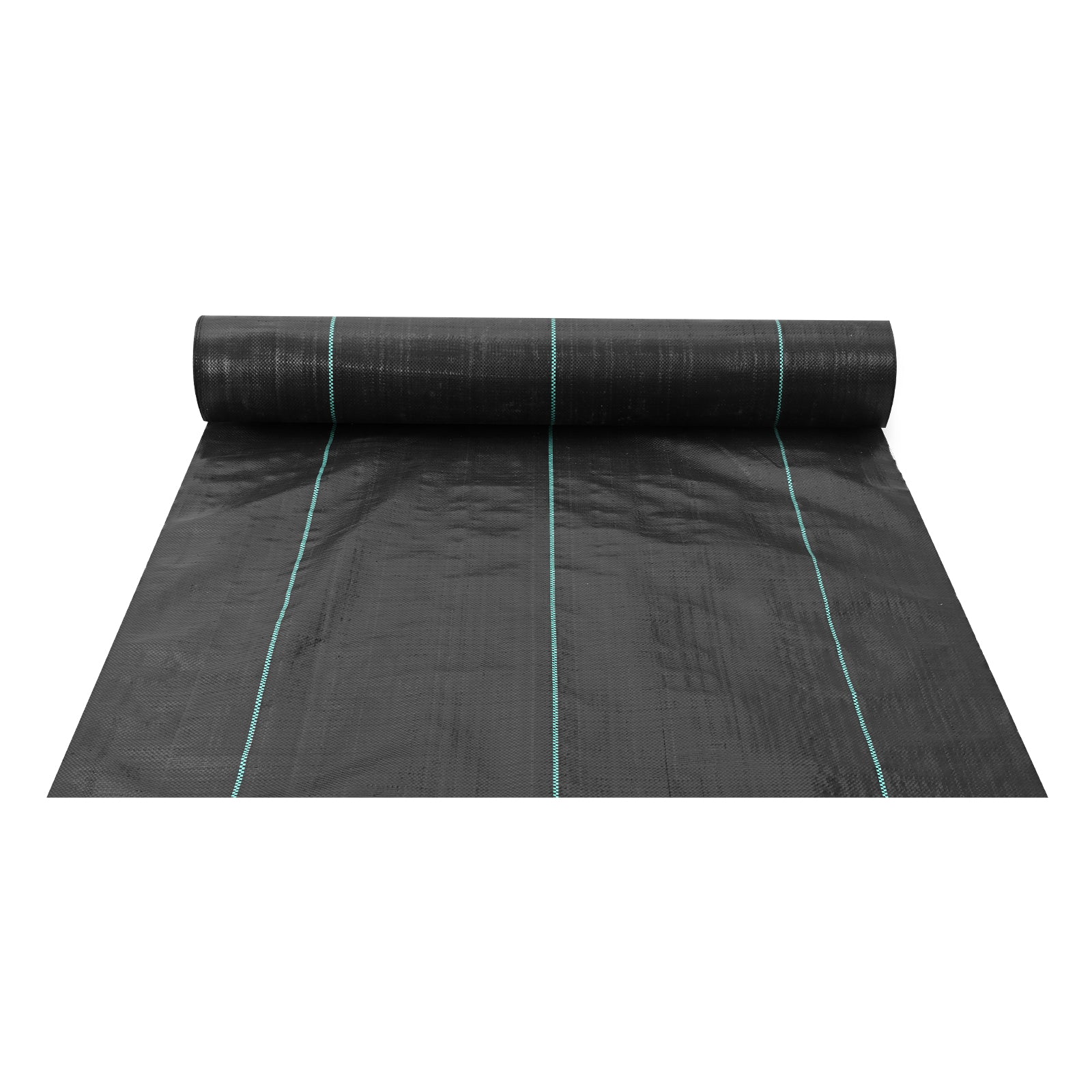
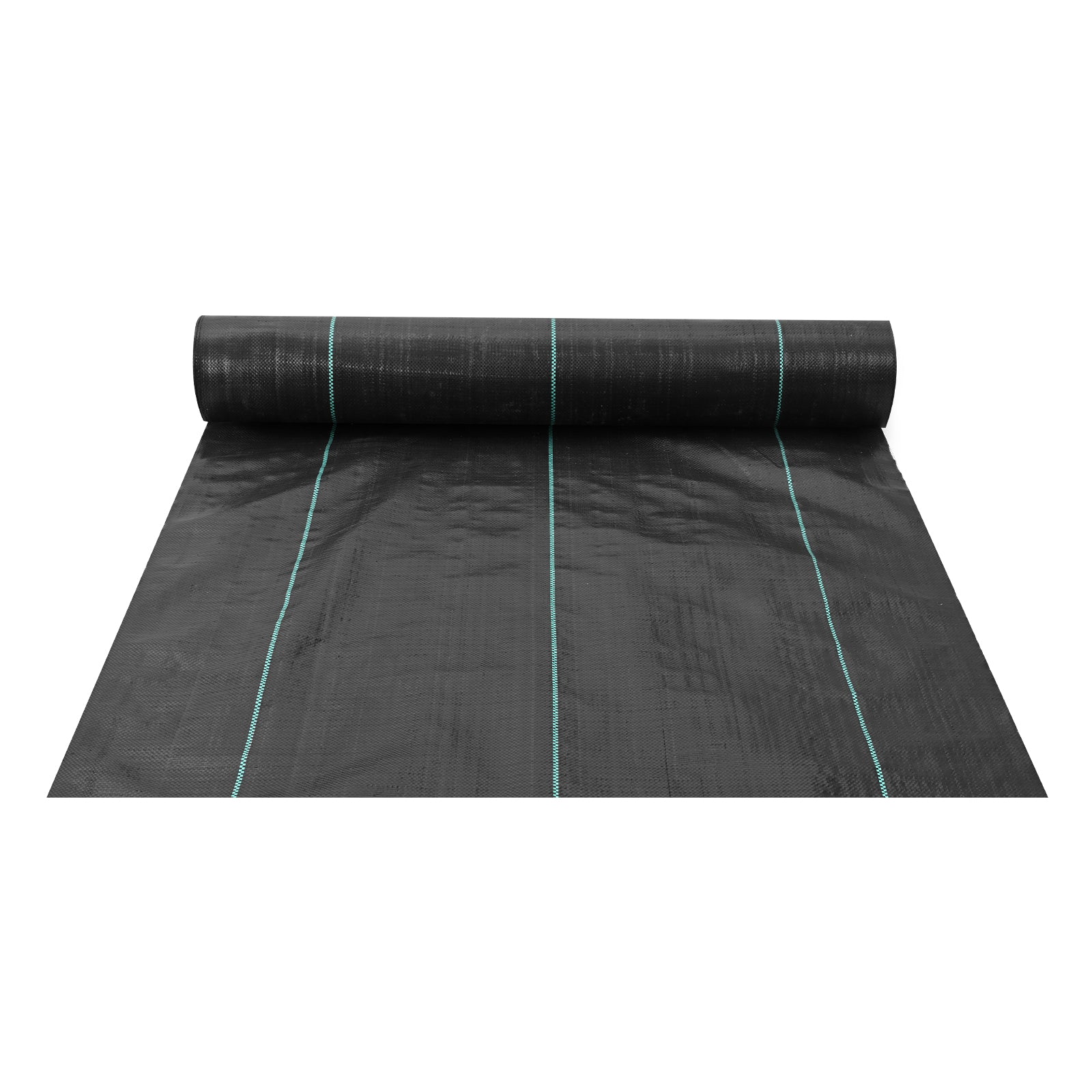
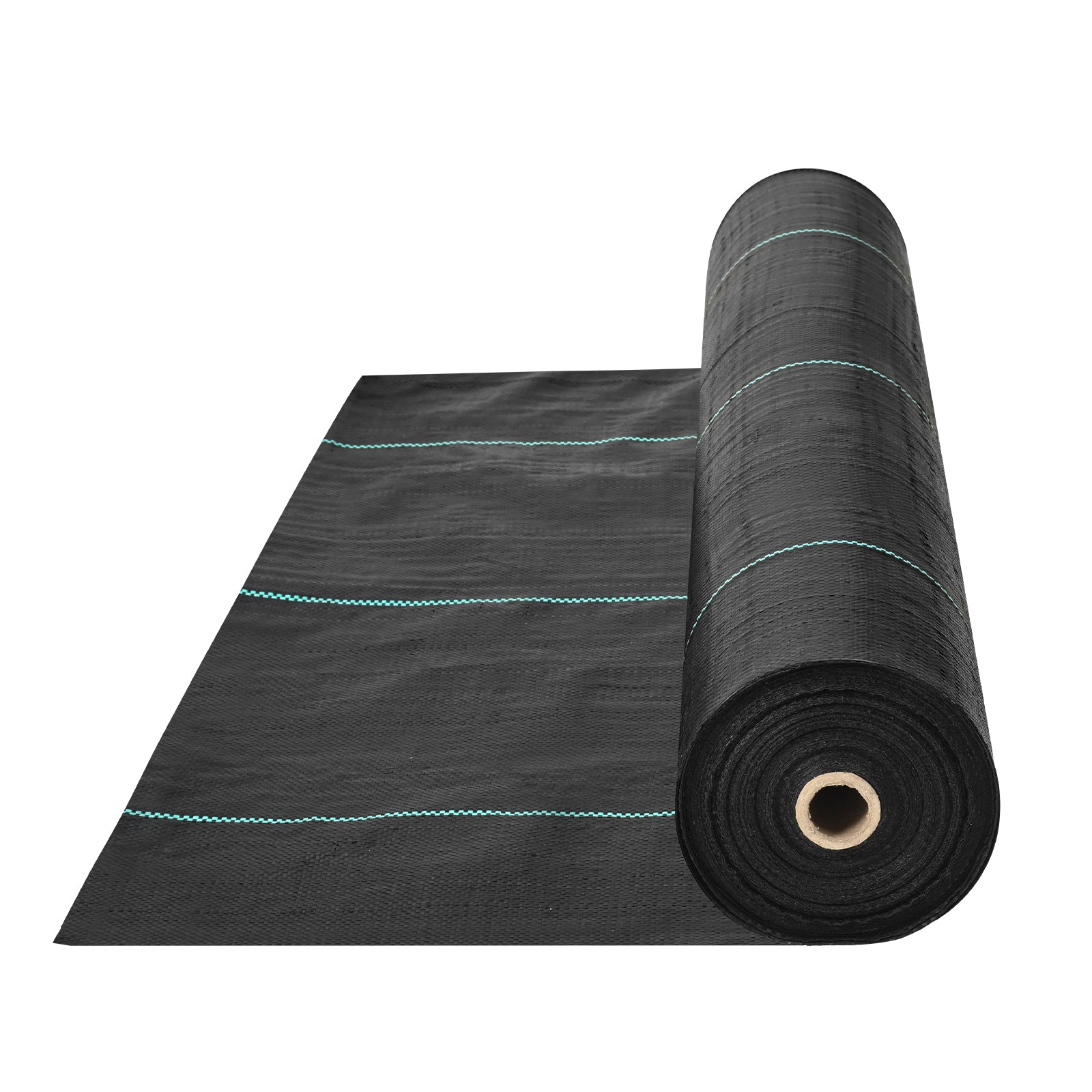
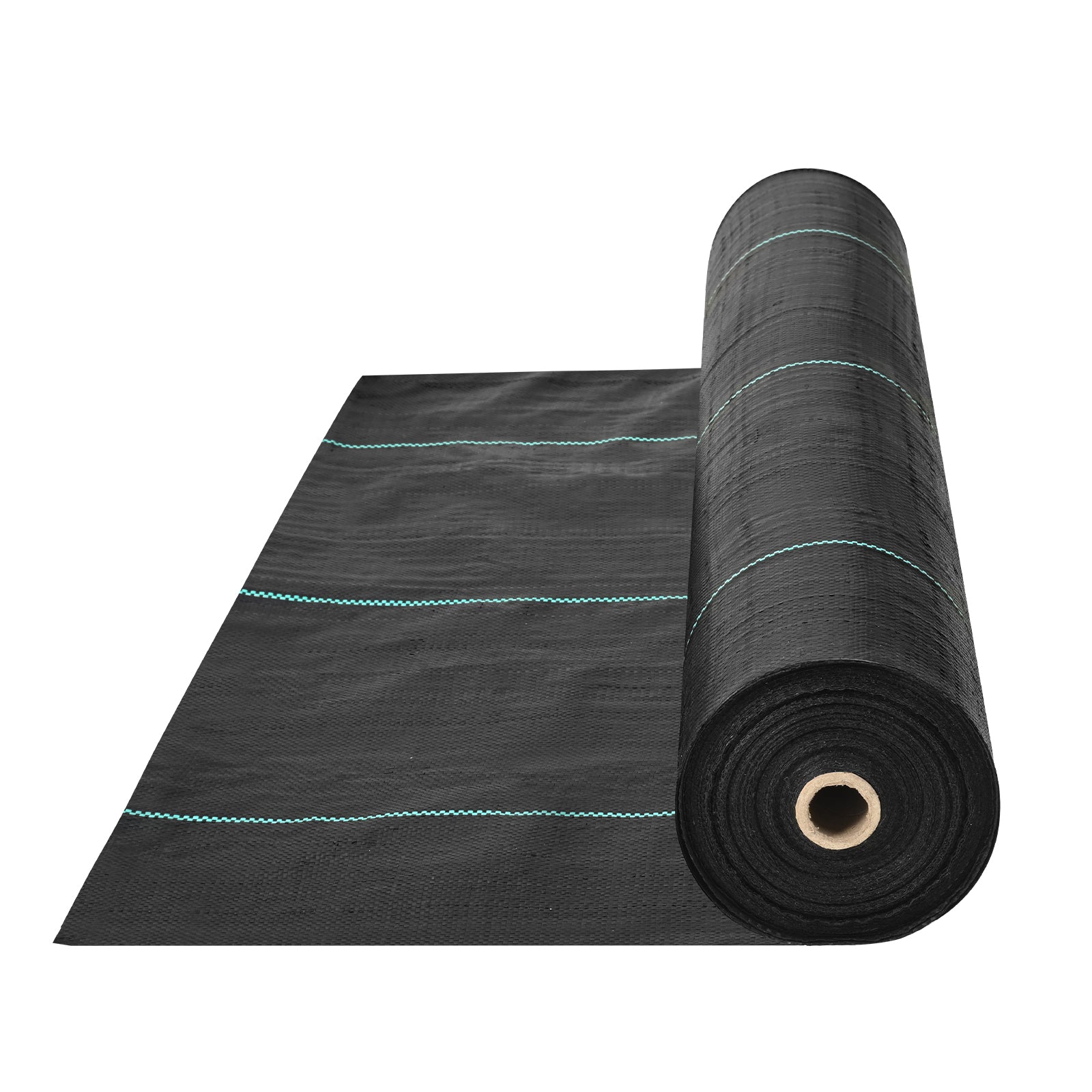
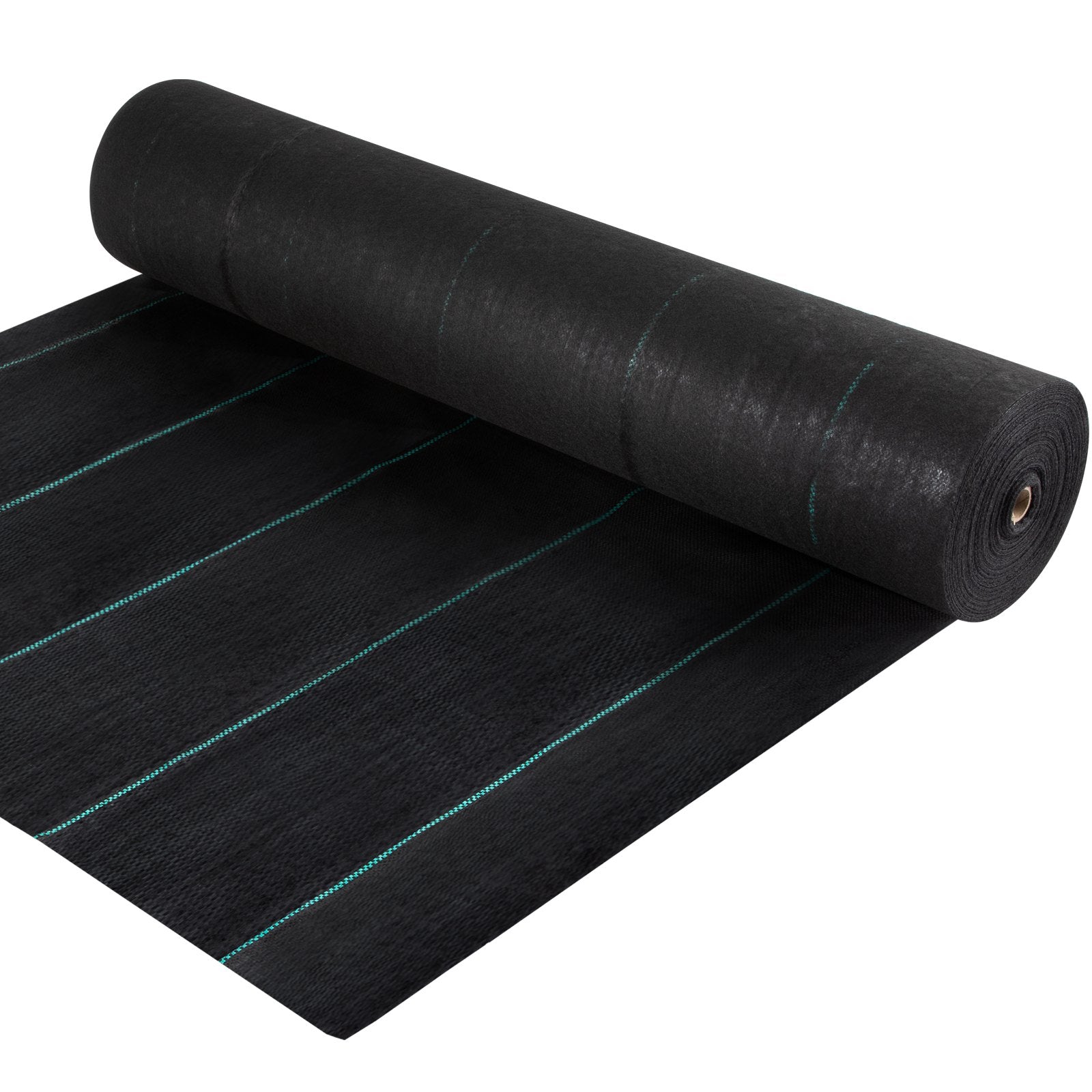
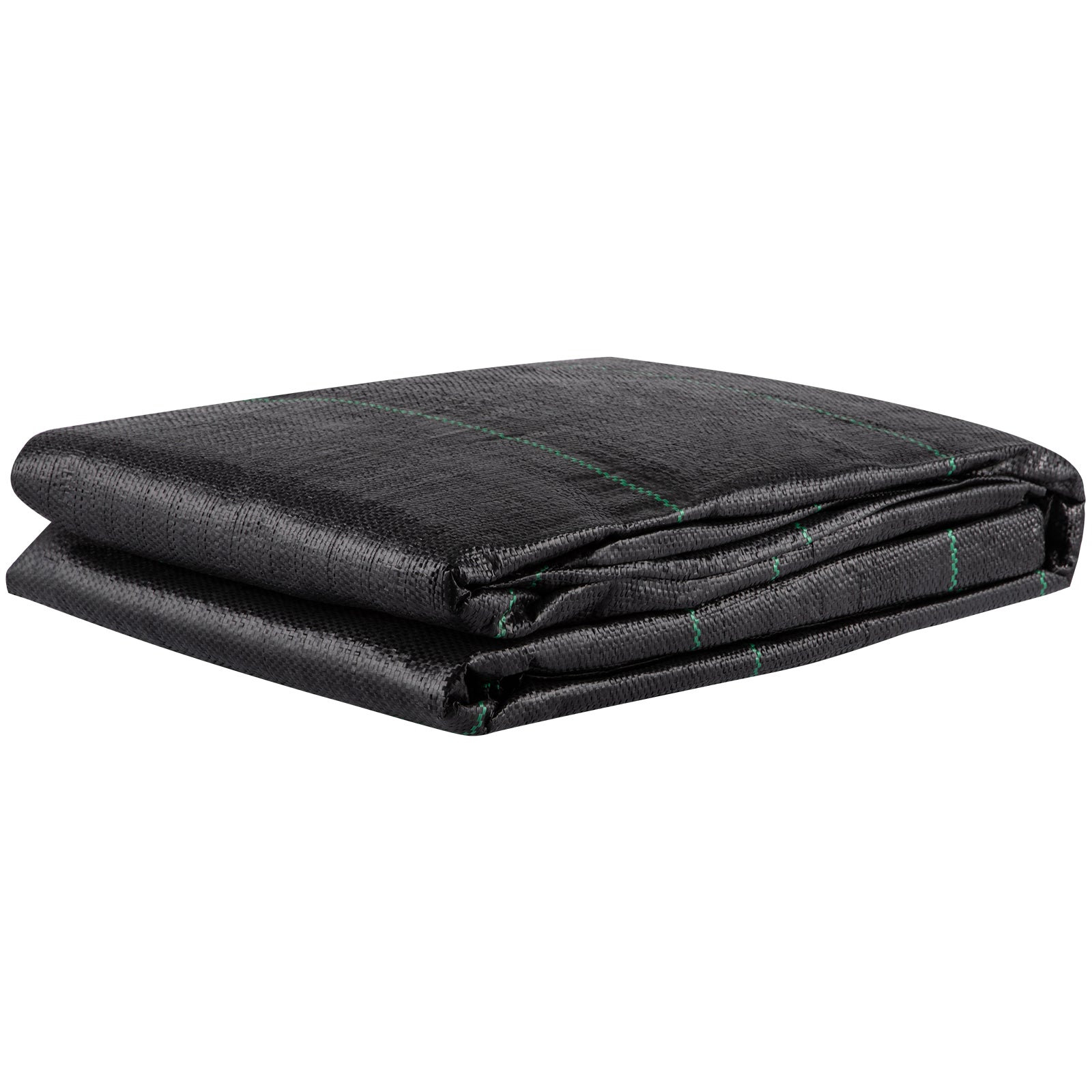
Weed barrier landscape fabric is a permeable ground cover made from woven or non-woven polypropylene that physically blocks sunlight from reaching weed seeds, preventing germination. Water and nutrients still pass through to your plants while weeds are suppressed below the surface.
What is the difference between woven and non-woven weed barrier fabric?
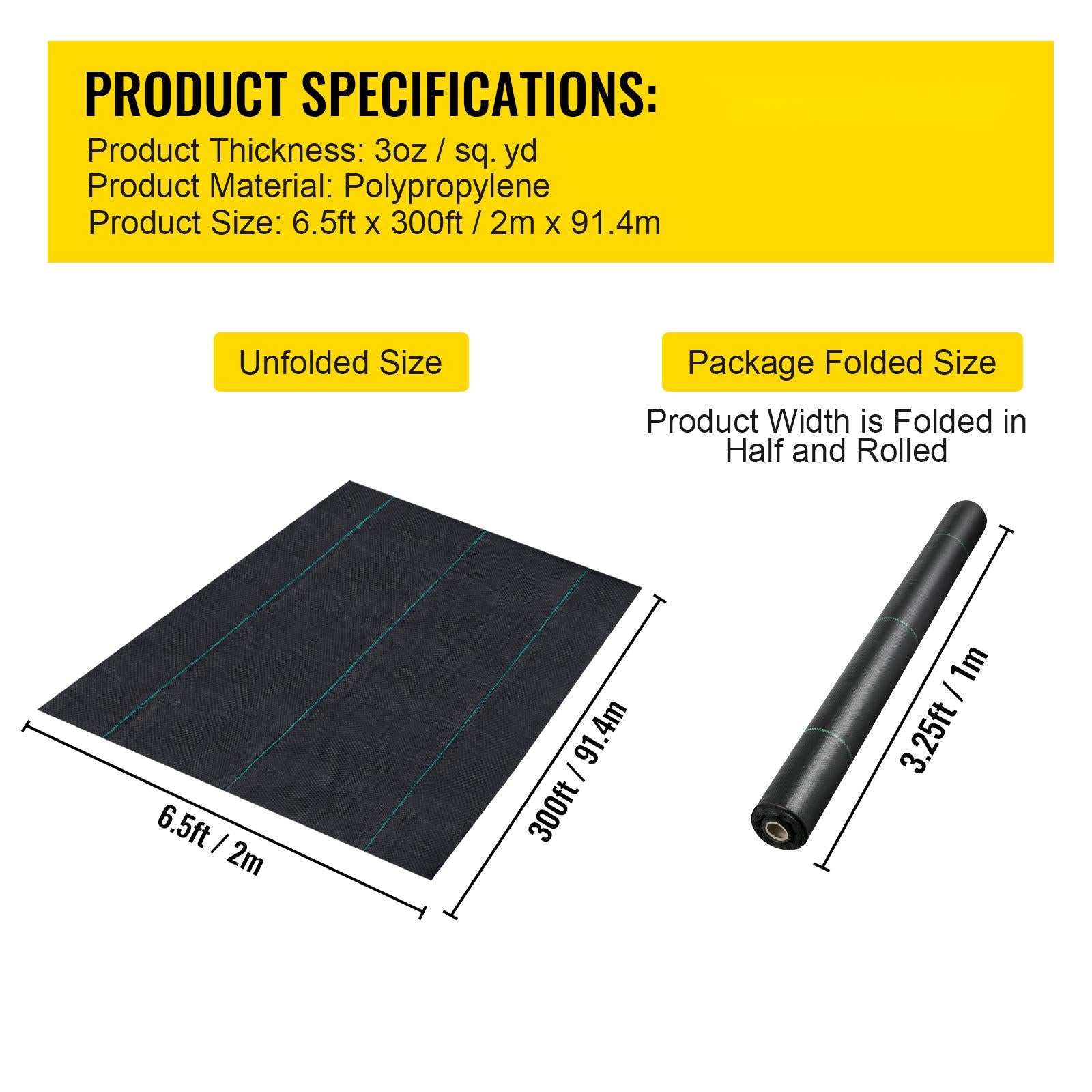
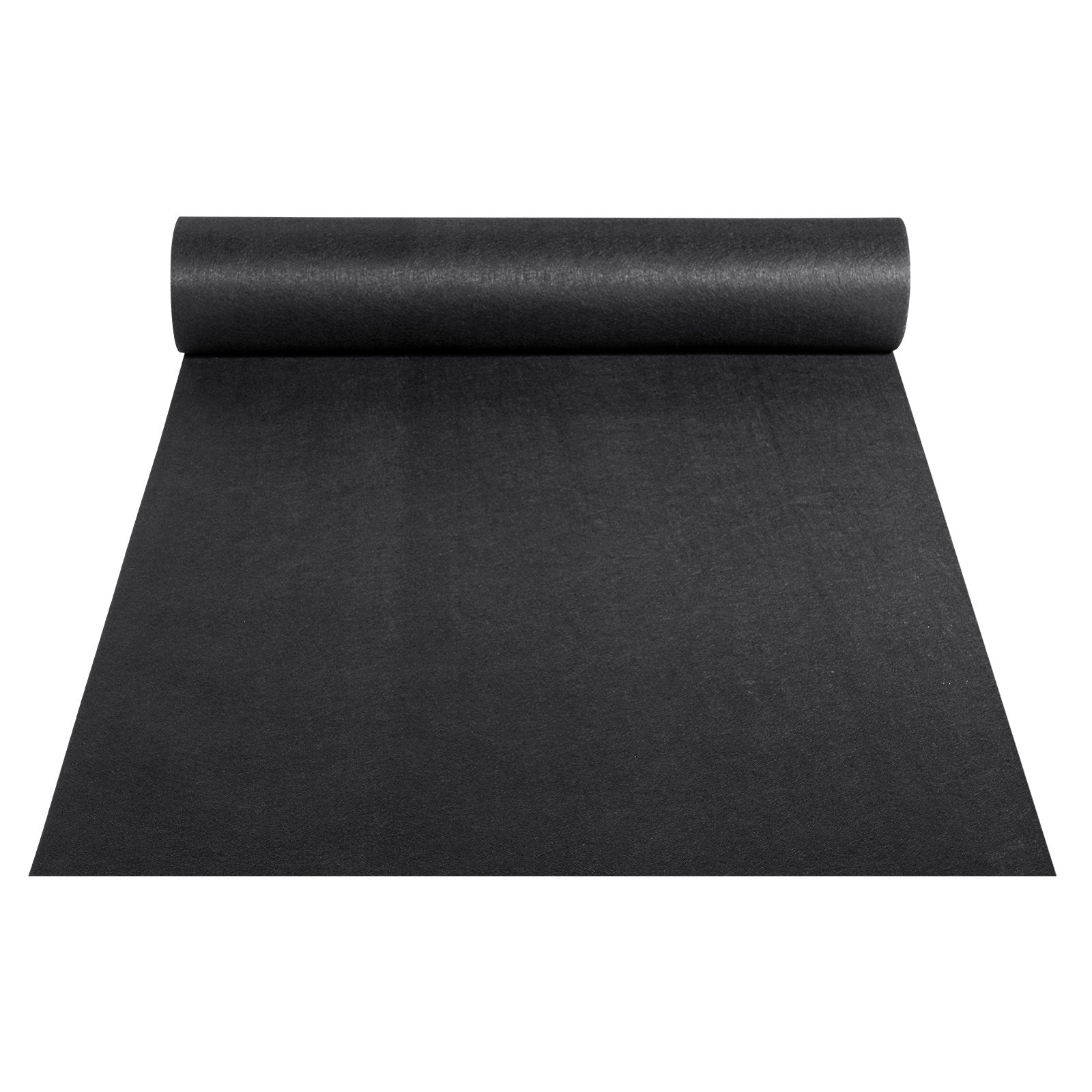
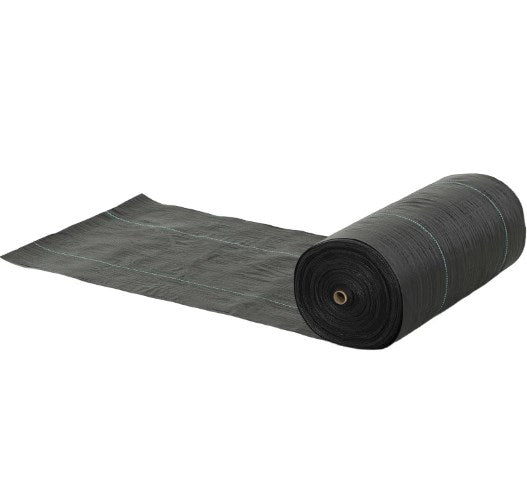
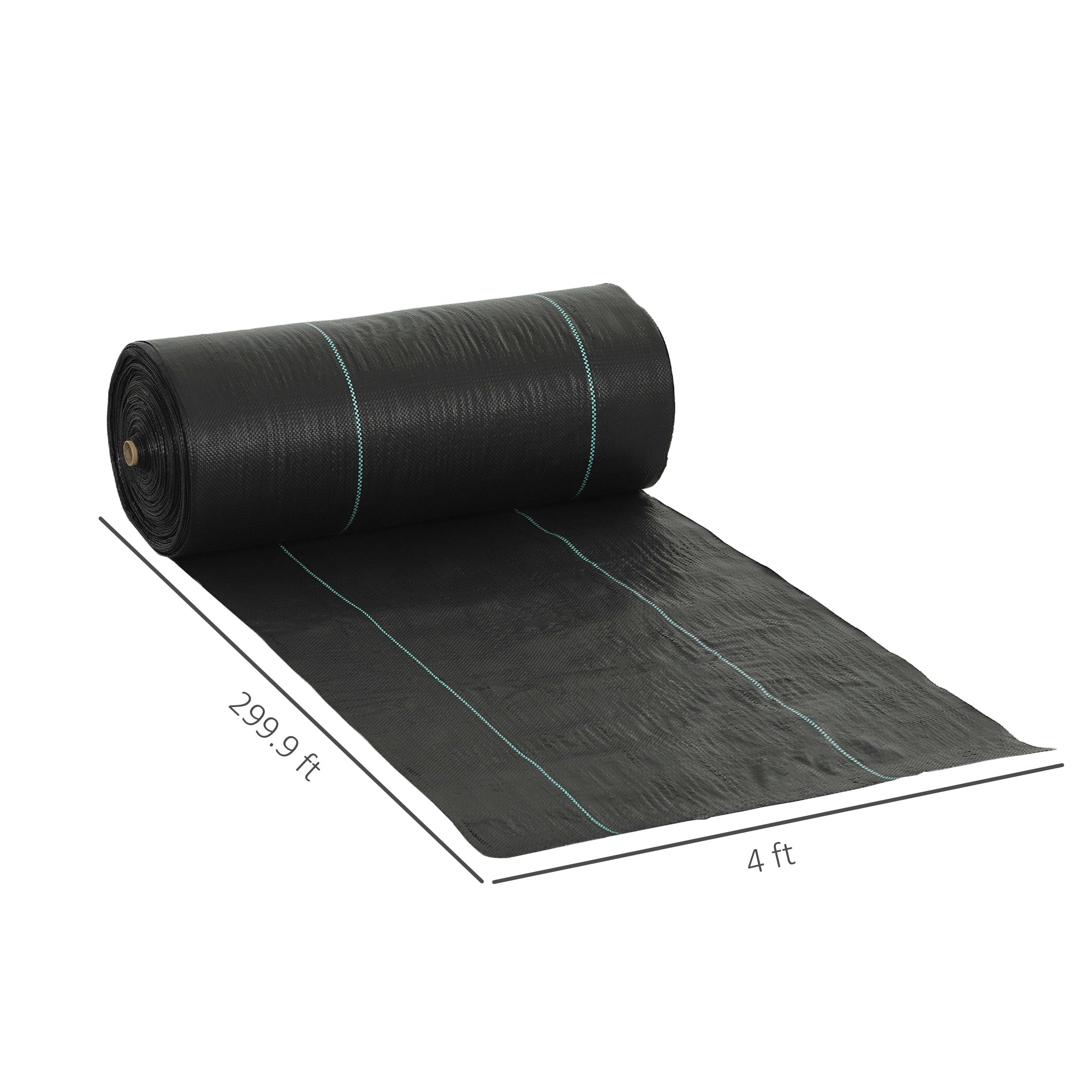
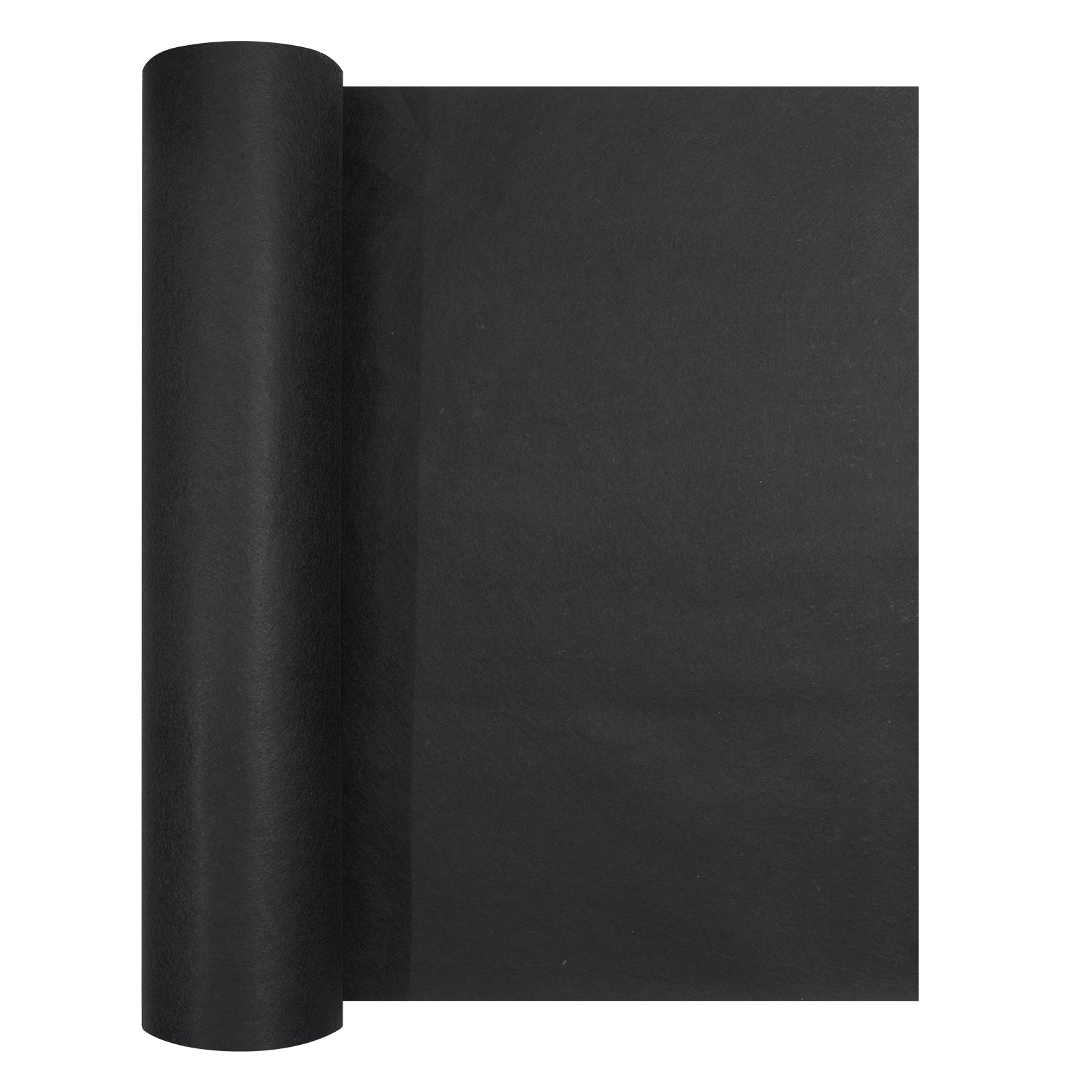
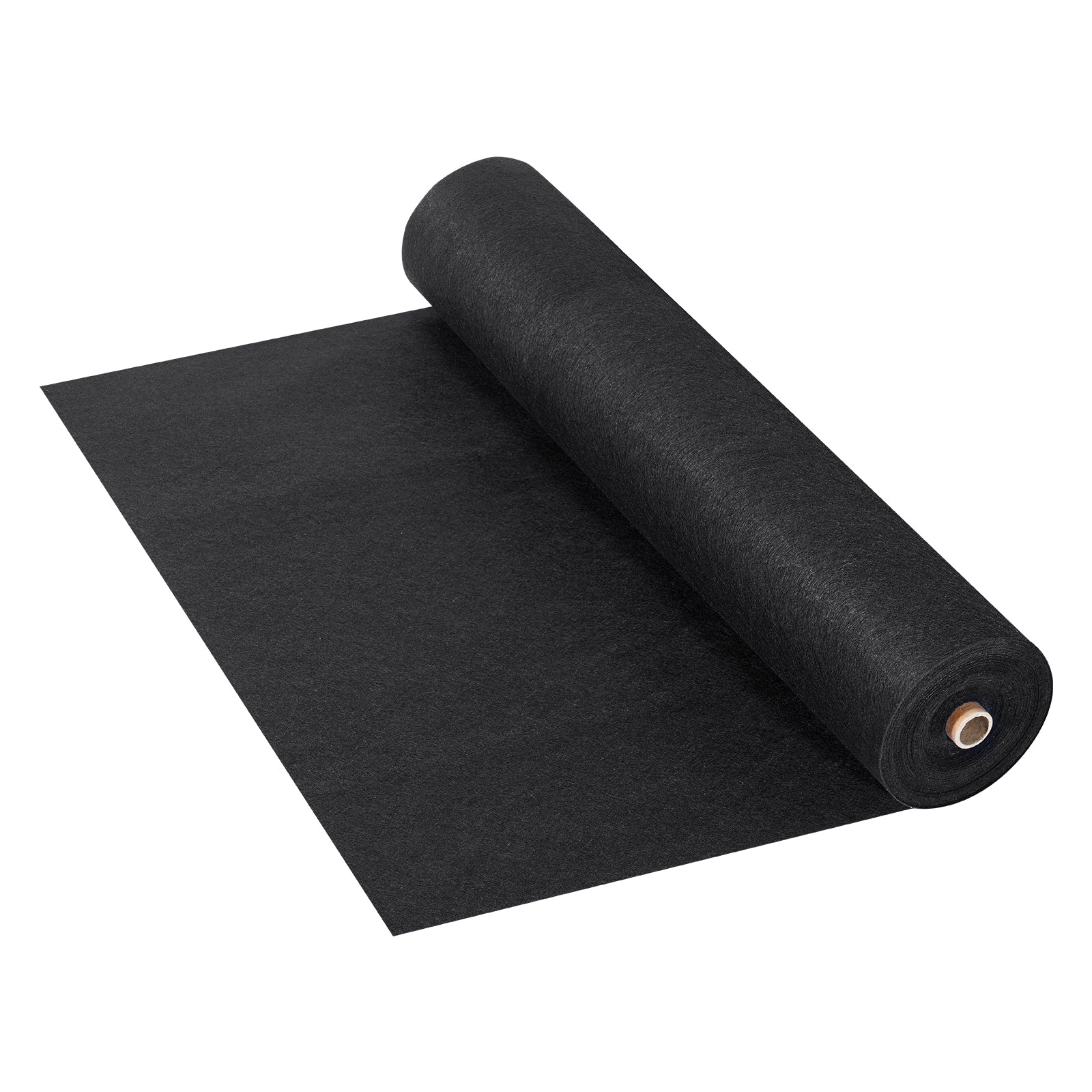
Woven weed barrier fabric is made by interlacing polypropylene strips, giving it superior tensile strength and durability — ideal for driveways, pathways, and high-traffic areas. Non-woven geotextile fabric is needle-punched for better water flow and is preferred for drainage applications, French drains, and soil separation.
How long does weed barrier landscape fabric last?
High-quality woven weed barrier fabric can last 10–25 years when properly installed and covered with mulch or gravel. UV-stabilized fabrics resist degradation from sunlight. Non-woven geotextile fabric used underground (for drainage or soil stabilization) can last even longer.
What weight (oz) of weed barrier fabric should I choose?
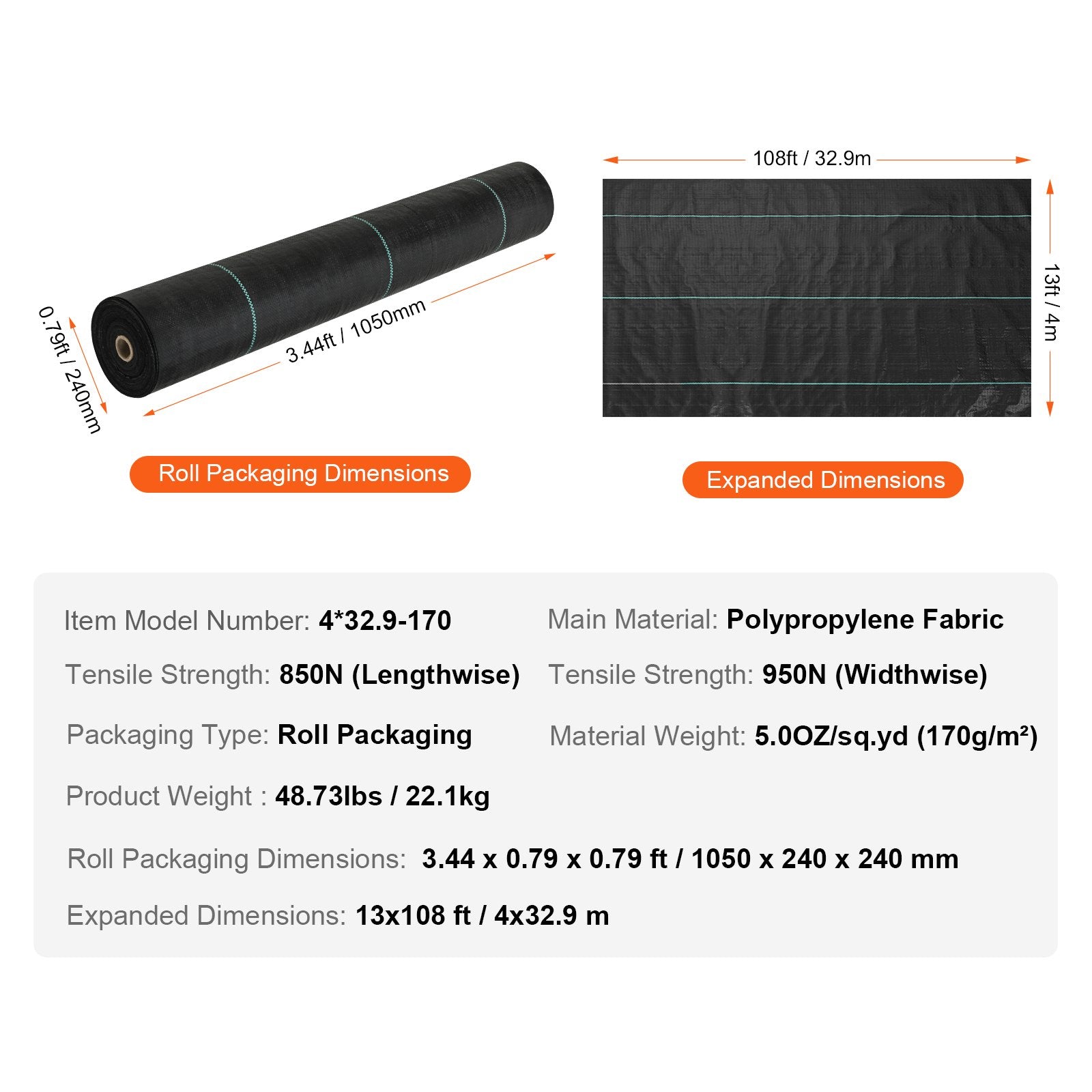
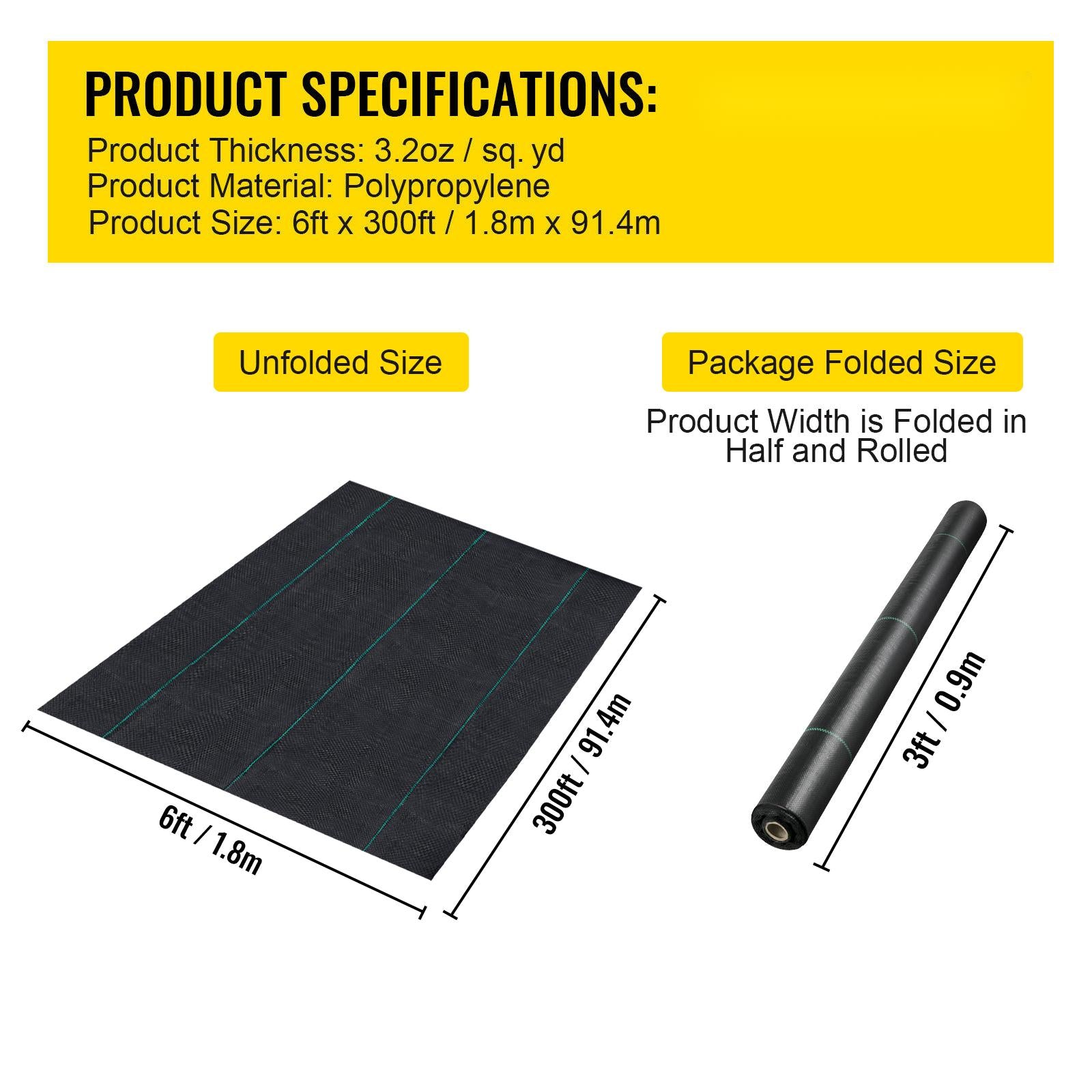
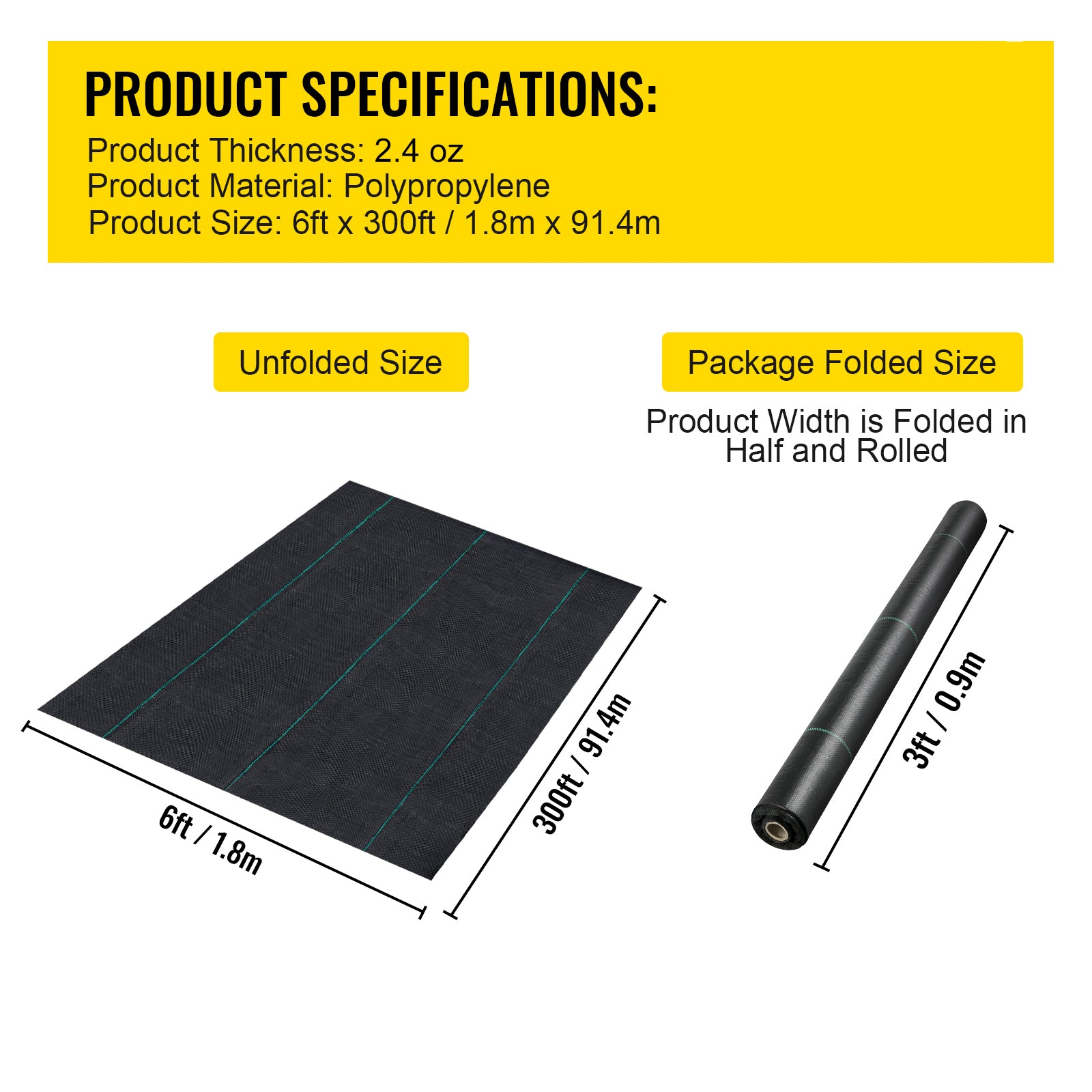
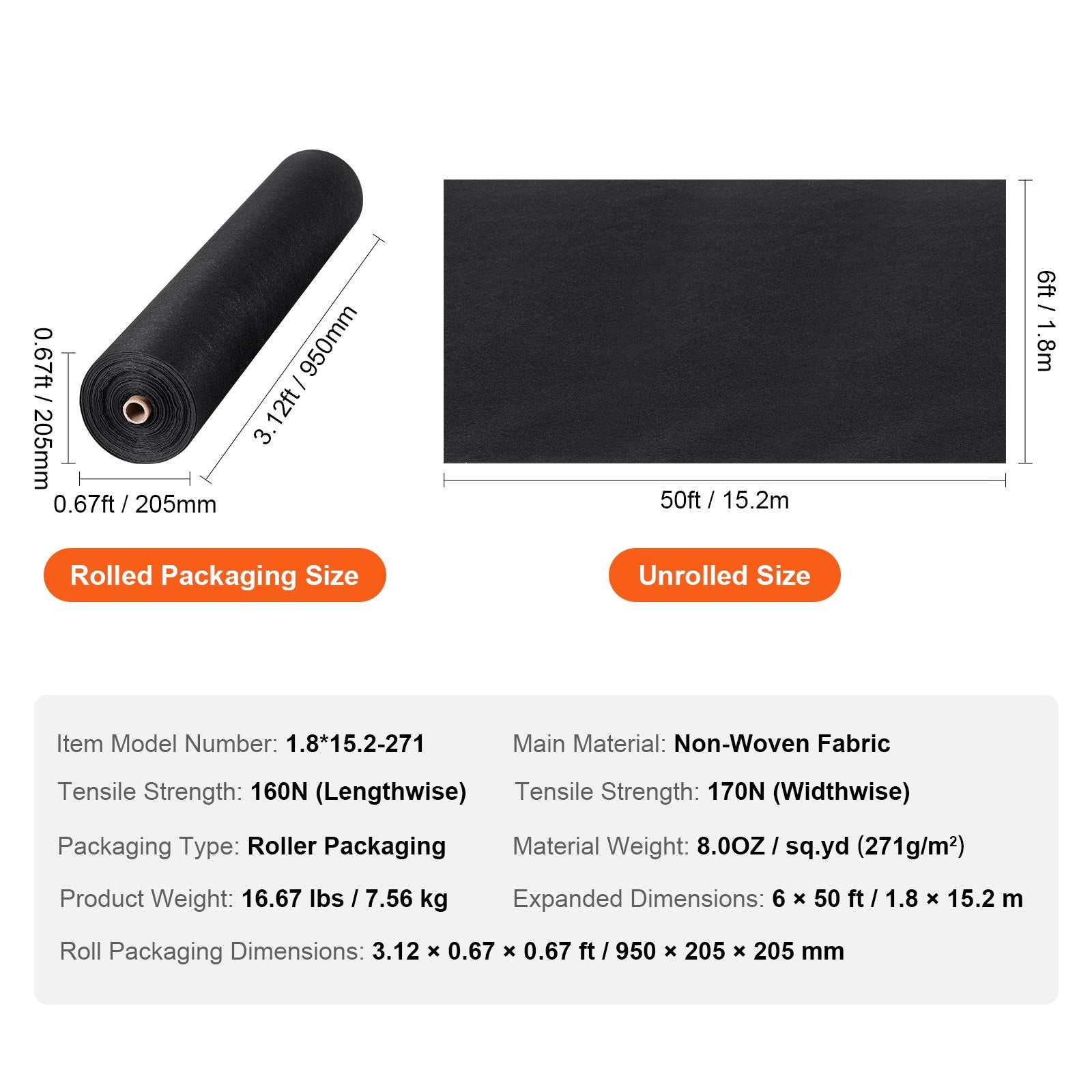
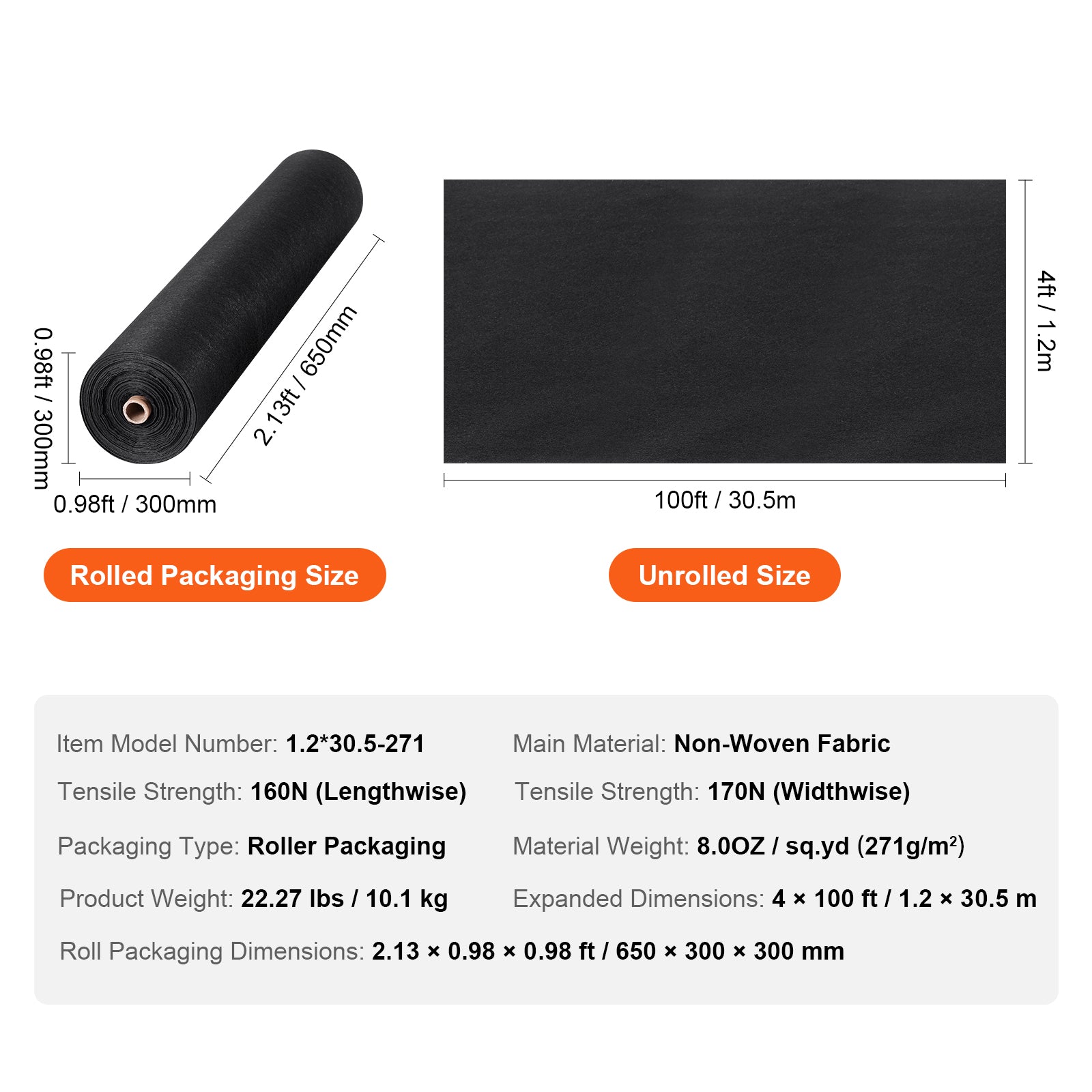
For light garden beds and flower borders, 2.4–3.2 oz fabric is sufficient. For pathways and general landscaping, 3.5–5 oz is recommended. For driveways, heavy-duty commercial projects, or soil stabilization, choose 5.8–8 oz geotextile fabric for maximum strength and longevity.
Can I use weed barrier fabric under gravel or mulch?
Yes — weed barrier fabric is specifically designed to be used under gravel, rock, mulch, or wood chips. It keeps the top dressing material from mixing with soil while blocking weeds. For gravel driveways, use a heavier 5–8 oz woven or non-woven geotextile fabric.
How do I install weed barrier landscape fabric?
Clear the area of existing weeds, loosen the soil, and lay the fabric smooth side up. Overlap seams by at least 6 inches. Secure edges with landscape staples every 12–18 inches. Cut X-shaped slits to plant through. Cover with 2–3 inches of mulch or gravel to protect the fabric and improve appearance.
What size weed barrier fabric do I need for my project?
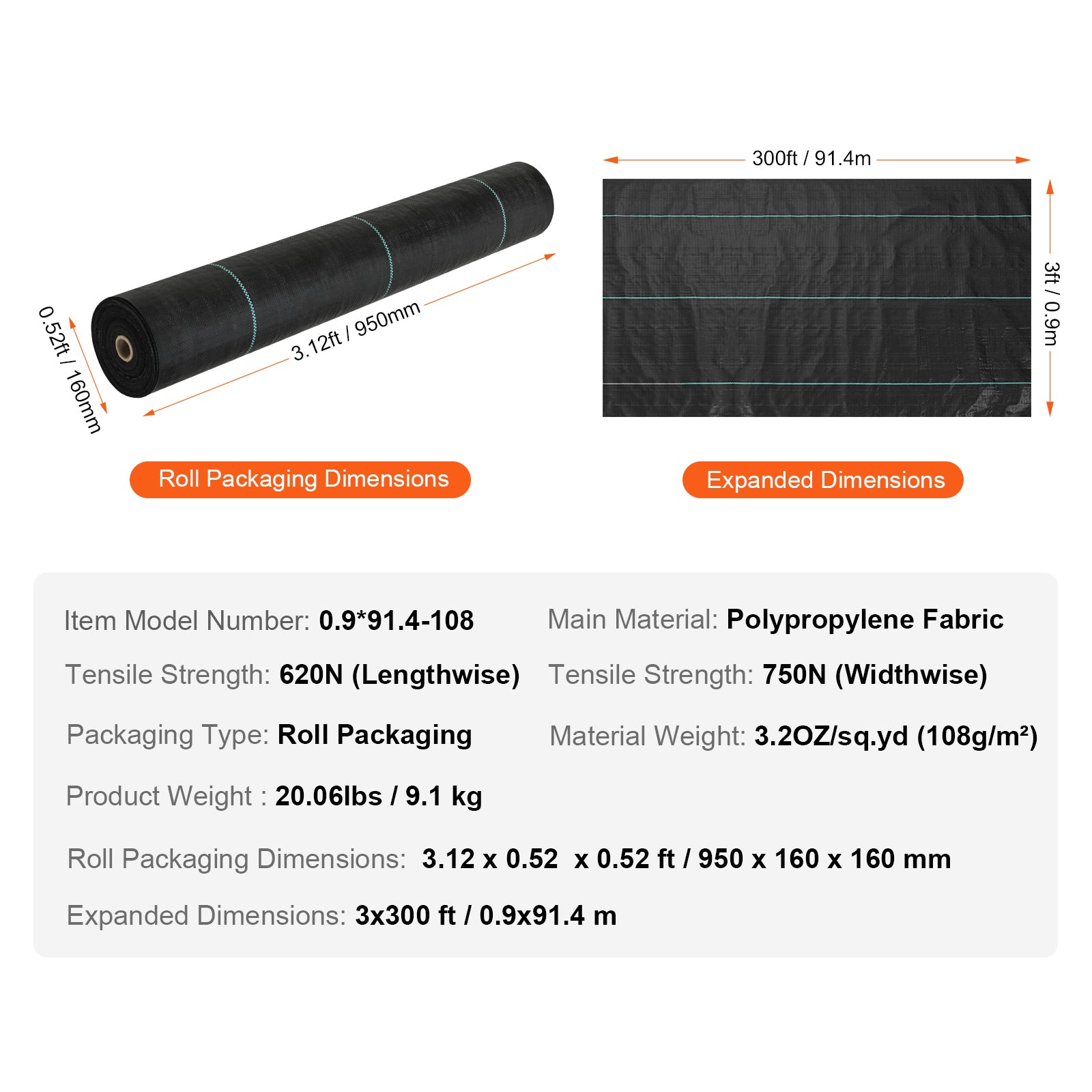
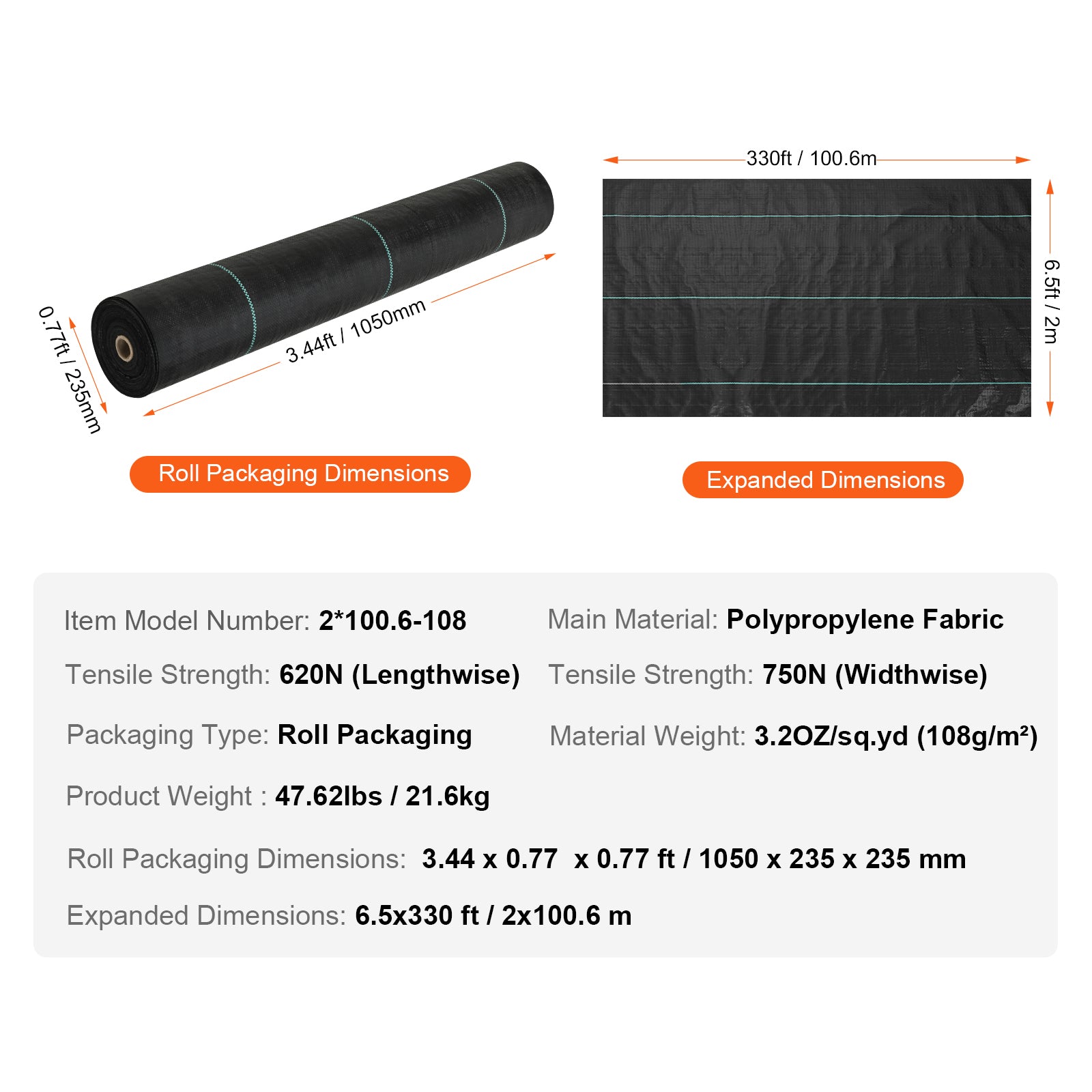
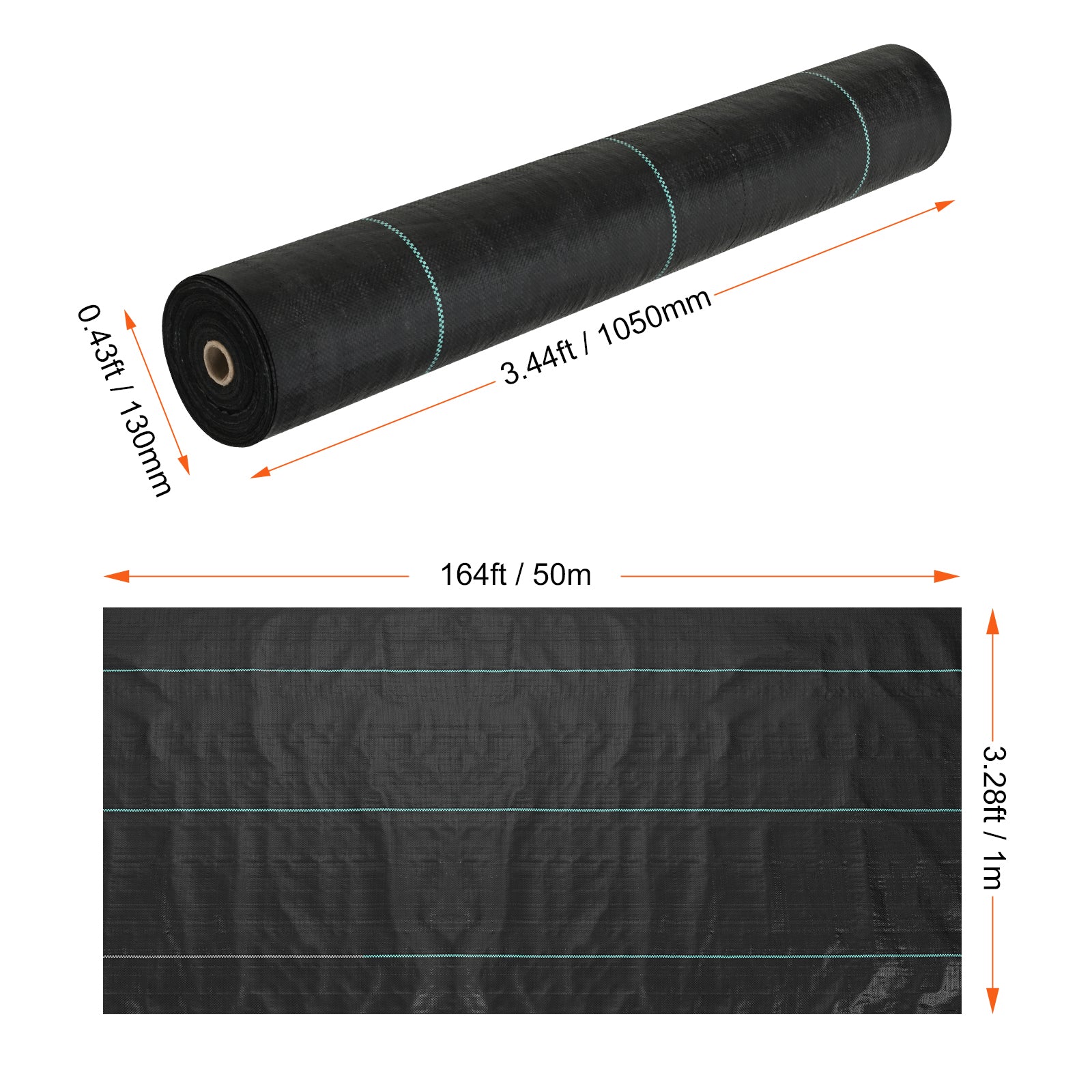
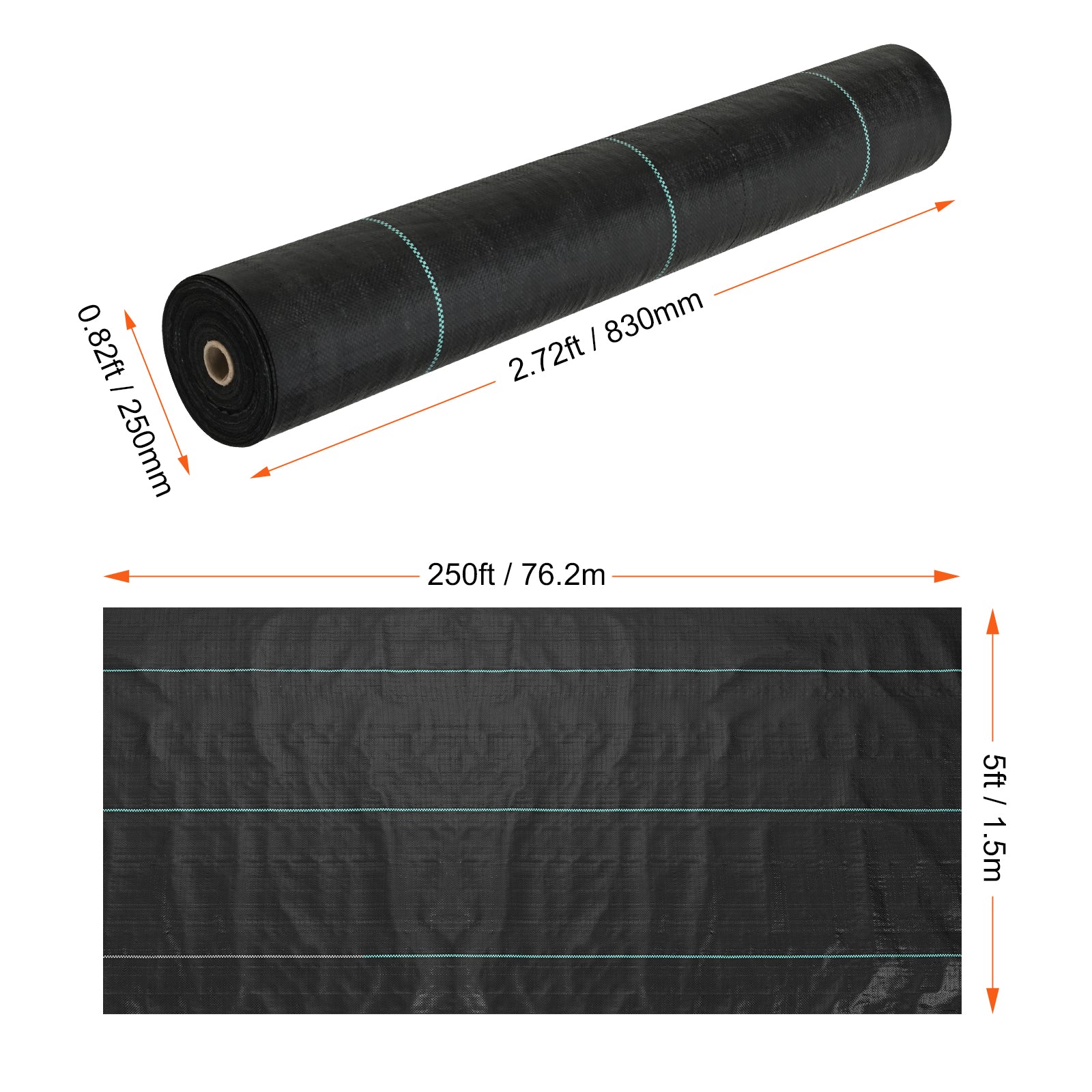
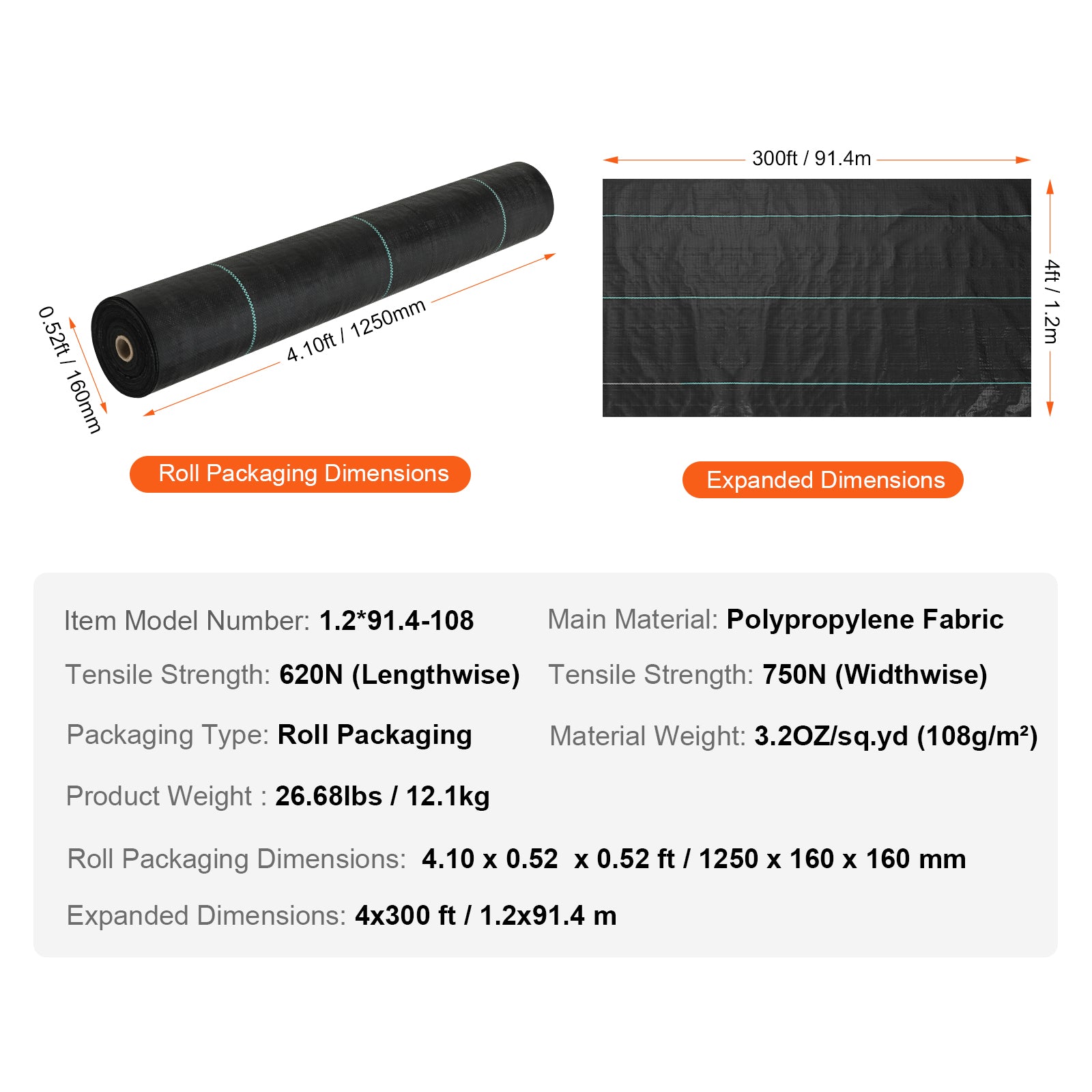
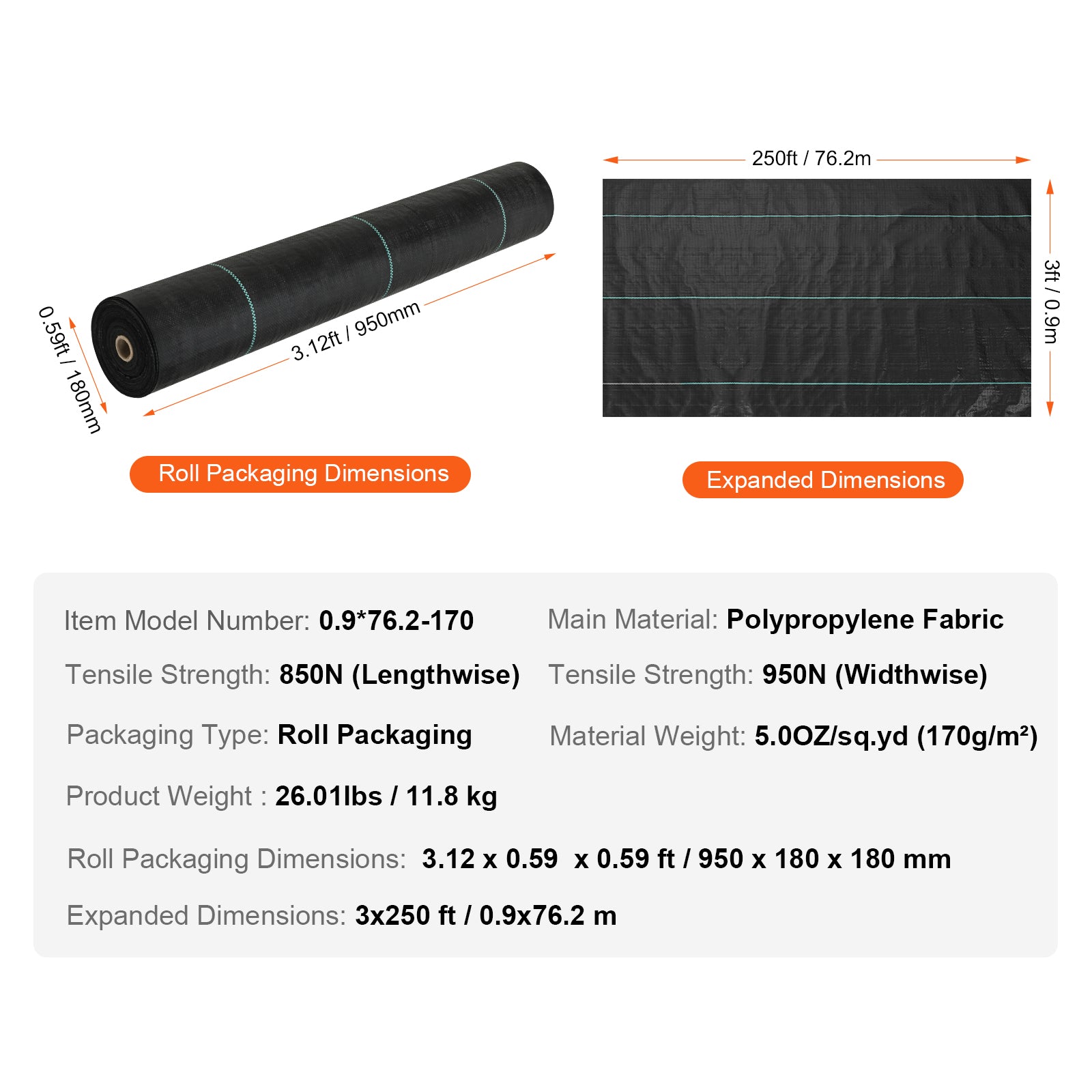
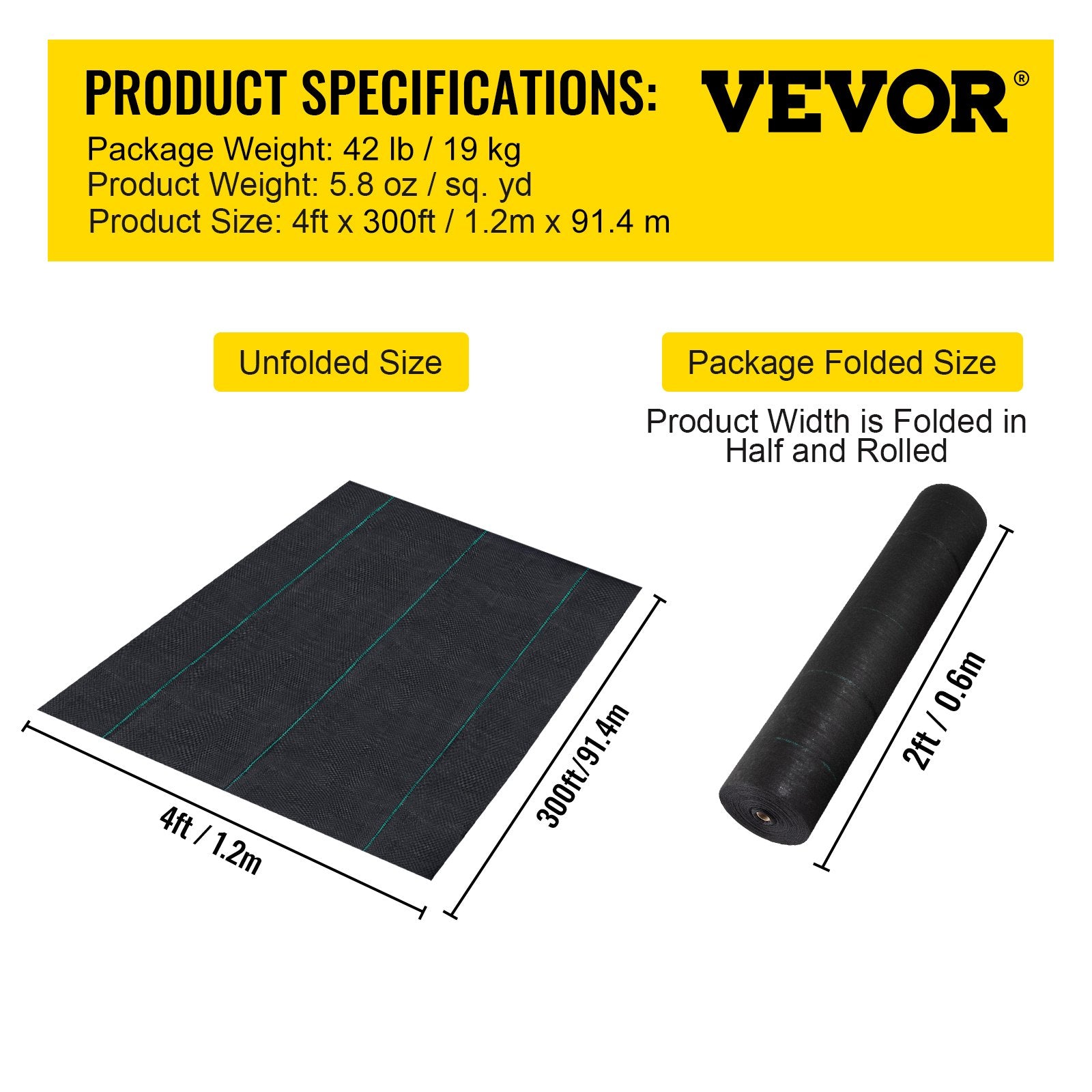
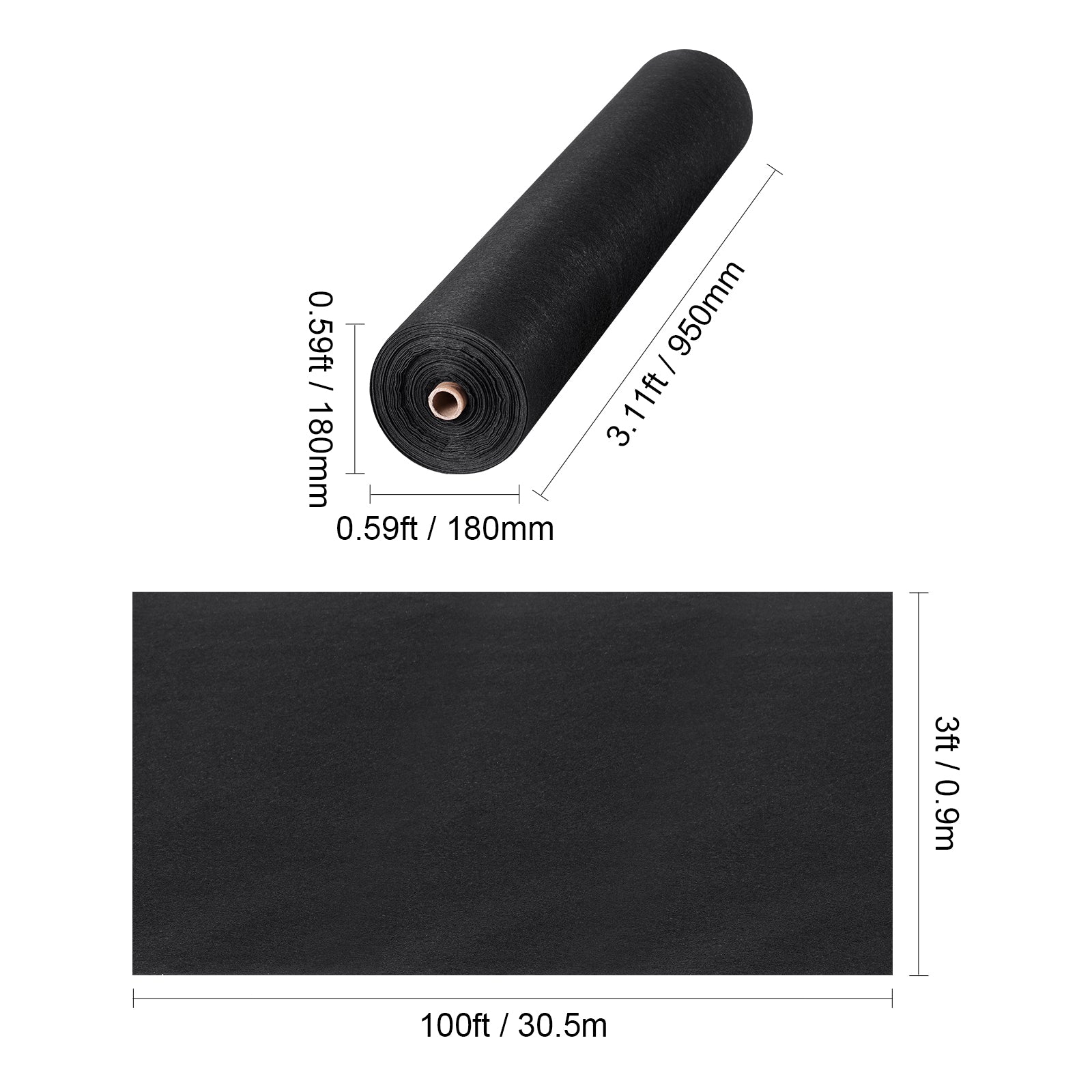
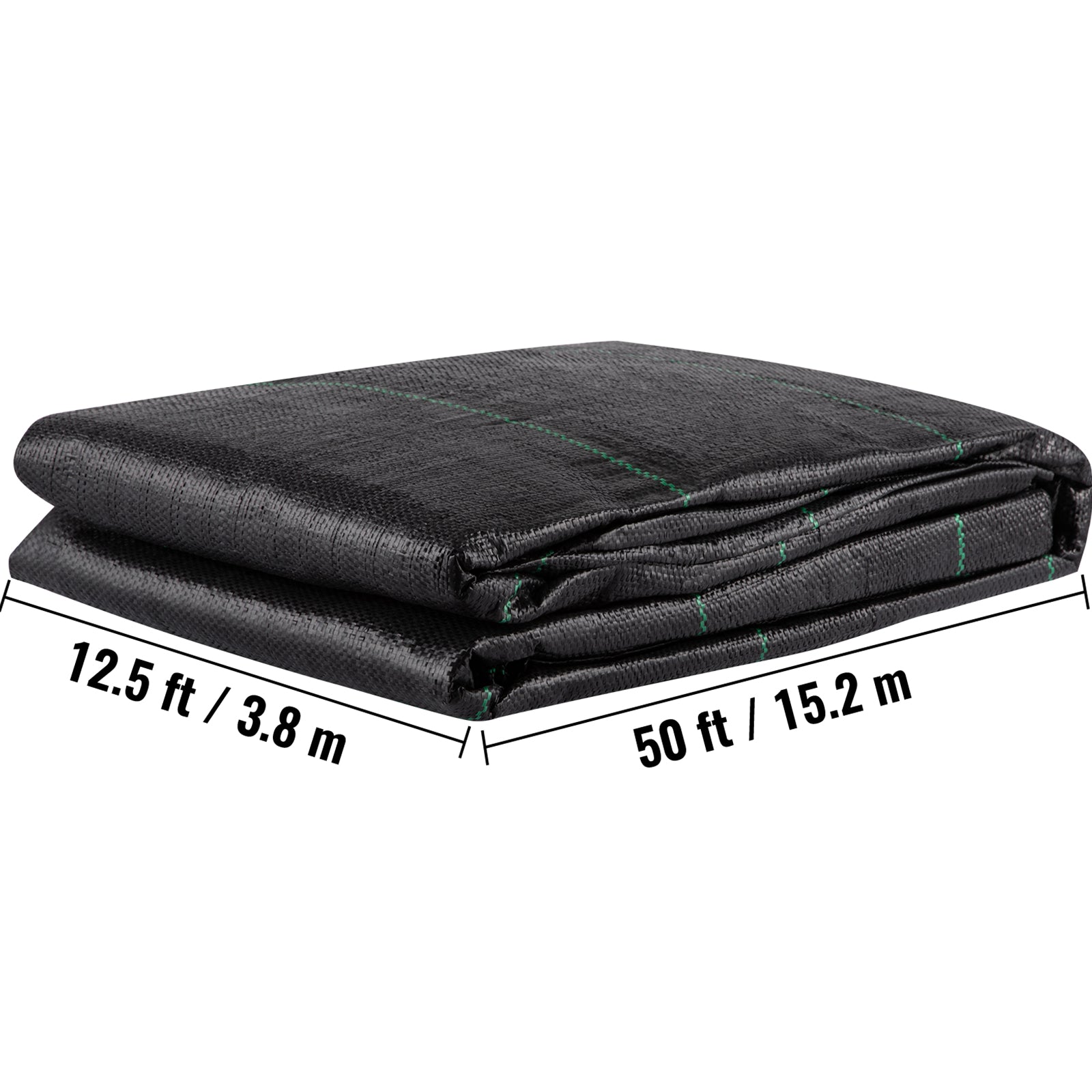
Measure your area's length and width, then add 10–15% for overlaps and edges. We carry rolls from 3 ft wide to 13 ft wide, and lengths from 30 ft to 330 ft. For large commercial projects, wider rolls like 6.5 ft x 330 ft minimize seams and installation time.
Is weed barrier fabric safe for vegetable gardens?
Yes, polypropylene weed barrier fabric is inert and does not leach chemicals into the soil, making it safe for vegetable gardens and edible plants. It allows water and air to pass through while keeping weeds down. Use lighter-weight woven fabric (2.4–3.2 oz) for raised beds and vegetable gardens.
Can weed barrier fabric be used for driveway stabilization?
Absolutely. Heavy-duty woven geotextile fabric (5–8 oz) with high tensile strength (600+ lbs) is ideal for driveway underlayment. It separates the gravel from the subgrade soil, prevents rutting, improves load distribution, and dramatically extends the life of your driveway surface.
Do I need landscape staples with weed barrier fabric?
Yes, landscape staples (also called sod staples or garden pins) are strongly recommended to keep the fabric flat and prevent shifting. Use 6-inch staples for standard soil and 8–12 inch staples for loose or sandy soil. Space them every 12–18 inches along edges and seams.
Ready to Reclaim Your Yard from Weeds?
Browse our full selection of professional-grade weed barrier landscape fabric — from lightweight garden rolls to heavy-duty commercial geotextile. Find the right size, weight, and style for your project and get it shipped fast.
Shop All Weed Barrier Fabric