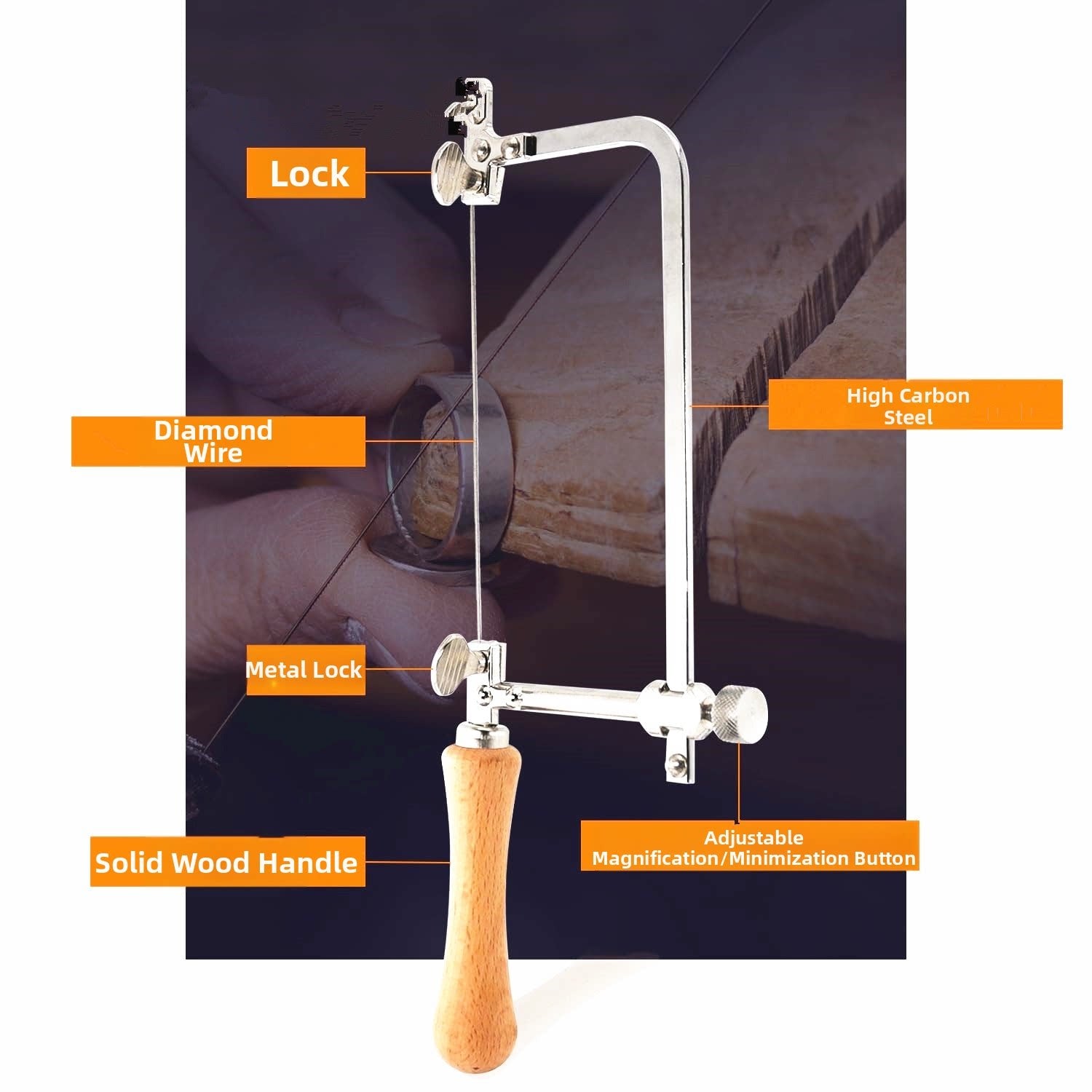
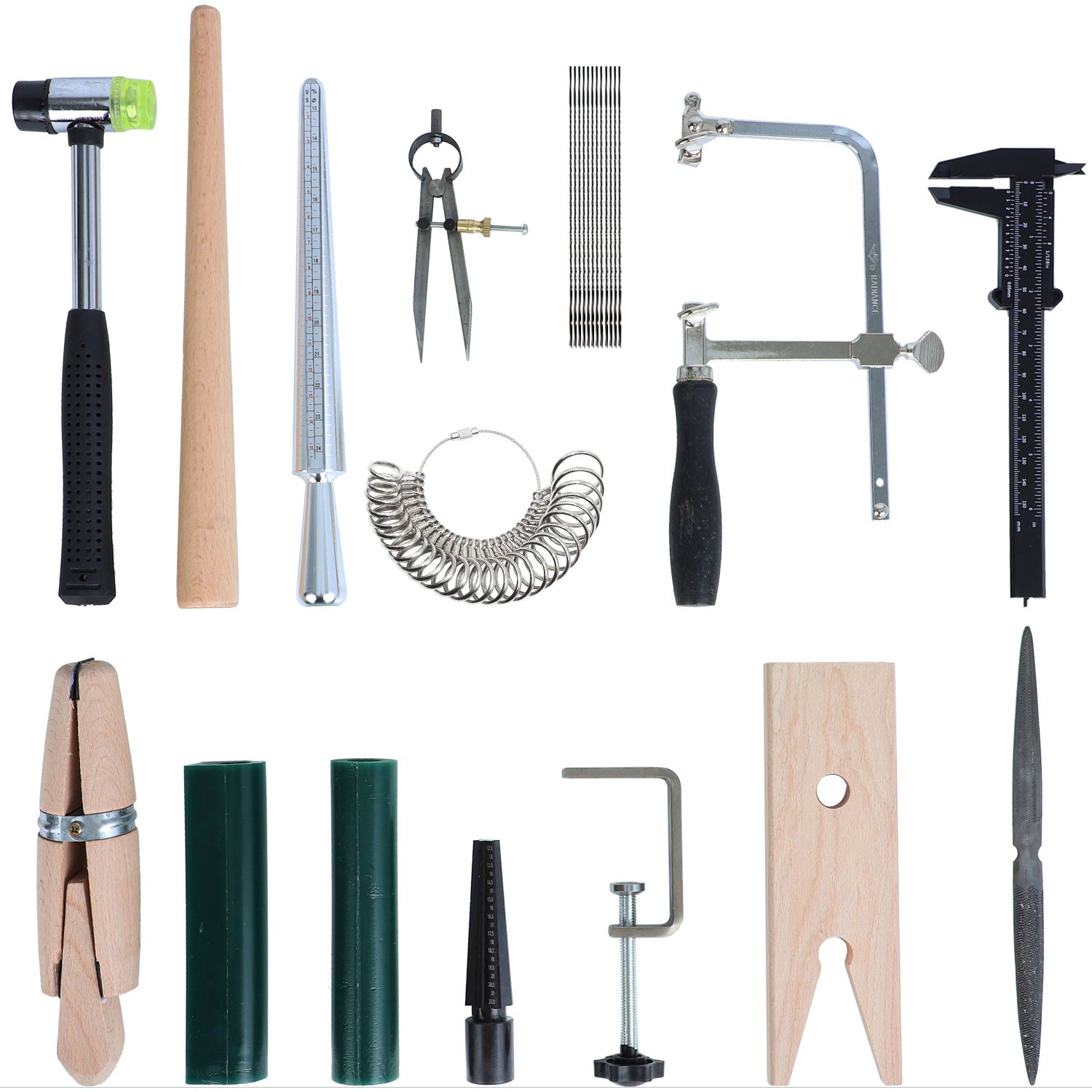
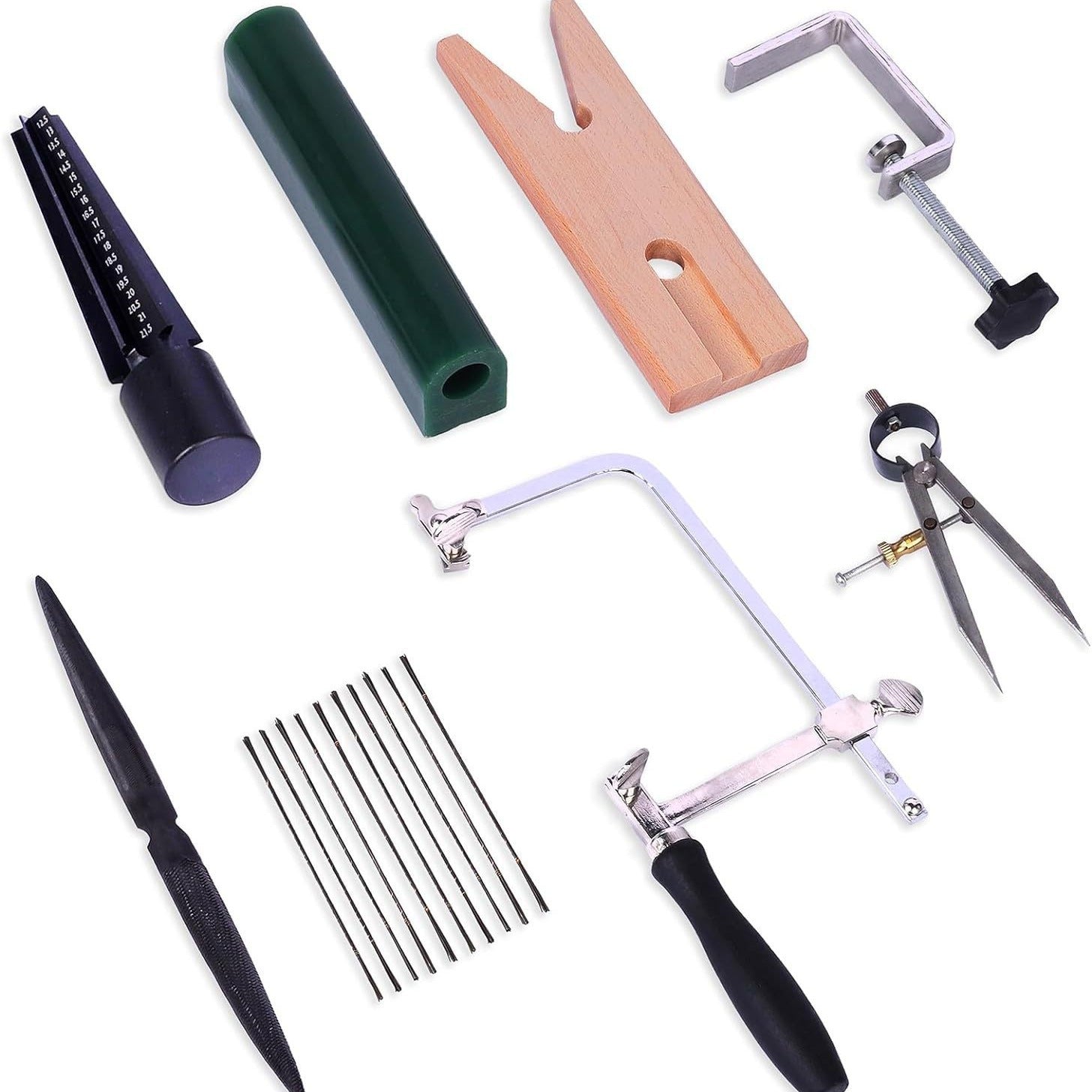
Ring Sizing & Shaping Tools for Gold, Silver, and Copper Bands
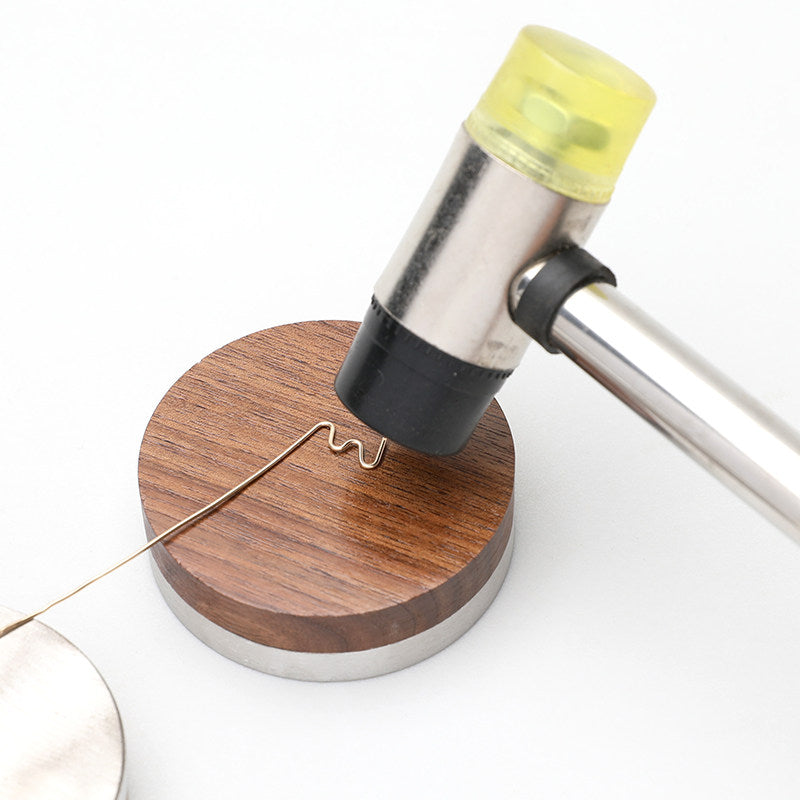
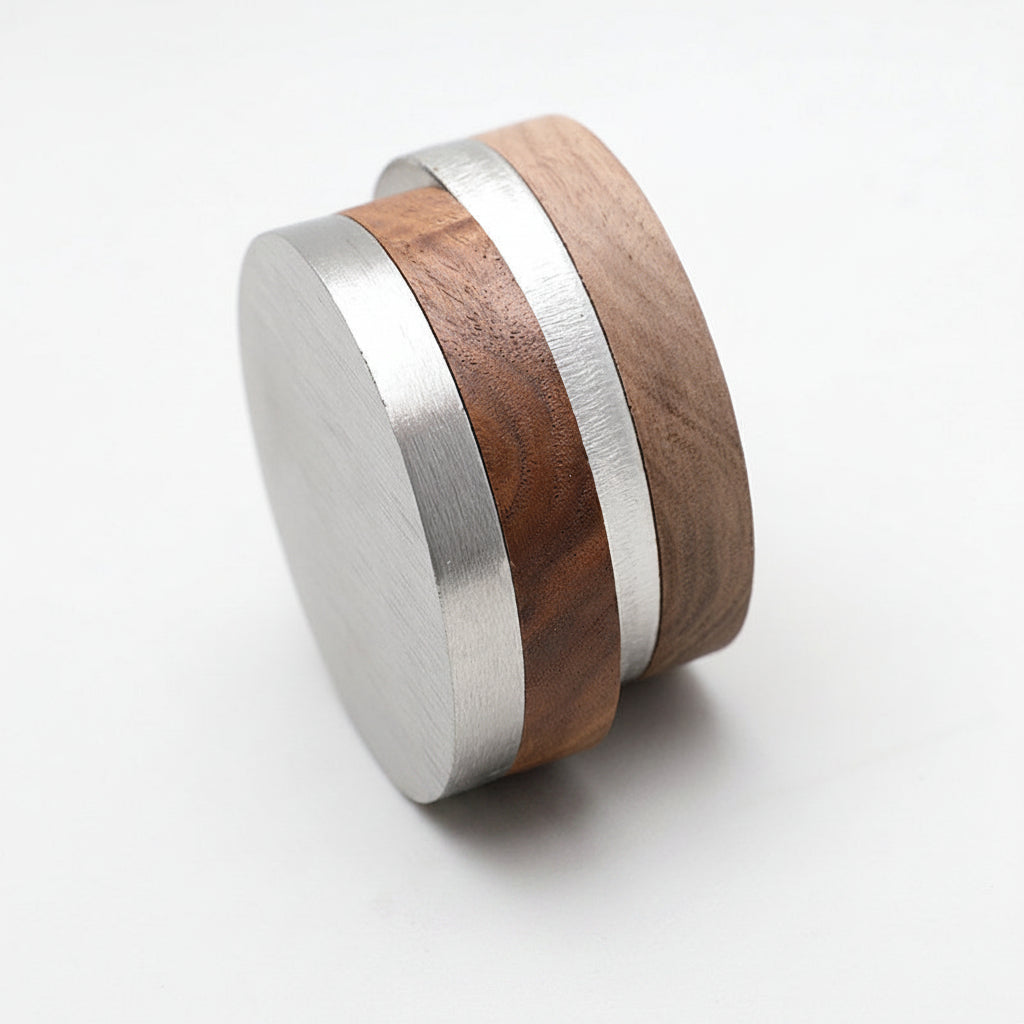
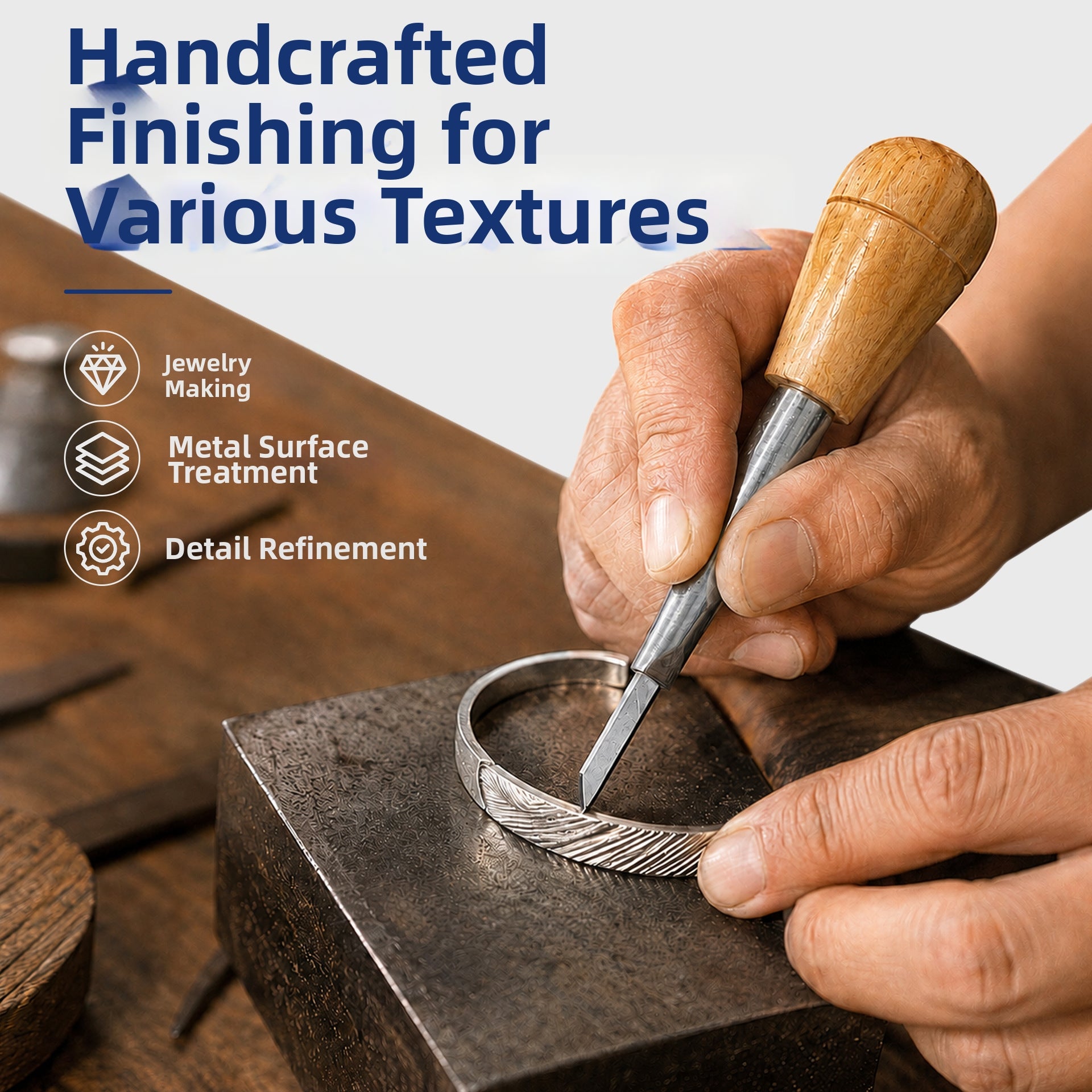
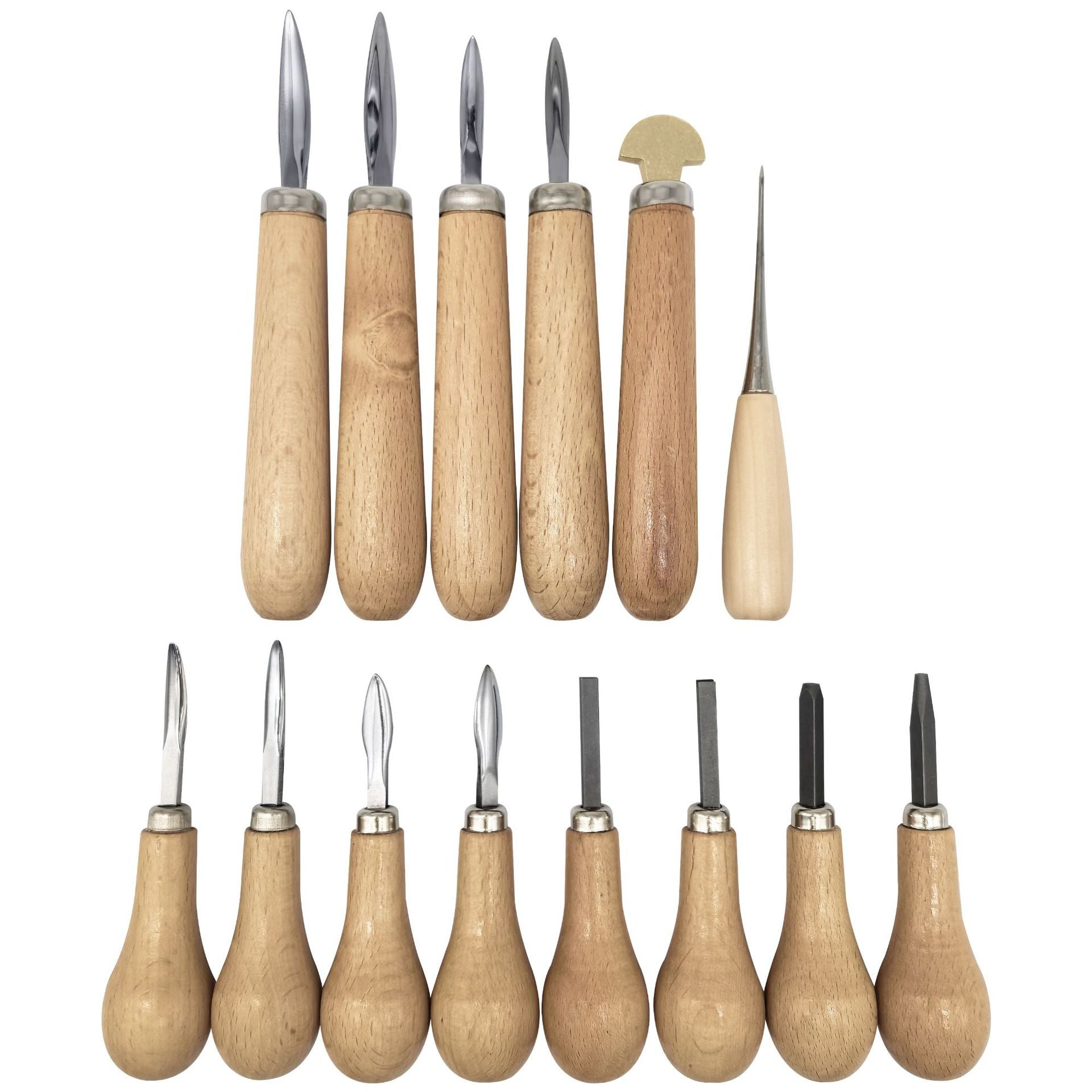
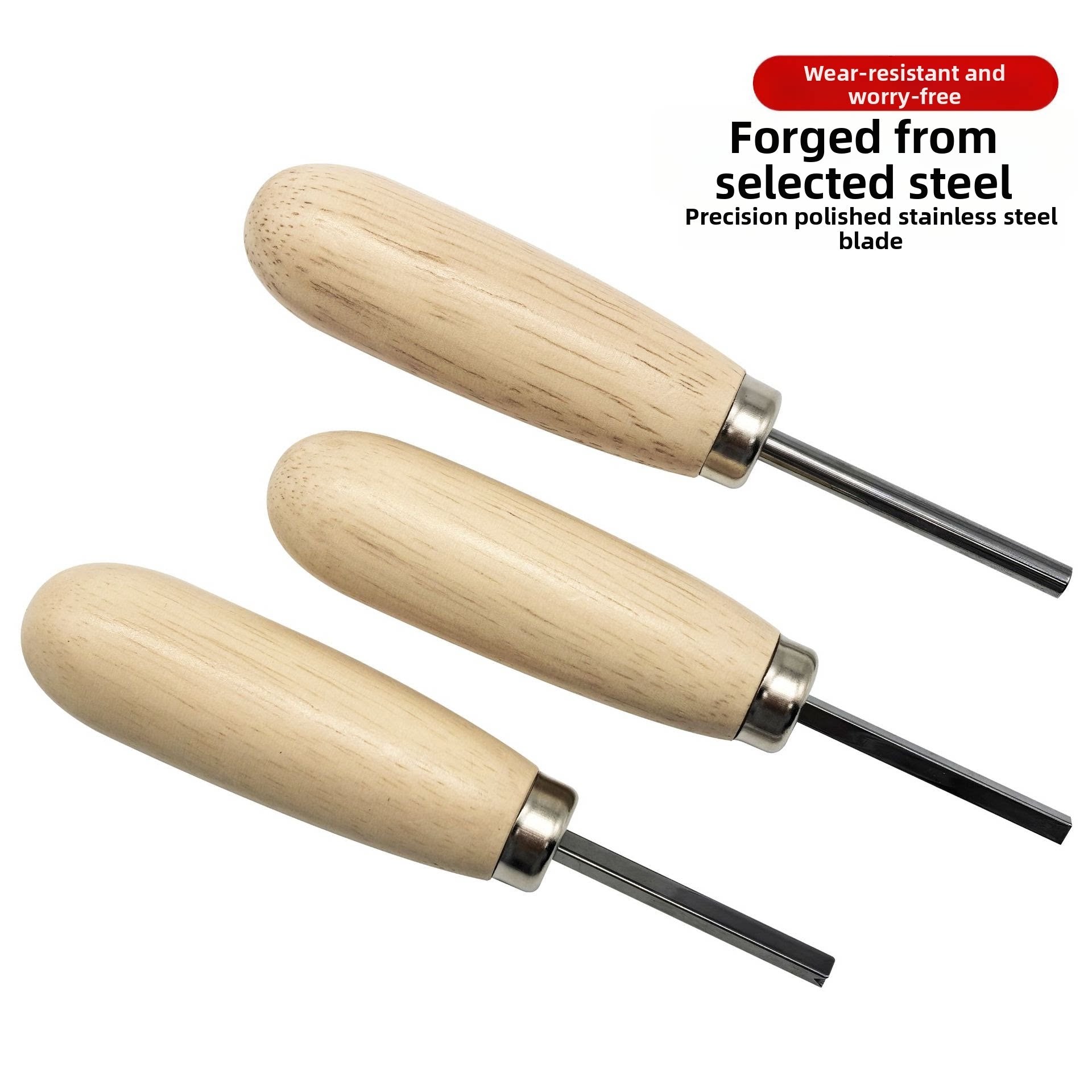
Getting a ring to fit right is one of the most common jewelry repairs — and one of the most satisfying to do yourself. A ring mandrel (sizing stick) lets you measure the exact current size before you start, while a shaping rod or ring adjuster lets you expand or compress the band incrementally. For more consistent results on round bands, a manual ring rounding machine rolls the metal back into a true circle after bending or deformation. These tools work on gold, silver, copper, and most base metal alloys. Start with light pressure and work in small increments — especially on thinner bands — to avoid stress fractures.
Jewelry Polishing Wheels & Buffing Accessories for Rotary Tools
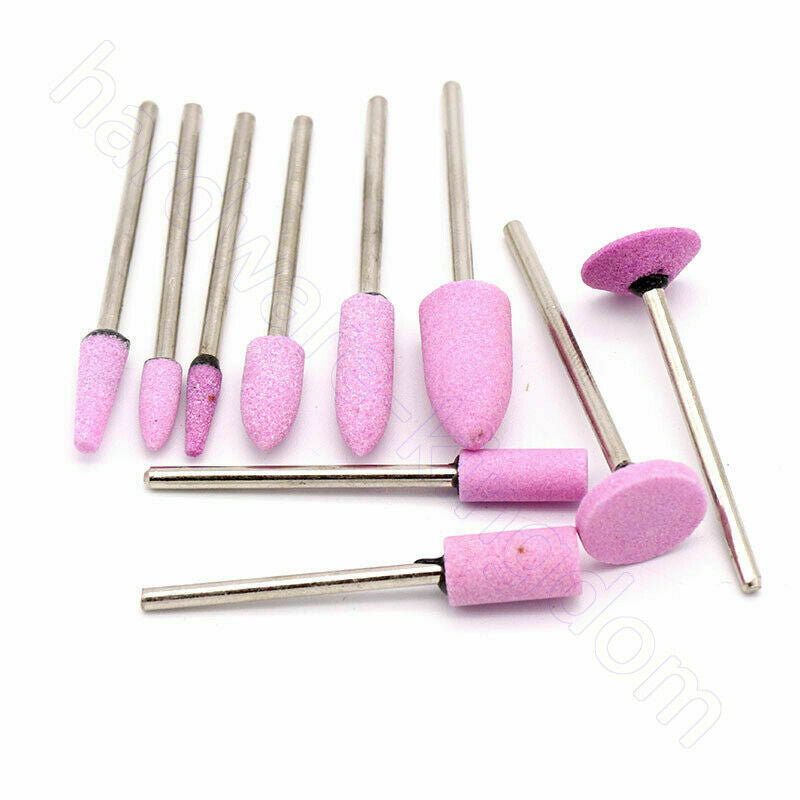
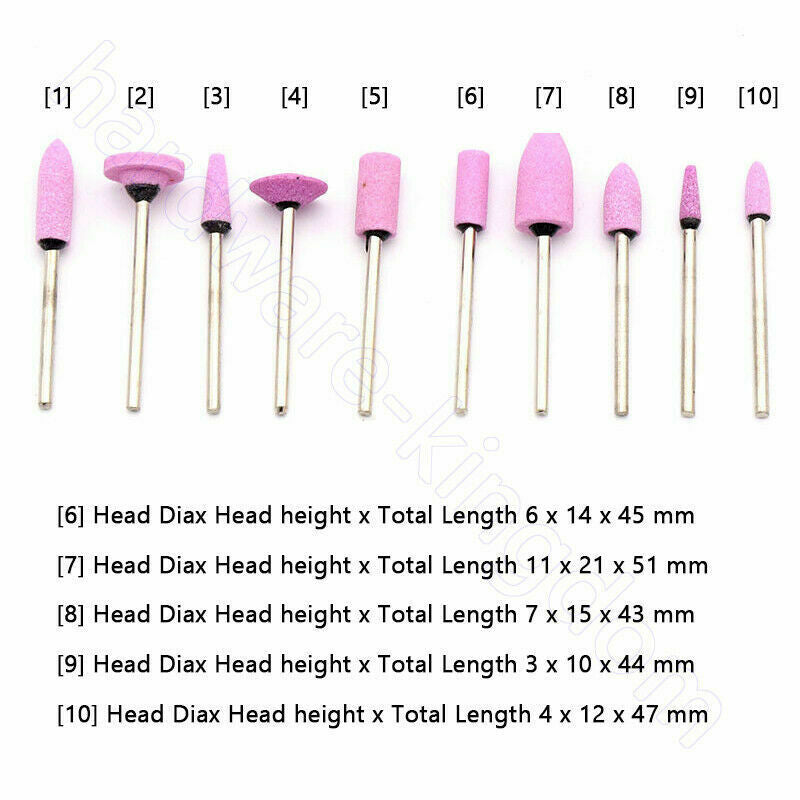
Surface restoration is where rotary tool accessories shine. Felt polishing wheels in bullet and cylinder profiles reach into ring shanks, chain links, and engraved surfaces that flat pads can't touch. Rubber polishing burrs with fine grit remove light scratches and oxidation from silver and gold without removing significant metal. For a final mirror finish, a soft buffing wheel with polishing compound brings out the shine. All of these accessories are available in 2.35mm and 3mm shank sizes to fit Dremel, nail drill, and most rotary handpieces. Run at low to medium speed to avoid heat buildup near stones or solder joints.
Beading Needles & Elastic Thread for Bracelet and Necklace Restringing
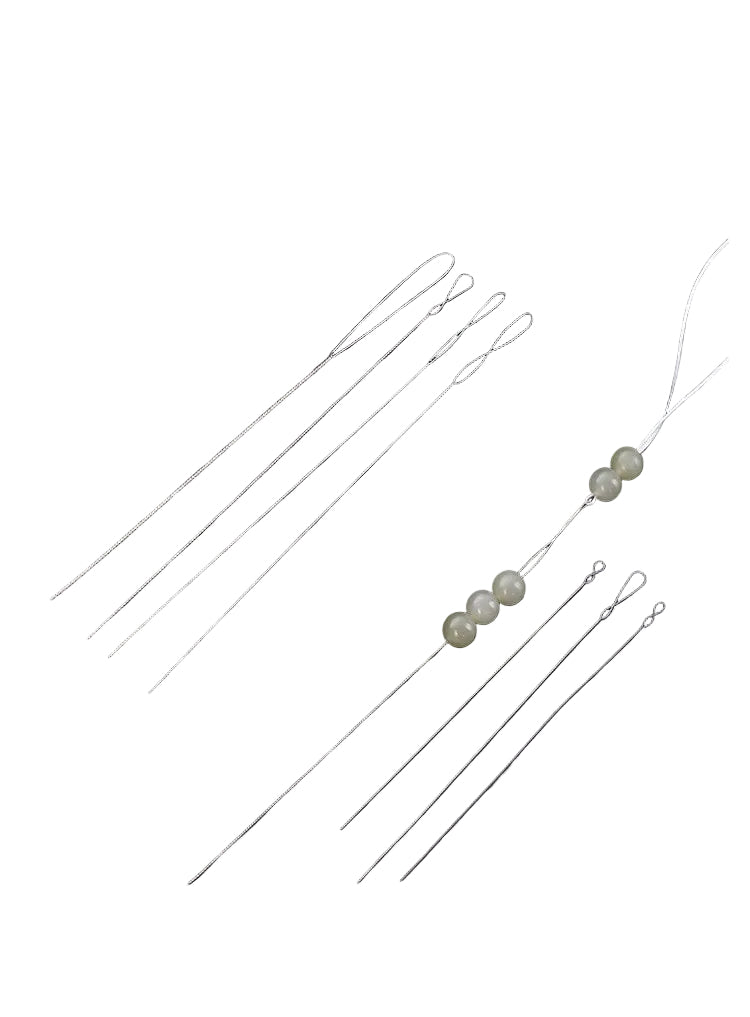
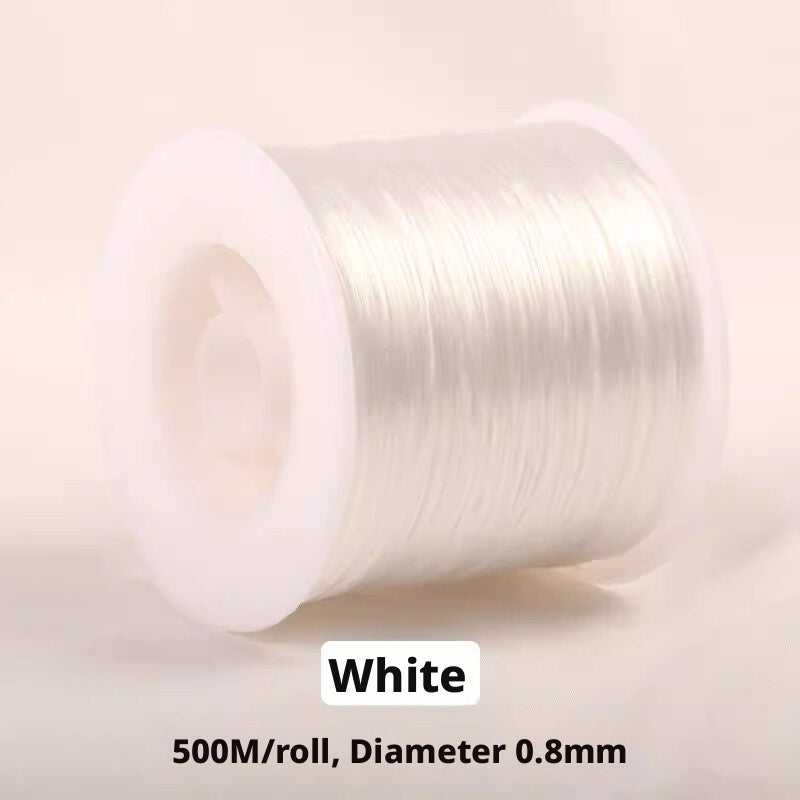
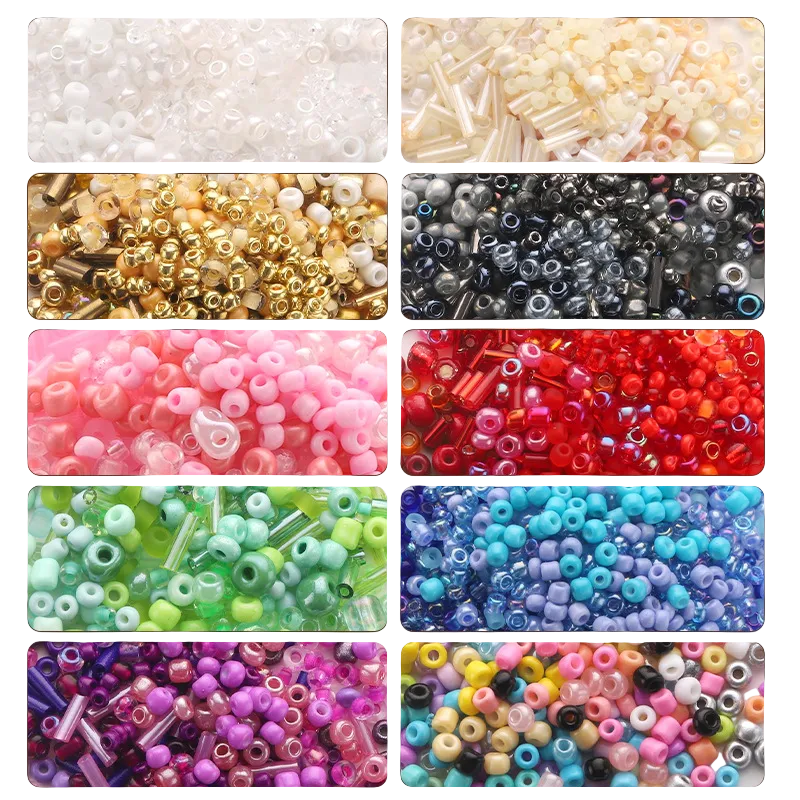
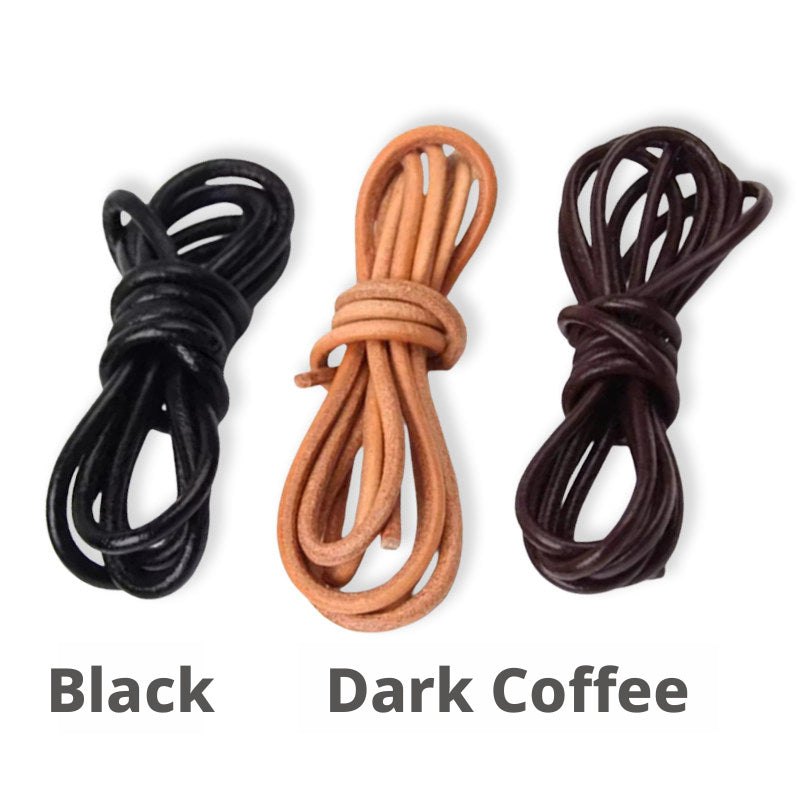
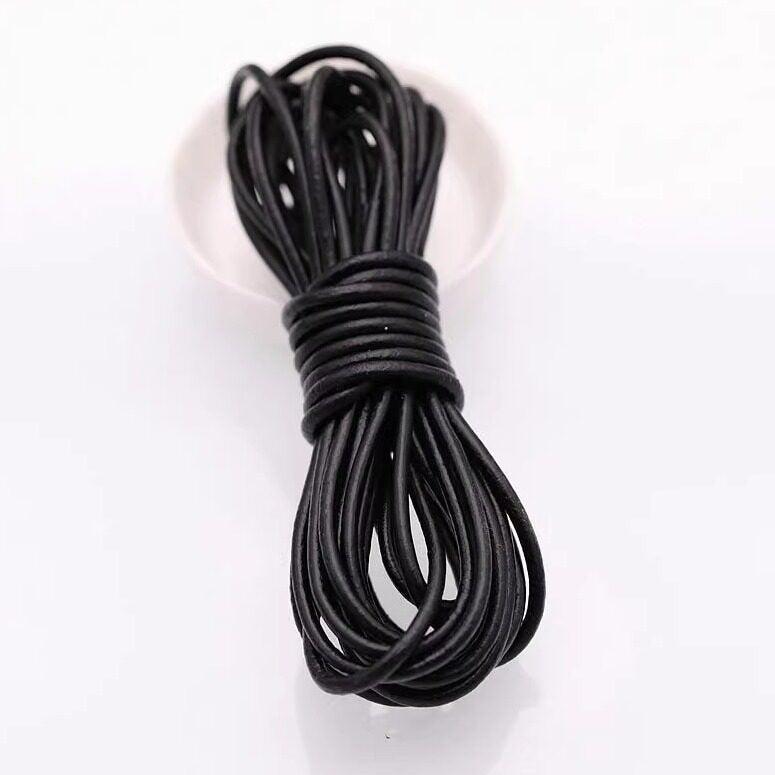
Restringing a broken bracelet or necklace is one of the quickest repairs in jewelry maintenance — if you have the right needle and cord. Ultra-fine beading needles (0.15mm–0.45mm) pass through seed beads, pearls, and crystal beads without splitting the hole. Thicker needles (0.6mm–0.9mm) handle larger stone beads and leather cord. Pair them with Japanese or Korean elastic thread in the right diameter for the bead weight: 0.5mm for lightweight beads, 0.8mm–1.0mm for heavier stones. A bead design board keeps the pattern organized while you work, so you don't lose the original sequence.
Precision Pliers for Jewelry Wire Work, Findings, and Clasp Repair
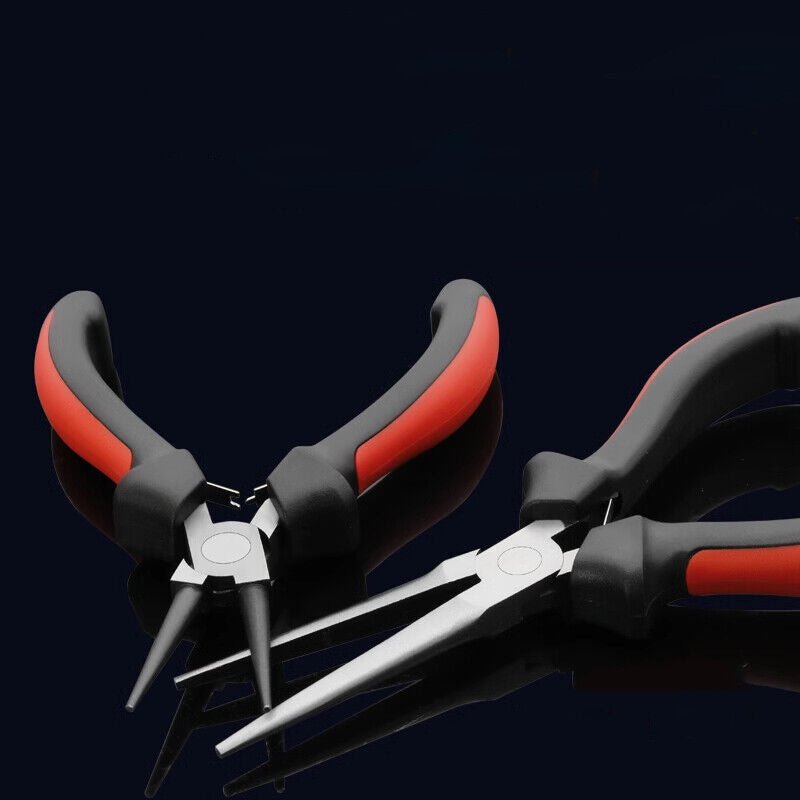
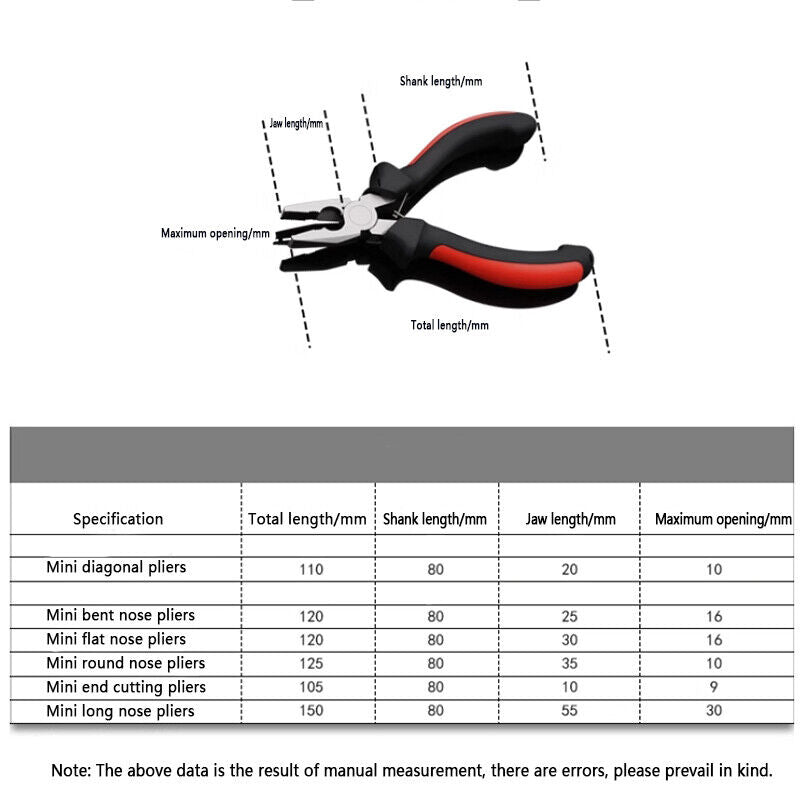
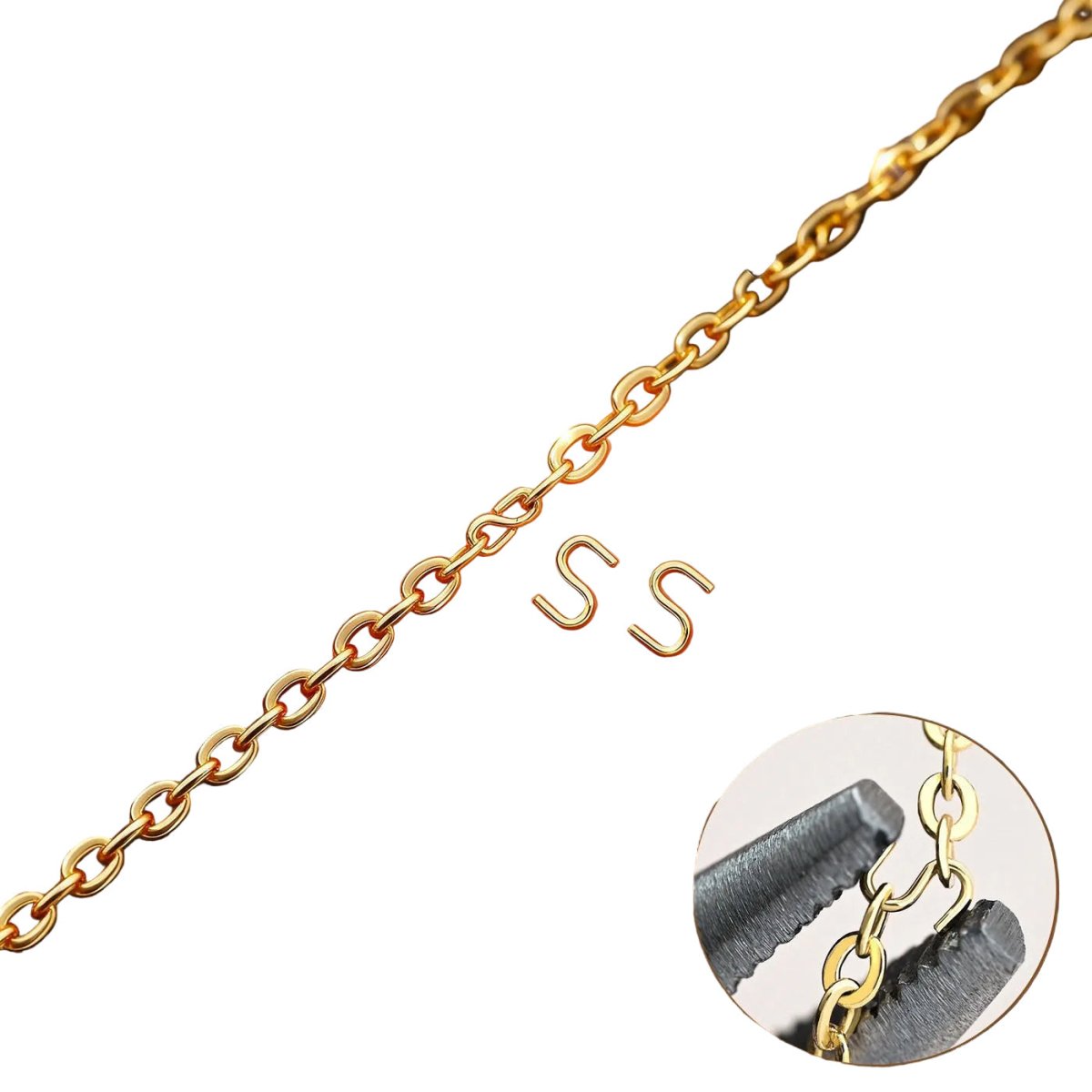
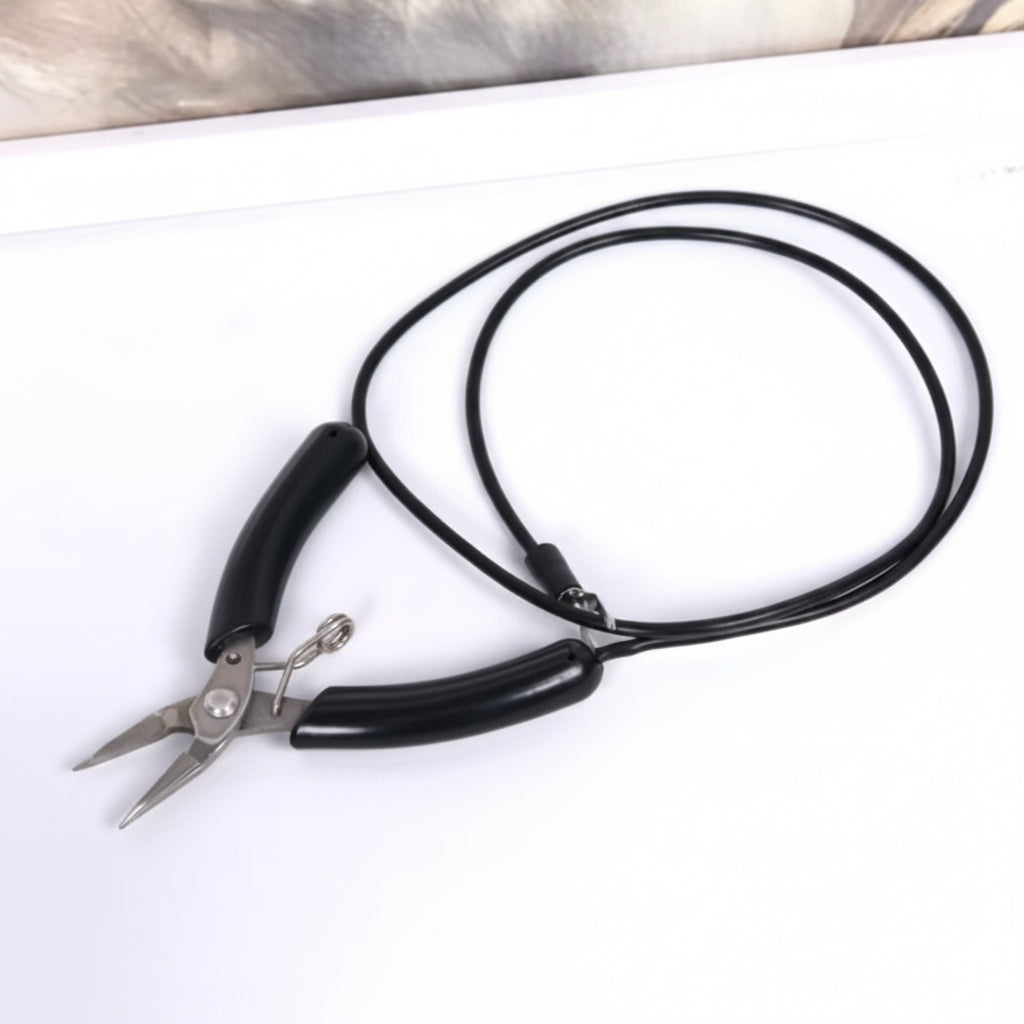
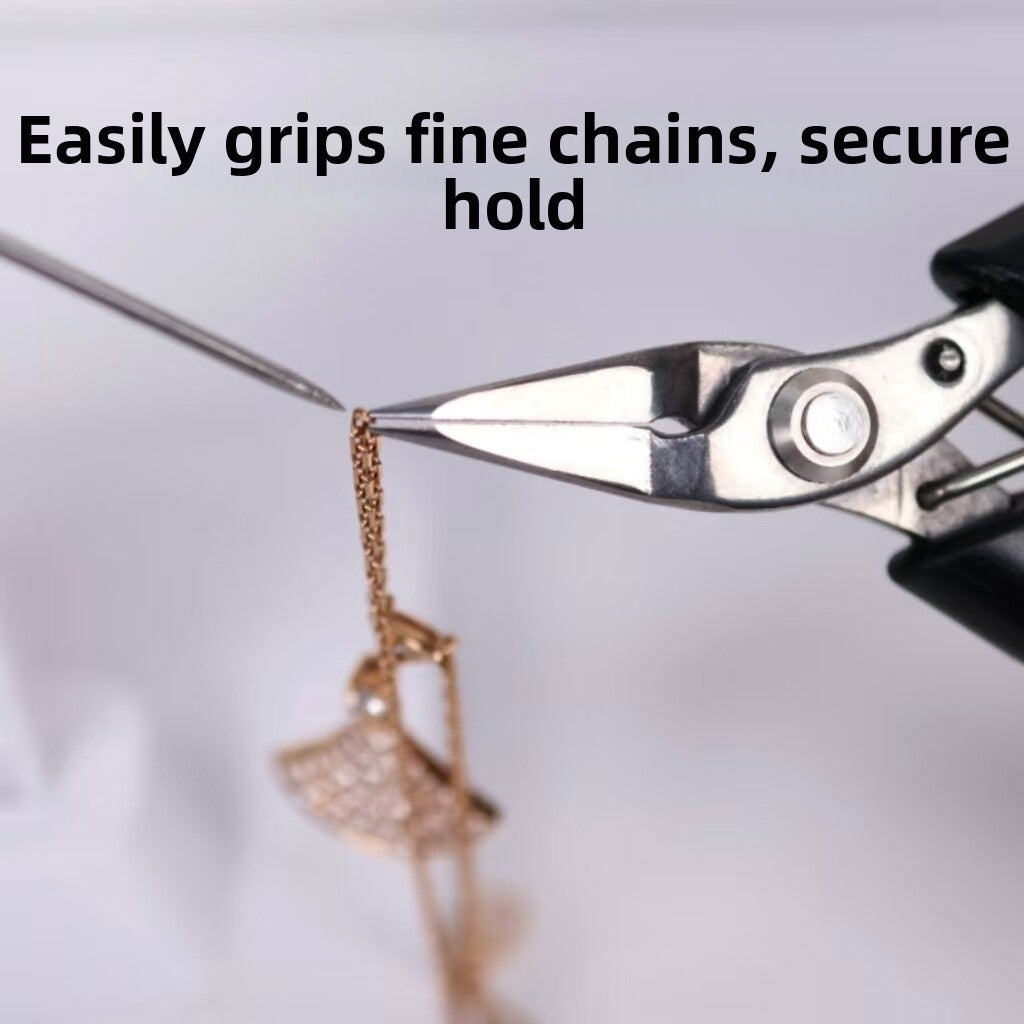
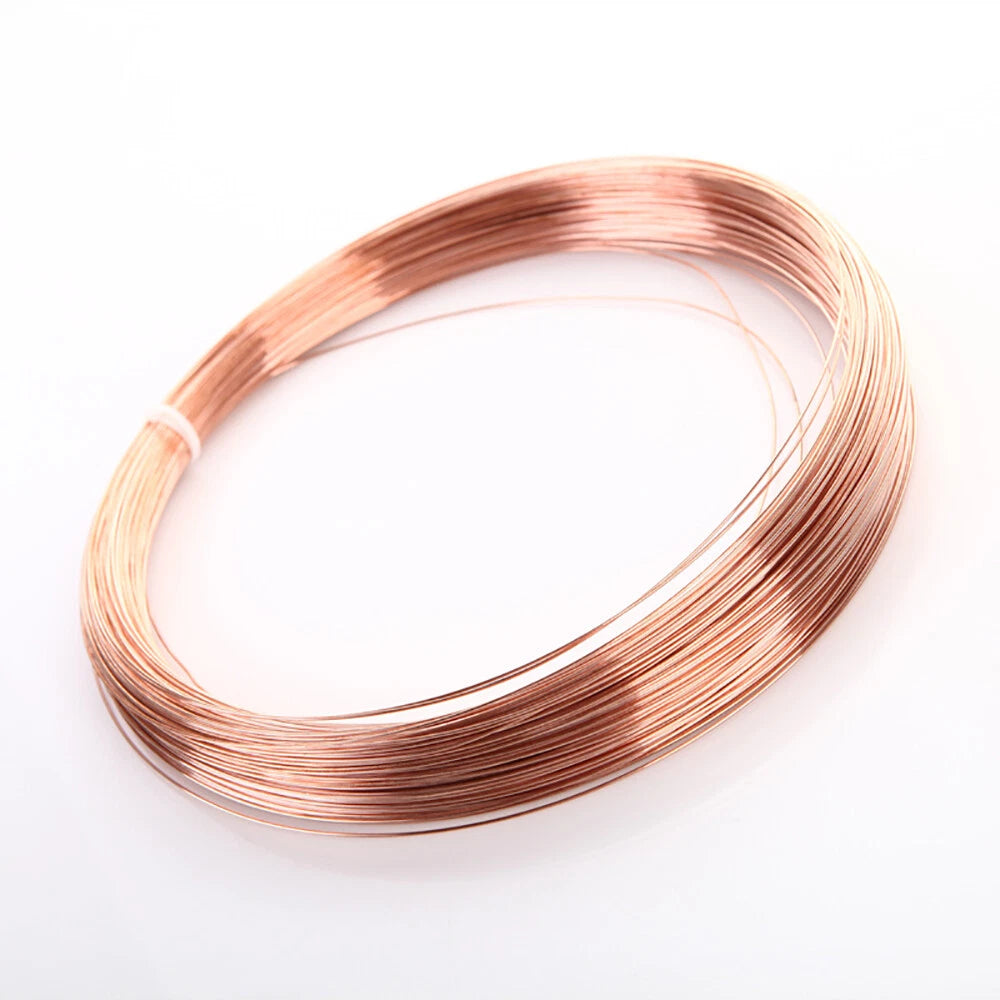
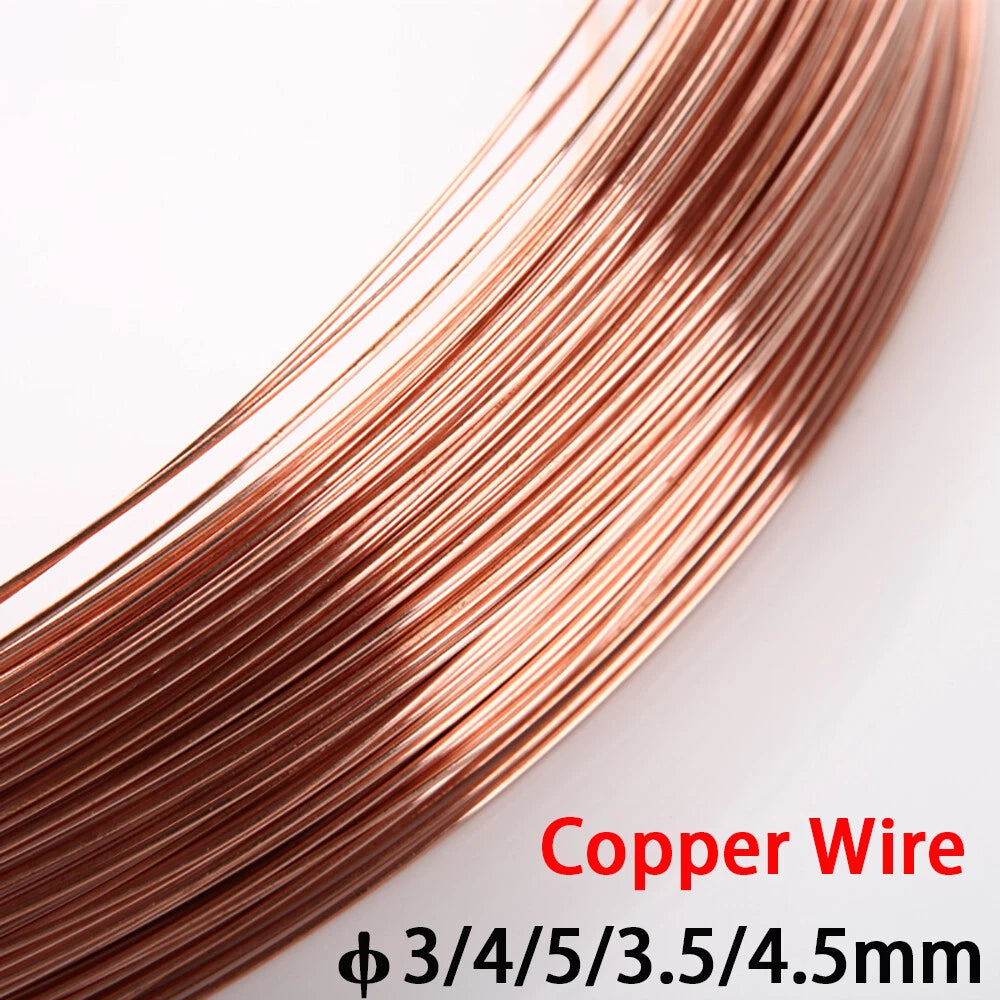
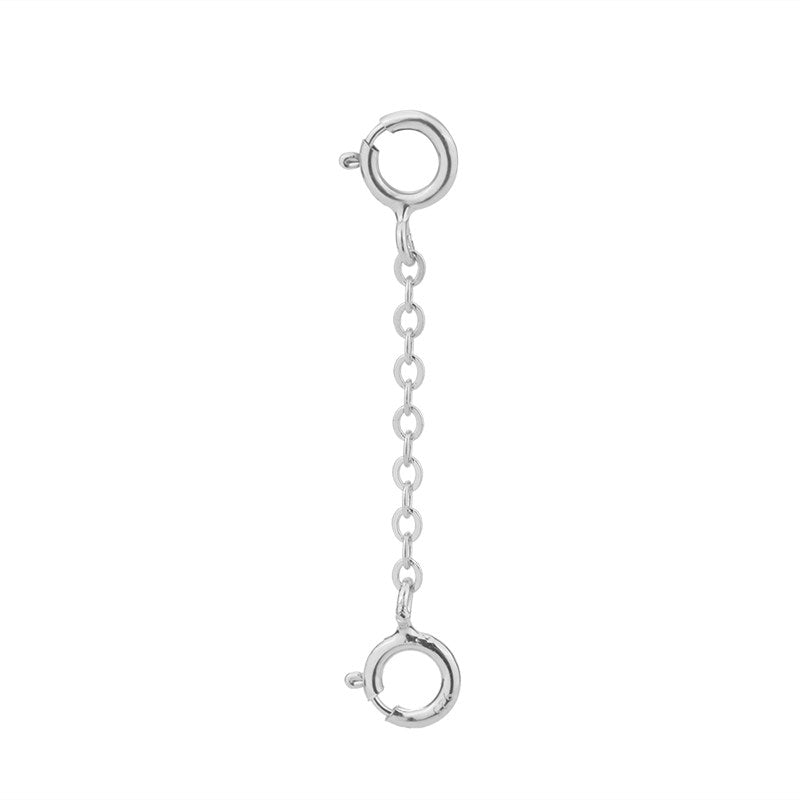
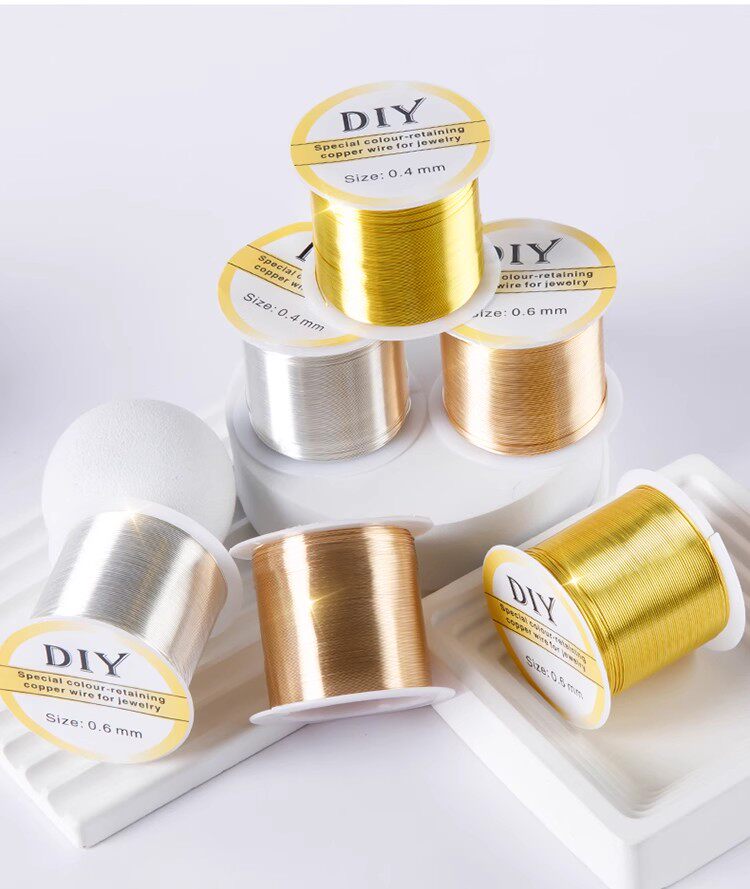
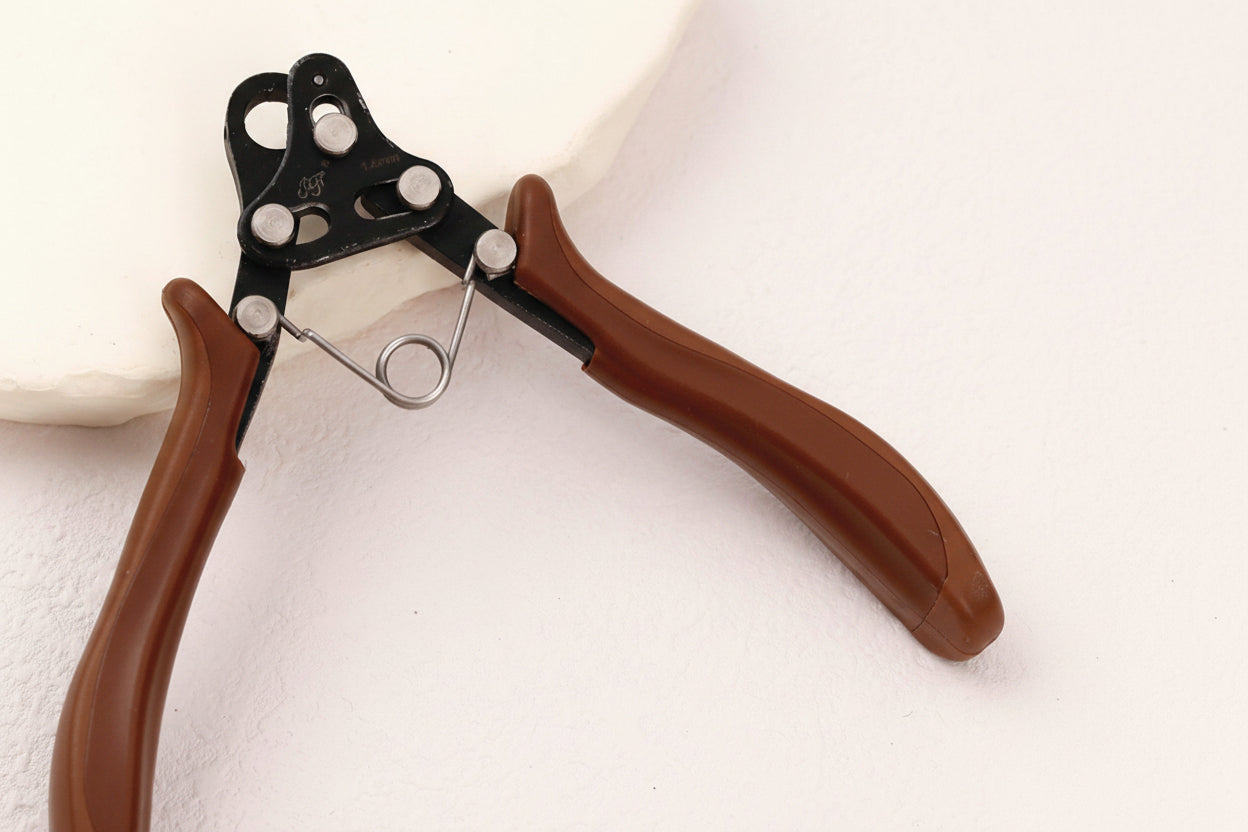
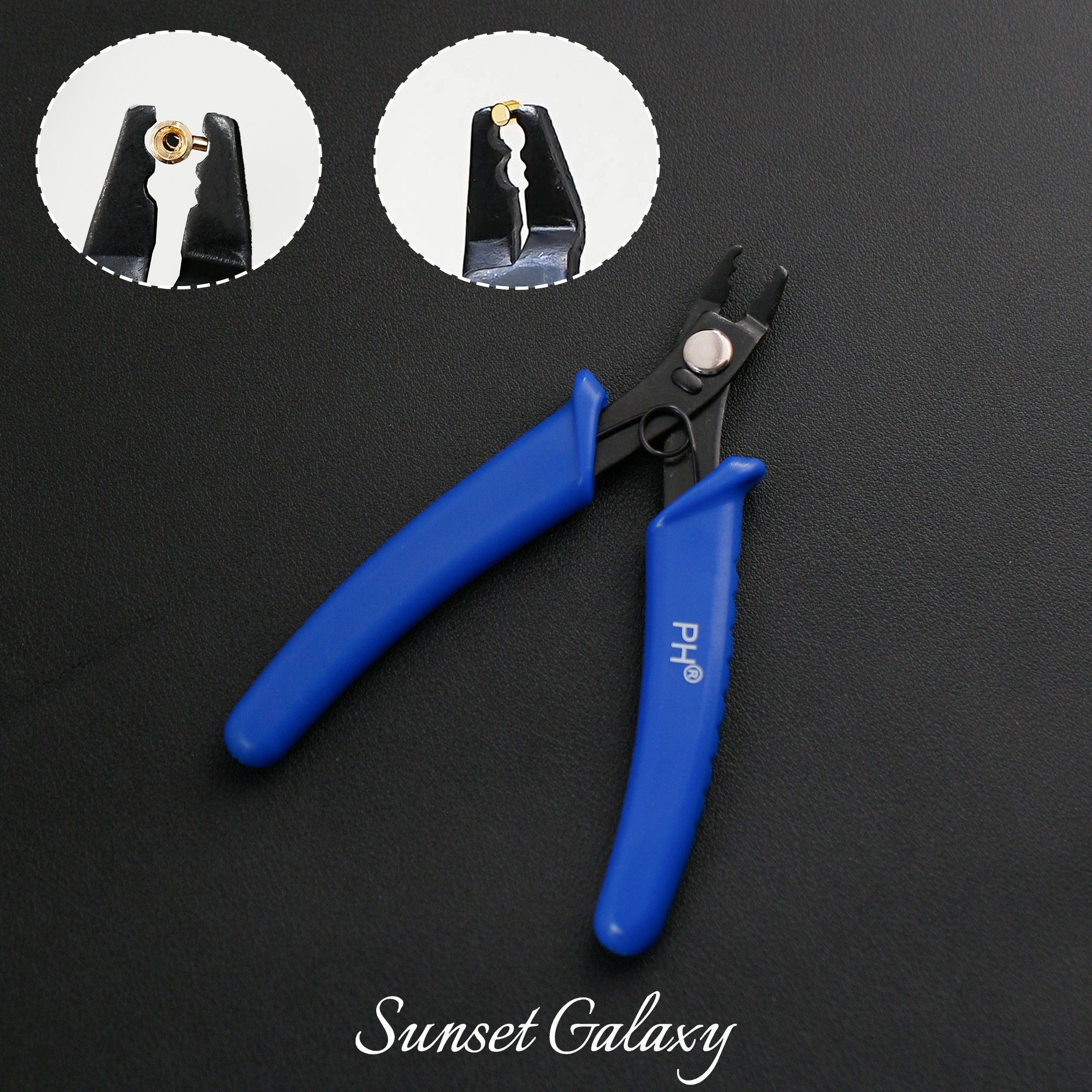
Jewelry pliers are not interchangeable with standard hardware pliers — the jaws are smooth (no teeth) to avoid marring soft metals, and the profiles are designed for specific tasks. Round-nose pliers form loops and jump rings. Split ring pliers open split rings without bending them out of shape. Flat-nose pliers grip and bend wire cleanly. A 9-in-1 needle plier set covers most of these functions in a single compact tool, which is ideal for travel repairs or small workspaces. For fine wire work — copper winding, wire wrapping, coil making — look for pliers with tapered jaws that give you control at the tip.
Gemstone Tweezers & Inspection Tools for Stone Setting and Assessment
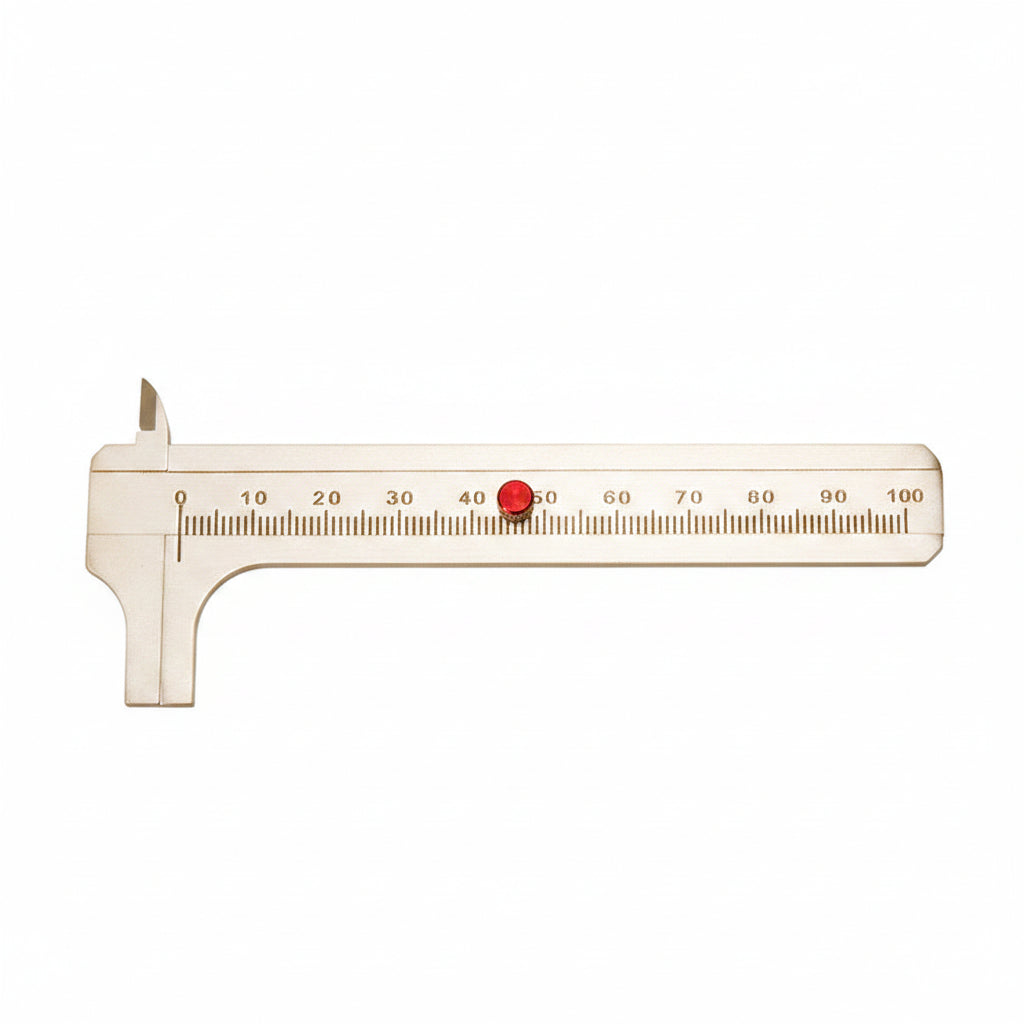
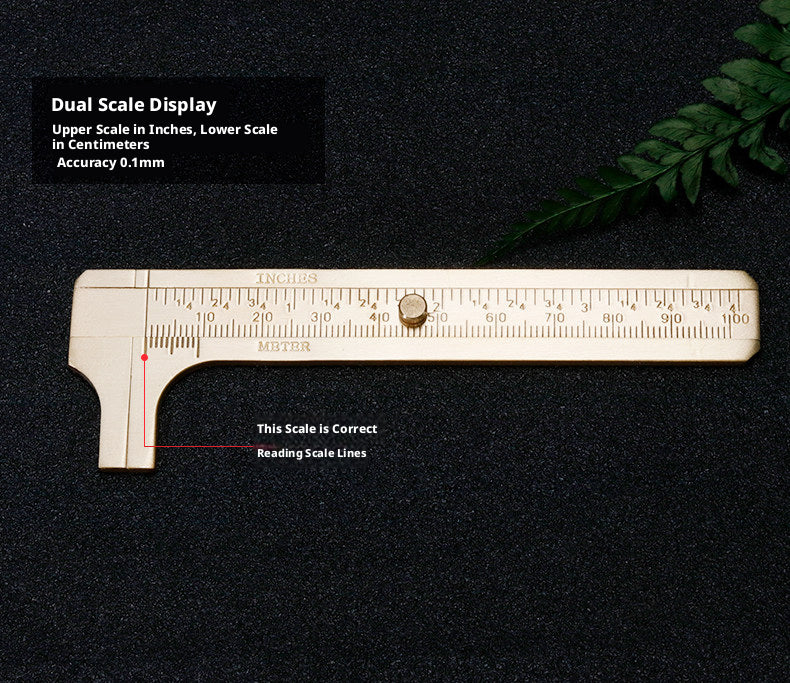
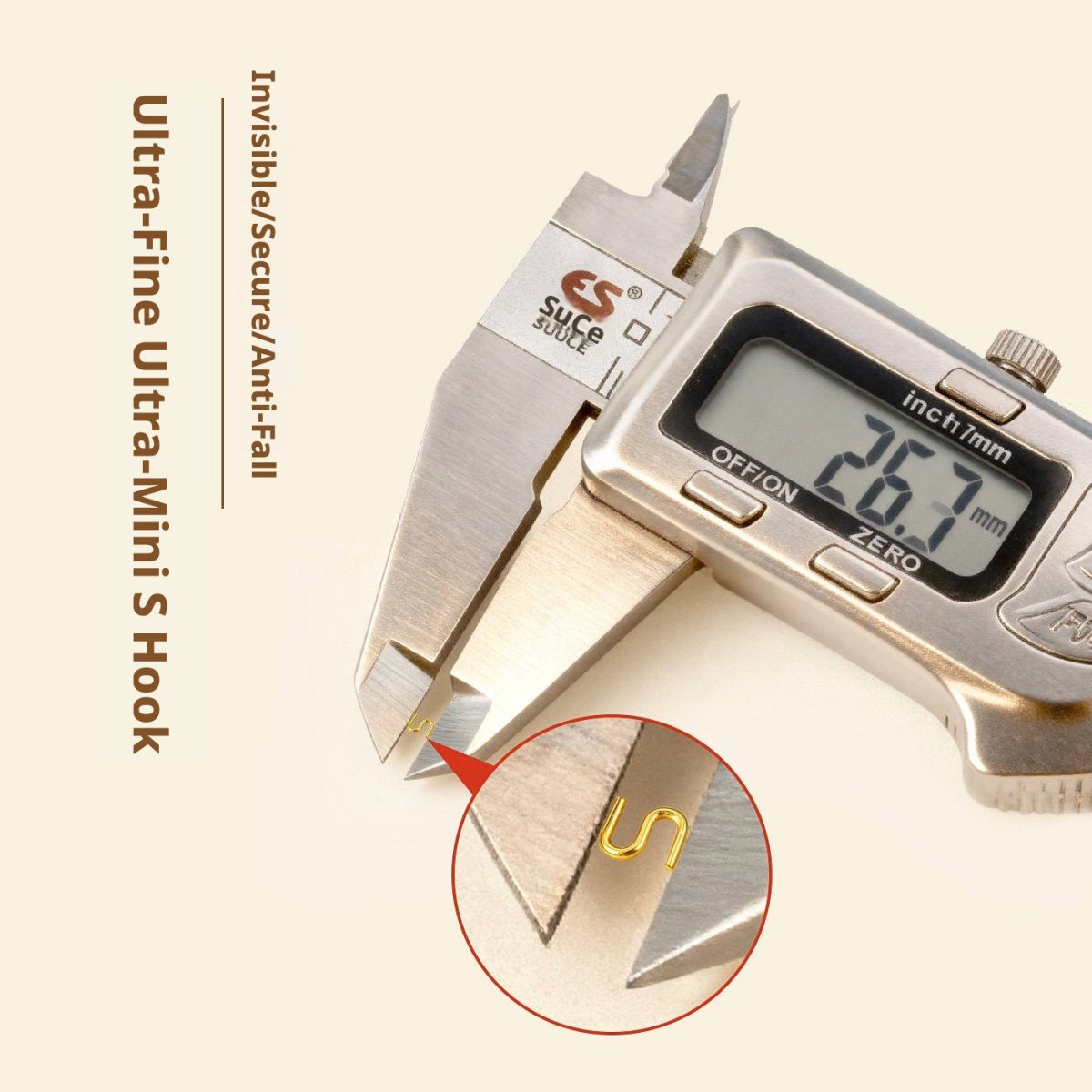
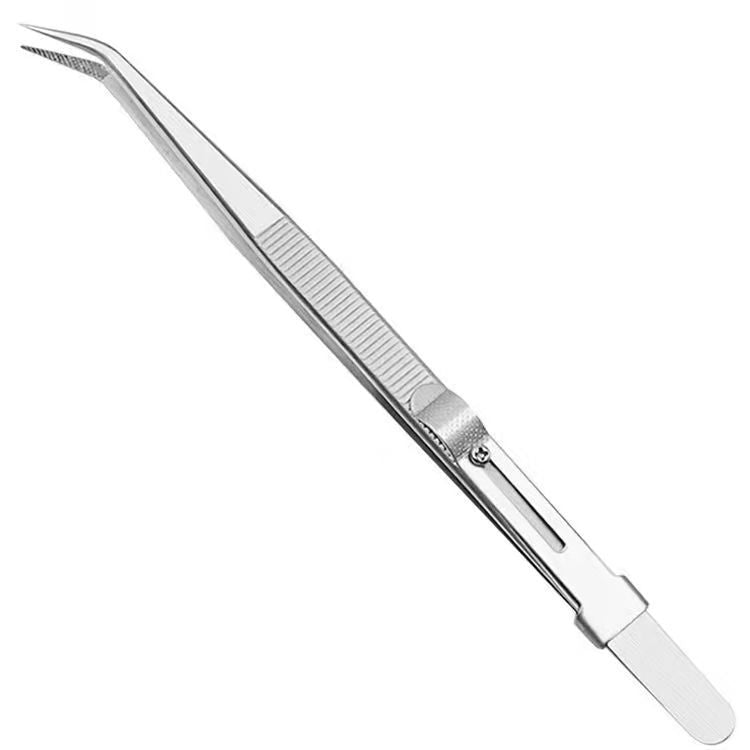
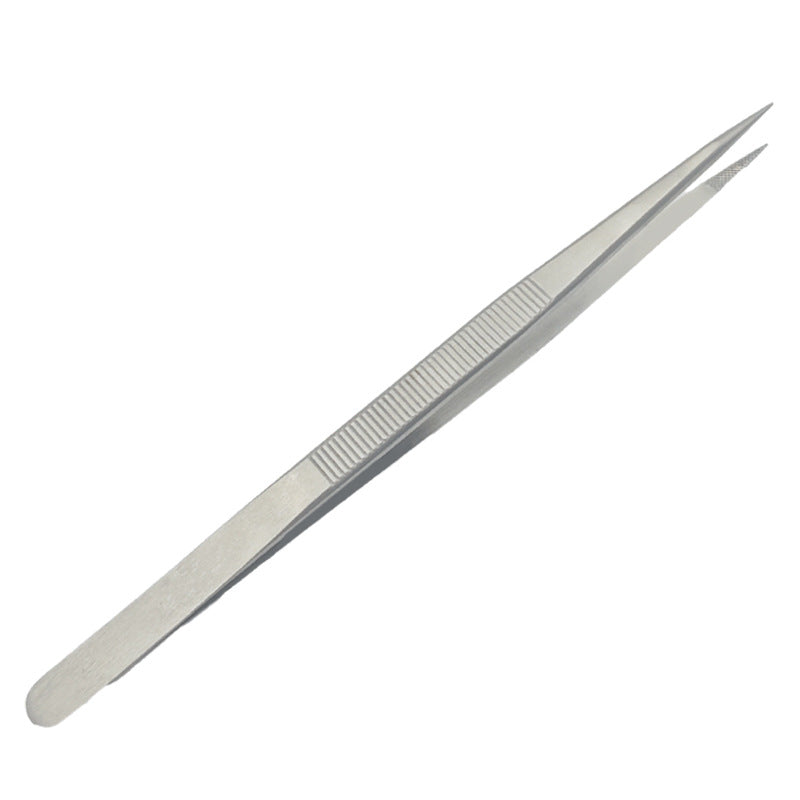
Before you can fix a loose stone, you need to see exactly what's happening with the prongs or bezel. A folding magnifier or jewelry loupe at 10x–30x magnification reveals prong wear, hairline cracks, and stone seating issues that are invisible to the naked eye. Once you've assessed the damage, 4-claw gemstone tweezers let you pick up, position, and seat loose diamonds, crystals, and faceted stones without scratching the girdle or losing the stone. A precision vernier caliper measures stone diameter and setting depth accurately — essential when ordering replacement stones or checking that a new stone will seat correctly.
DIY Jewelry Making Kits & Beading Supplies for Crafting and Redesign
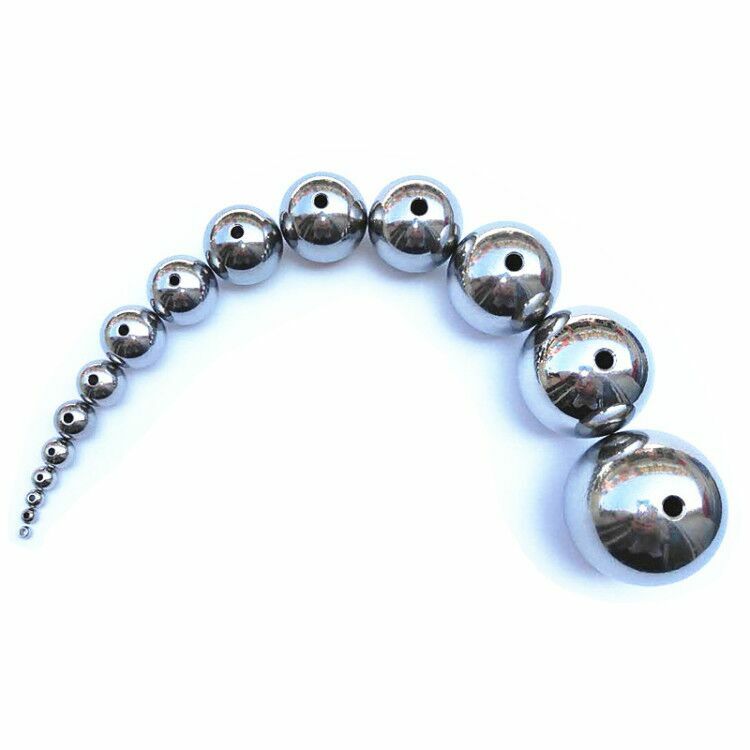
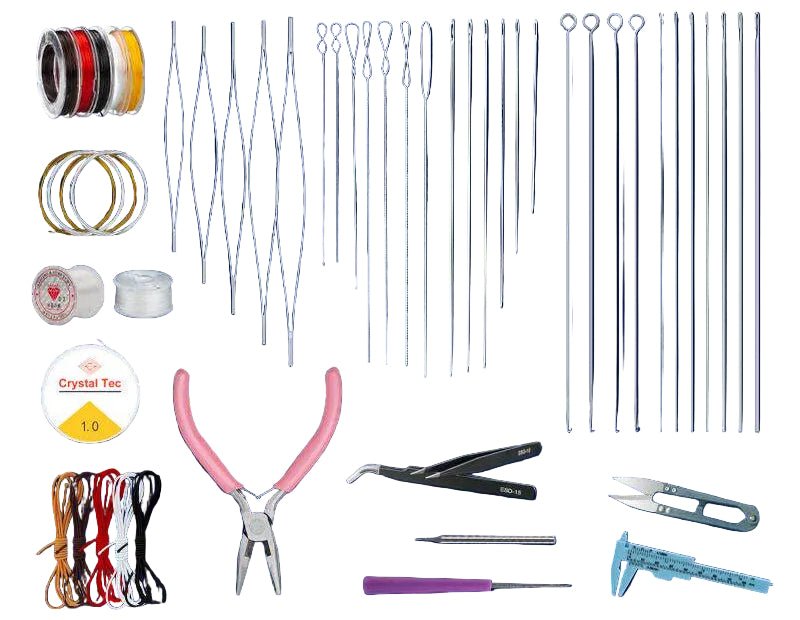
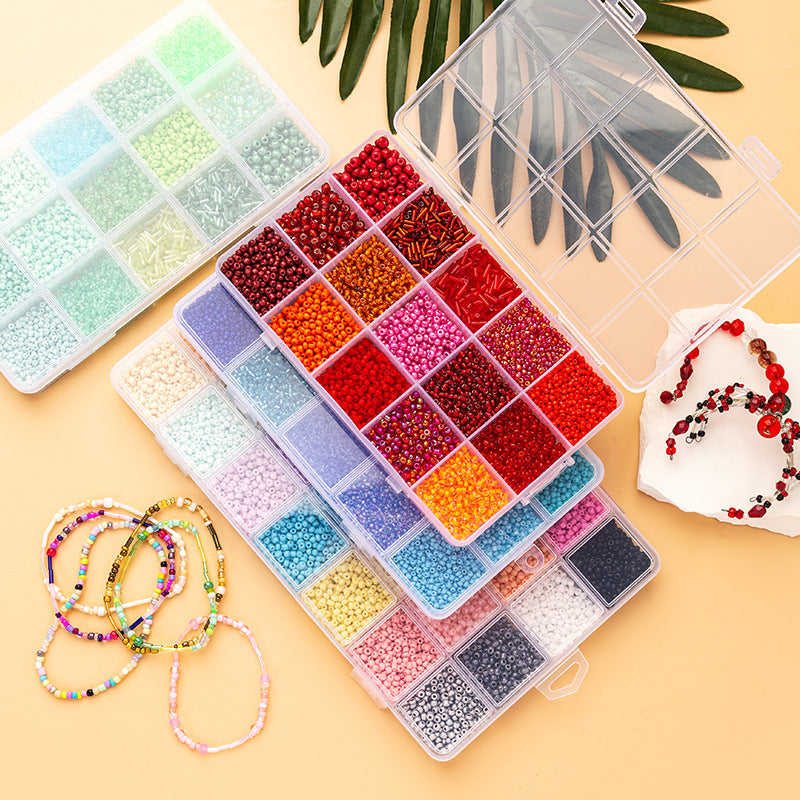
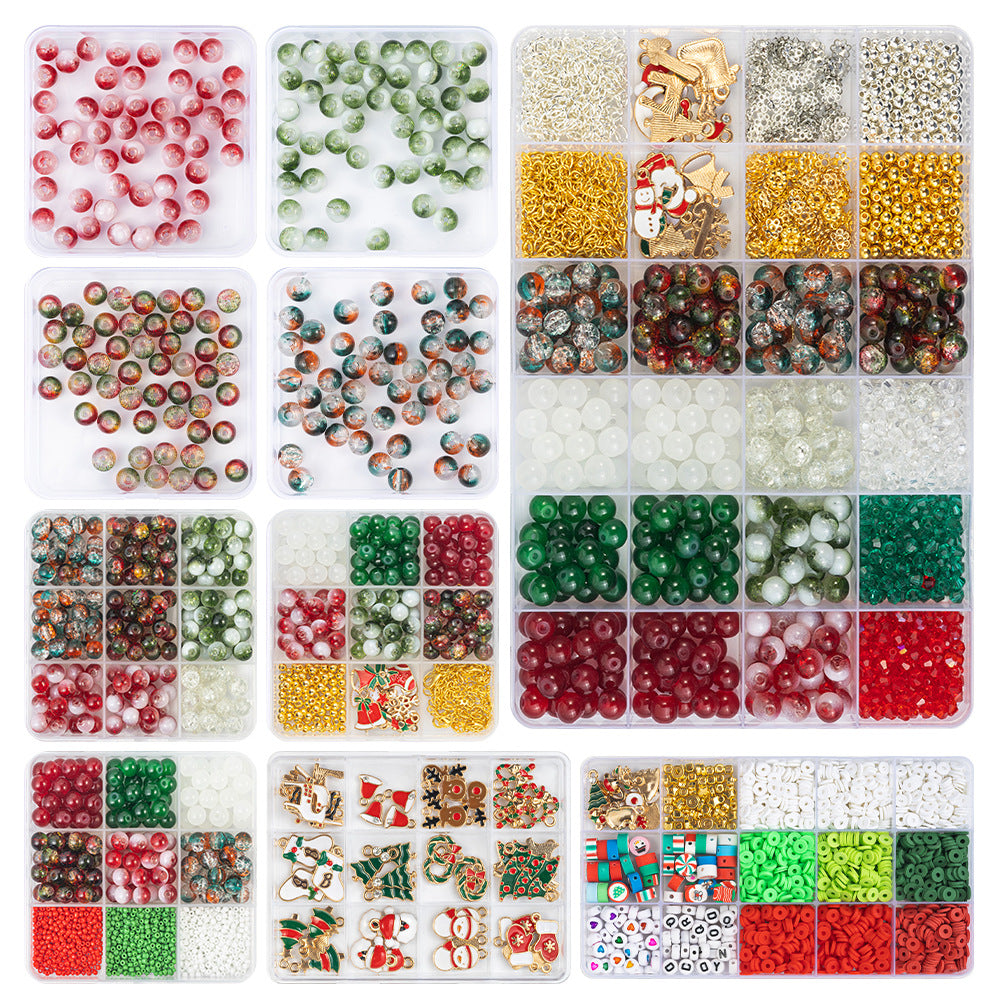
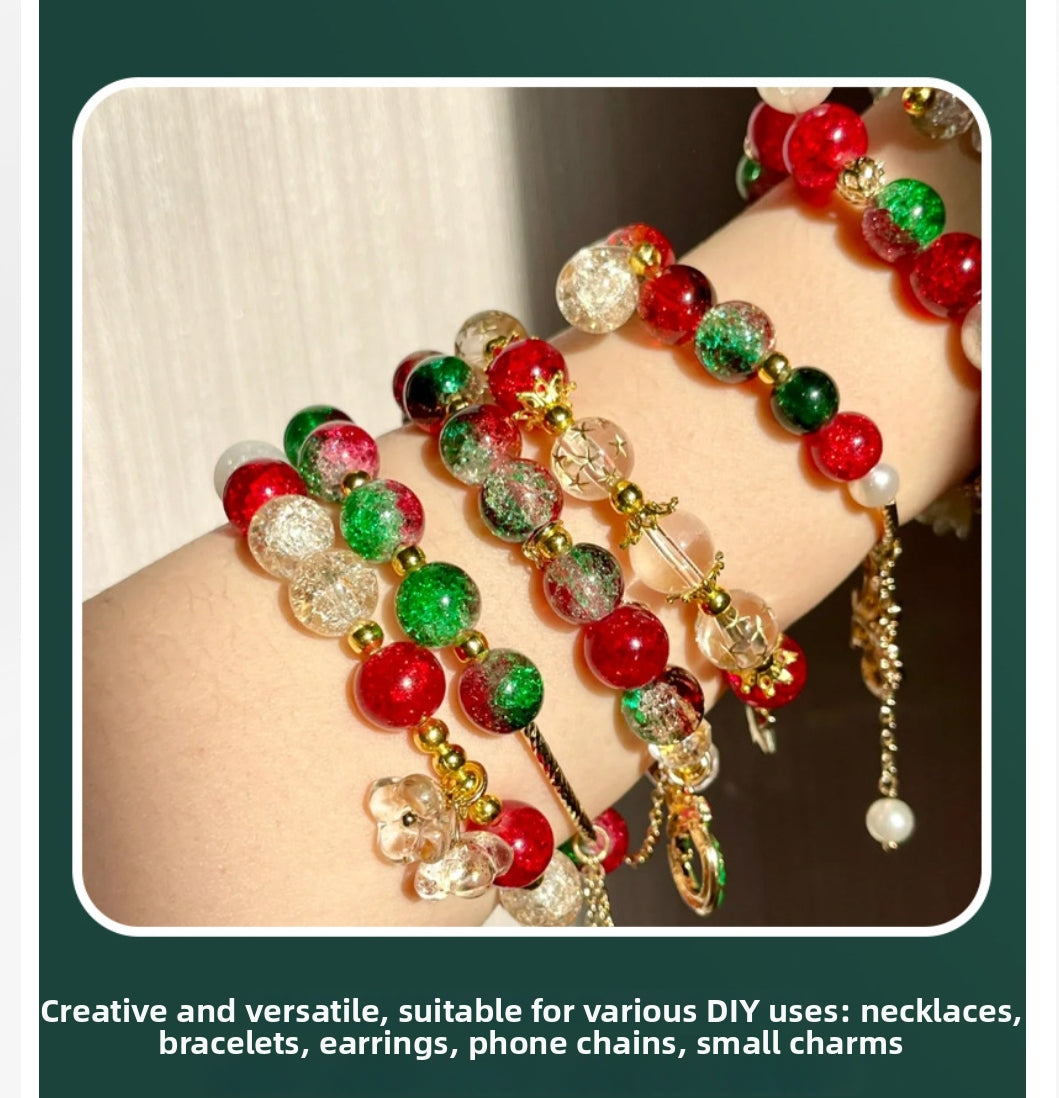
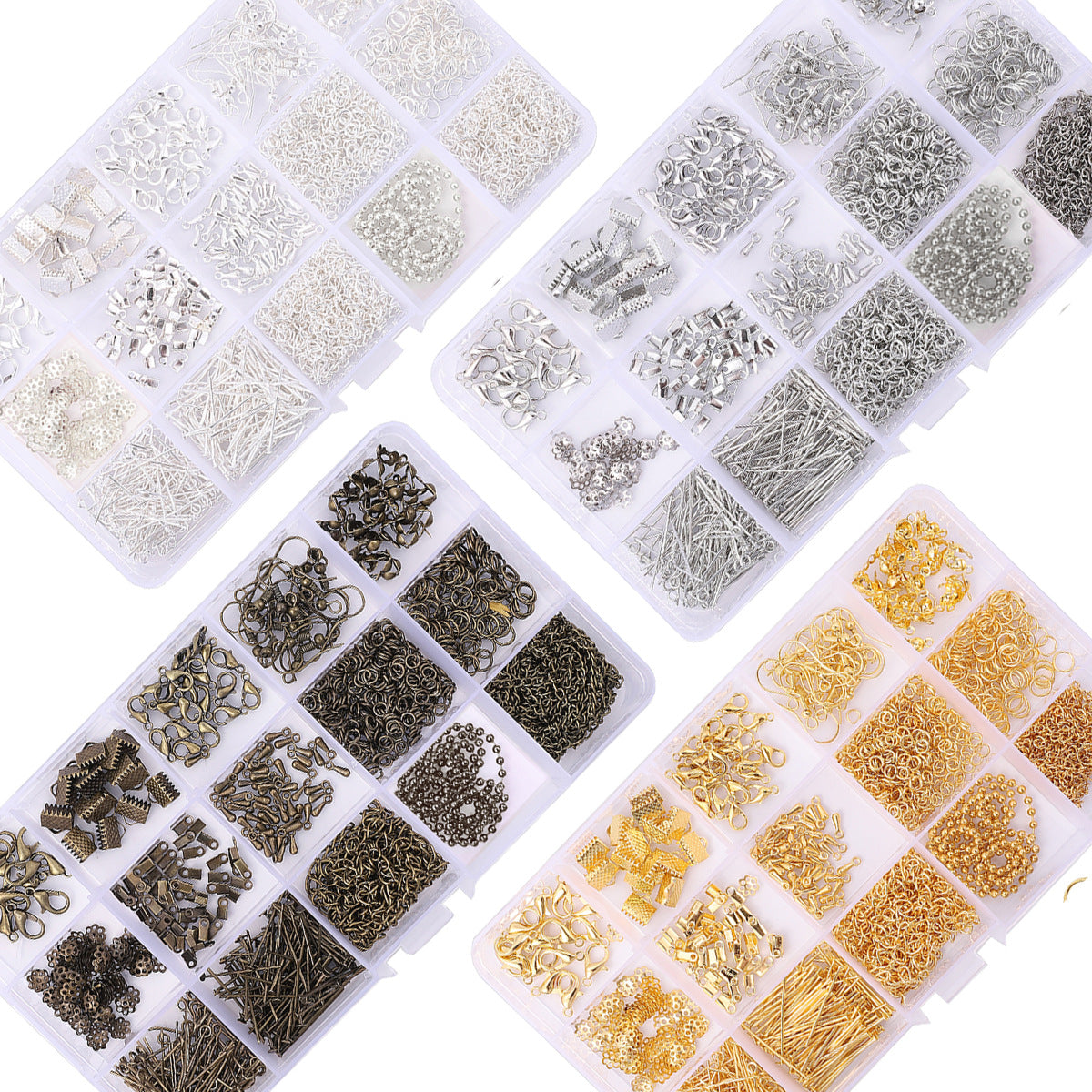
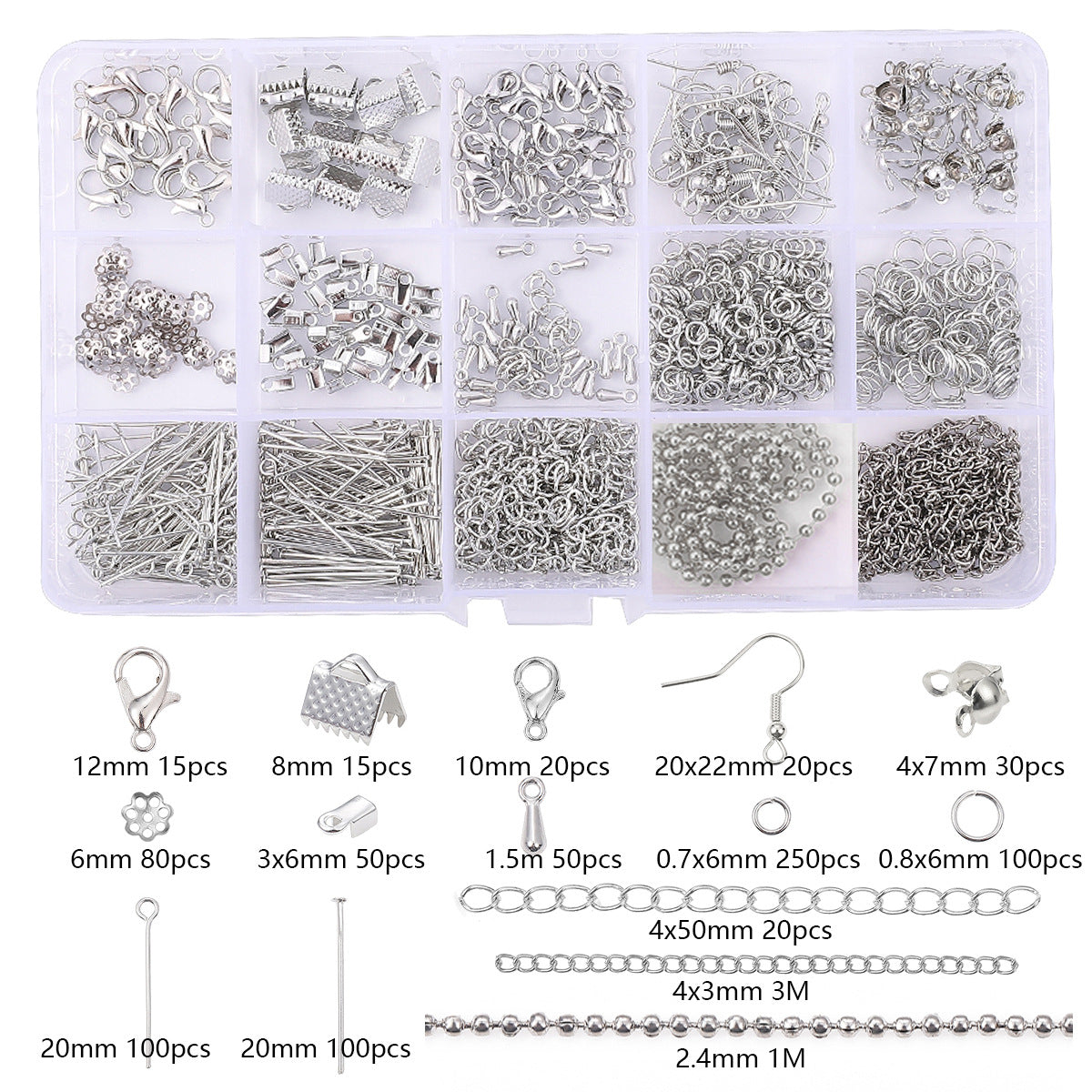
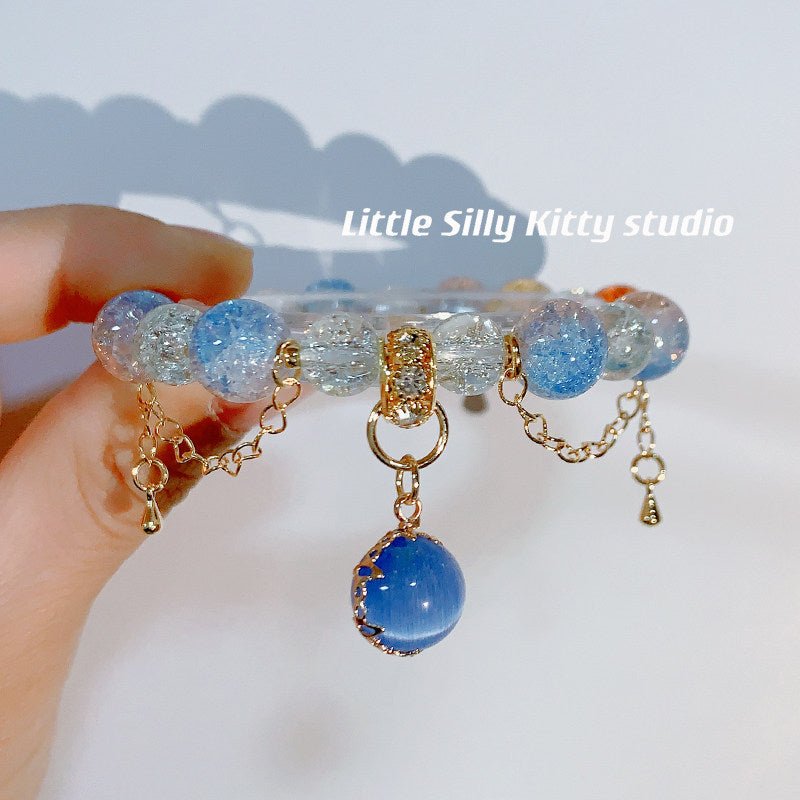
Sometimes repair turns into redesign — and that's where a complete jewelry making kit pays off. An all-in-one kit with 380+ pieces covers findings (clasps, jump rings, ear wires), beads, pliers, and storage in a single organized box. Sterling silver pendants and beads in 40+ shapes give you material for new pieces or replacements for damaged components. A bead design board with bracelet sizer and necklace layout plate helps you plan the finished piece before committing to the string. These kits are equally useful for first-time crafters and experienced makers who want a consolidated supply set for repairs and new projects.
Jewelry Maintenance Tips — Keeping Your Pieces in Good Shape Year-Round
Run through this quick checklist each season to catch problems before they become expensive repairs:
- Check all prongs on stone-set rings and pendants — press gently with a fingernail; if a prong flexes or catches on fabric, it needs tightening before the stone loosens.
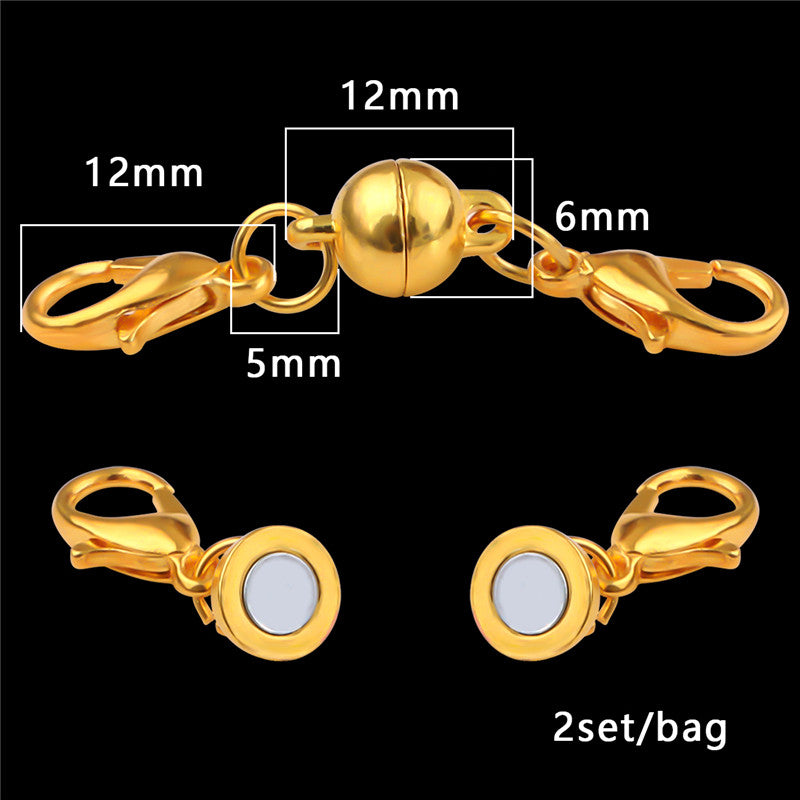
- Inspect clasps and jump rings on necklaces and bracelets for metal fatigue — look for hairline cracks or gaps that have widened since last check.
- Test elastic cord on stretch bracelets — if the bracelet has lost its snap-back tension or the cord looks discolored or frayed near the knot, restring it before it breaks mid-wear.
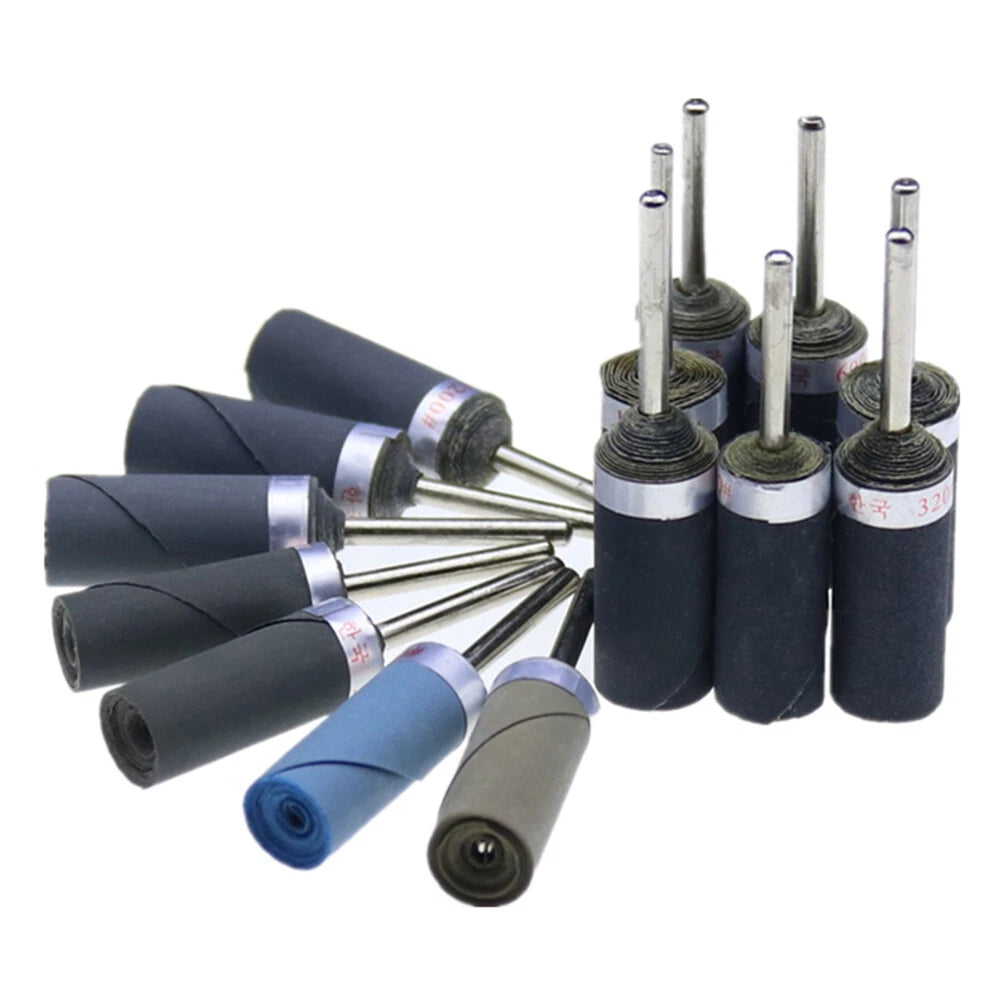
- Polish silver pieces that have started to oxidize — a quick pass with a rubber polishing burr on a rotary tool removes tarnish without stripping the metal, and takes less than five minutes per piece.
- Check bead holes on frequently worn pieces — repeated stringing friction enlarges holes over time; if beads are sliding loosely on the cord, it's time to restring on a thicker gauge.
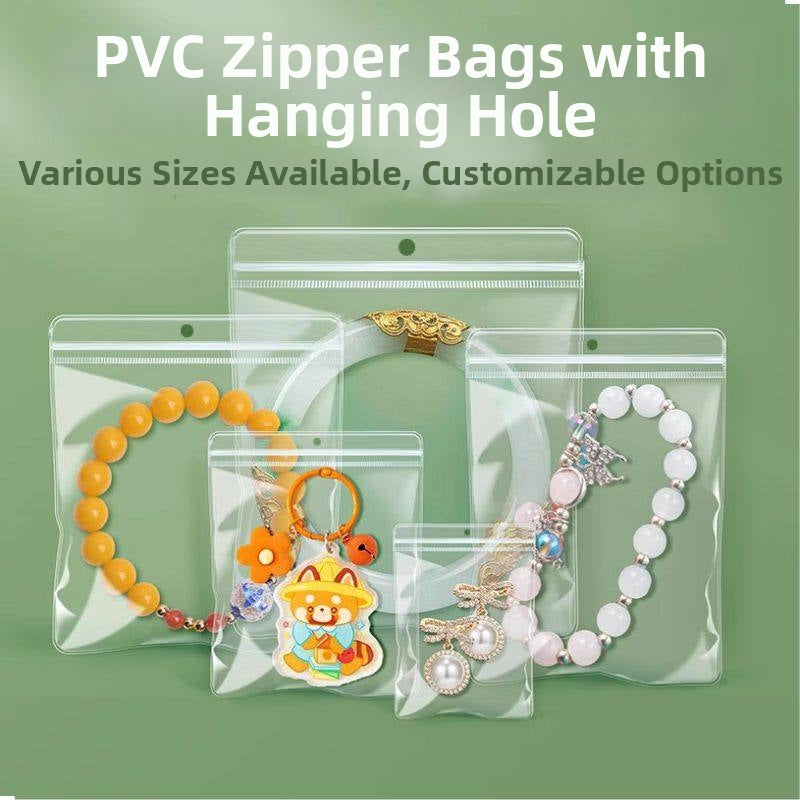
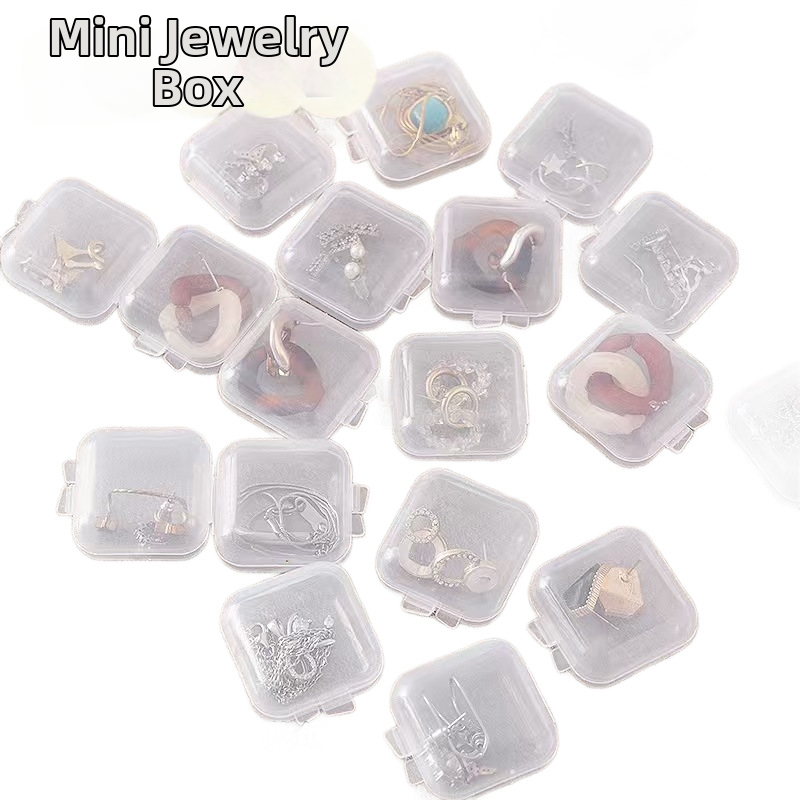
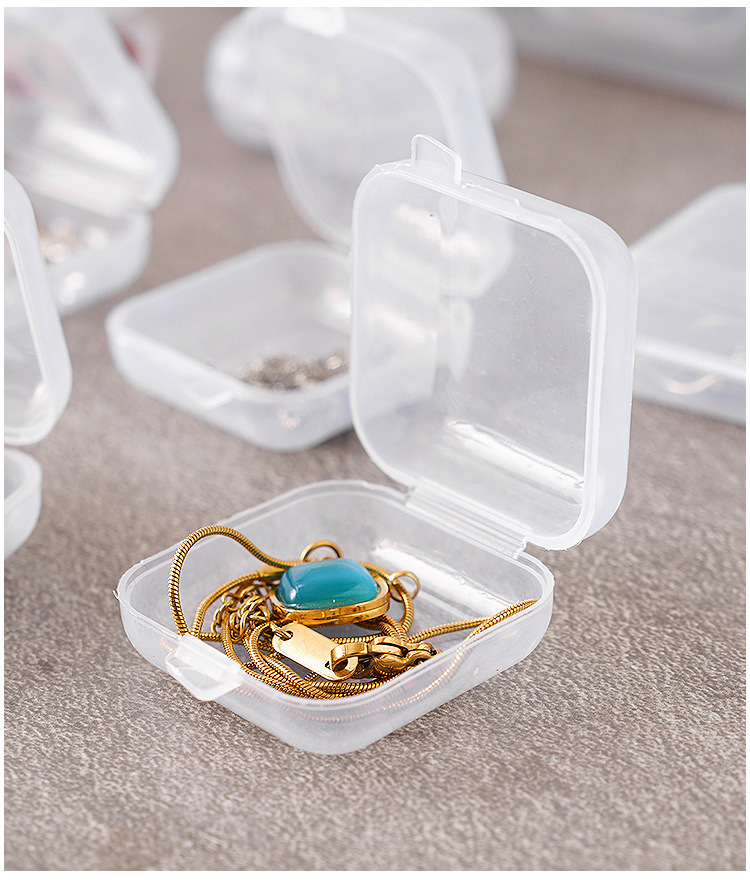
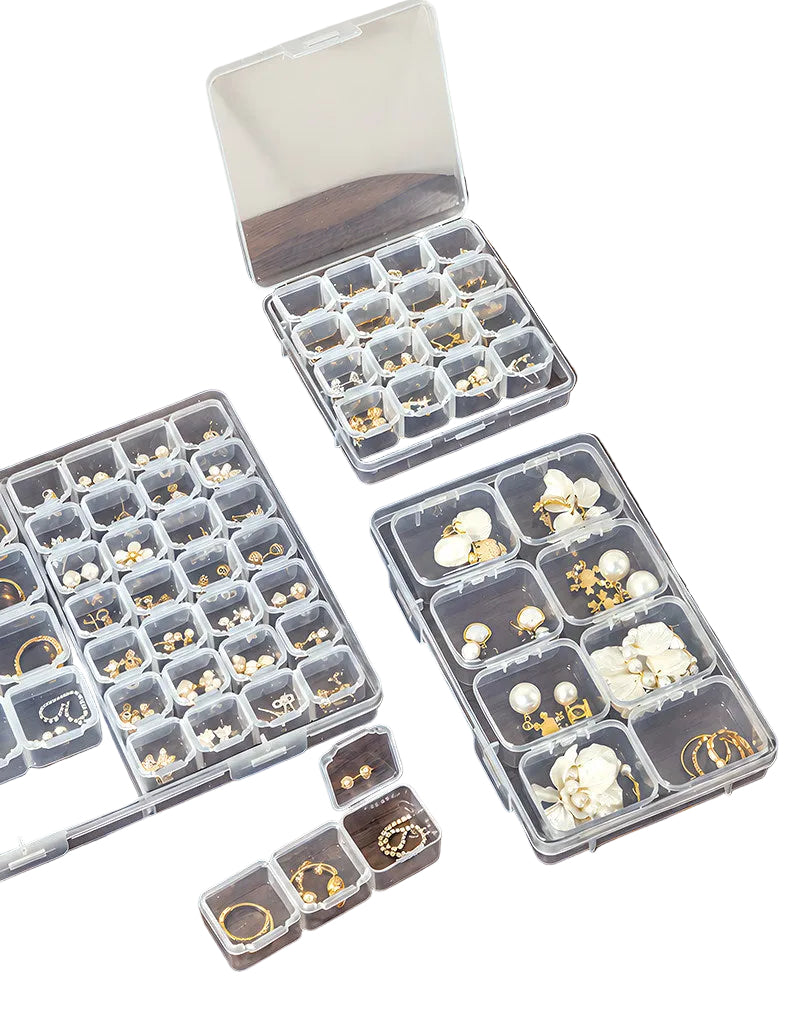
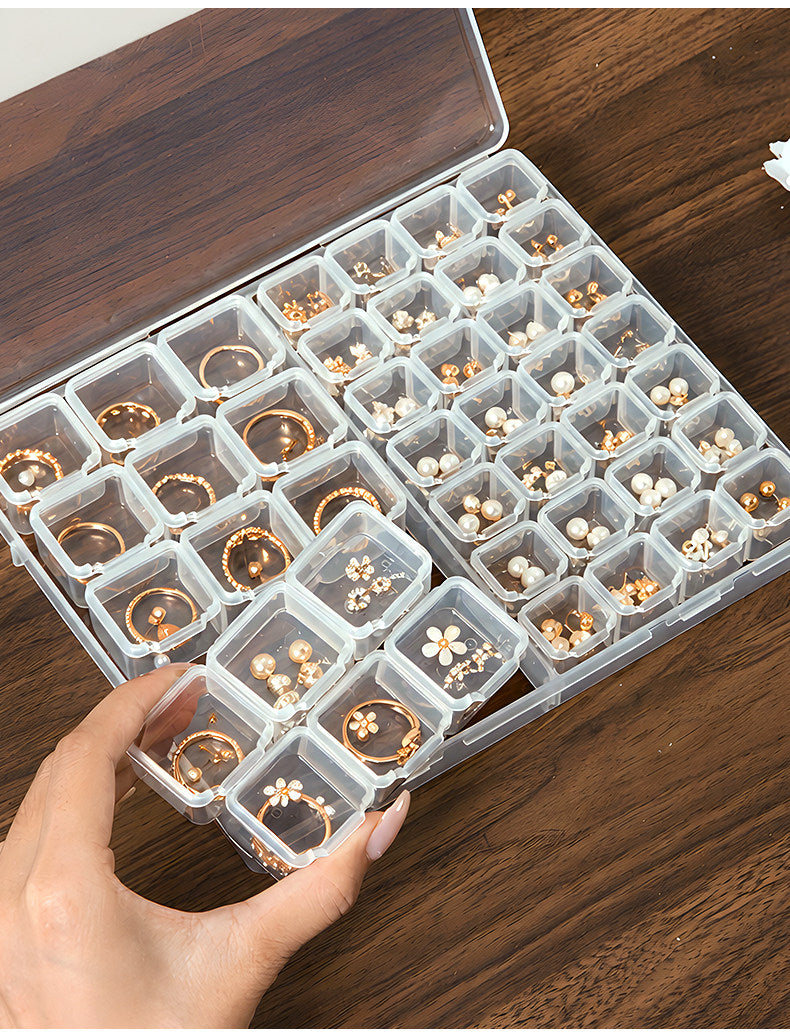
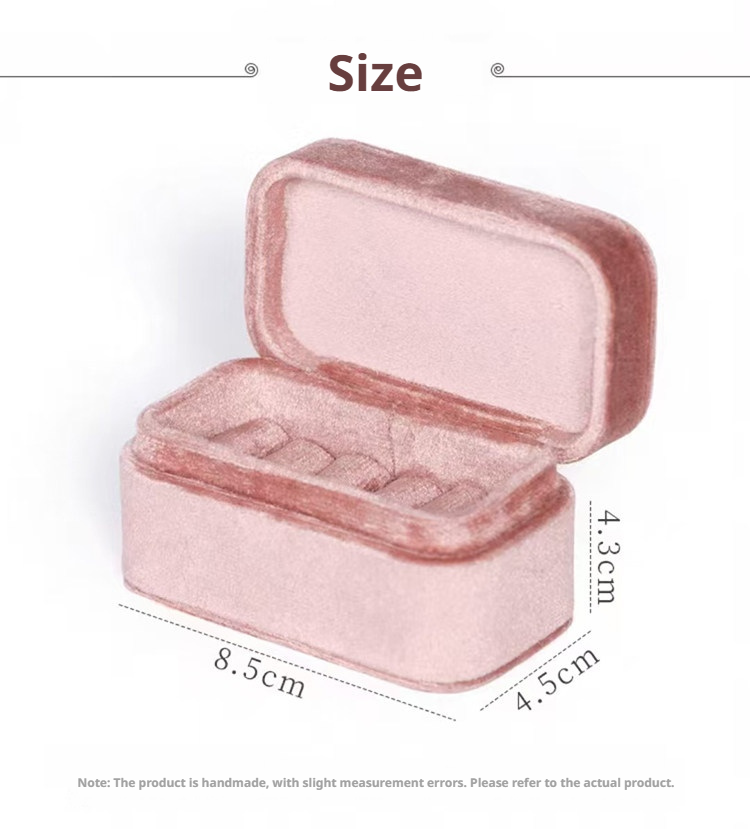
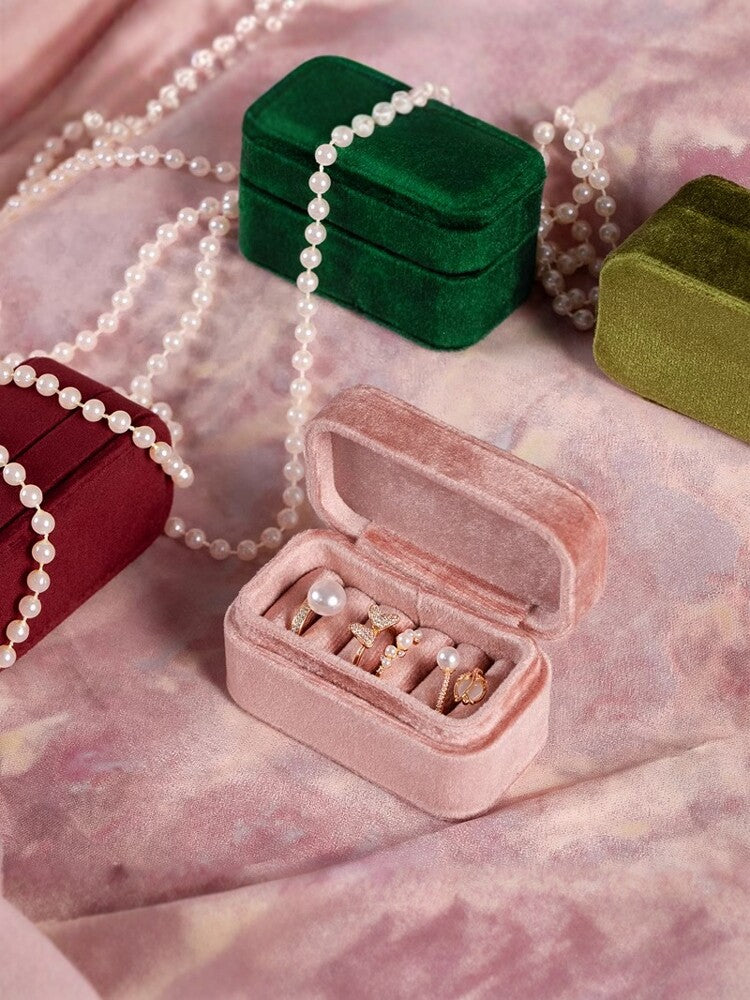
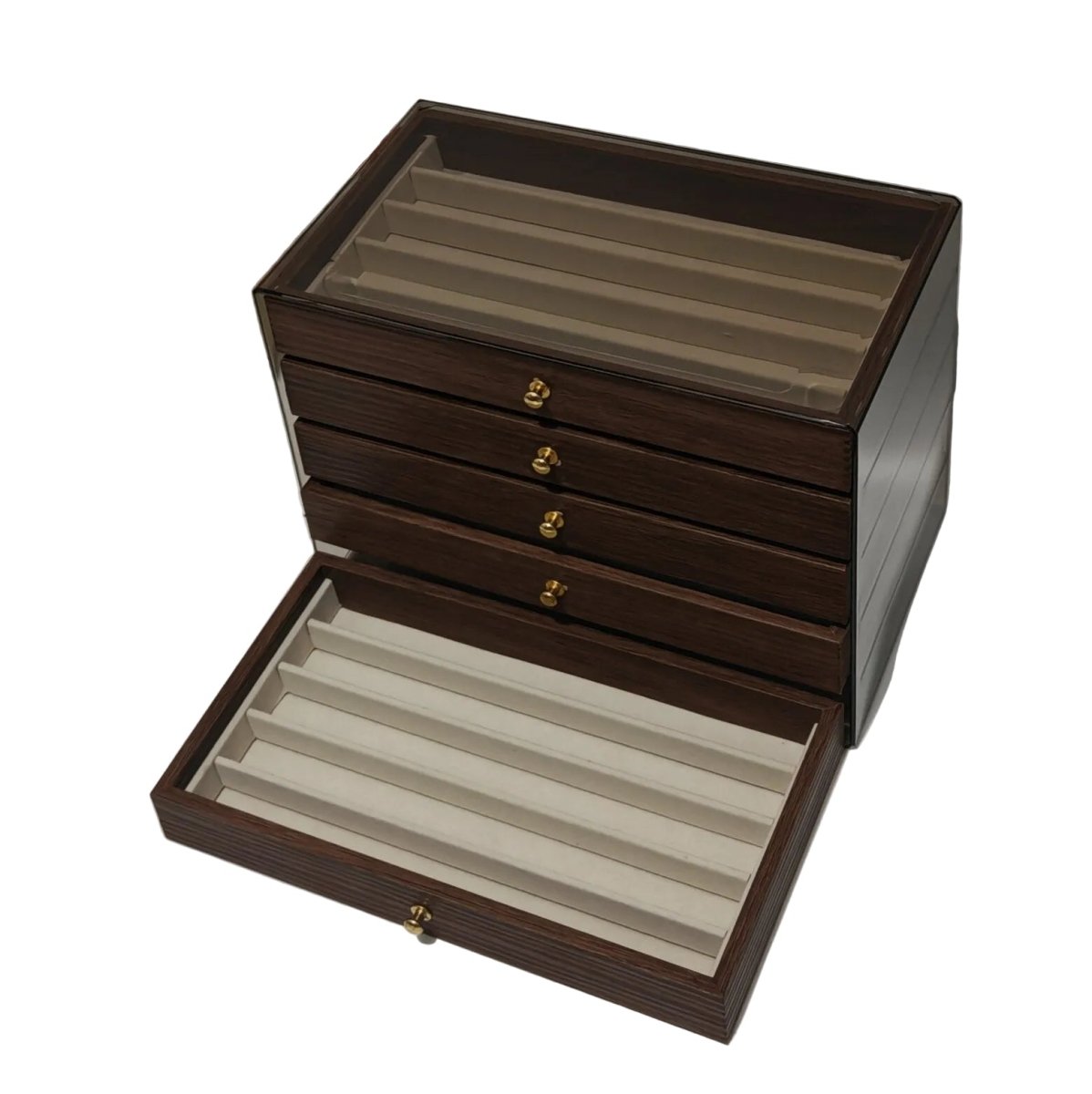
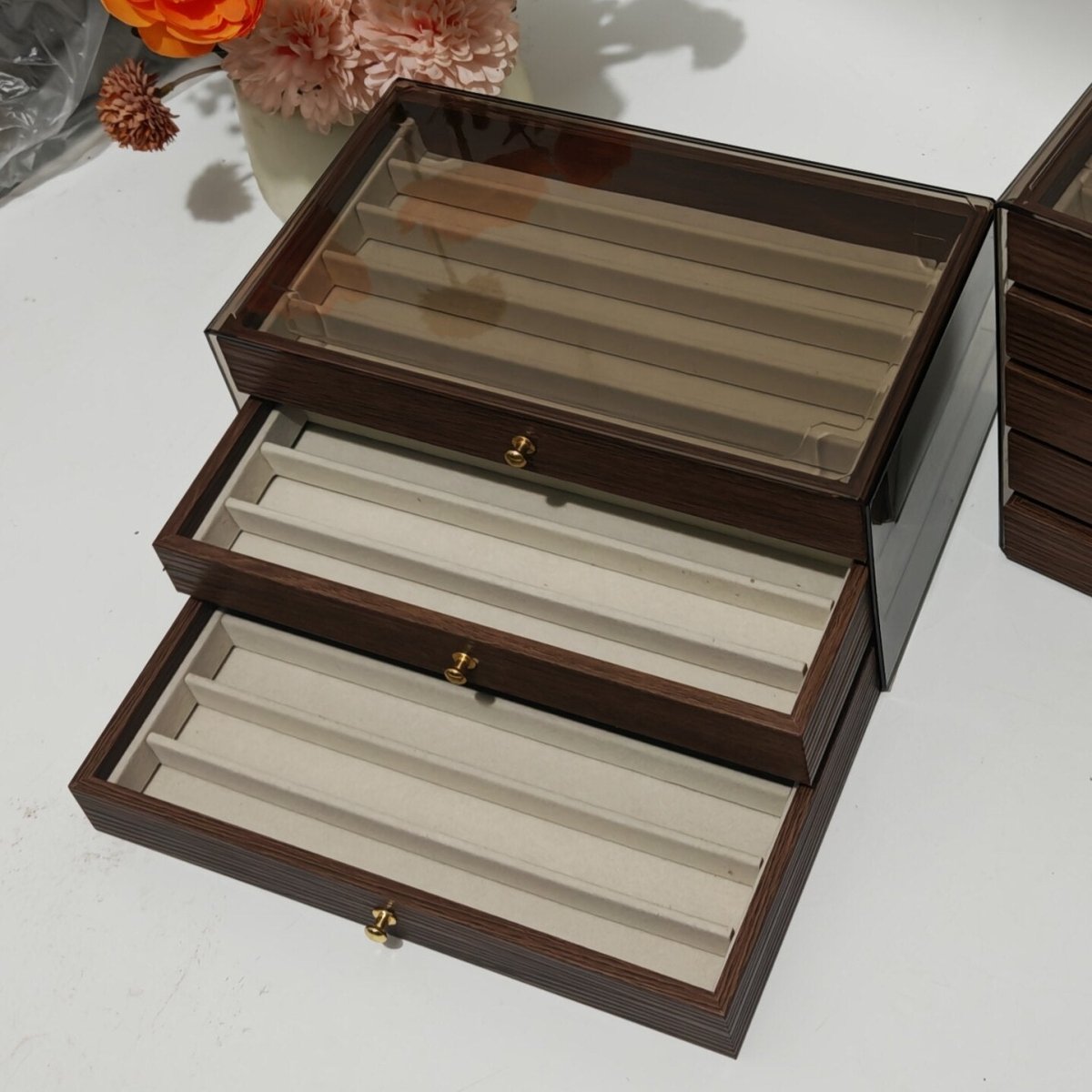
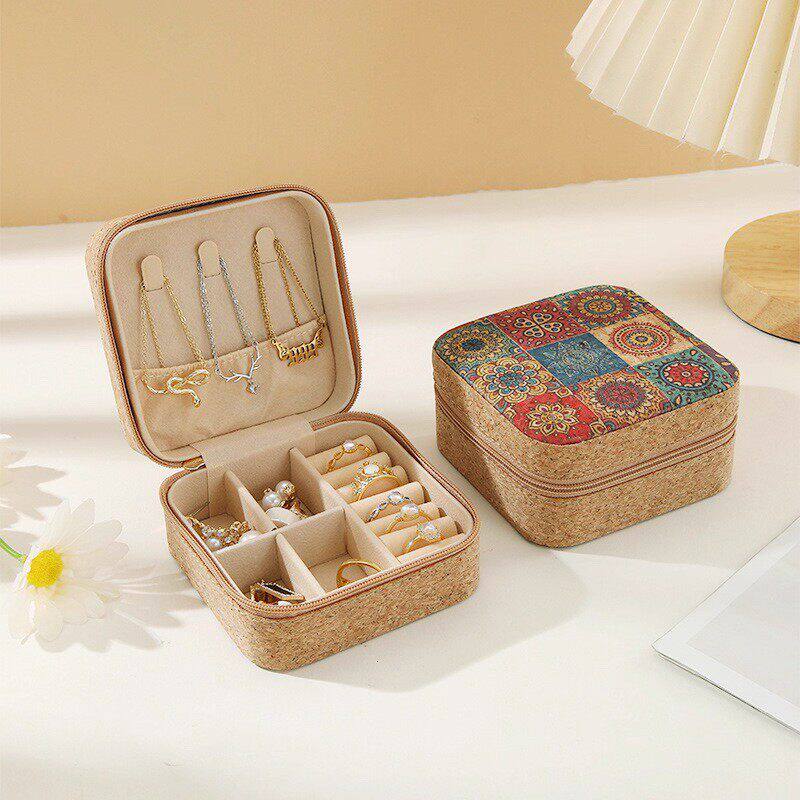
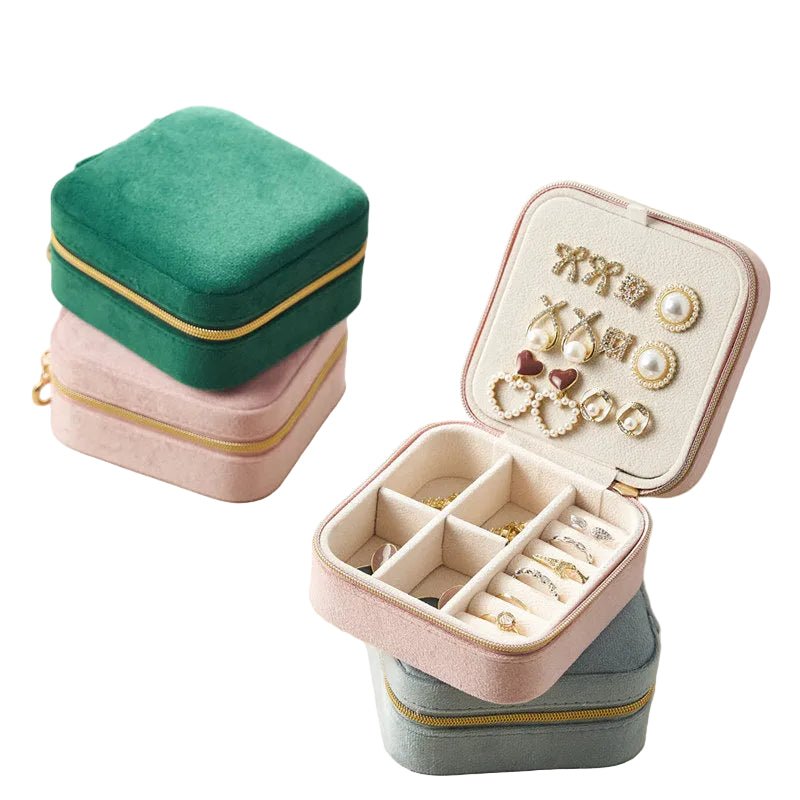
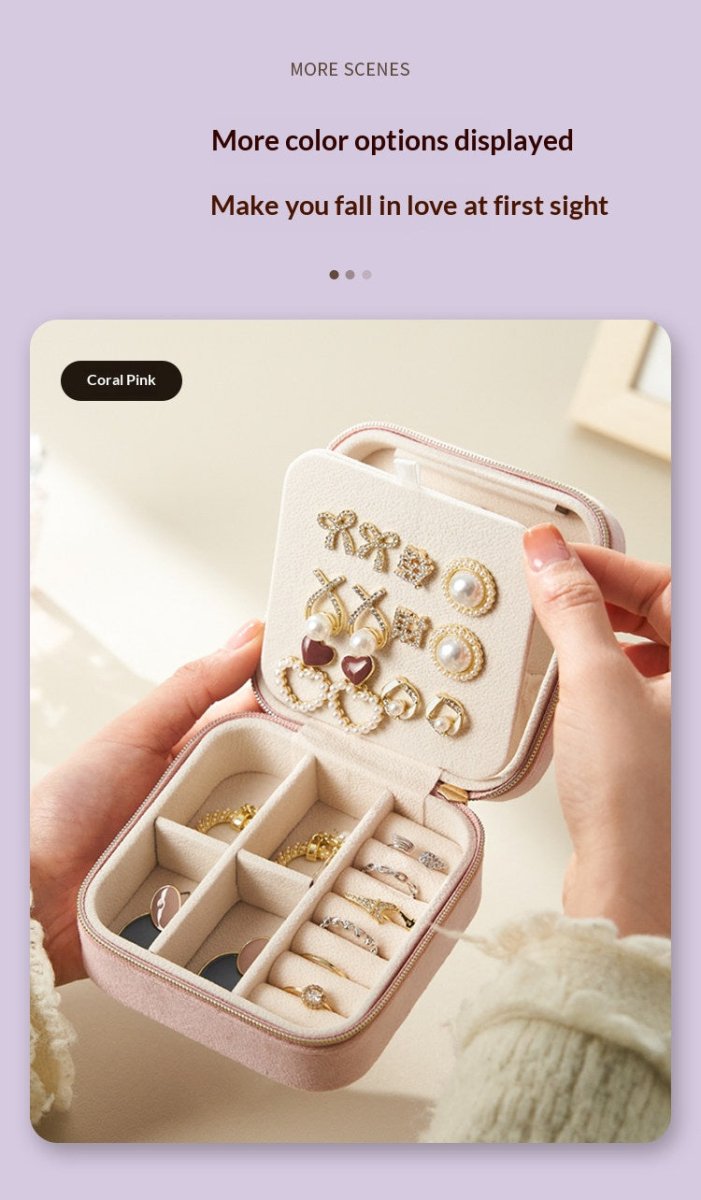
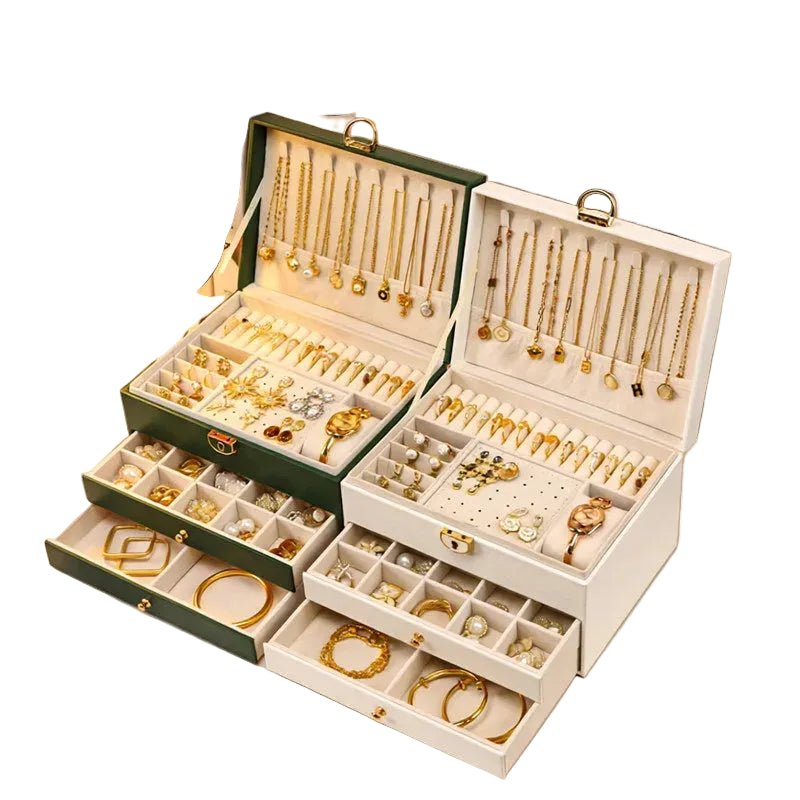
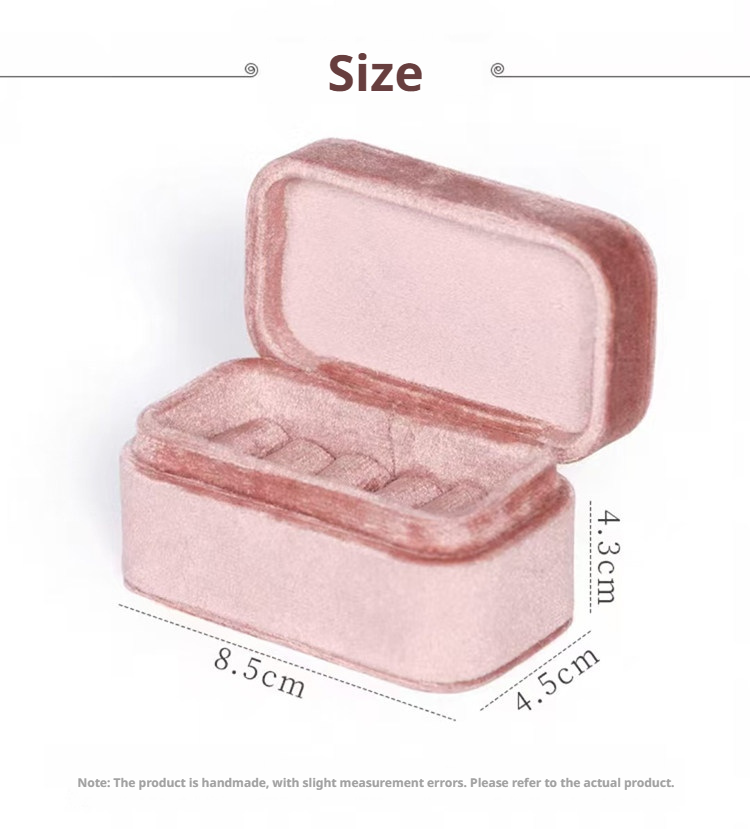
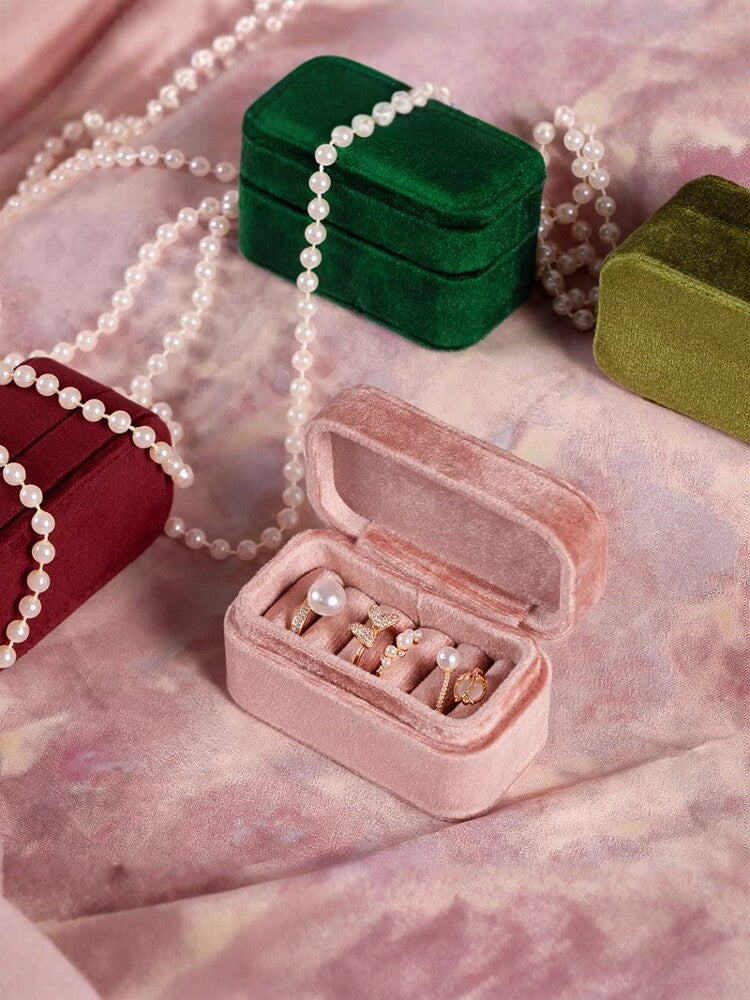
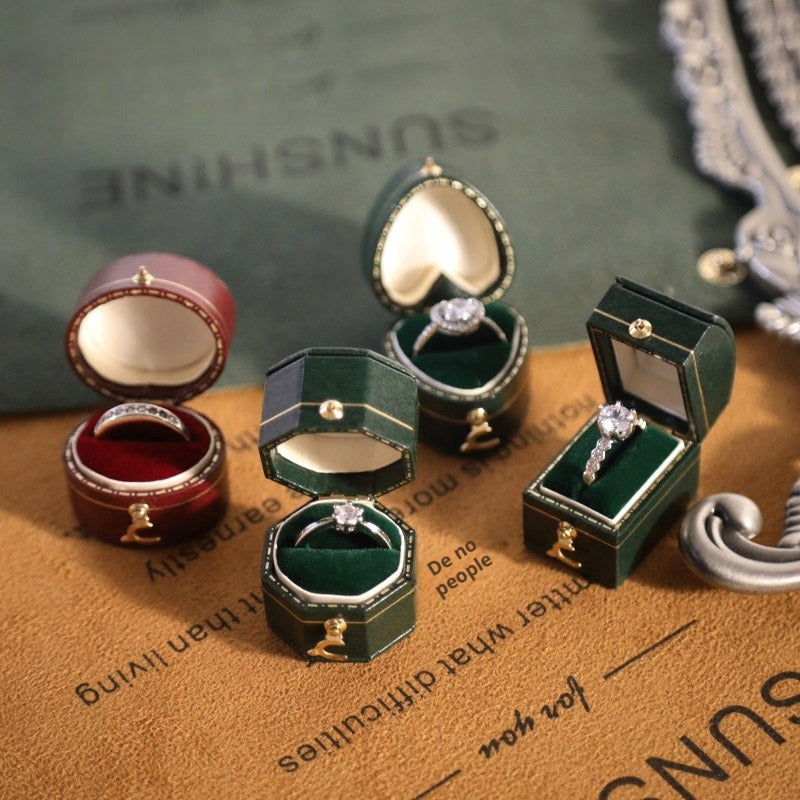
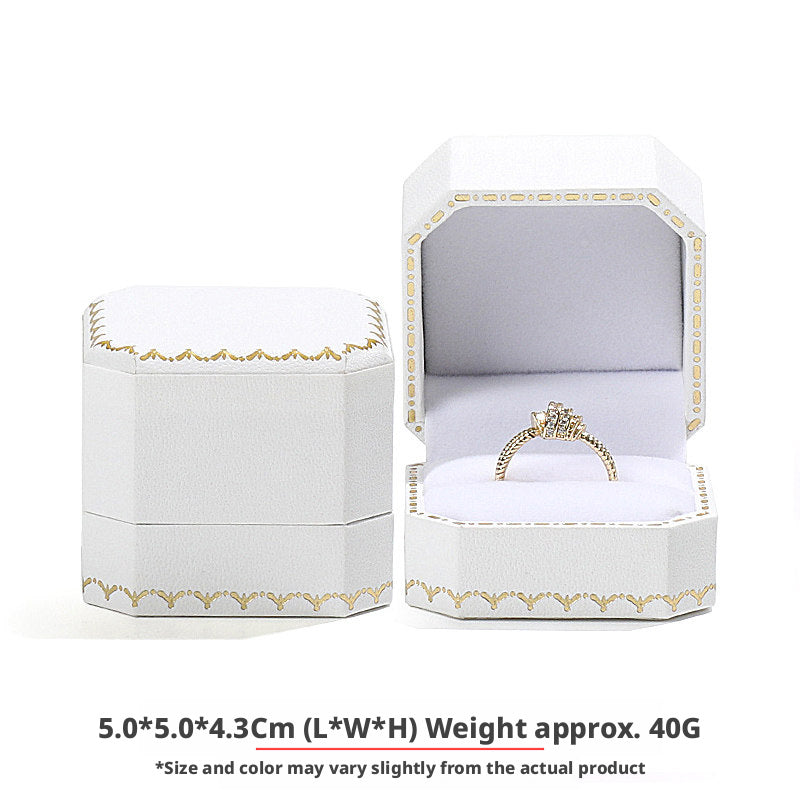
- Store pieces individually in a ring box or compartmentalized jewelry case — metal-on-metal contact causes scratches that require polishing to remove, so separation is the easiest preventive step.
For pieces you wear daily — rings, everyday bracelets, stud earrings — a monthly quick inspection takes two minutes and prevents the most common repair scenarios. Seasonal deep cleaning with a polishing wheel keeps the surface looking new and reveals any structural issues before they worsen.
Frequently Asked Questions — Jewelry Repair Tools & Maintenance Supplies
What tools do I need to start repairing jewelry at home?
A solid beginner setup includes round-nose pliers, split ring pliers, a ring mandrel, beading needles, and a polishing wheel or buffing pad. These cover the most common tasks: resizing rings, restringing bracelets, replacing clasps, and restoring surface shine.
How do I resize a ring at home without a jeweler?
Use a ring mandrel (sizing stick) to measure the current size, then use a ring adjuster or shaping rod to gently expand or compress the band. For gold and silver rings, work slowly and evenly to avoid cracking. A ring shaping machine gives more consistent results for repeated resizing.
What is the difference between a polishing wheel and a buffing wheel for jewelry?
Polishing wheels (typically felt or rubber) are used with polishing compound to remove fine scratches and restore a mirror finish. Buffing wheels are softer and used for the final shine step without abrasive compound. For jewelry, felt polishing wheels on a rotary tool give the best results on gold, silver, and copper.
Can I use a Dremel rotary tool for jewelry polishing?
Yes. A Dremel with a 2.35mm or 3mm shank polishing wheel, felt buffing tip, or rubber polishing burr is one of the most versatile setups for jewelry work. Run it at low to medium speed (5,000–15,000 RPM) to avoid overheating delicate metals or gemstone settings.
How do I restring a beaded bracelet or necklace?
Thread a beading needle with elastic cord or wire, string the beads in the original pattern using a bead design board to keep them organized, then tie a secure knot and tuck the ends. For stretch bracelets, use 0.5mm–0.8mm elastic thread and tie a surgeon's knot for maximum hold.
What magnification do I need to inspect jewelry for damage?
A 10x loupe or folding magnifier is the standard for checking prong integrity, stone seating, and surface scratches. For identifying inclusions in gemstones or inspecting micro-pavé settings, 20x–30x magnification gives a clearer picture.
How do I measure a ring size accurately at home?
Slide the ring onto a ring mandrel until it stops — the number at that point is the size. For finger measurement, use a ring sizer gauge or wrap a thin strip of paper around the finger, mark where it overlaps, and measure the length in millimeters. Divide by 3.14 to get the diameter, then match to a size chart.
What elastic thread is best for bracelet making and repair?
Japanese and Korean elastic threads in 0.5mm–0.8mm diameter offer the best balance of strength and stretch for most bead sizes. For heavier stone beads (8mm+), use 0.8mm–1.0mm cord. Avoid cheap elastic that loses tension quickly — quality thread holds its stretch for years.
How do I remove scratches from a gold or silver ring?
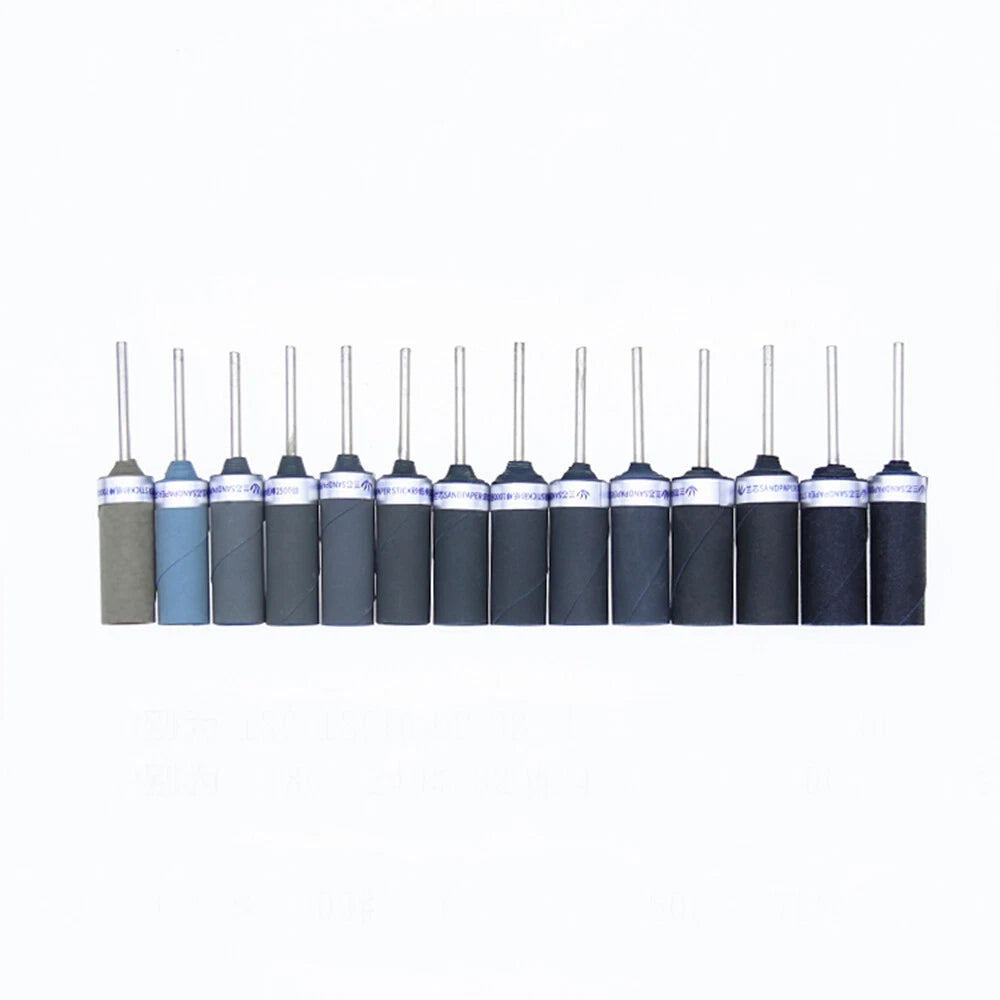
Start with a fine-grit sanding stick (400–600 grit) to level deeper scratches, then progress through 1000 and 2000 grit. Finish with a felt polishing wheel and polishing compound on a rotary tool. For light surface scratches, skip straight to the polishing step. Always work in one direction to avoid cross-hatching.
Does HomeDIYer offer free shipping on jewelry repair tools?
Yes. HomeDIYer offers free standard shipping on qualifying orders. Check the current shipping policy at checkout for threshold details and estimated delivery times by region.