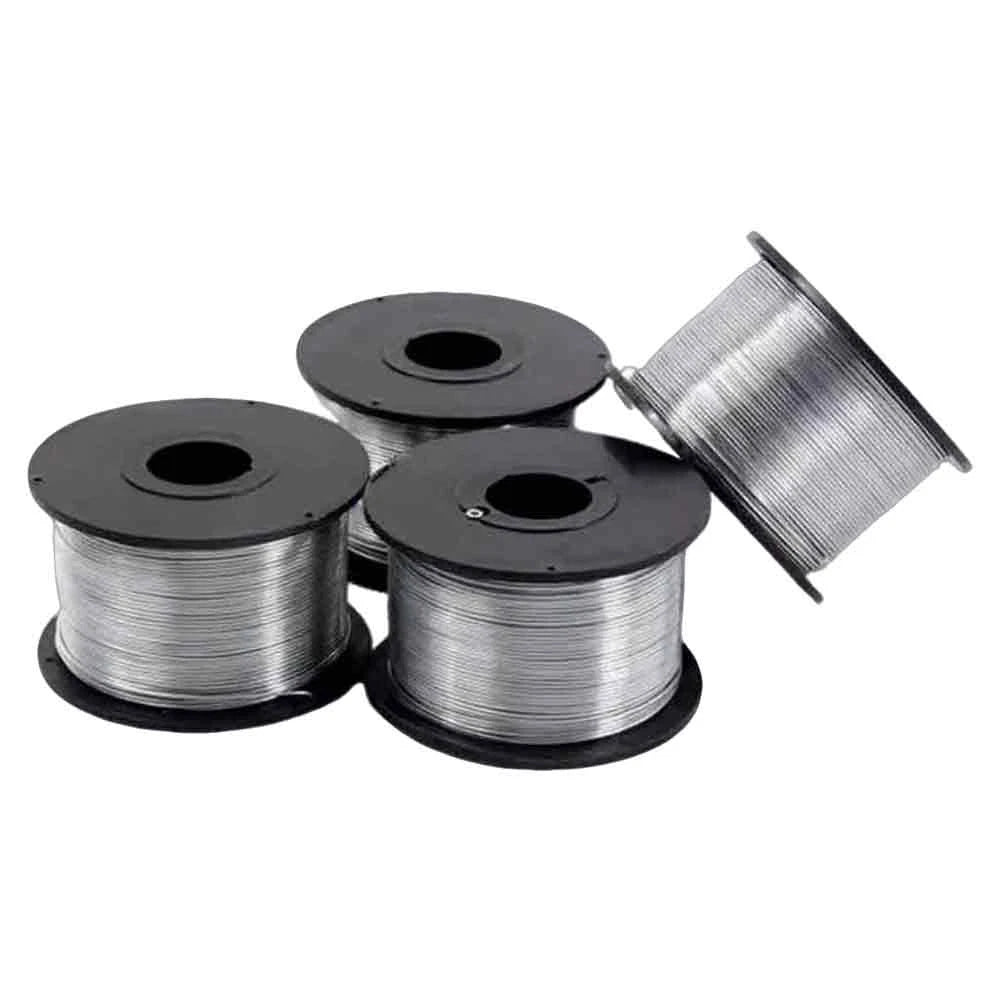
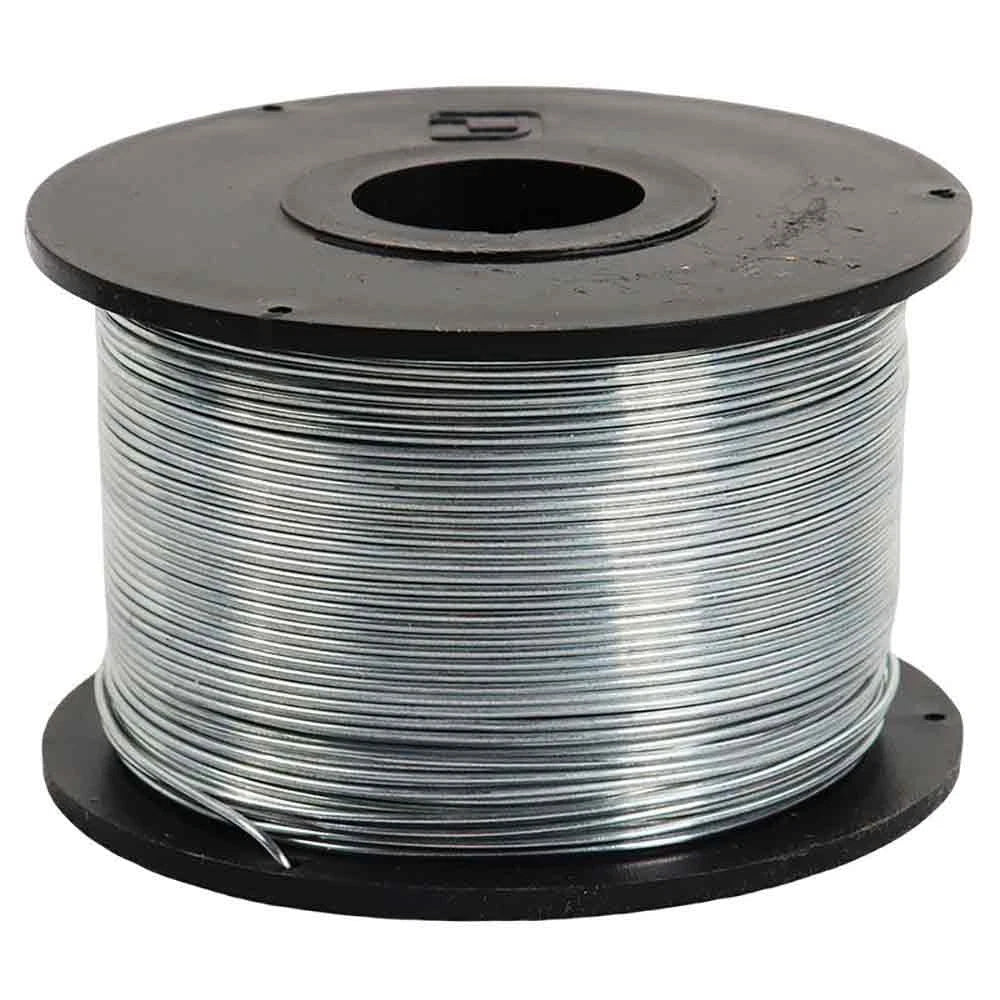
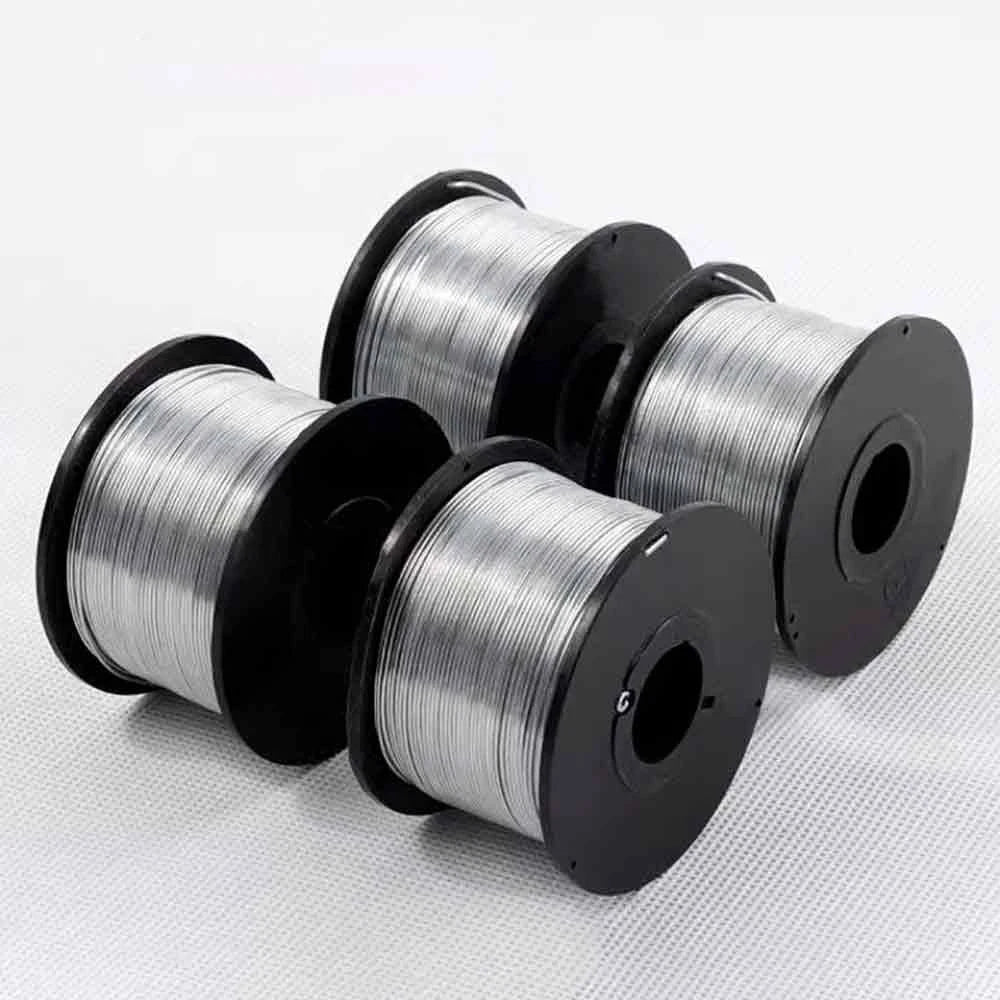
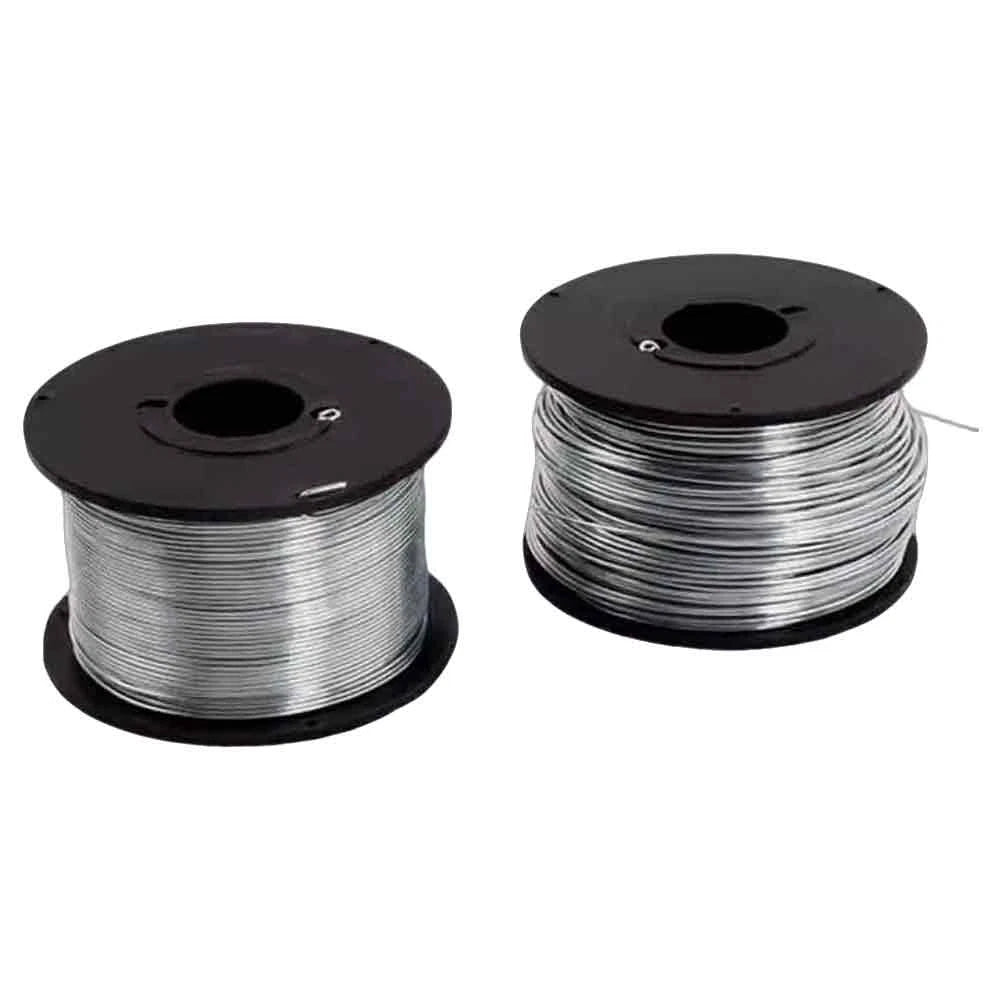
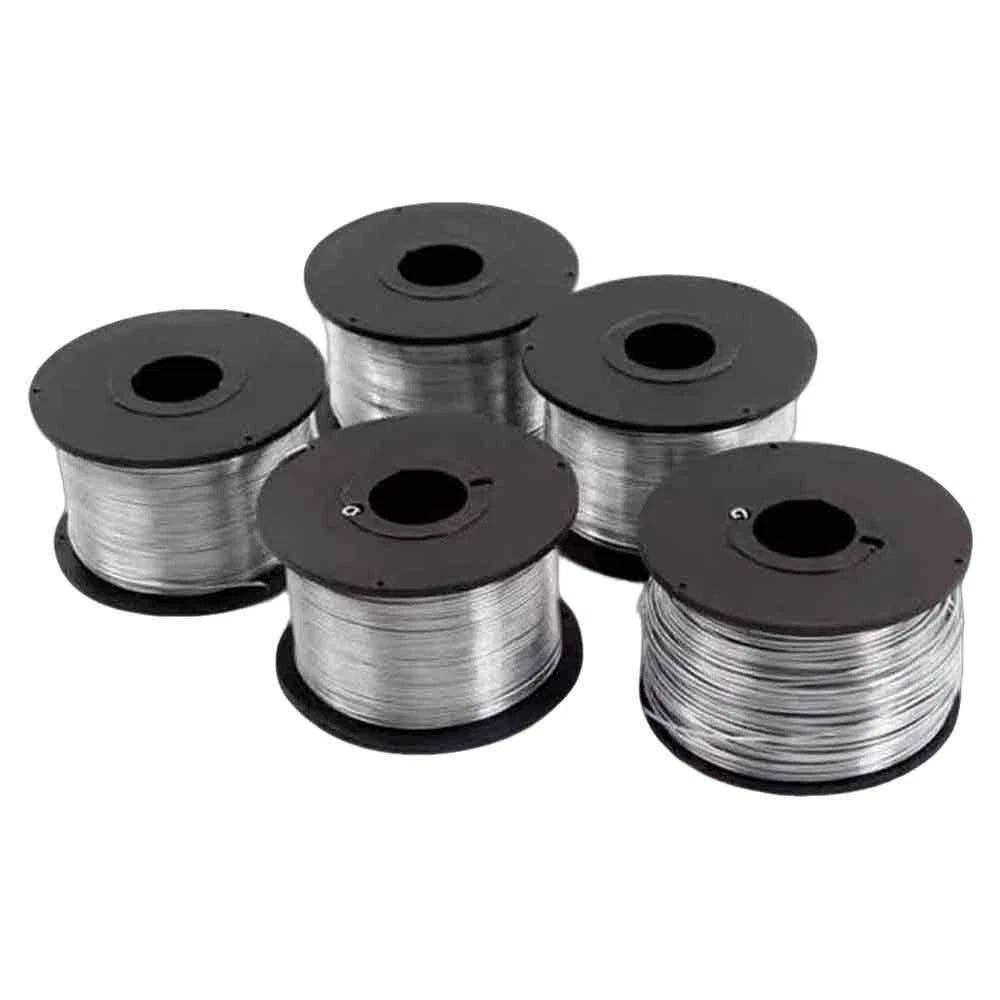
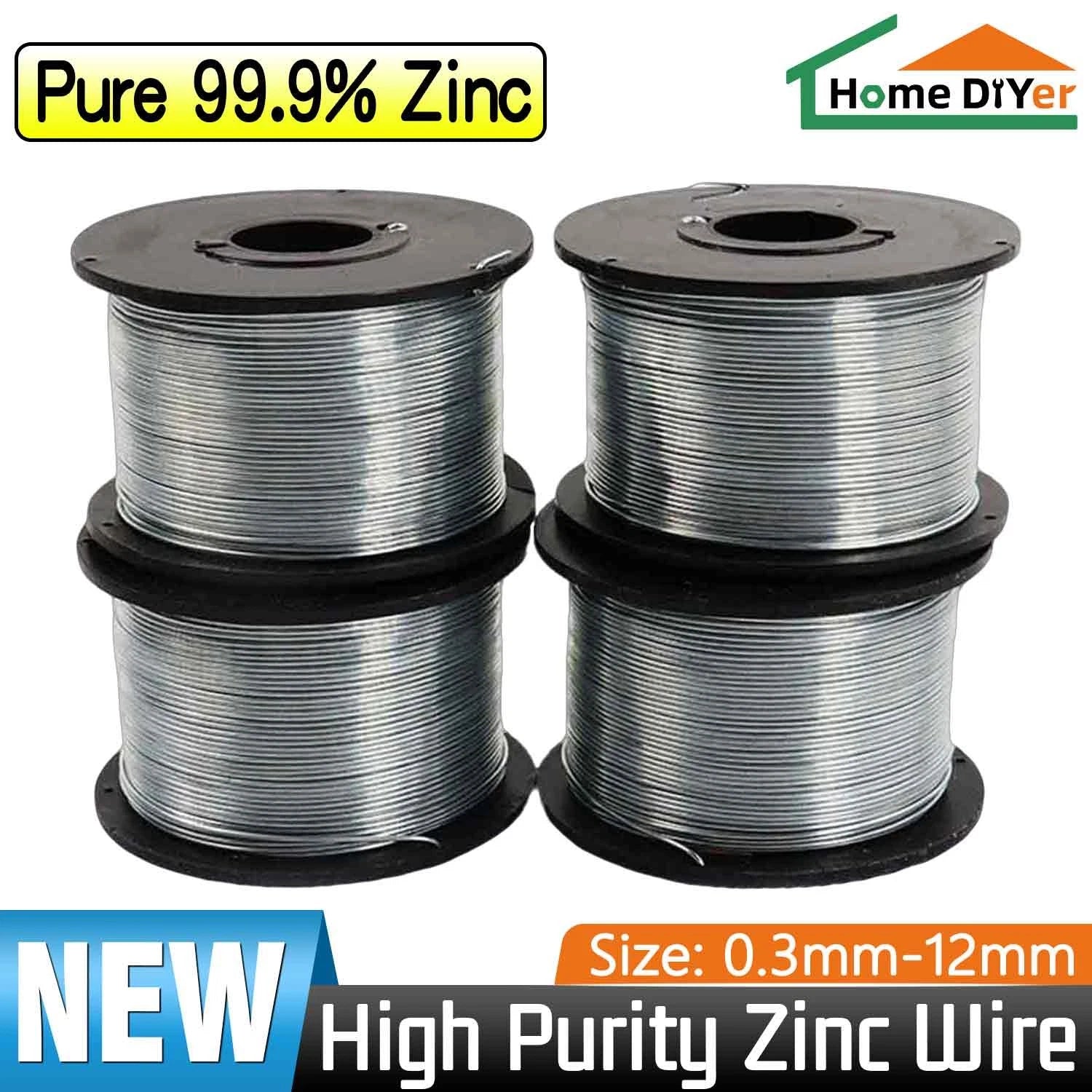
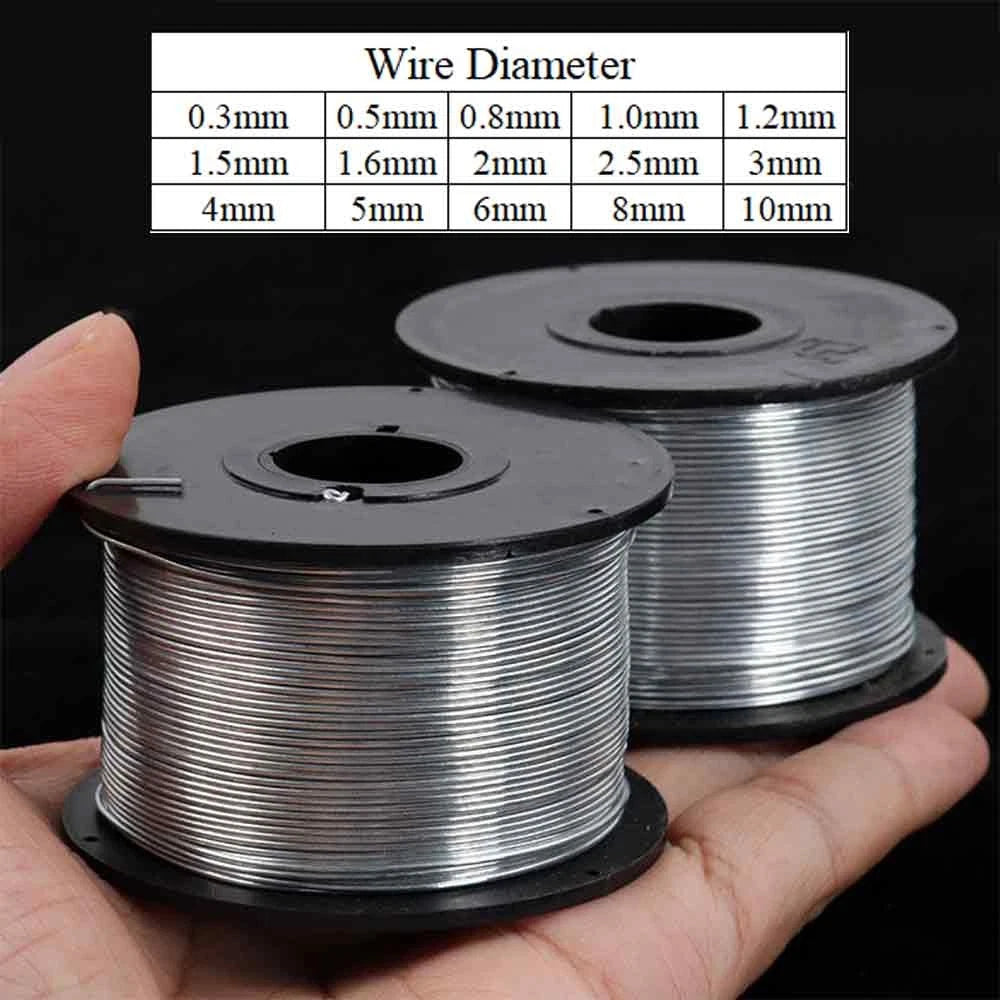
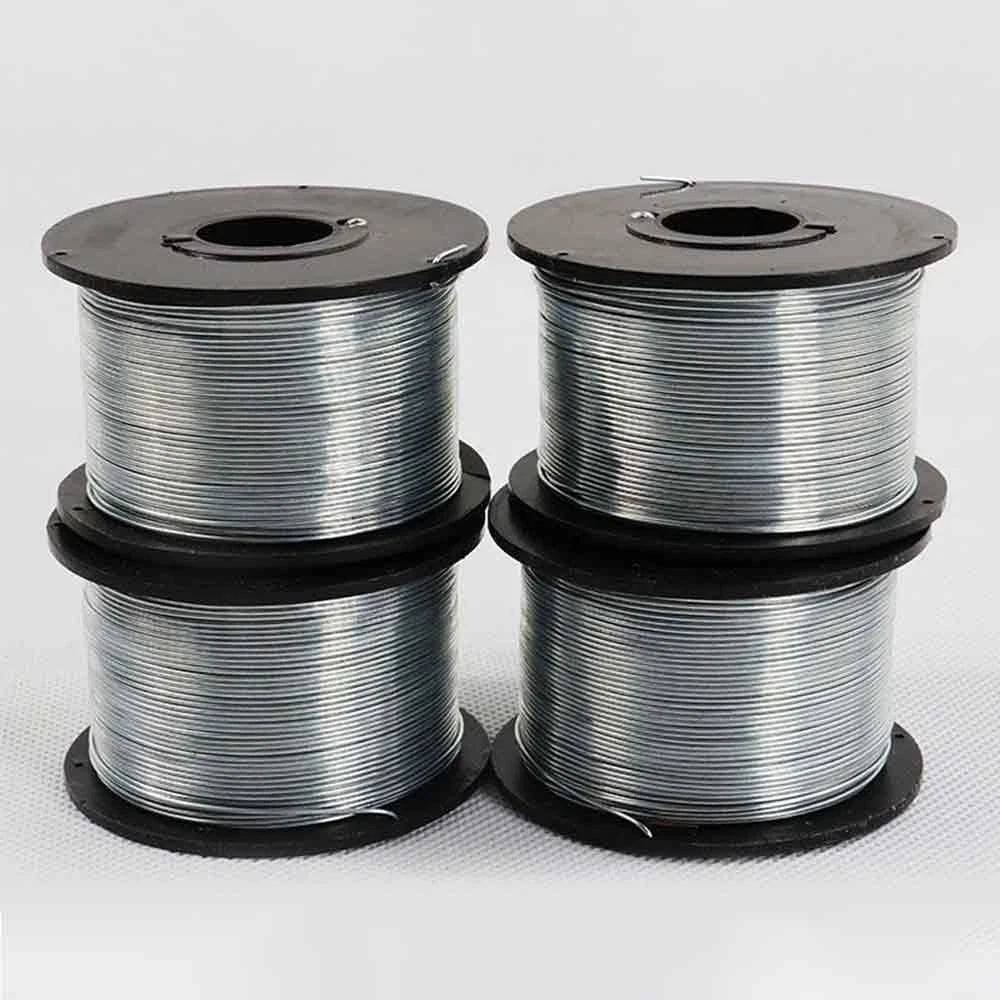
99.99% High Purity Zinc Wire Φ0.3mm to Φ10mm Metal Pure Zinc Beading Wire

No reviews

Price:
Sale price$14.95 USD
Stock:
In stock (500 units), ready to be shipped

Payment & Security

Ach Direct Debit Amazon American Express Apple Pay Bancontact Diners Club Discover Google Pay iDEAL Wero Mastercard PayPal Shop Pay USDC Visa

Your payment information is processed securely. We do not store credit card details nor have access to your credit card information.

Quantity Discount Promotion
🎯 BULK DISCOUNT: Buy More, Save More!
Buy 2 Items
5% OFF
Buy 4 Items
10% OFF
Buy 6 Items
15% OFF
Expert

DIY Expert Support

Get fitment advice & recommendations

Mon-Fri, 8:30AM-8PM
24-Hour Fast Ship
🚚
Arrives in 3-14 days
🌍
Global Reach
↩️
30-Day Returns
🌱 1 tree planted with every purchase

Description

99.99% Pure Zinc Wire — Precision Metal Wire for Jewelry, Crafts & Technical Applications

When your project demands a metal wire that holds its shape, resists corrosion, and solders cleanly, standard craft wire often falls short. Hobbyists, jewelers, and technical users who need a reliable, non-ferrous wire turn to high-purity zinc wire for its consistent diameter tolerance and workable softness. Whether you're wrapping beads, building electrochemical cells, or fabricating small metal components, having the right diameter on hand makes all the difference.

This zinc wire is drawn to 99.99% purity and is available in diameters ranging from 0.3 mm (~0.012 in) to 10 mm (~0.394 in), with length options of 1 m, 2 m, and 5 m per spool. The silver-grey surface finish is clean and oxide-free at the time of packaging. Each variant is a solid, round-profile wire with no coating or plating.

Typical use cases include hand-coiled jewelry and beading wire wraps (0.3 mm–1.5 mm range), sacrificial anode wire for corrosion-protection experiments (2 mm–5 mm range), and educational or laboratory electrochemistry setups where a known-purity zinc electrode is required (3 mm–10 mm range). The workable temper also suits small-scale metal sculpture and wire-forming for DIY hardware repairs.

⚙️ Compatibility: Suitable for use with standard jewelry wire tools (round-nose pliers, wire cutters, mandrels). Compatible with common zinc-compatible solders and fluxes. Not recommended for applications requiring steel-level tensile strength.

✅ Key Features of These Pure Zinc Wire Spools

  • 🔬 99.99% Zinc Purity — Consistent elemental composition across every spool, suitable for electrochemical and scientific use where purity matters.
  • 📏 Wide Diameter Range (0.3 mm–10 mm) — Fifteen diameter options in a single product line, from fine beading wire to thick structural rod-gauge wire (~0.012 in to ~0.394 in).
  • ✂️ Multiple Length Options — Choose 1 m, 2 m, or 5 m to match your project scale and reduce waste on smaller jobs.
  • 🛡️ Corrosion-Resistant Non-Ferrous Metal — Zinc's natural oxide layer provides baseline atmospheric corrosion resistance without additional coating.
  • 🔧 Workable Soft Temper — Bends and coils without cracking at room temperature; compatible with standard wire-forming hand tools for jewelry and craft work.
  • ⚗️ Solderable & Electrically Conductive — Accepts zinc-compatible solder and conducts electricity, making it practical for electronics prototyping and galvanic cell experiments.

📐 Technical Specifications — Zinc Wire

Material Zinc (Zn), 99.99% purity
Wire Profile Round, solid cross-section
Diameter Range 0.3 mm – 10 mm (approx. 0.012 in – 0.394 in)
Available Diameters 0.3, 0.5, 0.8, 1.0, 1.2, 1.5, 1.6, 2, 2.5, 3, 4, 5, 6, 8, 10 mm
Available Lengths 1 Meter, 2 Meter, 5 Meter
Surface Finish Silver-grey, bare metal (no coating or plating)
Color Silver
Temper Soft / annealed (workable by hand tools)
Weight per Variant See variant options
Tensile Strength See variant options
Product Type Metal Wire

❓ Frequently Asked Questions

Which diameter should I choose for jewelry wire wrapping?

For most bead wrapping and coiling work, diameters between 0.3 mm and 1.0 mm are the most practical. The 0.3 mm and 0.5 mm options thread easily through small bead holes, while 0.8 mm and 1.0 mm provide more structural rigidity for frames and loops. For heavier pendants or structural wire wraps, 1.2 mm–1.6 mm gives a sturdier result without becoming difficult to bend by hand.

How strong is this zinc wire compared to copper or steel wire?

Zinc is a softer, lower-tensile metal than copper or steel. Its tensile strength is typically in the range of 100–200 MPa depending on diameter and temper, which is lower than copper (~200–250 MPa) and significantly lower than steel wire. This makes it easy to cut and form by hand, but it is not suitable for load-bearing structural applications. It is best used for craft, jewelry, electrochemical, and light technical purposes.

Will this wire rust or corrode over time?

Zinc does not rust (rust is specific to iron/steel). It does form a thin zinc oxide or zinc carbonate patina when exposed to air and moisture, which actually acts as a protective layer and slows further corrosion. For indoor craft and jewelry use, this surface change is minimal. For outdoor or high-humidity environments, the wire will develop a dull grey patina over time, which is normal for bare zinc metal.

Is this wire compatible with standard jewelry-making tools?

Yes. The soft temper of this zinc wire works well with standard round-nose pliers, flat-nose pliers, wire cutters, and mandrels. No special tooling is required for diameters up to approximately 3 mm. For the larger diameters (4 mm–10 mm), heavier-duty cutters or a jeweler's saw may be needed for clean cuts.

Can I use this wire for electrochemistry or galvanic cell experiments?

Yes. The 99.99% purity level makes this wire well-suited for electrochemical experiments, galvanic cells, and sacrificial anode applications where a known-composition zinc electrode is needed. The 2 mm–10 mm diameter range is most commonly used for these purposes, as the larger cross-section provides more surface area and structural stability in a solution.

How do I choose between the 1 m, 2 m, and 5 m length options?

The 1 m length is a good starting point if you are testing a new diameter for a project or need only a short run for a single piece. The 2 m option suits small batch jewelry or craft projects. The 5 m spool is the most economical per-meter choice for ongoing projects, classroom use, or when you know you will use the full length. Note that not all diameter options are available in all lengths — check the variant selector for the specific combination you need.

Can this zinc wire be soldered?

Yes, zinc can be soldered using zinc-compatible or low-temperature solders with an appropriate flux. Standard tin-lead or lead-free electronics solder may not bond reliably without the correct flux. For best results, use a flux formulated for non-ferrous metals and work quickly, as zinc has a relatively low melting point (~419°C / 786°F) compared to copper or steel.

🛒 Select your Diameter and Length above, then add to cart.

You may also like

Recently viewed