Sheet Metal Screws for Every Gauge, Material, and Drive Style

Whether you're securing HVAC ductwork in a commercial build, fastening automotive body panels in the garage, or assembling light-gauge steel framing on a weekend project, the right sheet metal screw makes the difference between a joint that holds for decades and one that strips on the first turn. HomeDIYer stocks a comprehensive range of self-tapping and self-drilling sheet metal screws — pan head, countersunk, truss head, hex washer, and more — in 304 stainless steel, 316 stainless steel, carbon steel, and brass. Metric sizes run from M1 through M8; imperial sizes cover #6 through #14. Every screw in this collection is selected for consistent thread form, accurate head geometry, and reliable drive engagement so you spend less time chasing stripped recesses and more time finishing the job.

207 products

Showing 49 - 96 of 207 products

Showing 49 - 96 of 207 products
View
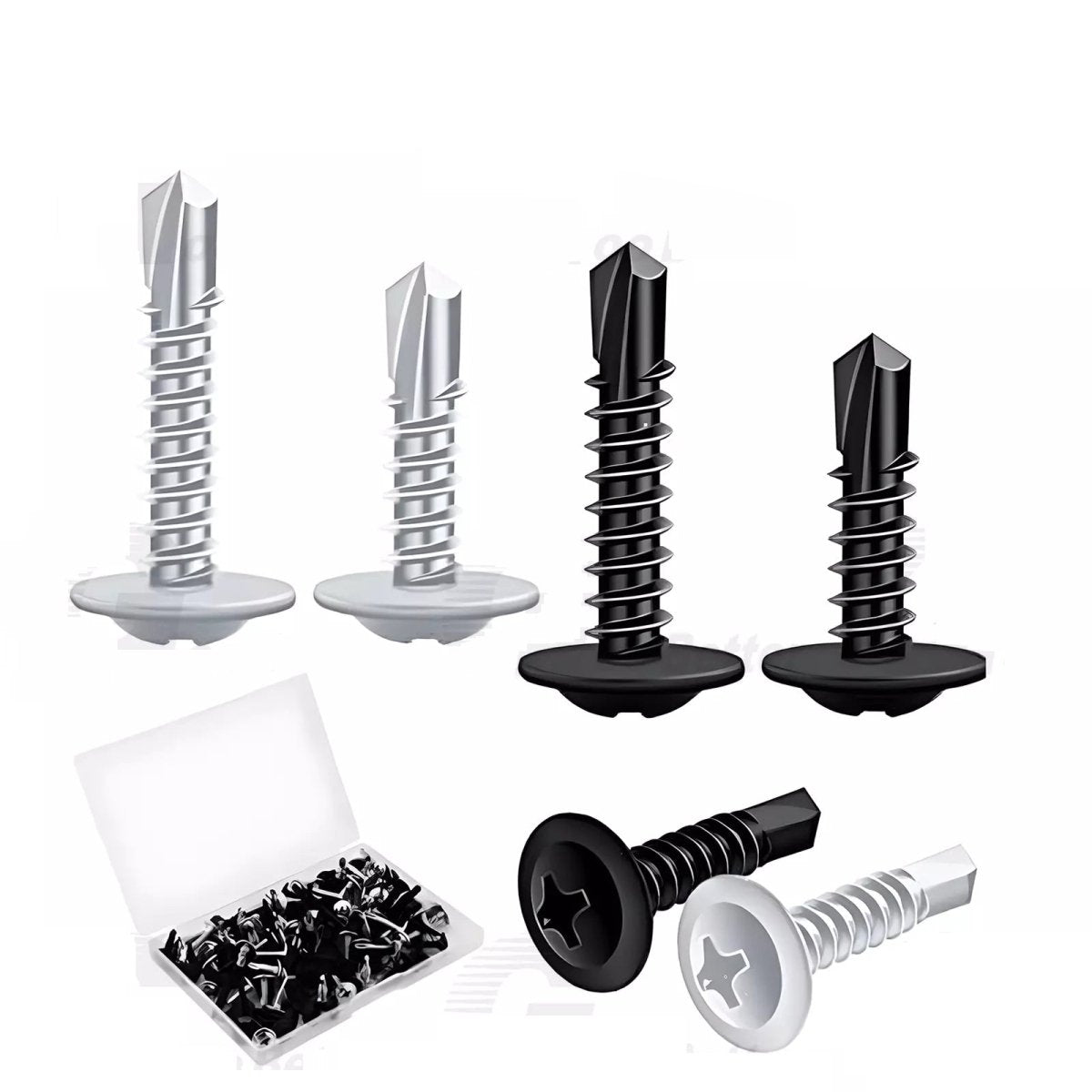
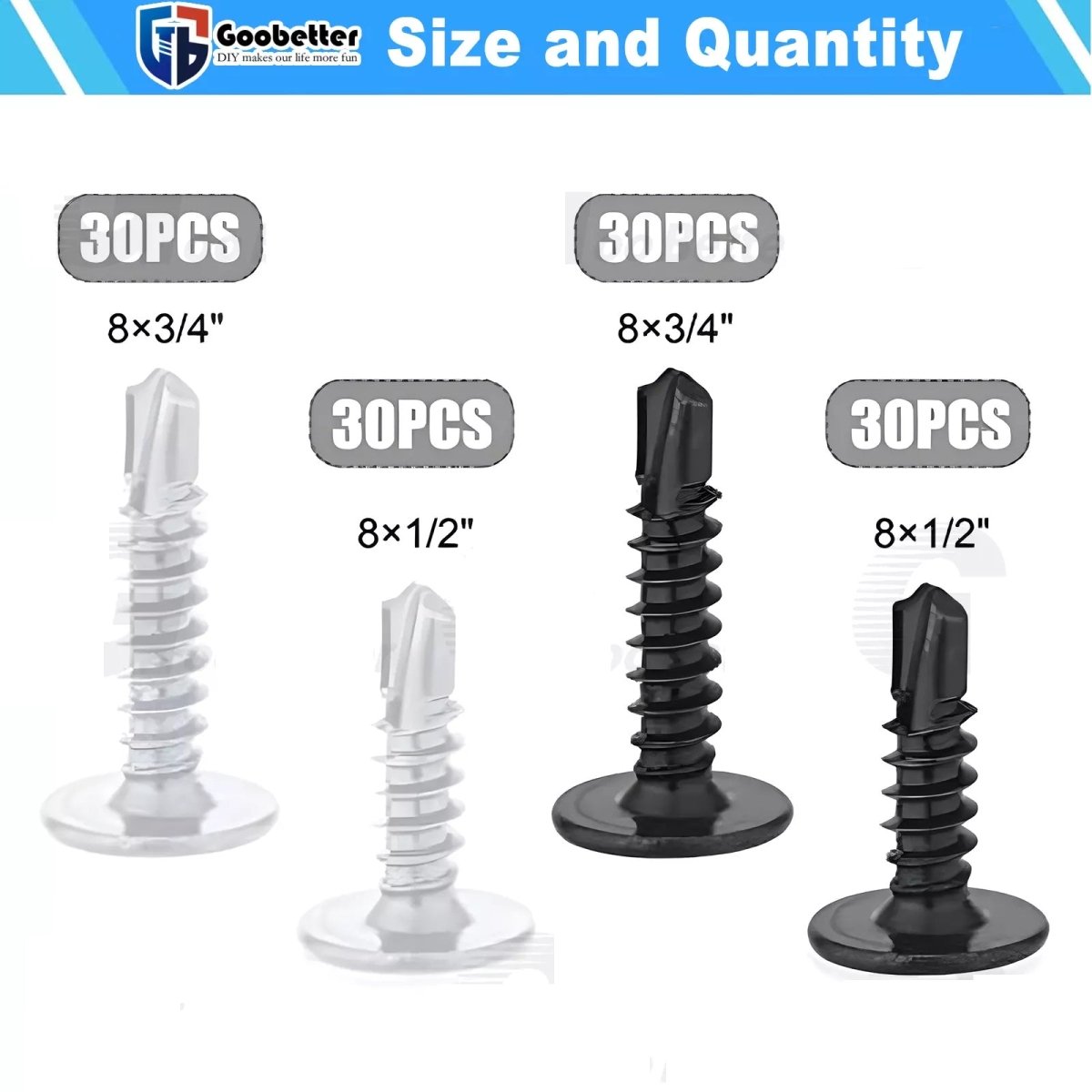
120pcs 8 Phillips Wafer Head Screws Kit for Metal - HomeDIYer120pcs 8 Phillips Wafer Head Screws Kit for Metal - HomeDIYer
Save 44%
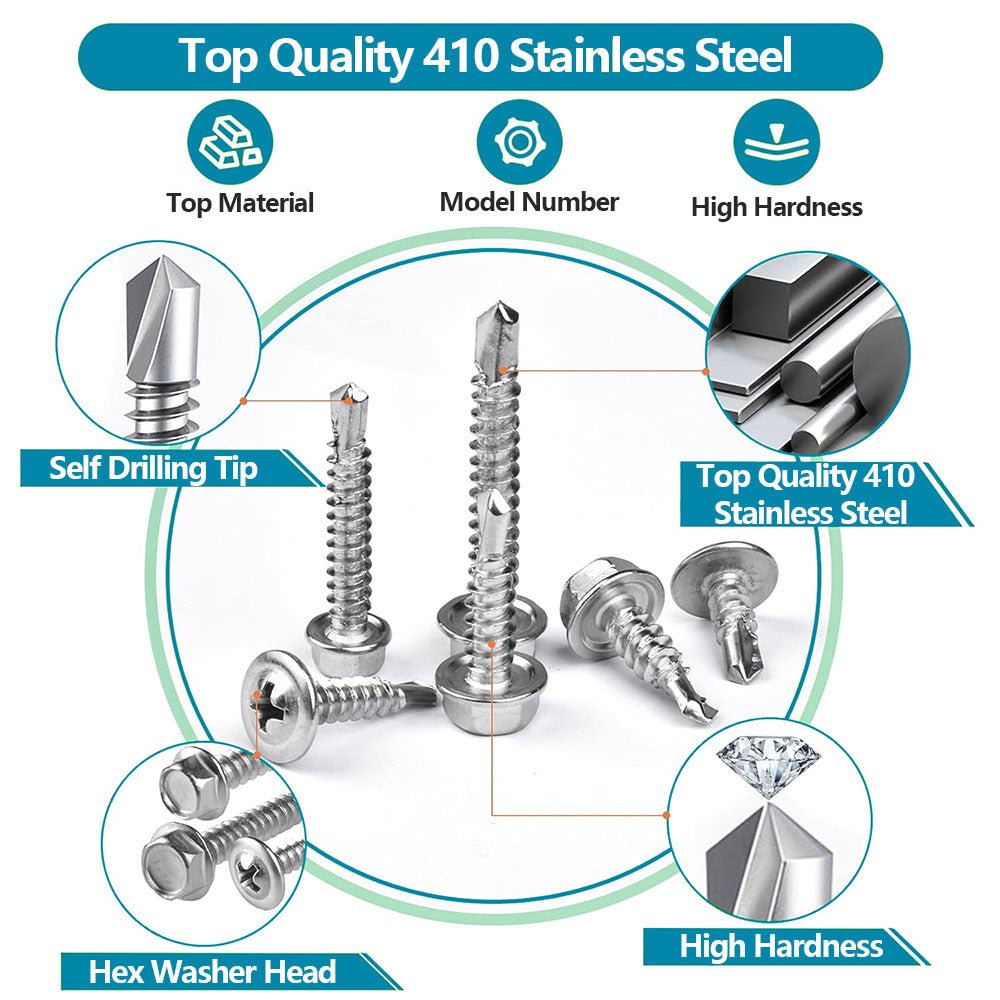
8 Self Tapping Sheet Screws 410 Stainless Steel Assortment Kit for Sheet Metal - HomeDIYer8 Self Tapping Sheet Screws 410 Stainless Steel Assortment Kit for Sheet Metal - HomeDIYer
Save 17%
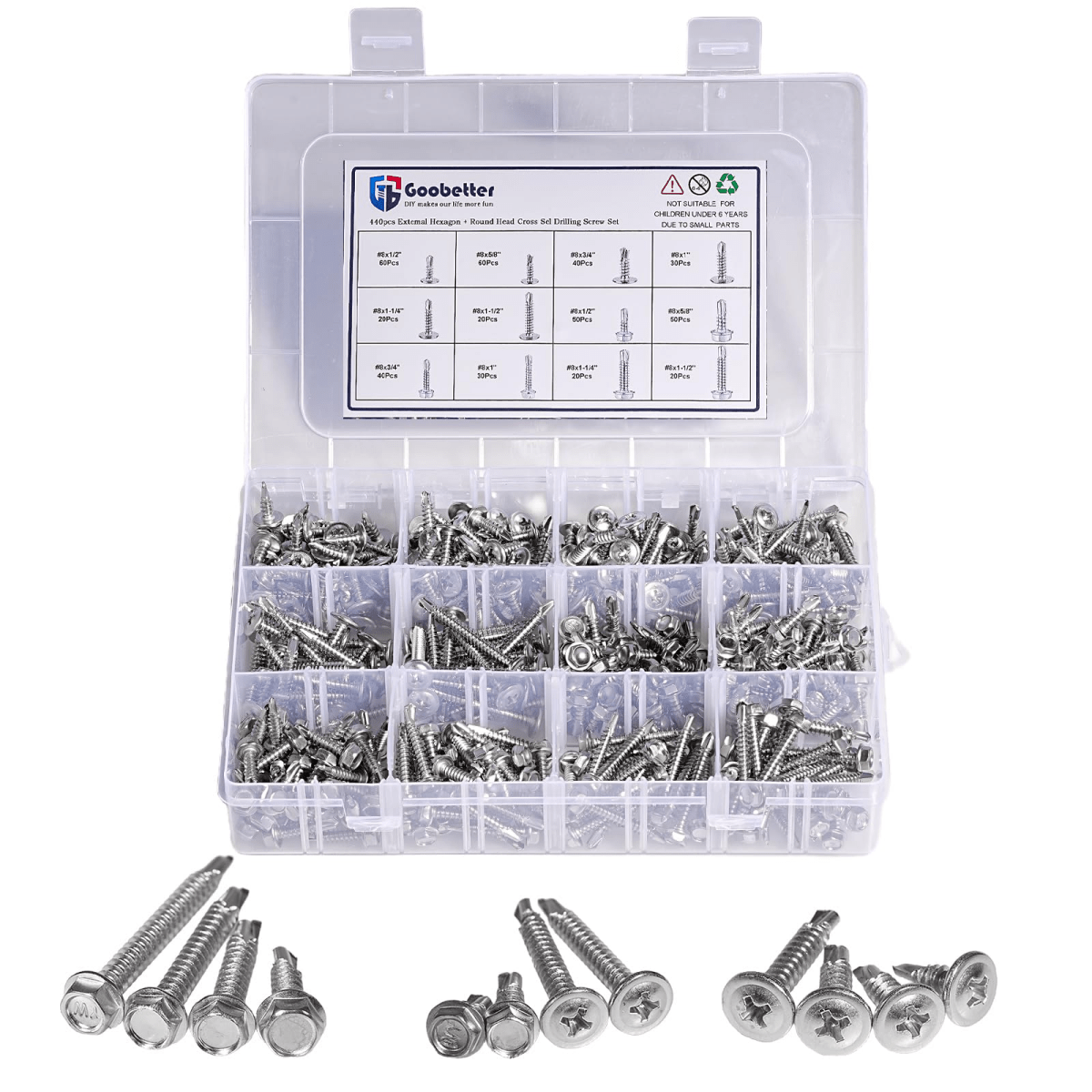
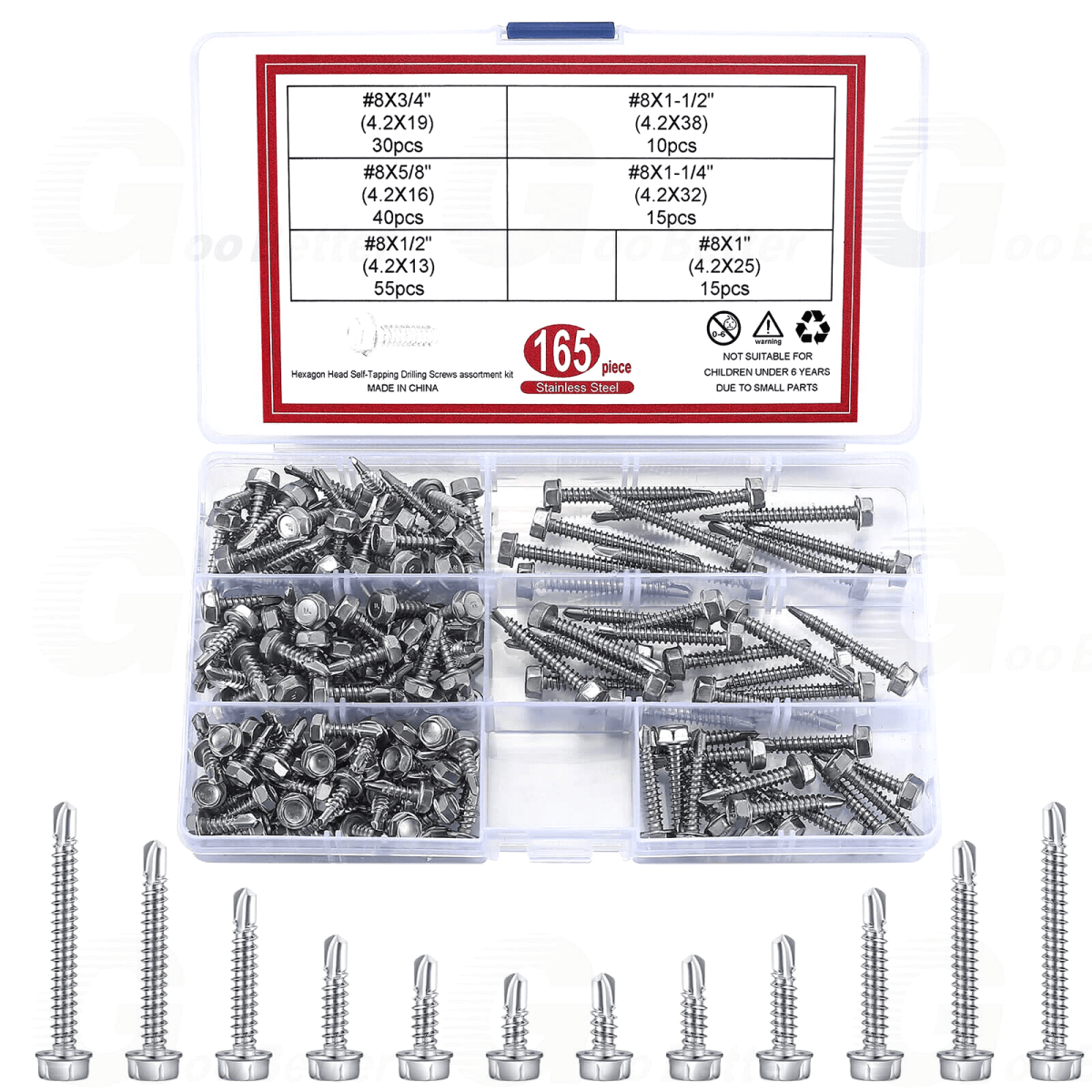
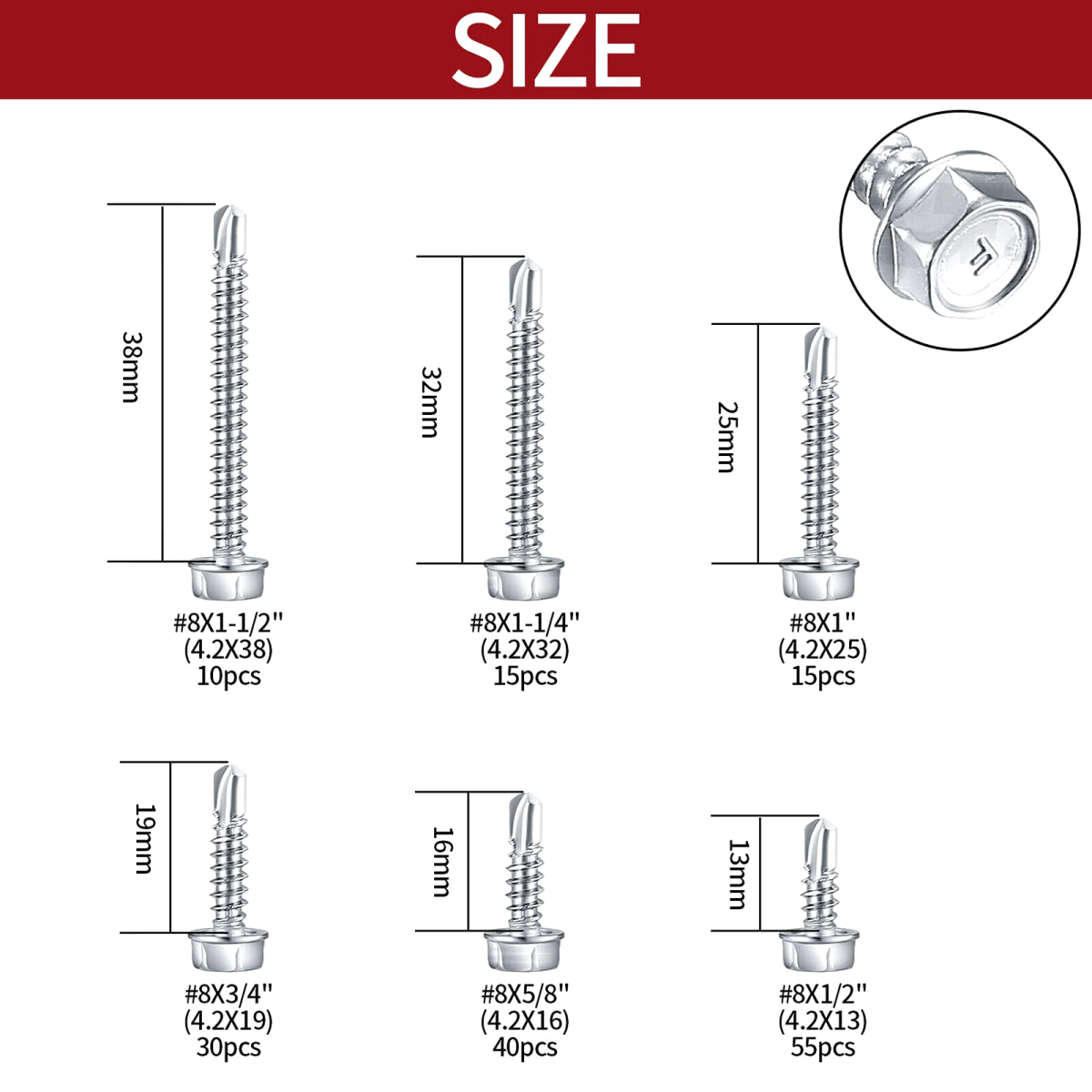
165PCS 8 Hex Washer Head Self Drilling Sheet Metal Tek Screws Stainless Steel - HomeDIYer165PCS 8 Hex Washer Head Self Drilling Sheet Metal Tek Screws Stainless Steel - HomeDIYer
Save 17%
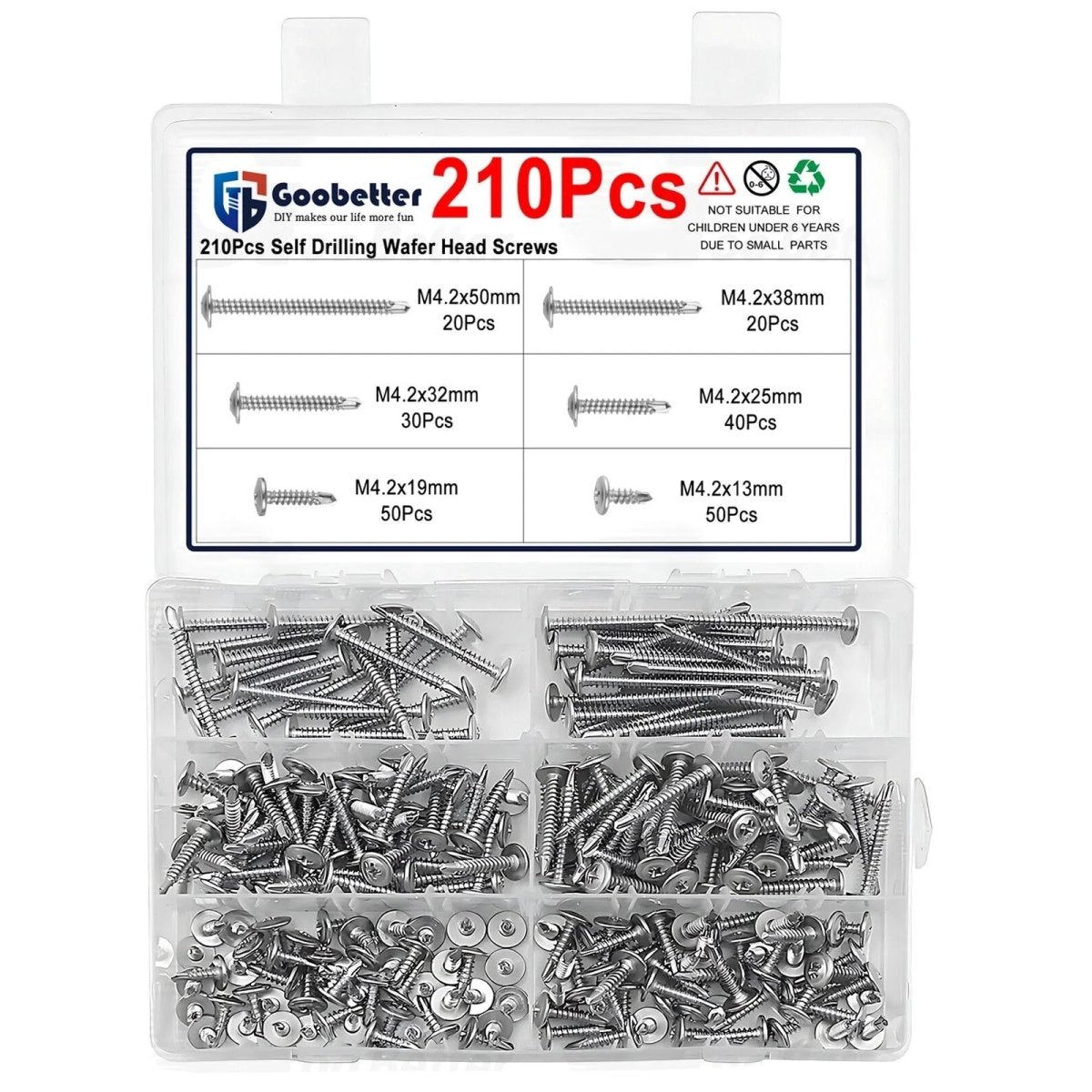
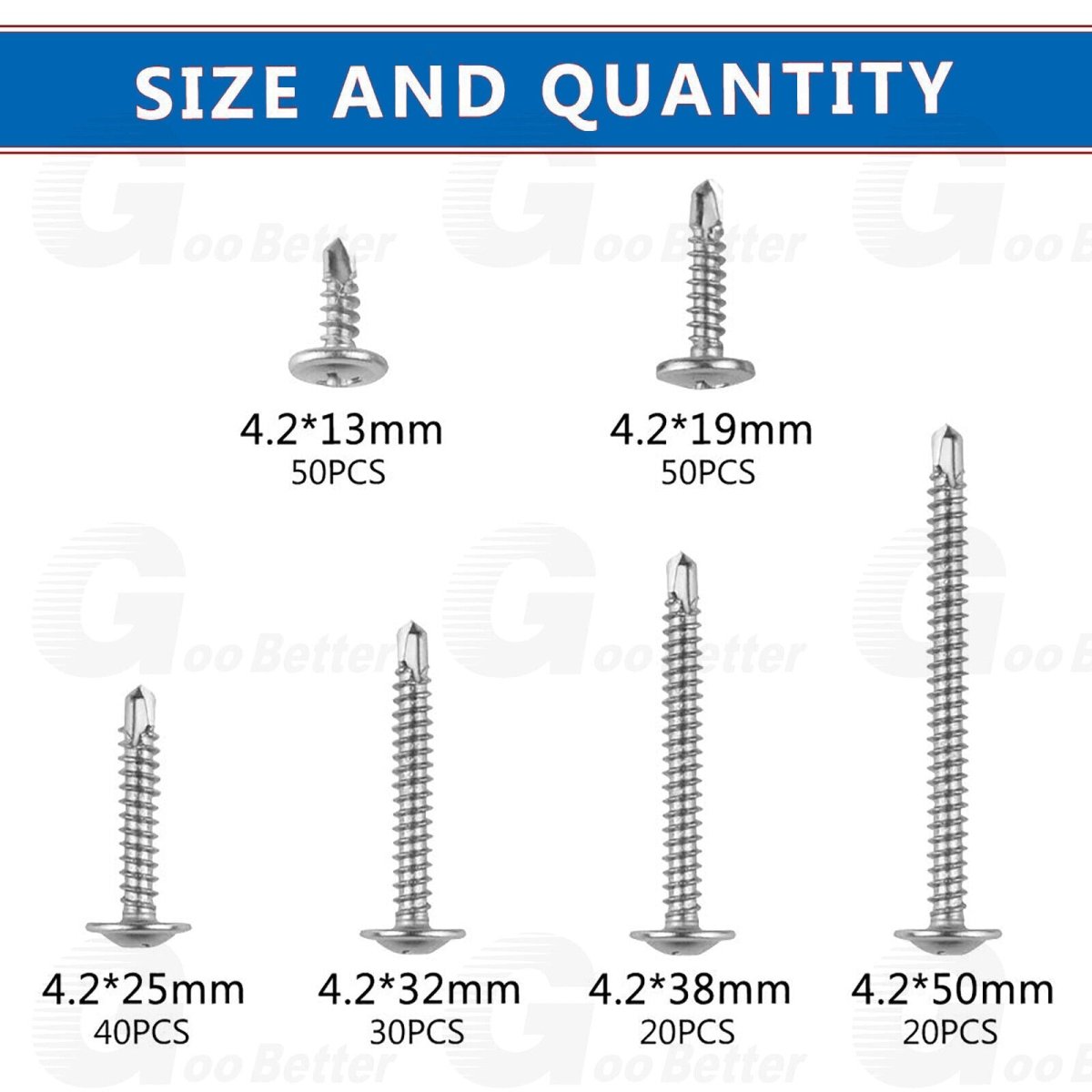
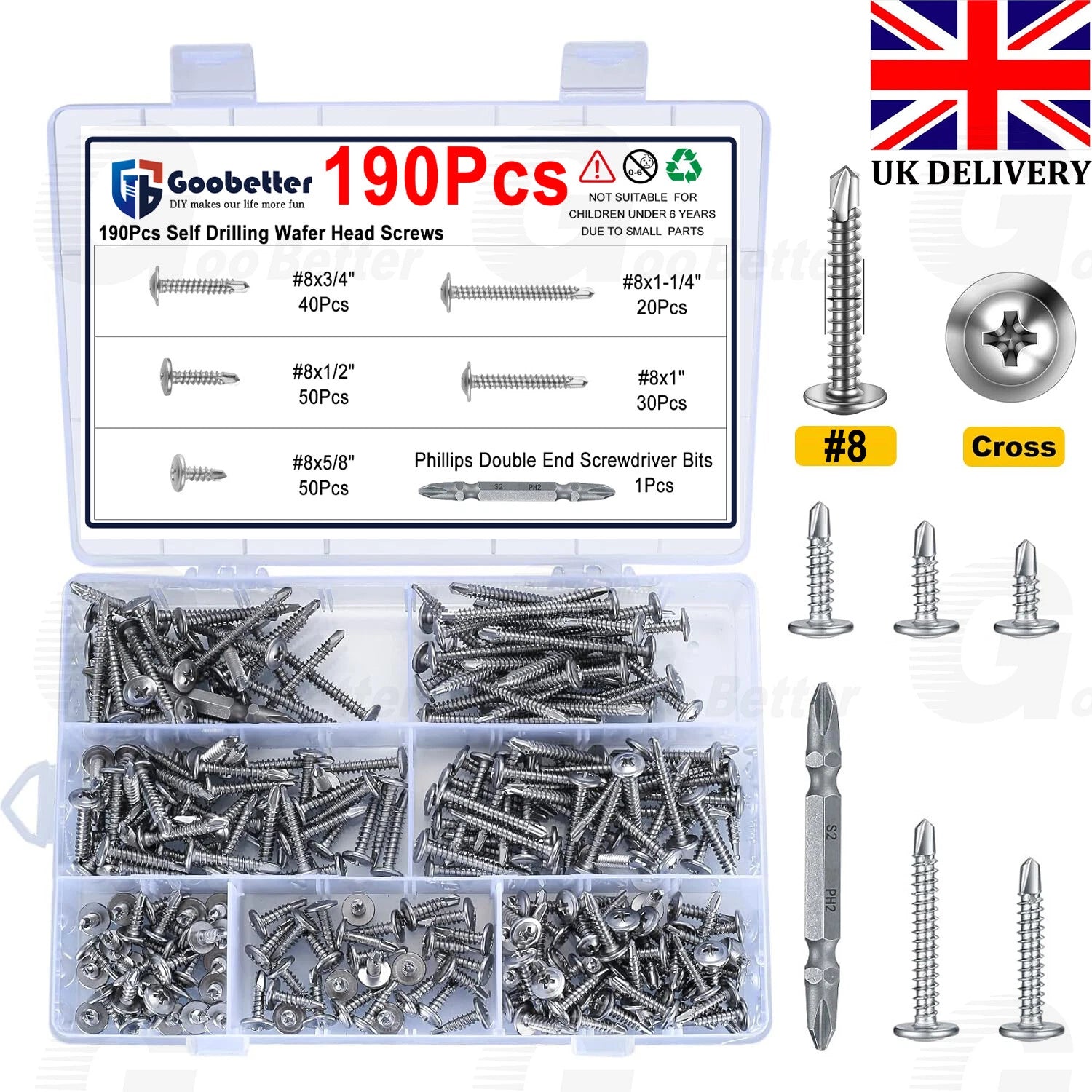
210Pcs Self Drilling Wafer Head Phillips Screws Stainless Steel Self Tapping Kit - HomeDIYer210Pcs Self Drilling Wafer Head Phillips Screws Stainless Steel Self Tapping Kit - HomeDIYer


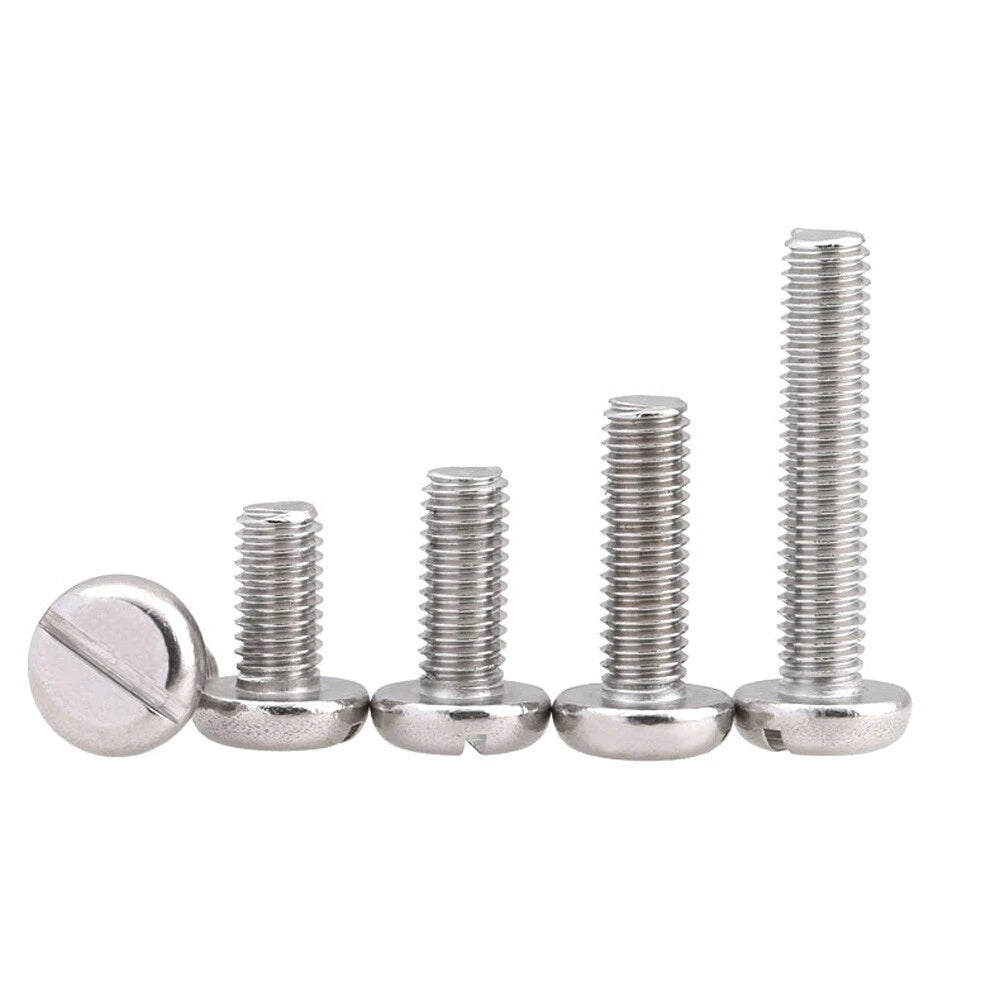
Pan Head Self-Tapping Sheet Metal Screws for General Fabrication

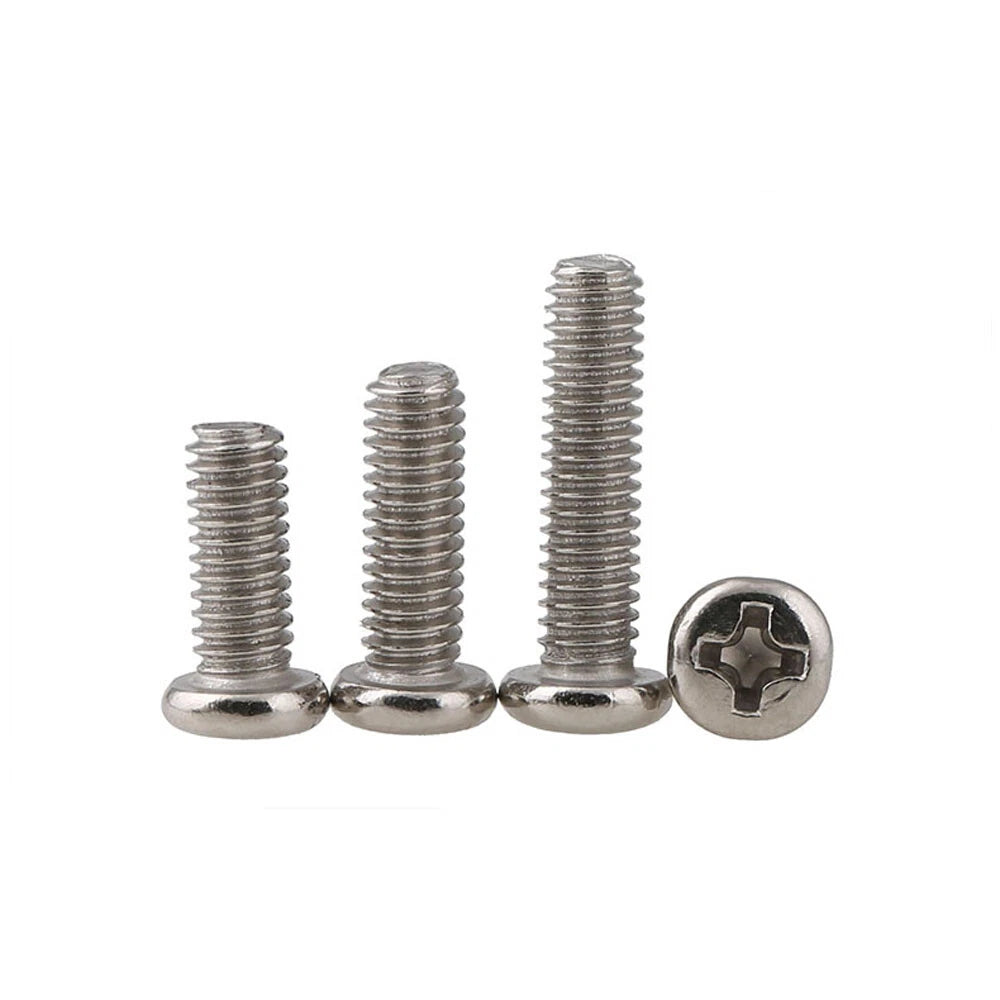
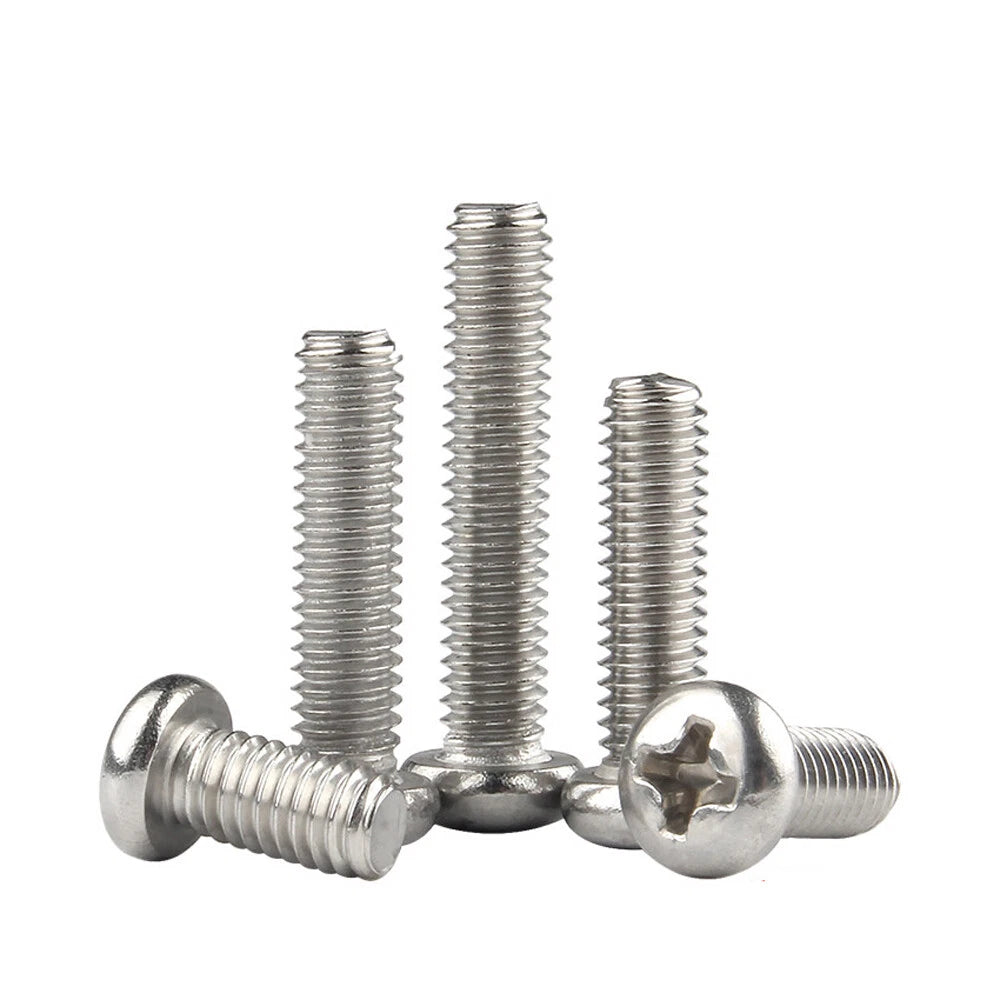
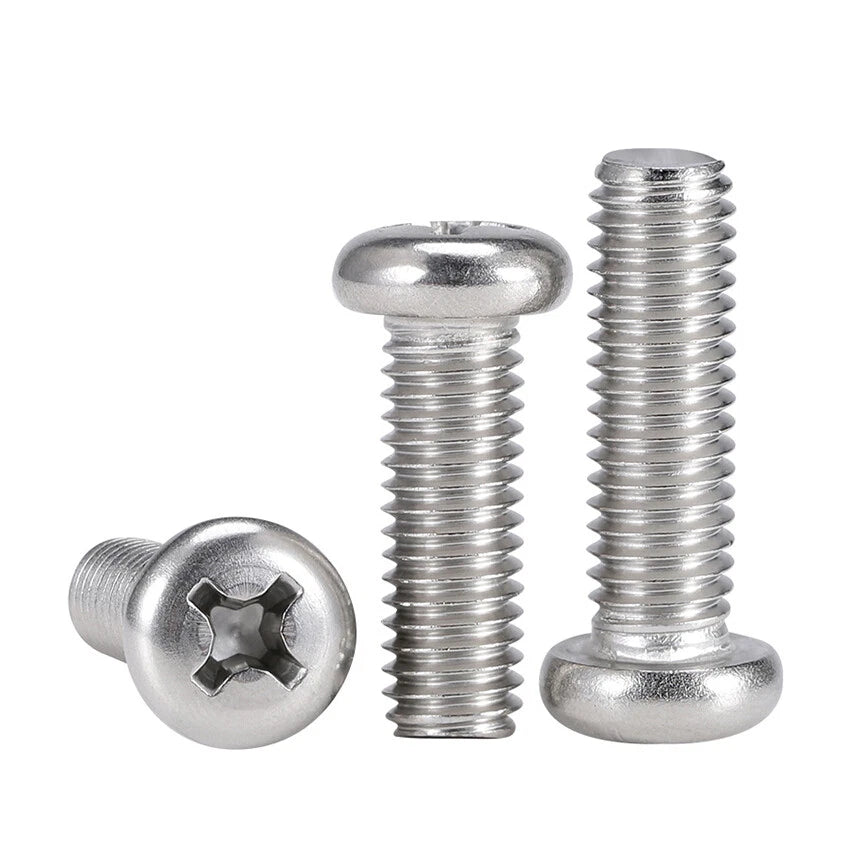
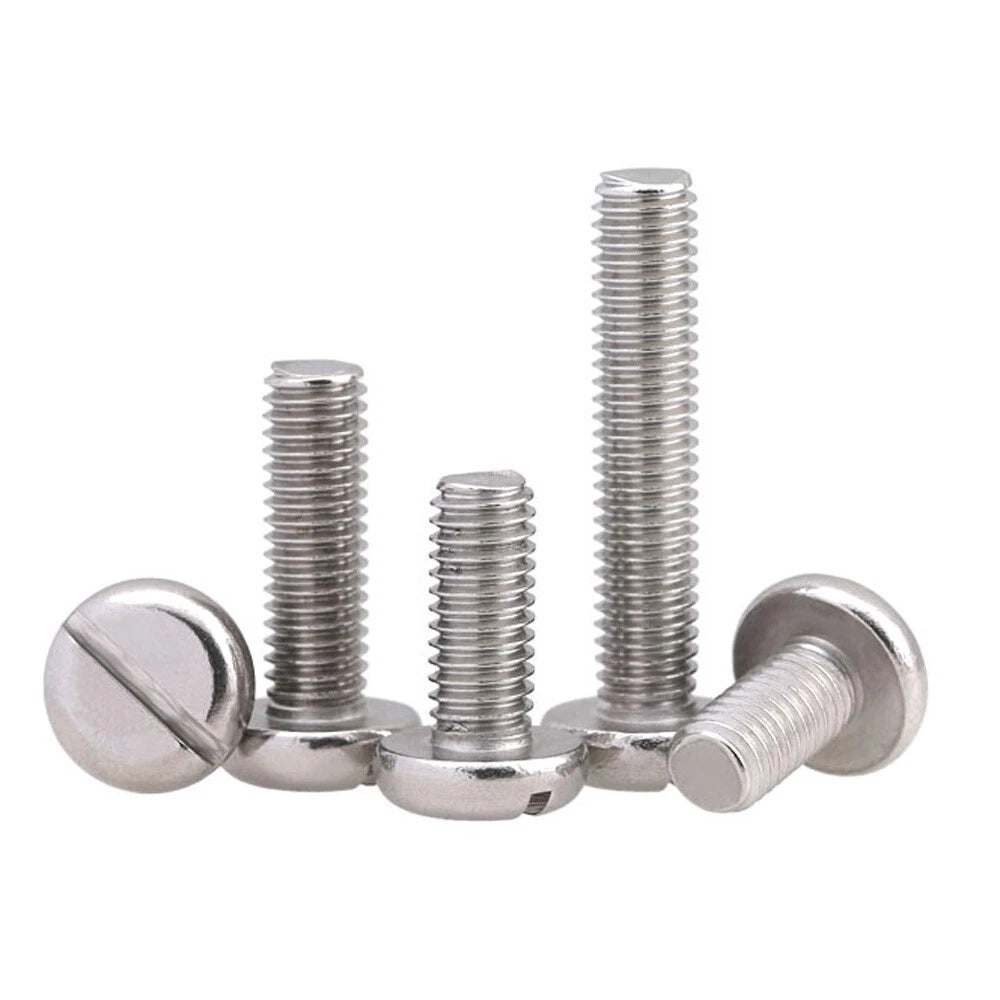
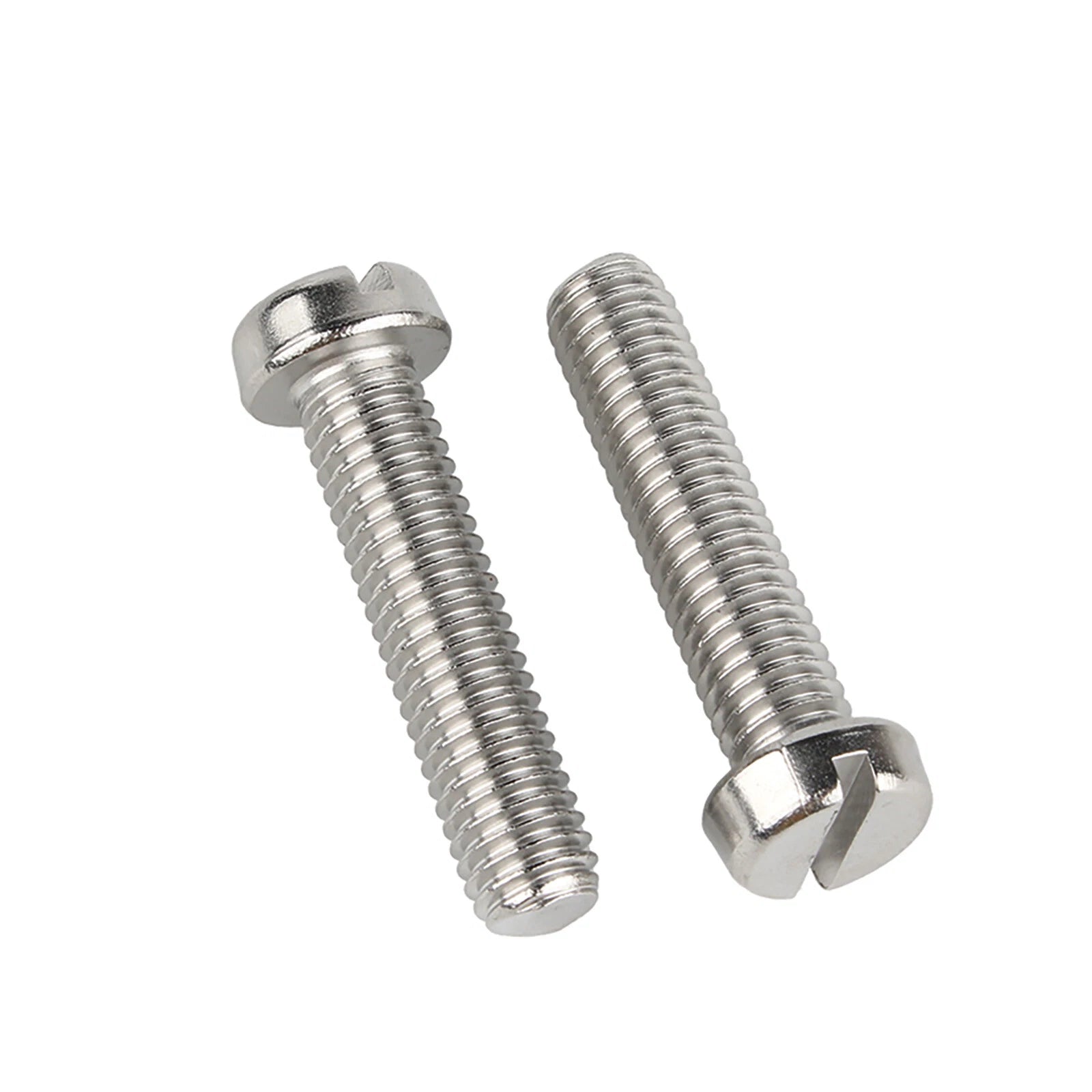
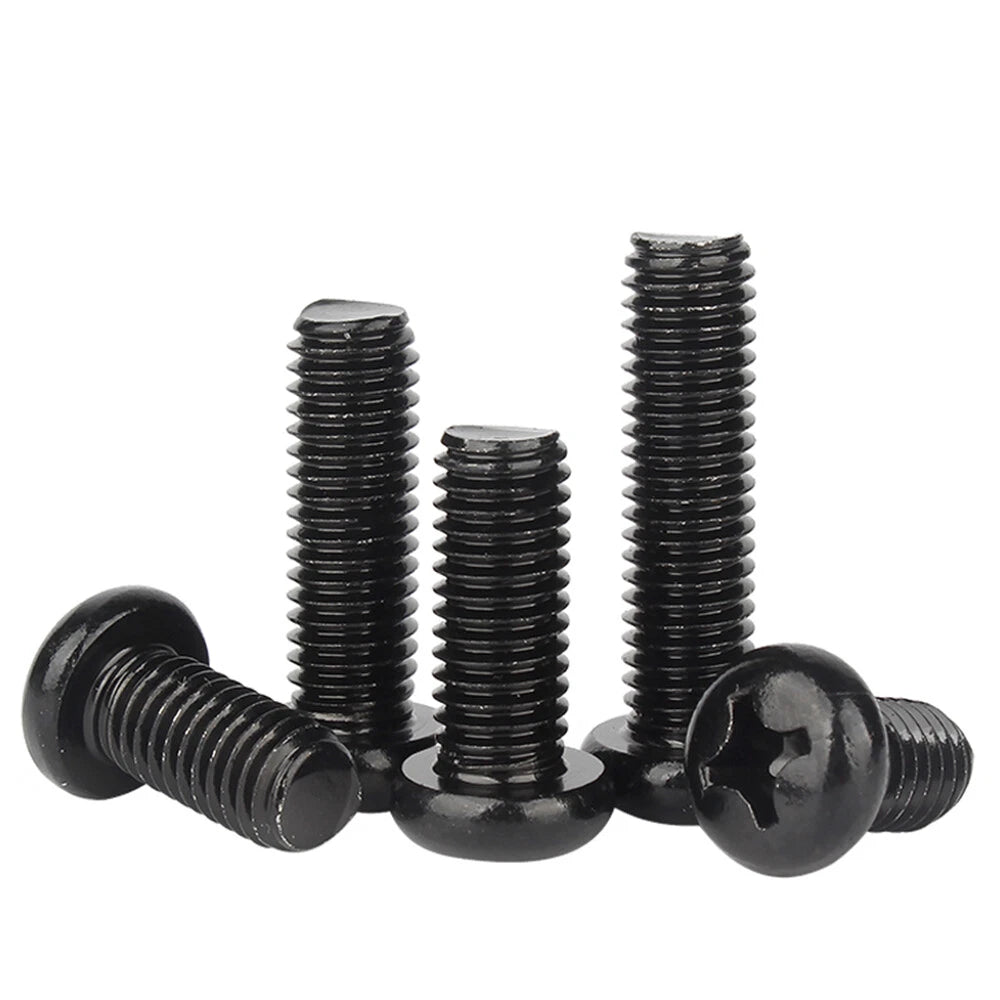
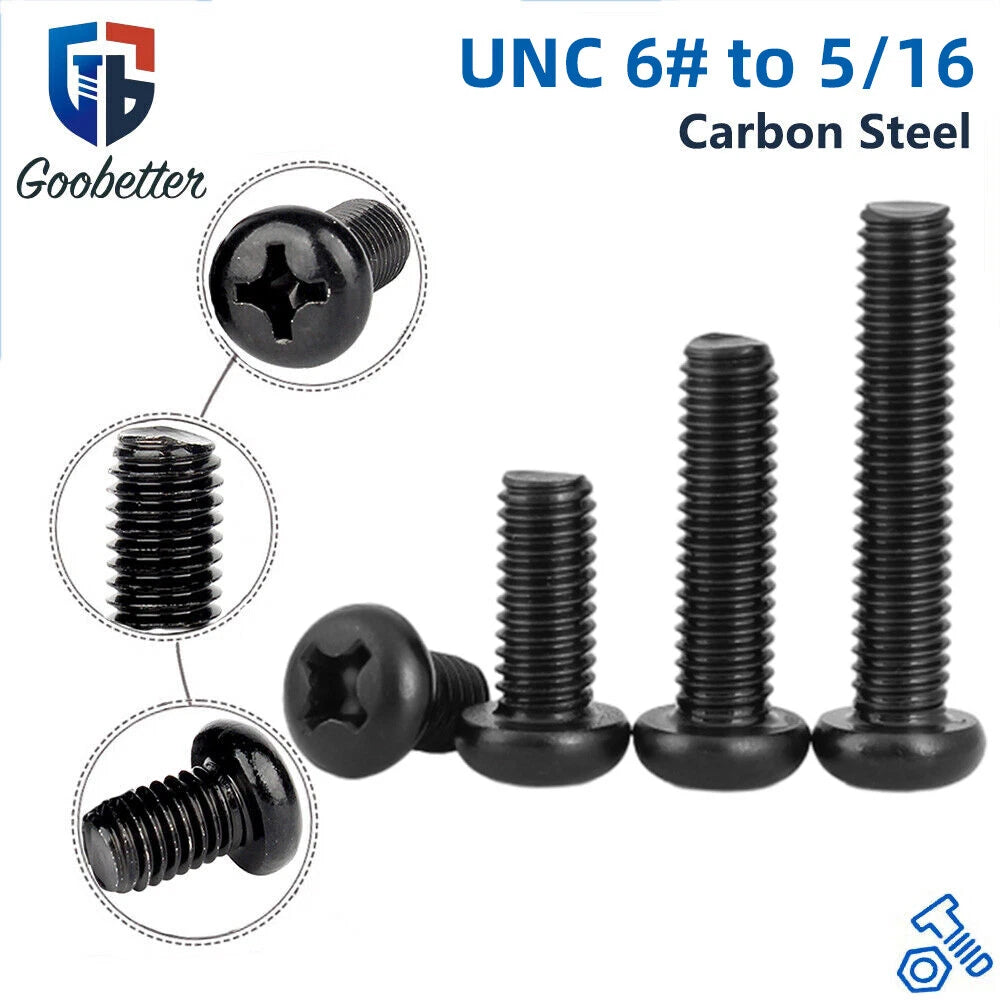
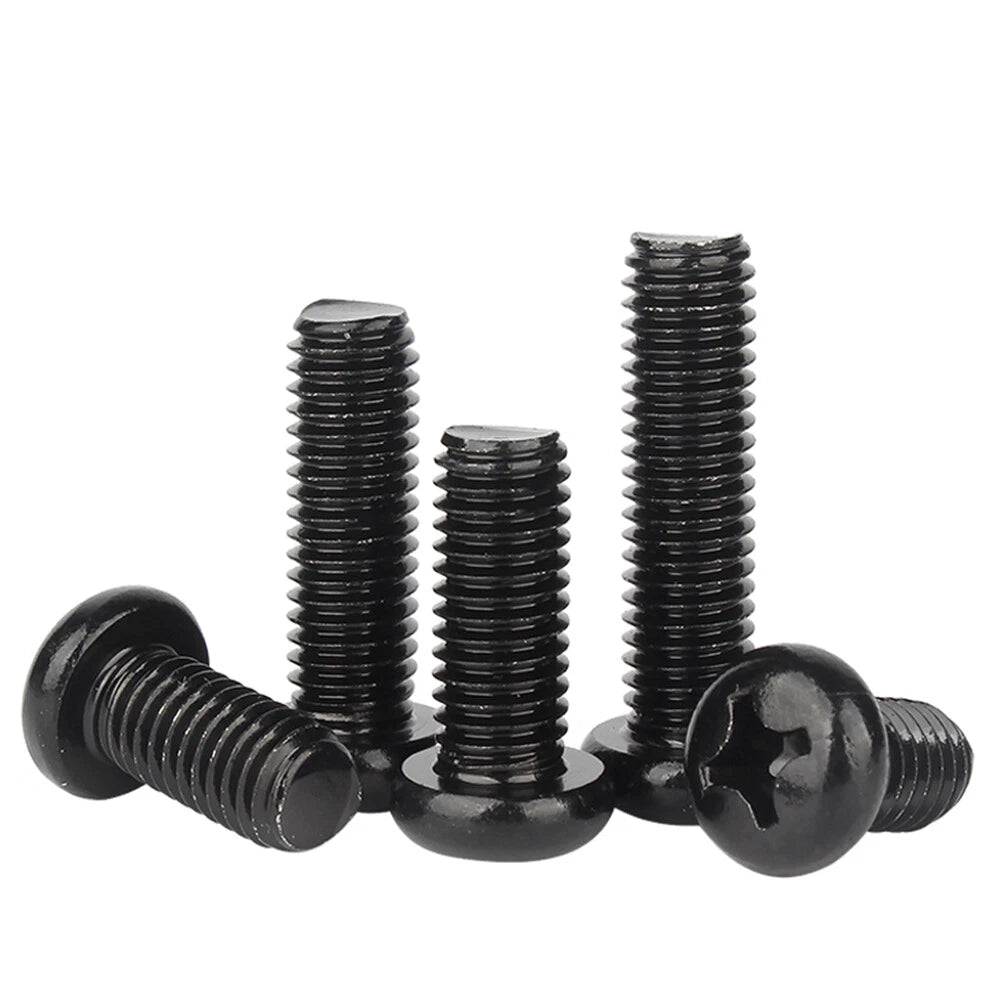
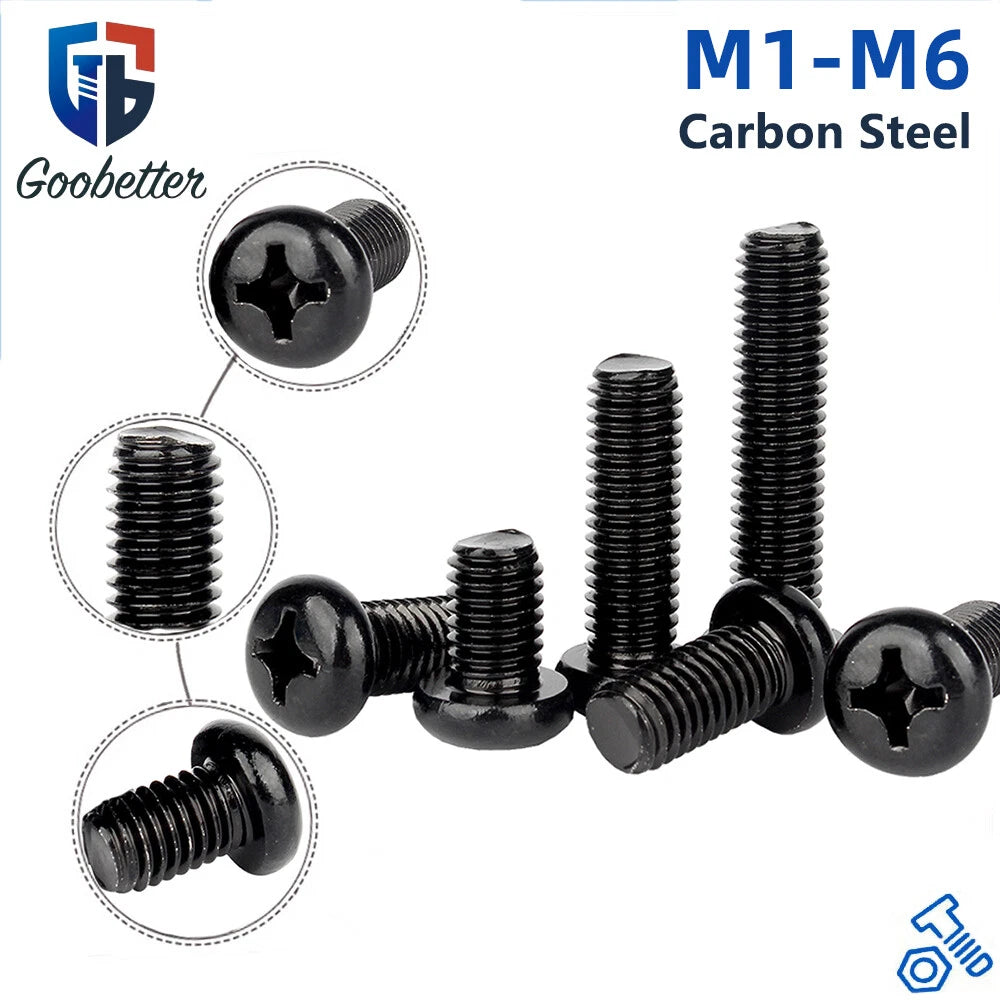
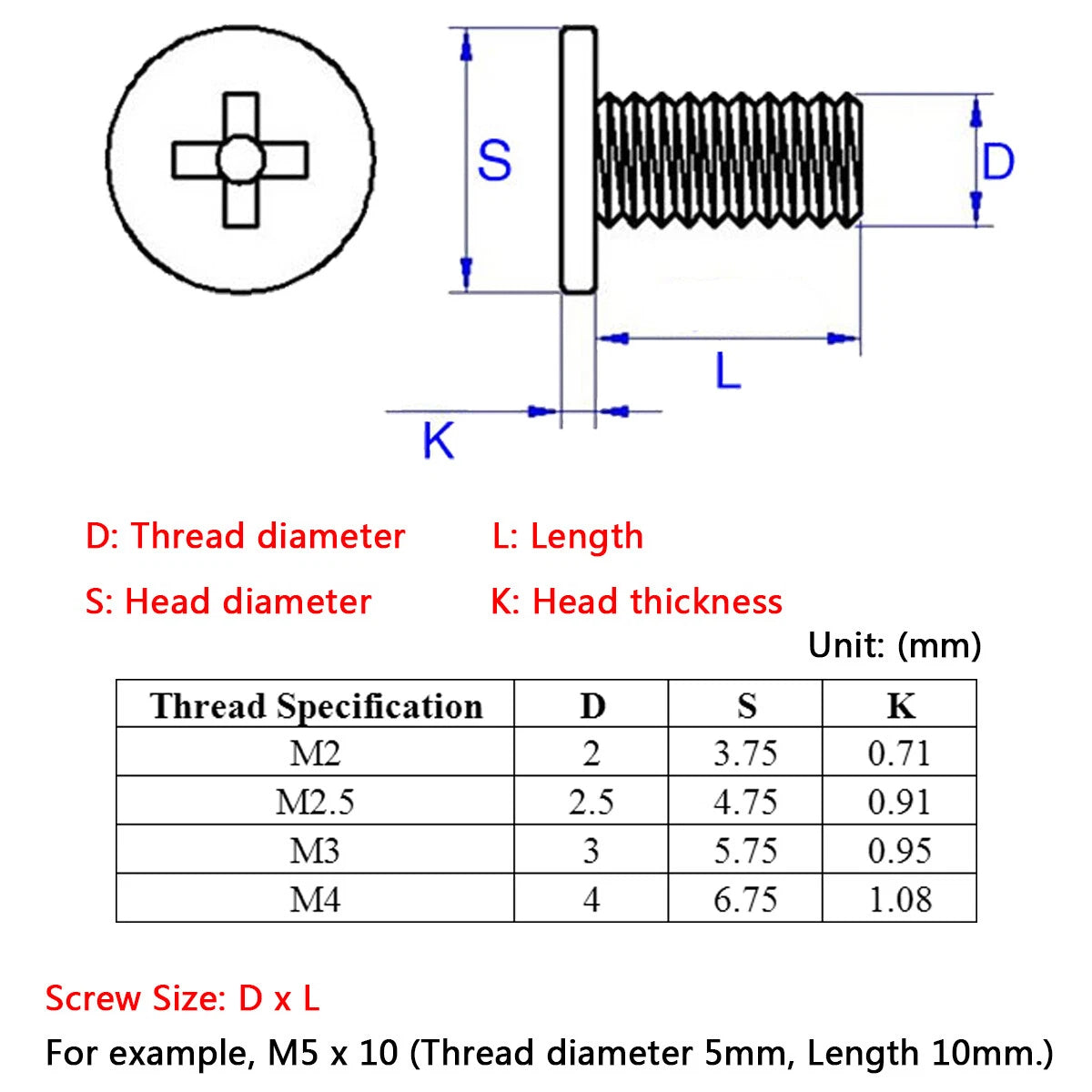
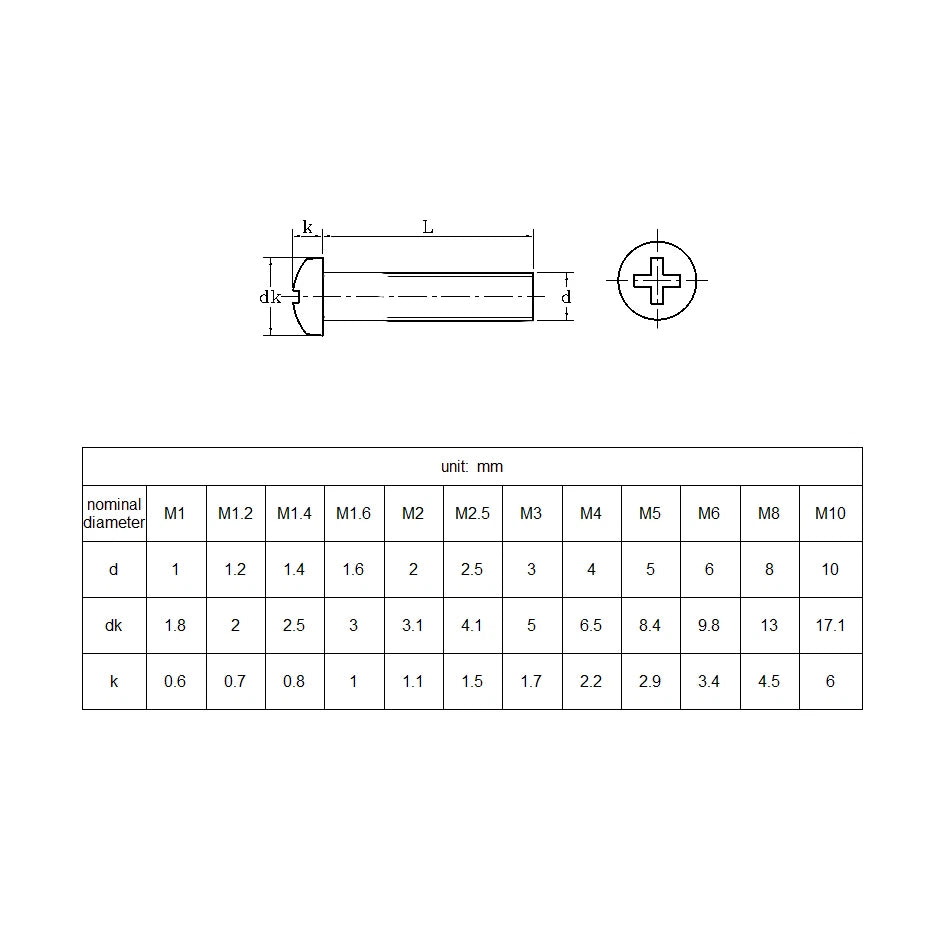
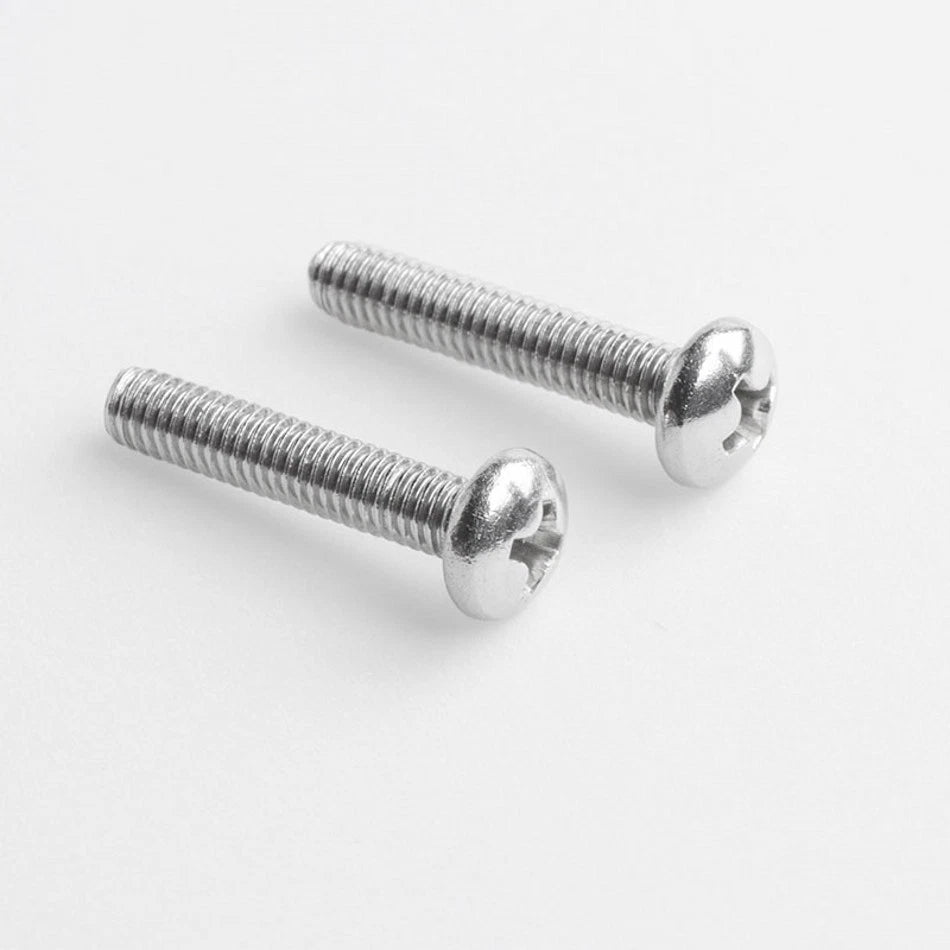
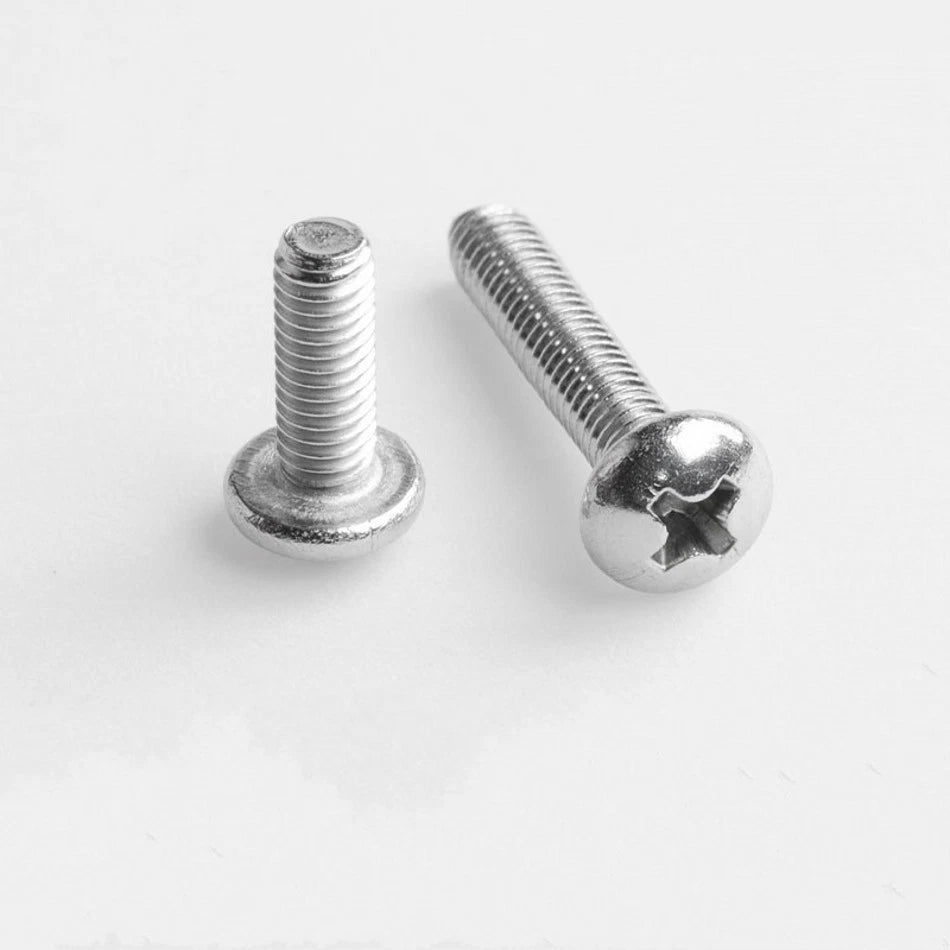
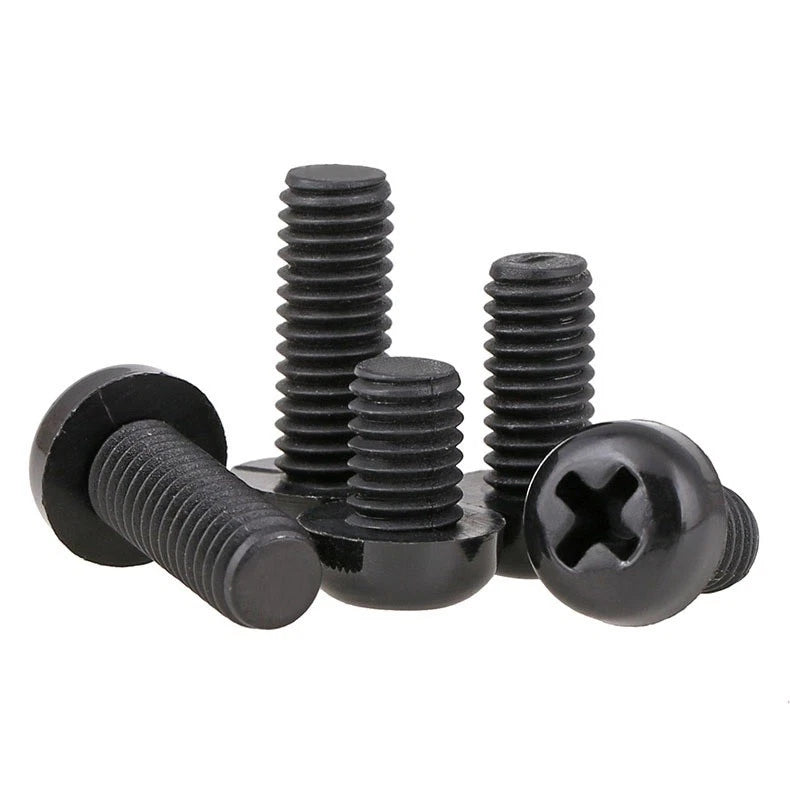
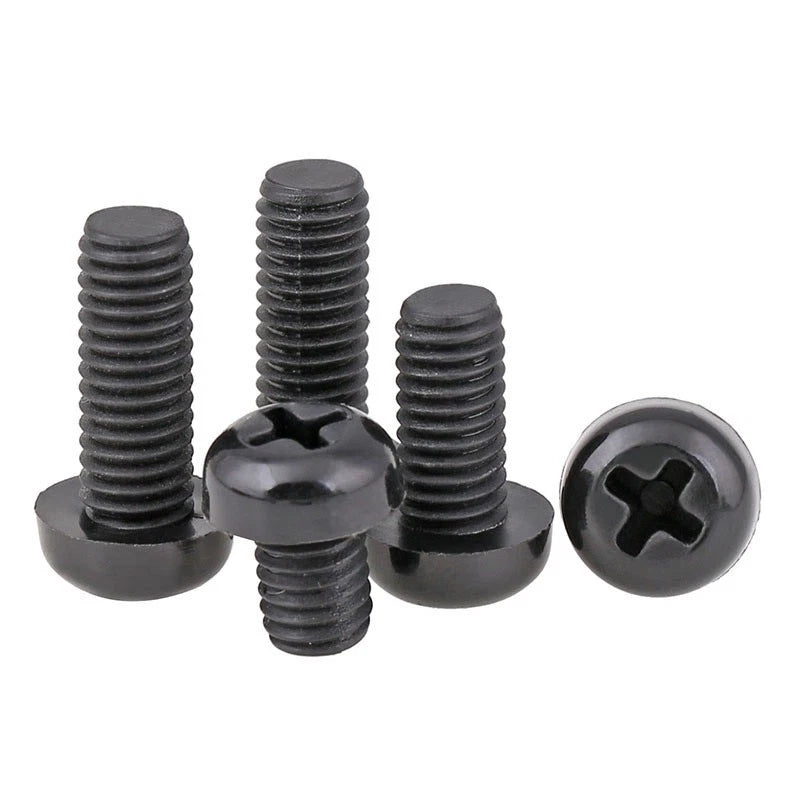
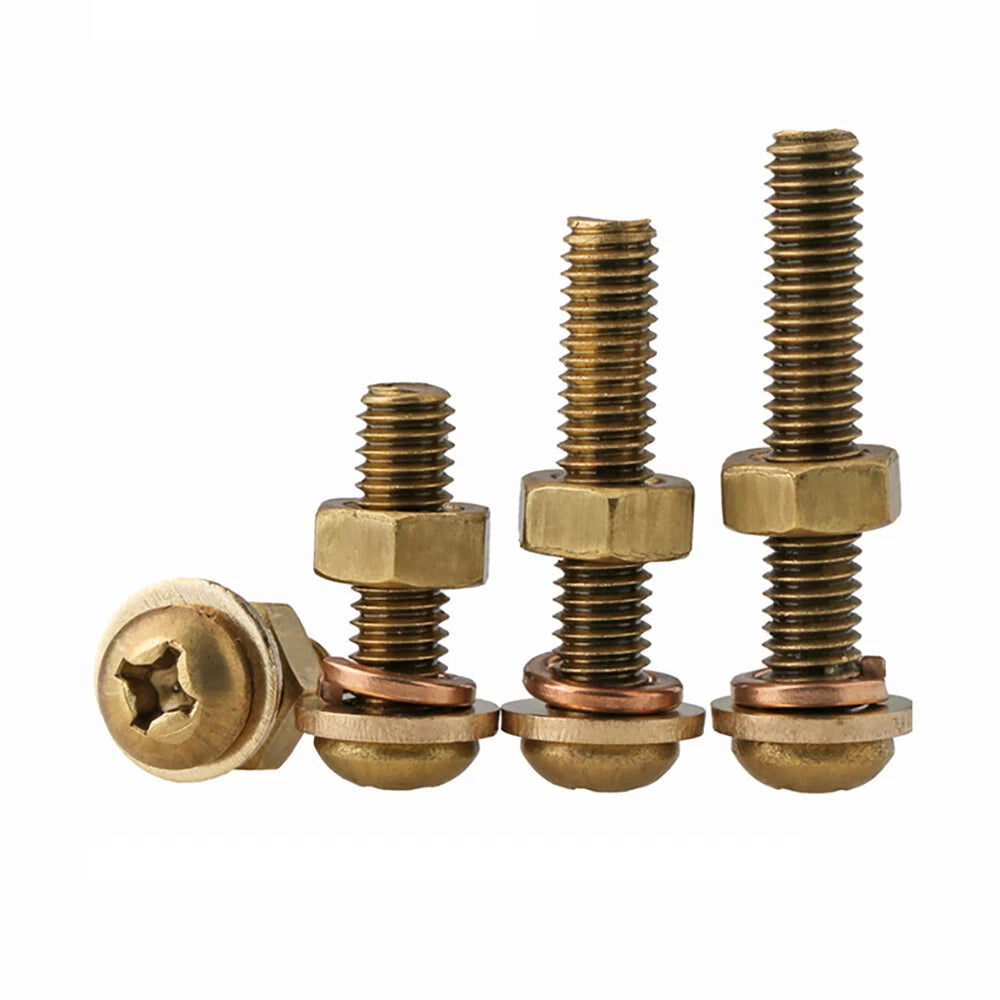
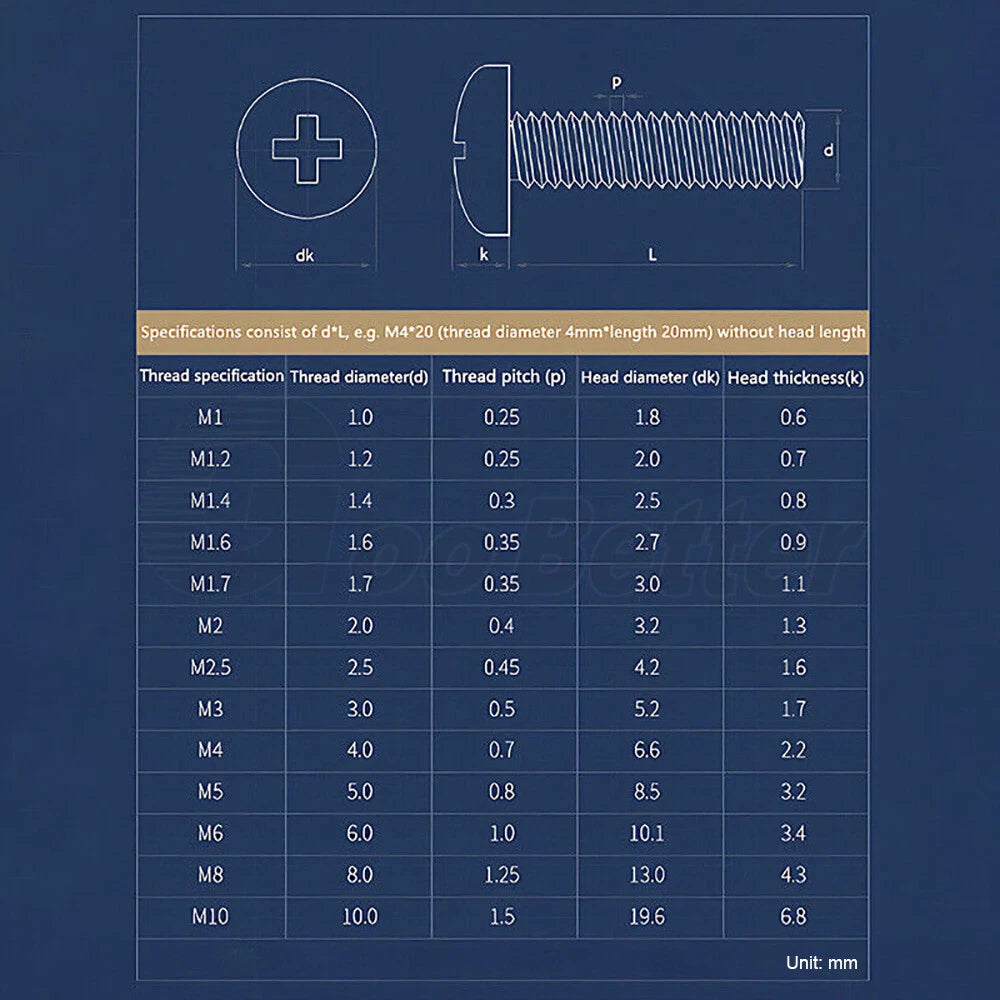
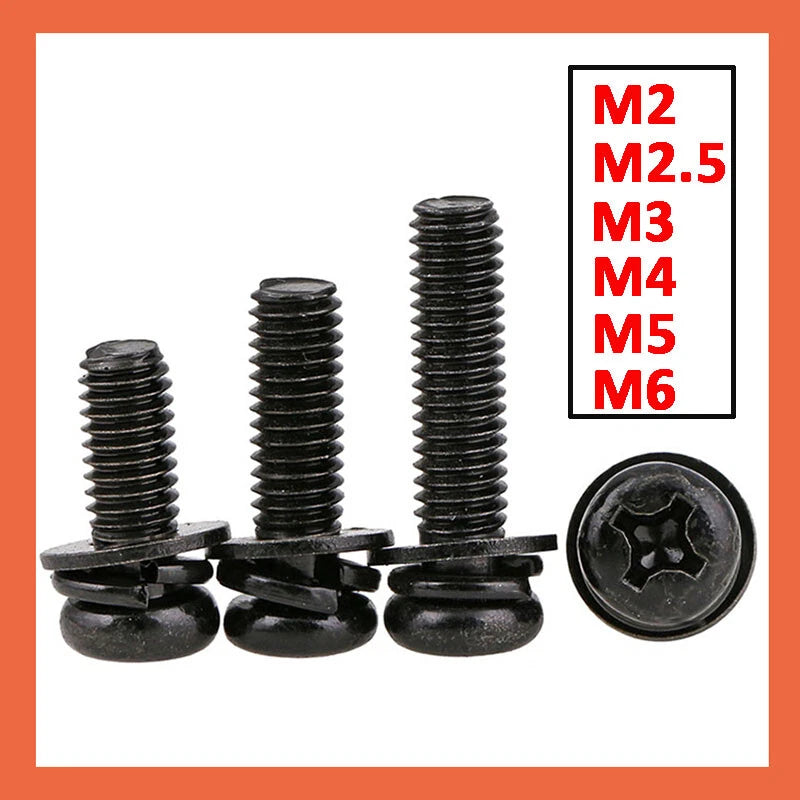
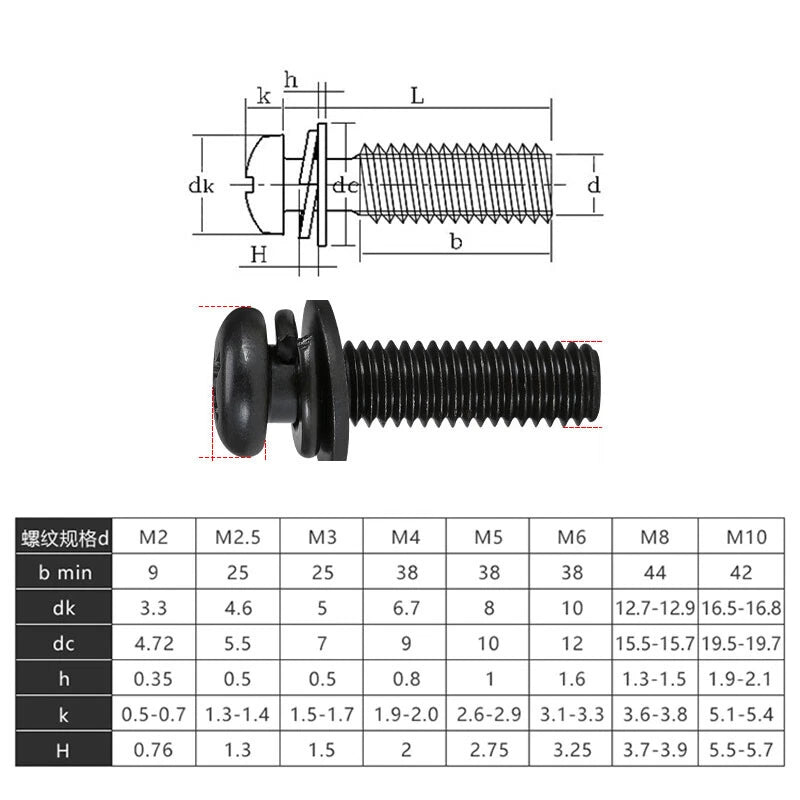
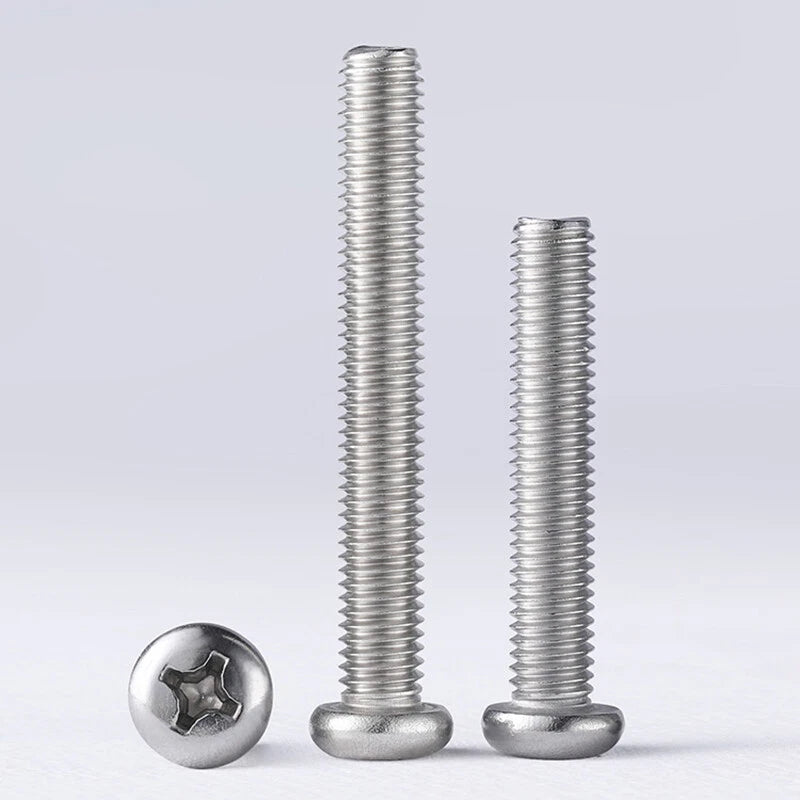
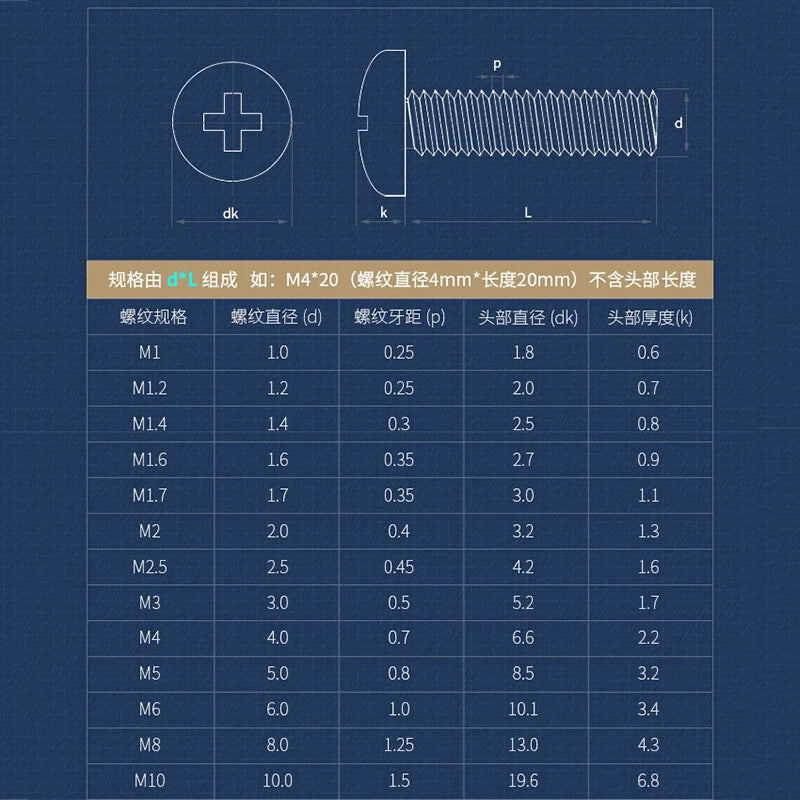
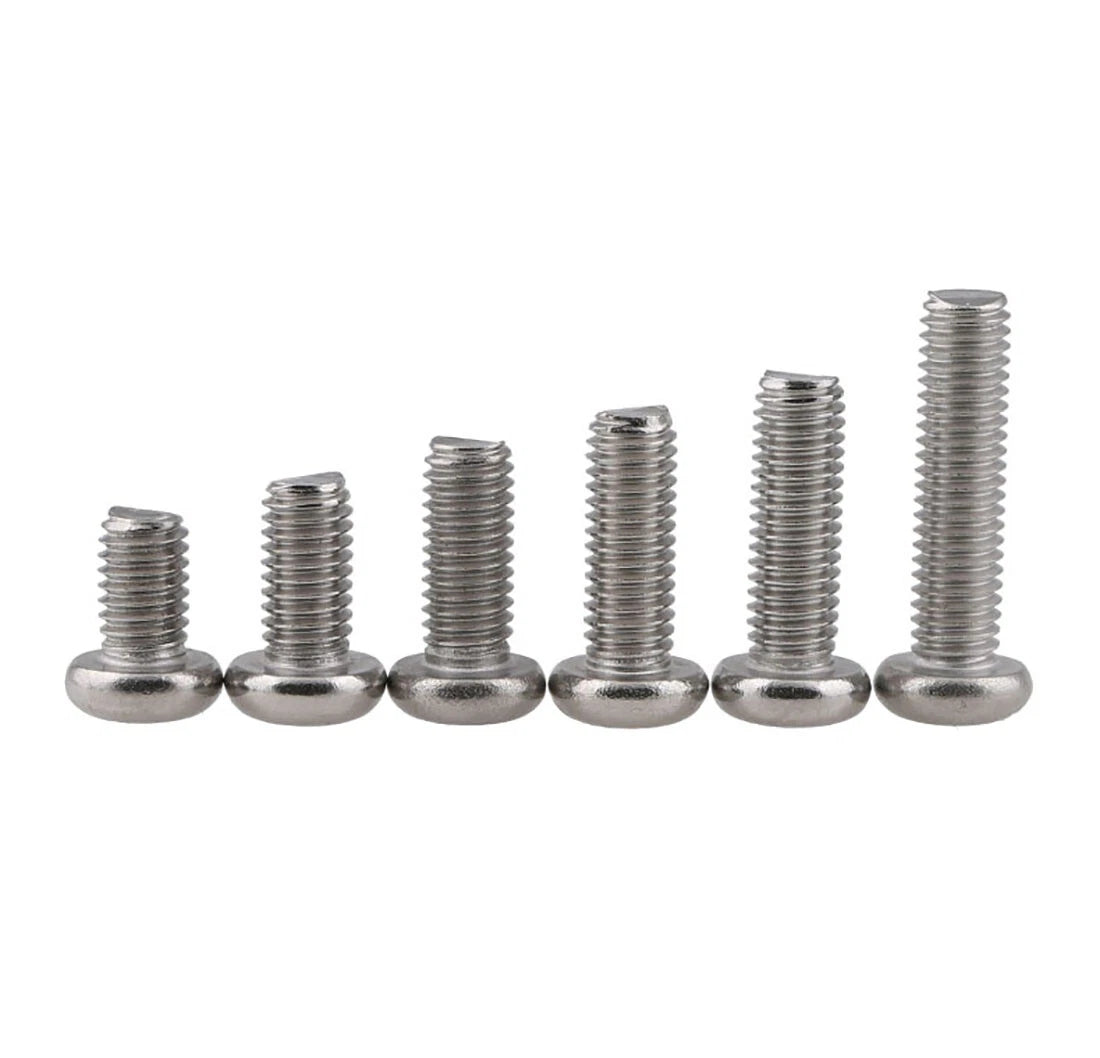
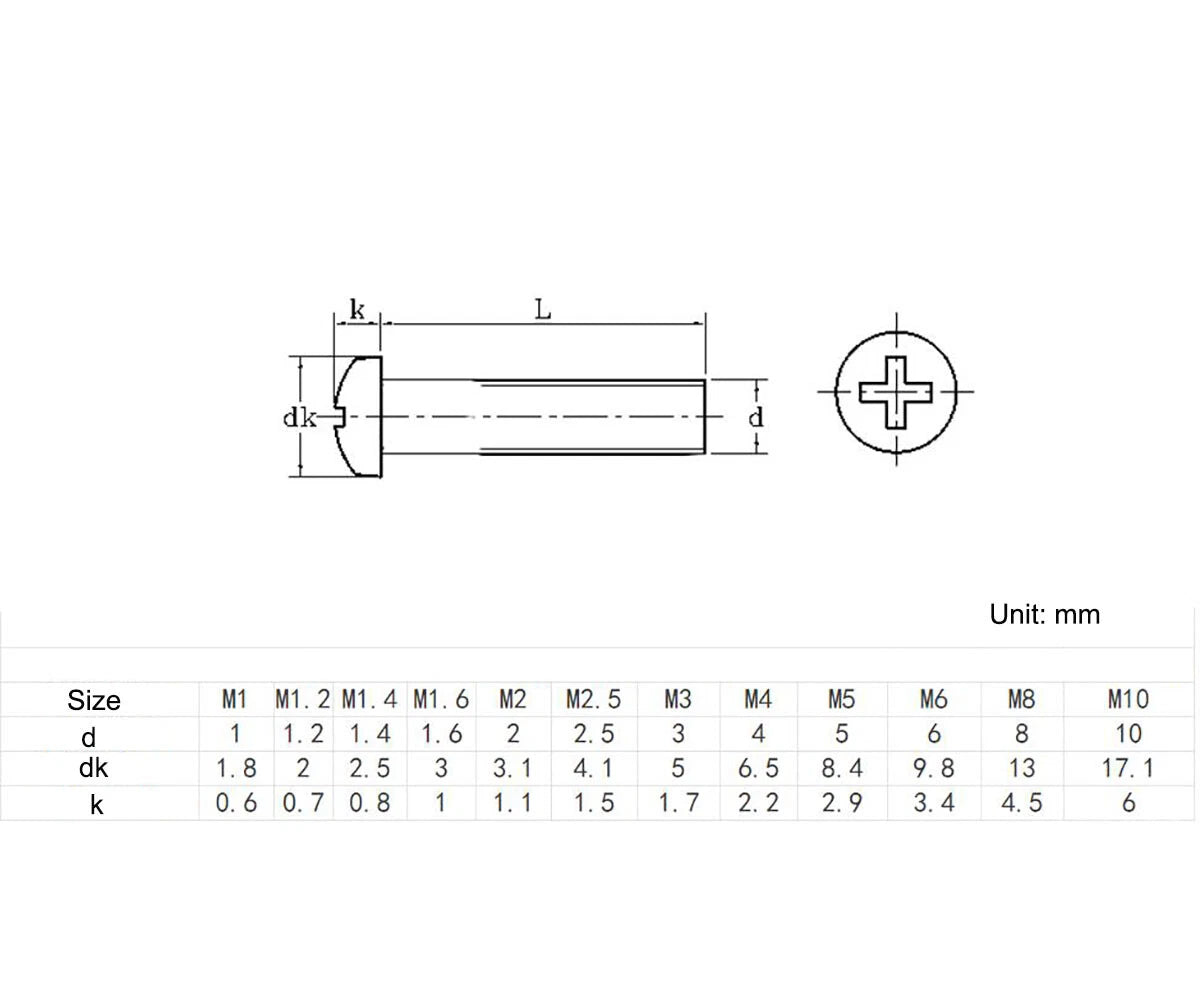
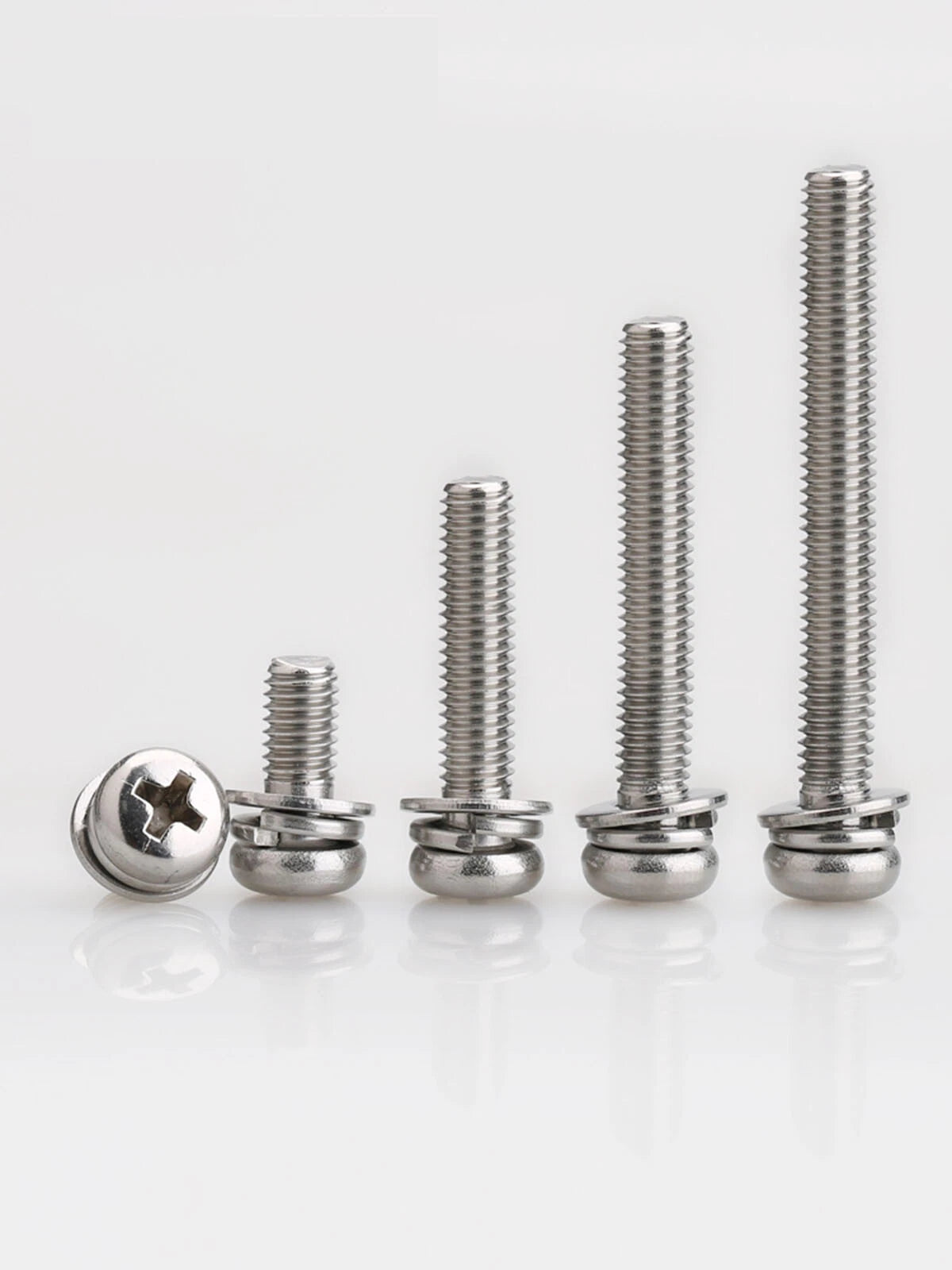
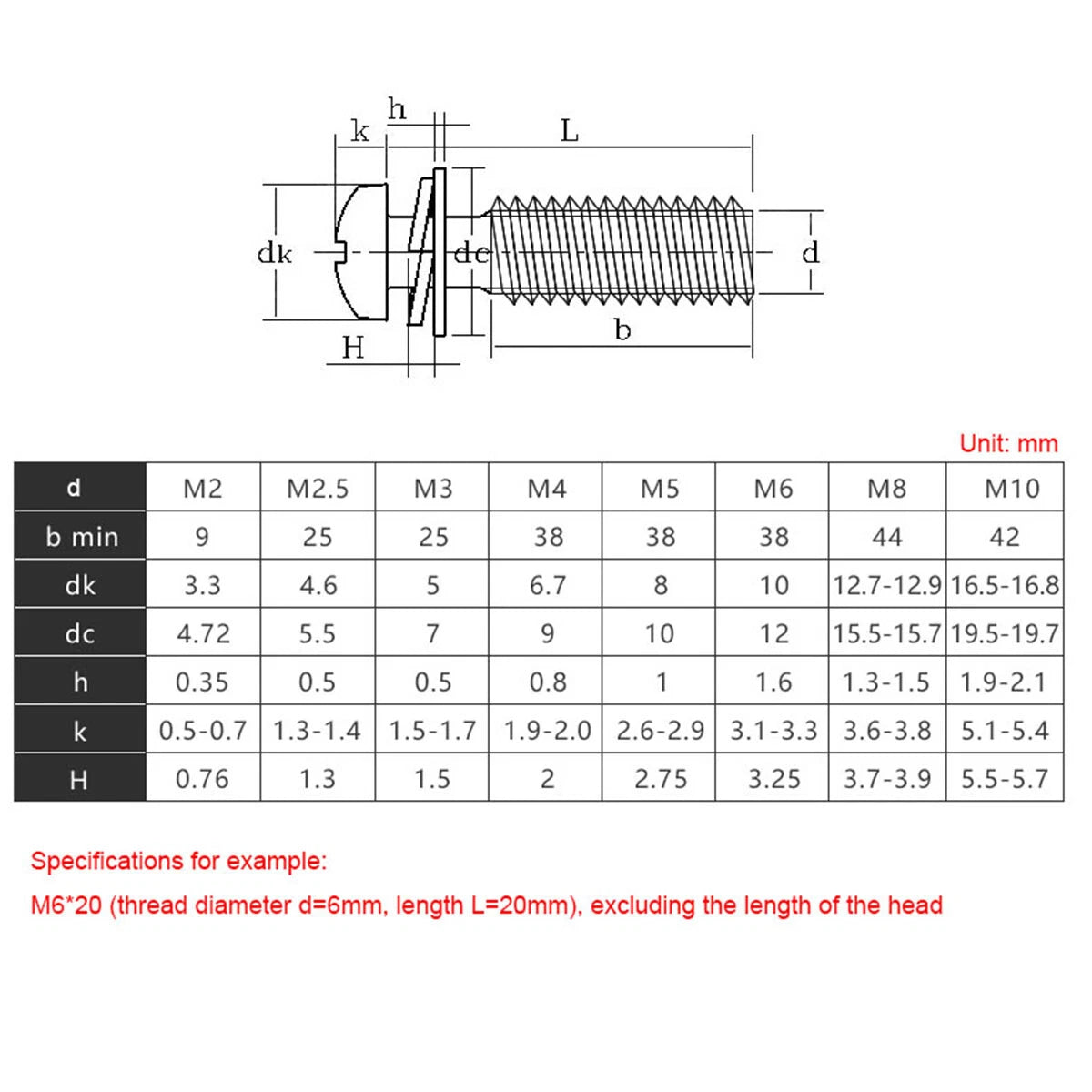
The pan head profile is the workhorse of the sheet metal world. Its slightly domed top and wide bearing surface distribute clamping load evenly across thin material without punching through or deforming the sheet. Available in 304 stainless, nickel-plated carbon steel, and black zinc, pan head self-tapping screws are the go-to choice for electrical enclosures, HVAC duct connections, appliance assembly, and general metal fabrication where a low-profile fastener is preferred over a flush finish.

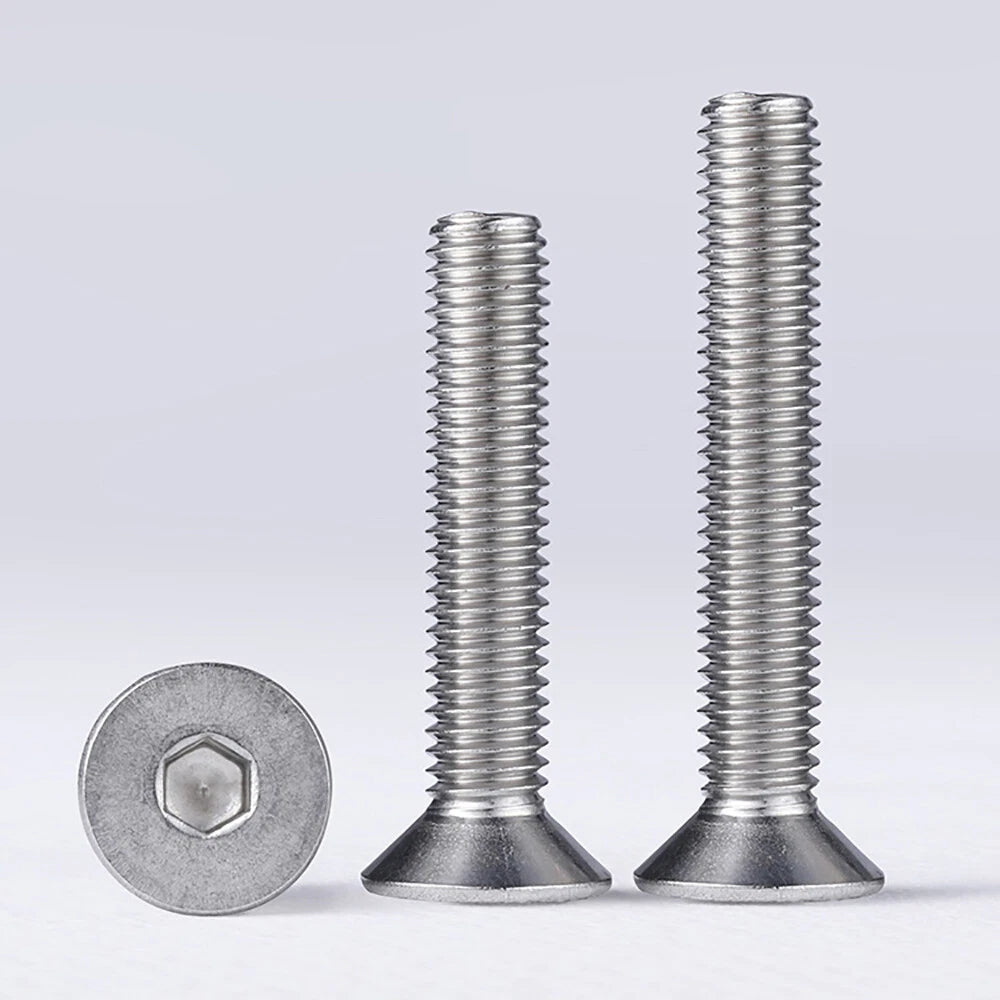
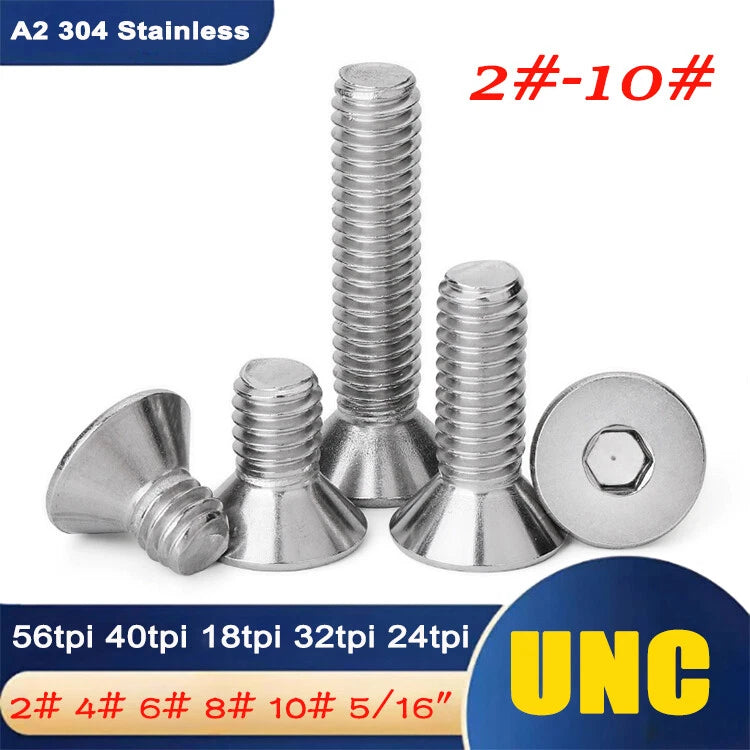
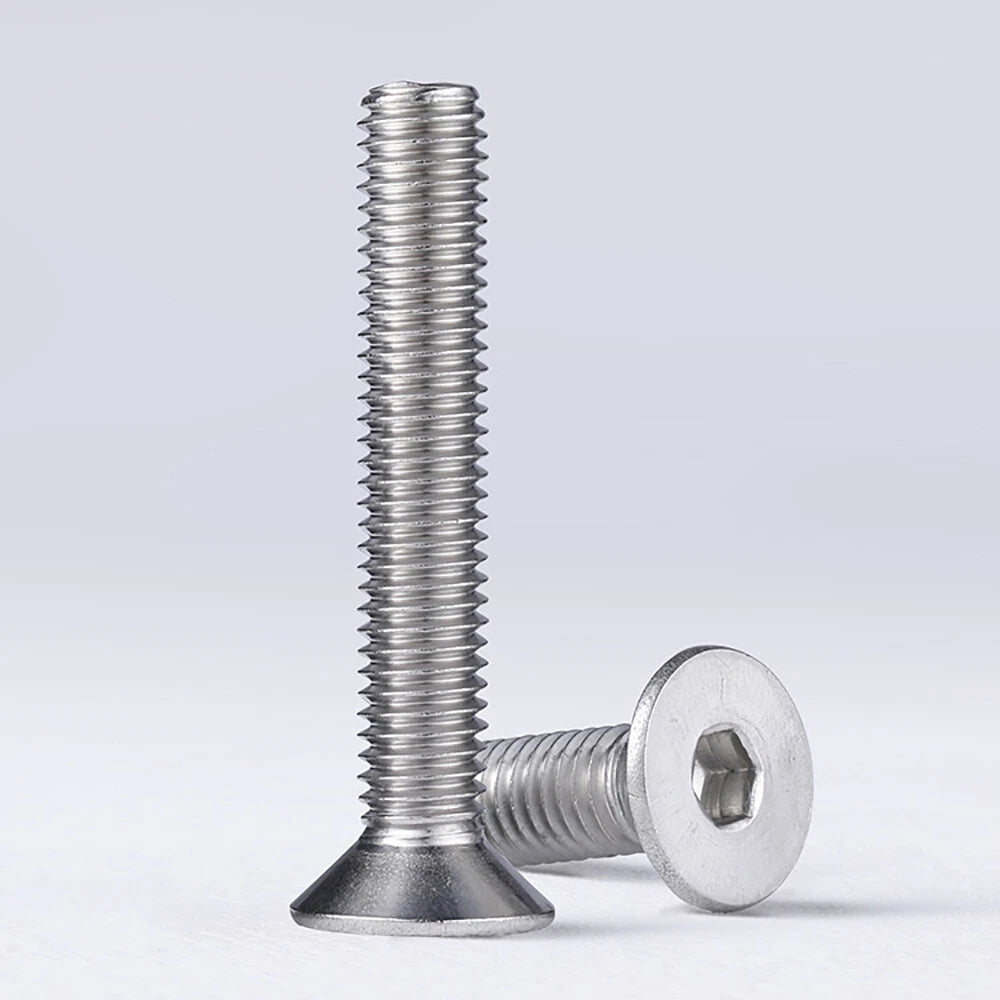
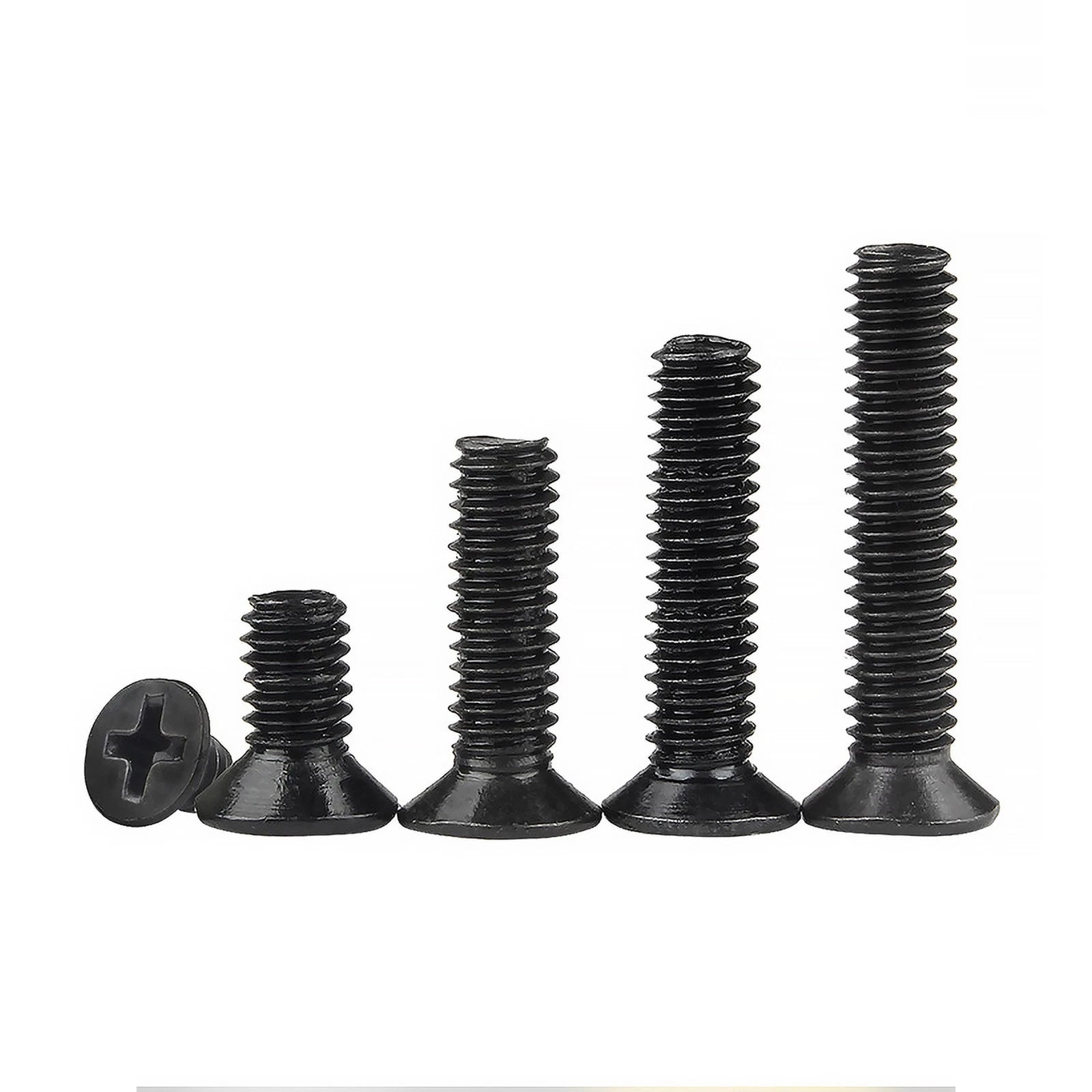
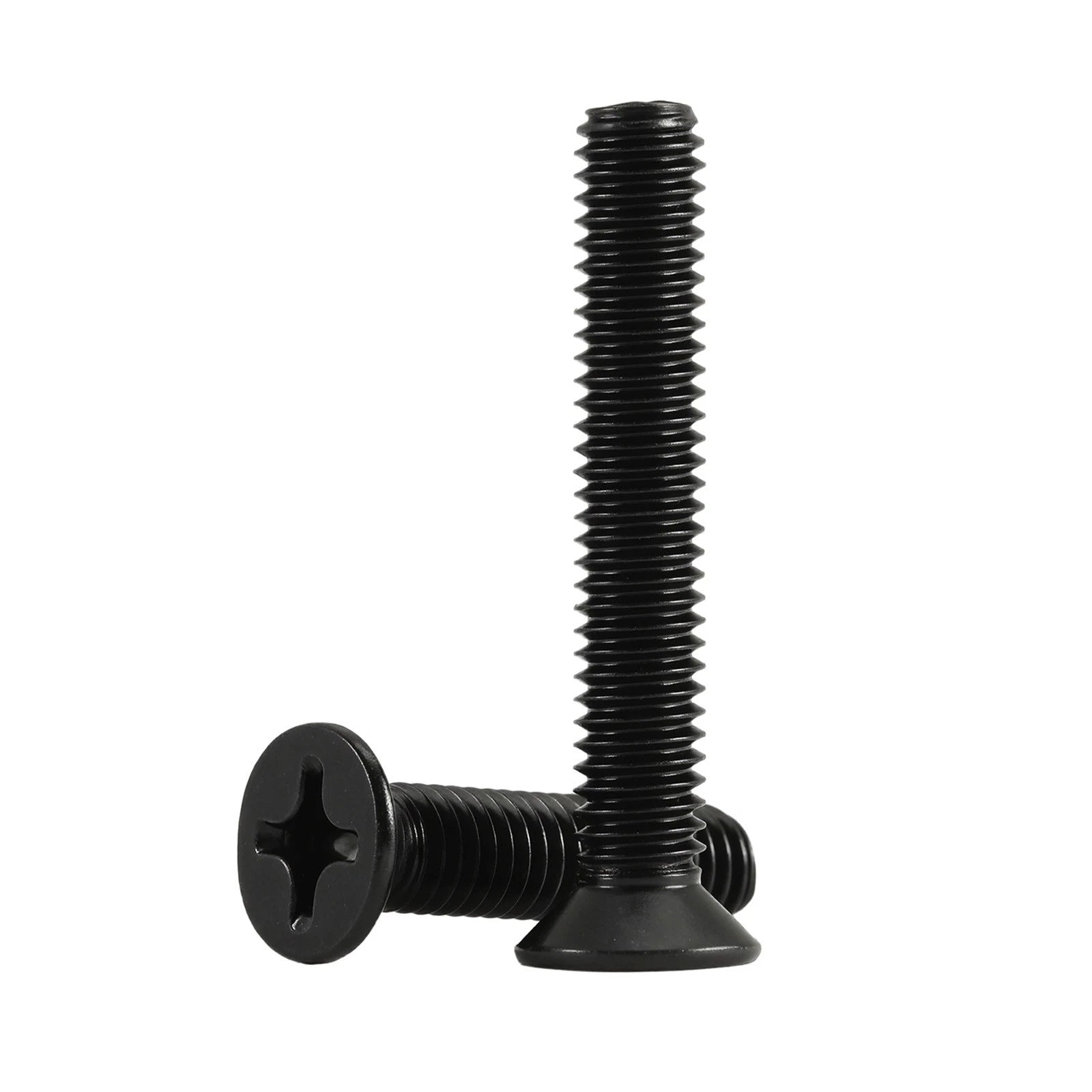
Countersunk Flat Head Self-Tapping Screws for Flush Metal Surfaces

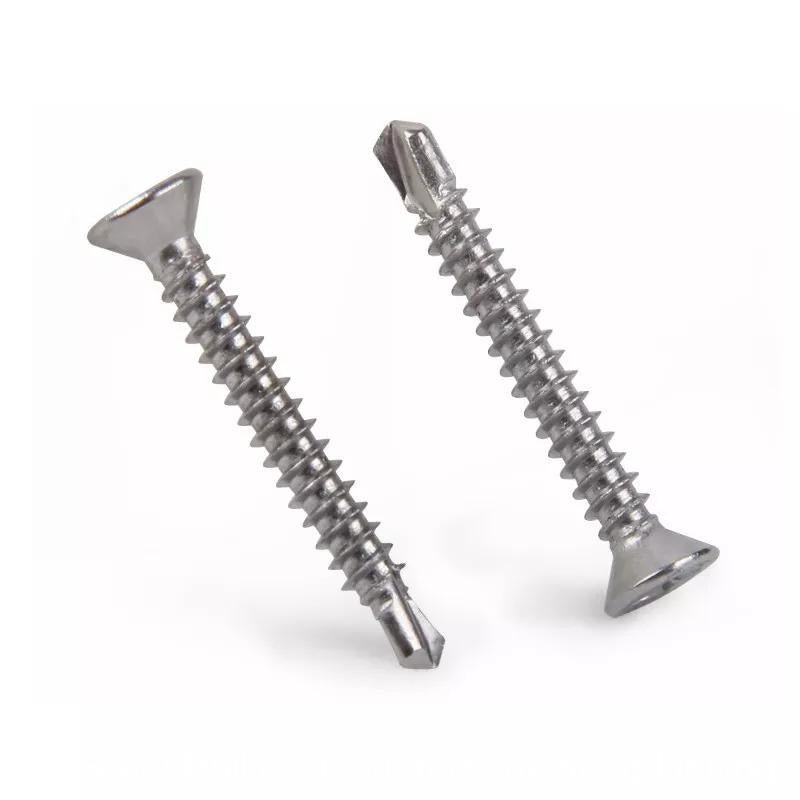
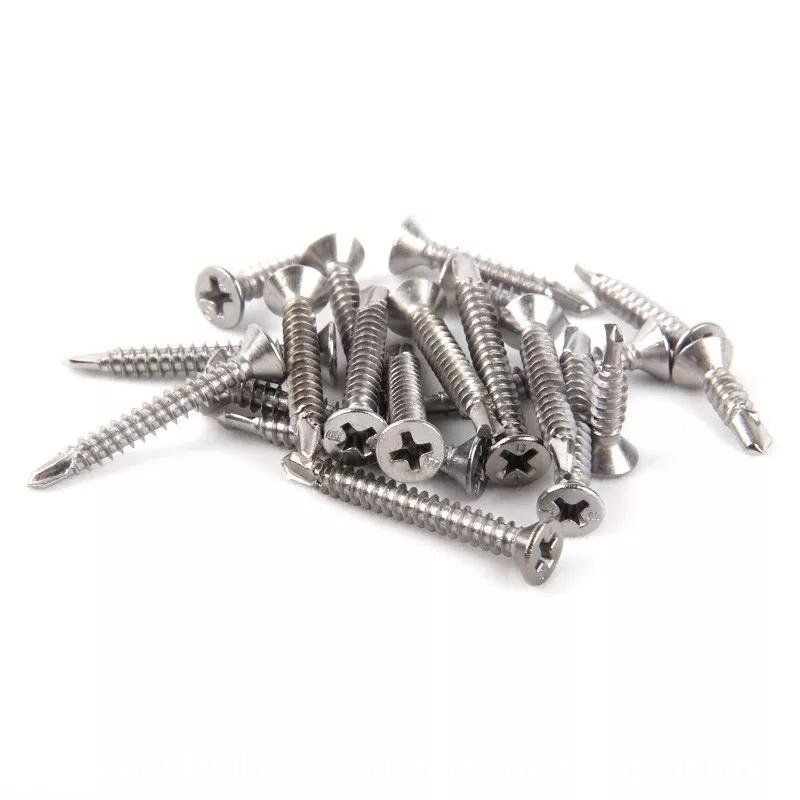
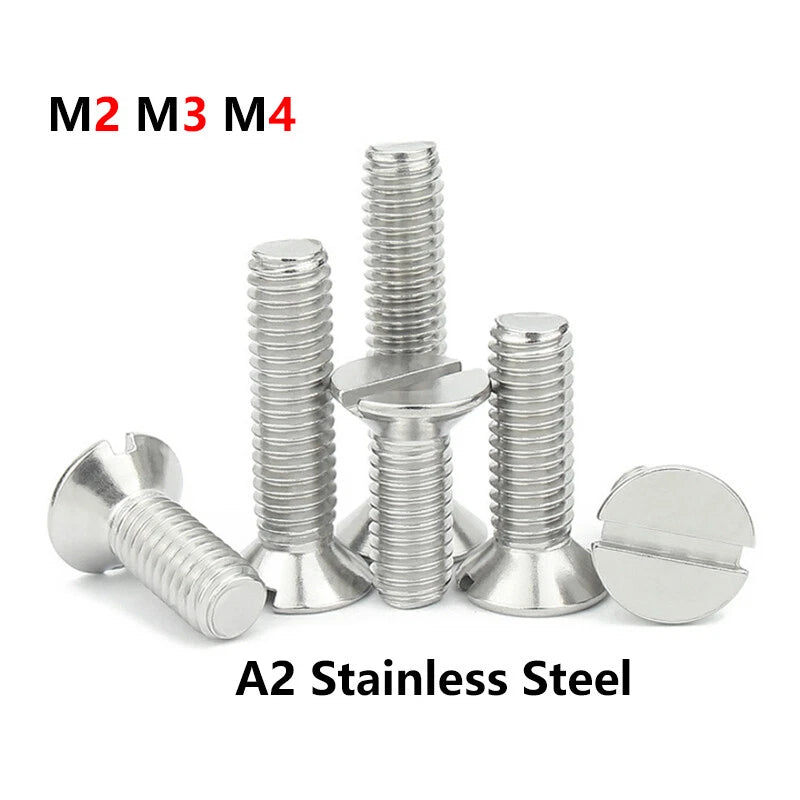
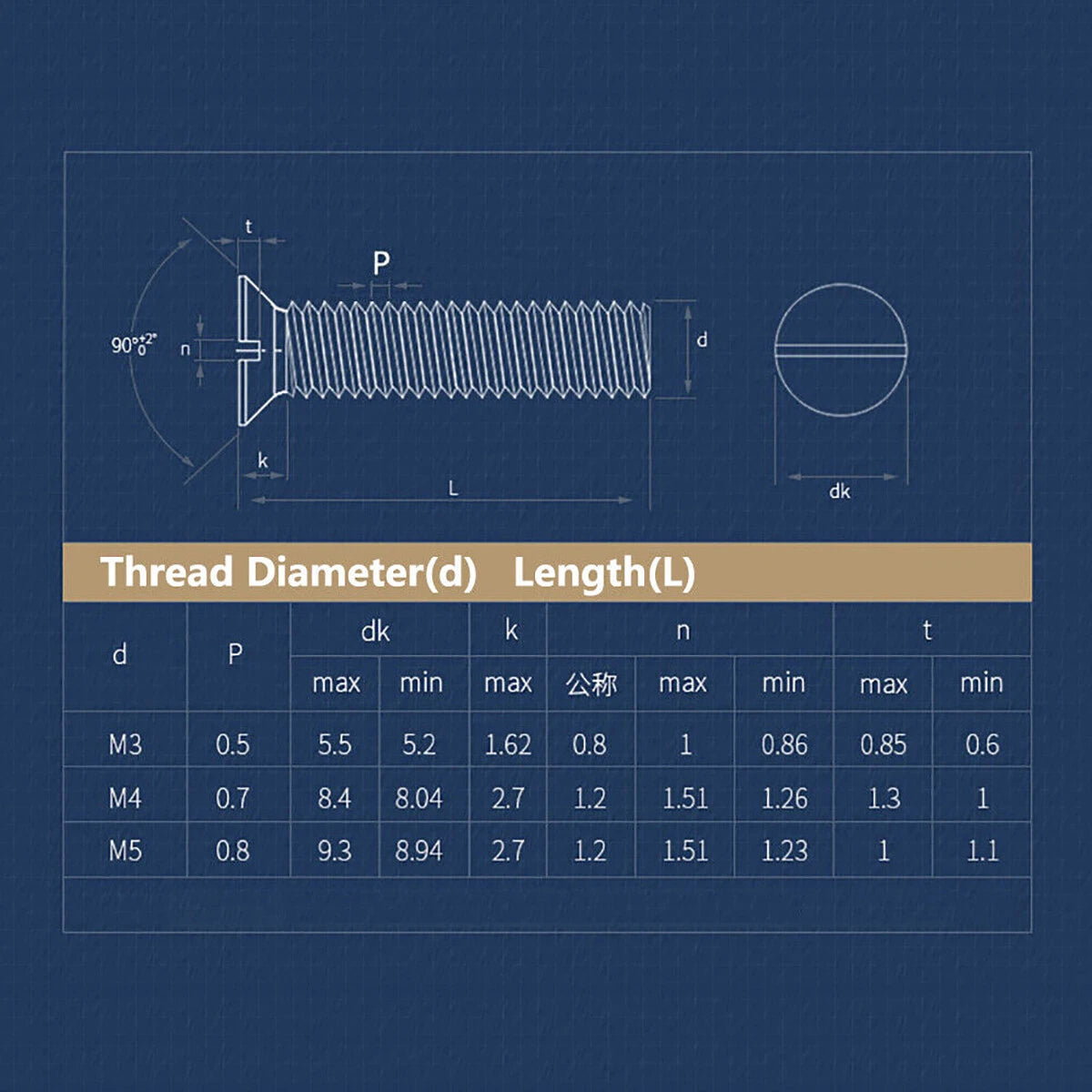
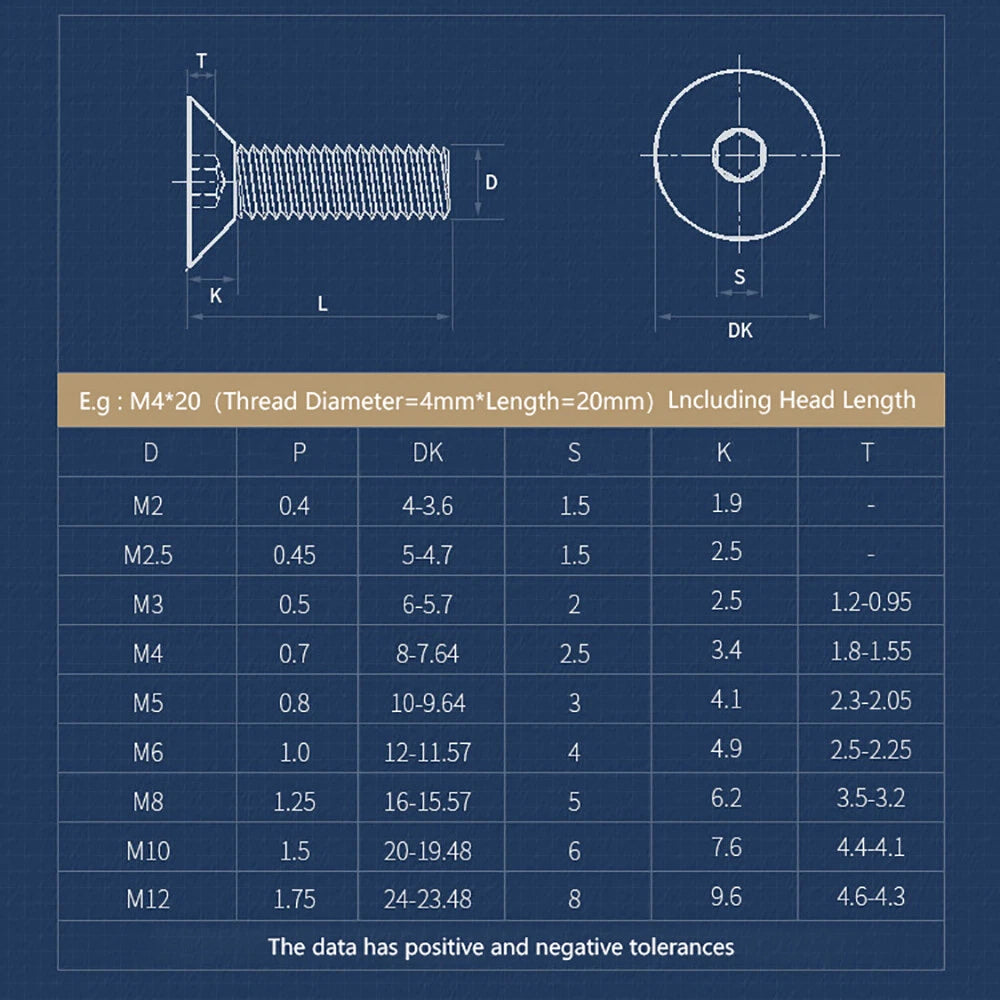
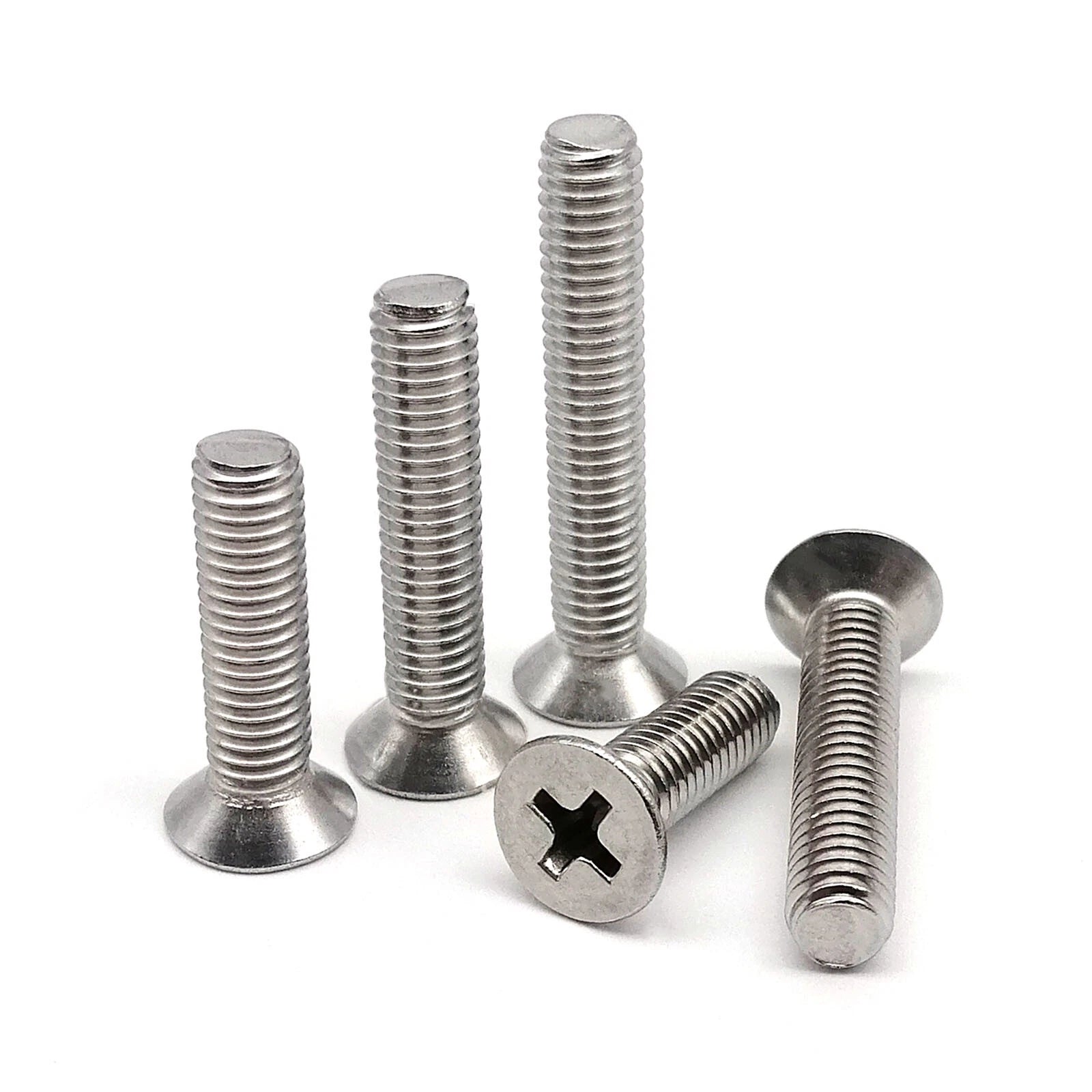
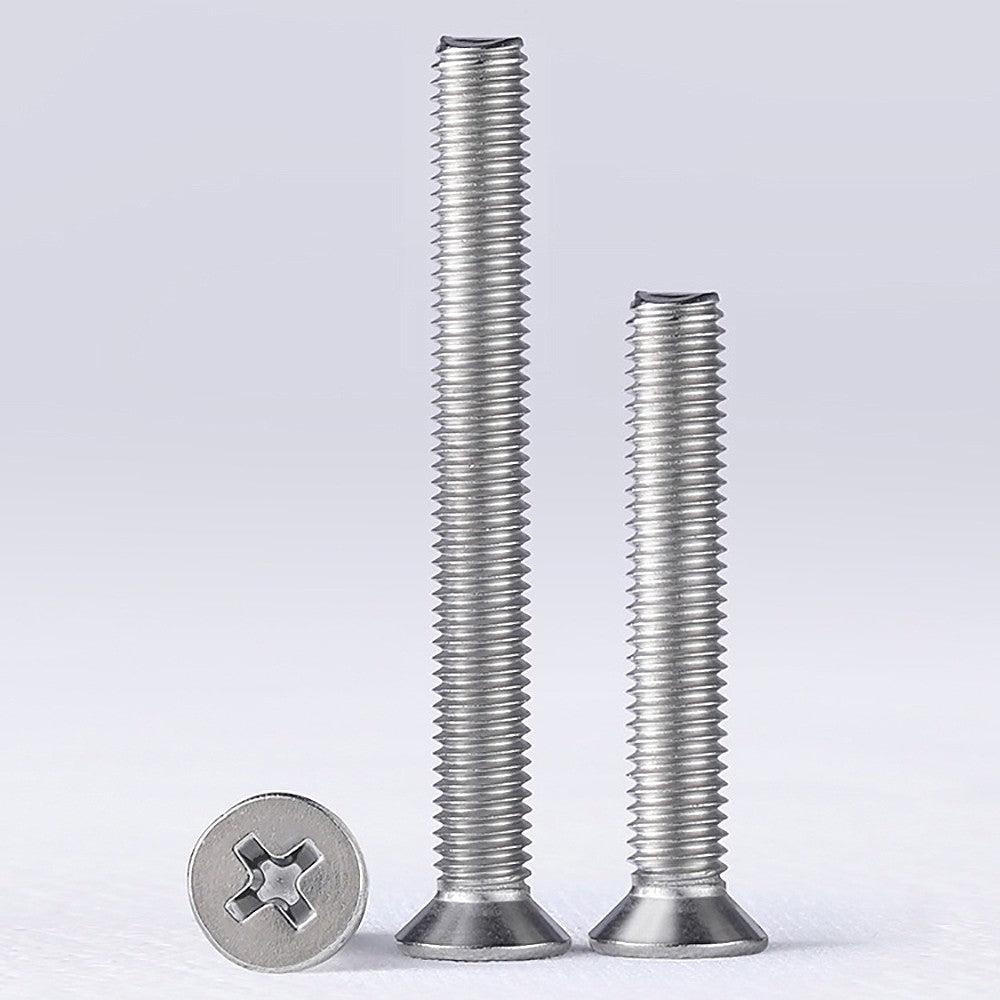
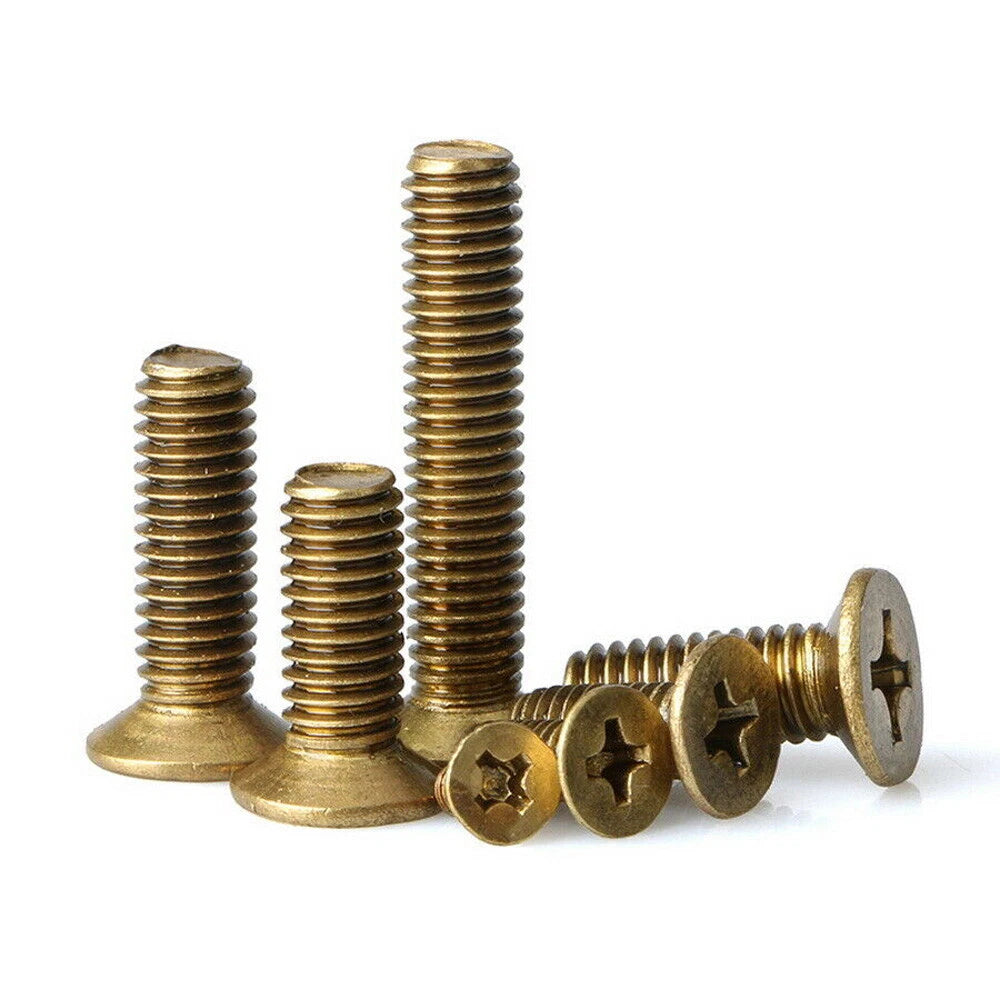
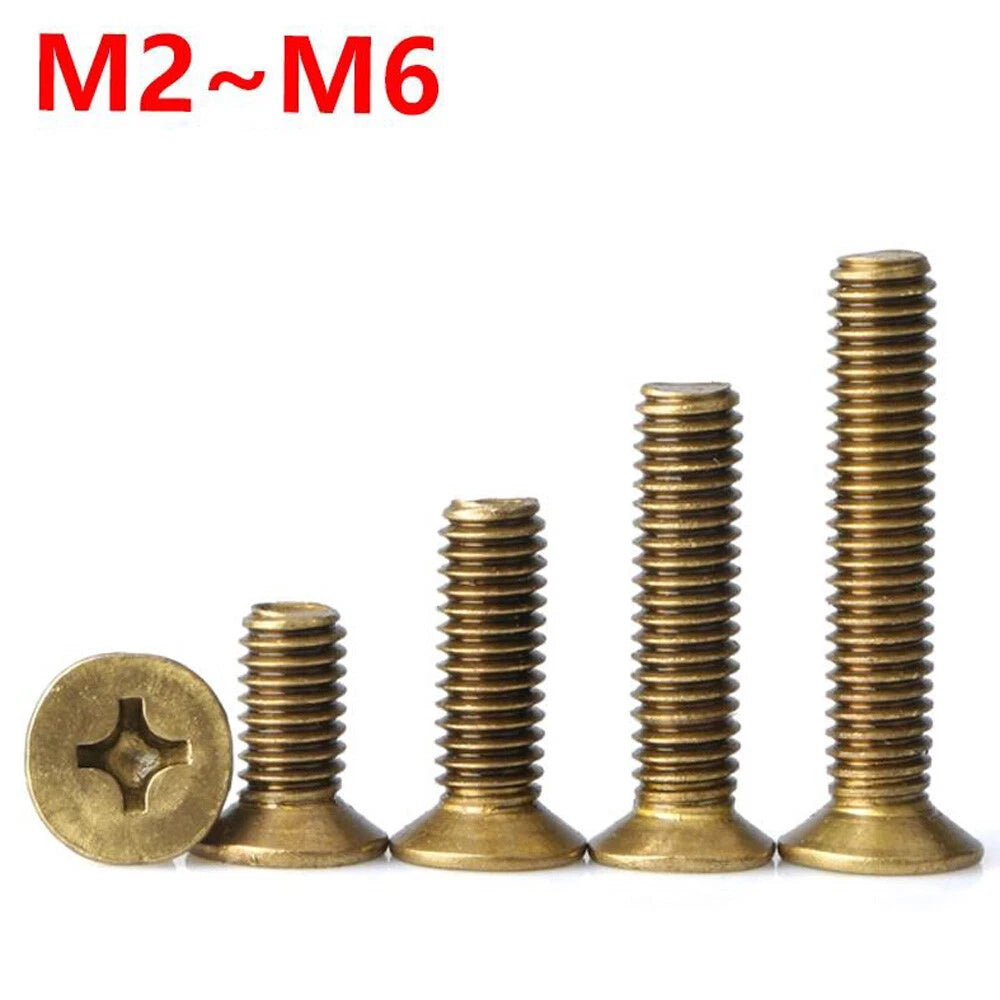
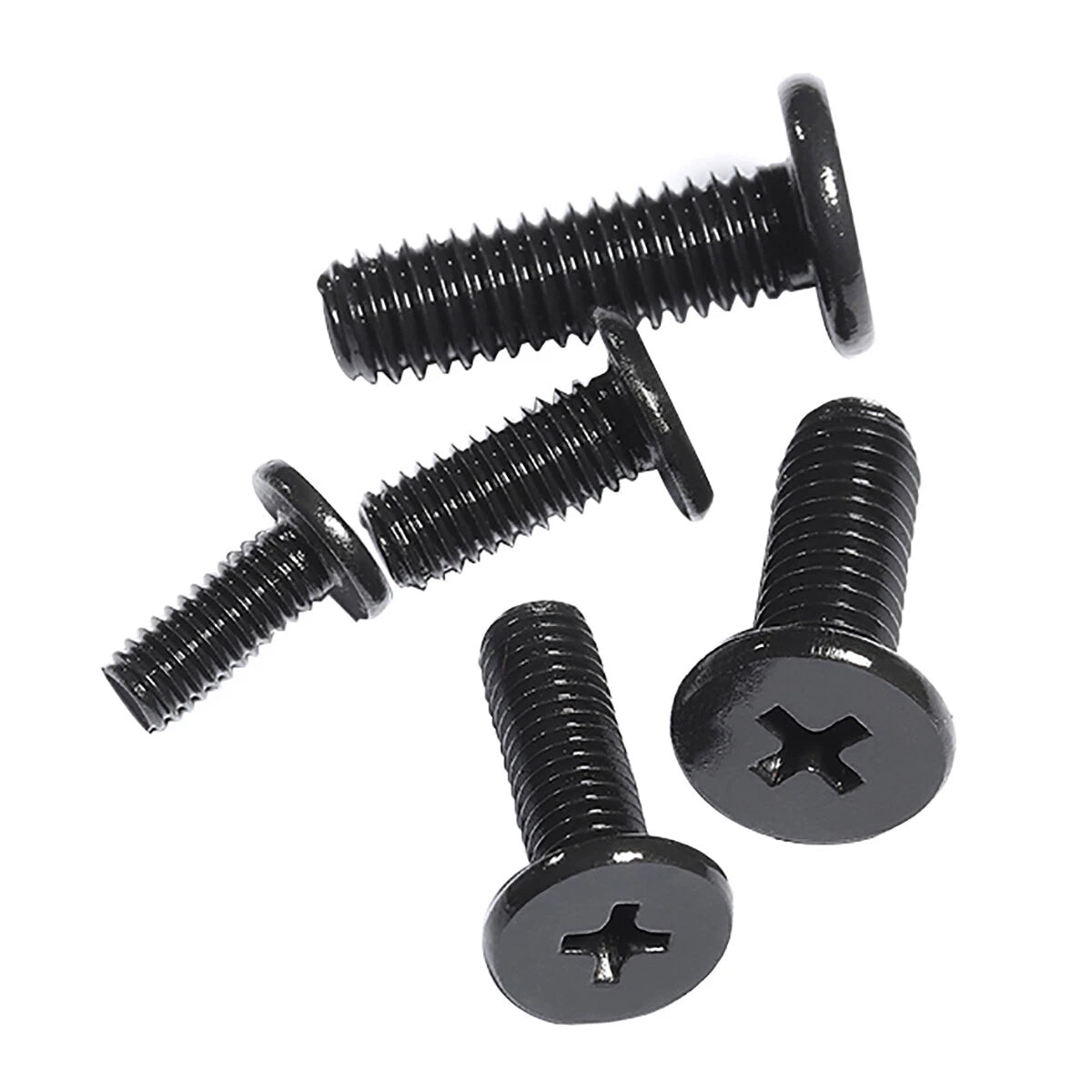
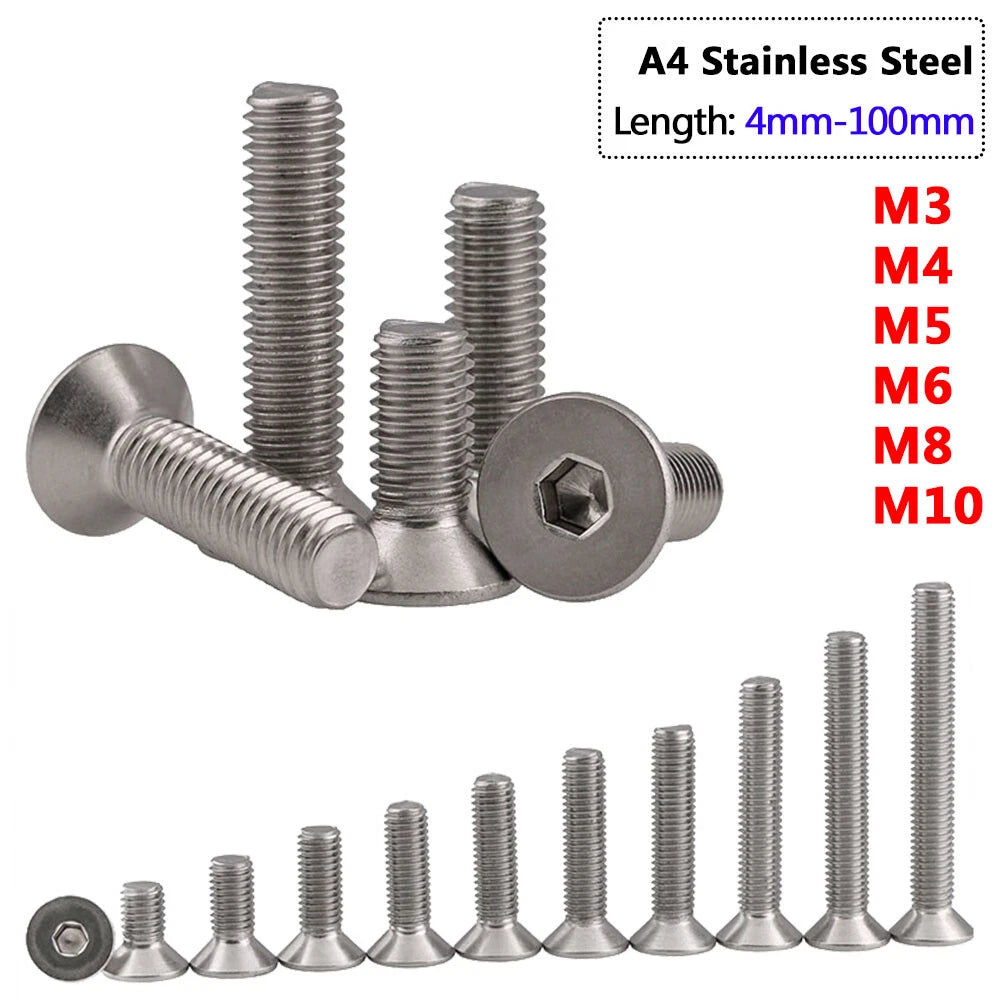
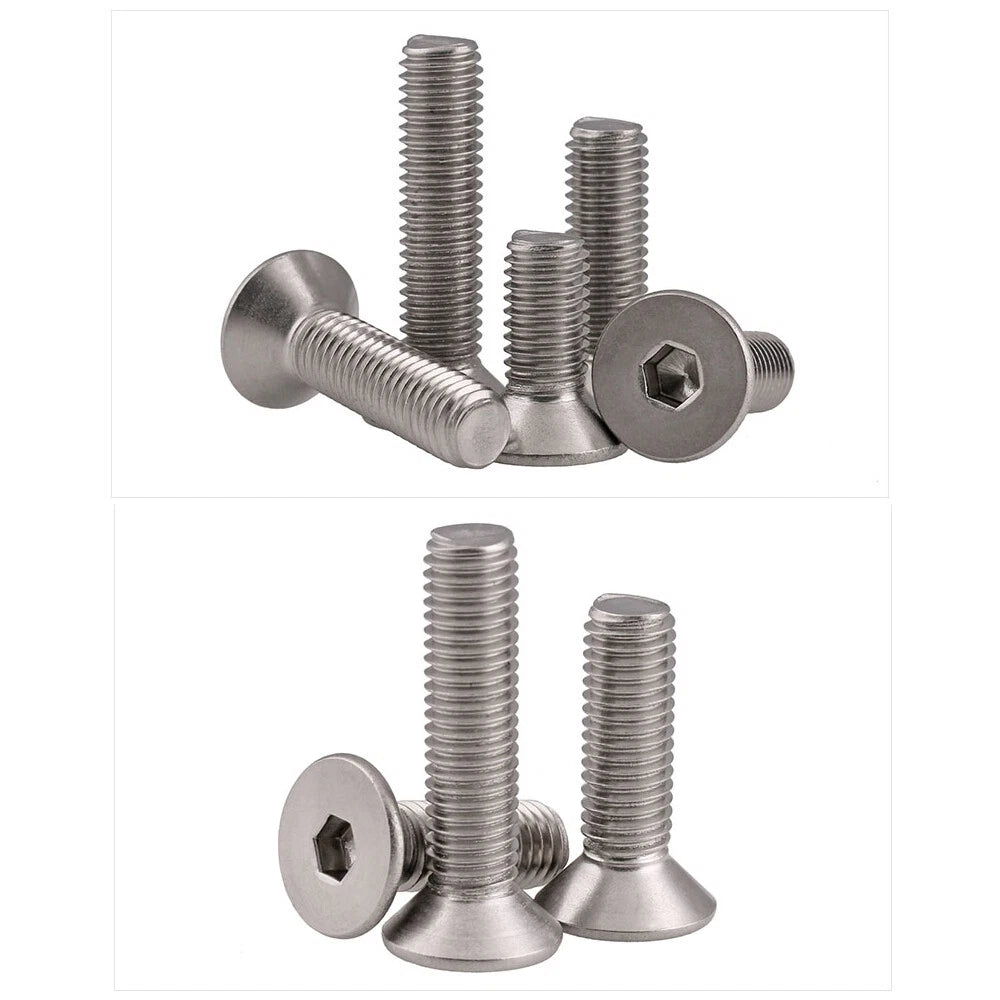
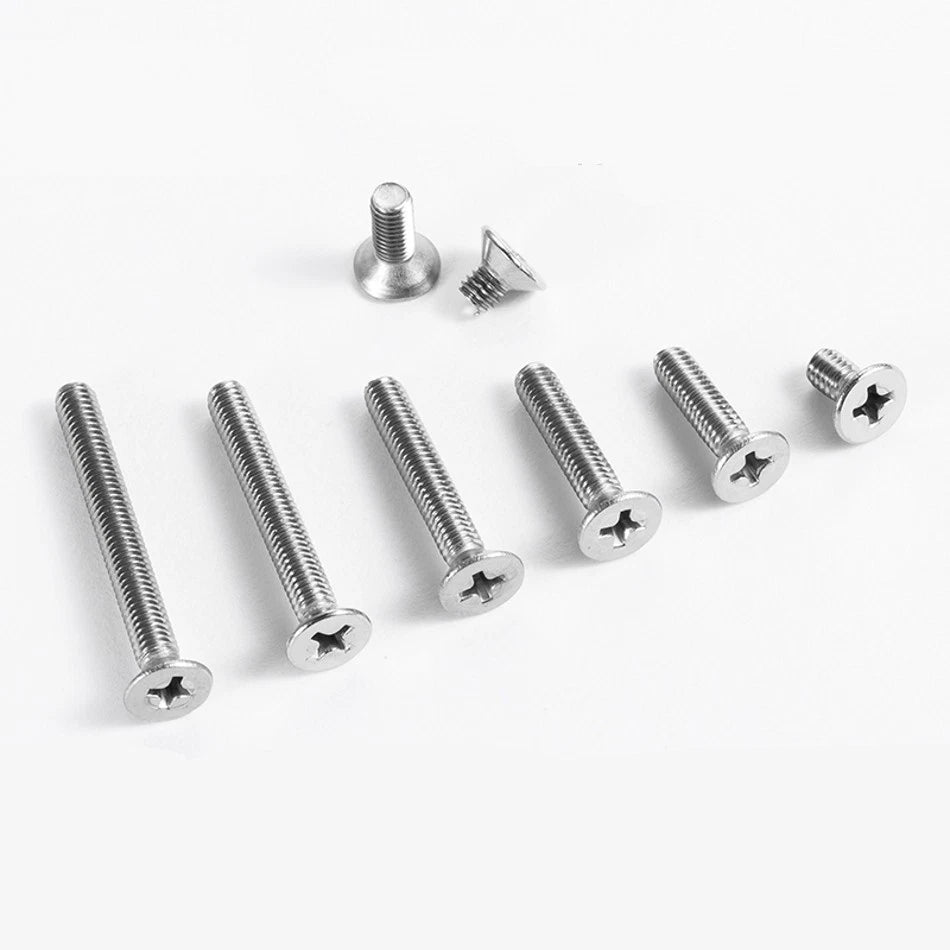
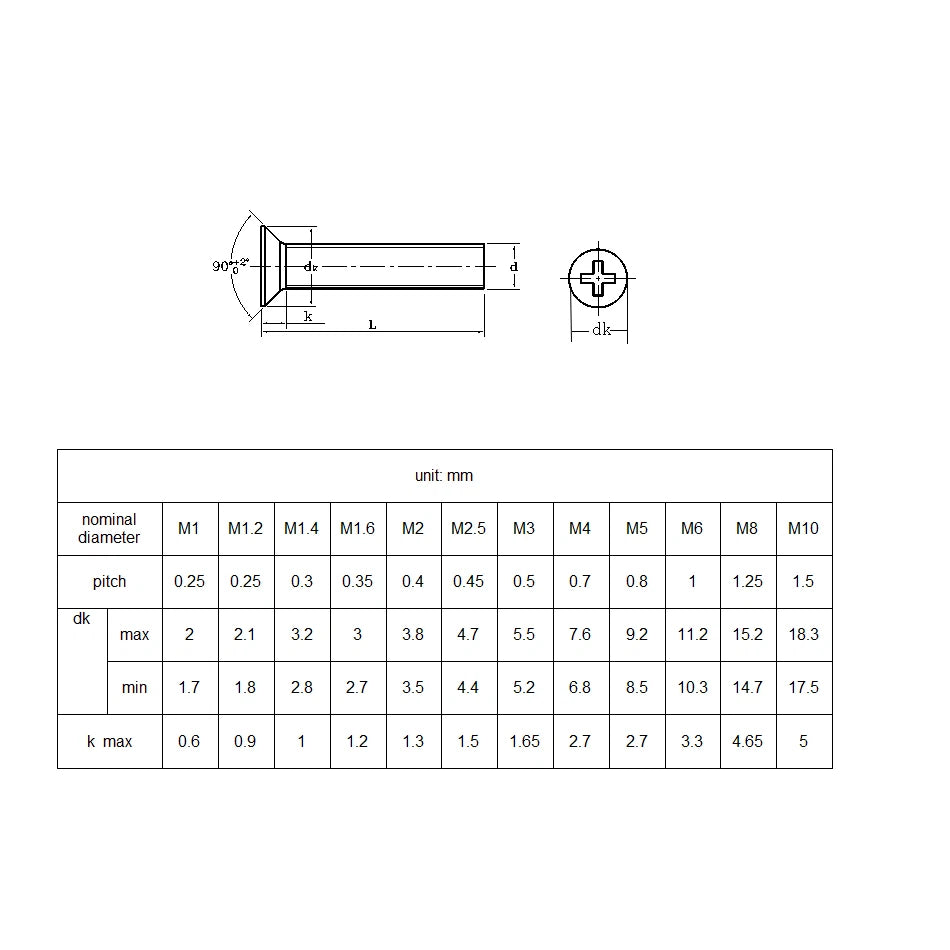
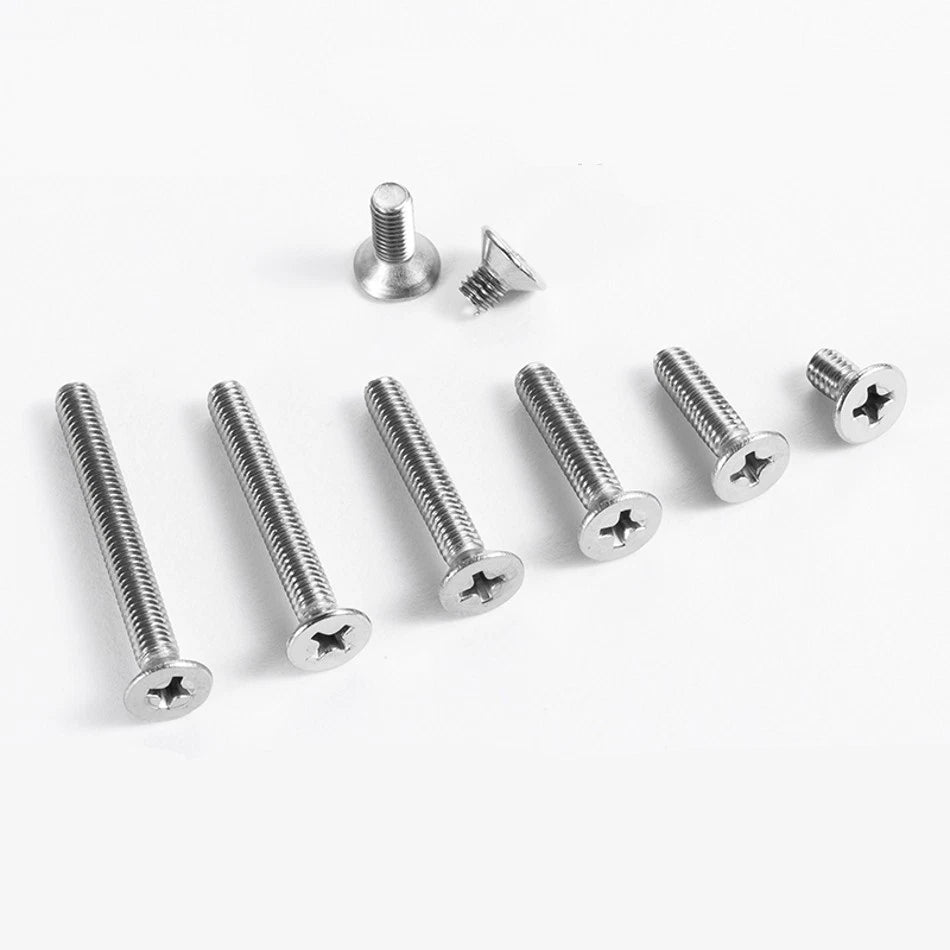
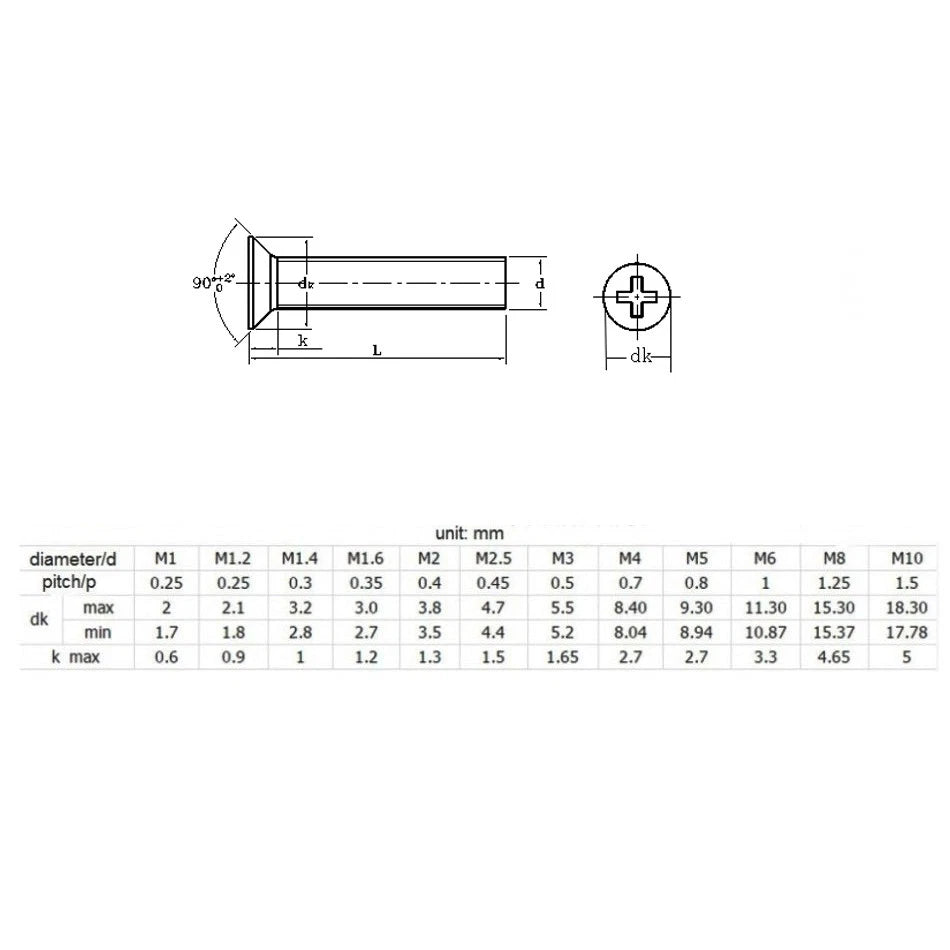
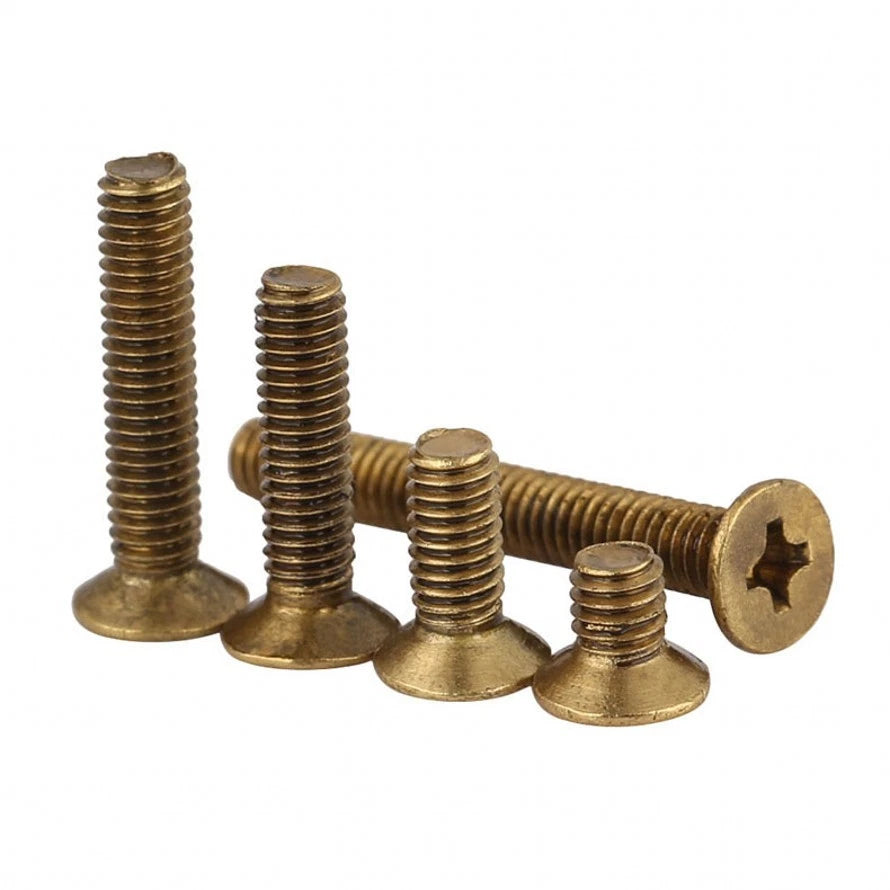
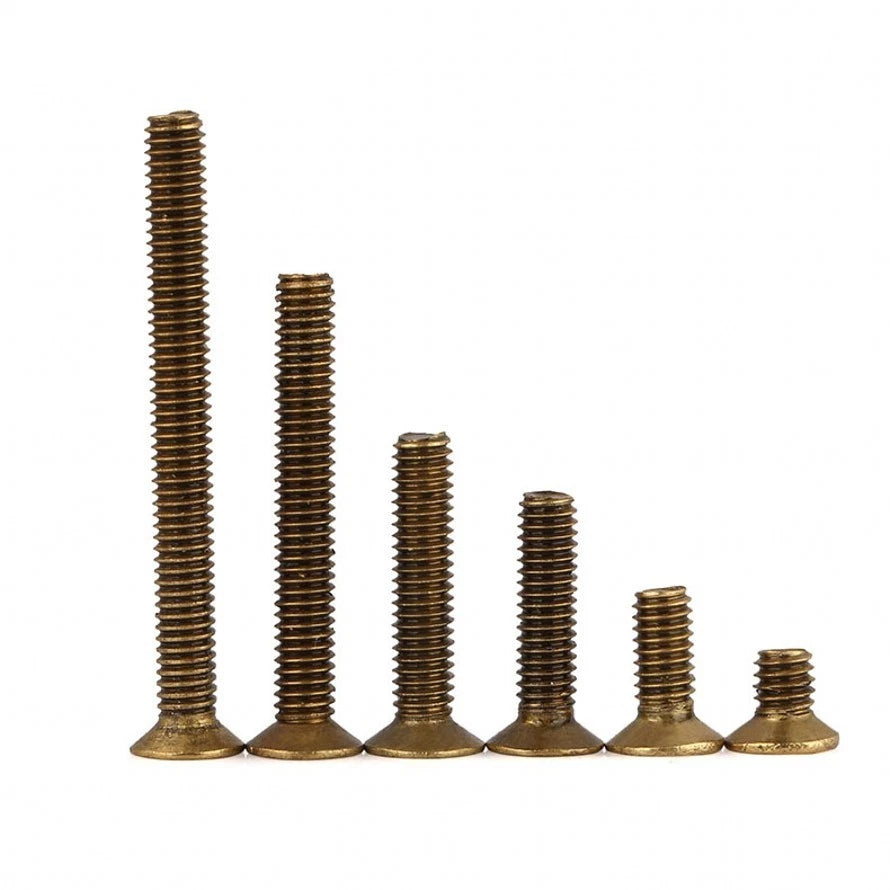
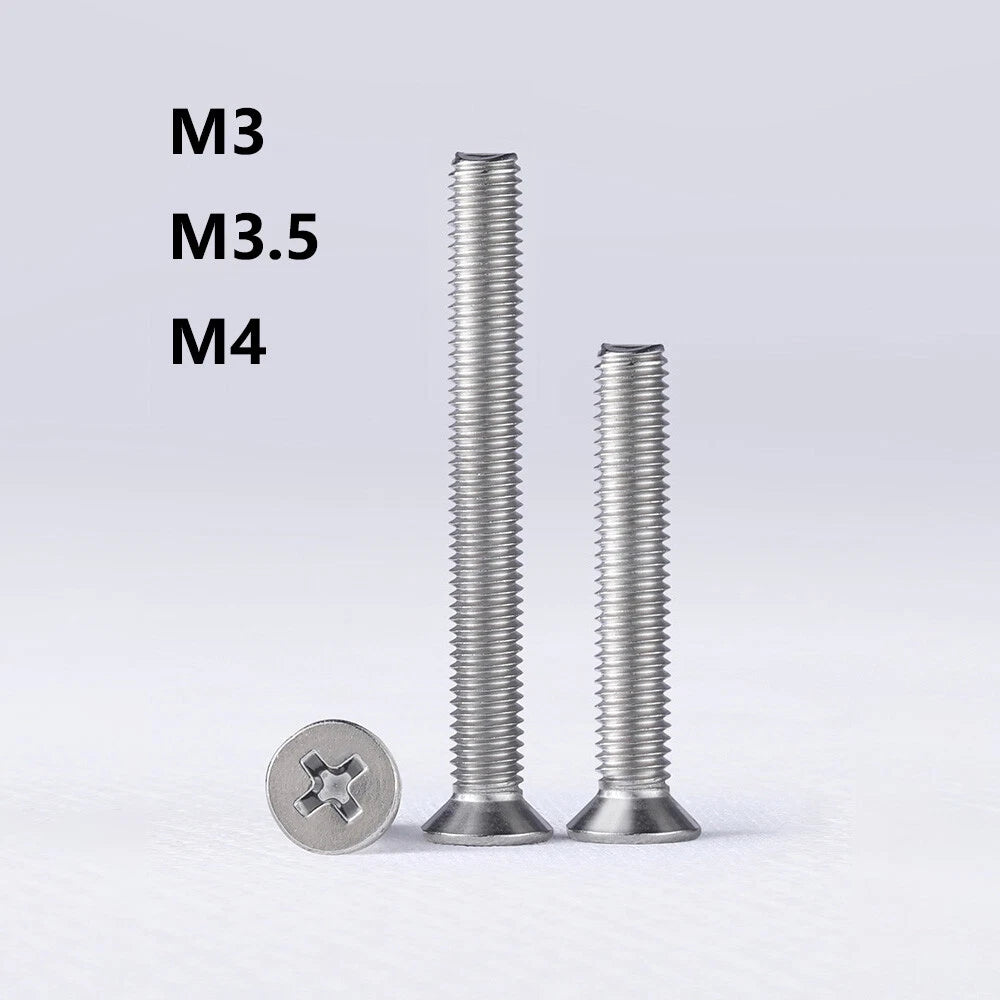
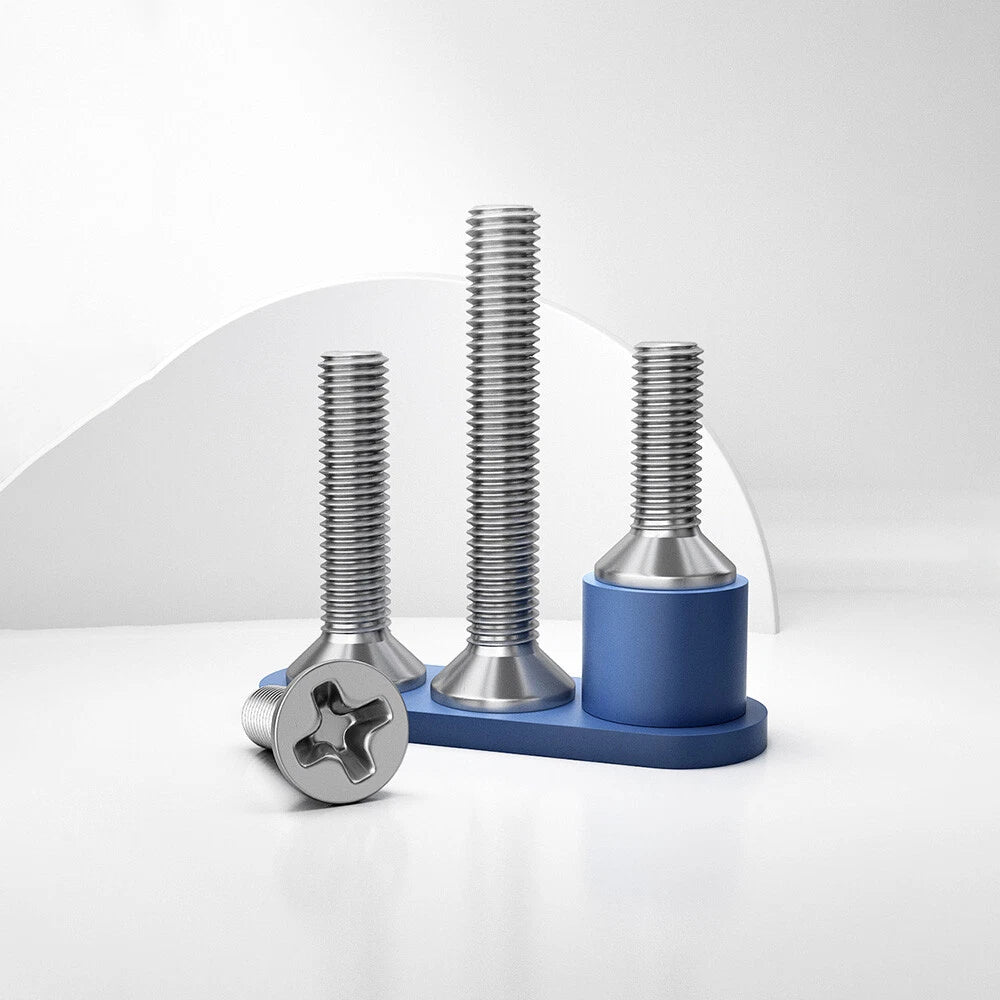
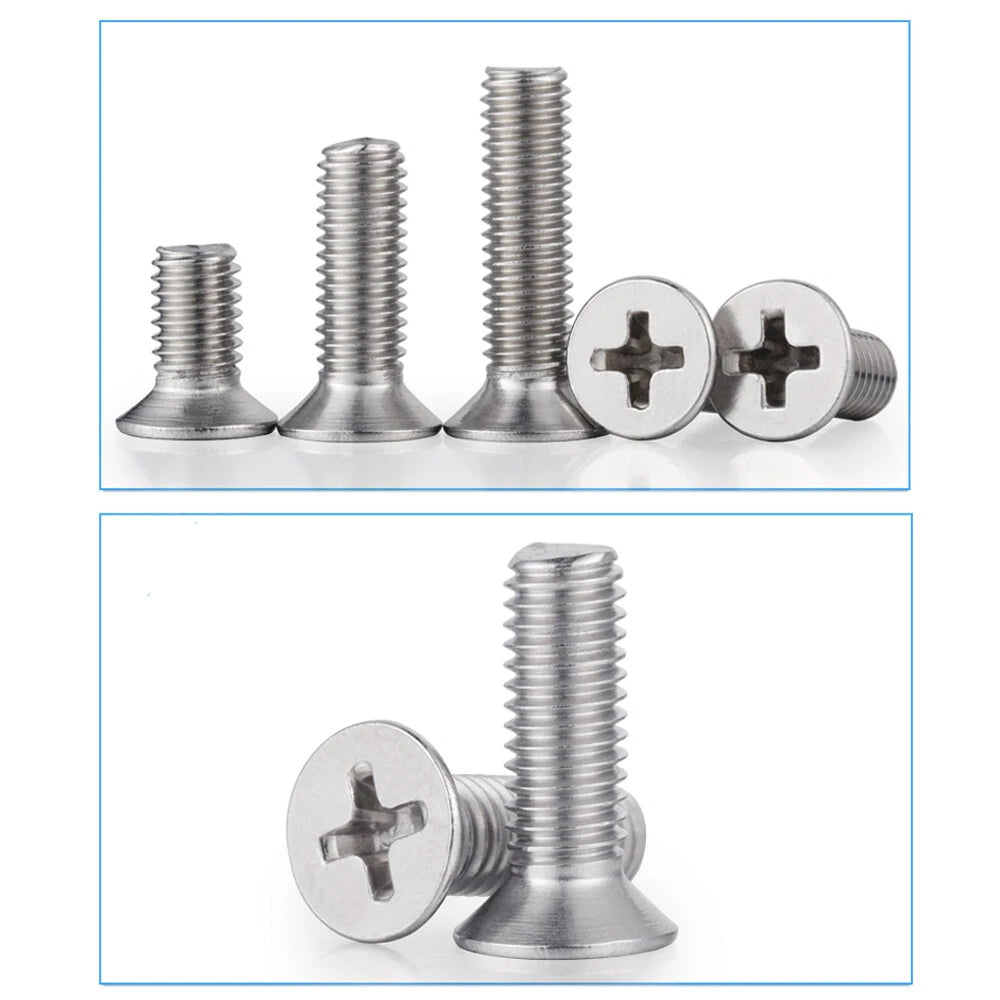
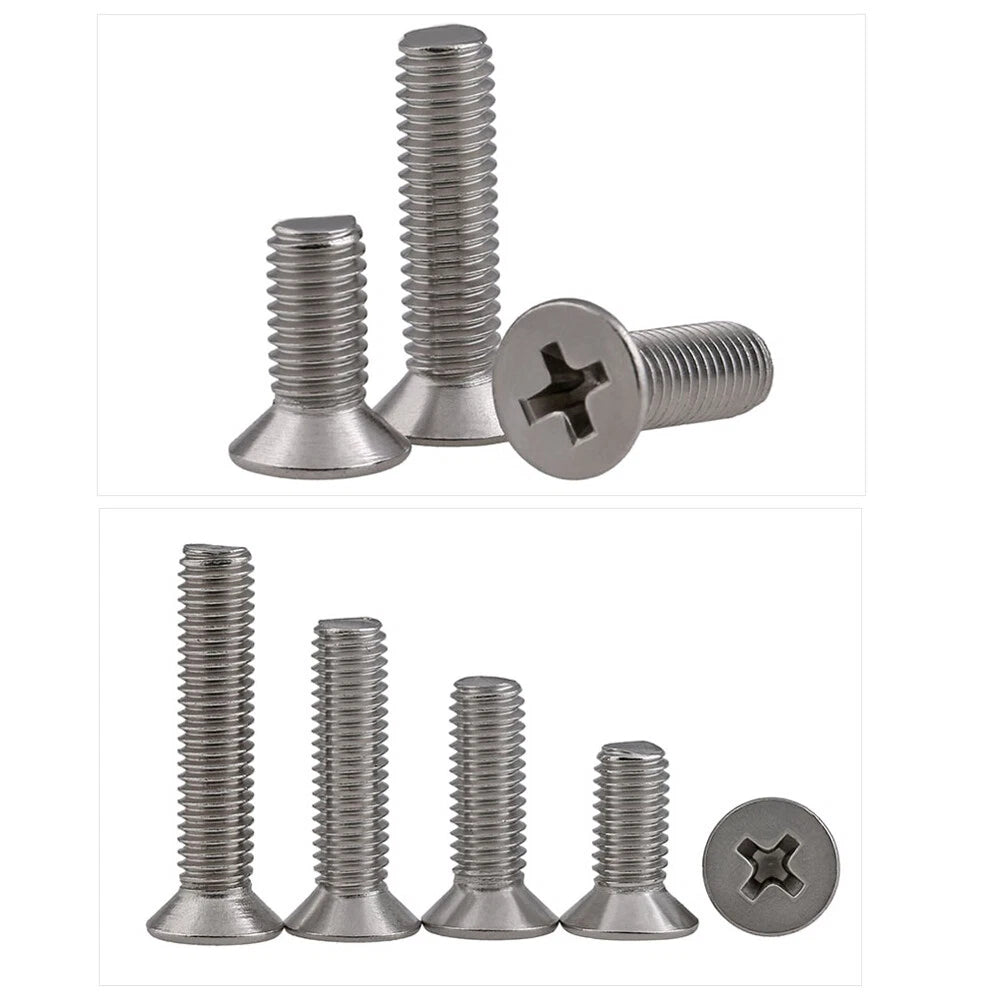
When a smooth, snag-free surface matters — on automotive panels, cabinetry frames, or decorative metalwork — countersunk flat head sheet metal screws are the correct call. The 90° or 82° taper seats the head flush with or just below the material surface, eliminating any protrusion that could catch clothing, interfere with mating parts, or create a finishing problem. Choose from Phillips, Pozi, or Torx anti-theft drives in stainless or zinc-plated steel.

Hex Washer Head Self-Drilling Tek Screws for Metal Roofing and Sheeting

Tek screws combine a hardened drill-point tip with a hex washer head that seats against a built-in or separate EPDM washer to create a weather-tight seal. They're the standard fastener for metal roofing panels, wall cladding, and steel purlins because they drill, tap, and clamp in a single pass with a standard nut driver or impact driver. Available in 410 stainless steel and zinc-plated carbon steel in #8, #10, and #12 diameters.

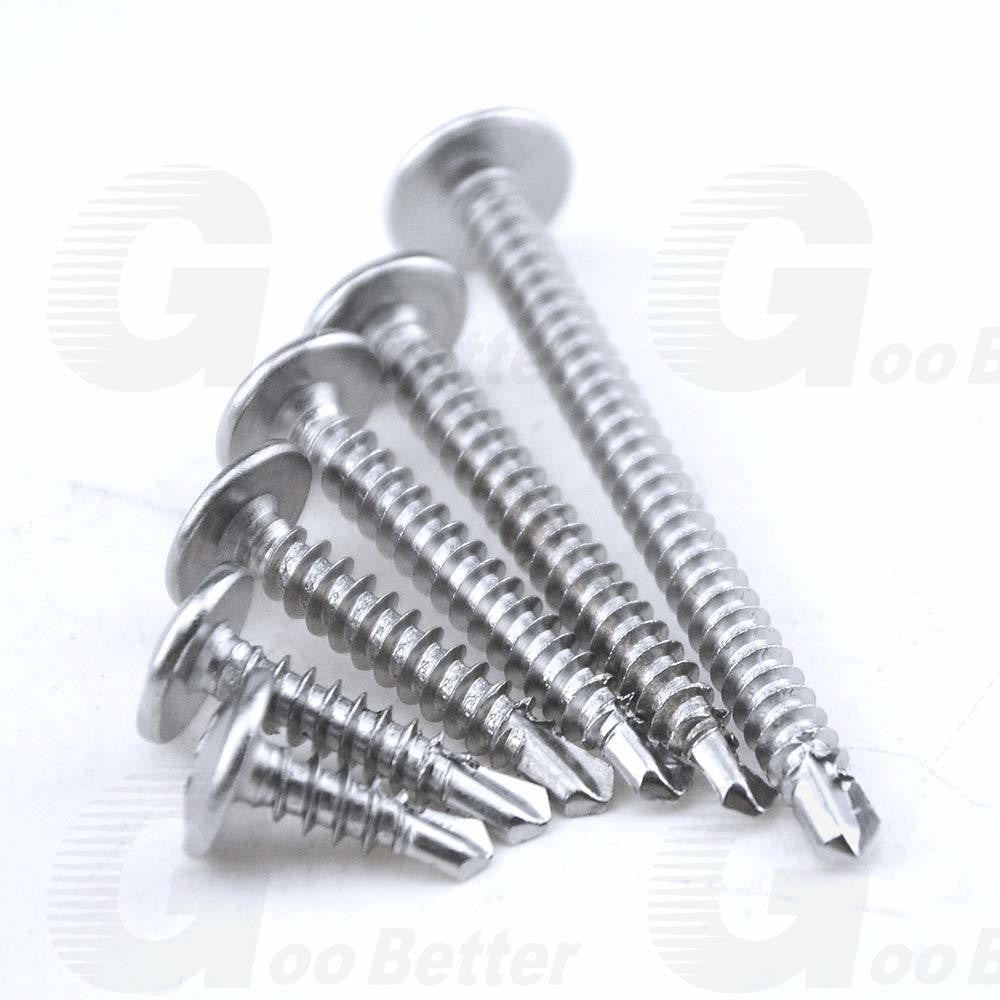
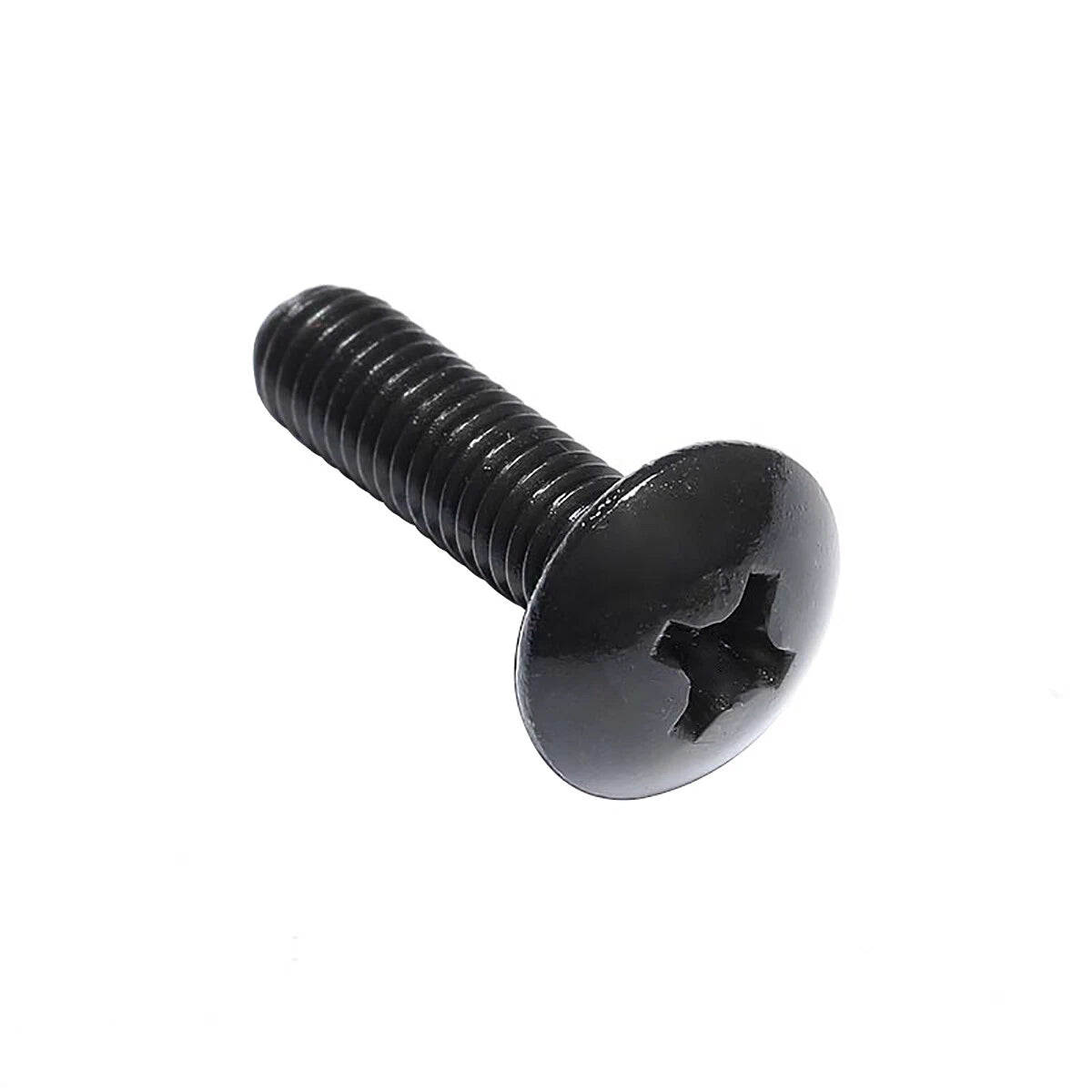
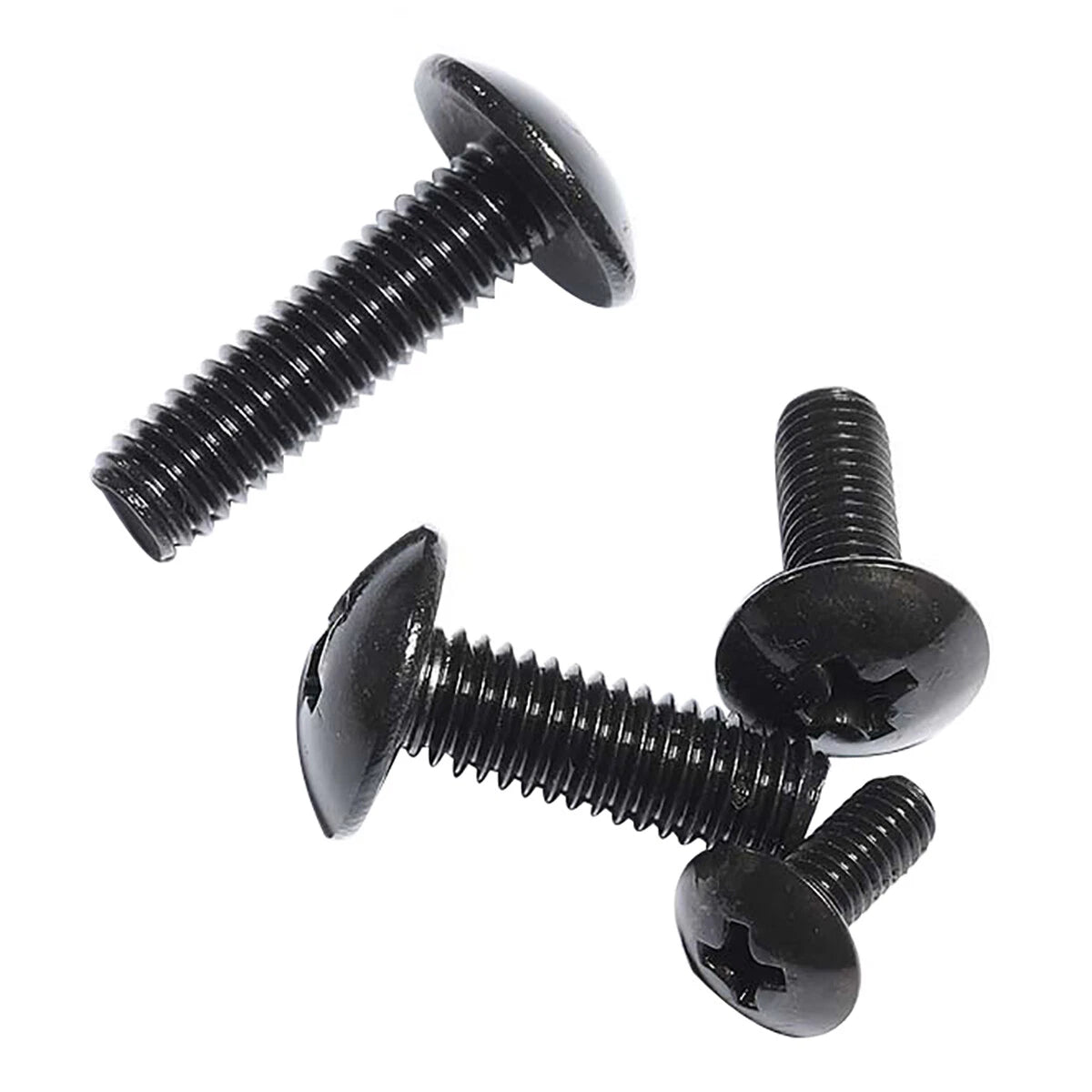
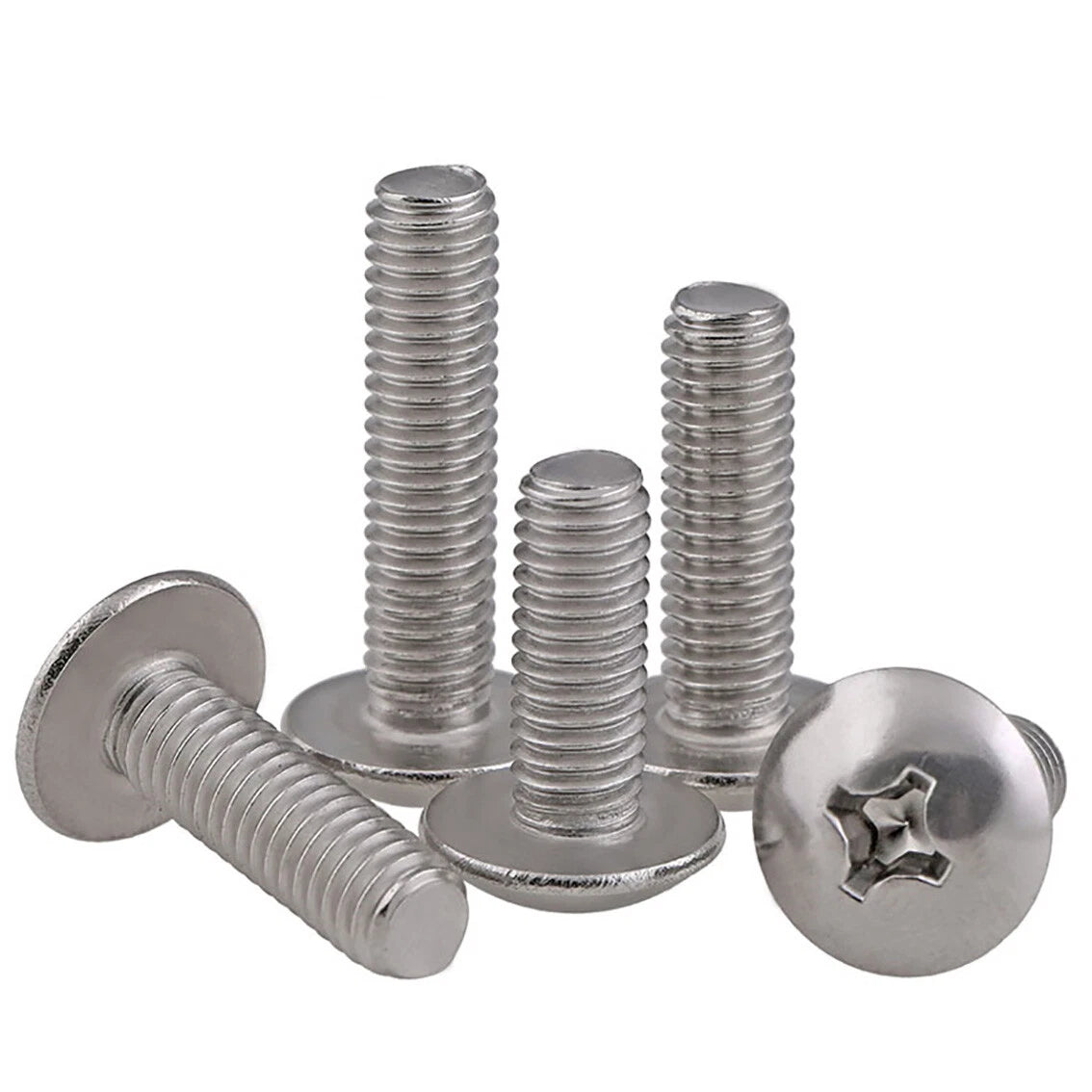
Truss Head Self-Tapping Screws for Thin Sheet and Soft Material

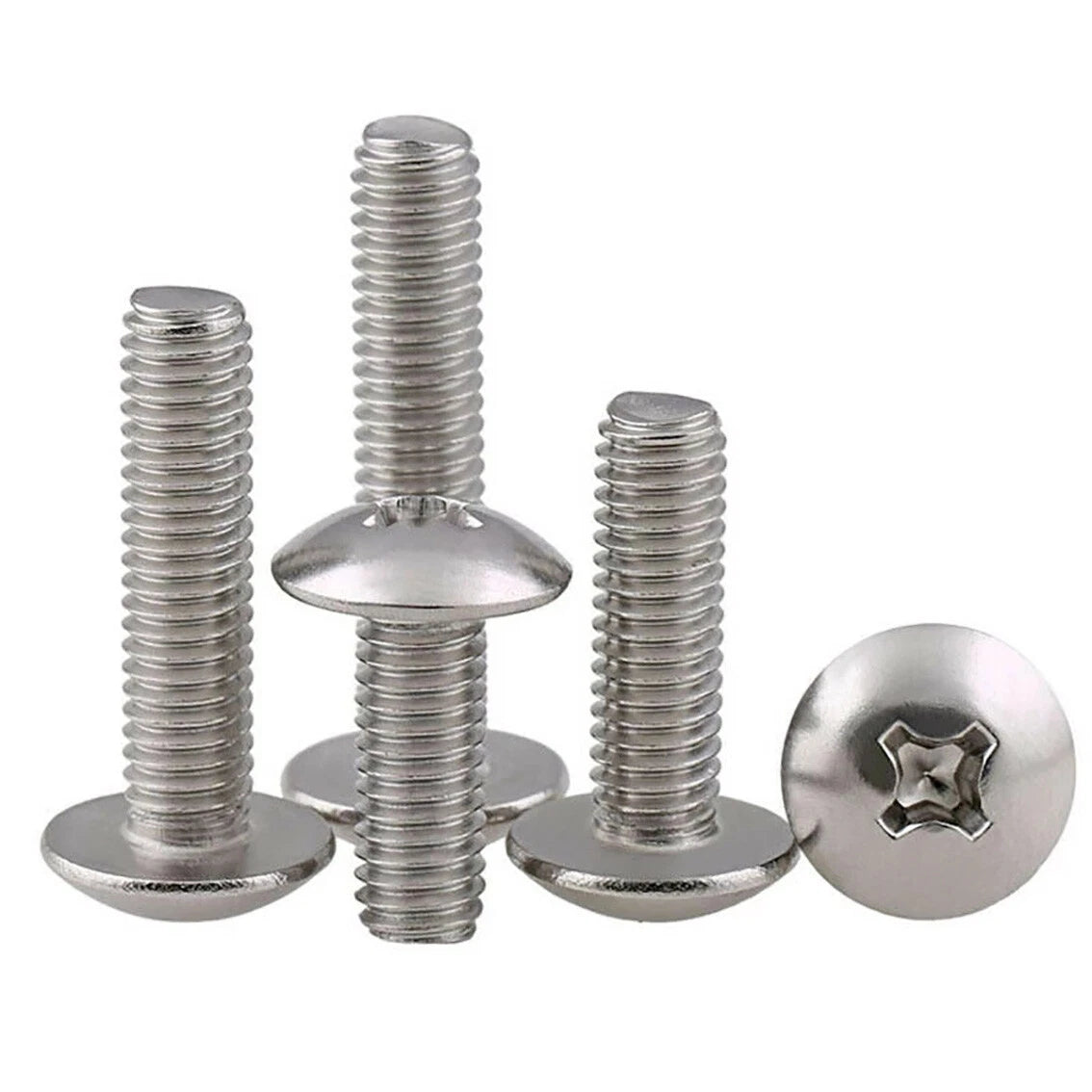
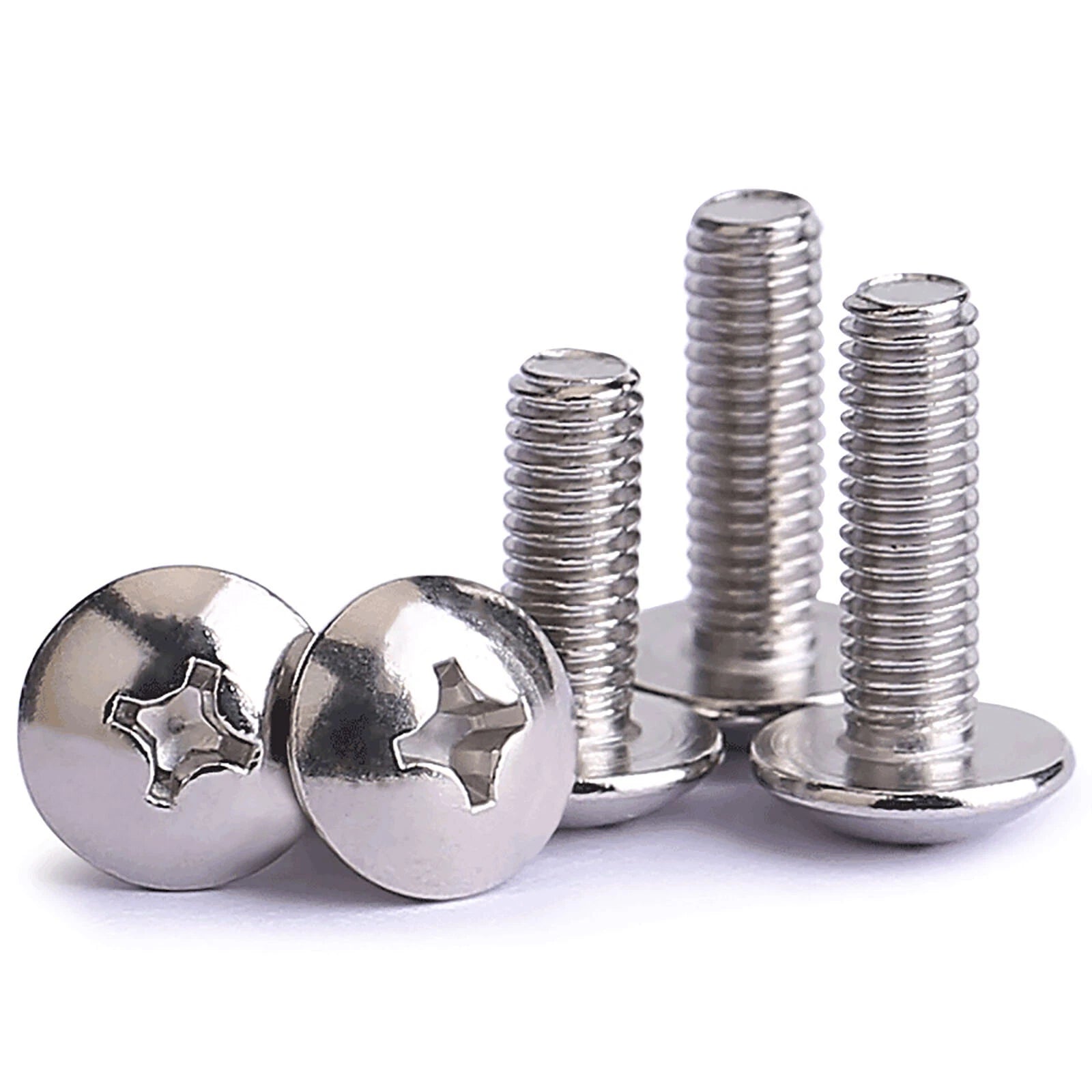
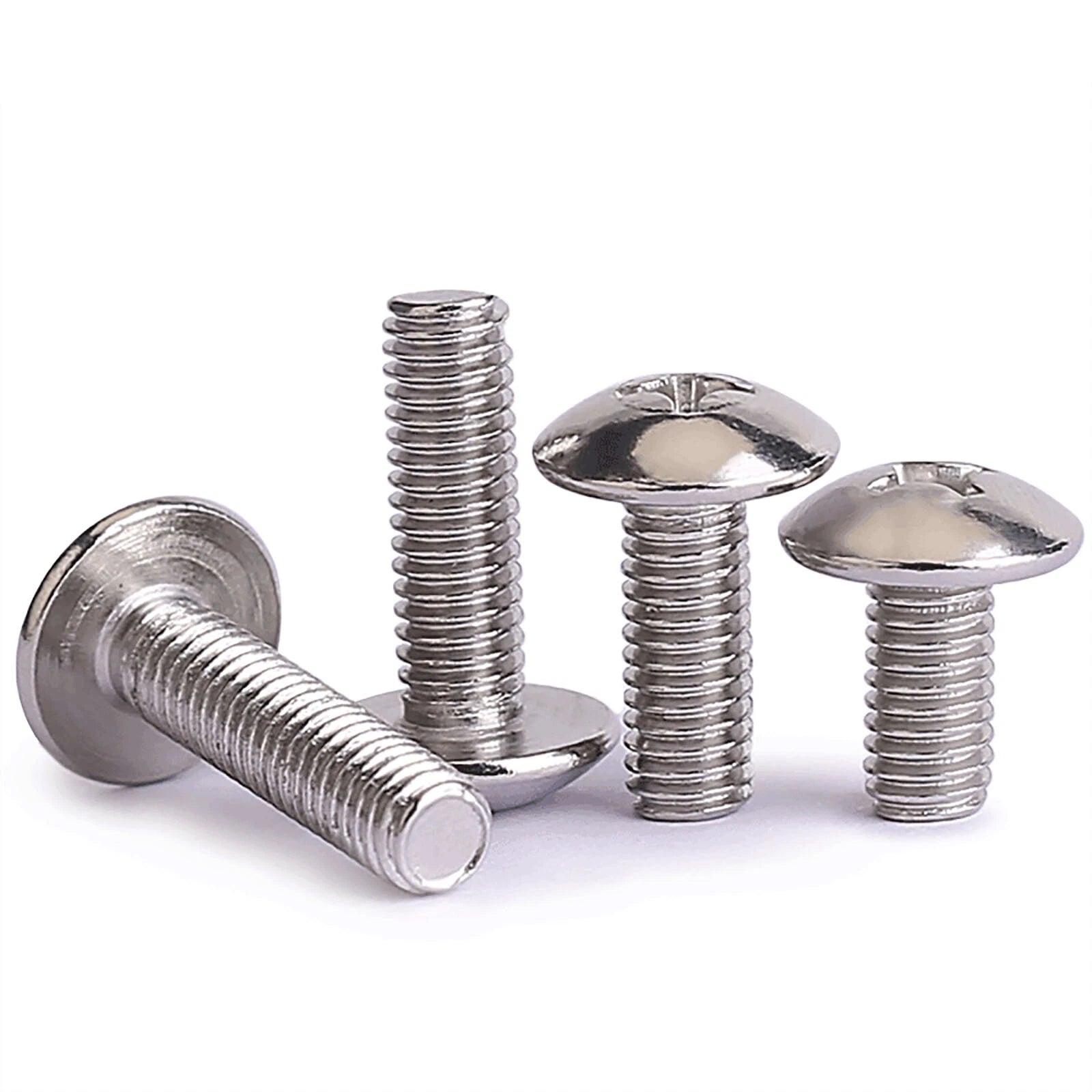
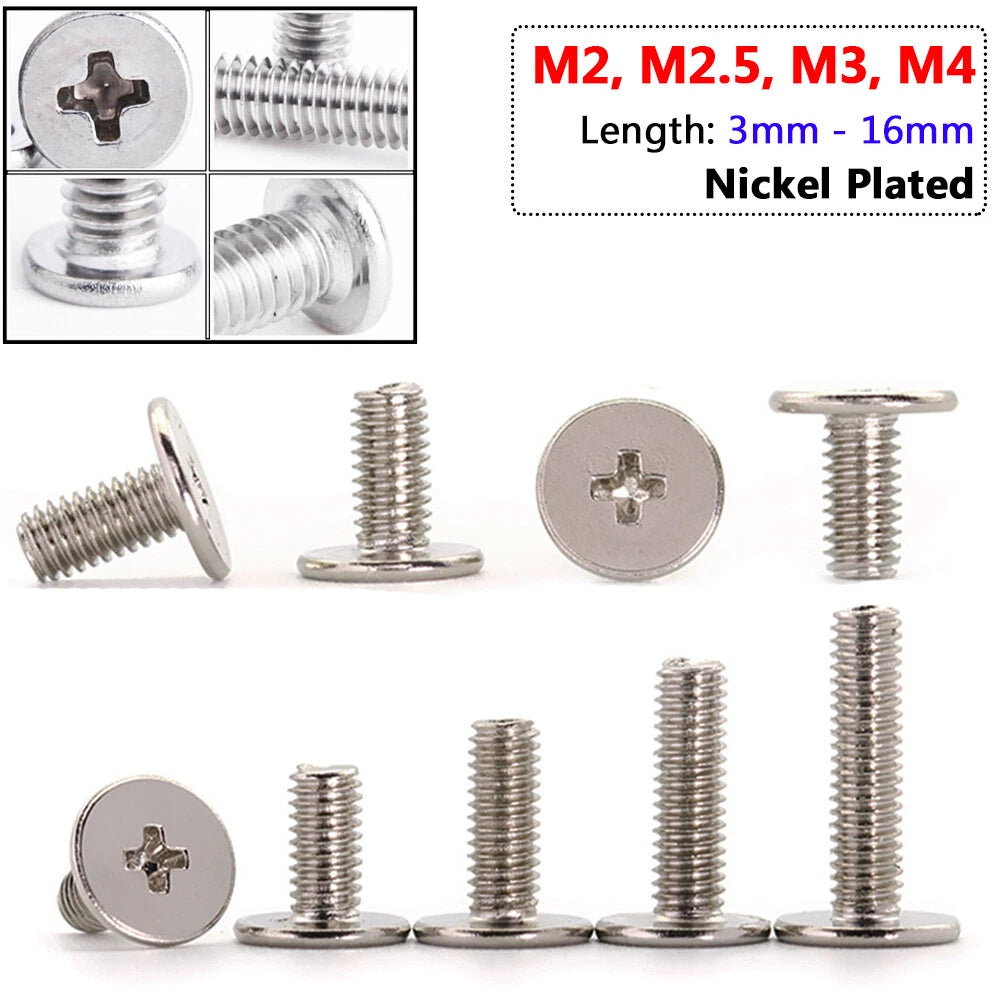
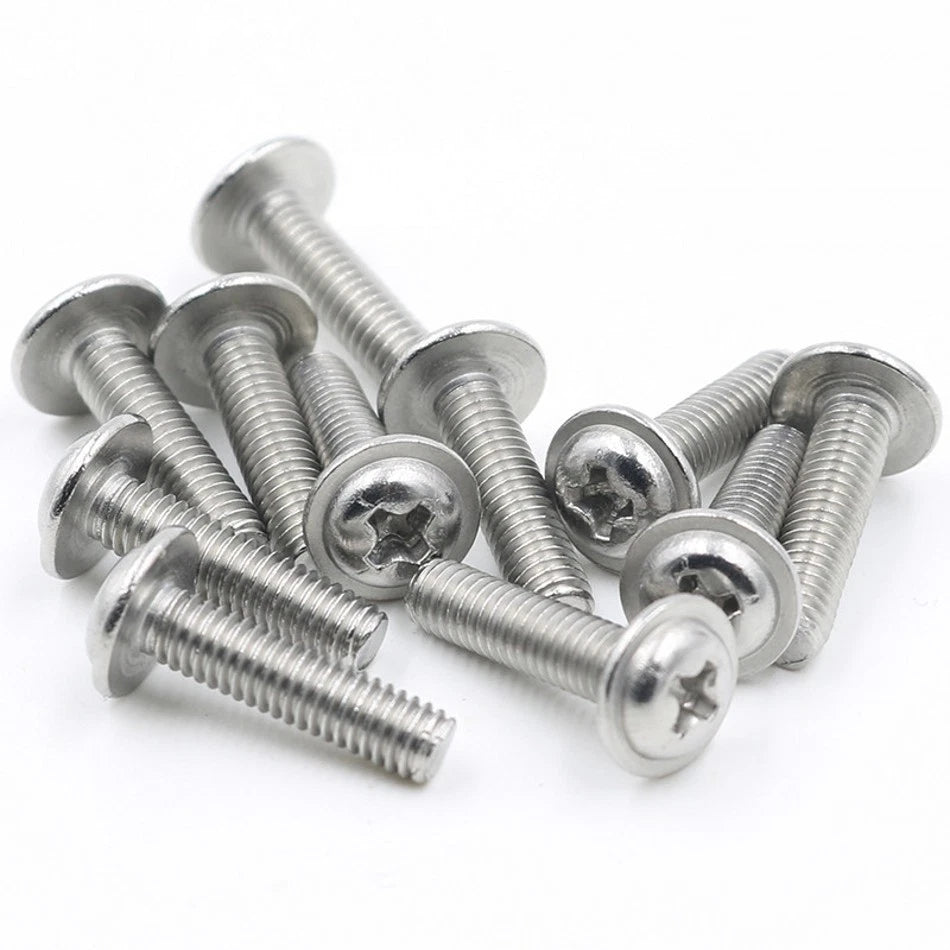
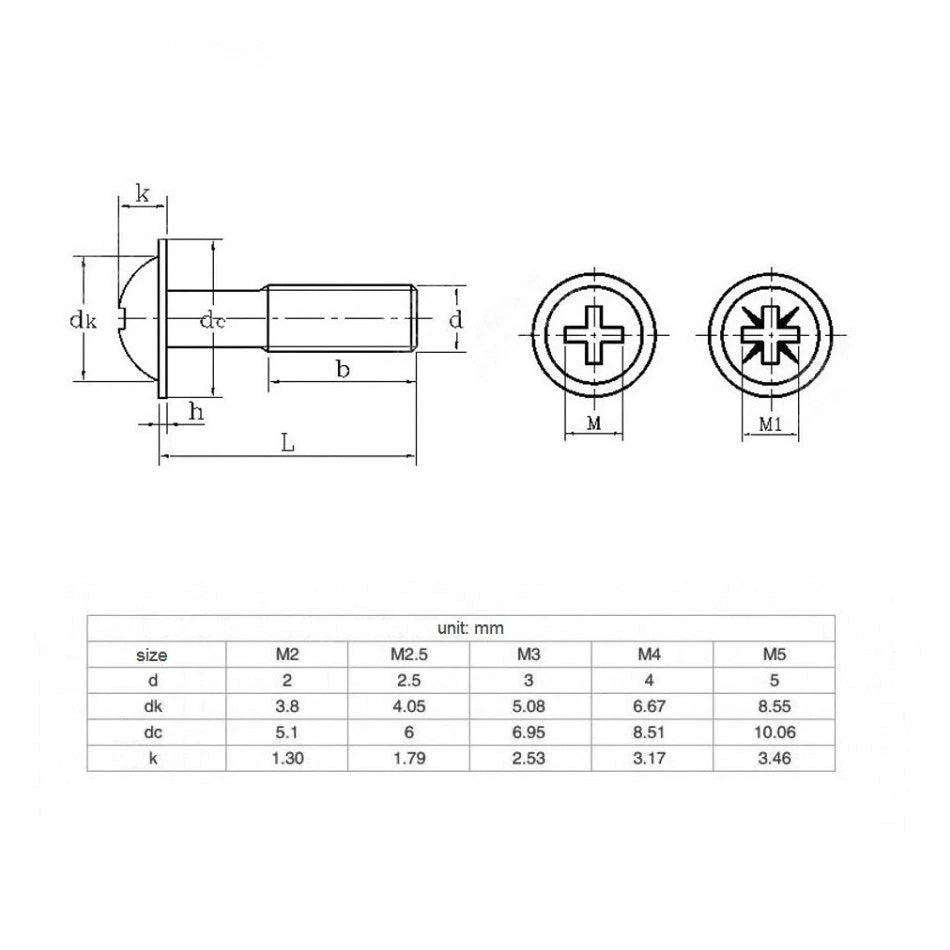
Truss head screws feature an extra-wide, low-profile dome that spreads clamping force over the largest possible footprint. This makes them ideal for fastening thin or soft materials — foam-backed panels, thin aluminum sheet, plastic housings — where a standard pan head might pull through under load. The broad bearing surface also resists loosening from vibration, making truss head screws a smart choice for HVAC equipment, appliance covers, and light-duty structural panels.

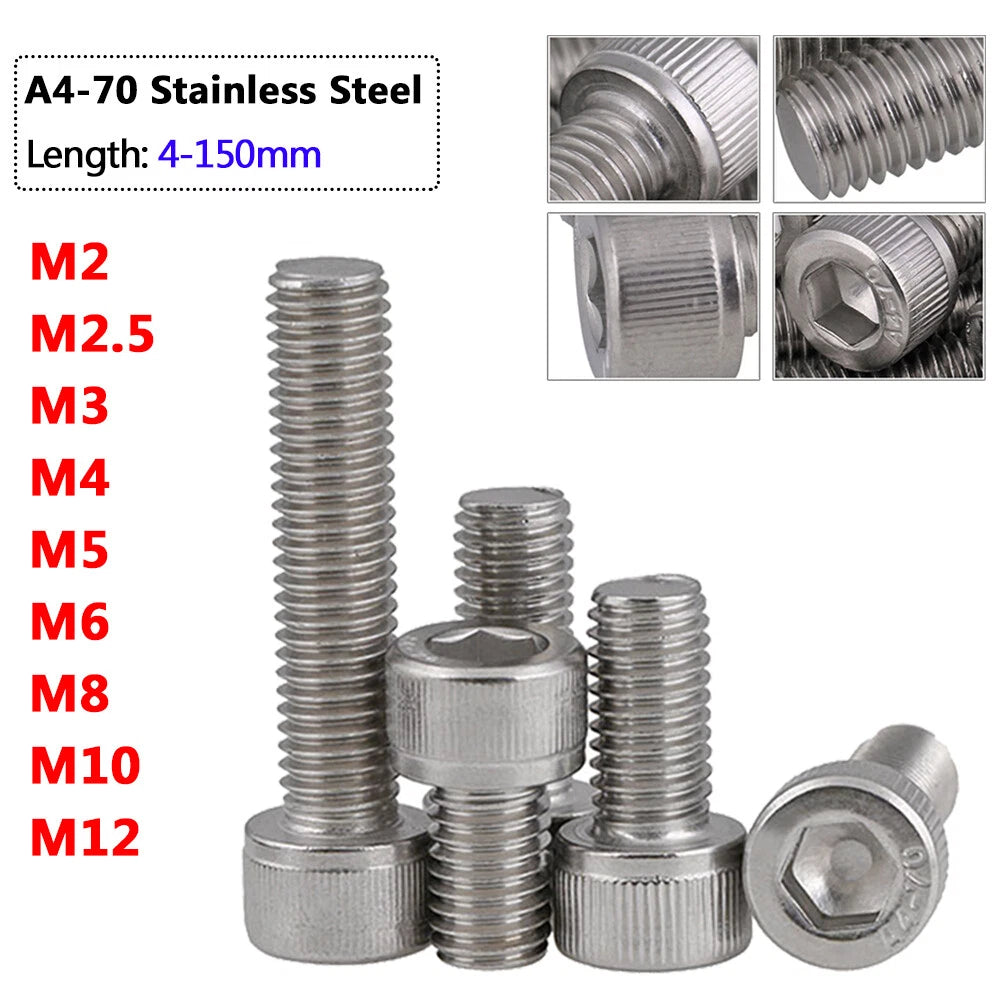
Socket Cap and Hex Drive Sheet Metal Screws for High-Torque Applications

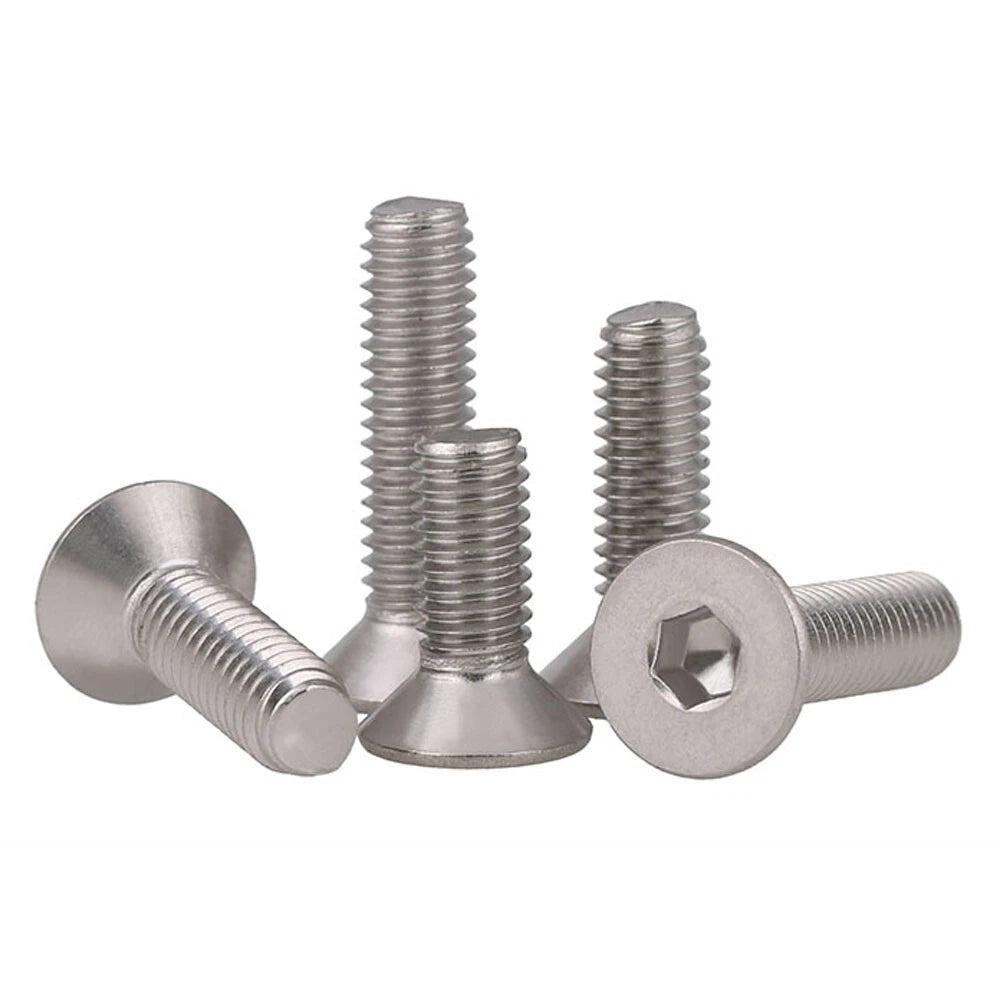
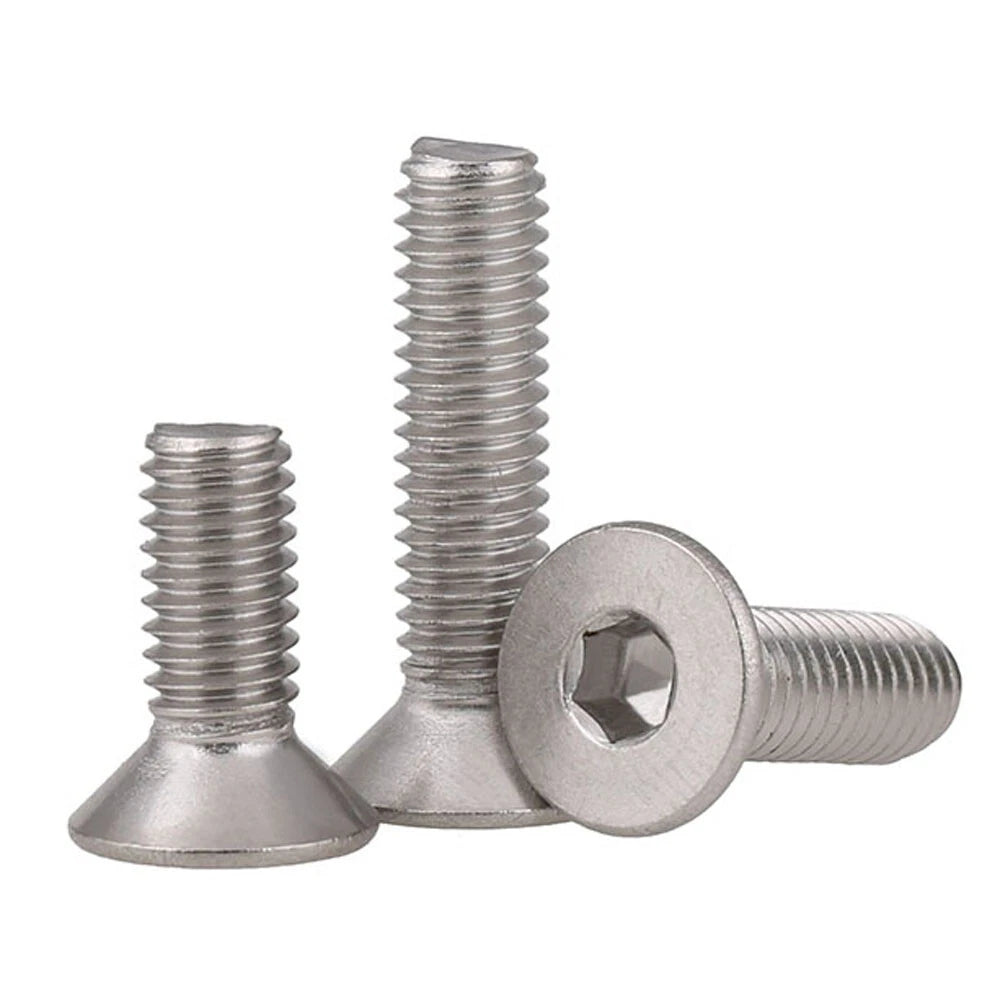
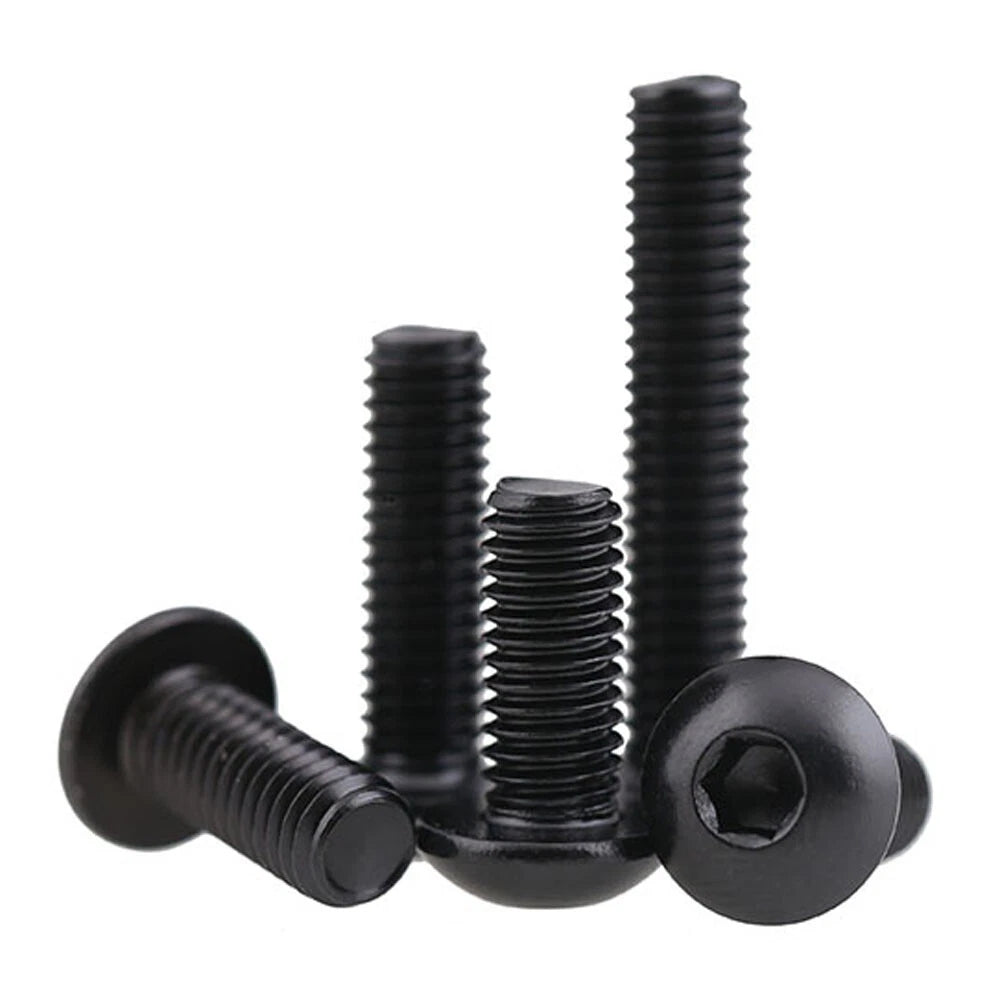
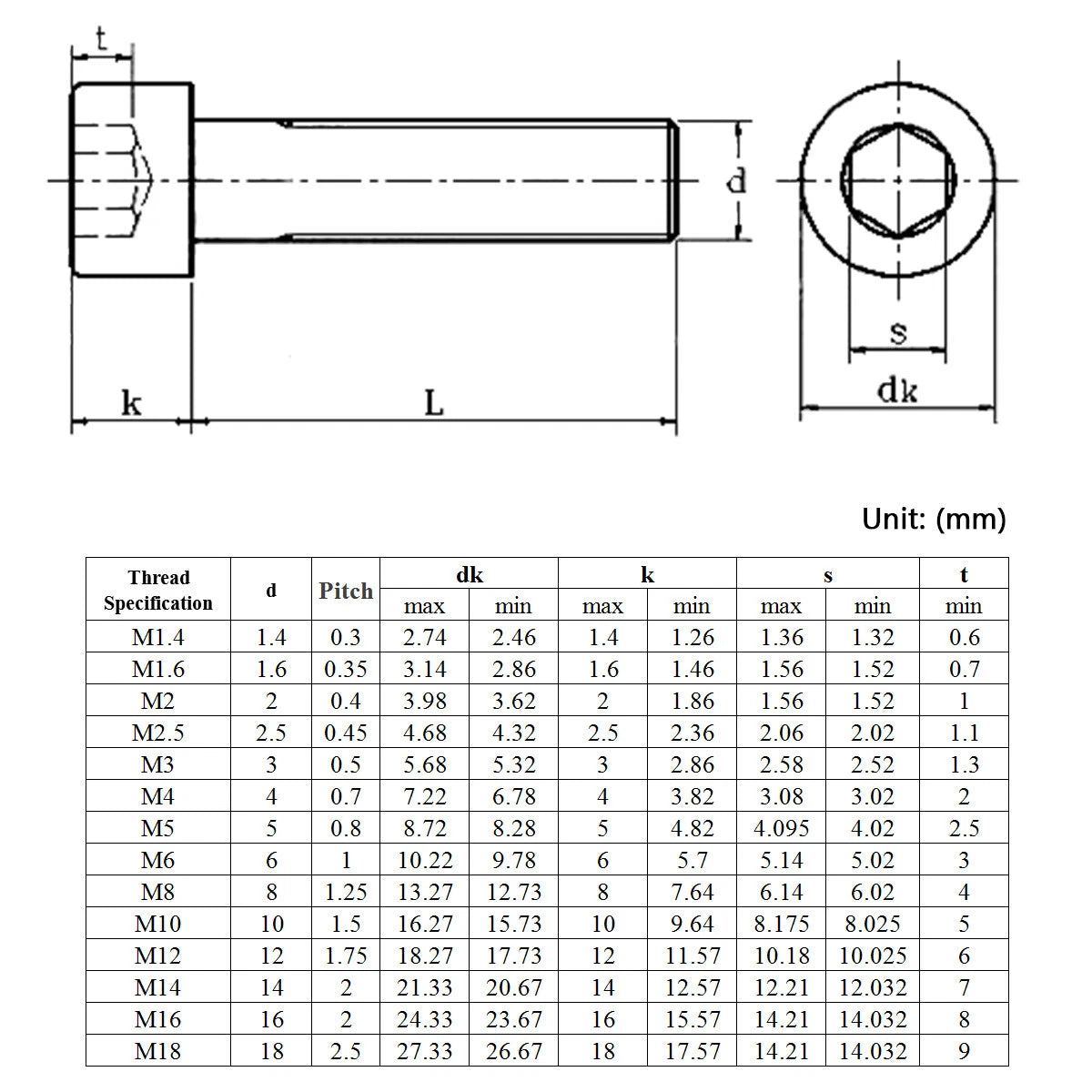
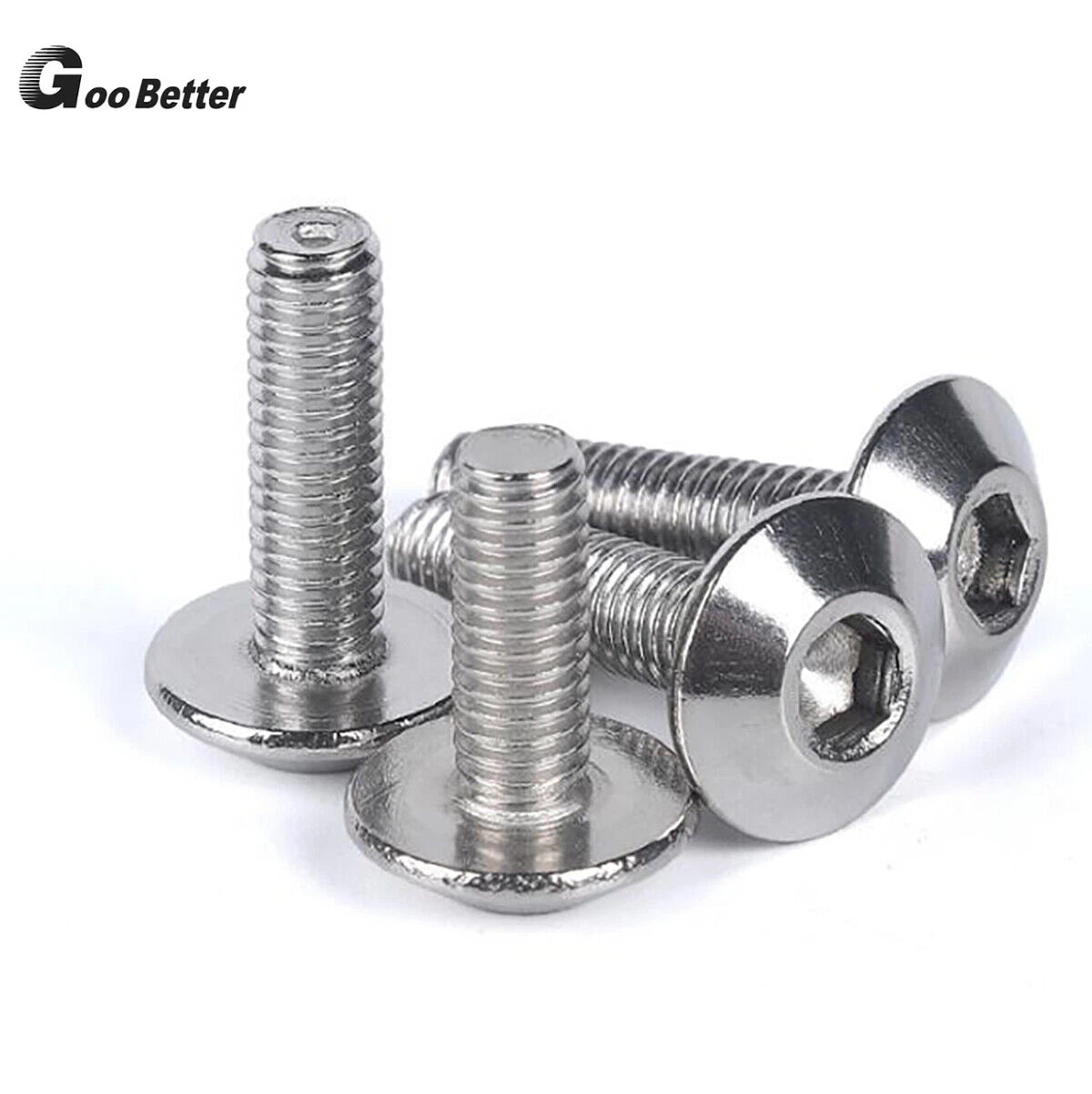
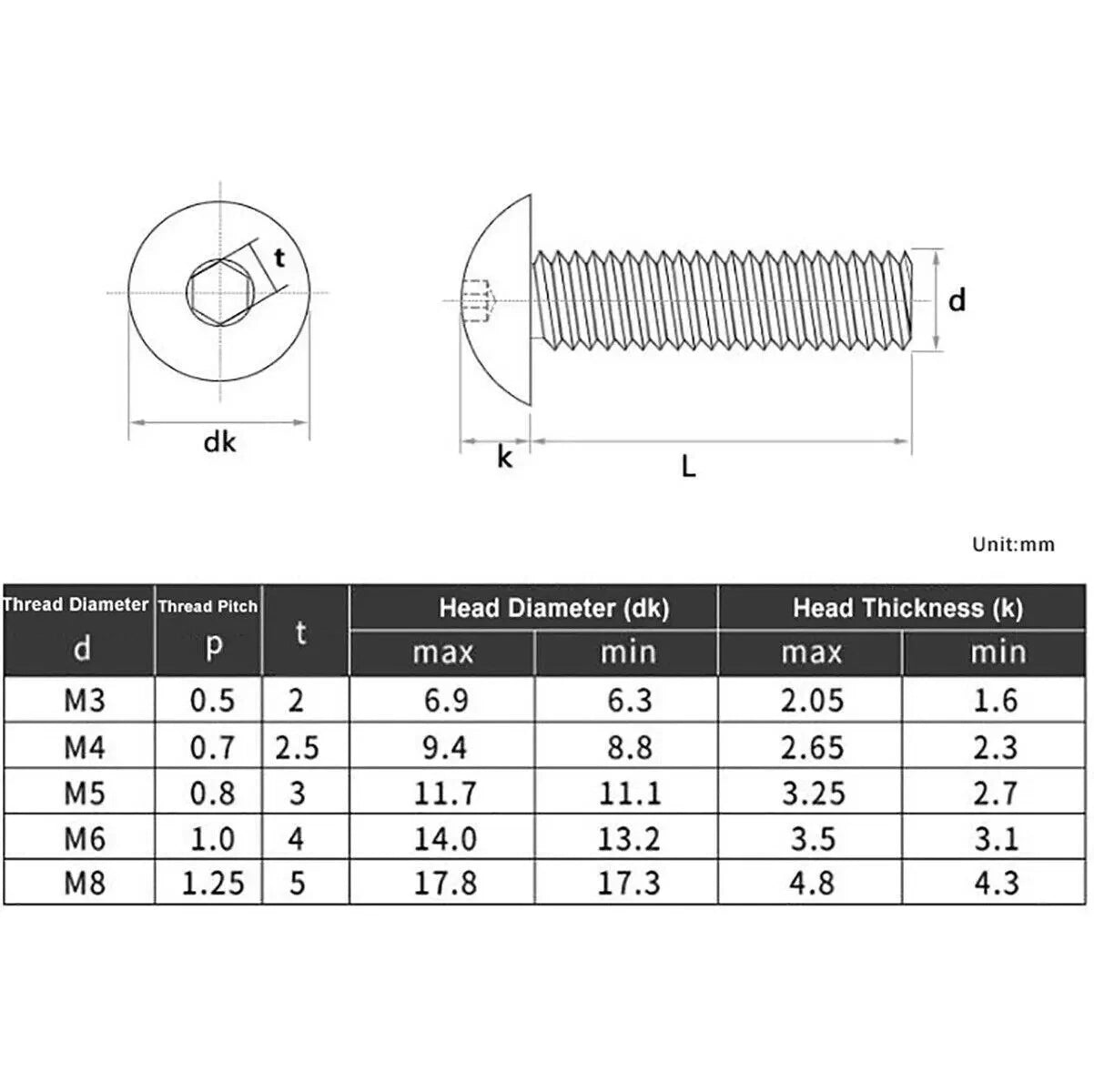
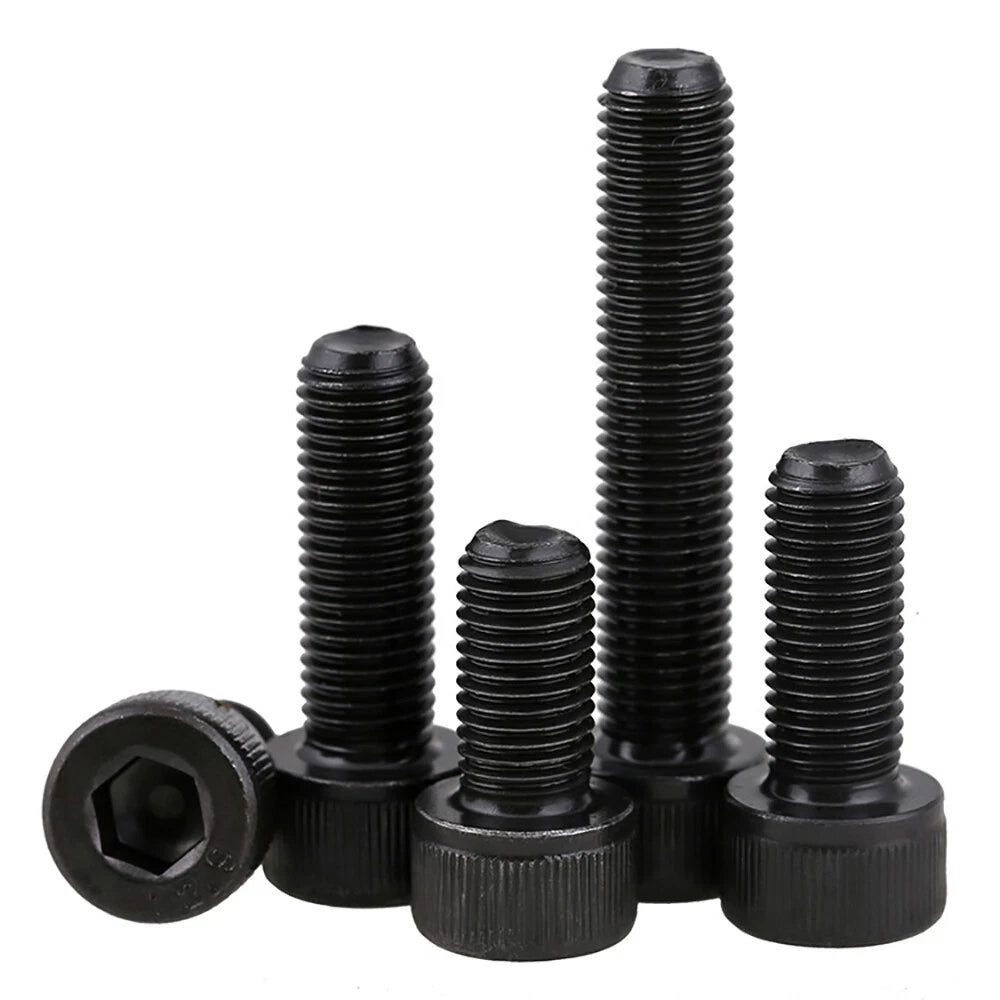
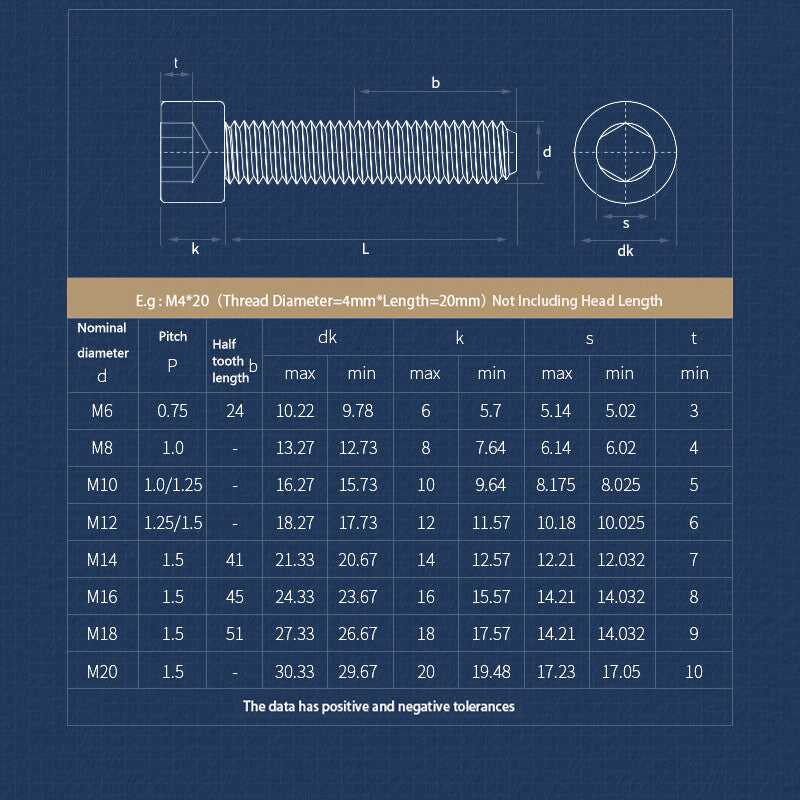
Phillips and Pozi drives are convenient, but they cam out under high torque. Socket cap (Allen) and hex flange drive sheet metal screws eliminate cam-out entirely, allowing you to apply full driver torque without slipping. These are the preferred choice for production environments, power-tool assembly lines, and any application where consistent, repeatable clamp load is critical. Available in A2 stainless and grade 8.8 black oxide carbon steel from M2 through M6.

Assortment Kits of Self-Tapping and Self-Drilling Screws for DIY and Repair

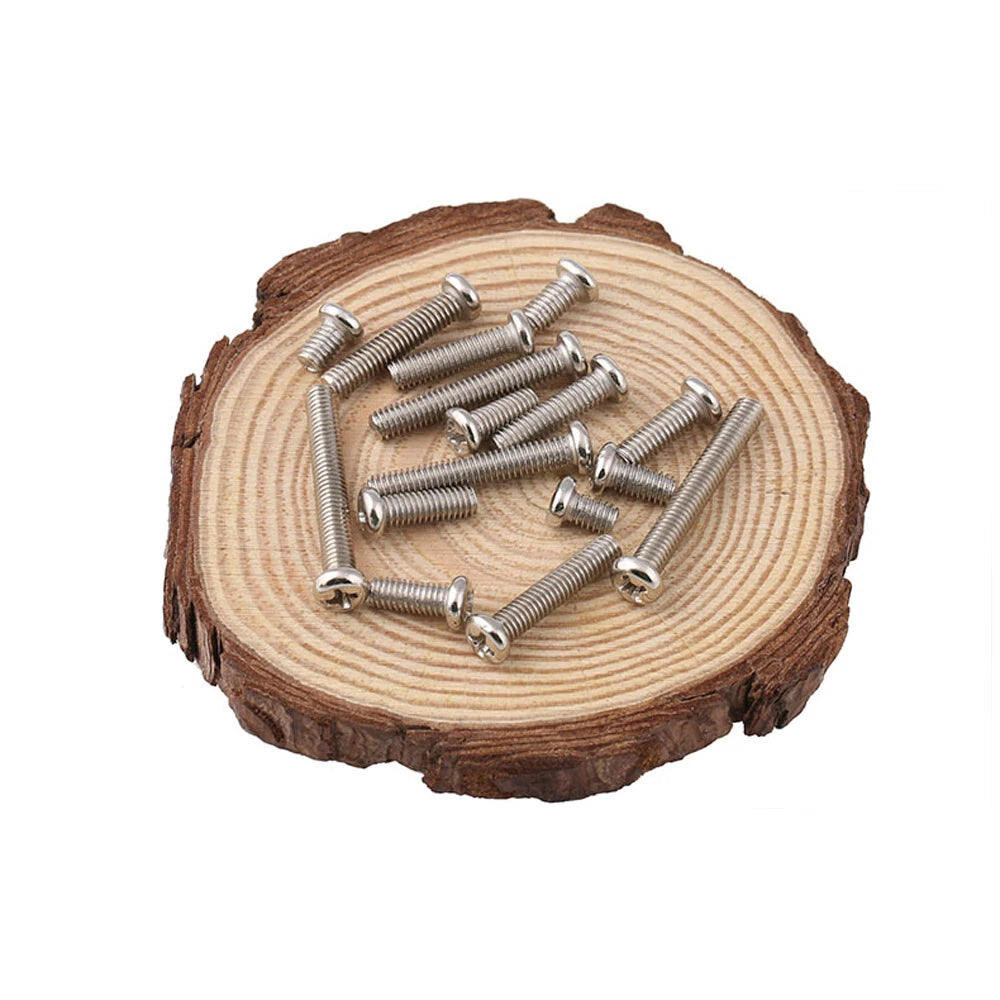
Not every project calls for a single size. HomeDIYer's assortment kits pack 190 to 570 pieces across multiple diameters and lengths so you're never caught short mid-project. Kits are available in 304 and 410 stainless steel, black carbon steel, and zinc-plated steel, covering pan head, hex washer, wafer head, and truss head styles. Keep one kit in the shop and another in the service van — they're the fastest way to handle unexpected fastener needs on the fly.

Feature Self-Tapping (Blunt Tip) Self-Drilling (Tek Tip) 304 Stainless 410 Stainless Carbon Steel (Zinc)
Pilot Hole Required Yes No No No Depends on tip
Corrosion Resistance Depends on material Depends on material Excellent Good Moderate (indoor)
Best For Light gauge sheet, plastic, wood Metal roofing, purlins, framing Marine, outdoor, food-grade Roofing, structural metal Indoor, protected environments
Drive Styles Available Phillips, Pozi, Torx, Hex Hex washer, Phillips, Torx Phillips, Pozi, Hex, Torx Hex washer, Phillips Phillips, Pozi, Hex
Typical Size Range M1–M8 / #6–#14 M4.2–M6.3 / #8–#14 M1–M8 #6–#14 M1–M8 / #6–#14
Price Point Low–Mid Mid Mid–High Mid Low

Quick Match Guide: Choosing the Right Sheet Metal Screw for Your Project

  • HVAC ductwork and air handler enclosures — Use M4 or #8 pan head self-tapping screws in 304 stainless or zinc-plated carbon steel. Drill a pilot hole slightly smaller than the screw's major diameter and drive at low speed to avoid stripping the thin gauge metal.
  • Metal roofing panels and wall cladding — Choose #10 or #12 hex washer head self-drilling tek screws in 410 stainless steel with an EPDM washer. The drill point eliminates pre-drilling; the washer seals the penetration against rain infiltration.
  • Automotive body panels and chassis fabrication — Select M3 or M4 countersunk flat head self-tapping screws in 304 stainless for a flush, corrosion-resistant finish. Use a Pozi or Torx drive to maximize torque without cam-out on thin panels.
  • Electrical enclosures and control panels — M3 or M4 pan head Phillips self-tapping screws in 304 stainless are the industry standard. Their wide bearing surface prevents pull-through on thin steel enclosure walls, and stainless resists the humidity common in outdoor electrical installations.
  • Light-gauge steel framing and metal stud walls — Use M4.2 or M4.8 wafer head self-drilling screws in 410 stainless or zinc-plated steel. The low-profile wafer head sits flush against drywall or sheathing without creating a bump, and the drill point drives through two layers of 25-gauge steel without pre-drilling.
  • General workshop repairs and mixed-material assemblies — Keep a 300–570 piece assortment kit on hand. Kits covering M3–M4.8 in pan head and truss head styles handle the majority of ad-hoc fastening tasks across metal, wood, and rigid plastic without requiring a trip to the hardware store mid-project.

Who Uses Sheet Metal Screws

  • HVAC contractors and sheet metal workers who need reliable, fast-driving fasteners for duct assembly, air handler installation, and equipment enclosures on commercial and residential jobs.
  • Metal roofing installers and general contractors who rely on hex washer head tek screws to secure standing-seam and corrugated panels to steel purlins and wood decking.
  • Automotive fabricators and restoration shops who use countersunk and pan head stainless screws to attach body panels, interior trim, and custom fabricated brackets without visible fastener heads.
  • Electrical and low-voltage installers who fasten junction boxes, conduit straps, and panel covers to light-gauge steel enclosures in commercial and industrial settings.
  • DIY homeowners and weekend builders who tackle metal shed assembly, fence panel installation, and home workshop projects that call for a reliable, easy-to-drive fastener in a range of sizes.
  • Manufacturing and production facilities that run high-volume assembly lines and need consistent, cam-out-resistant socket or hex drive sheet metal screws for repeatable torque application.
  • Rental property owners and landlords who maintain HVAC systems, metal access panels, utility enclosures, and outbuilding roofing across multiple properties and need a dependable bulk supply of self-tapping and self-drilling screws on hand for fast turnaround repairs.

Maintenance Tips for Sheet Metal Screw Connections

Seasonal Inspection Checklist
  • Spring: After winter freeze-thaw cycles, inspect all exterior sheet metal screw connections — roofing panels, HVAC enclosures, and metal cladding — for signs of backing-out, corrosion, or cracked EPDM washers. Replace any fasteners showing white rust (zinc depletion) or red rust (base metal exposure).
  • Summer: High heat causes metal panels to expand. Check that roofing tek screws haven't loosened from repeated thermal cycling. Re-torque any fasteners that have backed out more than a half-turn.
  • Fall: Before wet season, verify that all weatherproof connections — particularly hex washer head tek screws with EPDM washers — are fully seated and the washer is not cracked or compressed flat. A cracked washer is the leading cause of roof leak callbacks.
  • Winter: In freeze-prone climates, inspect stainless steel screws in dissimilar-metal assemblies (e.g., stainless into aluminum) for galvanic corrosion at the joint. Apply a thin coat of anti-seize compound to threads in new installations to prevent galling and make future removal easier.
  • Always match the screw material to the base material — use stainless screws in stainless or aluminum sheet to avoid galvanic corrosion that accelerates joint failure.
  • Store unused screws in a sealed container away from moisture; even zinc-plated carbon steel screws will develop surface rust if left exposed in a humid shop environment.
  • Use the correct driver bit size — a worn or undersized Phillips bit is the primary cause of cam-out and stripped recesses that make removal difficult without damaging the surrounding material.
  • Do not over-torque. Sheet metal screws are designed to clamp, not crush. Over-driving strips the threads in the base material and can crack thin sheet, creating a stress riser that leads to fatigue failure.
  • For vibration-prone assemblies (compressors, fans, vehicle panels), apply a small drop of medium-strength thread-locking compound to the threads before driving to prevent self-loosening without making future removal impossible.
  • When removing old sheet metal screws for panel replacement, use a screw extractor or left-hand drill bit if the head is stripped — forcing a damaged screw with a standard driver enlarges the hole and compromises the new fastener's holding strength.

Frequently Asked Questions About Sheet Metal Screws

What are sheet metal screws used for?

Sheet metal screws are designed to fasten thin metal sheets, HVAC ductwork, electrical enclosures, automotive panels, and light-gauge steel framing. Their sharp, fully threaded shanks cut their own mating threads directly into the base material without requiring a pre-tapped hole.

What is the difference between self-tapping and self-drilling sheet metal screws?

Self-tapping screws require a pilot hole drilled in advance; they then cut threads as they are driven in. Self-drilling screws (also called tek screws) have a drill-bit tip that bores through the material and taps threads in a single operation, eliminating the pilot-hole step entirely.

Which material is best — stainless steel or carbon steel sheet metal screws?

304 or 316 stainless steel screws are the right choice for outdoor, marine, or high-humidity environments because they resist rust and corrosion. Carbon steel screws (zinc-plated or black oxide) cost less and are ideal for indoor or protected applications where corrosion is not a primary concern.

How do I choose the right head style for my project?

Pan head screws sit above the surface and distribute load over a wide area — good for general fastening. Countersunk (flat head) screws sit flush with or below the surface for a clean finish. Truss heads offer an extra-wide, low-profile bearing surface ideal for thin or soft materials. Hex washer heads are driven with a nut driver and are standard in roofing and metal building applications.

What size sheet metal screw do I need?

Match the screw diameter to the thickness of the material. For light-gauge sheet metal (24–28 gauge), M2–M3 or #6–#8 screws work well. For heavier gauge steel or structural applications, M4–M6 or #10–#14 screws provide the holding strength needed. Length should be at least 1.5× the thickness of the material being fastened.

Do sheet metal screws need a pilot hole?

Traditional self-tapping sheet metal screws require a pilot hole slightly smaller than the screw's major diameter. Self-drilling (tek) screws do not require a pilot hole — their drill-point tip penetrates and taps in one step, saving significant time on production or repetitive fastening tasks.

Can I use sheet metal screws in wood or plastic?

Yes. Many sheet metal screws — particularly pan head and truss head styles — work well in wood, MDF, and rigid plastics. Their sharp threads grip effectively in softer materials. For structural wood connections, however, dedicated wood screws or lag screws are the more appropriate choice.

How do I install sheet metal screws correctly?

For self-tapping types, drill a pilot hole 10–15% smaller than the screw's outer diameter, align the parts, and drive the screw at low-to-medium speed with a Phillips, Pozi, or hex driver. Avoid over-torquing — stop when the head seats firmly against the surface. For self-drilling tek screws, simply position and drive; no pilot hole is needed.

How do I prevent sheet metal screws from stripping or backing out?

Use the correct driver bit size and keep it perpendicular to the screw head. Apply steady, consistent pressure and avoid high-speed driving that can strip the recess. For vibration-prone applications, choose screws with a serrated flange or add a medium-strength thread-locking compound to prevent loosening over time.

Does HomeDIYer offer free shipping on sheet metal screws?

Yes. HomeDIYer offers free standard shipping on qualifying orders. Check the current free-shipping threshold at checkout — bulk packs and assortment kits frequently meet the minimum in a single order, making it easy to stock up without paying extra for delivery.


Recently viewed