Understanding Water Flow Sensors: Technology and Applications
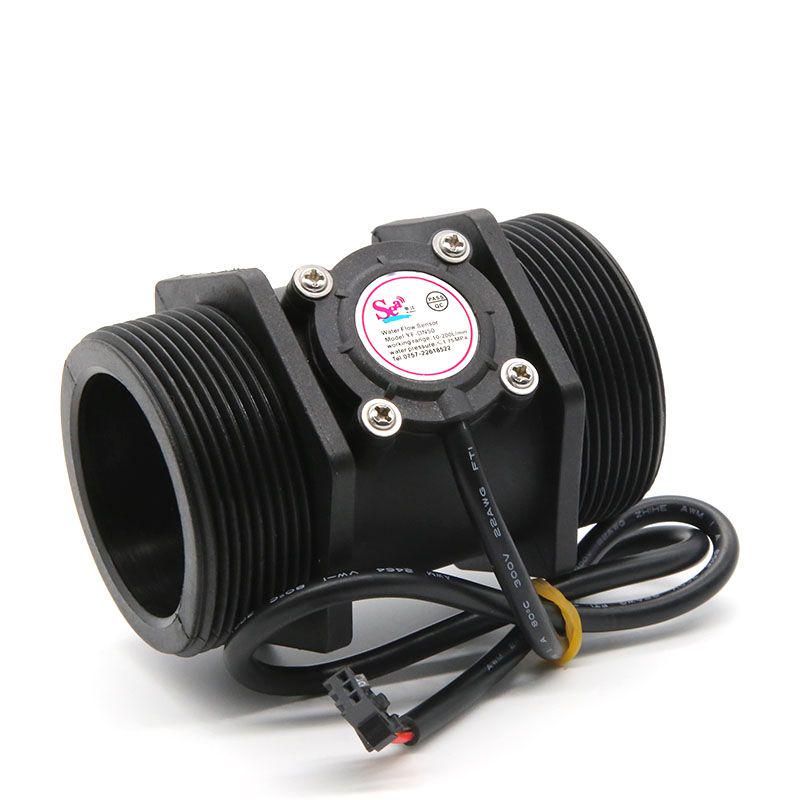
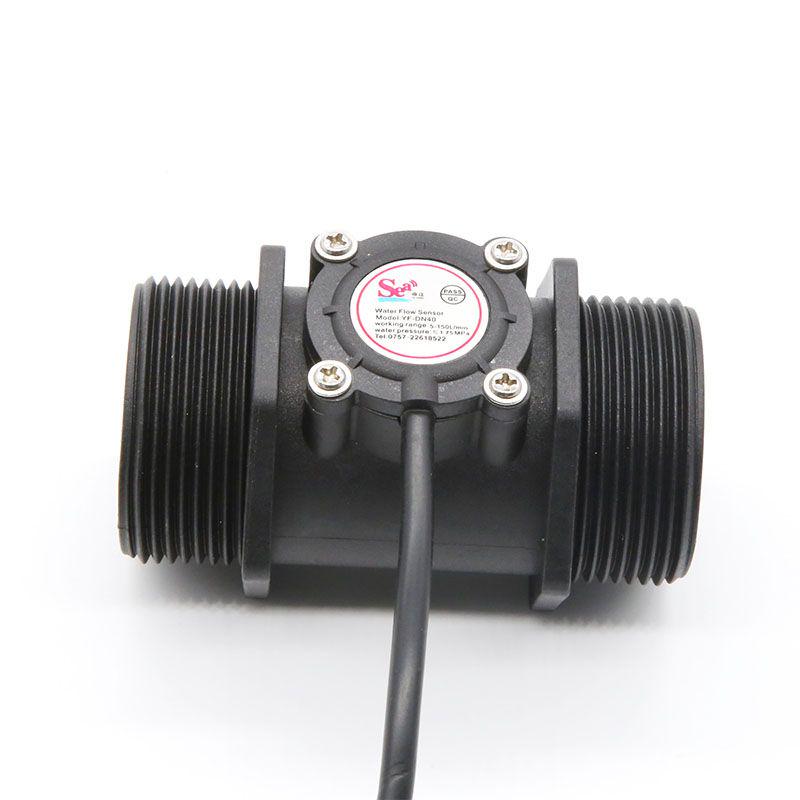
Water flow sensors are critical components in modern liquid management systems. These devices measure the rate of water movement through pipes, enabling everything from leak detection in smart homes to precision control in industrial processes. At HomeDIYer, we specialize in flow sensors that balance accuracy, durability, and ease of integration.
How Flow Sensors Work
Most water flow sensors operate using one of three core technologies:
-
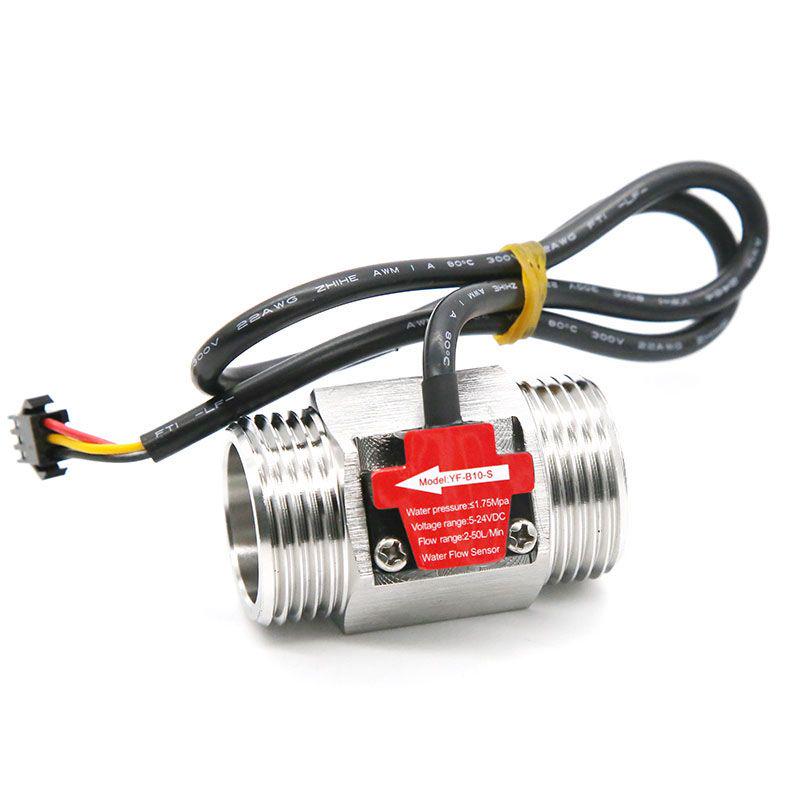
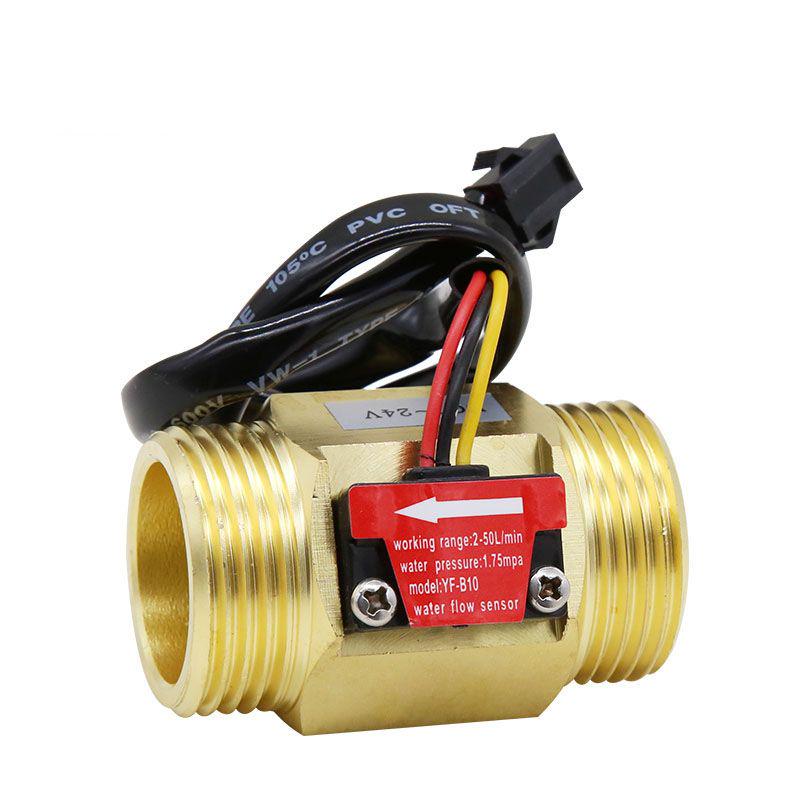
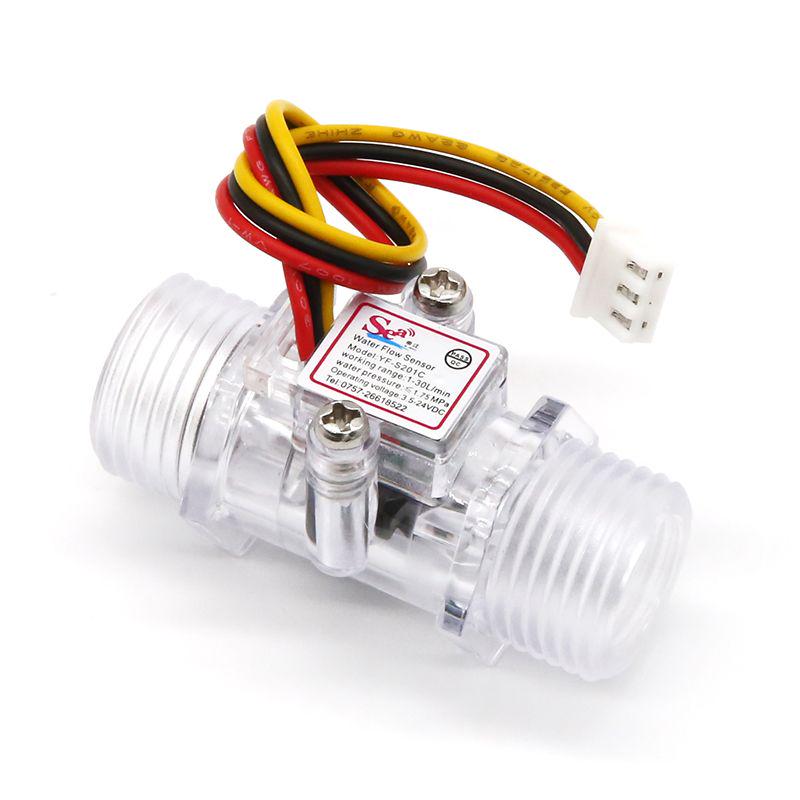
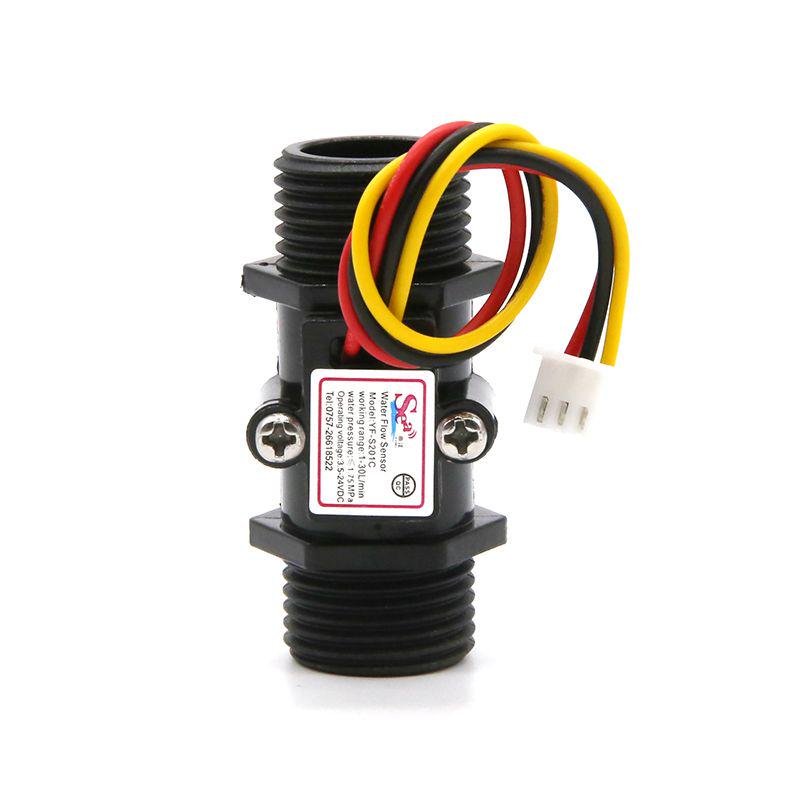
Hall Effect Sensors: Detect turbine rotation (e.g., YF-S201 Arduino sensors)
-
Ultrasonic Sensors: Measure transit-time differences (clamp-on models)
-
Paddle Wheel Sensors: Mechanical flow-to-electrical signal conversion
For DIY enthusiasts, Hall effect sensors like the popular YF-S201 offer excellent Arduino compatibility. Simply connect the pulse output to your microcontroller to monitor water consumption in real-time. Industrial applications often require non-invasive ultrasonic flow sensors that clamp onto existing pipes without disrupting flow.
⚙️ Technology deep dive
| Technology |
Accuracy |
Installation |
Best for |
| Hall Effect (turbine) |
±2-3% |
In-line, cut pipe |
DIY, Arduino, low-cost monitoring |
| Ultrasonic clamp-on |
±0.5-1% |
Non-invasive, external |
Industrial, chemical lines, no pipe cutting |
| Paddle wheel |
±1-2% |
In-line or insertion |
Pool systems, irrigation, high-flow |
Pro tip: For saltwater or corrosive fluids, choose paddle wheel sensors with PVDF bodies or ultrasonic models that never contact the liquid.
Key Applications
-
Tankless Water Heaters: Flow sensors activate heating when water movement is detected. Common in Navien/Rheem units.
-
Smart Irrigation Systems: WiFi-enabled sensors like Flume monitor garden water usage.
-
Pool Maintenance: Hayward flow sensors detect "no water flow" errors in filtration systems.
-
Industrial Cooling: Chilled water flow sensors in HVAC systems.
-
Arduino Projects: Build water consumption trackers with YF-S201 sensors.
🌊 Real-world example
In a typical smart home setup, a Hall effect sensor (YF‑S201) connected to an ESP32 can log water usage to Home Assistant, triggering leak alerts when flow exceeds 30 minutes of continuous use. The same sensor helps tankless heaters like the Navien NPE‑A2 modulate burner output based on real‑time flow rate.
Choosing Your Sensor
Consider these factors:
-
Pipe Size: 1/2", 3/4" or 1-inch compatible models
-
Output Type: Pulse, analog, or WiFi (e.g., Z-Wave/Zigbee)
-
Environment: Saltwater-resistant sensors vs. standard freshwater models
-
Accuracy Needs: ±2% for most DIY projects vs. ±0.5% industrial grade
📏 Quick selection guide
-
1/2" copper/PVC: YF‑S201 or G1/2" threaded turbine (pulse output)
-
3/4" to 1" main line: ultrasonic clamp-on (e.g., U1000) or paddle wheel insertion
-
Pool/spa (2" pipe): Hayward GLX‑FLOW‑SW or compatible paddle switch
-
High temp (up to 212°F): Stainless steel Hall effect sensor with PTFE rotor
Installation Tips
For tankless heater flow sensors like Navien CR240A models:
- Shut off water supply and relieve pressure
- Clean pipe ends before installing in-line sensors
- Orient according to flow direction arrows
- Use thread sealant on brass fittings
Troubleshooting Common Issues
-
"No Water Flow" Errors: Check for clogs in Hayward OmniLogic sensors
-
Inaccurate Readings: Calibrate Arduino flow sensors using known volumes
-
Signal Drops: Ensure waterproof connections in outdoor installations
🔧 Advanced troubleshooting
If your flow sensor pulses but reading is erratic, test with a multimeter: Hall effect sensors should output a clean square wave between 0V and 5V. For ultrasonic clamp-ons, reapply acoustic coupling gel and verify pipe material (no rusty or lined pipes). For Navien tankless error codes (E‑110, E‑012), clean the inlet filter and check the flow sensor’s magnetic rotor for debris.
Innovations in Flow Sensing
New technologies are revolutionizing liquid measurement:
-
AI-Powered Leak Detection: Sensors like Phyn learn usage patterns to spot anomalies
-
LoRaWAN Connectivity: Battery-operated sensors reporting for months
-
Integrated Temp/Flow Units: Monitor both parameters in PC water cooling loops
Why Choose HomeDIYer?
We stock hard-to-find flow sensors for niche applications, including:
- Tankless heater replacement parts (Navien, Rinnai, Rheem)
- Saltwater pool compatible sensors
- High-pressure industrial transducers
- Arduino starter kits with flow sensors
Whether you're building a smart home water monitor or maintaining commercial equipment, precise flow measurement starts with the right sensor. Explore our collection to find your perfect flow solution.
Frequently Asked Questions – Water Flow Sensors
Q: Can I use a YF‑S201 with a Raspberry Pi?
A: Yes, but you’ll need a level shifter (5V to 3.3V) to avoid damaging the GPIO pins. Alternatively, use a logic converter or a flow sensor with 3.3V output.
Q: How often should I replace a tankless water heater flow sensor?
A: Every 5–7 years depending on water hardness. Scale buildup can cause sluggish turbine response; soaking the sensor in white vinegar restores function temporarily.
Q: Do ultrasonic flow sensors work on any pipe material?
A: They work best on metals (steel, copper) and rigid plastics (PVC, CPVC). Avoid rubber hoses or heavily corroded iron pipes – the signal may not penetrate.
Q: Which output is better for long cable runs: pulse or analog?
A: Pulse (frequency) is more noise‑immune over 50+ feet. Analog 4‑20mA loops also work well, but require a receiver with a precision resistor.
🔍 Need help selecting the right flow sensor for your tankless heater, pool, or Arduino project? Browse our flow sensor collection or contact our engineers for a free compatibility check.