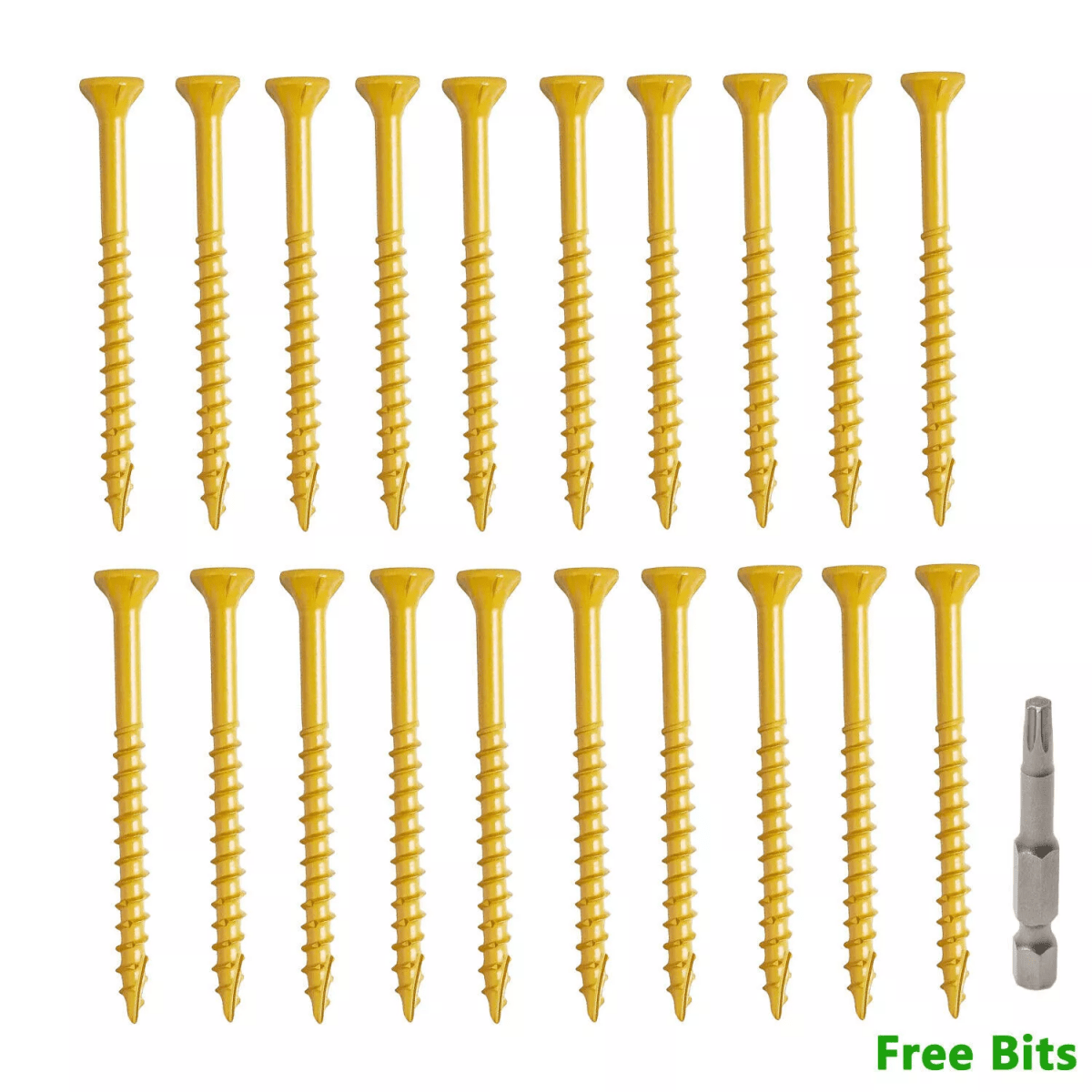
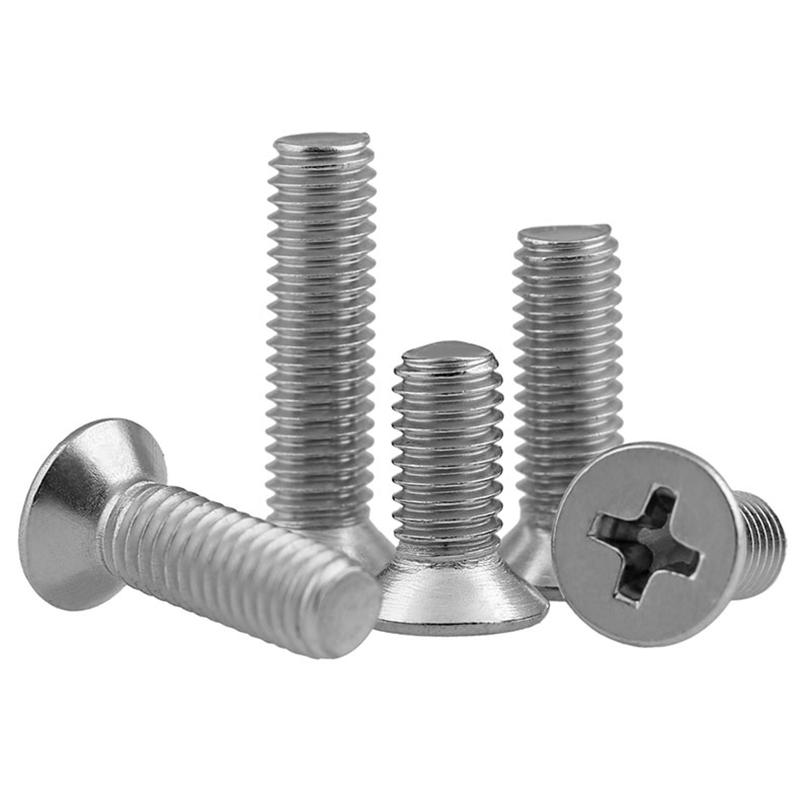
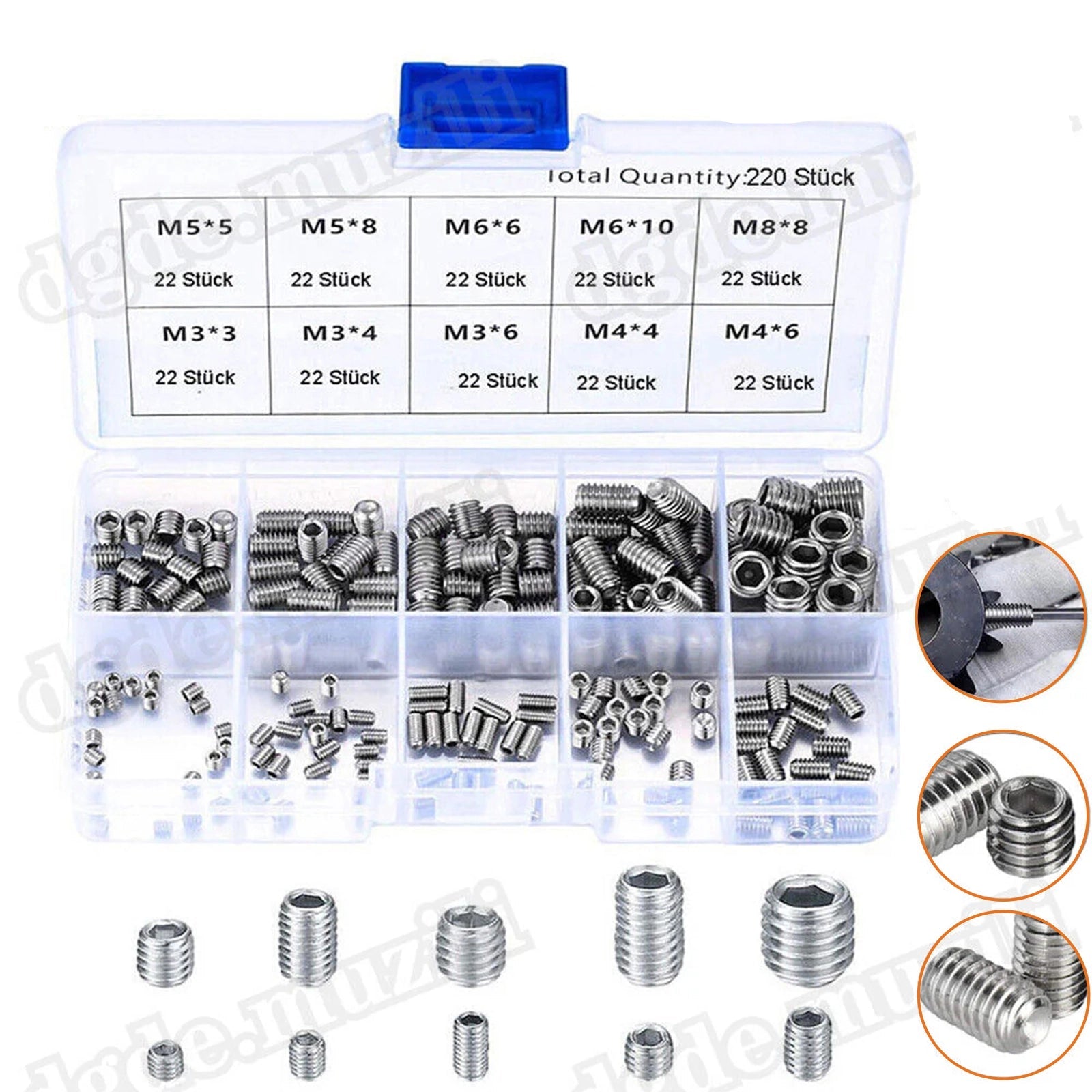
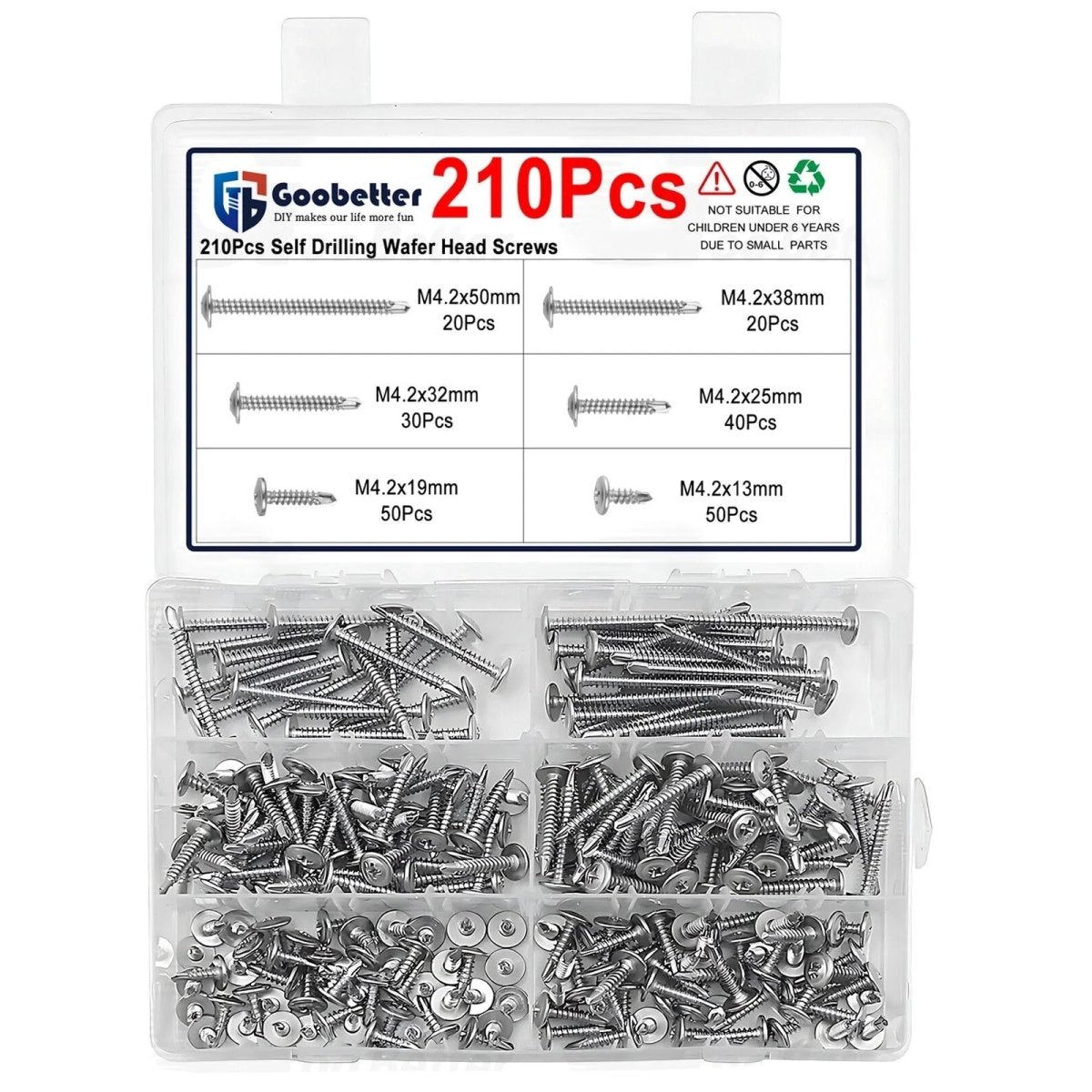
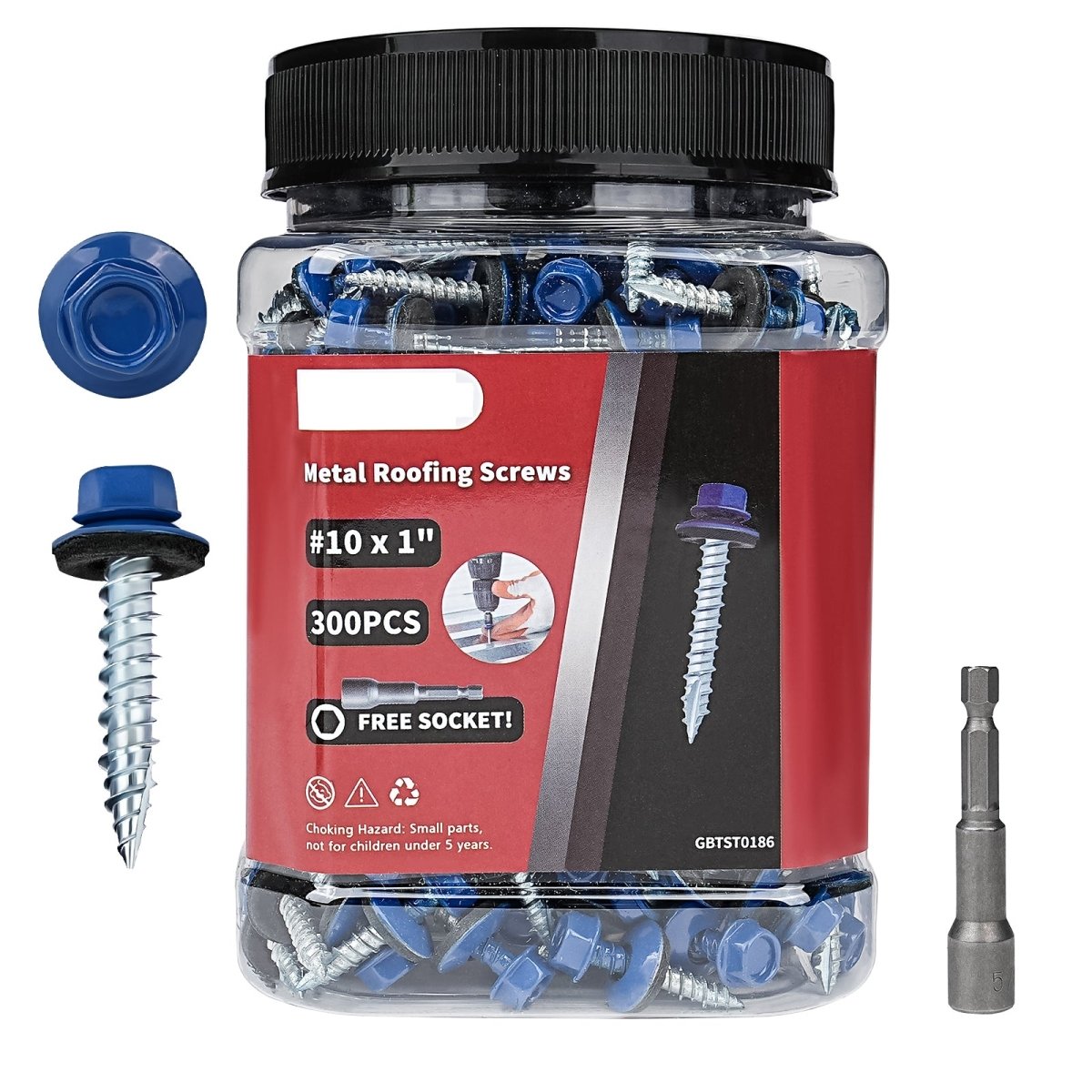
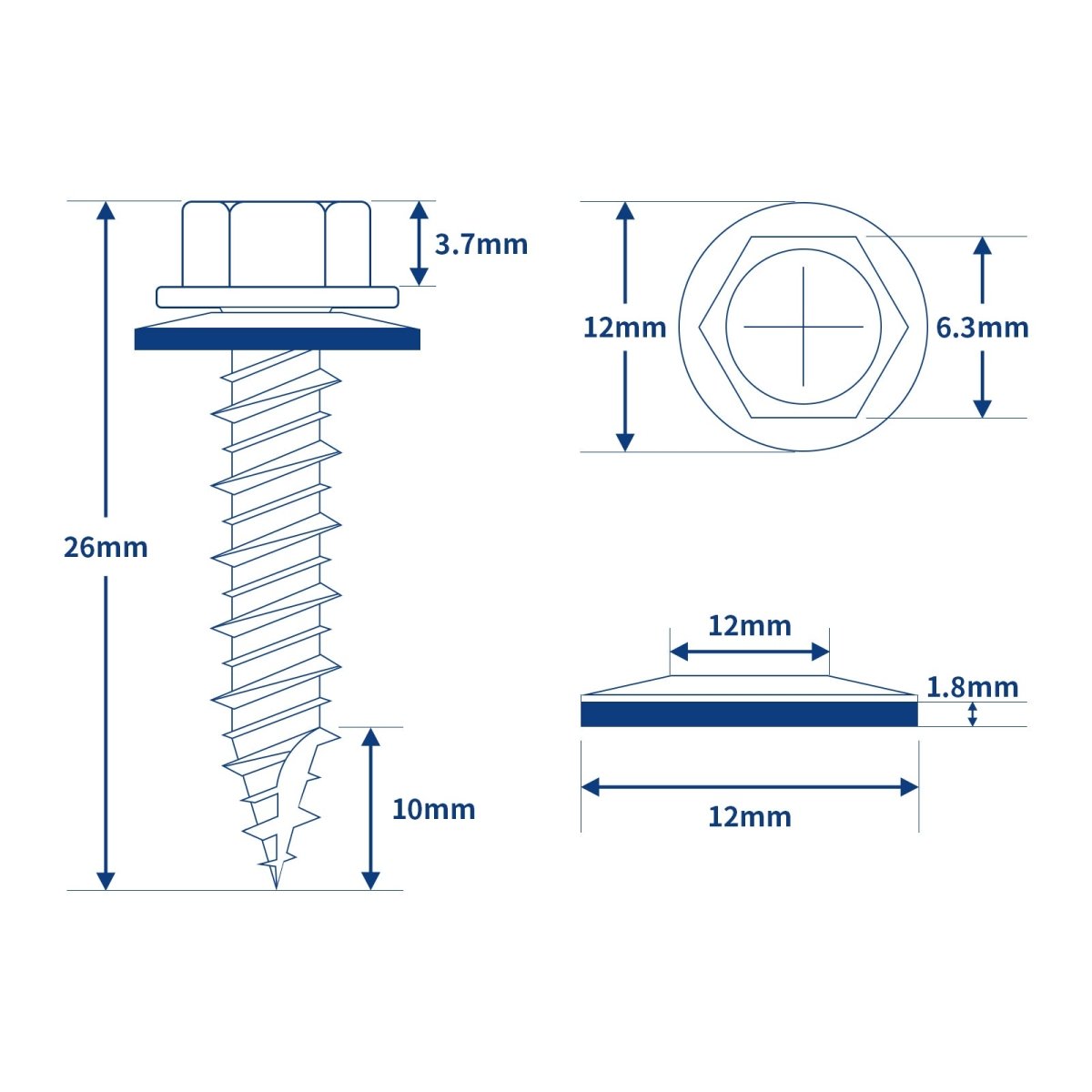
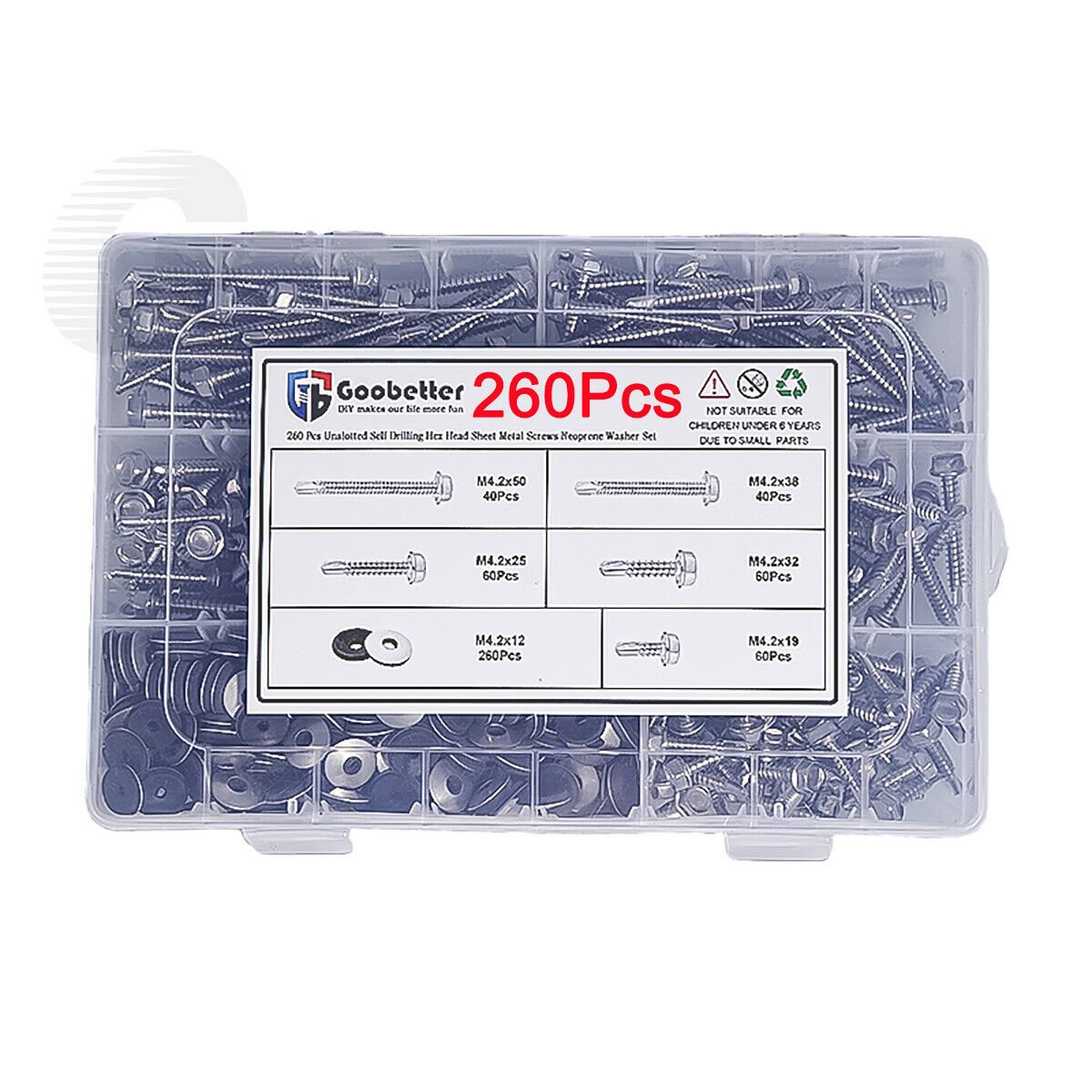
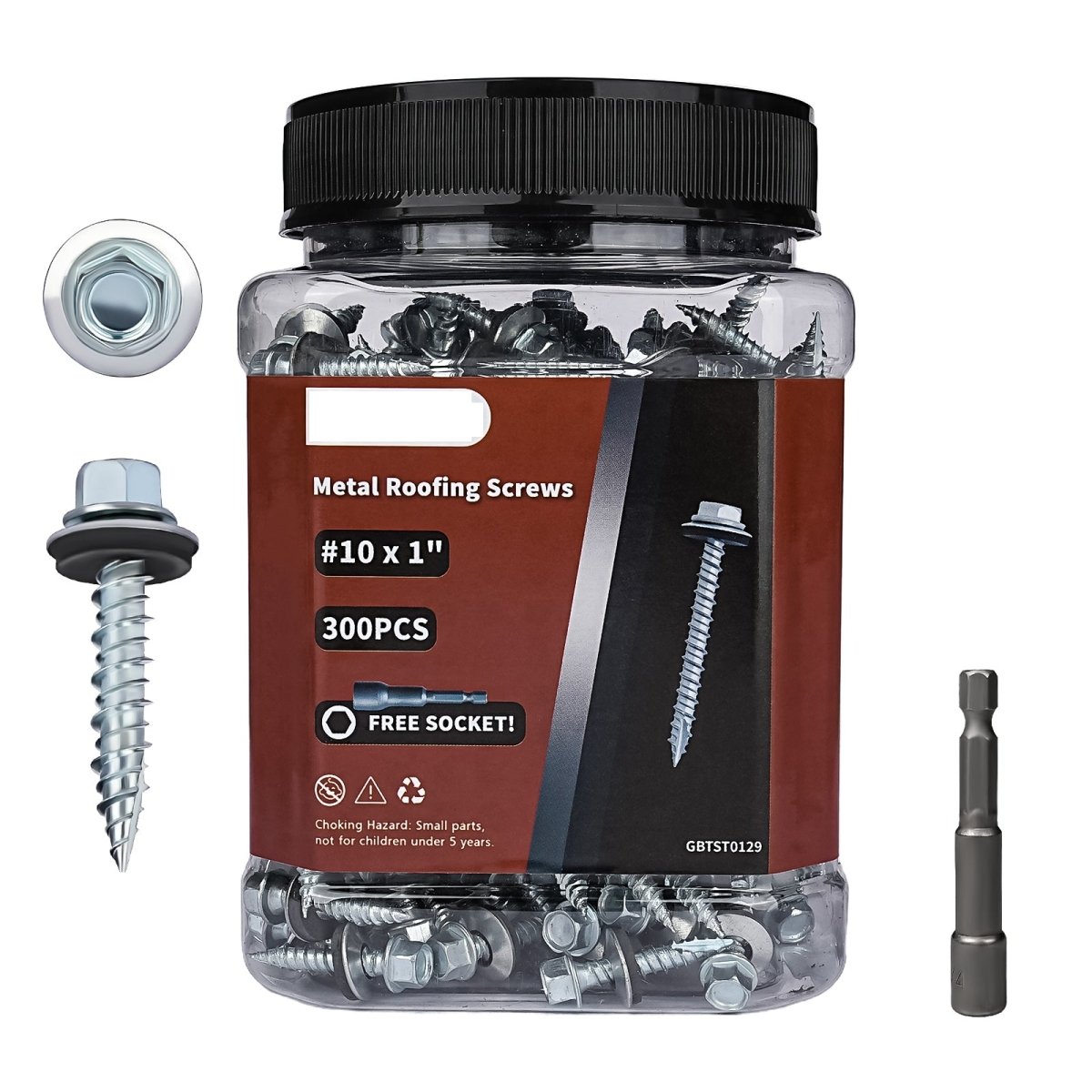
Roofing Screws: Durable Fasteners for Metal Roofs & Outdoor Structures
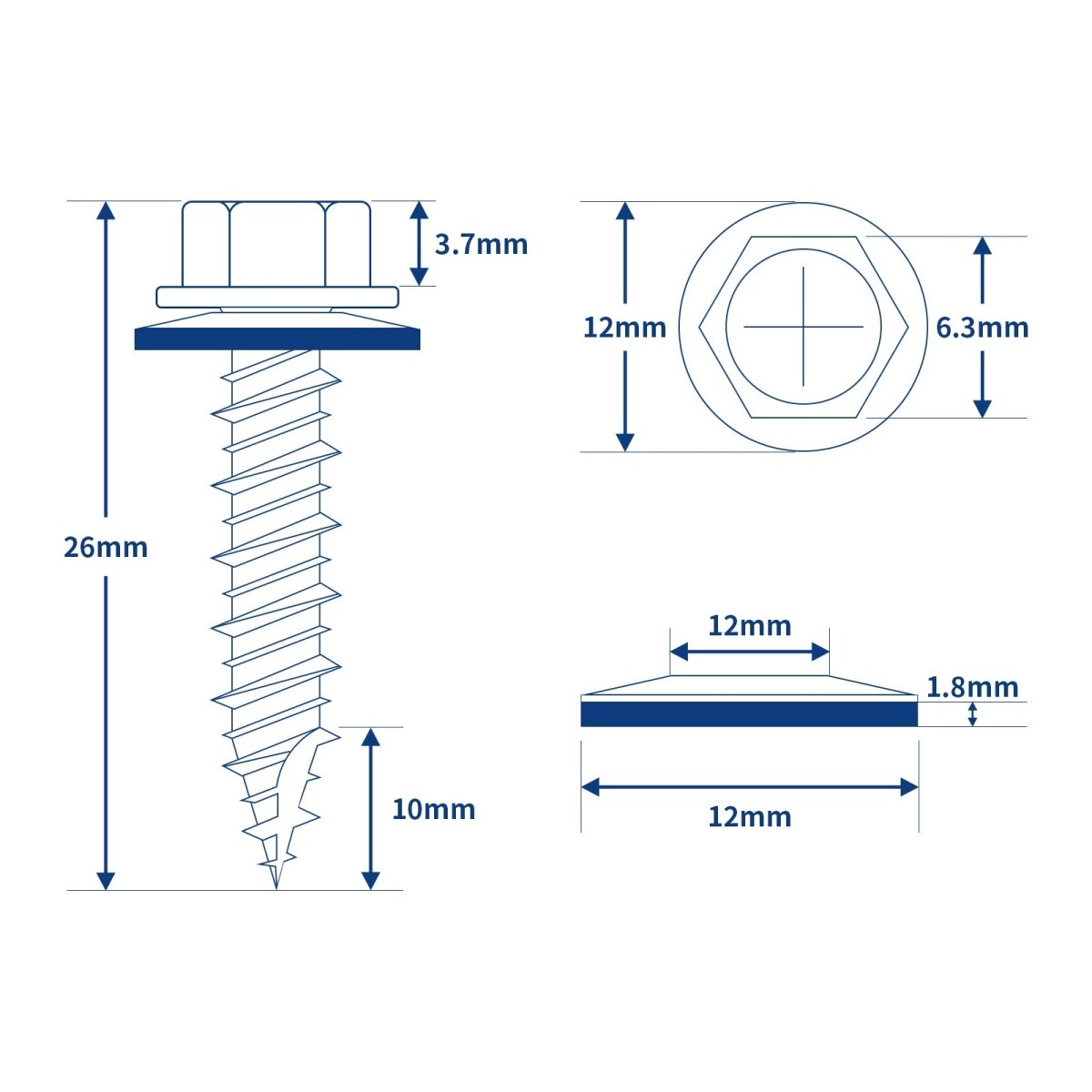
Homediyer’s roofing screws are engineered to withstand harsh weather conditions, featuring neoprene or EPDM sealing washers to prevent leaks. Made from galvanized steel or stainless steel, these screws resist rust and UV damage, making them ideal for metal roofs, asphalt shingles, and outdoor structures.
Materials: Galvanized steel, stainless steel (304/316)
Head Types: Hex washer head, pan head, T-head
Washers: Neoprene, EPDM, silicone
Sizes: #12 to #14, lengths 1” to 3”
Features: Self-drilling tip, corrosion-resistant coating, color-matched finishes
The Ultimate Guide to Roofing Screws: Types, Installation, and Expert Tips
Roofing screws are critical for ensuring a weather-tight, long-lasting roof. Whether you’re installing a metal roof, repairing a corrugated tin roof, or securing steel panels, choosing the right screws—like stainless steel roofing screws or self-tapping metal roof screws—can make all the difference. In this guide, we’ll cover everything from screw types and materials to installation best practices and common mistakes to avoid.
1. What Are Roofing Screws?
Roofing screws are specialized fasteners designed to secure roofing materials while resisting weather, UV exposure, and corrosion. Key features include:
-
Weatherproof Washers: Rubber or neoprene washers create a watertight seal.
-
Material Compatibility: Stainless steel, galvanized steel, or coated finishes for rust resistance.
-
Self-Tapping Design: Sharp tips drill into metal or wood without pre-drilling.
Common Applications: Metal Roofing (use metal roofing screws for steel or aluminum panels), Corrugated Roofs (corrugated roofing screws with wide washers prevent leaks), Tin Roofs (tin roof screws with sharp threads grip thin materials securely).
💡 Pro Tip: Always pair screws with compatible sealants (e.g., metal roof screw sealant) for extra protection.
2. Types of Roofing Screws and Their Uses
| Type |
Best For |
Example / Feature |
| Metal Roofing Screws |
Steel, aluminum, standing seam metal roofs |
Stainless steel metal roofing screws resist saltwater corrosion in coastal areas. |
| Self-Tapping Roofing Screws |
Fast installation on metal or wood substrates |
Self-drilling metal roofing screws combine drilling and tapping for efficiency. |
| Screws with Rubber Washers |
Preventing leaks in corrugated or tin roofs |
Roofing screws with neoprene washers expand in heat to seal gaps. |
| Oversized Roofing Screws |
Thicker materials or high-wind areas |
Extra-long threads, larger diameter. |
| Polycarbonate Roofing Screws |
Translucent roofing panels |
UV-stabilized, smaller washer profile. |
3. How to Choose the Right Roofing Screw
-
Material Compatibility: Match screw material to roof type (stainless for coastal, galvanized for inland).
-
Screw Length and Diameter: Penetrate at least 1” into the substrate. Use #12 or #14 for metal purlins.
-
Washer Type: EPDM for extreme temperatures, neoprene for general use, silicone for UV resistance.
📏 Quick Reference: Use a metal roofing screw size chart to match screw dimensions to panel thickness. Typical recommendation: 1” screw for 26-gauge metal, 1.5” for 22-gauge over wood.
4. How to Install Roofing Screws (Step-by-Step)
-
Mark Screw Locations: Follow metal roof screw spacing guidelines (typically 12–24 inches apart along purlins).
-
Align the Screw: Place it on the flat part of the roof panel, not the rib.
-
Drive the Screw: Use a drill with adjustable torque to avoid over-tightening metal roofing screws.
-
Check the Seal: Ensure the washer compresses evenly without cracking.
Common Mistakes to Avoid: Over-tightening (crushes washers and causes leaks), incorrect screw spacing (weakens roof structure).
🔩 Pro Tip: For corrugated roofs, use corrugated roofing screws with a 1.5-inch washer to bridge the ridges.
5. FAQs About Roofing Screws
-
Q: How many screws per metal roofing panel?
A: Typically 80–100 screws per 100 sq. ft., depending on wind loads. Use a metal roofing screw pattern chart for accuracy.
-
Q: Can I reuse roofing screws?
A: No—reused screws may have worn threads or damaged washers, risking leaks.
-
Q: Where to buy roofing screws near me?
A: Search for “metal roofing screws Home Depot” or shop our Roofing Screws Collection online.
-
Q: What’s the best screw for a tin roof?
A: Tin roof screws with sharp threads and EPDM washers.
6. Where to Buy Roofing Screws
At HomeDIYer, we offer: Stainless steel roofing screws (ideal for coastal climates), Self-tapping metal roof screws (no pre-drilling required), and Bulk packs for contractors and large projects. Local options: Find roofing screws at Lowe’s or Home Depot for urgent needs.
7. Roofing Screws: What Customers Are Saying
Trailgrind: “These work as they should. I've gone through a few boxes of them and really don't notice much, if any, difference from more expensive screws. The price is better than name brand. I haven't had any problems with these, and find that they are quite sharp and penetrate metal roofing quickly.”
jon: “I put the metal roof on this shed I build at the cabin. All the screws seem to work well – no problems.”
Conclusion
Choosing the right roofing screws—like stainless steel roofing screws for durability or self-tapping screws for efficiency—ensures a secure, leak-free roof. Always follow metal roof screw spacing guidelines and avoid over-tightening to extend your roof’s lifespan. Ready to start your project? Explore our Roofing Screws Collection for premium options and fast shipping.
How to Install Roofing Screws (Detailed Steps)
-
Prepare the Surface: Clean debris from roofing panels or shingles.
-
Select Screw Length: Ensure screws penetrate at least 1” into the substrate.
-
Align the Screw: Position perpendicular to the surface to avoid washer damage.
-
Drive the Screw: Use a drill with a roofing screw bit at medium speed. Stop when the washer compresses snugly (do not over-tighten).
-
Inspect Seals: Confirm the washer forms a watertight seal around the screw.
Common Uses for Roofing Screws
-
Metal Roofing: Secure corrugated panels to purlins.
-
Asphalt Shingles: Attach underlayment or flashing.
-
Solar Panel Mounting: Fasten brackets to rooftops.
-
Sheds & Garages: Waterproof fastening for DIY outdoor structures.