





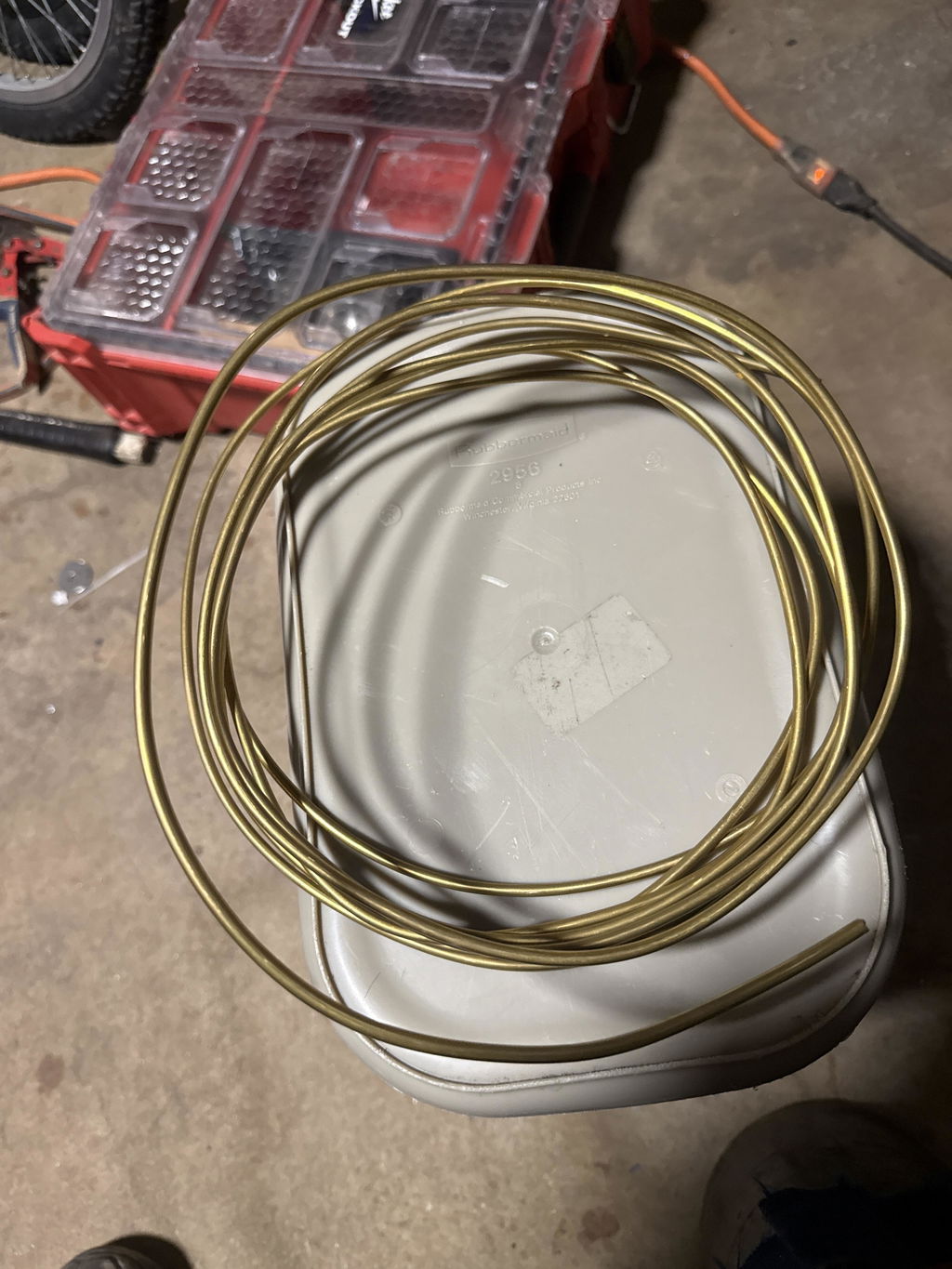
The copper was clean and straight, but the brass wire was all kinky and not in a straight spiral definitely would’ve been nicer to Not have the Brass bent up
Hi Joshua, thank you for your feedback. We're glad you liked the copper wire. Due to packaging constraints, some wires may arrive bent. We appreciate your understanding. Thanks for shopping with us!
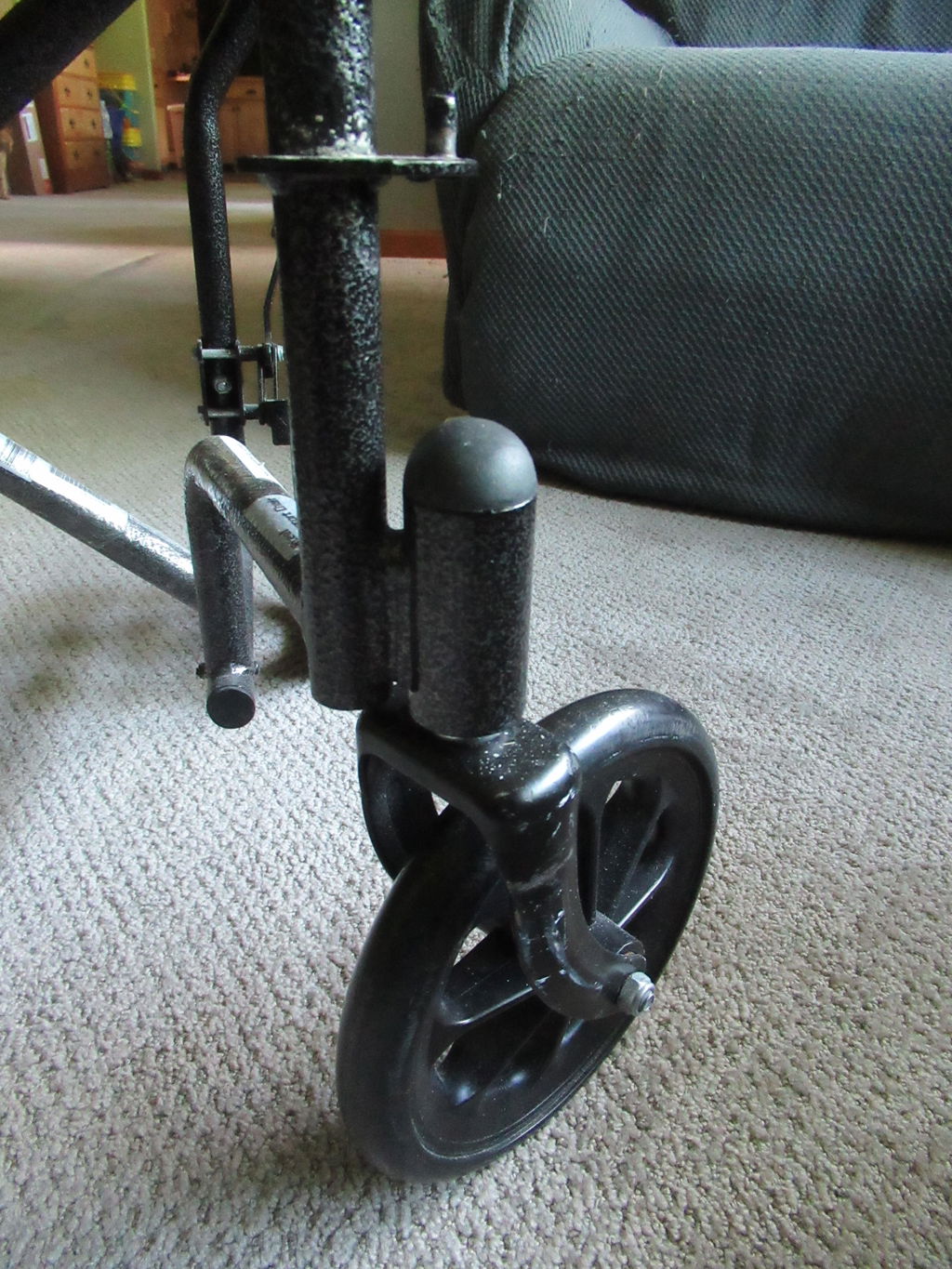
Hospice had given us a wheelchair that the caster nut cap was missing. So I replaced it with the 28mm tube cap. It was of good quality, sturdy and fit perfect. shipping was fast too.
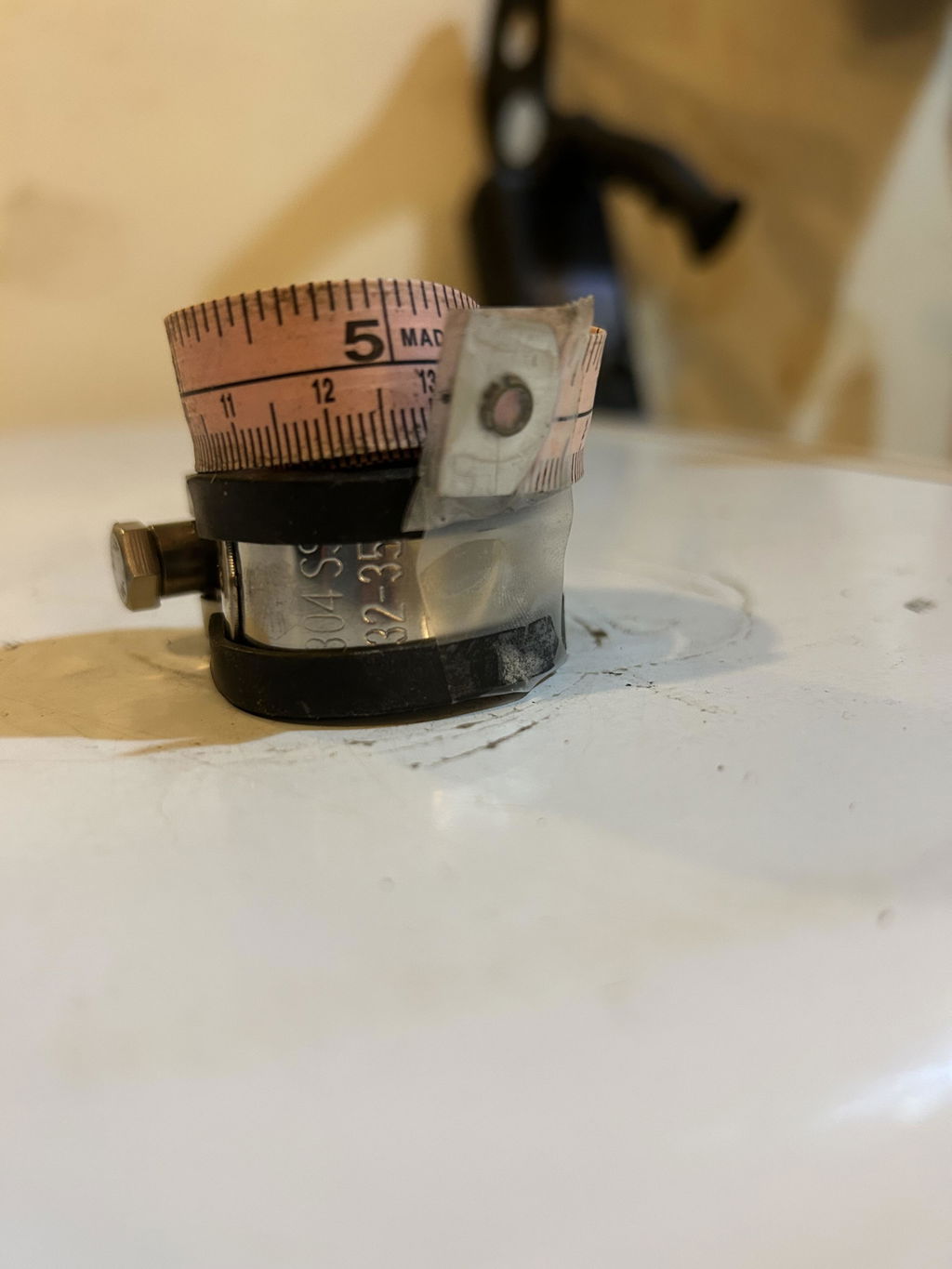
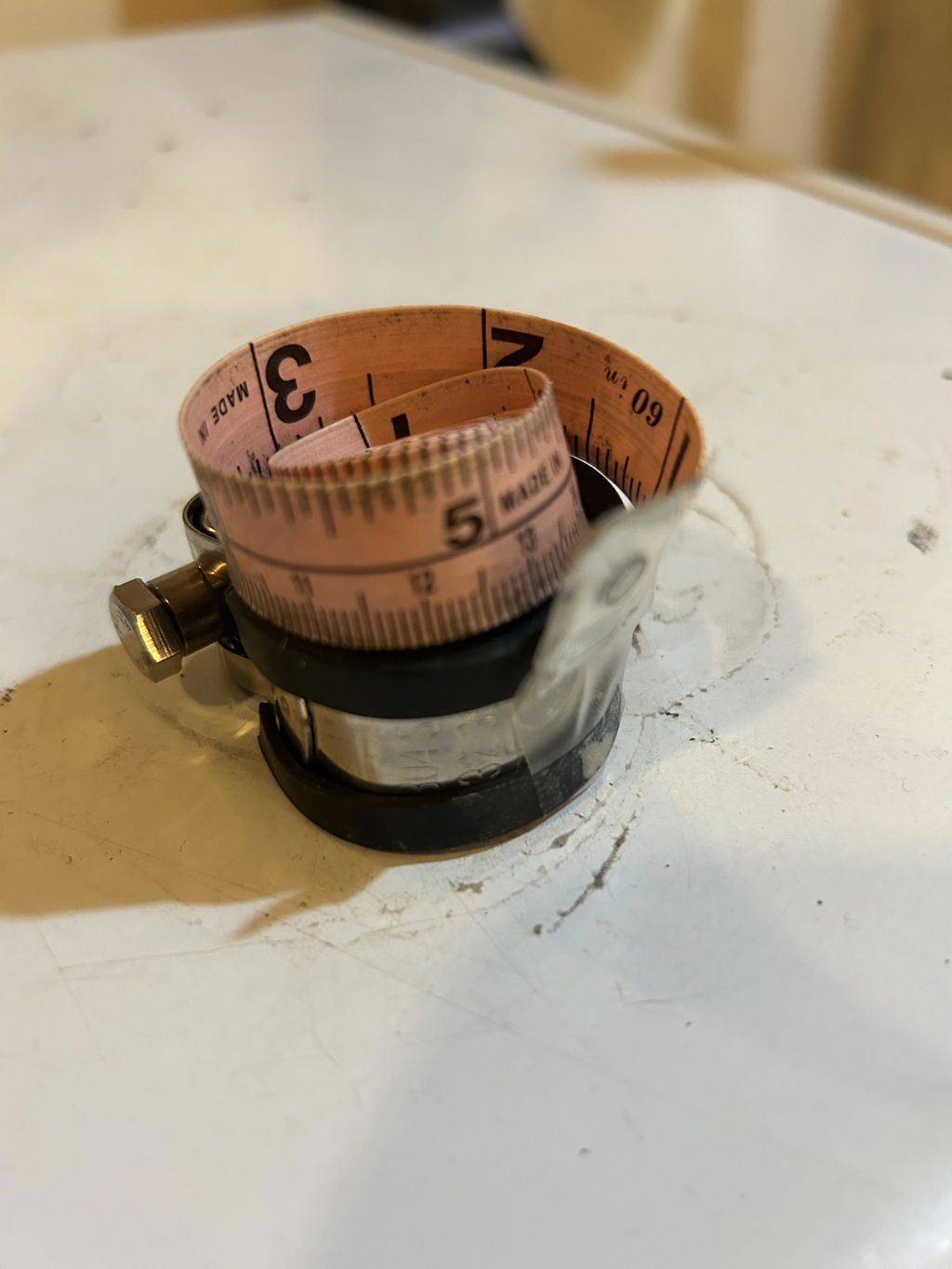
Although it is marked 32-35, it is only 15mm, which is of zero use for me.
Perfect they are really made well and I used them for my car. The only thing I had a great for us. It took three weeks to get here. So shipping was slow.
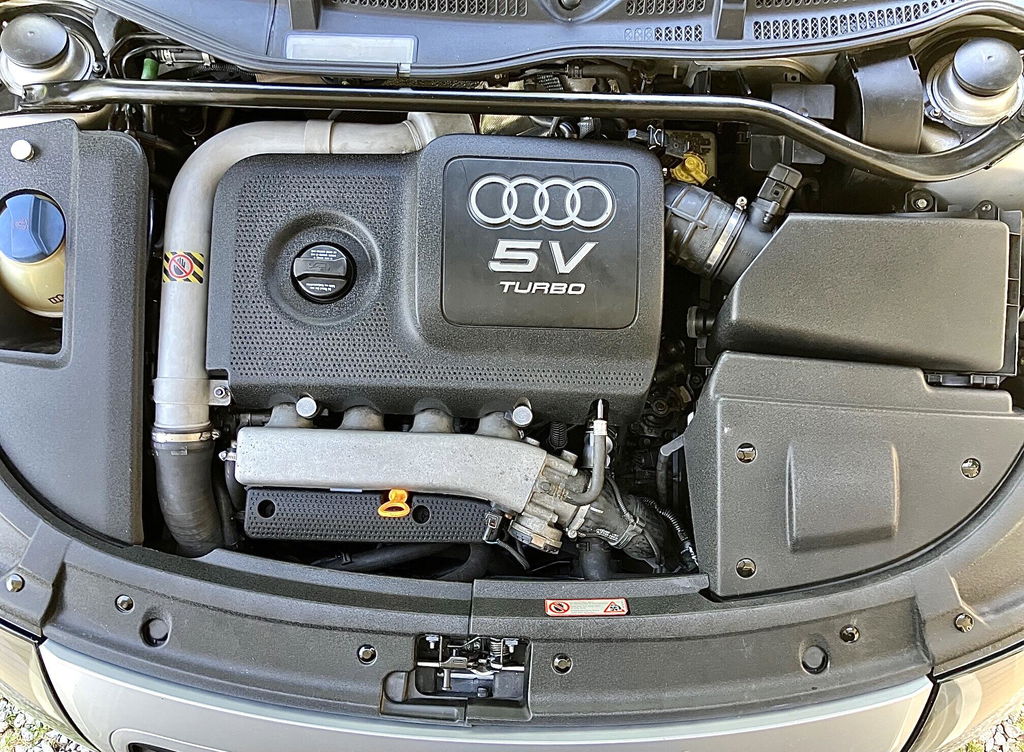
did not include wing nuts
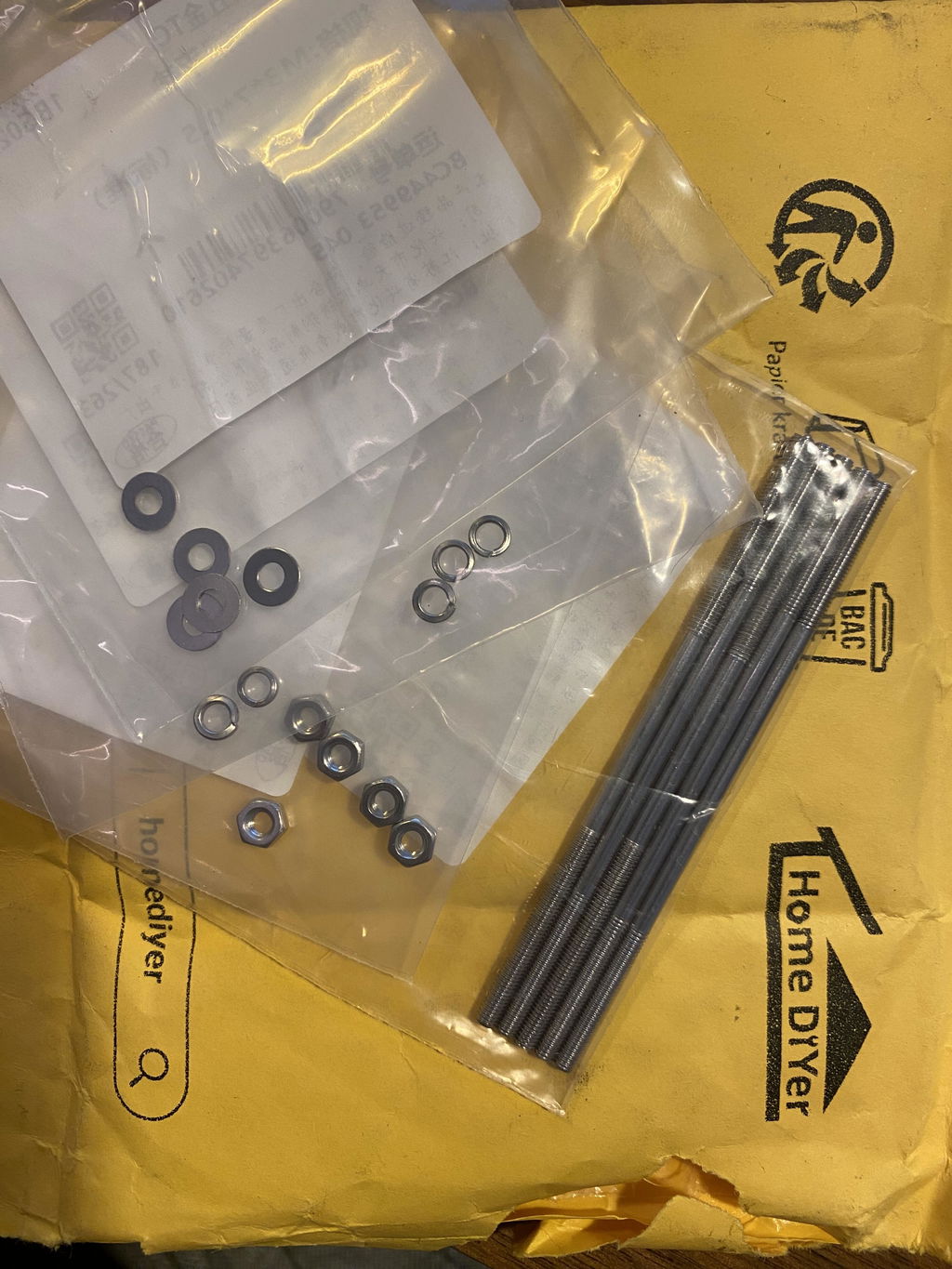
Hi Scott, thank you for your feedback. We're sorry for any inconvenience caused. Please get in touch with us directly, and we'll assist you. Thanks for shopping with HomeDIYer!