Pole Pruner Maintenance Tips — Keep Your Tool Cutting Clean All Season
Seasonal checklist: Run through this list at the start of spring pruning season and again before winter storage to keep your pole pruner in peak condition and extend its service life.
-
Clean blades after every use — wipe down with a damp cloth and apply a light coat of tool oil to prevent sap buildup and rust, especially on high‑carbon steel blades.
-
Check pole lock mechanisms before each session — push‑button and twist‑lock systems can loosen over time; test each section at full extension before reaching overhead.
-
Sharpen pruner blades at the start of each season — use a flat mill file at the factory bevel angle (typically 20–25°); a sharp blade makes cleaner cuts and reduces strain on the rope‑pulley system of a manual pole pruner.
-
Inspect rope and pulley on manual models — look for fraying, kinking, or stiff pulleys; replace rope annually if used heavily, as a snapped rope mid‑cut is a safety hazard.
-
For gas models: check air filter and spark plug every 25 hours — a clogged air filter is the #1 cause of hard starting and power loss on 2‑stroke and 4‑stroke pole saw engines.
-
Store with poles collapsed and blades covered — use the blade guard if included, hang vertically or lay flat in a dry location, and drain gas from 2‑stroke engines before winter storage to prevent varnish buildup in the carburetor.
-
Battery care for cordless models — keep your electric pole pruner battery at around 30‑60% charge during long‑term storage; avoid full discharge to maximize lithium‑ion lifespan.
Choosing the Ideal Tree Pruner Pole: A Complete Buyer's Guide
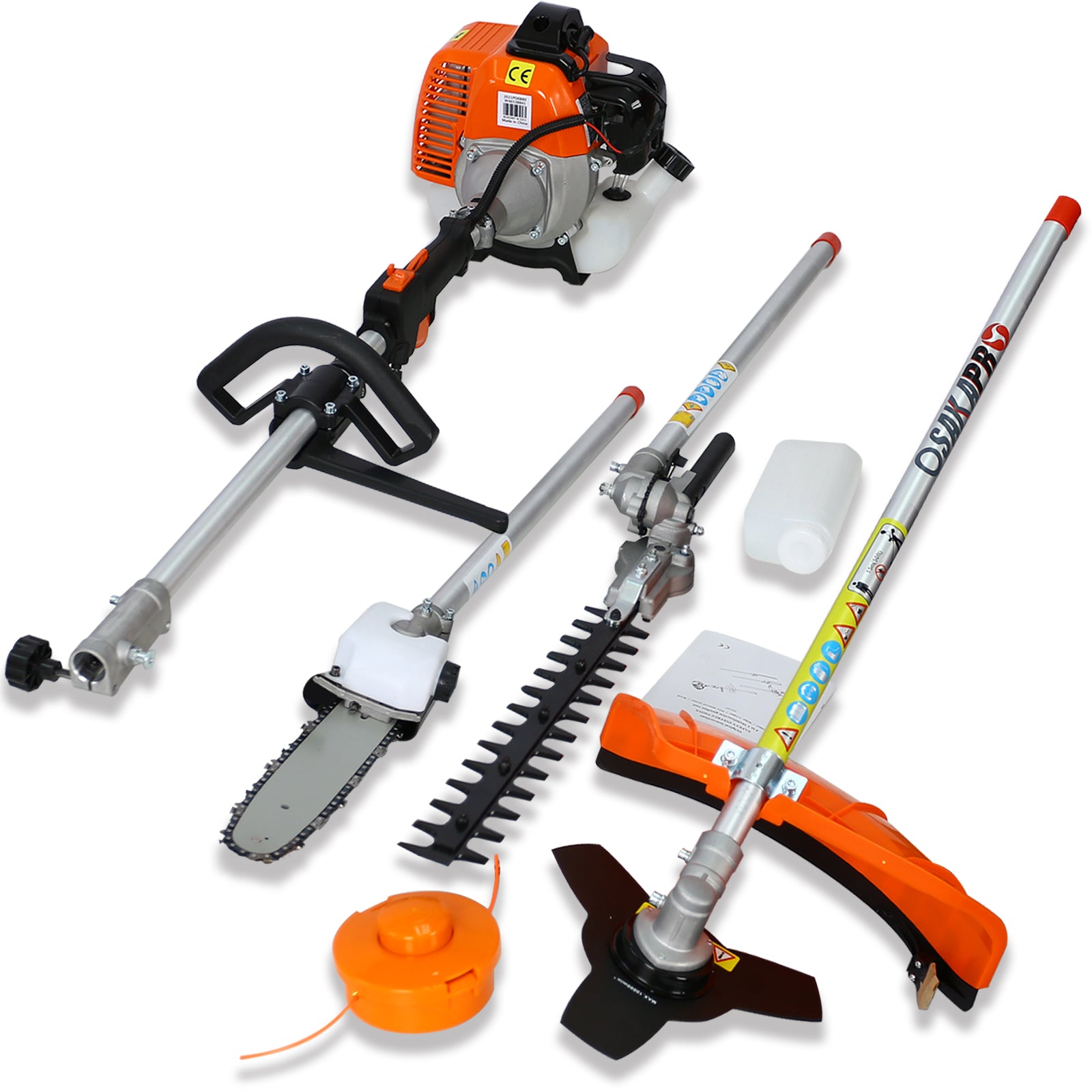
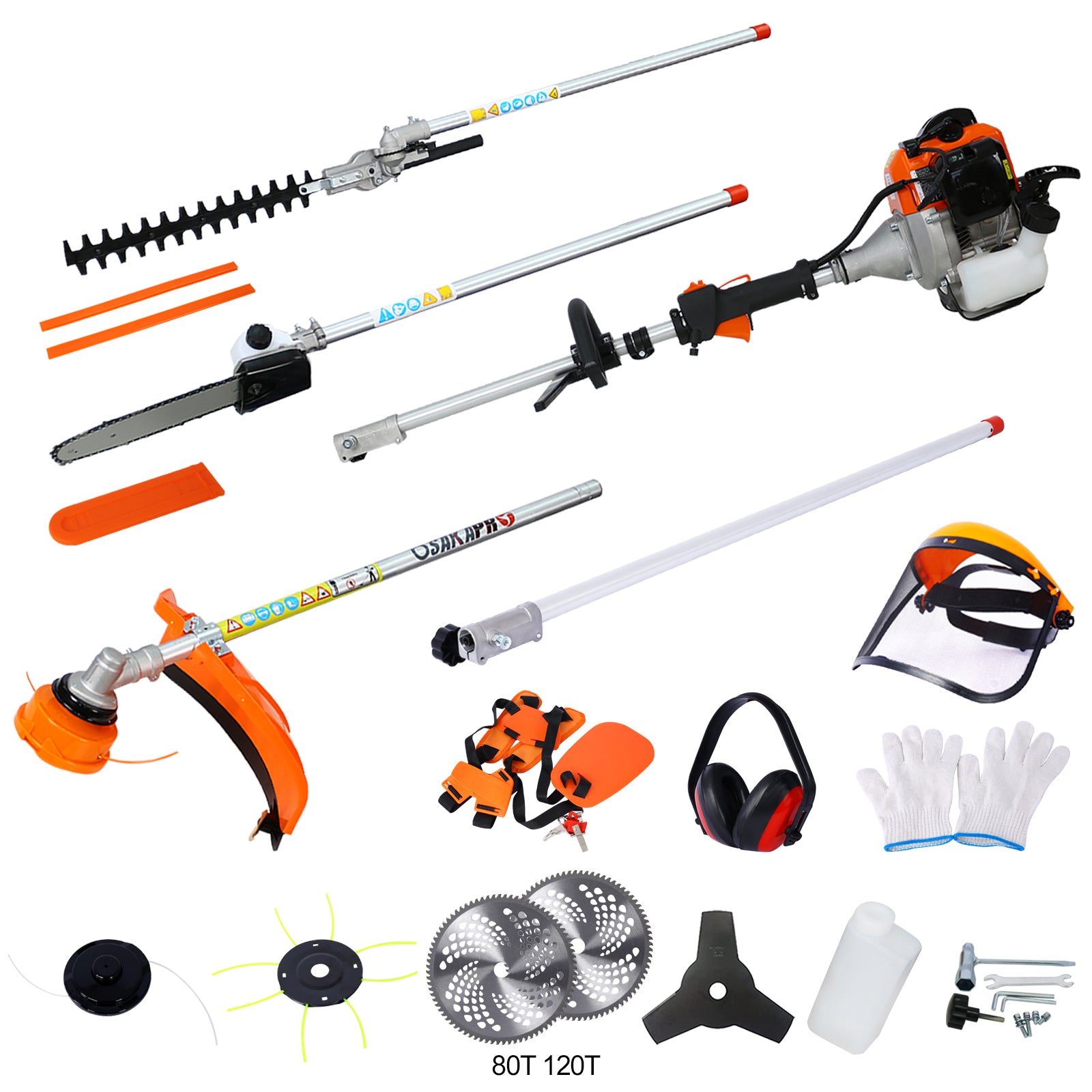
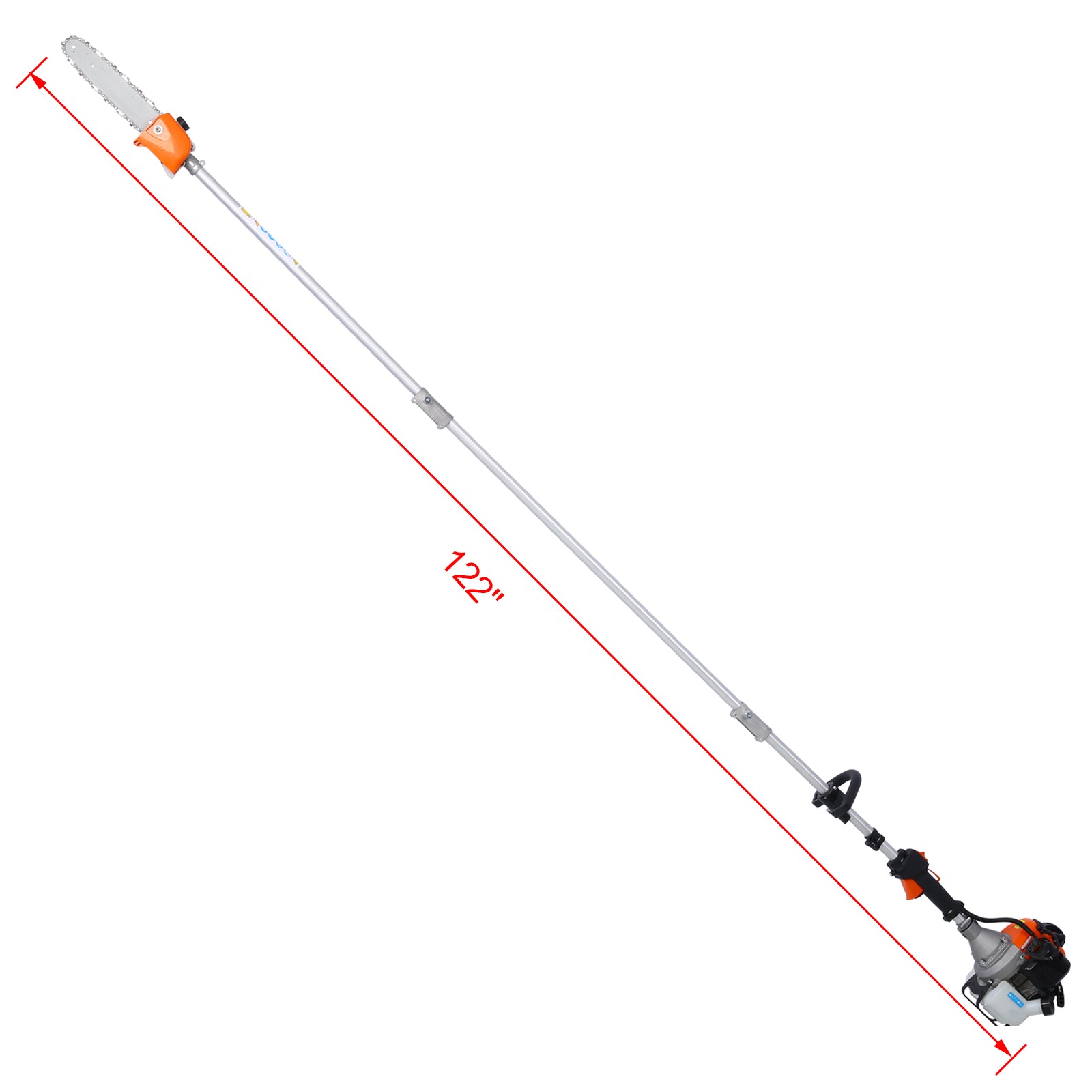
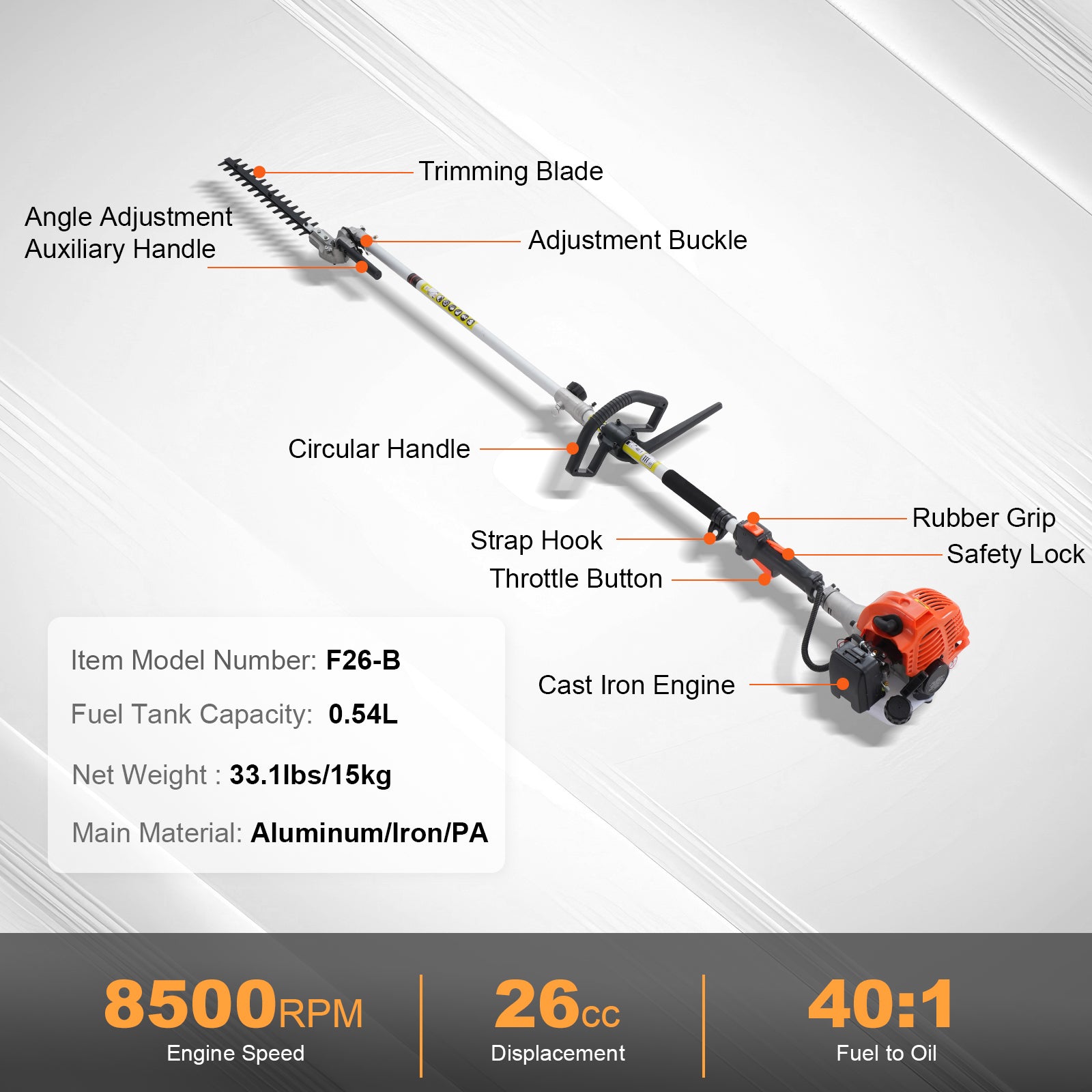
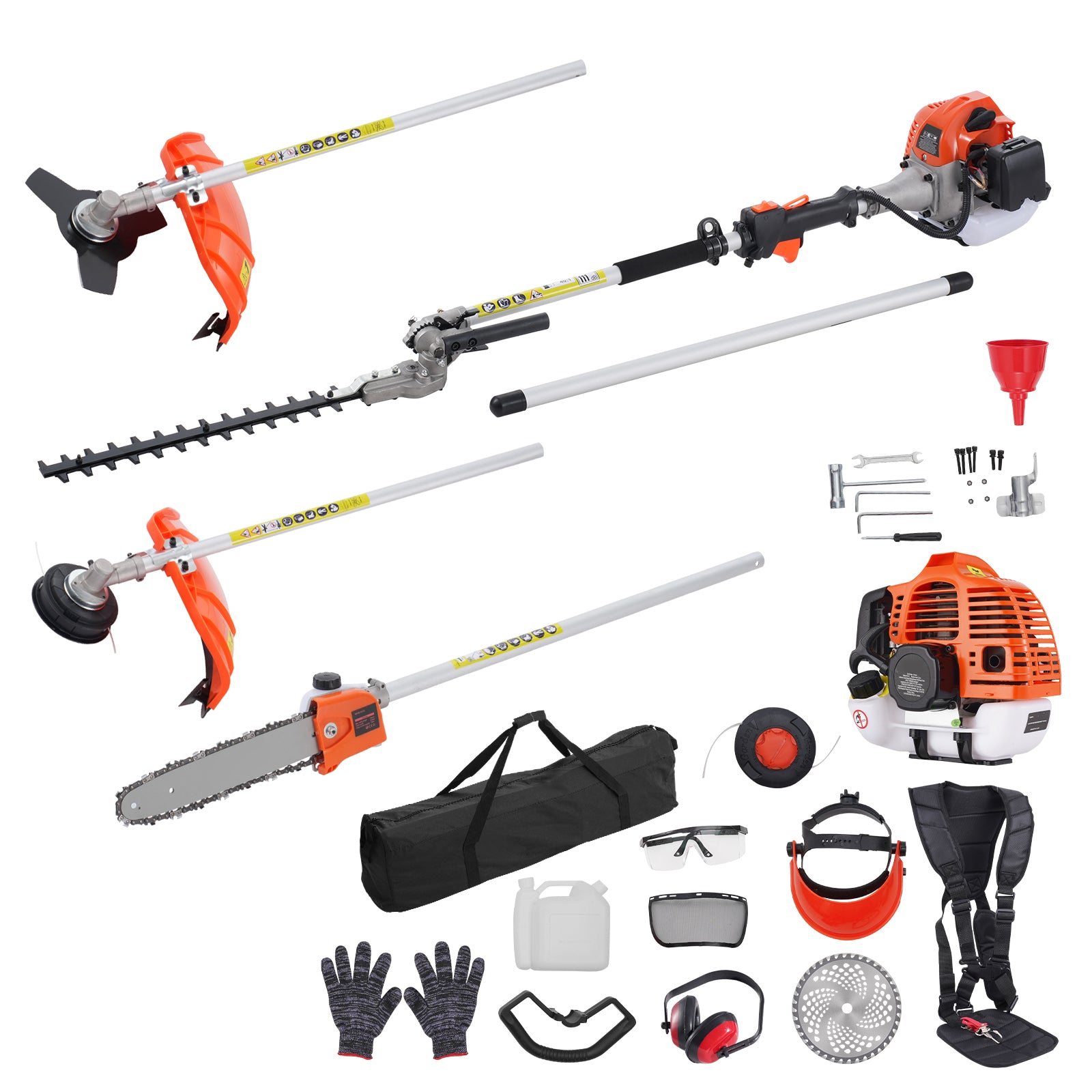
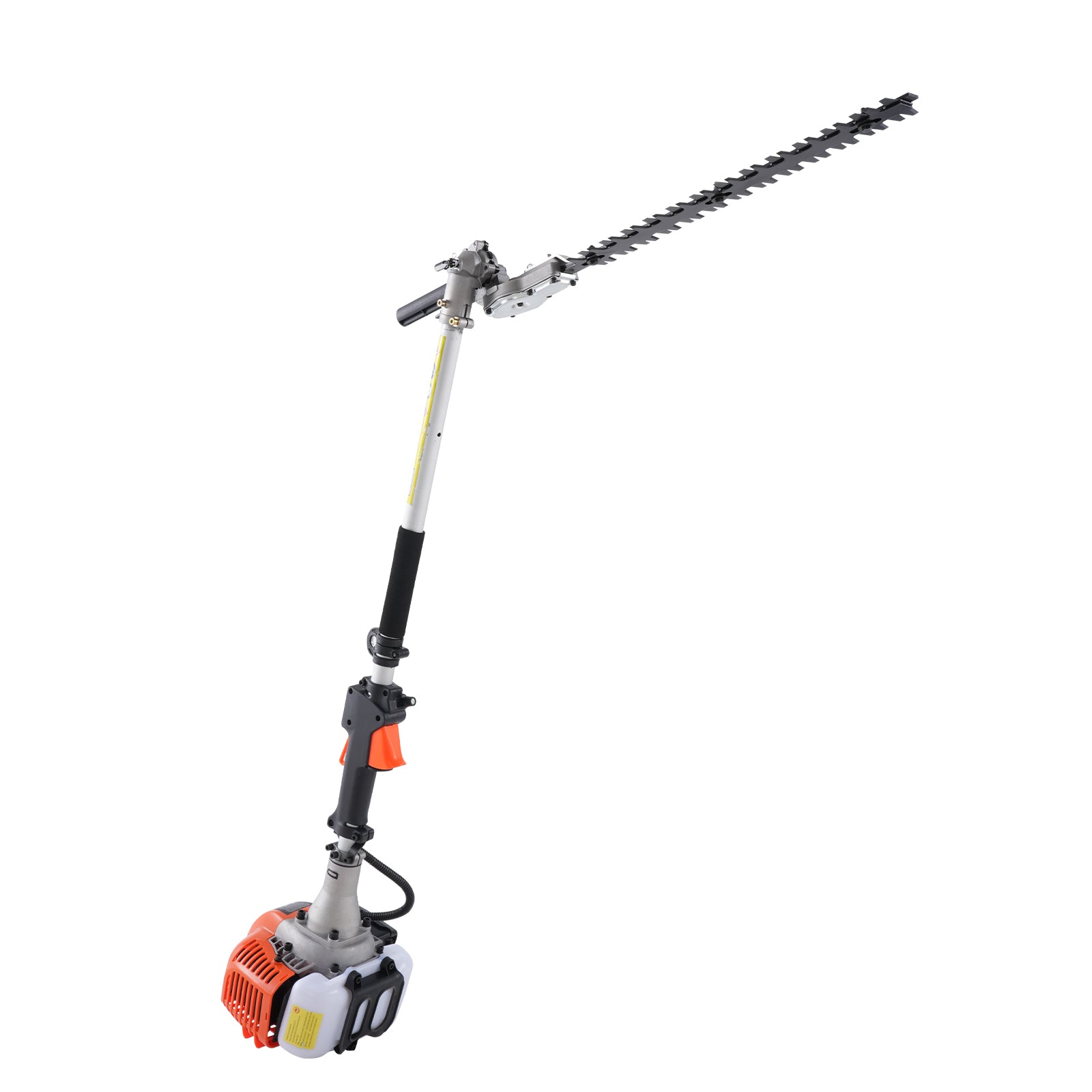
When shopping for a tree pruner pole, the first decision is power source: manual pole pruner, cordless pole pruner (battery), or gas pole saw. Each has unique strengths. A manual unit gives you complete control, zero emissions, and whisper‑quiet operation — perfect for suburban neighborhoods with noise restrictions. A cordless pole pruner or electric pole pruner bridges the gap by providing effortless cutting without the weight of a gas engine, and today’s lithium batteries easily handle most residential pruning sessions. For professional landscapers or those with massive properties, nothing beats the raw power of a gas multi‑tool system, especially models with 10 or more attachments.
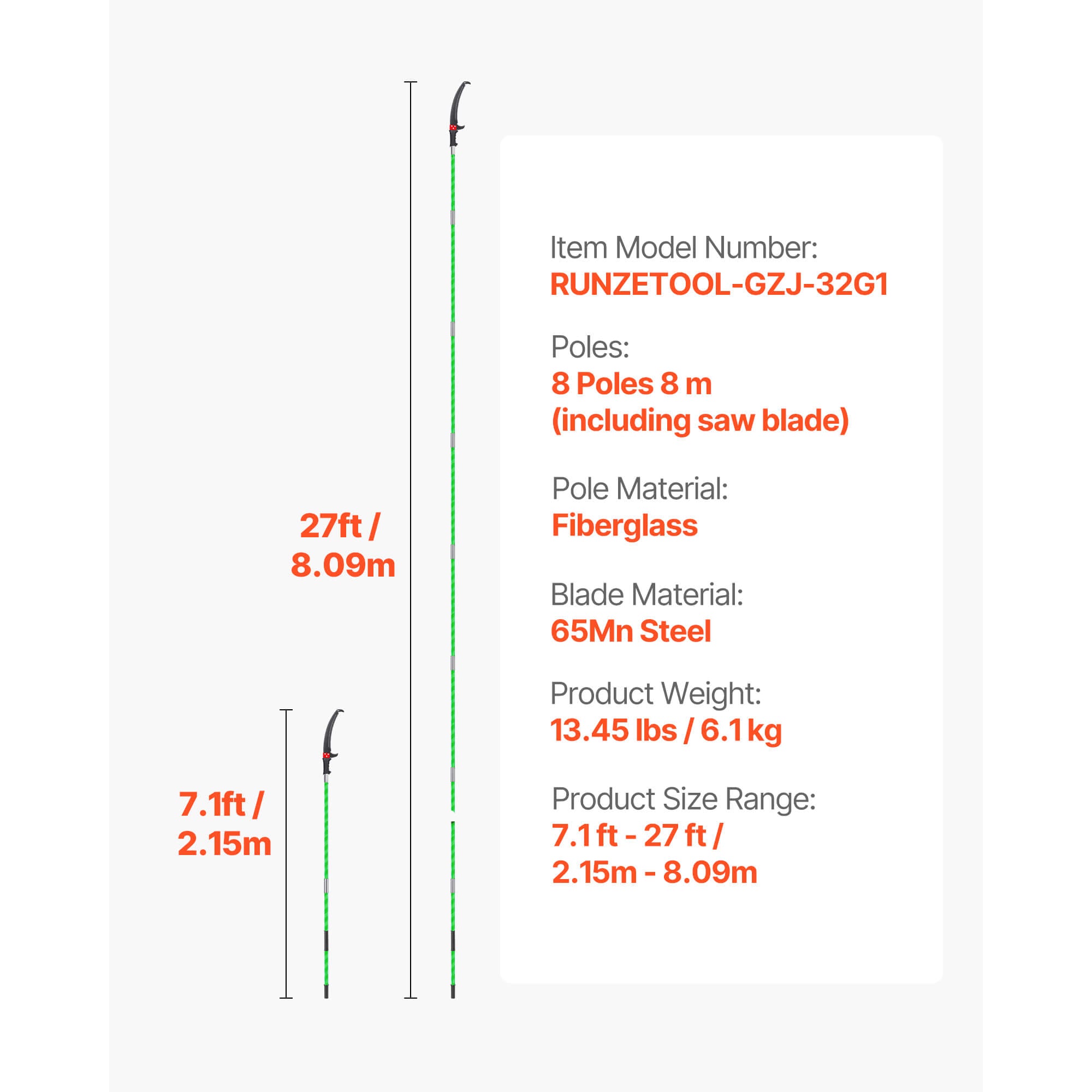
Also consider reach: a telescoping pole pruner should have a sturdy locking collar and a lightweight but rigid pole material — fiberglass is excellent for reducing vibration and insulating against electrical hazards, while aluminum is lighter but conductive. Finally, pay close attention to blade quality: Japanese SK5 steel or 65Mn carbon steel provides long‑lasting sharpness and rust resistance. By matching these features to your specific trees and cutting frequency, you’ll end up with a long reach pruner that turns a dreaded weekend chore into a quick, satisfying task.
At HomeDIYer, we’ve assembled only the highest‑performing models from trusted brands. Whether you need a simple manual telescoping pole pruner for a few fruit trees or a professional 12‑in‑1 gas system for a commercial landscaping fleet, you’ll find it here. Use the comparison table above to weigh features side‑by‑side, and check our maintenance guide to keep your gear in top shape for years to come.
Frequently Asked Questions — Pole Pruners & Pole Saws
What’s the difference between a pole pruner and a pole saw?
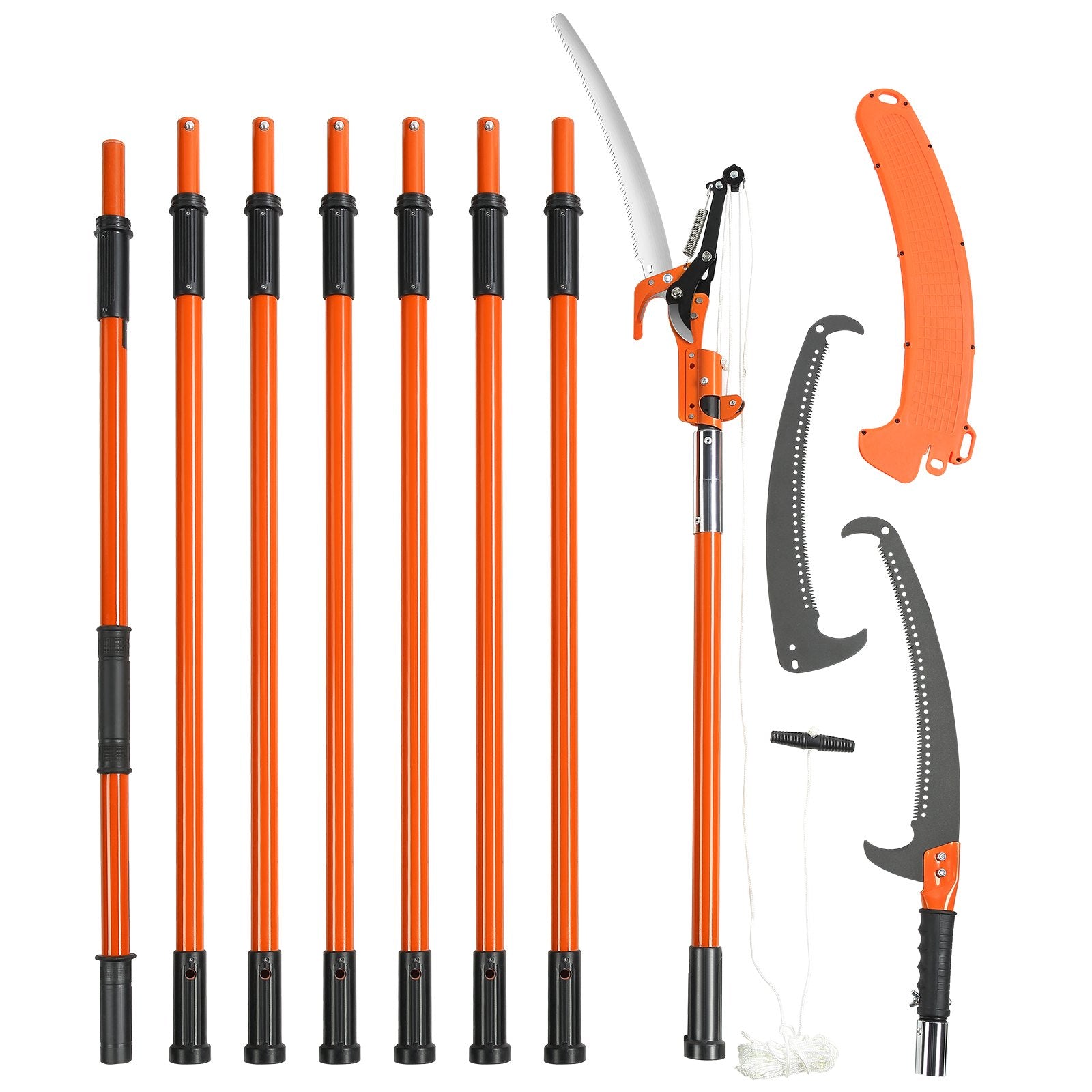
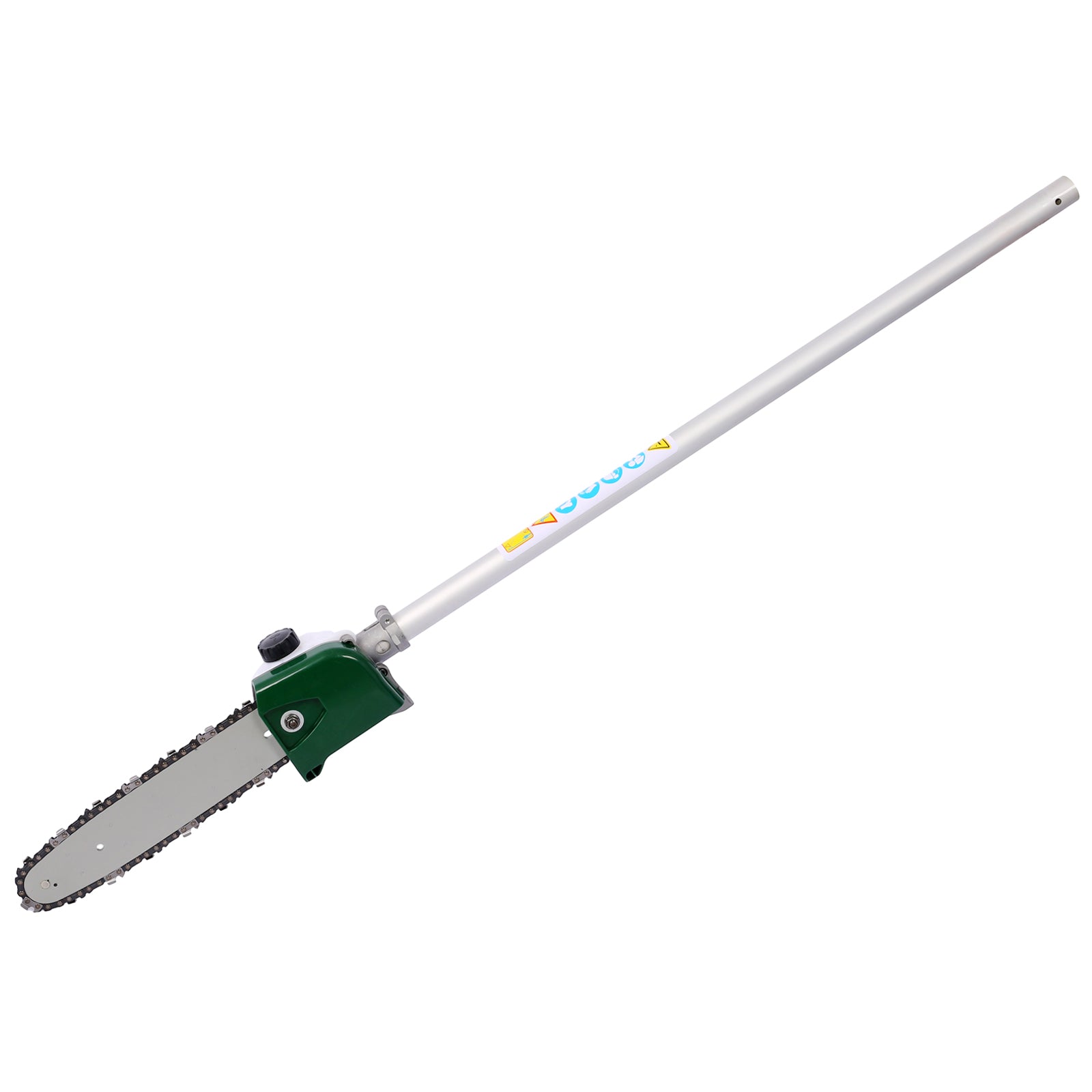
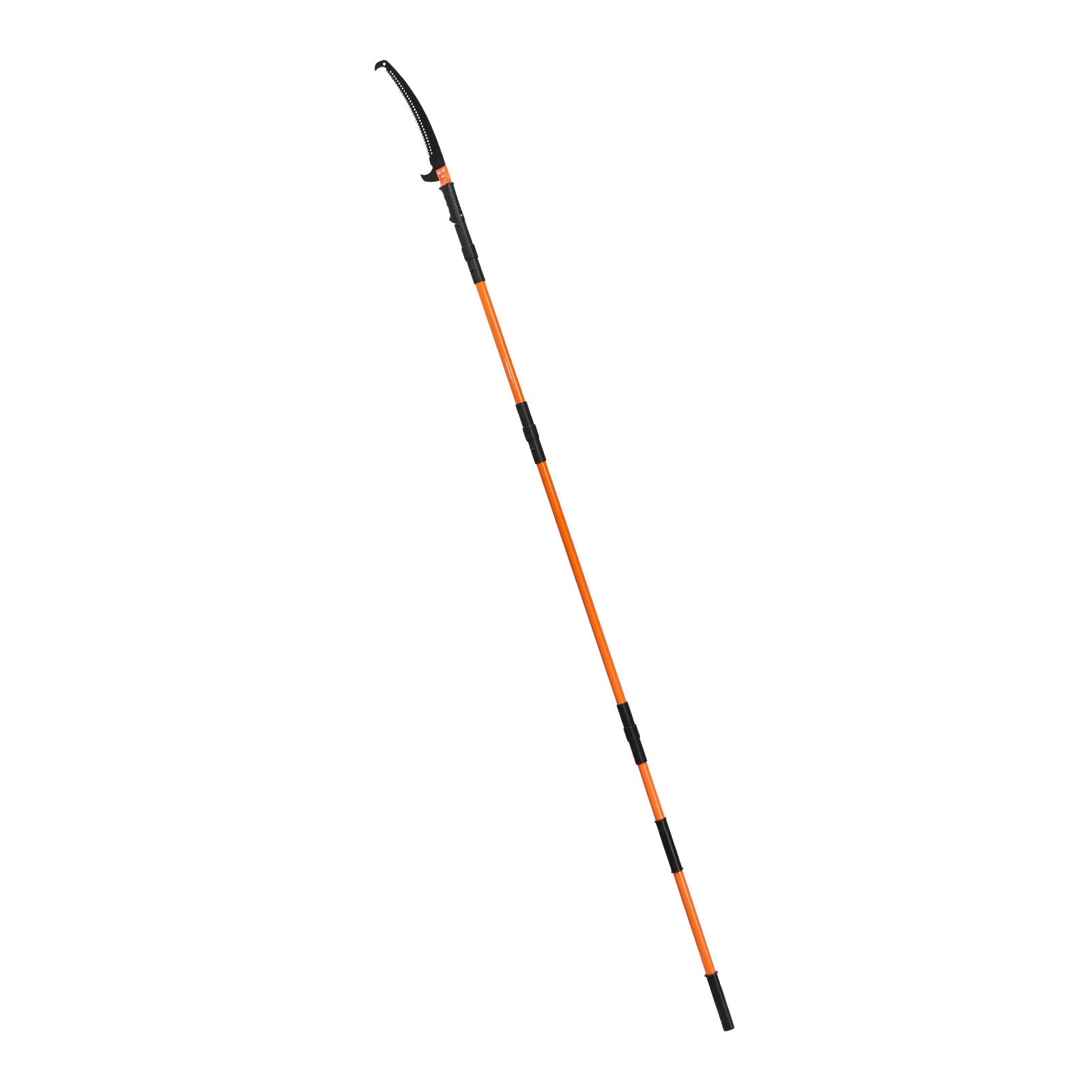
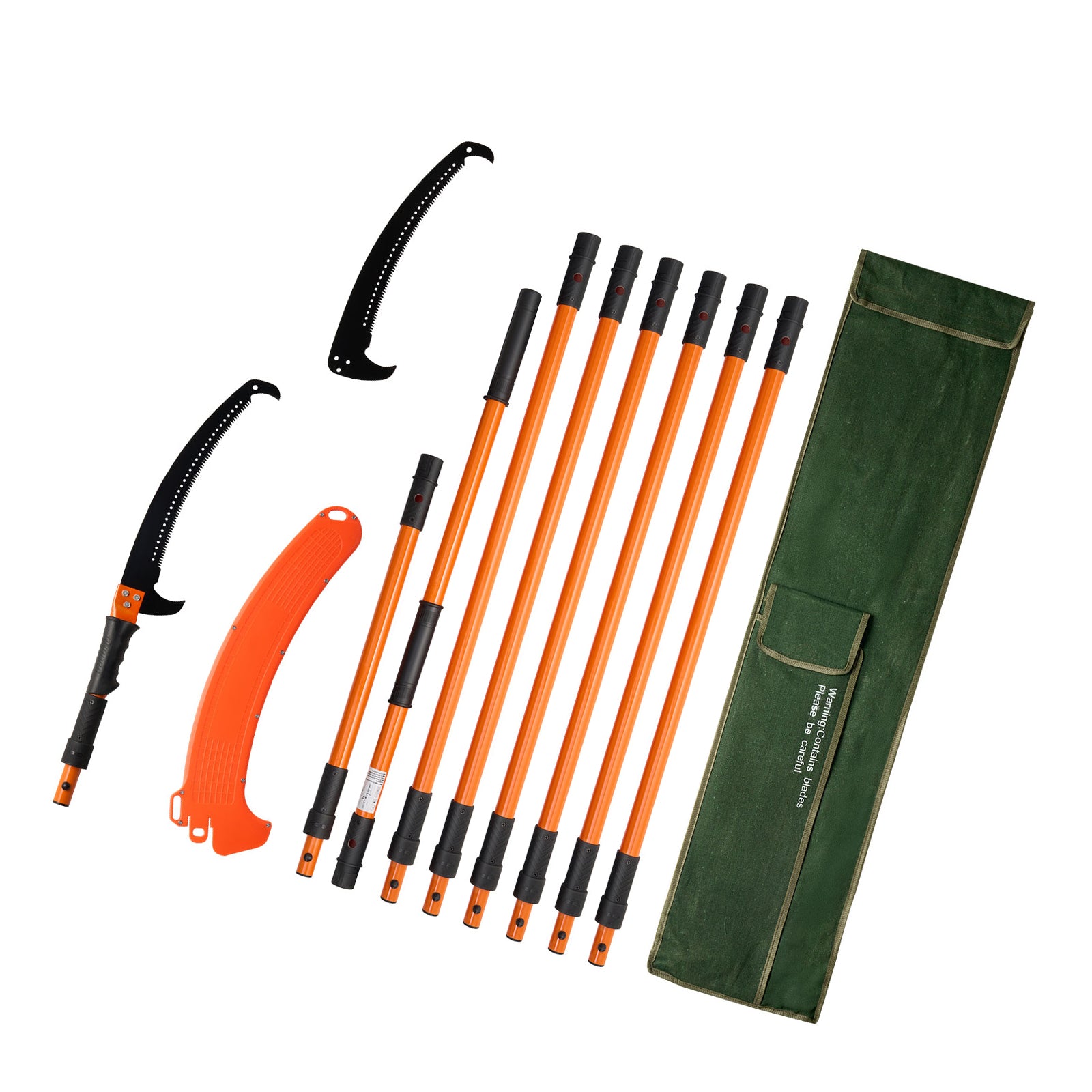
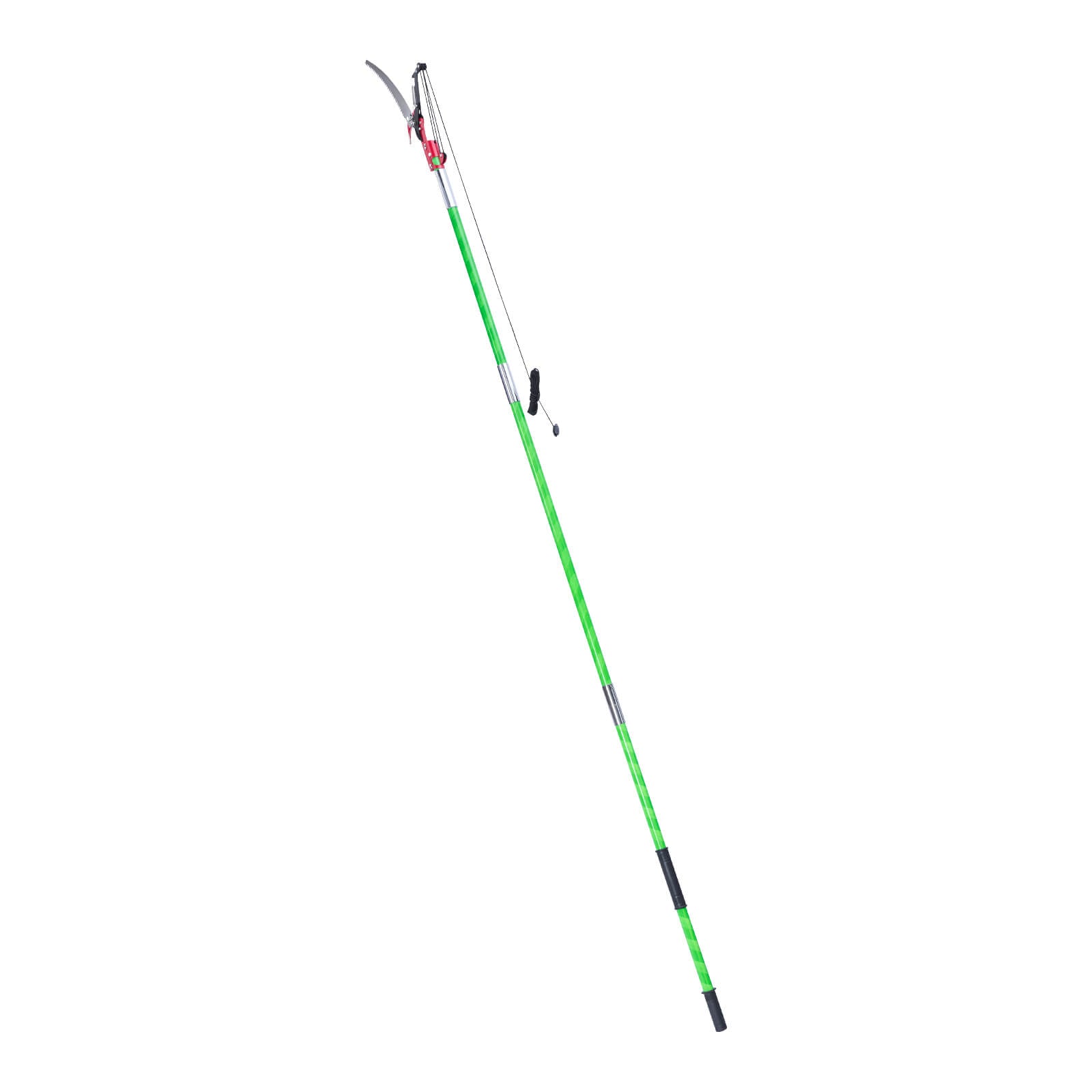
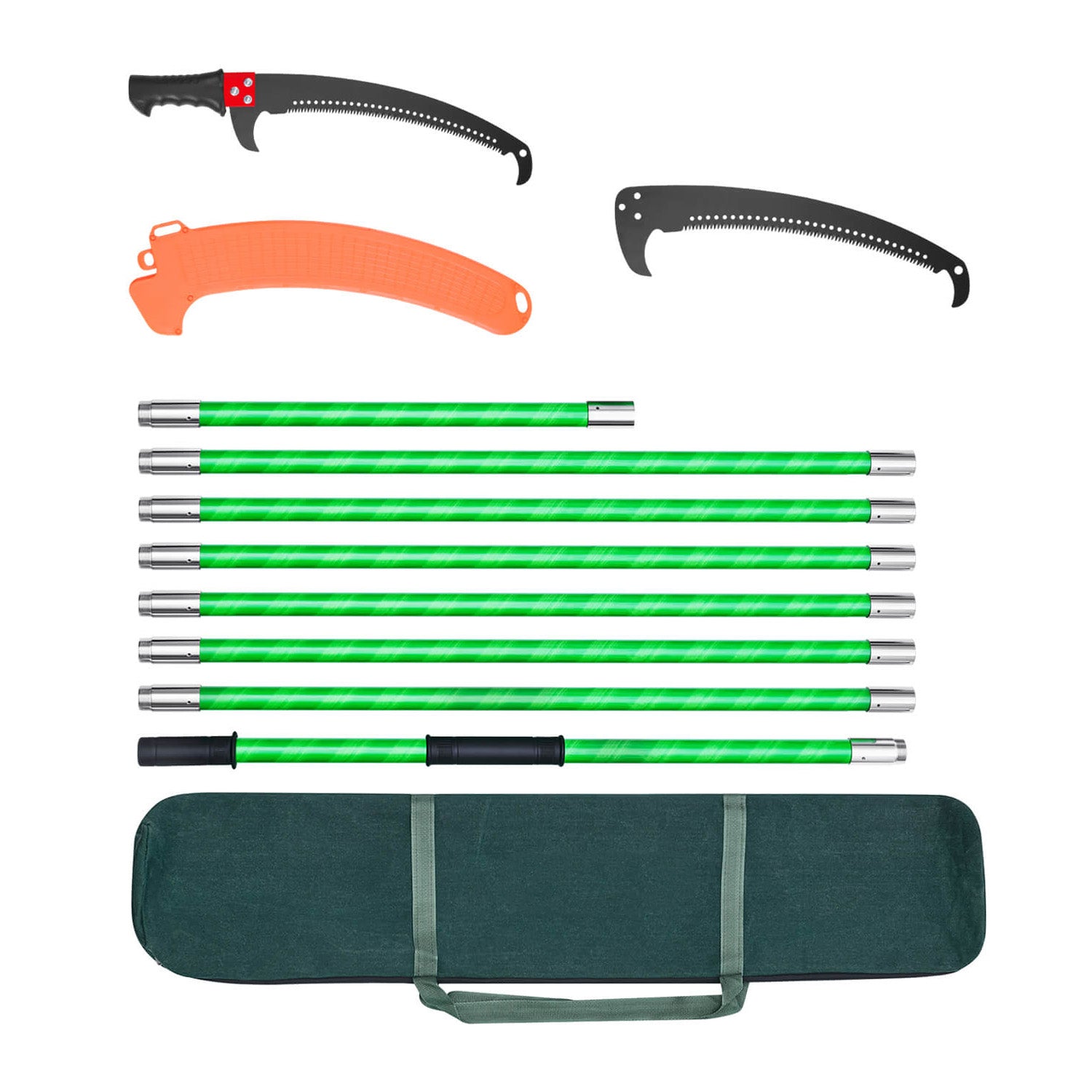
A pole pruner typically uses a hooked bypass blade and a rope‑and‑pulley mechanism to snip branches cleanly — best for live wood up to about 1.5 inches thick. A pole saw has a reciprocating or fixed saw blade for thicker, dead, or hardwood limbs. Many products combine both tools on one pole for maximum versatility, giving you a true 2‑in‑1 tree pruner pole solution.
How long of a telescoping pole pruner do I need for tall trees?
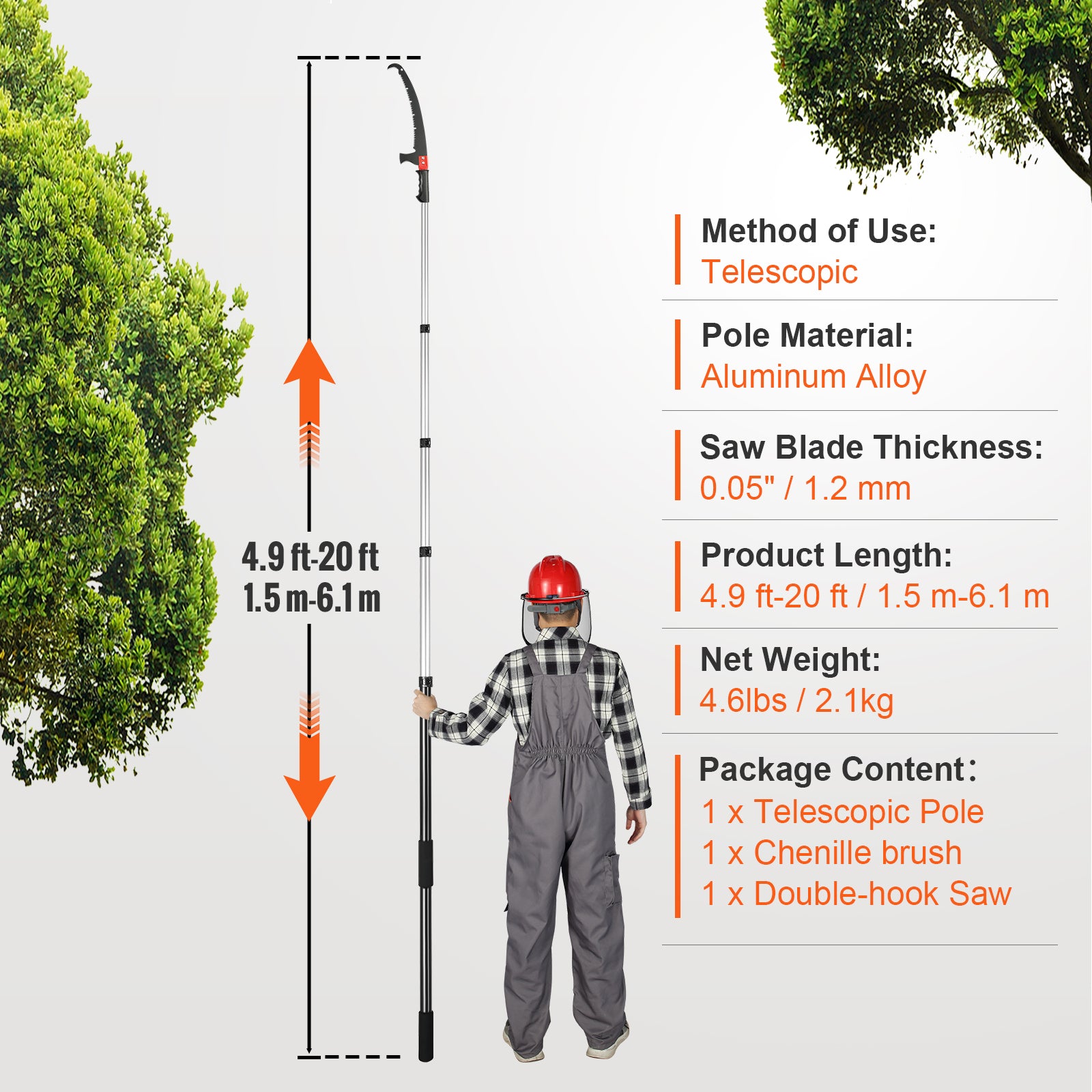
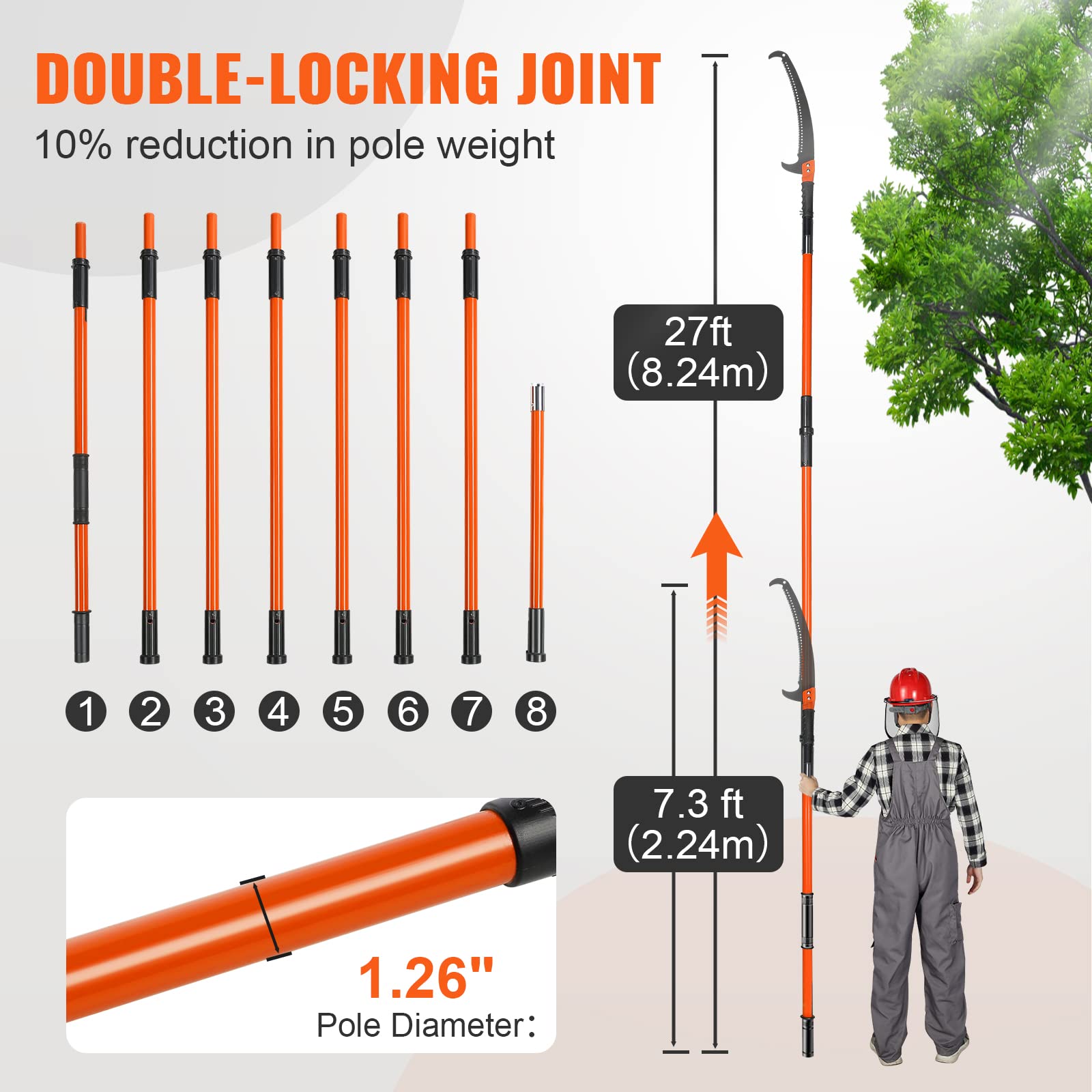
For most residential trees, a telescoping pole pruner extending to 12–16 ft gives you a total reach of 18–22 ft with your arm span. For taller trees — palms, mature oaks, or orchard trees over 25 ft — look for models that extend to 20–27 ft. Our collection covers the full range from 4.9 ft to 27 ft.
Are cordless pole pruners powerful enough for thick branches?
Modern 20V and 21V cordless pole pruners reliably handle branches up to 4–6 inches in diameter. For branches thicker than 6 inches, a gas‑powered multi‑tool system (33CC–63CC) delivers the sustained torque needed without bogging down mid‑cut.
What is a 6‑in‑1 or 12‑in‑1 gas garden tool system?
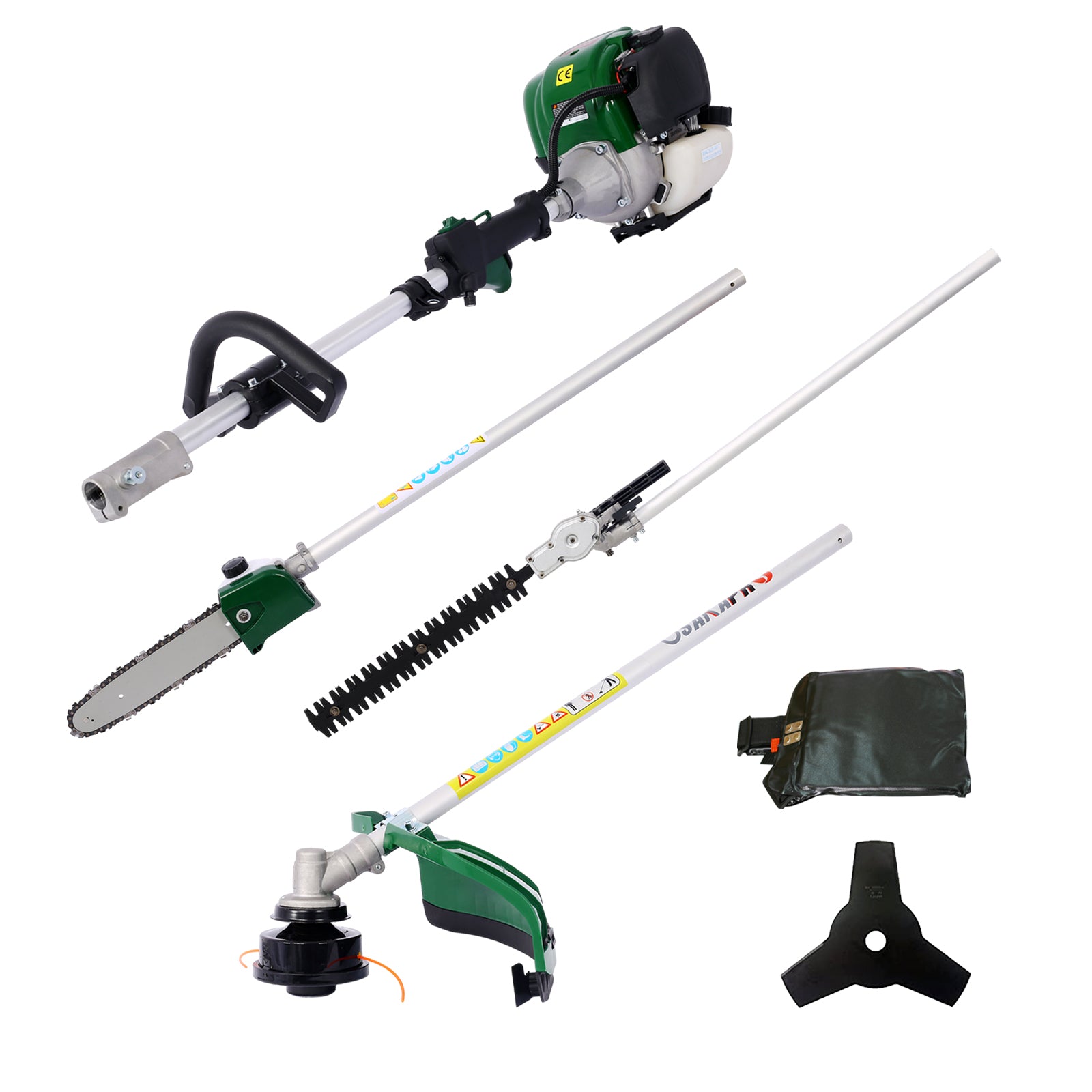
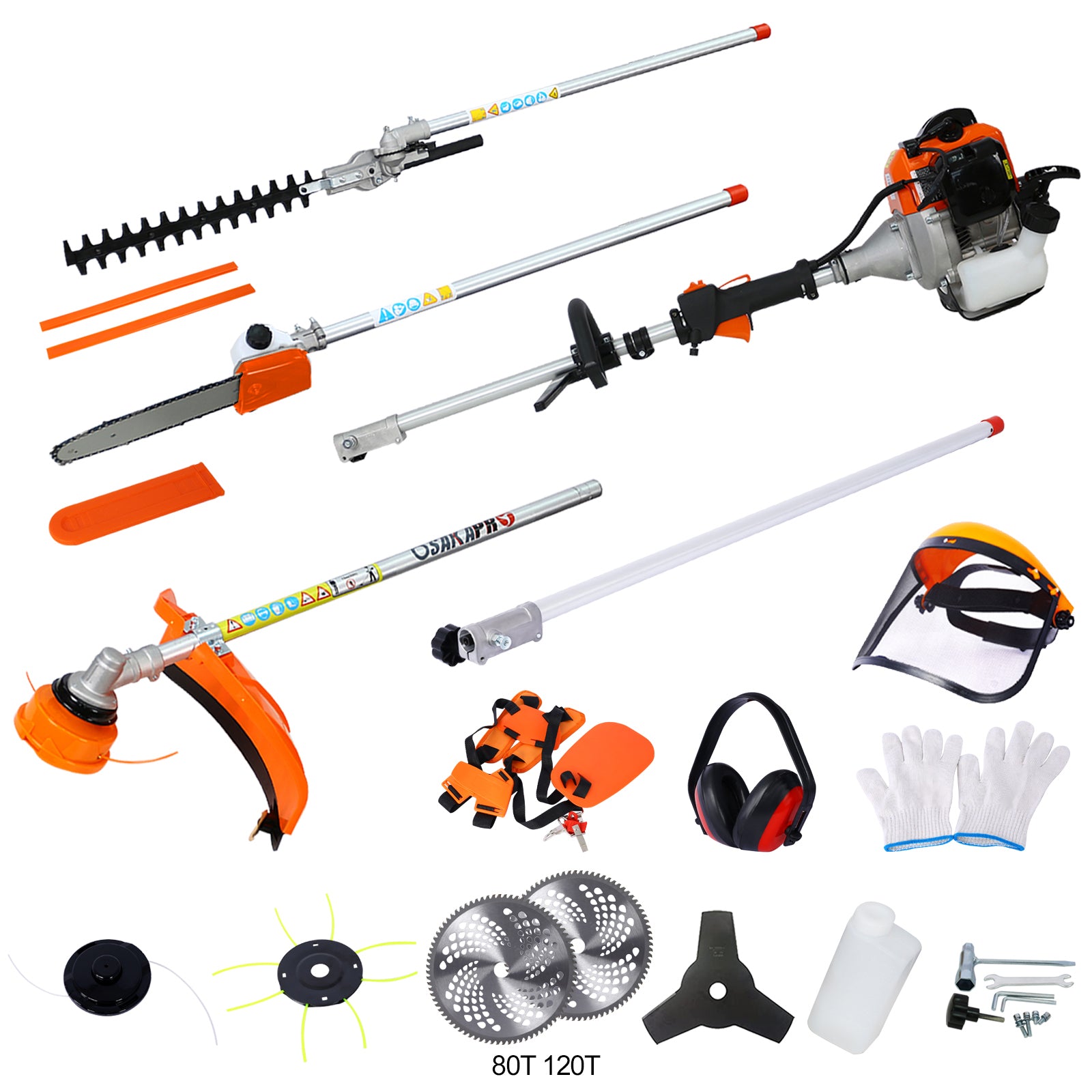
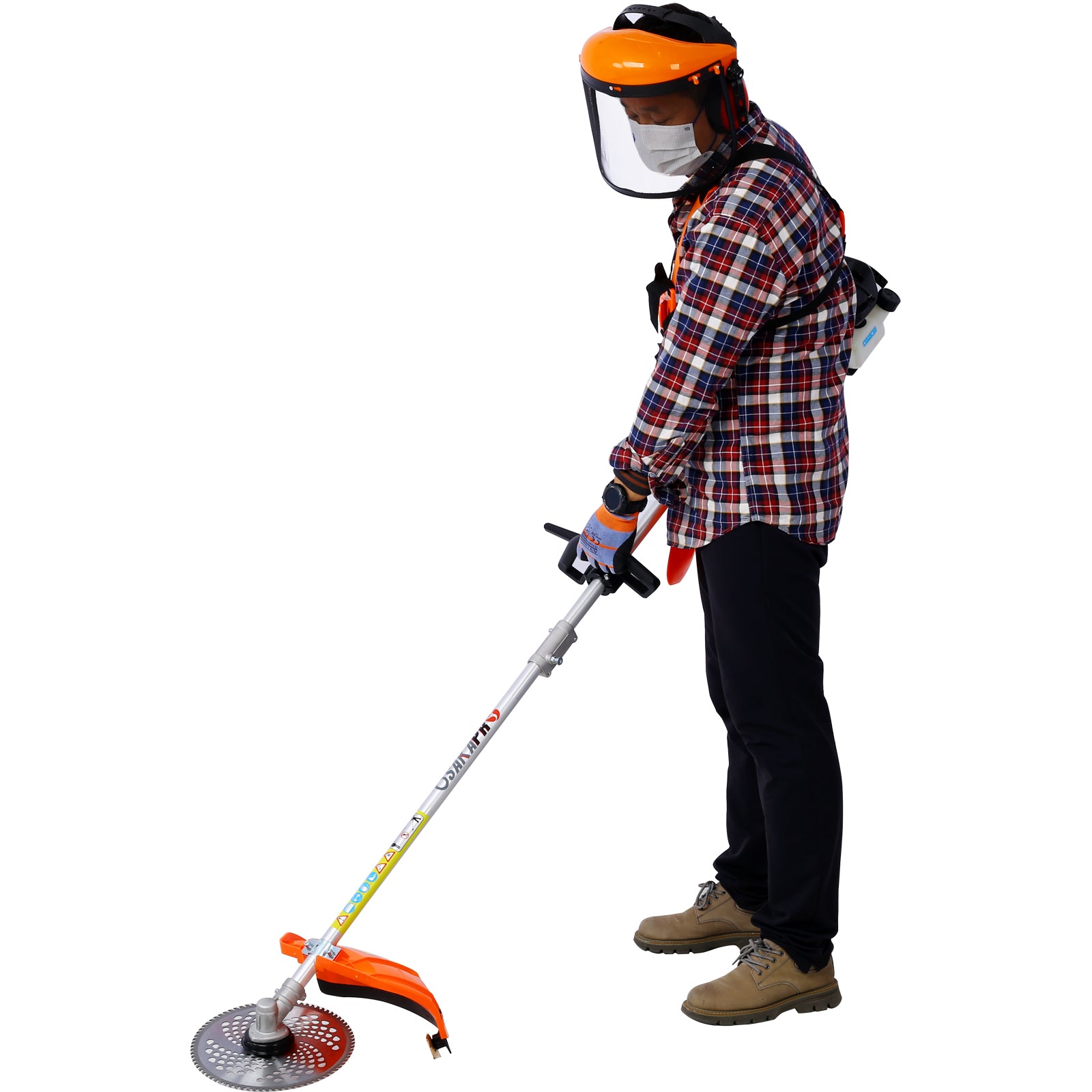
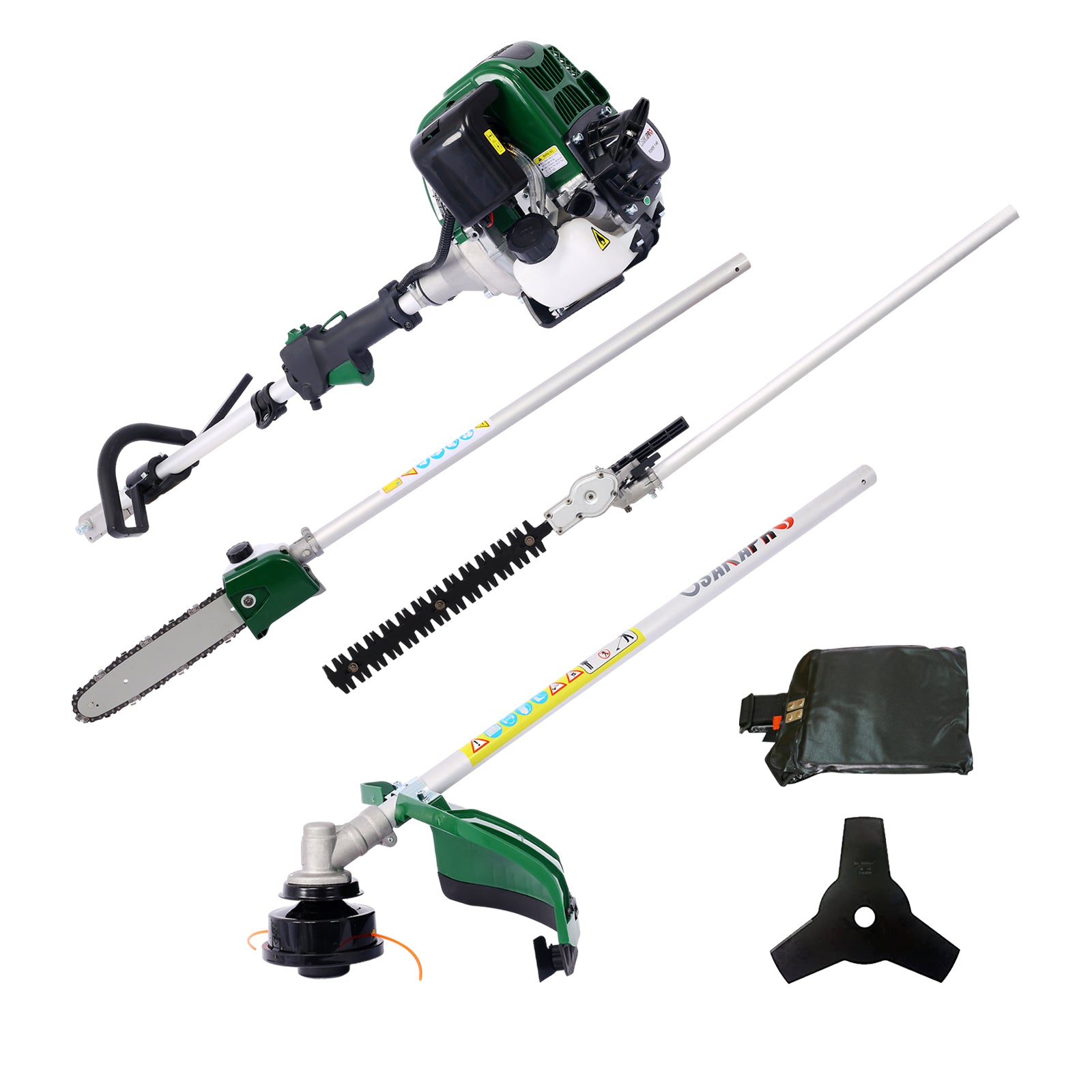
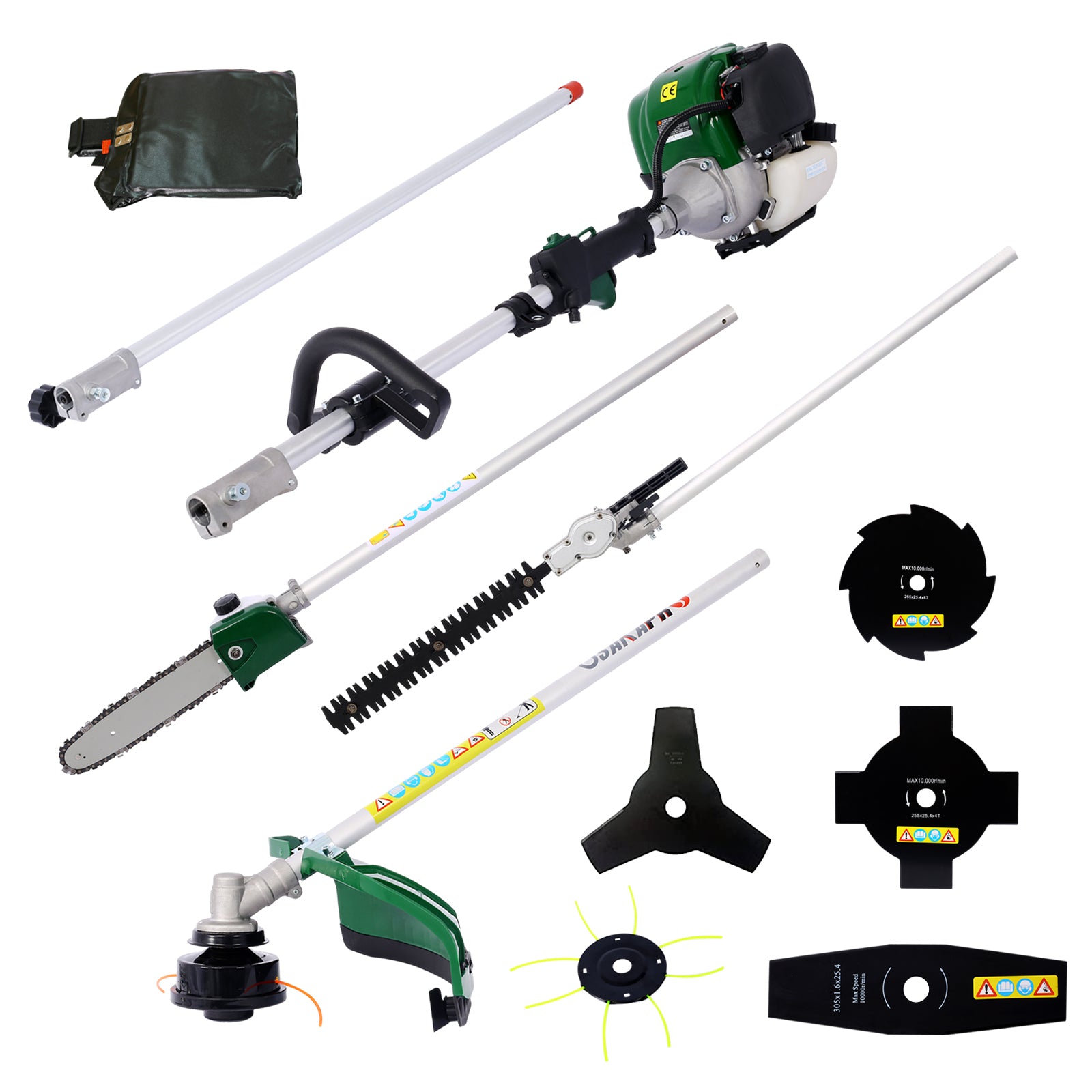
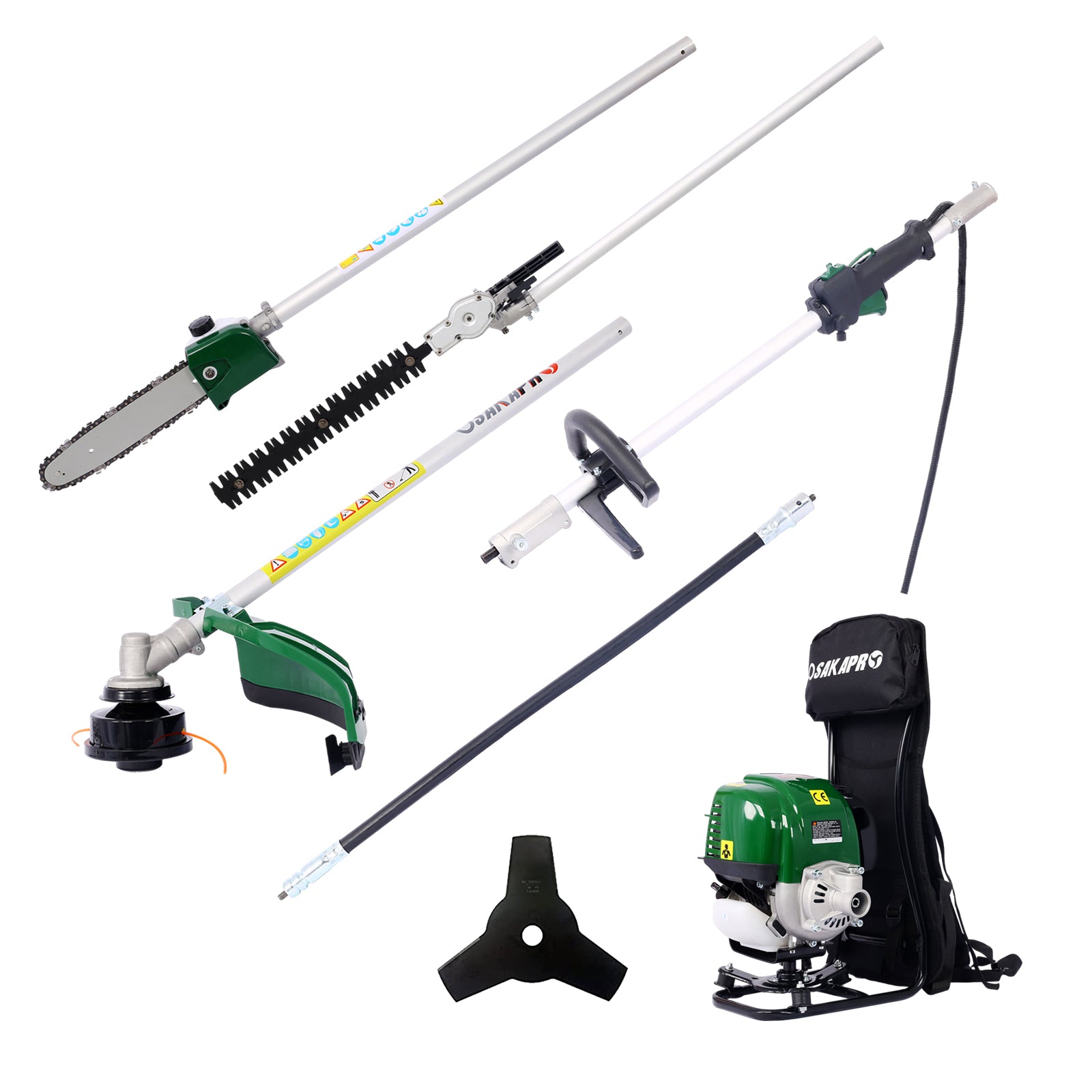
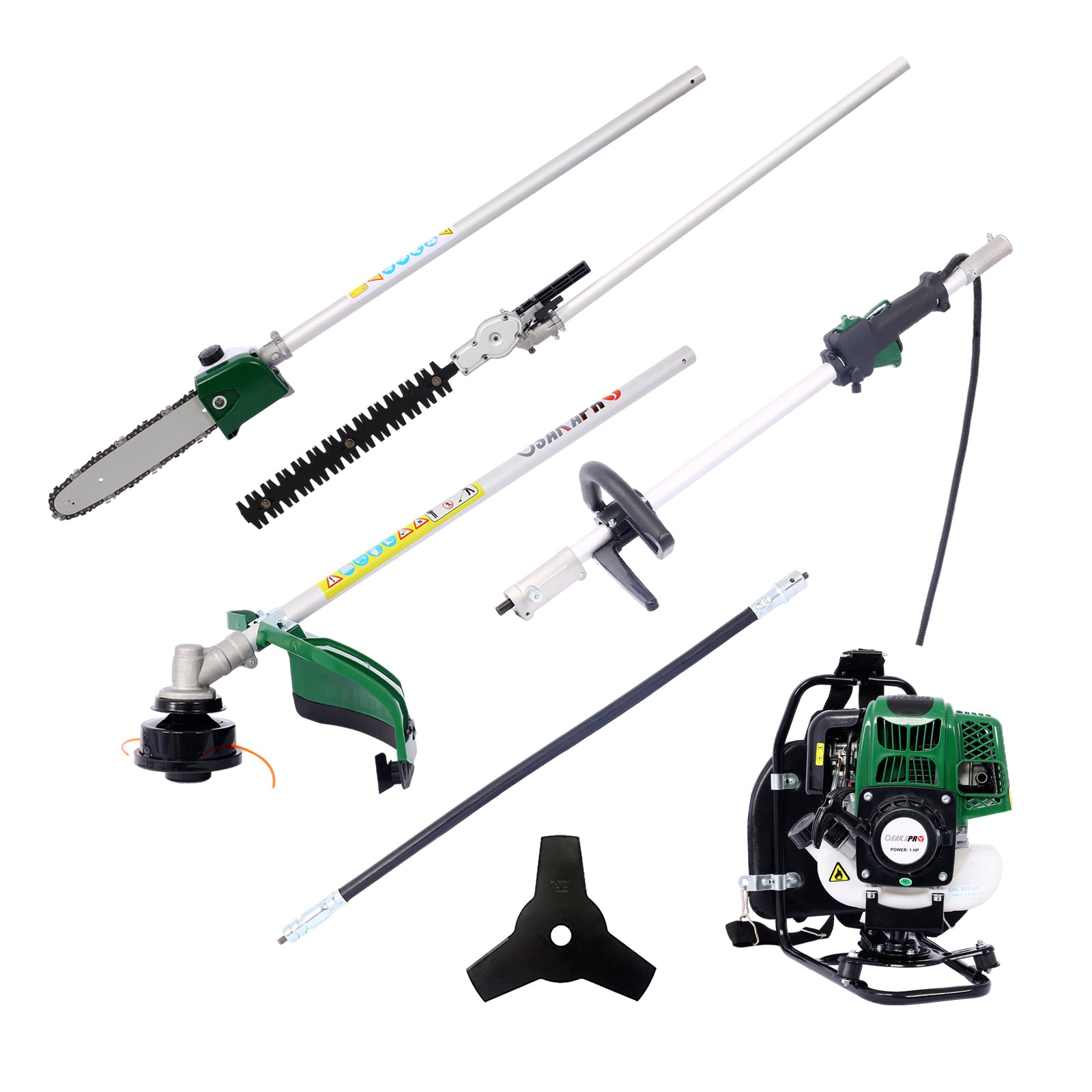
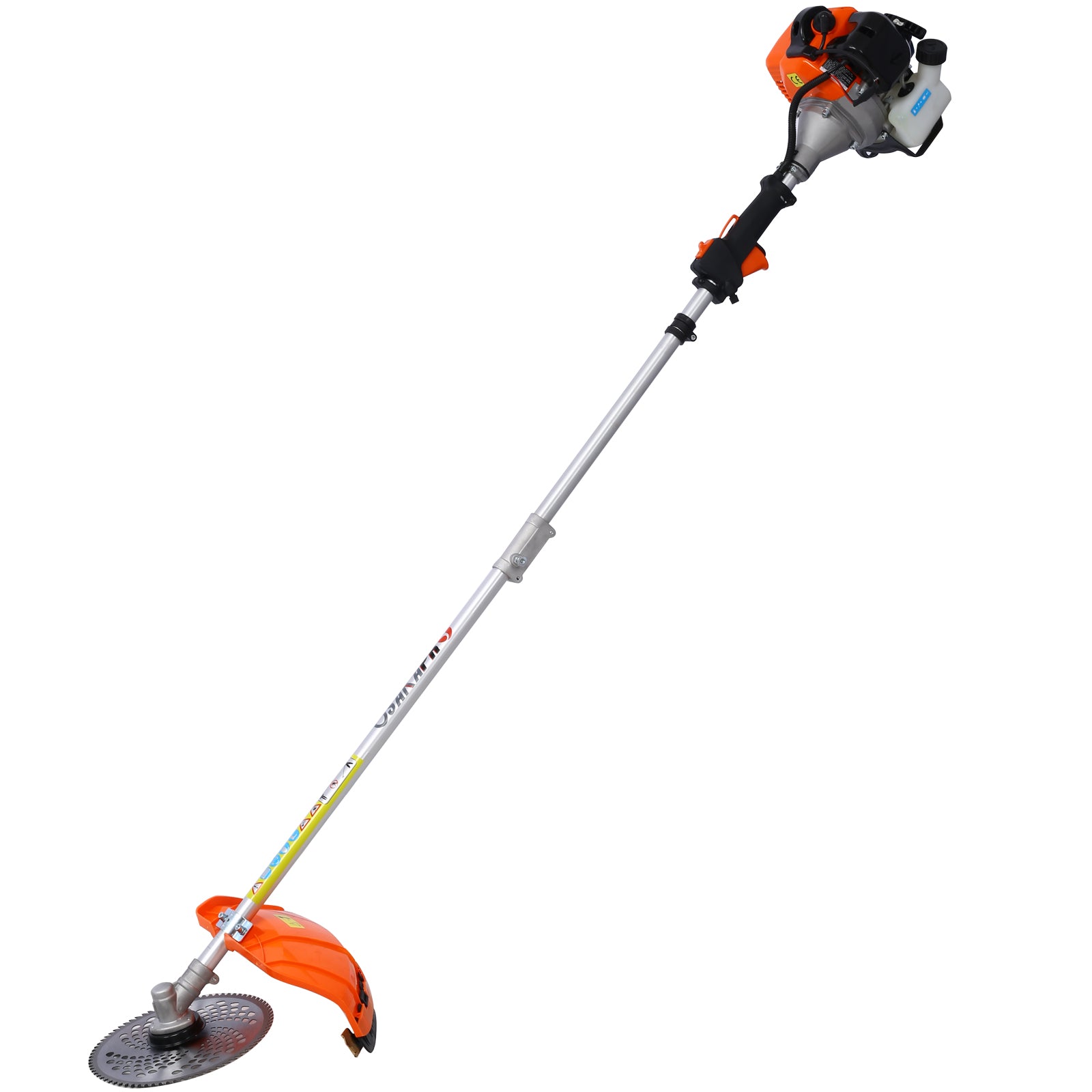
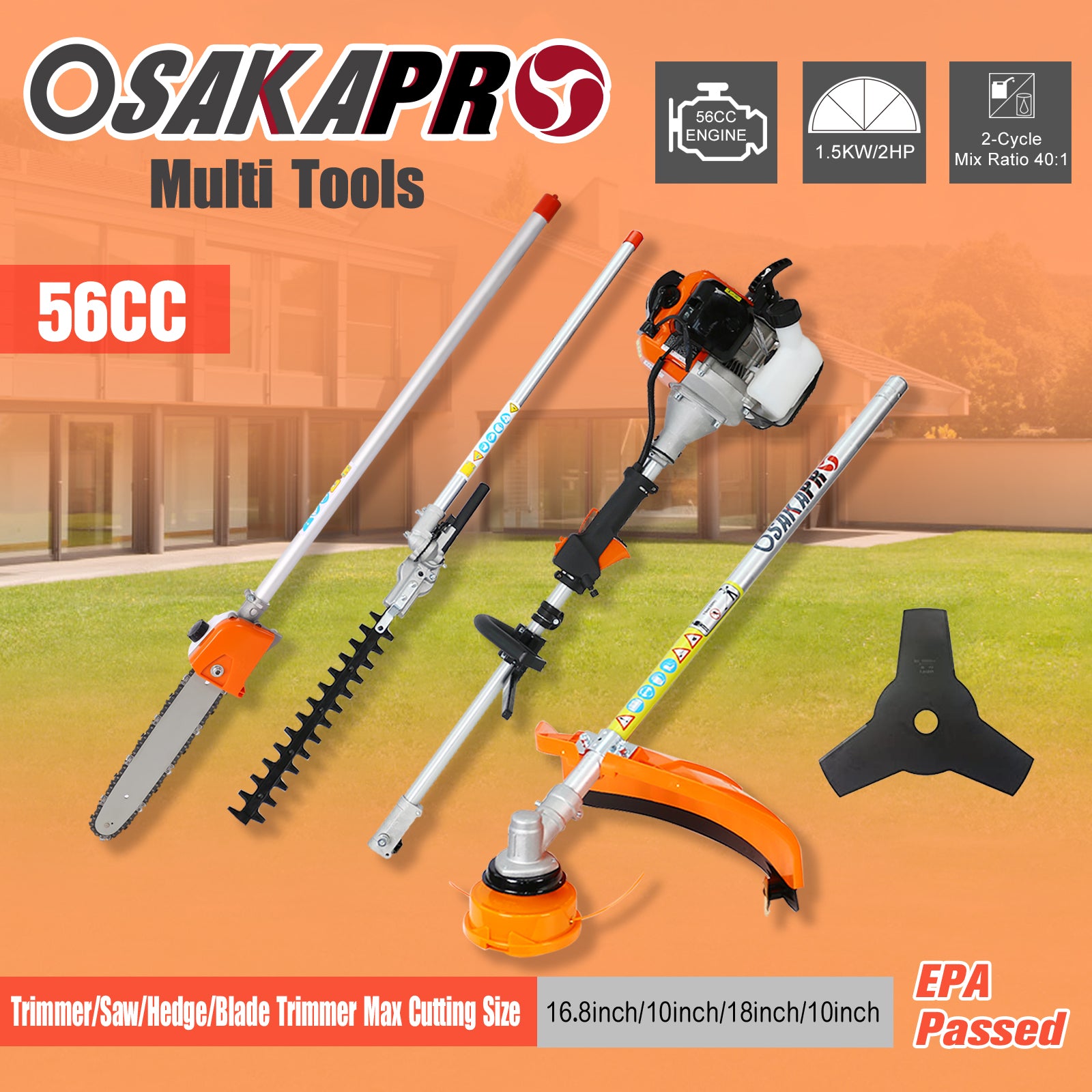
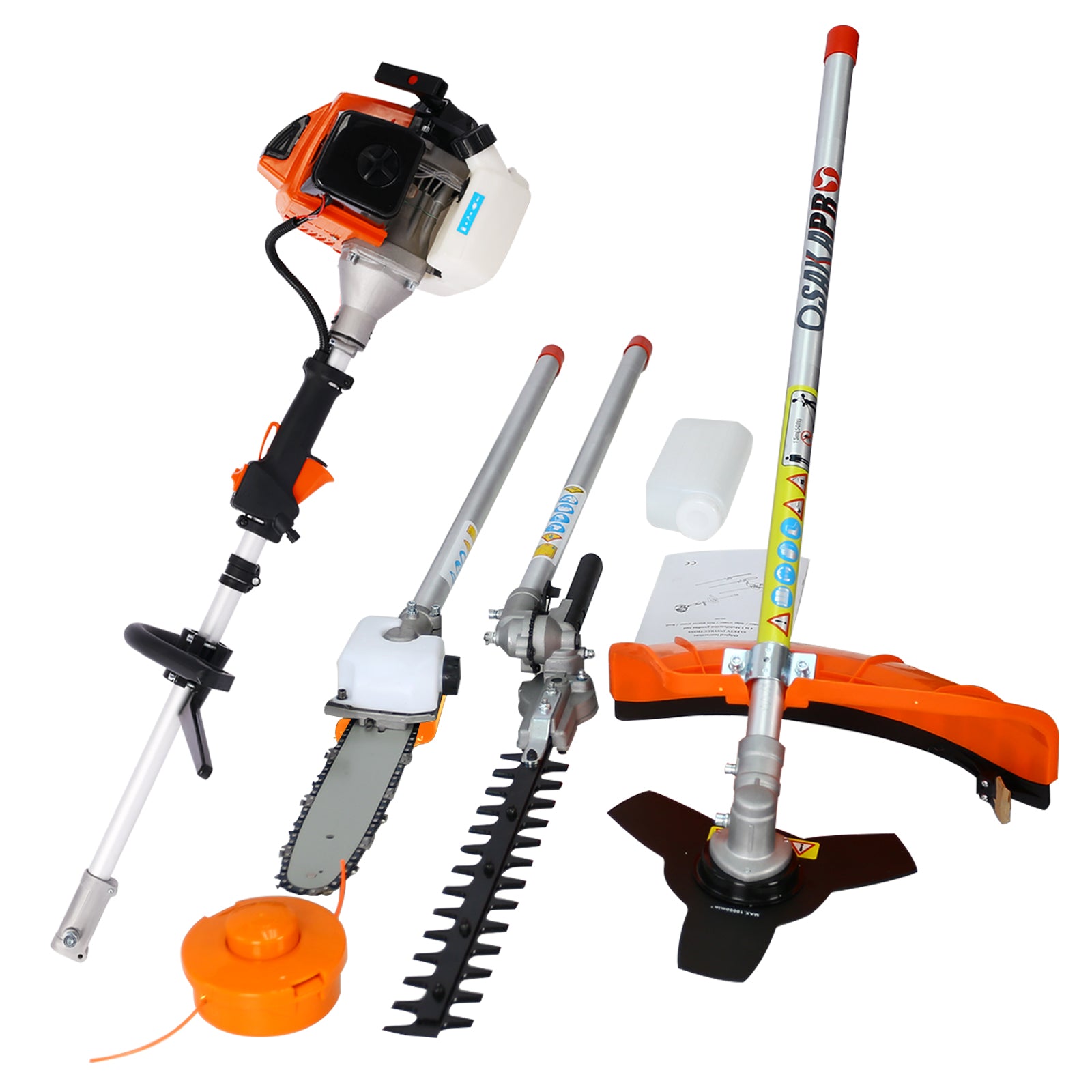
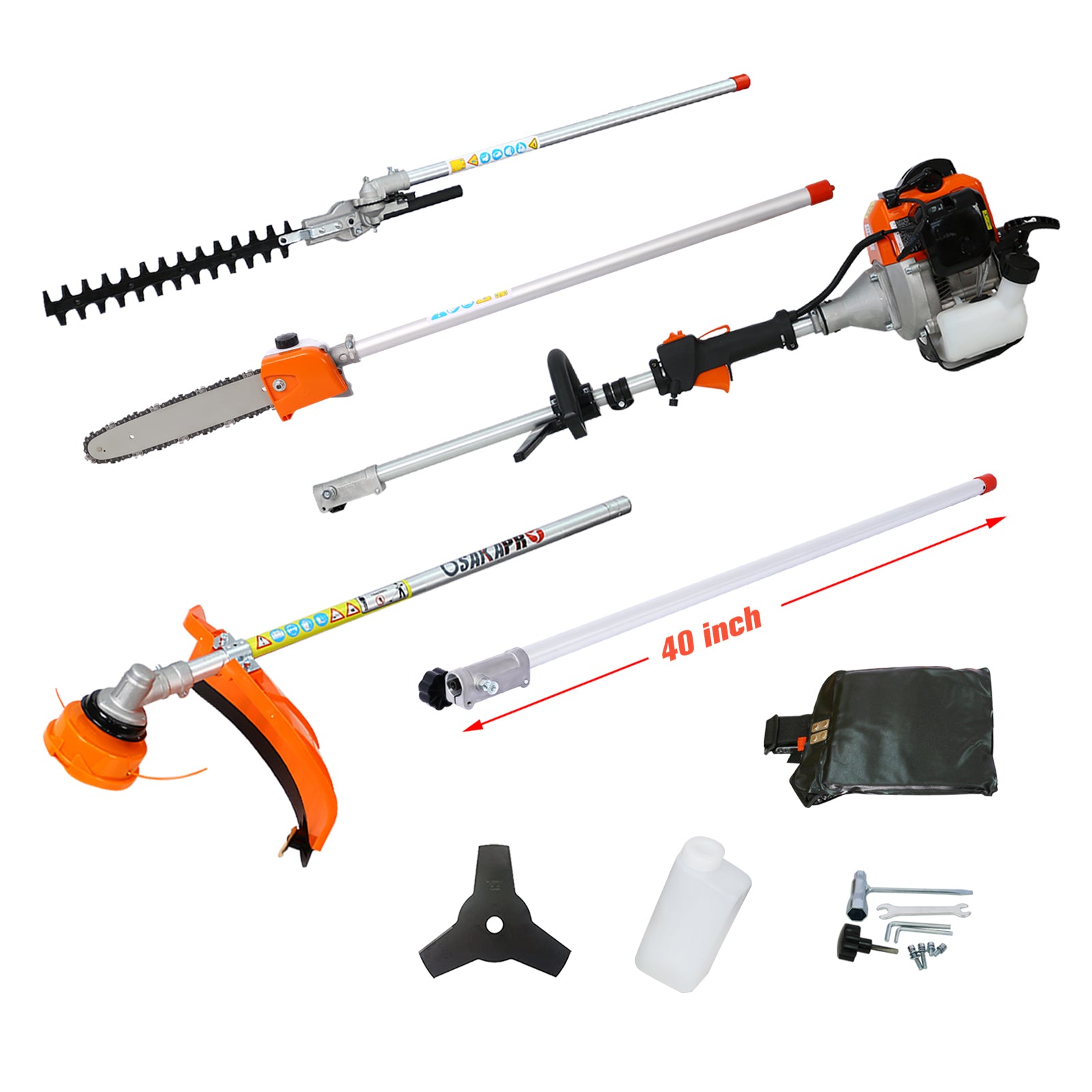
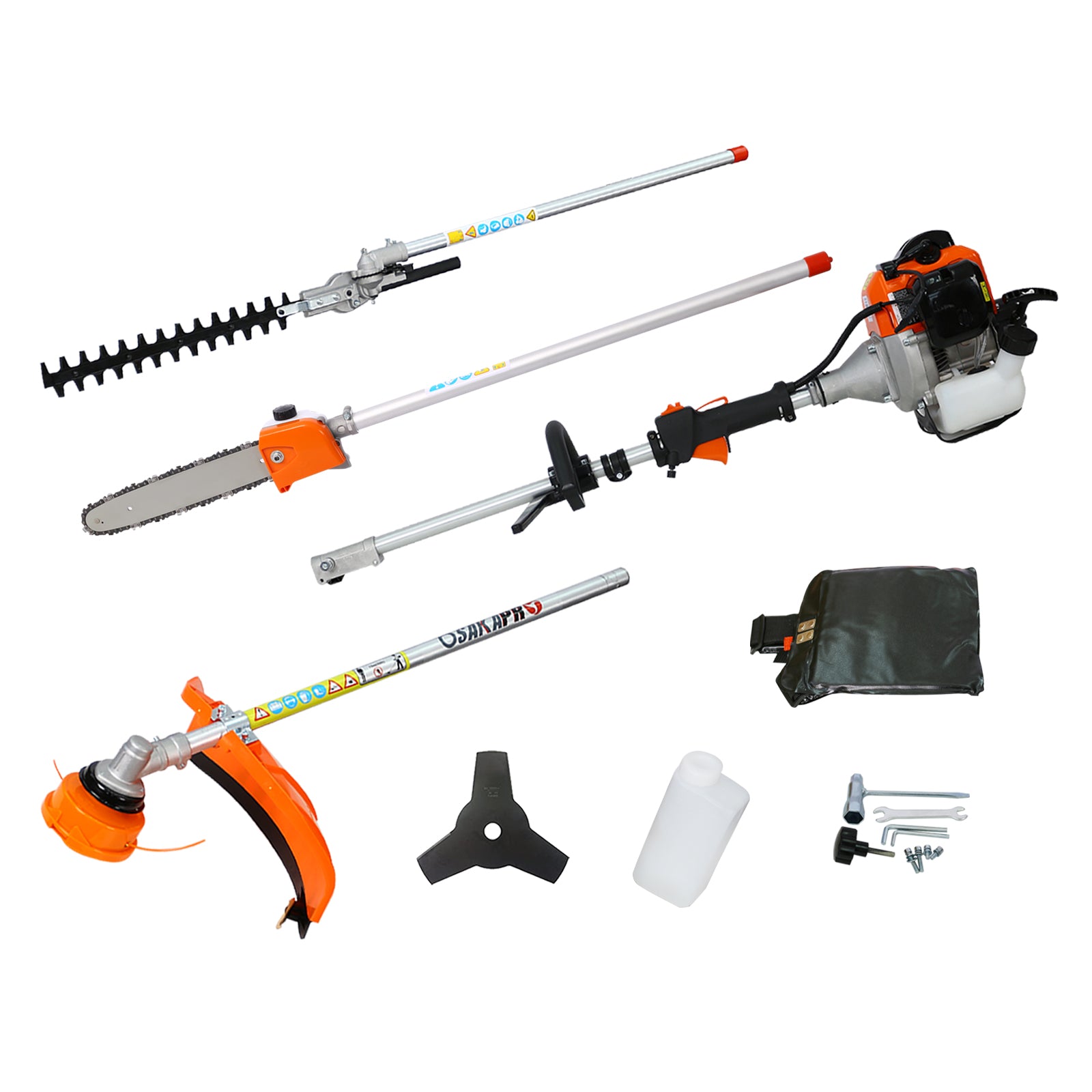
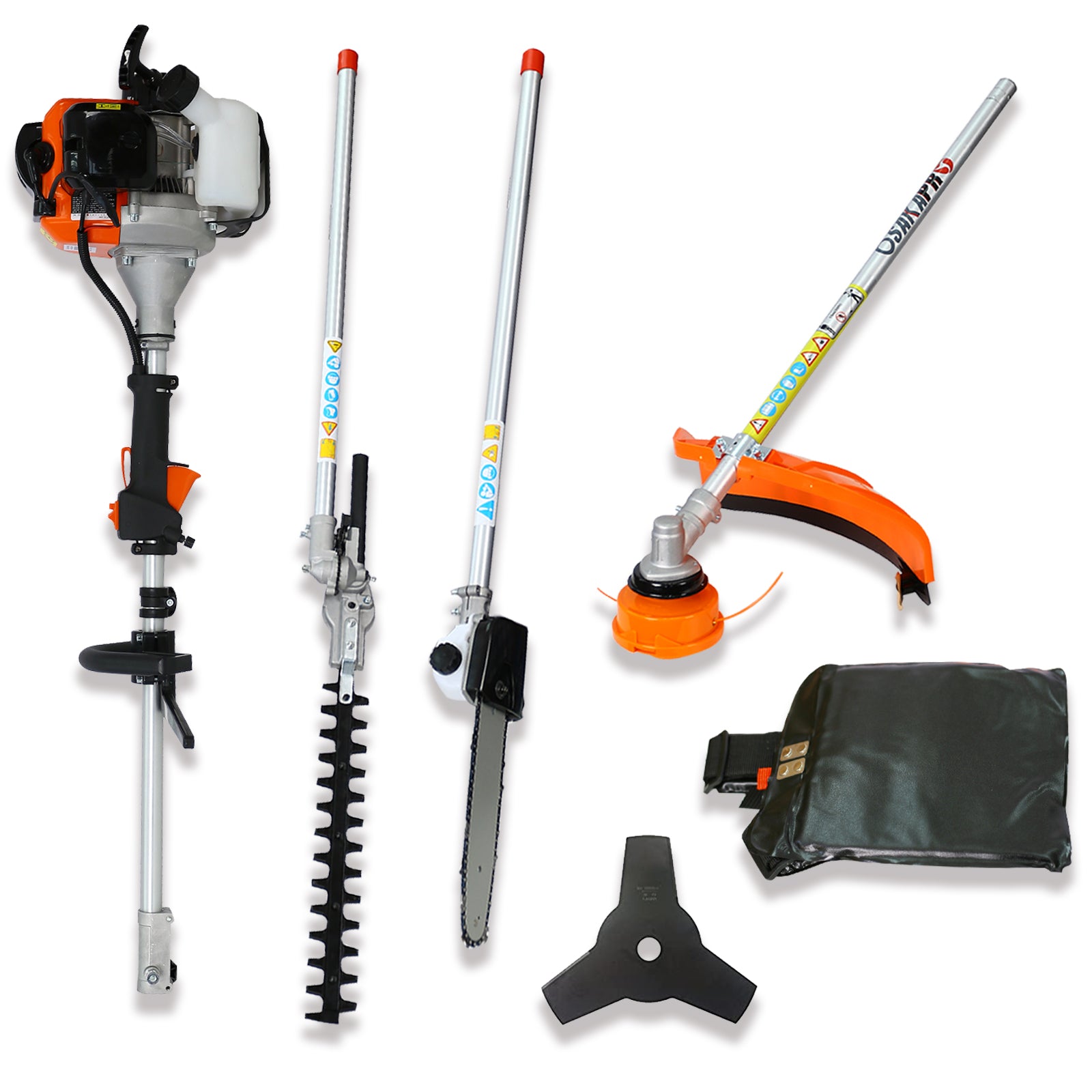
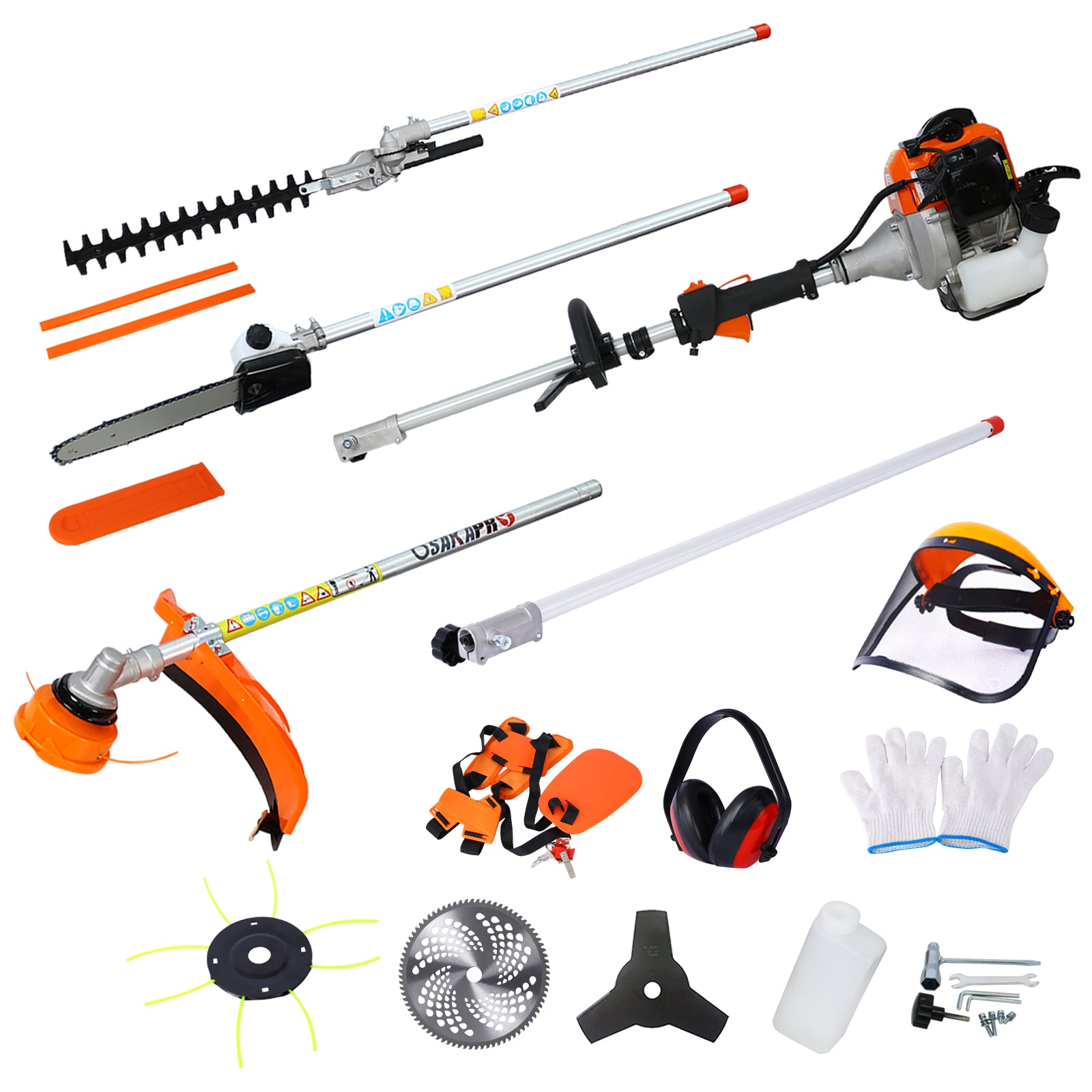
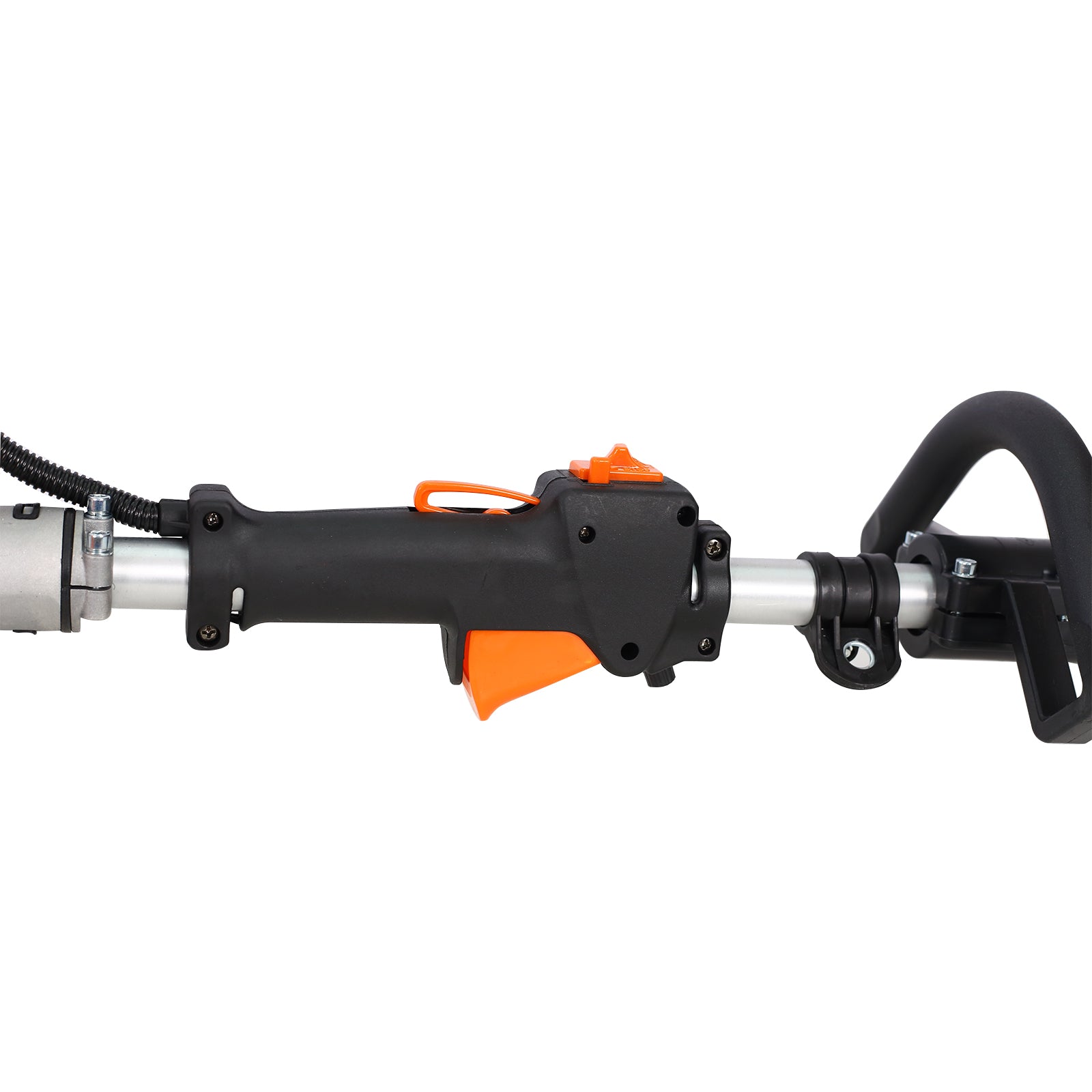
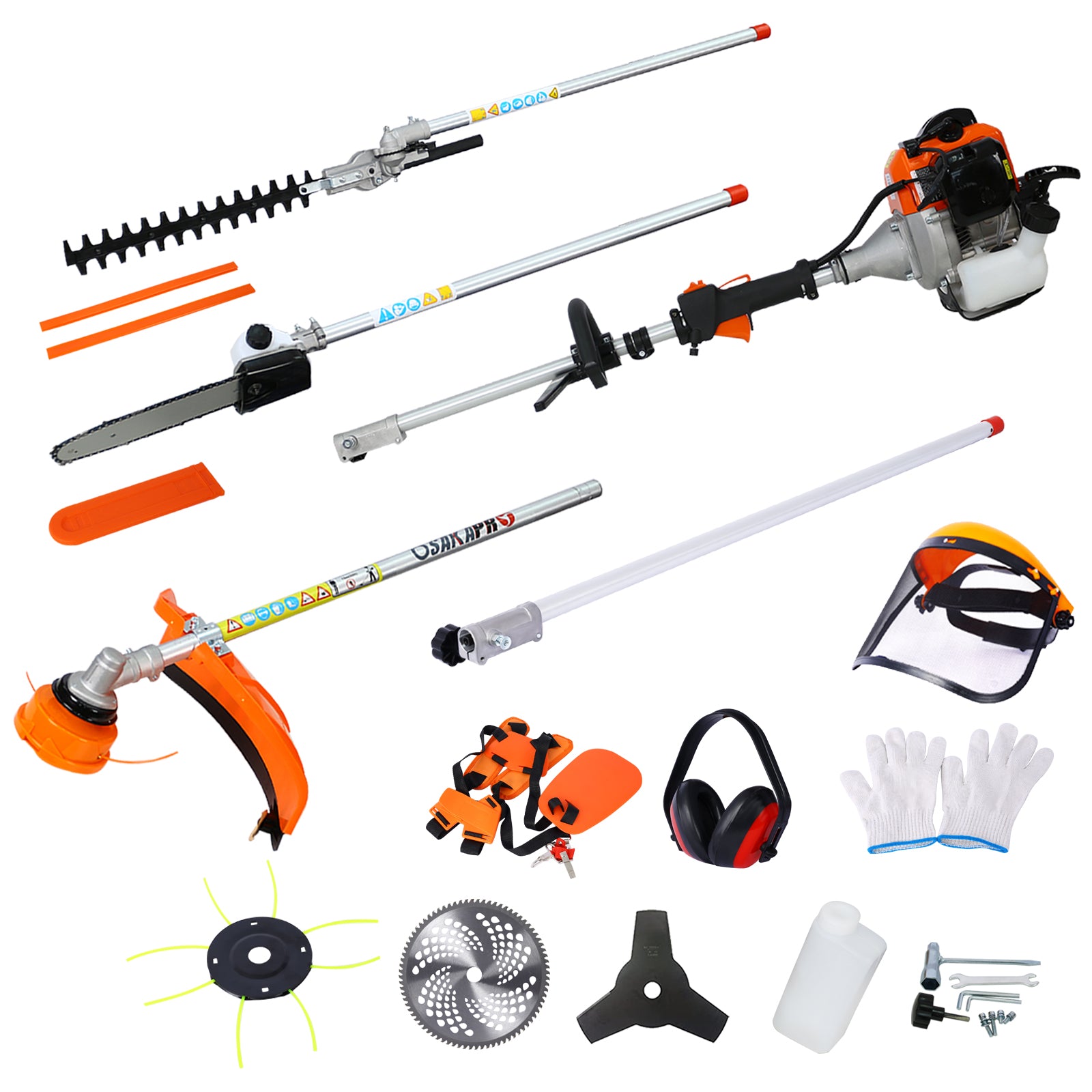
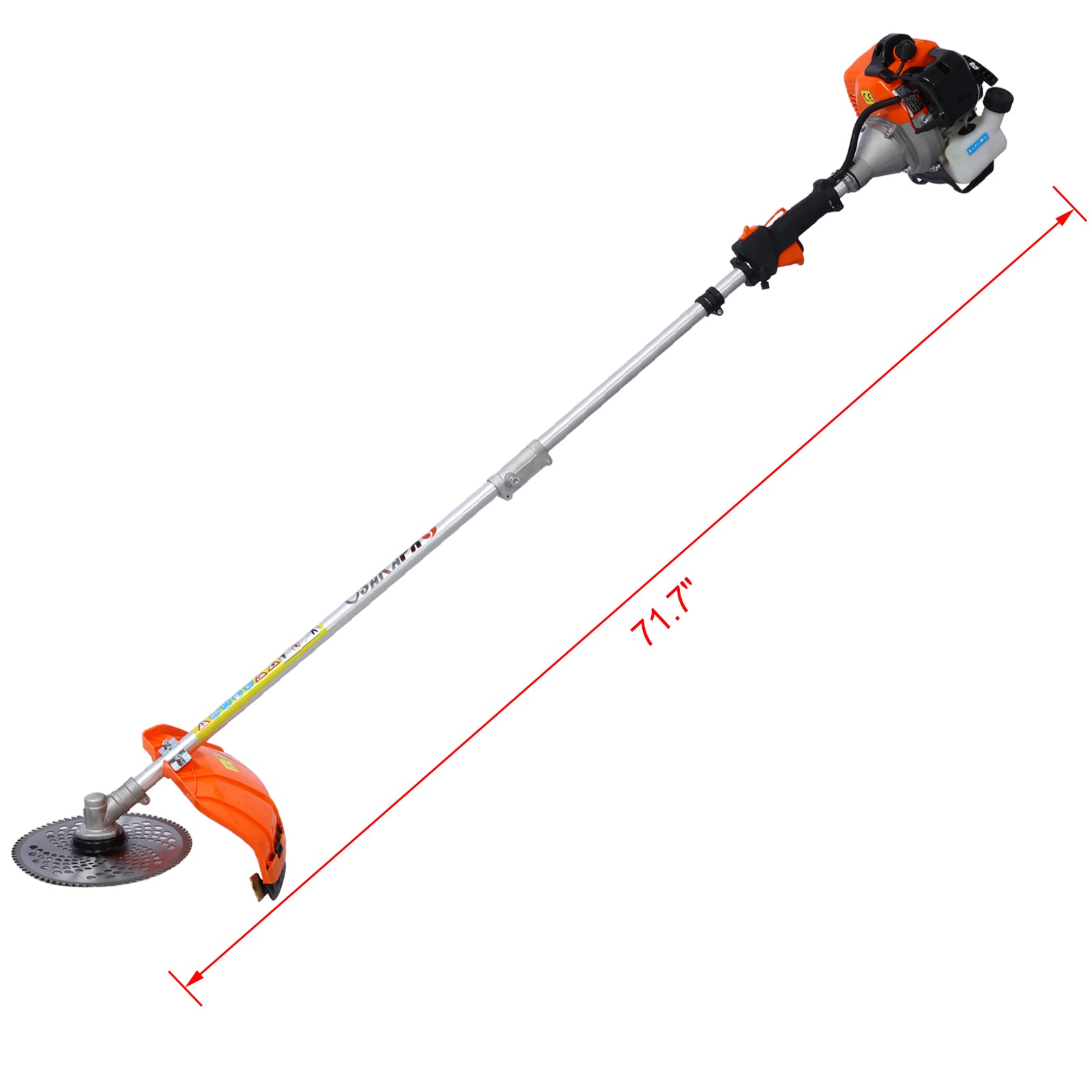
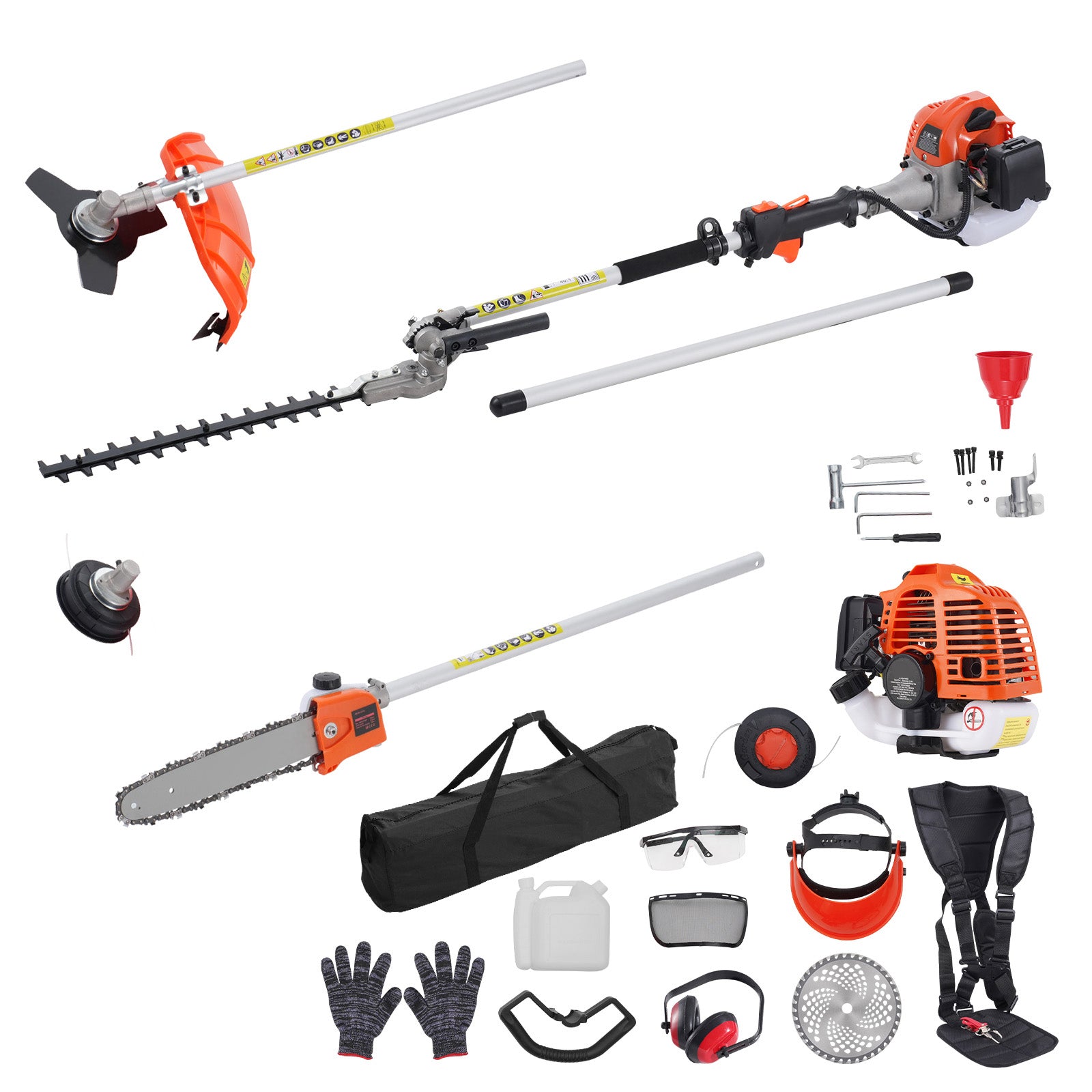
These are multi‑attachment power platforms where one engine powers interchangeable heads — pole saw, hedge trimmer, string trimmer, brush cutter, edger, and more. They're cost‑effective for homeowners and landscapers who need multiple tools without buying a separate engine for each one. A 10‑in‑1 or 12‑in‑1 system is the ultimate long reach pruner and general landscaping tool kit.
How do I safely use a pole pruner overhead?
Always wear safety glasses and a hard hat when cutting overhead. Stand to the side of the branch — never directly underneath — so falling debris misses you. Keep both hands on the pole, use slow controlled strokes, and never overextend your reach. Start with smaller branches before moving to larger ones.
How do I sharpen pole pruner blades?
Use a flat mill file or diamond sharpening rod matched to the blade bevel angle (typically 20–25°). Sharpen only the beveled edge with 5‑8 strokes per side. For saw blades, use a triangular file sized to the tooth gullet. Clean and oil blades after sharpening to prevent rust. This applies to both manual pole pruner and electric pole pruner blades.
What’s the best pole pruner for fruit trees?
A manual telescoping pole pruner with a bypass pruning head is ideal for fruit trees — it makes clean cuts that heal faster and reduce disease entry points. Look for models with a reach of 12–20 ft and a lightweight fiberglass or aluminum pole under 8 lbs to reduce fatigue during extended pruning sessions.
Can I use a pole pruner on palm trees?
Yes. For palm fronds, a pole saw attachment works better than a pruning head since fronds are fibrous and thick. Choose a model that extends to at least 20 ft for standard palms, and ensure the saw blade is at least 8 inches long for clean cuts through dense frond bases.
How do I maintain a gas-powered pole saw?
After each use: wipe down the bar and chain, check chain tension, and apply bar oil. Every 25 hours: clean or replace the air filter, inspect the spark plug, and check fuel lines for cracks. At season's end: drain the fuel tank, fog the cylinder with storage oil, and store in a dry location. A well‑maintained gas pole saw will last for years of heavy use.
Does HomeDIYer offer free shipping on pole pruners?
Yes — HomeDIYer offers free standard shipping on qualifying orders. Shipping eligibility and estimated delivery times are shown at checkout based on your location and the selected item. Most pole pruners ship within 1–3 business days.
Are there ultra‑light pole pruners for seniors or users with limited strength?
Absolutely. Our lightweight aluminum long reach pruner models weigh as little as 6.42 lbs at full extension, feature chenille non‑slip grips and reduced vibration. These are also great for anyone recovering from an injury or working in tight spaces where a heavy pole becomes a liability.
Can I use a cordless electric pole pruner in the rain?
We do not recommend using any electric pole pruner in wet or rainy conditions to avoid electrical hazards and damage to the battery. Always check the weather and use your tool in dry conditions for safety and longevity.
What makes a good telescoping locking mechanism?
High‑quality telescoping pole pruners use either double‑action twist locks or heavy‑duty push‑button locks with reinforced detents. The best systems have no more than 1‑2 mm of flex at full extension. Avoid cheap plastic collars — our collection uses metal‑reinforced locking systems for reliable performance.
How do I choose between 2‑stroke and 4‑stroke gas multi‑tool systems?
2‑stroke engines are lighter, simpler, and more affordable, but require premixed fuel. 4‑stroke engines are heavier but offer better fuel efficiency, lower vibration, and cleaner emissions. For all‑day professional use, a 4‑stroke gas pole saw multi‑tool reduces hand fatigue and meets stricter emission standards.
What’s the advantage of a backpack gas pole saw system?
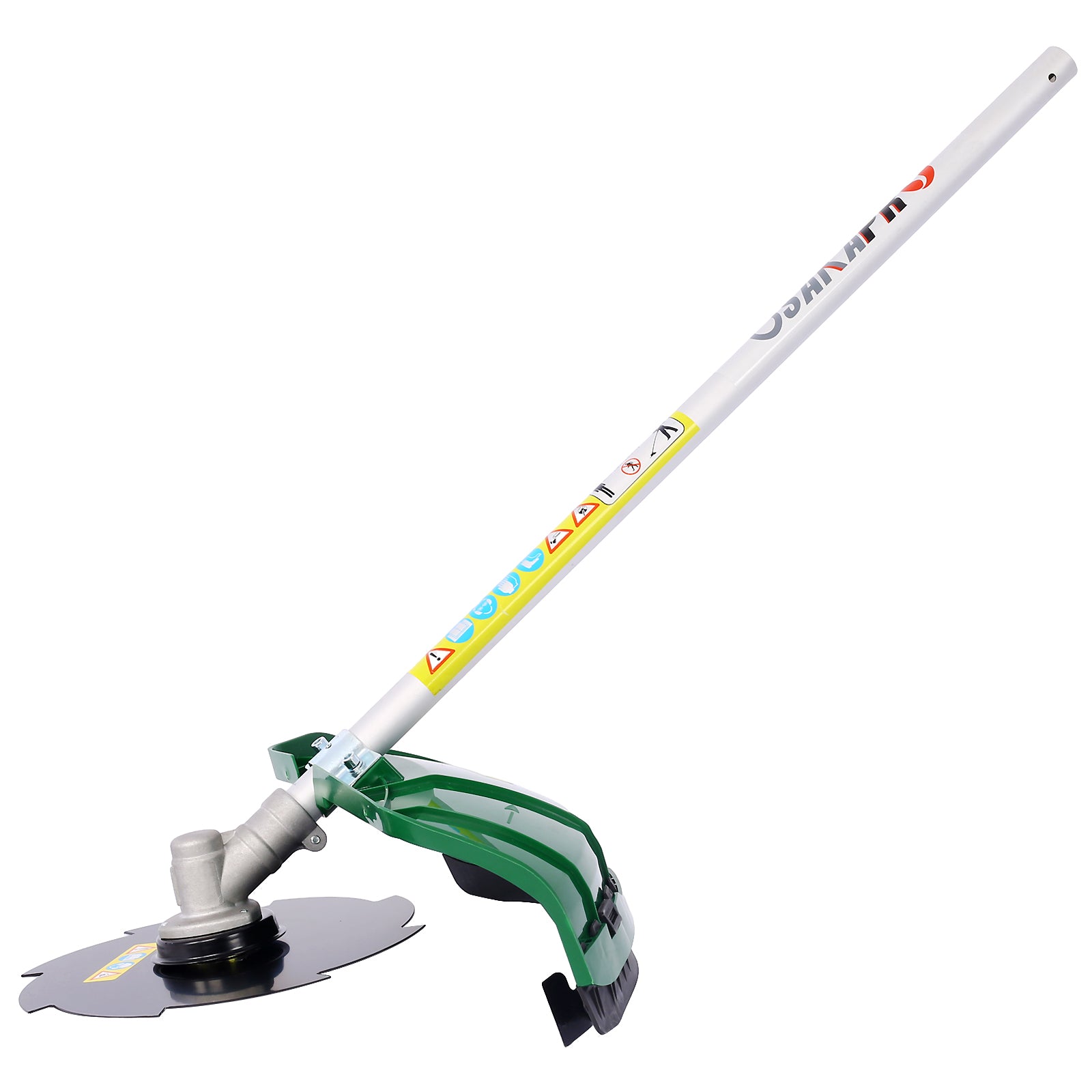
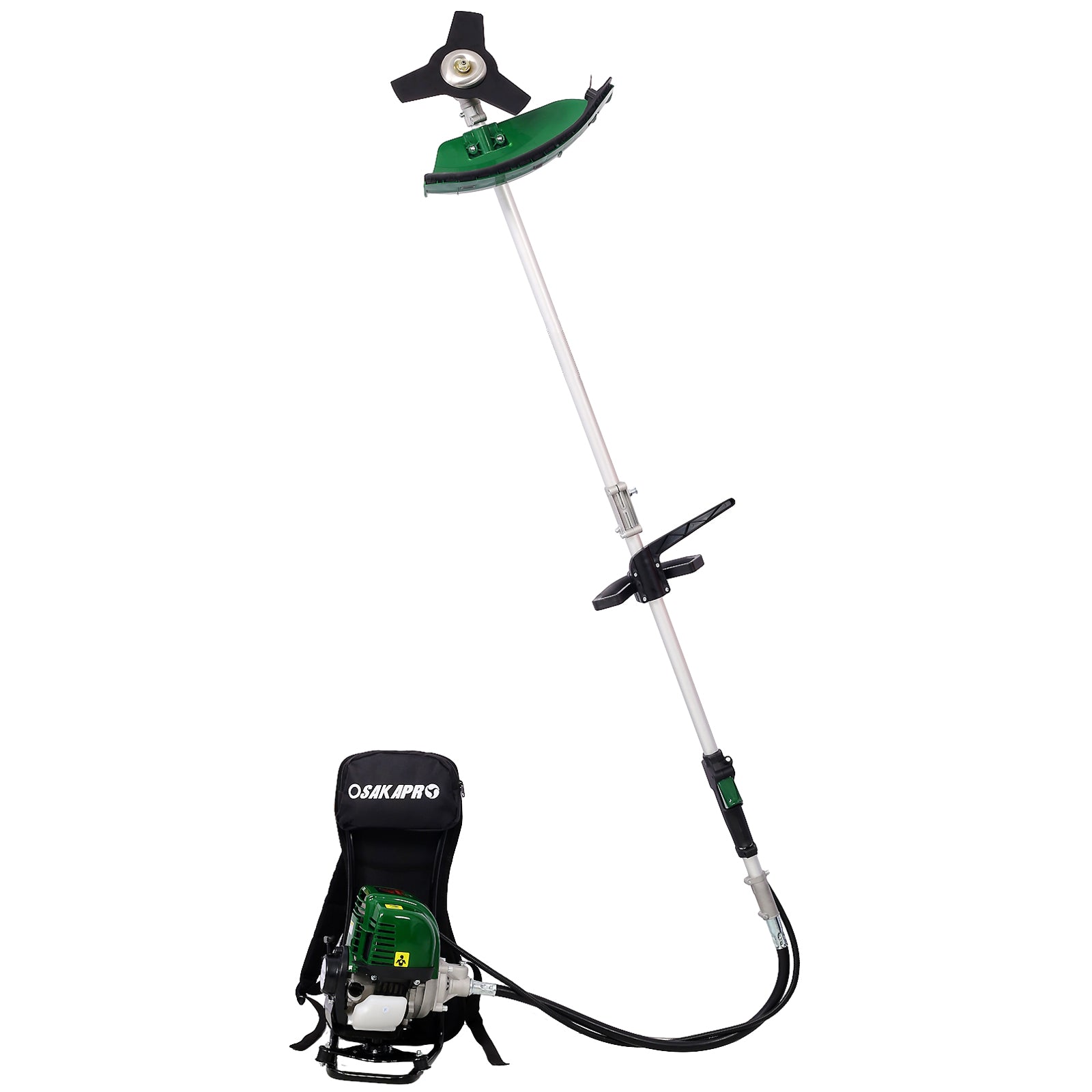
A backpack gas pole saw moves the engine weight onto your hips and shoulders, taking stress off your arms and wrists. This design is ideal for arborists and estate managers who spend hours making precision cuts high in the canopy. You get full gas power without the front‑heavy feel of a standard pole pruner.
Can a manual pole pruner cut branches over 1.5 inches?
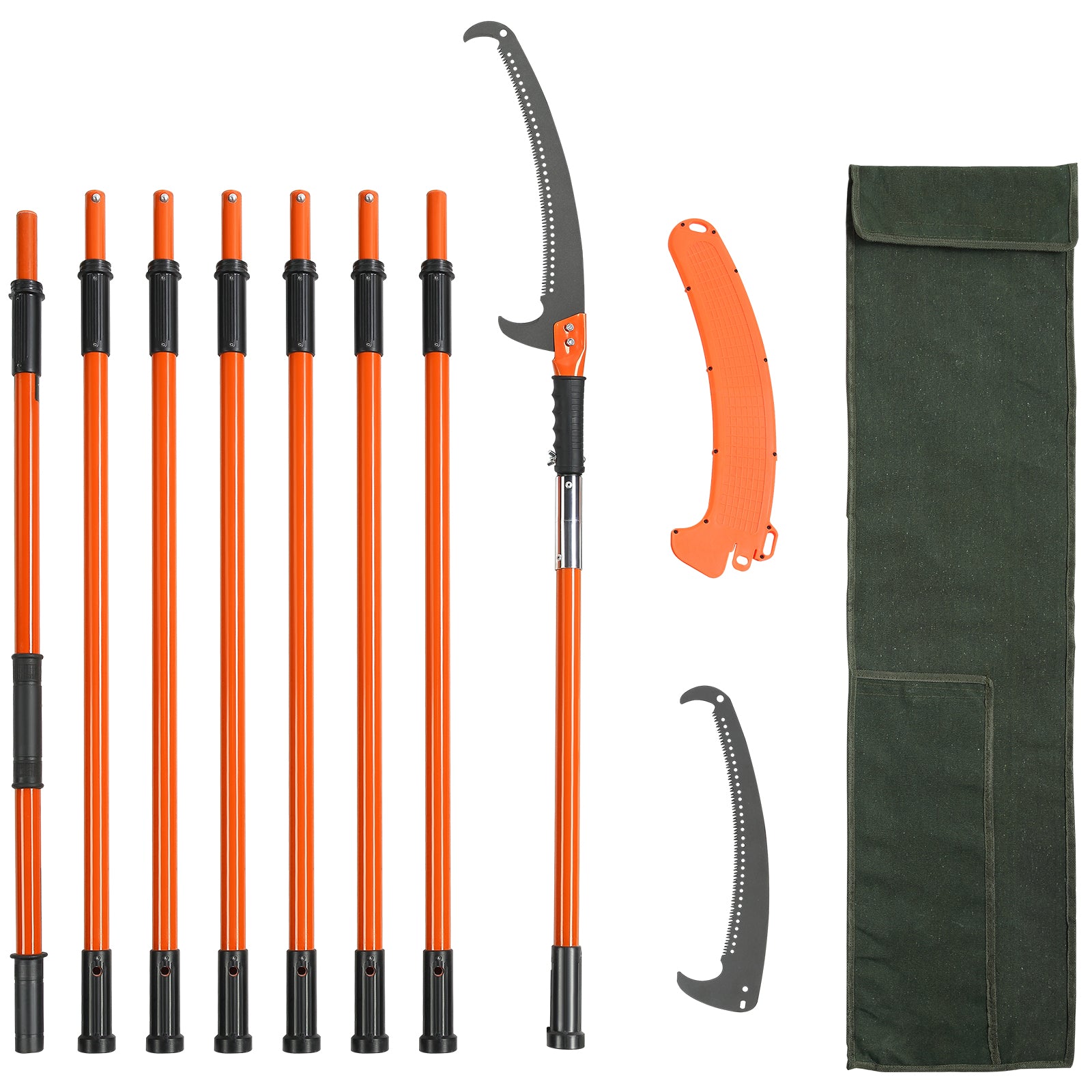
Most manual pole pruners are designed for branches up to 1.5 inches. For thicker limbs, switch to the built‑in saw blade on a 2‑in‑1 model or use a dedicated pole saw. Attempting to cut oversized wood with a manual pruner can damage the blade or the rope mechanism.