Mastering Pulleys: A Comprehensive Guide to Types, Applications, and Maintenance
Pulleys are the backbone of mechanical systems, from car engines to garage doors. Yet, choosing the right pulley system or understanding how to replace a tensioner pulley can be daunting. In this guide, we’ll break down everything you need to know about pulleys, including installation tips, common issues, and top products for DIYers and professionals alike.
1. What Are Pulleys and Why Do They Matter?
A pulley is a wheel with a grooved rim designed to guide a rope, belt, or chain. Pulleys reduce effort by redirecting force, making them essential for:
- Automotive systems: Timing belts, alternators, and power steering.
- Industrial machinery: Conveyor belts and lifting equipment.
- DIY projects: Garage door systems or homemade rope pulley setups.
💡 Pro Tip: Pair idler pulleys with serpentine belts to maintain tension in car engines. Regular inspection prevents belt slippage and costly repairs.
2. Types of Pulleys and Their Uses
a) Automotive Pulleys
Idler Pulley
Guides belts without transferring power (e.g., BMW M50 crankshaft pulley).
Tensioner Pulley
Automatically adjusts belt tension to prevent slippage.
Crankshaft Pulley
Transfers engine power to accessories like the alternator.
Common Issue: Idler pulley noise often signals wear—replace with our Honda crank pulley tool-compatible kits.
b) Industrial & DIY Pulleys
Block and Tackle Pulley
Multi-wheel system for heavy lifting.
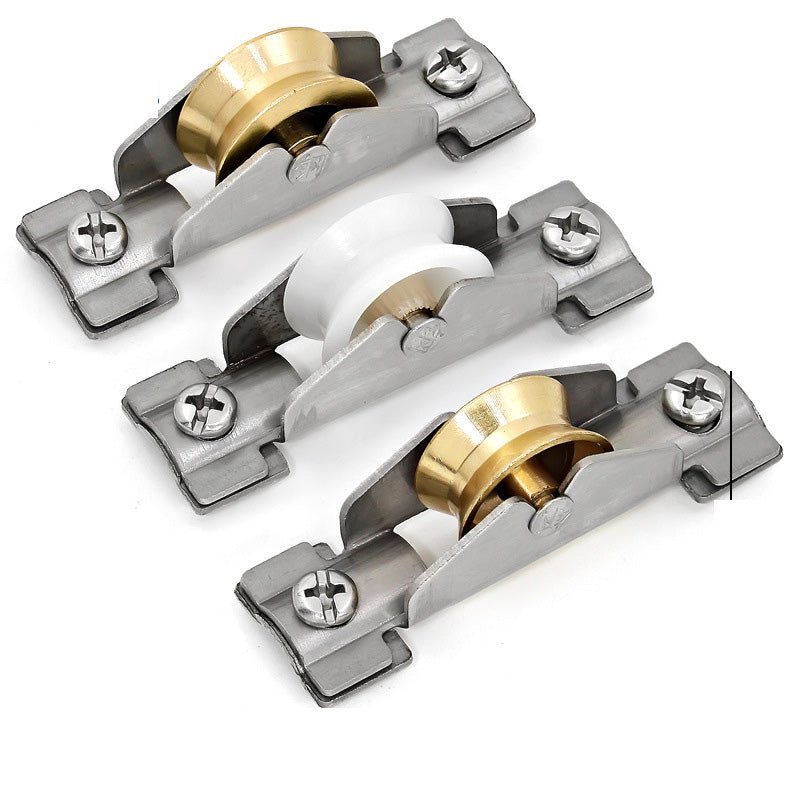
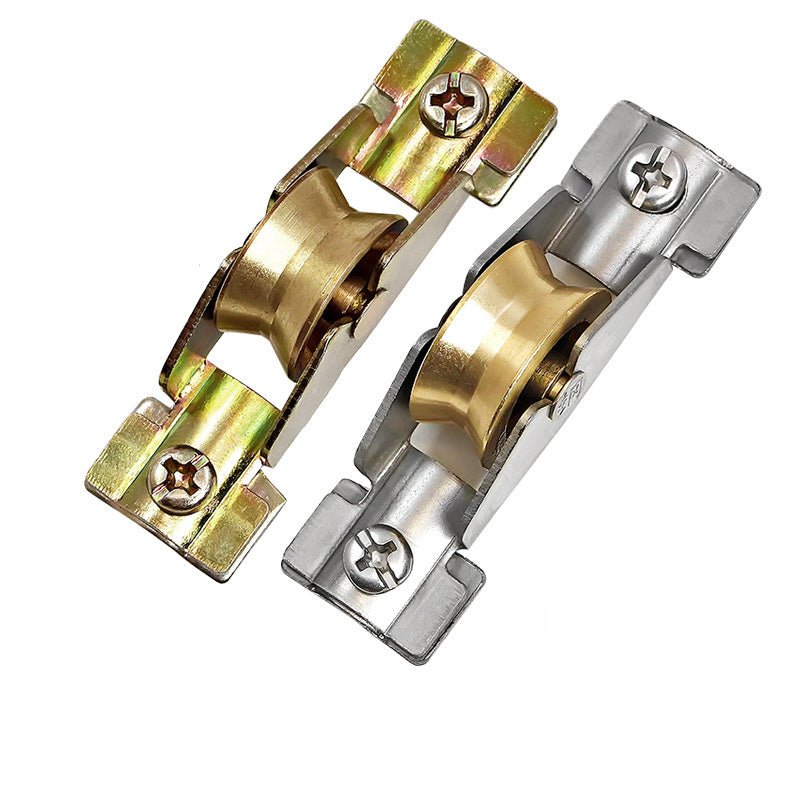
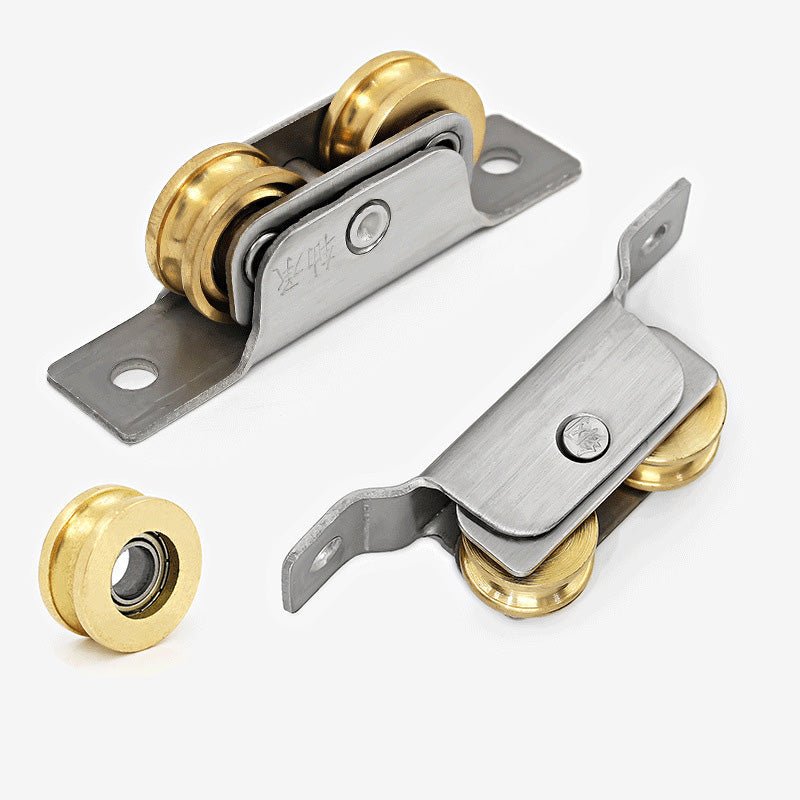
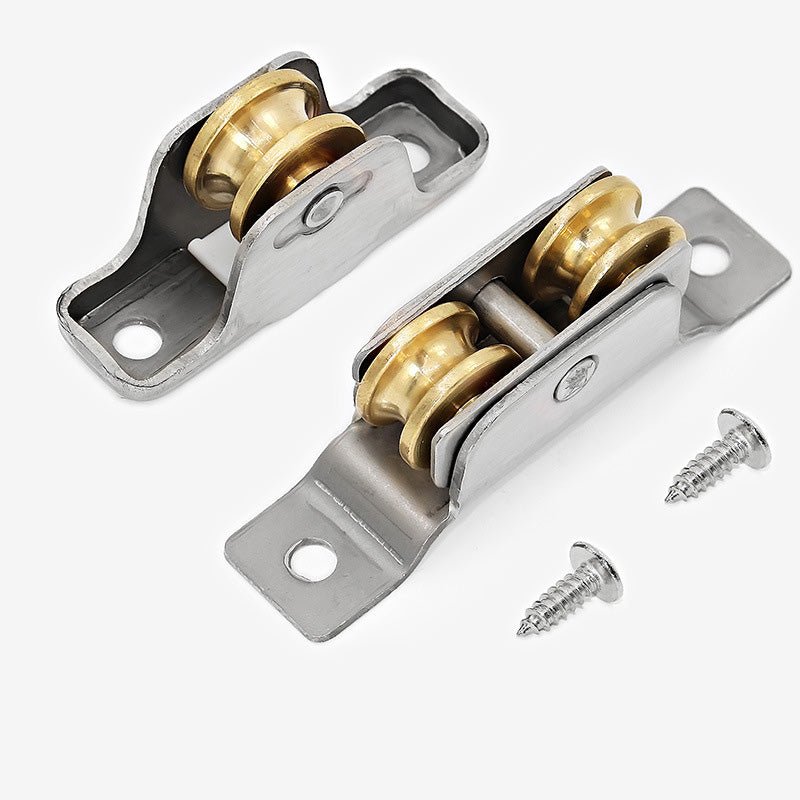
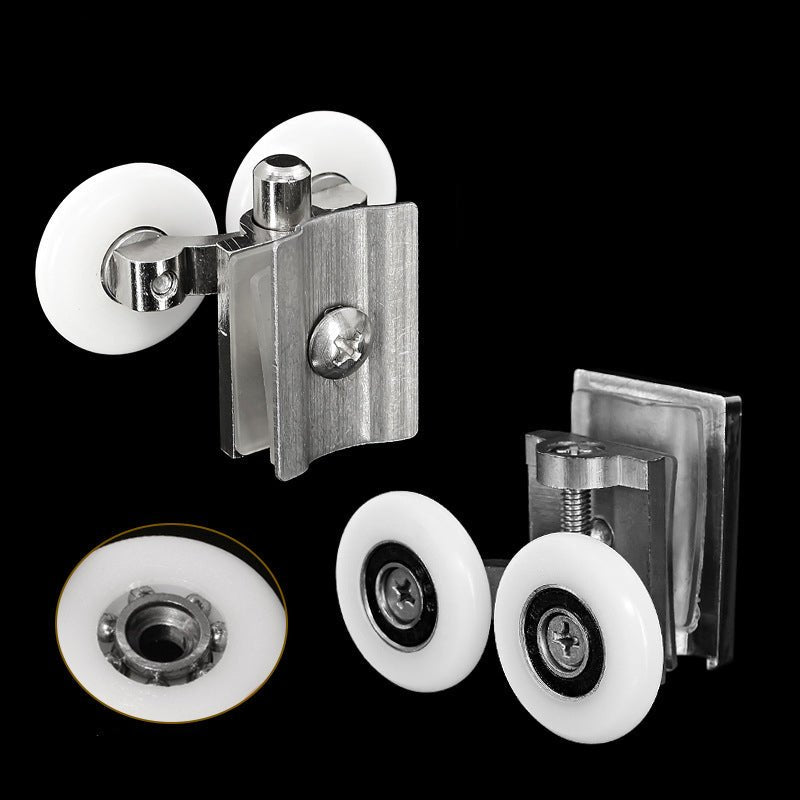
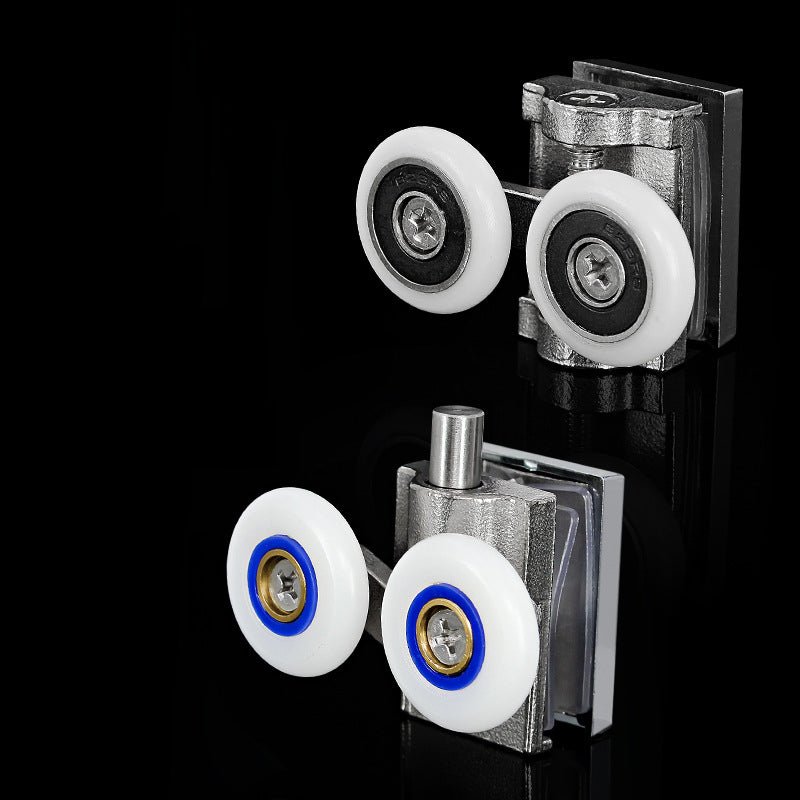
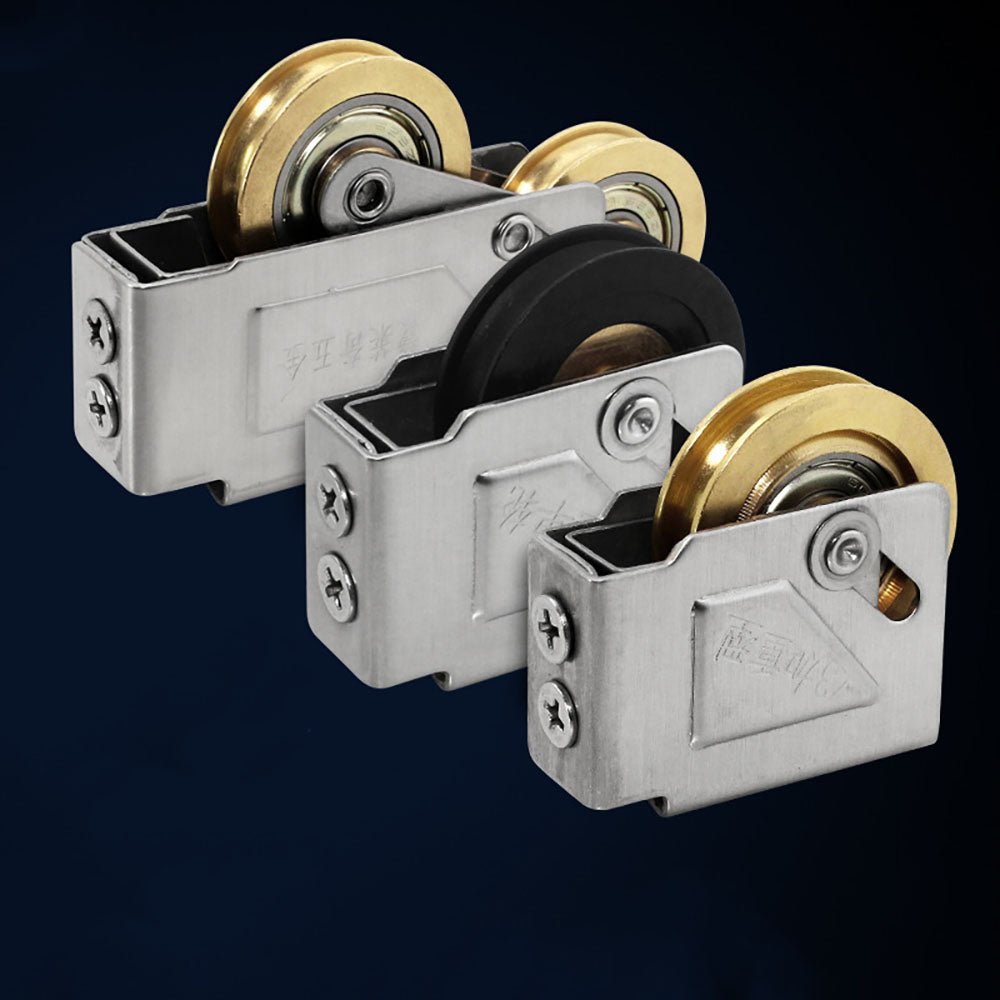
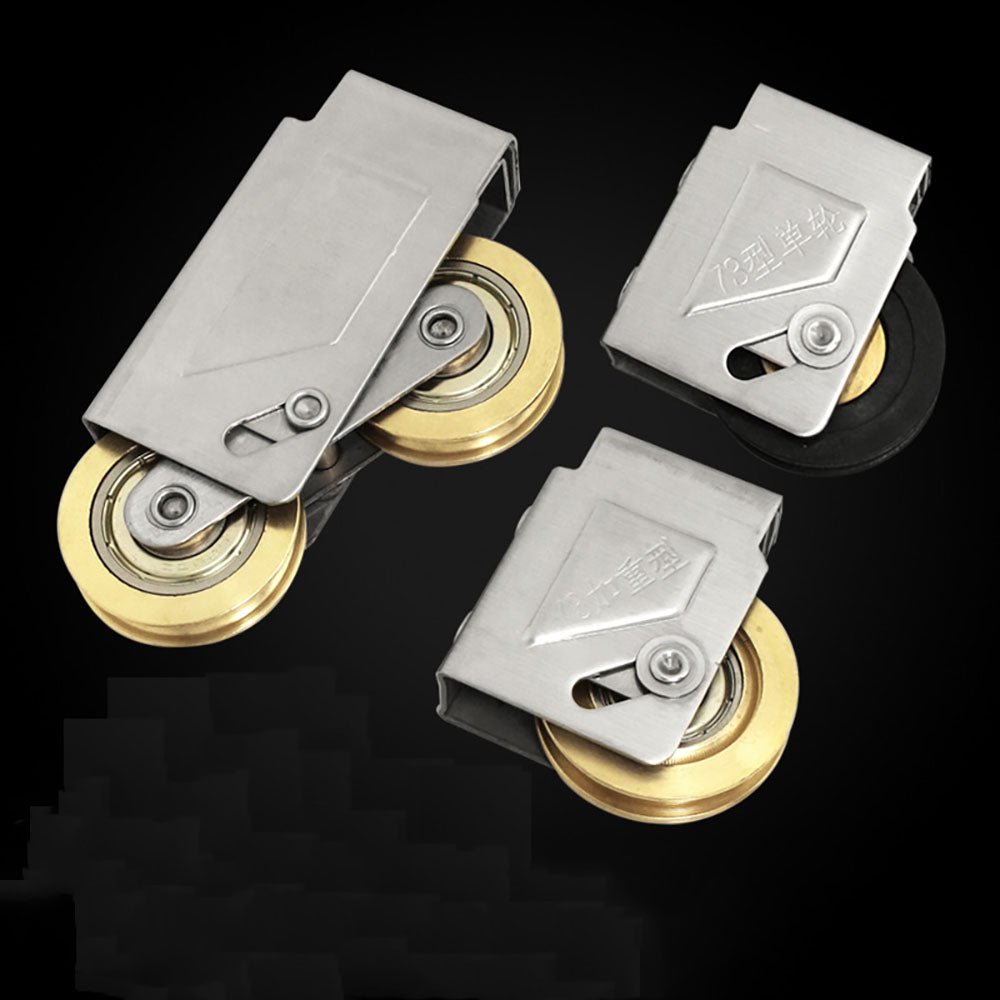
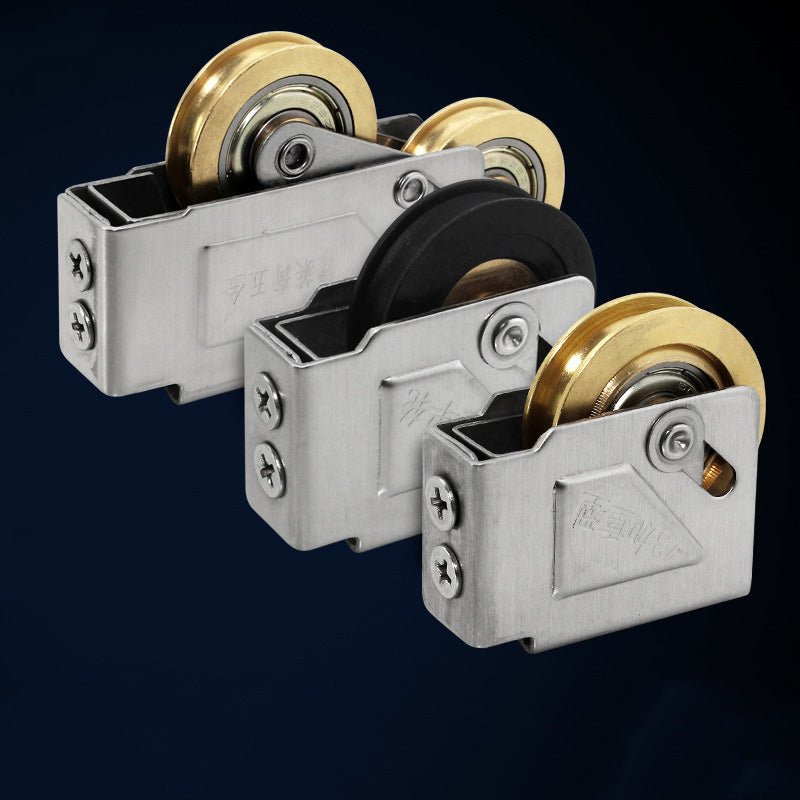
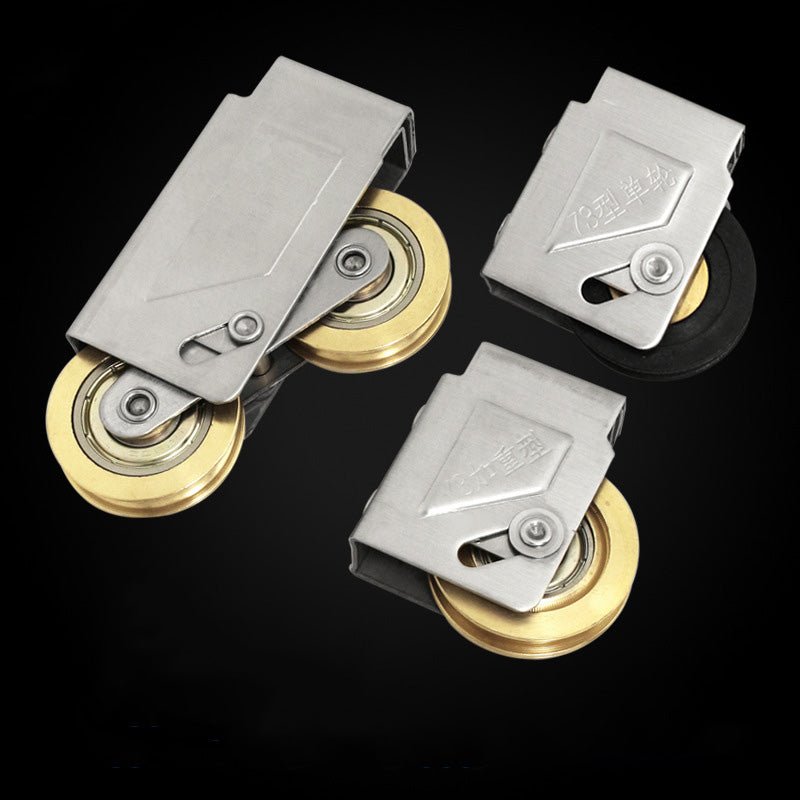
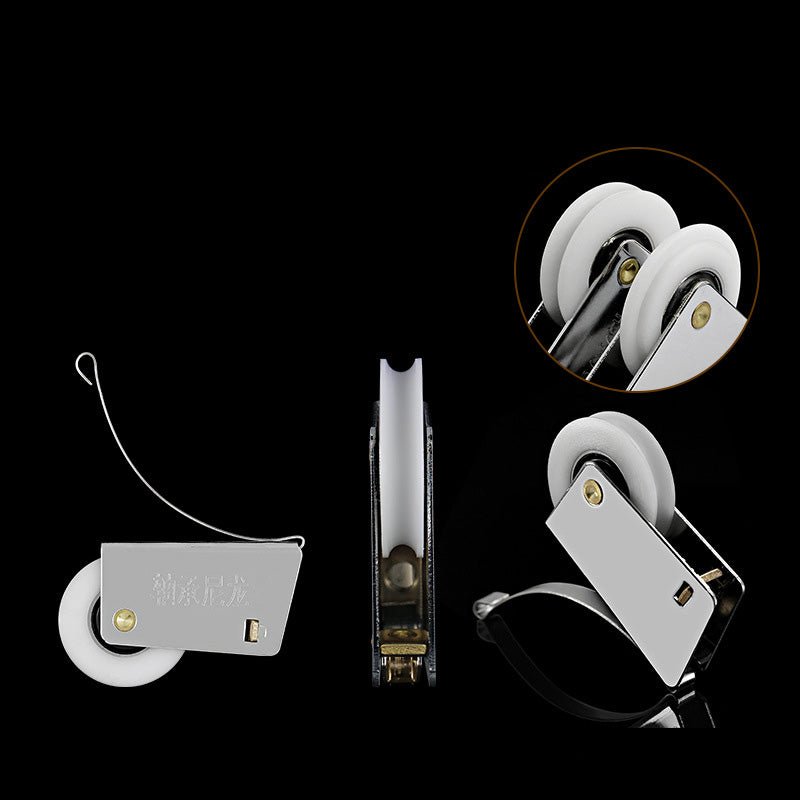
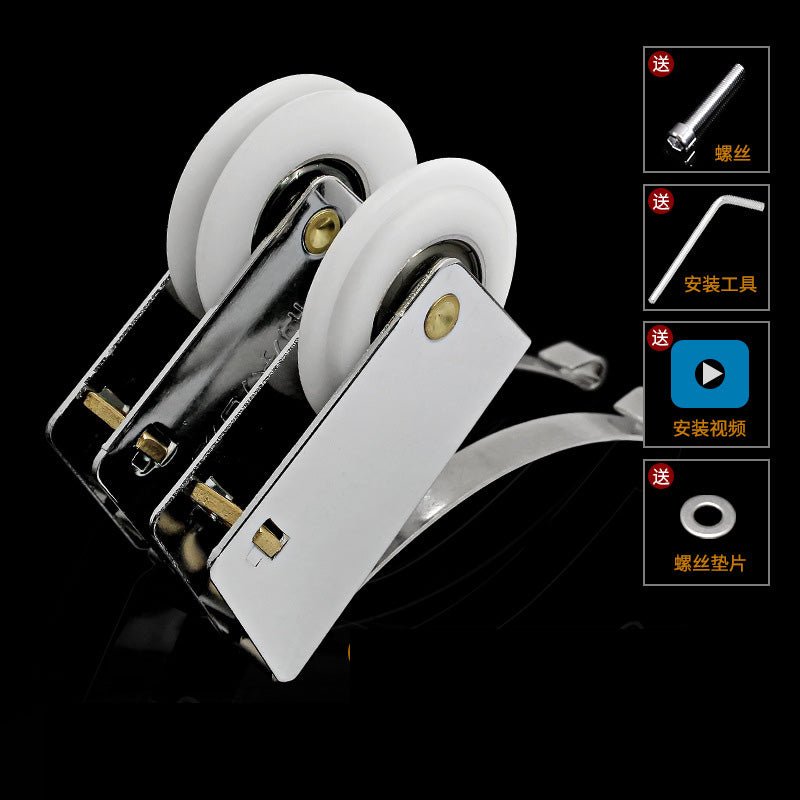
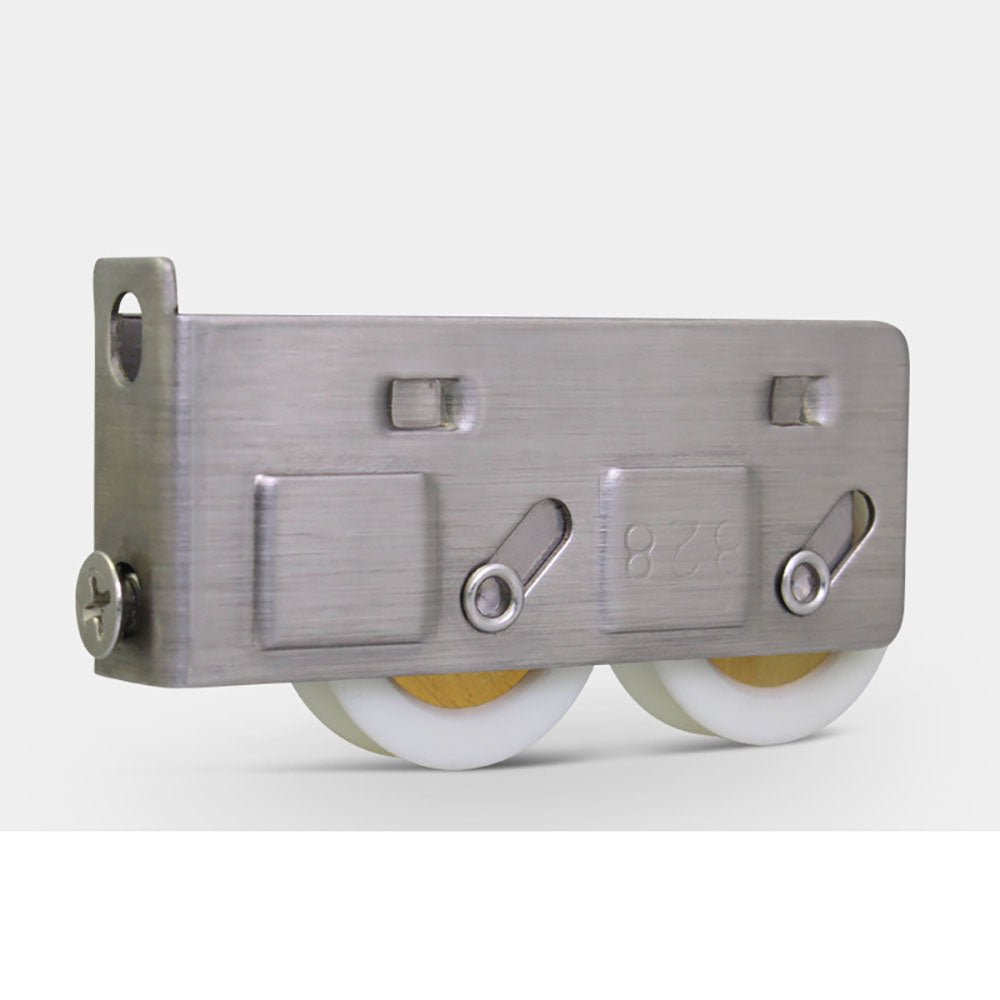
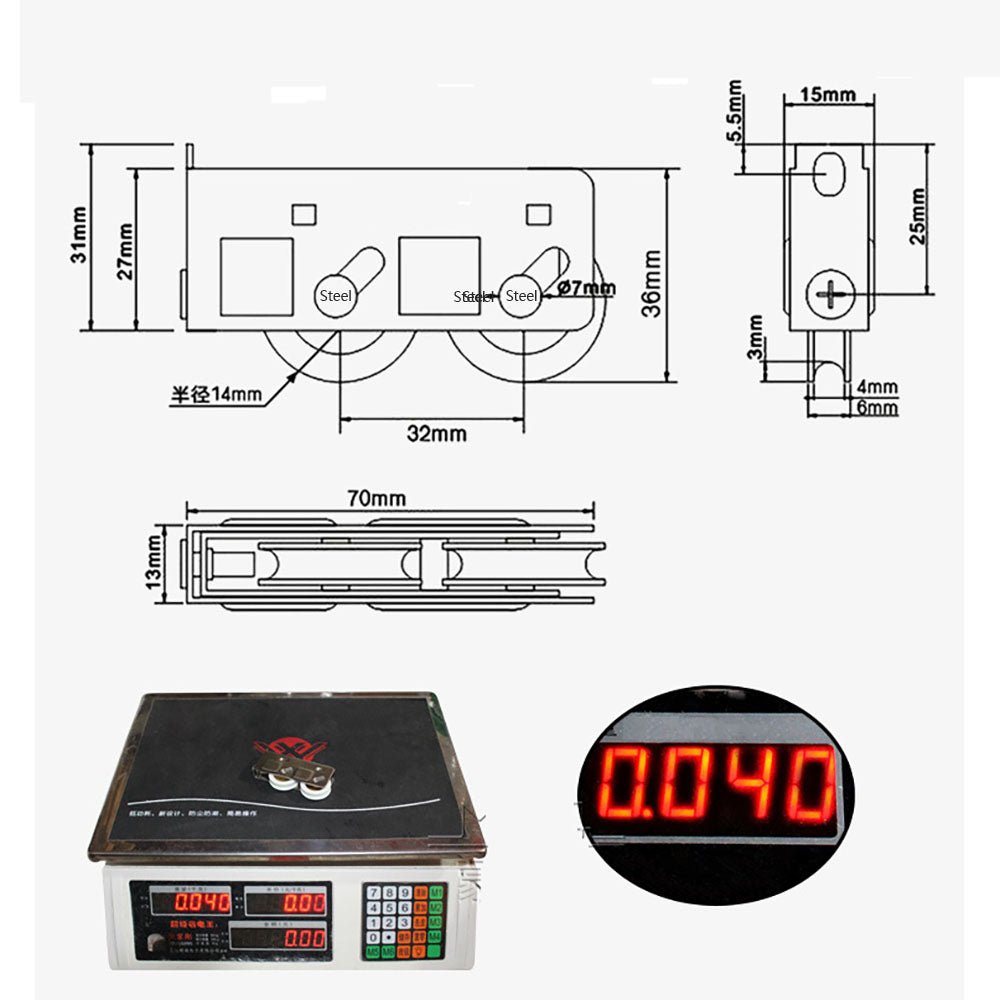
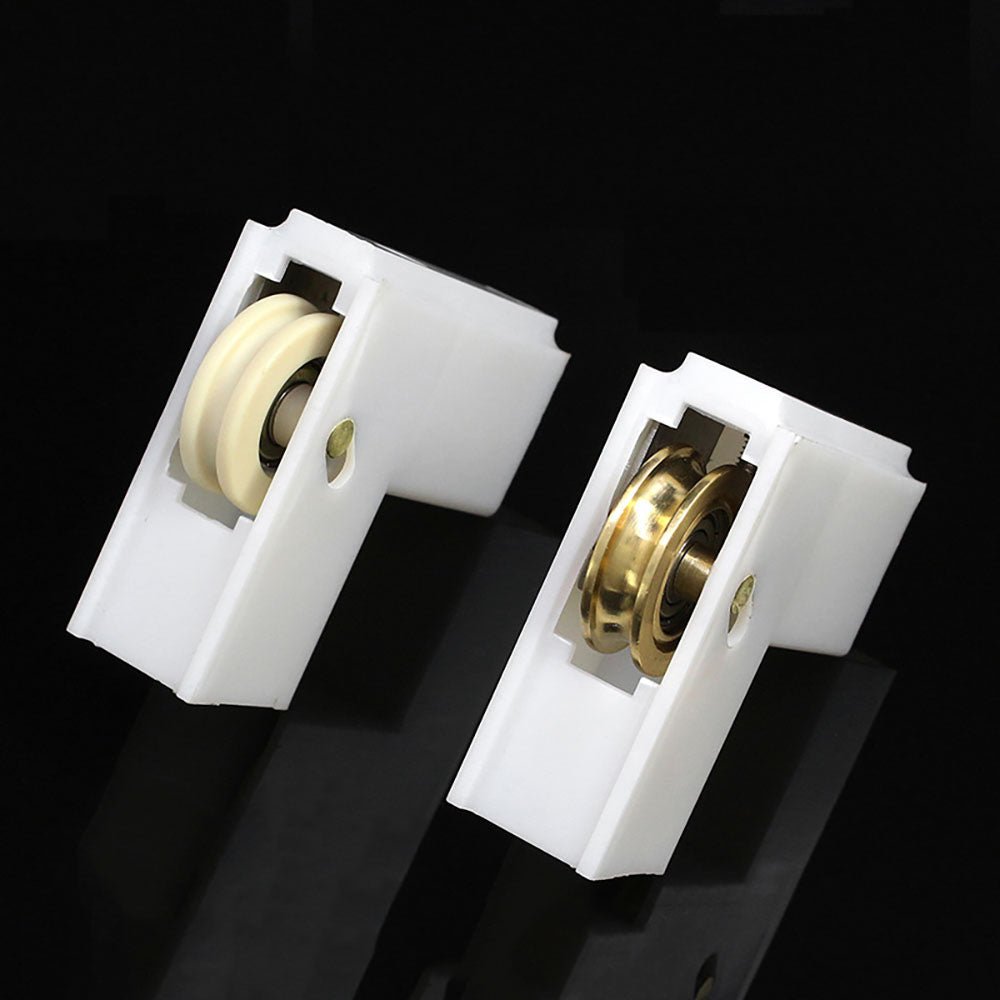
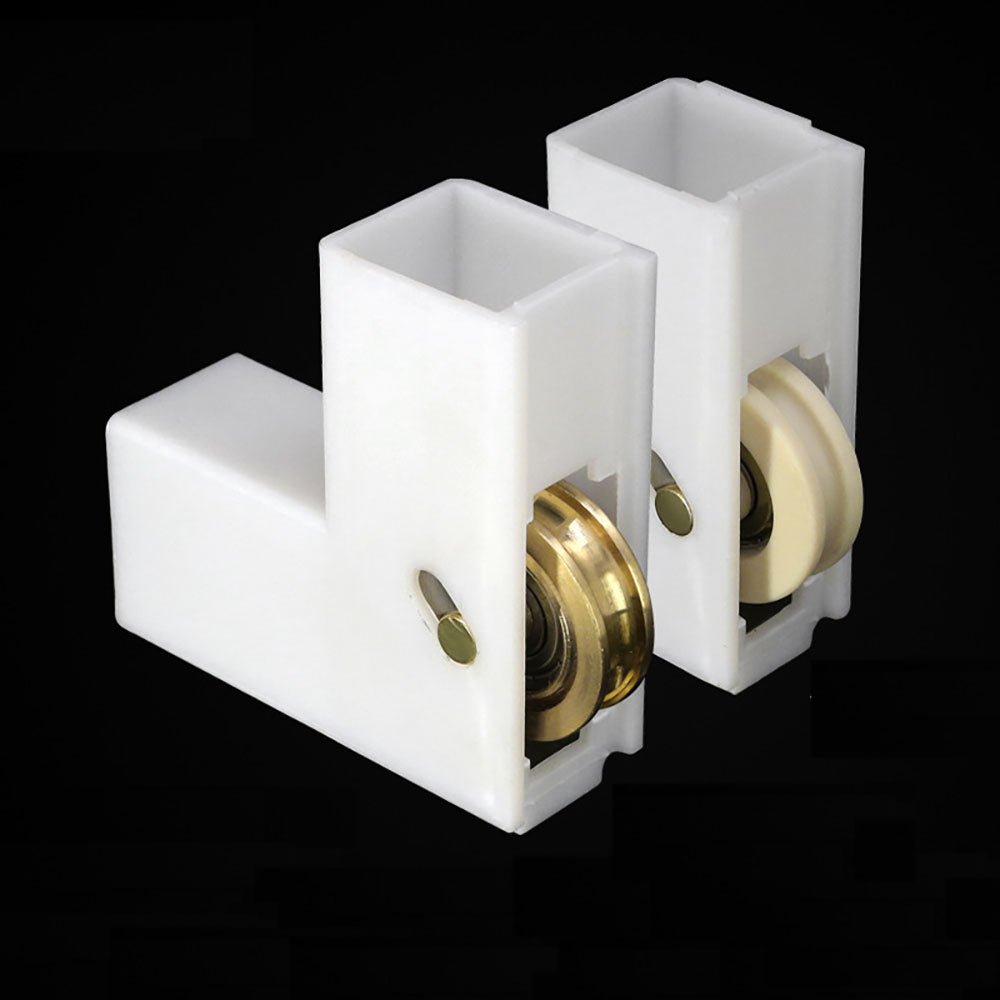
Garage Door Pulley
Ensures smooth operation of door tracks.
Snatch Block Pulley
Redirects force in rigging or towing setups.
Best for: Building a home gym pulley system or kayak pulley rig.
c) Specialty Pulleys
-
Timing belt pulley: Synchronizes engine valves and pistons.
-
V-belt pulley: Compatible with trapezoidal belts for high torque.
-
Power steering pulley: Critical for steering fluid circulation.
3. How to Choose the Right Pulley
-
Match the Application: Identify whether you need an idler, tensioner, or drive pulley.
-
Material Matters: Steel pulleys handle high heat; nylon/composite reduce noise.
-
Check Compatibility: Verify shaft diameter, belt type (serpentine, V-belt, timing), and load rating.
4. Step-by-Step Pulley Replacement Guide
Tools Needed: Pulley puller (e.g., Harbor Freight pulley puller), wrench set, torque wrench.
-
For Automotive Pulleys: Loosen the belt tensioner to remove the old idler pulley. Use a power steering pulley puller to detach the pulley from the shaft. Install the new pulley and torque bolts to manufacturer specs.
-
For Garage Doors: Detach the old garage door pulley from the track. Align the new pulley and secure it with mounting brackets. Test the door’s balance and lubrication.
5. Maintenance Tips for Longevity
-
Lubricate bearings: Apply grease to idler pulleys annually.
-
Inspect belts: Frayed belts accelerate pulley wear.
-
Check alignment: Misaligned timing belt pulleys cause engine misfires.
-
Listen for noise: Squeaking or grinding often indicates a failing bearing.
6. Top Products at HomeDIYer
🔧 3M V-Belt Pulley Kit
Precision-machined for industrial use.
⚙️ Flex-Zone Crankshaft Pulley Puller
Compatible with Honda, Toyota, and Ford.
🏗️ Heavy-Duty Block and Tackle Pulley
Lifts up to 1,000 lbs safely.
Why Choose Us? Free returns and 24/7 customer support. Video tutorials for how to replace a tensioner pulley. Bulk discounts on pulleys for sale.
7. Common Questions (FAQs)
Q: How do I fix a squeaky idler pulley?
A: Replace the pulley and belt—use our idler pulley replacement kits for a seamless fix. Apply a small amount of high-temperature grease to the new bearing.
Q: What’s the difference between a sheave and a pulley?
A: A sheave pulley refers specifically to grooved wheels used with ropes or cables. In practice, the terms are often used interchangeably, but "sheave" is more common in lifting/rigging.
Q: Can I use a motorcycle pulley for a garage door?
A: No—opt for garage door-specific pulleys to handle weight and friction. Motorcycle pulleys are not rated for the repeated cycling and load of a garage door system.
8. Troubleshooting Common Issues
-
Belt slippage: Tighten the tensioner pulley or replace worn belts.
-
Pulley wobble: Check for bent shafts or improper installation.
-
Overheating: Upgrade to steel pulleys for high-temperature environments.
-
Intermittent noise: Inspect for debris in the belt grooves.
Final Thoughts
From crankshaft pulley replacements to DIY rope pulley systems, the right components ensure efficiency and safety. Explore our curated selection at HomeDIYer Pulleys and tackle your next project with confidence!