Why Socket Tools Are the Secret Weapon of Every DIY Pro
You're tightening a crucial engine bolt when - crack. Your cheap socket splits in half. Or worse: it rounds off the bolt head, turning a simple job into a nightmare. At HomeDIYer, we've seen how inferior socket tools sabotage projects. That stops today. This guide reveals:
- How to choose sockets that withstand impact tools
- SAE vs. metric sizing demystified
- Specialty sockets for impossible spaces
- Maintenance that triples tool life
The 3 Costly Mistakes 90% of DIYers Make
-
Using chrome sockets on impact wrenches: Shatters tools and risks injury
-
Mixing SAE/metric on fasteners: Permanently damages bolt heads
-
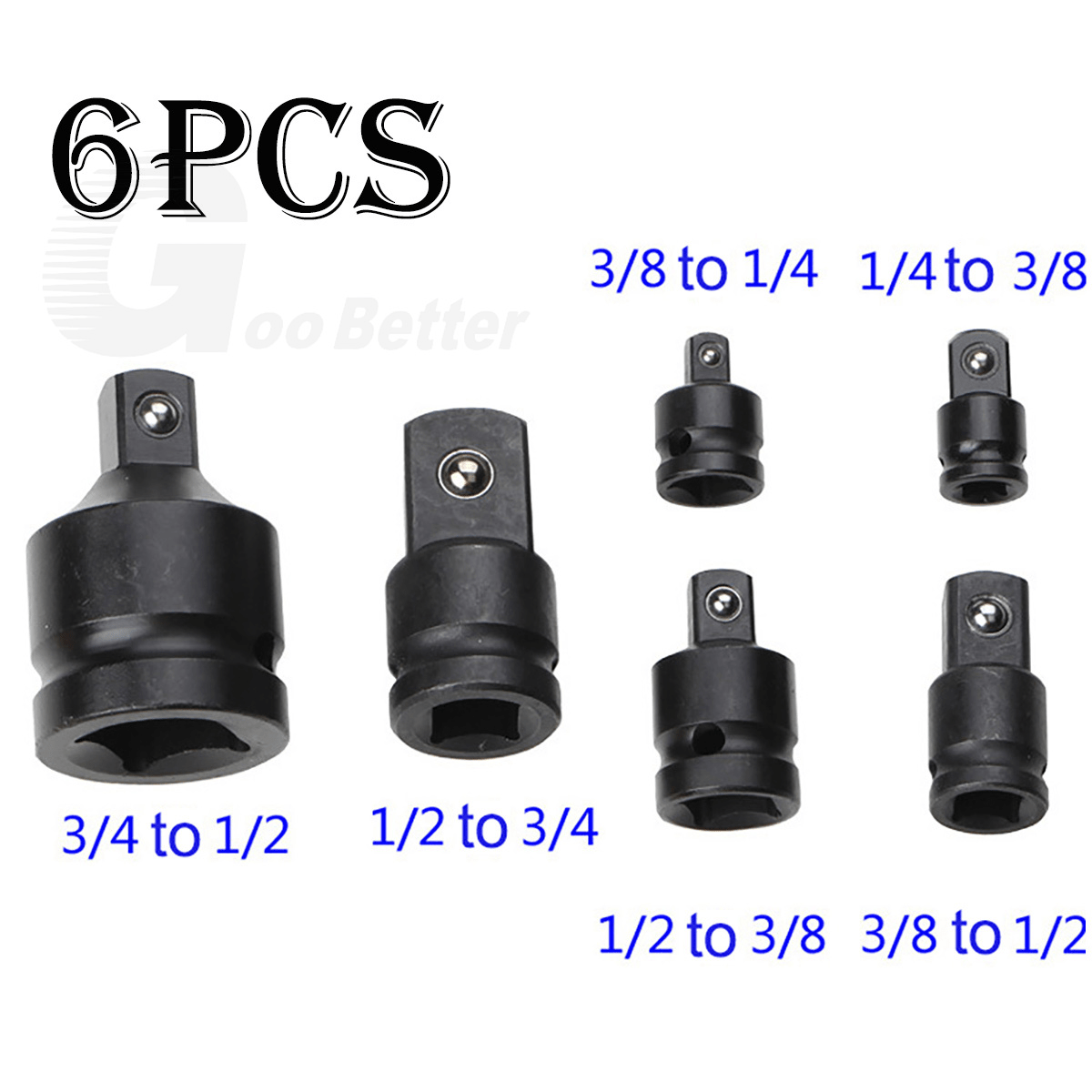
Ignoring drive size compatibility: Strips ratchets instantly
We'll help you avoid all three.
Chapter 1: Socket Types Demystified
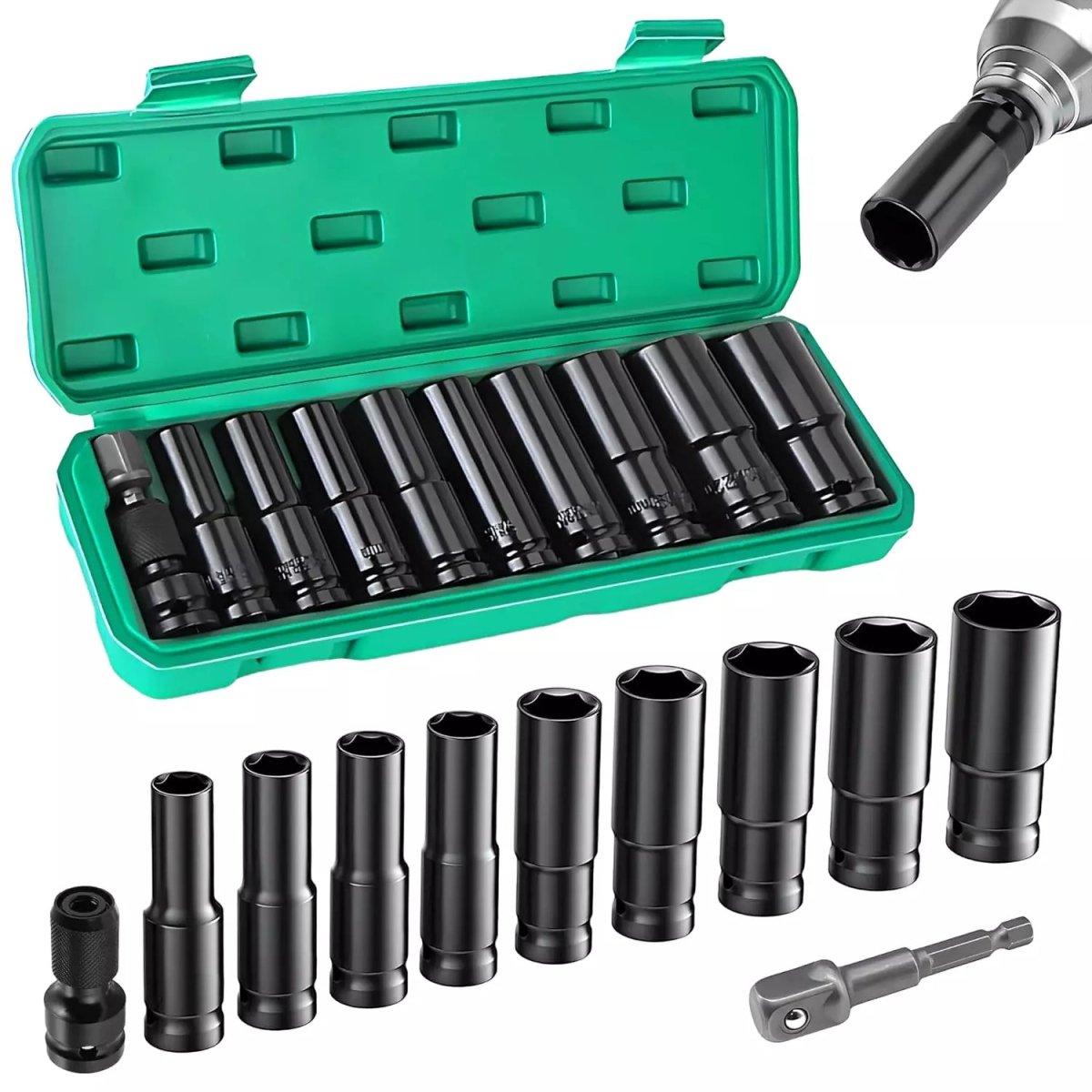
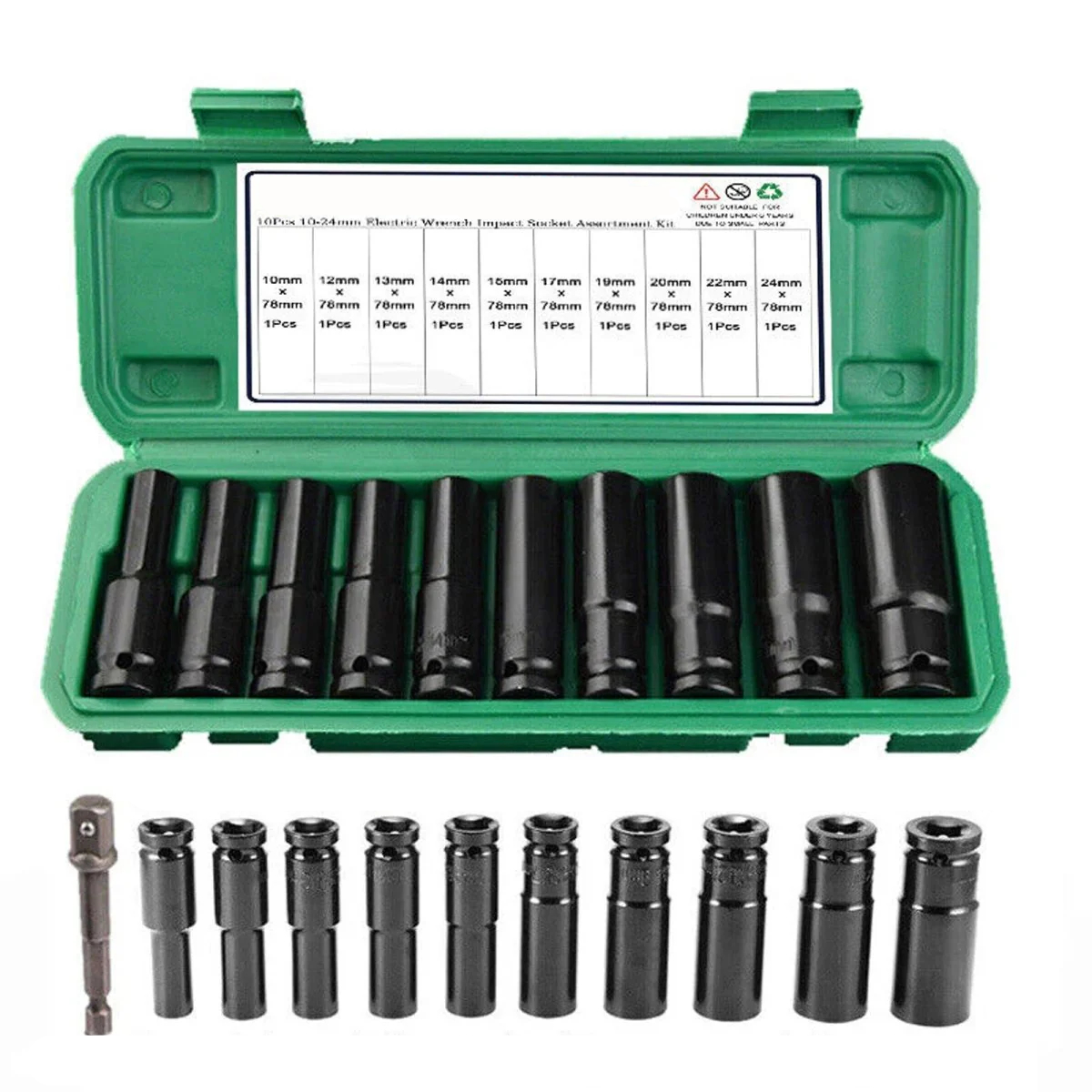
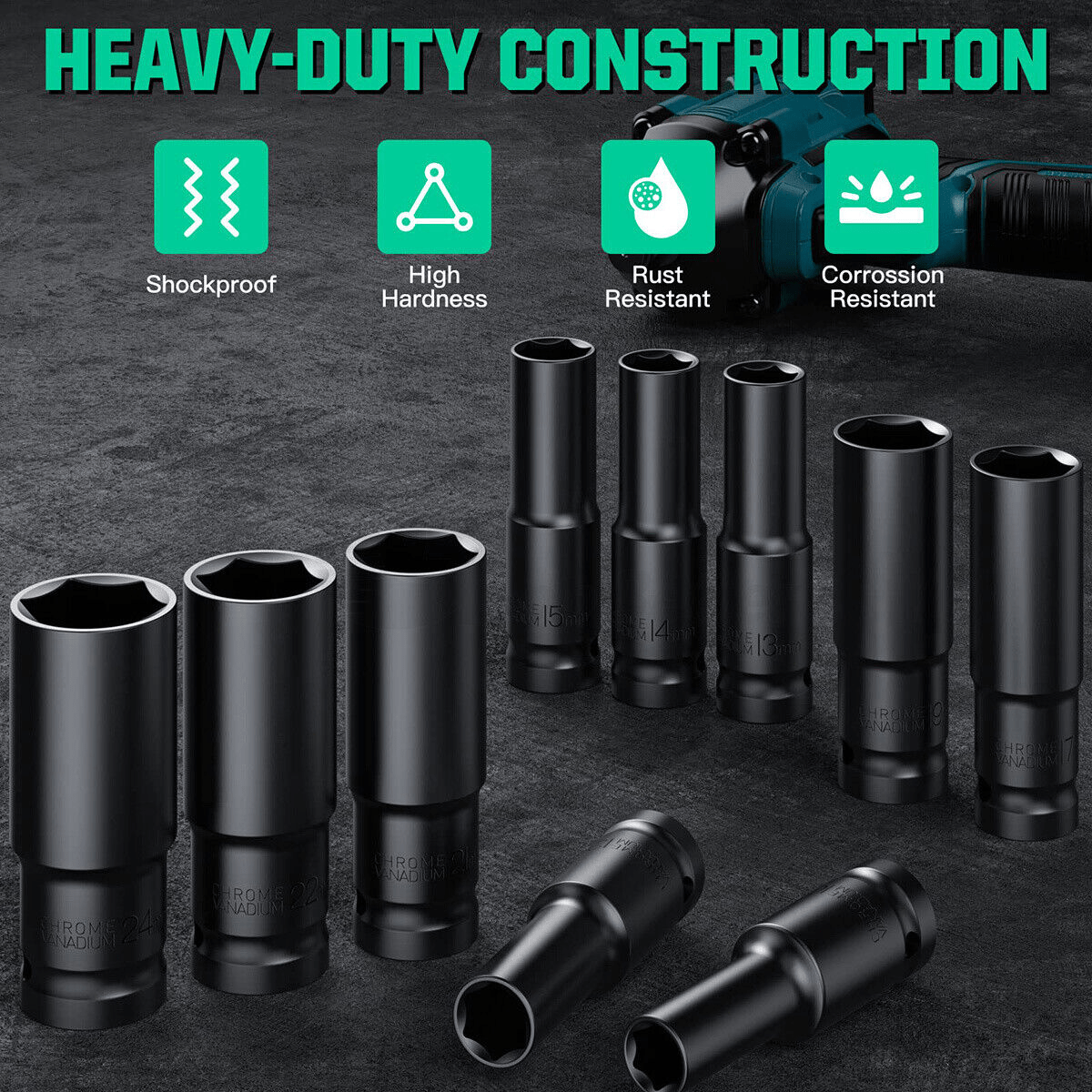
1. Impact Sockets: The Heavy-Duty Warriors
Built for air/power tools:
-
Black Oxide Finish: Absorbs vibration better than chrome
-
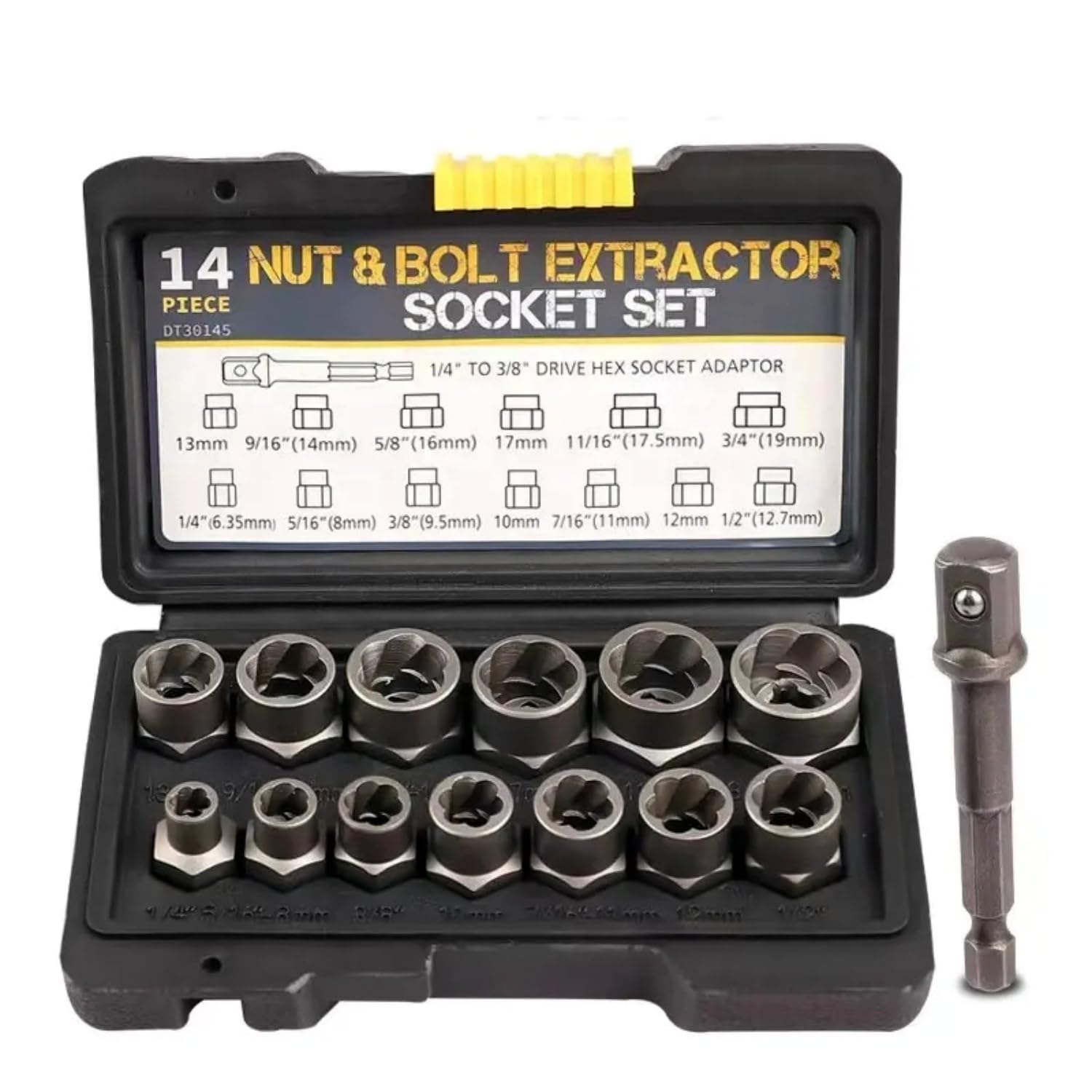
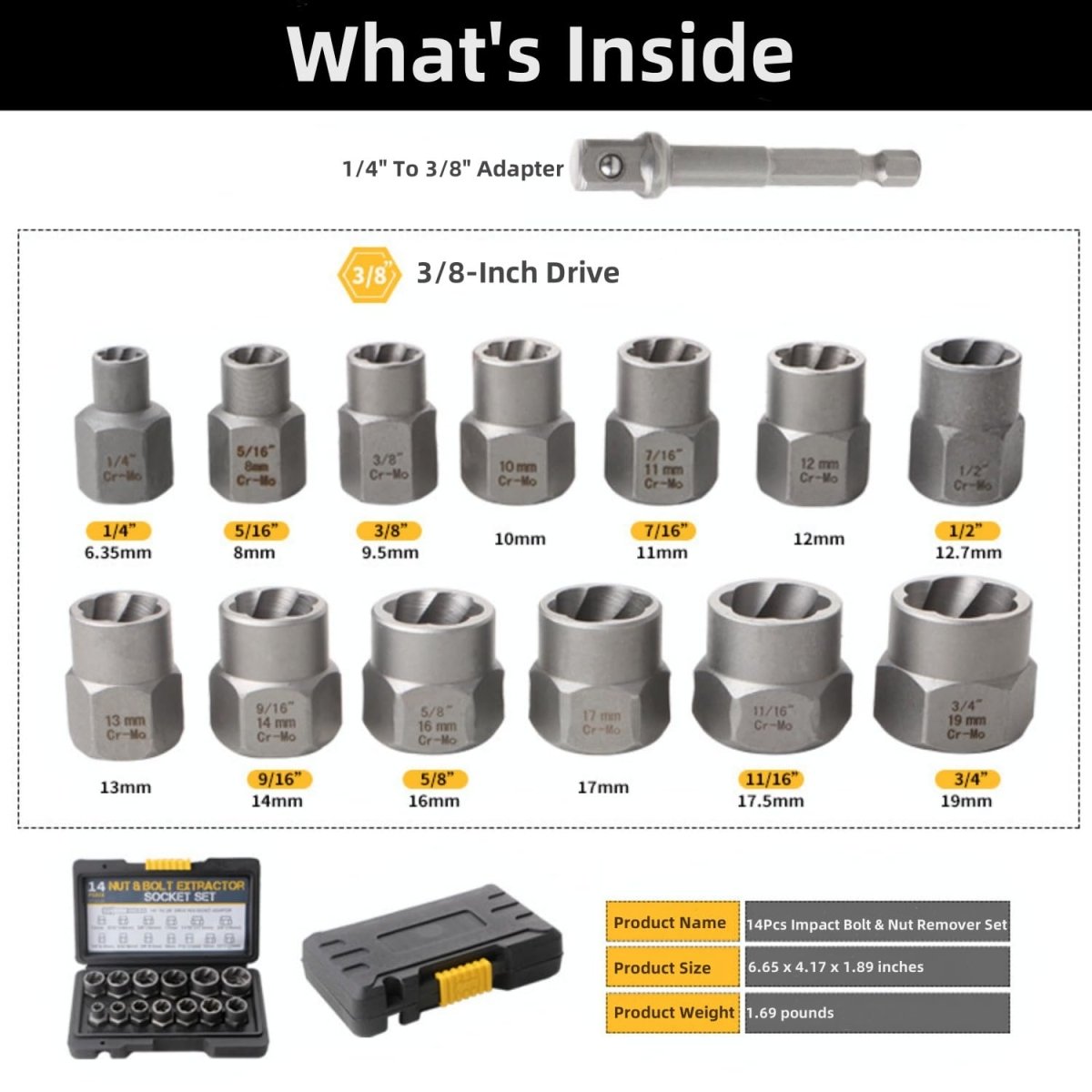
Thick Walls: Handles 2,000+ ft-lbs torque
-
Hexagonal Design: Maximum fastener contact
Critical Rule: NEVER use on hand ratchets - the bulk increases slip risk.
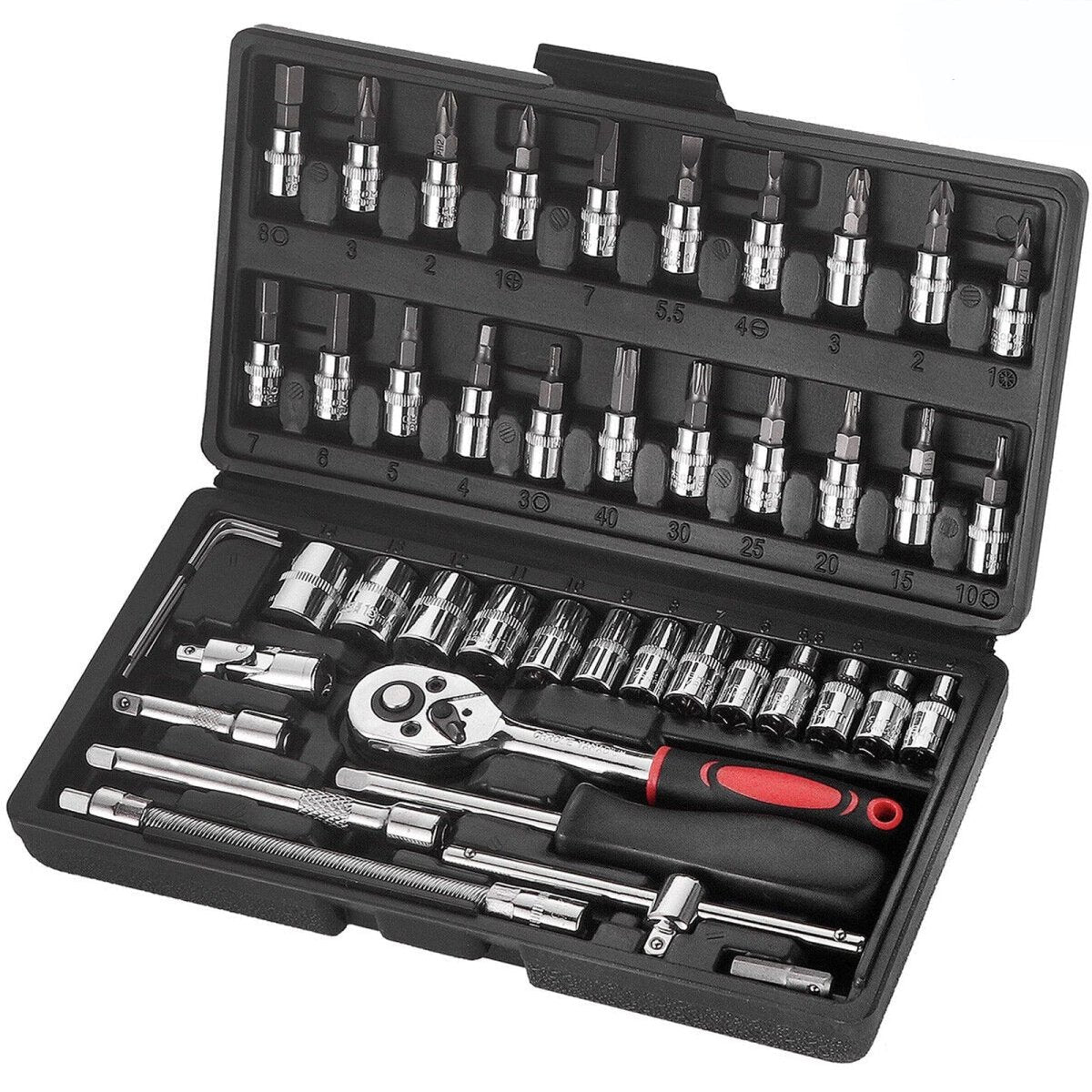
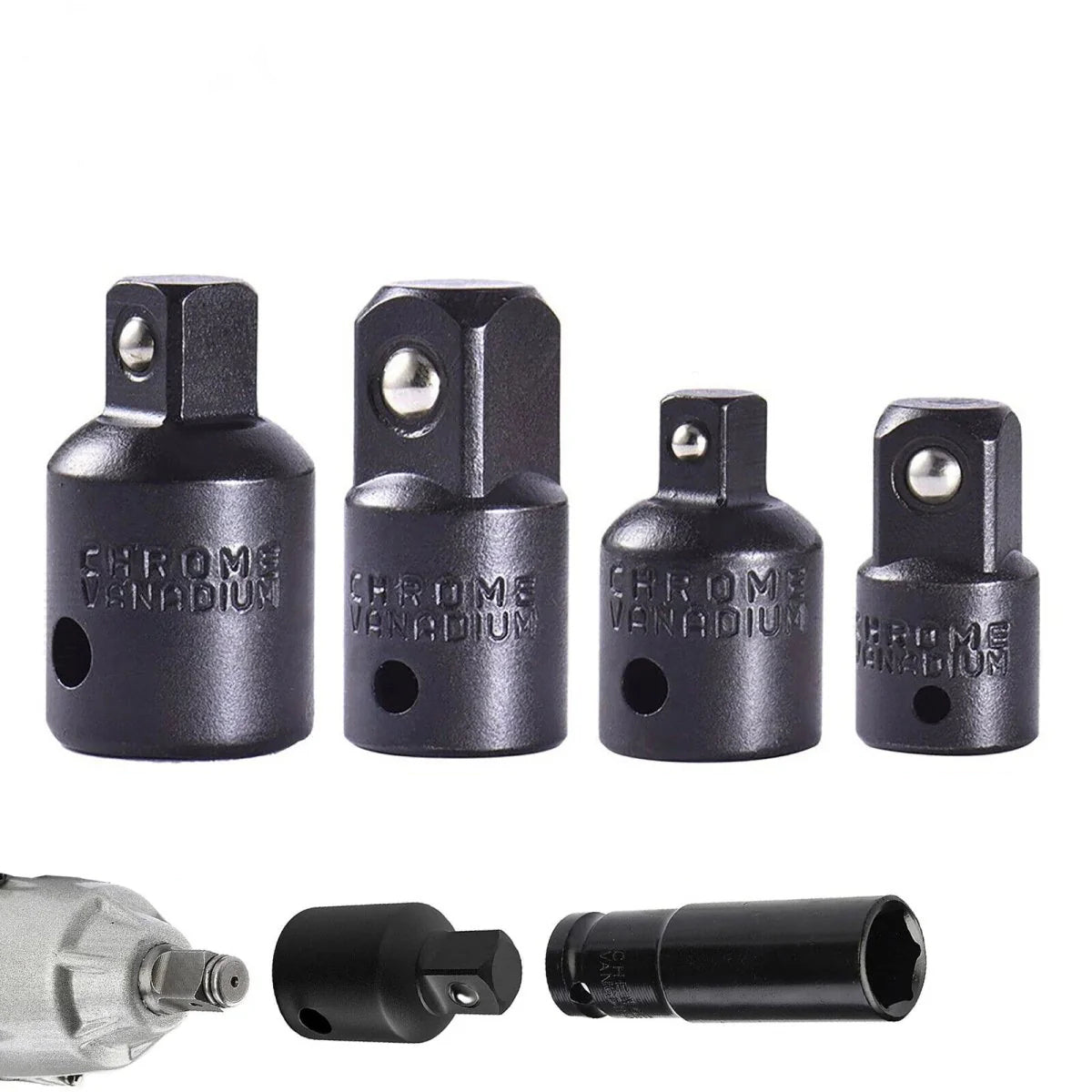
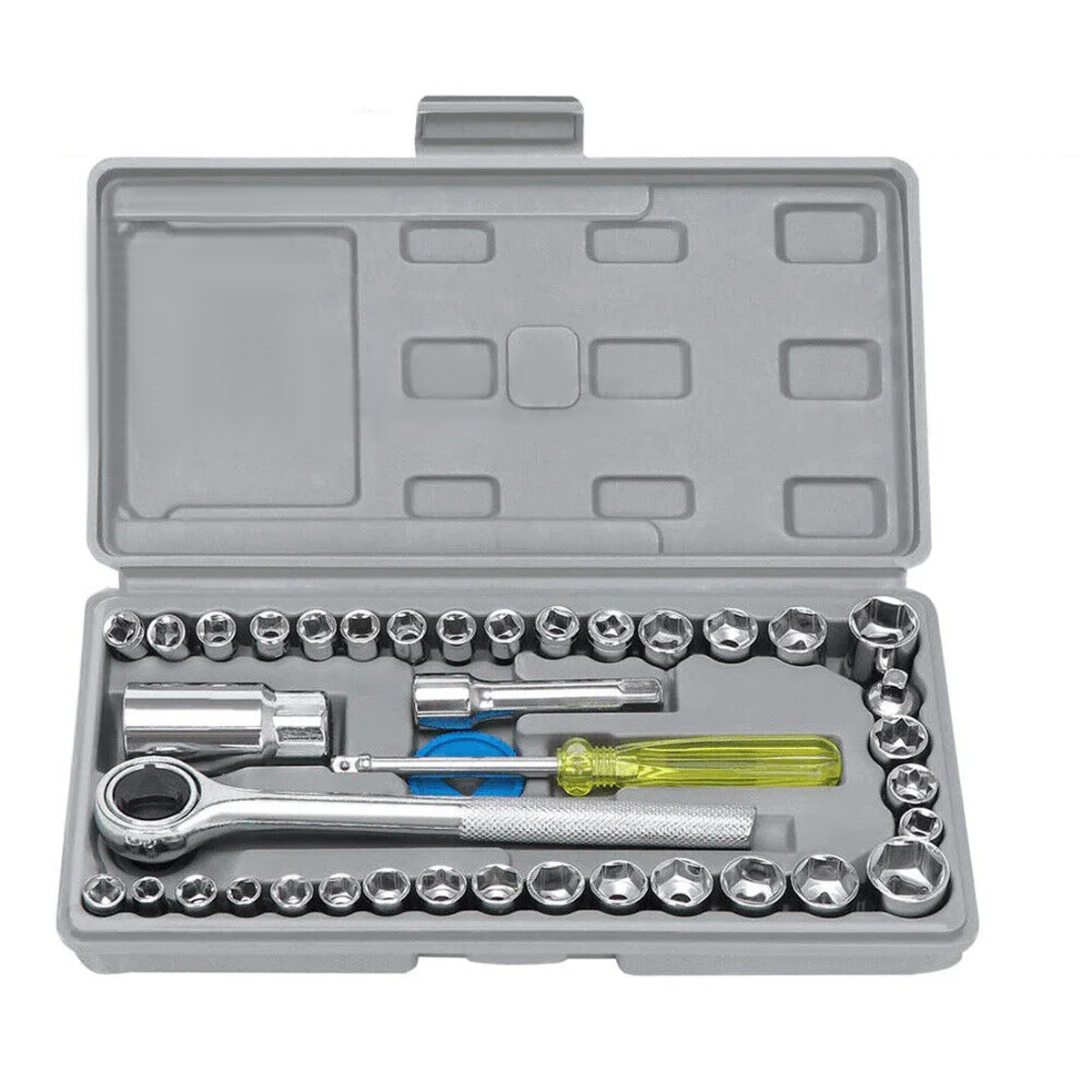
2. Chrome Vanadium Sockets: Precision Masters
Your go-to for hand tools:
-
Mirror Polish: Prevents fastener marring
-
6-Point vs. 12-Point: Choose 6-point for stuck bolts (30% more grip)
-
Thin Walls: Fits confined spaces
HomeDIYer Exclusive: Laser-etched sizes won't fade like cheap stamped markings.
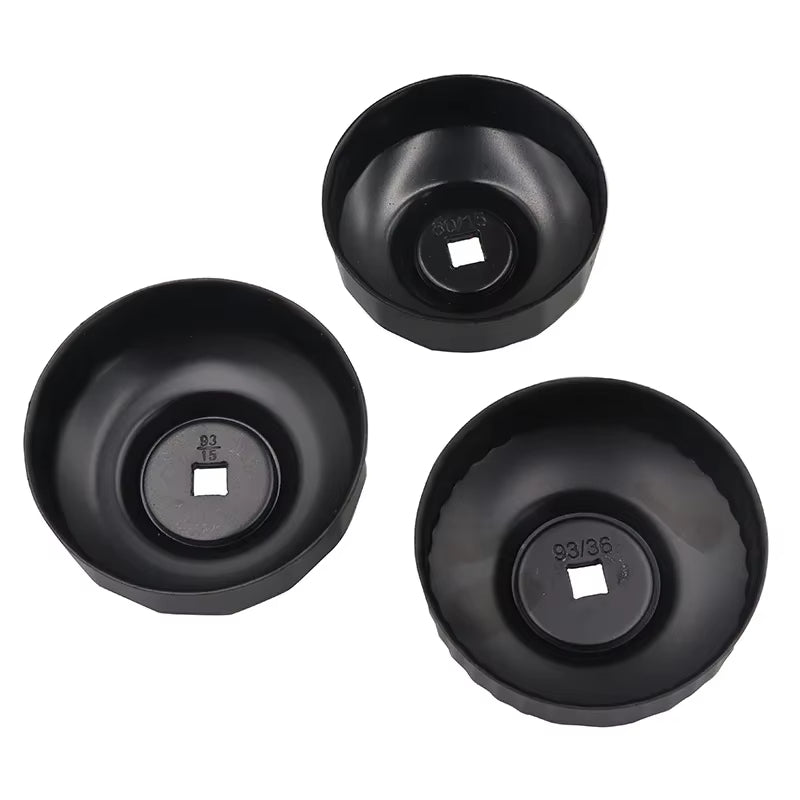
3. Specialty Sockets: Problem Solvers
For jobs standard sockets can't touch:
-
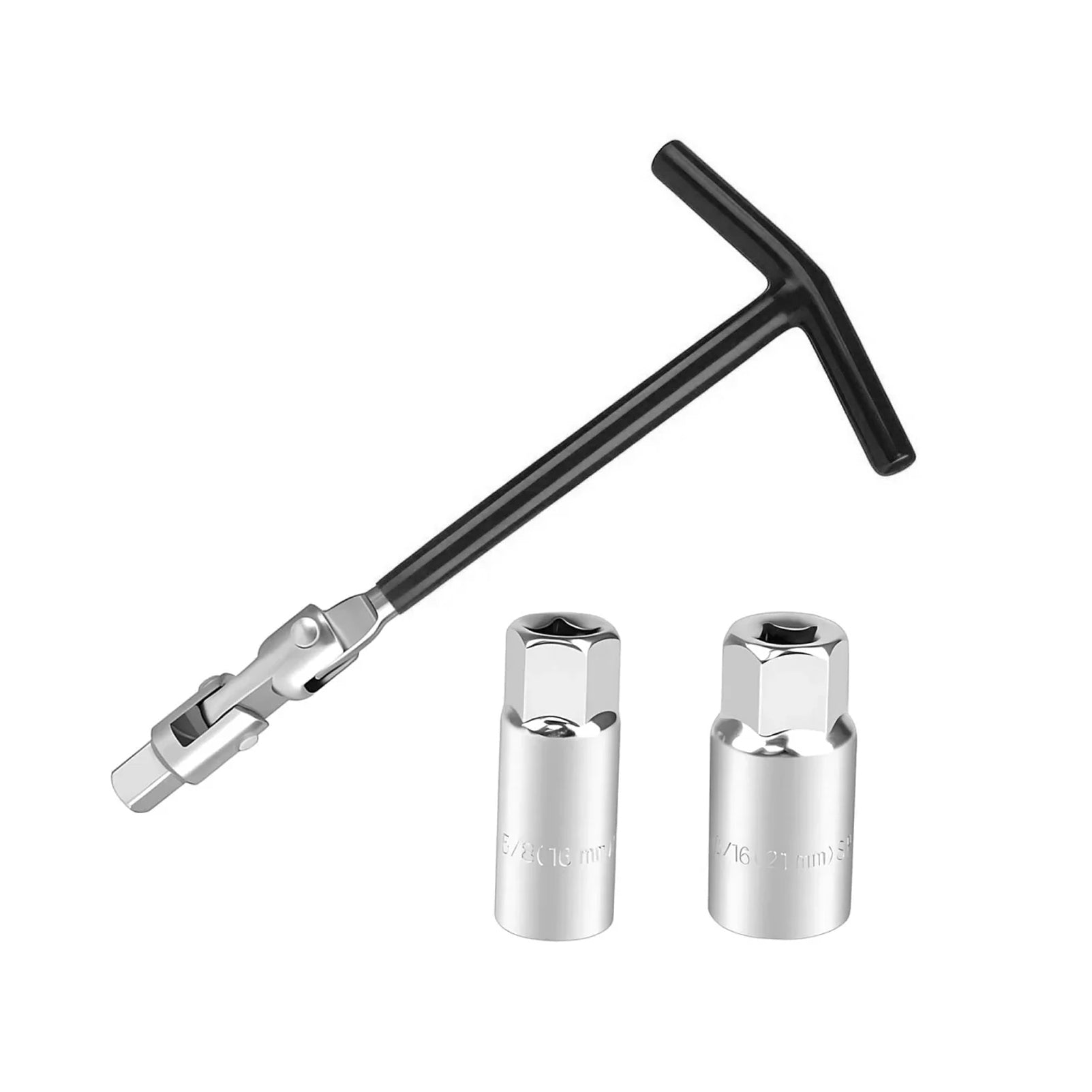
Swivel Sockets: Access bolts at 25° angles
-
Spark Plug Sockets: Magnetic insert holds plugs securely
-
Axle Nut Sockets: Extra-deep design for wheel hubs
Pro Tip: Keep sacrificial sockets for cutting/modifying when needed.
🔧 SPECIALTY SOCKET CHEAT SHEET
-
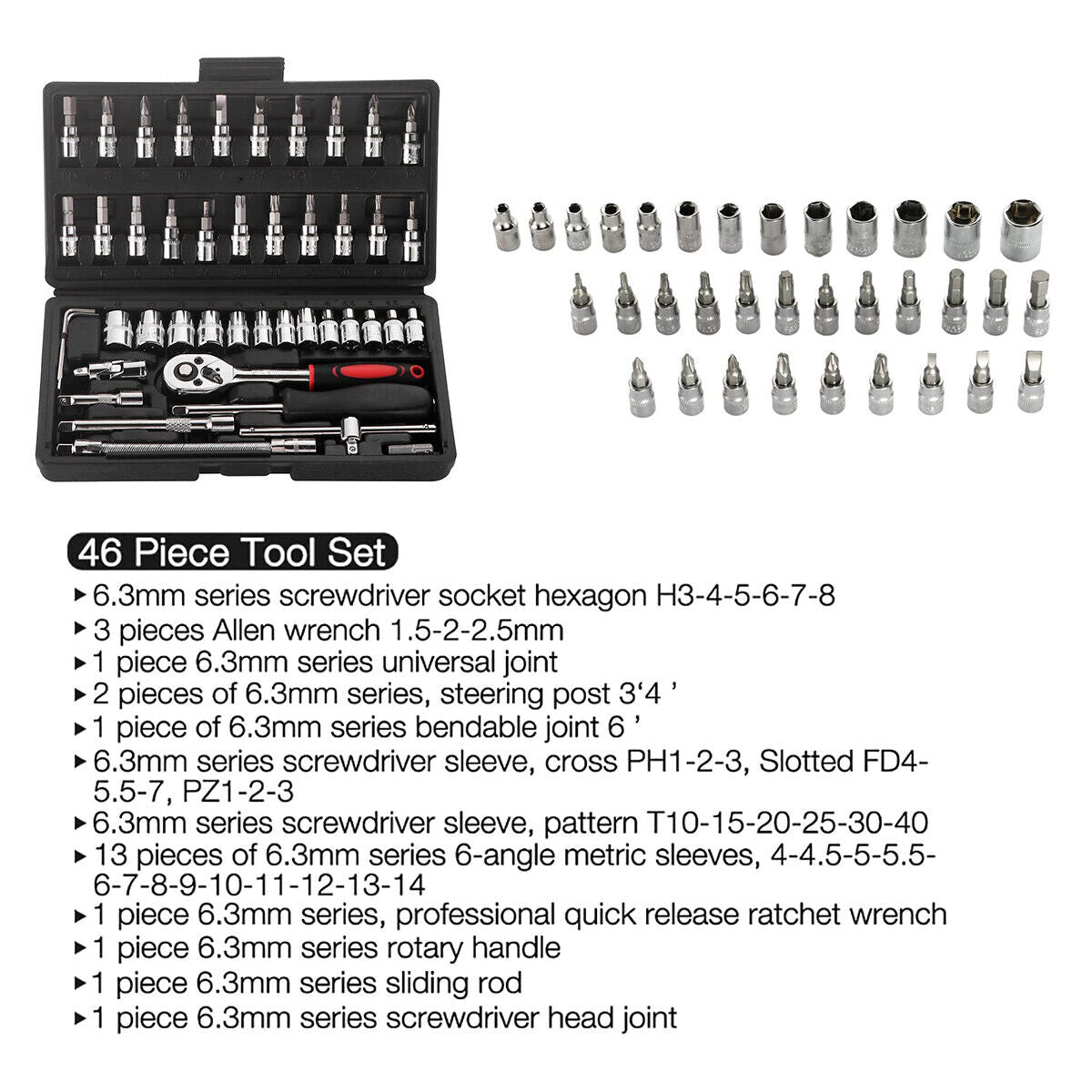
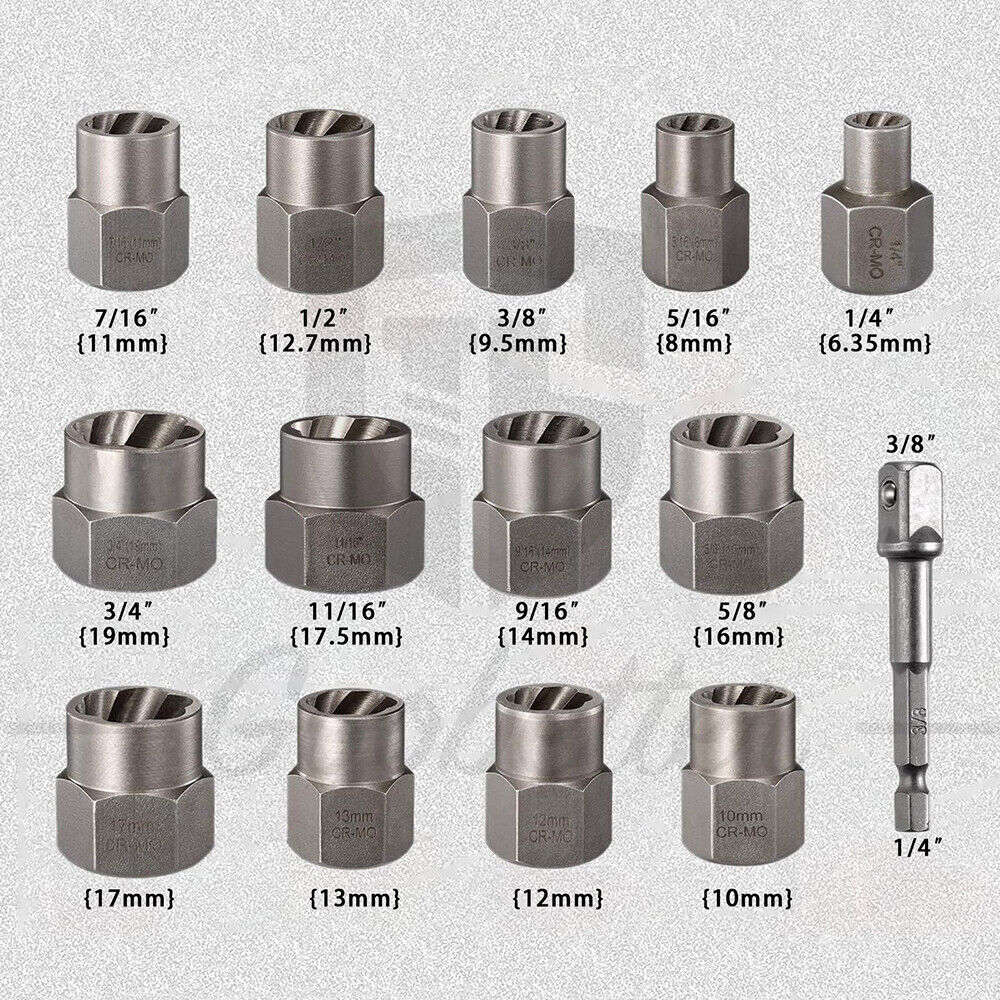
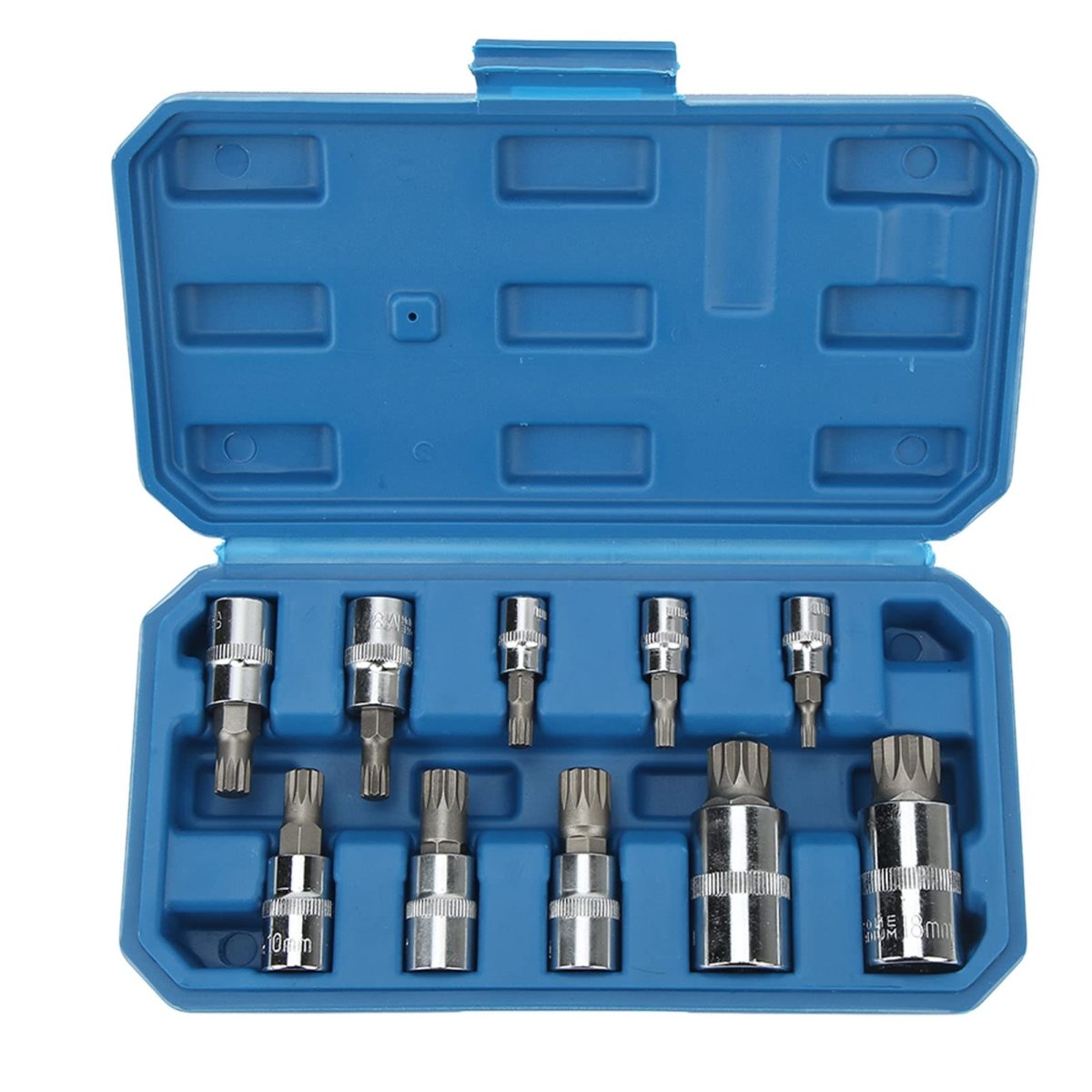
Torx® / E-Torx sockets – For star-shaped fasteners on German vehicles (VW, BMW, Mercedes).
-
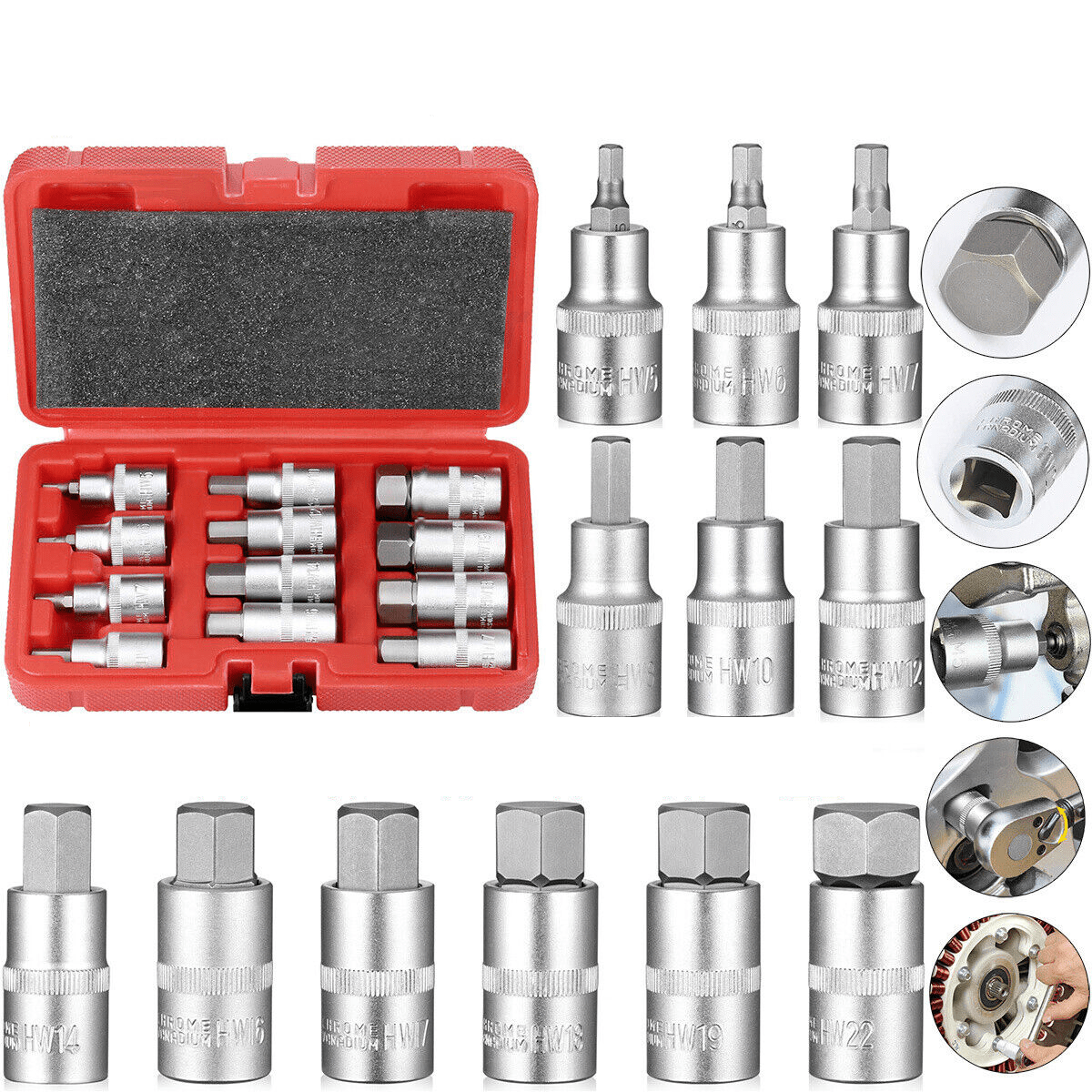
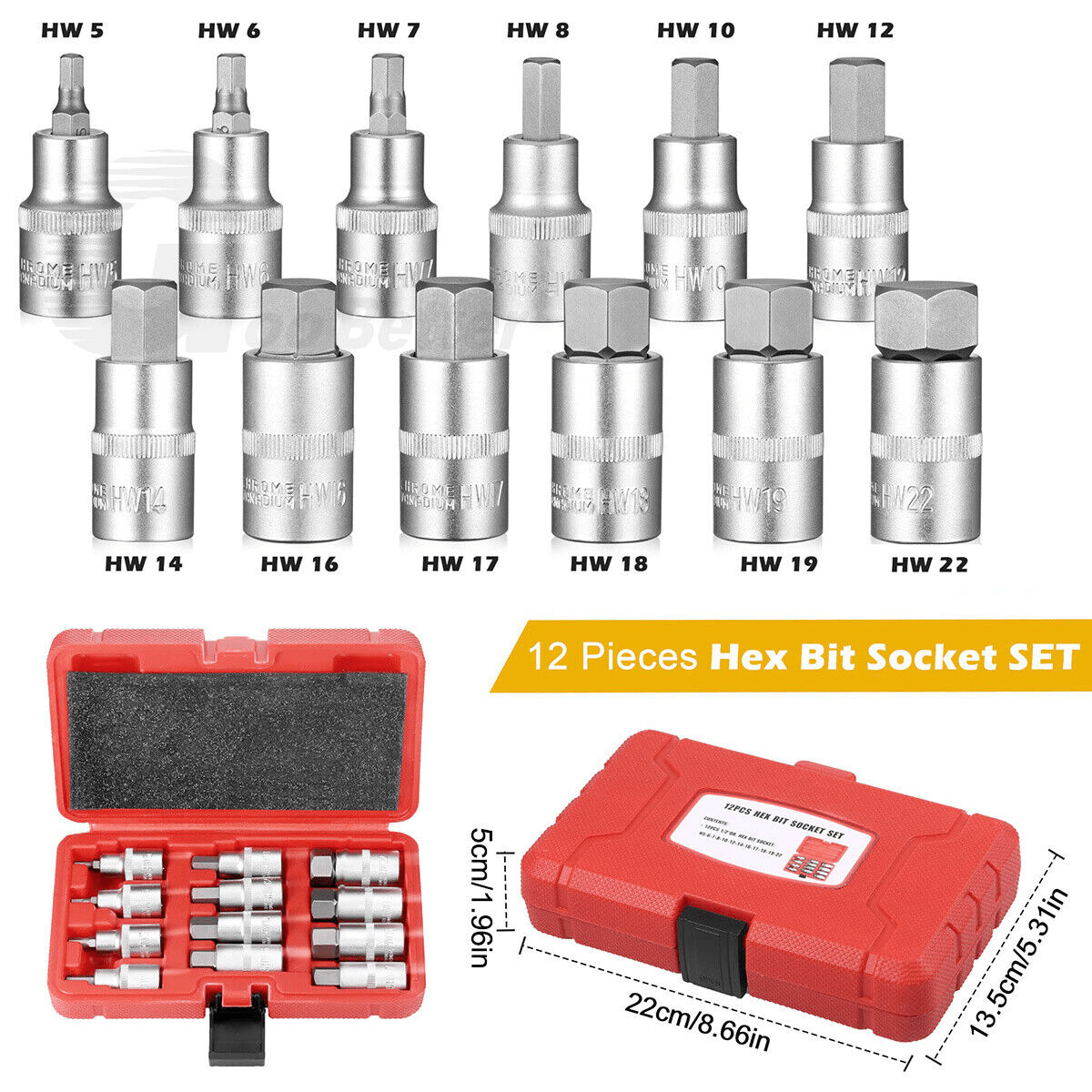
Hex bit sockets (Allen) – Internal hex for recessed fasteners.
-
Universal joint sockets – 20° to 30° swivel for offset access.
-
Pass-through sockets – For long threaded rods where a standard socket bottoms out.
Chapter 2: Building Your Ultimate Socket Set
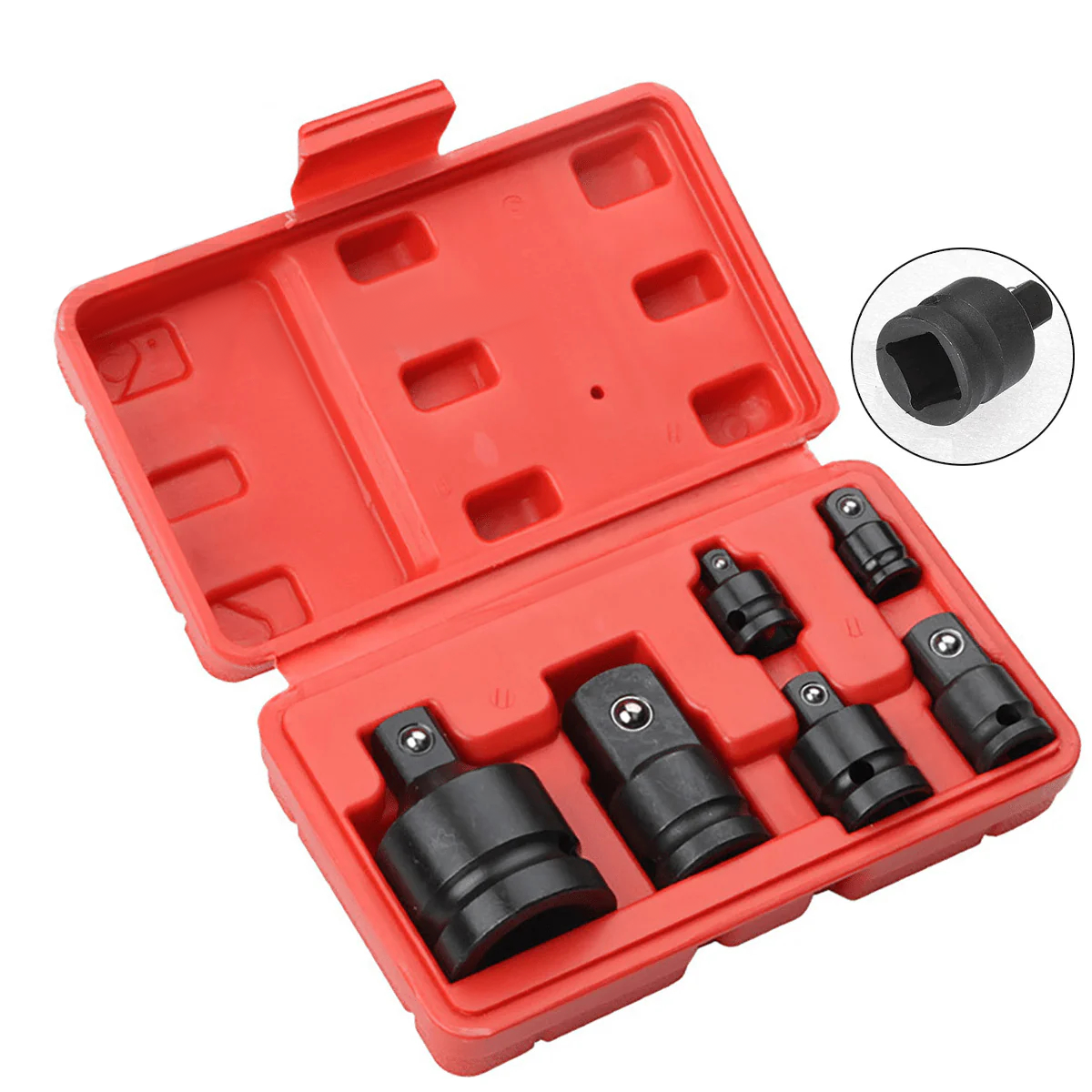
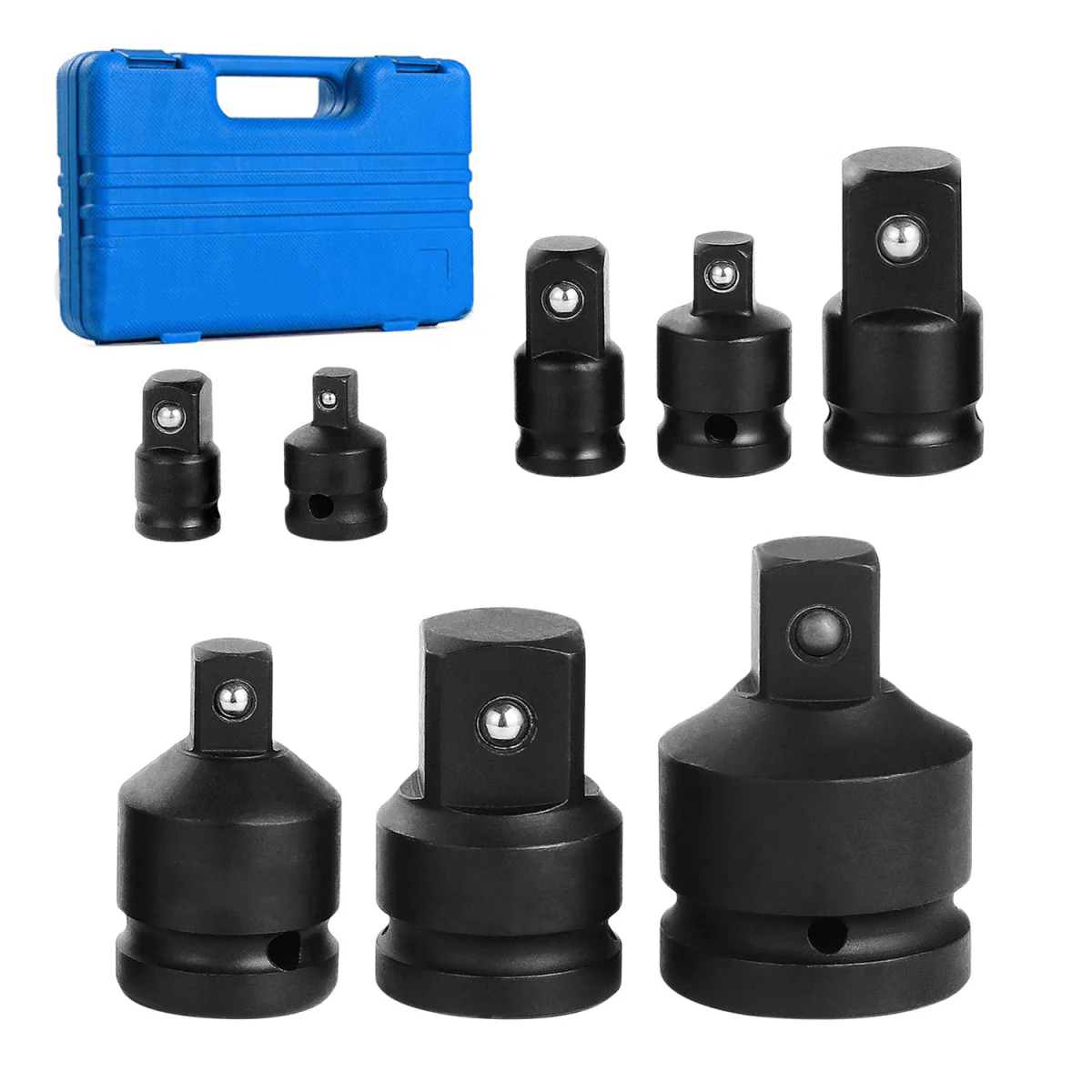
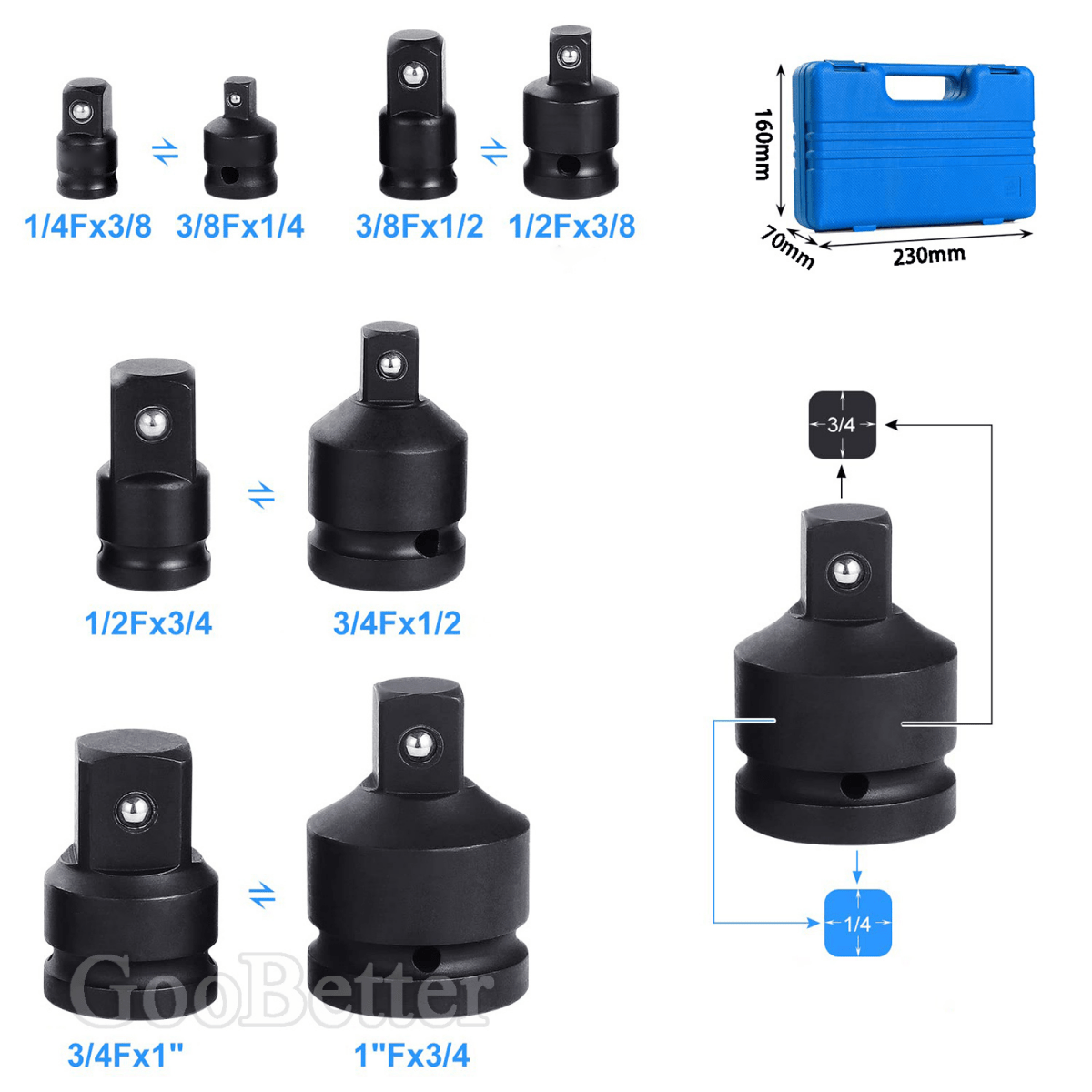
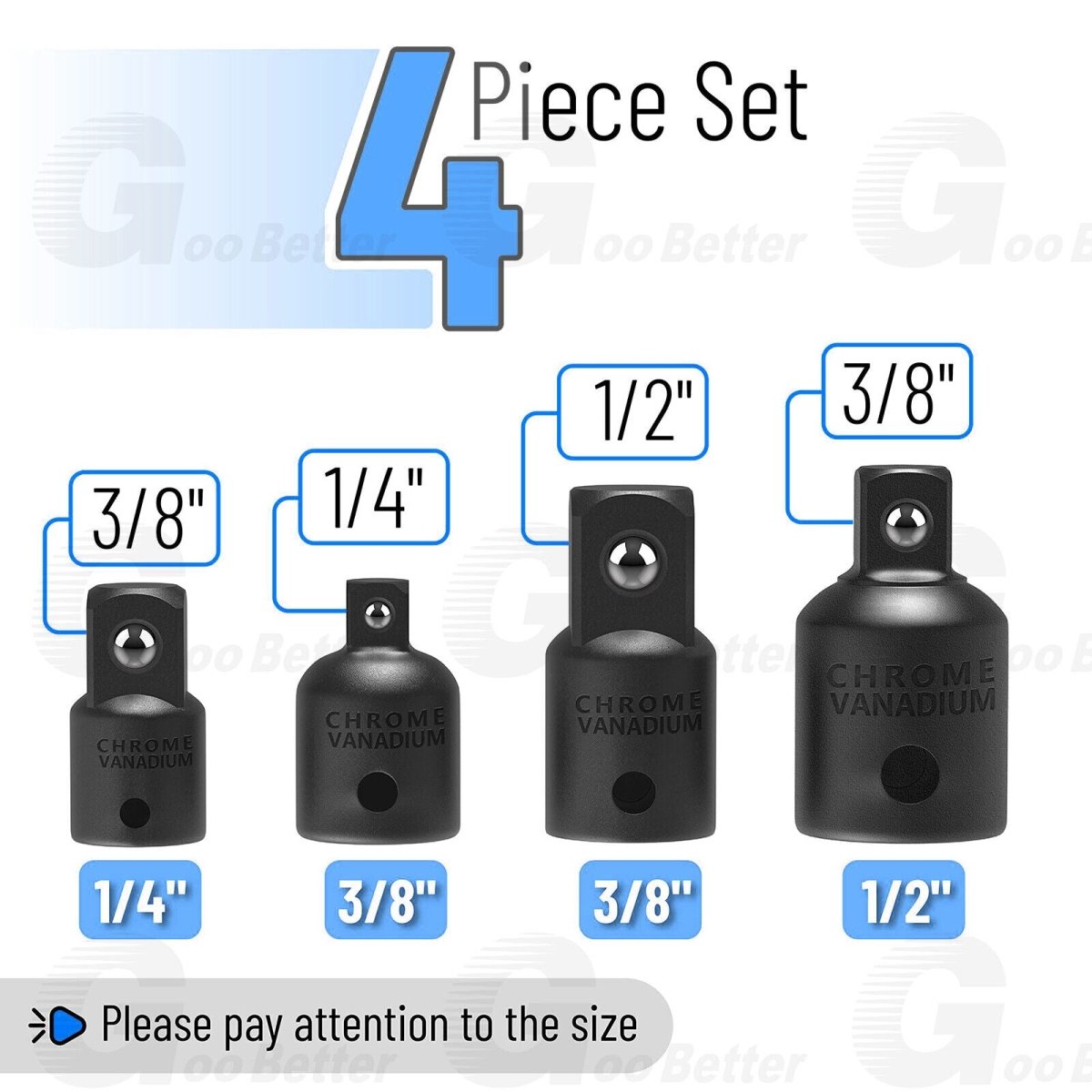
The Drive Size Trinity Explained
| Drive Size |
Max Torque |
Ideal Use |
| 1/4" |
90 ft-lbs |
Electronics, appliances |
| 3/8" |
250 ft-lbs |
Automotive, plumbing |
| 1/2" |
1,000+ ft-lbs |
Truck lug nuts, construction |
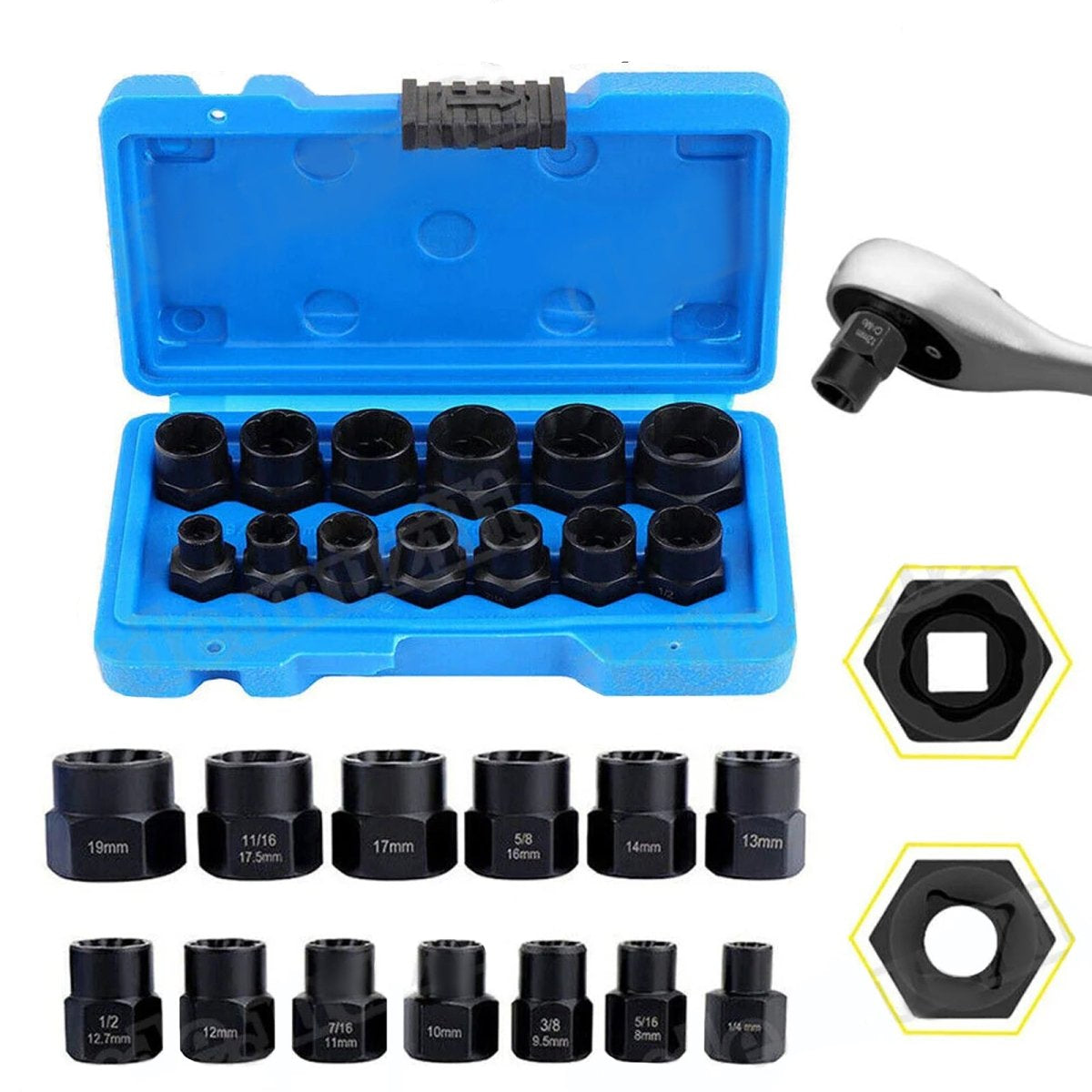
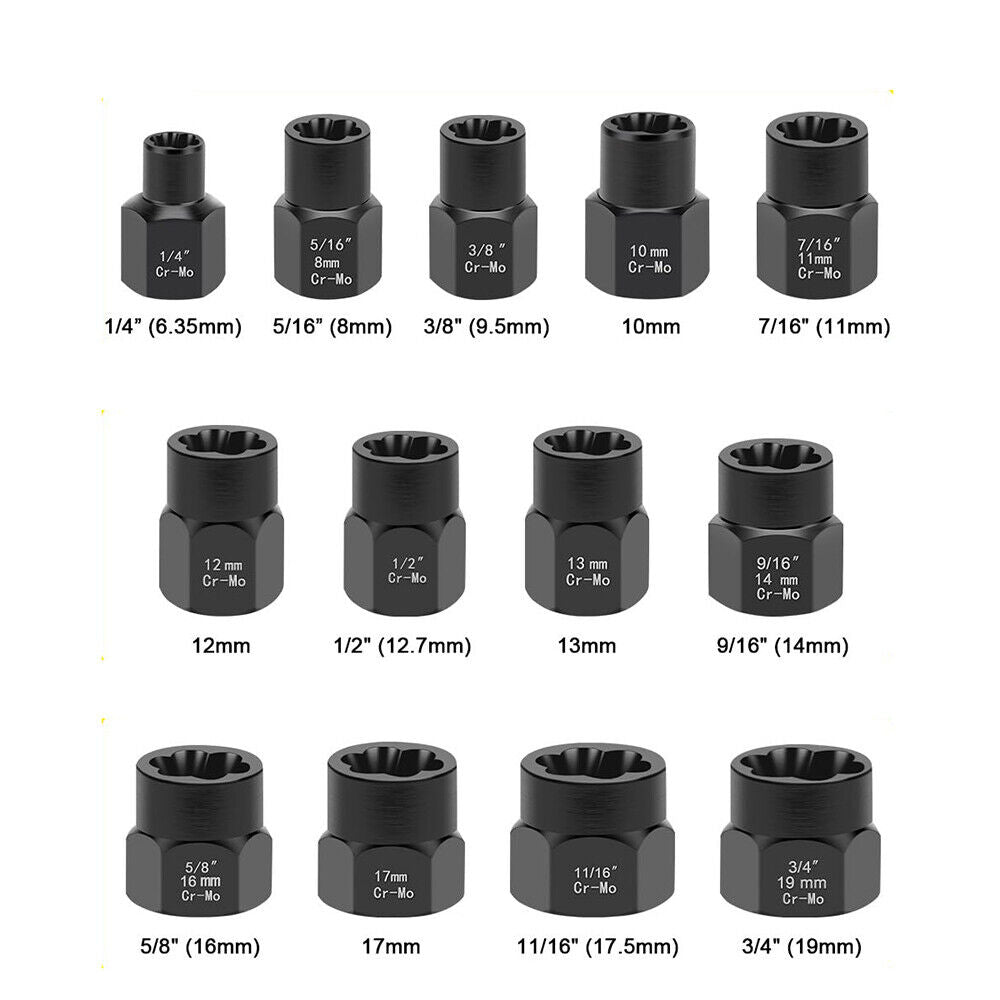
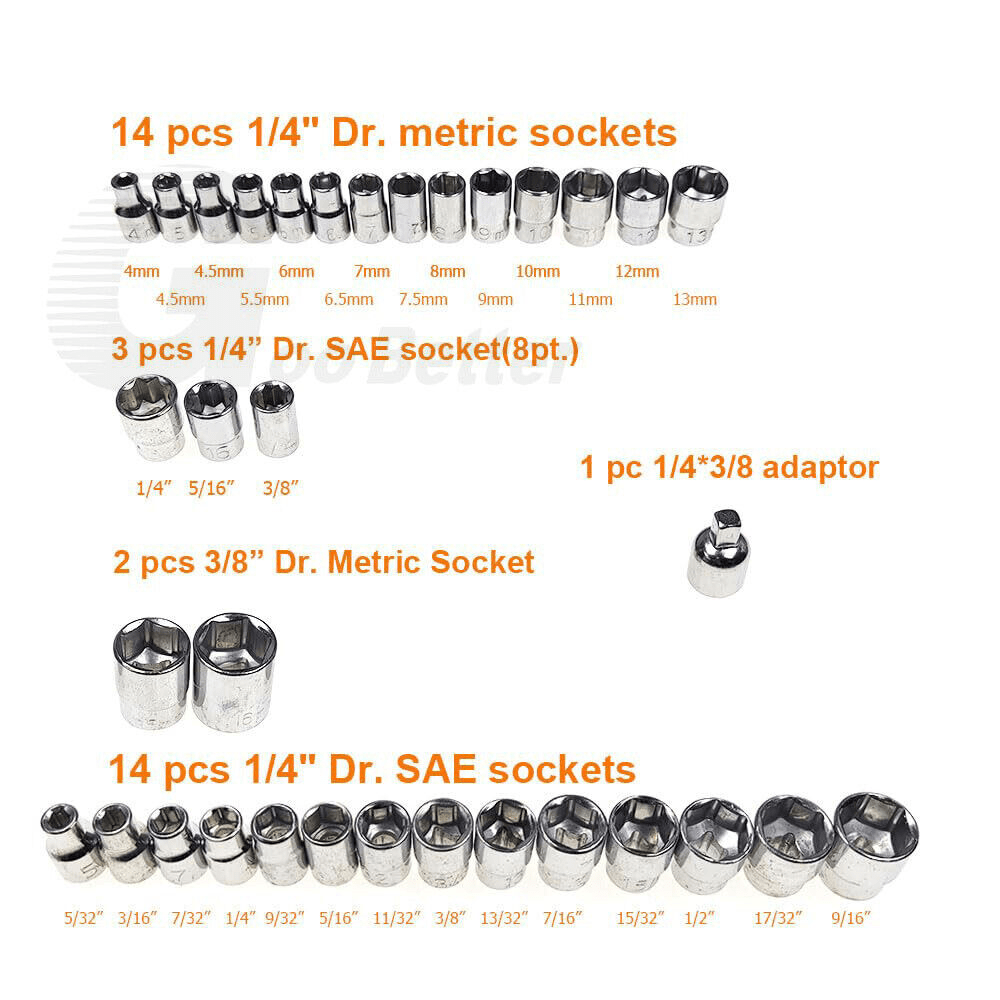
SAE vs. Metric: Never Guess Again
-
SAE (Imperial): Fractions (e.g., 1/2", 3/4") - common in US machinery
-
Metric: Millimeters (e.g., 10mm, 13mm) - standard in imports
Smart Solution: HomeDIYer's Dual-Mark sets label both systems on one socket.
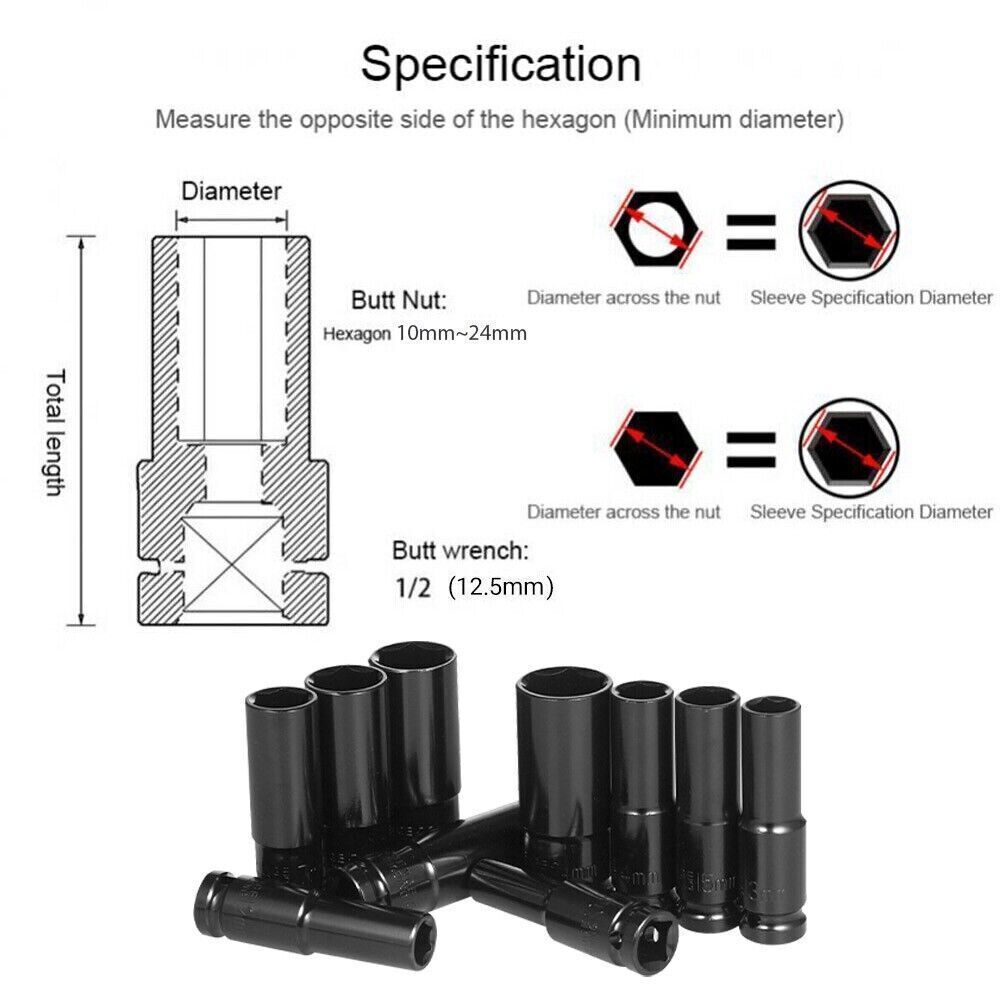
Depth Matters: Shallow vs. Deep
-
Shallow Sockets: Bolts with minimal exposed thread
-
Deep Sockets: Recessed bolts in engine blocks or strut towers
Golden Ratio: Maintain 2:1 shallow-to-deep sockets in your kit.
📏 QUICK CONVERSION REFERENCE
| SAE (inch) |
Closest Metric (mm) |
Difference (mm) |
| 1/4" |
6.35 mm |
6 mm (-0.35) / 7 mm (+0.65) |
| 3/8" |
9.53 mm |
9 mm (-0.53) / 10 mm (+0.47) |
| 1/2" |
12.7 mm |
12 mm (-0.7) / 13 mm (+0.3) |
| 9/16" |
14.29 mm |
14 mm (-0.29) / 15 mm (+0.71) |
| 11/16" |
17.46 mm |
17 mm (-0.46) / 18 mm (+0.54) |
Never force a SAE socket onto a metric bolt – use the correct size to avoid rounding.
Chapter 3: Pro Techniques for Stubborn Fasteners
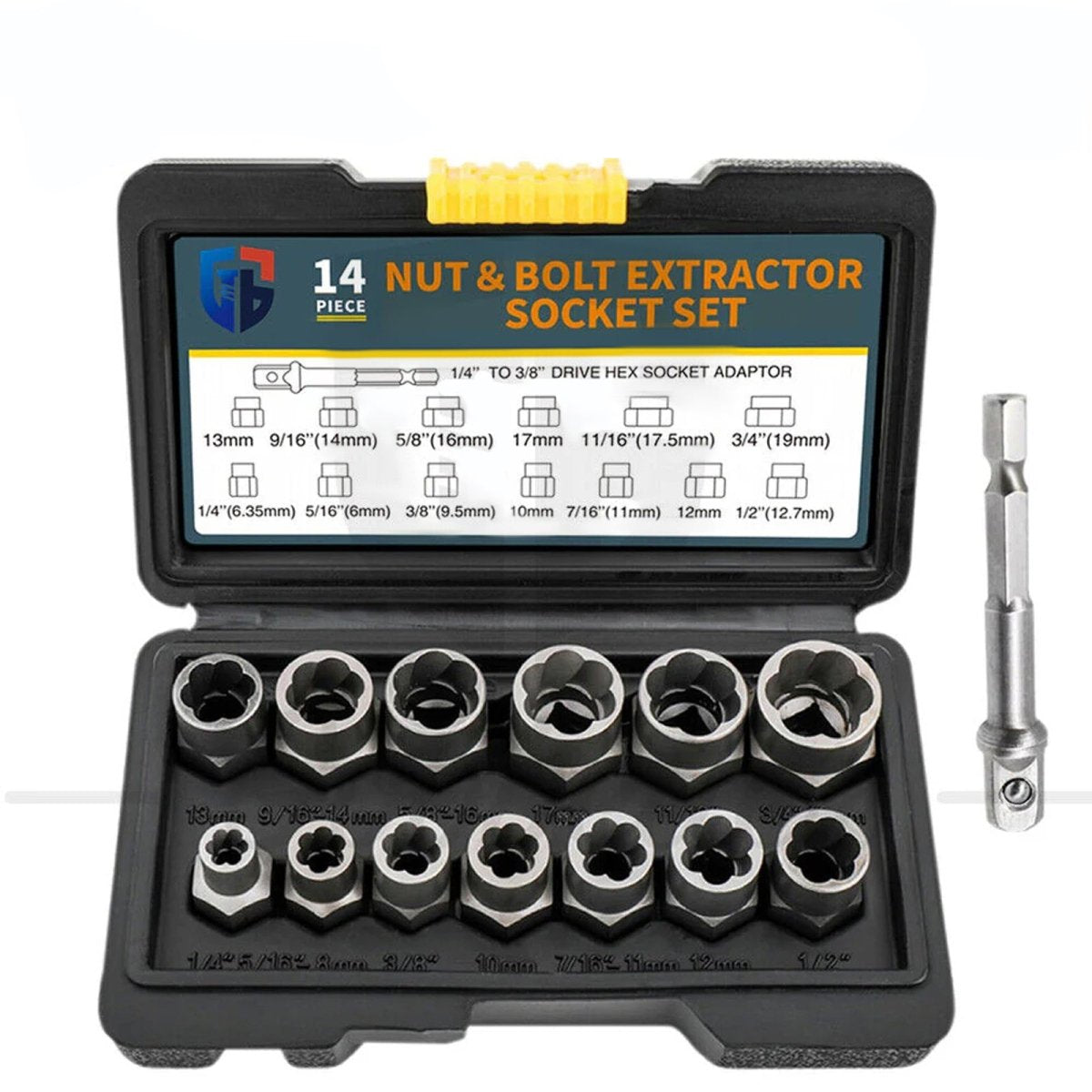
The 10-Second Bolt Rescue Method
Save stripped bolts with this sequence:
- Hammer a TORX bit into the damaged head
- Attach impact socket and wrench
- Apply steady pressure - NO jerking!
- Once moving, switch to hand tools
Impact Wrench Mastery
-
Always Use Impact Sockets: Chrome can shatter catastrophically
-
Lubricate the Anvil: Extends tool life by 40%
-
Pulse, Don't Hold: 3-second bursts prevent overheating
Plumbing Specifics (For "Plumbing Socket Tools" Jobs)
-
Faucet Sockets: Thin-wall 8-19mm for tight spaces
-
Pipe Plug Sockets: Square-drive for gas lines
-
Immediate Drying: Prevent rust after water exposure
🔨 ADVANCED TECHNIQUE
For rusted exhaust manifold bolts, heat the area around the bolt (not the bolt itself) with a propane torch for 30 seconds, then use a 6-point impact socket and a breaker bar. The thermal expansion breaks the rust bond without damaging threads.
Chapter 4: Maintenance That Saves Hundreds
Post-Use Ritual (5 Minutes)
- Soak in mineral spirits for 10 minutes
- Scrub with brass brush (steel scratches chrome)
- Blow dry with compressed air
- Apply light silicone coating
Storage Solutions That Prevent Loss
-
Magnetic Rails: Visually organize sizes
-
Labeled Trays: Prevent SAE/metric mix-ups
-
Foam Organizers: Custom-cut slots for each socket
DIY Hack: Paint size numbers with fluorescent nail polish for low-light visibility.
When to Retire a Socket
- Cracks near drive end
- Rounded internal corners
- Deep rust pitting
- Distorted opening
Why HomeDIYer Socket Tools Outperform
Our sockets pass 53 brutal tests:
-
Torque-to-Failure: 200% rated capacity
-
Salt Spray Chambers: 100+ hours corrosion resistance
-
Chrome Adhesion: Exceeds SAE J194 standards
⭐ REAL DIYER TRANSFORMATIONS
"After stripping three alternator bolts with big-box sockets, I tried HomeDIYer's impact set. Not only did it work - the bolt looked untouched!" — Derek S., Michigan
"Their dual-marked sizes saved my Kawasaki rebuild. No more conversion charts!" — Luis M., Texas
Conclusion: Build Confidence with Every Turn
Mastering socket tools means:
- Choosing the right type for each job
- Organizing for efficiency
- Maintaining religiously
Ready to upgrade? Explore HomeDIYer's Socket Tools and use code HomeDIUYer10 for 10% off all sets.