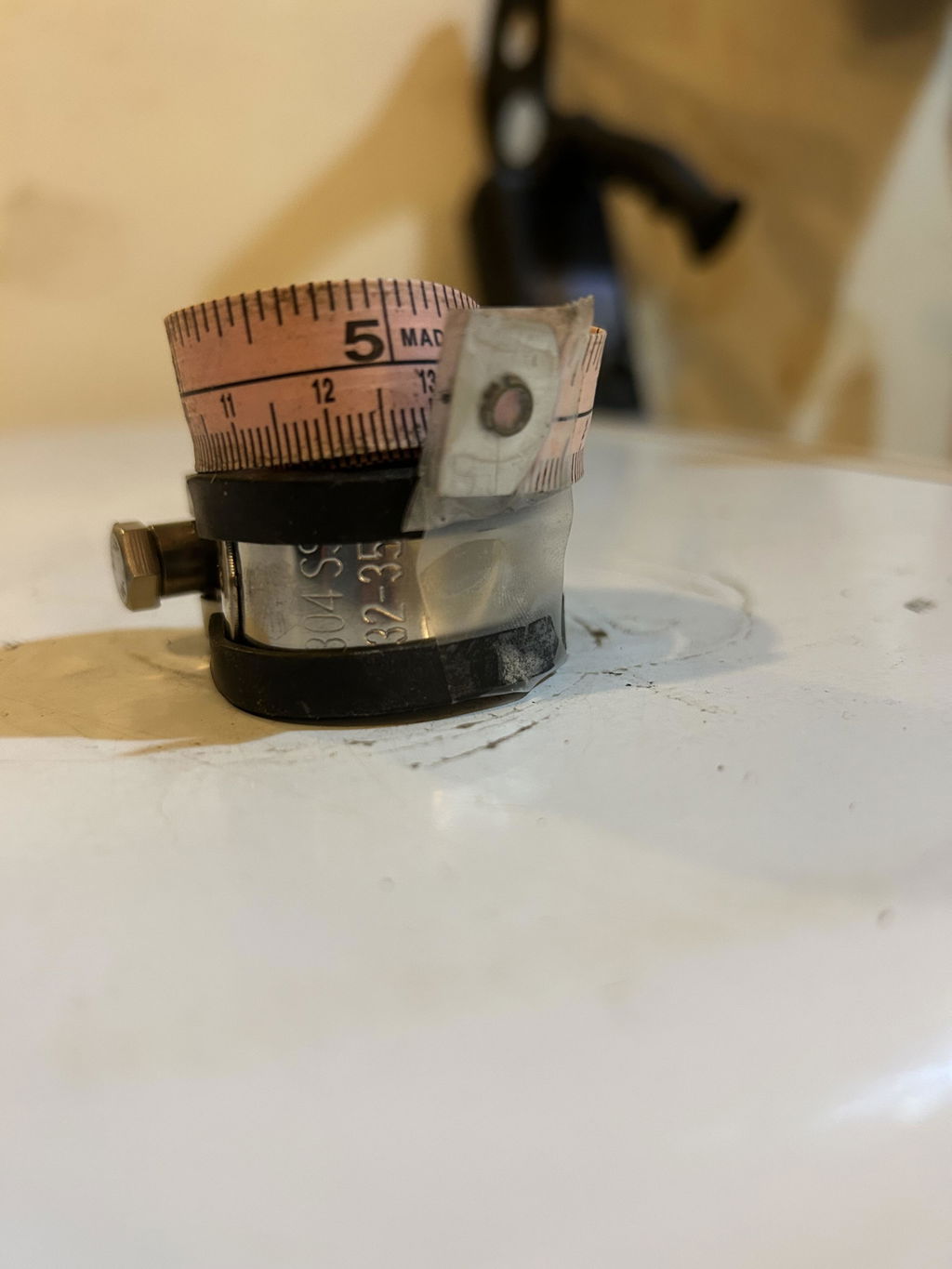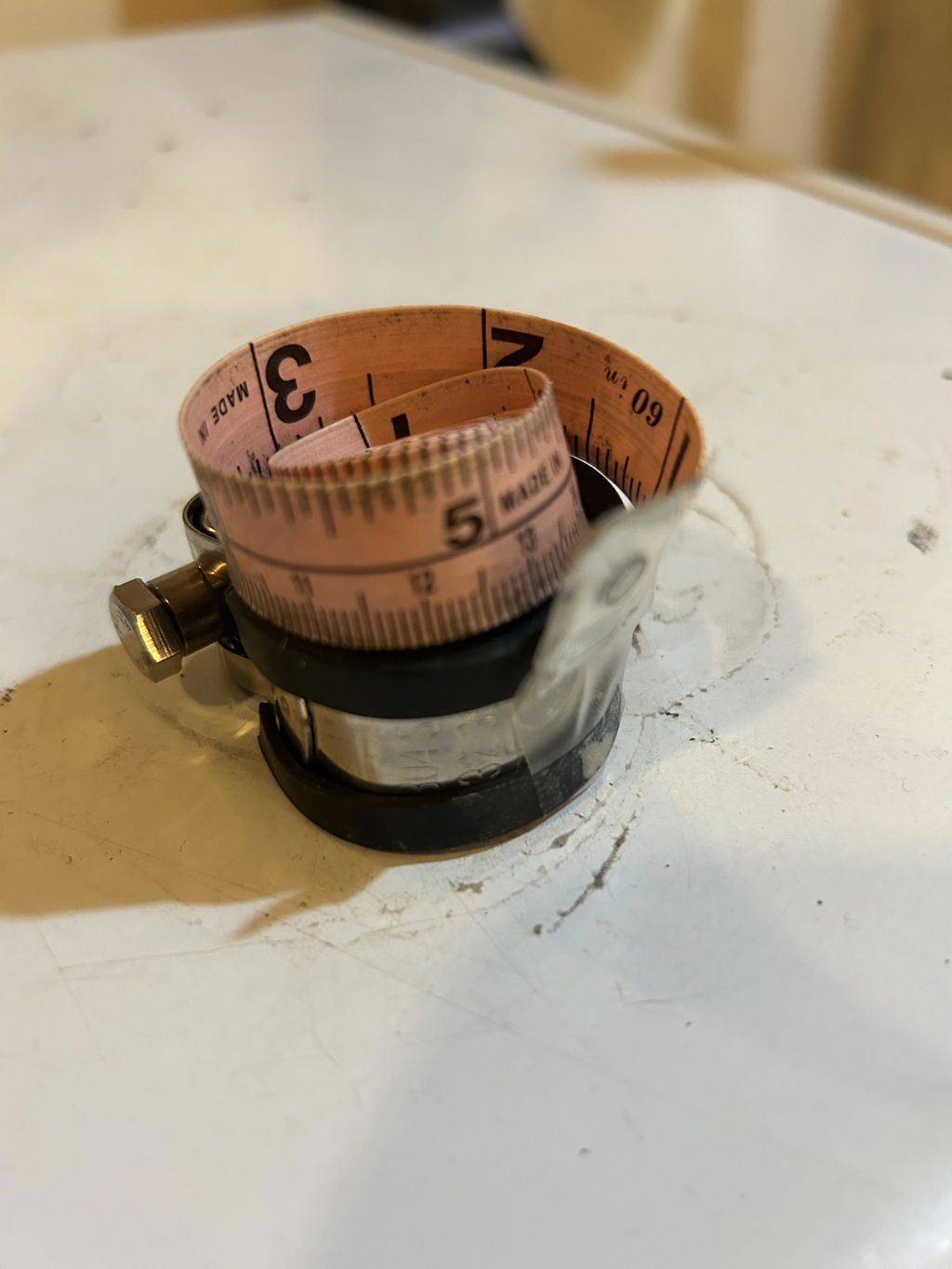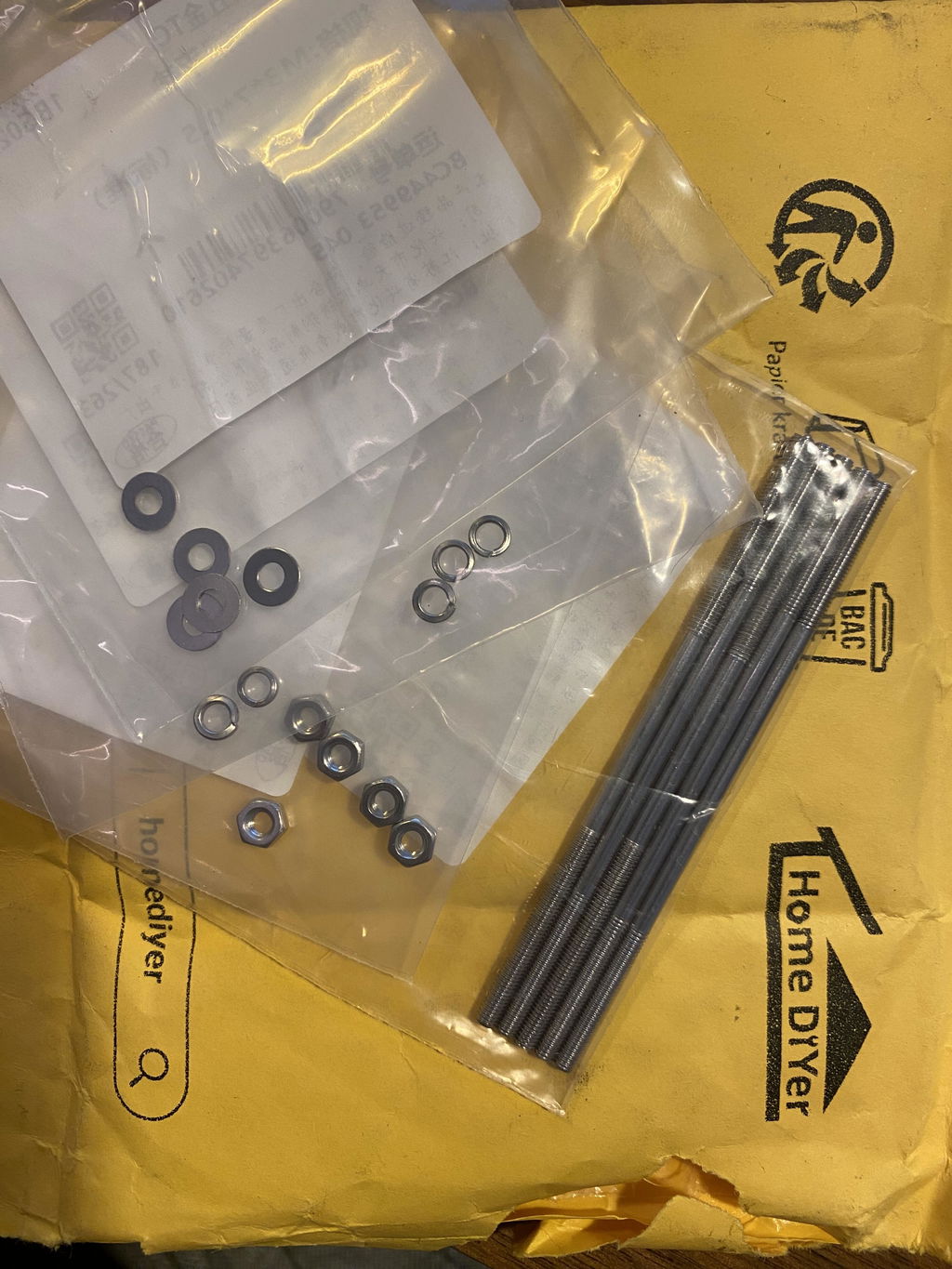
The chain is fine...but I ordered the wrong size. Nine links of the chain I ordered equals six of the size I wanted. My error...
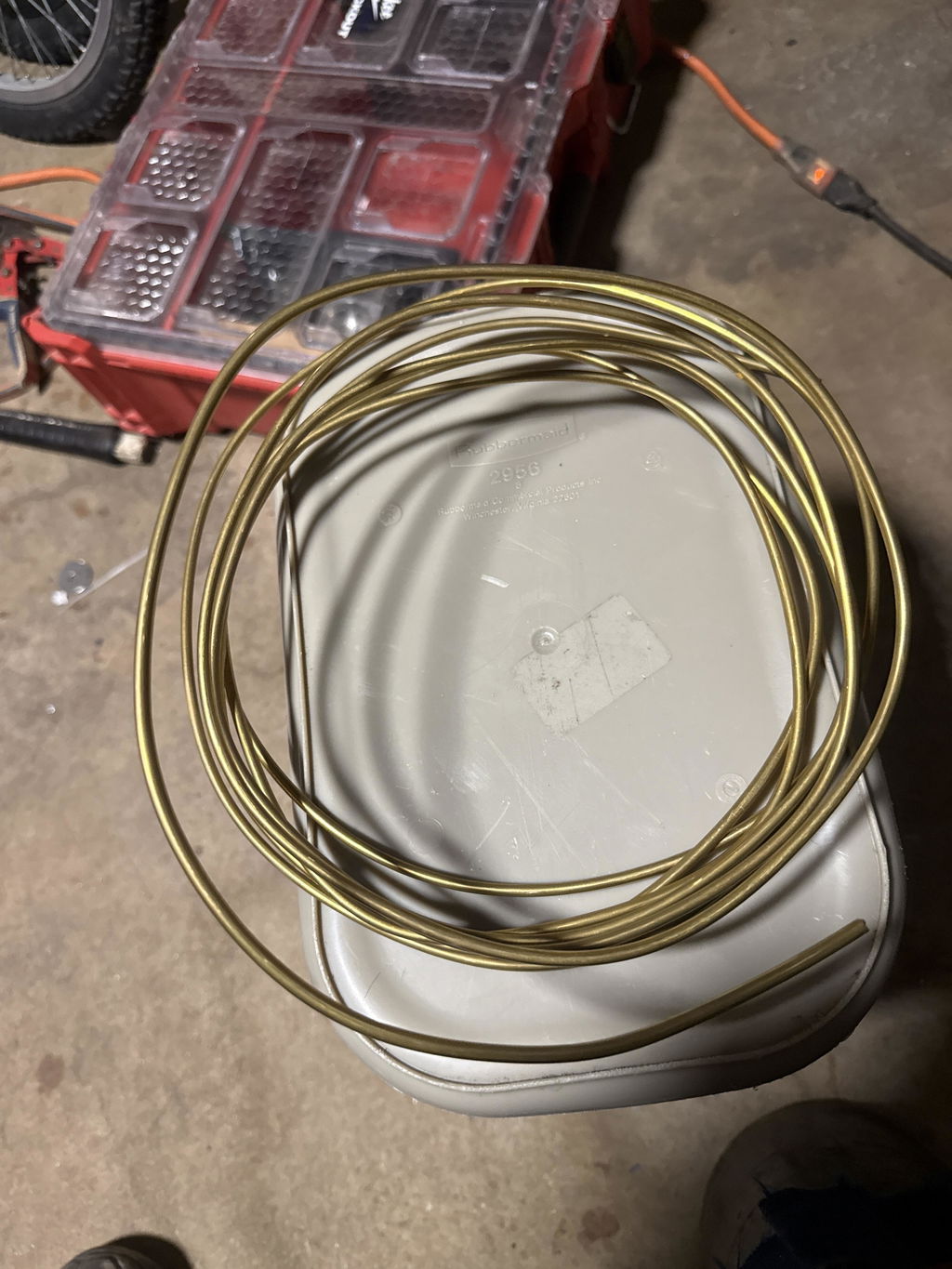
How can I straighten out the springs? I can't use them coil uo as is.
Your payment information is processed securely. We do not store credit card details nor have access to your credit card information.
Get fitment advice & recommendations
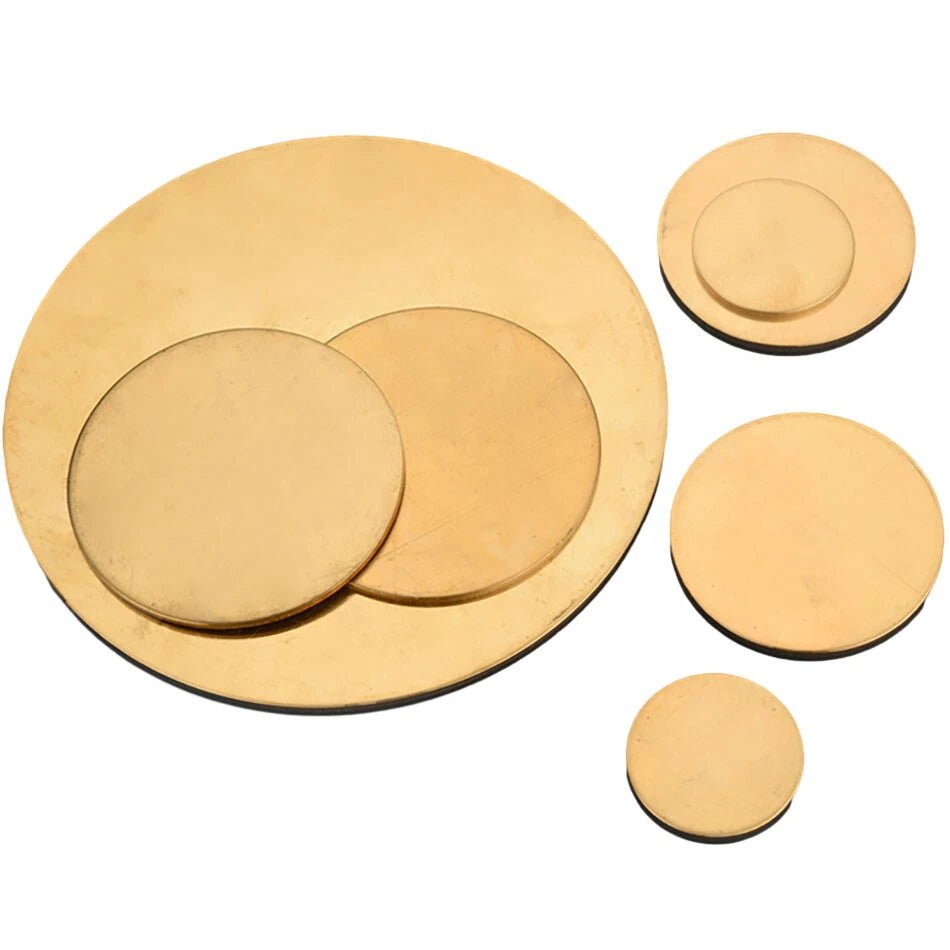
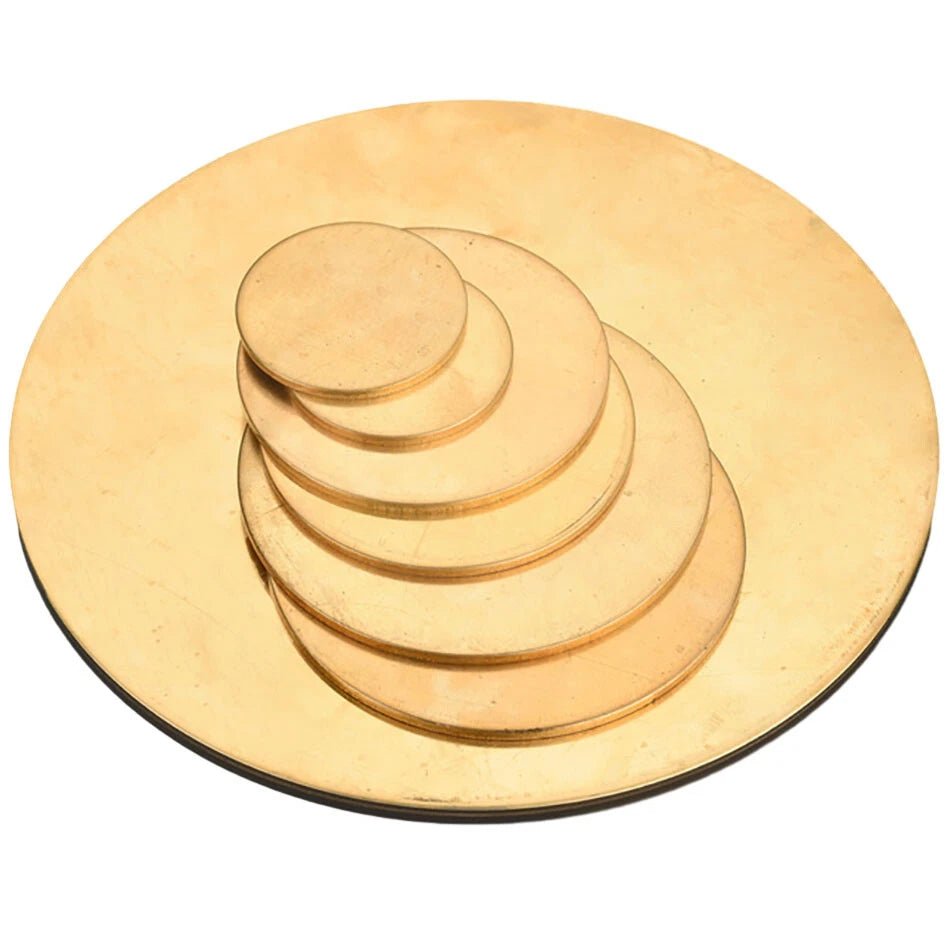
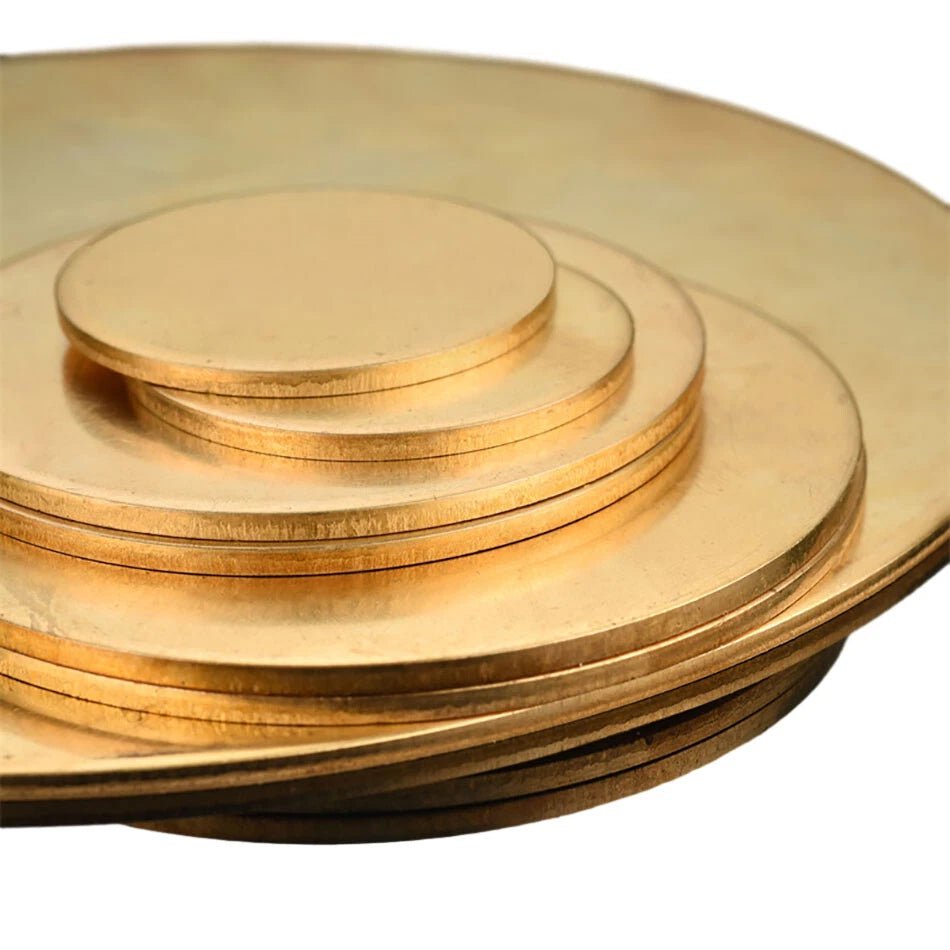
When your project demands a flat, ready-to-use metal circle that machines cleanly and resists corrosion without extra treatment, sourcing the right blank is half the battle. Makers, hobbyists, jewellers, and small-workshop engineers who need H62 brass discs in exact thicknesses and diameters can stop searching — this listing covers the full range from ultra-thin 0.5 mm sheet circles up to solid 3 mm plate discs, in diameters spanning Ø20 mm to Ø200 mm.
Each disc is cut from H62 brass alloy (approximately 62% copper, 38% zinc), a workhorse grade valued for its balance of strength, ductility, and machinability. Thickness options run from 0.5 mm (≈ 0.020 in) through 0.8 mm, 1 mm, 1.5 mm, 2 mm, and 3 mm (≈ 0.118 in); diameter options span Ø20 mm (≈ 0.79 in) to Ø200 mm (≈ 7.87 in). Pack quantities of 1, 2, 5, or 10 pieces let you order exactly what you need — no offcuts, no waste.
Typical applications include decorative inlays and escutcheons for woodworking projects, bearing spacers and shim stock for mechanical assemblies, clock-face and instrument-panel blanks for hobbyist clockmakers, jewellery base blanks for enamelling or stamping, and electrical grounding pads in low-voltage DIY electronics. The smooth, flat surface also makes these discs ideal as brass round plate blanks for engraving or chemical etching.
| Material | H62 Brass (Cu≈62%, Zn≈38%) |
|---|---|
| Thickness Range | 0.5 mm / 0.8 mm / 1 mm / 1.5 mm / 2 mm / 3 mm |
| Diameter Range | Ø20 mm – Ø200 mm (≈ 0.79 in – 7.87 in) |
| Shape | Round disc (flat circle) |
| Surface Finish | See variant options |
| Hardness | See variant options |
| Tensile Strength | Typically 330–420 MPa (H62 grade range) |
| Machinability Rating | Good (suitable for drilling, tapping, turning) |
| Corrosion Resistance | Good in atmospheric / indoor environments |
| Pack Quantity | 1 PCS / 2 PCS / 5 PCS / 10 PCS (see variant options) |
| Application | Shims, spacers, decorative inlays, jewellery blanks, instrument panels, engraving stock |
For decorative inlays, engraving, or jewellery blanks, 0.5–1 mm discs are typically sufficient and easy to cut or stamp. For structural spacers, shims, or parts that need to hold threads, 1.5–3 mm discs provide the material depth required. If you are unsure, start with 1 mm as a versatile mid-range option.
H62 brass has a tensile strength typically in the 330–420 MPa range, which is lower than most structural steels but adequate for non-load-bearing mechanical parts, spacers, and decorative hardware. Brass offers the advantage of being non-magnetic and significantly easier to machine and solder than steel.
Brass does not rust (rust is specific to iron-based metals). H62 brass forms a stable oxide patina that protects the surface in typical indoor and light-outdoor environments. In humid or marine conditions, brass may develop a green patina (verdigris); applying a clear lacquer or wax will slow this process if a bright finish is desired.
Brass can be laser-engraved using fiber laser systems. CO₂ lasers generally cannot mark bare brass directly without a marking compound. For best results with thin 0.5–1 mm discs, ensure the disc is firmly fixtured to prevent movement. Always follow your machine manufacturer's recommended settings for non-ferrous metals.
Yes. H62 brass solders readily with standard soft solders (tin-lead or lead-free) using a brass-compatible flux. It can also be silver-brazed for higher-strength joints. Clean the surface with fine abrasive or flux before soldering to remove any oxide layer and ensure a strong bond.
Common clock-face diameters range from Ø60 mm (small desk clocks) to Ø150–200 mm (wall clocks). For instrument panels, measure your bezel or housing opening and select the next size up to allow for trimming. The 1–1.5 mm thickness range is typical for clock faces, providing enough rigidity without excessive weight.
Light edge burrs can be removed with a fine flat file, deburring tool, or 400-grit wet-and-dry sandpaper. Work around the circumference in one direction. For a polished edge, progress through finer grits (600 → 800 → 1200) and finish with a brass polishing compound on a cloth wheel.
Pre-cut round discs save setup time, reduce material waste, and eliminate the need for a circle cutter or hole saw. They arrive with consistent diameters and flat faces, which is especially useful when you need multiple identical pieces for a production run or when you lack the tooling to cut accurate circles from flat sheet.