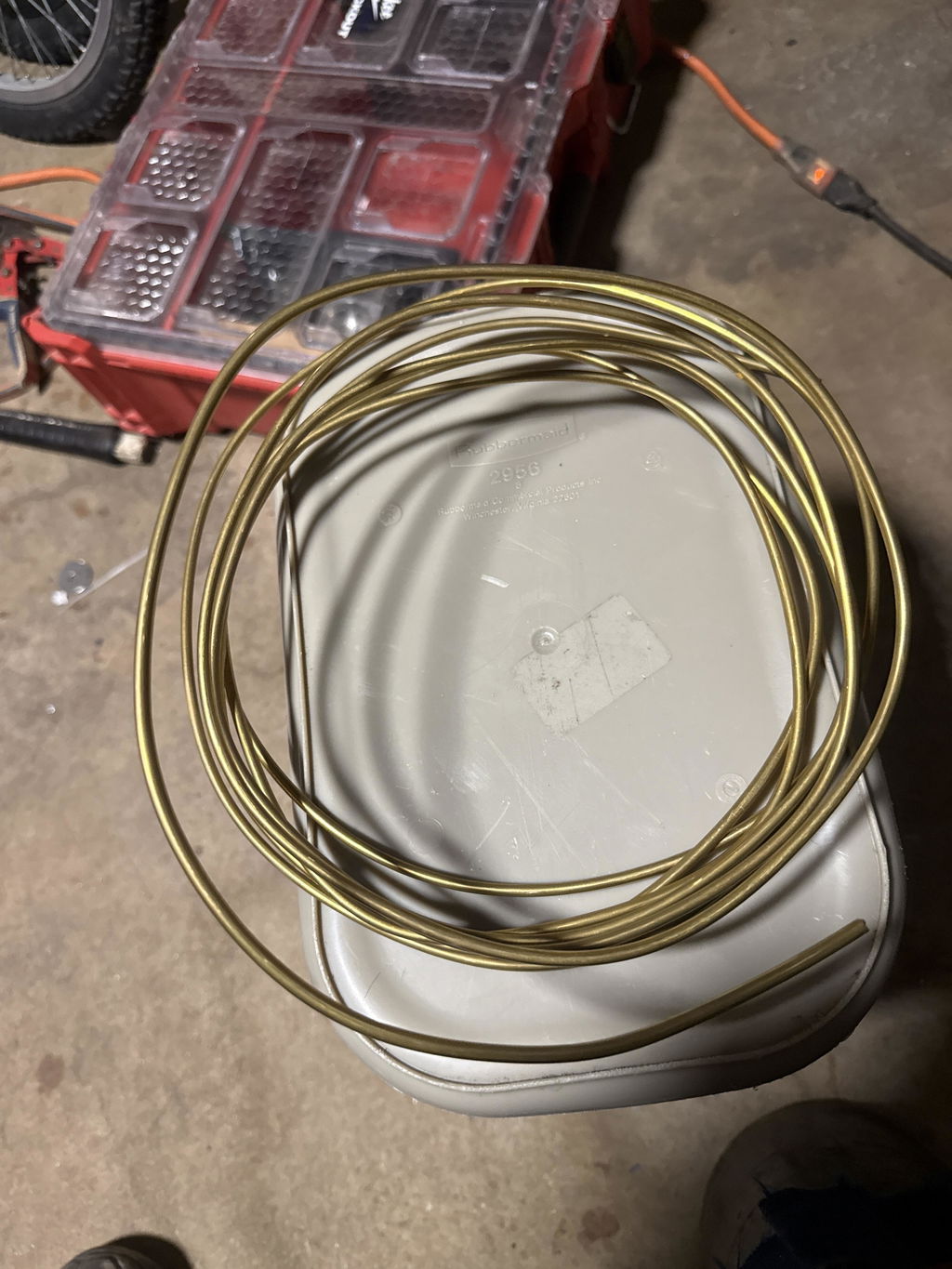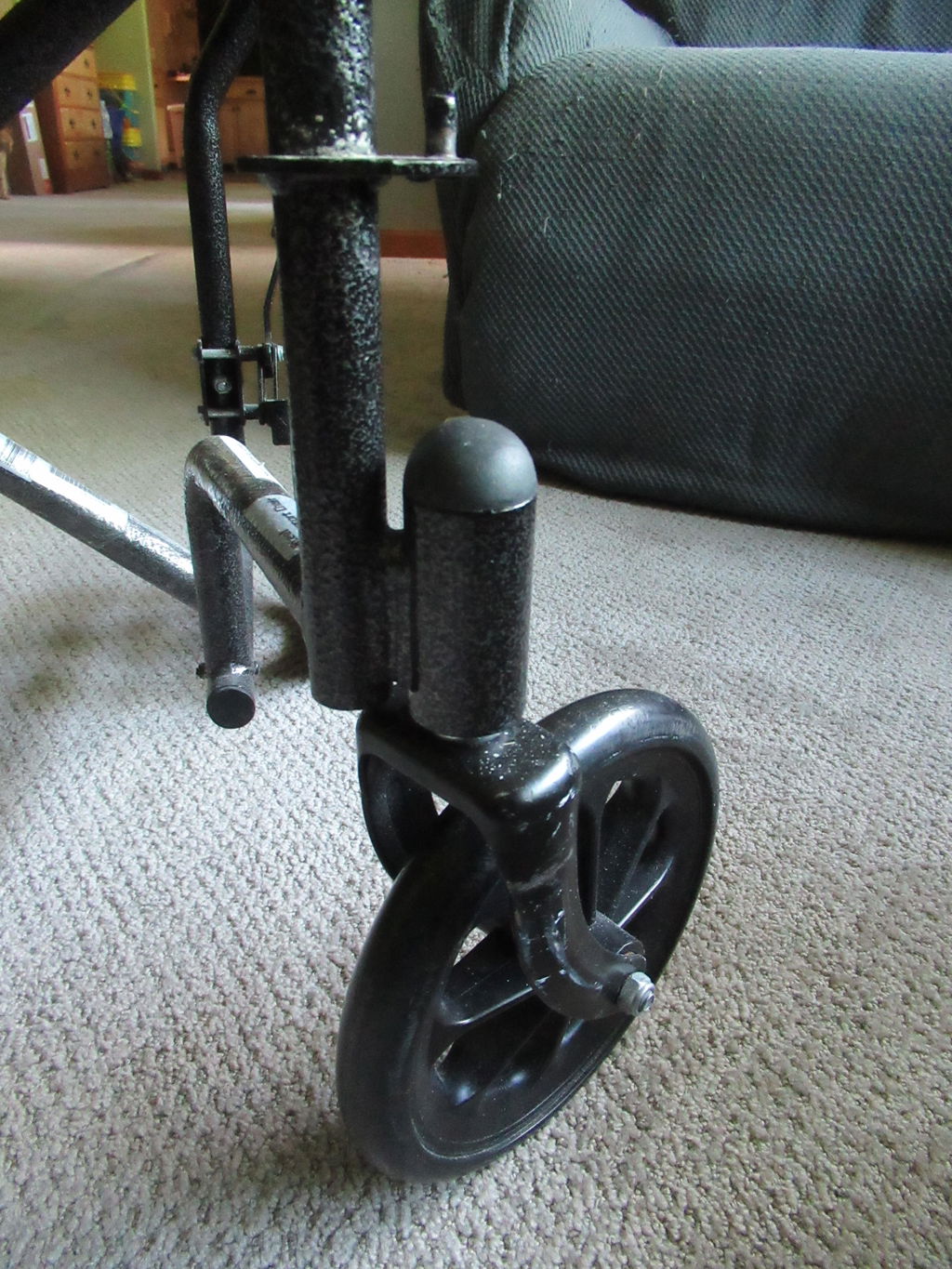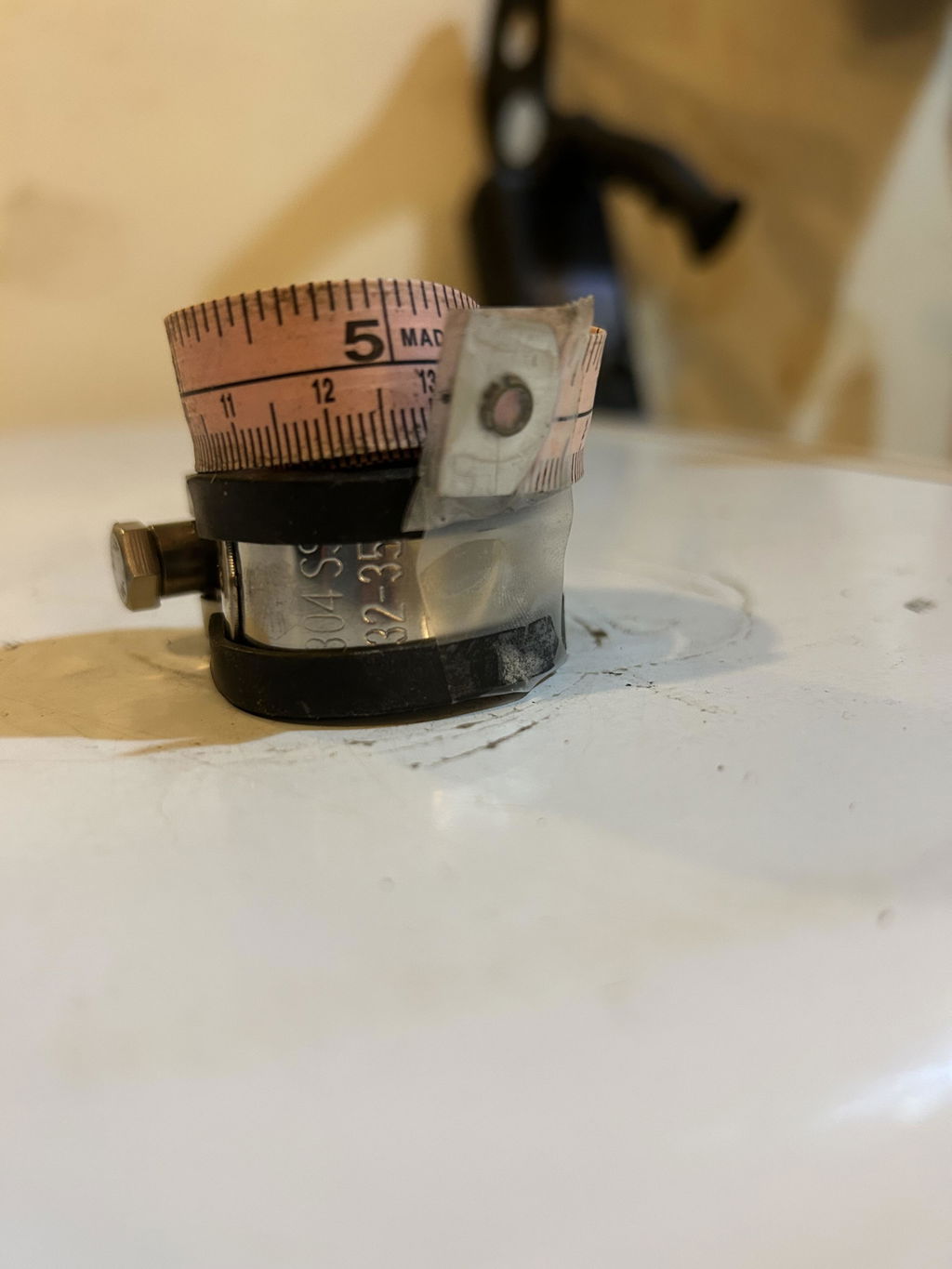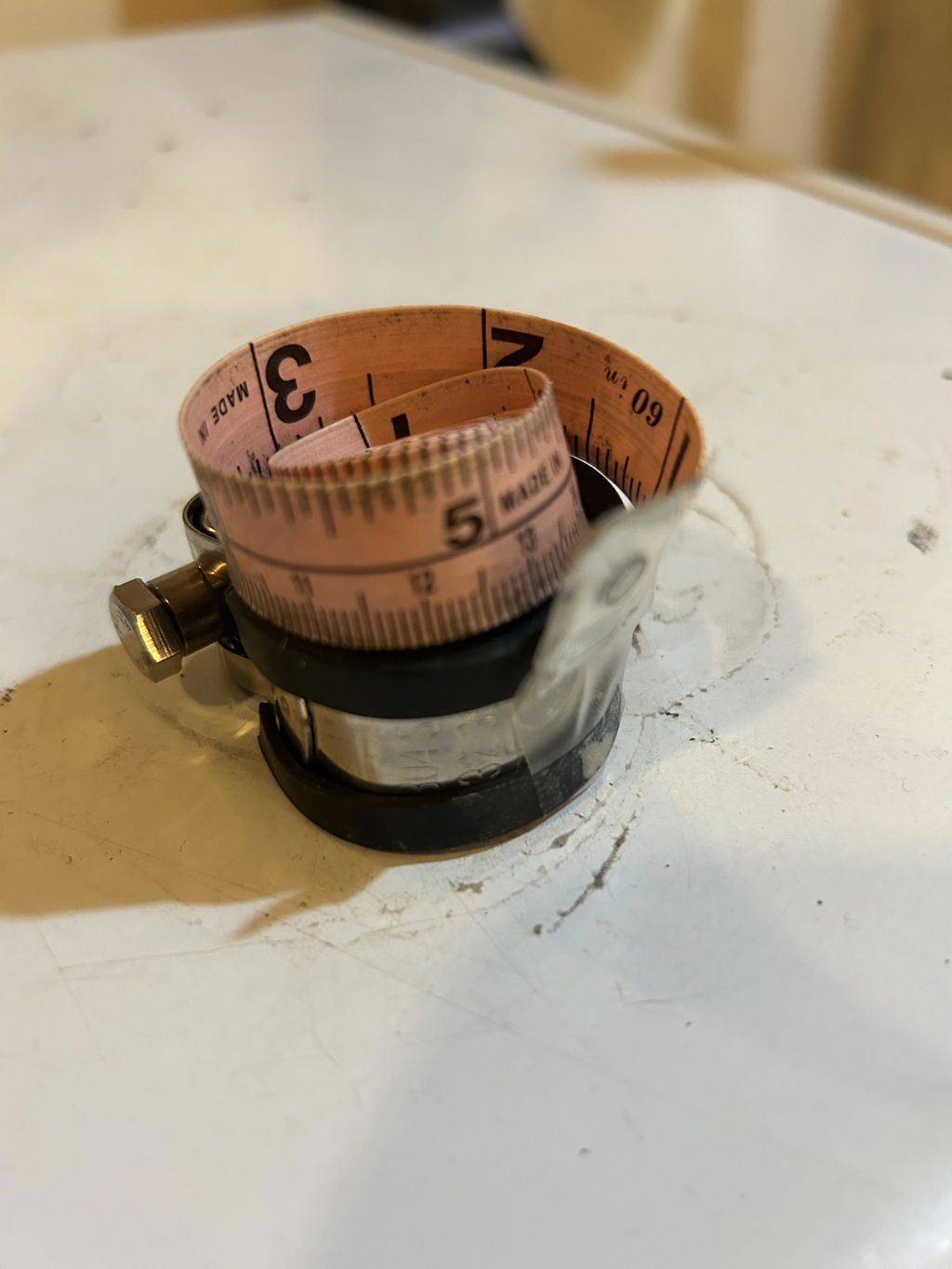
The chain is fine...but I ordered the wrong size. Nine links of the chain I ordered equals six of the size I wanted. My error...
How can I straighten out the springs? I can't use them coil uo as is.
Your payment information is processed securely. We do not store credit card details nor have access to your credit card information.
Get fitment advice & recommendations
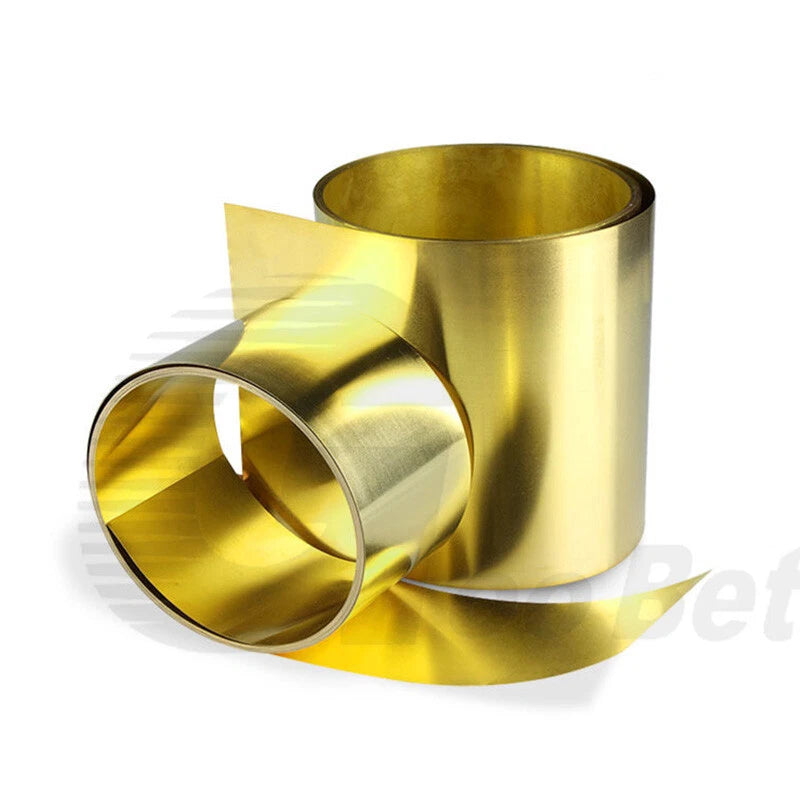
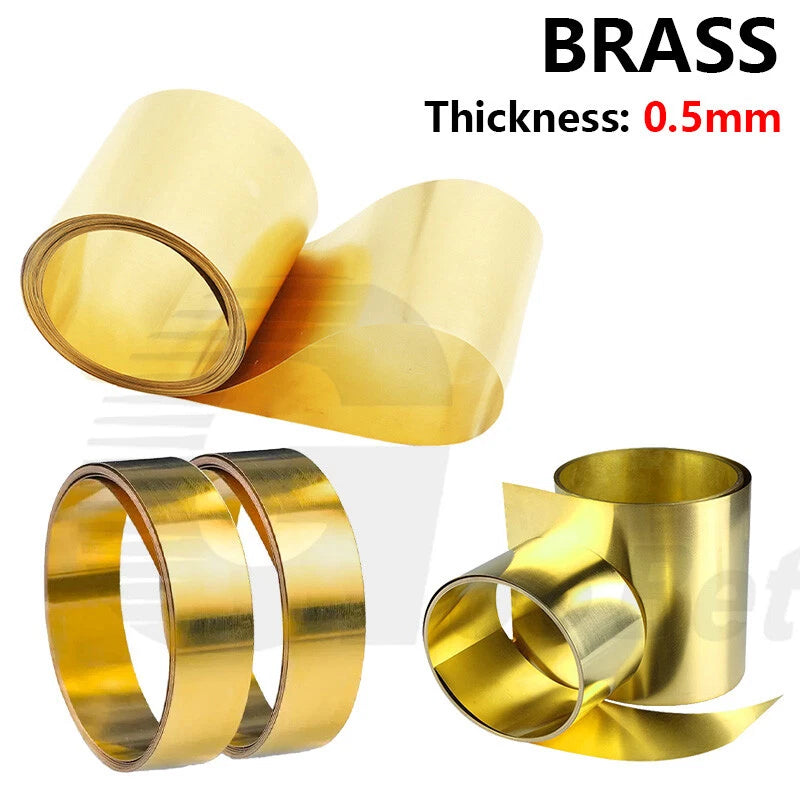
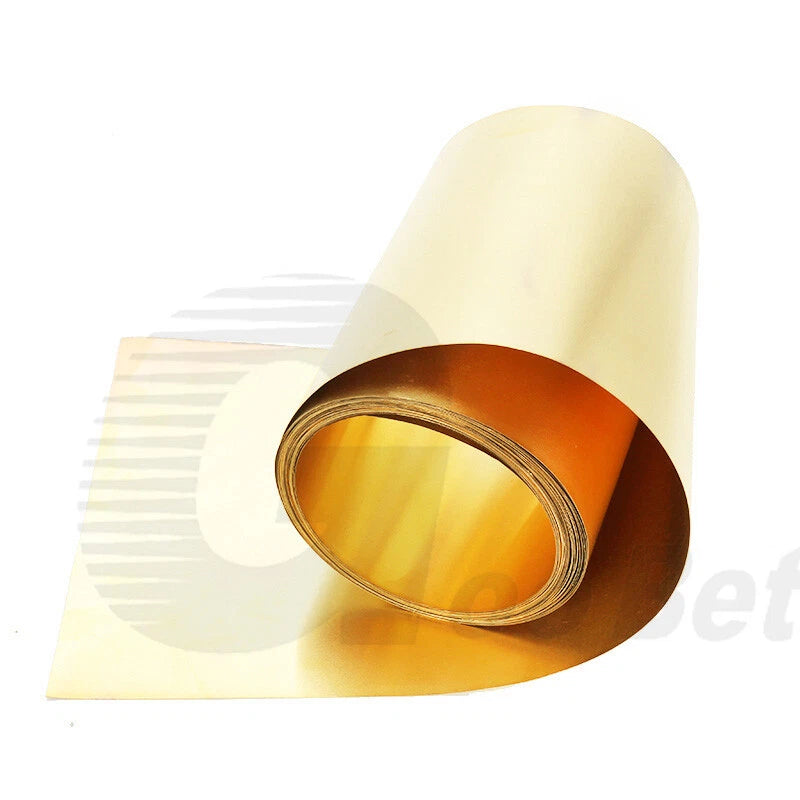
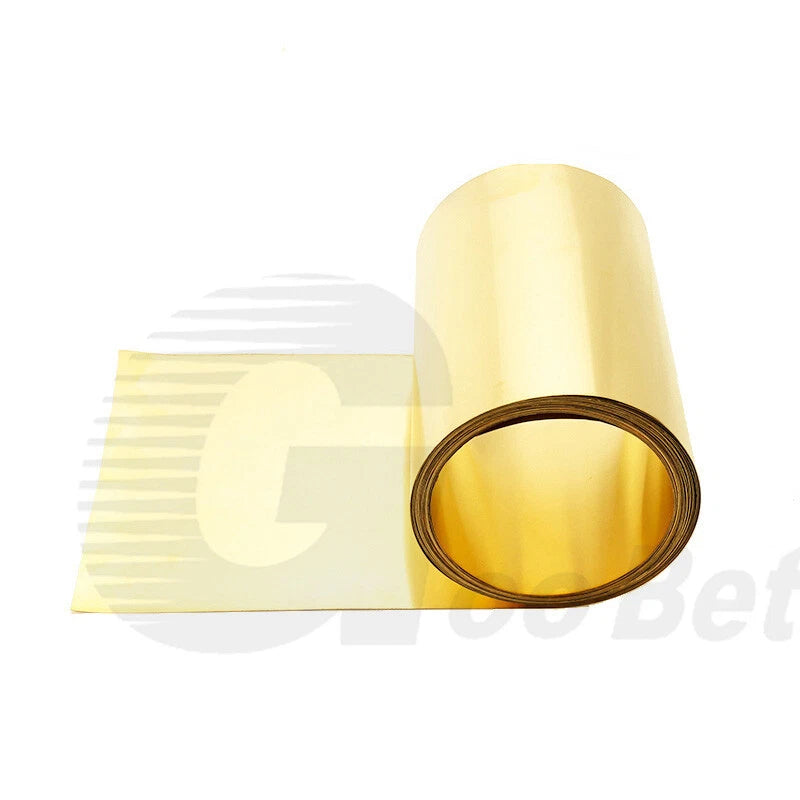
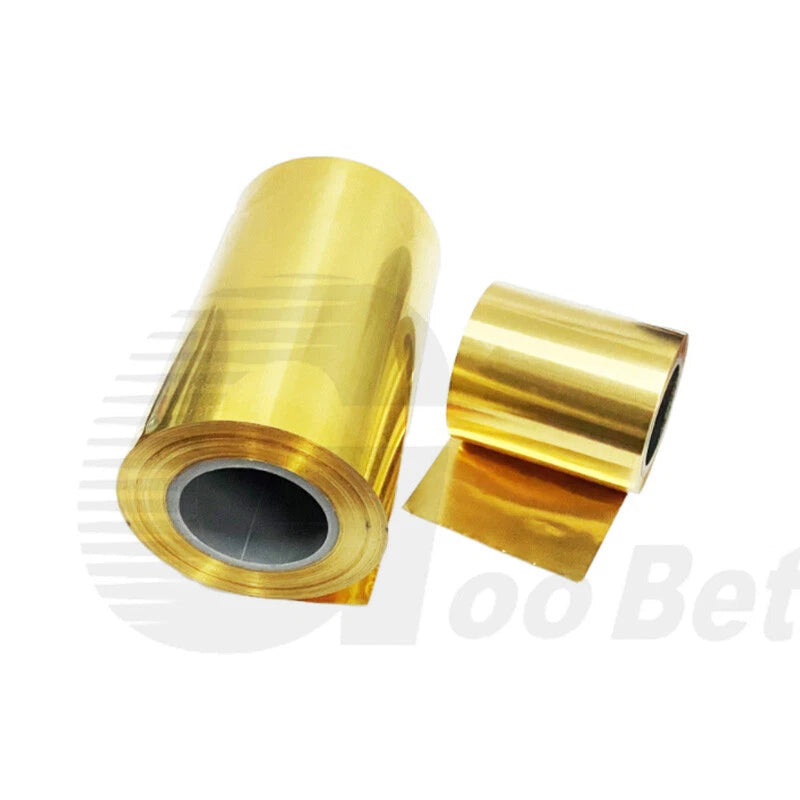
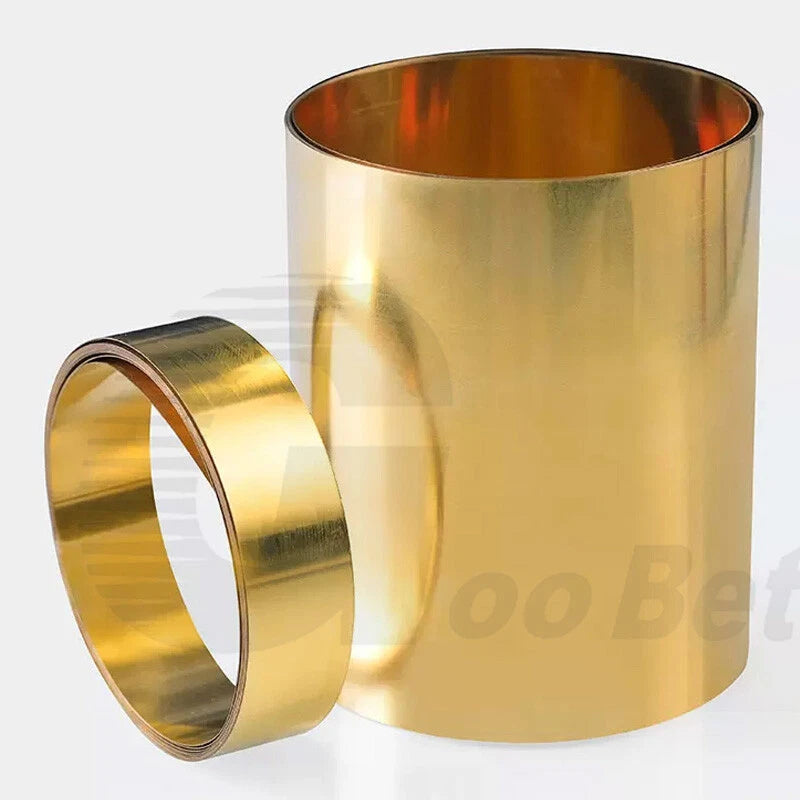
When your project demands a thin, workable metal that holds its shape without cracking, finding the right gauge can be frustrating. Whether you are a hobbyist building scale models, a maker fabricating custom shims, or a small workshop cutting gaskets and decorative inlays, a reliable 0.5mm brass metal sheet strip gives you the control and consistency you need.
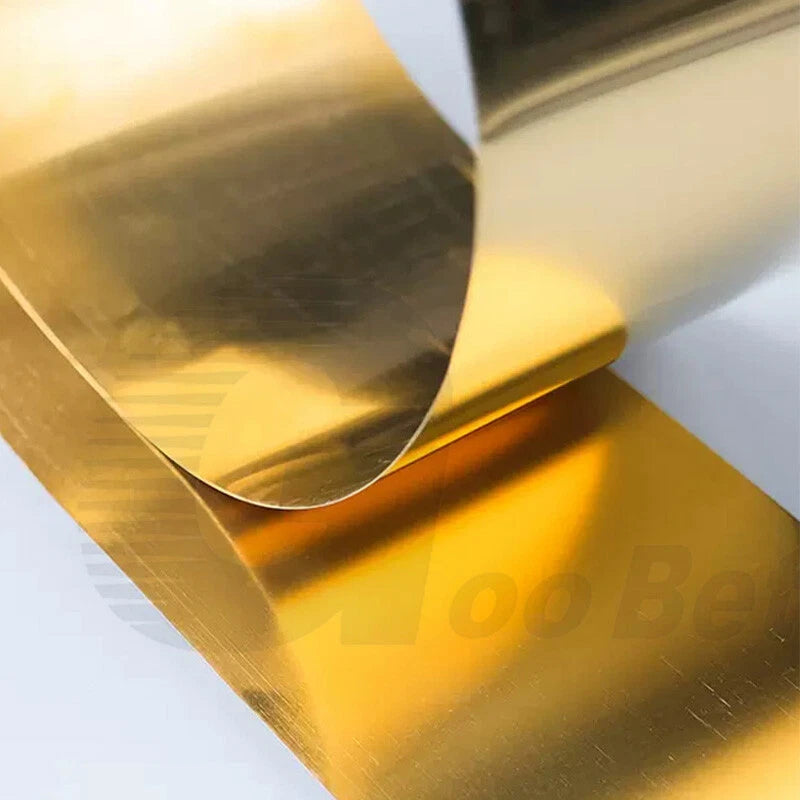
These brass strips are made from H62 alloy — a copper-zinc composition known for its balance of strength, ductility, and corrosion resistance. Each piece is 0.5mm (approximately 0.020 in) thick, with widths ranging from 10mm to 300mm (approx. 0.39 in to 11.81 in) and lengths of 500mm or 1000mm (approx. 19.7 in or 39.4 in). The surface is smooth-rolled with a natural brass finish.
Typical applications include crafting decorative inlays and jewelry components, fabricating precision shims and spacers for mechanical assemblies, cutting custom gaskets for plumbing or HVAC repairs, and producing thin foil strips for electronics shielding or model-making projects.
| Material | H62 Brass (Copper-Zinc Alloy) |
|---|---|
| Thickness | 0.5mm (approx. 0.020 in) |
| Width Range | 10mm – 300mm (approx. 0.39 in – 11.81 in) |
| Length Options | 500mm or 1000mm (approx. 19.7 in or 39.4 in) |
| Surface Finish | Smooth rolled, natural brass |
| Tensile Strength | Typically 300–420 MPa |
| Hardness | See variant options |
| Temper | See variant options |
| Weight per Piece | See variant options |
| Tolerance | ±0.05mm thickness (typical rolled strip) |
| Applicable Standards | GB/T 2059 (H62 Brass Strip) |
Measure the widest dimension of the area you need to cover or cut from, then select the next size up to allow for trimming. For shims and gaskets, match the width to your component. For decorative inlays, choose a width slightly wider than your routed channel so you can file flush after fitting.
At 0.5mm, H62 brass strip is well-suited for light-duty structural roles such as shims, spacers, and thin gaskets. It is not intended for load-bearing structural applications. For higher-stress uses, consider a thicker gauge. The tensile strength of H62 is typically 300–420 MPa, which is adequate for most precision fitting and craft applications.
H62 brass does not rust (it contains no iron), and it resists oxidation well in typical indoor environments. Over time, exposure to air and moisture may cause the surface to develop a natural patina. If you prefer to maintain the bright finish, apply a thin coat of clear lacquer or metal wax after cutting and fitting.
Yes. H62 brass is highly solderable with standard rosin-core or acid-core solder and compatible with silver brazing alloys. Clean the surface with fine abrasive paper or flux before soldering to ensure a strong bond. Avoid overheating thin sections — use a temperature-controlled iron or torch and work quickly.
For widths up to approximately 50mm, standard tin snips or aviation shears work well. For wider strips or cleaner straight cuts, a metal guillotine or bench shear is recommended. Scoring with a sharp knife and snapping over a straight edge also works for narrow widths. Always deburr cut edges with a fine file or sandpaper before handling.
Choose 1000mm (1 metre) if your project requires a continuous run — for example, a long shim, a full-length decorative strip, or multiple shorter pieces cut from one length to reduce waste. Choose 500mm if you only need a shorter section or want to test fit before committing to a longer piece. Both lengths are the same width and thickness.
Brass is a reasonable conductor and is used in some light shielding and grounding applications. H62 brass has moderate electrical conductivity (approximately 26–28% IACS). For demanding RF shielding enclosures, copper or beryllium copper may be preferred, but for general EMI reduction strips, gaskets, or contact fingers, 0.5mm H62 brass strip is a practical and cost-effective choice.