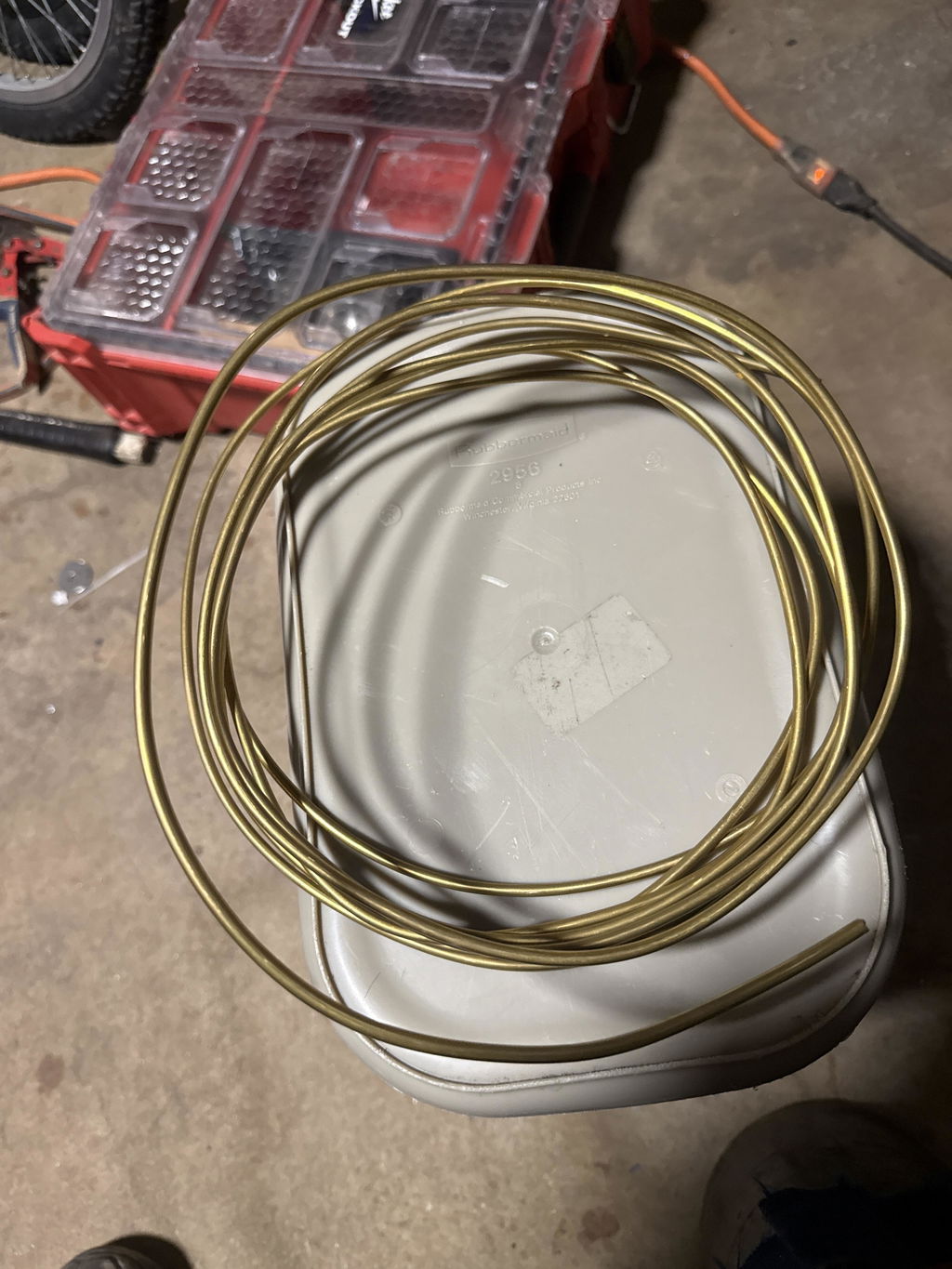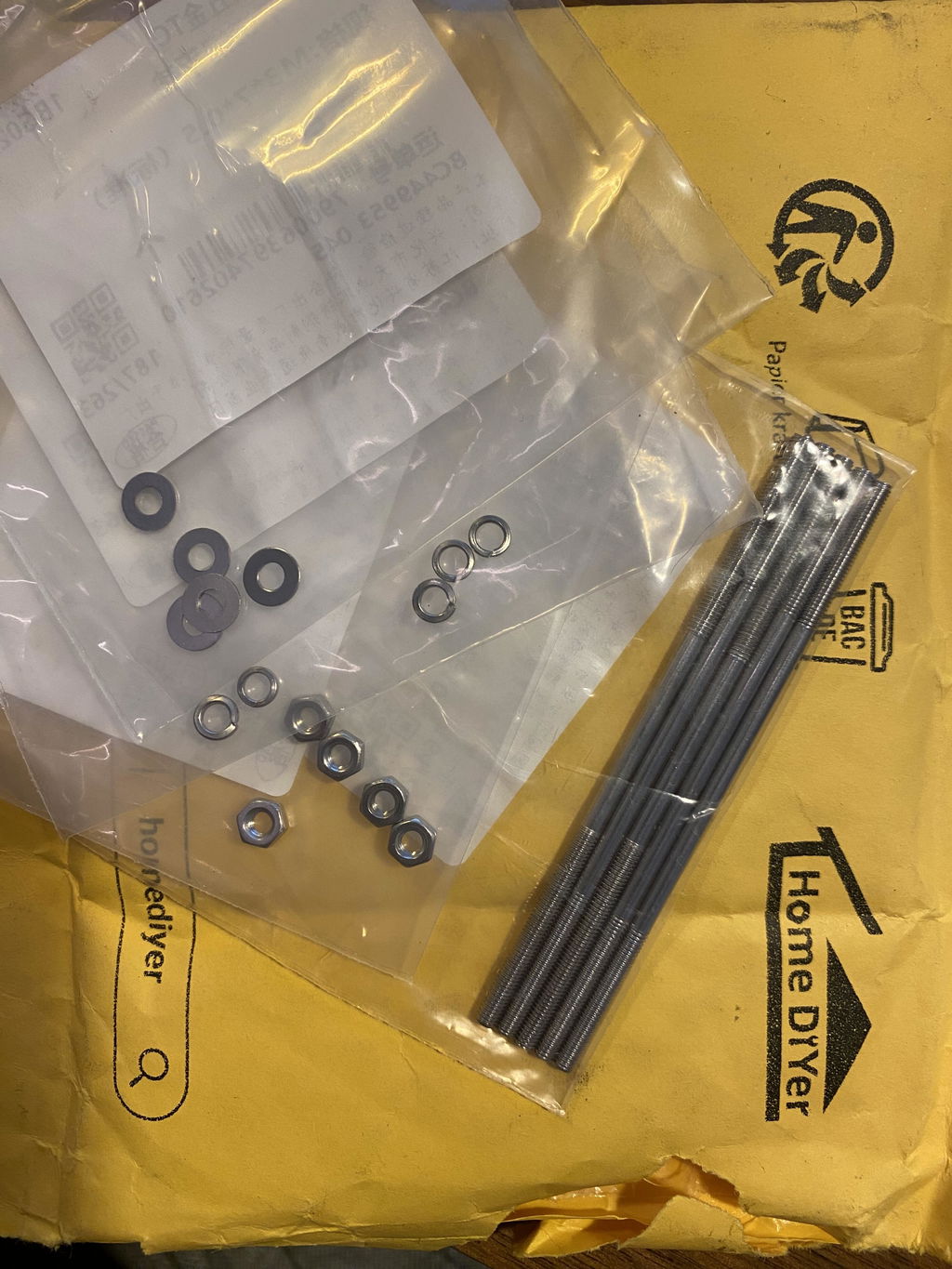
The chain is fine...but I ordered the wrong size. Nine links of the chain I ordered equals six of the size I wanted. My error...
How can I straighten out the springs? I can't use them coil uo as is.
Your payment information is processed securely. We do not store credit card details nor have access to your credit card information.
Get fitment advice & recommendations
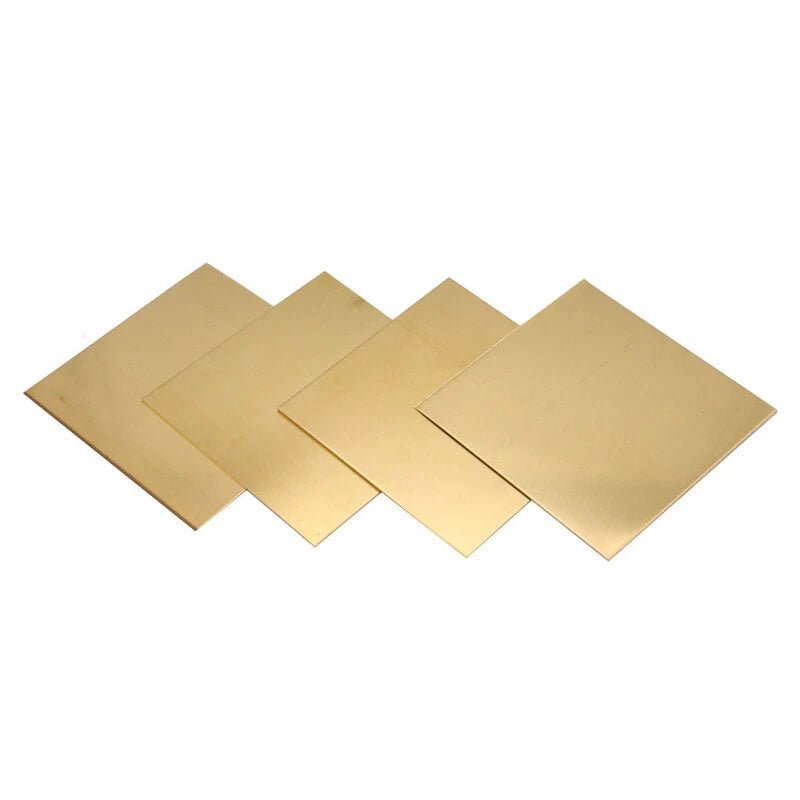
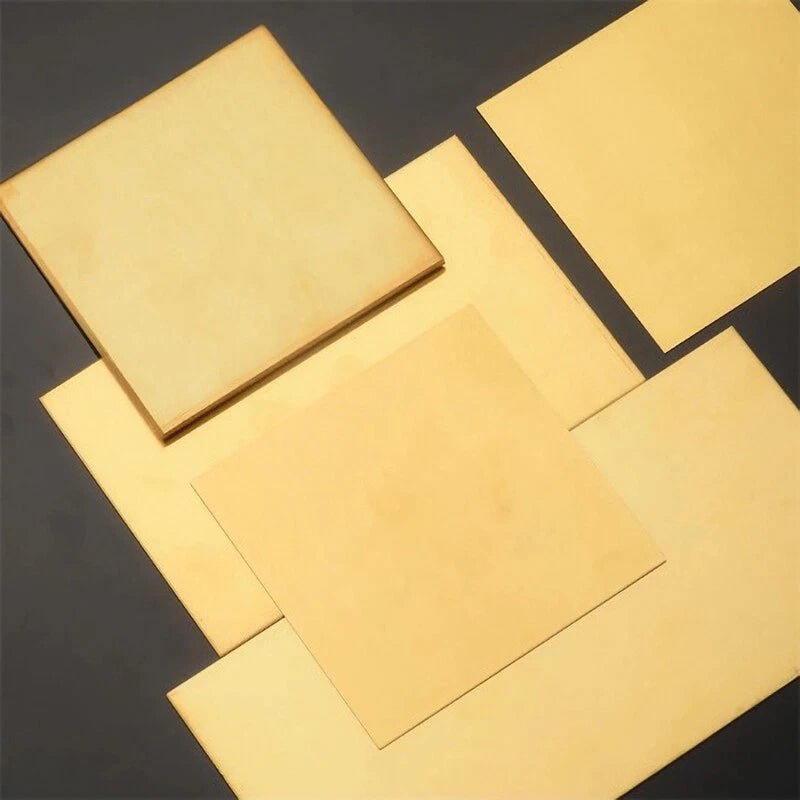
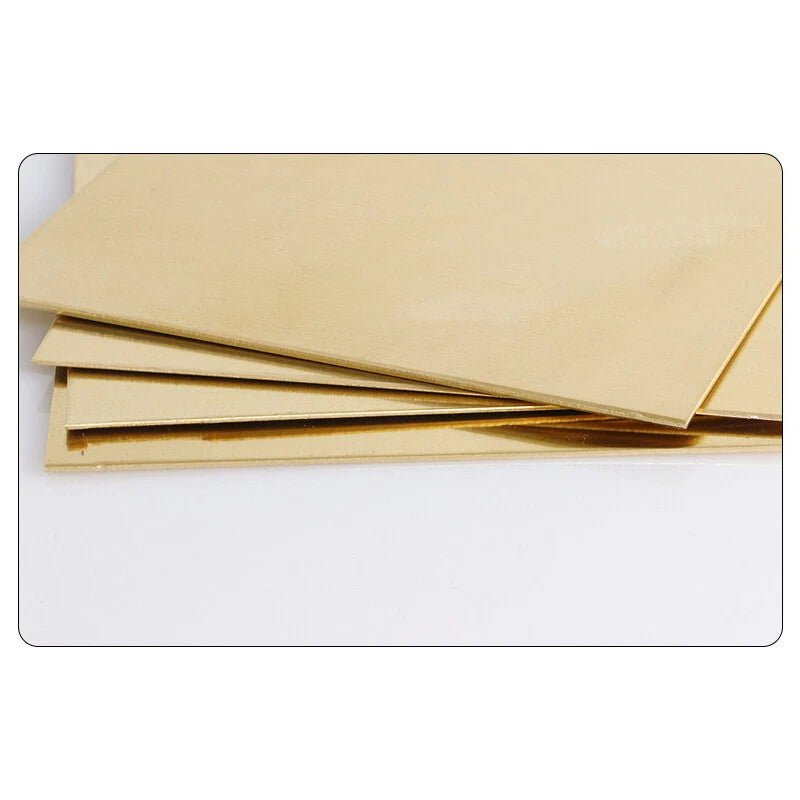
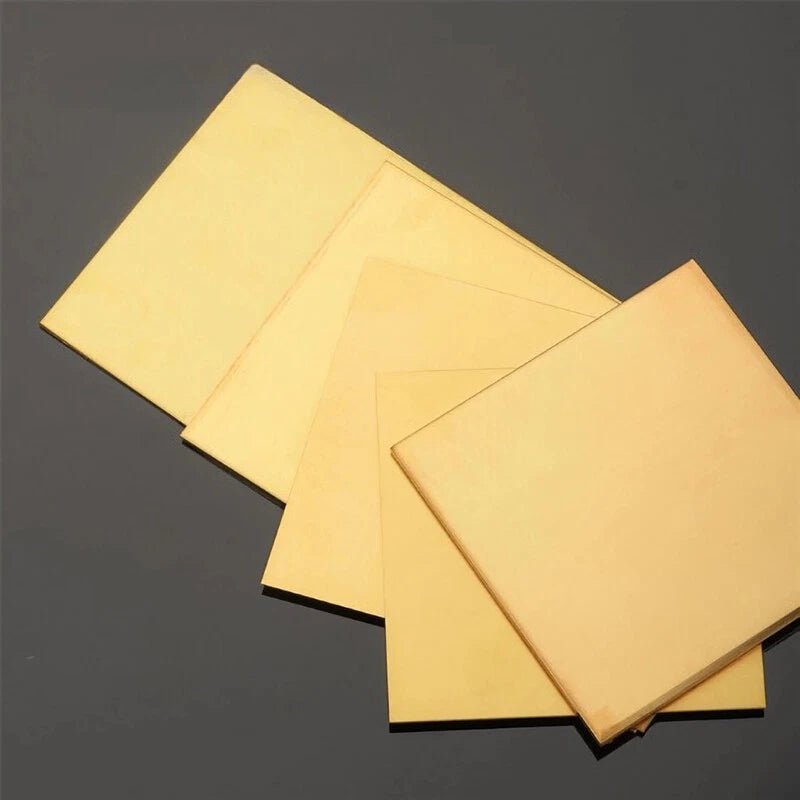
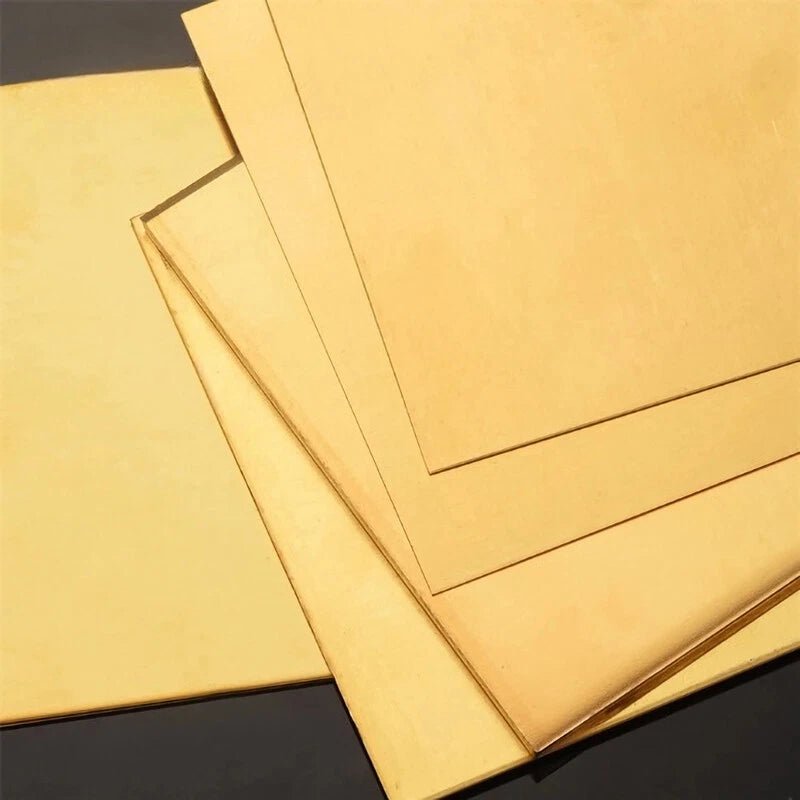
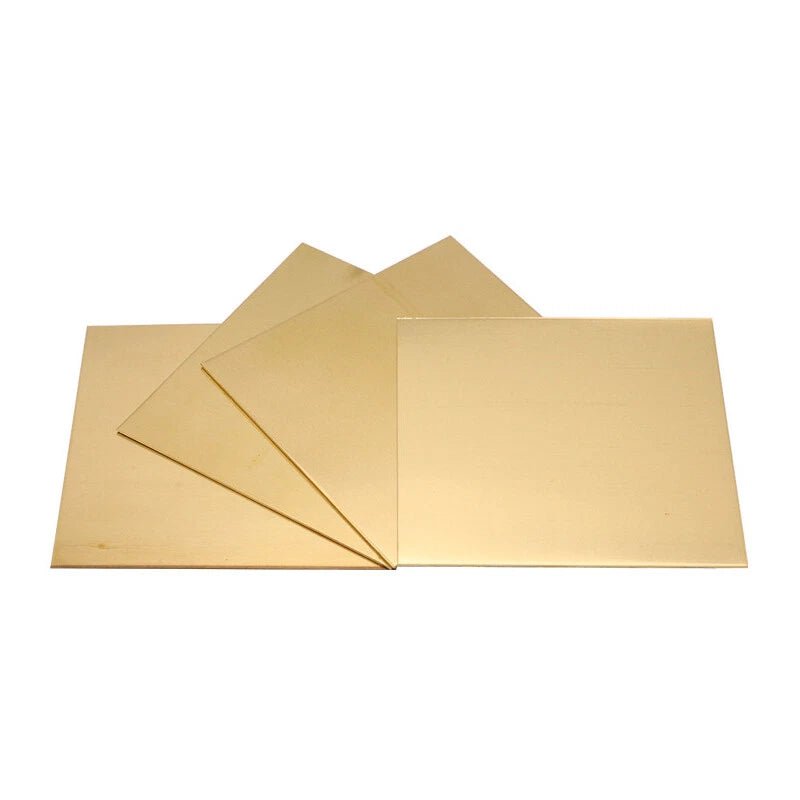
When your project demands a flat, burr-free metal sheet that arrives ready to work with, sourcing the right thickness and size can be a frustrating guessing game. Whether you are a hobbyist building custom enclosures, a maker crafting decorative metalwork, or a technician needing reliable EMI shielding material, these natural brass sheet metal plates give you a clean, consistent starting point without the waste of oversized stock.
Each plate is cut from solid C260 cartridge brass (70% copper / 30% zinc) using a guillotine shear, producing straight, square edges with minimal distortion. Available in two thicknesses — 1.0 mm (~0.039 in) and 1.2 mm (~0.047 in) — and a range of sheet sizes from 50×100 mm (approx. 2"×4") up to 300×300 mm (approx. 12"×12"), so you can order exactly what your build requires.
Typical applications include DIY electronics chassis and RF shielding panels, custom jewellery blanks and etching stock for acid or laser engraving, architectural model-making and decorative inlay work, and small-batch prototype fabrication where consistent gauge and flat tolerance matter.
| Material | Brass (C260 Cartridge Brass, 70Cu/30Zn) |
|---|---|
| Thickness | 1.0 mm (~0.039 in) / 1.2 mm (~0.047 in) |
| Sheet Sizes Available | 50×100 mm, 50×200 mm, 100×100 mm, 100×150 mm, 100×200 mm, 200×200 mm, 200×300 mm, 300×300 mm |
| Cutting Method | Guillotine shear (straight, square edges) |
| Surface Finish | Natural / mill finish (uncoated) |
| Colour | Golden yellow (natural brass) |
| Hardness | See variant options |
| Temper | See variant options |
| Flatness Tolerance | See variant options |
| Weight per Piece | See variant options |
| Quantity per Order | 1 piece (select QTY above for multi-pack options) |
The 1.0 mm sheet is lighter and easier to cut or bend by hand with basic tools, making it well-suited for decorative work, jewellery blanks, and lightweight enclosures. The 1.2 mm sheet offers greater rigidity and is better for structural panels, RF shielding, and applications where the plate needs to hold its shape under moderate load. If you are unsure, the 1.2 mm is the more versatile choice for general fabrication.
C260 brass has a tensile strength typically in the range of 300–500 MPa depending on temper. At 1.0–1.2 mm gauge it is suitable for light structural brackets, enclosure panels, and stiffening plates, but is not intended for load-bearing structural applications. For heavy-duty structural use, consider thicker gauge or a different alloy.
Brass offers good corrosion resistance in dry indoor environments and mild outdoor conditions. It will naturally develop a patina (darkening) over time when exposed to air and humidity. For applications requiring a bright finish or enhanced corrosion protection, the surface can be lacquered, clear-coated, or polished. It is not recommended for prolonged immersion in salt water or strong acids without additional protection.
Measure the largest flat dimension your project requires and select the next size up to allow for trimming. For example, if your part is 90×140 mm, choose the 100×150 mm sheet. If you need multiple parts from one sheet, add up the total area needed and pick accordingly. The size option in the variant selector shows thickness × length × width (THK×L×W) in millimetres.
Yes. C260 brass solders and brazes readily with standard silver solder or soft solder (tin-lead or lead-free). Fusion welding is possible but requires care to avoid zinc fuming — brazing or silver soldering is generally preferred for thin sheet work. Always work in a well-ventilated area when applying heat to brass.
These sheets are supplied in a natural mill finish — no lacquer, plating, or coating is applied. This makes them immediately ready for etching, patination, soldering, or surface finishing of your choice. If you want to preserve the bright golden colour, apply a clear metal lacquer or wax after cleaning the surface.
Yes. At 1.0–1.2 mm thickness, brass sheet can be cut with aviation tin snips, a jeweller's saw, a jigsaw with a metal-cutting blade, or a laser cutter. It can also be scored and snapped along a straight edge for simple rectangular cuts. Drilling is straightforward with standard HSS drill bits — use a slow speed and cutting fluid for clean holes.