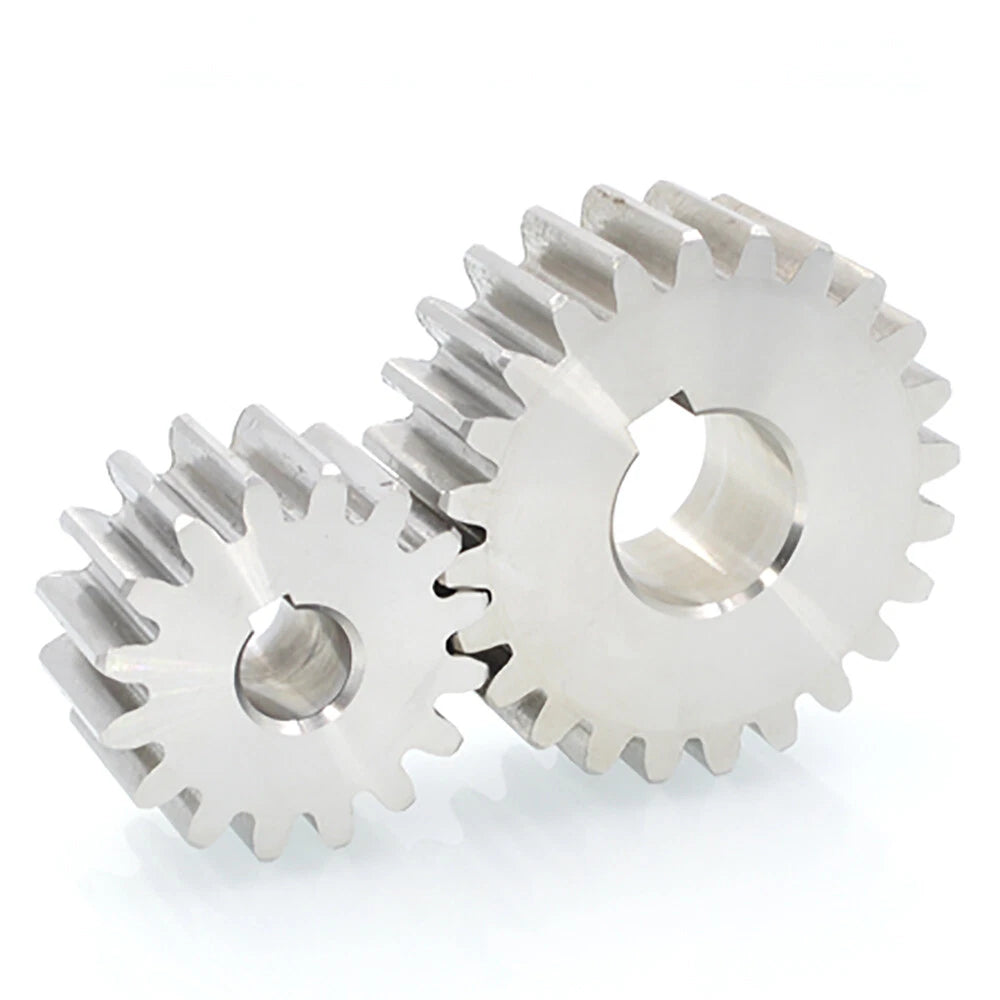
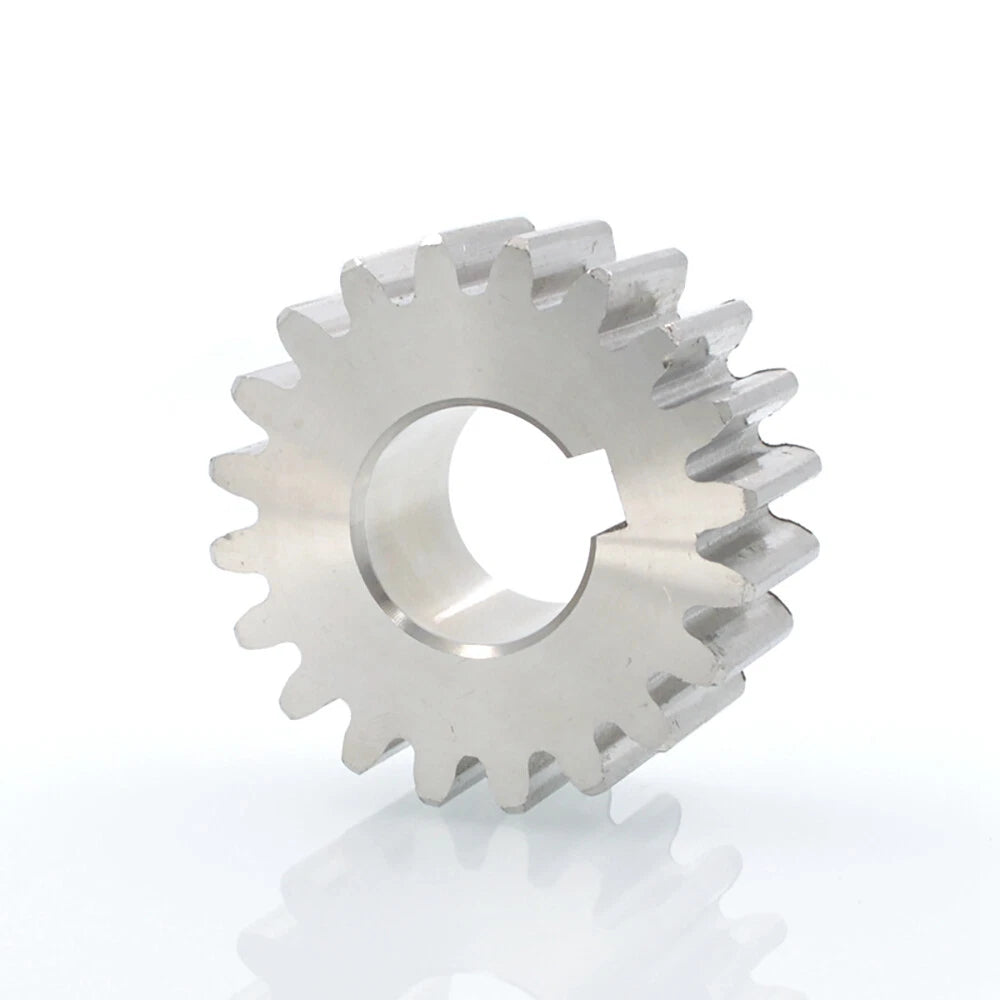
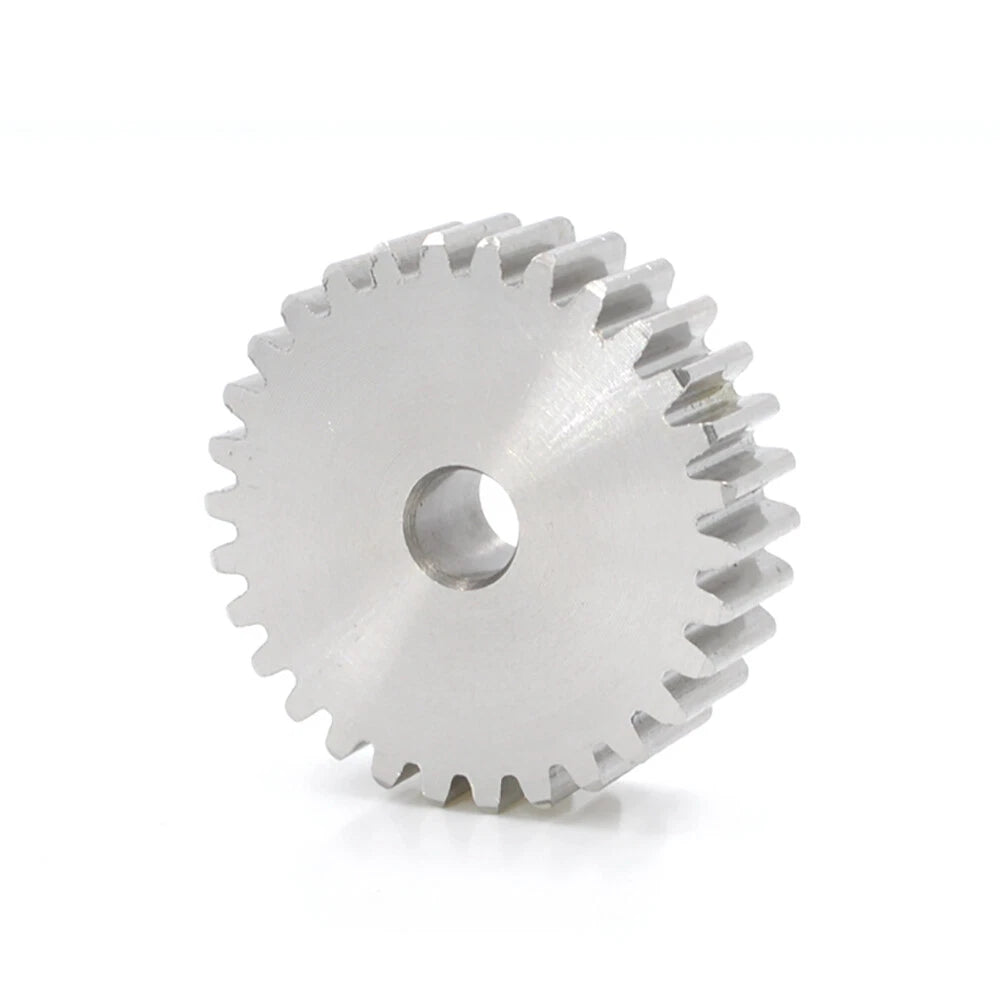
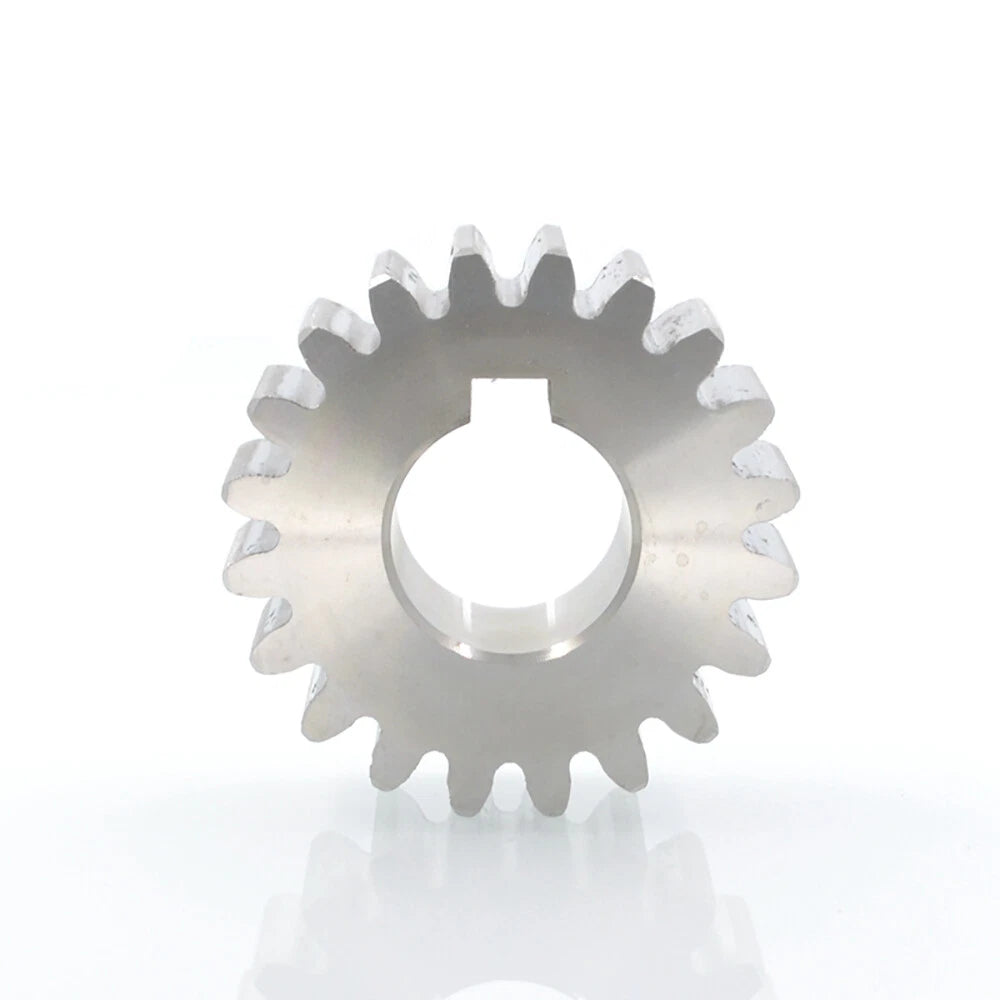
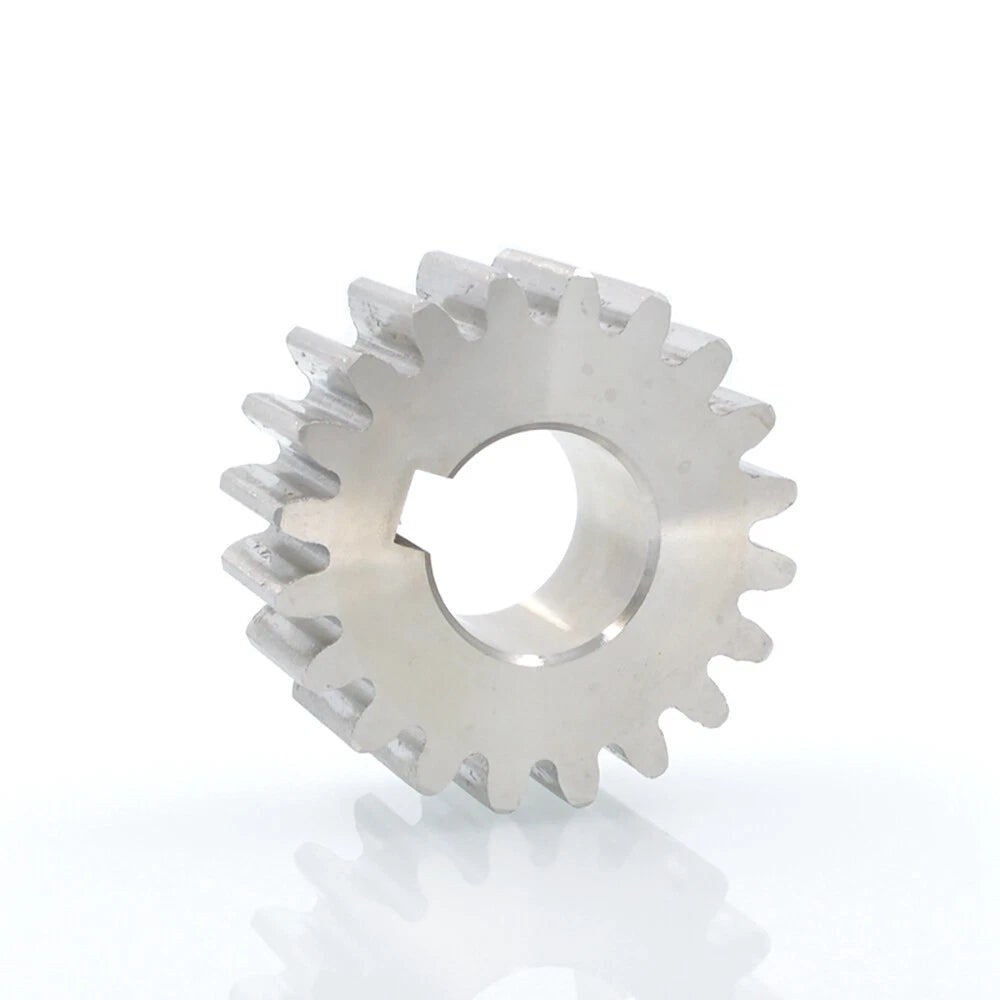
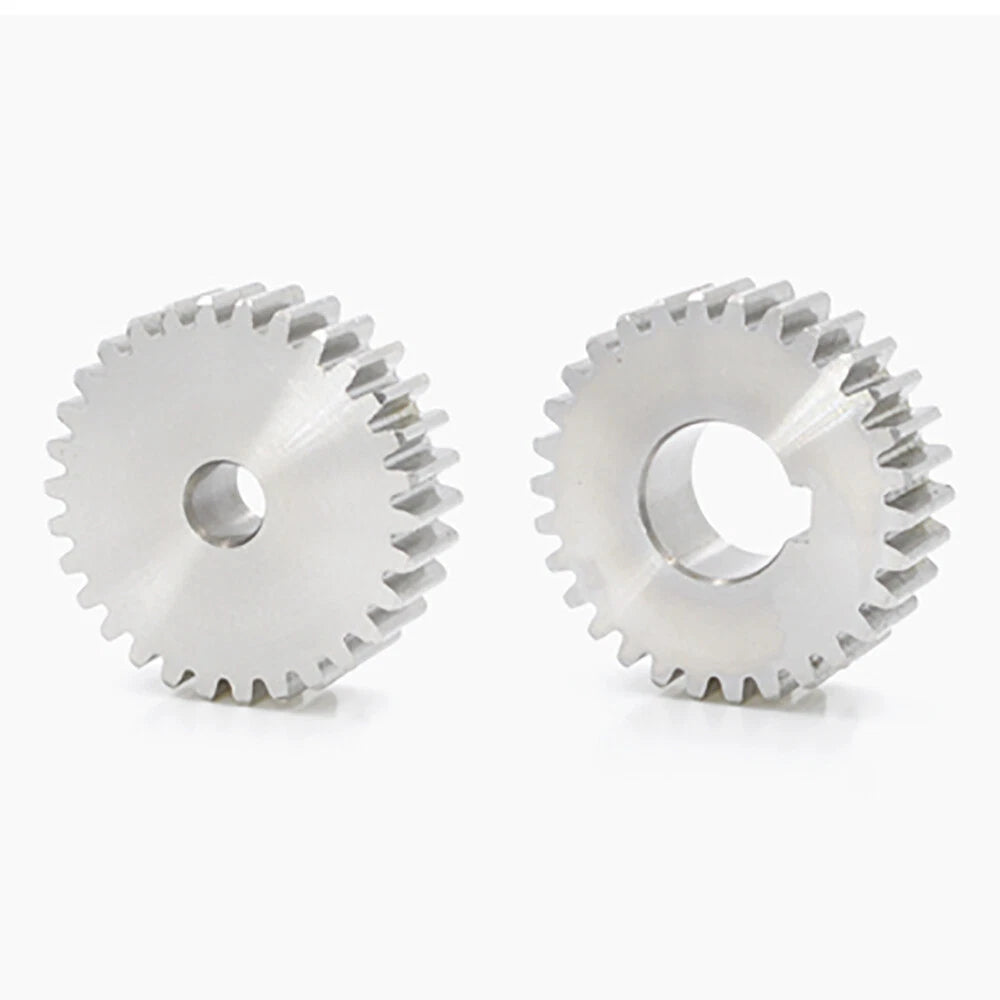
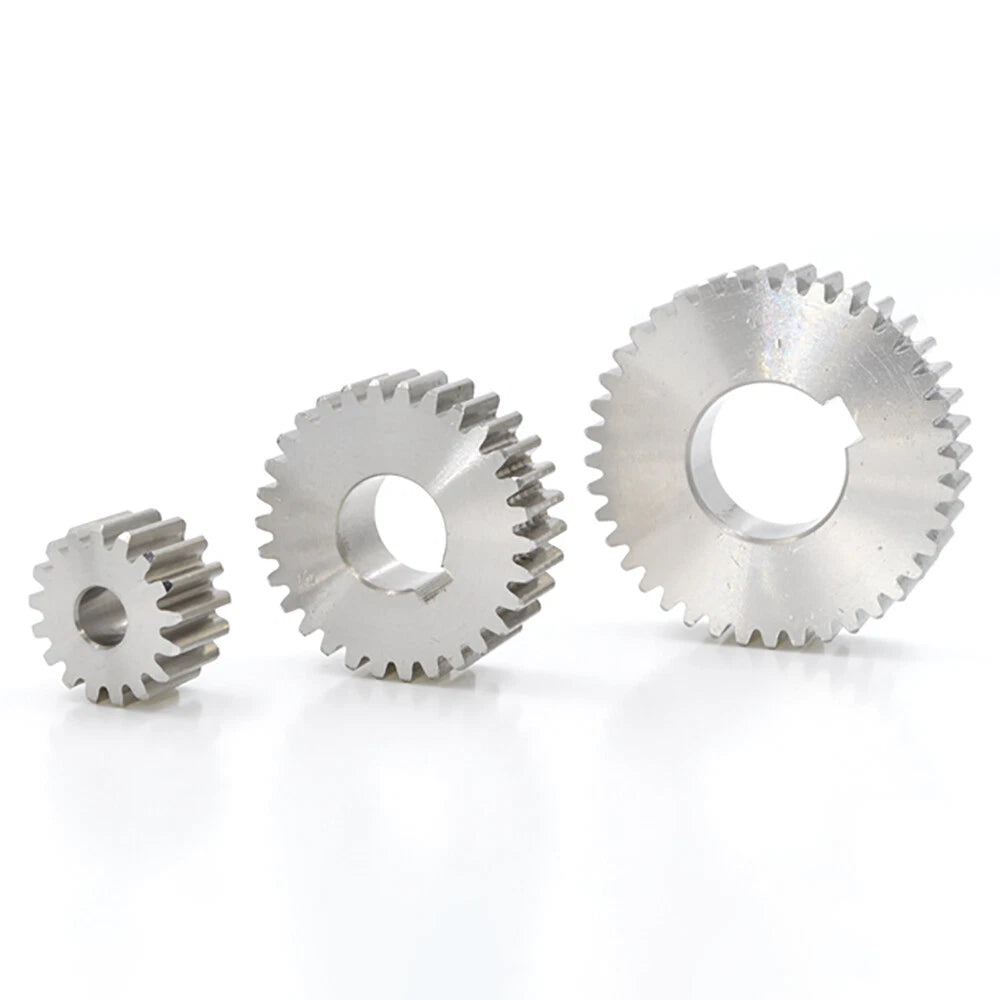
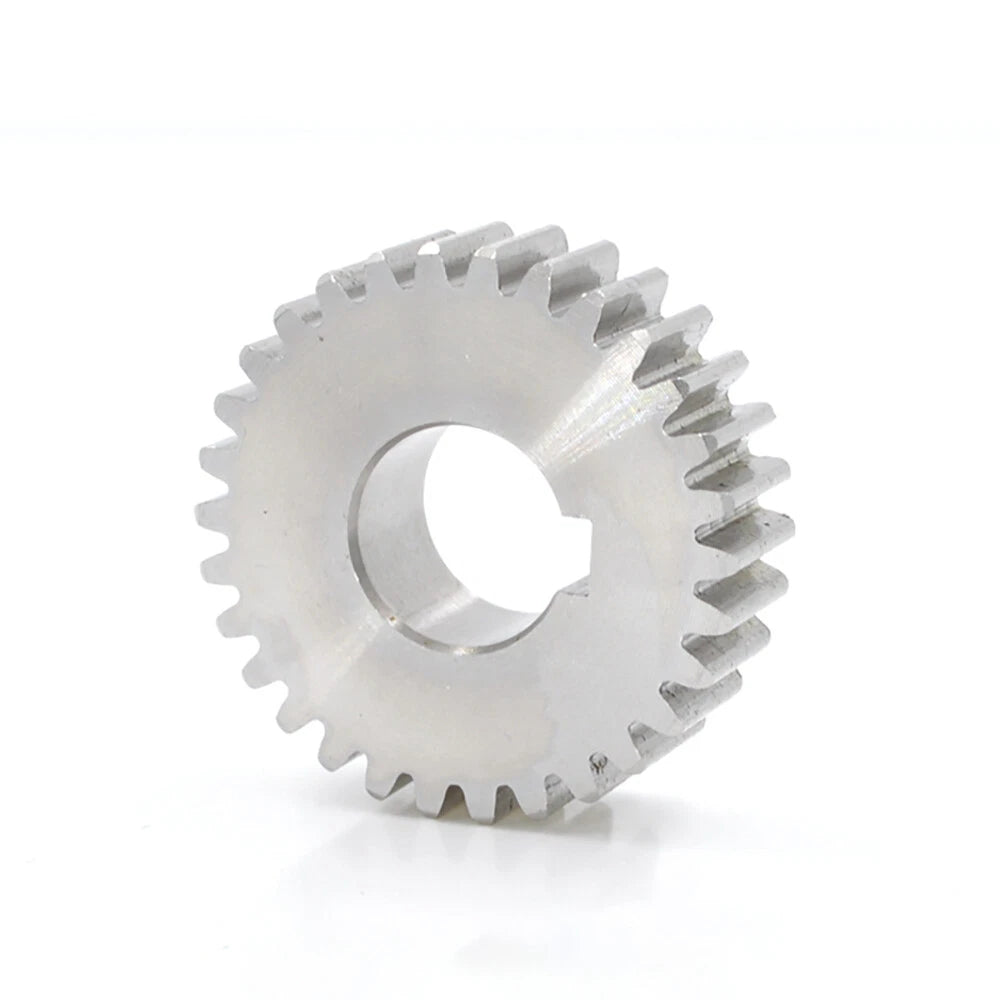
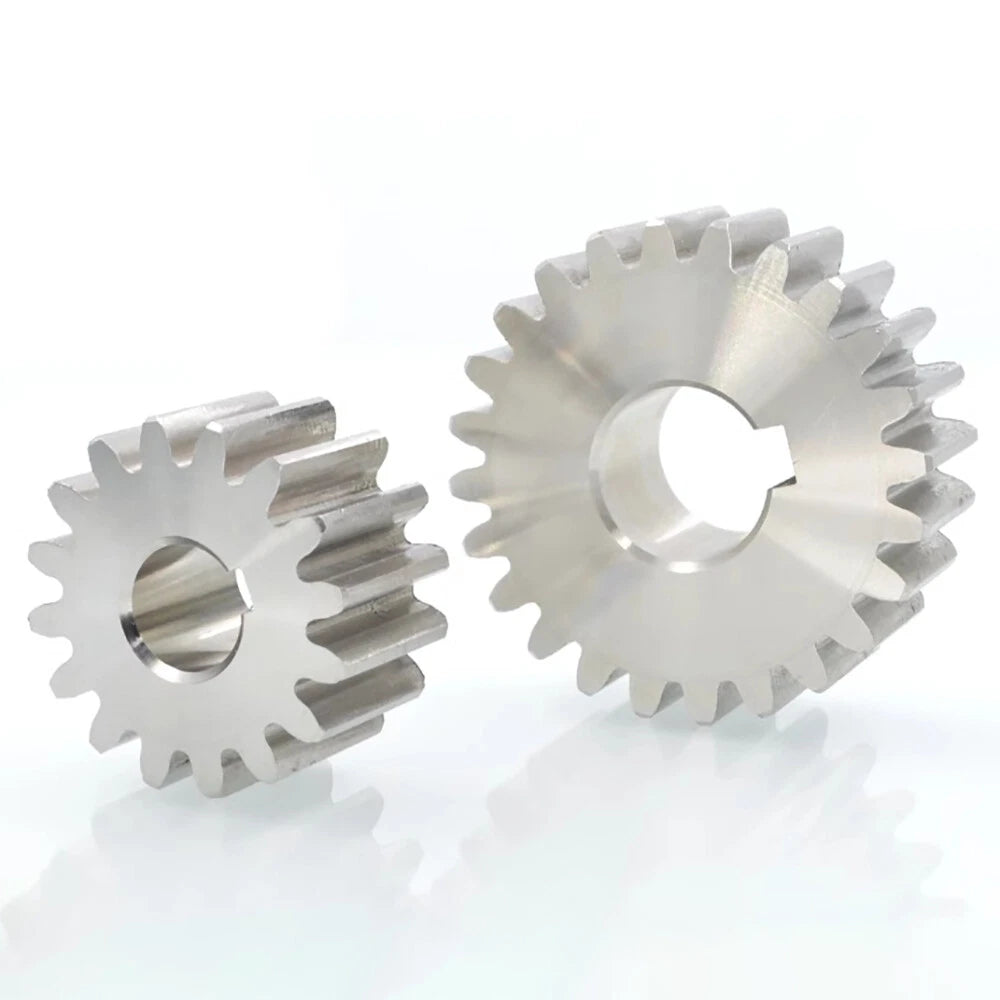
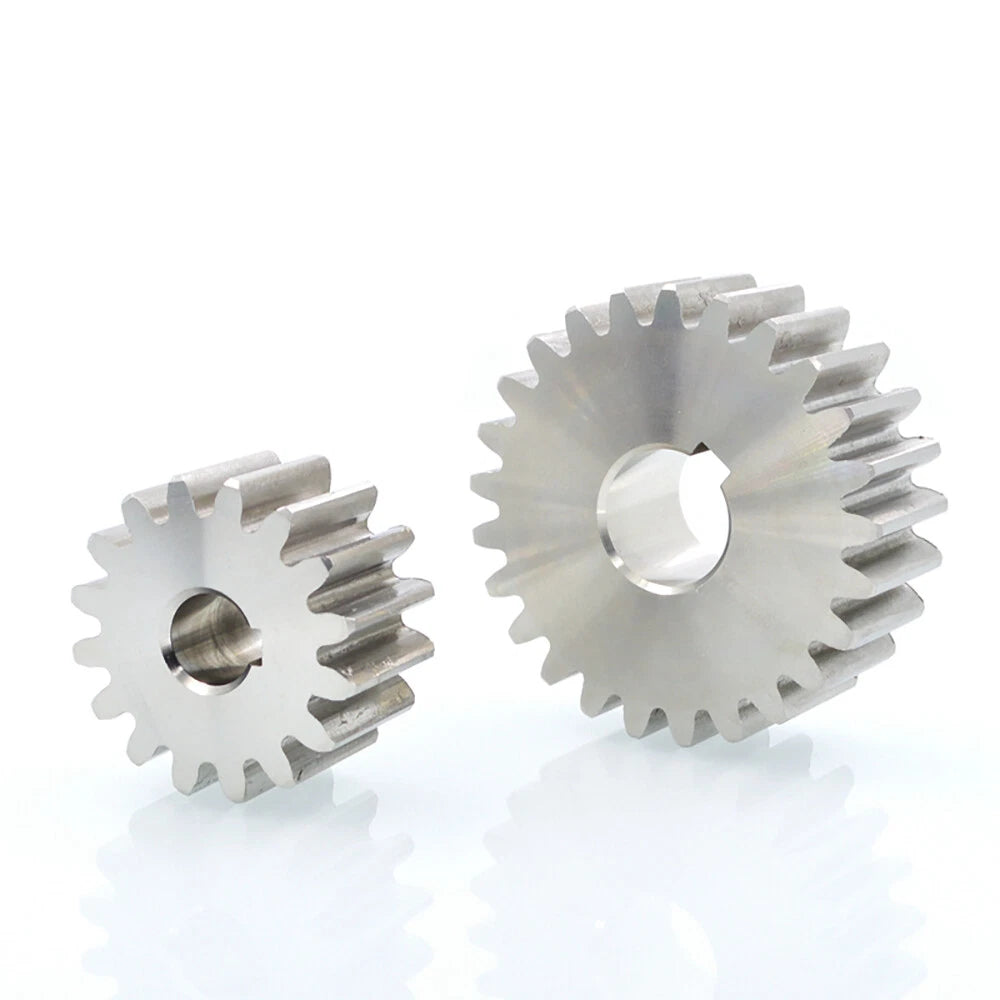
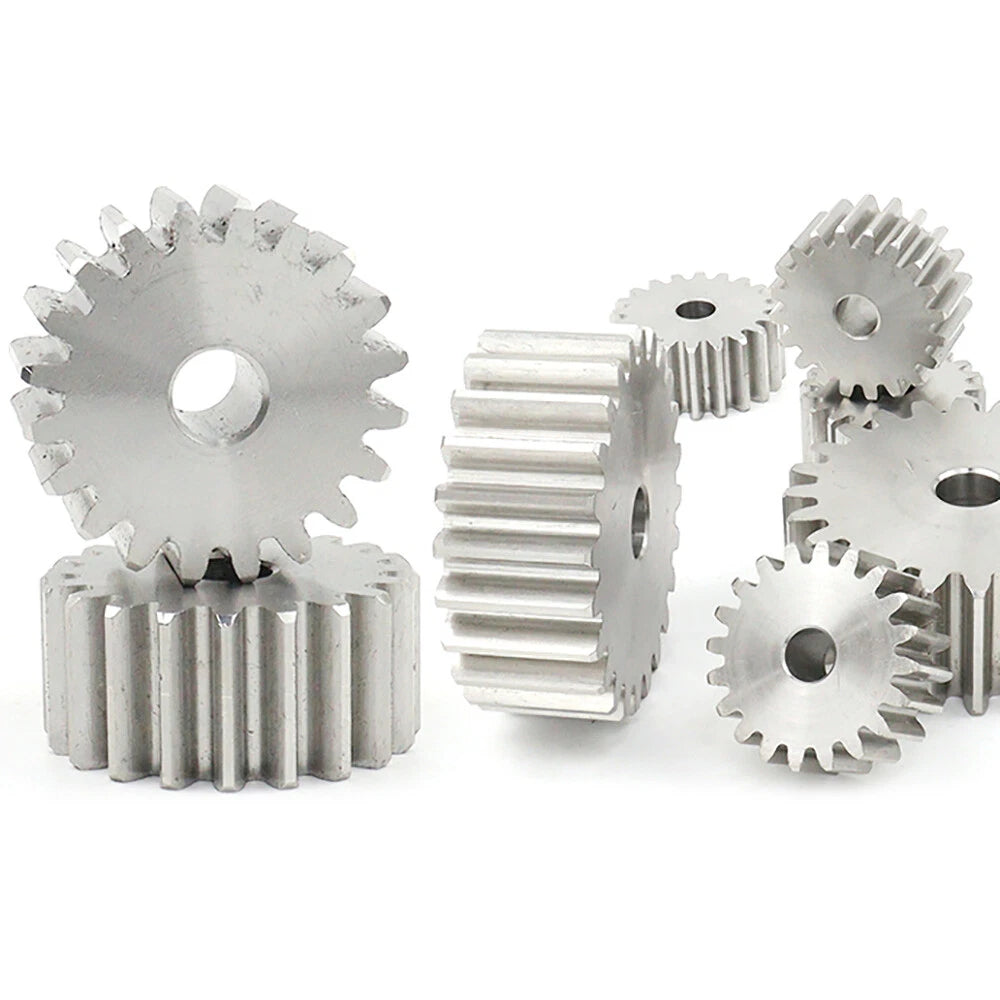
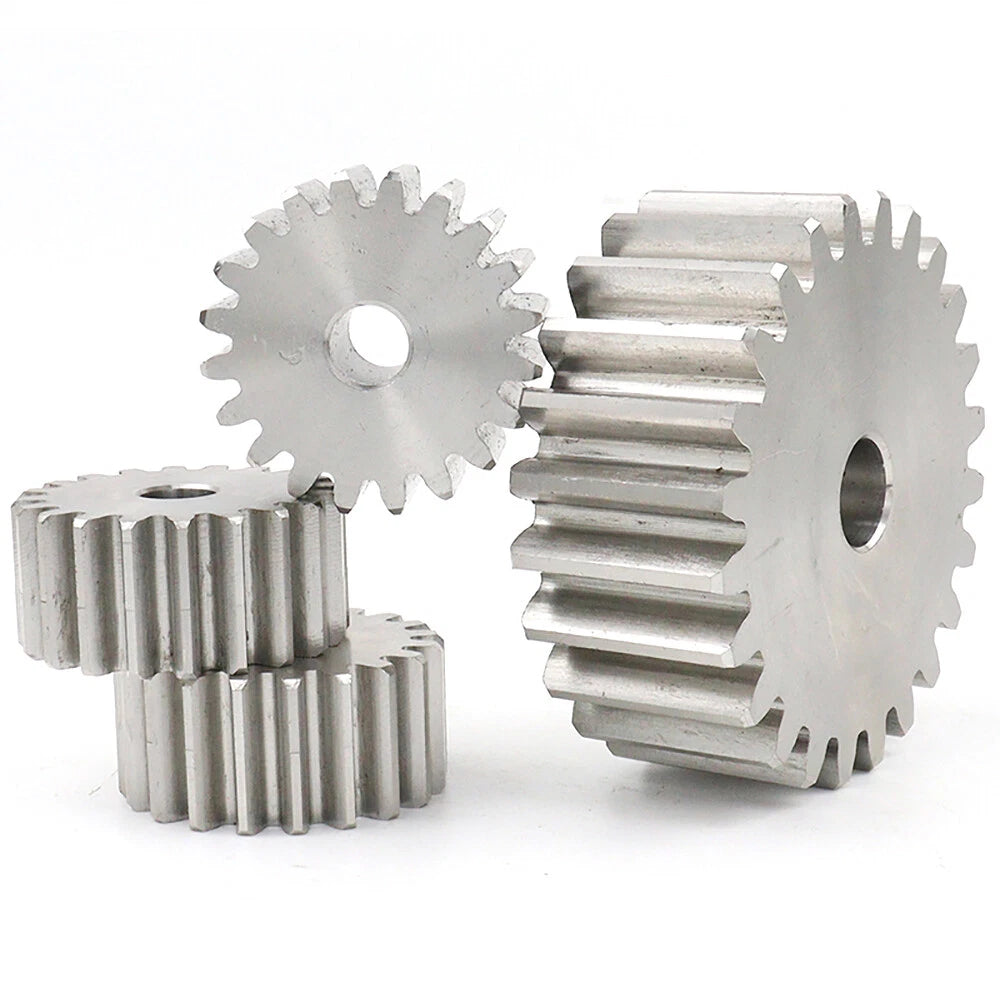
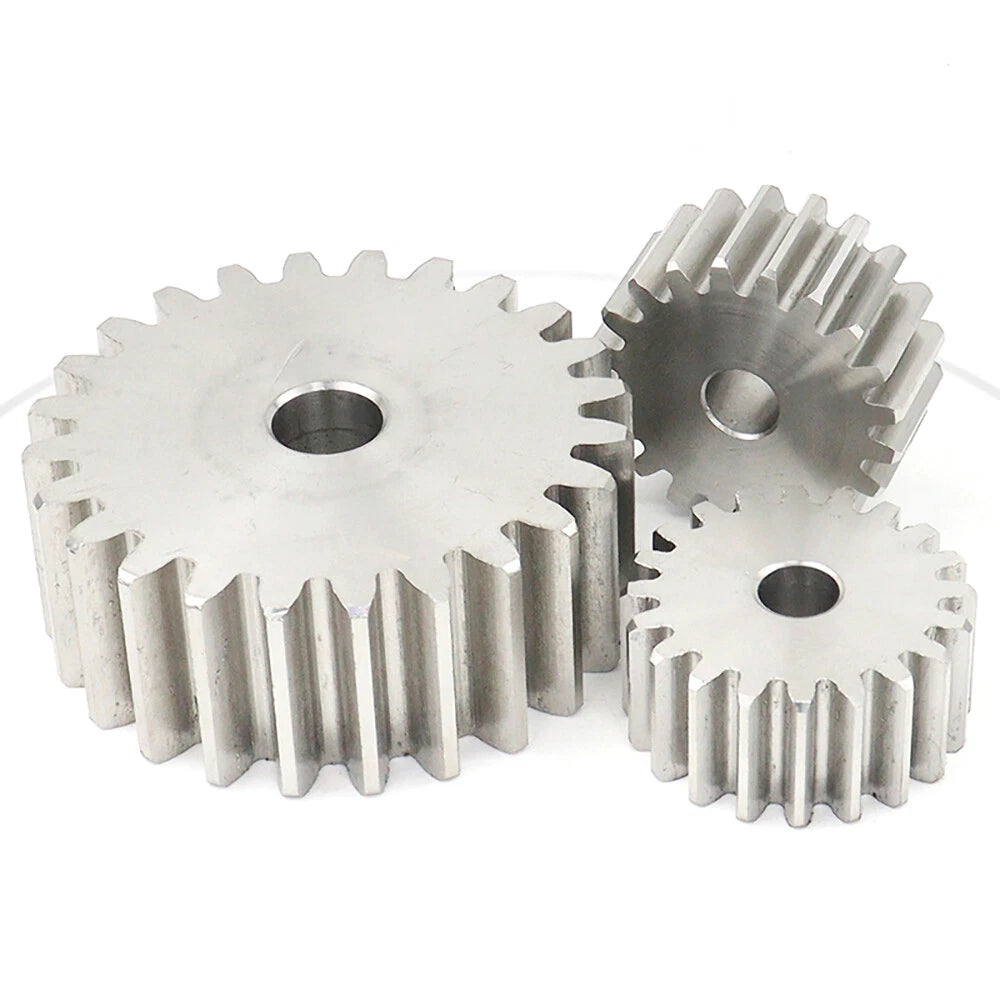
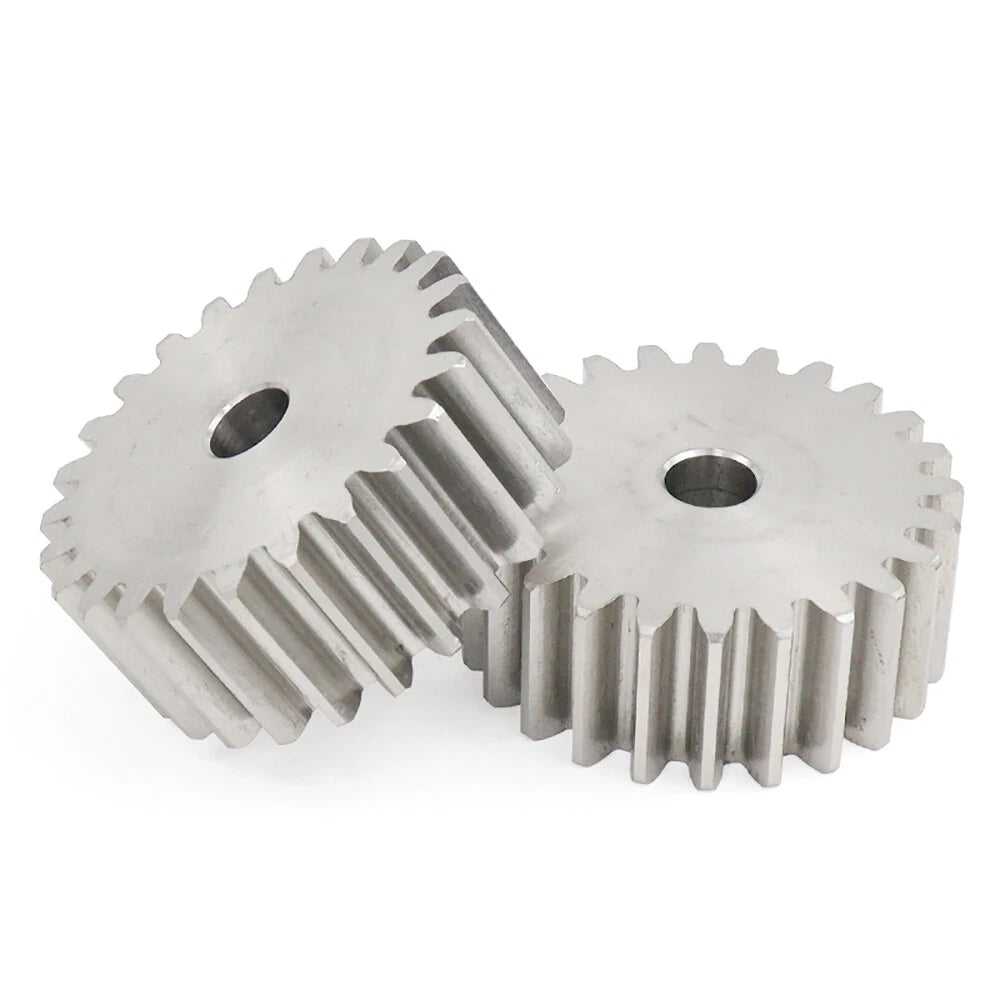
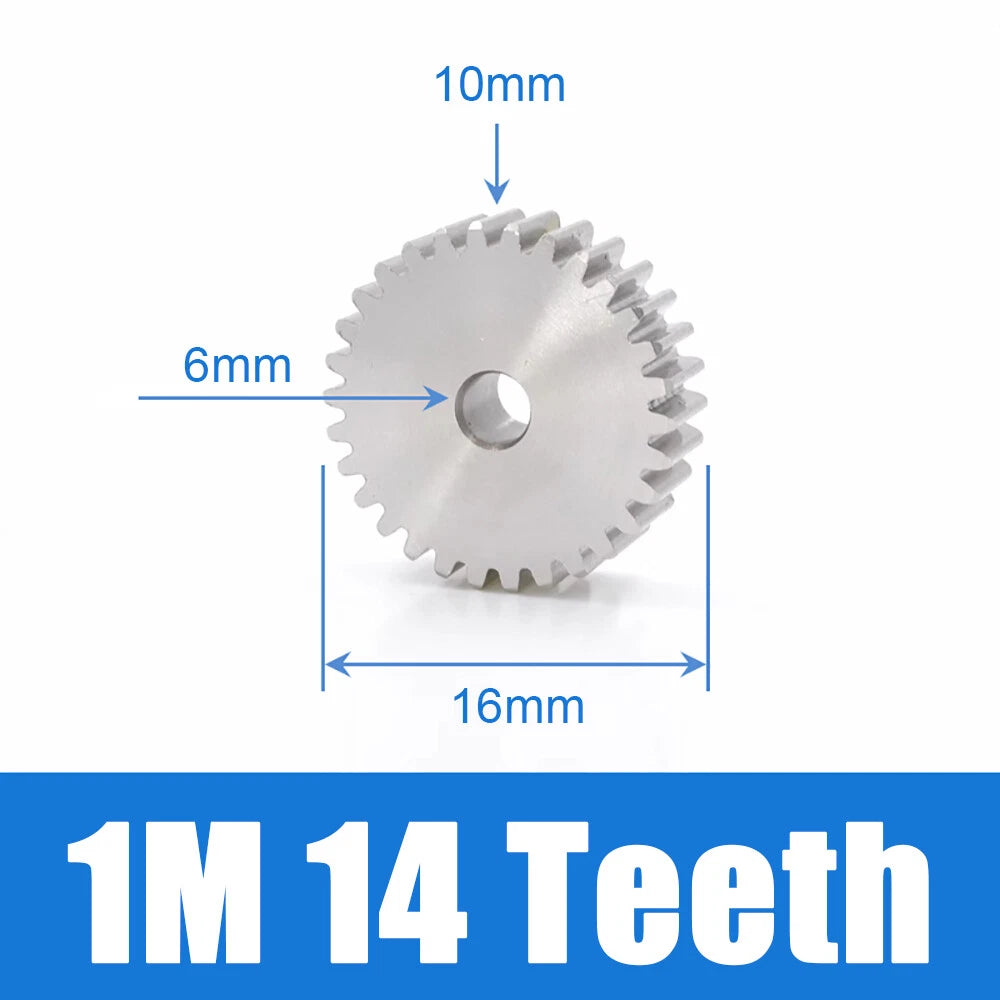
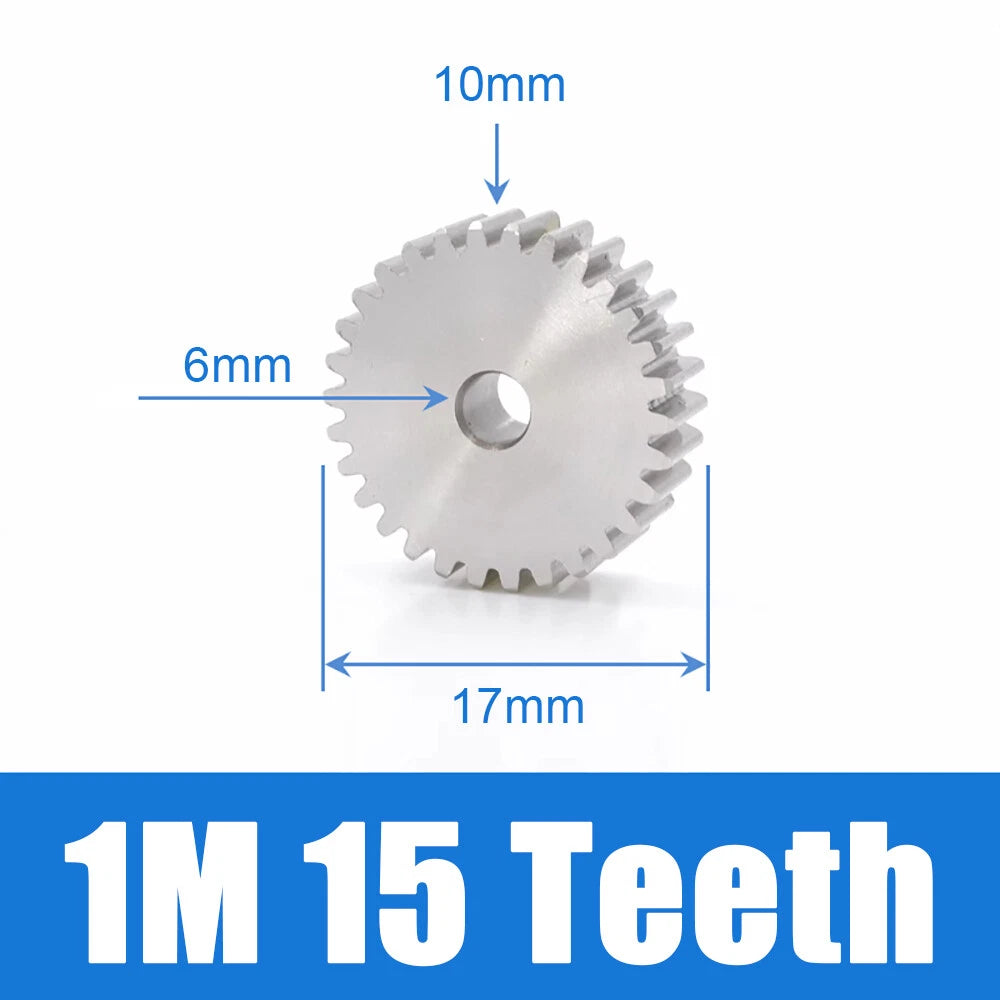
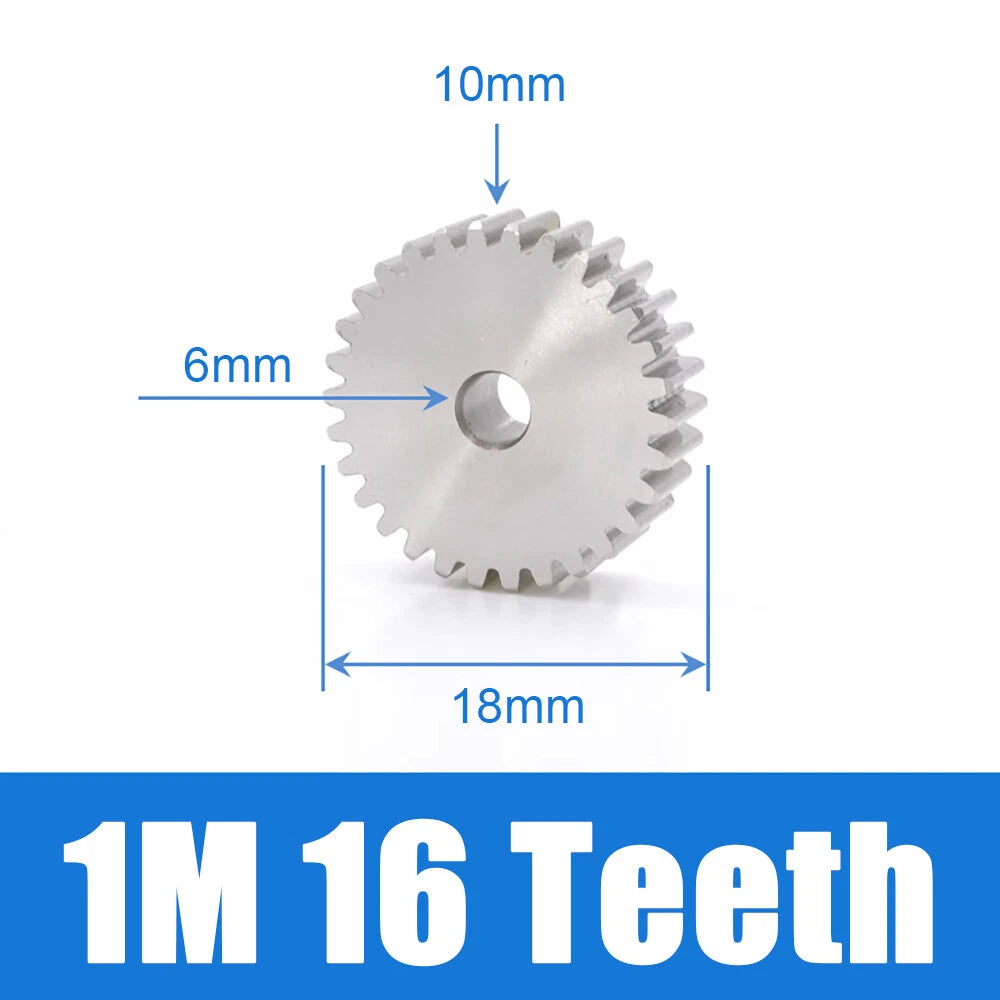
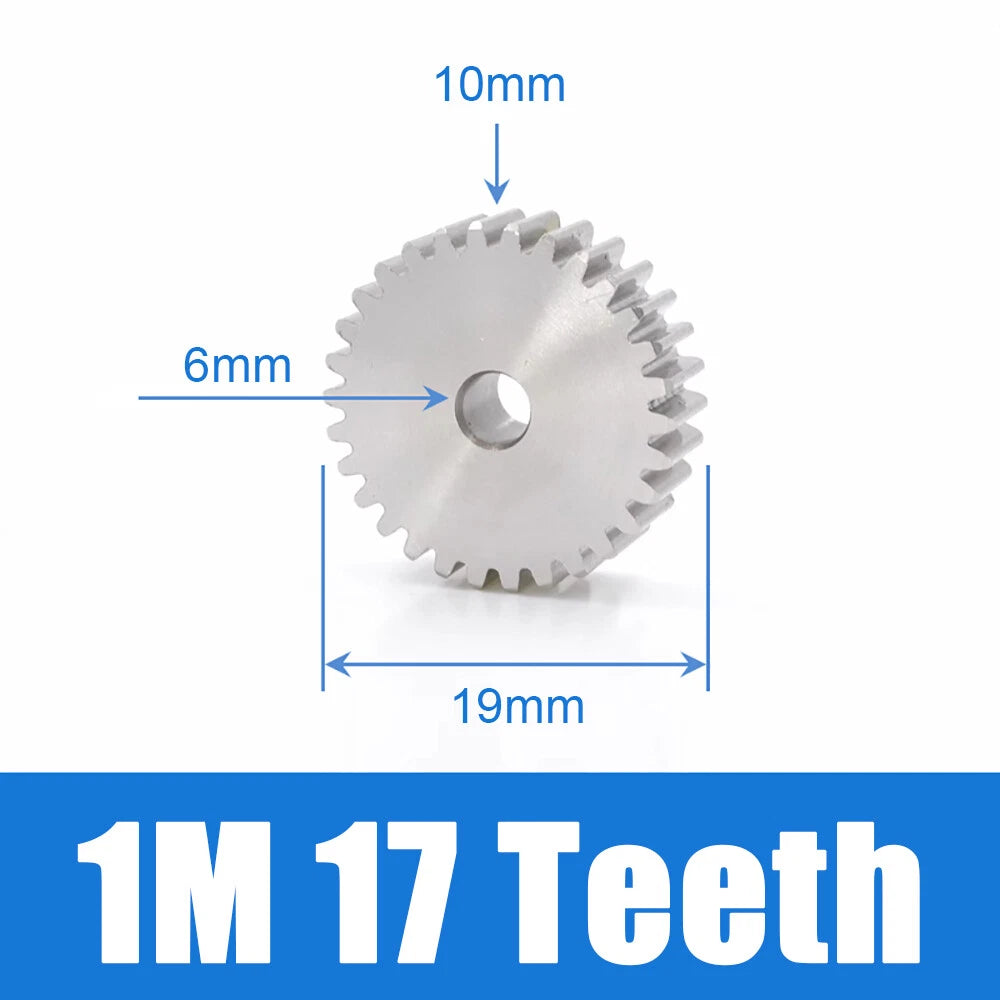
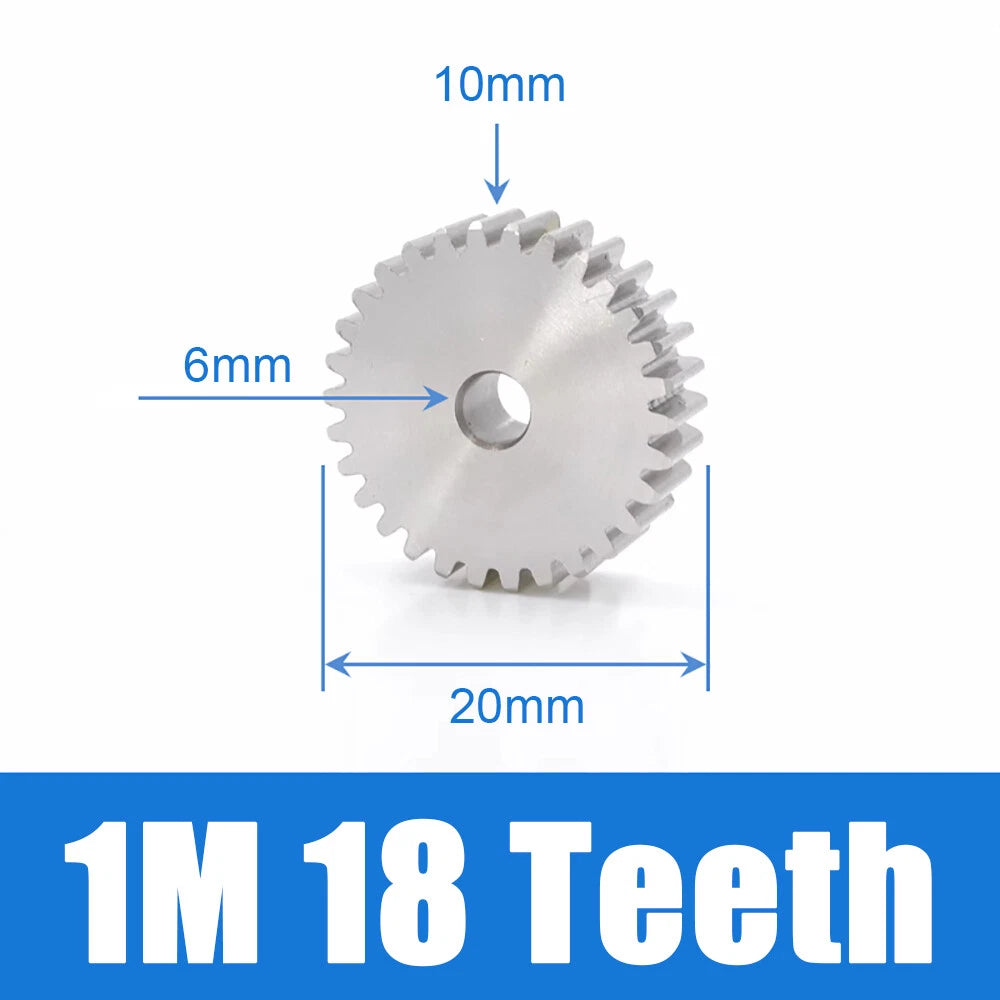
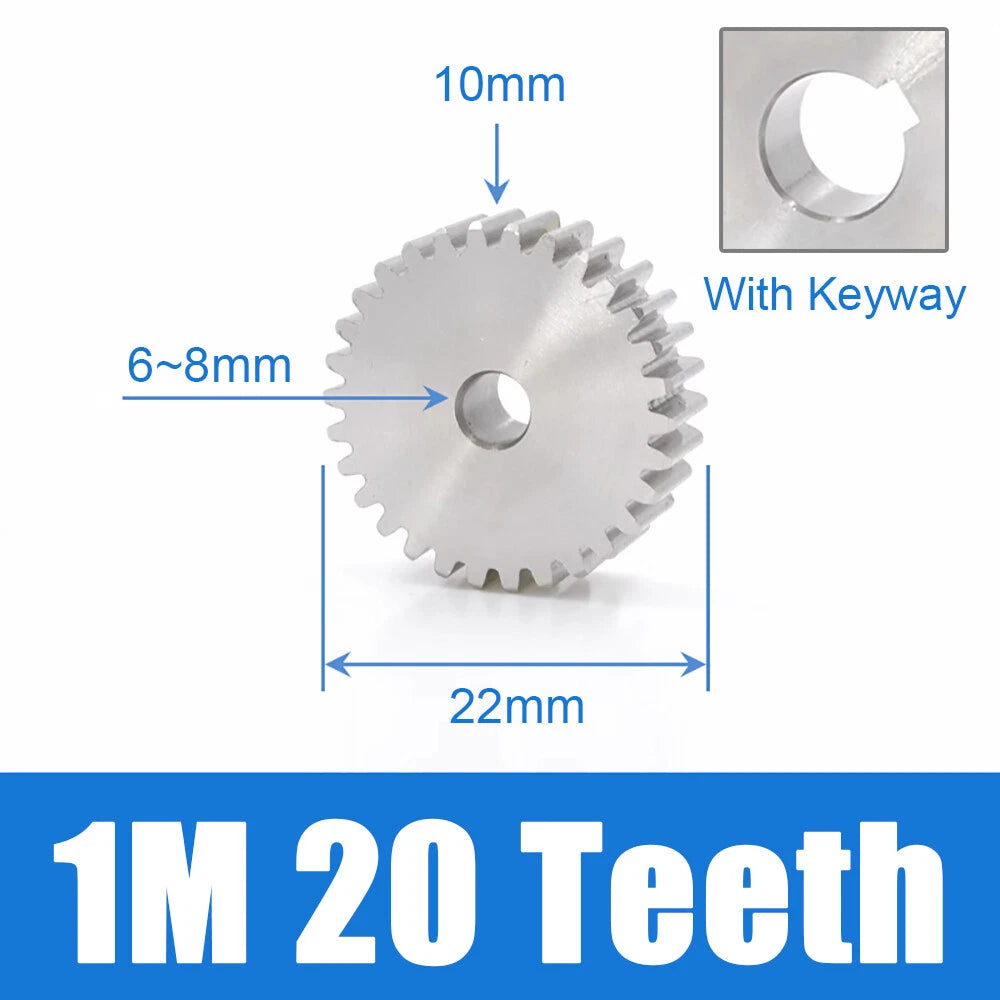
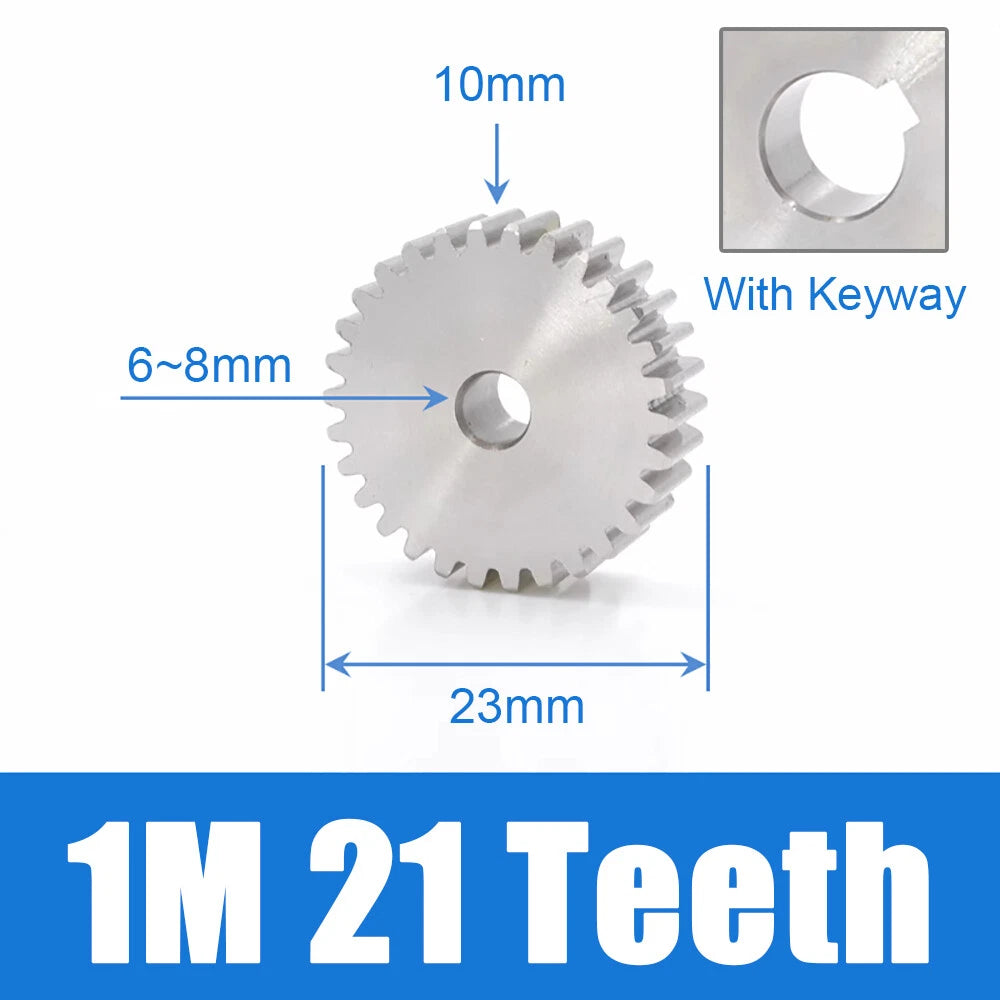
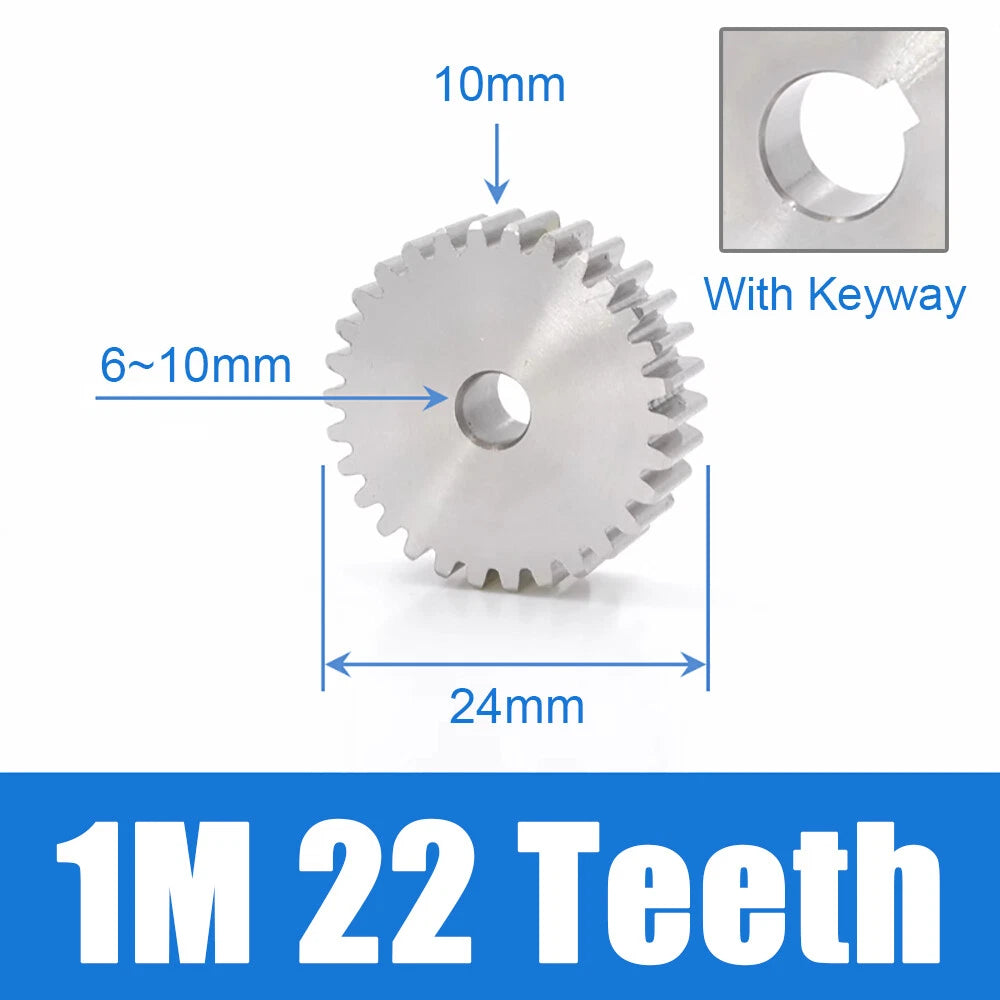
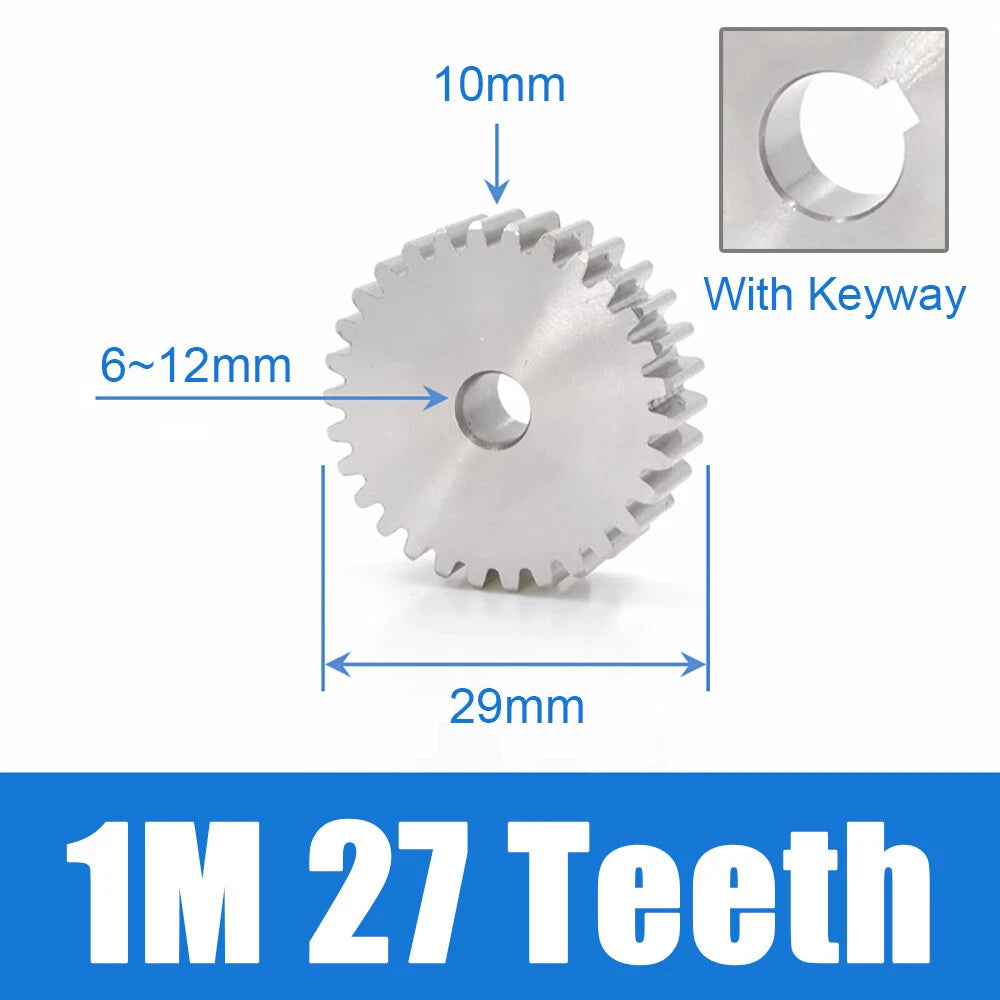
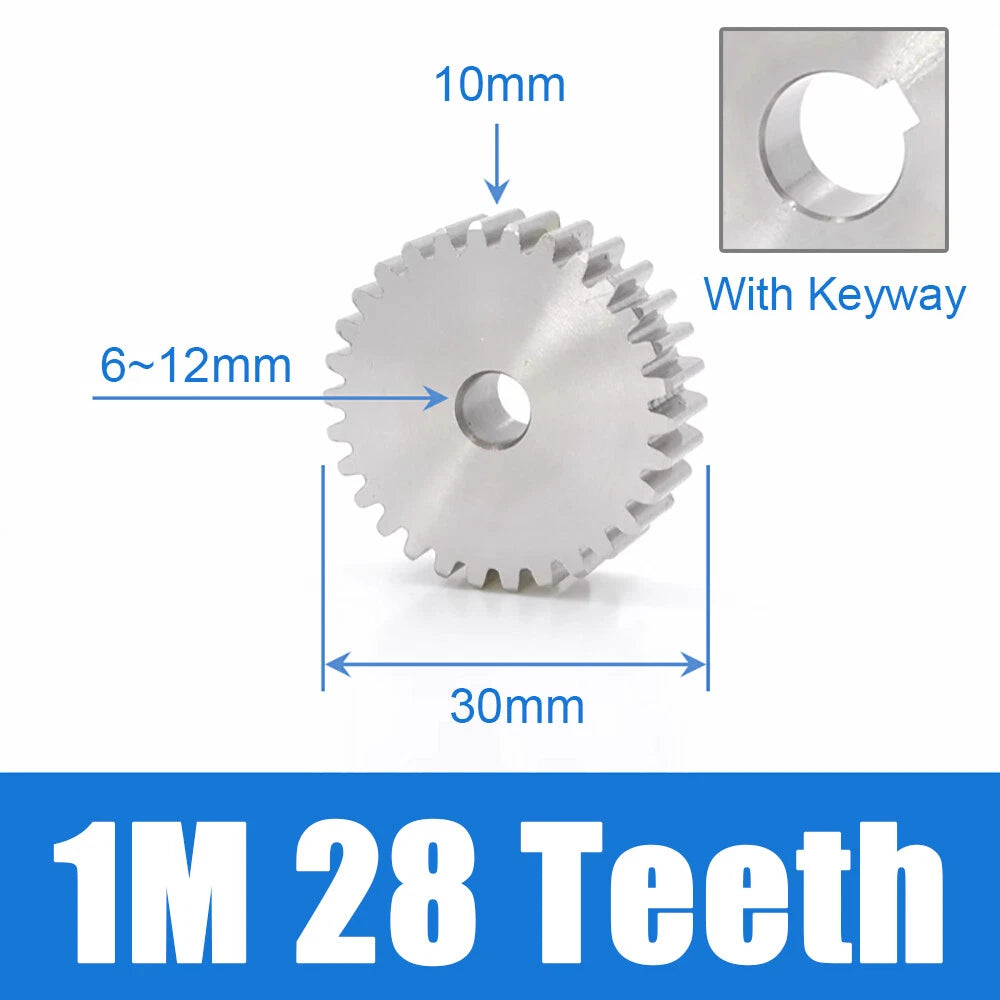
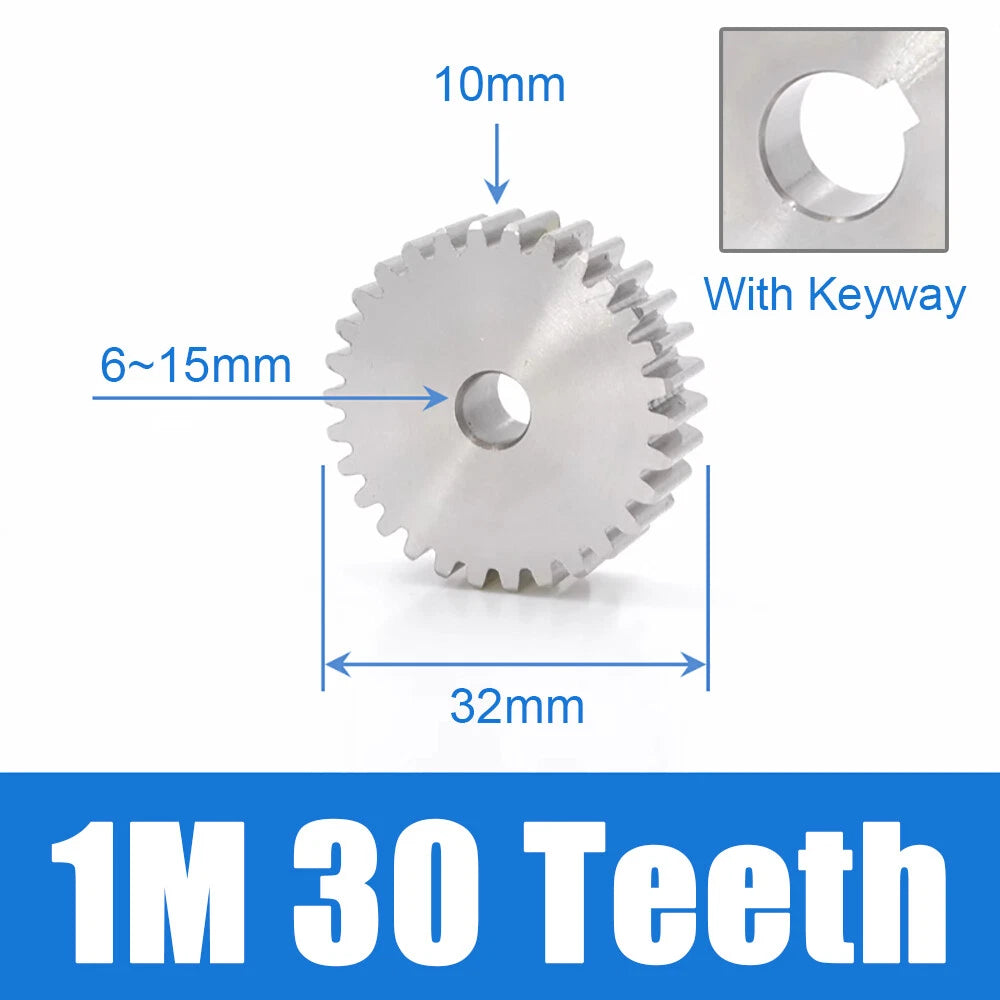
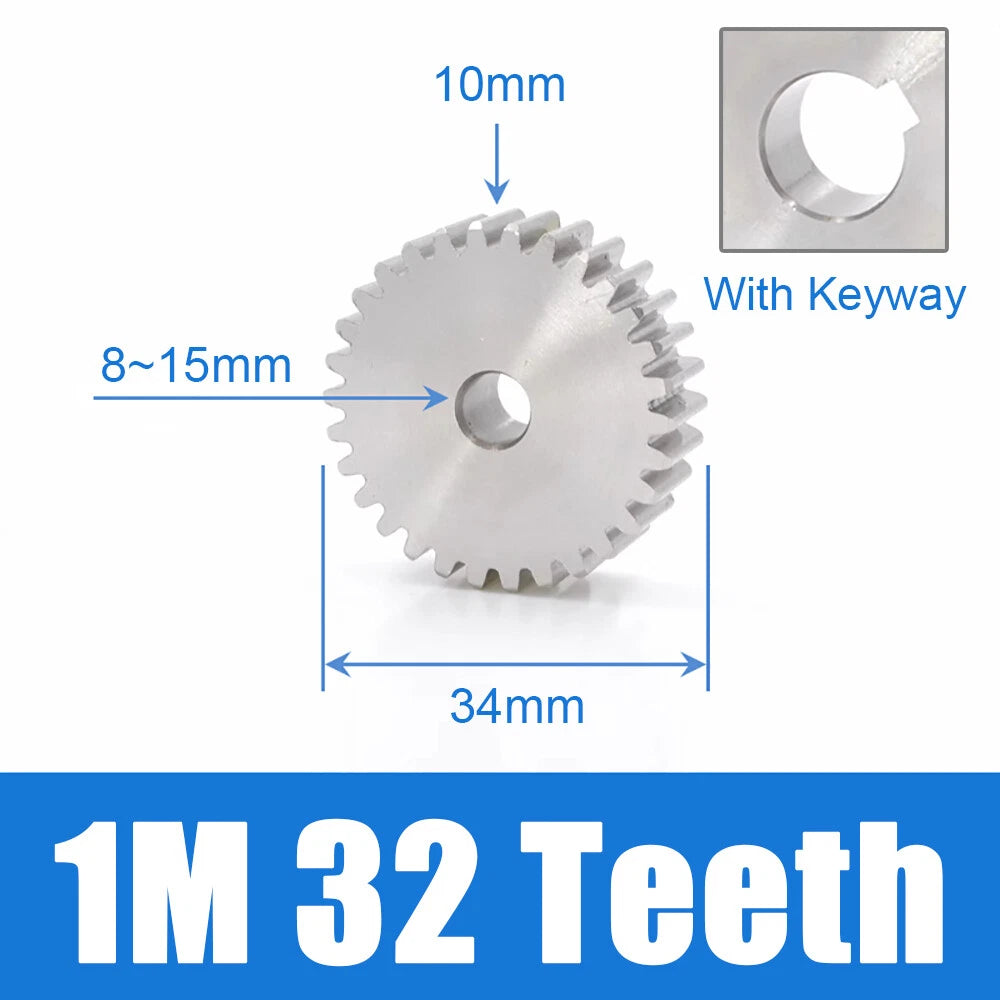
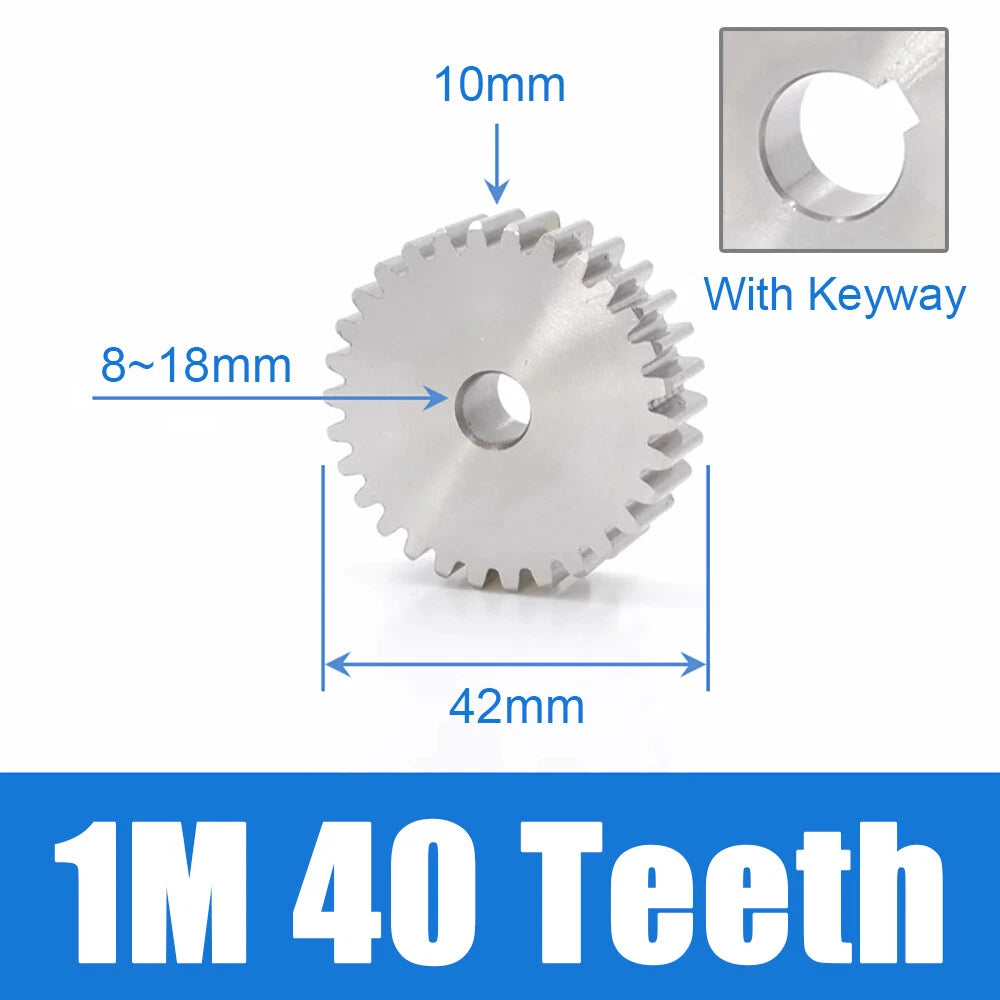
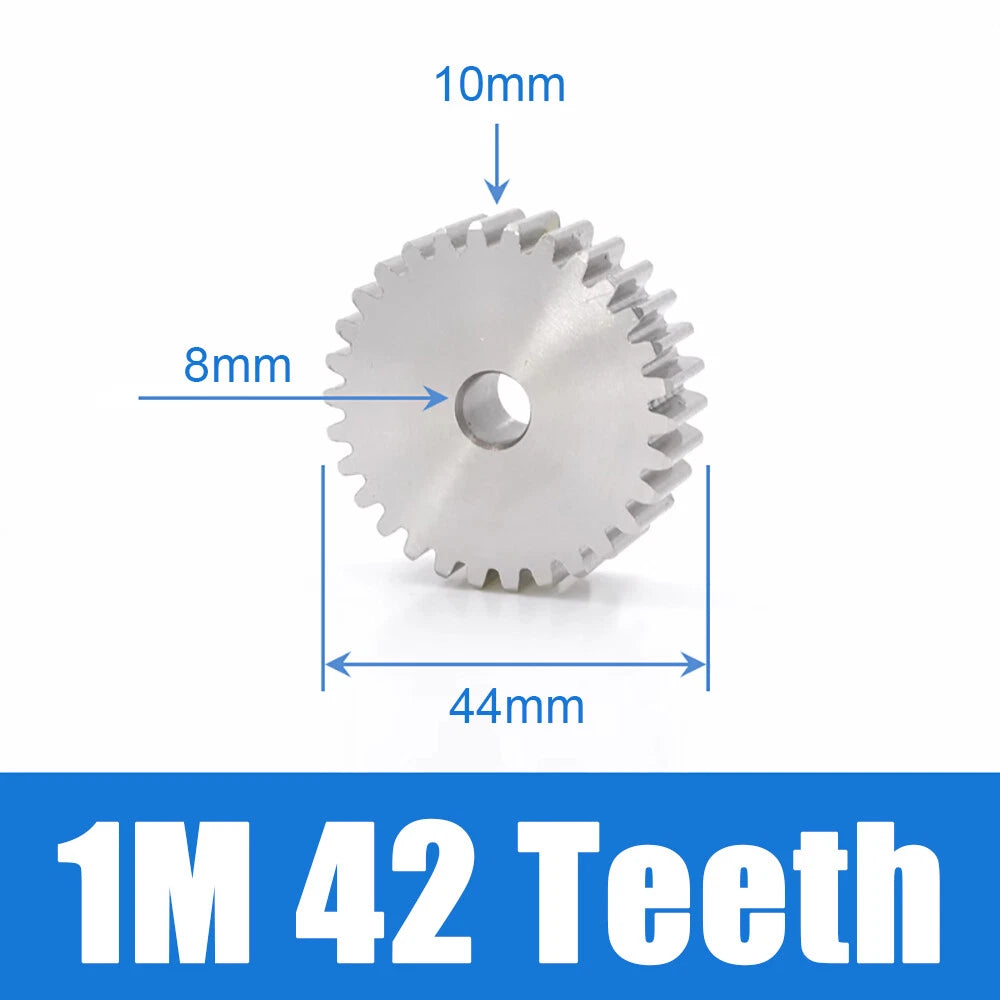
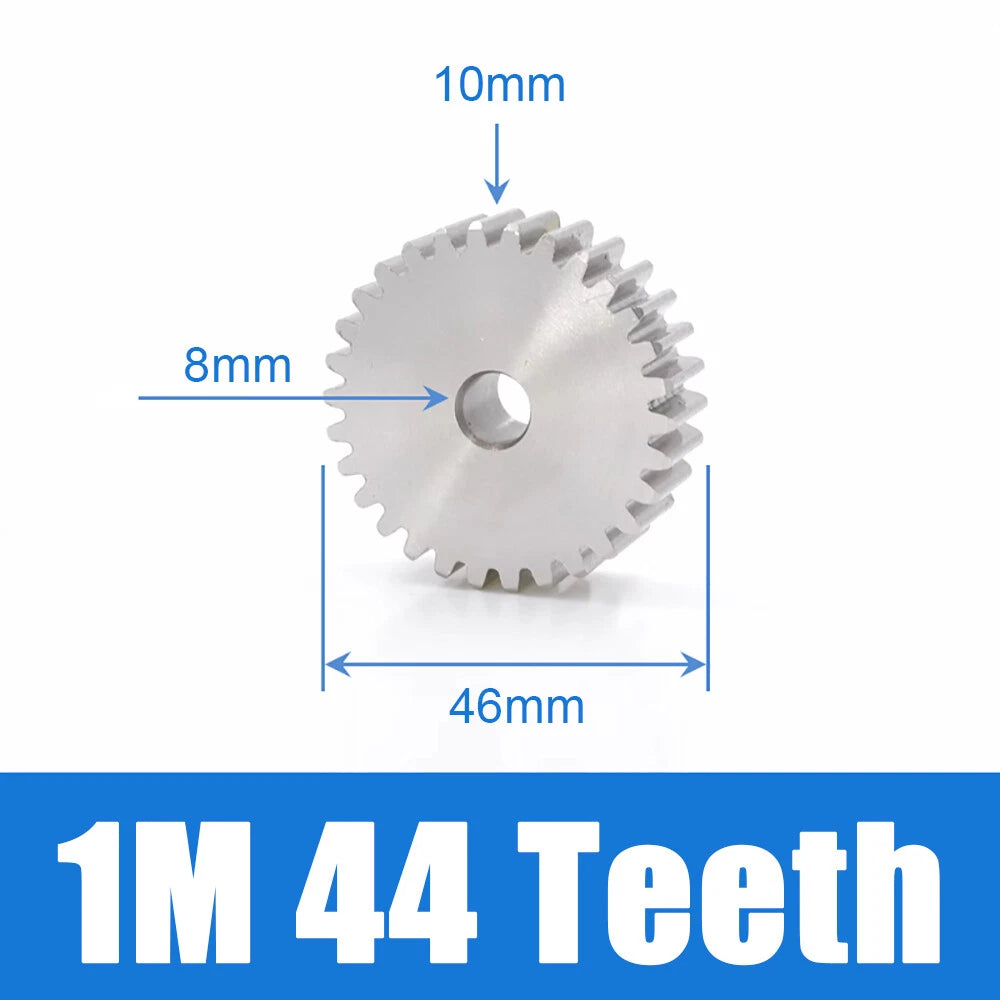
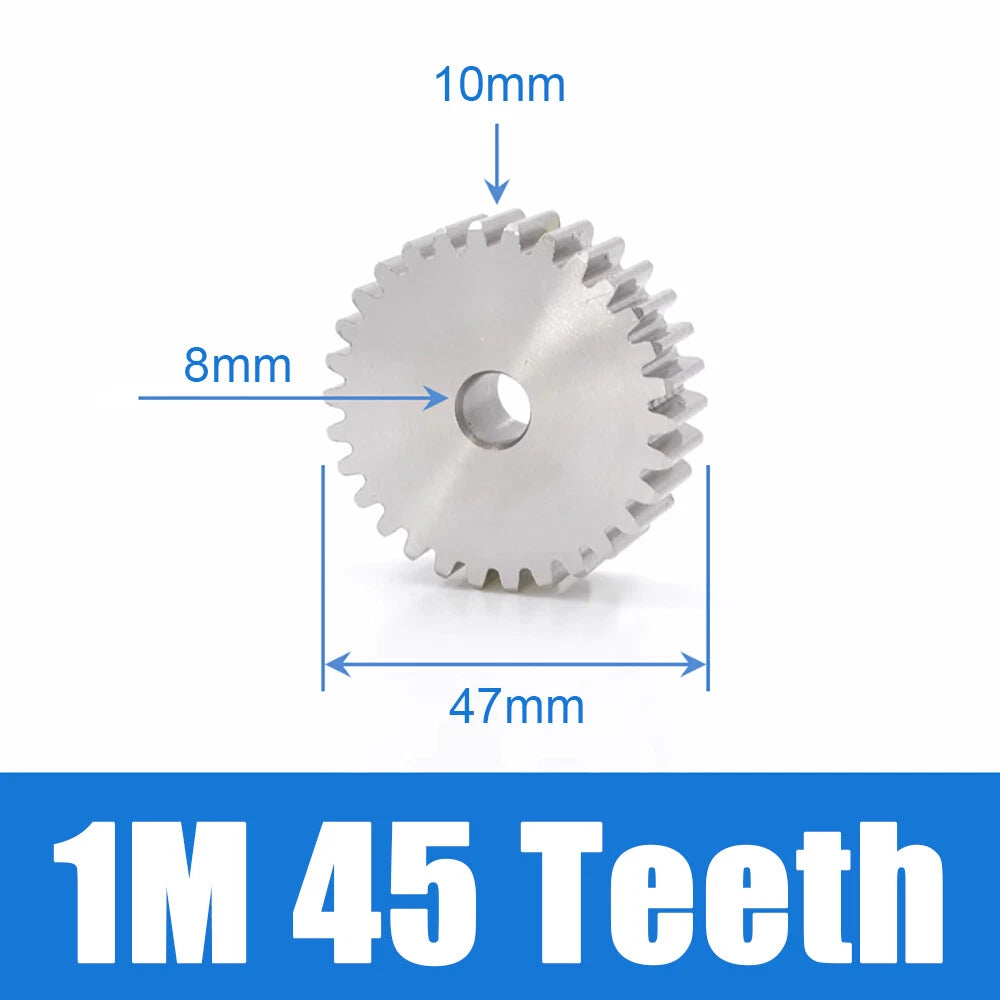
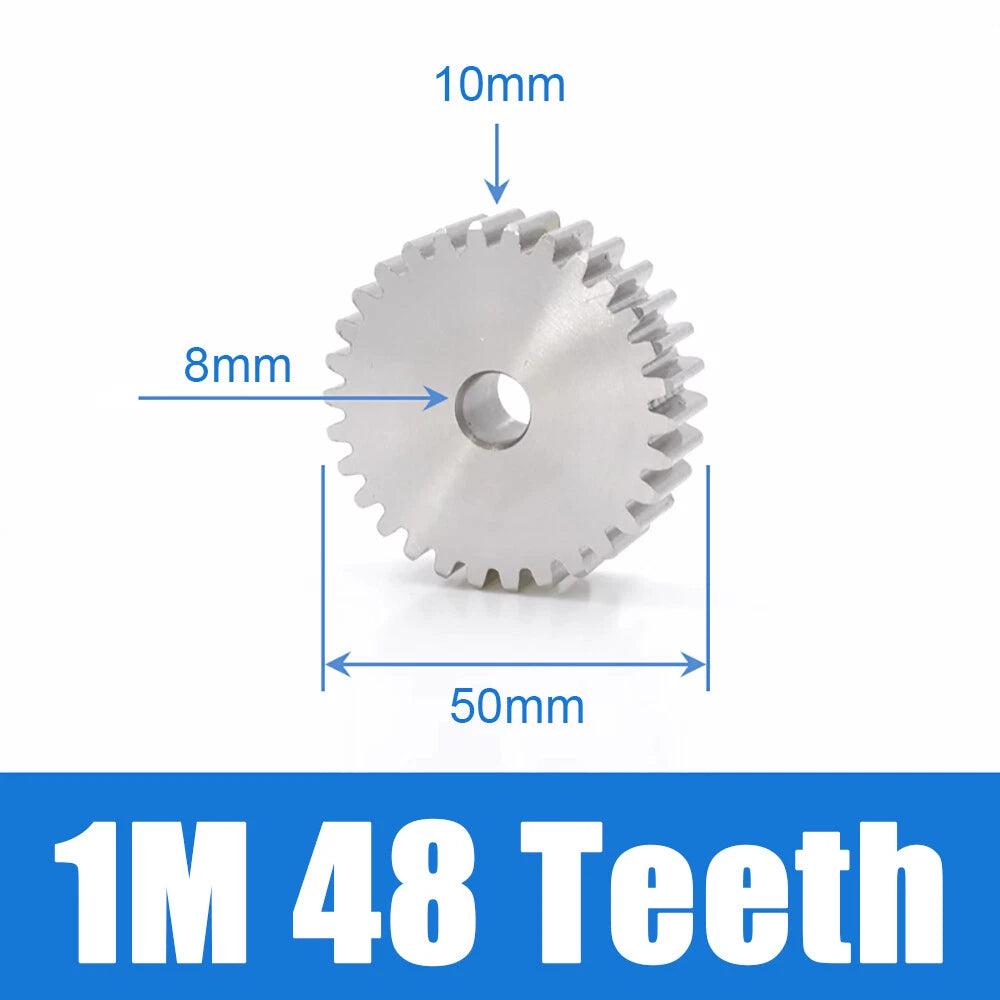
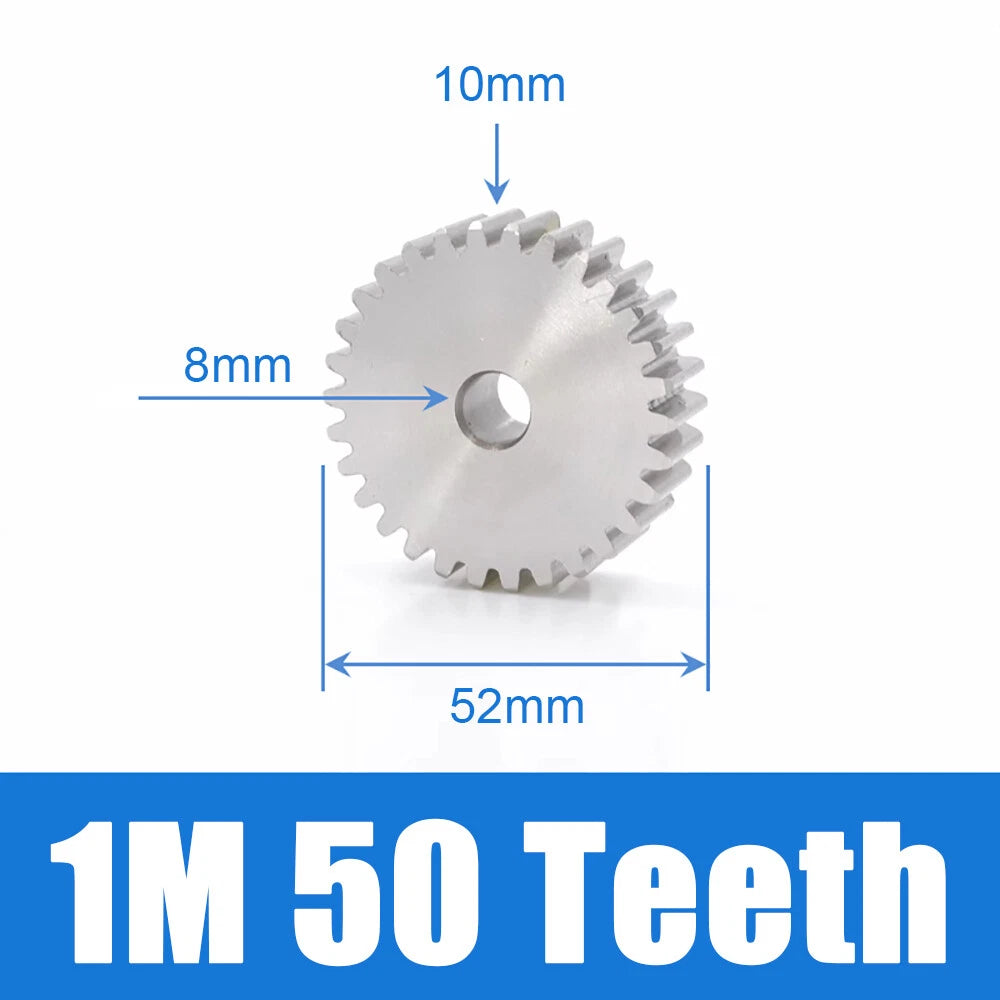
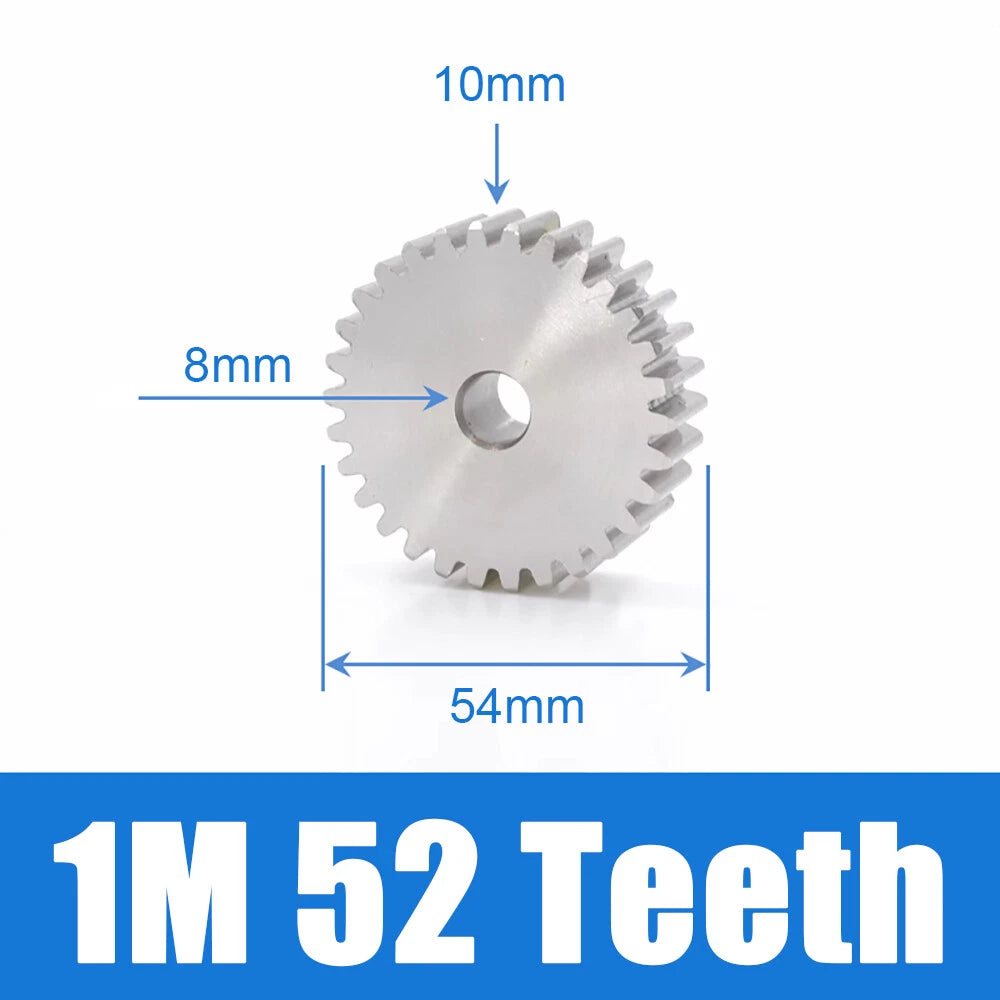
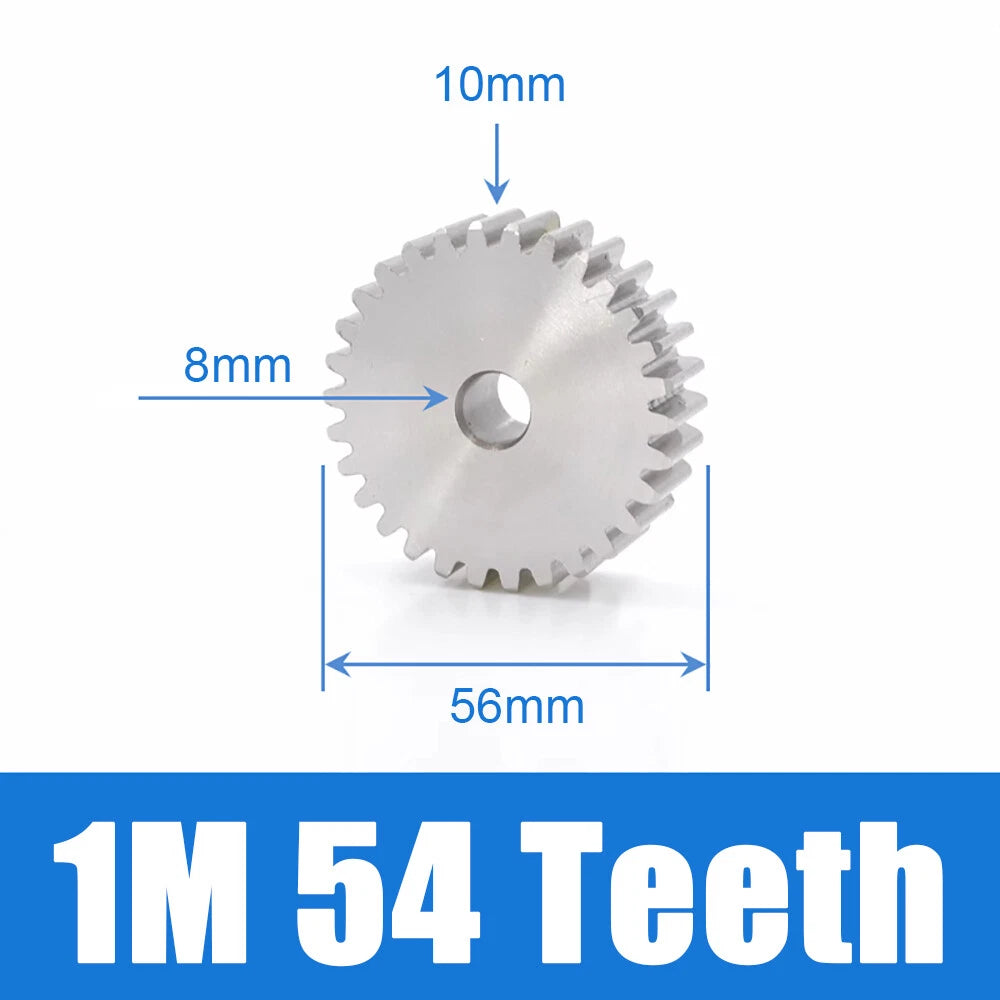
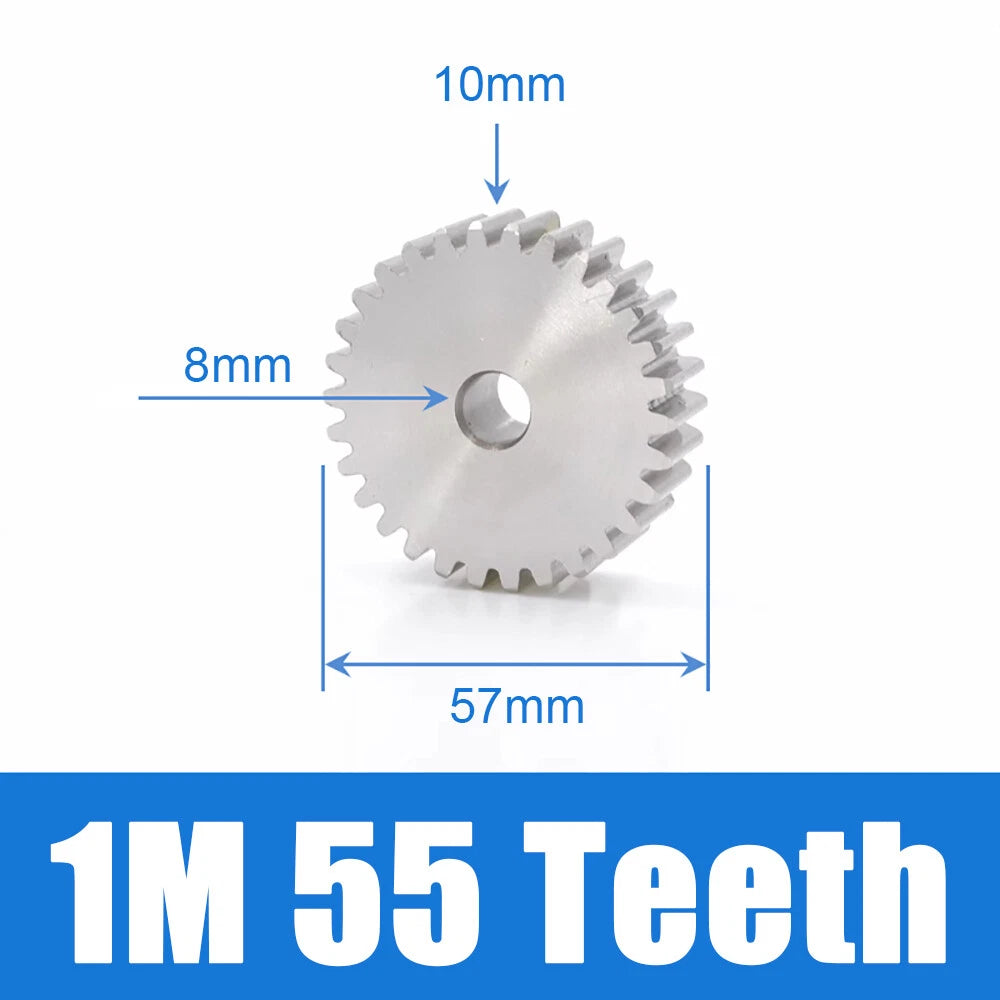
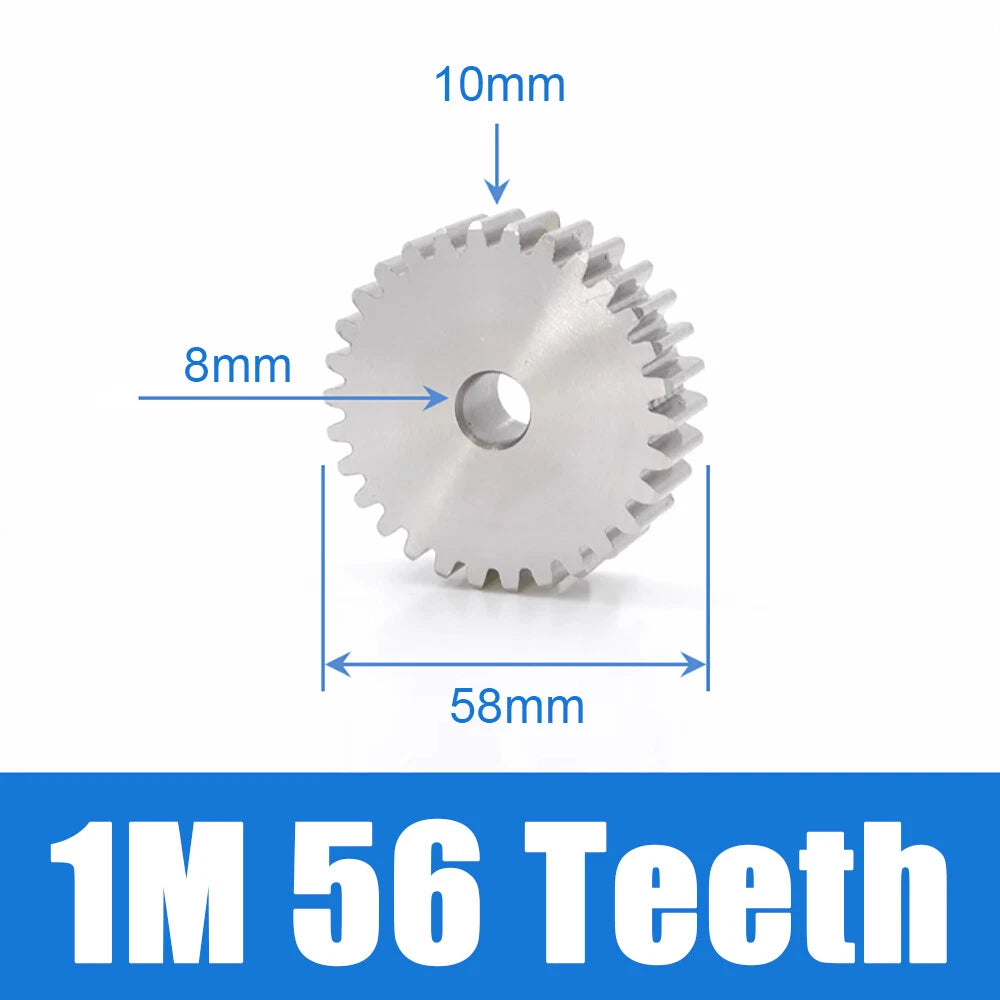
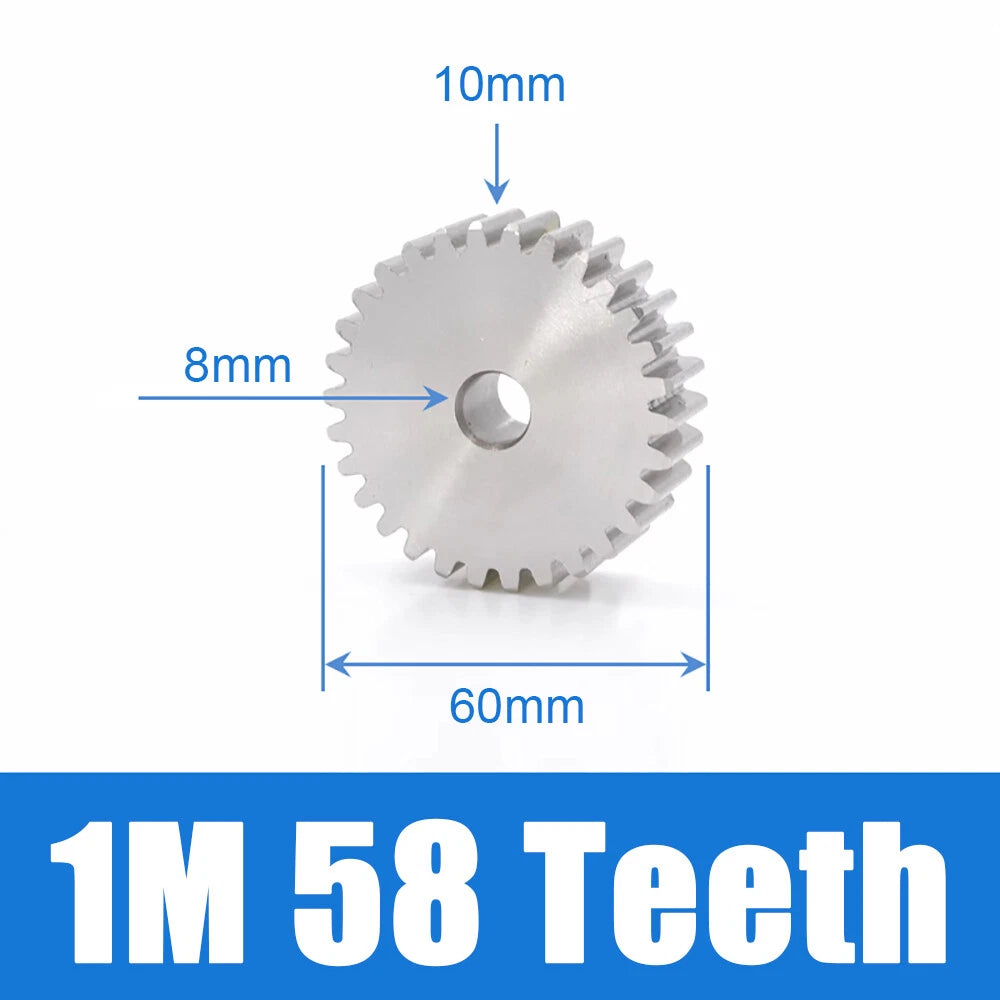
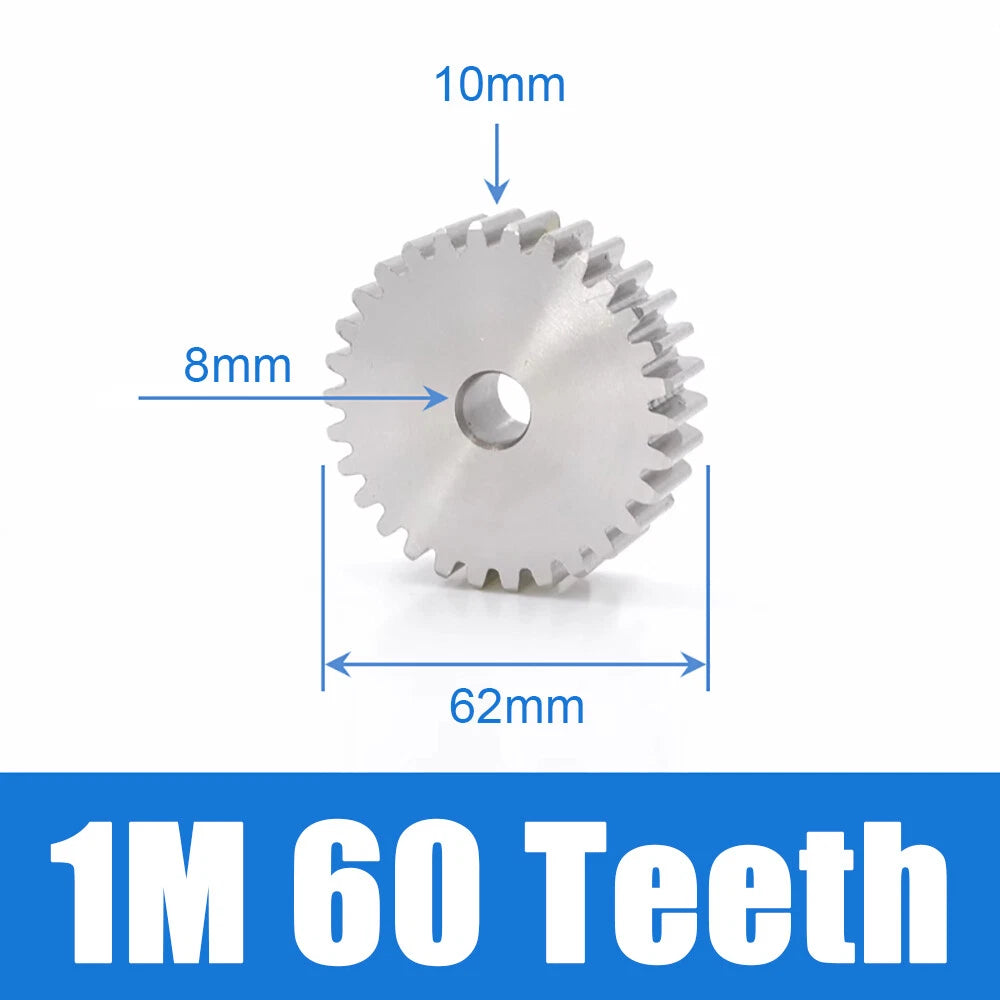
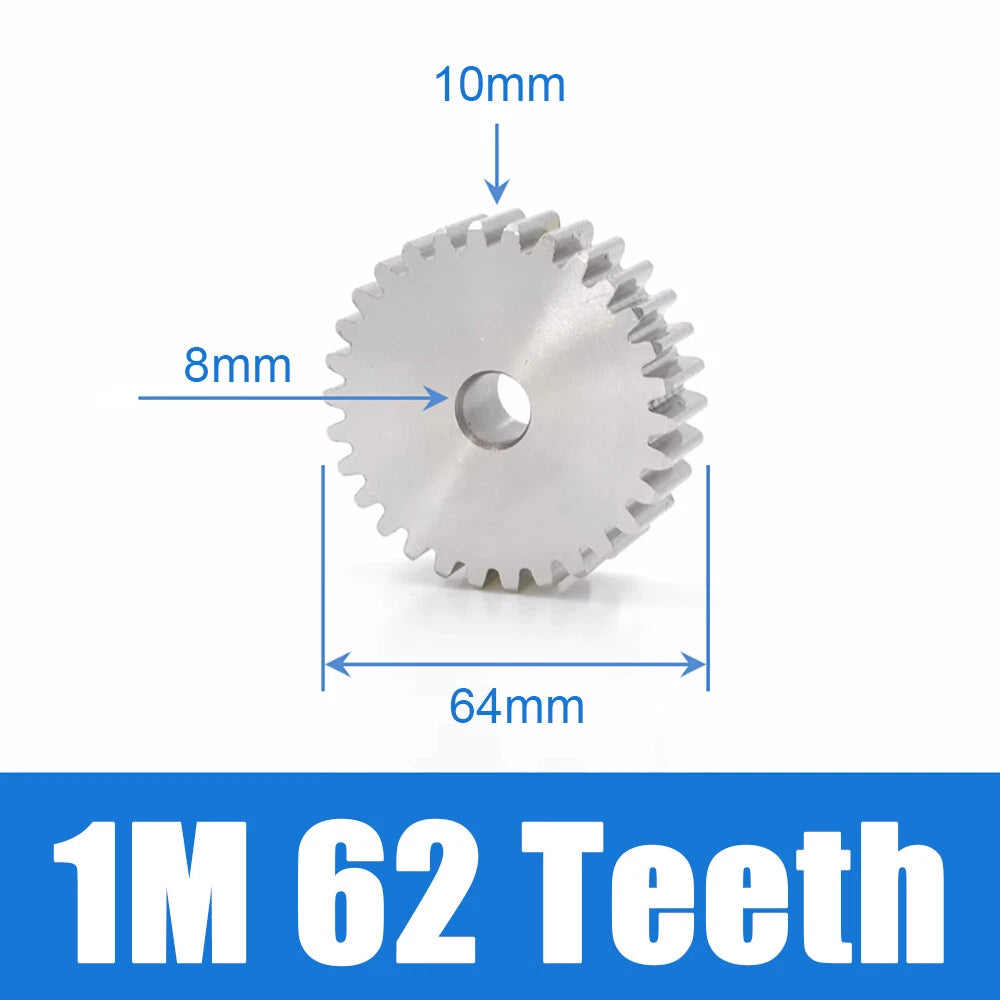
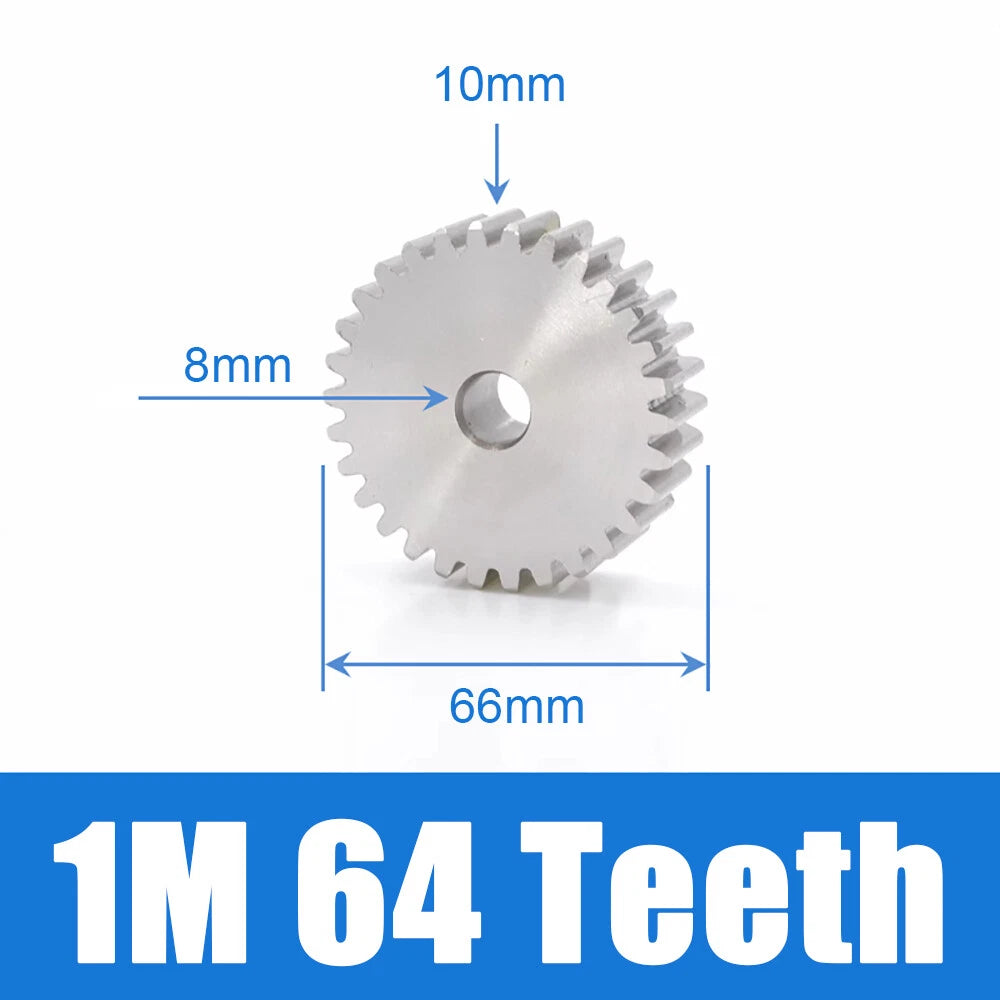
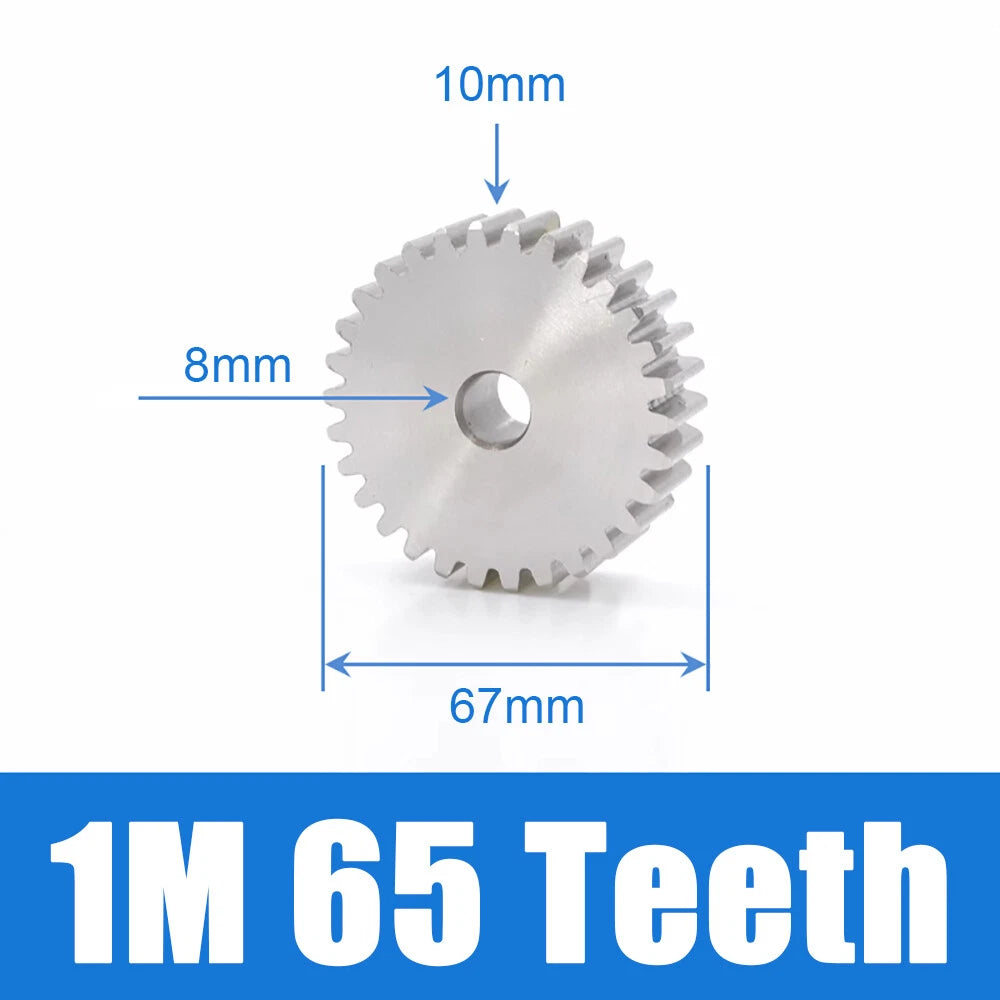
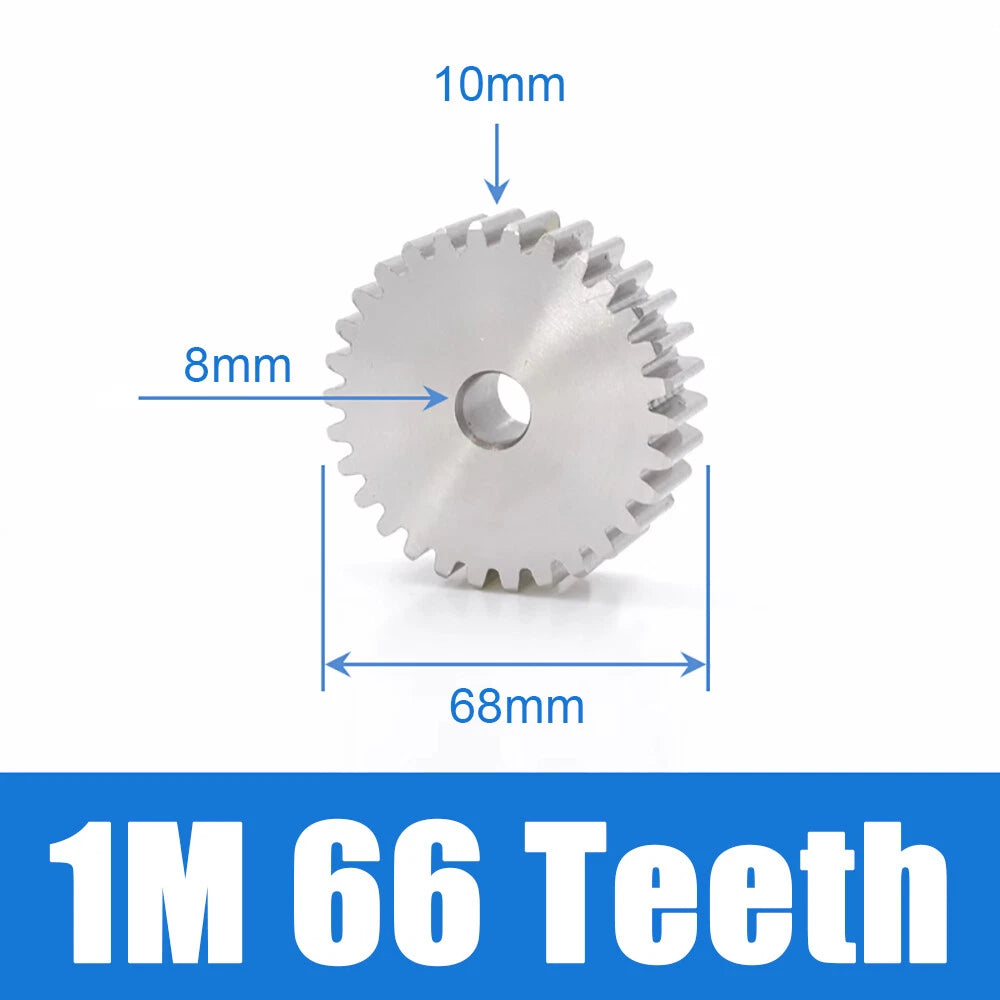
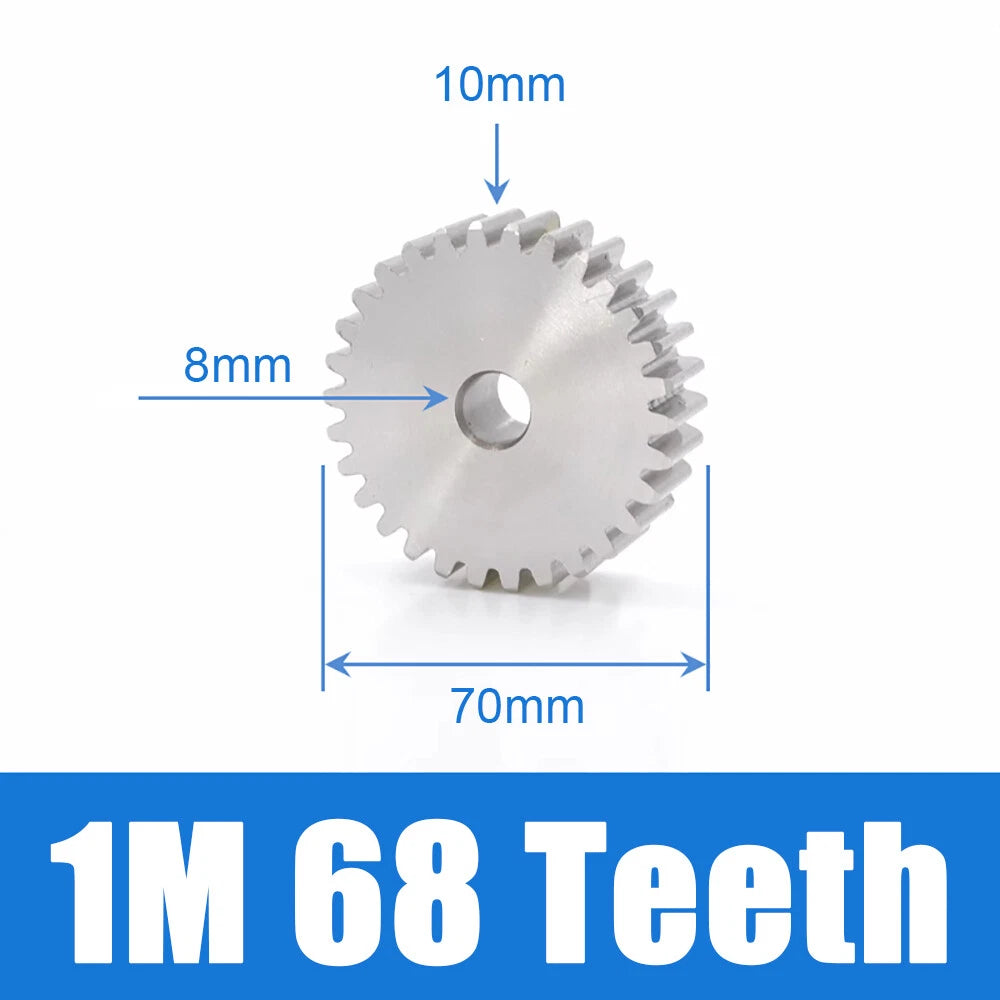
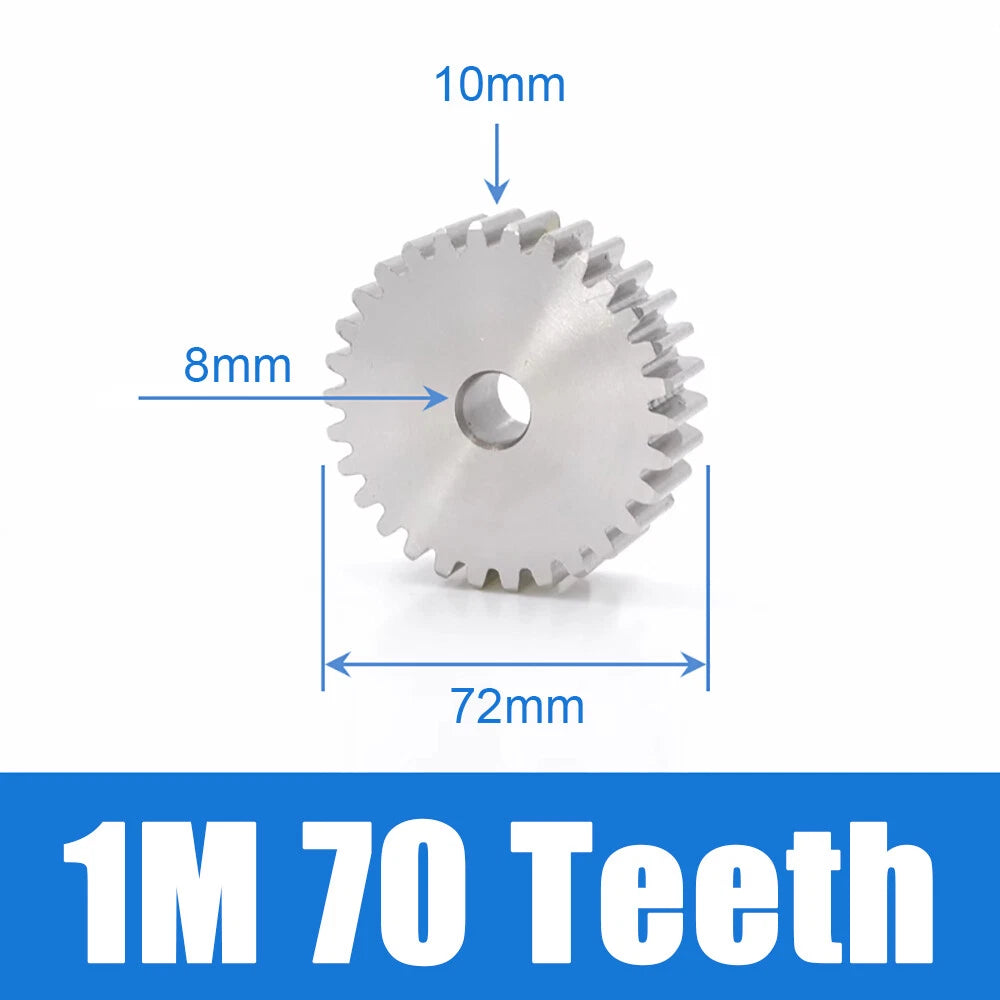
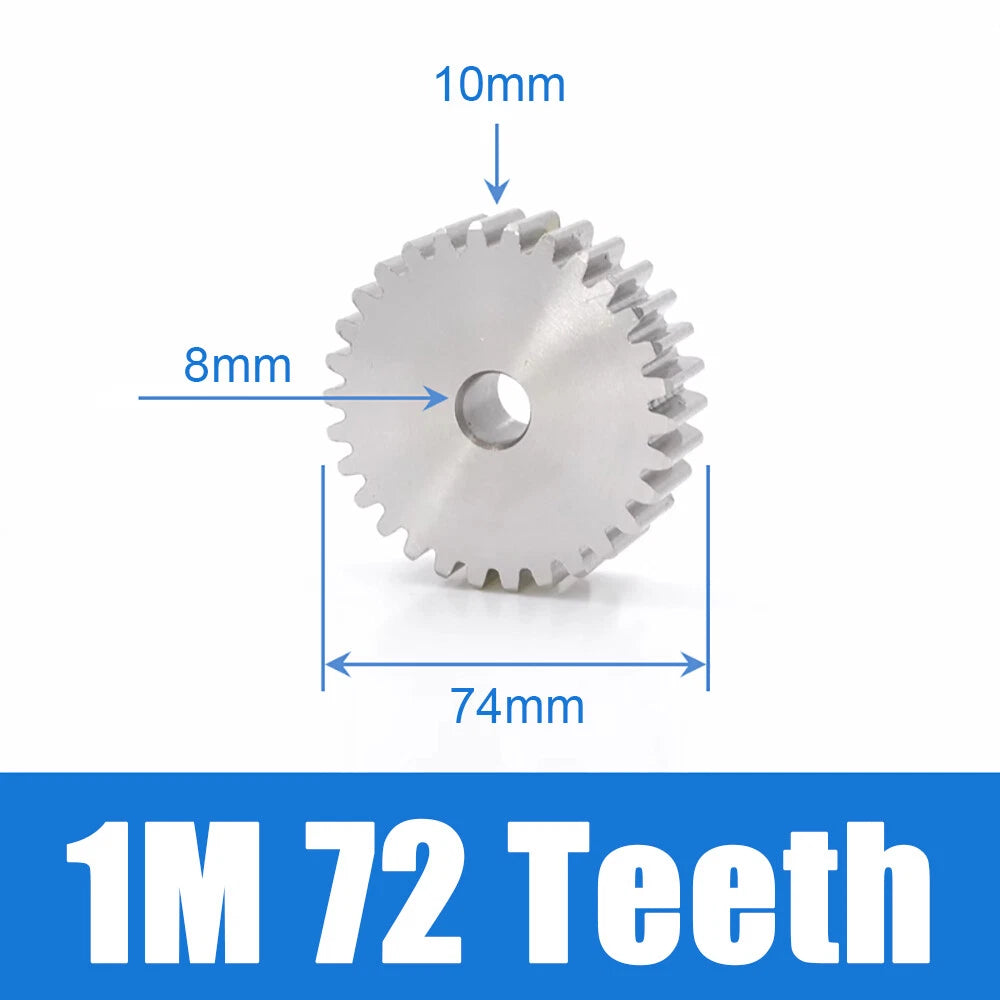
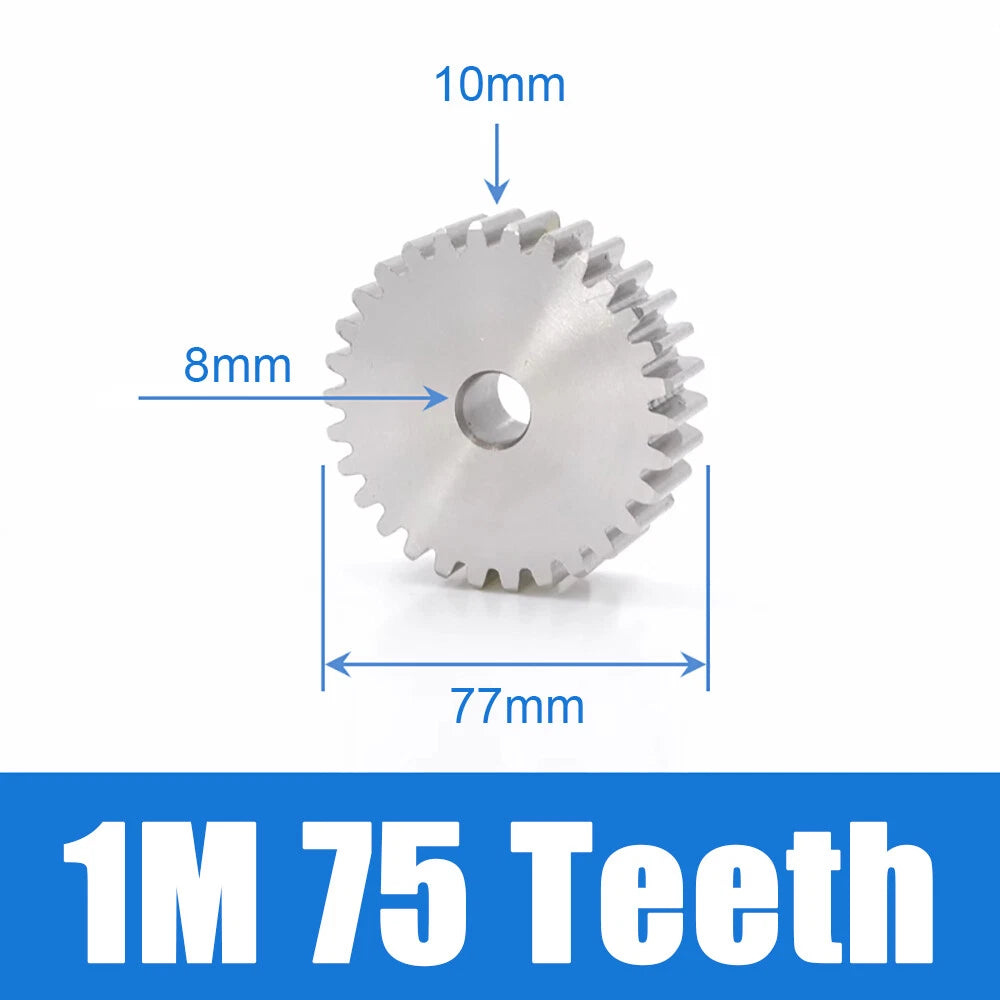
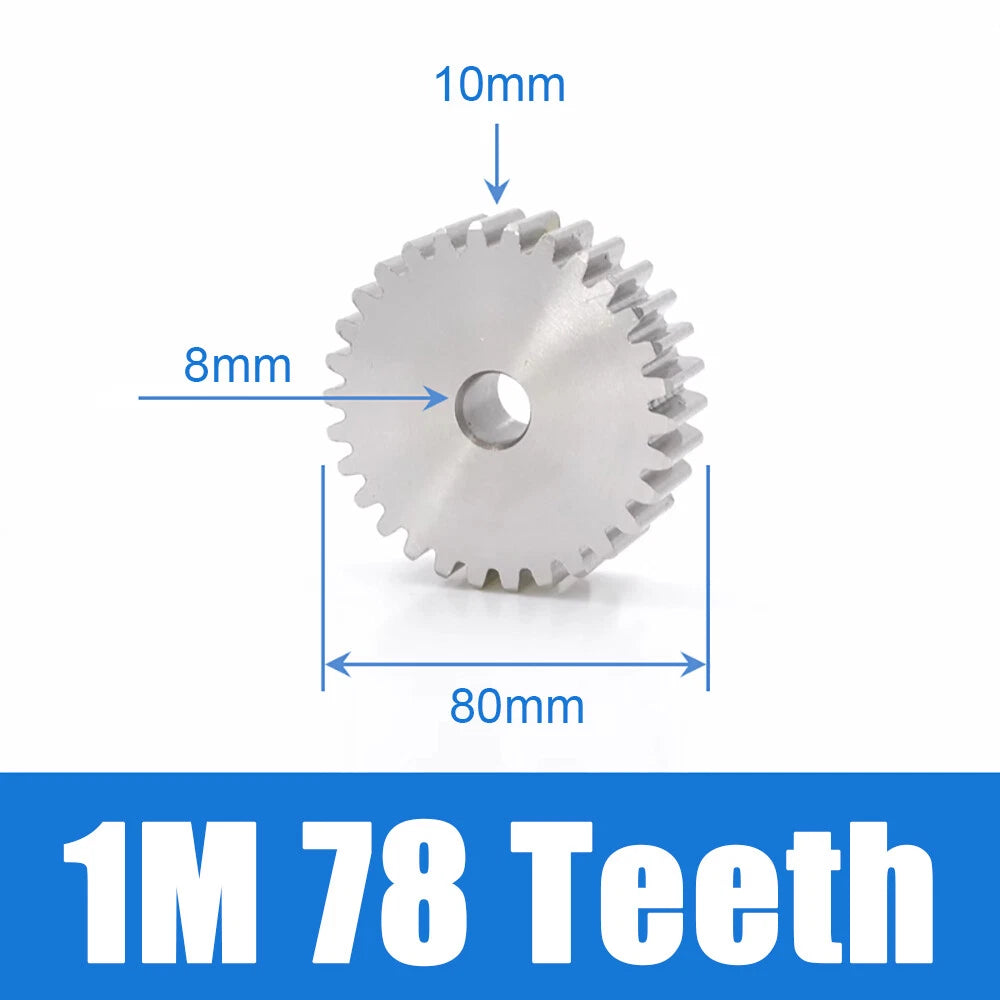
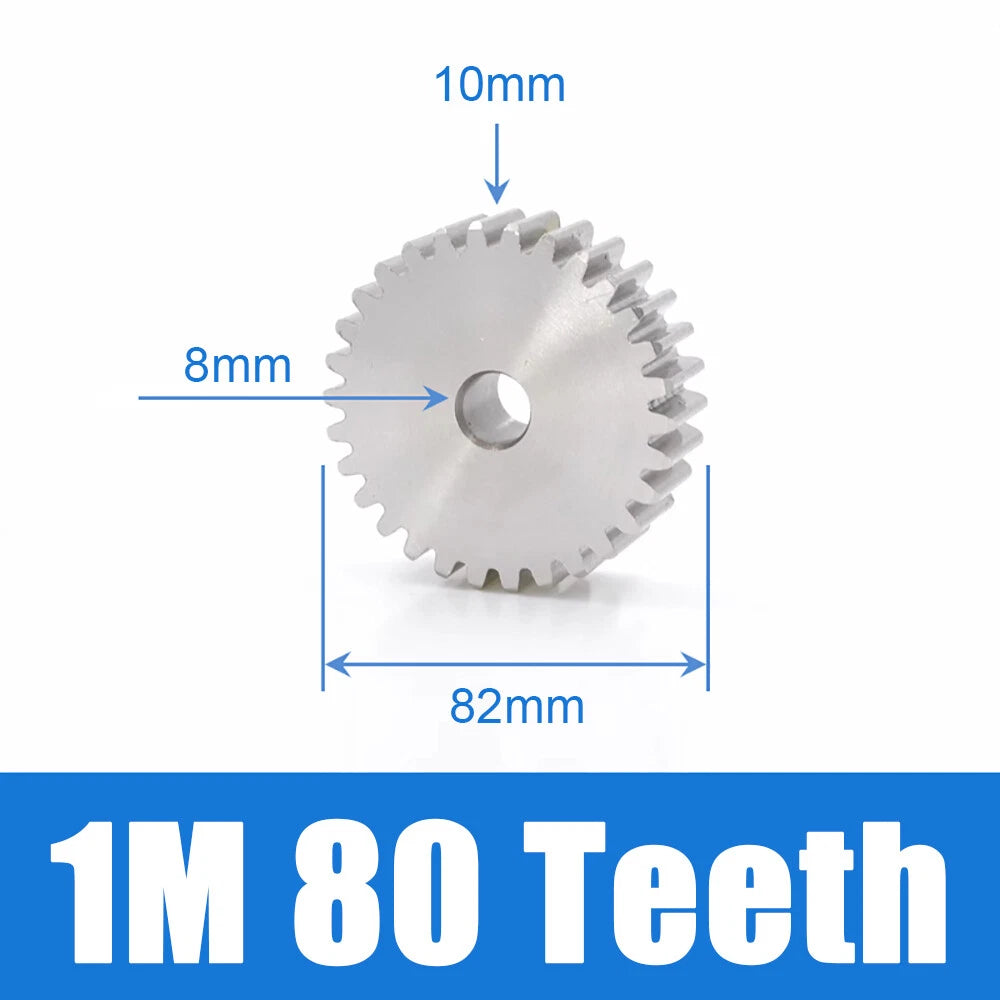
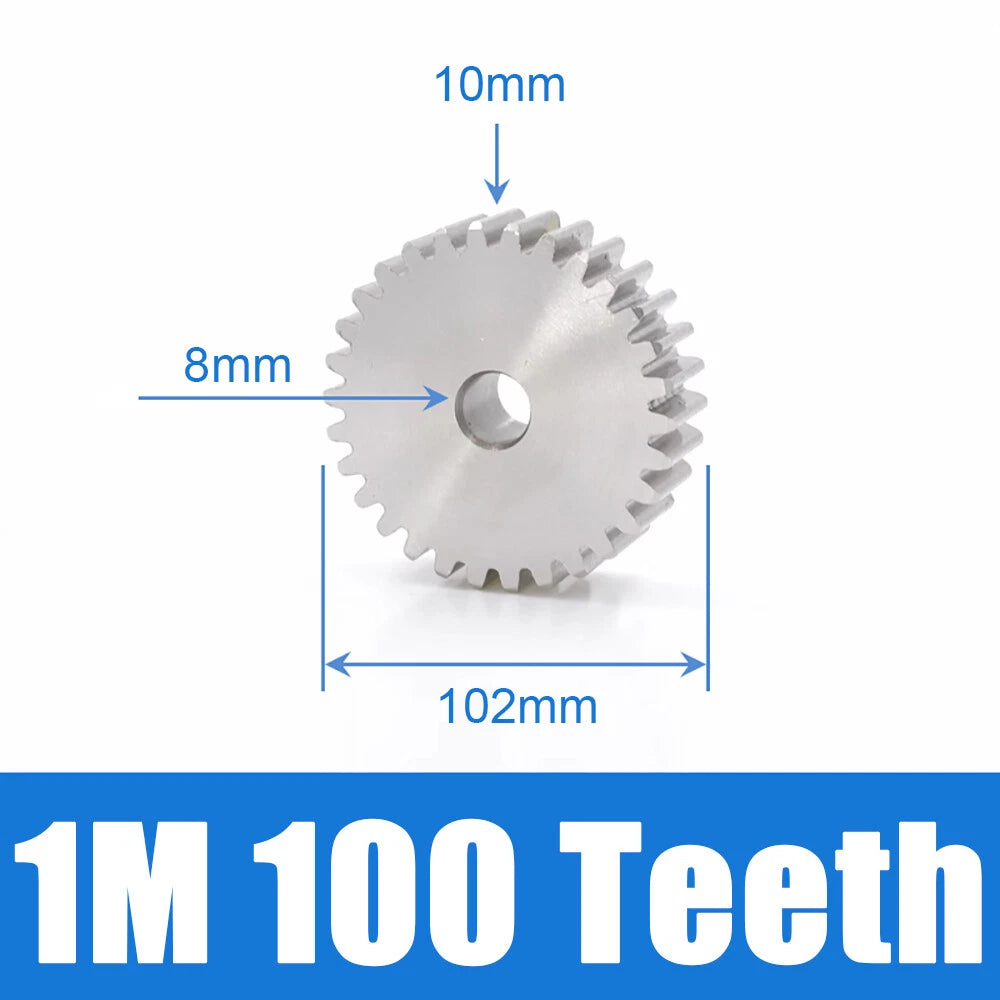
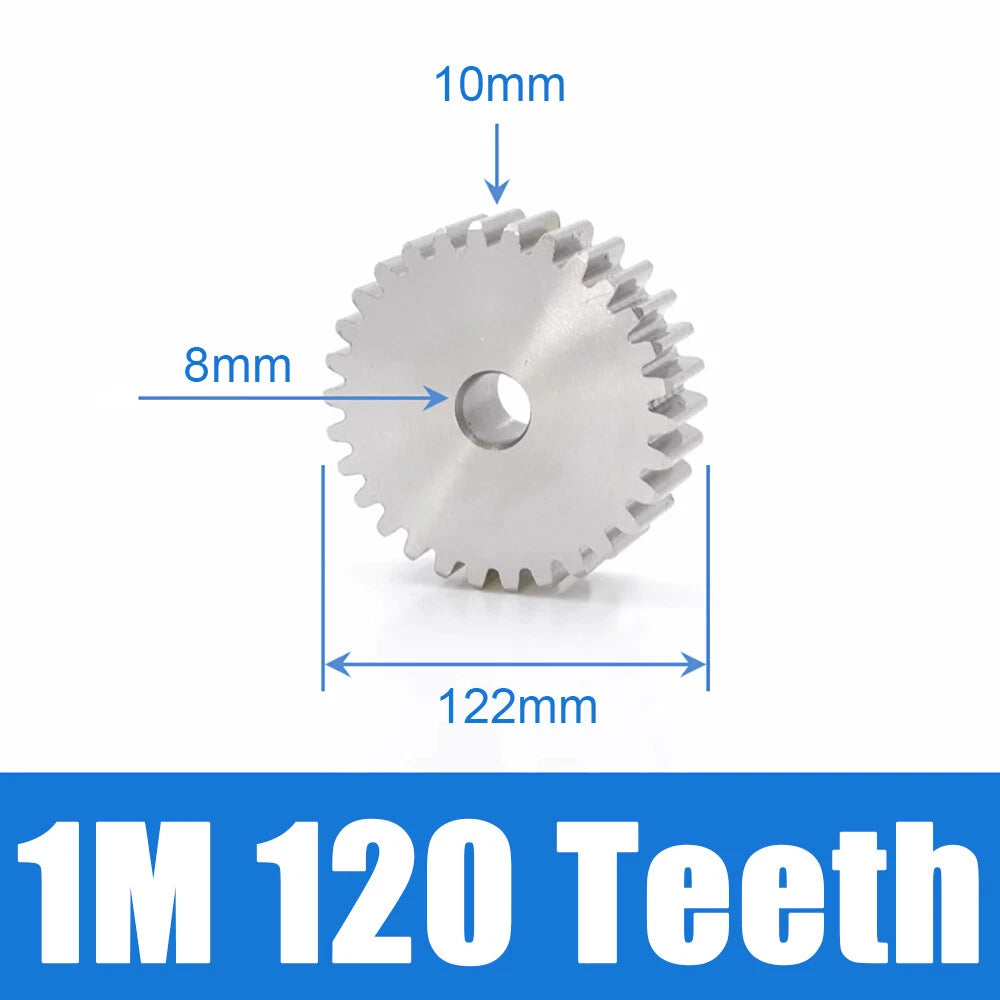
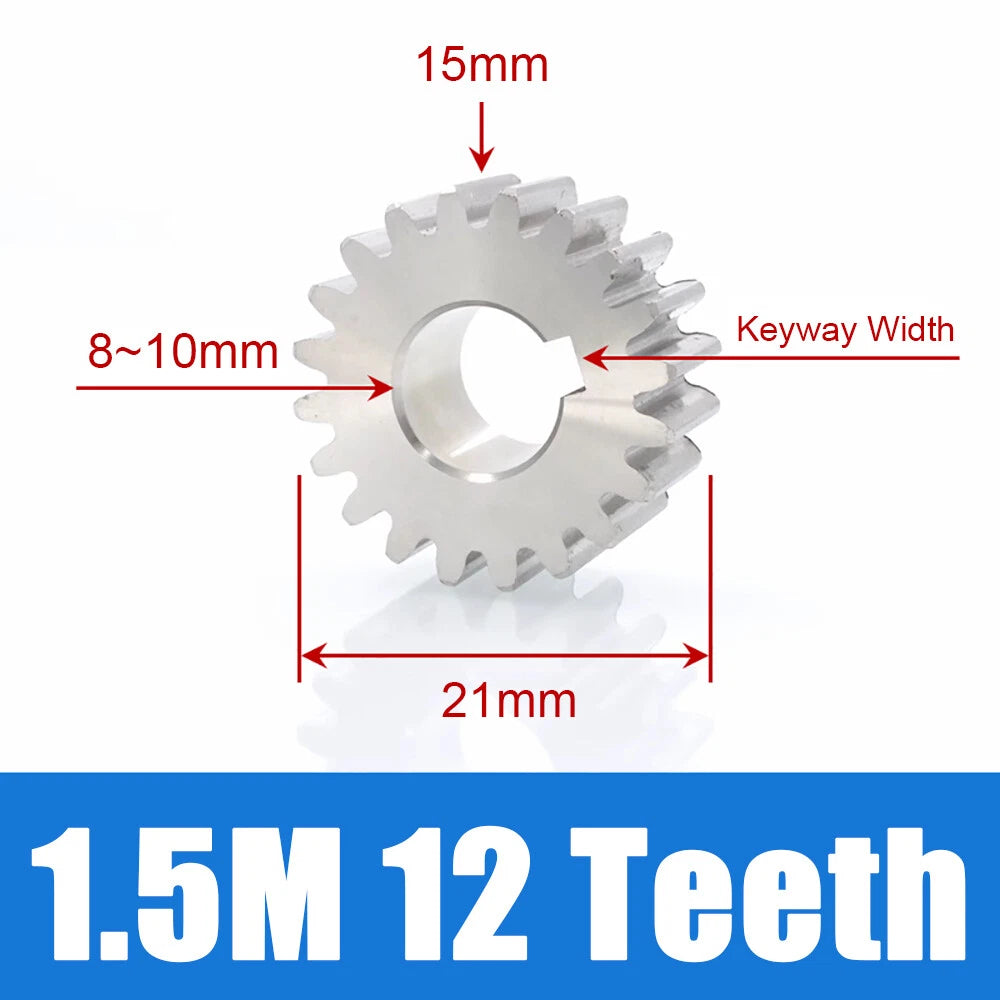
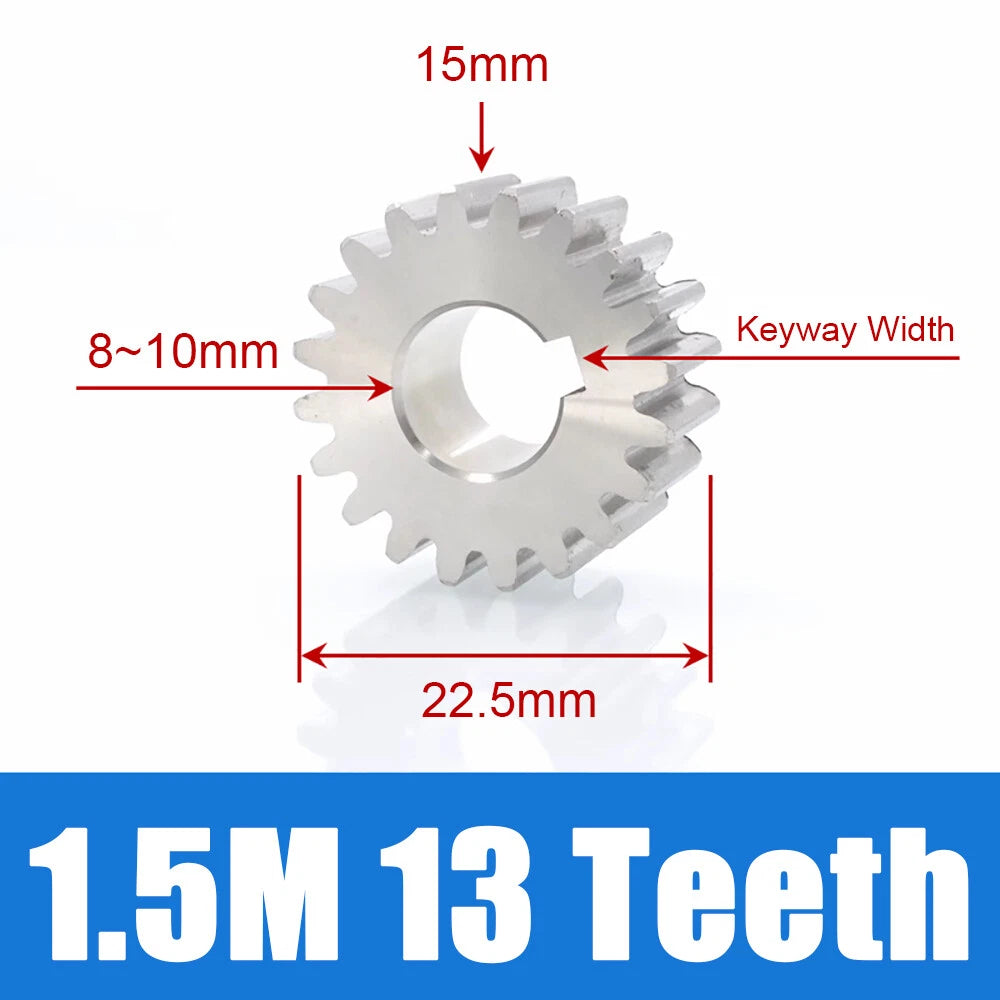
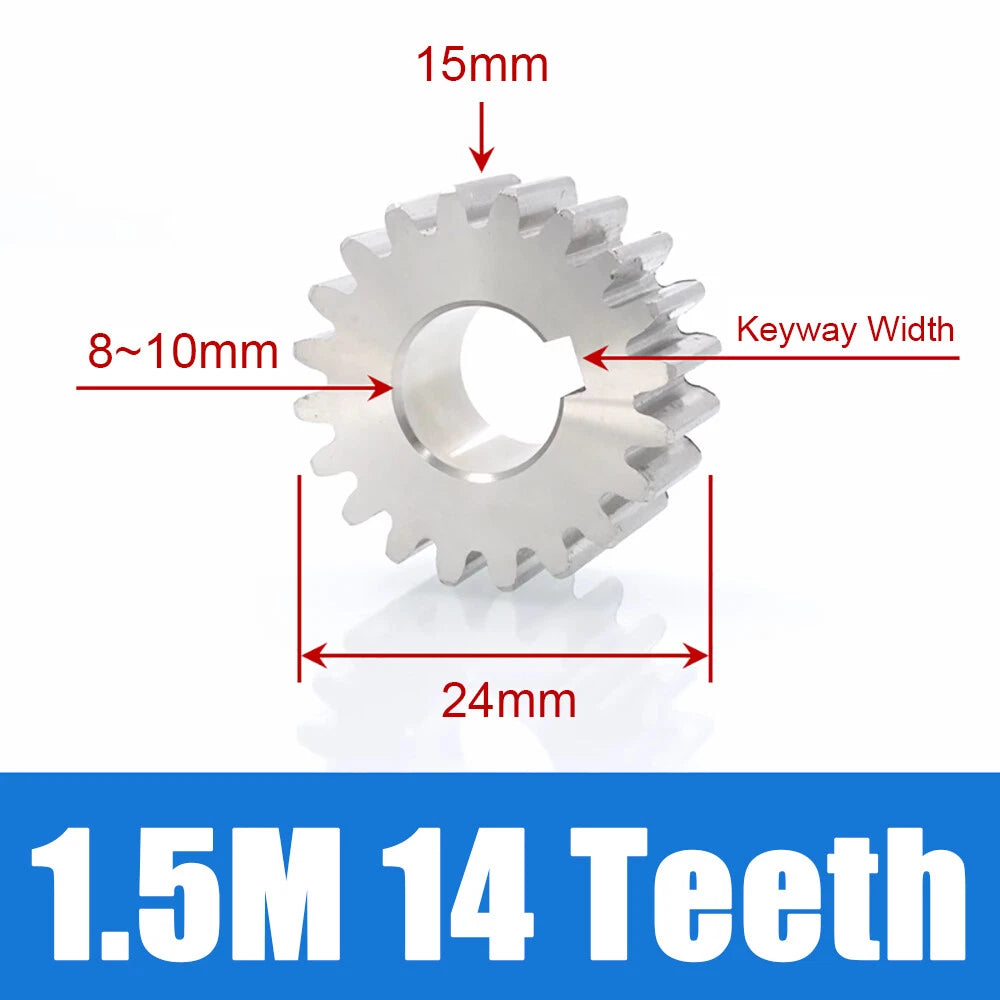
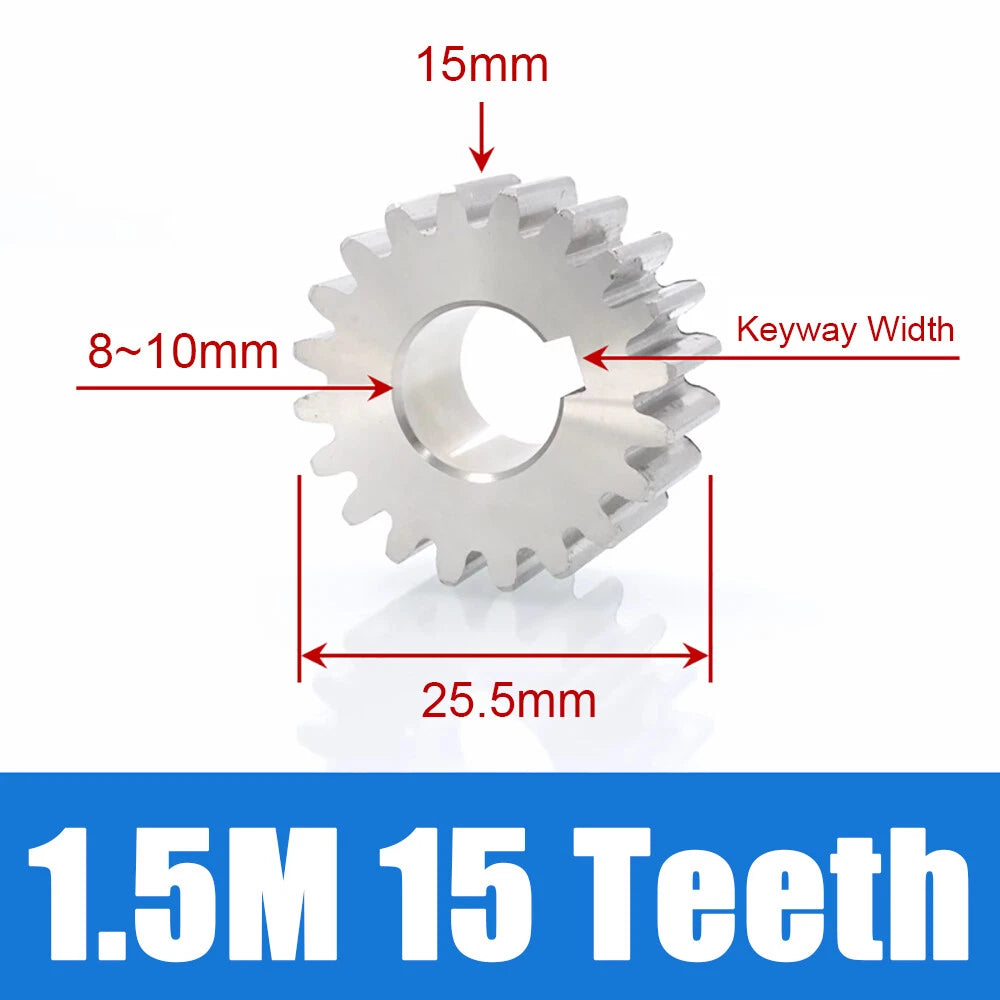
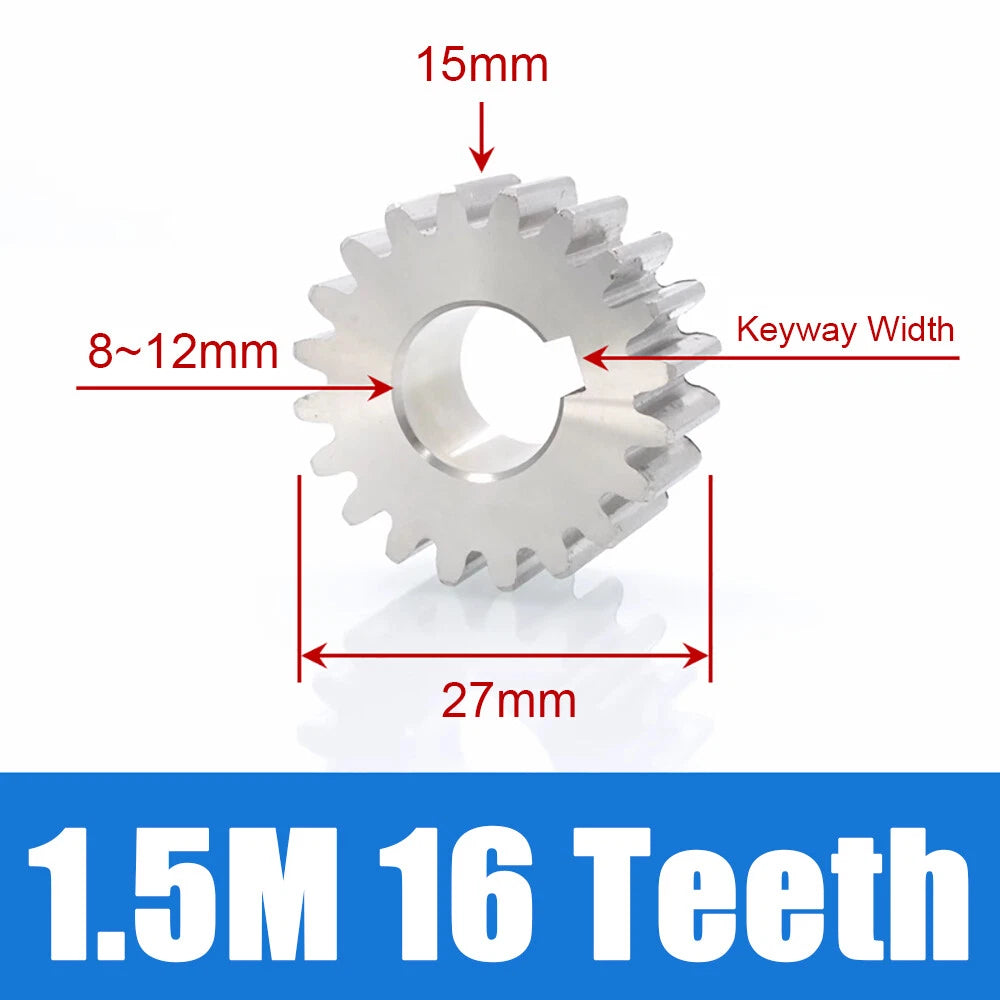
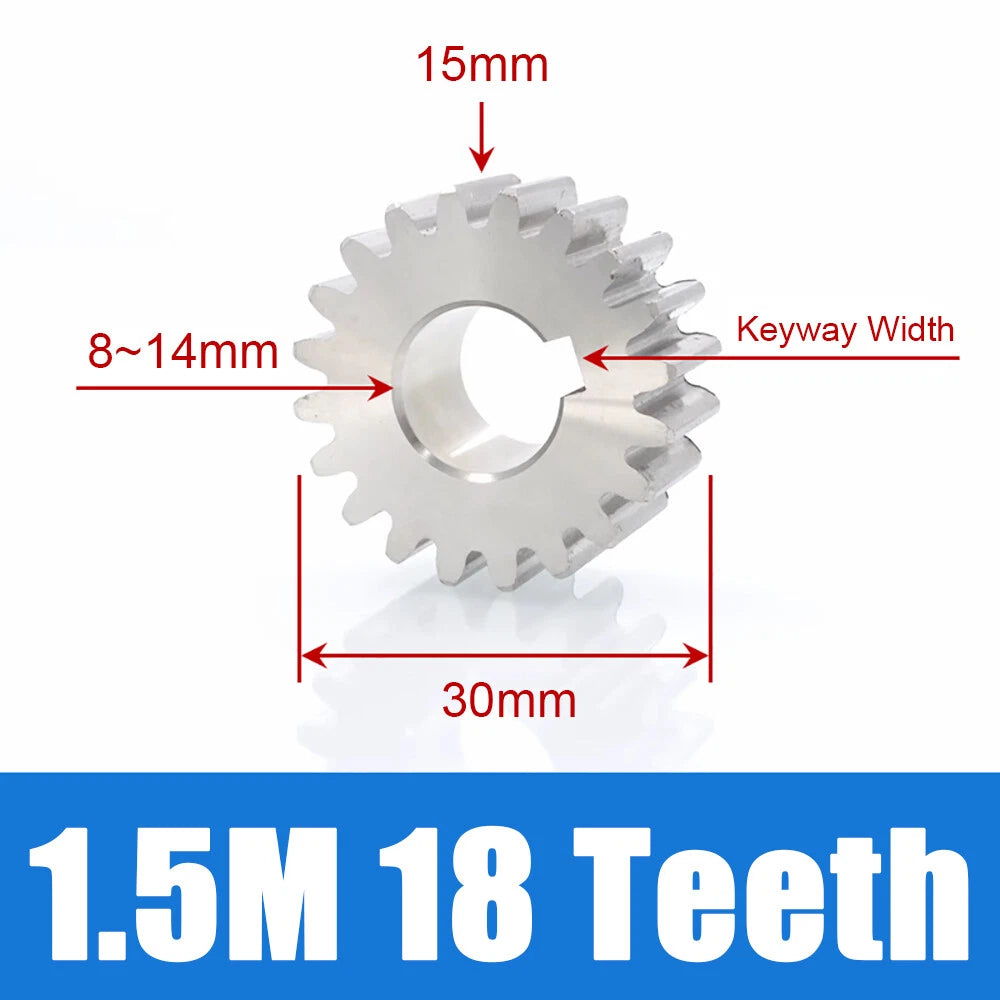
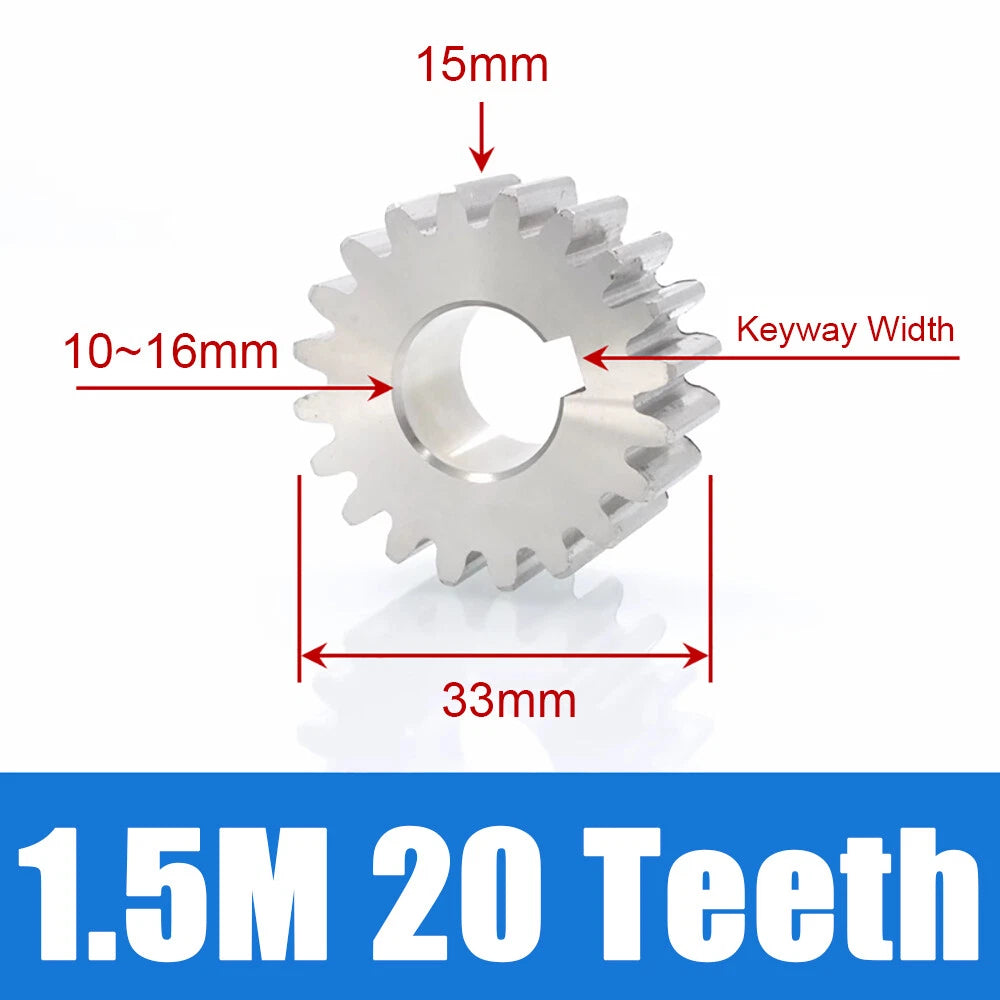
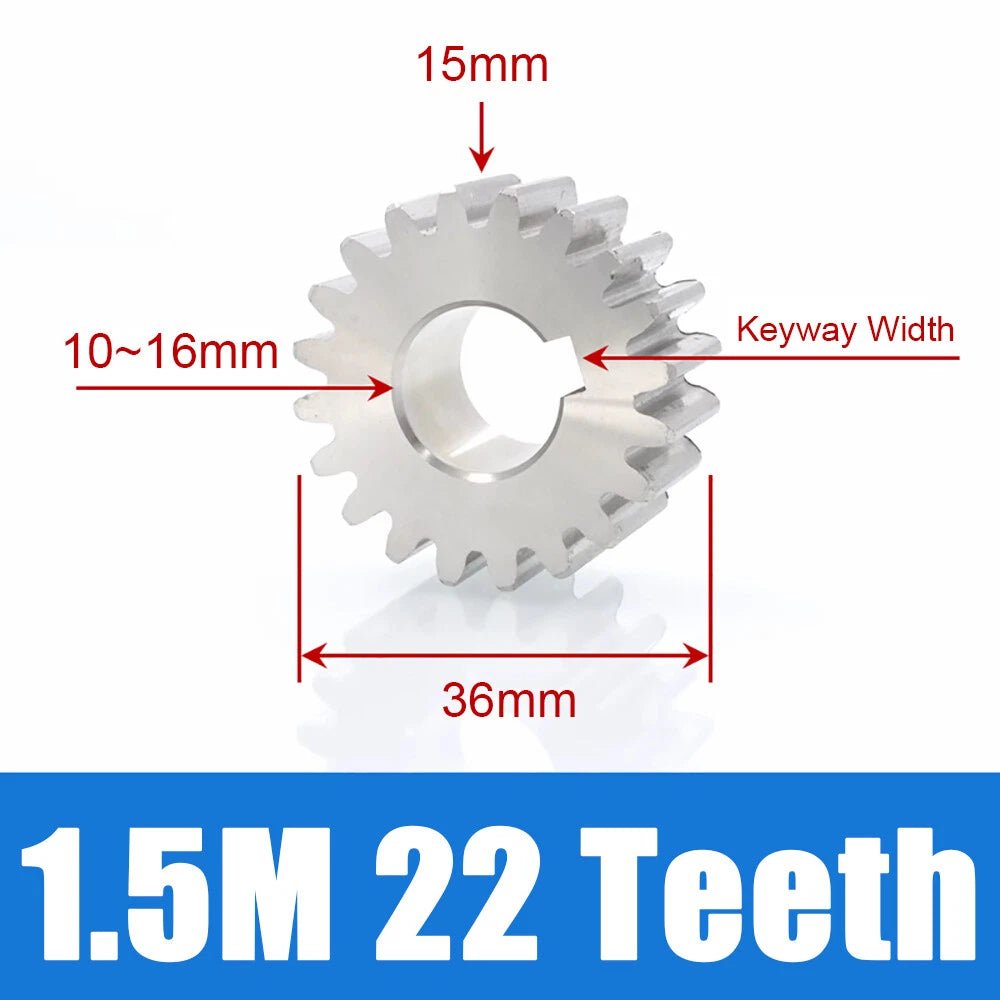
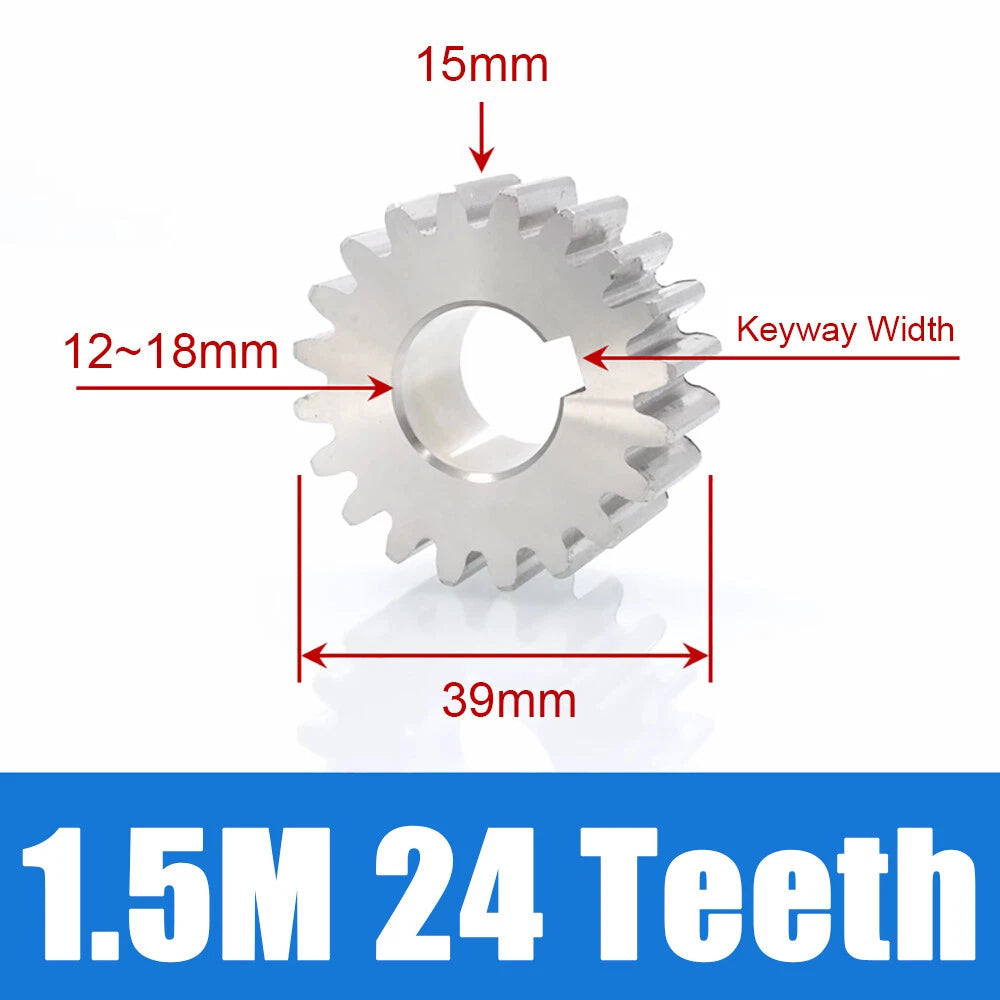
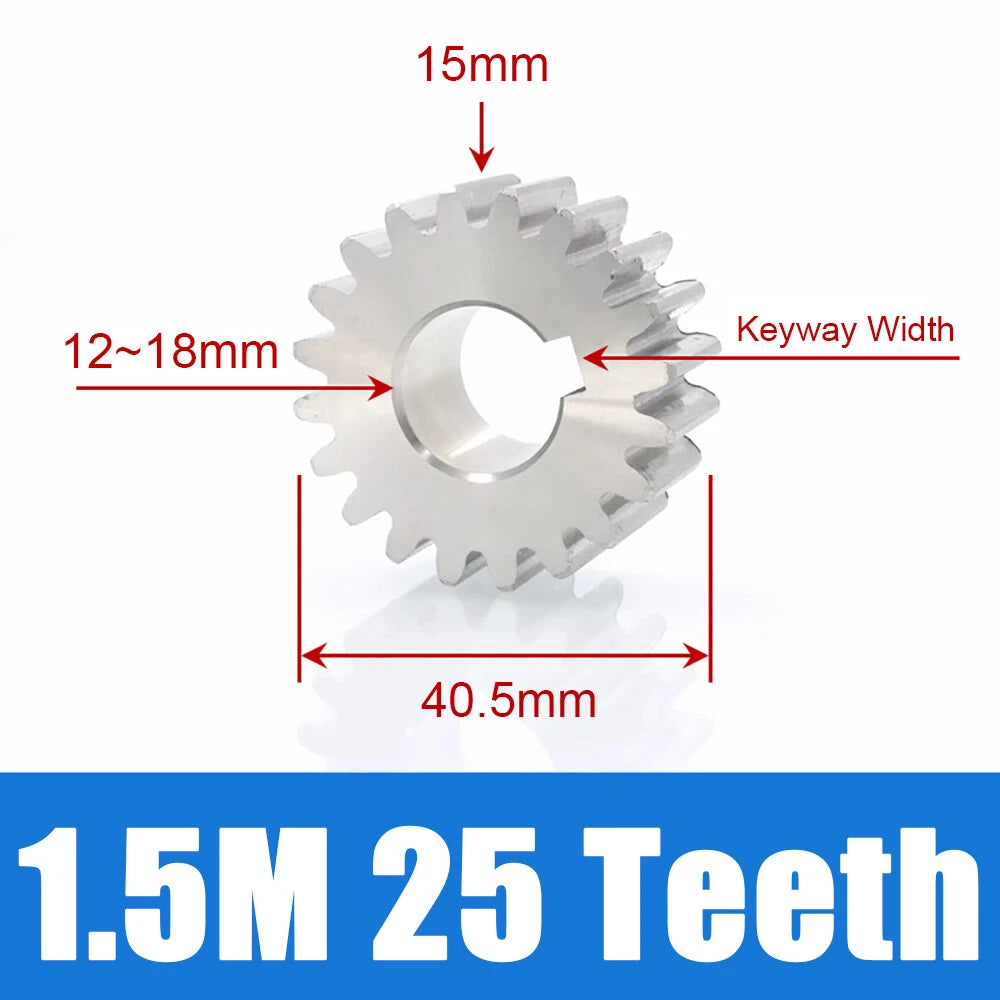
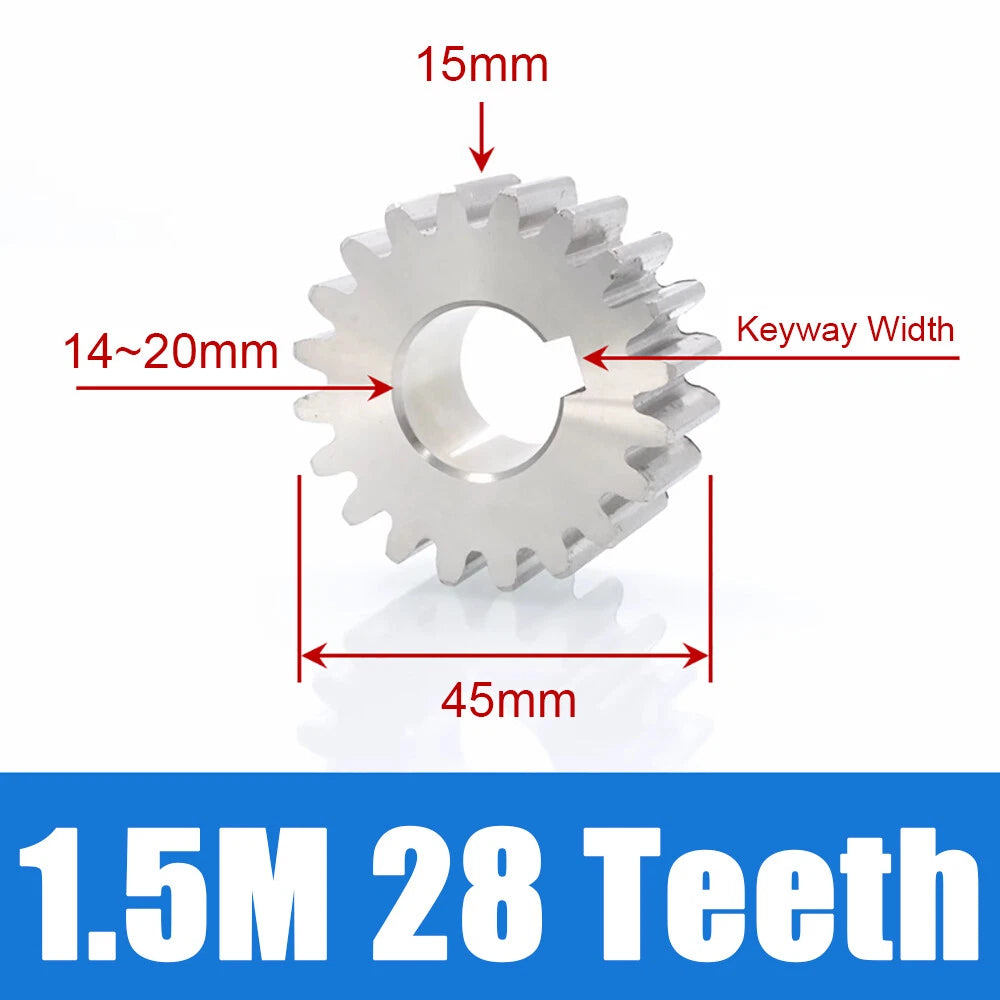
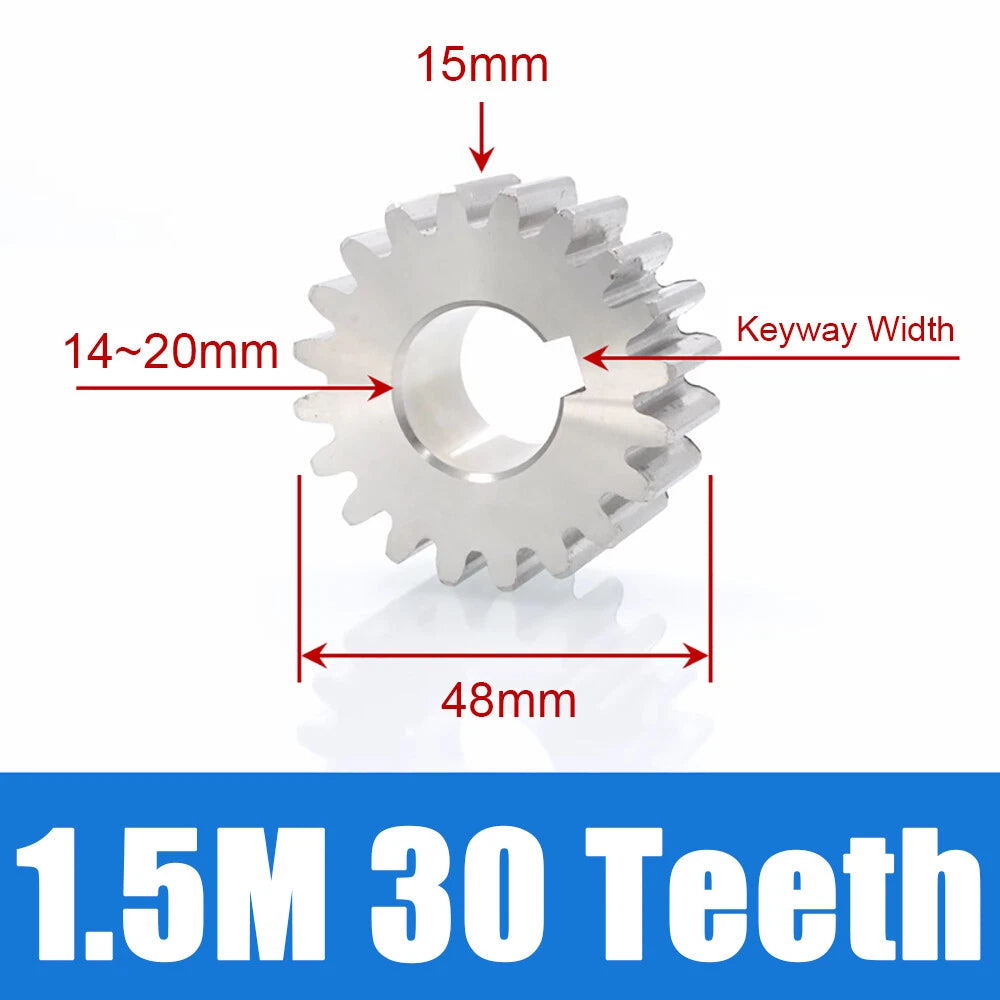
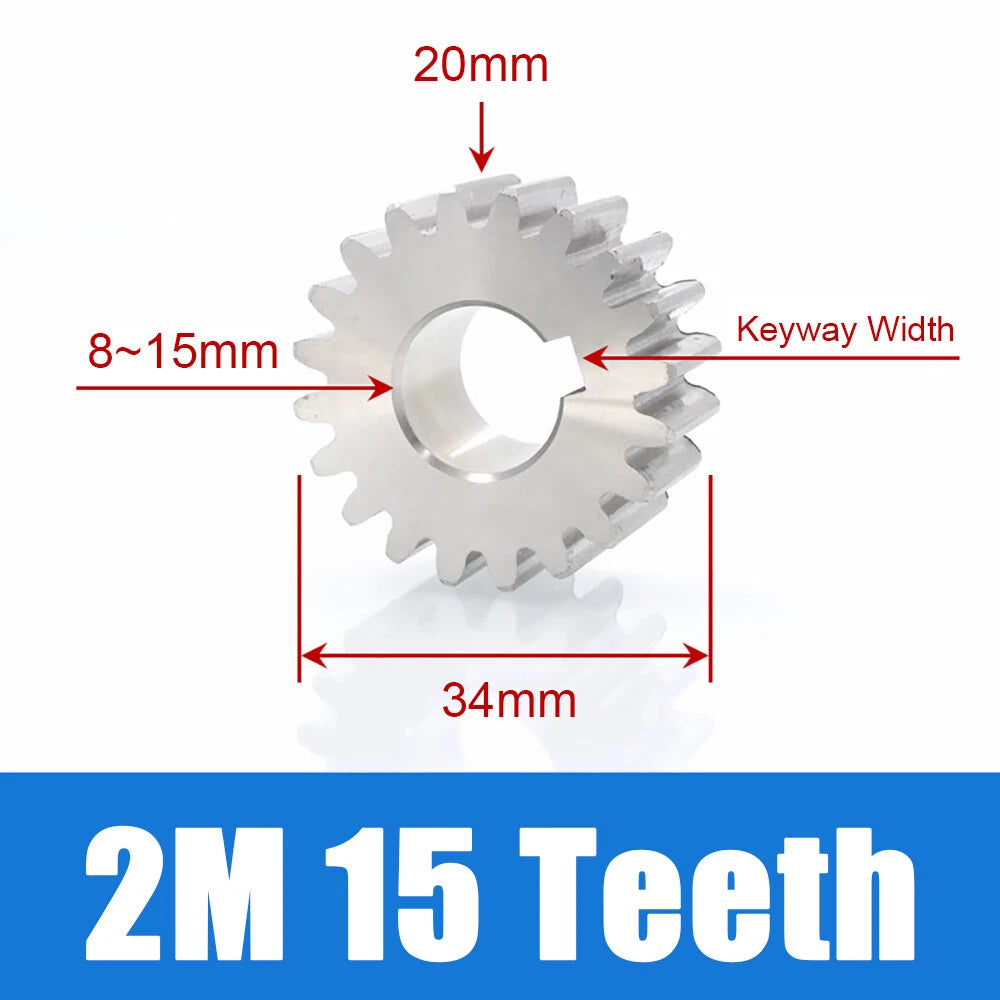
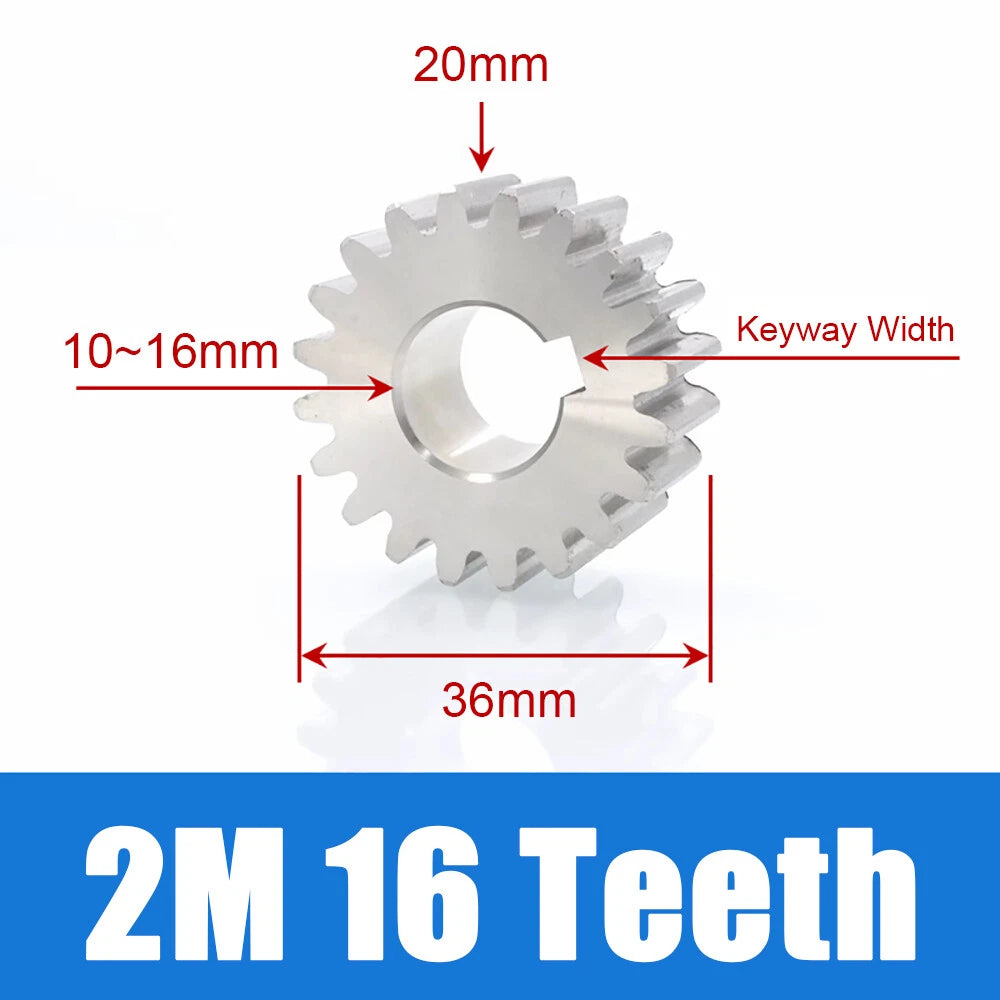
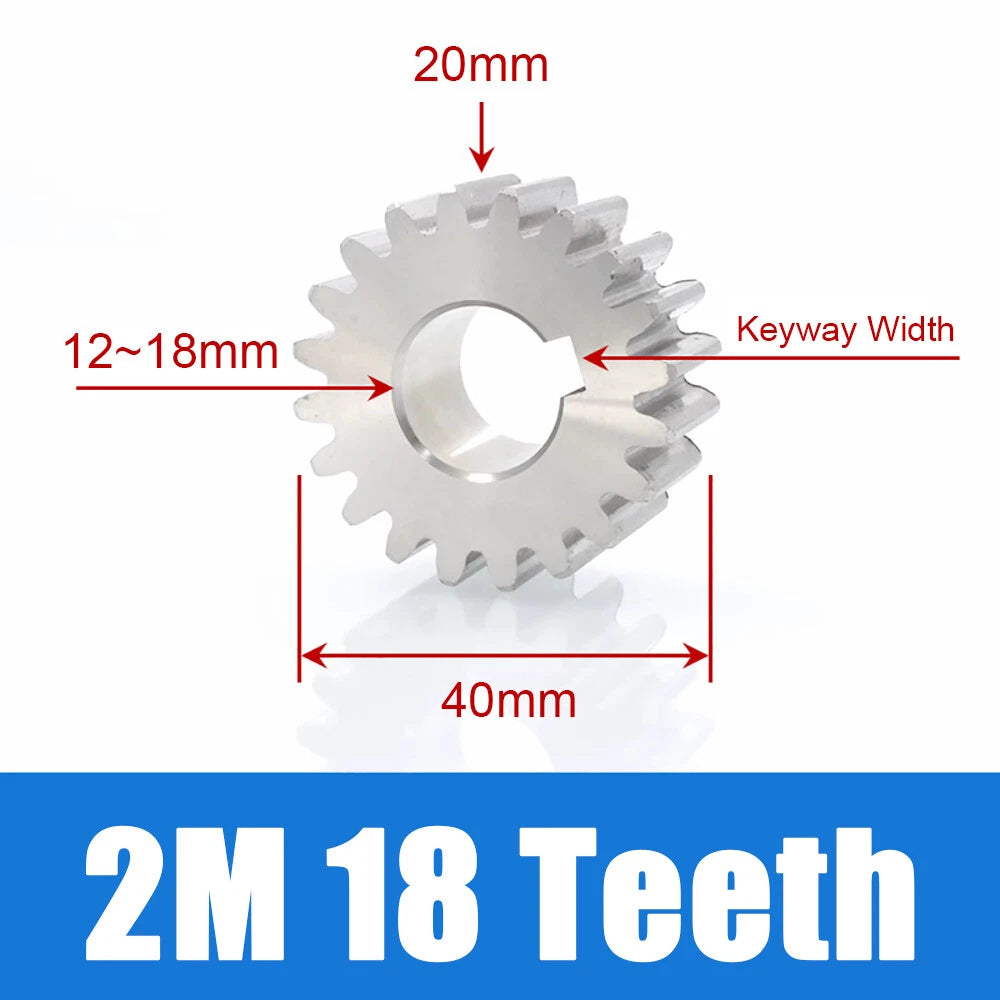
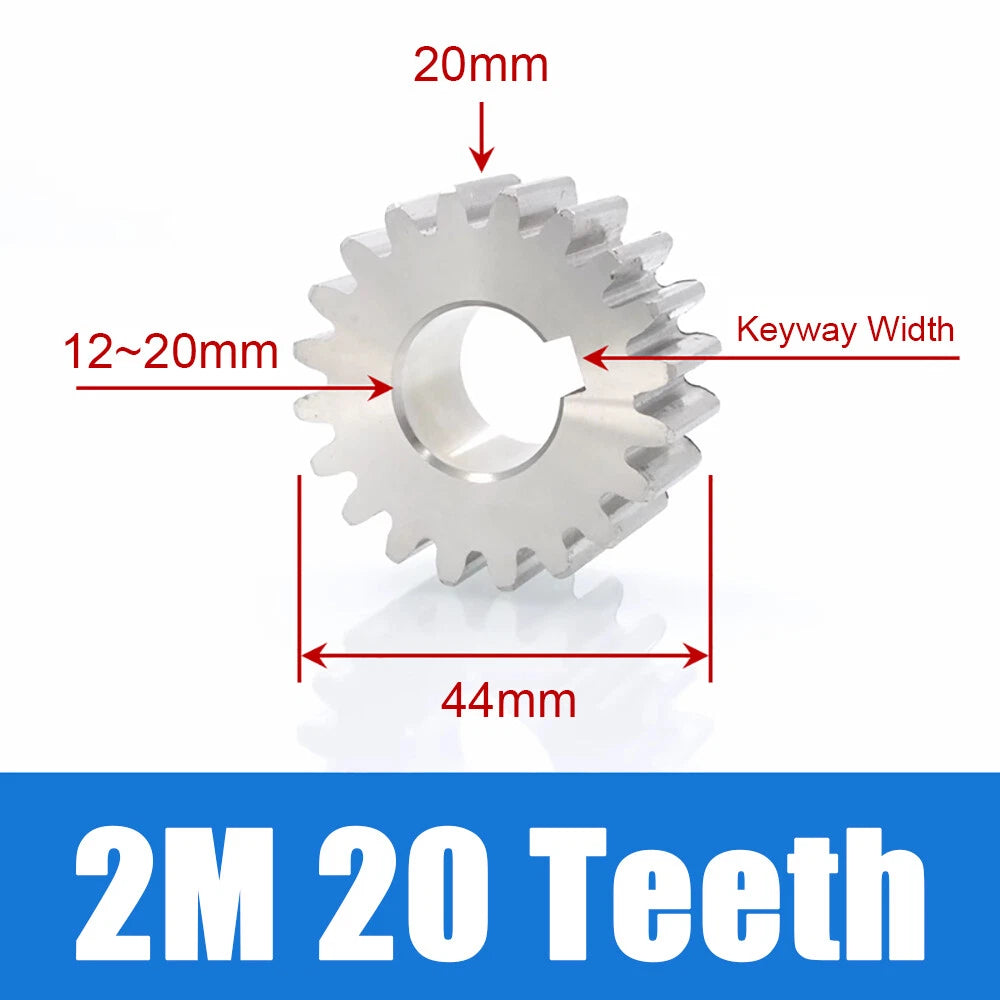
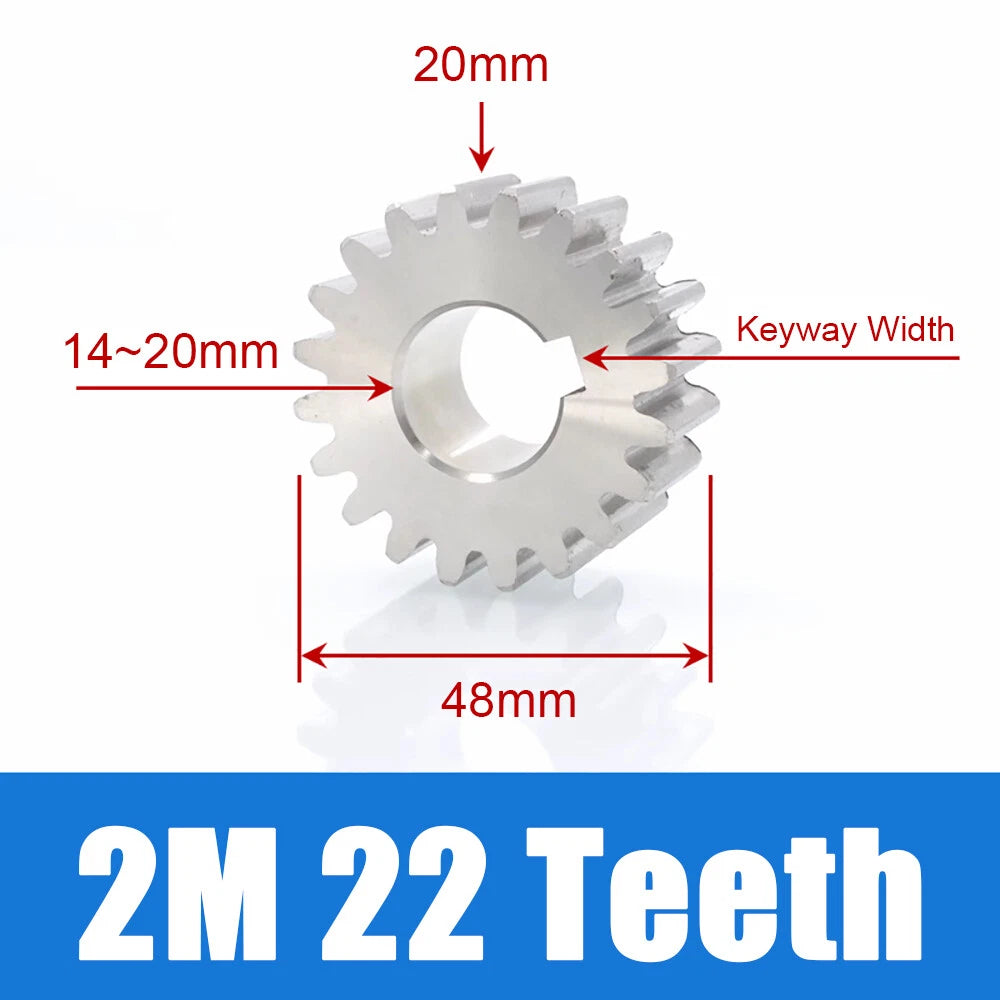
1/1.5/2 Mod 12~120 Teeth, Flat Gear Cylindrical Gear, Spur Gears Stainless Steel

No reviews

Price:
Sale price$11.87 USD
Stock:
In stock (500 units), ready to be shipped

Payment & Security

Ach Direct Debit Amazon American Express Apple Pay Bancontact BLIK Diners Club Discover EPS Google Pay iDEAL Wero JCB Maestro Mastercard Multibanco MobilePay PayPal Przelewy24 Shop Pay Twint Union Pay USDC Visa

Your payment information is processed securely. We do not store credit card details nor have access to your credit card information.

Limited Offer — Spend More, Save More
Spend $55+
Save $5
Spend $100+
Save $10
Spend $200+
Save $25
HomeDIYer DIY Expert Support

DIY Expert Support

Get fitment advice & recommendations

Mon–Fri  8:30 AM – 8:00 PM
24-Hour Fast Ship
Arrives in 3–14 Days
Worldwide Shipping
30-Day Returns
1 tree planted with every purchase

Description

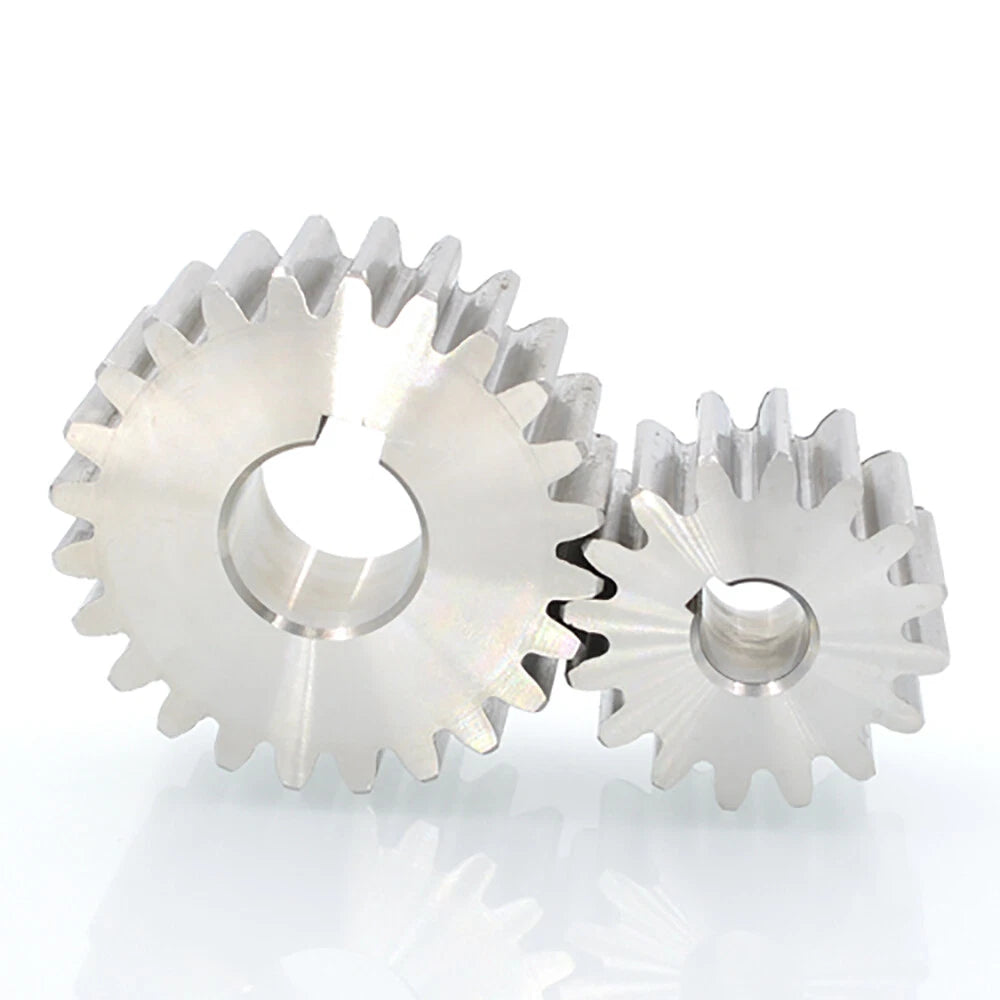
Stainless Steel Spur Gears — Precision Module Gears for DIY Automation & Mechanical Projects

When your automation build stalls because a gear slips, strips, or corrodes, the entire project grinds to a halt. Whether you are a maker building a CNC router, a hobbyist assembling a robotic arm, or a small workshop engineer maintaining conveyor equipment, you need spur gears that hold their pitch under load and resist wear over time. These stainless steel spur gears are engineered for exactly that kind of demanding, hands-on use.

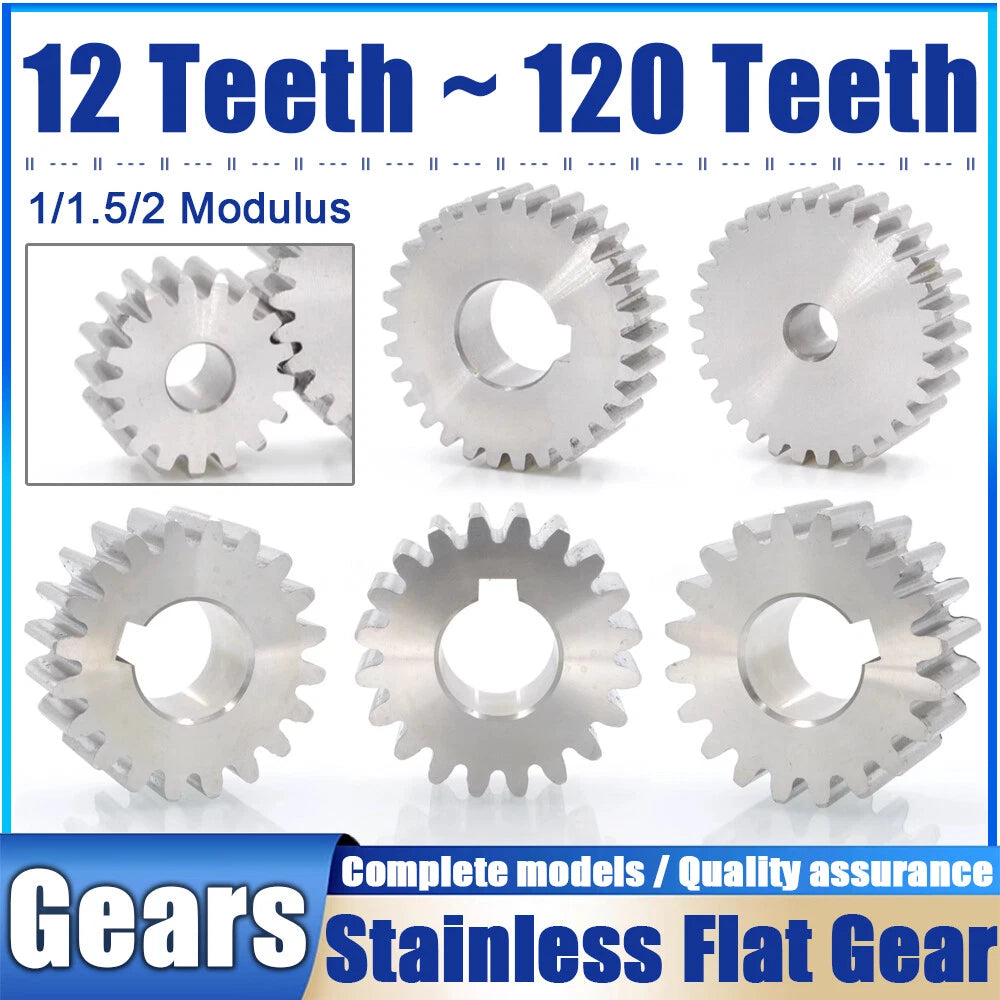
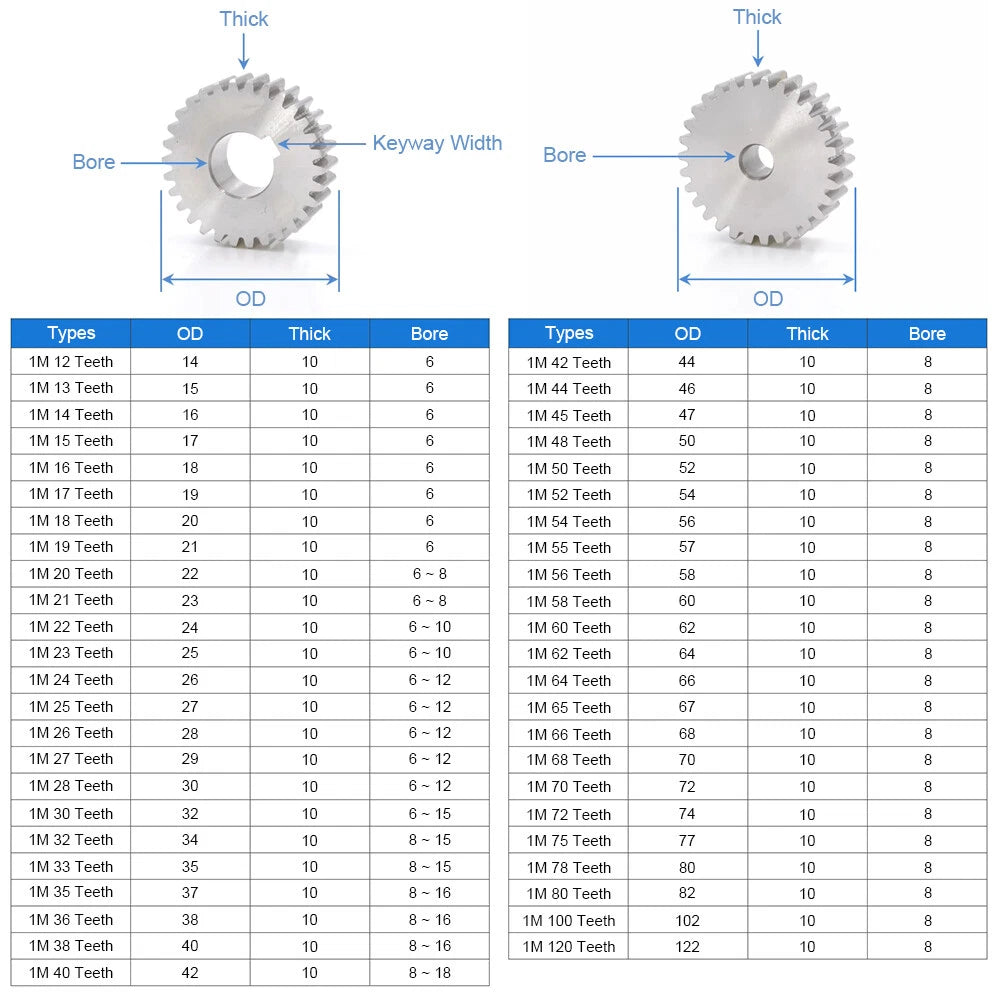
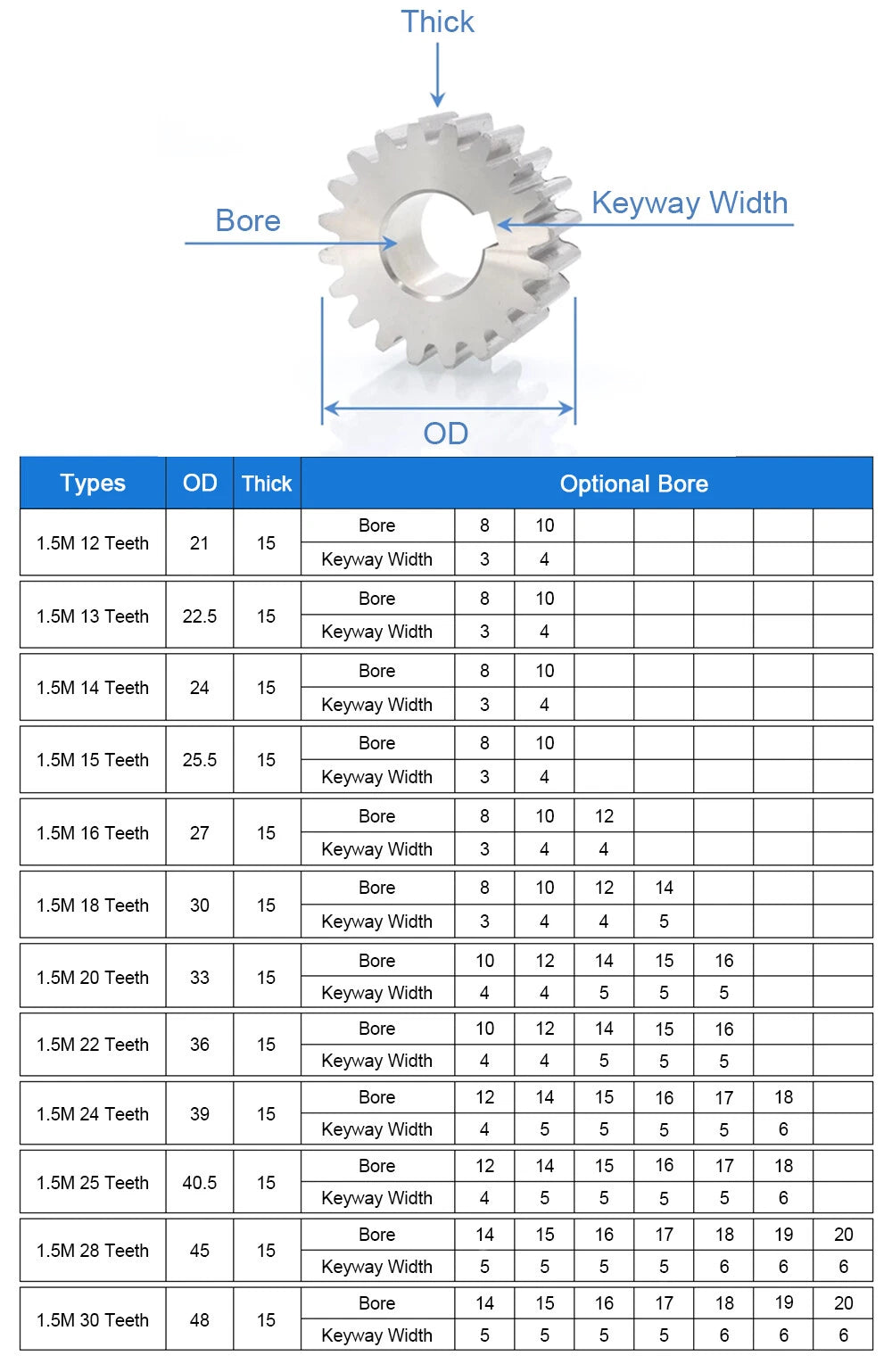
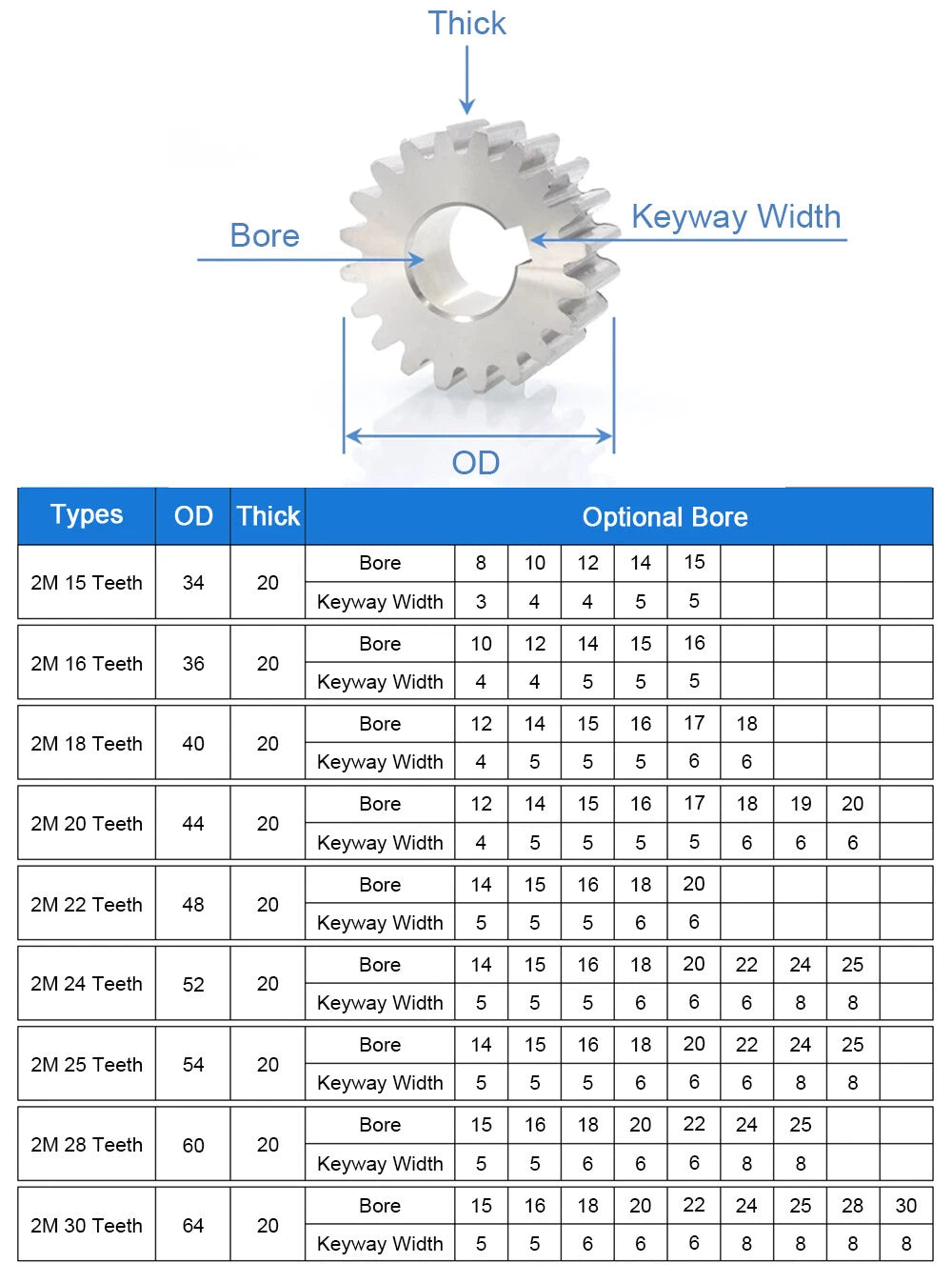
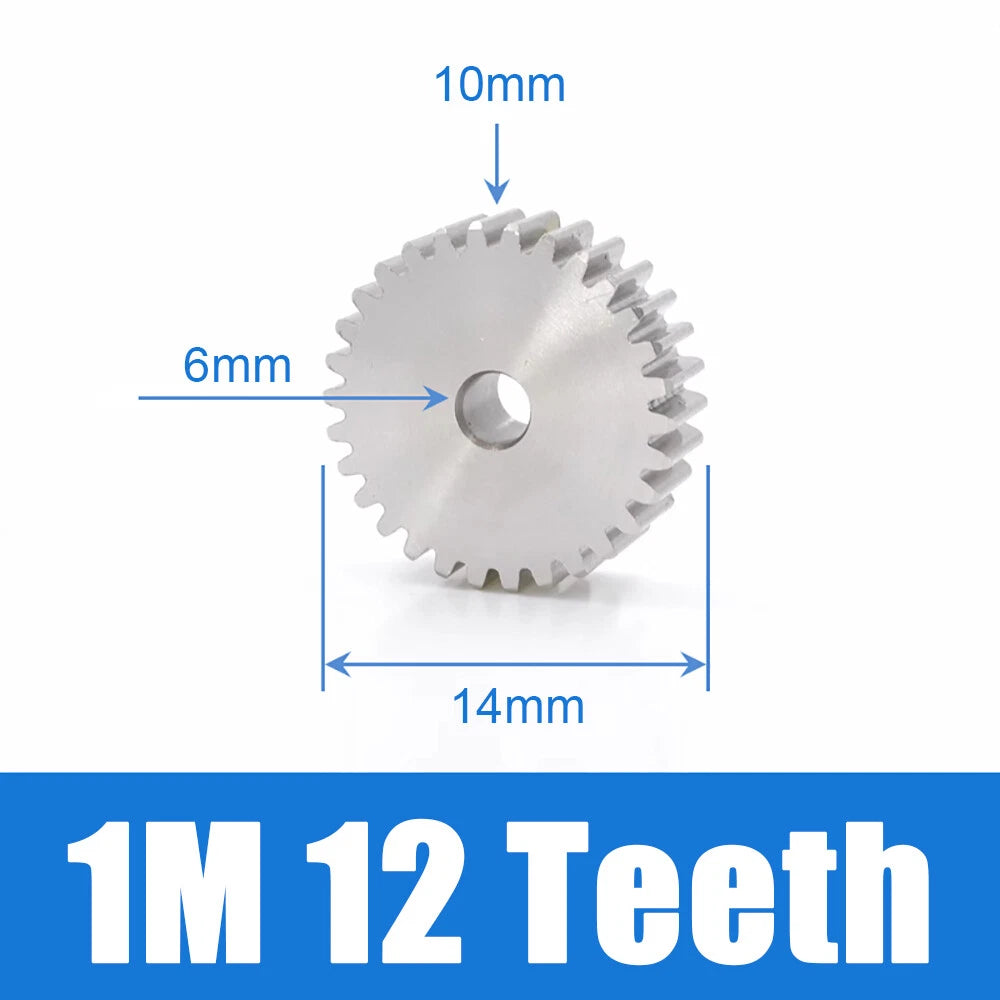
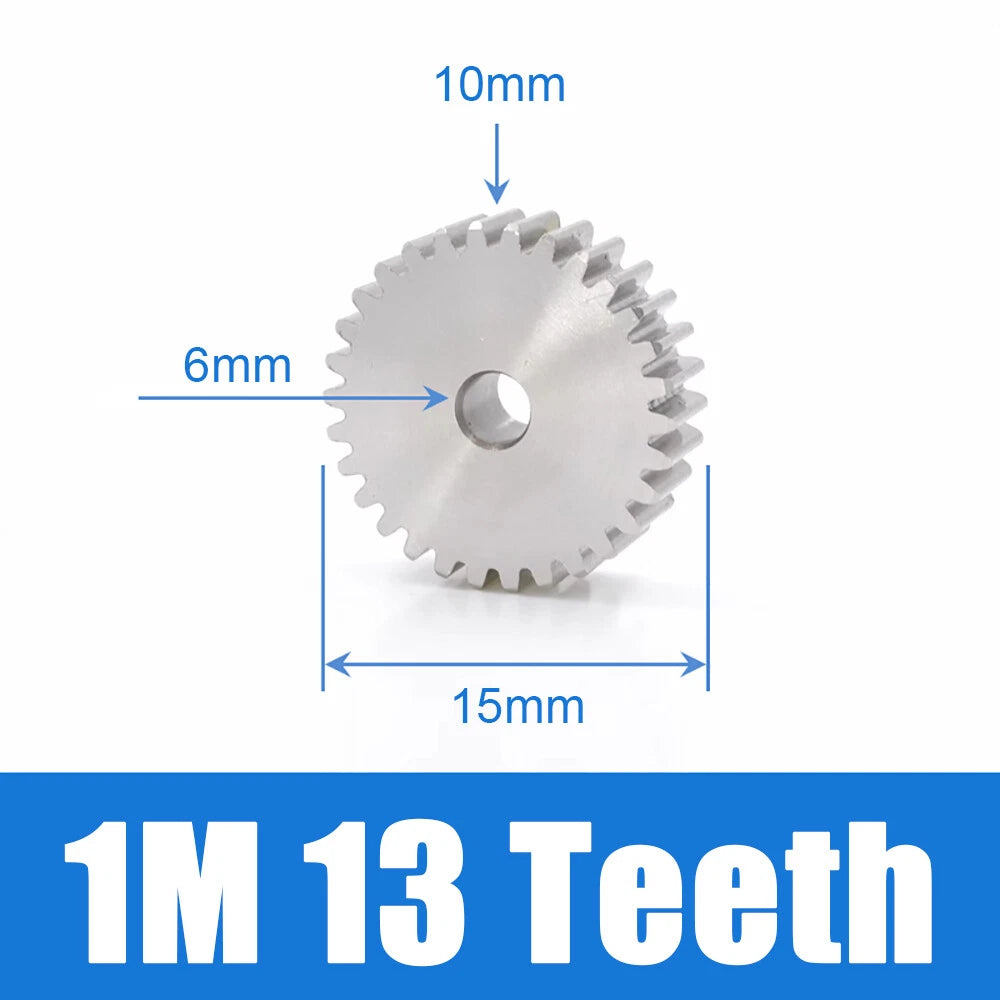
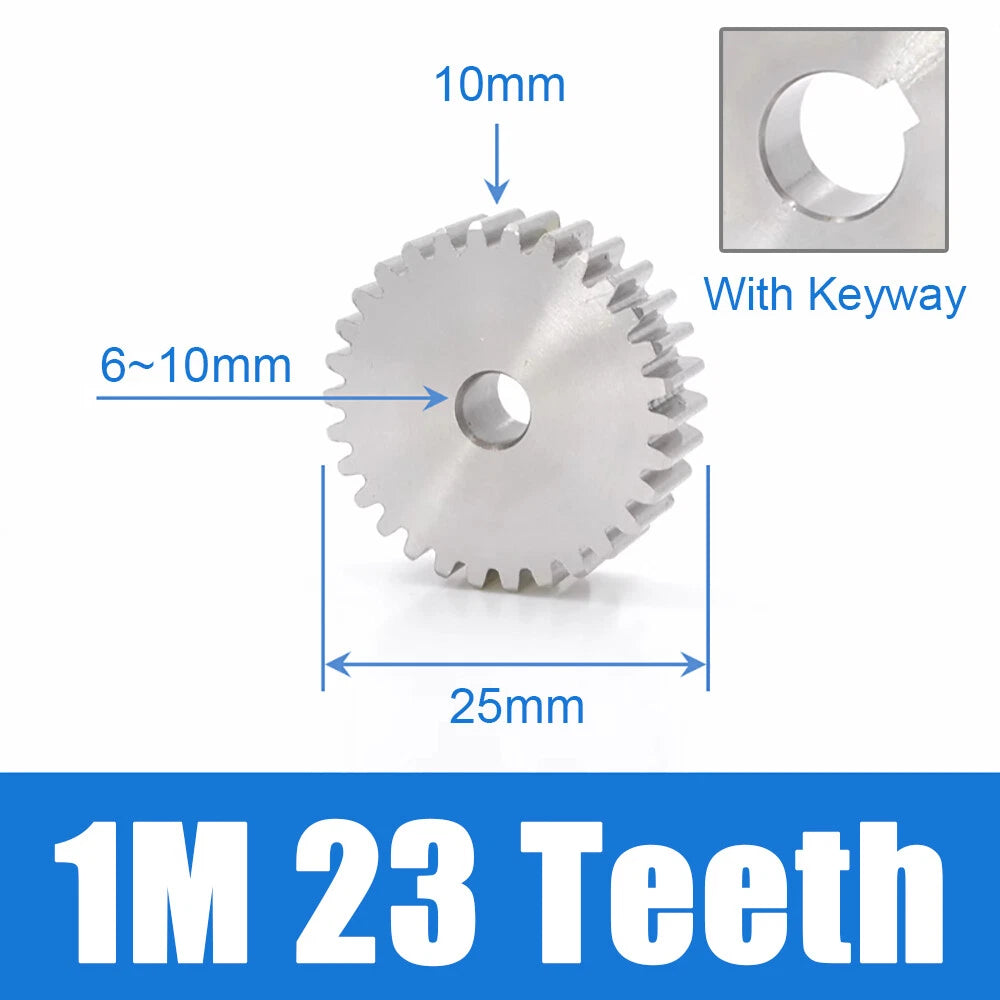
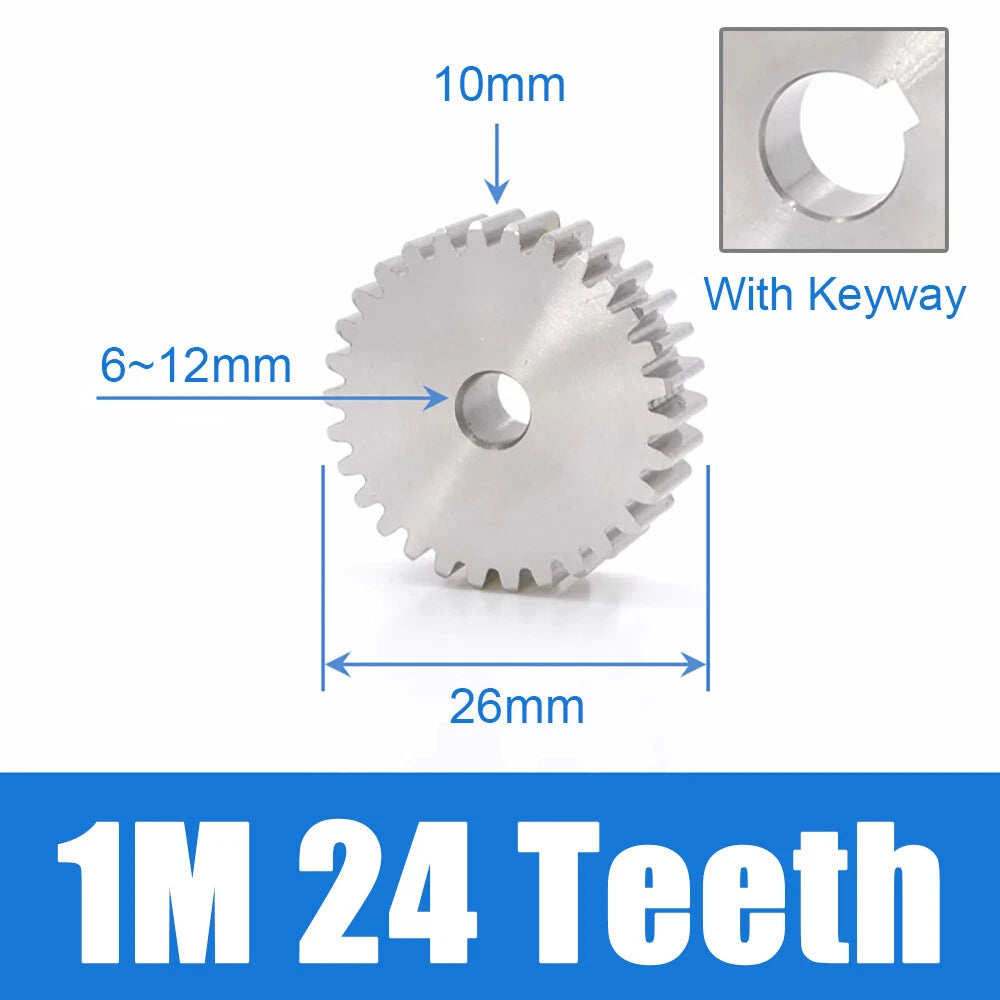
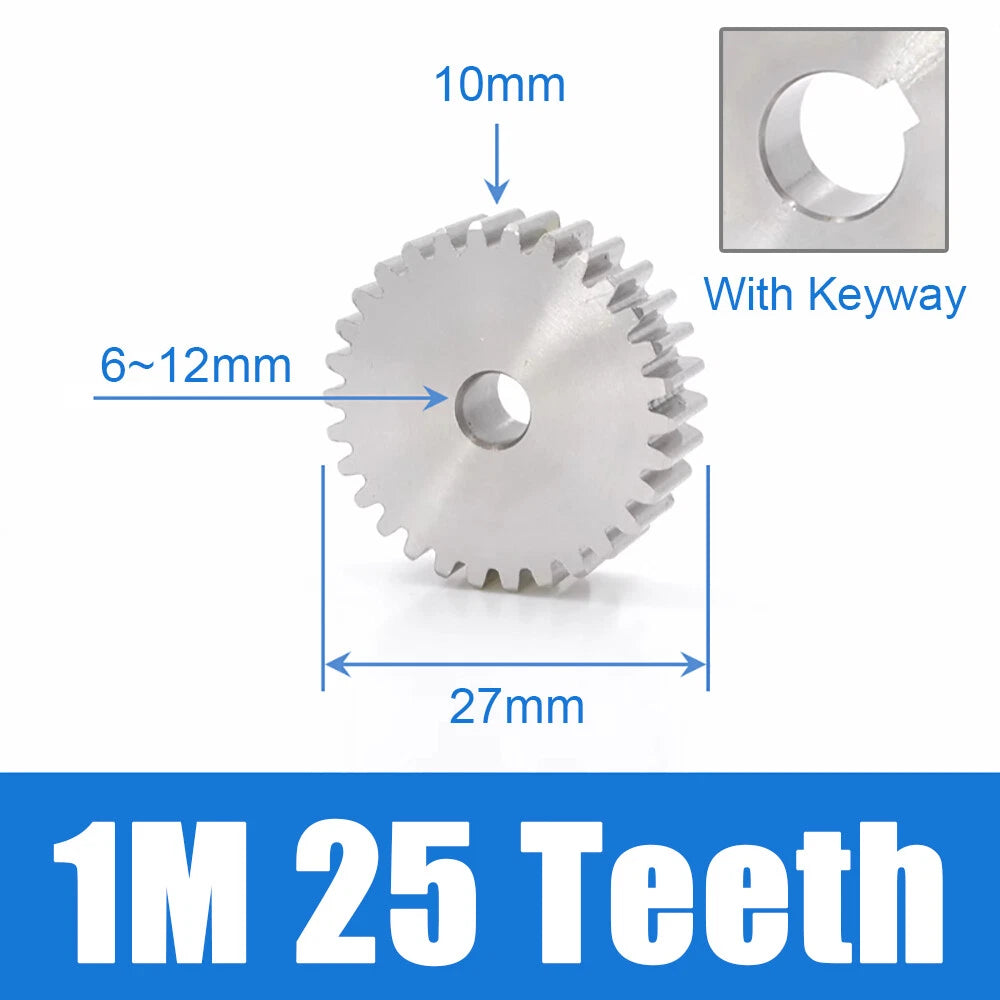
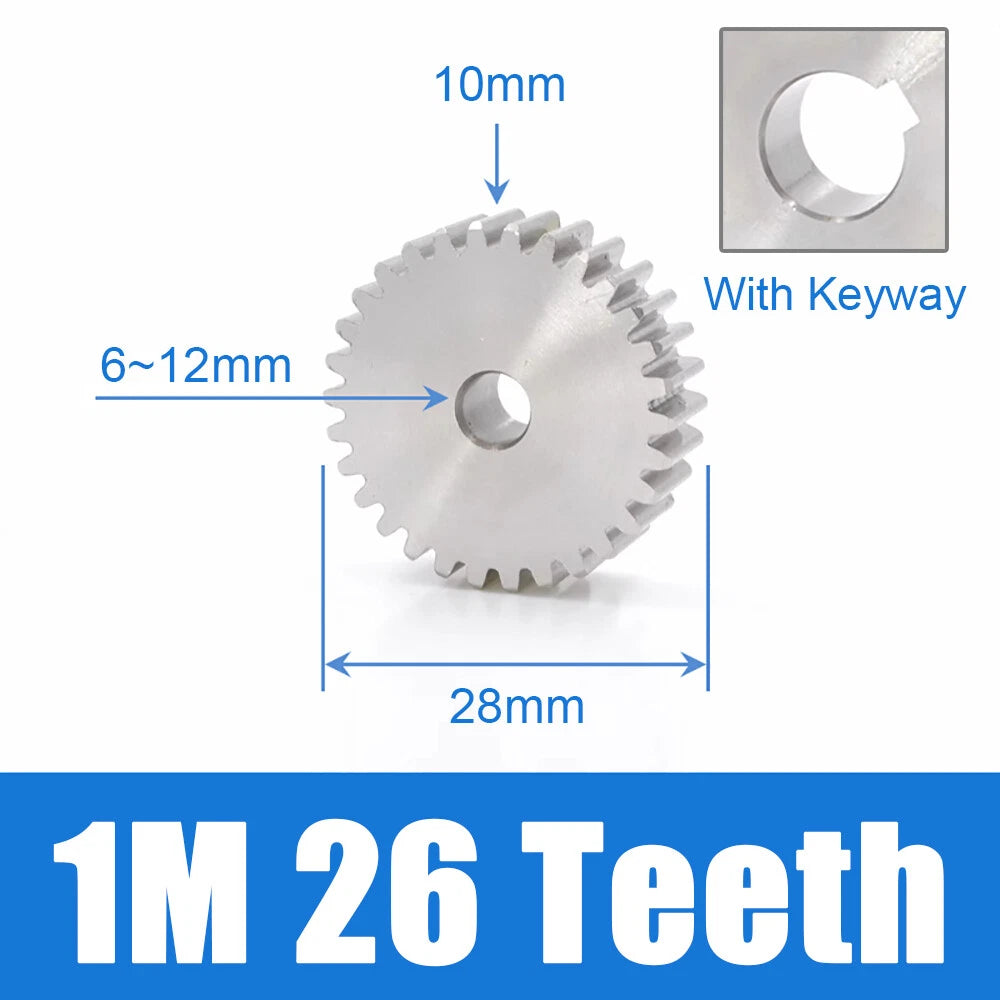
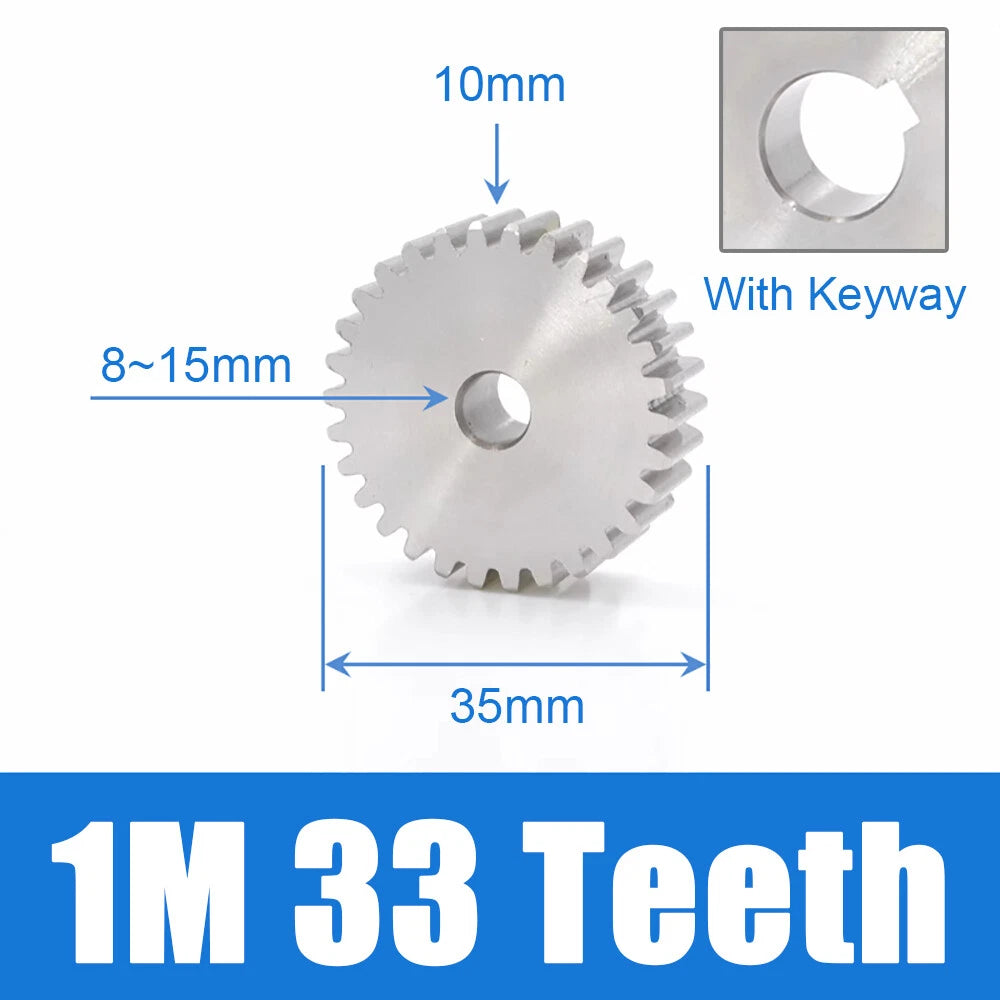
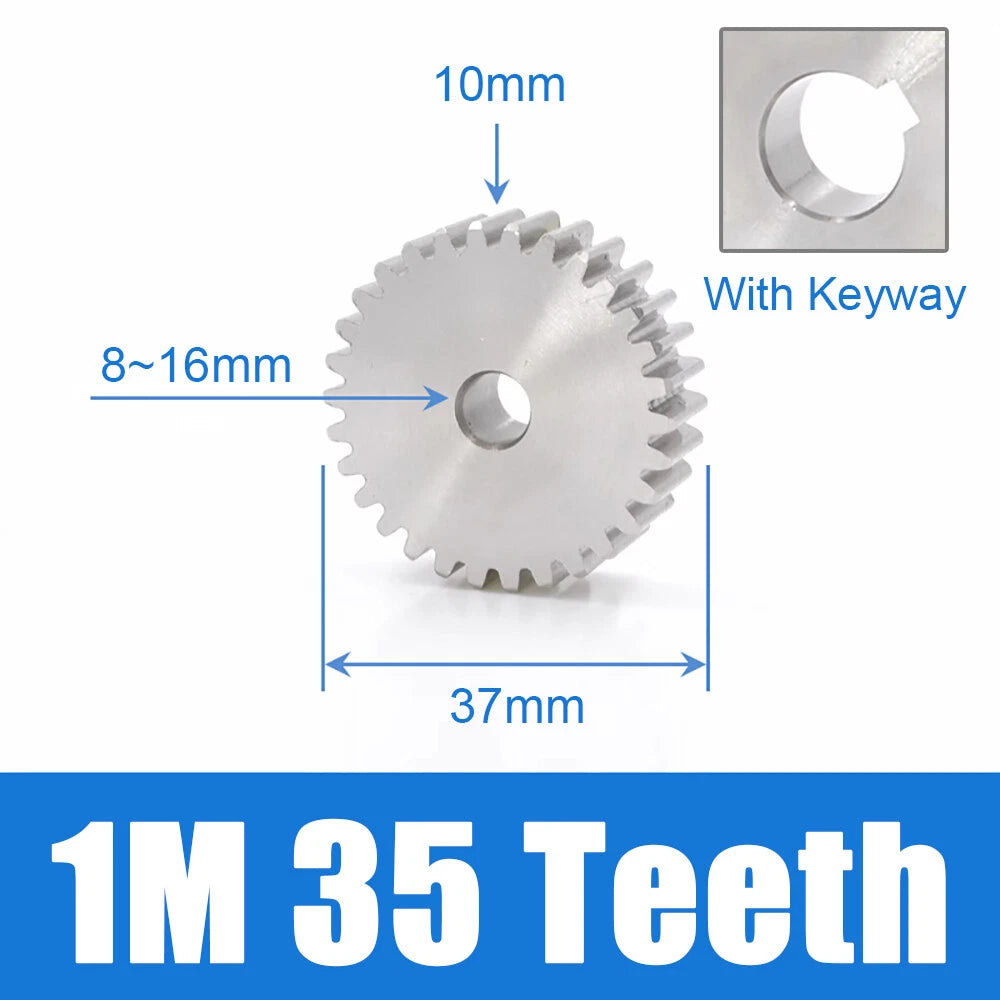
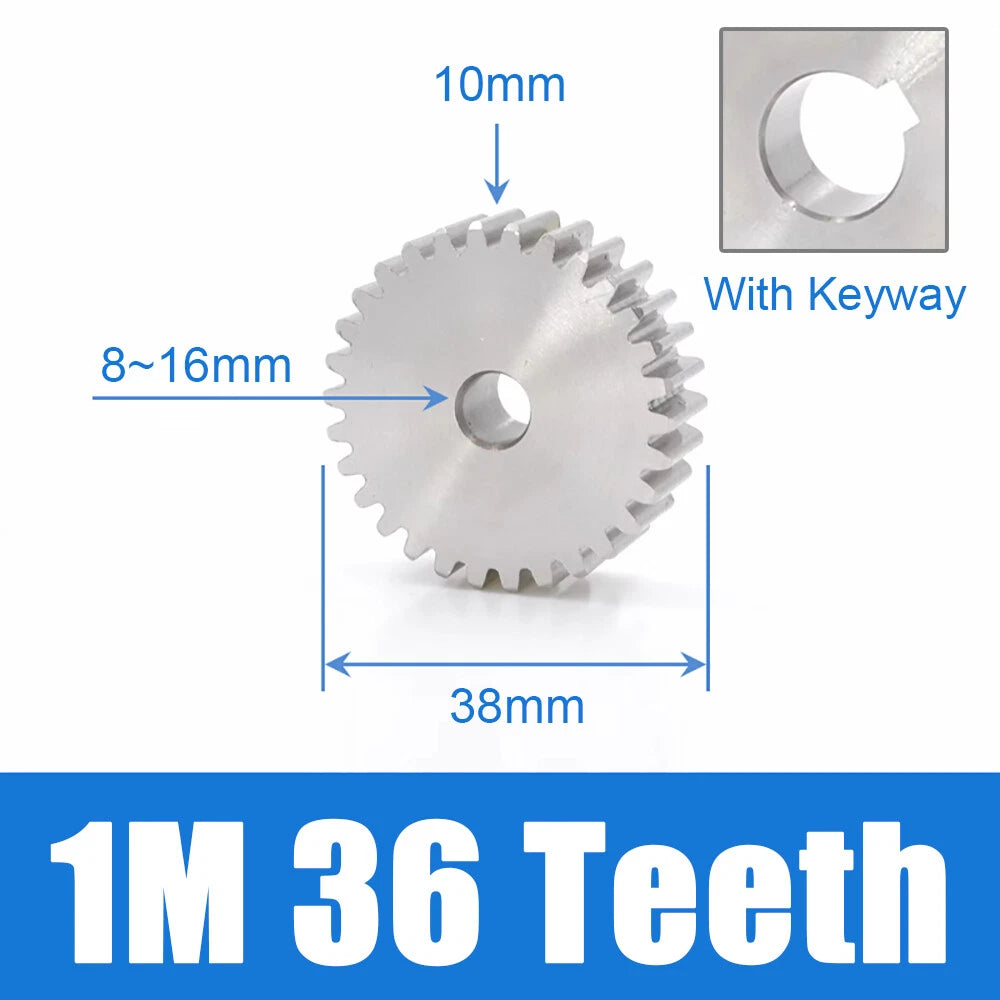
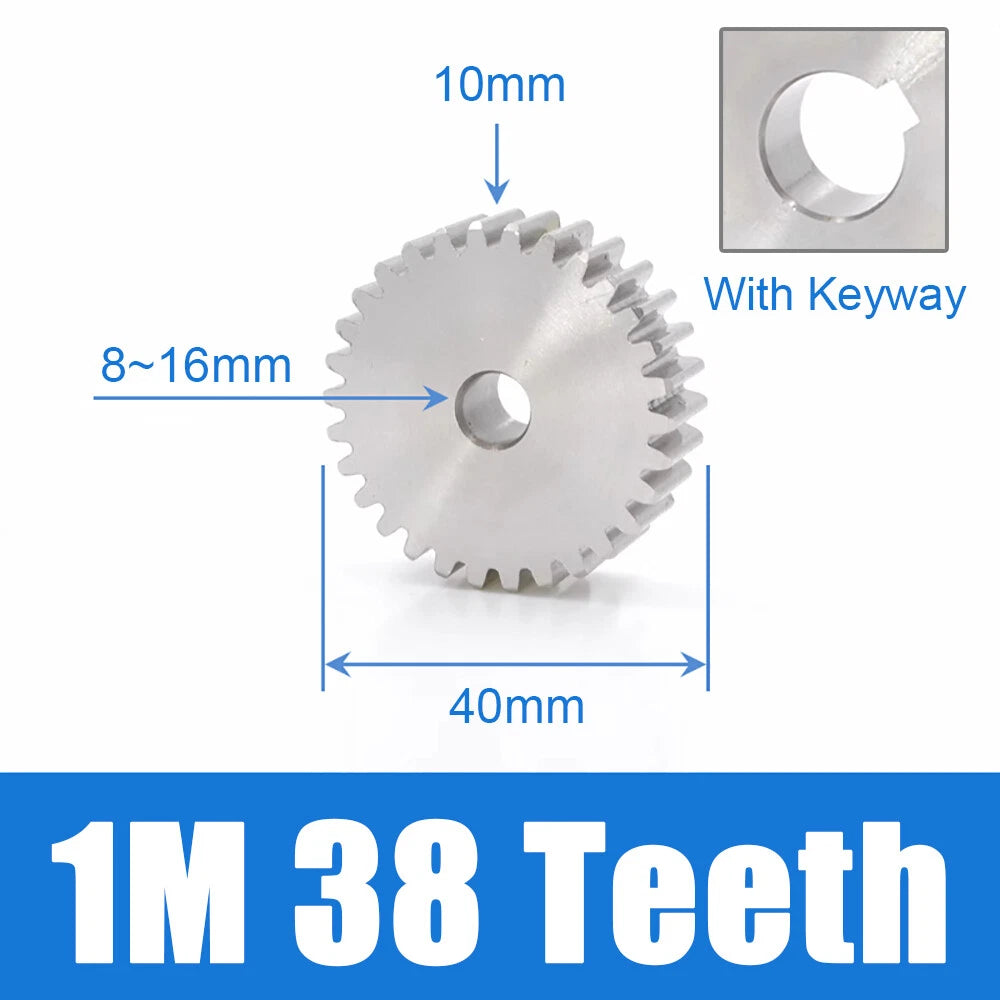
Each gear is machined from stainless steel, offering solid corrosion resistance and structural rigidity. Available in three module sizes — 1M, 1.5M, and 2M — with tooth counts ranging from 12 to 120 teeth and bore diameters from 6mm (~0.24 in) to 25mm (~0.98 in), including keyed bore options (e.g., 8mm 3×1.4mm keyway, 14mm 5×2.3mm keyway). Outer diameters scale with module and tooth count, typically ranging from approximately 14mm (~0.55 in) for a 1M 12T gear up to approximately 242mm (~9.5 in) for a 2M 120T equivalent.

These spur gears suit a wide range of applications: DIY timing and power-transmission systems, small-scale CNC axis drives, robotic joint mechanisms, educational lab equipment, and light industrial automation rigs where a reliable stainless steel cylindrical gear is required.

⚙️ Compatibility Note: Gears must share the same module (1M, 1.5M, or 2M) to mesh correctly. Verify shaft diameter before selecting bore size. Keyed bores require a matching keyway on the shaft.

✅ Key Features of These Stainless Steel Spur Gears

🔩
Three Module Options

Choose 1M, 1.5M, or 2M to match your gear train's pitch requirements and torque demands.

🦷
Wide Tooth Count Range

12 to 120 teeth available, enabling precise gear ratio selection for speed reduction or torque multiplication.

🔧
Multiple Bore Sizes with Keyways

Bore options from 6mm to 25mm, including keyed variants (3×1.4mm, 4×1.8mm, 5×2.3mm, 6×2.8mm, 8×3.3mm) for positive shaft engagement.

🛡️
Stainless Steel Construction

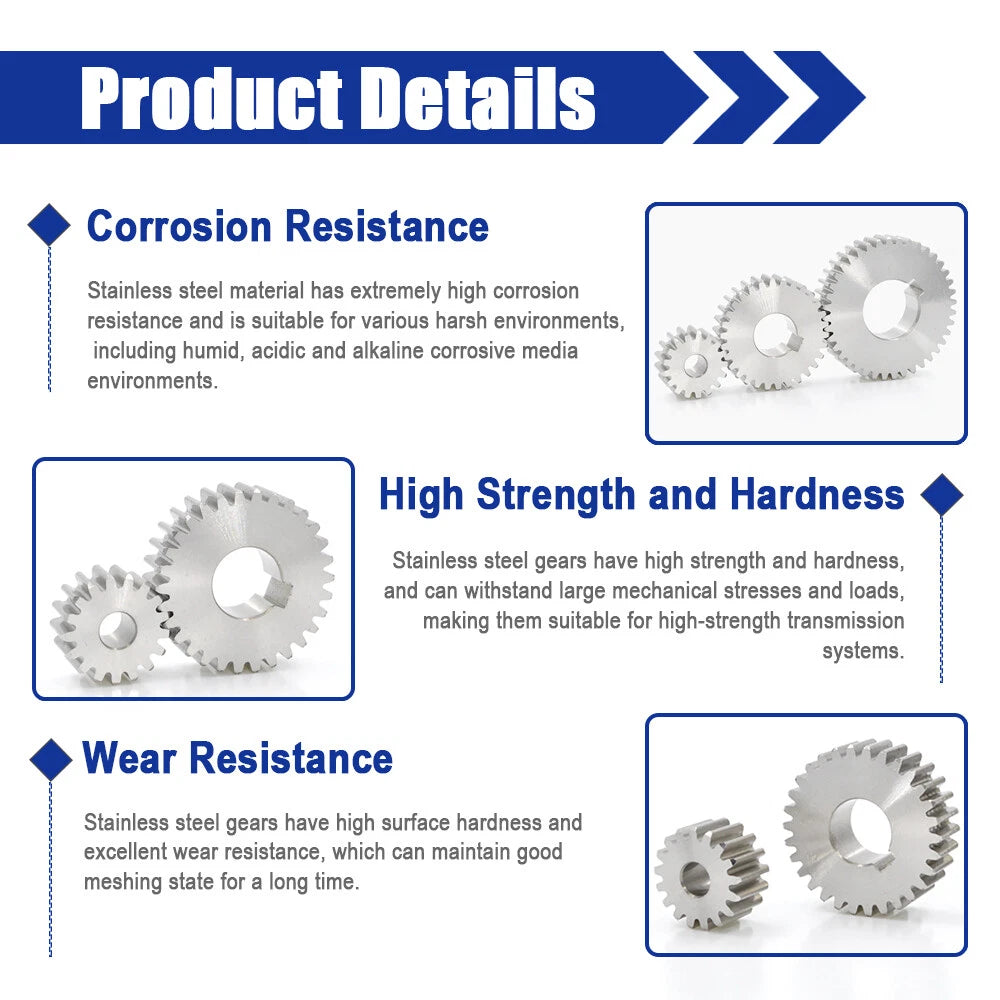
Corrosion-resistant stainless steel body withstands moisture, light chemicals, and repeated mechanical cycling.

📐
Cylindrical Flat Gear Profile

Standard involute tooth profile ensures smooth meshing, low noise, and consistent power transmission across the full tooth count range.

🔄
Sold Individually

Each listing is for one gear. Mix and match module sizes and tooth counts to build your complete gear train.

📐 Technical Specifications — Stainless Steel Spur Gears

Material Stainless Steel
Gear Type Cylindrical Spur Gear (Flat Gear)
Module Options 1M / 1.5M / 2M
Tooth Count Range 12 – 120 Teeth (see variant options)
Bore Diameter Range 6mm – 25mm (see variant options)
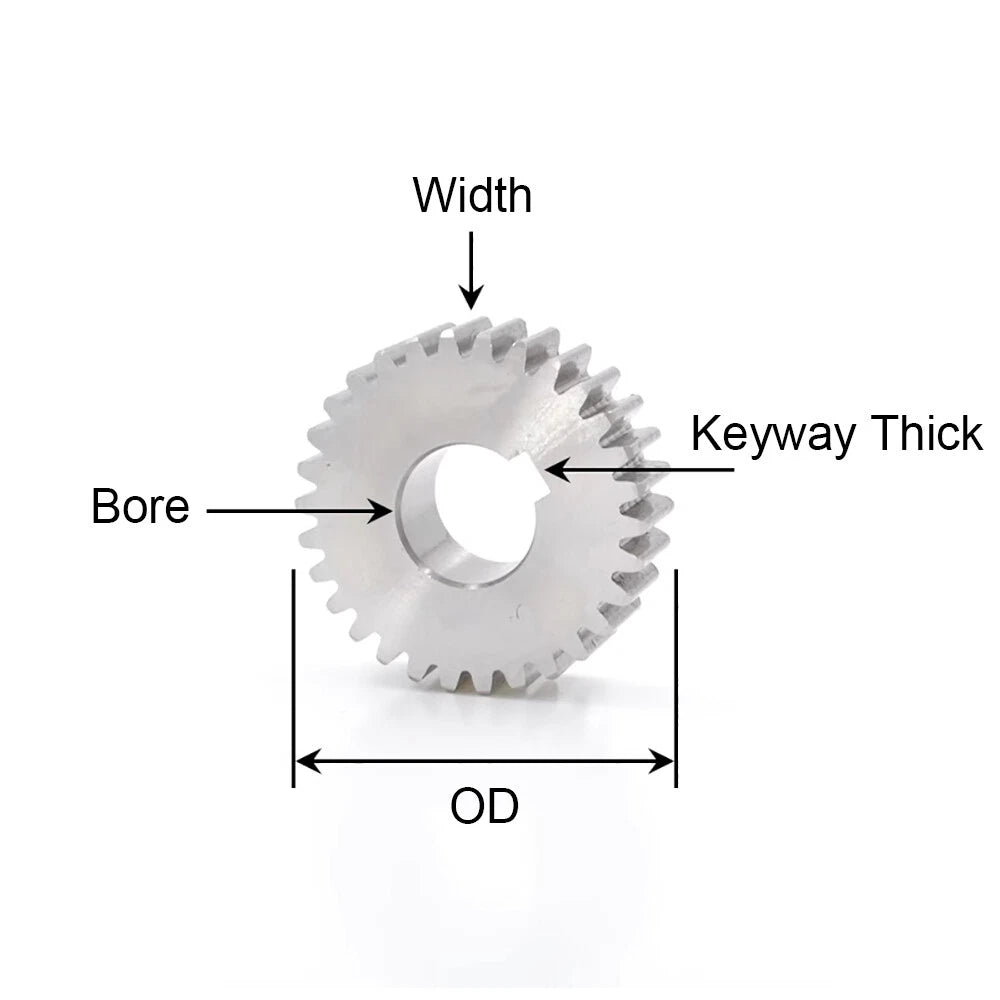
Keyway Sizes 3×1.4mm / 4×1.8mm / 5×2.3mm / 6×2.8mm / 8×3.3mm (bore-dependent)
Tooth Profile Standard Involute
Pressure Angle 20°
Outer Diameter See variant options
Face Width See variant options
Finish Natural Stainless (uncoated)
Quantity per Order 1 piece

❓ Frequently Asked Questions

How do I choose the right module size (1M, 1.5M, or 2M)?

The module must match between all gears in a mesh. 1M gears are suited for light-load, compact applications; 1.5M for moderate torque; 2M for heavier loads and larger gear trains. If you are replacing an existing gear, measure the outer diameter and count the teeth: Module = OD ÷ (Teeth + 2).

How do I select the correct bore size for my shaft?

Measure your shaft diameter precisely with calipers. Select the bore that matches your shaft. If your shaft has a keyway, choose the corresponding keyed bore option (e.g., 8mm 3×1.4mm means an 8mm bore with a 3mm wide × 1.4mm deep keyway). A loose bore without a keyway will slip under torque.

Can I mesh a 1M gear with a 1.5M or 2M gear?

No. Gears of different modules cannot mesh correctly — the tooth pitch and profile dimensions are incompatible. All gears in a drive train must share the same module. Use the same module throughout your gear set.

How strong are these stainless steel spur gears under load?

Stainless steel offers good tensile strength and fatigue resistance for light-to-moderate mechanical loads typical of DIY automation, robotics, and small CNC applications. For exact load ratings, refer to the tooth count and module — larger modules and higher tooth counts distribute load over a greater contact area. For heavy industrial loads, consult us to confirm suitability.

Are these gears corrosion-resistant for outdoor or humid environments?

Yes. Stainless steel provides solid resistance to moisture, light chemical exposure, and oxidation, making these gears suitable for humid workshops, light outdoor enclosures, and food-adjacent (non-food-contact) machinery. For highly corrosive environments, additional sealing of the assembly is recommended.

What is the difference between a plain bore and a keyed bore?

A plain bore (e.g., "8mm" without keyway notation) relies on a set screw or press fit to secure the gear to the shaft. A keyed bore (e.g., "8mm 3×1.4mm") includes a machined slot that accepts a key inserted between the gear and shaft, providing a positive, torque-resistant connection. Keyed bores are recommended for applications with reversing loads or higher torque.

How do I calculate the gear ratio for my application?

Gear ratio = Driven gear teeth ÷ Driver gear teeth. For example, pairing a 1M 20-tooth driver with a 1M 60-tooth driven gear gives a 3:1 reduction ratio — the output shaft turns at one-third the speed with three times the torque. Use this formula to select the tooth counts that achieve your target speed or torque output.

🛒 Select your module size, tooth count, and bore diameter above, then add to cart.

You may also like

Recently viewed