The chain is fine...but I ordered the wrong size. Nine links of the chain I ordered equals six of the size I wanted. My error...
How can I straighten out the springs? I can't use them coil uo as is.
Your payment information is processed securely. We do not store credit card details nor have access to your credit card information.
Get fitment advice & recommendations
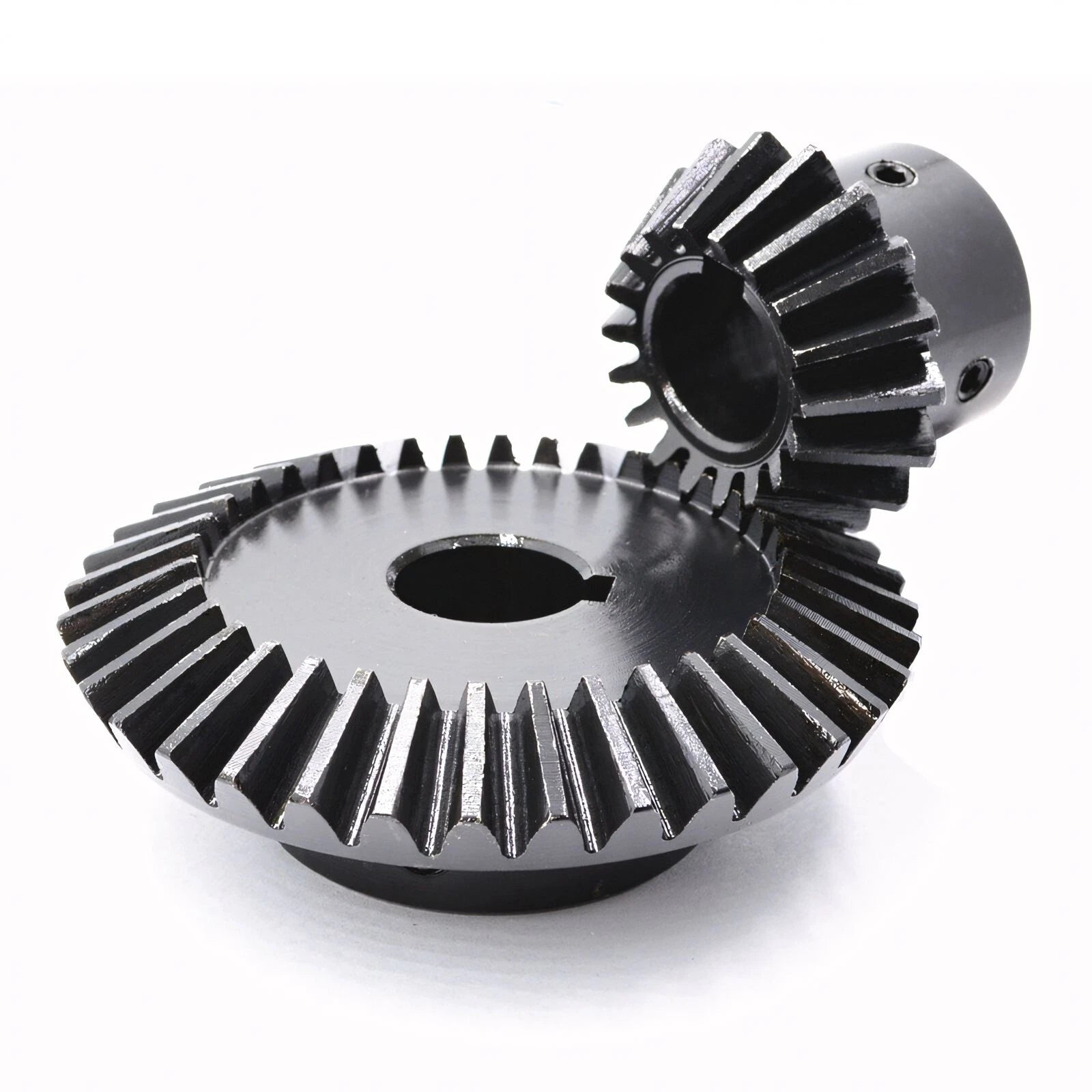
When your drivetrain demands a clean 90° direction change without slippage or backlash creep, the wrong gear set becomes the weakest link in your build. Makers, robotics engineers, and CNC hobbyists who need repeatable, low-noise right-angle power transfer rely on properly matched bevel gear pairs — not generic substitutes that wear unevenly or misalign under load.
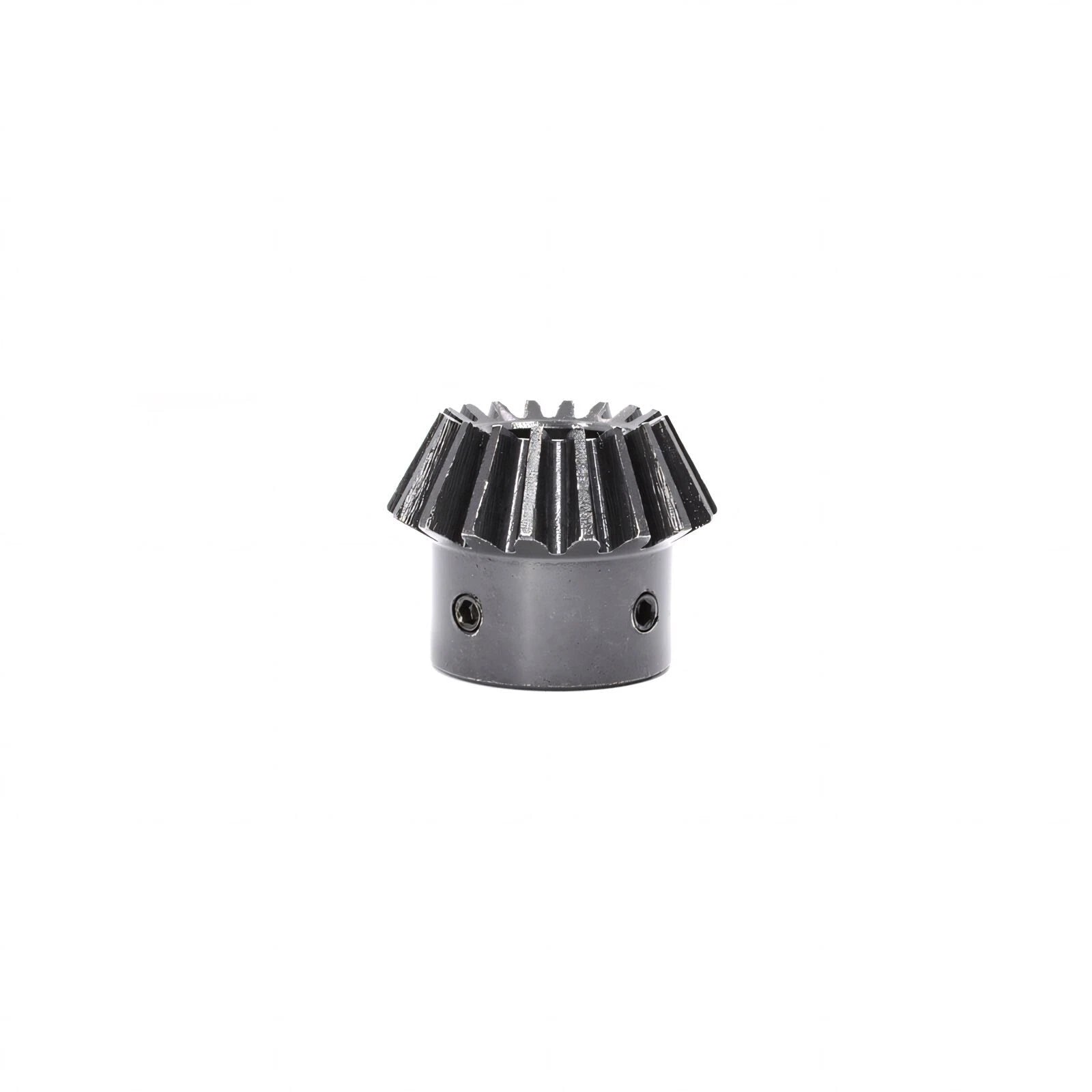
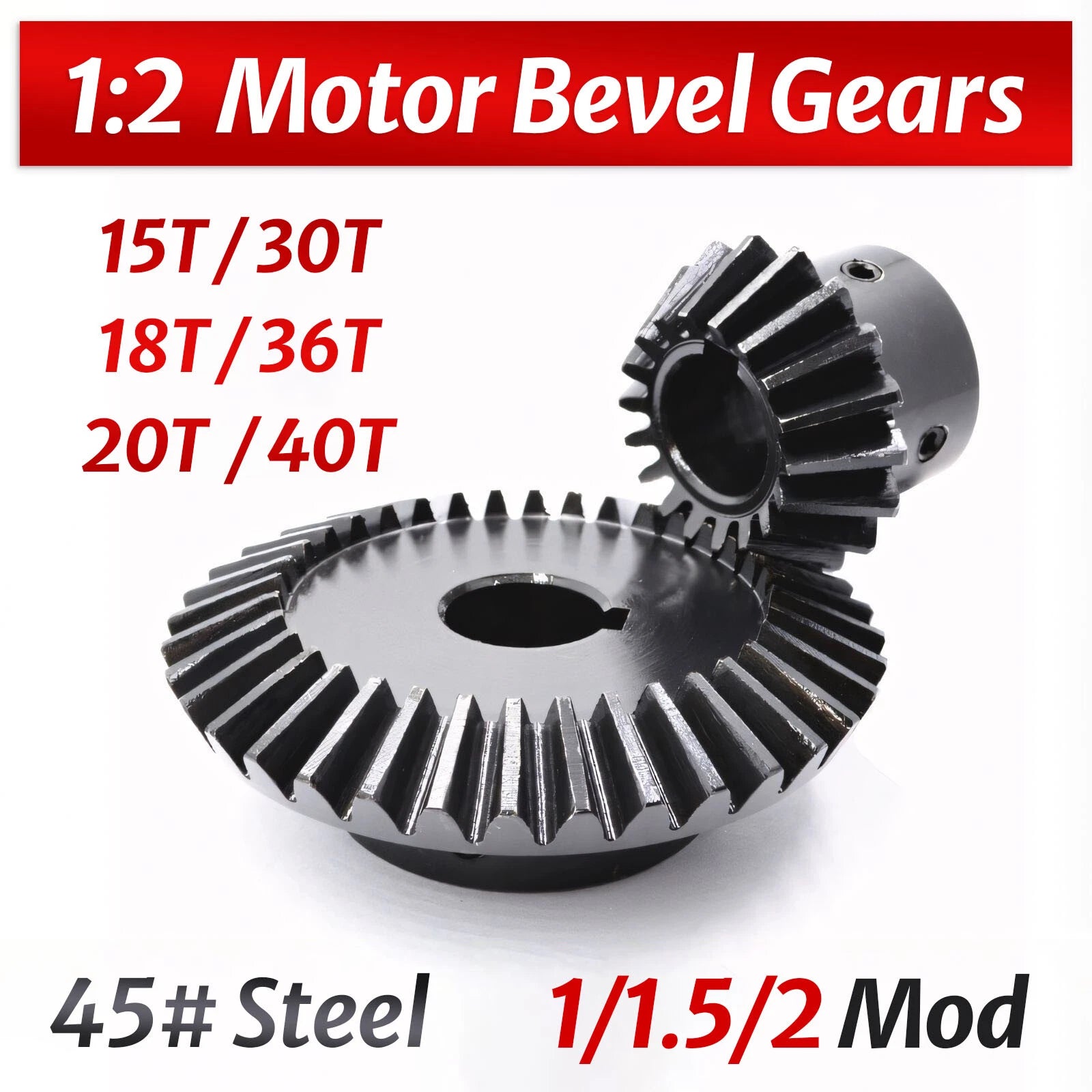
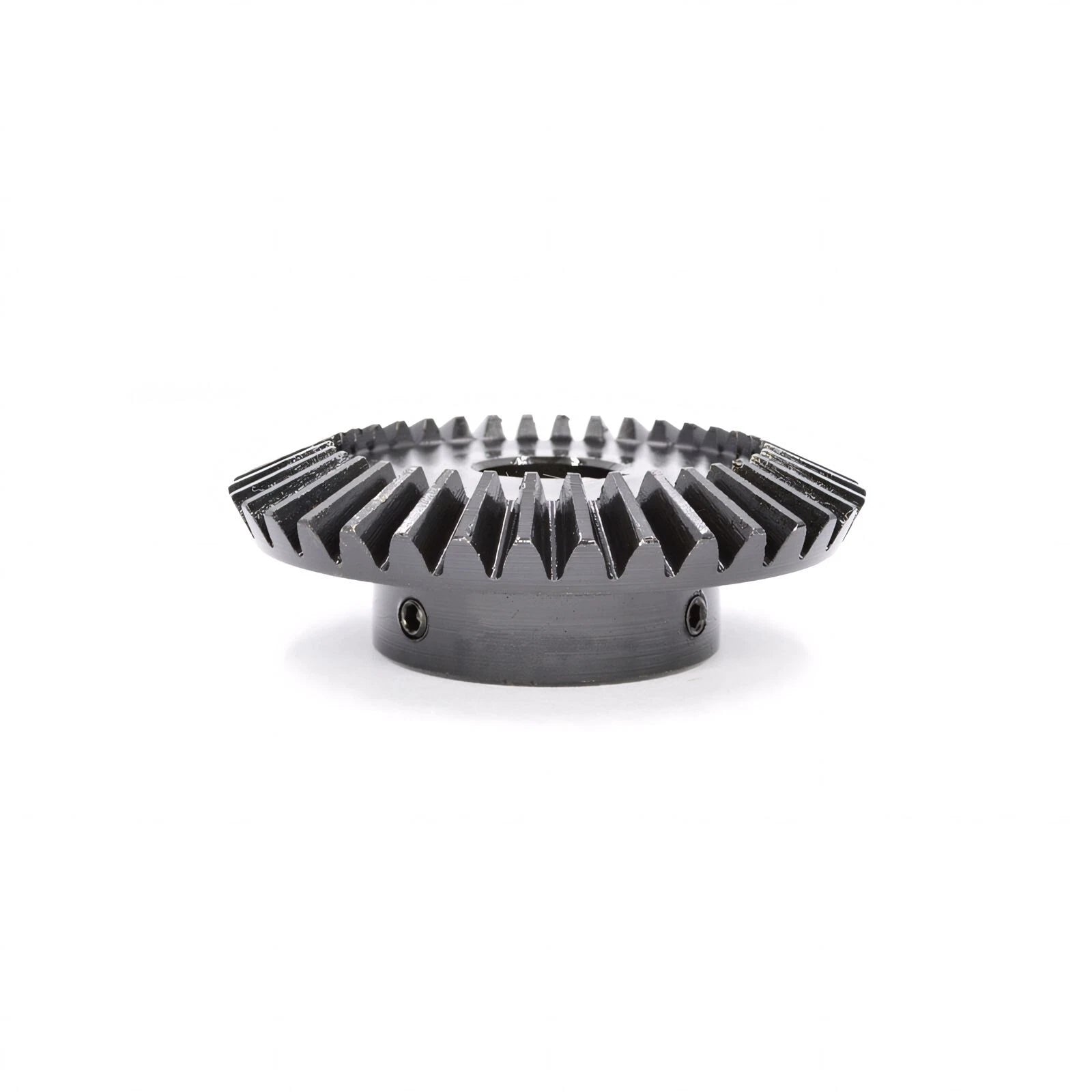
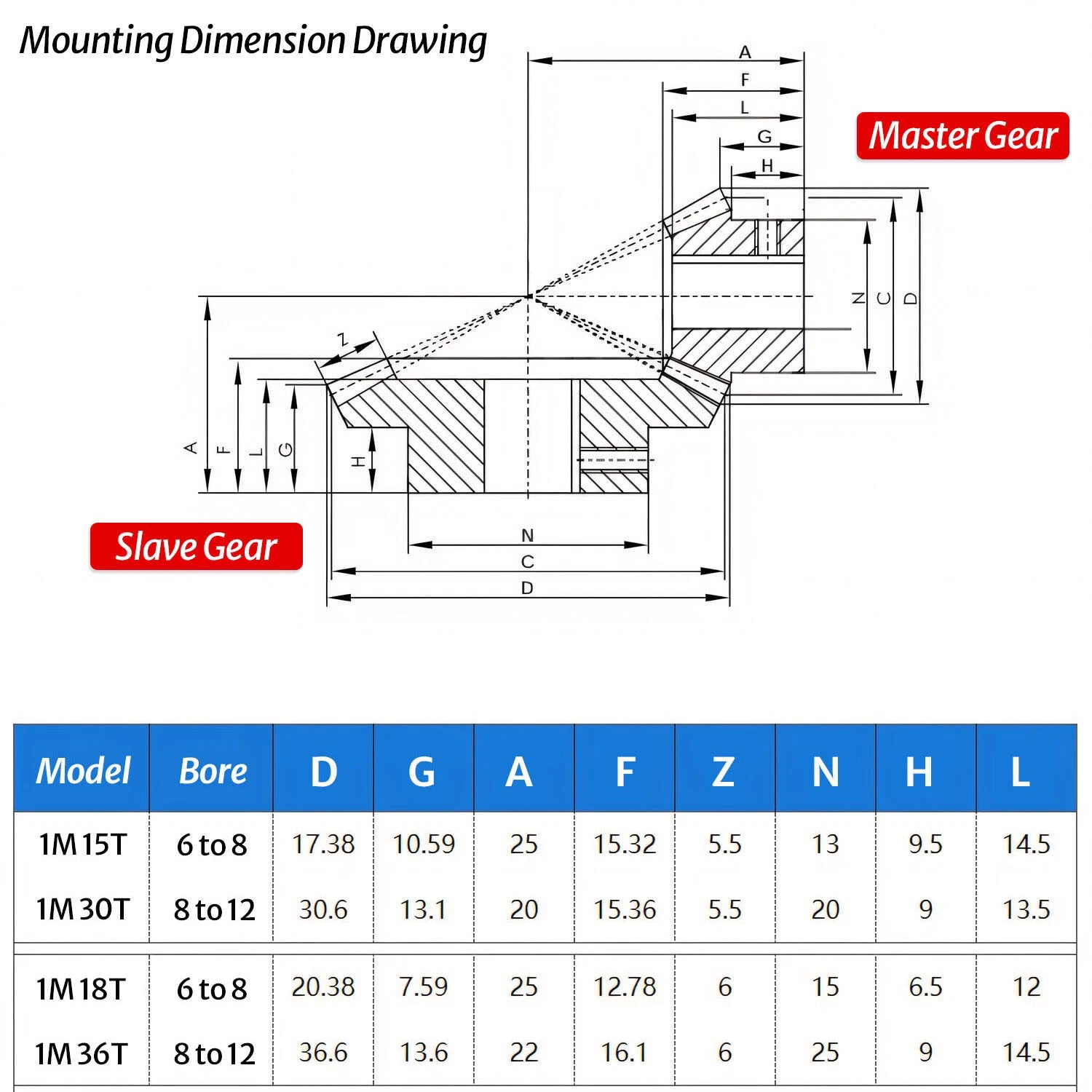
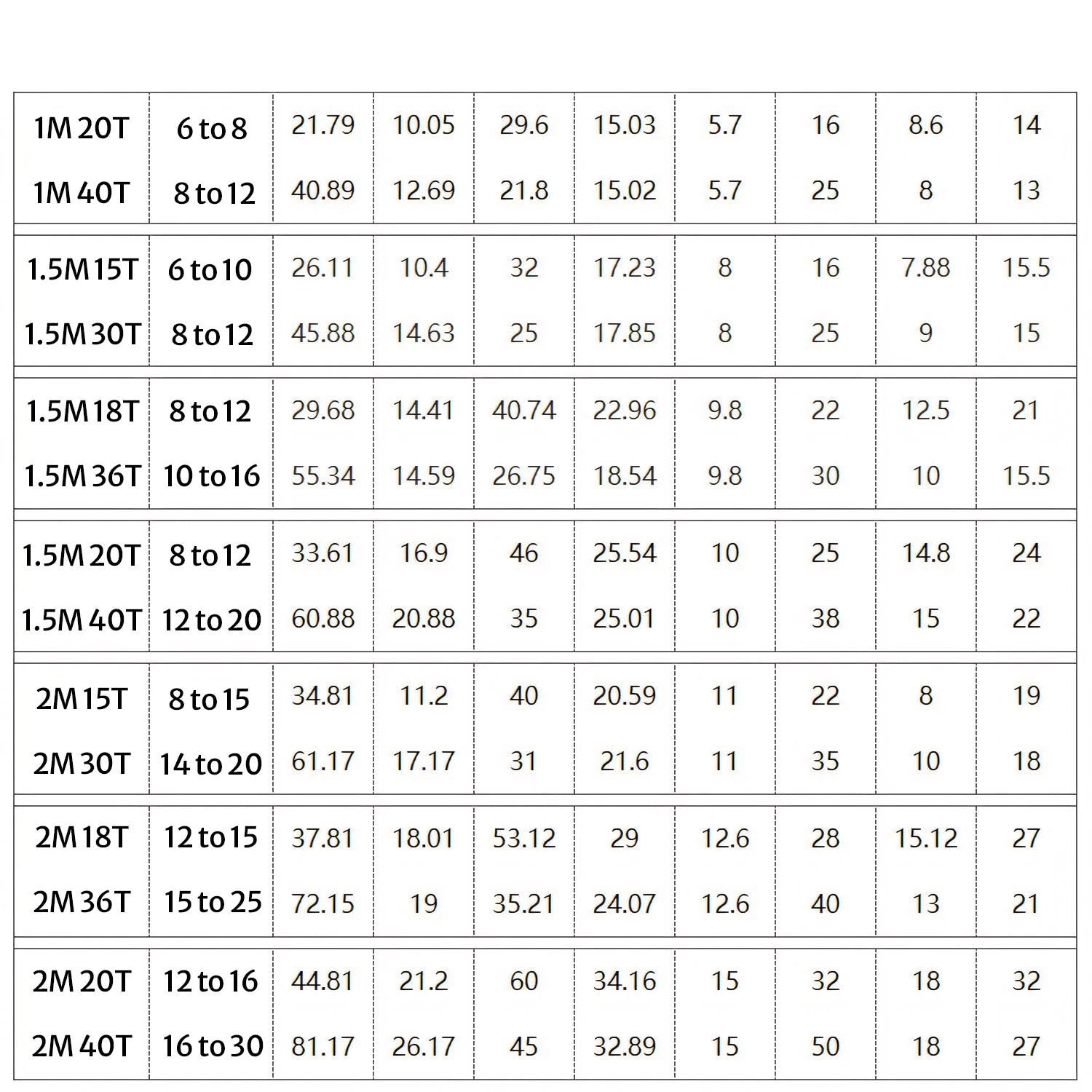
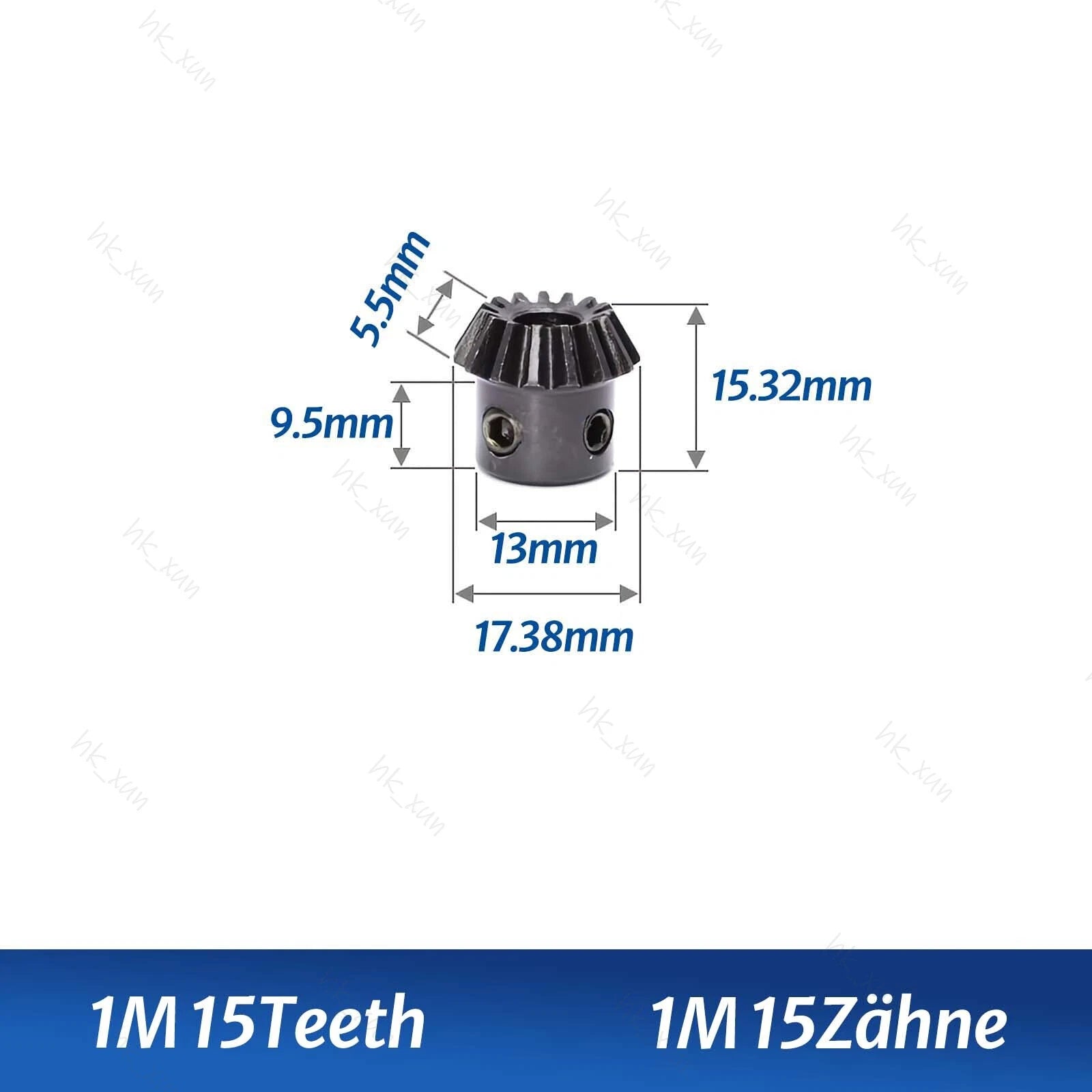
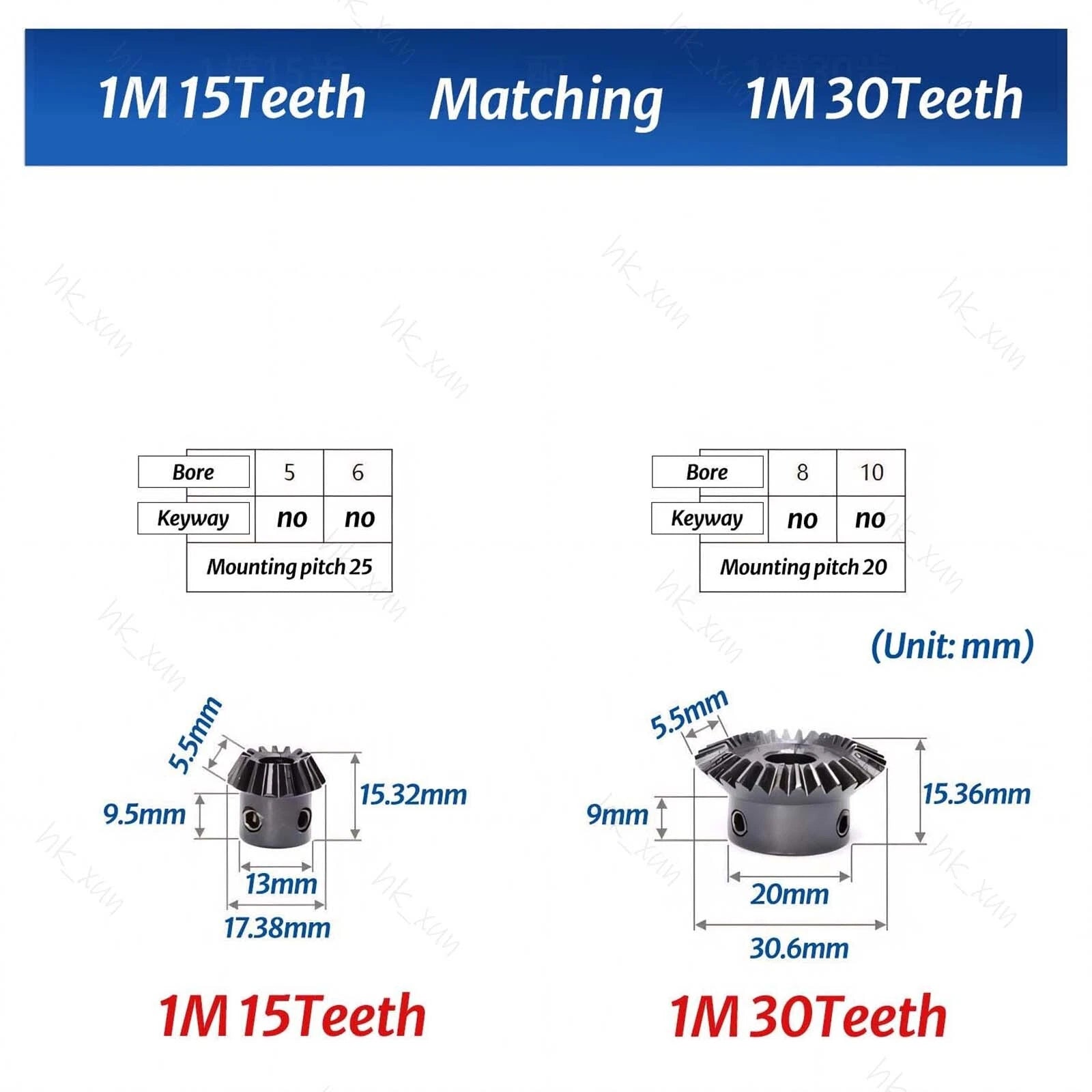
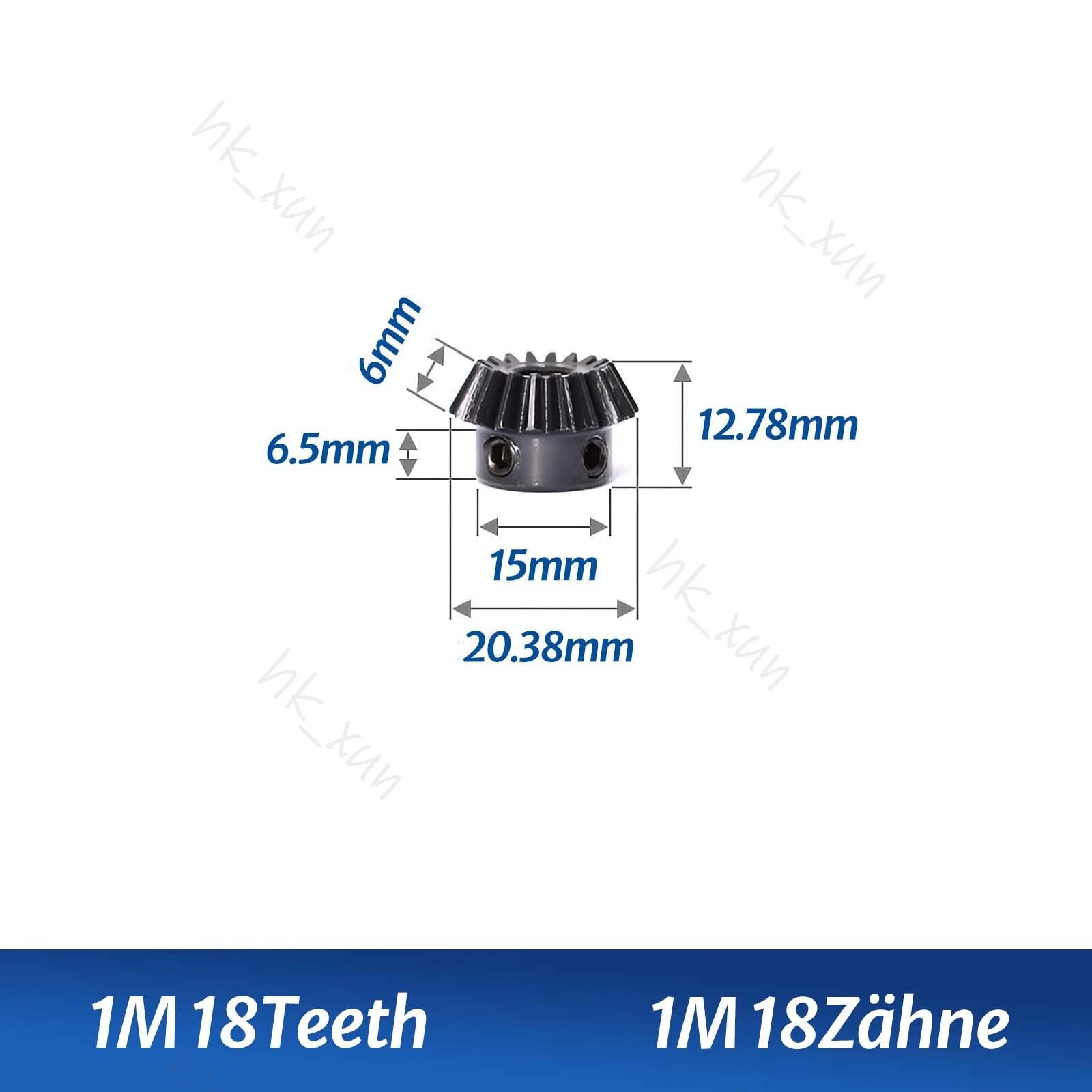
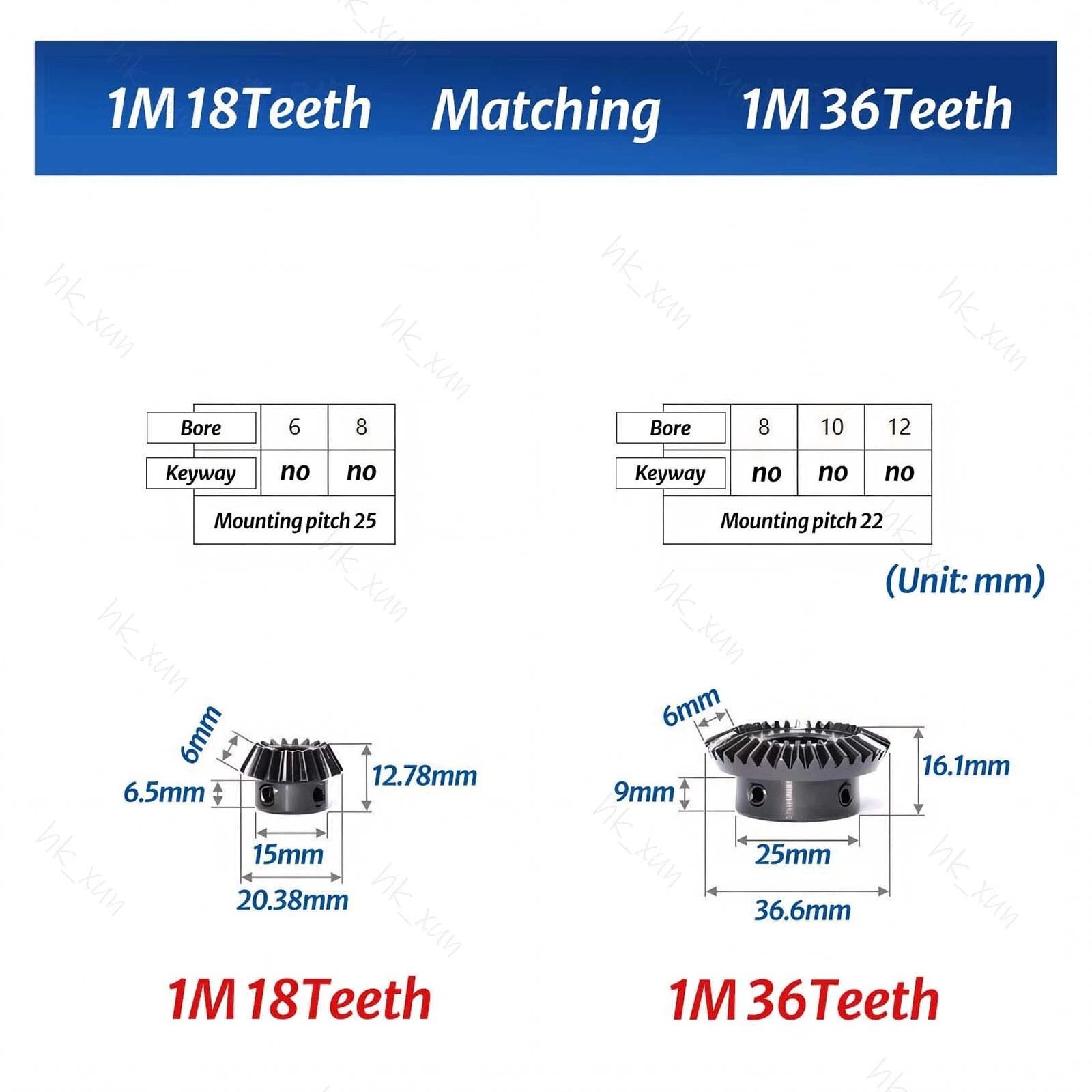
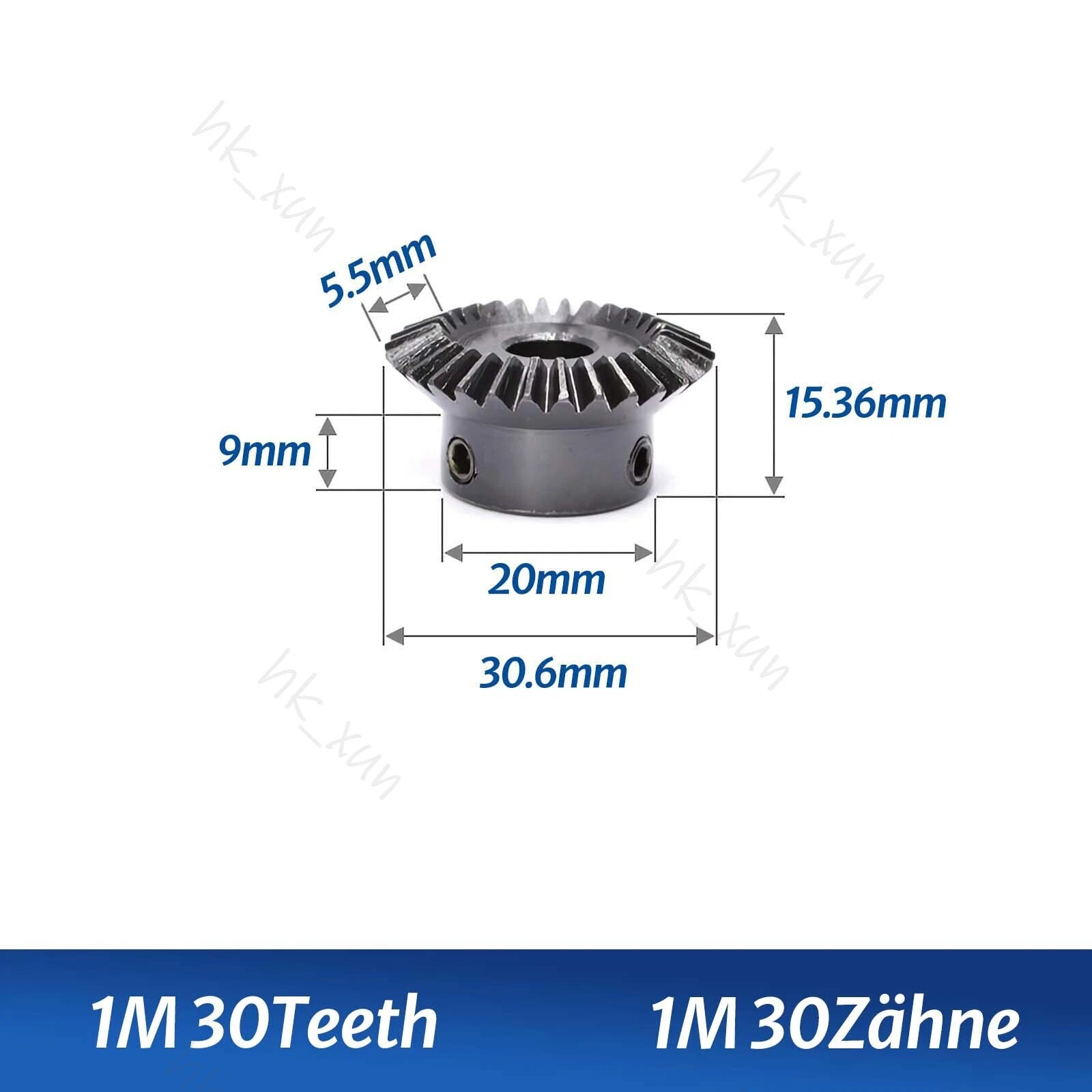
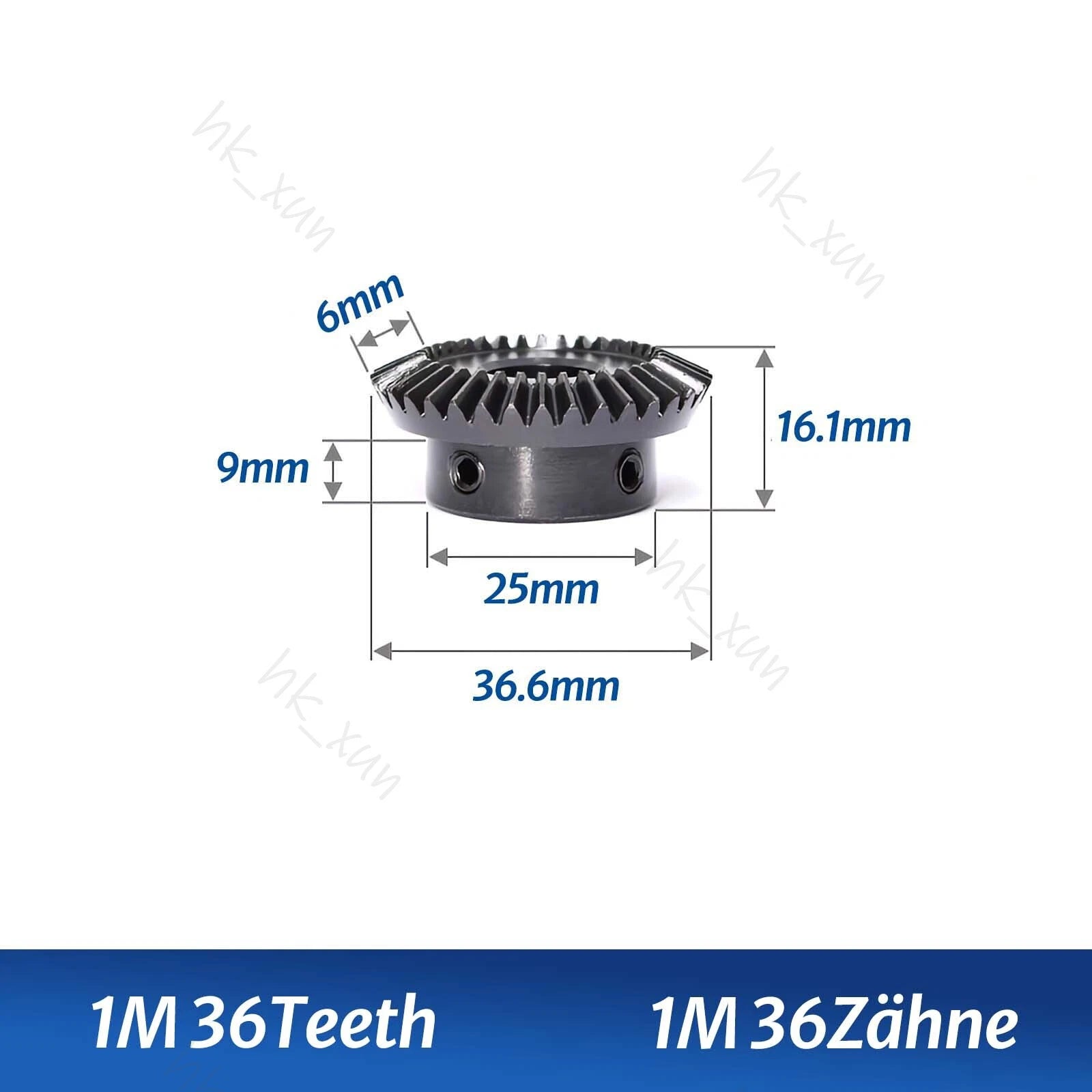
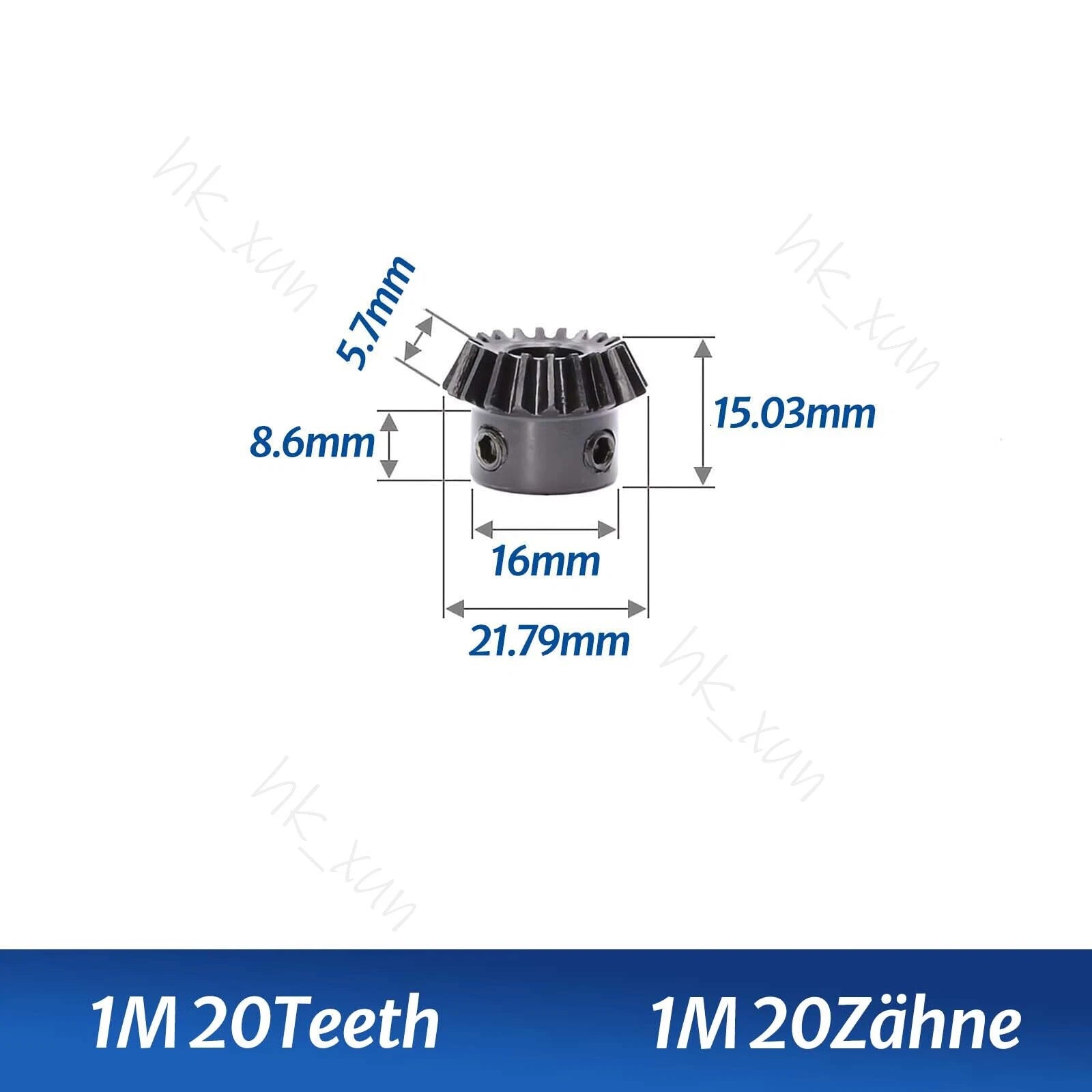
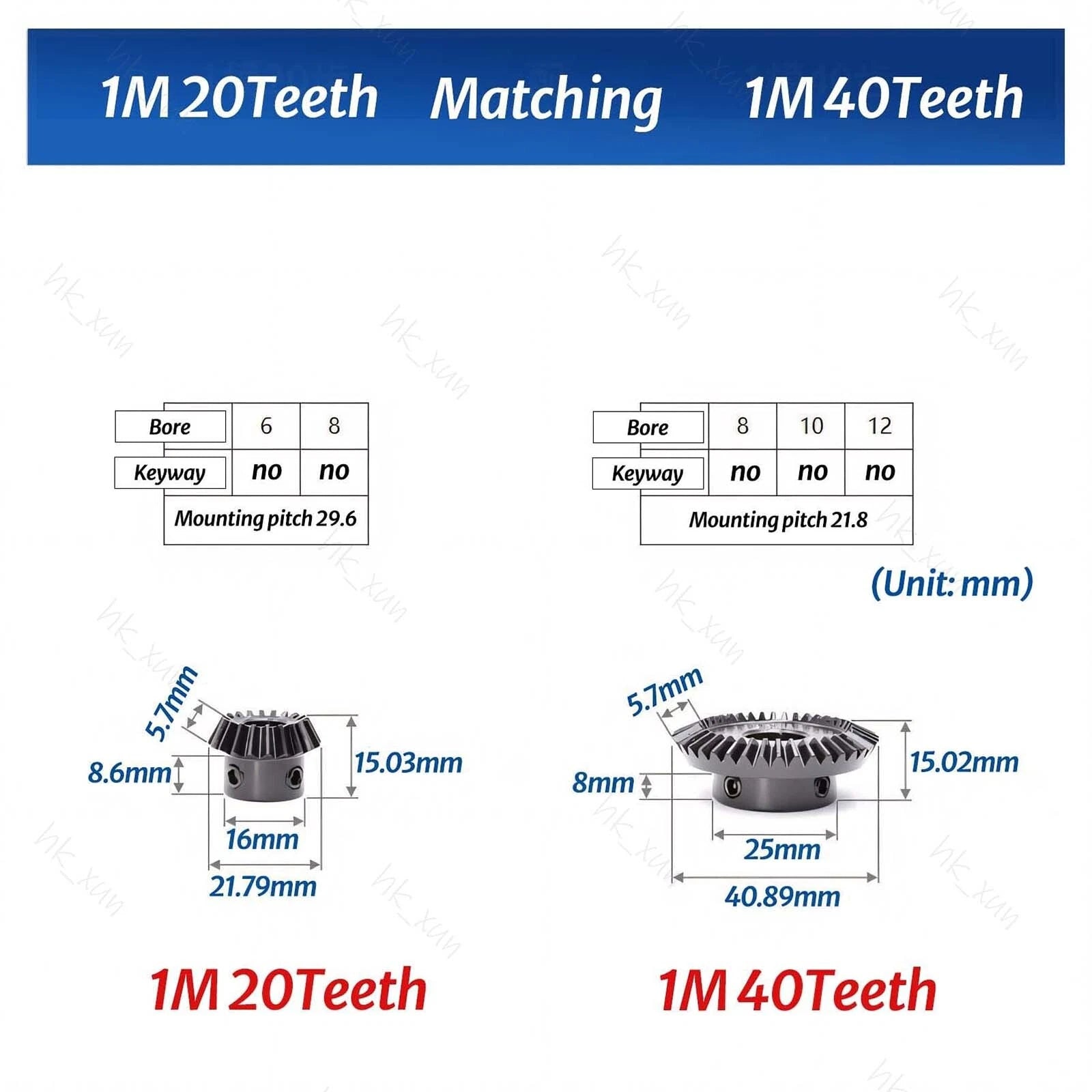
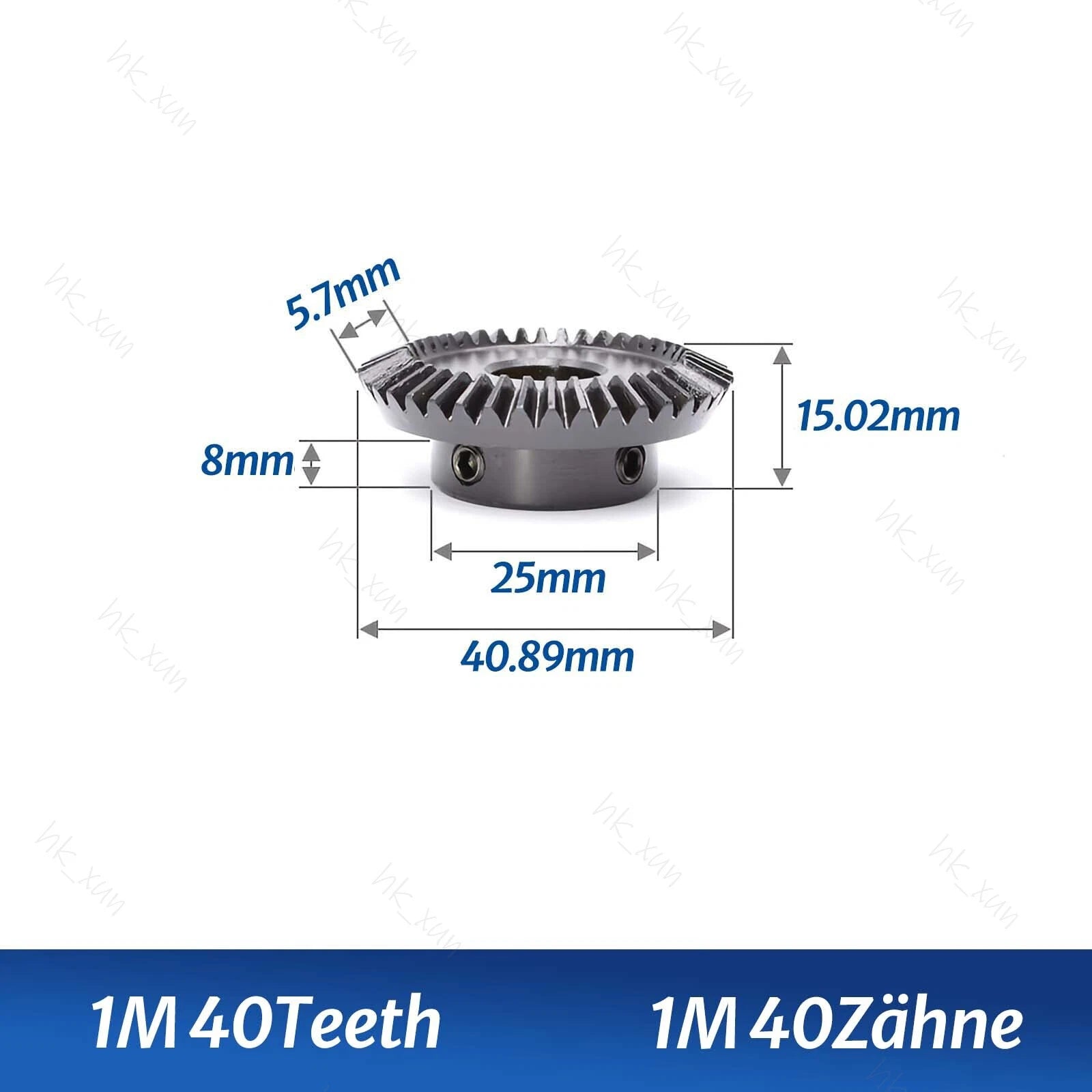
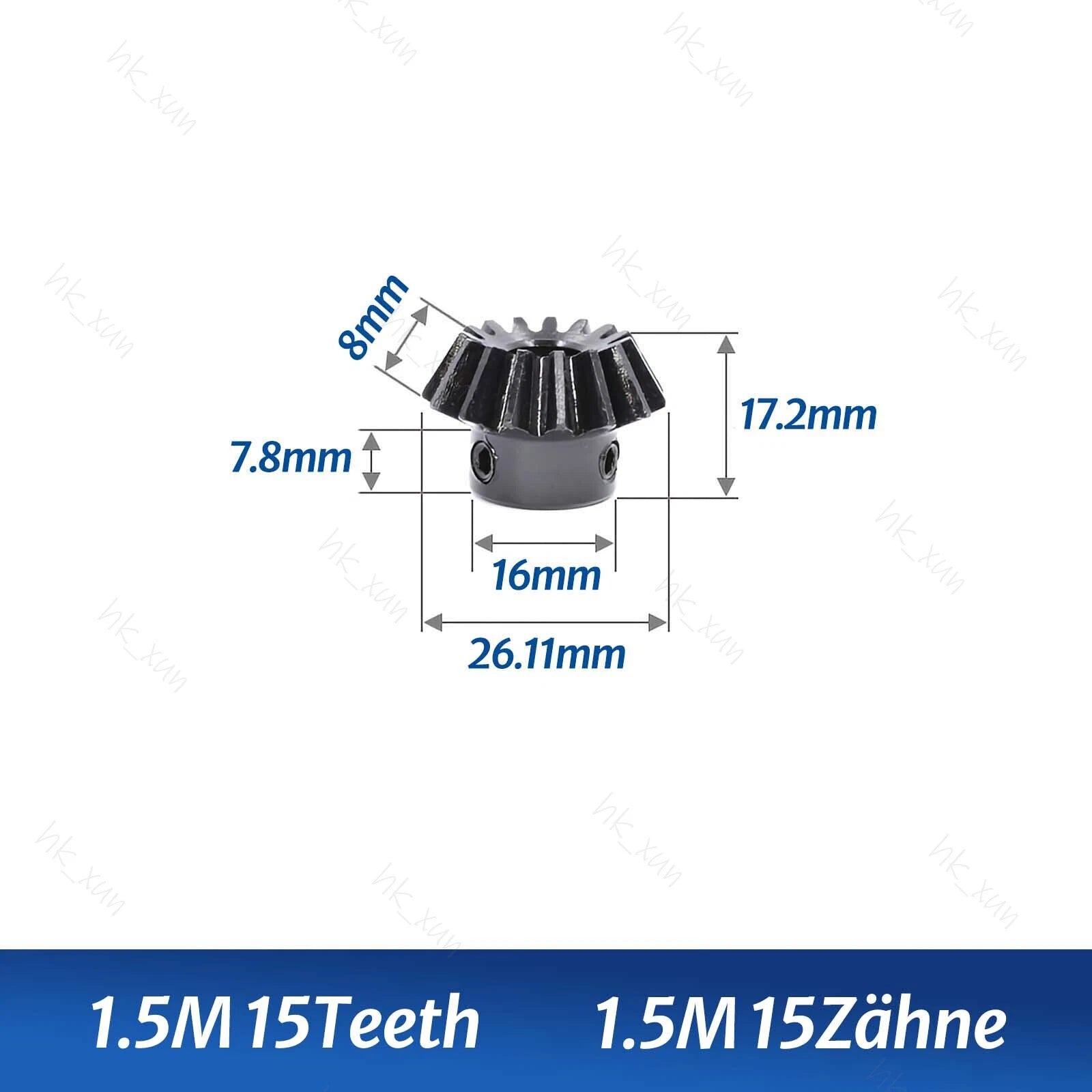
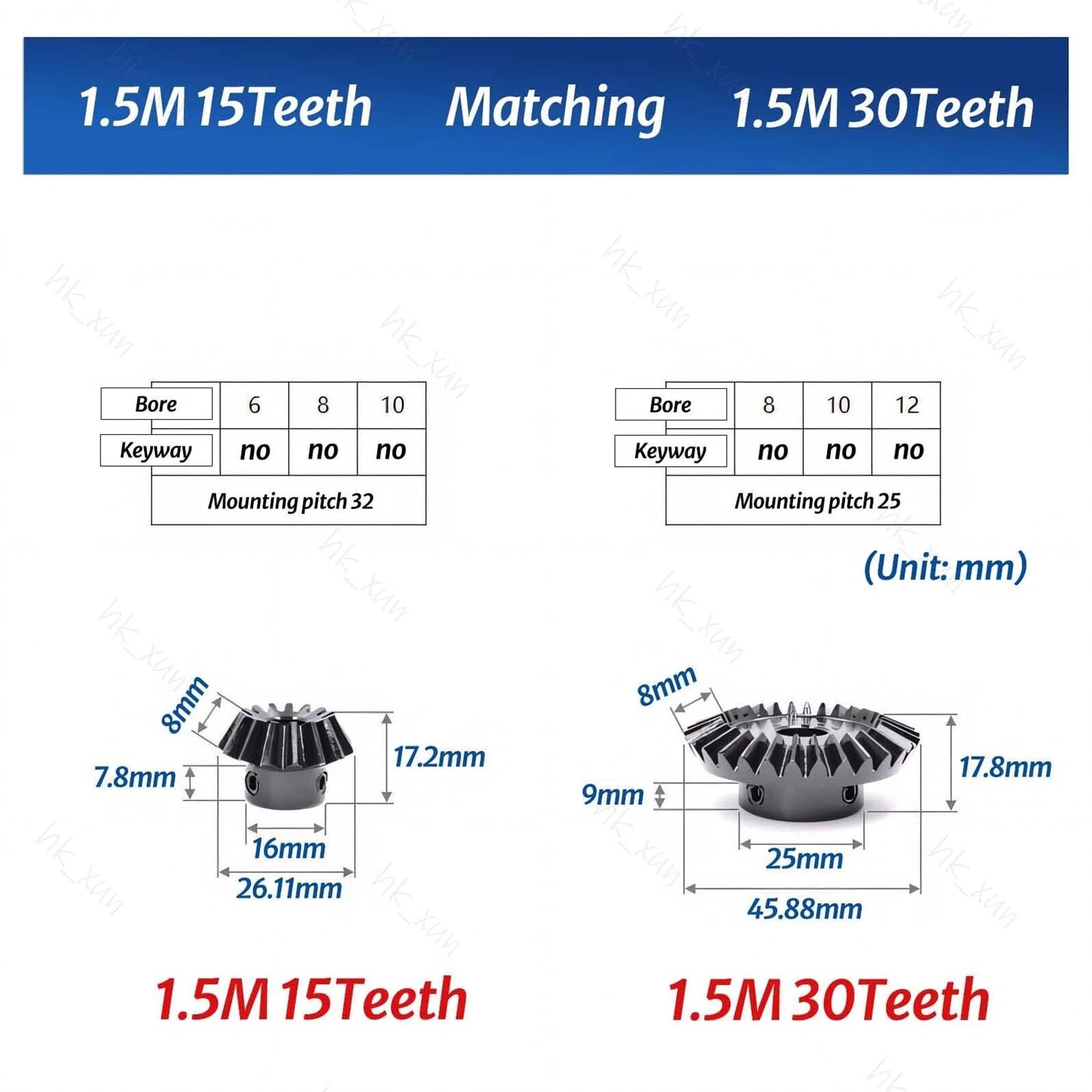
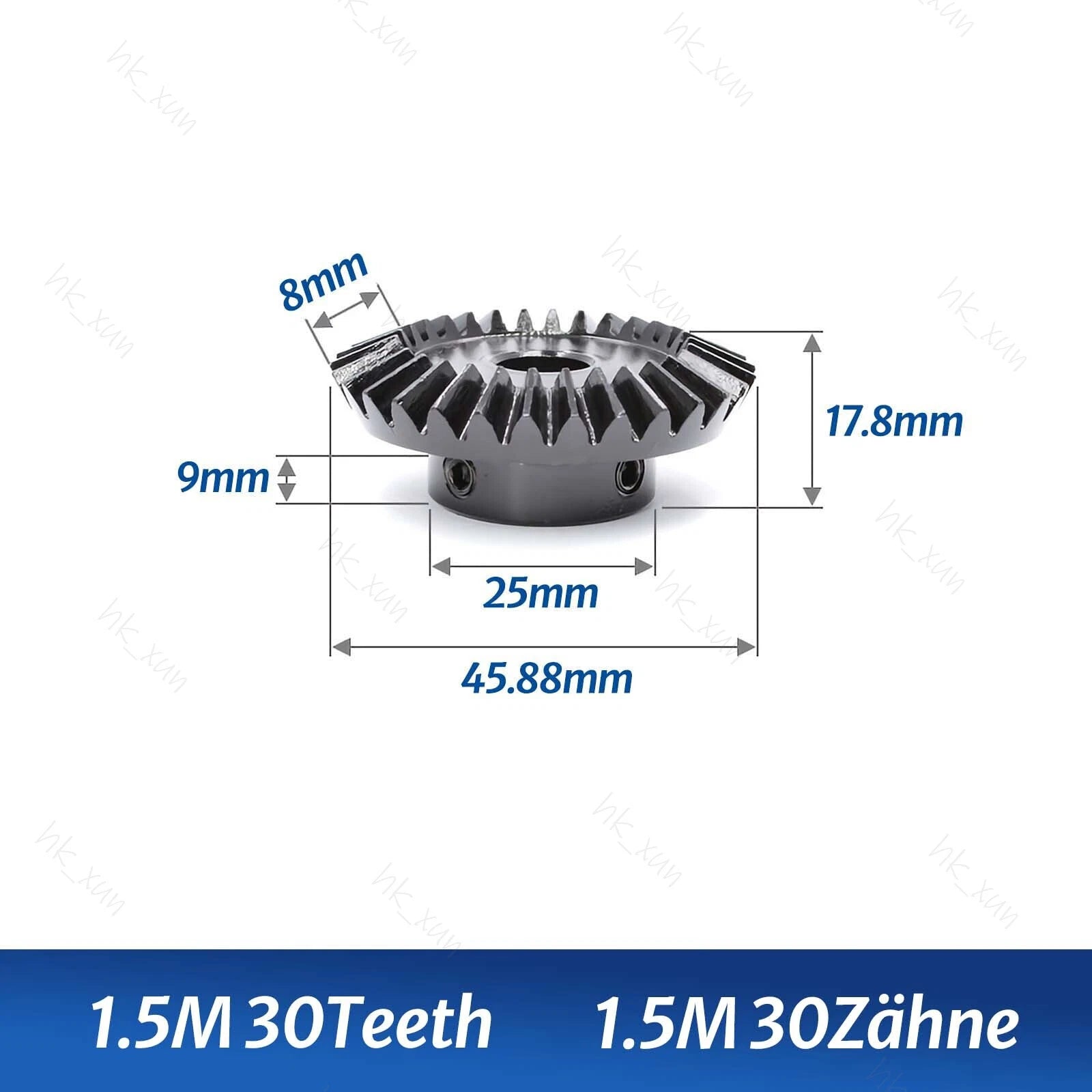
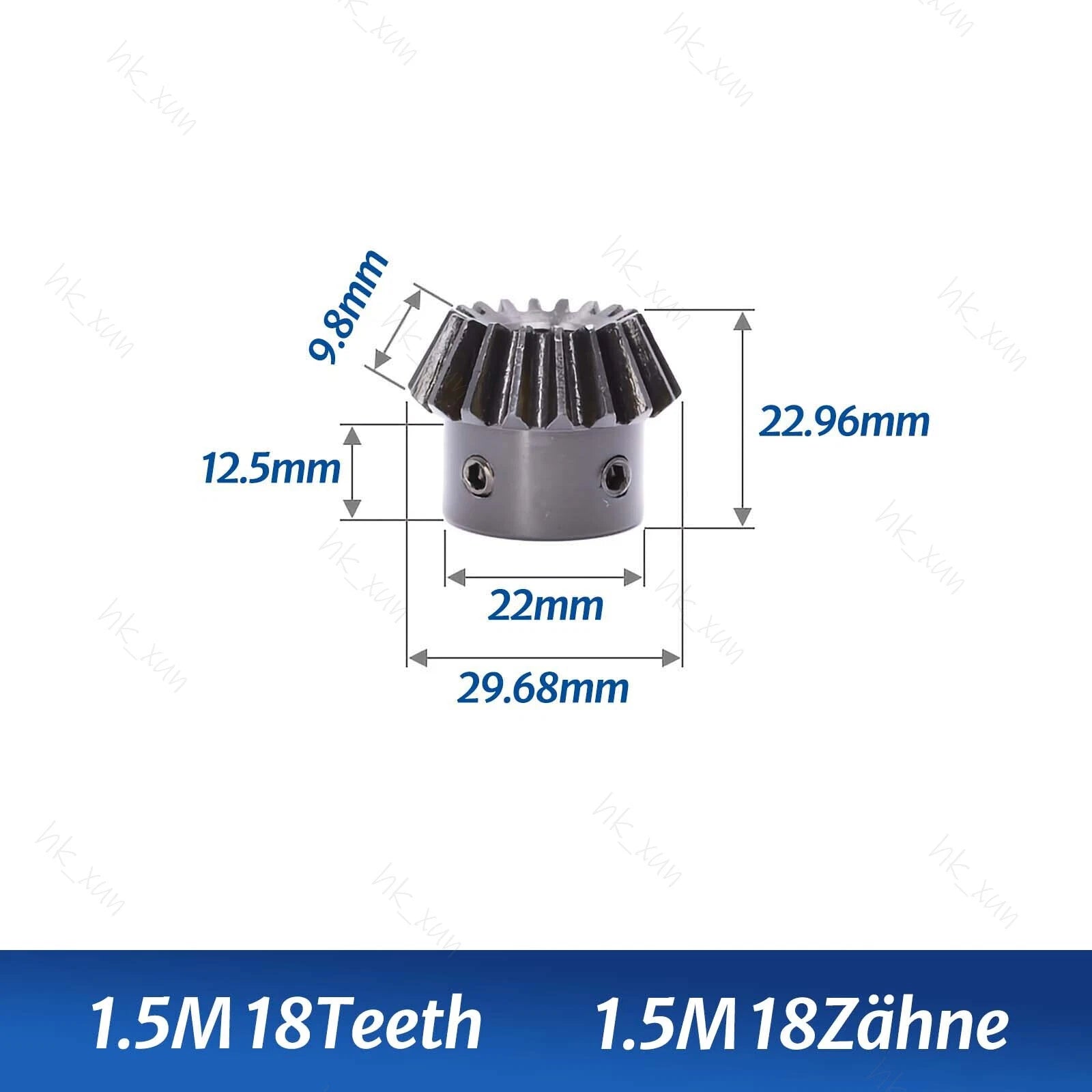
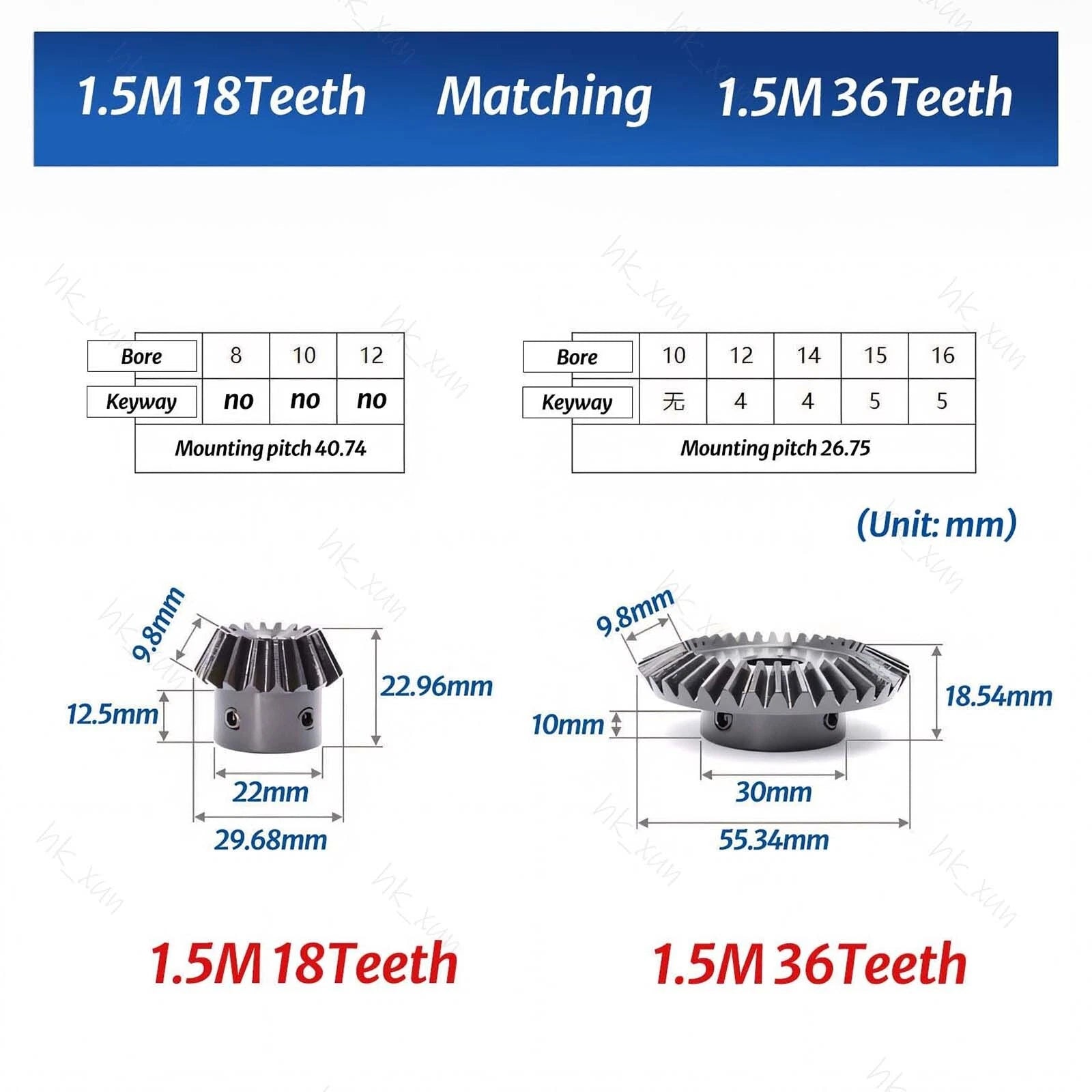
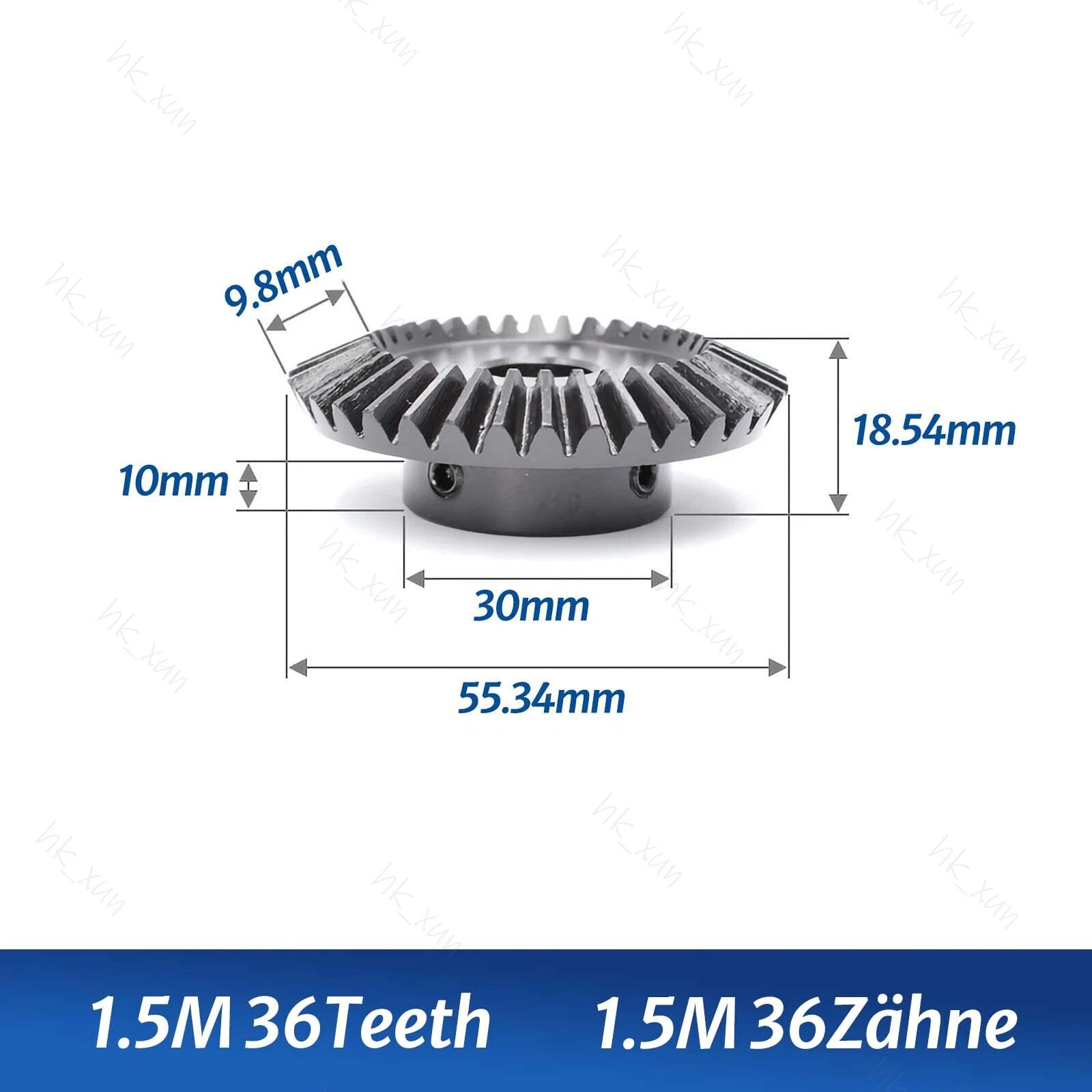
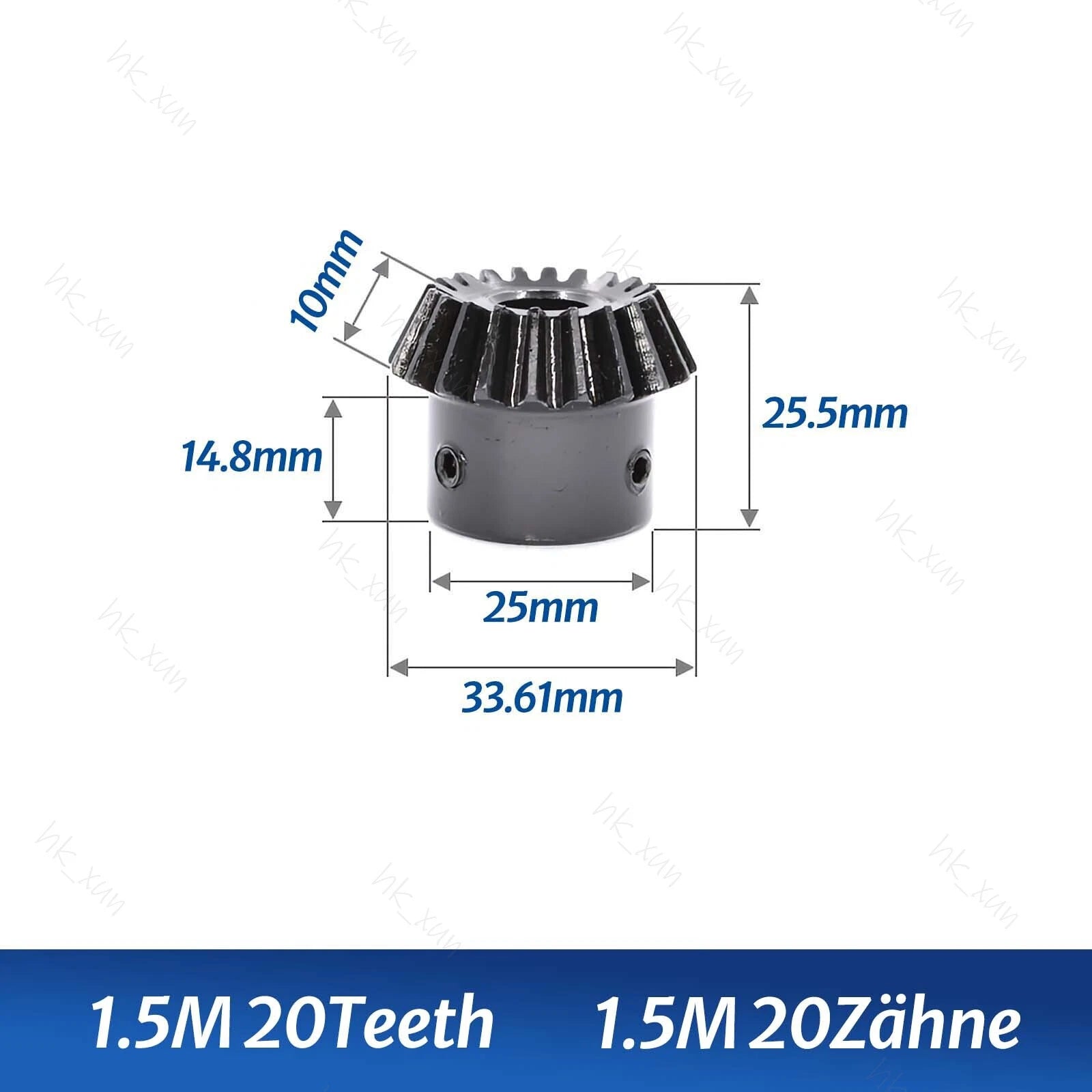
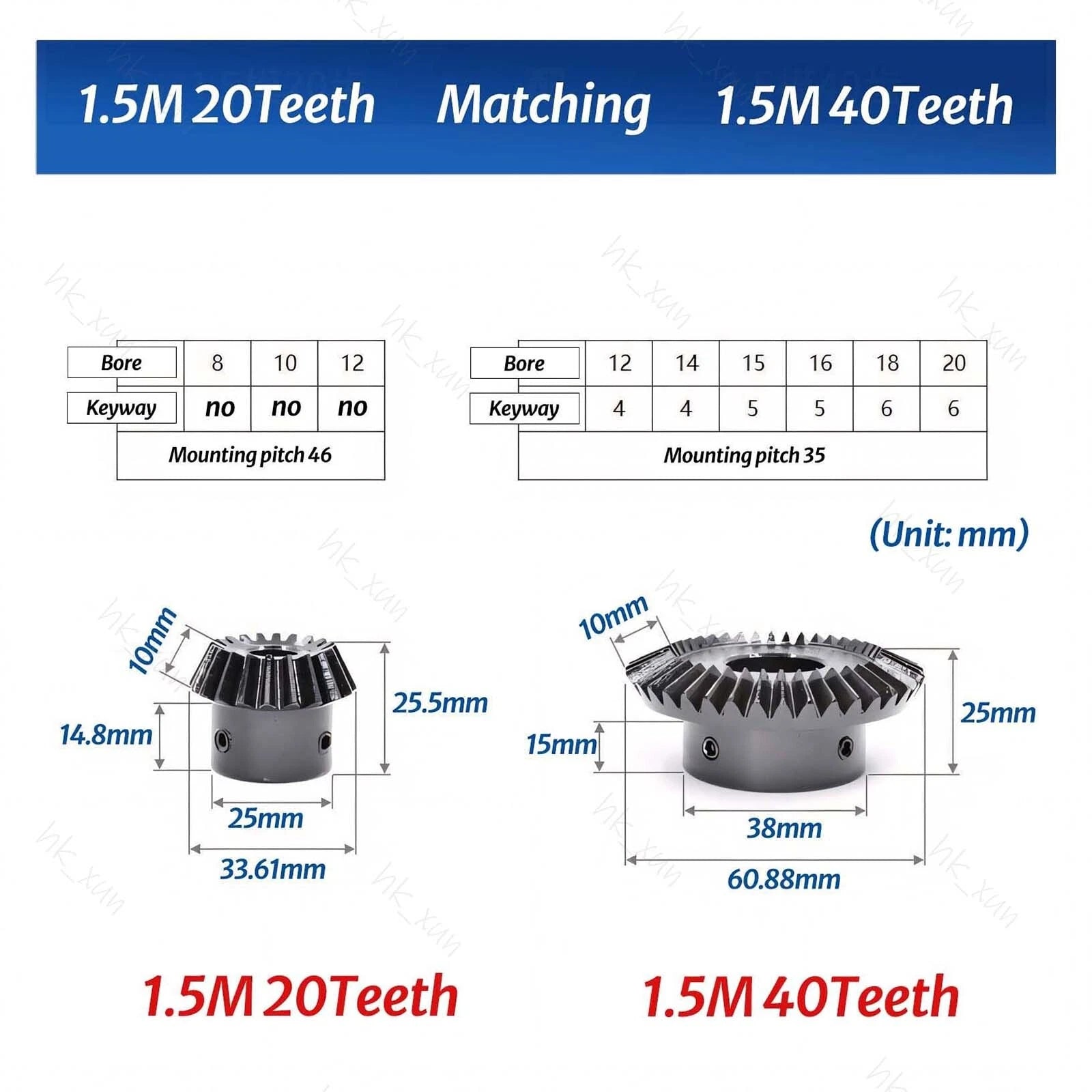
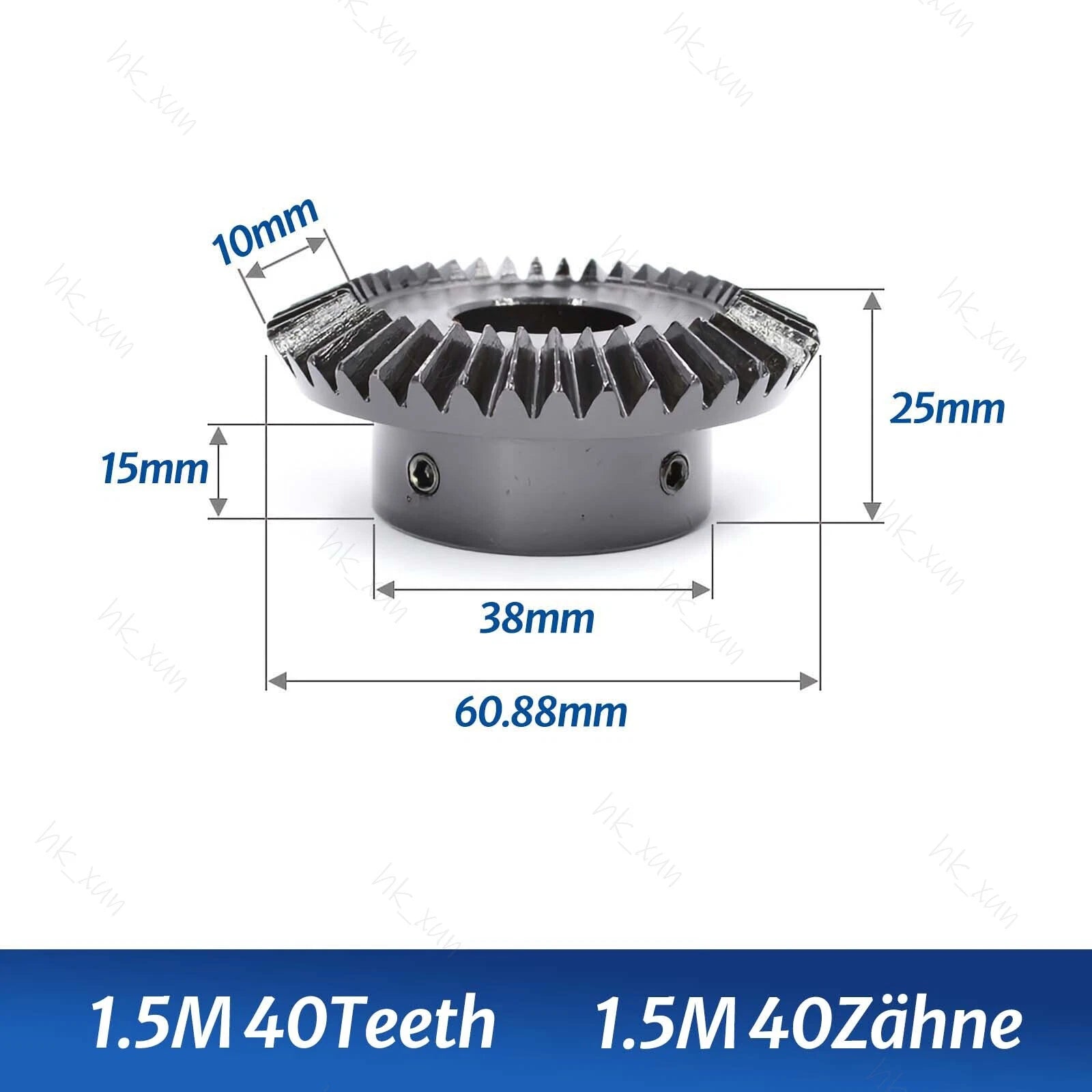
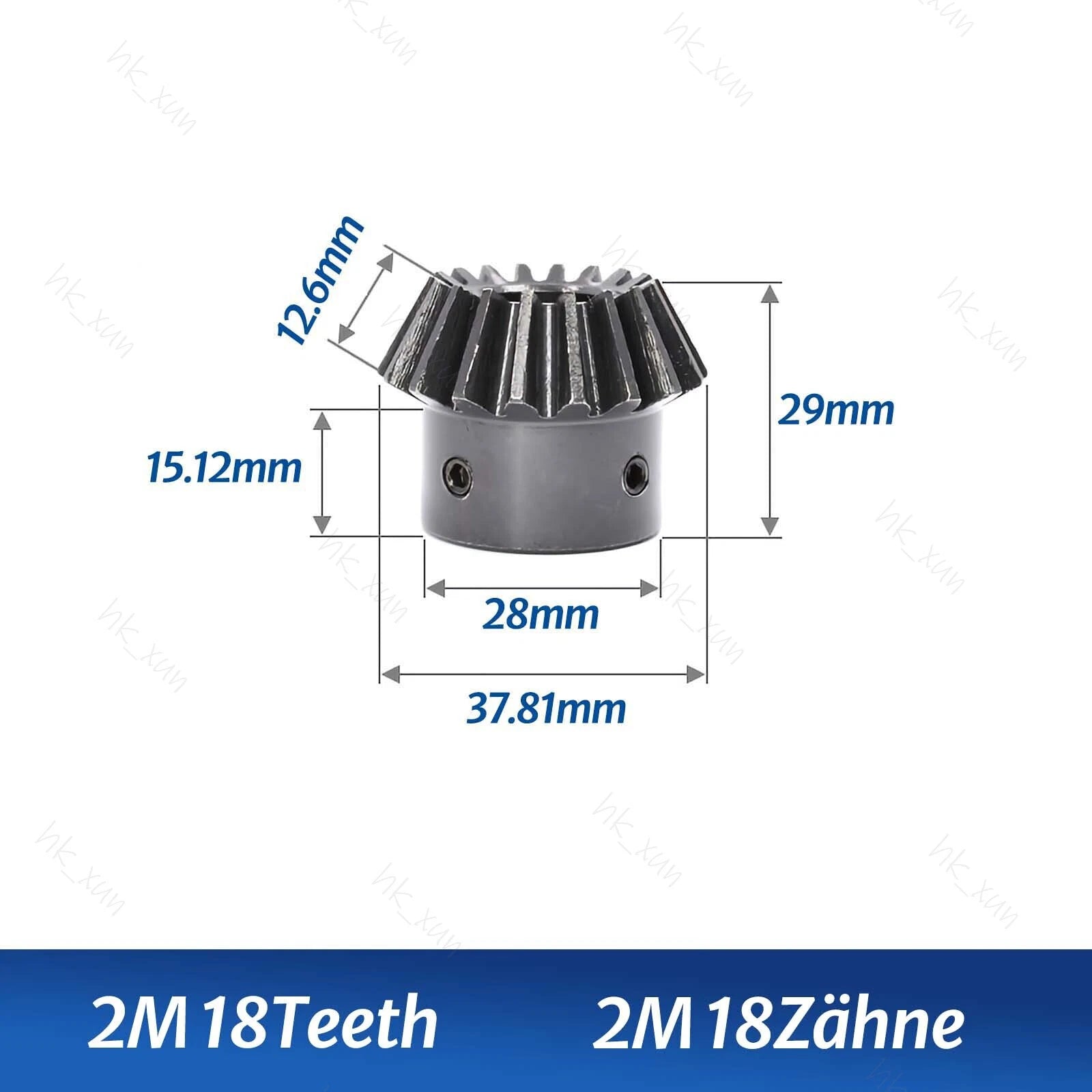
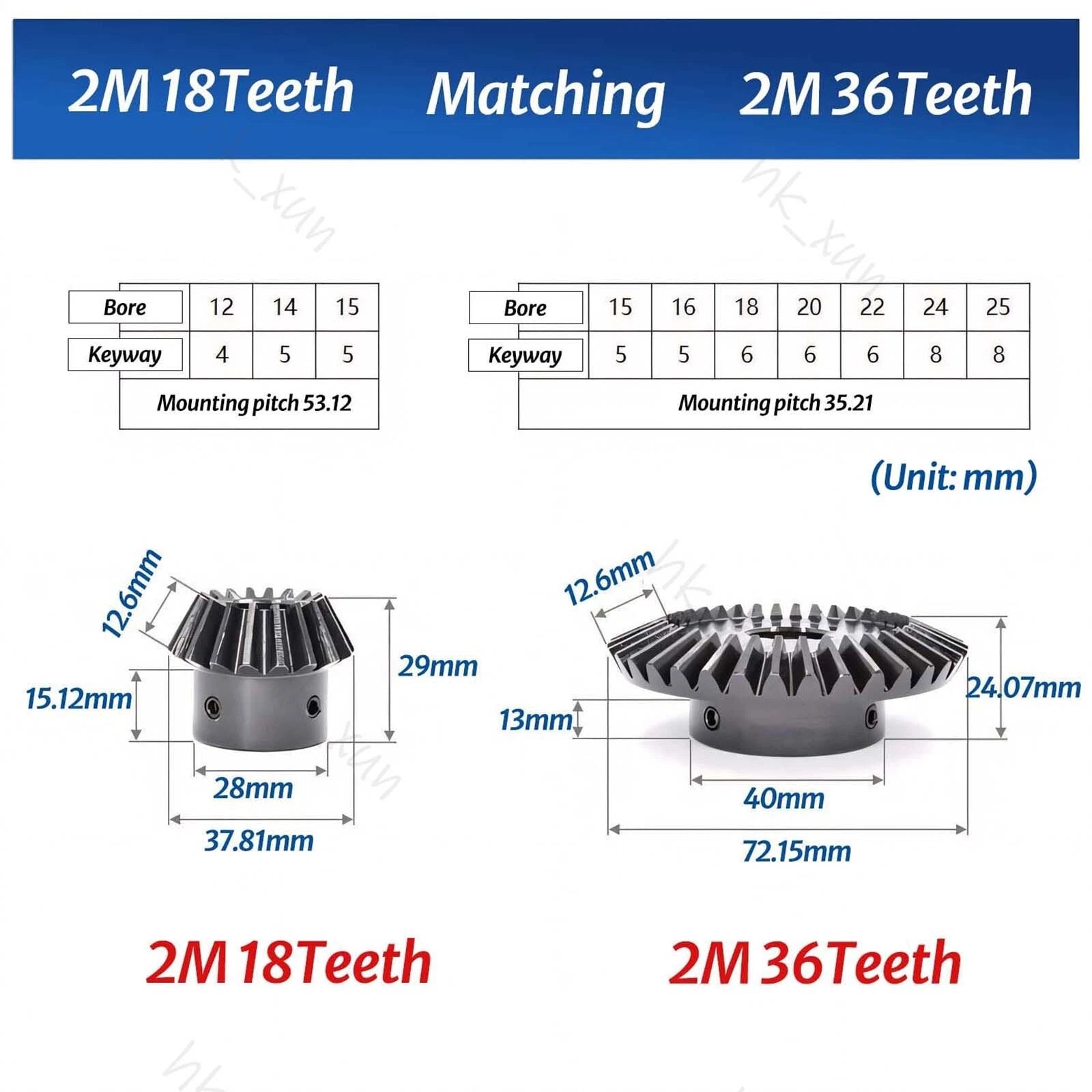
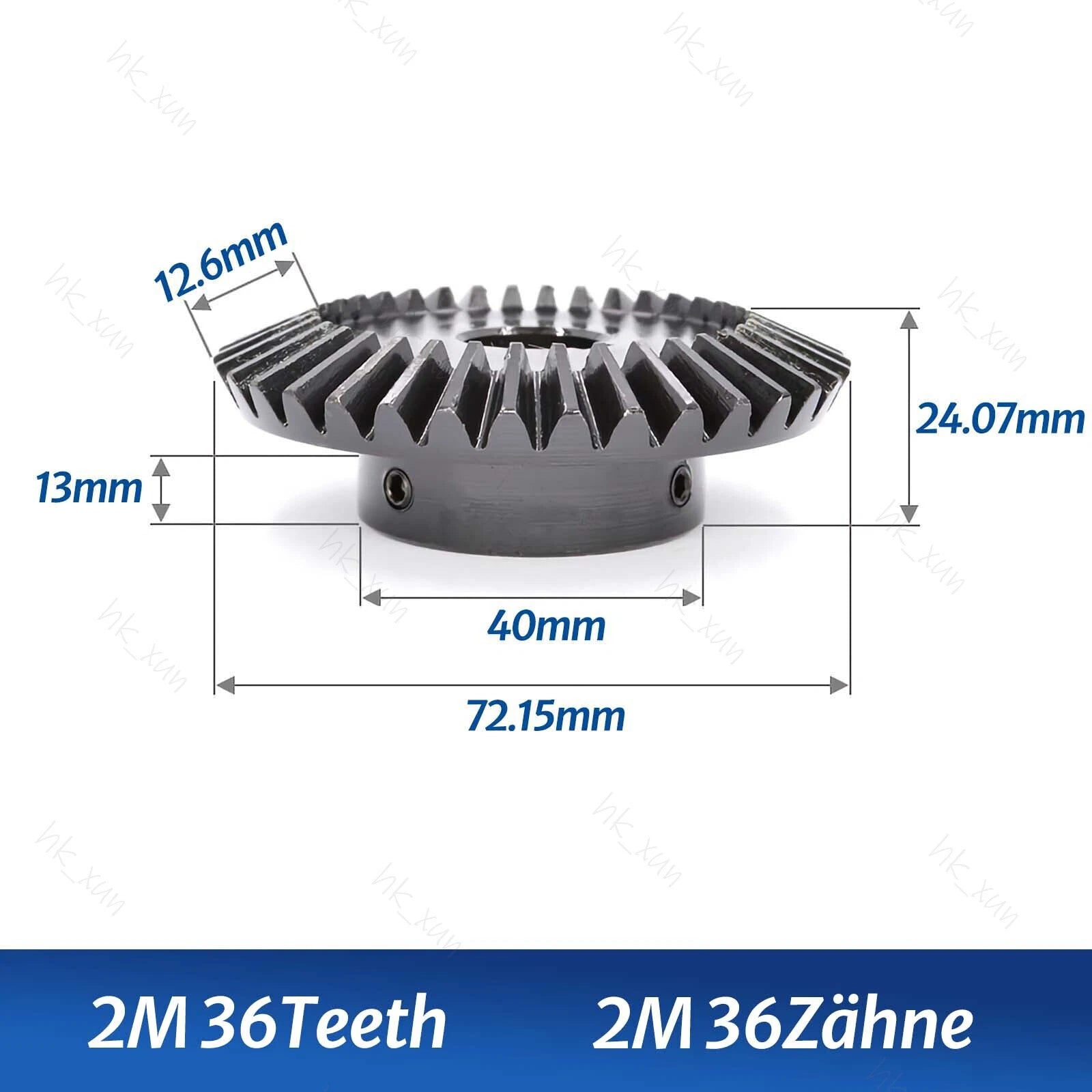
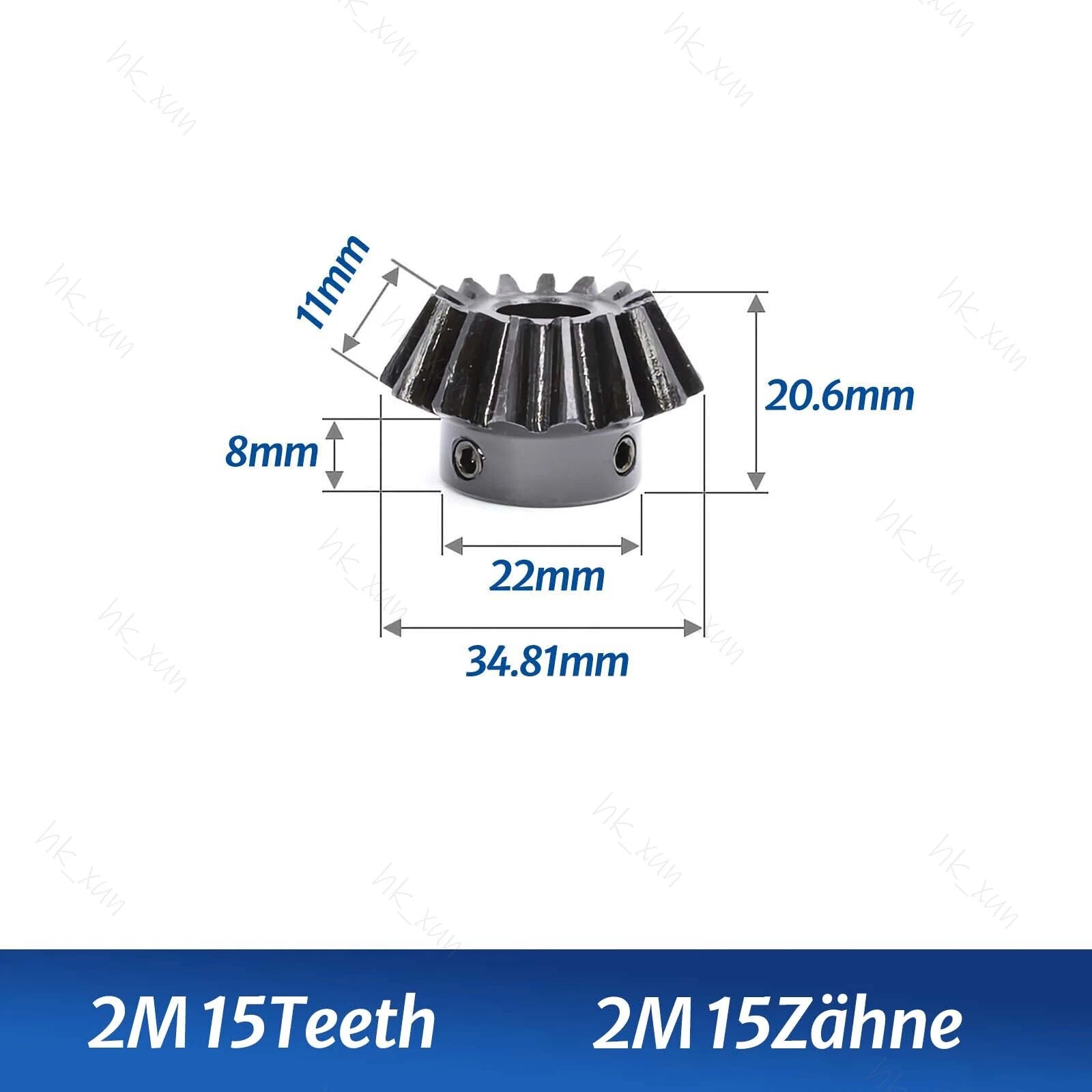
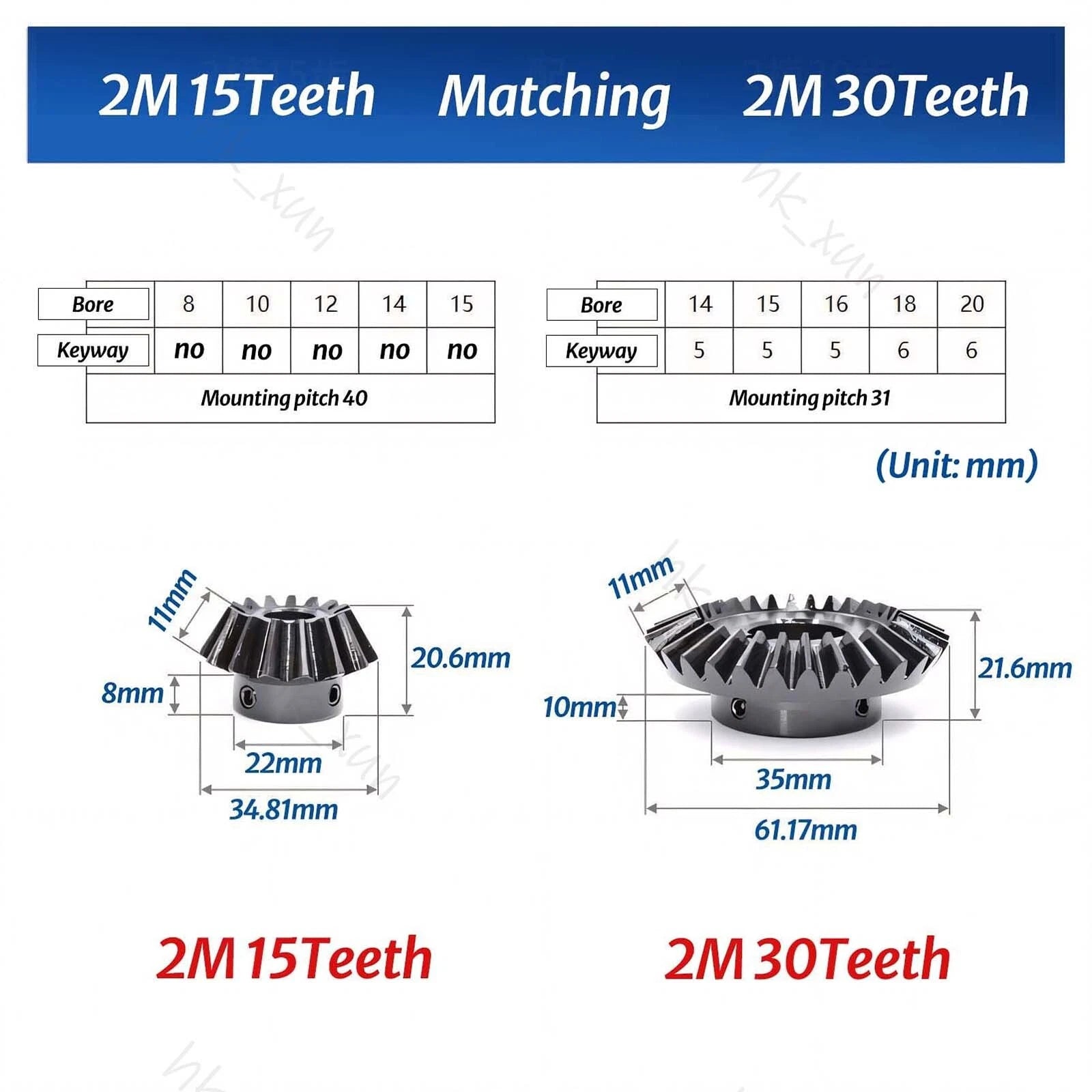
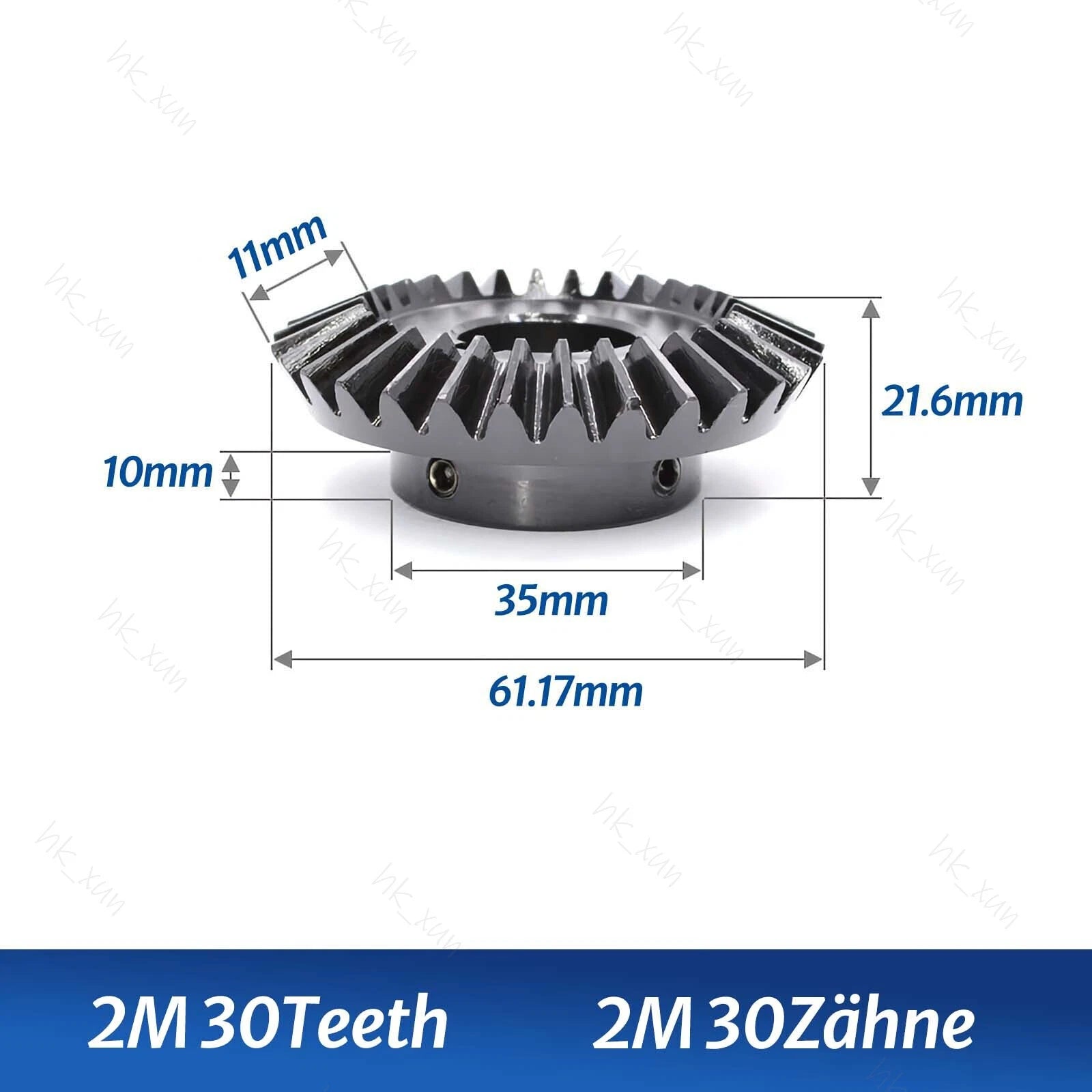
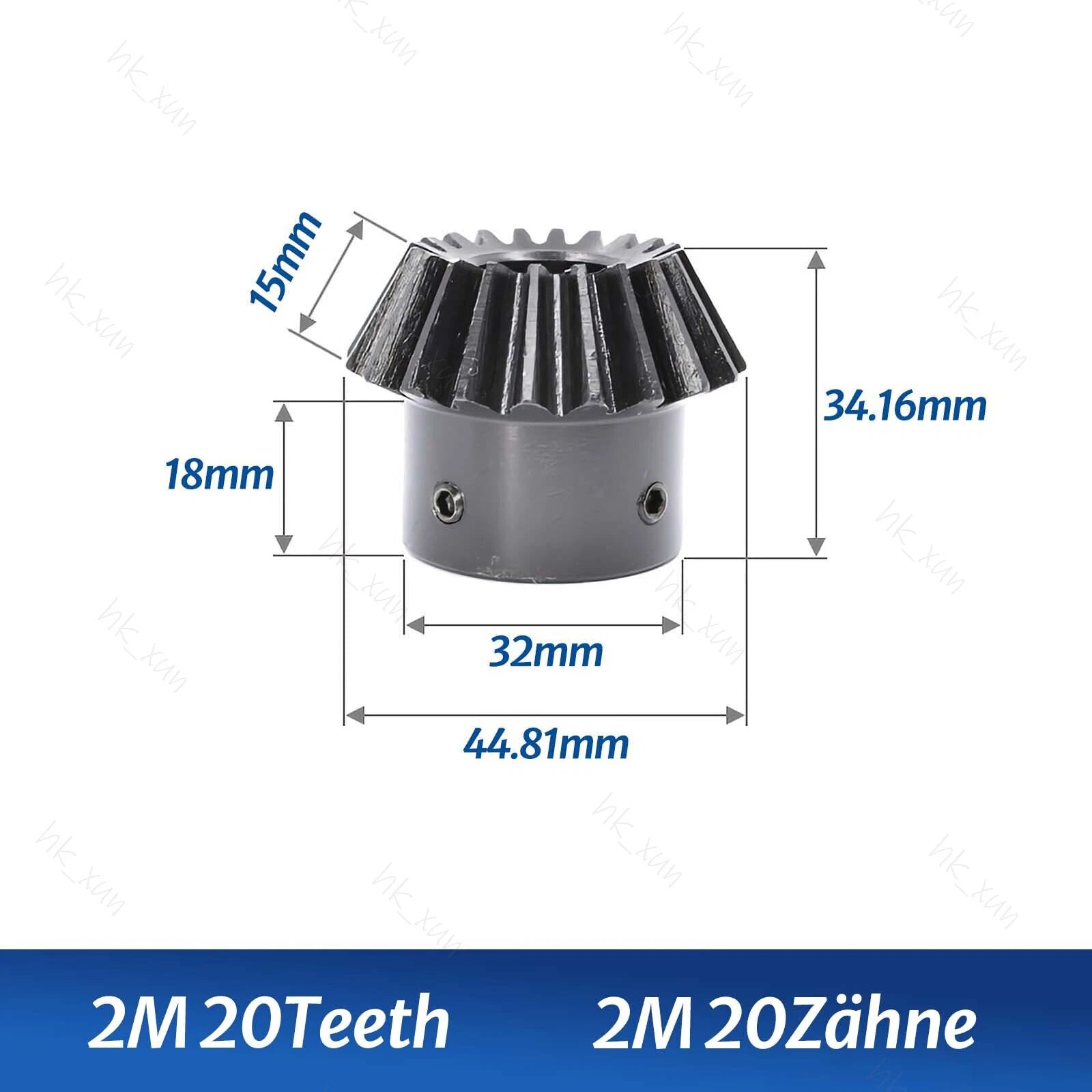
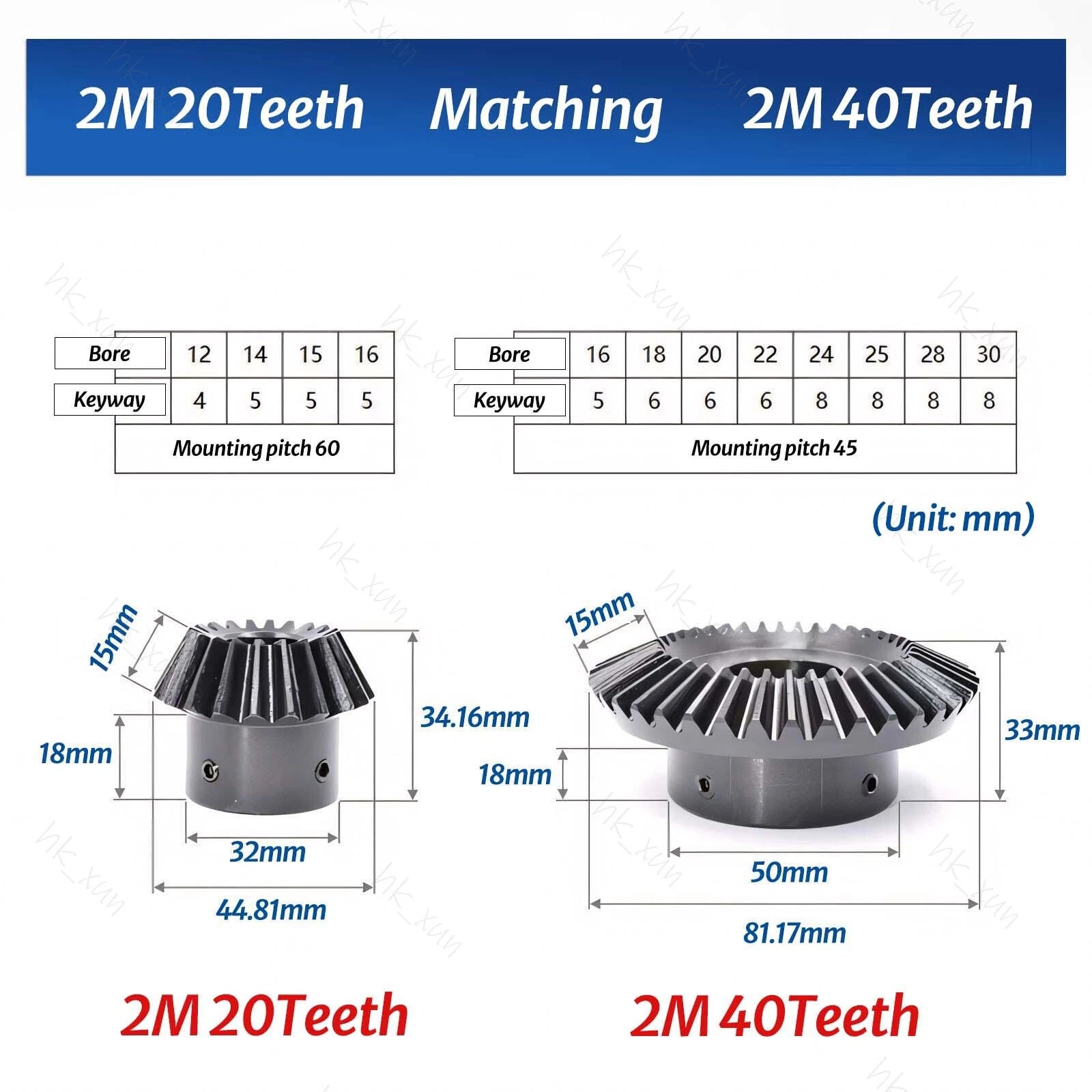
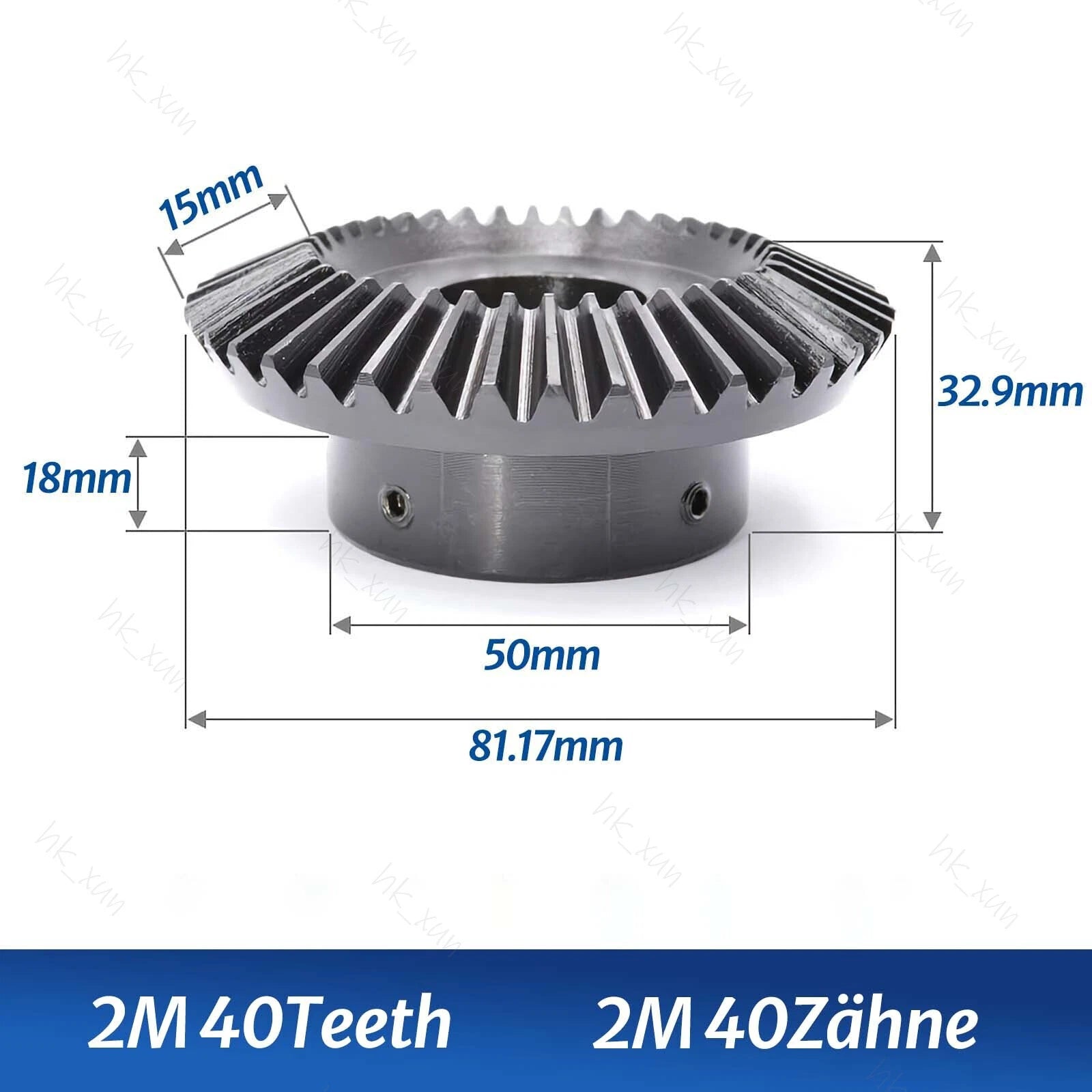
These 1/1.5/2 Mod bevel gears are machined from 45# medium-carbon steel and sold as matched 1:2 ratio pairing sets (one pinion + one gear). Available in module sizes 1, 1.5, and 2, with tooth counts ranging from 15 to 40 teeth, and bore diameters from 6 mm (0.24 in) to 30 mm (1.18 in). Optional keyway configurations are available on select bore sizes to lock the gear firmly to the shaft.
Typical use cases include small-format CNC router axis drives requiring a 90° bevel gear set, DC motor gearbox assemblies in robotics and automation rigs, and DIY power transmission projects such as go-kart differentials or conveyor corner drives where a compact right-angle bevel gear pair keeps the footprint tight.
Machined from 45# steel for a balance of toughness and machinability, delivering consistent tooth geometry and resistance to deformation under moderate-to-high torque loads.
Choose the module that matches your existing drivetrain. Larger modules handle higher torque; smaller modules suit compact, low-load applications. All modules conform to standard metric gear geometry.
Engineered for true 90° right-angle power transmission with a fixed 1:2 speed reduction ratio, making these bevel gears ideal for motor-to-shaft direction changes in robotics and automation.
Bore options span 6 mm through 30 mm to accommodate a broad range of motor and shaft diameters. Select the bore that matches your shaft for a secure, concentric fit.
Select variants include a machined keyway slot, allowing a standard key to positively lock the gear to the shaft and prevent rotational slip under reversing or shock loads.
Each order includes a matched pinion-and-gear pair pre-selected for the 1:2 ratio, eliminating the guesswork of sourcing compatible mates and ensuring correct tooth contact from the first assembly.
| Material | 45# Medium-Carbon Steel |
|---|---|
| Module (Mod) | 1M / 1.5M / 2M (see variant options) |
| Tooth Count Range | 15 – 40 Teeth (see variant options) |
| Gear Ratio | 1:2 |
| Mesh Angle | 90° |
| Bore Diameter | 6 mm – 30 mm (0.24 in – 1.18 in) (see variant options) |
| Keyway | Available on select bore sizes (see variant options) |
| Pressure Angle | 20° (standard metric bevel gear) |
| Surface Finish | Machined, natural steel |
| Set Contents | 1 × Pinion + 1 × Gear (matched pair) |
| Weight | See variant options |
| Application | Right-angle power transmission, robotics, CNC, DIY drives |
Module (Mod) is the fundamental sizing unit for metric gears. Mod 1 suits light-load, compact applications such as small robotics or hobby CNC. Mod 1.5 is a mid-range choice for moderate torque and slightly larger shafts. Mod 2 handles higher torque and is common in heavier DIY machinery. The module of the bevel gear must match the module of any mating gear in your drivetrain — mixing modules will result in incorrect tooth mesh and rapid wear.
Measure your motor or drive shaft diameter precisely with calipers. Select the bore option that matches your shaft diameter exactly — a loose bore causes runout and vibration, while an undersized bore cannot be installed without machining. If your shaft falls between listed bore sizes, choose the next size up and use a keyway with a key and set screw, or have the bore finish-machined to your exact dimension.
A keyway is recommended whenever your application involves reversing loads, shock loads, or high torque that could cause the gear to spin on the shaft. The keyway slot is machined to standard metric DIN 6885 proportions for the given bore size. If your shaft already has a matching keyway cut, select the corresponding keyway variant. For light, unidirectional loads a set screw alone may suffice — in that case, the "Without Keyway" option is appropriate.
These gears are machined from 45# medium-carbon steel, which has a tensile strength of approximately 600–800 MPa in the normalized condition. Actual load capacity depends on module size, tooth count, operating speed, lubrication, and duty cycle. Larger modules (2M) and higher tooth counts distribute load over more tooth area and are better suited to sustained or high-torque applications. For critical load calculations, apply standard AGMA or ISO 6336 bevel gear rating methods using the gear geometry data provided.
45# steel is not inherently corrosion-resistant. For outdoor, humid, or washdown environments, apply a suitable gear lubricant or grease to the tooth surfaces and bore, and consider a protective coating or housing to shield the gears from moisture. If corrosion resistance is a primary requirement, stainless steel or plastic bevel gears may be more appropriate for your application.
These are sold as matched 1:2 pairing sets — one pinion (fewer teeth) and one gear (more teeth) — specifically lapped or machined to mesh together at the correct 90° angle and tooth contact pattern. Using one gear from this set with a gear from a different set or manufacturer is not recommended, as tooth geometry tolerances may differ, leading to uneven contact, noise, and accelerated wear. Always use the matched pair together.
For most DIY and light industrial applications, a medium-viscosity gear oil (ISO VG 220) or a lithium-based grease applied to the tooth flanks and bore is sufficient. Reapply lubrication periodically based on operating hours and load. Avoid dry running, which accelerates tooth surface wear. For enclosed gearbox housings, an oil bath at the appropriate level for the gear size is ideal.