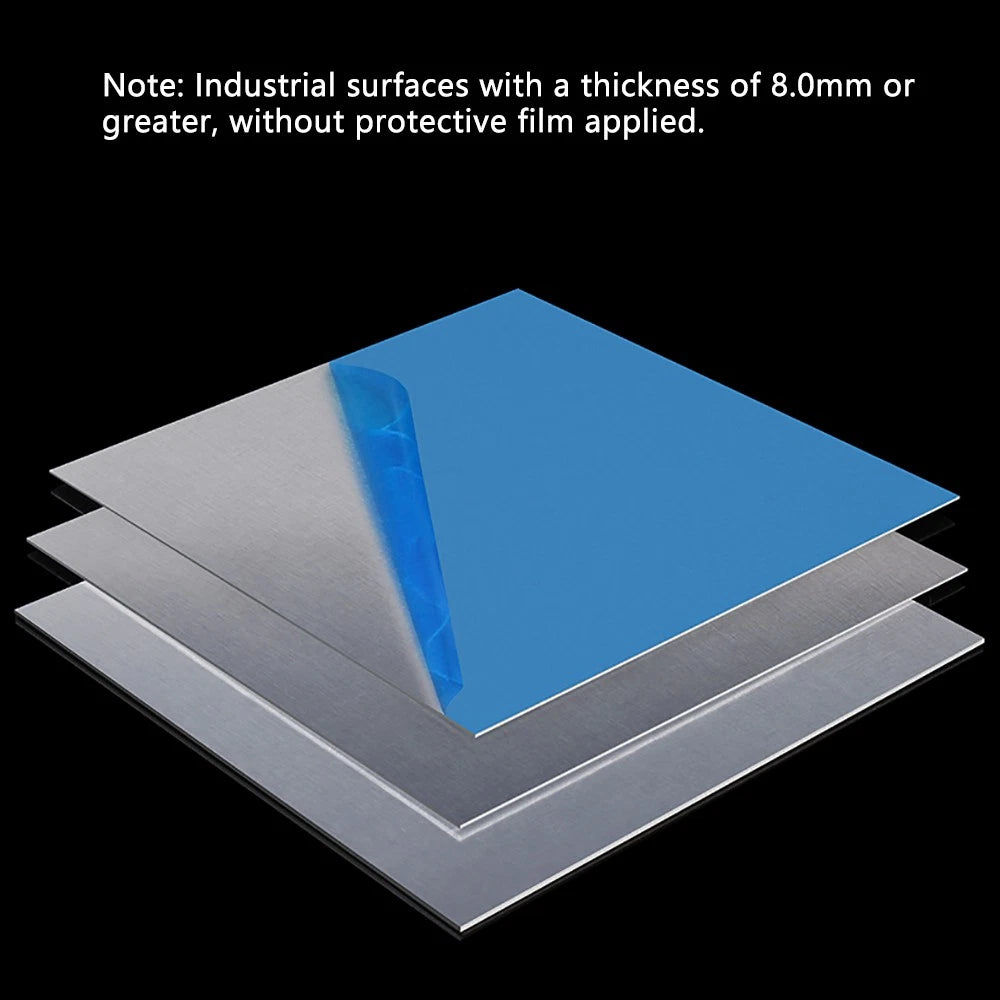
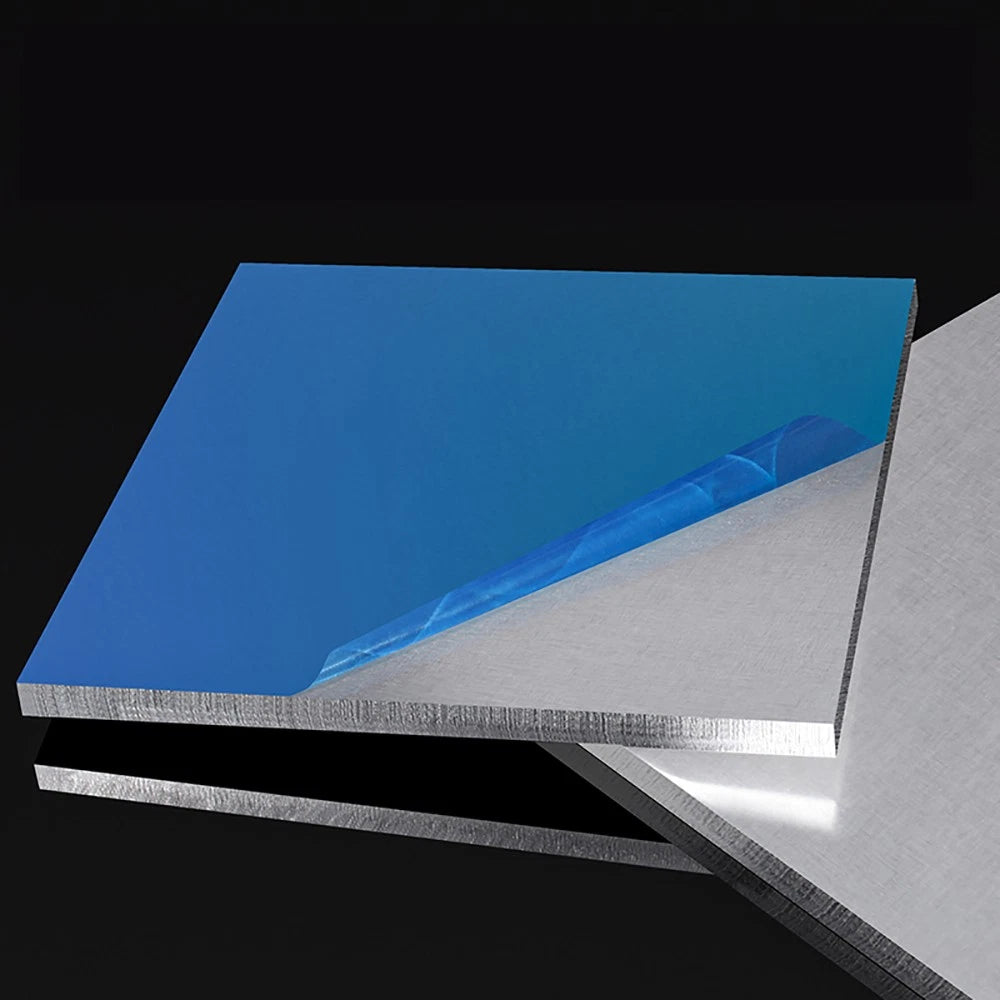
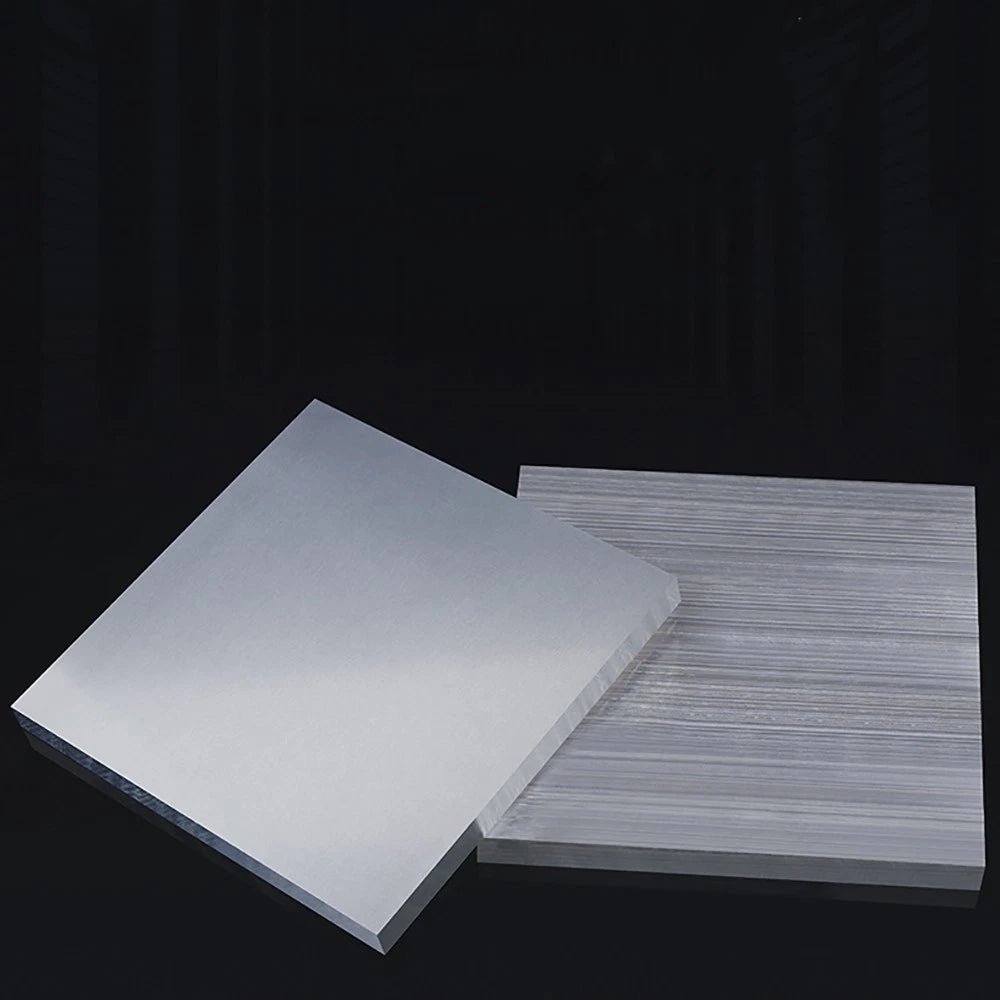
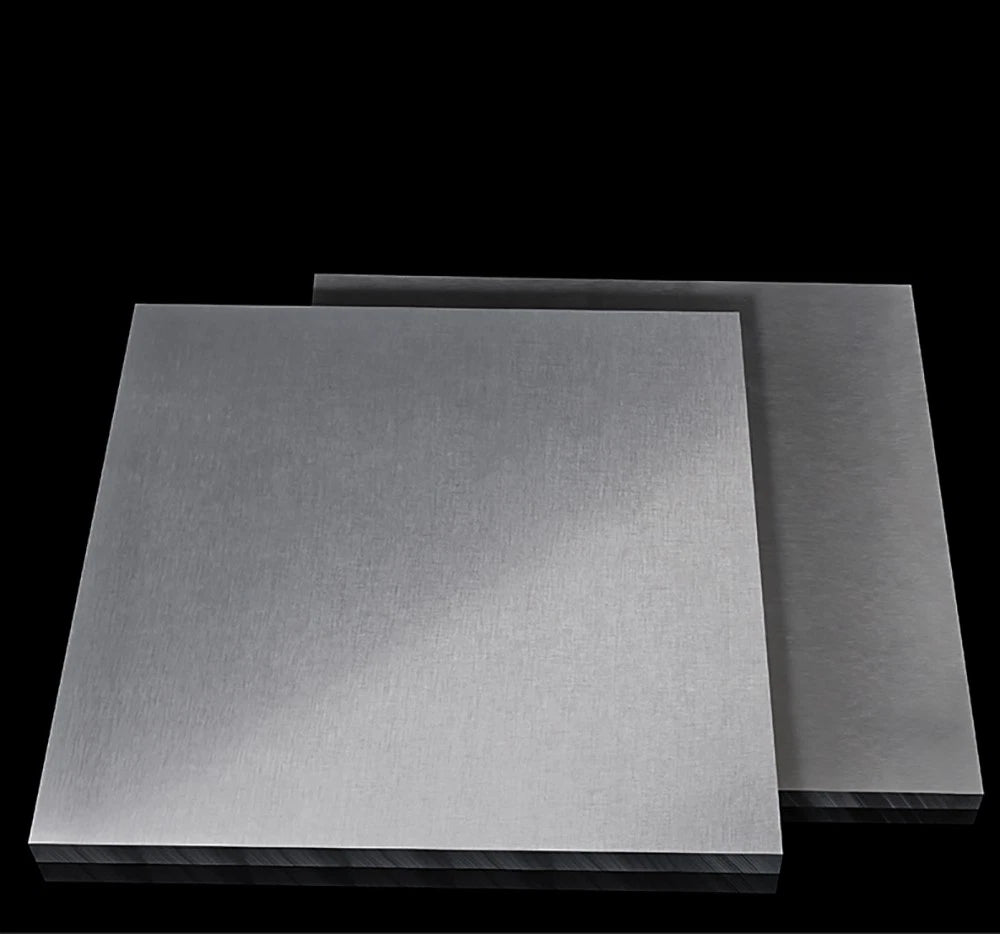
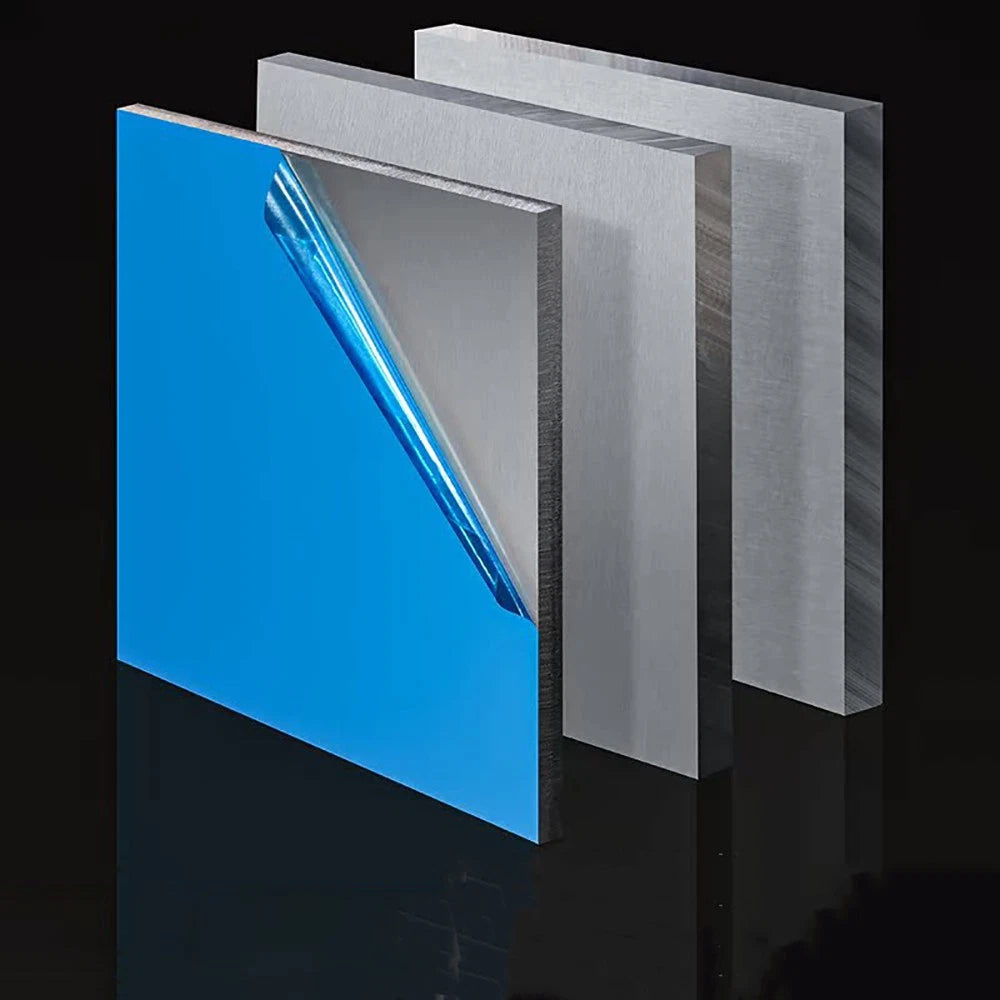
1060/6061 Aluminum Sheet Aluminium Alloy Plate Thick 1mm 1.2mm 1.5mm 2mm-10mm

No reviews

Price:
Sale price$4.83 USD
Stock:
In stock (500 units), ready to be shipped

Payment & Security

Ach Direct Debit Amazon American Express Apple Pay Bancontact Diners Club Discover Google Pay iDEAL Wero Mastercard PayPal Shop Pay USDC Visa

Your payment information is processed securely. We do not store credit card details nor have access to your credit card information.

Quantity Discount Promotion
🎯 BULK DISCOUNT: Buy More, Save More!
Buy 2 Items
5% OFF
Buy 4 Items
10% OFF
Buy 6 Items
15% OFF
Expert

DIY Expert Support

Get fitment advice & recommendations

Mon-Fri, 8:30AM-8PM
24-Hour Fast Ship
🚚
Arrives in 3-14 days
🌍
Global Reach
↩️
30-Day Returns
🌱 1 tree planted with every purchase

Description

1060 & 6061 Aluminum Sheet — Flat Alloy Plate for DIY Fabrication & Repair

When a project calls for a reliable flat metal blank — whether you're patching a bracket, fabricating a custom mount, or cutting a precise template — sourcing the right aluminum sheet in the right thickness matters. Hobbyists, makers, and small-shop fabricators often struggle to find cut-to-size aluminum plate without ordering large minimums. These 1060 and 6061 aluminum sheet plates are stocked in a wide range of dimensions and thicknesses so you can order exactly what your build requires.

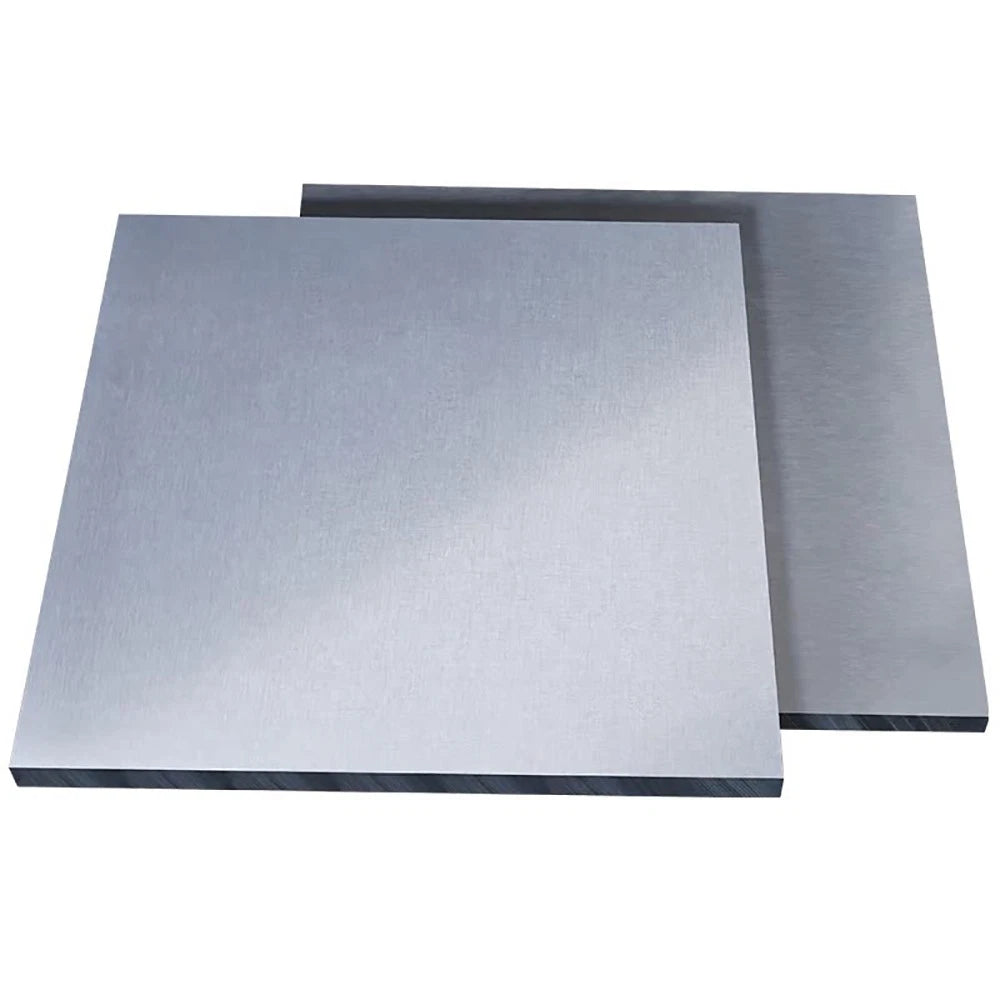
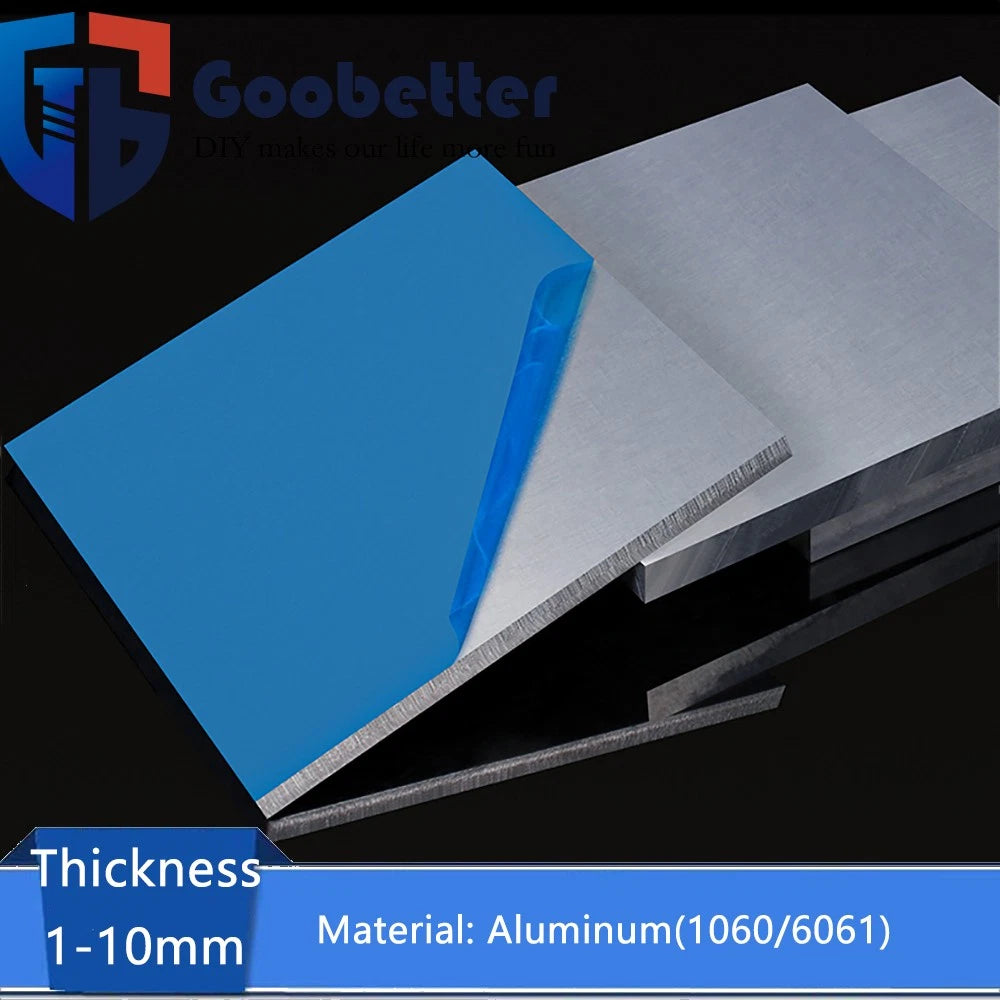
Each sheet is a flat, rectangular aluminum alloy plate available in two alloy grades — 1060 (commercially pure, high corrosion resistance) and 6061 (structural-grade, heat-treatable) — with dimensions ranging from 100 mm × 100 mm up to 300 mm × 300 mm (approx. 3.9" × 3.9" to 11.8" × 11.8") and thickness options from 1 mm to 10 mm (approx. 0.04" to 0.39"). Quantities of 1, 2, or 3 pieces are available per order.

These aluminum sheet plates are well-suited for DIY enclosure fabrication, custom bracket and shim stock cutting, model-making and prototyping, heat-sink blanks, and general metalworking repair tasks where a flat, machinable alloy plate is needed.

⚙️ Alloy Compatibility: 1060 alloy is ideal for bending, forming, and corrosion-prone environments. 6061 alloy suits structural, load-bearing, or machined applications. Select your alloy type above.

✅ Key Features of These Aluminum Sheet Plates

  • 🔩 Two Alloy Grades: Choose 1060 (high-purity, excellent formability and corrosion resistance) or 6061 (heat-treatable structural alloy with good machinability and strength).
  • 📏 Wide Size Range: Nine sheet dimensions from 100 × 100 mm to 300 × 300 mm let you match the blank to your project without excess waste.
  • 📐 Multiple Thickness Options: Nine thickness steps — 1 mm, 1.2 mm, 1.5 mm, 2 mm, 3 mm, 4 mm, 5 mm, 6 mm, 8 mm, and 10 mm — cover light-gauge to structural-weight applications.
  • ✂️ Flat, Machinable Surface: Sheets arrive flat and ready for drilling, cutting, bending, or anodizing without additional surface prep.
  • 🛡️ Corrosion-Resistant Alloy: Both 1060 and 6061 aluminum resist oxidation in typical indoor and sheltered outdoor environments, reducing the need for additional coating in many applications.
  • 📦 Flexible Quantity Options: Order 1, 2, or 3 pieces per variant to match your project quantity without over-buying.

📐 Technical Specifications — Aluminum Sheet Plate

Alloy Grade 1060 Aluminium / 6061 Aluminium (see variant options)
Sheet Dimensions (W × L) 100×100 mm to 300×300 mm — see variant options (approx. 3.9"×3.9" to 11.8"×11.8")
Thickness 1 mm, 1.2 mm, 1.5 mm, 2 mm, 3 mm, 4 mm, 5 mm, 6 mm, 8 mm, 10 mm — see variant options
Surface Condition Mill finish (uncoated, flat)
Temper — 1060 O (annealed / soft)
Temper — 6061 T6 (solution heat-treated and artificially aged)
Quantity per Order 1 Pc / 2 Pcs / 3 Pcs — see variant options
Weight See variant options
Compatible Uses Brackets, shims, enclosures, heat sinks, prototyping, general fabrication

❓ Frequently Asked Questions

What is the difference between 1060 and 6061 aluminum?

1060 aluminum is a commercially pure alloy (99.6% Al minimum) known for excellent corrosion resistance, high electrical conductivity, and easy formability — it bends and shapes without cracking. 6061 is a heat-treatable structural alloy containing magnesium and silicon; it offers significantly higher tensile strength and is better suited for machined parts, load-bearing brackets, and applications where rigidity matters more than formability.

Which thickness should I choose for my project?

For light-duty shims, templates, or decorative panels, 1 mm–1.5 mm is typically sufficient. For structural brackets, mounting plates, or parts that will be drilled and tapped, 2 mm–4 mm provides a better balance of rigidity and workability. Thicknesses of 5 mm–10 mm are suited for heavy-duty fixtures, tooling plates, or applications requiring significant load resistance. When in doubt, size up — aluminum is easy to machine down but cannot be added back.

Are these sheets corrosion-resistant for outdoor use?

Both 1060 and 6061 aluminum naturally form a thin oxide layer that protects against corrosion in most indoor and sheltered outdoor environments. For prolonged direct exposure to moisture, salt spray, or harsh chemicals, applying an anodizing treatment or a compatible primer and paint system is recommended to extend service life.

Can I cut, drill, or bend these sheets at home?

Yes. 1060 aluminum (O temper) is particularly easy to cut with a utility knife score-and-snap method for thin gauges, or with a jigsaw/circular saw fitted with a non-ferrous metal blade. It bends cleanly over a straight edge. 6061-T6 is harder and requires power tools for cutting and drilling; it can be bent but may crack on tight radii without annealing first. Always use cutting fluid when drilling to extend bit life and achieve cleaner holes.

How do I select the right sheet size for my application?

Measure the finished part dimensions you need, then add at least 5–10 mm on each edge to allow for clamping, cutting kerf, and any edge cleanup. For example, if your finished bracket is 90 mm × 140 mm, a 100 mm × 150 mm sheet gives you a workable margin. If your part spans multiple sizes, choose the next size up rather than trying to join two smaller sheets.

Is 6061 aluminum suitable for welding or anodizing?

6061 aluminum is weldable using TIG or MIG processes with 4043 or 5356 filler wire, though the heat-affected zone will lose some of its T6 temper strength. It anodizes well, producing a uniform, durable oxide layer that accepts dye for color finishing. 1060 also anodizes cleanly and is commonly used for decorative anodized finishes due to its high purity.

How many pieces do I receive per order?

You can select 1, 2, or 3 pieces per order using the Amount variant option. Each piece is one individual flat sheet of the size and thickness you select. If you need larger quantities, simply adjust the cart quantity after selecting your variant, or contact us to discuss bulk options.

🛒 Select your Size, alloy Type, and Amount above, then add to cart.

You may also like

Recently viewed